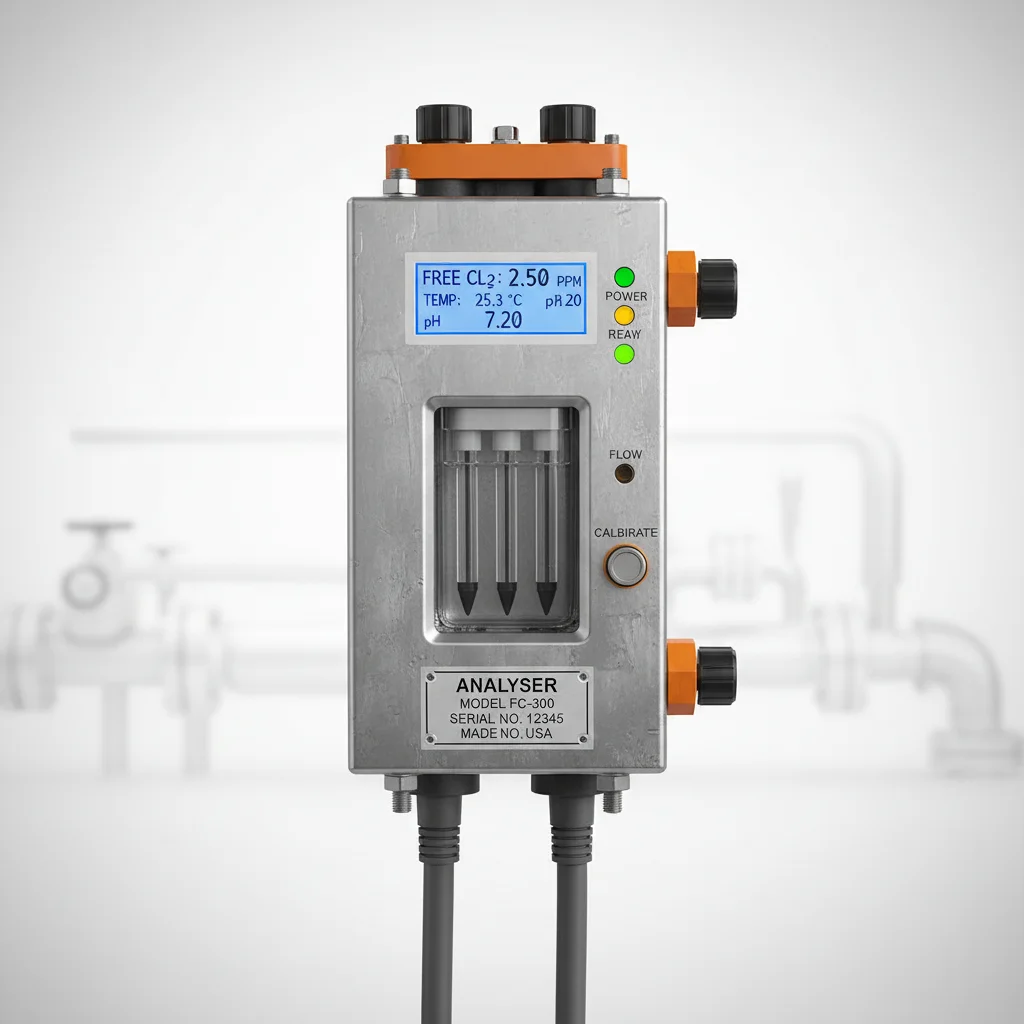
In the modern landscape of industrial water management, the ability to monitor multiple chemical and physical properties simultaneously is critical for operational efficiency. A multi parameter analyzer serves as the central nervous system for water quality monitoring, allowing operators to track various indices like dissolved oxygen, pH, and conductivity in real-time. By consolidating these metrics into a single streamlined workflow, industries can move away from fragmented data and toward a holistic understanding of their aquatic environments.
The global demand for high-precision instrumentation has surged as regulatory bodies tighten environmental compliance standards. Whether in large-scale wastewater treatment plants or specialized aquaculture facilities, the implementation of a multi parameter analyzer helps in preventing catastrophic failures, such as hypoxia in fish farms or chemical imbalances in industrial boilers. This integration not only ensures the safety of the ecosystem but also significantly reduces the manual labor associated with individual sensor sampling.
For those seeking to optimize their monitoring infrastructure, investing in a high-performance multi parameter analyzer is the most effective way to ensure long-term stability and data reliability. By leveraging advanced sensing technologies, such as those found in the innoSens 420 Dissolved Oxygen sensor, users can achieve laboratory-grade accuracy directly in the field, ensuring that every drop of water meets the required industrial specifications.

Global Relevance of Multi Parameter Analysis
On a global scale, water scarcity and pollution have made the precise monitoring of water chemistry a priority for the United Nations' Sustainable Development Goals. The integration of a multi parameter analyzer allows municipalities and industrial zones to detect pollutants and oxygen depletion almost instantaneously, preventing ecological disasters before they escalate.
In regions where water quality fluctuates rapidly due to industrial discharge or climatic changes, having a synchronized system that tracks dissolved oxygen (DO) alongside other parameters is essential. This high-level oversight ensures that aeration systems are optimized, reducing energy waste while maintaining the strict oxygen levels required for biological wastewater treatment.
Defining the Multi Parameter Analyzer System
A multi parameter analyzer is an advanced analytical instrument designed to measure several different water quality variables—such as dissolved oxygen, pH, conductivity, and turbidity—using a single interface or a coordinated network of sensors. Unlike single-purpose meters, these systems provide a comprehensive "snapshot" of water health, allowing for a more nuanced interpretation of how different parameters interact.
In modern industrial contexts, these analyzers are the bridge between raw physical data and actionable operational intelligence. For instance, when monitoring dissolved oxygen via a high-precision sensor like the innoSens 420, the system doesn't just report a number; it provides a data point that, when compared with temperature and salinity, allows the operator to calculate the exact saturation levels of the water.
This connectivity is vital for humanitarian and environmental needs, particularly in protecting potable water sources and managing aquaculture. By automating the detection of critical thresholds, these systems remove the risk of human error and ensure that life-supporting oxygen levels are maintained without the need for constant manual sampling.
Core Components of Precision Water Monitoring
The effectiveness of a multi parameter analyzer depends heavily on the quality of its individual sensing elements. For dissolved oxygen monitoring, the choice of sensor technology determines the stability and response time of the entire system. Industrial-grade materials, such as the polymer and steel construction found in the innoSens 420, ensure that the hardware can withstand corrosive environments.
Stability and calibration are the two most critical factors for any multi parameter analyzer. Advanced membrane technology is employed to minimize drift, which means the sensor remains accurate for longer periods. This reduction in calibration frequency—moving from weekly to quarterly intervals—significantly lowers the total cost of ownership for the operator.
Furthermore, the integration capabilities of the system are paramount. A professional multi parameter analyzer must support standard industrial outputs like 4-20mA and Modbus RTU. This ensures that the data flows seamlessly into SCADA systems or PLCs, enabling automated responses such as triggering blowers when oxygen levels drop below a specific set point.
Industrial Applications and Real-World Use Cases
In the wastewater treatment sector, the use of a multi parameter analyzer is indispensable for managing the activated sludge process. By precisely monitoring dissolved oxygen (DO) in the aeration tank, plants can prevent over-oxygenation, which wastes immense amounts of electricity, or under-oxygenation, which can kill the beneficial bacteria required to treat the waste.
Beyond wastewater, these systems are critical in aquaculture and industrial process control. In high-density fish farming, a sudden drop in oxygen can lead to total stock loss within hours; here, the real-time tracking capabilities of the analyzer provide the necessary alarm notifications via SMS or email to alert staff instantly.
Efficiency Comparison of Water Analysis Methods
Long-Term Value and Economic Advantages
The financial argument for implementing a sophisticated multi parameter analyzer is rooted in the reduction of operational expenditures (OPEX). By utilizing demand-based aeration—where blowers only run when the sensor indicates a need—facilities can see a dramatic drop in energy consumption compared to constant-rate aeration.
Moreover, the extended service life of high-end sensors reduces the frequency of part replacements. For example, the innoSens 420 offers an ROI period of 12-18 months, significantly shorter than standard sensors, thanks to its low-maintenance membrane technology and ultra-stable output that minimizes costly downtime.
Future Trends in Digital Water Analysis
The future of water quality monitoring is moving toward the "Digital Twin" concept, where data from a multi parameter analyzer is used to create a real-time virtual replica of the water system. This allows operators to run simulations and predict how changes in flow or chemical dosing will affect dissolved oxygen and other critical levels before they are implemented.
AI-driven predictive maintenance is another burgeoning trend. Instead of following a fixed calendar for calibration, systems will use machine learning to analyze drift patterns and notify technicians only when the sensor actually requires attention, further optimizing the maintenance cycle.
Sustainability will also drive innovation, with a shift toward "green" sensors that require fewer chemical reagents and consume less power. The integration of cloud-based remote monitoring platforms allows a single expert to manage dozens of sites globally from one dashboard, ensuring consistency in water quality standards across different continents.
Overcoming Technical Challenges in Deployment
One of the primary challenges in deploying a multi parameter analyzer is sensor fouling, where biological growth or mineral deposits coat the sensing membrane. To combat this, the industry is adopting protective shrouds and advanced polymer materials that resist adhesion, ensuring that the fast response time (T90 < 60s) is maintained even in turbid waters.
Another common hurdle is the effect of salinity on dissolved oxygen readings. In brackish or saltwater environments, the solubility of oxygen changes, which can lead to inaccurate data. The solution lies in integrating salinity compensation within the controller, allowing the system to adjust the raw signal based on the current conductivity of the water.
Finally, the complexity of integrating diverse sensors into an existing PLC can be daunting. By standardizing on Modbus RTU and 4-20mA outputs, modern analyzers ensure "plug-and-play" compatibility, reducing the need for custom wiring and expensive software middleware.
Comparative Analysis of Multi Parameter Monitoring Specifications
| Metric Dimension |
Standard Sensor Approach |
Advanced Analyzer System |
Impact on ROI |
| Calibration Cycle |
Weekly/Bi-Weekly |
Monthly/Quarterly |
Lower Labor Cost |
| Energy Strategy |
Constant Aeration |
Demand-Based Logic |
Reduced Electricity Bill |
| Data Stability |
Moderate Drift |
Ultra-Stable Output |
Higher Compliance Rate |
| Response Time |
Slow/Lagging |
Fast (T90 < 60s) |
Immediate Incident Response |
| Maintenance Cost |
High Part Turnover |
Extended Service Life |
Decreased OPEX |
| Payback Period |
24-36 Months |
12-18 Months |
Accelerated Capital Recovery |
FAQS
By providing precise, real-time data on dissolved oxygen levels, the analyzer allows the plant to implement demand-based aeration. Instead of running blowers at a constant high rate, the system adjusts the oxygen supply to match the actual biological demand, which drastically reduces electricity consumption and prevents equipment wear.
Yes, it is designed for various water types including saltwater and brackish water. However, for maximum accuracy, salinity compensation must be configured in the connected controller, as salt concentrations affect the physical solubility of oxygen in the water.
Traditional galvanic sensors often suffer from significant drift and slower response times. In contrast, a modern multi parameter analyzer using advanced materials, like the innoSens 420, offers superior stability, faster T90 response times, and a significantly longer interval between required calibrations.
Depending on the water quality and the level of fouling, the membrane typically lasts between 12 to 24 months. This lifespan can be further extended by implementing regular cleaning of the sensor tip and using a protective shroud to keep debris away from the sensing surface.
Absolutely. Professional systems are built for seamless integration, supporting standard industrial signal outputs such as 4-20mA and Modbus RTU. This allows the data to be streamed directly into almost any modern PLC or centralized management dashboard.
To maintain precision, it is recommended to perform regular cleaning of the sensor tip and verify electrolyte levels if applicable. Using a protective shroud is highly effective in reducing the accumulation of organic debris and preventing chemical interference in harsh industrial environments.
Conclusion
The implementation of a multi parameter analyzer represents a fundamental shift from reactive to proactive water quality management. By integrating high-precision sensors—such as the innoSens 420—with intelligent controllers and SCADA systems, industries can achieve an unprecedented level of control over their aquatic environments. This synergy not only ensures strict regulatory compliance and ecological safety but also drives significant economic gains through energy optimization and reduced maintenance overhead.
As we look toward a future defined by digital transformation and sustainable industrialization, the role of automated, multi-dimensional water analysis will only grow. Investing in stable, low-drift instrumentation today is the only way to guarantee operational excellence and environmental stewardship tomorrow. For those ready to upgrade their monitoring capabilities, we invite you to explore our full range of solutions. Visit our website: www.jensprima.com













































































 Download
 Video Center
 Technical Services
 FAQS
 Service Network
 Privacy Policy
 Contact Us