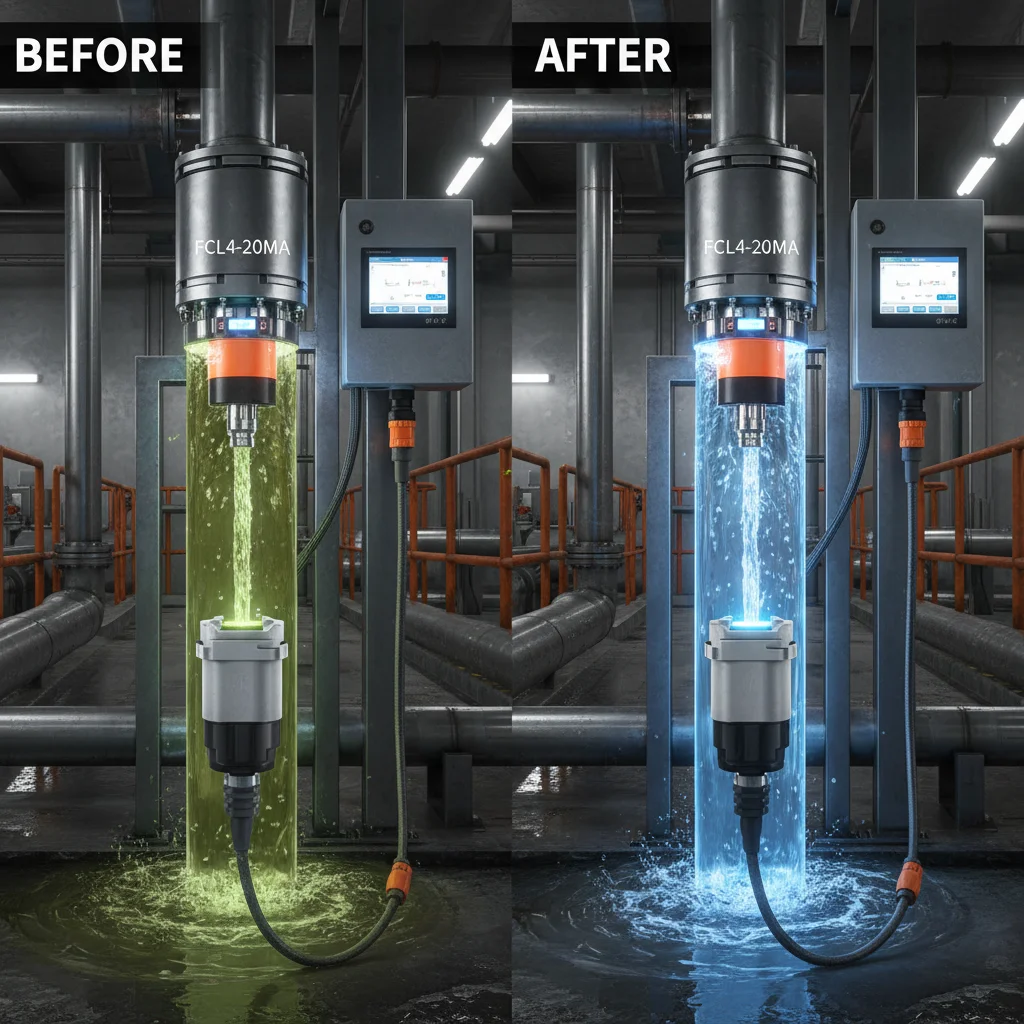
Water quality monitoring has evolved into a critical pillar of industrial safety and environmental stewardship, where the precision of measurement directly impacts operational success. In the complex landscape of liquid analysis, understanding the interplay between particulate matter and chemical balance is essential for maintaining system integrity. The integration of advanced sensing technology allows facilities to move from reactive troubleshooting to proactive management, ensuring that discharge levels remain within legal limits.
Across the globe, the demand for high-accuracy instrumentation has surged as regulatory bodies tighten their grip on wastewater discharge and potable water standards. Whether managing a municipal treatment plant or a specialized chemical refinery, the ability to detect minute changes in water clarity and composition is paramount. This necessity has driven the development of sophisticated optical and electrochemical tools that provide real-time data, reducing the risk of environmental contamination and costly industrial downtime.
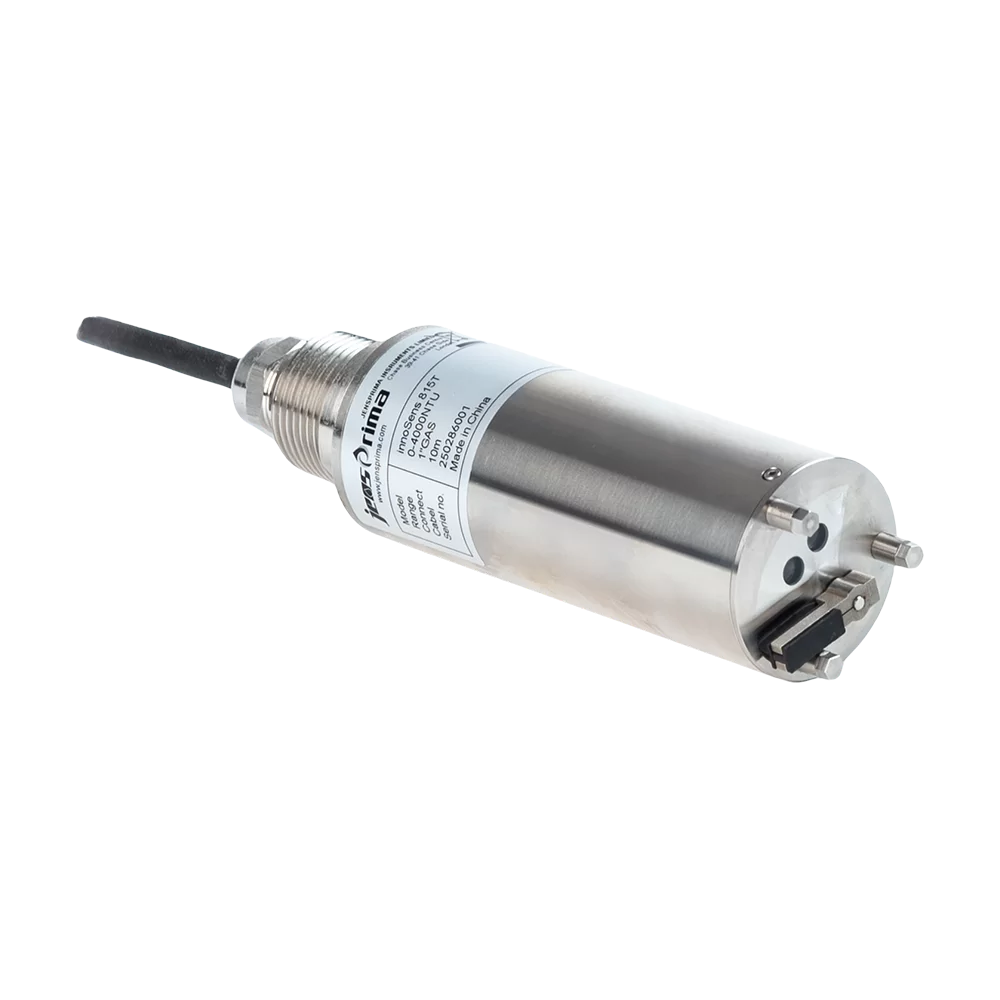
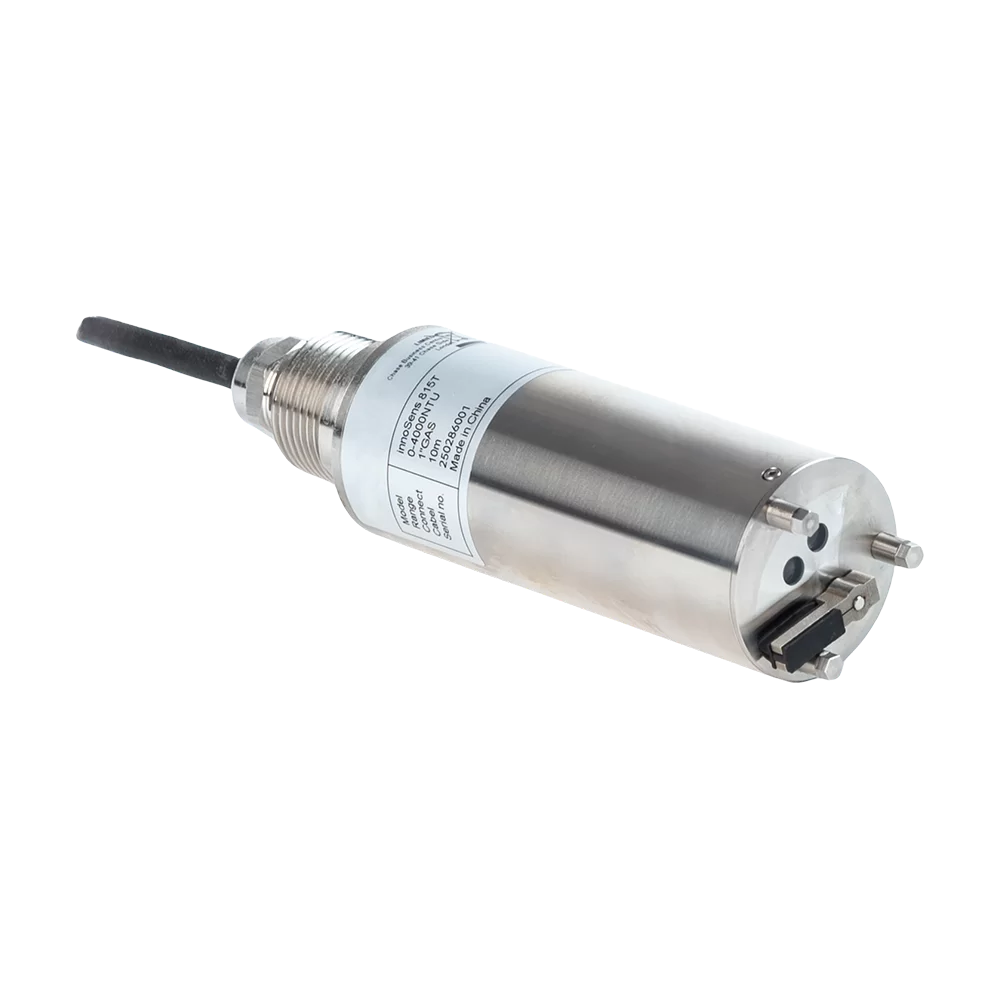
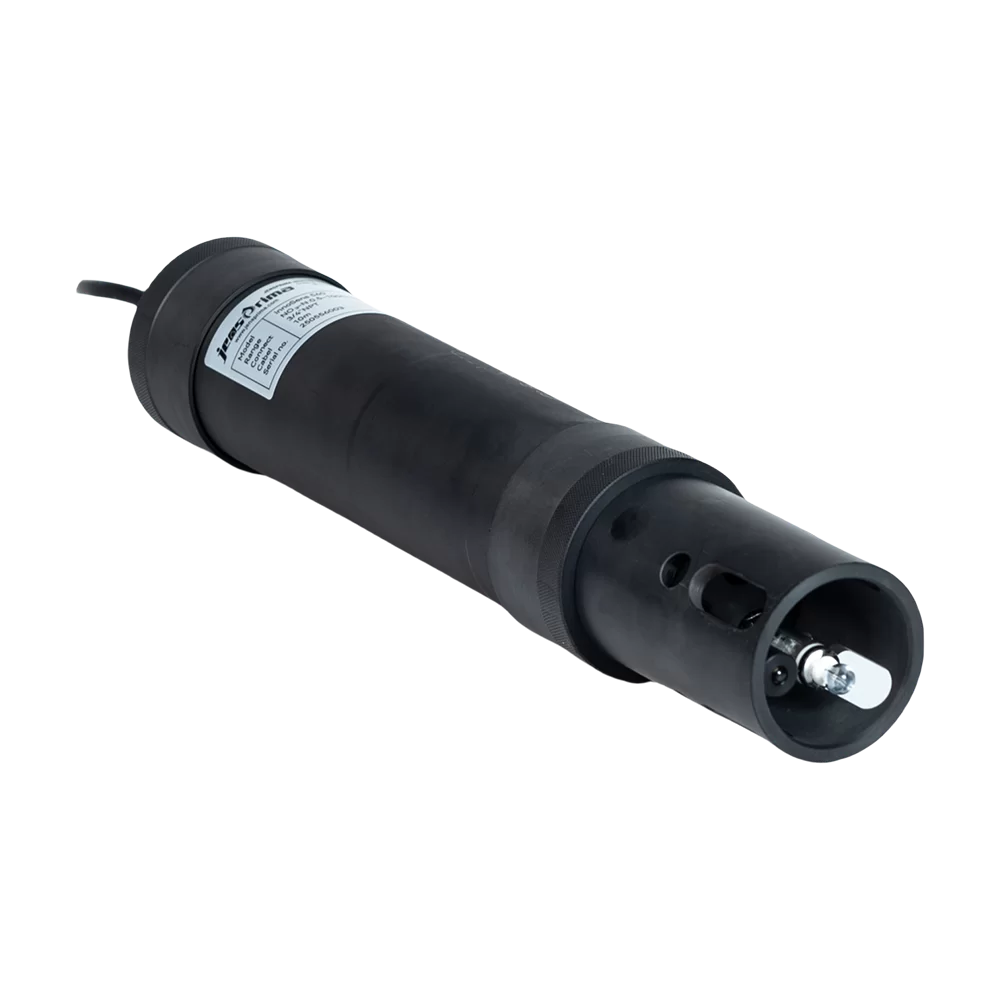
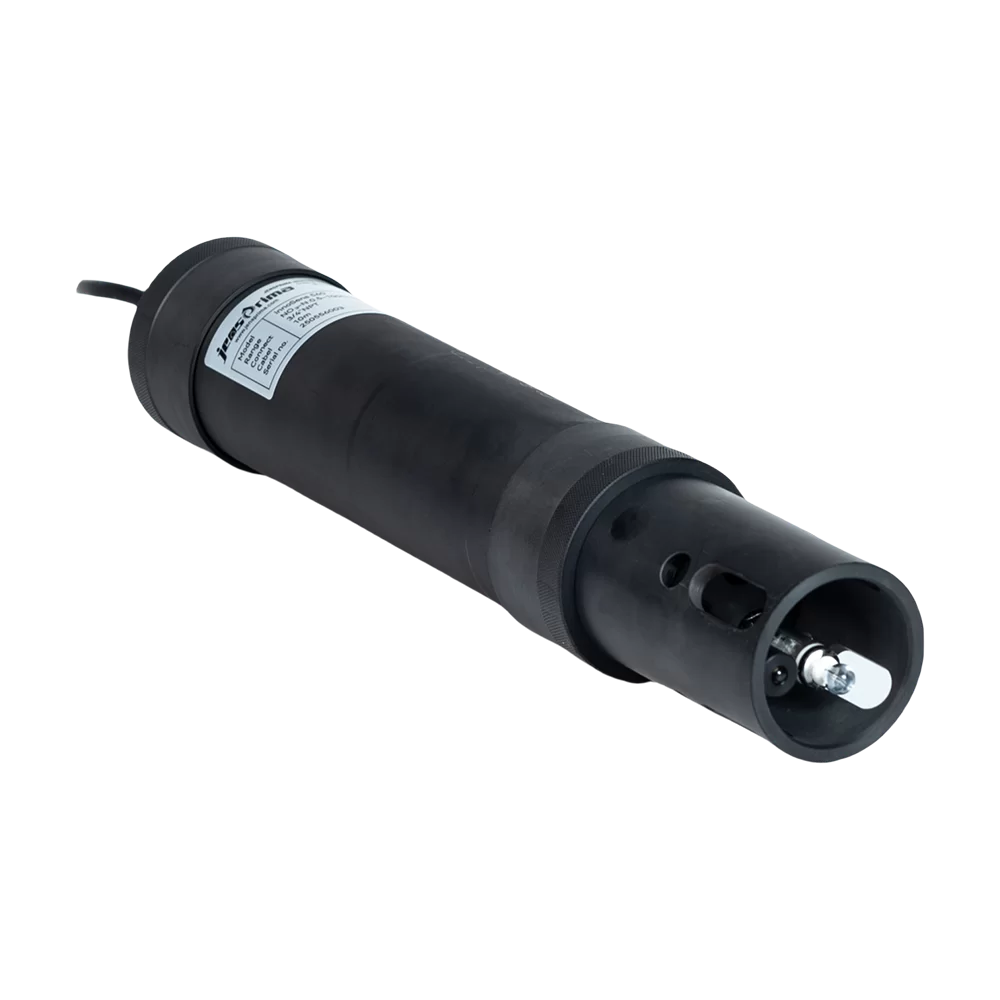
While many operators search for a versatile tds ph meter to handle multiple parameters, the specific challenge of turbidity requires a specialized approach. The innoSens 850T Turbidity Sensor represents this specialized evolution, focusing on light-scattering technology to deliver unmatched accuracy in detecting suspended solids. By prioritizing high-precision optical measurement over generic multi-parameter sensing, industrial operators can achieve a level of reliability that generic tools simply cannot match.

The Technical Foundation of Optical Turbidity Sensing
The innoSens 850T operates on the principle of light scattering and absorption, a method far more precise for clarity measurement than a standard tds ph meter. By projecting a controlled beam of light into the water sample, the sensor detects how the light is deflected by suspended particles. This optical path design is specifically engineered to minimize interference, allowing for the detection of even low-level turbidity that would be invisible to less specialized equipment.
Beyond simple detection, the 850T's ability to provide instantaneous data ensures that filtration and coagulation processes are optimized in real-time. This immediate feedback loop allows plant operators to adjust chemical dosages and flow rates on the fly, preventing the overflow of contaminated water and reducing the waste of expensive treatment reagents.
Global Industrial Context and Water Quality Standards
In the current global industrial climate, adherence to environmental discharge standards is no longer optional but a legal imperative. International standards, such as those guided by ISO and regional environmental protection agencies, require stringent monitoring of suspended solids to protect aquatic ecosystems. Failure to comply can lead to massive fines, operational shutdowns, and irreparable damage to corporate reputation.
Many facilities attempt to simplify their monitoring by using a basic tds ph meter for general water checks, but this often leads to gaps in compliance. While pH and Total Dissolved Solids (TDS) are important, they do not account for the optical clarity or the presence of suspended particles that contribute to turbidity. This discrepancy creates a blind spot in wastewater management that only a dedicated optical sensor can fill.
As urbanization increases and water scarcity becomes a global crisis, the recycling of industrial wastewater has become a priority. The shift toward "Zero Liquid Discharge" (ZLD) systems requires high-precision instruments like the innoSens 850T to ensure that reclaimed water meets the strict quality benchmarks required for reuse in boilers, cooling towers, or agricultural irrigation.
Core Components of the innoSens 850T System
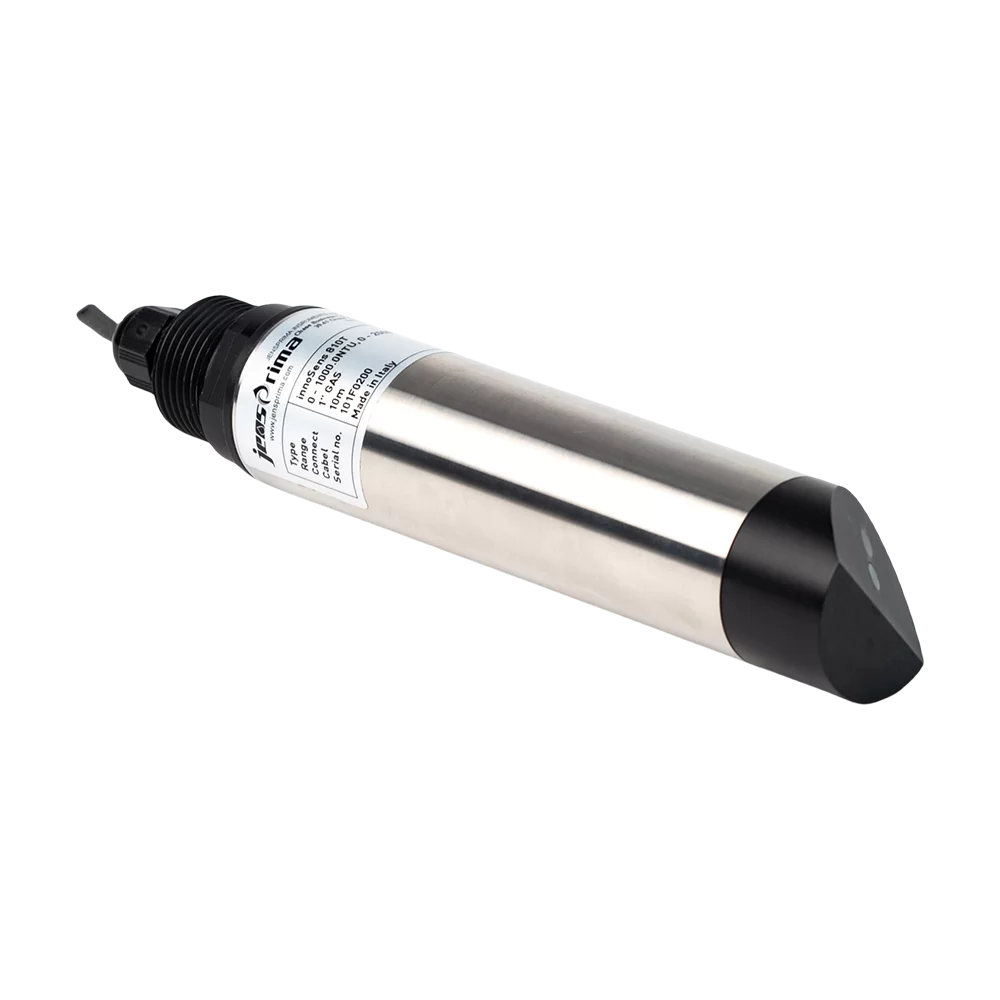
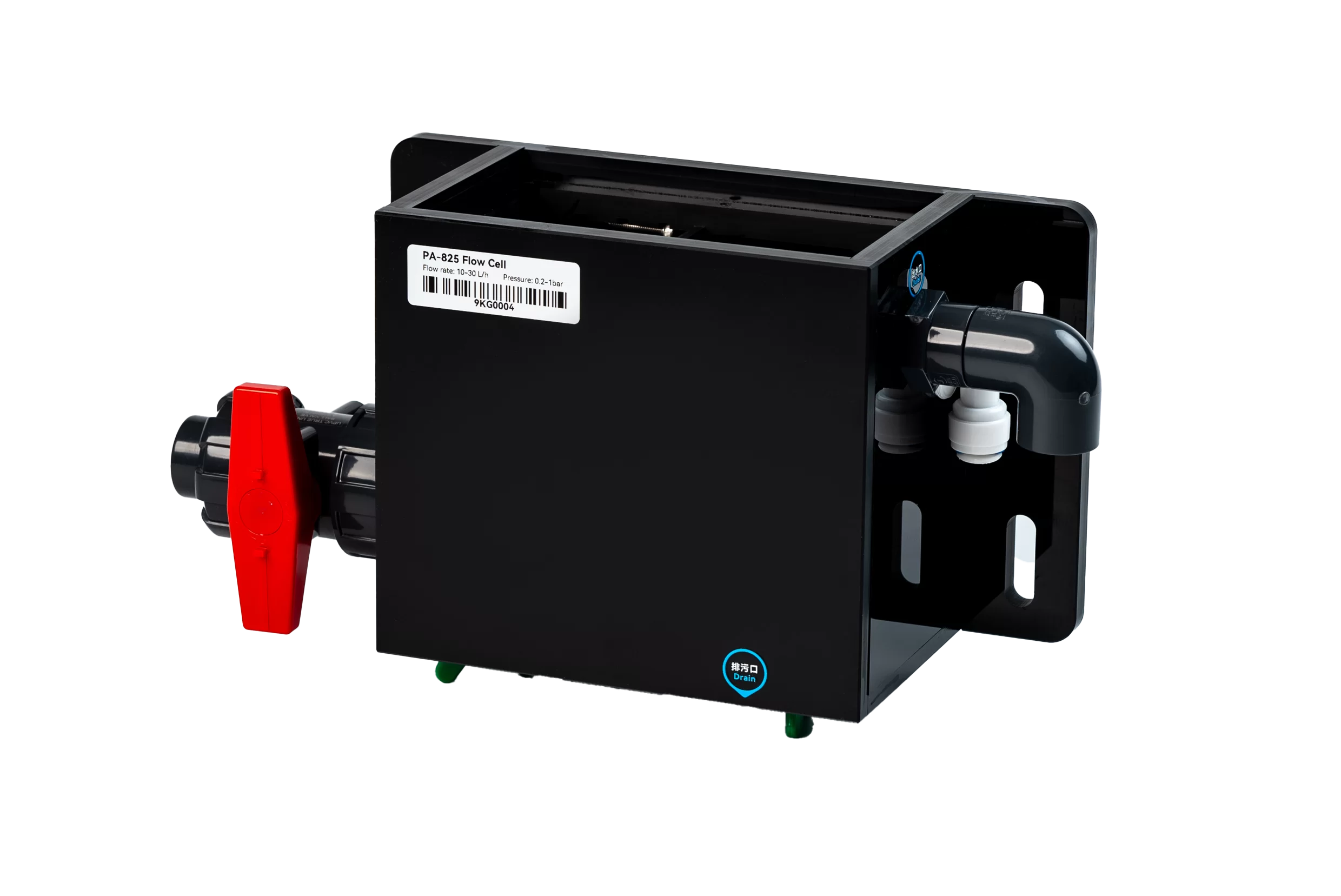
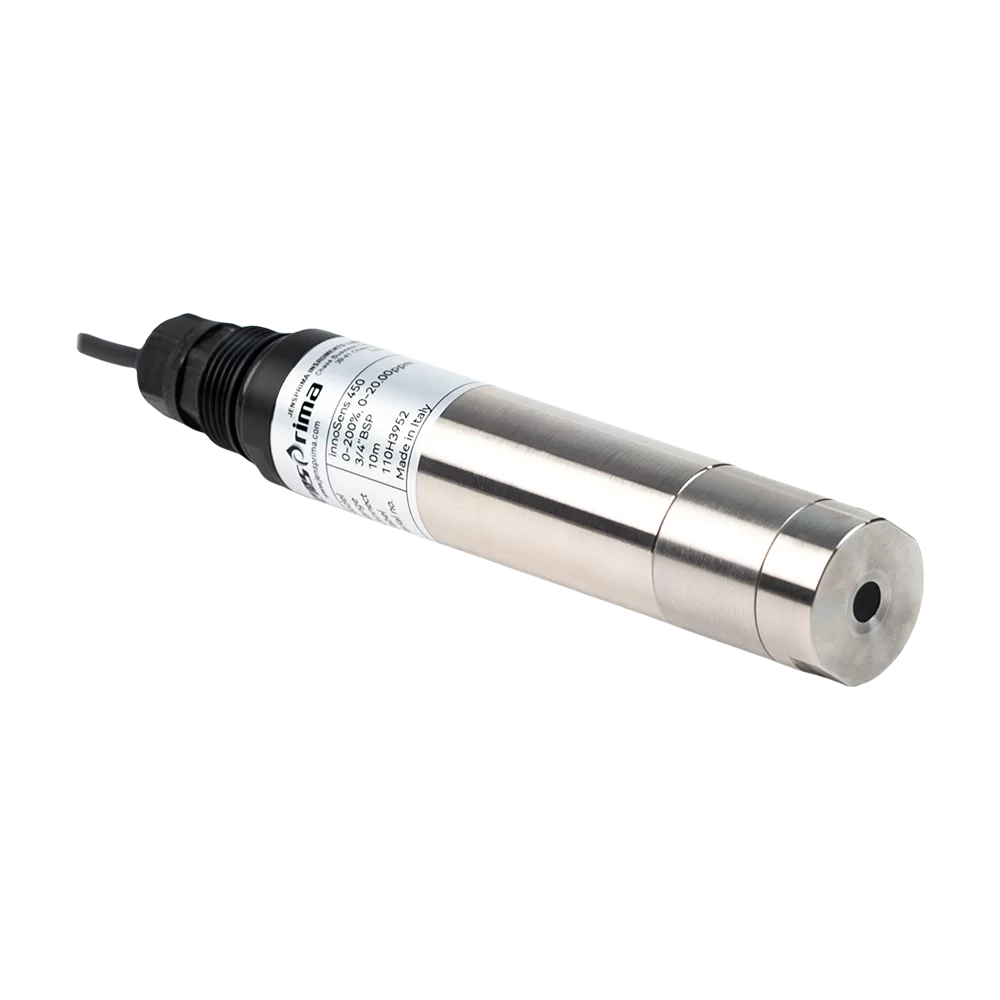
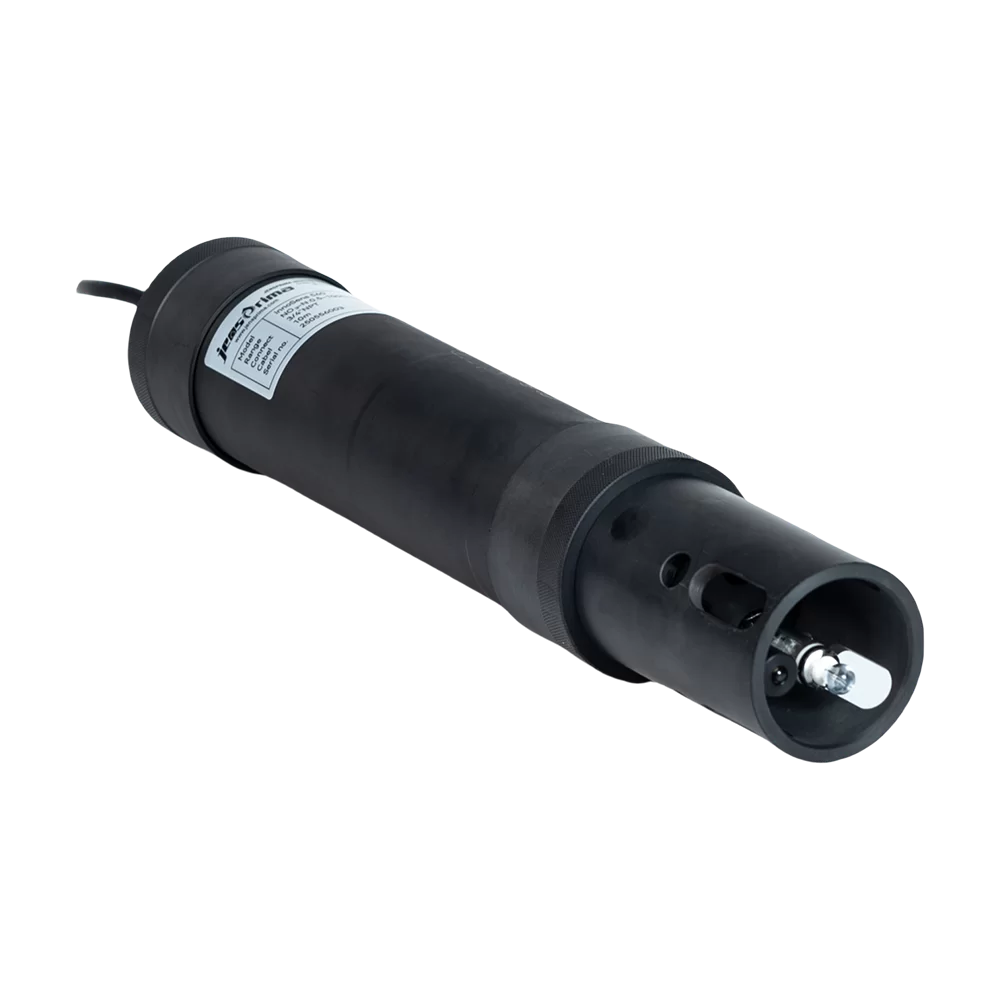
The architectural integrity of the innoSens 850T is centered around its industrial-grade, corrosion-resistant housing. Unlike the plastic casings found on a consumer-grade tds ph meter, the 850T is built to withstand extreme chemical environments and high-pressure flow cells. This durability is reinforced by an IP68 waterproof and dustproof rating, ensuring the sensor remains operational even when fully submerged in harsh industrial effluents.
At the heart of the device is the advanced optical path, which utilizes high-stability light sources and precision receivers. This system is designed to distinguish between different particle sizes and concentrations, providing a level of detail that transcends the basic conductivity measurements of a tds ph meter. The result is a highly stable signal that resists drift, reducing the frequency of required calibrations.
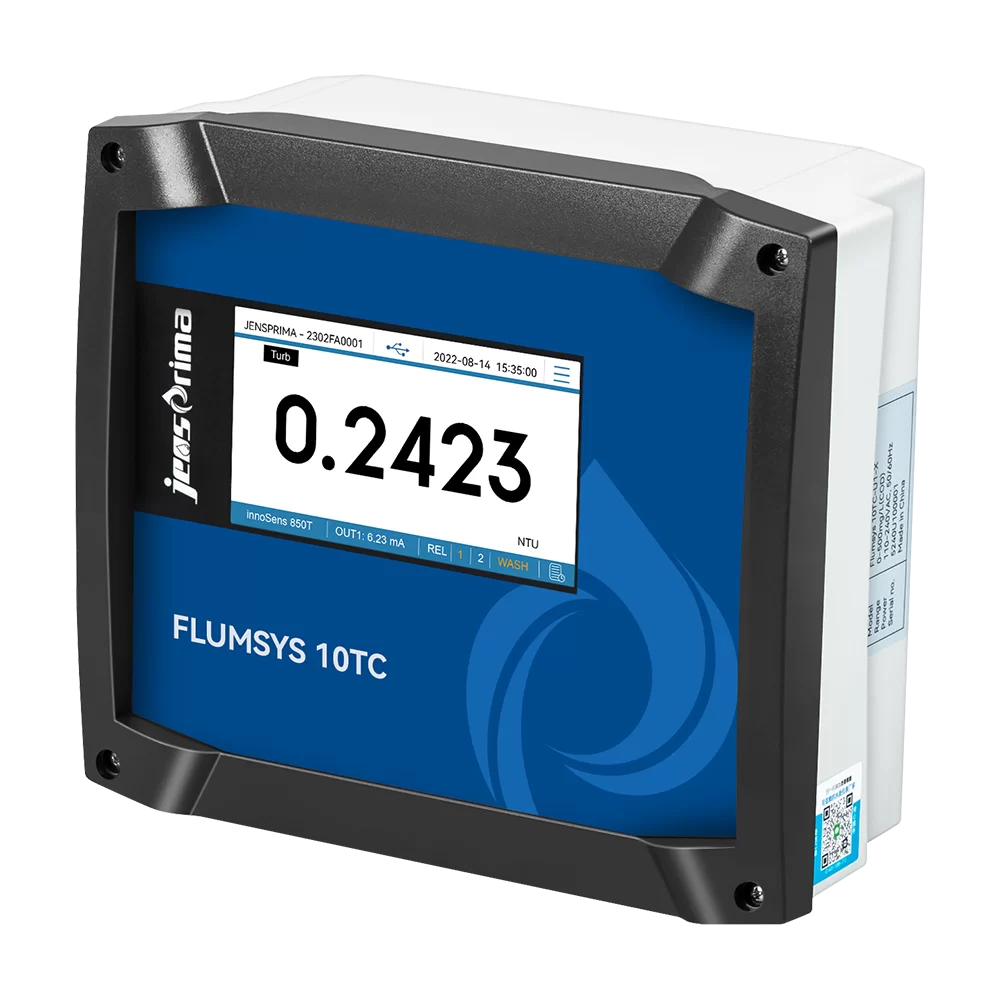
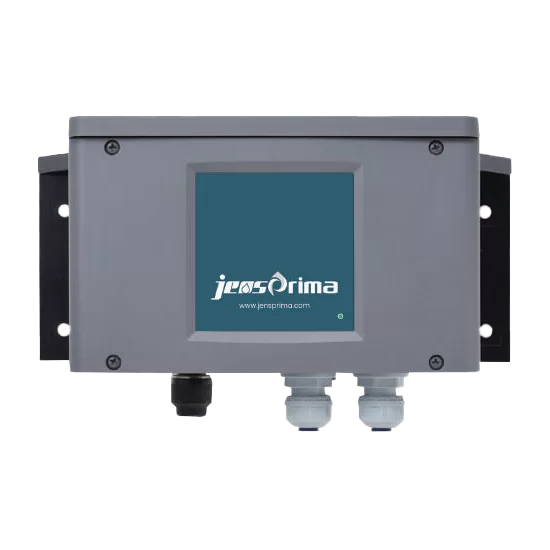
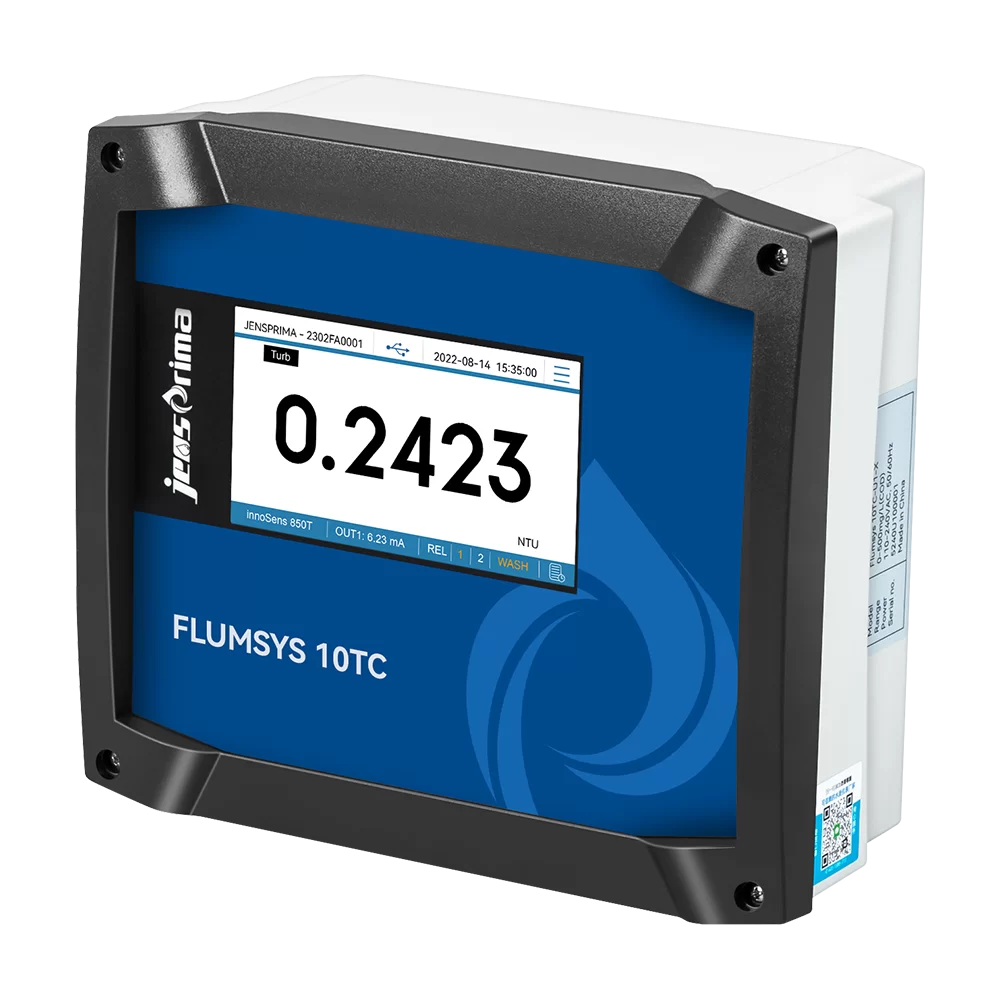
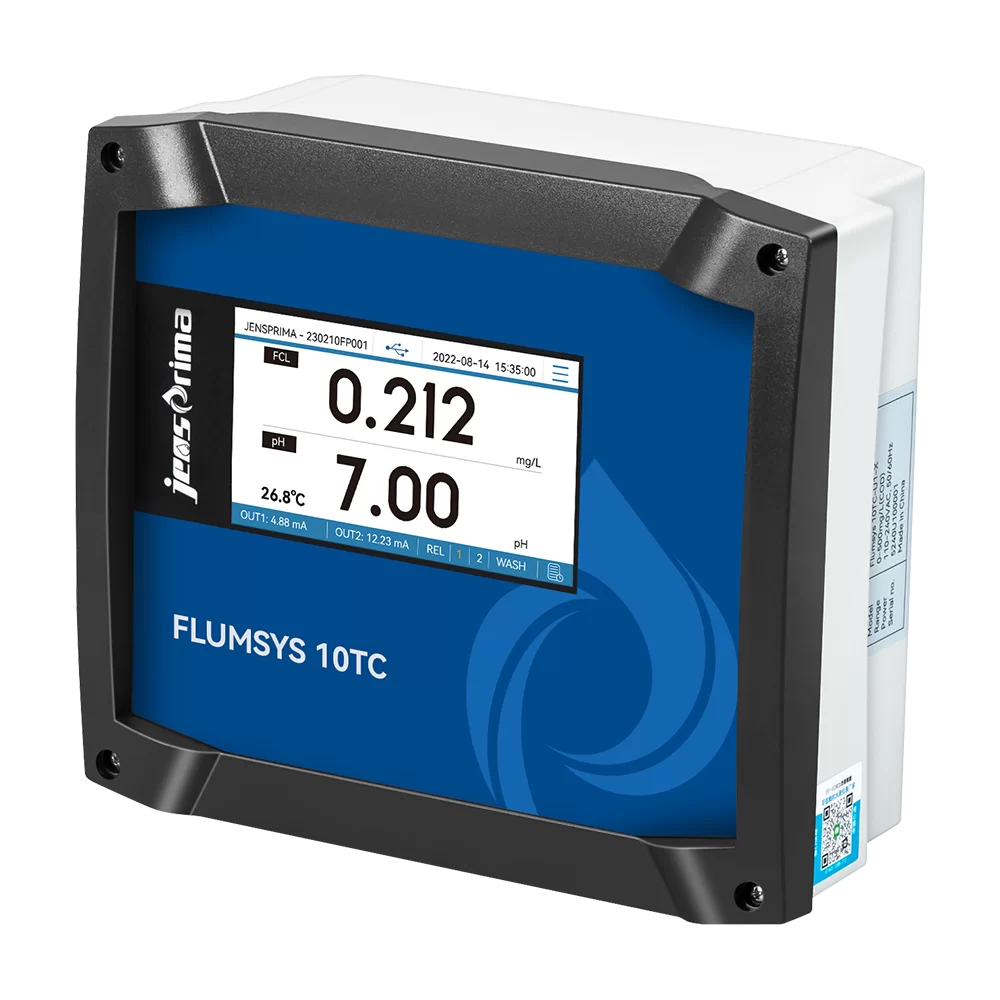
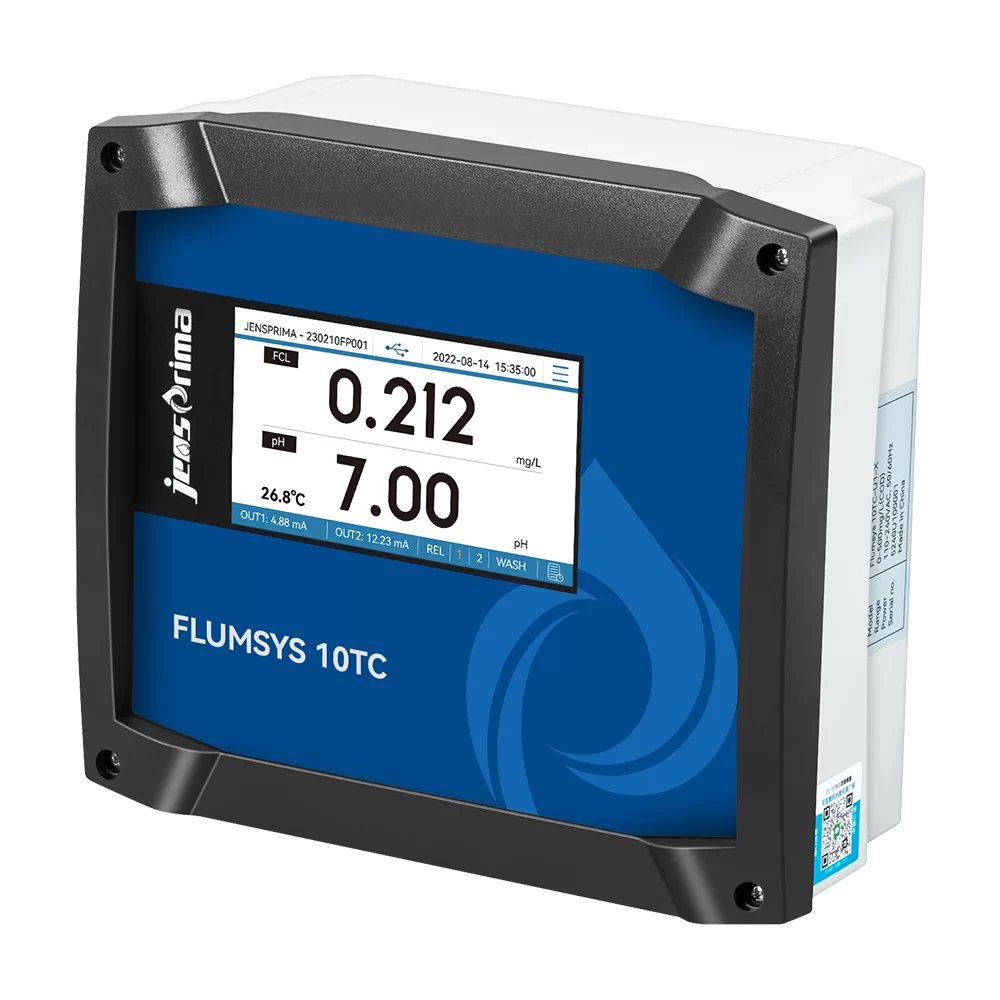
Integration is handled through a versatile analog and digital interface, making the 850T compatible with a wide array of Turbidity/SS Controllers and SCADA systems. This connectivity allows for centralized data management, where turbidity readings can be aggregated alongside other critical parameters, creating a comprehensive digital twin of the facility's water quality status.
Performance Metrics and ROI Analysis
When evaluating the investment in high-precision sensing, the return on investment (ROI) is seen in the dramatic reduction of operational risks and labor costs. Traditional monitoring methods often require manual sampling and lab analysis, which are slow and prone to human error. In contrast, the innoSens 850T provides continuous, automated data that eliminates the need for constant manual intervention.
The economic benefit is further amplified when compared to the limitations of a standard tds ph meter. While the latter is cost-effective for basic screening, the 850T's precision reduces the risk of regulatory fines and optimizes the use of coagulants and flocculants, leading to significant savings in chemical procurement.
Industrial Sensor Efficiency Comparison
Real-World Applications in Wastewater Management
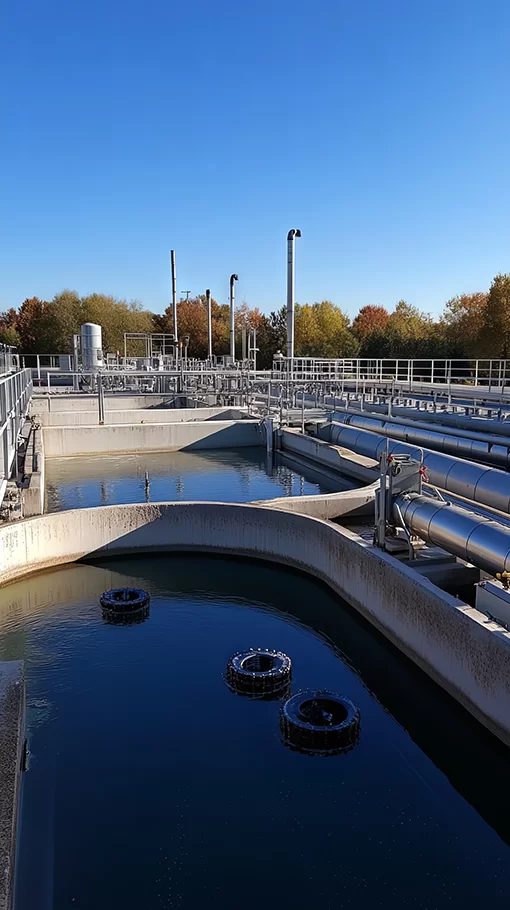
In municipal drinking water treatment plants, the innoSens 850T is deployed at the final filtration stage to ensure that no breakthrough of turbidity occurs before the water enters the distribution network. This application is critical because turbidity can shield pathogens from disinfection processes, making high-precision optical sensing a matter of public health. While a tds ph meter can monitor mineral content, only a turbidity sensor can confirm the physical clarity of the water.
In the industrial sector, particularly in textile and pulp and paper mills, the sensor is used to monitor the efficiency of coagulation and flocculation tanks. By providing real-time data on suspended solids, the system allows for the automatic adjustment of polymer dosing, which prevents the overloading of downstream filters and reduces the frequency of backwashing cycles.
Future Innovations in Online Water Analysis
The future of water quality monitoring is moving toward complete digitalization and the "Internet of Water." We are seeing a transition where sensors are no longer just data points but intelligent nodes capable of self-diagnosis. Future iterations of turbidity sensors will likely incorporate AI-driven predictive maintenance, alerting operators to biofouling or window degradation before they affect measurement accuracy.
Furthermore, the integration of turbidity sensing with other parameters—such as those measured by a tds ph meter—into a single multi-parameter hub will become the standard. This holistic approach allows for "fingerprinting" water quality, where the combination of turbidity, pH, and conductivity can automatically identify the source of a contaminant leak.
Sustainability is also driving the development of "green" sensors. New materials that resist fouling without the need for harsh chemical cleaning agents are being explored. This will further reduce the environmental footprint of the monitoring process itself, aligning industrial operations with global ESG (Environmental, Social, and Governance) goals.
Strategic Integration and Maintenance Frameworks
To maximize the lifespan of the innoSens 850T, a strategic maintenance framework is essential. Unlike a simple tds ph meter that may only require occasional calibration, optical sensors require the maintenance of the optical window. Periodic cleaning to prevent biofouling and sediment buildup ensures that the light path remains clear, maintaining the high precision for which the 850T is known.
Calibration should be performed using standardized reference materials to ensure traceability. By establishing a quarterly calibration schedule, facilities can reduce labor costs by 66% compared to monthly manual checks, while still maintaining a level of accuracy that exceeds regulatory requirements.
Finally, the use of centralized management platforms allows for remote calibration and software updates. This digital transformation removes the need for physical site visits to every sensor location, allowing a single technician to oversee an entire facility's water quality network from a centralized dashboard.
Comparison of Monitoring Technologies for Industrial Water Quality
| Technology Type |
Primary Metric |
Accuracy Level |
Maintenance Need |
| innoSens 850T |
Optical Turbidity |
Very High (9-10) |
Quarterly/Low |
| Standard TDS Probe |
Dissolved Solids |
Medium (6-7) |
Monthly/Medium |
| Manual pH Kit |
Acidity/Alkalinity |
Low-Medium (4-6) |
High/Daily |
| Traditional TSS |
Suspended Weight |
High (7-8) |
Moderate/Regular |
| Multi-Parameter Meter |
Combined Metrics |
Medium (5-7) |
Complex/Variable |
| Legacy Turbidity |
Light Absorption |
Medium (5-6) |
High/Frequent |
FAQS
The innoSens 850T is a specialized optical turbidity sensor that measures the clarity of water by detecting light scattering caused by suspended particles. In contrast, a tds ph meter measures the chemical properties of water, such as the concentration of dissolved ions (conductivity) and the hydrogen-ion activity (pH). While both are essential for water analysis, the 850T provides critical data on physical particulates that a TDS/pH meter simply cannot detect.
Yes, the innoSens 850T is specifically engineered for harsh industrial environments. It is constructed using industrial-grade, corrosion-resistant materials that protect the internal optical components from aggressive chemical agents. Coupled with its IP68 waterproof rating, it is ideal for online monitoring in chemical processing plants and industrial wastewater treatment facilities.
The 850T provides real-time, continuous monitoring, which eliminates the labor-intensive process of manual sampling and laboratory analysis. By integrating with SCADA systems, it allows for automated dosing of treatment chemicals, reducing waste and preventing costly regulatory fines associated with discharge violations. This leads to a significant reduction in both labor and chemical expenses.
The primary maintenance requirement for the innoSens 850T is the periodic cleaning of the optical windows to prevent biofouling or sediment buildup, which could interfere with the light path. Additionally, occasional calibration checks using standard reference materials are recommended to ensure the sensor remains aligned with international accuracy standards.
Absolutely. The innoSens 850T is designed for broad compatibility, offering both analog and digital signal outputs. This ensures it can seamlessly integrate into most standard PLC (Programmable Logic Controller) and SCADA (Supervisory Control and Data Acquisition) platforms, allowing for centralized data logging and remote monitoring.
No, it complements it. Turbidity measures suspended solids (clarity), while a tds ph meter measures dissolved solids and acidity. For a complete water quality profile, industrial operators typically use both. The 850T handles the physical particulate monitoring, while the TDS/pH meter handles the chemical balance, together providing a full picture of water health.
Conclusion
The transition toward high-precision, online water quality monitoring is essential for any industrial facility aiming for operational excellence and environmental compliance. While basic tools like a tds ph meter provide a necessary snapshot of chemical balance, the innoSens 850T Turbidity Sensor provides the deep, real-time insight into suspended solids required for modern wastewater management. By combining robust construction, optical precision, and seamless digital integration, the 850T transforms water quality from a regulatory burden into a manageable, optimized industrial process.
Looking forward, the integration of AI-driven diagnostics and sustainable materials will further enhance the efficiency of these systems. We recommend that facilities move toward a holistic monitoring strategy that combines optical turbidity sensing with electrochemical analysis to ensure total system visibility. Investing in such precision today not only mitigates risk but also paves the way for a more sustainable and efficient industrial future. Visit our website: www.jensprima.com






 Download
 Video Center
 Technical Services
 FAQS
 Service Network
 Privacy Policy
 Contact Us