Ensuring the purity and chemical balance of water is a critical challenge for modern industrial and environmental management. The integration of advanced monitoring systems allows facilities to maintain strict adherence to safety standards, preventing equipment degradation and environmental contamination. By employing precise measurement tools, organizations can transition from reactive maintenance to proactive resource management.
Across the globe, the demand for high-precision monitoring is rising as regulatory frameworks become more stringent. From municipal wastewater treatment to high-pressure boiler systems in power plants, the ability to detect minute changes in water chemistry is essential for operational continuity. The evolution of these technologies has led to the development of sophisticated systems that offer real-time data and automated control.
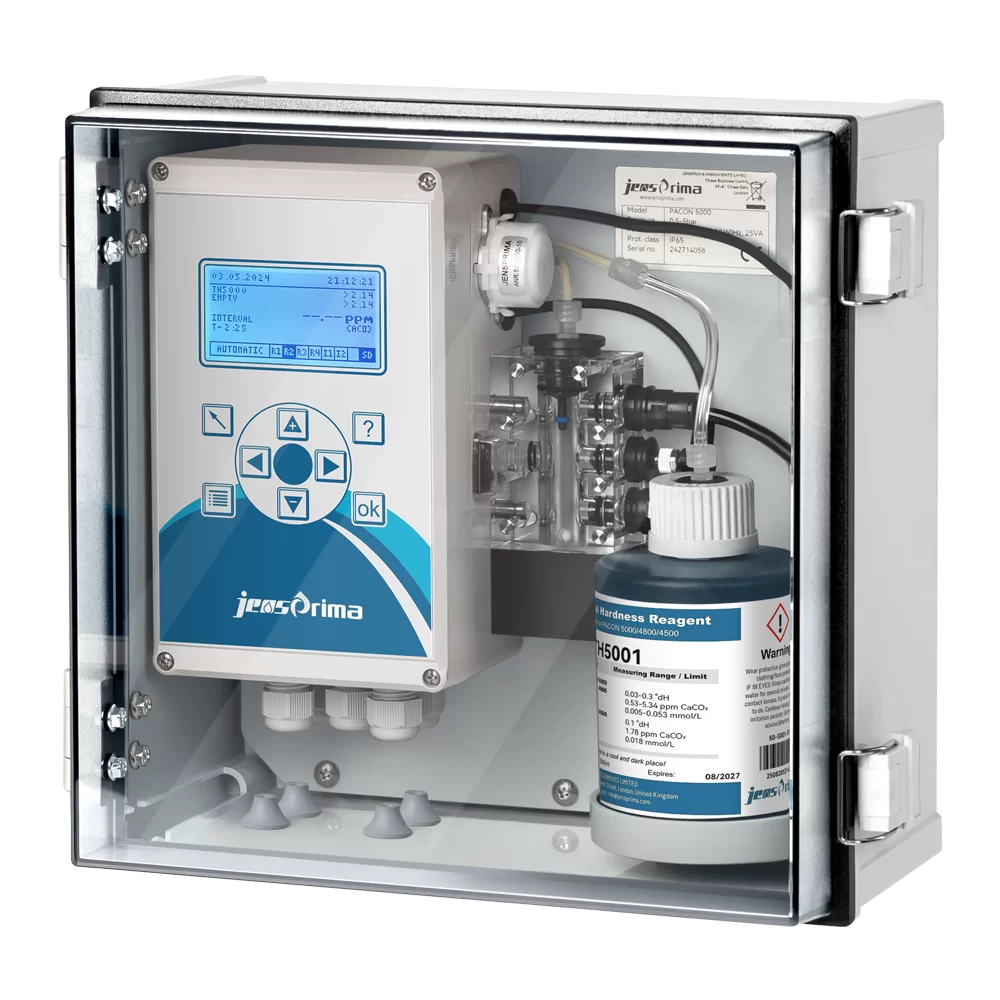
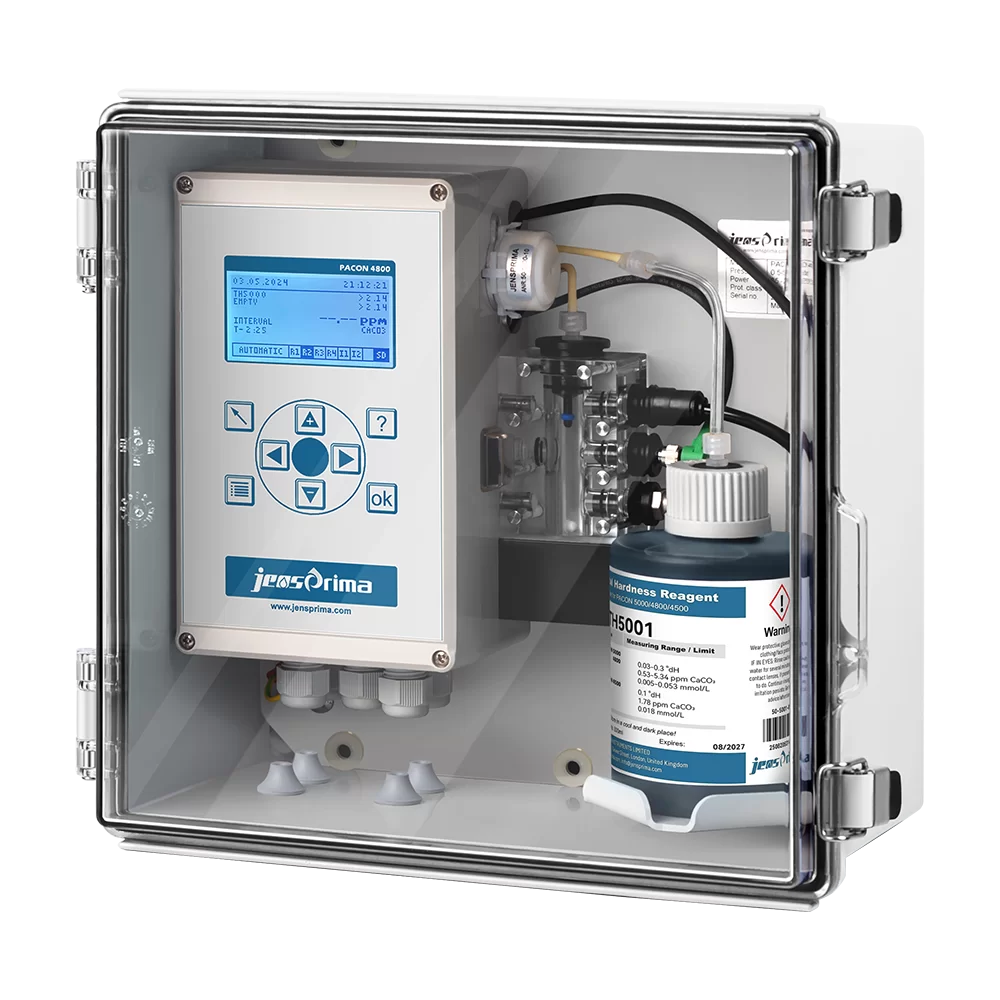
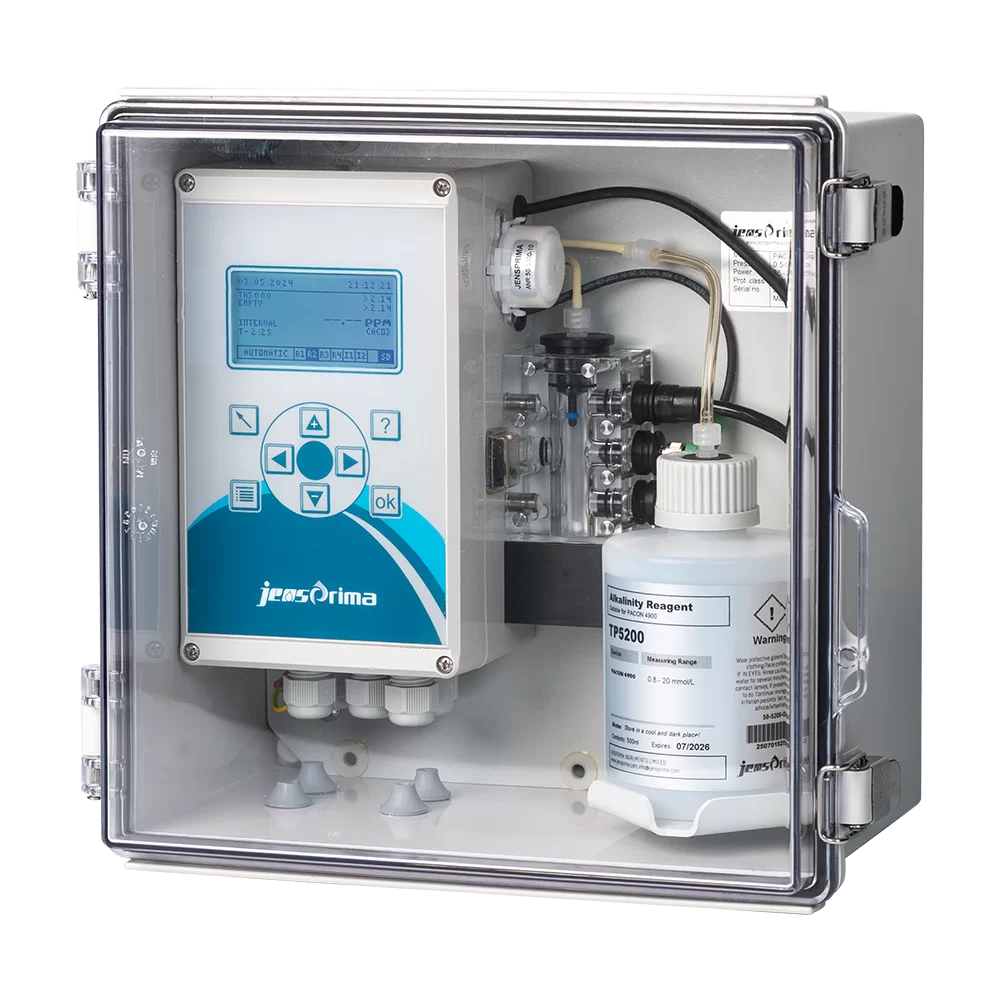
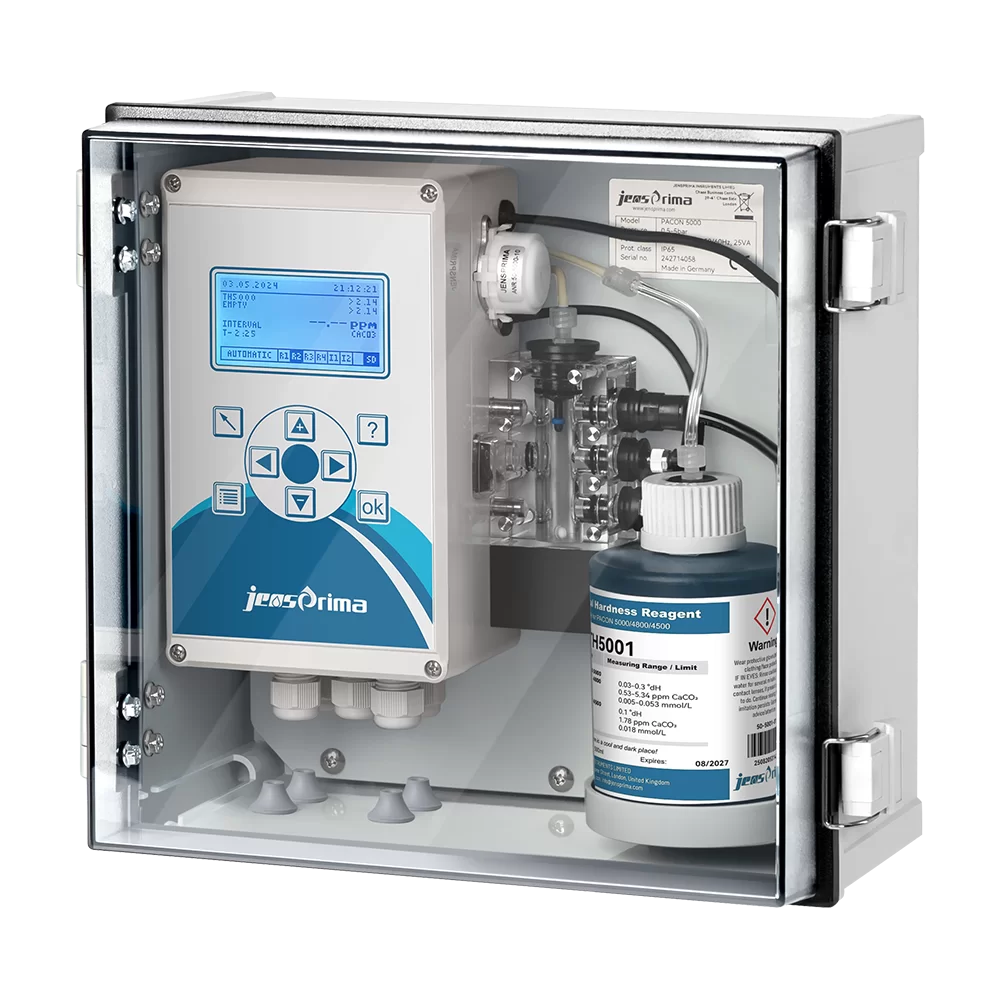
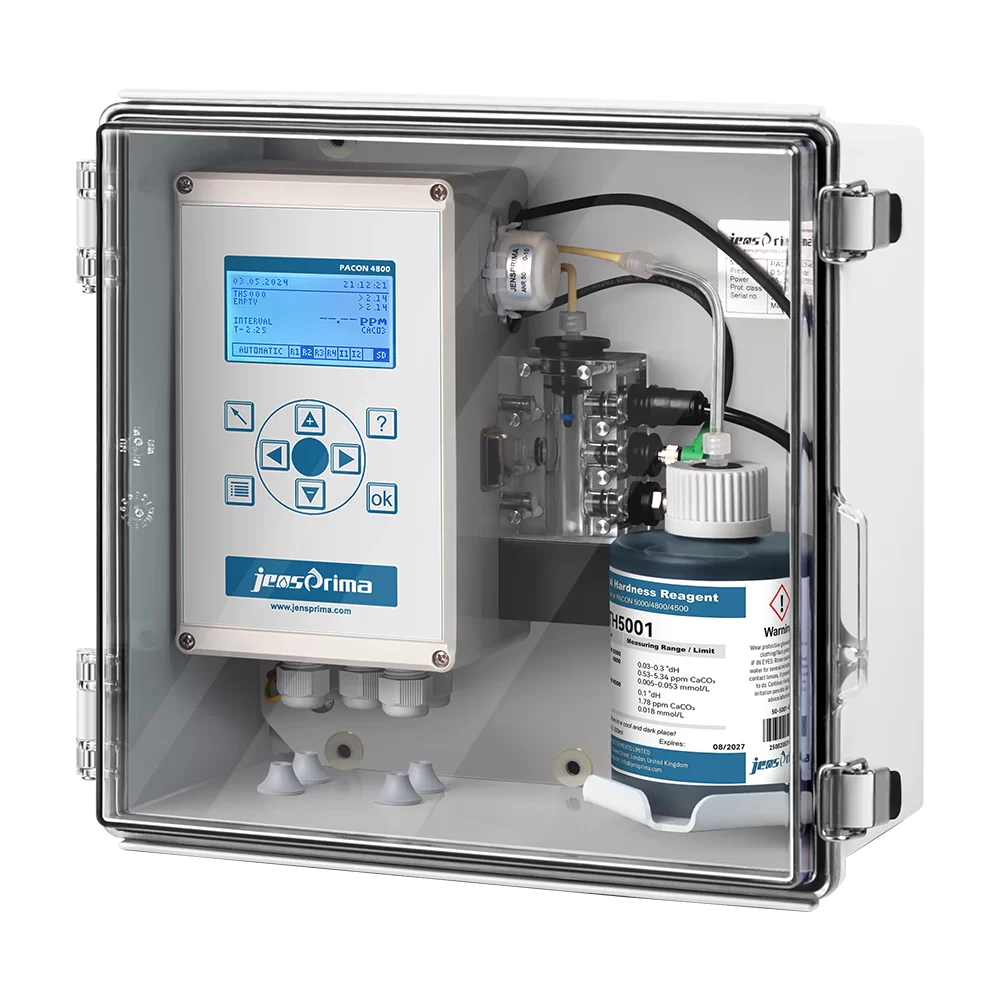
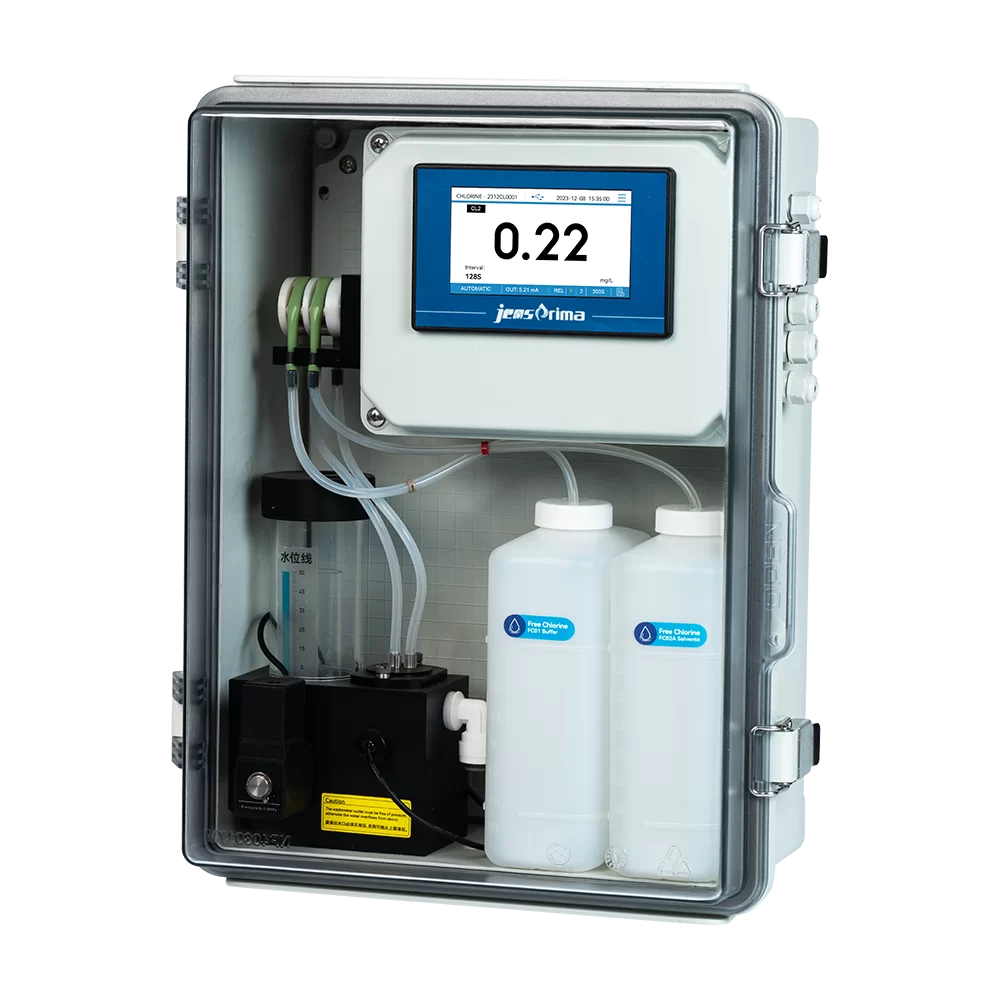
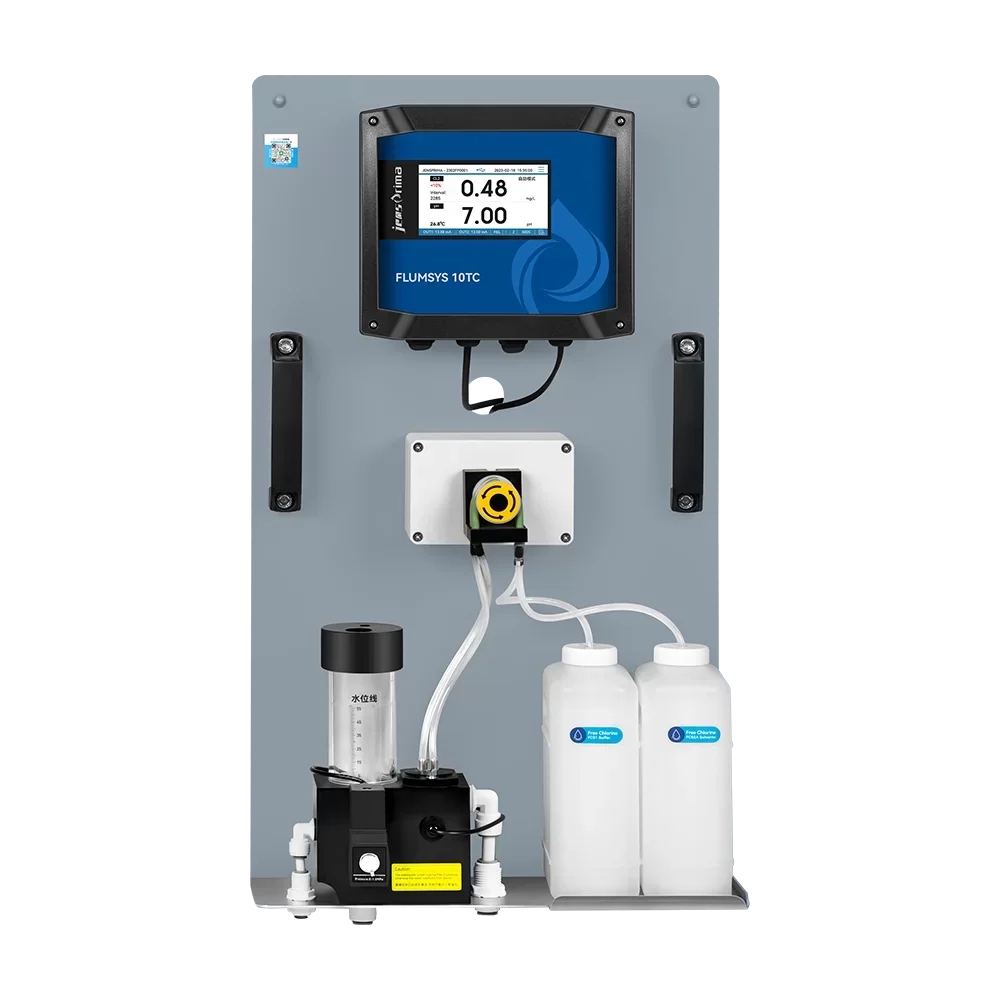
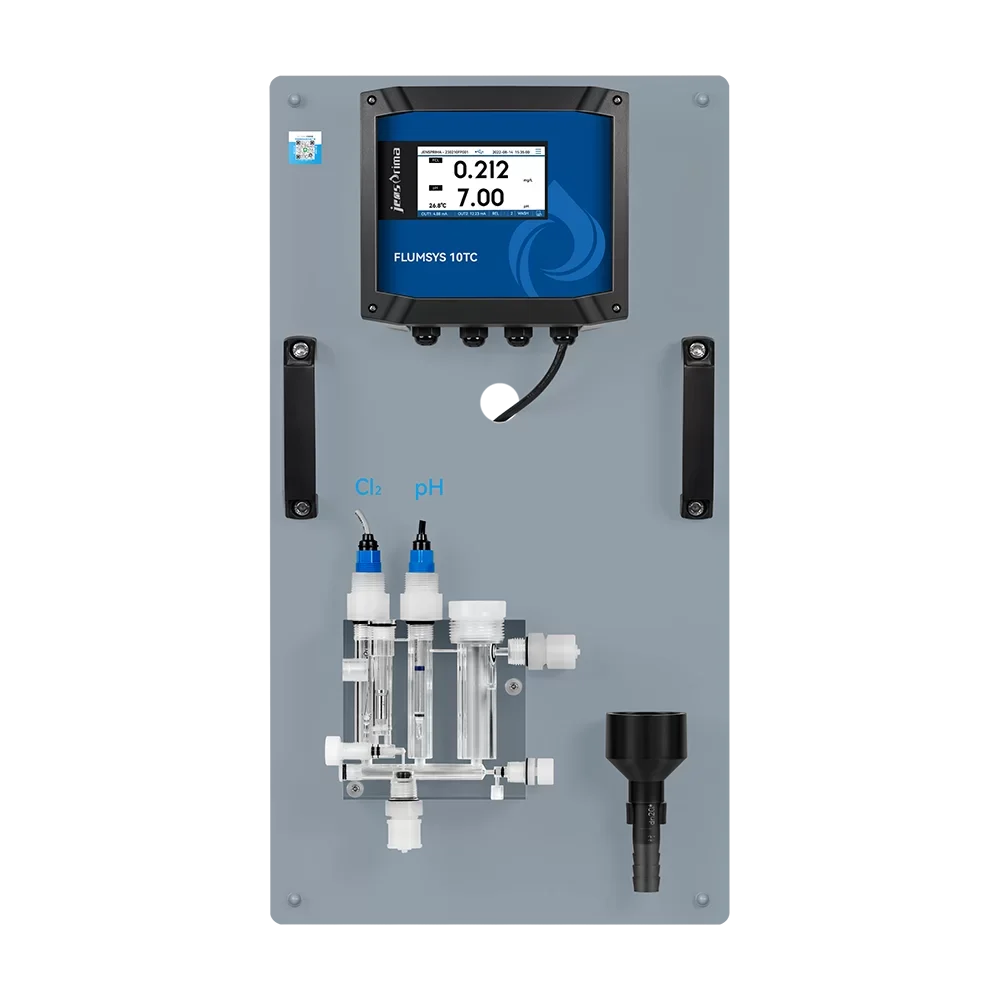
Among the most critical tools in this domain are water quality analyzers, which provide the essential data needed to regulate complex chemical processes. Specifically, the Online Water Hardness Analyzer PACON 5000 represents a leap in automation, allowing industries to monitor calcium and magnesium levels without the delays associated with manual laboratory sampling.

The Global Significance of Water Quality Monitoring
On a global scale, water scarcity and pollution have pushed industries to adopt more sustainable water cycles. According to data from the UN and ISO standards, the ability to monitor water hardness and purity in real-time reduces chemical waste and prevents the premature failure of critical infrastructure, such as heat exchangers and turbines, which are prone to scaling.
The implementation of high-end water quality analyzers allows for the immediate detection of mineral imbalances. This is not merely a technical convenience but a necessity for meeting environmental compliance laws and ensuring that industrial discharge does not disrupt local ecosystems.
Defining the Role of Modern Water Quality Analyzers
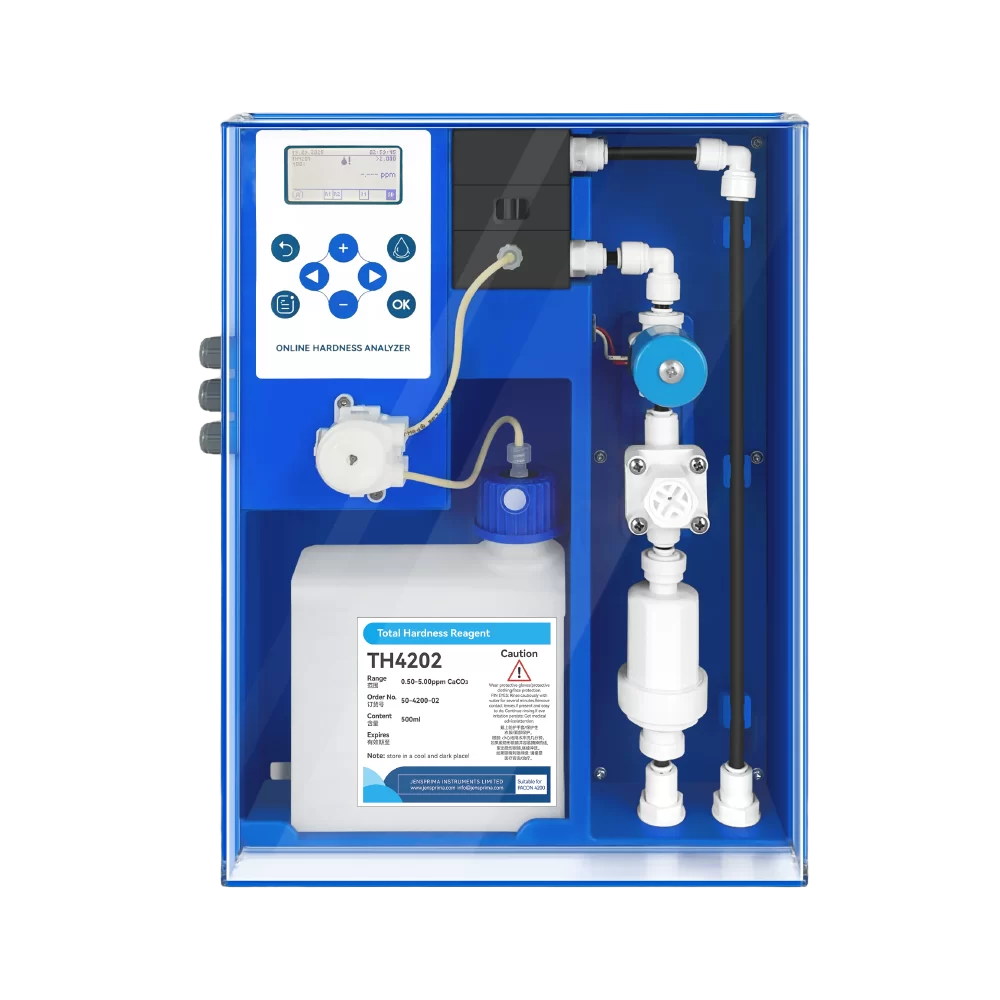
In simple terms, water quality analyzers are sophisticated instruments designed to measure specific chemical or physical properties of water automatically and continuously. Unlike traditional titration methods that require manual labor and long waiting times, these systems use sensors and automated reagents to provide a constant stream of data, allowing for immediate corrective action.
The connection to modern industry is profound, as these devices act as the "eyes" of a water treatment plant. Whether it is measuring alkalinity, conductivity, or total hardness, the goal is to maintain a precise chemical equilibrium that supports industrial efficiency and prevents the buildup of scale or corrosion in piping systems.
For specialized needs, the Online Water Hardness Analyzer PACON 5000 focuses on the precise measurement of calcium and magnesium ions. This specificity is vital for industries that rely on softened water to protect high-value equipment, ensuring that the softening process is working at peak efficiency without wasting expensive ion-exchange resins.
Core Technical Components of the PACON 5000
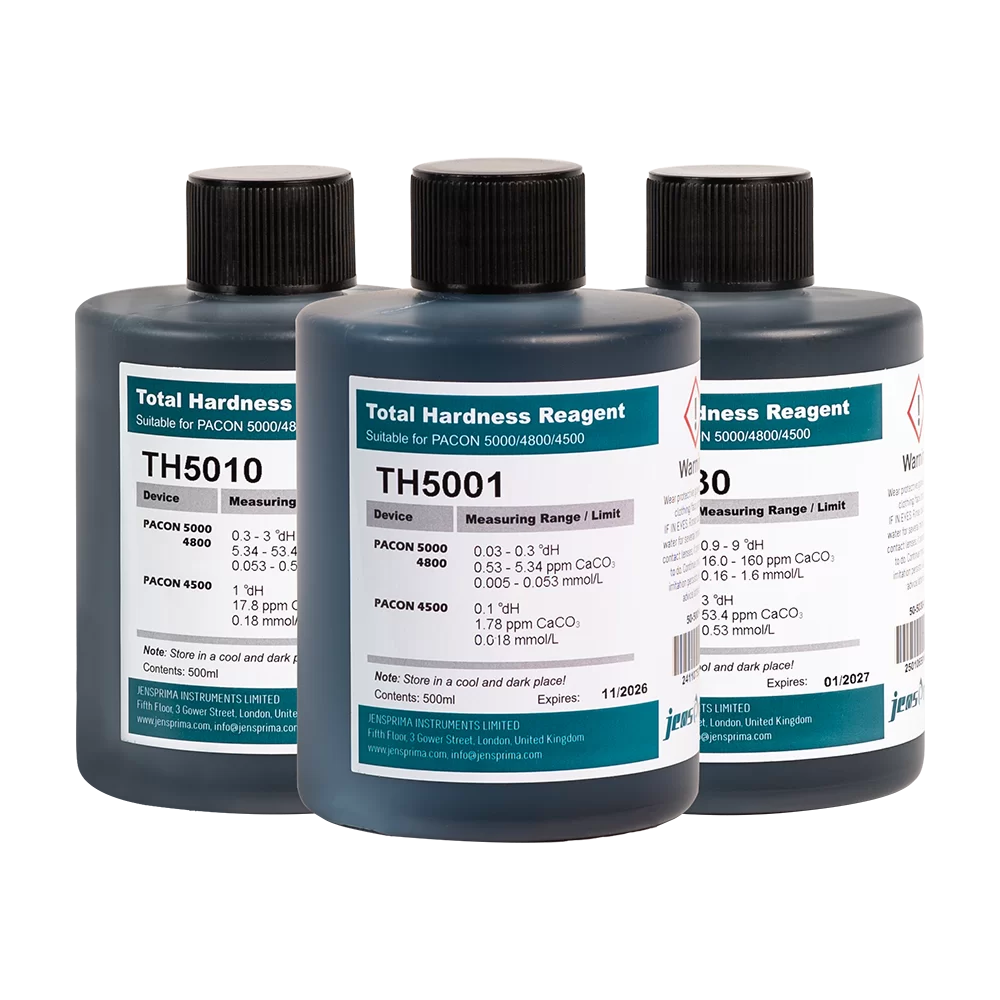
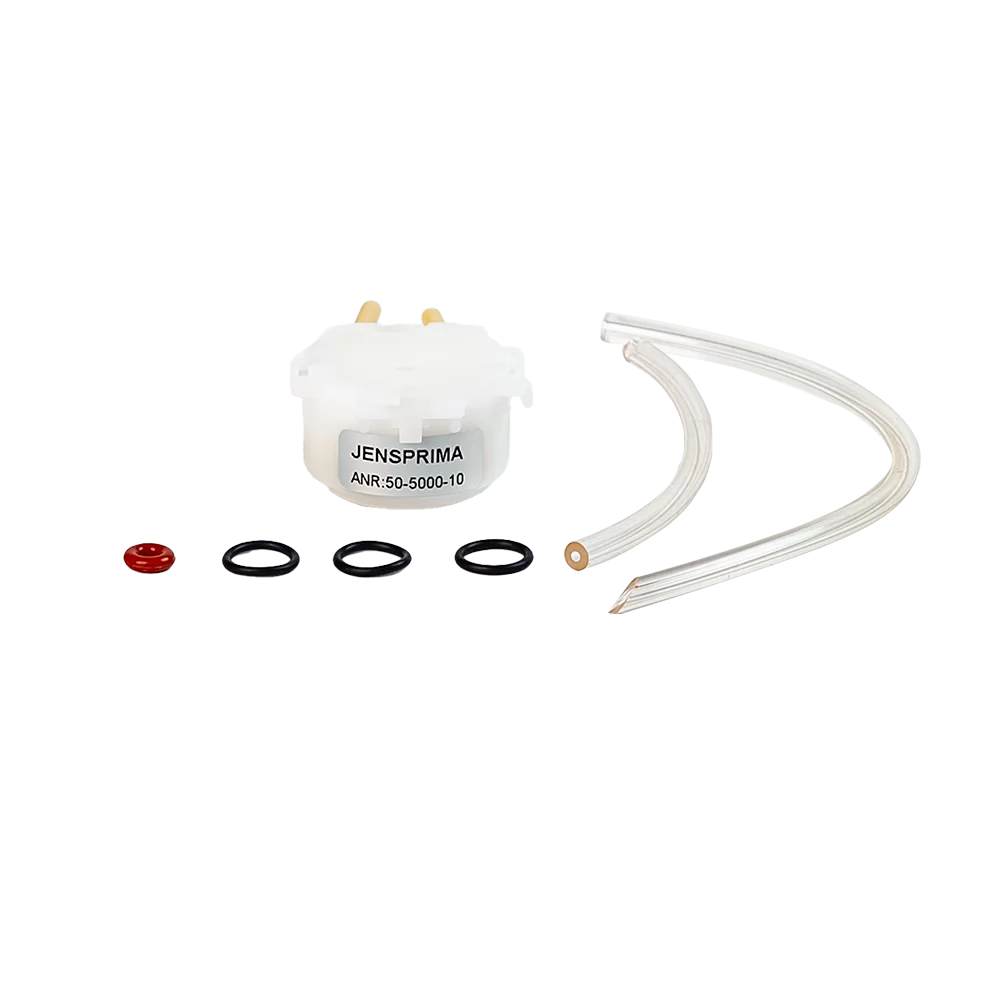
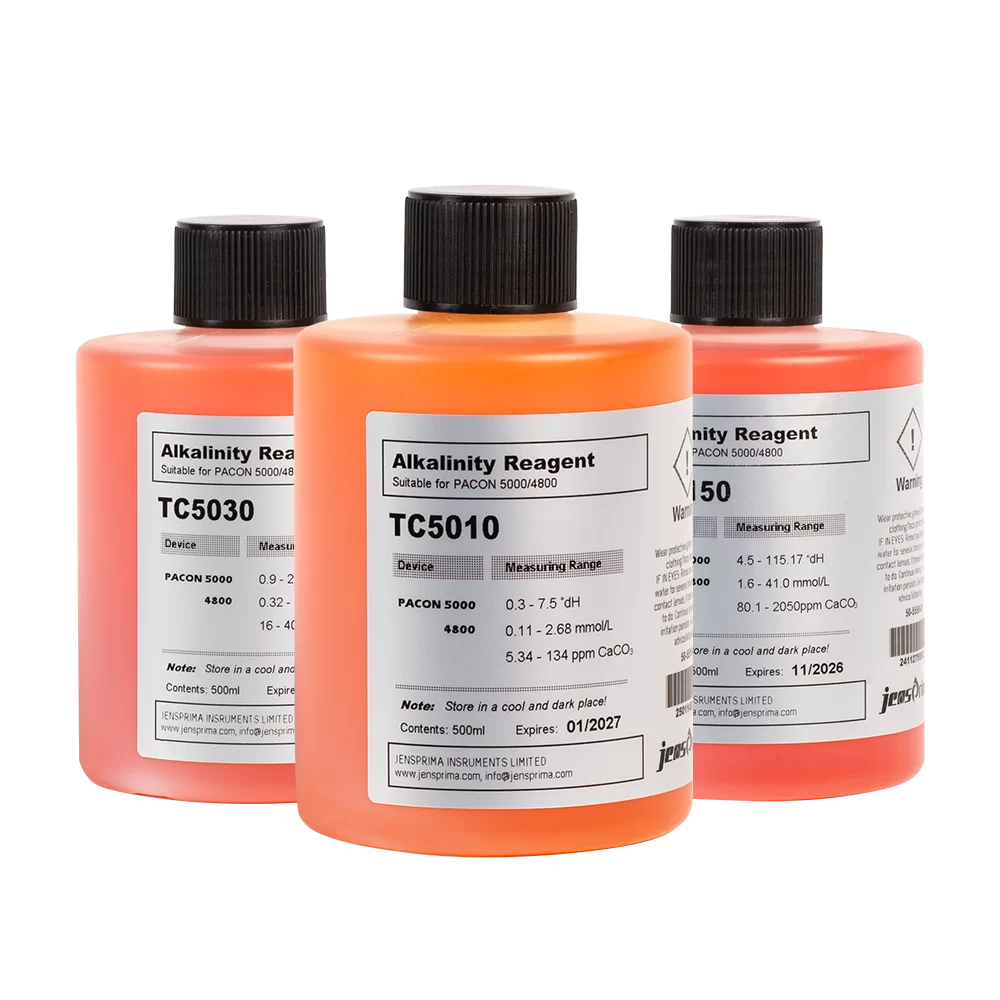
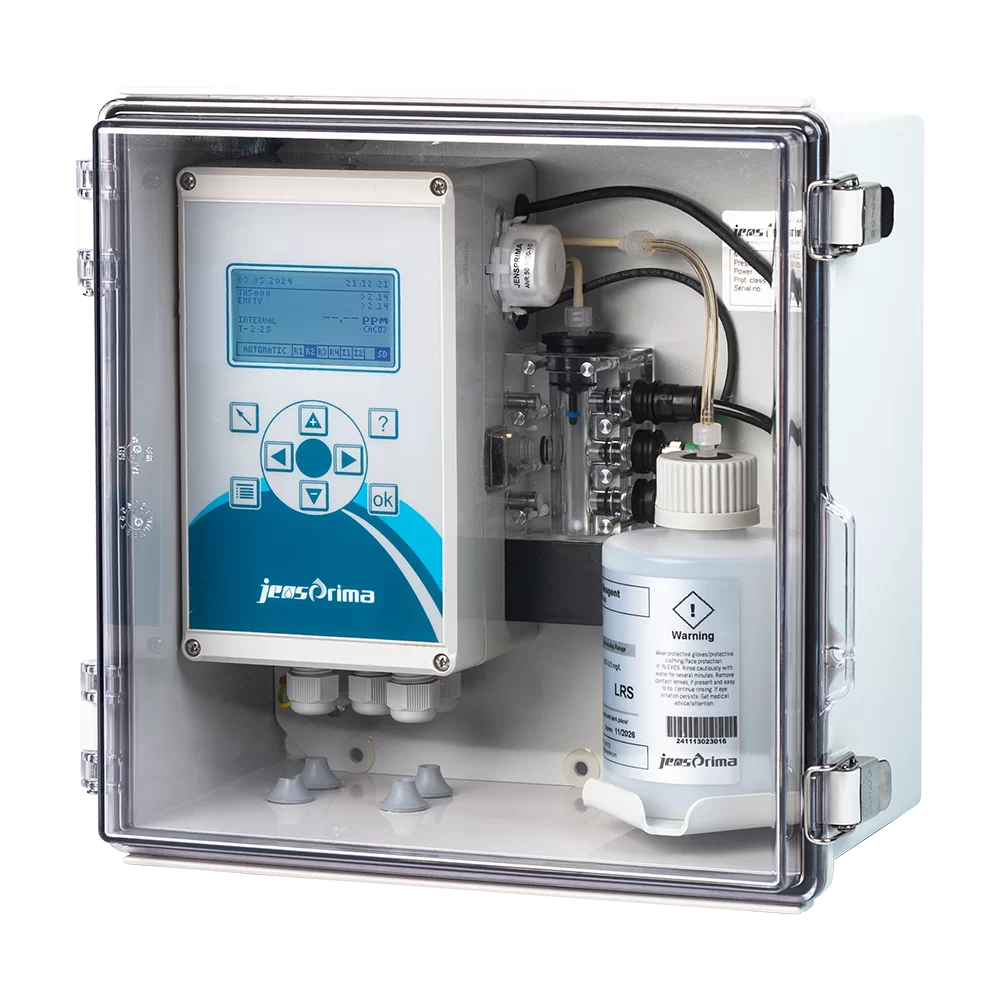
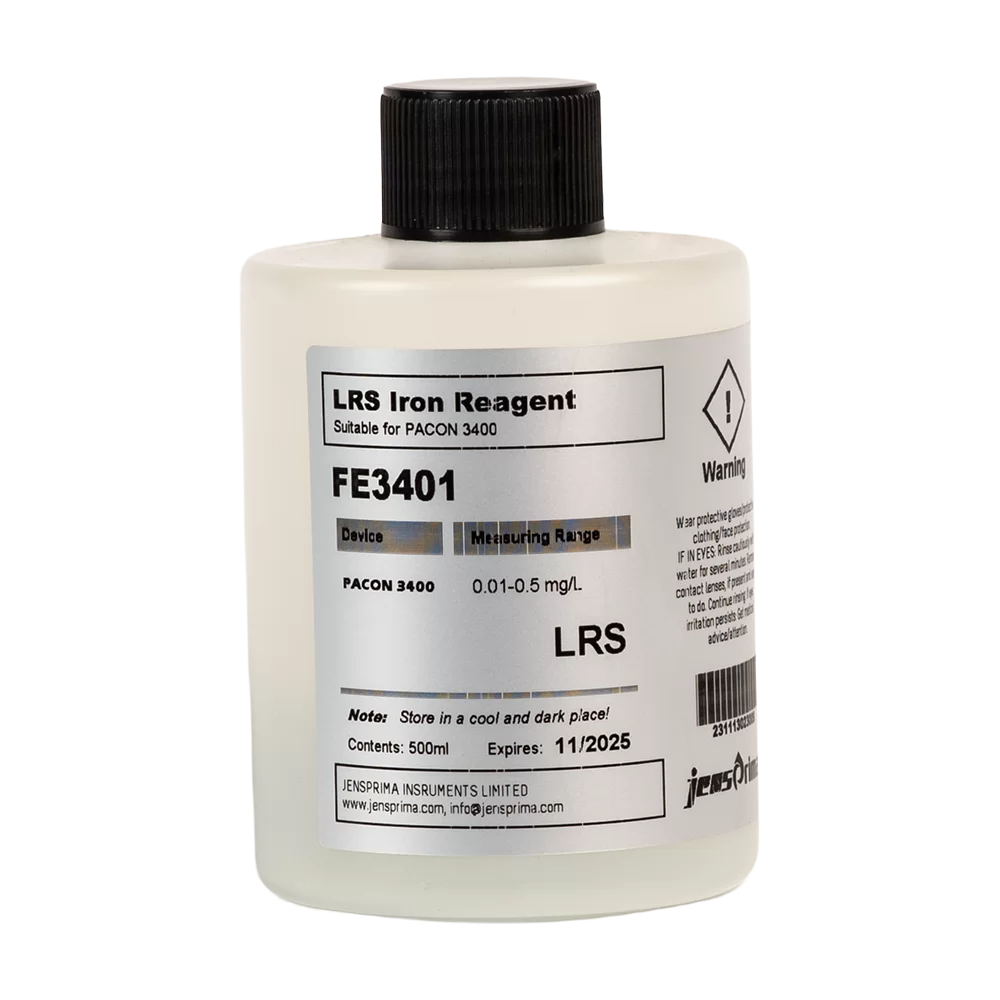
The efficiency of water quality analyzers like the PACON 5000 depends on several core components. First is the high-precision dosing system, which ensures that reagents are added in exact quantities to achieve a stable colorimetric reaction, minimizing waste while maximizing accuracy.
Second is the optical detection module. The PACON 5000 utilizes advanced photometric sensors to measure the light absorbance of the sample, translating color intensity directly into a hardness value. This automation removes the human error typical of visual color matching in traditional lab settings.
Finally, the intelligent controller integrates all data, providing a digital interface for monitoring and alarm management. This allows the system to trigger regeneration cycles for softeners automatically, creating a closed-loop system that ensures water quality remains within a predefined narrow range.
Global Industrial Applications and Use Cases
The application of automated hardness monitoring is diverse, ranging from massive power generation plants to pharmaceutical labs. In power plants, the PACON 5000 is used to prevent boiler scale, which can lead to overheating and catastrophic pipe bursts if not managed. By providing constant data, these water quality analyzers ensure that the water entering the boiler is virtually mineral-free.
In other contexts, such as high-end textile manufacturing or food and beverage processing, water hardness directly affects the quality of the final product. For example, in remote industrial zones where water sources vary significantly in mineral content, the PACON 5000 provides the stability needed to maintain consistent product taste or fabric texture regardless of the raw water fluctuations.
Performance Comparison of Water Analysis Methods
Long-Term Value of Automated Hardness Analysis
The transition to automated systems offers tangible economic benefits. By reducing the frequency of manual testing and the volume of chemicals used, companies can significantly lower their operational expenditure (OPEX). More importantly, the prevention of scale buildup extends the lifespan of piping and heating elements, delaying expensive capital replacements.
Beyond the financial logic, there is an emotional and safety-driven value to this technology. Reliability in water monitoring builds trust among stakeholders and ensures a safer working environment. Knowing that water quality analyzers are monitoring the system 24/7 provides peace of mind to plant managers, knowing that a sudden spike in hardness will be caught before it causes a system failure.
Future Trends in Digital Water Management
The future of water analysis is inextricably linked to the digital transformation of industry (Industry 4.0). We are seeing a shift toward "smart" sensors that not only measure parameters but also perform self-diagnostics and predict when reagents need to be replenished. This move toward predictive maintenance reduces downtime and optimizes the supply chain for consumables.
Integration with Cloud-based AI is another burgeoning trend. By aggregating data from multiple water quality analyzers across different sites, companies can identify global patterns in water chemistry and optimize their treatment protocols using machine learning algorithms to predict seasonal water quality shifts.
Sustainability is also driving innovation in reagent chemistry. Future developments are focusing on "green reagents" that provide the same precision as traditional chemicals but are biodegradable and non-toxic, aligning industrial water treatment with global ESG (Environmental, Social, and Governance) goals.
Overcoming Common Challenges in Online Analysis
Despite the advantages, online analysis faces challenges such as sensor fouling and reagent degradation. In environments with high suspended solids, the optical windows of the analyzer can become coated, leading to drift in measurements. To combat this, the PACON 5000 incorporates automated cleaning cycles and robust filtration systems to ensure the sample remains clear.
Another common issue is the stability of reagents over time, especially in extreme temperature environments. Expert insights suggest the use of temperature-controlled reagent cabinets and the implementation of a strict calibration schedule. Regular validation against laboratory standards ensures that the online data remains an accurate reflection of the actual water chemistry.
Finally, the complexity of installation can be a barrier. Modern solutions address this through modular design and "plug-and-play" configurations. By simplifying the interface and providing comprehensive remote support, manufacturers are making it easier for plants to upgrade from manual to automated monitoring without requiring an entire overhaul of their existing infrastructure.
Operational Comparison of Water Hardness Analysis Strategies
| Methodology |
Response Time |
Labor Intensity |
Consistency Score |
| Manual Titration |
Hours/Days |
Very High |
4/10 |
| Portable Digital Meter |
Minutes |
Moderate |
6/10 |
| PACON 5000 Online |
Real-time |
Low |
9/10 |
| Semi-Auto Batch |
30-60 Mins |
Moderate |
7/10 |
| IoT Smart Sensor |
Instant |
Very Low |
10/10 |
| External Lab Service |
Days |
Low (Internal) |
8/10 |
FAQS
While many water quality analyzers measure general parameters like pH or conductivity, the PACON 5000 is specifically engineered for online total hardness analysis. It uses a sophisticated colorimetric method and automated reagent dosing to provide continuous, laboratory-grade results without manual intervention, making it ideal for controlling ion-exchange softeners in real-time.
Reagent consumption depends on the measurement frequency. Most systems are designed for weekly or monthly refills. The PACON 5000 optimizes this by allowing users to adjust the sampling interval, ensuring that chemicals are only used when necessary, thereby reducing operational costs and waste.
Yes, they are designed for industrial use. The PACON 5000 features a robust housing and integrated filtration to handle water with varying levels of turbidity. However, for extremely harsh environments, we recommend installing the analyzer in a temperature-controlled cabinet to ensure reagent stability and sensor longevity.
While the system is designed for ease of use, initial setup and periodic validation are best handled by trained personnel. The PACON 5000 simplifies this process with a user-friendly digital interface, allowing operators to perform routine calibrations quickly using standard reference solutions.
Automated monitoring prevents the "over-softening" of water, which wastes expensive salt and resin. By triggering regeneration cycles only when the hardness actually reaches a threshold, companies reduce chemical consumption and extend the life of their water treatment infrastructure, leading to significant long-term savings.
Absolutely. The system is designed for seamless integration. It typically offers standard industrial outputs (such as 4-20mA or Modbus), allowing the hardness data to be fed directly into a central control room or SCADA system for plant-wide monitoring and automated control of valves and pumps.
Conclusion
The adoption of precise, automated systems for water monitoring is no longer an option but a strategic necessity for modern industry. By integrating high-performance water quality analyzers like the PACON 5000, facilities can ensure operational stability, protect their most expensive assets from scaling, and drastically reduce their environmental footprint through optimized chemical usage.
As we move toward a more sustainable and digitally integrated future, the focus will shift toward even more autonomous, self-healing monitoring networks. We encourage industrial operators to evaluate their current water management strategies and transition toward online analysis to achieve higher efficiency, better compliance, and long-term reliability. Visit our website for more information: www.jensprima.com



 Download
 Video Center
 Technical Services
 FAQS
 Service Network
 Privacy Policy
 Contact Us