Maintaining precise control over water chemistry is a cornerstone of modern industrial efficiency and environmental stewardship. The ability to monitor parameters like conductivity, acidity, and oxygen levels ensures that critical processes remain stable and that aquatic ecosystems are protected from harmful imbalances. For many operators, finding a reliable way to integrate these measurements is a primary operational goal.
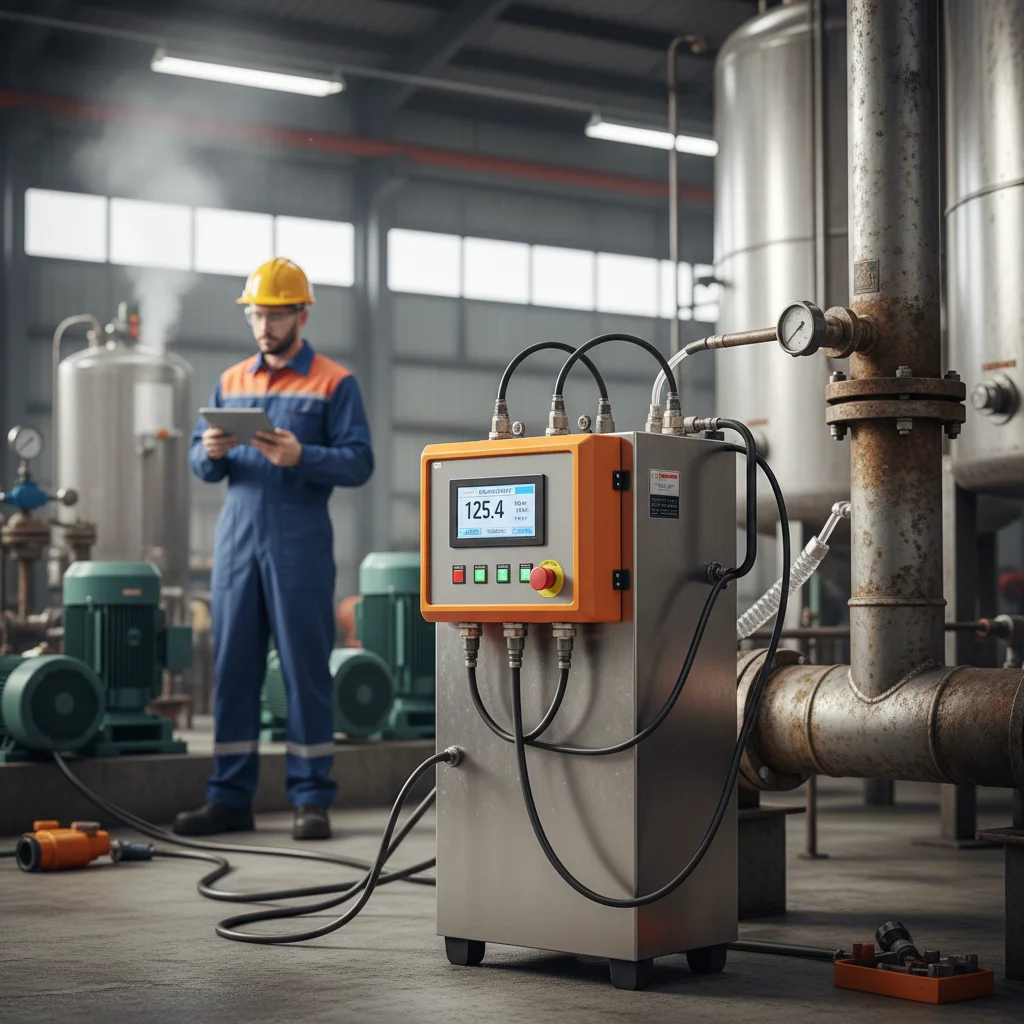
Across the globe, from wastewater treatment plants to pharmaceutical laboratories, the demand for high-precision analytical instruments has surged. This growth is driven by stricter regulatory frameworks and the need for real-time data to prevent costly system failures. The challenge lies in selecting equipment that can withstand harsh environments while providing laboratory-grade accuracy in a continuous online setting.
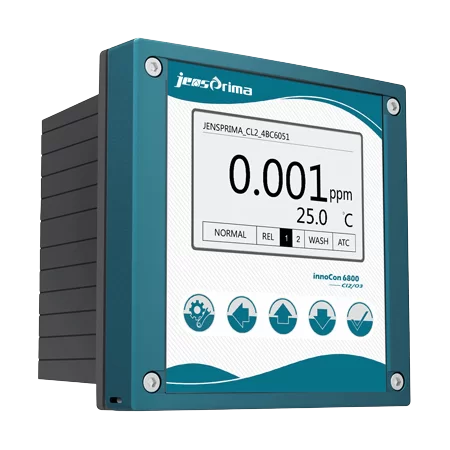
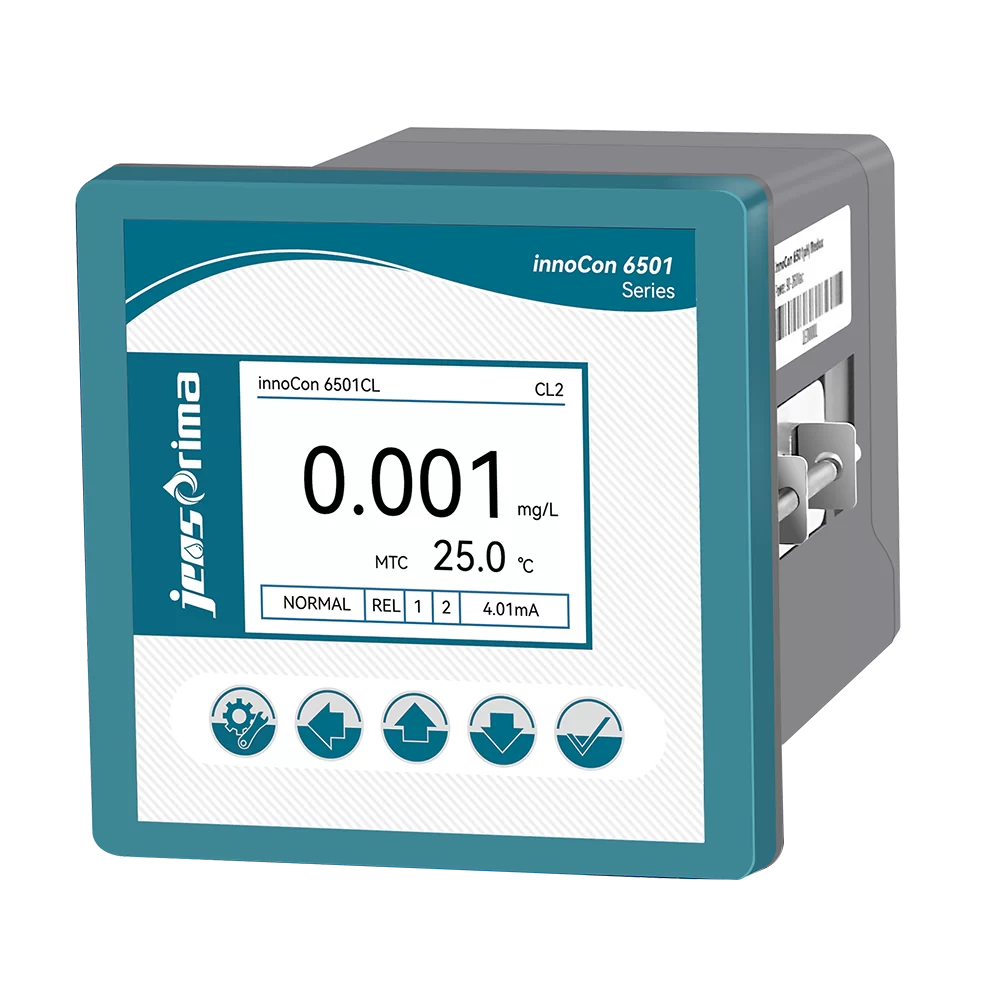
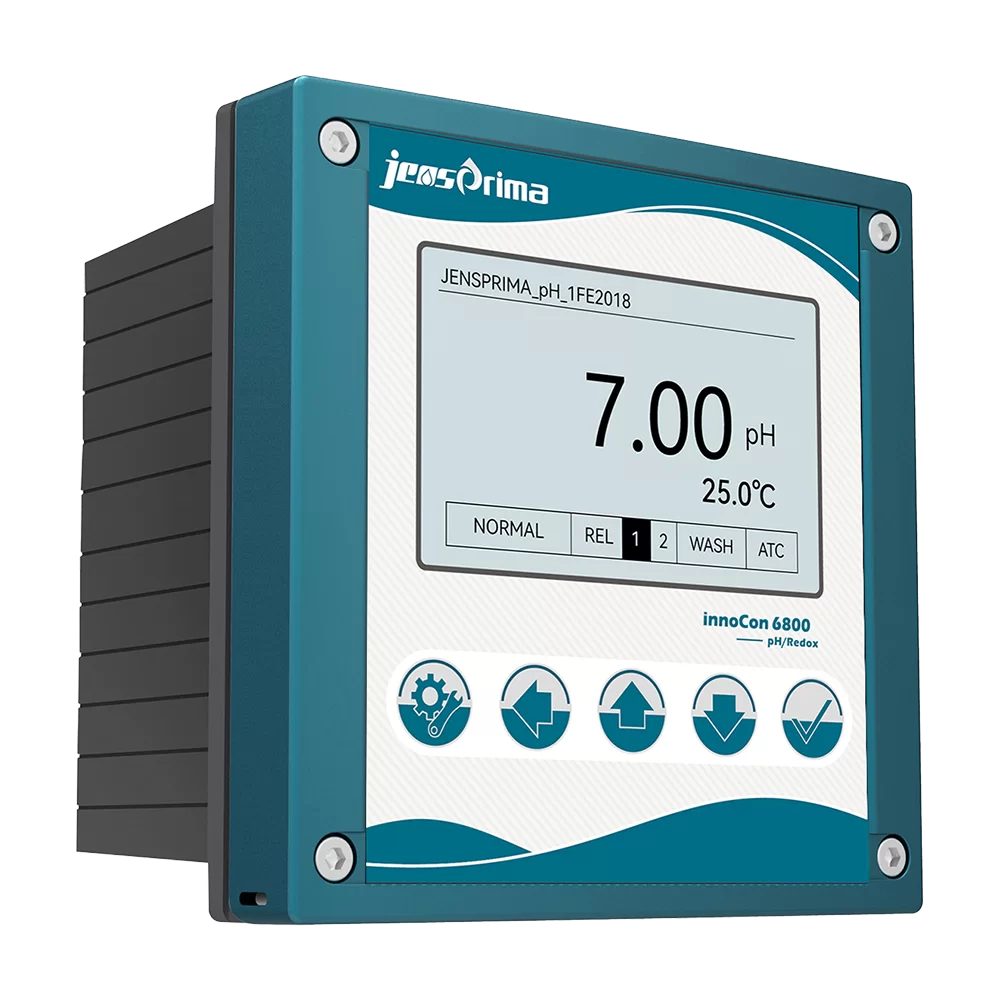
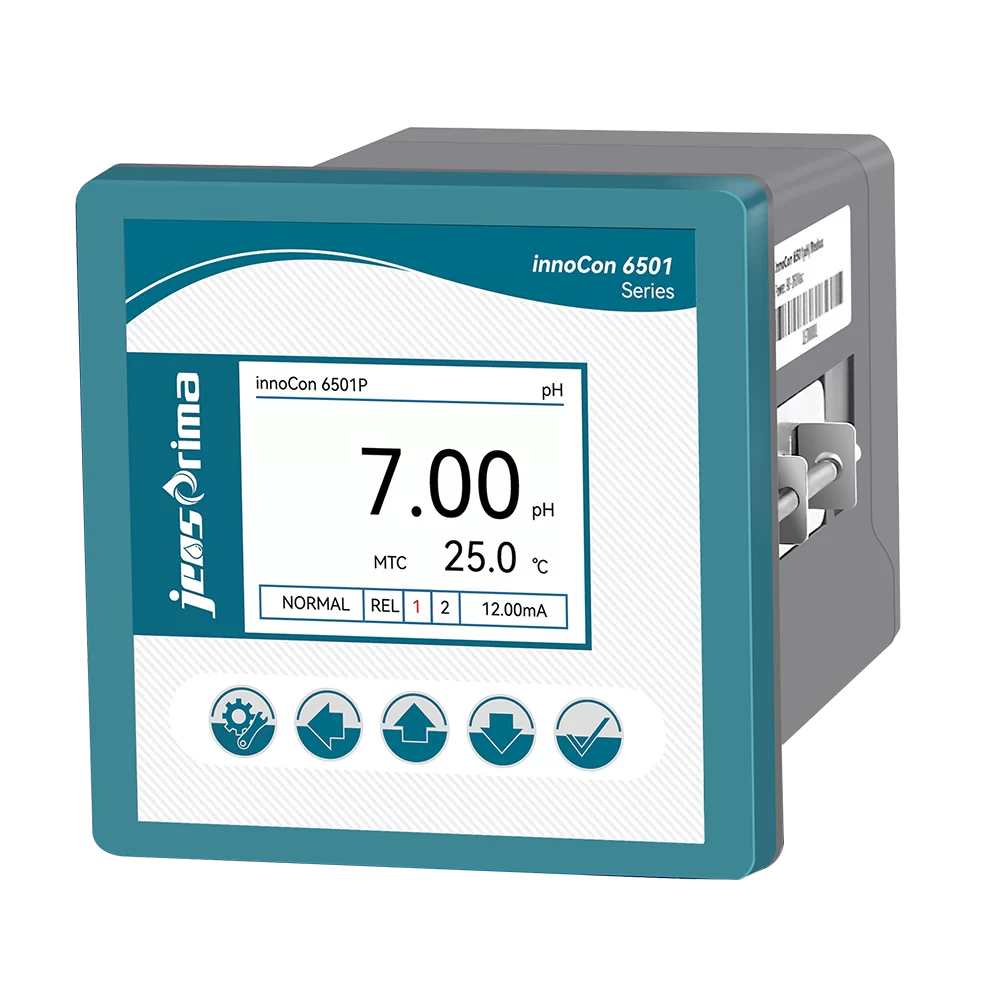
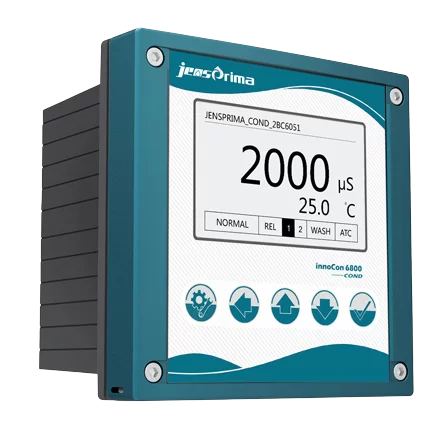
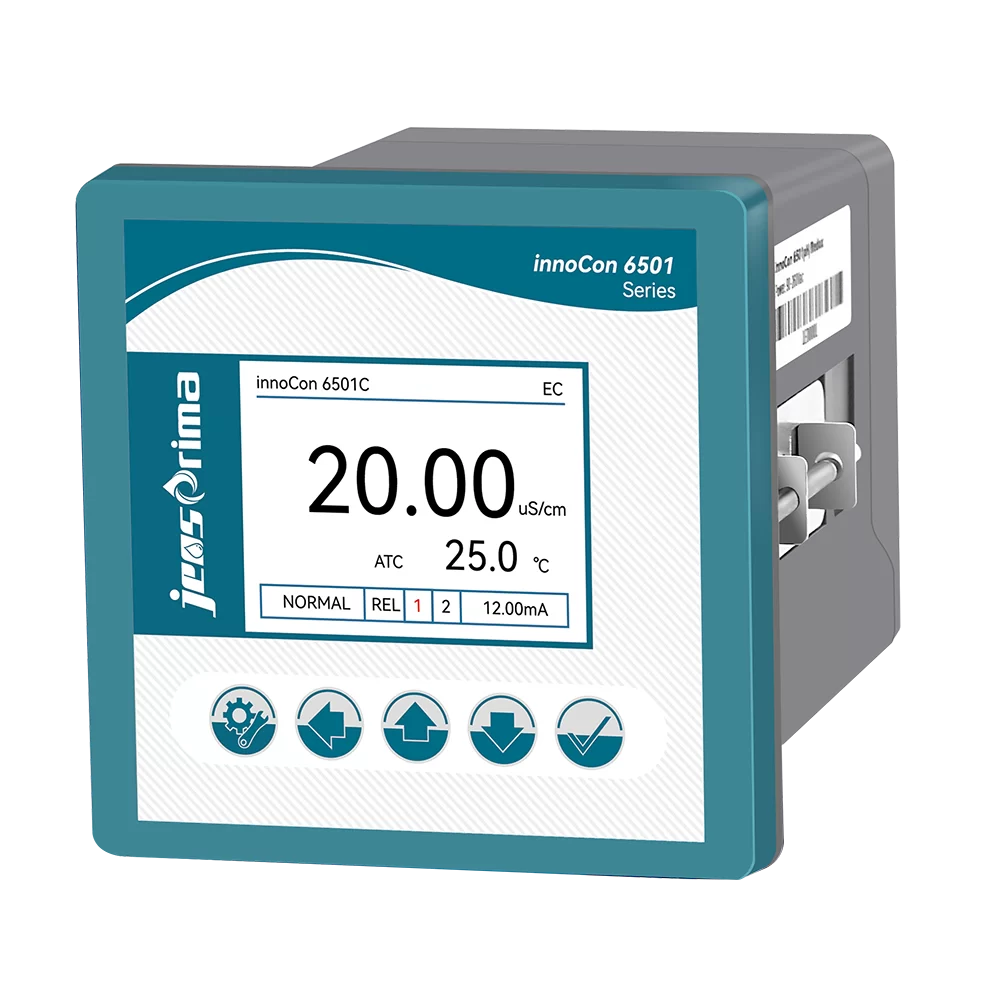
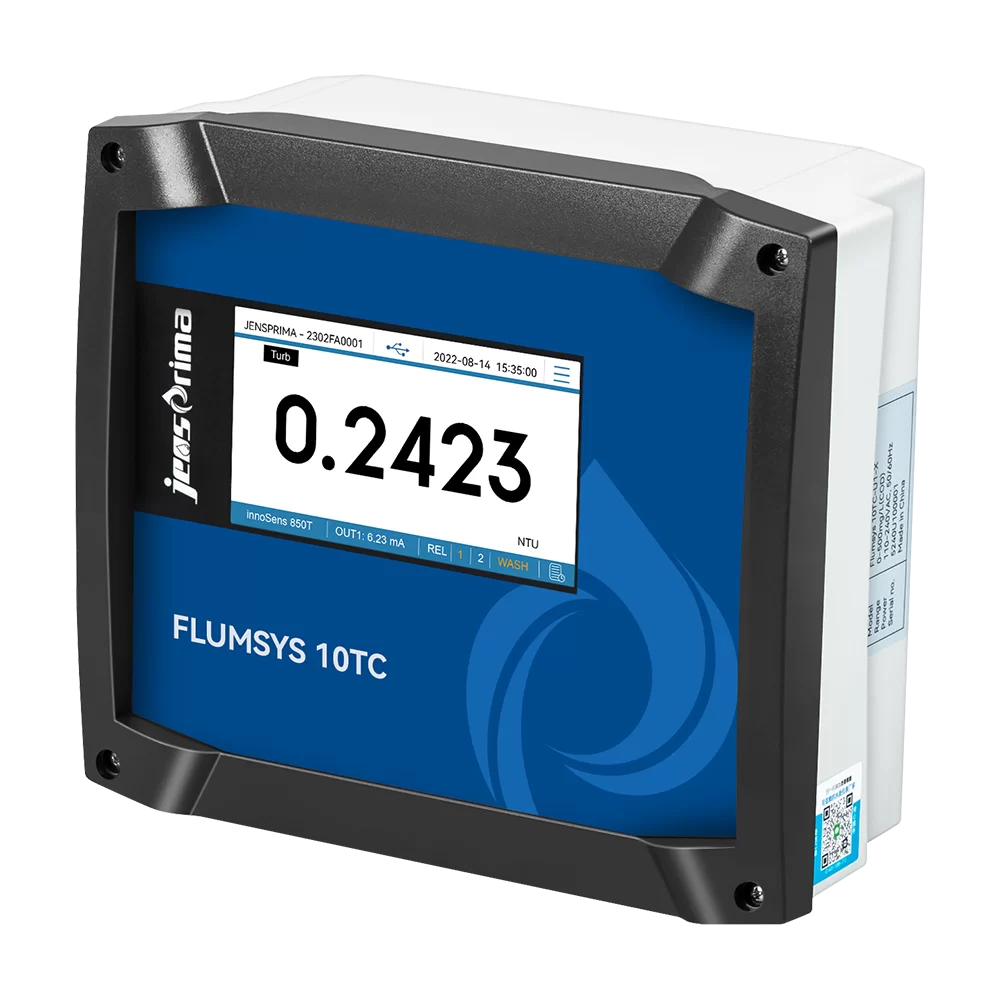
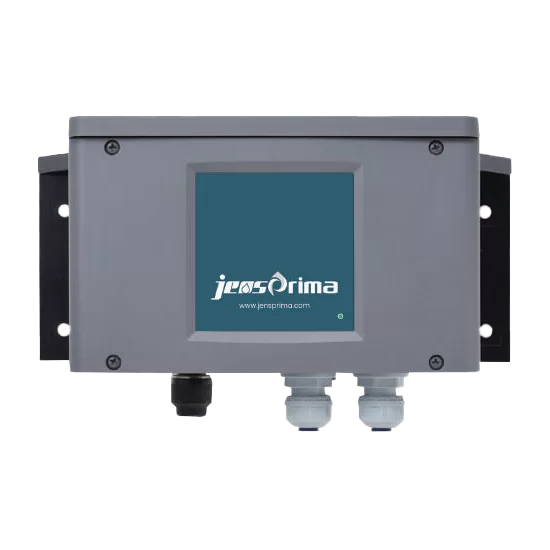
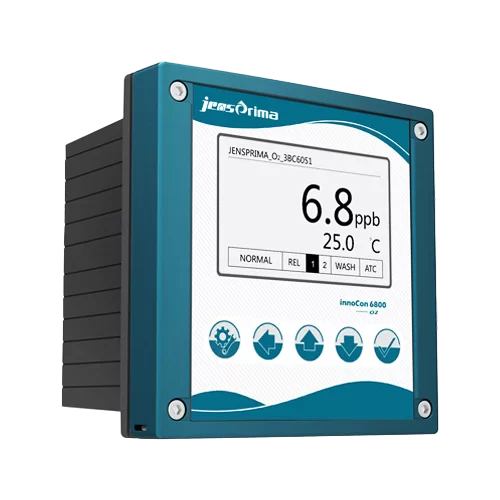
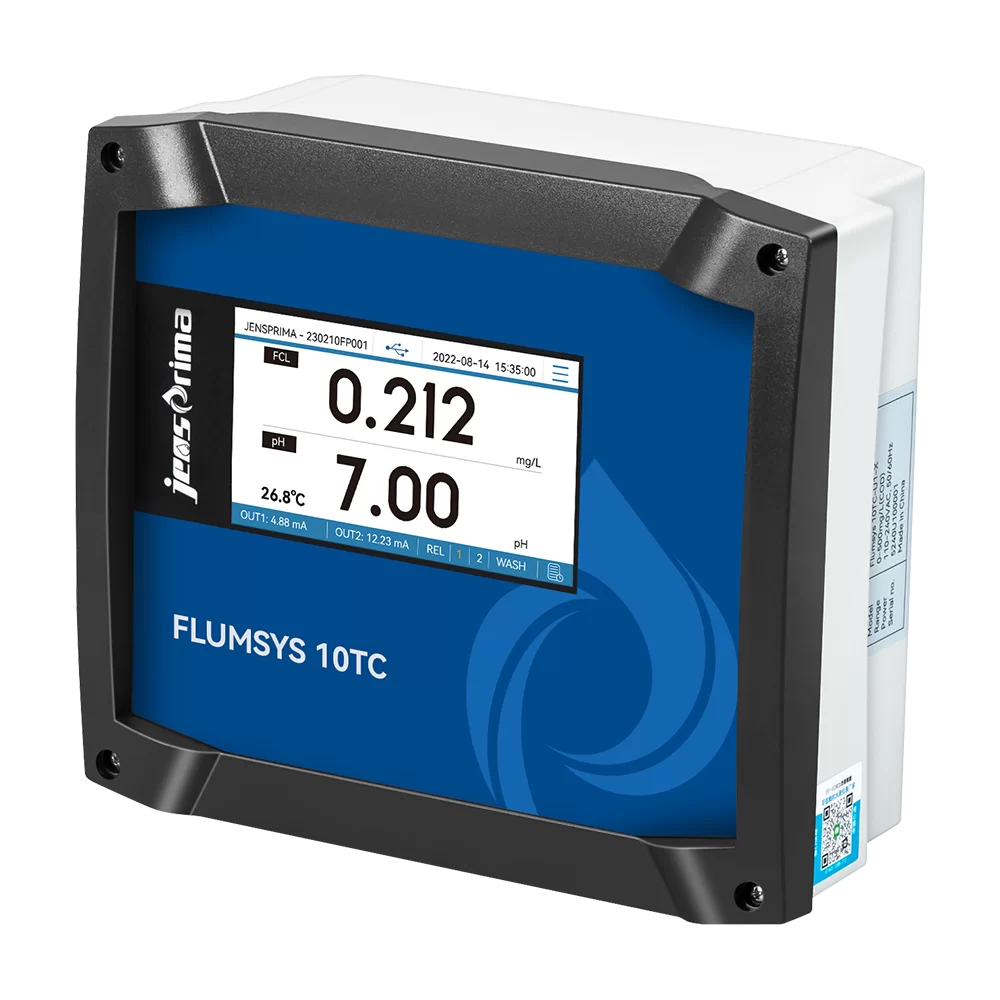
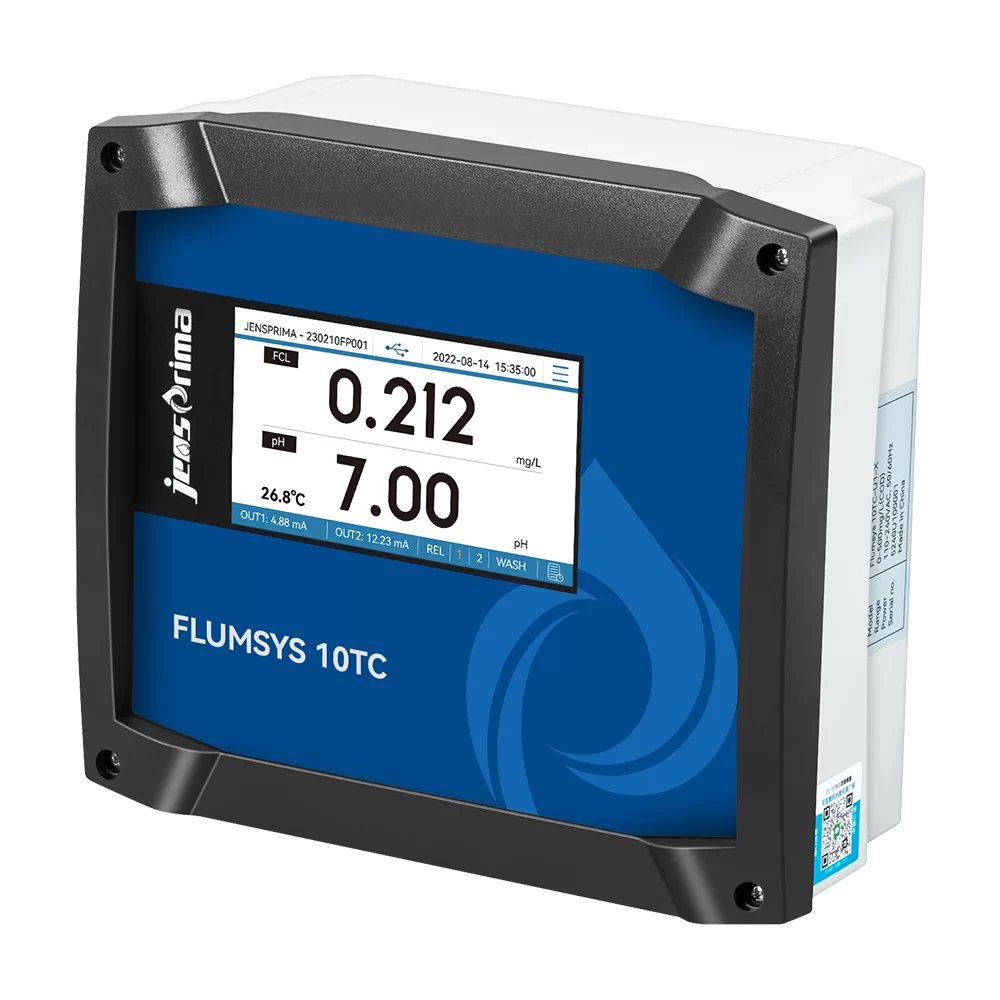
While many facilities utilize a ph and dissolved oxygen meter for basic monitoring, the integration of advanced controllers, such as the Conductivity Controller innoCon 6501C, allows for a more holistic approach to water quality management. By combining precise conductivity measurements with other vital parameters, industries can achieve a level of automation that reduces human error and maximizes resource recovery.

Global Relevance of Water Quality Monitoring
The global pursuit of sustainable development, as outlined by UN Sustainable Development Goal 6, emphasizes the necessity of clean water and sanitation for all. In this context, the deployment of precise monitoring tools is no longer optional; it is a regulatory requirement. Whether monitoring urban runoff or managing industrial discharge, the ability to detect shifts in water composition prevents ecological disasters and ensures public health.
Industry standards, including ISO 14001, mandate that organizations actively manage their environmental impact. By implementing high-accuracy controllers and sensors, companies can transition from reactive maintenance to proactive environmental management, ensuring that every drop of water returned to the environment meets the highest safety standards.
Defining Integrated Analytical Instrumentation
Integrated analytical instrumentation refers to the synergy between sensing elements and control units that allow for the continuous measurement of physical and chemical properties in a liquid medium. In simple terms, it is the "eyes and brain" of a water treatment system, converting raw chemical signals into actionable data that can trigger valves, pumps, or alarms.
For many technicians, the concept begins with the basic ph and dissolved oxygen meter, which provides a snapshot of the water's acidity and aeration levels. However, for industrial-grade operations, this is expanded into complex loops involving conductivity controllers like the innoCon 6501C, which can handle complex temperature compensations and high-precision signal processing.
This evolution in instrumentation meets a critical humanitarian and industrial need: the reduction of chemical waste. By knowing exactly when to dose a neutralizing agent or when to increase aeration, facilities can minimize the use of harsh chemicals, thereby lowering their carbon footprint and reducing the toxicity of their effluent.
Core Components for Precise Measurement
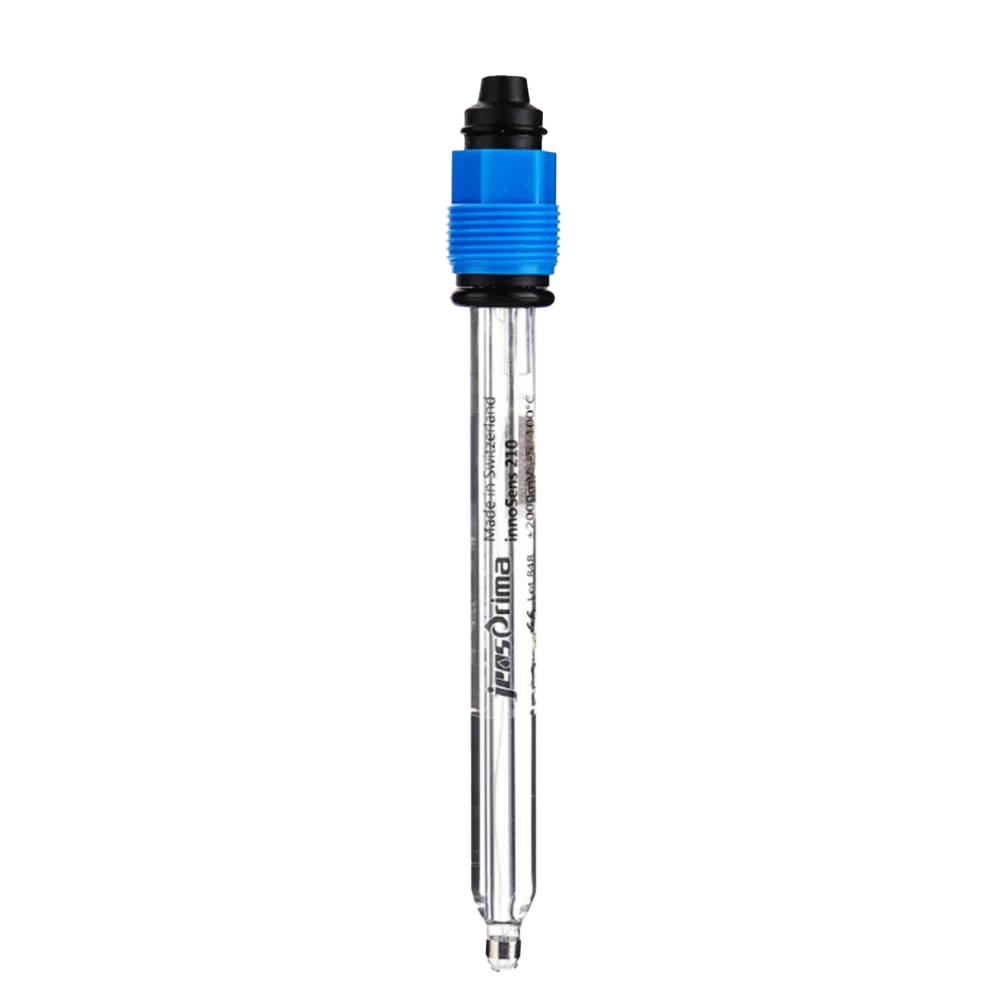
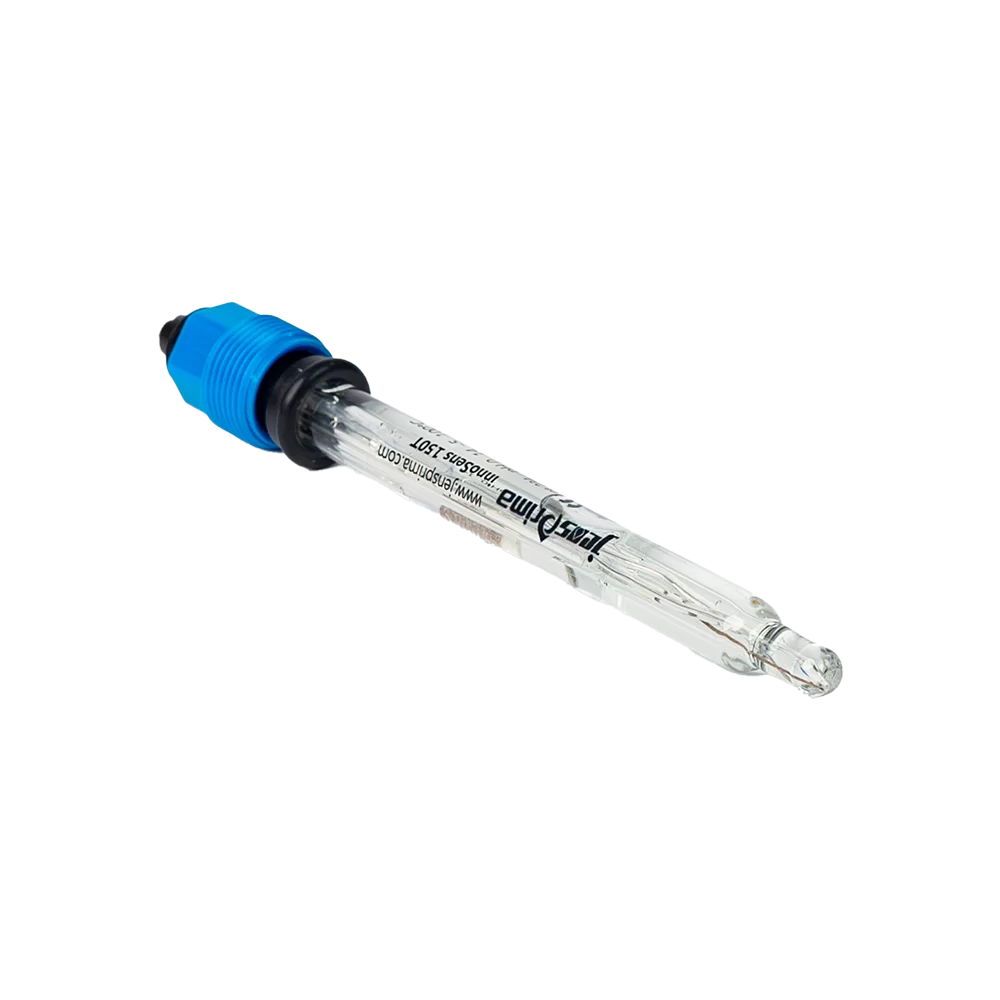
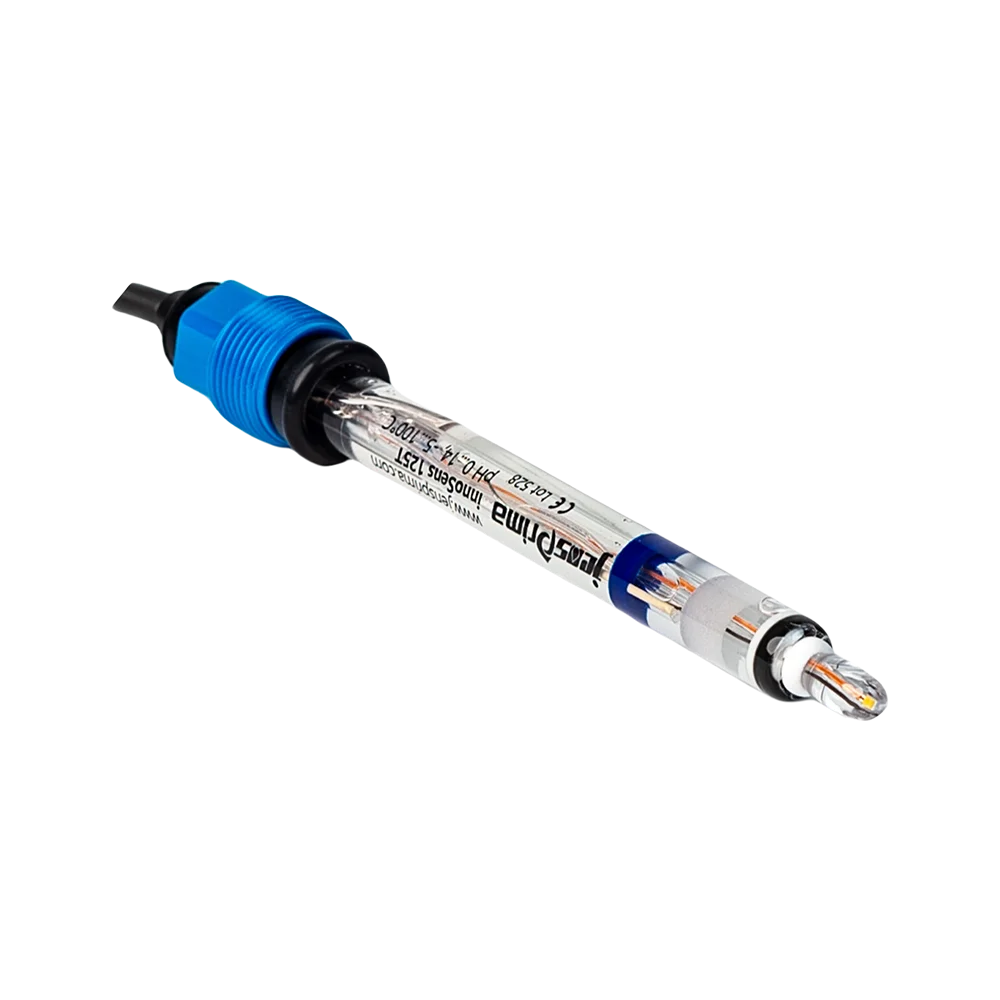
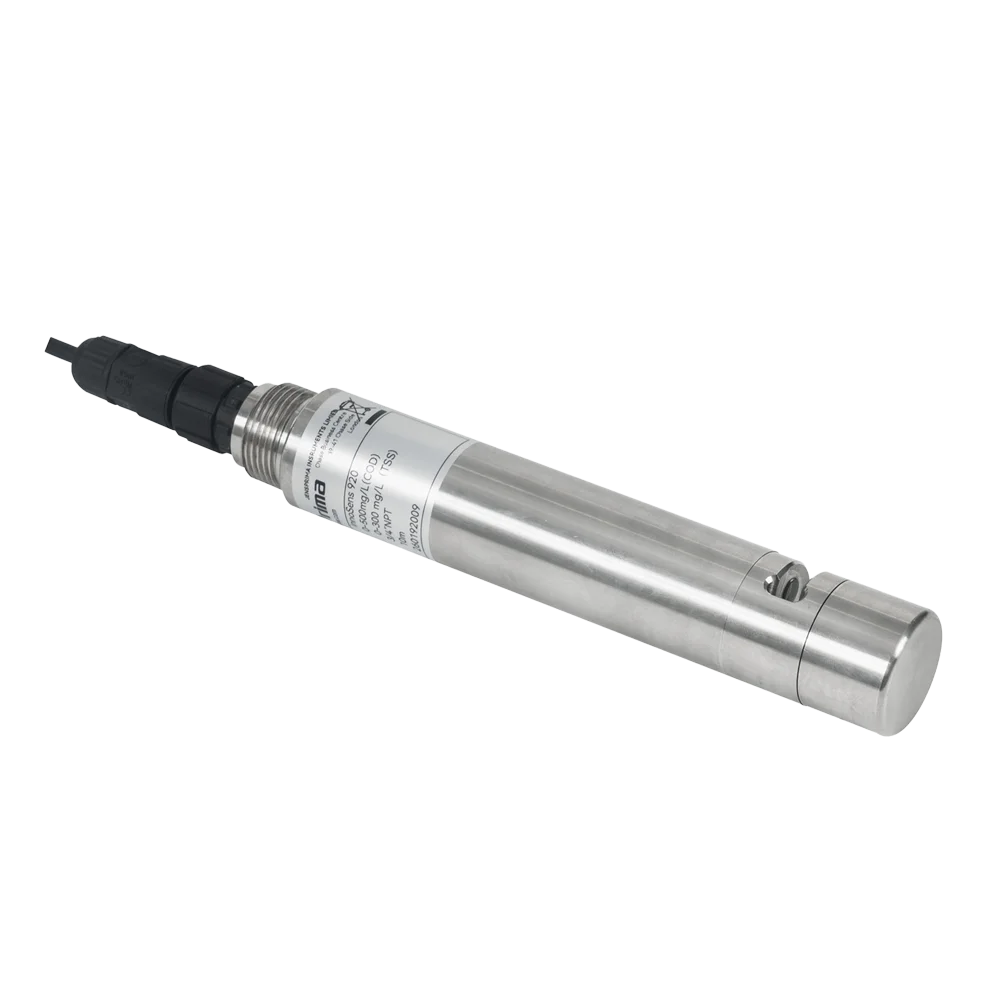
Durability is the first pillar of any effective water analysis system. Sensors must be constructed from materials that resist corrosion and biofouling, as they are often submerged in aggressive chemicals or raw wastewater for months. A robust ph and dissolved oxygen meter setup relies on high-quality electrodes that maintain stability even under fluctuating pressures.
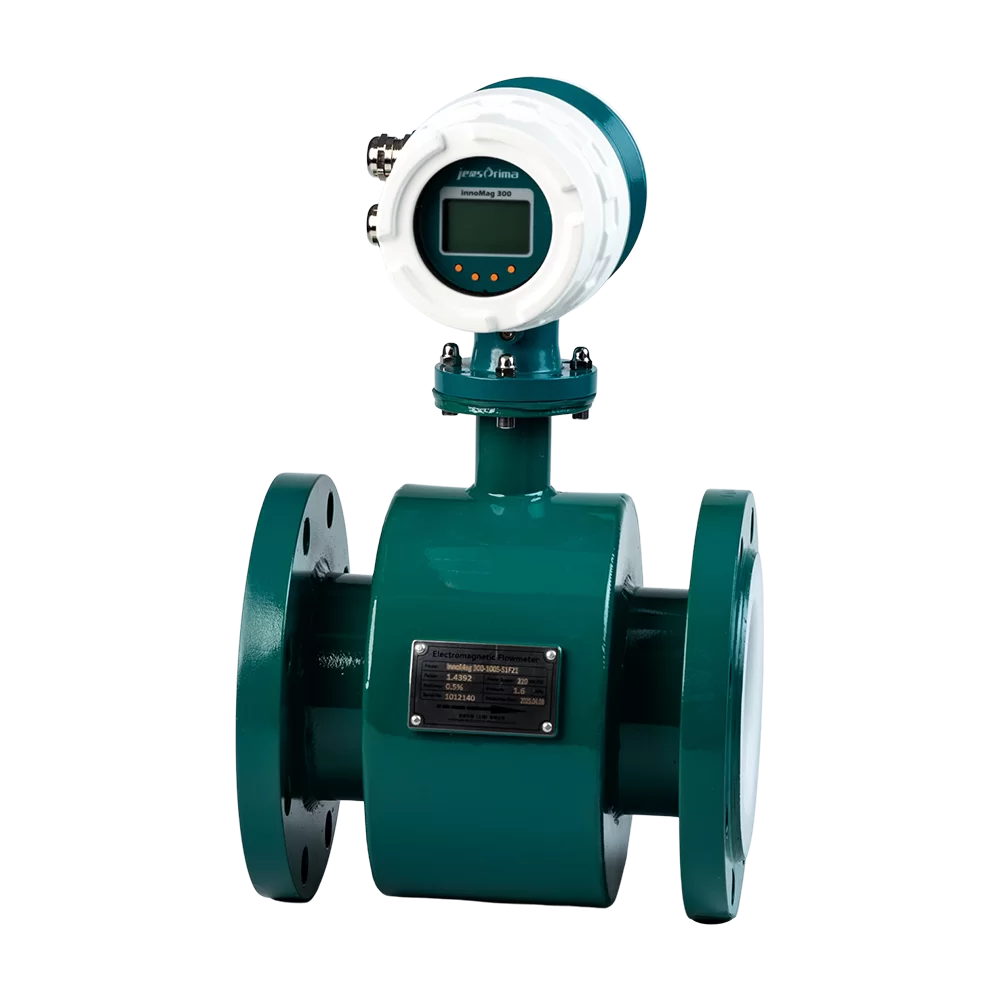
Scalability ensures that as a facility grows, its monitoring capabilities grow with it. Advanced controllers, such as the innoCon 6501C, are designed to integrate into larger SCADA systems, allowing a single operator to monitor dozens of points across a plant. This transition from a standalone ph and dissolved oxygen meter to a networked array of sensors is vital for large-scale industrial efficiency.
Cost efficiency is achieved through reduced maintenance and increased accuracy. High-precision controllers reduce the frequency of manual calibrations and prevent "over-dosing" of reagents. When a system accurately tracks conductivity and pH, it optimizes the use of expensive chemical consumables, providing a rapid return on investment.
Industrial Applications and Use Cases
In real-world contexts, these instruments are indispensable. In the power generation sector, conductivity controllers are used to monitor boiler feed water, ensuring that mineral content is kept at a minimum to prevent scaling and catastrophic tube failure. Similarly, in the aquaculture industry, the combined use of a ph and dissolved oxygen meter is critical for maintaining the delicate balance required for fish survival and growth.
Beyond structured industry, these tools are vital in remote industrial zones or post-disaster relief operations. In areas where the water supply has been contaminated, rapid-deployment water quality analyzers allow NGOs and government agencies to verify the safety of drinking water in real-time, ensuring that acidification or oxygen depletion does not lead to secondary health crises.
Comparative Performance of Water Analysis Methods
Long-Term Value of Automated Controllers
The transition to automated controllers provides a tangible leap in reliability and safety. By removing the variability of human sampling, companies can ensure that their processes are always within optimal ranges. This reliability builds trust with regulatory bodies and stakeholders, as the data generated is consistent, timestamped, and verifiable.
From a sustainability perspective, the long-term value lies in the reduction of waste. An automated system that integrates a ph and dissolved oxygen meter with a conductivity controller can pinpoint exactly when a process has reached equilibrium, preventing the unnecessary use of water and energy. This innovation transforms water management from a cost center into a strategic asset.
Future Trends in Online Water Analysis
The future of water analysis is being shaped by the digital transformation of the industry, often referred to as Industry 4.0. We are seeing a shift toward "smart sensors" that can self-diagnose their own health and alert operators when calibration is required. This reduces the downtime traditionally associated with the maintenance of a ph and dissolved oxygen meter.
Furthermore, the integration of AI and machine learning is allowing systems to predict water quality trends before they happen. By analyzing historical data from controllers like the innoCon 6501C, AI can identify the early signatures of a system leak or a chemical imbalance, allowing for preemptive action that saves thousands of dollars in potential damages.
Green energy is also playing a role, with the development of low-power, solar-powered monitoring stations for remote environmental protection. These stations can transmit data via LoRaWAN or 5G, providing a real-time map of river health and dissolved oxygen levels across entire watersheds without the need for extensive cabling.
Overcoming Technical Challenges in the Field
Despite advancements, challenges such as sensor drift and electrode poisoning remain common. These occur when the sensing surface of a ph and dissolved oxygen meter is coated with oils, proteins, or minerals, leading to inaccurate readings. Expert insights suggest the implementation of automated cleaning cycles—using air blasts or chemical wipes—to maintain sensor integrity.
Another limitation is the impact of temperature on conductivity and pH. To solve this, professional-grade controllers incorporate advanced temperature compensation algorithms. The innoCon 6501C, for example, utilizes high-precision temperature probes to ensure that the reported conductivity is normalized to a reference temperature, providing a true reflection of the water's ionic strength.
Finally, the "data overload" problem—where operators are overwhelmed by too many alerts—is being solved through intelligent alarm management. By setting multi-stage thresholds (Warning, Critical, Emergency), facilities can prioritize their response and focus on the most urgent issues first, ensuring that critical water quality failures are addressed immediately.
Technical Comparison of Water Quality Monitoring Solutions
| Monitoring Method |
Response Speed |
Maintenance Level |
Reliability Score (1-10) |
| Manual Lab Titration |
Slow (Hours) |
High (Manual) |
7 |
| Portable Handheld Meter |
Medium (Minutes) |
Medium |
6 |
| Basic Online Sensor |
Fast (Seconds) |
Medium |
8 |
| Integrated Controller |
Real-time |
Low (Auto-cal) |
9 |
| SCADA-Linked Array |
Instantaneous |
Low |
10 |
| IoT Remote Station |
Real-time |
Low |
9 |
FAQS
Calibration frequency depends on the water quality and sensor type. In clean water, once a month may suffice, but in wastewater, weekly calibration is recommended to account for sensor drift and fouling. Using an automated controller like the innoCon 6501C can help track drift and notify you exactly when calibration is necessary, ensuring consistent accuracy without excessive manual labor.
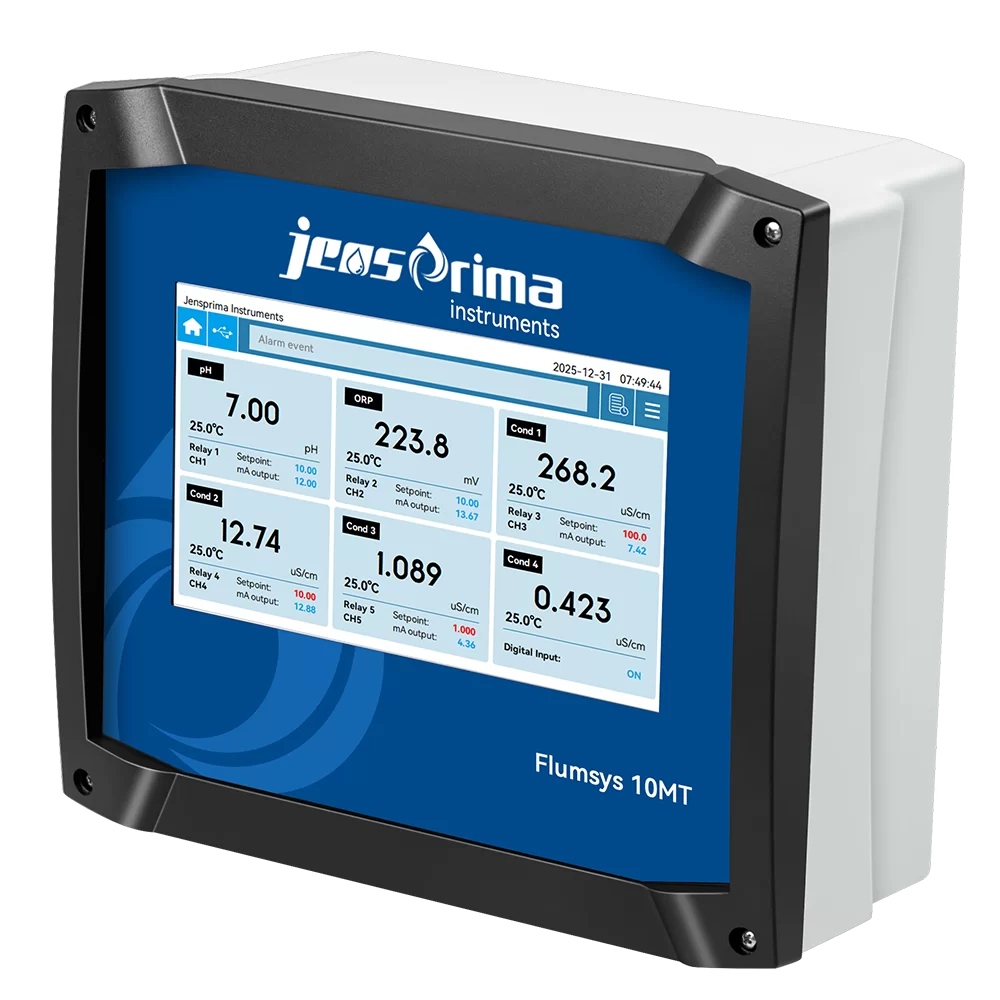
Yes, many advanced industrial controllers are multi-parameter. While some are dedicated to conductivity, others are designed to integrate inputs from pH, ORP, and dissolved oxygen sensors. This allows for a centralized control point where all water quality data is synchronized and analyzed together, providing a more complete picture of the water's chemical state.
A handheld meter is ideal for spot-checking and mobile sampling. An online controller, however, is designed for 24/7 continuous monitoring and automation. Controllers can trigger relays to start pumps or shut down processes if a parameter exceeds a limit, whereas a handheld meter only provides information to the operator at the moment of measurement.
Temperature significantly affects the mobility of ions in water; generally, conductivity increases as temperature rises. To get a meaningful reading, a controller must use temperature compensation to normalize the value to 25°C. High-end controllers like the innoCon 6501C handle this automatically using an integrated NTC or Pt1000 probe.
Sensor poisoning occurs when substances like hydrogen sulfide (H2S) or certain organic oils coat the sensing membrane or react with the electrode. This creates a barrier that prevents oxygen from reaching the sensor, leading to falsely low readings. Regular cleaning and the use of specialized membranes can mitigate this risk.
The initial investment for an integrated system is higher than buying separate handheld meters. However, the long-term total cost of ownership is lower due to reduced labor costs, fewer chemical waste penalties, and the prevention of equipment failure. The automation capabilities provide a level of risk mitigation that individual meters cannot offer.
Conclusion
The integration of high-precision instruments, from the basic ph and dissolved oxygen meter to the advanced Conductivity Controller innoCon 6501C, is essential for modern water management. By focusing on durability, scalability, and real-time automation, industries can ensure environmental compliance while optimizing their operational costs. The synergy between accurate sensing and intelligent control is what allows a facility to operate safely and sustainably in an increasingly regulated world.
Looking ahead, the move toward AI-driven analytics and IoT-enabled monitoring will further refine how we interact with our water resources. We encourage plant managers and environmental engineers to transition from reactive sampling to proactive, integrated monitoring to future-proof their operations. For more information on high-performance water quality solutions, visit our website: www.jensprima.com.


 Download
 Video Center
 Technical Services
 FAQS
 Service Network
 Privacy Policy
 Contact Us