The Ultimate Guide to Reagentless Free Chlorine Analyzer Technology
Maintaining precise chlorine levels is critical for water safety, whether in municipal drinking water, swimming pools, or industrial wastewater treatment. Traditionally, this required constant chemical dosing and manual reagent replacement, which was both costly and labor-intensive. However, the advent of the reagentless free chlorine analyzer has revolutionized the industry by providing real-time, accurate monitoring without the need for consumables. By utilizing advanced amperometric or optical sensing, these systems ensure a steady flow of clean water while drastically reducing operational overhead. In this guide, we will explore how this technology works and why it is the superior choice for modern water management.
How a Reagentless Free Chlorine Analyzer Operates
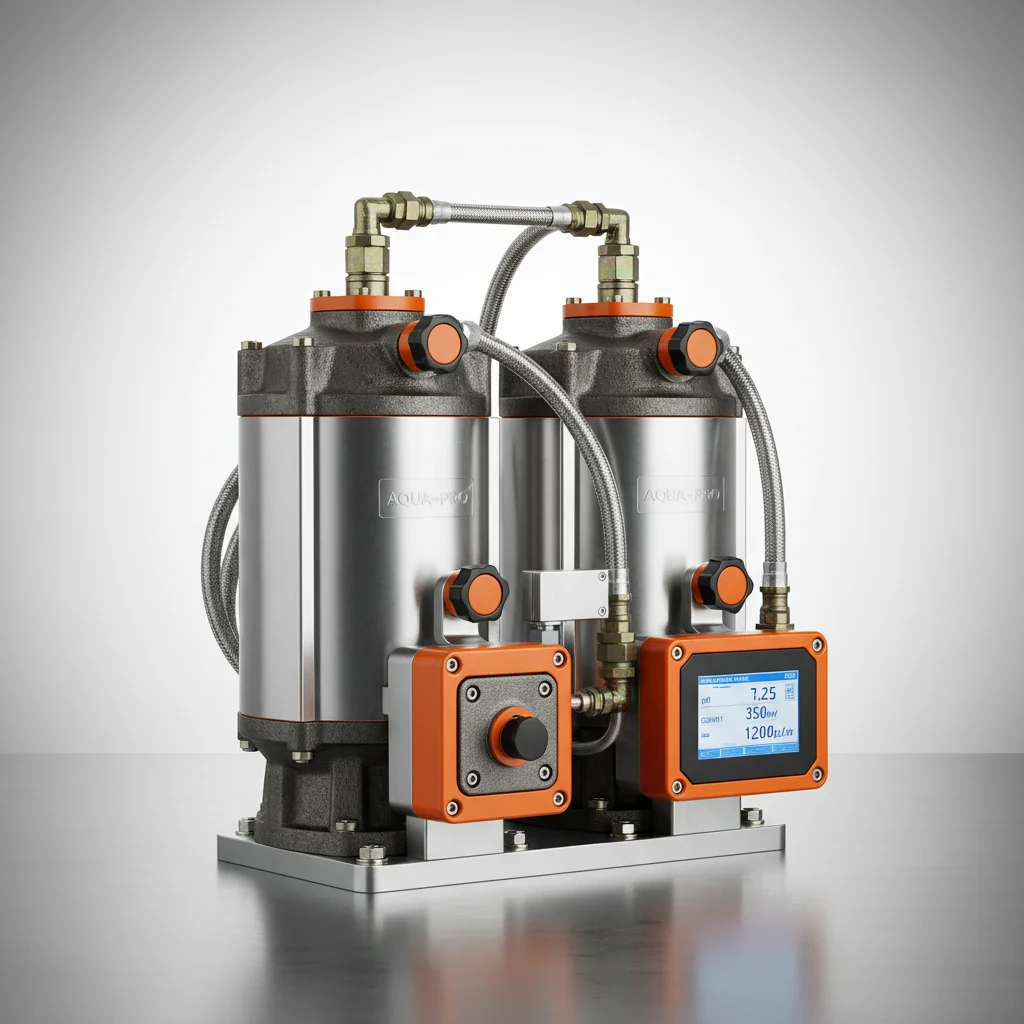
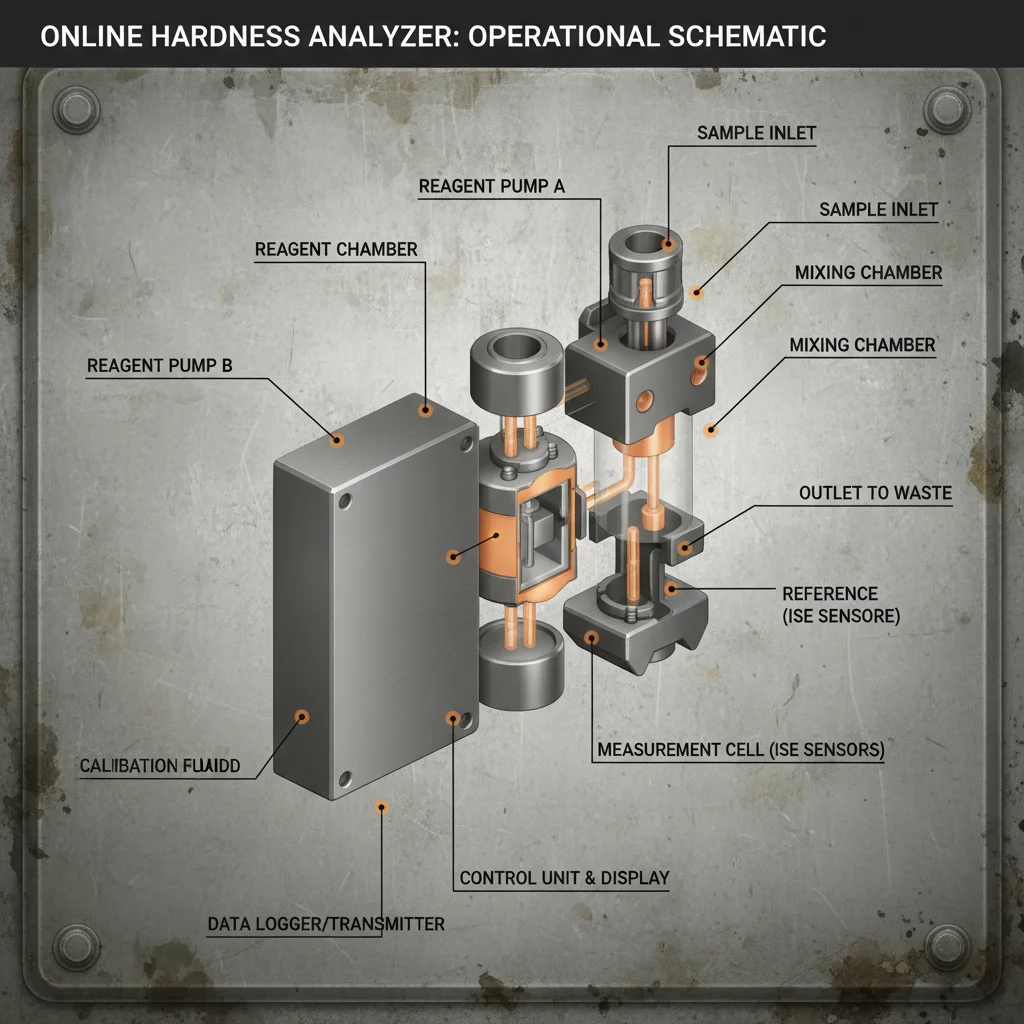
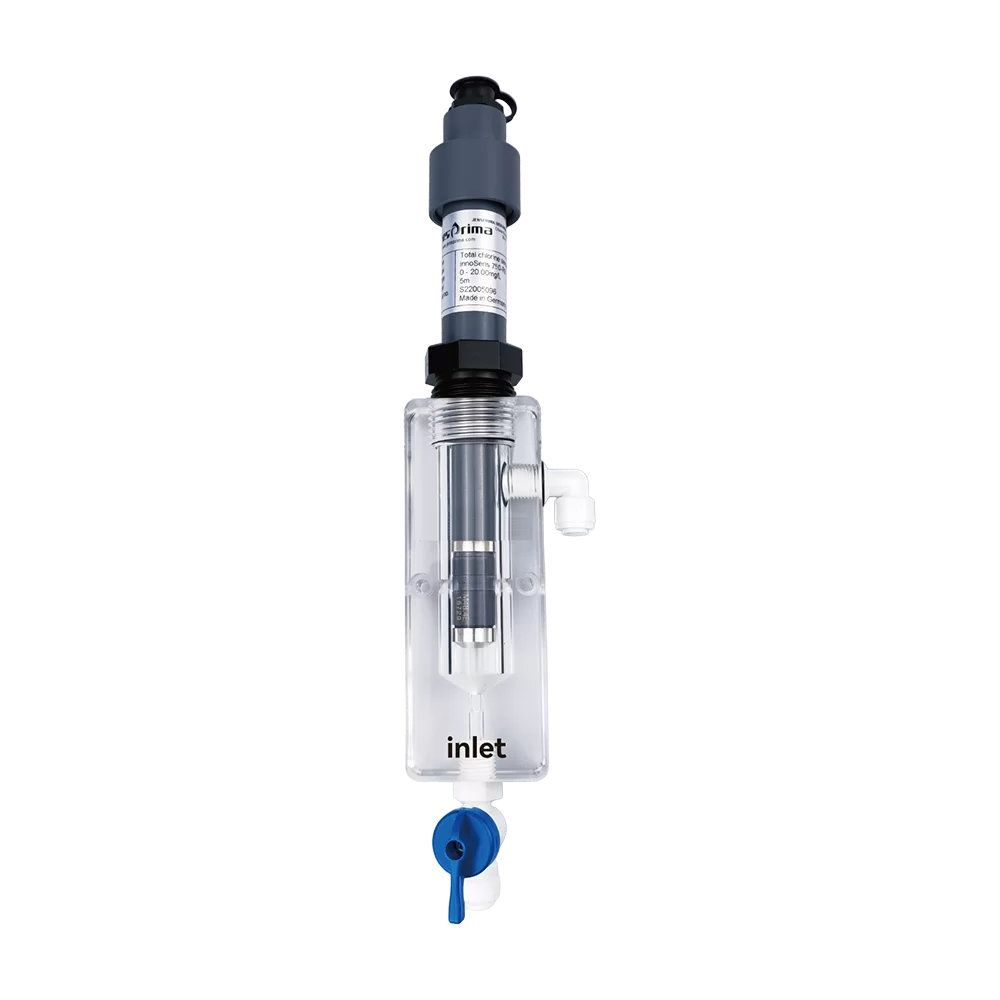
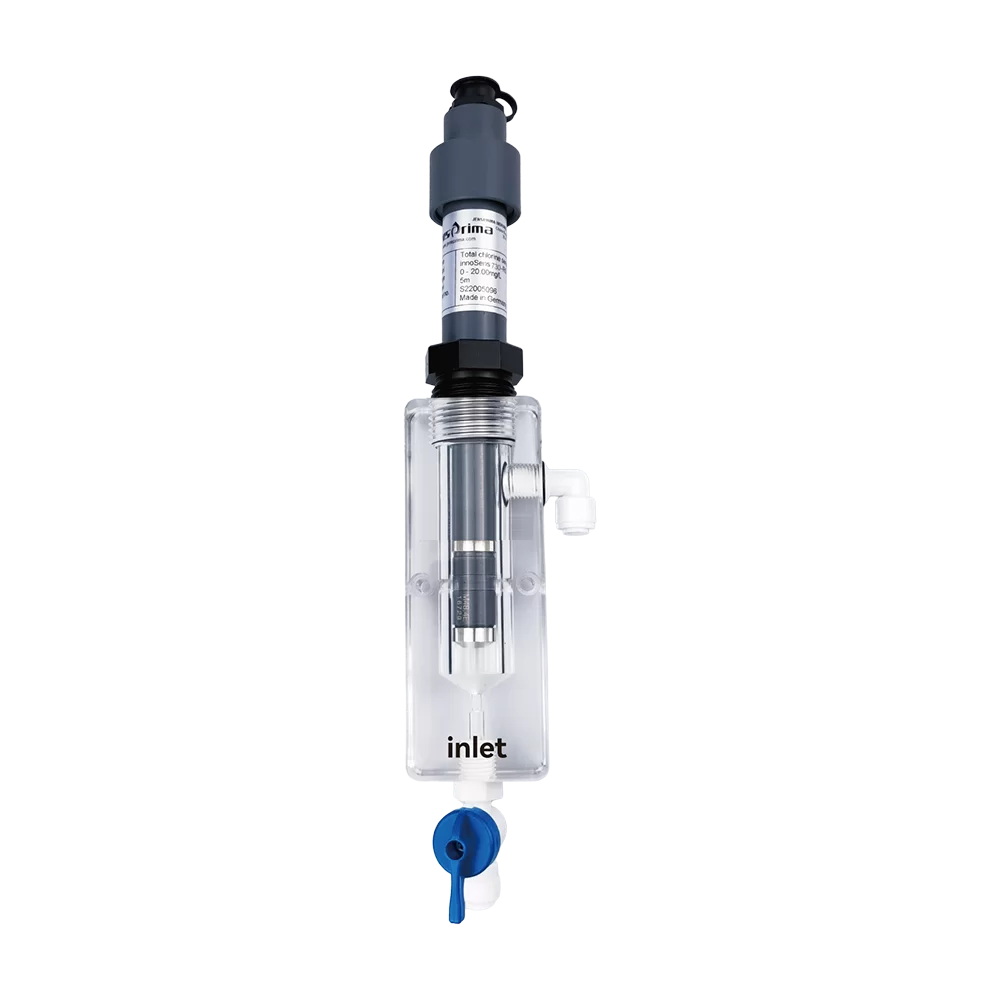
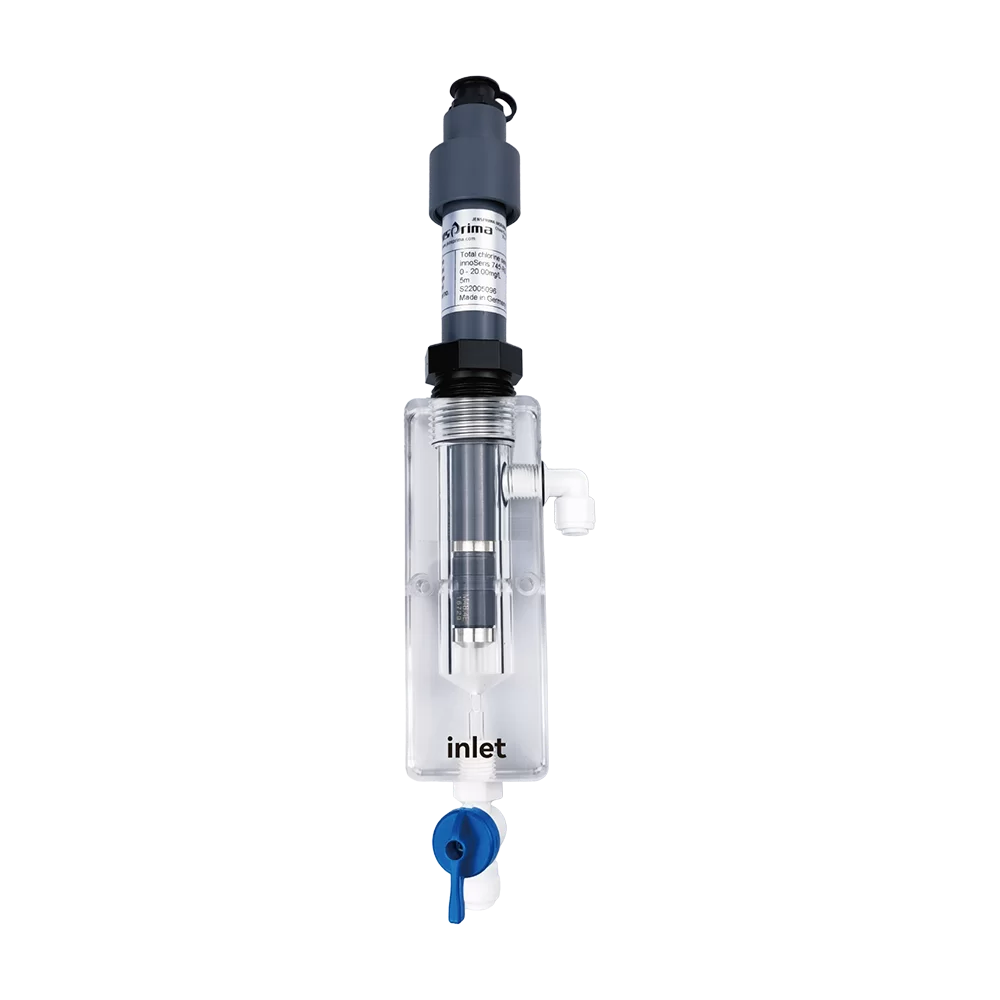
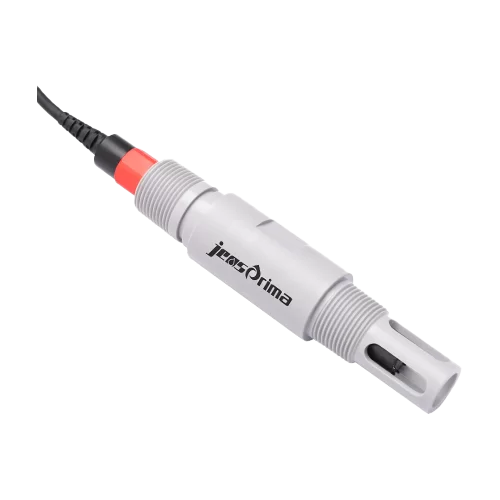
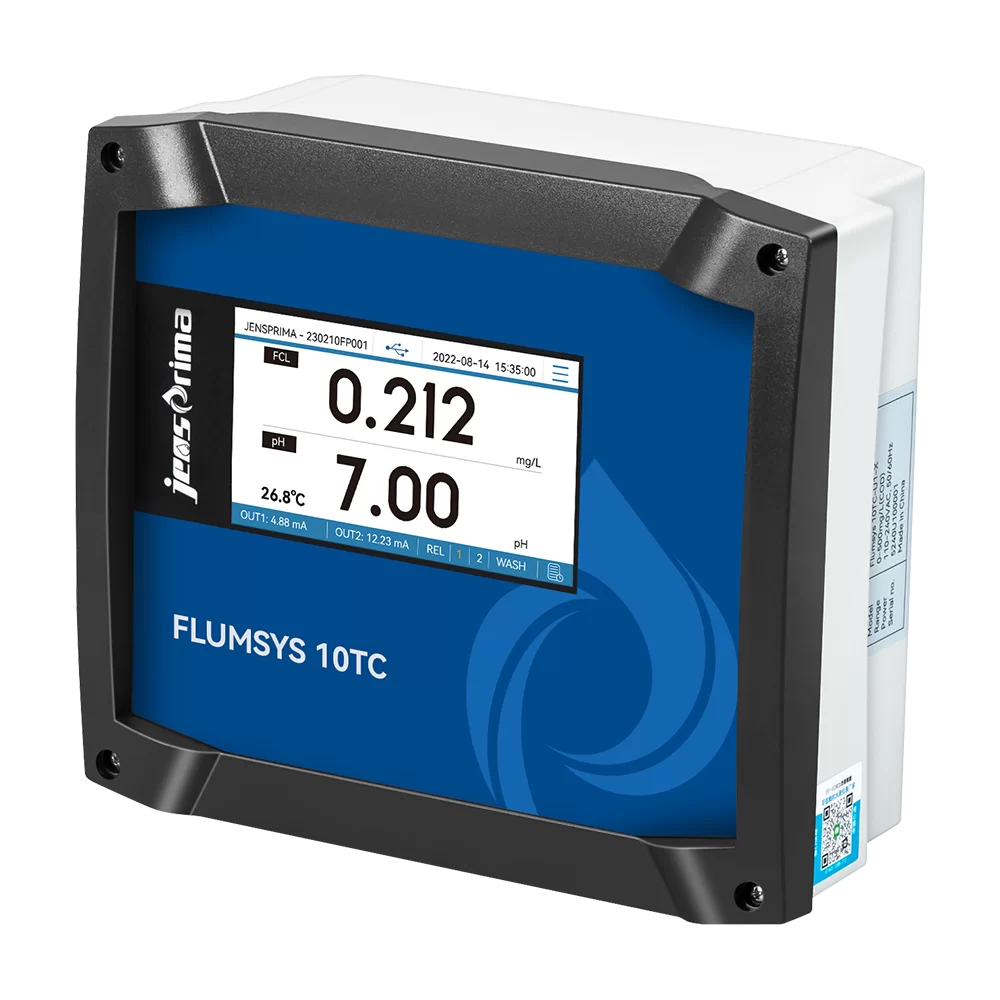
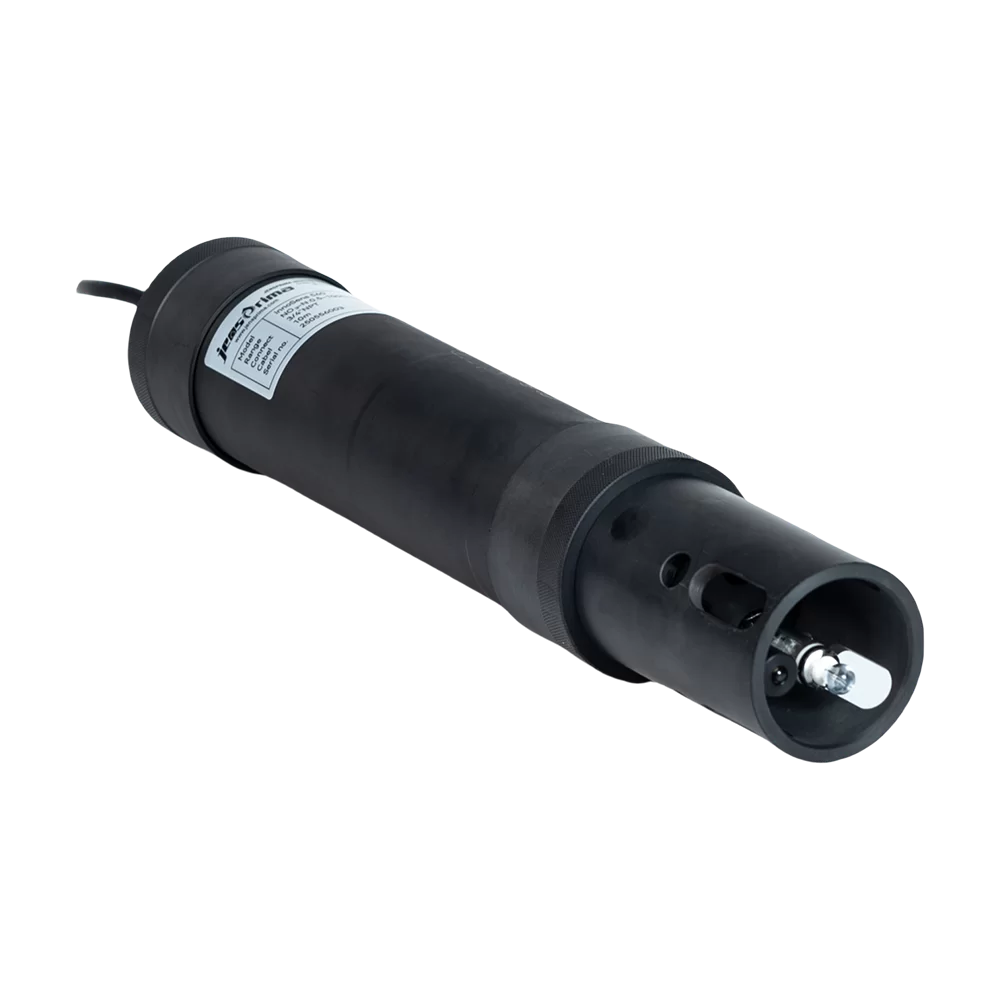
Unlike traditional DPD (N,N-diethyl-p-phenylenediamine) methods that rely on colorimetric reactions sparked by chemical reagents, a reagentless free chlorine analyzer typically employs amperometric sensor technology. This process involves a gold or platinum electrode that facilitates a redox reaction with the free chlorine in the water sample. The resulting electrical current is directly proportional to the concentration of free chlorine, allowing the device to provide a continuous digital readout. This eliminates the "stop-and-start" nature of reagent-based testing, offering a seamless data stream for automated dosing systems.
Technical Insight: The primary advantage of amperometric sensing is its ability to ignore combined chlorine (chloramines) and focus specifically on "free" available chlorine, ensuring that disinfection efficacy is measured accurately.
Key Benefits of Switching to Reagentless Monitoring
The shift toward reagent-free systems is driven by the need for sustainability and efficiency. First, there is a significant reduction in hazardous waste, as there are no chemical byproduct streams to dispose of. Second, the maintenance window is widened; instead of weekly reagent refills, operators only need to perform occasional sensor cleaning and calibration. This leads to a lower Total Cost of Ownership (TCO) over the equipment's lifecycle. For facilities managing large volumes of water, the reagentless free chlorine analyzer provides the reliability needed to meet strict health and safety regulations without the logistical nightmare of chemical procurement.
Reagentless vs. Reagent-Based Analyzers: A Comparison
When deciding between the two technologies, it is essential to look at the long-term operational impact. While reagent-based systems are often cheaper to purchase initially, the recurring cost of DPD tablets or liquids quickly erodes those savings. Furthermore, reagent systems are prone to "reagent depletion" errors, which can lead to dangerous gaps in monitoring. A reagentless free chlorine analyzer provides 24/7 vigilance, making it the ideal choice for critical infrastructure.
| Feature |
Reagentless Analyzer |
Reagent-Based (DPD) |
| Consumables |
None (Zero Reagents) |
High (Constant refills) |
| Maintenance |
Low (Sensor cleaning) |
High (Reagent handling) |
| Response Time |
Real-time / Continuous |
Delayed (Batch process) |
| Environmental Impact |
Eco-friendly |
Chemical waste generated |
Industrial Applications for the Reagentless Free Chlorine Analyzer
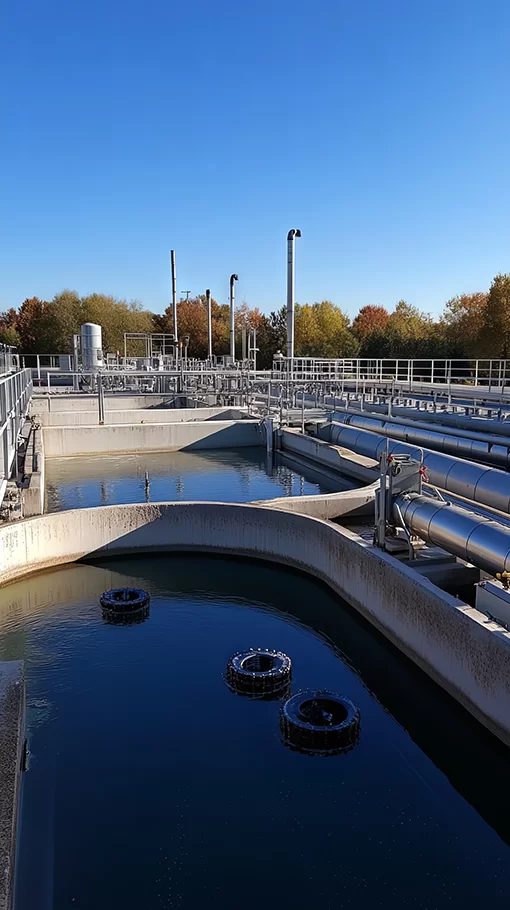
The adaptability of these sensors allows them to be deployed across various sectors. In municipal water treatment, they ensure that water leaving the plant is safely disinfected without over-chlorinating. In industrial cooling towers, they prevent bio-fouling and algae growth, protecting expensive machinery from corrosion. Additionally, the hospitality industry utilizes the reagentless free chlorine analyzer in large-scale aquatic centers to maintain a safe swimming environment while reducing the labor costs associated with manual testing.
Technical Specifications and Installation Requirements
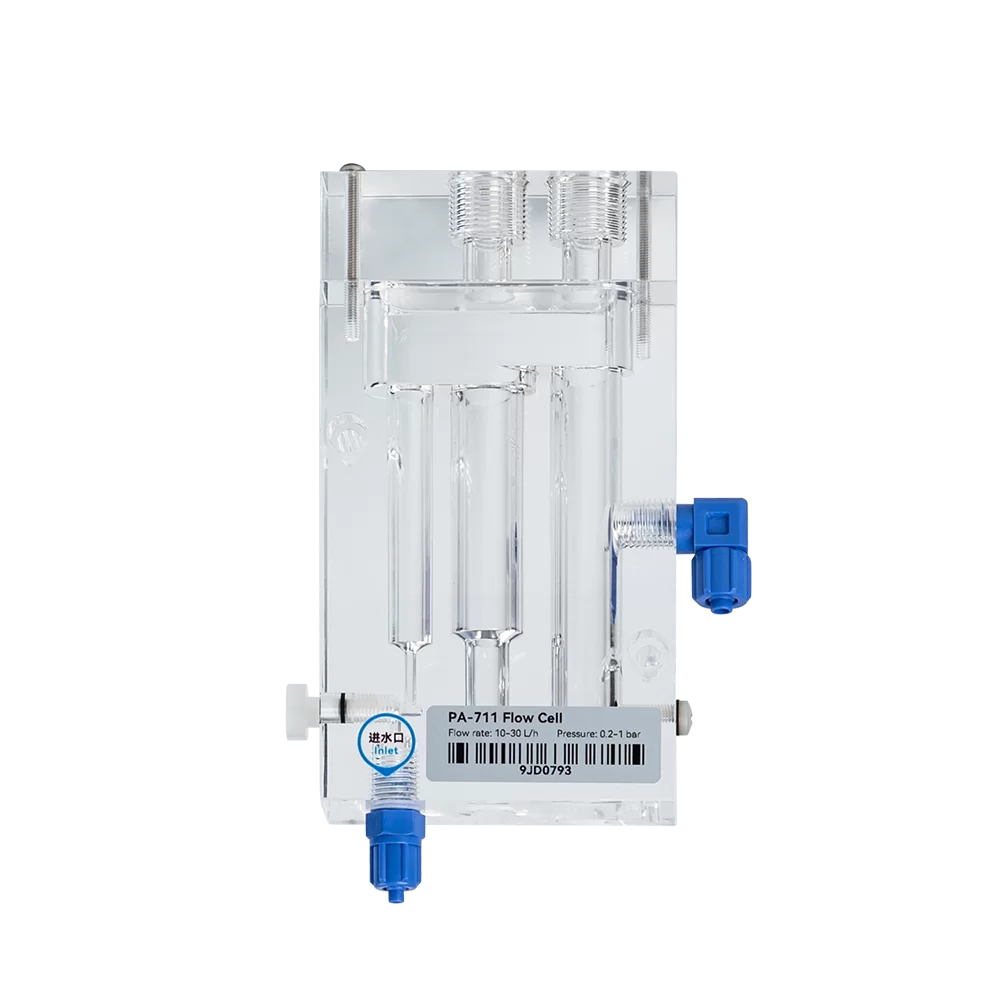
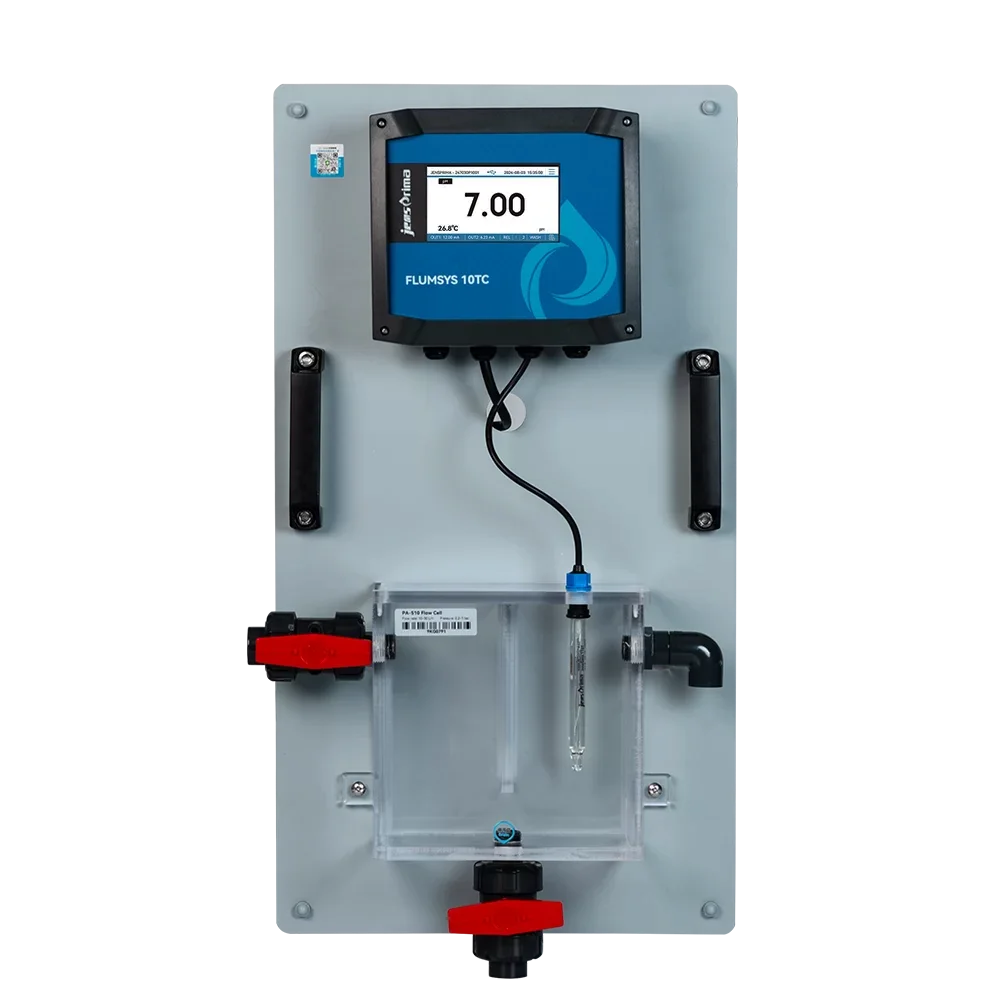
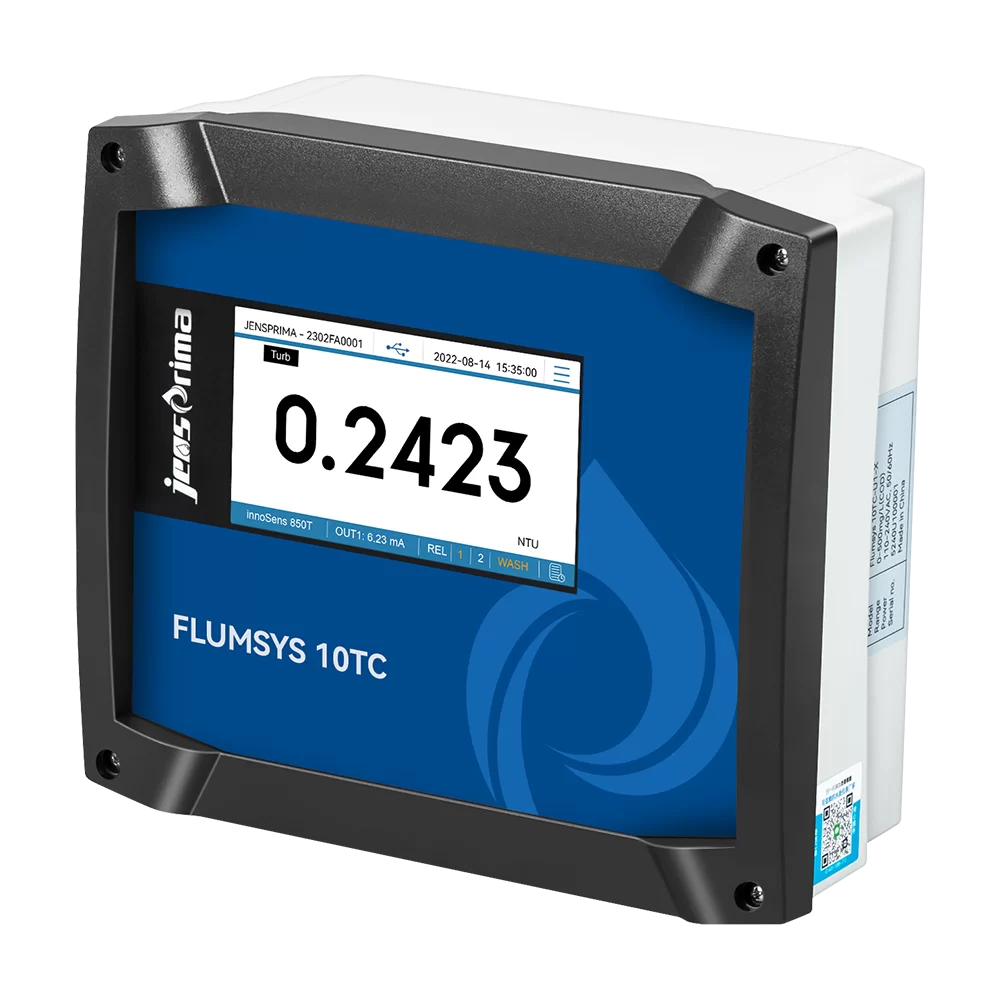
To maximize the accuracy of a reagentless free chlorine analyzer, proper installation is key. These units typically require a consistent sample flow and a temperature compensation probe to adjust for fluctuations in water temperature, which can affect chemical reactivity. Most modern units offer 4-20mA or Modbus outputs for easy integration into SCADA systems. Below are the typical technical specifications for a professional-grade unit:
| Parameter |
Specification Detail |
| Measurement Range |
0.00 to 5.00 mg/L (Customizable) |
| Accuracy |
± 0.02 mg/L or 2% of reading |
| Operating Temperature |
5°C to 50°C |
| Output Signals |
4-20mA, RS485 Modbus RTU |
Conclusion: The Future of Water Quality Monitoring
Investing in a reagentless free chlorine analyzer is more than just a technical upgrade; it is a commitment to operational excellence and environmental sustainability. By eliminating the need for hazardous chemicals and reducing the labor burden on staff, these systems allow water managers to focus on optimization rather than maintenance. For those seeking precision, reliability, and a lower long-term cost, reagentless technology is the definitive path forward in chlorine analysis.
Frequently Asked Questions (FAQs)
Does a reagentless analyzer require calibration?
Yes, while it does not require daily chemical refills, any high-precision instrument needs periodic calibration. Most reagentless analyzers are calibrated using a known standard solution or by comparing the reading with a handheld DPD meter. Calibration intervals are typically much longer than reagent-based systems, usually occurring every few months depending on water quality. This ensures that the sensor remains accurate despite any gradual electrode aging or fouling.
How does it differ from a combined chlorine analyzer?
A free chlorine analyzer specifically measures the "free" chlorine (HOCl and OCl-), which are the active disinfecting agents. A combined chlorine analyzer measures the chlorine that has already reacted with organics or ammonia (chloramines). Many professional reagentless free chlorine analyzer units are designed to be selective, ensuring that the operator knows exactly how much active disinfectant is present to effectively kill bacteria and viruses.
Can this system be integrated into an existing PLC?
Absolutely. Most reagentless analyzers are built for industrial integration. They typically provide a 4-20mA analog output, which is the industry standard for PLC (Programmable Logic Controller) inputs. Additionally, digital protocols like Modbus RTU allow for remote monitoring and configuration via a computer or SCADA system. This enables the analyzer to automatically trigger chlorine pumps to increase or decrease dosing based on real-time readings, creating a fully automated closed-loop system.
What is the typical lifespan of the sensor?
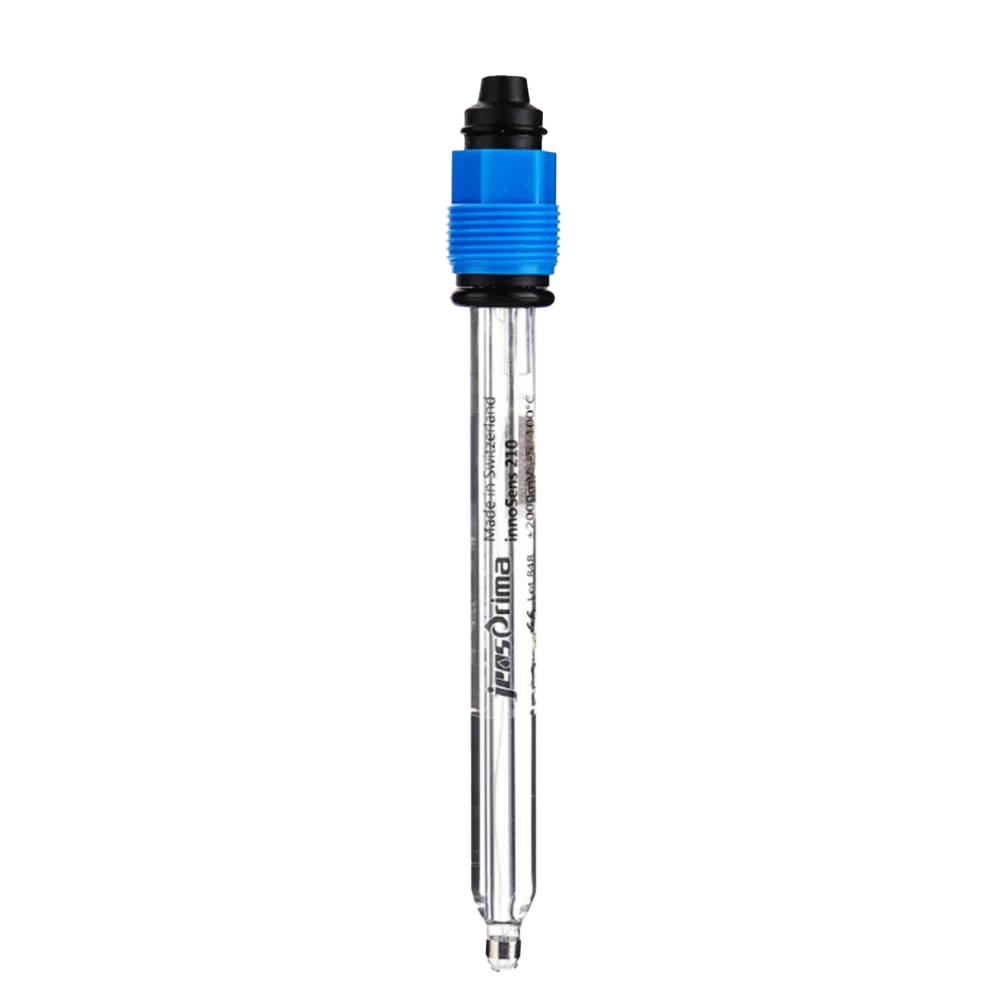
The lifespan of the sensing electrode depends heavily on the water quality and the presence of fouling agents. Under normal operating conditions, a high-quality electrode can last between 12 to 24 months. To extend this lifespan, many systems include an automatic cleaning mechanism or recommend a monthly manual rinse with a mild cleaning solution. Replacing the sensor is typically a "plug-and-play" process, ensuring minimal downtime for the facility.




 Download
 Video Center
 Technical Services
 FAQS
 Service Network
 Privacy Policy
 Contact Us






 LEARN MORE