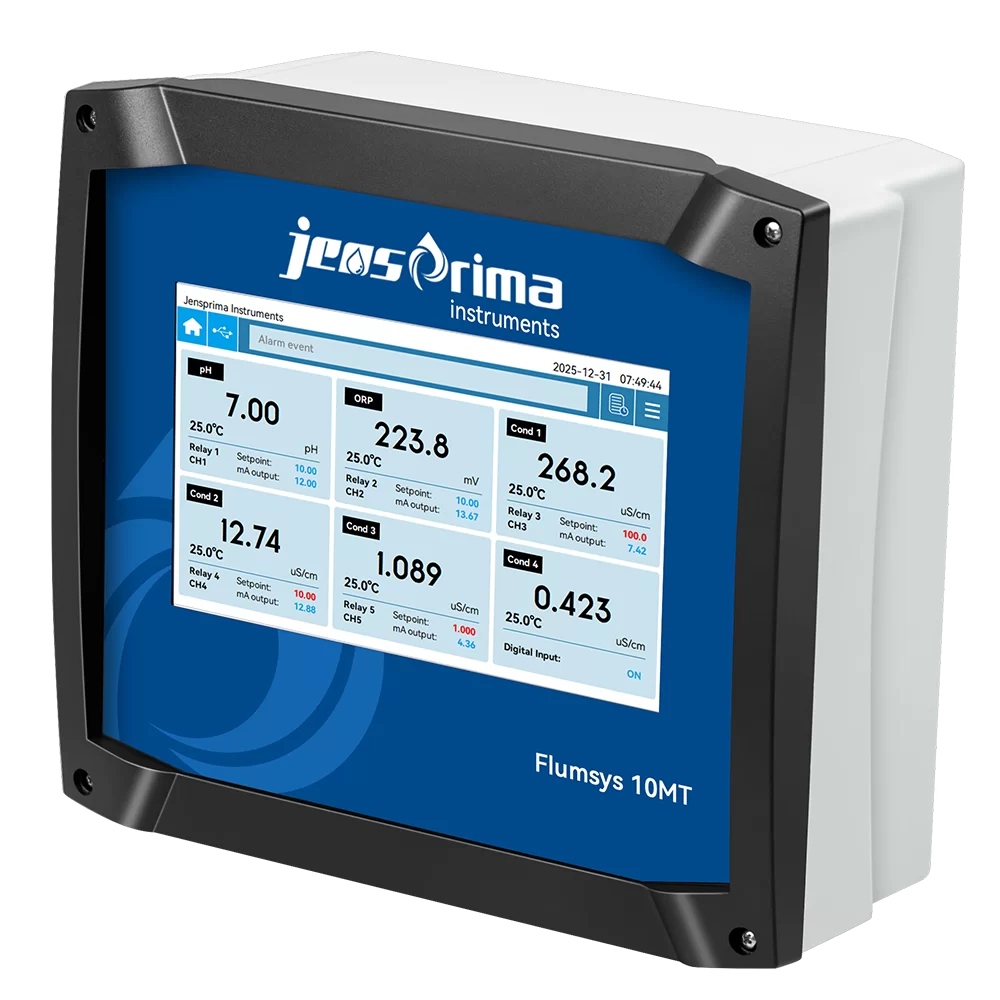
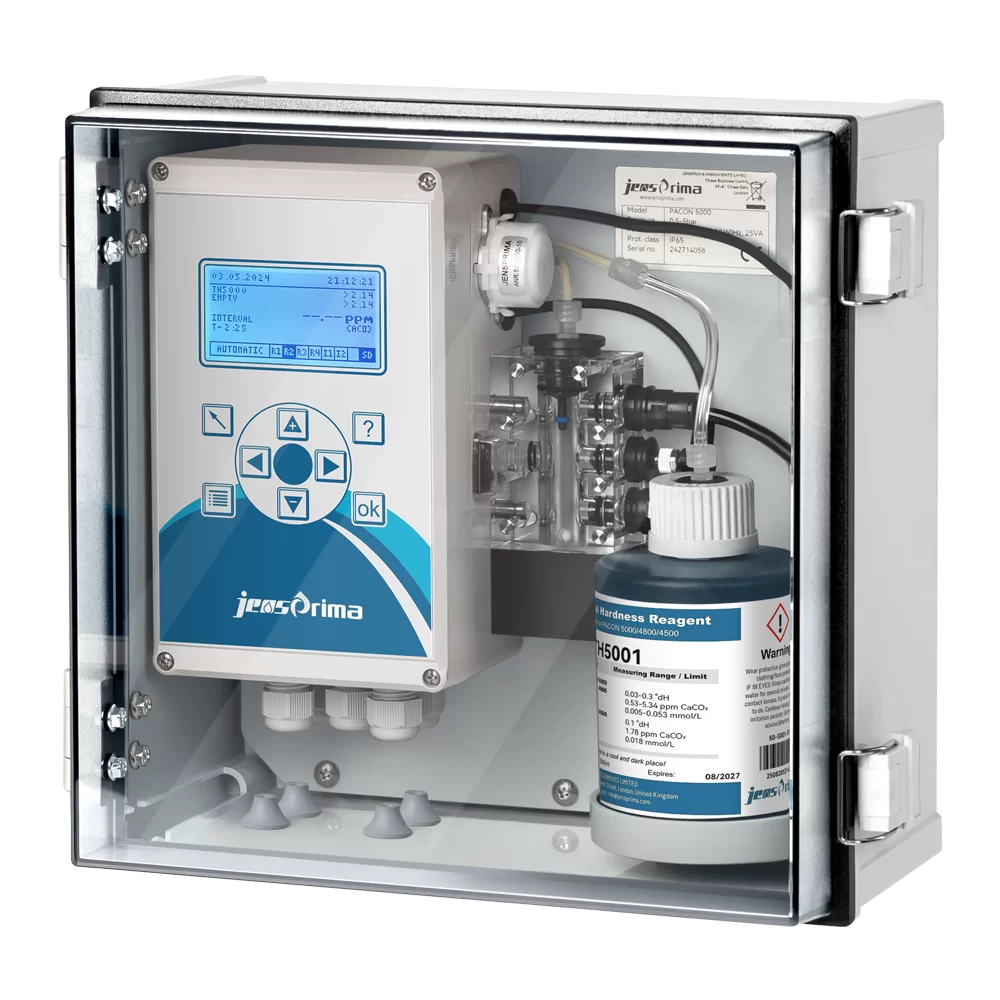
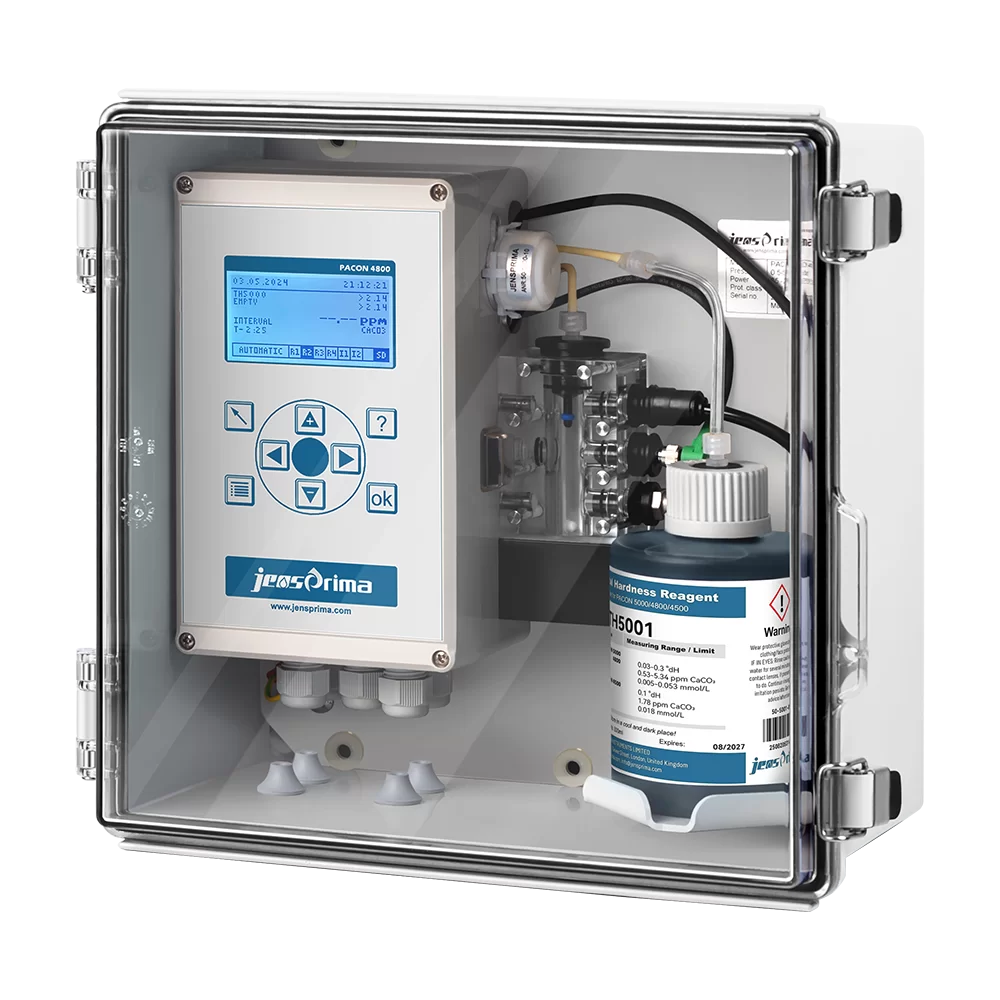
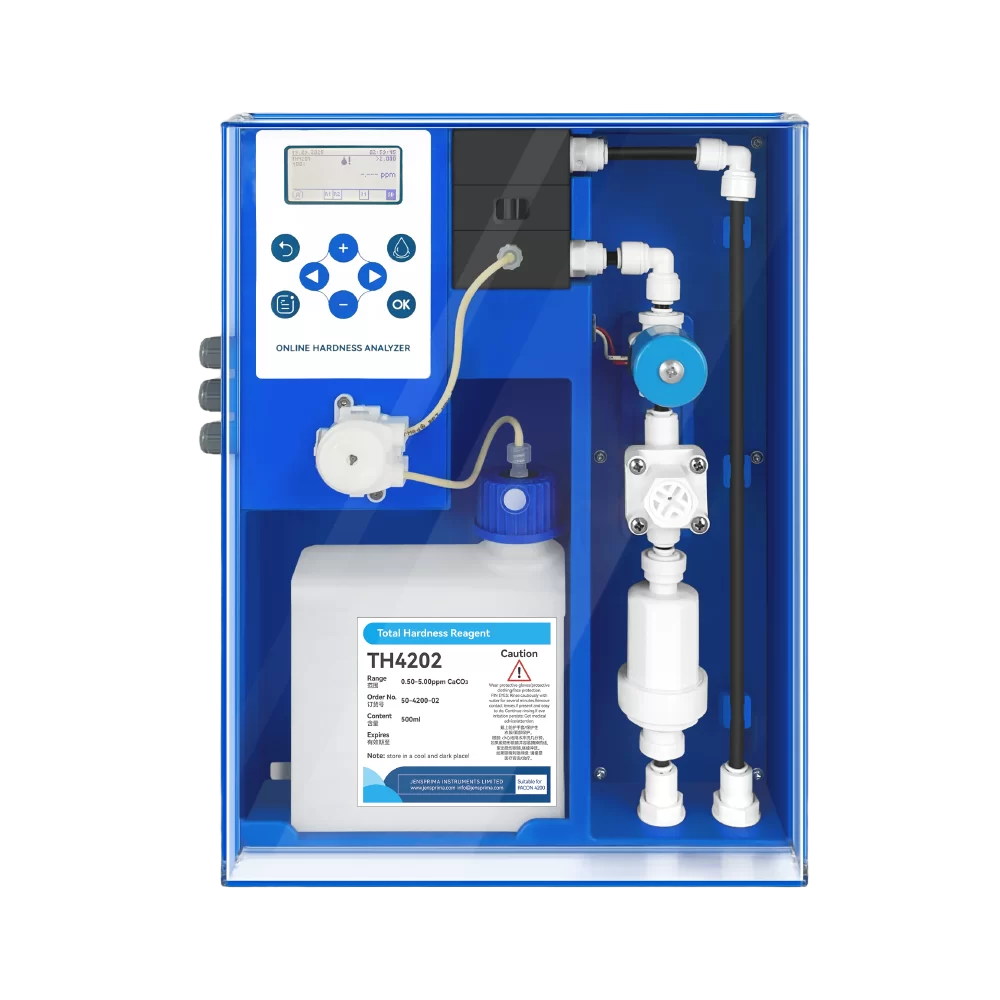
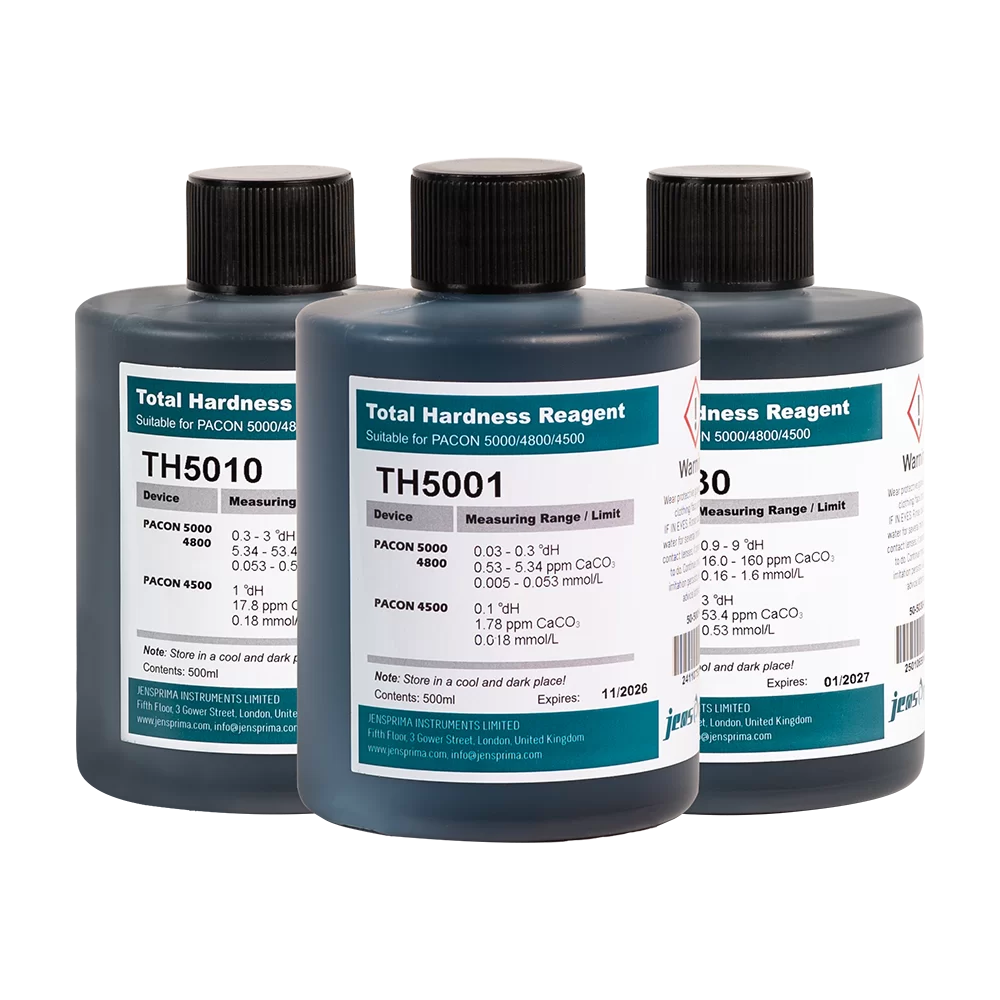
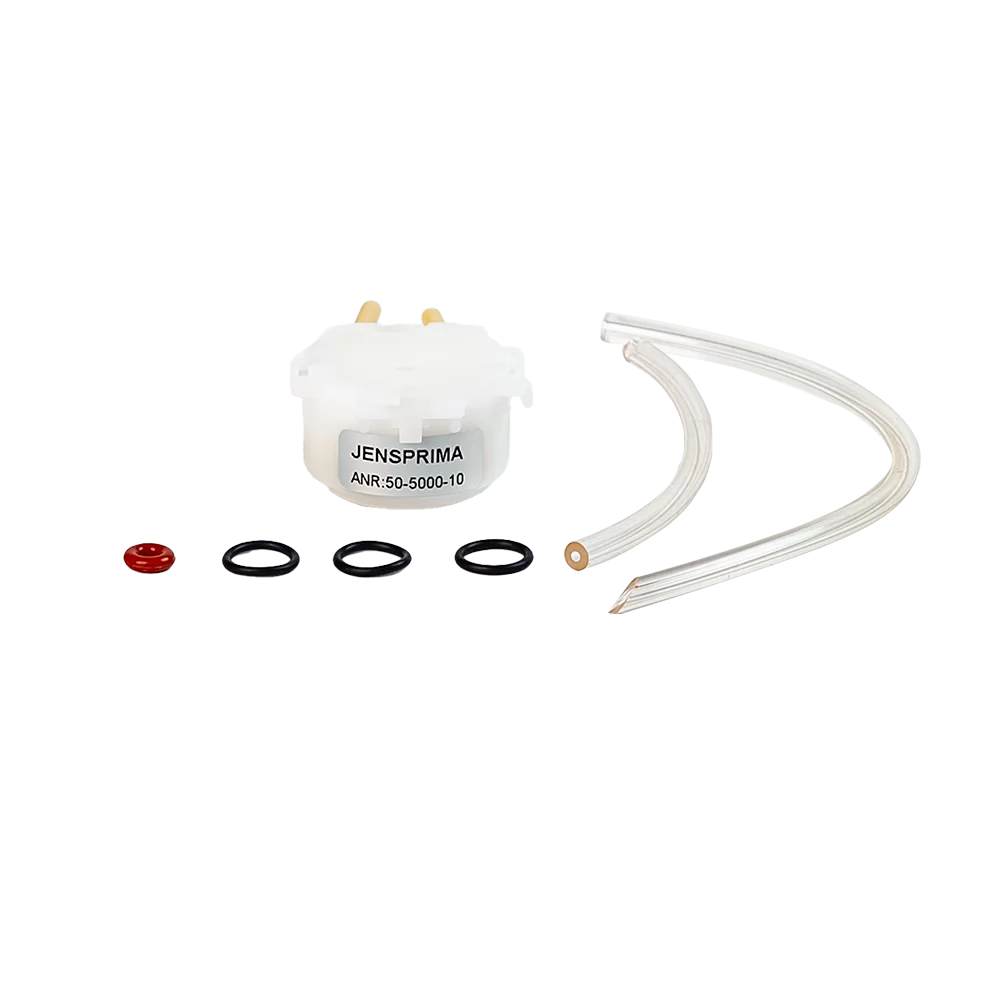
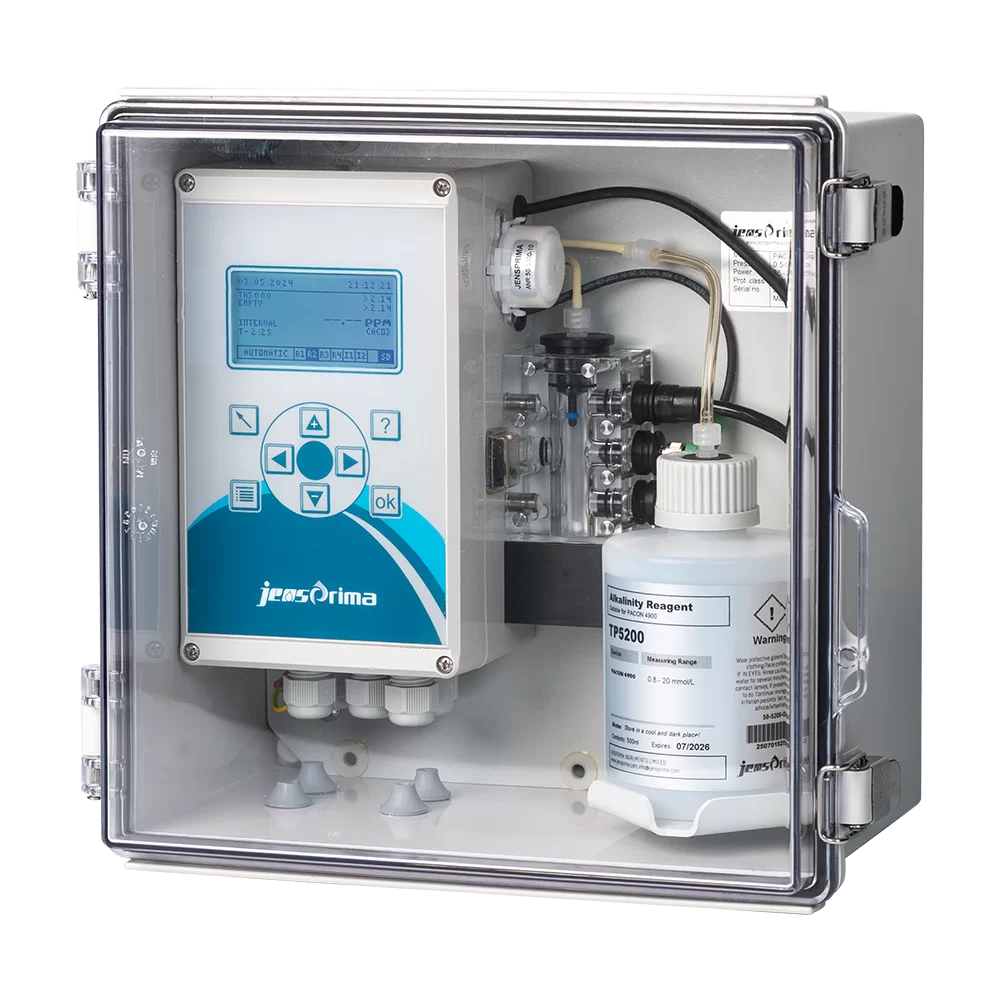
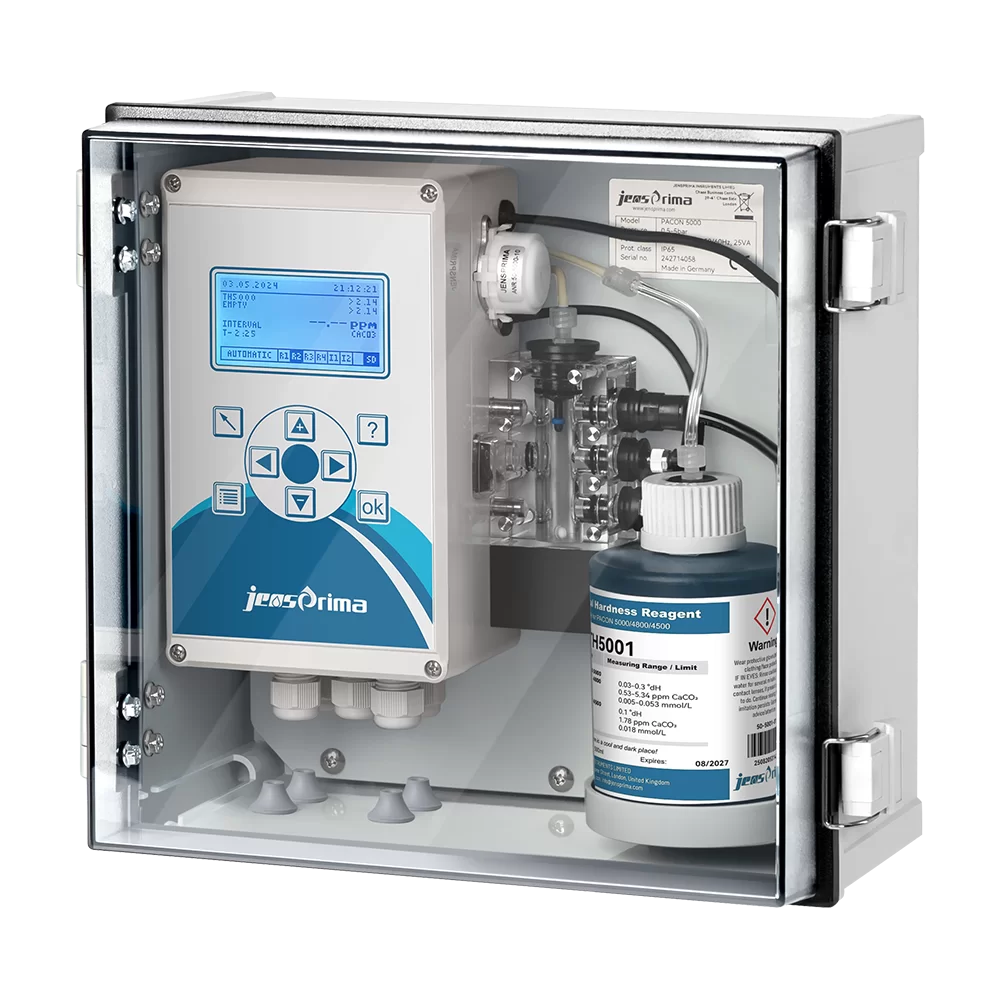
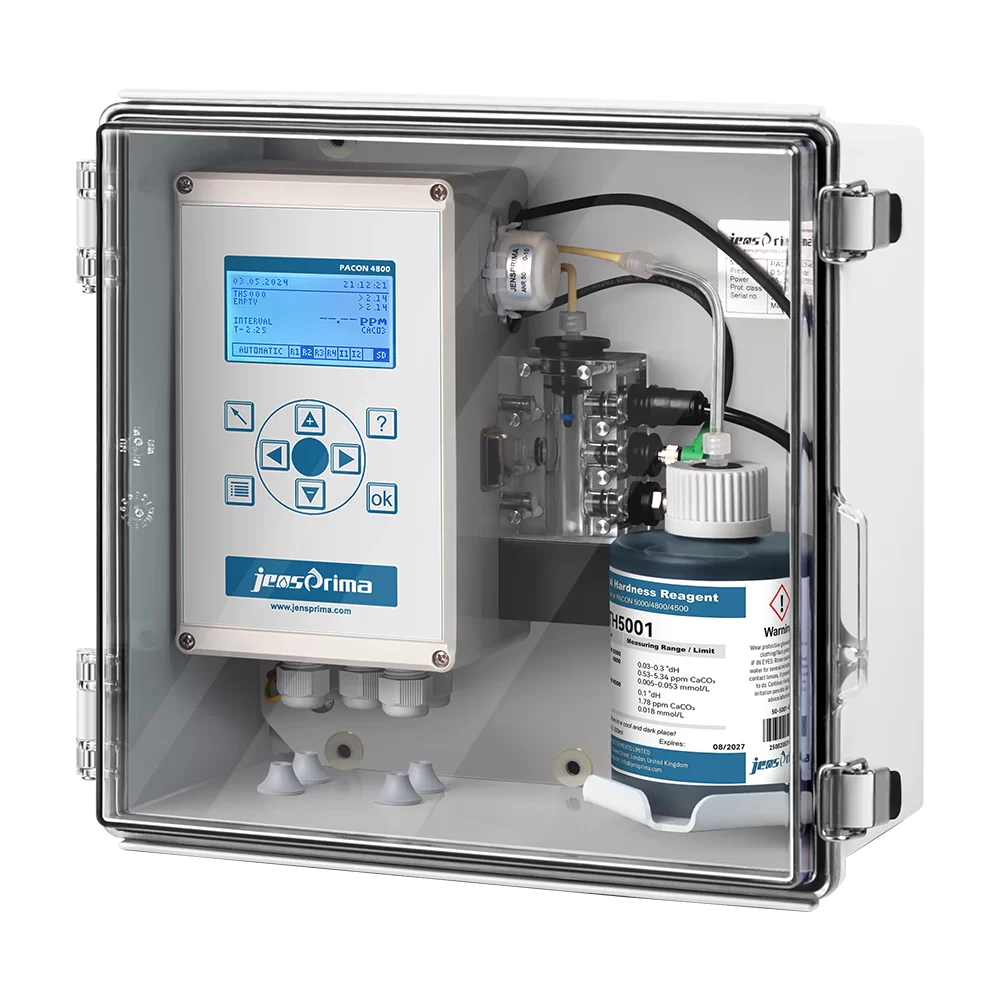
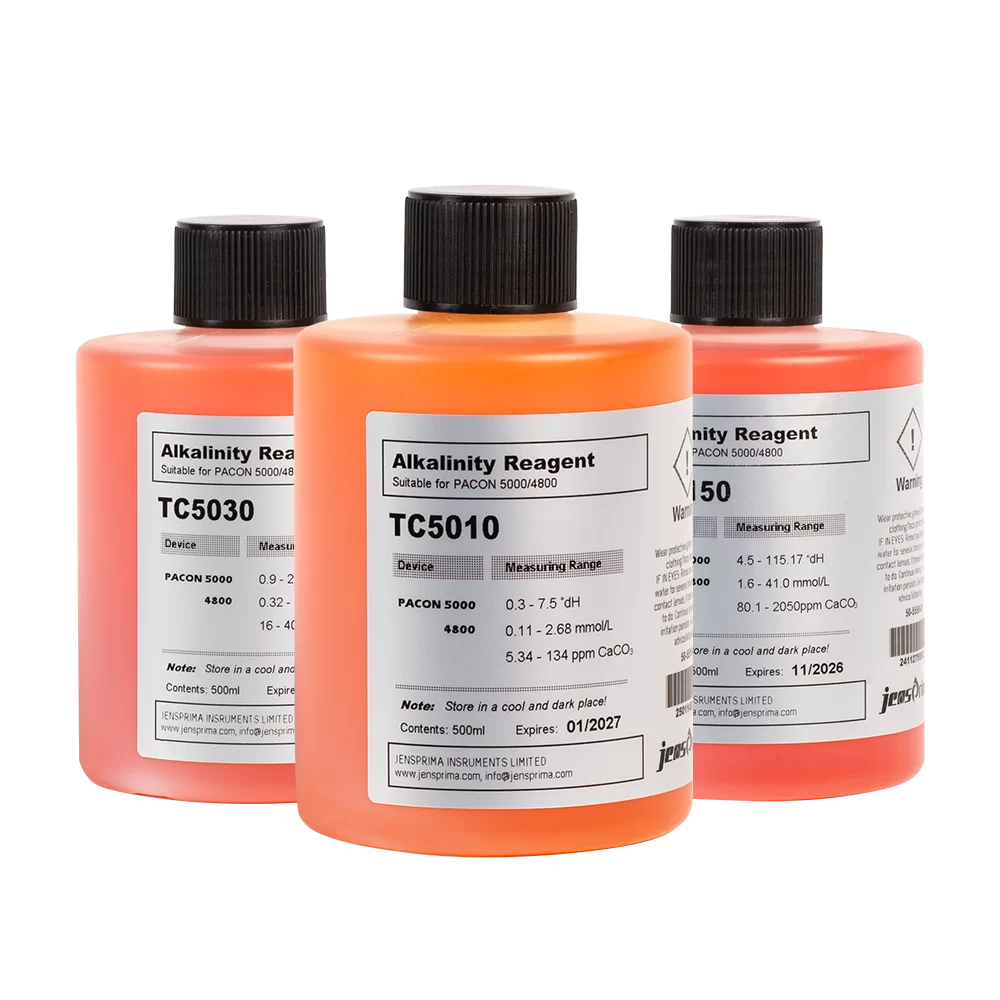
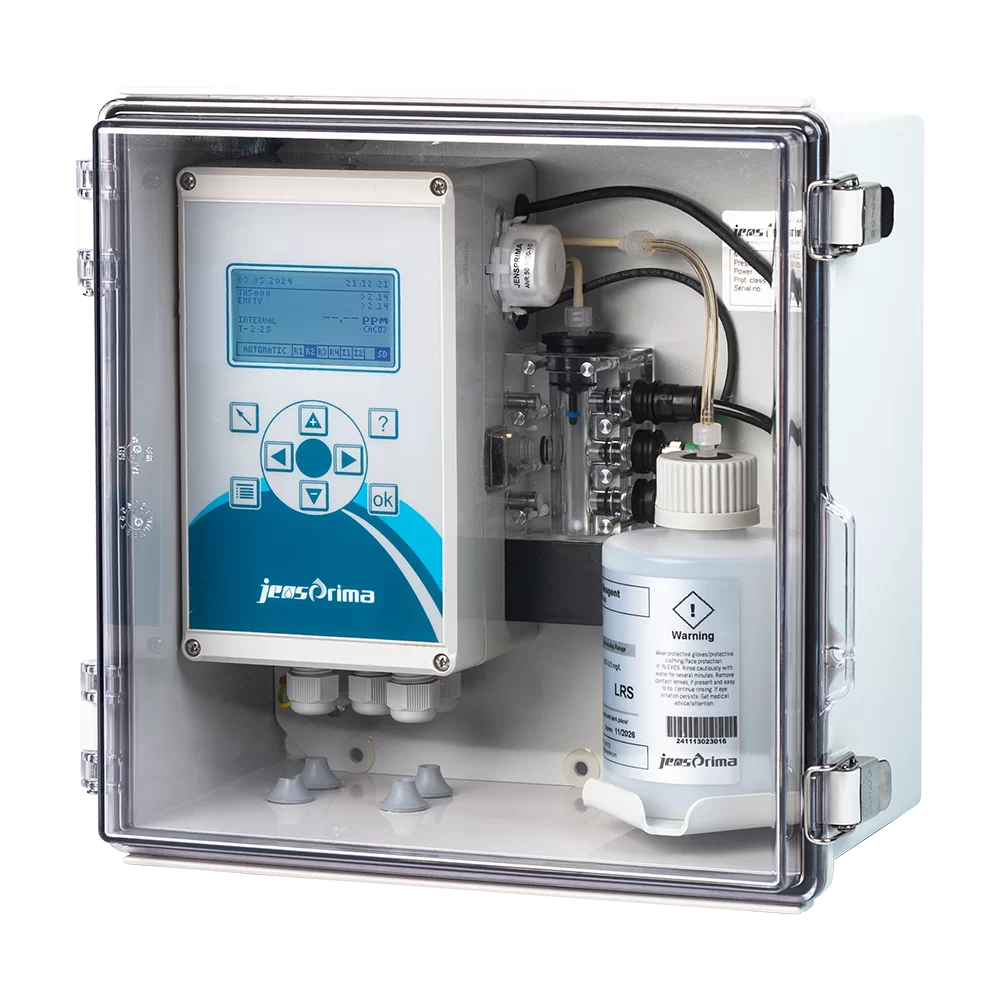
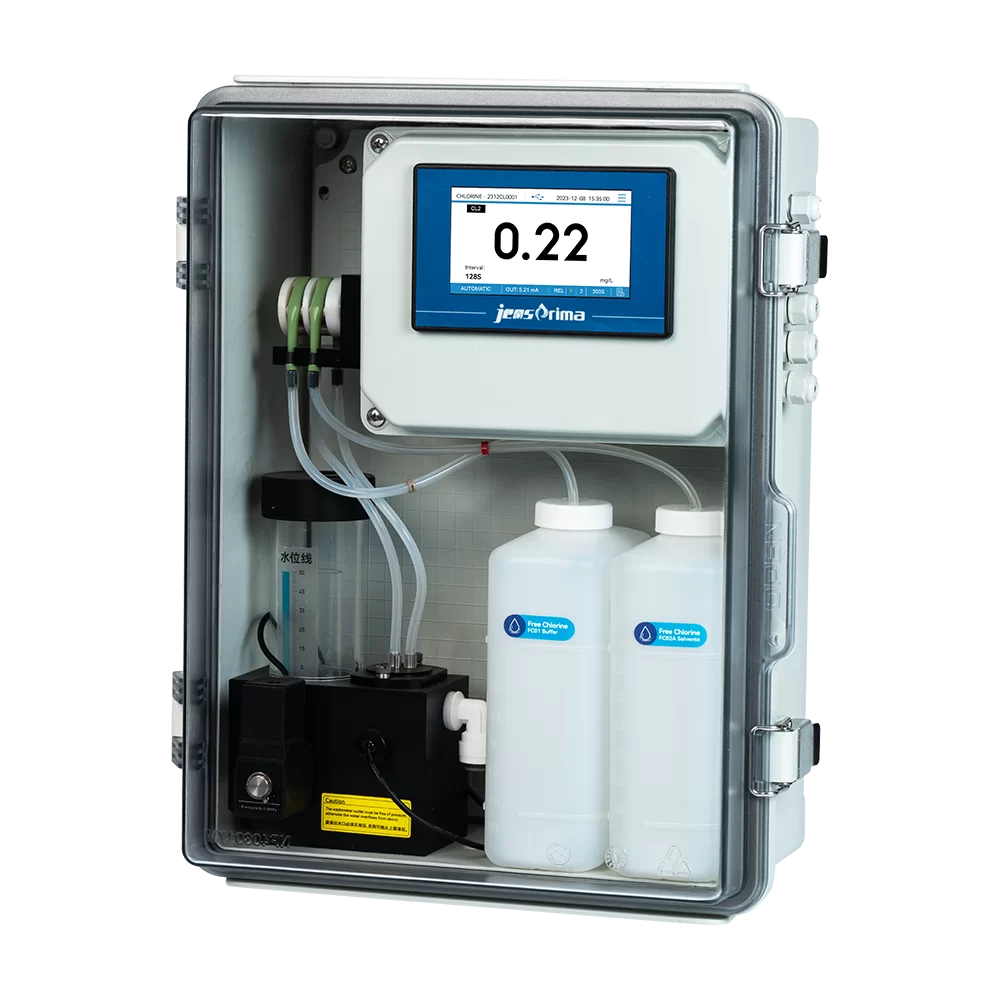
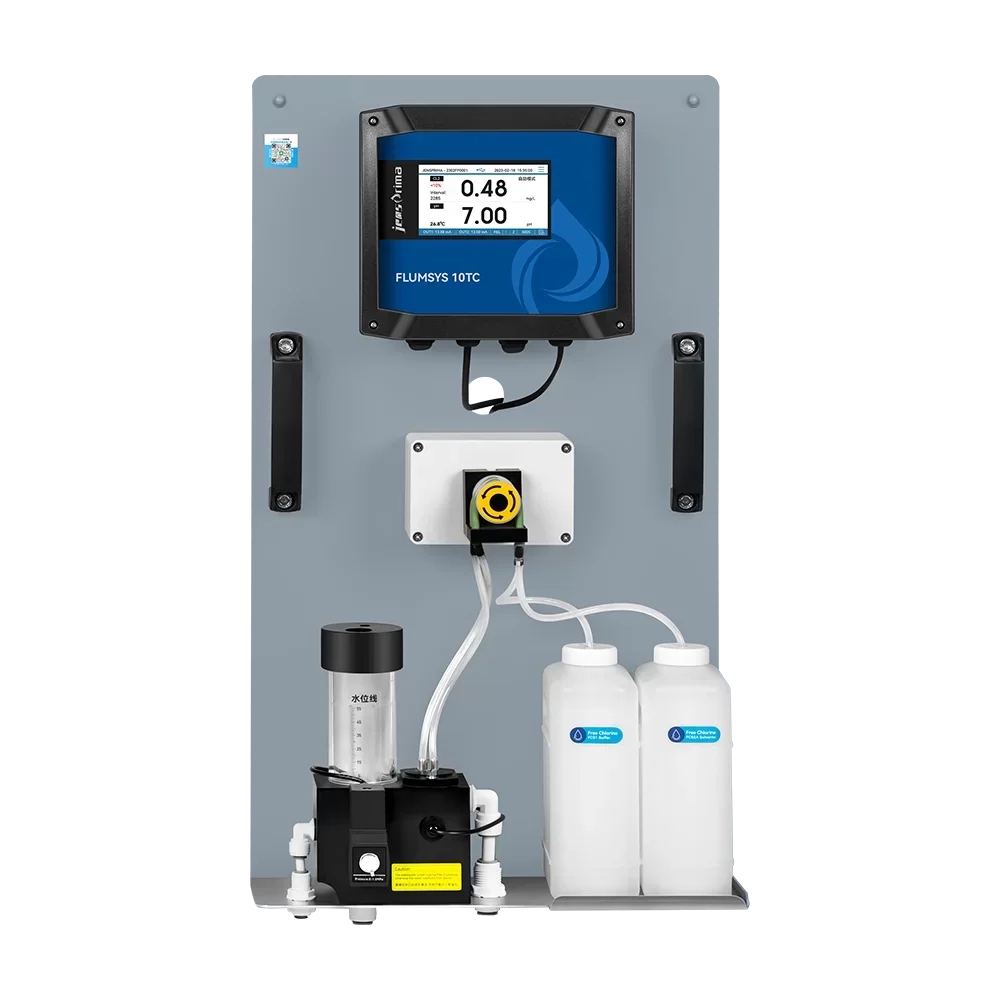
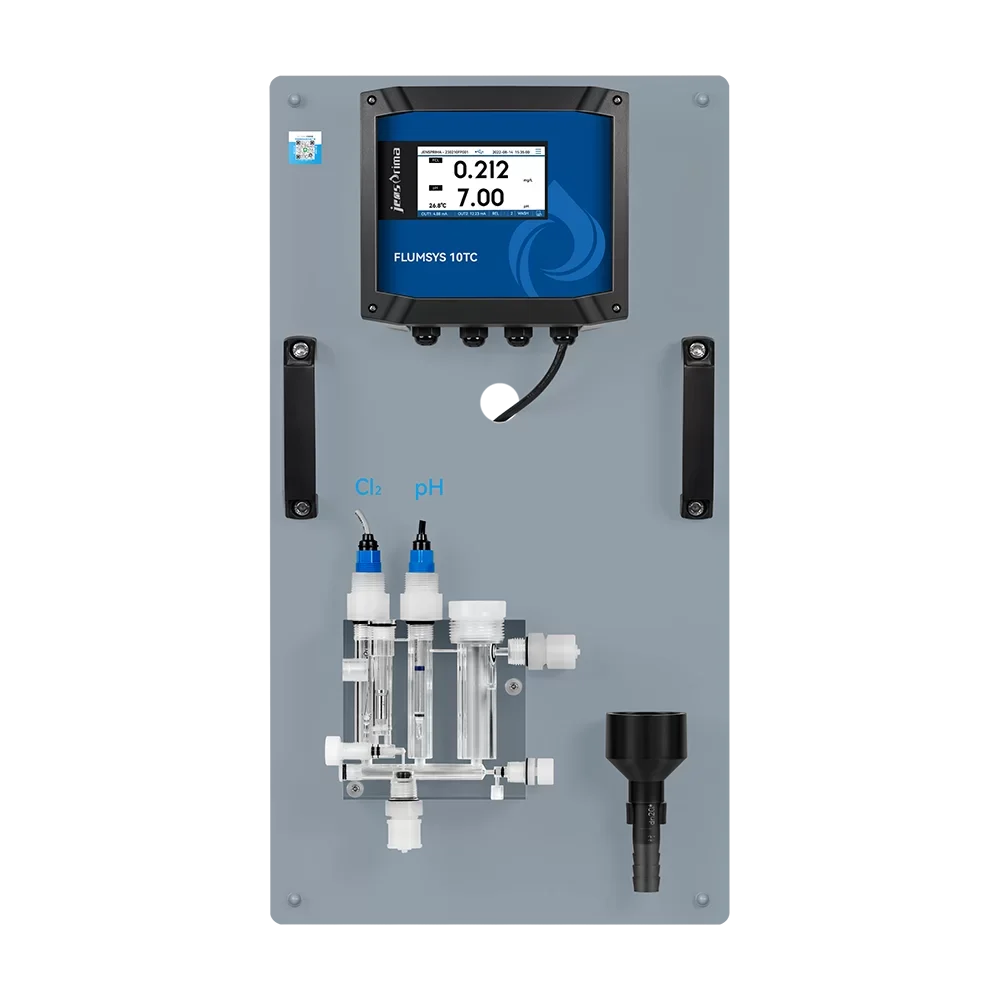
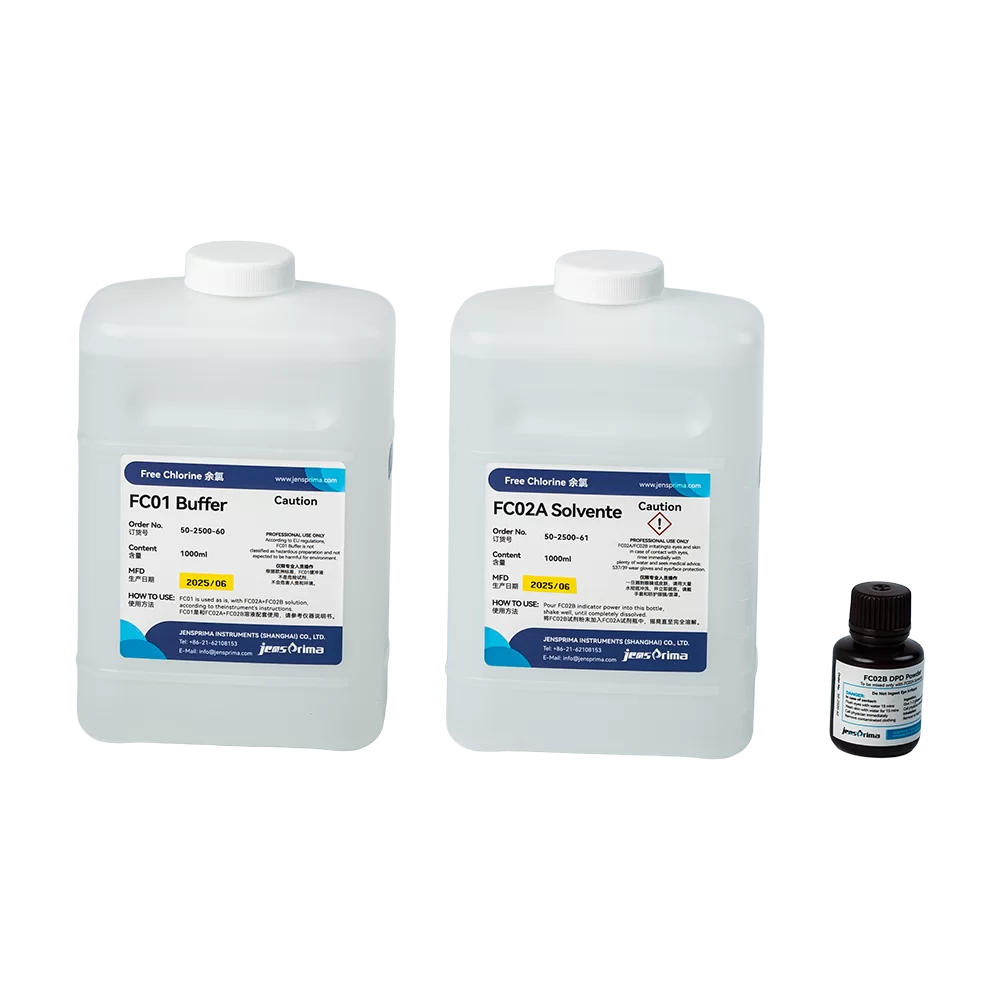
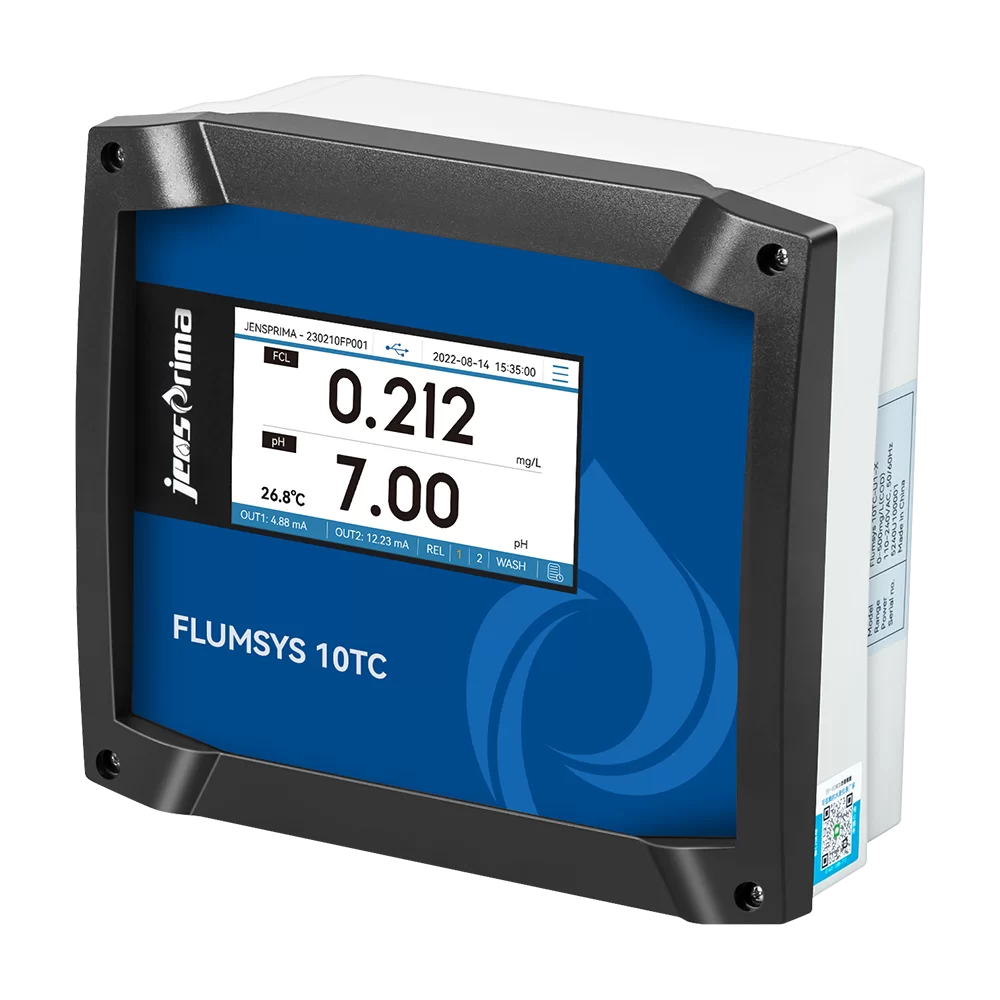
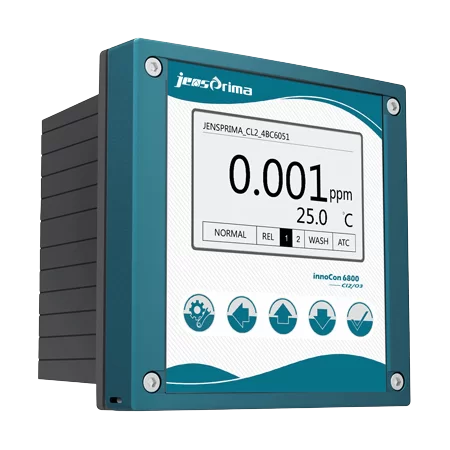
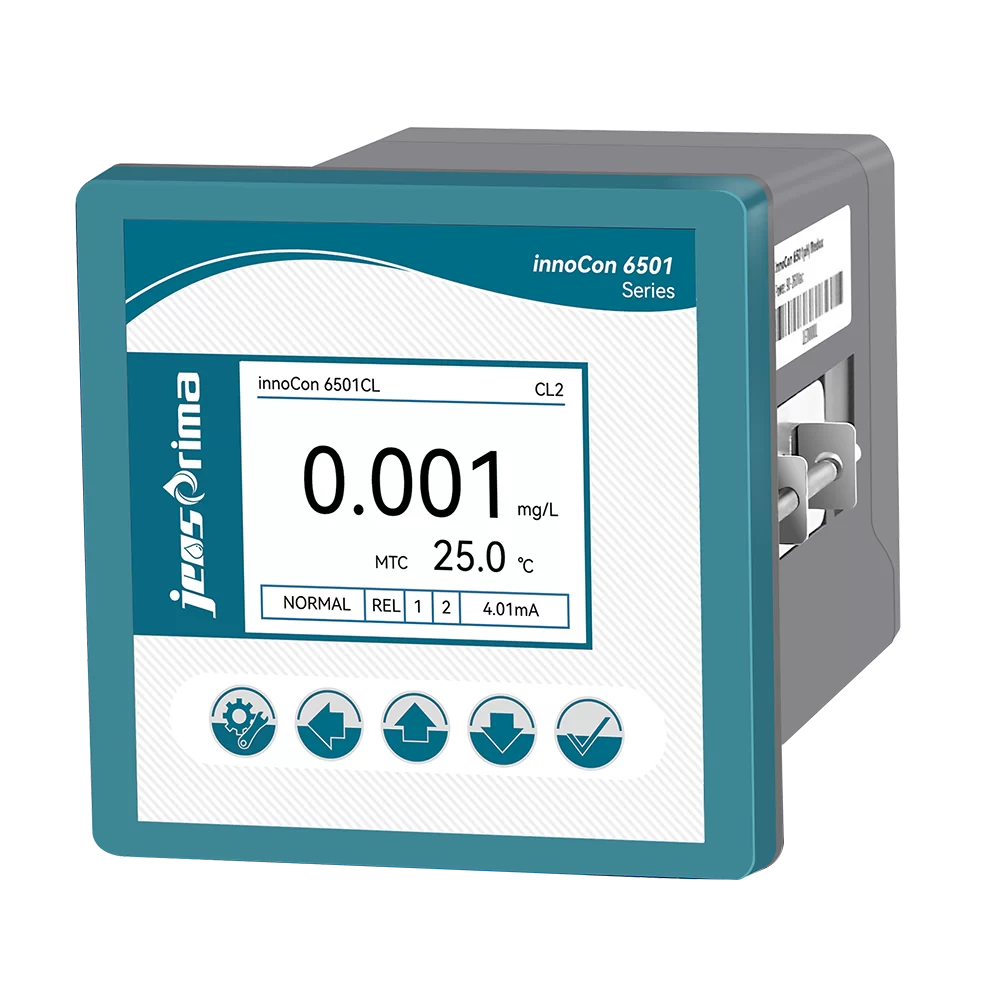
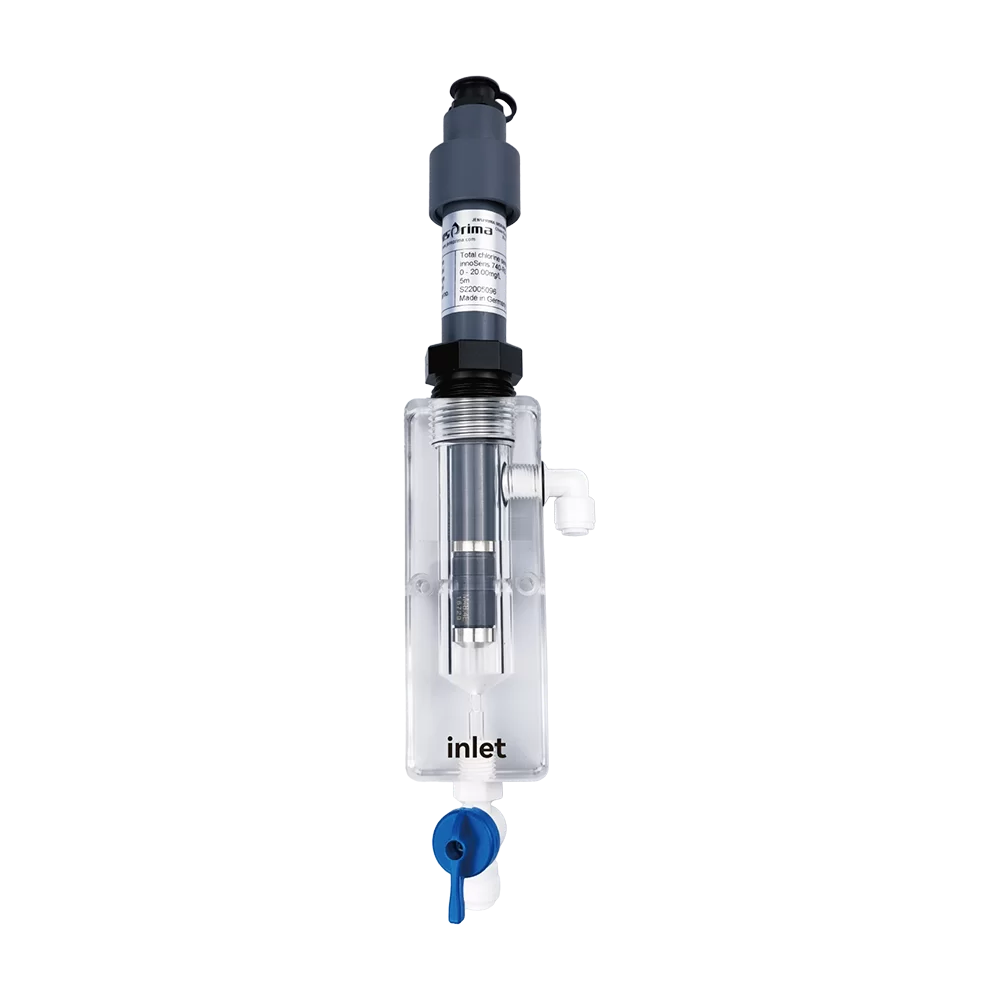
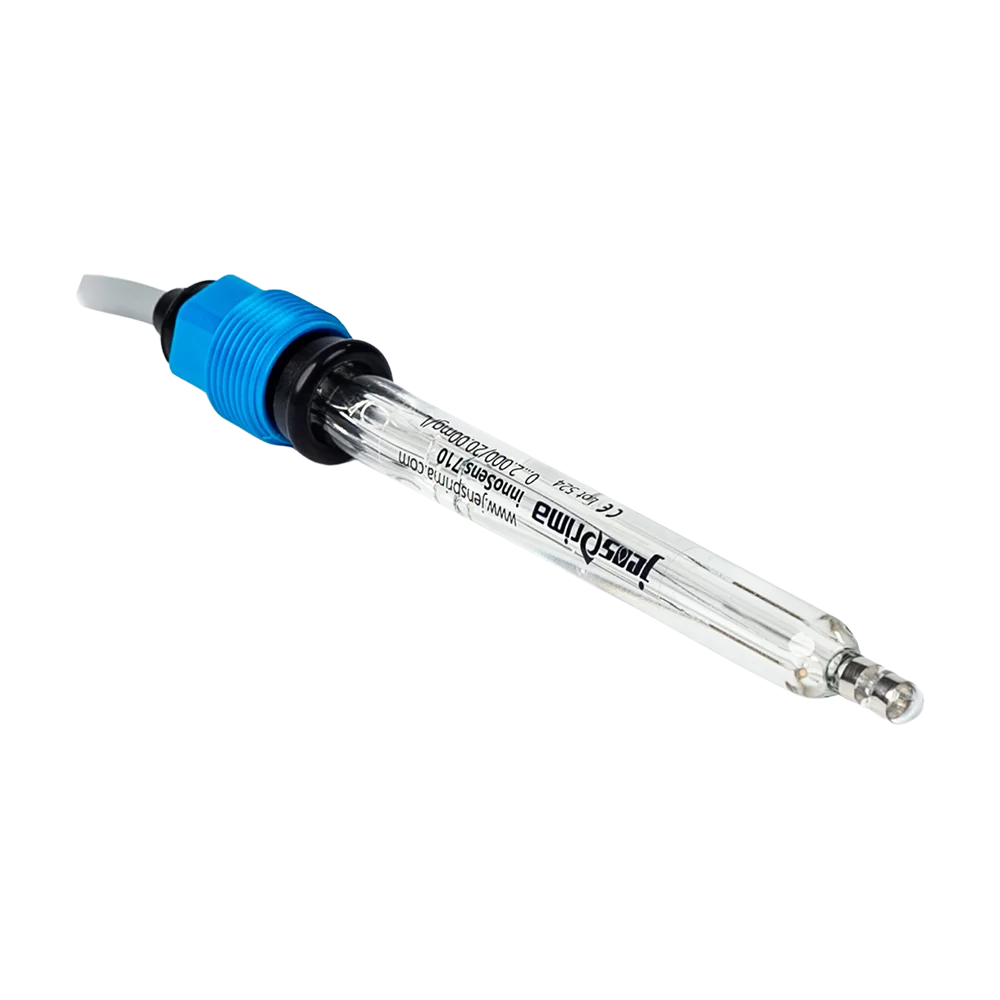
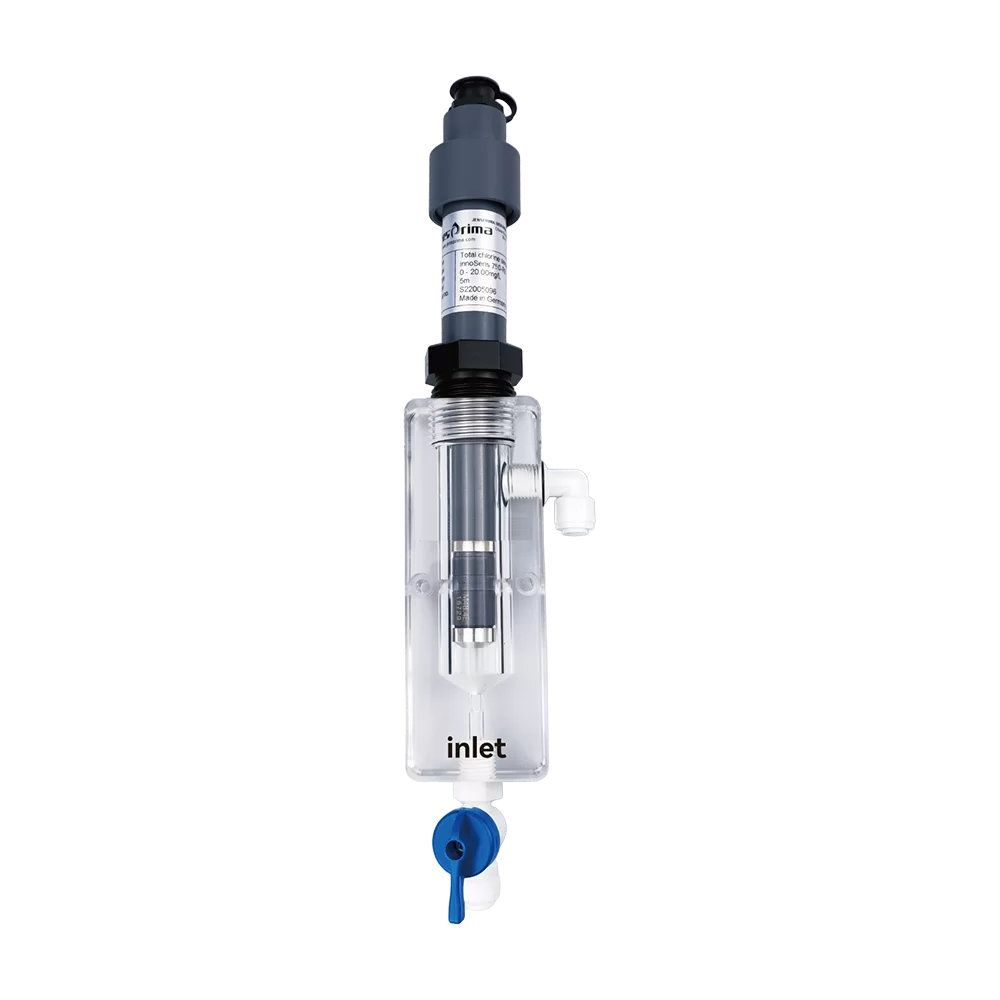
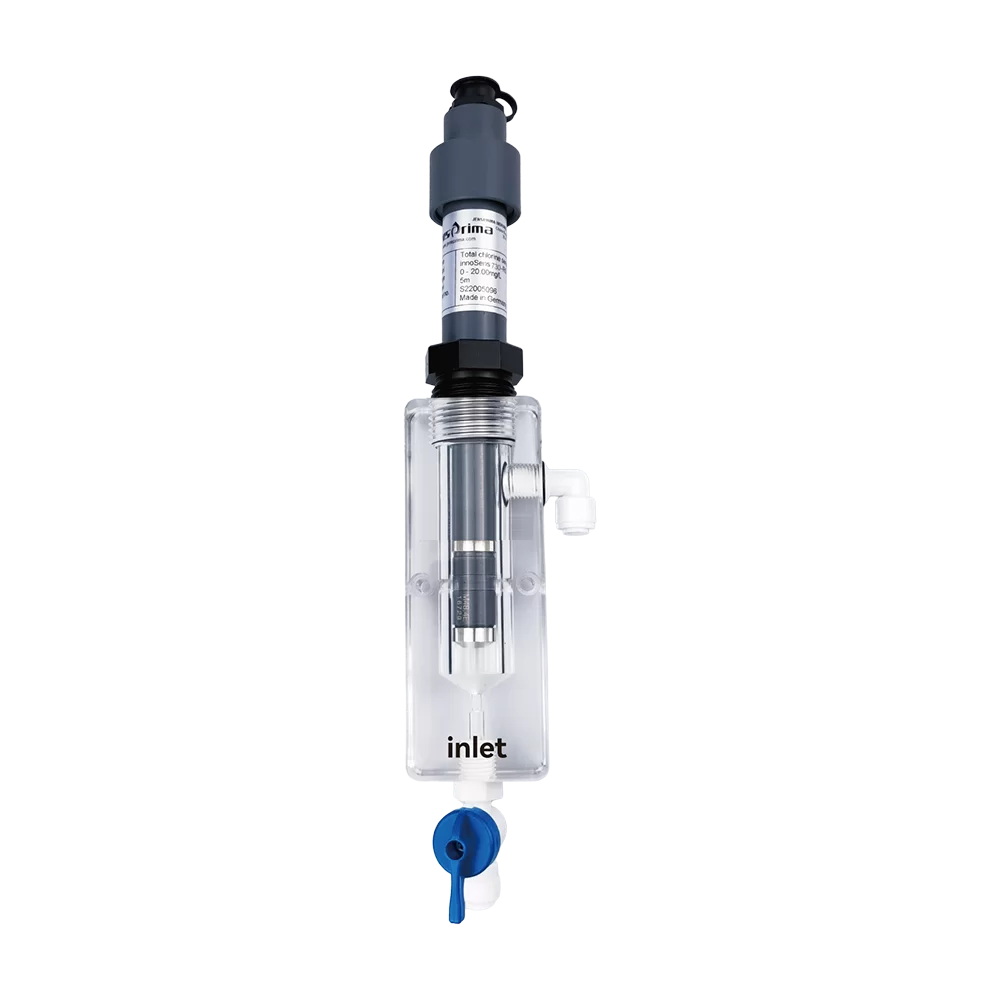
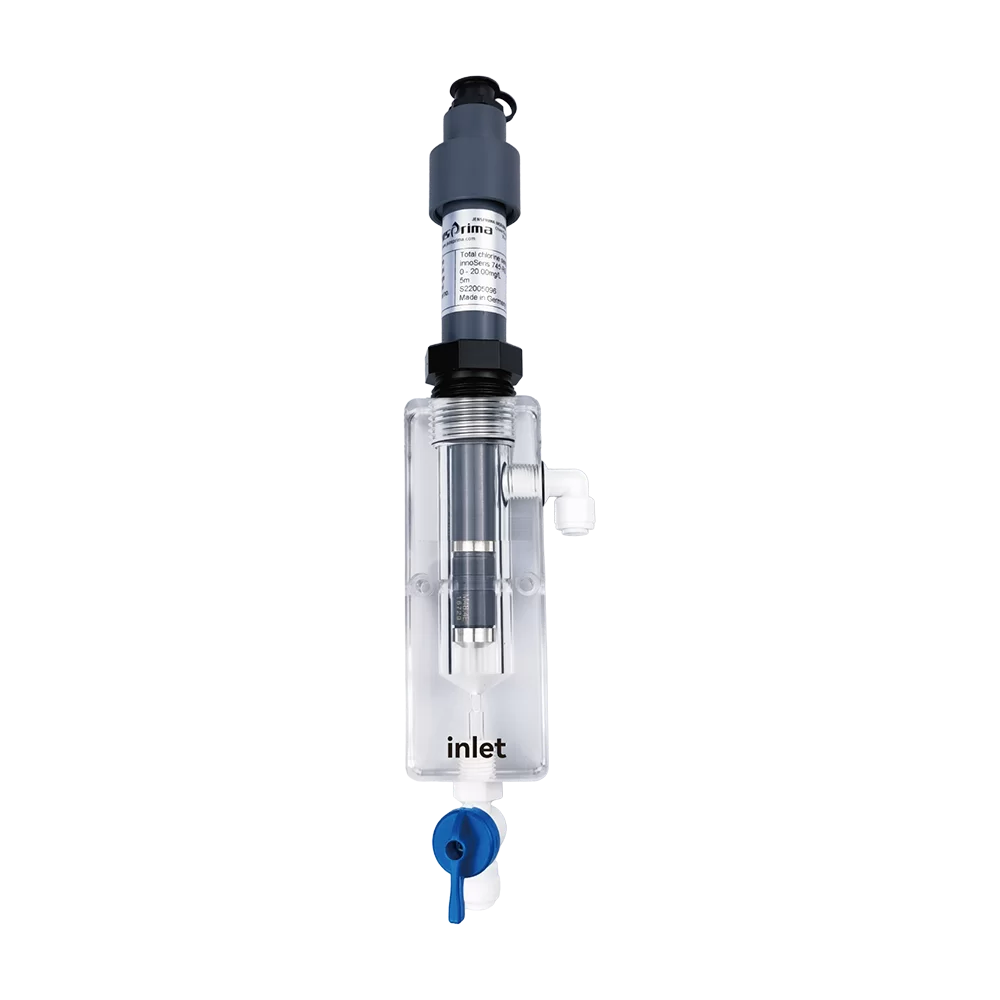
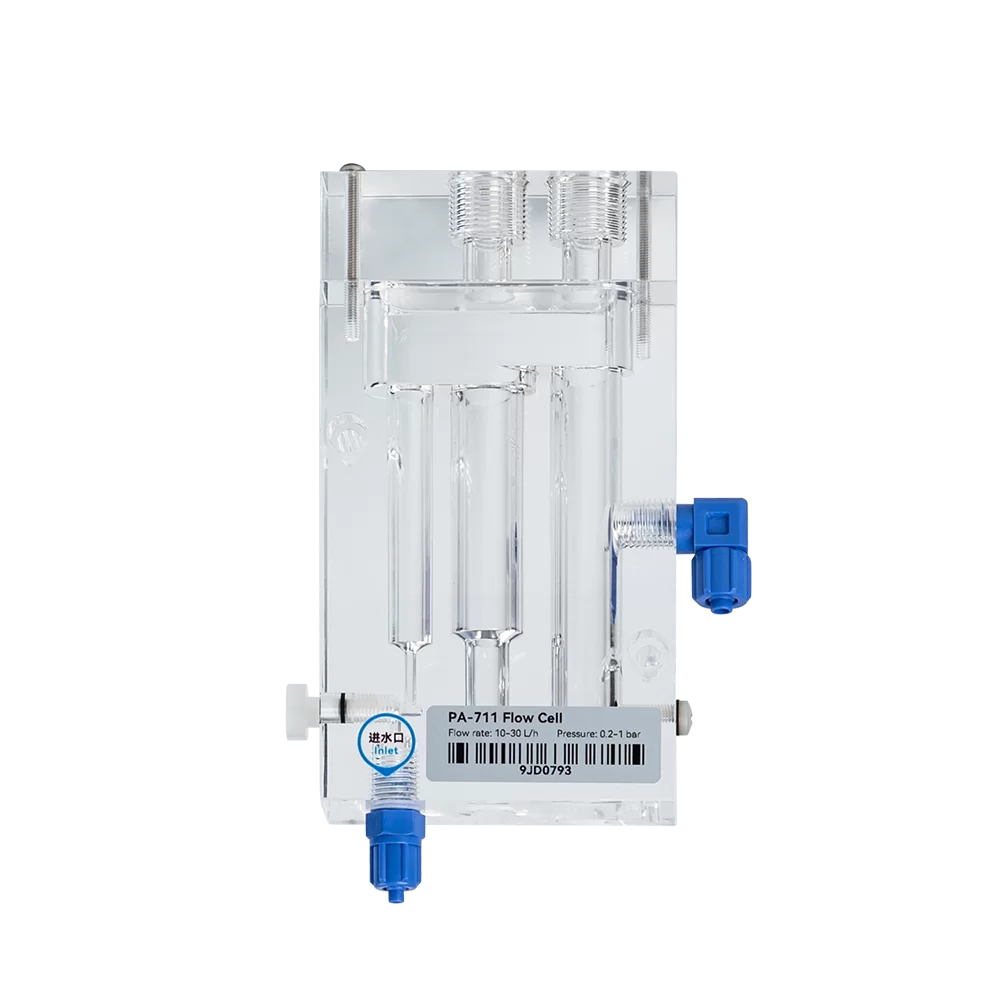
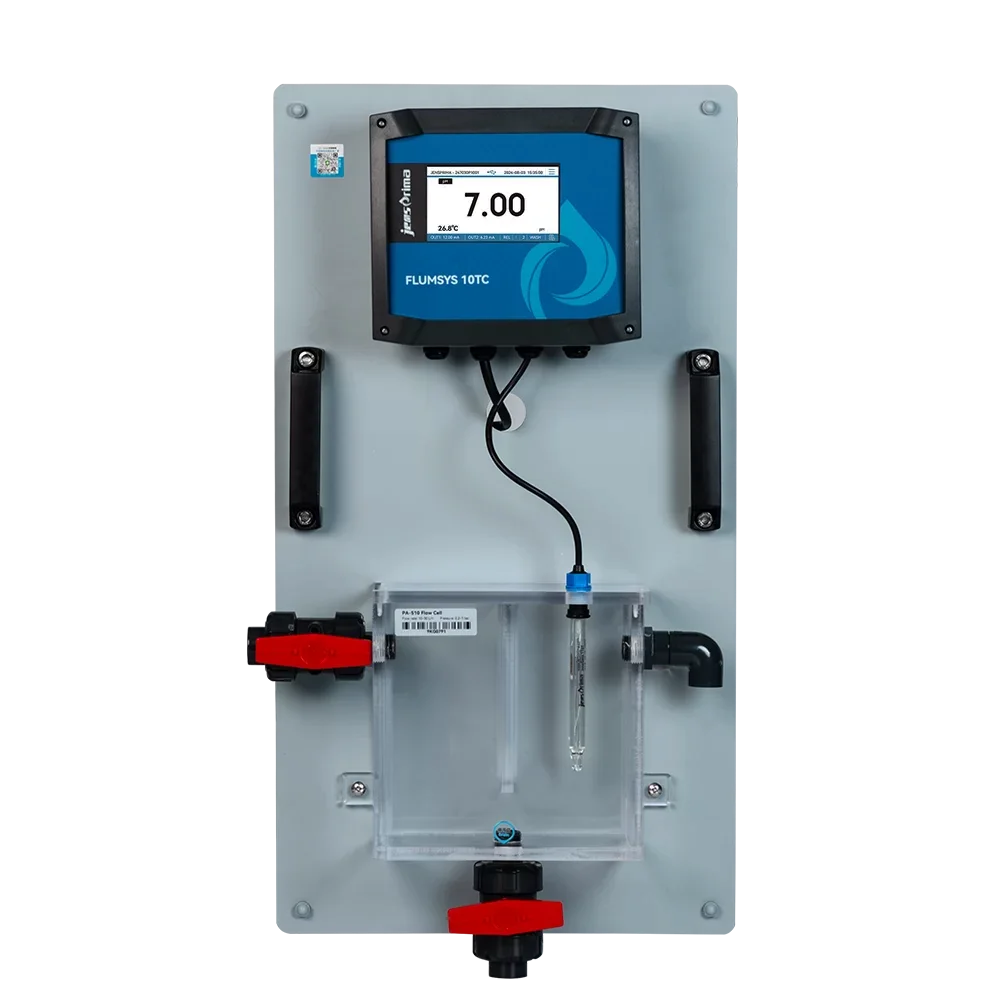
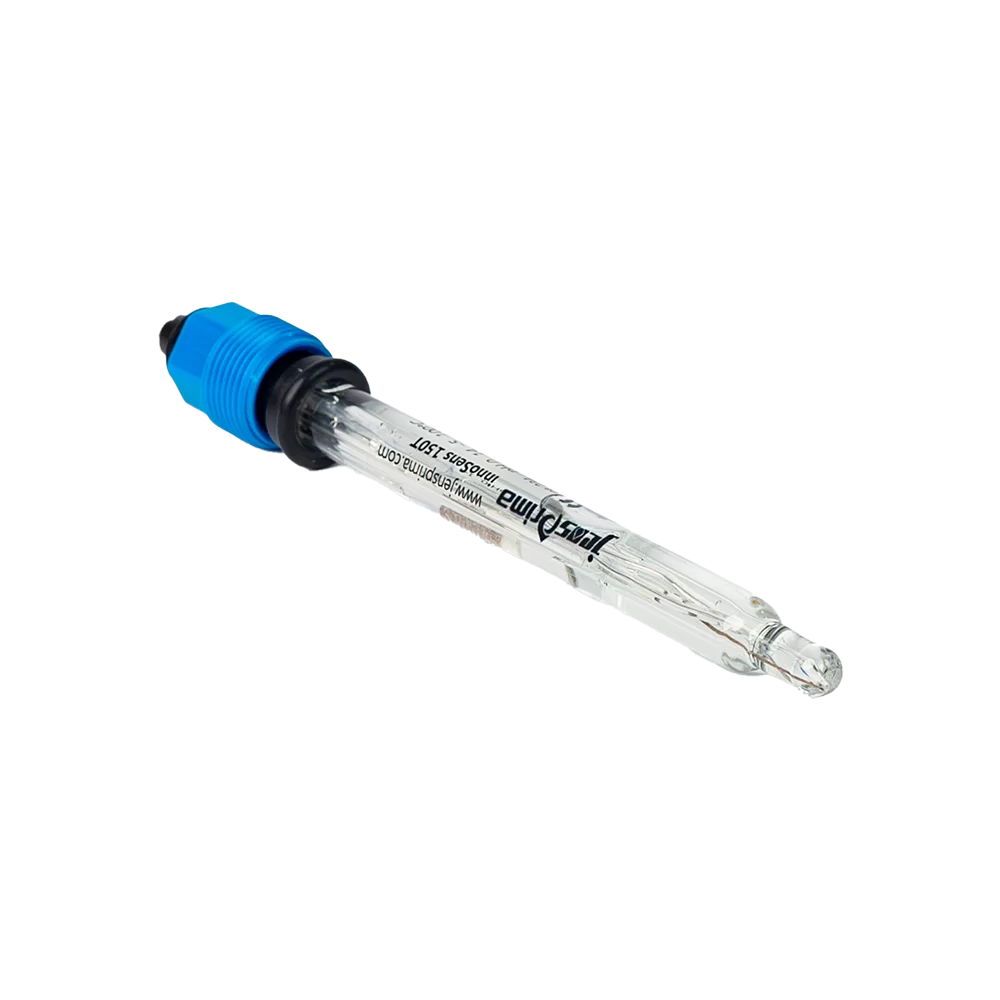
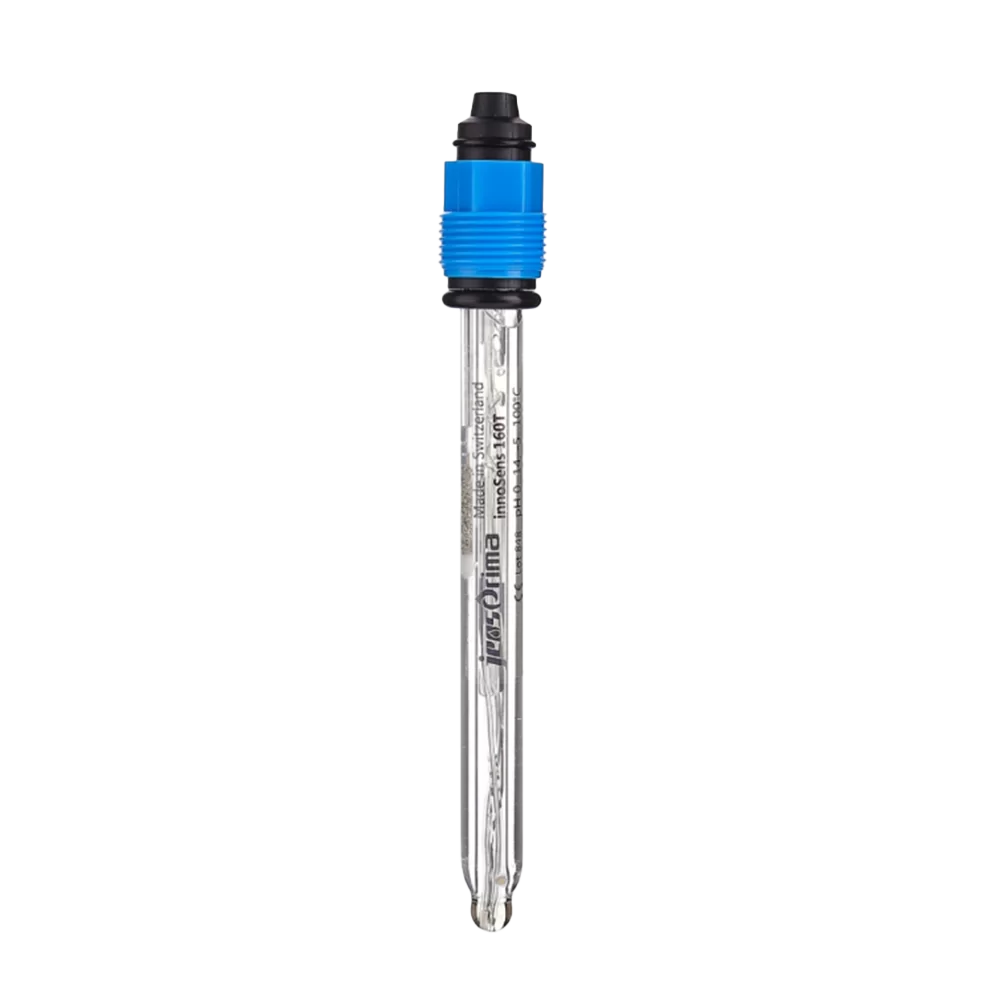
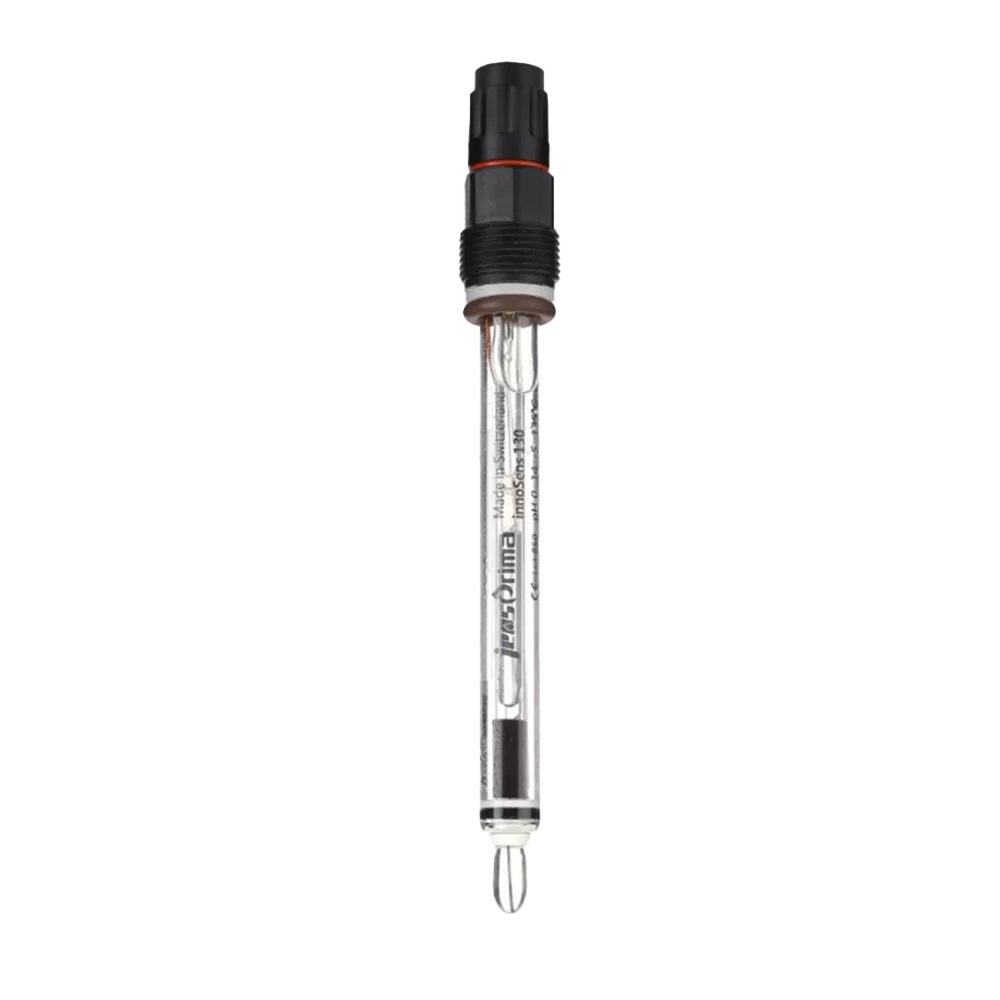
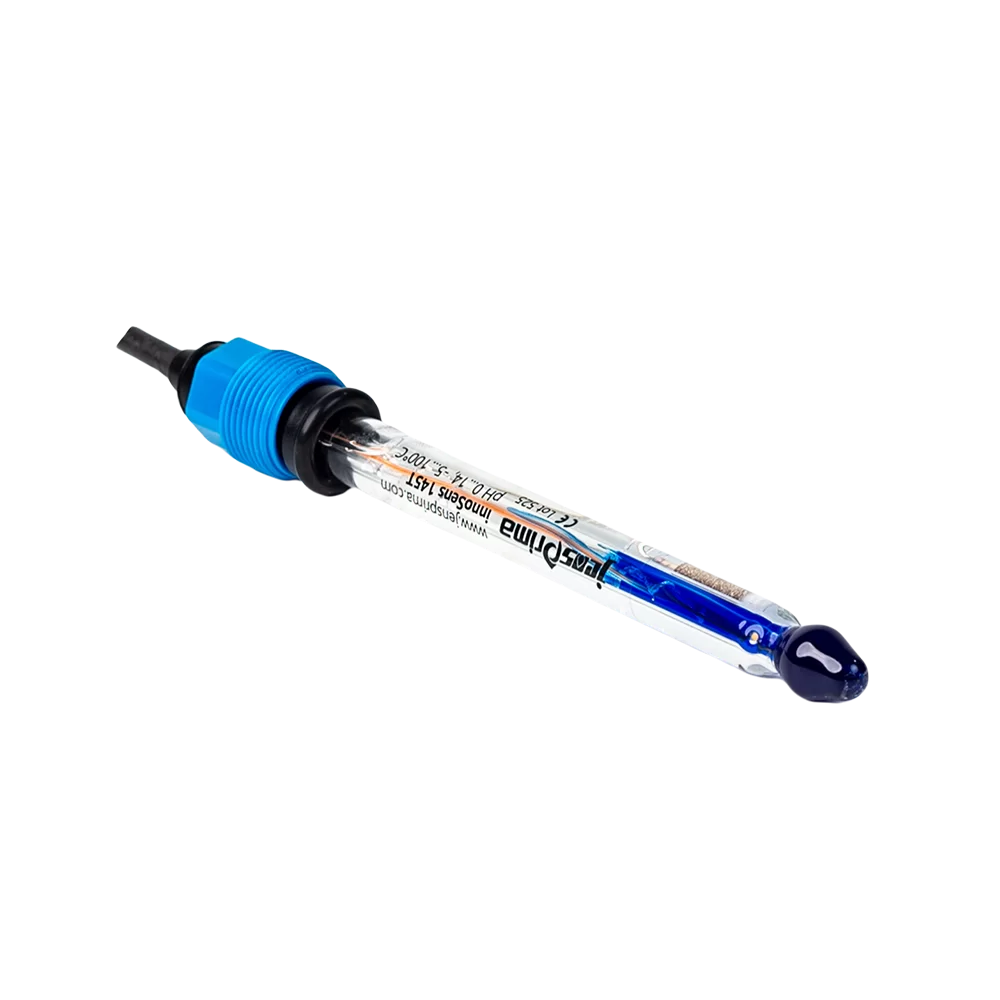
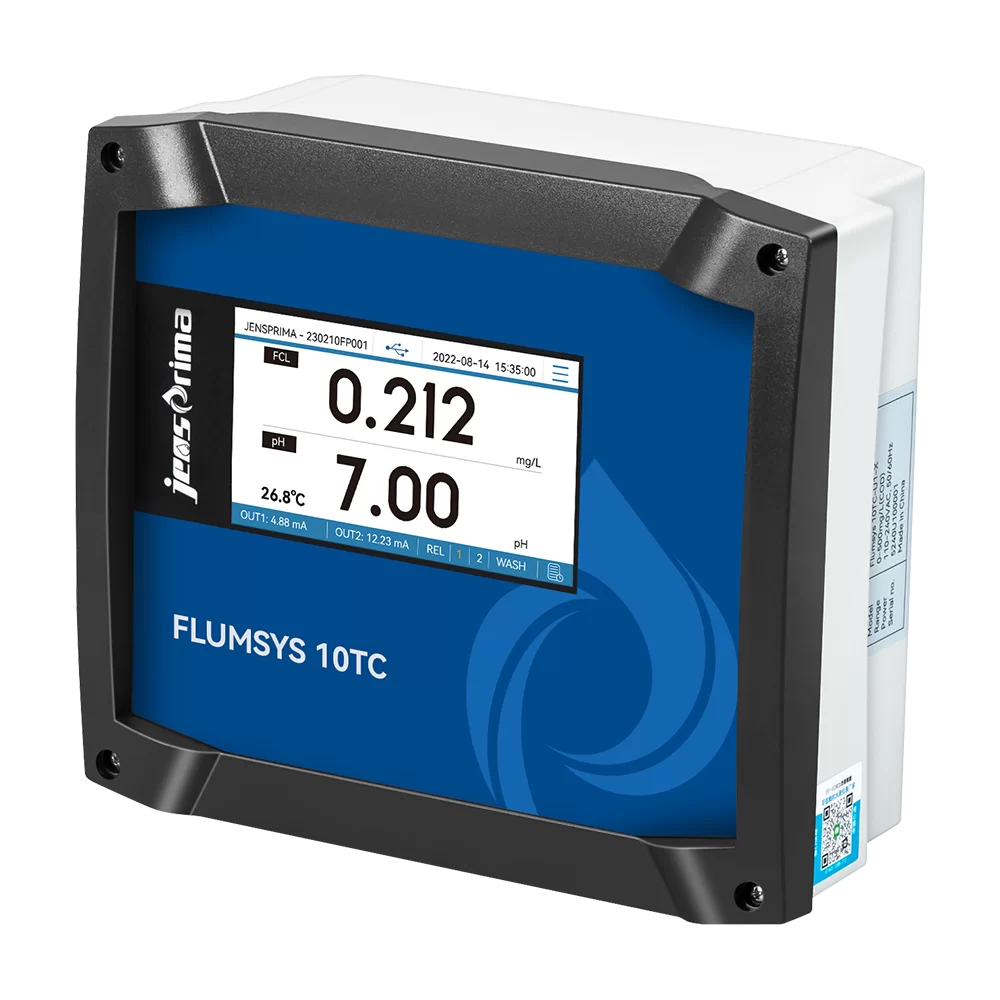
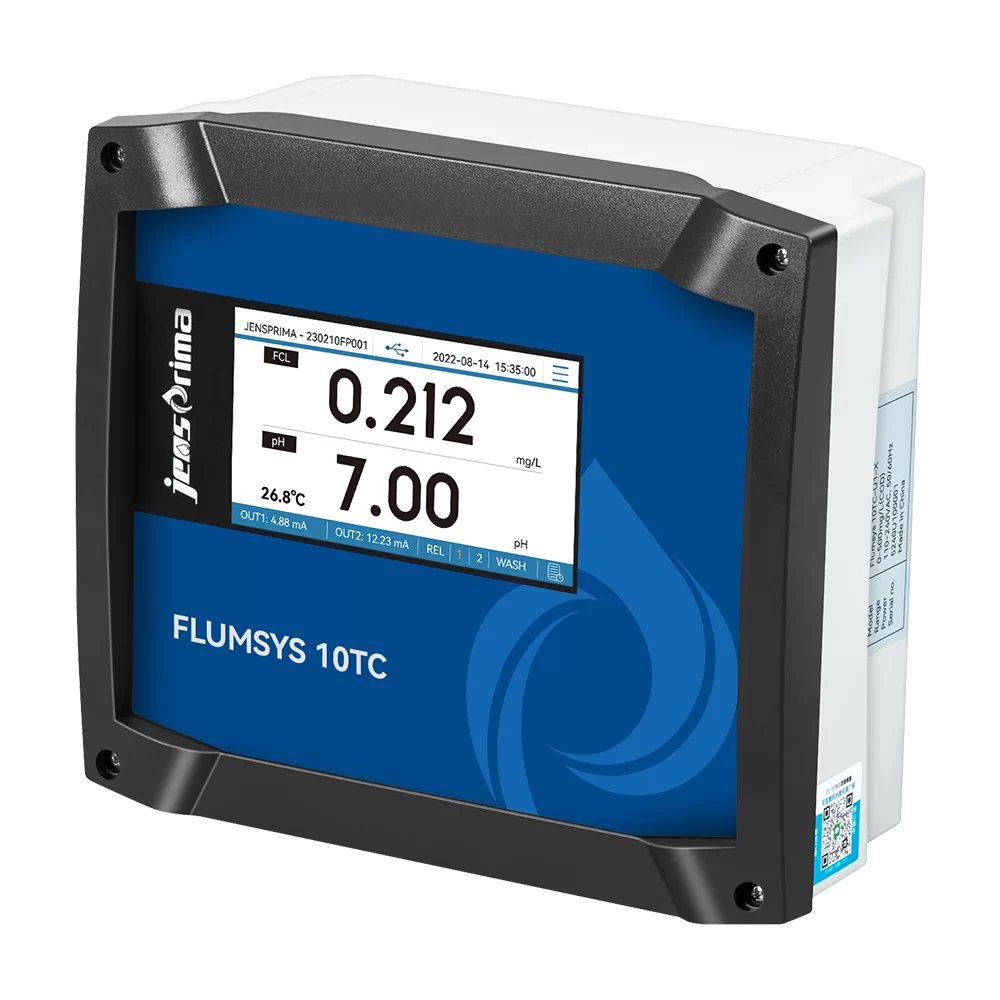
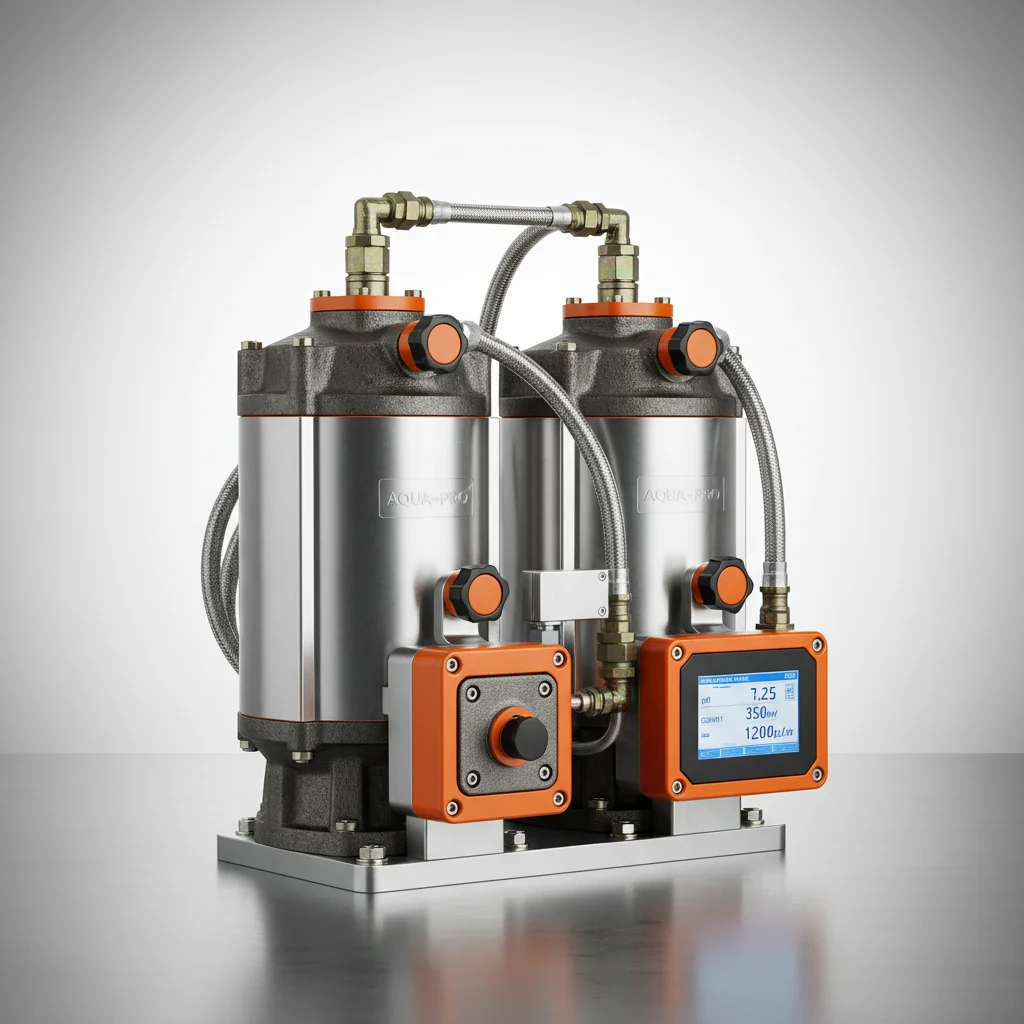
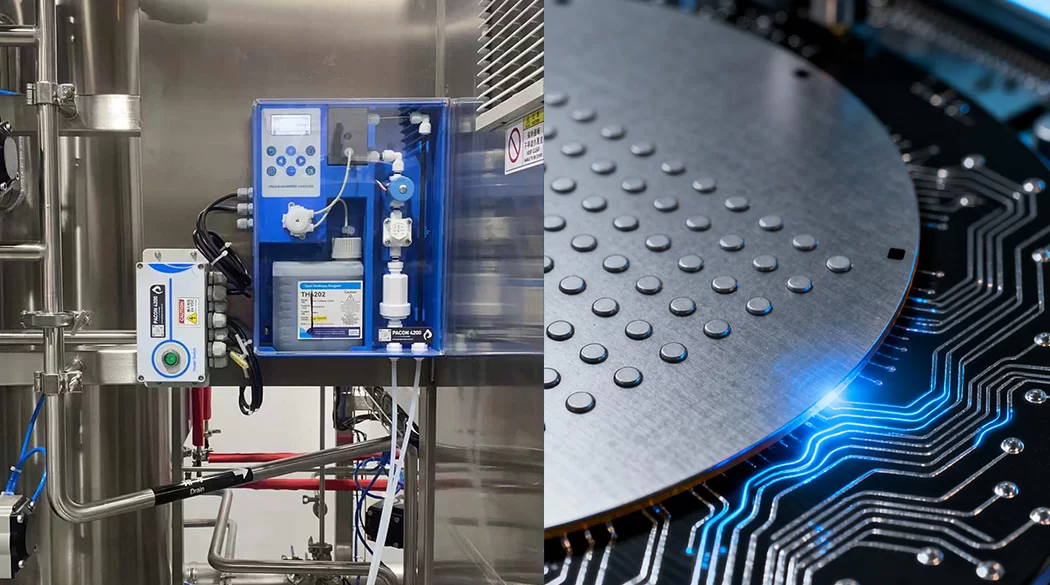
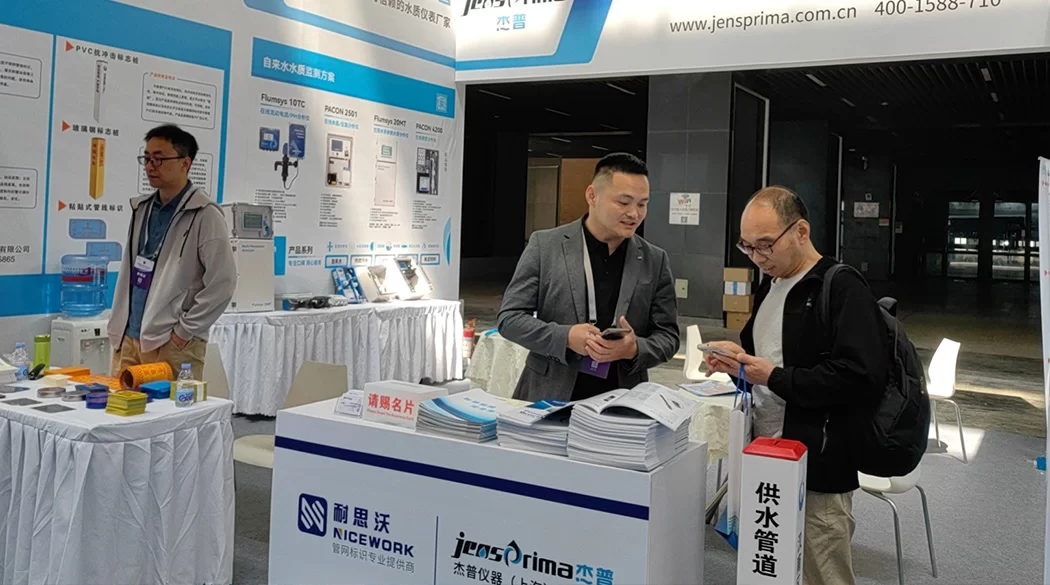
Jensprima online hardness and residual chlorine analyzers play a vital role in the service life of reverse osmosis membranes and the water recovery rate within pharmaceutical RO systems.
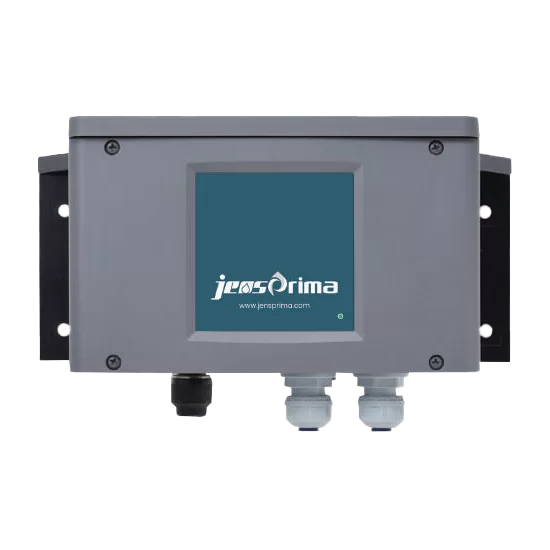
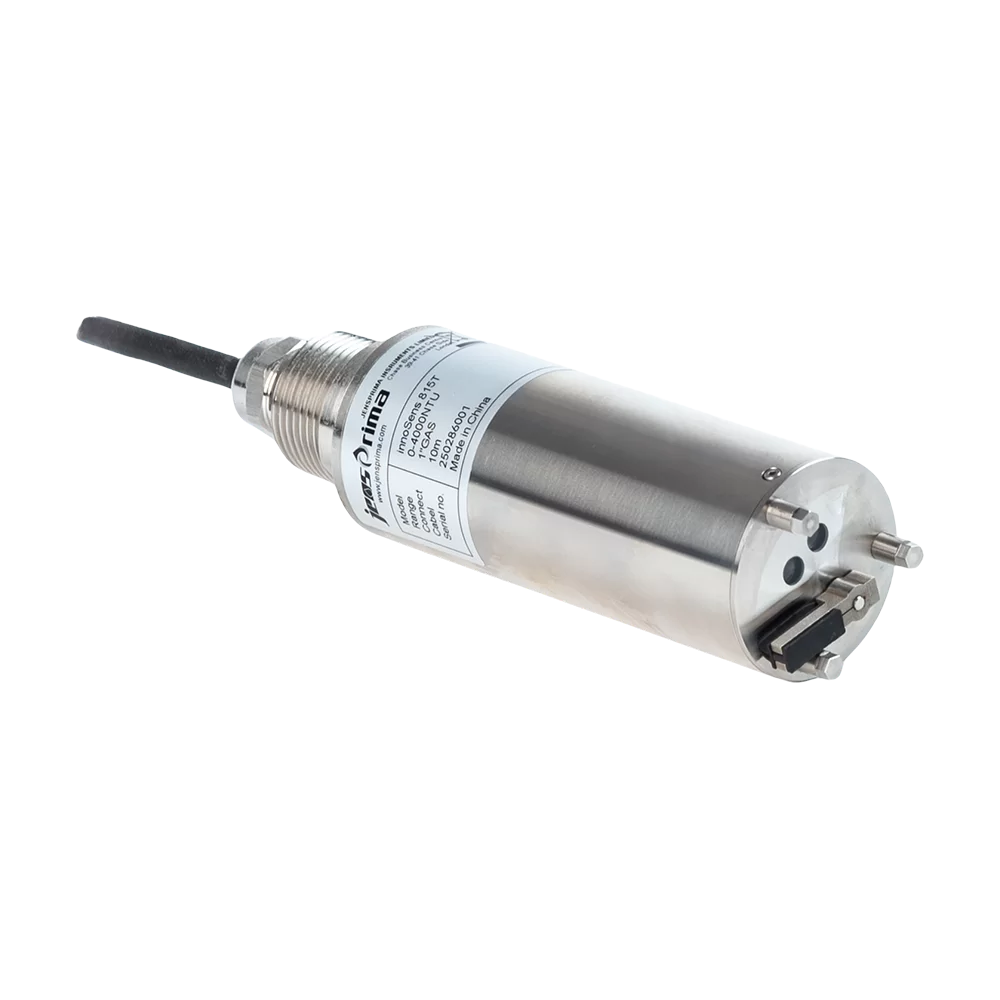
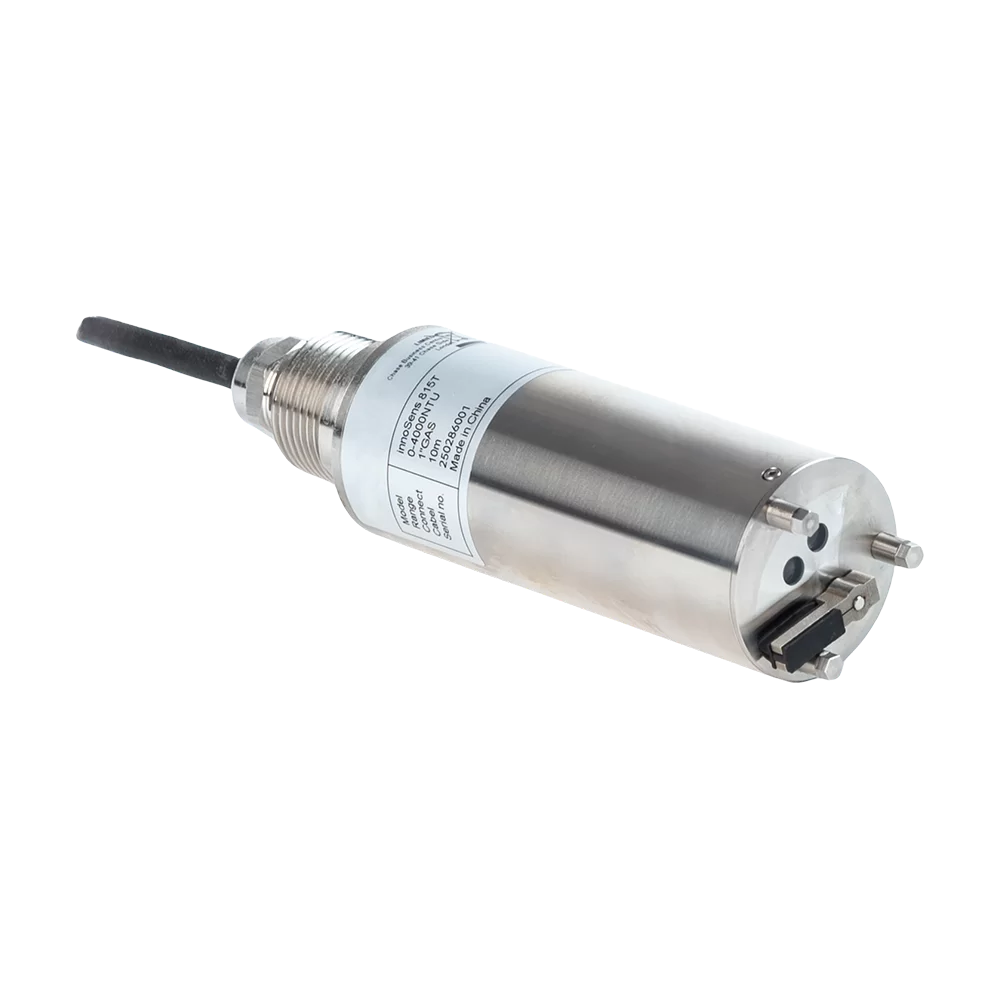
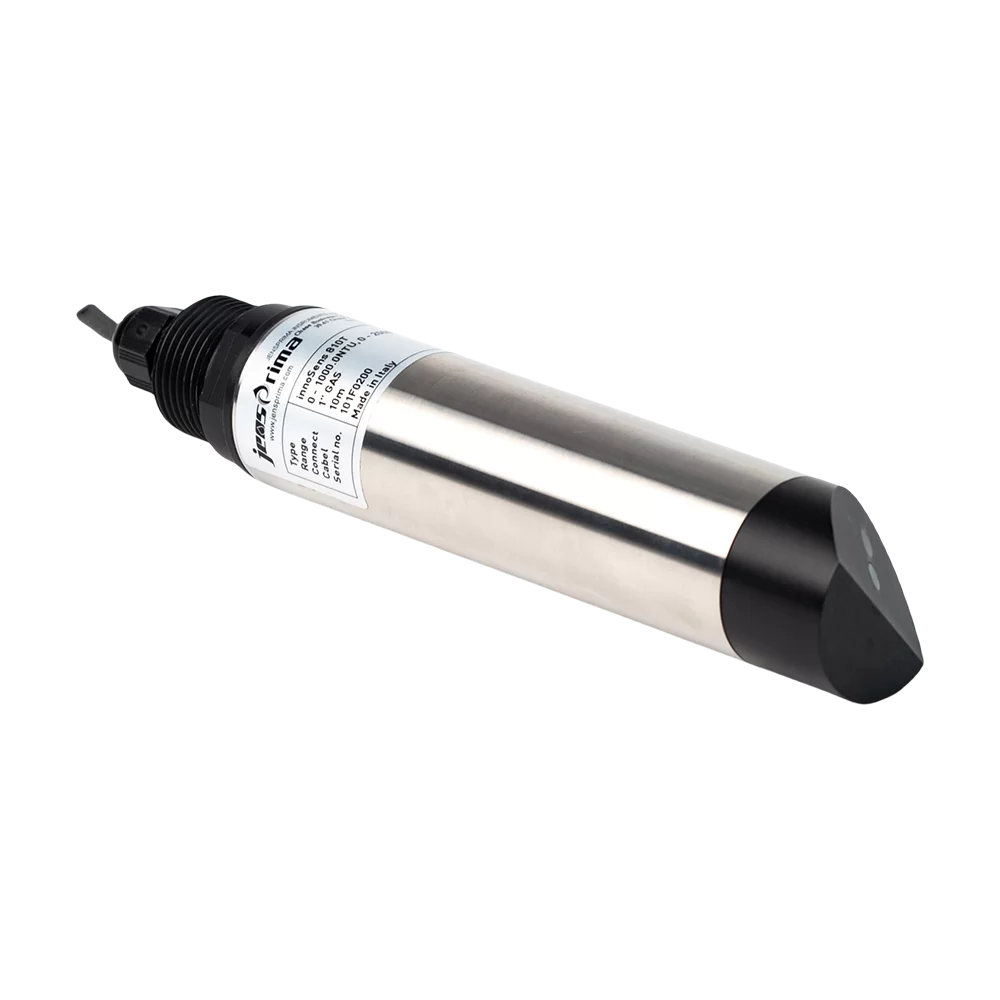
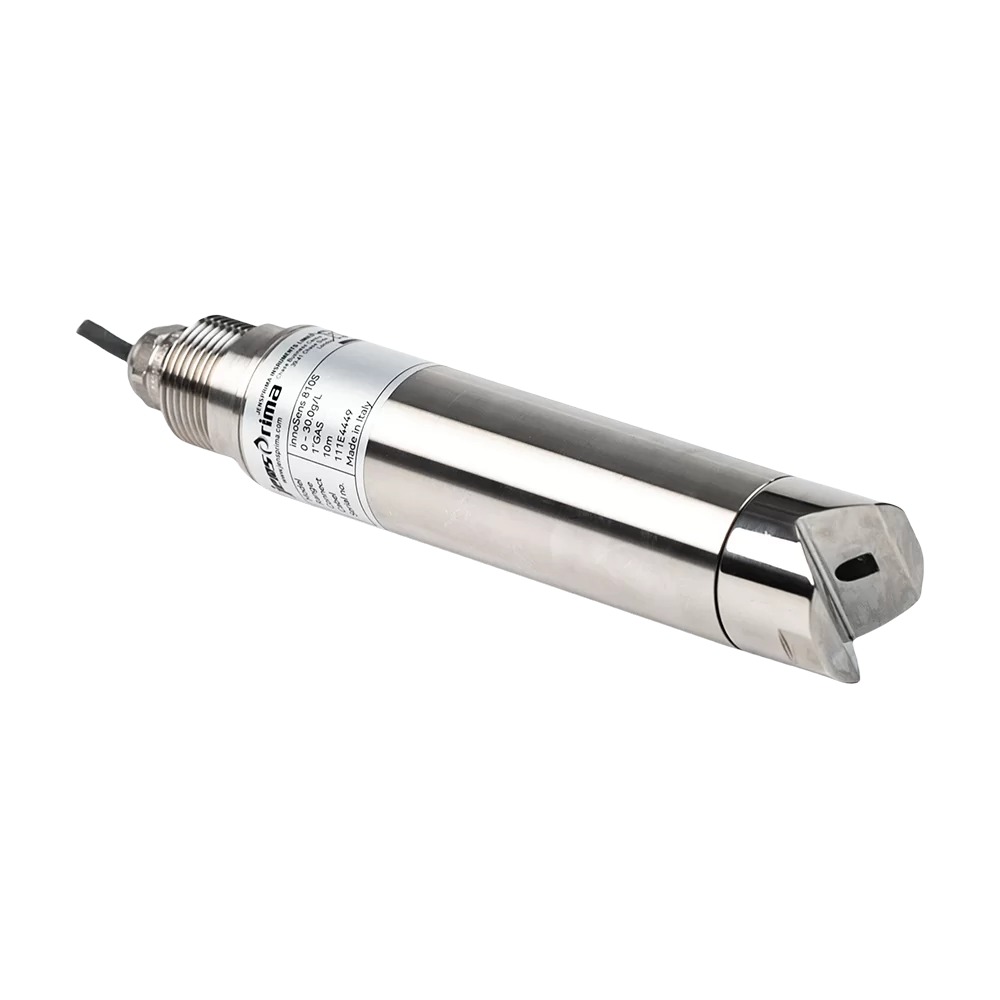
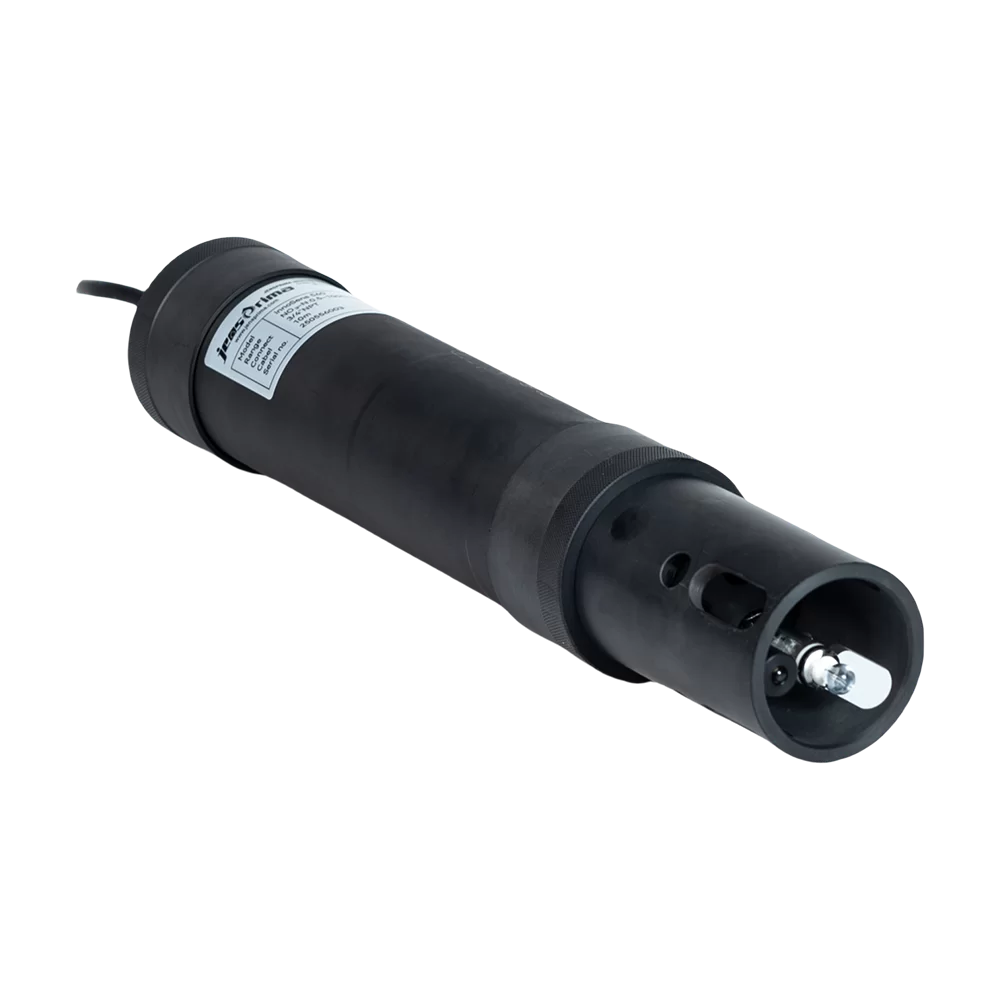
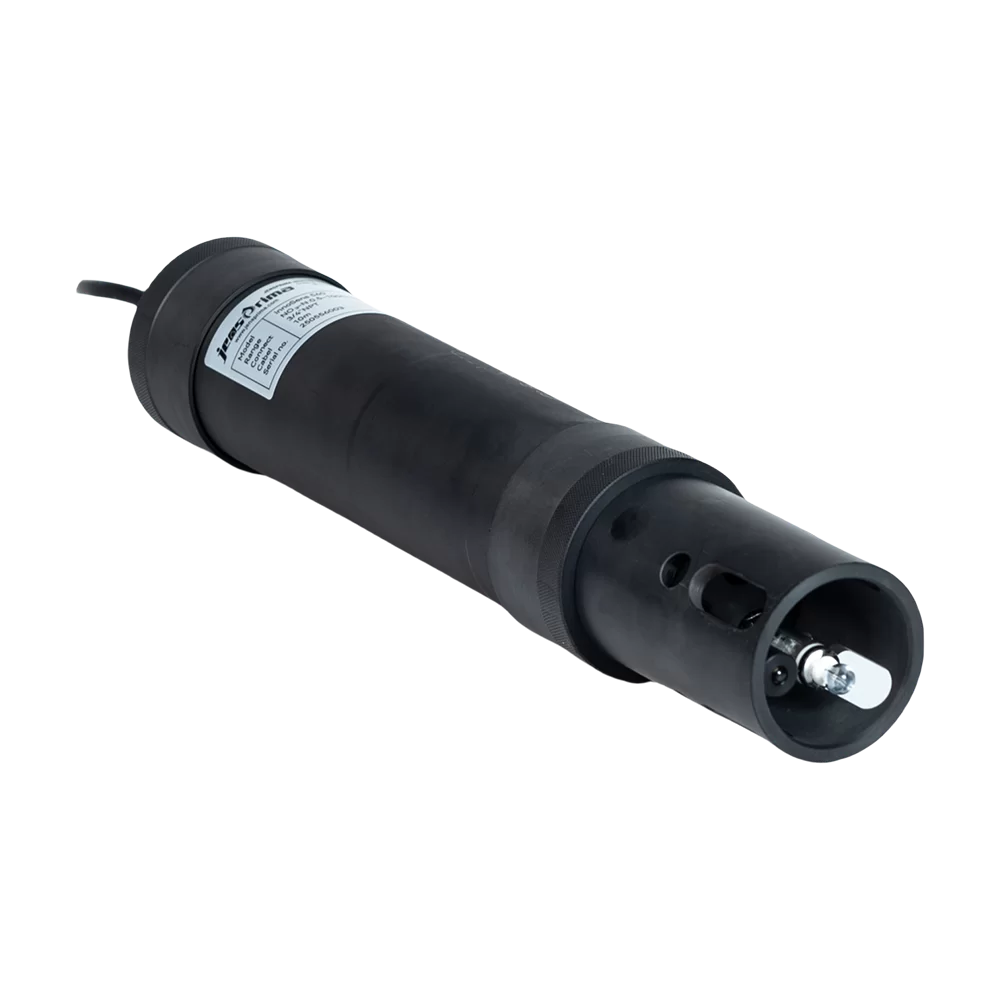
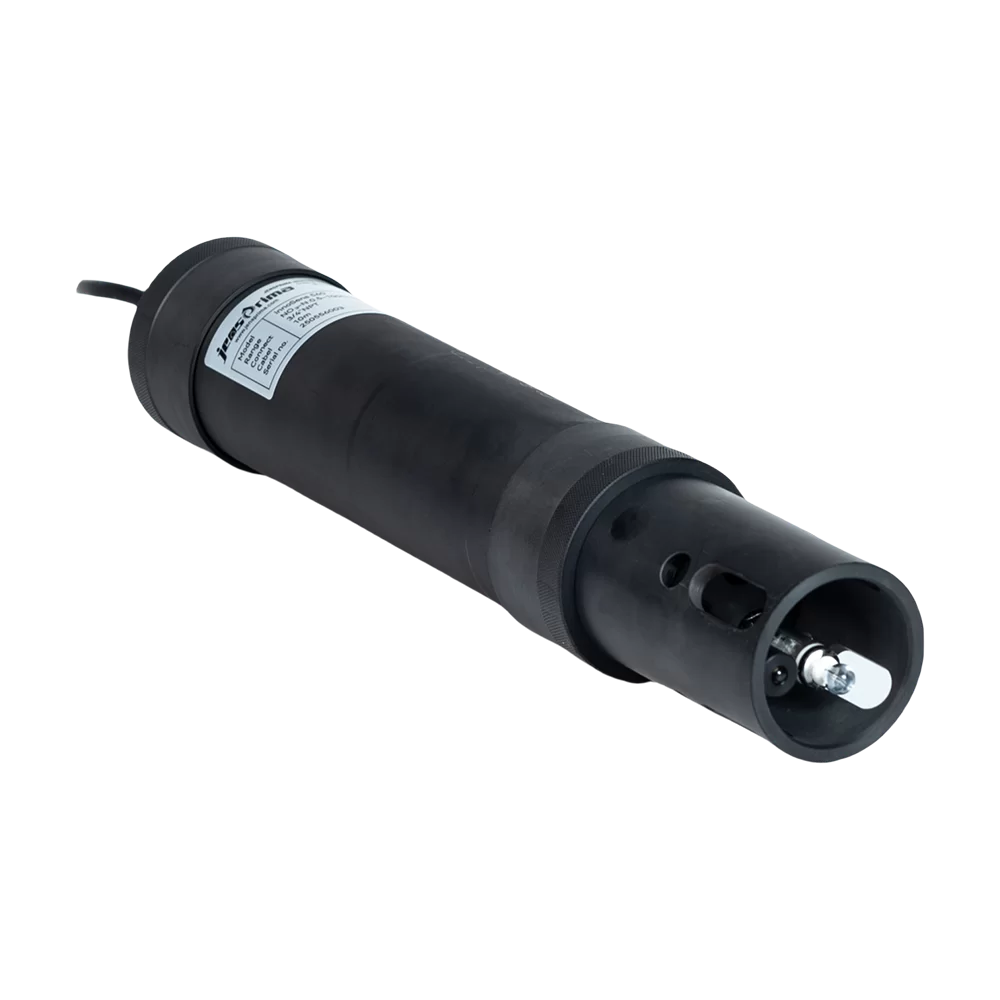
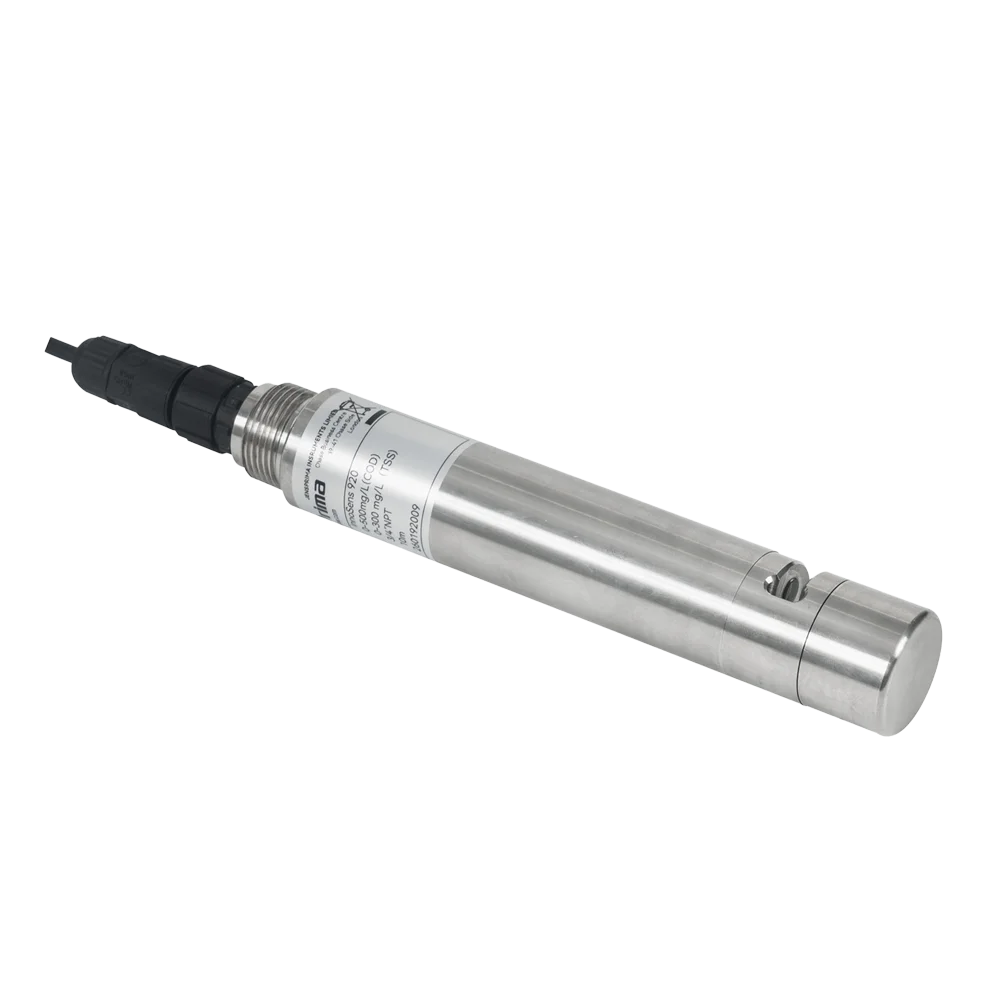
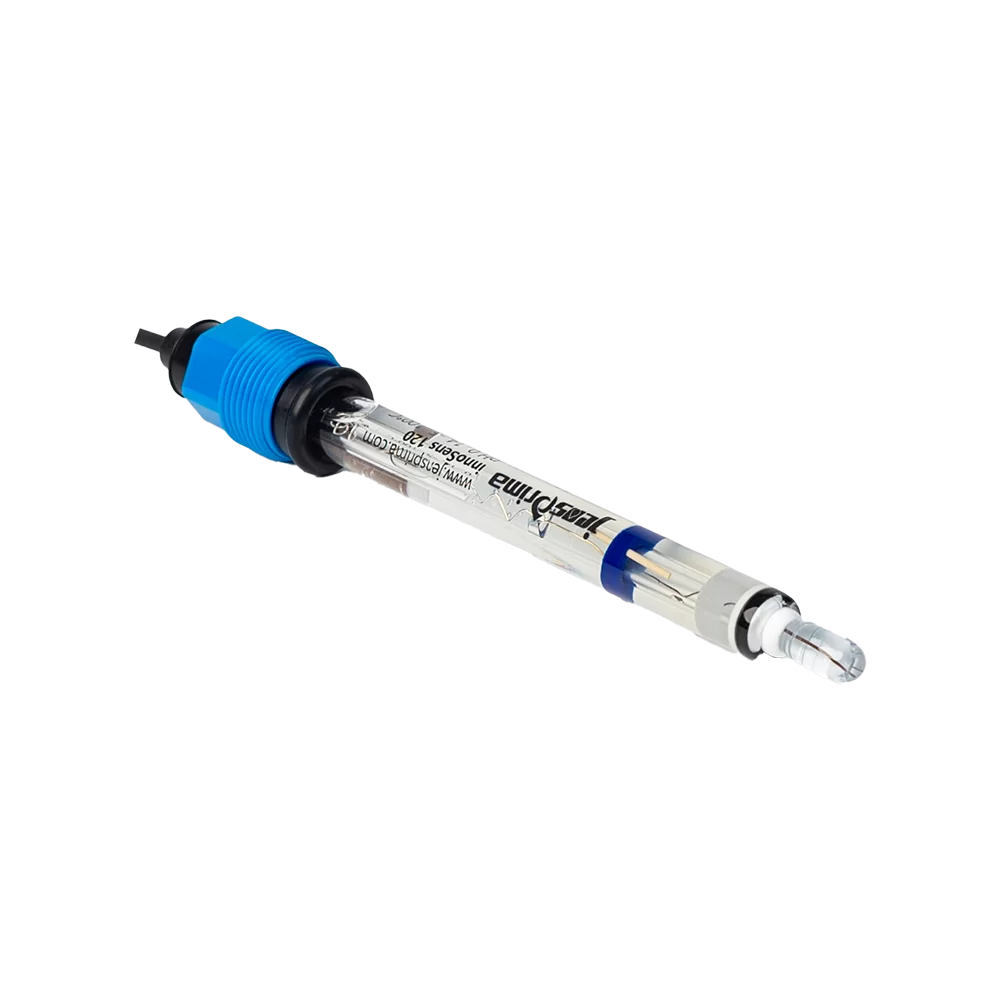
Looking for reliable Suspended Solids Sensors? As leading China factory suppliers, we offer the innoSens 810S based on the 90 degree light scattering principle in accordance with EN ISO 7027. This high-precision optical sensor ensures accurate real-time measurement of particulate matter for industrial wastewater and environmental monitoring.
The innoSens 810S is a high-precision Suspended Solids (SS) Sensor designed for the rigorous demands of online water quality monitoring. Utilizing advanced optical sensing technology, it provides real-time, continuous measurement of particulate matter in various aqueous environments, ensuring strict compliance with environmental discharge standards and optimizing industrial process control.
Engineered for durability and stability, the innoSens 810S minimizes the need for frequent manual sampling. By integrating seamless compatibility with modern water quality controllers, it delivers reliable data for wastewater treatment plants, industrial effluent monitoring, and environmental protection agencies seeking to maintain optimal water clarity and purity.

| Sensor Type | Optical Infrared / Scattering | Measurement Range | 0 - 10,000 mg/L (Configurable) |
|---|---|---|---|
| Output Signal | 4-20mA / Modbus RS485 | Accuracy | ± 2% of Full Scale |
| Response Time | < 30 Seconds | Operating Temperature | 0°C to 60°C |
| Housing Material | Stainless Steel / PVC-U | Pressure Rating | Up to 10 Bar |
| Installation | Immersion / Flow-through | Calibration | Two-point Calibration |
Built with industrial-grade materials to resist corrosion and fouling in harsh wastewater environments.
Provides instantaneous data streaming for rapid response to suspended solids spikes.
Advanced optical scattering algorithms ensure accurate measurement across various particle sizes.
Standard output signals allow for effortless connection to existing PLC and SCADA systems.
Designed for long-term stability with simplified cleaning and calibration procedures.
Simplified software interface for rapid site-specific calibration and adjustment.
Monitor SS levels from any location via secure cloud-based dashboards.
Trigger automatic pump or valve adjustments based on real-time sensor thresholds.
Receive immediate SMS or email notifications when turbidity exceed limits.
Automatic data archiving for environmental regulatory reporting and audits.
Track sensor health and schedule preventive maintenance intervals.
Analyze long-term trends to optimize chemical dosing and filtration cycles.
| Metric | Manual Sampling | innoSens 810S Online | ROI Impact |
|---|---|---|---|
| Labor Cost | High (Daily manual tests) | Low (Automated) | -70% OpEx |
| Data Frequency | Sporadic (Snapshot) | Continuous (Real-time) | Higher Accuracy |
| Reaction Speed | Delayed (Lab results) | Immediate | Prevent Penalty |
| Chemical Waste | High (Reagent based) | Zero (Optical) | Eco-Friendly |
| Maintenance | Periodic manual cleaning | Scheduled minimal | Reduced Downtime |
While turbidity sensors measure the clarity of water, the innoSens 810S specifically focuses on the mass concentration of suspended solids (mg/L), providing a more accurate representation of total particulate load in industrial effluents.
Depending on the water quality, we recommend a visual inspection and lens cleaning every 2-4 weeks. Many installations use automated wiping systems to extend this interval to several months.
Yes, the sensor supports standard 4-20mA analog outputs and Modbus RS485 digital communication, making it compatible with almost all industrial PLCs and SCADA systems.
No, the innoSens 810S uses a non-contact optical measurement principle, meaning it requires no chemical reagents, reducing both operating costs and environmental impact.
For highly corrosive wastewater, we recommend the PVC-U housing. For high-pressure or high-temperature industrial applications, the 316L Stainless Steel option is ideal.
Calibration is performed by taking a gravimetric sample of the water, measuring it in a lab, and then adjusting the sensor's slope and offset via the controller to match the lab result.