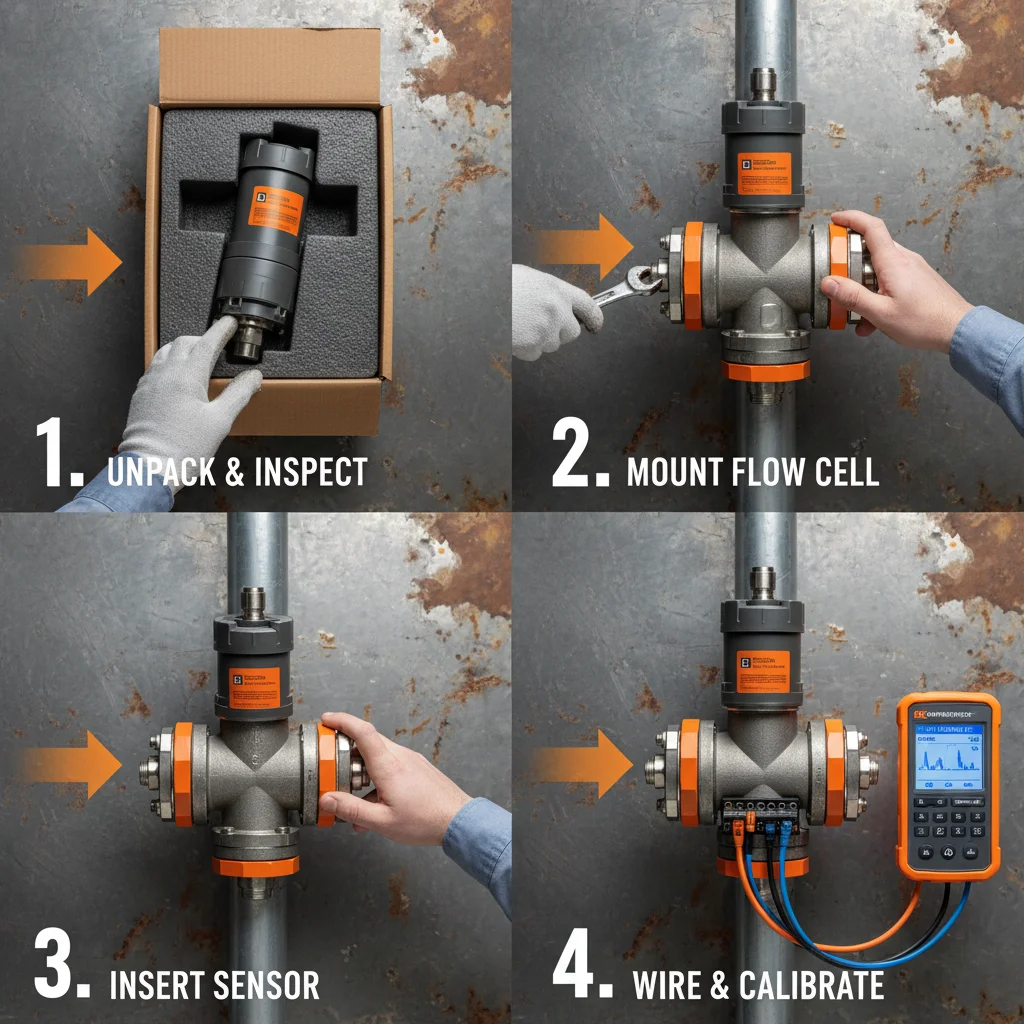
In the modern landscape of industrial water management, the ability to maintain precise chemical equilibrium is paramount. While many facilities rely on various sensing technologies, the integration of a high-performance online ph controller ensures that processes remain stable, protecting both the infrastructure and the environment from the volatile nature of corrosive liquids.
Globally, the demand for automated water quality monitoring has surged as regulatory bodies like the ISO and various environmental protection agencies tighten discharge limits. The transition from manual sampling to continuous monitoring systems reduces human error and provides a safety net for critical industrial operations, transforming how we perceive wastewater treatment and process control.
Understanding the nuances of an online ph controller is not merely about hardware selection; it is about implementing a strategy for operational efficiency. By combining real-time data with automated response mechanisms, industries can significantly reduce chemical waste and prevent costly downtime caused by pH imbalances.

The Industrial Significance of Online pH Control
The stability of pH levels in industrial water systems is often the deciding factor between a successful production batch and a total system failure. An online ph controller provides the necessary vigilance, detecting minute fluctuations in acidity or alkalinity that could lead to pipe corrosion or suboptimal chemical reactions.
By automating the titration process, these systems eliminate the lag time associated with laboratory analysis. This instantaneous feedback loop allows for the immediate adjustment of dosing pumps, ensuring that the water chemistry remains within a narrow, predefined range regardless of the influent variability.
Defining the Online pH Controller in Modern Industry
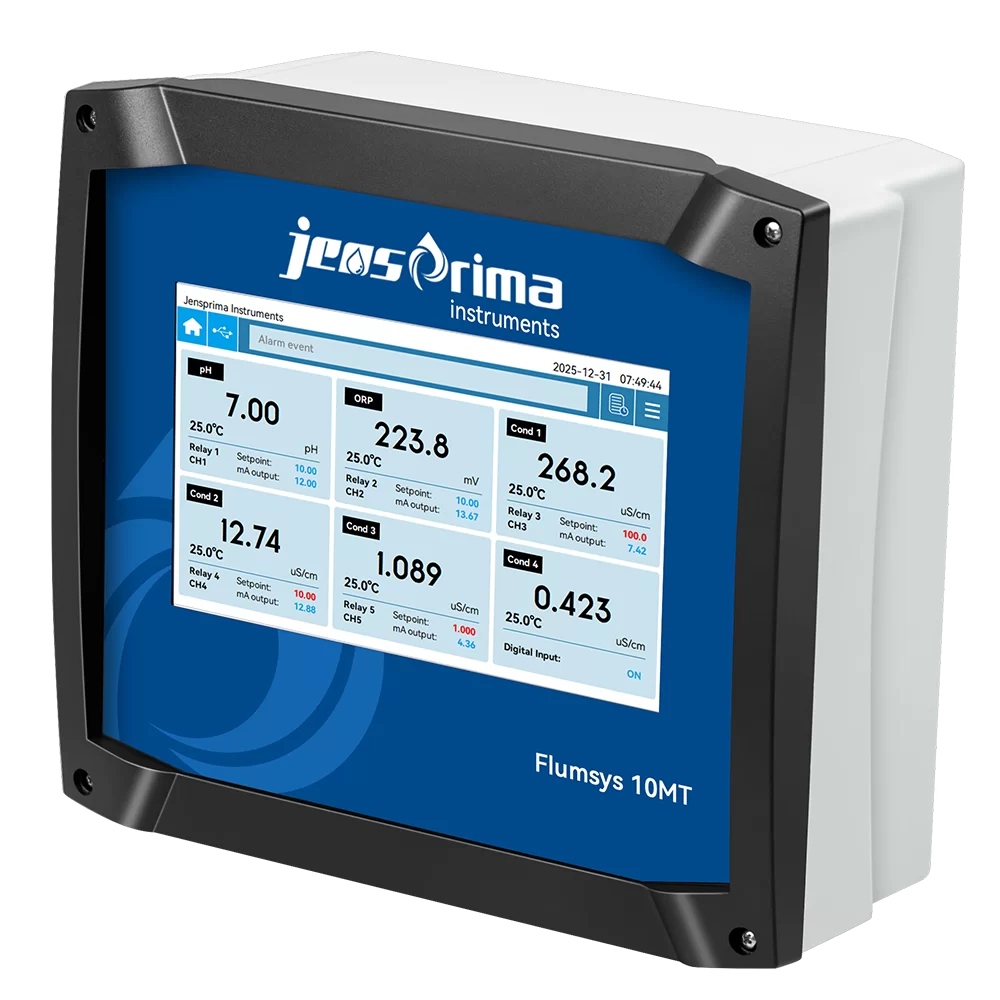
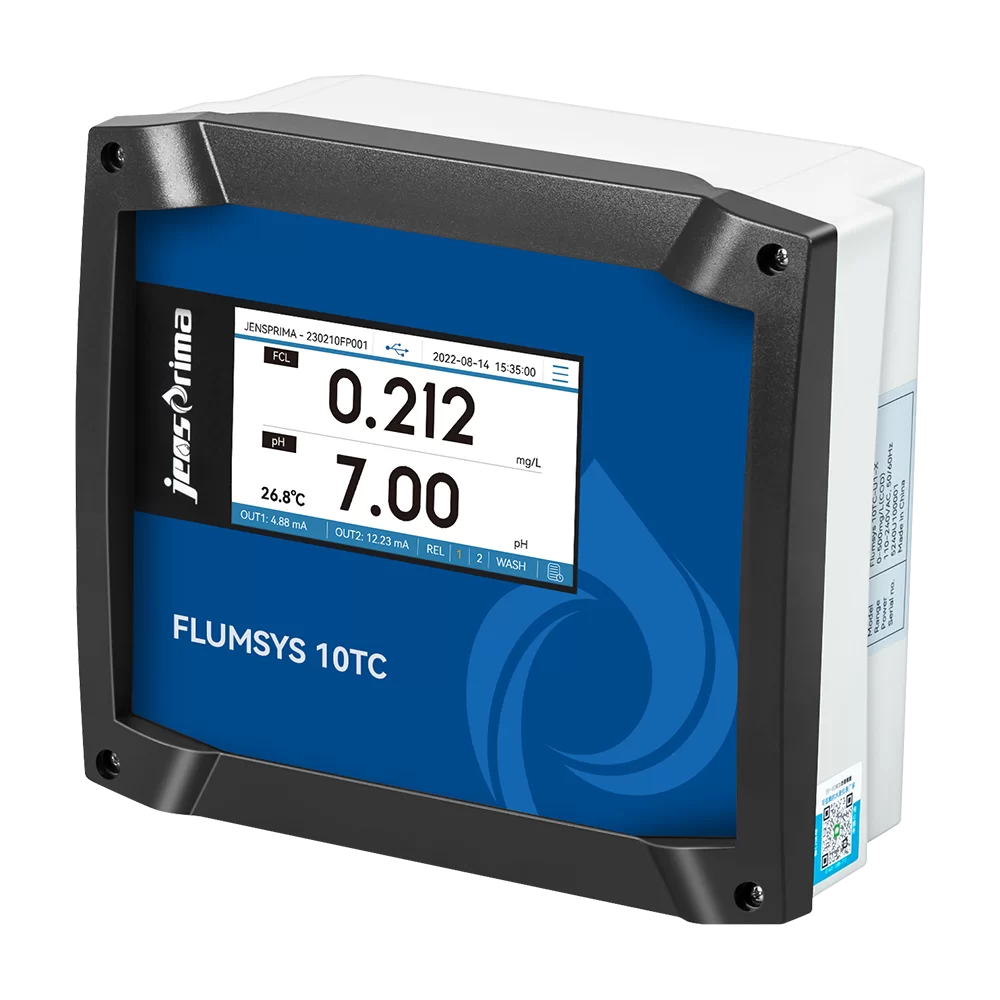
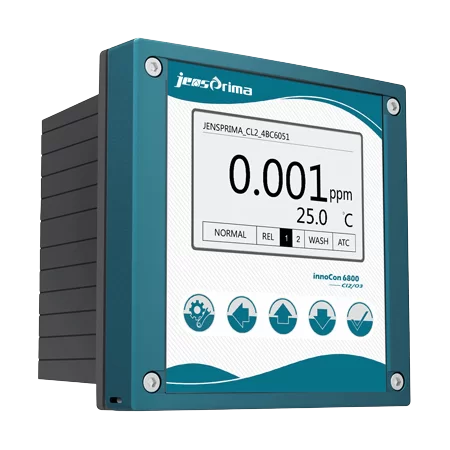
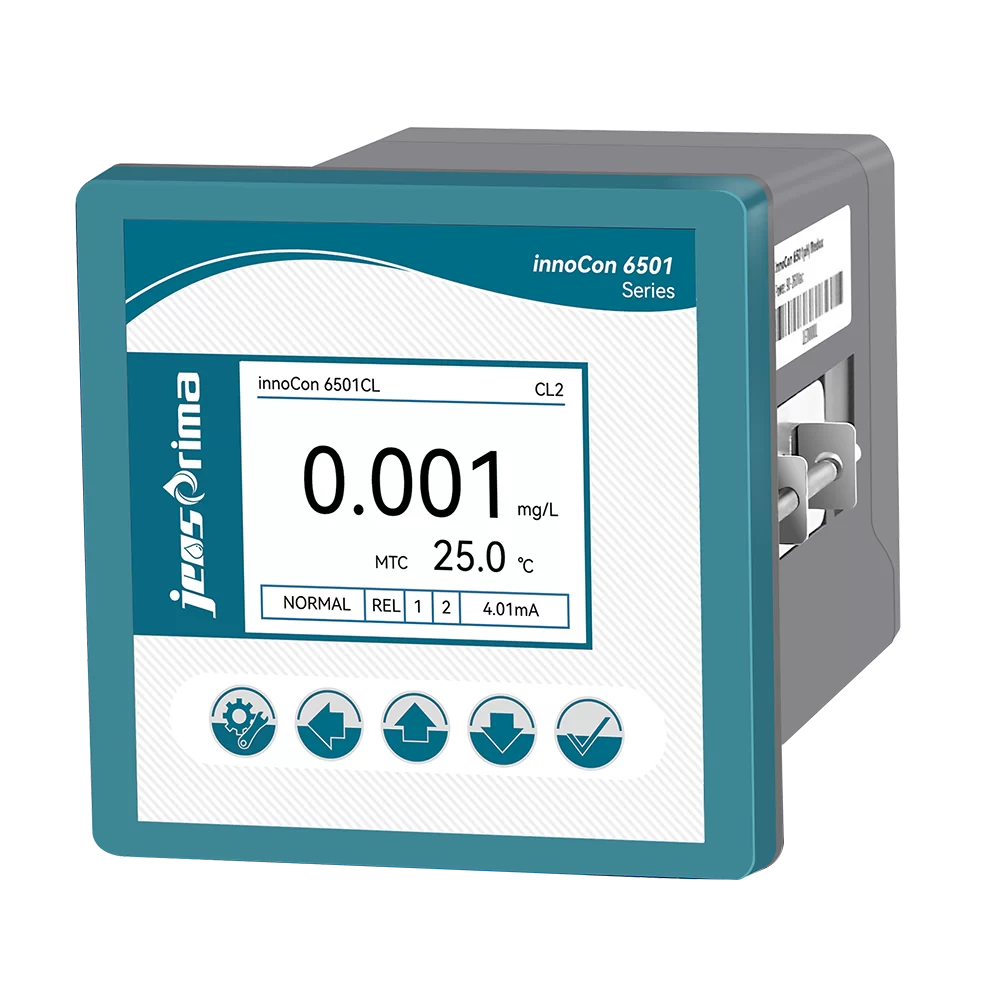
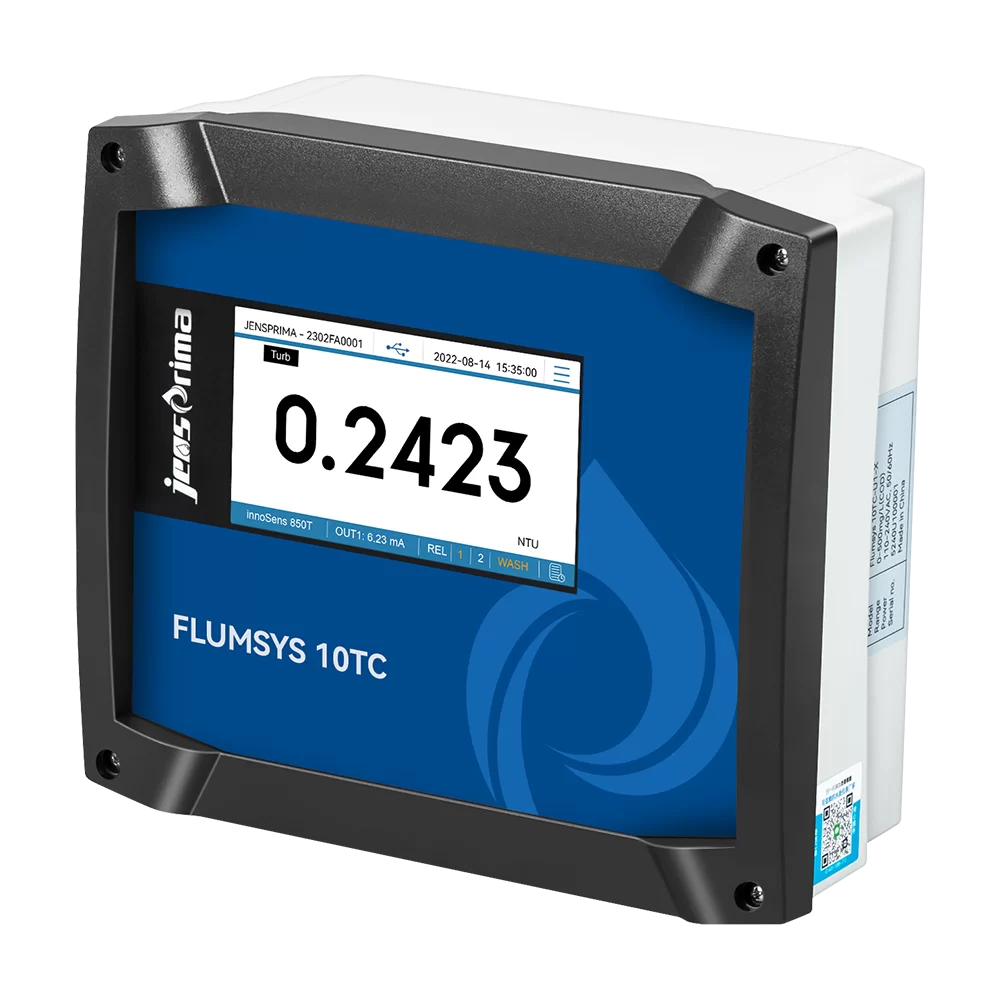
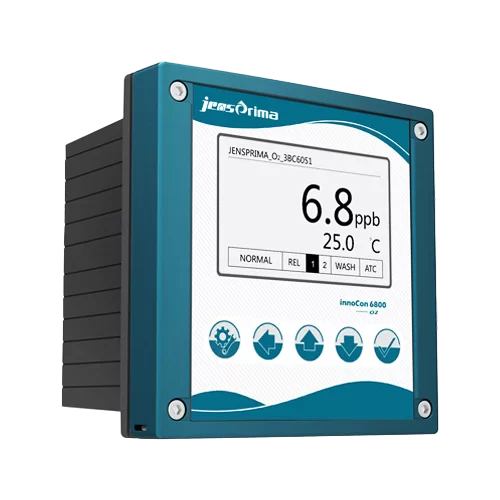
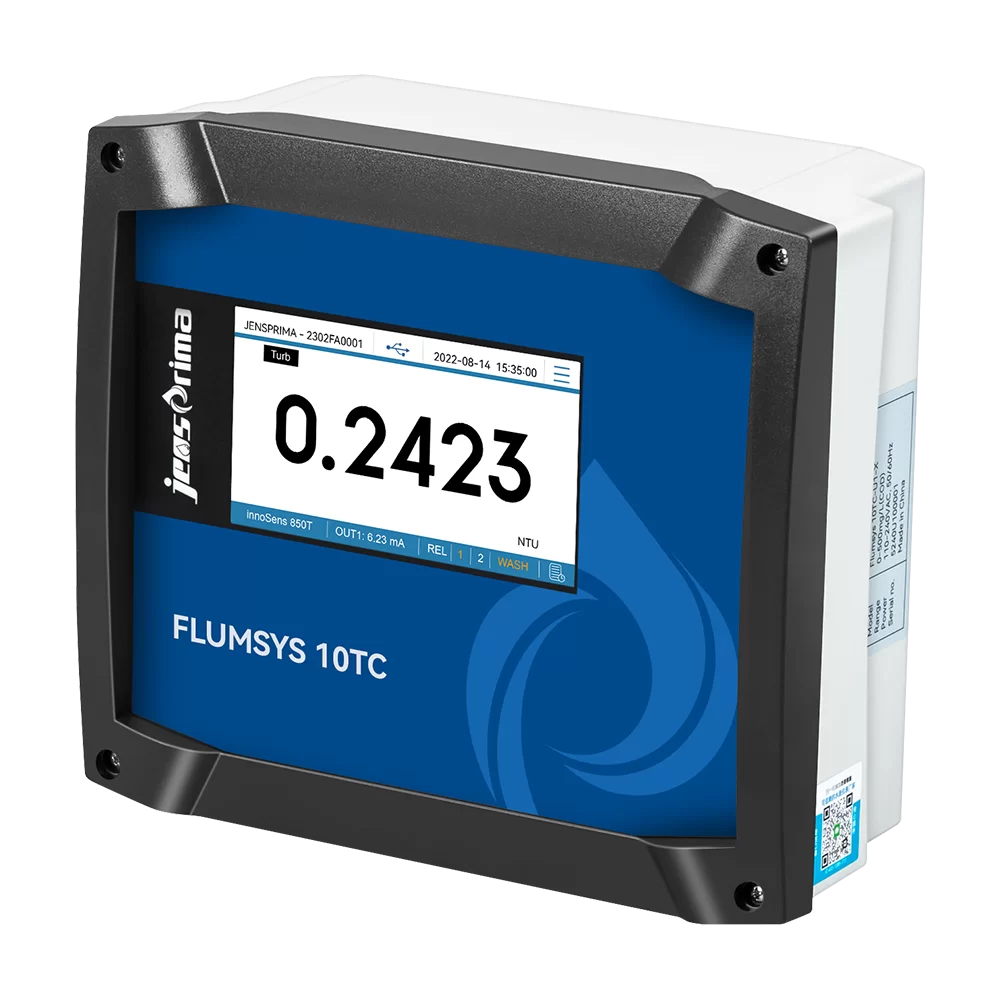
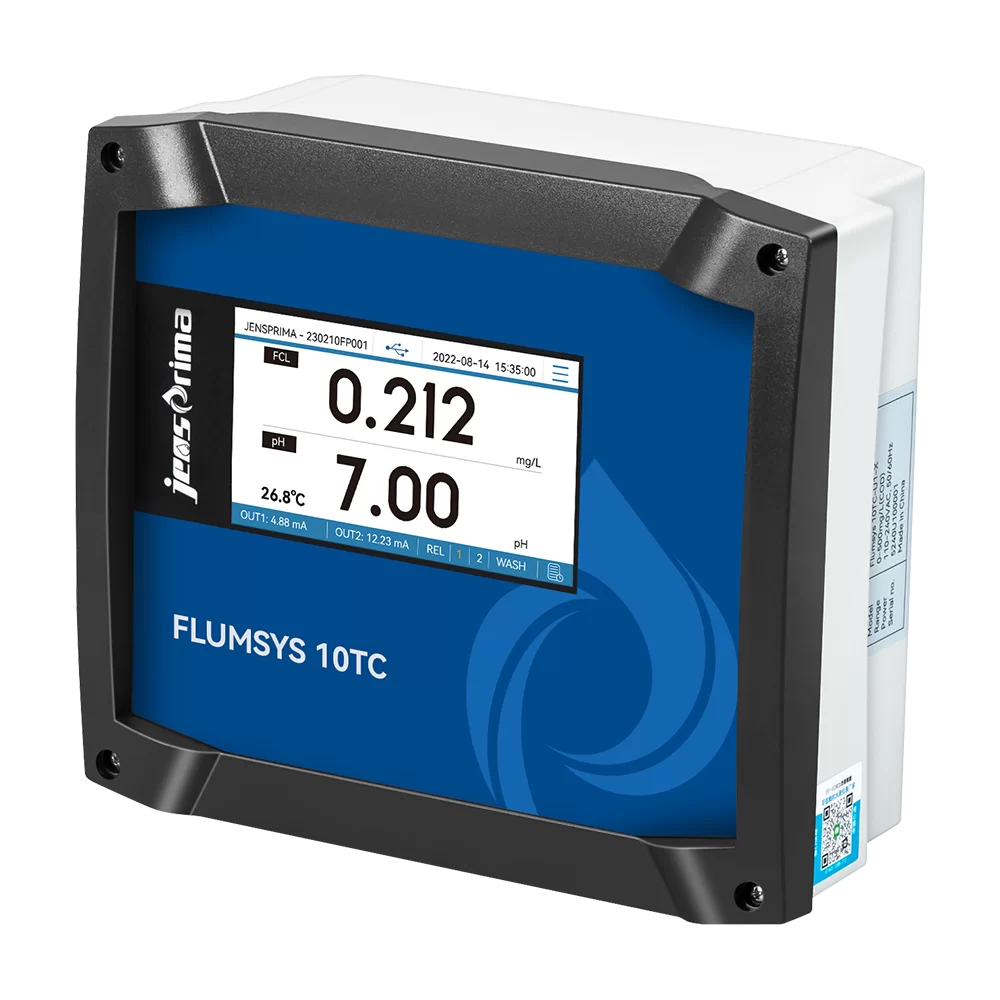
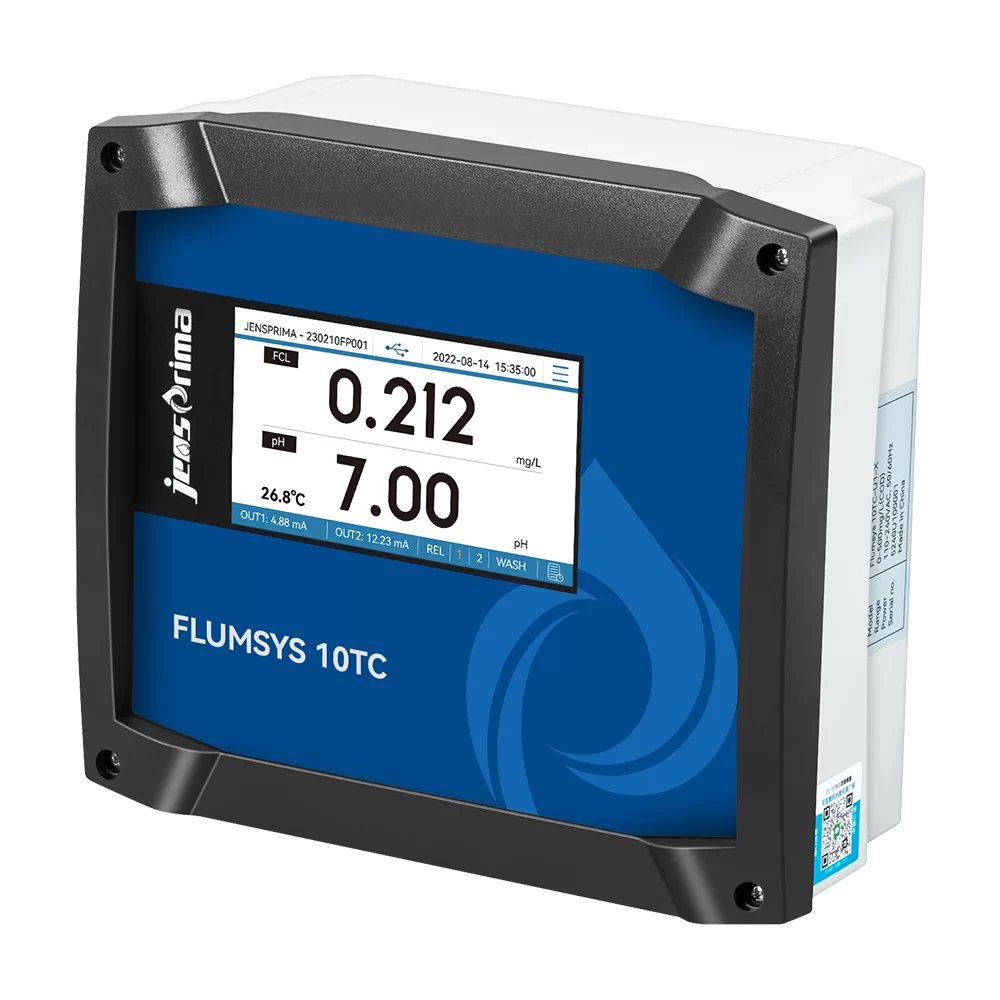
At its core, an online ph controller is an electronic instrument designed to maintain a specific pH setpoint in a liquid stream. It works by receiving a continuous electrical signal from a pH sensor and comparing this value against a desired target, subsequently triggering actuators—such as valves or pumps—to add neutralizing agents.
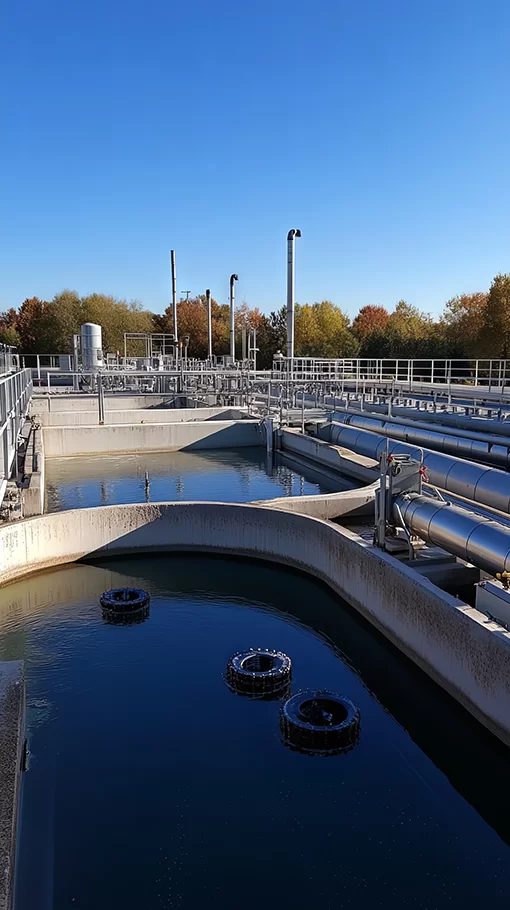
In the context of modern humanitarian and industrial needs, these controllers are essential for ensuring safe drinking water and compliant wastewater discharge. For instance, in municipal treatment plants, precise pH control is required to optimize the coagulation process, where the removal of suspended solids depends heavily on the alkalinity of the water.
Beyond simple measurement, the modern controller integrates smart diagnostics and communication protocols. This connectivity allows engineers to monitor the health of the sensor and the efficiency of the control loop from a centralized SCADA system, reducing the need for hazardous manual checks in the field.
Core Components for High-Precision Monitoring
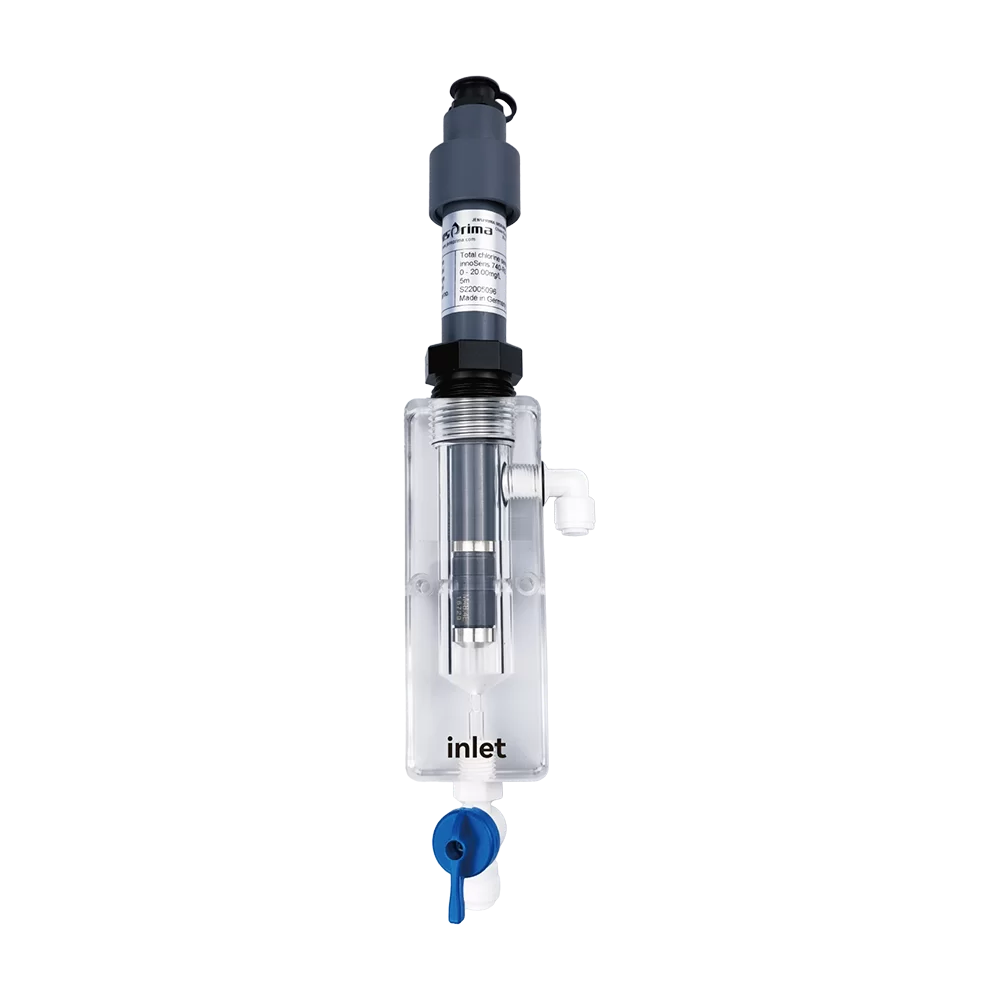
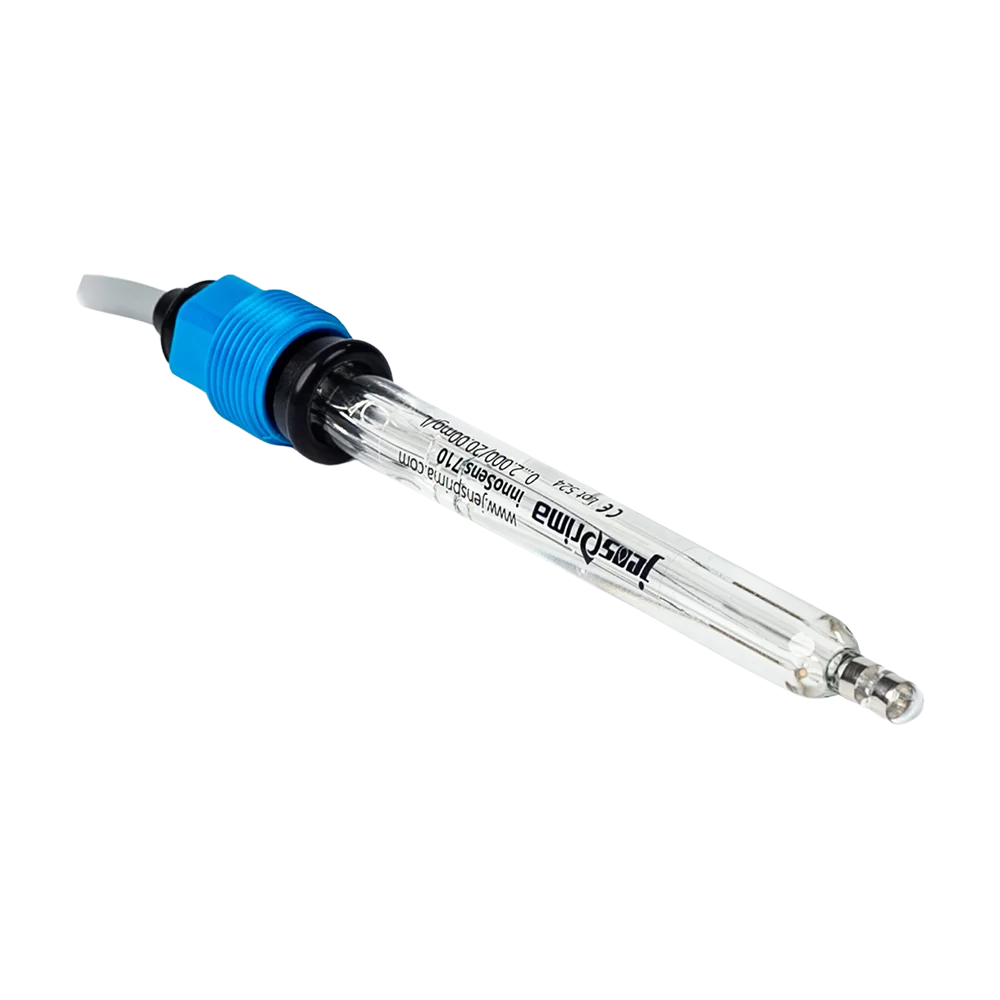
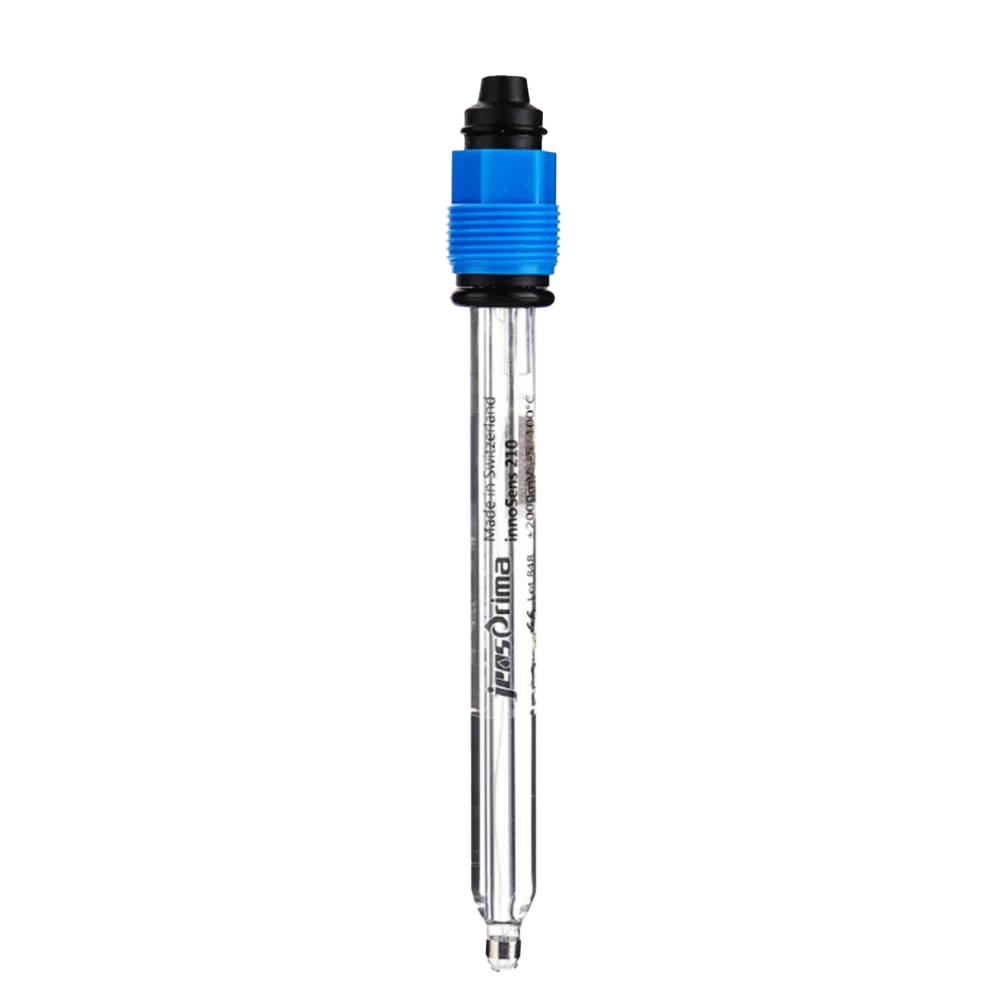
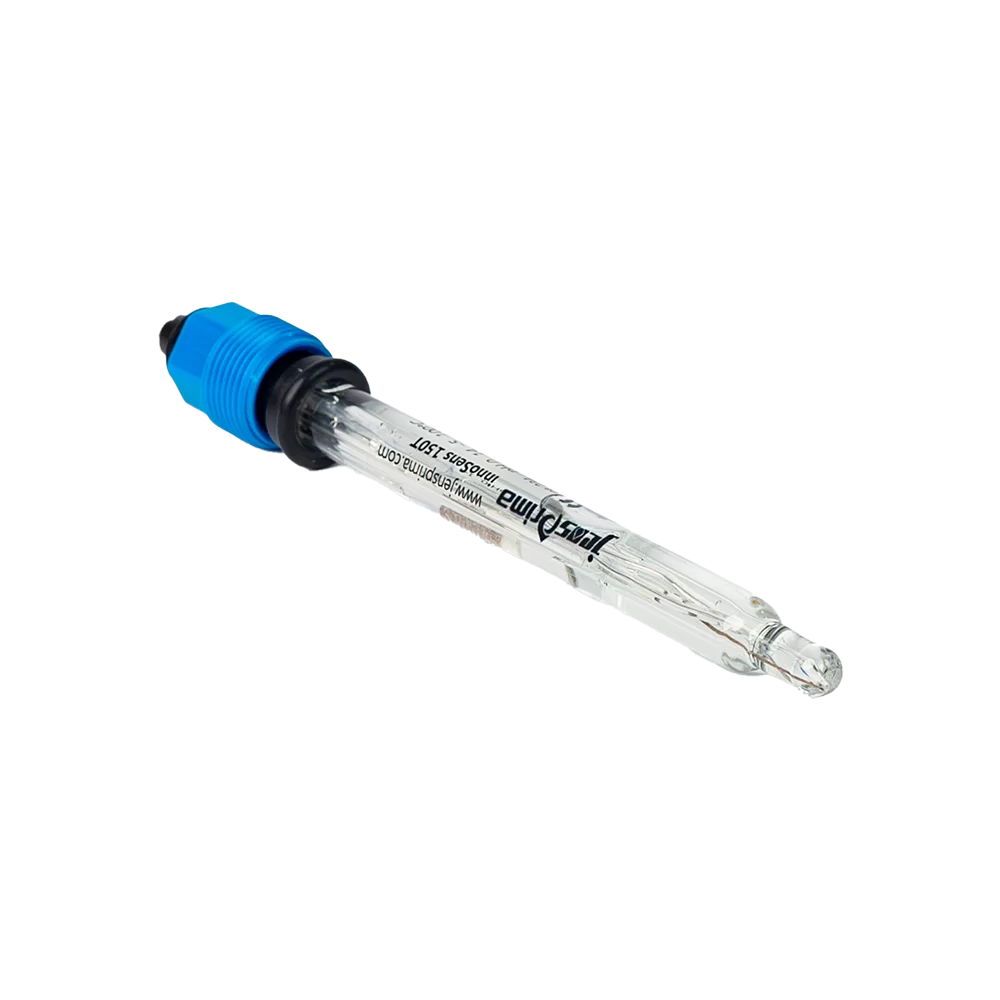
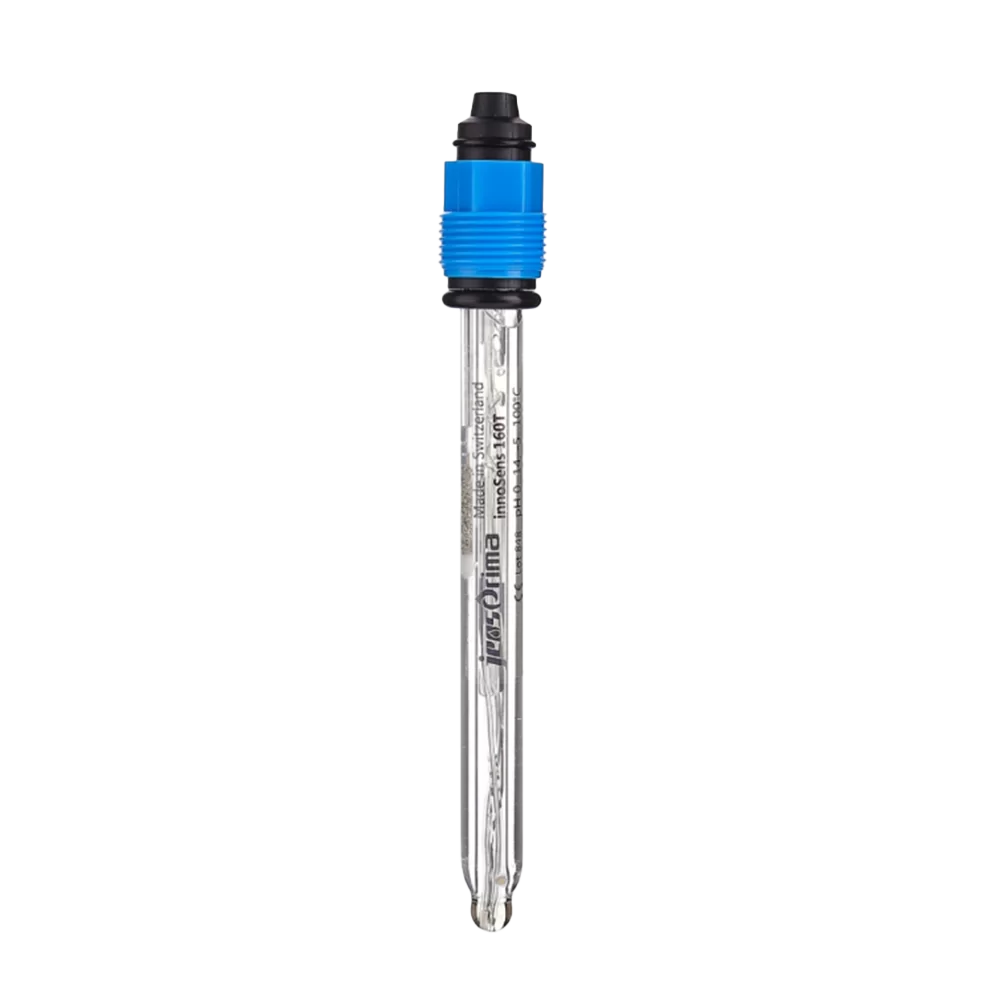
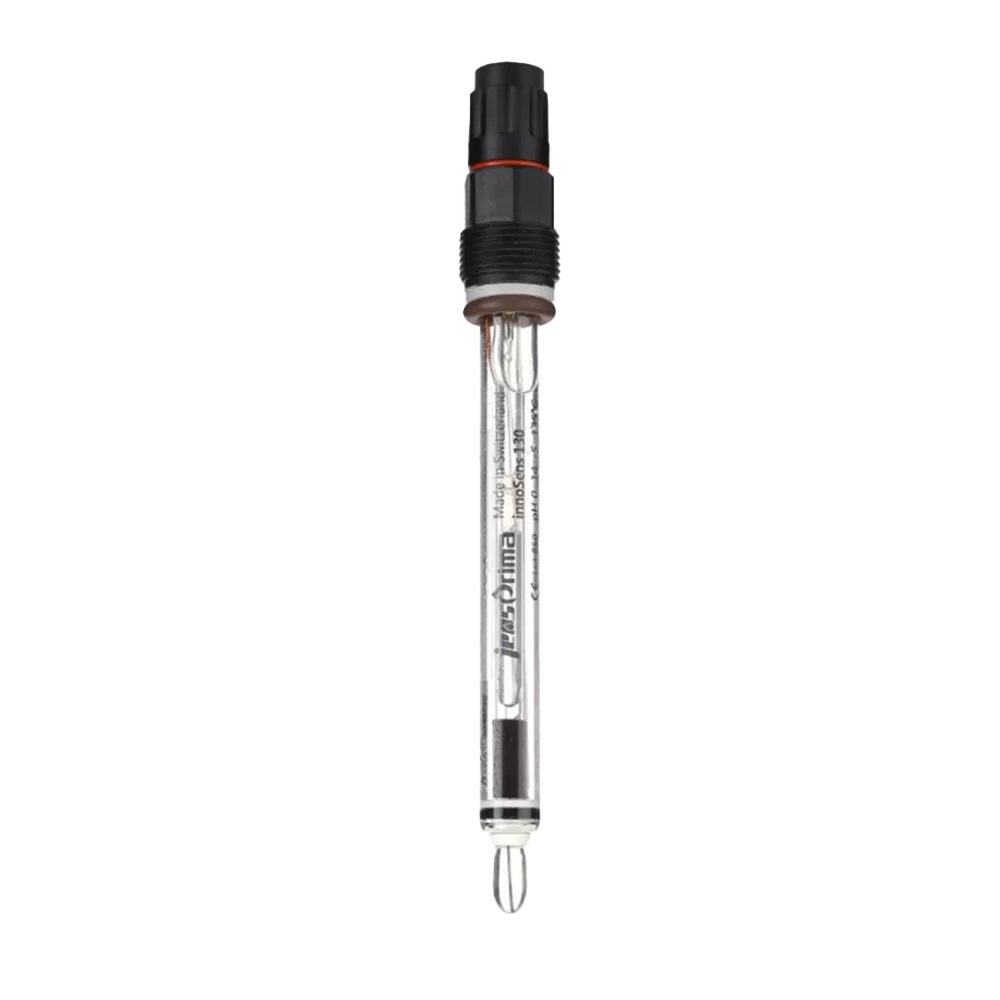
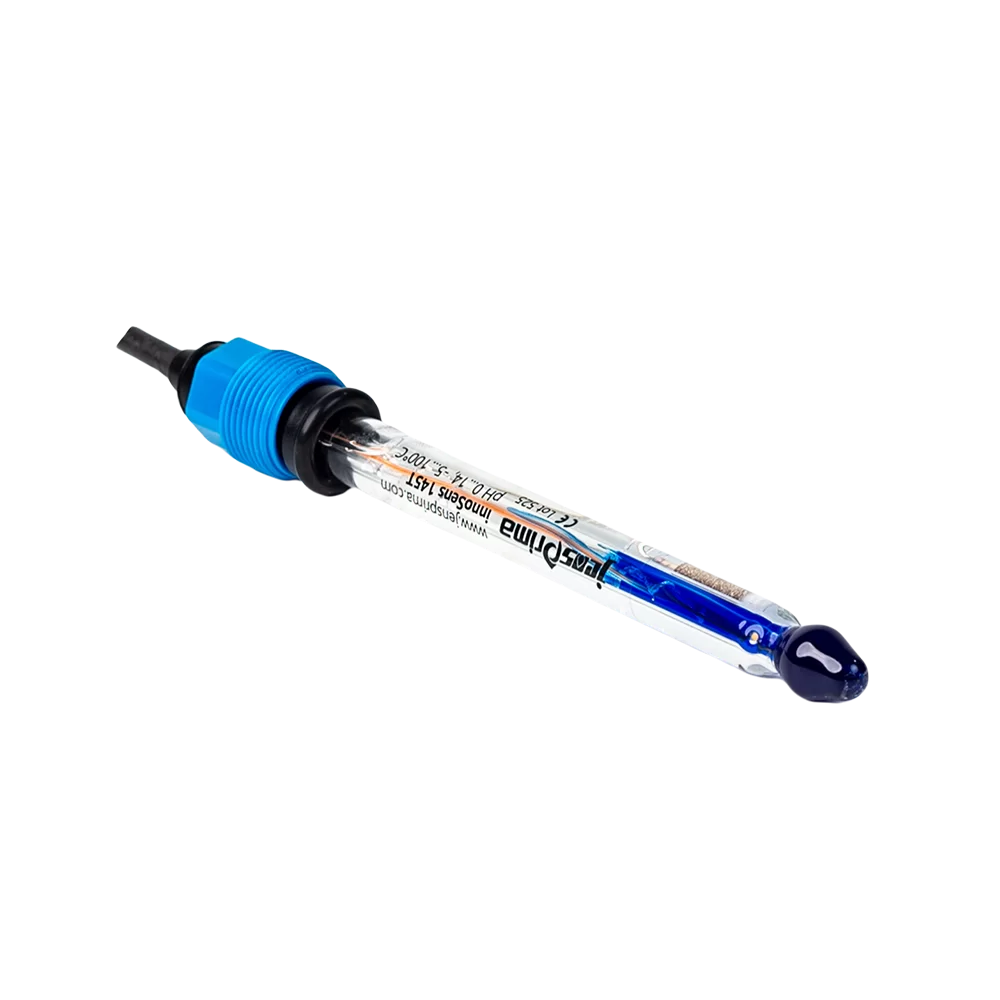
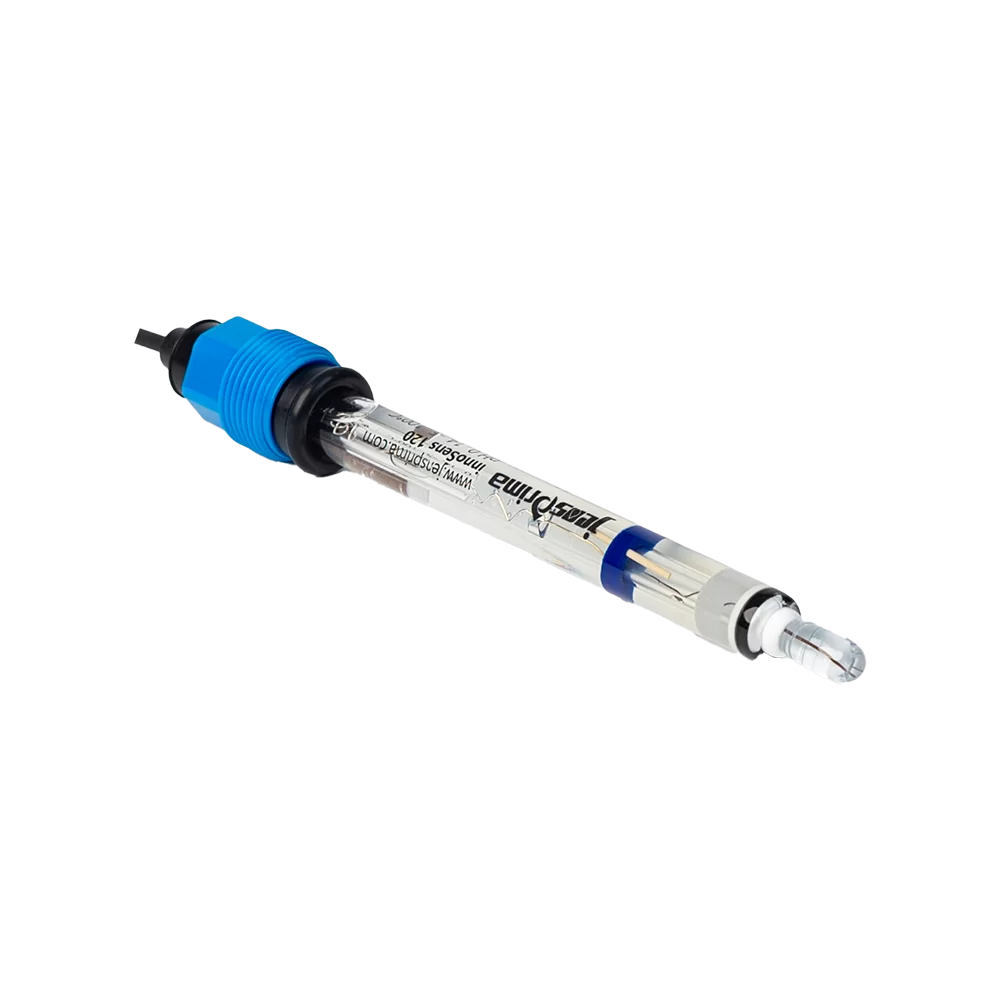
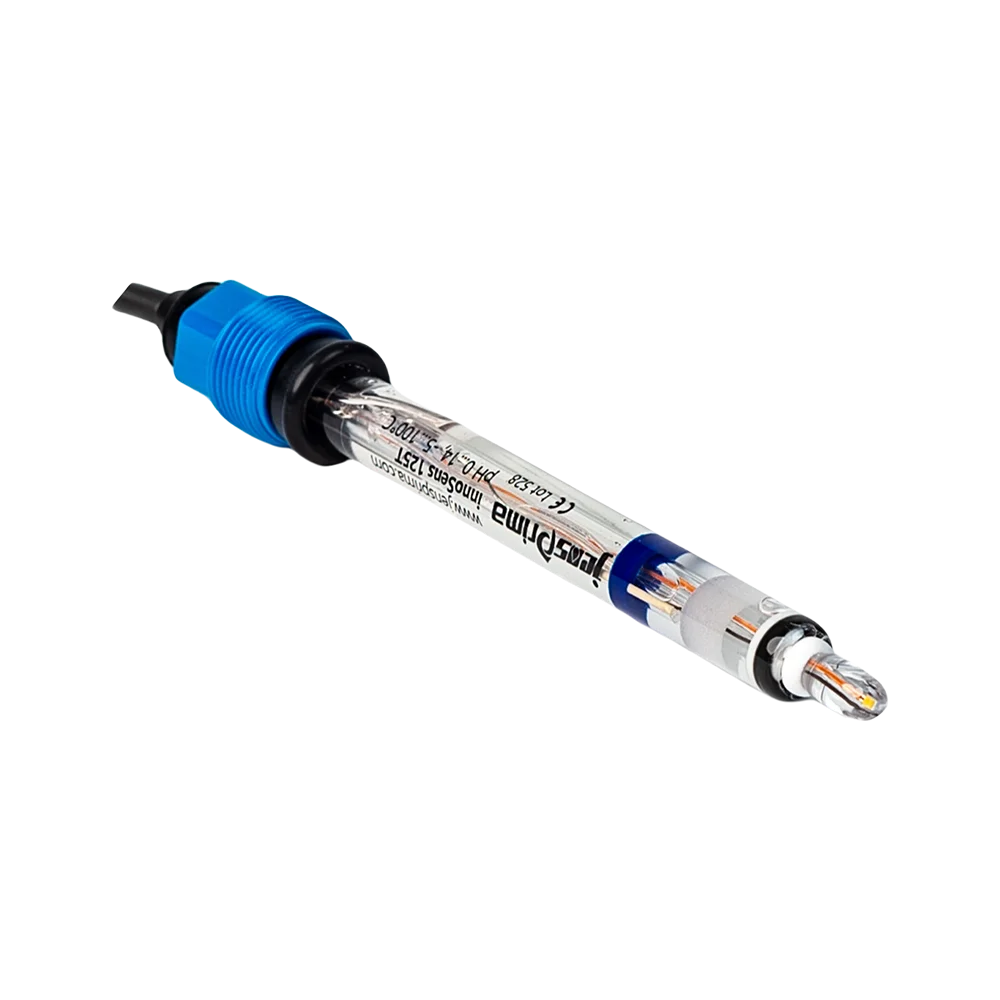
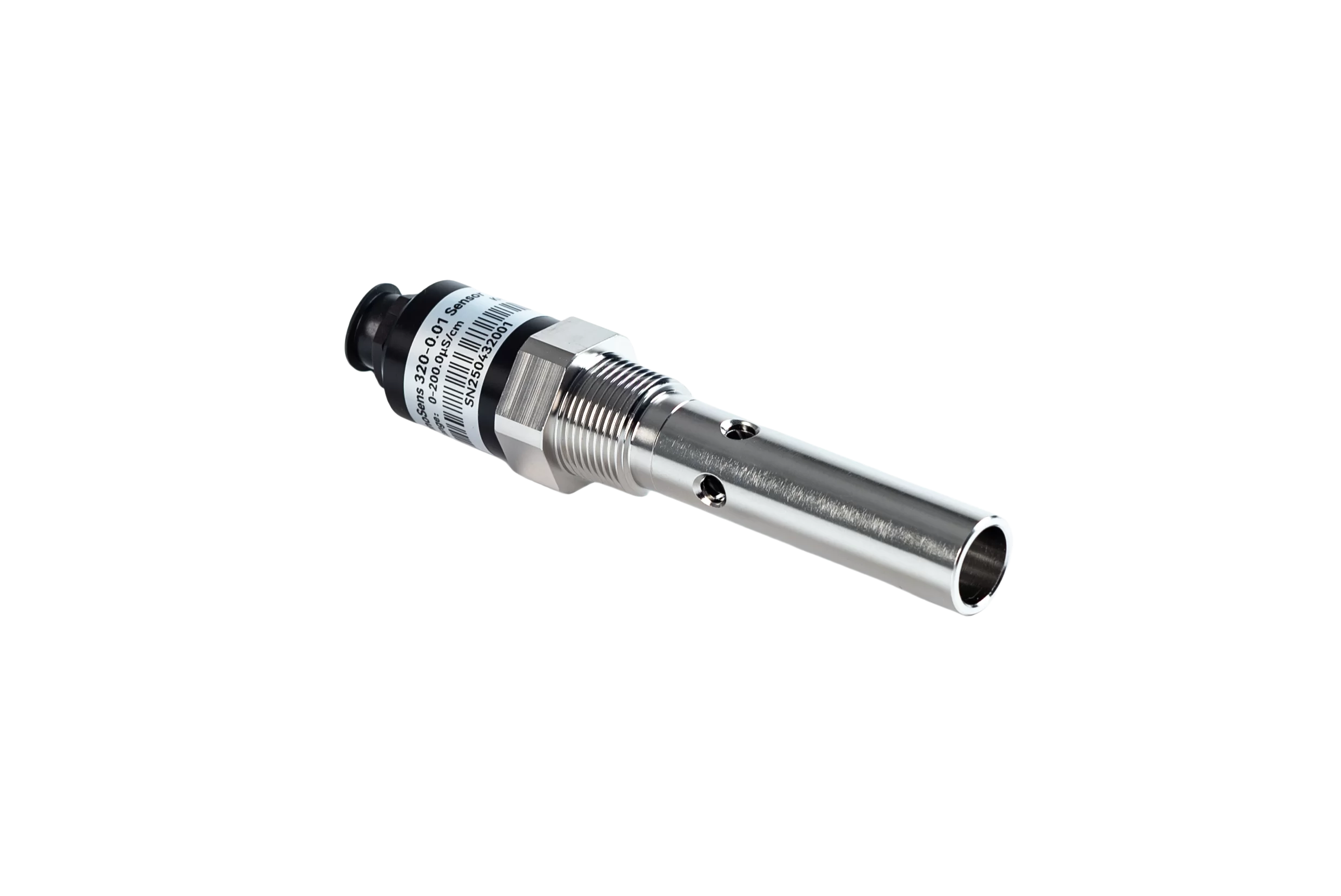
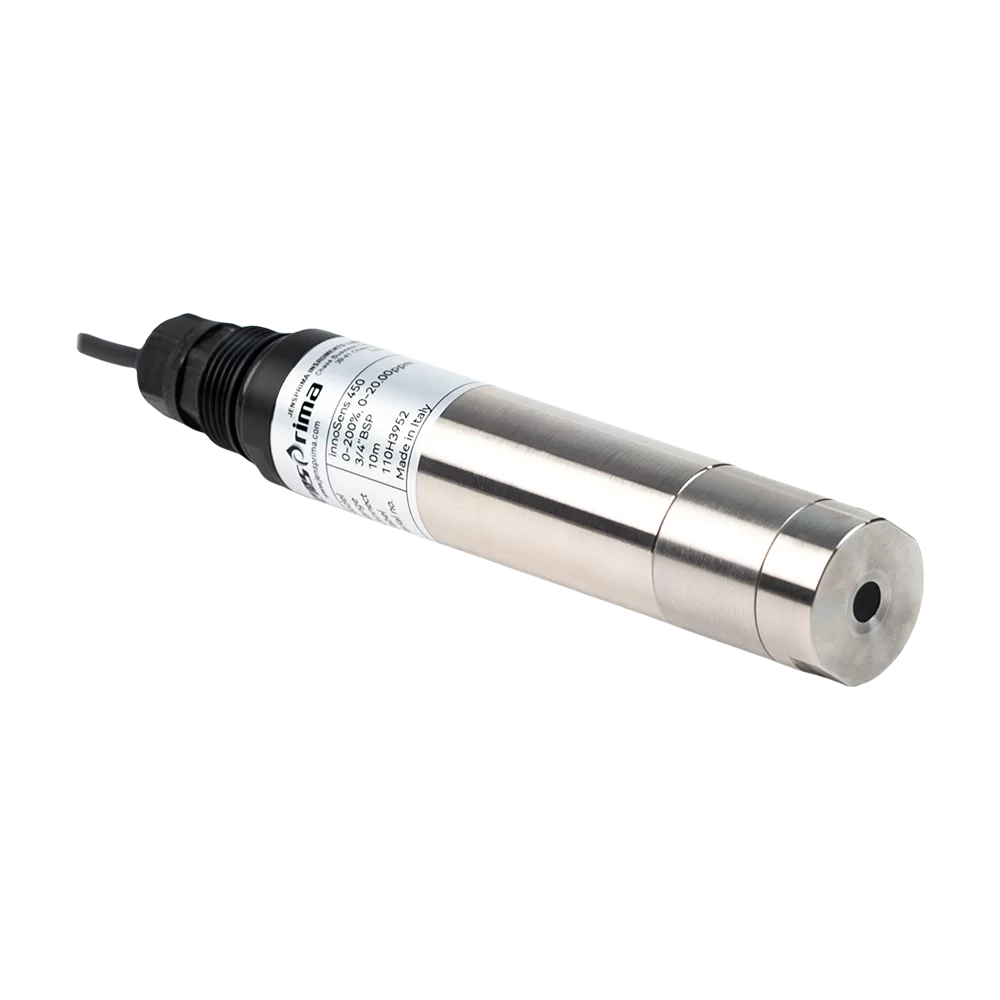
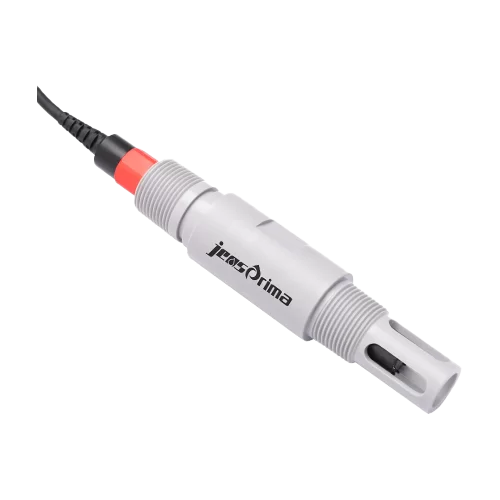
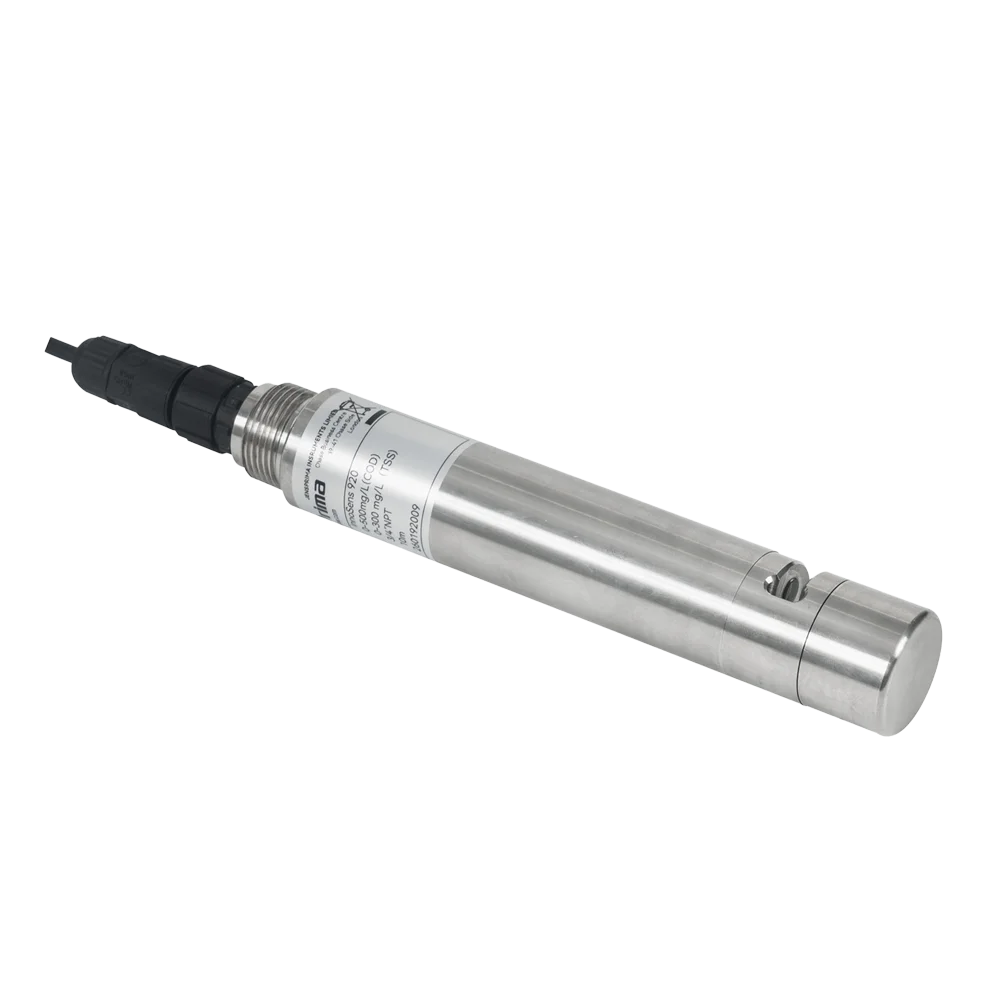
The durability of an online ph controller starts with its sensor interface. High-grade materials, such as corrosion-resistant stainless steel and specialized glass membranes, are employed to ensure that the probe can withstand abrasive particles and aggressive chemicals without losing sensitivity.
Precision is further enhanced through advanced signal processing. A robust online ph controller utilizes temperature compensation algorithms to correct for the inherent drift caused by thermal changes in the water, ensuring the reading remains accurate across various industrial temperature ranges.
Finally, the integration capability is what makes the system scalable. By supporting standard outputs like 4-20mA and Modbus, these controllers can be seamlessly linked to PLC systems, enabling complex automation sequences where pH levels trigger other processes, such as flow rate adjustments or emergency shut-off valves.
Operational Efficiency and ROI Analysis
Transitioning from manual sampling to an automated online ph controller offers a tangible return on investment. The most immediate impact is seen in the reduction of chemical reagents; instead of "over-dosing" to ensure compliance, the system applies the exact amount of chemical needed based on real-time data.
Furthermore, the reduction in labor costs is significant. Automated monitoring removes the need for frequent manual collection and the subsequent waiting period for laboratory results, allowing operational staff to focus on higher-value process optimization tasks.
Comparative Efficiency of Online pH Control Systems
Global Applications Across Diverse Sectors
In the pharmaceutical industry, an online ph controller is critical for bioreactor management, where the slightest deviation in pH can inhibit cell growth or alter the purity of the final drug product. This level of precision ensures batch-to-batch consistency and adherence to strict FDA regulations.
Similarly, in remote industrial zones or post-disaster relief operations, modular water treatment units equipped with online controllers provide a lifeline. These systems can rapidly stabilize contaminated water sources, ensuring that pH levels are neutralized before the water enters filtration stages, thereby protecting the longevity of membrane filters.
Future Trends in Water Quality Automation
The future of the online ph controller lies in the realm of predictive maintenance and AI-driven optimization. Instead of reacting to a pH shift, next-generation controllers will analyze historical data trends to predict when a shift is likely to occur, adjusting doses proactively to maintain a flat line of stability.
Digital transformation is also bringing "Digital Twin" technology to water management. Operators can now simulate the impact of different chemical dosing strategies in a virtual environment before applying them to the physical online ph controller, reducing the risk of process upsets during optimization.
Furthermore, there is a growing trend toward "Green Instrumentation," focusing on sensors that require fewer calibration chemicals and controllers that optimize energy consumption. This alignment with sustainability goals ensures that industrial growth does not come at the cost of environmental degradation.
Overcoming Challenges in Harsh Environments
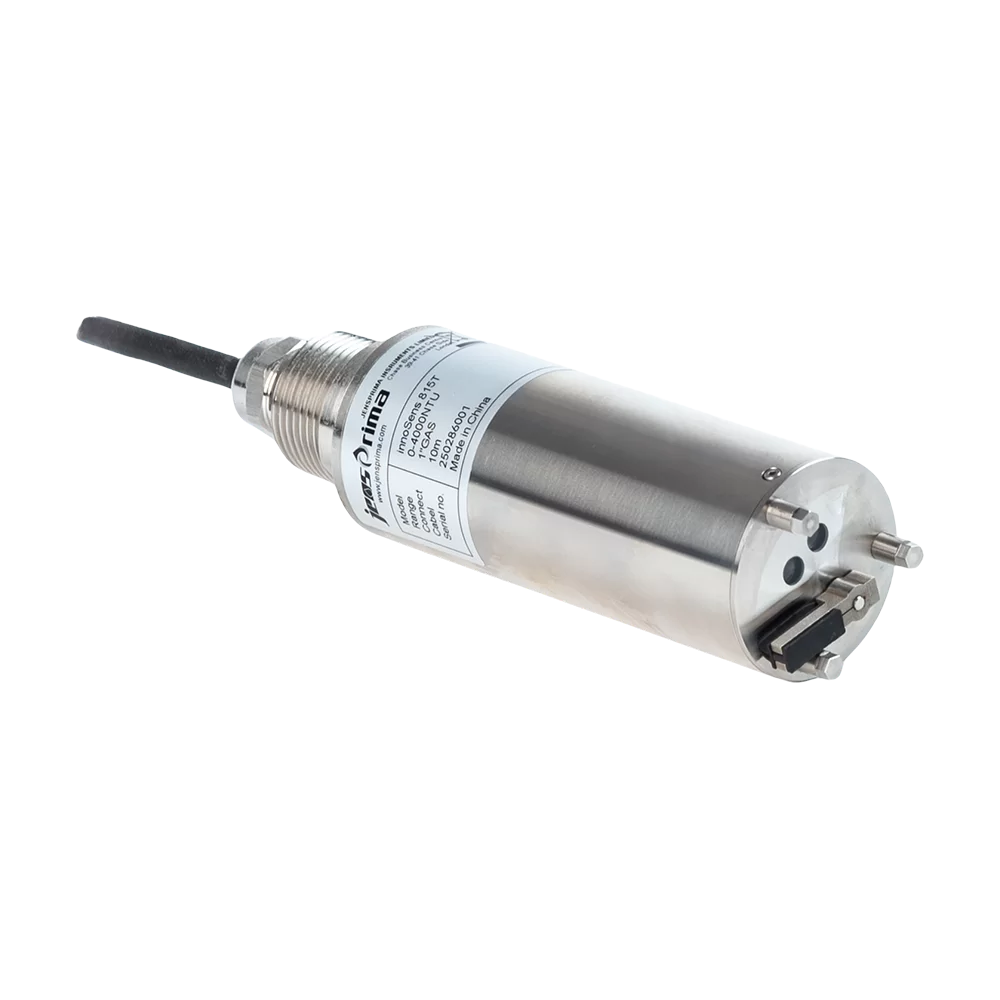
One of the primary challenges in deploying an online ph controller is sensor fouling. In wastewater applications, the accumulation of fats, oils, and bio-films on the sensor lens can lead to measurement drift and false readings, which in turn cause the controller to mismanage chemical dosing.
To solve this, innovative cleaning mechanisms have been integrated. Automatic air-blast or water-flush systems periodically clear the sensor head, ensuring that the online ph controller always receives a clean, representative signal from the process stream.
Additionally, the use of differential pH measurement and robust shielding helps overcome electromagnetic interference in heavy industrial settings. These technical refinements ensure that the control loop remains stable even when located adjacent to high-power pumps and motors.
Comparative Analysis of Online pH Control Strategies
| Control Method |
Response Speed |
Accuracy Level |
Maintenance Need |
| Manual Titration |
Very Slow |
Moderate |
High Labor |
| Basic Analog Control |
Moderate |
Low-Moderate |
Moderate |
| Digital PID Control |
Fast |
High |
Low-Moderate |
| Smart Online System |
Instantaneous |
Very High |
Very Low |
| AI-Predictive Control |
Proactive |
Ultra High |
Automated |
| Hybrid Loop Systems |
Fast |
High |
Moderate |
FAQS
The primary advantage is real-time, continuous monitoring. Manual testing only provides a snapshot of the water quality at a single moment, leaving gaps where pH spikes or drops can occur unnoticed. An online pH controller detects these changes instantly and triggers an automatic correction, ensuring the system never drifts out of compliance and reducing the risk of equipment damage.
Calibration frequency depends on the water matrix and the fouling level. In clean water, a check every 3-6 months may suffice. However, in harsh industrial wastewater, monthly or bi-weekly verification is recommended. Modern smart controllers often include drift-compensation features that extend these intervals, but regular calibration remains essential for regulatory auditing.
Yes, absolutely. Most professional-grade online pH controllers are designed for seamless integration. They typically feature 4-20mA analog outputs for simple telemetry and Modbus RTU or TCP/IP for digital data transmission. This allows plant managers to monitor pH levels, receive alerts, and adjust setpoints from a centralized control room.
Temperature significantly influences the chemical activity of hydrogen ions and the slope of the pH electrode. Without compensation, readings can shift dramatically as the water temperature changes. High-quality controllers utilize an integrated temperature sensor (like a Pt100) to apply automatic temperature compensation (ATC), ensuring the reported pH is normalized to a standard temperature.
Safety is a core feature of industrial controllers. When a sensor failure or "out-of-range" signal is detected, the controller typically enters a "Fail-Safe" mode. This can involve stopping all chemical dosing pumps to prevent over-correction or triggering a high-priority alarm to notify operators that the system is no longer under automated control.
While a basic controller manages one loop, multi-parameter analyzers and advanced controllers can handle multiple channels. This allows for "cascading control," where the pH at one stage of the treatment process informs the dosing at the next stage, creating a highly synchronized and efficient water treatment chain.
Conclusion
The implementation of an online ph controller represents a critical shift from reactive to proactive industrial management. By integrating high-precision sensing with automated response loops, facilities can ensure unparalleled stability in their water chemistry, significantly lowering operational risks, reducing chemical waste, and guaranteeing environmental compliance.
Looking forward, the convergence of IoT and AI will further refine the precision of pH control, making water treatment more sustainable and autonomous. For industries seeking to optimize their process efficiency and safeguard their infrastructure, investing in professional online monitoring is no longer an option, but a necessity for long-term viability.




 Download
 Video Center
 Technical Services
 FAQS
 Service Network
 Privacy Policy
 Contact Us