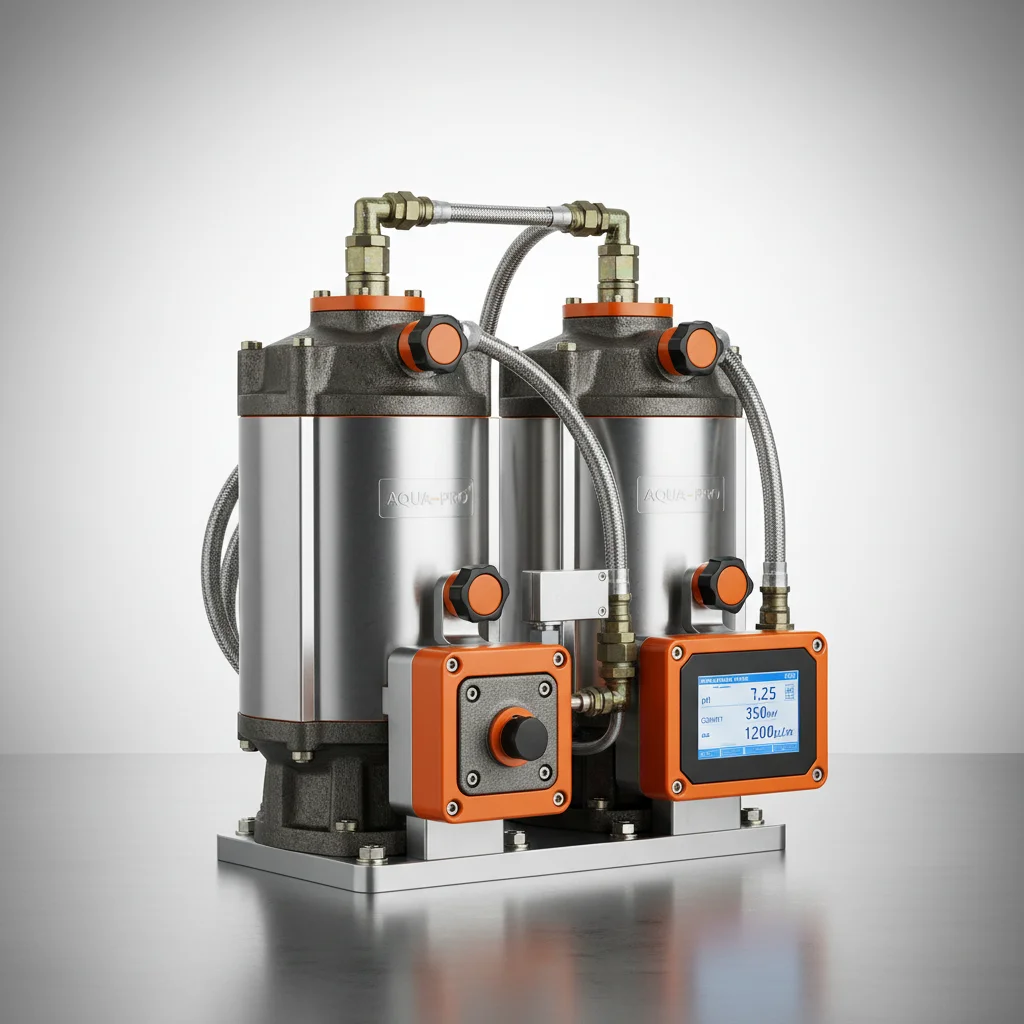
In the realm of industrial water treatment, the ability to accurately quantify water clarity and chemical composition is paramount for operational efficiency and environmental safety. While many operators rely on a combination of a tds and ph meter to monitor dissolved solids and acidity, the integration of high-precision optical sensors provides a more comprehensive picture of water quality, especially regarding suspended particulates.
Global environmental regulations are becoming increasingly stringent, requiring facilities to provide real-time, verifiable data on their discharge water. The challenge lies in transitioning from manual, intermittent sampling to automated, continuous monitoring systems that can withstand the harsh conditions of industrial wastewater streams without frequent failure.
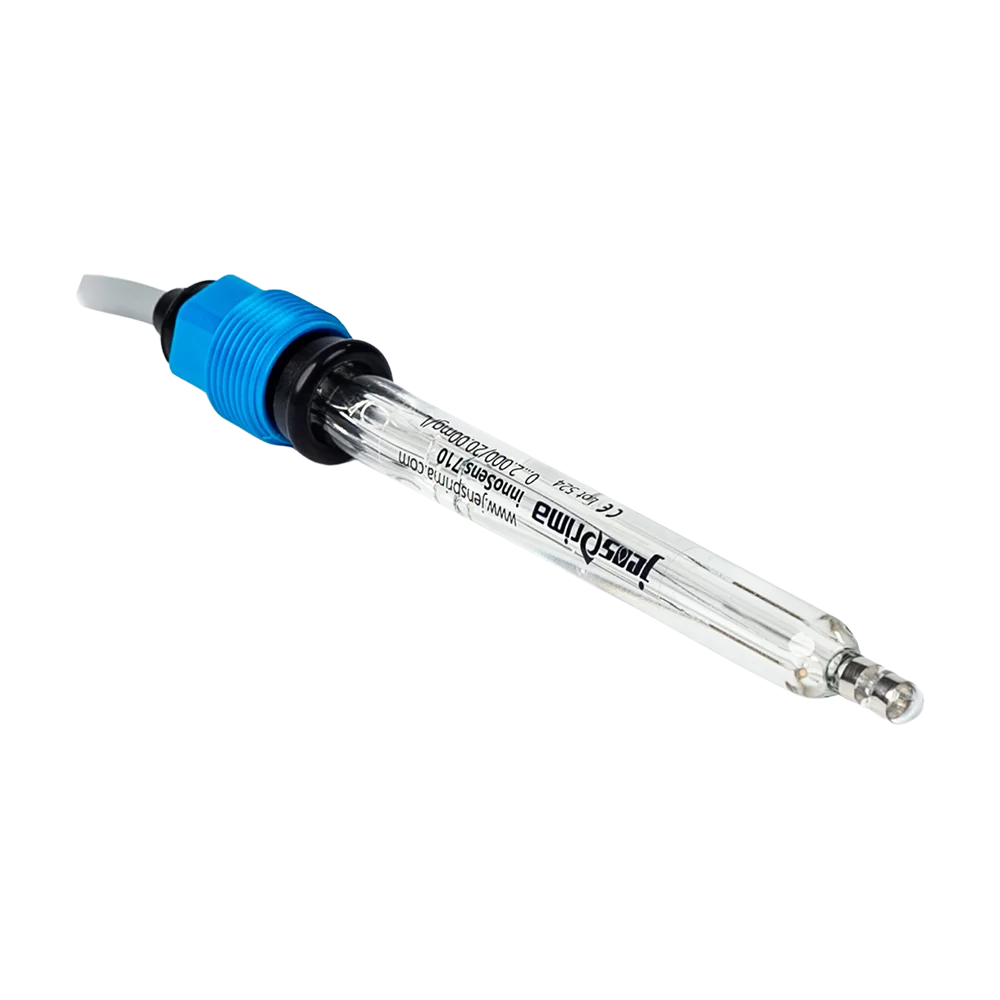
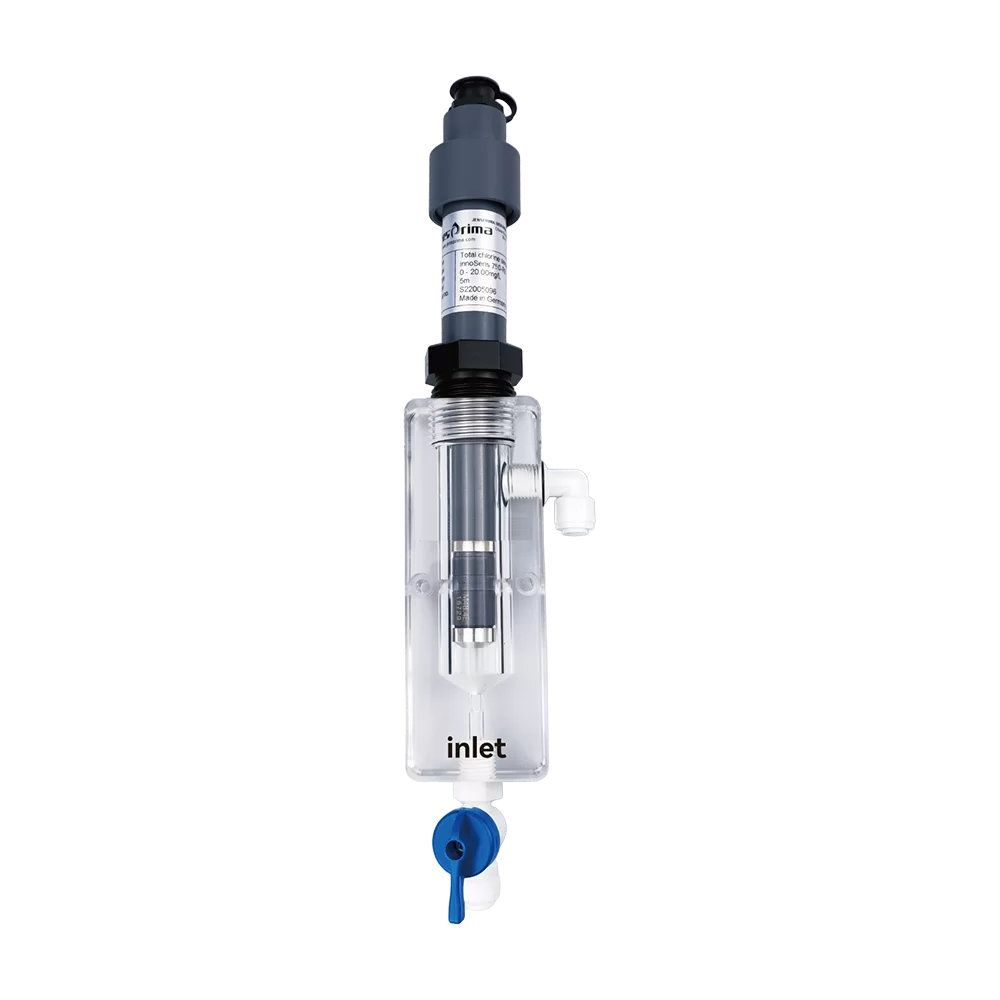
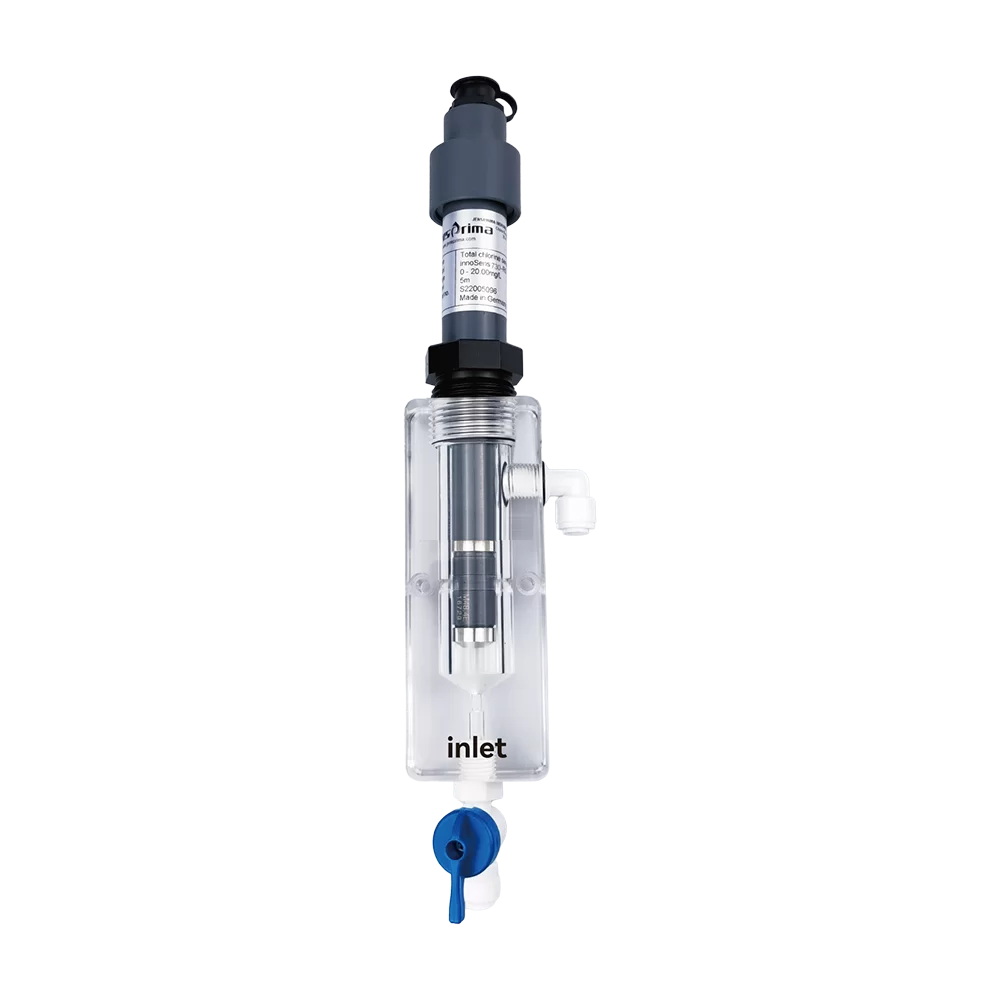
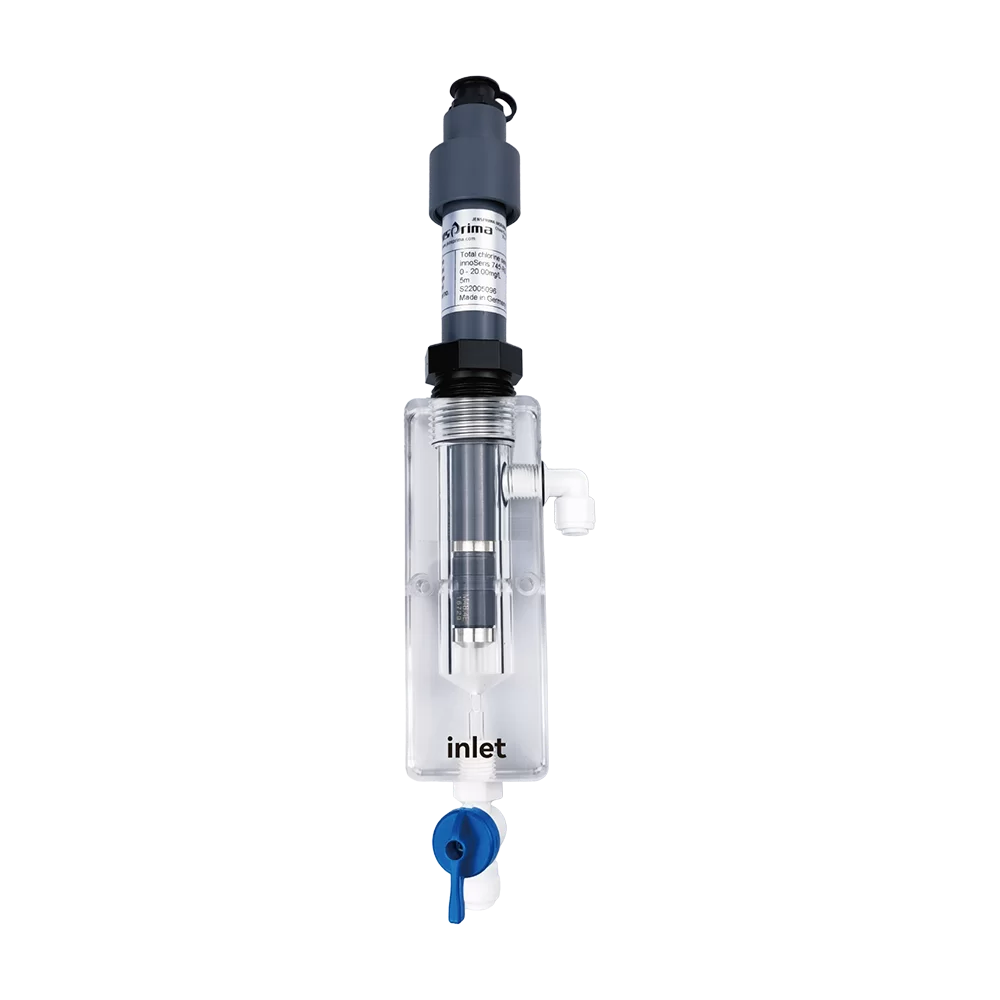
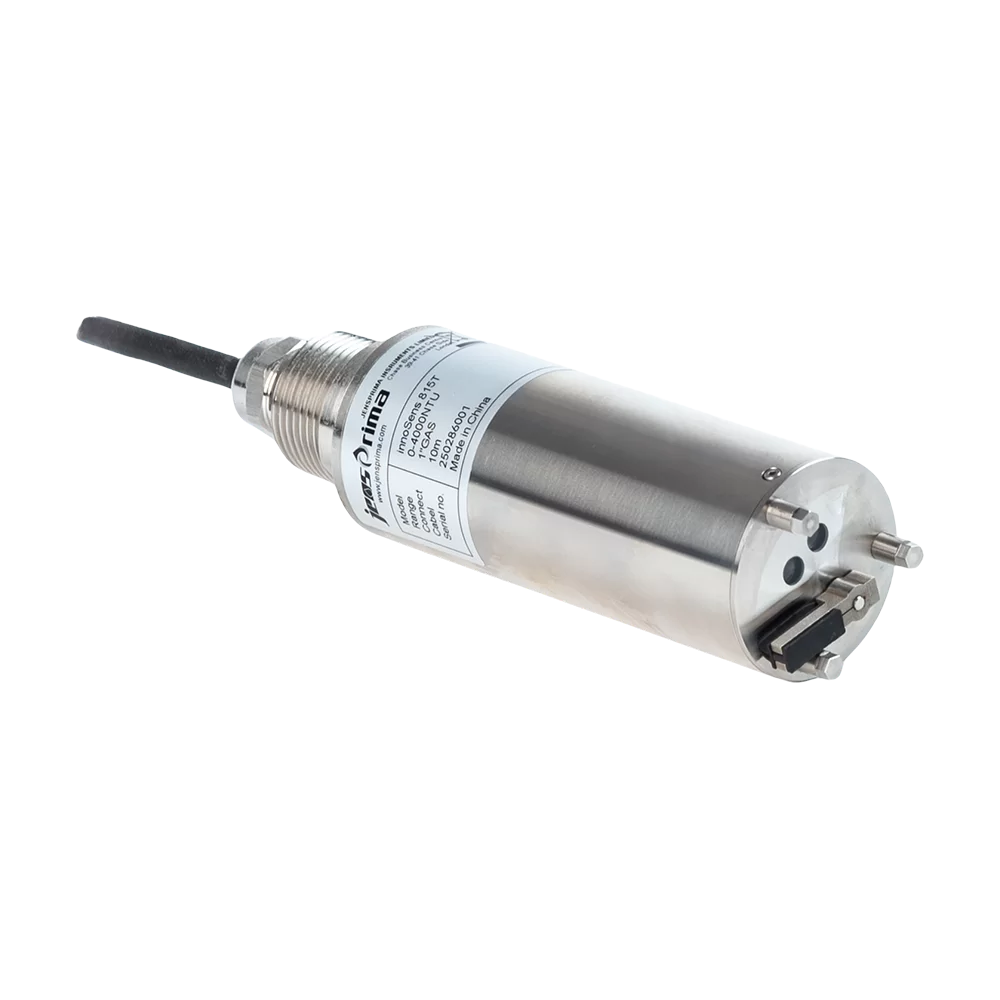
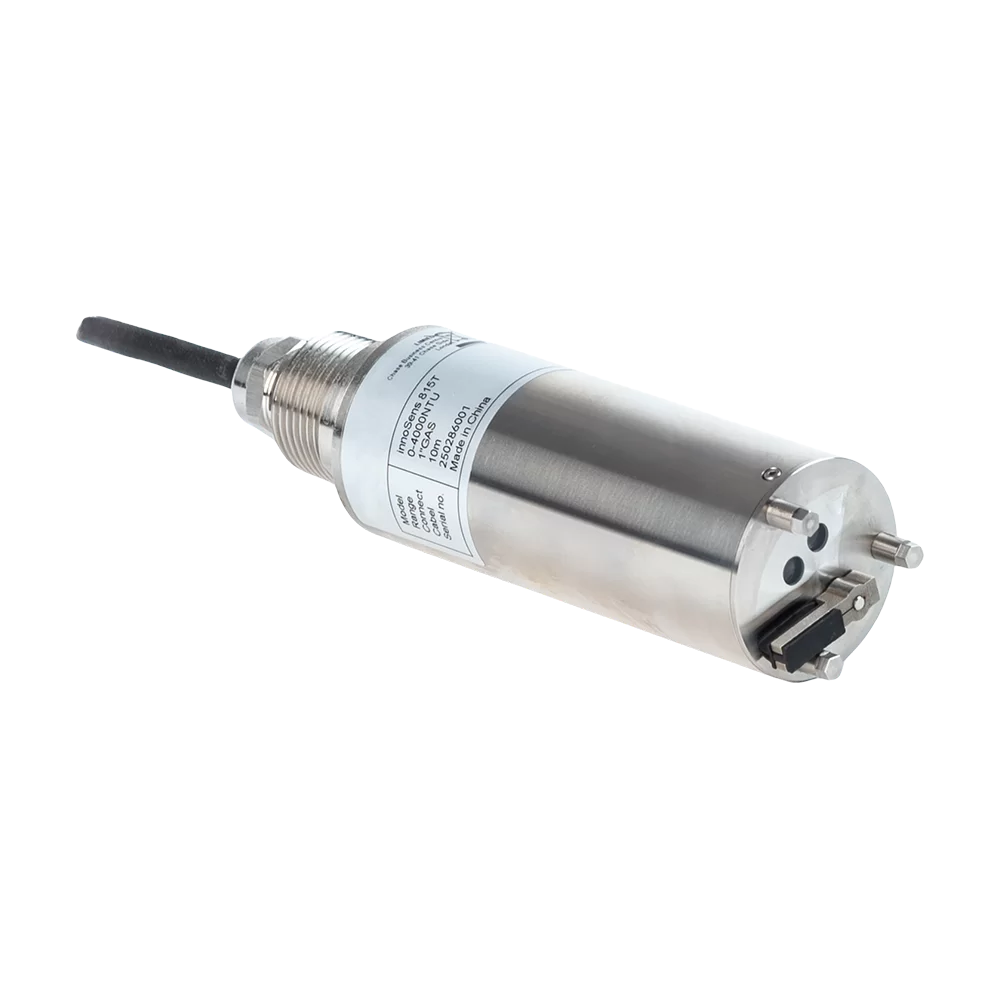
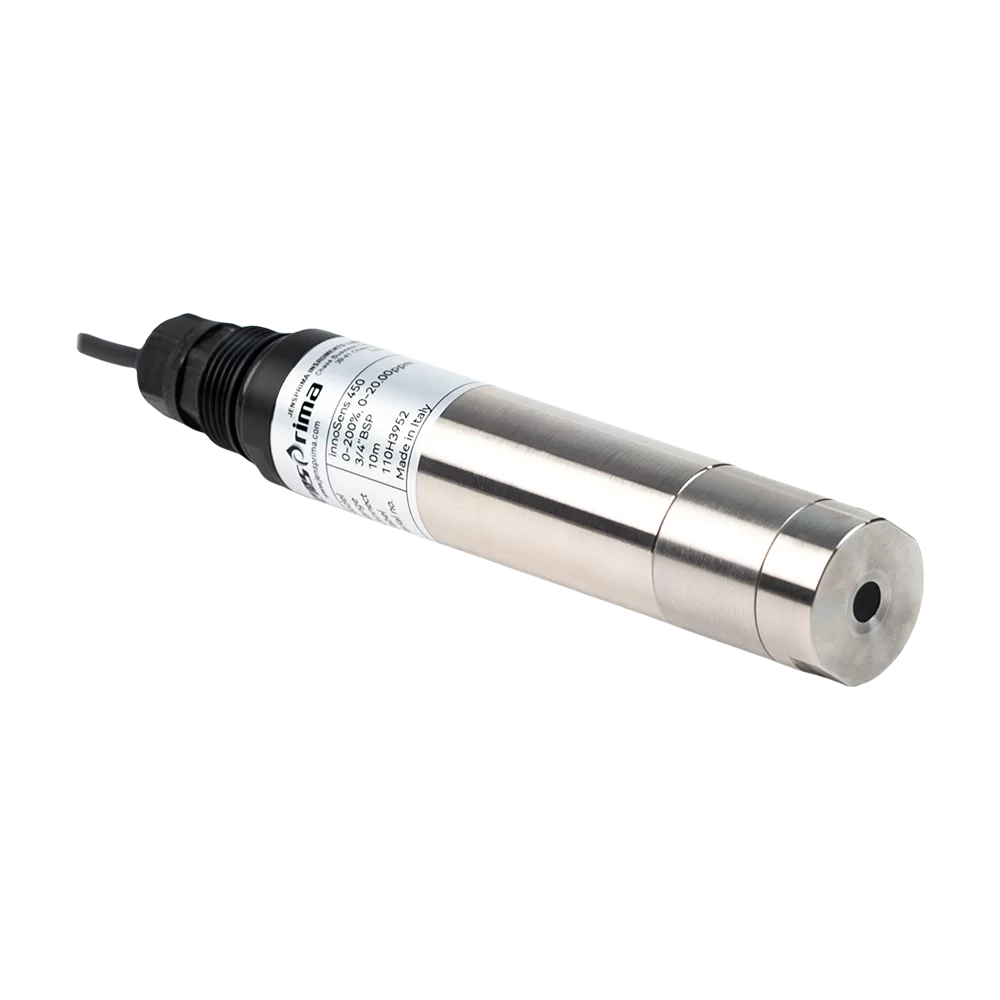
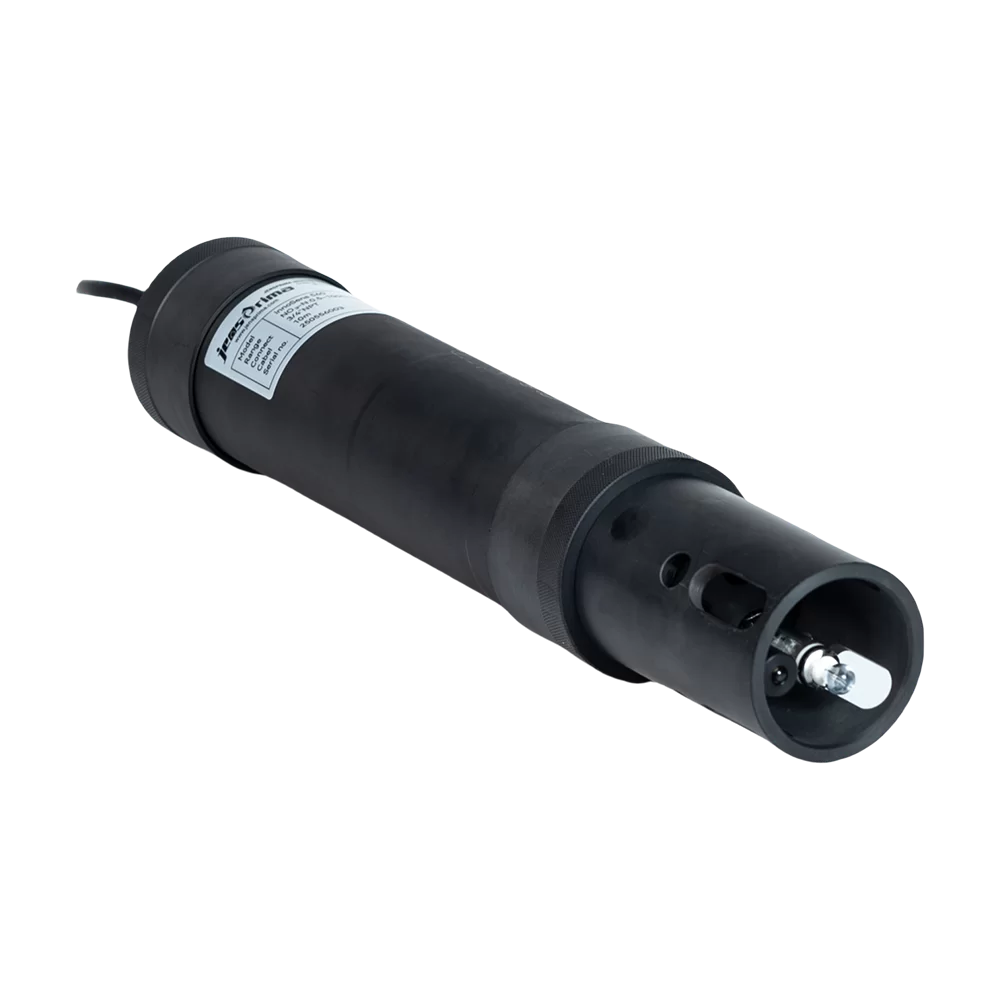
By implementing advanced solutions like the innoSens 850T Turbidity Sensor alongside your existing tds and ph meter protocols, industries can achieve a holistic monitoring strategy. This synergy ensures that both dissolved chemical properties and physical turbidity are controlled, minimizing the risk of regulatory fines and optimizing the use of chemical coagulants.

Understanding the Synergy of Optical Sensors and TDS and PH Meter
Water quality is a multi-dimensional metric that cannot be captured by a single instrument. While a tds and ph meter provides essential data on the concentration of dissolved inorganic salts and the hydrogen-ion activity, it cannot detect the physical clarity of the water. Optical turbidity sensors, such as the innoSens 850T, fill this gap by measuring light scattering caused by suspended solids, providing a complete profile of the liquid's state.
Integrating these two measurement philosophies—electrochemical for dissolved ions and optical for suspended particles—allows plant managers to differentiate between chemical contamination and physical sediment. This distinction is critical when adjusting dosing pumps for filtration or coagulation, ensuring that resources are not wasted on treating the wrong type of impurity.
Global Industry Standards for Water Quality Monitoring
Across the globe, organizations such as the WHO and ISO have established strict guidelines for water purity to protect public health and ecological systems. In many jurisdictions, simply having a tds and ph meter is no longer sufficient for compliance; regulatory bodies now demand continuous monitoring of turbidity to ensure that filtration systems are functioning correctly and that pathogens associated with suspended particles are removed.
The industrial sector faces the daunting task of balancing high-volume production with zero-liquid discharge (ZLD) goals. The reliance on outdated manual sampling methods often leads to "data gaps," where spikes in turbidity or pH fluctuations go unnoticed, resulting in heavy environmental fines and potential damage to downstream ecosystems.
To address these challenges, the industry is moving toward integrated SCADA-linked sensors. By combining the real-time output of turbidity sensors with the data from a tds and ph meter, facilities can automate their response systems, triggering alarms or diverting contaminated water to holding tanks instantaneously.
Core Components of High-Precision Turbidity Measurement
High-precision optical measurement relies on the principle of light scattering. Unlike a basic tds and ph meter which measures electrical conductivity or potential difference, the innoSens 850T uses an advanced optical path to detect how much light is deflected by particles in the water.
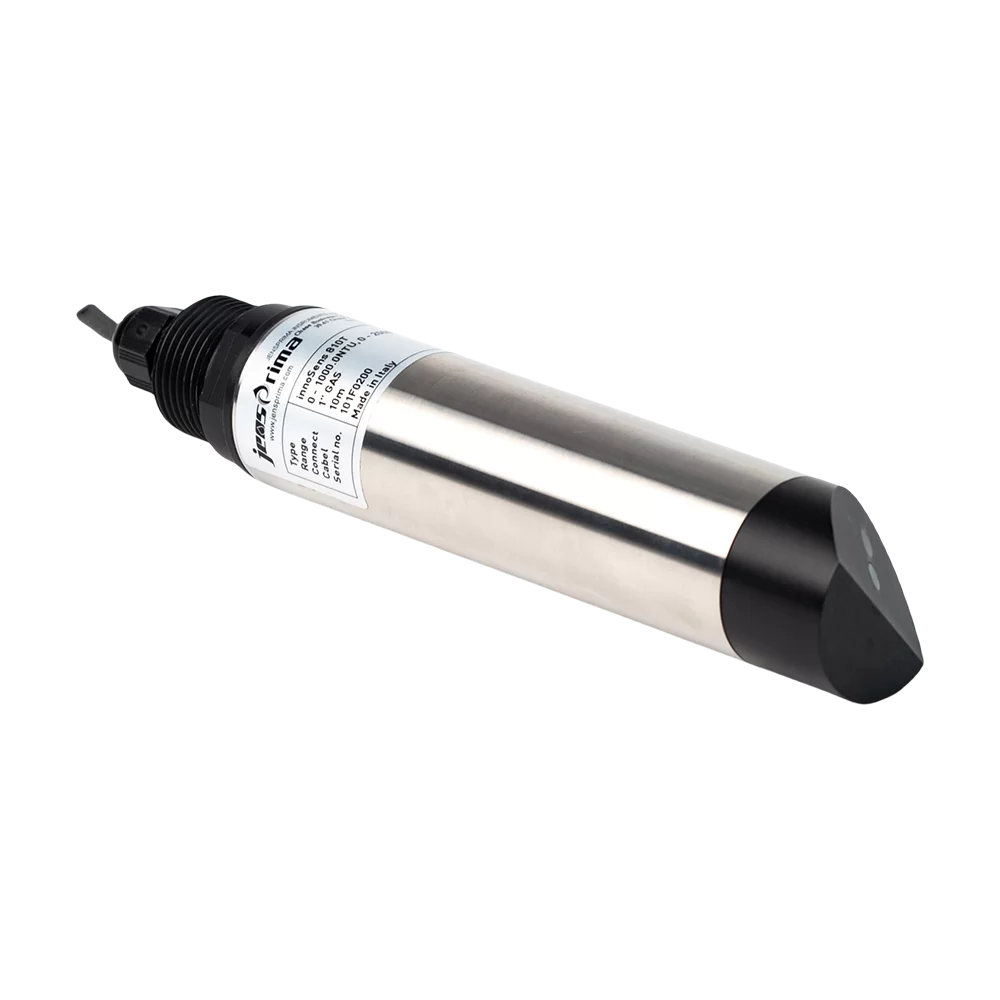
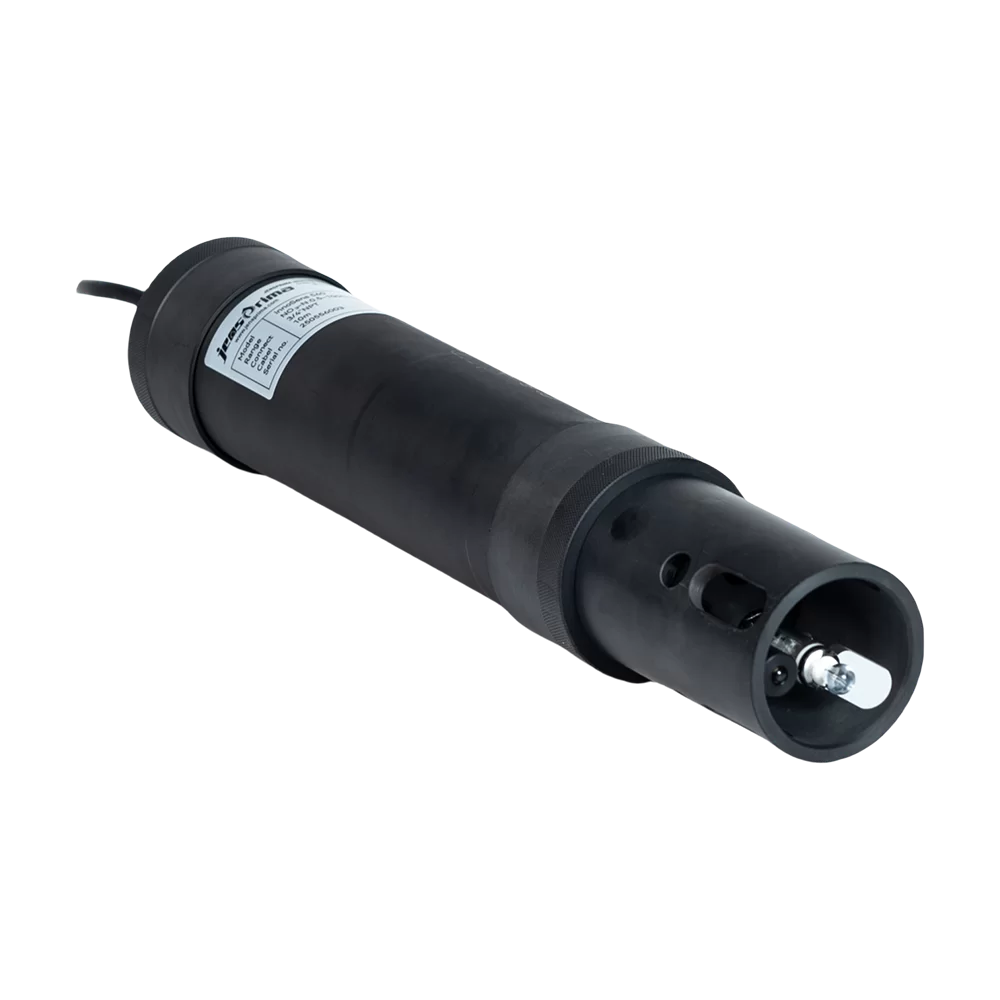
The core strength of this system lies in its industrial-grade corrosion-resistant housing and IP68 waterproof rating. While a portable tds and ph meter is designed for occasional dips, the 850T is engineered for permanent immersion in harsh, chemically aggressive industrial wastewater.
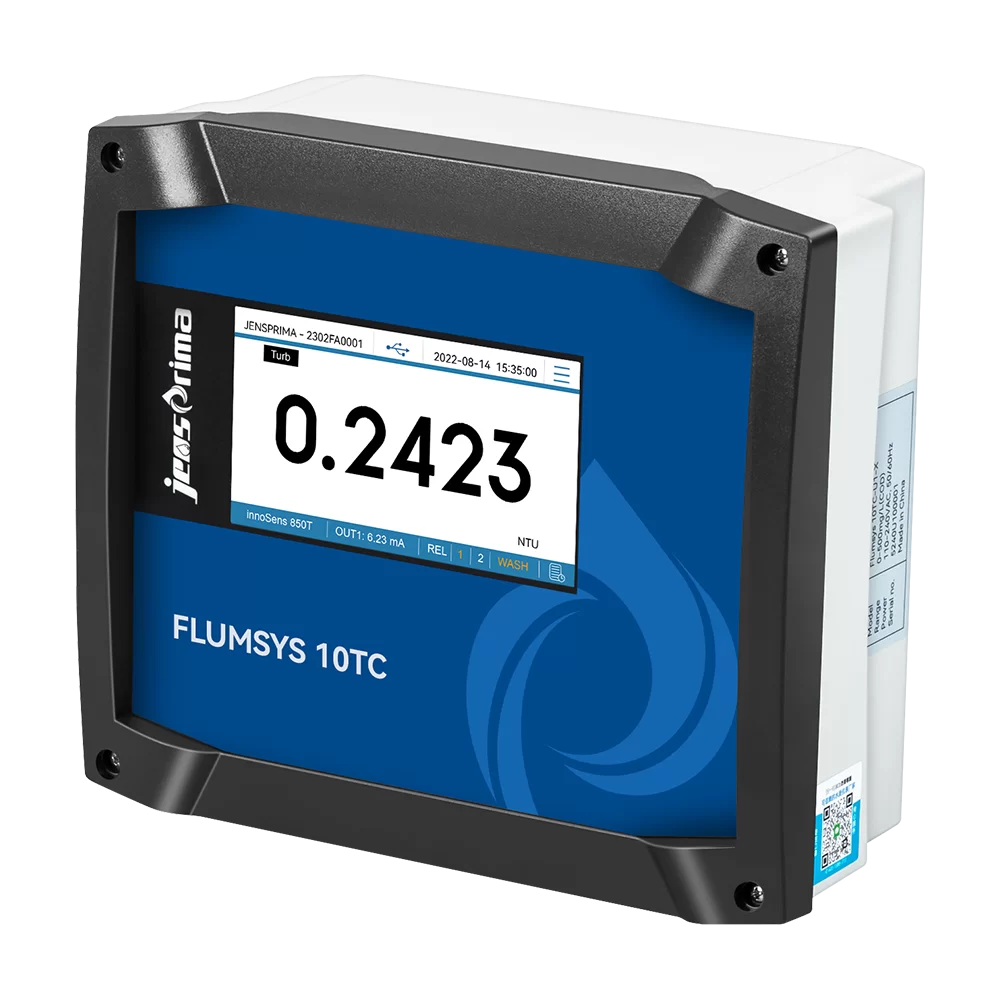
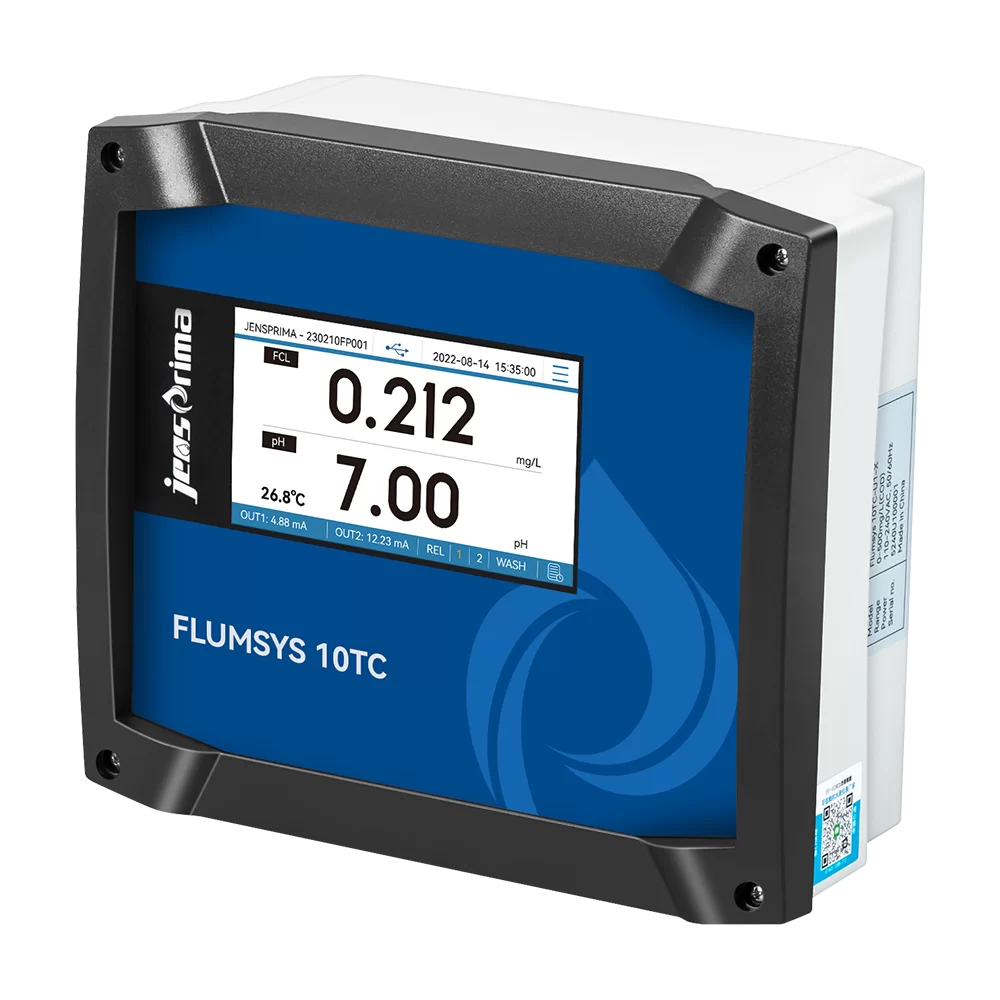
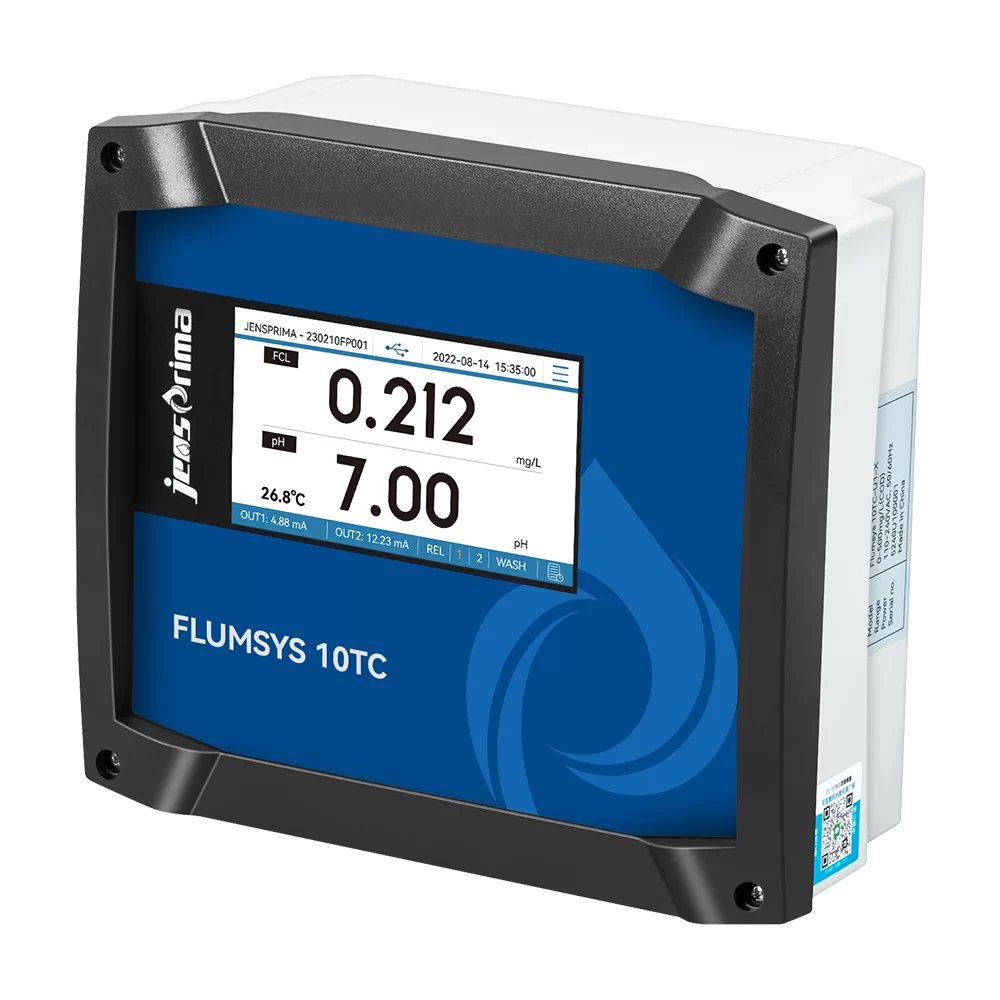
Furthermore, the integration of analog and digital interfaces ensures that the turbidity data can be synchronized with other parameters. When the turbidity sensor is paired with a tds and ph meter controller, the resulting data stream allows for a sophisticated analysis of water quality trends and predictive maintenance.
Operational Efficiency and ROI Analysis
Investing in automated optical sensing provides a tangible return on investment by drastically reducing labor costs. Traditional monitoring often involves manual sampling and lab analysis, whereas the innoSens 850T provides instantaneous data. When compared to the manual upkeep required for a standard tds and ph meter setup, the 850T reduces maintenance frequency from monthly to quarterly.
Beyond labor, the precision of the 850T minimizes the risk of chemical overdosing. By knowing the exact turbidity levels in real-time, operators can optimize the addition of flocculants, leading to significant savings in reagent costs and a reduction in sludge production.
Water Quality Monitoring System Efficiency Comparison
Global Applications in Wastewater and Potable Water
The application of the innoSens 850T extends from municipal drinking water plants to heavy industrial zones. In potable water treatment, where clarity is a non-negotiable safety metric, the sensor works alongside a tds and ph meter to ensure that water is not only chemically balanced but also free of suspended contaminants that could shield bacteria from disinfection.
In remote industrial zones, such as mining or textile manufacturing, the 850T's robustness is its primary advantage. These environments often feature high-corrosive runoff that would destroy a standard tds and ph meter probe. The 850T's corrosion-resistant materials ensure that critical data continues to flow even in the most demanding chemical environments.
Technological Innovations in Optical Sensing
The shift toward Industry 4.0 is transforming how we approach water analysis. The transition from simple readings on a tds and ph meter to centralized data hubs allows for facility-wide oversight. The innoSens 850T integrates with these hubs to provide historical trend analysis, enabling predictive maintenance.
Remote calibration is another breakthrough. Instead of requiring a technician to physically visit a remote sensor site—a common pain point with traditional tds and ph meter installations—modern optical sensors allow for software-based adjustments, reducing operational downtime and labor costs.
Furthermore, the development of smart alert systems means that turbidity spikes are no longer discovered after the fact. Instant notifications via SMS or email allow operators to react in seconds, preventing accidental discharge of non-compliant water and safeguarding the company's reputation and legal standing.
Overcoming Maintenance Challenges in Harsh Environments
Biofouling and sediment buildup are the primary enemies of online water quality sensors. While a tds and ph meter requires frequent electrode cleaning and buffer calibration, the innoSens 850T is designed with a simplified cleaning process for its optical windows to maintain high precision over longer intervals.
The key to longevity in these environments is the choice of materials. By using industrial-grade, corrosion-resistant housing, the 850T avoids the degradation typically seen in lower-end sensors. This durability ensures that the investment lasts longer than traditional equipment, lowering the total cost of ownership.
Finally, the use of standardized output signals ensures that as a facility upgrades its PLC or SCADA systems, the sensors do not become obsolete. Whether paired with a tds and ph meter or a complex multi-parameter analyzer, the 850T remains a stable and reliable data source.
Comparison of Maintenance and Performance Metrics
| Sensor Type |
Calibration Cycle |
Resistance Level |
Integration Ease |
| Standard TDS/PH |
Weekly/Monthly |
Moderate |
High |
| InnoSens 850T |
Quarterly |
Extreme |
Very High |
| Basic Optical |
Monthly |
Low |
Moderate |
| Lab Grade Meter |
Daily |
Fragile |
Low (Manual) |
| Multi-Param Sensor |
Bi-Monthly |
High |
High |
| Analog TSS Probe |
Monthly |
Moderate |
Moderate |
FAQS
No, the innoSens 850T is a turbidity sensor designed to measure suspended solids and clarity. A TDS and PH meter measures dissolved solids and acidity. For a complete water quality profile, we recommend using both in tandem to monitor both physical and chemical properties.
The innoSens 850T typically requires calibration on a quarterly basis, which is significantly less frequent than most PH meters that require weekly or even daily calibration to maintain accuracy. This reduces labor costs and operational downtime.
Yes, the sensor offers versatile analog and digital output signals, making it fully compatible with most standard PLC and SCADA systems. It can be integrated alongside your existing TDS and PH meter data streams for centralized management.
Regular periodic cleaning of the optical windows is recommended. Depending on the water chemistry, some users implement automatic wiping systems or chemical cleaning cycles to ensure the sensor maintains high precision without manual intervention.
Absolutely. The innoSens 850T is constructed from industrial-grade, corrosion-resistant materials and carries an IP68 rating, making it far more durable than a standard portable TDS and PH meter in aggressive environments.
Turbidity (measured by the 850T) focuses on the optical clarity of the water—essentially how light is scattered. Total Suspended Solids (TSS) typically refers to the actual weight of particles per volume. The 850T provides a faster, non-destructive real-time reading.
Conclusion
Achieving total control over water quality requires a multi-faceted approach that combines the chemical insights of a tds and ph meter with the physical precision of optical turbidity sensors like the innoSens 850T. By integrating these technologies, industrial operators can ensure strict compliance with environmental regulations, optimize chemical usage, and significantly reduce the labor associated with manual monitoring.
Looking forward, the integration of AI-driven trend analysis and remote calibration will further enhance the efficiency of water treatment plants. We encourage facility managers to transition toward automated, robust sensing solutions to safeguard their operations and the environment. Visit our website for more information: www.jensprima.com






 Download
 Video Center
 Technical Services
 FAQS
 Service Network
 Privacy Policy
 Contact Us