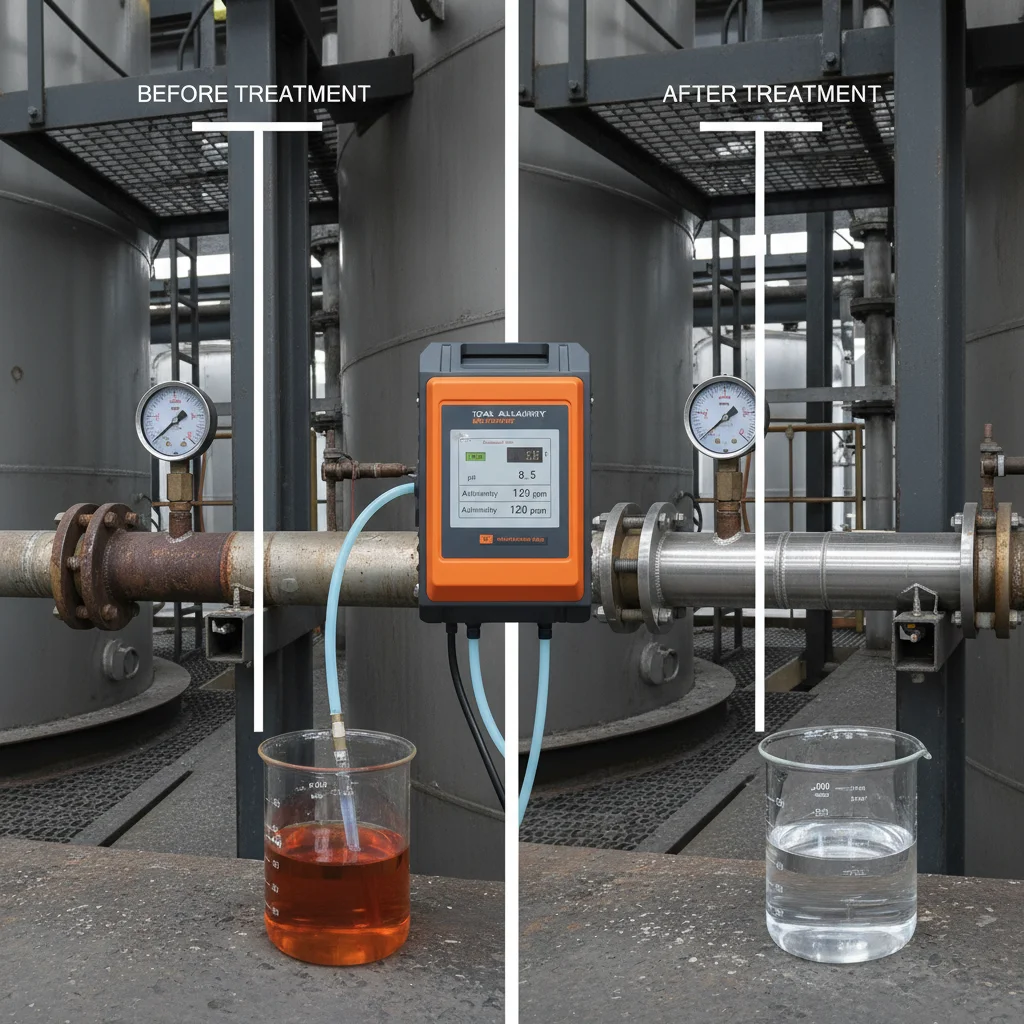
Maintaining precise water chemistry is a cornerstone of industrial safety and environmental stewardship. In sectors ranging from wastewater treatment to chemical processing, the ability to monitor acidity and alkalinity with high precision is not just a operational preference but a regulatory requirement. This is where the implementation of a quality ph meter becomes essential, ensuring that chemical reactions remain stable and discharge levels comply with international environmental standards.
Across the globe, the demand for reliable analytical instrumentation has surged as industries adopt more stringent ISO certifications and ESG (Environmental, Social, and Governance) goals. The challenge often lies in the harsh nature of industrial fluids, which can degrade sensors rapidly and lead to inaccurate readings. This volatility necessitates the use of high-grade monitoring equipment that can withstand corrosive environments while providing laboratory-grade accuracy in real-time online applications.
By integrating a quality ph meter into a comprehensive water quality management system, operators can prevent costly equipment corrosion and avoid heavy fines associated with environmental non-compliance. Whether it is managing the delicate balance of a cooling tower or ensuring the purity of pharmaceutical grade water, the right instrumentation provides the data-driven confidence needed to optimize processes and protect the surrounding ecosystem.

Global Relevance of Precision pH Monitoring
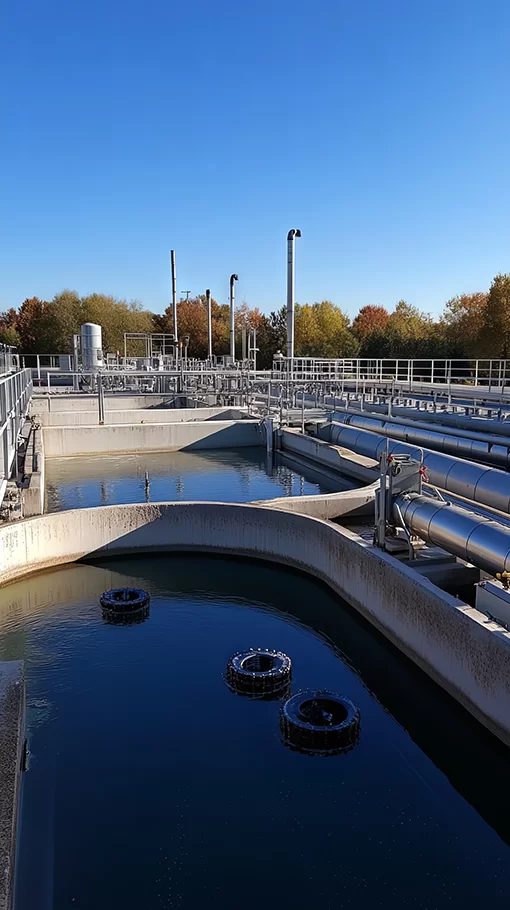
In the context of global industrialization, the monitoring of pH levels has transitioned from a simple laboratory check to a critical online safety protocol. According to various ISO water quality standards, the precise control of acidity is paramount in preventing the leaching of heavy metals into groundwater and ensuring the efficiency of biological wastewater treatment plants. A failure in monitoring can lead to systemic collapses in activated sludge processes, resulting in catastrophic environmental discharge.
Consequently, the adoption of a quality ph meter is now standard practice for enterprises operating under the UN Sustainable Development Goals, specifically those targeting clean water and sanitation. By utilizing advanced sensors that offer high stability and low drift, industries can ensure that their chemical dosing is optimized, reducing reagent waste and minimizing the ecological footprint of their operations.
Defining the Modern Quality pH Meter
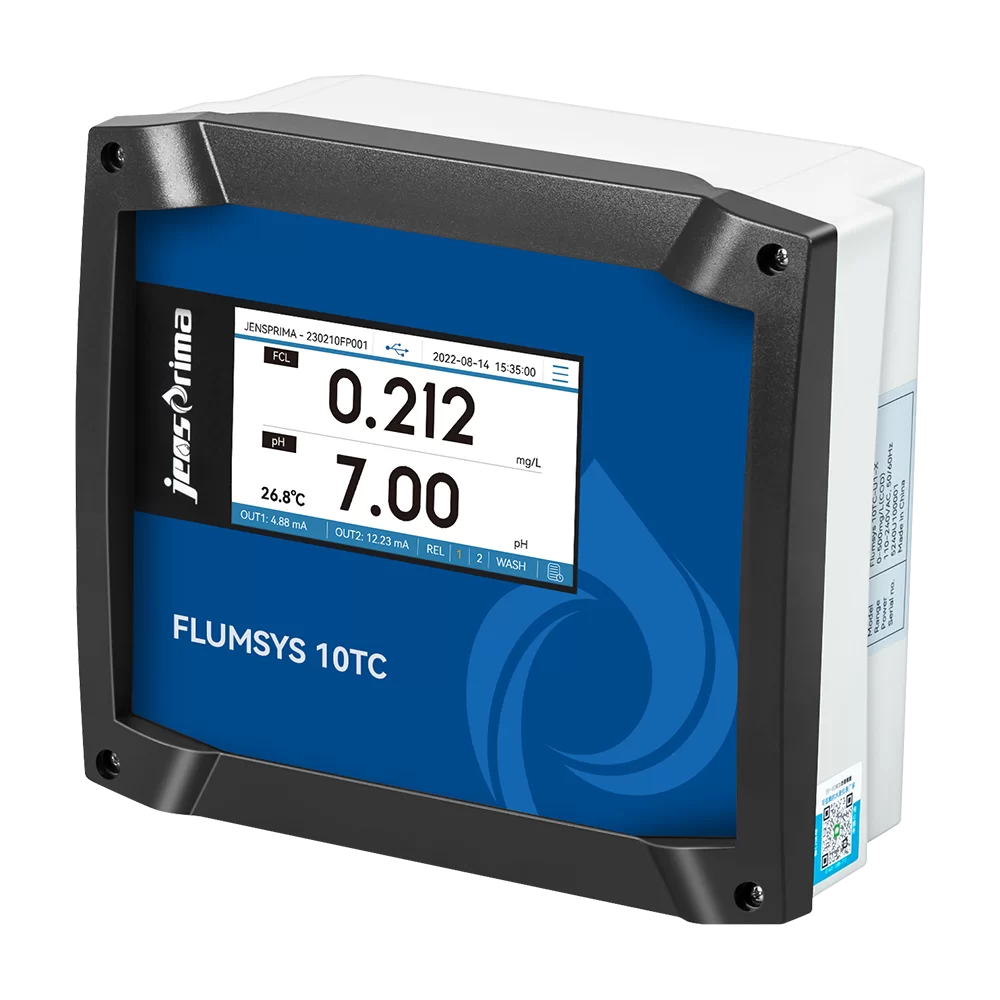
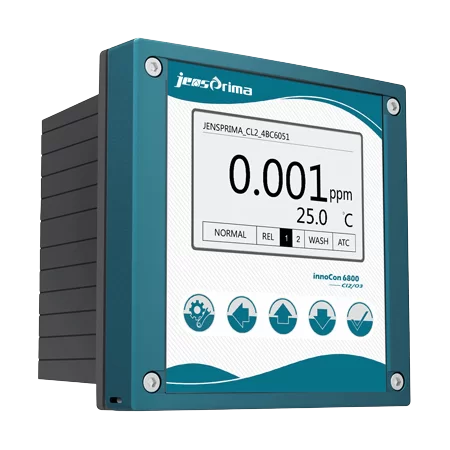
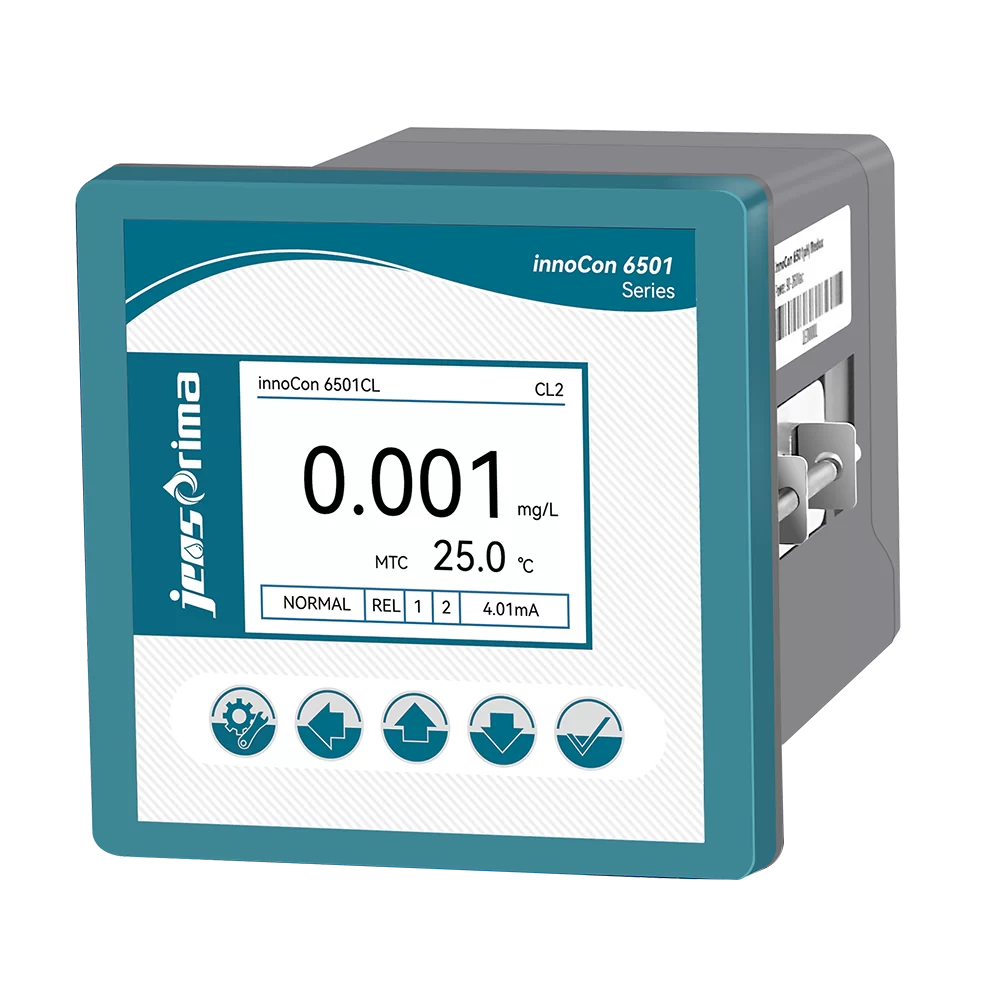
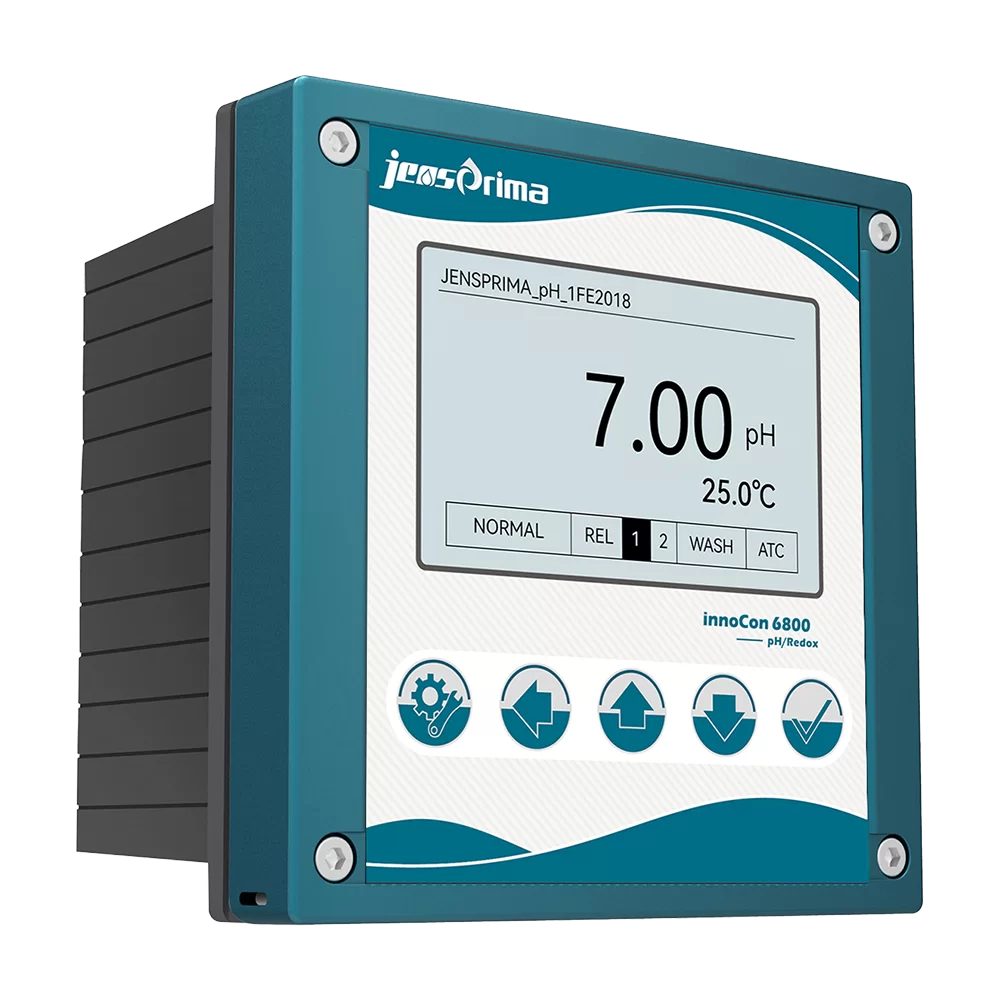
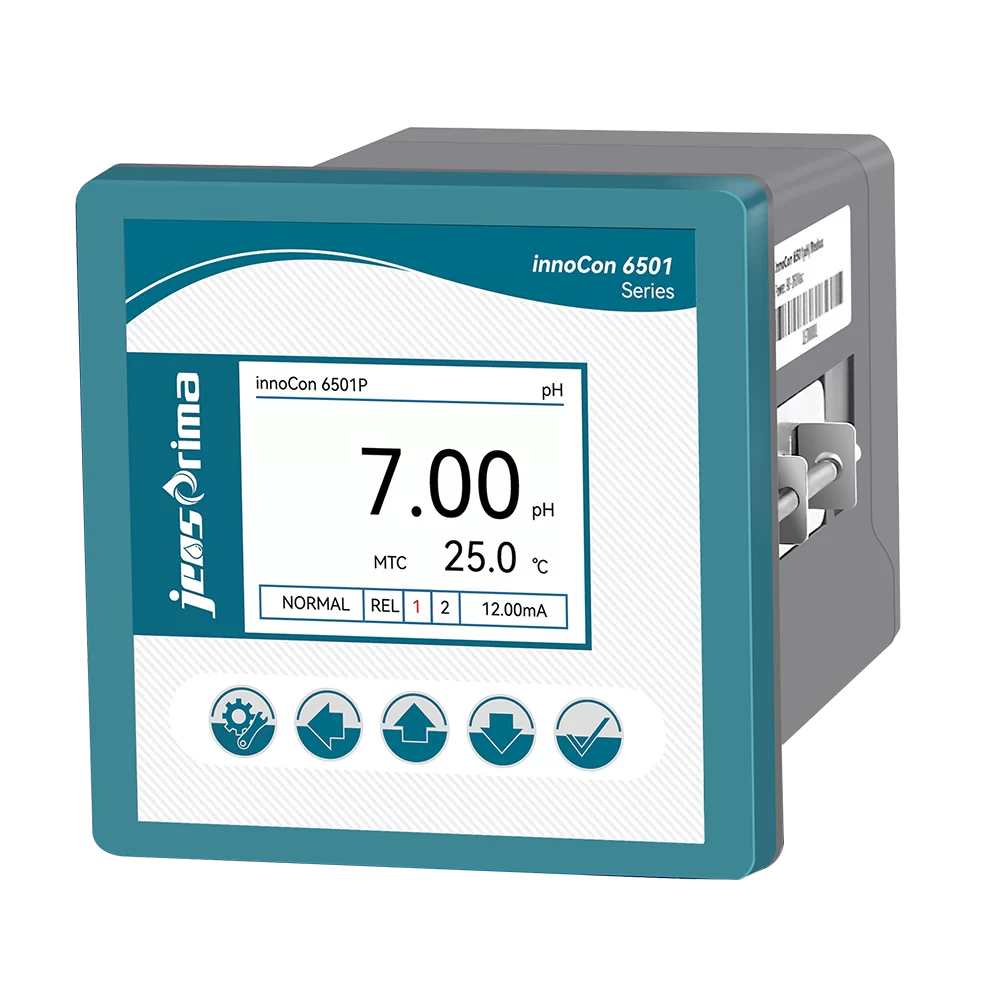
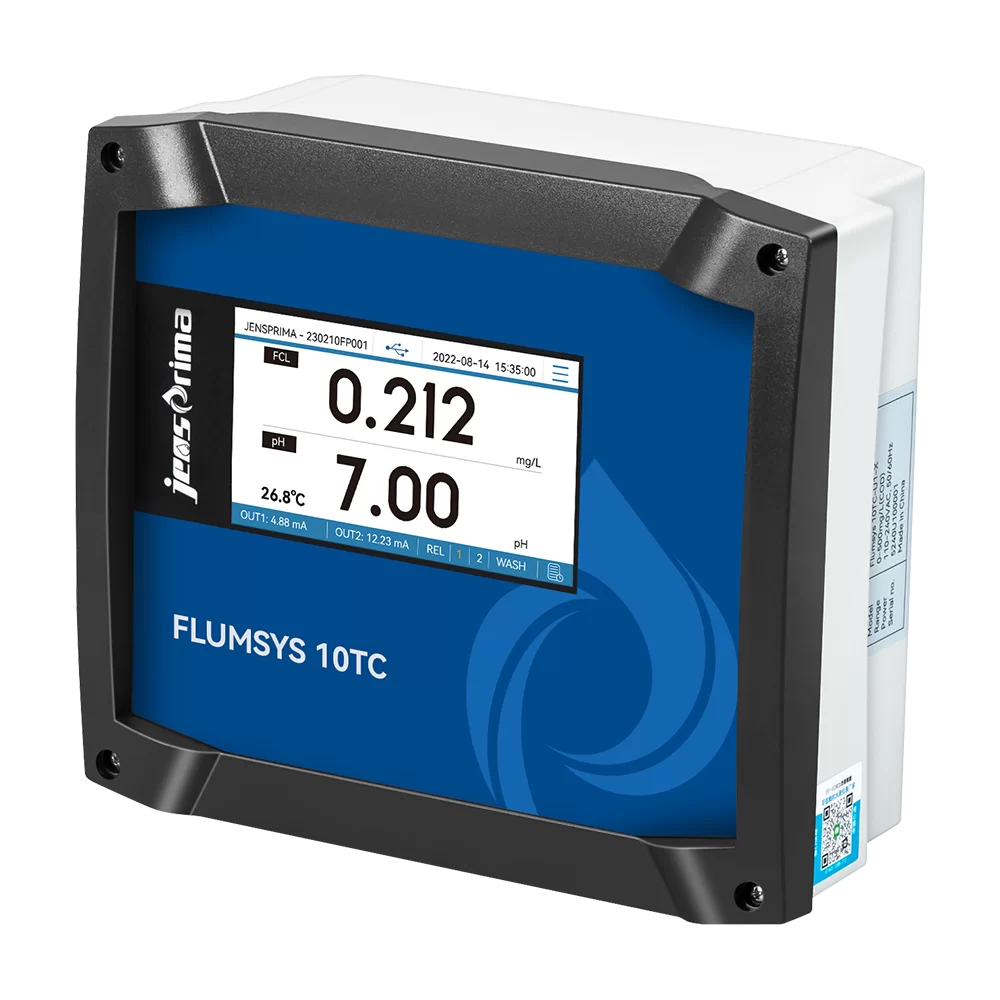
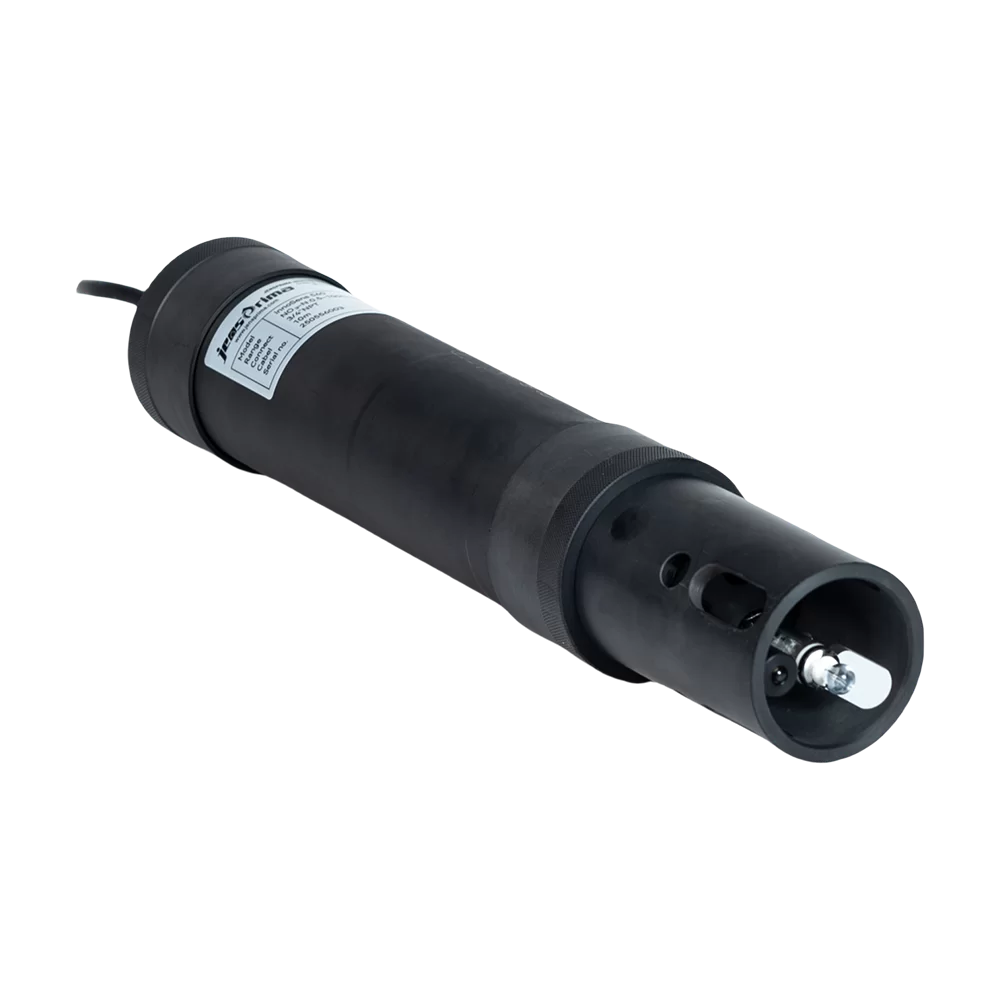
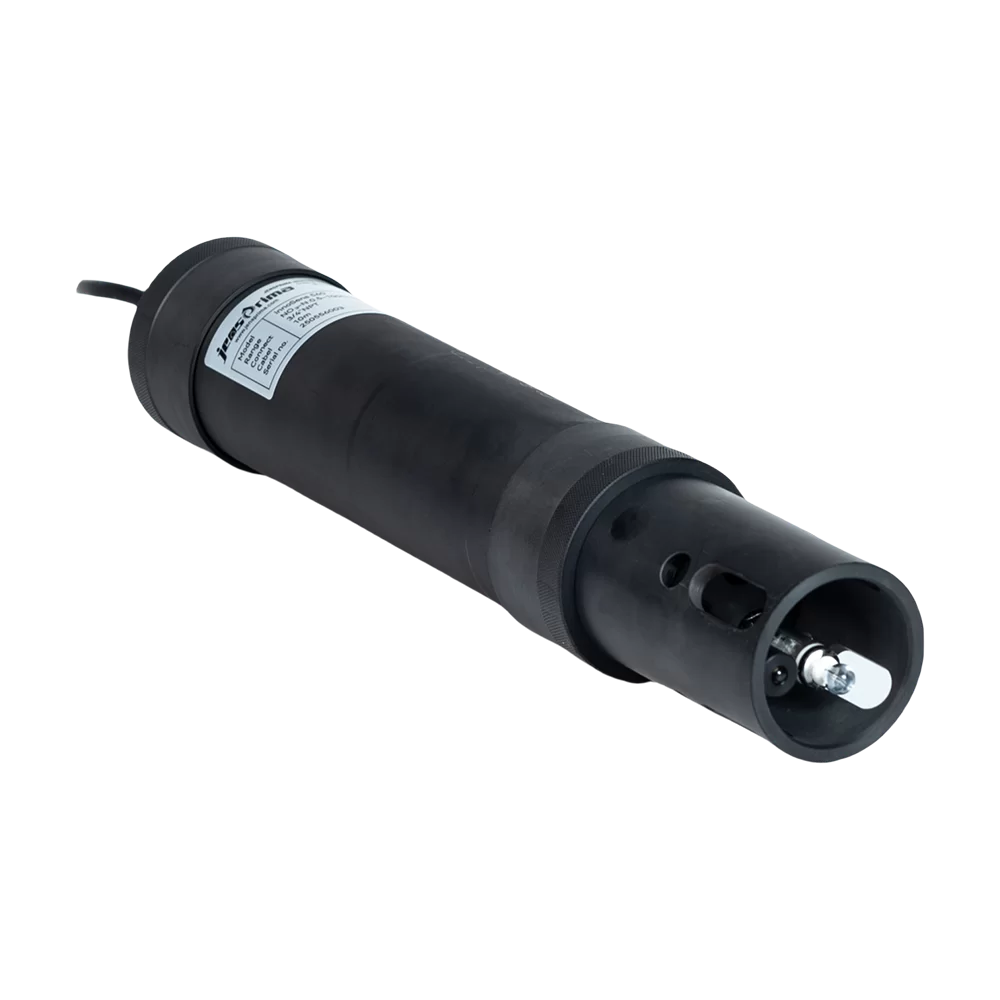
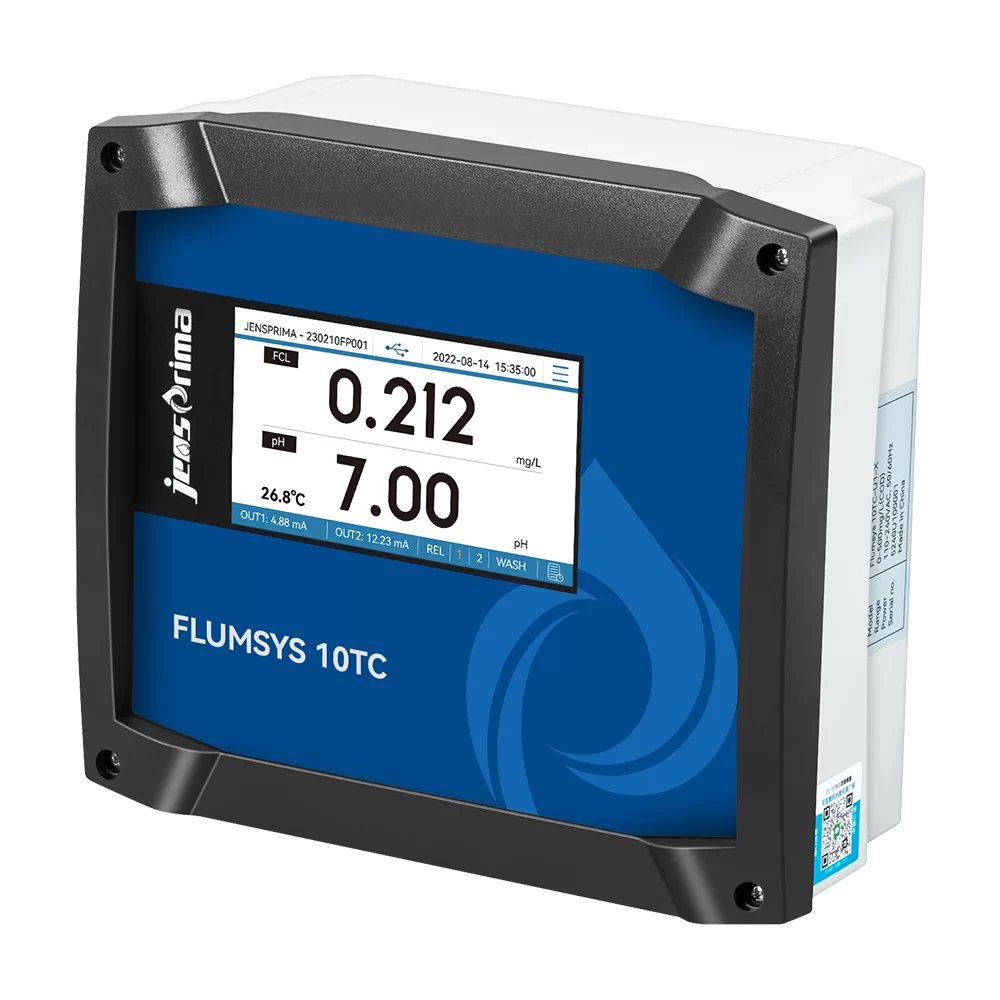
At its core, a quality pH meter is a sophisticated electronic instrument designed to measure the hydrogen-ion activity in water-based solutions. Unlike basic handheld devices, industrial-grade meters are engineered for continuous immersion, featuring robust temperature compensation and advanced signal processing to filter out electrical noise common in factory environments. They serve as the "eyes" of the process engineer, providing a constant stream of data that triggers automatic dosing pumps to maintain a specific set point.
The connection between these instruments and modern humanitarian needs is evident in the realm of potable water production. In regions facing severe water scarcity, the ability to accurately neutralize acidic water sources is vital for preventing pipe corrosion and protecting public health. High-precision instrumentation ensures that the water delivered to populations is chemically balanced, preventing the ingestion of corrosive substances that can damage human health over time.
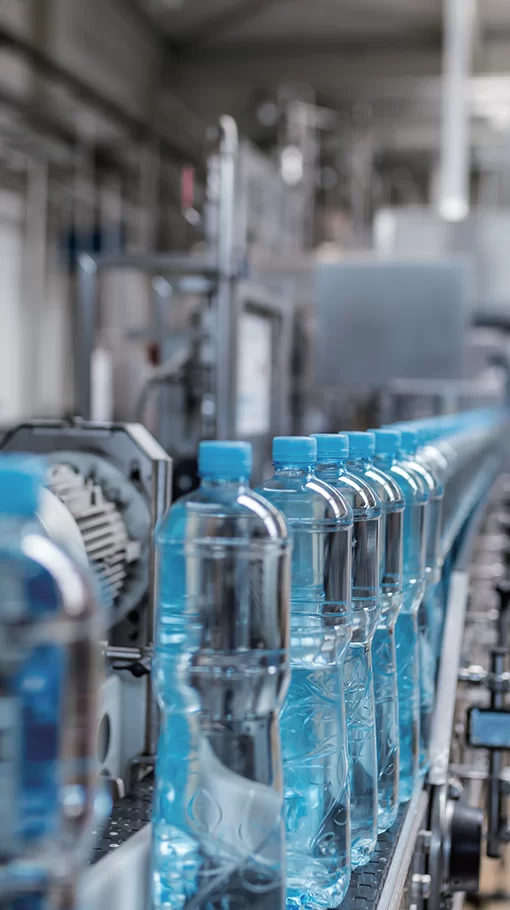
Furthermore, in the pharmaceutical and food beverage industries, a quality ph meter is indispensable for maintaining product consistency. Even a slight deviation in pH can alter the shelf-life of a product or compromise the efficacy of a medication. Therefore, the definition of "quality" in this context refers to the combination of accuracy, repeatability, and long-term stability under varying pressure and temperature conditions.
Core Components of High-Accuracy Sensors
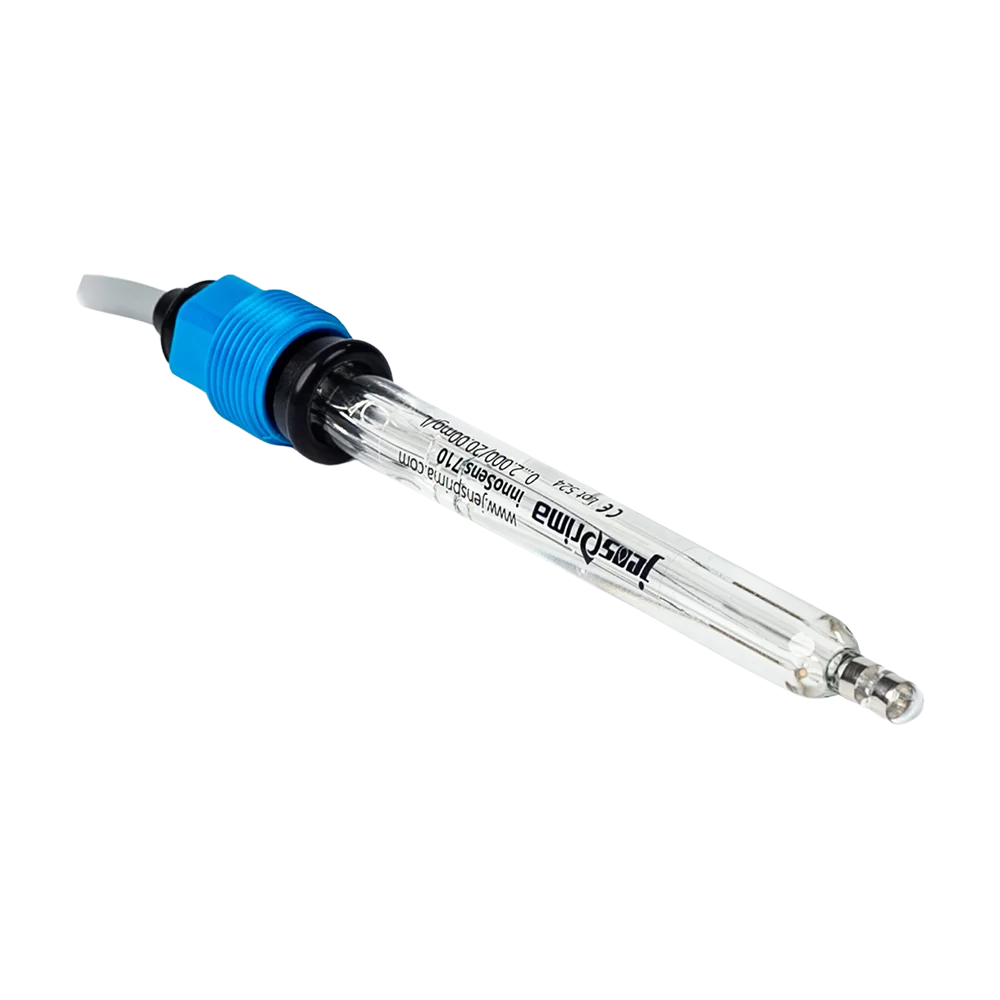
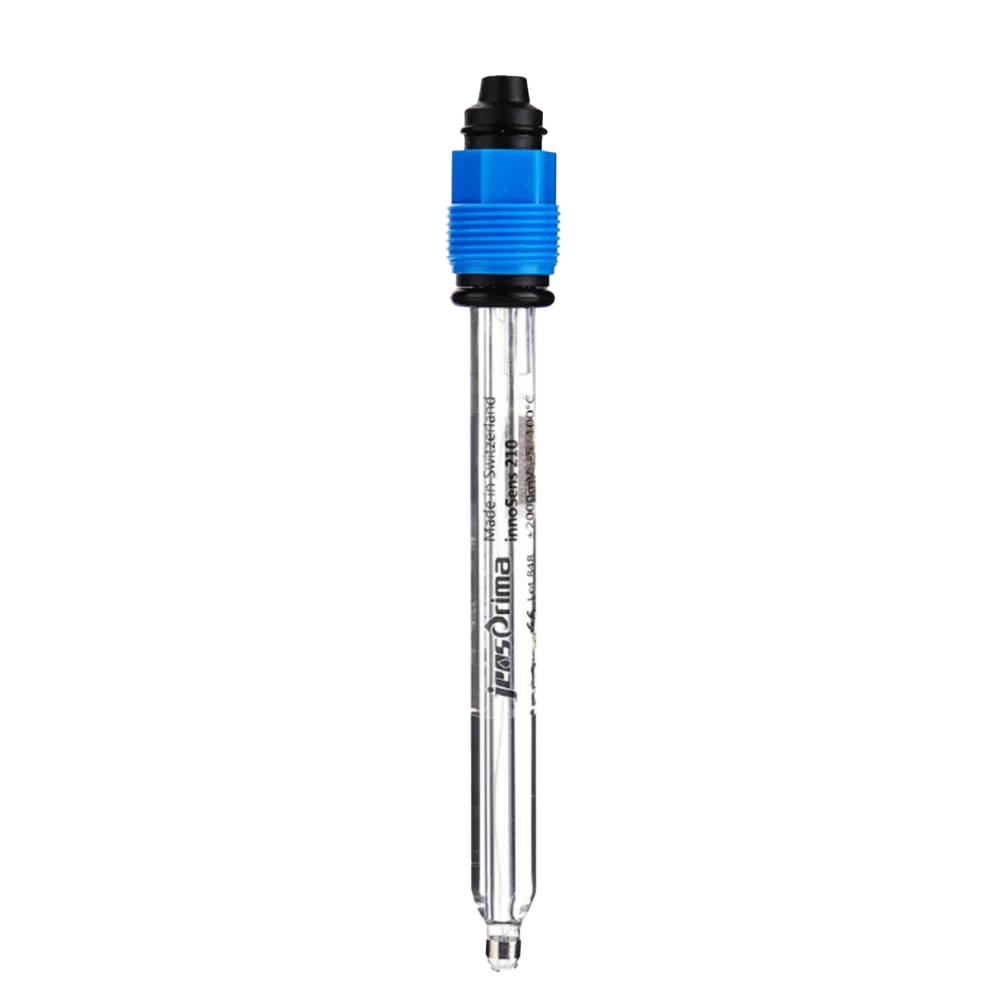
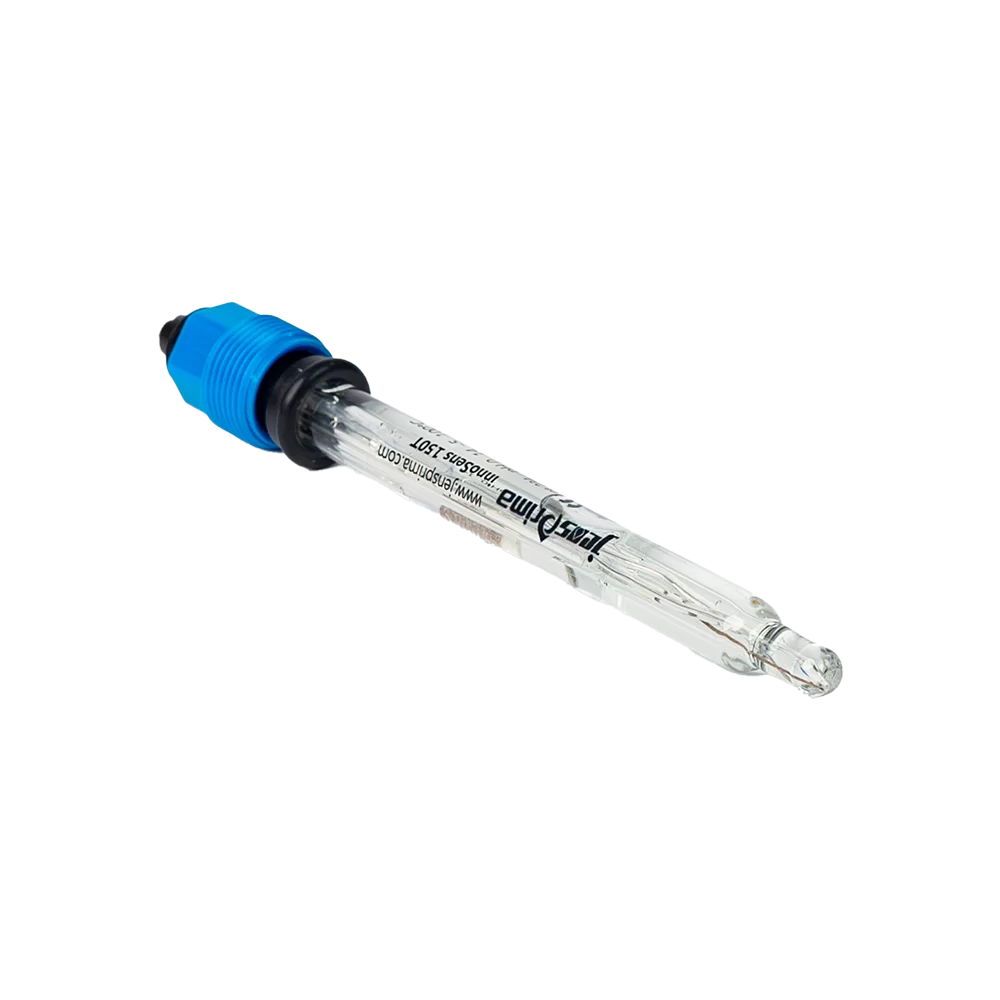
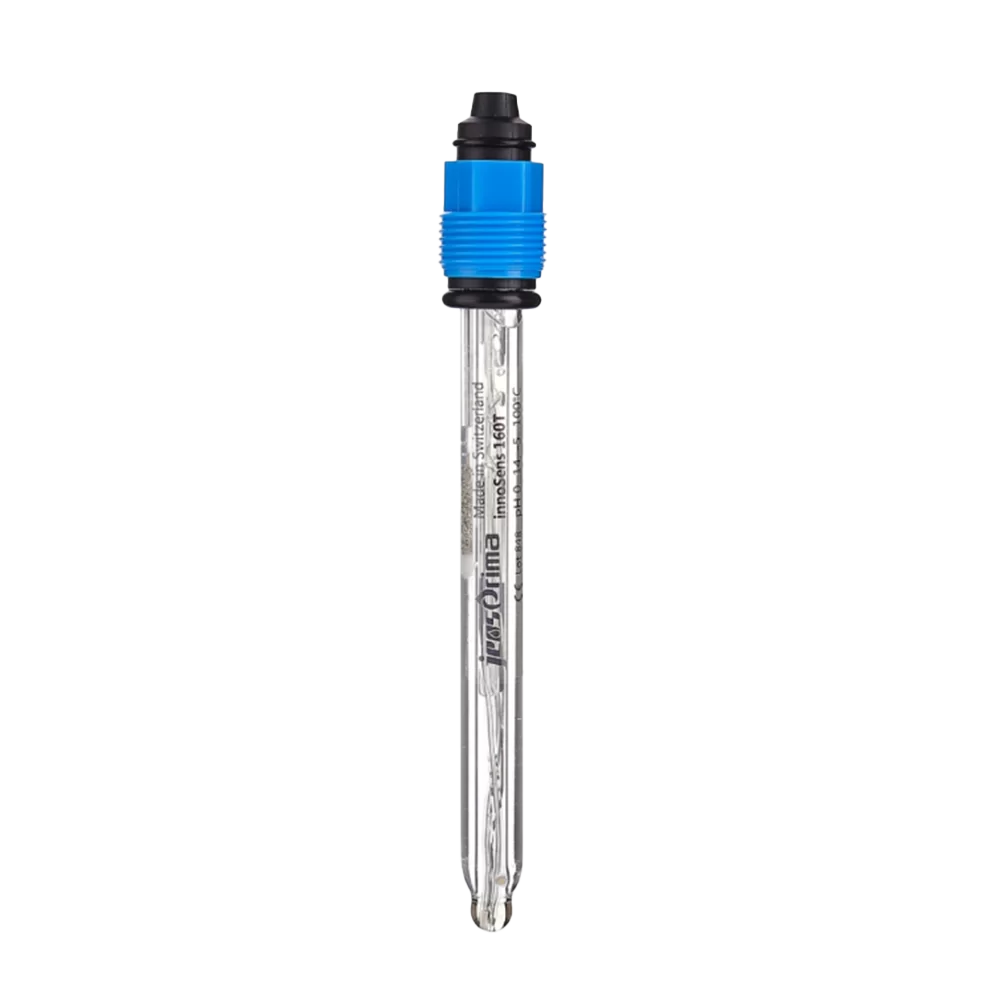
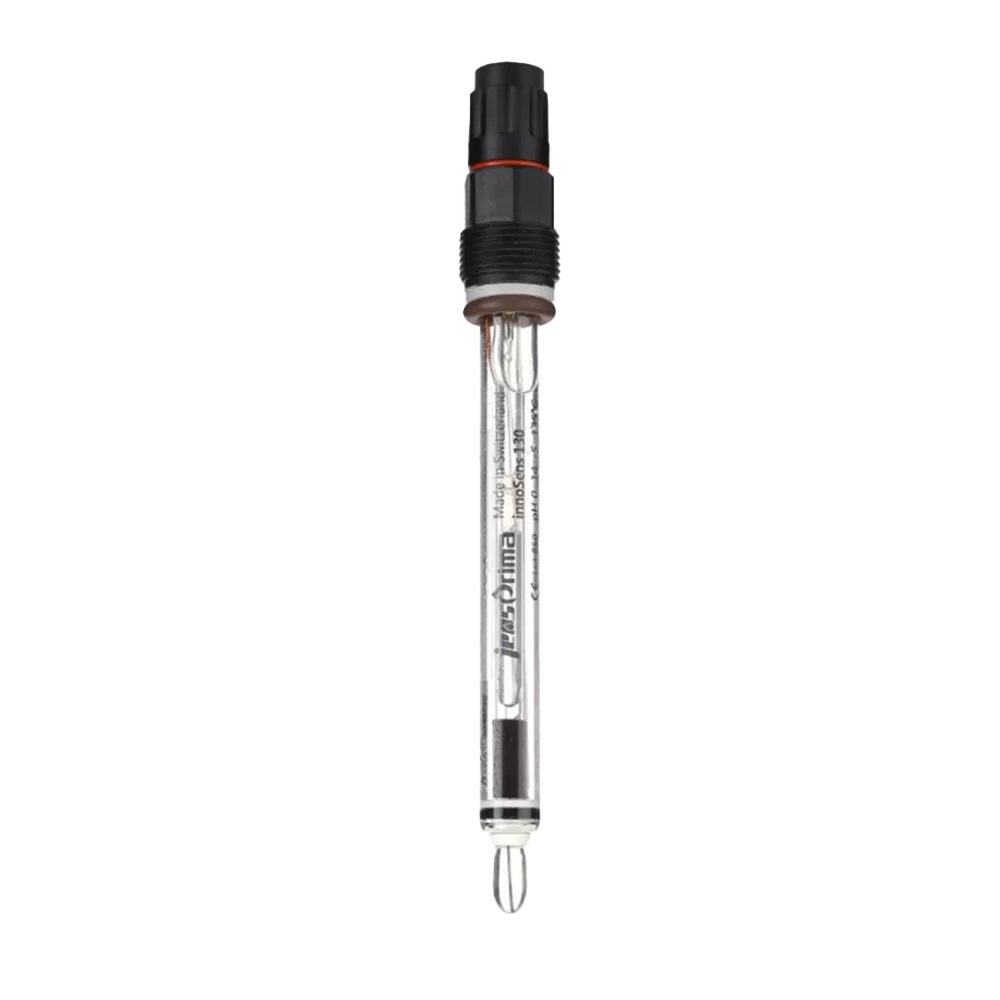
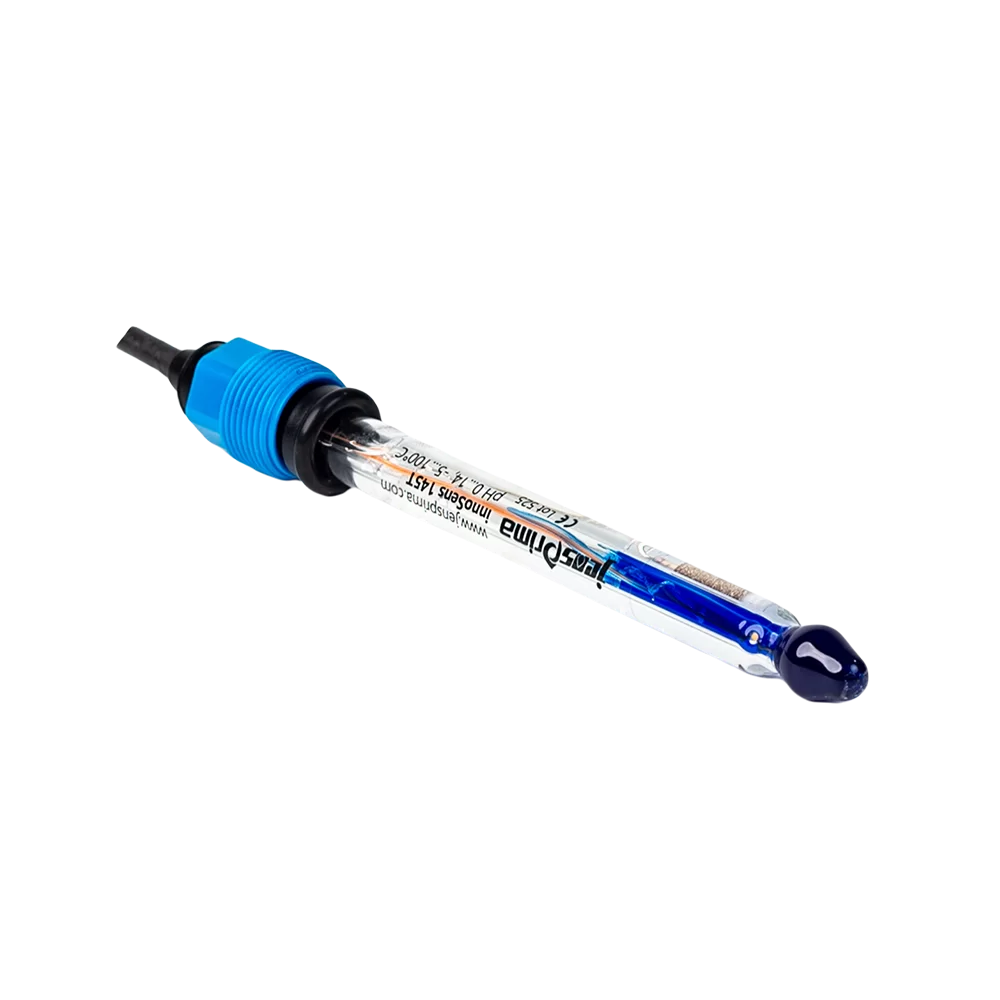
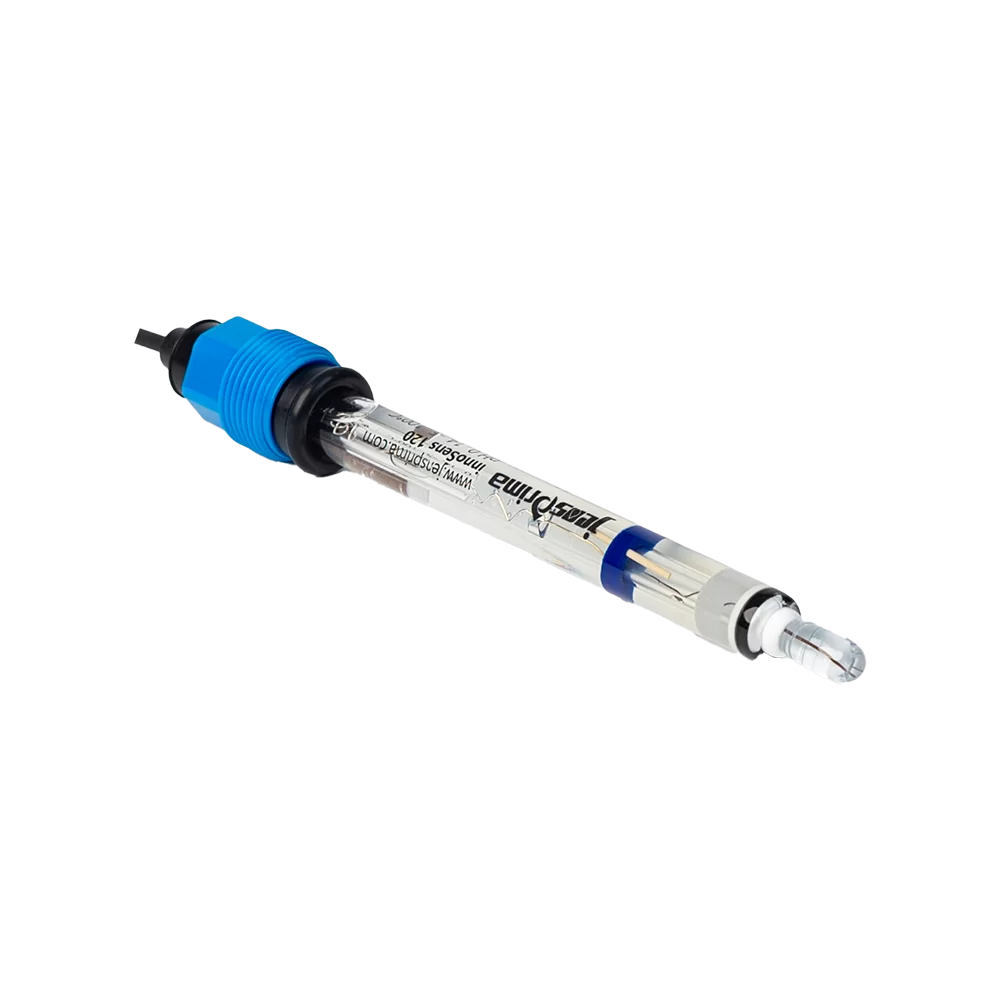
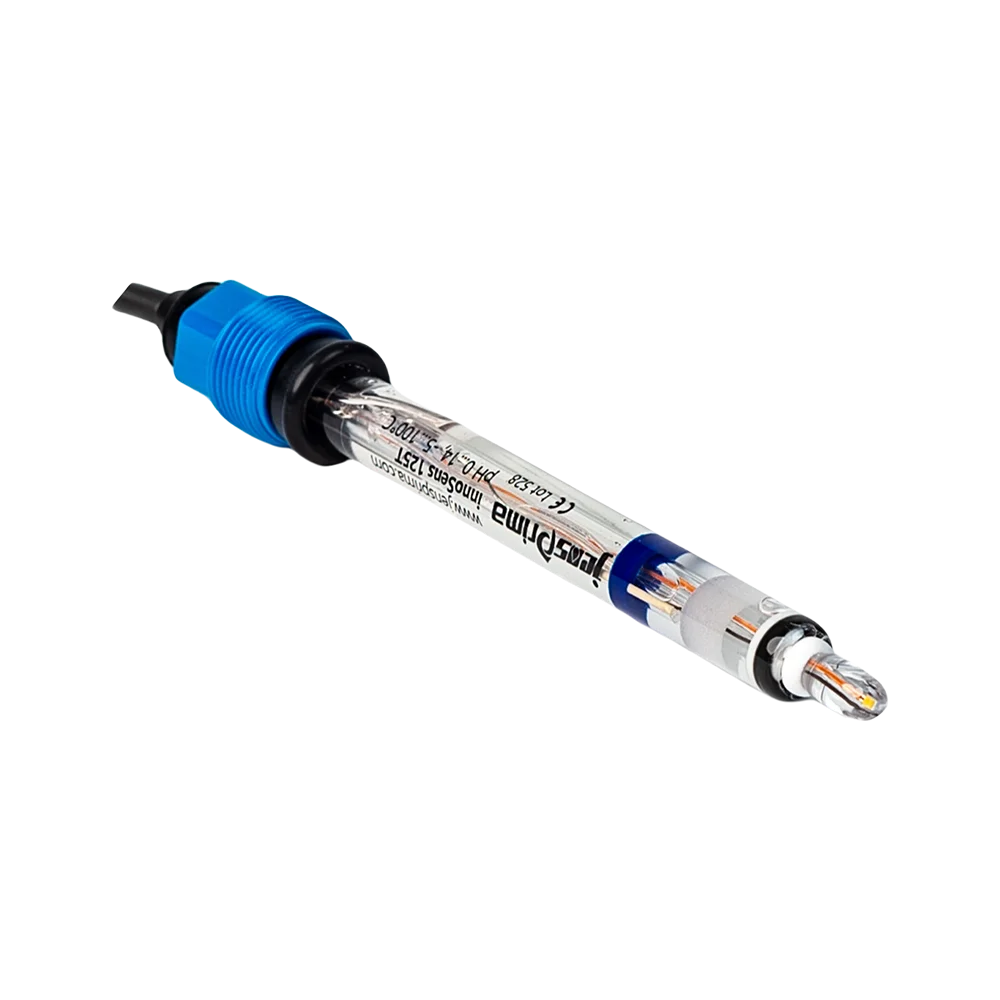
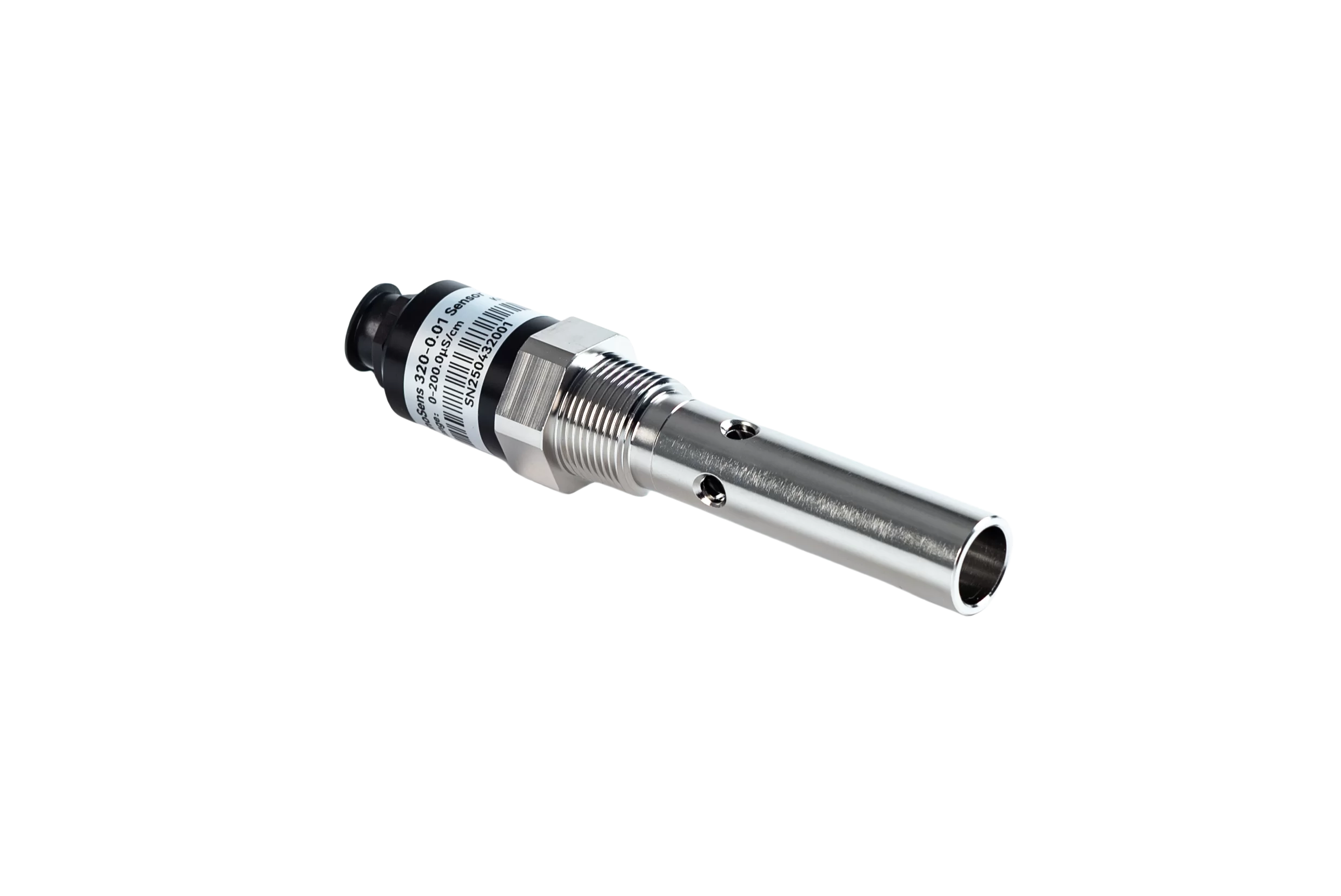
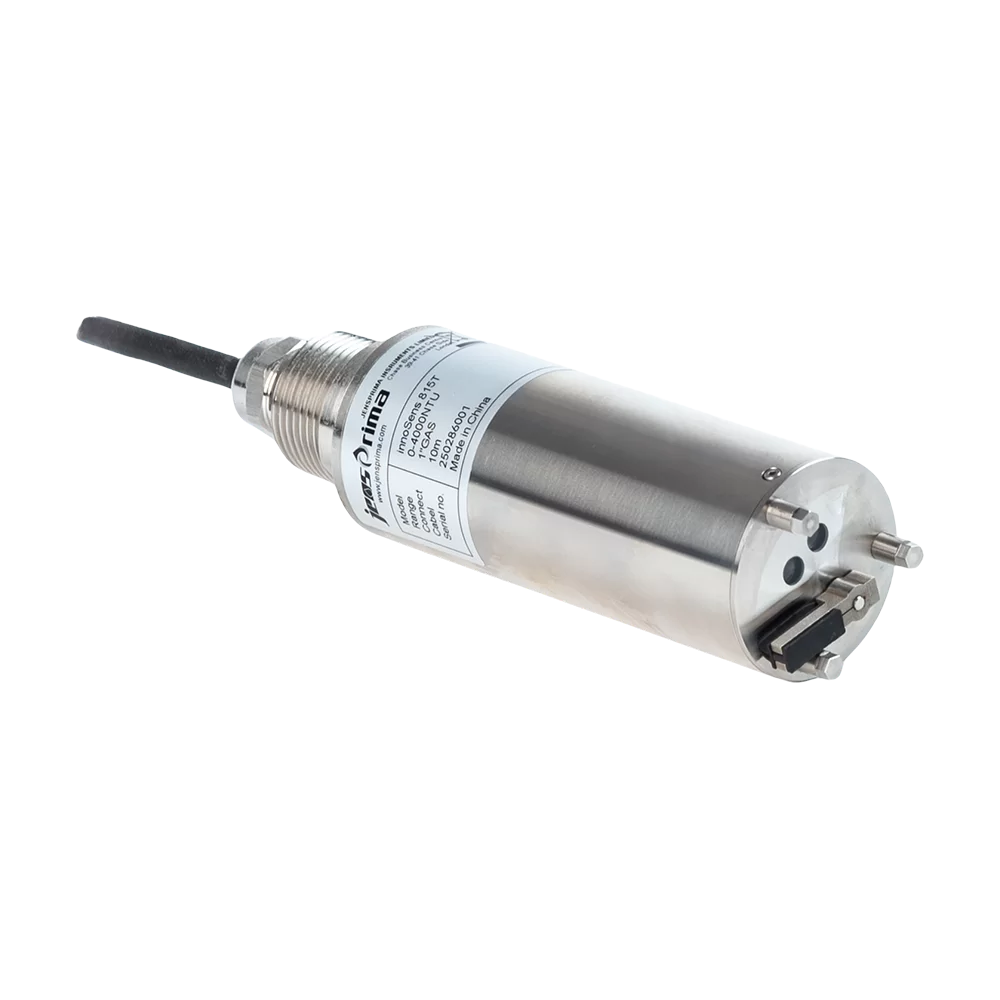
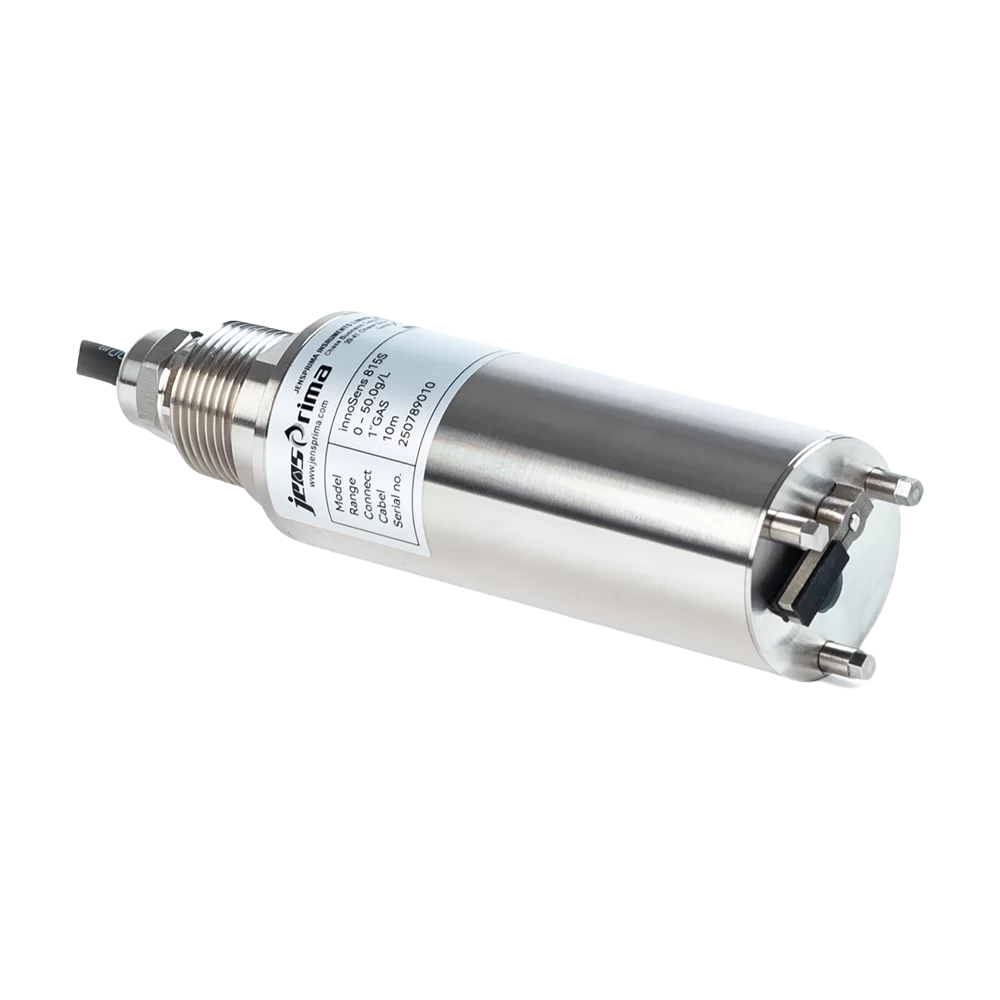
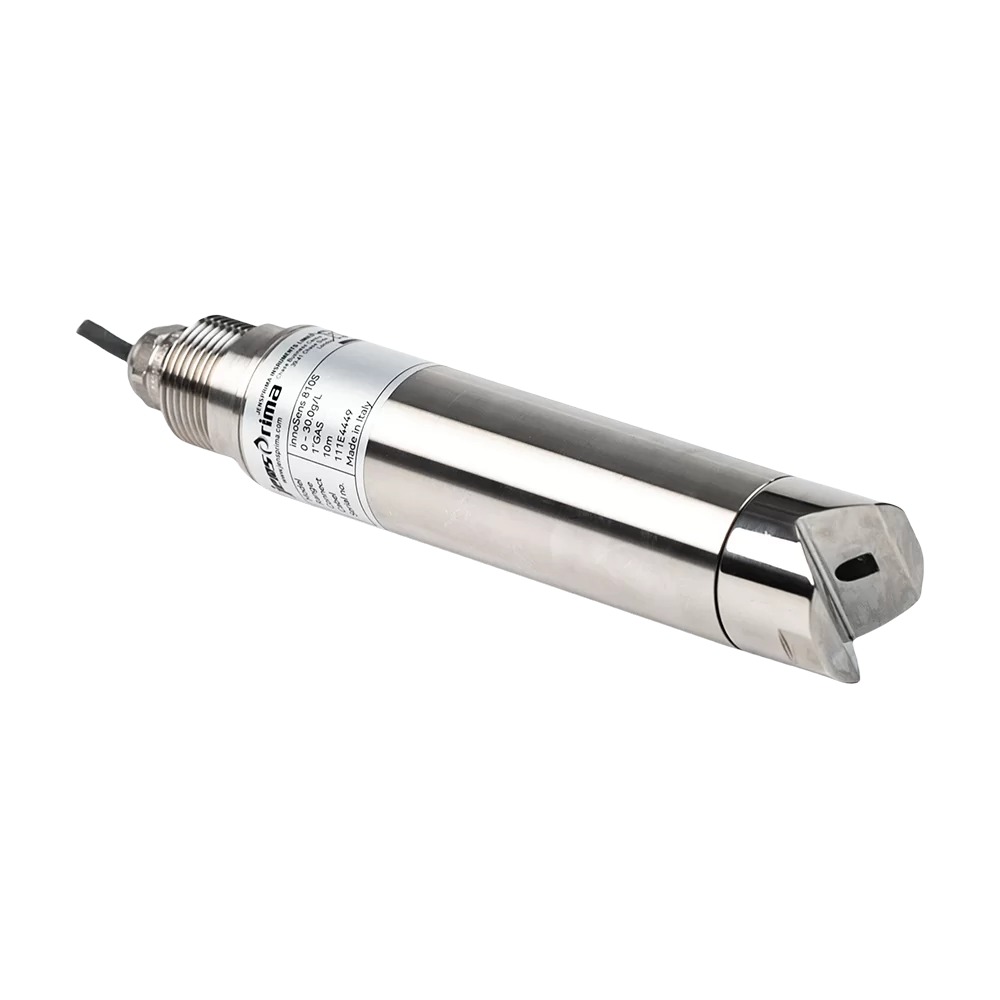
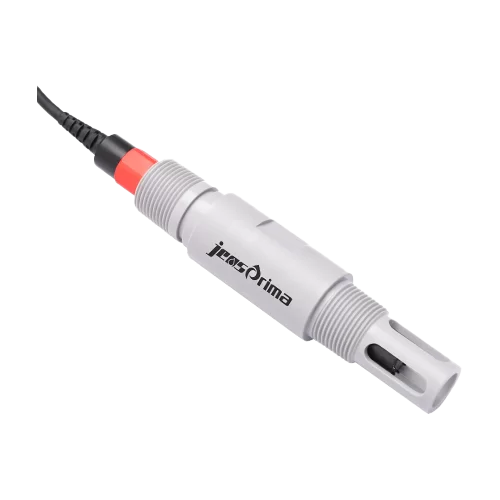
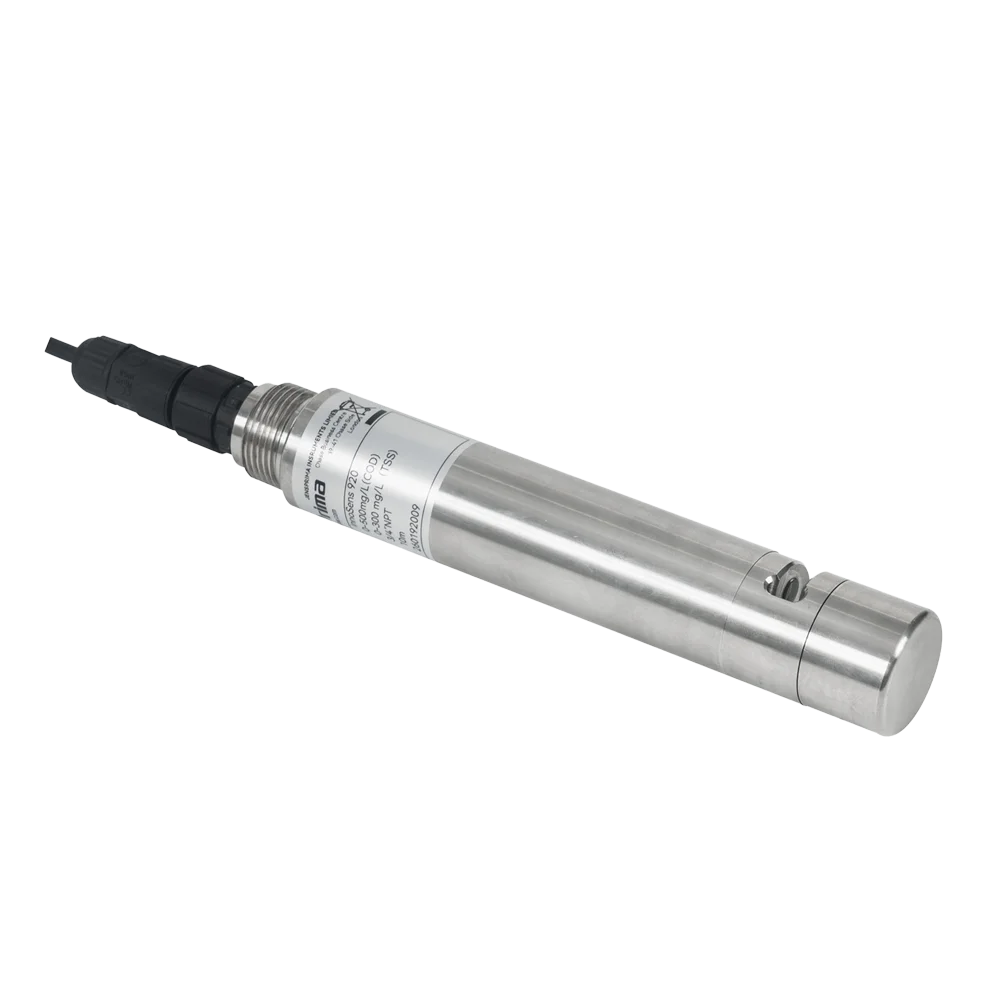
The durability of a quality ph meter begins with its sensor membrane. Most high-end industrial sensors utilize a specialized glass electrode that is chemically formulated to be sensitive to H+ ions while remaining resistant to fouling. The integration of a stable reference electrode, often using a saturated KCl solution, ensures that the potential difference measured is purely a result of the pH change in the sample.
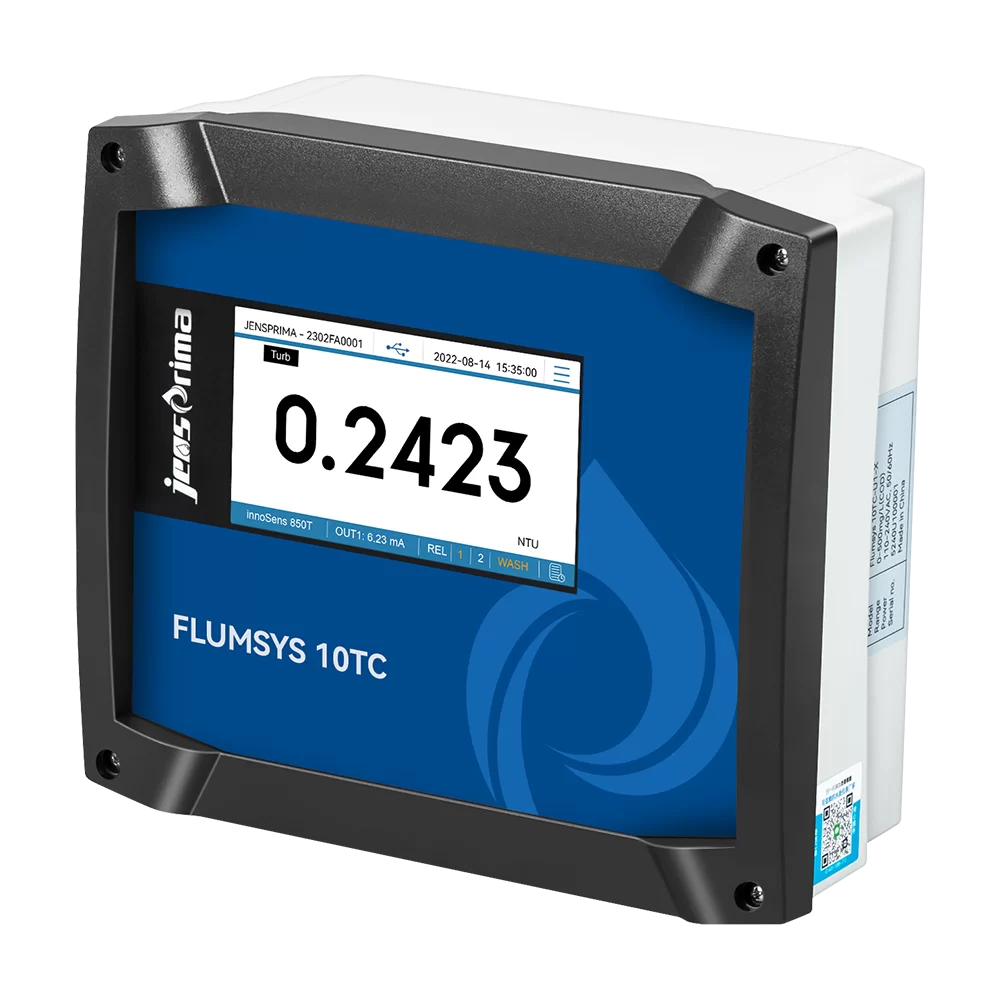
Scalability and integration are further enhanced by the use of digital transmitters. A quality ph meter typically employs 4-20mA or Modbus protocols, allowing it to communicate seamlessly with PLC and SCADA systems. This allows a single operator to monitor hundreds of pH points across a massive refinery or treatment plant from a centralized control room, ensuring rapid response to any chemical excursions.
Cost efficiency is achieved not through the lowest purchase price, but through the reduction of maintenance intervals. Premium sensors incorporate advanced junction designs—such as open junctions or porous teflon—that prevent the "poisoning" of the electrode by sulfides or proteins. This reduces the frequency of manual calibrations and replacements, significantly lowering the Total Cost of Ownership (TCO) for the plant manager.
Industrial Applications and Performance Metrics
The practical application of these tools varies by region and industry. In the mining sectors of South America and Australia, pH monitoring is critical for heap leaching and tailings management to prevent acid mine drainage. In these remote zones, the instrumentation must be ruggedized to handle extreme temperature swings and high sediment loads, ensuring that the environmental monitoring remains uninterrupted.
Similarly, in urban wastewater treatment plants across Europe and North America, pH controllers are used to manage the nitrification and denitrification processes. Because the biological activity of bacteria is highly pH-dependent, maintaining a tight range is the only way to ensure that ammonia nitrogen levels are sufficiently reduced before the water is discharged into rivers.
Comparative Performance of pH Measurement Methods
Tangible Advantages and Long-Term Value
The adoption of a quality ph meter yields immediate logical benefits in the form of operational reliability. By reducing the risk of "pH spikes," companies can extend the lifespan of their infrastructure, as corrosive acidic or alkaline surges are stopped before they can eat through stainless steel piping. This translates directly into lower capital expenditure for plant repairs and reduced downtime for unplanned maintenance.
Beyond the financial metrics, there is a profound social and emotional value tied to precision monitoring: trust and safety. When a community knows that a local factory is utilizing gold-standard instrumentation to monitor its effluent, it fosters a relationship of trust between the industry and the public. The dignity of providing clean, safe water to the environment is a powerful driver for innovation and brand loyalty in the modern corporate world.
Future Trends in Water Quality Instrumentation
The future of pH measurement is moving toward "maintenance-free" operation. We are seeing the rise of solid-state sensors and ISFET (Ion-Sensitive Field-Effect Transistor) technology, which eliminates the need for fragile glass membranes and liquid electrolytes. This digital transformation allows for sensors that are more robust, faster to respond, and capable of being integrated into IoT (Internet of Things) networks for predictive maintenance.
Automation is another key trend, where quality ph meter systems will incorporate self-cleaning mechanisms. Using ultrasonic cleaning or automated reagent rinsing, sensors can maintain their accuracy without human intervention for months. This is particularly critical for "dark plants" or unmanned remote stations where manual calibration is logistically impossible.
Sustainability is also driving the development of "green" sensors. Manufacturers are focusing on reducing the use of hazardous chemicals in reference electrolytes and creating recyclable sensor housings. This alignment with circular economy principles ensures that the tools used to protect the environment do not themselves become a source of pollution.
Overcoming Implementation Challenges
Despite the benefits, many facilities struggle with "sensor drift," where the reading slowly shifts over time. This is often caused by electrode fouling or temperature fluctuations. The expert solution is to implement a dual-sensor redundancy system with automatic cross-verification. When two quality ph meter units deviate from each other by a predefined threshold, the system alerts the operator to perform a calibration check.
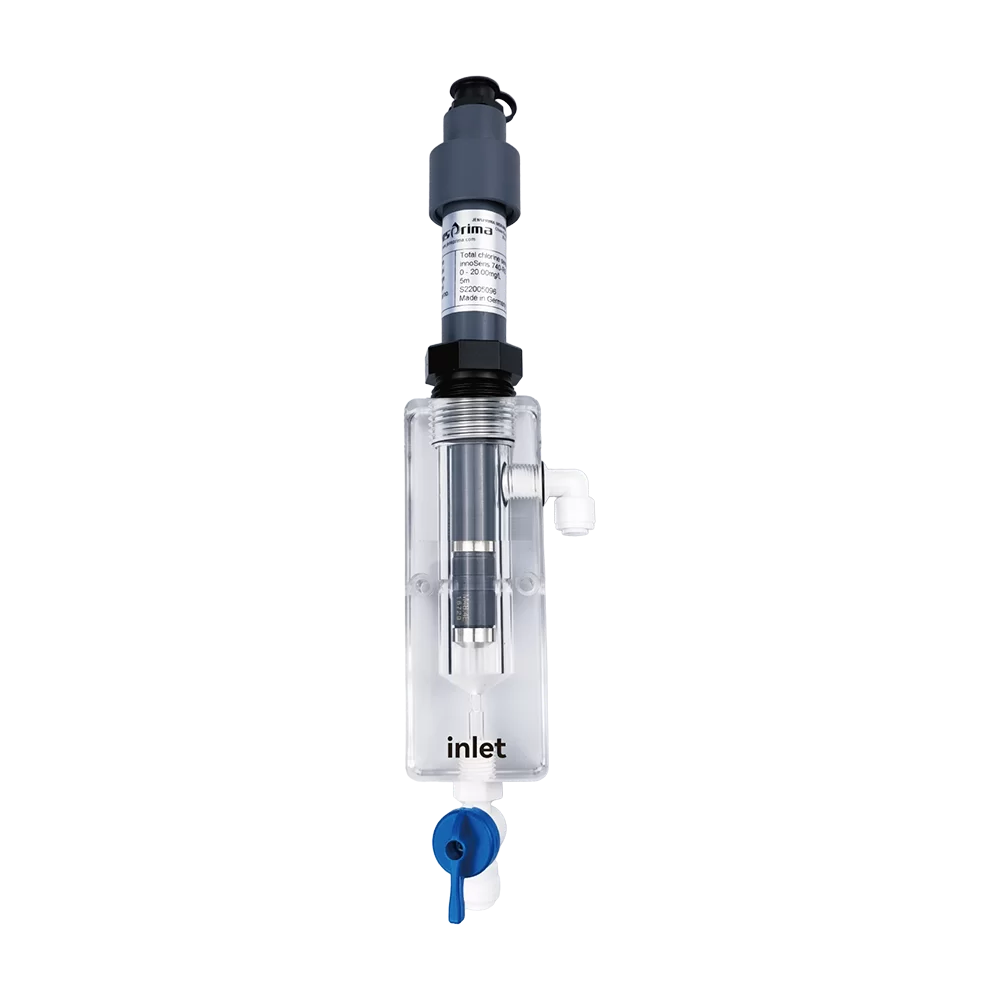
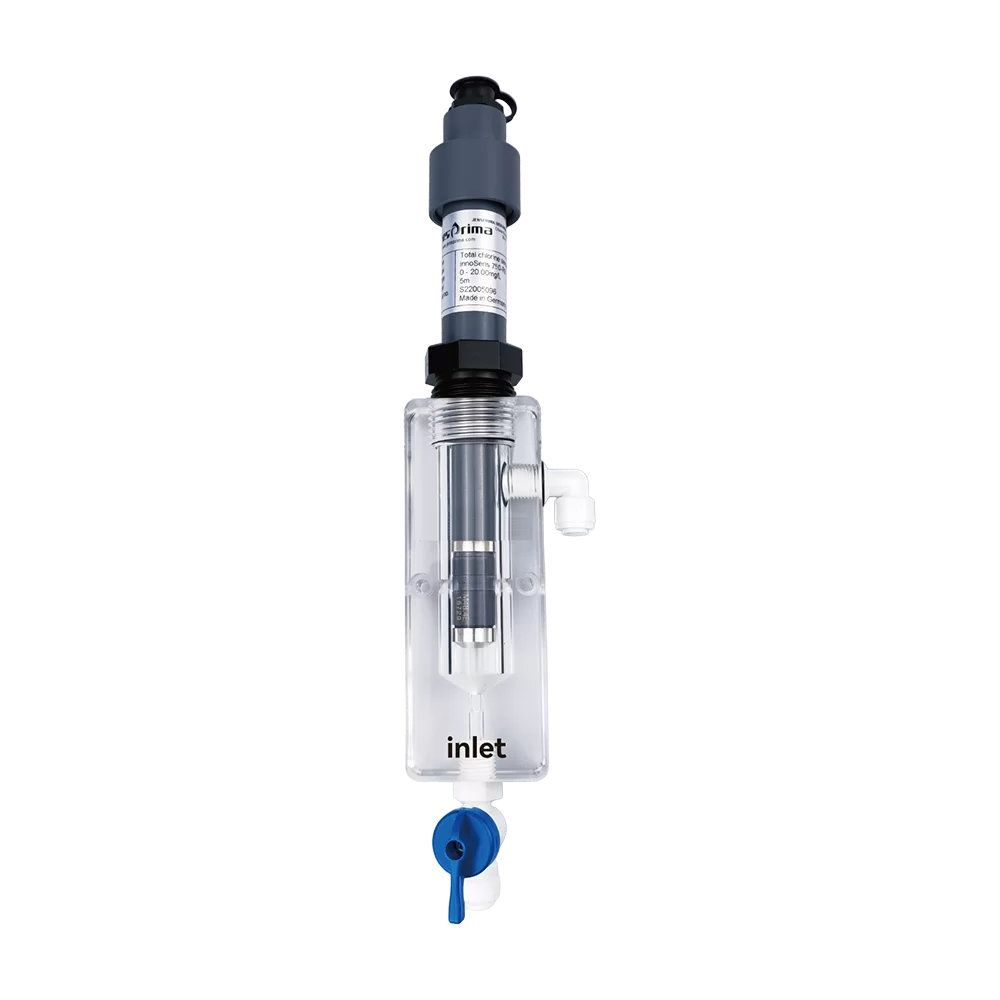
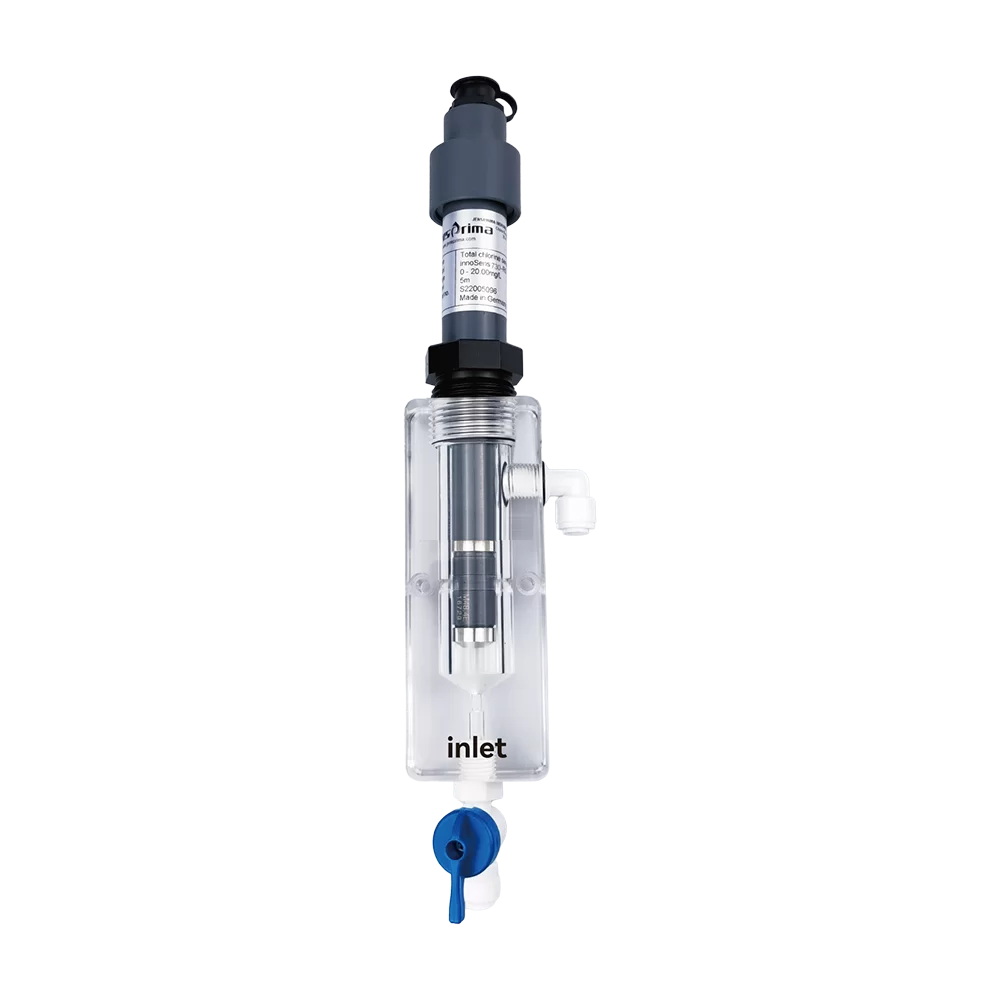
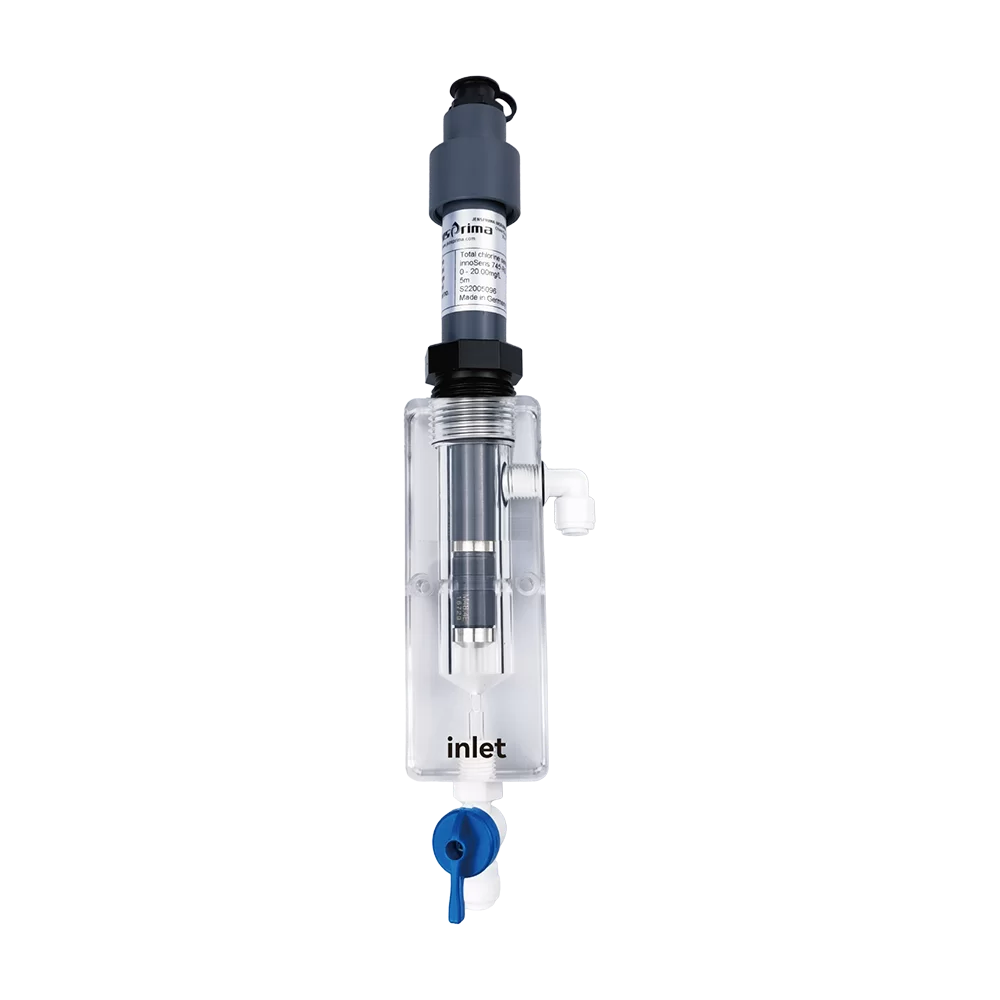
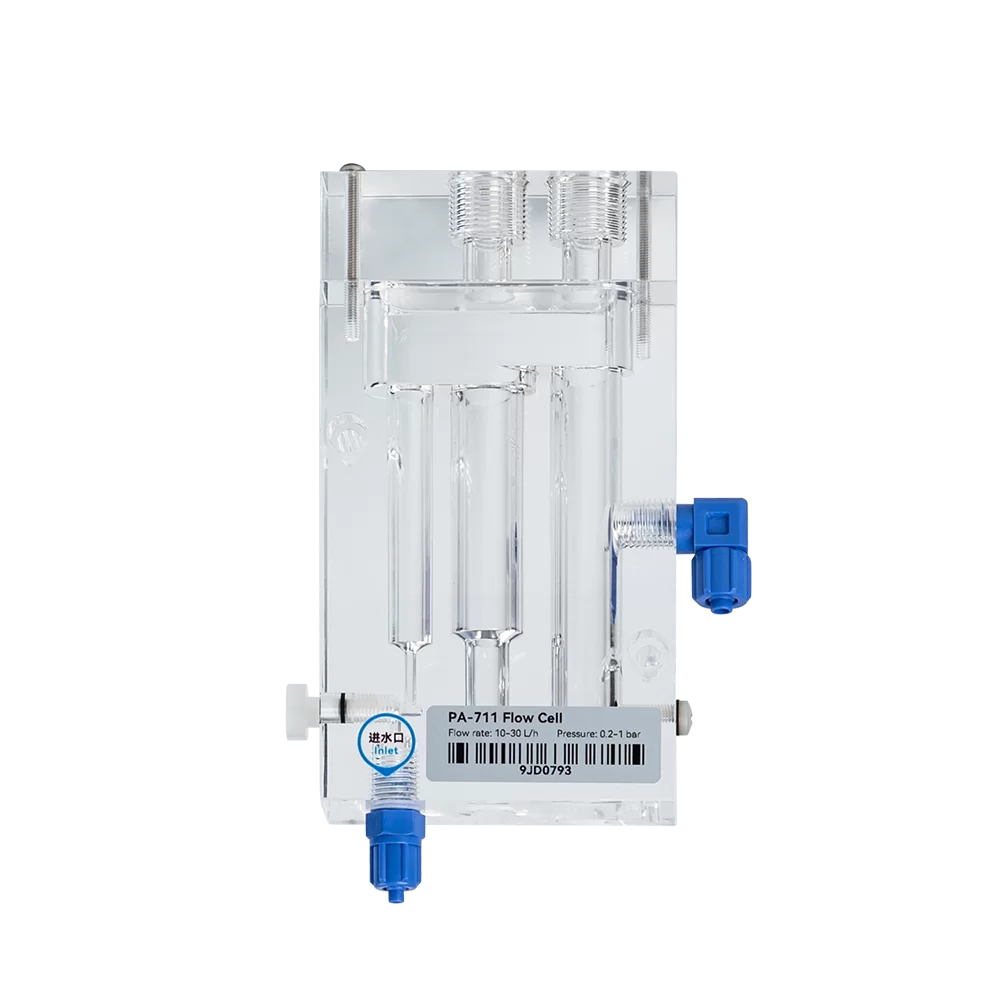
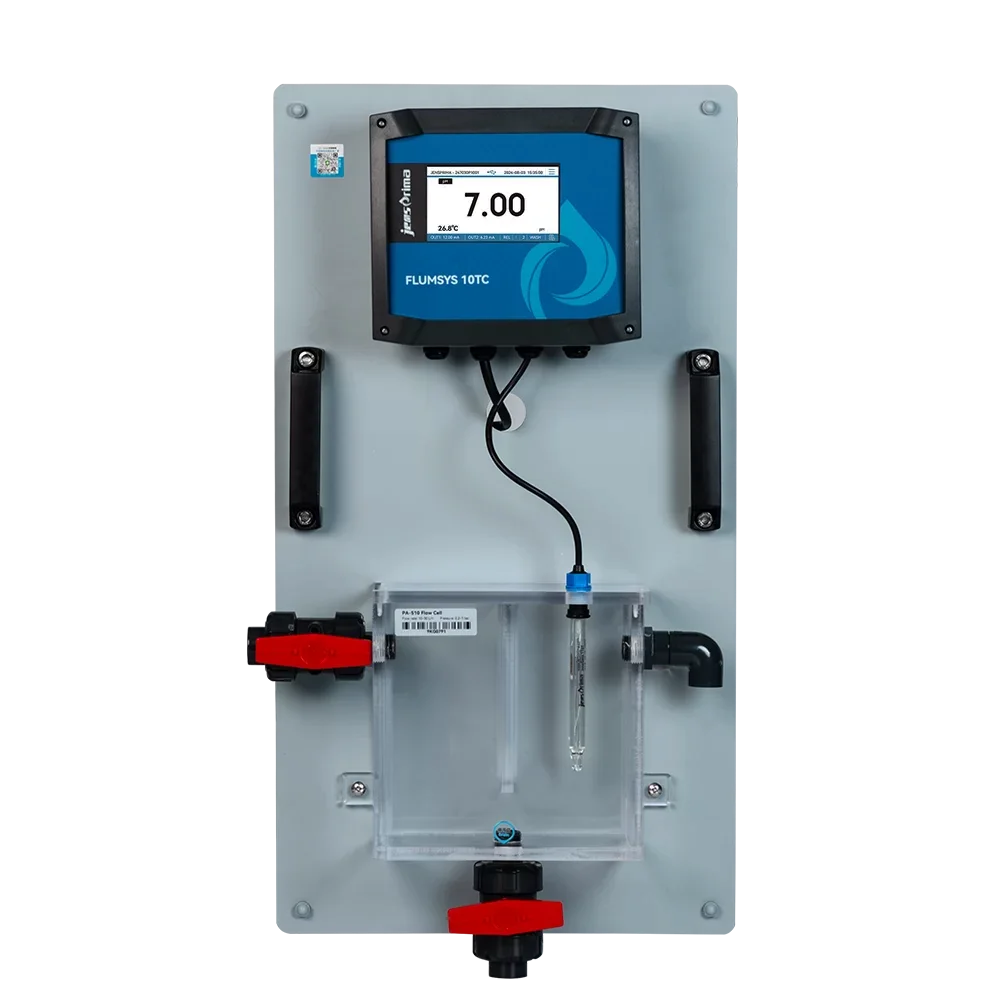
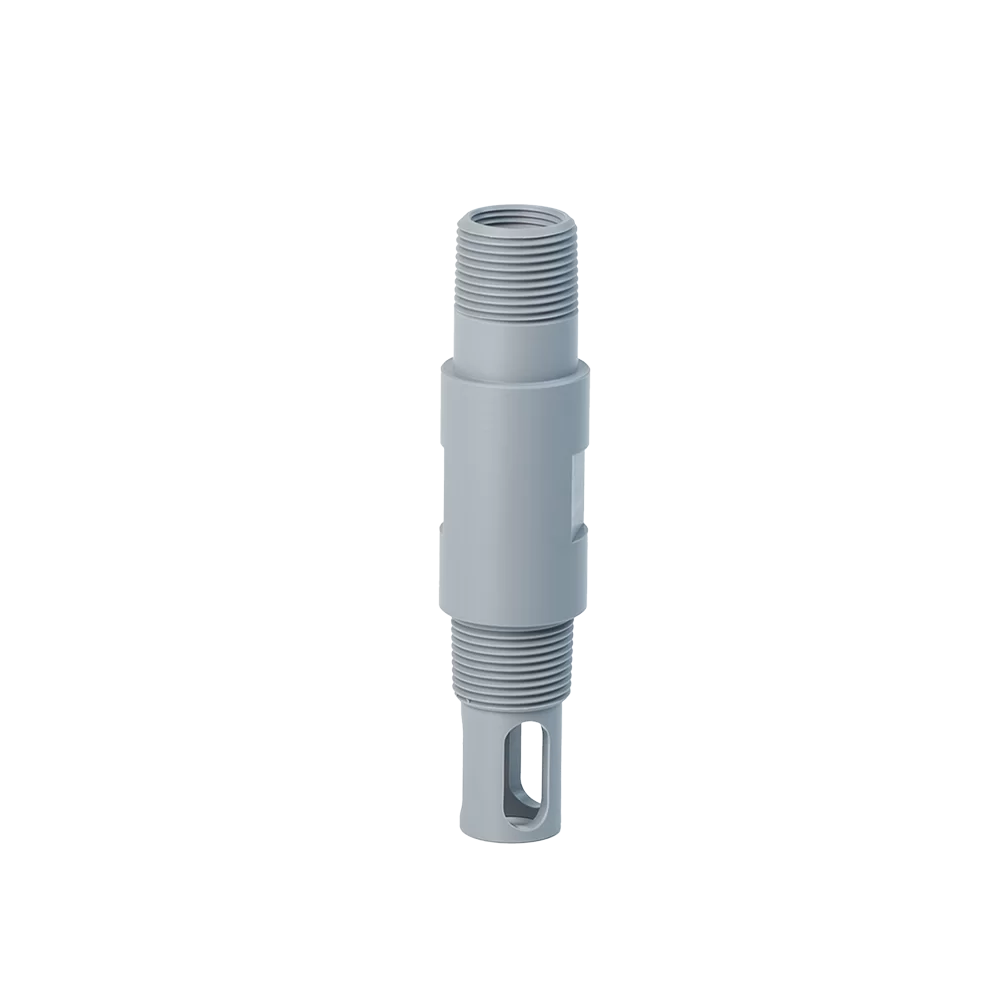
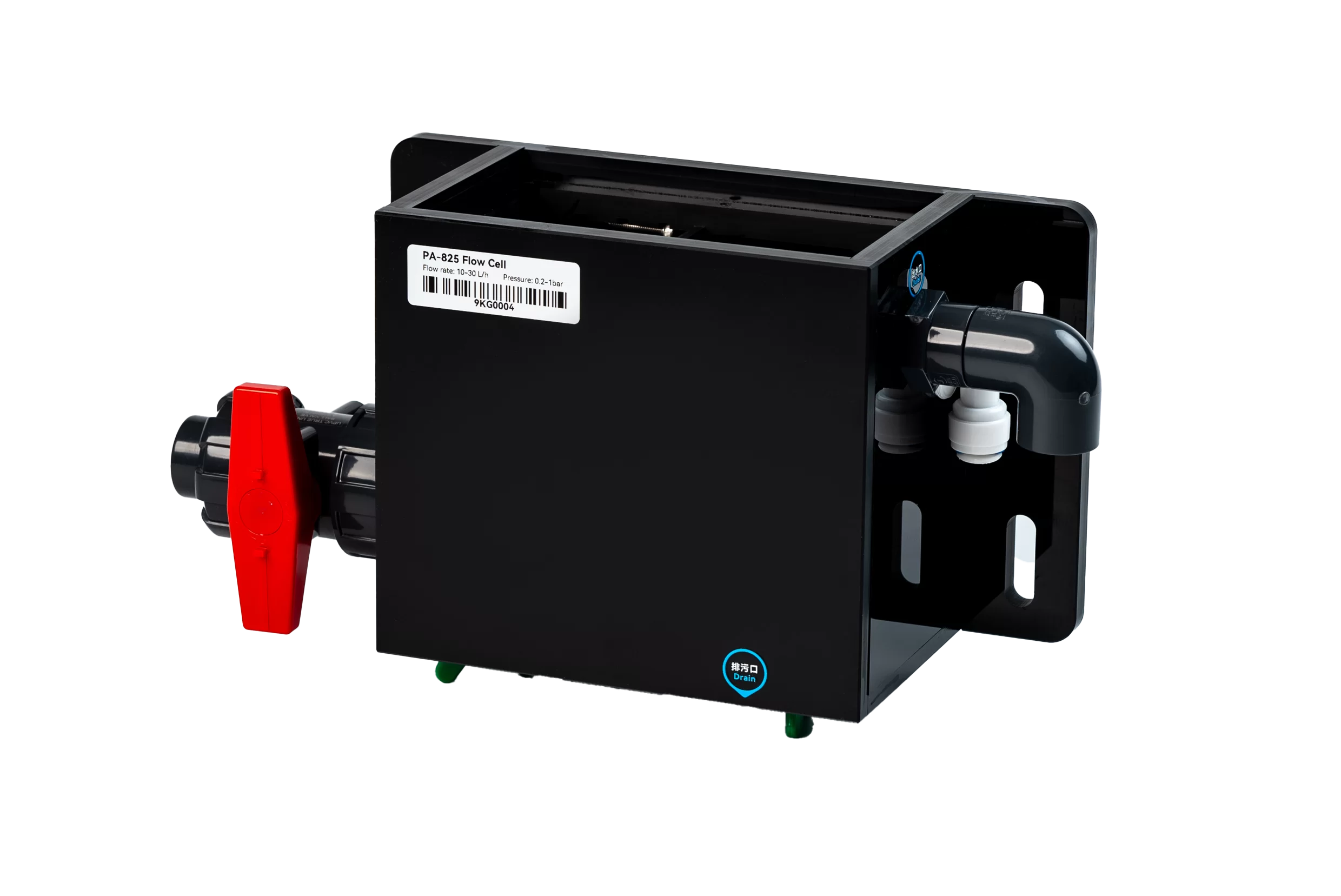
Another common challenge is the installation in high-flow environments, which can cause mechanical stress on the probe. Using flow-cells or bypass loops allows the sample to be delivered to the sensor at a controlled velocity and temperature. This protects the equipment while ensuring that the sample is representative of the main process stream.
Finally, the gap in technical expertise among field staff can lead to improper calibration. The shift toward "smart" meters with guided, step-by-step on-screen calibration wizards is solving this problem. By removing the complexity of the process, companies ensure that the high-end hardware is actually utilized to its full potential.
Analysis of Implementation Strategies for Precision pH Systems
| Strategy Dimension |
Technical Approach |
Risk Mitigation |
Efficiency Gain |
| Sensor Selection |
ISFET Technology |
Eliminates Glass Breakage |
High (9/10) |
| Installation |
Bypass Flow-Cell |
Prevents Physical Wear |
Medium (7/10) |
| Calibration |
Auto-Buffer Exchange |
Removes Human Error |
Very High (10/10) |
| Data Integration |
Modbus TCP/IP |
Prevents Signal Loss |
High (8/10) |
| Maintenance |
Predictive Analytics |
Prevents Sudden Failure |
High (9/10) |
| Environmental |
Lead-Free Electrodes |
Compliance Risk Reduct. |
Medium (6/10) |
FAQS
Calibration frequency depends on the stability of your process. For critical pharmaceutical or wastewater applications, weekly calibration is recommended. However, using a high-quality sensor with low drift may allow for monthly intervals. We suggest implementing a "verification check" daily using a single buffer solution to ensure the slope has not shifted significantly.
Yes, but you must select a sensor specifically rated for high temperatures. Standard glass electrodes can fail or drift at temperatures exceeding 60°C. Specialized high-temp sensors use different glass formulations and pressure-compensated reference systems to maintain accuracy. Always ensure your meter has Automatic Temperature Compensation (ATC) enabled.
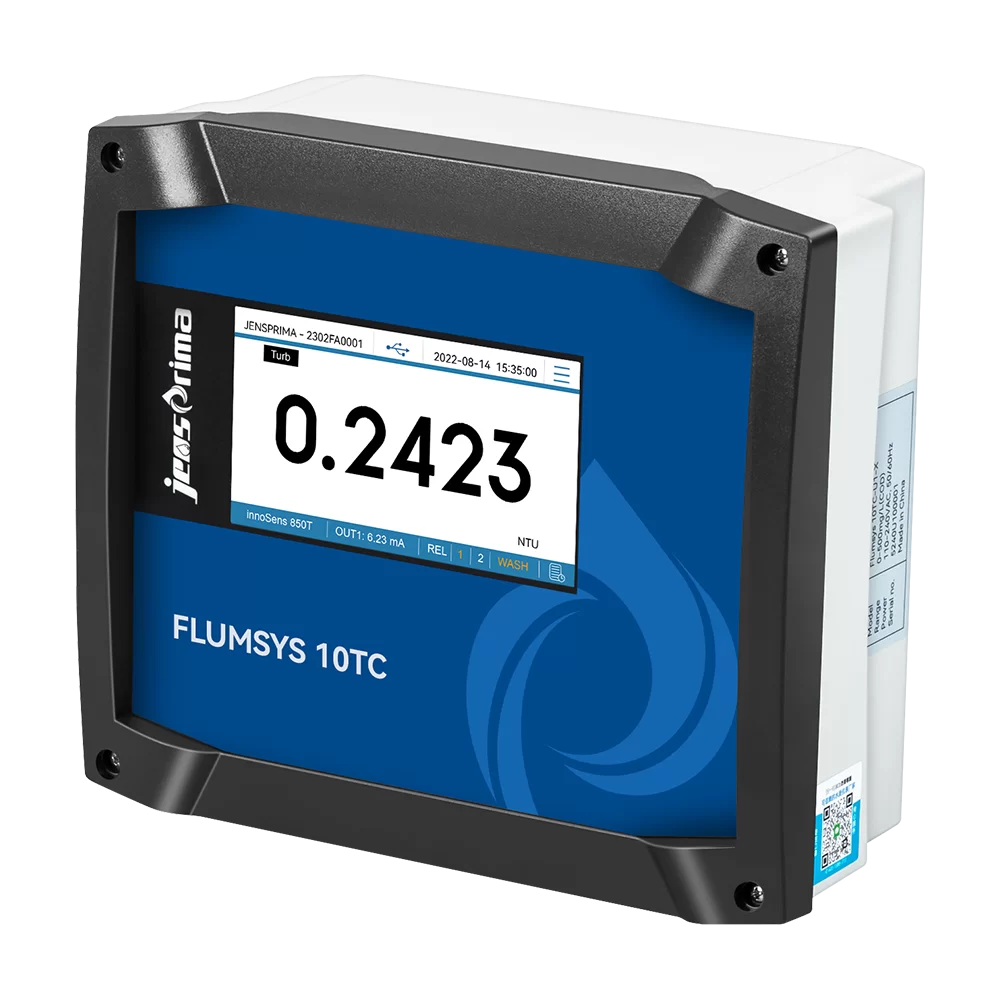
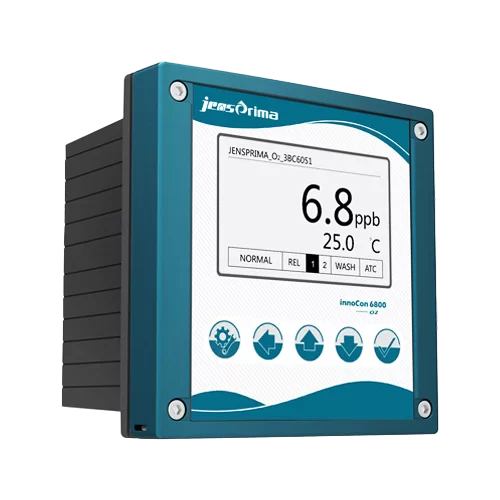
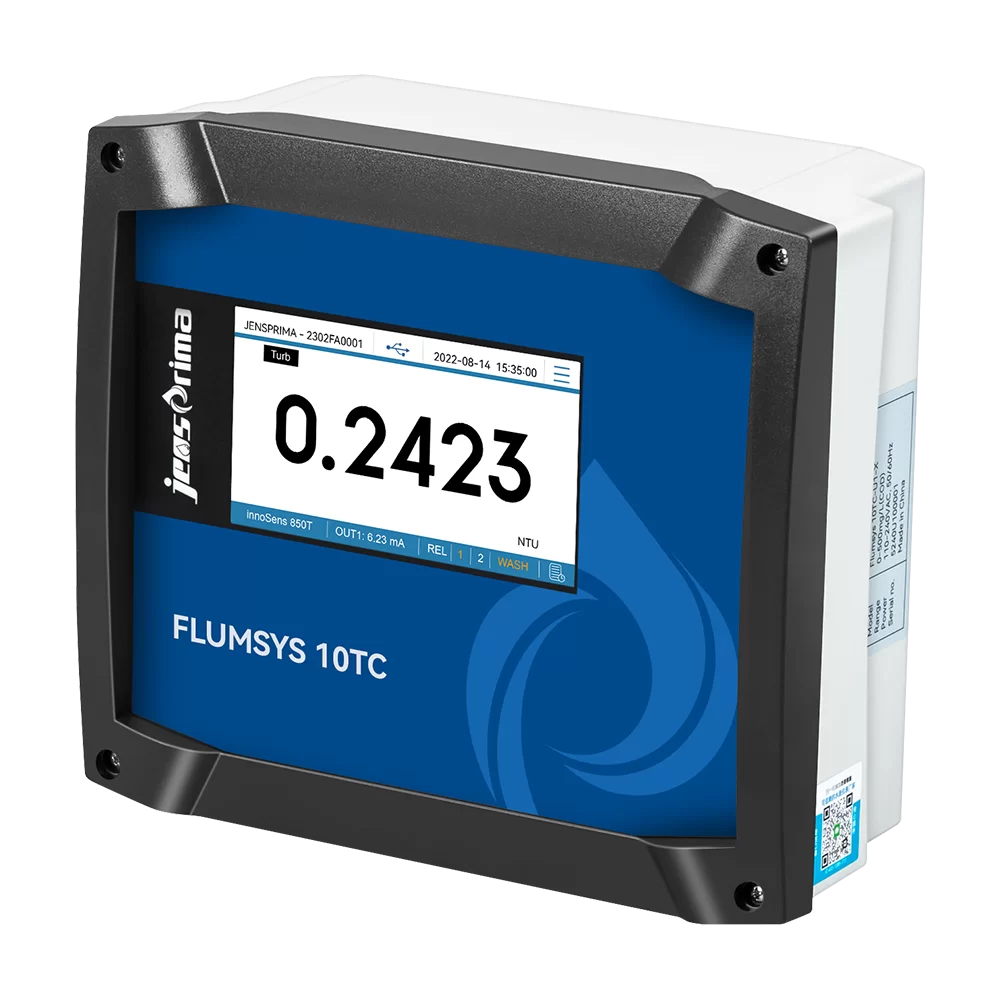
The probe is the sensor (the electrode) that detects the electrical potential. The "meter" or "controller" is the electronic brain that converts that millivolt signal into a pH value, handles temperature compensation, and provides the output for automation. A full system includes the probe, transmitter, and often a flow-cell for installation.
Fouling is best prevented through a combination of hardware and maintenance. Use sensors with flat-surface membranes or open junctions to reduce buildup. Additionally, installing an automated cleaning system that sprays a mild acid or uses an ultrasonic cleaner can extend the time between manual cleanings significantly.
Accuracy is similar, but reliability is much higher with digital. Digital meters convert the signal at the sensor head, meaning the data is not susceptible to electrical noise (EMI) from nearby motors or pumps. This prevents the "jumping" readings often seen in analog 4-20mA loops over long cable distances.
Rapid drift usually indicates a depleted reference electrolyte, a clogged junction, or a cracked membrane. First, check the reference filling solution level. If that is correct, clean the sensor with a suitable cleaning solution. If the drift persists after calibration, the electrode has likely reached the end of its lifespan and needs replacement.
Conclusion
In summary, the implementation of a quality ph meter is not merely a technical upgrade but a strategic investment in operational excellence and environmental safety. From the selection of robust sensor membranes to the integration of digital SCADA systems, every component plays a role in ensuring that water chemistry is managed with absolute precision. By focusing on durability, scalability, and accurate data, industries can significantly reduce their risk of equipment failure and environmental non-compliance.
Looking forward, the convergence of IoT and smart materials will continue to push the boundaries of what is possible in water analysis. We encourage facility managers to move beyond reactive maintenance and embrace predictive monitoring systems that guarantee stability. Ensuring your facility is equipped with the highest standard of instrumentation is the most effective way to protect your assets and the planet. Visit our website: www.jensprima.com




 Download
 Video Center
 Technical Services
 FAQS
 Service Network
 Privacy Policy
 Contact Us