The precision of water quality monitoring is the cornerstone of industrial safety and environmental stewardship, with the ph sensor serving as the primary instrument for measuring acidity and alkalinity. In an era where regulatory compliance is non-negotiable, understanding the nuances of hydrogen ion activity is essential for optimizing chemical processes and protecting aquatic ecosystems from hazardous fluctuations.
Globally, the demand for high-performance sensing technology has surged as industries transition toward automated, real-time monitoring systems. A reliable ph sensor does more than provide a number; it enables predictive maintenance, prevents equipment corrosion, and ensures that treated water meets stringent health standards before being discharged into the environment.
By bridging the gap between raw chemical data and actionable operational insights, modern pH sensing solutions empower engineers to maintain tight control over their liquid streams. Whether in a municipal wastewater plant or a high-tech pharmaceutical lab, the integration of an advanced ph sensor ensures stability, efficiency, and long-term sustainability in water management.
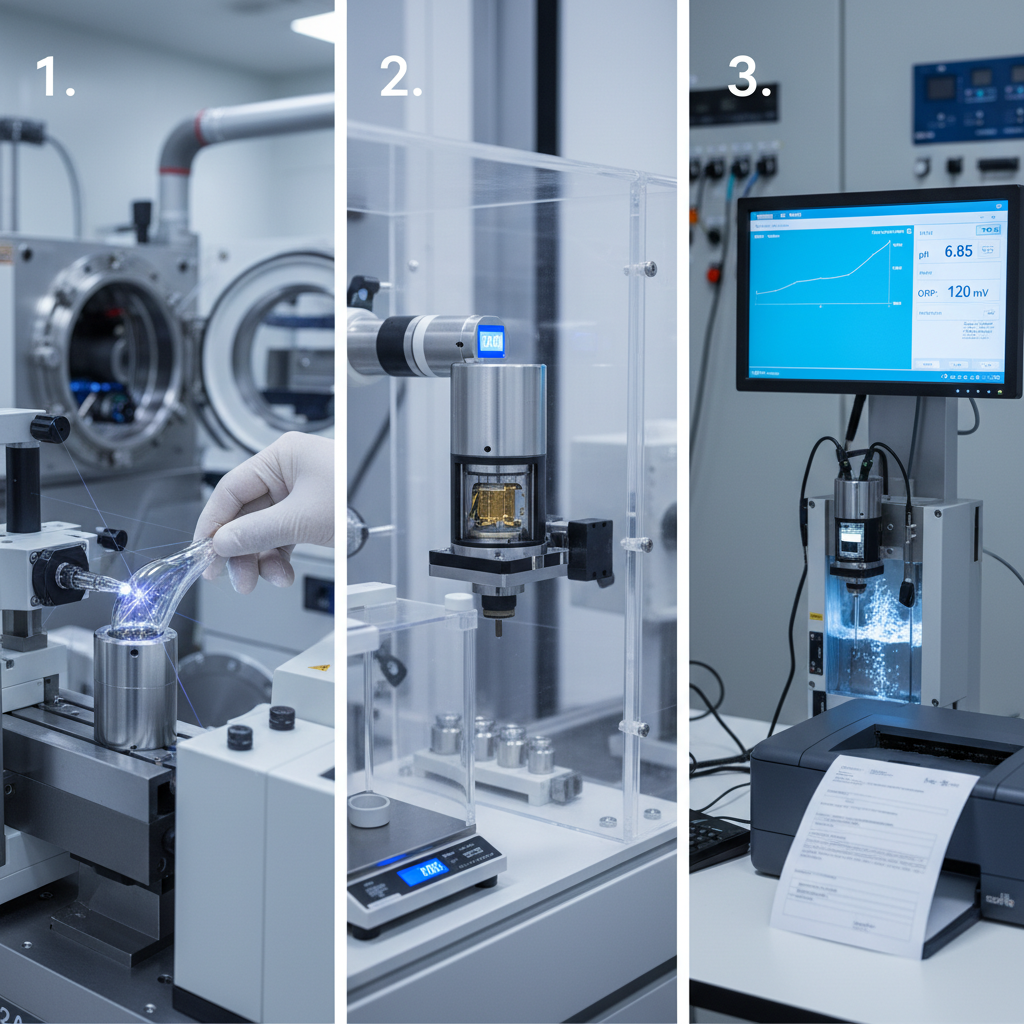
Global Relevance and Industrial Context of pH Sensing
On a global scale, the management of water resources is governed by strict ISO standards and UN Sustainable Development Goals (SDGs), particularly regarding clean water and sanitation. The ph sensor is an indispensable tool in this effort, as pH levels directly influence the solubility of nutrients, the toxicity of heavy metals, and the effectiveness of disinfection processes. Without precise monitoring, the risk of environmental contamination increases exponentially.
The challenge for modern industry lies in the harsh environments where these sensors must operate. From corrosive chemical tanks to fluctuating temperature zones in wastewater treatment, the demand for a ph sensor that offers both stability and longevity is paramount. Failure to maintain accurate readings can lead to catastrophic equipment failure or severe regulatory fines, making the choice of sensor technology a critical business decision.
Defining the Modern pH Sensor and Its Core Purpose
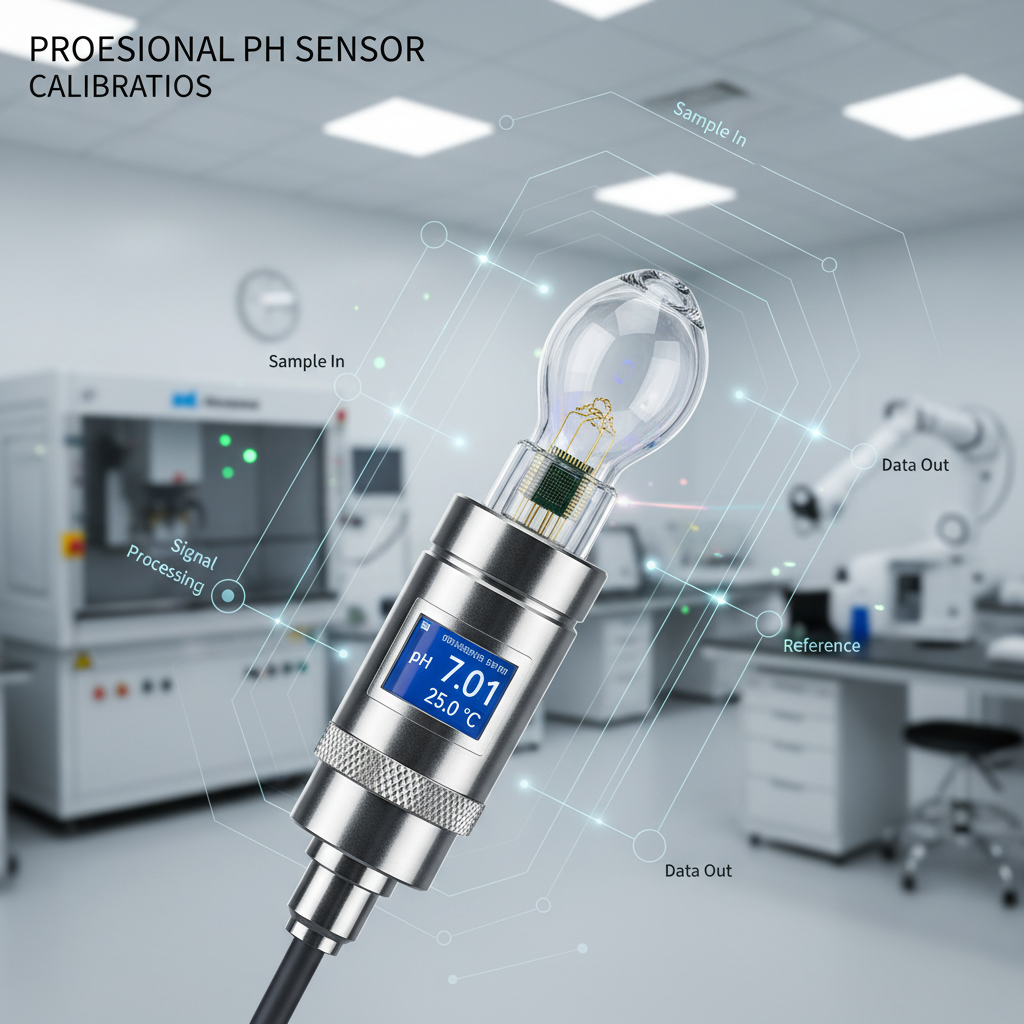
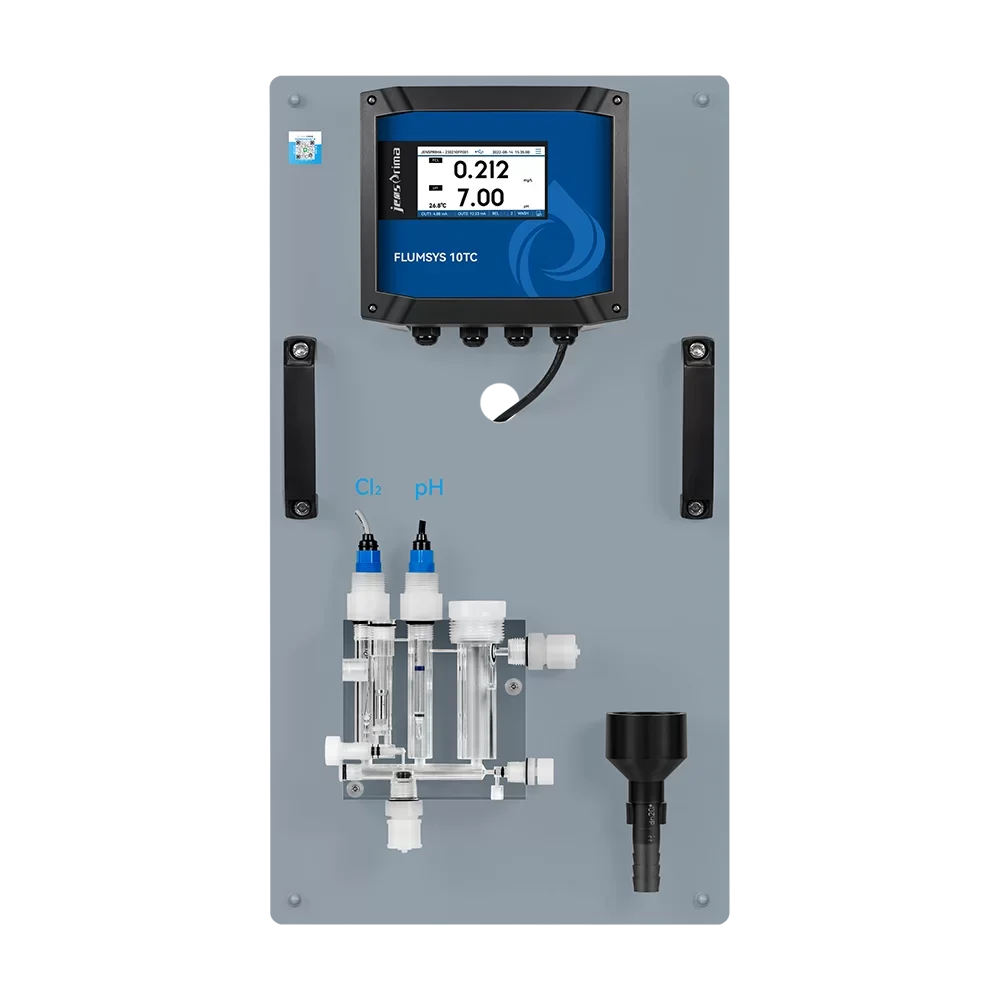
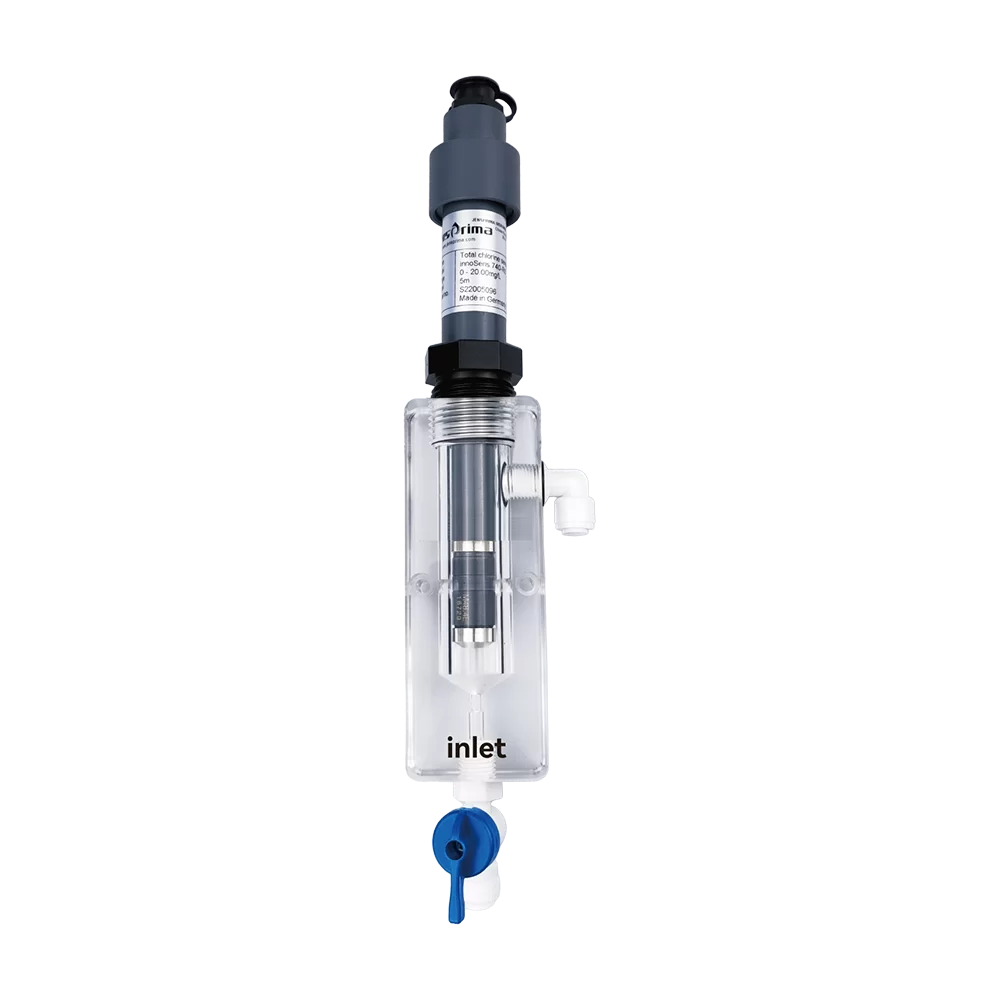
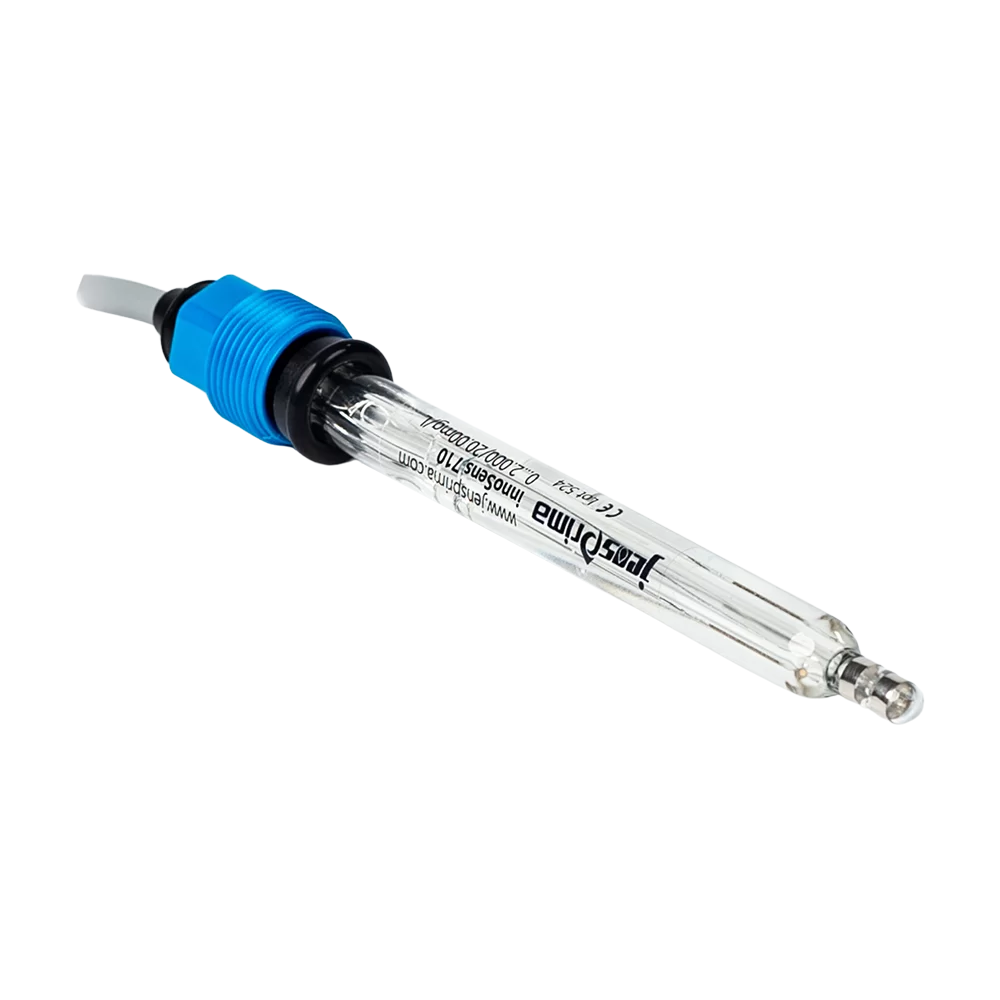
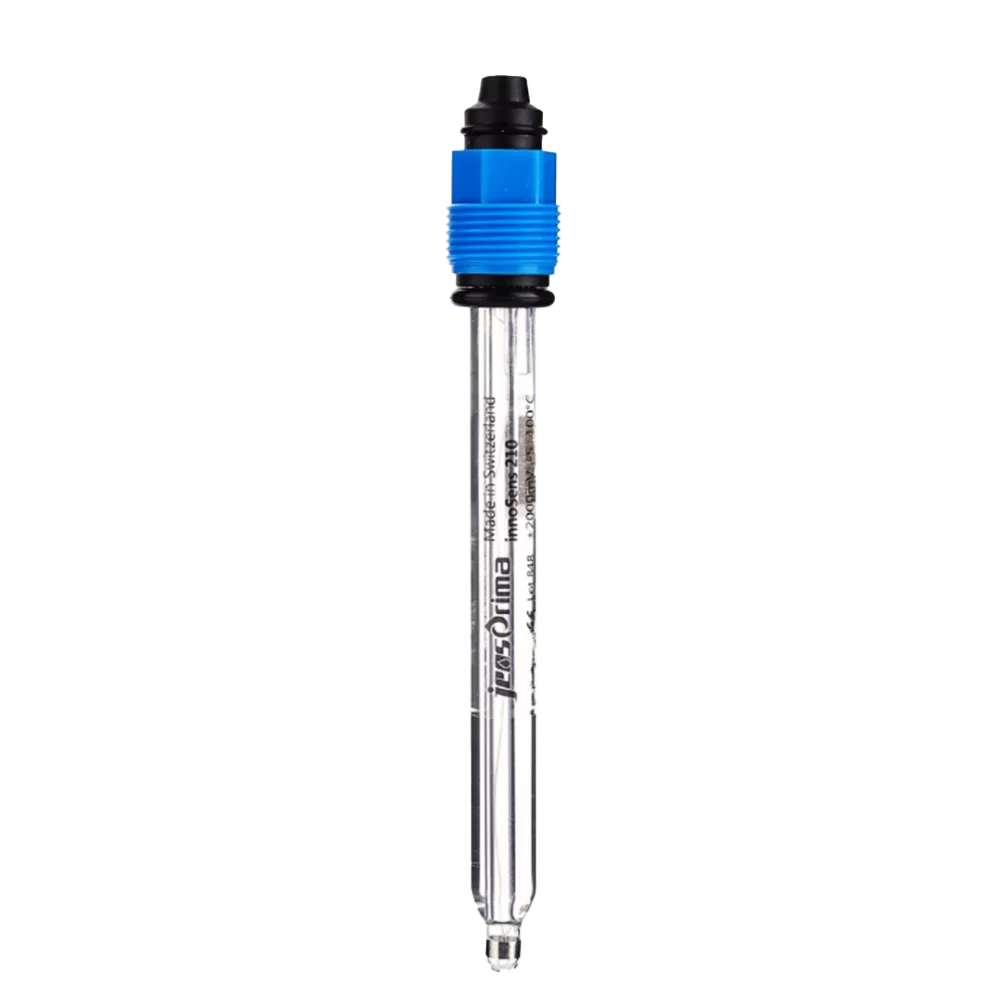
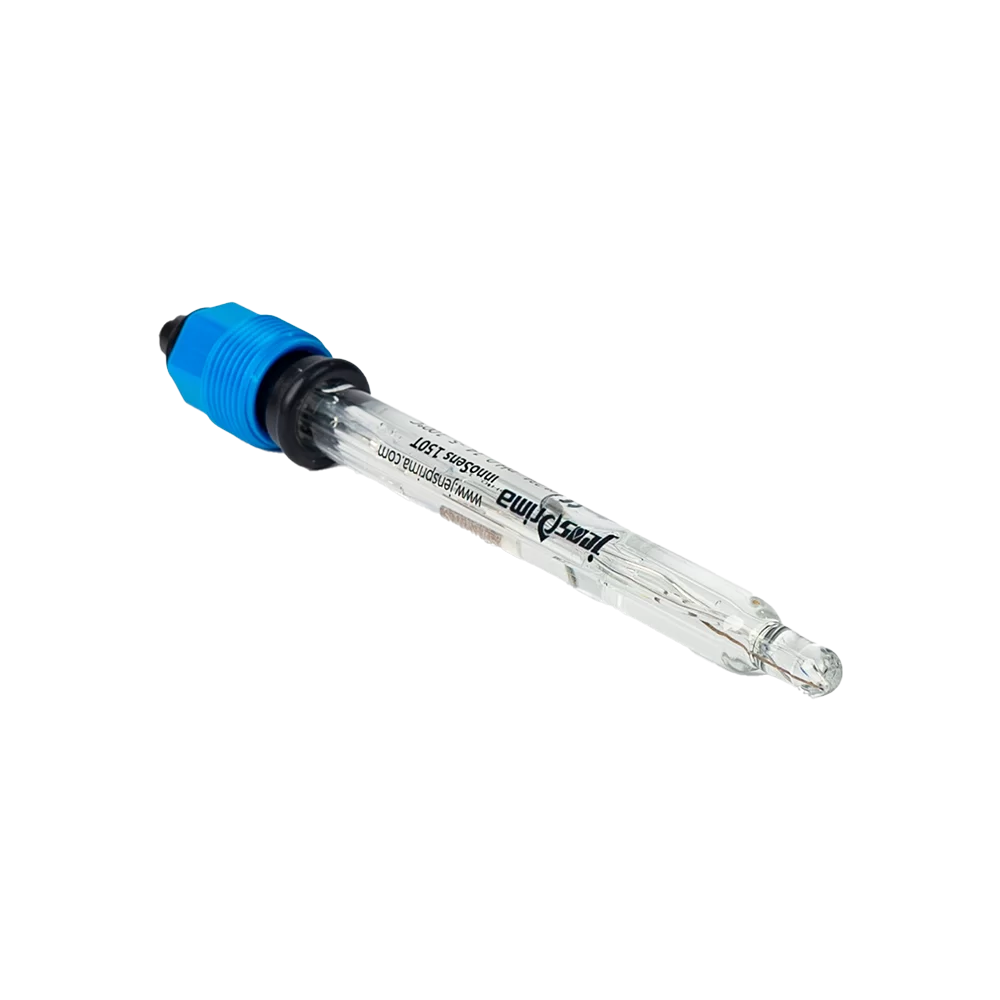
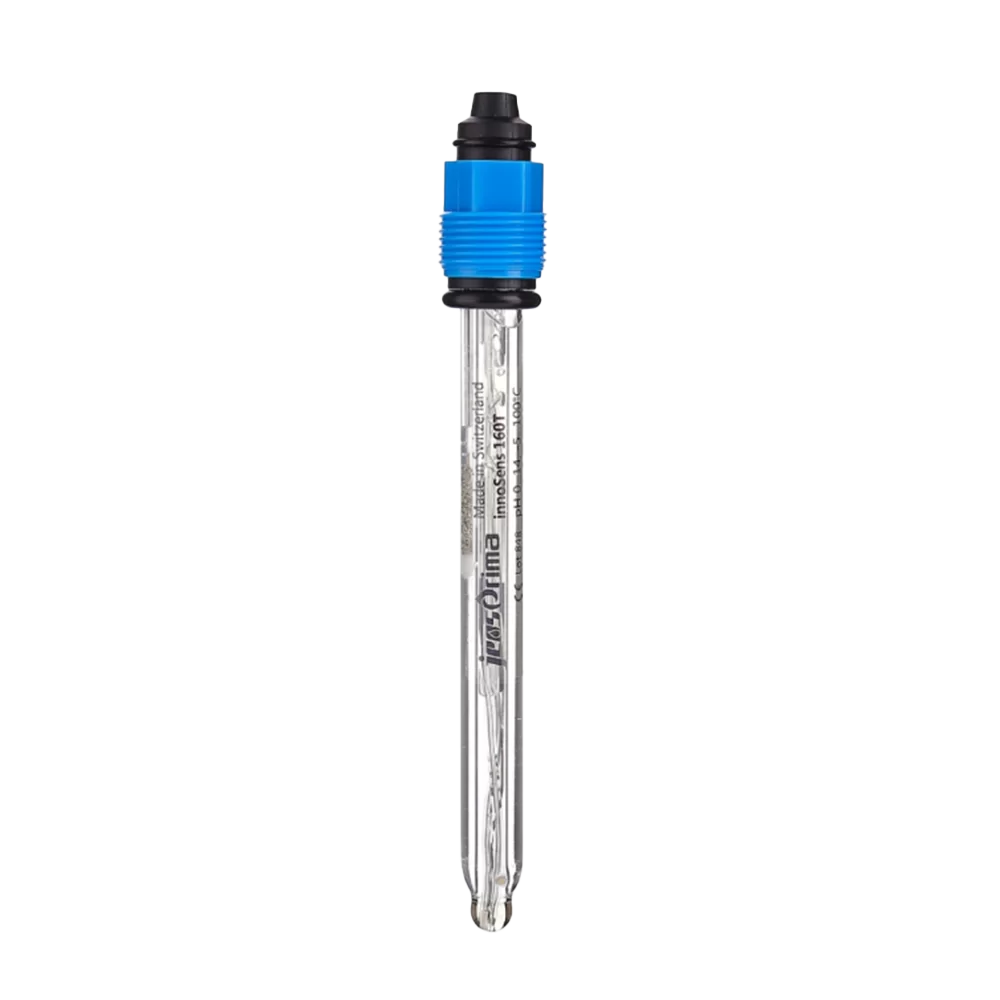
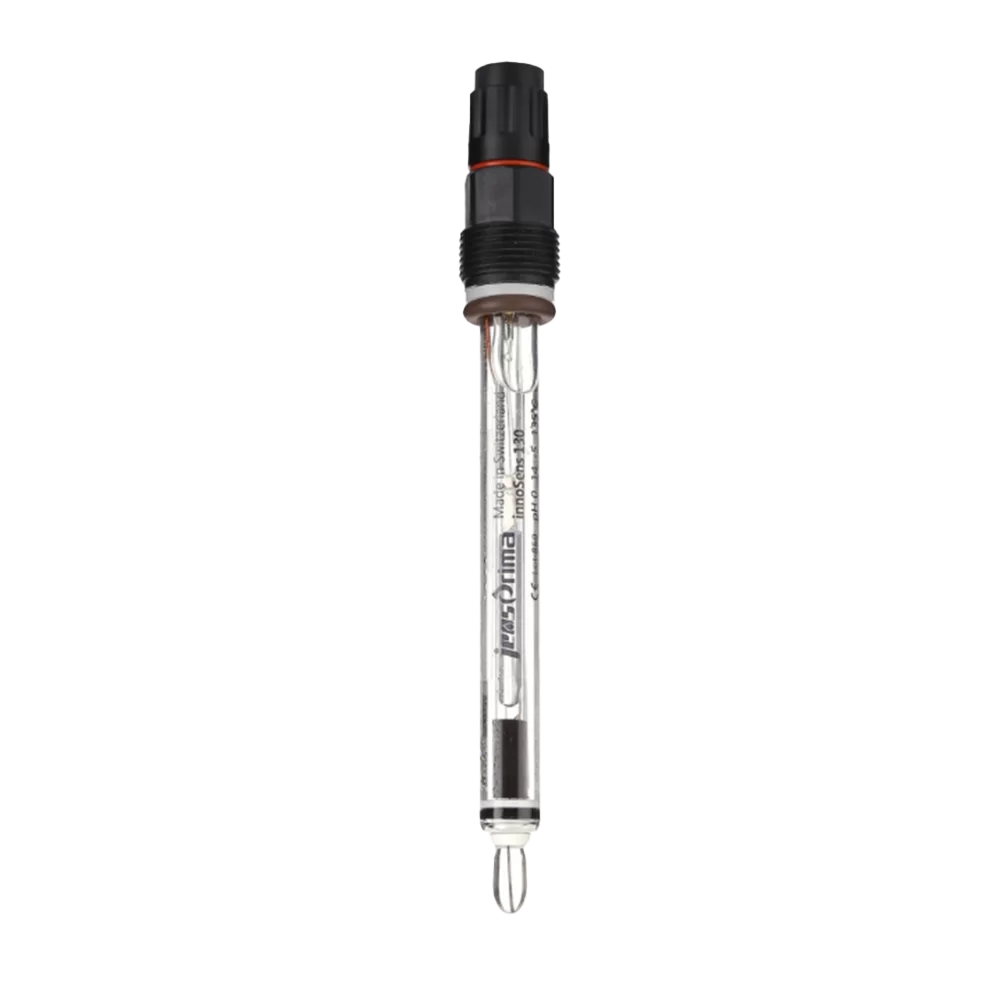
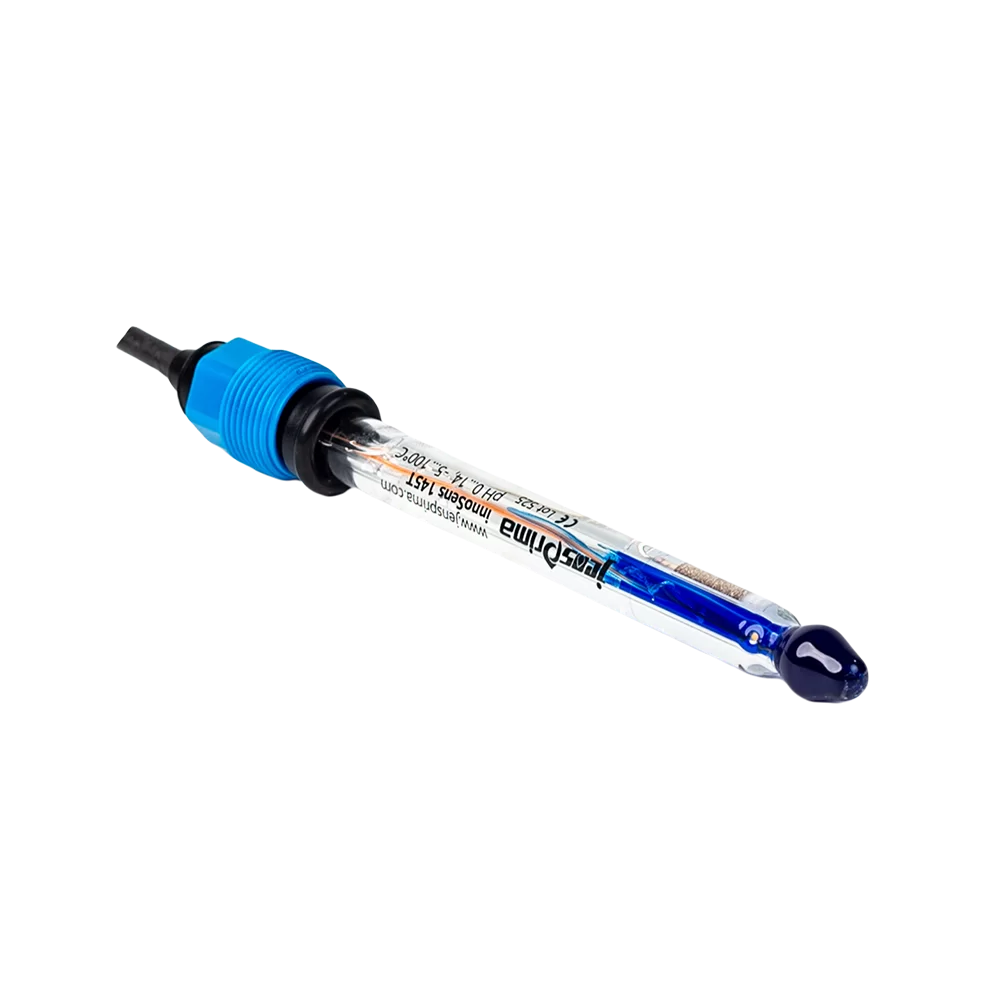
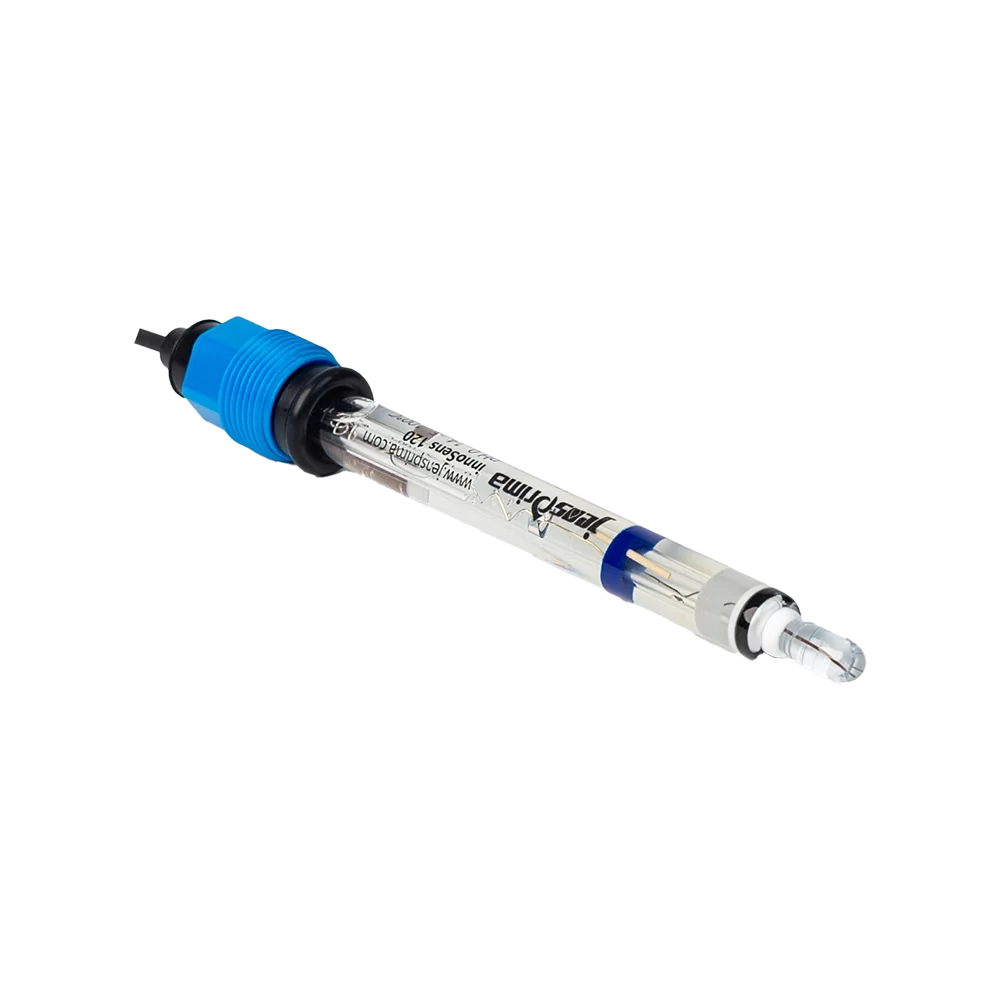
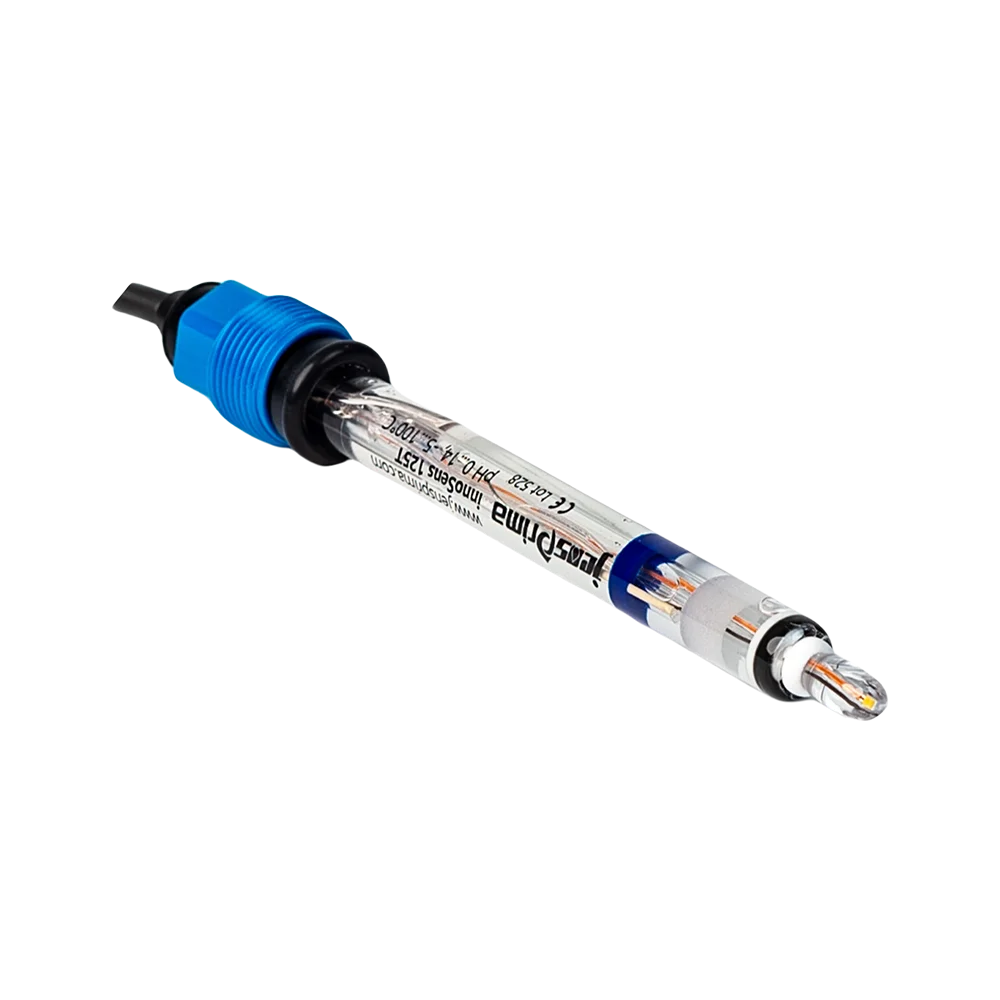
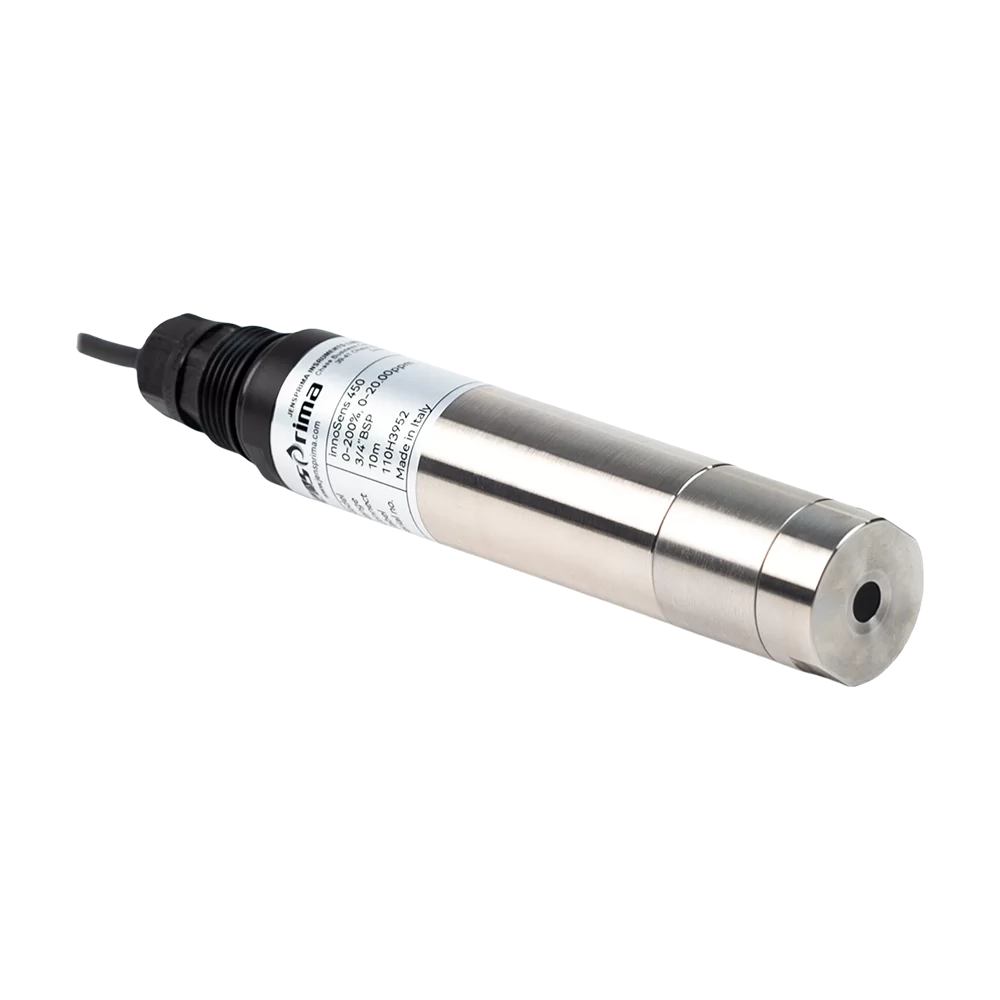
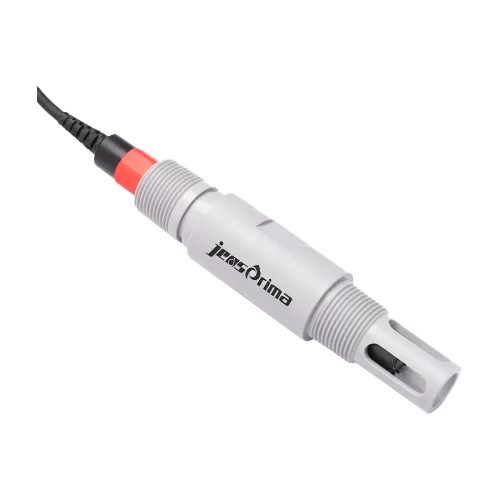
In simple terms, a ph sensor is an analytical device designed to measure the hydrogen-ion activity in water-based solutions. By utilizing a glass electrode and a reference electrode, it converts the chemical potential difference between the internal and external liquids into an electrical signal, which is then translated into a pH value on a scale from 0 to 14.
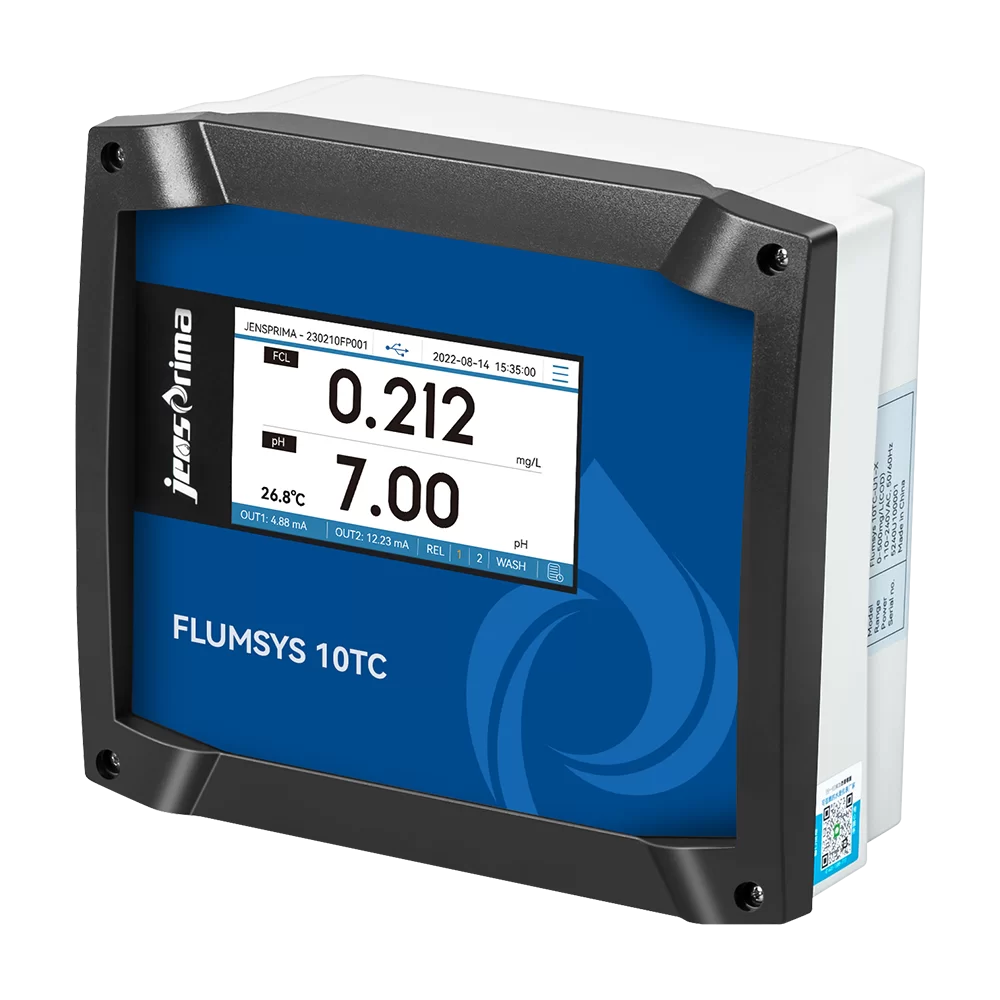
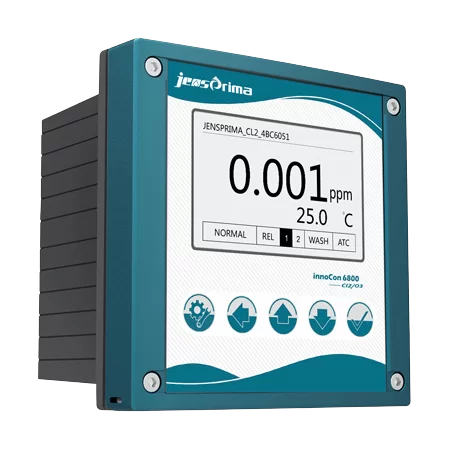
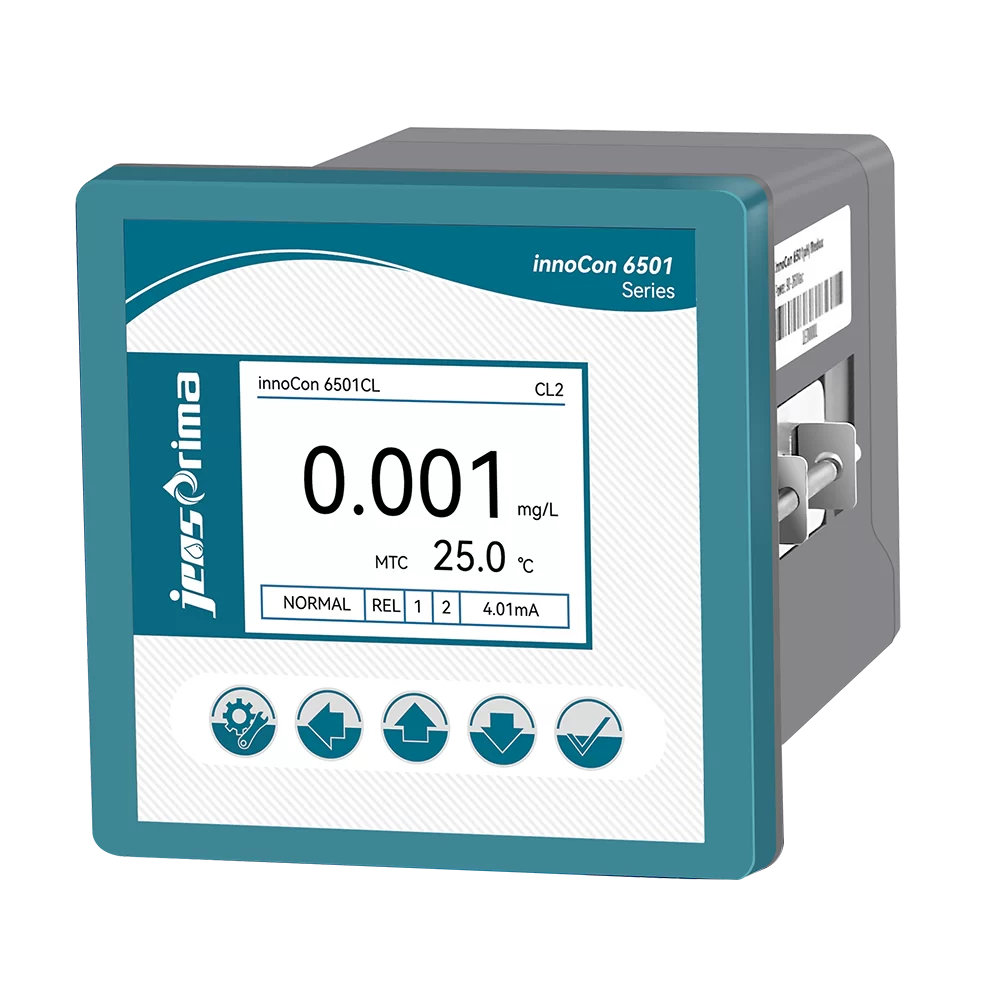
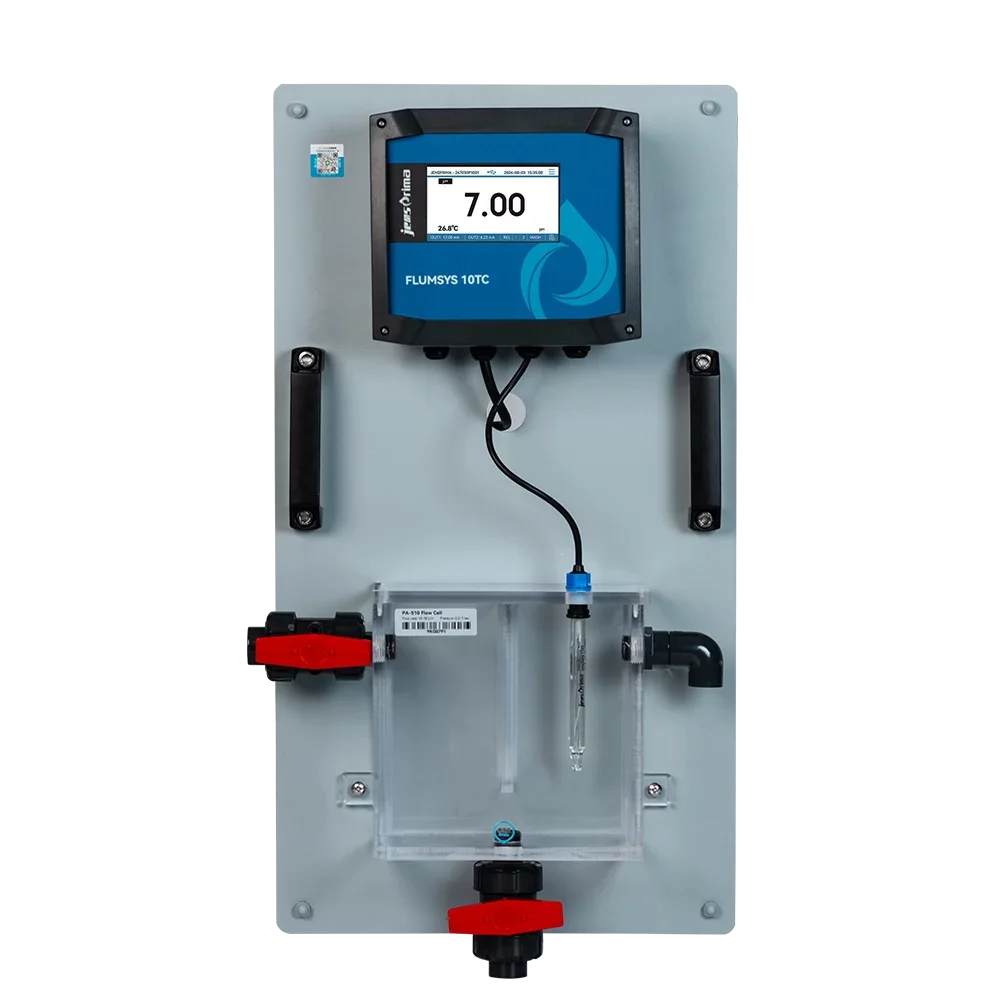
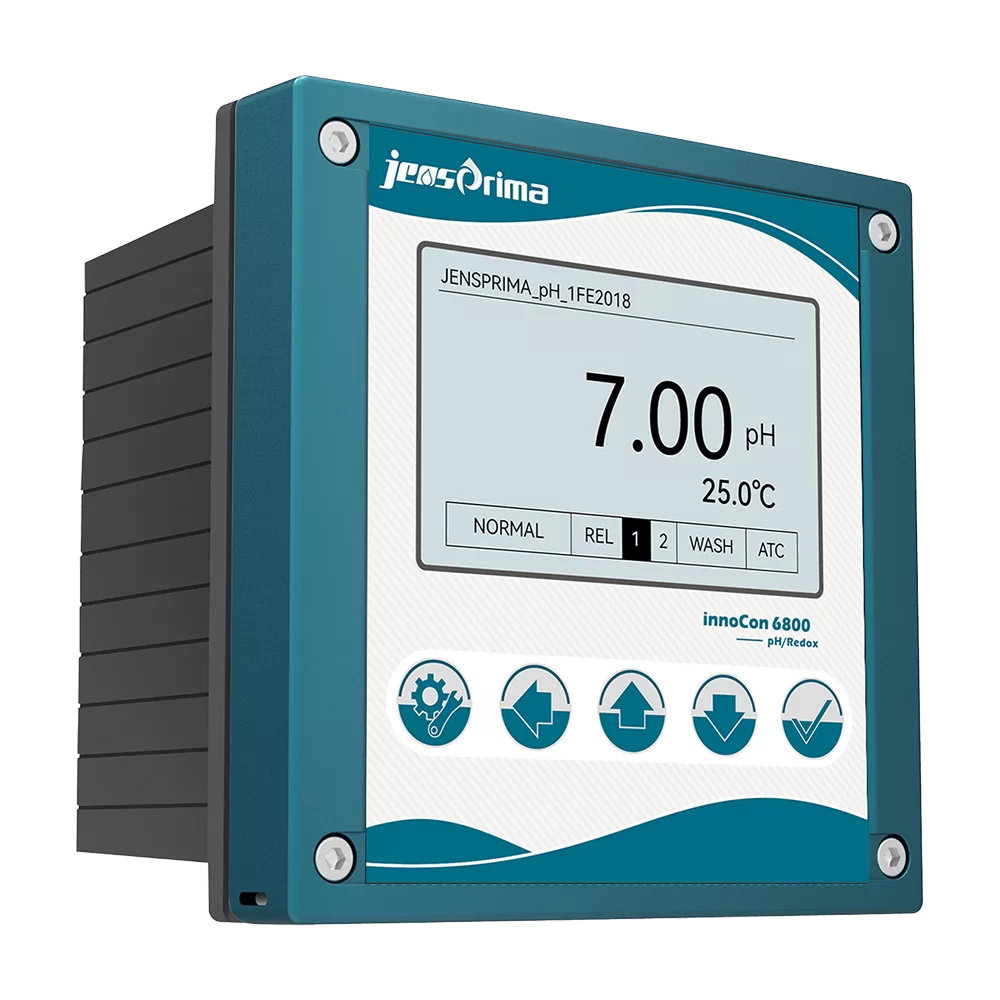
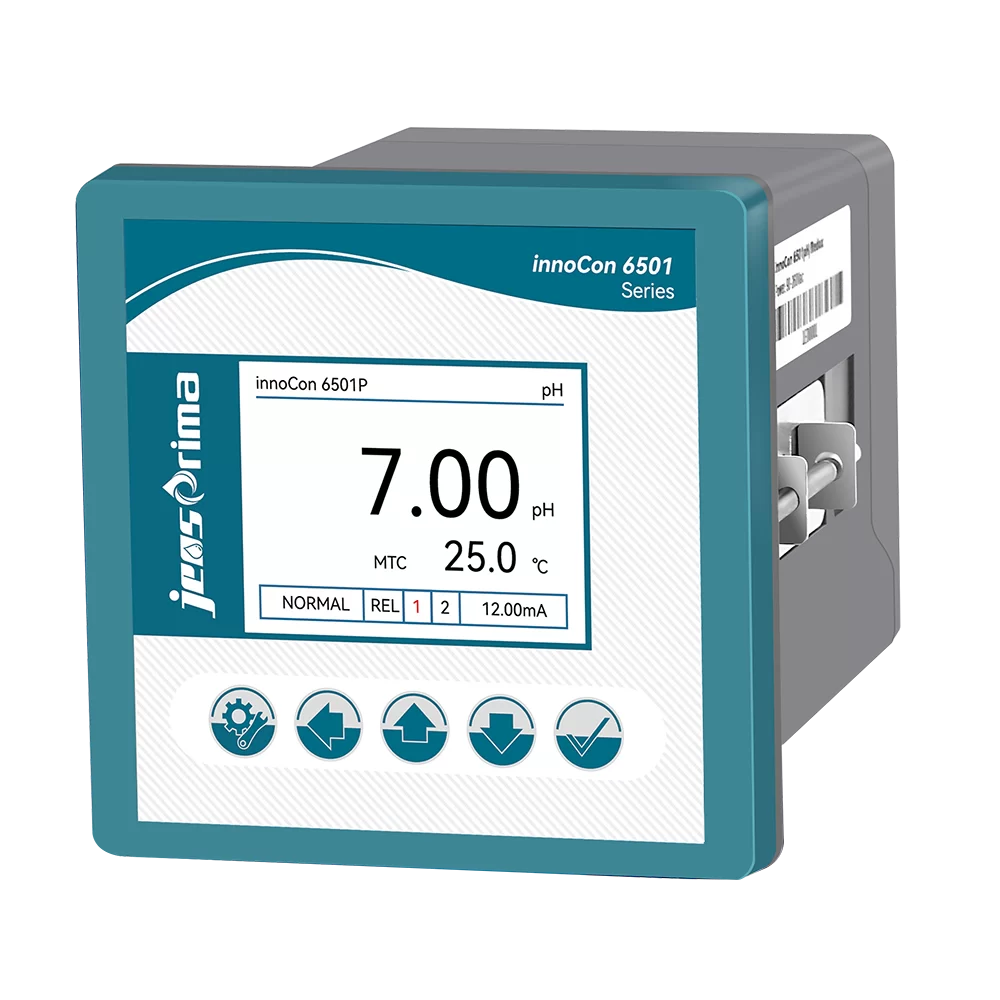
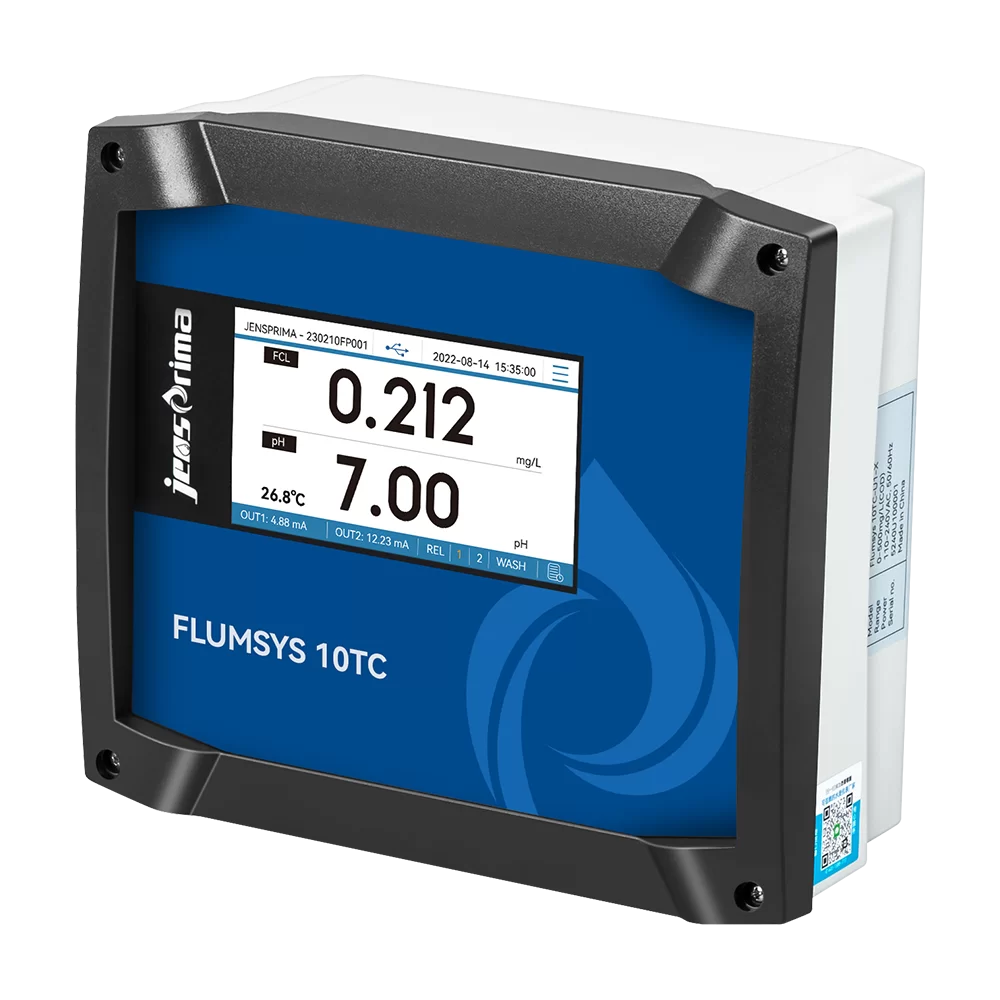
Beyond the basic chemistry, these devices are the "eyes" of a water quality control system. In modern industrial contexts, the sensor is integrated with controllers and transmitters to create a closed-loop system. For instance, when a ph sensor detects a drop in pH, it can trigger the automatic dosing of an alkaline reagent to neutralize the solution, ensuring consistent product quality.
The connection to humanitarian needs is equally profound. In remote regions or post-disaster zones, portable pH monitoring is essential for ensuring that drinking water is safe from acidic runoff or chemical contamination. Thus, the evolution of the ph sensor represents a vital intersection between high-end industrial engineering and basic human survival.
Critical Factors for High-Performance Sensing
When selecting a ph sensor, durability is the foremost consideration. Sensors must withstand "poisoning" from oils, proteins, or sulfides that can coat the glass membrane. High-grade materials and specialized junction designs allow industrial sensors to maintain accuracy even in the most aggressive chemical environments.
Scalability and integration capabilities are equally vital. A professional ph sensor should seamlessly connect with PLC systems via 4-20mA or Modbus protocols. This allows facility managers to scale their monitoring from a single tank to an entire plant-wide network, facilitating centralized data collection and remote diagnostics.
Finally, the balance between cost efficiency and precision determines the long-term ROI. While low-cost sensors exist, the total cost of ownership for a high-quality ph sensor is often lower due to reduced calibration frequency and longer replacement cycles, thereby minimizing operational downtime.
Comparative Efficiency of pH Monitoring Methods
Different industrial applications require different sensing approaches. While traditional glass electrodes are the gold standard for precision, ISFET (Ion-Sensitive Field-Effect Transistor) technology is gaining ground in food and beverage industries due to its robustness and lack of fragile glass components. Choosing the right ph sensor method depends entirely on the trade-off between accuracy and durability.
Comparing these methods allows engineers to optimize their budget and operational goals. For example, in high-temperature steam applications, specialized high-temp ph sensor models are required to prevent electrode drift and premature failure, which would otherwise lead to inaccurate data and potential system instability.
Comparative Performance Rating of pH Sensor Technologies
Global Applications Across Diverse Industries
In the pharmaceutical industry, the precision of a ph sensor is non-negotiable, as the stability of a drug's formulation often depends on a pH variance of only 0.1 units. These sensors are integrated into bioreactors to monitor cell growth and ensure that the biochemical environment remains optimal for the production of vaccines and proteins.
Conversely, in remote industrial zones, such as mining sites in South America or oil rigs in the North Sea, the focus shifts toward ruggedness. Here, the ph sensor is used to monitor acid mine drainage or cooling water chemistry, preventing the rapid corrosion of expensive alloy piping and protecting local groundwater from acidification.
Long-Term Value and Sustainability Benefits
The implementation of a high-precision ph sensor offers tangible economic advantages by reducing chemical waste. Through precise dosage control, plants can avoid the over-addition of acids or bases, which not only lowers procurement costs but also reduces the overall chemical footprint of the facility, aligning with "Green Chemistry" principles.
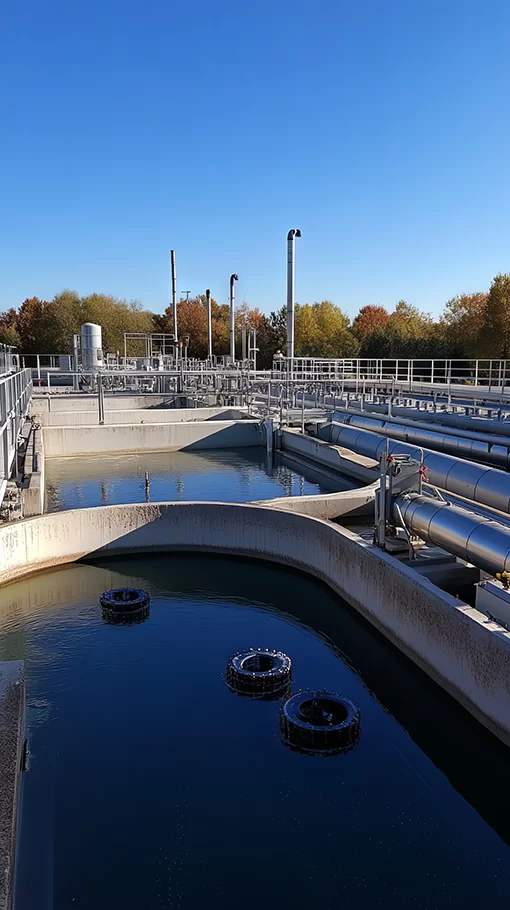
From a social and ethical perspective, reliable pH monitoring ensures public safety. In municipal wastewater treatment, the ph sensor acts as a safeguard, preventing the accidental release of highly alkaline or acidic effluents into river systems, which would otherwise devastate local biodiversity and jeopardize community health.
Ultimately, the value of these systems lies in the trust they build between the industry and the public. By utilizing transparent, automated monitoring via a ph sensor, companies can provide verifiable data to environmental agencies, proving their commitment to sustainability and regulatory compliance.
Future Innovations in pH Sensing Technology
The future of pH measurement is leaning heavily toward digital transformation and the Industrial Internet of Things (IIoT). We are seeing the rise of "smart" ph sensor designs that incorporate internal diagnostics, allowing the sensor to alert operators when it requires calibration or when the reference junction is depleted, thus eliminating unexpected downtime.
Furthermore, innovations in material science are introducing solid-state sensors and graphene-based electrodes. These new materials promise a ph sensor that is virtually indestructible and requires zero maintenance, potentially revolutionizing the way we monitor water quality in the most extreme oceanic or subterranean environments.
As automation increases, the integration of AI-driven predictive analytics will allow the ph sensor to not only report current status but predict future trends based on historical data and process variables, enabling a shift from reactive to proactive water management.
Comparison of pH Sensor Technologies for Different Industrial Environments
| Sensor Type |
Ideal Environment |
Accuracy Level |
Maintenance Need |
| Glass Electrode |
Lab/Pure Water |
Very High (±0.01) |
Frequent |
| ISFET Sensor |
Food & Beverage |
High (±0.1) |
Moderate |
| Ruggedized Industrial |
Wastewater/Mining |
Medium (±0.2) |
Low |
| Digital Smart Sensor |
Automated Plants |
High (±0.05) |
Self-Diagnostic |
| Antimony Electrode |
Highly Corrosive |
Low (±0.5) |
Low |
| Optical Sensor |
Biological Research |
Medium (±0.1) |
Moderate |
FAQS
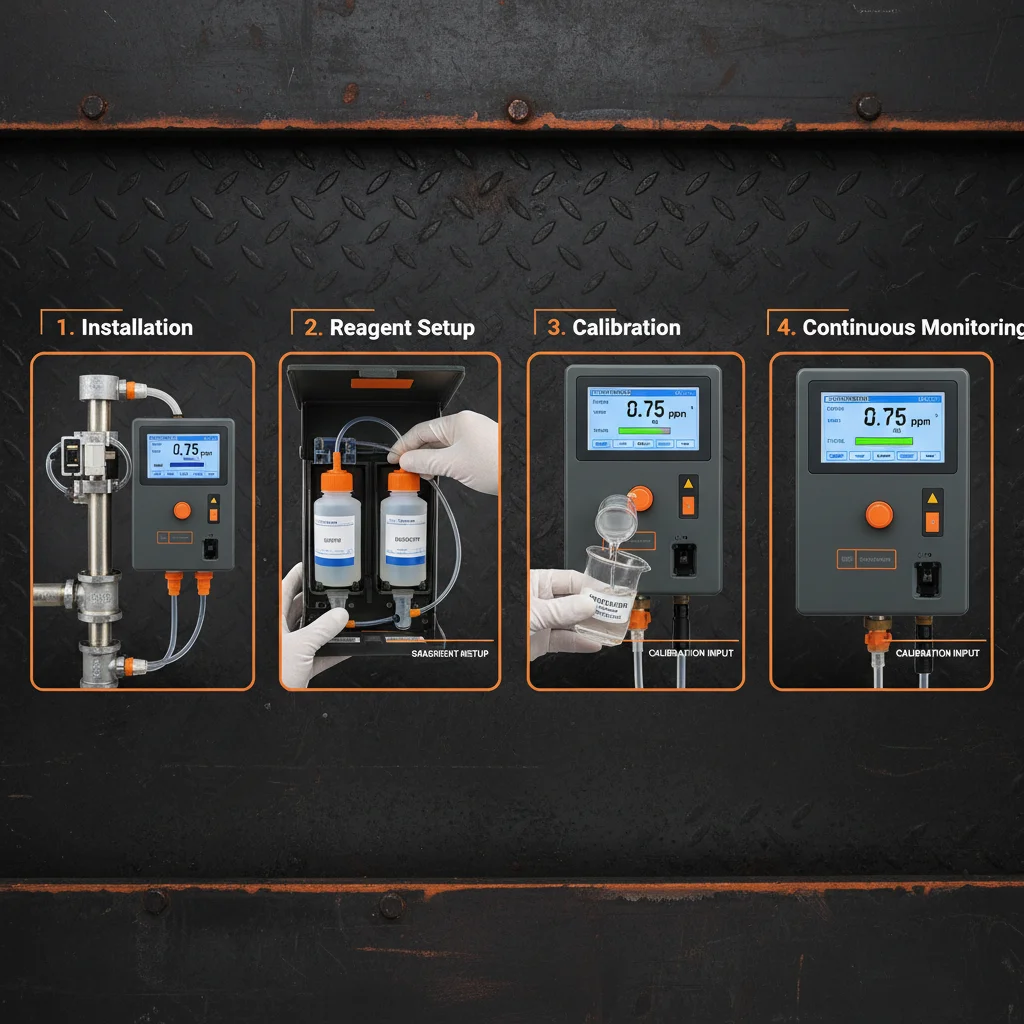
Calibration frequency depends on the application. In high-precision labs, daily calibration is standard. For industrial wastewater, once every 1-2 weeks is typical. However, if you notice "drift" or are monitoring a highly volatile process, you should calibrate more frequently to ensure the ph sensor remains accurate.
Common causes include electrode "poisoning" from chemicals, drying out of the glass membrane, and reference junction clogging. Exposure to extreme temperatures beyond the sensor's rated range can also cause permanent damage to the internal electrolyte, leading to erratic readings or complete failure.
Yes, most general-purpose ph sensor models are designed to measure across the full 0-14 pH range. However, for extreme alkaline or acidic environments, specialized "heavy-duty" sensors are recommended to prevent the glass from etching or the reference system from leaking.
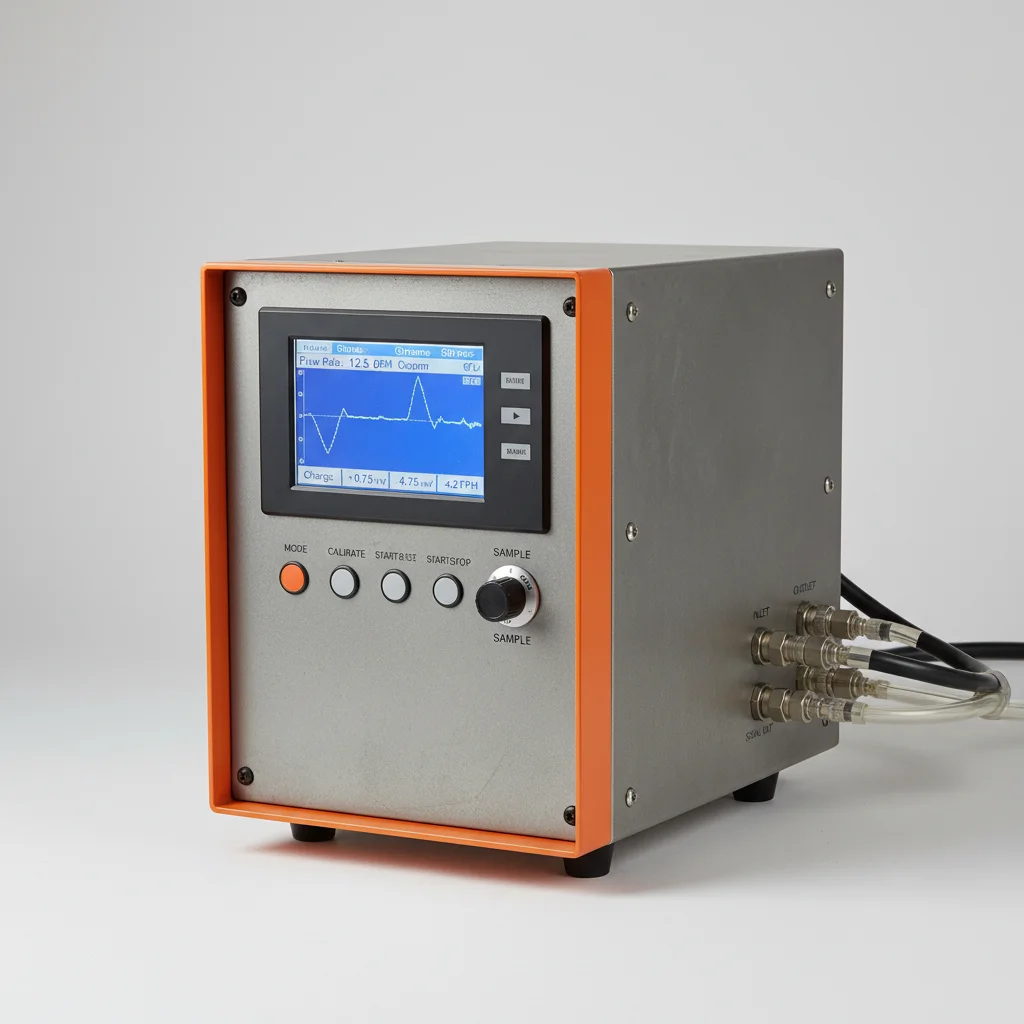
The probe (or sensor) is the physical component that touches the liquid and generates an electrical signal. The controller is the electronic device that interprets that signal, displays the pH value, and triggers external equipment (like pumps) to maintain a specific set point.
Never store a ph sensor in distilled or deionized water, as this leaches ions from the glass membrane. Always use a dedicated storage solution (typically 3M KCl) to keep the electrode hydrated and the reference junction stable.
Inconsistent readings are often caused by air bubbles trapped on the membrane, electrical interference (ground loops), or a clogged reference junction. Ensure the sensor is fully immersed and that the liquid is well-mixed; if the problem persists, a thorough cleaning and recalibration are required.
Conclusion
In summary, the ph sensor is far more than a simple measurement tool; it is a critical component of industrial safety, environmental compliance, and operational efficiency. From the selection of durable materials to the integration of IIoT diagnostics, the right sensing strategy allows companies to minimize waste, protect ecosystems, and ensure the highest quality of water treatment and chemical processing.
Looking forward, the shift toward smart, maintenance-free sensing technologies will further reduce the burden on operational staff while increasing data reliability. For any facility aiming to modernize its water quality infrastructure, investing in a high-performance ph sensor is the first and most vital step toward a sustainable and automated future. Visit our website for professional solutions: www.jensprima.com



 Download
 Video Center
 Technical Services
 FAQS
FAQS Service Network
 Privacy Policy
 Contact Us