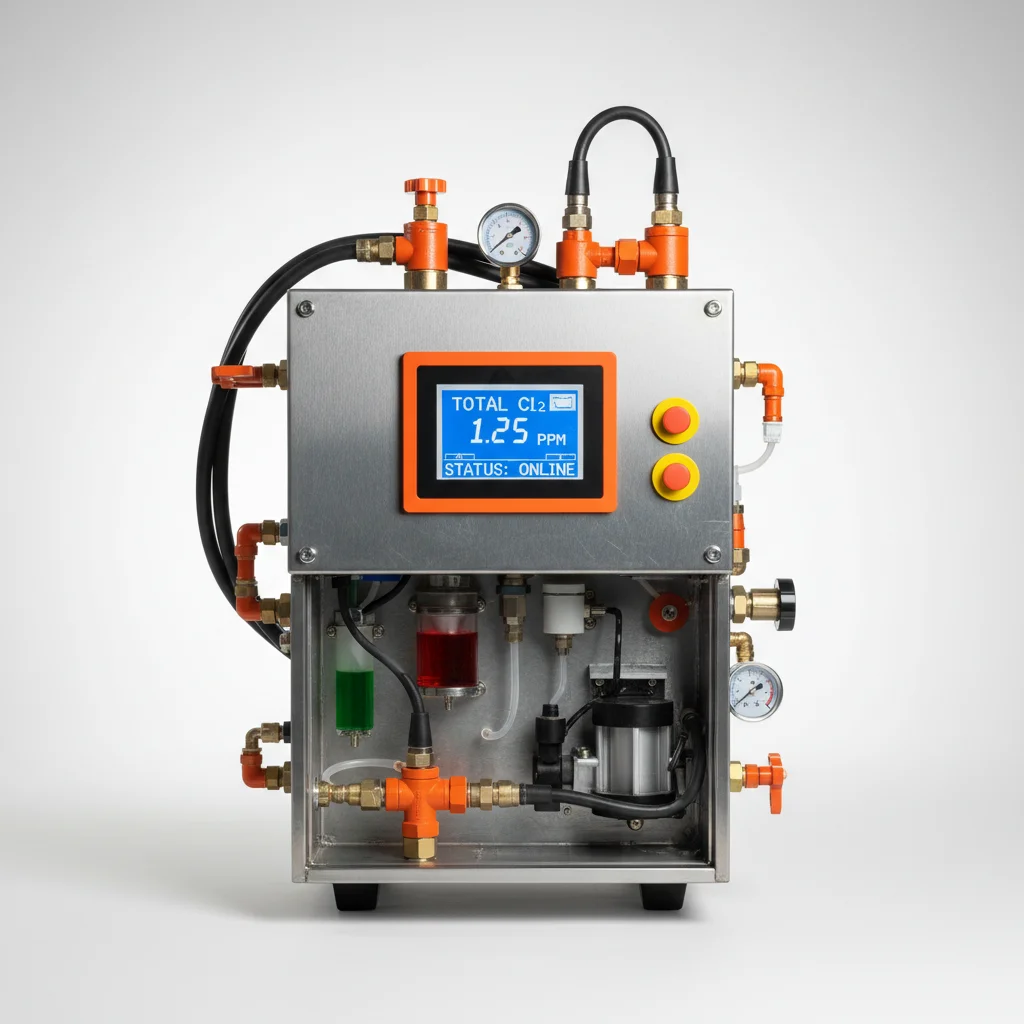
Maintaining precise control over water disinfection is a cornerstone of modern public health and industrial safety. The online total chlorine analyser serves as a critical sentinel in this process, providing real-time data on the combined concentration of free and combined chlorine. By ensuring that disinfection levels are neither too low to be ineffective nor too high to be toxic, these systems protect millions of people and countless industrial assets globally.
In the context of evolving environmental regulations and the increasing complexity of water matrices, the shift from manual sampling to automated monitoring has become a necessity. An online total chlorine analyser eliminates the inherent lag and human error associated with traditional DPD colorimetric tests, offering a continuous stream of data that allows for immediate corrective action. This transition is vital for maintaining compliance with stringent international water quality standards.
Beyond simple compliance, the integration of high-precision chlorine monitoring leads to significant operational efficiencies. By optimizing chemical dosing based on actual demand rather than static schedules, facilities can reduce reagent waste and minimize the formation of harmful disinfection by-products (DBPs). Understanding the nuances of total chlorine measurement is therefore essential for any operator dedicated to sustainable and safe water management.
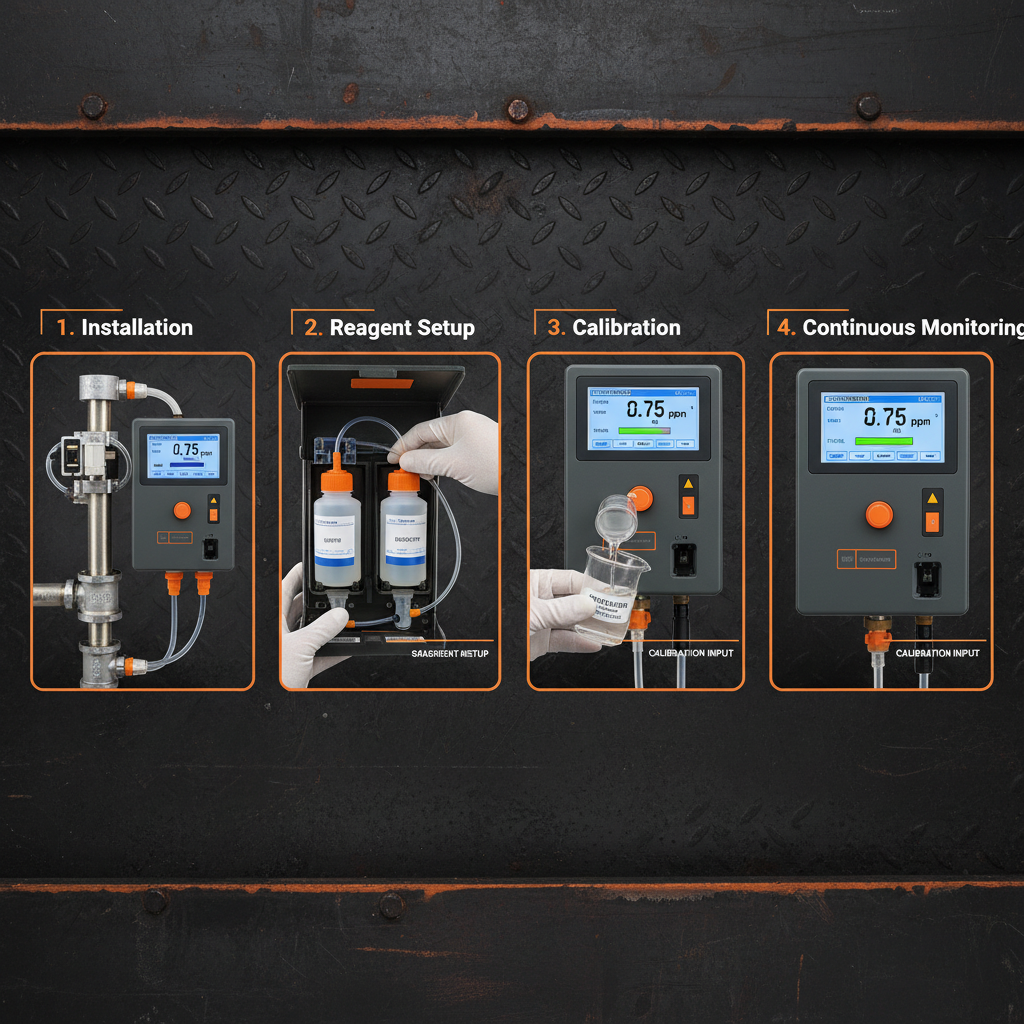
Global Relevance of Online Total Chlorine Monitoring
On a global scale, the management of waterborne pathogens remains a primary challenge for the World Health Organization (WHO) and various national health ministries. Chlorine remains the most widely used disinfectant due to its efficacy and cost-effectiveness. However, the volatility of chlorine concentrations requires a sophisticated online total chlorine analyser to prevent "breakthrough" events where pathogens survive, or "over-chlorination" which can lead to corrosive water and health risks.
Industrial sectors, from pharmaceutical manufacturing to food processing, rely on precise chlorine levels to maintain sterile environments. In these settings, a failure in monitoring can lead to catastrophic batch losses or regulatory shutdowns. The implementation of automated analysis ensures that these critical thresholds are monitored 24/7, providing a layer of security that manual testing simply cannot match in a fast-paced industrial environment.
Defining the Online Total Chlorine Analyser
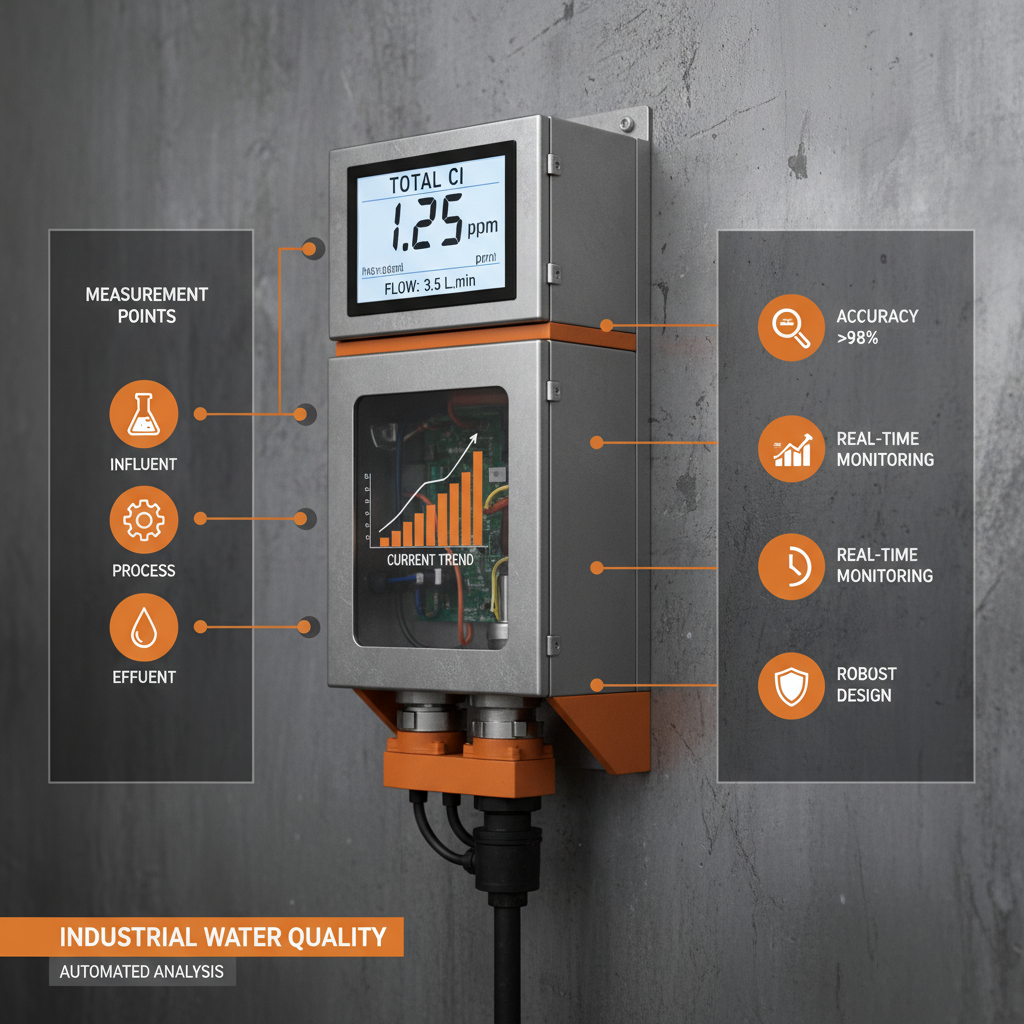
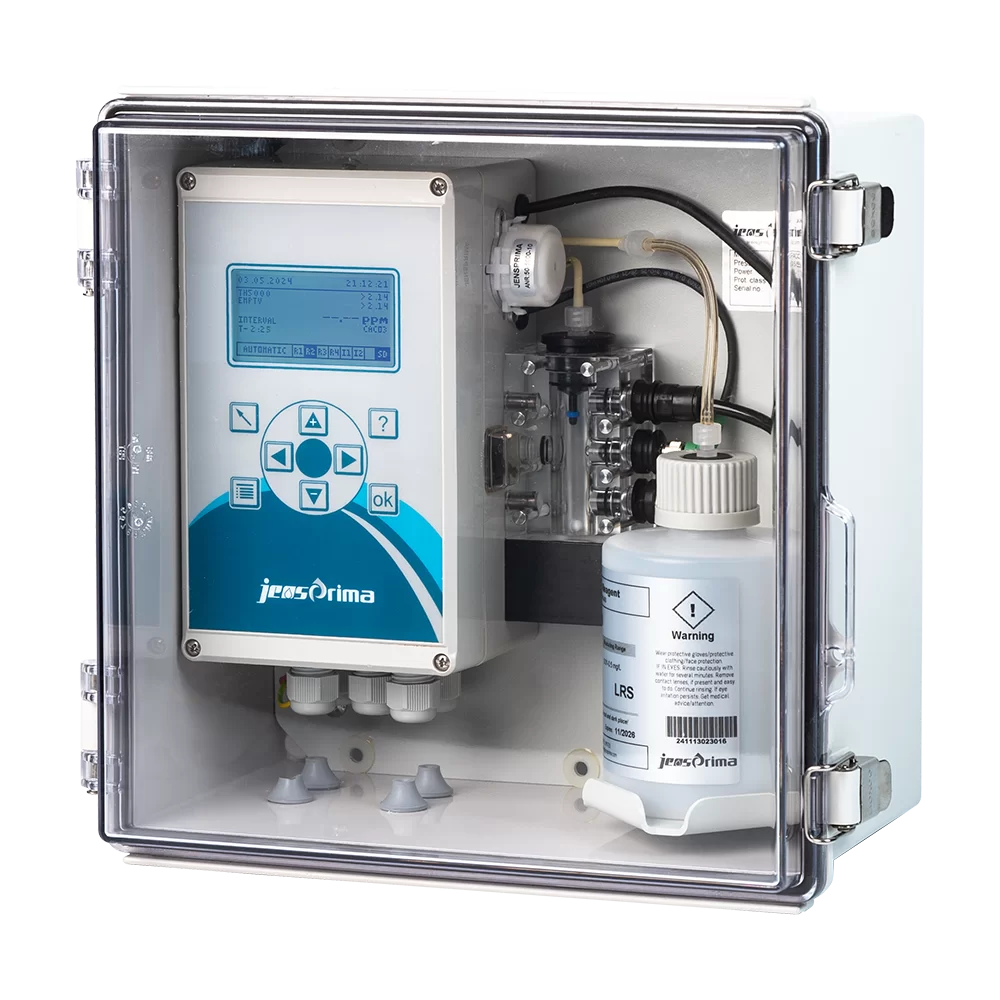
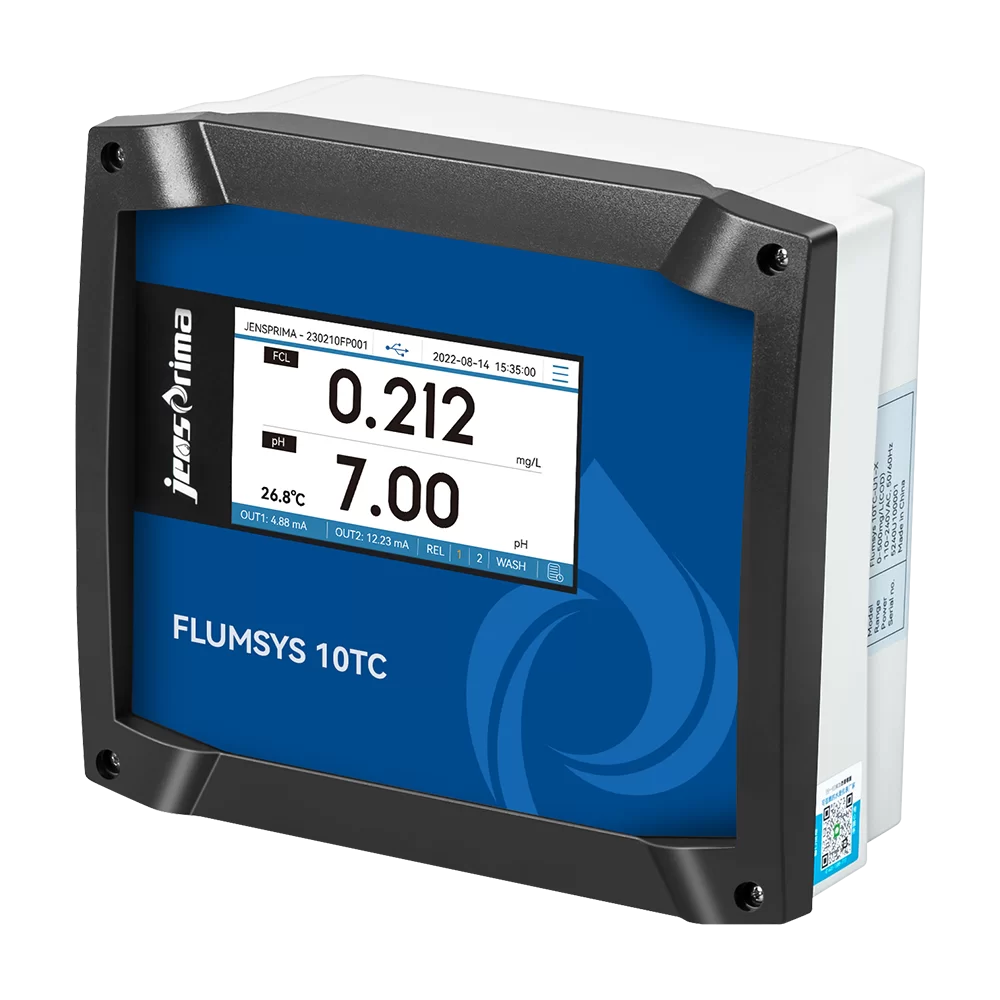
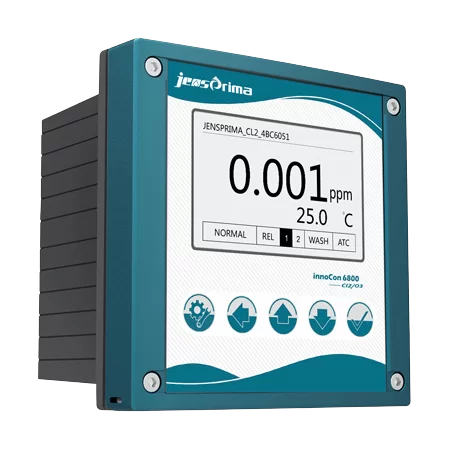
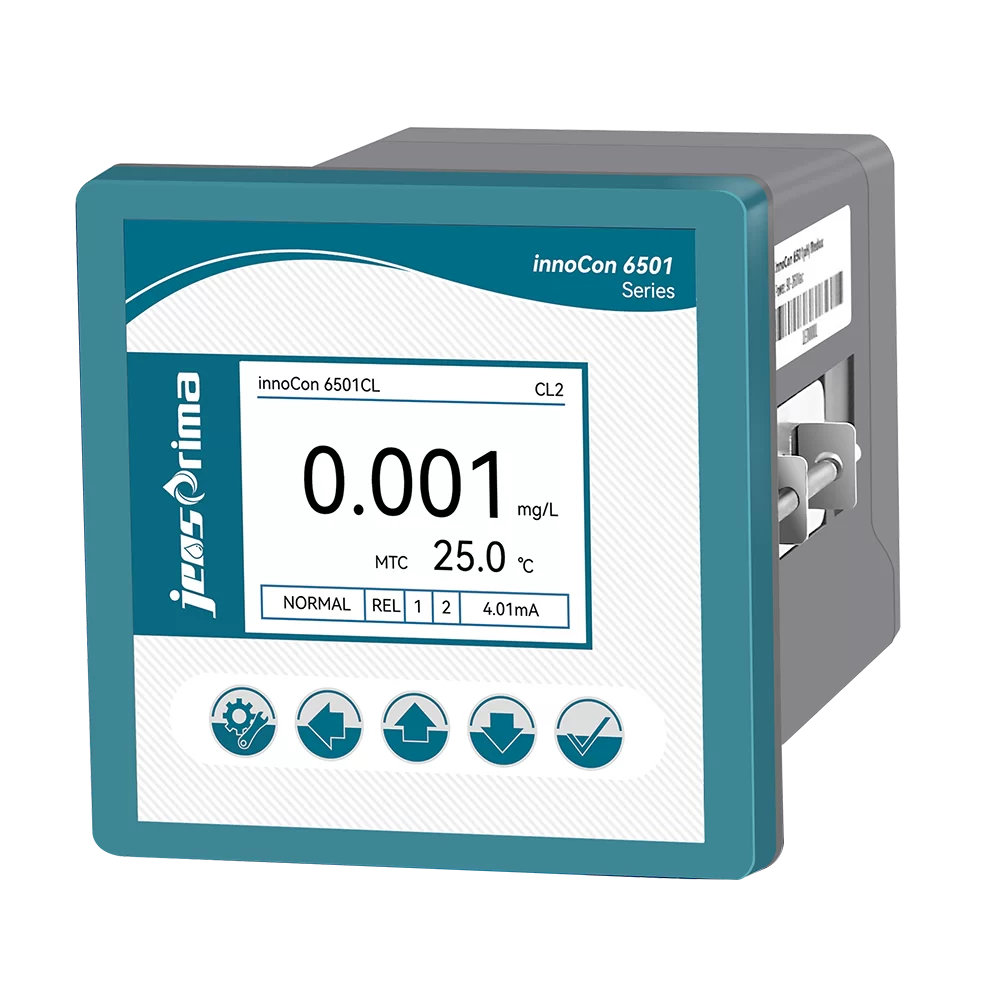
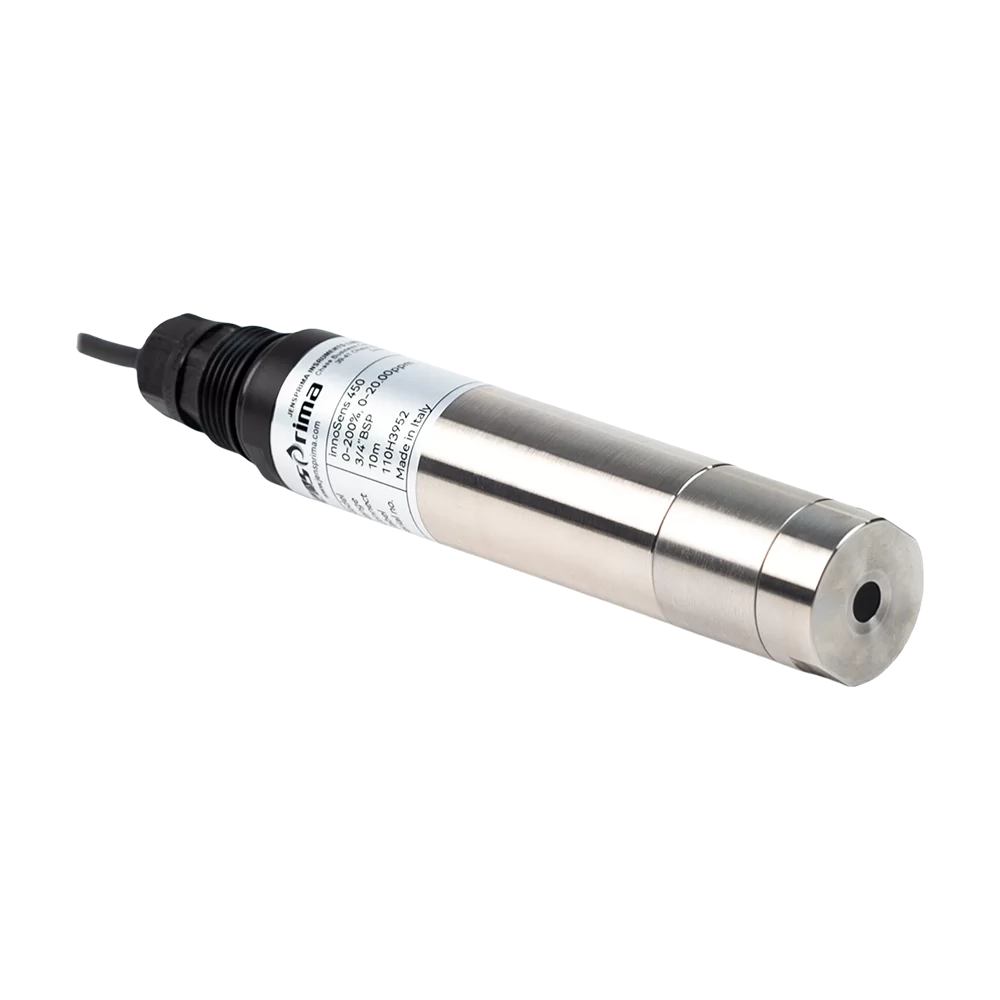
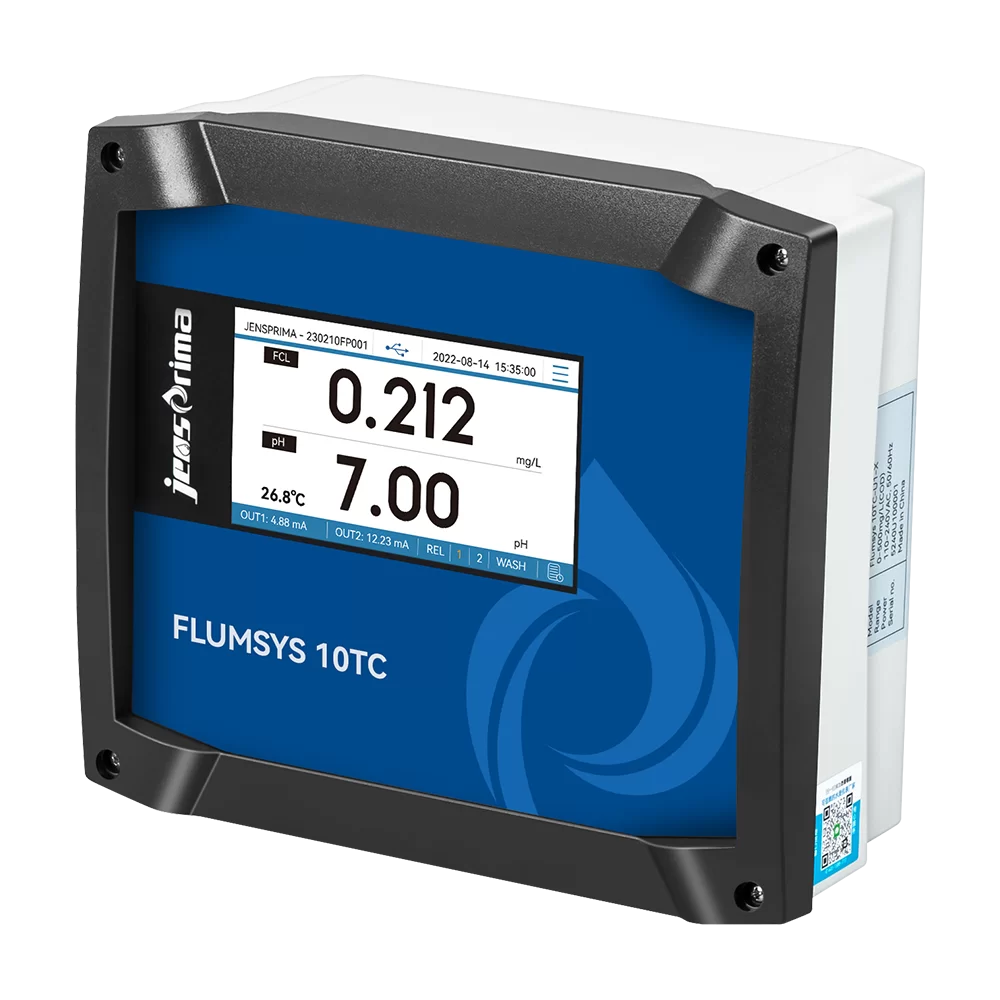
An online total chlorine analyser is an automated analytical instrument designed to measure the sum of free available chlorine (FAC) and combined available chlorine (CAC) in a water sample. Unlike simple sensors, these analyzers typically use a flow-through system that integrates sample conditioning, reagent mixing, and optical detection to provide a continuous digital readout of the total oxidant concentration.
At its core, the technology addresses the humanitarian need for safe drinking water by providing a reliable way to verify that water has been properly treated before it reaches the consumer. In many developing regions, the deployment of these analyzers in municipal plants is a key step toward achieving UN Sustainable Development Goal 6, which aims for clean water and sanitation for all.
From a technical perspective, "total chlorine" is a critical metric because it accounts for chloramines—compounds formed when chlorine reacts with ammonia or organic nitrogen. While chloramines are weaker disinfectants than free chlorine, they are more stable and persist longer in distribution networks. A comprehensive analyzer allows operators to manage this balance effectively, ensuring residual protection across vast piping networks.
Core Components for Measurement Accuracy
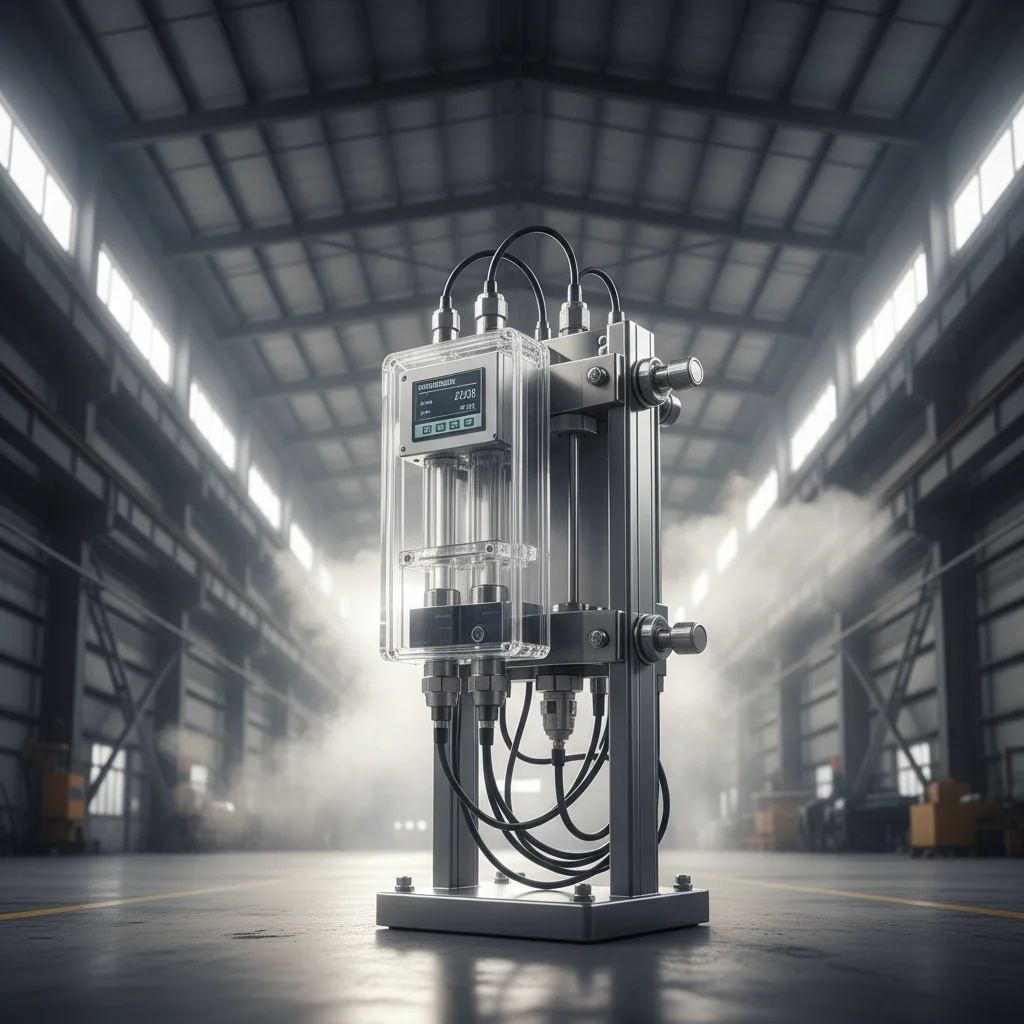
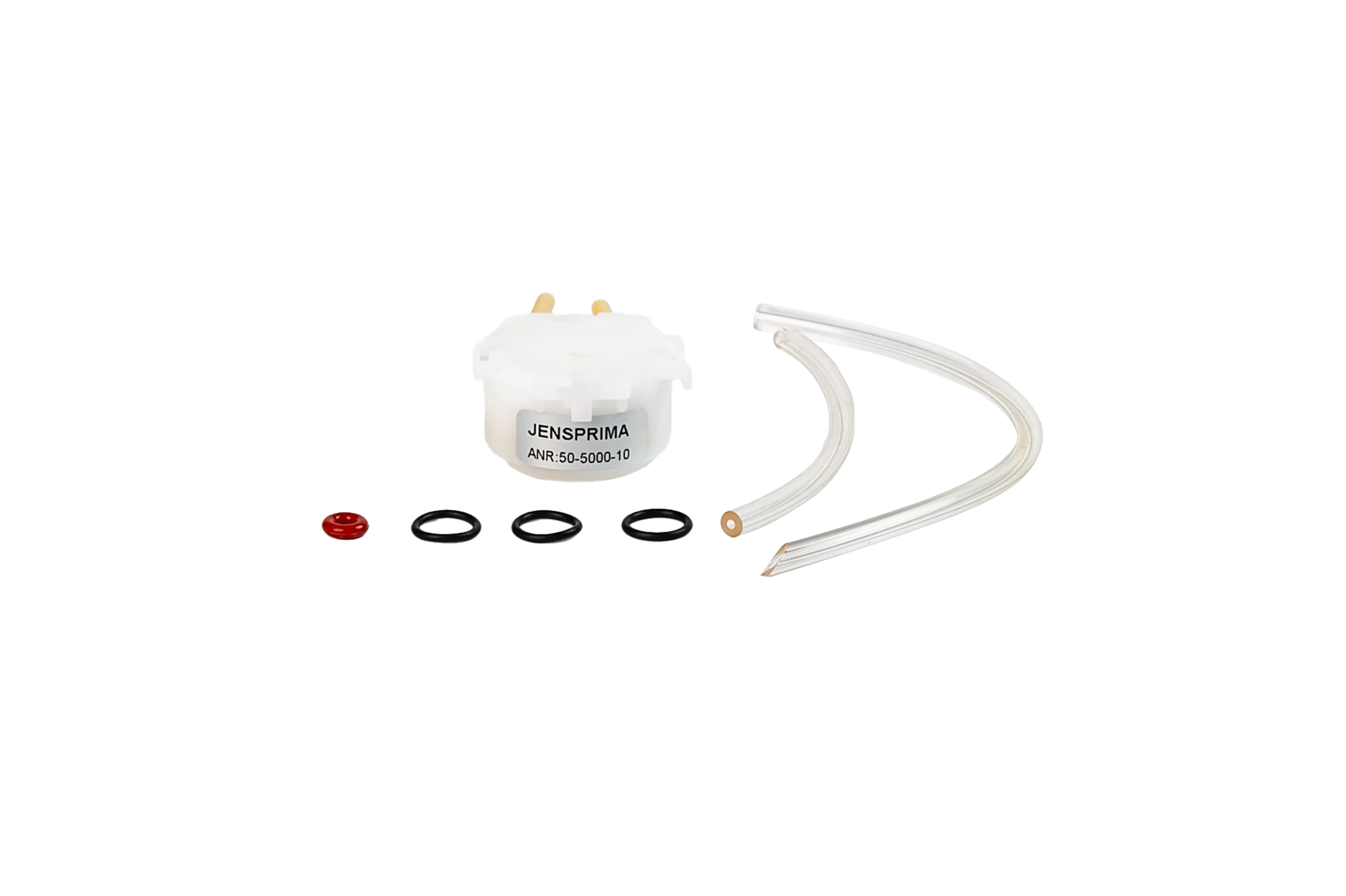
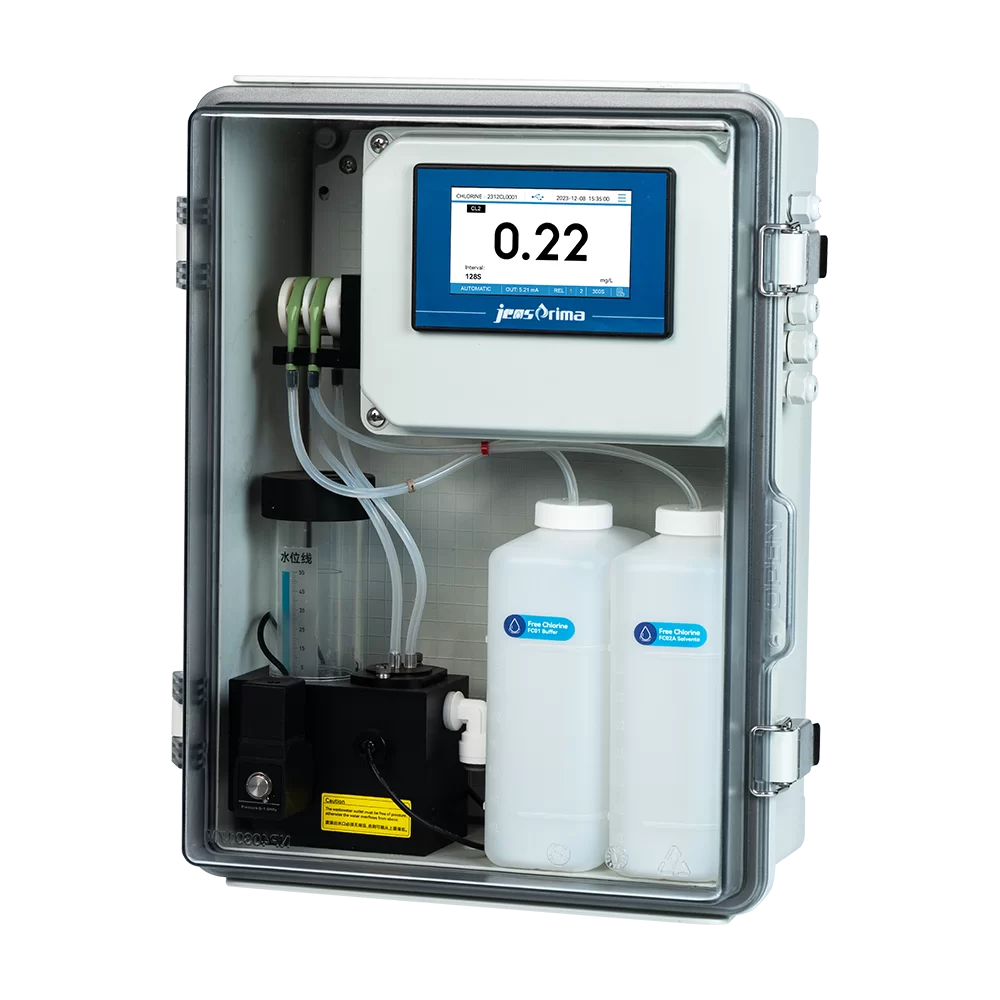
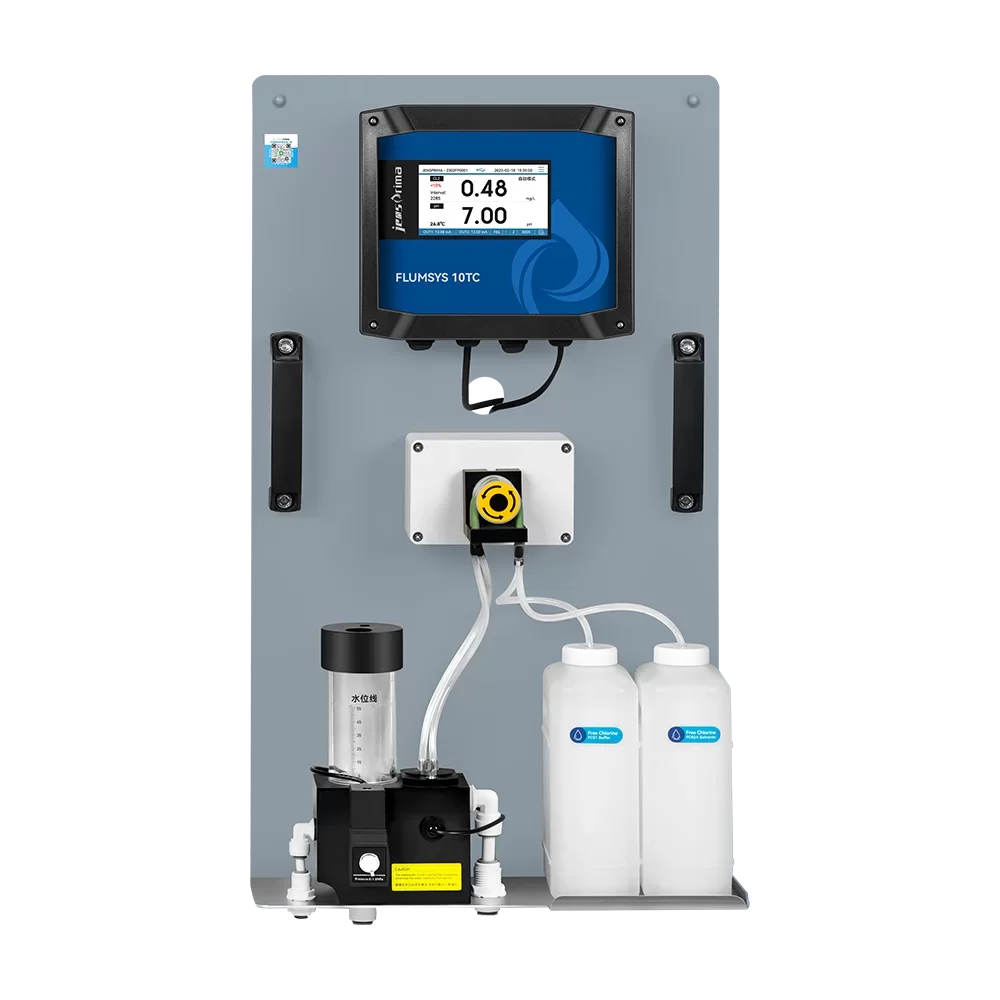
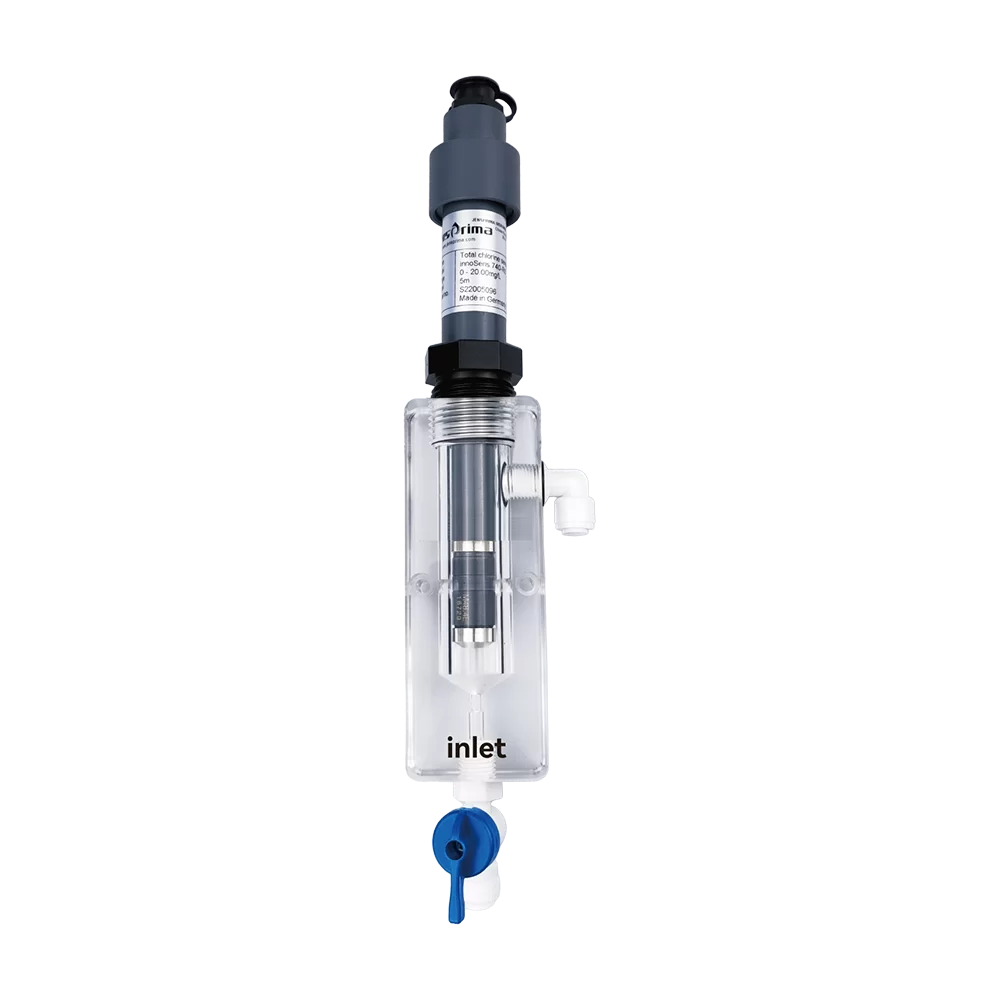
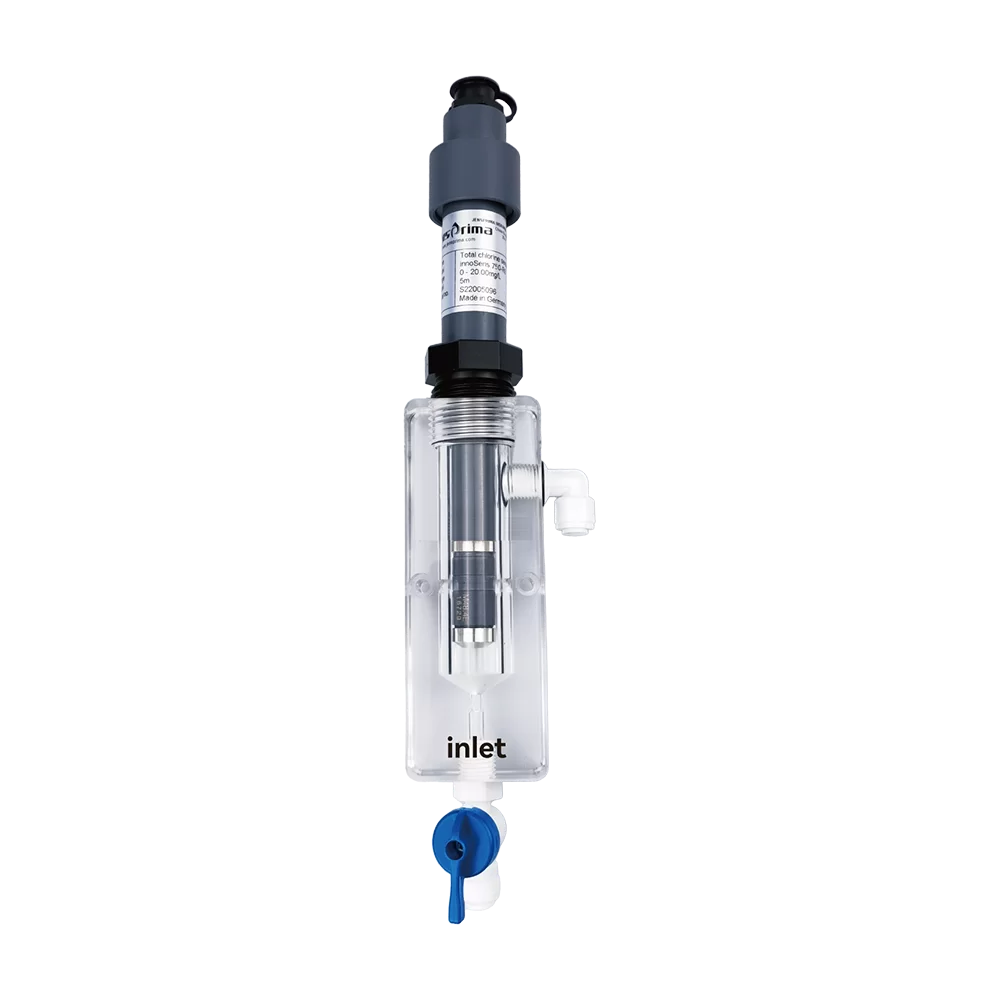
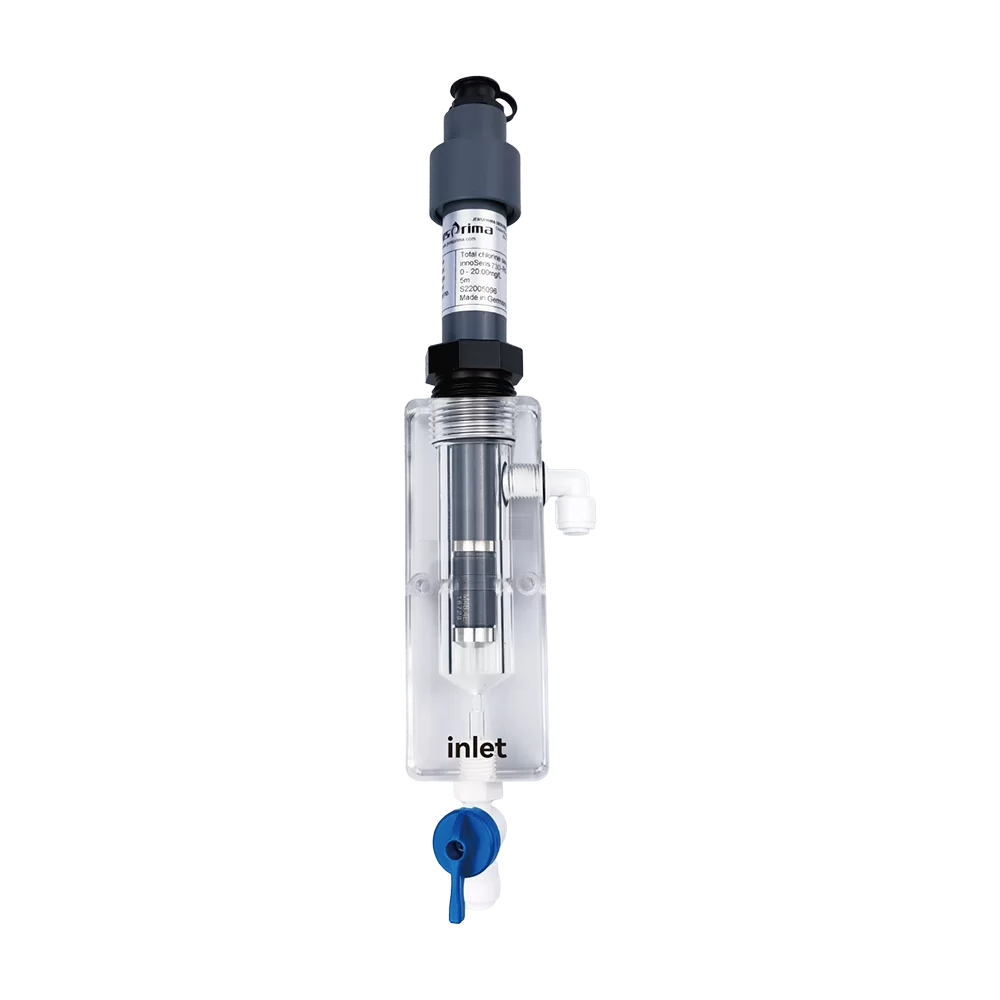
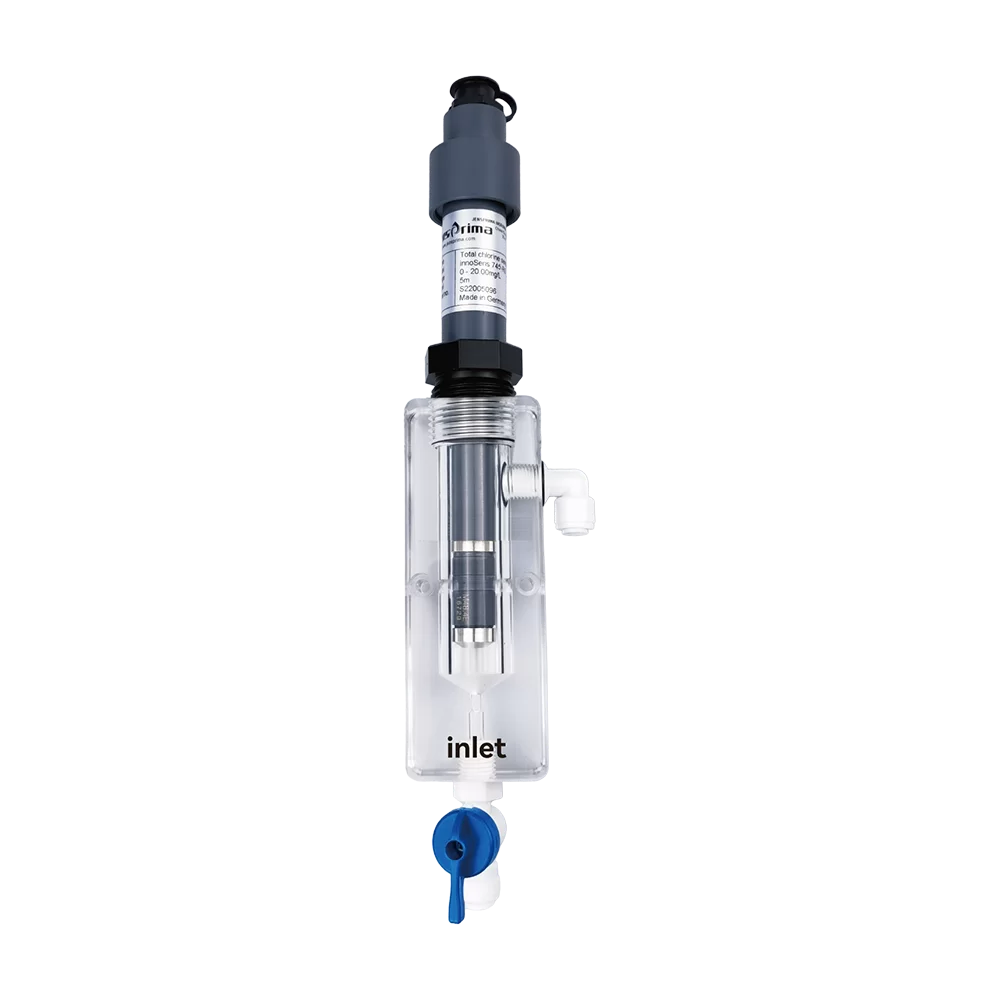
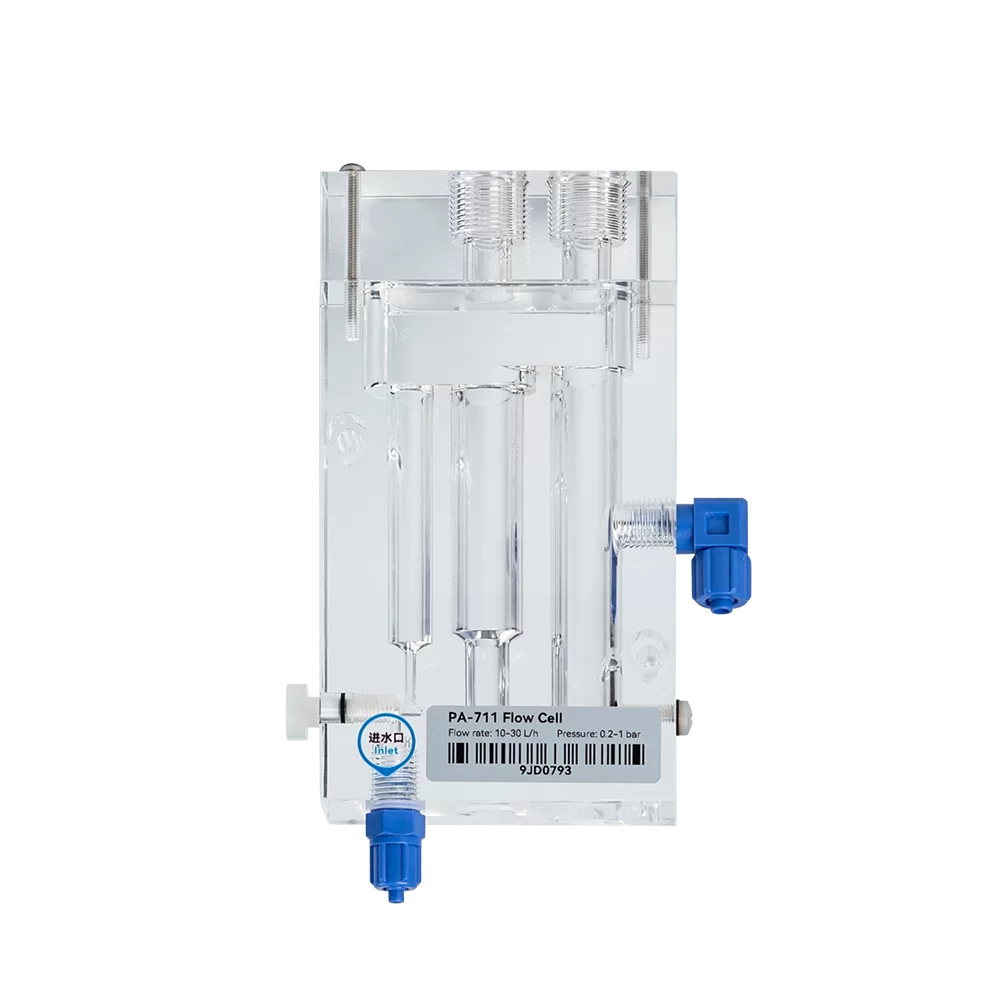
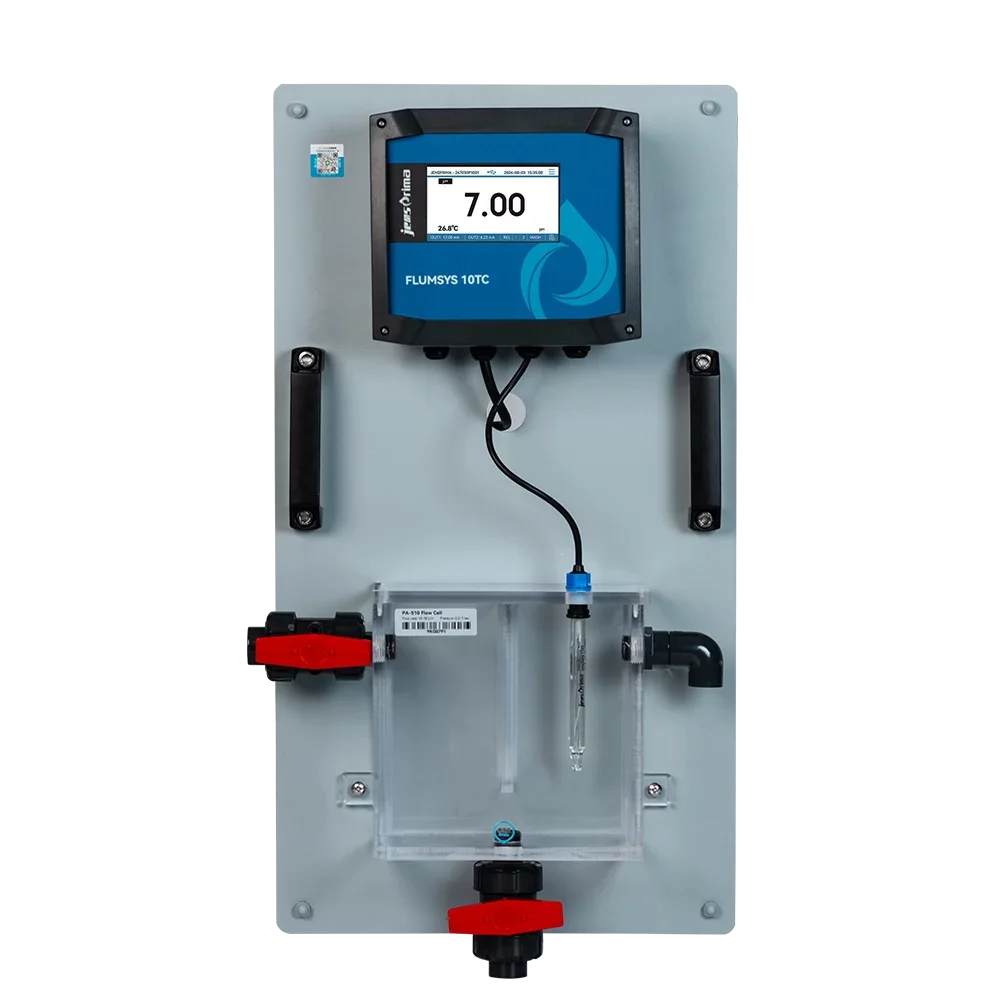
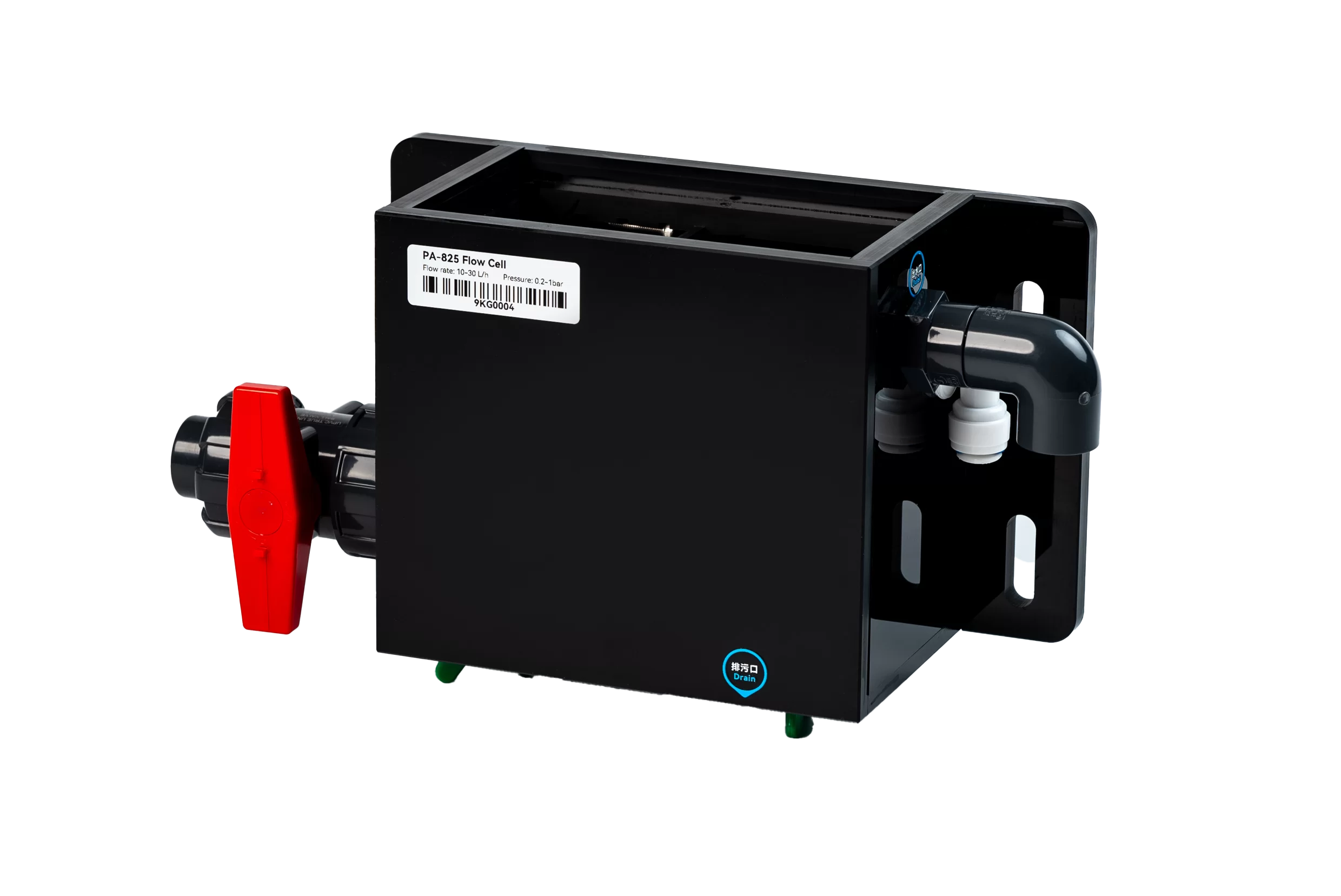
The precision of an online total chlorine analyser depends heavily on its sampling system. A high-quality flow cell ensures that the water sample is representative and free of air bubbles, which could otherwise cause optical interference. Consistent flow rates are maintained through peristaltic pumps, ensuring that the reagent-to-sample ratio remains constant regardless of upstream pressure fluctuations.
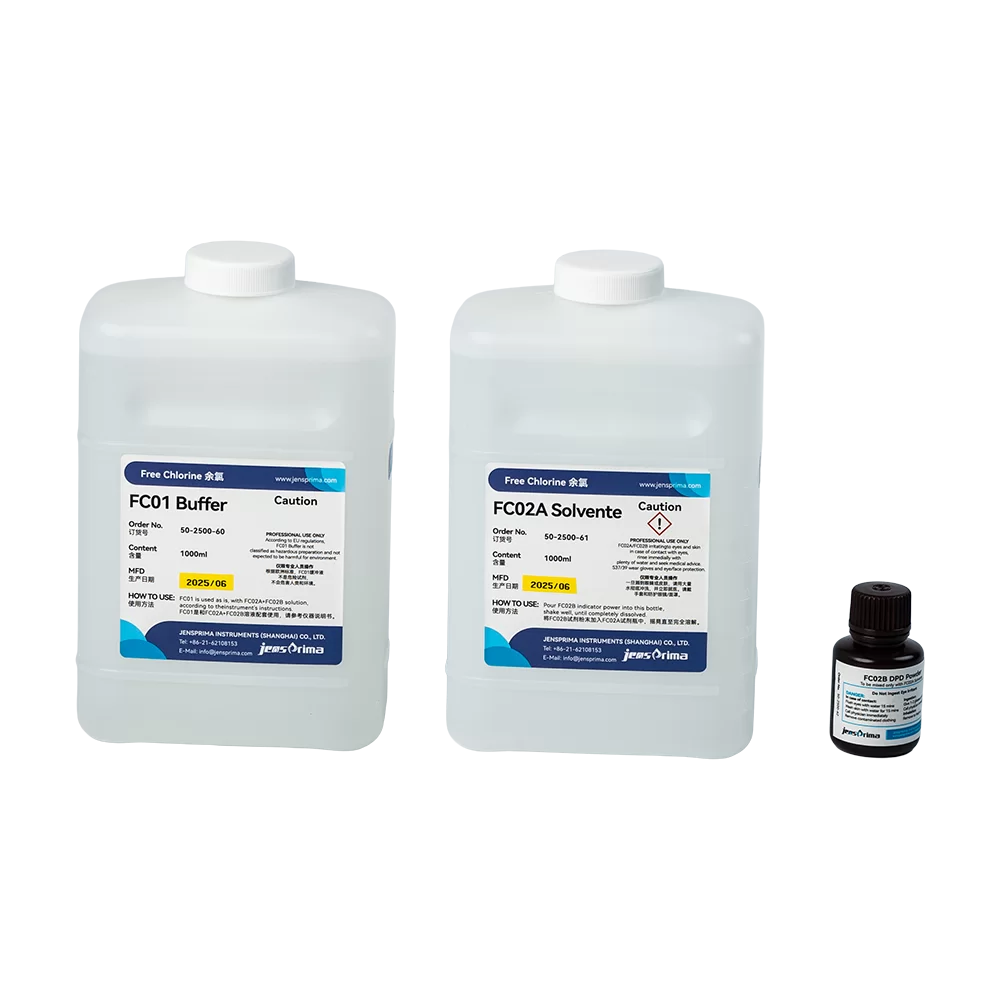
The optical detection unit is the "heart" of the online total chlorine analyser. Most professional units utilize a colorimetric method where the reaction between chlorine and DPD (N,N-diethyl-p-phenylenediamine) produces a pink color. A photometer then measures the light absorbance at a specific wavelength (usually around 515-530 nm) to calculate the concentration with high linearity and repeatability.
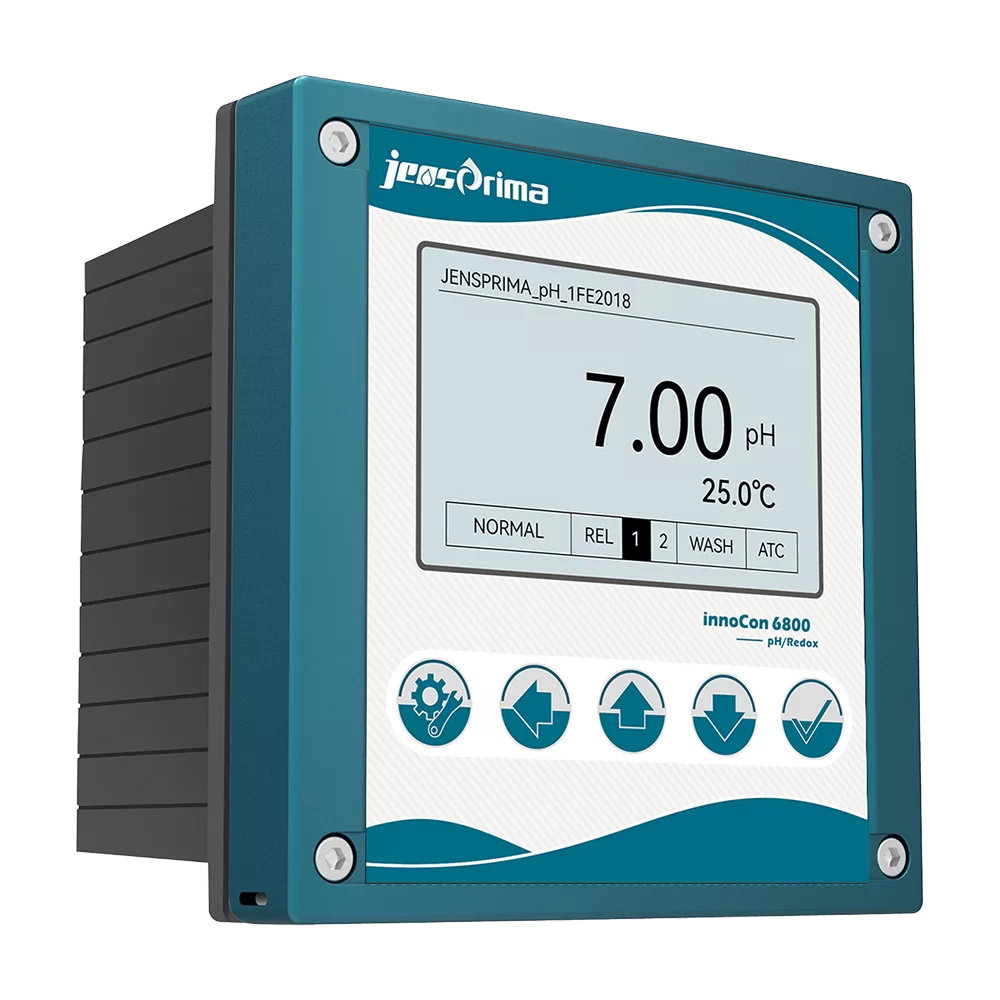
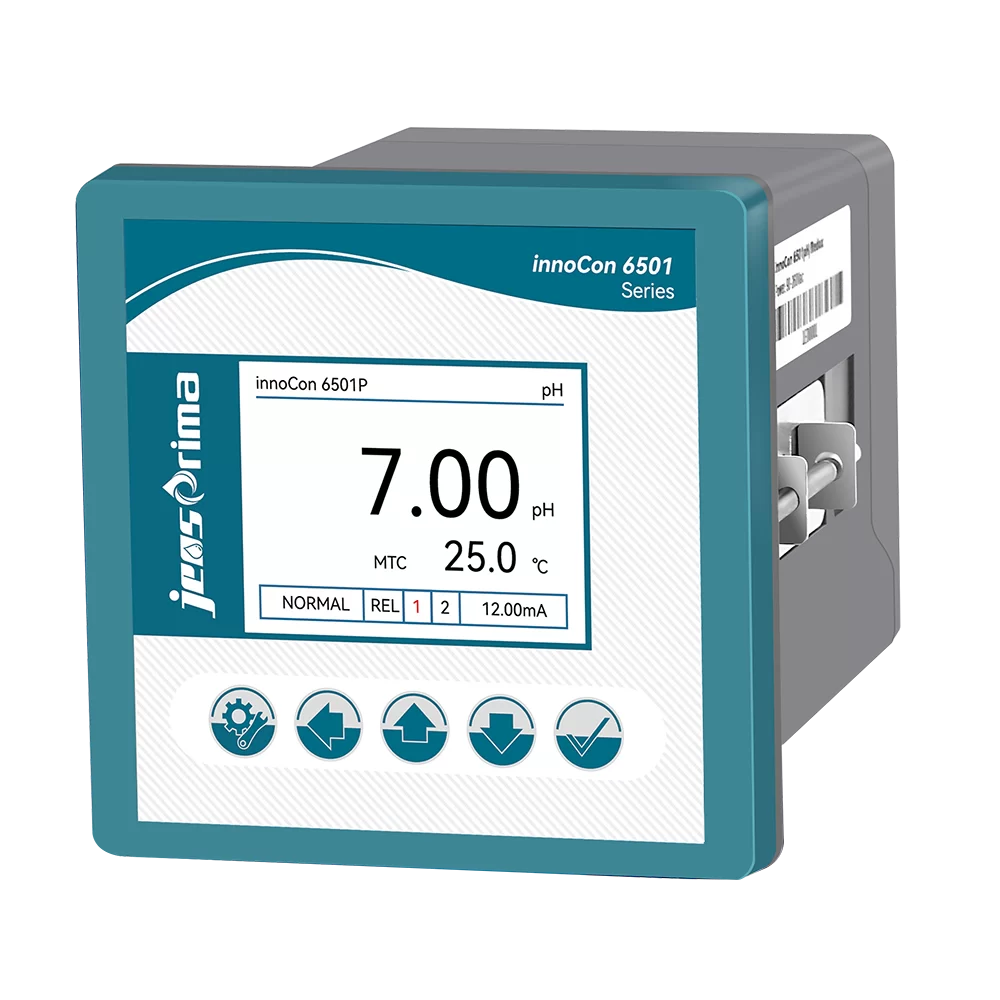
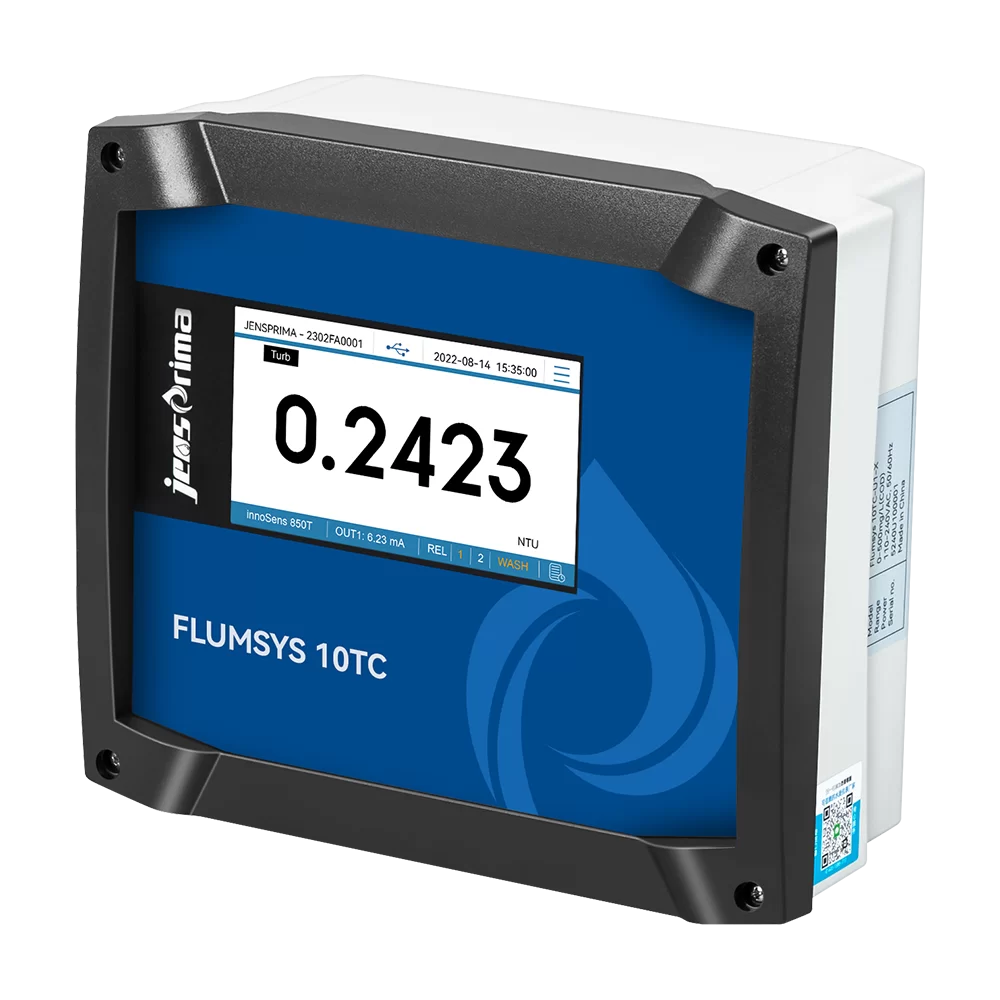
Finally, the controller and calibration software provide the intelligence. Modern analyzers feature automatic zero-point calibration and temperature compensation, which are essential because chlorine reactions are highly sensitive to thermal changes. By integrating these components, the system transforms a chemical reaction into a reliable, actionable data point for the plant operator.
Performance Metrics and Comparison
When selecting an online total chlorine analyser, operators must weigh several technical trade-offs. The primary metrics include response time, detection limit, and reagent consumption. While some systems offer near-instantaneous readings, others prioritize extreme precision at the cost of a slightly longer sampling cycle.
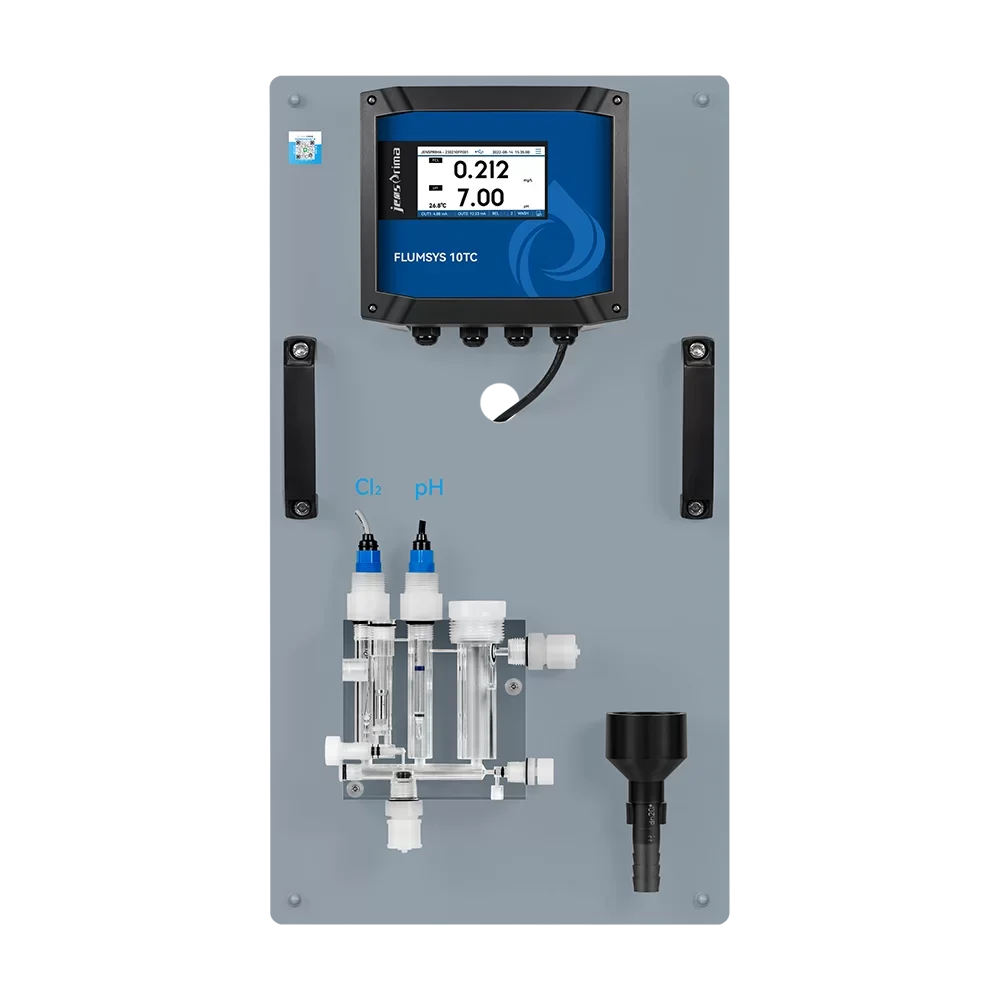
Moreover, the maintenance overhead differs significantly between amperometric and colorimetric methods. While amperometric sensors are reagent-free, they often struggle with interference from other oxidants. In contrast, the DPD-based online analyzer provides a more specific measurement of total chlorine, making it the gold standard for regulatory compliance despite the need for reagent replenishment.
Analysis of Online Total Chlorine Analyser Methodologies
Global Applications and Industrial Use Cases
The application of an online total chlorine analyser spans a diverse array of critical environments. In municipal drinking water plants, these devices are placed at the exit of the contact tank and at the furthest points of the distribution network. This ensures that a "residual" amount of chlorine is present to prevent bacterial regrowth as water travels through kilometers of piping to reach residential taps.
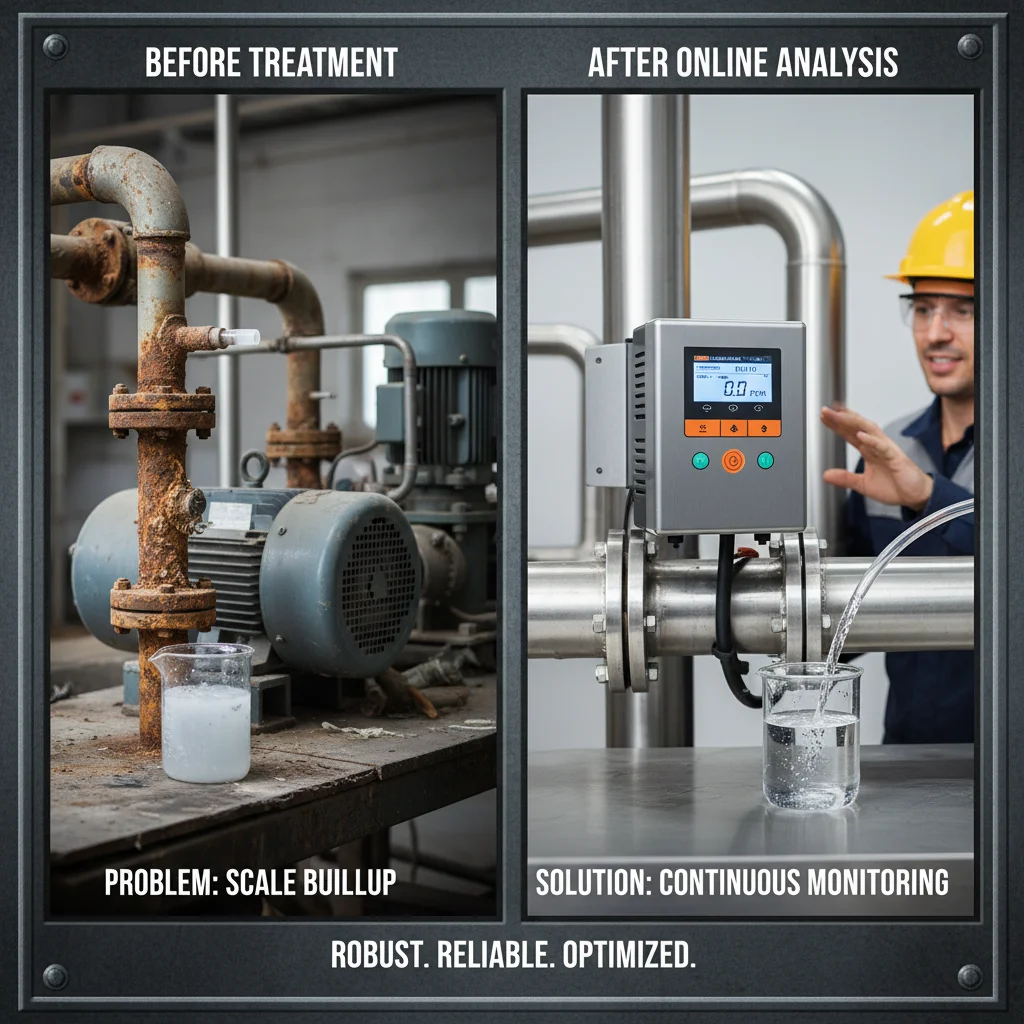
In the industrial sector, cooling towers and boilers utilize total chlorine monitoring to prevent biofouling. Biofilms can drastically reduce heat exchange efficiency and cause microbiologically influenced corrosion (MIC). By maintaining a precise total chlorine level, facilities can protect their expensive infrastructure from degradation while minimizing the amount of chemicals released into the environment during blowdown.
Long-Term Value and Sustainability Benefits
Investing in a high-grade online total chlorine analyser provides tangible economic value through "precision dosing." Over-chlorination not only wastes expensive chemicals but also creates trihalomethanes (THMs) and haloacetic acids (HAAs), which are regulated carcinogens. By tightening the control loop, plants can significantly lower their chemical footprint, aligning operational goals with environmental sustainability.
Beyond the financial aspect, there is a profound social impact related to trust and safety. When a utility can provide transparent, real-time evidence of water safety through automated logging, it builds immense public confidence. This reliability is especially critical in high-risk areas or post-disaster recovery zones where water sources may be contaminated and rapid, reliable disinfection verification is a matter of life and death.
Furthermore, the reduction in manual labor is a significant long-term benefit. Traditional sampling requires technicians to physically visit multiple sites, collect samples, and run tests. An automated system replaces this with "management by exception," where staff are only alerted when the online total chlorine analyser detects a deviation from the setpoint, allowing human expertise to be focused on complex problem-solving rather than routine data collection.
Future Trends in Chlorine Analysis Technology
The future of the online total chlorine analyser is being shaped by the Industrial Internet of Things (IIoT) and the push toward "reagent-less" sensing. We are seeing a move toward integrated cloud platforms where data from multiple analyzers across a city are aggregated to create a digital twin of the water network. This allows for predictive analytics, where the system can forecast chlorine demand based on weather patterns, water temperature, and historical usage.
Another significant innovation is the development of advanced UV-Vis spectrophotometry. These emerging sensors can detect chlorine species without the need for DPD reagents, drastically reducing the operational cost and environmental impact of chemical waste. While the DPD method remains the regulatory benchmark, the industry is steadily moving toward these "greener" optical methods for primary process control.
Lastly, the integration of AI-driven self-diagnostics is reducing downtime. Future analyzers will be able to detect when a pump is wearing out or when a reagent is running low before the measurement is affected. This shift from reactive to proactive maintenance ensures that the online total chlorine analyser remains a dependable guardian of water quality without requiring constant human supervision.
Comparative Analysis of Online Total Chlorine Analyser Implementation Scenarios
| Application Sector |
Criticality Level |
Primary Requirement |
Maintenance Cycle |
| Municipal Drinking Water |
Extreme |
Regulatory Compliance |
Monthly |
| Pharmaceutical Purified Water |
High |
Ultra-Low Detection Limit |
Bi-Weekly |
| Industrial Cooling Towers |
Medium |
Biofouling Prevention |
Quarterly |
| Wastewater Treatment |
Medium |
Effluent Dechlorination |
Monthly |
| Swimming Pool Management |
Low-Medium |
User Comfort/Safety |
Quarterly |
| Food & Beverage Processing |
High |
Surface Sterilization |
Monthly |
FAQS
Free chlorine refers to the chlorine that is immediately available to kill bacteria (HOCl and OCl-), whereas total chlorine includes both free chlorine and combined chlorine (chloramines). An online total chlorine analyser measures both, which is essential for understanding the total oxidant load and the longevity of the disinfection residual in the system.
Depending on the water quality and the specific model, calibration is typically required every 2 to 4 weeks. However, most modern systems feature an automated zero-point calibration that runs daily. We recommend a full manual validation using a handheld DPD kit once a month to ensure the instrument's accuracy remains within regulatory tolerances.
High turbidity can interfere with optical readings by scattering light. Professional online total chlorine analysers overcome this by using a "blanking" cycle, where the instrument measures the sample before adding the reagent and subtracts that baseline interference from the final reading, ensuring accuracy even in challenging water matrices.
The DPD reagents used are generally safe when handled according to the SDS. Most analyzers use pre-measured reagent pods or closed-loop liquid systems to minimize operator exposure. Because they are used in very small quantities per sample, the environmental impact is minimal, although waste should be disposed of according to local guidelines.
Temperature significantly affects the rate of the chemical reaction between chlorine and DPD, as well as the stability of the chlorine itself. High-end analyzers include an integrated temperature sensor and software algorithms that automatically compensate for these variations, providing a normalized reading regardless of seasonal temperature shifts.
Yes, in the long run. While the initial capital expenditure is higher, the reduction in labor costs, the prevention of chemical waste through precision dosing, and the avoidance of regulatory fines for non-compliance make the online total chlorine analyser a far more economical choice for any facility operating 24/7.
Conclusion
The adoption of an online total chlorine analyser is a transformative step for any water treatment operation. By bridging the gap between sporadic manual sampling and continuous, real-time visibility, these systems ensure that water safety is never left to chance. From the technical precision of DPD colorimetry to the operational efficiency of automated dosing, the total chlorine analyser provides a robust framework for protecting public health and preserving industrial infrastructure.
As we move toward a future defined by smarter cities and greener industry, the integration of IIoT and reagent-less sensing will further elevate the capabilities of chlorine monitoring. For operators and engineers, the goal remains clear: achieving the perfect balance of disinfection efficacy and environmental stewardship. To ensure your facility is equipped with the most reliable monitoring technology, we invite you to explore our professional solutions. Visit our website: www.jensprima.com





 Download
 Video Center
 Technical Services
 FAQS
FAQS Service Network
 Privacy Policy
 Contact Us