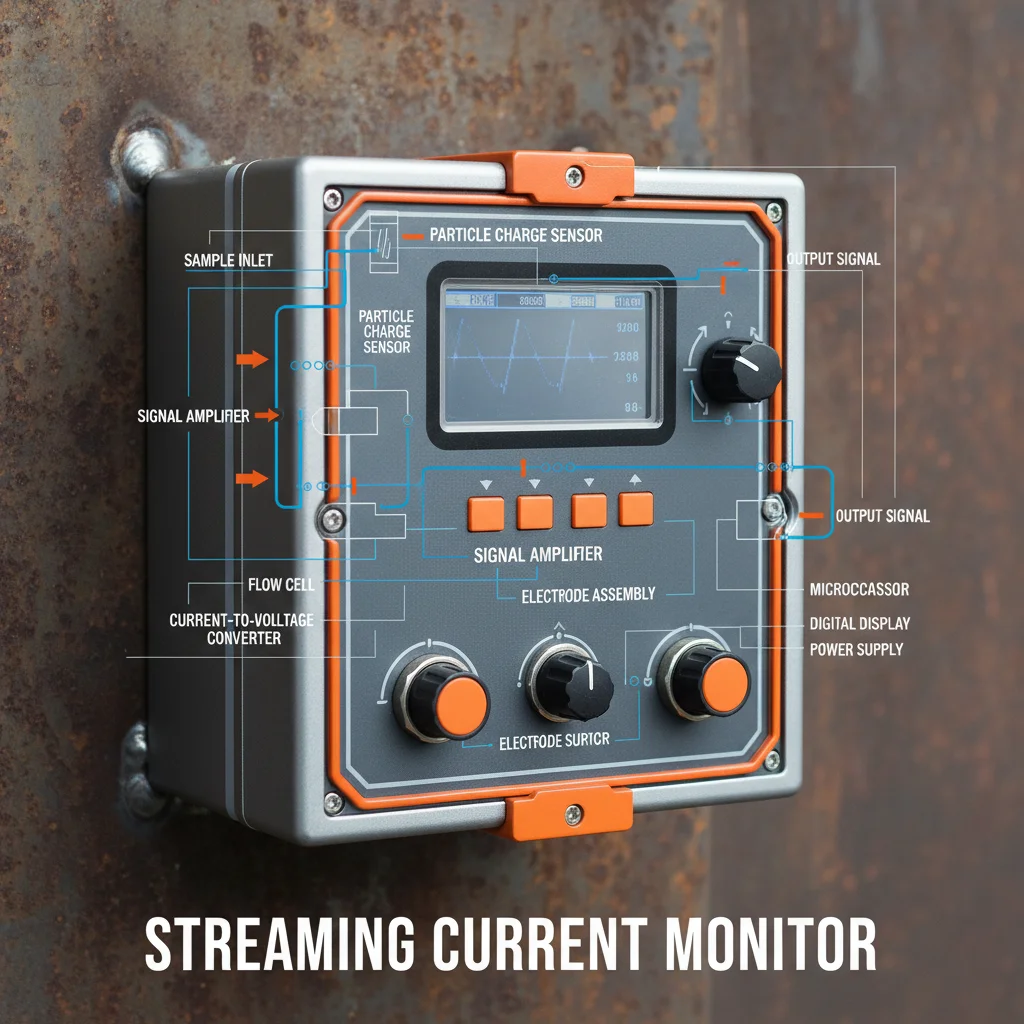
Maintaining precise control over disinfectant levels is a cornerstone of global water safety and industrial process efficiency. A reagentless free chlorine analyzer represents a significant leap in monitoring technology, eliminating the need for costly and hazardous chemicals while providing real-time, high-accuracy data. By shifting from traditional wet chemistry to advanced optical or electrochemical sensing, these systems ensure that water remains safe for consumption and industrial use without the logistical burden of reagent management.
Across the globe, the demand for sustainable water treatment is surging as environmental regulations tighten and the cost of consumables rises. The implementation of a reagentless free chlorine analyzer allows facility managers to reduce their environmental footprint by eliminating chemical waste streams and reducing the frequency of manual interventions. This transition not only aligns with modern "Green Chemistry" initiatives but also enhances the reliability of critical infrastructure in municipal and industrial settings.
Understanding the nuances of reagentless technology is essential for any organization looking to optimize its water quality monitoring. From reducing operational expenditure (OPEX) to improving the safety of onsite personnel, the benefits of adopting a reagentless free chlorine analyzer extend far beyond simple measurement. This comprehensive guide explores the technical foundations, global applications, and future trajectories of this essential instrumentation.
Global Context and Industry Relevance of Reagentless Analysis
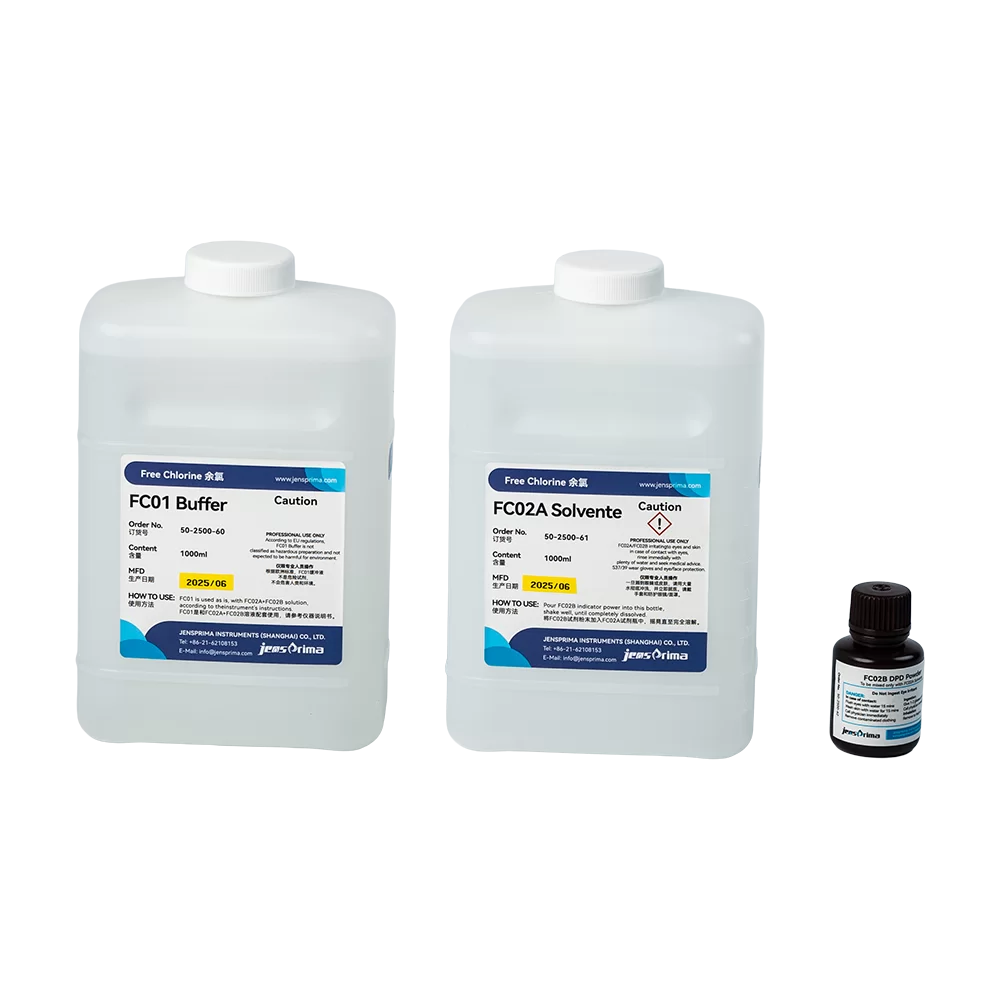
The global water treatment landscape is currently facing a dual challenge: the need for stricter adherence to WHO and ISO safety standards and the urgency to reduce operational costs. Traditional DPD-based chlorine measurement, while accurate, relies on a constant supply of reagents that are expensive to procure and hazardous to dispose of. The emergence of the reagentless free chlorine analyzer addresses these pain points by leveraging amperometric or spectrophotometric methods that do not require chemical additions.
In an era where digital transformation is sweeping through the manufacturing sector, the ability to integrate seamless, low-maintenance sensors into a SCADA system is paramount. By removing the "reagent bottle" from the equation, industries can achieve truly autonomous monitoring, reducing the risk of human error and ensuring that disinfectant levels never dip below safety thresholds or rise to toxic levels.
Defining the Reagentless Free Chlorine Analyzer
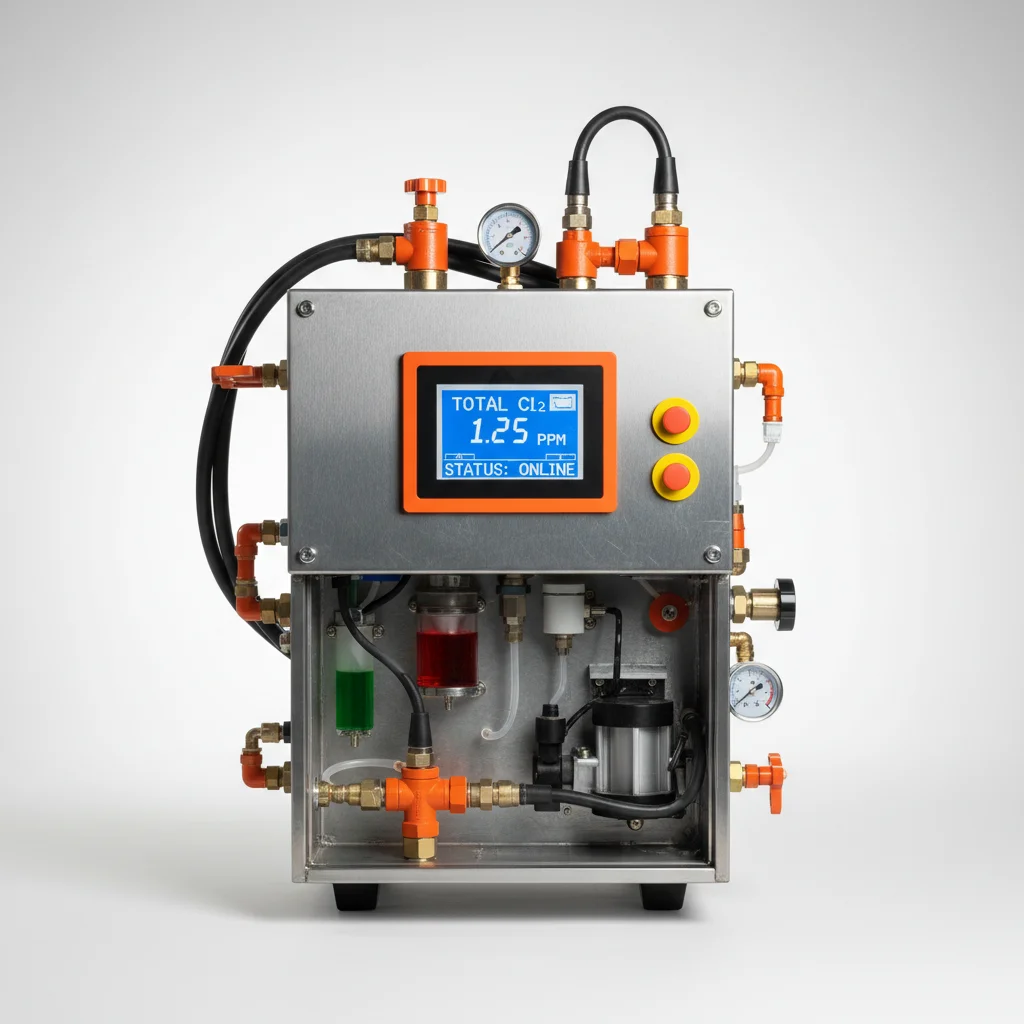
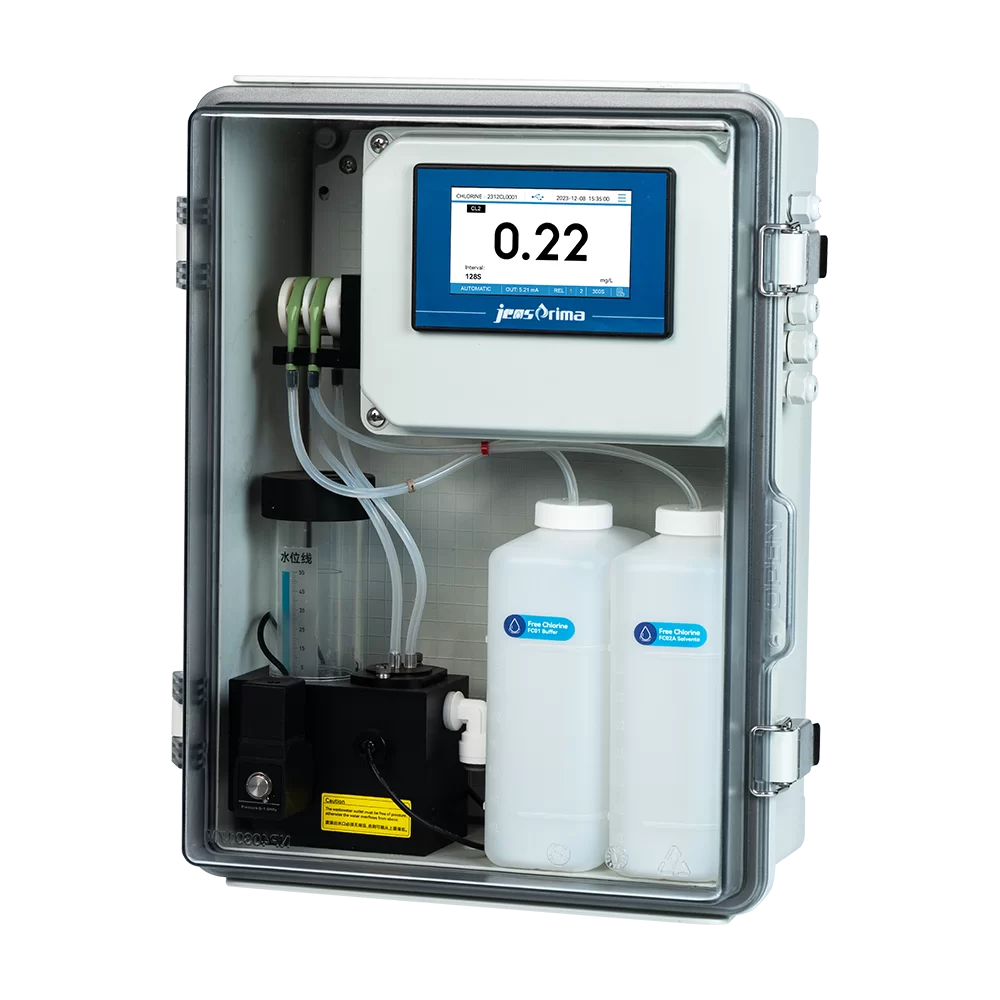
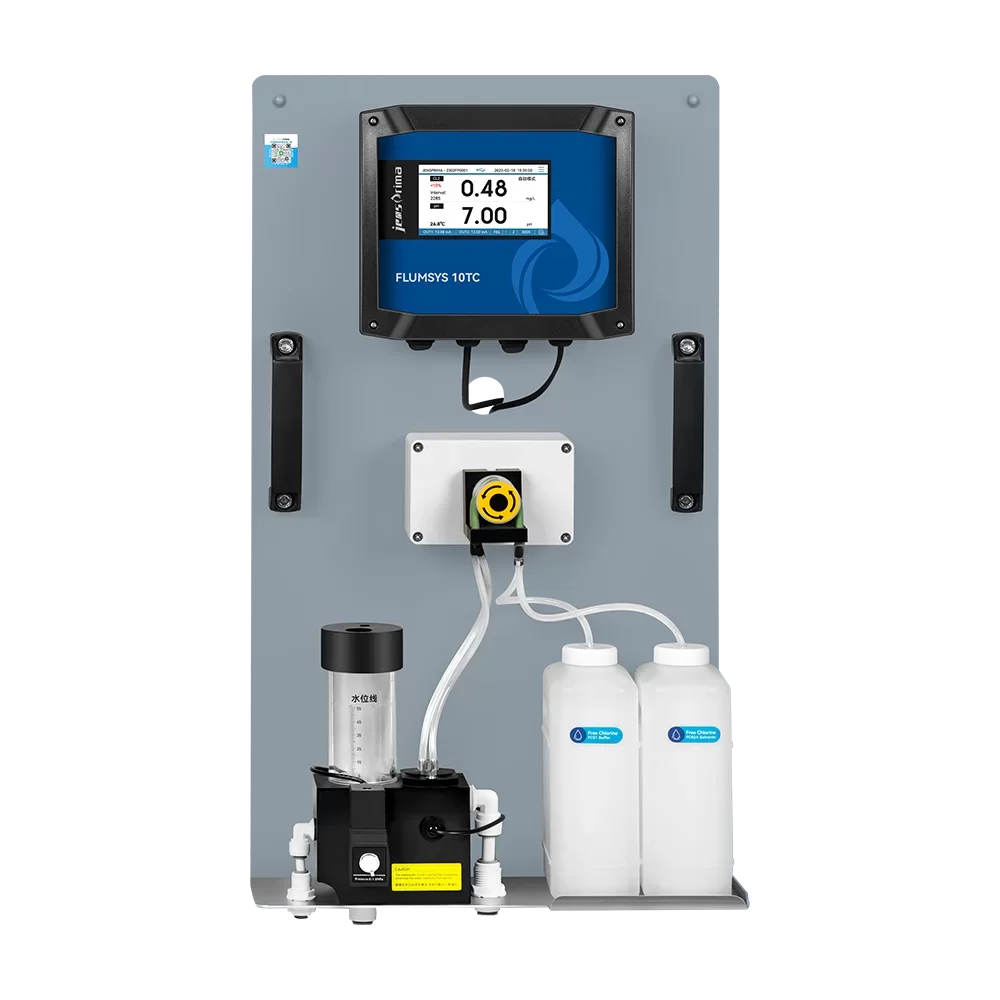
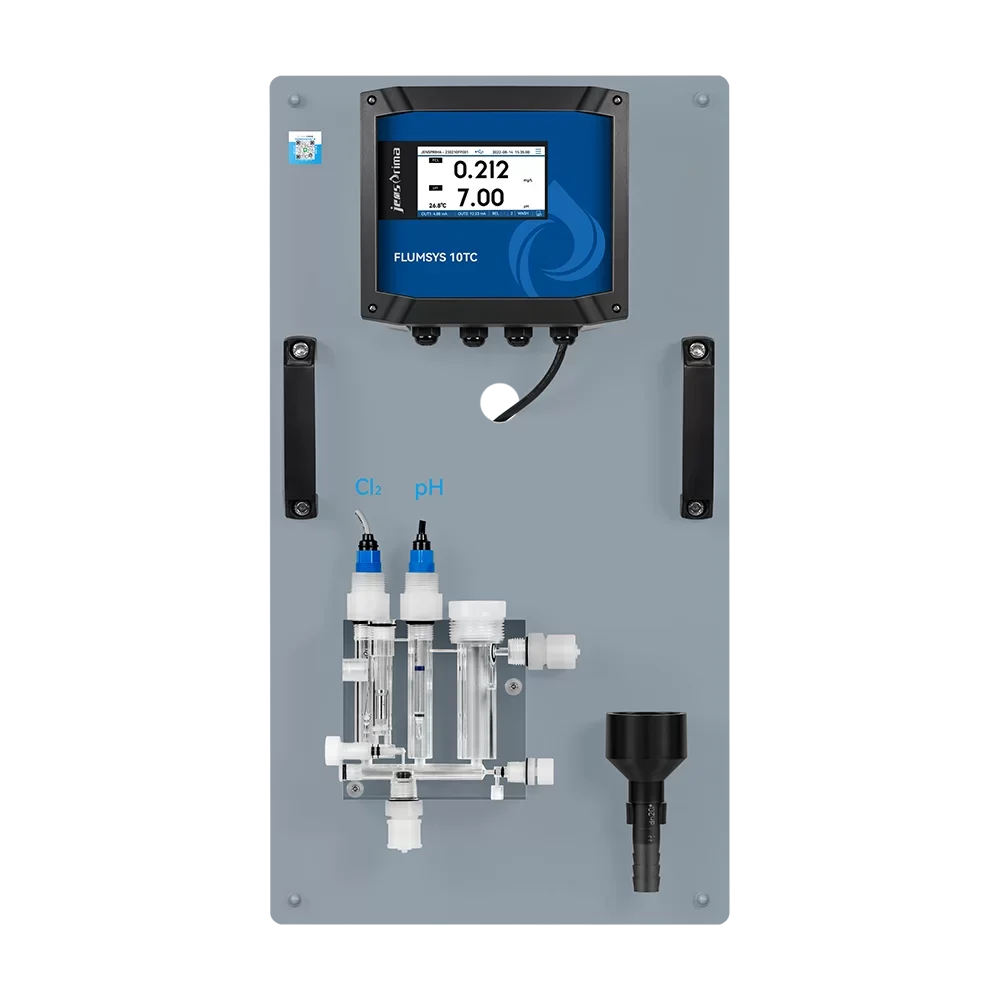
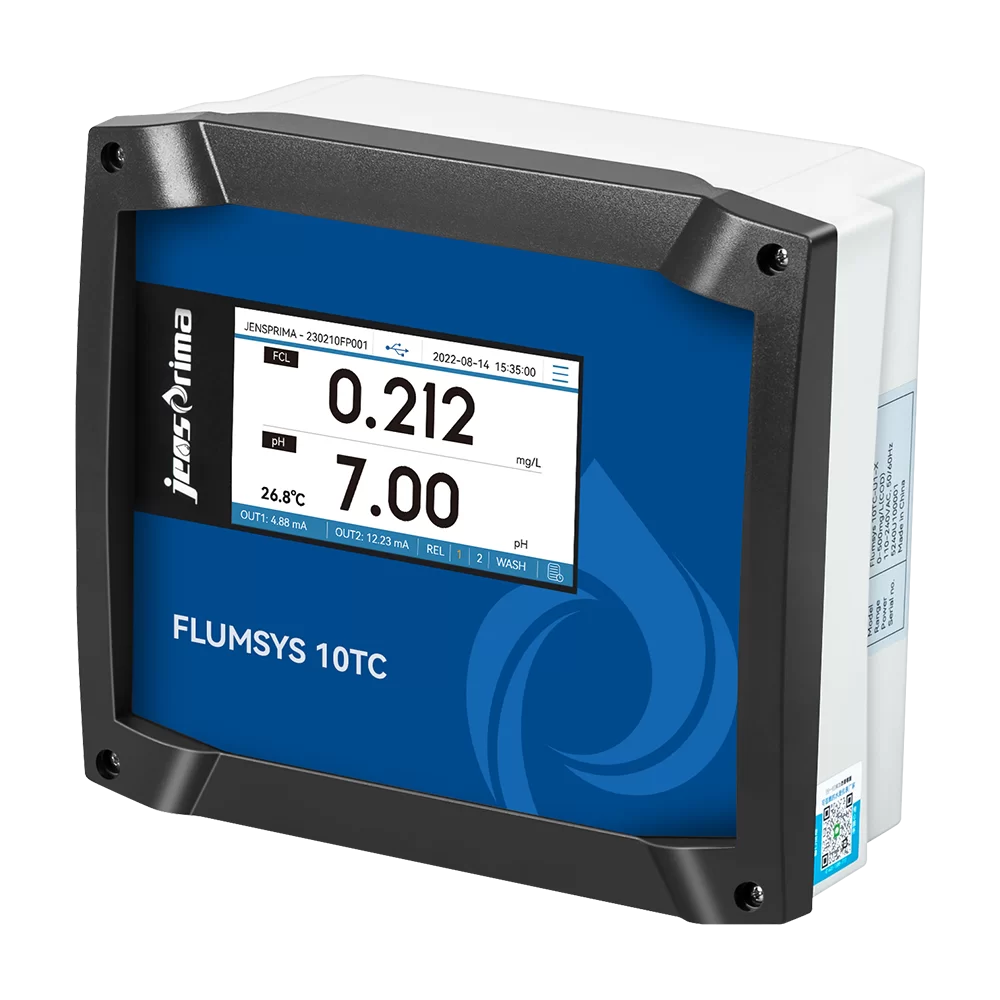
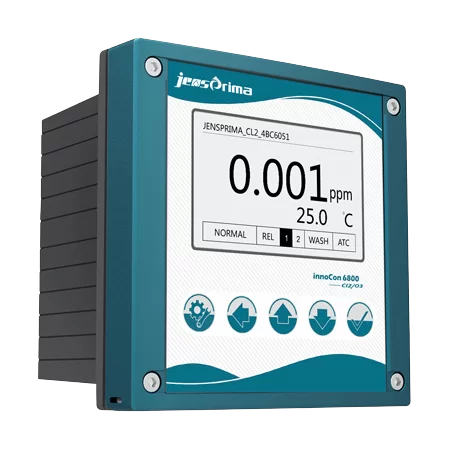
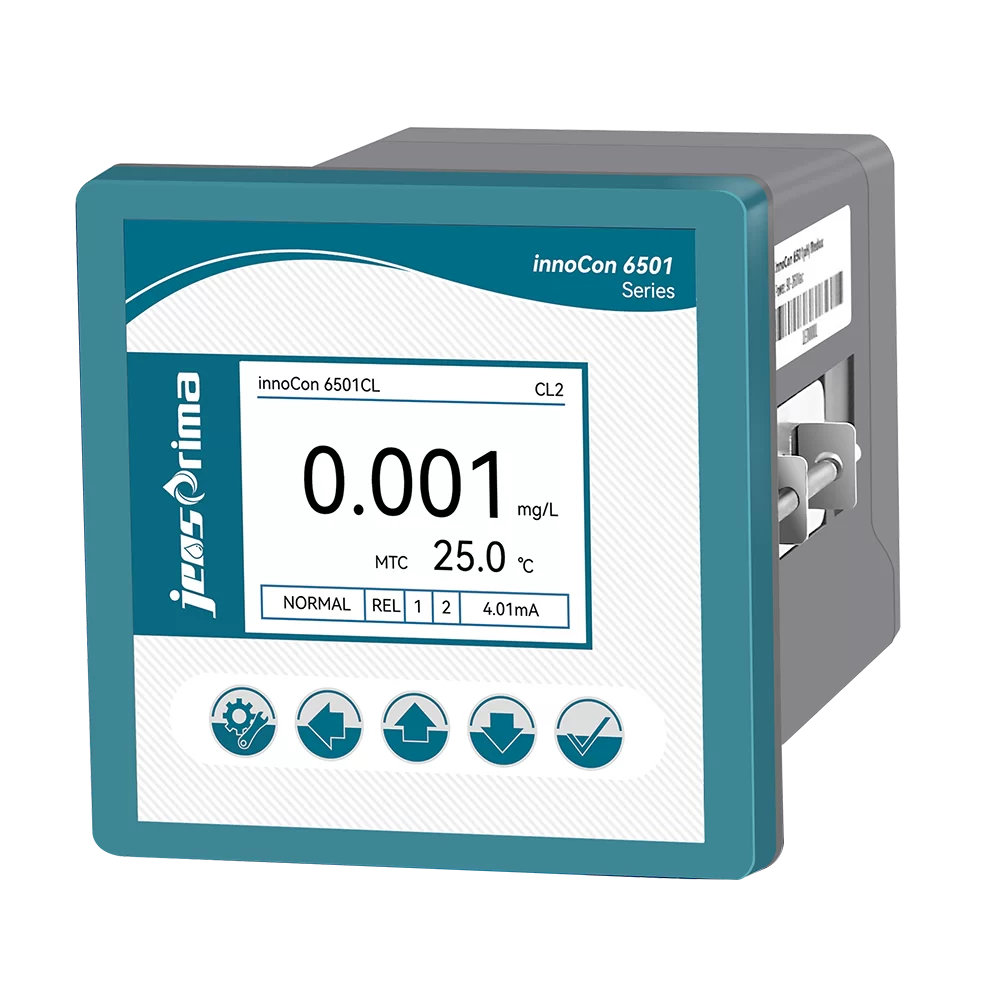
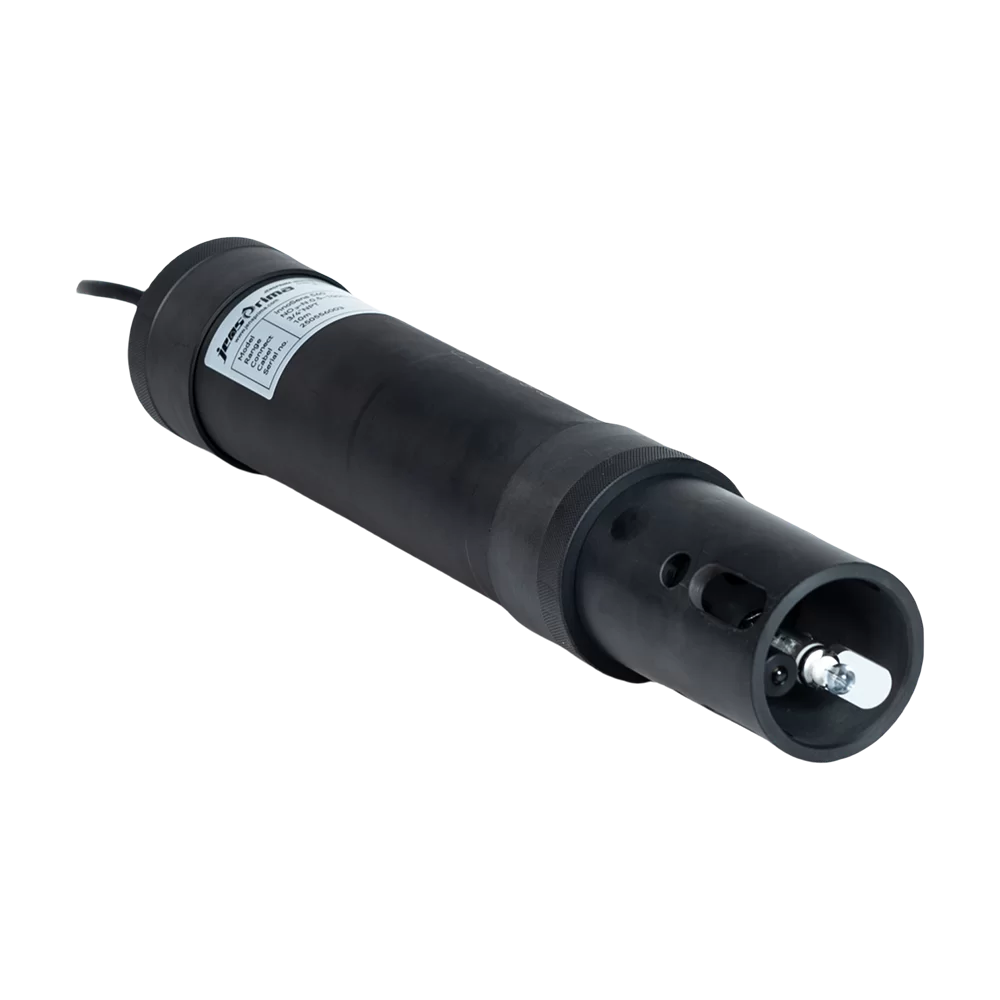
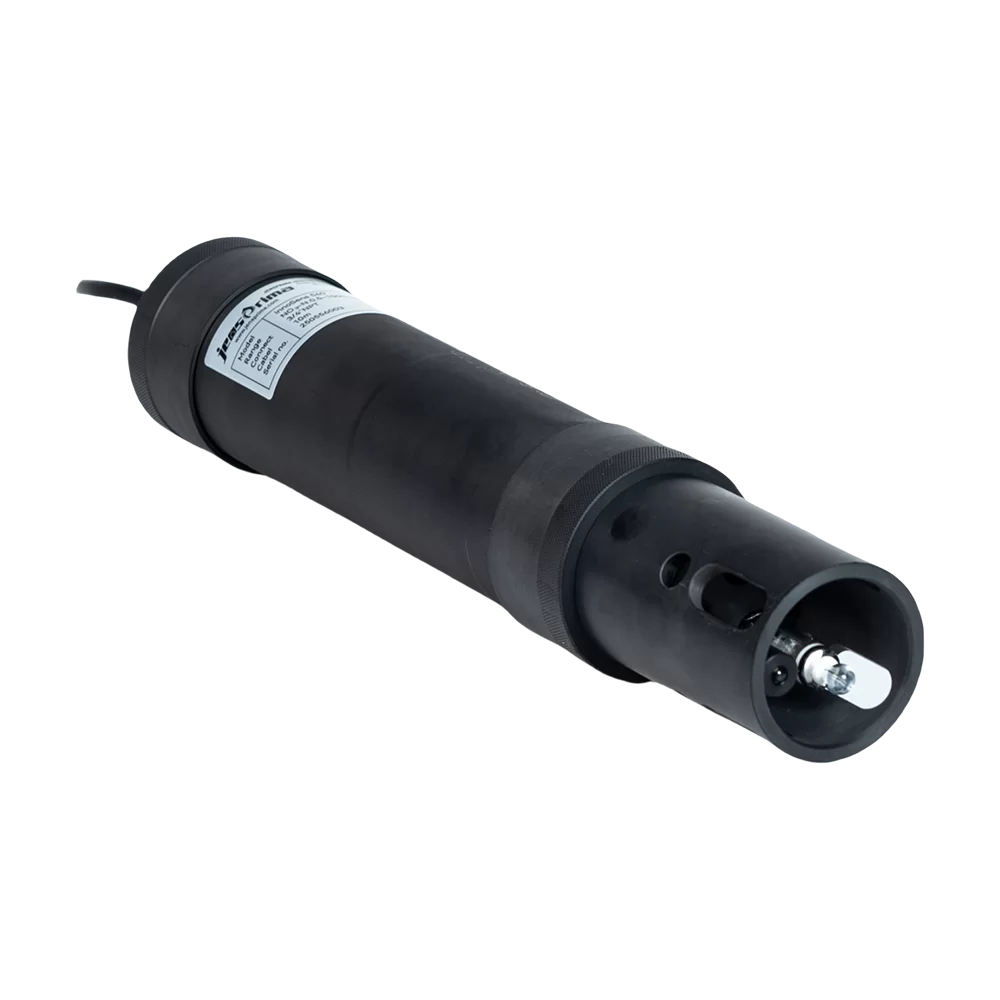
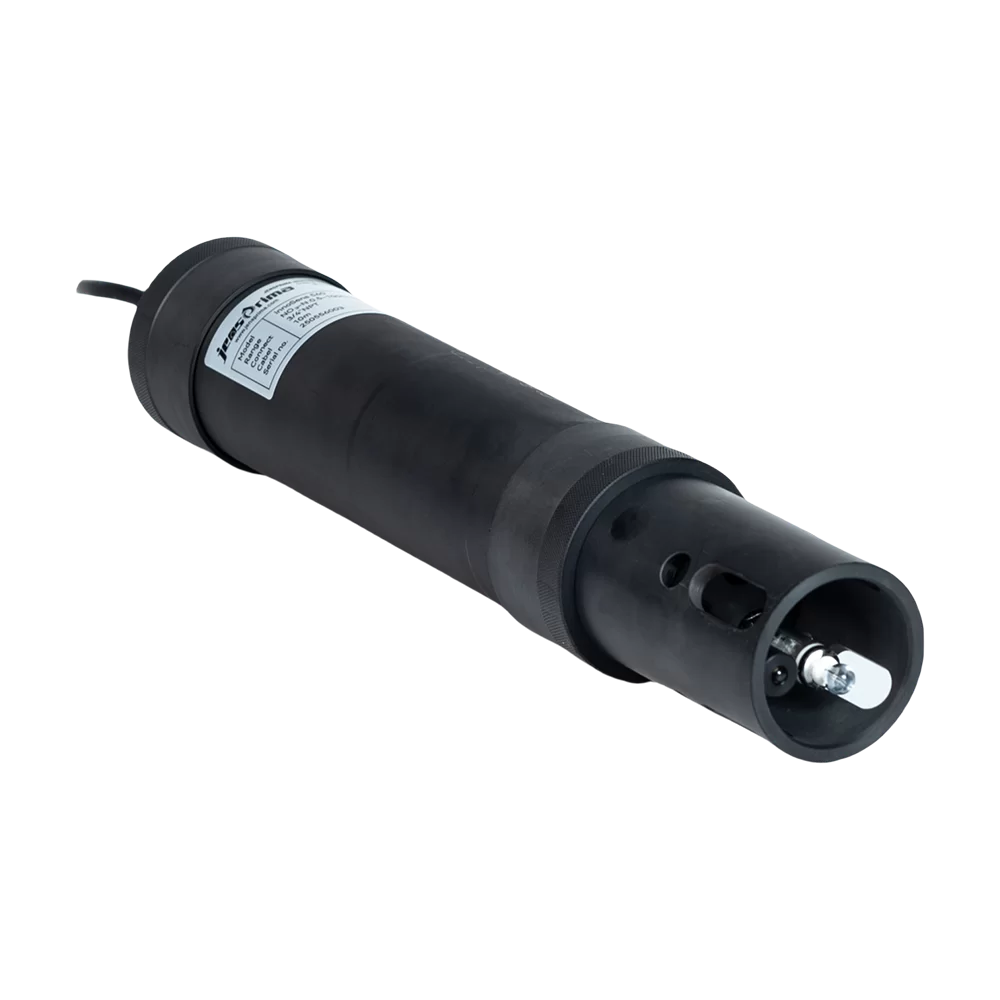
At its core, a reagentless free chlorine analyzer is an advanced water quality instrument designed to measure the concentration of free available chlorine (FAC) without the use of chemical reagents. Unlike traditional colorimetric methods that require a reaction between chlorine and a reagent to produce a color change, reagentless systems typically utilize an amperometric sensor or a UV-absorption technique to determine chlorine levels based on electrical current or light transmission.
This technology is intrinsically linked to the modern need for "smart" water infrastructure. By providing a continuous stream of data without the interruption of reagent depletion, these analyzers allow for closed-loop control systems. This means the analyzer can communicate directly with chlorine dosing pumps to adjust the feed rate in real-time, ensuring optimal water chemistry with minimal waste.
For humanitarian and remote industrial needs, the definition of this technology extends to "resilience." In areas where supply chains are unstable—such as remote mining sites or disaster relief zones—a reagentless free chlorine analyzer provides the only viable way to ensure potable water safety without relying on a monthly shipment of fragile chemical reagents.
Core Components for High-Precision Monitoring
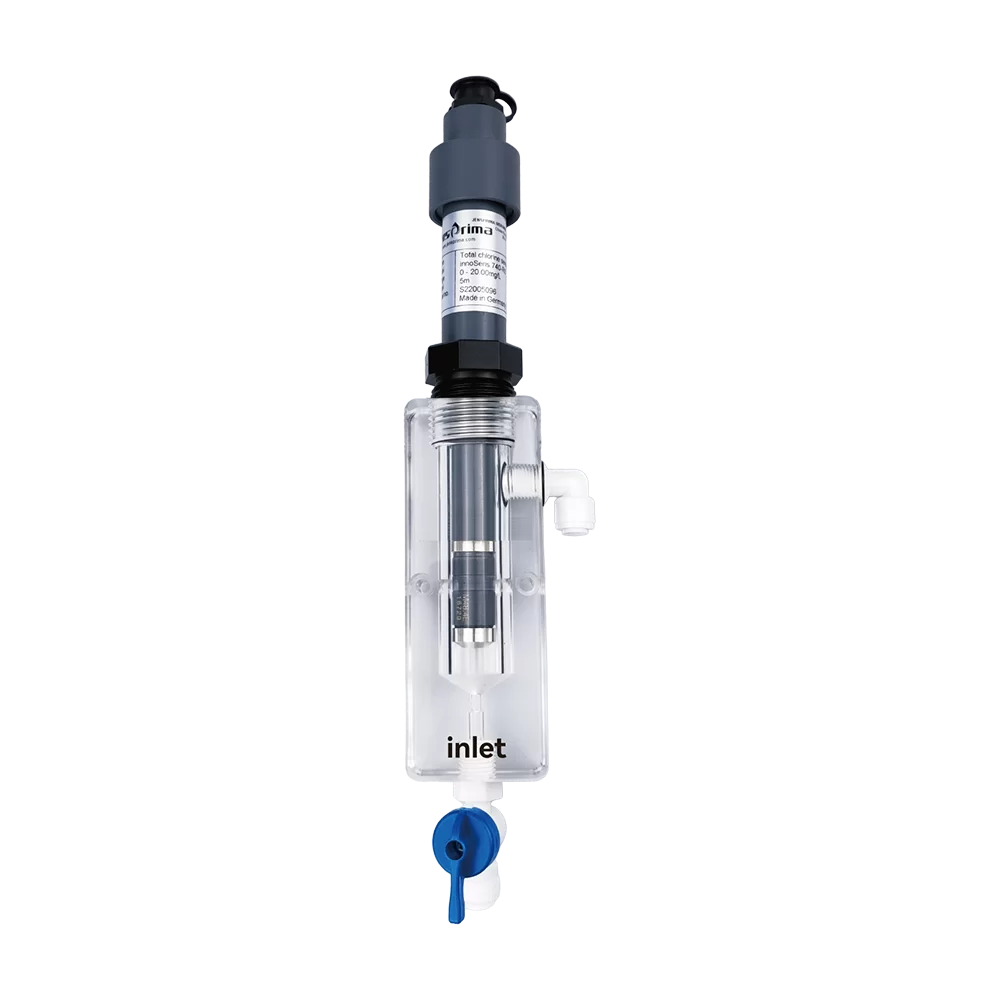
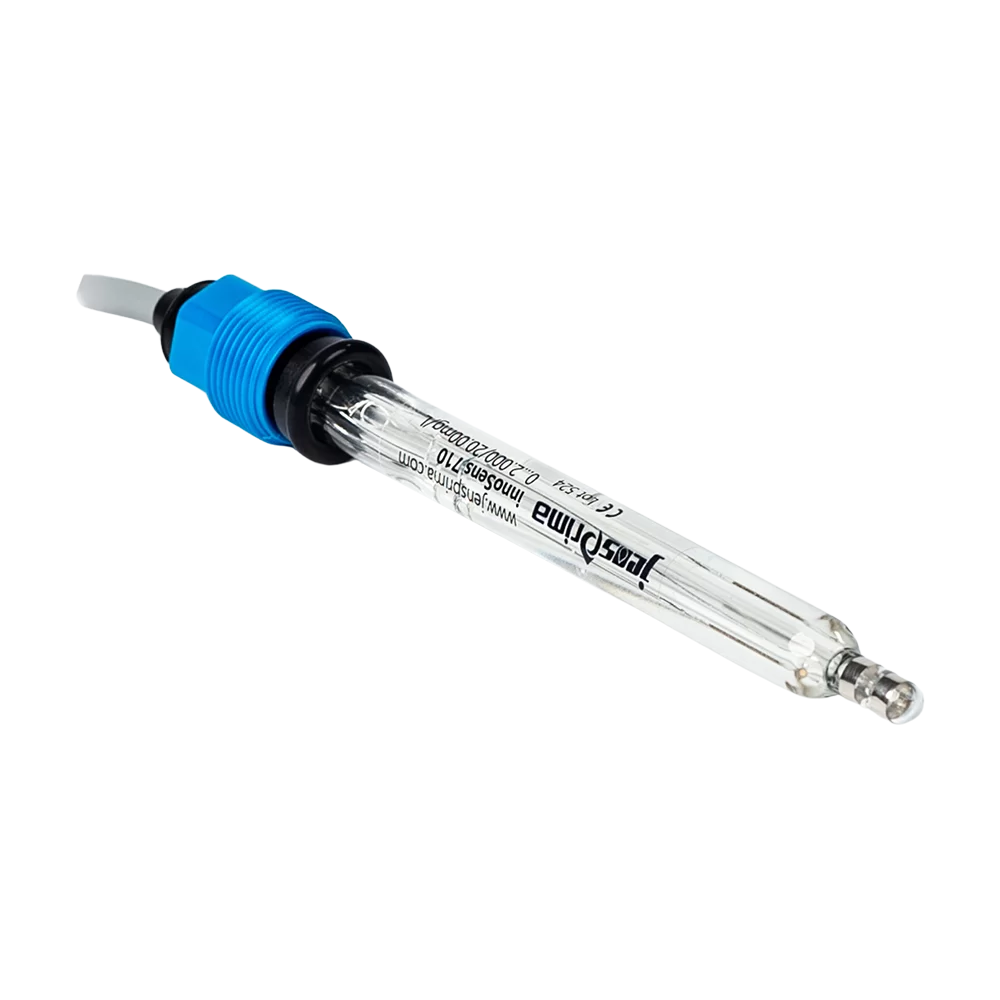
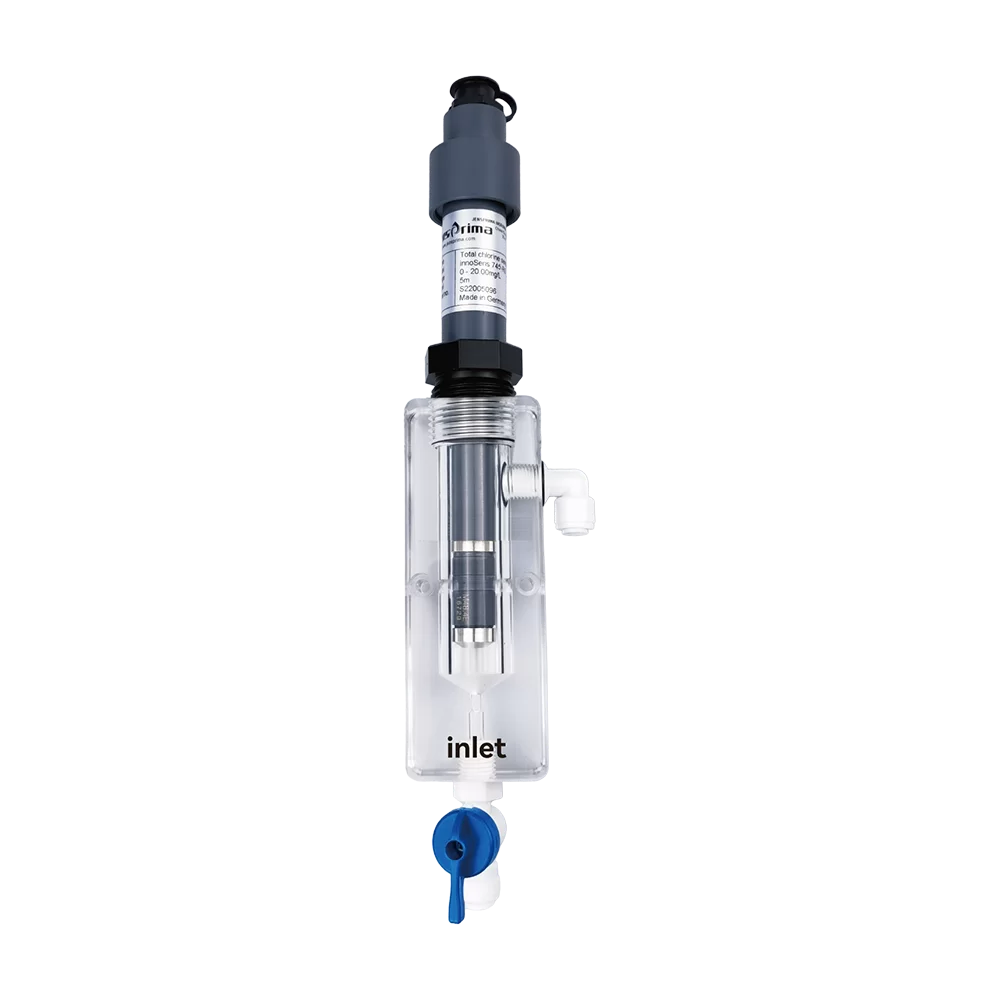
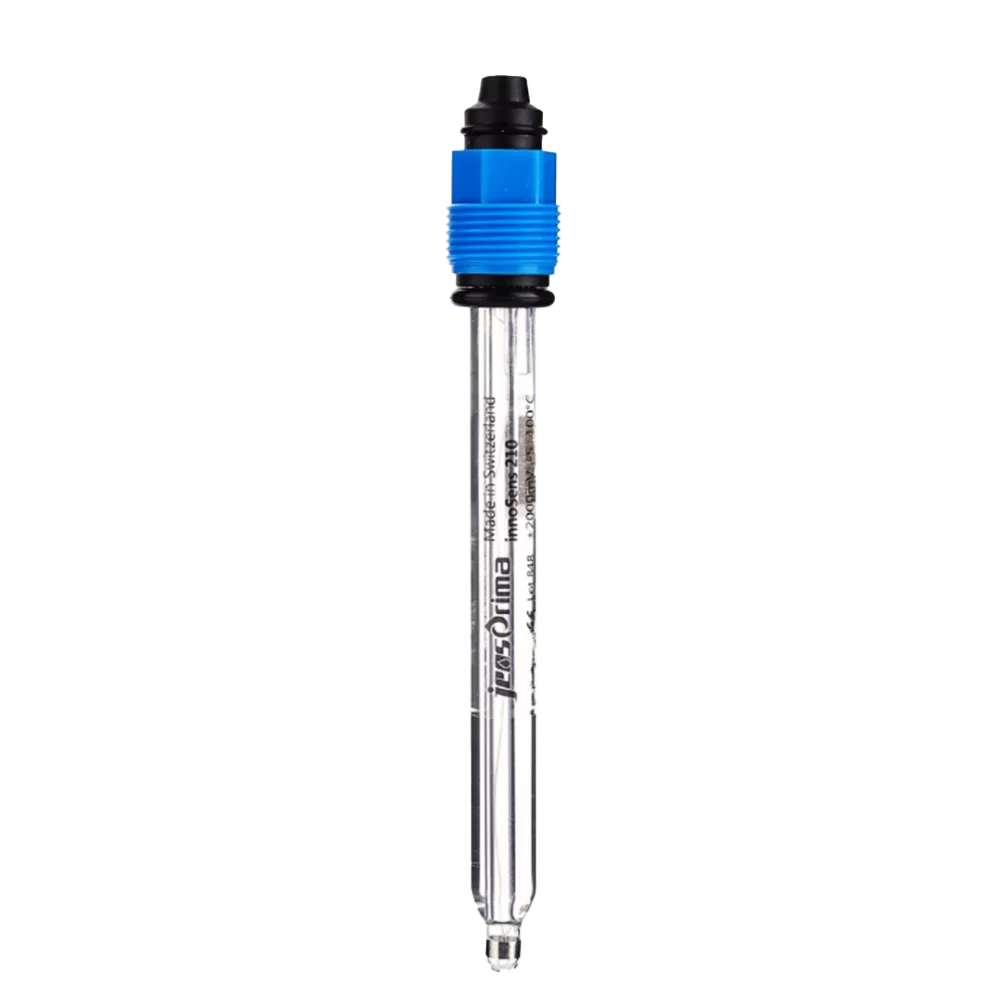
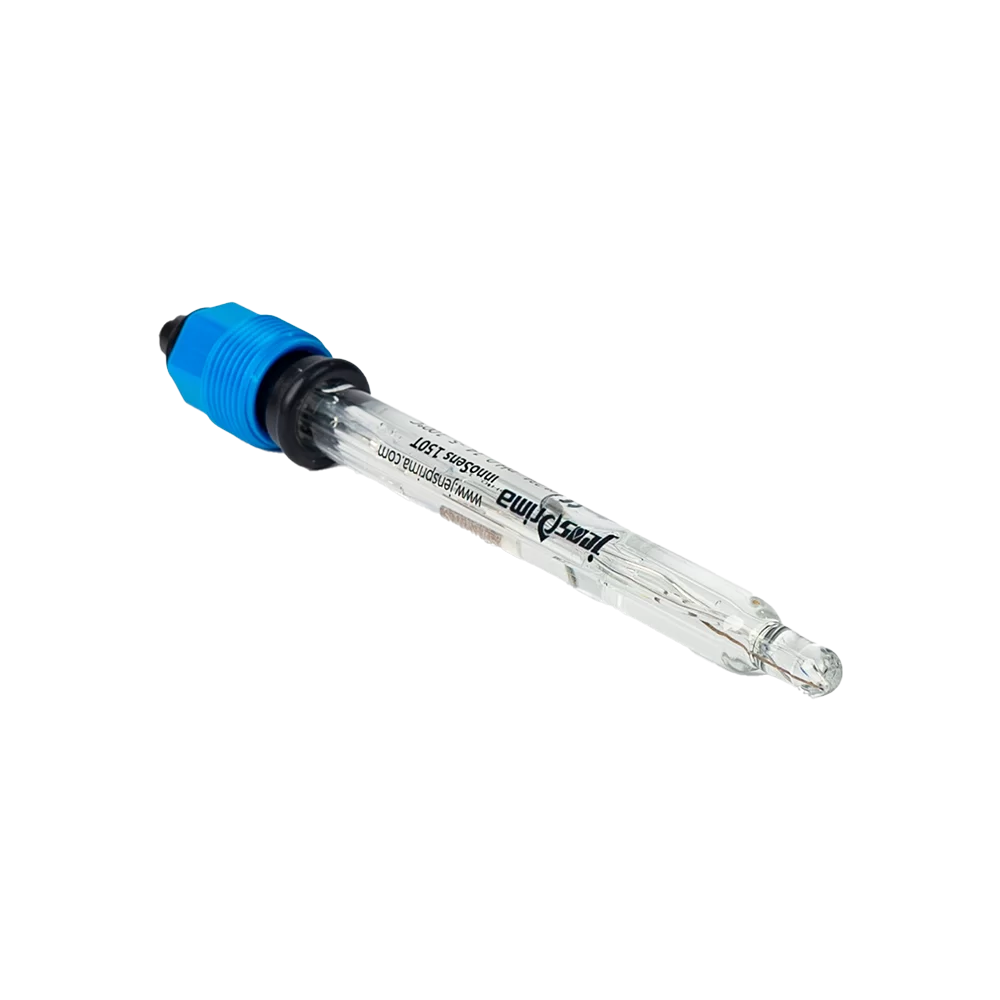
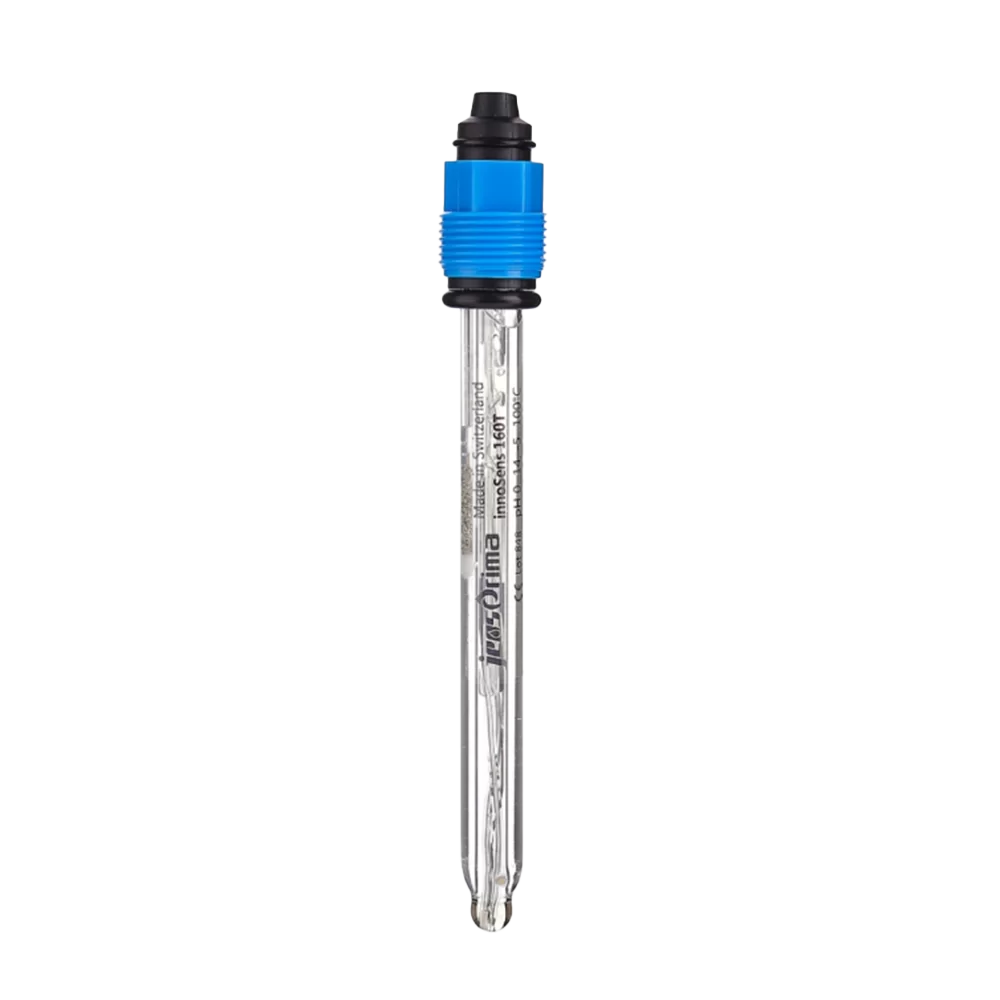
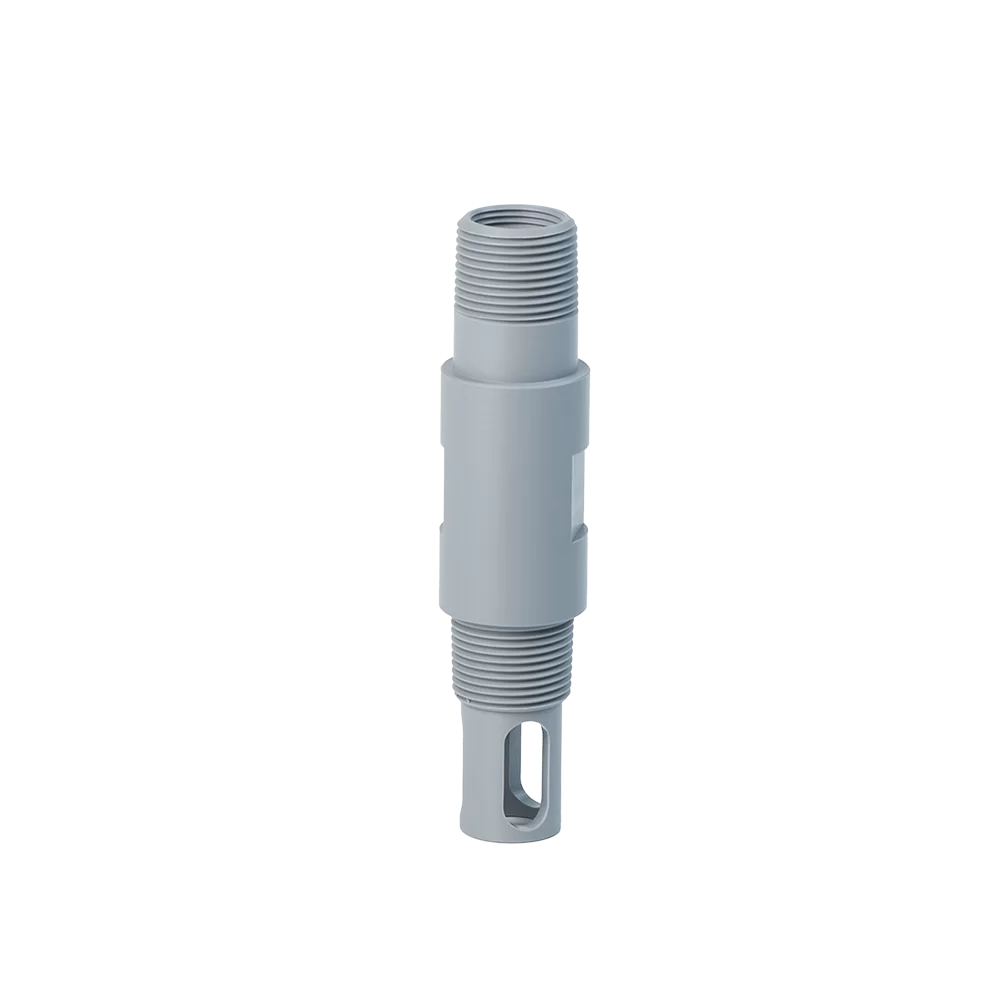
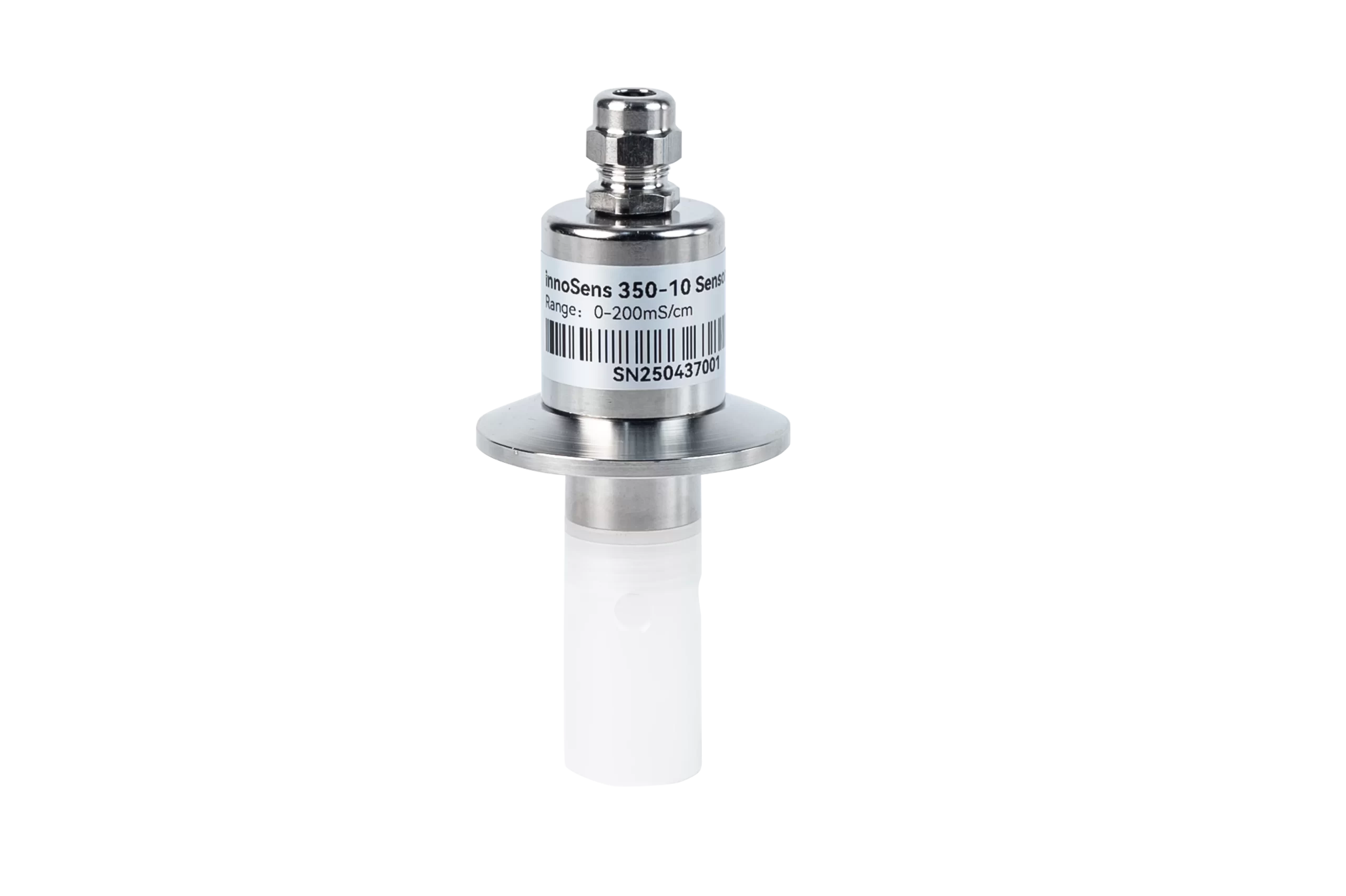
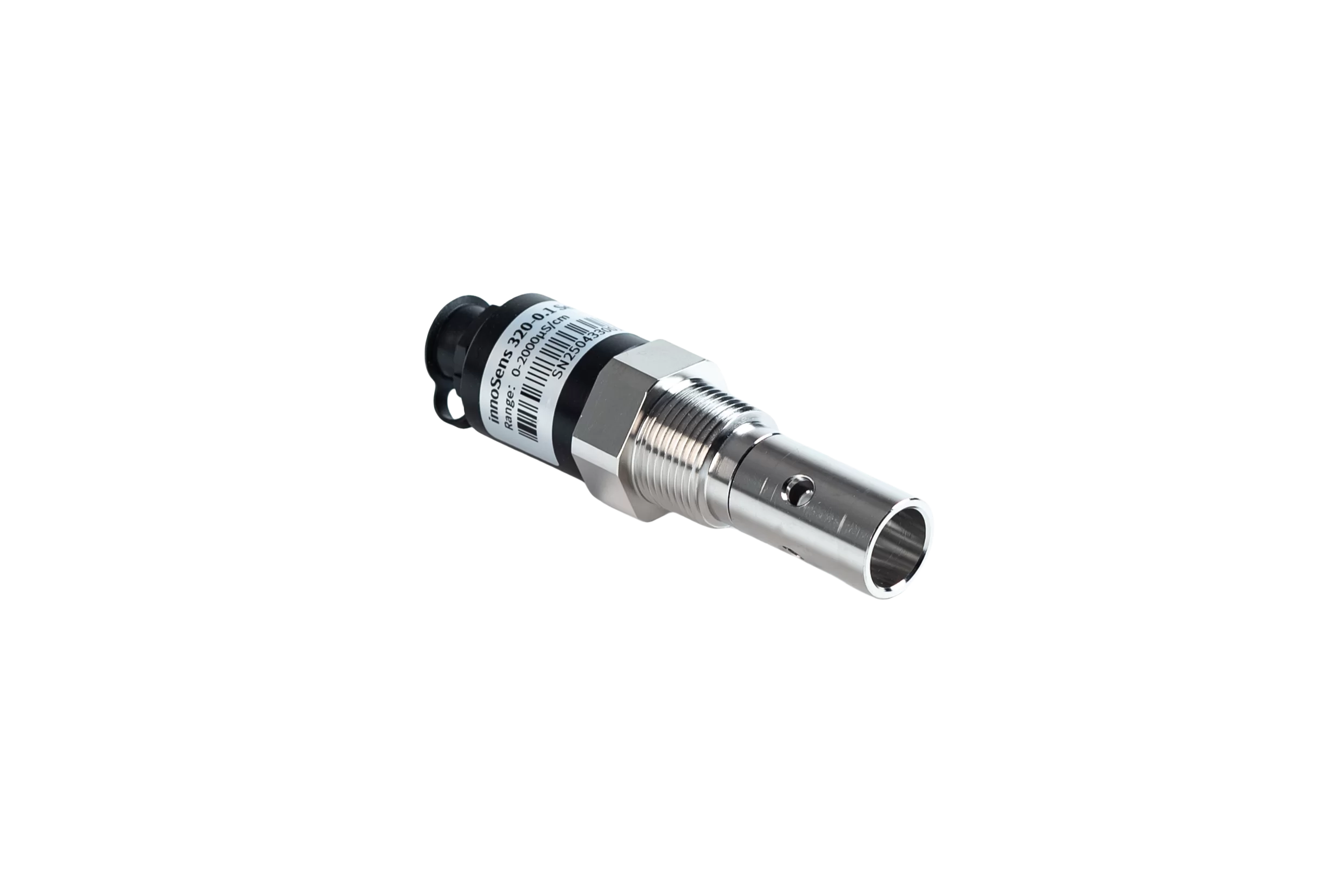
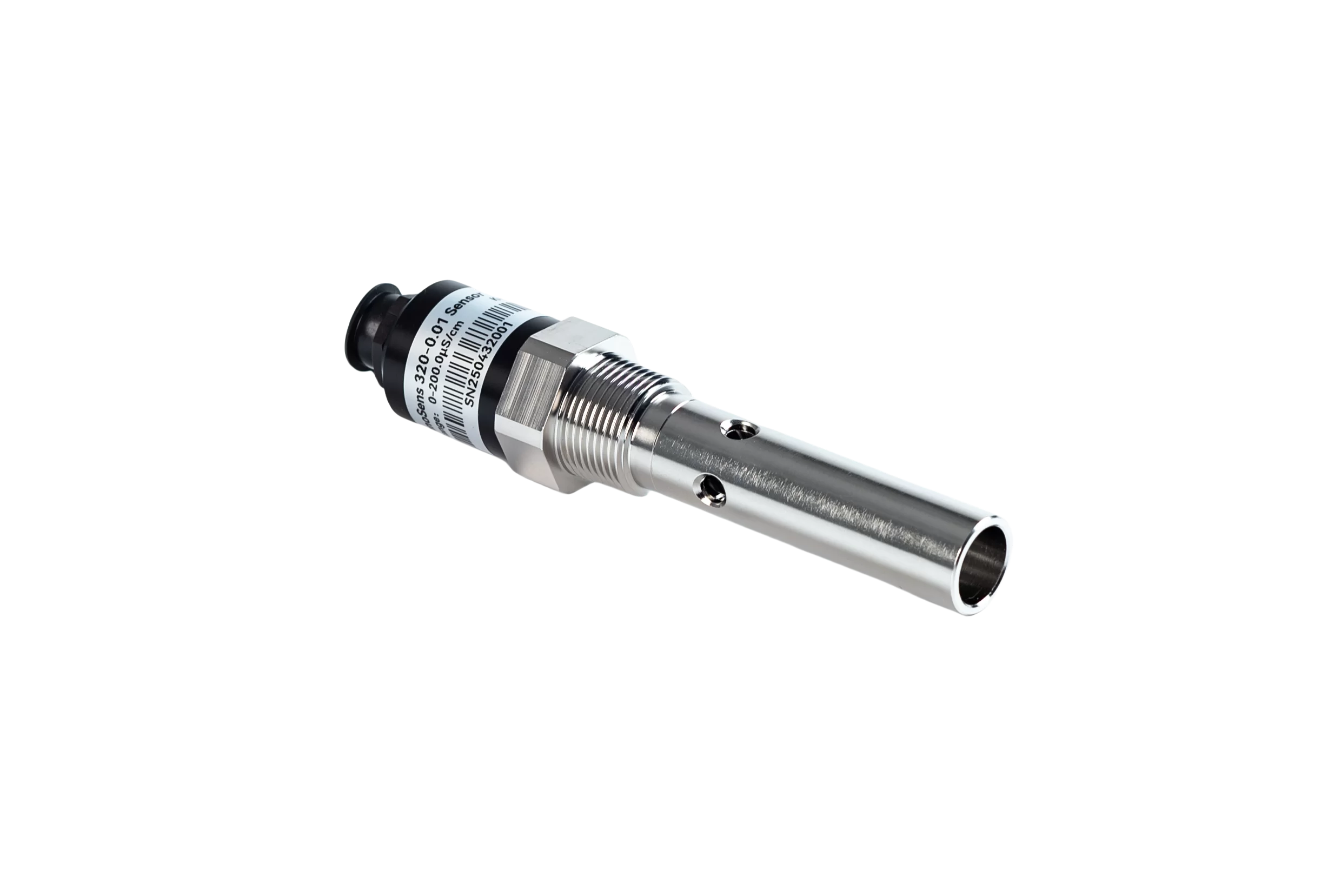
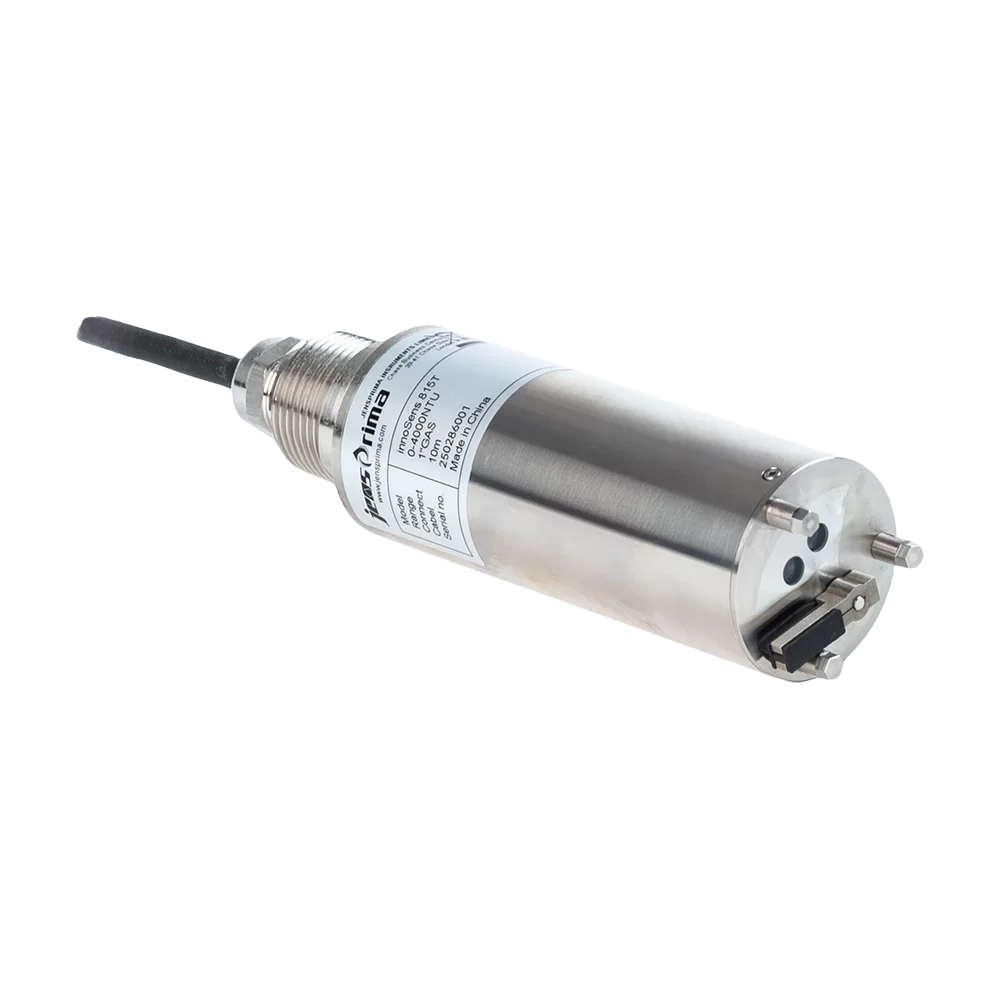
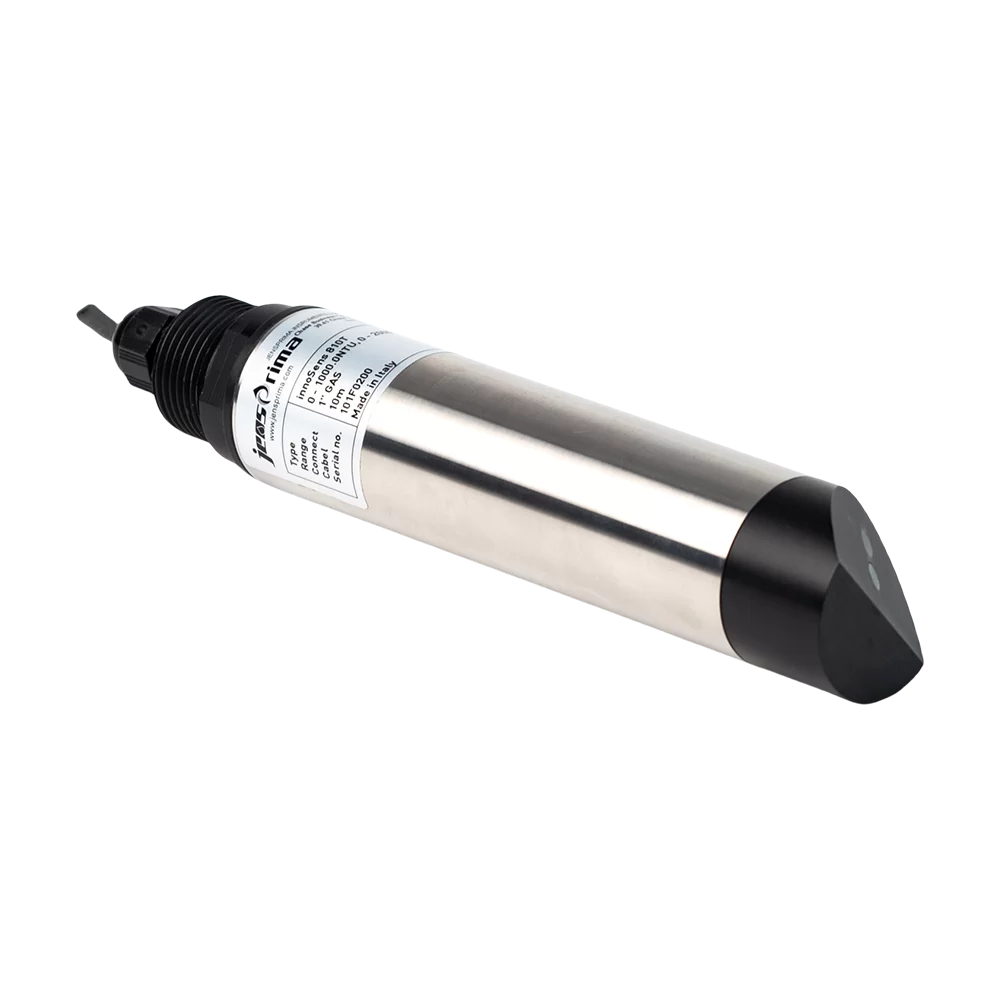
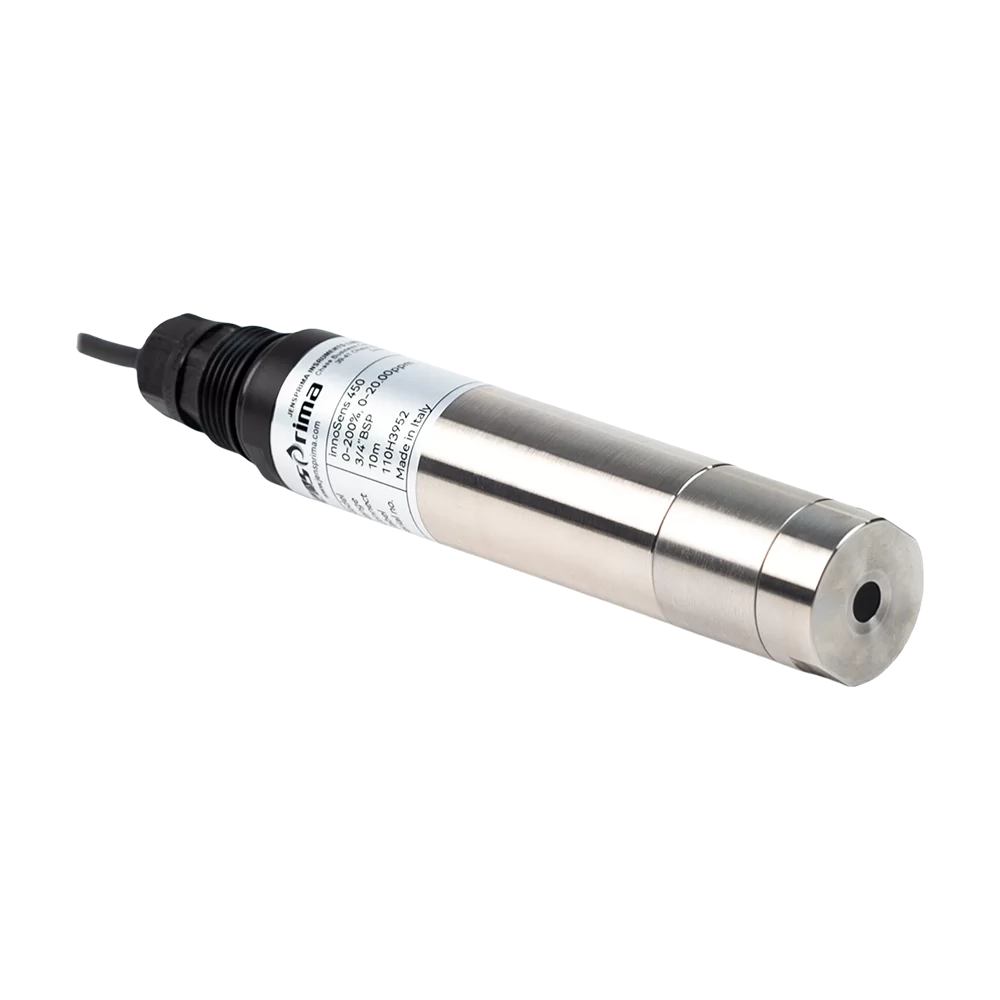
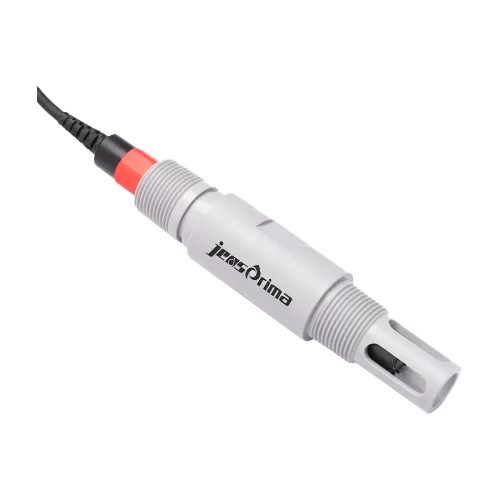
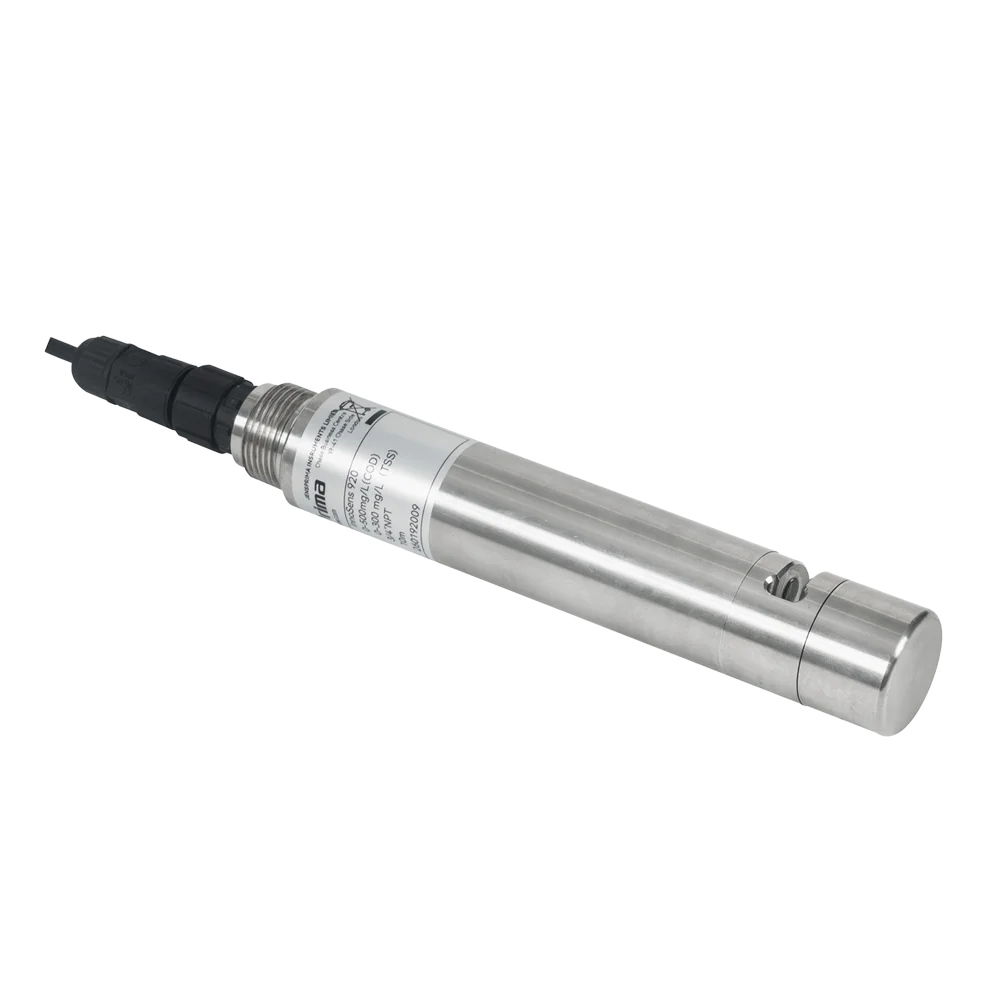
The durability of a reagentless free chlorine analyzer is primarily determined by its sensor membrane and electrode composition. High-grade materials such as platinum or gold-plated electrodes are often used to ensure that the sensor can withstand the corrosive nature of chlorinated water while maintaining a stable baseline for measurement.
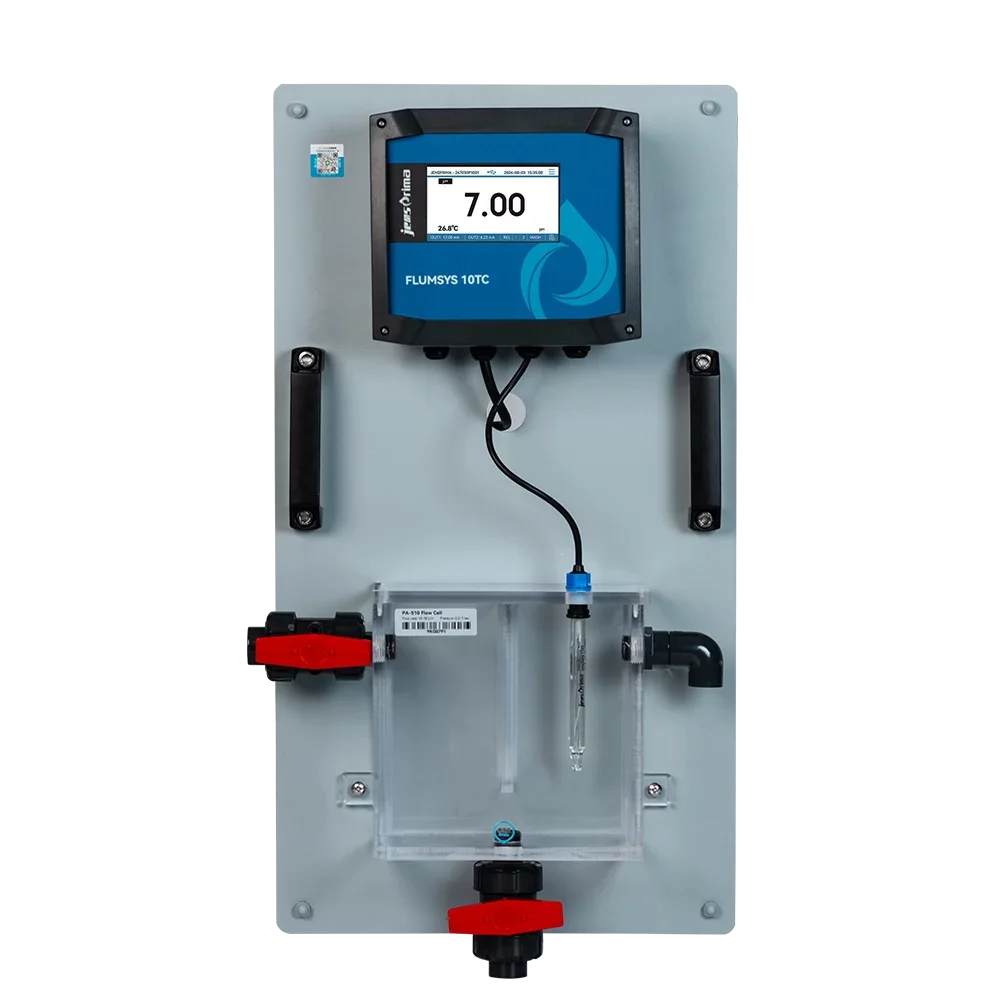
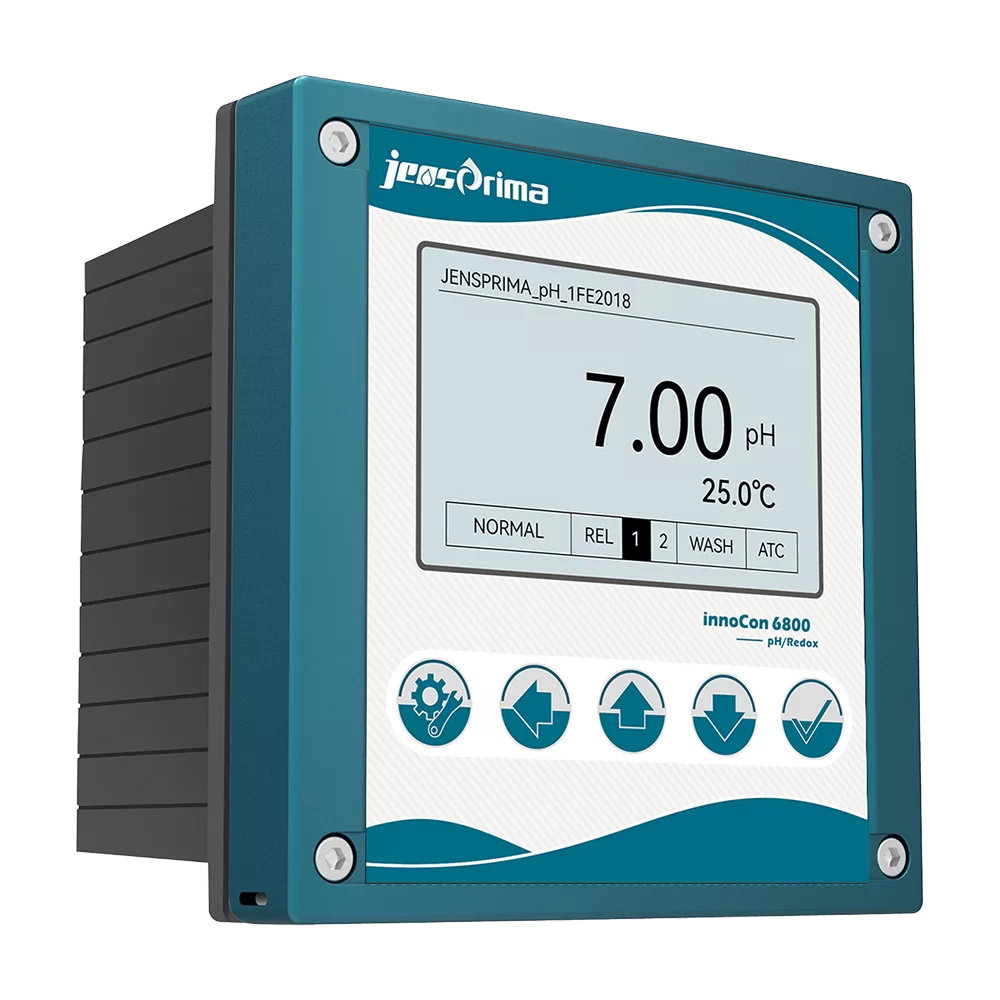
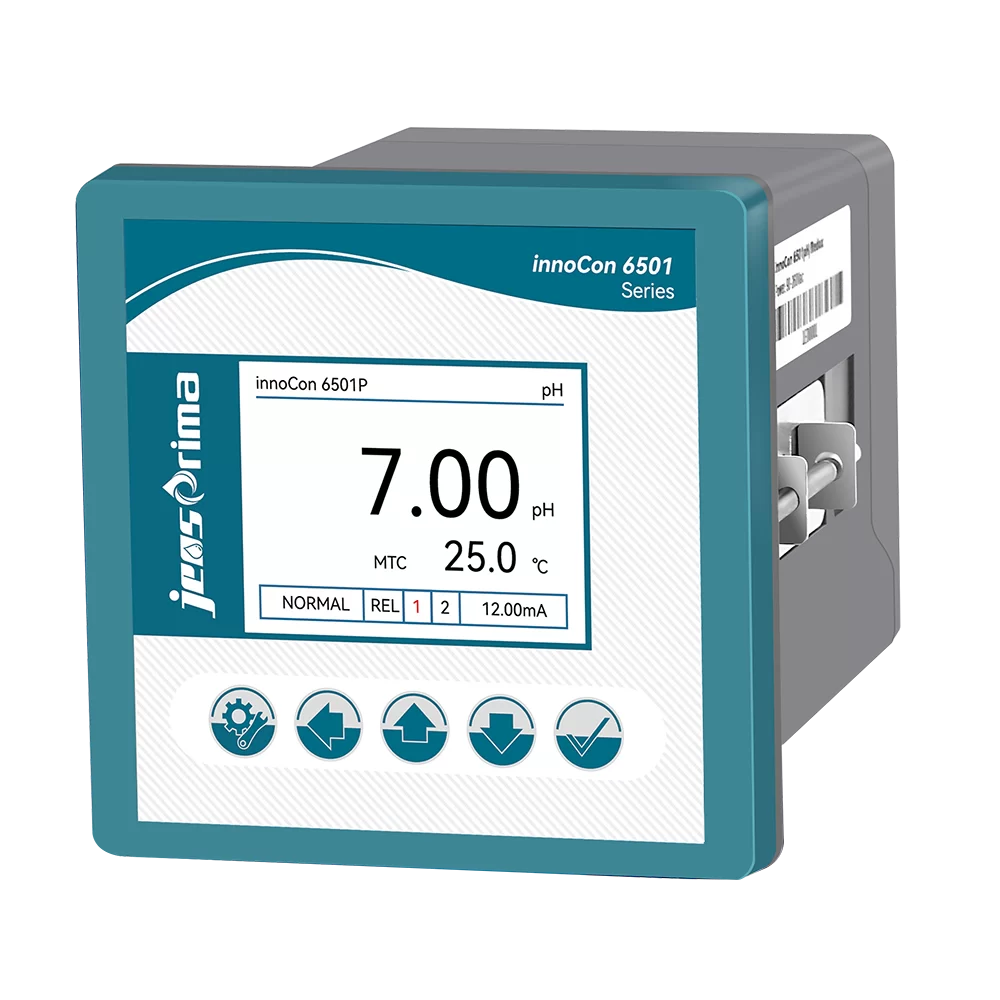
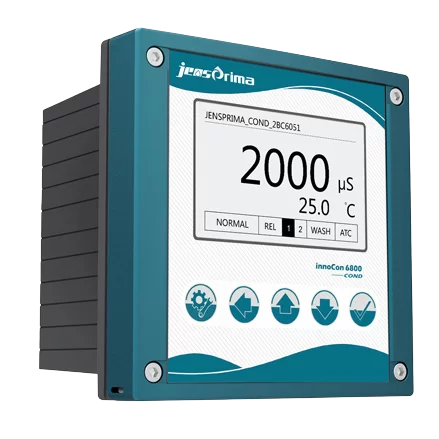
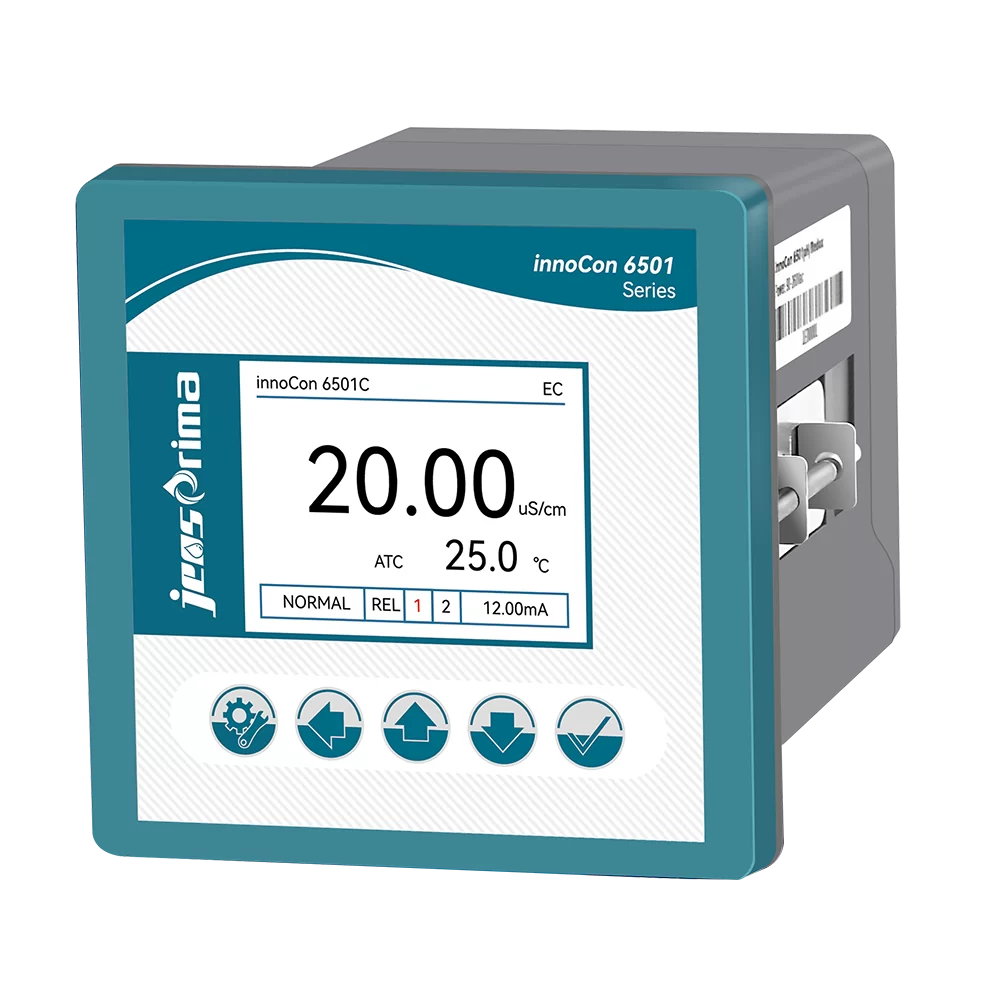
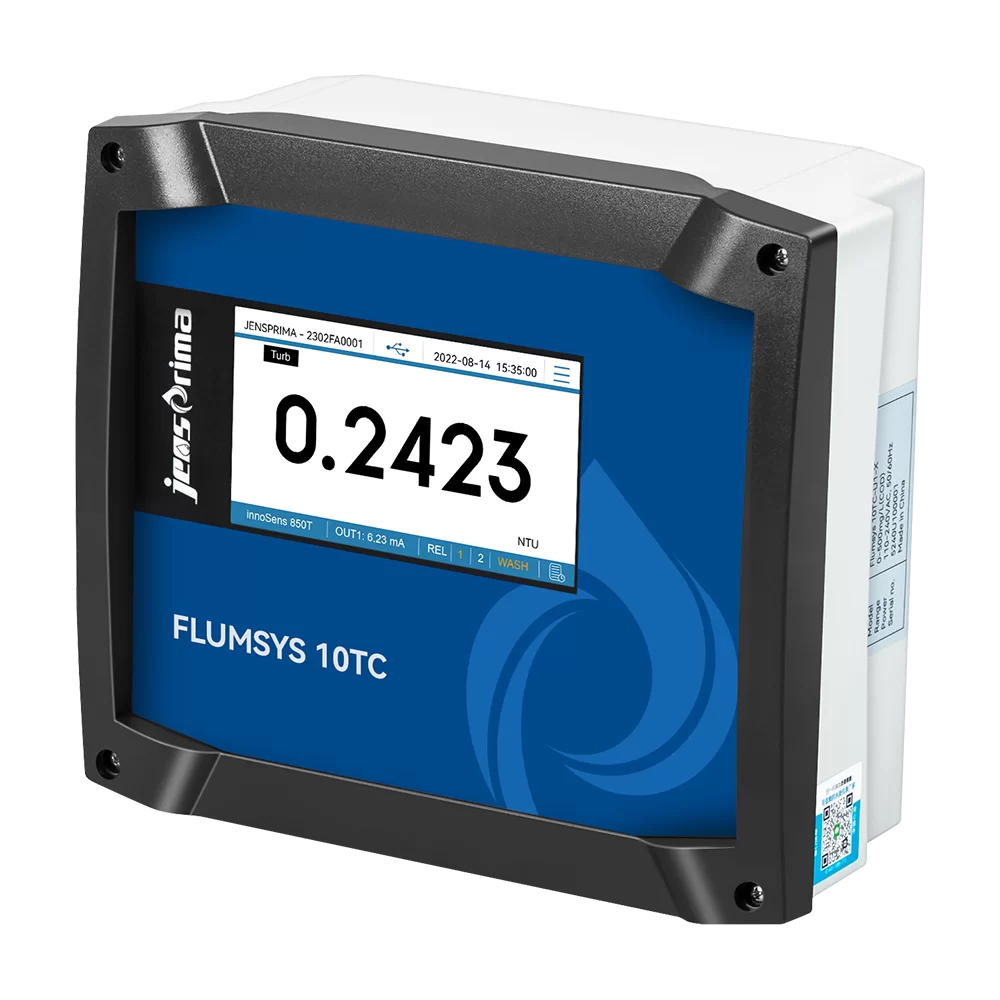
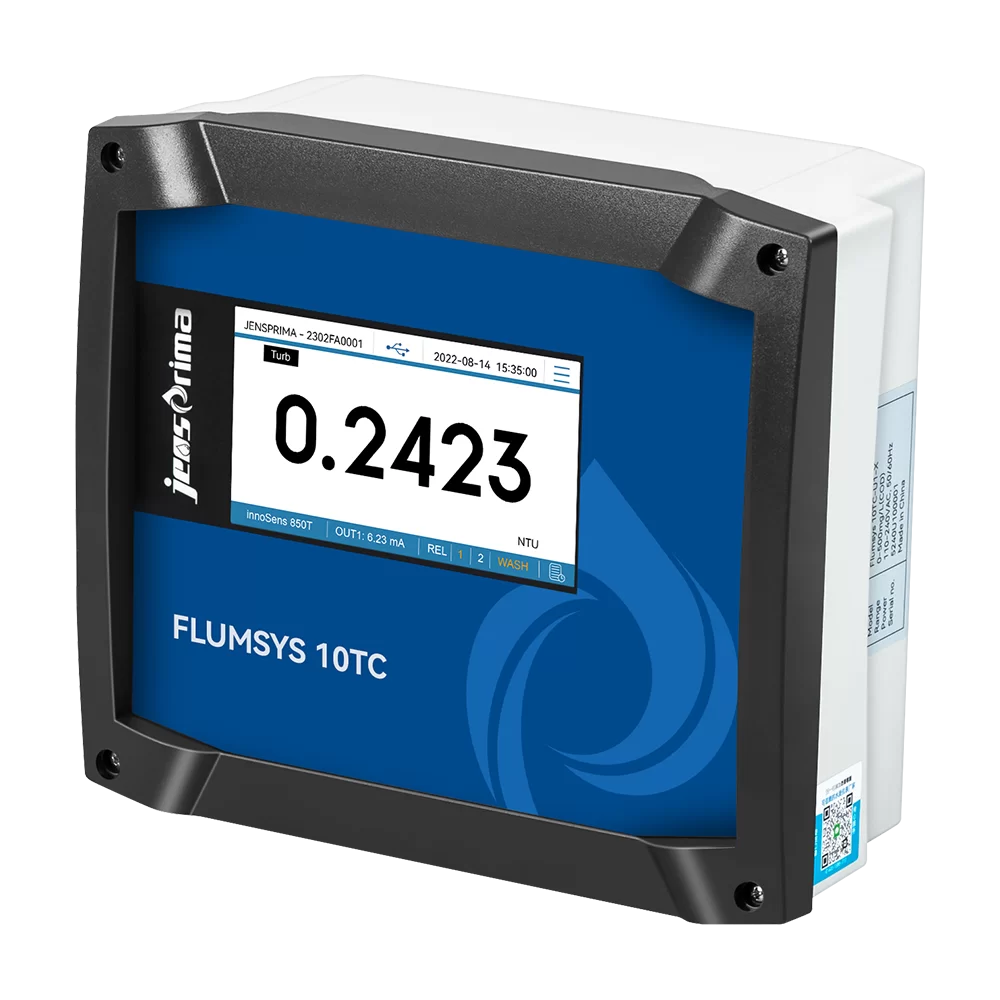
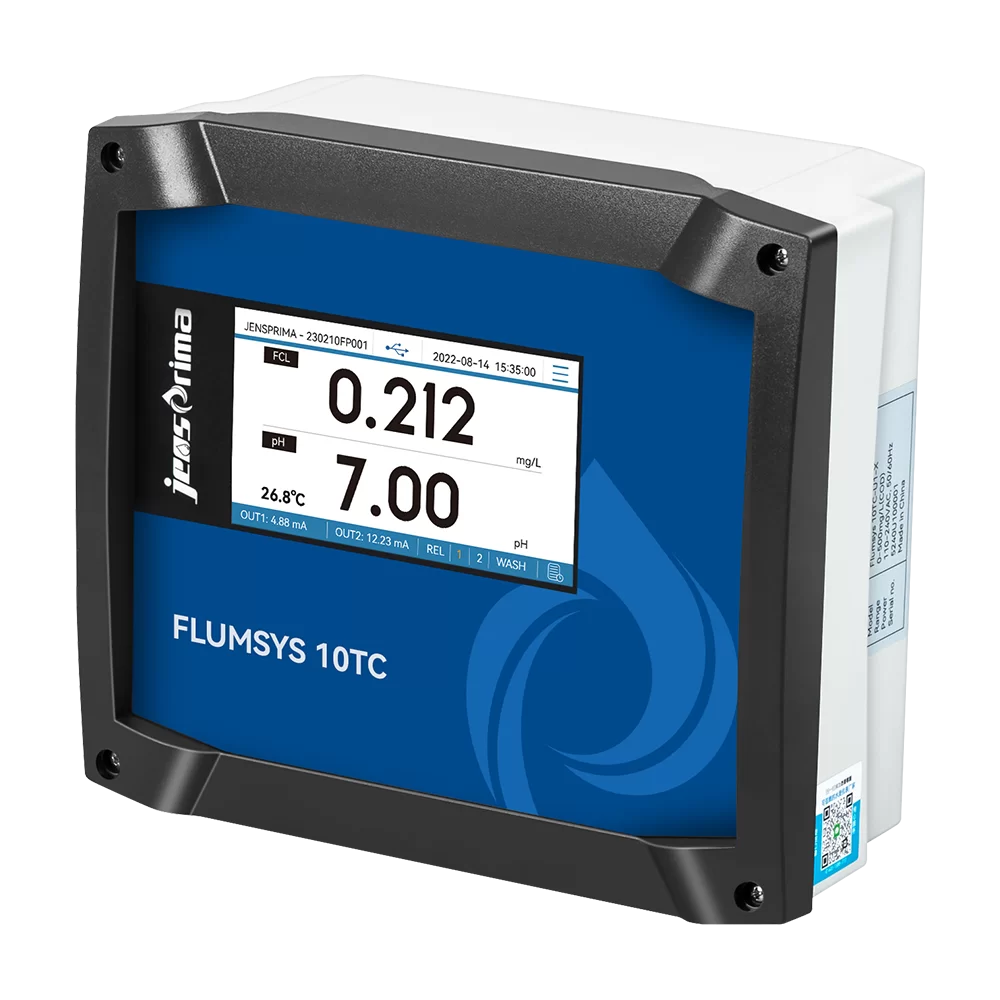
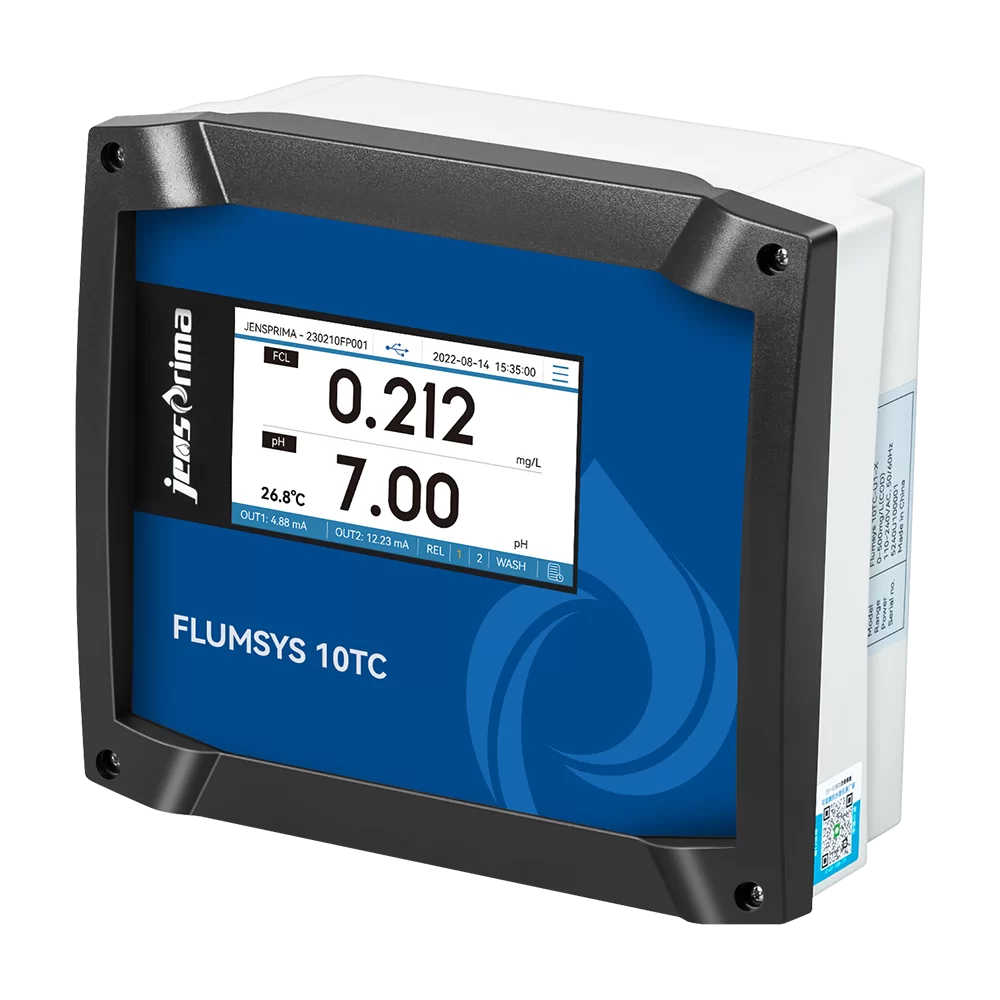
Cost efficiency is achieved through the integration of an intelligent transmitter that handles temperature compensation. Since chlorine activity is highly temperature-dependent, the reagentless free chlorine analyzer utilizes an embedded NTC or PT100 thermistor to automatically adjust readings, ensuring that accuracy remains constant regardless of seasonal water temperature fluctuations.
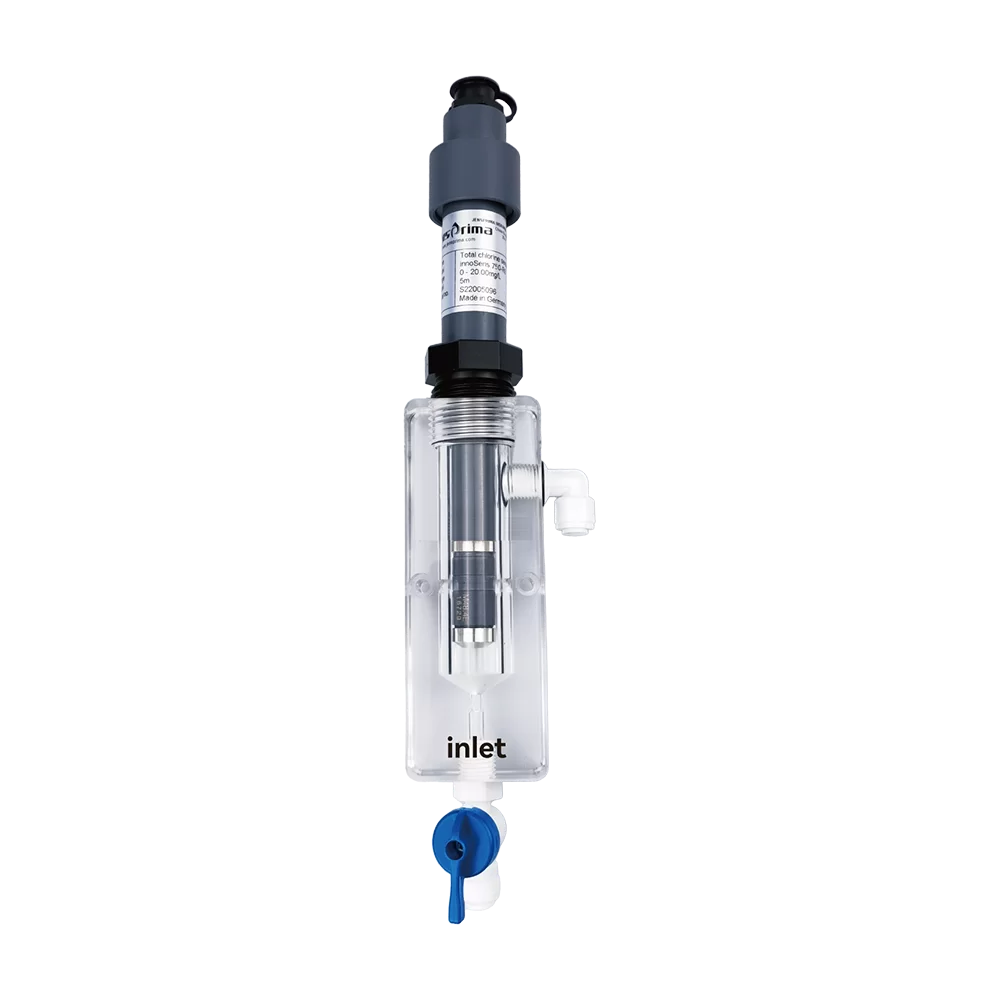
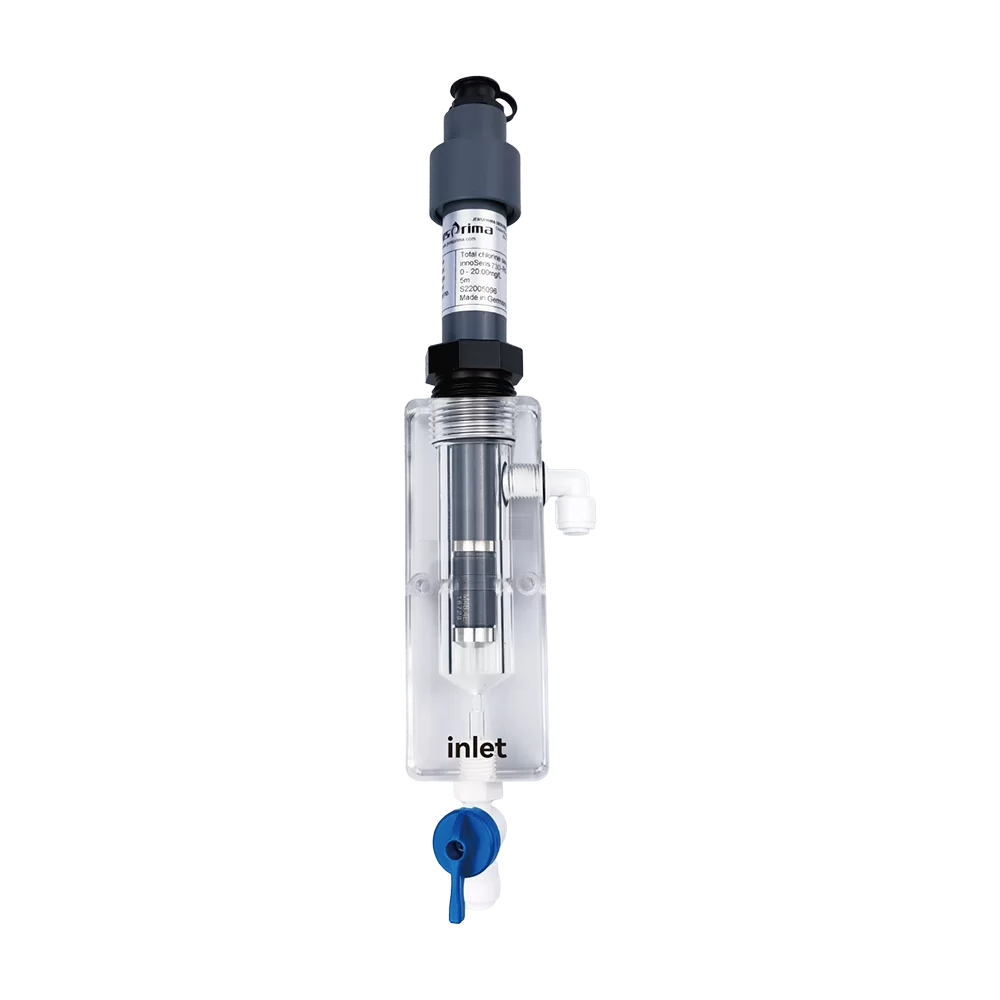
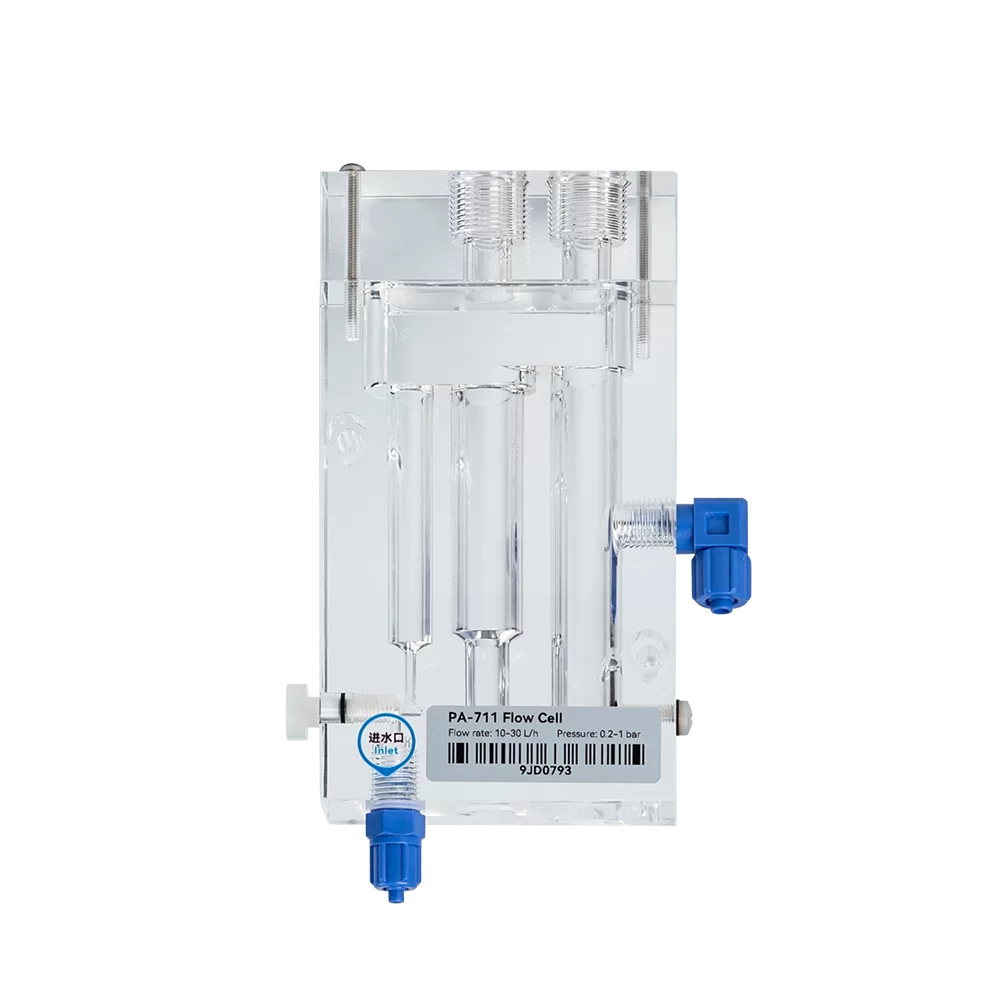
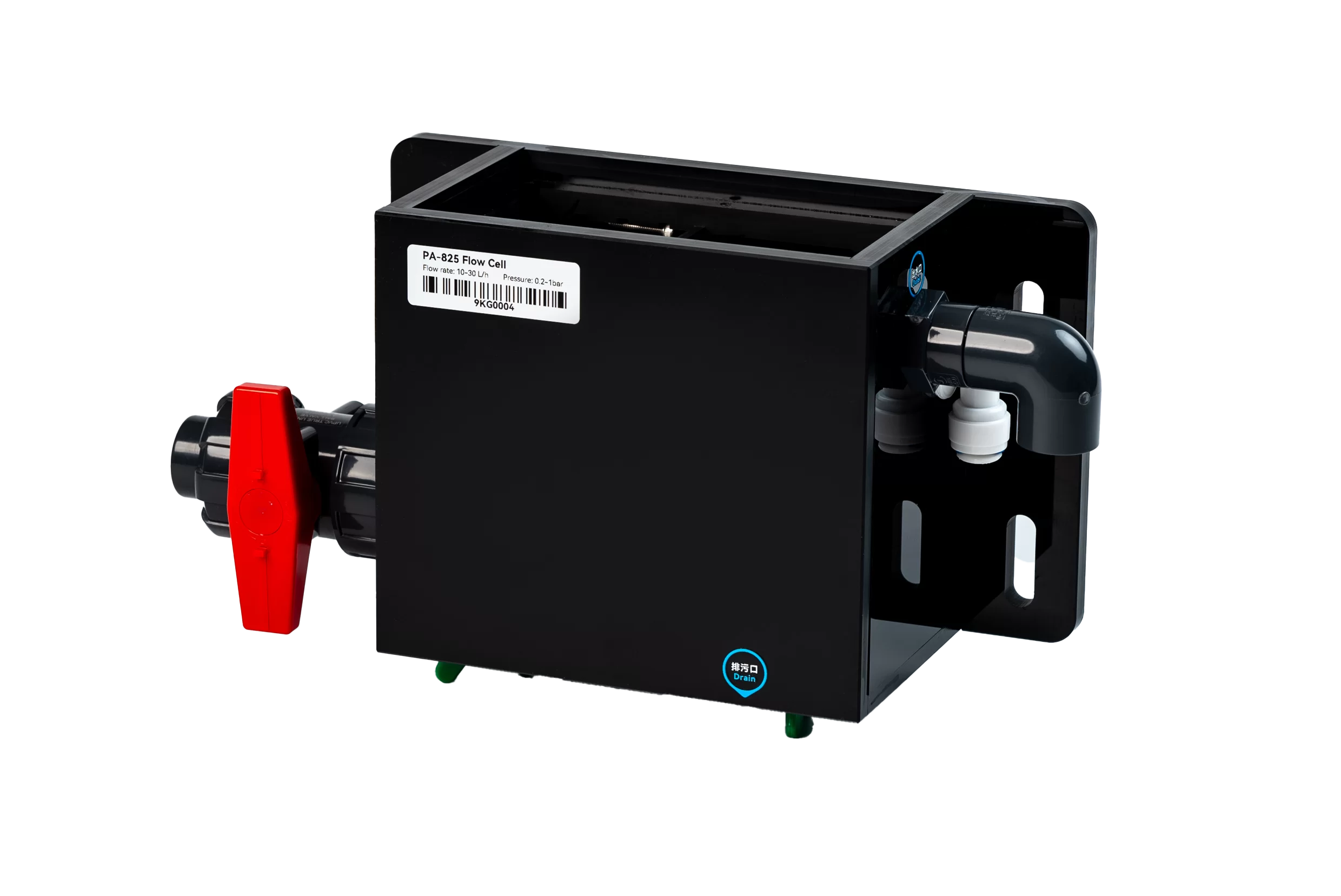
Scalability is provided by the modular design of the flow cells and controllers. Whether deployed in a small-scale laboratory or a massive municipal treatment plant, these systems can be networked together, allowing a single operator to monitor multiple points of the distribution network from a centralized dashboard.
Performance Metrics and Efficiency Analysis
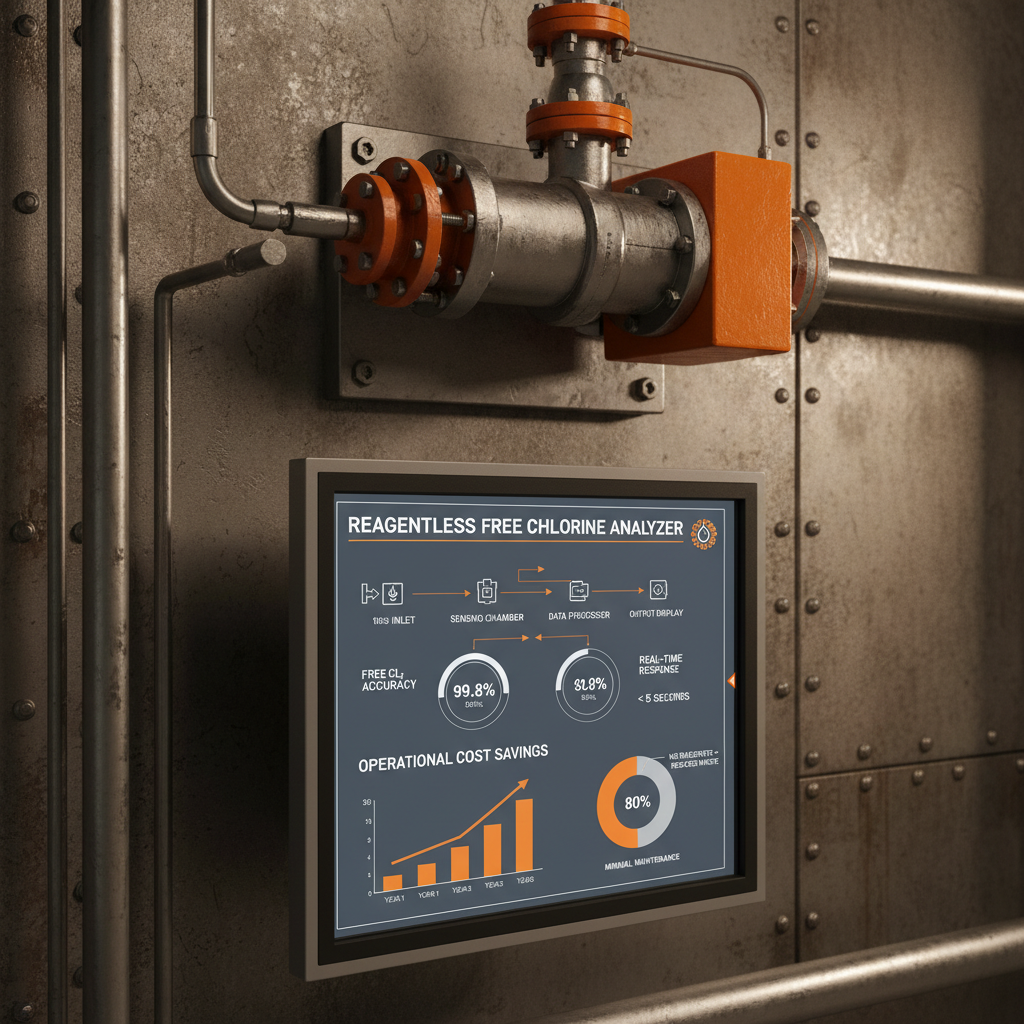
When evaluating the effectiveness of water monitoring systems, the comparison between reagent-based and reagentless methods reveals a stark difference in operational overhead. The primary metric for success is the "Mean Time Between Maintenance" (MTBM). While reagent systems require weekly or monthly refills and cleaning of reagent lines, a reagentless free chlorine analyzer typically only requires periodic sensor calibration and membrane checks.
Furthermore, the response time of these systems is significantly faster, as there is no delay caused by the mixing of chemicals. This leads to a more responsive dosing loop, preventing "over-chlorination" spikes that can lead to the formation of harmful disinfection by-products (DBPs) like trihalomethanes.
Operational Efficiency Comparison: Reagent vs Reagentless
Global Applications and Strategic Use Cases
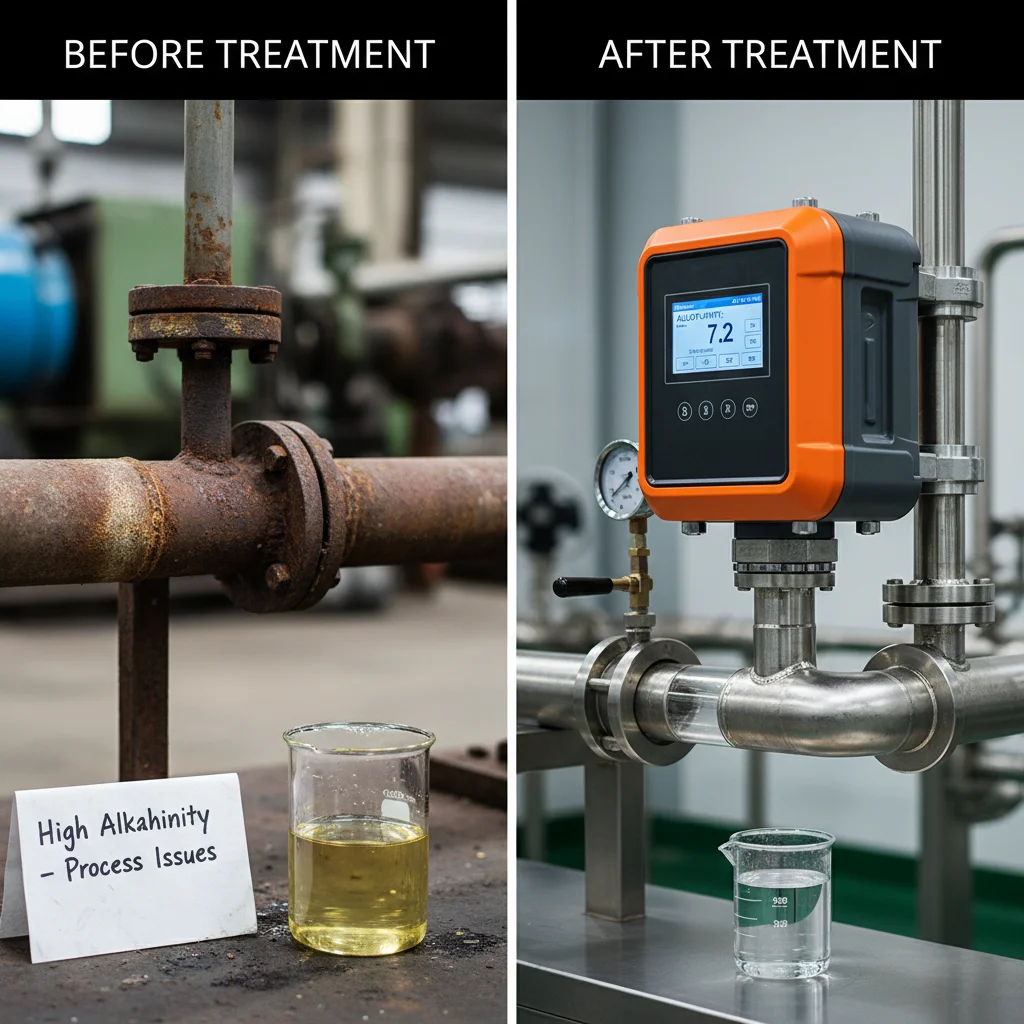
In the pharmaceutical and semiconductor industries, water purity is non-negotiable. A reagentless free chlorine analyzer is frequently used in Ultrapure Water (UPW) loops to ensure that no residual chlorine reaches the sensitive manufacturing equipment, as chlorine can cause pitting corrosion in stainless steel piping and contaminate silicon wafers.
Beyond high-tech manufacturing, these analyzers are critical in municipal swimming pool complexes and large-scale aquaculture. In these environments, the fluctuating organic load requires rapid adjustments to chlorine levels. By employing reagentless sensors, operators can maintain a stable "breakpoint chlorination" state, ensuring the water is pathogen-free without irritating the skin or gills of aquatic life.
Long-Term Value and Sustainability Advantages
The long-term value of adopting a reagentless free chlorine analyzer is measured in both financial savings and environmental stewardship. By eliminating the purchase, transport, and disposal of chemical reagents, companies can reduce their operational costs by up to 40% over a five-year lifecycle. This removes the need for specialized chemical storage areas and reduces the risk of hazardous spills on-site.
From a sustainability perspective, the reduction in chemical waste is a significant win. Reagent-based systems produce a continuous stream of chemical-laden effluent that must be treated before discharge. Reagentless systems produce zero chemical waste, directly contributing to a facility's ESG (Environmental, Social, and Governance) goals and reducing the overall toxicity of the plant's waste stream.
Moreover, the reliability of these systems fosters a sense of trust and safety. When a city's water department can prove a consistent, reagent-free monitoring history, it increases public confidence in the water supply. The peace of mind knowing that the system is operating autonomously and accurately is an intangible but powerful benefit.
Future Trends and Technological Innovations
The future of the reagentless free chlorine analyzer is being shaped by the integration of AI and Machine Learning. We are seeing the rise of "predictive calibration," where the analyzer uses historical data to predict when the sensor membrane will degrade, alerting the operator before the accuracy drifts. This moves maintenance from a reactive to a proactive model.
Digital transformation is also introducing the "Internet of Water." Future analyzers will not only report data but will participate in city-wide networks, sharing data to identify chlorine decay patterns across a municipal grid. This will allow for the strategic placement of "booster" chlorination stations, optimizing chemical use across an entire city.
Material science is another frontier, with the development of graphene-based sensors and nanoporous membranes that offer even higher selectivity and lower detection limits. These innovations will allow for the detection of free chlorine at parts-per-billion (ppb) levels with unprecedented stability, further pushing the boundaries of water quality science.
Comparative Analysis of Reagentless Chlorine Monitoring Technologies
| Technology Type |
Maintenance Needs |
Response Speed |
Environmental Impact |
| Amperometric Sensor |
Low (Membrane Change) |
Fast (Real-time) |
Zero Waste |
| UV Spectrophotometry |
Very Low (Lens Cleaning) |
Instantaneous |
Zero Waste |
| DPD Colorimetric |
High (Reagent Refill) |
Slow (Batch) |
Chemical Waste |
| Potentiometric Probe |
Medium (Electrolyte) |
Moderate |
Low Waste |
| Optical-Chemical Sensor |
Medium (Tip Replace) |
Fast |
Minimal Waste |
| Manual Titration |
N/A (Labor Intensive) |
Very Slow |
High Waste |
FAQS
Modern reagentless analyzers, particularly those using amperometric sensors, offer accuracy that is highly comparable to DPD methods. While DPD is often seen as the "gold standard" for spot checks, reagentless systems provide the advantage of continuous monitoring, which captures fluctuations that a manual spot check would miss. With proper calibration, they provide reliable, industrial-grade precision for process control.
No, the primary advantage of a reagentless free chlorine analyzer is the complete elimination of measurement reagents. It uses physical and chemical properties—such as electrical current or light absorption—to determine chlorine concentration, meaning you no longer need to stock, handle, or dispose of DPD tablets or liquids.
Maintenance is significantly reduced compared to reagent systems. Typically, you only need to perform a calibration check every 1-3 months and replace the sensor membrane once or twice a year, depending on the water quality. This drastic reduction in manual intervention is one of the main reasons for switching to reagentless technology.
Yes, though it depends on the sensor type. Amperometric sensors use a membrane that protects the electrode from fouling, making them suitable for many industrial applications. For extremely dirty water, we recommend installing a pre-filtration system or using an automated cleaning cycle (such as an air-blast or wiper system) to ensure the sensing surface remains clean.
The initial capital expenditure (CAPEX) may be slightly higher due to the advanced sensor technology. However, the total cost of ownership (TCO) is significantly lower. When you factor in the elimination of monthly reagent costs and the reduction in labor hours spent on maintenance, most facilities see a return on investment (ROI) within 12 to 18 months.
Absolutely. Most professional-grade reagentless analyzers come equipped with standard industrial outputs, such as 4-20mA analog signals, Modbus RS485, or Profibus. This allows for seamless integration into any existing control system, enabling automated dosing and remote data logging across your entire facility.
Conclusion
The transition toward the reagentless free chlorine analyzer marks a pivotal shift in water quality management, moving from labor-intensive chemical assays to streamlined, autonomous sensing. By combining high precision with zero-waste operation, these systems solve the most pressing challenges of modern water treatment: operational cost, environmental sustainability, and the need for real-time responsiveness. Whether applied in municipal drinking water, high-purity industrial loops, or remote humanitarian projects, the reagentless approach ensures safety without compromise.
Looking ahead, as we embrace the era of Industry 4.0, the integration of smart sensors will further redefine our relationship with water infrastructure. We encourage facility managers and engineers to evaluate their current OPEX and environmental impact and consider the strategic upgrade to reagentless technology. Embracing this innovation not only secures the quality of the water but also future-proofs the operation against rising reagent costs and tightening environmental regulations. Visit our website for more information: www.jensprima.com



 Download
 Video Center
 Technical Services
 FAQS
FAQS Service Network
 Privacy Policy
 Contact Us