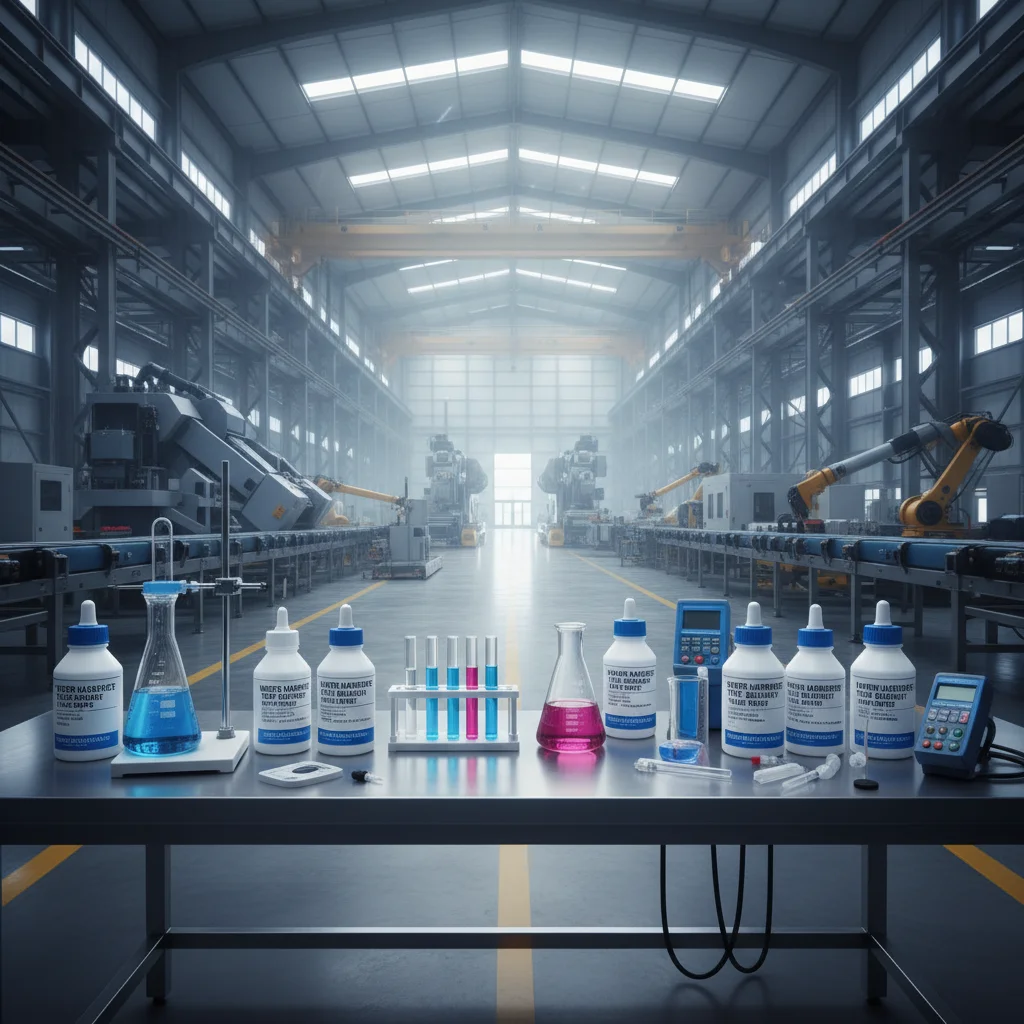
Maintaining precise Oxidation-Reduction Potential (ORP) is critical for ensuring water safety and process efficiency across various industrial sectors. A high-performance redox controller serves as the central nervous system for these processes, automating the dosing of chemicals to prevent contamination and optimize chemical consumption. By providing real-time monitoring and immediate response, these controllers eliminate the risks associated with manual testing and human error.
On a global scale, the demand for advanced water quality management has surged as environmental regulations become more stringent. Whether in municipal wastewater treatment or high-tech pharmaceutical manufacturing, the ability to stabilize the redox state of a liquid is paramount. This is not merely a matter of compliance but a fundamental requirement for protecting public health and preserving fragile aquatic ecosystems from chemical imbalances.
Understanding the technical nuances of a redox controller allows plant managers to transition from reactive maintenance to proactive optimization. By integrating smart sensors with precision control logic, industries can achieve a level of stability that ensures consistent product quality and reduces the overall environmental footprint of their operations.

Global Importance of Redox Control Systems
The global management of water resources is currently facing unprecedented challenges due to industrialization and population growth. According to standards aligned with ISO 14001, the precision of chemical dosing in water treatment is a key indicator of environmental stewardship. A redox controller is essential in this context, as it ensures that disinfectants like chlorine or ozone are applied in the exact quantities needed to neutralize pathogens without creating harmful by-products.
In many developing regions, the lack of automated redox monitoring leads to either under-treatment, risking outbreaks of waterborne diseases, or over-treatment, which can poison local flora and fauna. By deploying robust controllers, organizations can stabilize water chemistry in real-time, meeting the stringent requirements of the World Health Organization (WHO) and ensuring that industrial discharge does not compromise the safety of the surrounding community.
Defining the Redox Controller and Its Function
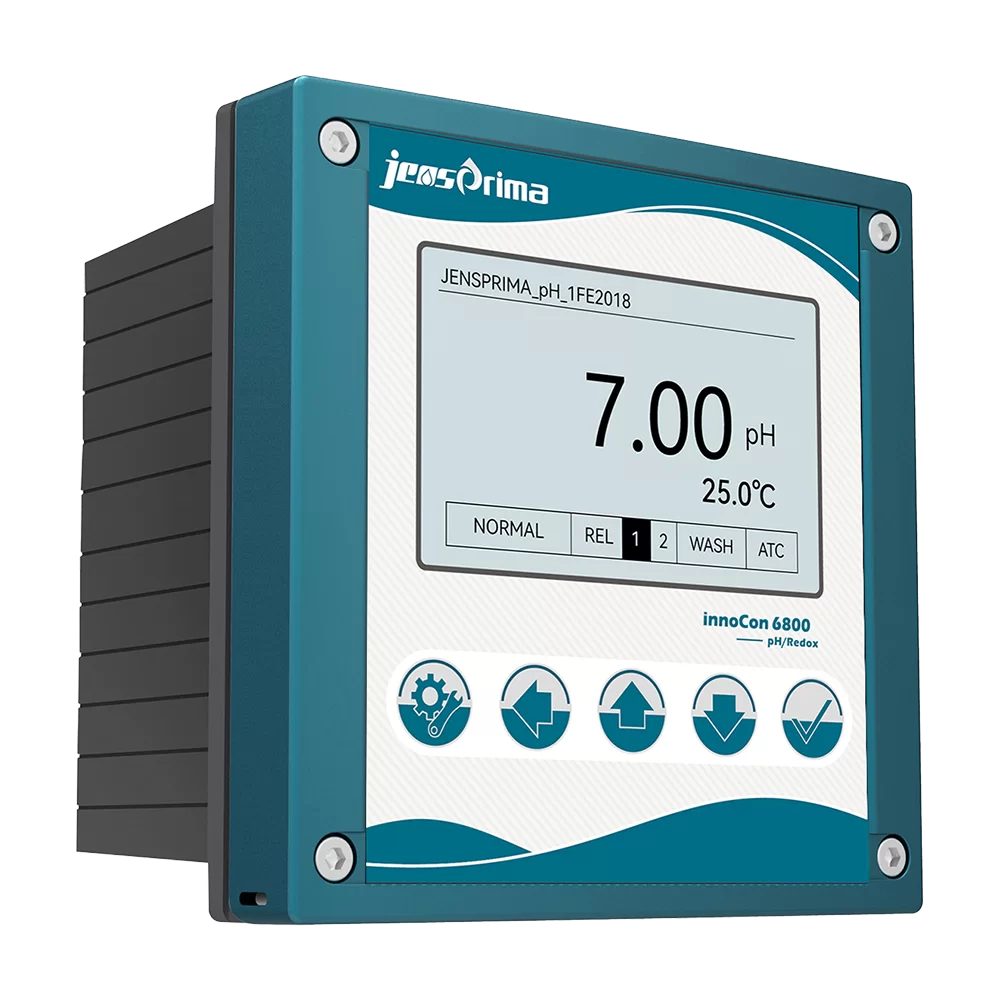
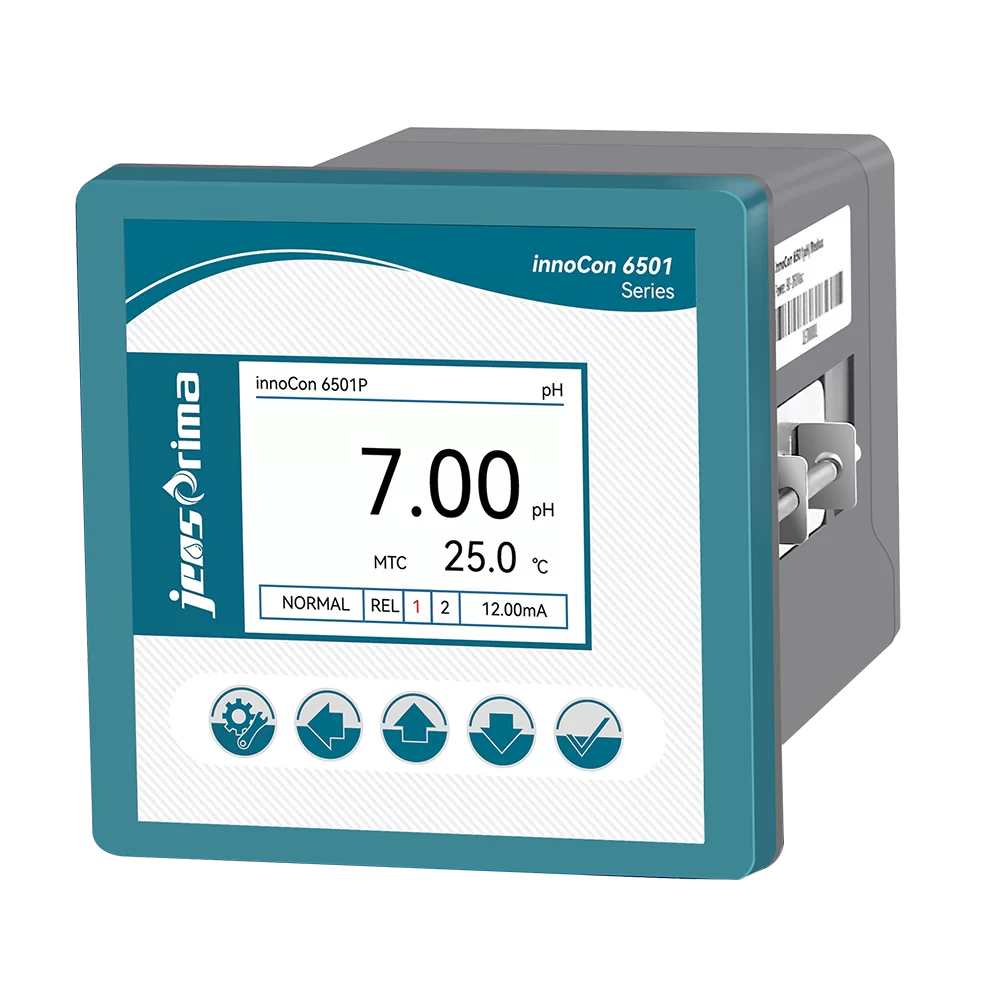
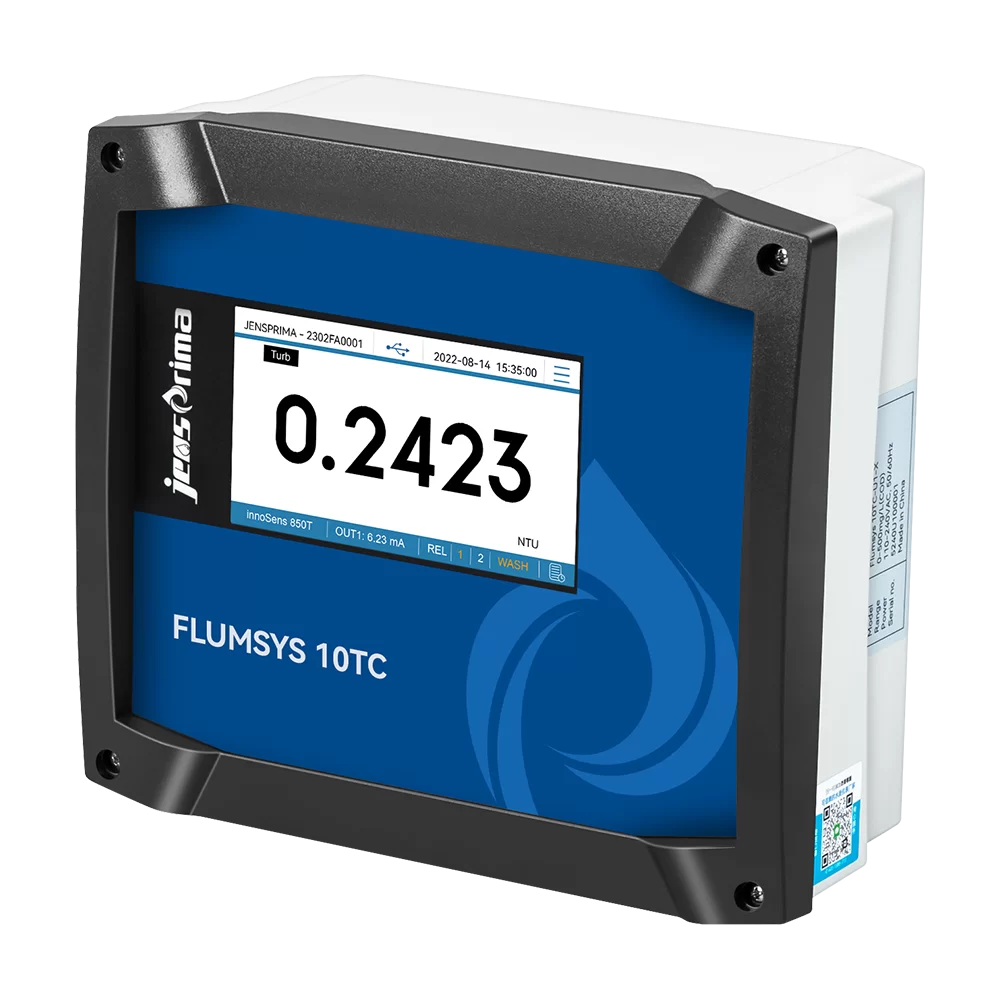
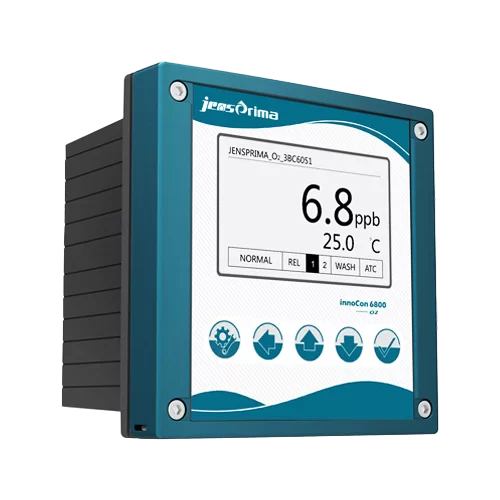
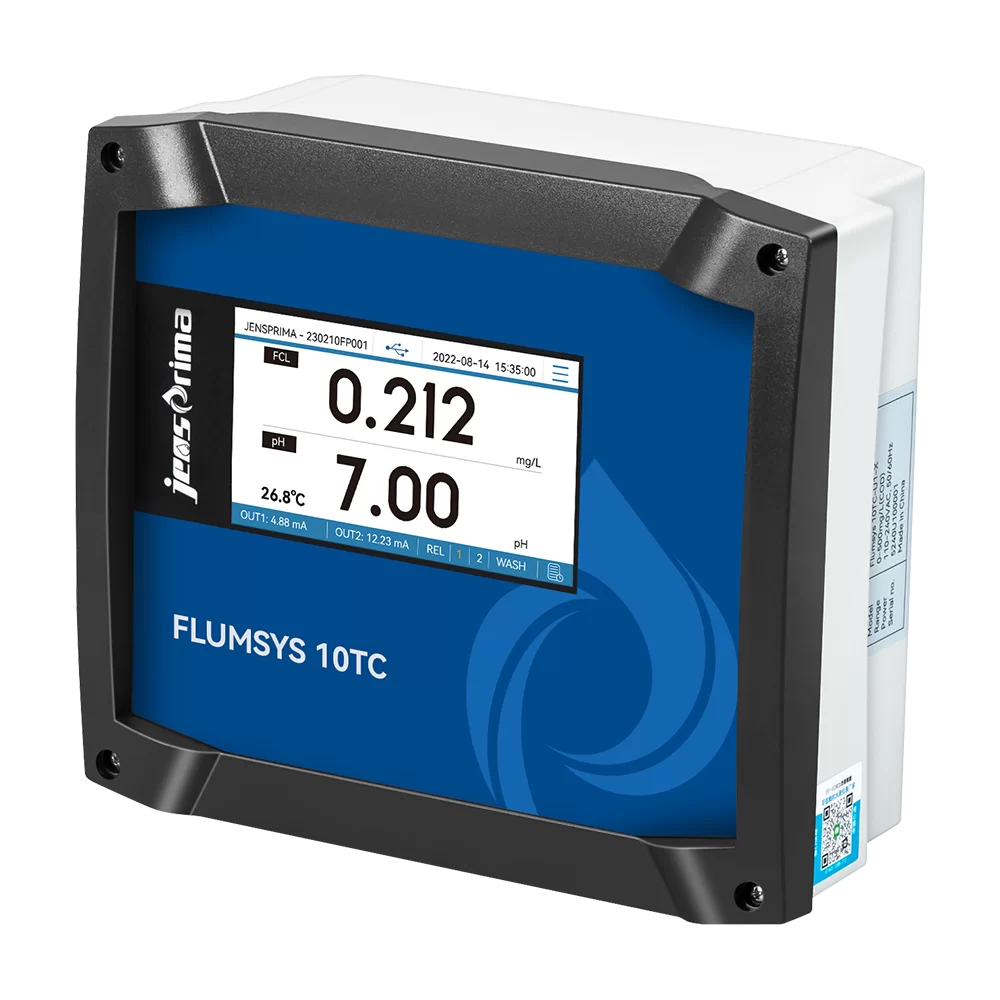
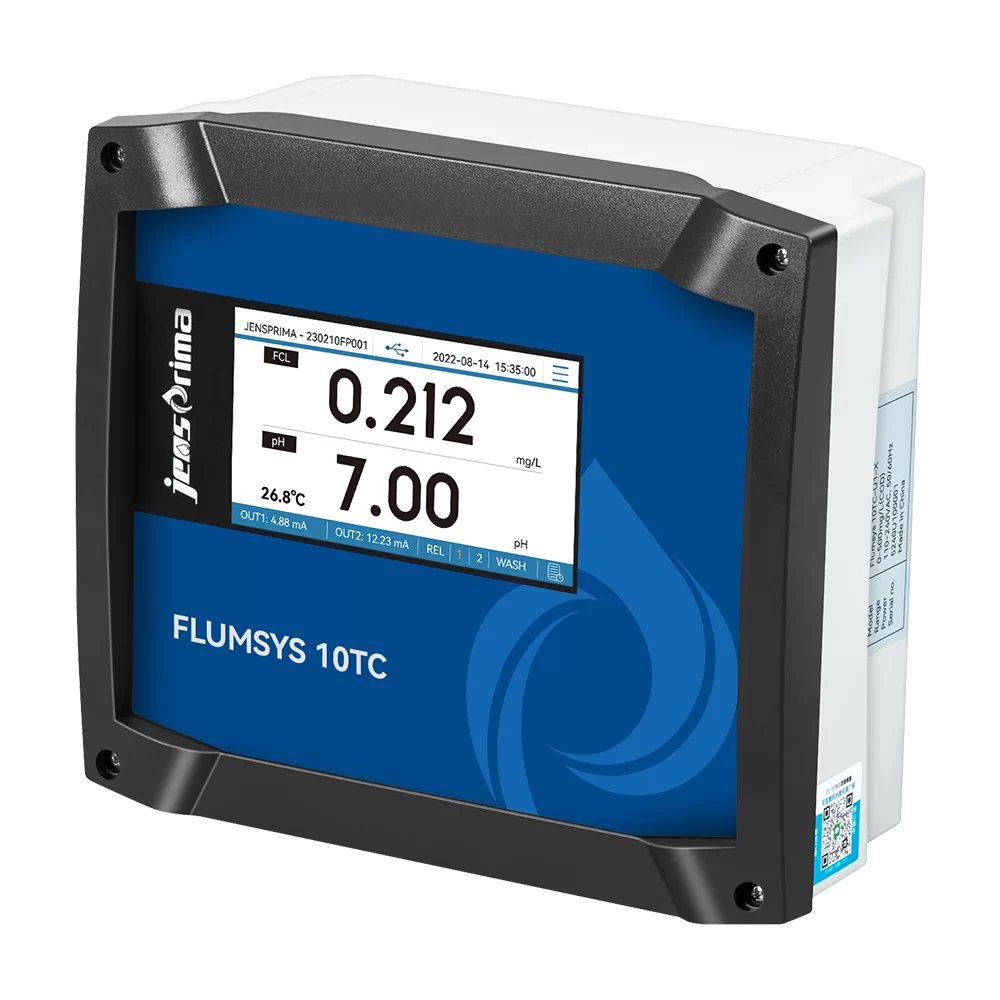
In simple terms, a redox controller is an electronic device that monitors the Oxidation-Reduction Potential (ORP) of a liquid and automatically triggers a response—usually by starting or stopping a dosing pump—to maintain a specific setpoint. It measures the tendency of a solution to gain or lose electrons, which is a direct indicator of the "cleansing power" or oxidative strength of the water.
This technology connects fundamental chemistry to modern industrial needs by translating a millivolt (mV) signal from a sensor into a tangible action. For instance, in a cooling tower, the controller detects when the ORP drops below a certain threshold, signaling that the biocides are no longer effective, and immediately prompts the system to inject more chemicals.
Beyond simple automation, these controllers provide the critical data logging required for regulatory audits. By maintaining a digital record of the redox state, industries can prove that their processes remained within safe parameters, thereby reducing legal liabilities and enhancing the reliability of their operational workflows.
Core Components for Industrial Durability
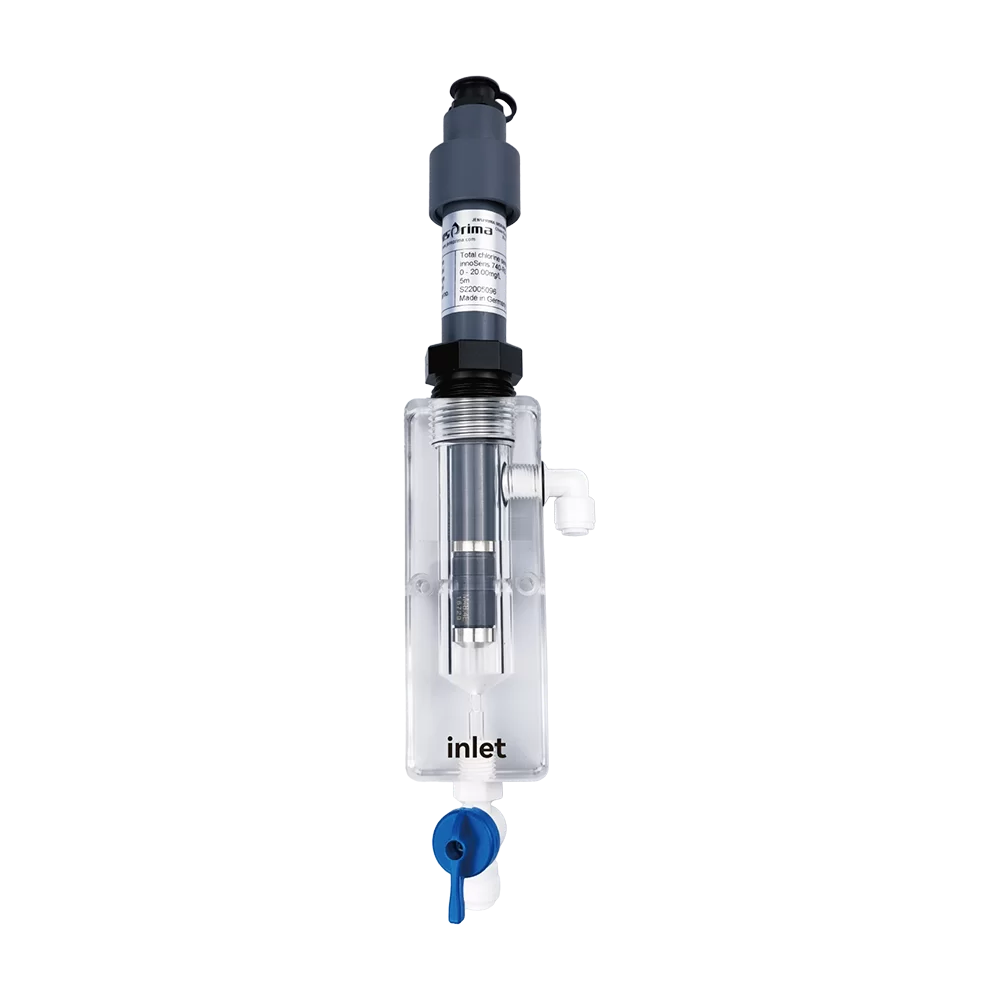
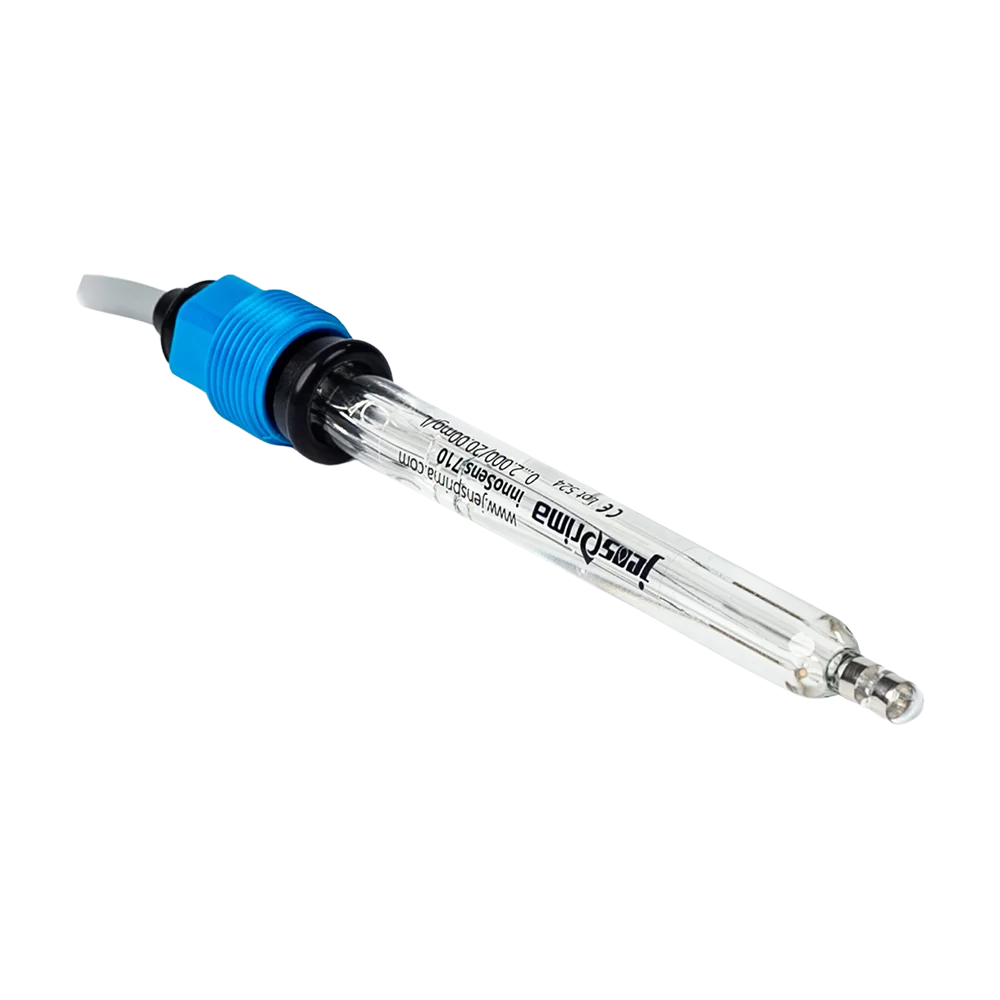
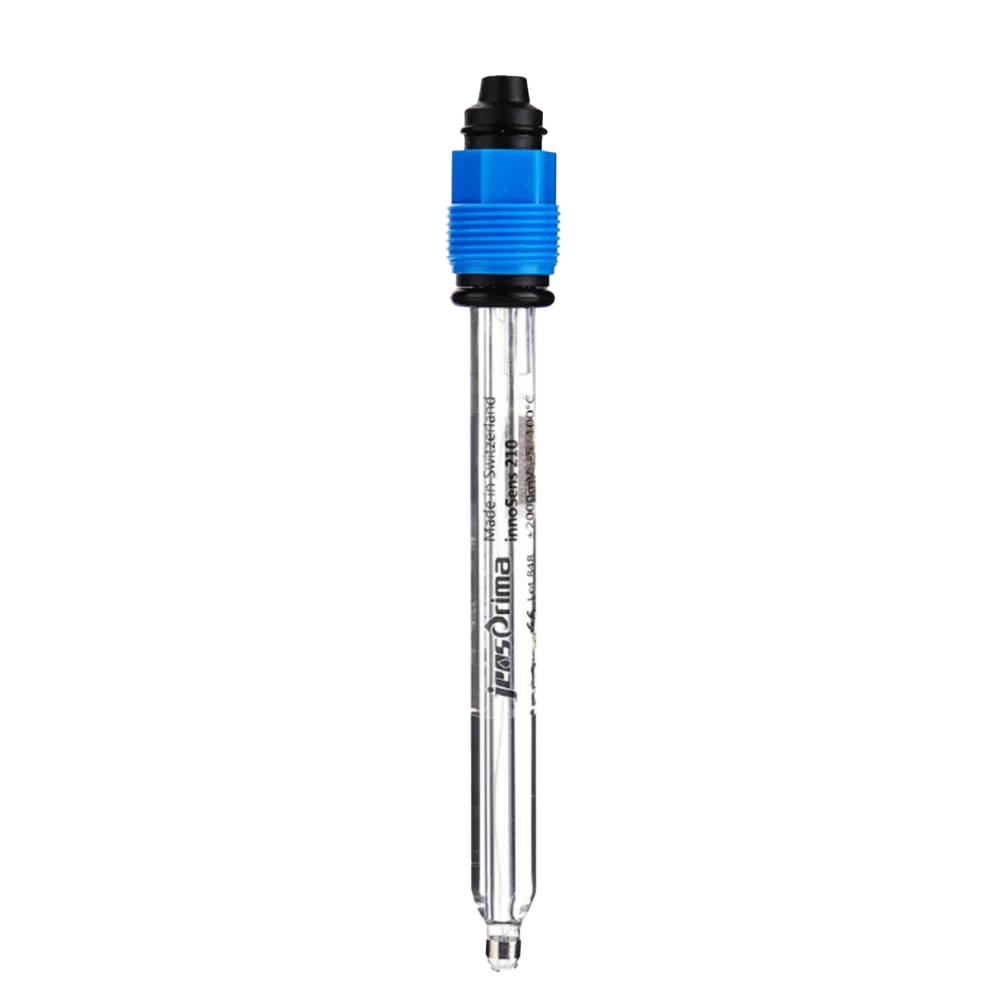
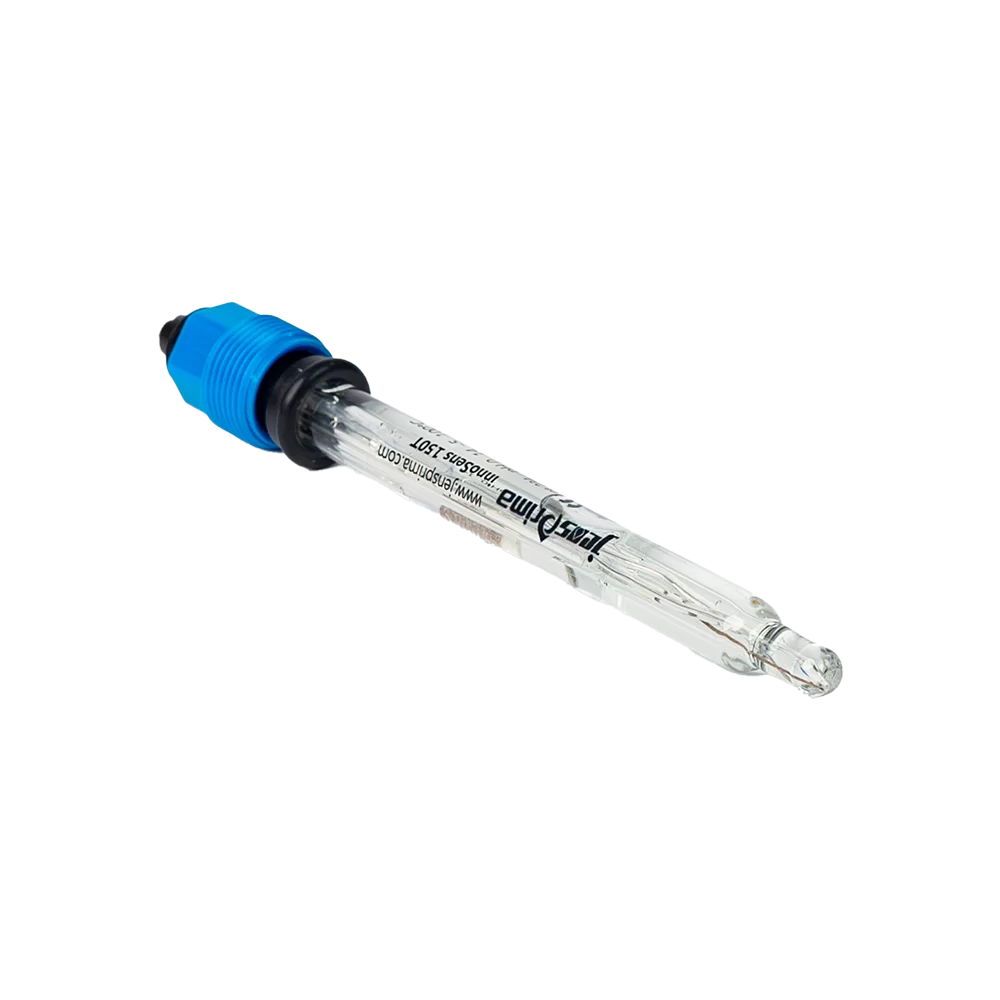
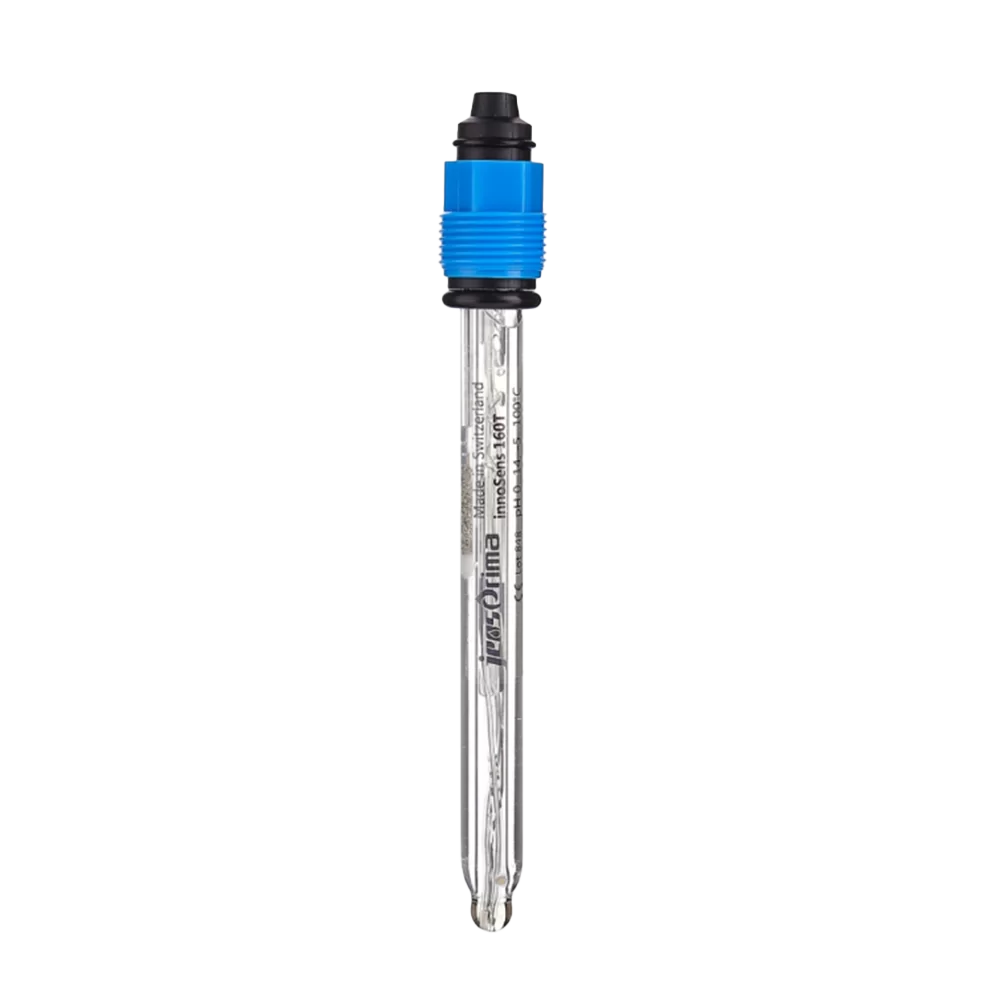
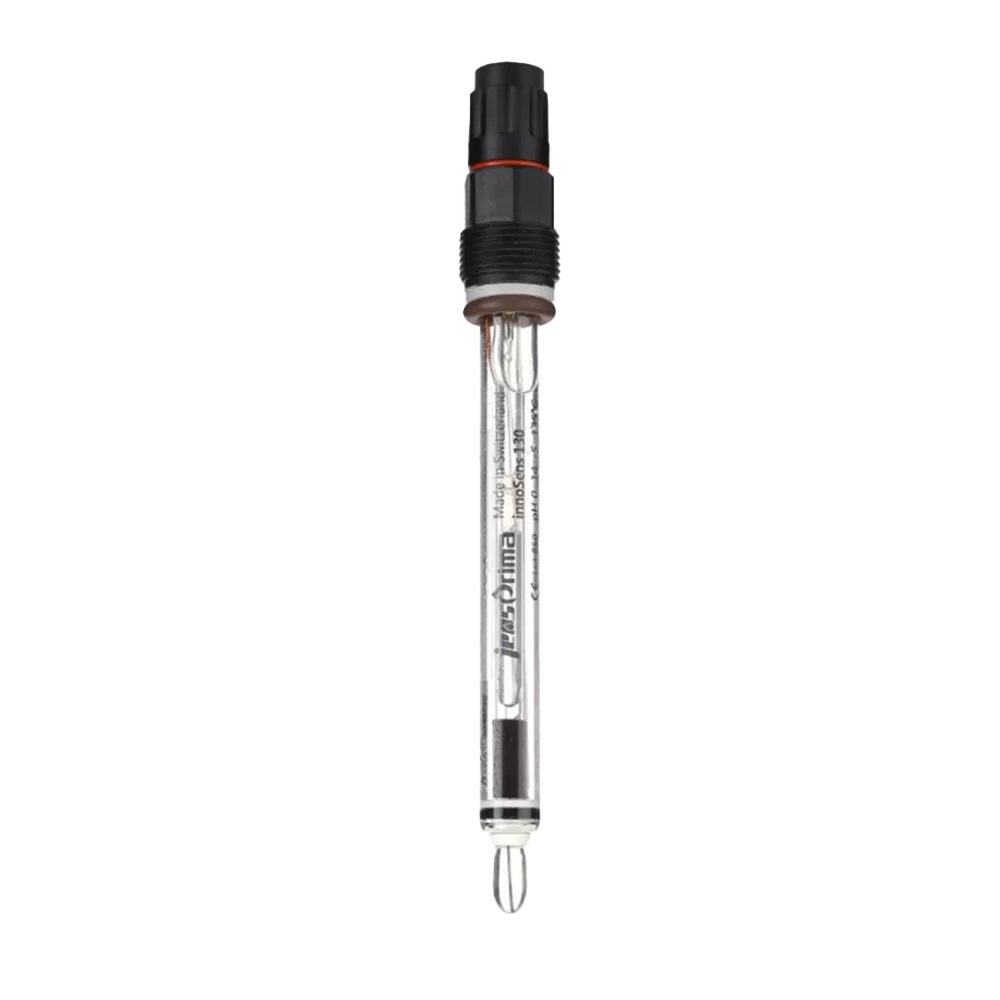
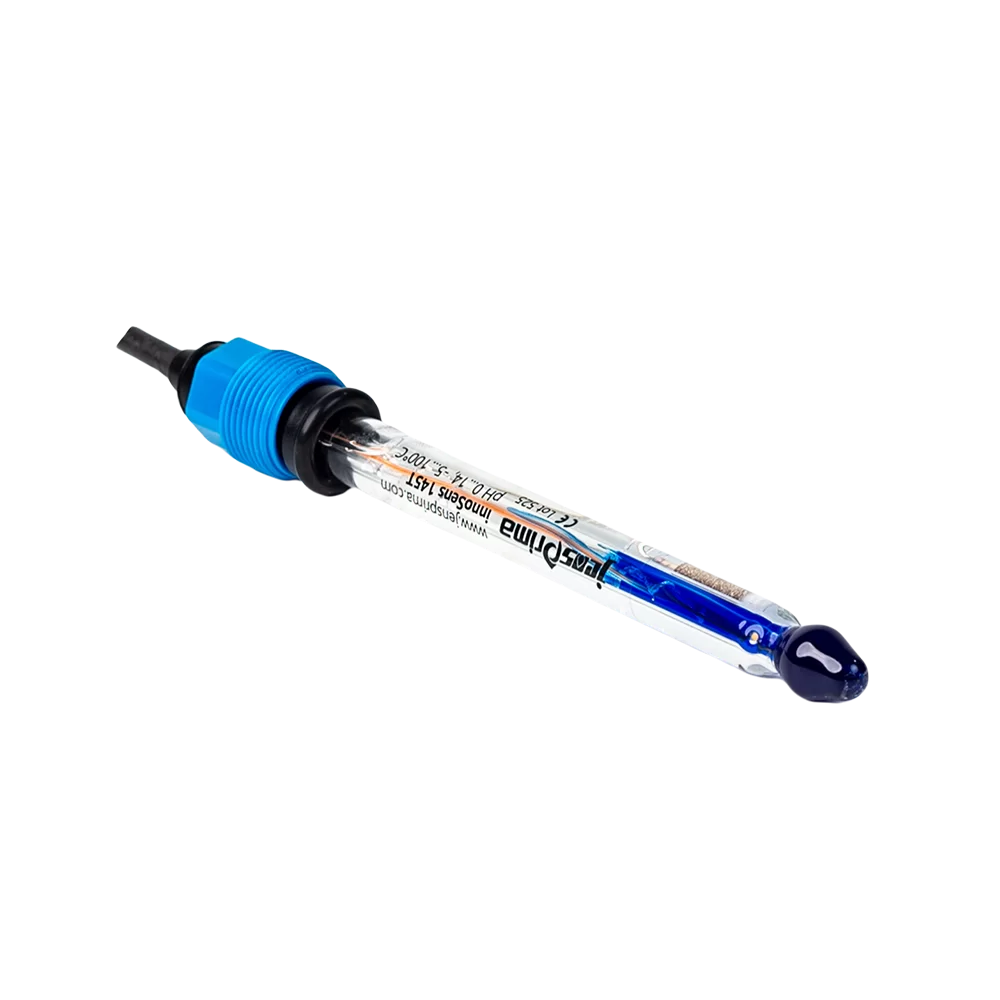
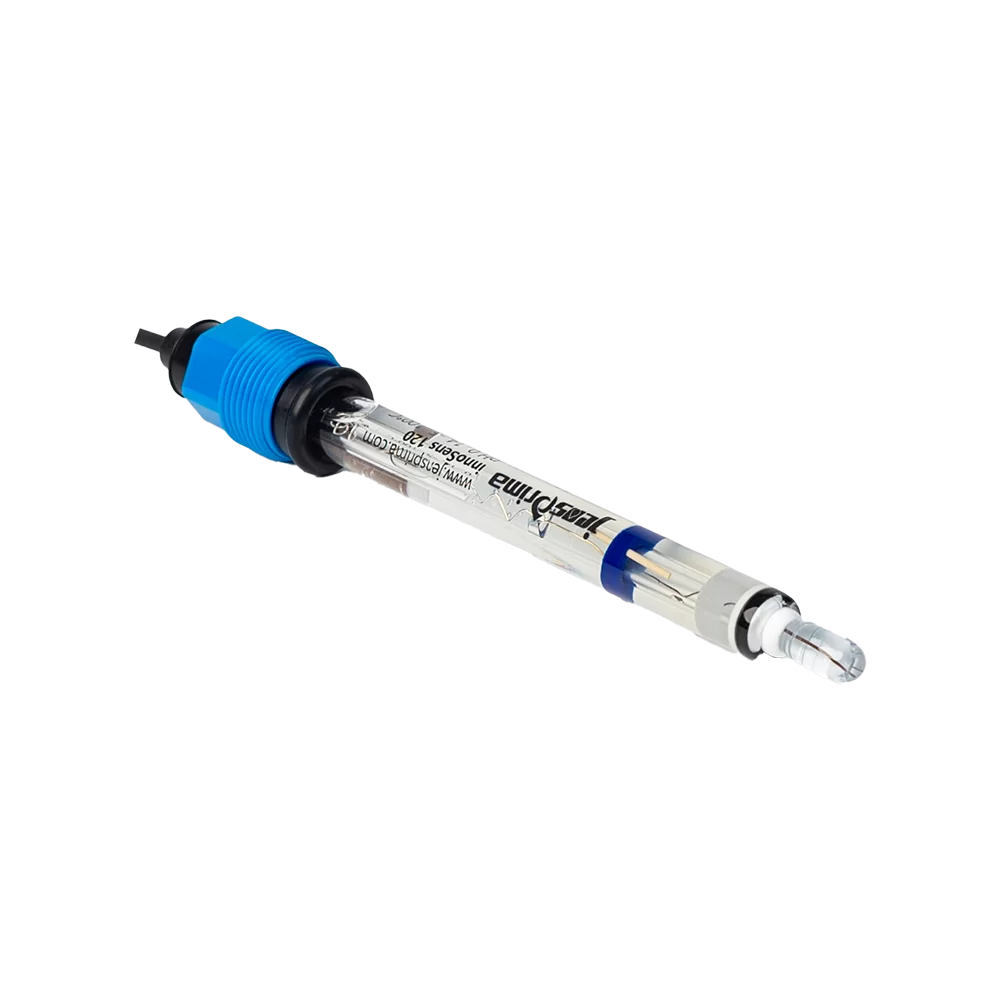
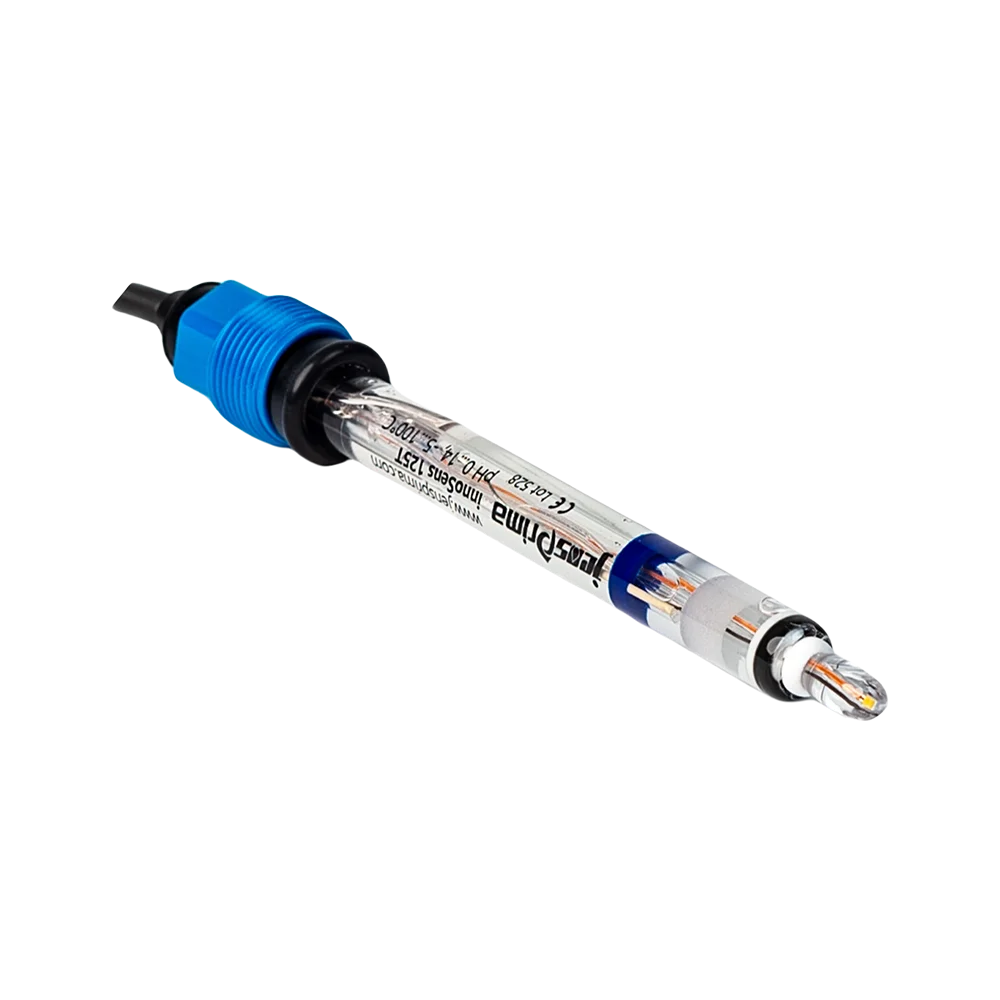
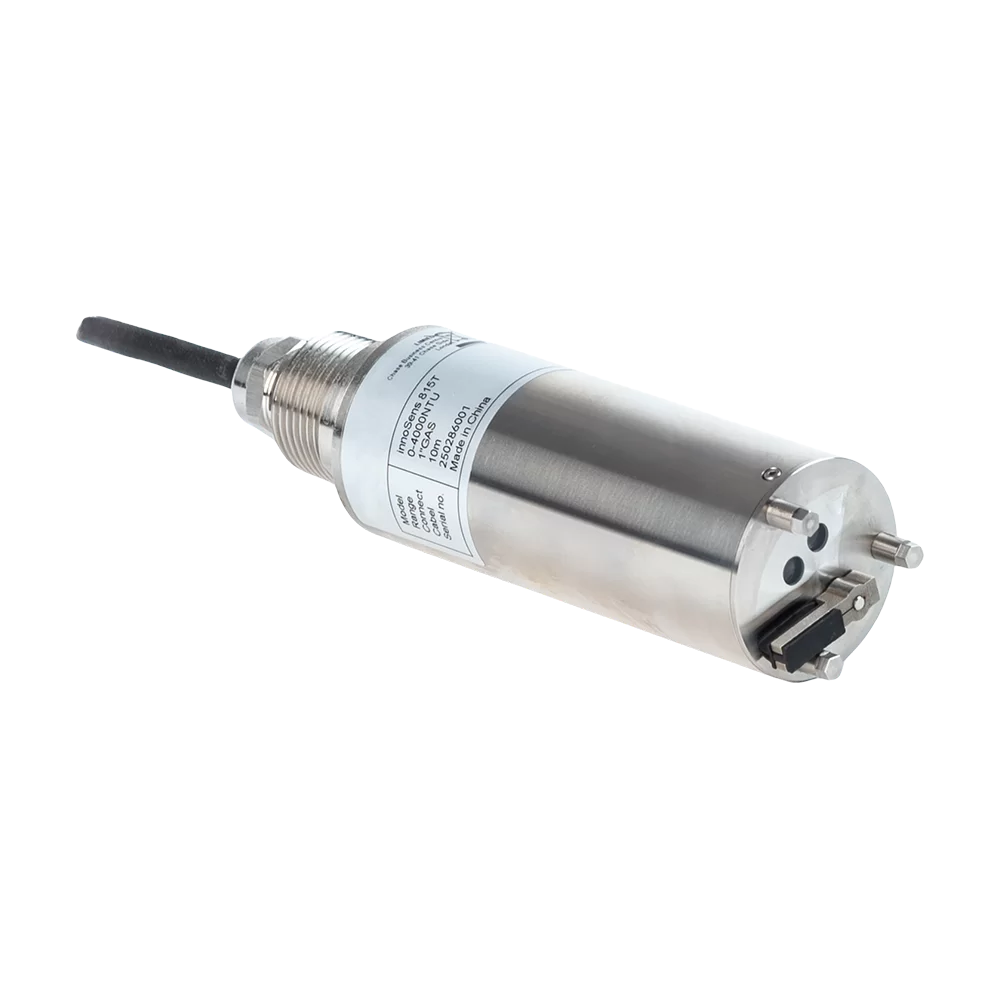
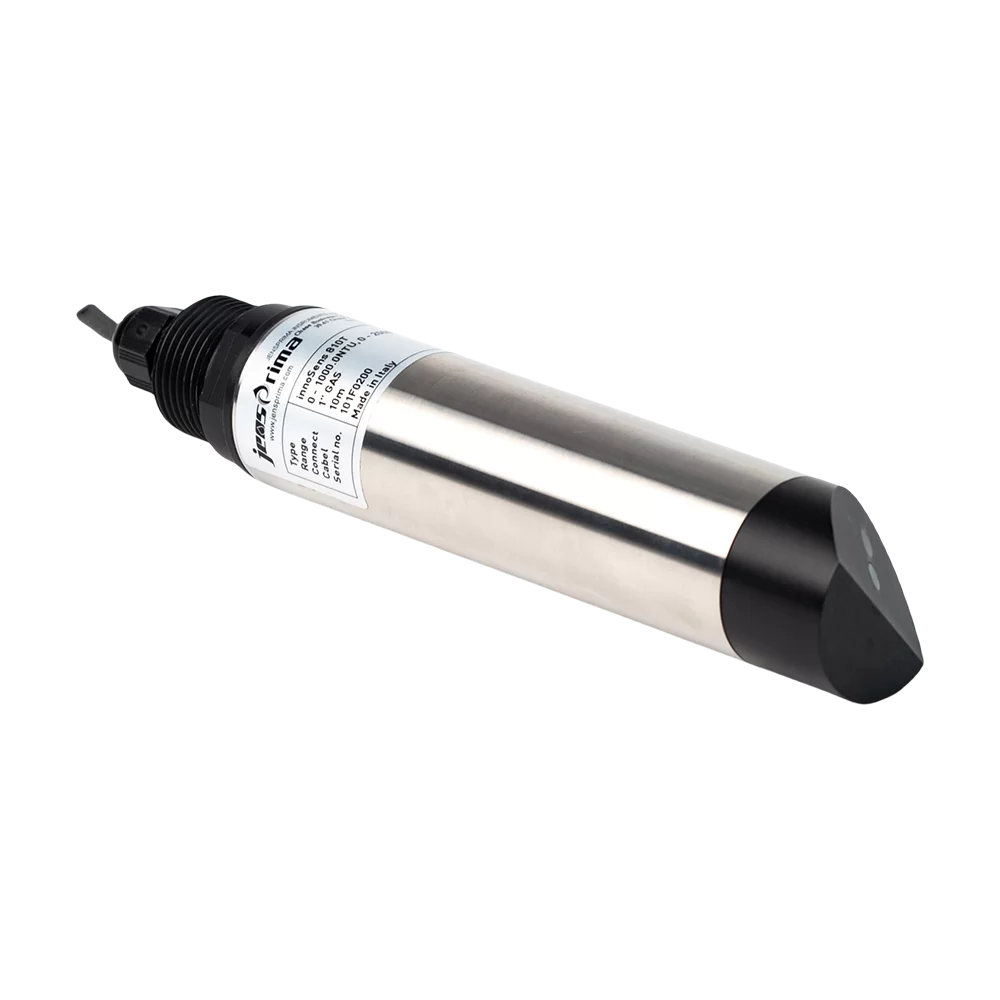
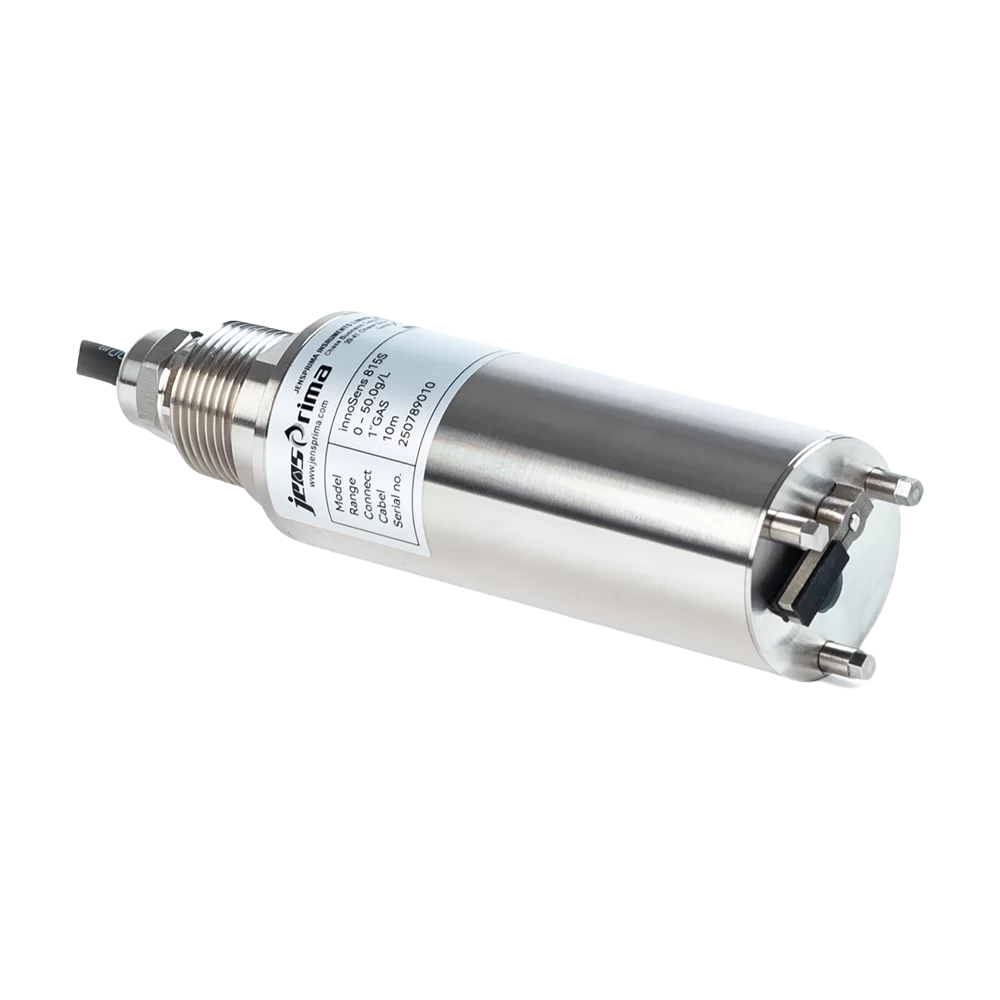
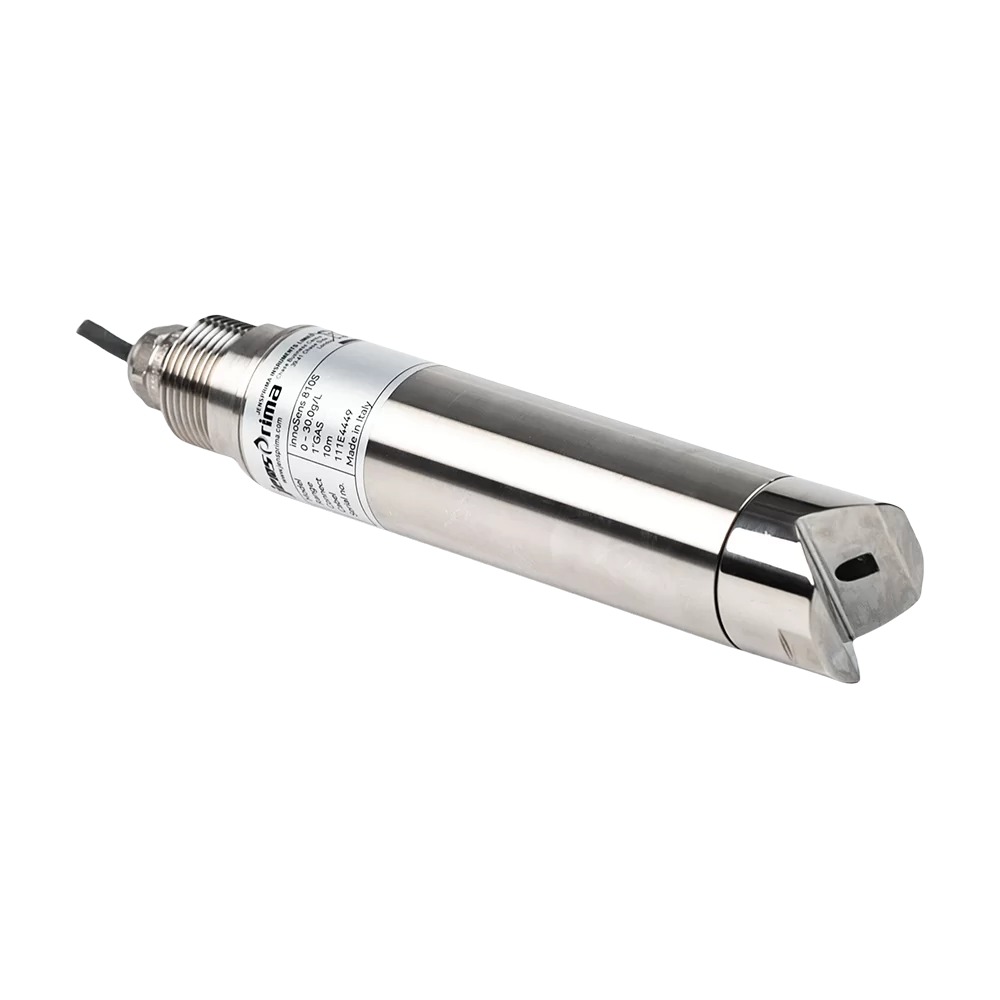
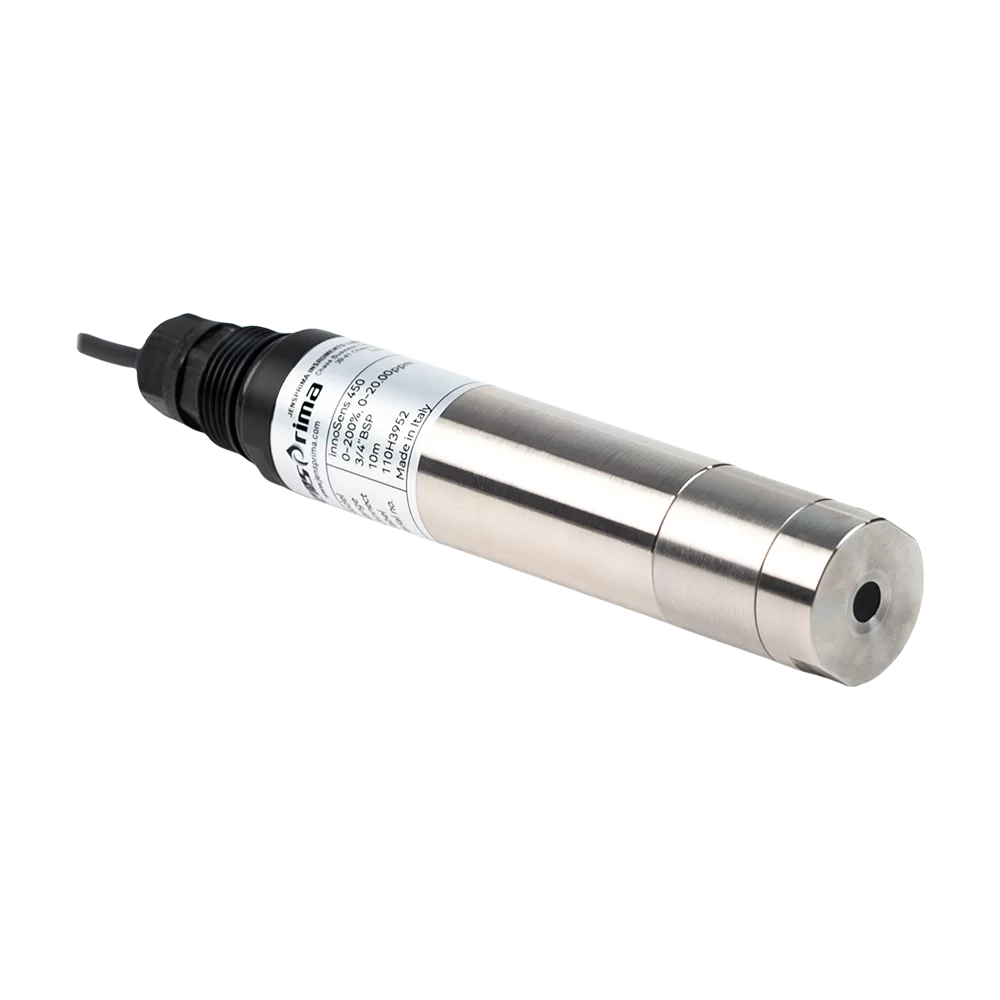
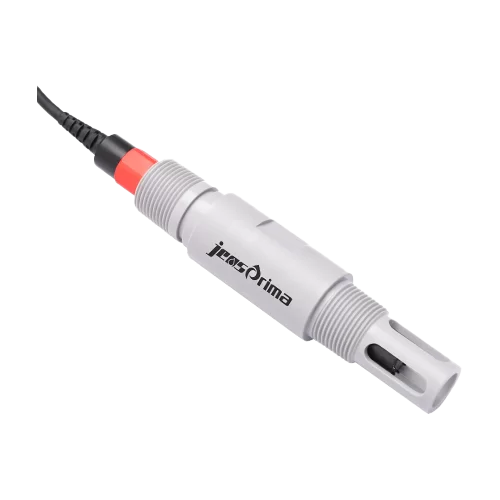
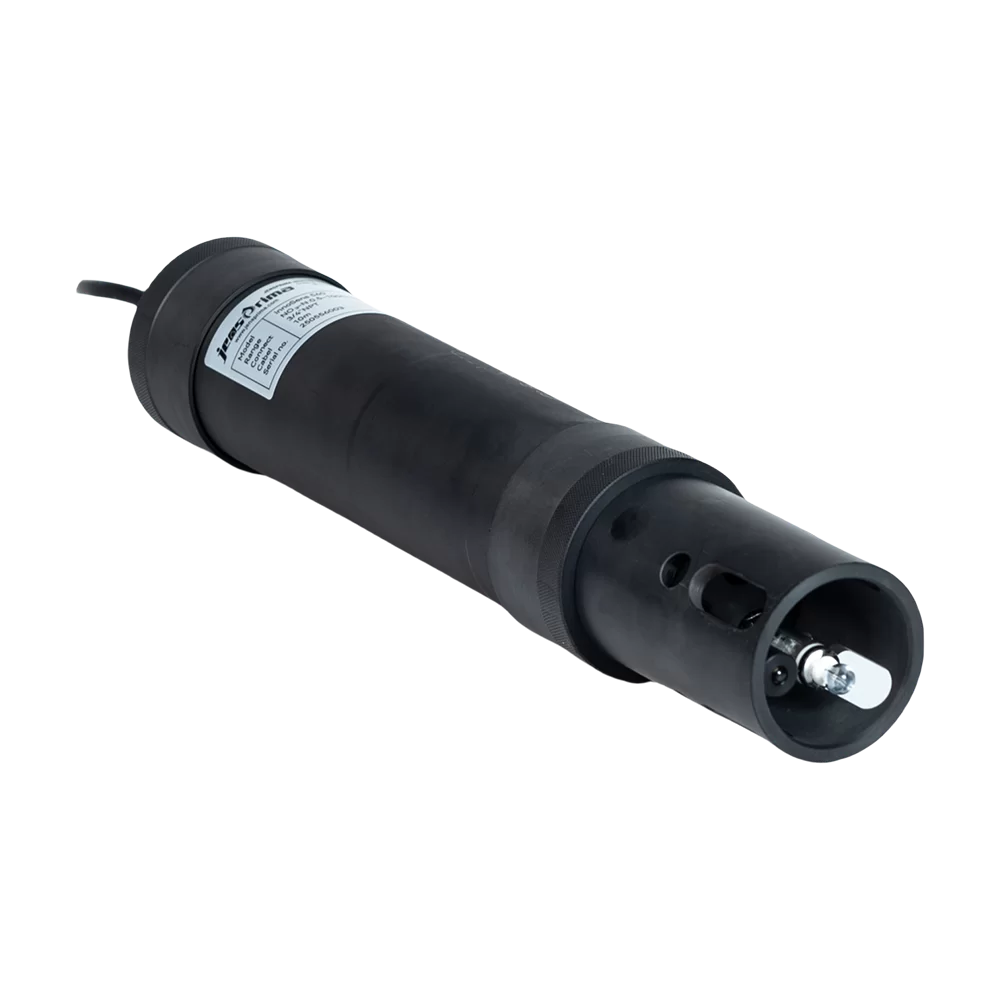
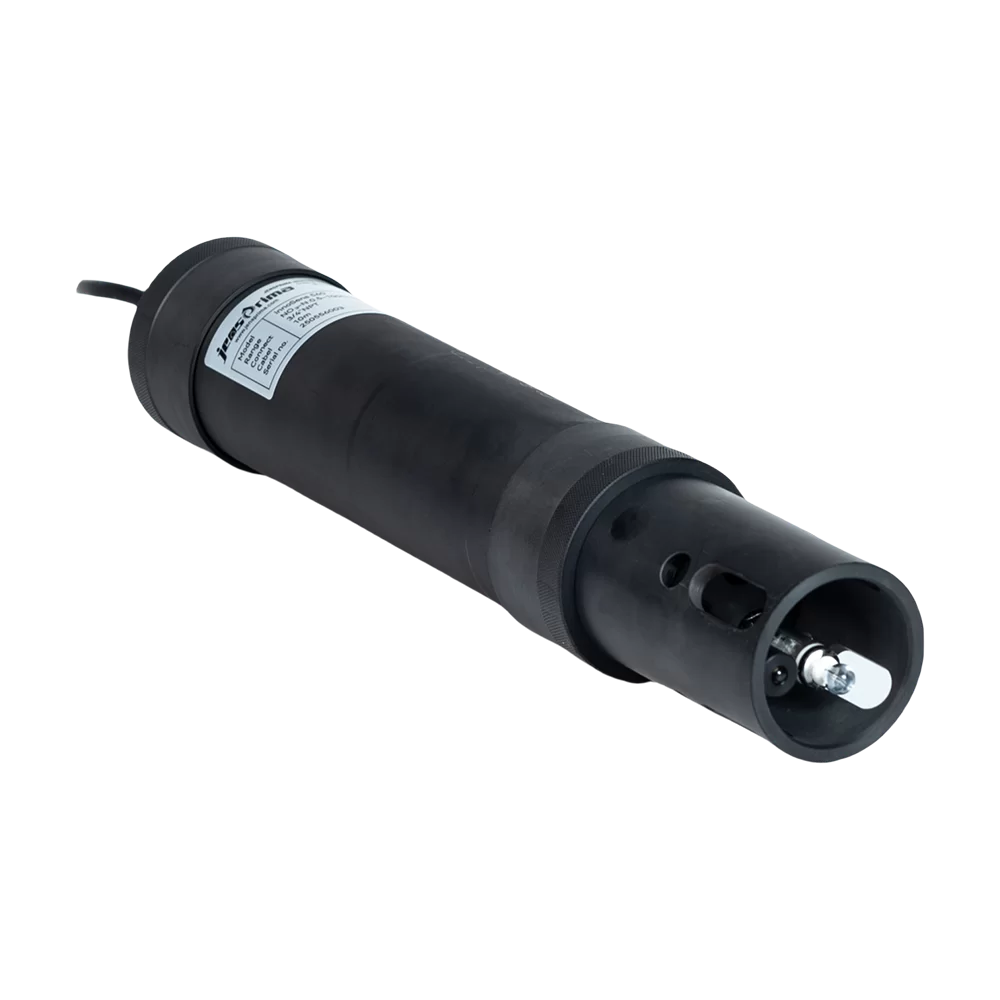
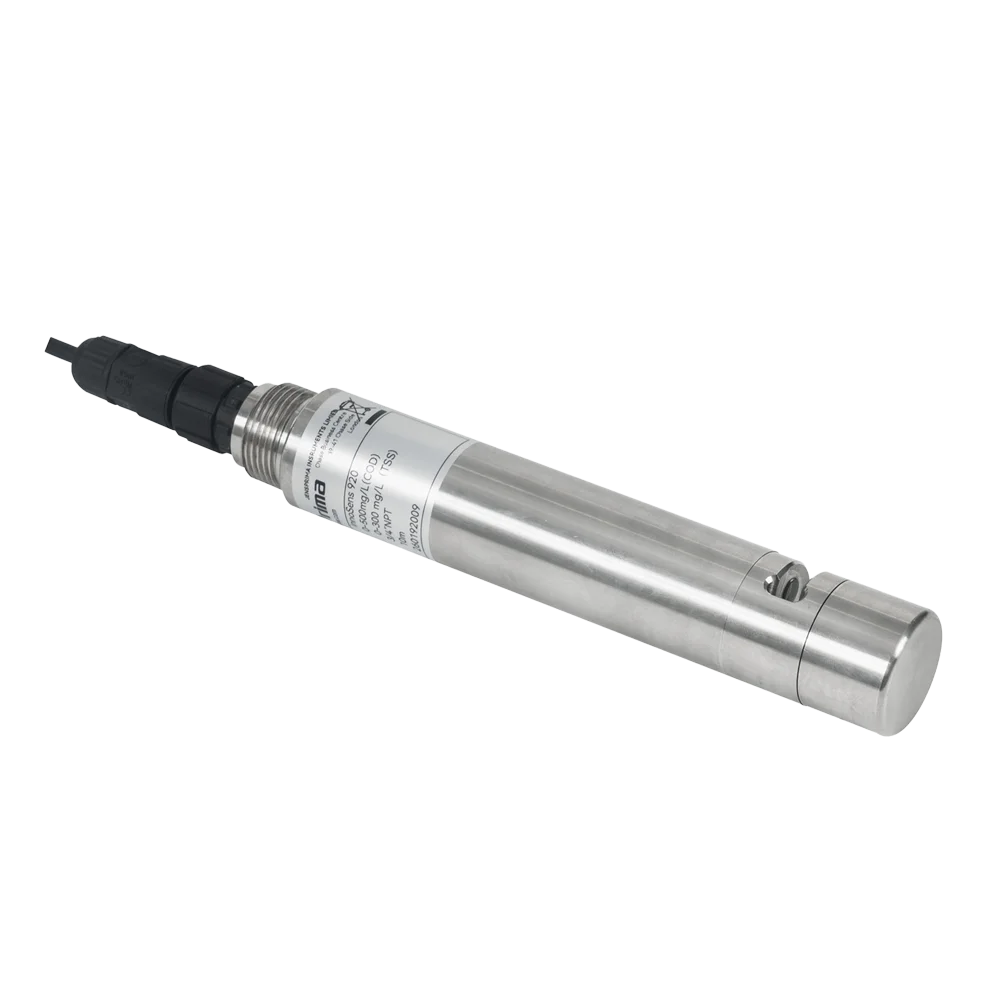
The reliability of a redox controller begins with its sensor interface. To withstand corrosive industrial environments, the probes are typically crafted from high-grade materials like platinum or gold, paired with a stable reference electrode. This ensures that the signal remains accurate even when exposed to extreme pH levels or temperature fluctuations.
Signal processing is the second pillar of effectiveness. A professional redox controller employs advanced noise filtering and temperature compensation algorithms. This prevents "signal drift," where external electrical interference or heat might otherwise cause the controller to misread the ORP value and over-dose chemicals.
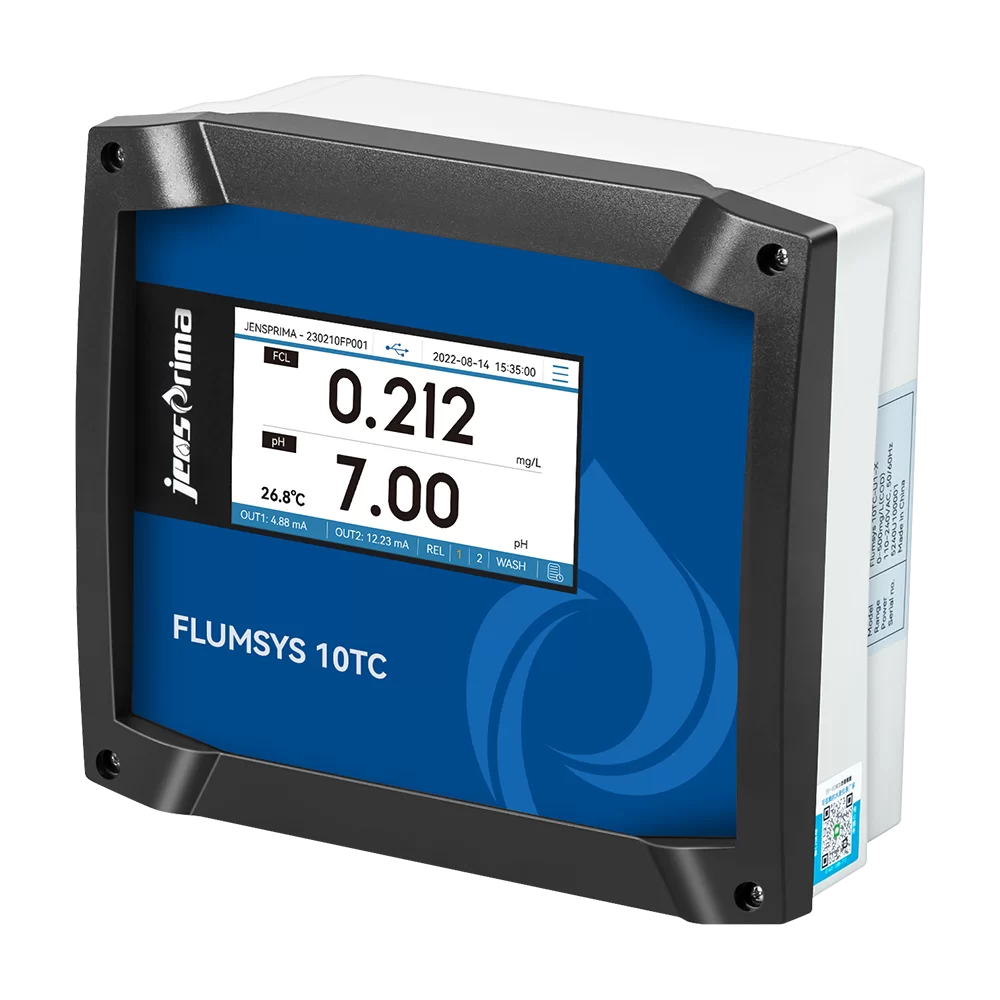
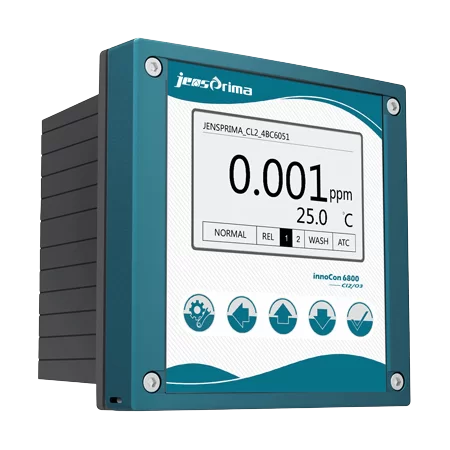
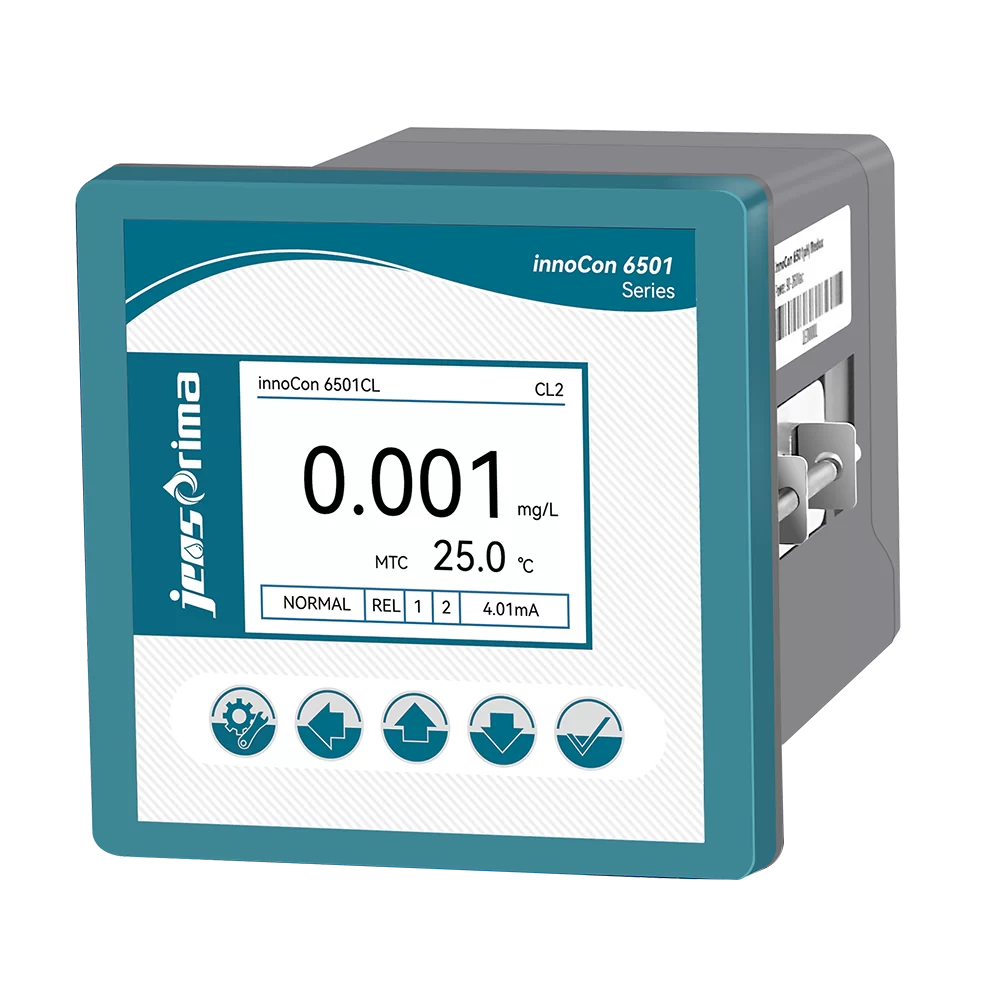
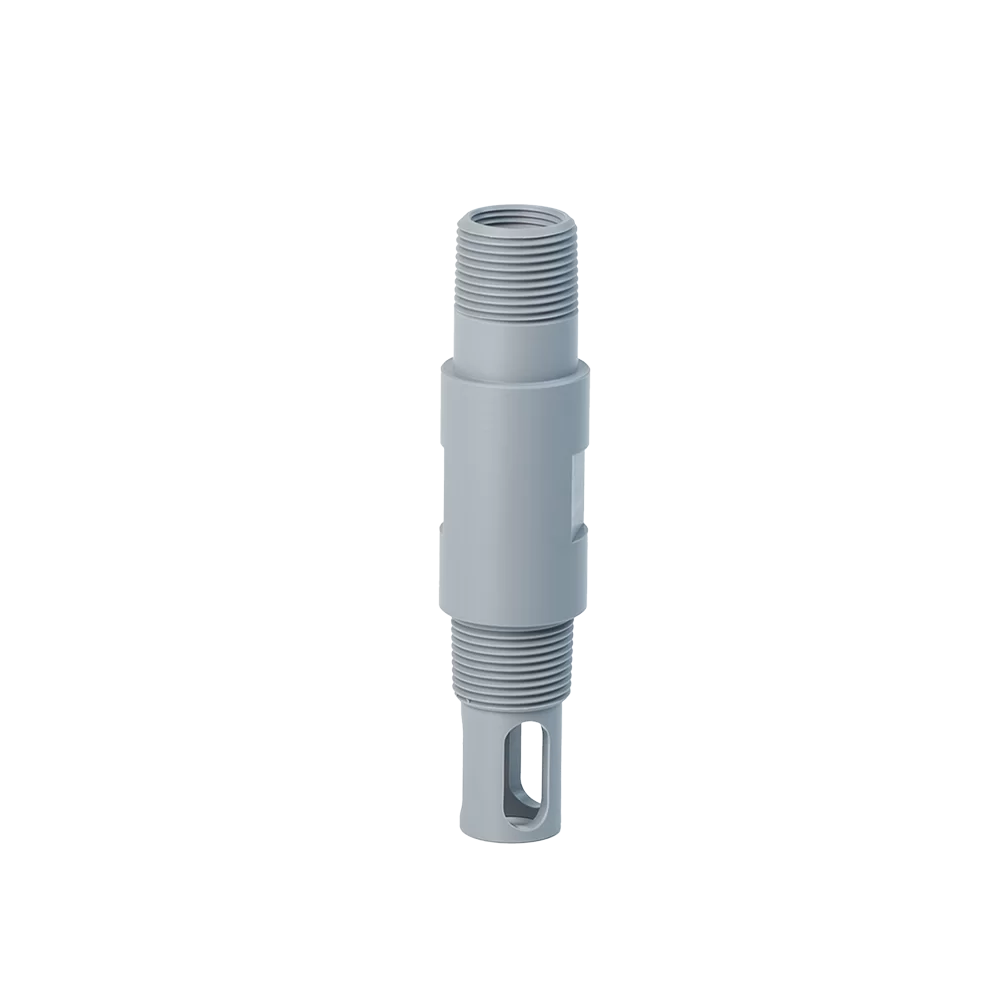
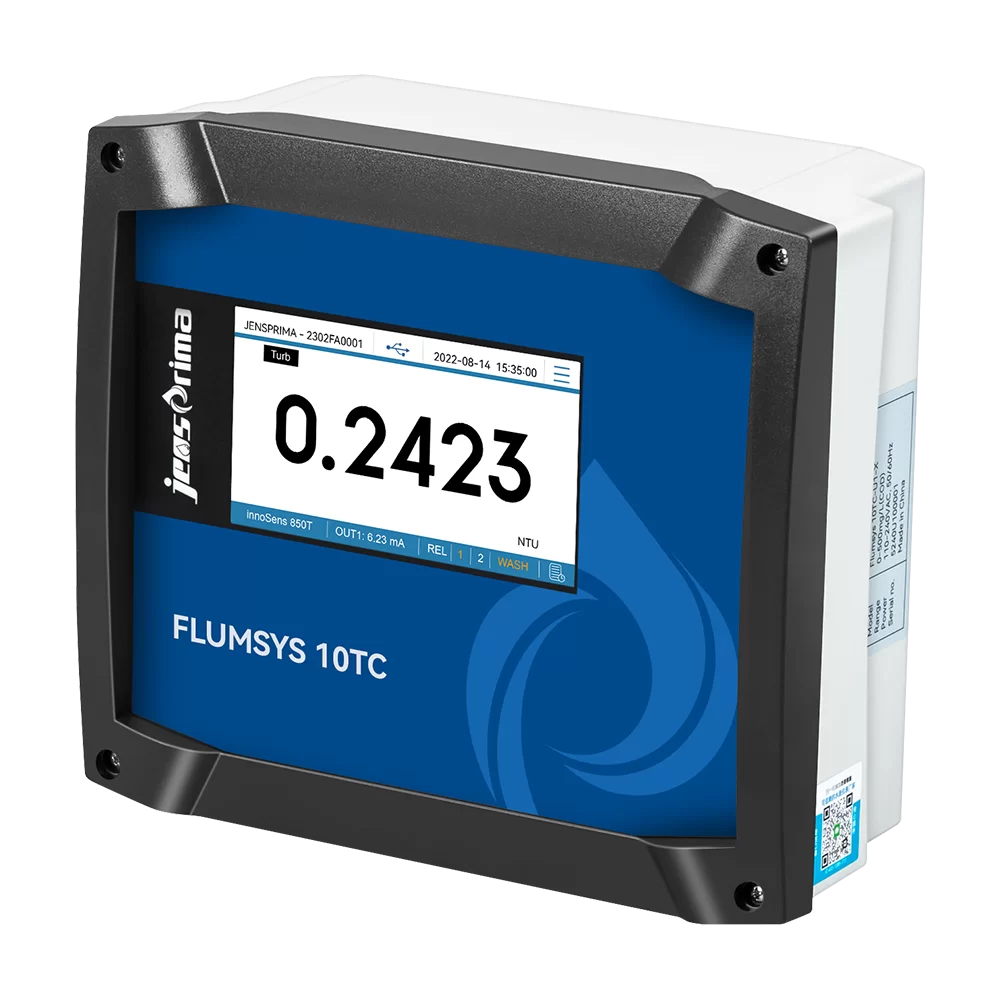
Finally, the control logic and housing provide the necessary scalability. Industrial-grade units are often IP65 or IP67 rated to protect against dust and water ingress. With support for 4-20mA outputs and Modbus communication, these controllers can be integrated into larger SCADA systems, allowing for centralized management of multiple water treatment sites.
Performance Metrics of Redox Control Methods
When selecting a redox controller, it is important to compare different control methodologies, such as proportional-integral-derivative (PID) control versus simple on/off switching. PID control offers a smoother transition and prevents the "hunting" effect, where chemical levels oscillate wildly around the setpoint, leading to waste and instability.
The efficiency of these methods is often measured by their response time and the stability of the final ORP value. High-end controllers utilize predictive logic to anticipate changes in water flow or organic load, adjusting the dosing rate before the ORP even begins to drop, which is crucial for high-throughput industrial lines.
Efficiency Comparison of Redox Controller Methods
Real-World Applications Across Diverse Sectors
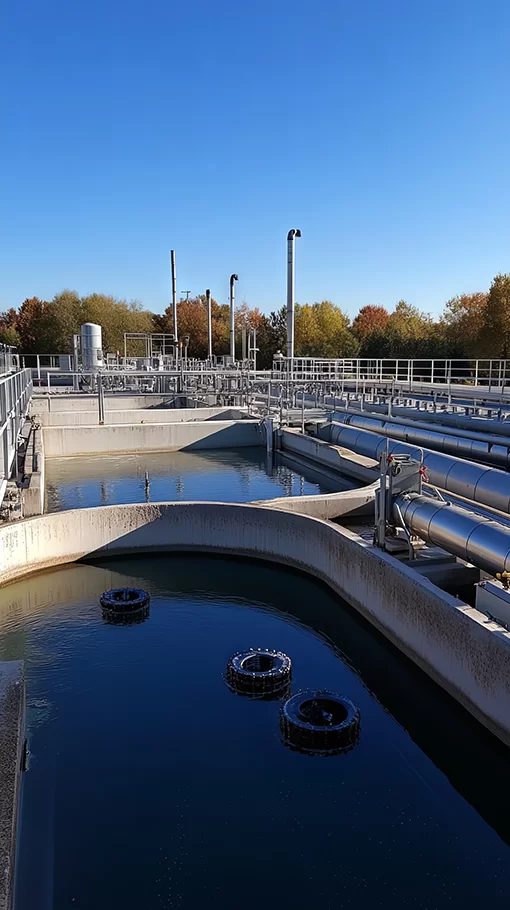
In the realm of municipal water treatment, the redox controller is indispensable for managing the chlorination of drinking water. By maintaining a constant ORP, cities can ensure that water is sterile throughout the distribution network while avoiding the pungent smell and health risks associated with excessive chlorine concentrations.
Beyond cities, these systems are vital in remote industrial zones, such as mining operations or oil refineries, where water must be treated for reuse in cooling systems. In these harsh environments, a robust controller prevents the buildup of biofilm and scale, extending the lifespan of expensive heat exchangers and reducing downtime caused by biological fouling.
Long-Term Value and Sustainability Benefits
The adoption of a precision redox controller translates directly into operational cost savings. By optimizing chemical dosing, facilities can reduce their reagent consumption by up to 30%, significantly lowering procurement costs and reducing the amount of hazardous chemicals stored on-site.
From a sustainability perspective, the impact is even more profound. Reducing chemical runoff into local waterways protects biodiversity and ensures that the facility meets "Green Industry" certifications. This shift from "over-treating to be safe" to "precise treating to be efficient" represents a maturation of industrial water management.
Furthermore, the reliability offered by these controllers builds trust with stakeholders and regulatory bodies. When a company can demonstrate absolute control over its redox parameters, it signals a commitment to safety, quality, and innovation, which can be a competitive advantage in tenders and partnership agreements.
Future Innovations in Redox Automation
The future of redox control is leaning heavily toward the "Industrial Internet of Things" (IIoT). Next-generation redox controller units are integrating cloud-based diagnostics, allowing engineers to monitor ORP levels from a smartphone and receive AI-driven alerts before a sensor failure occurs.
We are also seeing the emergence of "smart materials" for sensors, which require less frequent calibration and are resistant to "poisoning" by heavy metals or oils. These innovations will make redox control accessible to even the most extreme environments, from deep-sea aquaculture to high-temperature chemical reactors.
As the world moves toward a circular economy, these controllers will play a key role in advanced water reclamation systems. By precisely controlling redox states, it becomes possible to remove complex organic pollutants more efficiently, turning wastewater into a valuable resource for industrial reuse.
Comparison of Redox Controller Technologies by Application
|
Application Sector
|
Primary Redox Goal
|
Recommended Controller Type
|
Impact Score (1-10)
|
|
Municipal Water
|
Pathogen Elimination
|
Multi-channel PID
|
10
|
|
Aquaculture
|
Oxygen/Ammonia Balance
|
Integrated Multi-Parameter
|
8
|
|
Cooling Towers
|
Biofilm Prevention
|
Industrial Ruggedized
|
9
|
|
Pharmaceuticals
|
Sterile Process Control
|
High-Precision Digital
|
10
|
|
Textile Dyeing
|
Color Fixing / Bleaching
|
Chemical-Resistant Basic
|
7
|
|
Wastewater Plant
|
Nitrate/Nitrite Control
|
SCADA-Integrated
|
9
|
FAQS
Calibration frequency depends on the water quality and sensor type. For clean water, once every 30 days is usually sufficient. However, in highly contaminated industrial wastewater or high-salinity environments, weekly calibration is recommended to prevent signal drift and ensure dosing accuracy. Always use certified ORP buffer solutions for the best results.
While pH measures the concentration of hydrogen ions (acidity or alkalinity), a redox controller measures the electron transfer potential (oxidizing or reducing power). pH tells you if the water is acidic; ORP tells you if the water is capable of breaking down organic matter or killing bacteria. Many industrial systems use both in tandem for complete water chemistry control.
Yes, by maintaining the ORP at a level high enough to inhibit biological growth (typically above 650mV-750mV depending on the application), the controller ensures that an adequate amount of oxidant (like chlorine or bromine) is present to kill algae spores and prevent biofilm formation on surfaces.
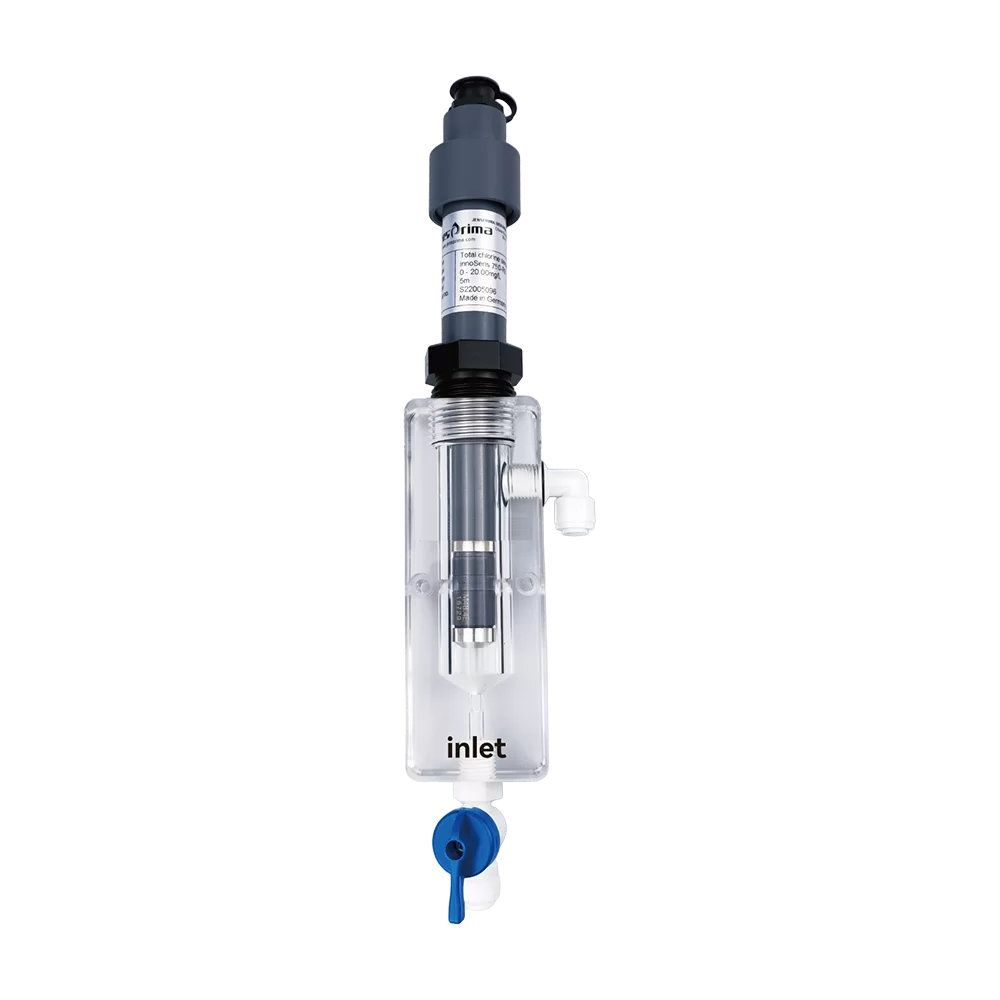
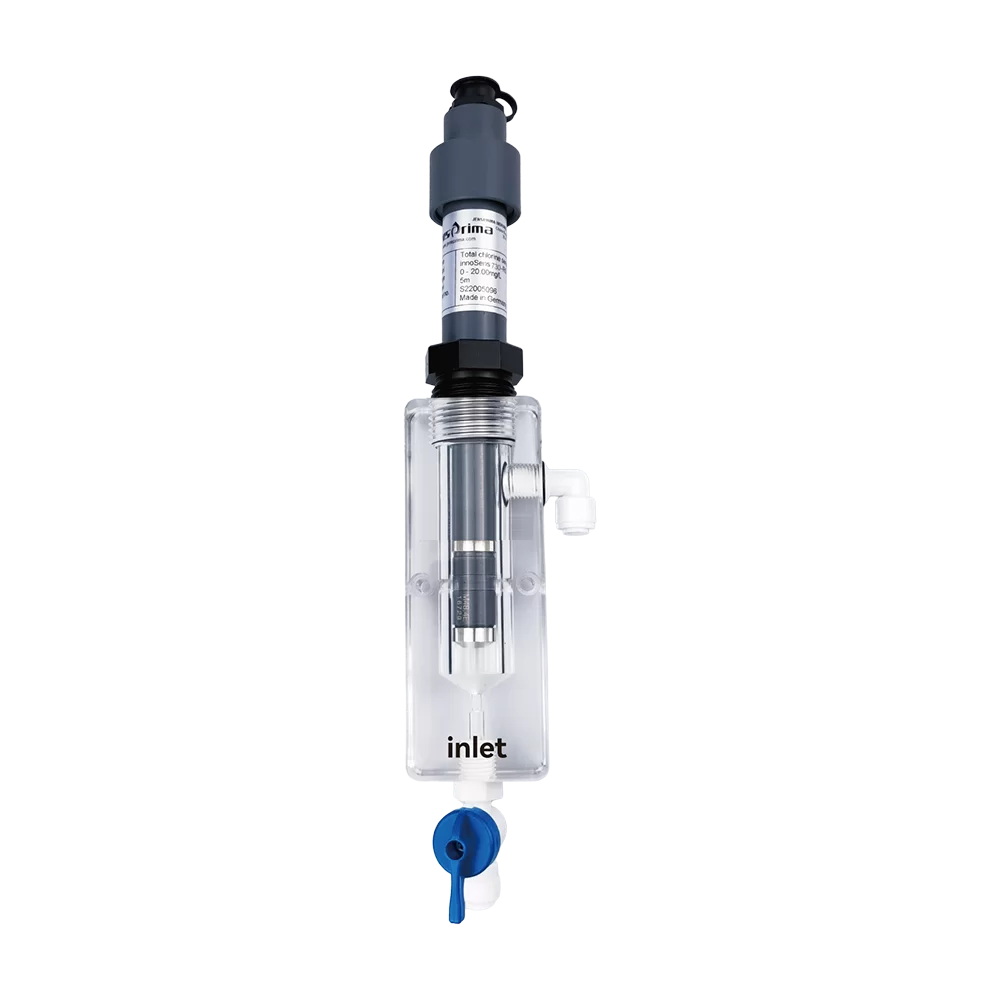
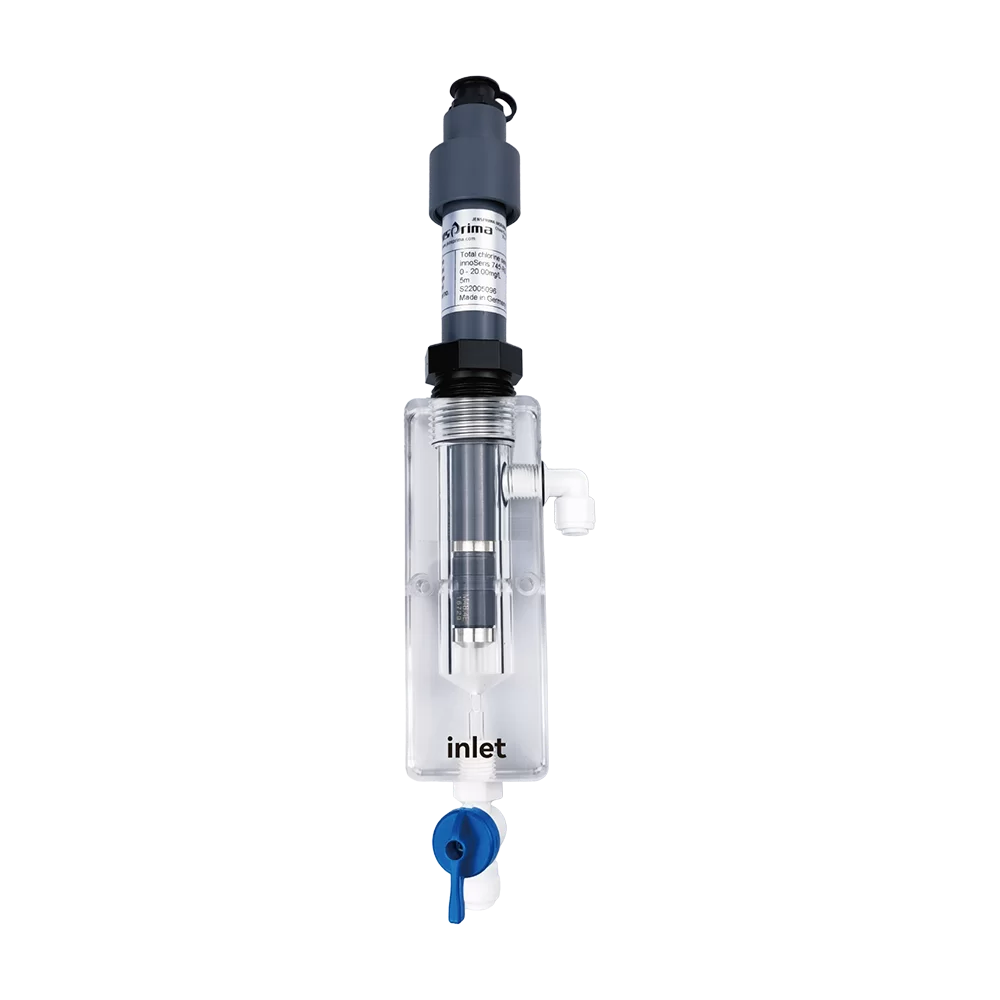
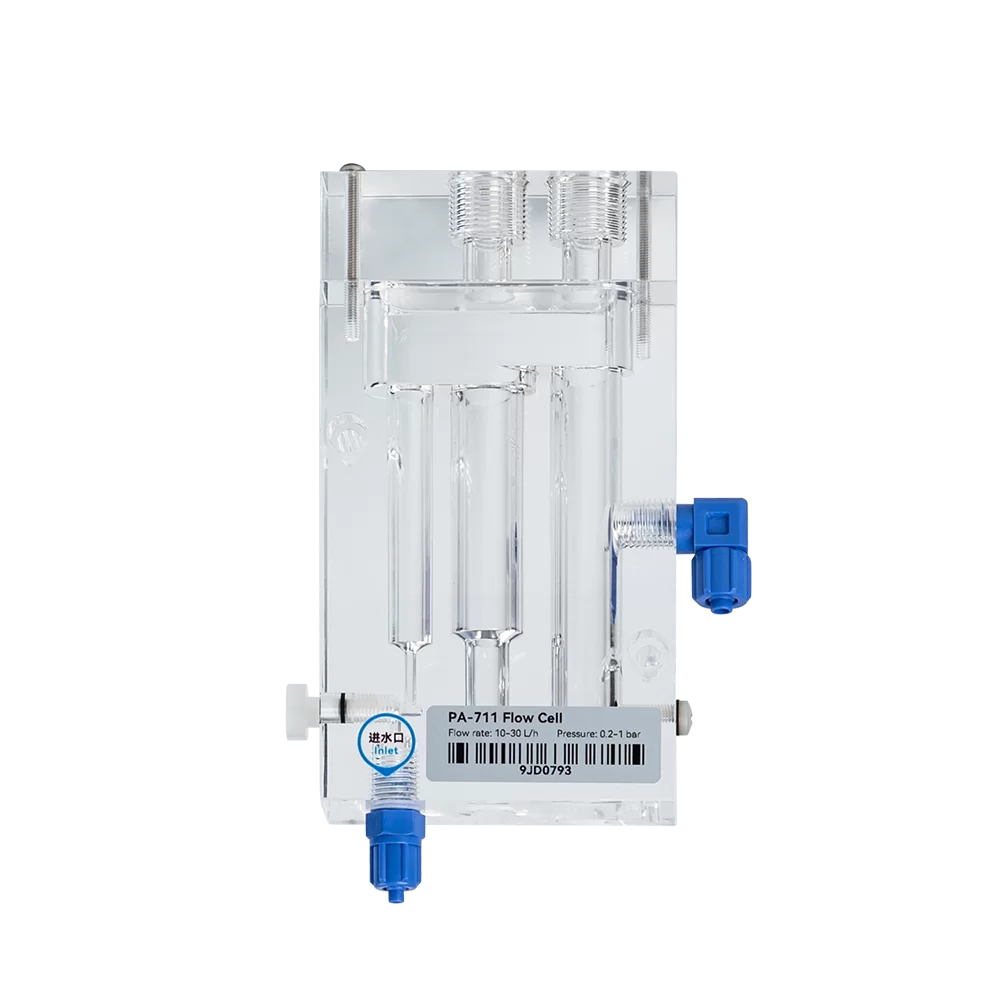
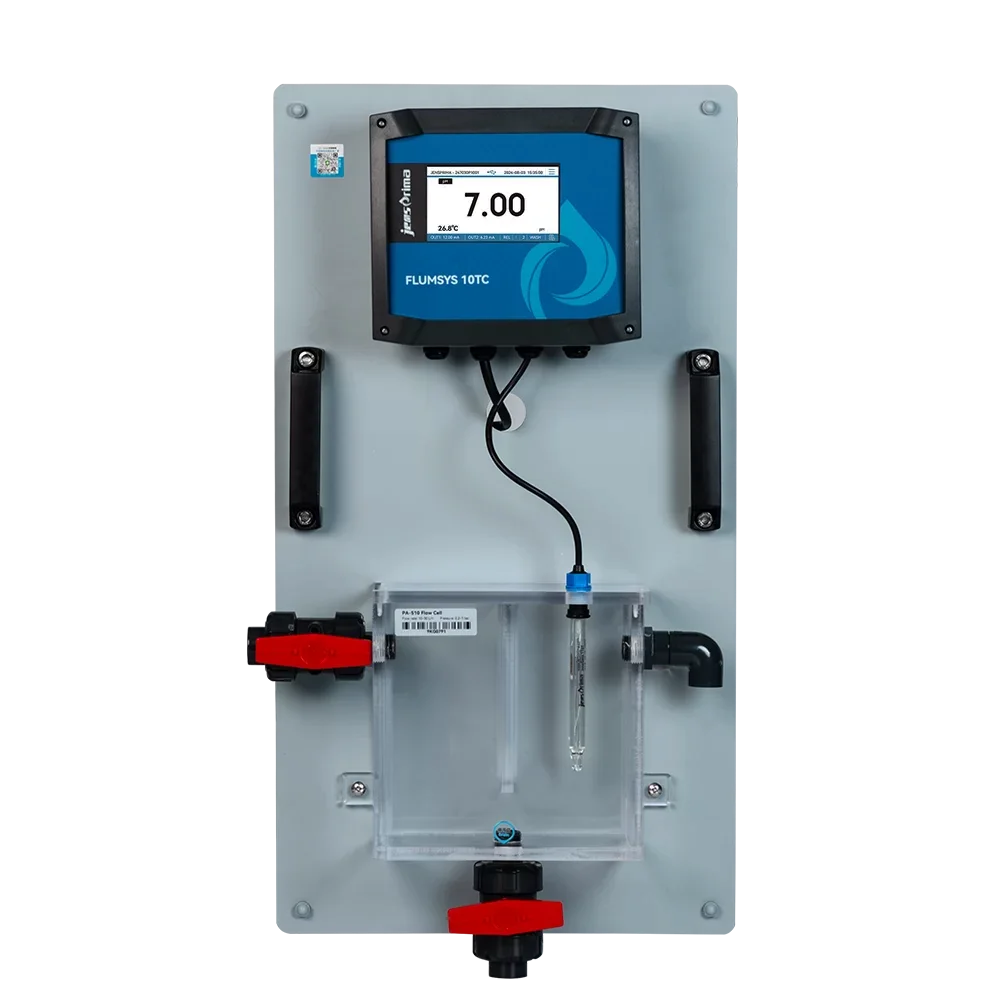
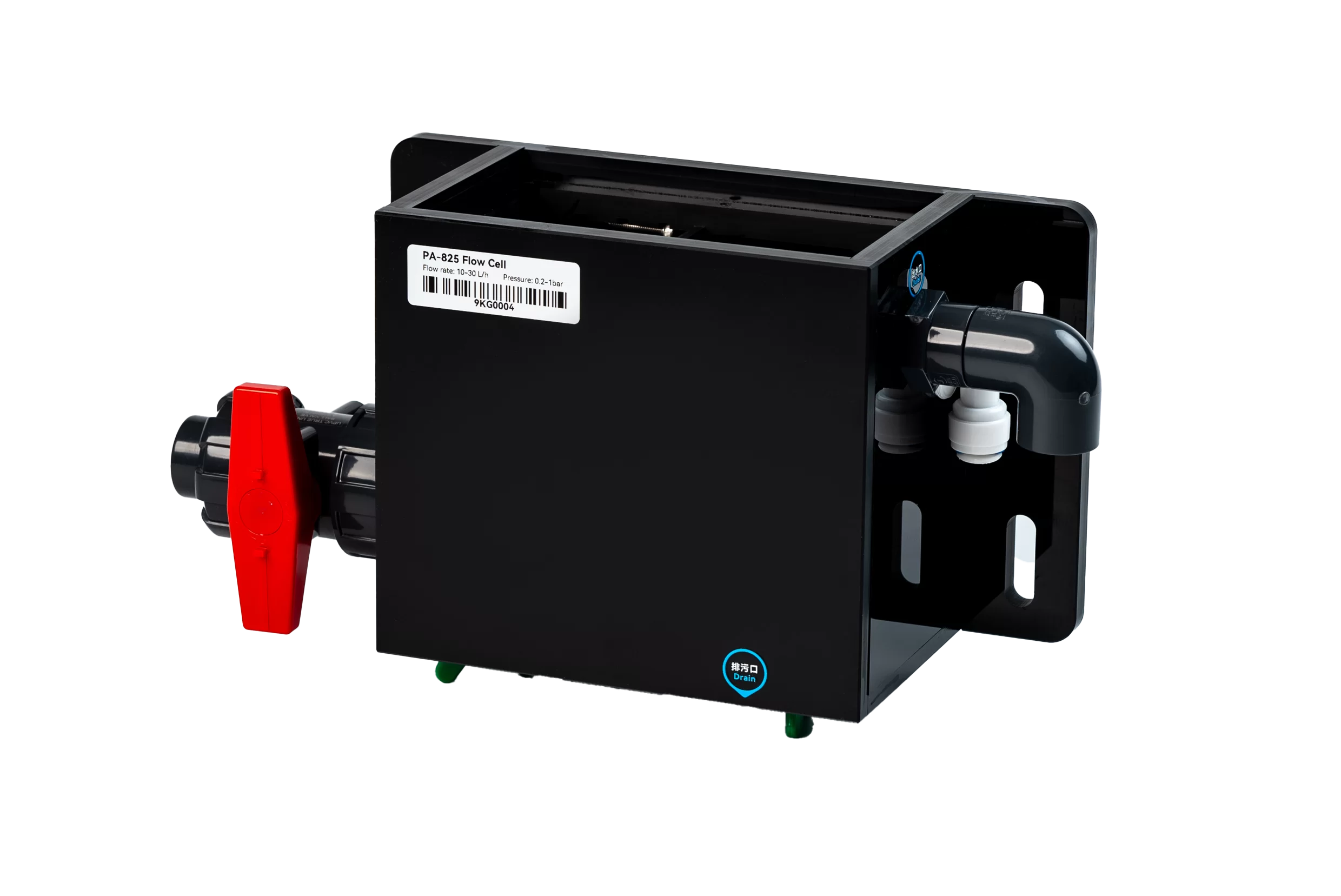
Rapid fluctuations are usually caused by three things: electrical interference (ground loops), a fouled sensor tip, or extreme turbulence near the probe. We recommend installing the sensor in a flow cell or using a shielded cable to eliminate noise, and cleaning the platinum tip with a mild abrasive or cleaning solution.
Absolutely. Most professional redox controllers feature 4-20mA analog outputs or digital communication protocols like Modbus RS485. This allows the ORP data to be fed directly into a PLC or SCADA system, enabling automated coordination between the redox state and other plant variables like flow rate and temperature.
For high-temperature applications, we recommend sensors with specialized temperature-resistant reference junctions and high-grade platinum tips. Ensure your controller has built-in temperature compensation (ATC) to adjust the millivolt reading based on the actual water temperature, as ORP values naturally shift with heat.
Conclusion
Implementing a professional redox controller is a strategic investment that bridges the gap between basic water treatment and advanced process optimization. By ensuring precise ORP levels, industries can achieve a perfect balance between sterilization efficiency and chemical economy, significantly reducing operational risks and environmental impact. The journey from manual dosing to automated, sensor-driven control is not just a technical upgrade—it is a commitment to safety and sustainability.
As we look toward a future of smart manufacturing and stricter environmental mandates, the role of automated redox monitoring will only grow. We encourage plant operators and environmental engineers to embrace these digital transformations to ensure their systems are resilient, compliant, and future-proof. For high-precision water quality solutions and expert guidance on redox management, visit our website: www.jensprima.com



 Download
 Video Center
 Technical Services
 FAQS
 Service Network
 Privacy Policy
 Contact Us