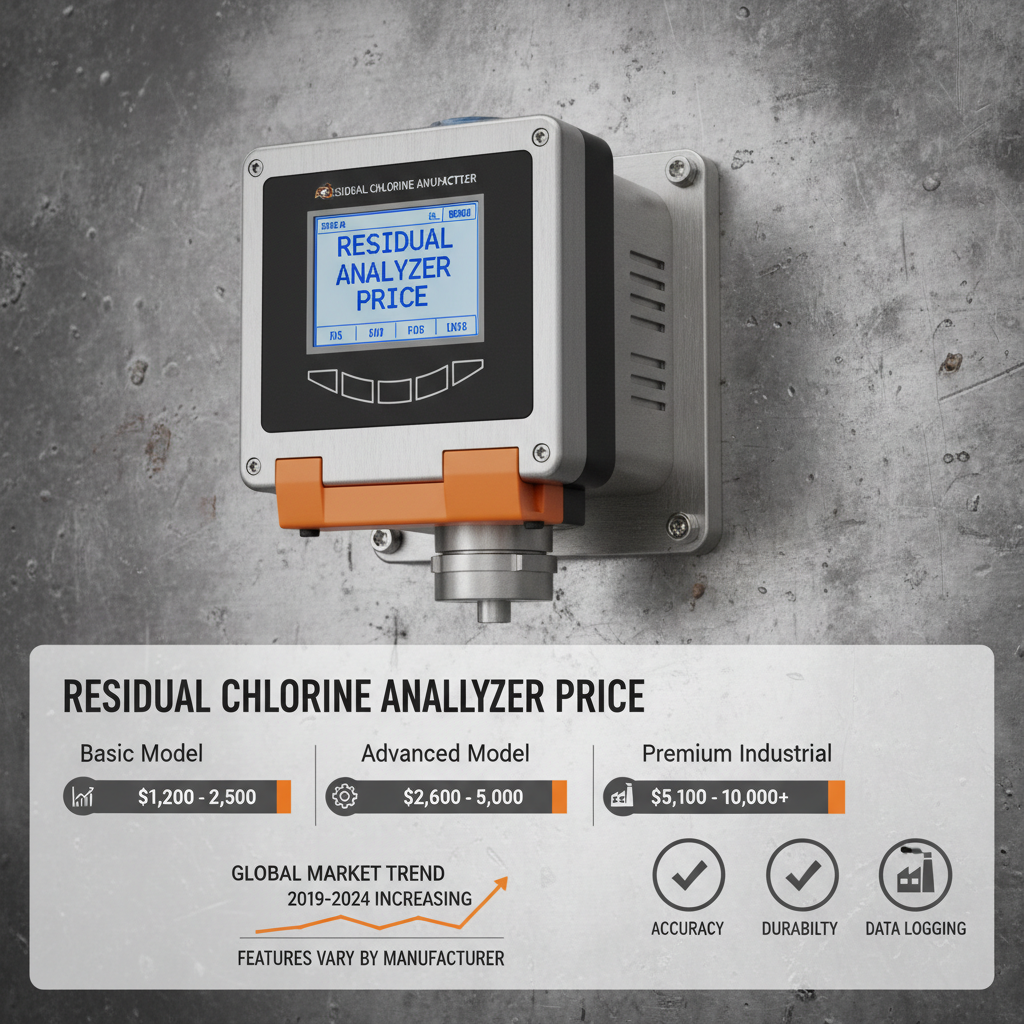
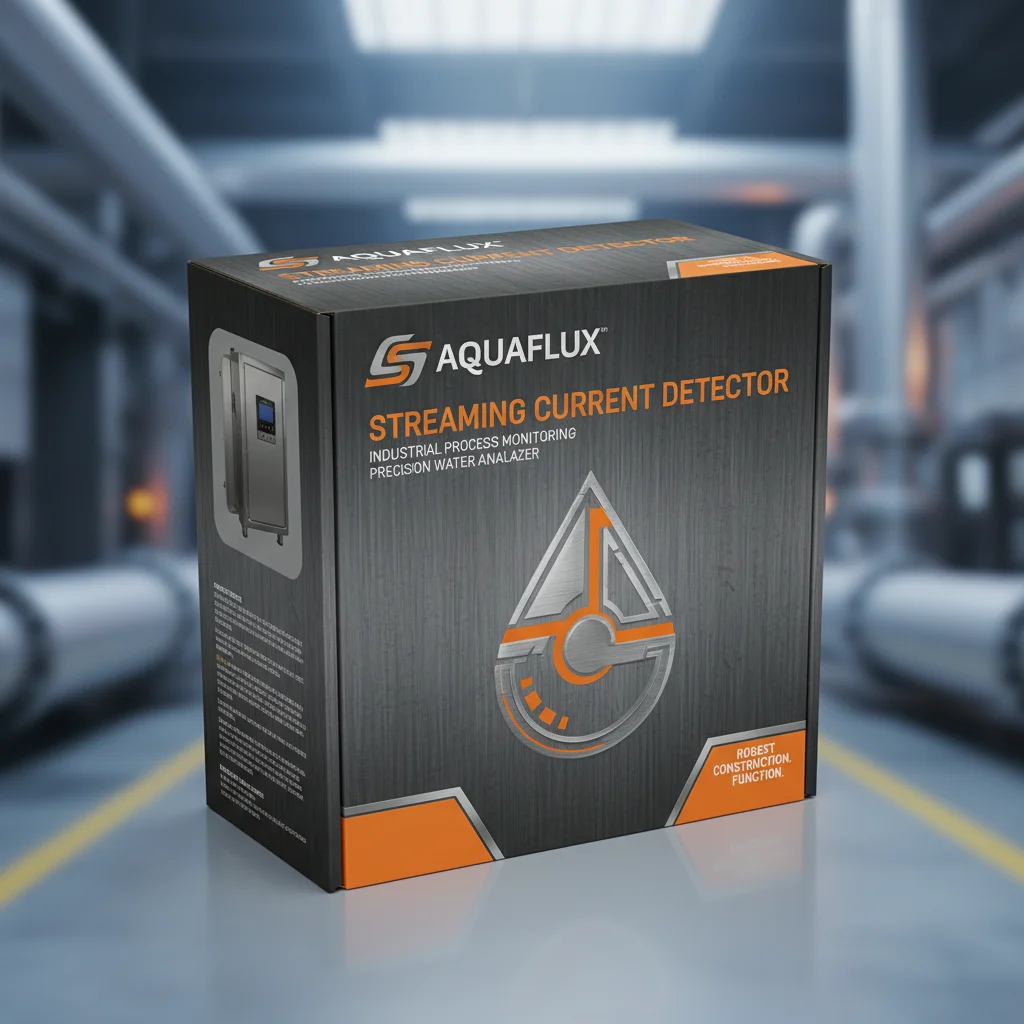
Understanding the residual chlorine analyzer price is critical for facility managers and environmental engineers who must balance stringent water safety regulations with operational budgets. In the realm of water treatment, maintaining the precise level of disinfectant is not merely a compliance checkbox but a fundamental requirement for public health and industrial efficiency.
The global market for water quality monitoring has seen a shift toward high-precision automation, which directly influences the residual chlorine analyzer price. As cities expand and industrial discharge regulations tighten, the demand for reliable, real-time monitoring tools has increased, leading to a diverse pricing landscape that ranges from basic electrochemical sensors to advanced colorimetric systems.
Ultimately, analyzing the residual chlorine analyzer price requires looking beyond the initial purchase cost. A comprehensive evaluation must include the Total Cost of Ownership (TCO), encompassing reagent consumption, calibration frequency, and the long-term reliability of the sensor to ensure that the investment yields a safe and sustainable water supply.
Global Market Drivers of Residual Chlorine Analyzer Price
The fluctuation in the residual chlorine analyzer price is often tied to global environmental mandates. Organizations like the World Health Organization (WHO) and various ISO standards dictate the precision required for potable water, forcing manufacturers to innovate. When regulations become stricter, the demand for higher-accuracy instruments rises, which can drive up the market price due to the integration of more sophisticated optical and chemical components.
Furthermore, the scale of deployment plays a significant role. In emerging economies, there is a push for cost-effective, modular solutions that offer a lower entry-level residual chlorine analyzer price without sacrificing basic reliability. This has created a bifurcated market: high-end, fully automated systems for metropolitan utilities and streamlined, robust analyzers for remote industrial zones or post-disaster relief operations where rapid deployment is prioritized over extreme precision.
Technical Determinants of Equipment Cost
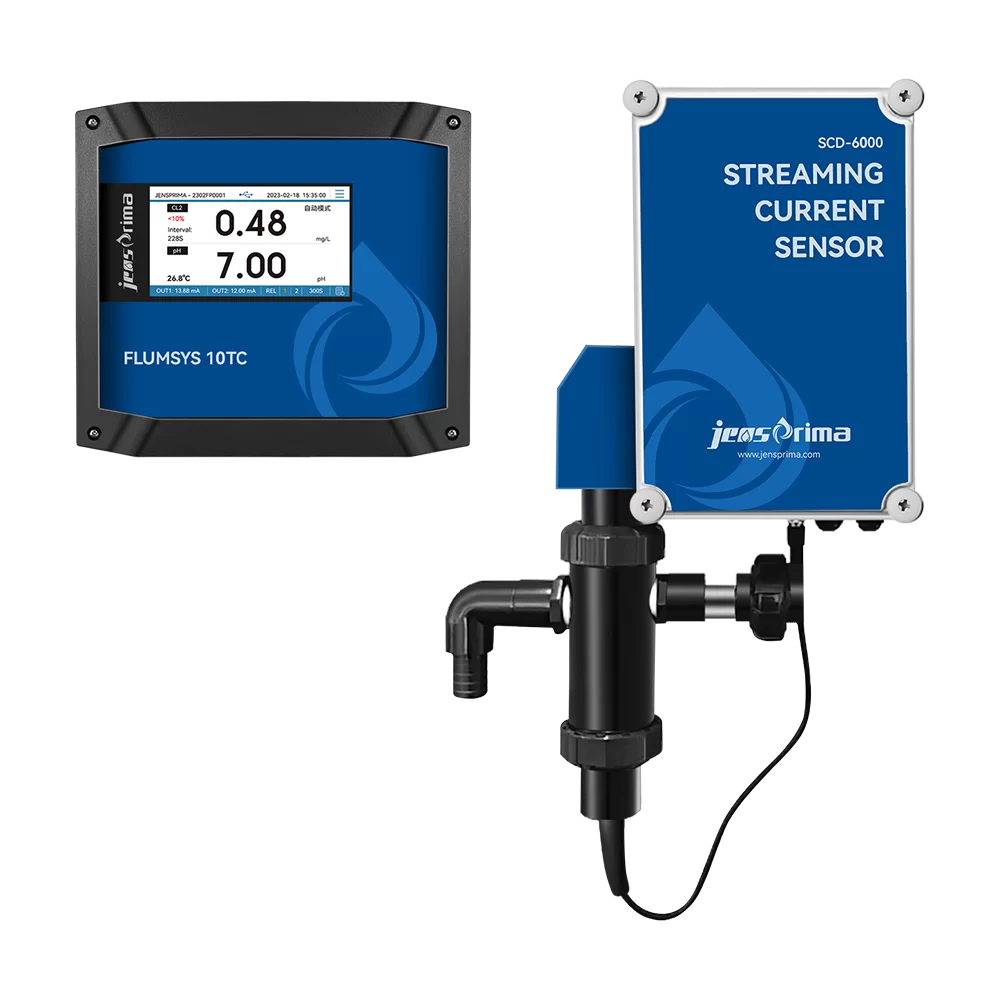
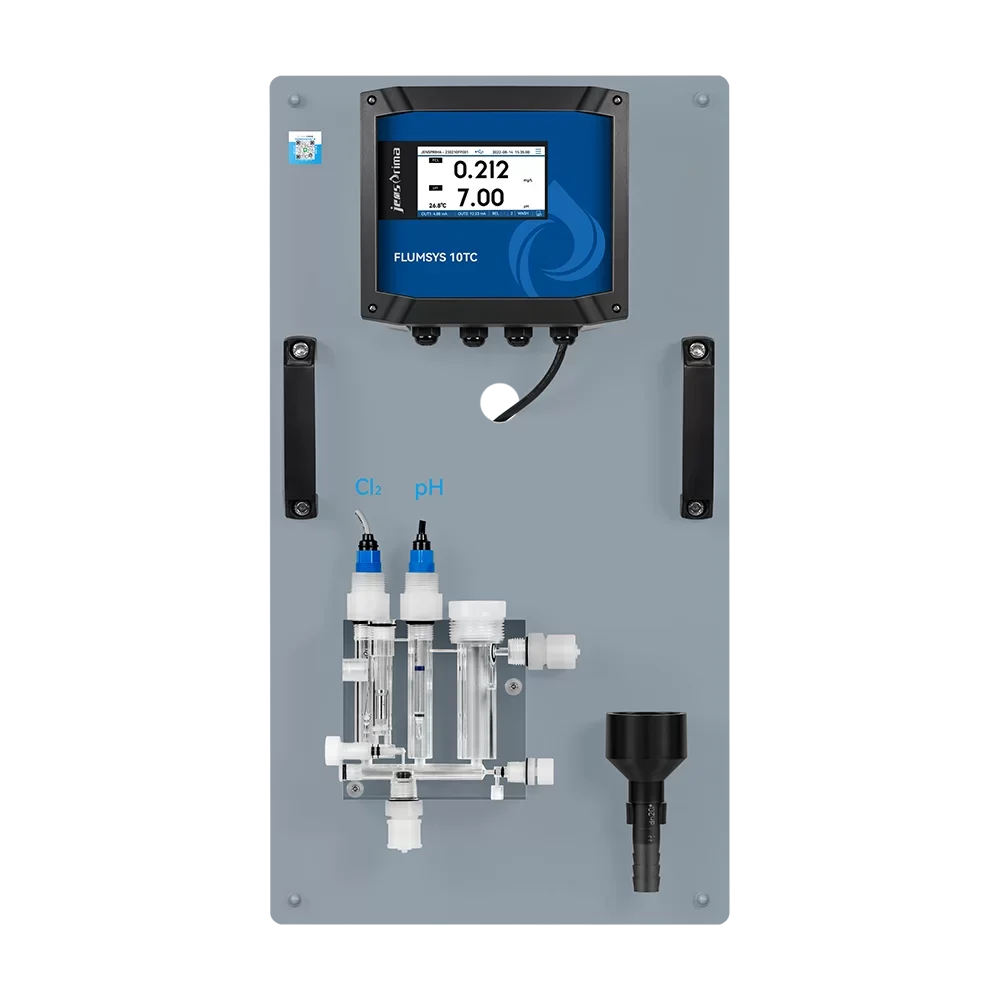
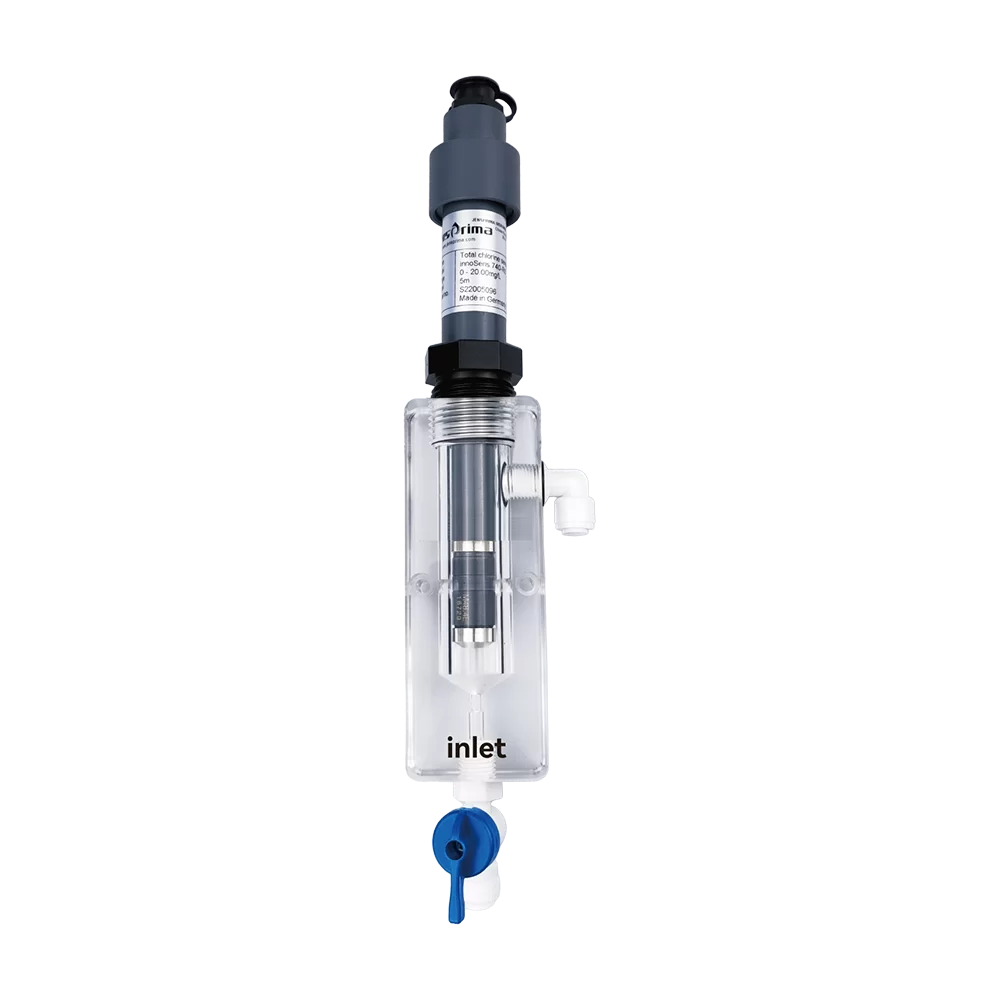
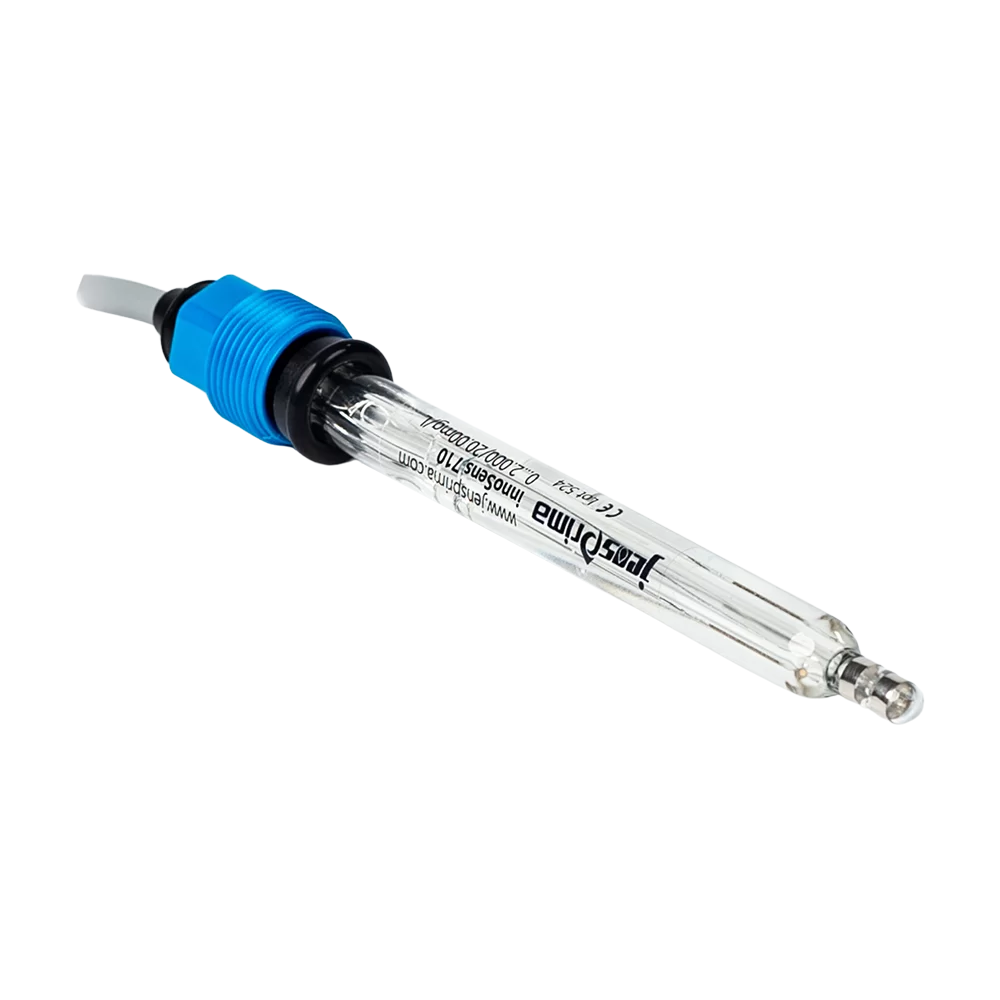
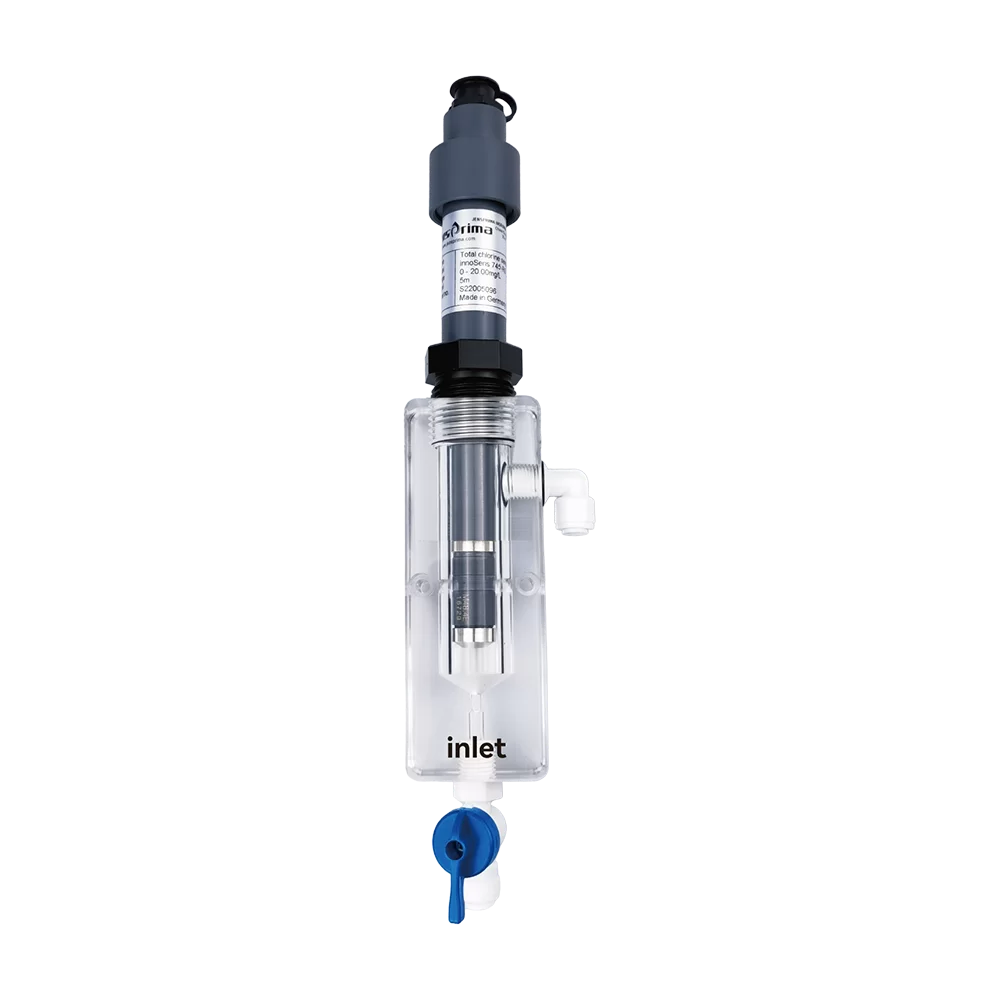
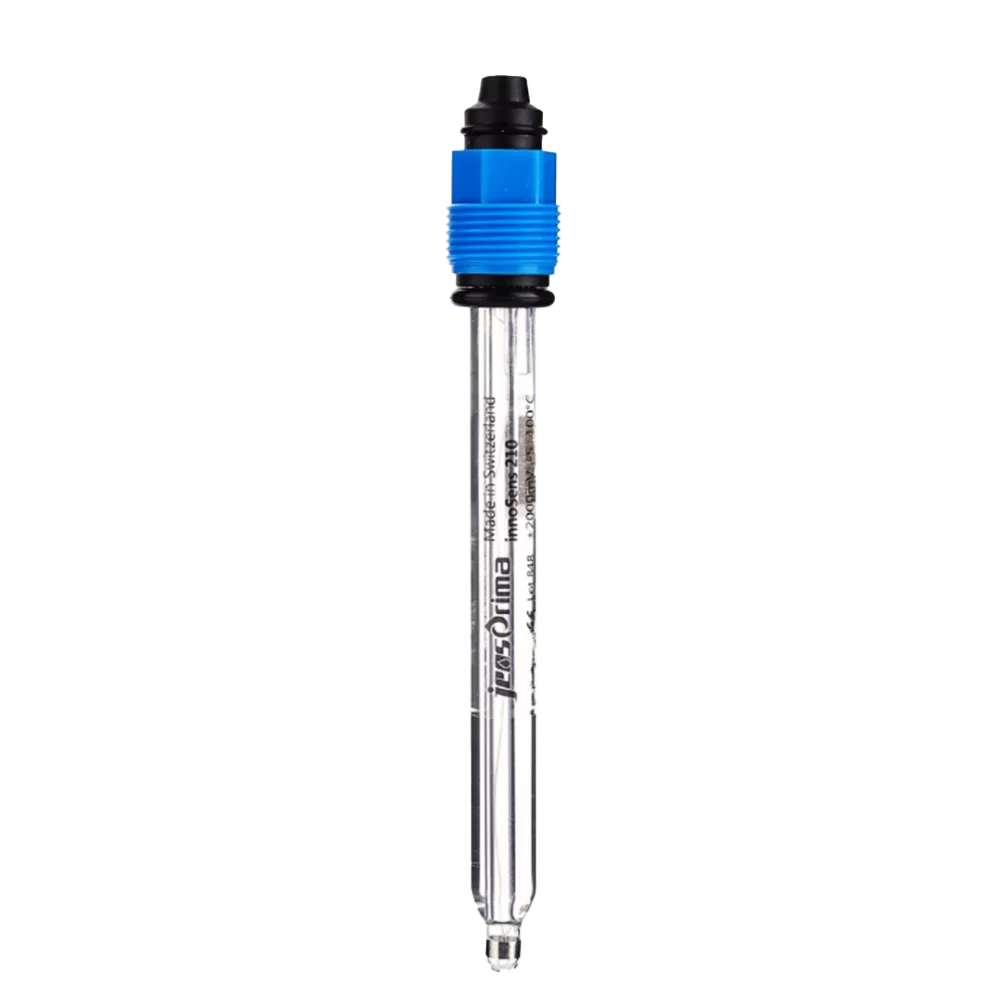
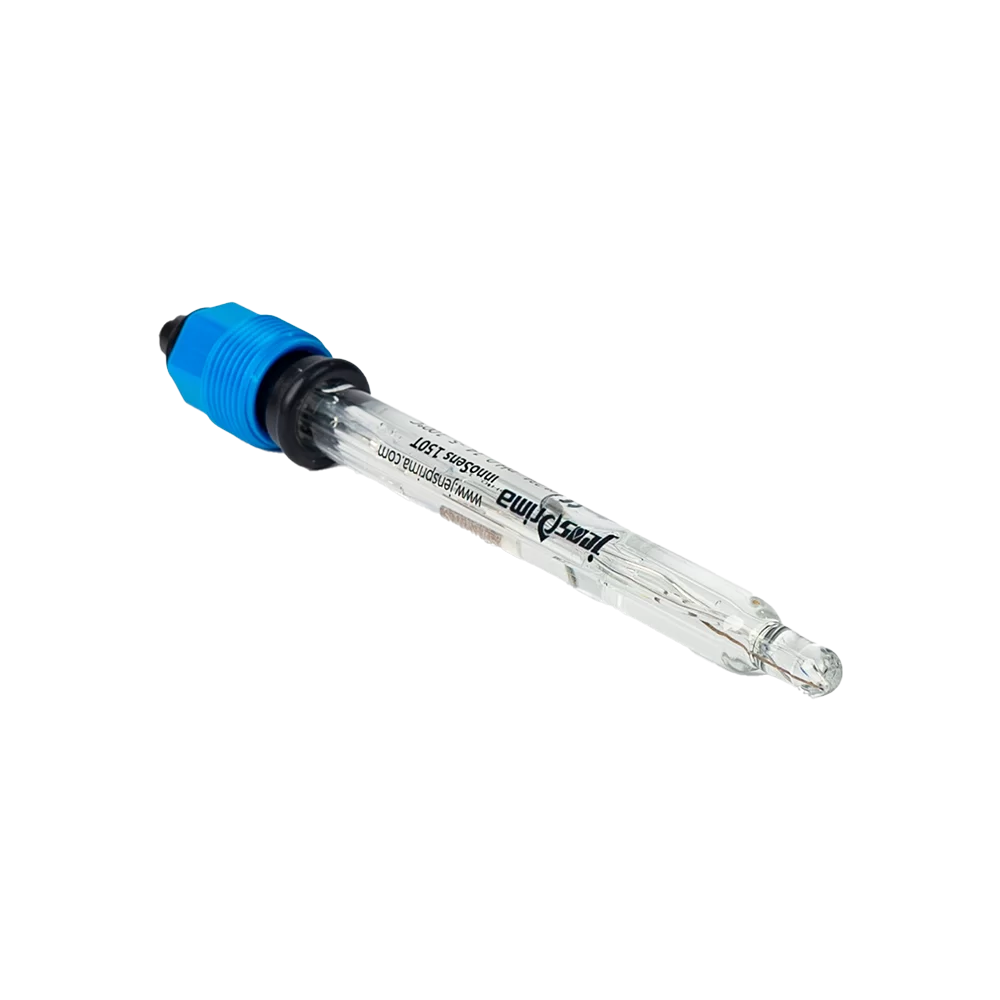
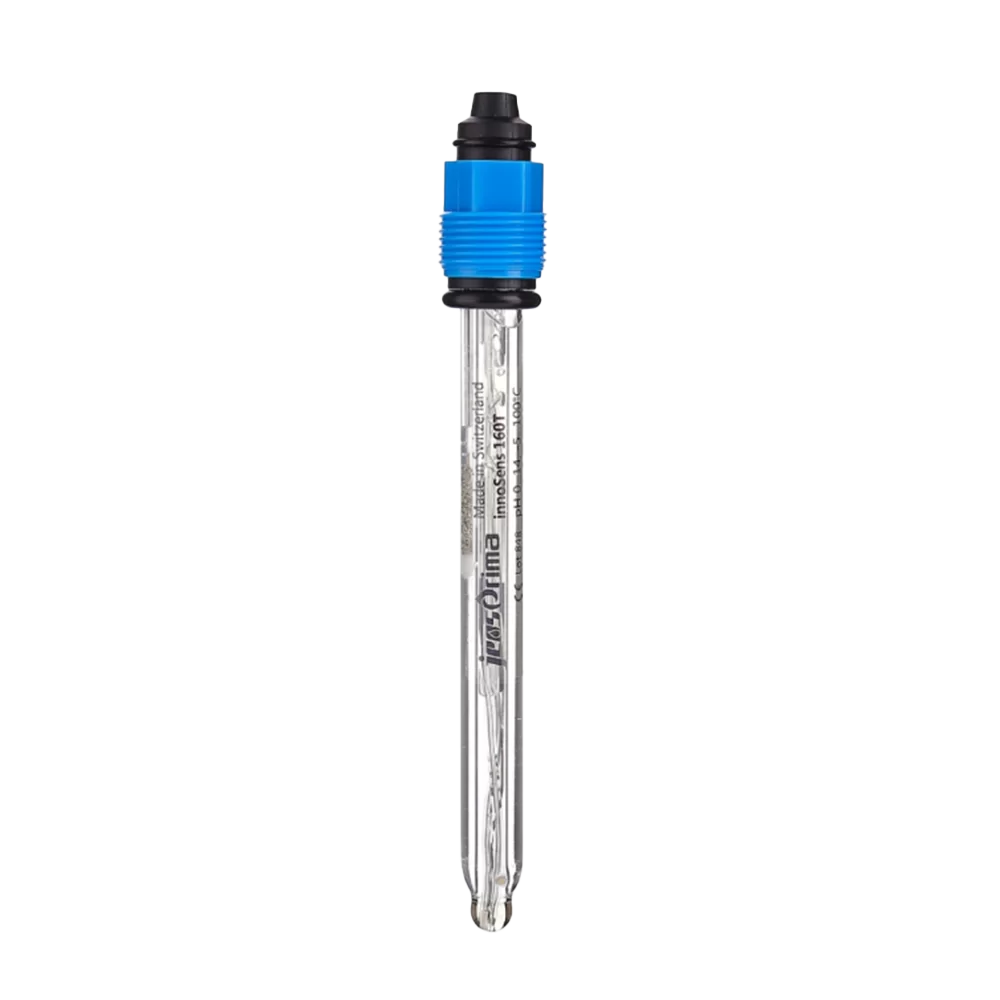
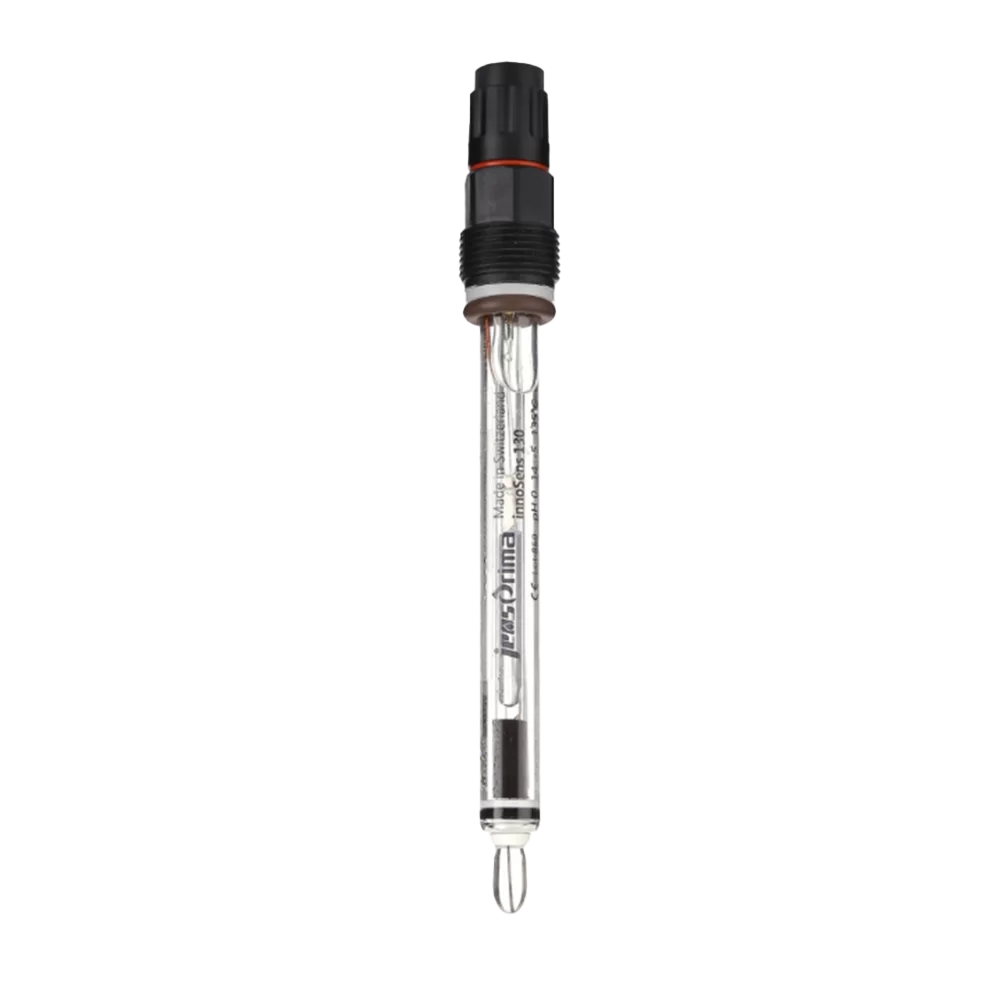
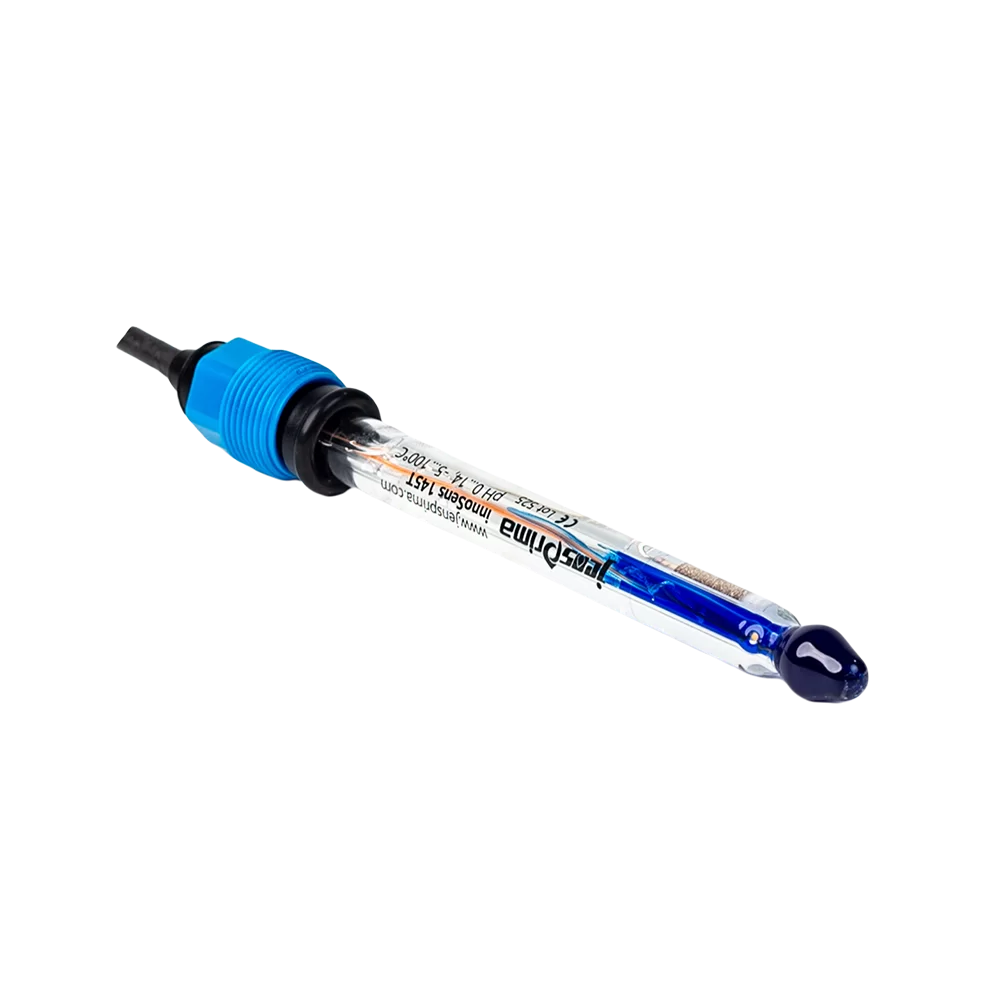
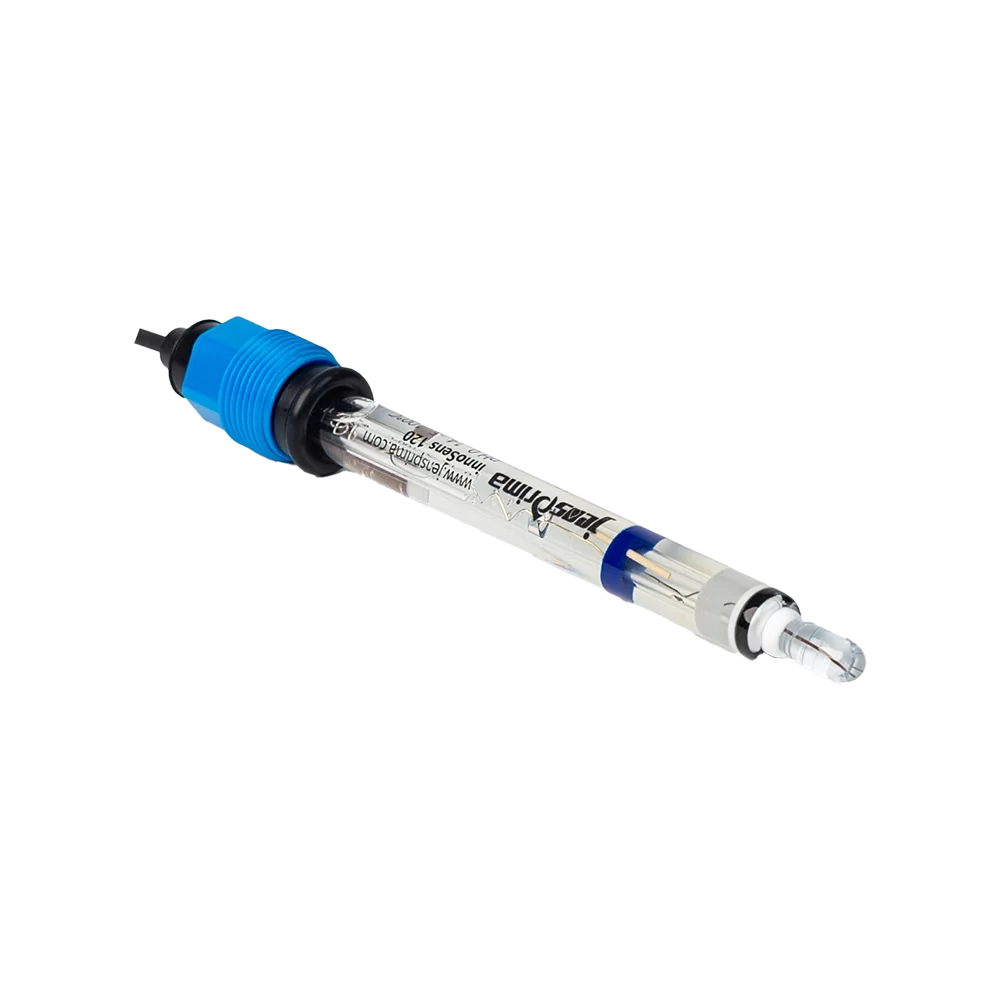
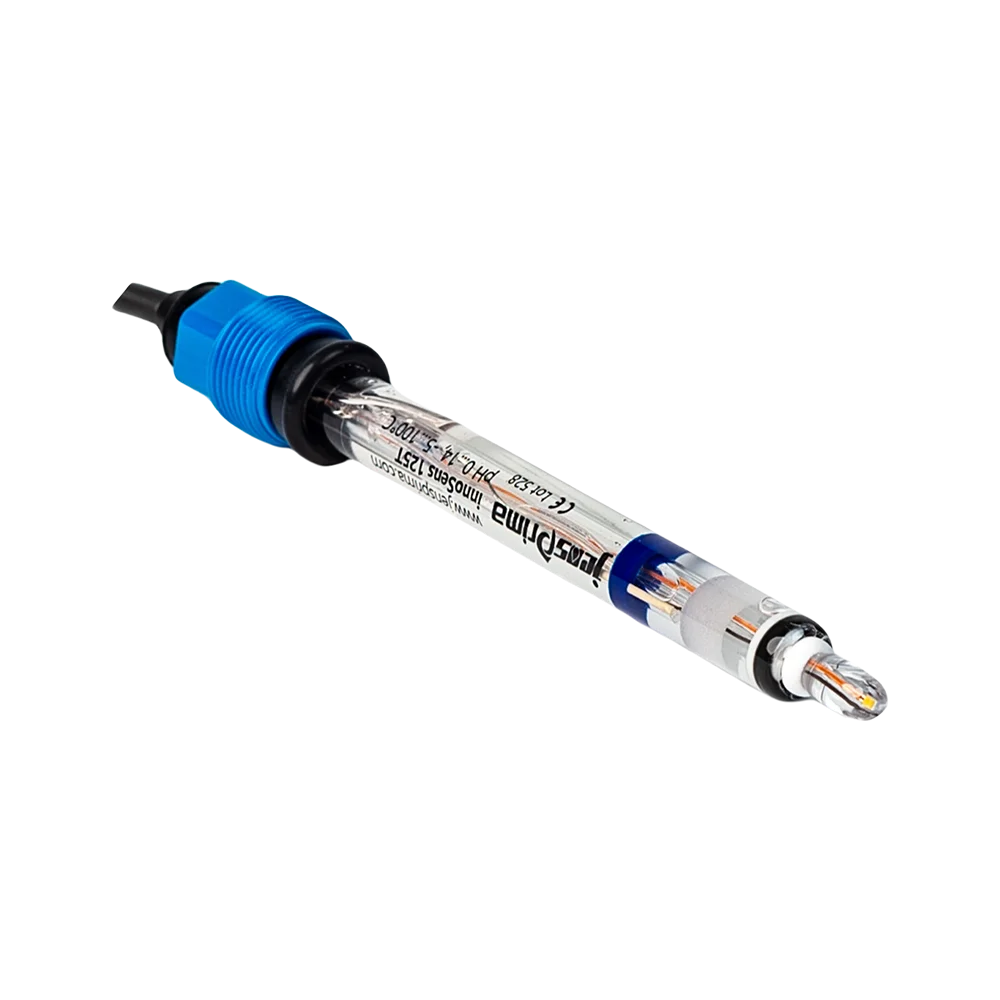
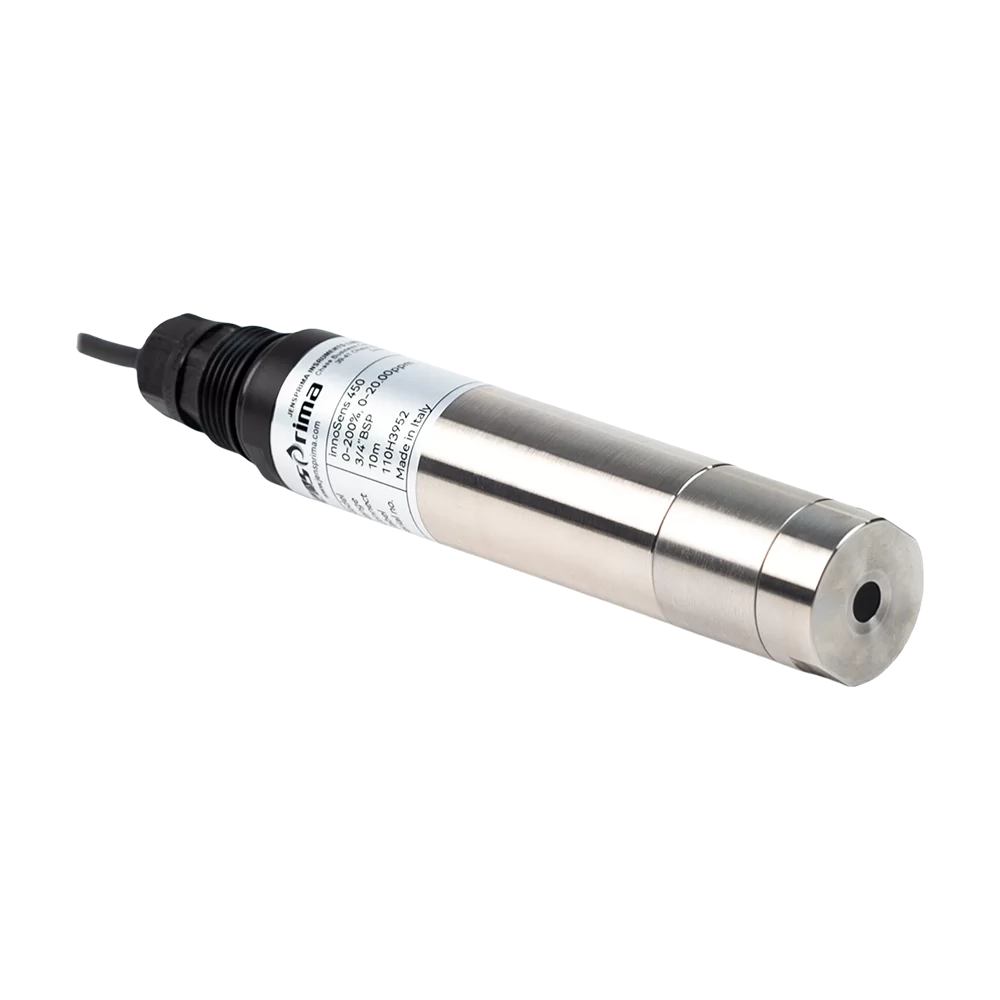
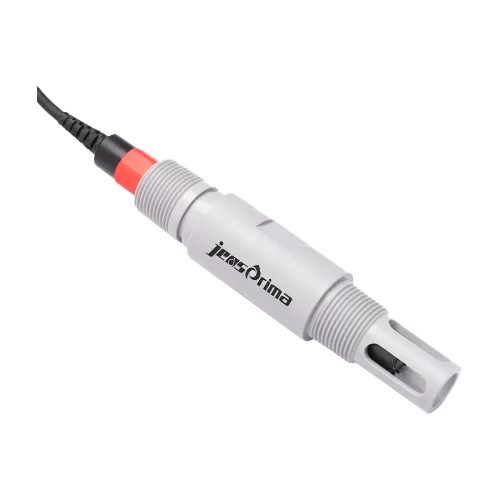
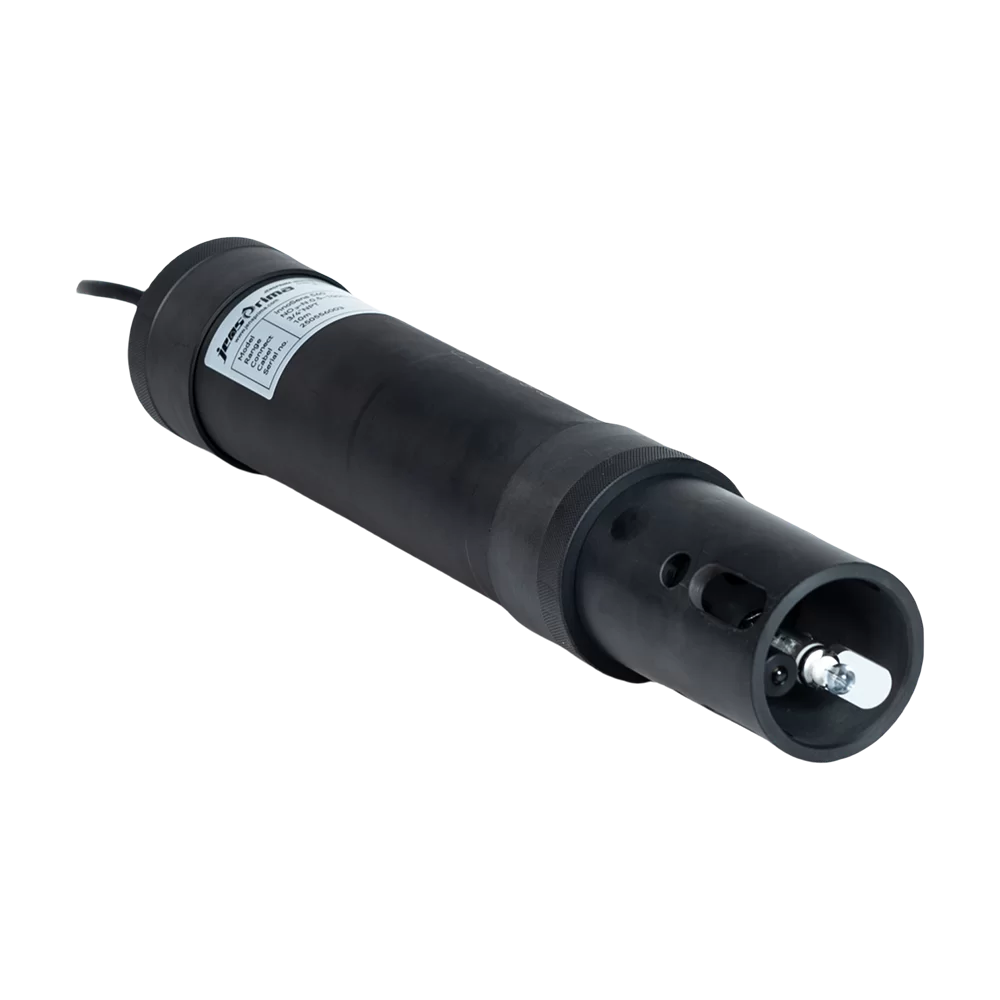
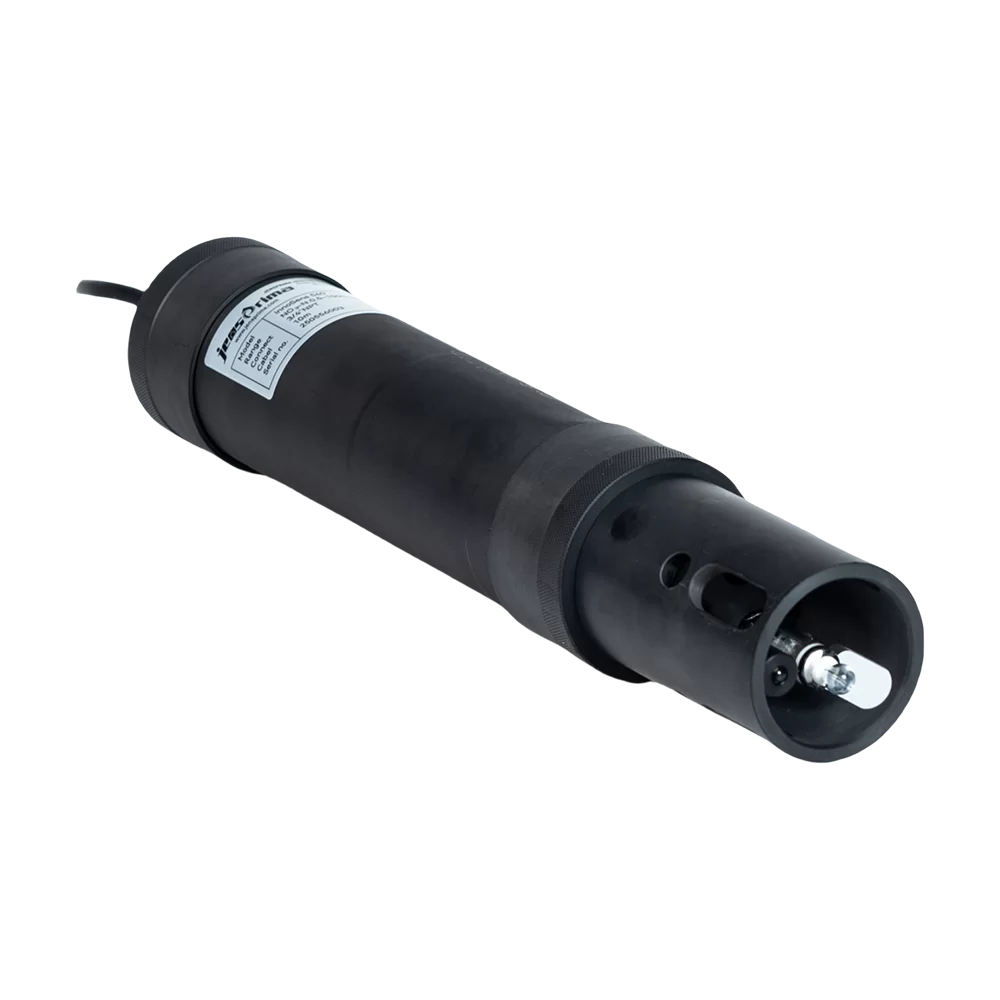
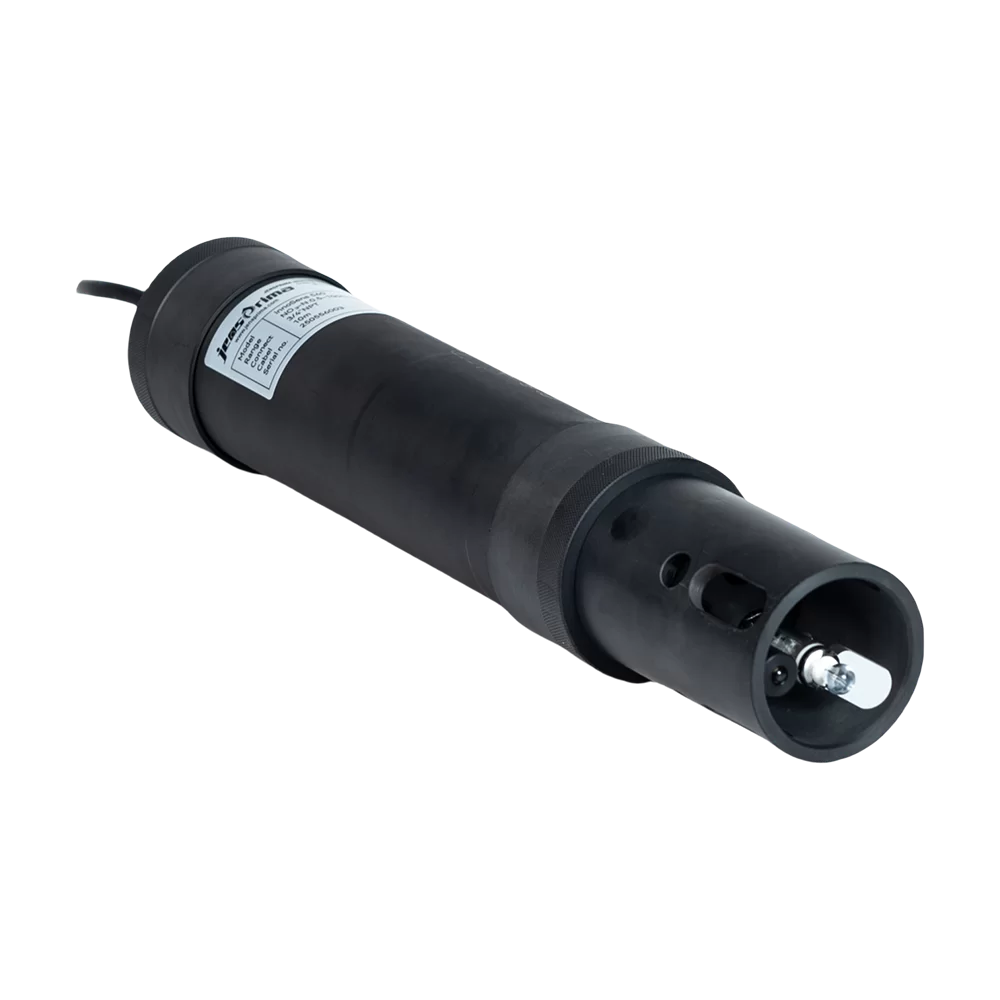
The primary driver of the residual chlorine analyzer price is the detection technology employed. Amperometric sensors, which rely on the current generated by the reduction of chlorine at a gold or platinum electrode, generally offer a more accessible price point. However, they may require more frequent calibration and are more susceptible to interference from other oxidizing agents in the water.
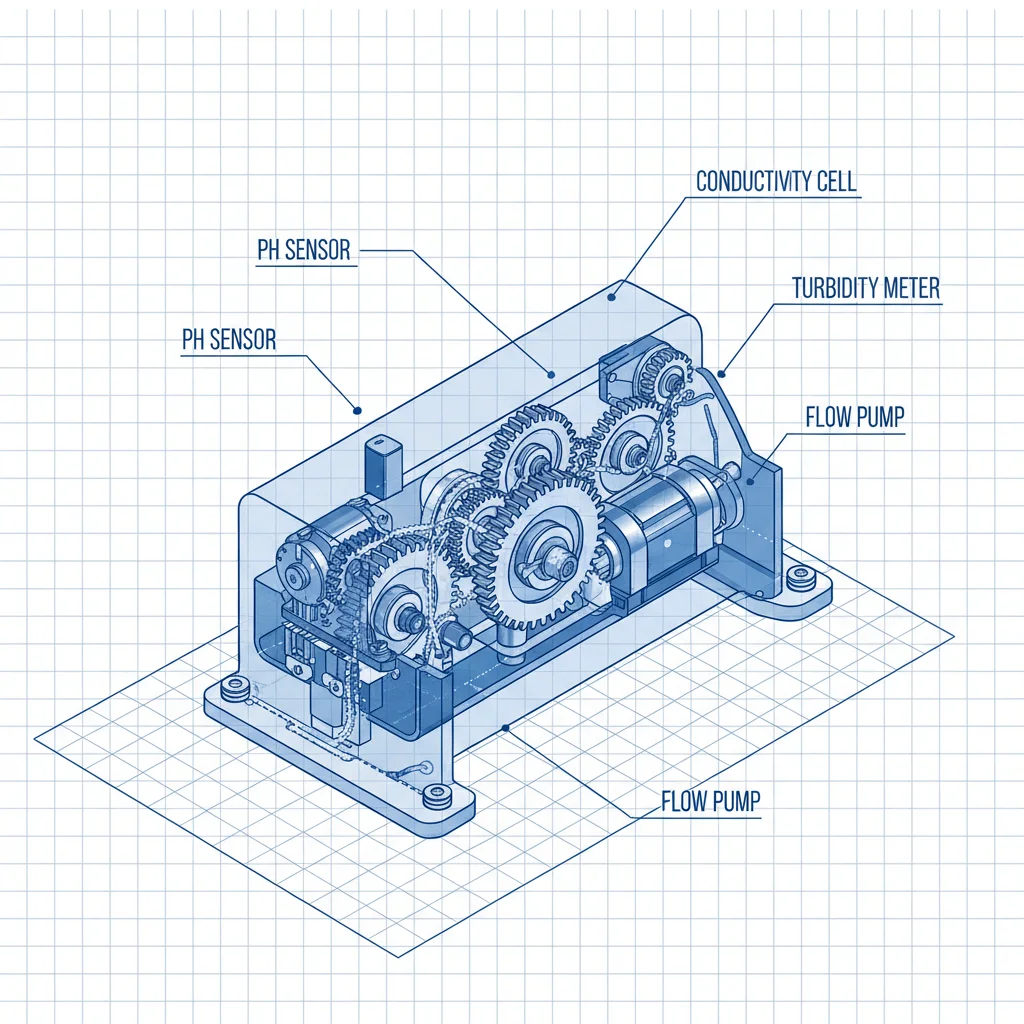
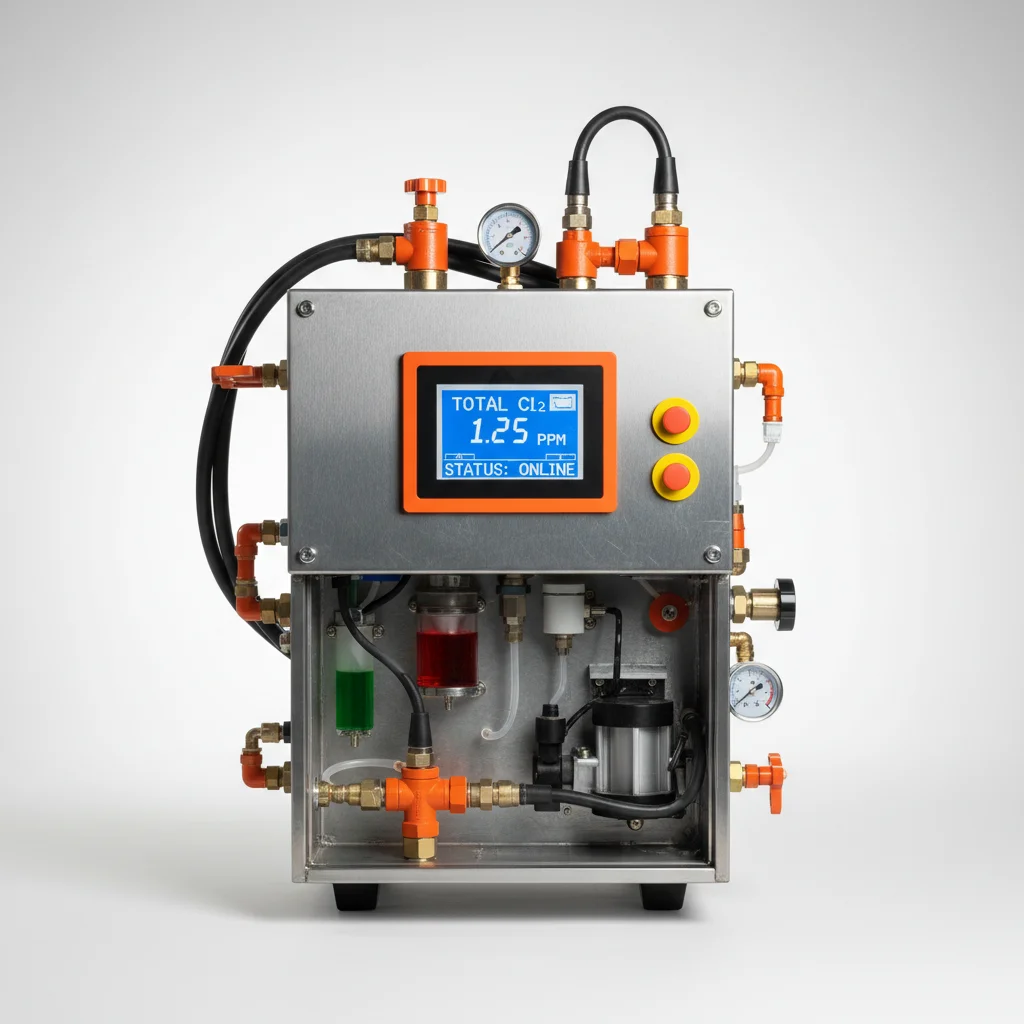
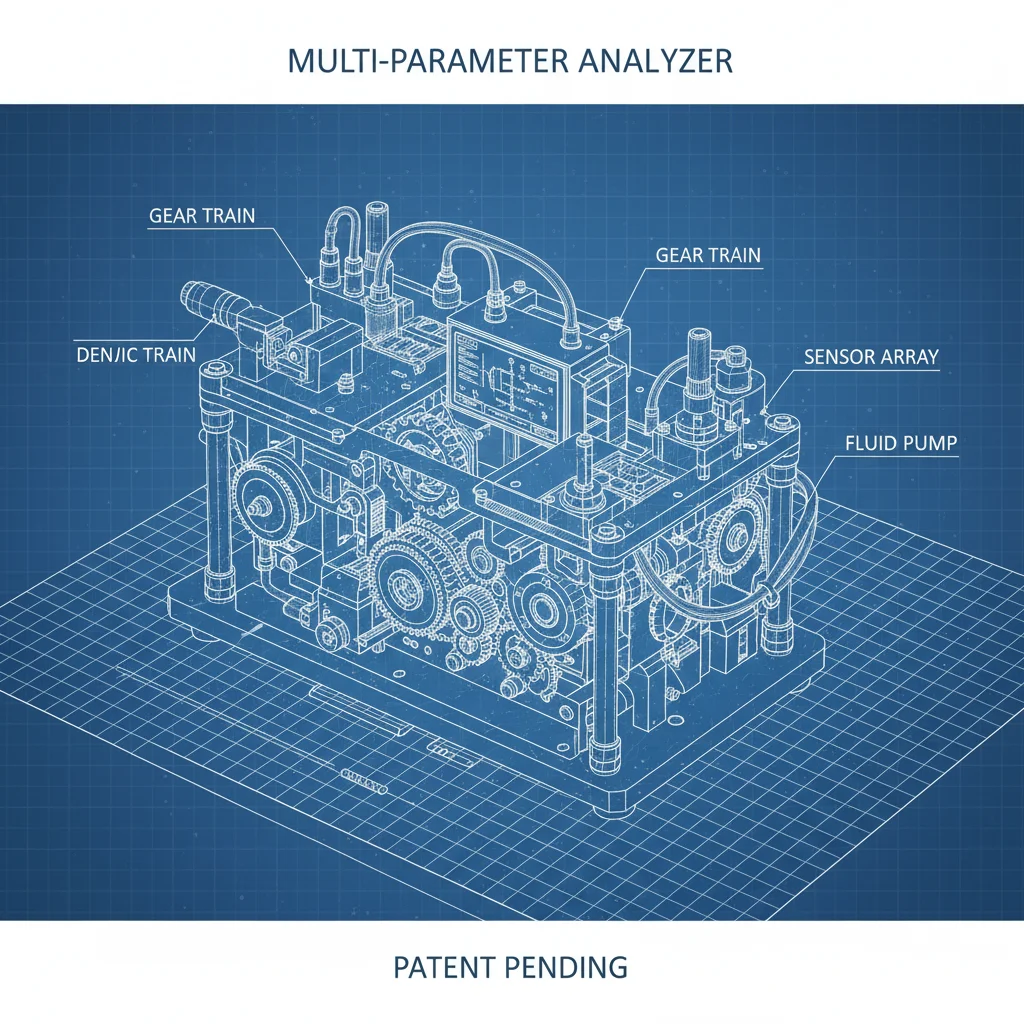
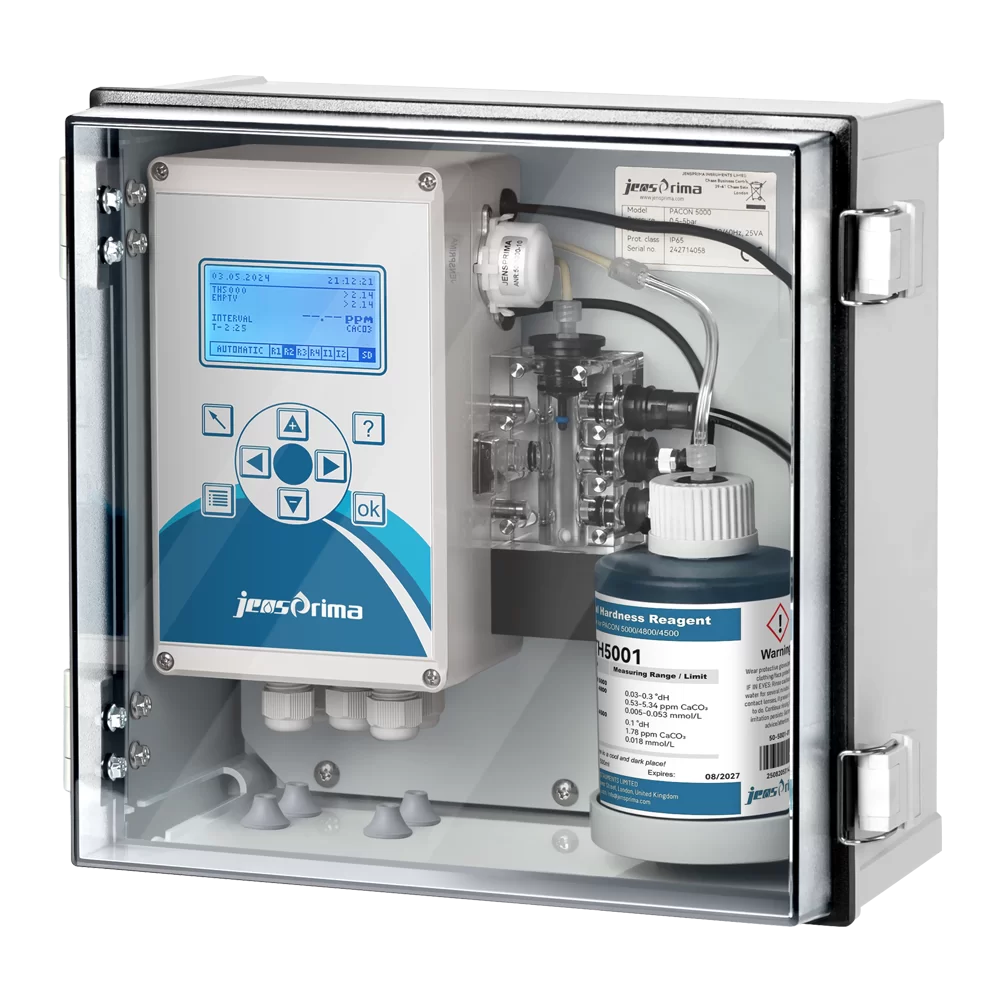
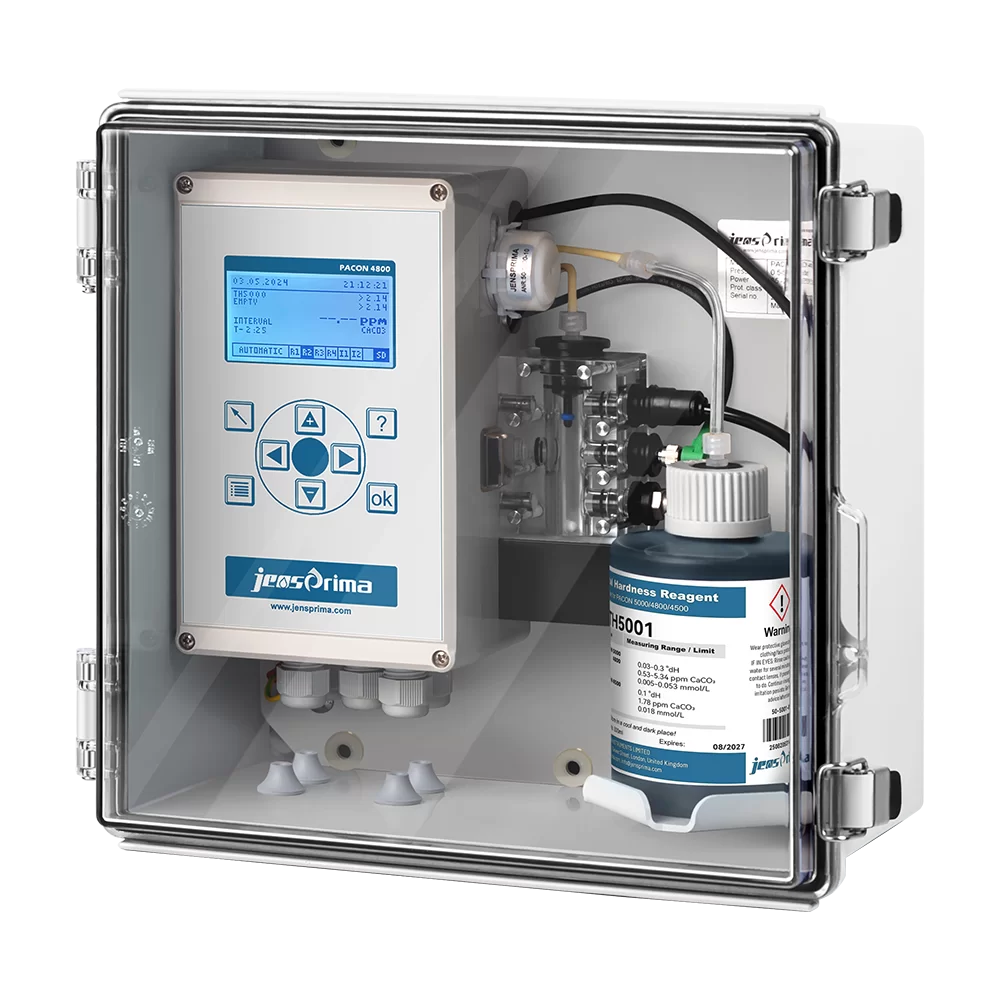
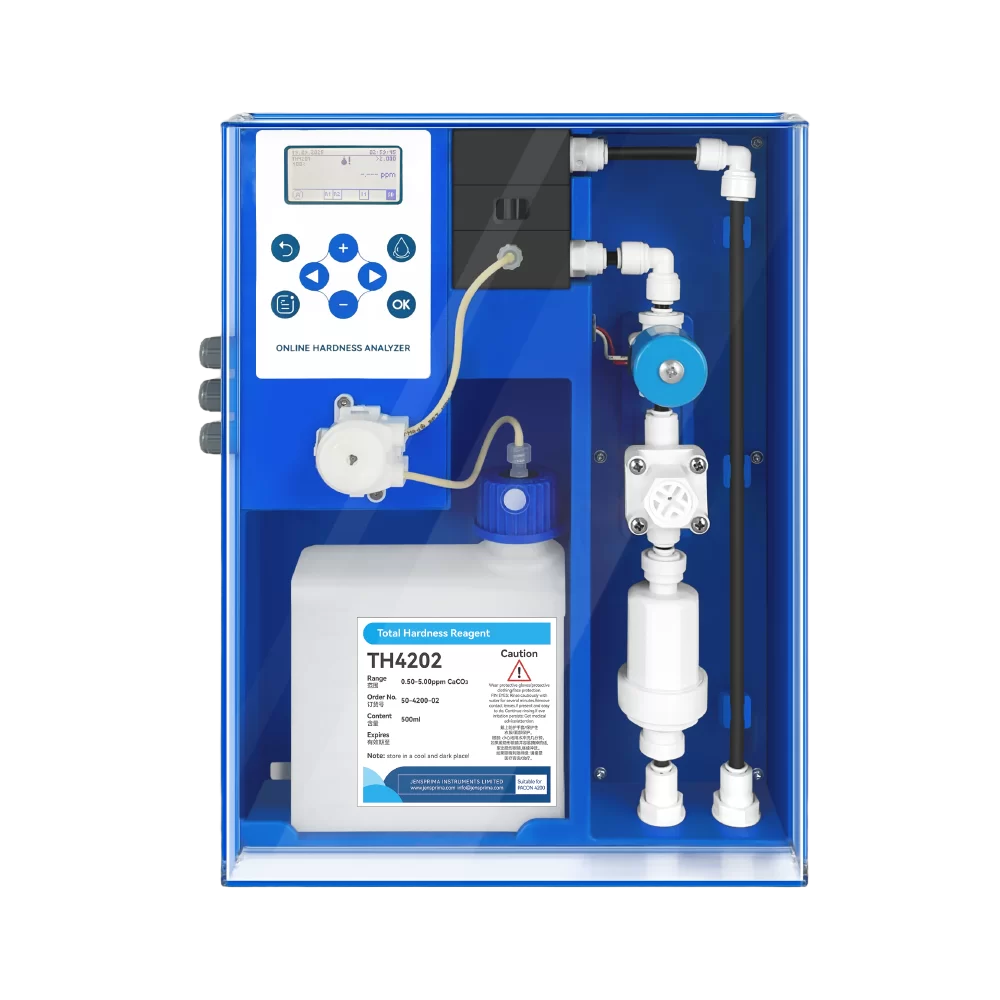
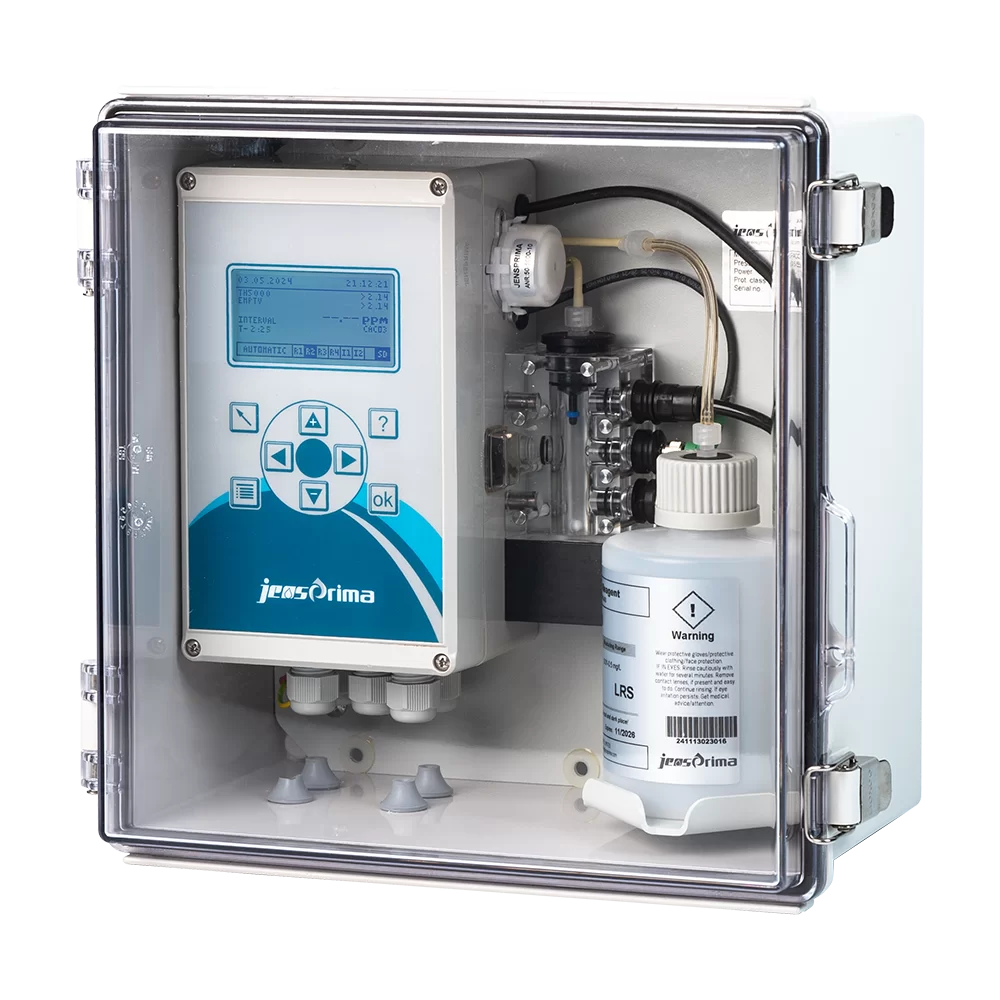
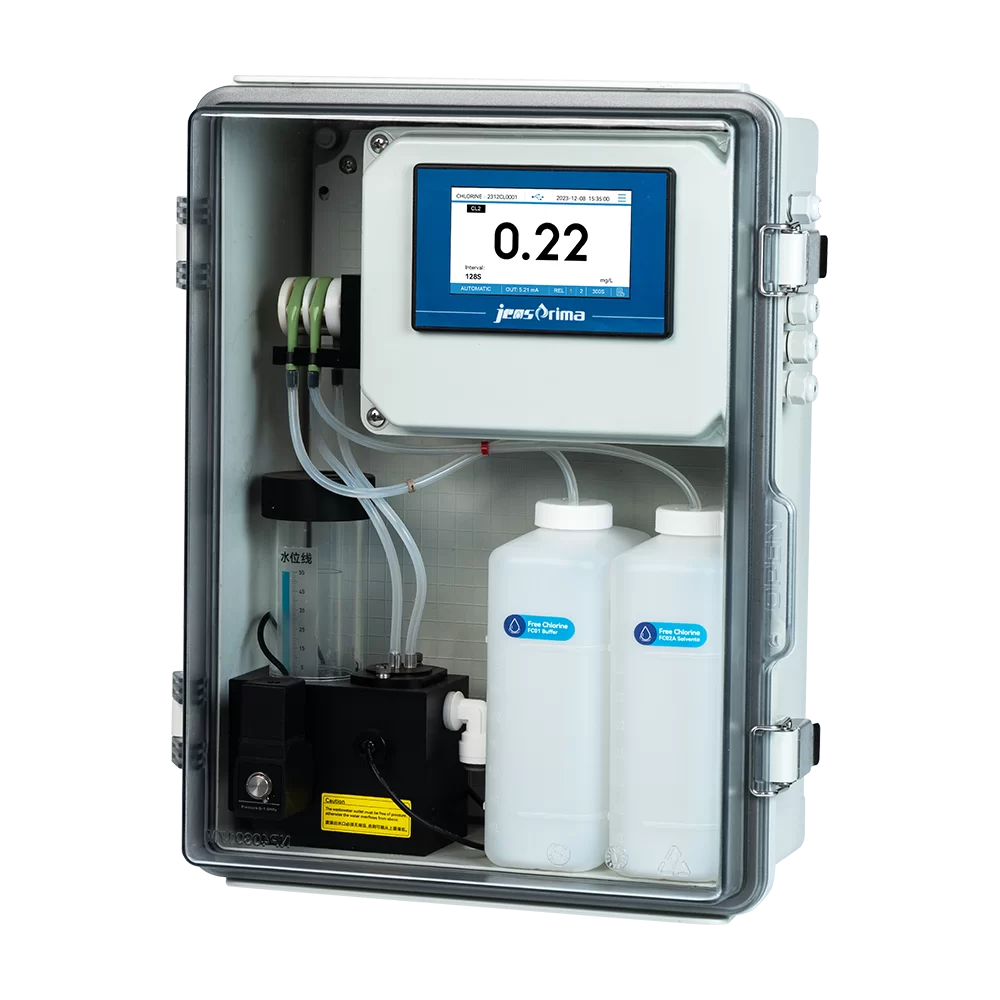
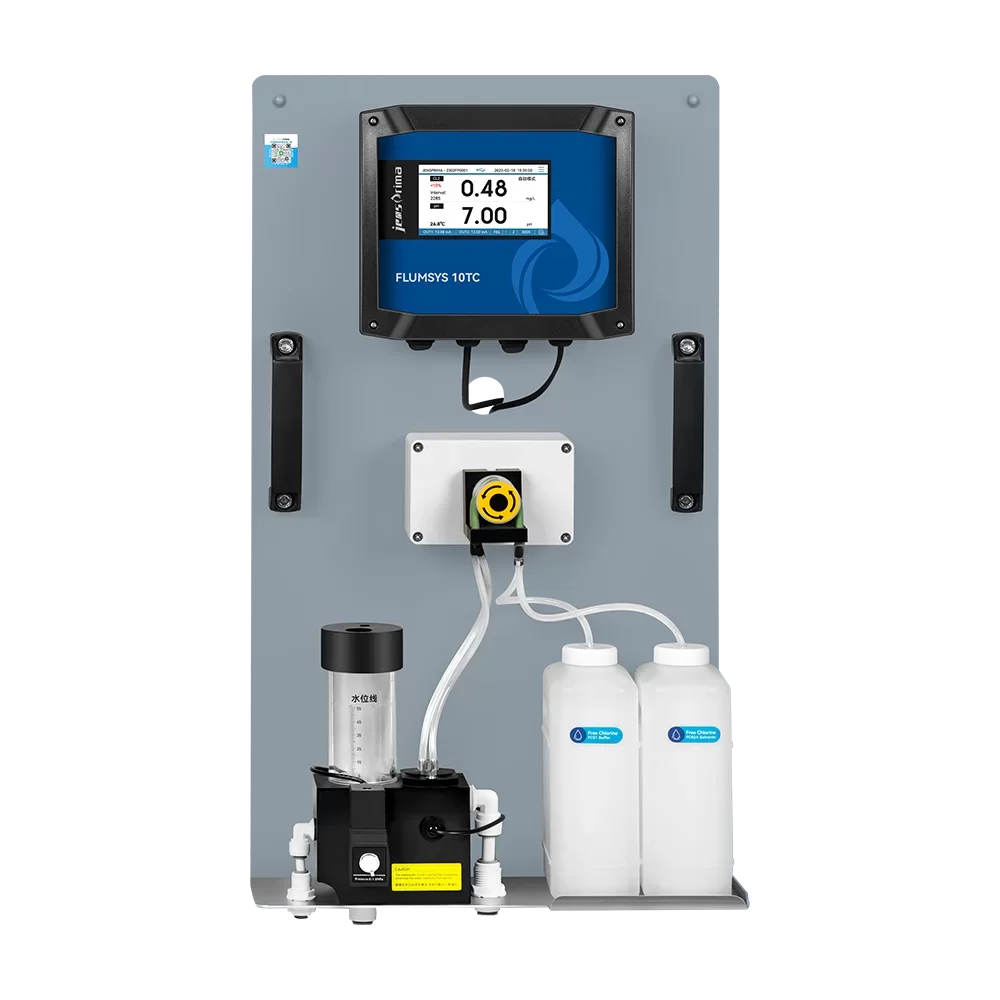
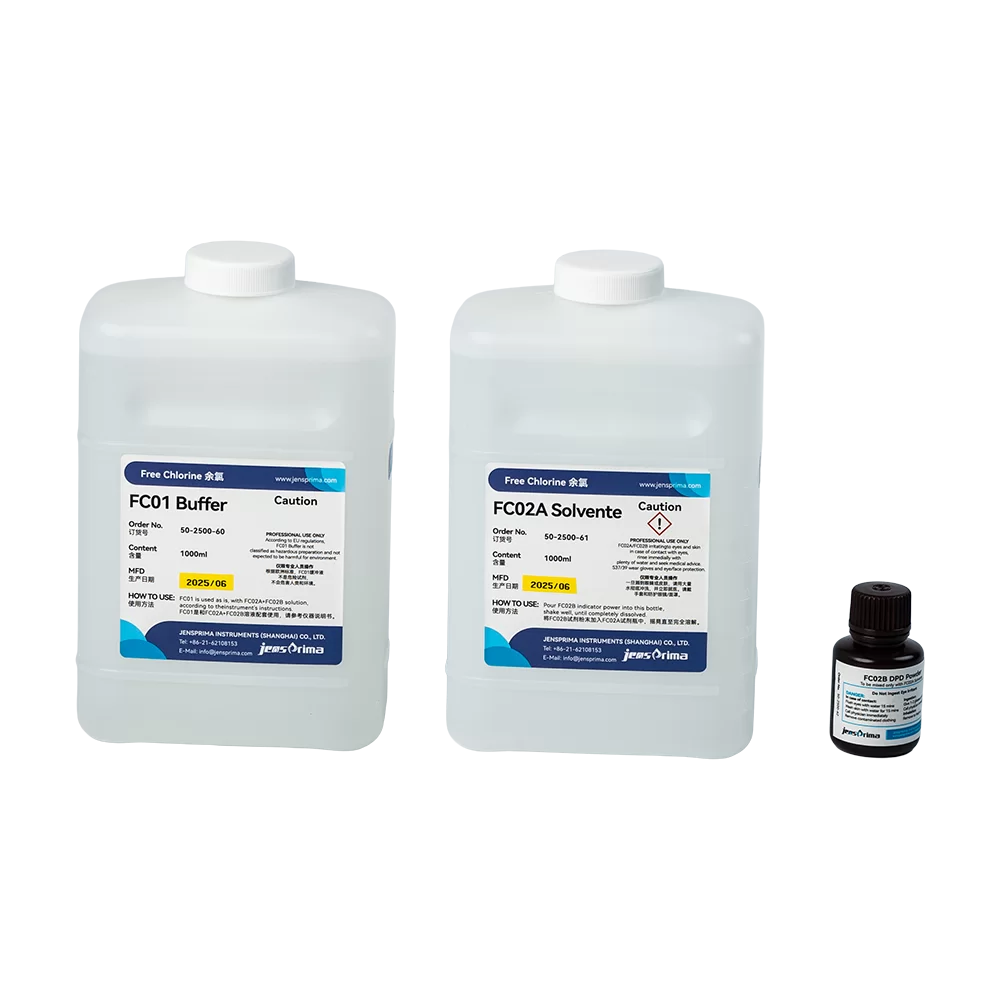
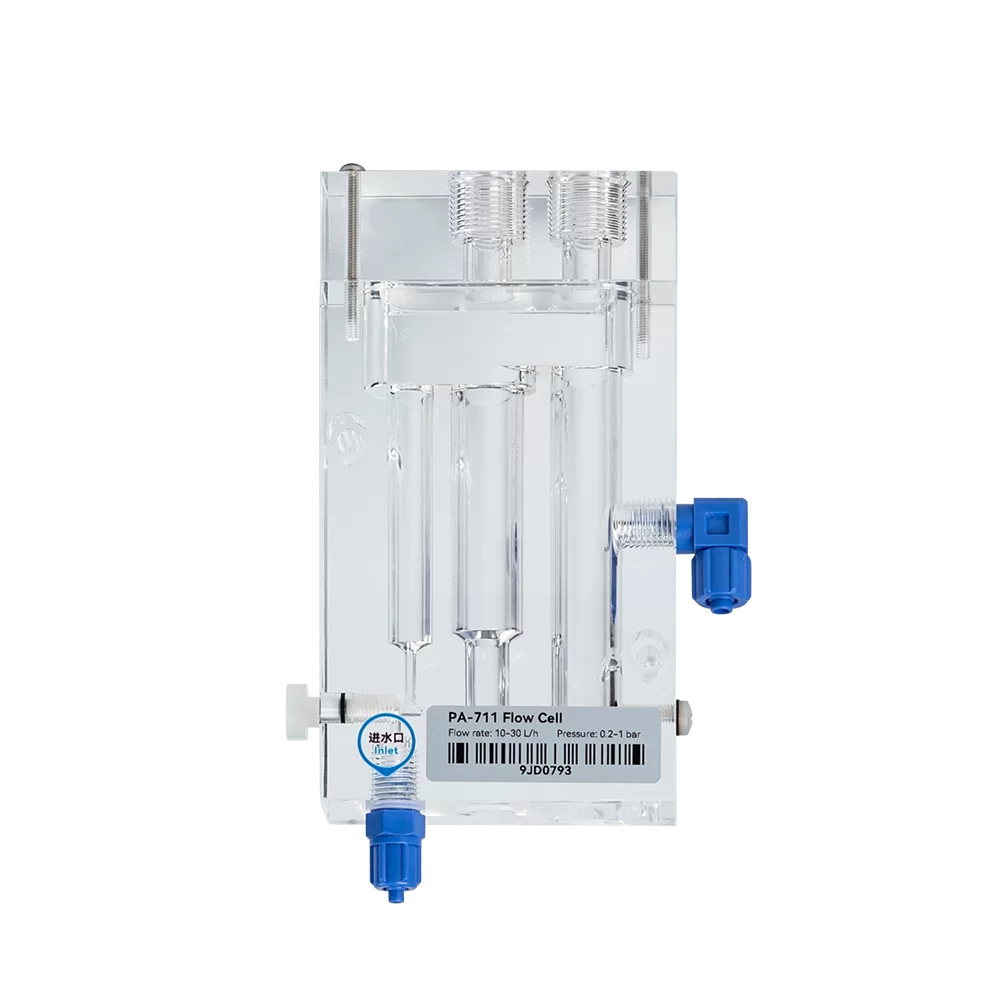
In contrast, colorimetric (DPD) analyzers often command a higher residual chlorine analyzer price because they utilize complex fluidics, pumps, and spectrophotometric hardware to measure color change. While the initial capital expenditure is higher, these systems are often preferred for their absolute accuracy and ability to distinguish between free and total chlorine, which is vital for high-stakes pharmaceutical or food-grade water processing.
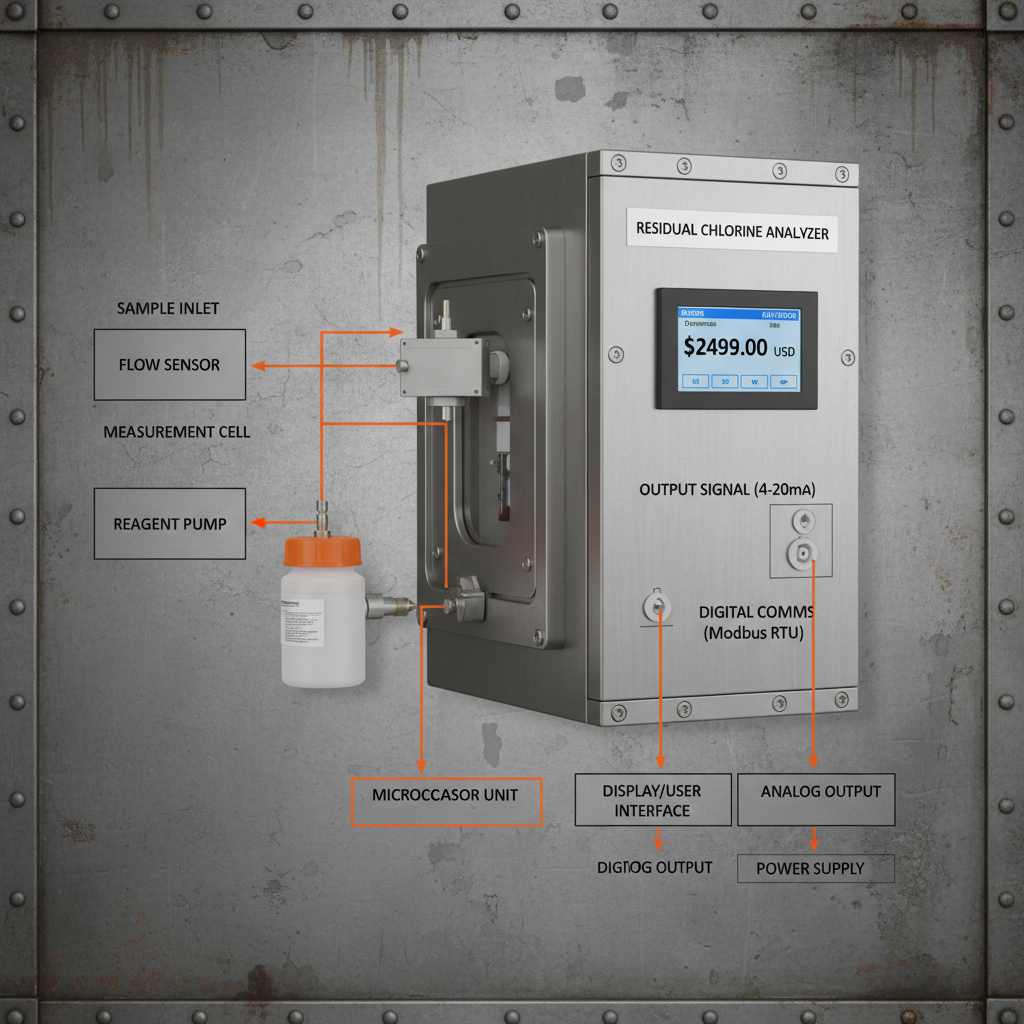
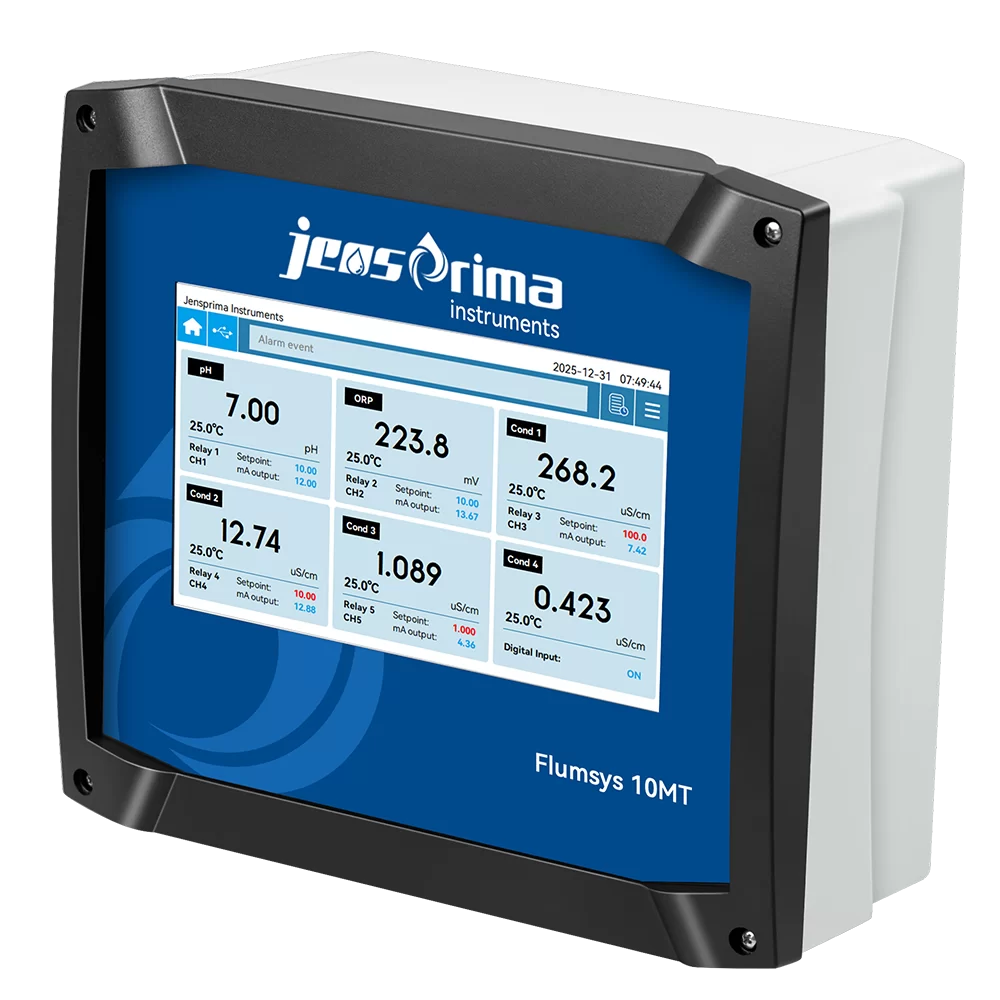
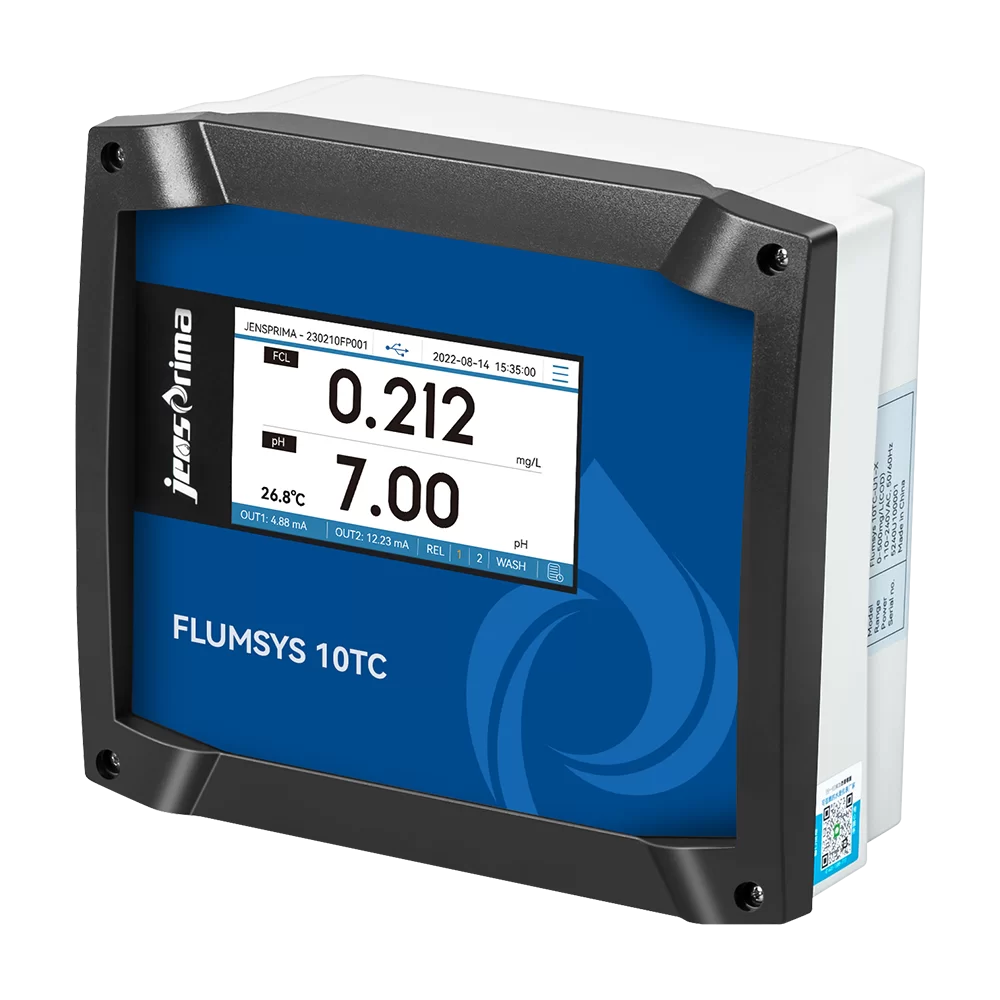
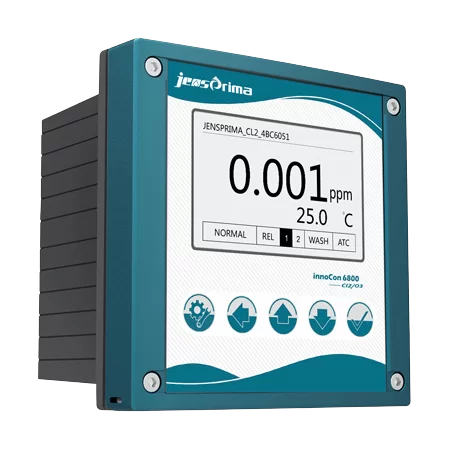
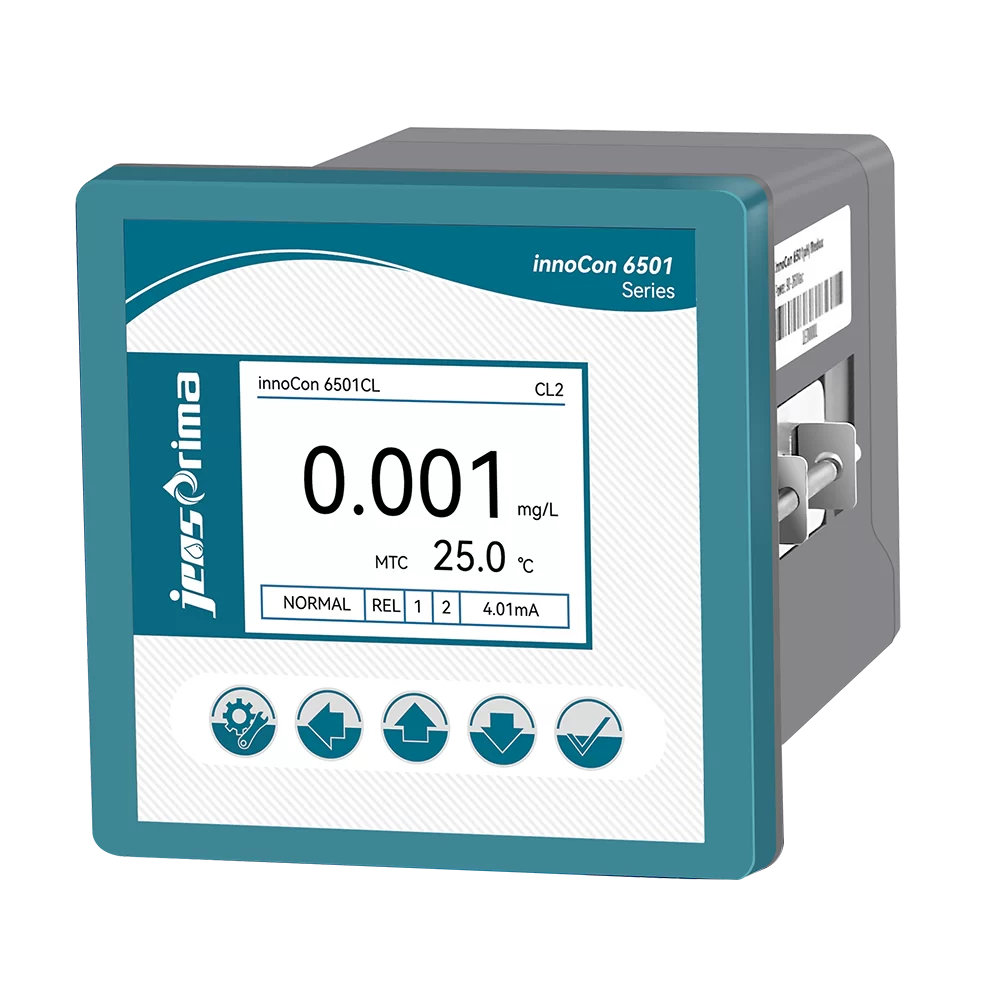
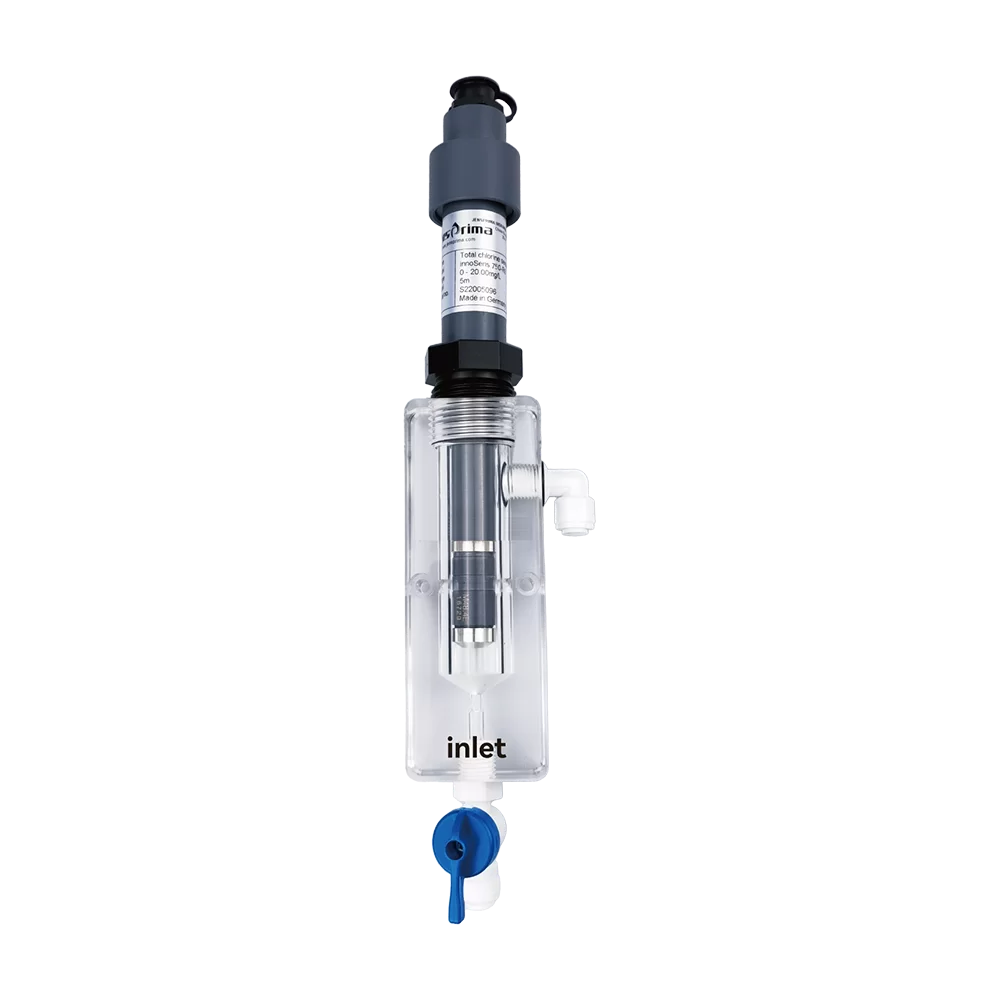
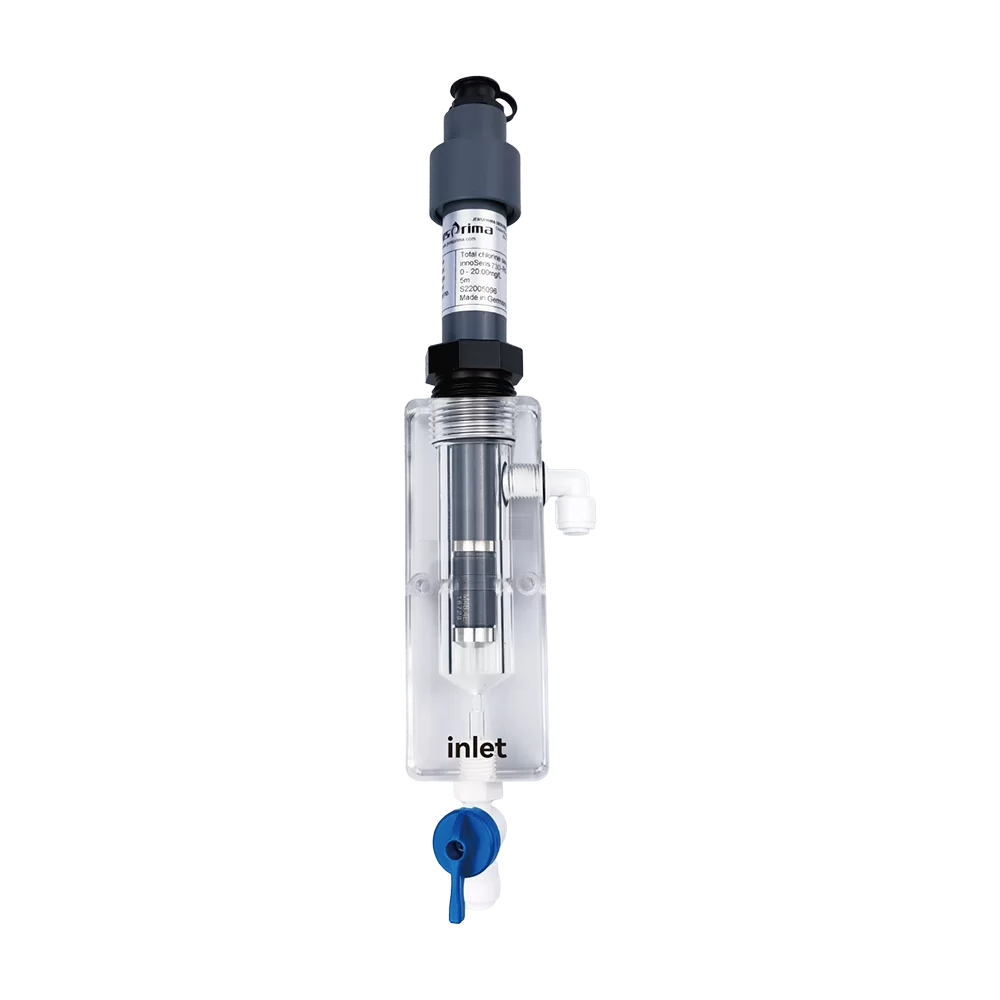
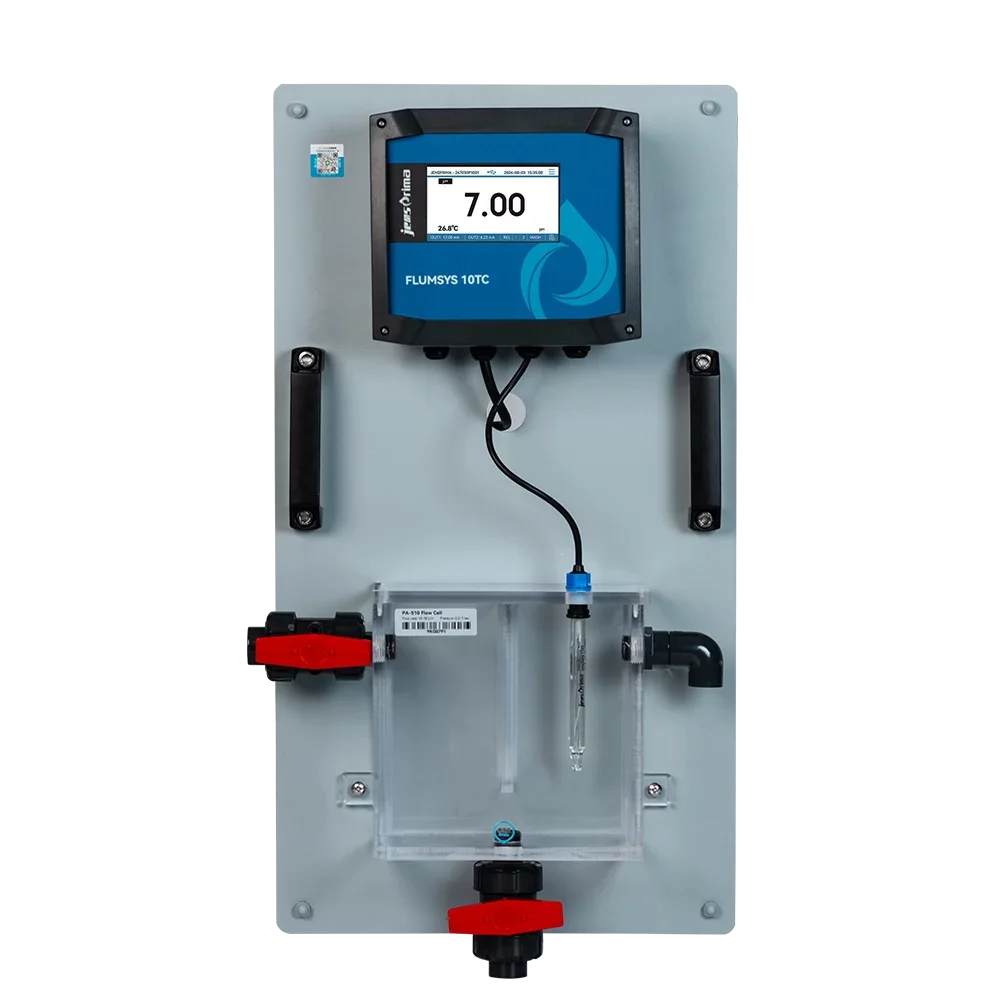
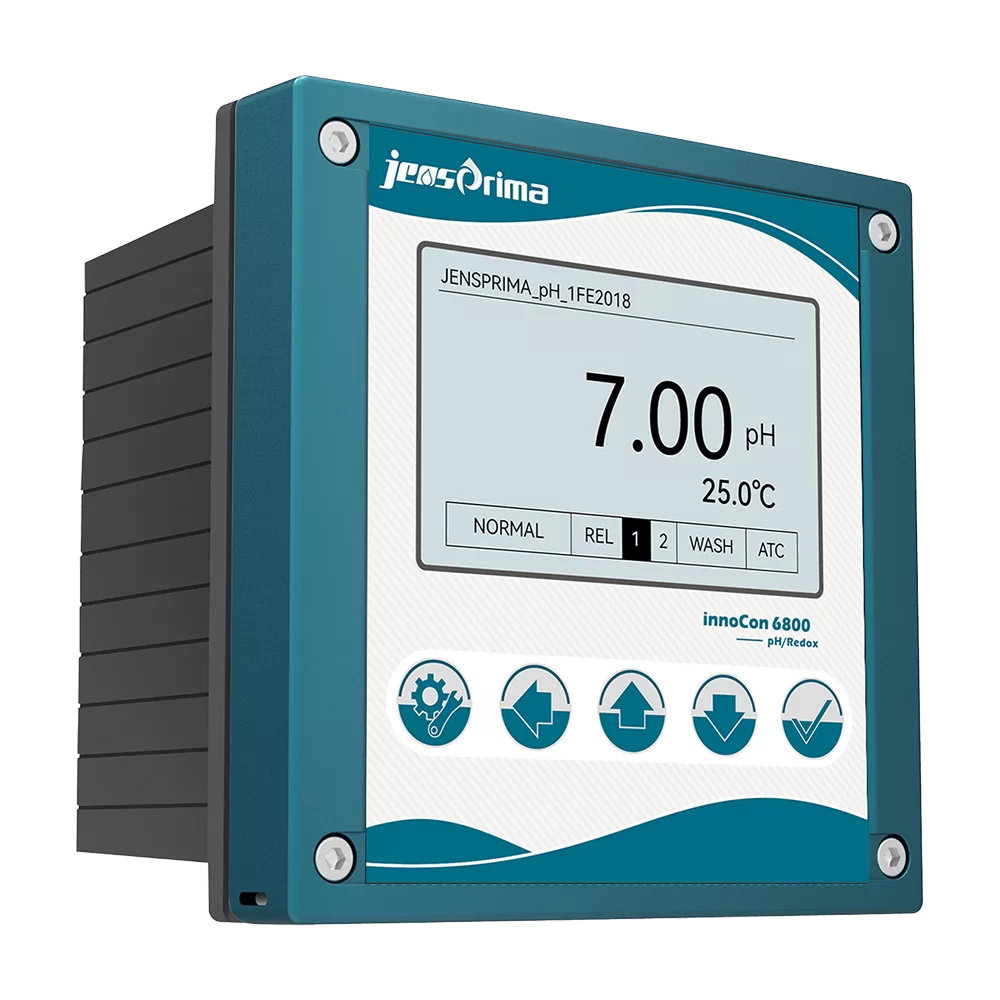
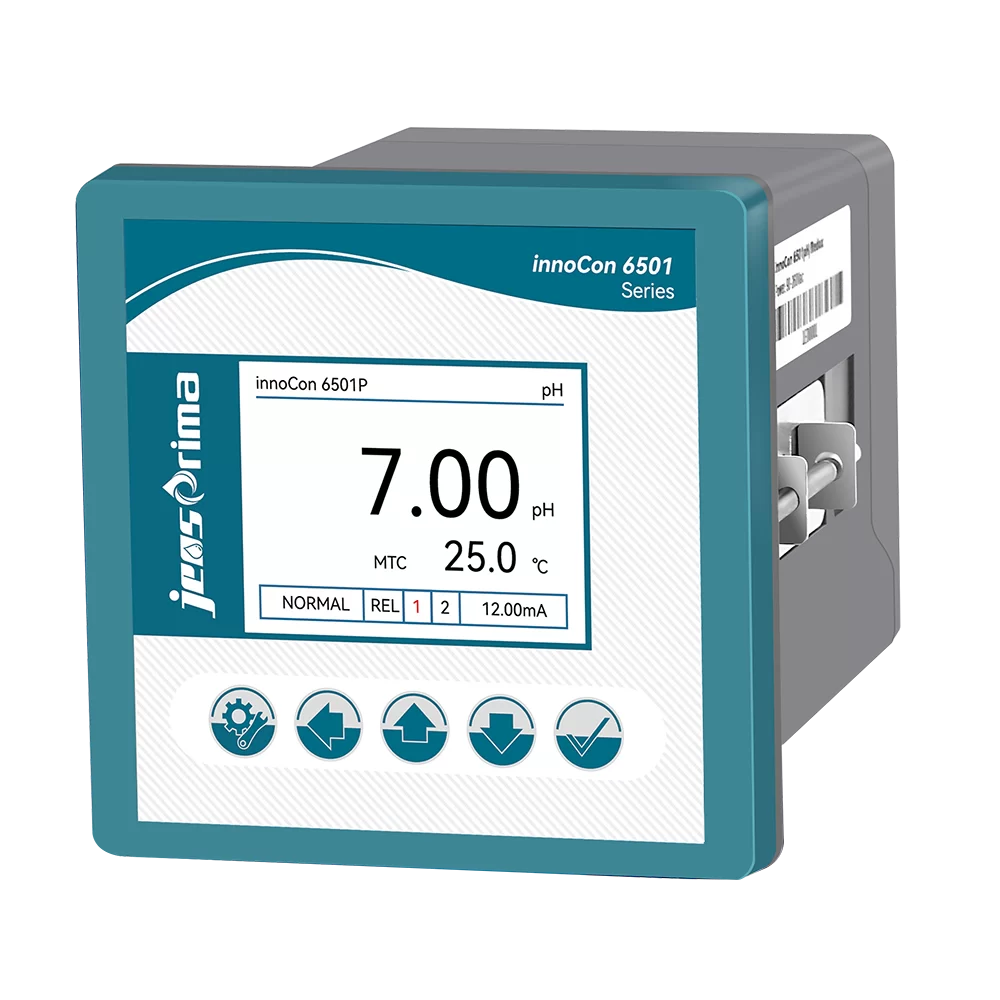
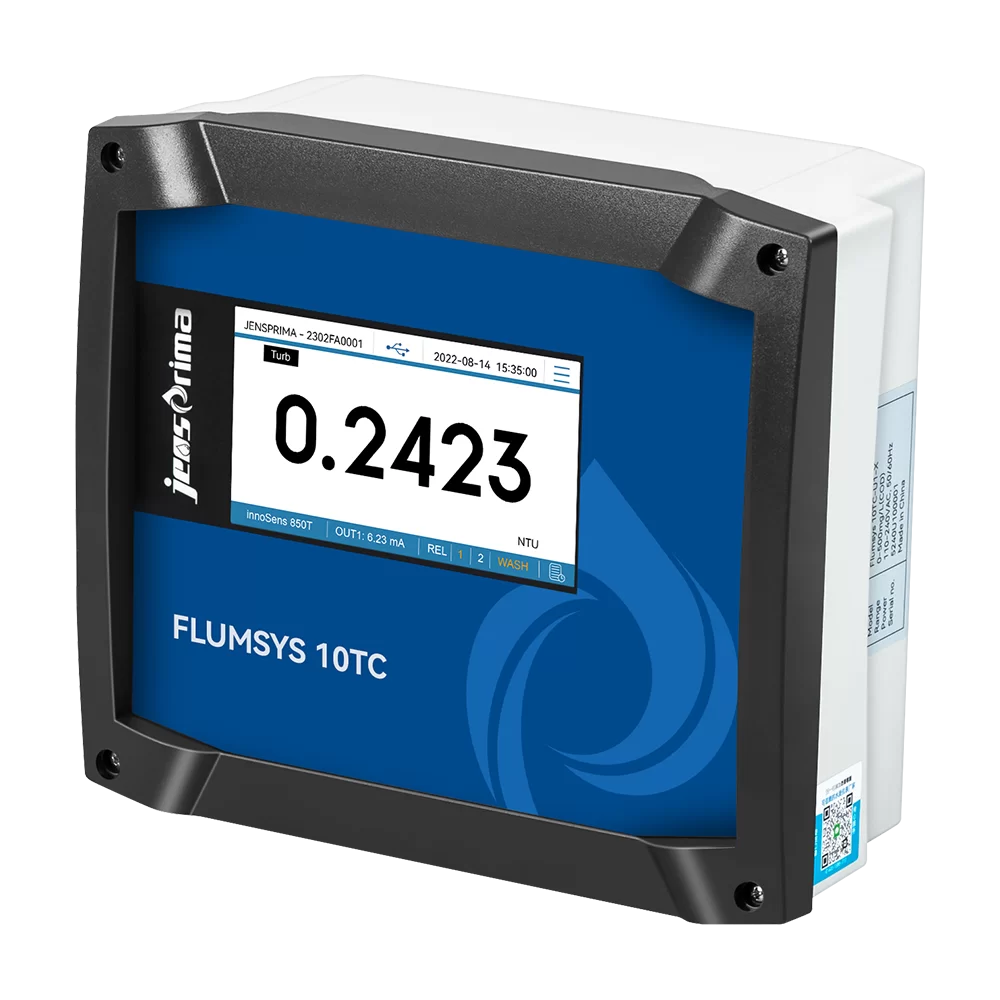
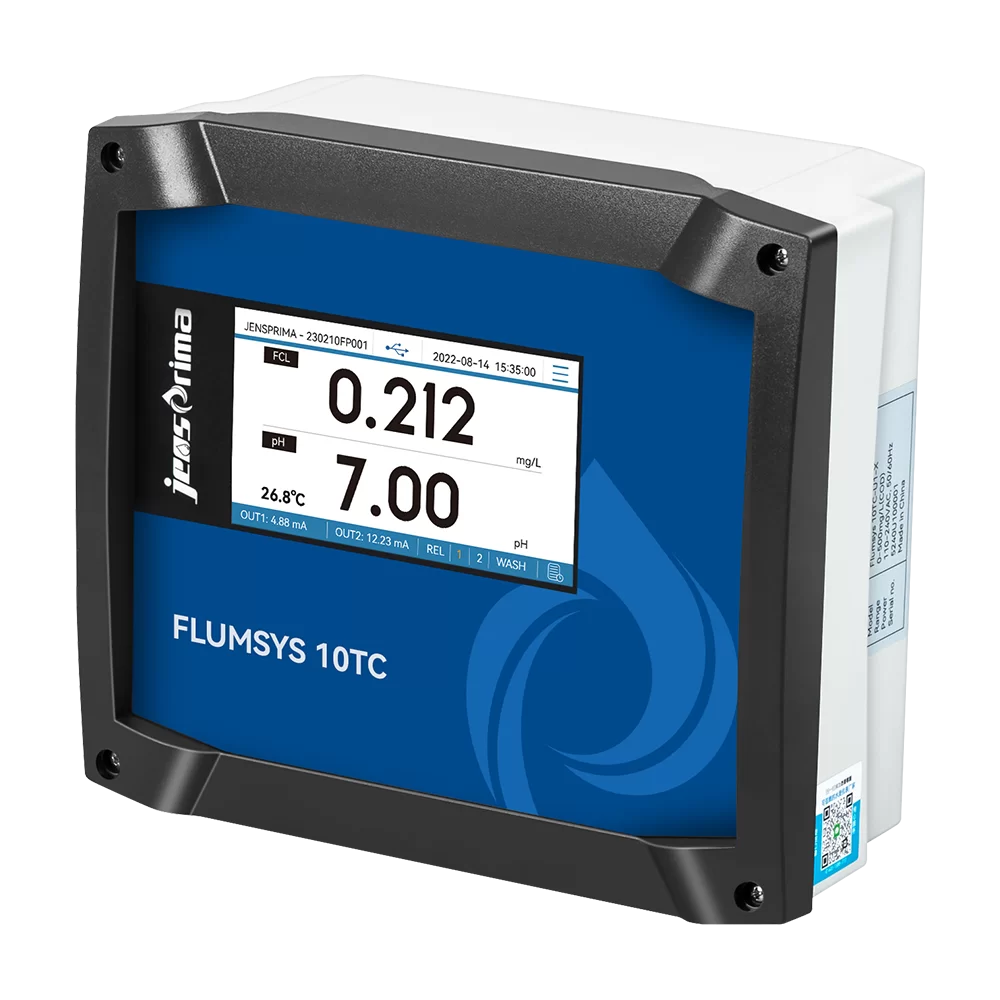
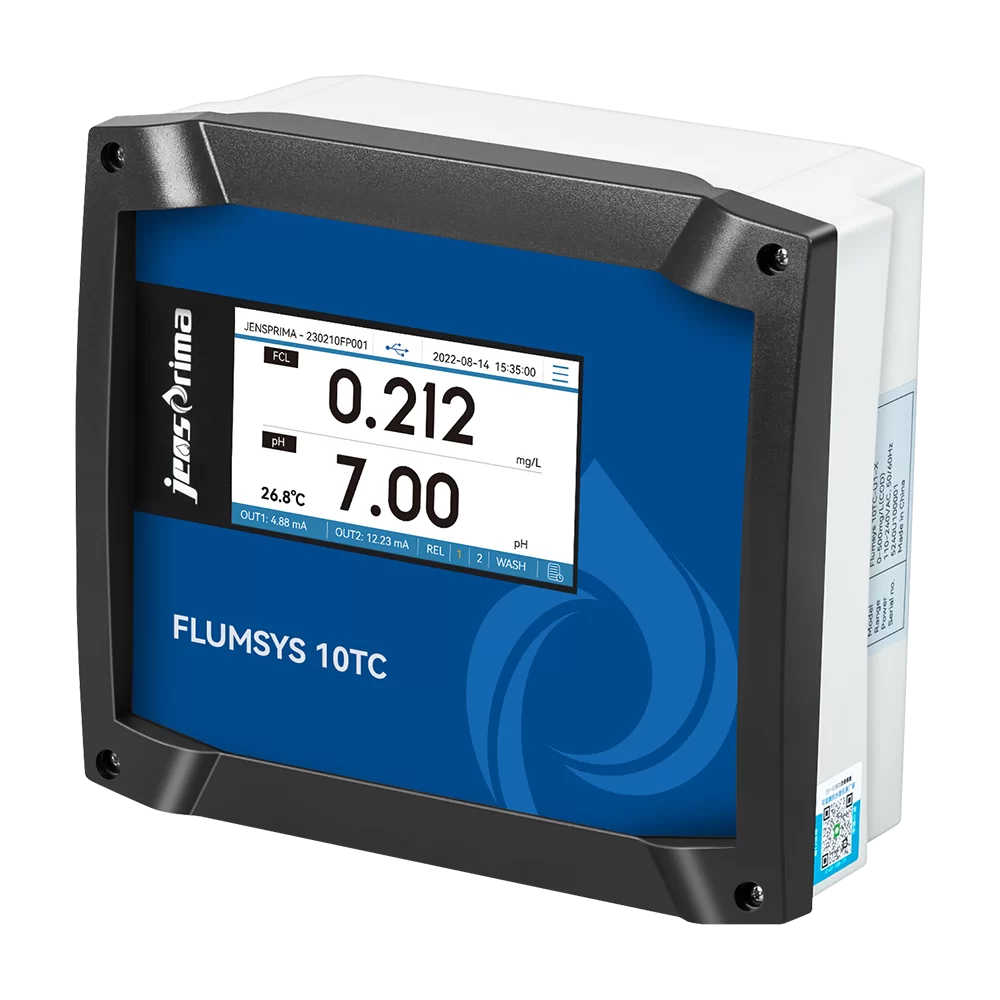
Beyond the sensor, the "controller" aspect of the unit significantly affects the cost. A basic display unit is cheap, but a controller featuring IoT connectivity, 4-20mA analog outputs for SCADA integration, and automated cleaning cycles will naturally increase the residual chlorine analyzer price. These features reduce manual labor costs, effectively offsetting the initial price premium over the equipment's lifecycle.
Measuring Value Against Initial Investment
When evaluating a residual chlorine analyzer price, one must distinguish between "cost" and "value." A low-cost analyzer that drifts frequently requires more technician hours for calibration, which can quickly exceed the price difference of a premium model. Value is found in the intersection of measurement stability and minimal intervention.
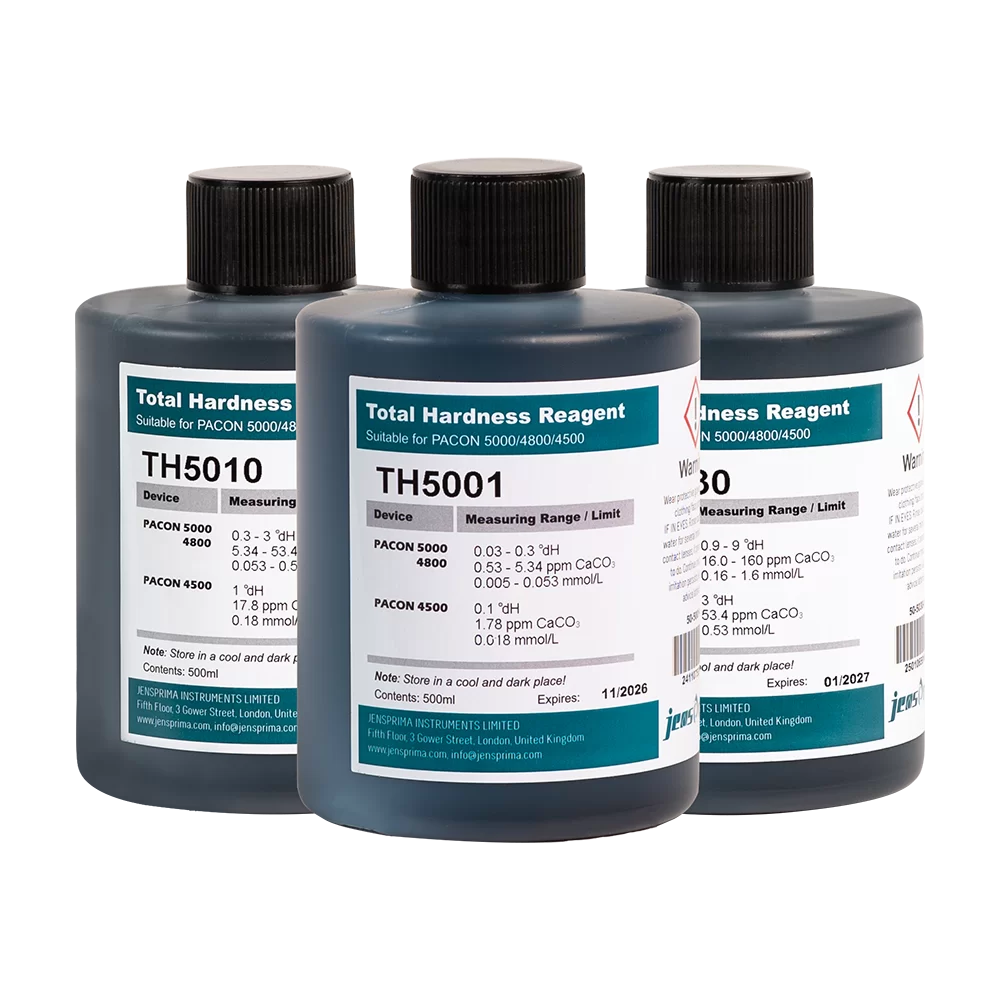
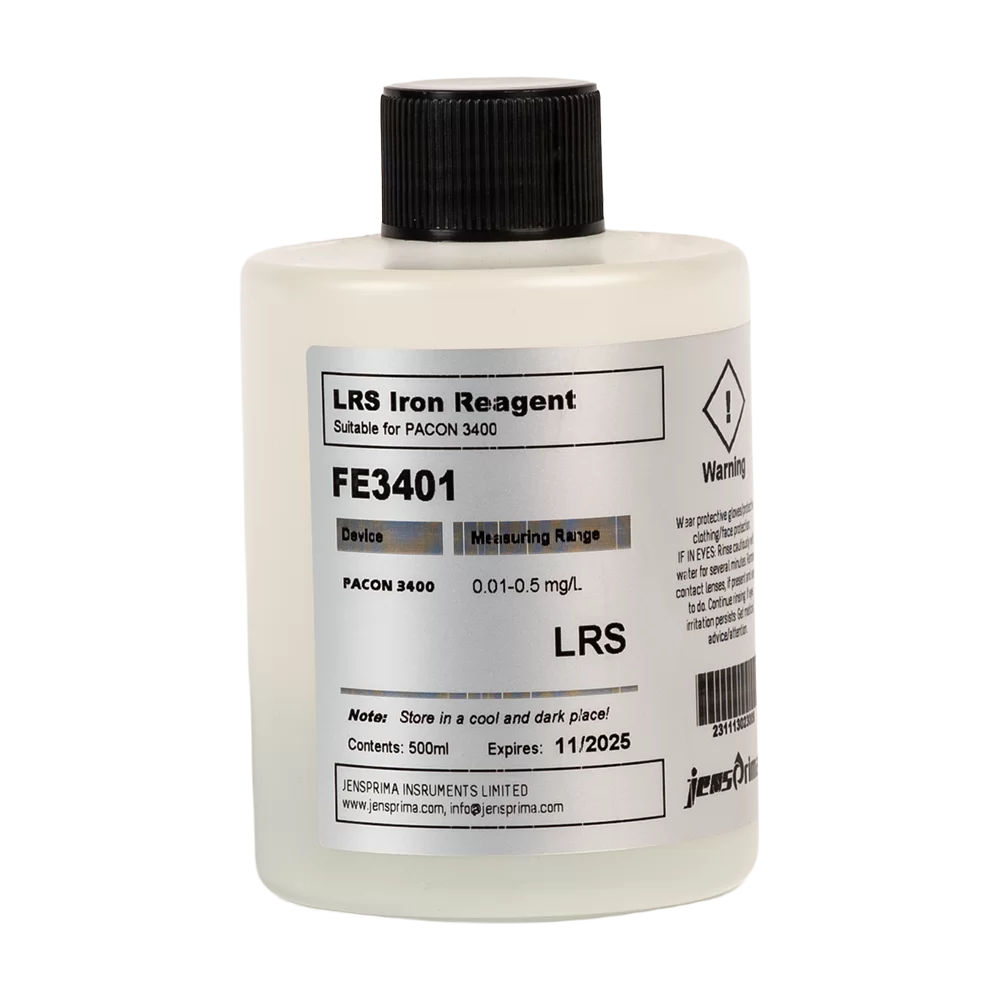
The most critical factor influencing the long-term residual chlorine analyzer price efficiency is the reagent consumption rate. For DPD-based systems, the ongoing cost of chemicals is a recurring expense that must be factored into the annual budget. A system with a higher upfront price but lower reagent volume per test often proves to be the more economical choice over a three-to-five-year period.
Ultimately, the risk of under-chlorination (leading to bacterial outbreaks) or over-chlorination (causing pipe corrosion and health hazards) carries a financial and legal risk far greater than any residual chlorine analyzer price. Investing in high-E-E-A-T (Experience, Expertise, Authoritativeness, and Trustworthiness) certified equipment ensures that the data produced is legally defensible and operationally sound.
Cost Comparison of Different Detection Methods
Choosing the right method is a trade-off between the immediate residual chlorine analyzer price and the desired level of precision. For most municipal wastewater applications, an amperometric approach is sufficient and budget-friendly. However, for high-purity water systems, the investment in colorimetry is non-negotiable.
To visualize this, we can look at the "Performance-to-Price" ratio. While high-end analyzers have a steeper residual chlorine analyzer price, their ability to operate autonomously for weeks without drift provides a level of operational security that budget models cannot match.
Performance Rating vs. Residual Chlorine Analyzer Price Categories
Industrial Applications and Budgetary Impacts
In the swimming pool and spa industry, the residual chlorine analyzer price is often weighed against the cost of manual testing kits. While manual kits are cheap, the labor cost and the risk of human error in large-scale aquatic centers make automated analyzers a smarter financial move in the long run.
For cooling tower and boiler water treatment, the residual chlorine analyzer price is viewed as an insurance policy against biofouling and Legionella. By maintaining a precise chlorine residual, companies avoid costly shutdowns and equipment replacements, proving that the analyzer's price is a fraction of the potential loss from system failure.
Long-term Maintenance and Operational Expenses
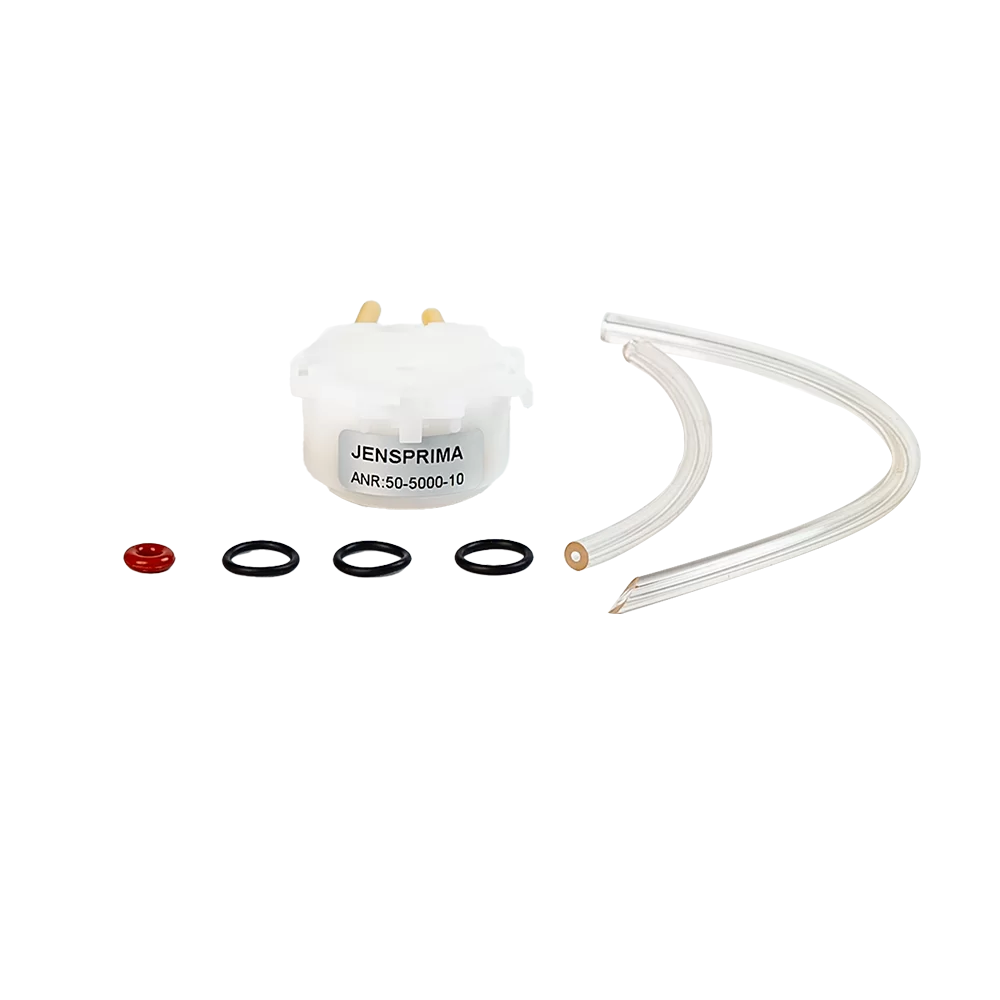
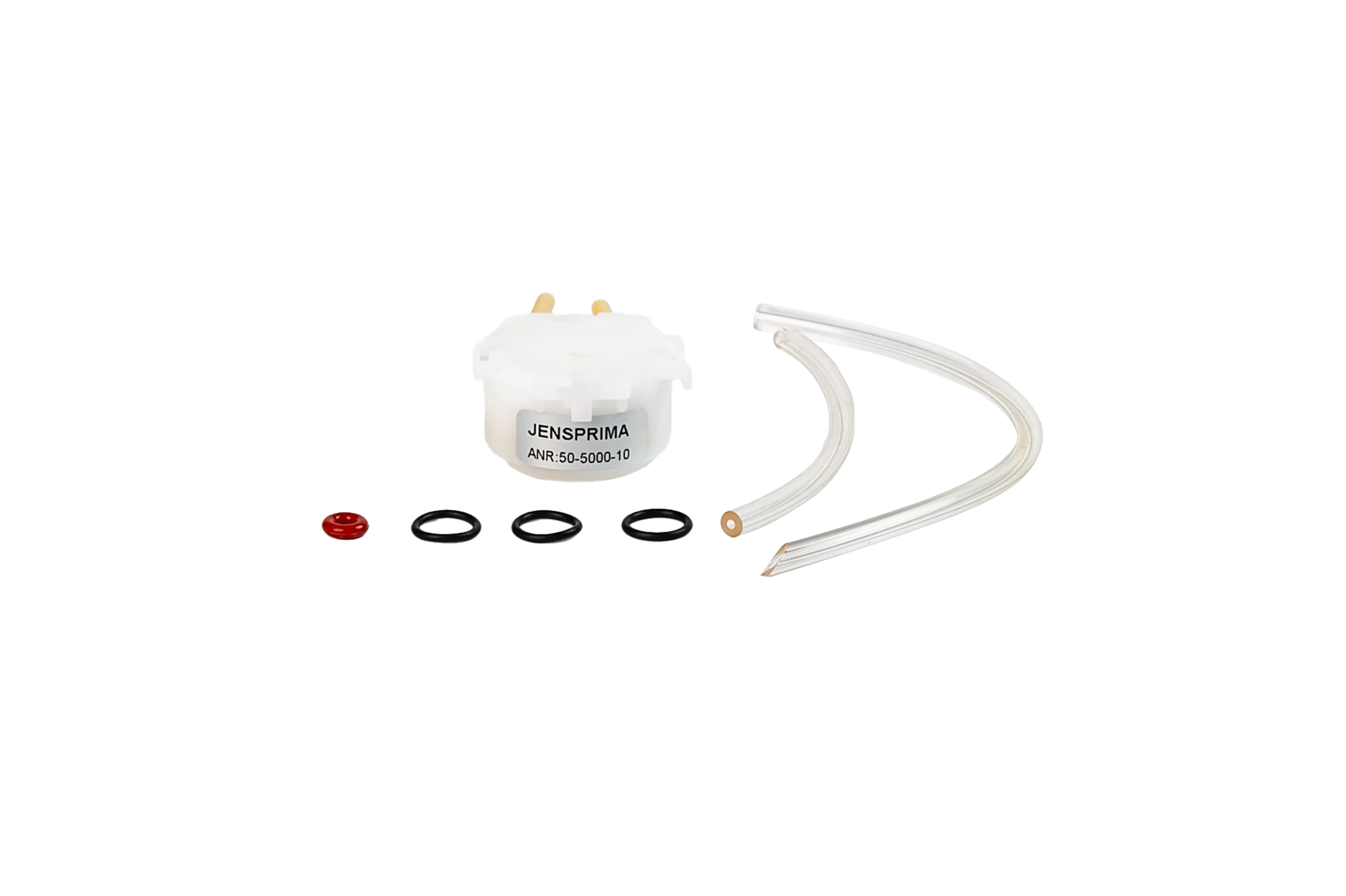
A common mistake when researching the residual chlorine analyzer price is ignoring the "hidden" costs of ownership. These include the replacement of membranes in amperometric sensors or the cost of DPD reagents in colorimetric systems. A low initial price can be a trap if the replacement parts are proprietary and expensive.
Calibration gases or standard solutions also contribute to the operational budget. High-quality analyzers may have a higher residual chlorine analyzer price, but they often feature auto-calibration routines that minimize reagent waste and reduce the need for highly skilled on-site technicians.
Furthermore, the lifespan of the sensor determines the amortization of the initial cost. A sensor that lasts two years versus one that lasts six months drastically changes the effective residual chlorine analyzer price per month of operation. Selecting durable, industrial-grade materials is essential for maximizing this investment.
Future Technological Shifts in Pricing Models
The trajectory of the residual chlorine analyzer price is moving toward "Sensor-as-a-Service" (SaaS) models. Instead of a large upfront capital expenditure, some providers are offering leasing options that include maintenance and reagents, shifting the cost from CAPEX to OPEX. This makes high-precision monitoring accessible to smaller municipalities.
Innovations in solid-state sensors and reagent-less optical detection are expected to disrupt the current residual chlorine analyzer price structure. By eliminating the need for chemical consumables, the long-term operational cost will plummet, although the initial technology adoption price may remain high during the early stages of deployment.
Integration with AI-driven predictive maintenance will also redefine value. Future analyzers won't just report a number; they will predict when the chlorine level will drop based on flow rates and temperature, adding a layer of intellectual value that justifies a higher premium in the residual chlorine analyzer price.
Comparative Analysis of Residual Chlorine Monitoring Costs
| Technology Type |
Initial Price Level |
Maintenance Cost |
Accuracy Rating |
| Amperometric |
Low to Moderate |
Low (Membrane changes) |
7/10 |
| DPD Colorimetric |
High |
High (Reagents) |
10/10 |
| Optical UV |
Very High |
Very Low |
9/10 |
| Portable Digital |
Low |
Moderate |
6/10 |
| IoT Smart Sensor |
Moderate to High |
Moderate (Software) |
8/10 |
| Hybrid System |
Premium |
Moderate |
9/10 |
FAQS
The price variation depends primarily on the detection method (amperometric vs. colorimetric), the precision requirements, and the added features. A basic sensor is significantly cheaper than a full analyzer with a controller, automated cleaning, and cloud integration. Additionally, industrial-grade materials for corrosive environments increase the cost compared to light-duty residential versions.
Not necessarily, but there are trade-offs. Low-cost amperometric sensors can be very accurate for a specific range but may drift over time. High-priced colorimetric systems offer "absolute" accuracy across a wider range. The key is choosing a device that matches the precision requirements of your specific application rather than simply chasing the lowest price.
Beyond the initial purchase, costs include consumables like DPD reagents, replacement membranes or electrodes, and calibration solutions. Depending on the technology, these operational expenses can range from a few hundred to several thousand dollars per year. It is always recommended to calculate the Total Cost of Ownership (TCO) before purchasing.
Typically, amperometric sensors require membrane replacement every 3-6 months and a full sensor replacement every 1-2 years. Colorimetric systems have fewer sensor-specific replacements but require constant reagent supply. Factoring these intervals into your budget ensures that the residual chlorine analyzer price doesn't become a surprise expense later.
Yes, for larger facilities. The ability to receive real-time alerts on a smartphone or integrate data into a centralized SCADA system reduces the need for manual site visits and allows for immediate response to chlorine drops, preventing safety hazards. The labor savings usually outweigh the increased residual chlorine analyzer price within the first year.
While refurbished units lower the initial cost, they can be risky for critical water safety. Ensure any used equipment comes with a certified calibration report and a warranty. Often, it is safer to invest in a new mid-range model with a full warranty than a high-end refurbished unit with an unknown history of sensor degradation.
Conclusion
Navigating the residual chlorine analyzer price requires a holistic approach that balances initial capital expenditure with long-term operational stability. We have explored how technology choices, from simple amperometric sensors to complex colorimetric systems, dictate the cost and performance of water monitoring. By focusing on the Total Cost of Ownership—including reagents and maintenance—facility managers can make informed decisions that safeguard both their budgets and public health.
Looking forward, the shift toward reagent-less optical sensors and SaaS pricing models promises to make high-precision monitoring more sustainable and accessible. We recommend that organizations prioritize scalability and reliability over the lowest sticker price to ensure long-term compliance and safety. For industry-leading solutions and a detailed quote tailored to your needs, visit our website: www.jensprima.com.



 Download
 Video Center
 Technical Services
 FAQS
FAQS Service Network
 Privacy Policy
 Contact Us