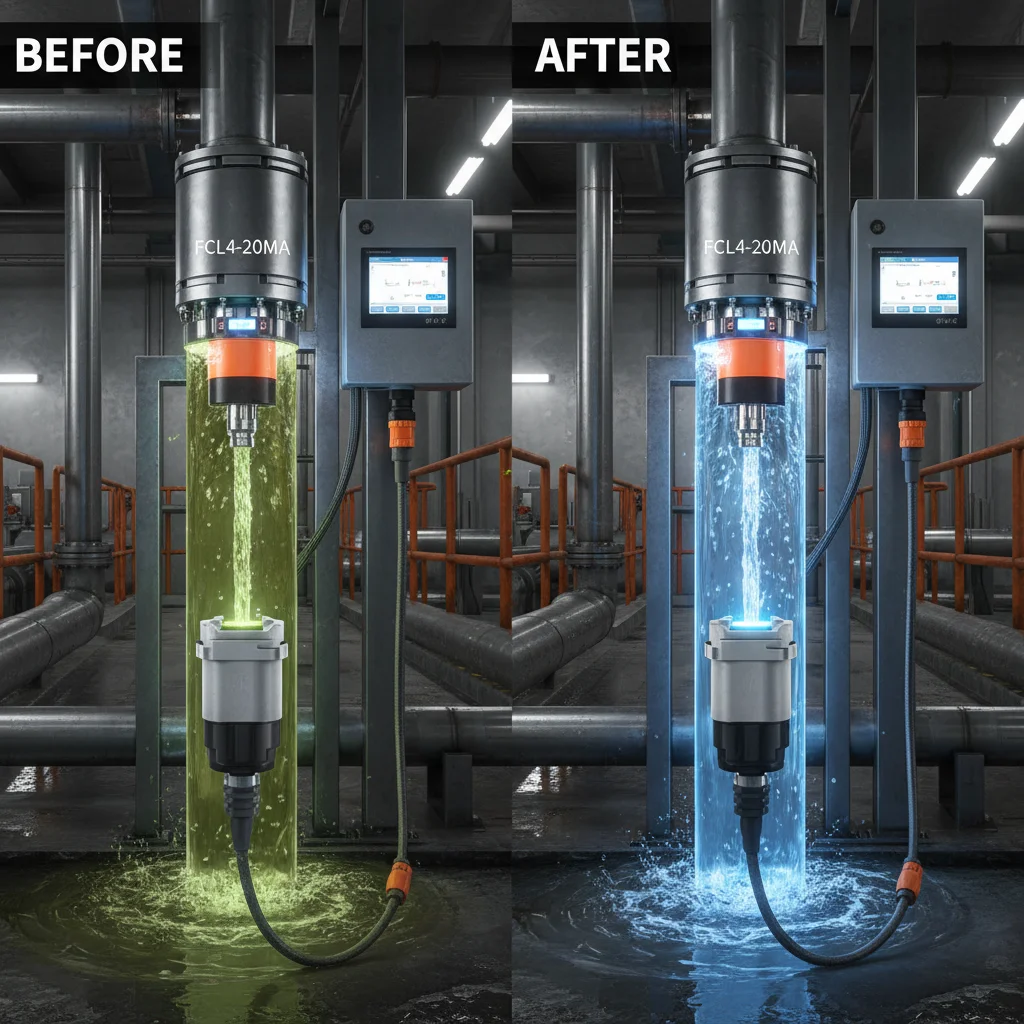
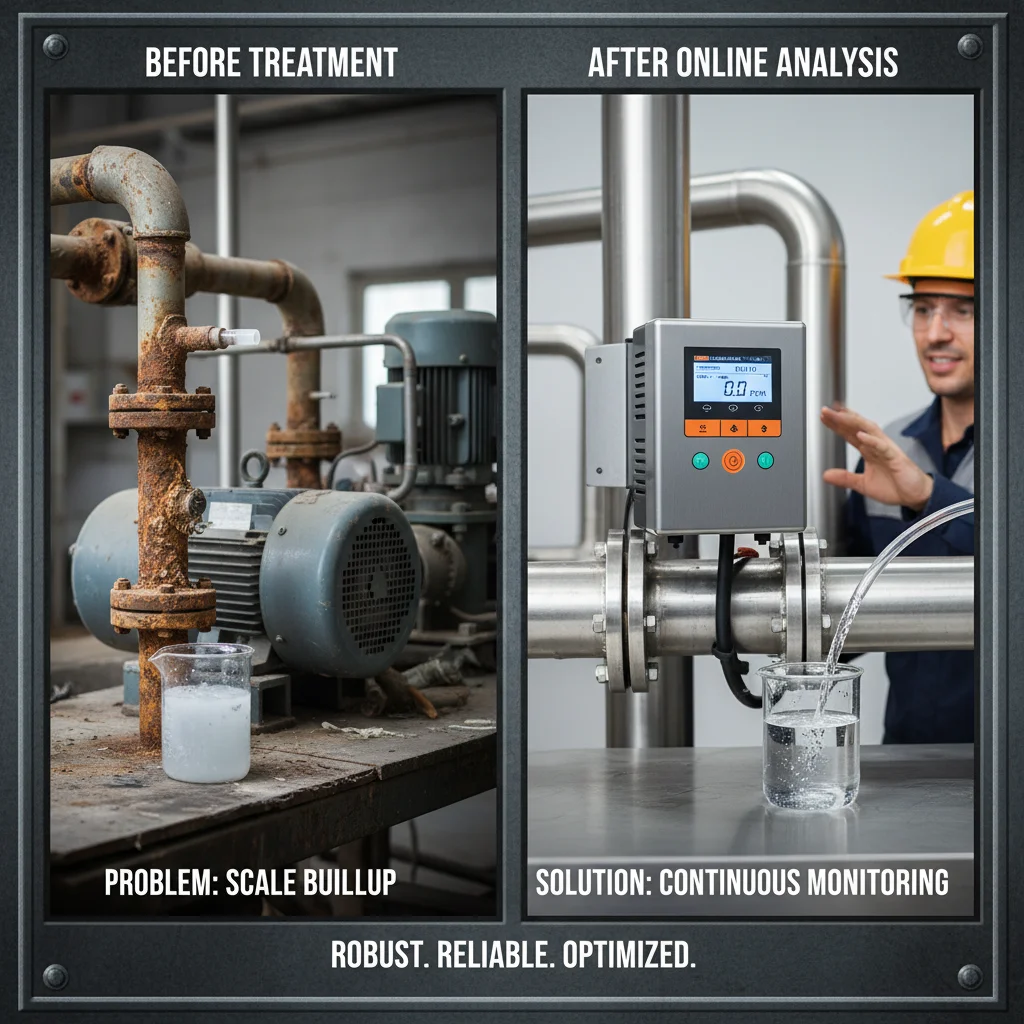
Maintaining precise oxidative-reductive potential is critical for modern water treatment and industrial processing. An orp redox controller serves as the central intelligence of these systems, ensuring that the chemical environment remains within strict parameters to prevent equipment corrosion or biological contamination. By providing real-time monitoring and automated dosing, these controllers eliminate the guesswork associated with manual chemical titration.
On a global scale, the demand for high-precision water quality management has surged as environmental regulations become more stringent. The implementation of an advanced orp redox controller allows facilities to reduce chemical waste, lower operational costs, and meet ISO standards for environmental management. Whether in municipal wastewater plants or high-tech semiconductor fabrication, the ability to control the "redox" state is the difference between system failure and peak efficiency.
Understanding the nuances of Oxidation-Reduction Potential (ORP) is essential for any operator dealing with disinfection, aeration, or metal recovery. The transition from simple sensors to an integrated orp redox controller enables a closed-loop feedback system that responds instantaneously to fluctuations in water chemistry. This proactive approach not only protects the infrastructure but also ensures the safety of the end-user and the surrounding ecosystem.

Global Industry Context of ORP Control
The global industrial landscape is currently facing a crisis of water scarcity and contamination, prompting a shift toward circular water economies. According to recent environmental reports and ISO guidelines, the precision of chemical dosing in water treatment is a primary factor in reducing the ecological footprint of manufacturing. The orp redox controller has emerged as a pivotal tool in this transition, allowing industries to maintain precise sterilization levels without over-chlorinating water sources.
In sectors ranging from pharmaceuticals to municipal water works, the challenge has always been the volatility of raw water quality. Traditional manual testing is too slow to react to sudden spikes in organic load, leading to either under-treated water (a safety risk) or over-treated water (a cost and environmental risk). By integrating a digital orp redox controller, facilities can automate their response, ensuring that the oxidation potential is always optimized for the specific task at hand.
Defining the ORP Redox Controller
In simple terms, an orp redox controller is an electronic device that monitors the Oxidation-Reduction Potential (ORP) of a liquid and automatically adjusts the addition of oxidizing or reducing agents to maintain a setpoint. ORP is a measure of the cleanliness of the water and its ability to break down contaminants; a higher ORP generally indicates a stronger ability to oxidize pollutants and kill bacteria.
From a technical perspective, the controller works by interpreting the millivolt (mV) signal from an ORP probe. When the measured value deviates from the desired target, the controller triggers a relay or a 4-20mA signal to start a dosing pump. This process is fundamental to modern humanitarian needs, such as providing safe drinking water in remote regions where constant manual supervision of chlorination is impossible.
The synergy between the sensor and the orp redox controller transforms a passive monitoring setup into an active management system. This is particularly vital in "critical-fail" environments—like hospital sterilization units or food processing plants—where a momentary dip in redox potential could lead to catastrophic biological contamination.
Core Components for Operational Stability
The reliability of any orp redox controller depends first on the quality of its electrode. High-grade platinum or gold electrodes are used to ensure that the electron exchange between the water and the sensor is rapid and accurate. Without a stable probe, the controller would receive "noisy" data, leading to erratic dosing and chemical waste.
Furthermore, the signal processing unit within the orp redox controller must feature advanced noise filtration. In industrial settings, electromagnetic interference from pumps and motors can distort the low-voltage mV signals. A professional controller utilizes galvanic isolation and digital filtering to ensure that the dosing action is based on actual chemistry, not electrical noise.
Finally, the user interface and alarm system provide the necessary safety layer. A robust orp redox controller includes high/low limit alarms that alert operators if the redox potential falls outside a safe range despite dosing efforts. This fail-safe mechanism is essential for regulatory compliance and risk management in heavy industry.
Performance Metrics and Efficiency Analysis
When evaluating the efficiency of a water treatment system, the response time and accuracy of the orp redox controller are the primary KPIs. A slow controller leads to "hunting," where the system constantly over-corrects and under-corrects, causing wide swings in chemical concentration. In contrast, a PID-tuned controller provides a smooth approach to the setpoint, maximizing chemical efficiency.
The economic impact of choosing a high-precision orp redox controller is evident in the reduction of reagent consumption. By maintaining the exact millivolt level required for disinfection rather than over-dosing "just to be safe," facilities typically see a 15-30% reduction in chemical costs annually.
Efficiency Comparison of Redox Control Methods
Global Applications and Use Cases
In the realm of aquaculture and commercial fish farming in Southeast Asia and Norway, the orp redox controller is used to manage the organic load in recirculating aquaculture systems (RAS). By controlling the redox potential, farmers can prevent the buildup of toxic ammonia and nitrites, ensuring the health of high-value species like salmon and shrimp.
Similarly, in remote industrial zones and post-disaster relief operations, portable orp redox controller units are deployed to rapidly sanitize water sources. In these contexts, the controller's ability to work autonomously ensures that water remains potable even when skilled technicians are not on-site, providing a critical layer of safety and dignity for affected populations.
Long-Term Value and Sustainability
Investing in a professional orp redox controller offers a compelling logical and emotional value proposition. Logically, the ROI is driven by the extension of equipment life; by preventing oxidative corrosion through precise control, expensive piping and tank infrastructure last years longer.
From a sustainability angle, the reduction in chemical runoff is a major victory for corporate social responsibility (CSR). When a factory uses a precise orp redox controller, it ensures that the effluent discharged into local rivers contains minimal residual oxidants, preserving aquatic biodiversity and maintaining trust with the local community.
Ultimately, this technology fosters an environment of reliability and trust. Operators can sleep soundly knowing that the automated system is guarding the water chemistry 24/7, reducing the stress of manual monitoring and eliminating the risk of human error in chemical dosing.
Future Innovations in Redox Technology
The future of the orp redox controller is inextricably linked to the Industrial Internet of Things (IIoT). We are moving toward "Smart Redox" systems where controllers communicate with each other via cloud platforms. This allows for predictive maintenance, where the system can alert an operator that a probe is fouling before the water quality actually drops.
Moreover, the integration of green energy is becoming a priority. New generations of orp redox controller units are being designed for ultra-low power consumption, allowing them to be powered by small solar arrays in remote monitoring stations. This enables high-tech water management in areas previously inaccessible to automated electronics.
We are also seeing a shift toward multi-parameter integration. The next evolution will likely see the orp redox controller working in tandem with pH and dissolved oxygen sensors to create a comprehensive "Water Health Index," providing a holistic view of the liquid environment rather than a single data point.
Comparative Analysis of ORP Control Technologies
| Technology Type |
Response Accuracy |
Operational Cost |
Maintenance Need |
| Manual Titration |
Low (User dependent) |
High (Labor intensive) |
Low (No electronics) |
| Analog Controller |
Medium |
Medium |
Medium (Manual cal) |
| Digital PID Controller |
High |
Low (Chem saving) |
Medium (Probe cleaning) |
| IoT Connected Controller |
Very High |
Very Low (Optimized) |
Low (Predictive) |
| Hybrid Redox-pH System |
Excellent |
Low |
High (Dual sensors) |
| AI-Adaptive Controller |
Ultra-High |
Lowest |
Low (Self-cal) |
FAQS
Depending on the water quality and the presence of fouling agents, calibration should typically be performed every 2 to 4 weeks. However, an advanced orp redox controller with diagnostic tools can often notify the operator when the slope of the probe has drifted significantly, allowing for condition-based calibration rather than a strict schedule.
No, they measure different properties. While ORP measures the electron activity (oxidation power), pH measures the hydrogen ion concentration (acidity/alkalinity). Because the effectiveness of oxidants like chlorine is highly dependent on pH, it is highly recommended to use an orp redox controller in tandem with a pH controller for optimal results.
For most swimming pools, an ORP range of 650mV to 750mV is considered ideal for ensuring effective pathogen inactivation. A professional orp redox controller allows you to set a tight deadband around these values to ensure consistent sanitation without causing skin or eye irritation for swimmers.
Erratic readings are usually caused by three things: probe fouling (coating on the platinum tip), electrical interference (ground loops), or air bubbles trapped at the sensor tip. Cleaning the probe with a mild abrasive and ensuring the orp redox controller is properly grounded usually resolves these issues.
Absolutely. In wastewater, they are essential for managing nitrification and denitrification processes. By controlling the redox potential, operators can ensure that the biological environment is optimized for the bacteria responsible for removing nitrogen and phosphorus, making the orp redox controller a cornerstone of modern sewage treatment.
The sensor (probe) is the "eye" that feels the electrical potential of the water, while the orp redox controller is the "brain" that processes that signal and takes action (like turning on a pump). You need both to create an automated system; the sensor provides the data, and the controller provides the response.
Conclusion
In summary, the orp redox controller is an indispensable asset for any industry committed to water quality, safety, and environmental stewardship. By bridging the gap between raw sensor data and automated chemical dosing, these systems eliminate human error, drastically reduce chemical waste, and ensure that critical oxidation levels are maintained with surgical precision. From the depths of aquaculture tanks to the complexity of industrial wastewater plants, the value of automated redox control is found in its ability to provide stability in an inherently volatile chemical environment.
Looking forward, the integration of IIoT and AI will further elevate the capabilities of redox management, shifting the paradigm from reactive correction to predictive optimization. For businesses looking to enhance their operational efficiency and meet increasingly strict global environmental standards, upgrading to a high-precision orp redox controller is not just a technical improvement—it is a strategic investment in sustainability. Visit our website for more professional solutions: www.jensprima.com













































































 Download
 Video Center
 Technical Services
 FAQS
 Service Network
 Privacy Policy
 Contact Us