Maintaining precise water chemistry is the cornerstone of industrial efficiency and environmental stewardship. In the realm of online water analysis, the ph ec controller serves as the primary nervous system for monitoring acidity and ionic conductivity, ensuring that critical processes remain within strict regulatory and operational limits. Without accurate real-time control, industries risk catastrophic equipment failure, product contamination, and severe environmental penalties.
Globally, the demand for high-precision water quality monitoring has surged as urbanization and industrialization put unprecedented pressure on freshwater resources. Modern water treatment facilities and chemical plants now rely on the ph ec controller to automate the dosing of reagents and the management of desalination processes. This shift from manual sampling to automated, continuous monitoring has significantly reduced human error and operational downtime.
Understanding the nuances of pH and Electrical Conductivity (EC) is not merely a technical requirement but a strategic advantage. By integrating a robust ph ec controller, enterprises can optimize their resource consumption, extend the lifespan of their infrastructure, and guarantee the safety of the surrounding ecosystem, aligning their operational goals with global sustainability standards.

Global Significance of the ph ec controller
From a global perspective, the ph ec controller is an indispensable tool for upholding ISO 14001 environmental management standards. As water scarcity becomes a critical issue highlighted by the UN's Sustainable Development Goals, the ability to treat and recycle industrial wastewater depends entirely on the precision of these controllers. By stabilizing pH levels and monitoring conductivity, these devices prevent the release of corrosive or toxic effluents into the biosphere.
In industrial hubs across Asia, Europe, and North America, the adoption of advanced ph ec controller technology has led to a measurable decrease in chemical waste. The ability to implement closed-loop feedback systems means that only the exact amount of acid or base required for neutralization is added, drastically reducing the carbon footprint associated with chemical manufacturing and transport.
Defining the ph ec controller in Modern Industry
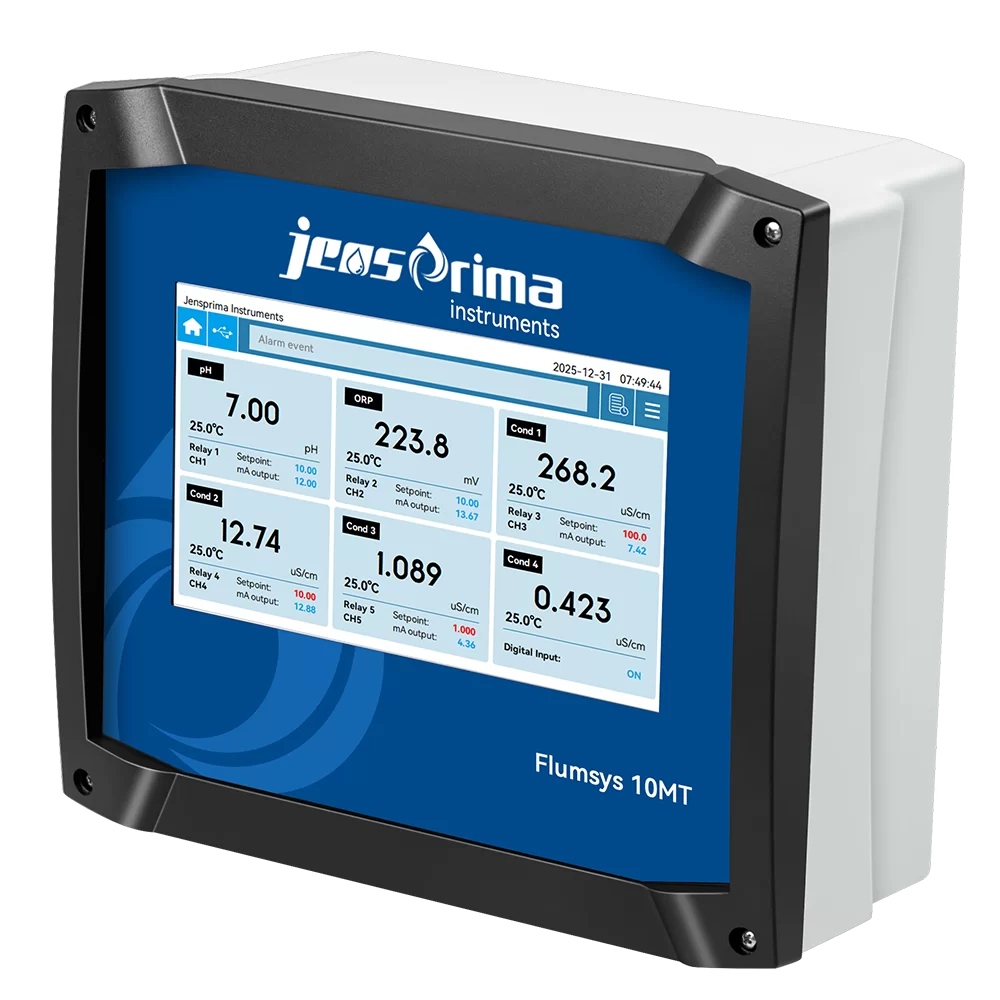
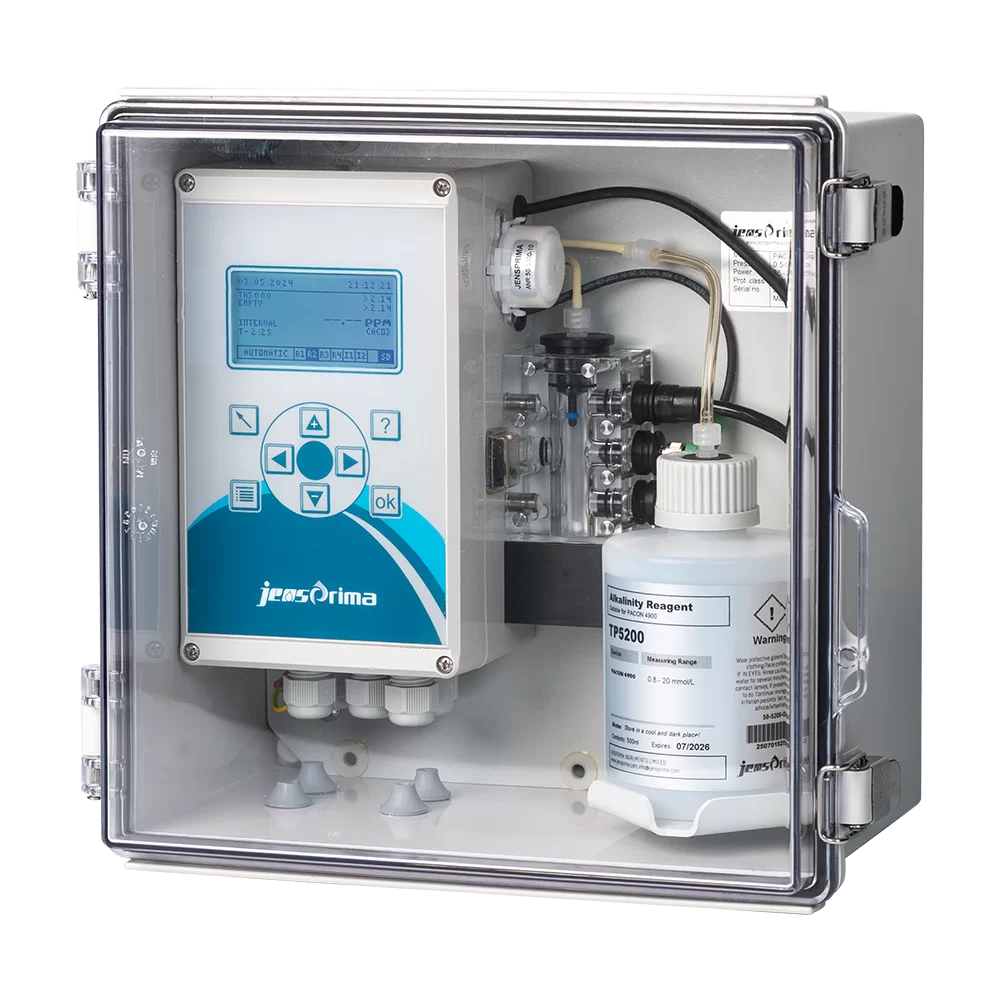
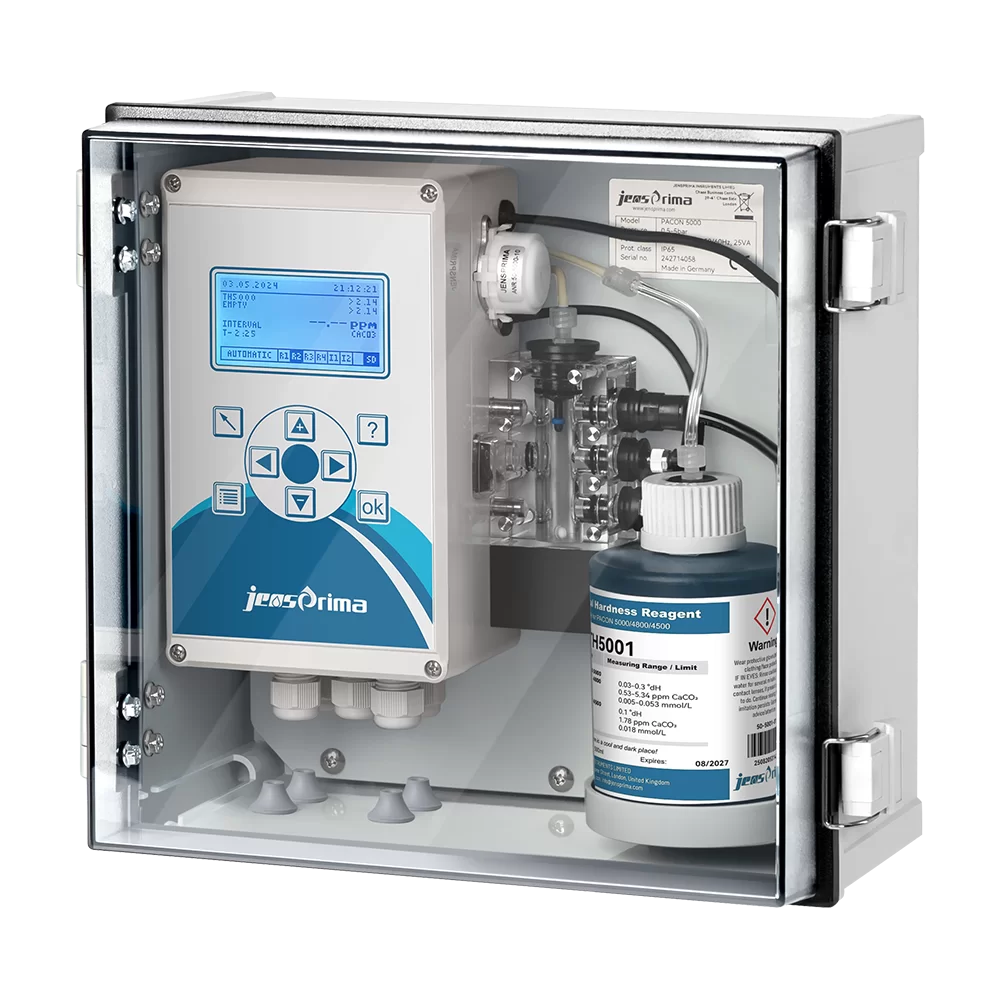
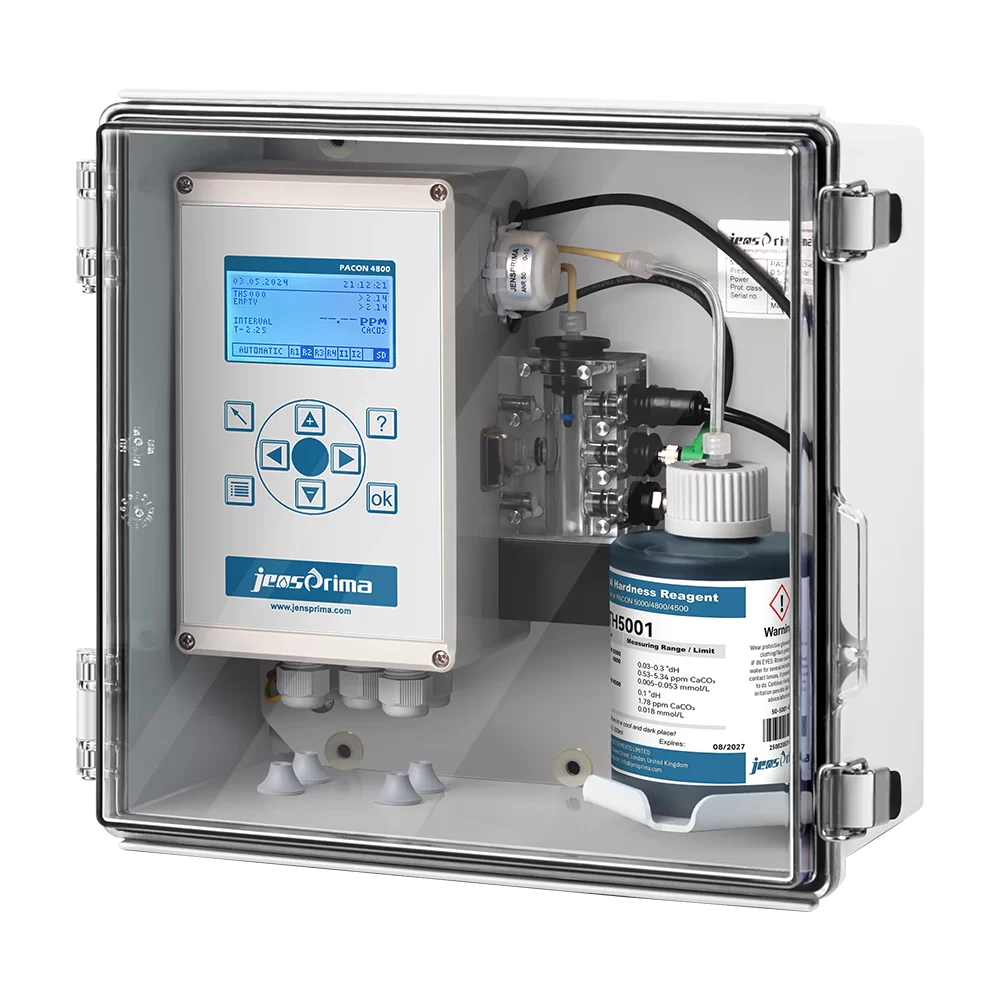
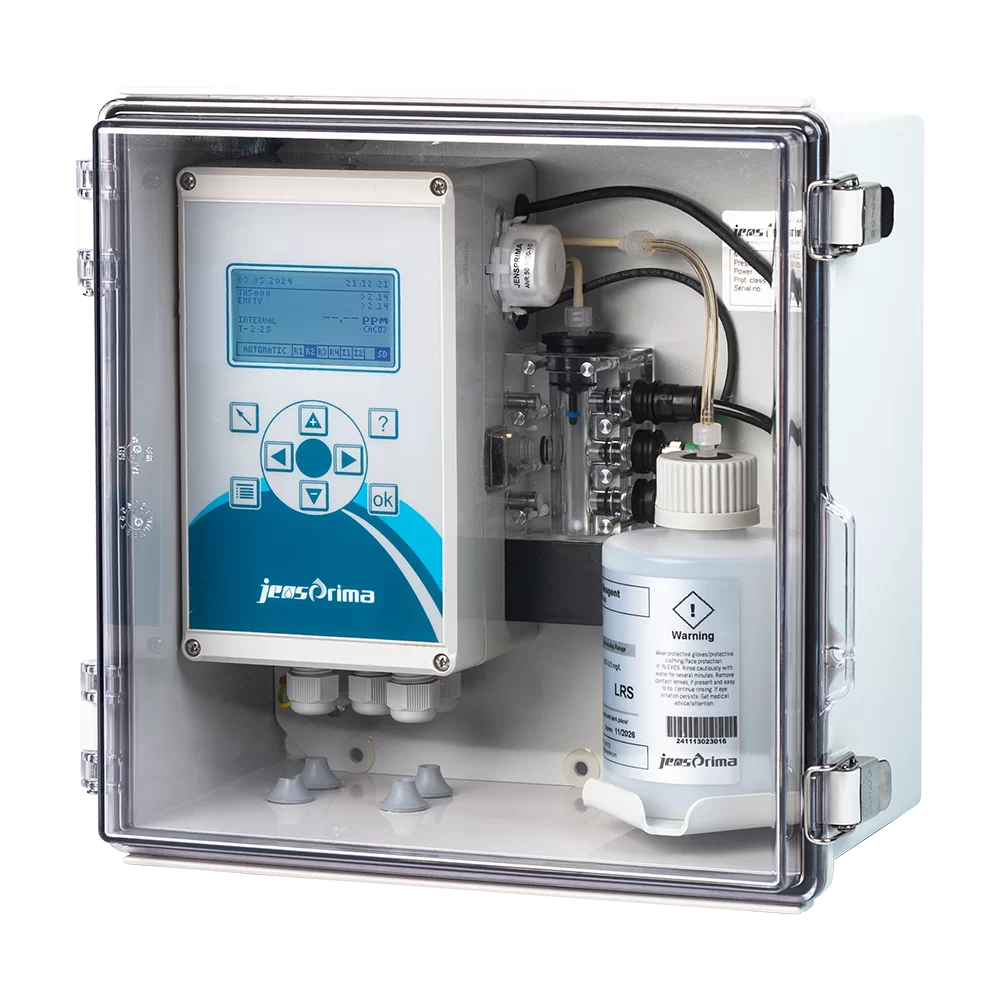
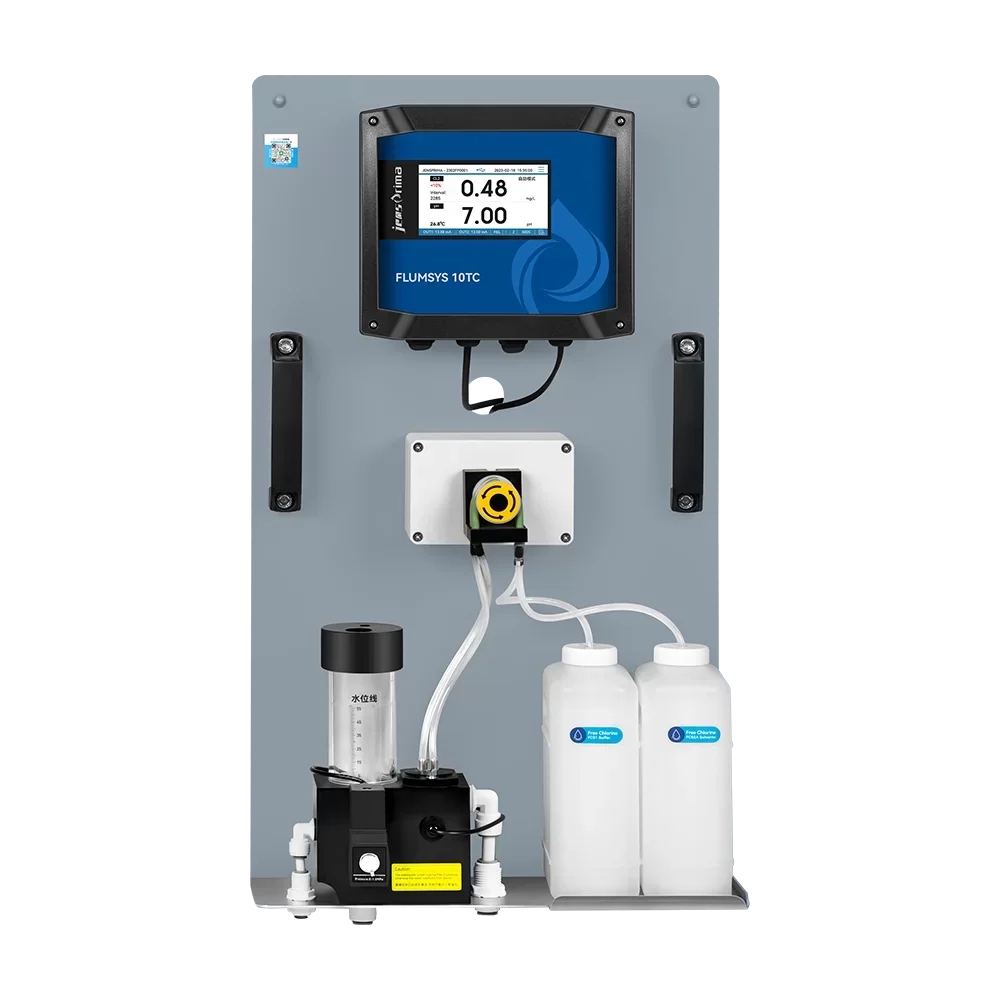
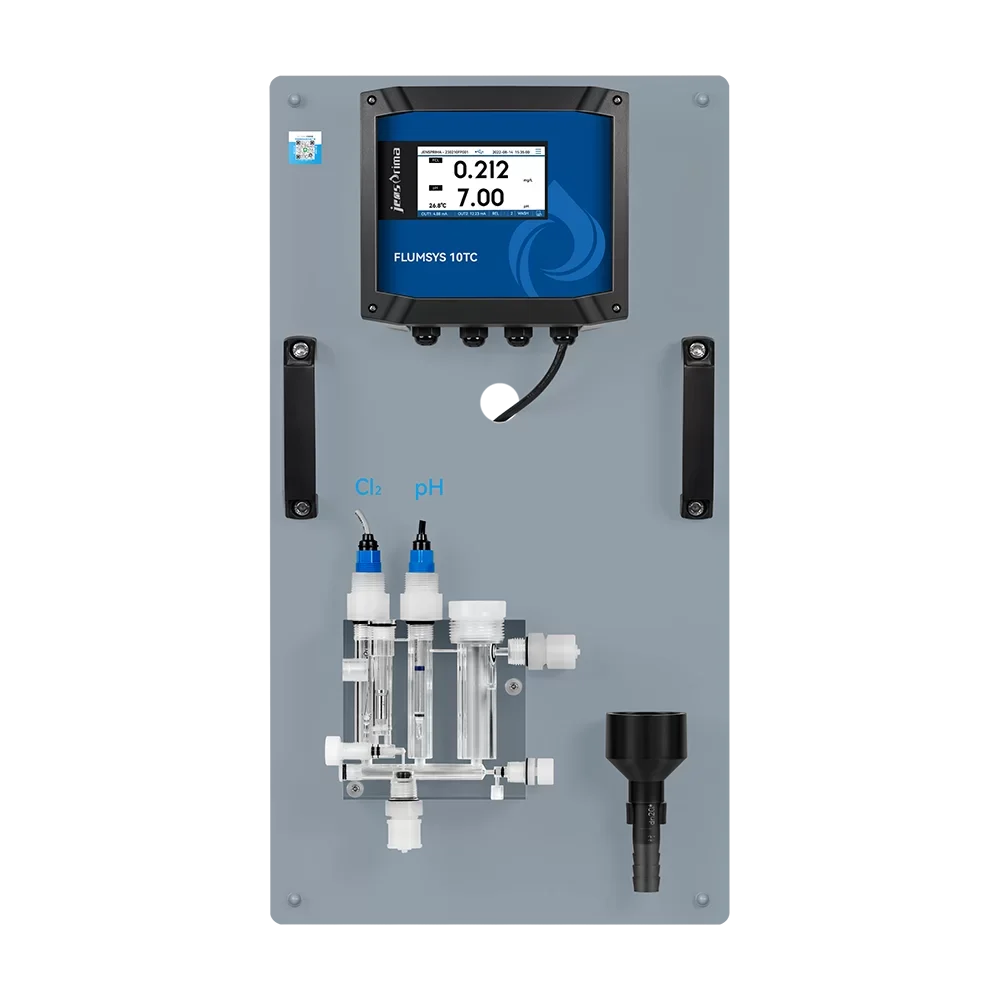
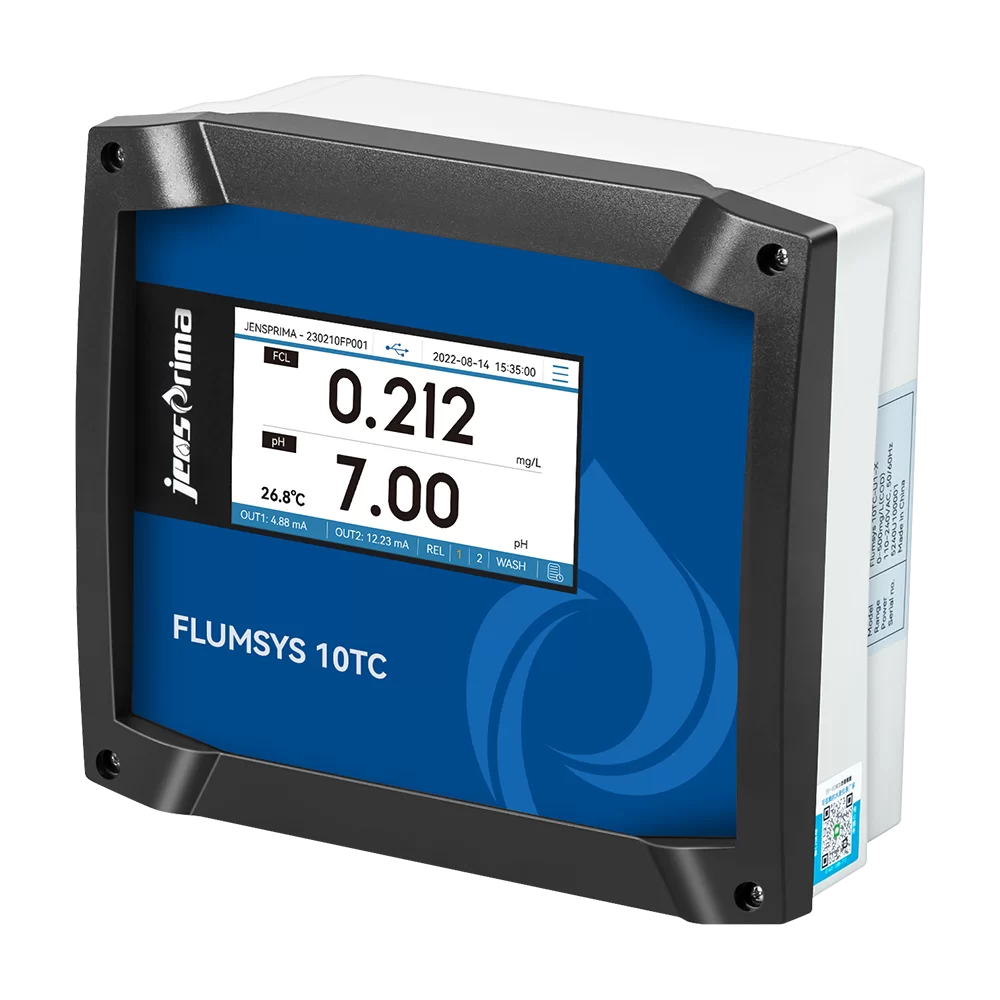
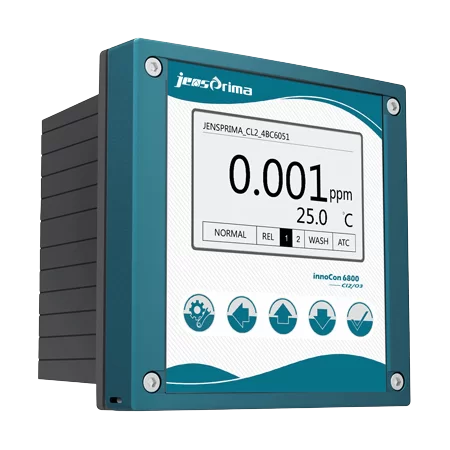
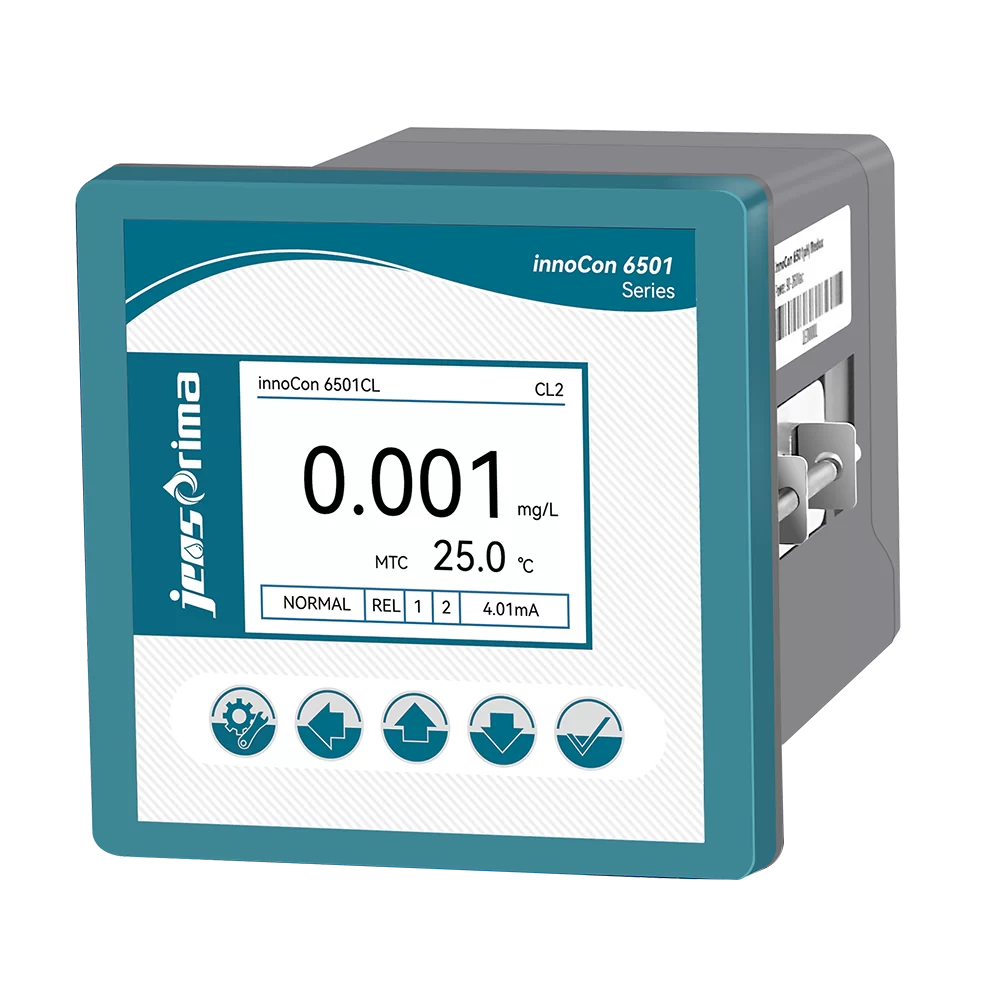
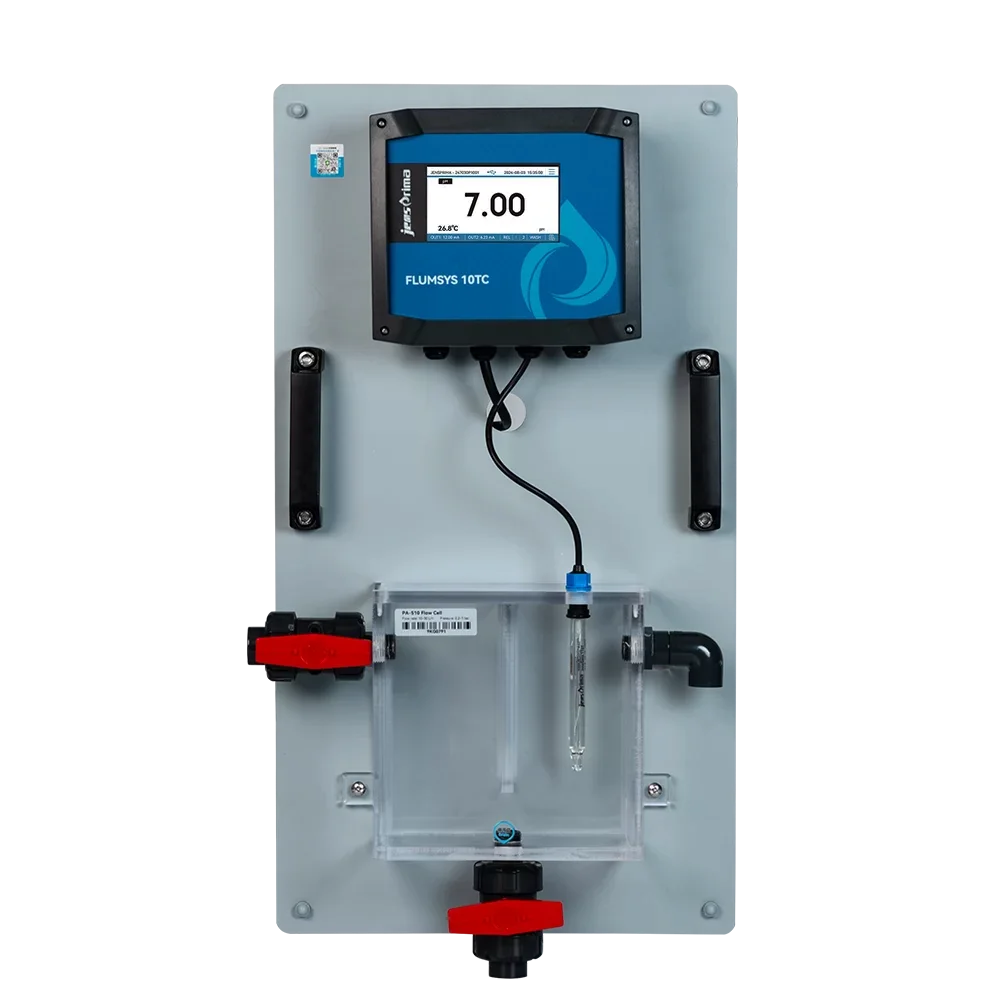
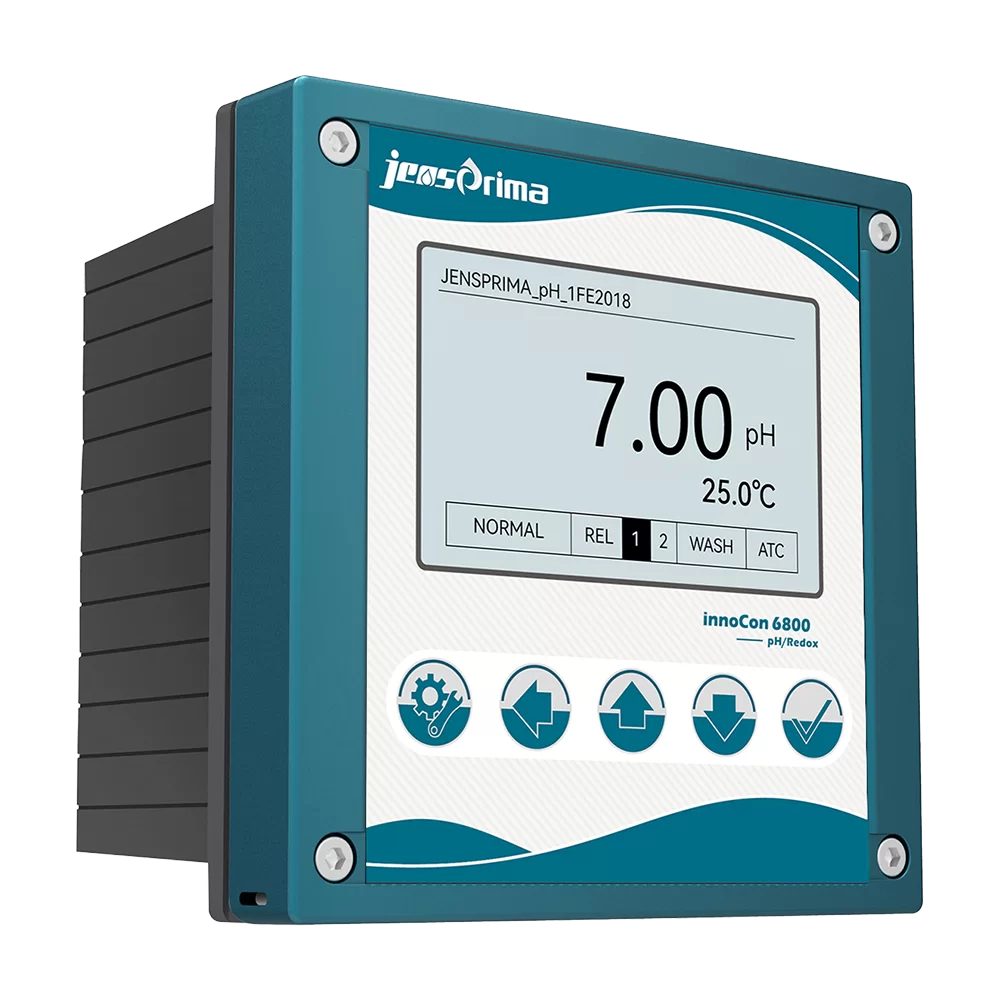
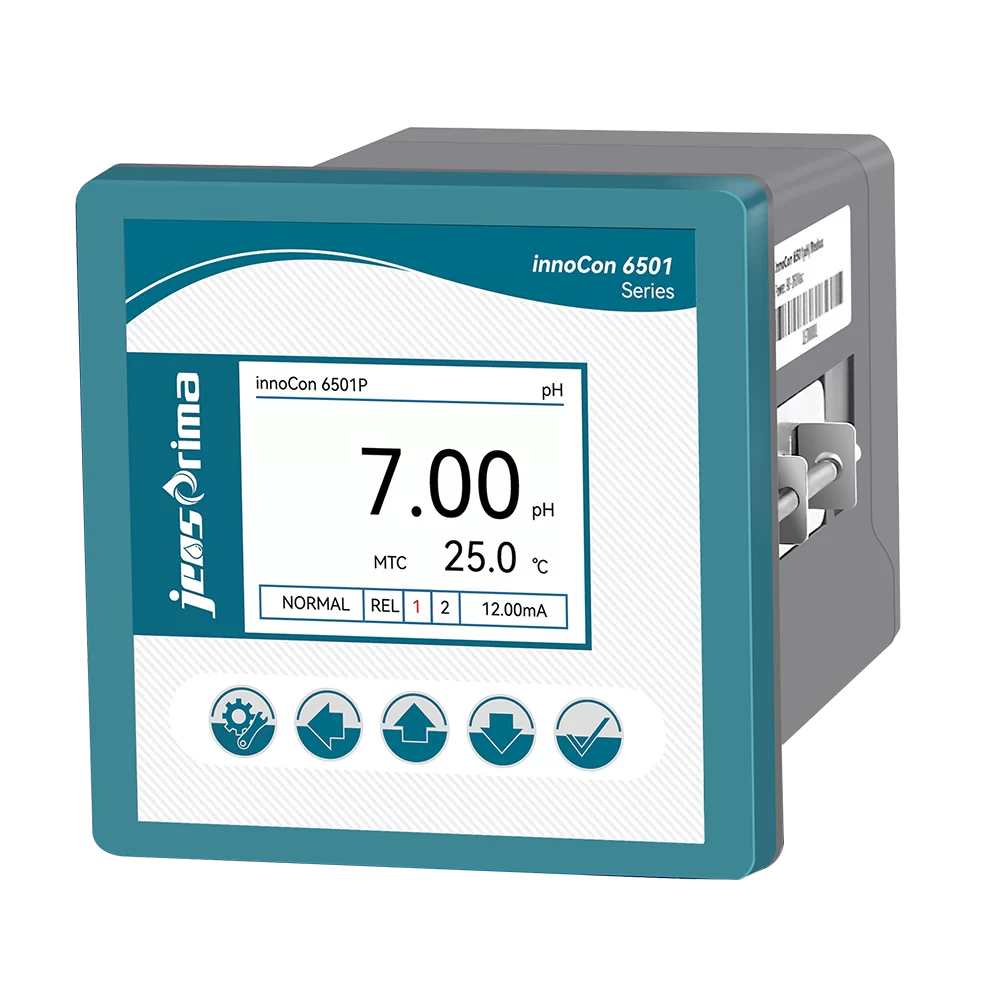
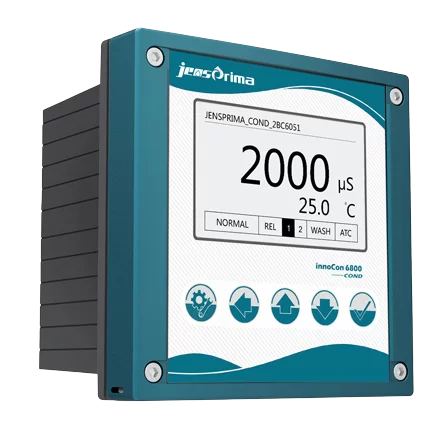
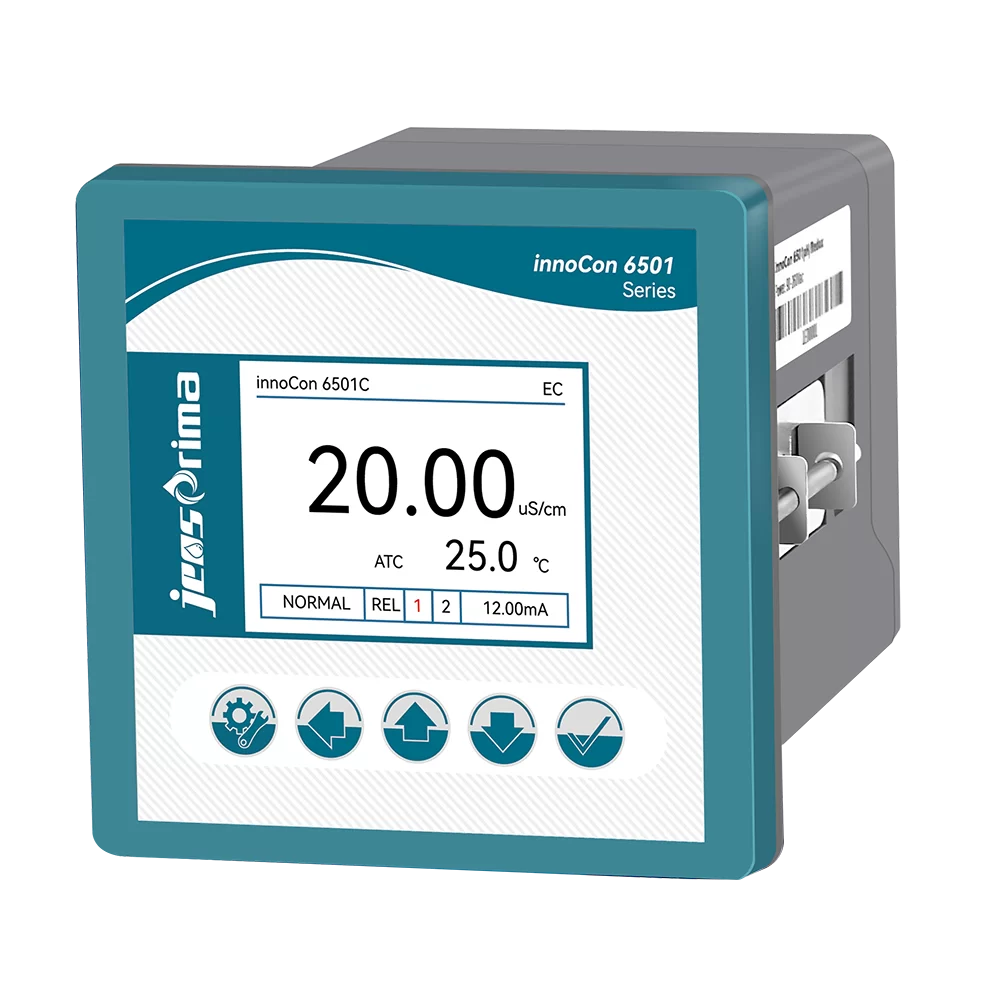
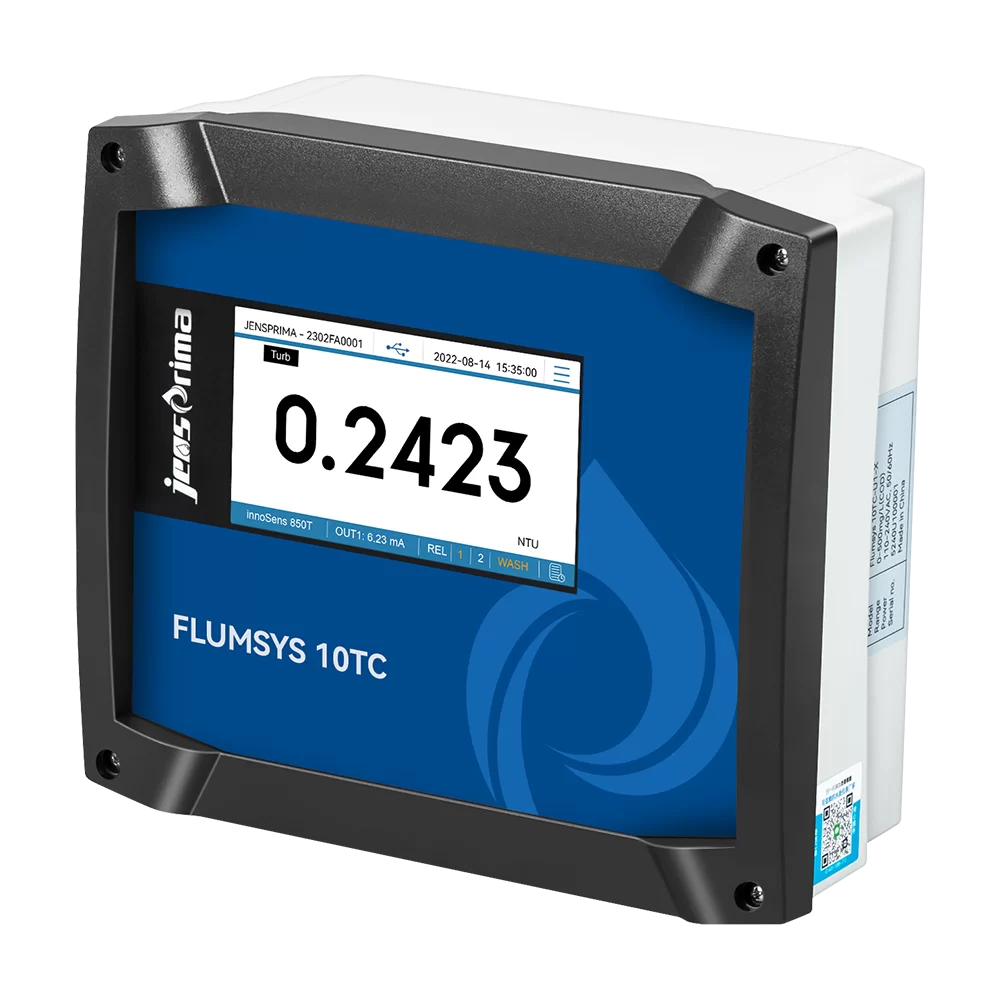
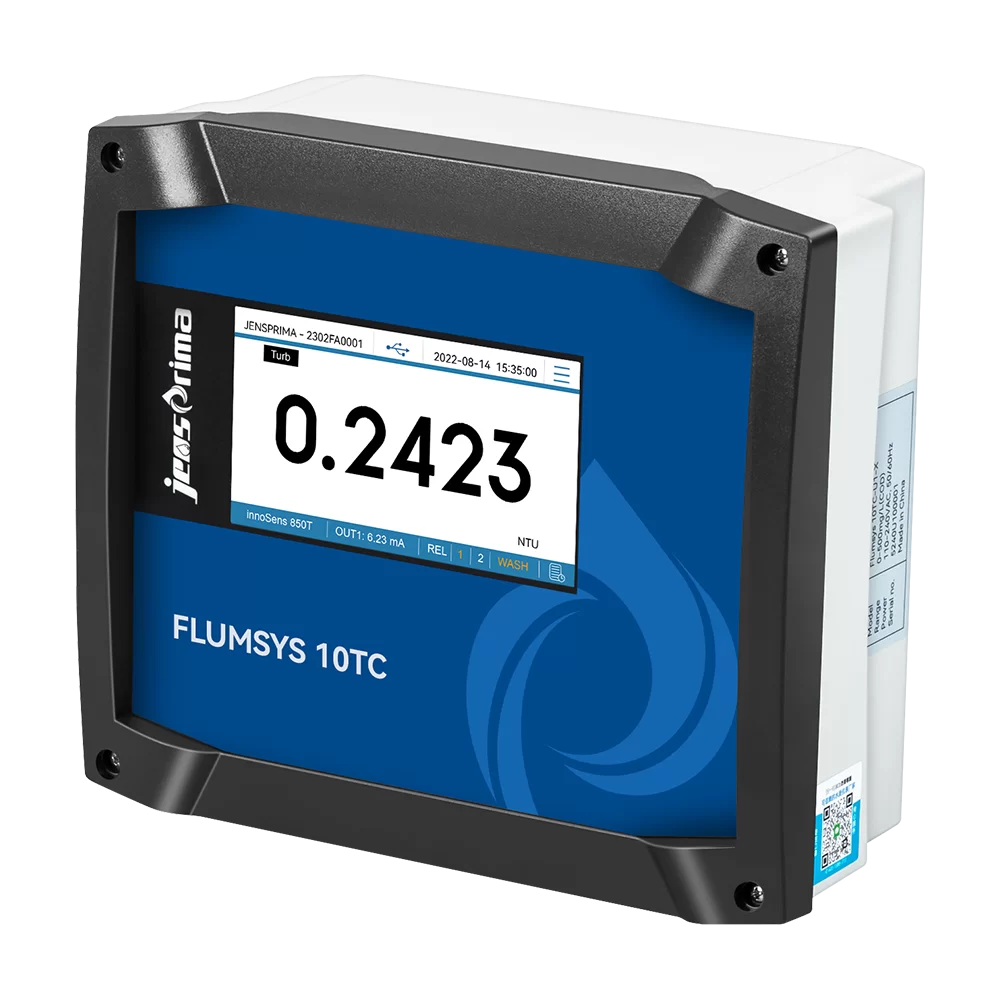
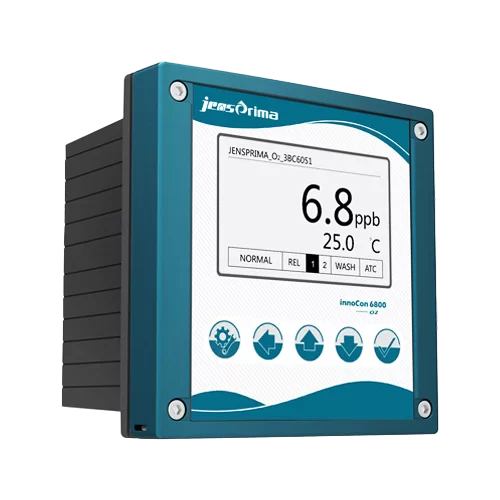
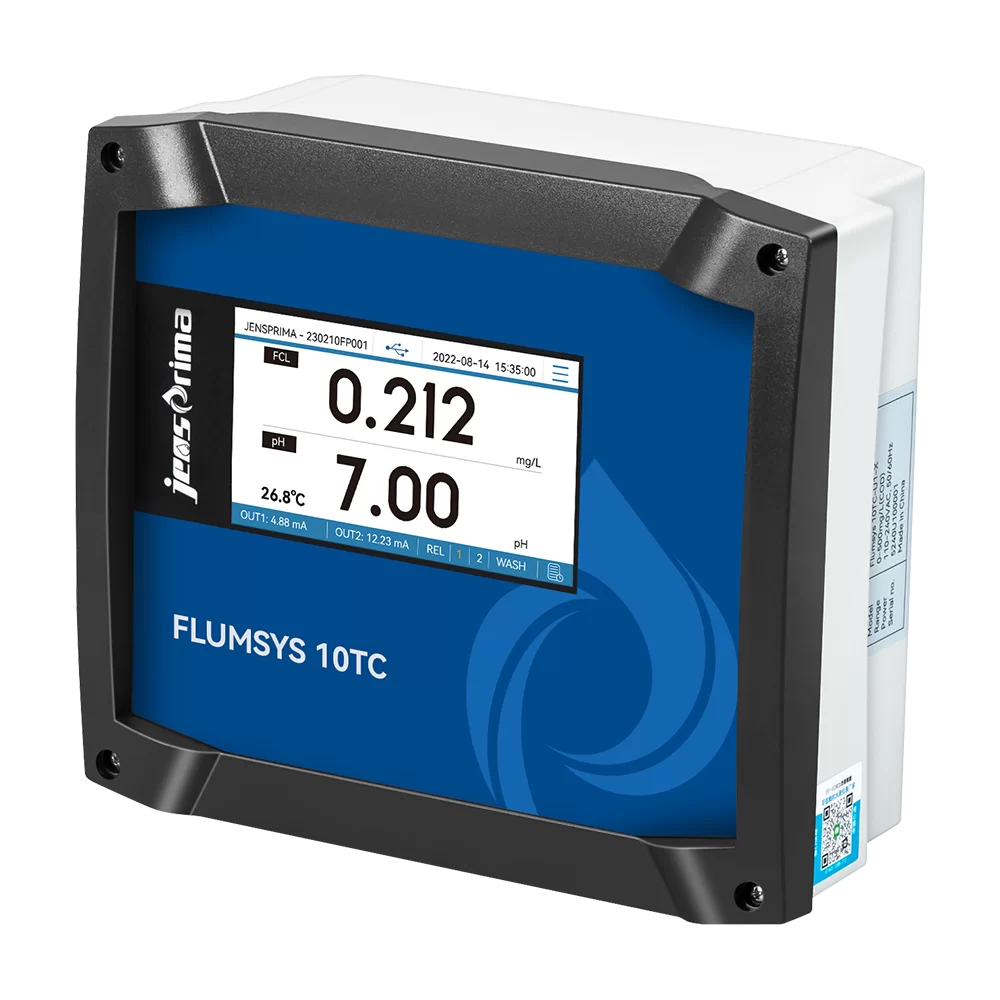
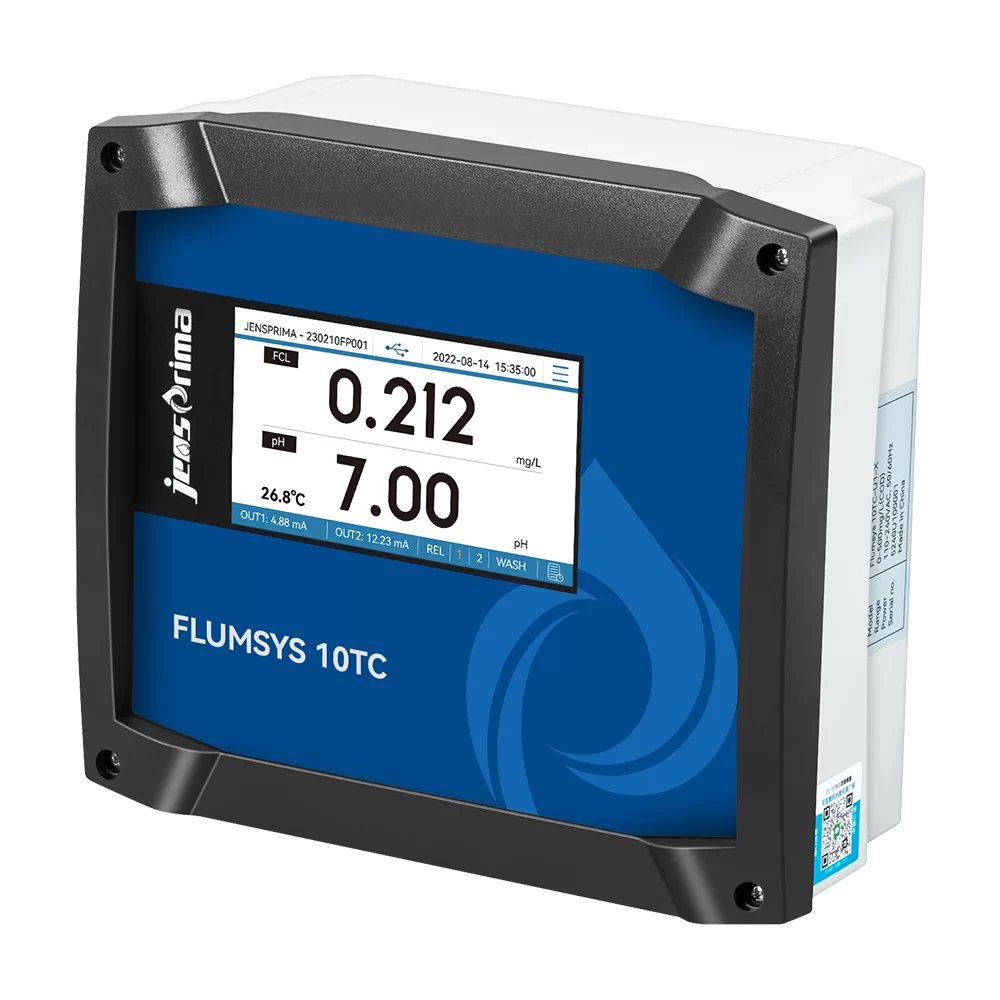
At its core, a ph ec controller is an integrated electronic device designed to measure, display, and regulate the acidity/alkalinity (pH) and the electrical conductivity (EC) of a liquid solution. While pH measures the hydrogen ion activity, EC measures the ability of water to pass an electrical current, which is directly proportional to the concentration of dissolved salts. Together, these two parameters provide a comprehensive snapshot of water purity and chemical composition.
In the context of modern humanitarian and industrial needs, these controllers act as guardians of safety. For instance, in municipal drinking water plants, a failure in pH control can lead to the corrosion of lead pipes, leaching toxins into the public water supply. The ph ec controller ensures that the water remains slightly alkaline or neutral, protecting both the infrastructure and the end-user.
Beyond simple measurement, the "controller" aspect is what provides the true value. By interfacing with pumps, valves, and alarms, the device can autonomously maintain a set point. This means that if a surge of acidic waste enters a treatment tank, the ph ec controller detects the drop in pH and immediately triggers the dosing pump to inject a neutralizing agent, preventing an environmental disaster without requiring human intervention.
Core Components and Design Factors
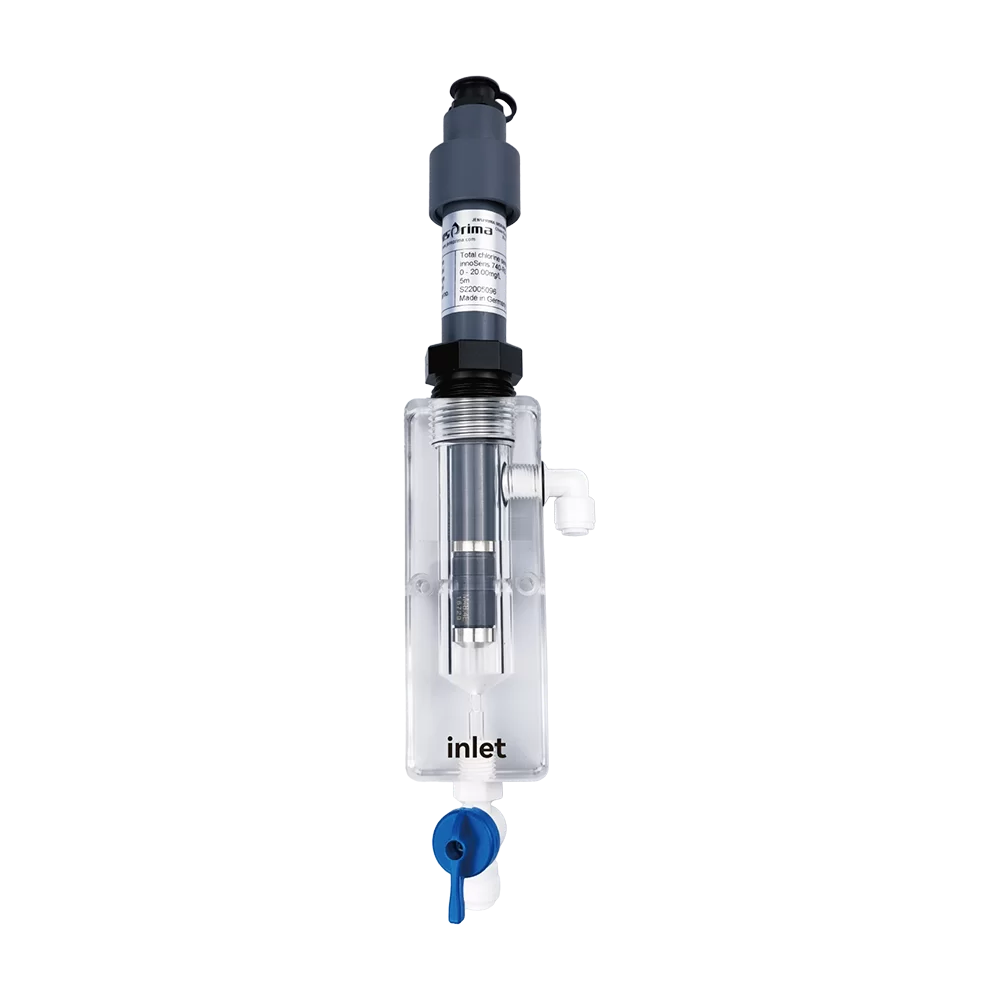
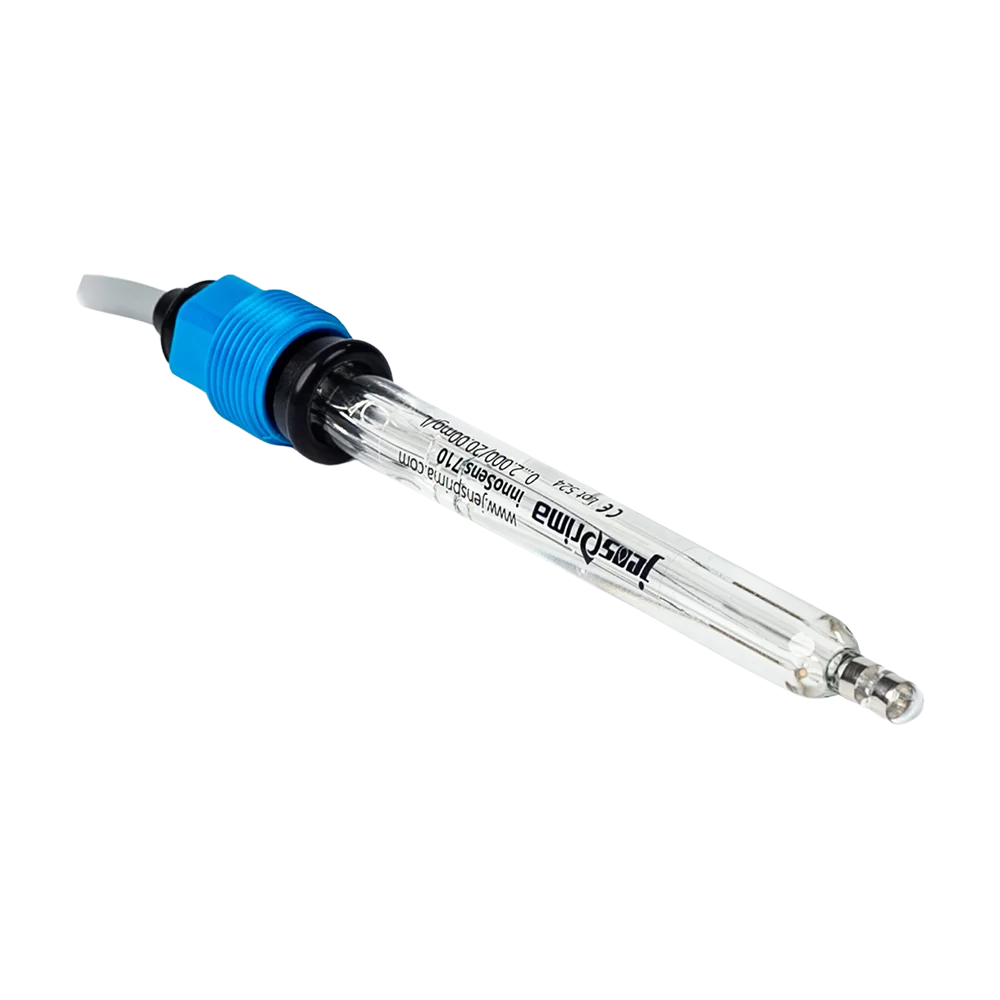
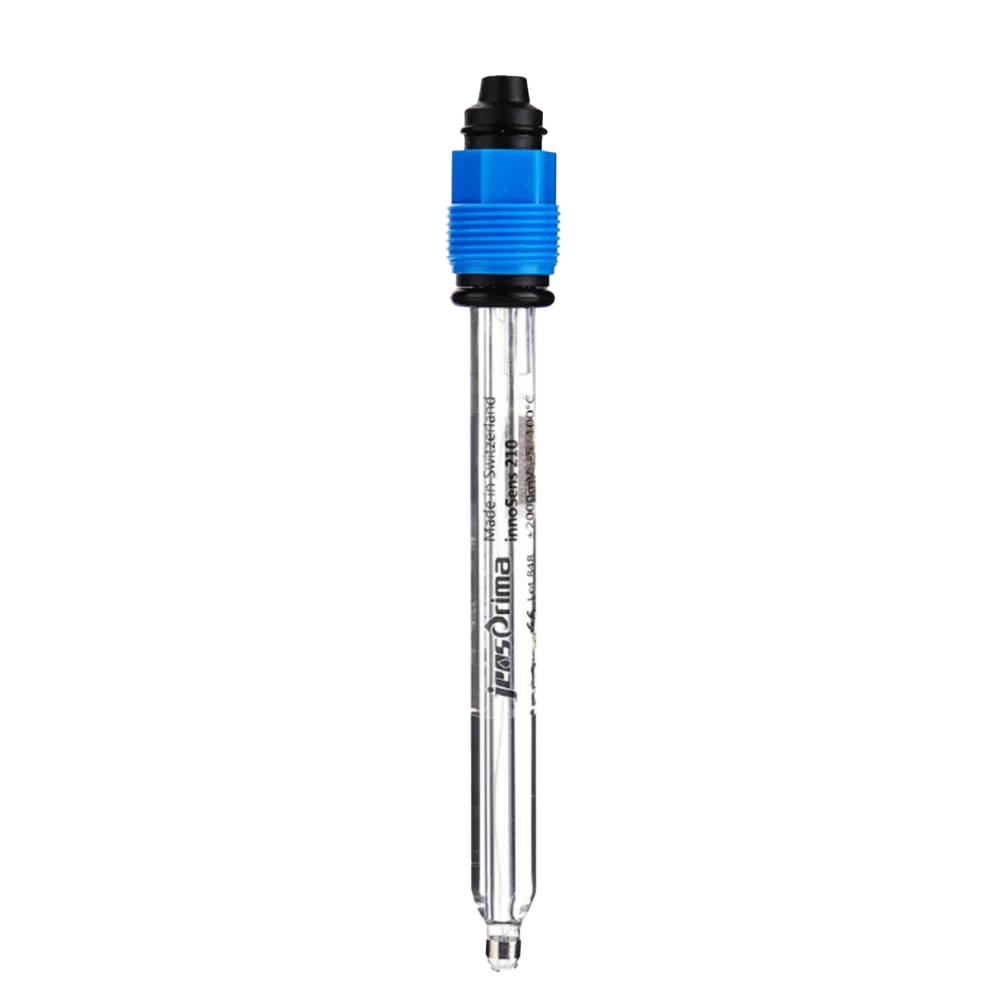
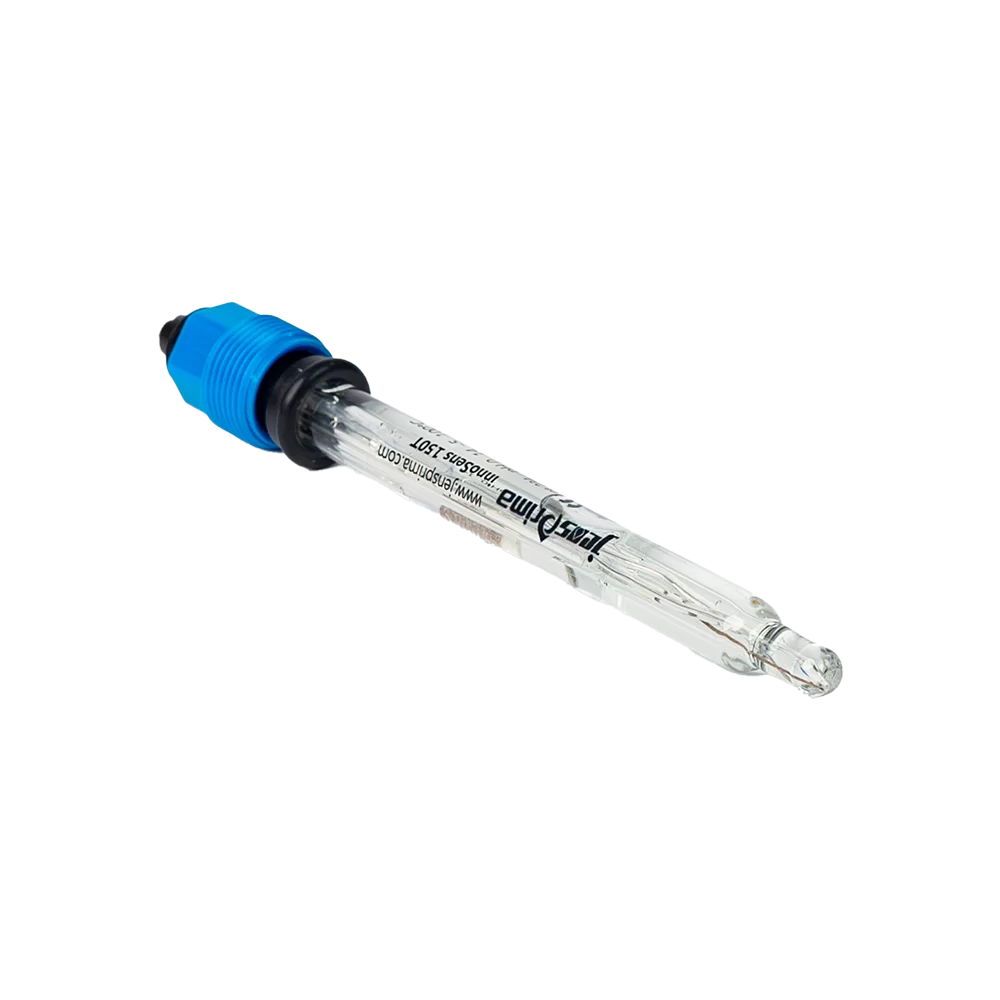
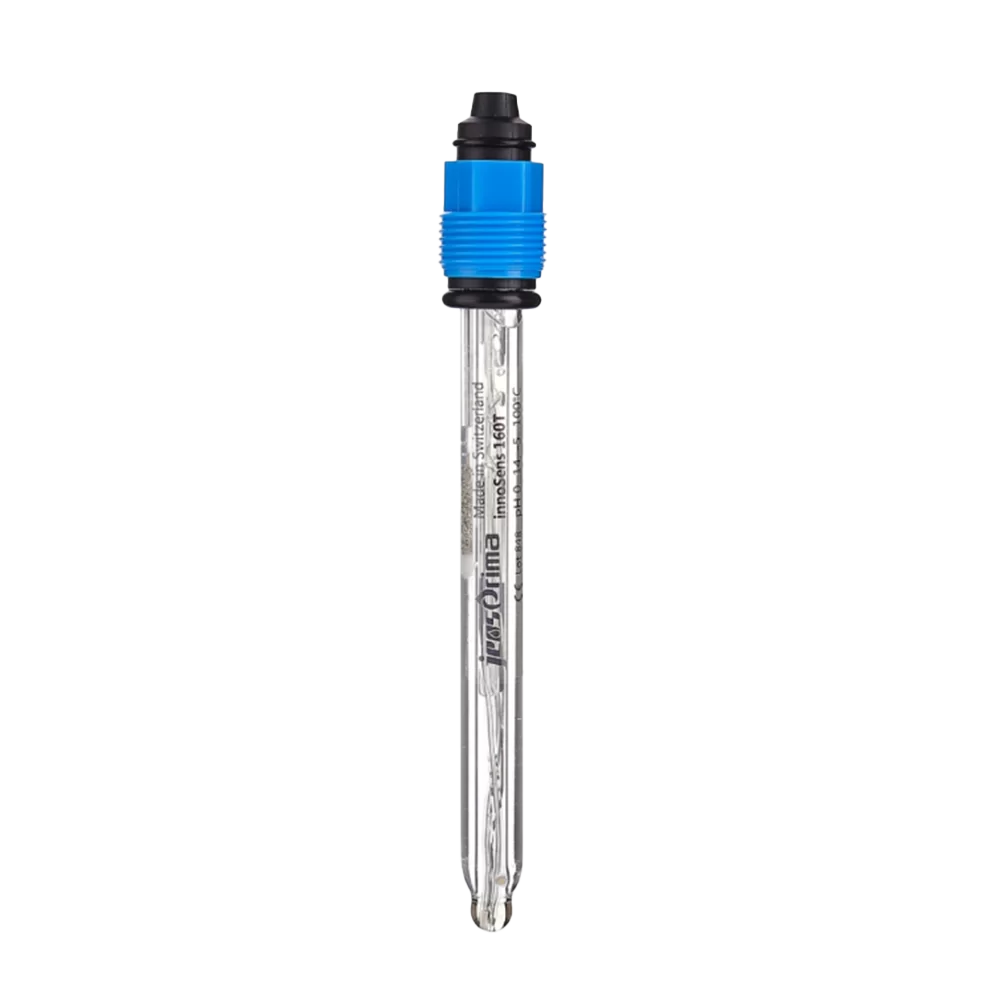
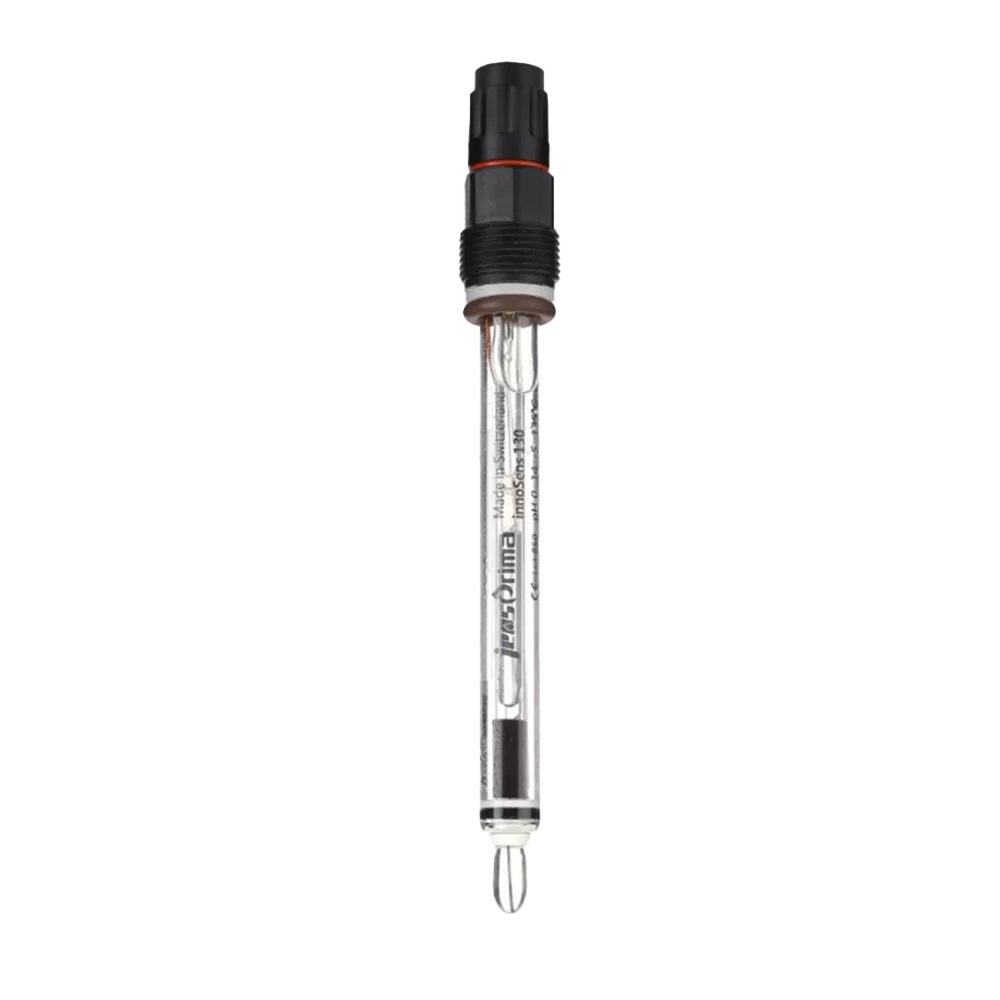
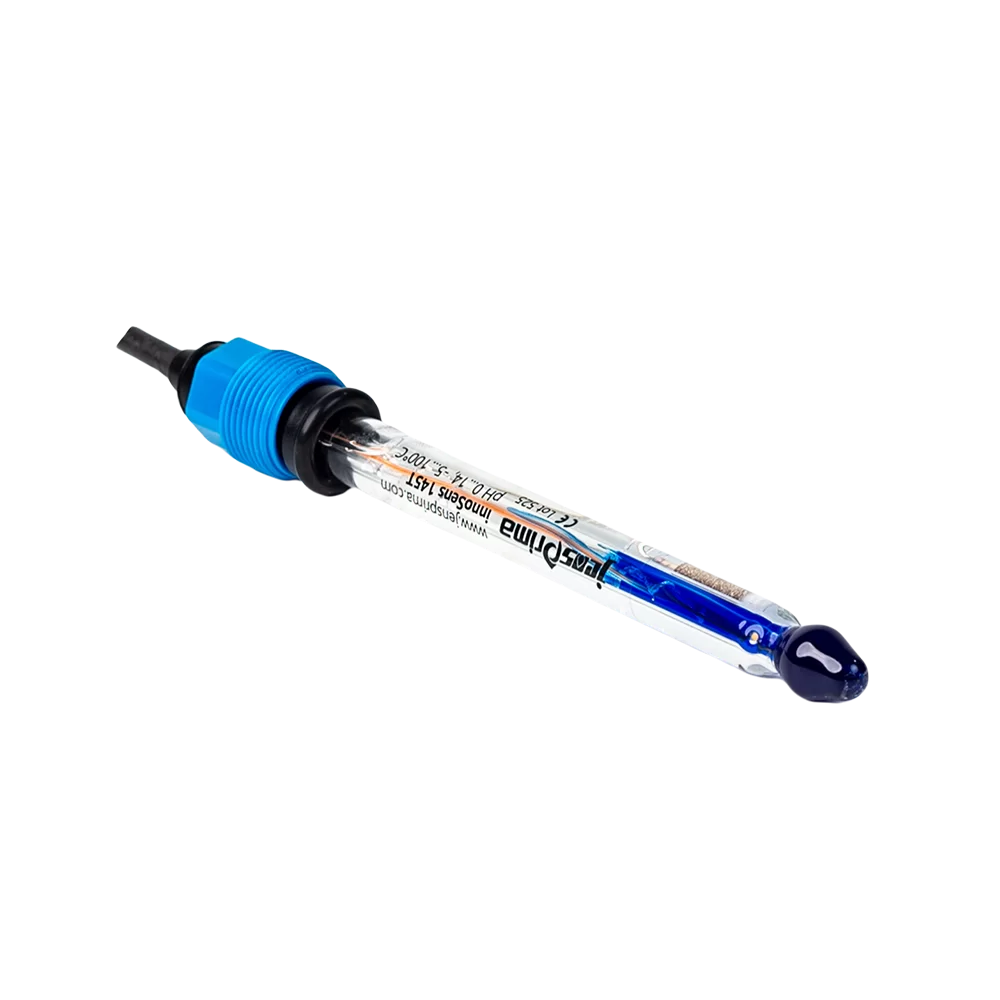
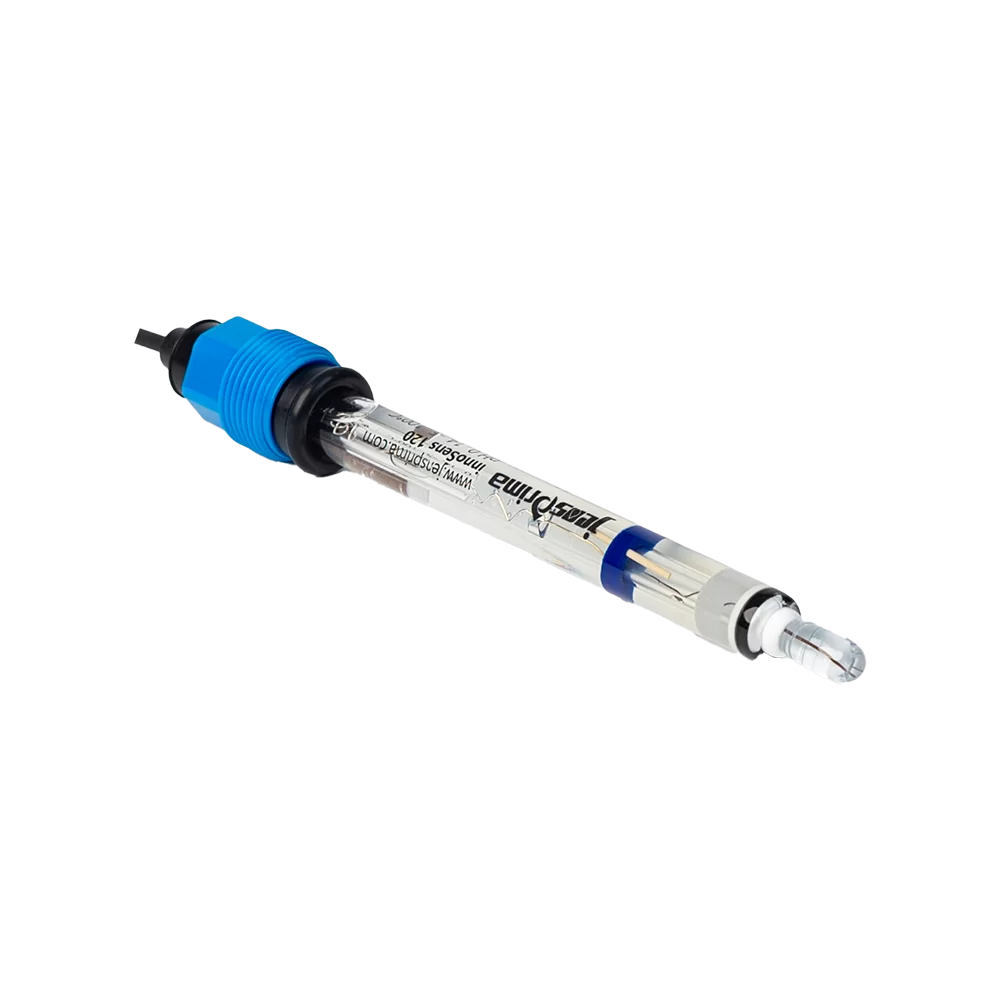
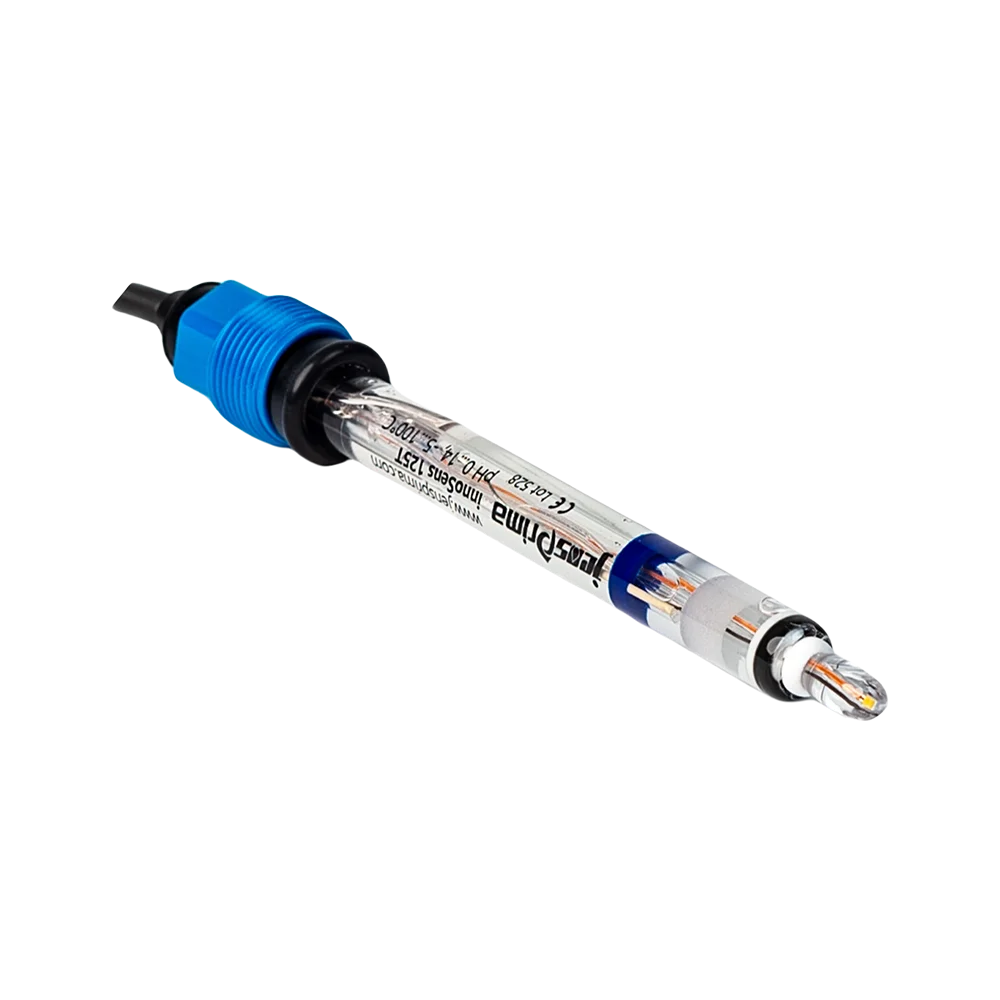
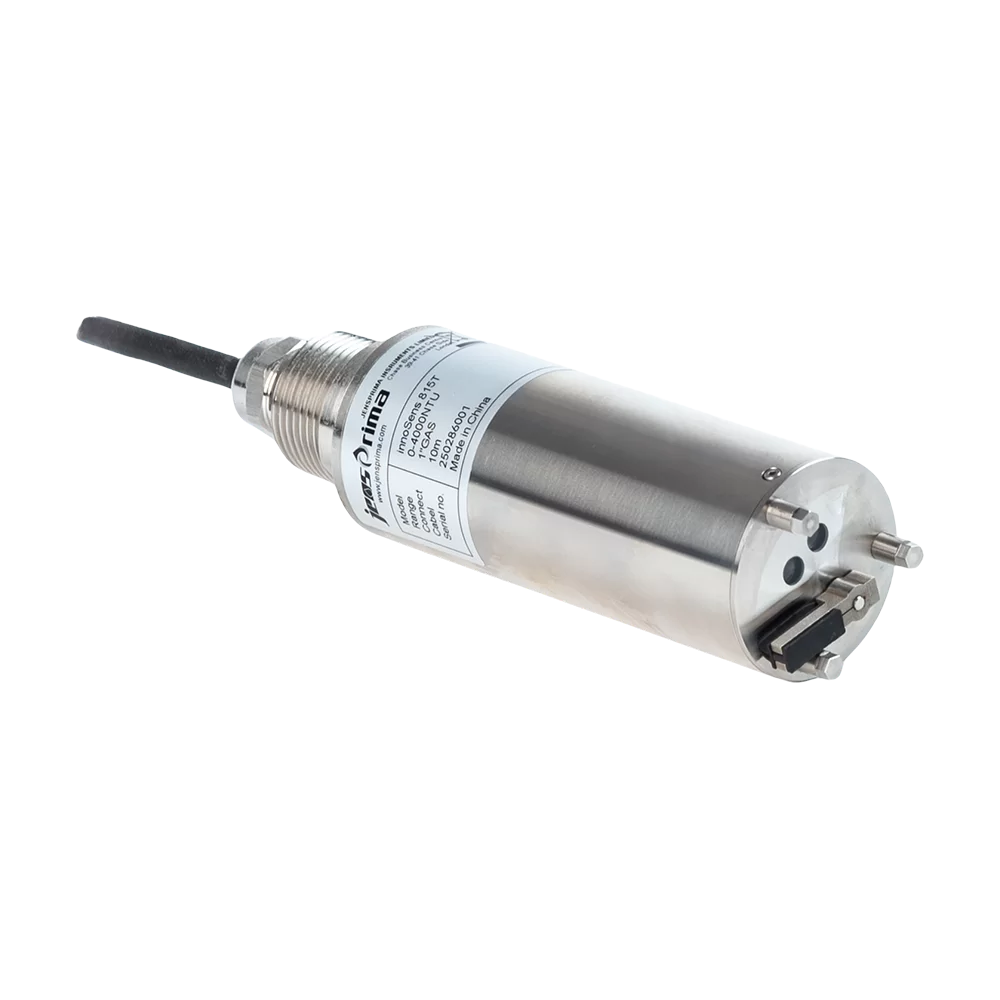
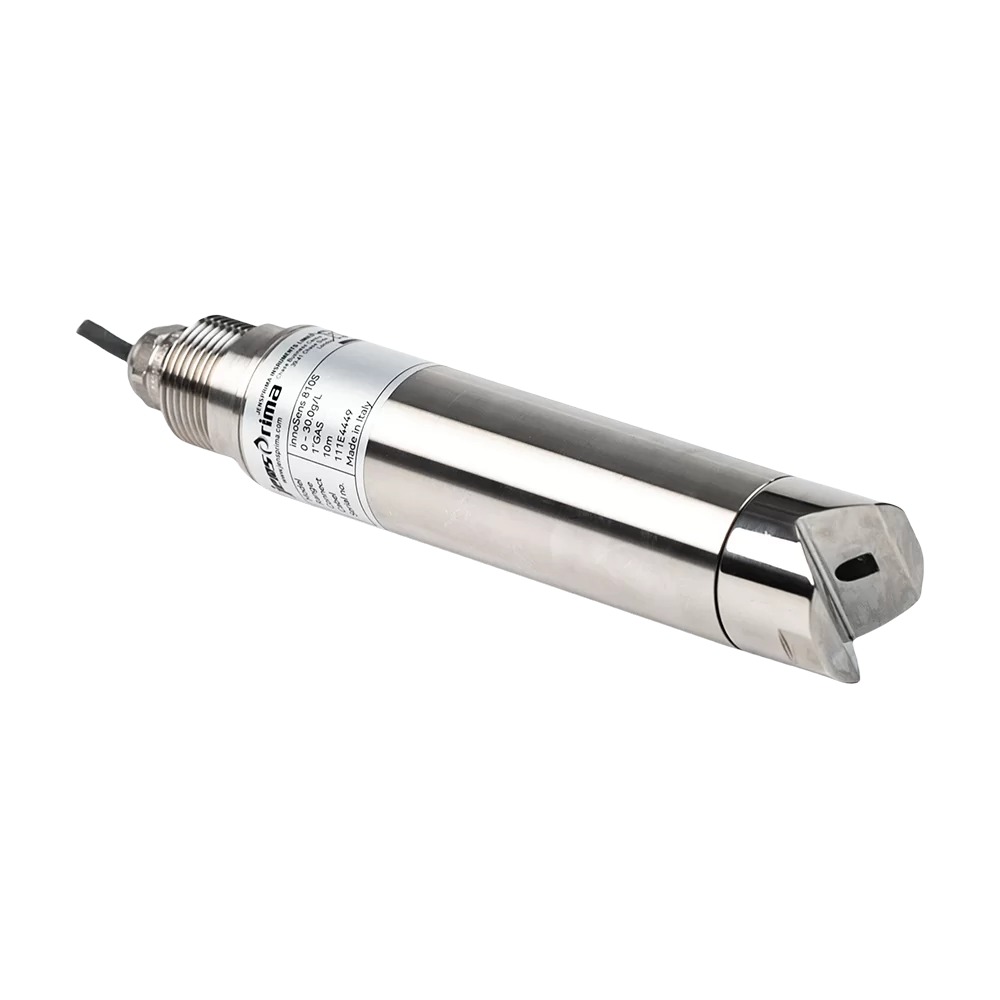
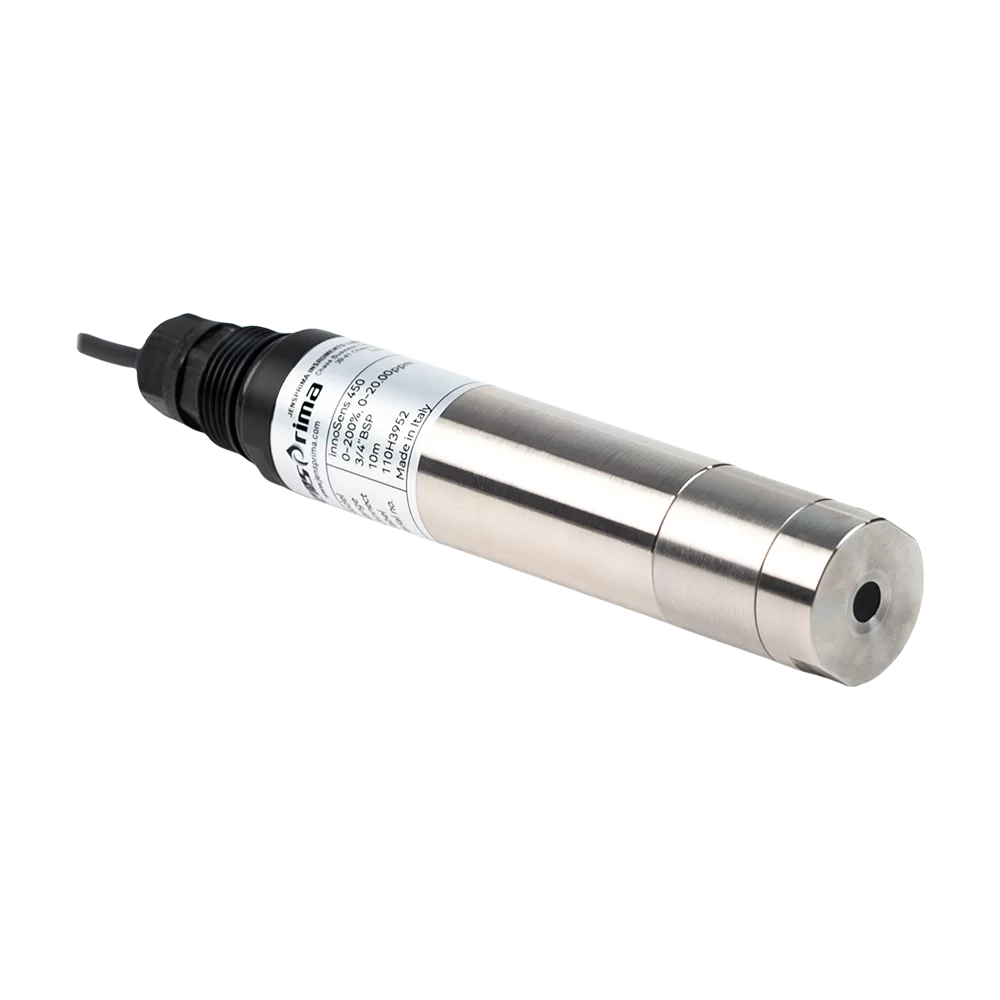
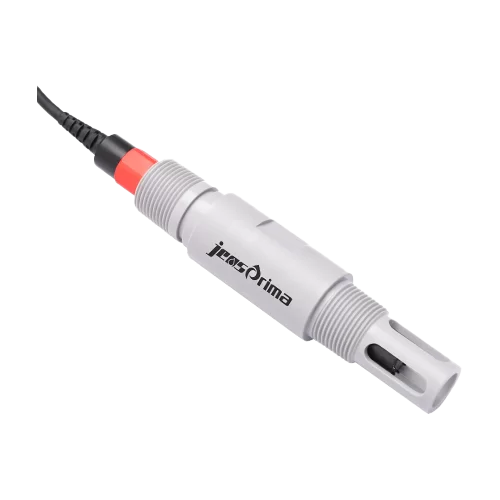
The reliability of a ph ec controller depends heavily on its sensor interface. High-quality controllers utilize galvanic isolation to prevent electrical noise from interfering with the ultra-low voltage signals produced by pH electrodes. This ensures that the reading remains stable even in electrically "noisy" industrial environments where large motors and pumps are operating nearby.
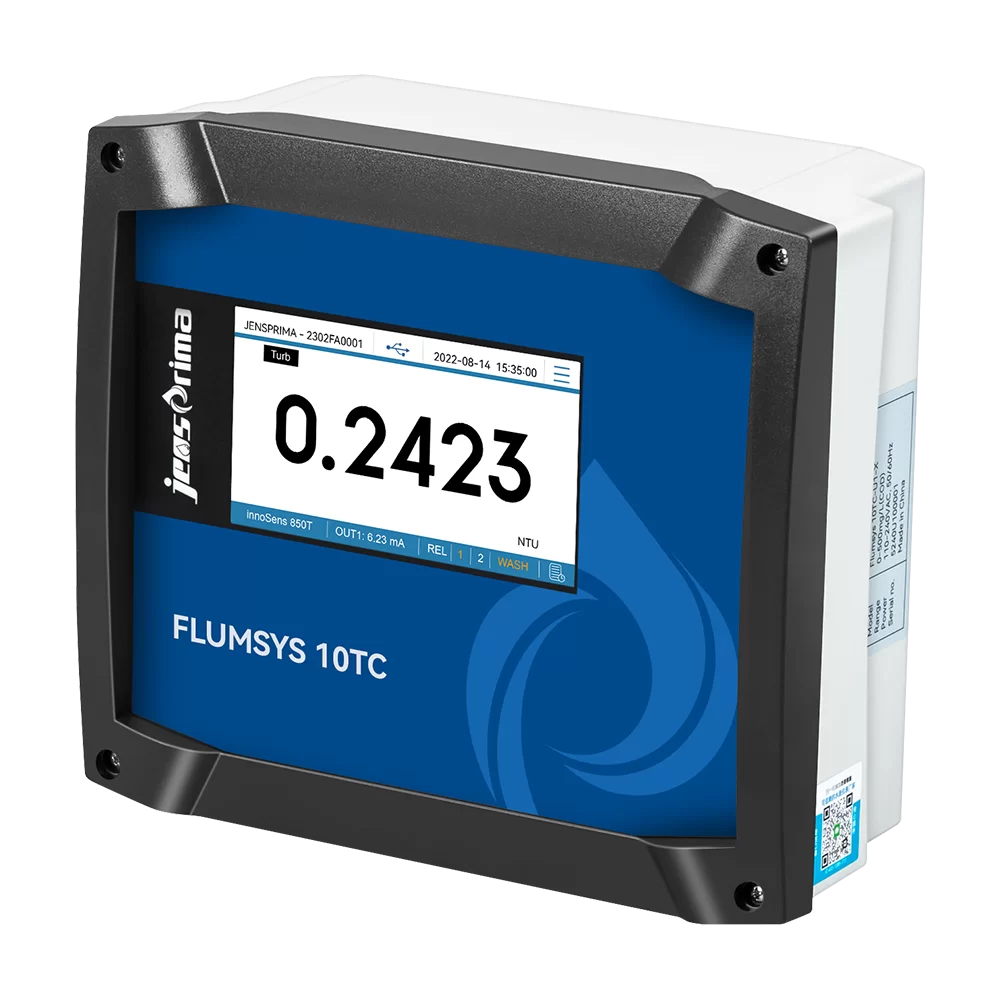
Durability is another critical factor, especially when the ph ec controller is deployed in harsh environments. The housing must be IP65 or IP67 rated to resist dust and moisture, while the internal circuitry must be temperature-compensated. Since pH measurements are temperature-dependent, an integrated NTC or PT100 temperature sensor is essential for the controller to calculate the "true" pH regardless of seasonal water temperature fluctuations.
Scalability and integration capability define the modern ph ec controller. With the rise of Industry 4.0, these devices now feature Modbus RS485, 4-20mA analog outputs, and even IoT-enabled cloud connectivity. This allows plant managers to monitor the water quality of multiple tanks from a single centralized SCADA system, enabling predictive maintenance and rapid response to anomalies.
Practical Performance Metrics
When evaluating a ph ec controller, engineers look at a combination of accuracy, response time, and stability. A high-performance controller must minimize "drift," which is the gradual change in sensor readings over time. This is achieved through sophisticated calibration algorithms that allow the user to perform one-point or two-point calibrations quickly, ensuring the device remains synchronized with standard buffer solutions.
Furthermore, the hysteresis and deadband settings of the ph ec controller are vital to prevent "chattering"—a condition where the dosing pump rapidly switches on and off around the set point. Proper configuration of these parameters ensures a smooth control curve, which extends the mechanical life of the dosing hardware and reduces chemical oscillations in the process stream.
Comparative Efficiency of ph ec controller Configurations
Global Applications and Use Cases
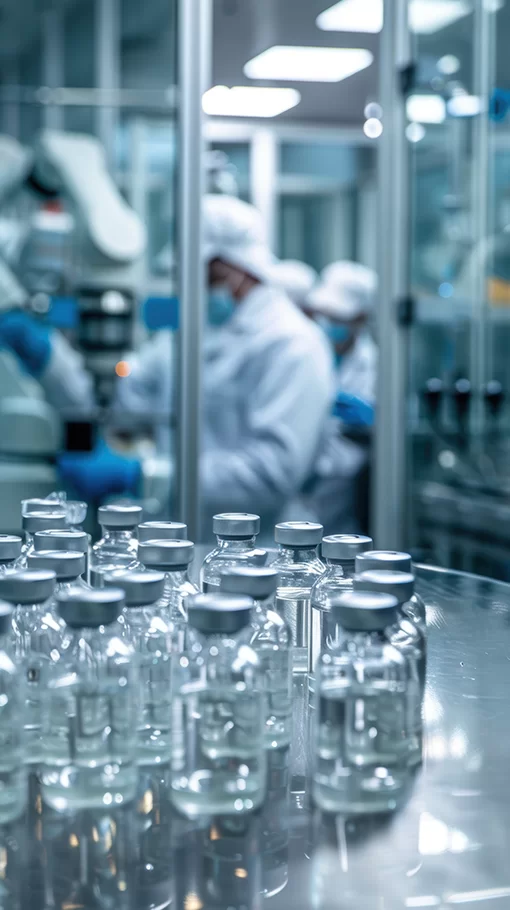
The versatility of the ph ec controller makes it essential across diverse sectors. In the pharmaceutical industry, where the purity of Water for Injection (WFI) is non-negotiable, these controllers monitor conductivity to detect the slightest presence of ionic impurities. A deviation of even a small fraction in EC can lead to an entire batch of medicine being discarded, making the precision of the controller a direct driver of financial viability.
In remote industrial zones, such as mining operations in South America or oil refineries in the Middle East, ph ec controller systems are used for boiler feed water treatment. By preventing scale buildup (monitored via EC) and corrosion (monitored via pH), these controllers prevent catastrophic boiler explosions and extend the operational life of multi-million dollar assets in environments where replacement parts can take weeks to arrive.
Long-Term Value and Sustainability
Investing in a high-grade ph ec controller provides tangible long-term economic benefits. By automating the neutralization process, companies reduce the over-consumption of reagents, which not only lowers procurement costs but also reduces the volume of sludge generated during wastewater treatment. This creates a leaner, more sustainable production cycle that appeals to green investors and regulatory bodies.
From a social impact perspective, the deployment of these controllers in municipal water systems ensures the basic human right to clean water. By providing a reliable safeguard against pH swings—which can make water caustic or overly acidic—the ph ec controller preserves public health and fosters trust between the community and utility providers.
Reliability is the ultimate currency in industrial automation. A controller that minimizes downtime through self-diagnostic alerts (such as "sensor failure" or "calibration required") allows for proactive maintenance. This shift from reactive to predictive care reduces the stress on technical staff and ensures that the facility operates at peak efficiency 24/7, providing a logical path toward total quality management.
Future Innovations in Water Quality Control
The future of the ph ec controller is inextricably linked to the digital transformation of the manufacturing sector. We are seeing a move toward "Smart Sensors" that integrate calibration data within the probe itself, allowing the controller to automatically adjust for sensor aging without manual intervention. This will virtually eliminate the human error associated with manual calibration.
Additionally, the integration of AI and machine learning is beginning to transform how these controllers operate. Future ph ec controller systems will not just react to current levels but will predict future trends based on historical data and influent flow rates. For example, if a plant typically receives a spike in conductivity every Tuesday morning, the AI-driven controller will pre-emptively adjust the dosing parameters to maintain stability.
Sustainability is also driving the development of reagent-less monitoring and energy-harvesting controllers. By reducing the need for external power and hazardous calibration fluids, the next generation of ph ec controller technology will be more eco-friendly and easier to deploy in remote, off-grid locations, supporting global efforts toward decentralized water treatment.
Analysis of ph ec controller Implementation Dimensions
| Deployment Sector |
Critical Parameter |
Control Goal |
Reliability Score (1-10) |
| Pharmaceutical |
High EC Sensitivity |
Ultrapure Water |
10 |
| Municipal Wastewater |
pH Neutralization |
Effluent Compliance |
9 |
| Hydroponics/Agri |
Nutrient EC Level |
Optimal Growth |
8 |
| Power Plant Boilers |
Conductivity/pH |
Anti-Corrosion |
10 |
| Aquaculture |
Salinity (EC) |
Species Survival |
7 |
| Chemical Mfg |
Rapid pH Swings |
Process Stability |
9 |
FAQS
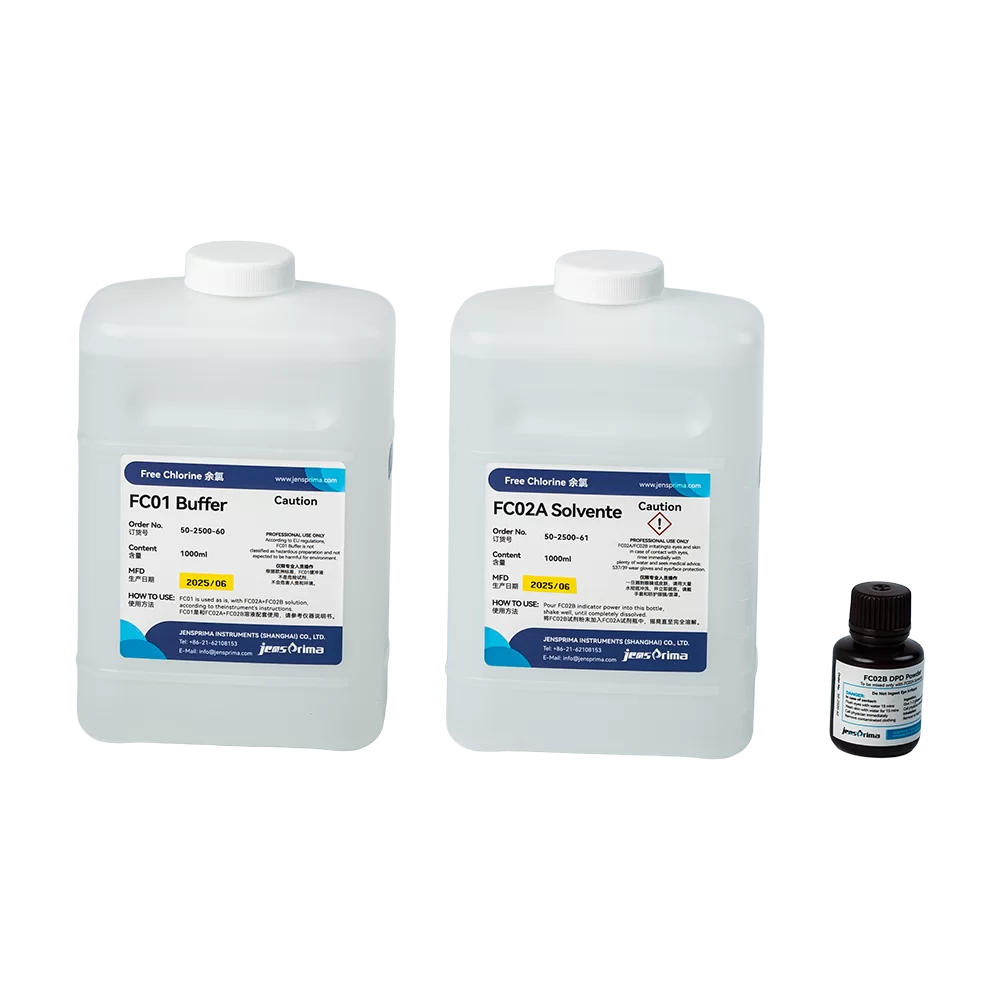
Calibration frequency depends on the stability of your process and the age of the sensors. For critical industrial applications, weekly calibration is recommended. However, if you observe a drift in readings or after a significant process change, you should calibrate immediately using certified buffer solutions to ensure the ph ec controller maintains its accuracy.
No, pH and EC require different sensing technologies. pH uses a glass electrode to measure hydrogen ions, while EC uses conductive electrodes to measure ionic flow. However, a single ph ec controller unit can typically handle multiple inputs, allowing it to monitor and regulate both sensors simultaneously from one interface.
A meter is primarily for observation and manual recording. A ph ec controller, however, is designed for automation. It can trigger external devices like dosing pumps or alarms when the water quality deviates from the set point, providing a closed-loop control system rather than just a reading.
Both pH and EC are highly temperature-sensitive. As temperature rises, ionic activity increases, which can falsely elevate EC readings and shift pH values. Professional ph ec controller systems include automatic temperature compensation (ATC) to normalize readings to a standard 25°C, ensuring consistency regardless of the environment.
First, check the physical connection between the probe and the ph ec controller. If the connection is secure, inspect the sensor for fouling or breakage. Many errors are caused by a depleted reference junction in pH probes or air bubbles trapped in the EC cell. Cleaning the sensor and performing a fresh calibration usually resolves the issue.
Yes, most modern ph ec controller units support industrial communication protocols such as Modbus RS485 or 4-20mA analog outputs. These can be linked to a PLC or a cloud-based IoT gateway, allowing you to monitor water quality and receive alerts on your smartphone or computer from anywhere in the world.
Conclusion
In summary, the ph ec controller is more than just a measurement tool; it is a critical safeguard for industrial productivity and environmental health. By integrating precise pH and conductivity monitoring with automated control logic, enterprises can ensure regulatory compliance, optimize chemical usage, and protect their infrastructure from the corrosive effects of improper water chemistry. From the stringent requirements of pharmaceutical labs to the rugged demands of mining operations, the ability to maintain stable water parameters is the foundation of operational excellence.
Looking forward, the transition toward AI-driven, predictive water management will further elevate the role of the ph ec controller. We encourage plant managers and engineers to move beyond simple monitoring and embrace integrated, smart control solutions that offer remote accessibility and self-diagnostic capabilities. By investing in high-precision control technology today, you are securing a more sustainable, efficient, and risk-free operational future. Visit our website for more professional solutions: www.jensprima.com



 Download
 Video Center
 Technical Services
 FAQS
 Service Network
 Privacy Policy
 Contact Us