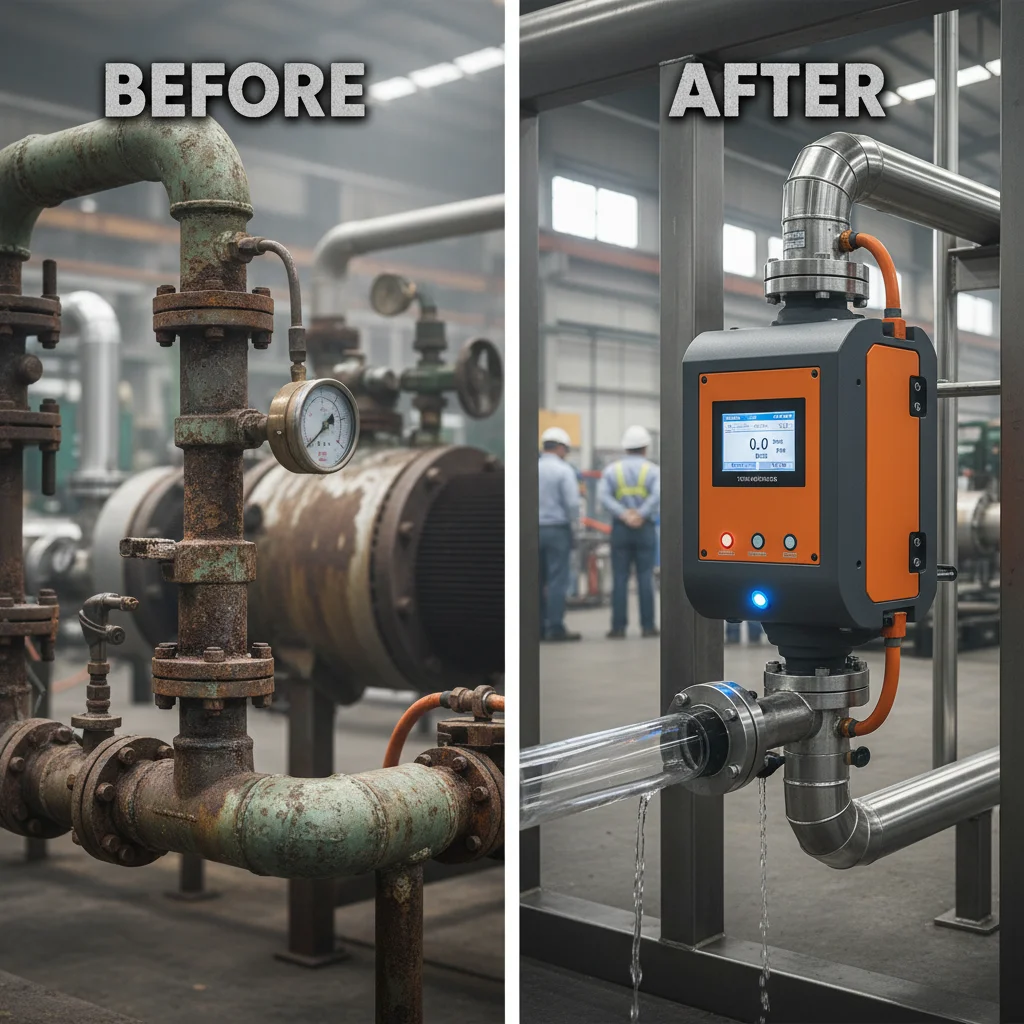
The precise measurement of water chemistry is fundamental to maintaining environmental stability and industrial efficiency. In modern aqueous analysis, the integration of monitoring parameters into a single system, such as a ph salinity temperature meter, allows operators to understand the complex interplay between acidity, salt concentration, and thermal energy. This holistic approach is essential for preventing equipment corrosion and ensuring the health of aquatic ecosystems.
Across global industries, from desalination plants to pharmaceutical laboratories, the demand for high-accuracy instrumentation has never been higher. The ability to track these three critical variables simultaneously reduces the margin of error and streamlines the data collection process. Without reliable metrics, the risk of chemical imbalances can lead to catastrophic system failures or non-compliance with strict environmental regulations.
When optimizing water treatment protocols, integrating a ph salinity temperature meter provides the empirical data necessary for real-time adjustments. By understanding these core metrics, facilities can enhance their operational sustainability and ensure that the water quality meets the most stringent international standards for safety and purity.

Global Significance of Integrated Water Monitoring
On a global scale, the management of water resources is under immense pressure due to industrial expansion and climate change. Organizations like the ISO and the World Bank emphasize the need for standardized monitoring to protect potable water sources. The deployment of a ph salinity temperature meter is crucial in these efforts, as it allows for the immediate detection of saltwater intrusion in freshwater aquifers, a problem affecting millions of people in coastal regions.
Furthermore, the industrial sector relies on these parameters to optimize chemical dosing and cooling tower efficiency. By maintaining a strict balance of acidity and salinity, companies can extend the lifespan of their infrastructure and reduce the environmental footprint of their discharge water. This integrated approach is no longer a luxury but a regulatory necessity in the fight against industrial pollution.
Technical Definitions and Industrial Meaning
In simple terms, a ph salinity temperature meter is a multi-parameter analytical instrument designed to measure the hydrogen-ion activity (pH), the concentration of dissolved salts (salinity), and the thermal state (temperature) of a liquid sample. While each parameter is significant on its own, their simultaneous measurement is critical because temperature directly influences both pH and conductivity readings, which are the basis for salinity calculations.
From an industrial perspective, this tool represents the shift toward "intelligent sensing." Instead of using three separate devices, which increases the risk of calibration errors and manual data entry mistakes, a combined meter provides a synchronized snapshot of the water's state. This is particularly vital in hydroponics, aquaculture, and wastewater treatment, where a sudden shift in any one of these variables can trigger a biological collapse.
The humanitarian application of this technology is equally profound. In post-disaster relief operations, quickly assessing whether a water source is contaminated by seawater or has become too acidic for safe consumption is a life-saving capability. The integration of these sensors into portable units ensures that field engineers can make rapid, evidence-based decisions regarding water potability.
Core Components of High-Precision Analysis
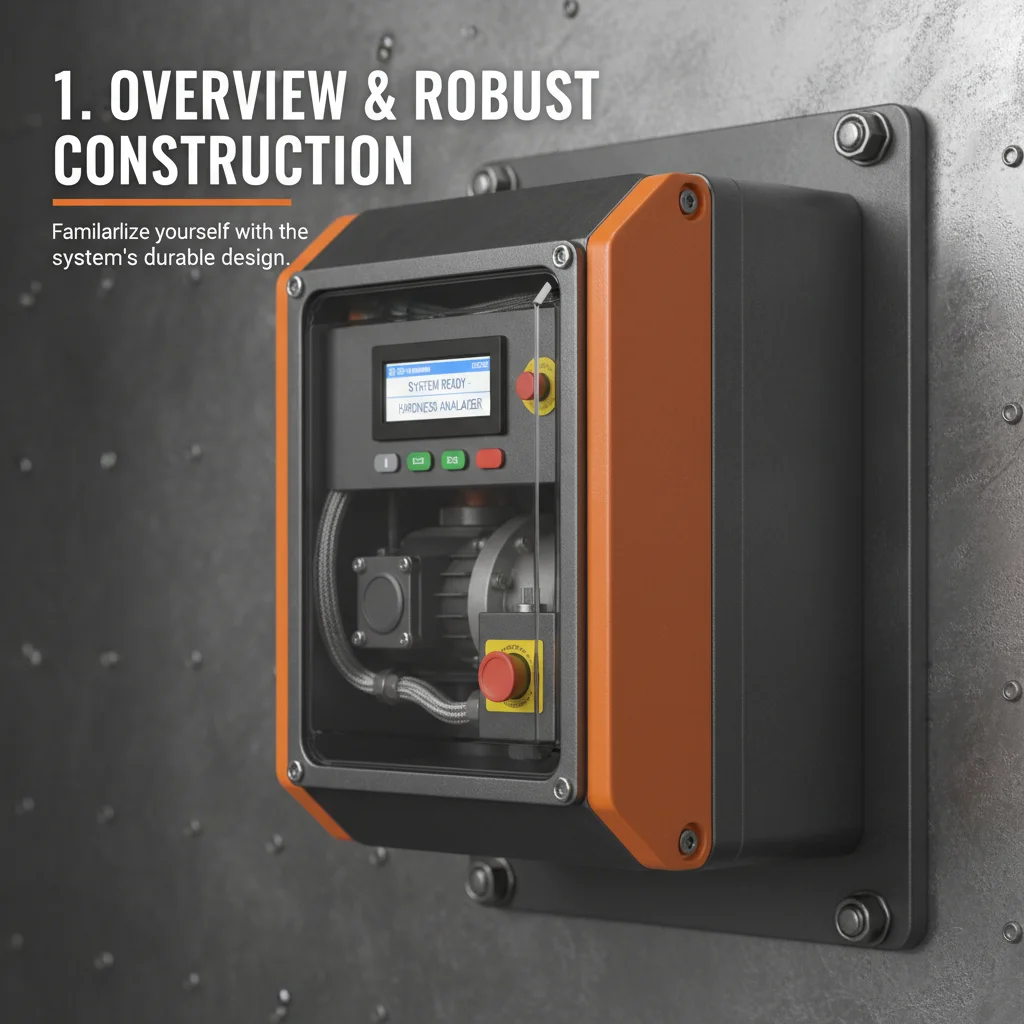
Durability is the first cornerstone of a reliable ph salinity temperature meter. Because these instruments are often submerged in corrosive environments, the use of industrial-grade plastics and chemically resistant electrodes is mandatory. A robust housing ensures that the internal circuitry is protected from moisture and physical impact during rigorous field use.
Scalability and versatility allow a ph salinity temperature meter to transition from a small laboratory beaker to a large-scale industrial pipeline. This is achieved through the use of interchangeable sensors and digital interfaces that can connect to centralized SCADA systems, enabling remote monitoring across vast distances.
Cost efficiency in the long term is driven by the stability of the calibration. High-quality meters utilize advanced temperature compensation algorithms to ensure that the readings remain accurate regardless of the environment. This reduces the frequency of manual recalibration and minimizes the consumption of expensive buffer solutions.
Practical Application and Operational Efficiency
In real-world contexts, the application of these meters spans multiple continents and diverse industries. In the Middle East, desalination plants utilize these systems to monitor the brine concentration and ensure that the output water is perfectly balanced for human consumption. Similarly, in Southeast Asian aquaculture farms, maintaining the exact salinity and pH levels is the difference between a successful harvest and total stock loss.
The operational efficiency gained by using an integrated system is measurable. By reducing the time spent on sample preparation and multiple device setups, technicians can increase their sampling frequency, leading to a more granular understanding of water quality fluctuations. This proactive monitoring prevents costly downtime and reduces the need for emergency chemical interventions.
Performance Metrics of ph salinity temperature meter Methods
Long-Term Value and Sustainability Benefits
The tangible benefits of investing in high-quality monitoring extend beyond simple data collection. From a sustainability angle, the ability to precisely control water chemistry reduces the over-application of chemicals, which in turn protects the surrounding soil and groundwater from nitrate and phosphate loading. This creates a virtuous cycle of efficiency and environmental stewardship.
Logically, the reliability of these instruments builds trust between industrial operators and regulatory bodies. When a company can prove its compliance with rigorous, time-stamped data from a calibrated ph salinity temperature meter, it avoids heavy fines and enhances its corporate reputation. Emotionally, it provides peace of mind to the operators who know that their systems are running within safe parameters.
Future Innovations in Water Sensing Technology
The future of water analysis is moving toward complete digitalization and autonomy. We are seeing the rise of IoT-enabled sensors that can transmit data via 5G networks to cloud-based AI platforms. These platforms can predict potential pH shifts or salinity spikes before they occur, allowing for autonomous corrective actions without human intervention.
Furthermore, material science is introducing graphene-based electrodes that are significantly more sensitive and longer-lasting than traditional glass bulbs. These innovations will make the ph salinity temperature meter even more resilient in extreme environments, such as deep-sea exploration or high-temperature industrial boilers, where current sensors often fail.
Sustainability is also driving the development of energy-harvesting sensors. Future iterations may utilize the flow of water itself to generate power, eliminating the need for batteries and reducing the electronic waste associated with large-scale sensor deployments in remote wilderness areas.
Overcoming Challenges in Field Deployment
One of the most common limitations in current practice is "sensor drift," where the readings gradually lose accuracy over time due to electrode fouling. This is especially prevalent in wastewater applications where oils and proteins coat the sensor surface. To overcome this, the industry is moving toward automatic cleaning systems that use ultrasonic vibrations or chemical washes to maintain sensor purity.
Another challenge is the complexity of calibration in remote areas. To solve this, manufacturers are developing "factory-calibrated" sensors with embedded QR codes that allow the meter to automatically adjust its slope and offset without the need for multiple manual buffer solutions. This simplifies the workflow for field technicians.
Finally, data silos remain a barrier. By adopting open-source communication protocols (like Modbus or MQTT), the ph salinity temperature meter can now integrate seamlessly into a broader ecosystem of environmental sensors, providing a truly comprehensive view of the water quality landscape.
Comparison of Measurement Challenges and Modern Solutions
| Challenge Type |
Impact on Accuracy |
Innovative Solution |
Effectiveness (1-10) |
| Electrode Fouling |
High Drift |
Ultrasonic Cleaning |
9 |
| Temp Fluctuation |
Linear Error |
ATC Algorithms |
10 |
| Remote Access |
Data Lag |
IoT/5G Integration |
8 |
| Calibration Time |
Human Error |
Digital Calibration |
9 |
| Power Supply |
Downtime |
Energy Harvesting |
7 |
| Chemical Wear |
Sensor Decay |
Graphene Electrodes |
8 |
FAQS
A combined meter eliminates the "temperature gap" in data. Since pH and salinity are temperature-dependent, having a single device ensures that the temperature compensation is applied to the other two readings in real-time. This significantly reduces calculation errors and streamlines the workflow for technicians in the field.
While it depends on the water quality, we generally recommend a weekly calibration for high-precision industrial environments. In cleaner water, monthly calibration may suffice. Regular calibration prevents sensor drift and ensures that the data used for regulatory reporting is accurate and legally defensible.
Yes, provided the meter is specifically rated for high-salinity environments. Industrial-grade models use specialized reference junctions and durable electrode housings to prevent corrosion. Always ensure the probe is rinsed with distilled water after use to prolong the life of the sensor.
Temperature compensation (ATC) is critical because the activity of ions changes with temperature. Without it, a pH reading taken at 25°C would be incorrect if the water was actually at 40°C. The meter uses a built-in thermistor to automatically adjust the pH and salinity calculations to a standard reference temperature.
pH electrodes must never be stored in distilled water as this leaches the ions from the glass membrane. They should be stored in a specific storage solution (typically 3M KCl). Salinity and temperature probes are generally more robust but should still be kept clean and capped to prevent contamination.
Most modern industrial meters come with 4-20mA analog outputs or digital protocols like Modbus RS485. You can connect these outputs to your PLC (Programmable Logic Controller), which then feeds the data into your SCADA software for real-time visualization and alarming.
Conclusion
The integration of pH, salinity, and temperature monitoring into a single analytical framework is a cornerstone of modern water management. By providing a synchronized and accurate view of these three critical variables, the ph salinity temperature meter empowers industries to optimize their processes, protect their infrastructure, and ensure environmental compliance. From the technical necessity of temperature compensation to the operational efficiency of multi-parameter sensing, the value of these instruments is evident across every sector that relies on aqueous stability.
Looking ahead, the transition toward AI-driven, autonomous sensing will further revolutionize how we interact with our water resources. For organizations aiming to lead in sustainability and precision, investing in high-tier monitoring technology is the most effective way to mitigate risk and embrace the digital transformation of industry. To explore our professional range of water quality solutions, visit our website: www.jensprima.com













































































 Download
 Video Center
 Technical Services
 FAQS
 Service Network
 Privacy Policy
 Contact Us