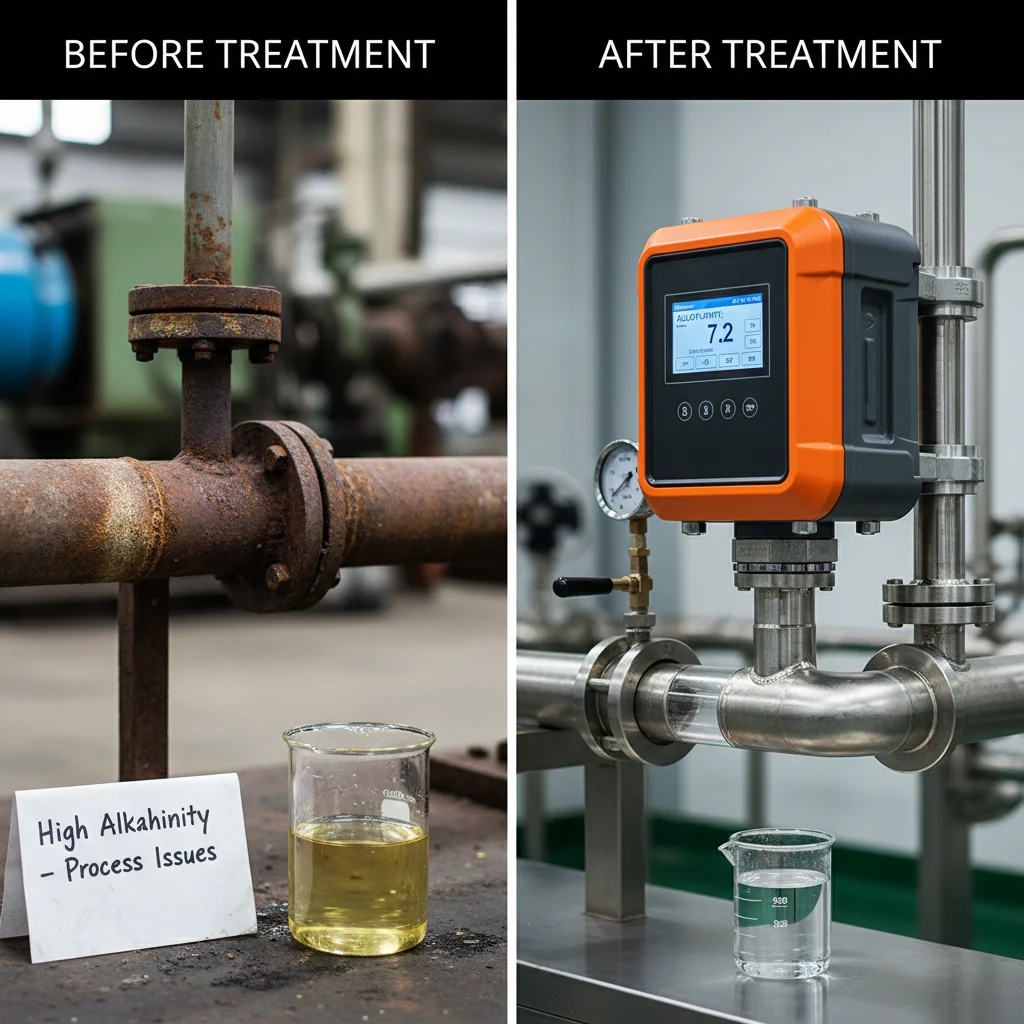
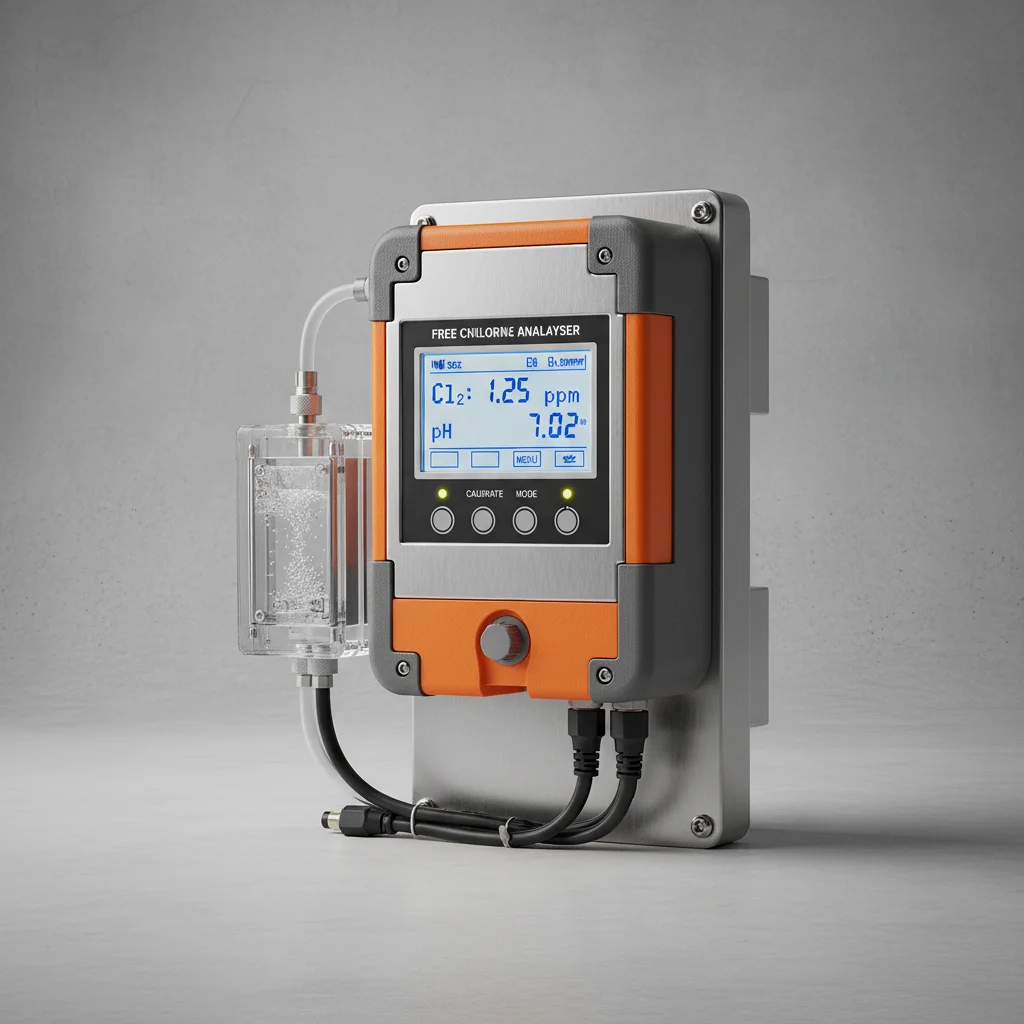
Water hardness measurement is a critical process in industrial water treatment, ensuring that boilers, cooling towers, and piping systems remain free from scale buildup. The accuracy of these measurements depends entirely on the chemical precision of the reagents used to trigger the necessary colorimetric or potentiometric reactions. High-quality chemical consumables are the backbone of reliable online monitoring.
Globally, the demand for precise water analysis has surged as industries move toward stricter environmental compliance and resource efficiency. Inconsistent reagent quality often leads to sensor drift and false readings, which can result in costly equipment failure or inefficient chemical dosing in water softening plants. Maintaining a consistent supply of standardized reagents is therefore non-negotiable for operational stability.
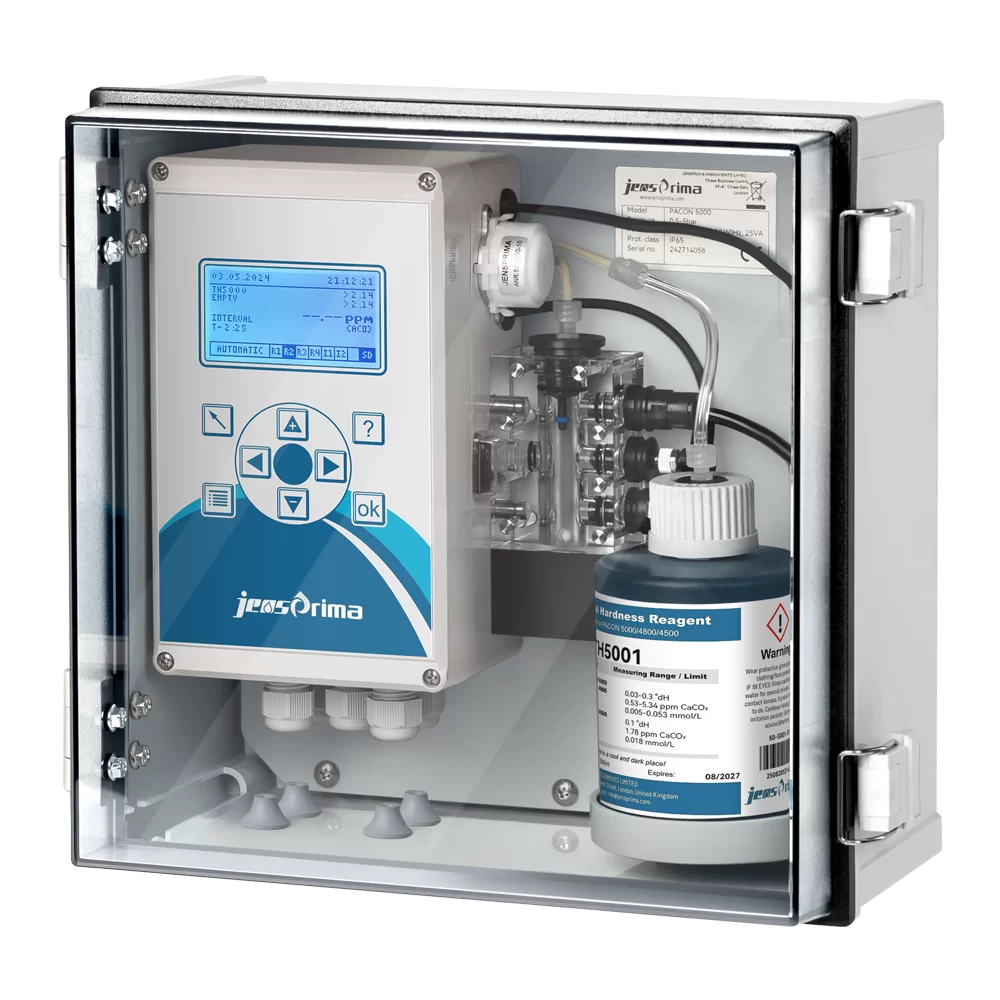
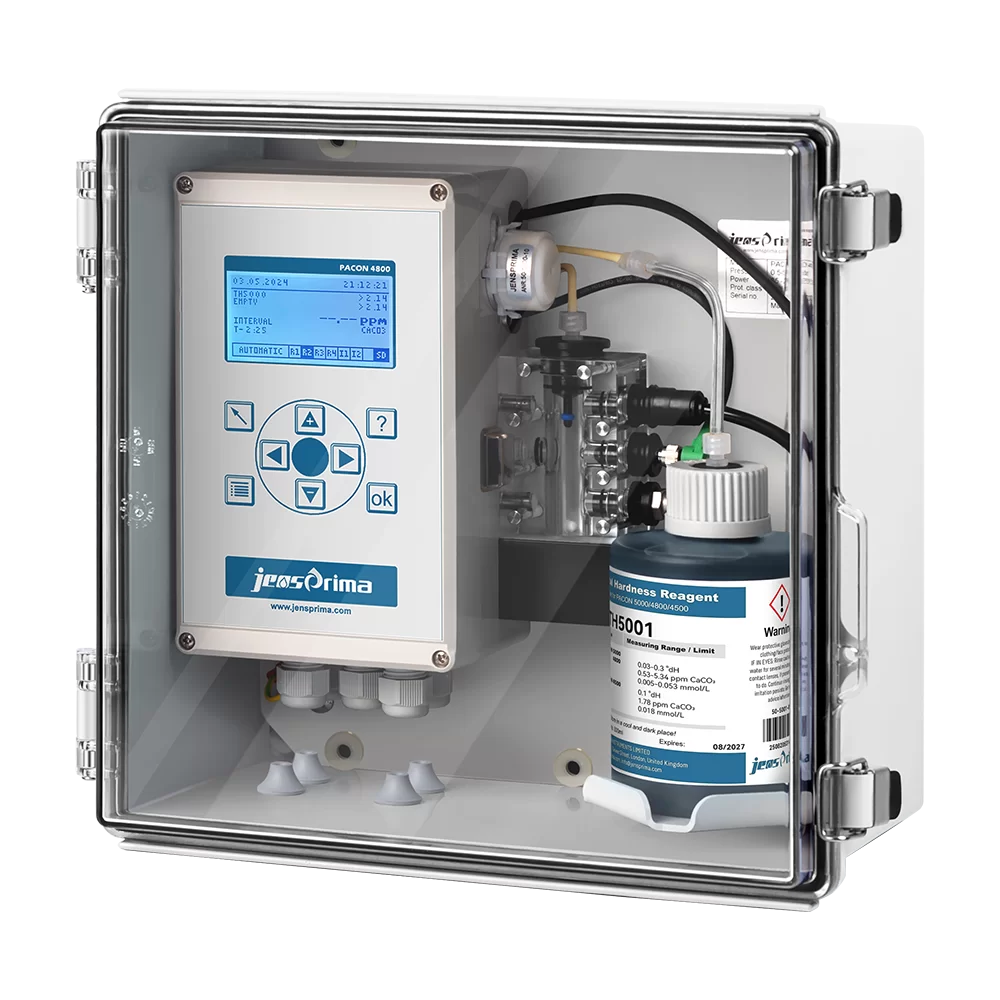
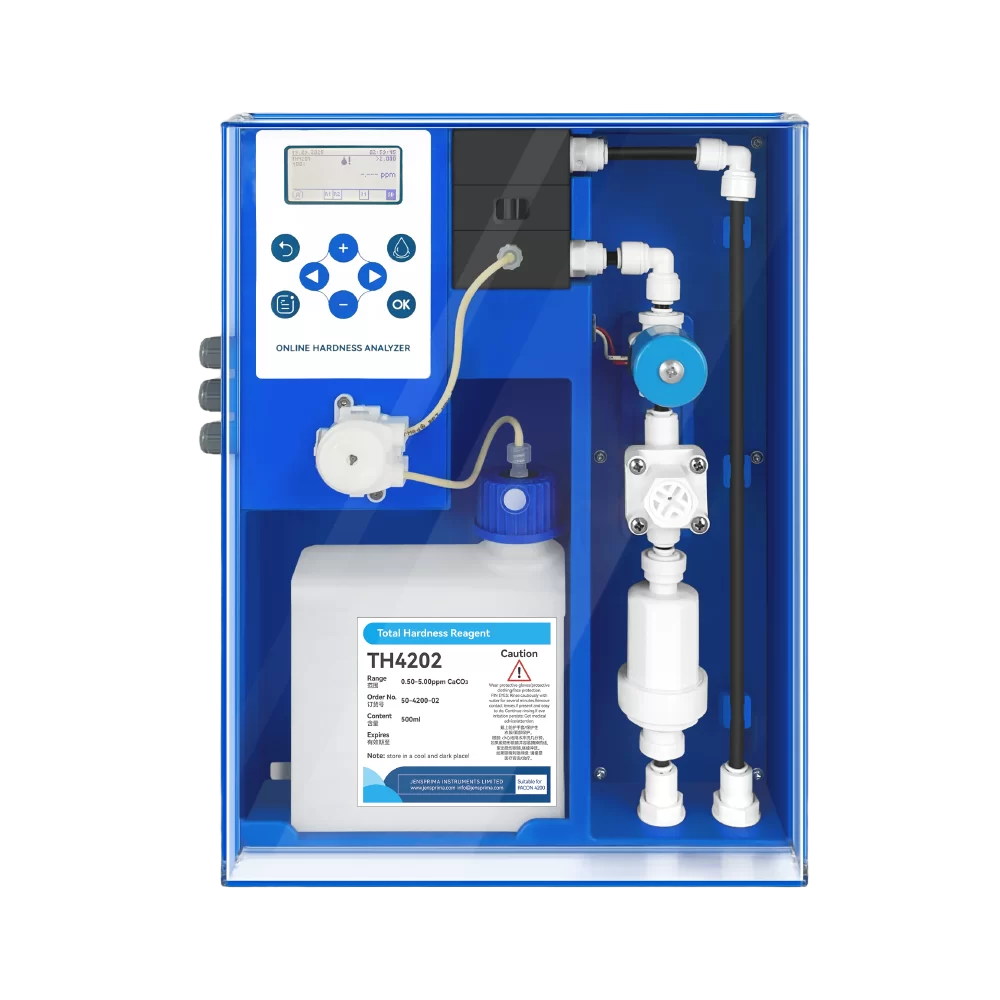
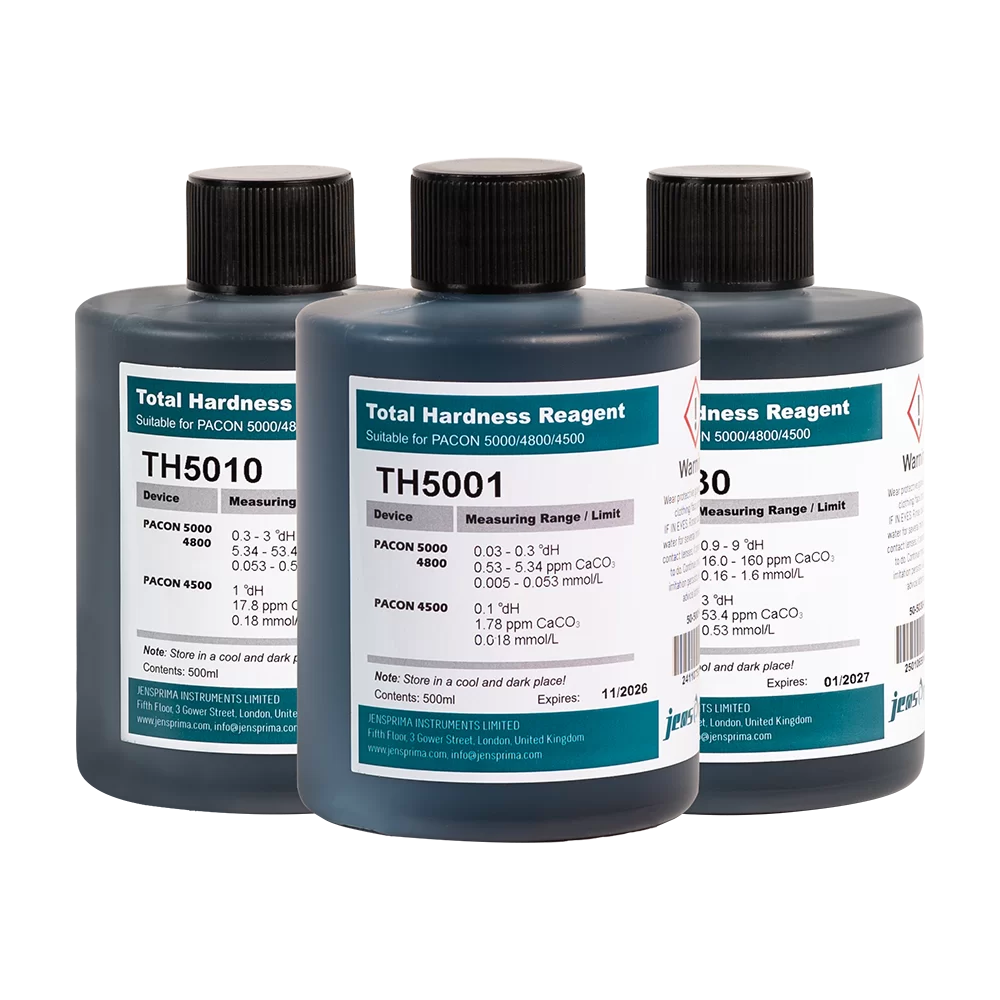
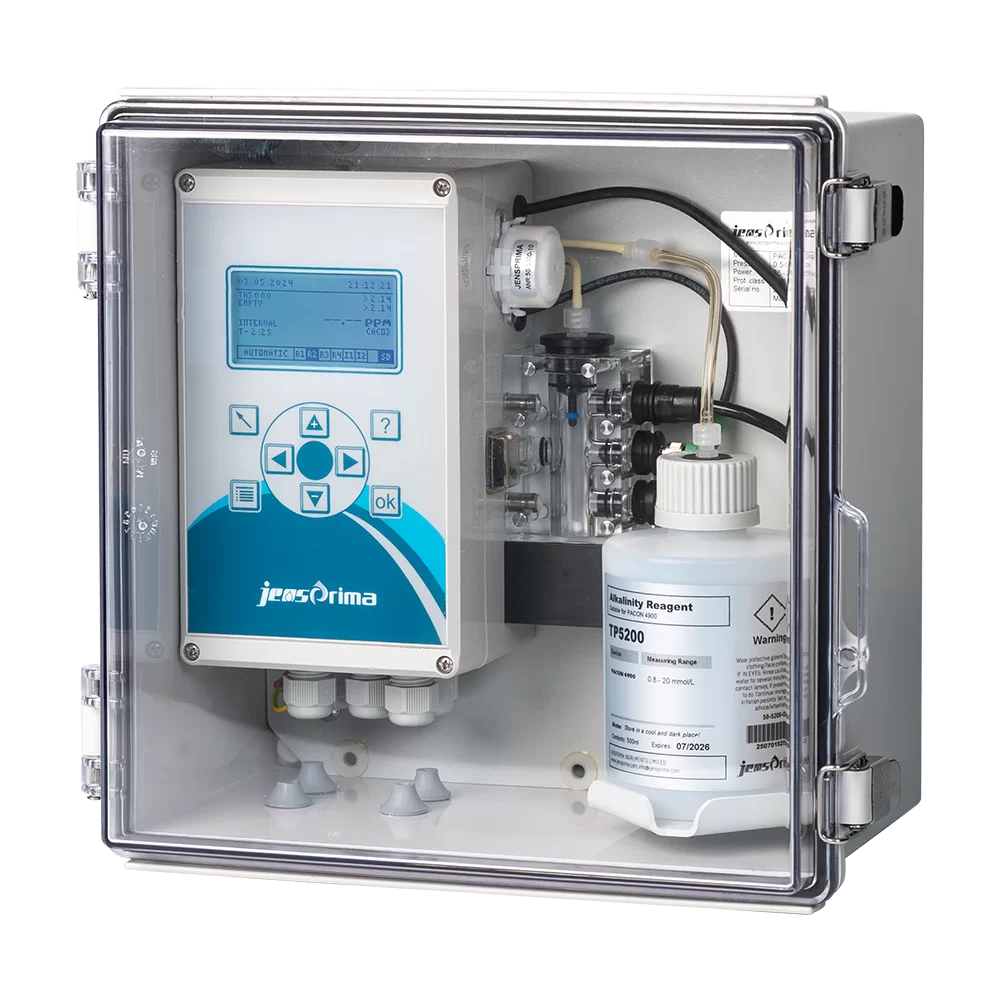
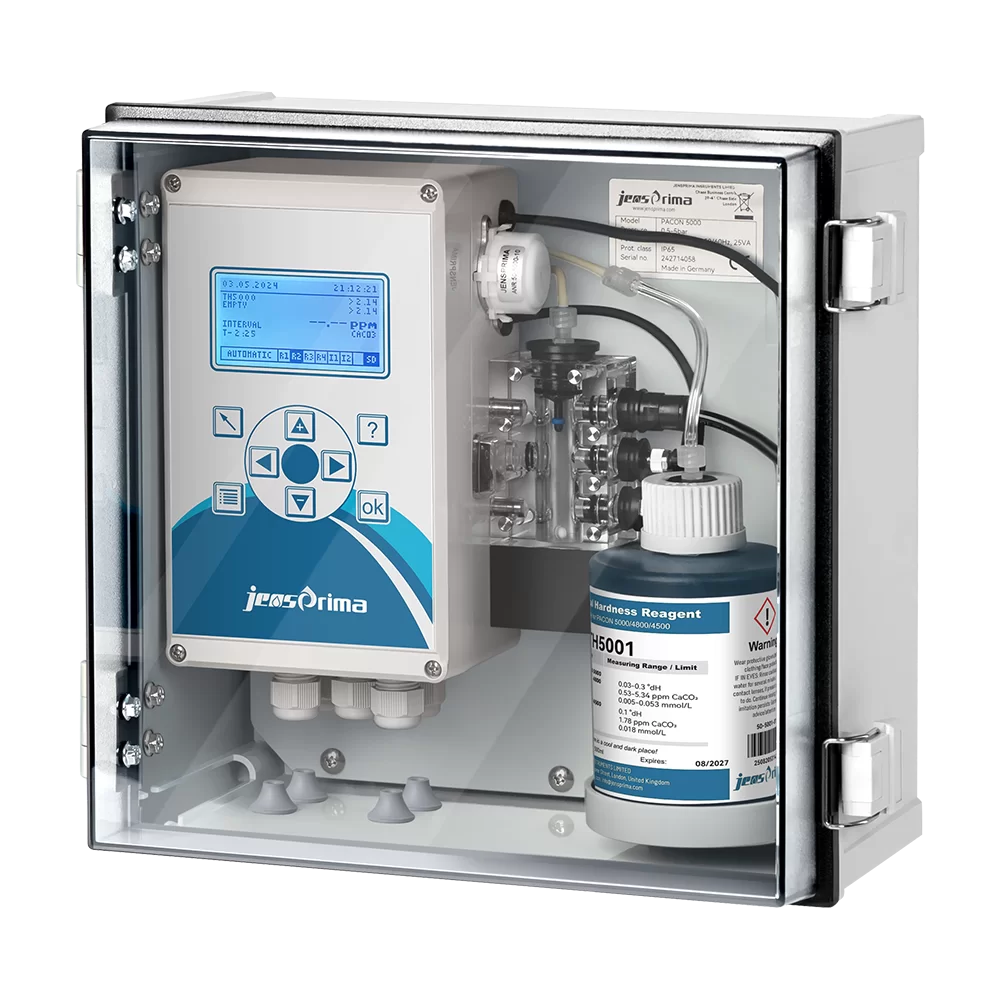
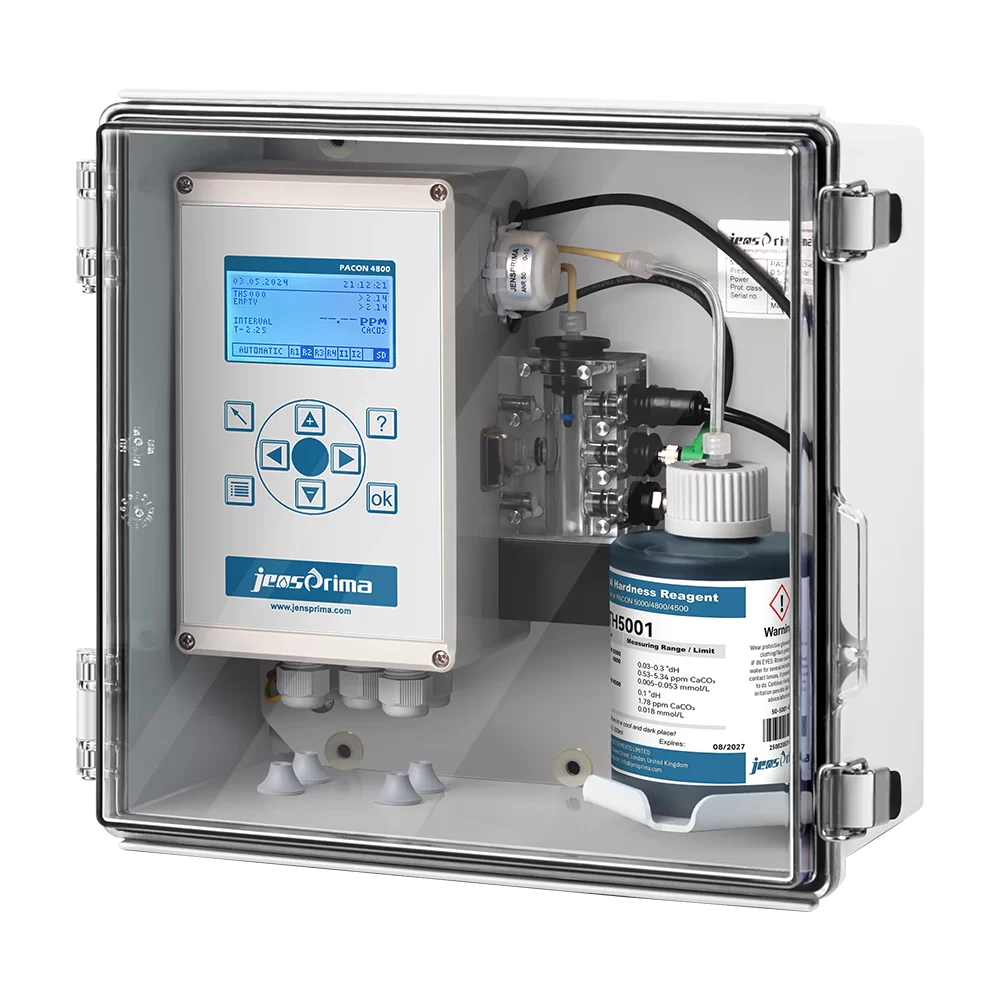
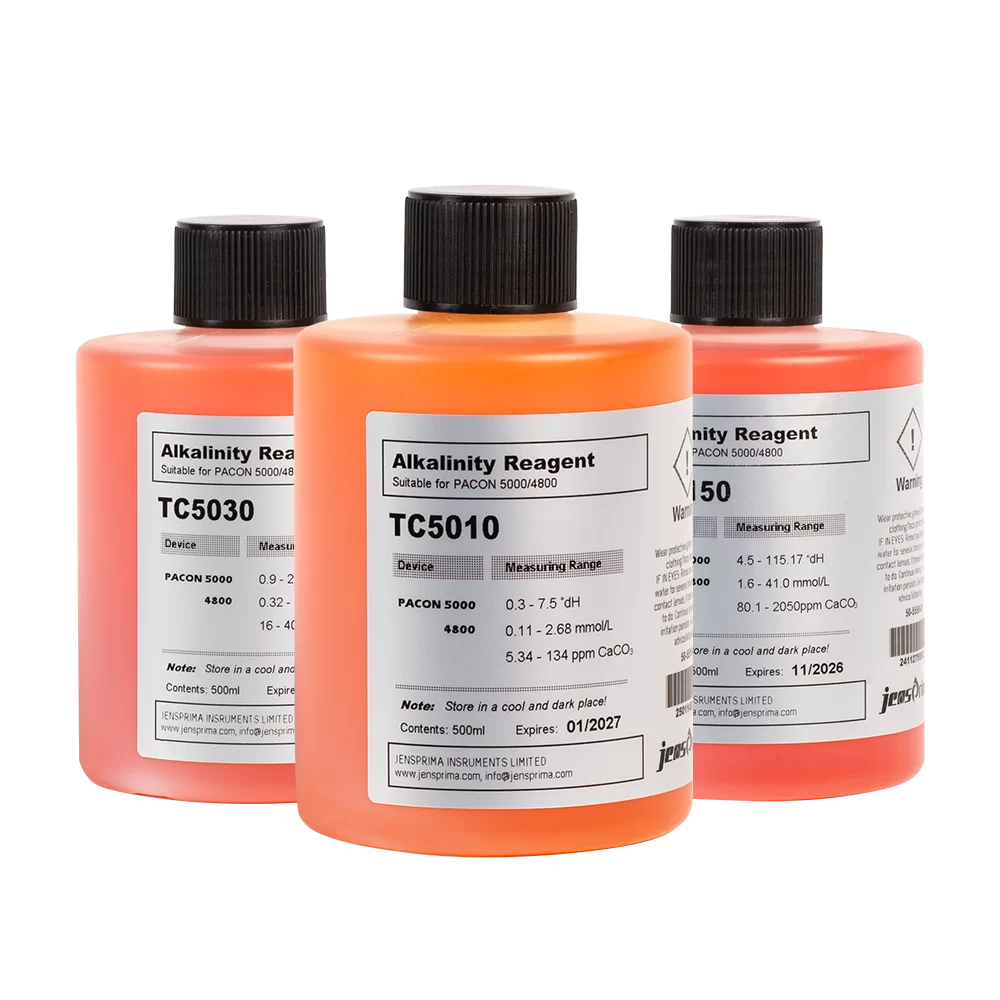
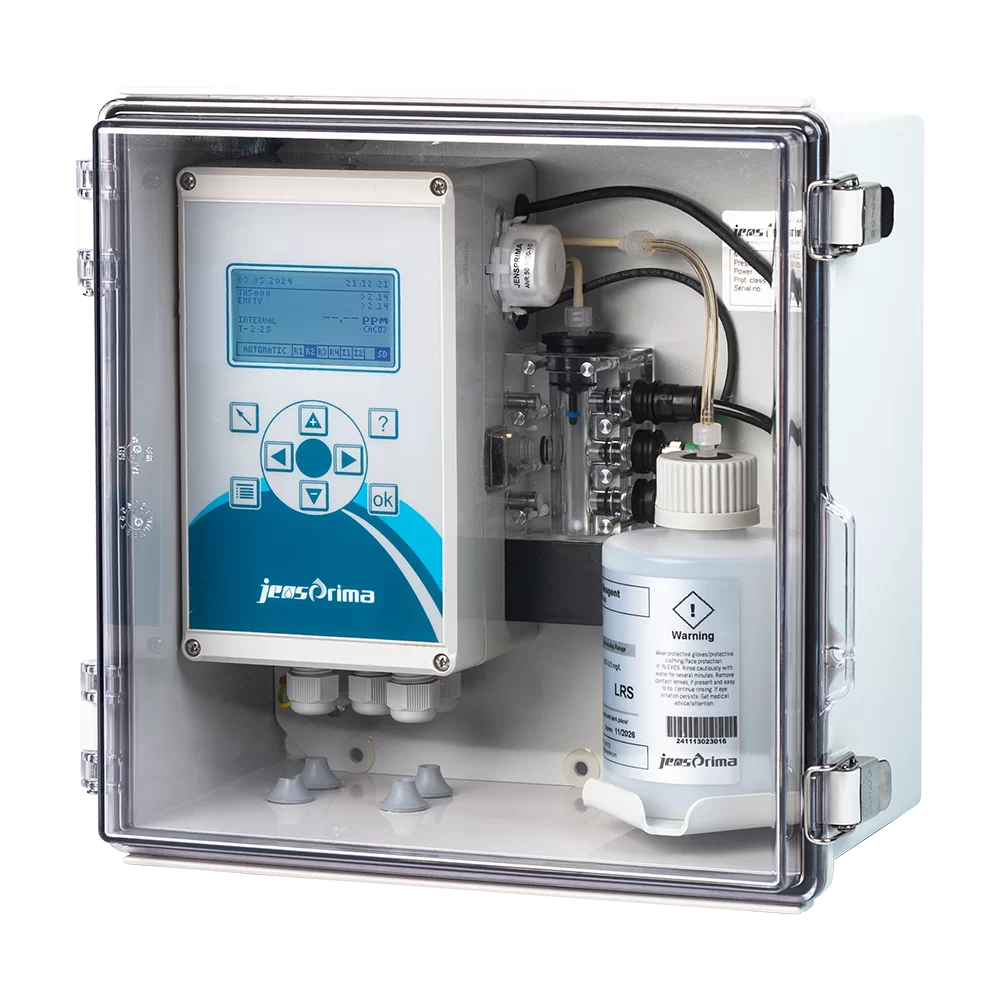
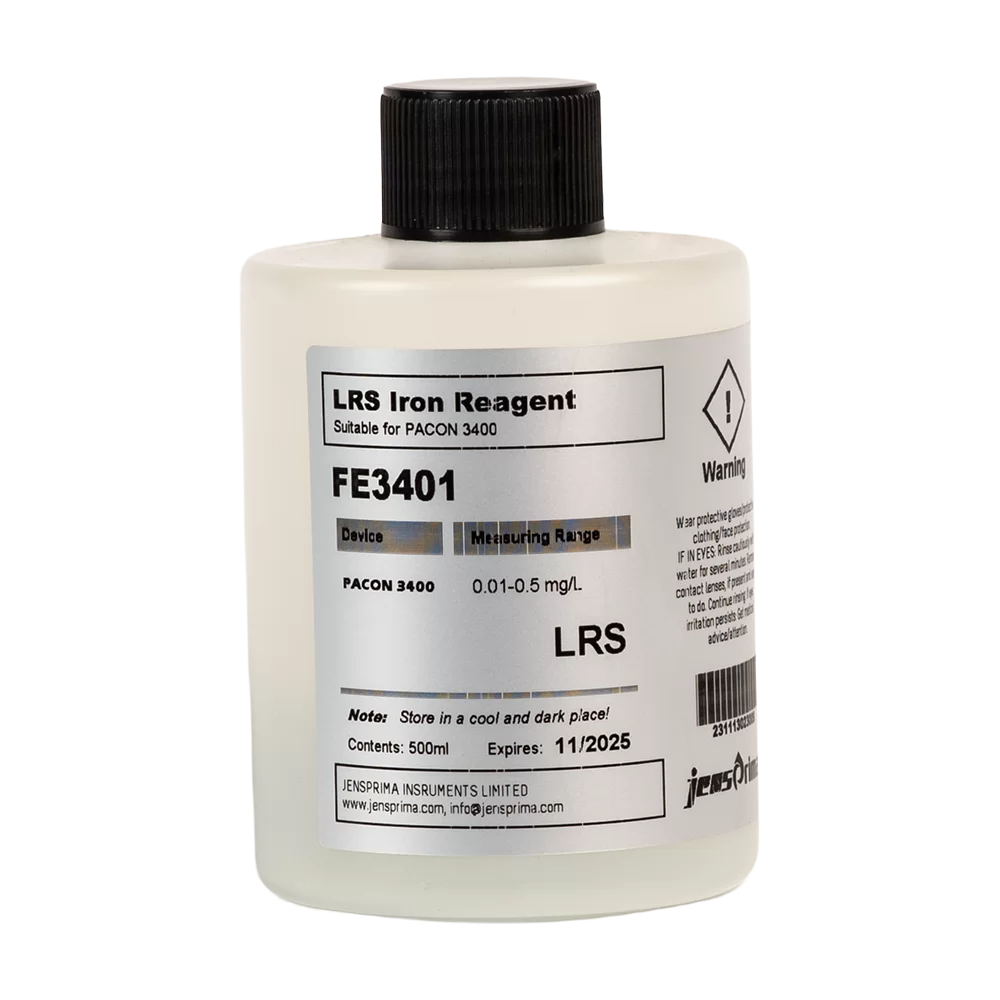
For professionals managing large-scale water systems, selecting a specialized hardness reagent such as the Total Hardness Reagent TH5000-TH5100 ensures that the Total Hardness Analyzer operates at peak performance, providing the precise data needed to optimize ion exchange and reverse osmosis processes.

Global Importance of Hardness Reagent
In the context of global industrialization, the role of a hardness reagent extends beyond simple lab tests to become a critical component of infrastructure protection. According to ISO standards for water quality, the precise determination of calcium and magnesium ions is essential to prevent the precipitation of carbonates, which can reduce the efficiency of heat exchangers by up to 30% in a matter of months.
Across North America, Europe, and Asia, power plants and pharmaceutical factories rely on online analyzers that use these reagents to automate the regeneration cycles of water softeners. Without the high-sensitivity chemical triggers provided by these reagents, the risk of catastrophic boiler tube failure due to scaling increases significantly, threatening both worker safety and environmental sustainability.
Defining Hardness Reagent in Industrial Analysis
A hardness reagent is a specialized chemical solution designed to react with multivalent metal cations, primarily calcium (Ca2+) and magnesium (Mg2+), in a water sample. In automated online analyzers, these reagents typically consist of a buffer solution to maintain a stable pH and a complexometric indicator or titrant that produces a measurable change in optical density or electrical potential.
In modern industry, this chemical process is what allows a Total Hardness Analyzer to convert a physical property of water into a digital signal. By using standardized reagents like the TH5000-TH5100 series, operators can ensure that the reaction is stoichiometric and reproducible, regardless of fluctuations in the raw water source.
Beyond simple measurement, these reagents serve as the "eyes" of the water treatment system. They enable the transition from manual, labor-intensive titration to autonomous, real-time monitoring, which is essential for meeting the rigorous purity requirements of the semiconductor and food and beverage industries.
Core Components of Effective Chemical Reagents
The effectiveness of a hardness reagent depends on several key factors, the first being chemical stability. A high-grade reagent must resist degradation over time, even when stored in automated dispensing pumps, to ensure that the baseline reading remains constant and does not require daily recalibration.
Selectivity is another critical aspect. A professional-grade hardness reagent is engineered to react specifically with hardness-causing ions while ignoring interfering substances like iron or manganese, which could otherwise lead to an overestimation of water hardness and unnecessary chemical waste.
Finally, compatibility with the analyzer's flow cell is paramount. The reagents must be formulated to prevent the formation of precipitates within the instrument's internal tubing, which would lead to clogging and increased maintenance downtime, thereby ensuring a seamless automated workflow.
Practical Applications in Water Management
In real-world scenarios, the use of a hardness reagent is most prominent in the management of ion-exchange resins. By monitoring the breakthrough point of hardness ions in real-time, plants can trigger regeneration exactly when needed, rather than on a fixed timer, which significantly reduces the consumption of salt and water.
From remote industrial zones in mining operations to high-tech urban wastewater reclamation plants, these reagents allow for the precise control of water chemistry. For instance, in desalination plants, they are used to monitor the efficiency of pre-treatment stages, preventing the fouling of expensive reverse osmosis membranes.
Comparative Efficiency of Hardness Reagent Formulations
Long-term Value of High-Purity Reagents
Investing in high-purity hardness reagent options provides tangible financial benefits over the equipment's lifecycle. While generic reagents may seem cost-effective initially, their lack of stability often leads to more frequent sensor cleaning and calibration cycles, increasing labor costs and reducing the overall uptime of the water analysis system.
Furthermore, the reliability of high-grade reagents fosters trust in the automation system. When an operator knows the data is accurate, they can confidently implement aggressive energy-saving measures in boiler operations, knowing that the risk of scale-induced overheating is mitigated by precise chemical monitoring.
Innovations in Online Hardness Monitoring
The future of water analysis is moving toward "green chemistry," where the environmental impact of the hardness reagent is minimized. Innovations include the development of biodegradable buffers and reagents that require lower volumes to achieve the same signal intensity, reducing the amount of chemical waste generated by online analyzers.
Digital transformation is also playing a role. Modern analyzers are now integrating "smart reagent" tracking, where the system monitors the remaining volume and expiration date of the reagents, automatically alerting the procurement team to prevent unplanned downtime due to reagent depletion.
Additionally, the integration of AI-driven predictive maintenance allows systems to detect when a reagent is starting to degrade based on subtle shifts in the reaction curve, suggesting a replacement before the data falls outside of acceptable tolerance limits.
Overcoming Common Challenges in Reagent Use
One of the most common challenges in the field is the effect of temperature on reagent reactivity. In environments with extreme seasonal temperature swings, the reaction kinetics of a hardness reagent can shift, leading to inconsistent readings. The solution lies in using temperature-compensated analyzers or climate-controlled reagent cabinets.
Another frequent issue is the contamination of reagents during the refill process. Implementing closed-loop delivery systems and using pre-filled, vacuum-sealed containers can eliminate the introduction of airborne impurities, ensuring the reagent remains at the required purity level until the moment of reaction.
Finally, some users struggle with "ghost peaks" or baseline noise in their readings. This is often caused by the use of low-grade reagents that contain trace impurities. Switching to standardized, pharmaceutical-grade reagents like the TH5000-TH5100 series typically resolves these issues by providing a cleaner chemical background.
Analysis of Reagent Performance across Different Water Conditions
| Water Type |
Reagent Reaction Speed |
Interference Level |
Stability Score (1-10) |
| Deionized Water |
Instant |
Negligible |
10 |
| Softened Water |
Fast |
Low |
9 |
| Tap Water |
Moderate |
Moderate |
8 |
| Industrial Process Water |
Variable |
High |
7 |
| Brackish Water |
Slow |
Very High |
6 |
| Wastewater Effluent |
Slow |
Extreme |
5 |
FAQS
Replacement frequency depends on the sampling rate of your analyzer and the stability of the specific reagent used. Generally, for high-precision systems, reagents should be replaced every 3 to 6 months, or when the system's internal calibration check indicates a drift in the baseline. Always check the manufacturer's expiration date on the TH5000-TH5100 bottles to ensure chemical potency.
It is strongly discouraged to mix reagents from different manufacturers. Each reagent is formulated with specific buffers and indicators tailored to the optical or electrochemical sensor of a particular analyzer. Mixing them can lead to unpredictable reaction rates, precipitation within the flow cell, and inaccurate readings that could compromise your water treatment process.
The primary causes of degradation are exposure to light (UV radiation), temperature fluctuations, and air contamination. Many hardness reagents are light-sensitive and should be stored in opaque containers. If the reagent changes color while in the bottle or develops sediment, it has likely degraded and must be replaced to avoid measurement errors.
This specific reagent series is designed for use with compatible Total Hardness Analyzers that utilize the same chemical reaction principle. While it offers superior purity, you should always verify the compatibility with your instrument's manual to ensure the dosing volumes and reaction times are correctly calibrated for this specific formulation.
A false high reading often occurs if the reagent is contaminated or if there is an interference from other metal ions. To test this, run a sample of known hardness (a standard solution). If the analyzer reads significantly higher than the known value, the reagent may be contaminated or the sensor may require cleaning.
Yes, as with all industrial chemicals, standard PPE is required. This includes safety goggles and gloves, as reagents often contain buffers or indicators that can be irritating to the skin and eyes. Always refer to the Safety Data Sheet (SDS) provided with the reagent for specific handling and disposal instructions.
Conclusion
The precision of water hardness monitoring is fundamentally tied to the quality of the hardness reagent used in the process. By focusing on chemical stability, selectivity, and compatibility, industrial operators can transform a simple chemical reaction into a powerful tool for infrastructure protection and resource optimization. From reducing energy waste in boilers to extending the life of RO membranes, the impact of high-purity reagents is felt across every stage of water management.
As the industry moves toward more autonomous and sustainable operations, the synergy between advanced hardware and high-performance chemical consumables will become even more critical. We recommend regular audits of reagent consumption and quality to ensure that your online analyzers provide the reliable data necessary for modern industrial excellence. For more information on high-quality reagents and analyzers, visit our website: www.jensprima.com



 Download
 Video Center
 Technical Services
 FAQS
 Service Network
 Privacy Policy
 Contact Us