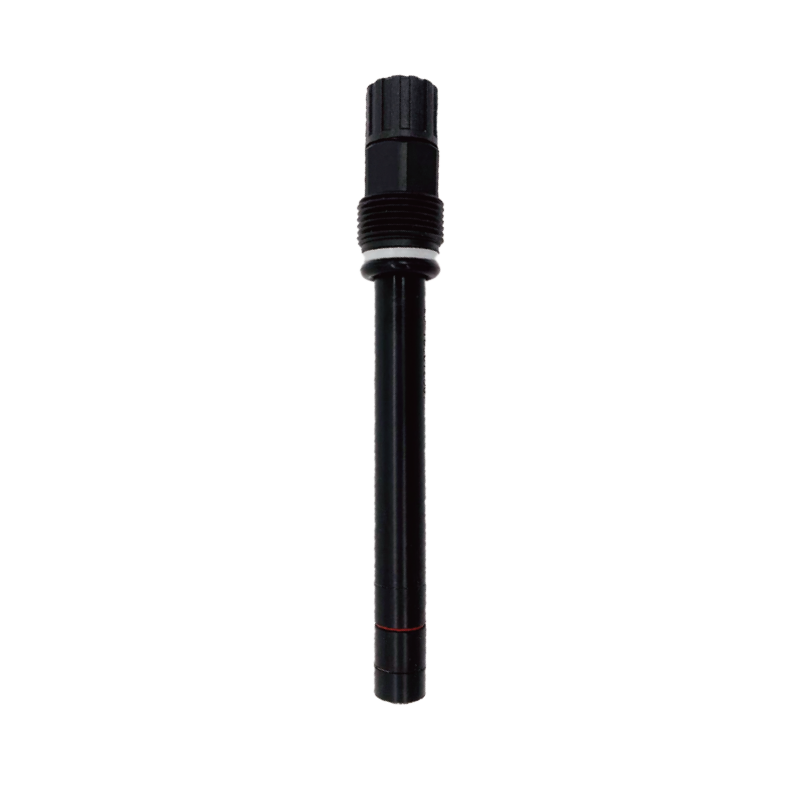
 innoSens 360 Inductive Conductivity Sensor
The innoSens 360 conductivity sensor is based on the ring electrode-free principle and has no polarization. innoSens 360 is made of PFA, which is resistant to highly corrosive, high-temperature and other chemical substances. Wide-range, high-precision measurement for on-line measurement of conductivity/concentration of acids, bases and salts in liquid media.
More Details
 innoSens 730 Residual Chlorine Electrode
The innoSens 730 residual chlorine electrode is based on a three-electrode system with a special membrane structure that enhances mechanical stress and resistance to chemicals, is pH independent, and is particularly suitable for surfactant-containing environments such as wastewater, process water, medical wastewater, etc., and for measuring seawater as well.
More Details
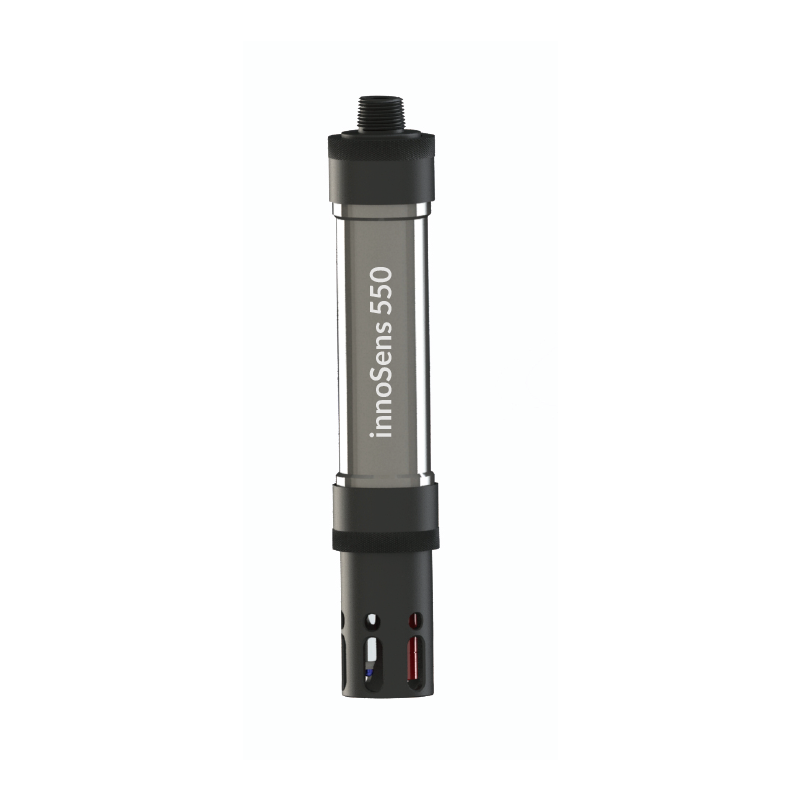 innoSens 550 Ammonia Electrode
The innoSens 550 ammonia nitrogen electrode uses the ion-selective electrode method to measure the concentration of ammonia nitrogen in water. The ammonia ion-selective electrode is used to directly detect ammonium ions in the water environment to determine the concentration of ammonia nitrogen. The ammonia nitrogen sensor uses a pH electrode as a reference electrode, resulting in better stability. The sensor is also susceptible to interference from potassium ions, so when the potassium ion concentration in water is high, an optional potassium ion electrode is available for automatic compensation.
More Details



 +44-203-7693048