Mastering Water Quality with a Total Chlorine Analyser
Maintaining precise chlorine levels is critical for safety and efficiency in water treatment, swimming pool maintenance, and industrial processing. A professional total chlorine analyser provides the essential data needed to monitor both free and combined chlorine, ensuring that water remains sanitized without becoming corrosive or irritating. In today's stringent regulatory environment, relying on manual titration is often too slow and prone to human error. This guide explores how advanced automated analysis can transform your water management strategy, offering real-time insights and unwavering reliability for critical infrastructure.
How a Total Chlorine Analyser Works
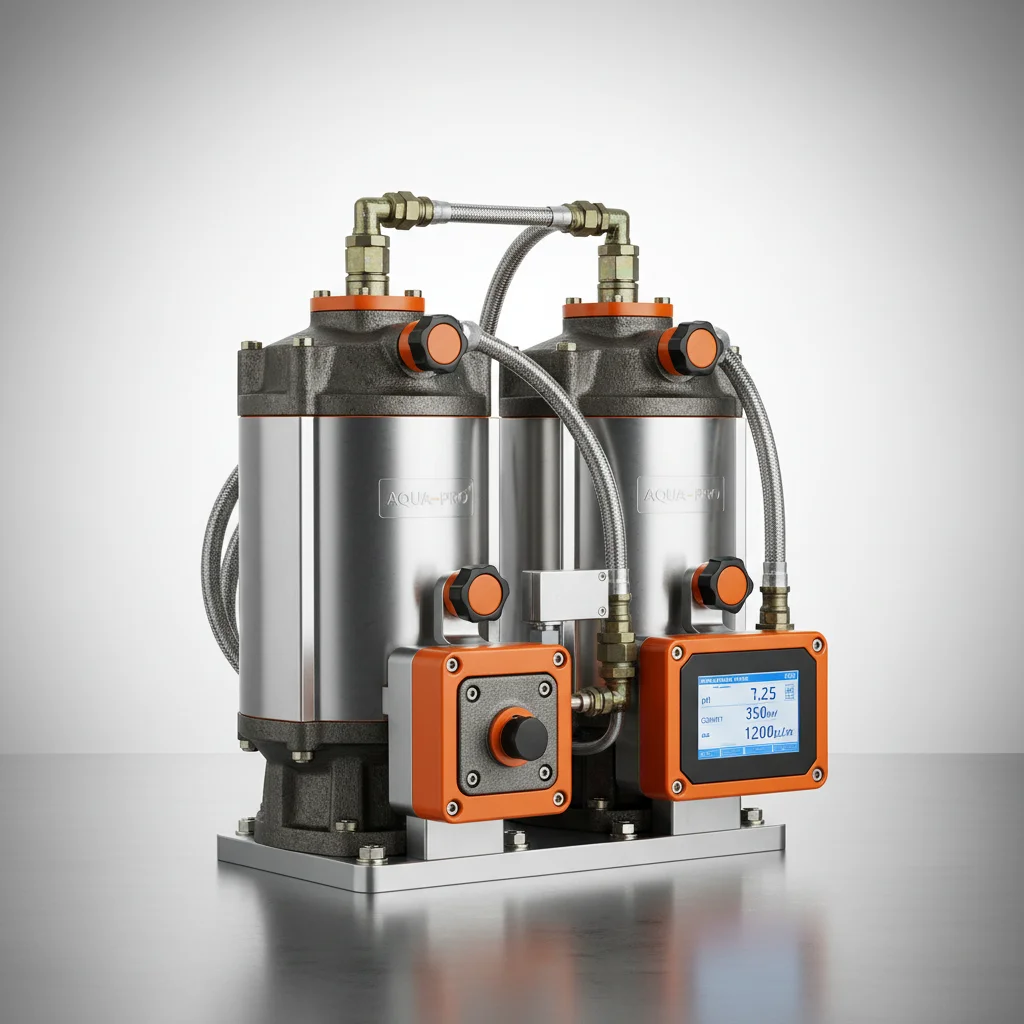
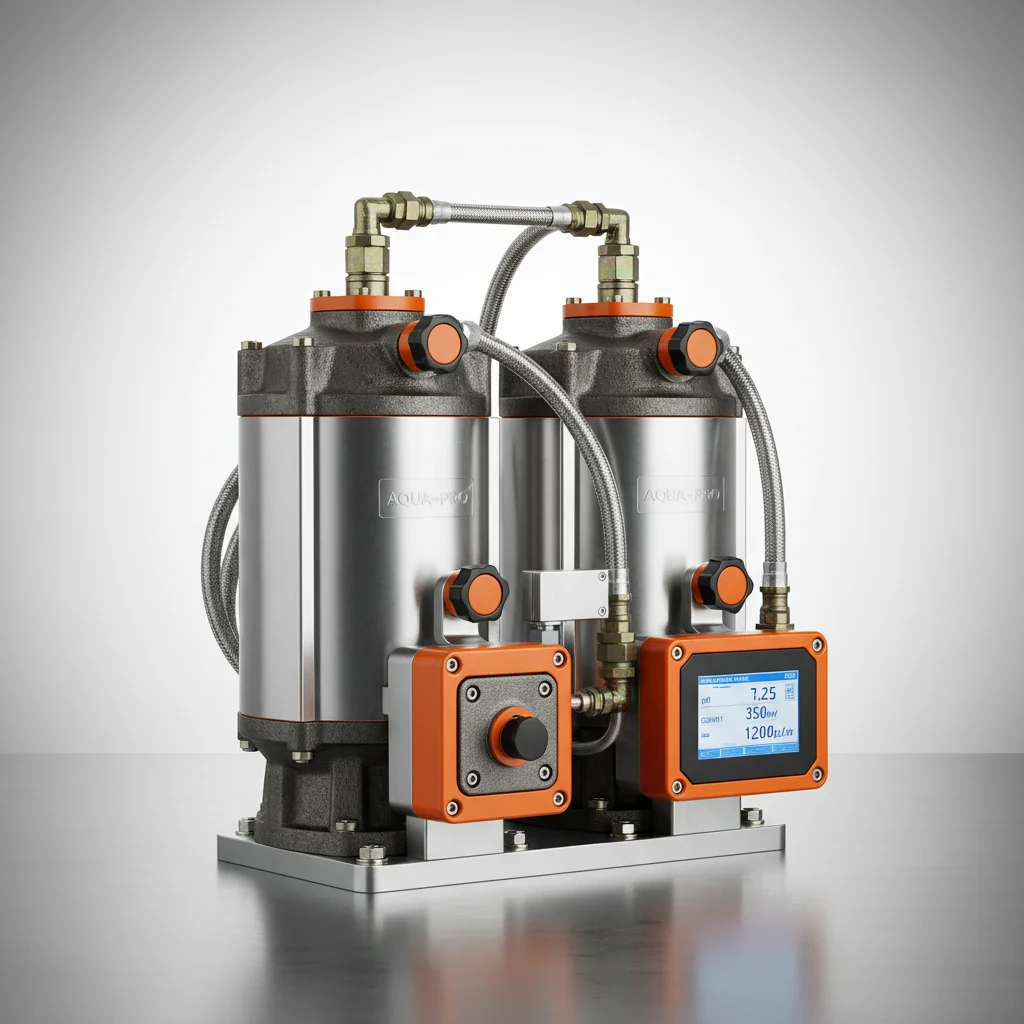
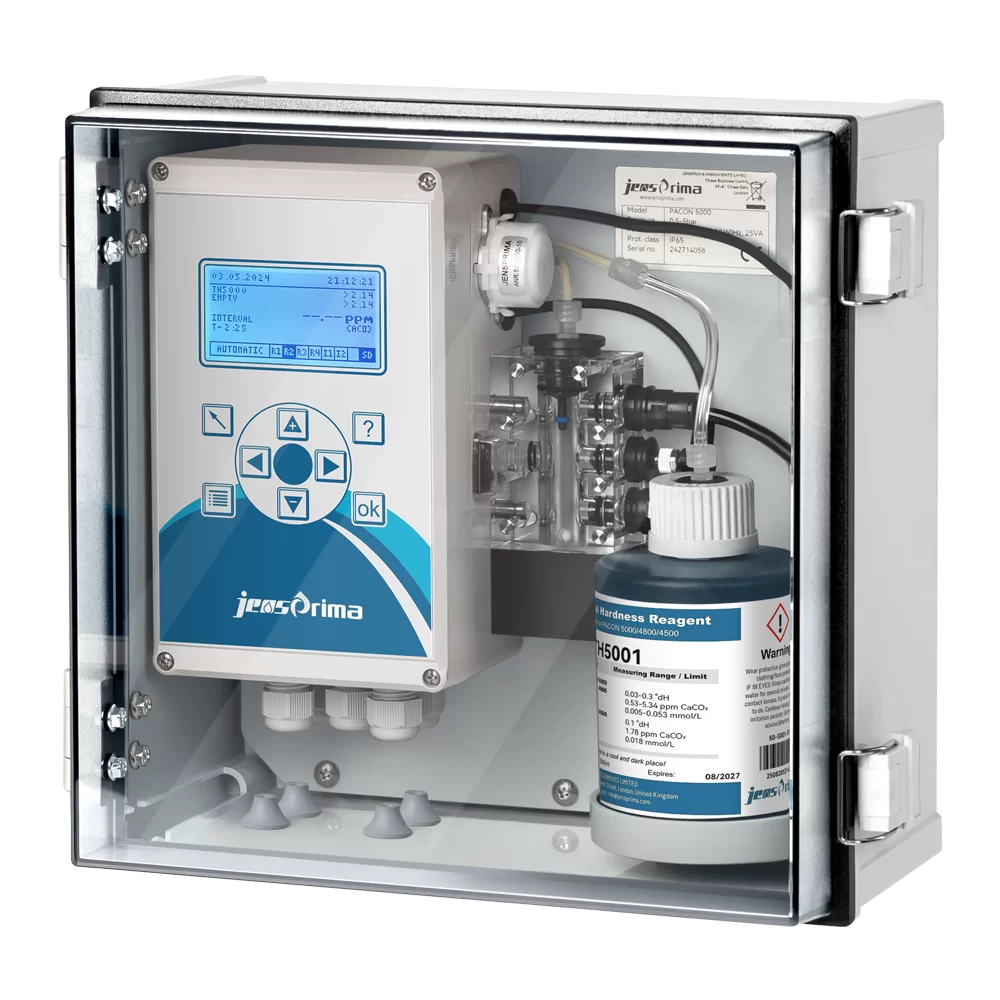
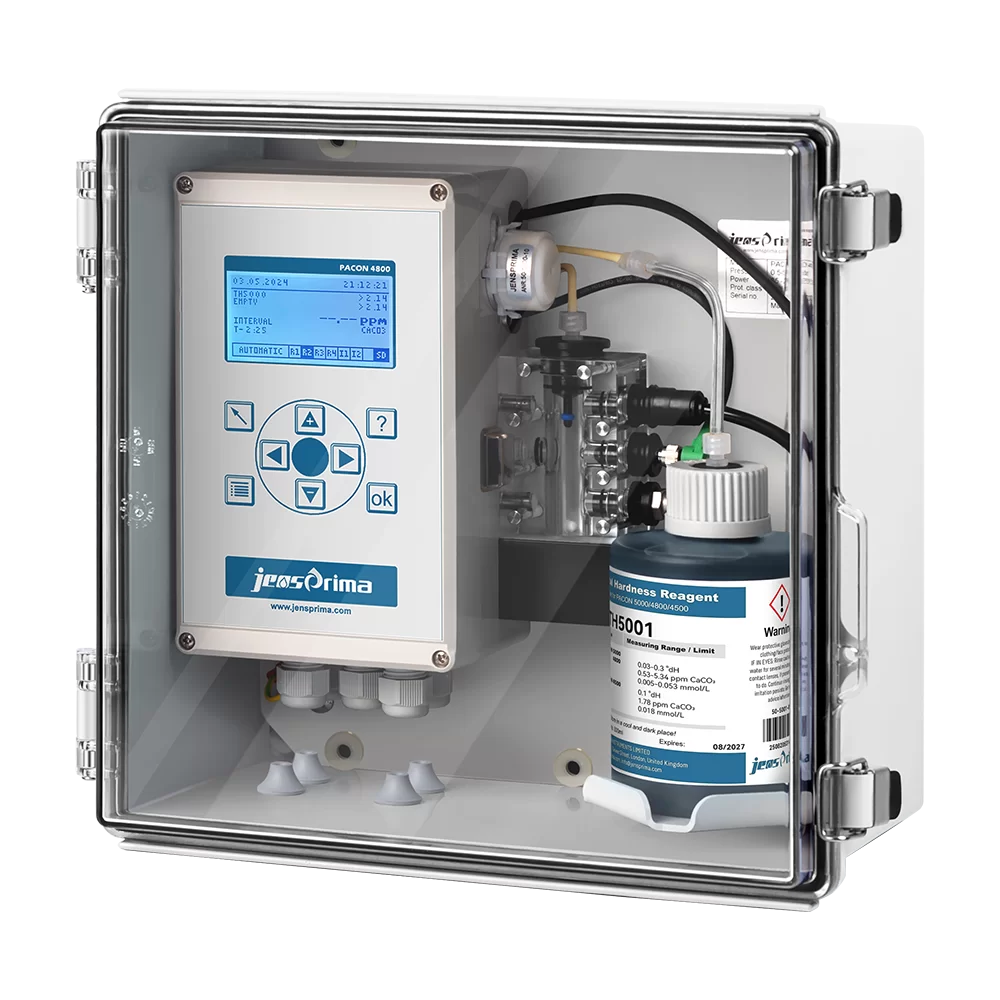
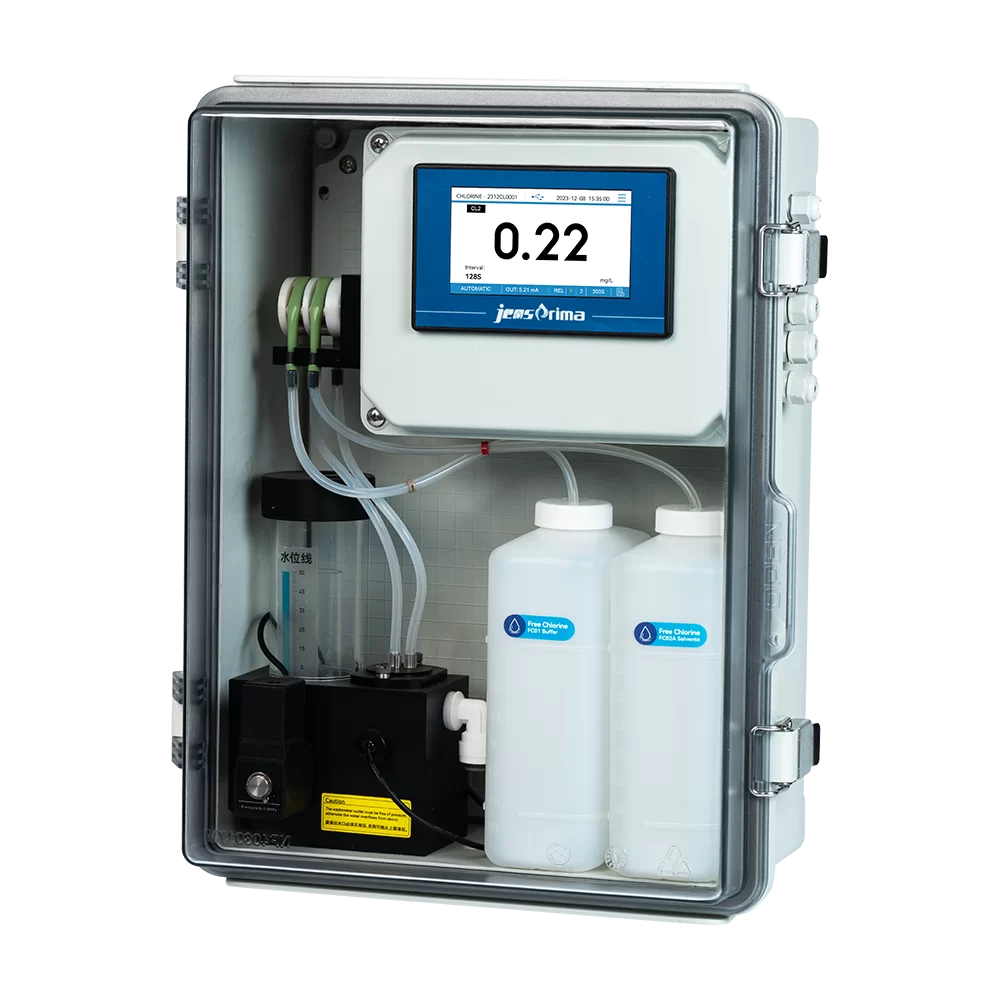
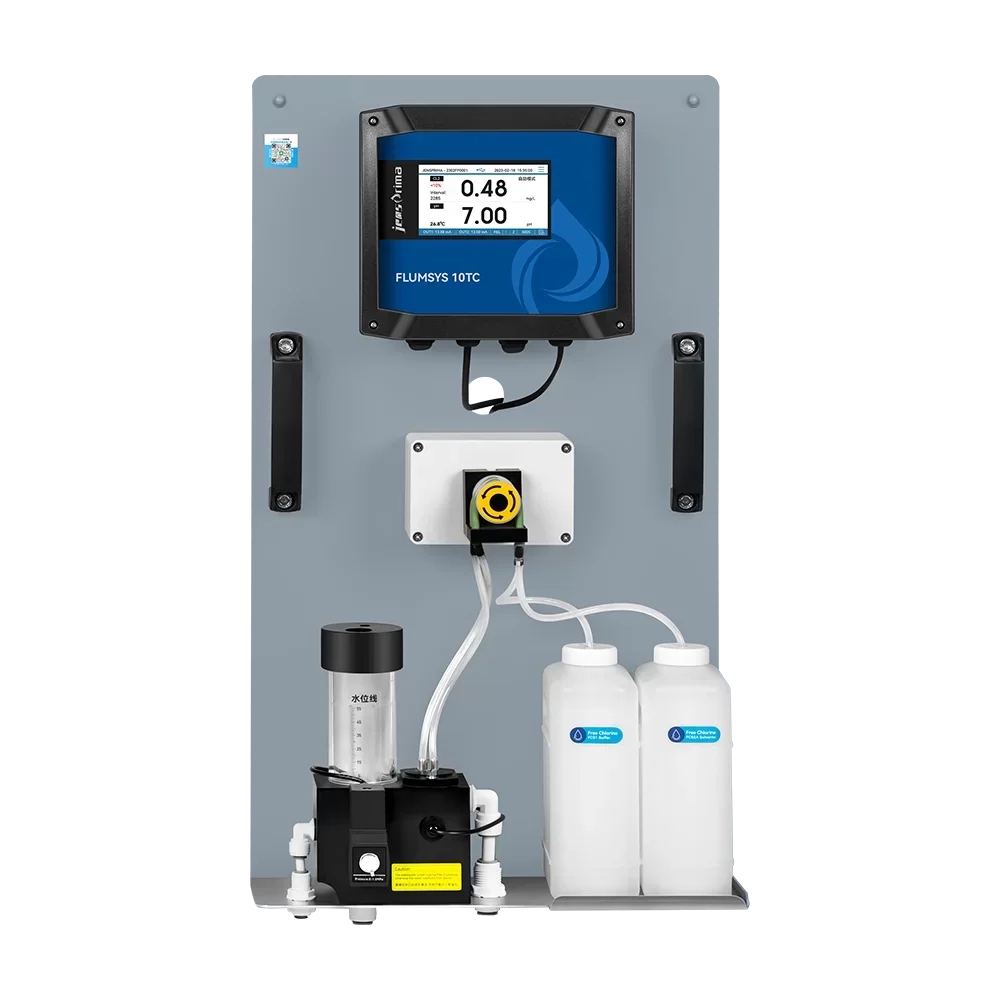
A total chlorine analyser typically utilizes the DPD (N,N-diethyl-p-phenylenediamine) colorimetric method. This process involves adding a specific reagent to the water sample, which reacts with all forms of chlorine—both free available chlorine and combined chlorine (chloramines)—to produce a pink color. The intensity of this color is then measured by an optical sensor, which translates the light absorbance into a precise concentration value. Automated systems streamline this process by handling the sampling and reagent dosing, providing a continuous stream of data that allows operators to react instantly to fluctuations in water chemistry.
Pro Tip: To get the most accurate readings from your total chlorine analyser, ensure that the optical cell is cleaned regularly to prevent biofilm buildup, which can skew absorbance results.
Key Benefits of Using a Total Chlorine Analyser
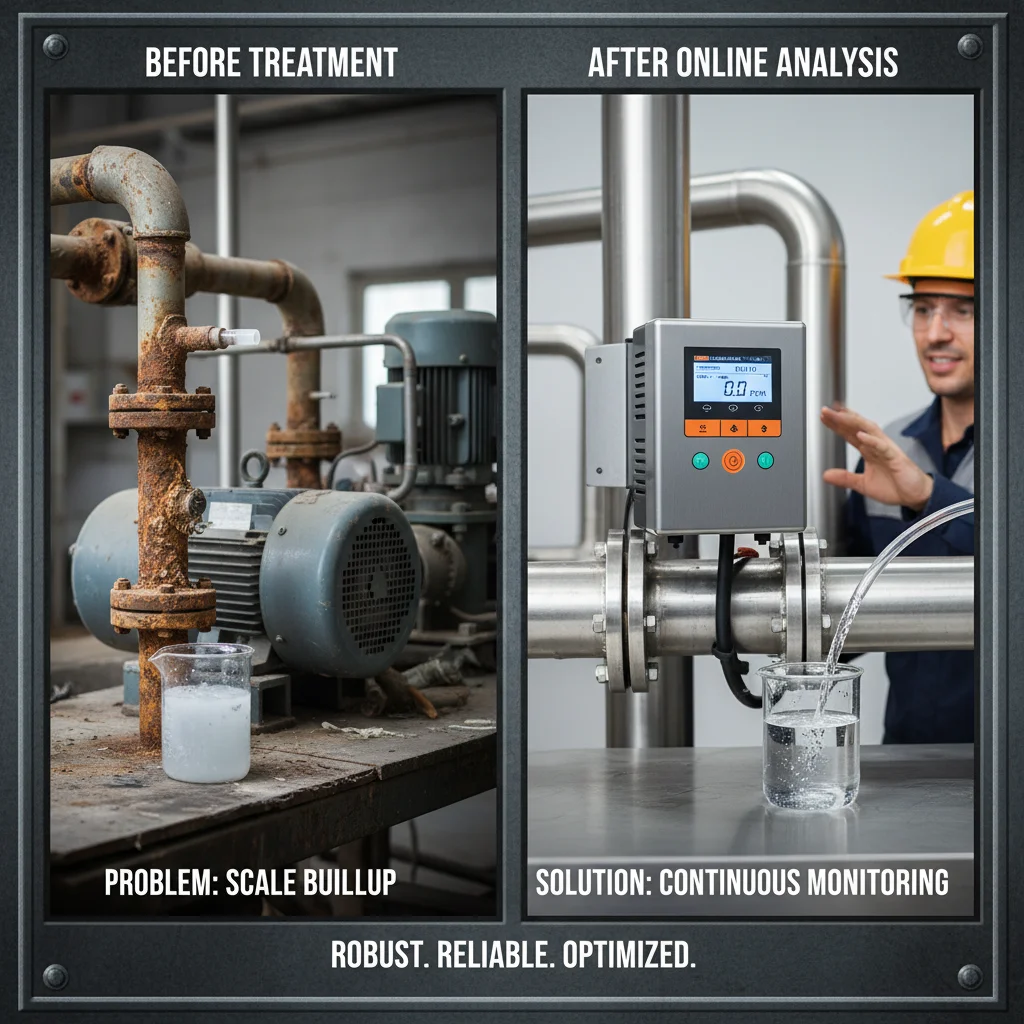
Investing in a high-quality total chlorine analyser eliminates the guesswork associated with water treatment. By providing a comprehensive view of the total chlorine present, these devices help prevent the over-chlorination of water, which can lead to pipe corrosion and unpleasant odors. Moreover, they allow for the calculation of combined chlorine (Total Chlorine minus Free Chlorine), which is the primary indicator of water contamination and the cause of "chlorine smell" and eye irritation in pools. This level of precision ensures compliance with health standards and improves the overall user experience of the water system.
Operational Advantages:
• Real-time Monitoring: Instant alerts when levels drift outside safe parameters.
• Reduced Chemical Waste: Precise dosing based on actual needs rather than estimates.
• Enhanced Safety: Minimizes manual handling of hazardous reagents.
• Regulatory Compliance: Digital logs provide an easy audit trail for inspectors.
Comparing Total Chlorine Analyser Technologies
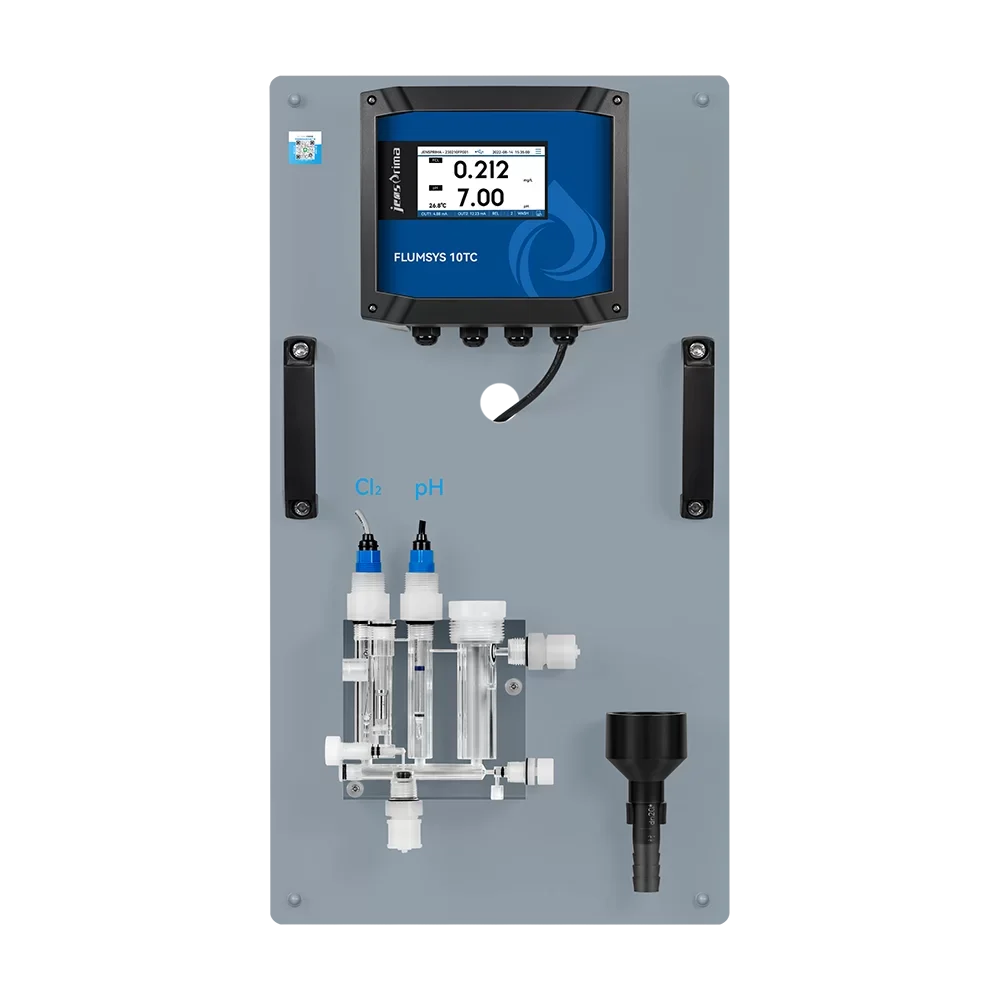
When selecting the right equipment, it is important to compare the different available technologies. While ampereometric sensors offer fast response times, the DPD colorimetric method used in most high-end total chlorine analyser models is widely considered the "gold standard" for accuracy. The table below highlights the differences between basic handheld testers and professional inline automated analysers to help you make an informed decision based on your facility's needs.
| Feature |
Handheld Digital Tester |
Automated Inline Analyser |
| Measurement Frequency |
Manual/Spot Checks |
Continuous/Real-time |
| Labor Requirement |
High (Manual Sampling) |
Low (Automated) |
| Data Logging |
Manual Entry |
Automatic Digital Storage |
| Accuracy & Consistency |
Prone to Operator Error |
High Precision/Consistent |
Industrial Applications of the Total Chlorine Analyser
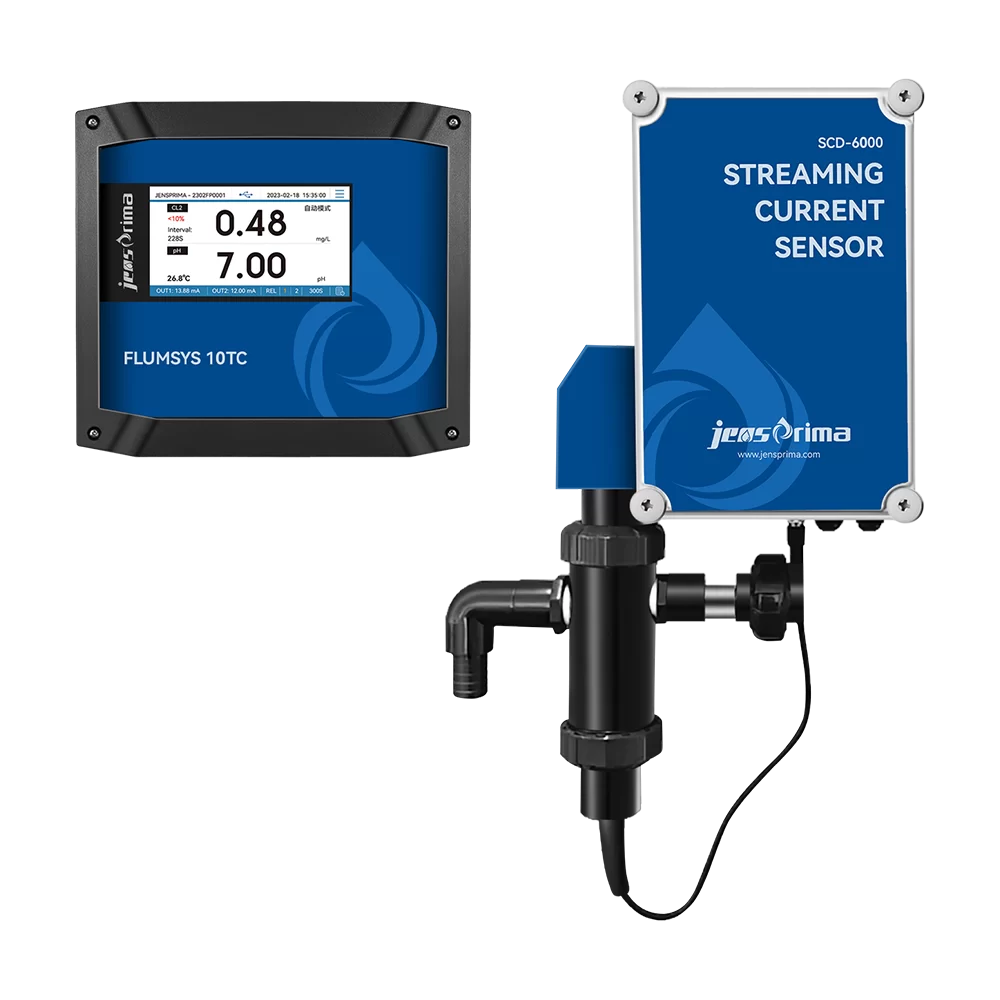
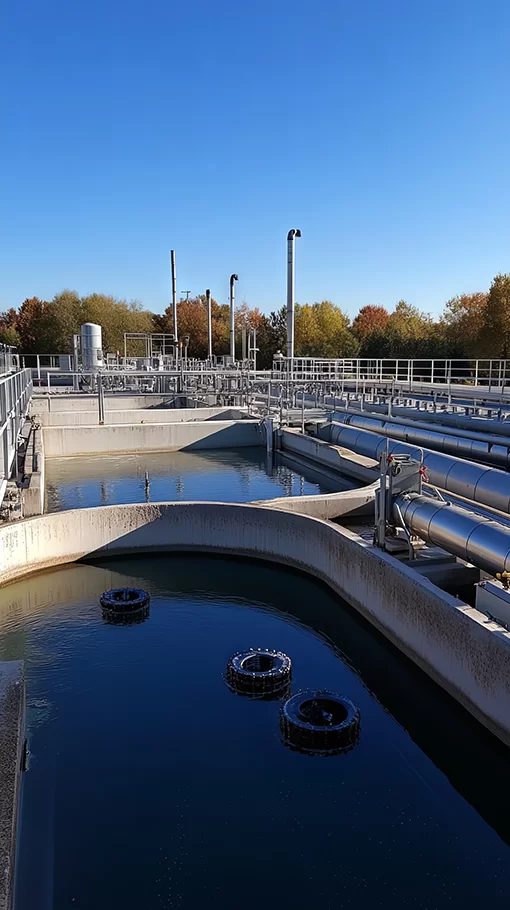
The versatility of a total chlorine analyser makes it indispensable across various sectors. In municipal wastewater treatment, it ensures that effluent is properly disinfected before being released into the environment. In the pharmaceutical industry, ultrapure water systems require precise chlorine monitoring to prevent contamination of sensitive medicines. Even in large-scale aquaculture, maintaining a stable chlorine balance is vital for the health of aquatic species. By integrating these analysers into a SCADA system, facility managers can automate chemical feed pumps, creating a closed-loop system that maintains the perfect chemical balance 24/7.
Technical Specifications of Professional Analysers
When evaluating a total chlorine analyser, technical specifications determine the device's suitability for your specific environment. Key factors include the detection range (from ppb for pure water to ppm for industrial waste), the measurement interval, and the compatibility of the output signals (such as 4-20mA or Modbus). High-end models often feature self-cleaning cycles and automatic calibration to reduce maintenance downtime. Below are the typical specifications found in our industry-leading analysis systems:
| Specification |
Standard Industrial Range |
| Measurement Range |
0.01 mg/L to 10.0 mg/L (Customizable) |
| Accuracy |
± 2% of reading or ± 0.02 mg/L |
| Response Time |
< 5 minutes per cycle |
| Communication Ports |
4-20mA, RS485 Modbus RTU |
Maintenance Best Practices for Long-Term Stability
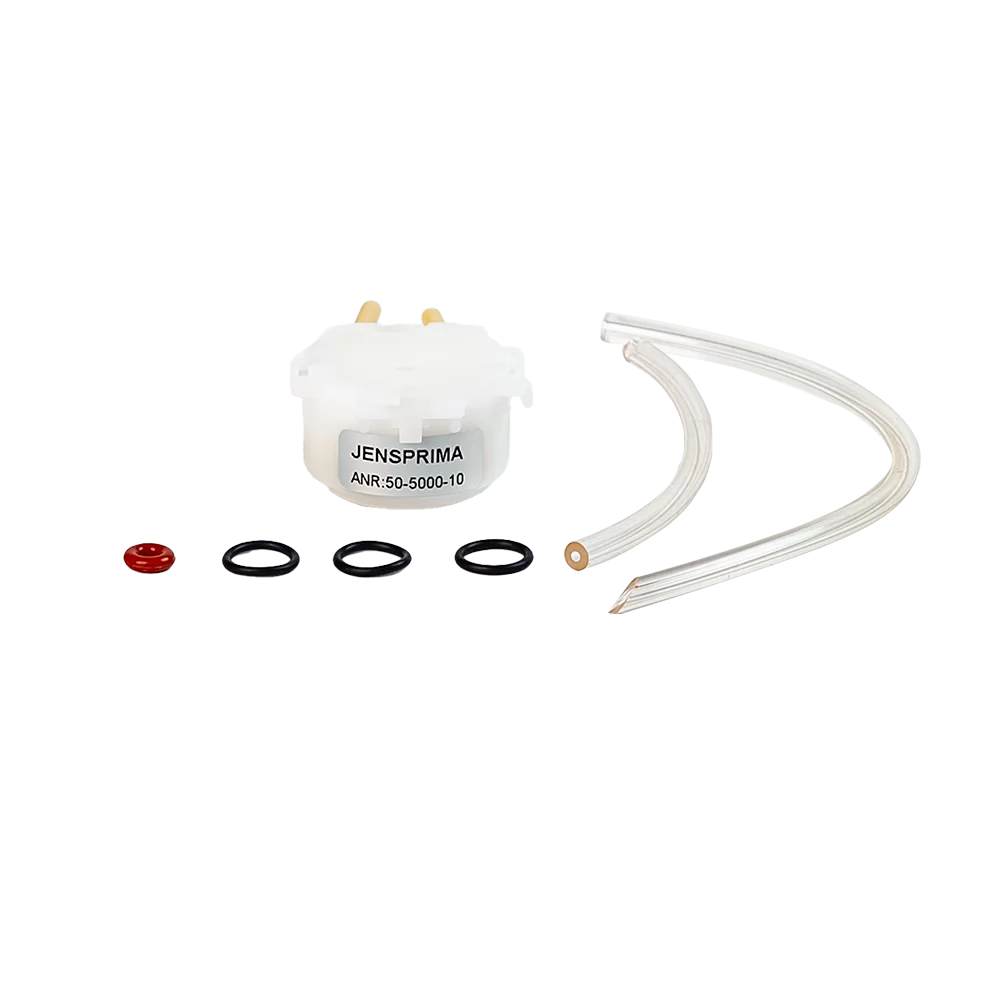
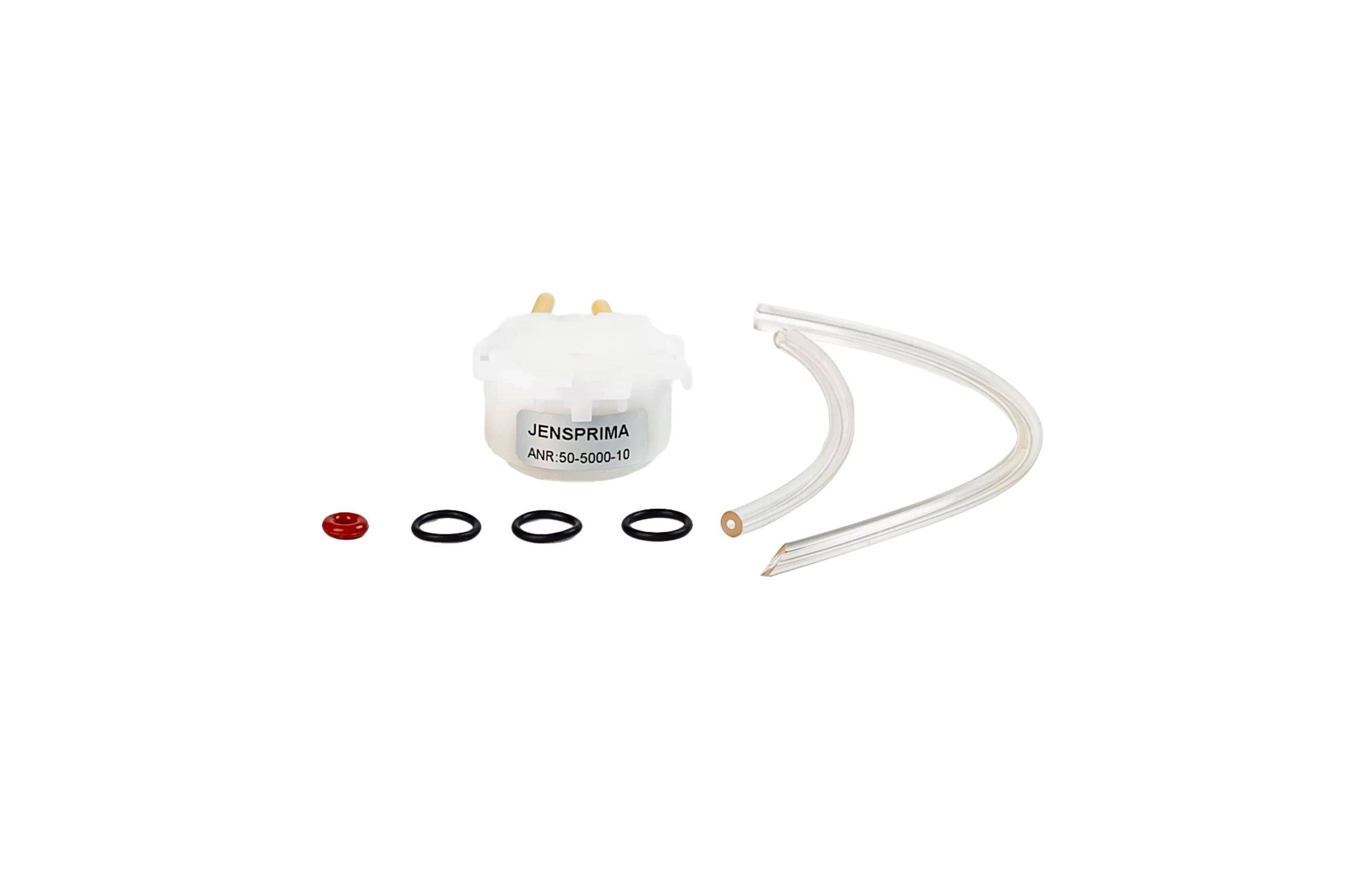
To ensure that your total chlorine analyser continues to provide laboratory-grade accuracy, a proactive maintenance schedule is essential. This includes the regular replacement of DPD reagents and the inspection of peristaltic pump tubing, which can wear down over time. Calibrating the instrument against a known standard solution every quarter prevents "drift" and ensures that your readings remain reliable. By following these simple steps, operators can extend the lifespan of the equipment and avoid costly emergency shutdowns due to instrument failure.
Conclusion: Elevating Water Quality Standards
Integrating a high-performance total chlorine analyser into your water treatment process is a strategic investment in safety and efficiency. From reducing chemical overheads to ensuring total regulatory compliance, the benefits of automated chlorine monitoring are undeniable. Whether you are managing a municipal plant or a high-tech industrial facility, precision is the key to success. Choose a solution that offers reliability, accuracy, and ease of use to protect your infrastructure and the people who rely on your water.
Frequently Asked Questions (FAQs)
What is the difference between free chlorine and total chlorine?
Free chlorine refers to the chlorine that is immediately available to kill bacteria and viruses. Total chlorine is the sum of free chlorine and combined chlorine (chloramines). Combined chlorine is formed when free chlorine reacts with organic matter or nitrogen in the water. While total chlorine tells you how much chlorine is present in all forms, free chlorine tells you how much "active" disinfectant is actually working. A professional total chlorine analyser is essential for understanding the full chemical profile of your water to prevent issues like chloramine buildup.
How often does the analyser need calibration?
While this depends on the water quality and the stability of the environment, it is generally recommended to perform a full calibration every 3 months. However, "zero-point" checks should be performed weekly to ensure the baseline remains accurate. Using a high-quality total chlorine analyser with an automated calibration feature can significantly reduce this burden, though manual verification with standard solutions is still advised to guarantee absolute precision.
Can the analyser handle high turbidity water?
High turbidity (cloudy water) can interfere with the optical path of a colorimetric analyser, potentially leading to inaccurate readings. To combat this, professional-grade analysers often include a pre-filtration system or a "blanking" process. The blanking process measures the turbidity of the raw water before the reagent is added and subtracts this interference from the final result. This ensures that even in challenging industrial environments, the total chlorine analyser provides a true reflection of the chlorine concentration.
What reagents are used in these analysers?
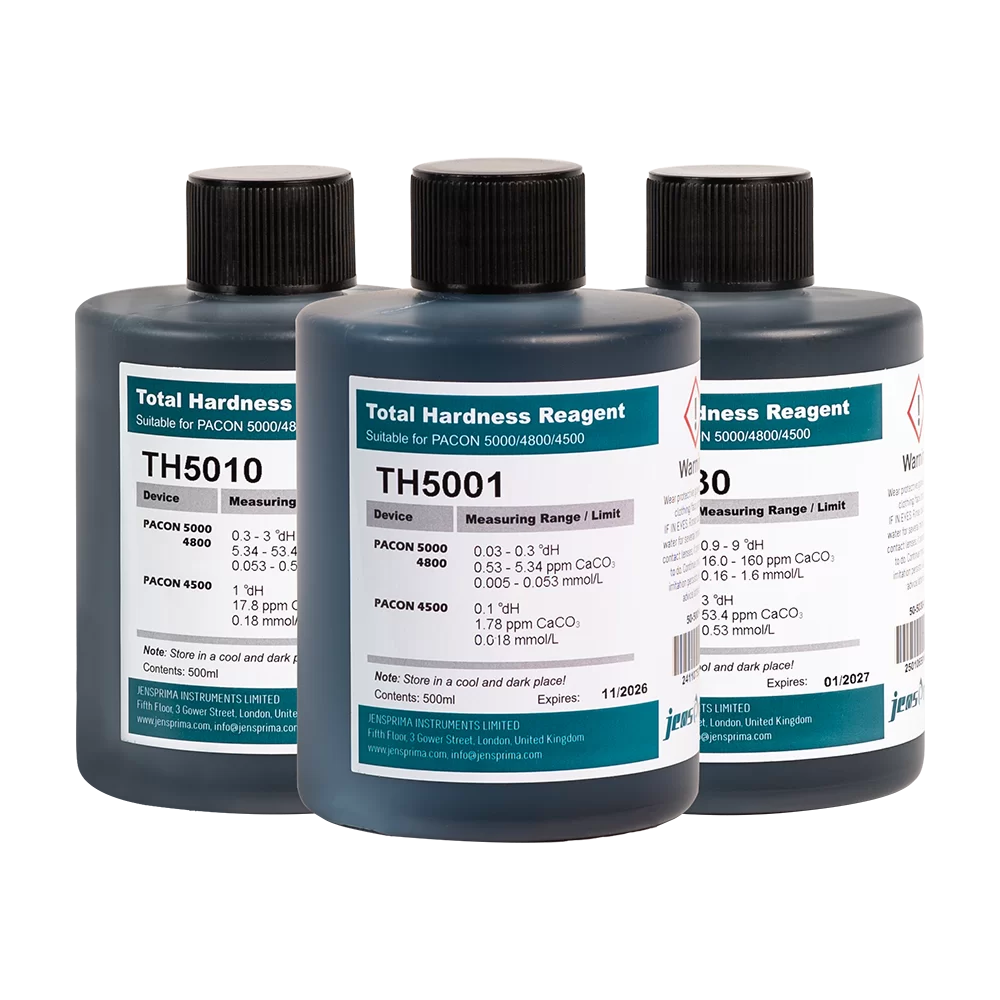
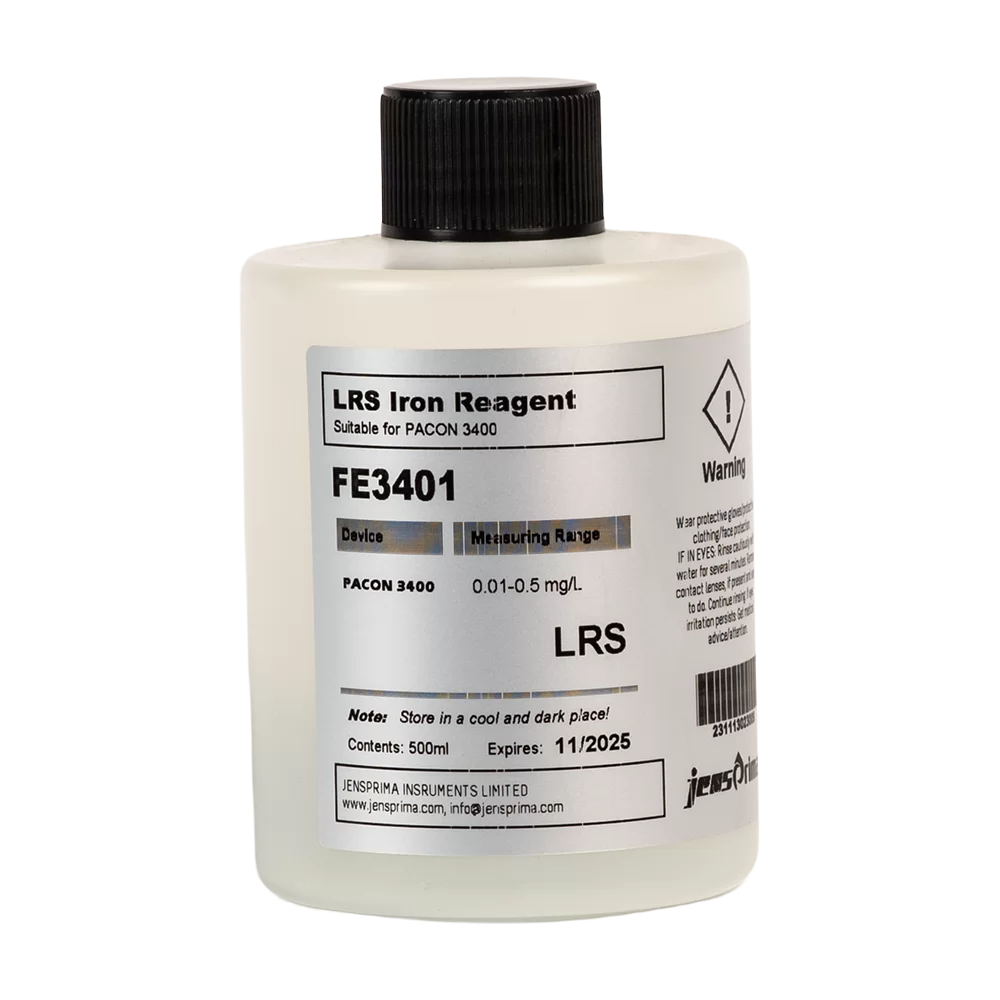
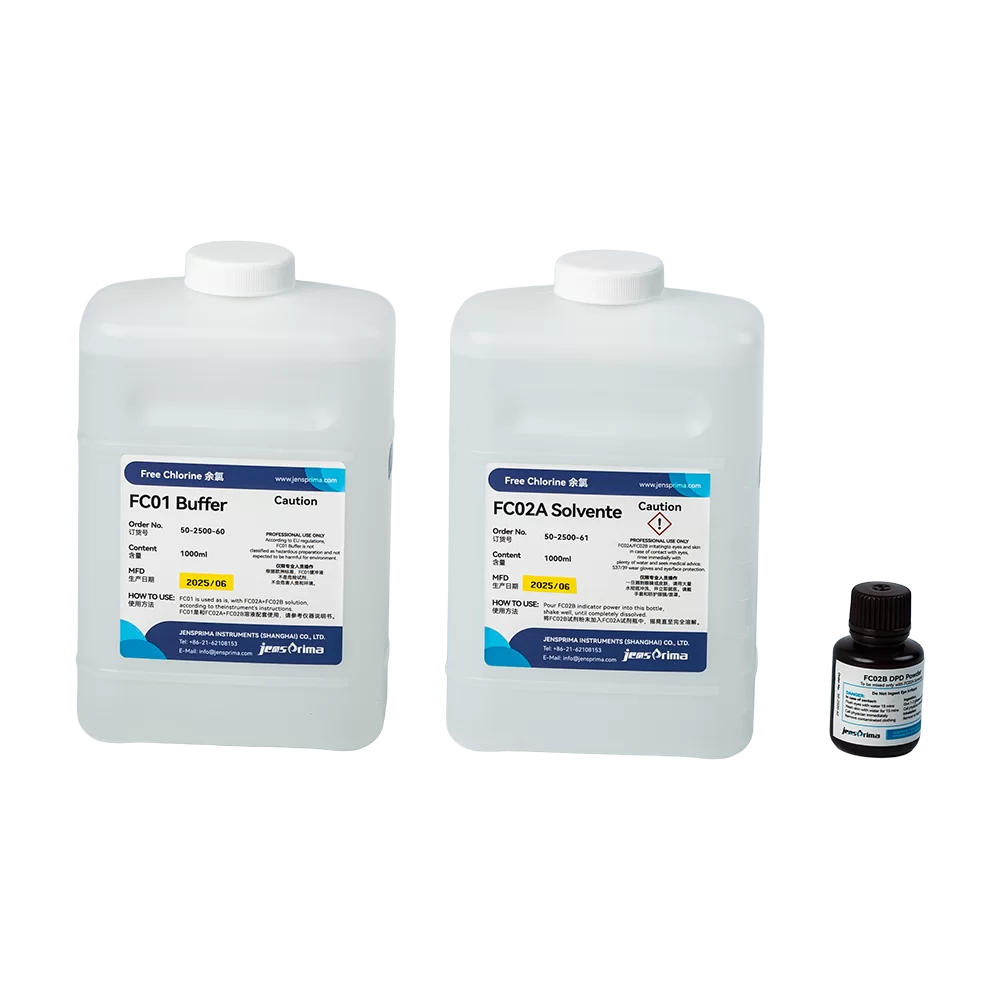
Most modern analysers use DPD (N,N-diethyl-p-phenylenediamine) reagents. For total chlorine measurement, a specific DPD reagent is used that triggers a reaction with both free and combined chlorine. These reagents are typically supplied in stable powder pillows or liquid forms. It is critical to use reagents that are not expired and stored in a cool, dark place, as UV light can degrade the chemical potency and lead to under-reporting of chlorine levels in your total chlorine analyser system.




 Download
 Video Center
 Technical Services
 FAQS
 Service Network
 Privacy Policy
 Contact Us






 LEARN MORE