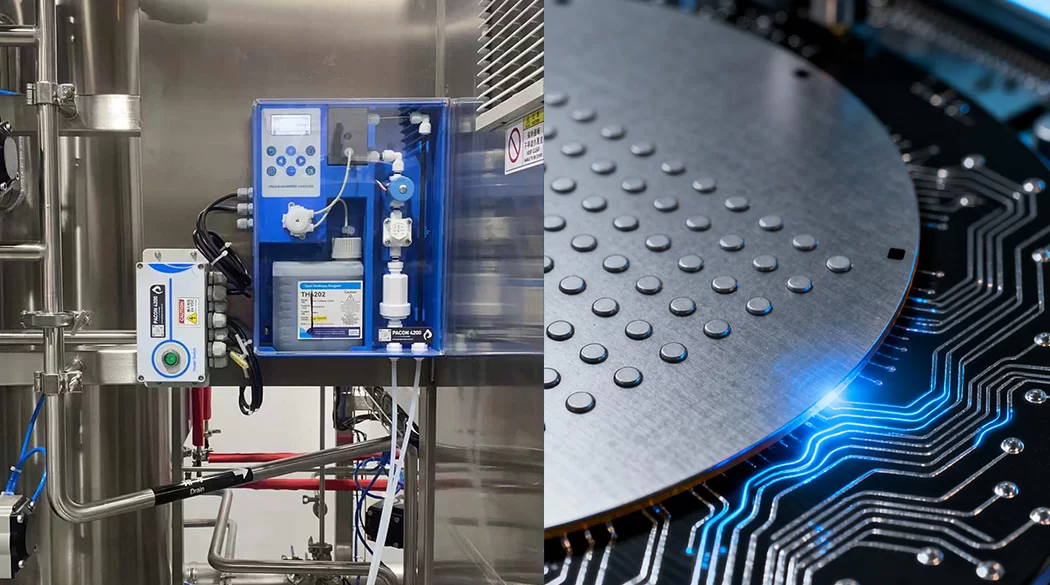
Understanding Residual Chlorine Analyzer Price: A Comprehensive Buying Guide
Maintaining precise water quality is critical for municipal water treatment, swimming pools, and industrial cooling systems. One of the most vital metrics is the concentration of free chlorine, which is monitored using a specialized device. When searching for a residual chlorine analyzer price, it is important to look beyond the initial cost and consider the long-term value, accuracy, and maintenance requirements. Choosing a low-cost analyzer that lacks stability can lead to expensive chemical imbalances or safety risks. In this guide, we will explore the factors that influence pricing and how to select the best analyzer for your specific operational needs.
Factors That Influence the Residual Chlorine Analyzer Price
The market for water analysis equipment is diverse, and the residual chlorine analyzer price varies based on several technical specifications. Firstly, the measurement method—whether it is amperometric, colorimetric, or photometric—significantly impacts the cost. Amperometric sensors are often preferred for continuous monitoring due to their speed and lower reagent consumption. Secondly, the accuracy and detection range play a role; devices capable of detecting parts-per-billion (ppb) levels are generally more expensive than those designed for high-concentration industrial waste. Lastly, the build quality, such as the use of corrosion-resistant materials for harsh environments, adds to the premium price of professional-grade equipment.
Pro Tip: When comparing prices, always check if the cost includes the initial calibration kit and sensors, as these "hidden costs" can increase the total investment by 15-20%.
Comparing Different Types of Chlorine Analyzers
Depending on your application, you might choose between a portable handheld unit or a fixed online system. Portable units are ideal for spot-checking multiple locations and generally have a lower entry-level residual chlorine analyzer price. In contrast, online analyzers provide real-time data and are integrated into PLC systems for automatic dosing control. While the initial capital expenditure is higher for online systems, the reduction in manual labor and the prevention of over-chlorination offer a significant return on investment (ROI) over time.
| Feature |
Portable Analyzer |
Online Analyzer |
| Price Range |
Low to Medium |
Medium to High |
| Monitoring Type |
Manual / Spot-check |
Continuous / Real-time |
| Labor Intensity |
High |
Low (Automated) |
| Installation |
No Installation needed |
Requires Piping/Wiring |
How to Evaluate the Value of a Residual Chlorine Analyzer Price
When evaluating the residual chlorine analyzer price, professionals should utilize the Total Cost of Ownership (TCO) model. This means calculating the purchase price plus the cost of consumables (such as DPD reagents), the frequency of sensor replacement, and the electricity required for operation. A cheaper unit that requires weekly calibration and expensive proprietary reagents may end up costing more over three years than a premium unit with a long-life sensor. Focus on reliability and stability, as downtime in a water treatment plant can lead to regulatory fines that far exceed the cost of the analyzer itself.
Technical Specifications and Pricing Tiers
To help you budget, we have categorized typical specifications based on the residual chlorine analyzer price tiers. Entry-level devices usually offer basic digital readouts and manual sampling. Mid-range devices include data logging and 4-20mA output for remote monitoring. High-end systems feature automatic self-cleaning, multi-parameter sensing (pH, ORP, Chlorine), and cloud integration for IoT-based facility management.
| Specification |
Standard Grade |
Premium Grade |
| Accuracy |
± 0.1 mg/L |
± 0.01 mg/L |
| Response Time |
< 60 Seconds |
< 10 Seconds |
| Connectivity |
LCD Display only |
RS485, Modbus, 4-20mA |
| Maintenance |
Manual Calibration |
Auto-calibration/Cleaning |
Common Applications for Chlorine Monitoring
The application of the device dictates the necessary specifications and the resulting residual chlorine analyzer price. In drinking water plants, high precision is required to ensure the water is safe for consumption without tasting of chemicals. In industrial cooling towers, the focus is on preventing bio-fouling and corrosion, where a more robust, industrial-grade analyzer is needed to handle high flow rates and varying temperatures. Additionally, swimming pool management requires a balance between cost and ease of use, often favoring automated online controllers that can trigger chemical feeders automatically.
Choosing the Right Supplier for Your Analyzer
When you find a competitive residual chlorine analyzer price, the next step is vetting the supplier. A professional supplier should provide comprehensive technical support, a clear warranty policy, and a steady supply of replacement parts. Avoid suppliers who cannot provide calibration certificates or those who offer prices that seem "too good to be true," as these often indicate refurbished equipment or low-quality sensors that drift quickly. Investing in a partnership with a reputable manufacturer ensures that your water quality monitoring remains uninterrupted.
Conclusion: Balancing Cost and Performance
Selecting a device based solely on the residual chlorine analyzer price can be a costly mistake. The ideal choice balances initial investment with operational efficiency, accuracy, and longevity. By understanding your specific application—whether it is municipal, industrial, or recreational—and calculating the total cost of ownership, you can invest in a solution that ensures water safety and regulatory compliance. Prioritize quality sensors and reliable supplier support to guarantee a sustainable and efficient water treatment process.
Frequently Asked Questions (FAQs)
Why is there such a wide variation in residual chlorine analyzer price?
The price variation is primarily driven by the sensing technology and the intended use case. A simple colorimetric handheld device is designed for manual testing and is therefore affordable. However, a high-end online analyzer uses amperometric sensors, automatic sampling pumps, and sophisticated electronics to provide constant, autonomous monitoring. Additionally, certifications (such as ISO or CE), the quality of the housing materials (PVC vs. Stainless Steel), and the inclusion of advanced communication protocols like Modbus significantly increase the cost of professional systems.
How often do sensors need to be replaced, and does this affect the long-term price?
Yes, sensor replacement is a critical part of the ongoing cost. Depending on the water quality and the type of sensor, replacements typically occur every 6 to 18 months. Amperometric sensors generally have a longer lifespan than DPD-based reagent systems, which require a constant supply of chemicals. When calculating the residual chlorine analyzer price, you should ask the supplier for the "annual consumable cost." A device with a higher upfront price but a longer sensor life is often more economical over a 5-year period.
Can I integrate a chlorine analyzer with my existing SCADA system?
Most professional-grade online analyzers are designed for seamless integration. They typically offer a 4-20mA analog output, which is the industry standard for transmitting data to a PLC or SCADA system. Higher-end models also support digital communication via RS485 or Modbus TCP/IP, allowing for remote configuration and diagnostic monitoring. If integration is a priority, ensure you choose a model that specifies these outputs, as basic "standalone" models may be cheaper but lack the necessary connectivity for automated facility management.
What is the difference between Free and Total Chlorine analyzers?
Free chlorine refers to the amount of chlorine available to actively disinfect the water, while total chlorine includes both free and combined chlorine (chloramines). Most water treatment plants focus on free chlorine to ensure immediate disinfection. Some analyzers can measure both, but this usually requires a more complex reagent system or a dual-sensor setup, which naturally increases the residual chlorine analyzer price. It is essential to determine which metric your local regulations require before purchasing.













































































 Download
 Video Center
 Technical Services
 FAQS
 Service Network
 Privacy Policy
 Contact Us






 LEARN MORE