Precision Water Analysis: The Ultimate Guide to the TDS pH Temp Meter
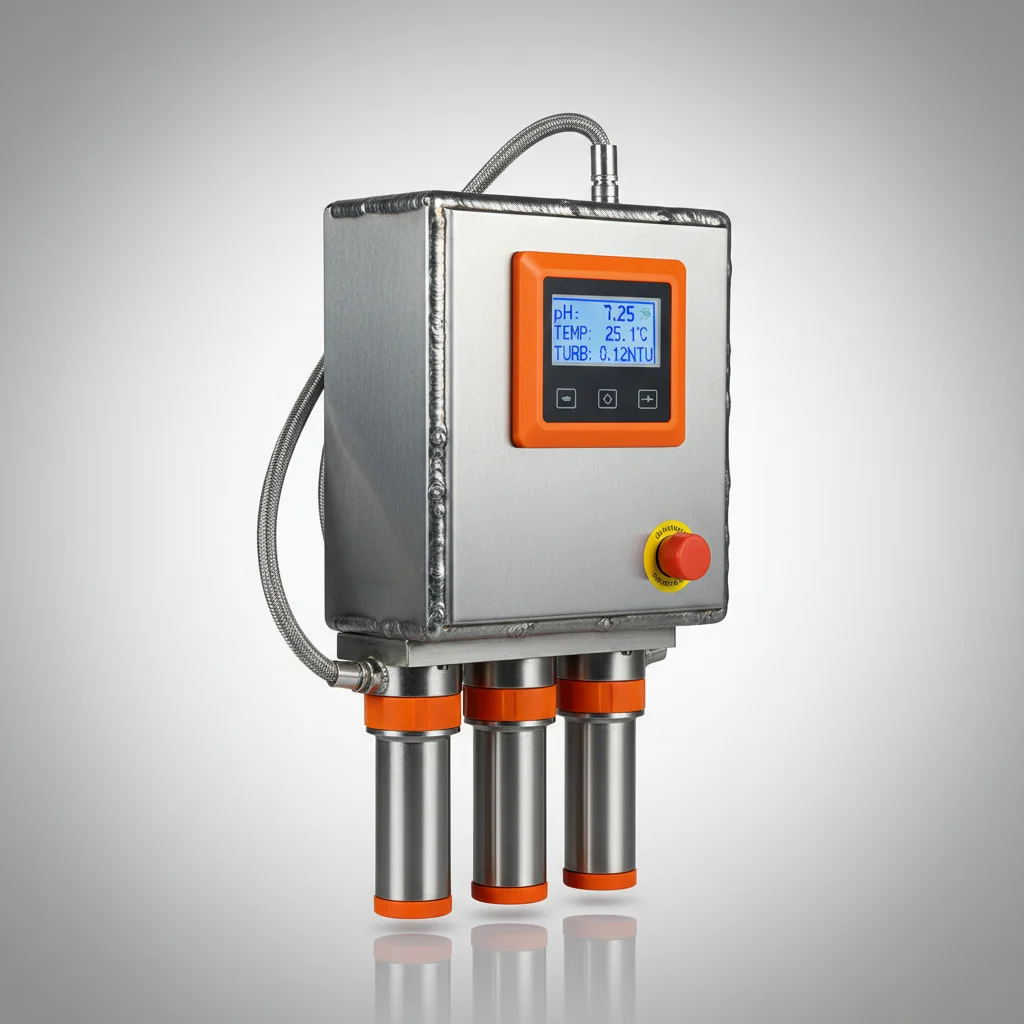
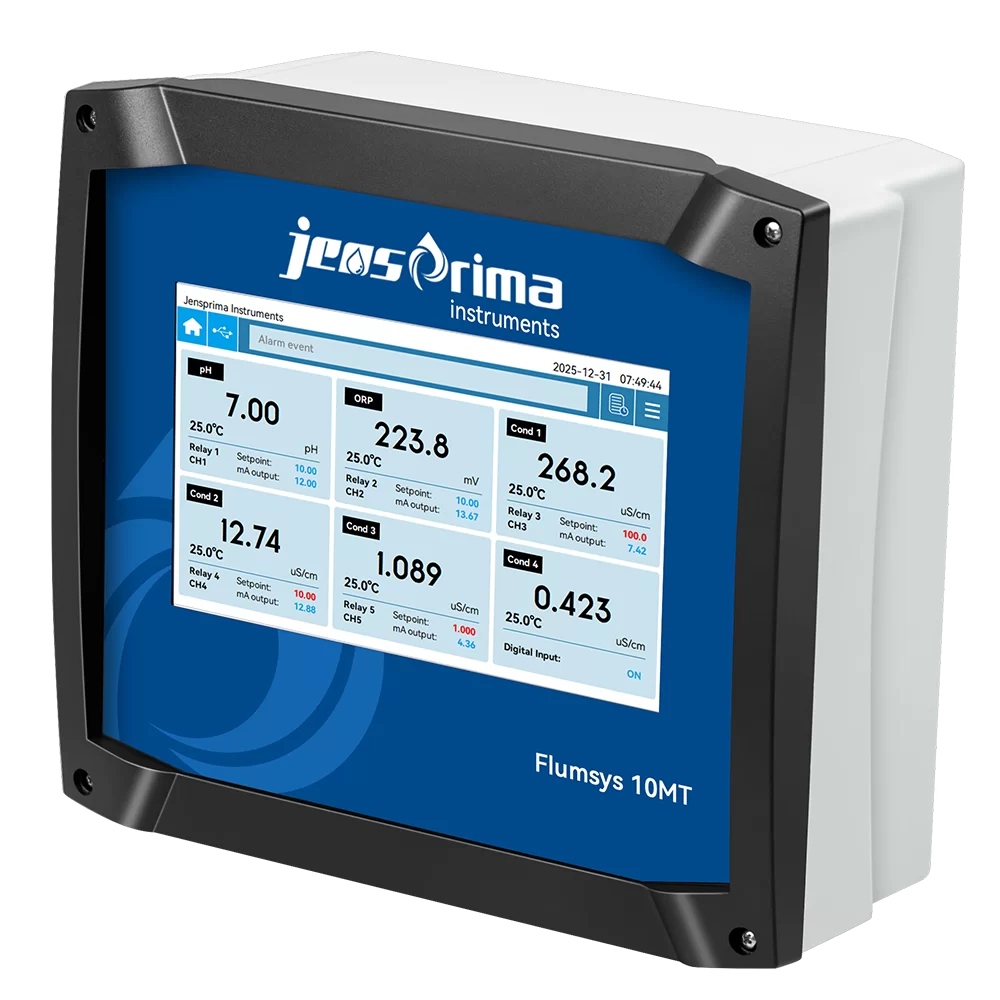
In the world of environmental monitoring and industrial water treatment, accuracy is not just a preference—it is a requirement. Utilizing a professional tds ph temp meter allows operators to monitor three critical parameters of water quality simultaneously. Whether you are managing a municipal water plant or a high-tech manufacturing facility, understanding the synergy between Total Dissolved Solids (TDS), acidity/alkalinity (pH), and temperature is essential for maintaining system efficiency and regulatory compliance. This comprehensive guide explores how these integrated instruments optimize water quality control.
Why Integrated Monitoring is Essential for Water Quality
Traditionally, technicians had to use separate devices for each metric, leading to increased labor and potential errors during data correlation. A combined tds ph temp meter streamlines this process by providing a real-time snapshot of the water's chemical state. pH levels indicate the acidity or alkalinity, which can affect the solubility of minerals; TDS measures the concentration of dissolved substances; and temperature acts as the primary variable that influences both pH and conductivity readings. By integrating these three, users can perform Automatic Temperature Compensation (ATC), ensuring that the readings remain accurate regardless of environmental fluctuations.
Industry Insight: For manufacturers of online water quality analyzers, the integration of TDS, pH, and temperature sensors reduces the physical footprint of the installation and lowers the long-term maintenance cost of the instrumentation.
Analyzing Core Metrics with a TDS pH Temp Meter
To truly leverage a tds ph temp meter, one must understand what each reading signifies. TDS is crucial for identifying the purity of water, especially in boiler feed water or pharmaceutical applications. pH monitoring is vital for preventing corrosion in pipelines and ensuring biological stability in wastewater treatment. Temperature monitoring is the foundation; since the activity of hydrogen ions is temperature-dependent, the meter adjusts the pH reading to a standard 25°C. This three-pronged approach ensures that the data collected is not just a number, but a meaningful indicator of water health.
Key Measurement Roles:
• pH: Controls chemical reaction rates and prevents scaling.
• TDS: Monitors mineral buildup and filtration efficiency.
• Temp: Stabilizes measurements through ATC technology.
Comparing Integrated Meters vs. Single-Parameter Devices
When choosing between a multi-parameter tds ph temp meter and individual probes, the decision usually comes down to efficiency and cost. Integrated meters offer a "one-stop" solution that simplifies calibration and data logging. While single-parameter devices might offer extreme specialization for one specific metric, they fail to provide the contextual data (like temperature) necessary to validate the accuracy of the other readings. For modern environmental monitoring, the versatility of a 3-in-1 meter is far superior.
| Feature |
Integrated 3-in-1 Meter |
Single-Parameter Probes |
| Operational Speed |
High (Simultaneous Reading) |
Low (Sequential Reading) |
| Data Correlation |
Automatic & Instant |
Manual Comparison |
| Equipment Footprint |
Compact (Single Device) |
Bulky (Multiple Devices) |
| Calibration Effort |
Unified Workflow |
Separate Workflows |
Industrial Applications of TDS pH Temp Monitoring
The deployment of a tds ph temp meter spans various critical sectors. In the manufacturing industry, specifically within instrumentation and environmental monitoring, these devices are used to ensure the quality of process water used in cooling towers and steam generators. In hydroponics and aquaculture, maintaining the perfect balance of nutrients (TDS) and acidity (pH) at a specific temperature is the difference between crop success and failure. Furthermore, in wastewater treatment plants, these meters provide the primary data needed to dose neutralizing chemicals accurately.
Technical Specifications for High-Performance Meters
When procuring a professional tds ph temp meter, paying attention to the technical specifications is vital. High-grade instruments utilize glass electrodes for pH and conductivity sensors for TDS, ensuring longevity and stability. Many industrial-grade meters also include features such as IP67 waterproofing, digital data hold, and wide-range temperature sensing. Below are the typical specifications found in professional-grade water analysis instruments:
| Parameter |
Standard Specification |
| pH Measurement Range |
0.00 to 14.00 pH (±0.01 accuracy) |
| TDS Range |
0 to 9999 ppm (±2% accuracy) |
| Temperature Range |
0 to 100°C (±0.5°C accuracy) |
| Compensation |
Automatic Temperature Compensation (ATC) |
Maintenance Tips for Long-Term Accuracy
To ensure that your tds ph temp meter provides reliable data over years of use, a strict maintenance routine is necessary. The pH probe is the most sensitive component and must be stored in a specialized storage solution (KCI) to prevent the membrane from drying out. Regular calibration using standard buffer solutions (pH 4.01, 7.00, 10.01) is essential to correct for electrode drift. Furthermore, the TDS electrodes should be cleaned periodically to remove oily films or mineral deposits that can interfere with conductivity readings. Following these steps guarantees the integrity of your water quality reports.
Conclusion: Optimizing Water Quality with Precision Tools
The integration of TDS, pH, and temperature monitoring into a single instrument is a game-changer for industrial and environmental water analysis. A professional tds ph temp meter reduces operational complexity while increasing the reliability of the data collected. By understanding the interplay between these three variables, companies can protect their infrastructure, ensure product quality, and meet strict environmental regulations. Investing in high-precision instrumentation is an investment in the long-term sustainability and efficiency of your water management systems.
Frequently Asked Questions (FAQs)
How often should I calibrate my TDS pH temp meter?
Calibration frequency depends on the usage intensity and the required accuracy. For industrial applications, it is recommended to calibrate the pH sensor weekly or bi-weekly using standard buffer solutions. The TDS sensor typically requires less frequent calibration, but it should be verified monthly using a known conductivity standard. If you notice drifting values or are measuring highly aggressive chemicals, daily calibration may be necessary to maintain peak precision. Always refer to the manual provided by Jensprima for specific calibration protocols.
What is Automatic Temperature Compensation (ATC) and why is it important?
ATC is a feature in a tds ph temp meter that automatically adjusts the pH and TDS readings based on the current temperature of the liquid. Because chemical activity and ion mobility change as temperature fluctuates, a reading taken at 10°C would differ from one at 30°C even if the water chemistry is identical. ATC mathematically corrects these variations to provide a normalized reading (usually at 25°C), ensuring that your data is consistent and comparable regardless of the environment.
Can I use the same meter for both freshwater and saltwater?
Yes, most professional meters can handle both, but you must ensure the TDS range of your specific model is sufficient for saltwater, which has much higher dissolved solids than freshwater. It is critical to rinse the electrodes with distilled water when switching between different water types to prevent cross-contamination. For high-salinity environments, ensure you use a meter designed for high conductivity to avoid saturating the sensor. For the best results in diverse environments, visit www.jensprima.com to select the correct model for your specific TDS requirements.
How do I store the pH probe to maximize its lifespan?
The pH probe must never be stored in distilled or deionized water, as this will leach ions from the glass membrane and destroy the sensor. Instead, use a dedicated pH storage solution or 3M KCI. Ensure the protective cap is tightly sealed to prevent evaporation. If the probe accidentally dries out, it can often be reconditioned by soaking it in storage solution for 24 hours. Proper storage and avoiding contact with abrasive surfaces will significantly extend the life of your tds ph temp meter.



 Download
 Video Center
 Technical Services
 FAQS
 Service Network
 Privacy Policy
 Contact Us






 LEARN MORE