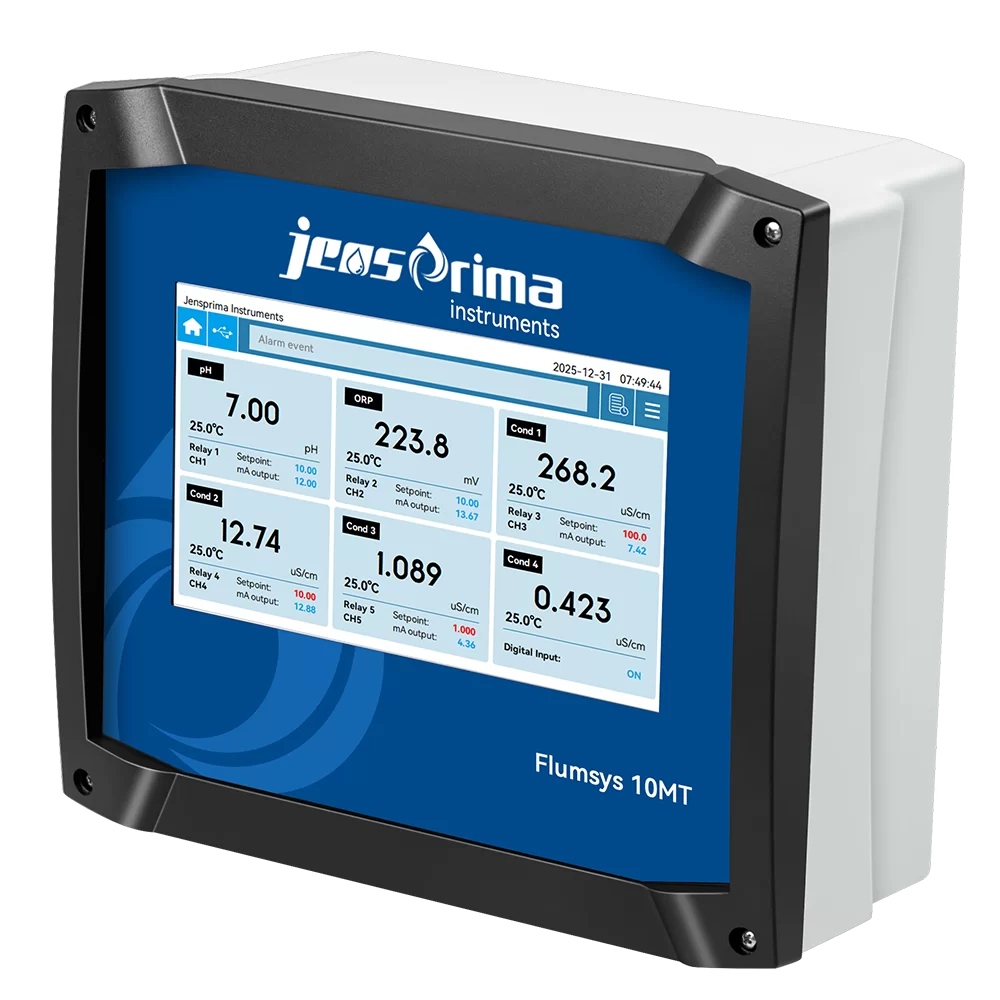
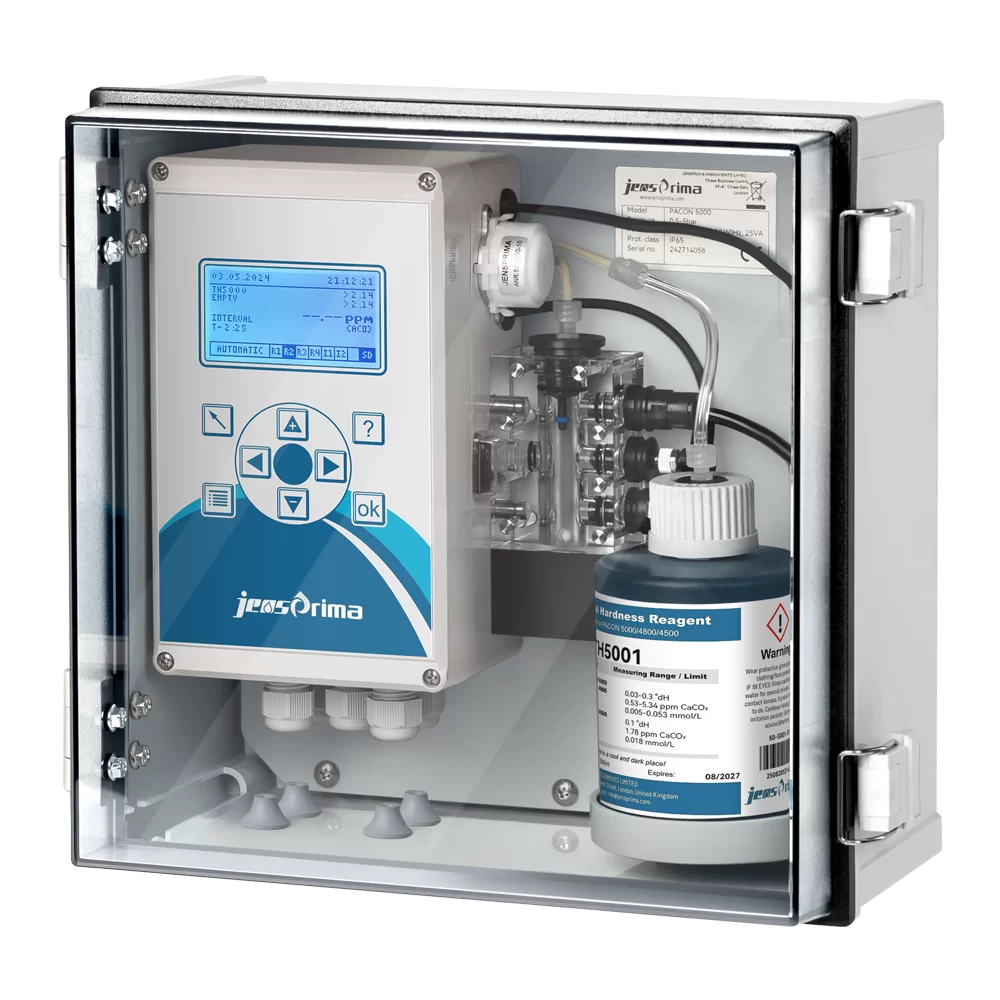
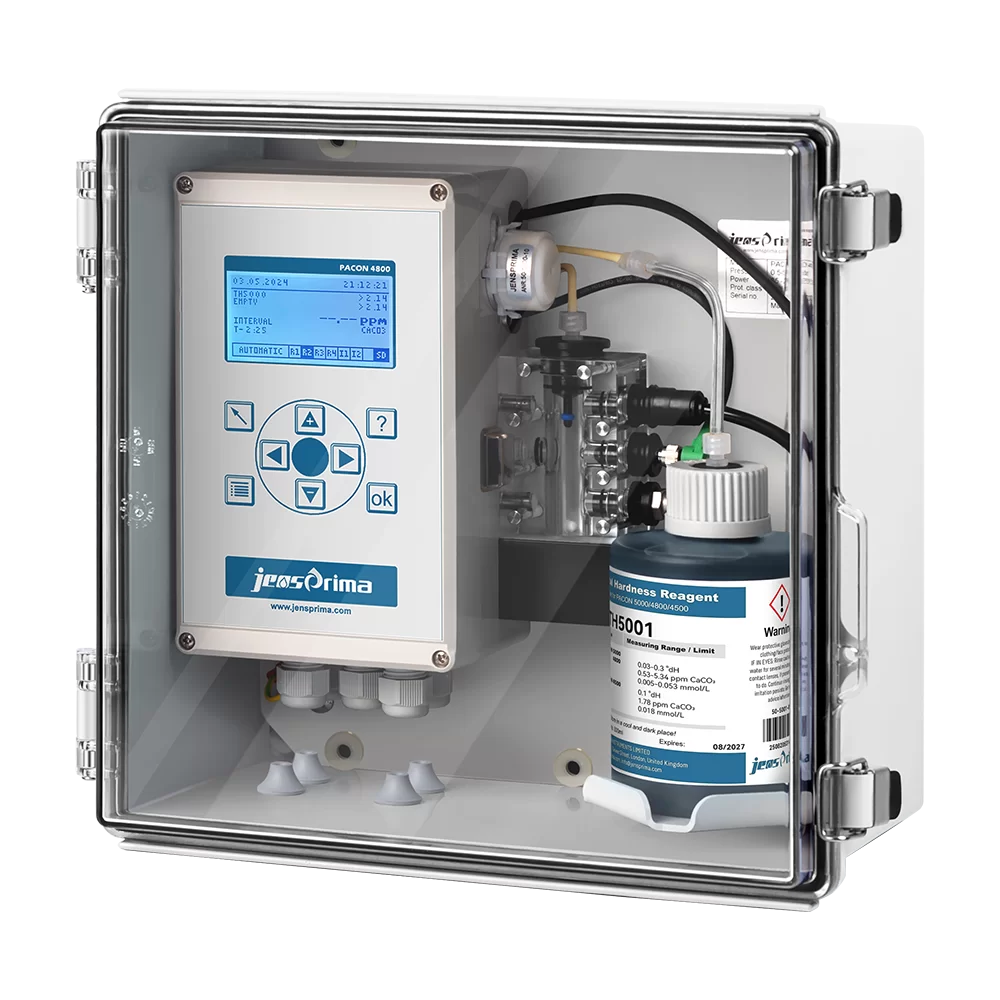
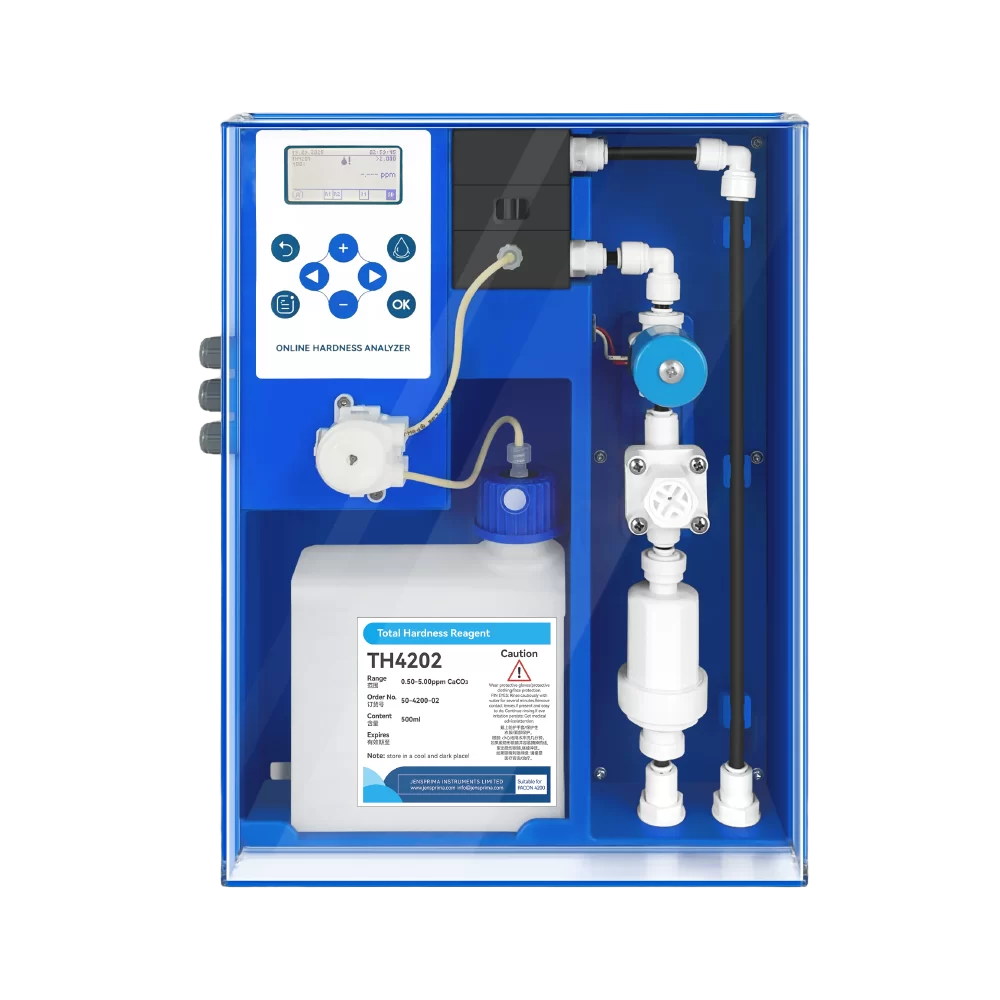
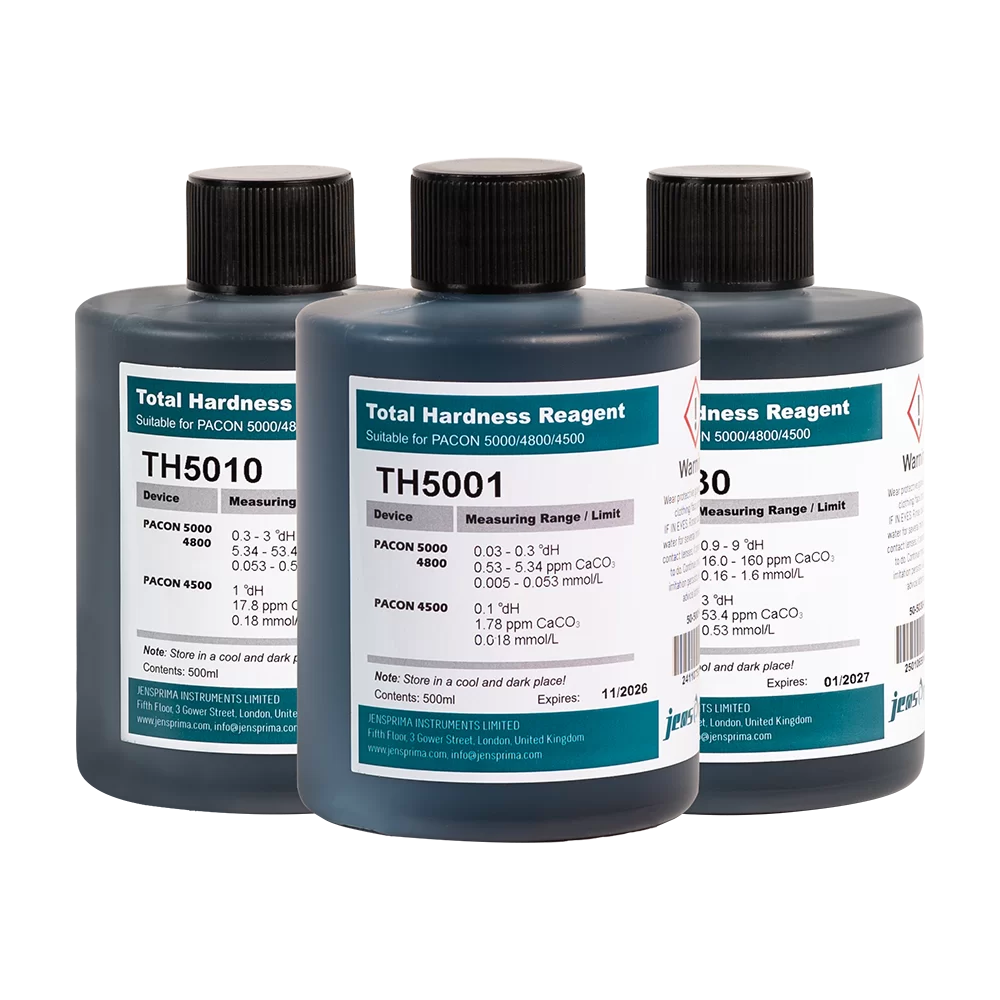
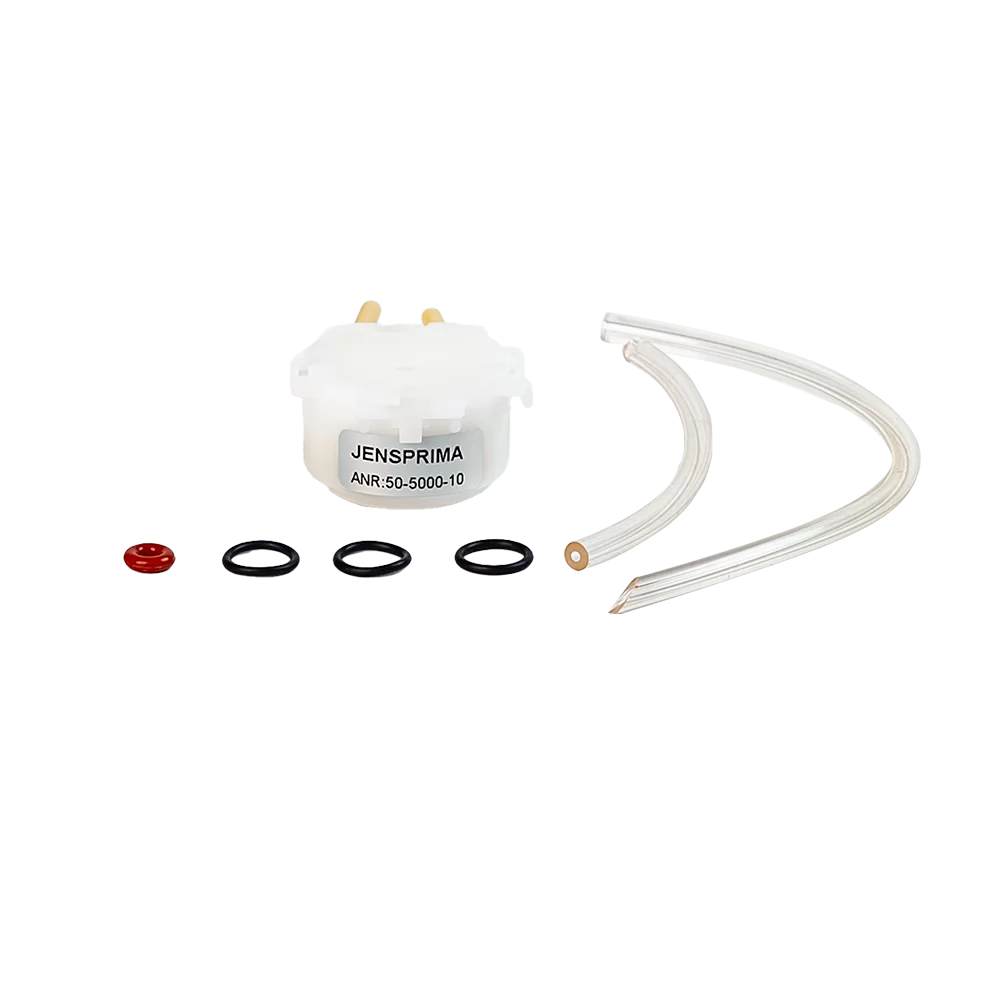
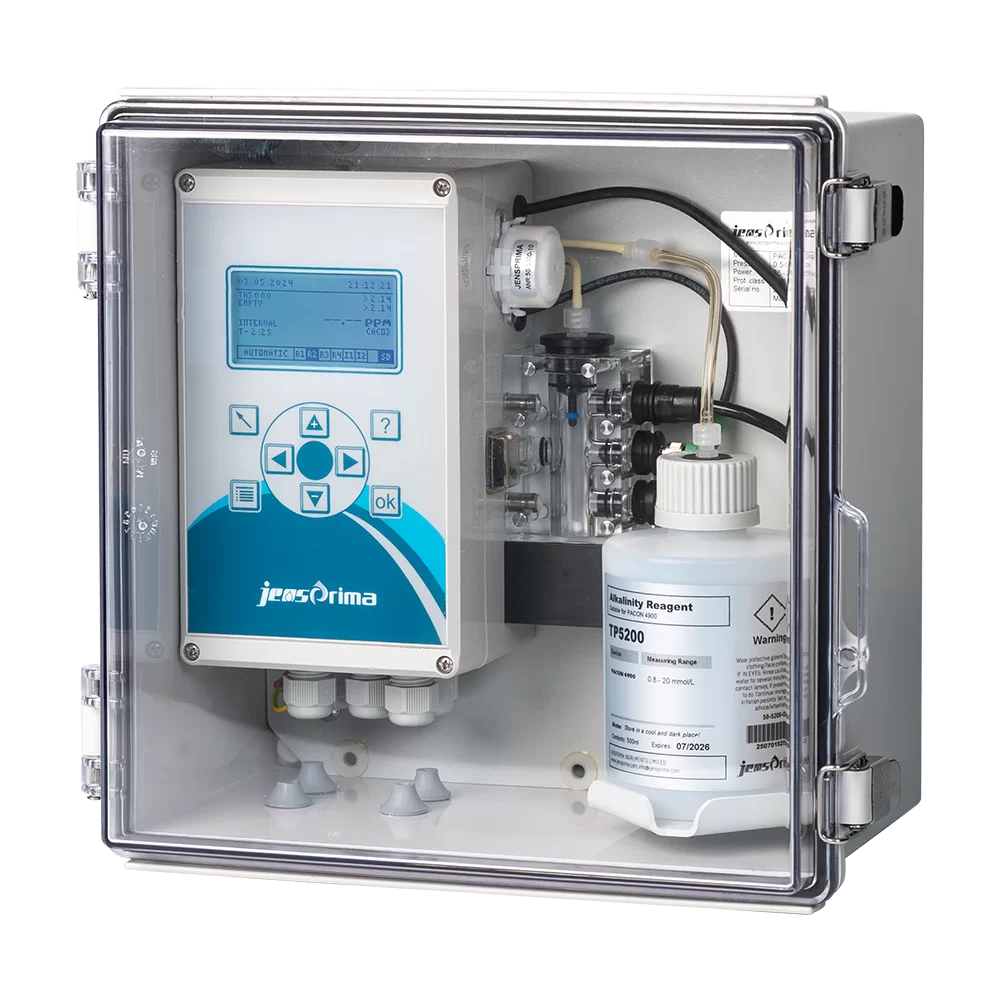
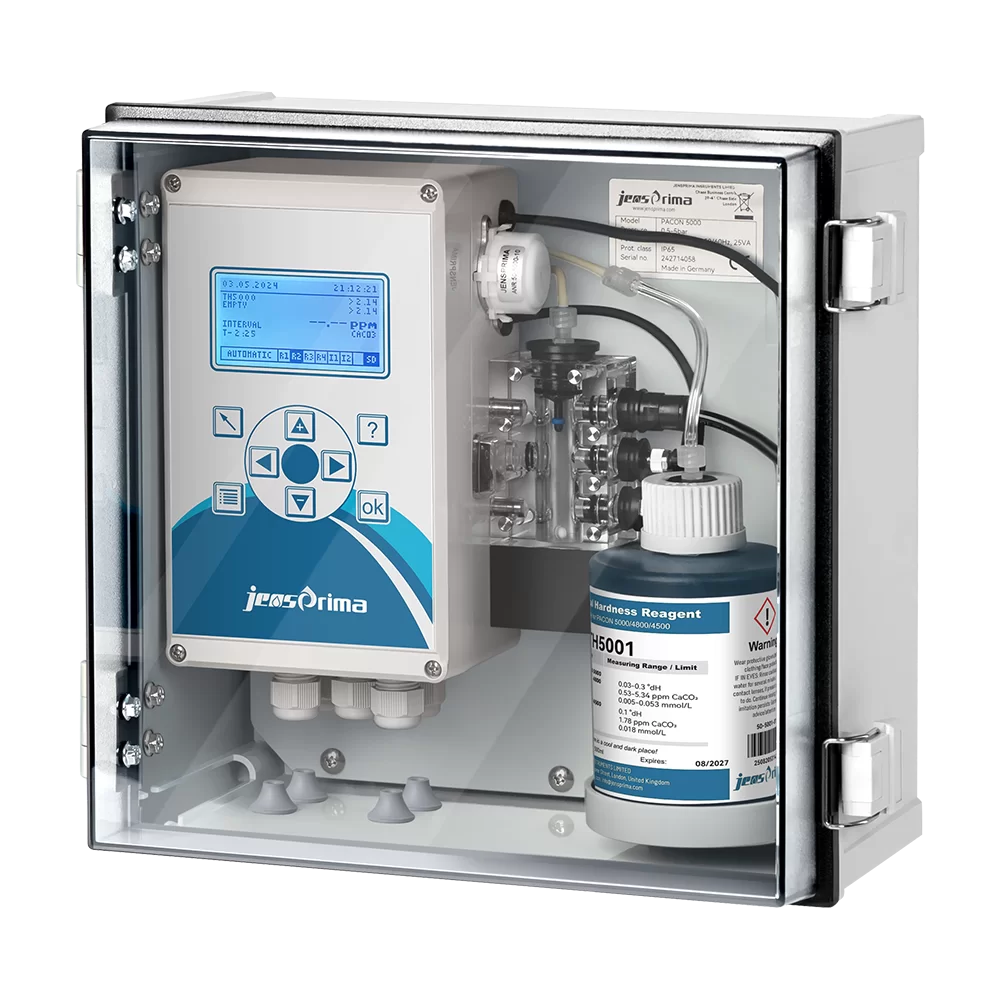
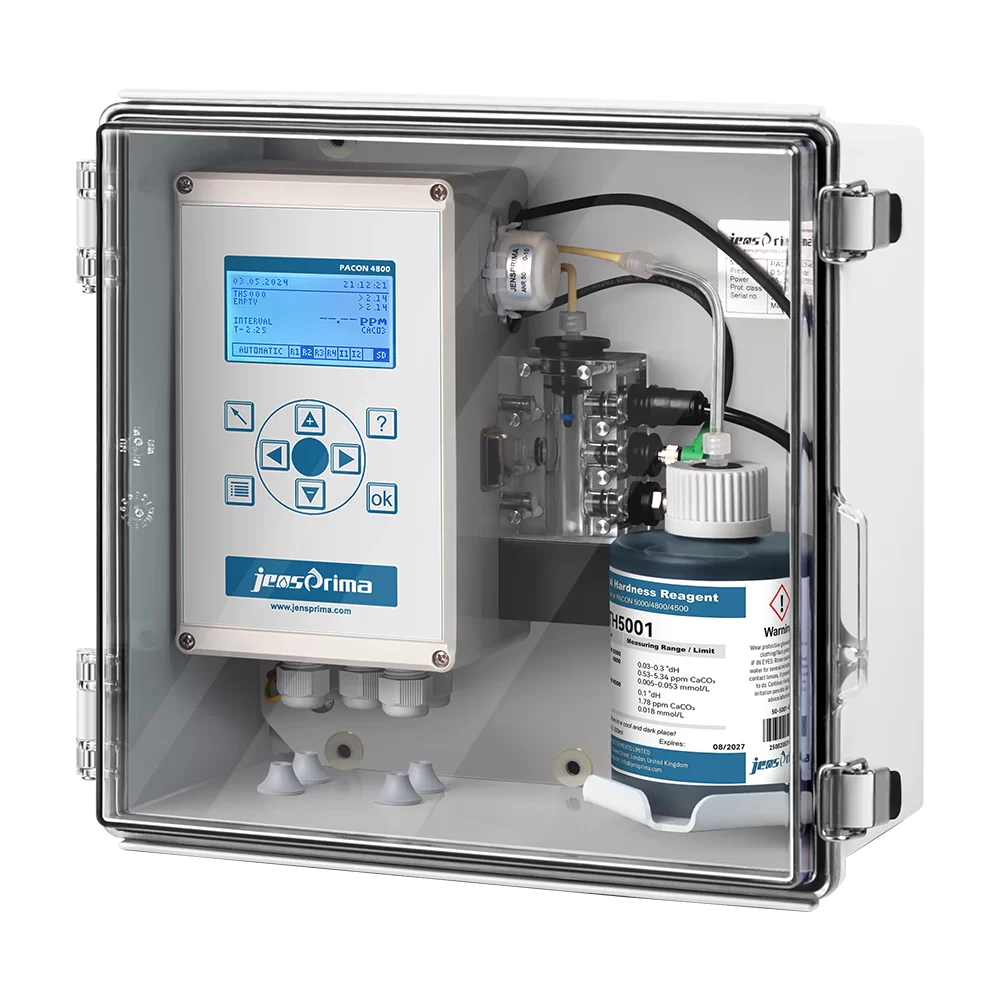
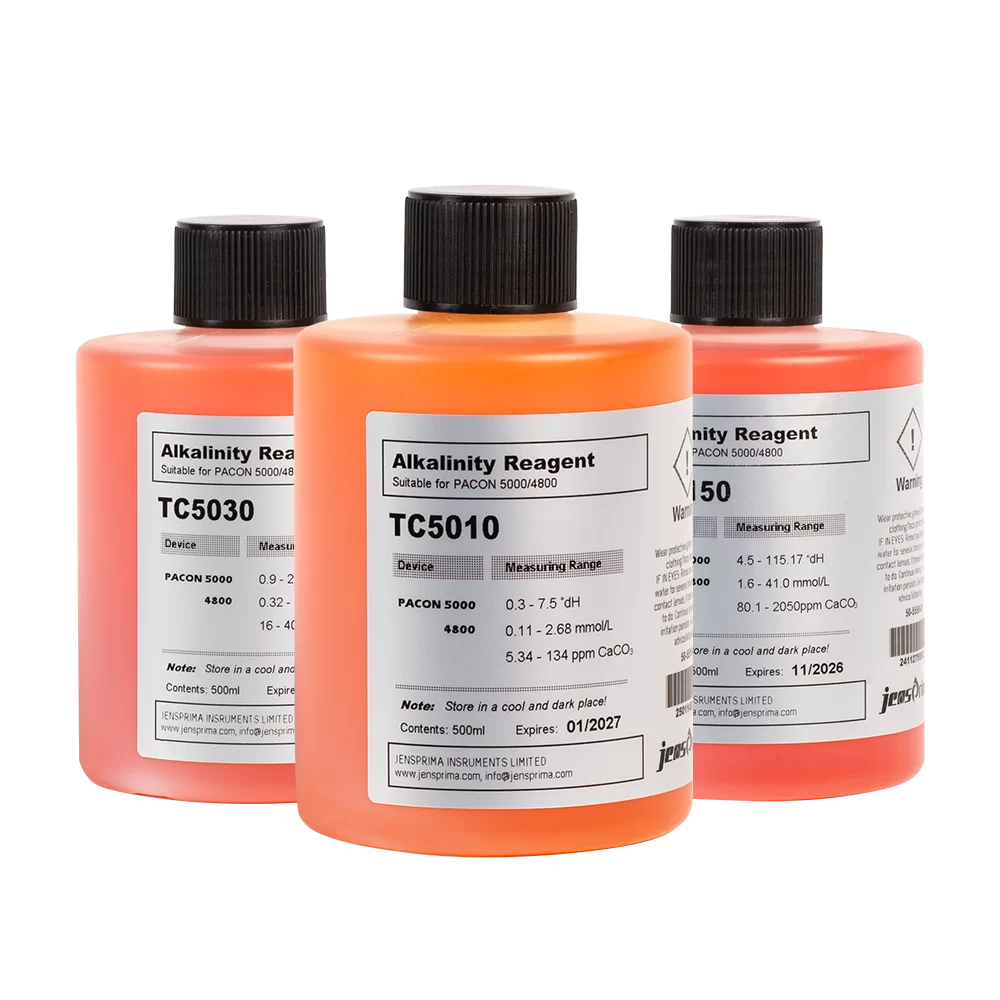
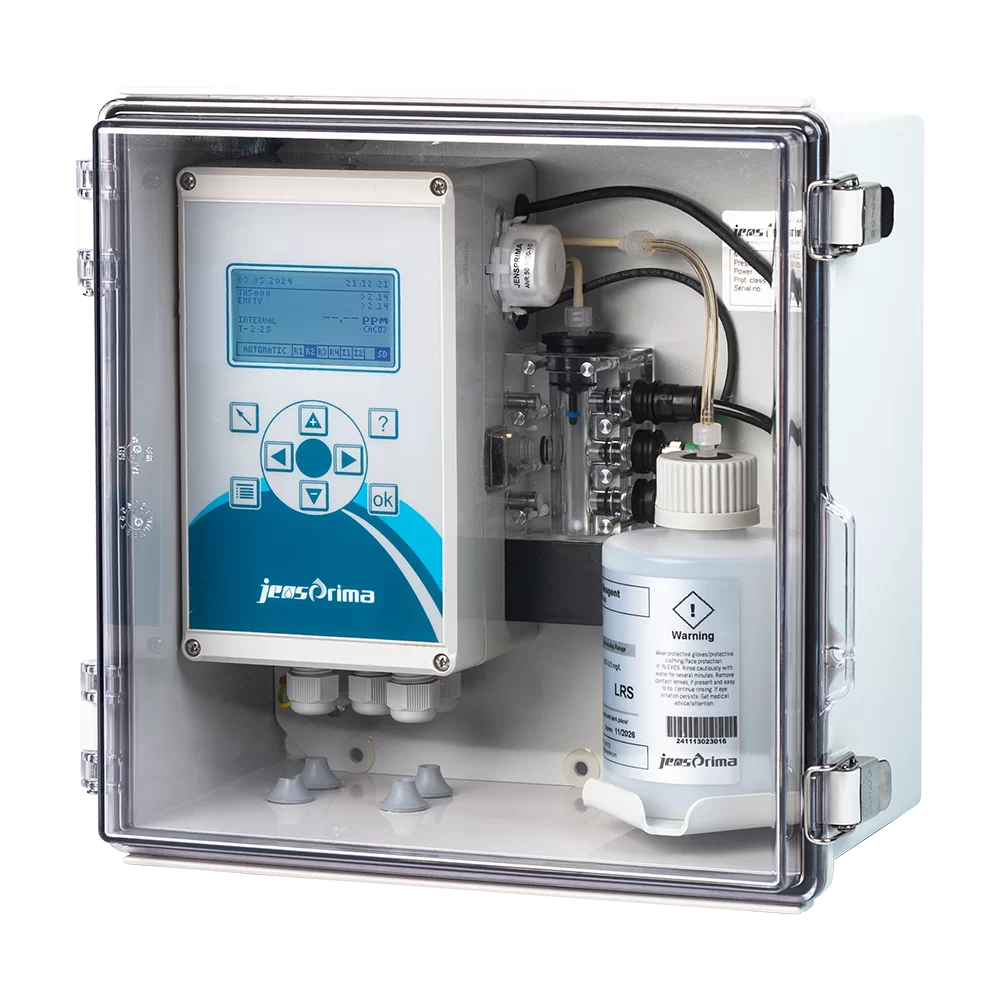
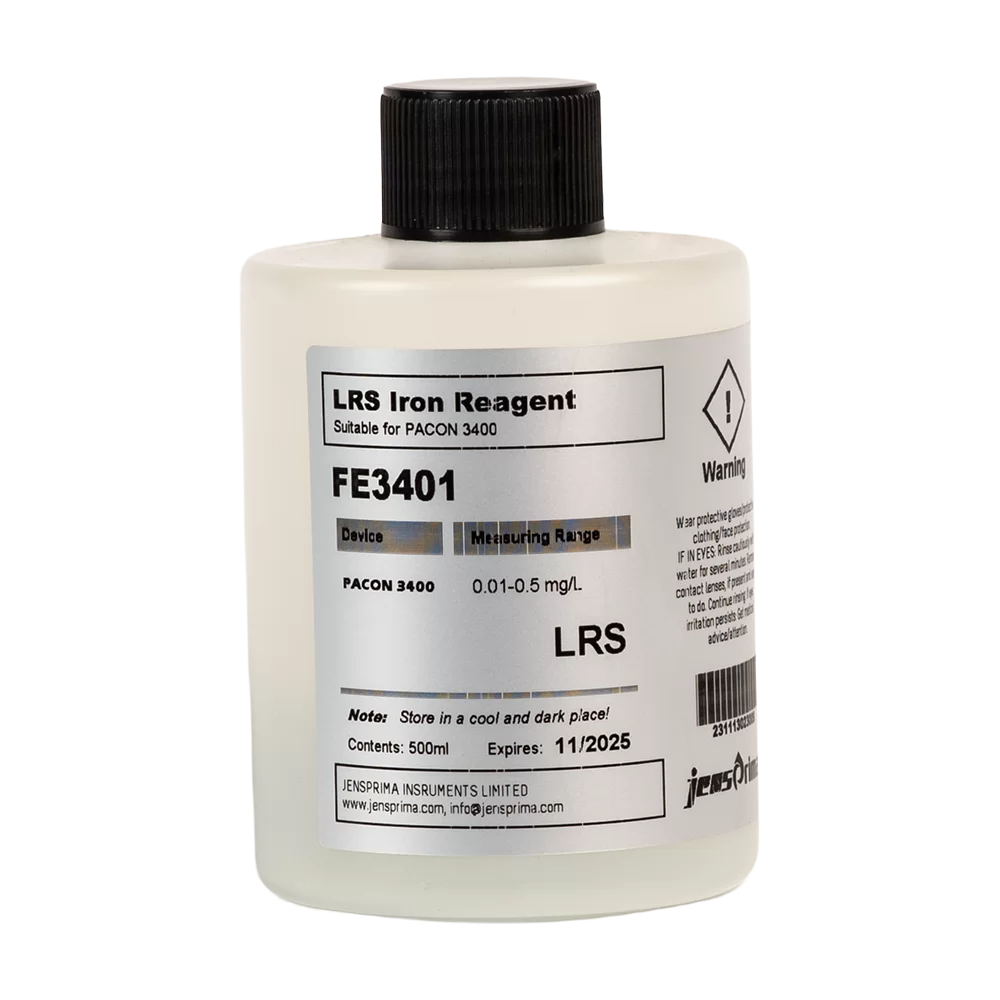
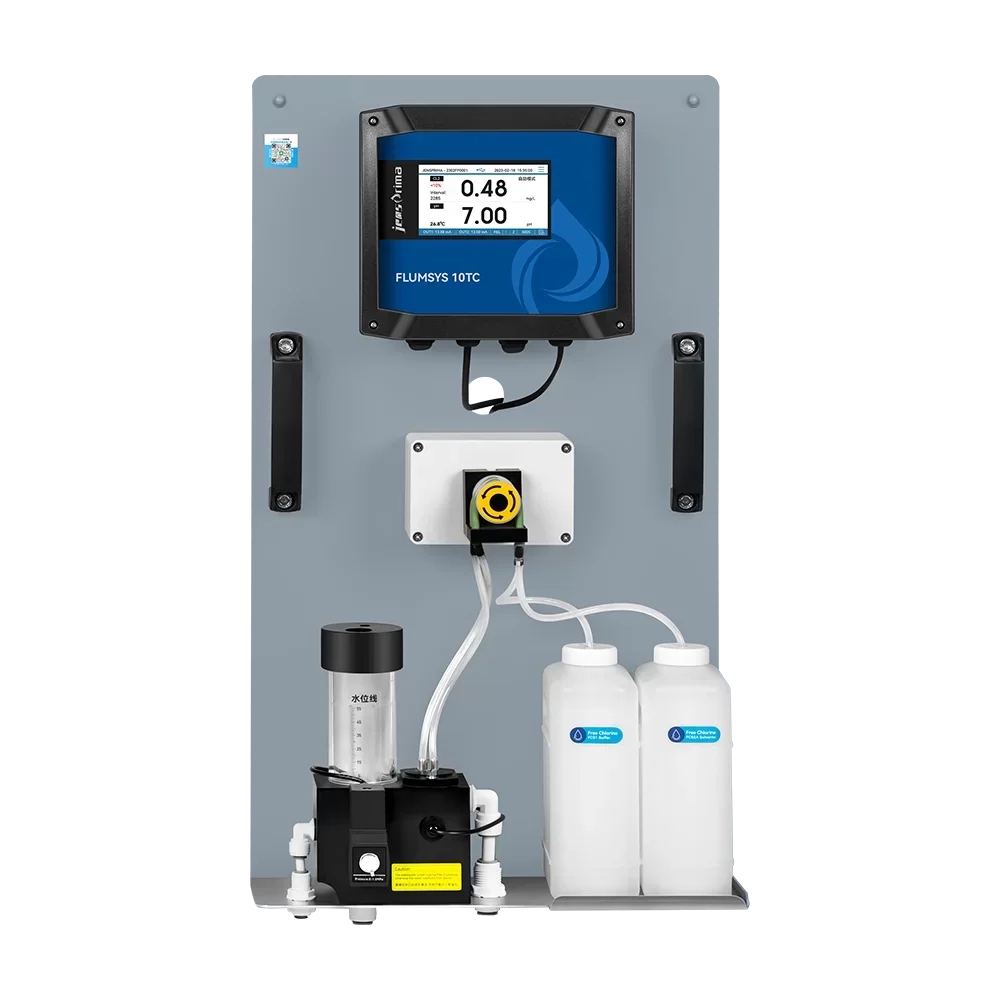
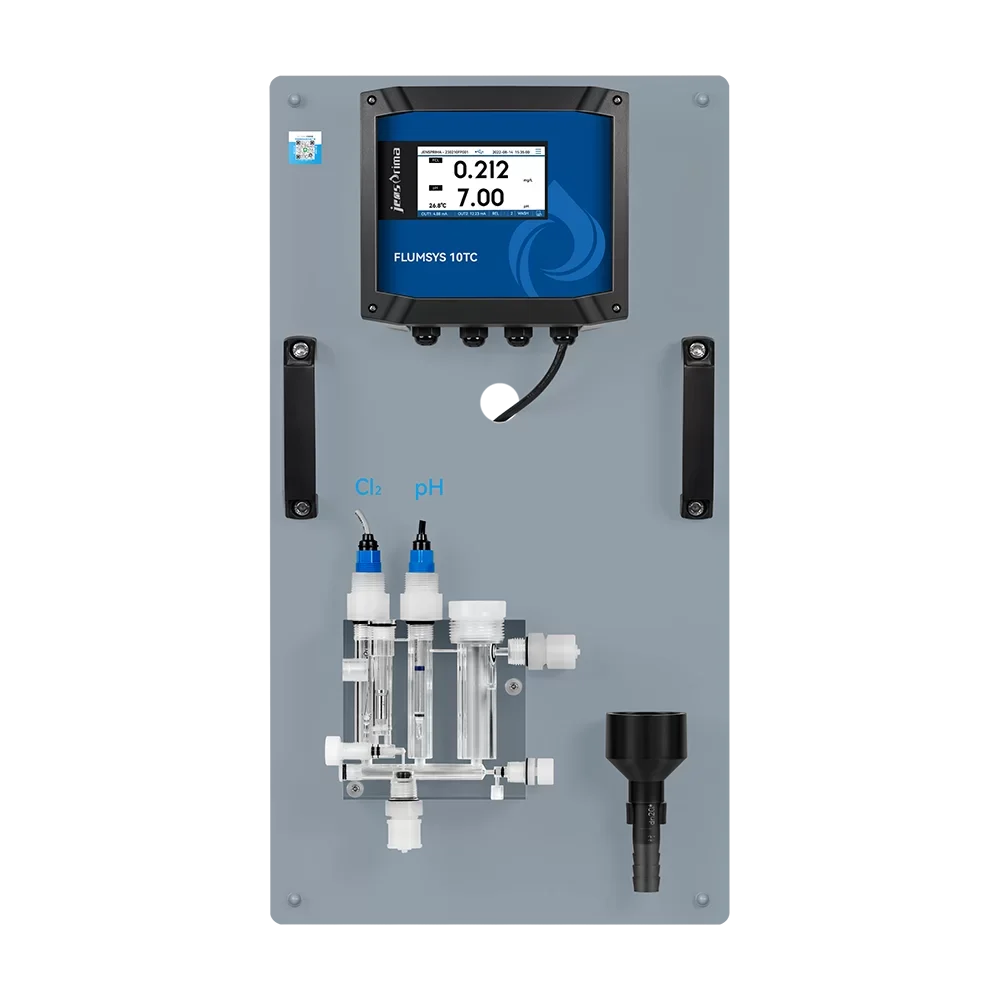
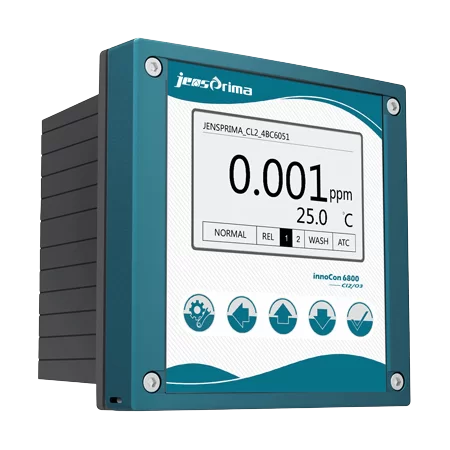
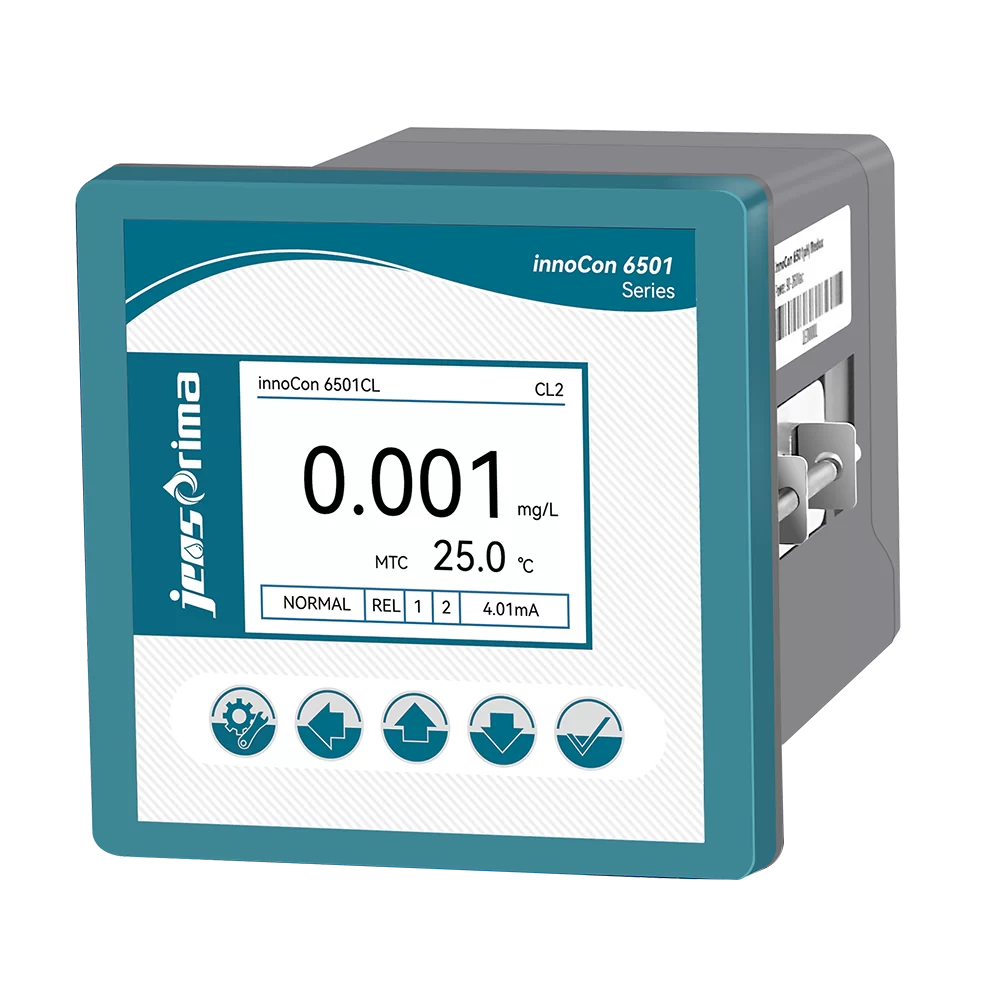
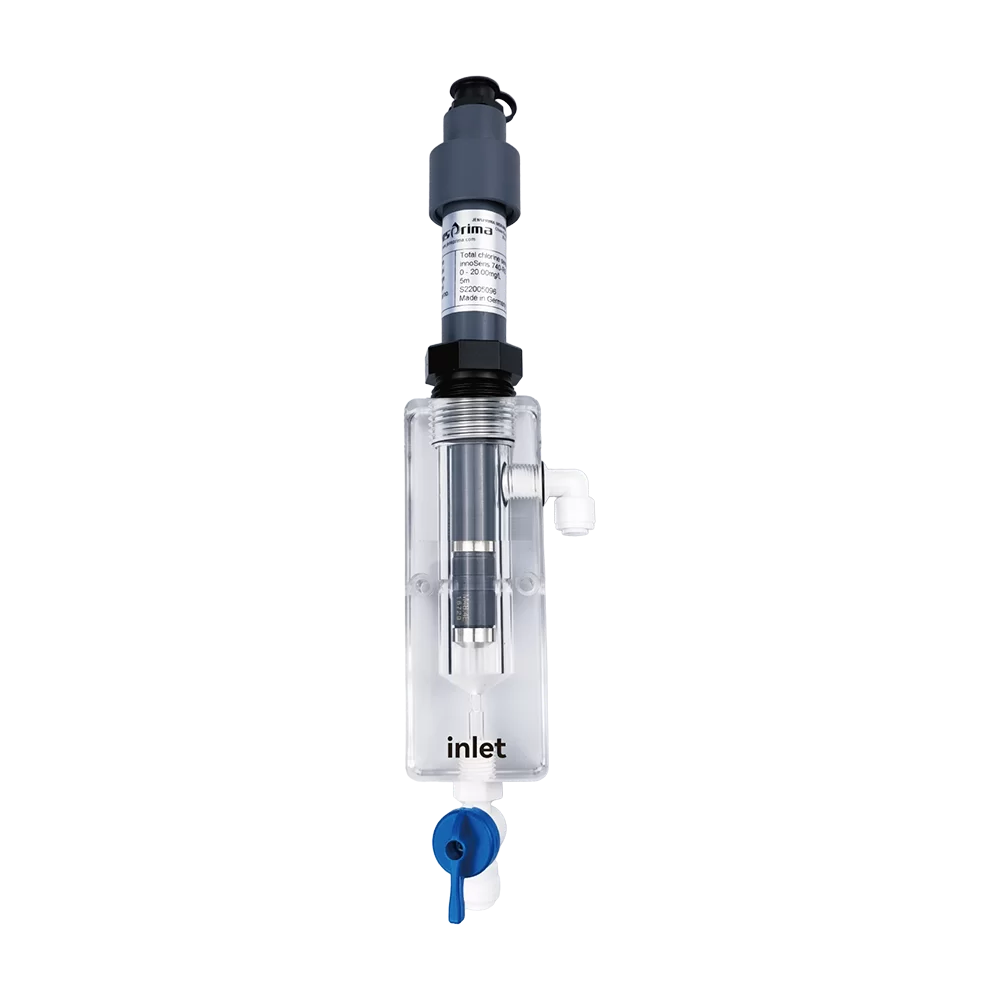
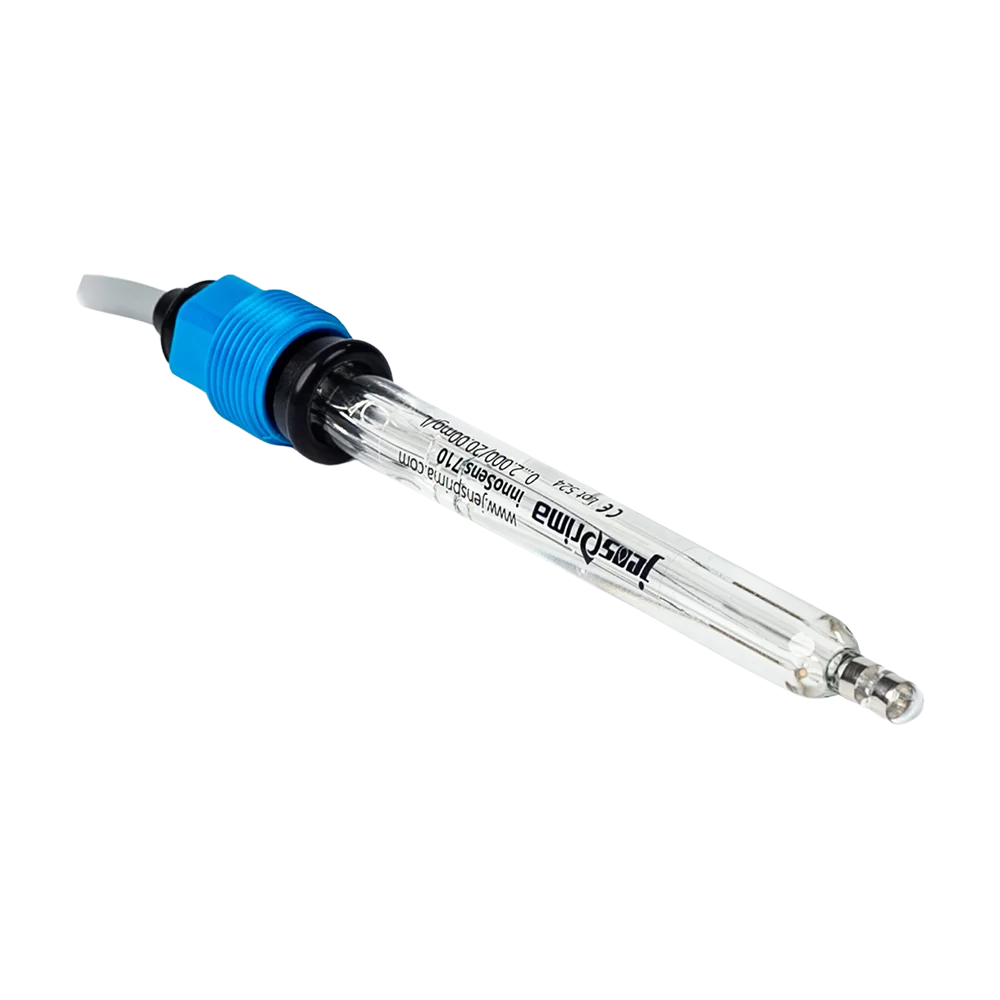
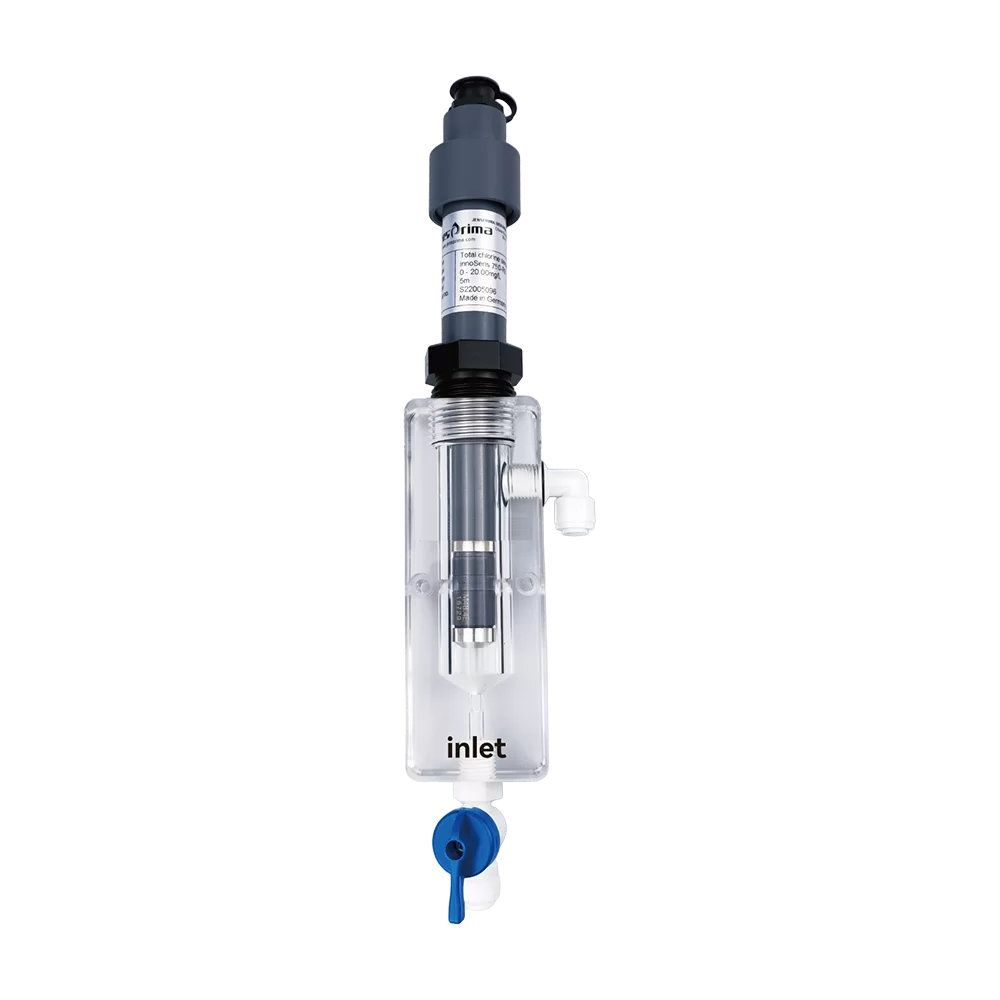
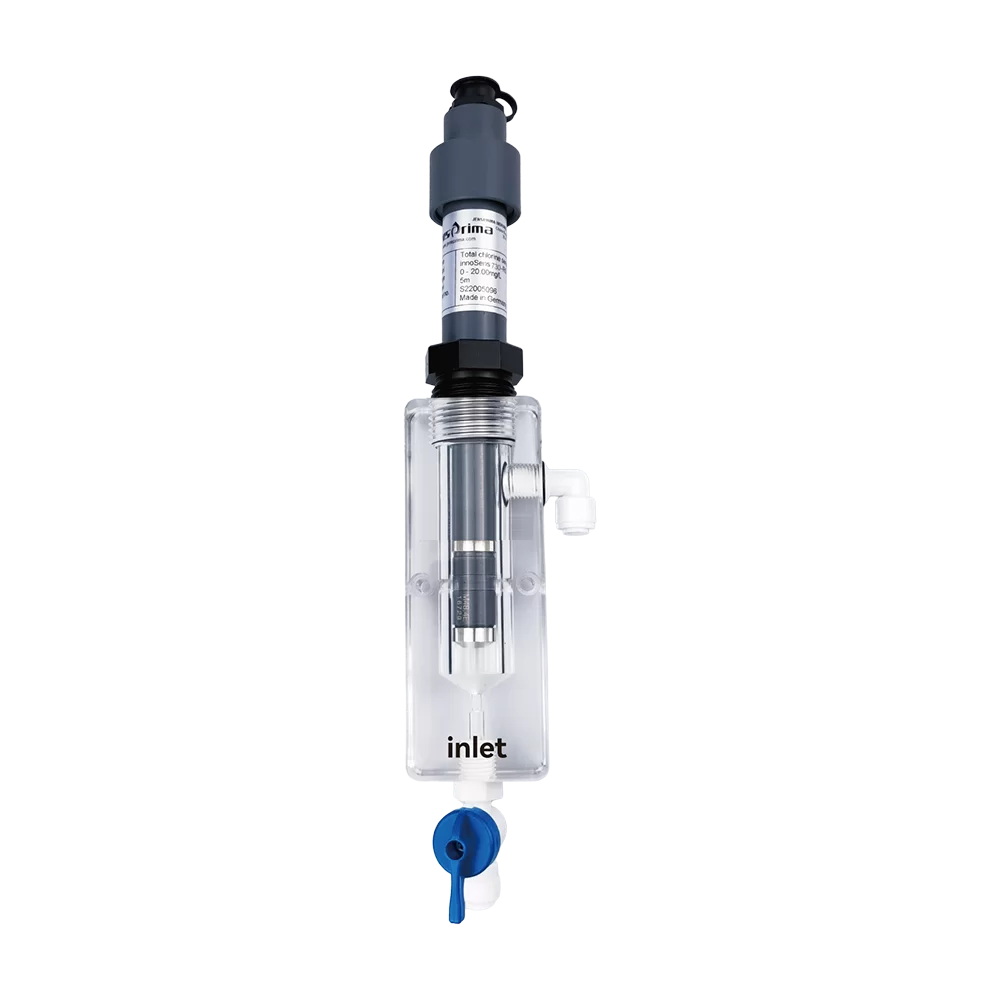
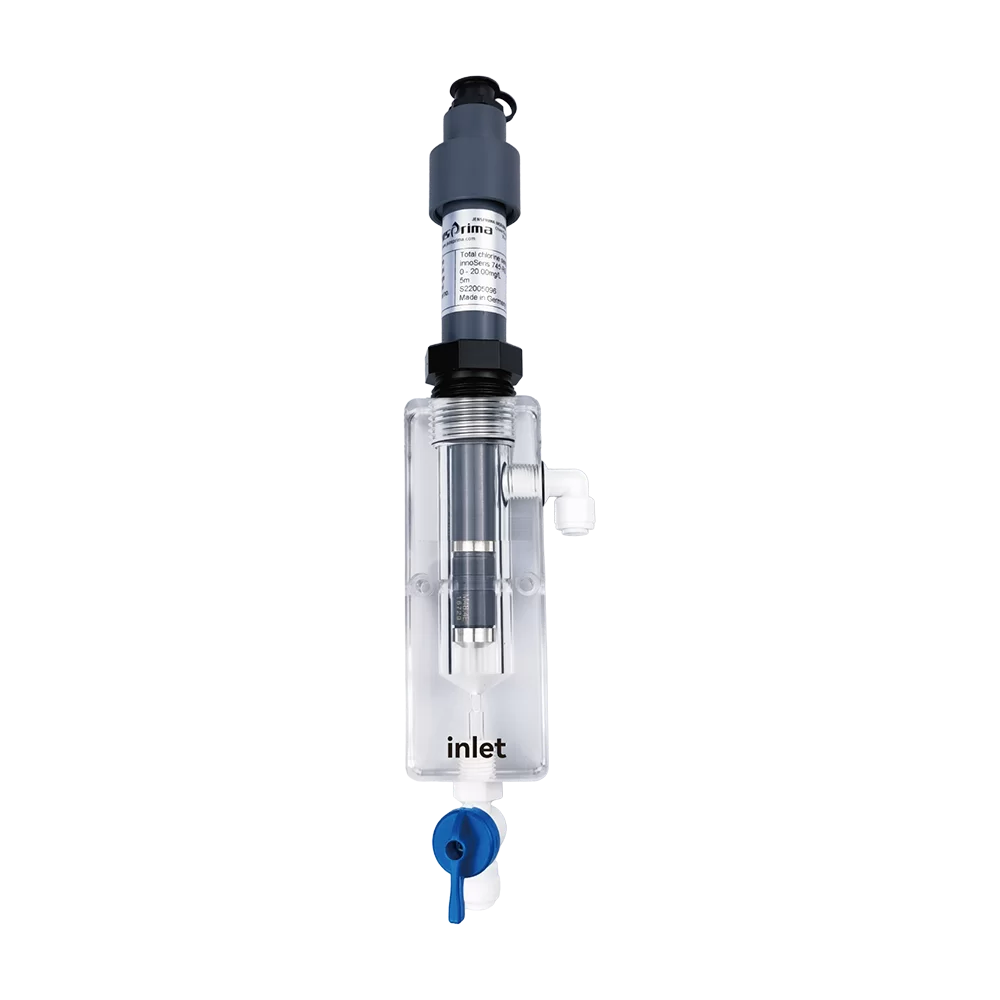
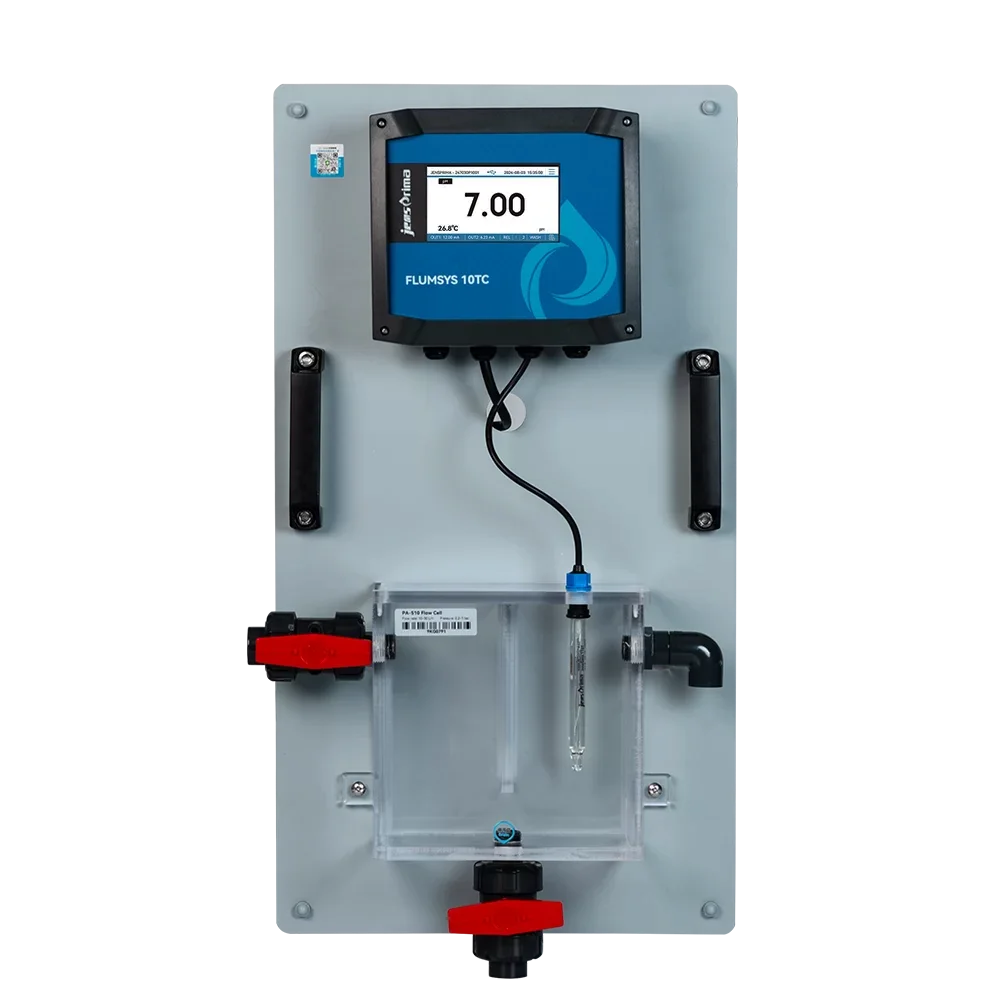
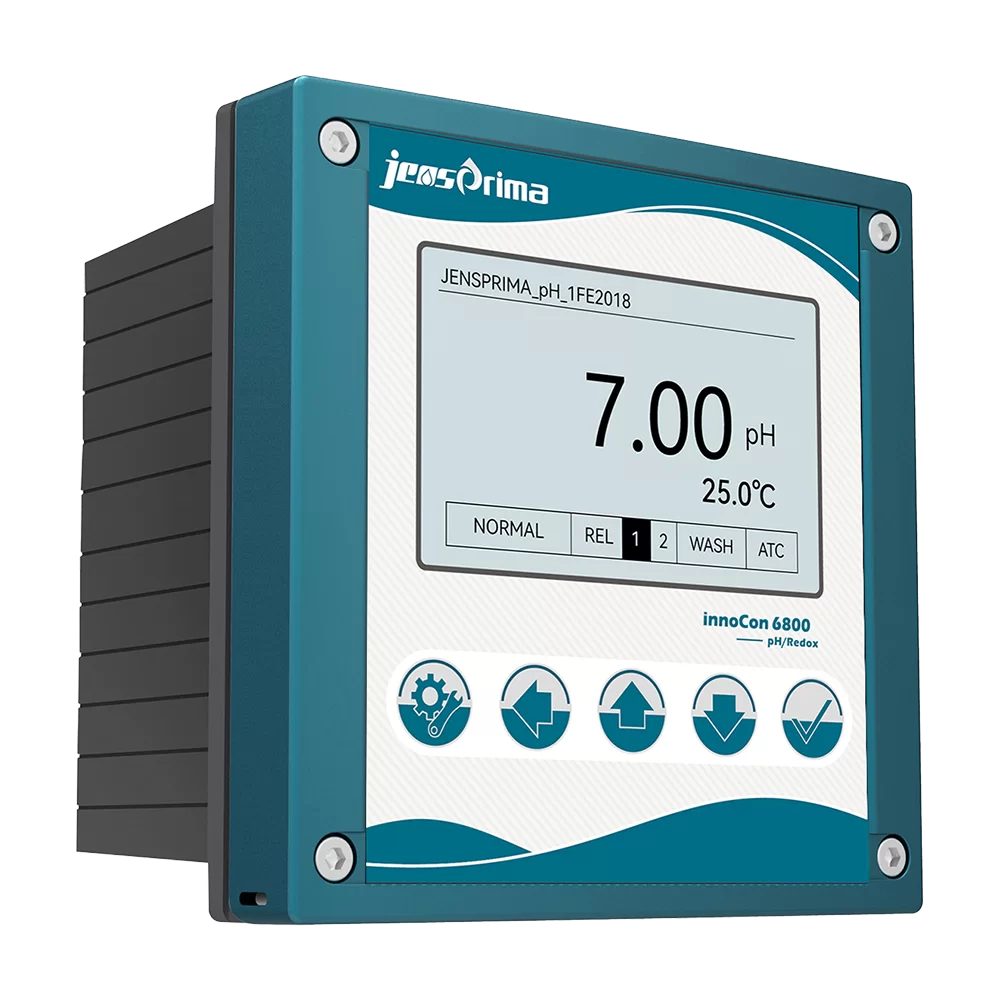
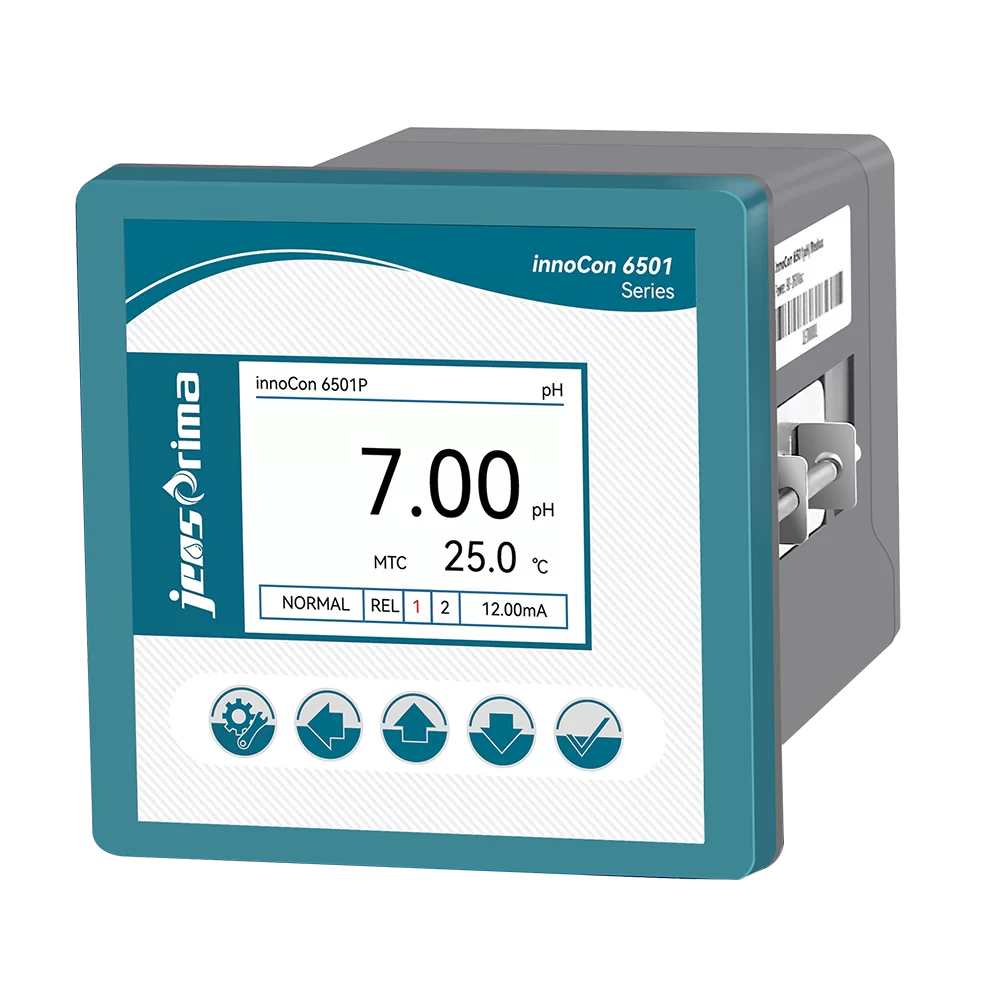
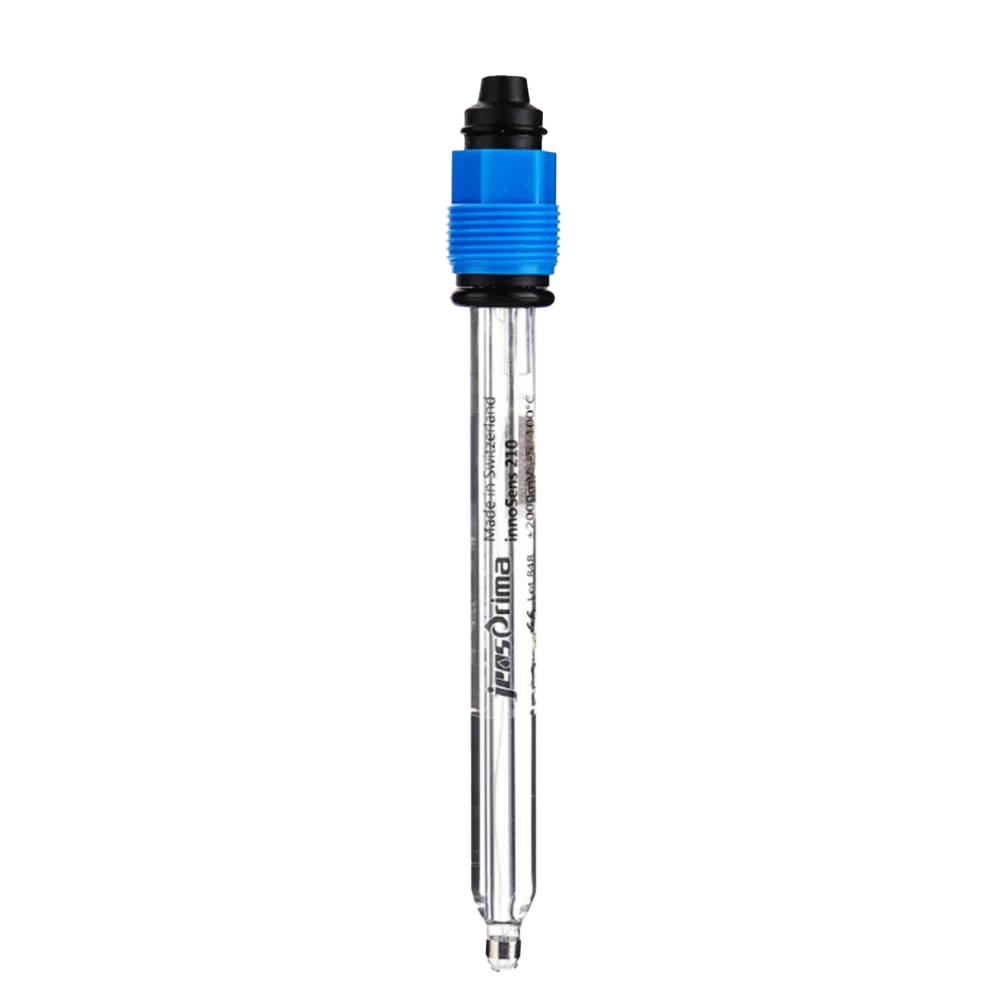
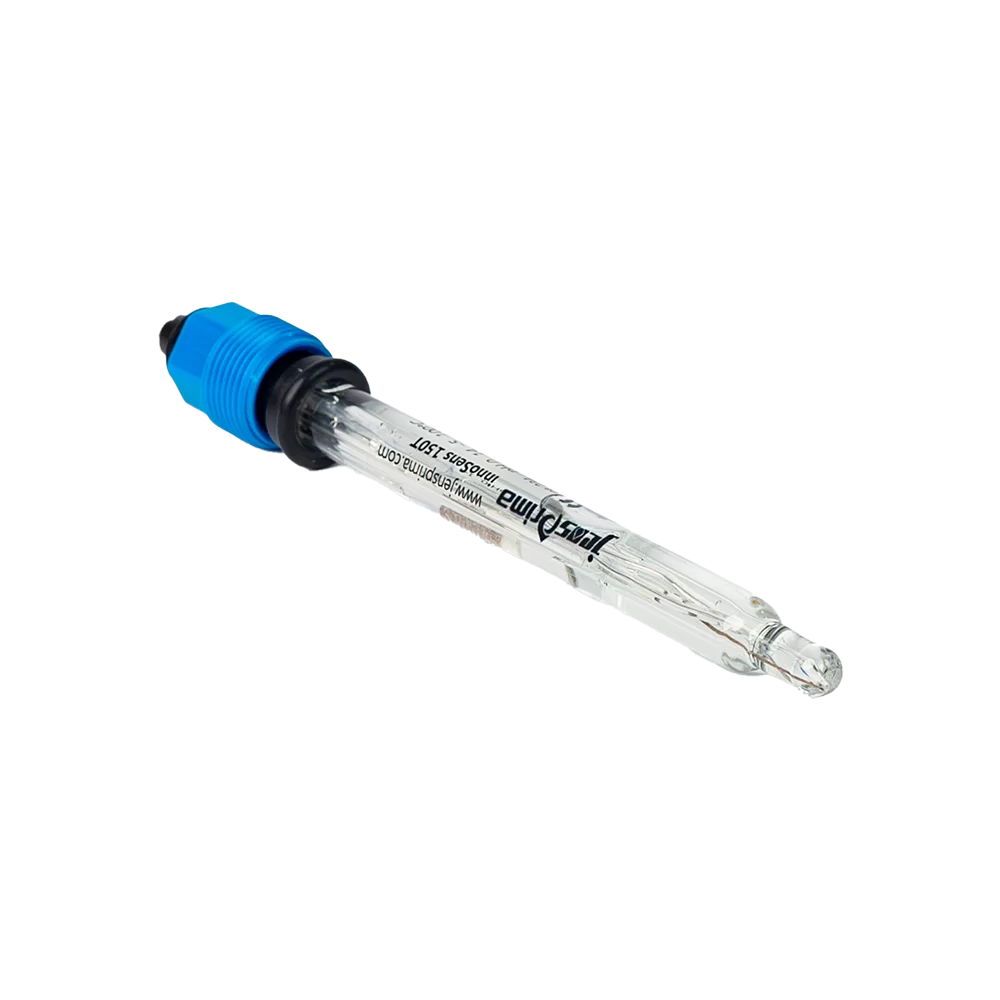
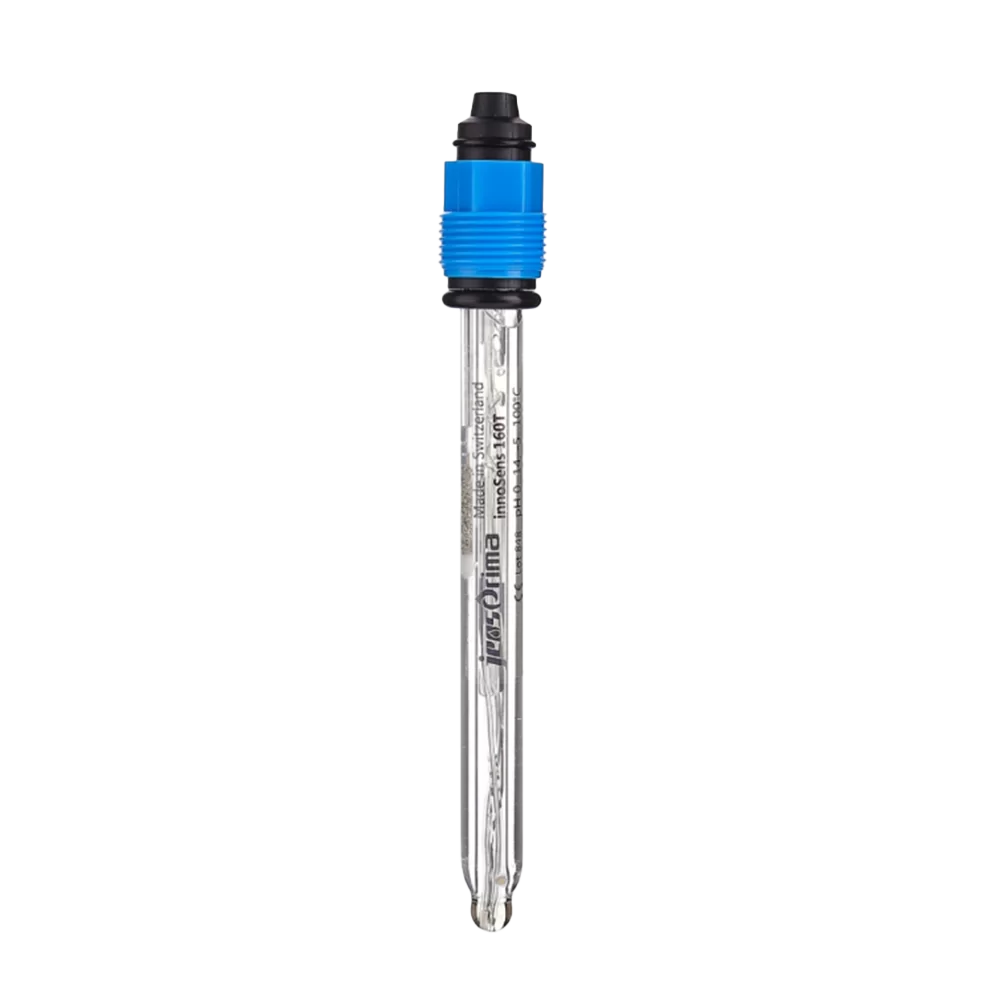
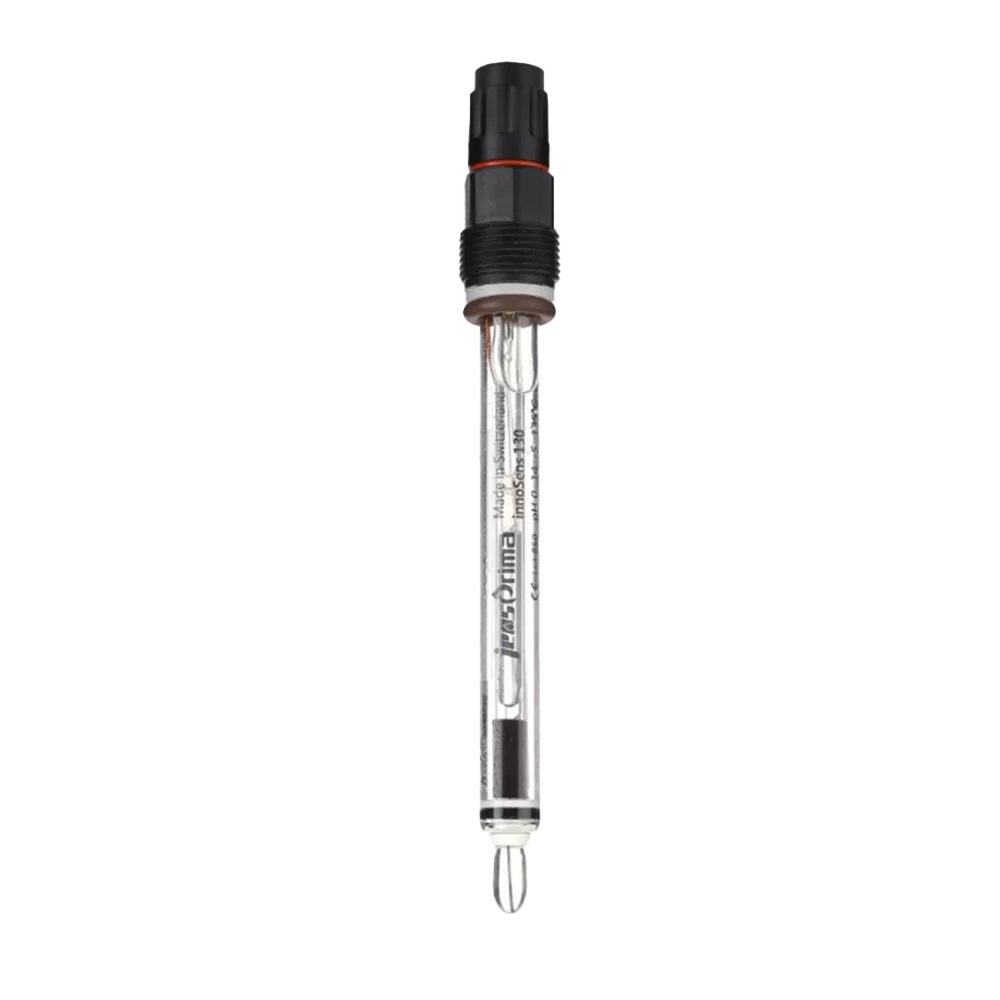
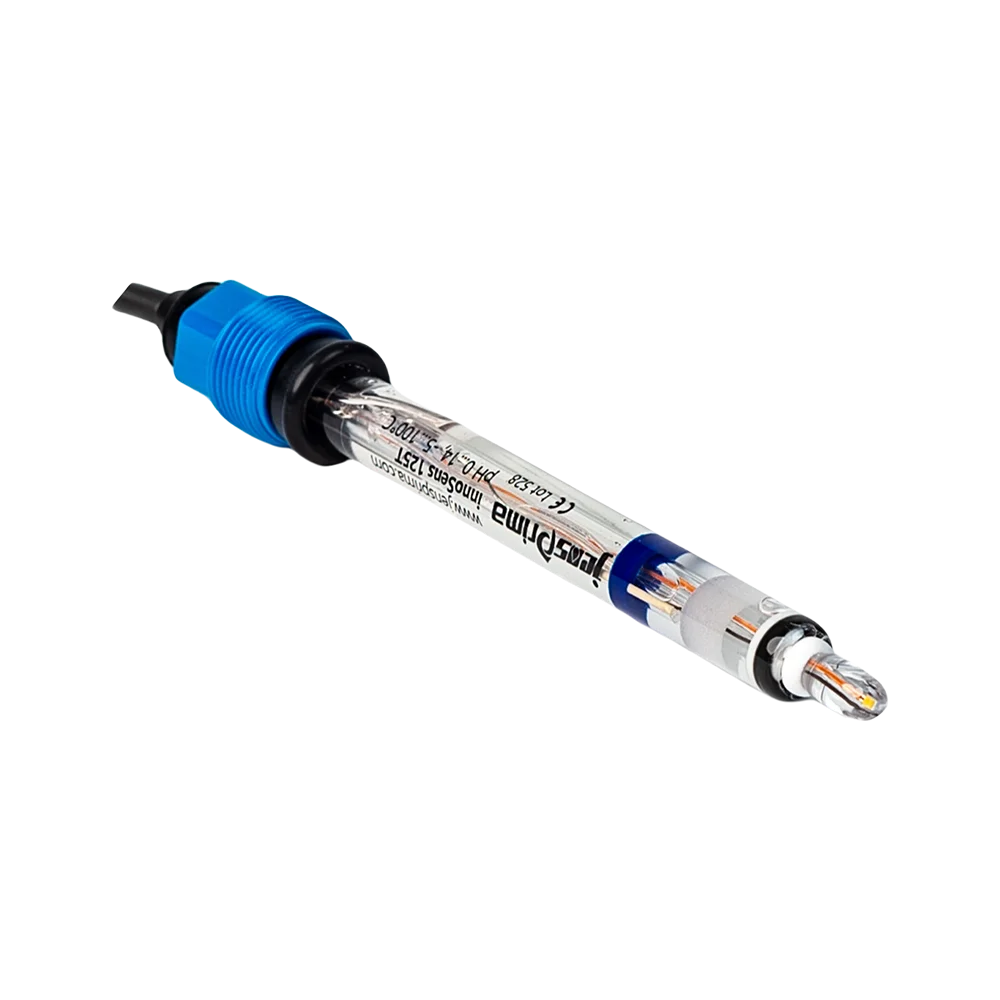
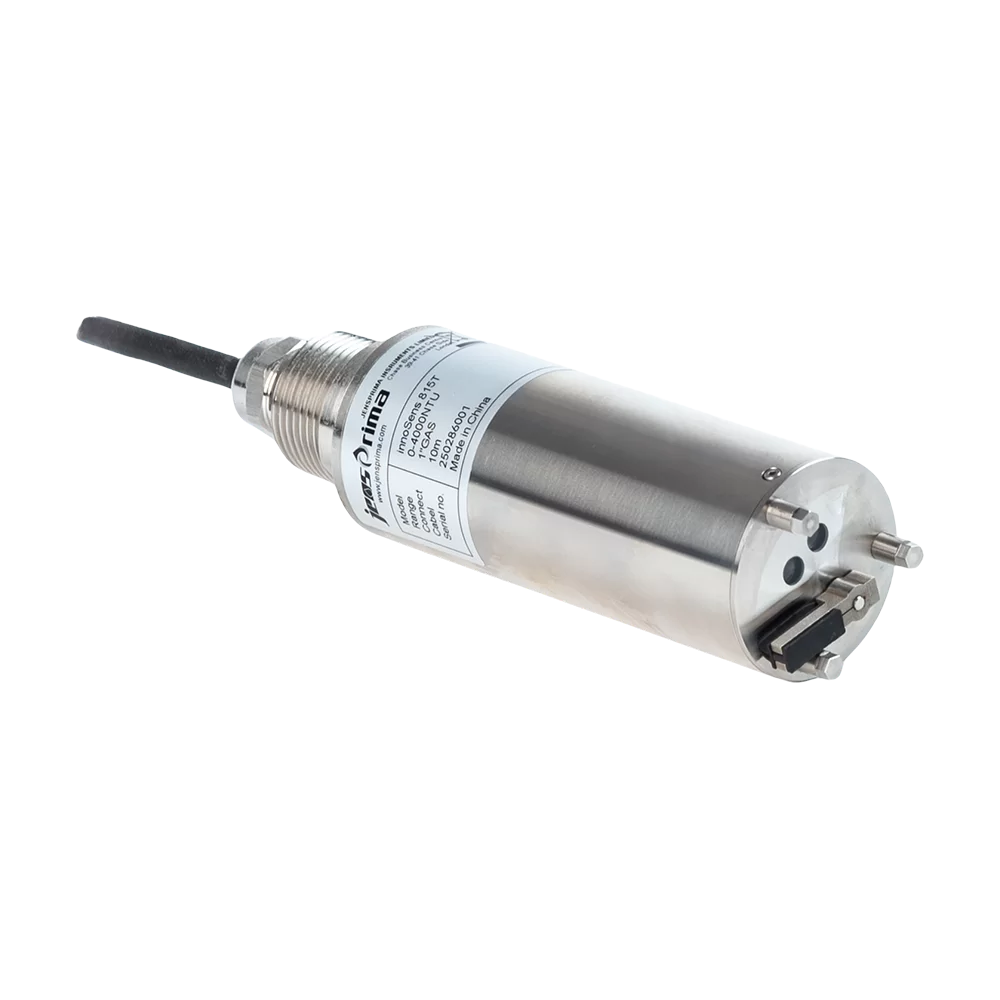
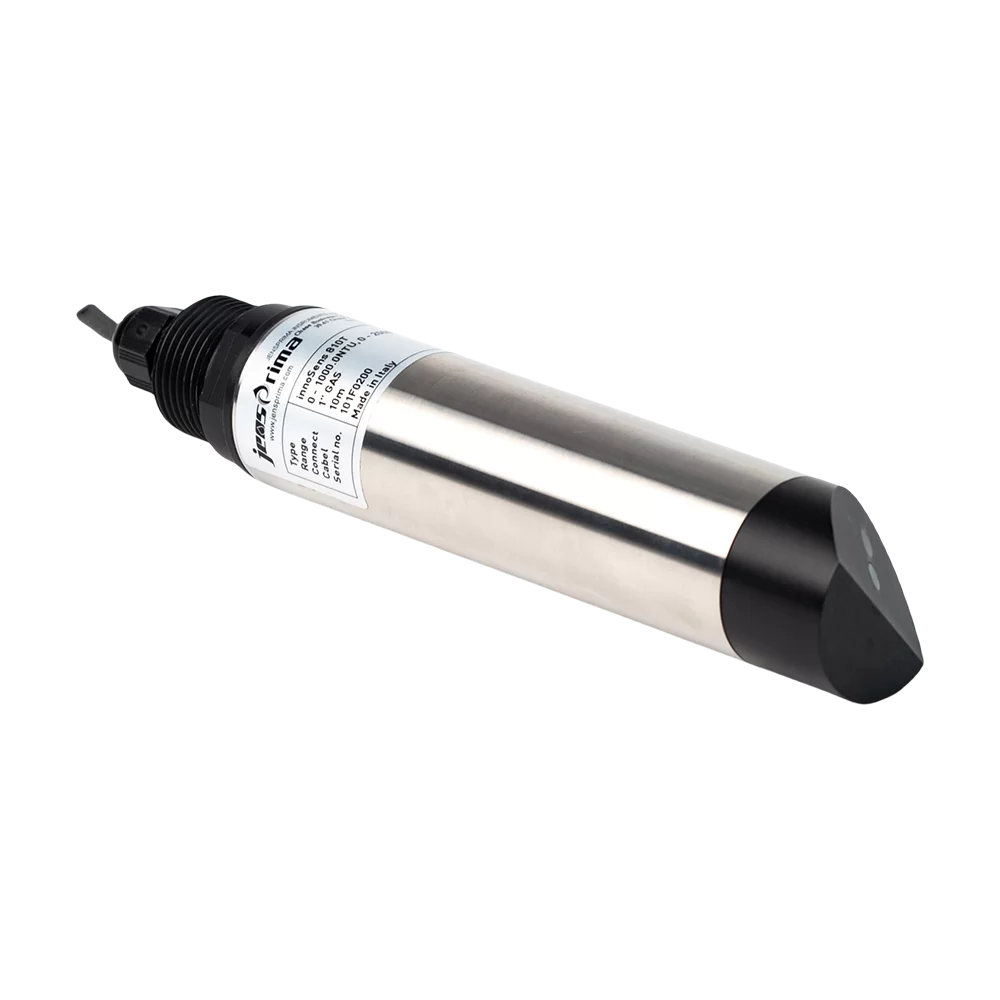
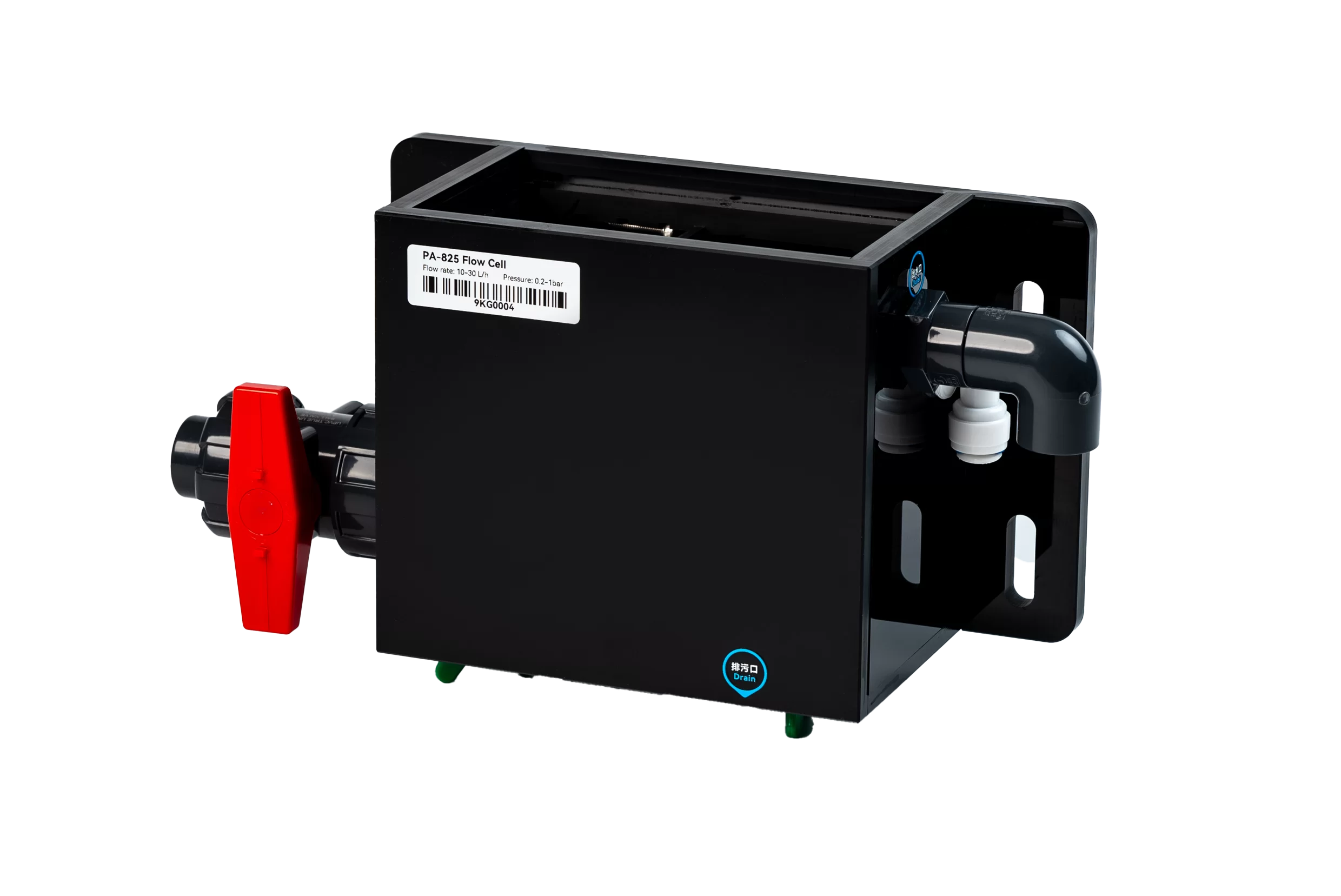
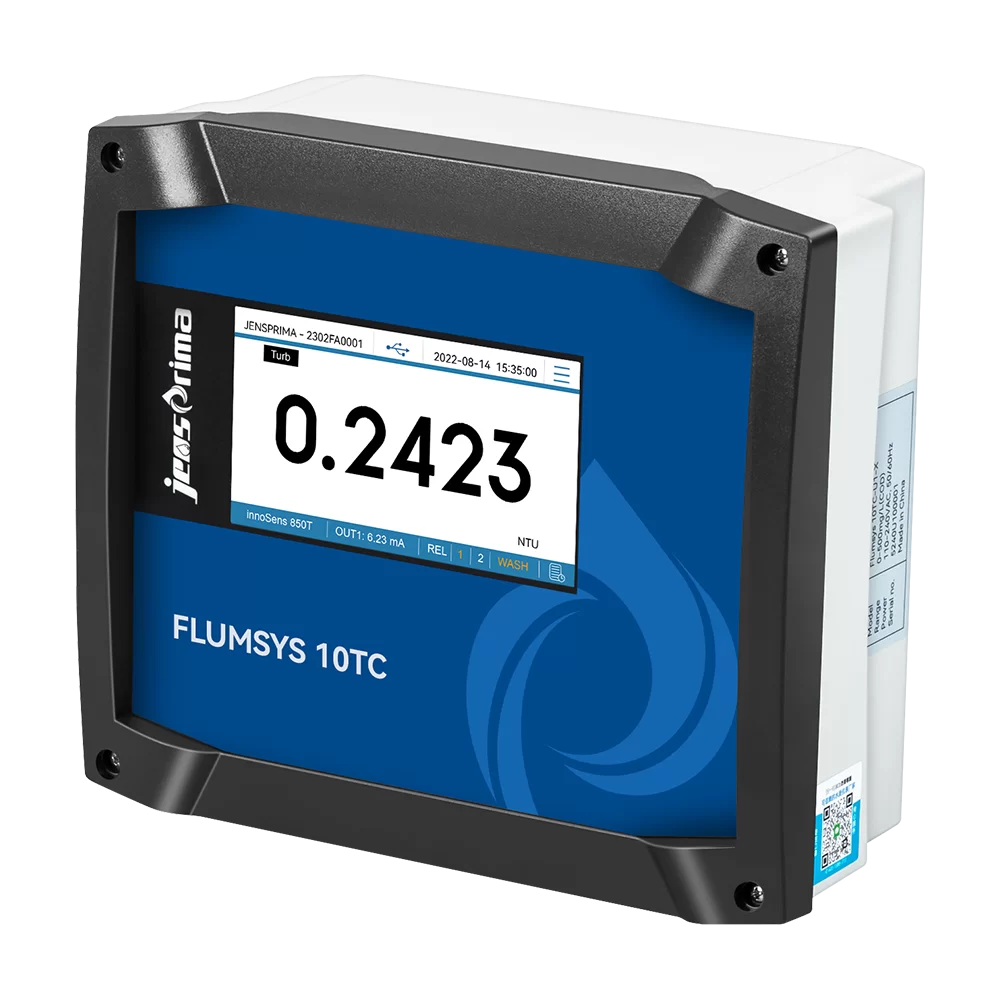
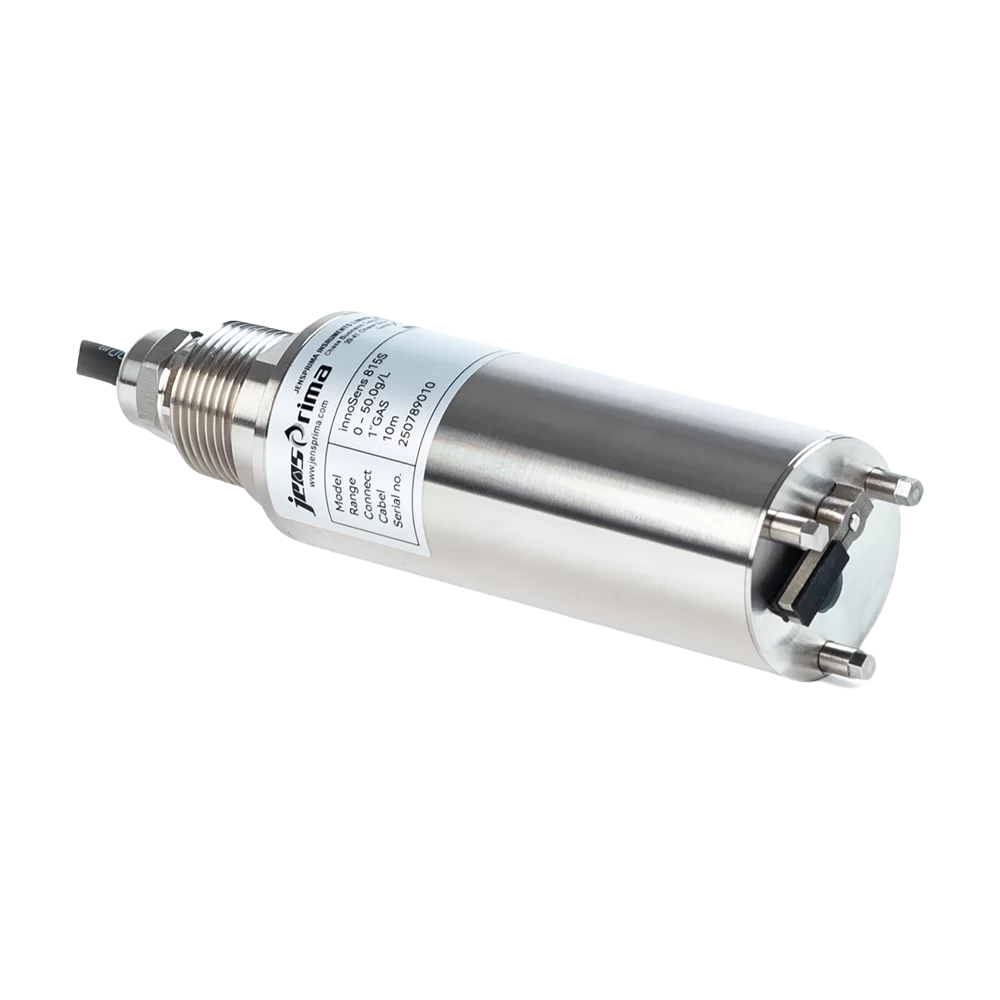
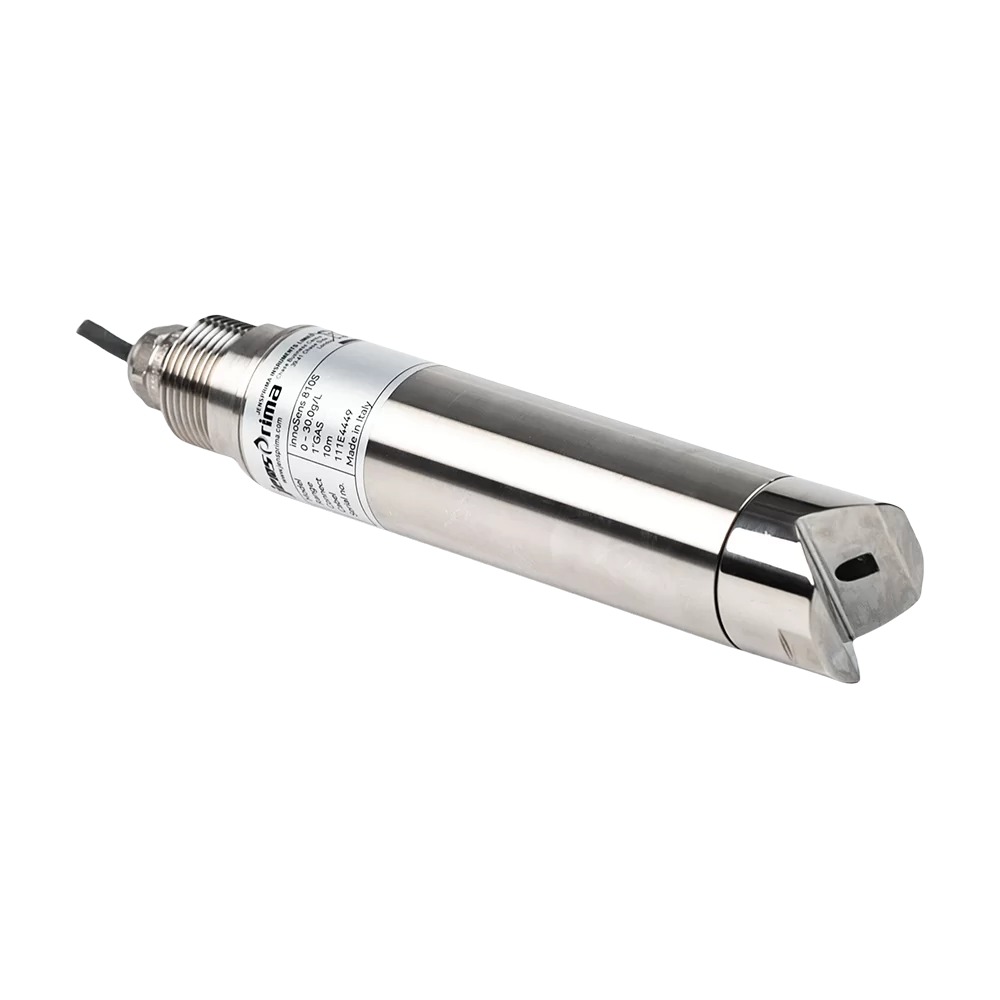
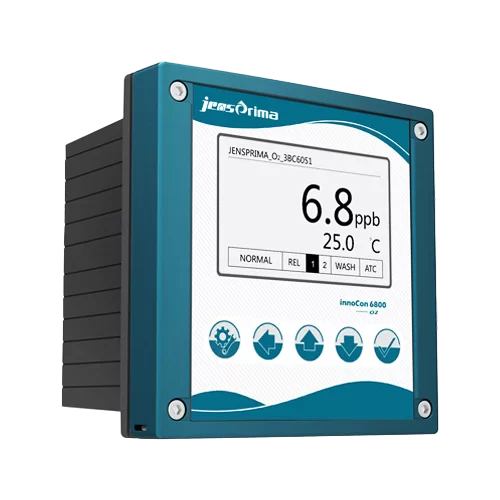
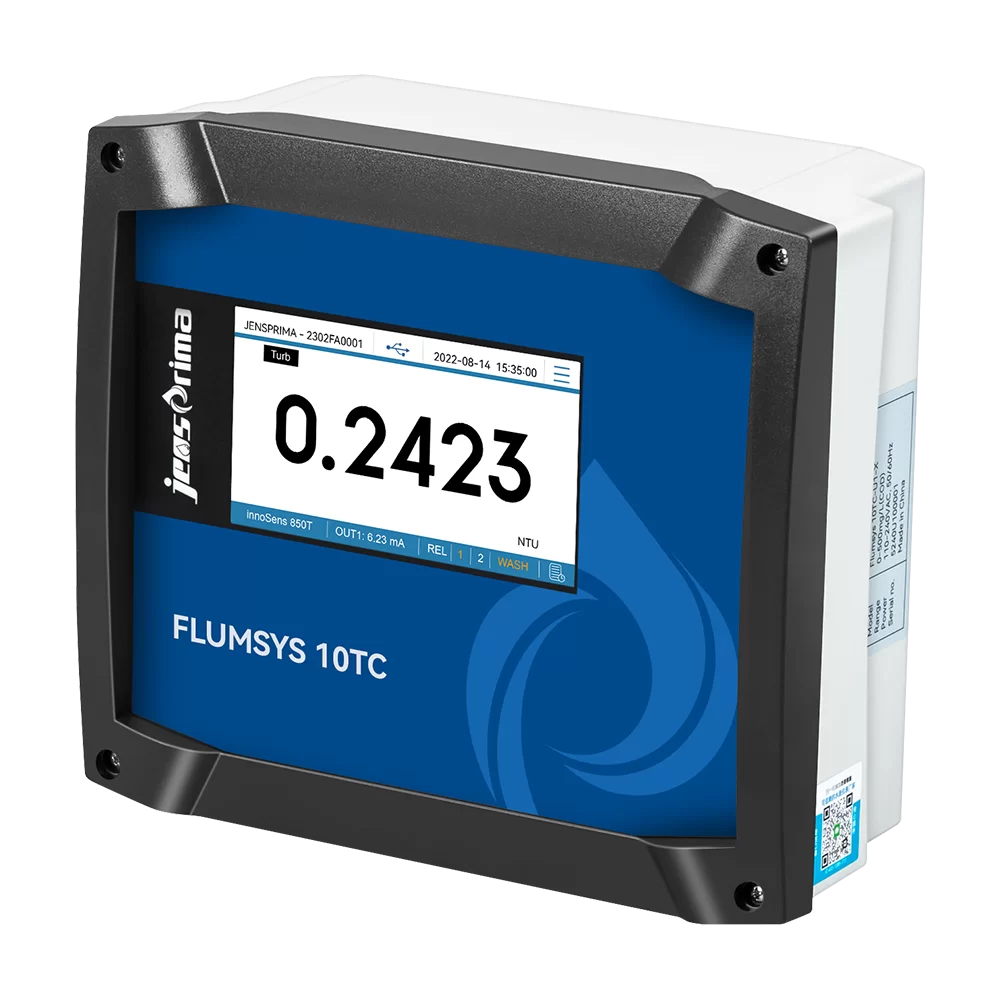
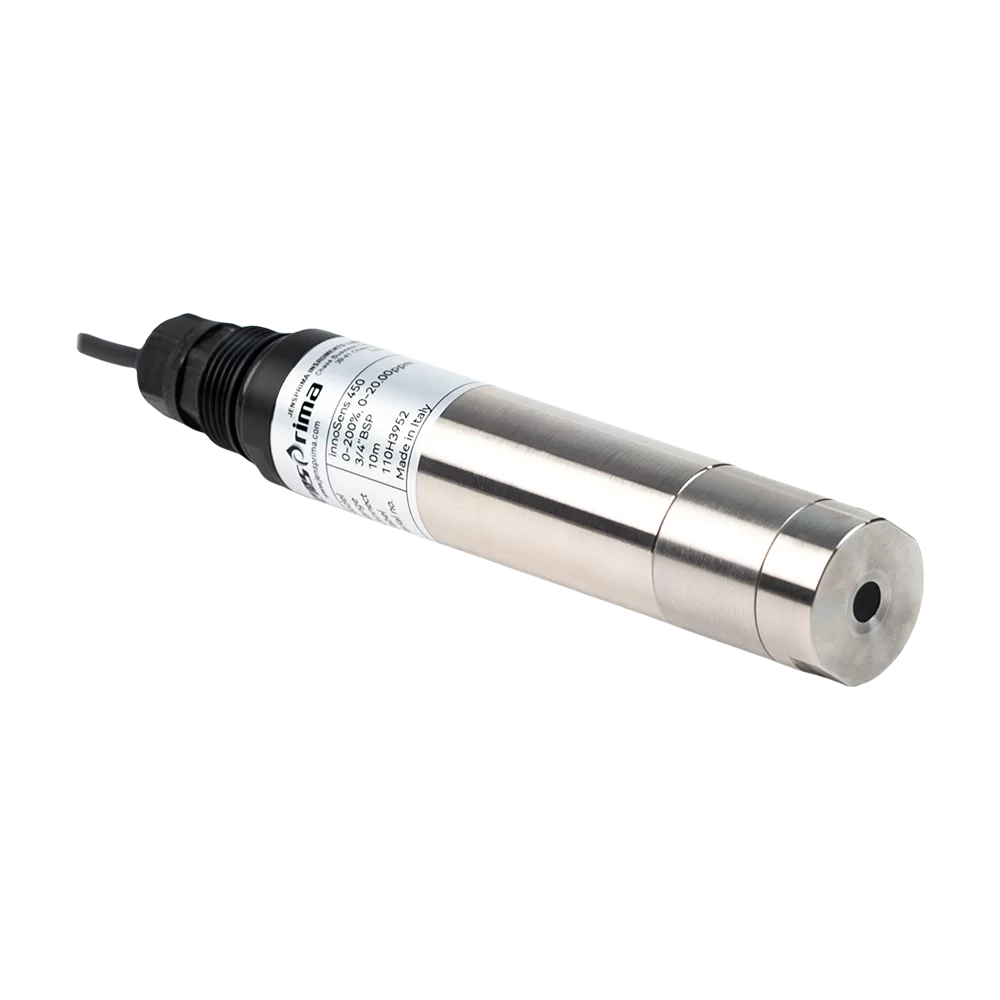
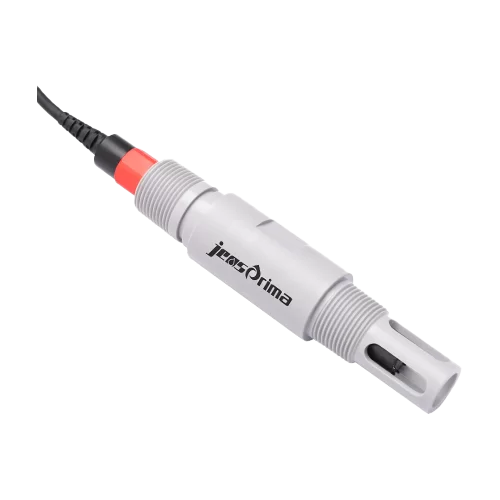
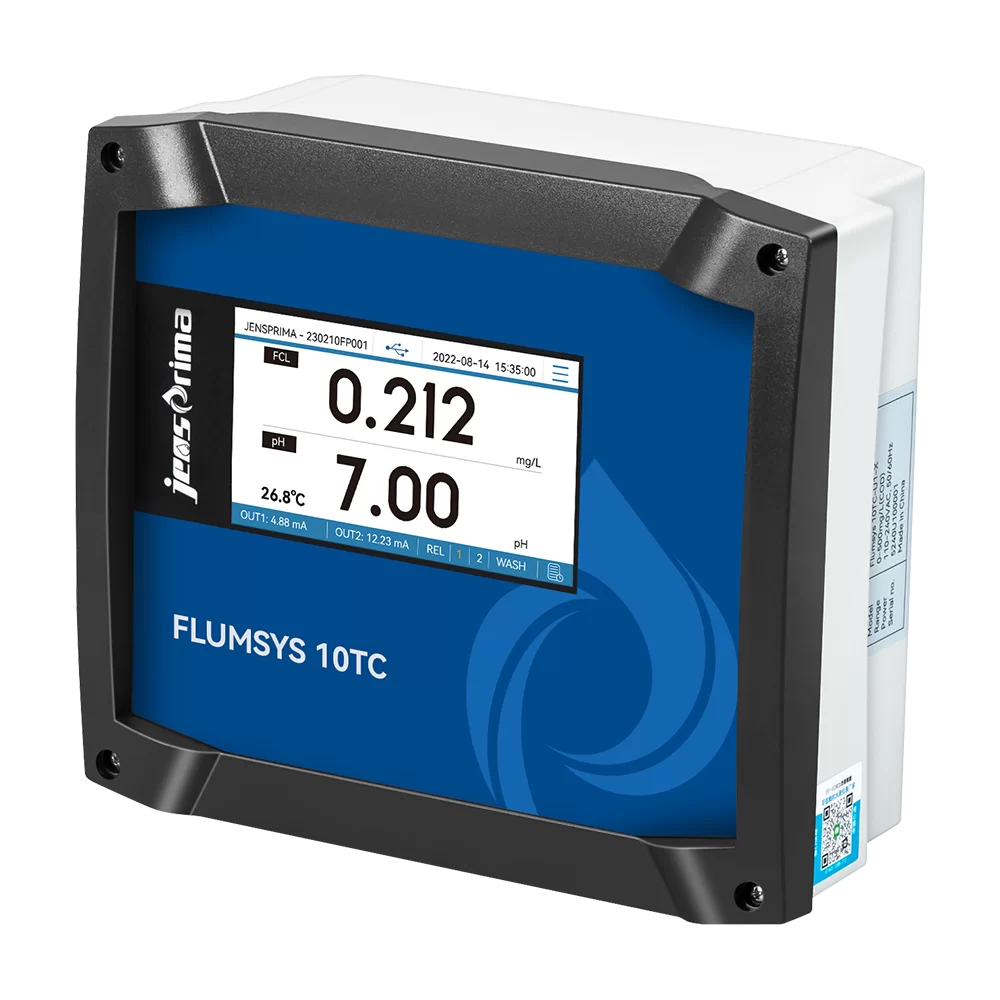
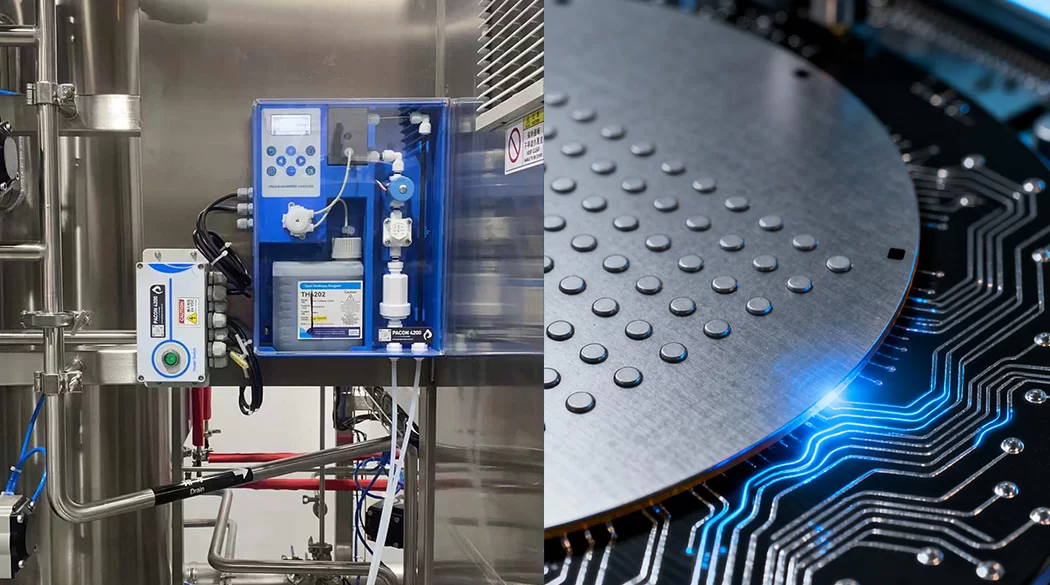
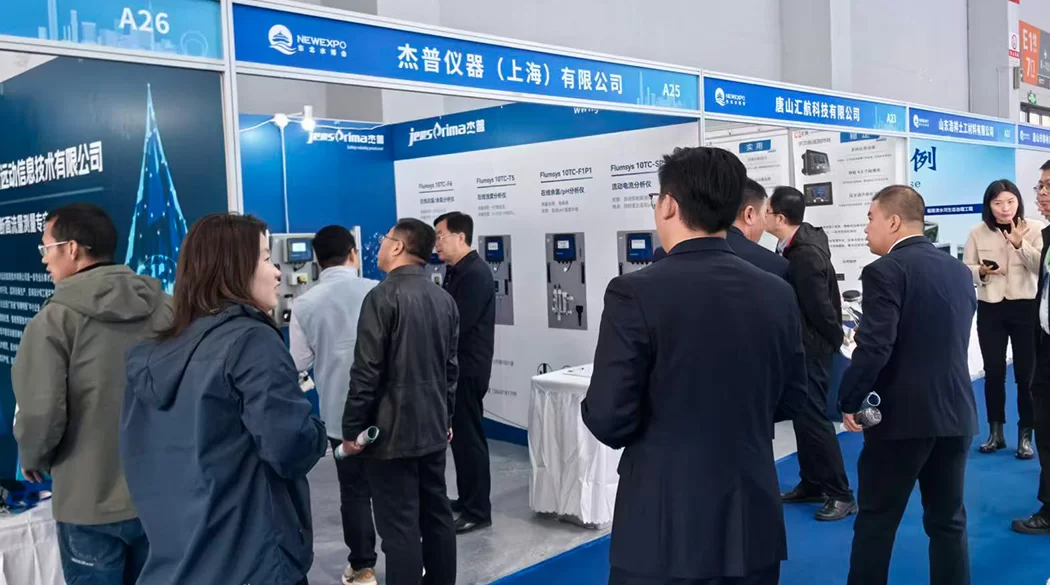
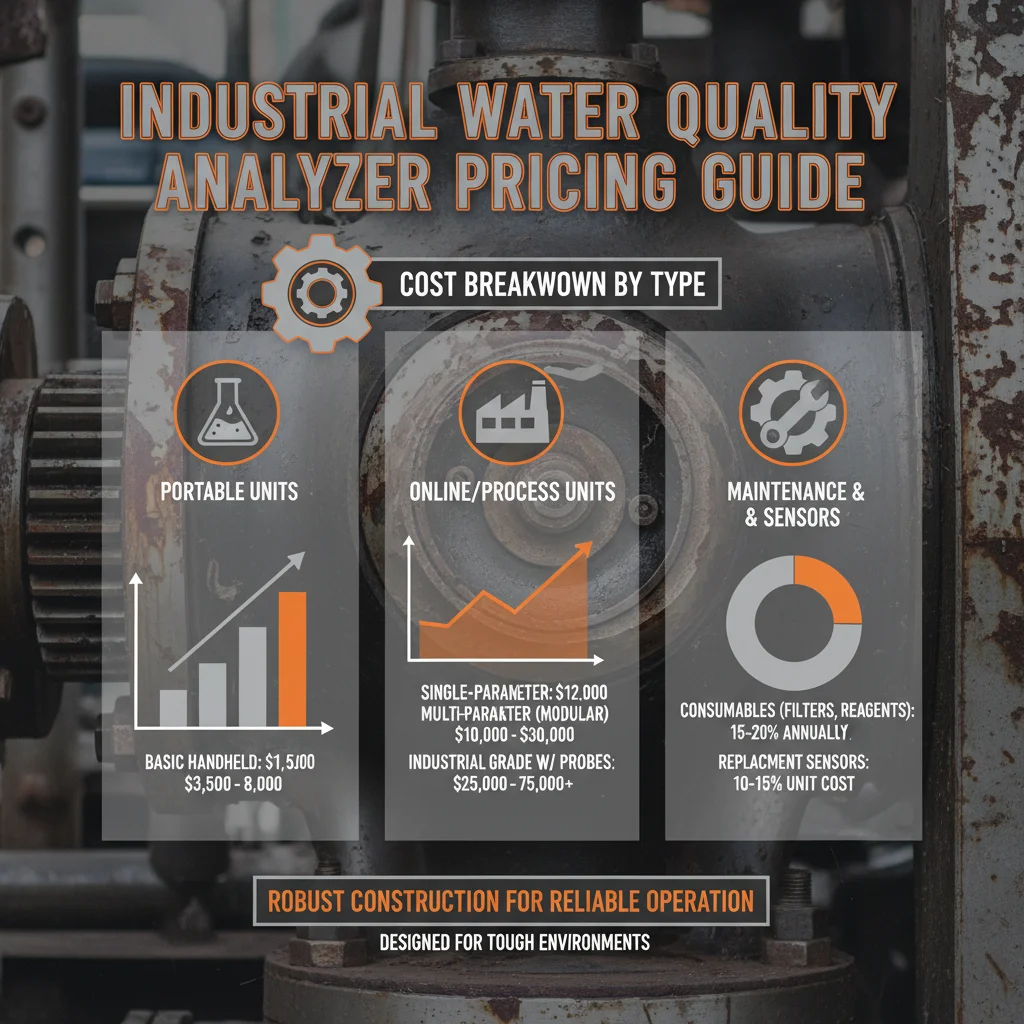
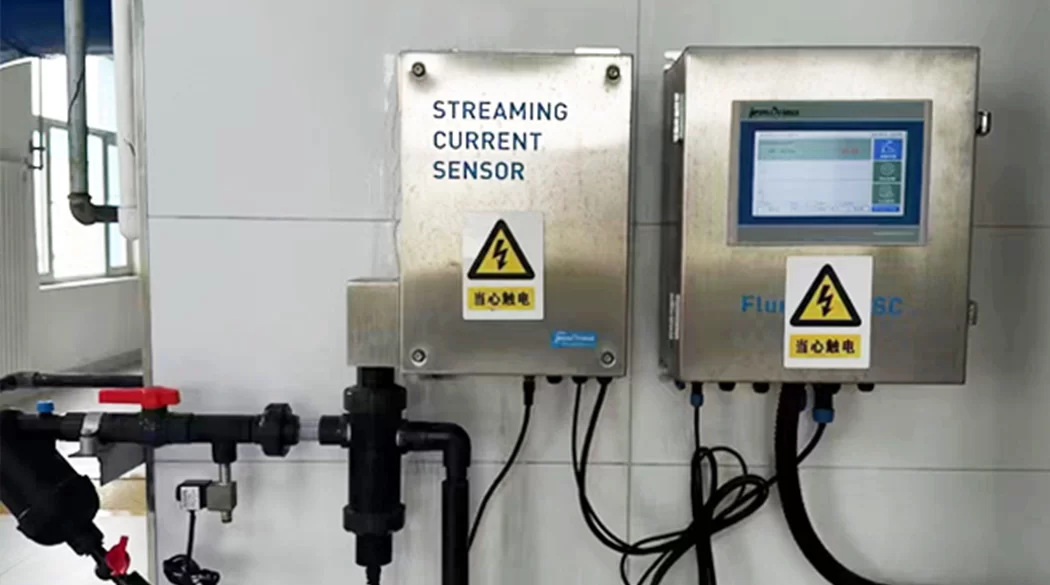
Jensprima online hardness and residual chlorine analyzers play a vital role in the service life of reverse osmosis membranes and the water recovery rate within pharmaceutical RO systems.
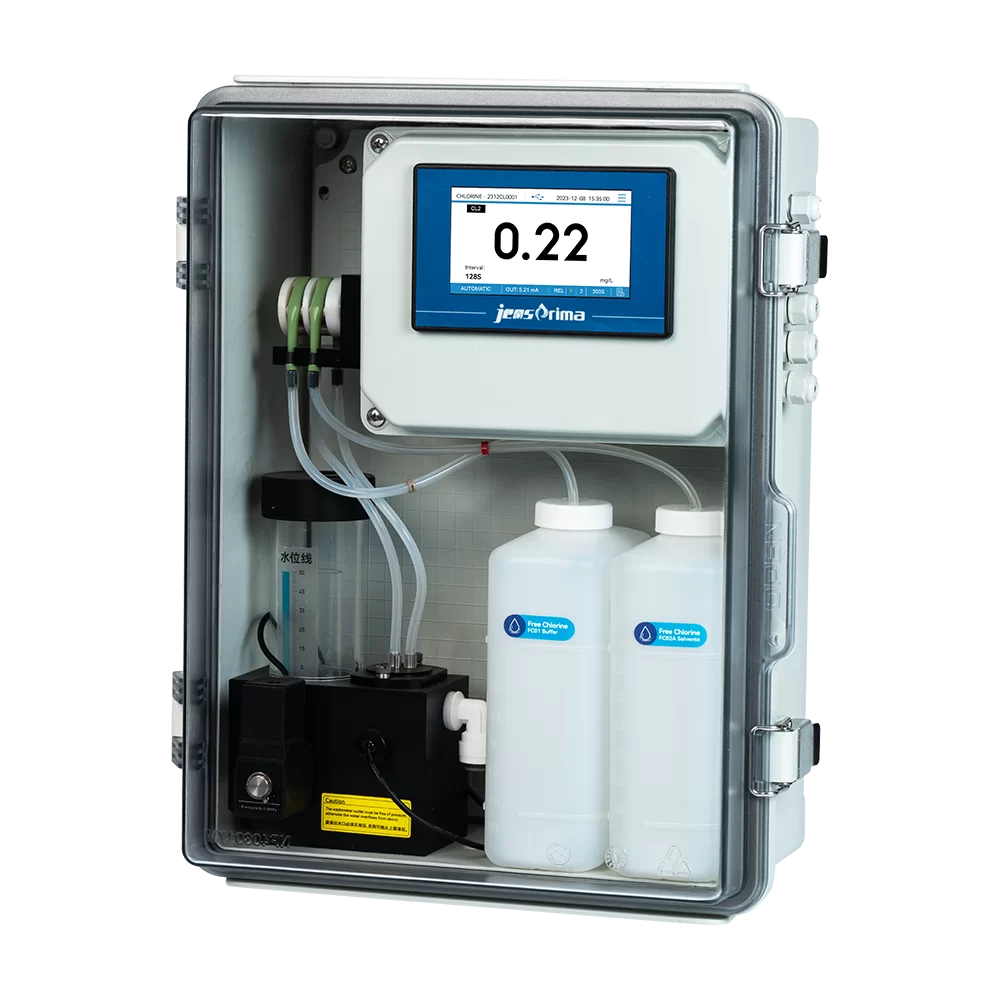
Looking for reliable China suppliers? Our PACON 2501 chlorine analyzer factory provides accurate, low-maintenance online monitoring using DPD colourimetric methods for drinking water networks and industrial disinfection.
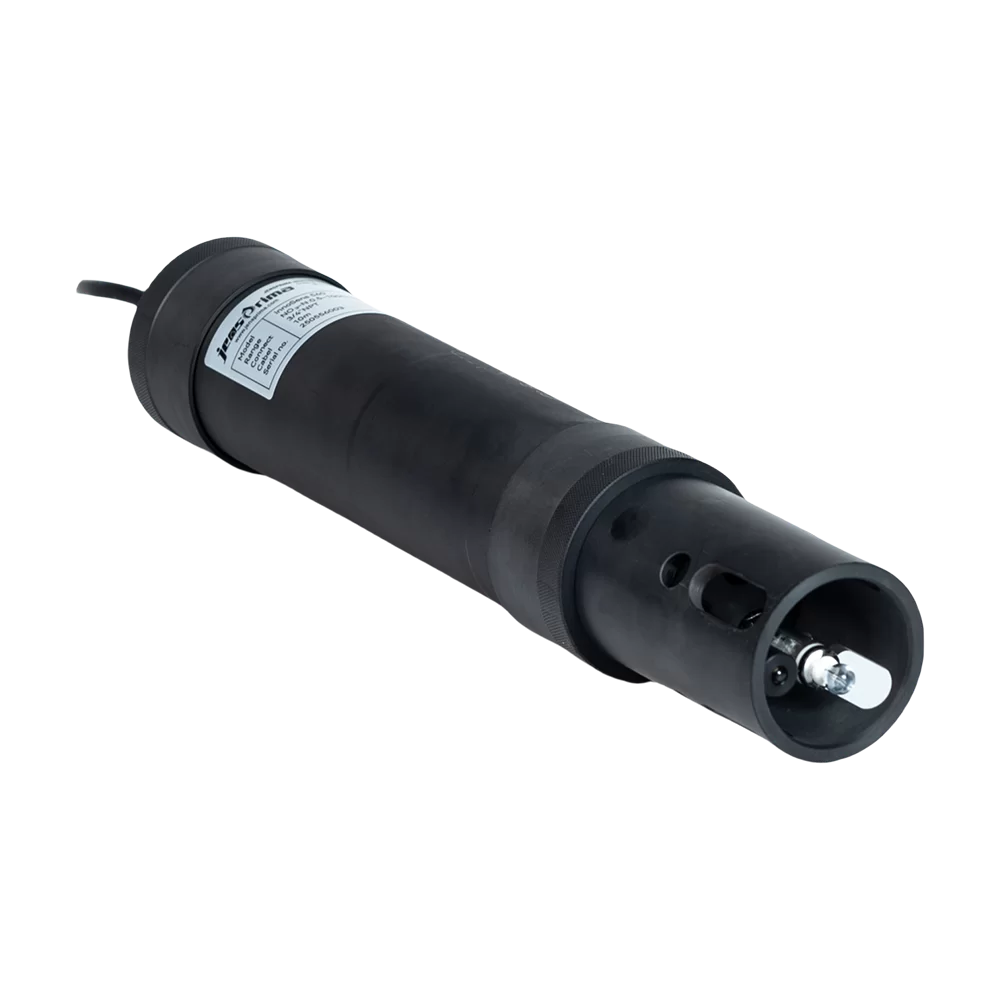
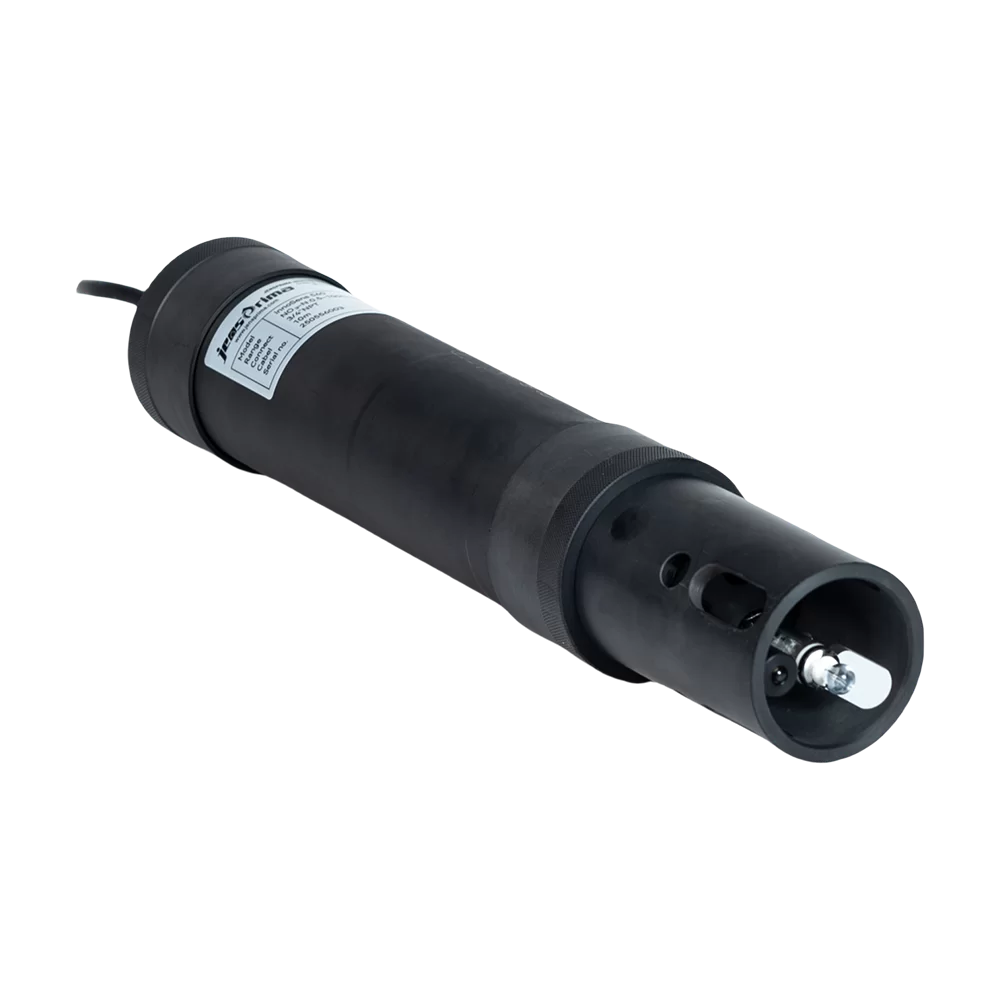
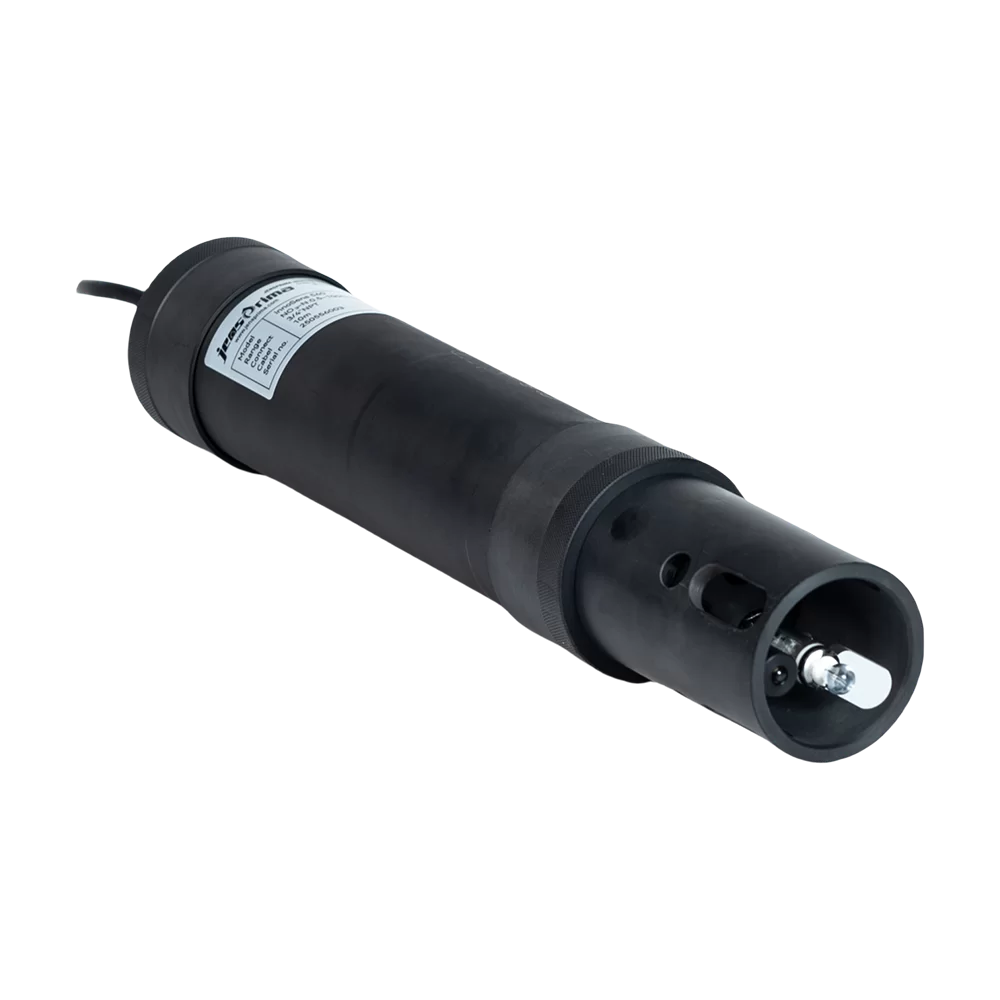
The PACON 2501 is a high-precision Free Chlorine and Total Chlorine Analyzer engineered for rigorous online water quality monitoring. Designed to meet the stringent demands of industrial water treatment and environmental monitoring, this instrument provides real-time, accurate measurements of chlorine levels to ensure optimal disinfection and compliance with safety standards.
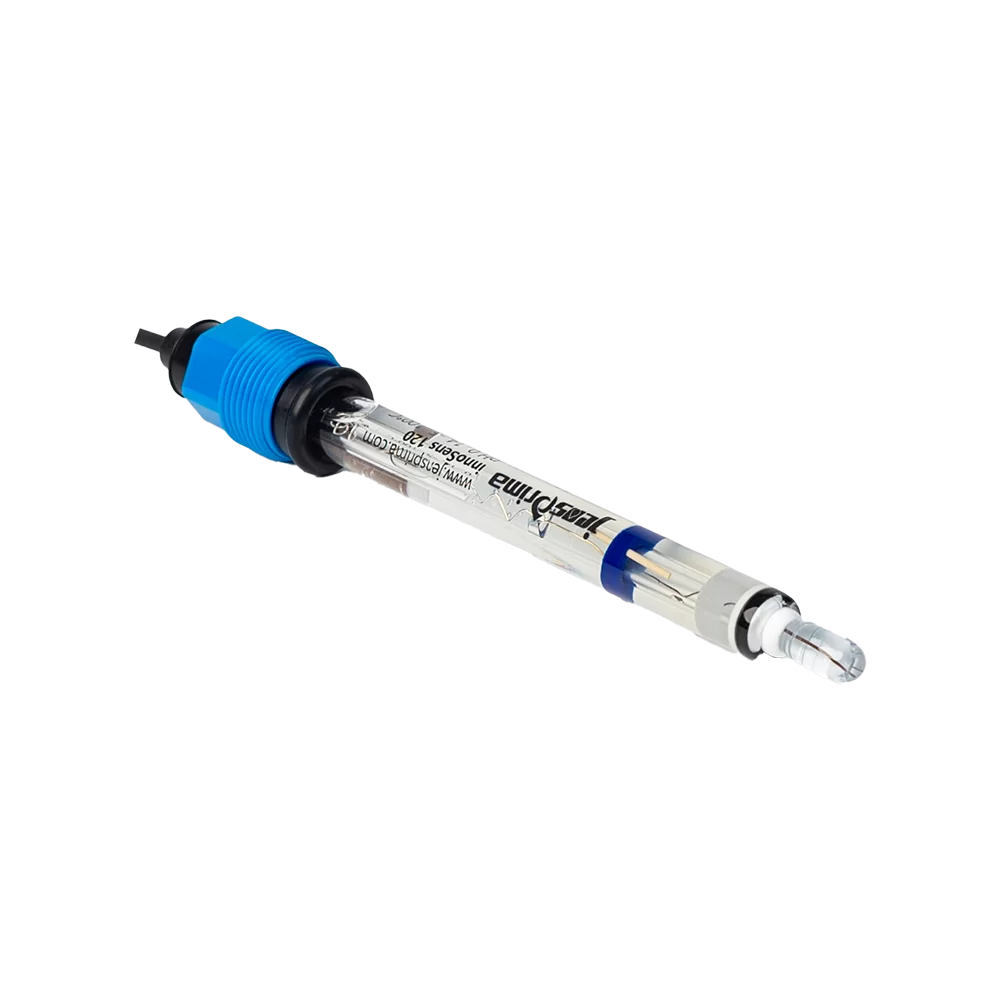
Utilizing advanced electrochemical sensing technology, the PACON 2501 minimizes manual sampling errors and reduces operational downtime. Its robust construction and intuitive interface make it an ideal solution for municipal water plants, swimming pool management, and industrial cooling systems where precise chemical dosing is critical for operational efficiency.

| Measurement Type | Free Chlorine & Total Chlorine | Model Series | PACON 2501 |
|---|---|---|---|
| Analysis Method | Amperometric / Colorimetric | Application | Online Water Quality Analysis |
| Sensor Type | High-Sensitivity Electrode | Response Time | Fast Real-time Response |
| Output Signal | 4-20mA / RS485 Modbus | Power Supply | Standard Industrial AC/DC |
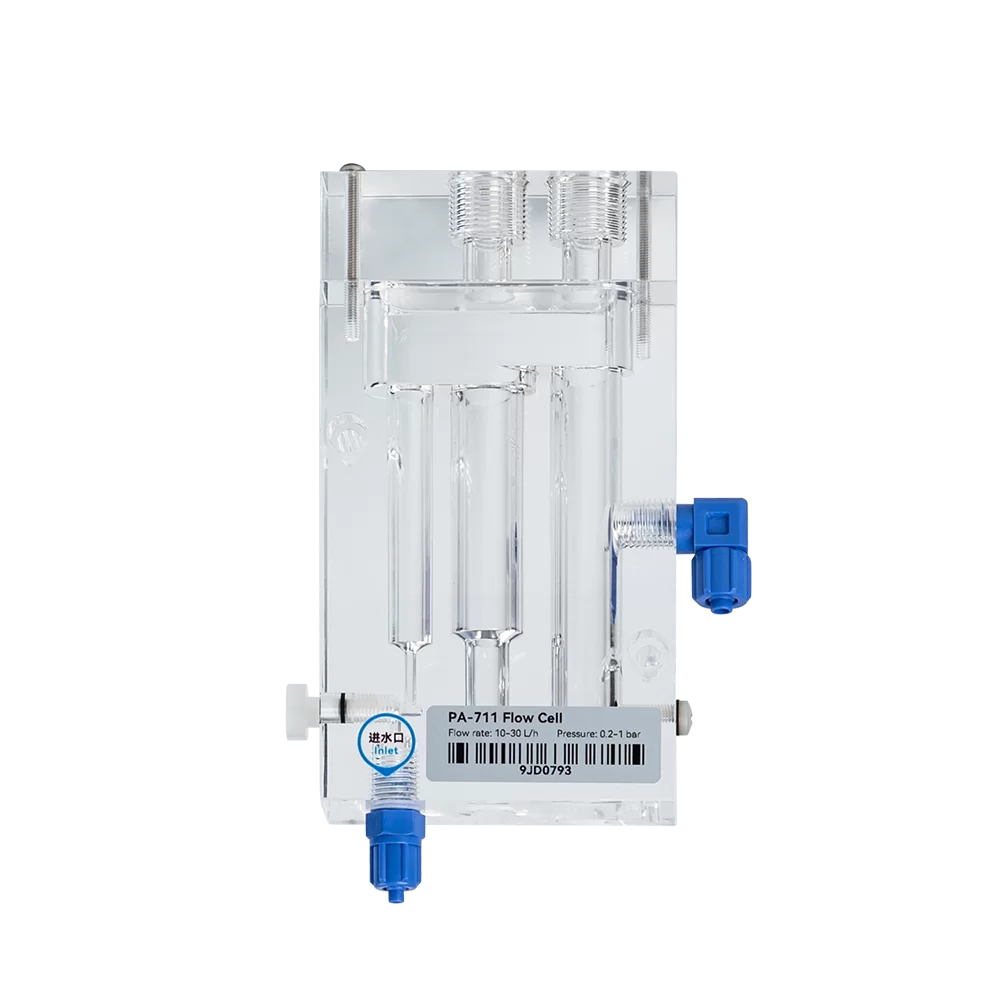
| Housing Material | Corrosion-Resistant Industrial Grade | Installation | Inline / Flow-cell Mount |
Engineered for long-term stability with minimal drift, ensuring consistent readings even in challenging environments.
Provides instantaneous data updates for immediate adjustment of chlorine dosing systems to prevent over-chlorination.
Precision-calibrated sensors deliver laboratory-grade accuracy for both free and total chlorine parameters.
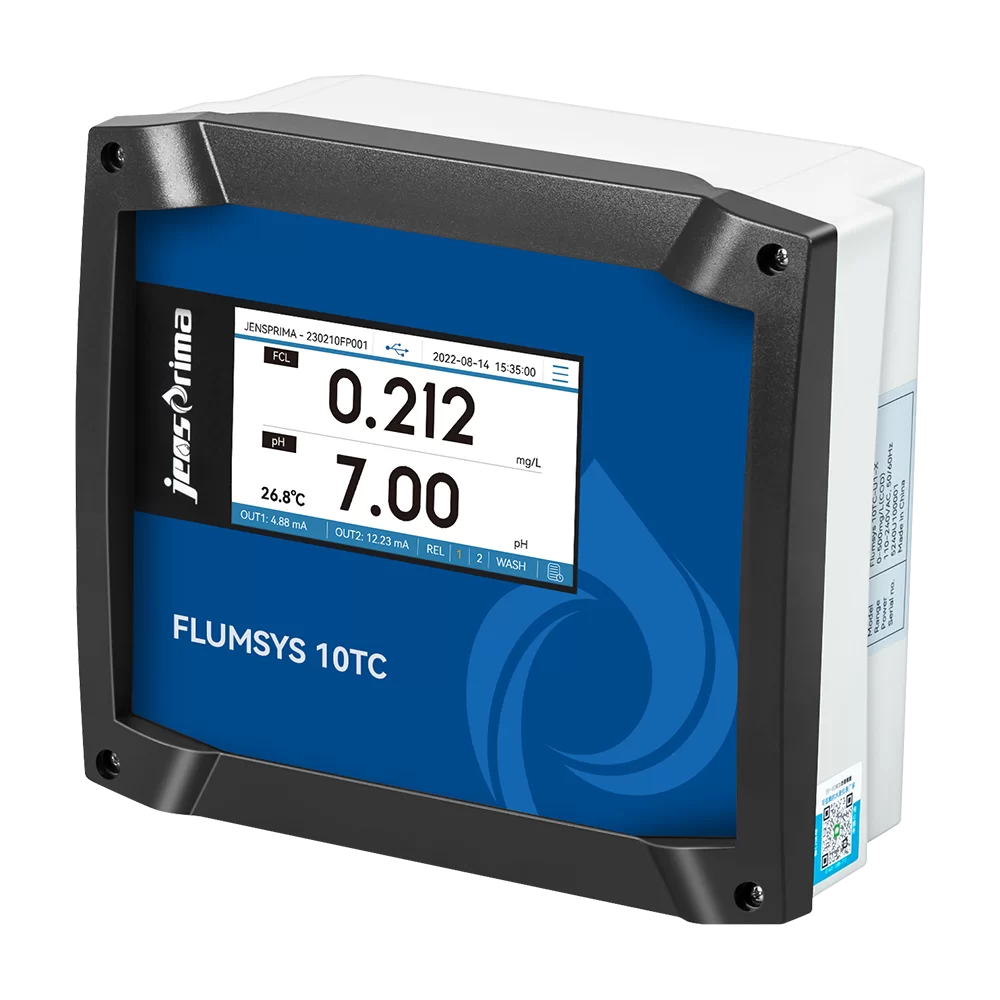
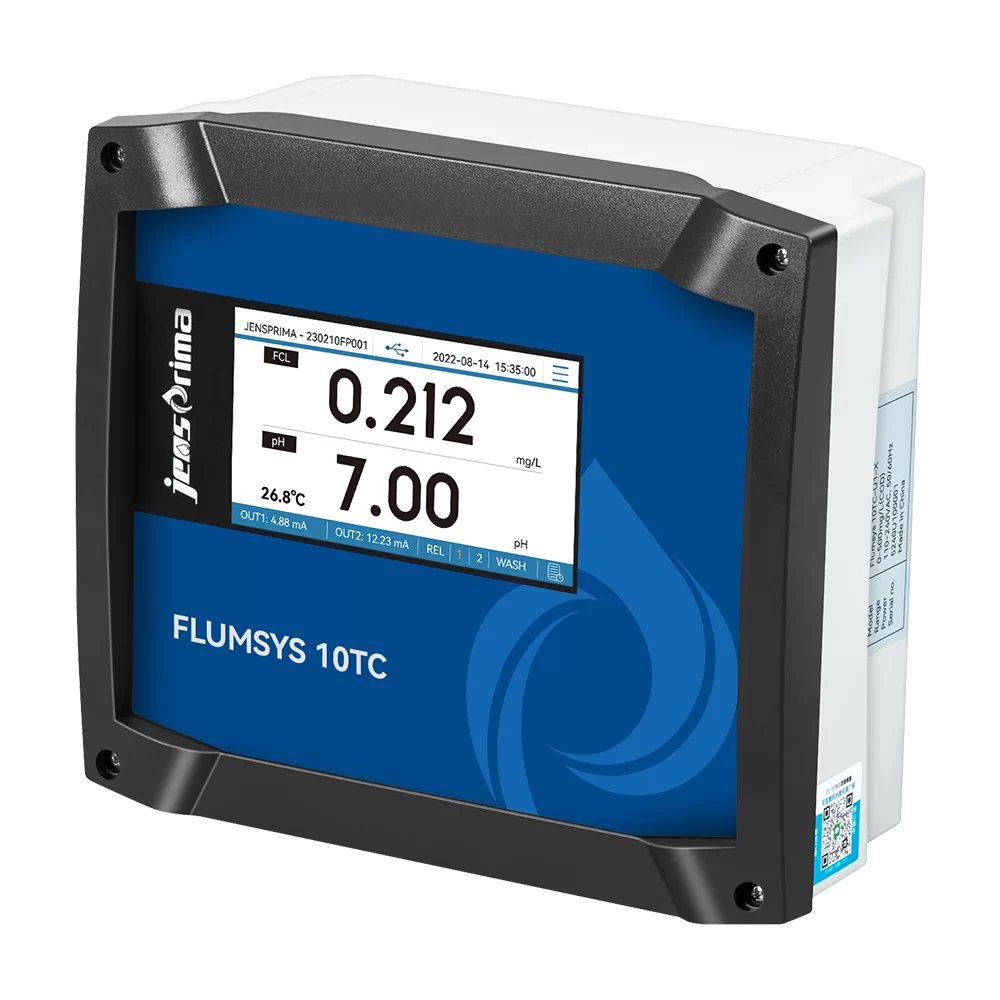
Equipped with a clear digital interface for easy monitoring of current values and system status alerts.
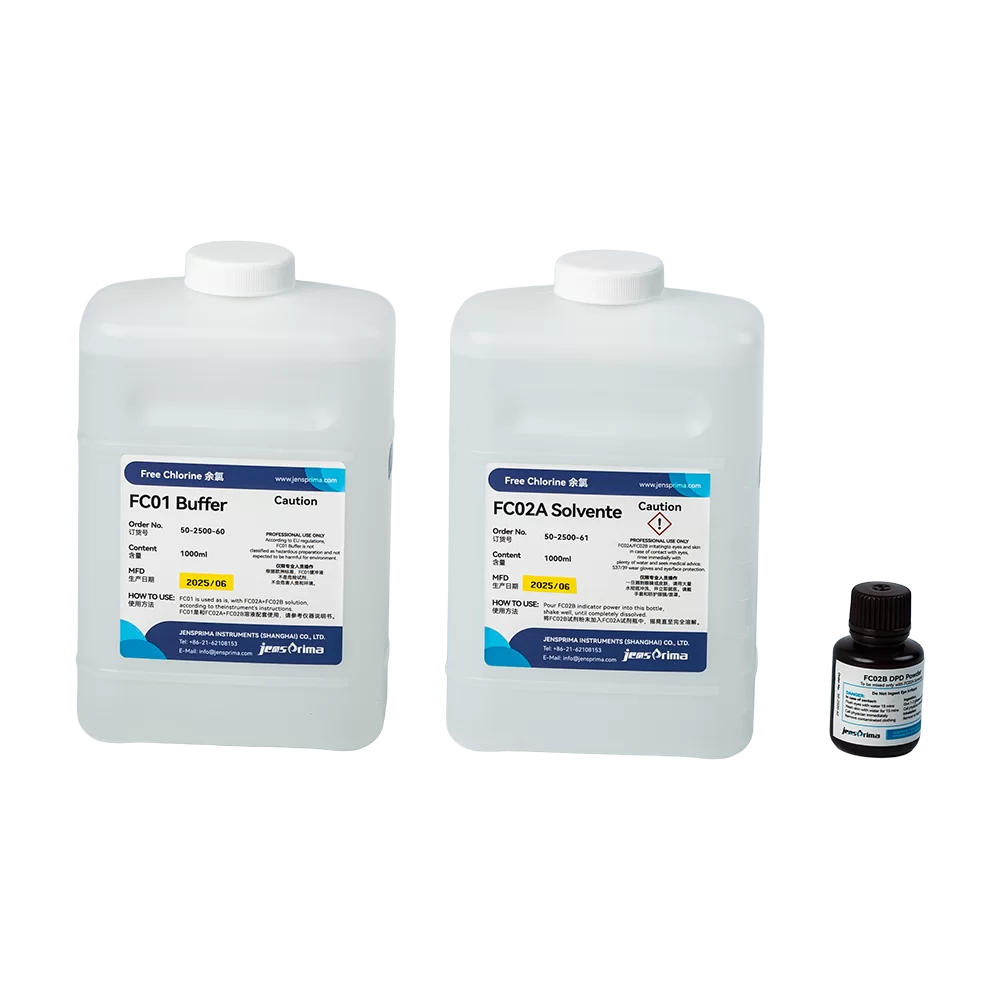
Designed for simplified calibration and reagent replacement to reduce labor costs and operational overhead.
Supports standard communication protocols for effortless integration into existing PLC or SCADA systems.
Access real-time chlorine data from any location via secure cloud-based dashboards.
Scheduled calibration cycles to ensure the sensor remains within tight tolerance levels.
Instant notifications via SMS or Email when chlorine levels exceed predefined thresholds.
Comprehensive historical logging for compliance reporting and trend analysis.
Manage multiple PACON analyzers across different sites from a single centralized console.
Built-in self-diagnosis to detect sensor wear or reagent depletion automatically.
| Feature | Manual Testing | PACON 2501 System |
|---|---|---|
| Labor Cost | High (Daily Sampling) | Very Low (Automated) |
| Data Accuracy | Variable/Human Error | Consistent/High Precision |
| Response Speed | Delayed (Lab Wait) | Instantaneous (Real-time) |
| Chemical Usage | Inefficient Dosing | Optimized Consumption |
| Compliance Risk | Moderate to High | Minimal (Constant Audit) |
Free chlorine represents the amount of chlorine available to kill microorganisms, while total chlorine includes both free chlorine and combined chlorine (chloramines). The PACON 2501 is designed to differentiate and measure both for complete water quality profiling.
Depending on the water chemistry and flow rate, we typically recommend calibration every 2-4 weeks to maintain peak accuracy, though the system's stability often allows for longer intervals.
Yes, the PACON 2501 features standard 4-20mA analog outputs and RS485 Modbus communication, making it fully compatible with most industrial PLCs and SCADA systems for closed-loop dosing control.
Routine maintenance includes cleaning the sensor surface to prevent biofouling and replacing the reagent kits at prescribed intervals to ensure the chemical reaction remains precise.
The analyzer is built with corrosion-resistant materials. However, for high-salinity environments, we recommend using specific sensor coatings and flow cells designed for aggressive media.
The system includes a monitor for reagent levels and will trigger a maintenance alarm through the display and management platform, alerting operators to refill before measurement accuracy is compromised.