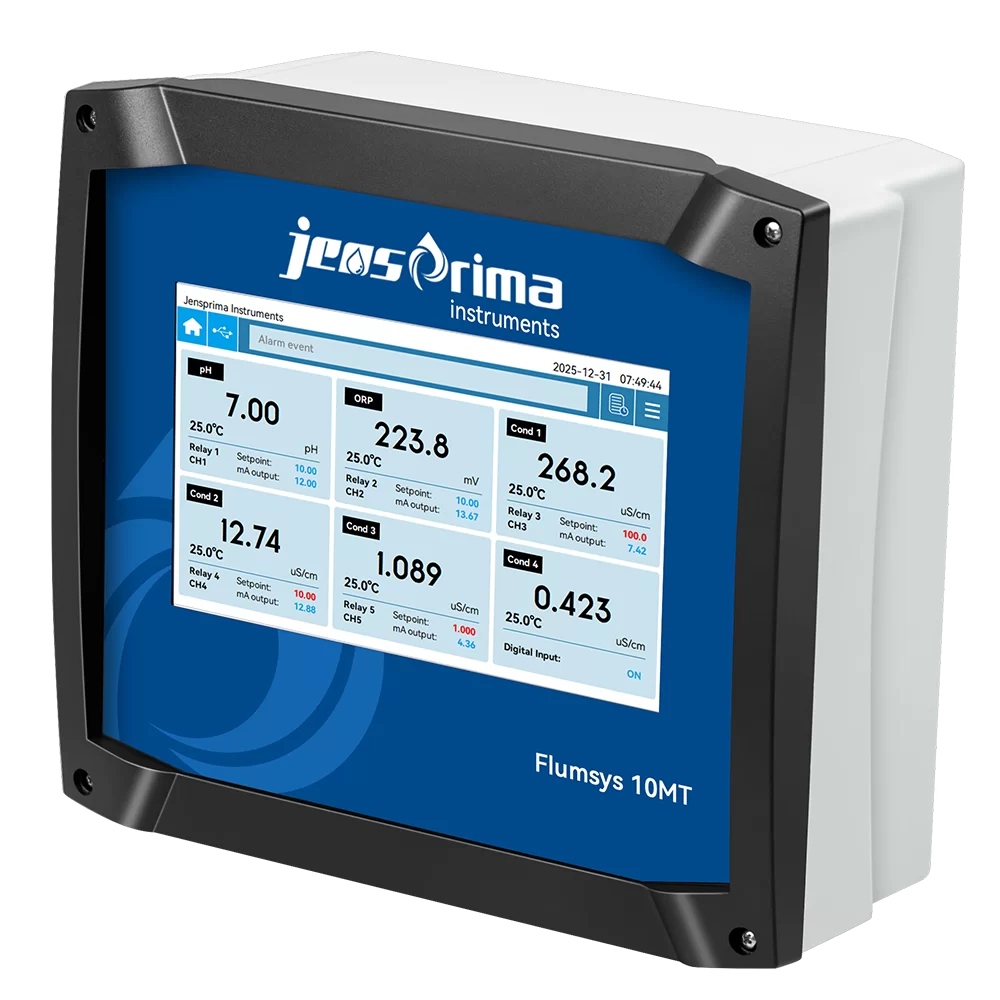
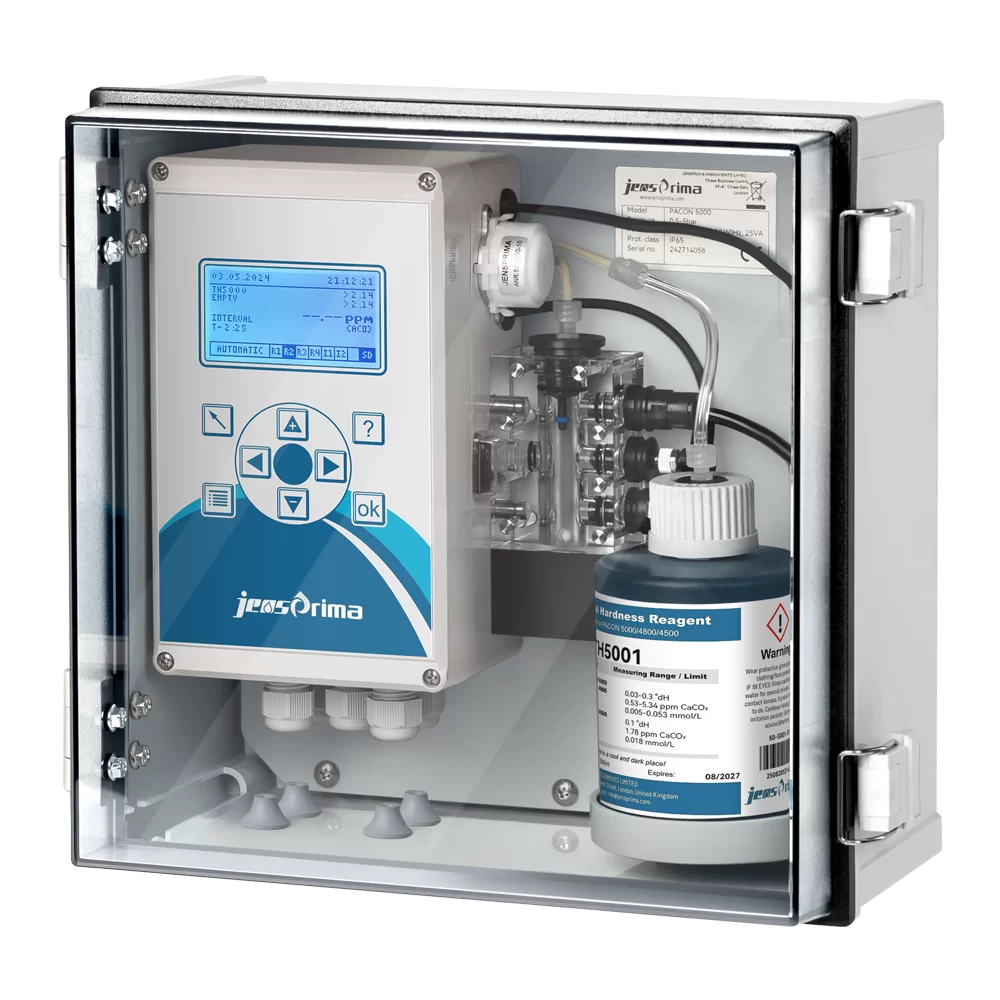
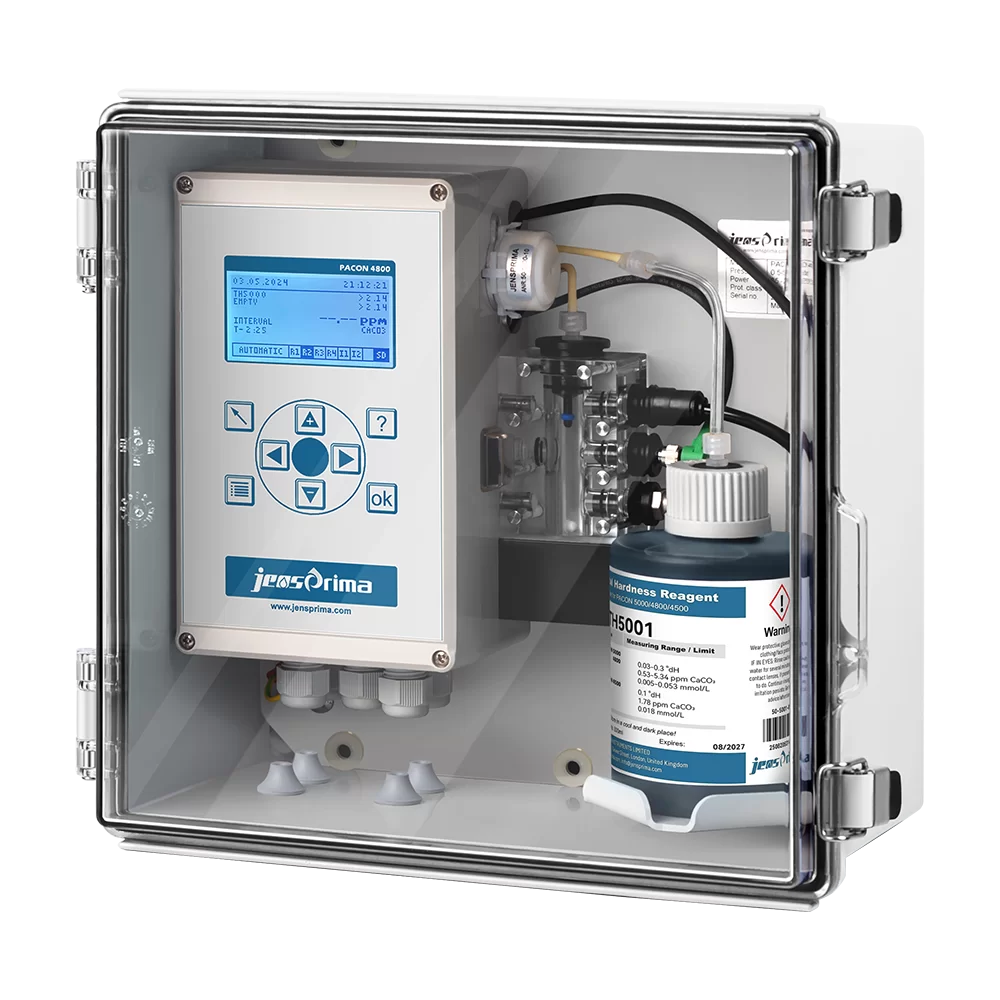
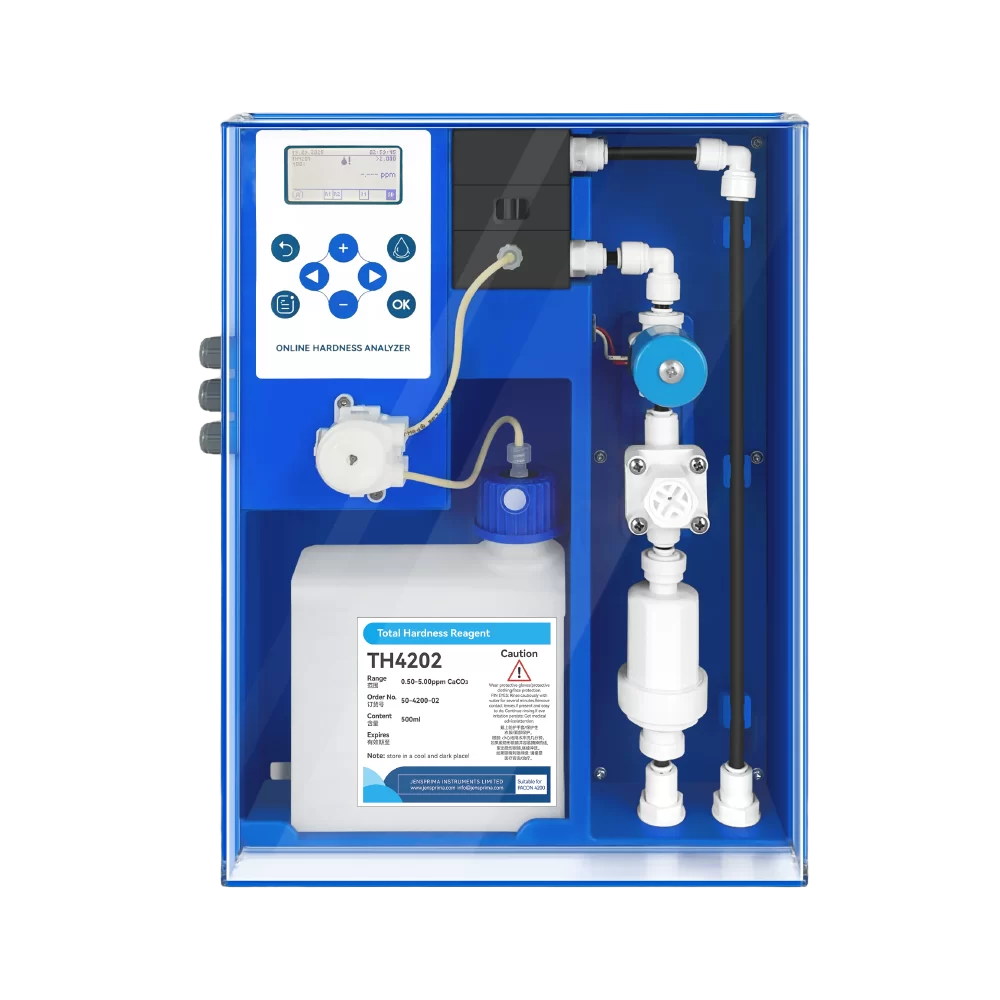
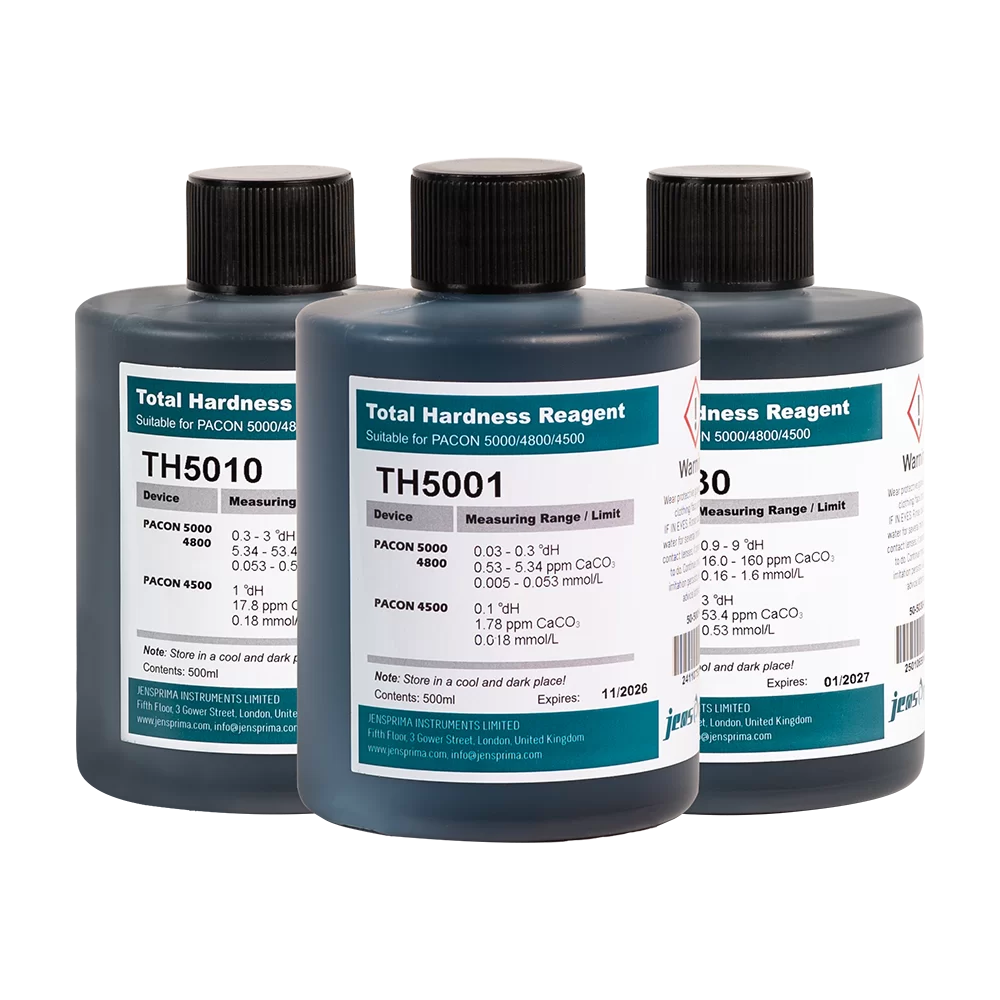
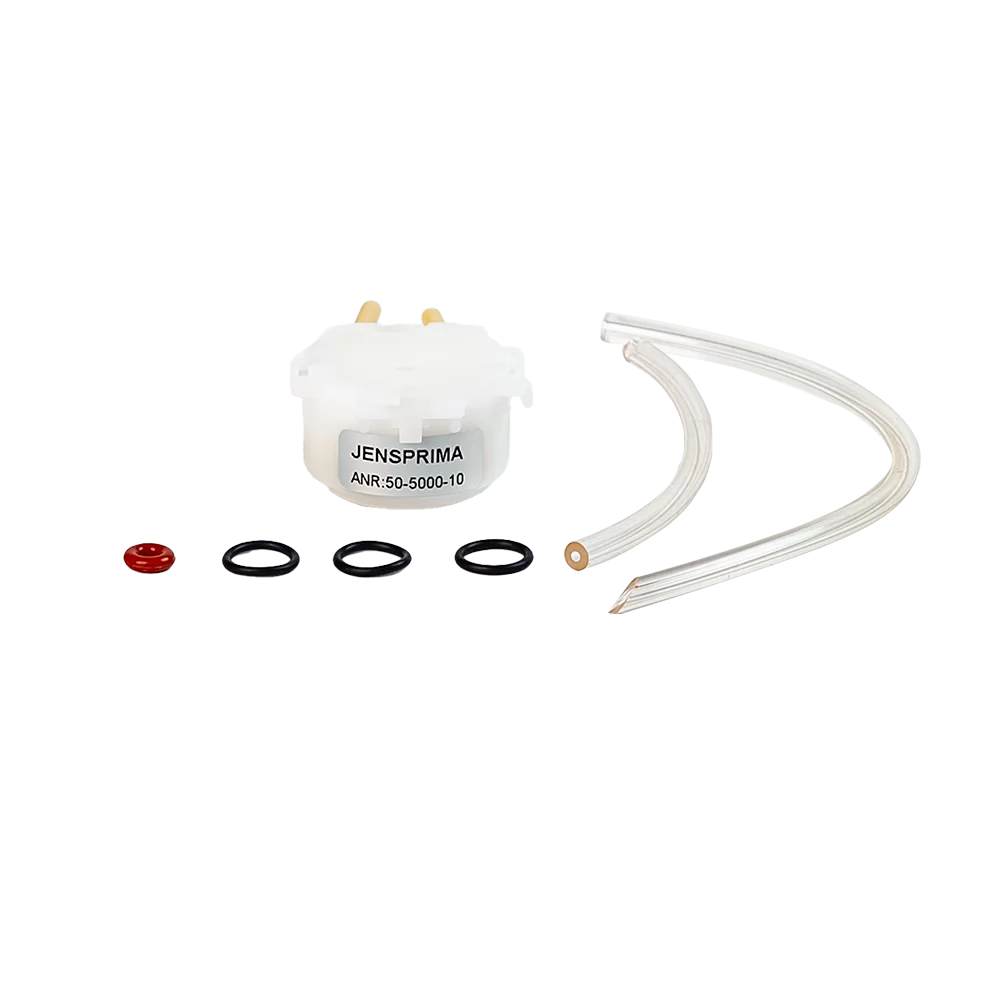
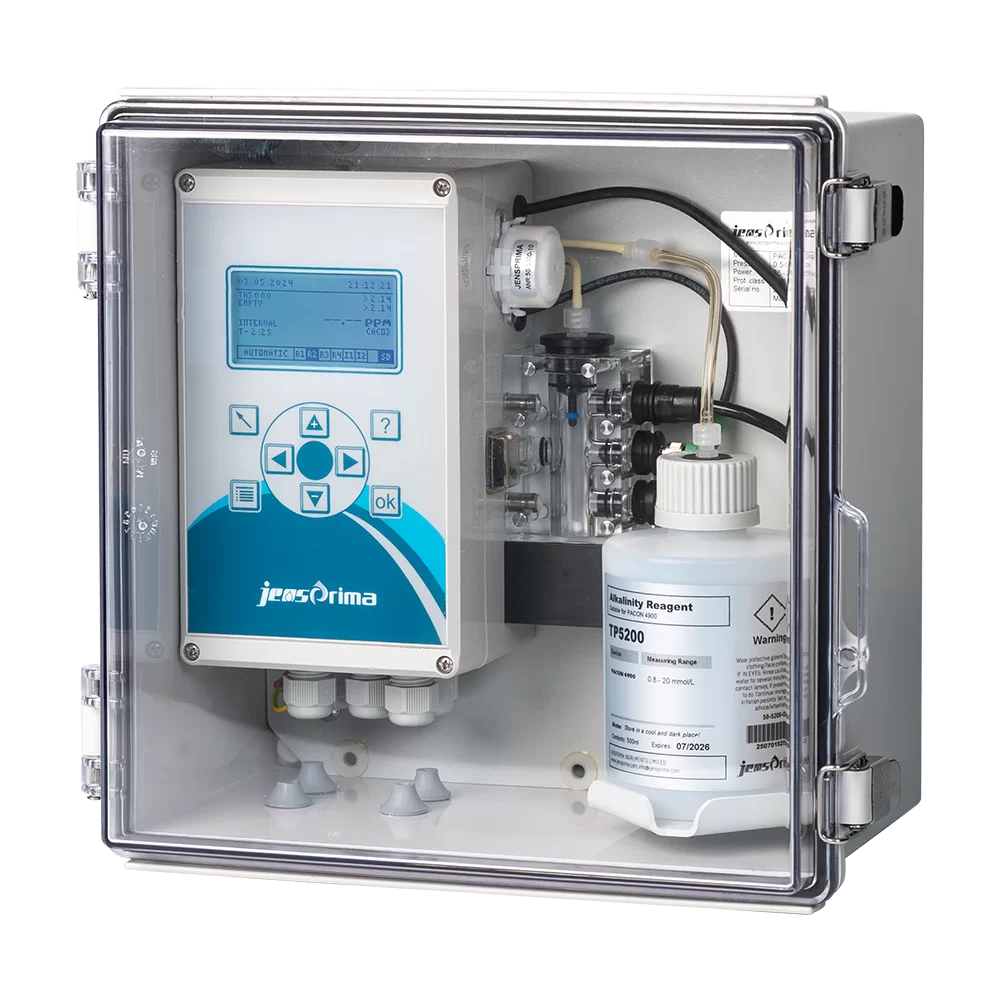
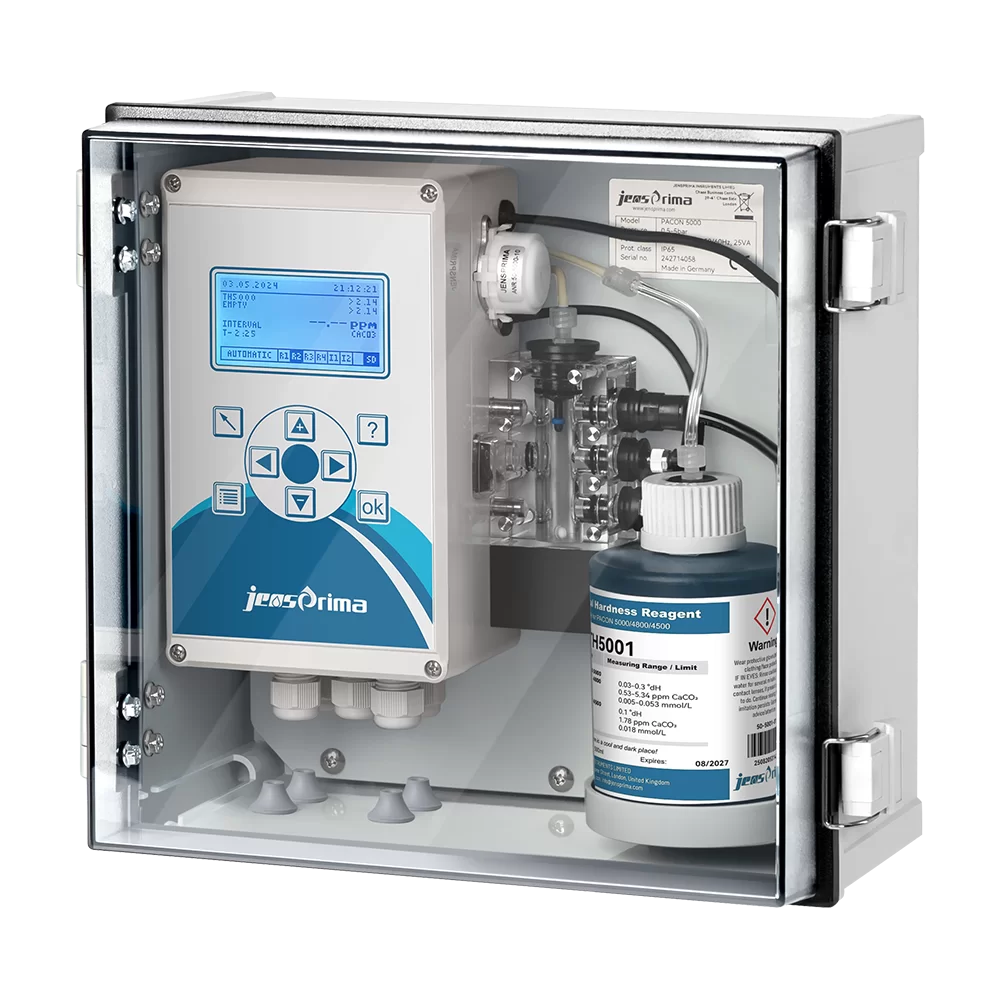
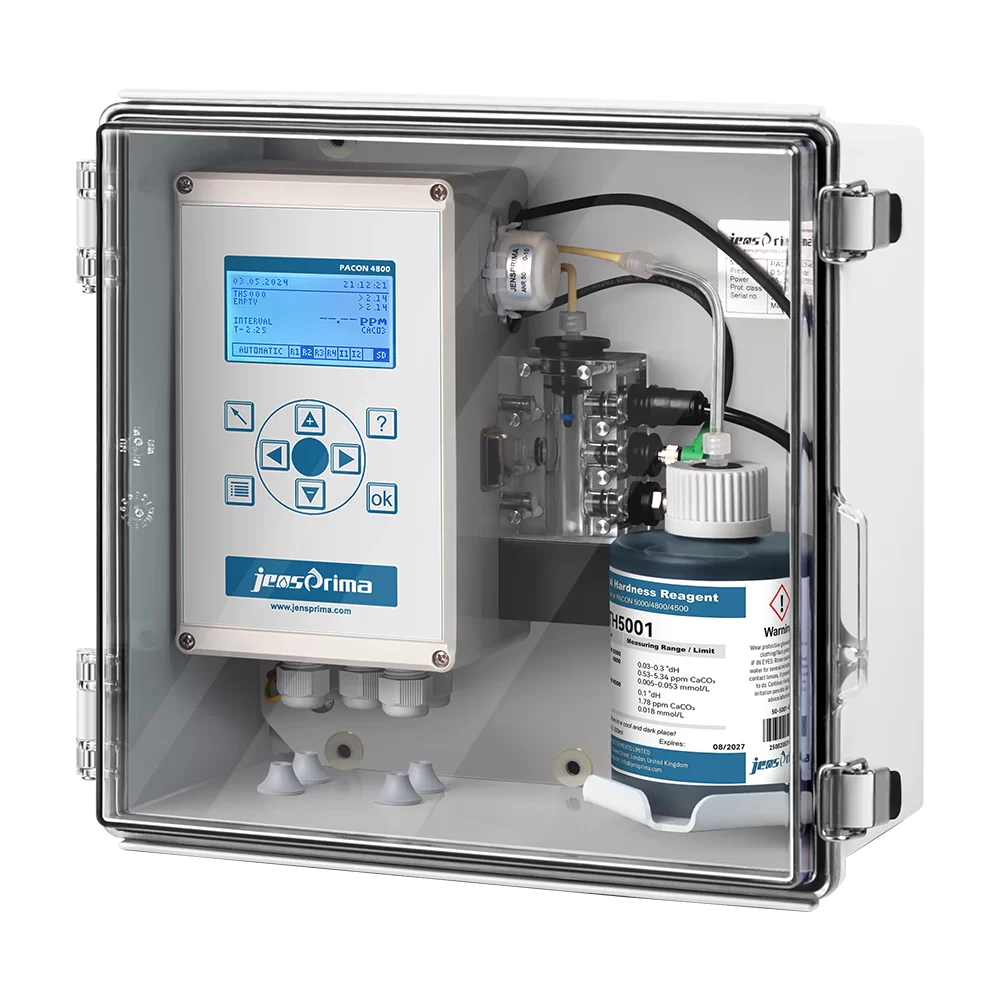
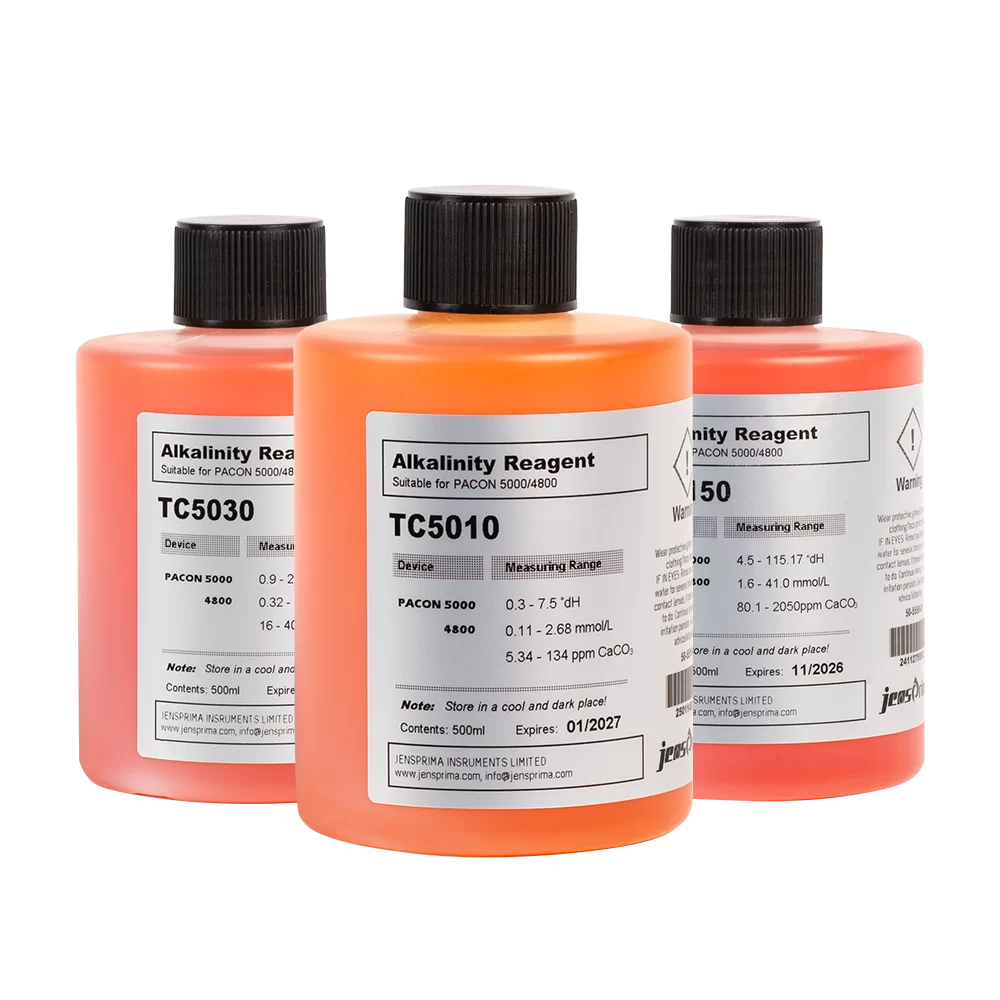
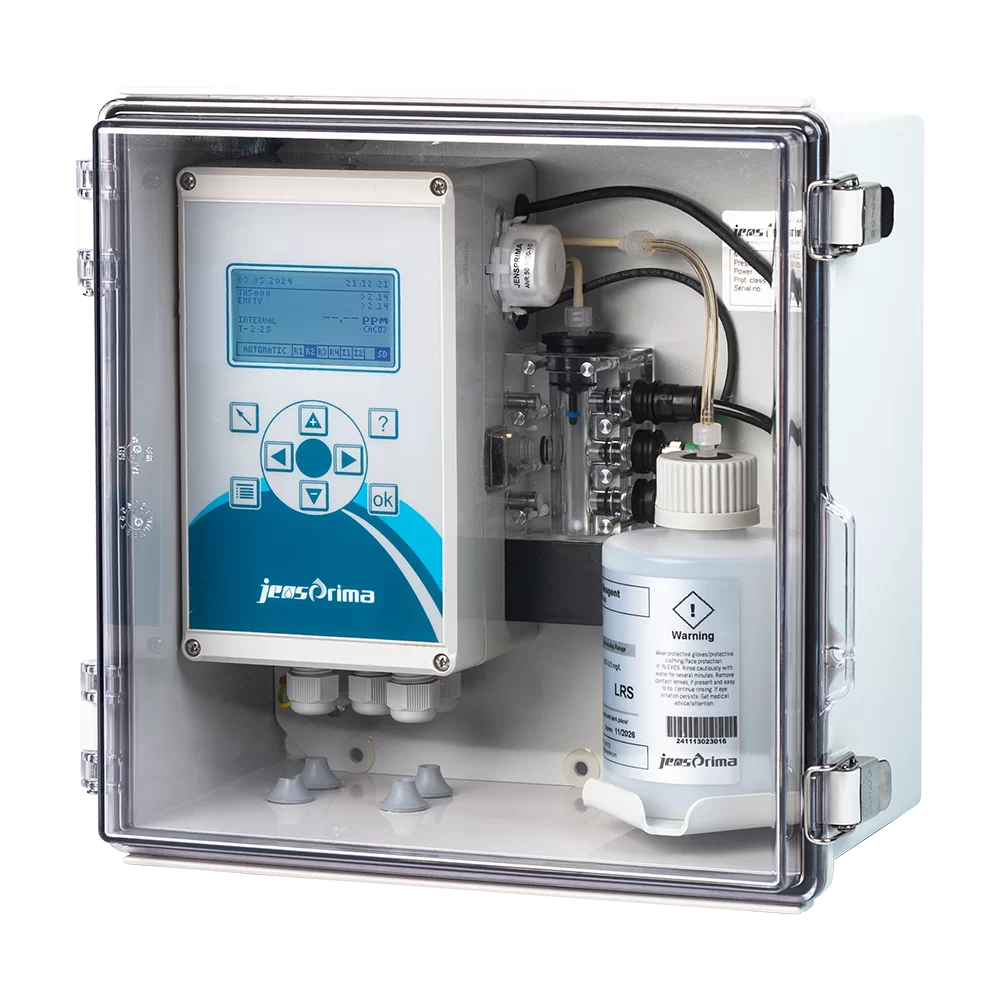
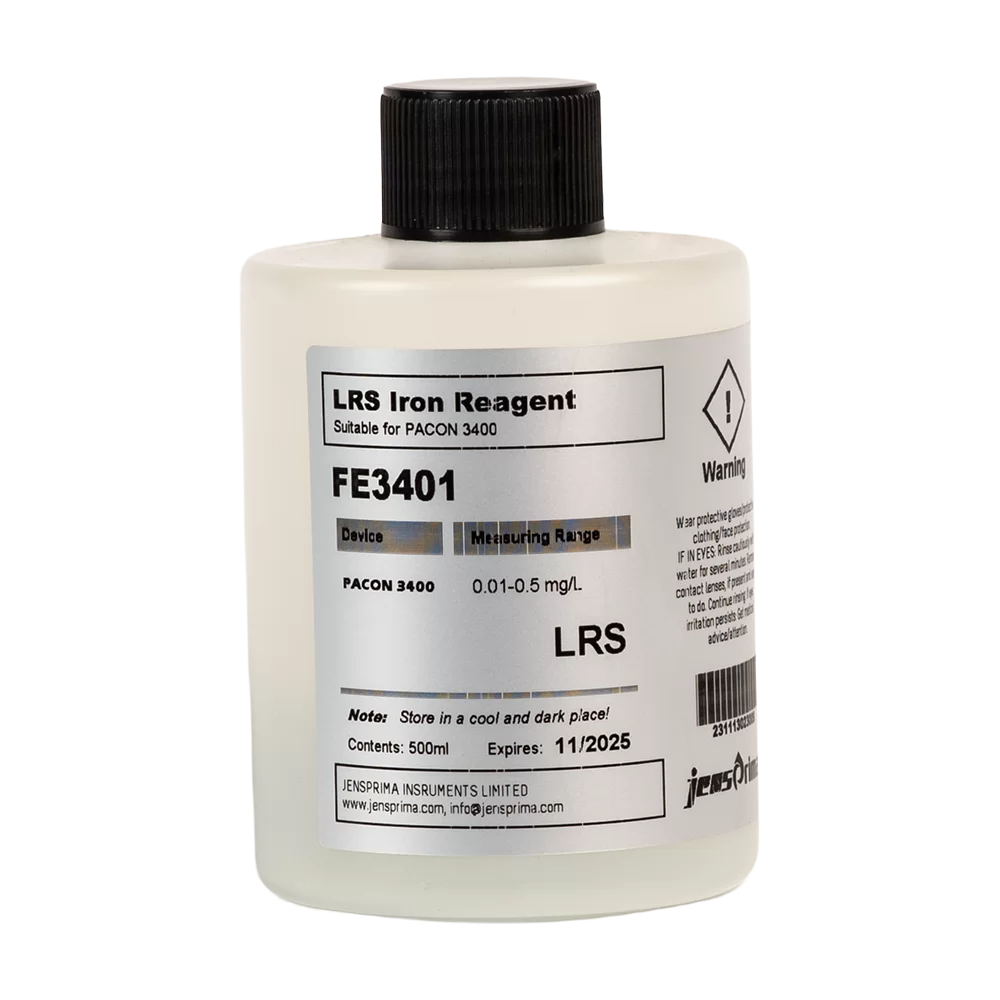
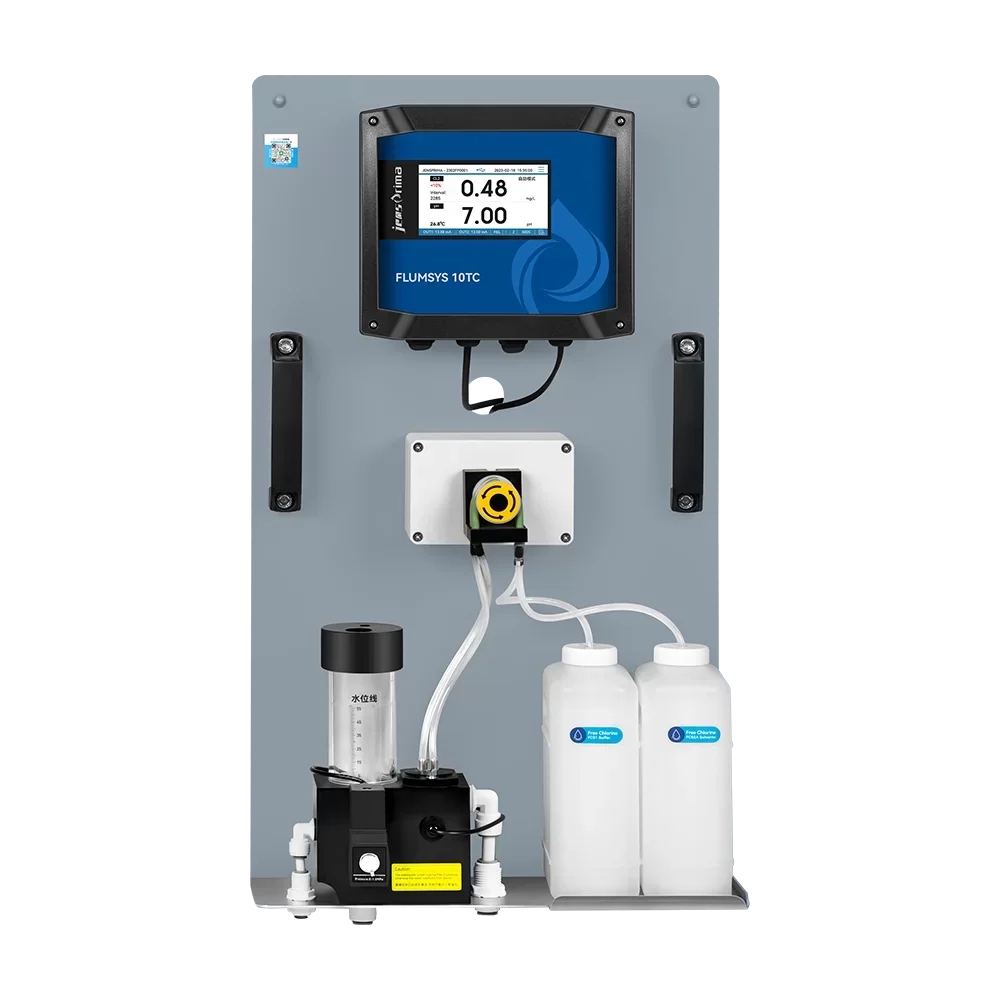
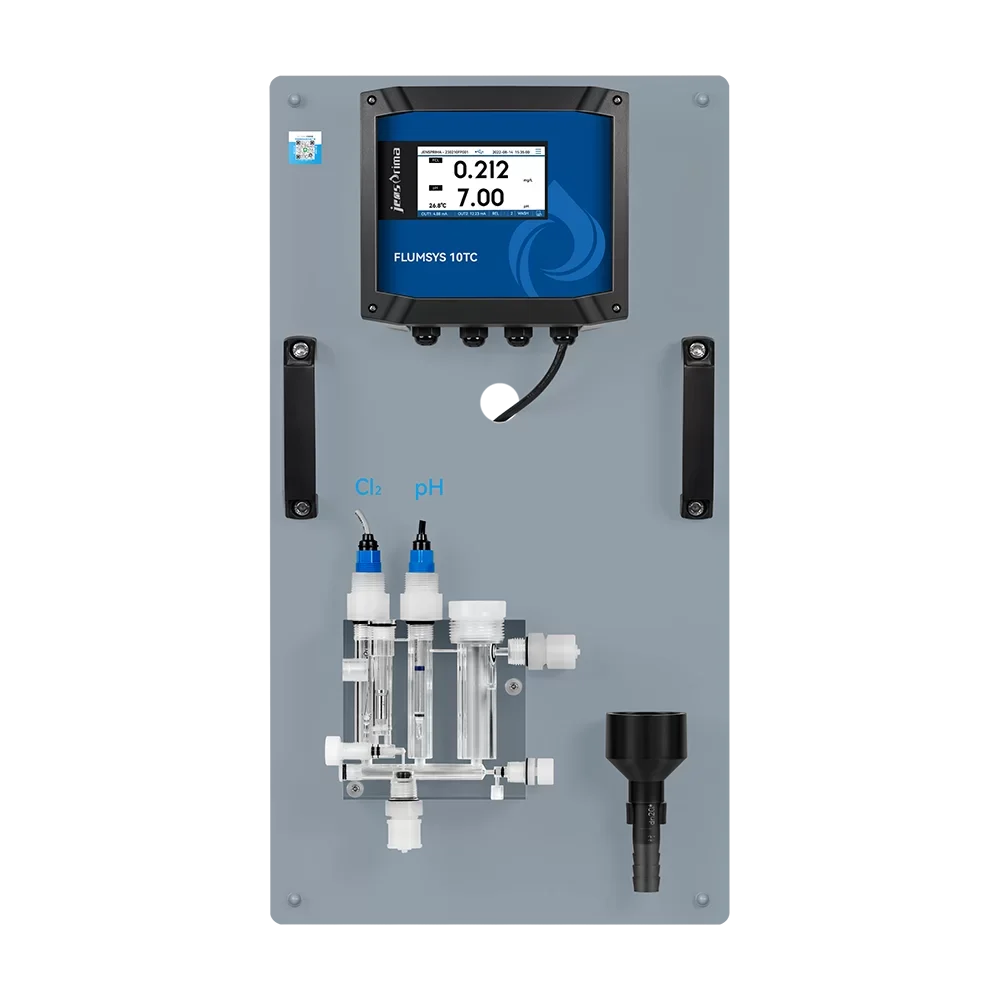
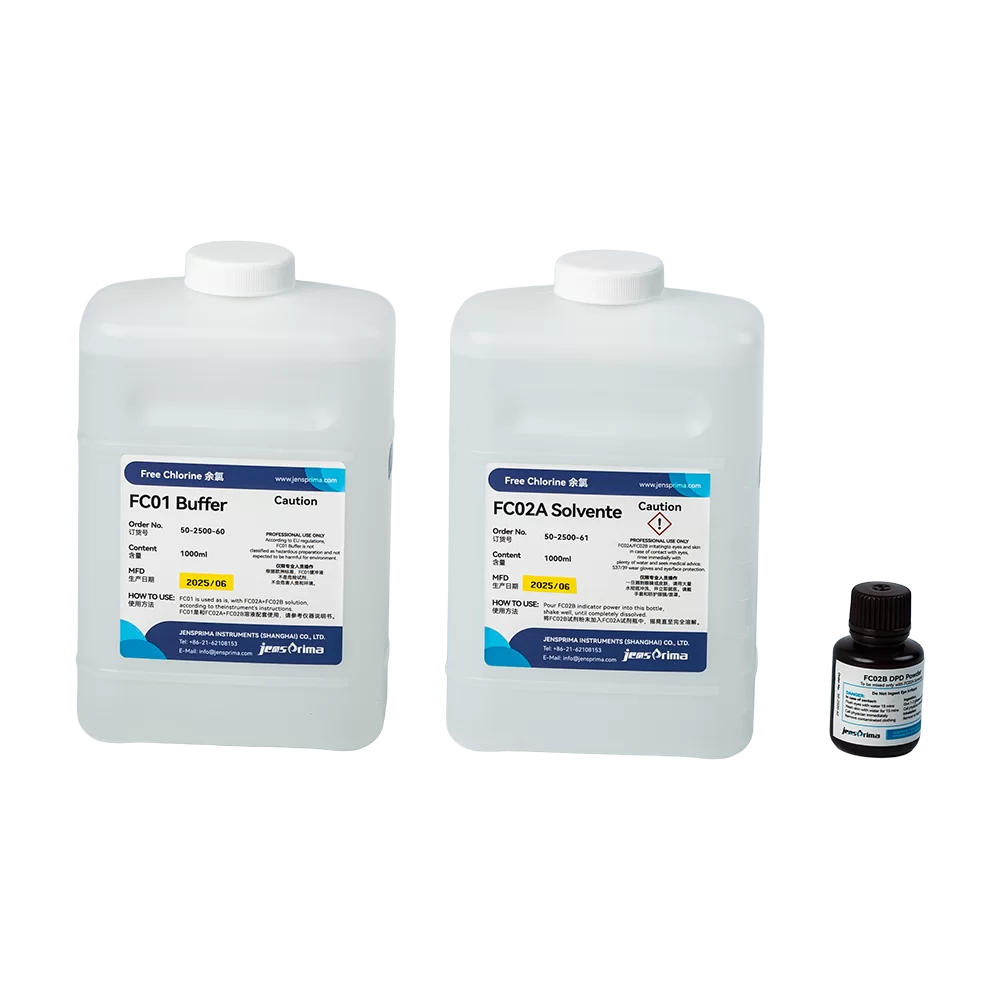
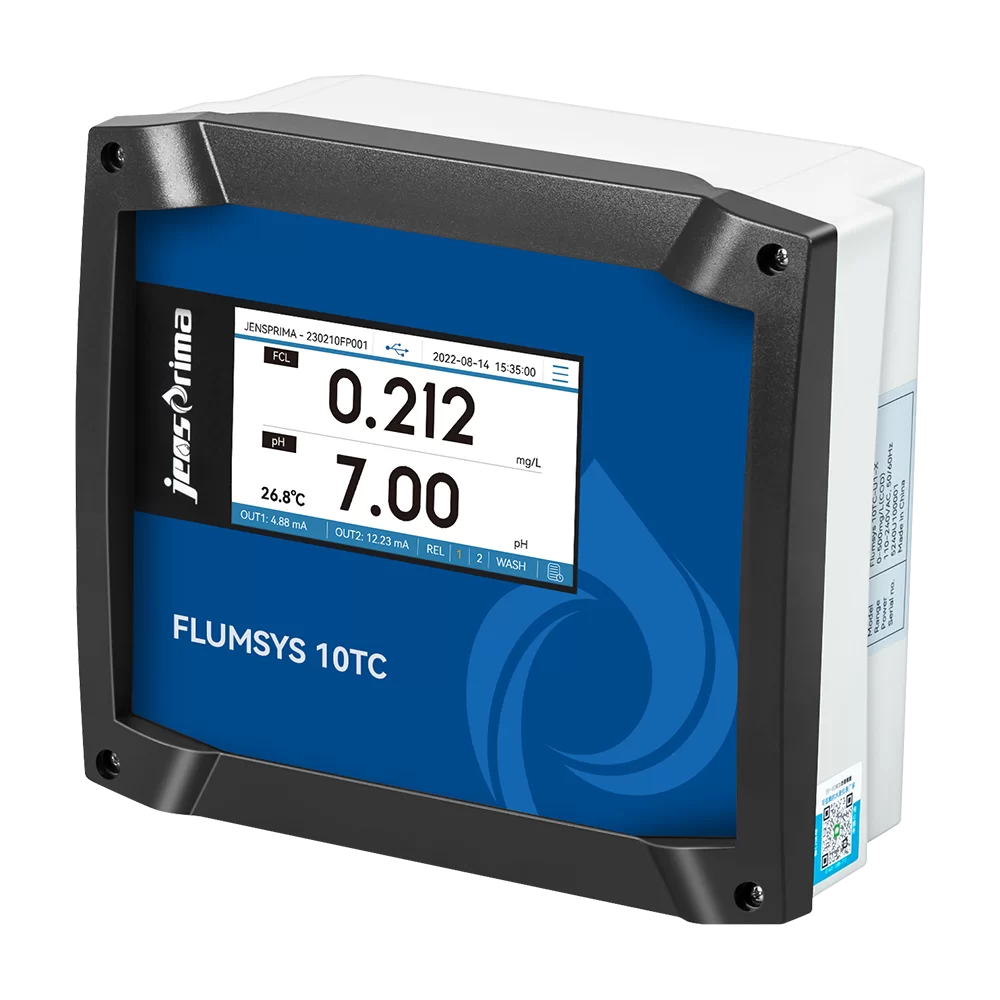
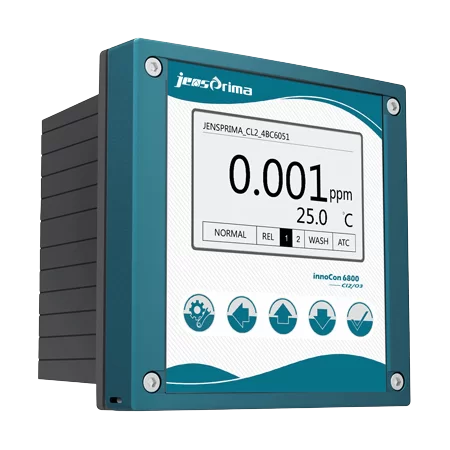
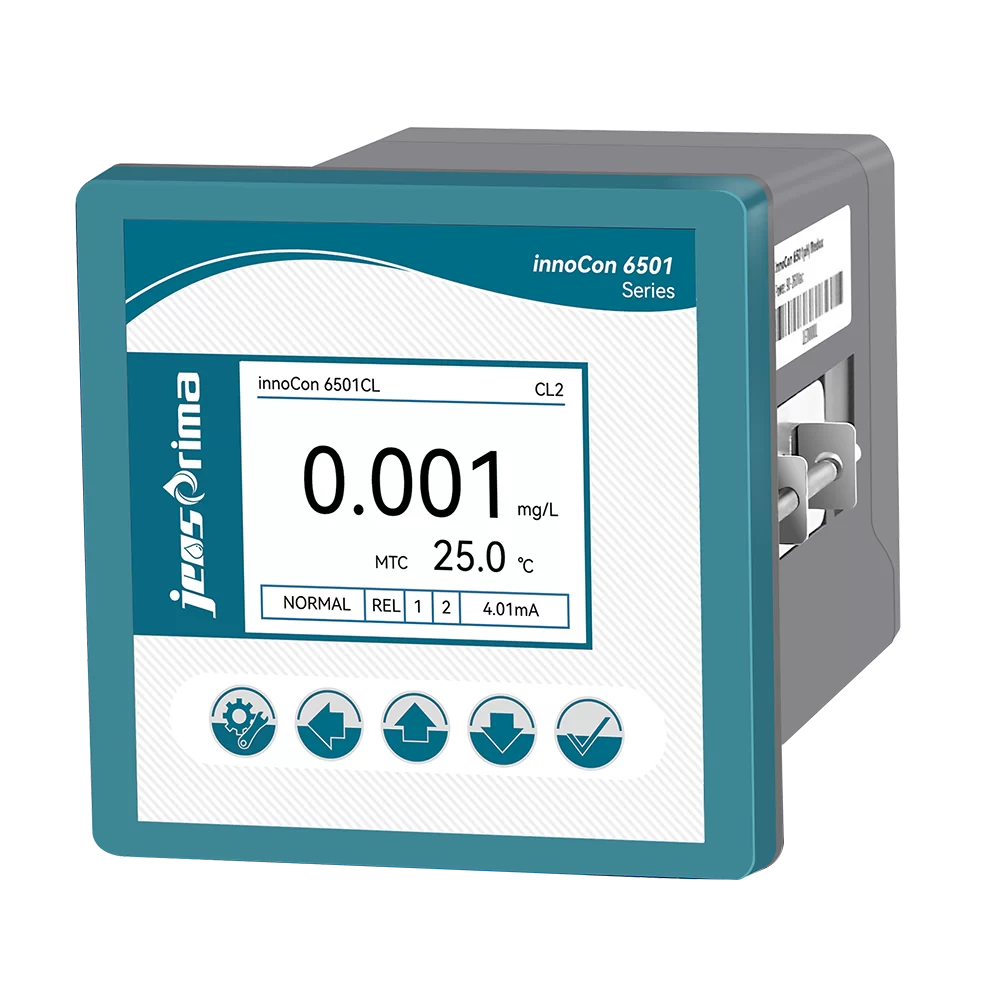
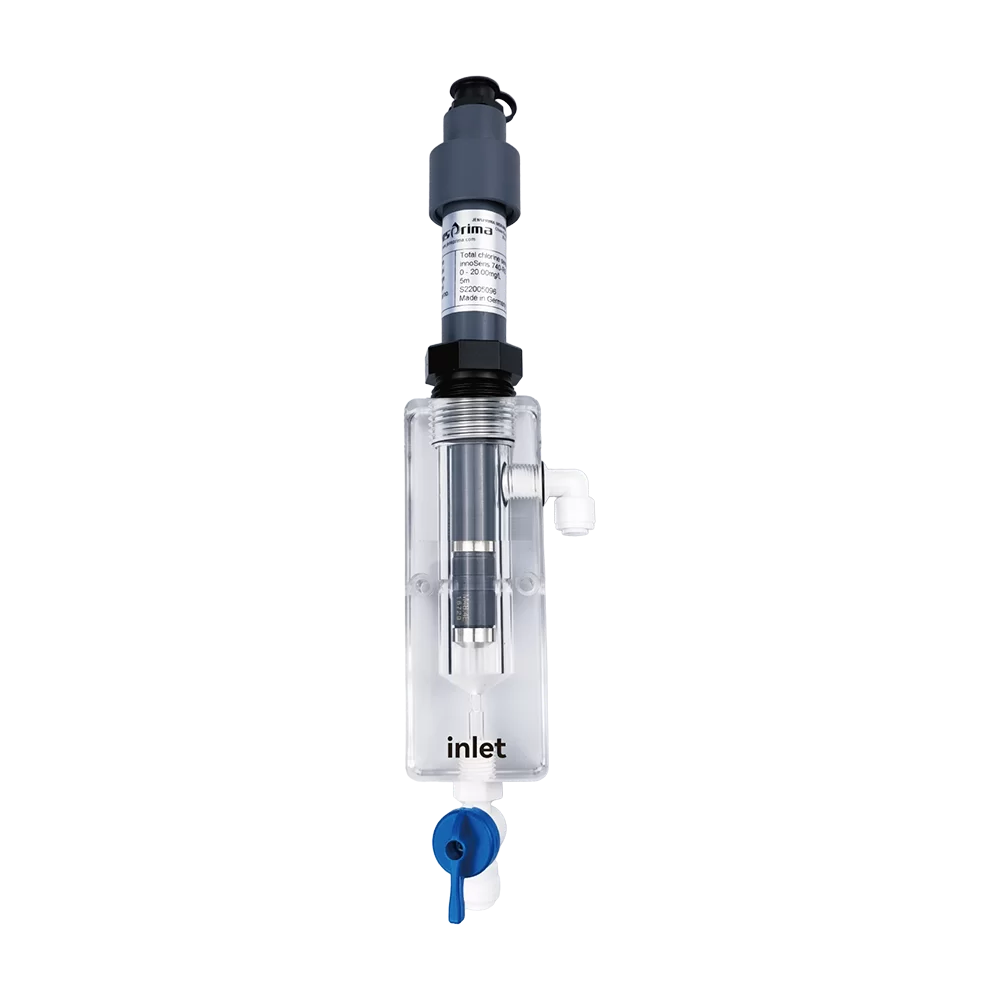
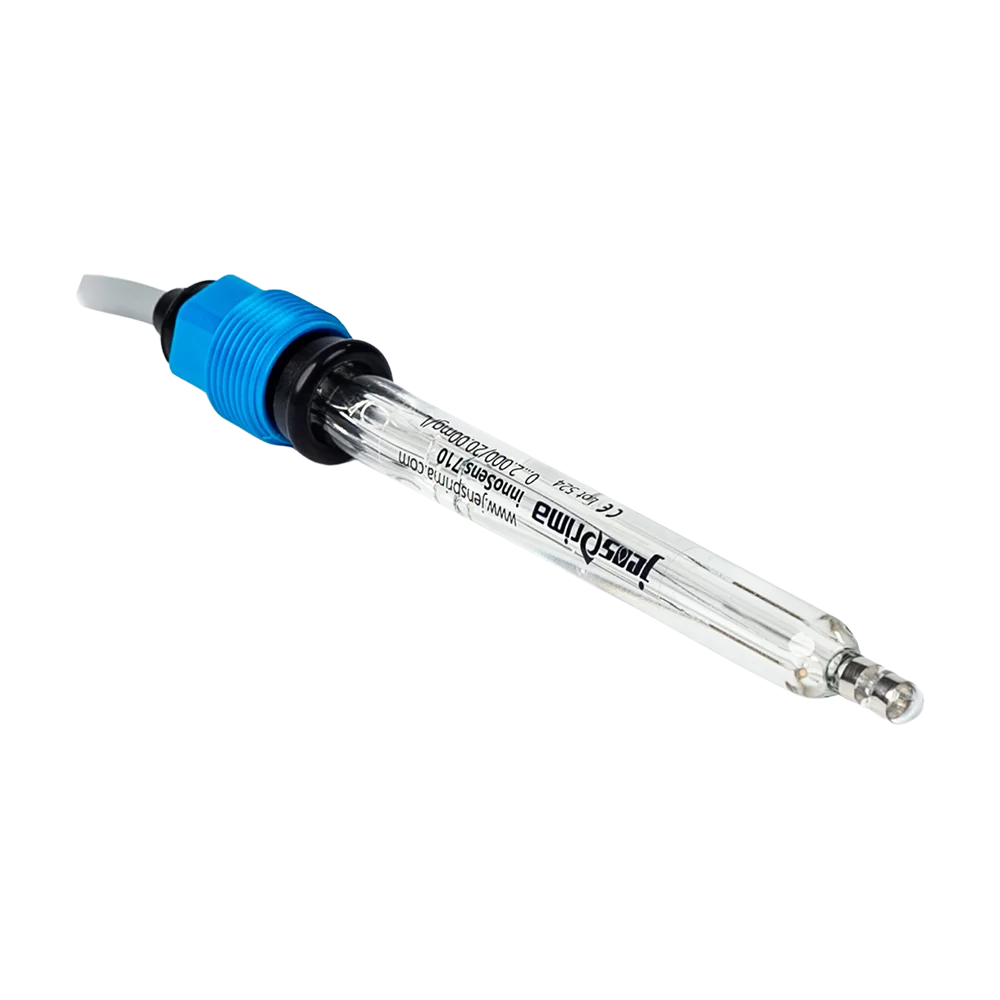
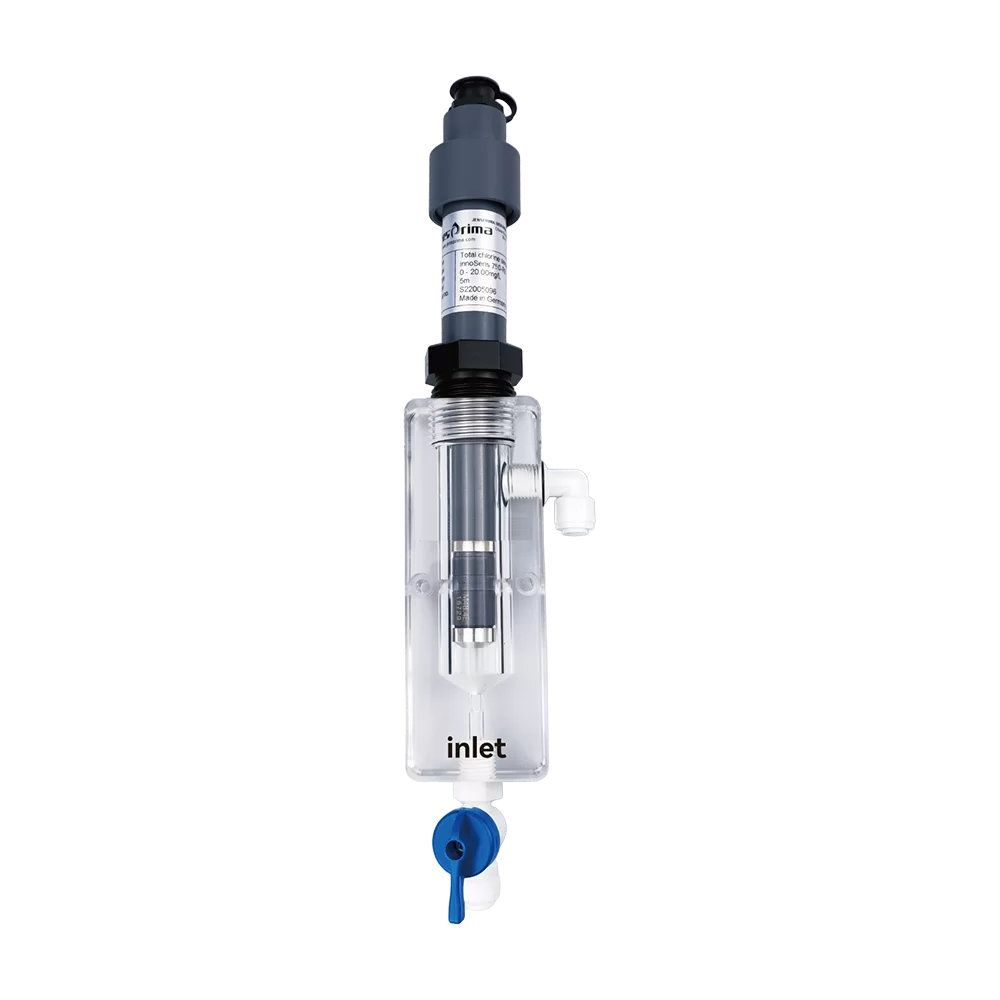
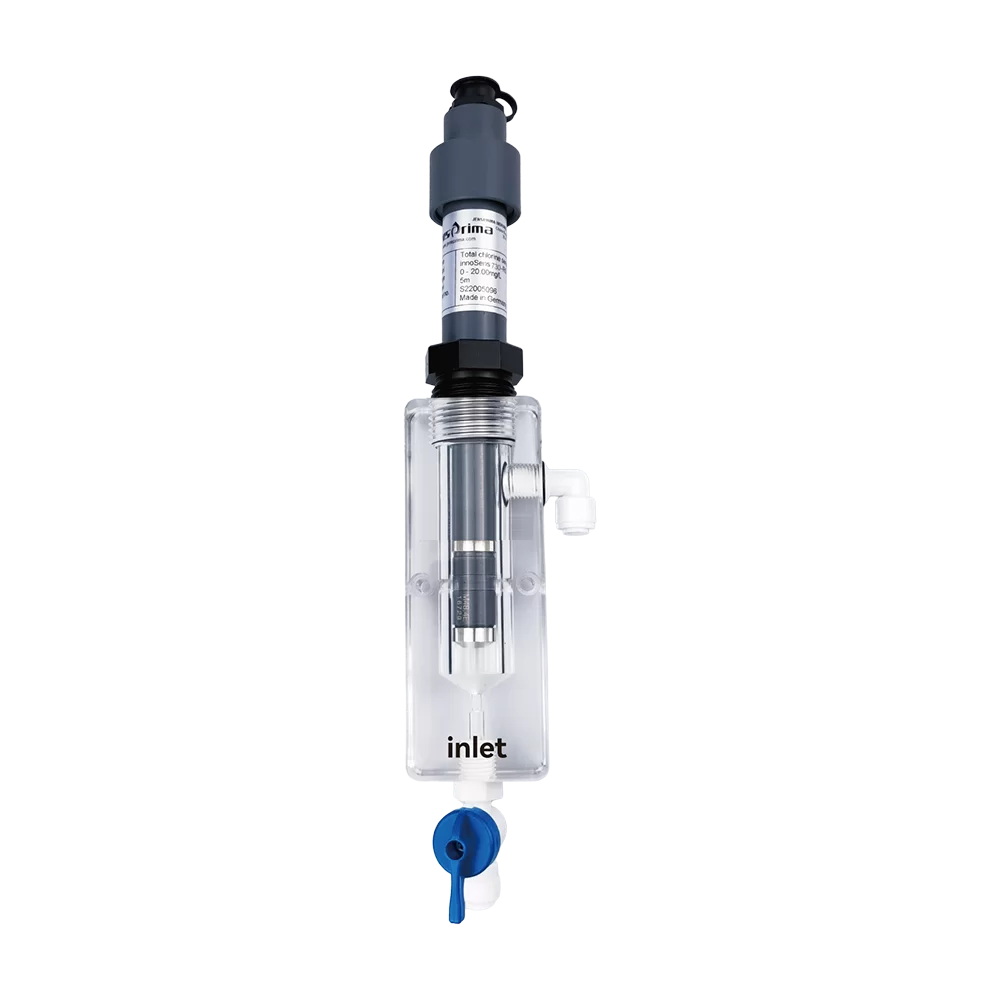
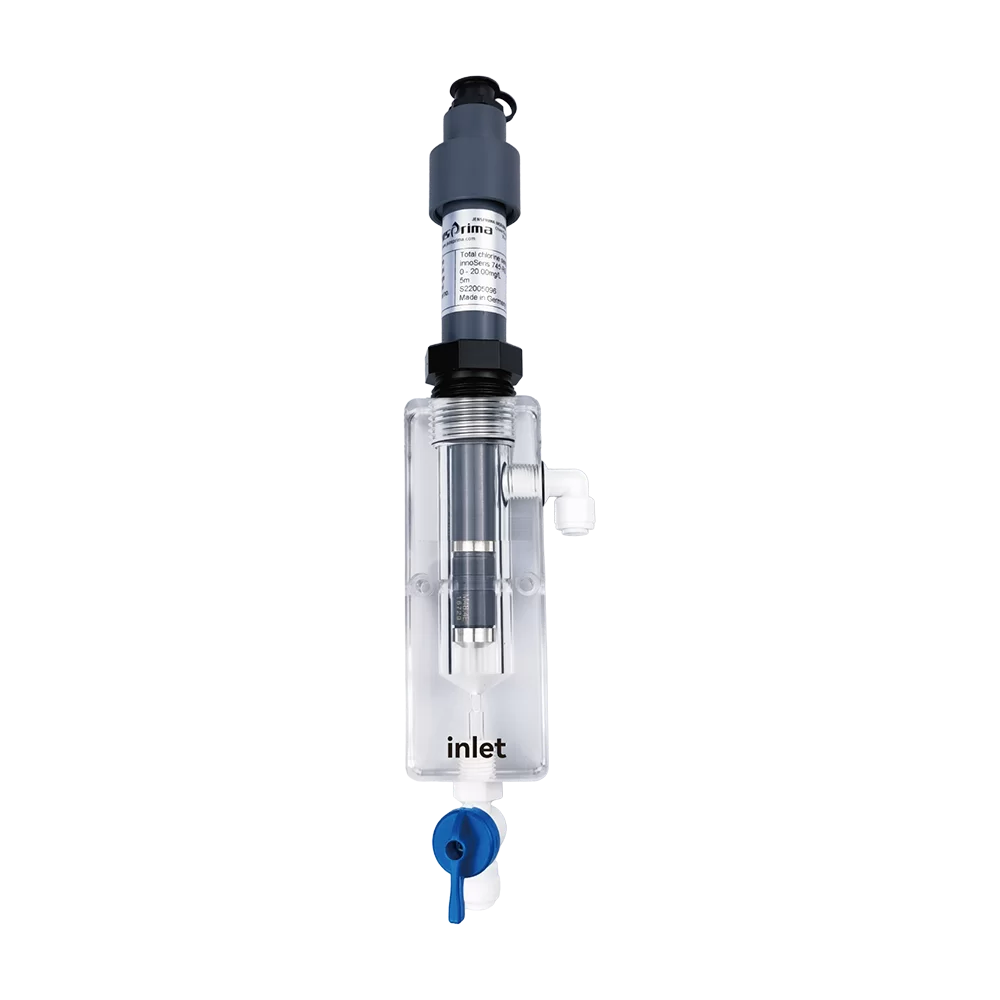
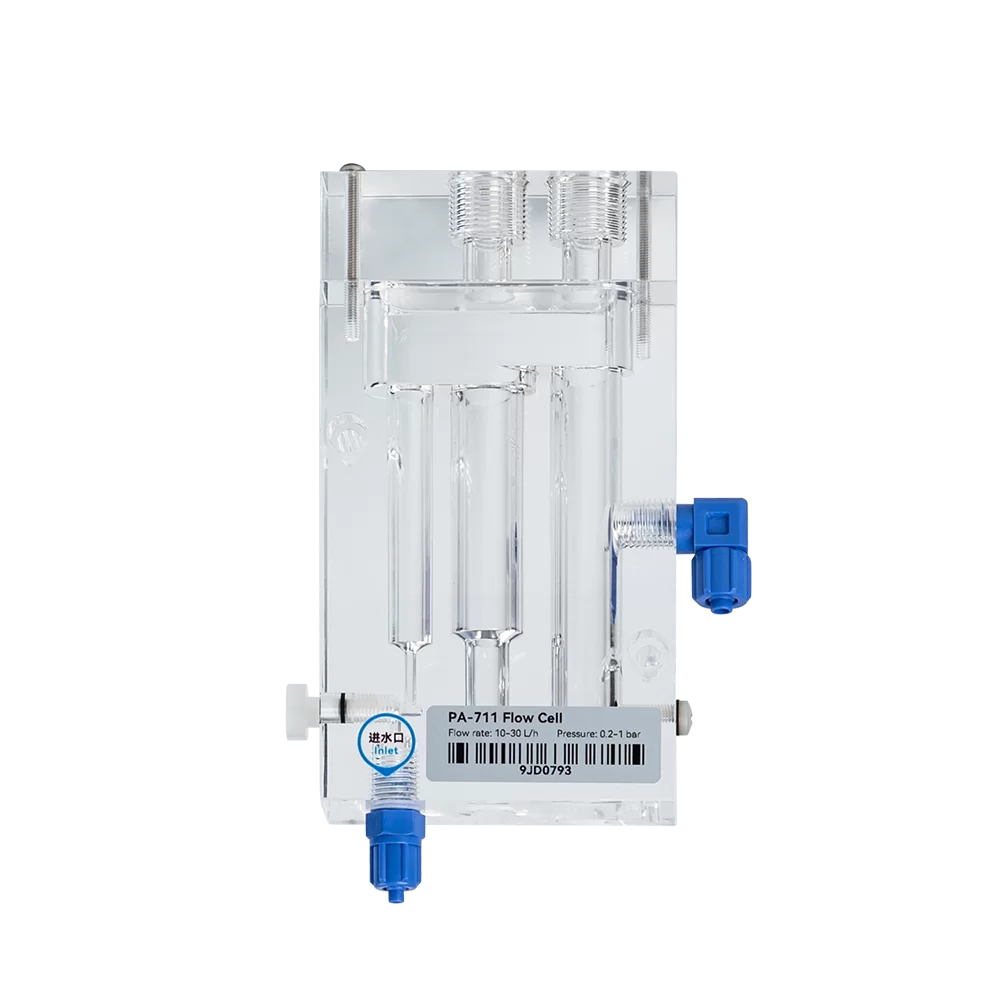
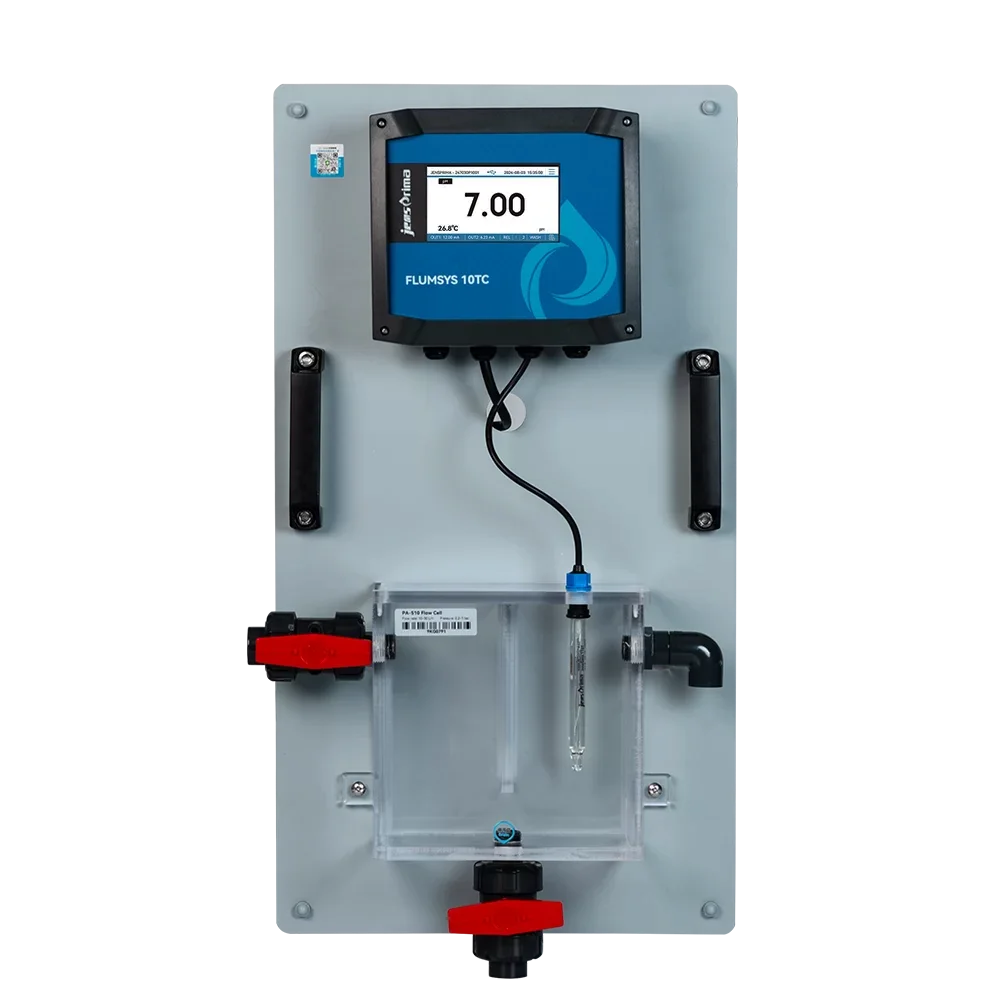
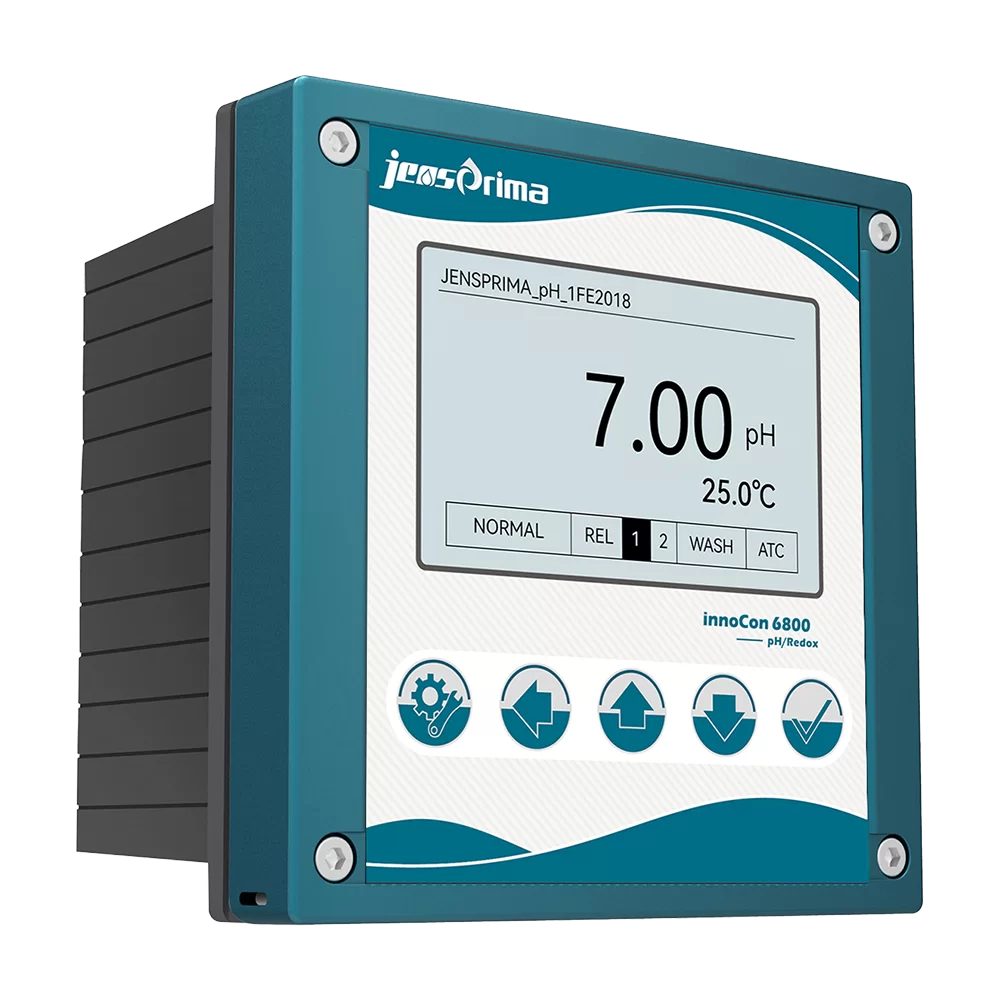
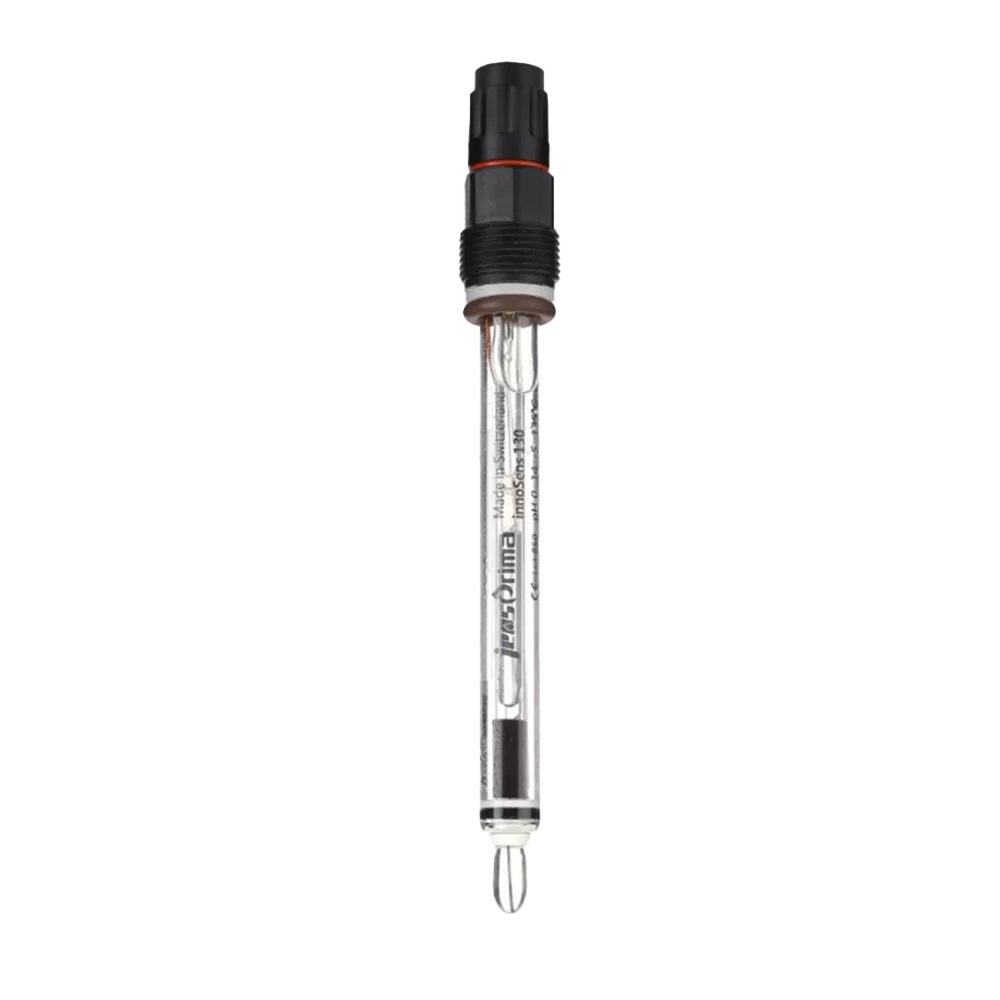
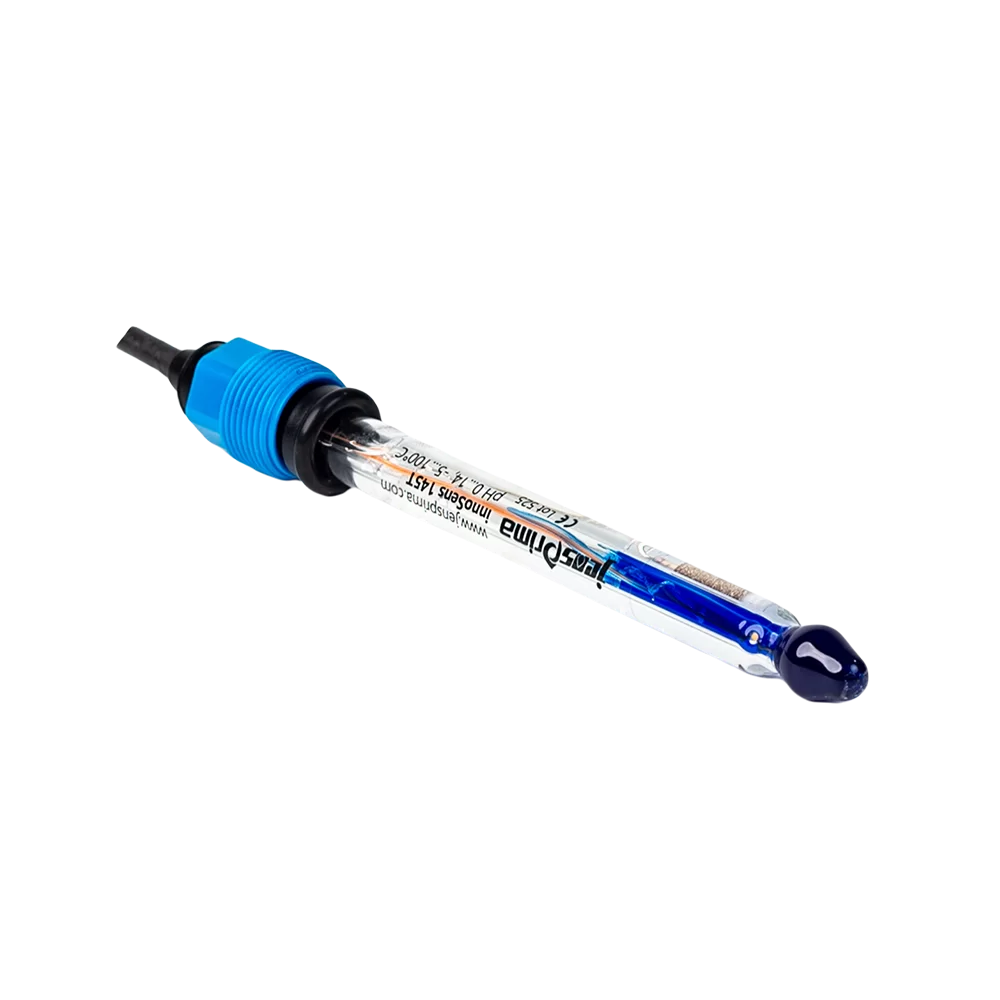
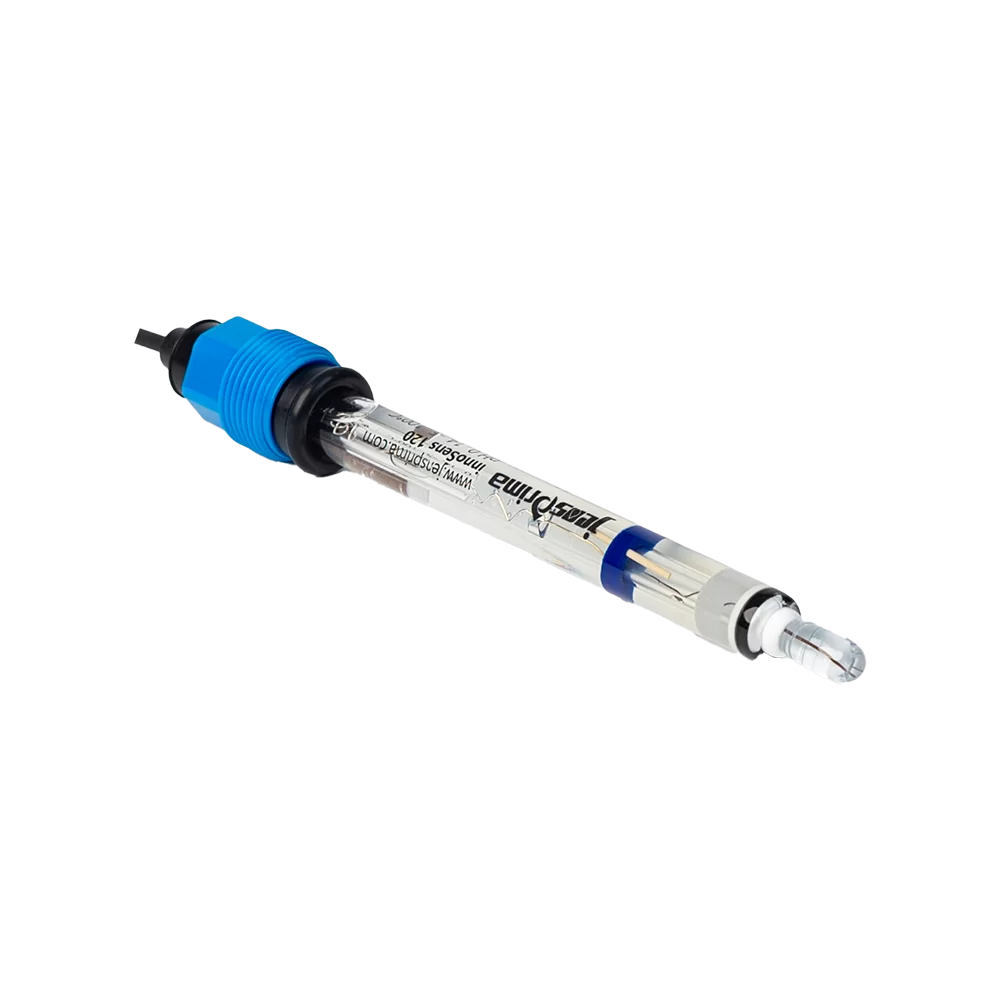
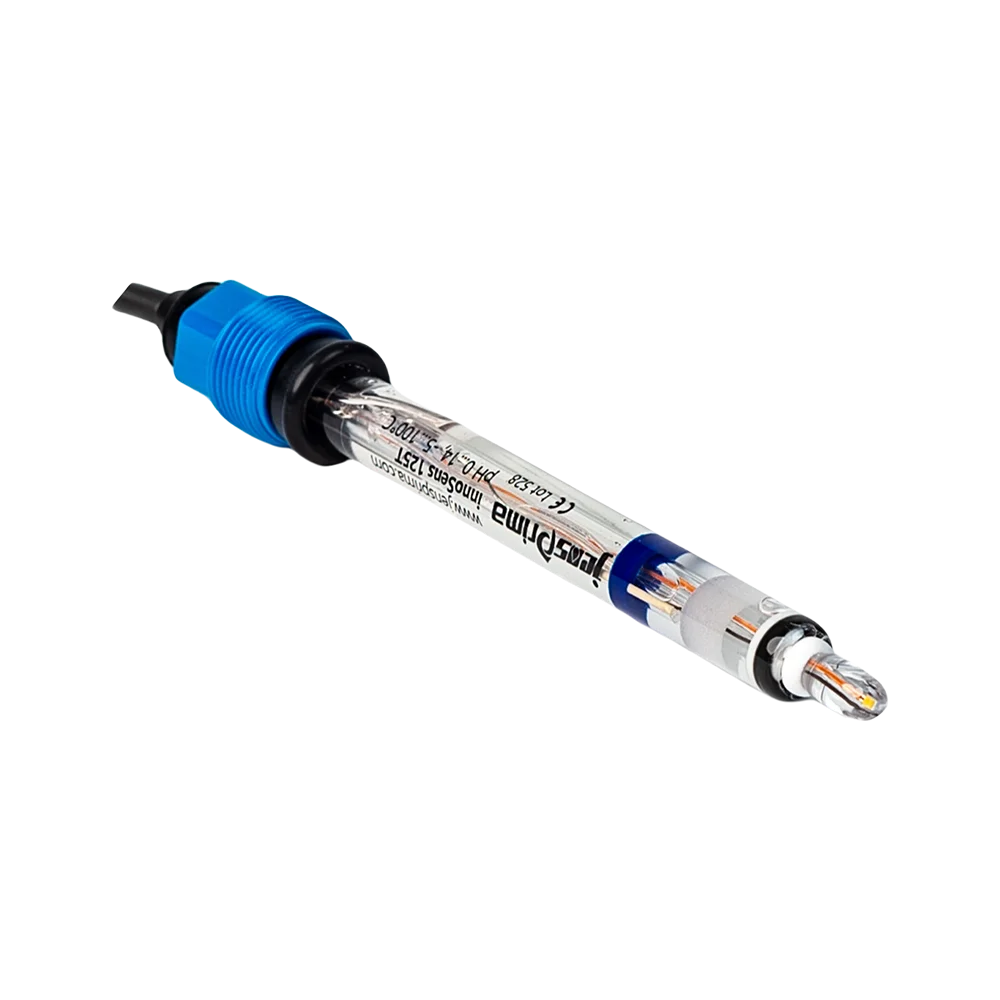
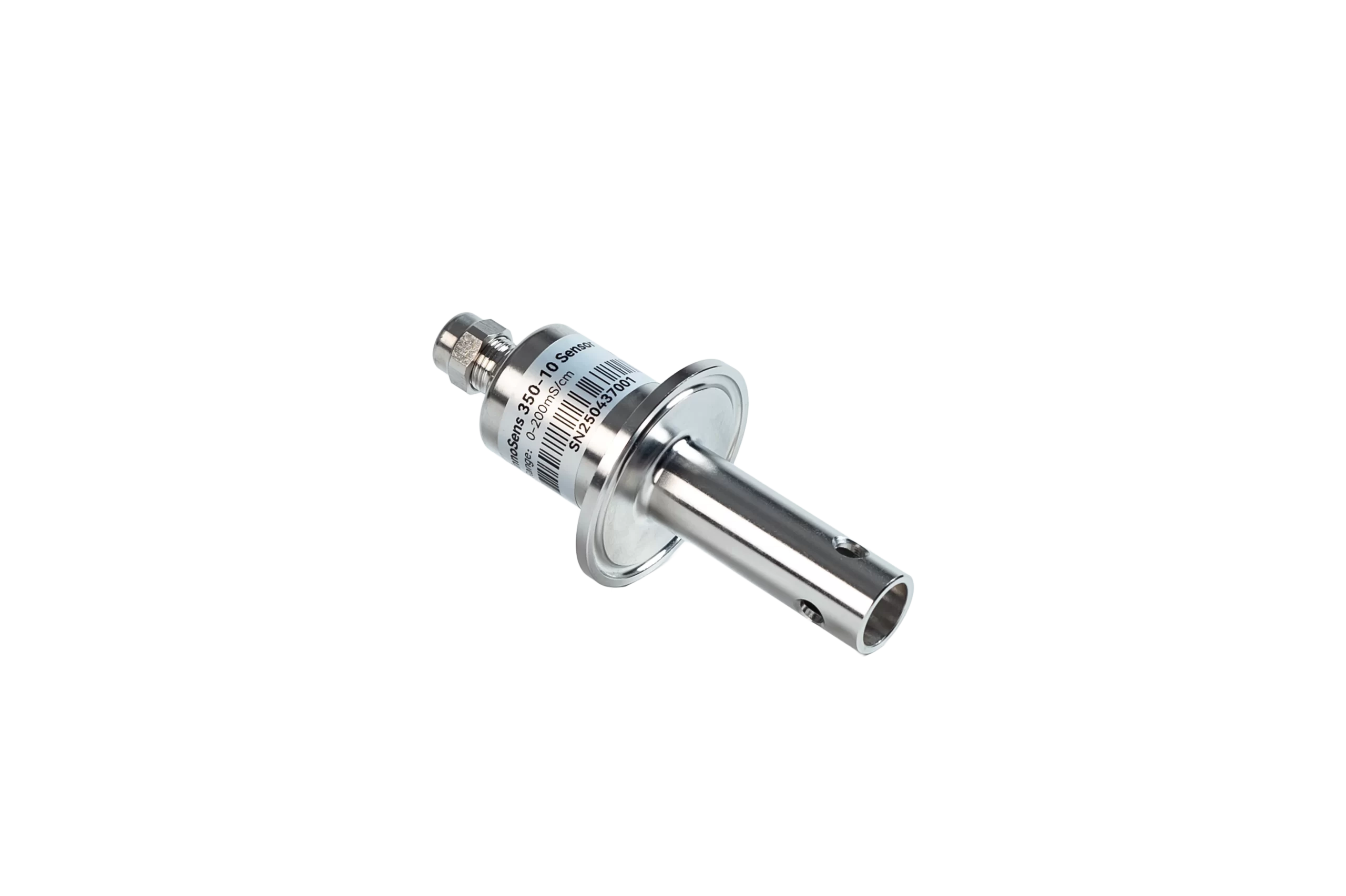
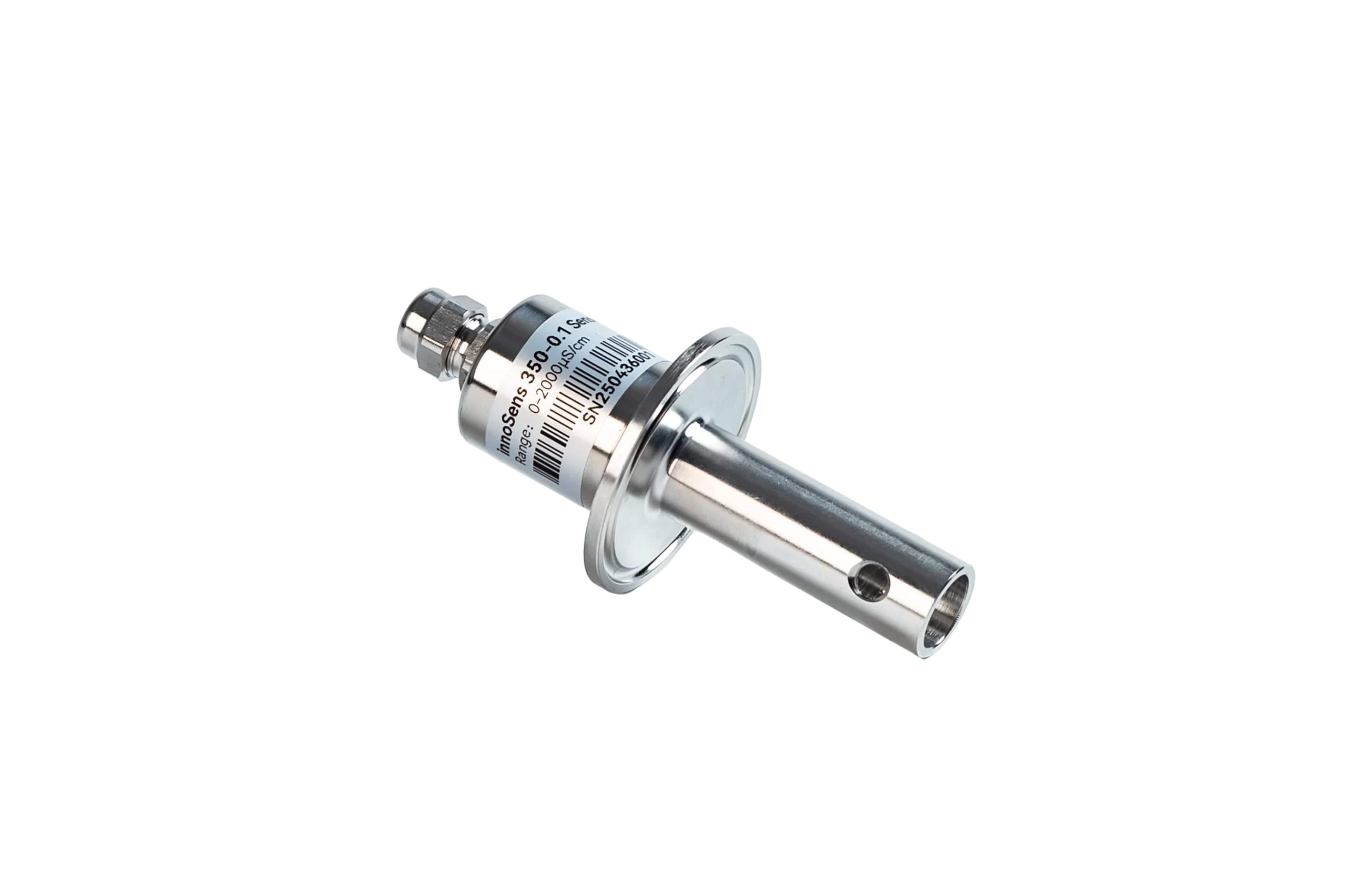
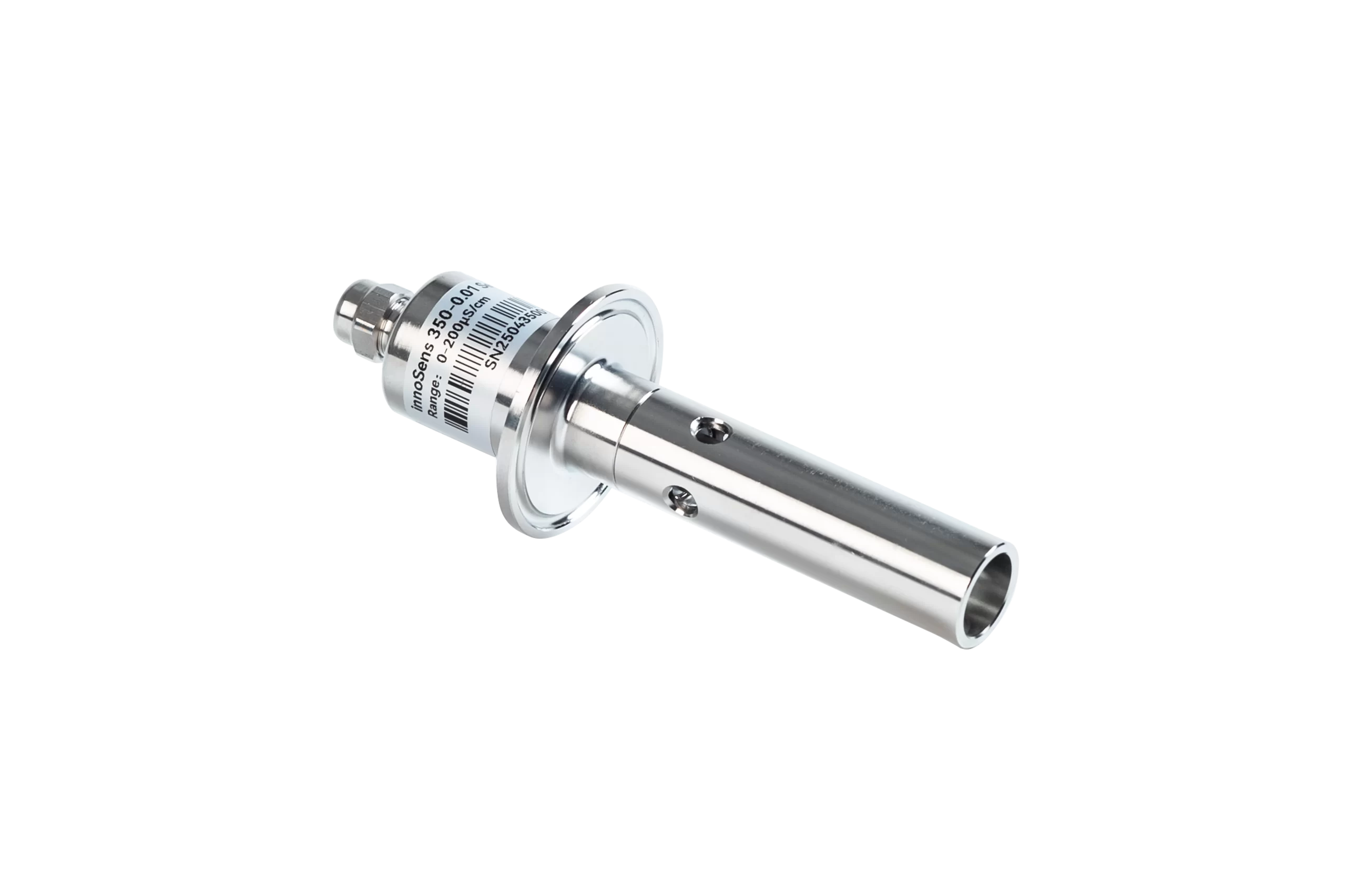
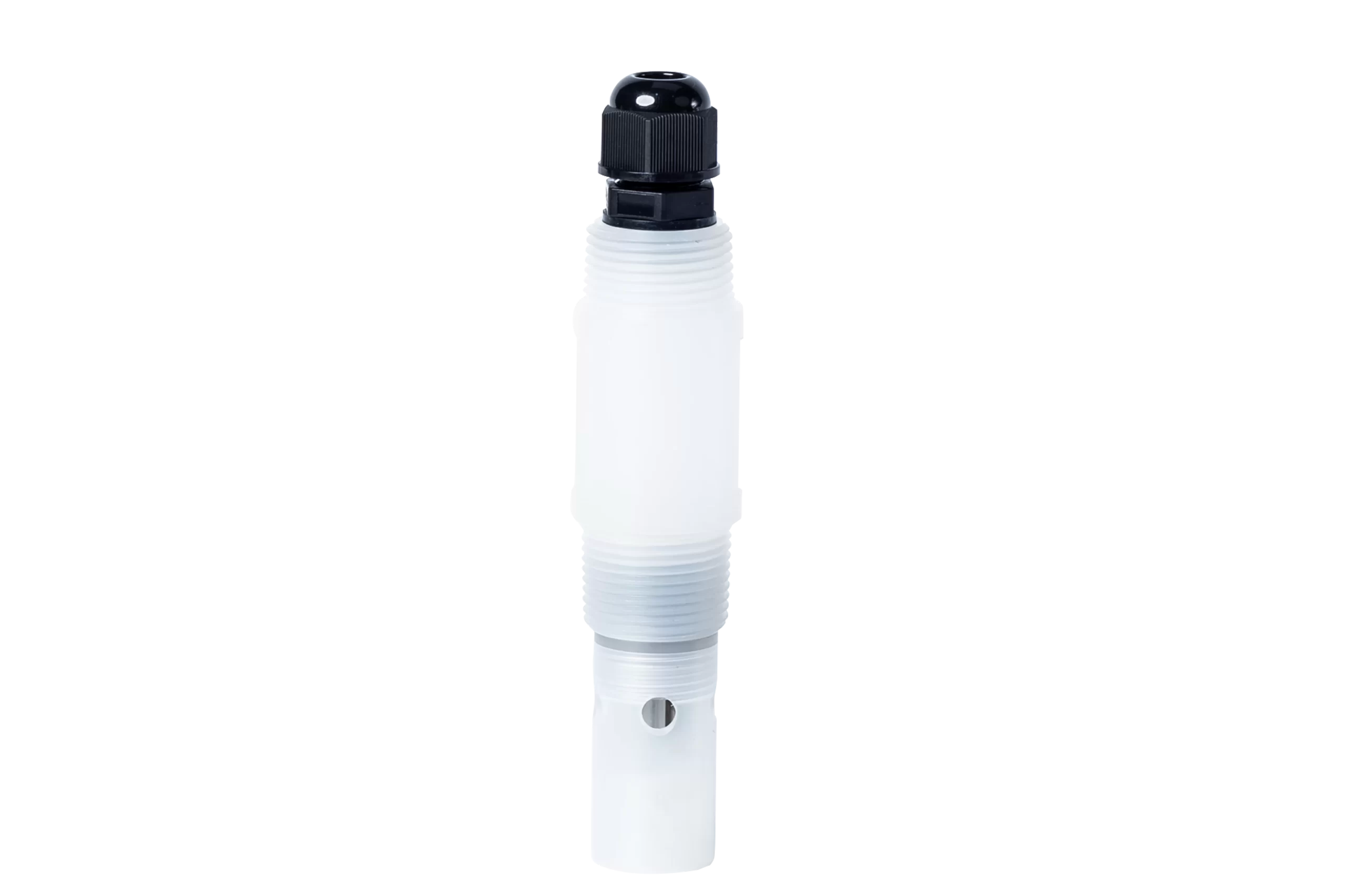
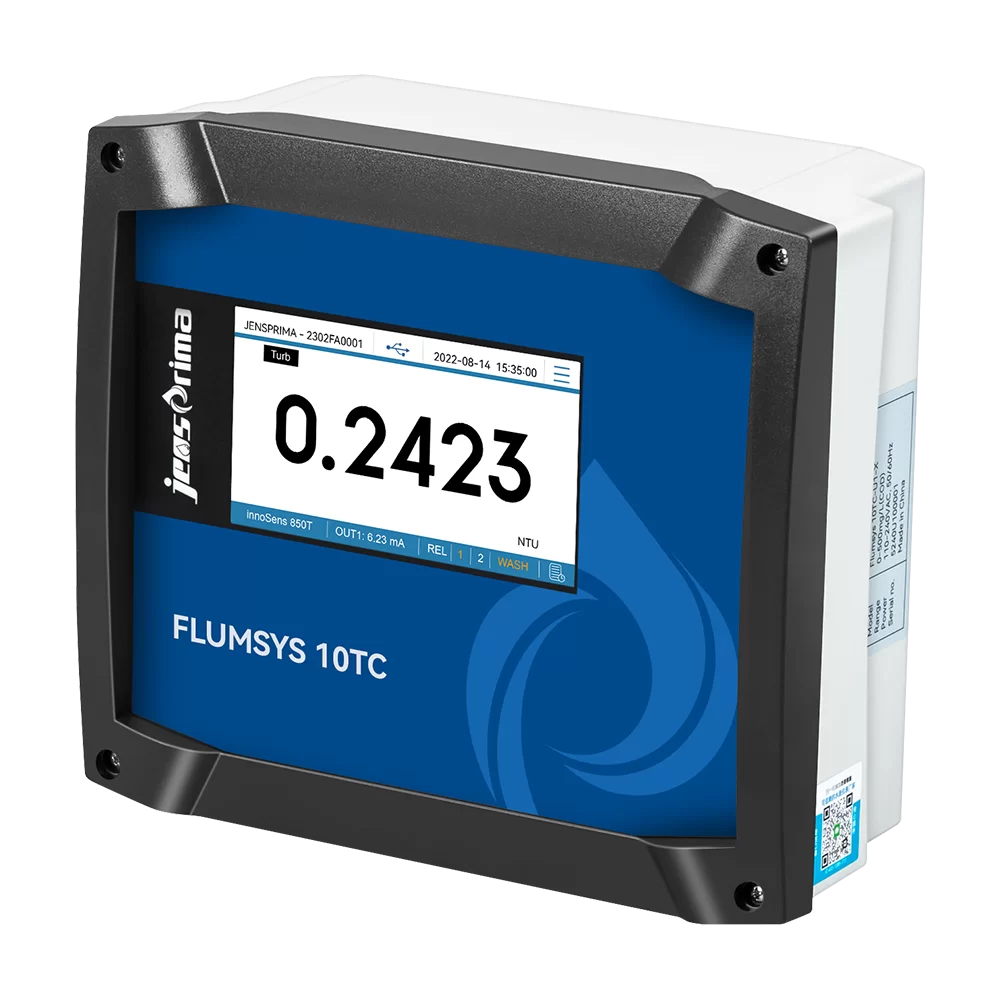
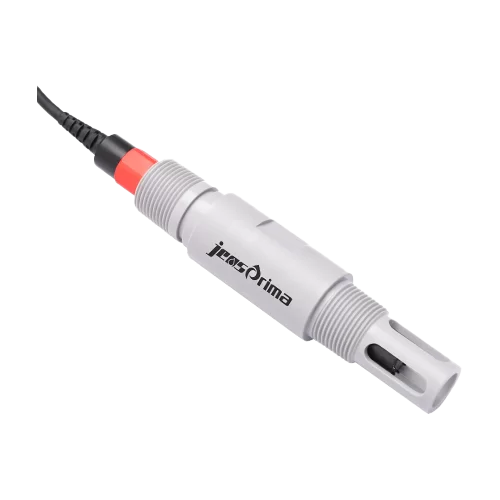
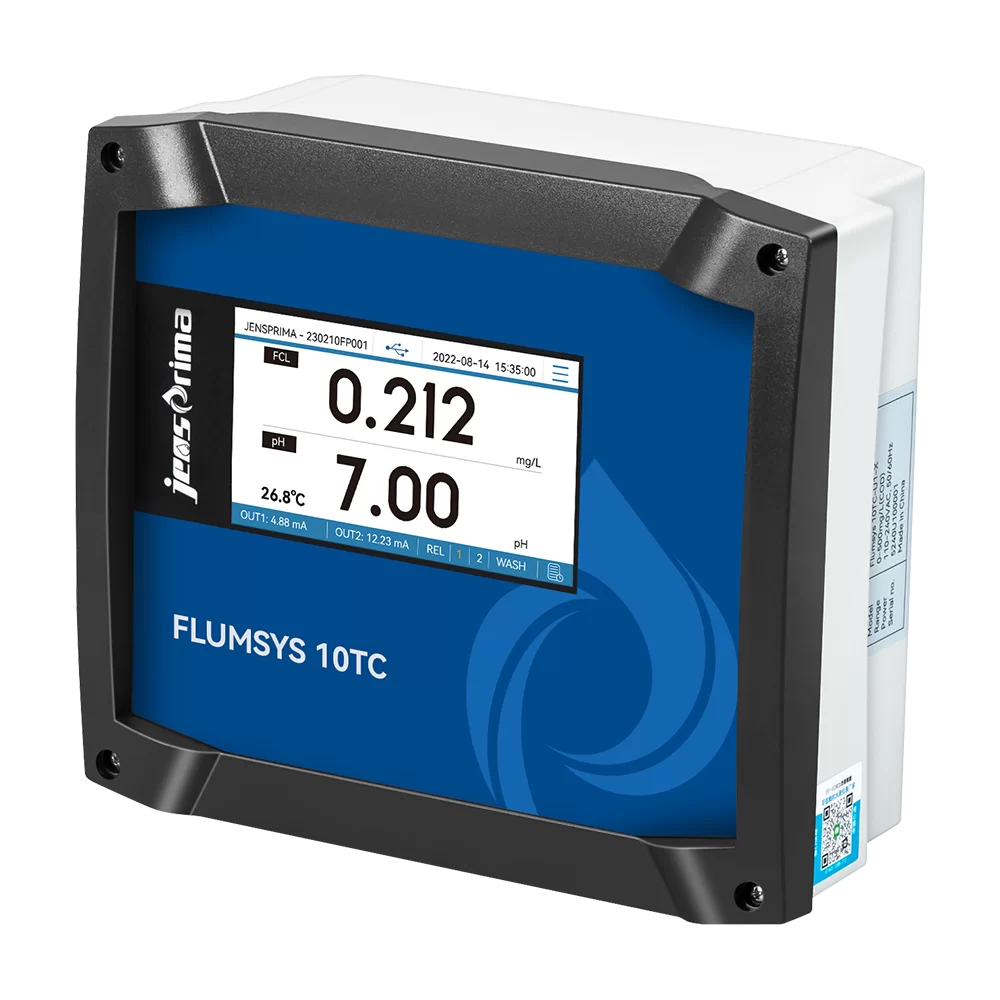
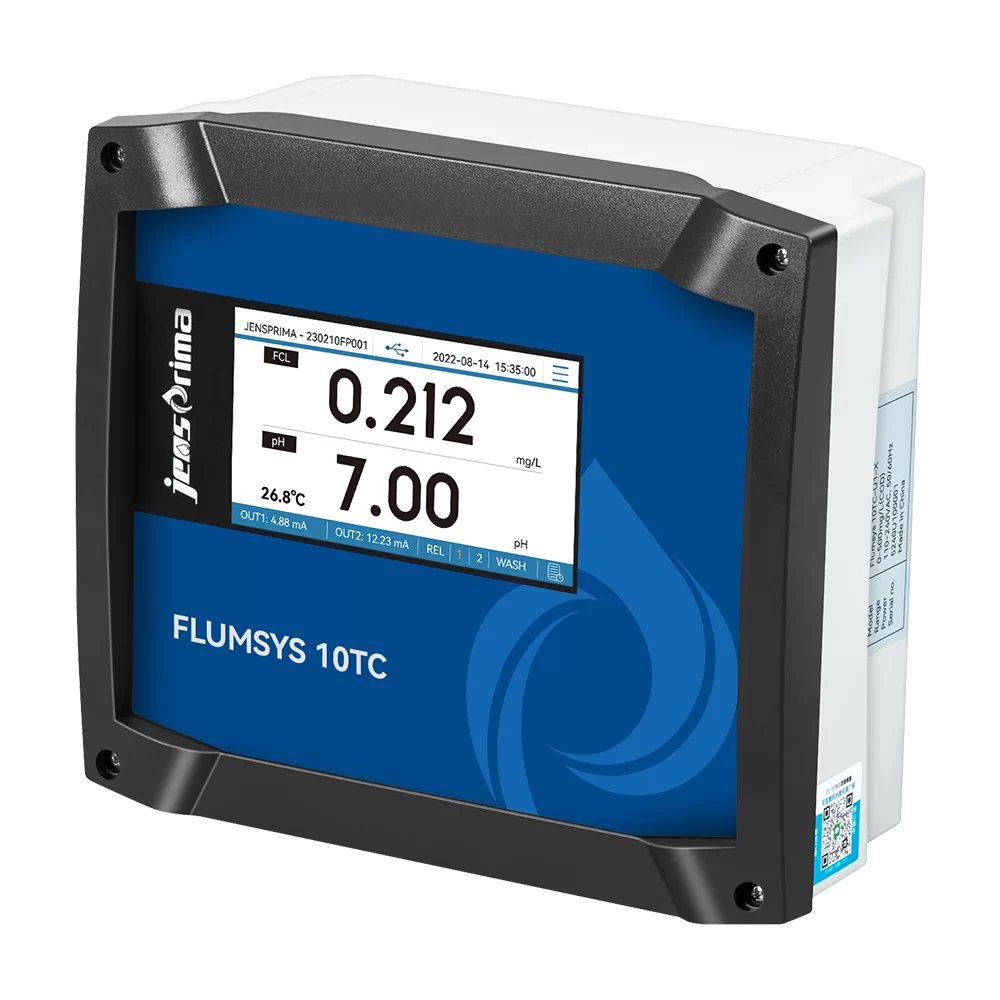
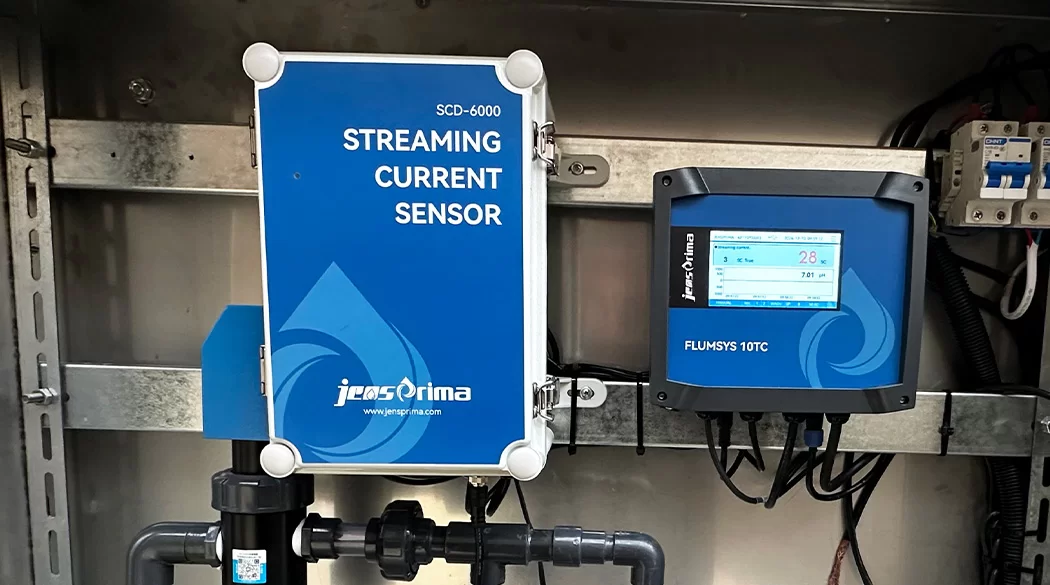
Jensprima online hardness and residual chlorine analyzers play a vital role in the service life of reverse osmosis membranes and the water recovery rate within pharmaceutical RO systems.
Material Selection Guide for the innoSens 850T Turbidity Sensor

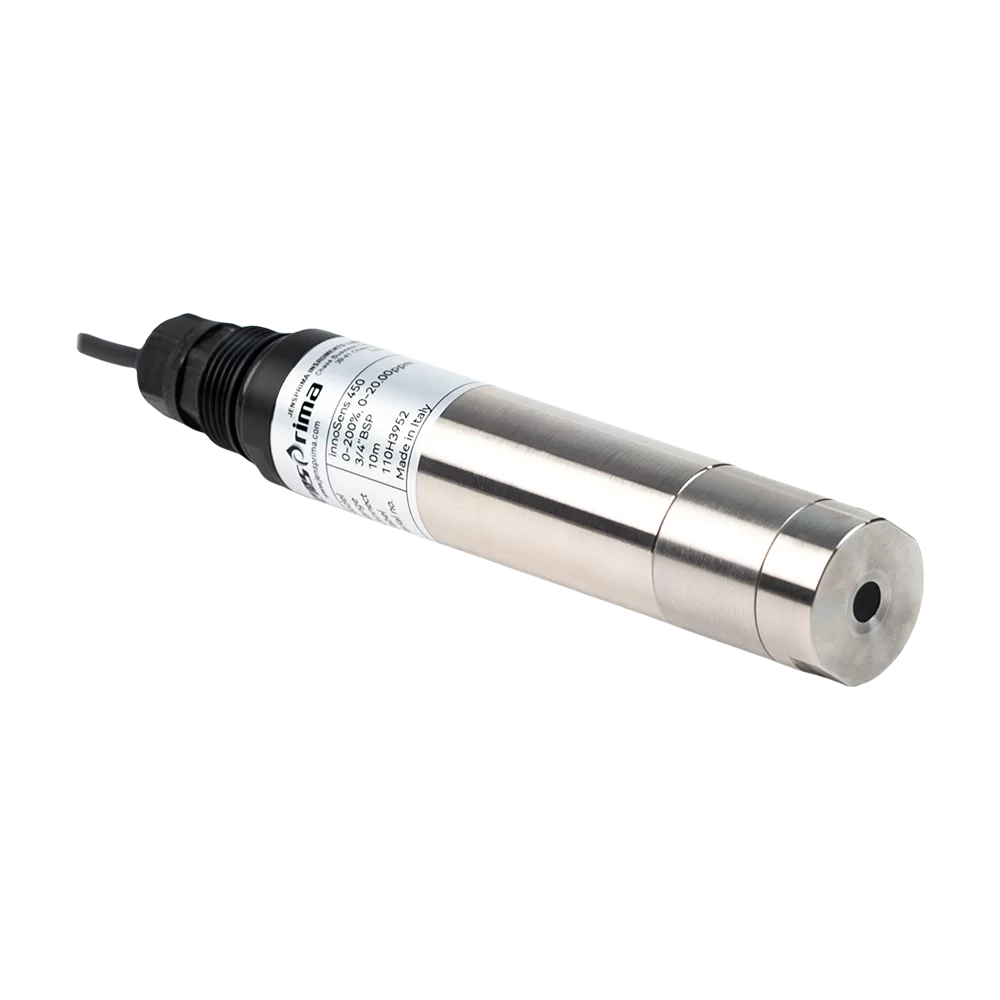
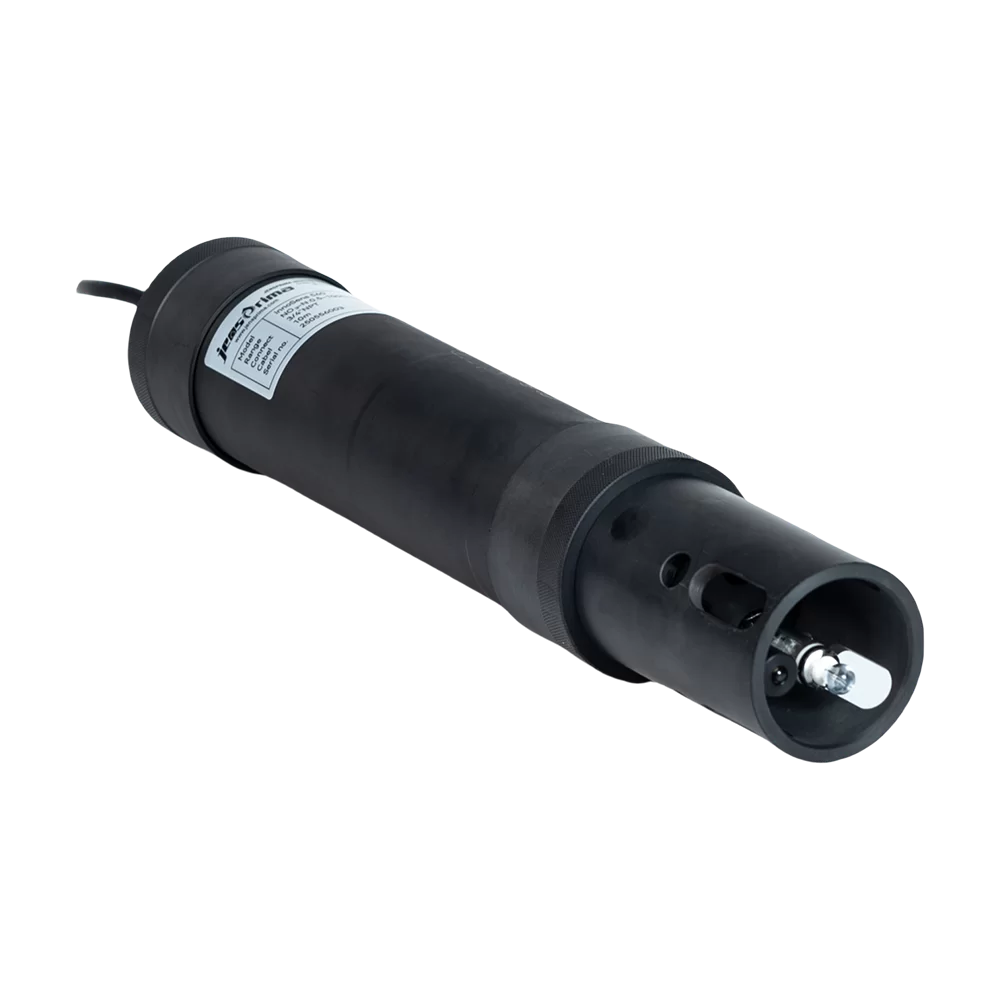
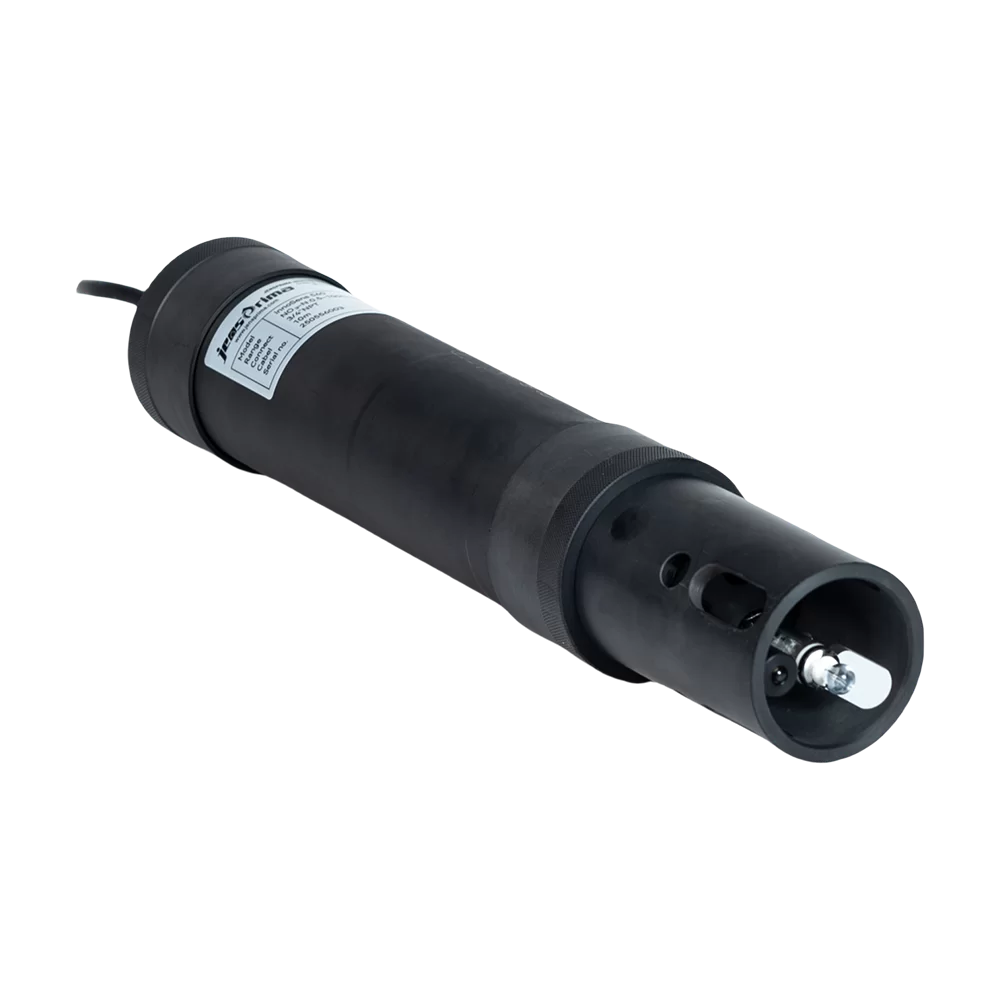
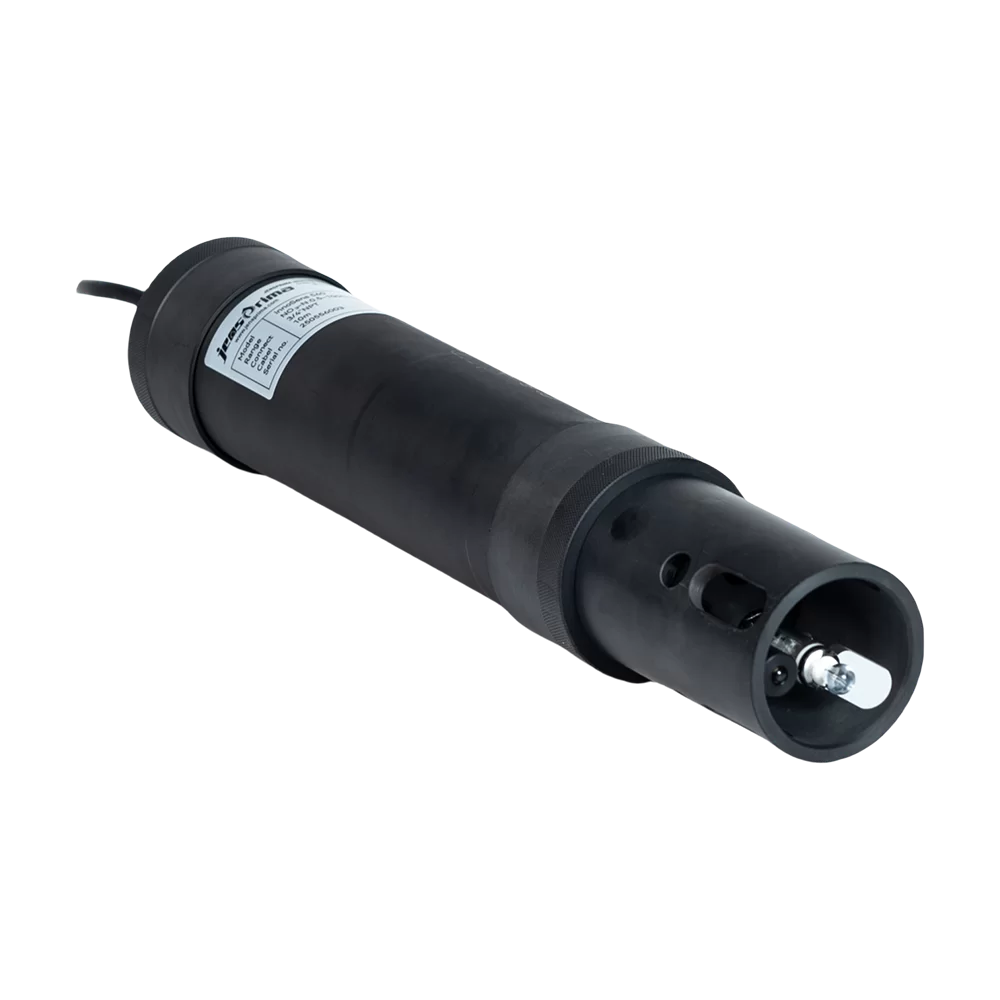
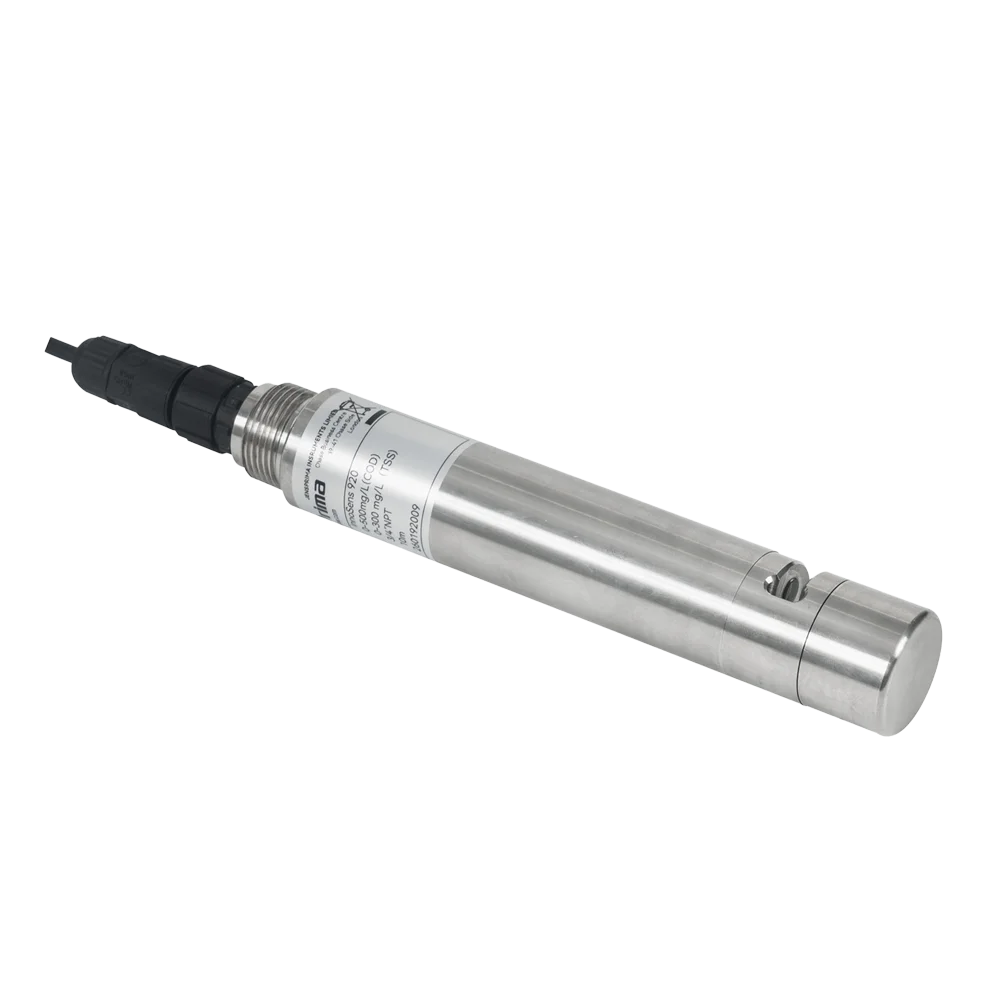
Plant engineers and procurement specialists select the innoSens 850T turbidity sensor for continuous monitoring environments where standard metallic and polymer assemblies fail prematurely. Understanding the structural role of industrial-grade corrosion-resistant material prevents unexpected downtime in demanding aquatic installations.
Procurement teams evaluate online water quality analysis equipment through the lens of long-term material survivability rather than initial acquisition cost. Unspecified operational parameters and exact delivery schedules for the innoSens 850T are to be confirmed with the supplier prior to finalizing purchase orders.
Material Selection Requirements for Aggressive Water Quality Analysis
Aggressive Liquid Matrices and Particulate Abrasion
Continuous immersion in industrial wastewater accelerates physical and chemical wear across sensing assemblies, driving structural degradation through particulate abrasion and aggressive liquid contact.
Environmental monitoring systems subject deployed housings to chemical exposure that degrades unprotected polymeric boundaries over operational cycles.
Fluid Velocity and Chemical Exposure in Online Systems
Online water quality analysis demands robust material performance under conditions of fluctuating chemical exposure and persistent fluid velocity.
Plant operators evaluate how exposure duration and effluent composition impact long-term sensor reliability without relying on unlisted material classifications.
Surface Passivation and Deployment Criteria
Establishing baseline criteria for industrial-grade materials relies on assessing surface passivation and chemical resilience during continuous deployment.
Material selection dictates whether an assembly withstands prolonged deployment without suffering micro-cracking or moisture ingress when aquatic media contain variable loads and aggressive effluent streams.
Corrosion Mechanisms and Chemical Exposure in Wastewater Environments
Electrochemical Degradation Pathways in Continuous Immersion
Aggressive aqueous environments and dissolved chemical agents interact directly with sensor surfaces over prolonged operational cycles, initiating surface pitting and structural micro-cracking.
Continuous fluid immersion accelerates electrochemical reactions when effluent streams contain variable ionic loads and reactive compounds that attack unprotected boundaries.
Physical and Chemical Stress Factors in Monitoring Networks
Persistent fluid velocity, particulate abrasion, and fluctuating pH conditions challenge dimensional stability across industrial wastewater treatment systems.
Environmental monitoring networks introduce additional complexity through variable temperature gradients and organic loading, demanding robust surface passivation to prevent accelerated material degradation.
Operational Imperatives for Maintaining Sensor Integrity
Selecting outer boundary compositions that resist molecular breakdown during extended deployment cycles is essential for maintaining sensor integrity against aggressive industrial effluents.
Plant operators determine exact maintenance and replacement schedules by evaluating site-specific fluid dynamics, abrasive load volumes, and chemical exposure severity rather than relying on fixed operational timelines.
Comparative Analysis of Material Suitability Across Applications
Application-specific demands dictate how the innoSens 850T sensor housing responds to aggressive aqueous media during continuous monitoring cycles. Evaluating chemical exposure severity and continuous immersion demands reveals distinct operational stressors across industrial wastewater, drinking water treatment, and environmental monitoring applications.
Exposure Profiles Across Sector-Specific Operating Environments
Industrial wastewater streams present heavy suspended particulate loads alongside corrosive chemical agents that test the outer boundaries of sensor enclosures. Drinking water facilities operate with lower chemical concentrations, yet they require strict material inertness to prevent ionic leaching into purified municipal flows. Environmental monitoring networks expose turbidity equipment to variable temperature swings and persistent biological fouling that accelerates localized surface degradation.
| Application | model | material | Suitability for Humid Environments |
|---|---|---|---|
| Industrial Wastewater Treatment | innoSens 850T | Industrial Grade Corrosion-Resistant | High |
| Drinking Water Treatment | innoSens 850T | Industrial Grade Corrosion-Resistant | High |
| Environmental Water Quality Analysis | innoSens 850T | Industrial Grade Corrosion-Resistant | High |
Matching Deployment Challenges to Material Characteristics
Aligning sensor material characteristics with specific deployment challenges depends directly on operational temperature ranges and chemical concentration thresholds. Facilities processing aggressive industrial effluents require dense protective matrices to withstand abrasive wear without compromising electronic sealing. Variable project scales and destination ports determine exact commercial terms and acquisition costs rather than fixed pricing models.
Material Durability and Long-Term Performance in Continuous Immersion
Structural Challenges in Continuous Submersion
Permanent immersion in aggressive municipal and industrial water streams subjects boundary materials to constant hydrostatic pressure and localized stress concentrations.
Submerged components frequently experience micro-deformation when fluid temperature fluctuations induce thermal expansion and contraction cycles across dissimilar interfaces, while hydrodynamic forces combined with particulate collisions generate persistent mechanical fatigue at structural joints.
Operational Longevity in Aggressive Monitoring Sites
Extended operational lifespans in corrosive aquatic environments are directly governed by a material's inherent resistance to localized surface pitting and stress corrosion cracking.
Facility operators evaluate performance longevity by measuring micro-cracking propagation rates under cyclical loading conditions, and when chemical exposure varies unpredictably across industrial effluent streams, material stability dictates whether measurement accuracy degrades prematurely.
Mitigating Degradation Risks During Continuous Deployment
Protective enclosure integrity prevents moisture ingress from compromising internal circuitry during uninterrupted operation, whereas dense molecular arrangements suppress ionic migration and chemical leaching when exposed to complex industrial waste matrices.
Project scale and destination requirements dictate the exact delivery schedules and purchase conditions for the innoSens 850T turbidity sensor.
Deployment Contexts for the innoSens 850T Turbidity Sensor
Industrial Water Treatment Facilities
Municipal infrastructure installations subject sensor equipment to aggressive effluent streams containing high particulate loads and variable chemical compositions. When deployment schedules require continuous operation across municipal processing basins, the innoSens 850T relies on non-reactive exterior barriers to isolate sensitive internal channels from abrasive slurries.
Plant project managers evaluate these deployments based on the operational trade-off between initial equipment selection costs and long-term service stability in harsh municipal basins. Unprotected metallic or standard polymer housings frequently experience micro-cracking and fluid ingress within standard maintenance cycles, resulting in premature failure. By contrast, industrial-grade corrosion-resistant surfaces maintain structural integrity under continuous fluid velocity and persistent mechanical stress without requiring secondary protective coatings.
Drinking Water Treatment Requirements
Potable water production environments demand absolute chemical neutrality from all submerged assemblies to prevent secondary contamination of processed public streams. Public utility networks reject equipment containing reactive additives that might leach trace elements into treated water outputs. Stable protective barriers within the innoSens 850T maintain strict baseline neutrality during continuous disinfection cycles.
Procurement teams managing potable water projects assess material compatibility against specific disinfectant concentrations and treatment chemical dosages determined by regional utility guidelines. The selection of suitable protective boundaries depends entirely on the specific chemical dosing profiles and operating temperatures mandated by each municipal facility.
Environmental Water Quality Monitoring
Open waterways and environmental discharge monitoring points present unpredictable pollutant loads influenced by seasonal runoff and industrial outfall. Field-deployed units require robust enclosure architectures to withstand prolonged exposure to dissolved salts and organic acids without structural degradation. Non-reactive physical barriers ensure that analytical measurements remain accurate despite heavy biofouling pressure in natural water bodies.
Ecosystem preservation depends on analytical instruments that do not alter the chemical balance of delicate aquatic habitats. Protective exterior shells isolate internal electronics while preventing any interaction between sensor substrates and local aquatic life. This inert material profile guarantees reliable data acquisition across sensitive watersheds without disrupting native biological processes, depending on the severity of local biofouling and organic acid concentrations.

Procurement and Technical Verification Protocol for the innoSens 850T
Procurement Parameters and Sourcing Governance
Purchasing teams advancing industrial fluid diagnostic instruments must formalize commercial parameters through direct supplier communication rather than relying on assumed baselines. Order variables including exact delivery schedules, tiered minimum order quantities, and formal coverage terms depend strictly on project volume, shipping destination, and specific contract structures.
Engineering departments should execute a systematic review before finalizing purchase orders for monitoring hardware deployed in challenging aqueous settings.
Material compatibility sheets, chemical resistance thresholds, and physical dimension verification require comprehensive cross-referencing against site-specific operating conditions.
Evaluation Protocols for Project Stakeholders
Sourcing specialists reconcile these technical requirements with commercial negotiations by establishing clear milestones for documentation delivery.
Technical files outlining housing composition and chemical tolerance limits help plant operators validate instrument survivability prior to final installation in aggressive environments.
Key Verification Steps
- Verify that the operational pH range of the liquid stream aligns with the resistance profile of the equipment housing.
- Confirm that suspended abrasive particle concentrations do not exceed the mechanical wear limits established for the sensor exterior.
- Assess whether projected chemical cleaning cycles involve active oxidizers that could compromise protective coatings over prolonged exposure intervals.
Frequently Asked Questions
Extended contact with reactive liquid streams accelerates surface degradation through constant particulate abrasion and aggressive chemical interaction. When deploying sensing assemblies in highly active effluent channels, project teams evaluate boundary material stability to prevent micro-fissuring during uninterrupted operational cycles. The ultimate service duration depends directly on the specific ionic load and flow velocity characteristic of the local aquatic environment.
Open monitoring sites subject submerged boundaries to variable organic loading and fluctuating dissolved compound concentrations over daily operational rhythms. Surface passivation quality determines whether an assembly maintains structural integrity against localized pitting during extended field deployment. Procurement specialists review effluent composition reports to ensure boundary components withstand site-specific chemical challenges without suffering premature molecular breakdown.
Treated water applications demand rigorous boundary purity to prevent secondary contamination while resisting sanitization chemical residues introduced during routine sanitation cycles. Material composition dictates how well the housing withstands persistent exposure to active oxidizers without leaching or surface degradation. Operators verify that selected components maintain optical clarity and dimensional stability over multi-year monitoring schedules.
Commercial schedules and batch volume thresholds are negotiated directly based on project scale, destination port logistics, and custom packaging requirements. Procurement managers request formal quotations from the supplier to establish exact delivery timelines and minimum order parameters for specific project sites. Relying on generalized market estimates is avoided in favor of direct commercial correspondence to secure binding purchase terms.
Verification files and available certification records are requested directly from the supplier prior to finalizing capital expenditure approvals. Project engineering leads examine these documentation packages to confirm that offered hardware matches regional regulatory expectations for municipal and industrial installations. All commercial and technical inquiries are channeled through official supply chain channels to secure verifiable verification data.
Conclusion
Procurement Parameters and Commercial Verification for the innoSens 850T
Fulfillment timelines, financial tiers, and transactional requirements fluctuate directly depending on final destination ports, customized system integration demands, and aggregate project volumes.
Purchasing specialists evaluate these commercial factors alongside structural criteria to establish viable procurement schedules. Direct supplier engagement resolves unlisted parameters prior to final purchase order dispatch.
Documentation and Delivery Governance
Requesting complete technical documentation ensures that deployed assemblies match specific facility requirements before logistics execution begins.
Transactional coverage periods vary according to contractual terms established during initial supplier negotiations.
Download

Video Center

Technical Services

FAQS

Service Network

Privacy Policy
Contact Us



LEARN MORE