


 Download
 Video Center
 Technical Services
 FAQS
 Service Network
 Privacy Policy
 Contact Us




Water quality analysis has transitioned from single-point sampling to integrated, continuous monitoring. A China multi parameter water quality analyzer allows operators to monitor multiple chemical and physical indices—such as pH, dissolved oxygen, conductivity, and turbidity—simultaneously. This integration is critical for maintaining the ecological balance of water bodies and ensuring the efficiency of industrial treatment processes.
For industries such as pharmaceutical manufacturing and wastewater treatment, the ability to detect rapid fluctuations in water chemistry is not just a quality requirement but a regulatory necessity. When parameters are measured independently, the time lag between readings can lead to inaccurate correlations. Integrated analyzers resolve this by providing synchronized data, enabling a holistic view of the water chemistry in real-time.
This technical guide examines the core mechanisms of multi-parameter instrumentation, focusing on how to evaluate sensor accuracy, manage long-term stability, and select a system that matches specific industrial environments. Readers will learn the critical trade-offs between sensor sensitivity and durability, and how to assess supplier capabilities to ensure long-term operational viability.
The Role of Multi-Parameter Monitoring in Water Analysis
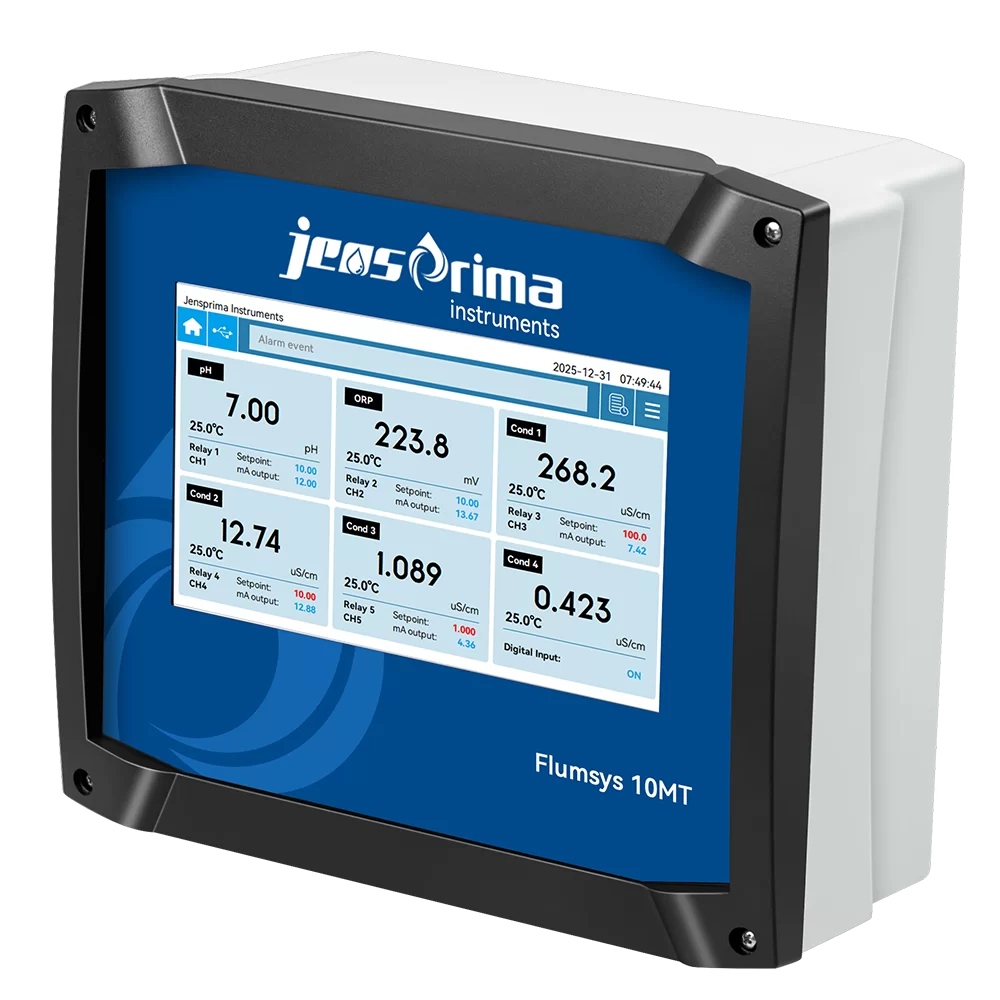
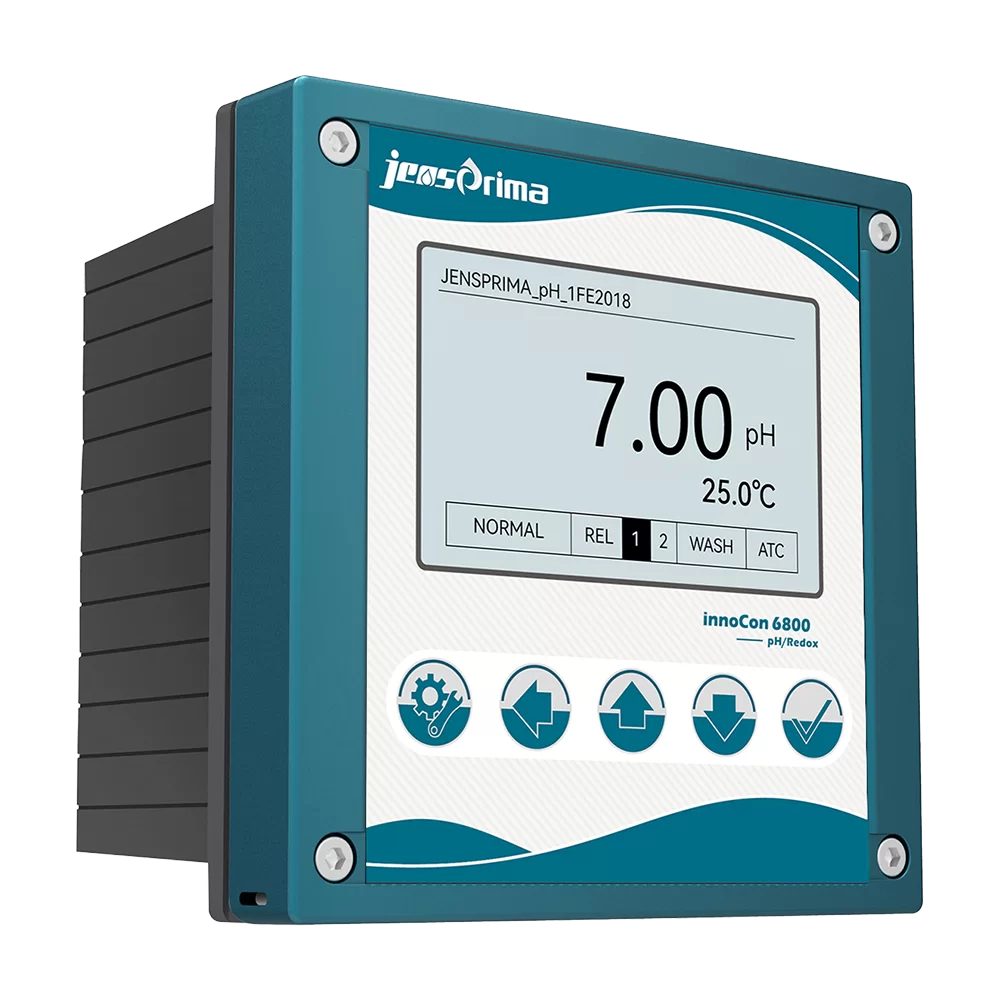
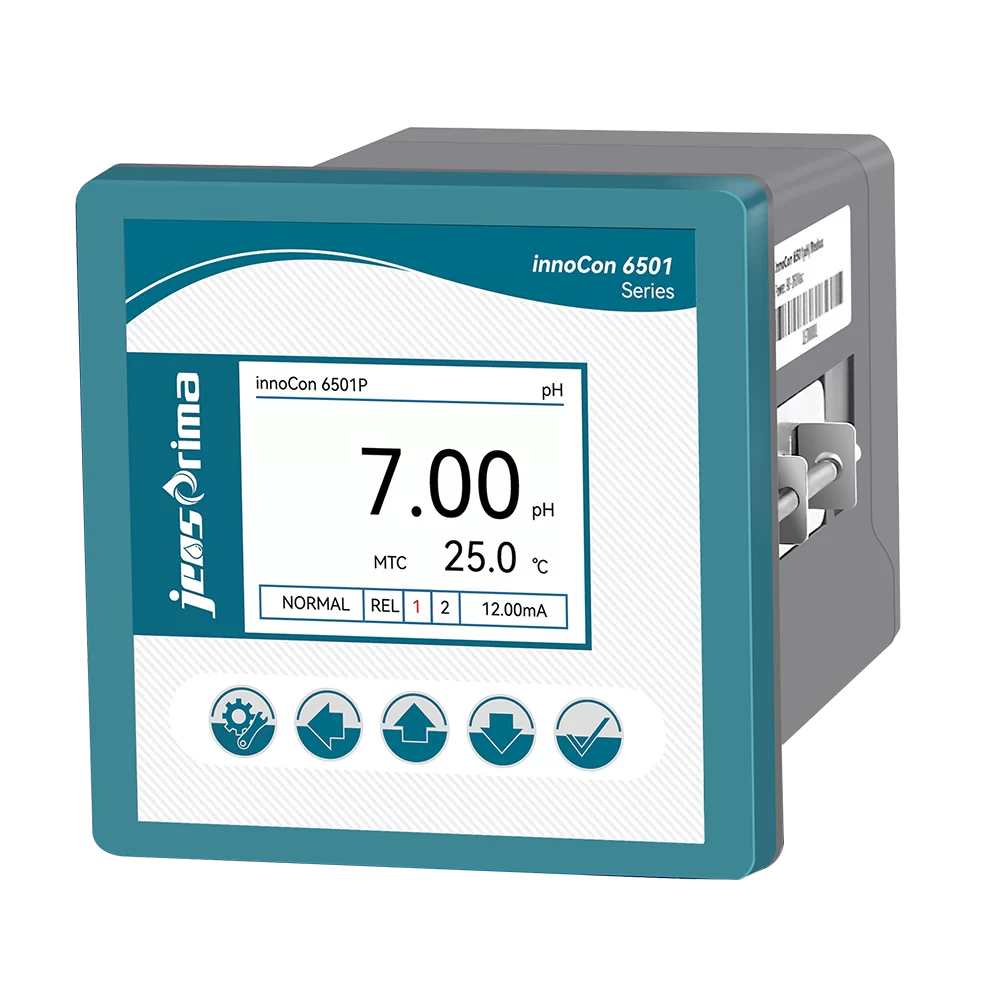
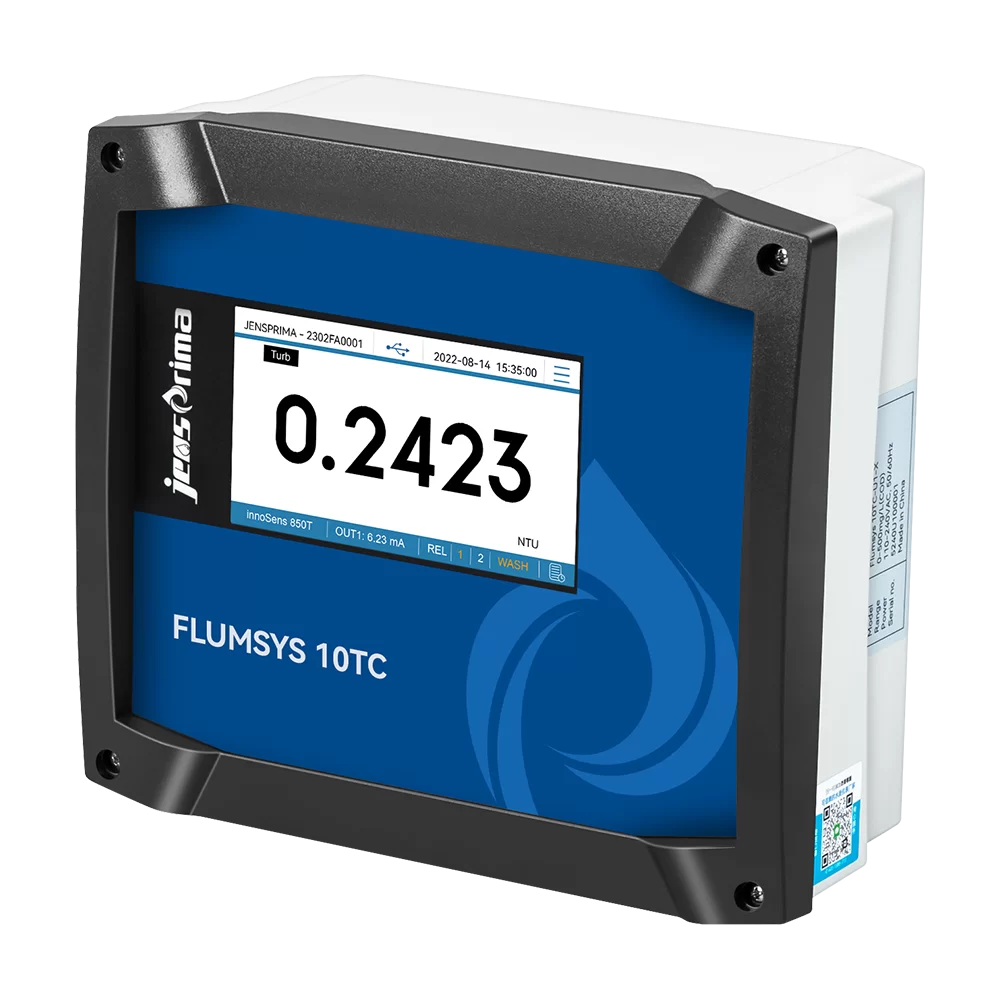
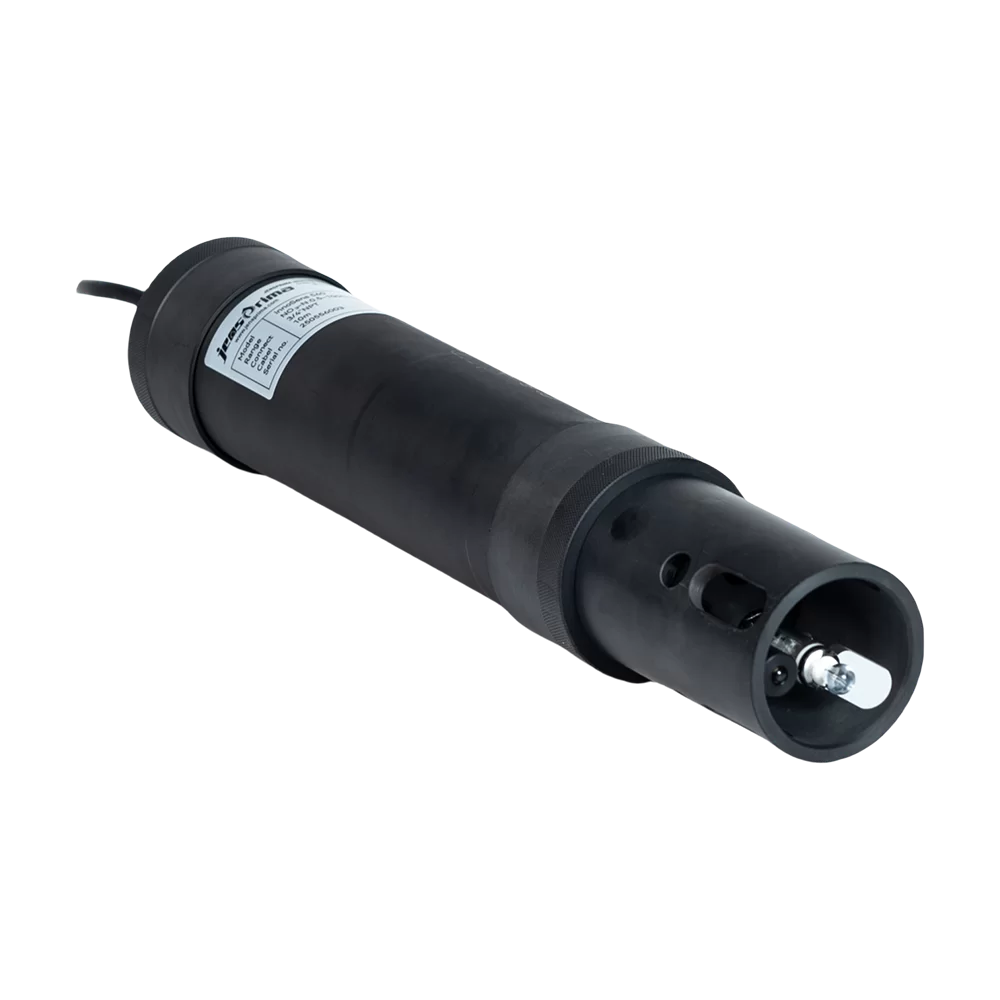
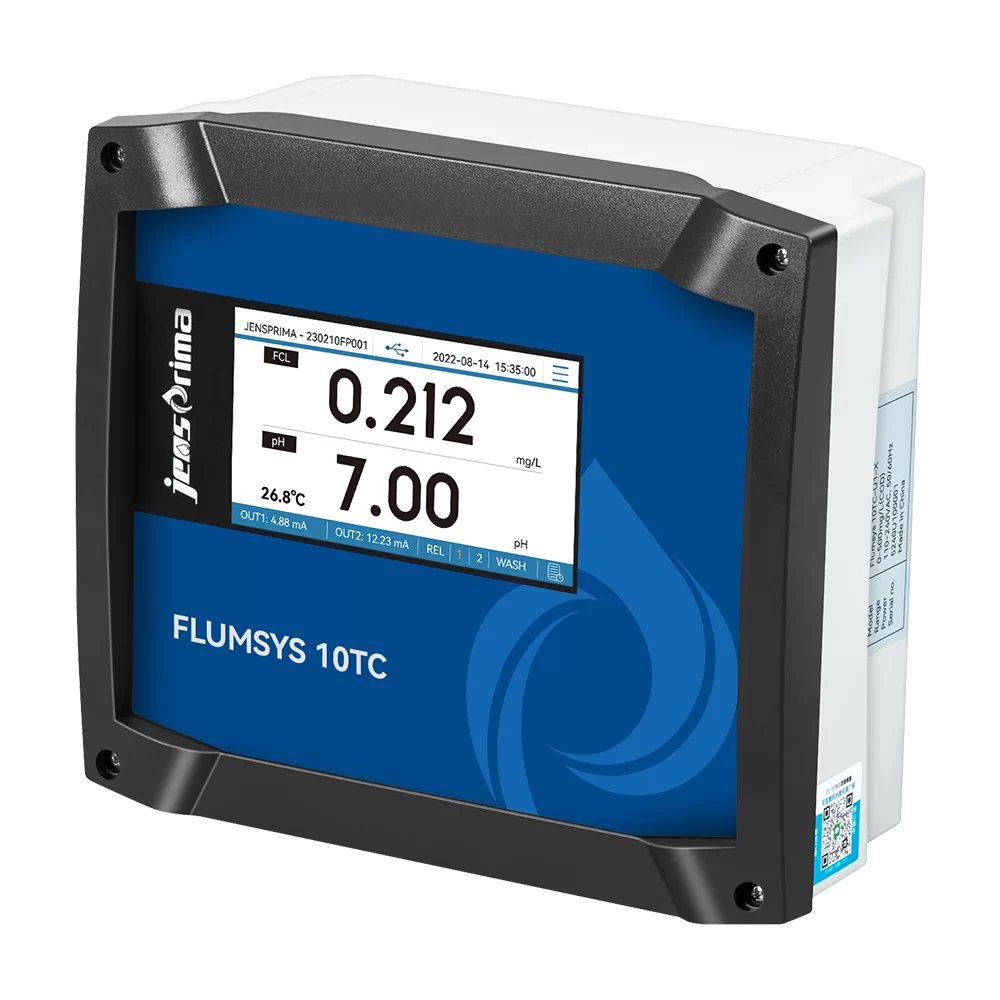
The fundamental goal of multi-parameter monitoring is to reduce the complexity of site installation while increasing the granularity of data. In an industrial context, water quality is rarely defined by a single variable. For example, in a wastewater plant, a sudden drop in pH may coincide with a spike in conductivity, indicating a chemical leak or a process failure. By utilizing a unified analyzer, the interaction between these variables is captured instantly. This approach leverages optical analysis and sensor technology to provide a comprehensive chemical profile of the liquid medium. From a technical perspective, the shift toward integrated systems reduces the risk of cross-contamination between different probe installations and lowers the total energy consumption of the monitoring station. Furthermore, it simplifies the cabling and signal processing architecture, as multiple analog or digital signals are consolidated into a single transmitter output.
Technical Evaluation and Selection Criteria
Selecting an instrumentation system requires a balance between the precision of the laboratory and the ruggedness of the field. The following analysis breaks down the seven critical dimensions that engineers must evaluate when implementing a multi-parameter water quality solution.
Sensor Integration and Signal Stability
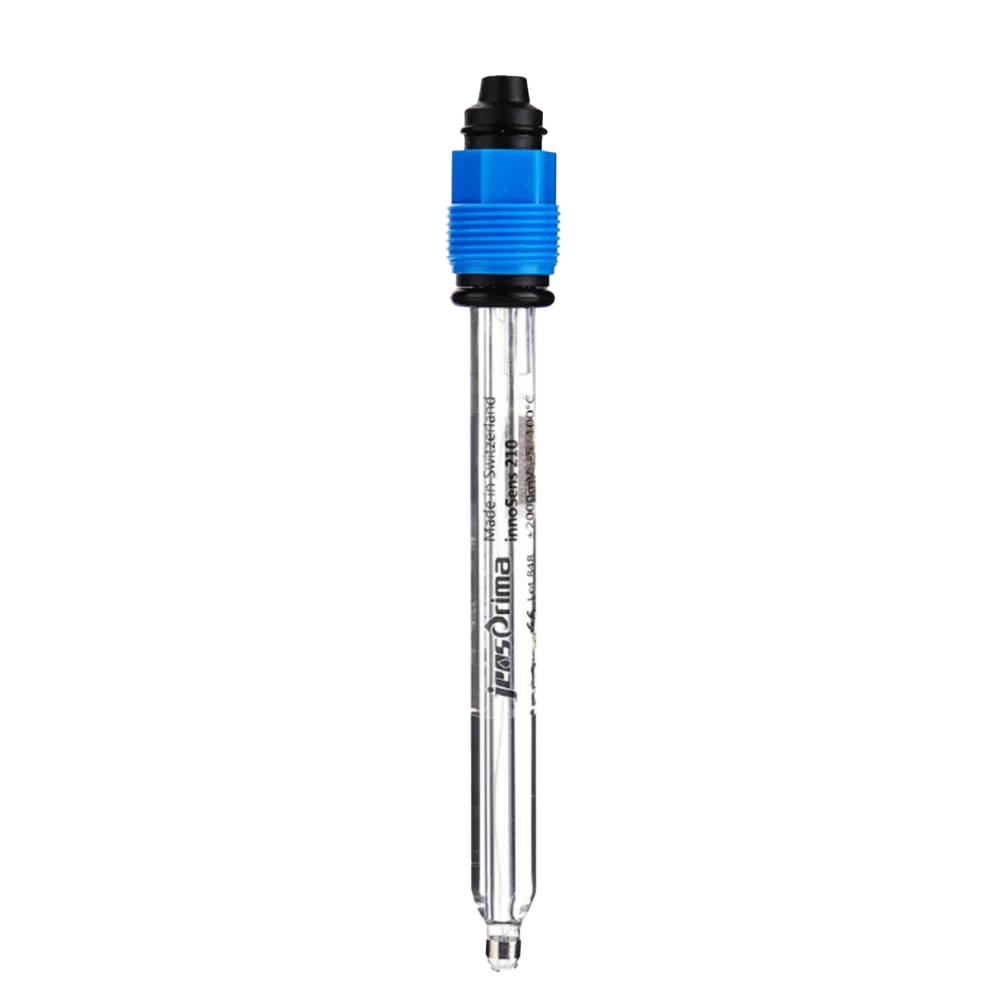
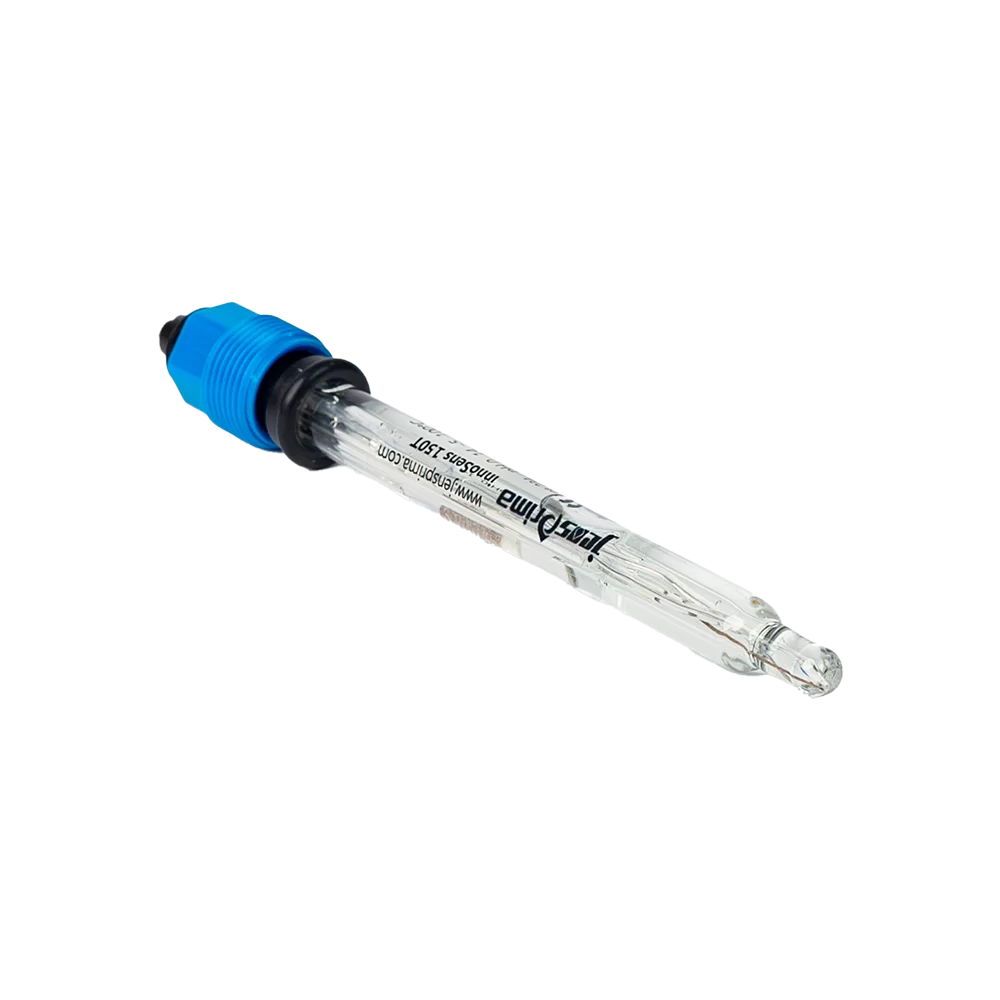
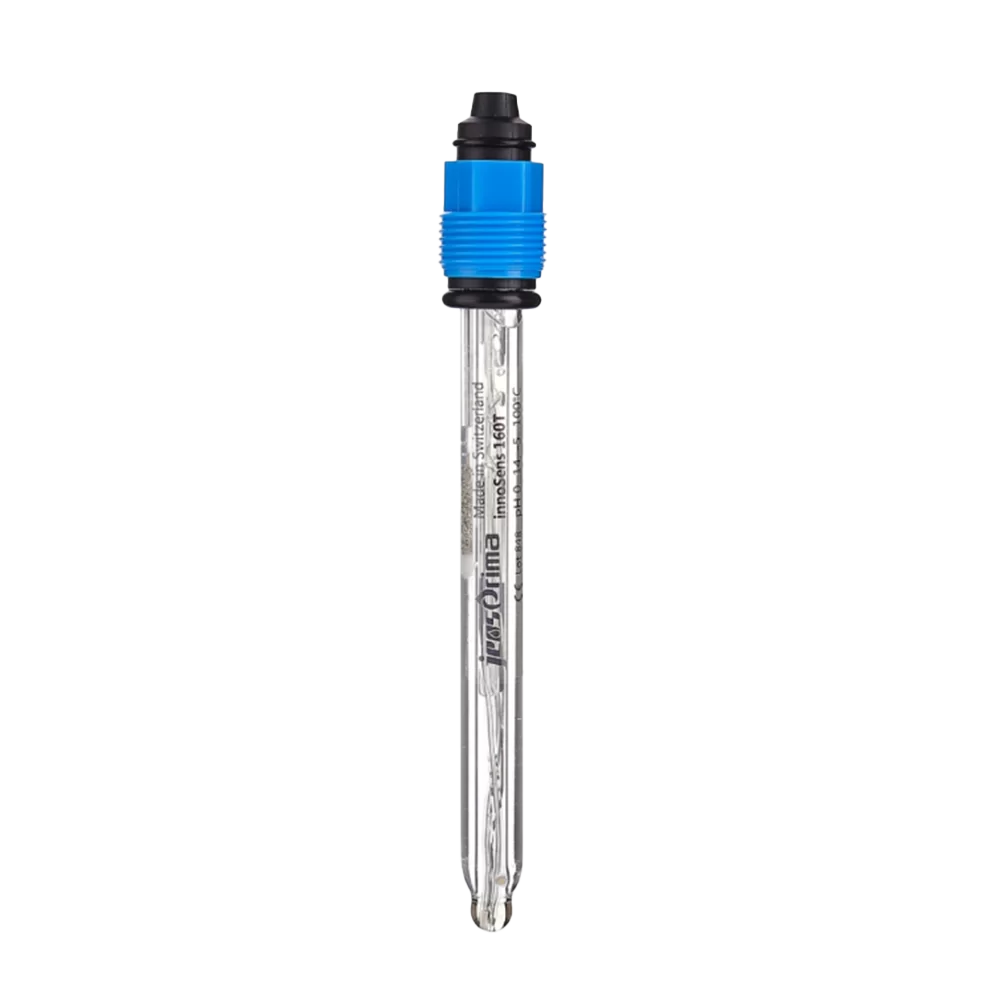
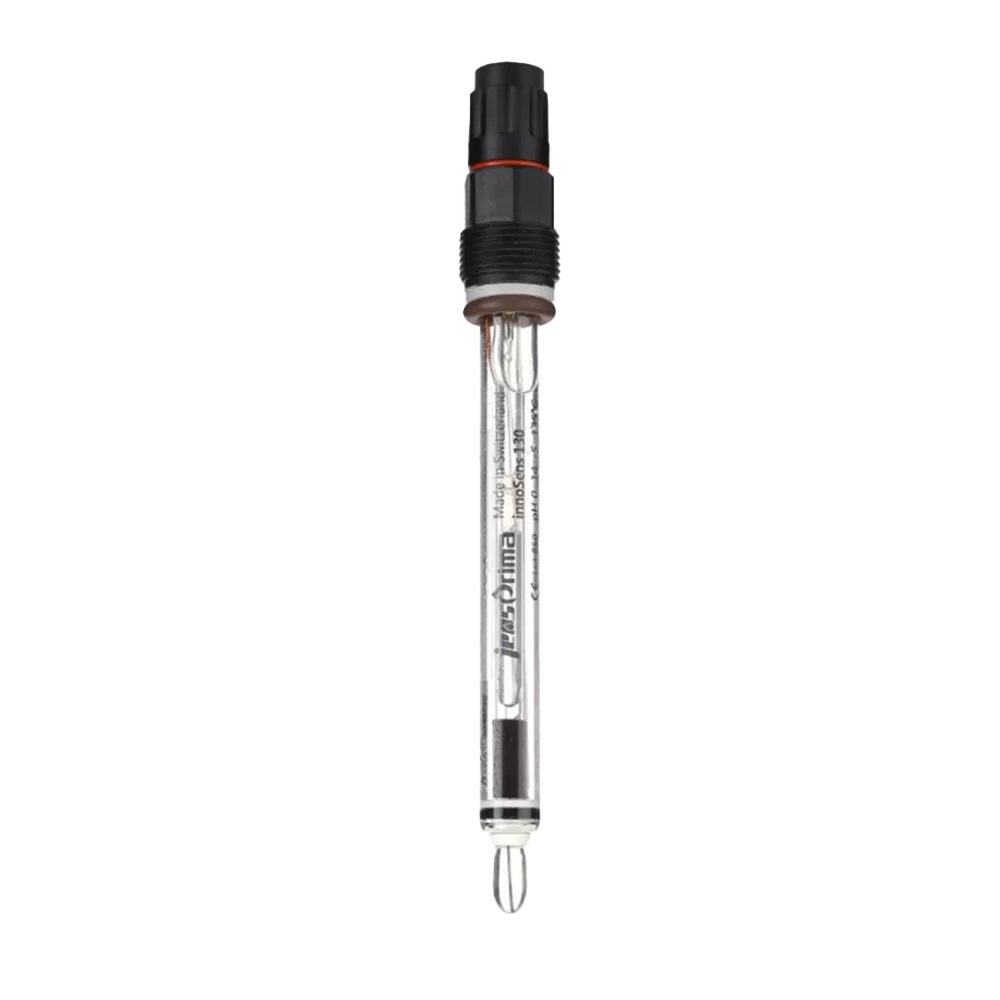
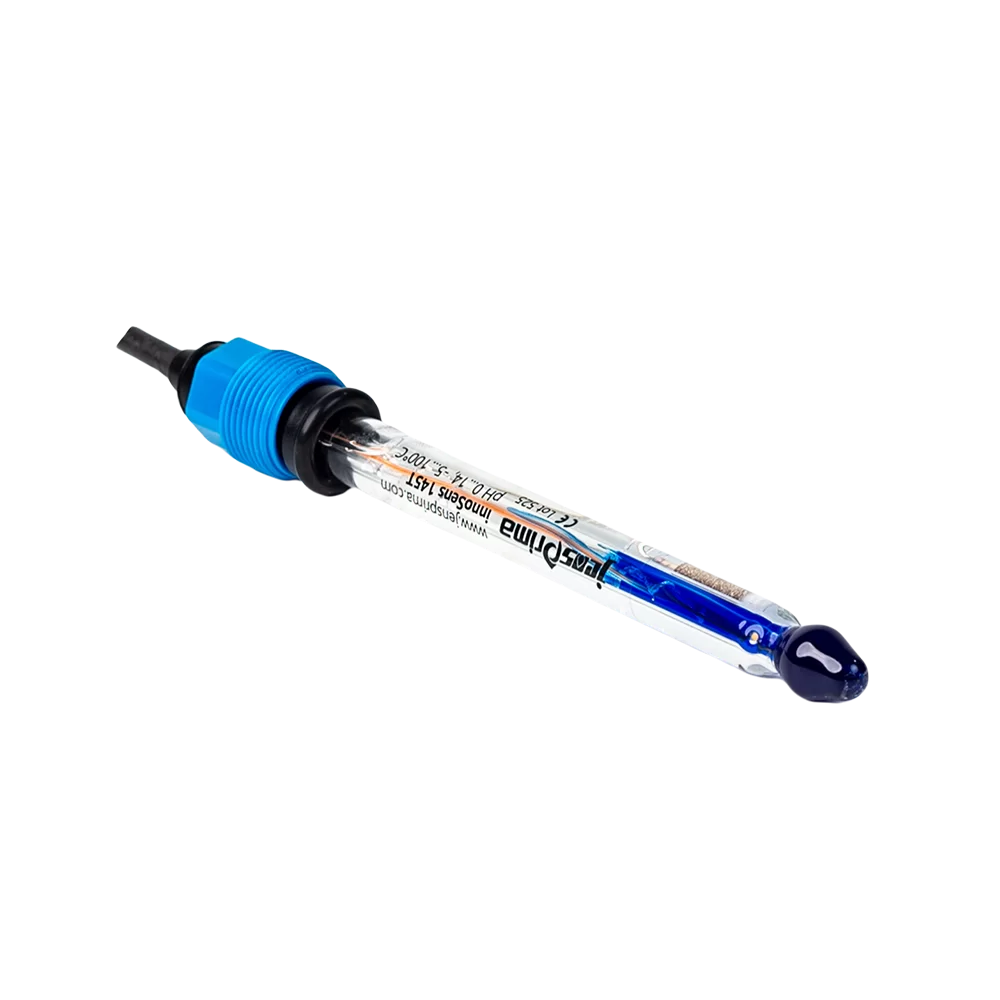
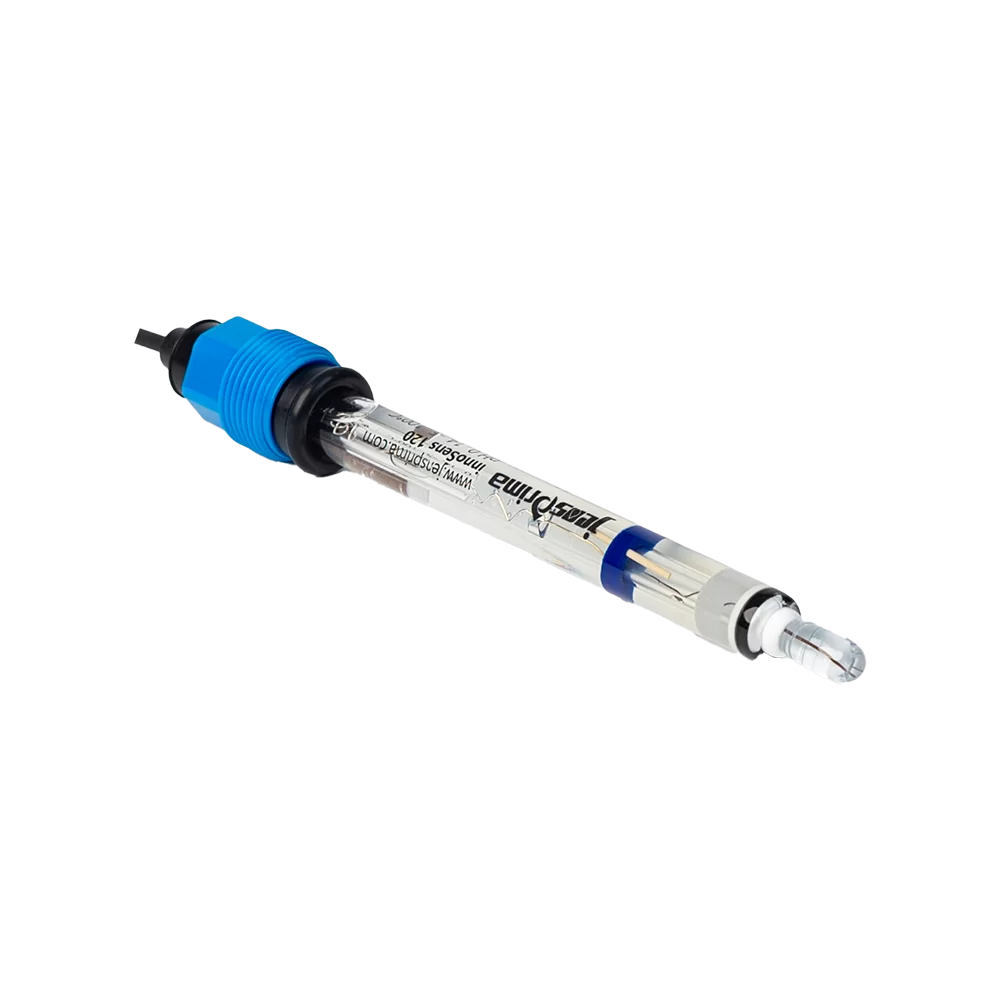
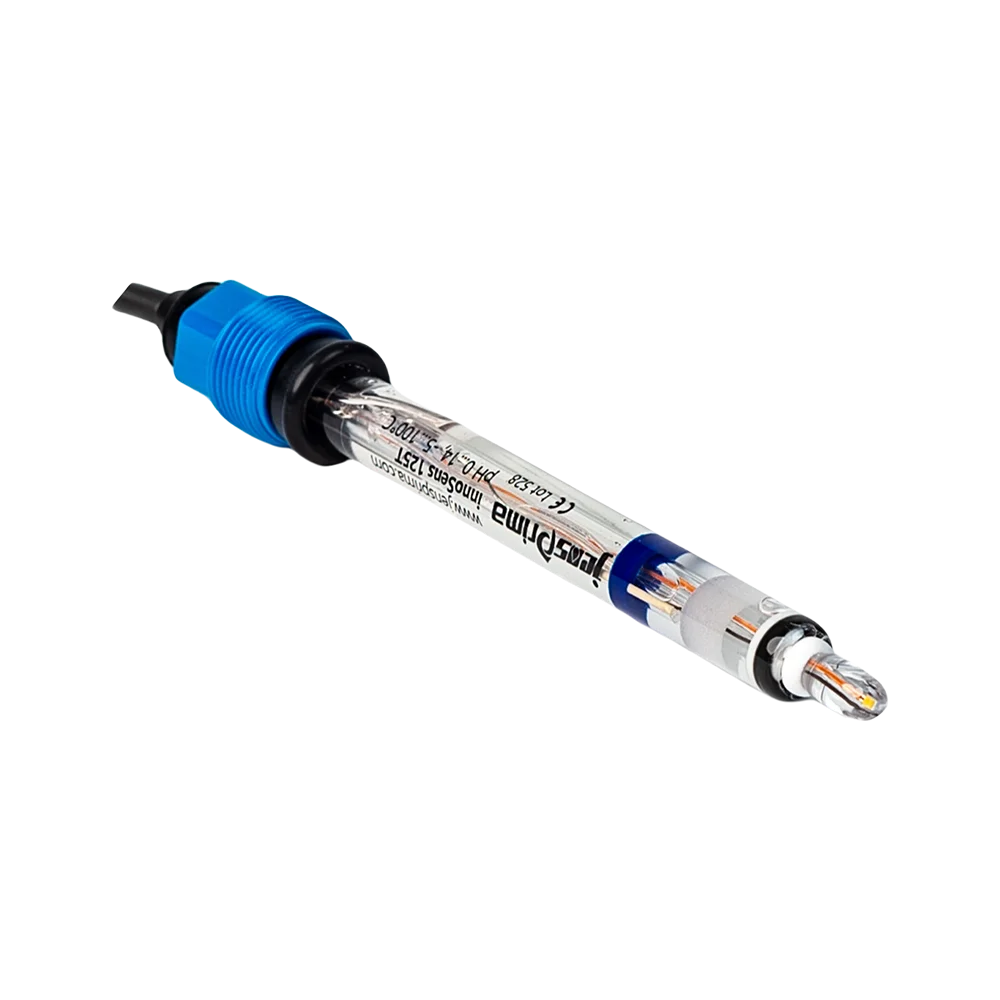
The primary challenge in multi-parameter systems is signal interference. When different electrodes are placed in close proximity, electrical noise can distort readings. High-quality analyzers employ advanced shielding and isolated circuitry to ensure that the high-impedance signal of a pH probe does not interfere with the conductivity measurement. Stability is further enhanced by using high-performance measurement reagents and optical sensors that minimize electronic drift.
| Parameter | Primary Sensor Type | Interference Risk | Stability Requirement |
|---|---|---|---|
| pH Value | Glass Electrode | Temperature shift | High (Periodic Cal) |
| Conductivity | Electrode Cell | Polarization | Medium (Low Drift) |
| Turbidity | Optical/Nephelometric | Air Bubbles | High (Auto-cleaning) |
| Dissolved Oxygen | Optical/Galvanic | Flow Velocity | Medium (Stable Memb) |
| ORP | Platinum/Gold | Chemical Coating | Medium (Robustness) |
| Temperature | Pt100/Pt1000 | Thermal Lag | Very High (Linearity) |
Calibration and Drift Management
No sensor remains accurate indefinitely. Drift occurs due to electrode aging or the accumulation of bio-films on the sensor surface. A professional system should offer clear calibration protocols. The ability to perform one-on-one technical adjustments allows users to compensate for site-specific variances. For long-term deployments, the integration of automatic cleaning mechanisms—such as air blasting or mechanical wipers—is essential to maintain the validity of the data without requiring daily manual intervention.
Influence of Environmental Interference
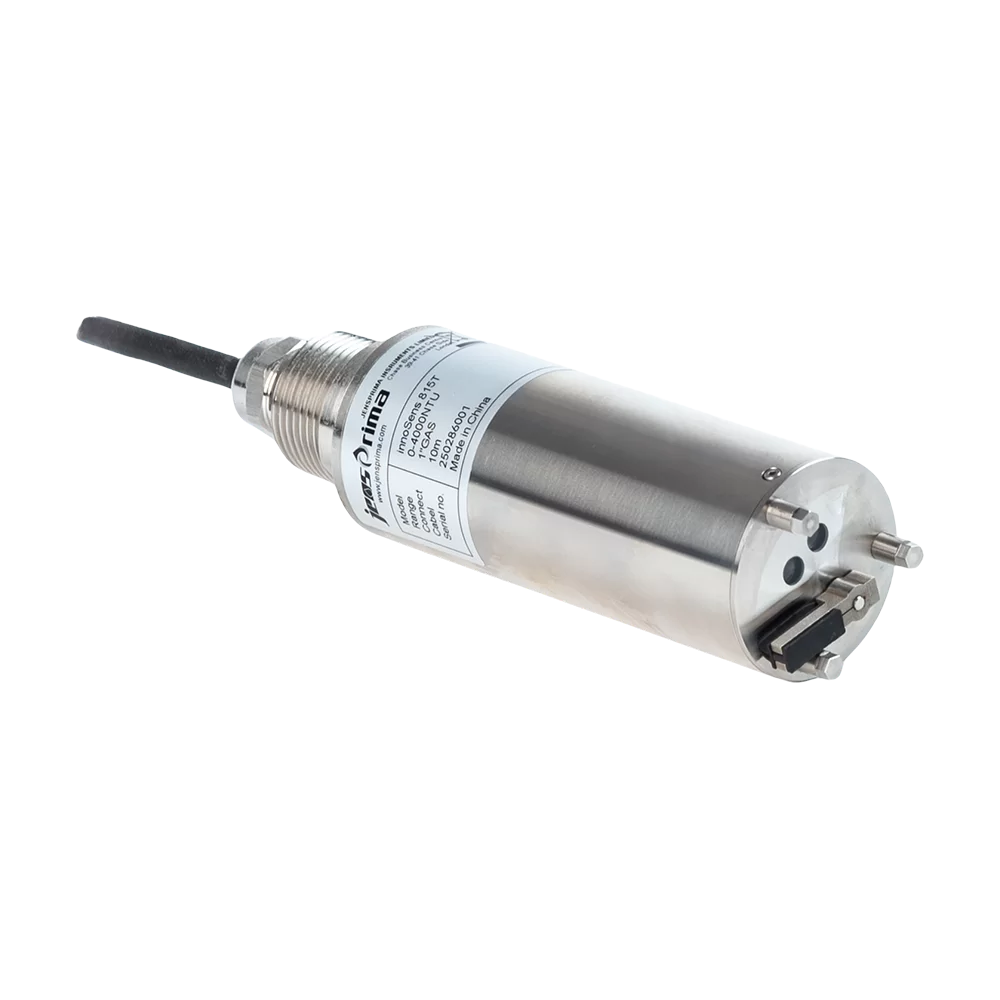
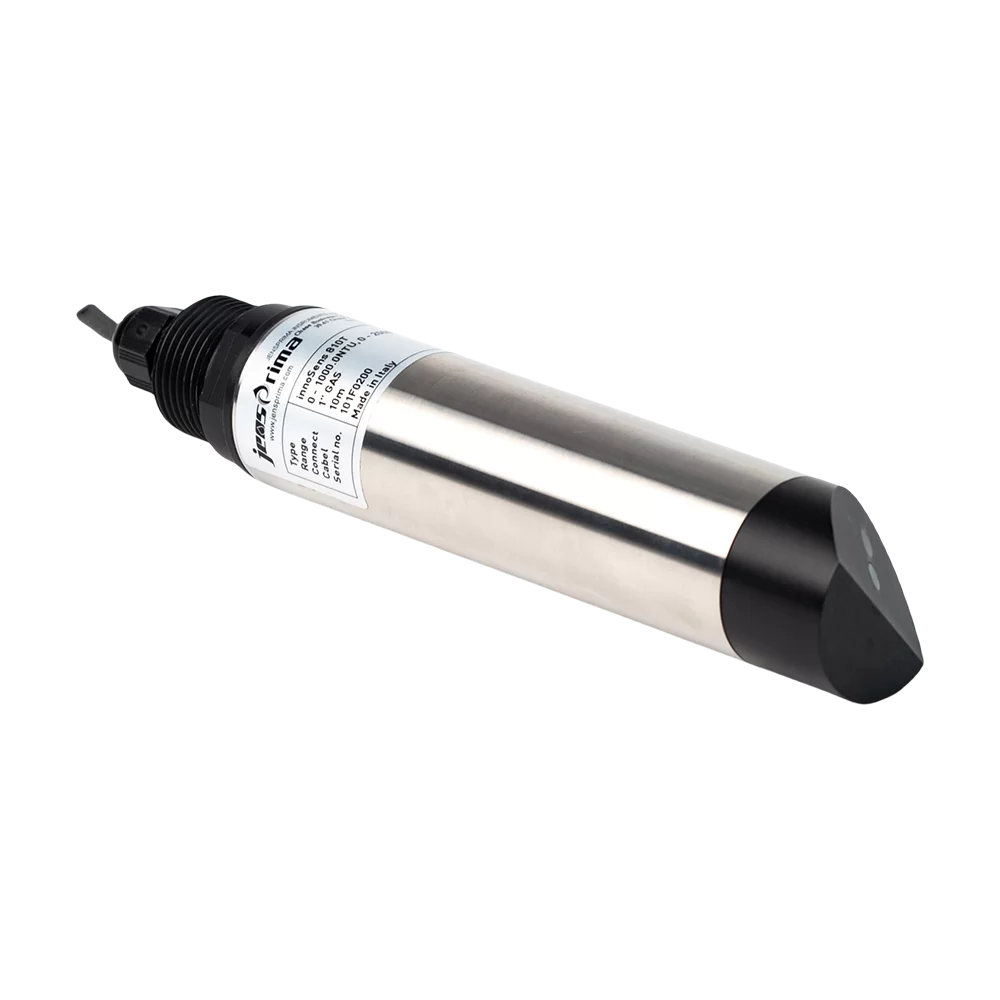
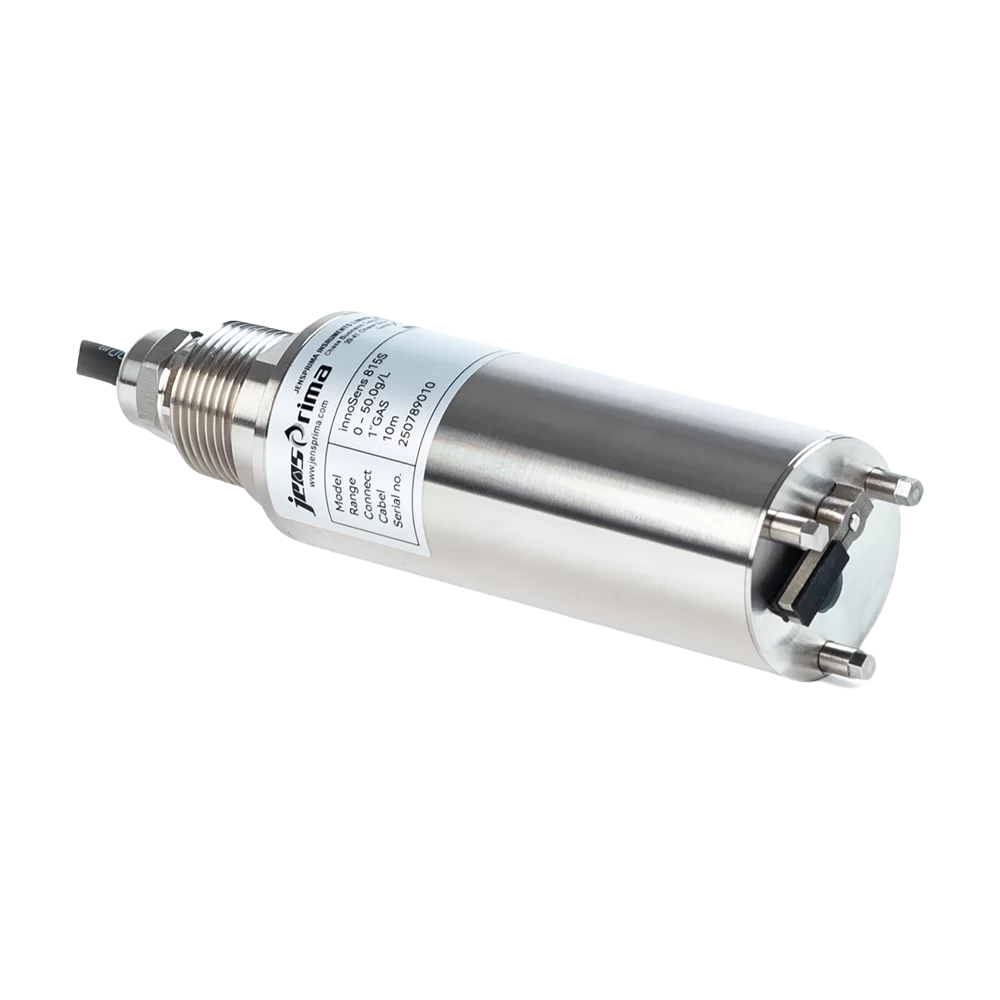
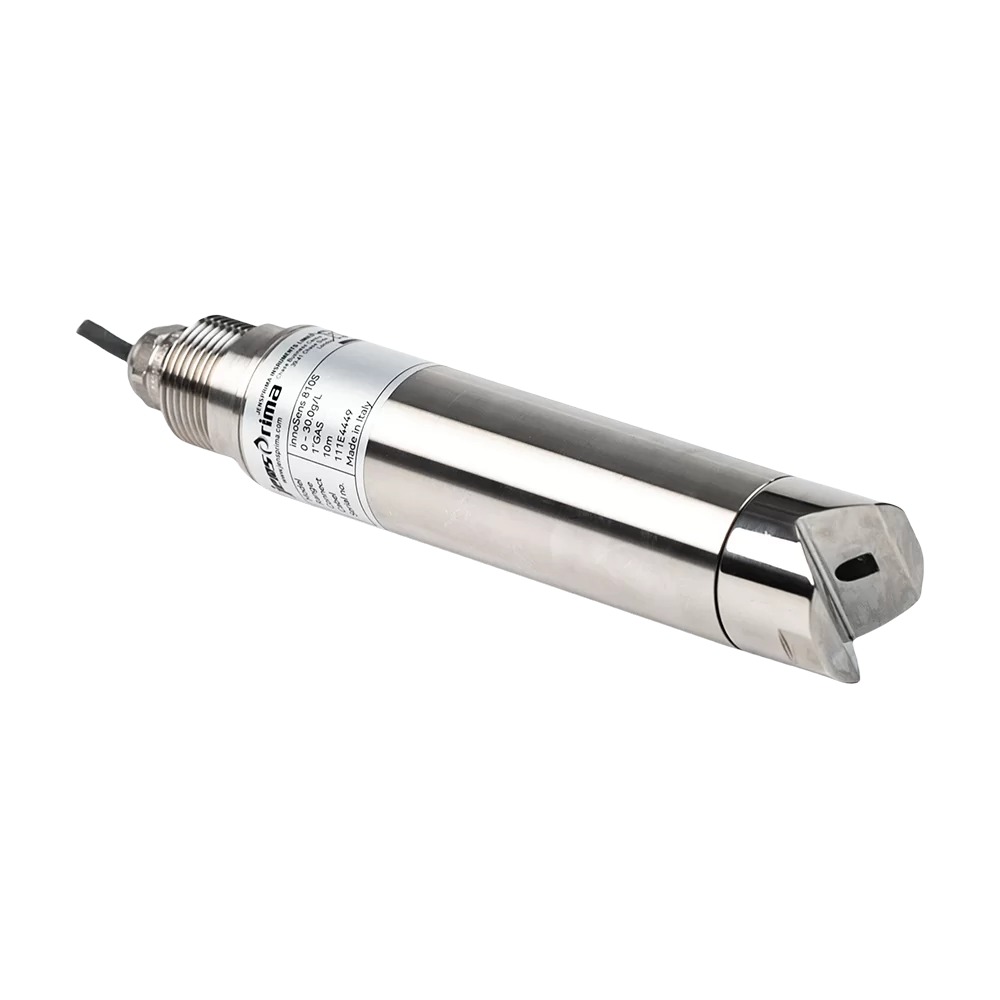
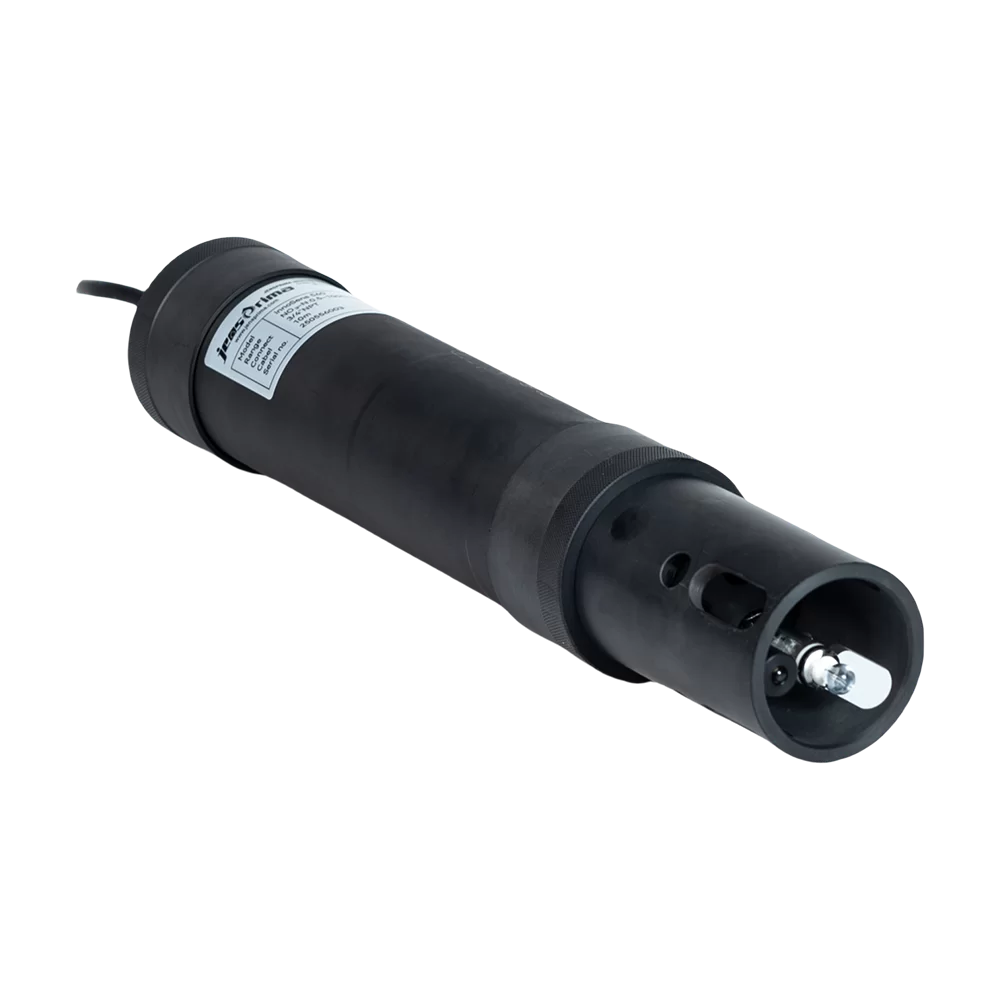
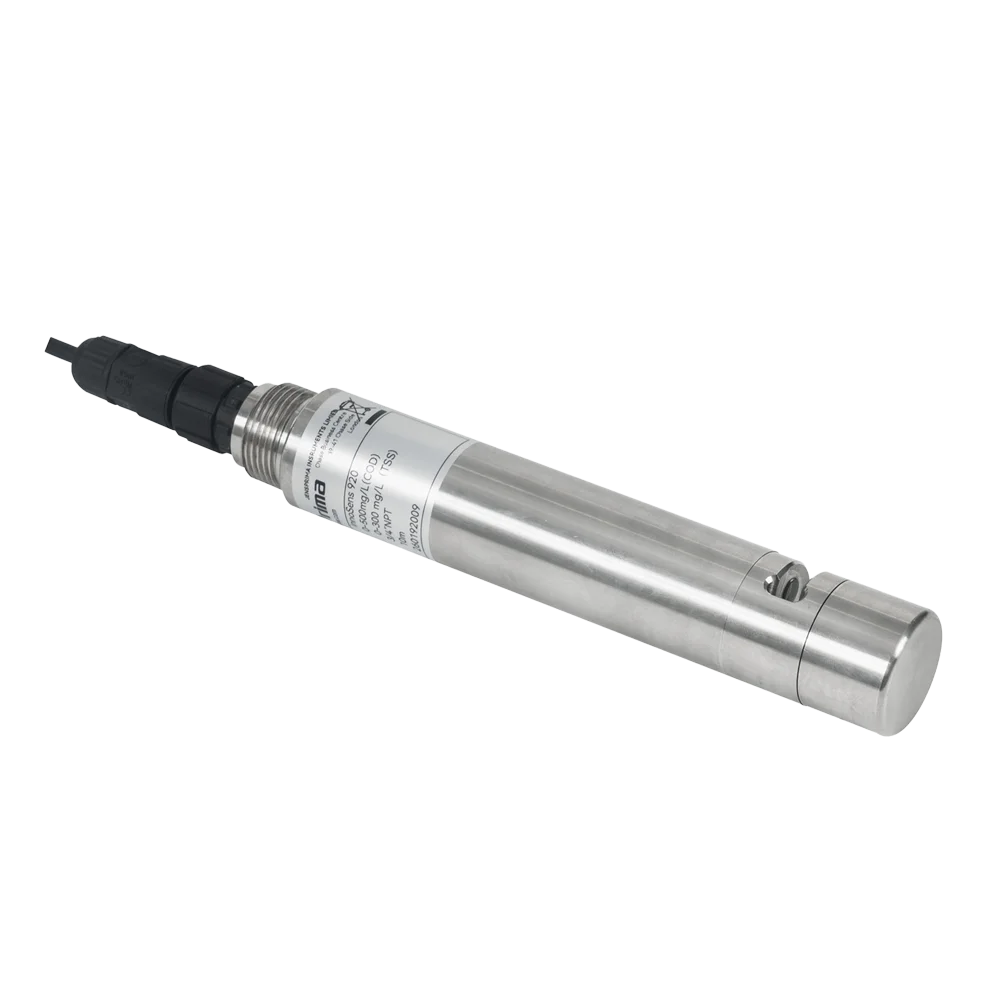
Industrial water is rarely "pure." The presence of oils, suspended solids, and extreme temperatures can compromise sensor integrity. Optical sensors, such as those used in turbidity measurement (e.g., the innoSens 825T), must be designed to ignore light interference from the surrounding environment. Evaluating how a system handles "noise" in high-turbidity environments is key to avoiding false alarms in process control.
Material Durability in Harsh Media
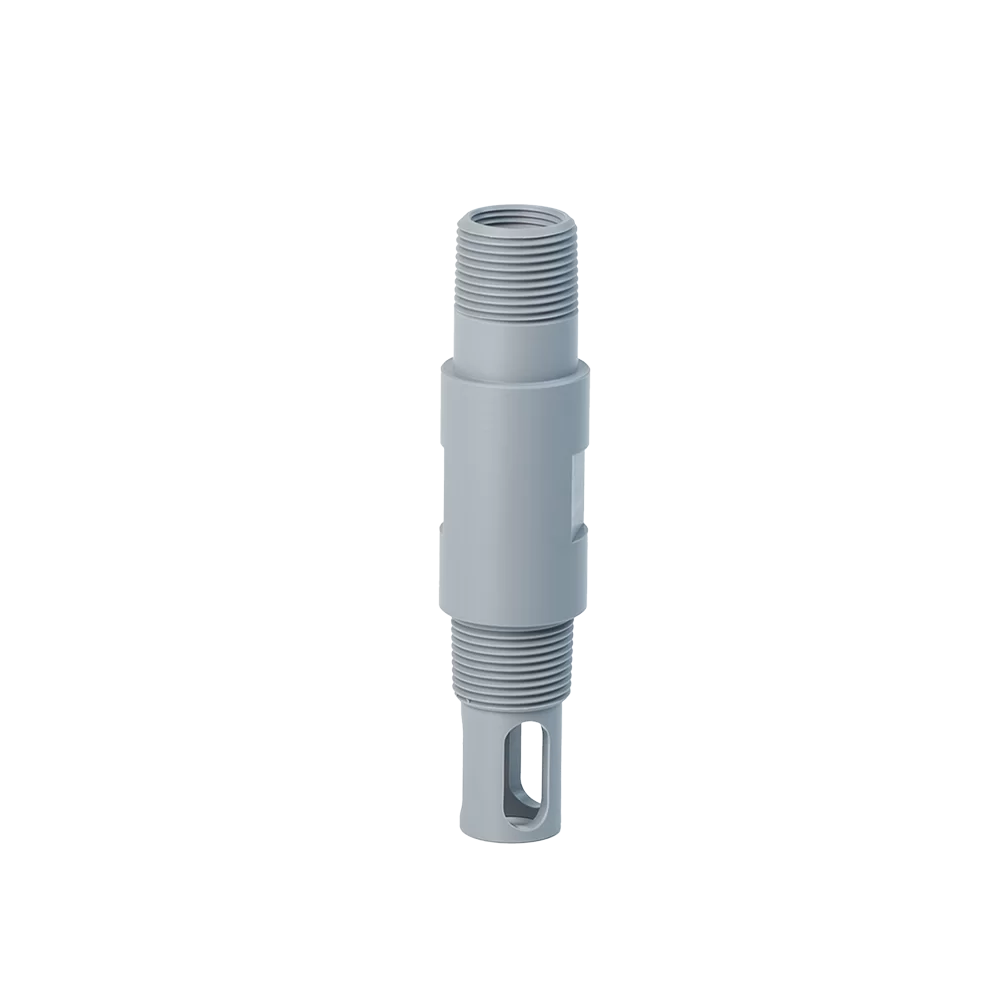
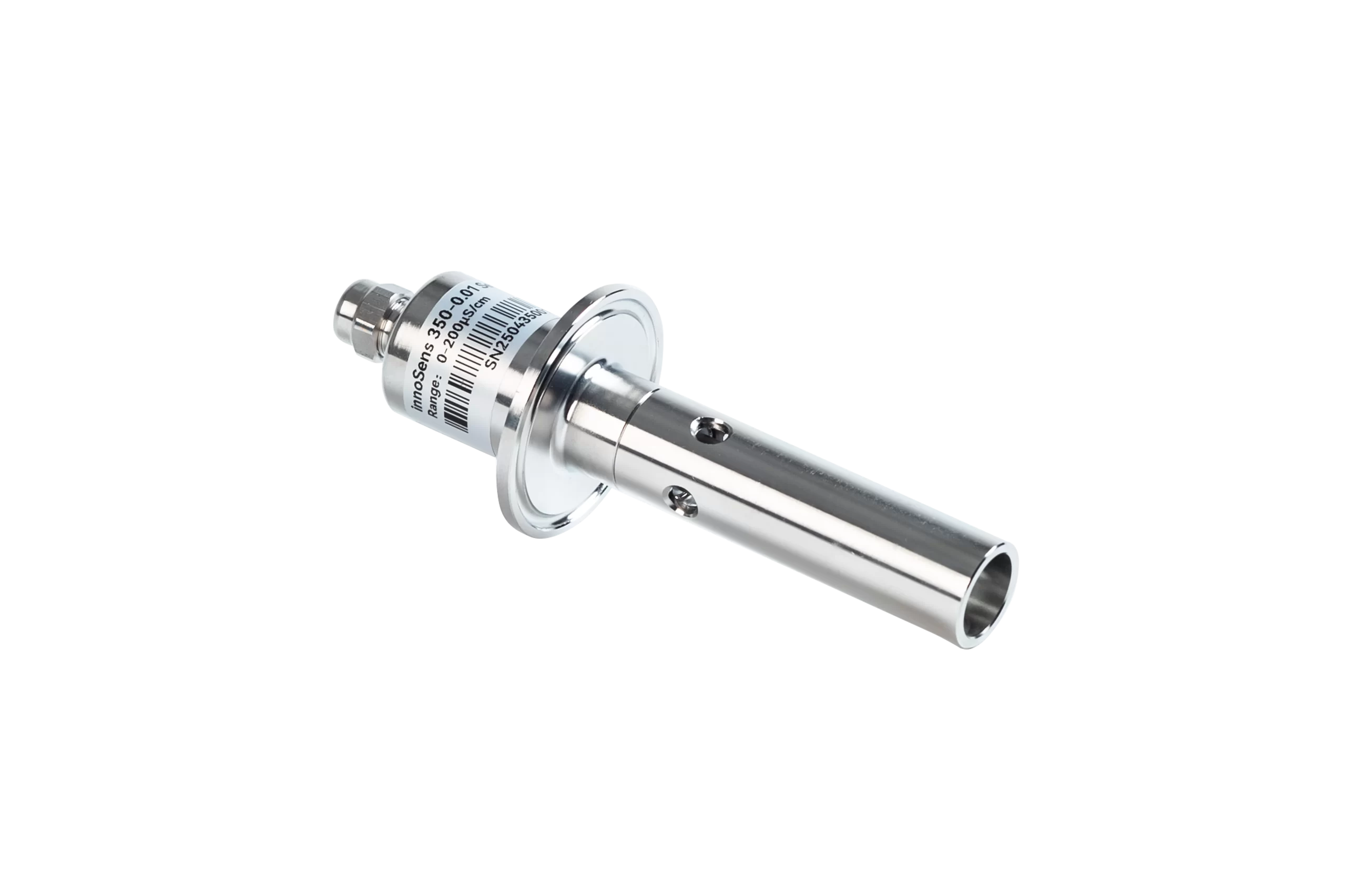
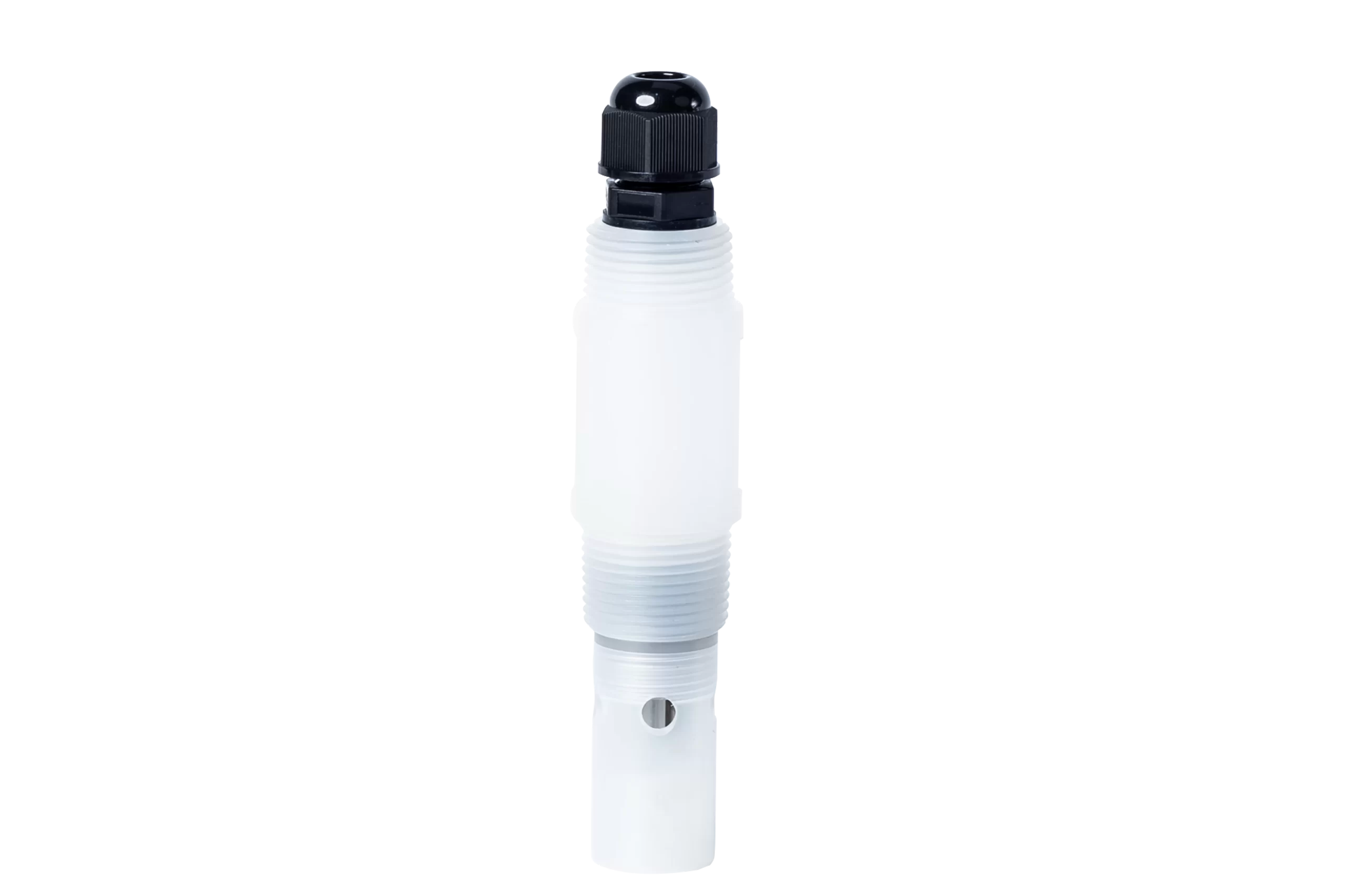
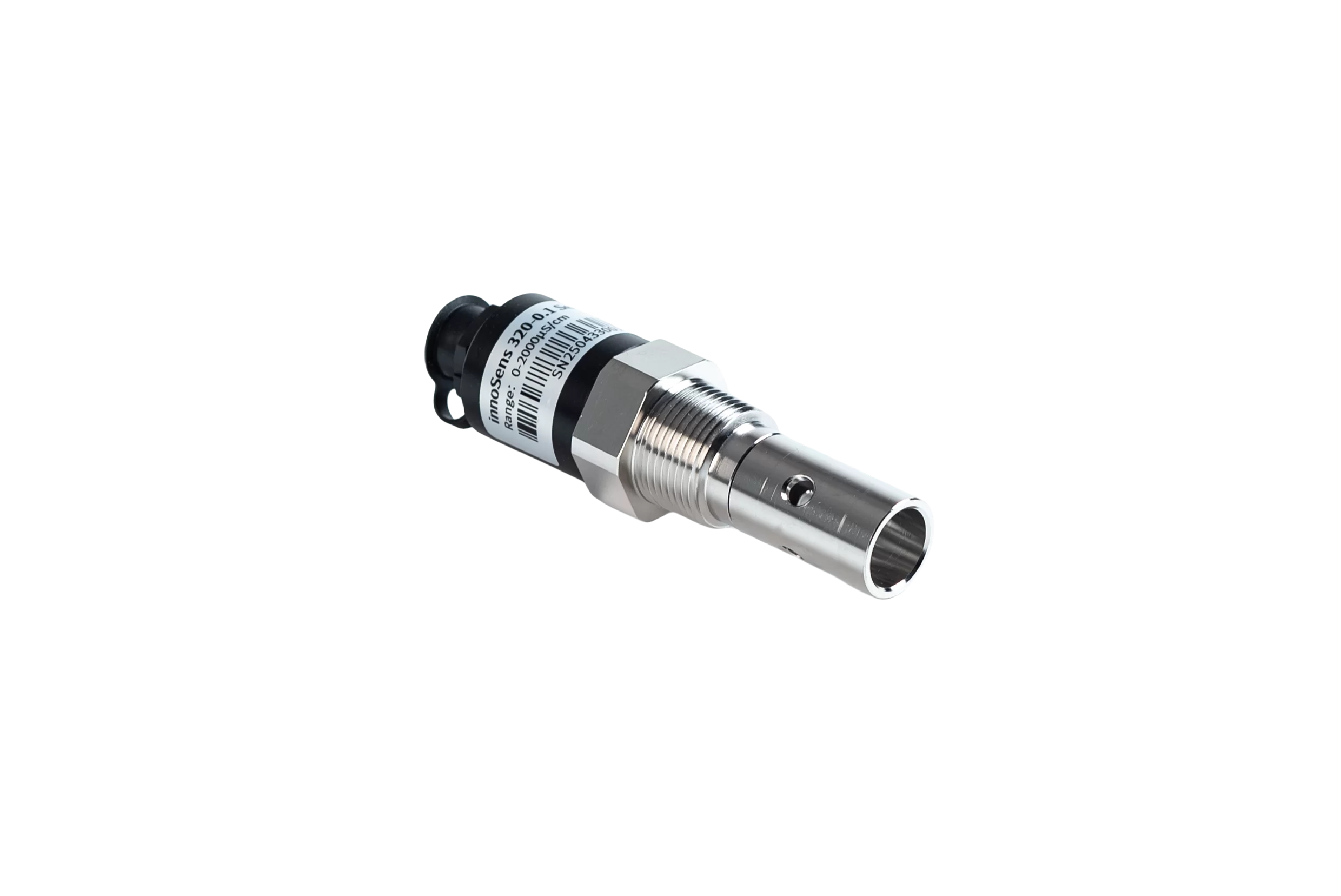
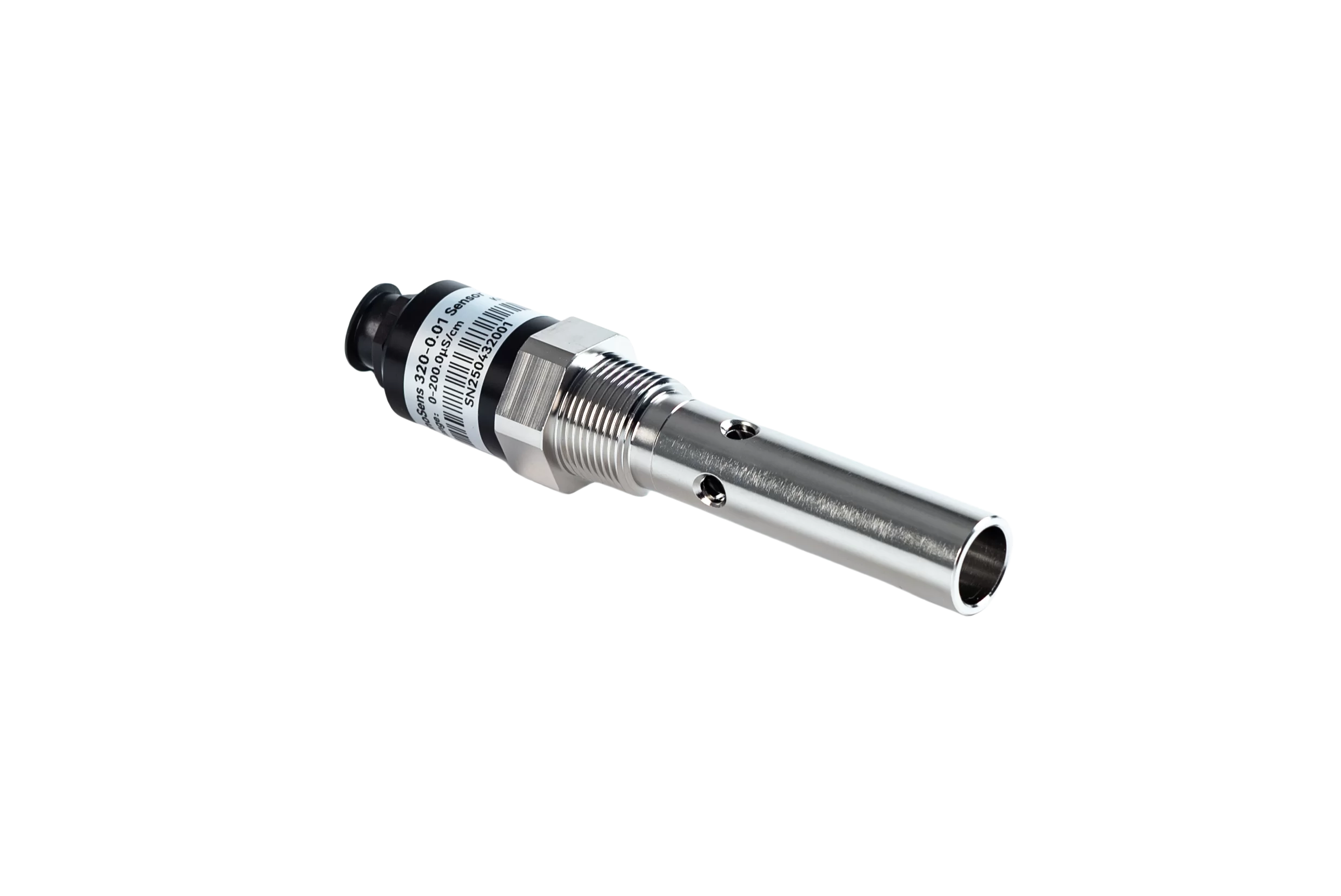
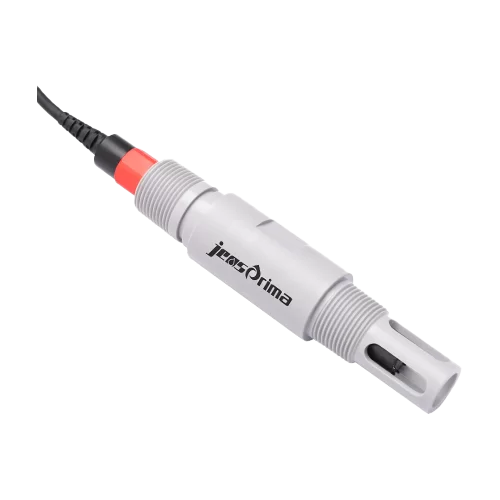
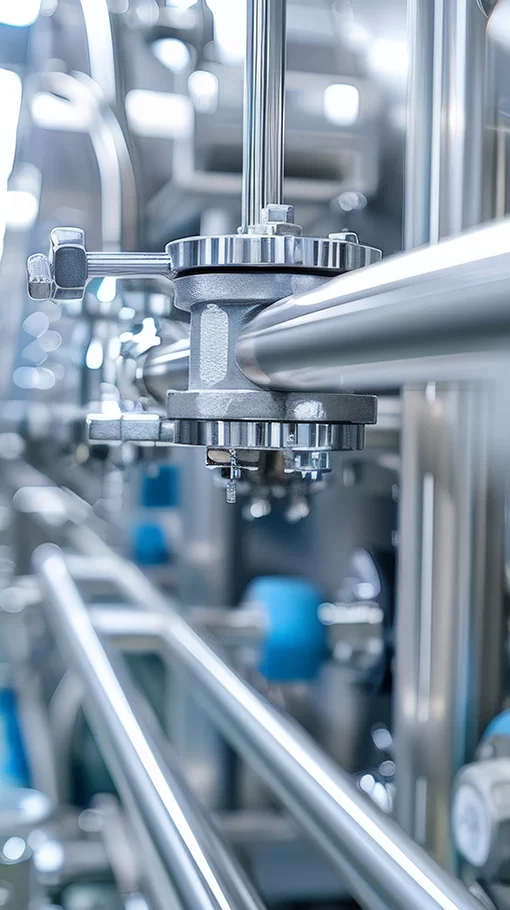
The chemical compatibility of the probe body is a frequent point of failure. Whether the medium is highly acidic or contains abrasive particles, the materials—typically high-grade plastics or stainless steel—must resist corrosion. For pharmaceutical applications, non-reactive materials are mandatory to prevent leaching. A buyer should verify the material certificates of the probe housing to ensure they match the chemical profile of the monitored liquid.
Data Integration and Communication Protocols
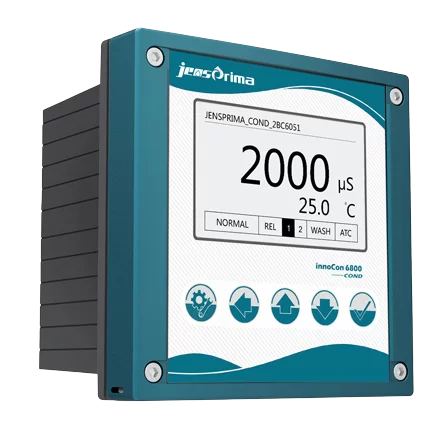
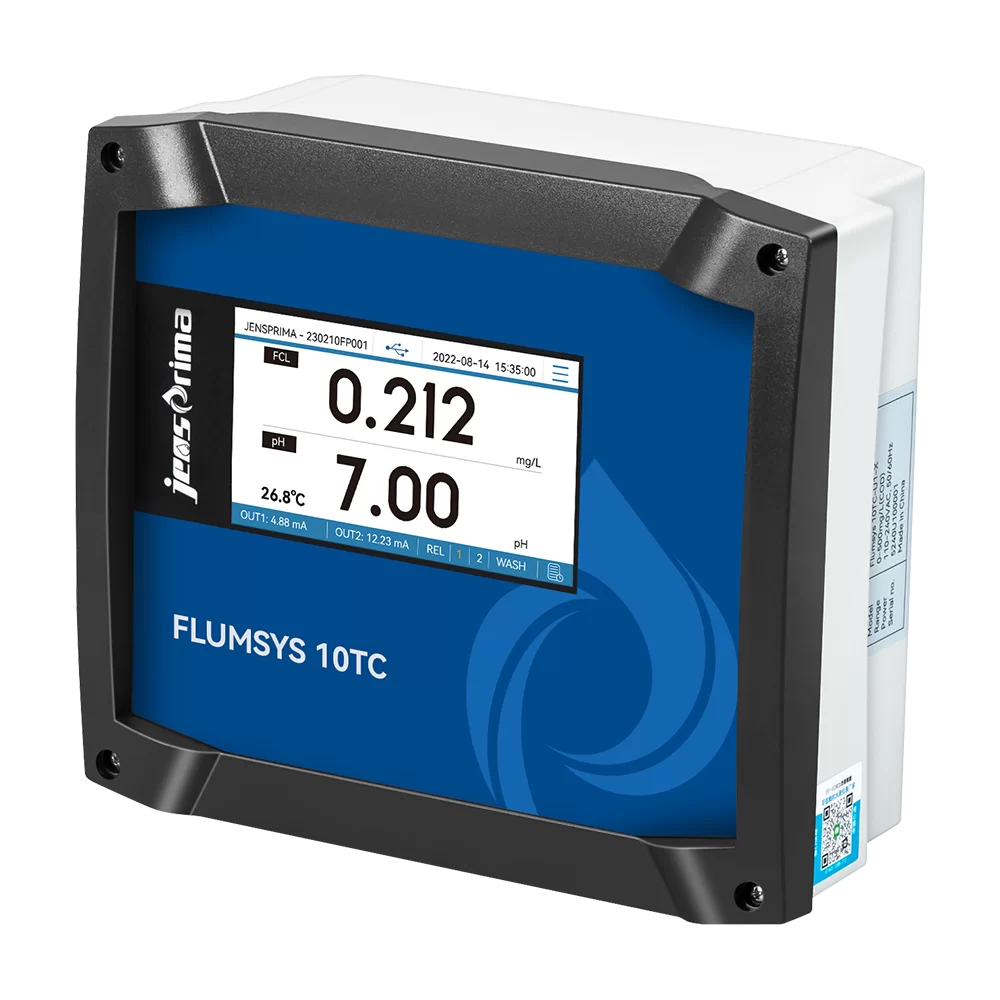
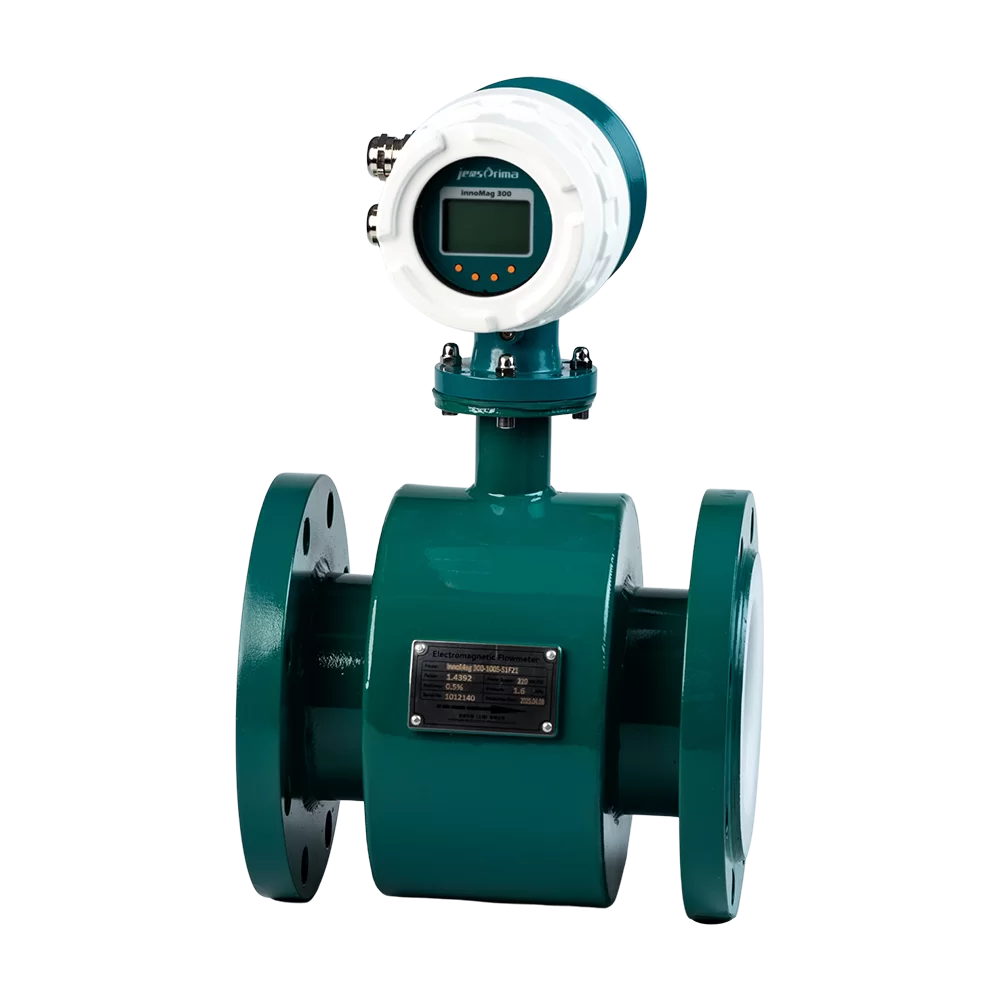
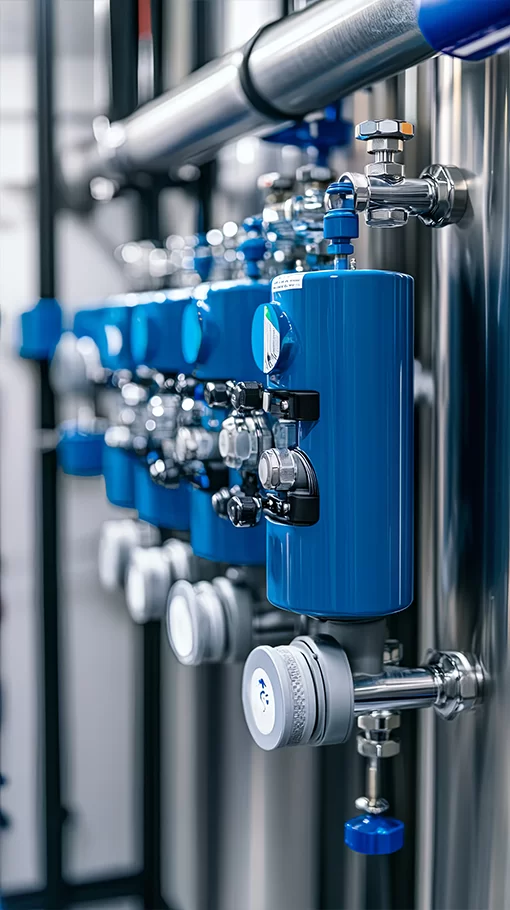
The value of the data depends on how easily it can be integrated into a SCADA or PLC system. Modern analyzers support Modbus RTU, 4-20mA, or digital fieldbus protocols. The ability to transmit multiple parameters over a single cable (via digital multiplexing) reduces installation costs and simplifies the wiring architecture in large-scale plants, such as those managed by environmental monitoring organizations.
Deployment Scenarios for Industrial Use
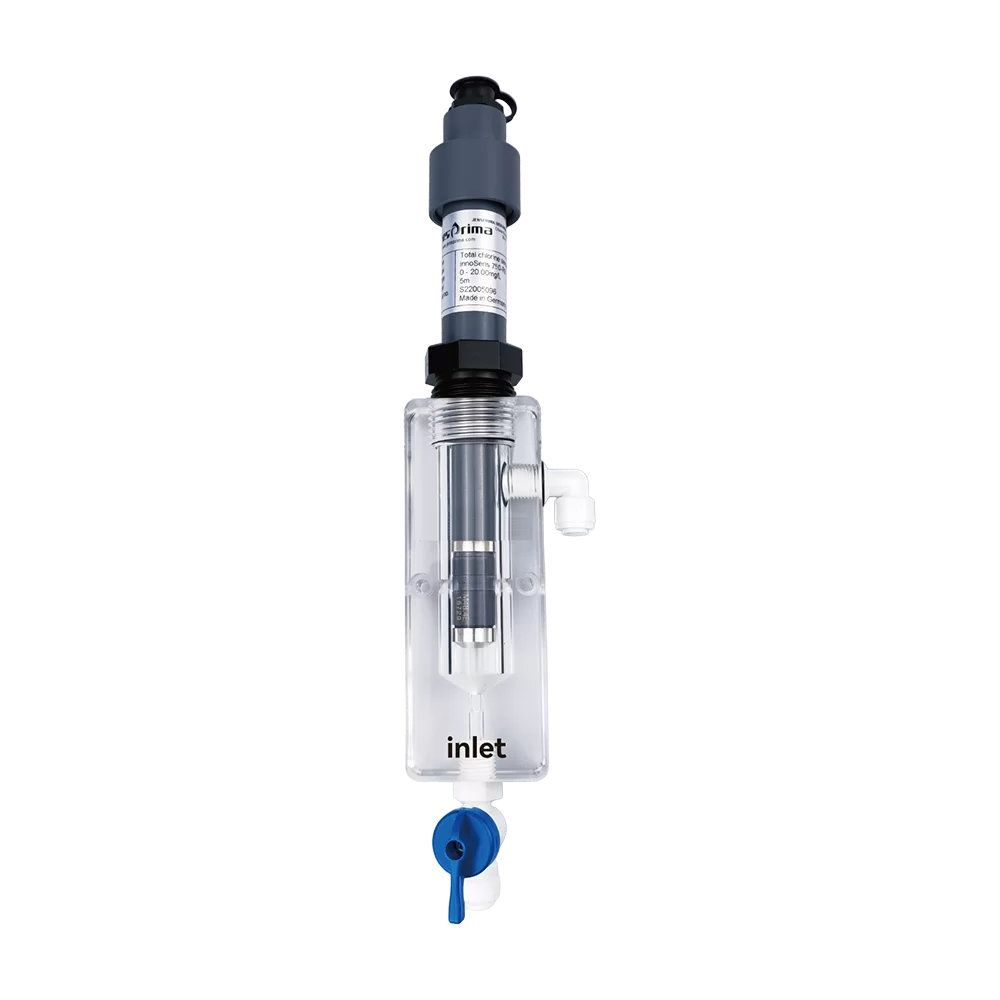
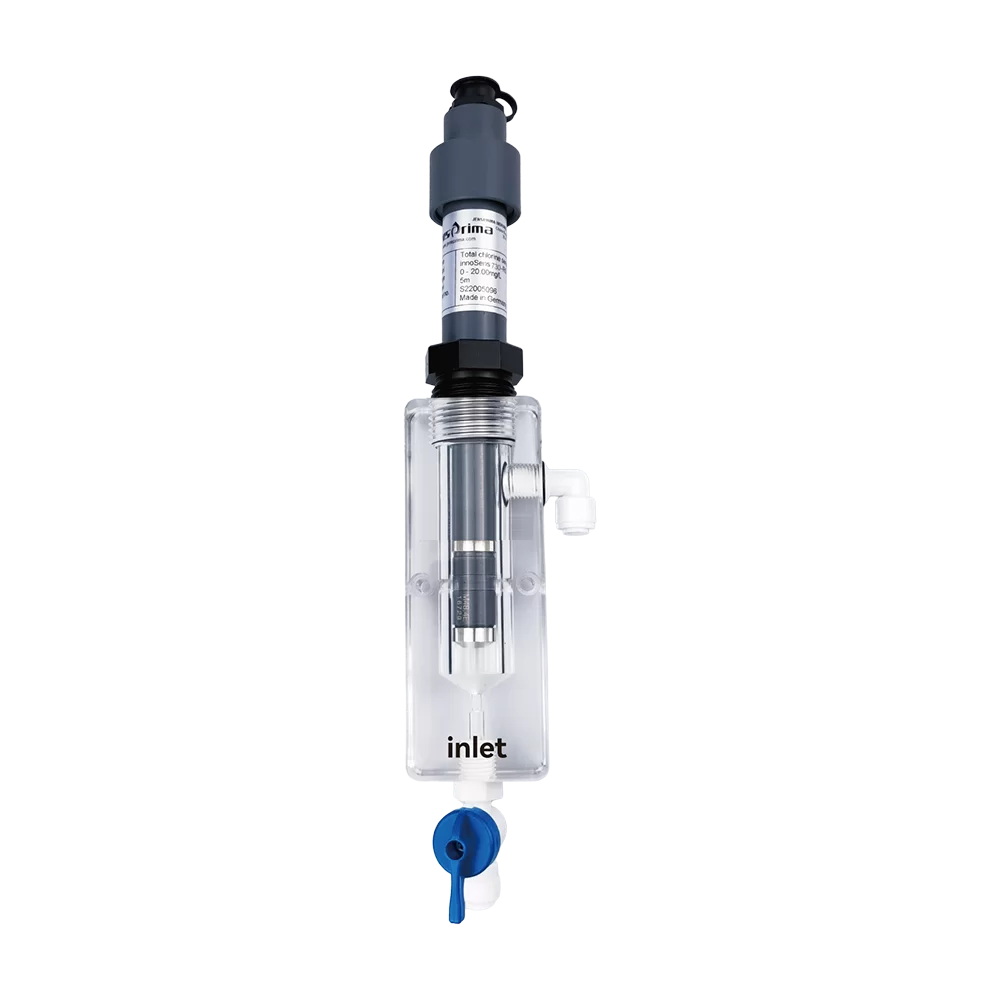
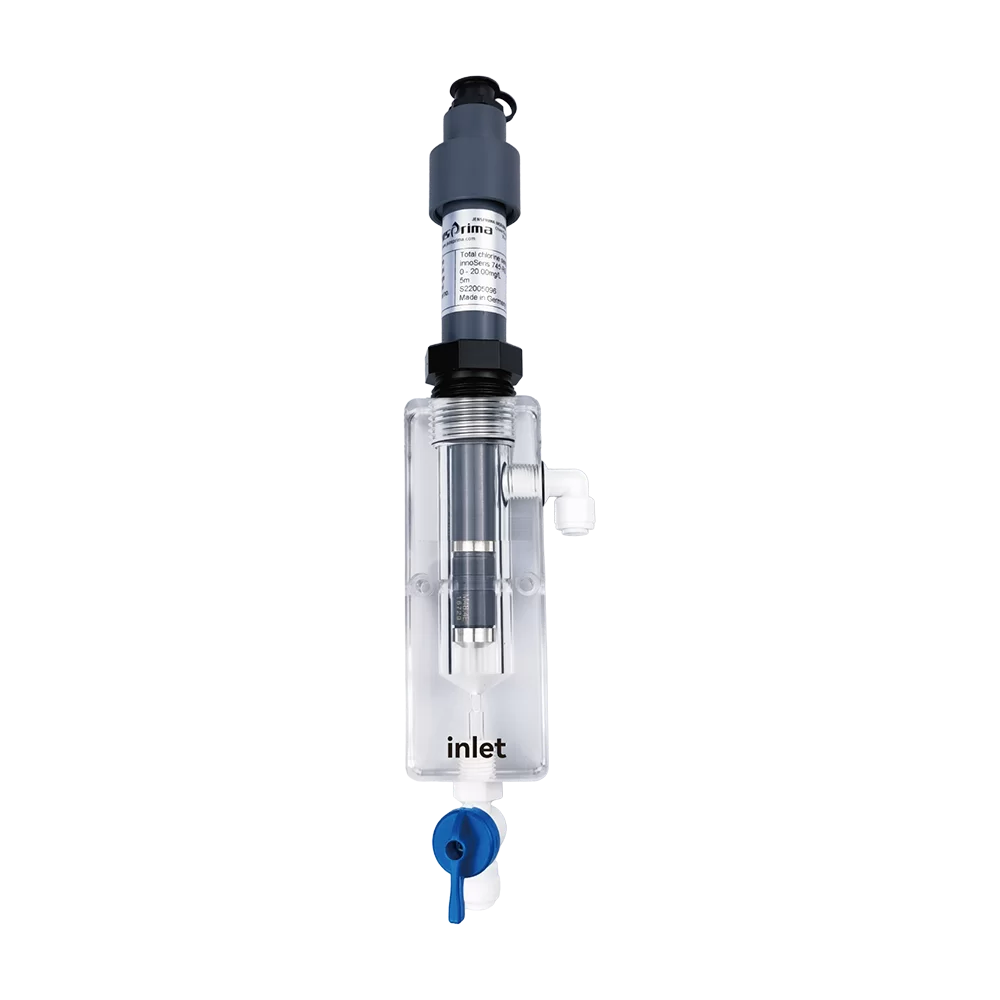
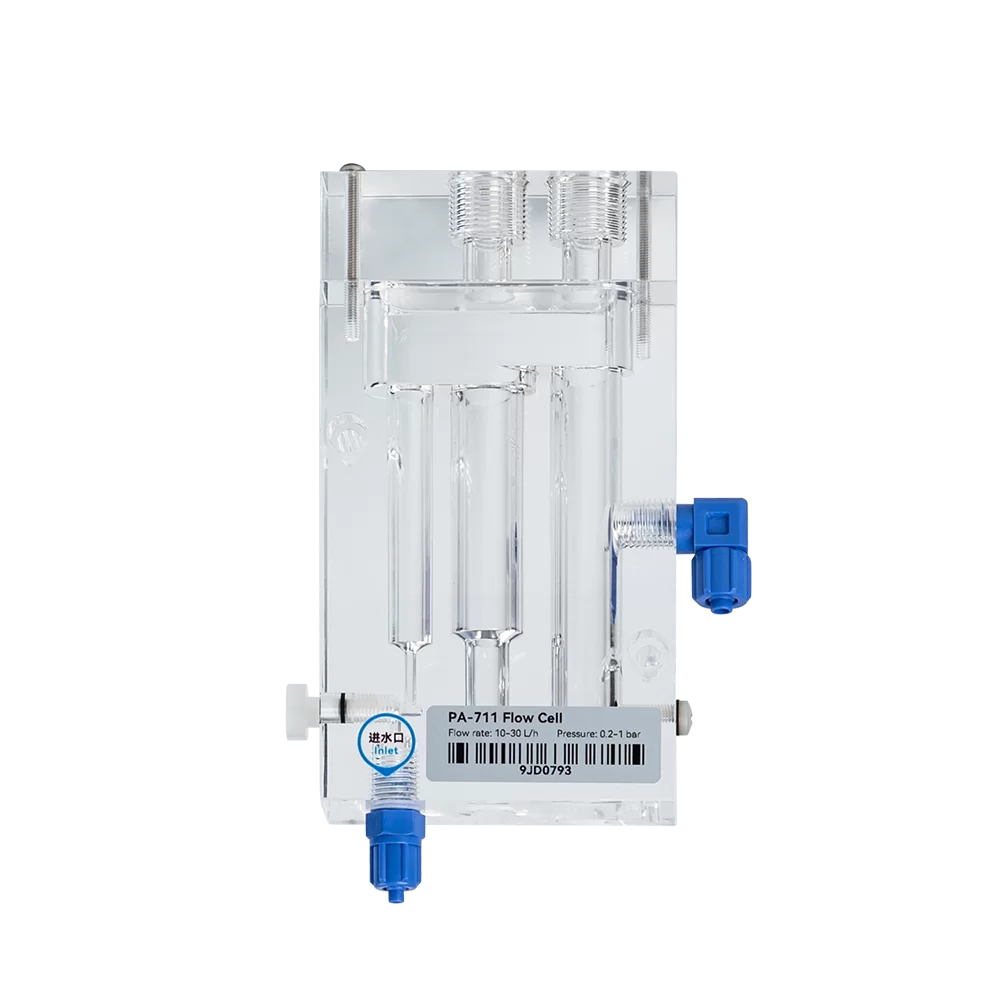
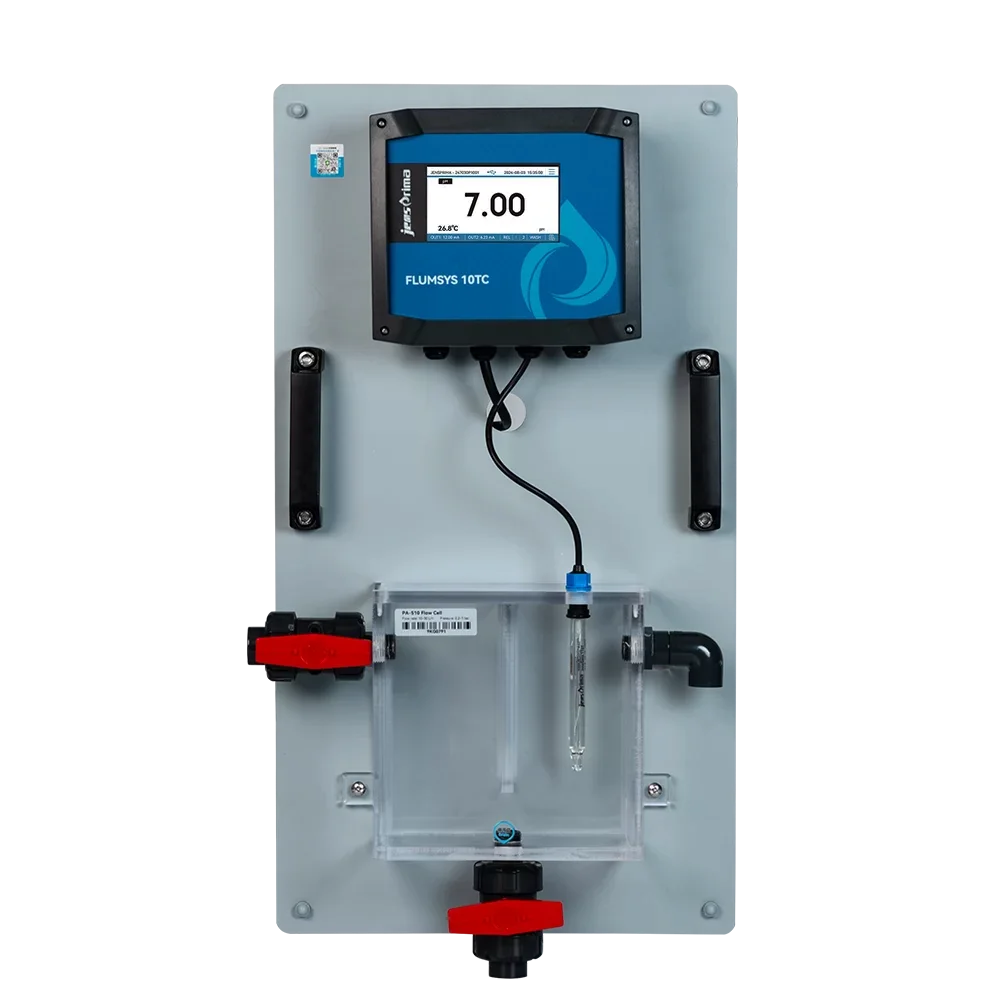
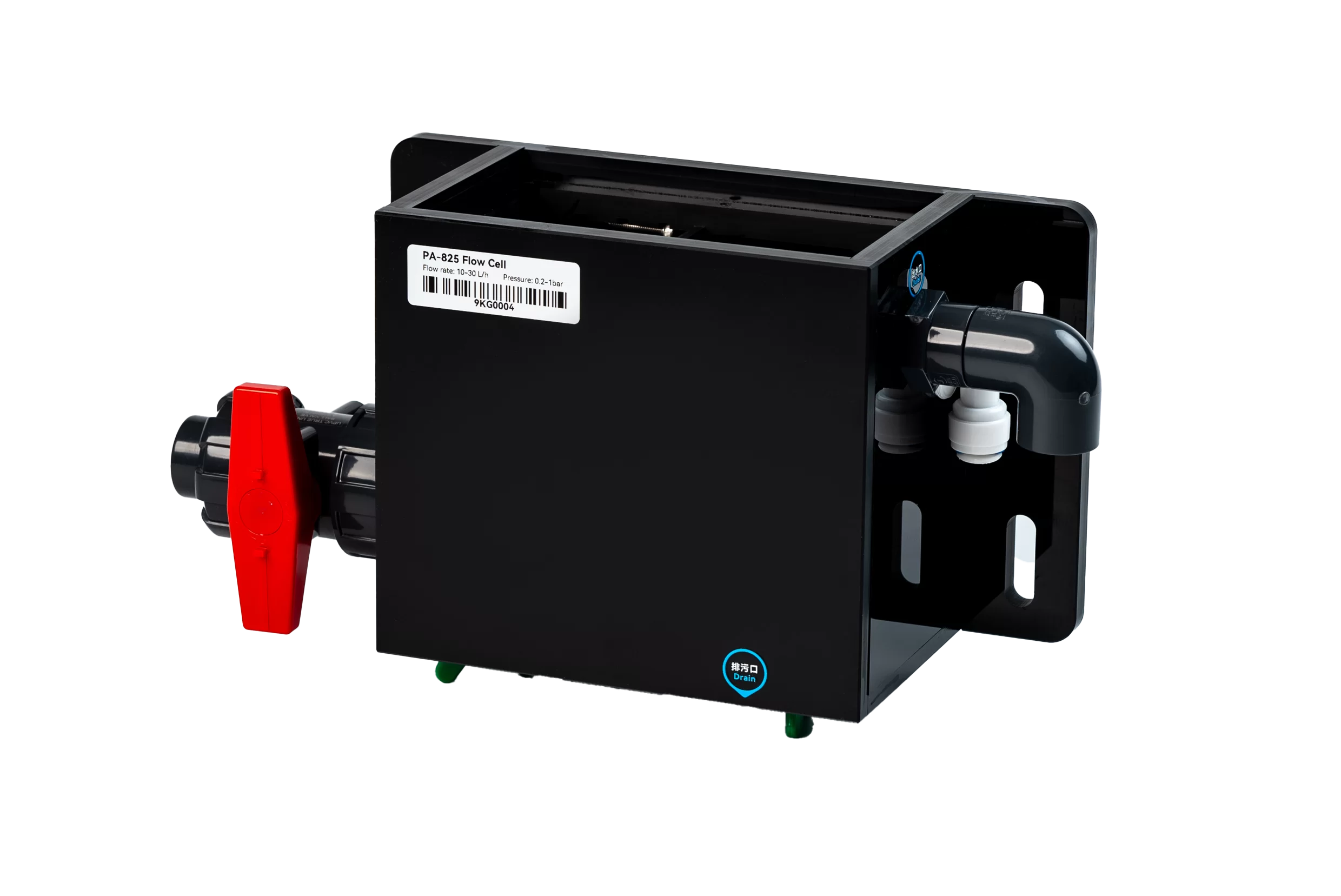
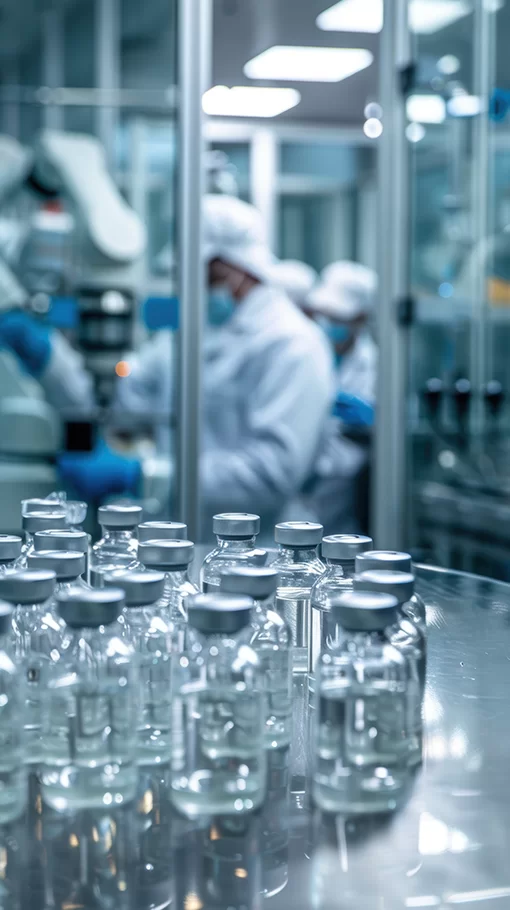
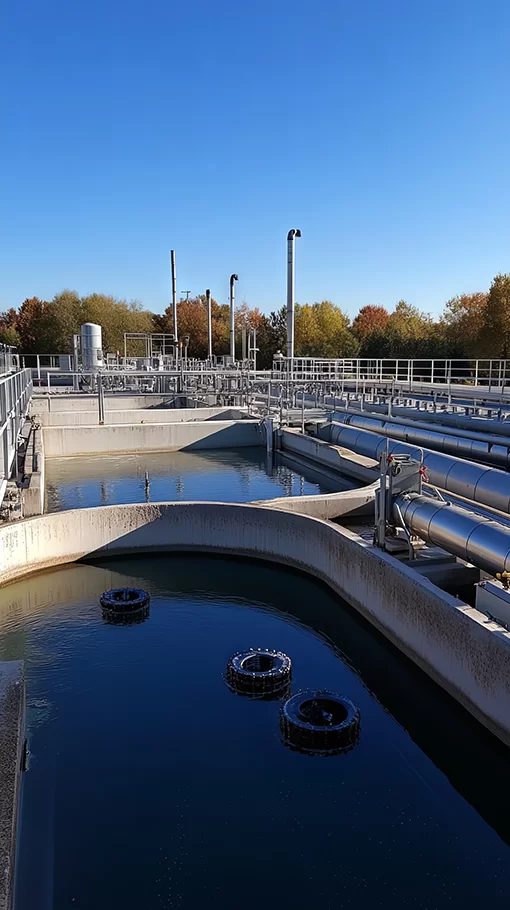
Application requirements vary significantly by sector. In wastewater treatment plants, the focus is on nutrient removal and discharge compliance. In pharmaceutical plants, the priority is ultra-pure water consistency. The physical installation—whether as a submersible probe or an in-line flow-through cell—must be decided based on the flow rate and the level of sediment in the water, as these factors directly impact sensor fouling rates.
Operational Lifecycle and Maintenance
The Total Cost of Ownership (TCO) is driven more by maintenance than by the initial purchase price. This includes the cost of replacement electrodes, calibration buffers, and labor. A system that offers 24-hour technical support and detailed installation video guidance reduces the downtime during the initial commissioning phase. Evaluating the lead time for replacement parts—ideally 3-5 business days—is critical for maintaining continuous process control.
FAQ
What is a multi-parameter water quality analyzer?
It is an integrated instrumentation system capable of measuring several water chemistry variables—such as pH, conductivity, turbidity, and dissolved oxygen—simultaneously using a single transmitter. This provides a synchronized data set that is more accurate for process analysis than taking individual measurements from separate devices.
How often do these sensors require calibration?
Calibration frequency depends on the water medium. In clean water, monthly calibration may suffice. In industrial wastewater or high-fouling environments, weekly or even daily checks may be necessary. Using systems with integrated cleaning mechanisms can extend the interval between manual calibrations.
Can one analyzer be used for both freshwater and seawater?
While the analyzer itself can often handle different ranges, the specific sensors must be chosen for the salinity levels. Seawater requires conductivity sensors with a higher range and specialized reference junctions for pH electrodes to prevent poisoning by chloride ions.
What should I check when evaluating a supplier for this equipment?
Buyers should verify the supplier's R&D experience, their ability to provide OEM customization, and their after-sales support structure. Specifically, check if they have a dedicated manufacturing facility to guarantee lead times and if they provide real-time technical support for global installations.
How does turbidity affect other parameter readings?
High turbidity (suspended solids) can coat the membranes of pH and dissolved oxygen sensors, creating a physical barrier that slows response time and causes measurement drift. This is why multi-parameter systems often include turbidity sensors to help operators understand when other sensors may need cleaning.
Is it better to use a submersible probe or an in-line system?
Submersible probes are ideal for lakes, rivers, and open tanks where the device can be lowered and raised for maintenance. In-line systems are superior for pressurized pipes and pharmaceutical processes where a constant, controlled flow is required for high-precision measurement.
References and further reading
- ISO 5667: Water quality — Sampling guidelines for water quality analysis.
- Standard Methods for the Examination of Water and Wastewater (APHA/AWWA/WEF).
- Industrial sensor integration protocols for Modbus and Fieldbus communication.


