The Essential Guide to TDS and pH Meter Online Systems for Water Quality
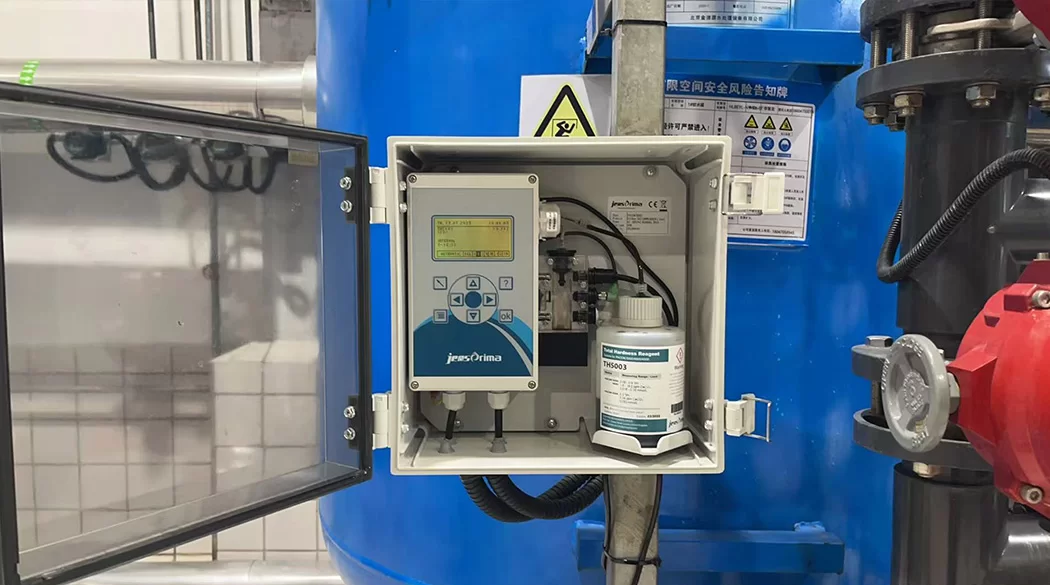
Maintaining precise water chemistry is critical for industrial efficiency and environmental safety. Implementing a tds and ph meter online solution allows operators to transition from manual, intermittent sampling to continuous, real-time monitoring. By tracking Total Dissolved Solids (TDS) and pH levels simultaneously, facilities can detect contamination and chemical imbalances instantly, ensuring process stability. Whether in wastewater treatment or high-purity water production, the integration of online sensors minimizes human error and optimizes chemical dosing. In this comprehensive guide, we explore the technical advantages and operational impacts of deploying professional online monitoring systems.
Why You Need a TDS and pH Meter Online for Industrial Processes
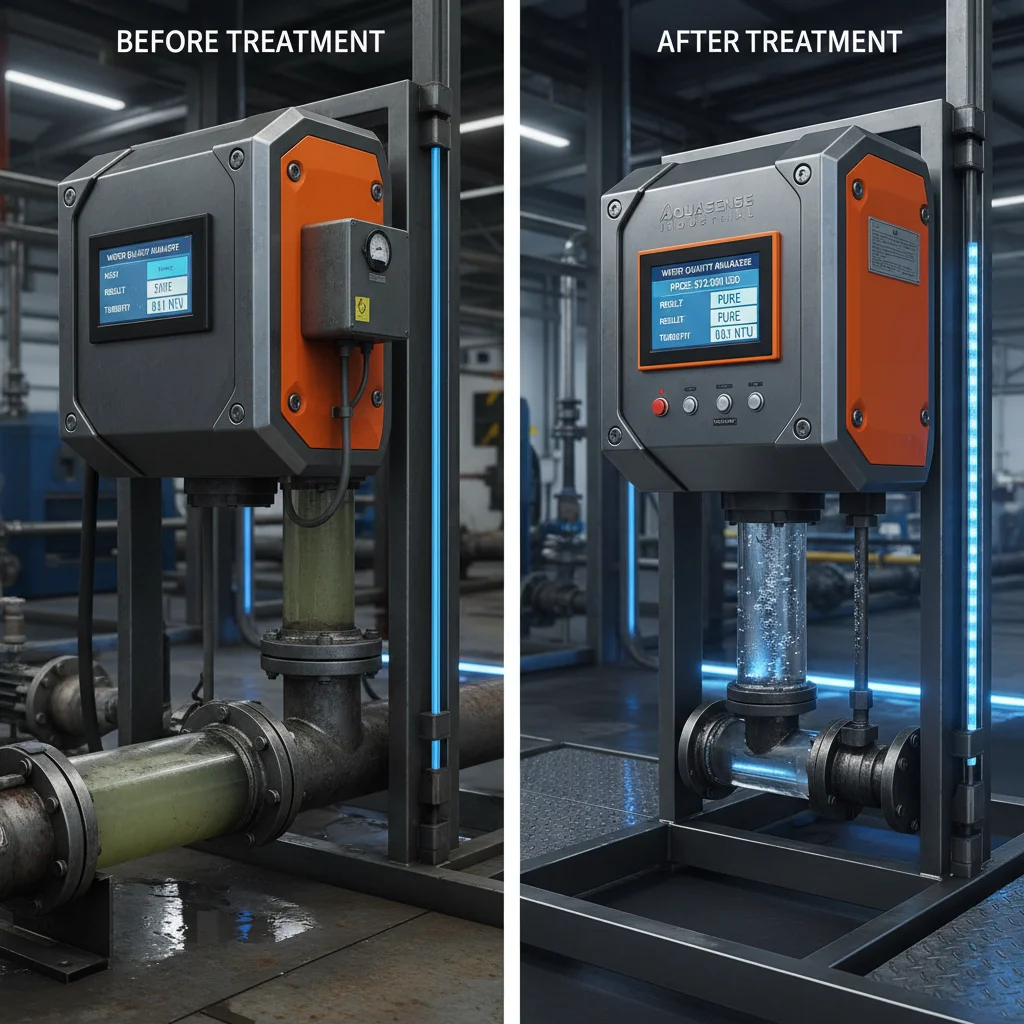
The synergy between pH and TDS measurements provides a holistic view of water purity. While pH indicates the acidity or alkalinity of a solution, TDS measures the combined content of all inorganic and organic substances. Using a tds and ph meter online prevents catastrophic equipment failure, such as scaling in boilers or corrosion in pipelines, which often result from unmonitored shifts in water chemistry. Real-time data allows for automated feedback loops, where dosing pumps adjust chemical inputs based on live sensor readings, drastically reducing waste and operational costs.
Operational Impact: Continuous online monitoring reduces the risk of "out-of-spec" batches in manufacturing and ensures 100% compliance with environmental discharge permits by providing an immutable digital record of water quality.
Comparing Manual Sampling vs. TDS and pH Meter Online Systems
Many facilities still rely on handheld probes, but the gap in efficiency is vast. Manual testing provides only a "snapshot" of water quality, often missing critical spikes or drops that occur between tests. In contrast, a tds and ph meter online setup offers a continuous stream of data, enabling trend analysis and predictive maintenance. This shift from reactive to proactive management is essential for industries operating under strict regulatory oversight.
| Metric |
Manual Handheld Probes |
Online Monitoring System |
| Data Frequency |
Intermittent / Spot Checks |
Continuous / Real-time |
| Labor Cost |
High (Requires manual labor) |
Low (Automated) |
| Risk of Error |
High (Human sampling error) |
Low (Consistent sensor precision) |
| Response Time |
Delayed |
Instantaneous Alerts |
Technical Specifications of Online TDS and pH Sensors
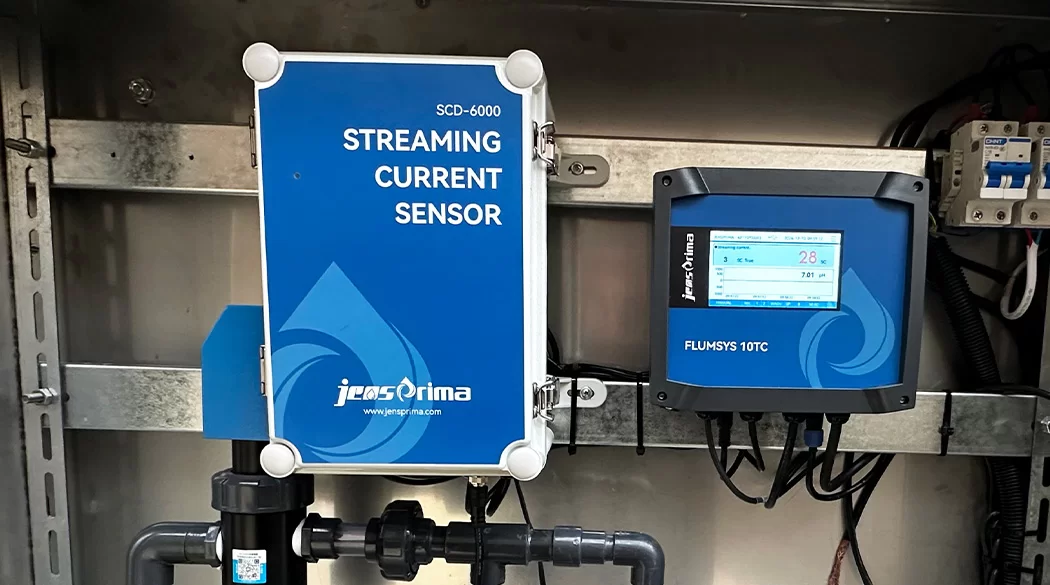
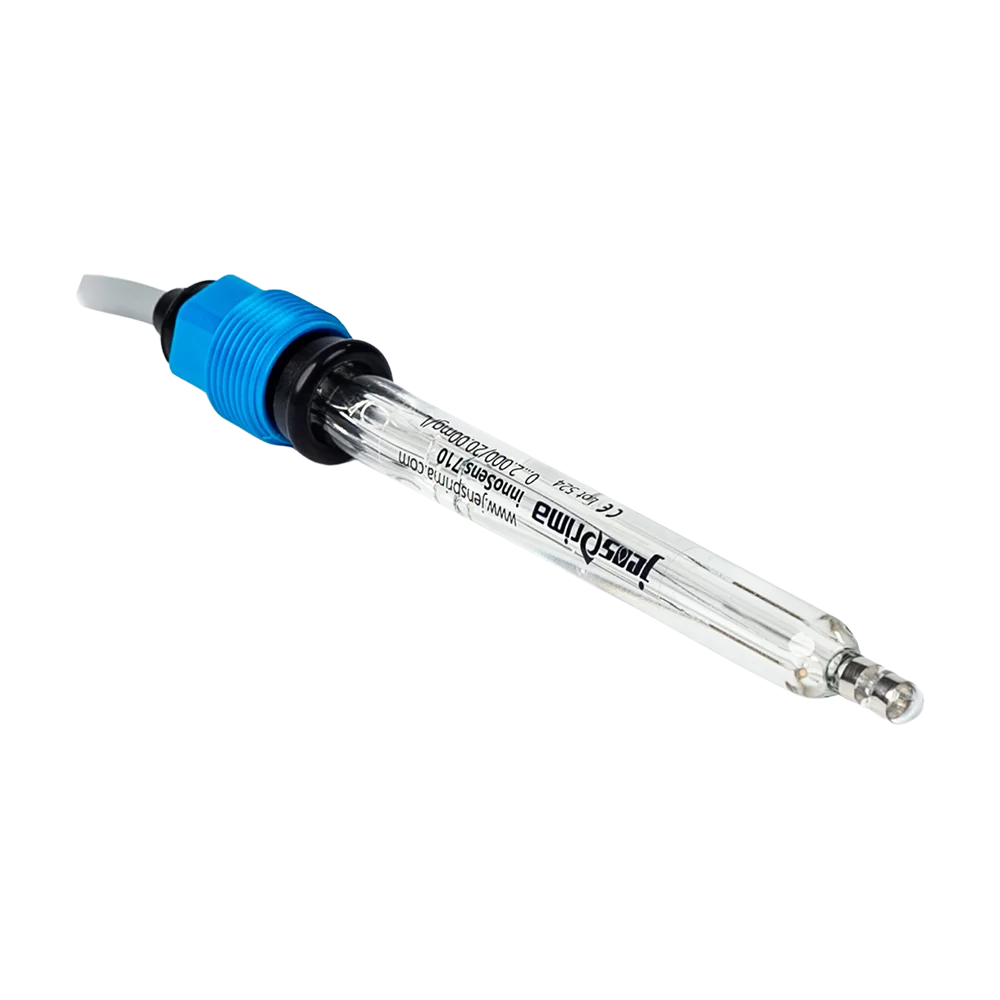
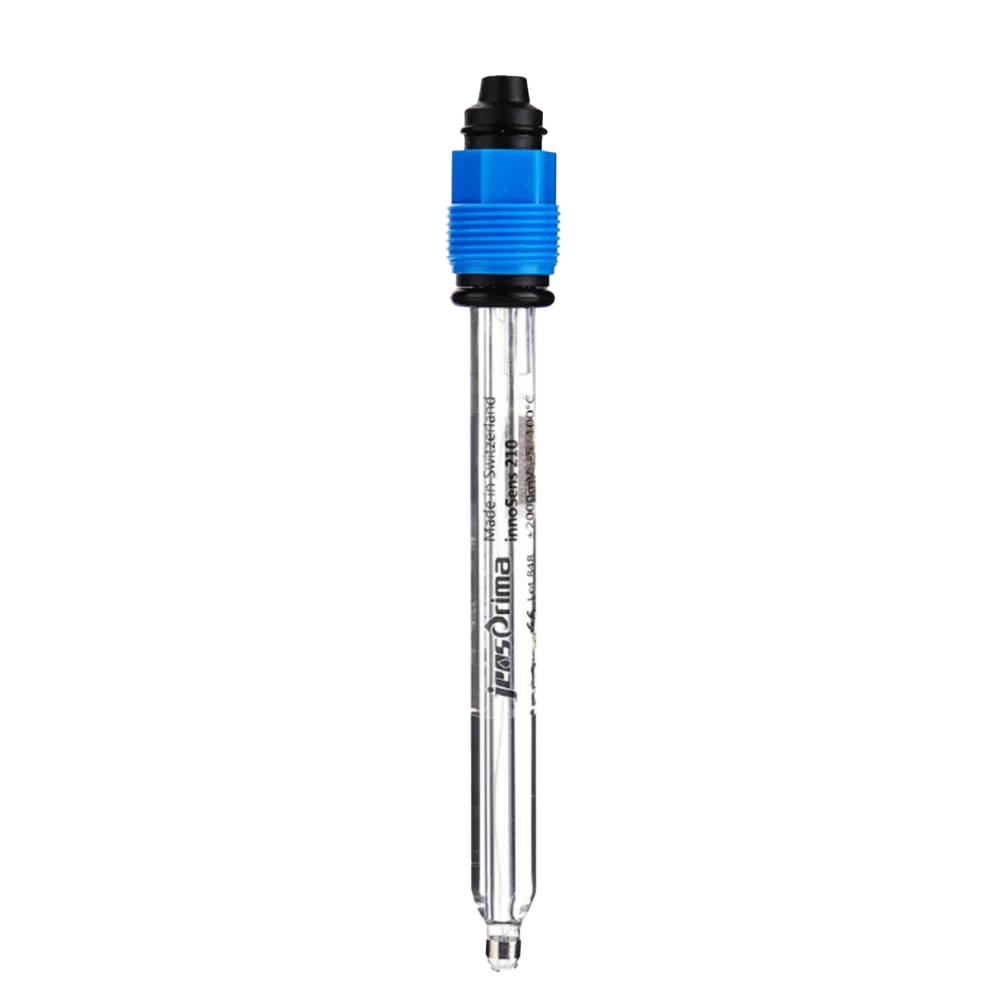
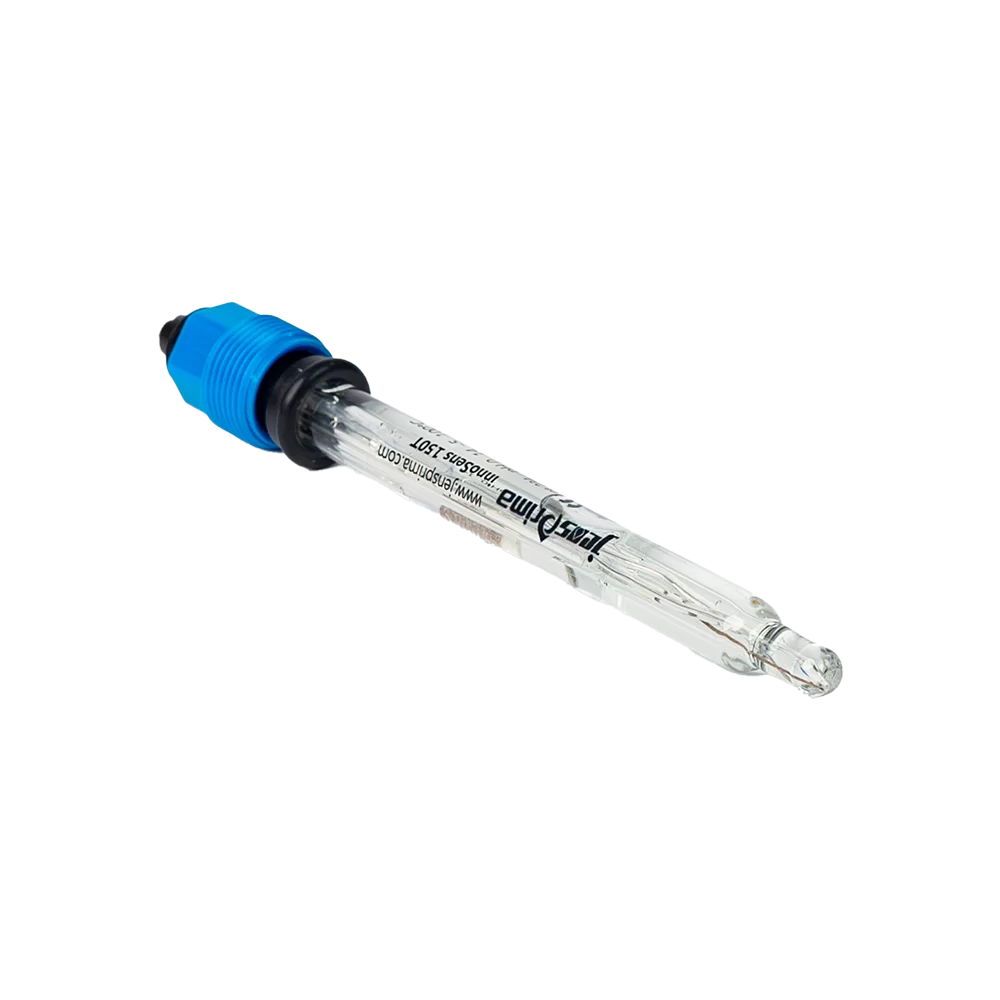
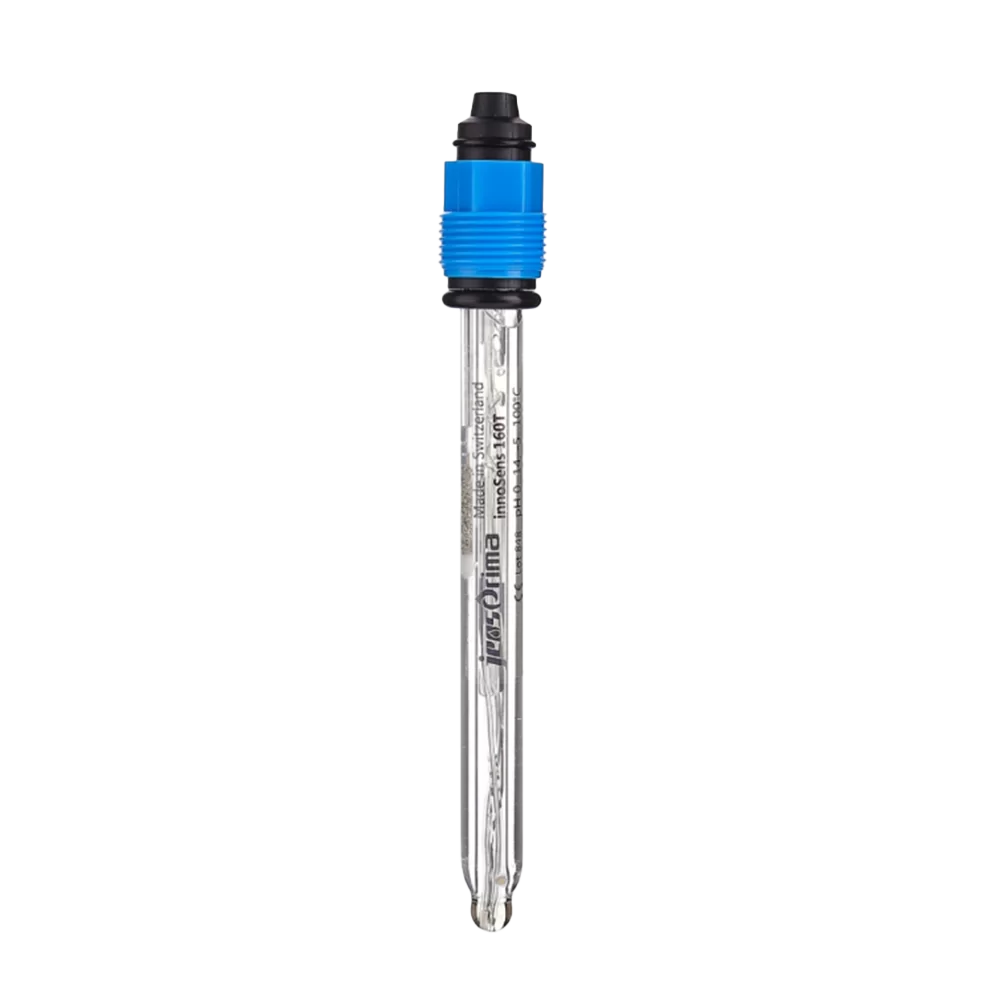
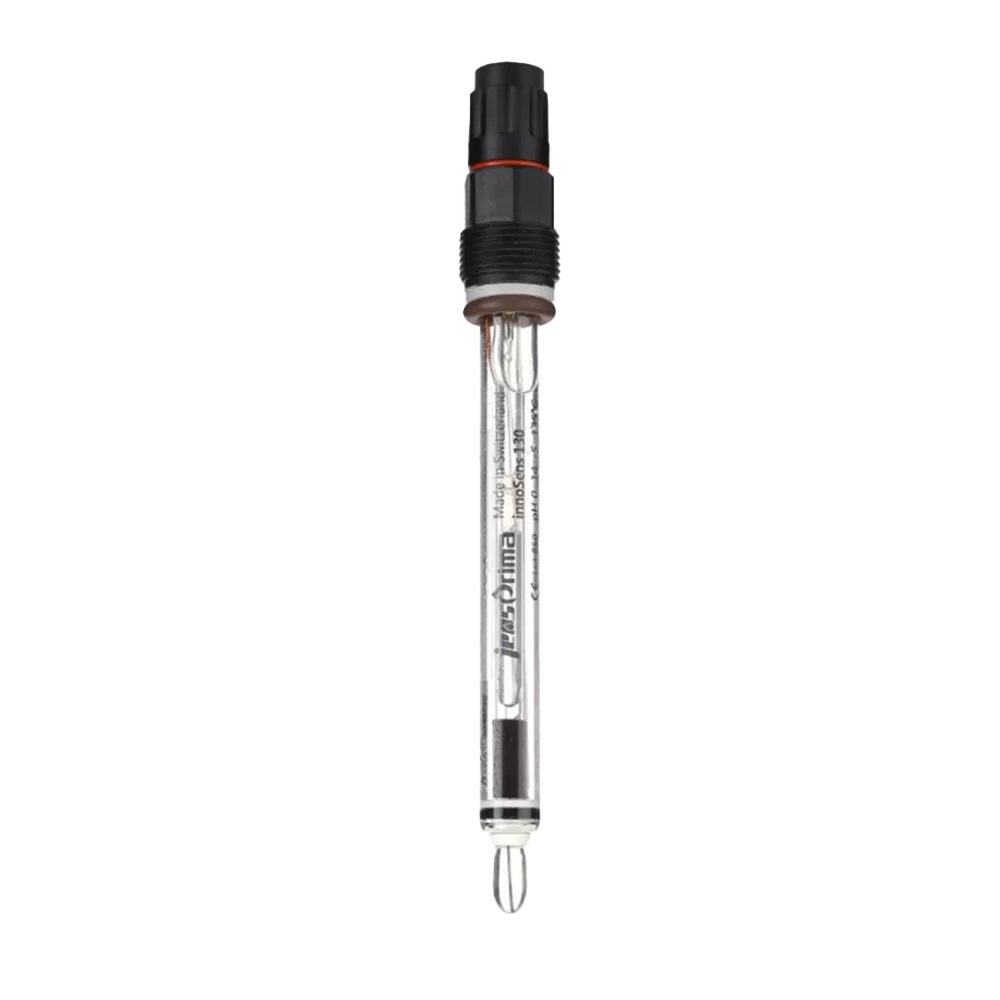
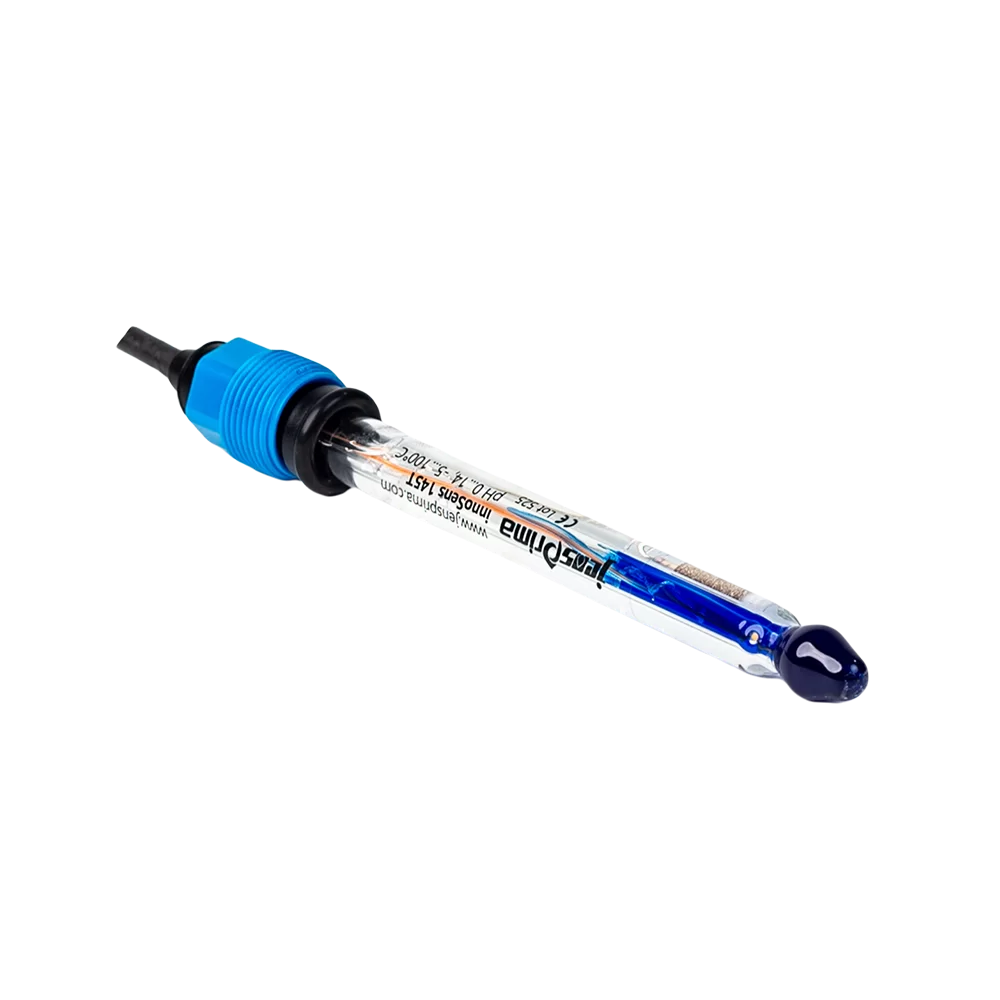
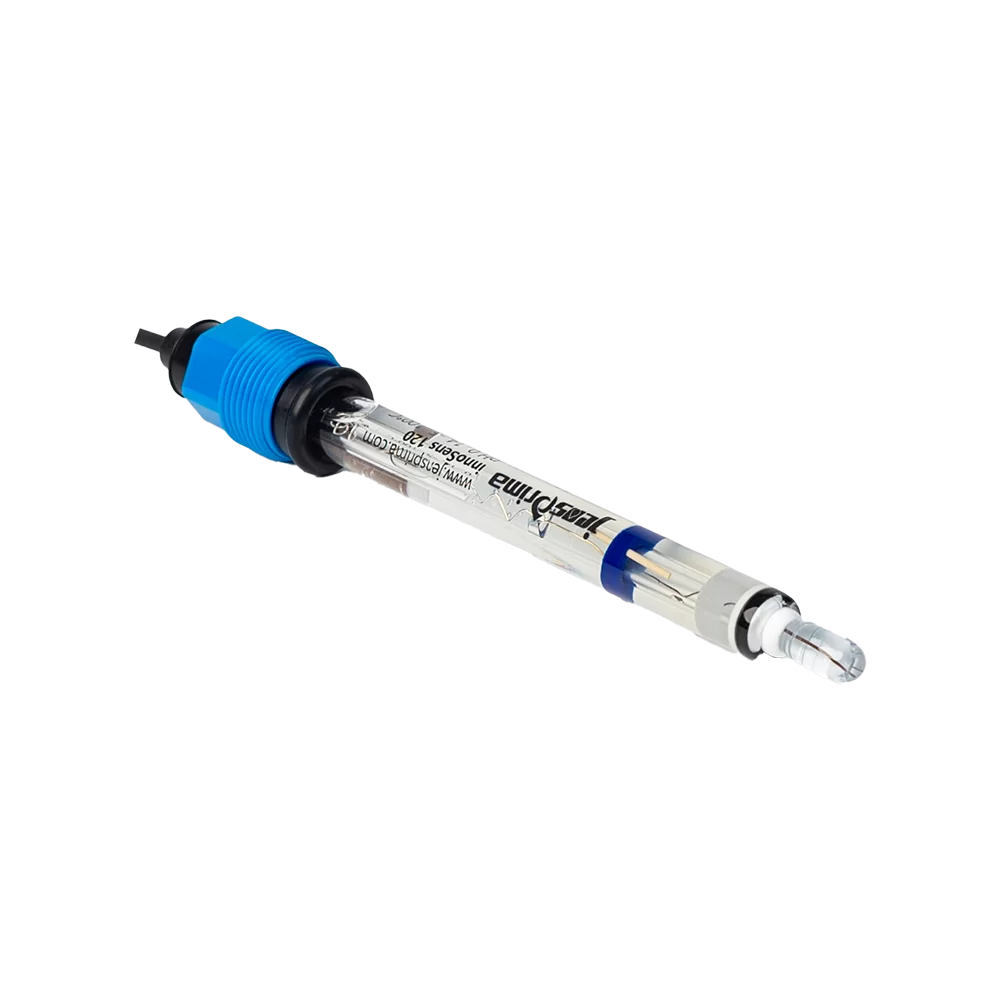
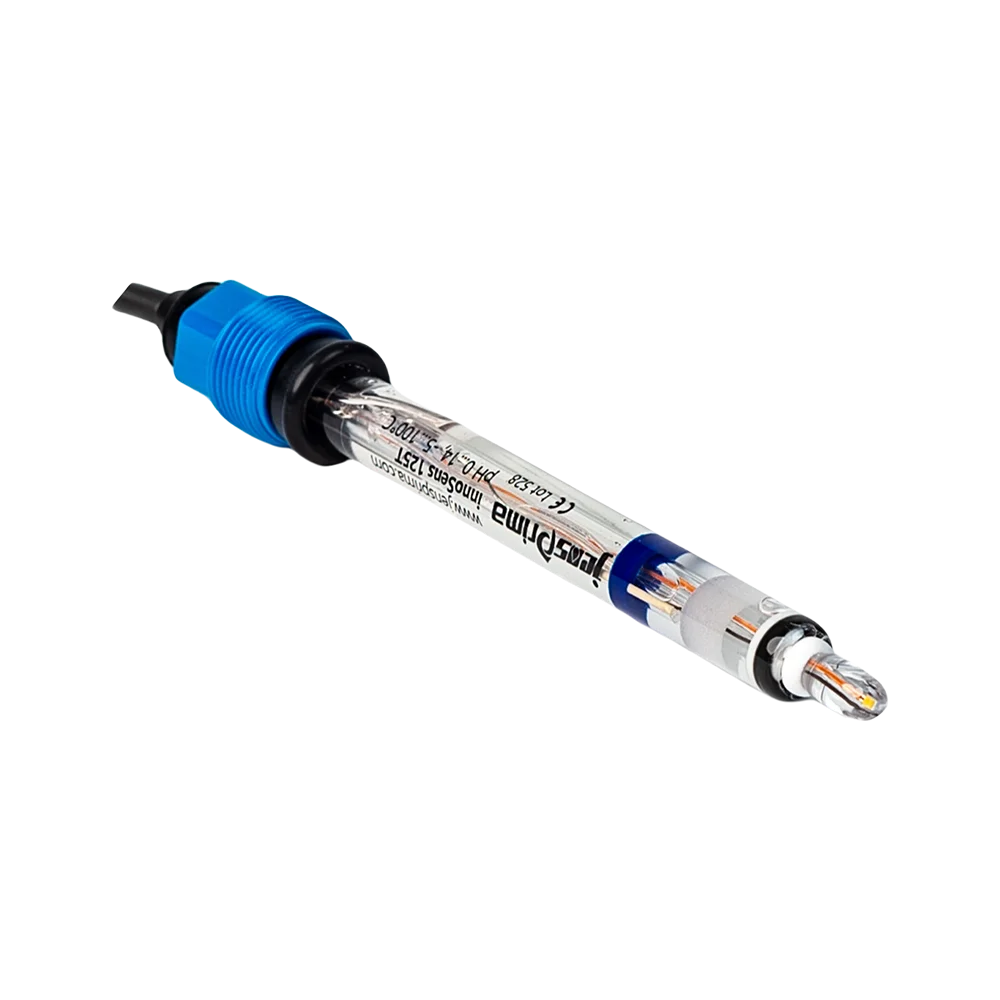
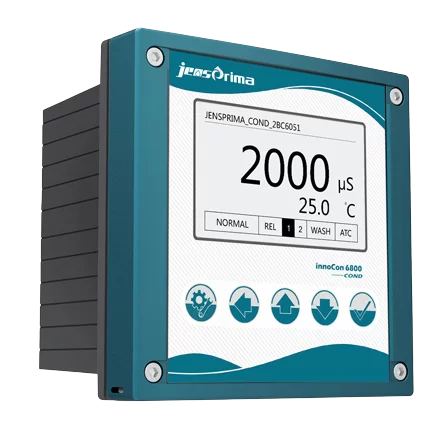
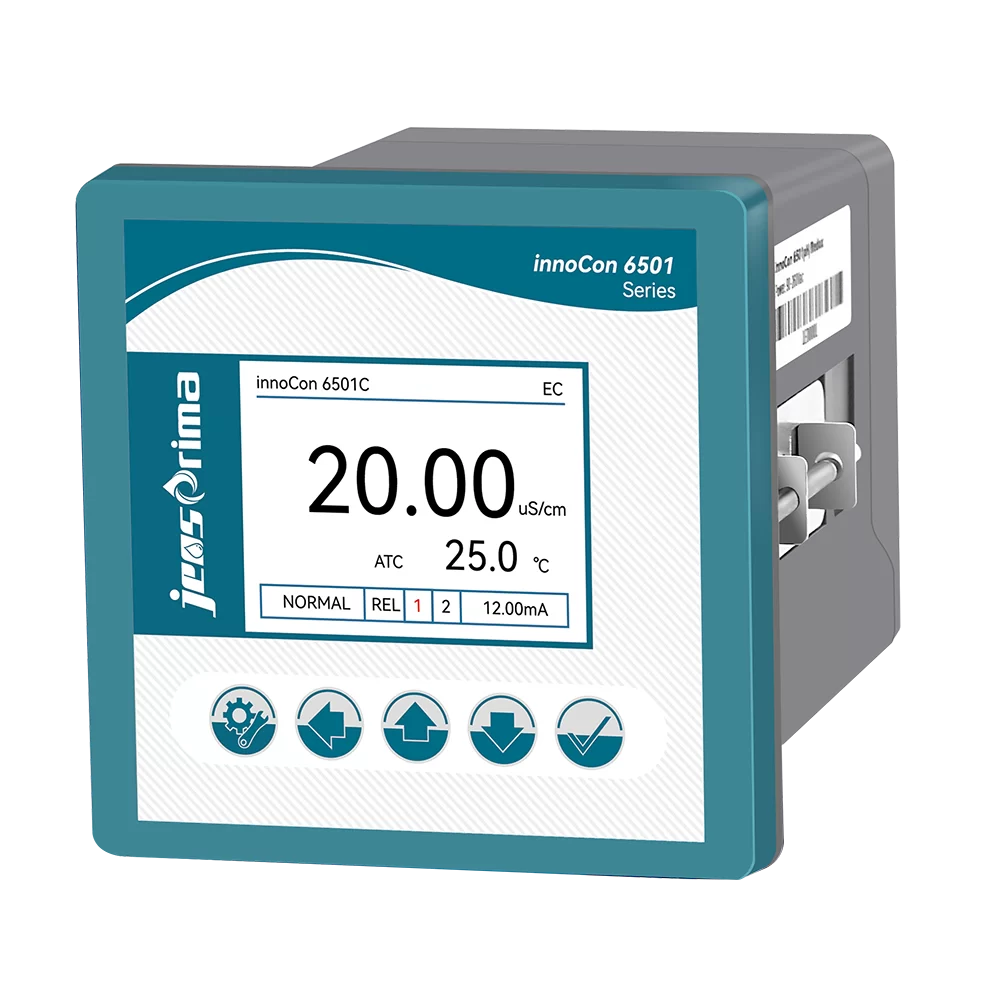
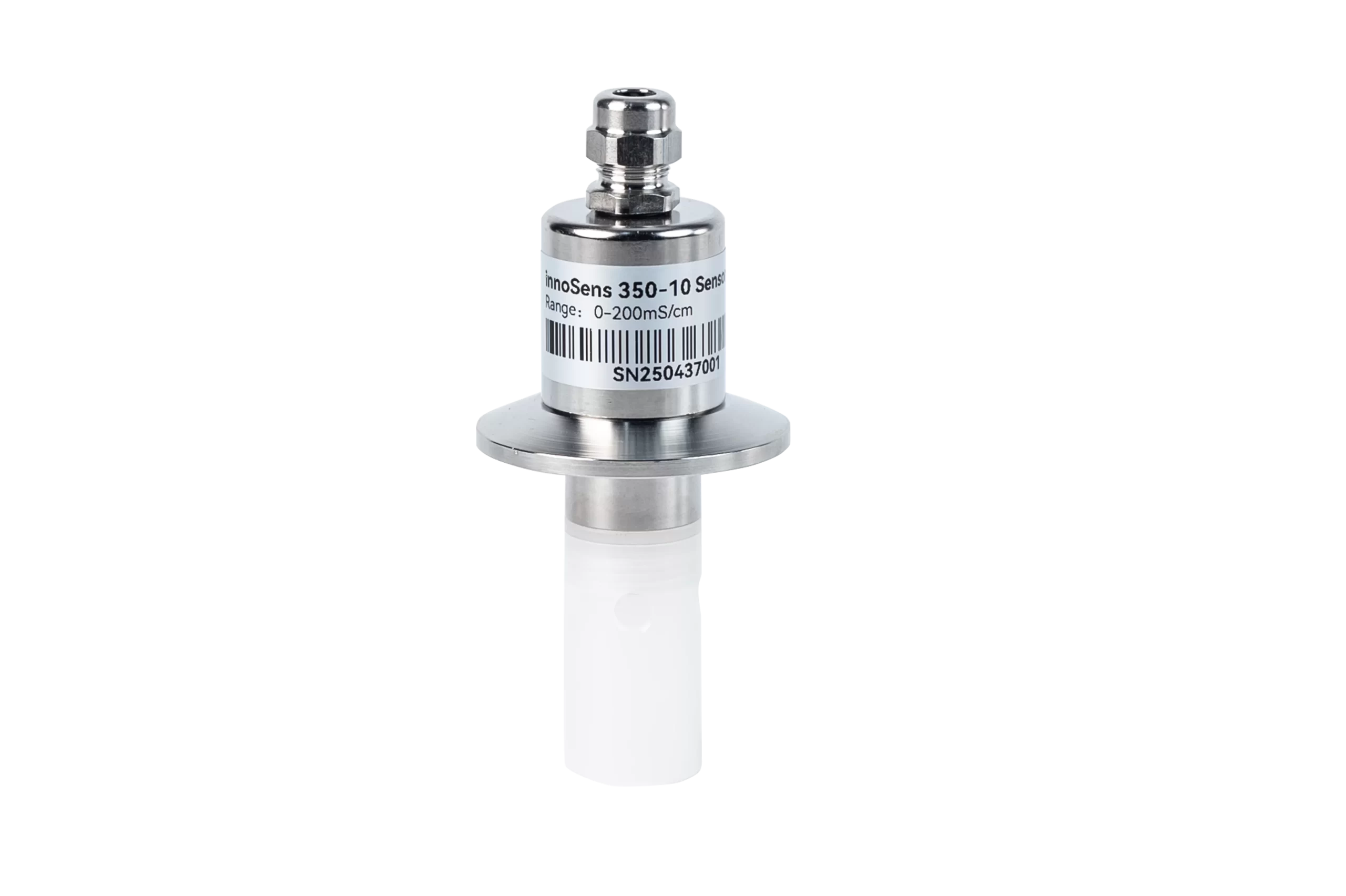
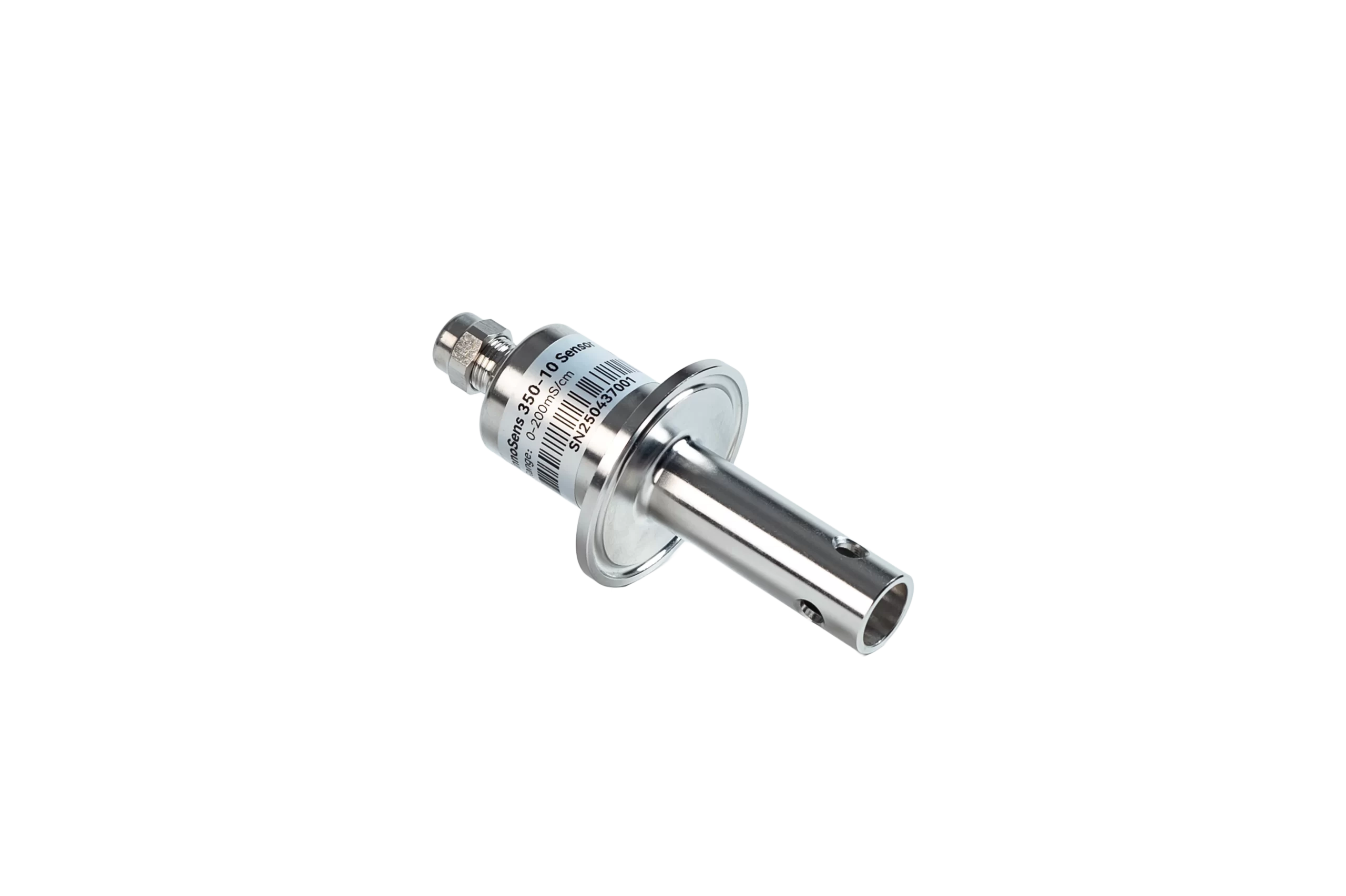
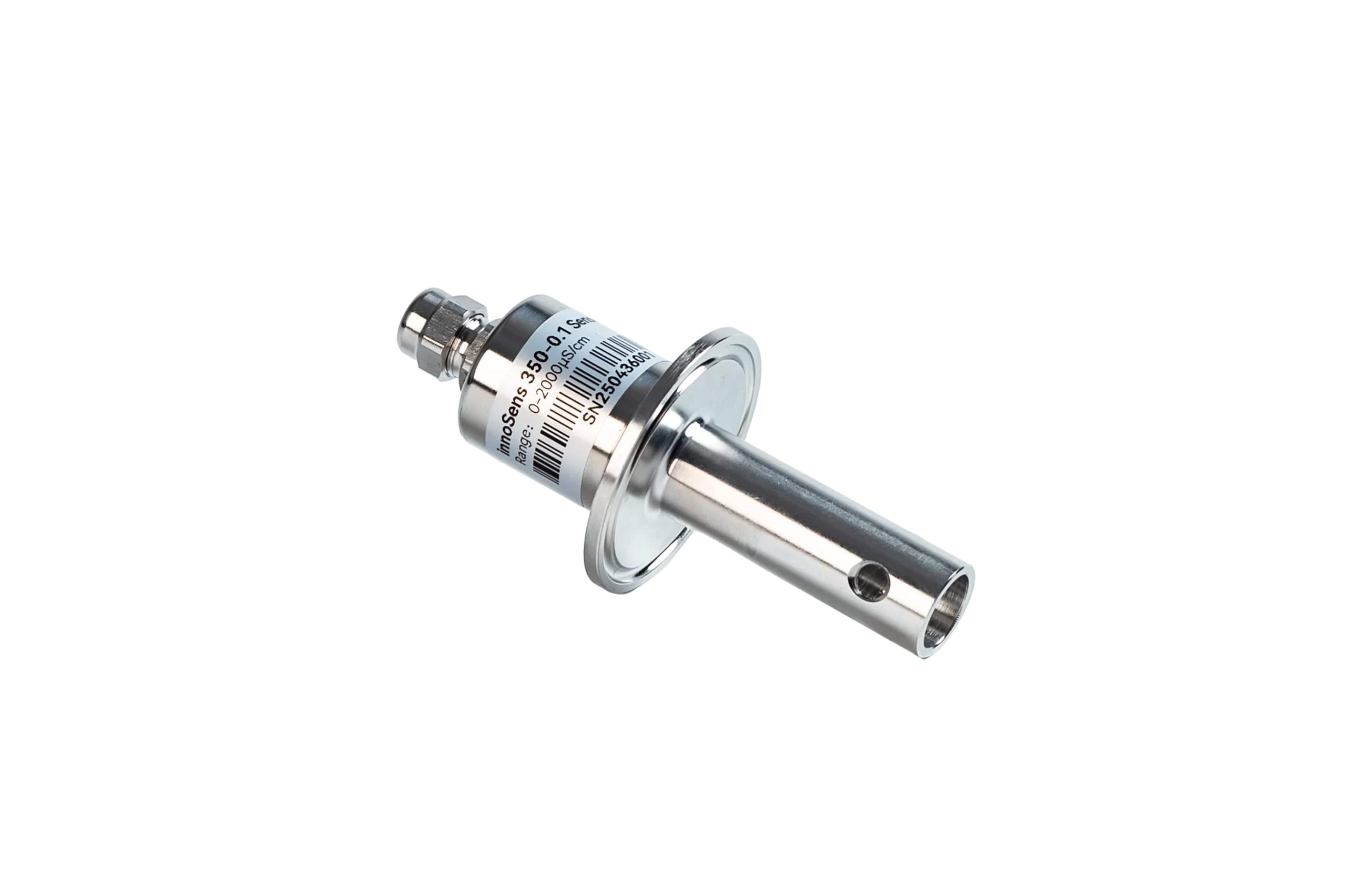
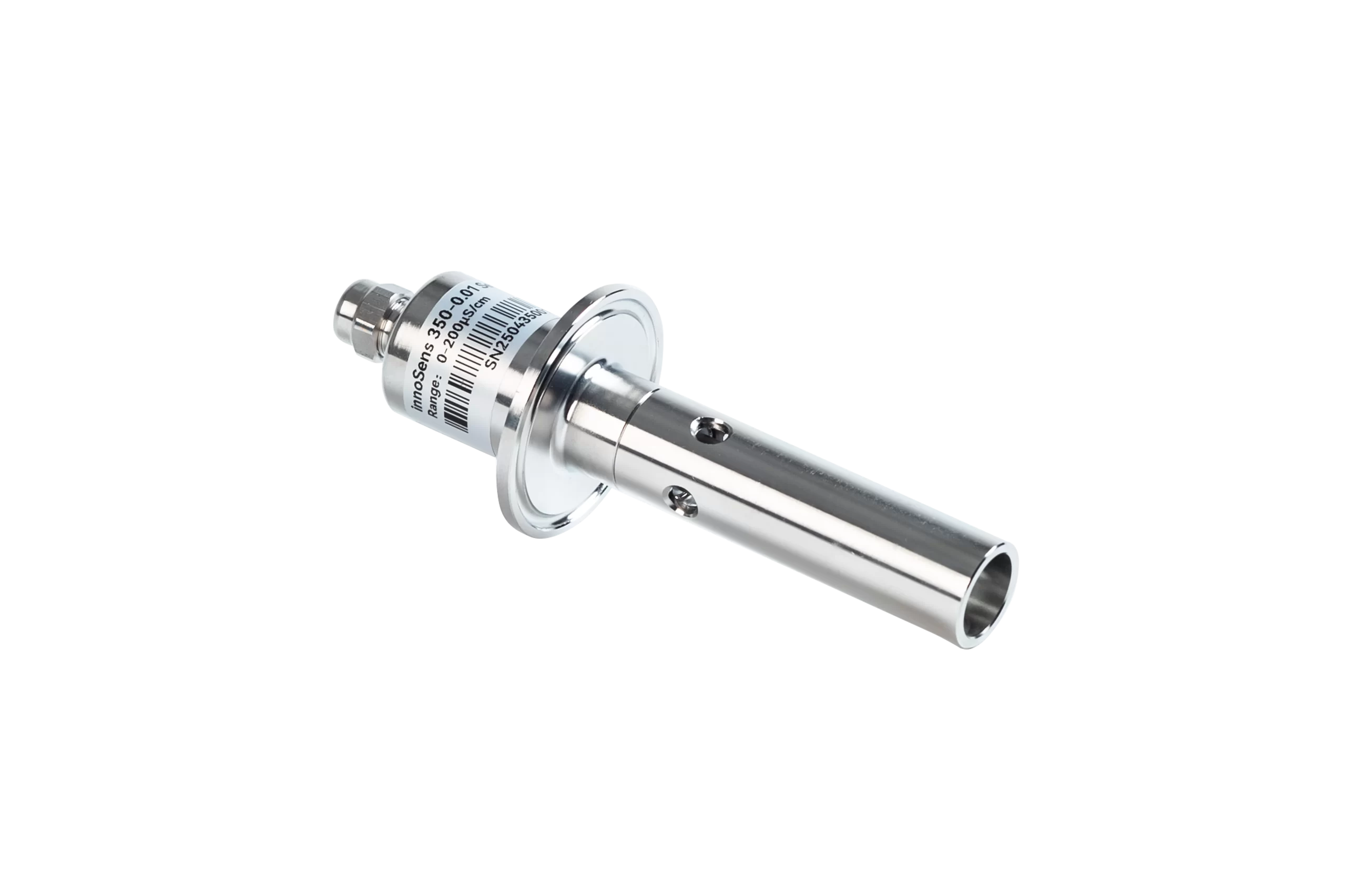
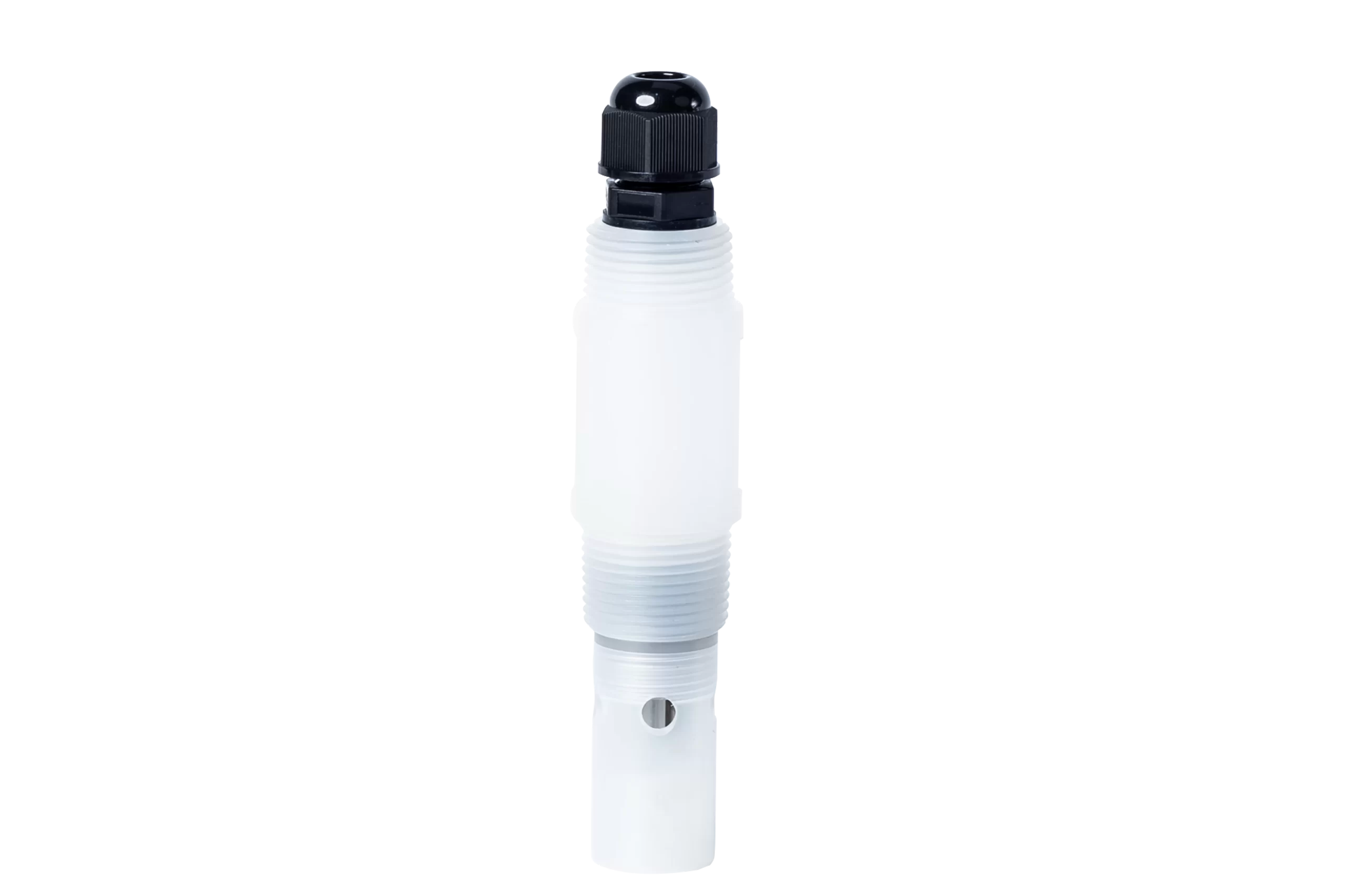
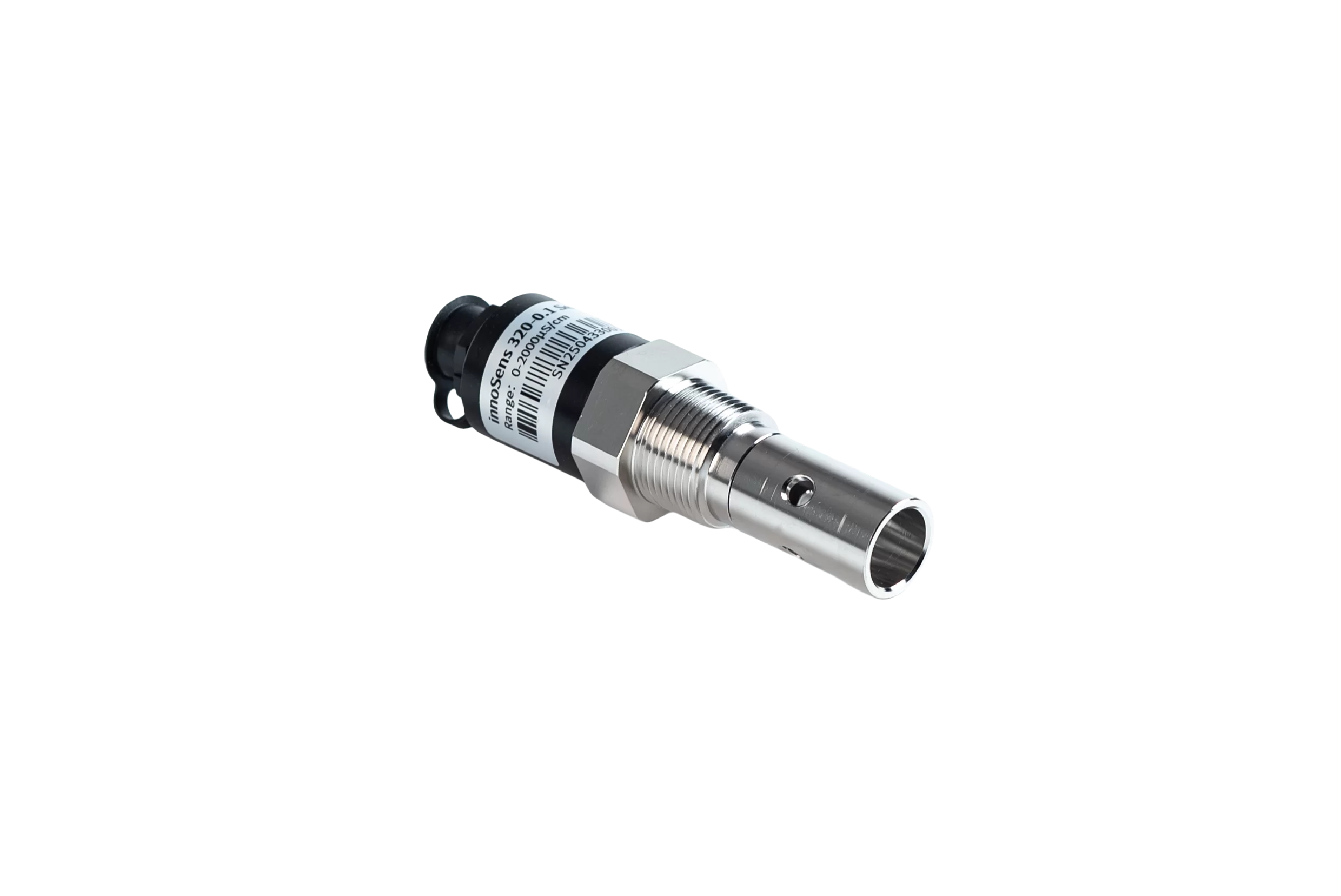
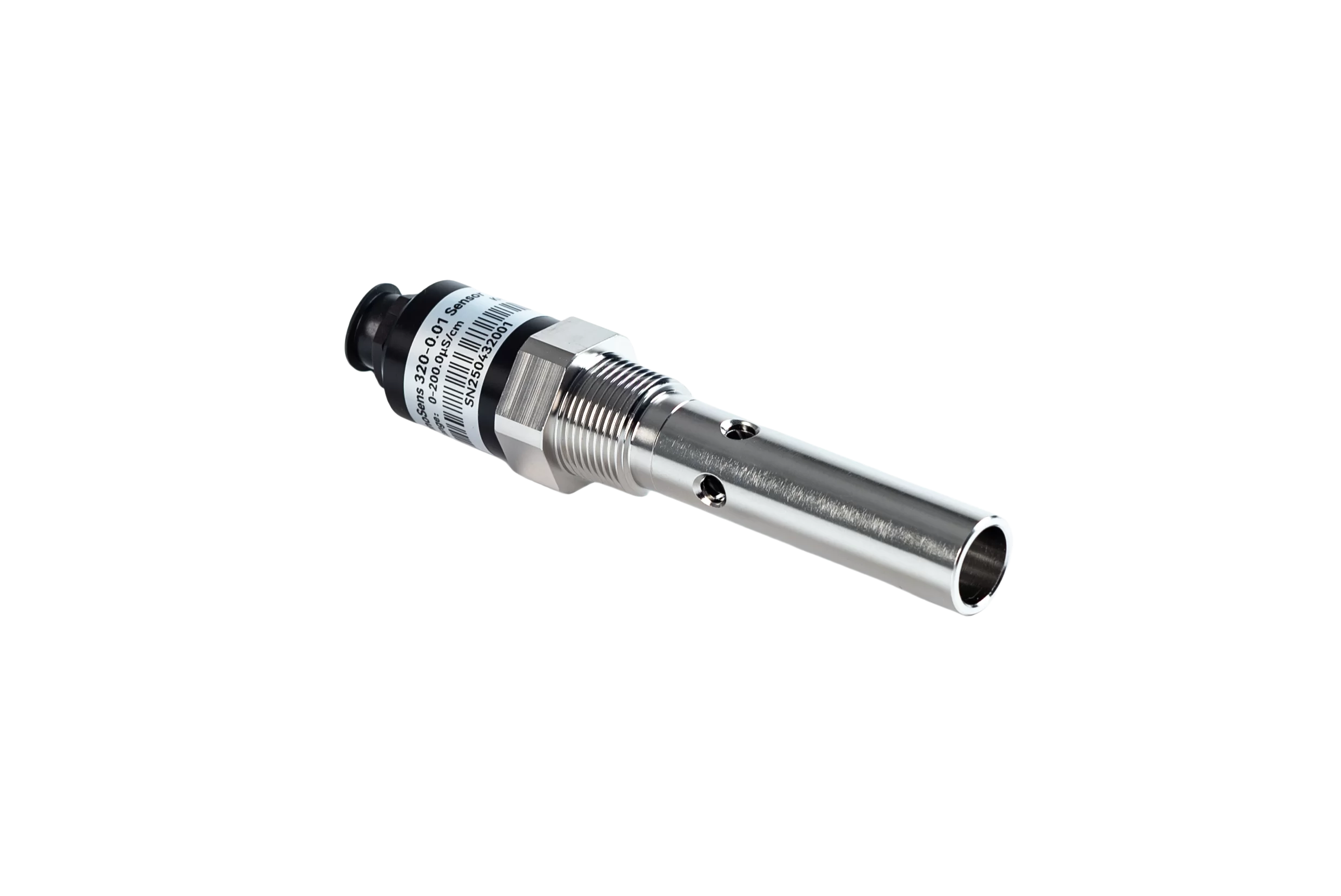
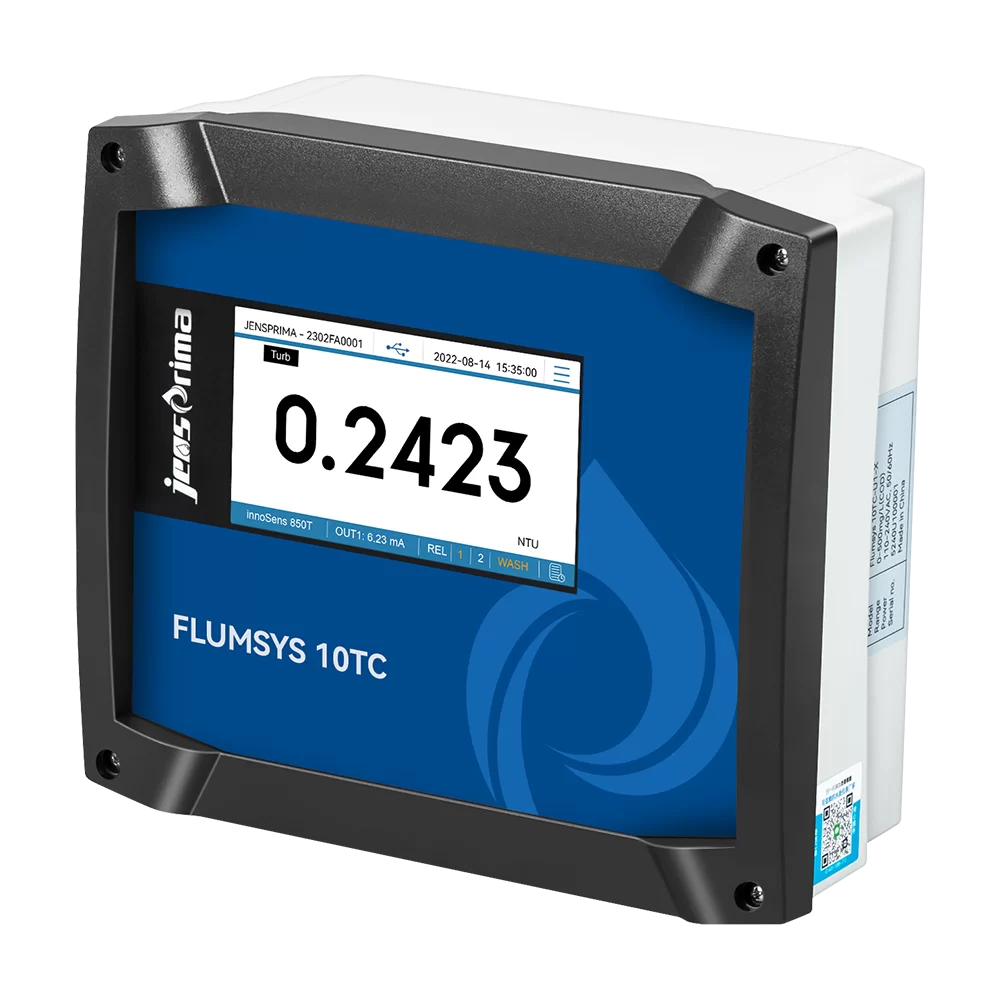
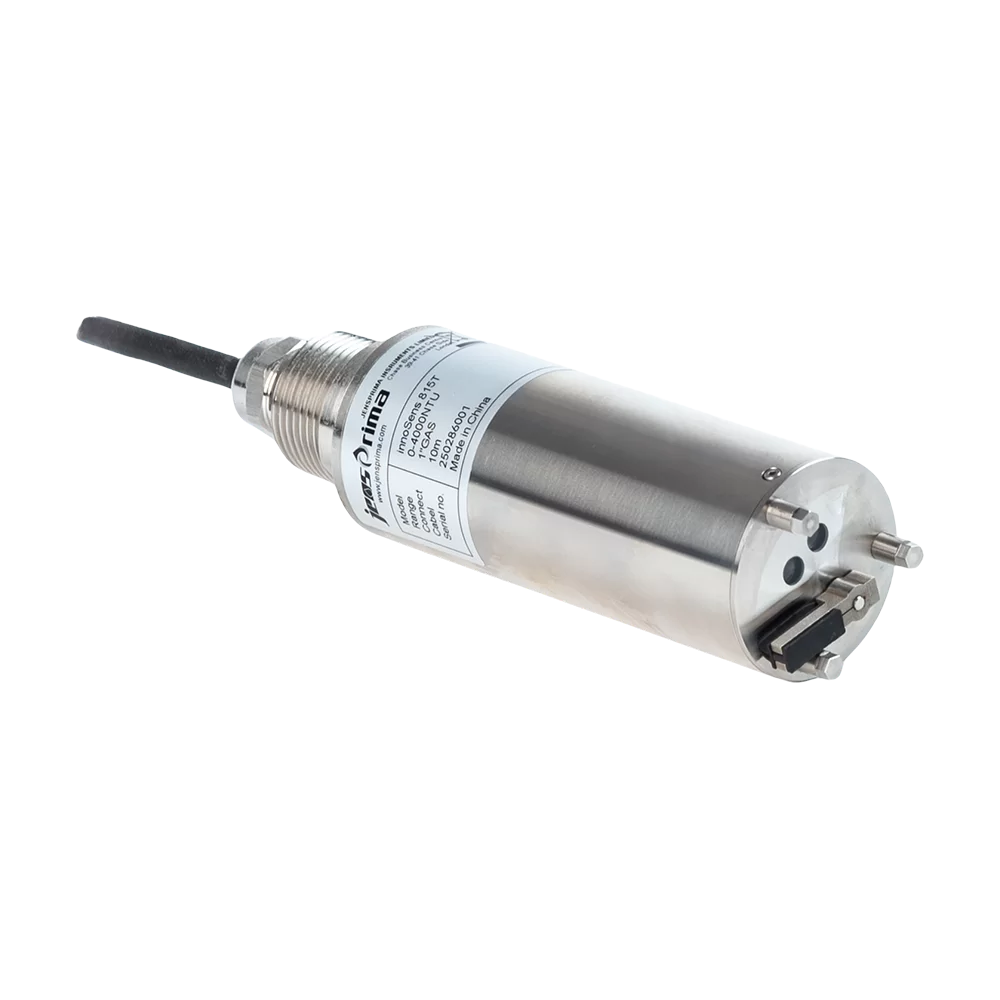
Modern online sensors are engineered for durability in harsh environments. High-grade materials such as PTFE and industrial-grade epoxy are used to ensure that the tds and ph meter online equipment can withstand corrosive chemicals and temperature fluctuations. Most professional systems offer 4-20mA or Modbus outputs for seamless integration into PLC and SCADA architectures, allowing for centralized management of multiple water streams.
| Parameter |
pH Sensor Specification |
TDS Sensor Specification |
| Measurement Range |
0.00 to 14.00 pH |
0 to 100,000 ppm (μS/cm) |
| Accuracy |
± 0.01 pH |
± 2% of reading |
| Material |
Glass/Industrial Epoxy |
Graphite/Stainless Steel |
| Output Signal |
4-20mA / RS485 |
4-20mA / RS485 |
Key Applications of TDS and pH Meter Online Monitoring
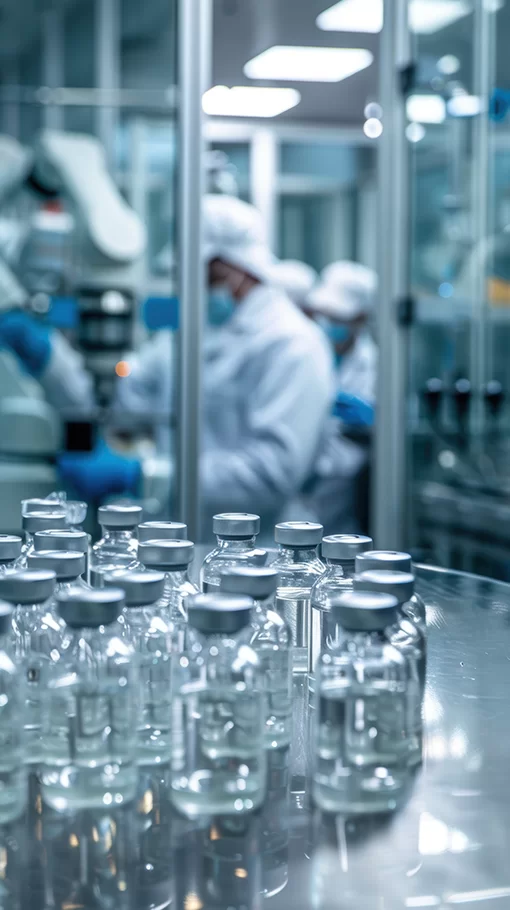
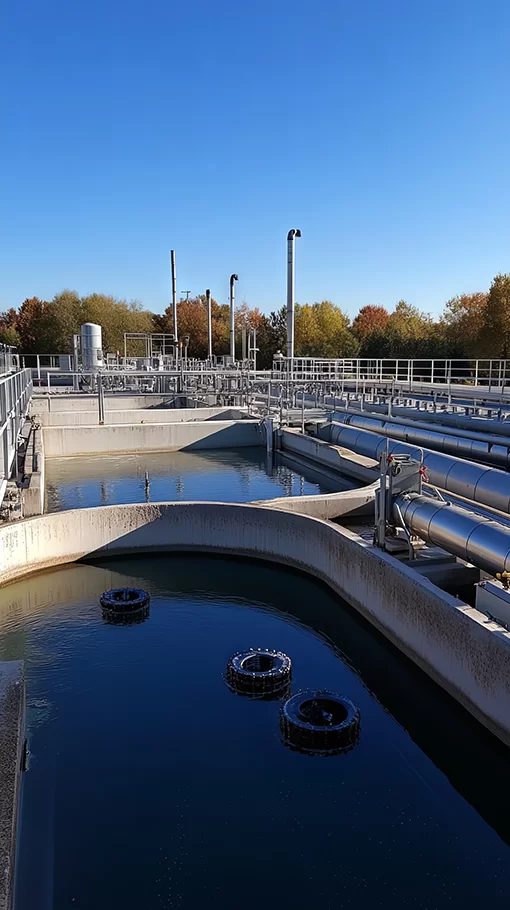
The versatility of online water quality instruments makes them indispensable across various sectors. In pharmaceutical manufacturing, maintaining ultra-pure water is a non-negotiable requirement where even a slight deviation in pH or TDS can ruin a product batch. In aquaculture, monitoring these parameters ensures the health of aquatic species by preventing toxic ammonia spikes and maintaining alkalinity. Furthermore, in municipal wastewater treatment, these sensors allow plants to optimize the aeration and chemical precipitation processes, ensuring that effluent meets all legal environmental standards.
Best Practices for Maintaining Your Online Sensors
To ensure the long-term accuracy of a tds and ph meter online, a consistent maintenance schedule is required. pH electrodes are prone to "drift" over time due to the depletion of the reference electrolyte or fouling of the sensing glass. Regular calibration using certified buffer solutions is essential. For TDS sensors, biofilm accumulation can create an insulating layer that skews conductivity readings. Implementing an automatic cleaning system or performing weekly manual wipes significantly extends the lifespan of the probes and maintains data integrity.
Maintenance Checklist:
• Weekly: Visual inspection for fouling and debris.
• Monthly: Two-point calibration for pH sensors.
• Quarterly: Full system diagnostic and signal verification.
• Annually: Replacement of wearing parts/membranes.
Integrating Online Water Analysis into Smart Factories
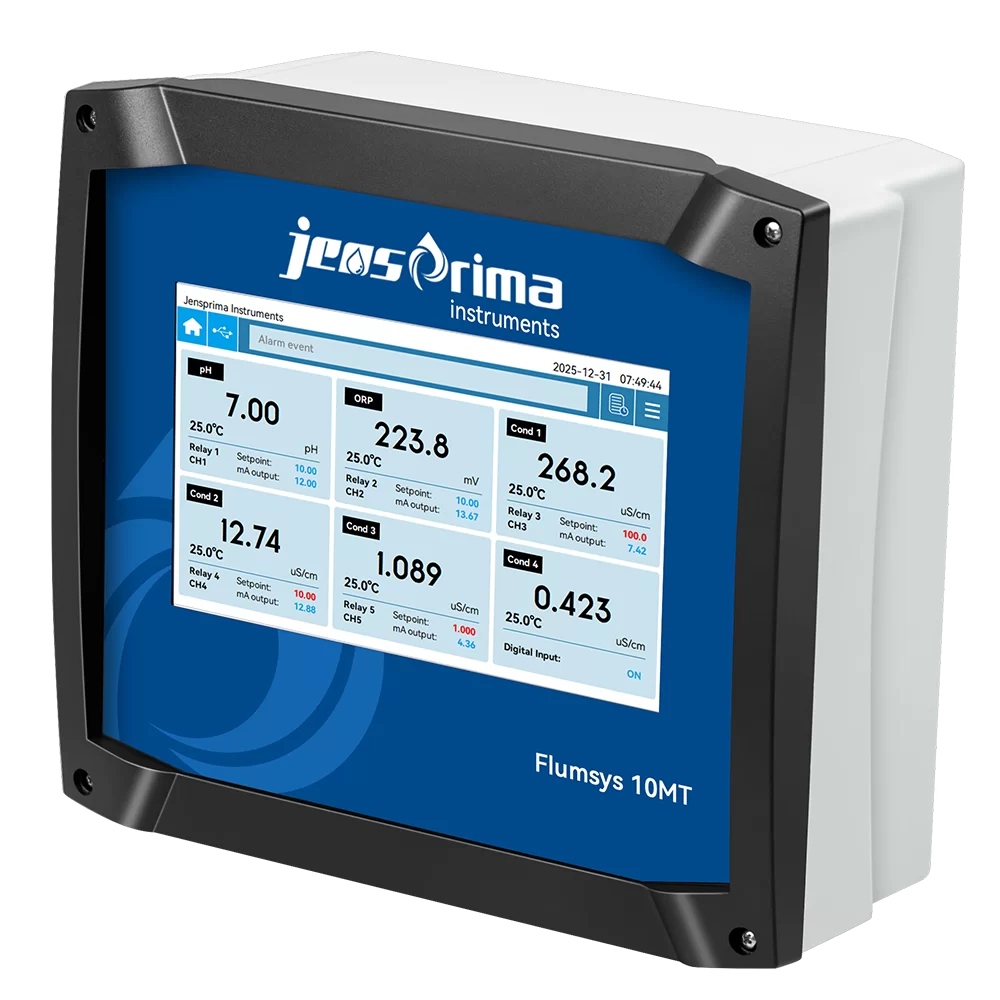
As Industry 4.0 evolves, the integration of a tds and ph meter online into the Internet of Things (IoT) ecosystem allows for remote monitoring via mobile apps and cloud dashboards. This eliminates the need for technicians to be physically present at the sensor site. By utilizing AI-driven analytics, systems can now predict when a water quality excursion is likely to occur based on historical trends, allowing for preemptive action. This level of digitalization reduces downtime and maximizes the ROI of water treatment infrastructure.
Conclusion: Optimizing Efficiency with Online Monitoring
Investing in a professional tds and ph meter online system is more than just a hardware upgrade; it is a strategic move toward operational excellence. By ensuring real-time visibility into water chemistry, companies can protect their equipment, ensure product quality, and maintain strict environmental compliance. The transition from manual sampling to online automation reduces labor costs and virtually eliminates the risks associated with human error. For any modern industrial facility, precise online water analysis is the cornerstone of a sustainable and efficient production process.
Frequently Asked Questions (FAQs)
How often should I calibrate my online pH and TDS sensors?
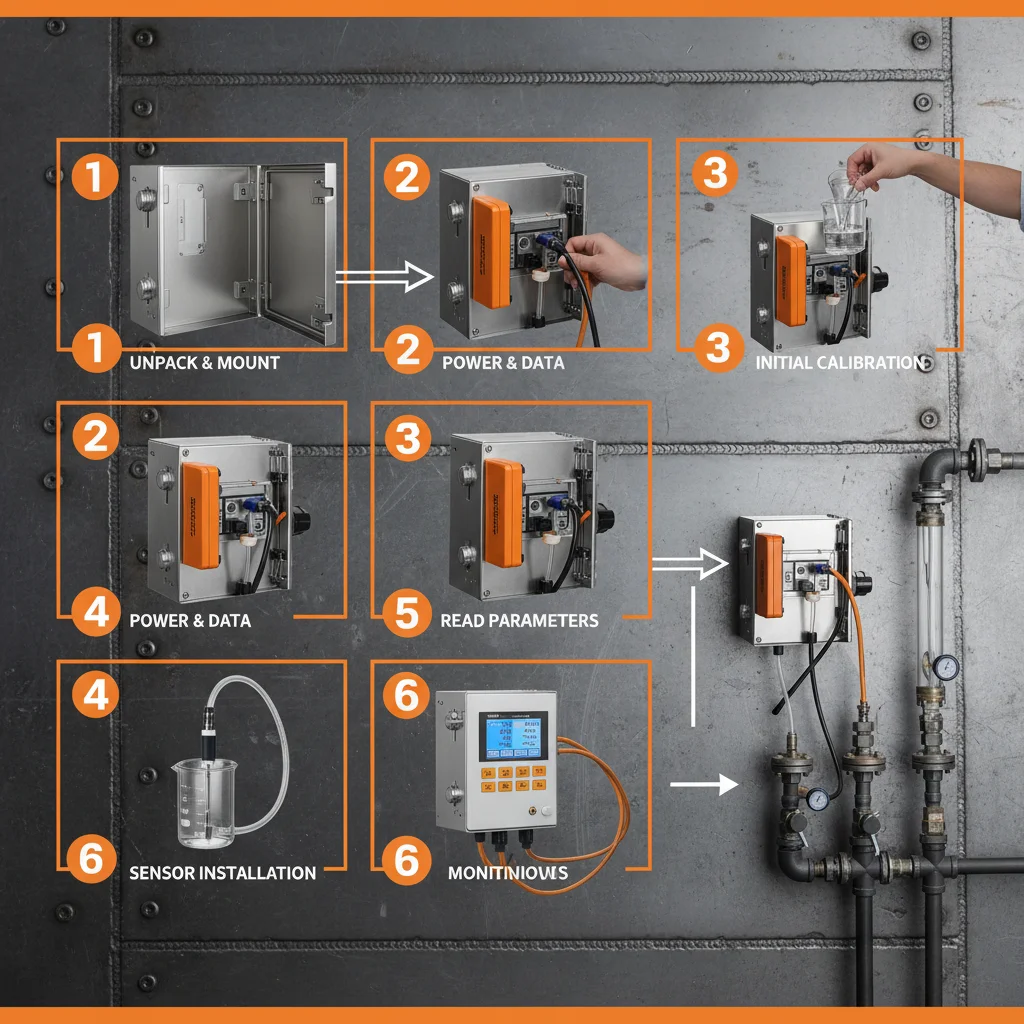
The calibration frequency depends heavily on the water quality and the stability of your process. For most industrial applications, pH sensors should be calibrated at least once a month using a two-point calibration method to correct for drift. TDS sensors are generally more stable but should be verified quarterly against a known standard solution. In highly corrosive or fouling environments, weekly checks are recommended to ensure that the data remains accurate and that the sensor is not suffering from membrane degradation.
Can an online system handle high-temperature water?
Yes, professional-grade online systems are available with temperature-compensated probes. Since both pH and conductivity (TDS) are temperature-dependent, high-end tds and ph meter online units include an integrated temperature sensor (like a Pt100 or Pt1000). The transmitter then automatically adjusts the reading to a standard reference temperature (usually 25°C). When selecting a sensor, ensure the materials (such as the glass body or electrode junction) are rated for your specific operating temperature range.
What is the difference between Conductivity and TDS in online meters?
Conductivity measures the ability of water to pass an electrical current, which is directly related to the concentration of ionized substances. TDS is a calculated value derived from conductivity. The online meter applies a conversion factor (typically between 0.5 and 0.7) to the conductivity reading to estimate the total mass of dissolved solids in ppm (parts per million). While conductivity is the direct measurement, TDS is often more intuitive for operators to understand when evaluating overall water purity levels.
How do online sensors integrate with existing SCADA systems?
Most online water quality transmitters use standardized industrial communication protocols. The most common is the 4-20mA analog signal, which is compatible with almost every PLC on the market. For more advanced setups, Modbus RTU (via RS485) is used to transmit digital data, allowing the SCADA system to receive not only the pH/TDS values but also diagnostic information like sensor health and temperature. This seamless integration allows for centralized monitoring and the automation of chemical dosing pumps across the entire plant.



 Download
 Video Center
 Technical Services
 FAQS
 Service Network
 Privacy Policy
 Contact Us






 LEARN MORE