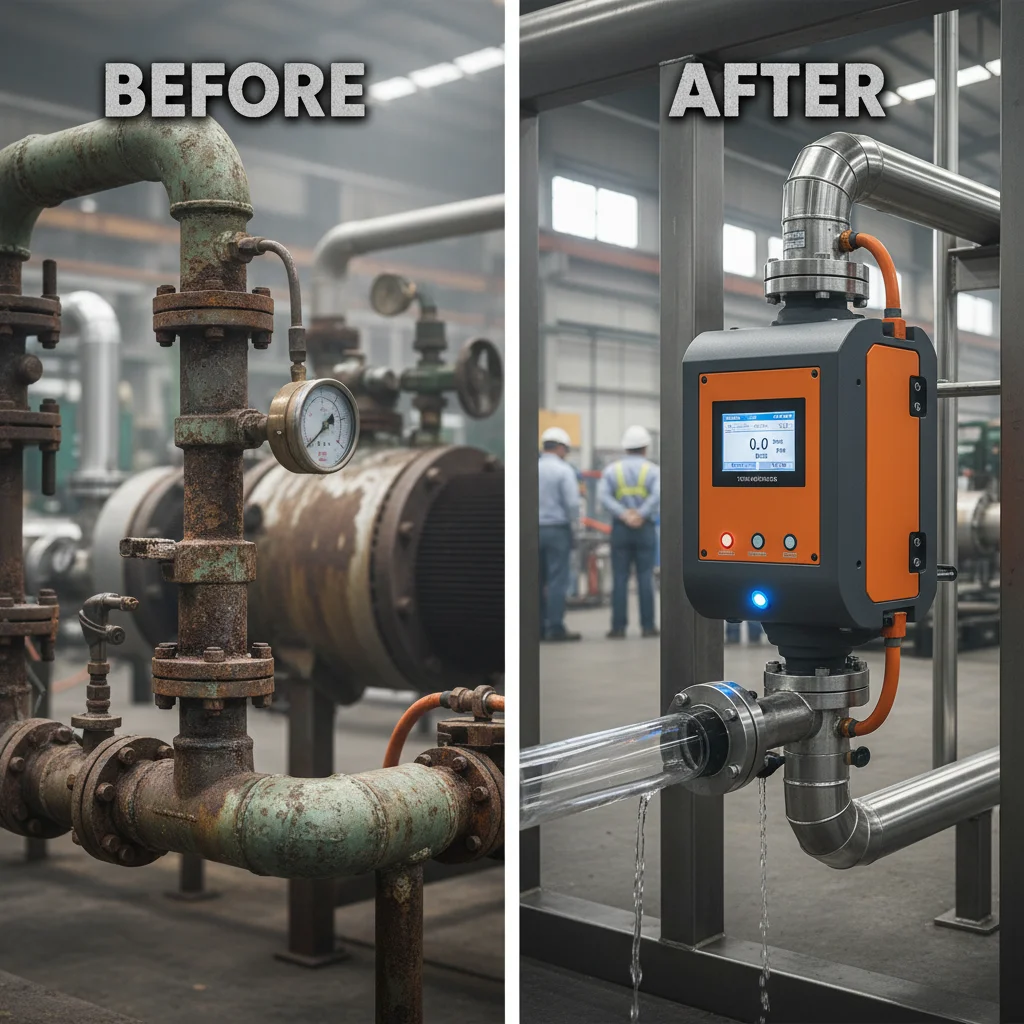
Factors Influencing Industrial Electromagnetic Flow Meter Price
Factors Influencing Industrial Electromagnetic Flow Meter Price
0%
Table of Contents
Introduction
When evaluating the total cost of ownership for industrial fluid management, the electromagnetic flow meter price is often a primary concern for procurement managers. However, the initial purchase price is only one variable in a complex equation that includes installation costs, long-term maintenance, and the critical need for measurement accuracy. In specialized sectors like wastewater treatment and pharmaceutical manufacturing, a lower upfront cost can paradoxically lead to higher operational expenses if the instrument fails to maintain calibration under harsh conditions.
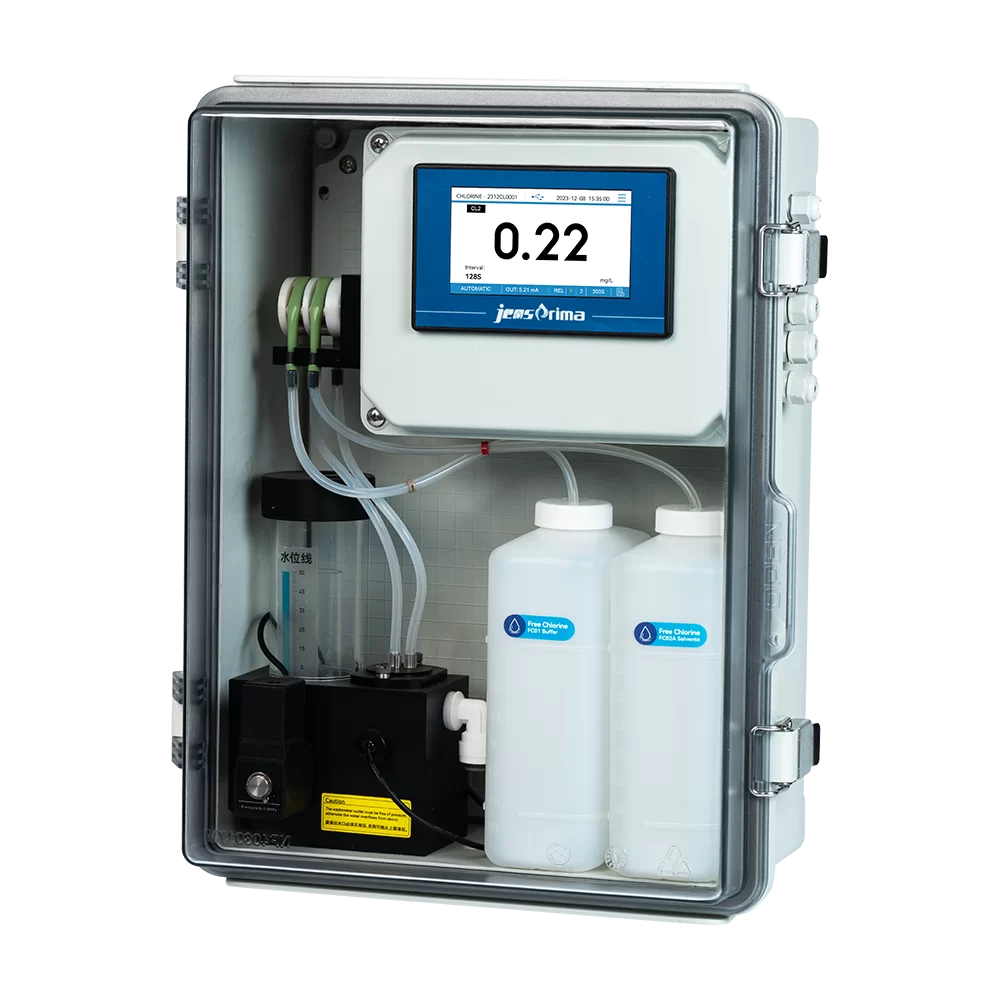
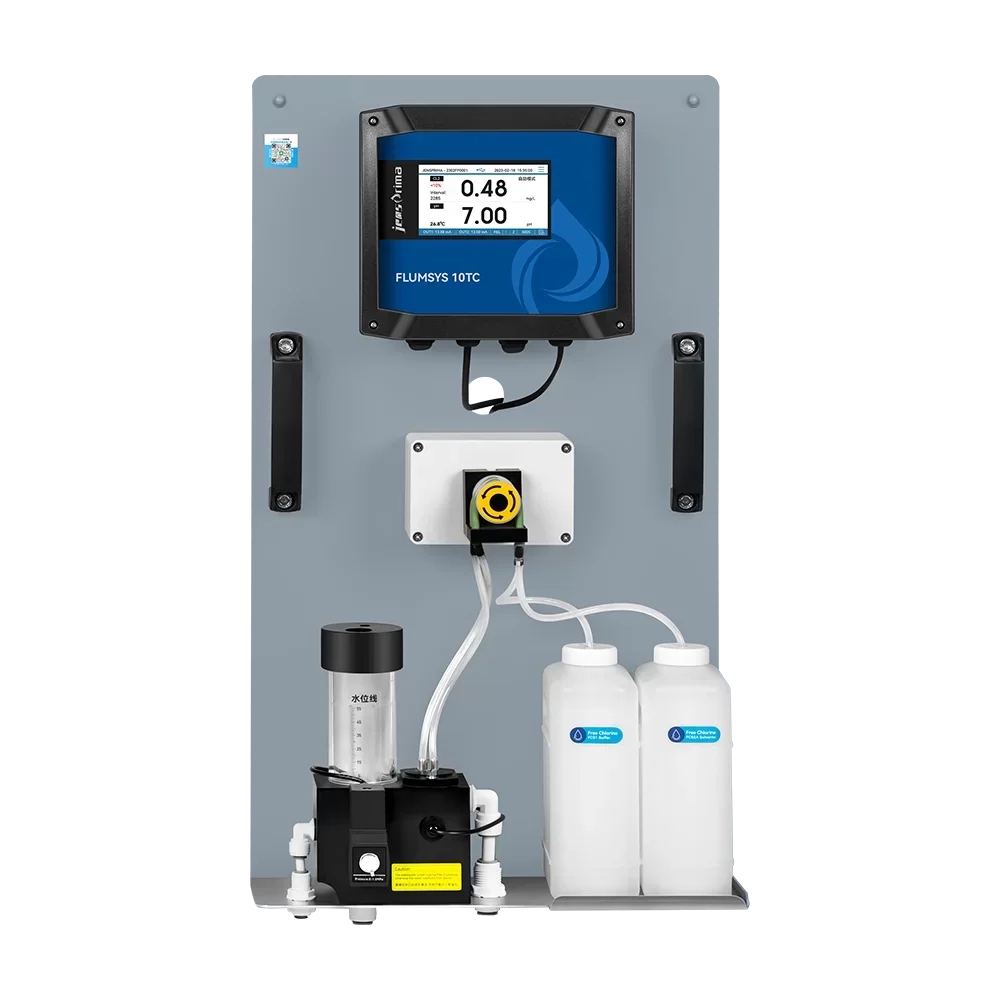
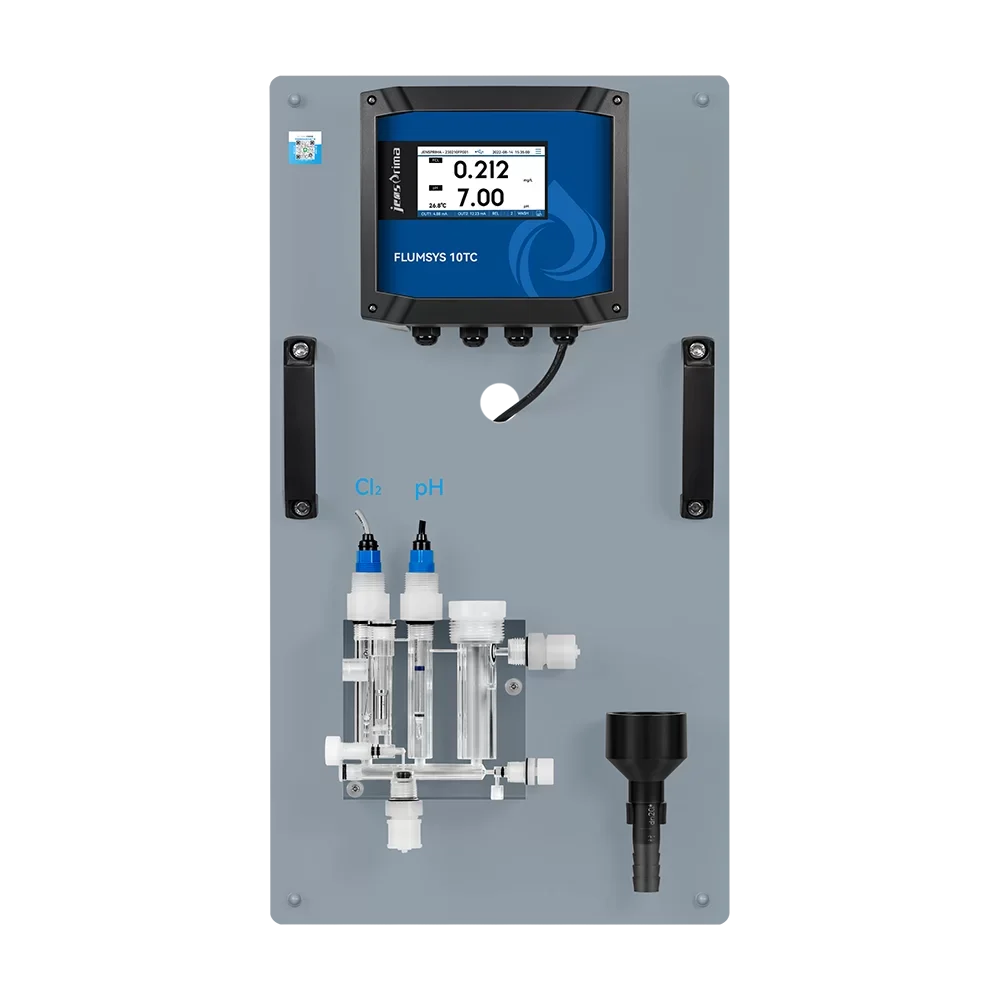
The financial viability of a flow measurement system depends heavily on the alignment between the sensor's technical capabilities and the specific chemistry of the medium being measured. For instance, when integrated into systems alongside a Multi-Parameter Water Quality Analyzer or a Residual Chlorine/Total Chlorine Analyzer, the flow meter provides the essential volumetric data needed to calculate dosing rates and chemical concentrations. Selecting a meter based solely on price without considering its compatibility with these integrated water quality controllers often results in systemic inaccuracies that jeopardize production efficiency.
To navigate these complexities, it is essential to analyze the drivers of cost versus the delivery of long-term value. This guide examines the factors that influence electromagnetic flow meter price and provides a framework for identifying the optimal balance between capital expenditure and operational reliability. By understanding the interplay between material science and sensor precision, organizations can make informed procurement decisions that safeguard their industrial processes.
Understanding the Fundamentals of Electromagnetic Flow Measurement
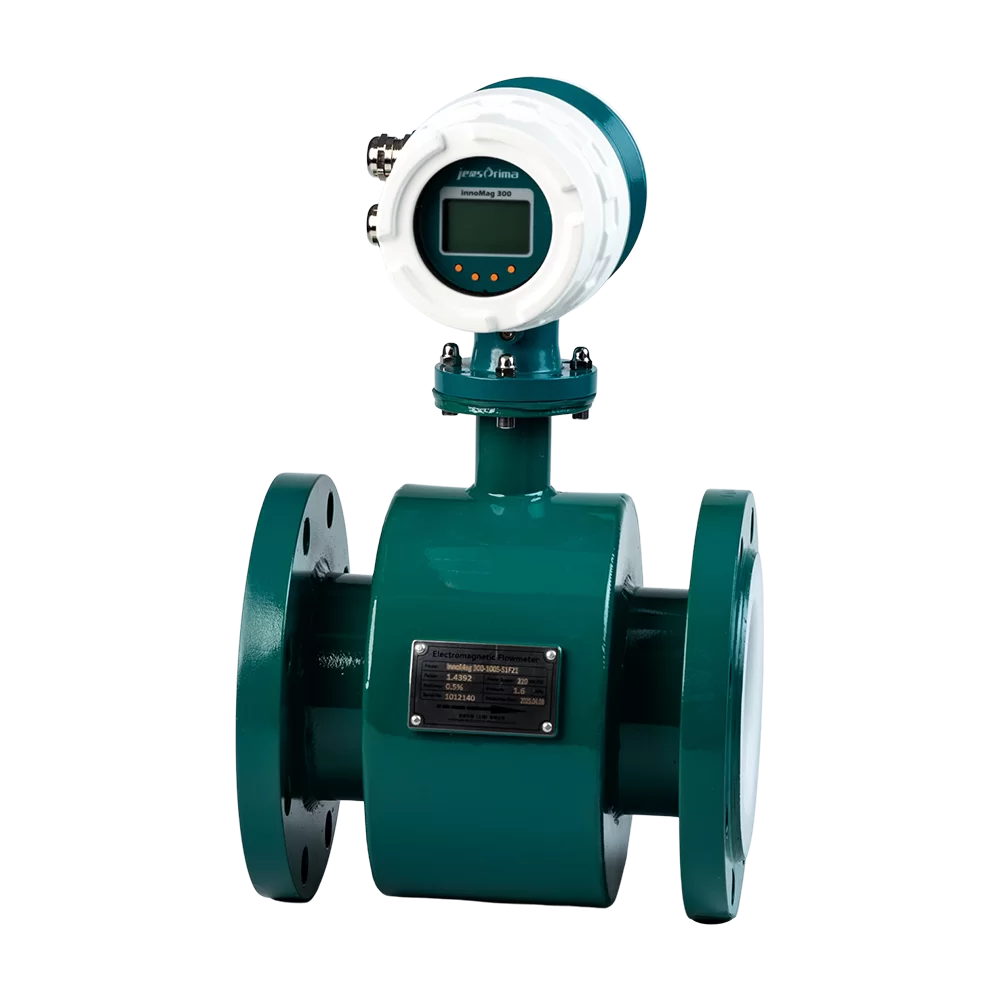
Electromagnetic flow meters operate on Faraday's Law of Induction, where a conductive liquid moving through a magnetic field generates a voltage proportional to its velocity. Unlike mechanical meters, these devices possess no moving parts and provide an unobstructed flow path, which eliminates pressure drops and minimizes the risk of clogging. This fundamental design makes them indispensable for measuring slurry, corrosive chemicals, and wastewater.
The core architecture consists of a non-conductive liner, two electrodes, and a magnetic coil assembly. The choice of liner material—ranging from PTFE to Hard Rubber—is the most significant factor in determining the meter's longevity and its ability to withstand aggressive industrial media. When these components are engineered with high-grade materials, the resulting instrument provides stable readings even in fluctuating temperatures.
Several technical specifications directly influence the procurement cost of a flow system. The first is the diameter of the pipe and the corresponding sensor size; larger bores require more material and more powerful magnetic coils, naturally increasing the price. Additionally, the precision class of the transmitter determines the resolution of the data, which is critical for pharmaceutical applications where minute deviations can lead to batch failure.
The most critical cost-driver is the compatibility between the electrode material and the fluid chemistry. Using Hastelloy or Tantalum electrodes for highly corrosive acids increases the initial investment but prevents premature sensor degradation, effectively reducing the cost per year of operation.
Furthermore, the integration of advanced communication protocols such as Modbus or HART adds to the value of the system. These allow the flow meter to communicate seamlessly with a Conductivity Controller or a pH/Redox Controller, enabling a centralized monitoring system that reduces the need for manual data logging and decreases the likelihood of human error during system audits.
Quantifying the Long-Term Value of Precision Sensors
When analyzing the electromagnetic flow meter price, it is more accurate to look at the Lifecycle Cost (LCC) rather than the purchase price. High-precision instruments reduce chemical wastage by ensuring that reagents, such as those used in a Total Alkalinity Analyzer, are dispensed with absolute volumetric accuracy. This optimization often leads to a full return on the initial price difference within the first year of operation.
Reliability also translates directly into financial savings by eliminating unscheduled downtime. Instruments designed for rigorous quality control, such as those manufactured in standard modern factories with strict procedures, exhibit lower drift rates, meaning fewer calibration cycles and lower labor costs over a ten-year horizon.
Relative Lifecycle Cost Impact (%)
High-Impact Application Scenarios in Water Quality Monitoring
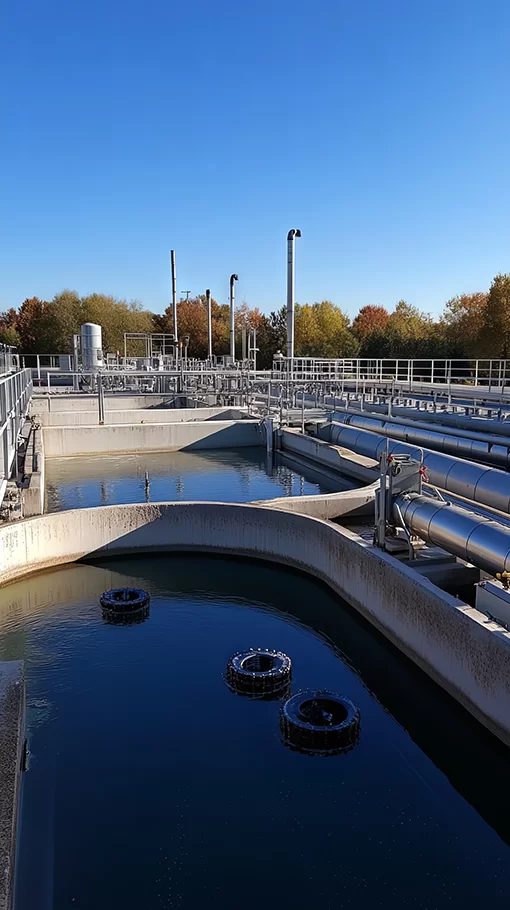
In wastewater treatment plants, electromagnetic flow meters are deployed to manage influent and effluent streams. In these environments, the ability to handle suspended solids without wearing down the sensor is paramount. By integrating flow data with a Suspended Solids Sensor, operators can dynamically adjust aeration and filtration cycles, optimizing energy consumption based on real-time load.
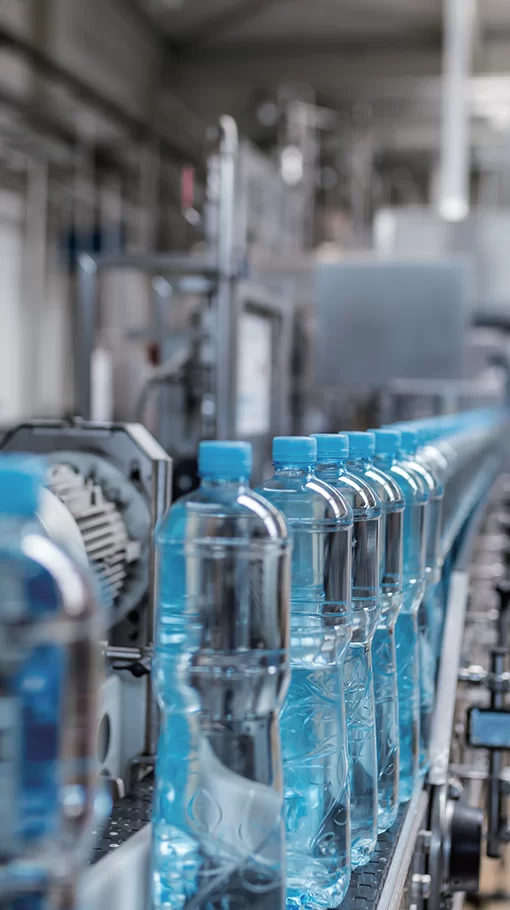
Pharmaceutical manufacturers utilize these meters for the precise transfer of high-purity water and reagents. Here, the emphasis shifts toward sanitary design and the elimination of dead spaces where bacteria could proliferate. The use of specialized liners and polished surfaces ensures that the system meets stringent hygiene standards while maintaining the accuracy required for regulated chemical processes.
Future Directions in Digital Flow Integration
The industry is moving toward "smart" instrumentation where flow meters are no longer isolated devices but nodes in an Industrial Internet of Things (IIoT) network. We are likely to see an increase in self-diagnostic capabilities, where the sensor can detect electrode coating or liner wear and alert operators before a failure occurs, shifting maintenance from a reactive to a predictive model.
Furthermore, the integration of AI-driven analytics will allow for the correlation of flow rates with other water quality parameters, such as Ammonia Nitrogen or Dissolved Oxygen. This holistic approach enables the system to automatically optimize chemical dosing based on the flow-weighted average of the pollutants present in the stream.
Digital twins are also becoming more prevalent, allowing engineers to simulate flow conditions and test different meter configurations virtually before physical installation. This reduces the risk of choosing an incorrectly sized meter, ensuring that the chosen electromagnetic flow meter price reflects a solution that is perfectly tailored to the plant's hydraulic profile.
Common Implementation Challenges and Strategic Solutions
One of the most frequent challenges in flow measurement is the presence of electromagnetic interference (EMI) from nearby pumps or variable frequency drives. This can introduce noise into the signal, leading to unstable readings. The solution lies in the use of high-quality shielded cables and ensuring a proper common ground for the sensor and the transmitter.
Incorrect installation, such as failing to provide adequate straight pipe runs before and after the sensor, can lead to turbulent flow and significant measurement errors. Following manufacturer-specified installation distances is critical to ensuring that the fluid profile is fully developed, which allows the meter to achieve its rated accuracy.
Finally, the buildup of conductive coatings on the electrodes can attenuate the signal over time. Implementing a regular cleaning schedule or selecting meters with specialized electrode materials can mitigate this issue, ensuring that the instrument continues to perform reliably throughout its operational life.
Procurement Decision Matrix for Flow Meters
Selection Factor
Standard Application
Corrosive Media
High-Precision/Sanitary
Liner Material
Hard Rubber/PTFE
PTFE / PFA
PFA / Polished Steel
Electrode Metal
Stainless Steel
Hastelloy C
Platinum / Gold
Accuracy Req.
+/- 0.5%
+/- 0.3%
+/- 0.1%
Cost Impact
Baseline Price
Moderate Increase
Significant Increase
Maintenance
Standard
Periodic Inspections
Stringent Validation
Typical Life
5-8 Years
7-10 Years
10+ Years
Frequently Asked Questions
What primarily determines the electromagnetic flow meter price?
The price is primarily determined by the pipe diameter, the materials used for the liner and electrodes, and the accuracy class of the transmitter. For example, a meter with a Tantalum electrode for corrosive chemicals will cost significantly more than one with a standard stainless steel electrode. Additionally, larger bore sizes require more raw materials and more powerful magnetic coils, which increases the overall cost.
Can I use a cheap flow meter for wastewater applications?
While possible, it is often a risky strategy. Wastewater frequently contains abrasive particles and corrosive gases that can quickly degrade low-quality liners and electrodes. A cheaper meter may fail within months, leading to costly downtime and replacement labor. Investing in a meter with a high-grade PTFE liner and robust electrode materials typically results in a lower total cost of ownership over several years.
How does flow measurement integrate with water quality analyzers?
Flow meters provide the volumetric data necessary to transform concentration readings from analyzers—such as a Dissolved Oxygen Sensor or an Ammonia Nitrogen Sensor—into total load calculations. By multiplying the flow rate by the concentration, operators can determine the exact mass of a pollutant passing through a point per hour, which is essential for regulatory compliance and process optimization.
What is the expected lifespan of an electromagnetic flow meter?
A well-specified electromagnetic flow meter can last between 8 to 15 years. The lifespan depends heavily on the compatibility between the liner material and the fluid being measured. Regular maintenance, such as checking for electrode buildup and ensuring stable grounding, can significantly extend the operational life and maintain the accuracy of the instrument throughout its cycle.
Why is the installation process so critical for accuracy?
Electromagnetic meters require a stable, fully developed flow profile to provide accurate readings. If the meter is installed too close to a bend, valve, or pump, the fluid may be turbulent or asymmetric, leading to significant measurement errors. Ensuring the correct length of straight pipe runs (typically 5D upstream and 2D downstream) is the most effective way to guarantee the meter performs to its rated specifications.
How do I choose the right electrode material for my process?
Selection should be based on the chemical compatibility of the fluid. Stainless steel is suitable for most water and mild chemical applications. For strong acids, bases, or oxidizing agents, materials like Hastelloy, Titanium, or Tantalum are required. It is recommended to consult a material compatibility chart and provide the specific pH and temperature of your process to the manufacturer to ensure the correct selection.
Conclusion
Determining the right electromagnetic flow meter price requires a shift in perspective from initial acquisition cost to long-term operational value. By prioritizing material compatibility and measurement precision over the lowest bid, industrial operators can avoid the hidden costs of frequent failures and systemic inaccuracies. The integration of flow data with comprehensive water quality monitoring systems remains the most effective way to achieve process efficiency and environmental compliance.
For organizations seeking a partner capable of providing tailored technical solutions and high-performance instrumentation, exploring professional-grade options is the first step toward operational stability. To learn more about optimizing your flow measurement and water quality analysis infrastructure, you are invited to visit the resource center at www.jensprima.com for detailed technical guidance.
Benjamin Carter is a Research and Development Engineer at JENSPRIMA, specializing in sensor technology. With a doctorate in Physics from Stanford University, he is pivotal in the development of next-generation optical sensors for water quality analysis. His work focuses on improving sensor accuracy, durability, and sensitivity, contributing to the continuous
Most websites use cookies. A cookie is a small text file placed on a device to store data for future use
by a web server. We and our third-party partners use cookies to remember your preferences and settings,
help you log in, and analyze the health of our website.
Essential
We use necessary cookies to perform important website functions. For example: used to maintain sessions,
improve performance, route traffic between web servers, detect screen size, determine page loading time,
improve user experience, and conduct audience data statistics. These cookies are essential for the
operation of our website.
Analysis
We allow third parties to use analysis cookies to understand how you use our website, so that we can
improve it. Third parties can also use this information for product development and improvement, and
they may use these products on websites that do not belong to our operations. For example, they can be
used to collect information about the pages you visit and the number of clicks you need to complete a
task. We will use some analysis cookies to optimize content display and enhance user experience.




 Download
 Video Center
 Technical Services
 FAQS
 Service Network
 Privacy Policy
 Contact Us