Industrial water management is currently shifting from isolated single-point measurements to integrated, multi-dimensional monitoring. The ability to track several critical parameters simultaneously—such as pH, dissolved oxygen, and conductivity—has become a necessity for facilities striving to meet stringent environmental discharge permits and operational efficiency goals.
The complexity of modern wastewater treatment and process control requires hardware that not only measures accurately but also adheres to international safety and quality standards. This is where a CE certification multi parameter water quality analyzer becomes indispensable, ensuring that the equipment is safe for use within the European Economic Area and meets rigorous electromagnetic compatibility and safety requirements.
Selecting the right instrumentation involves balancing the need for precision, the frequency of maintenance, and the seamless integration of data into existing SCADA systems. This article examines the technical frameworks and selection logic necessary for implementing high-stability water quality monitoring in demanding industrial environments.

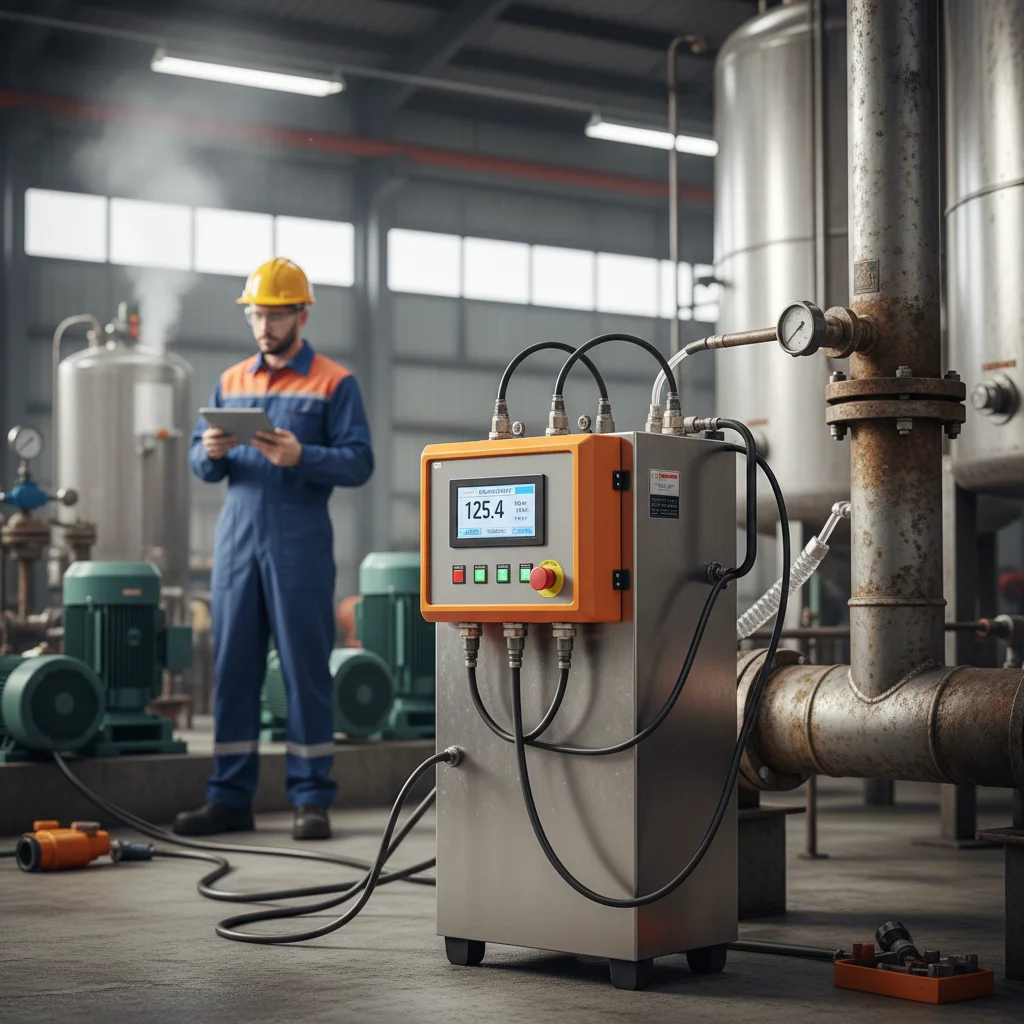
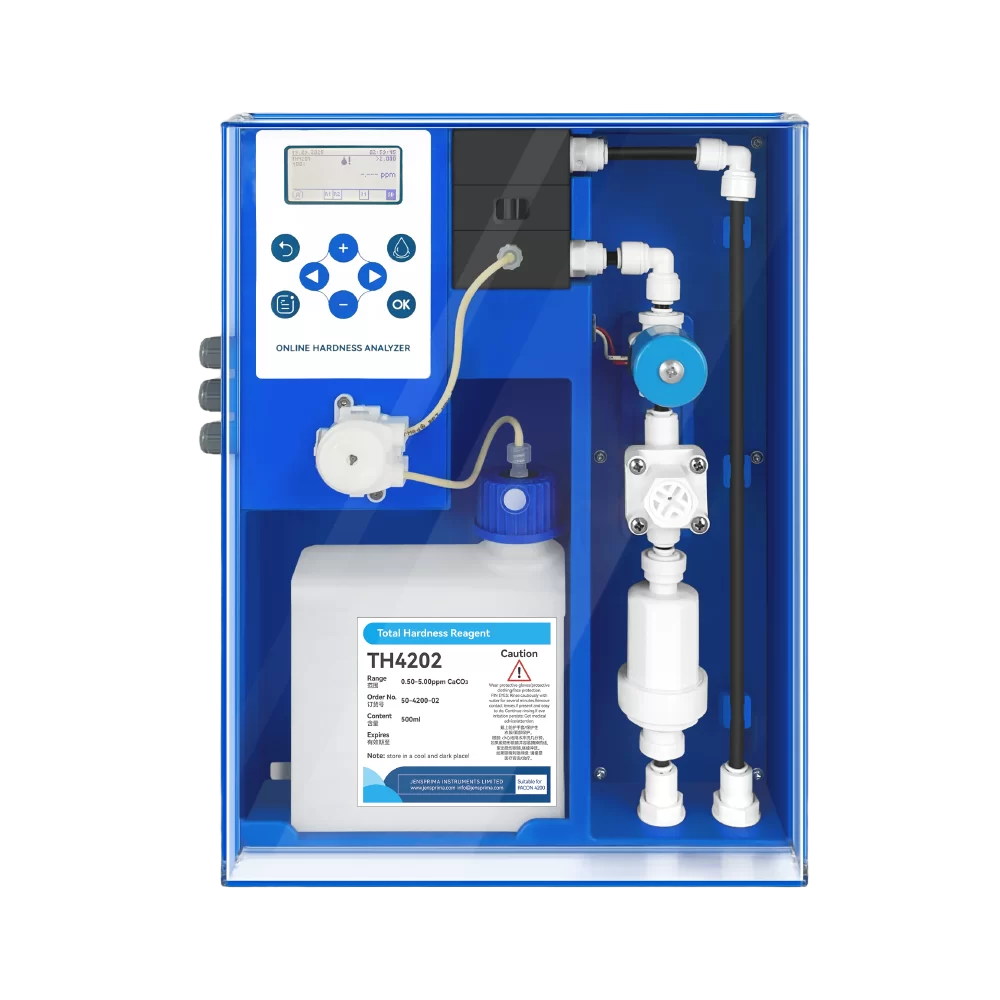
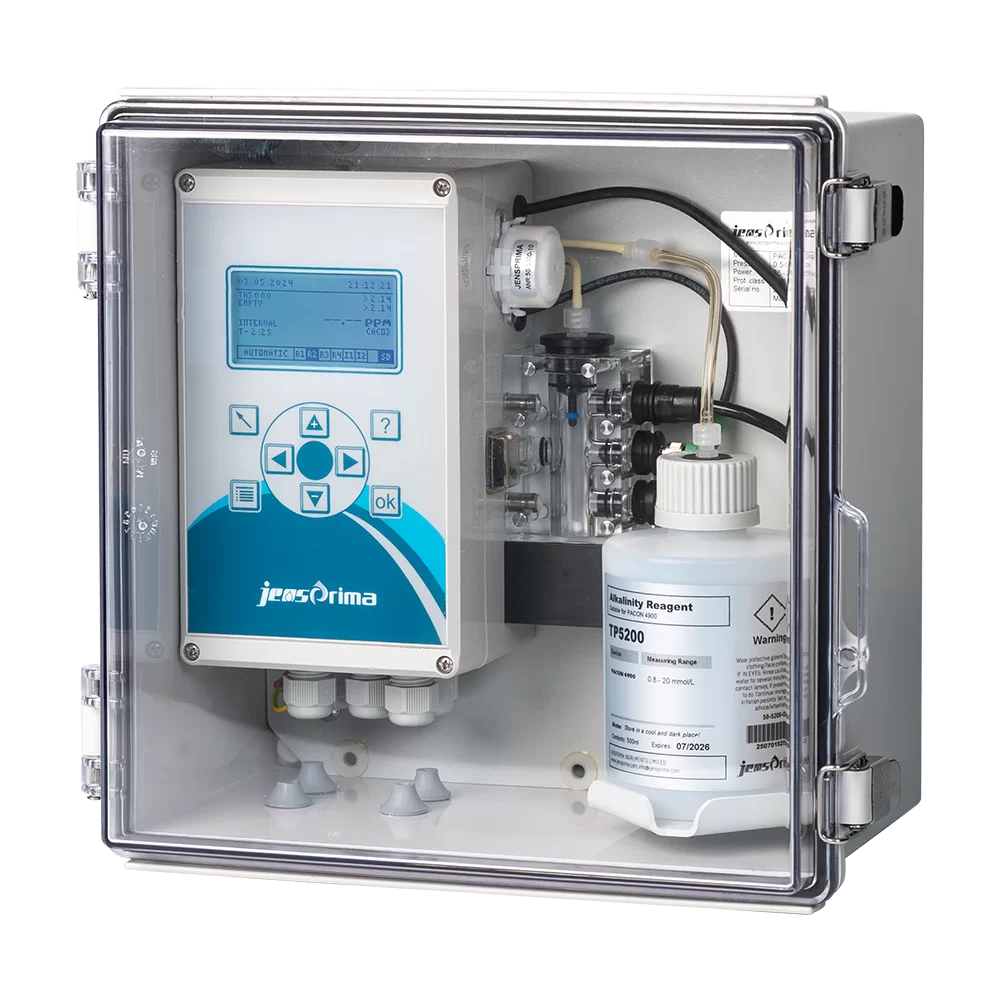
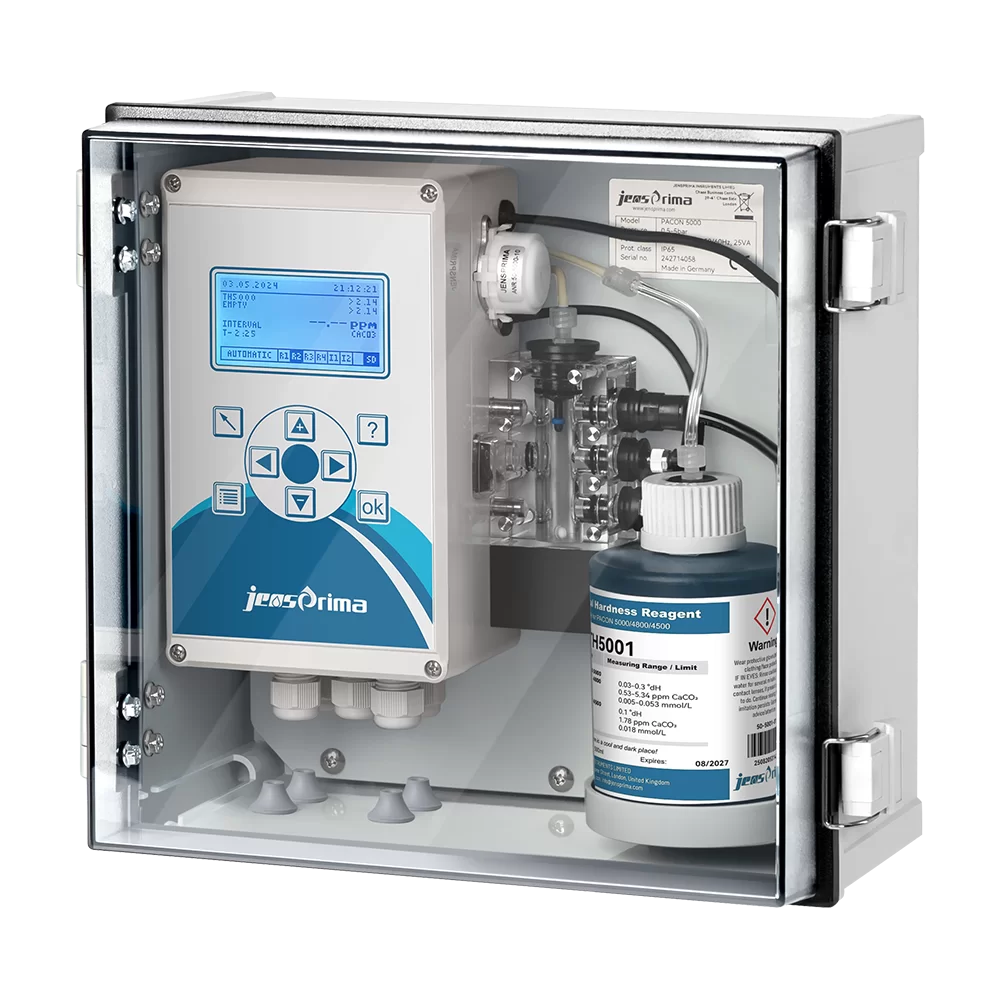
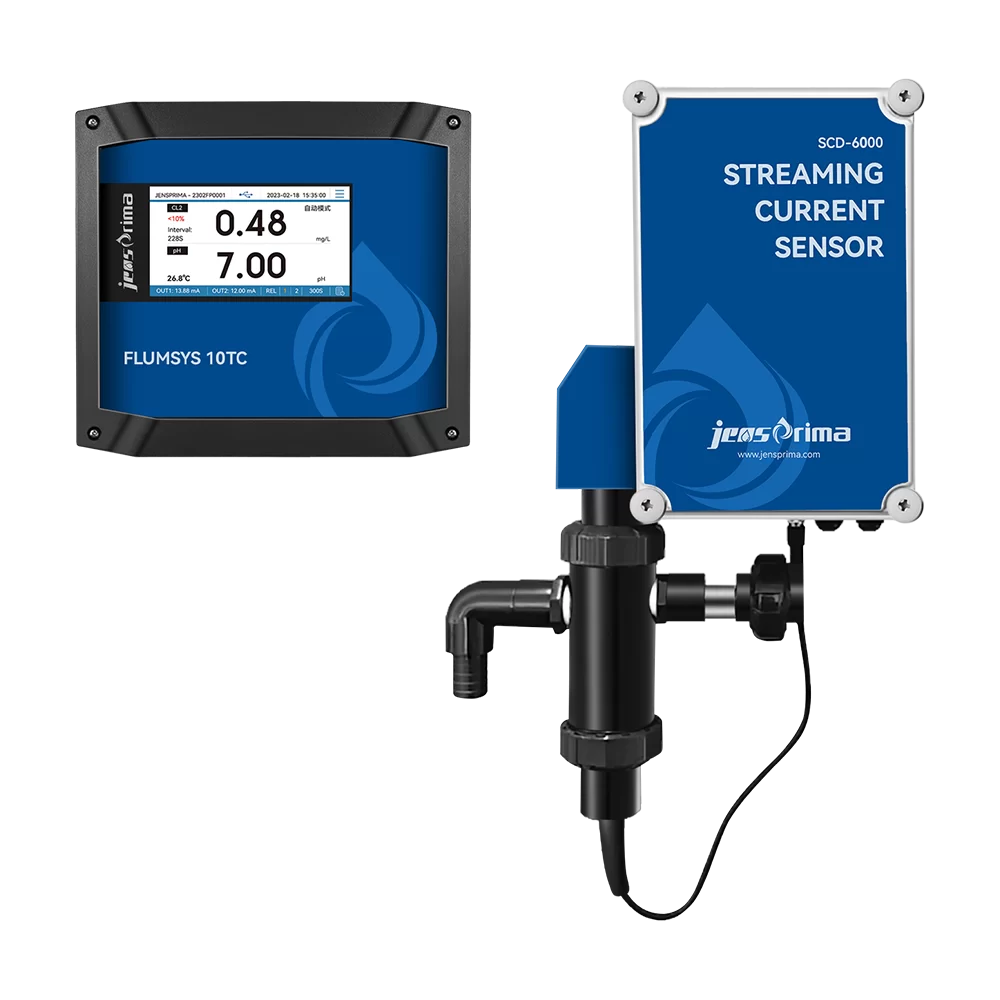
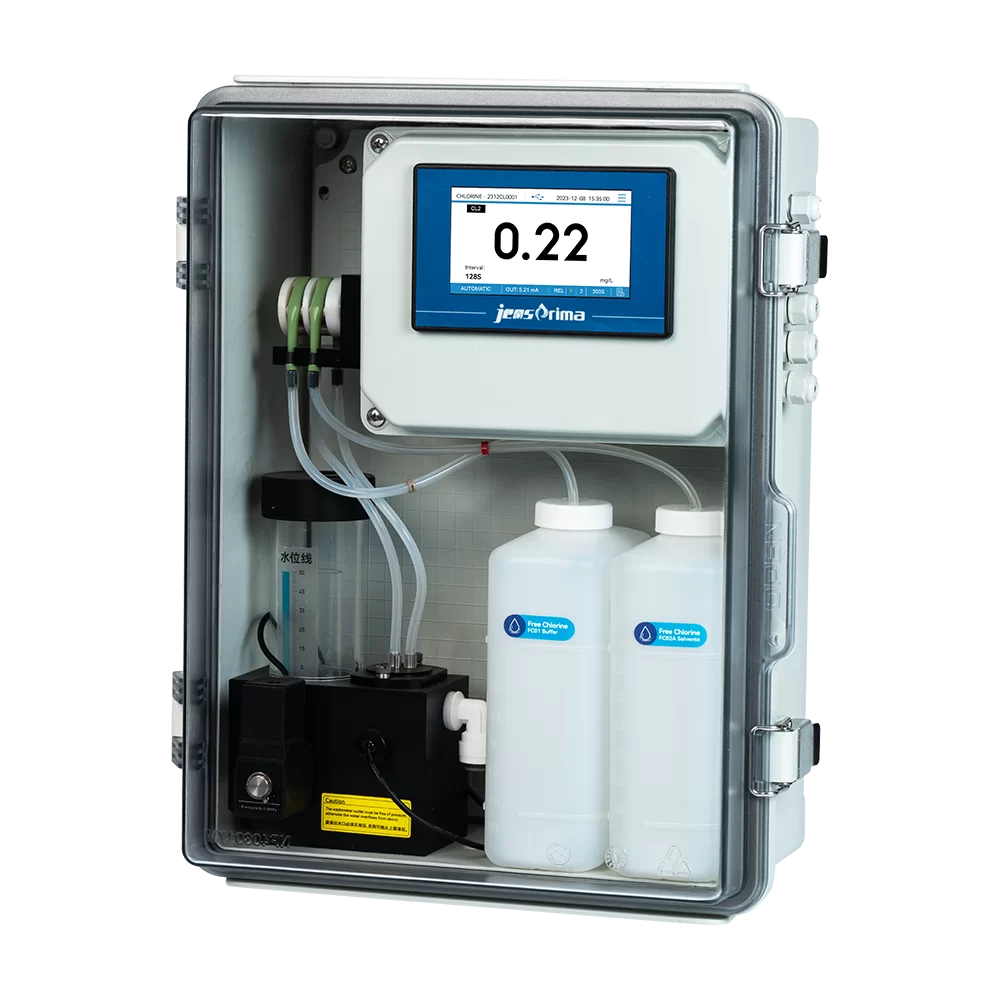
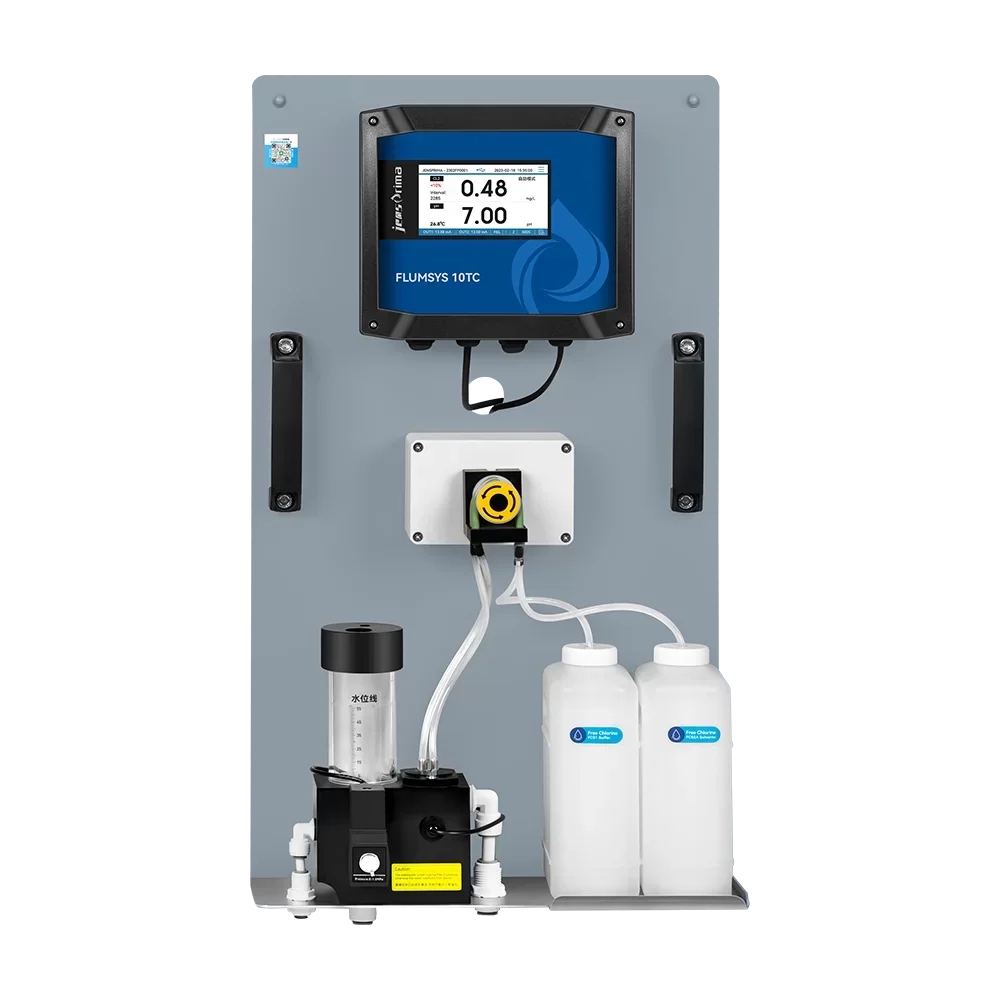
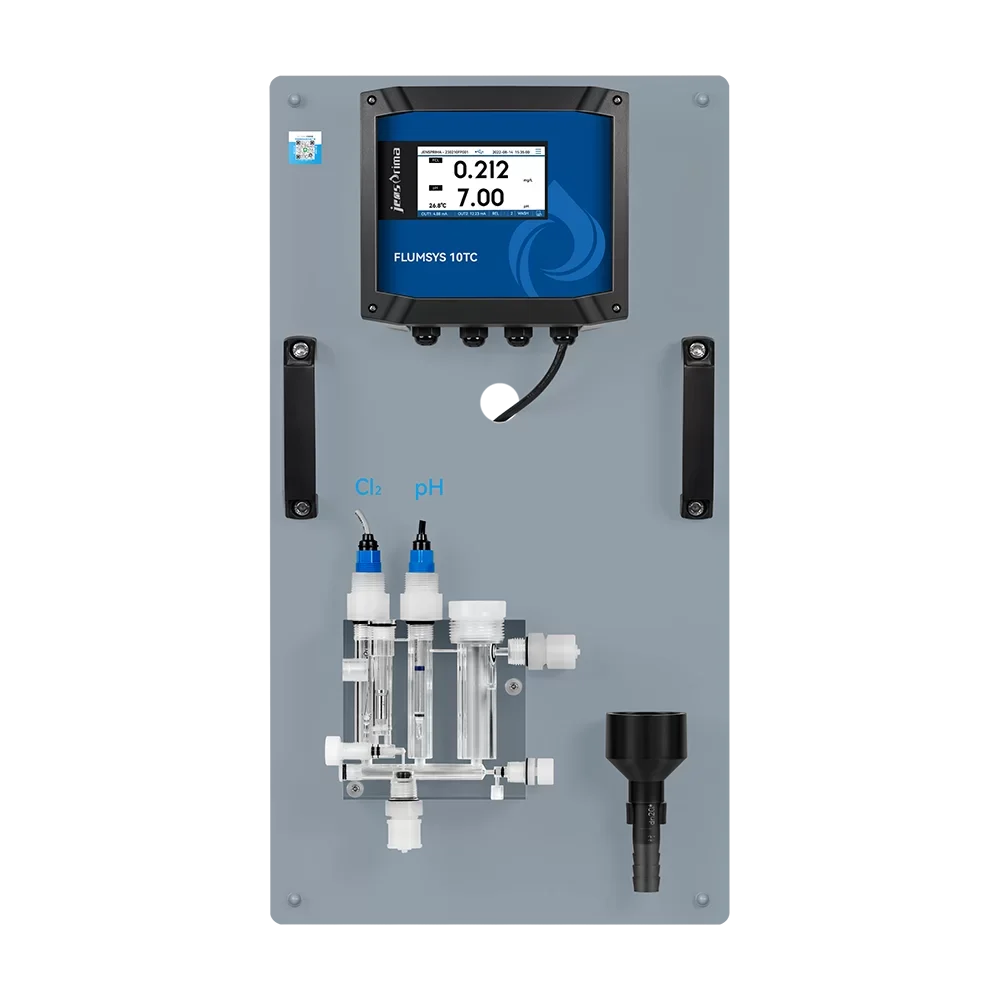
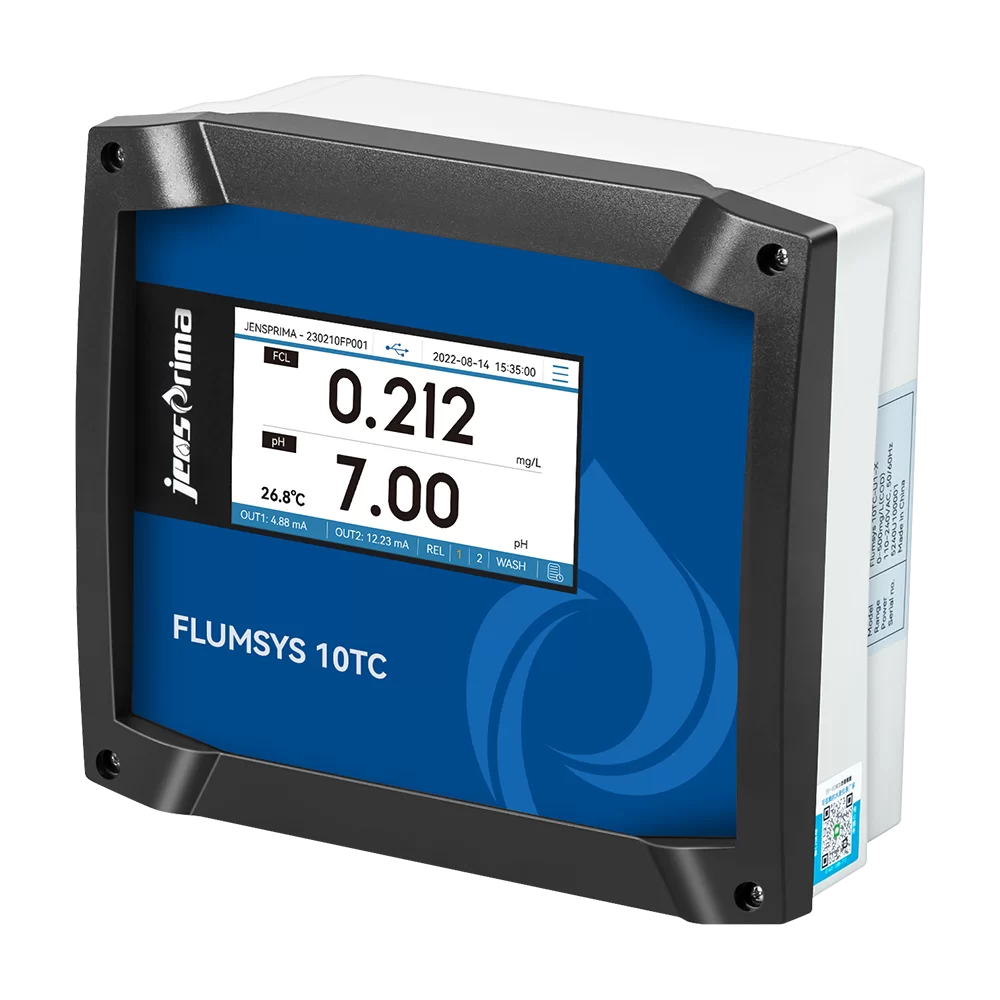
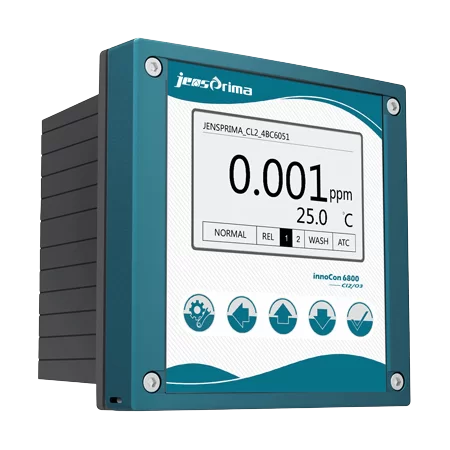
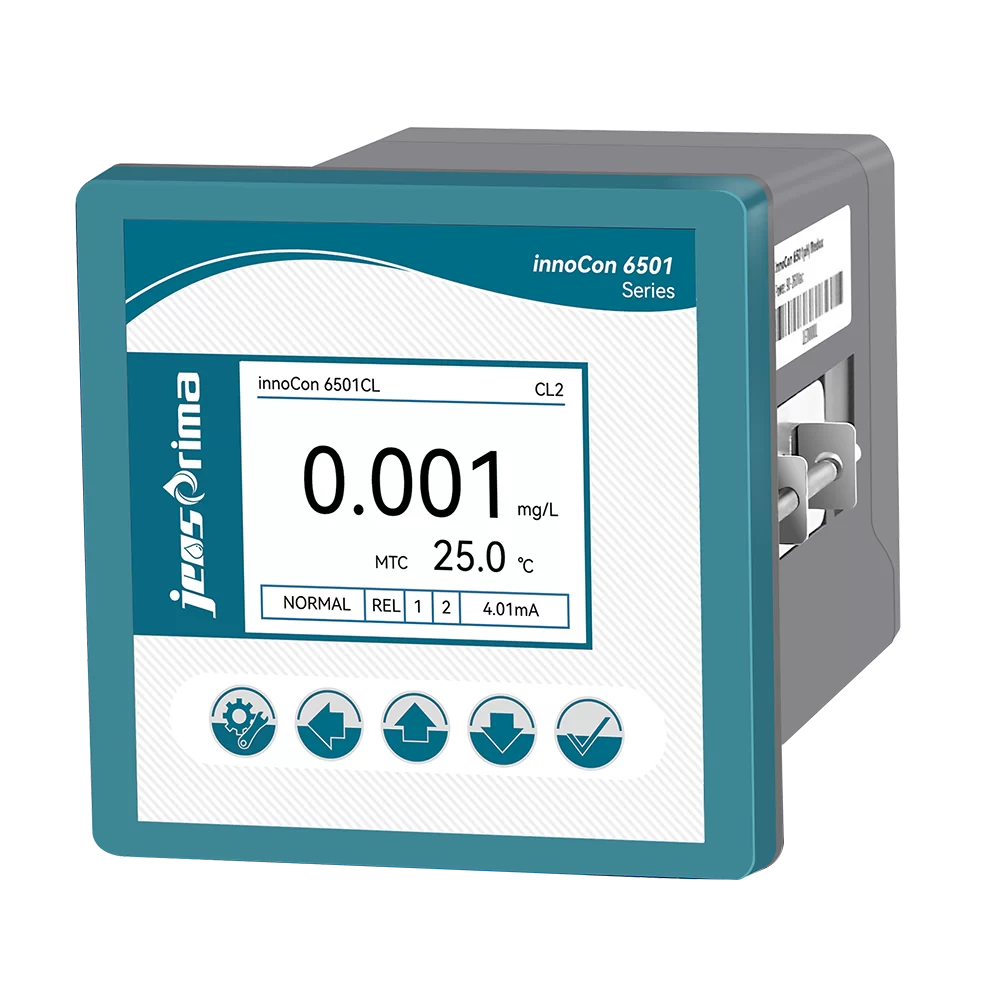
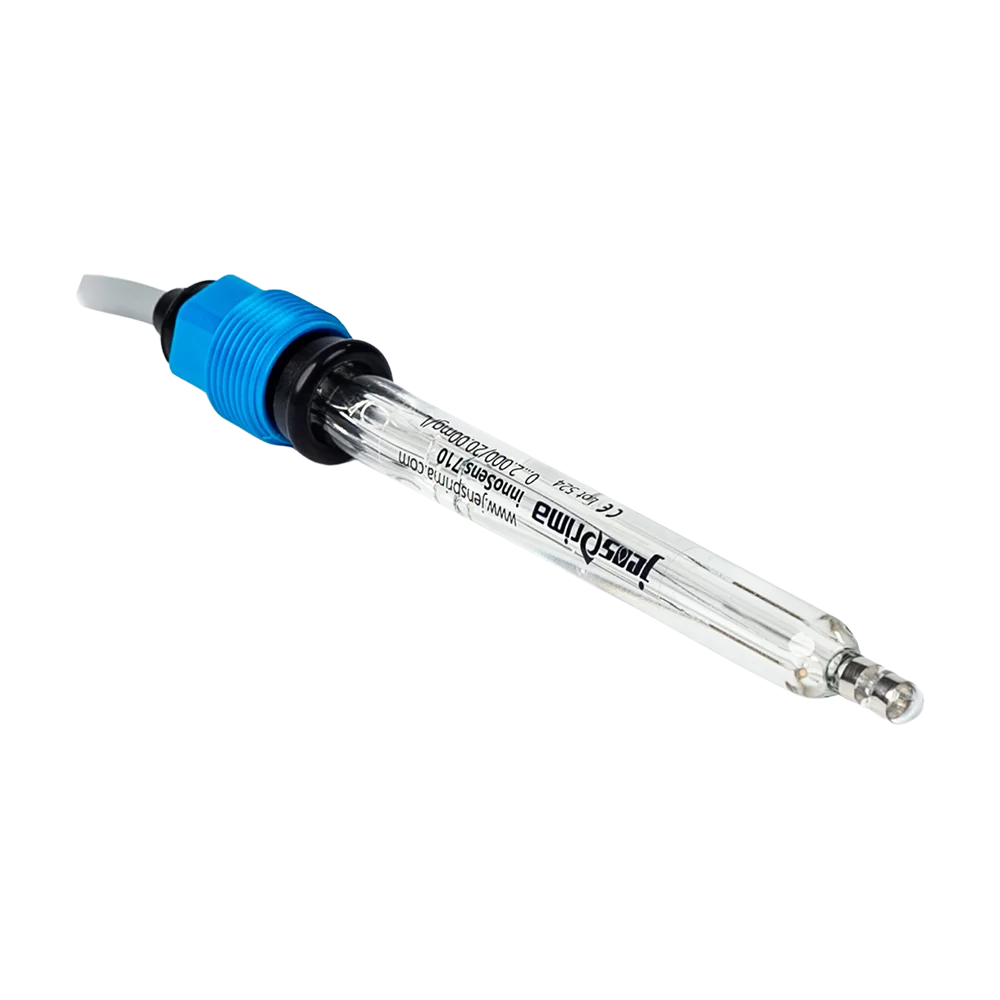
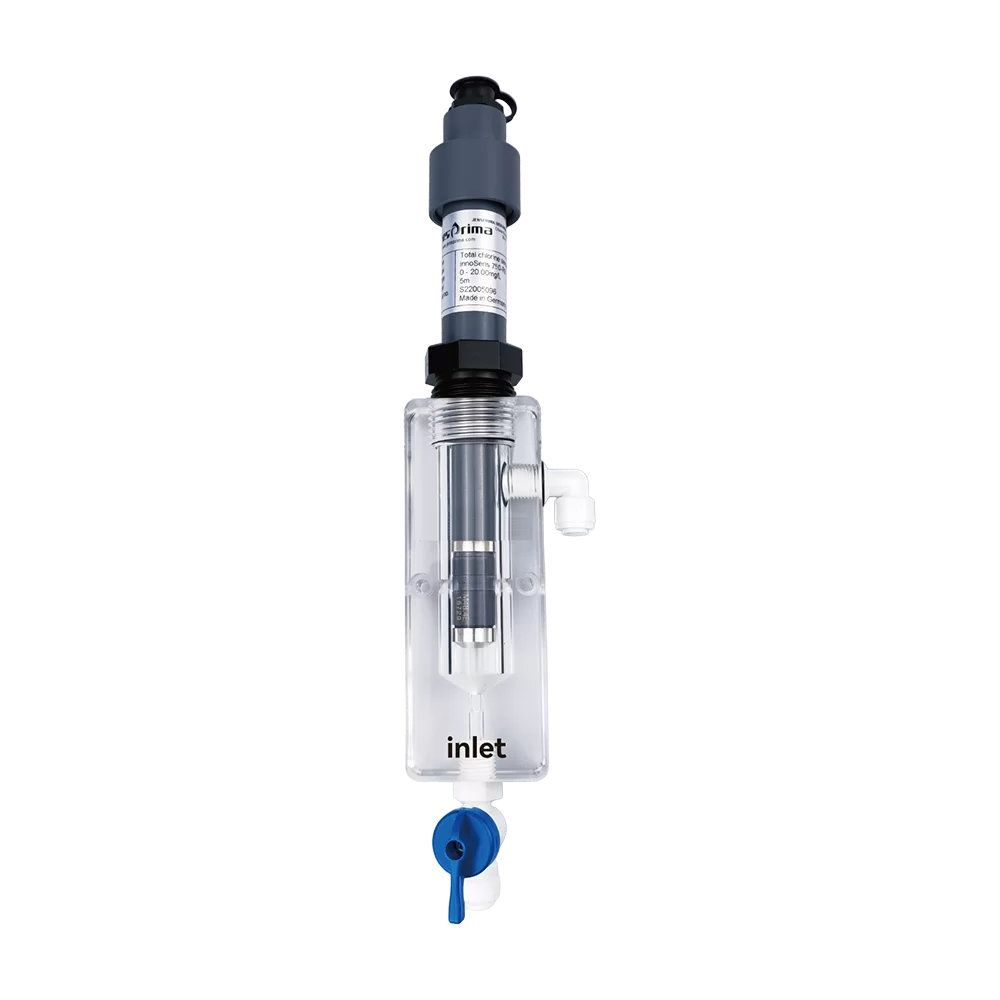
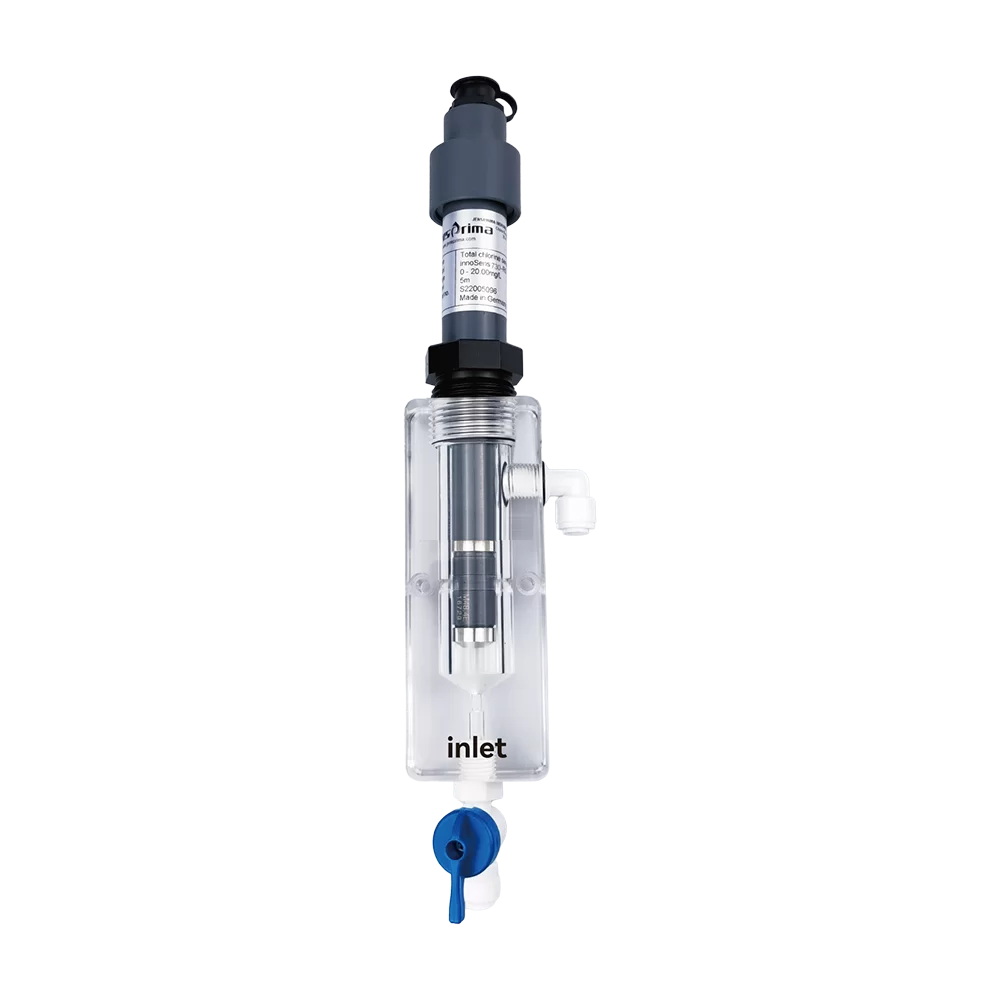
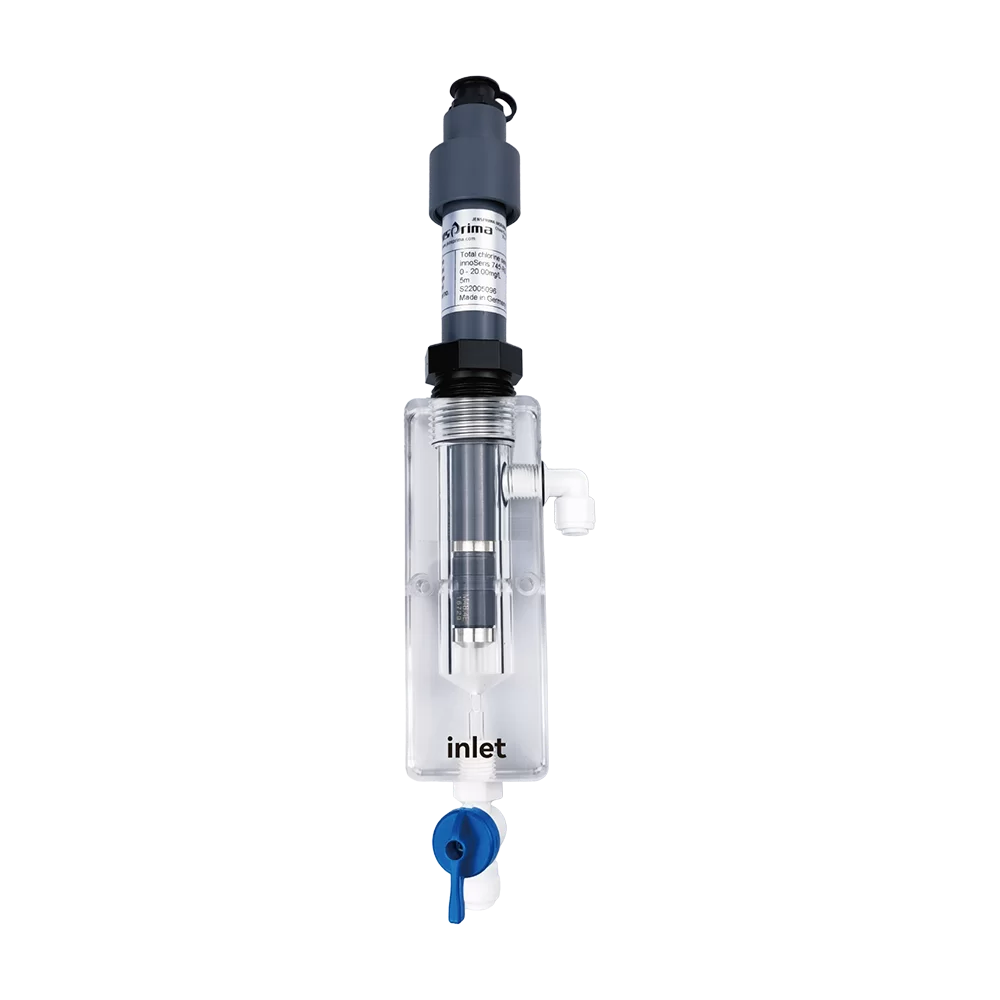
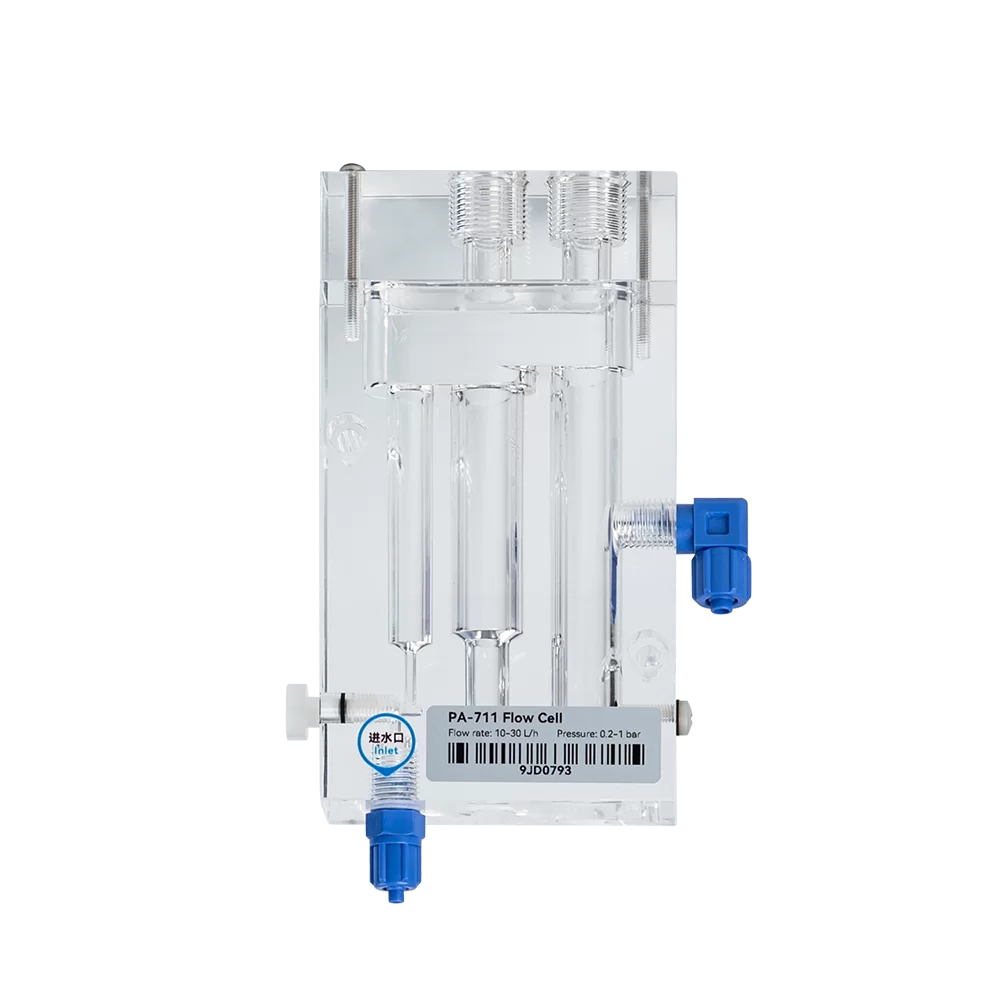
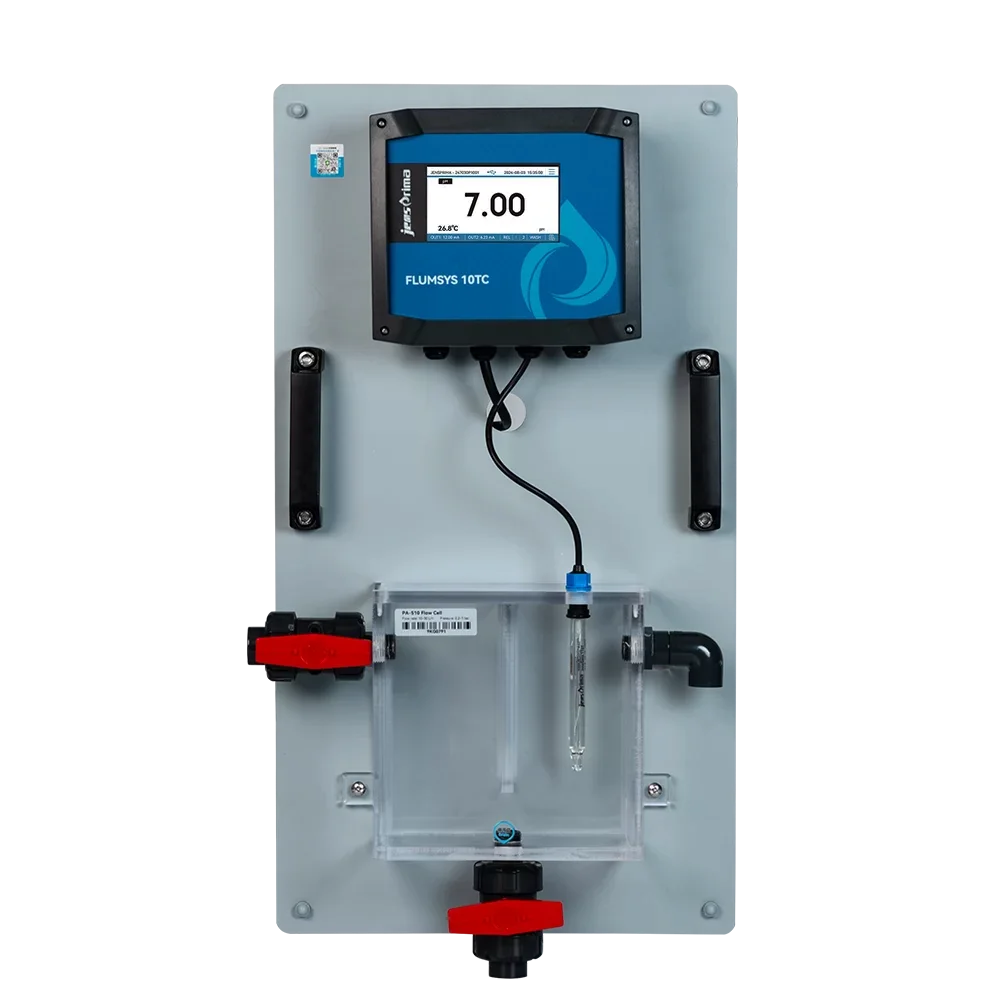
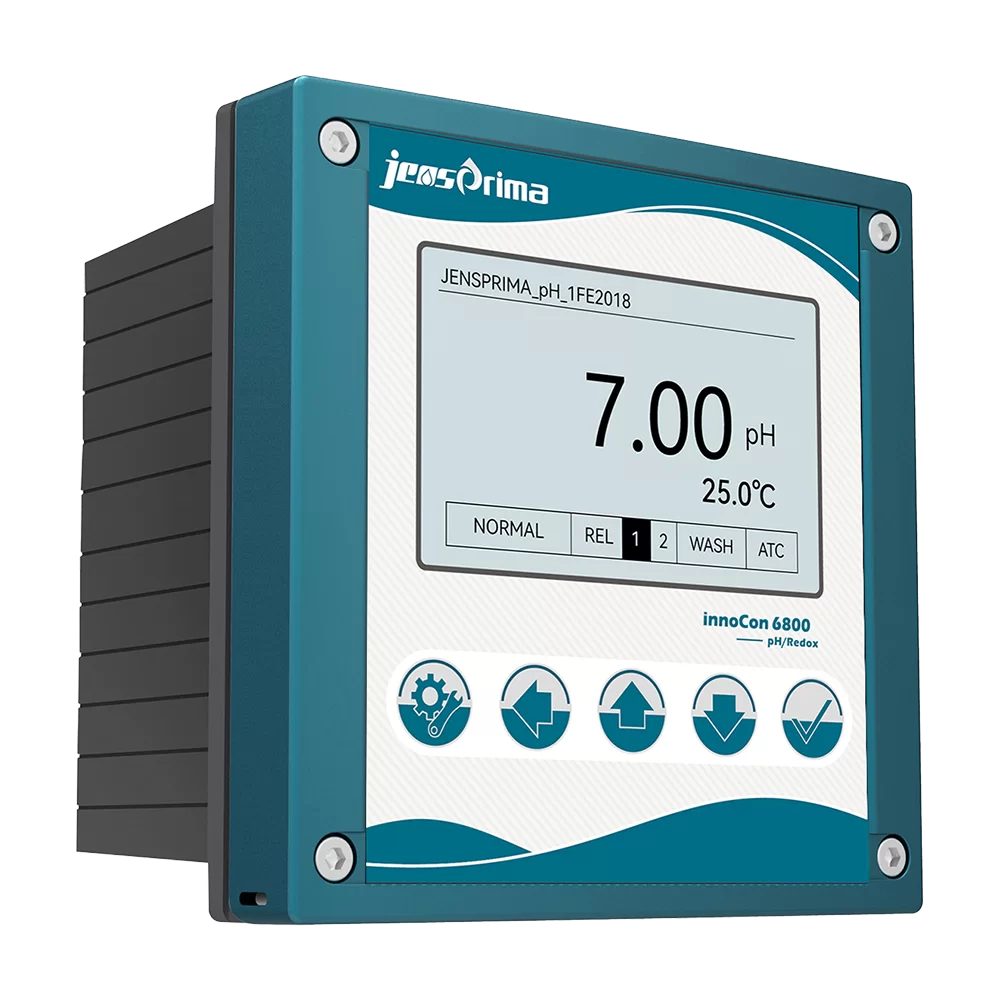
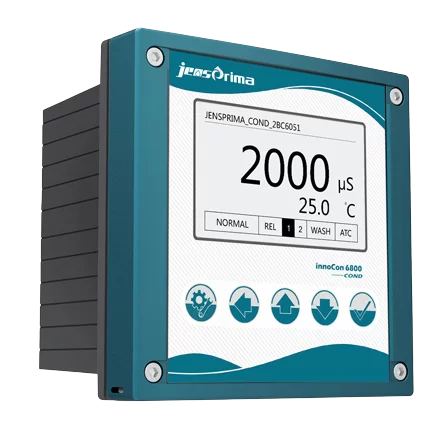
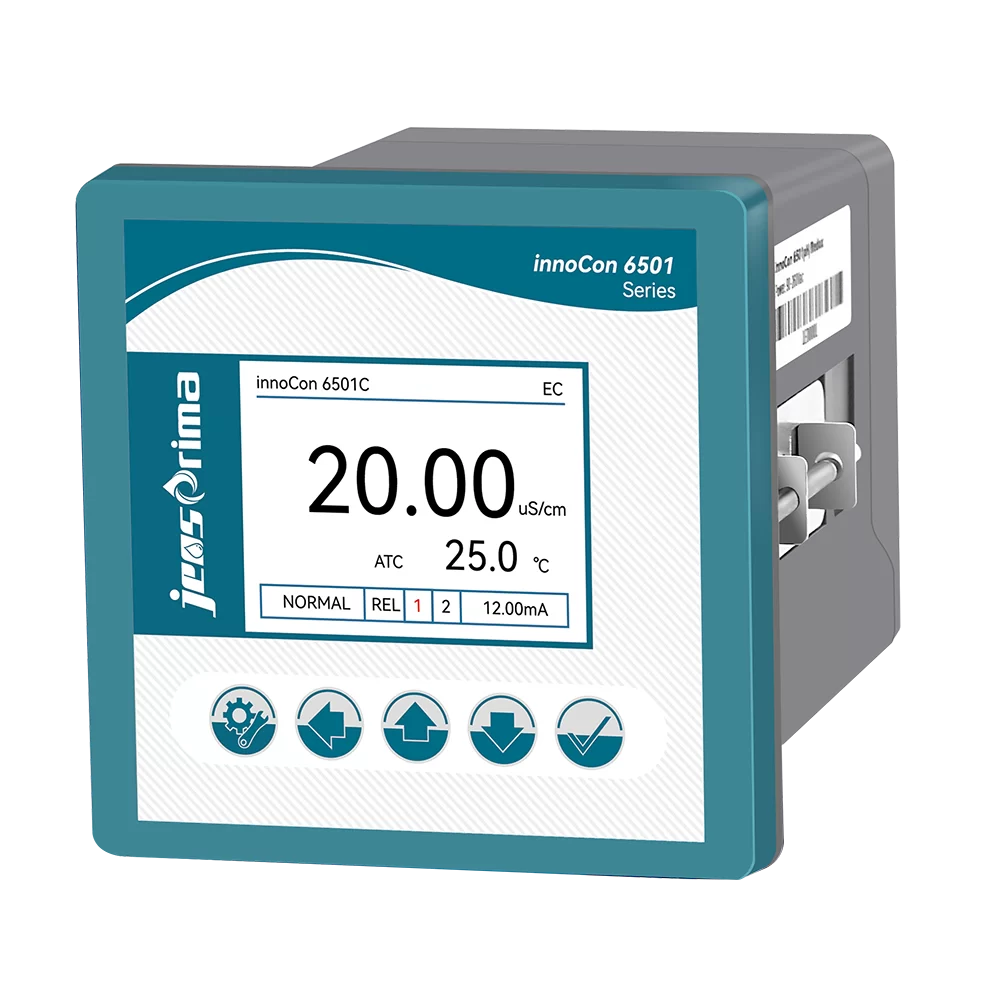
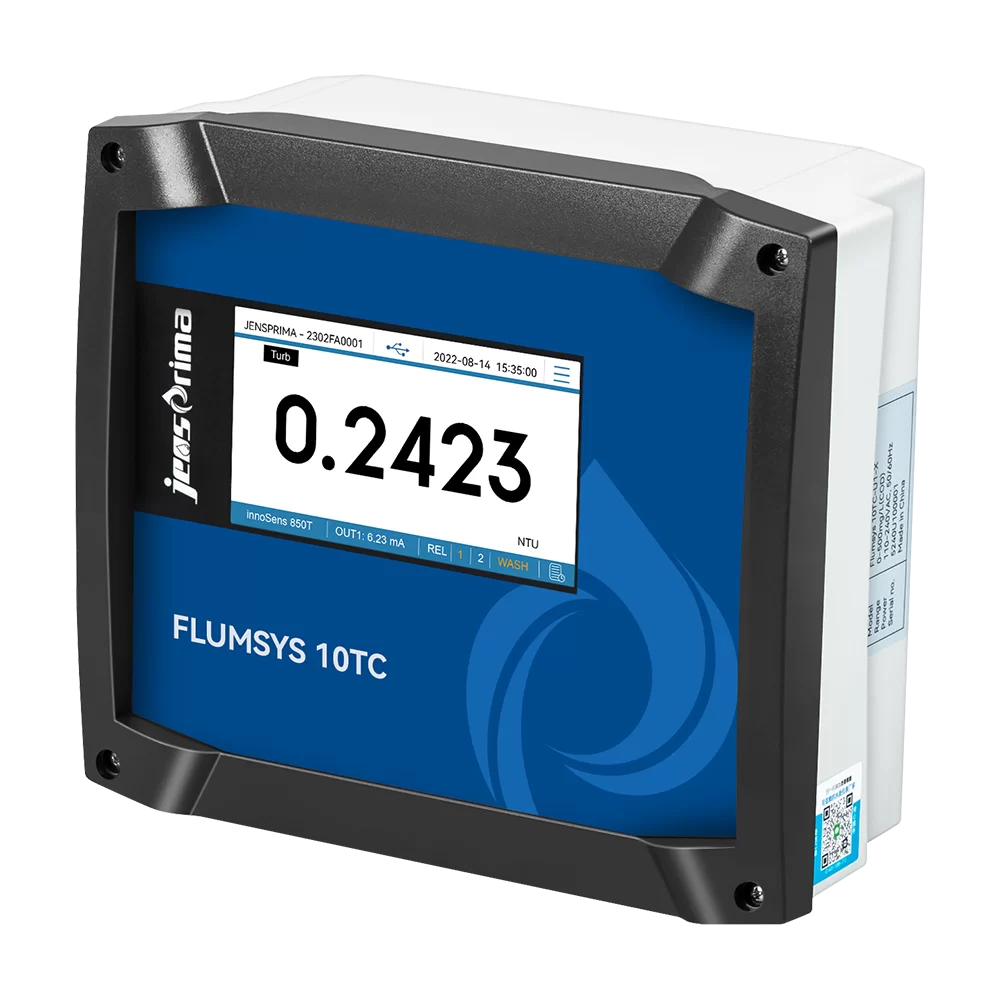
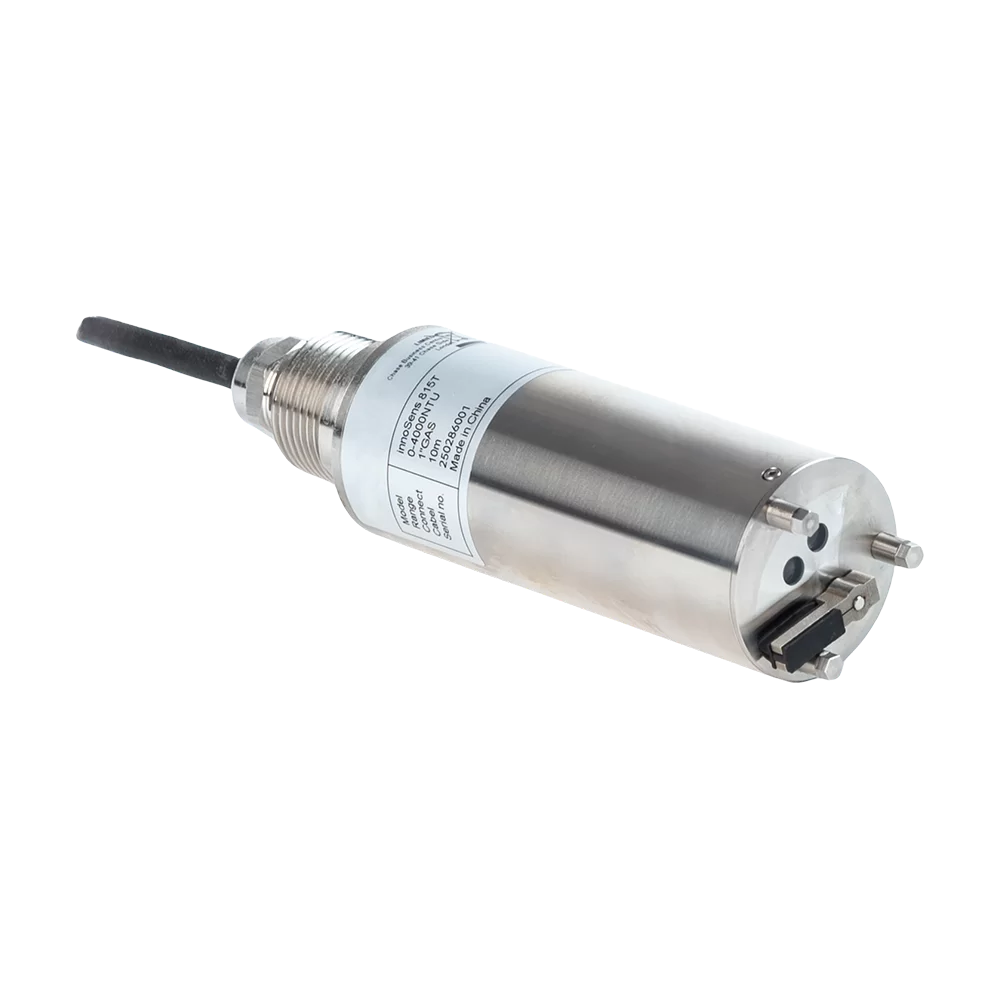
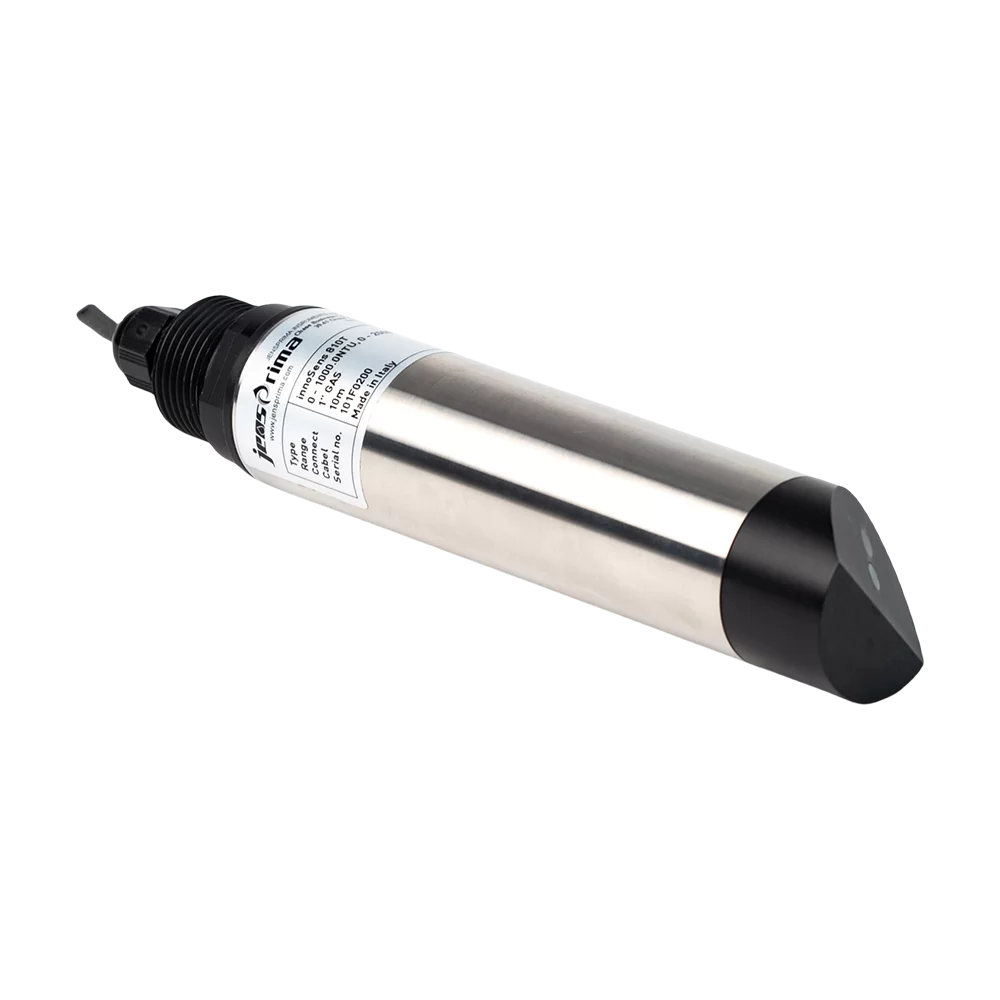
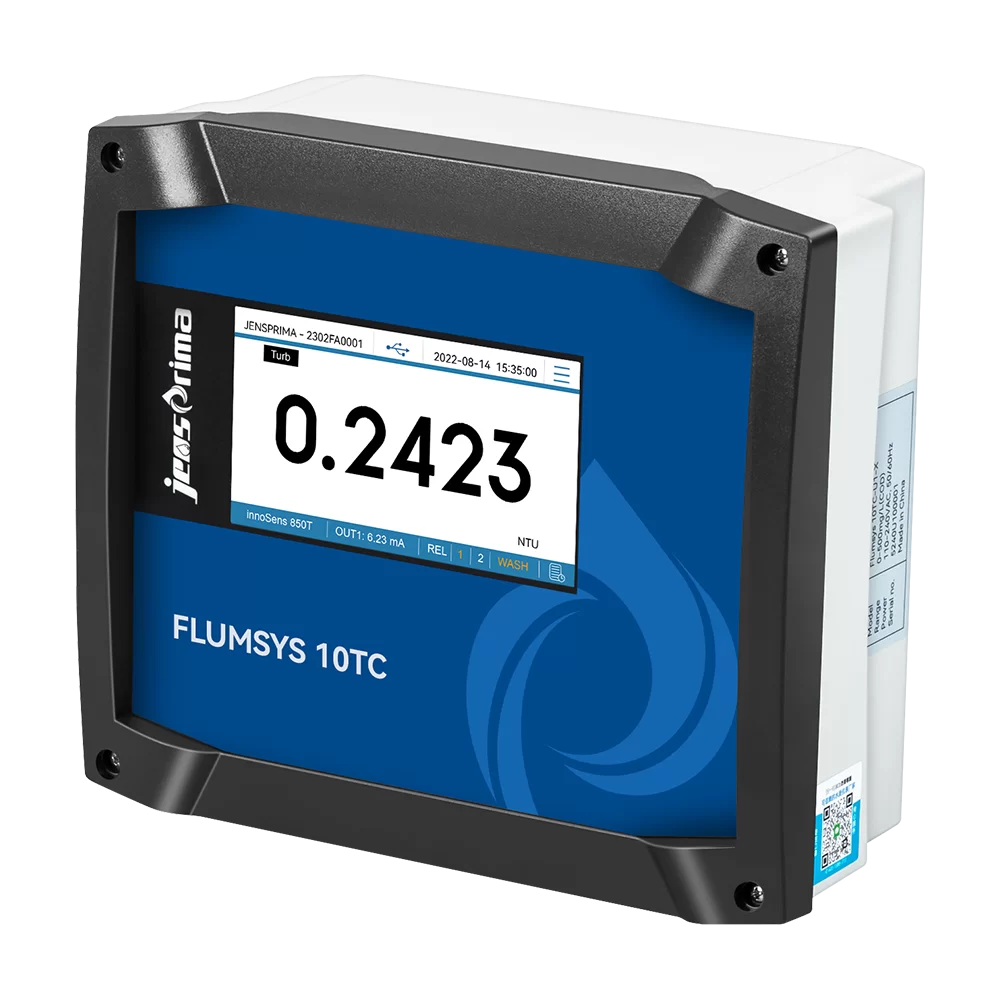
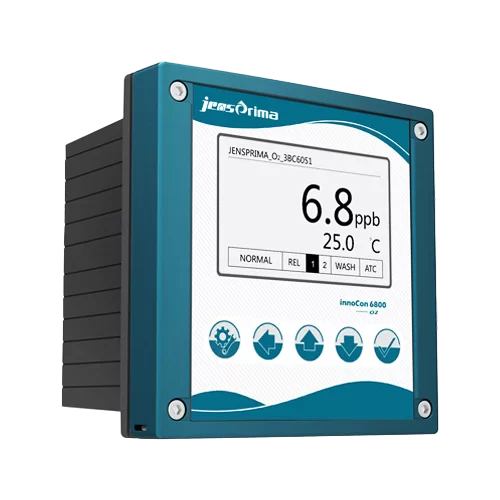
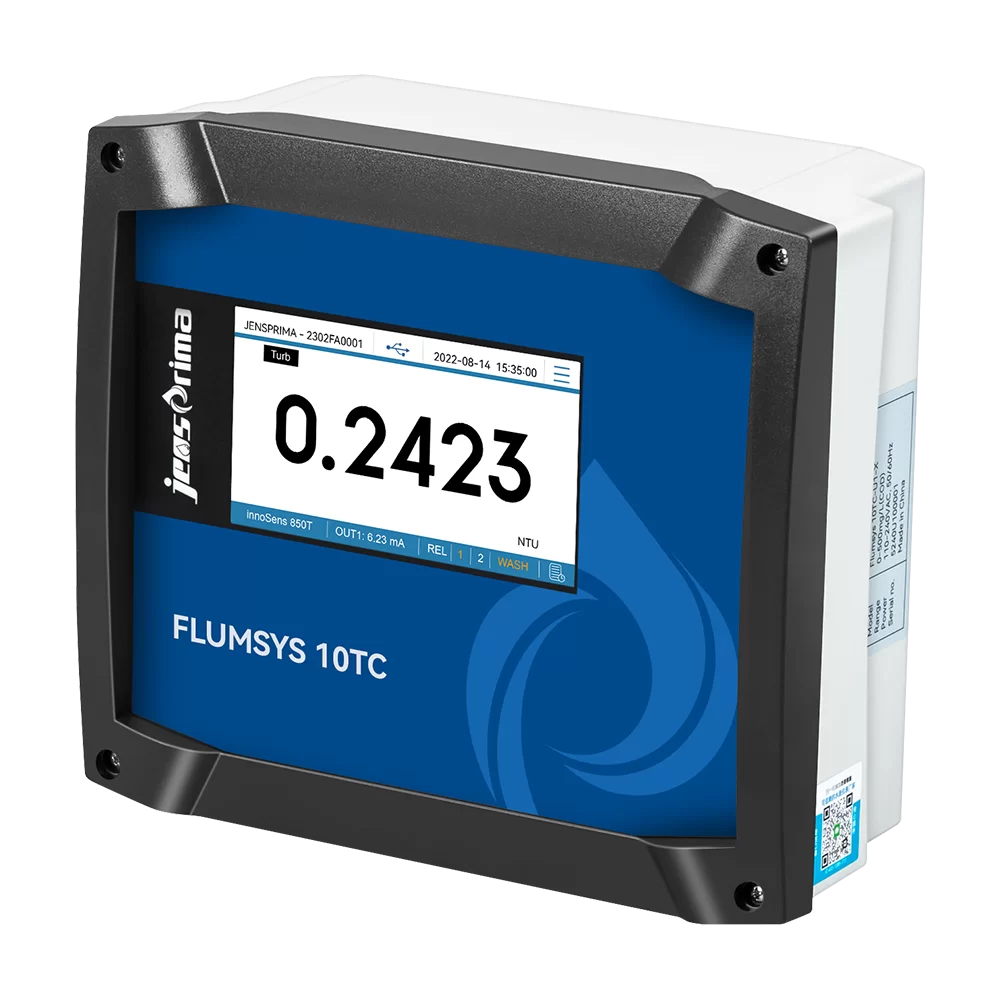
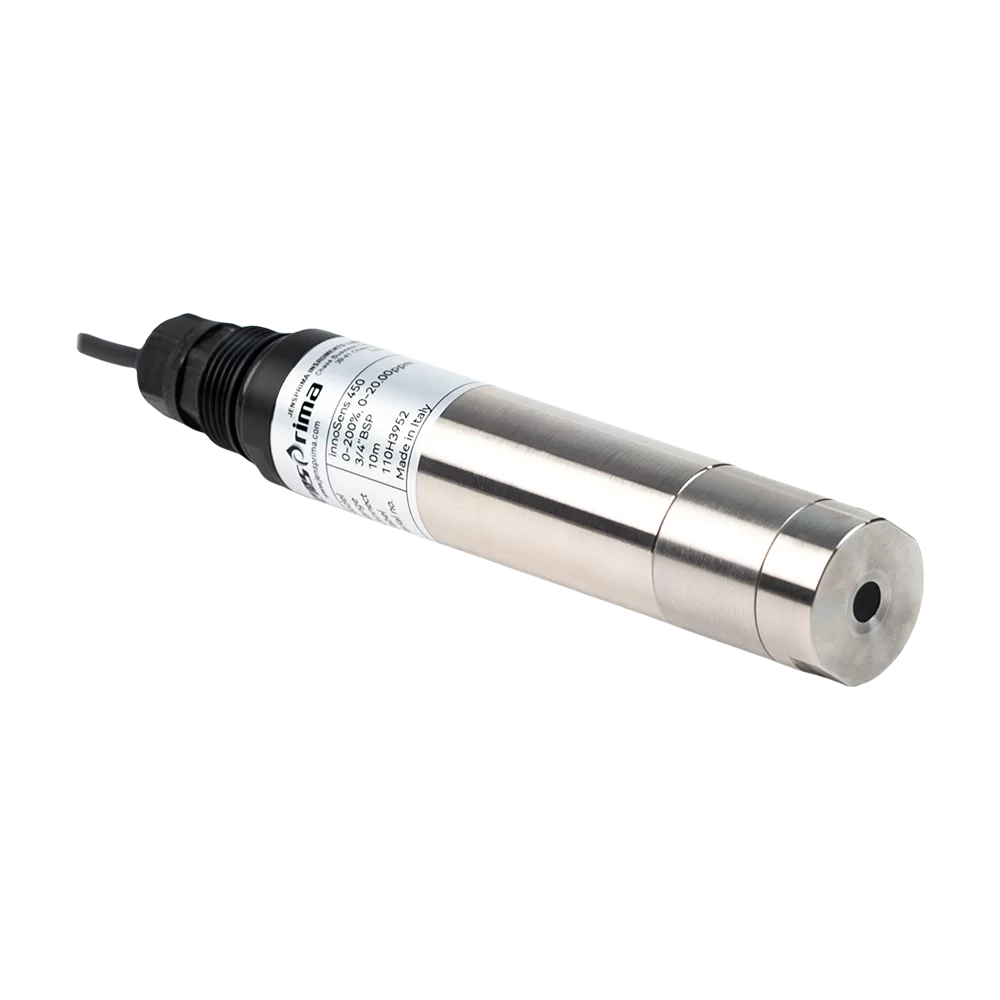
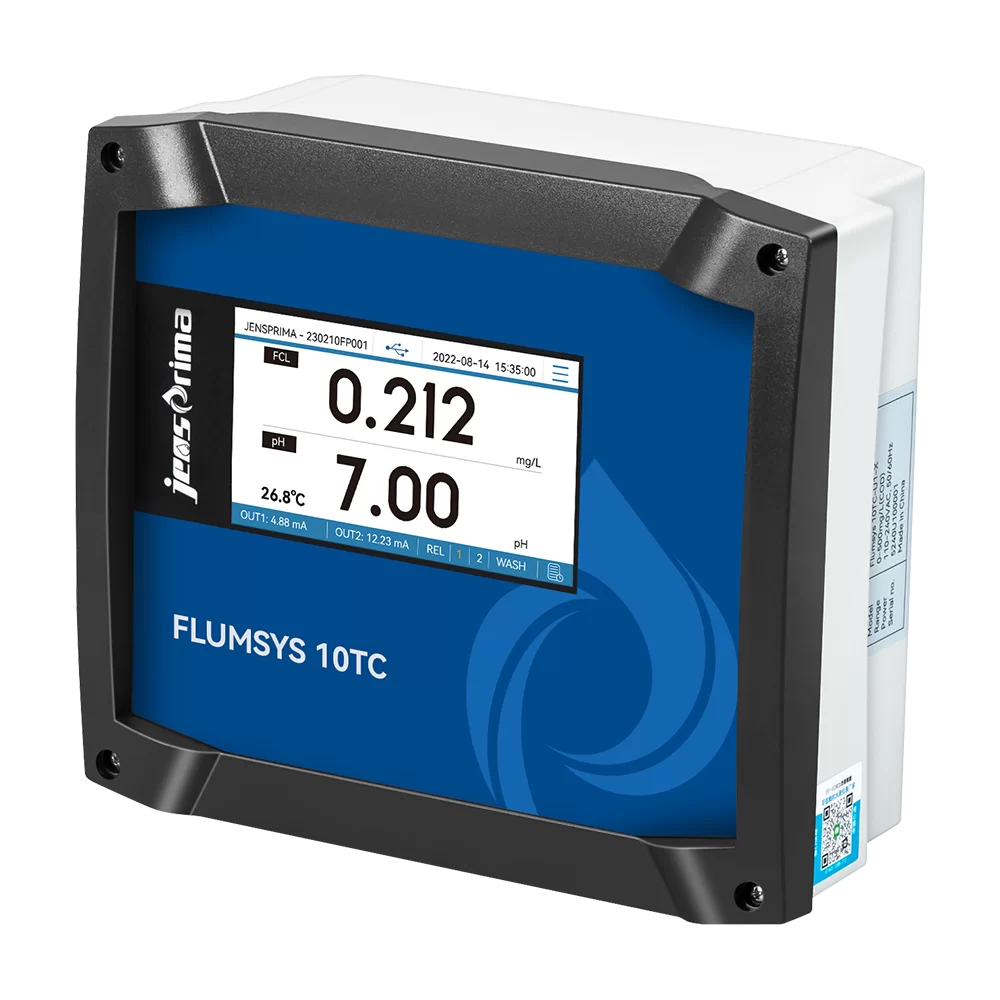
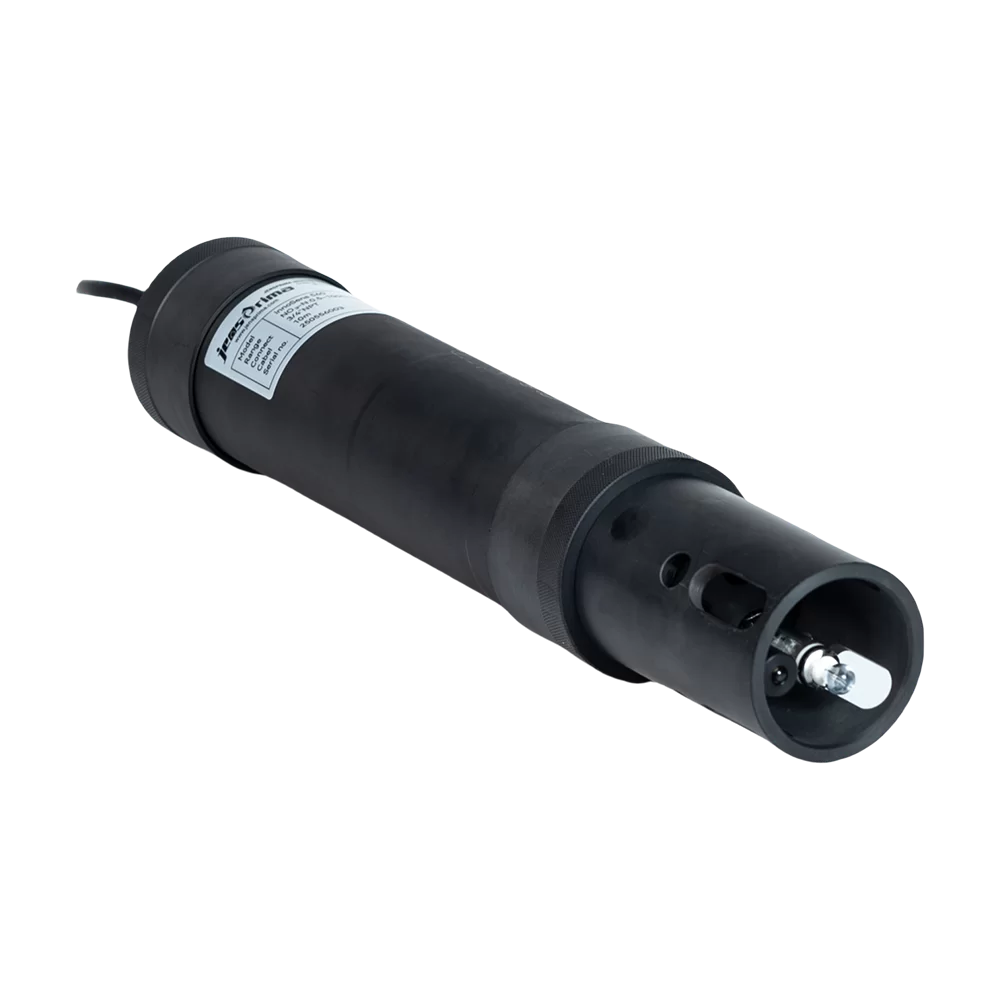
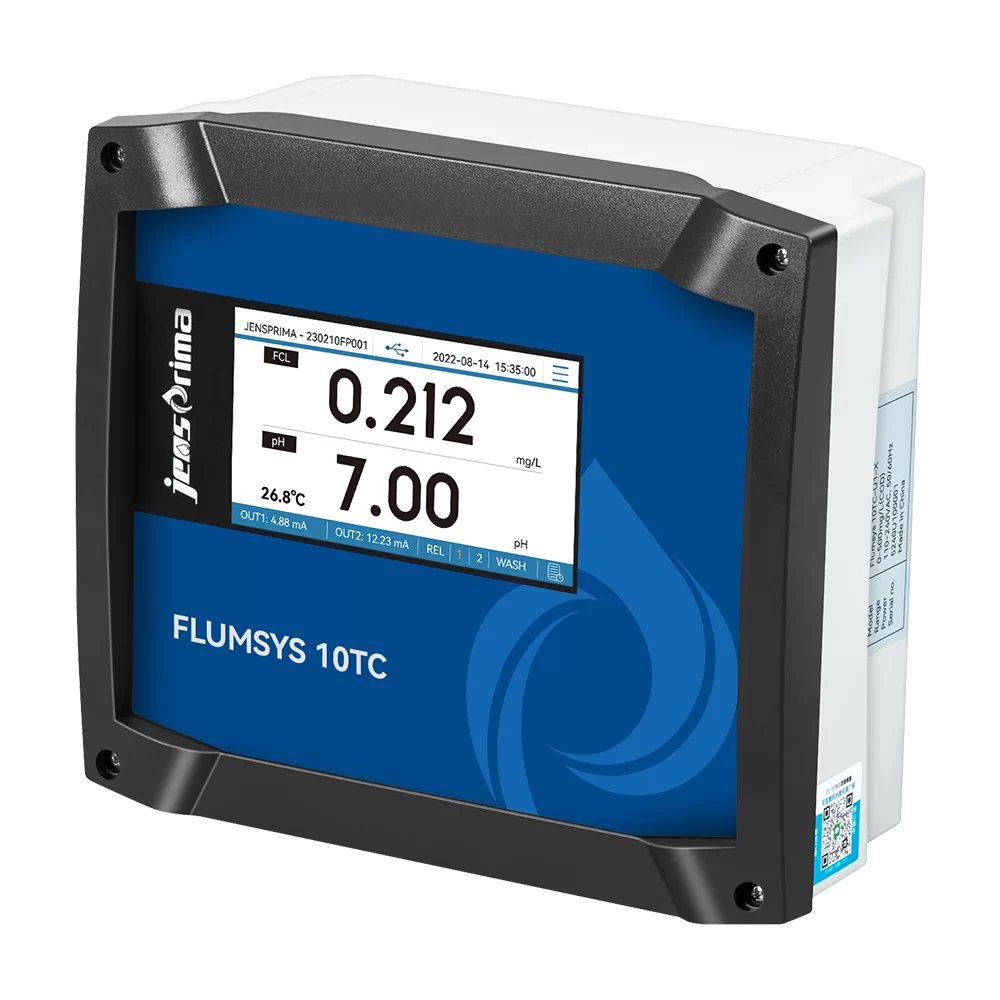
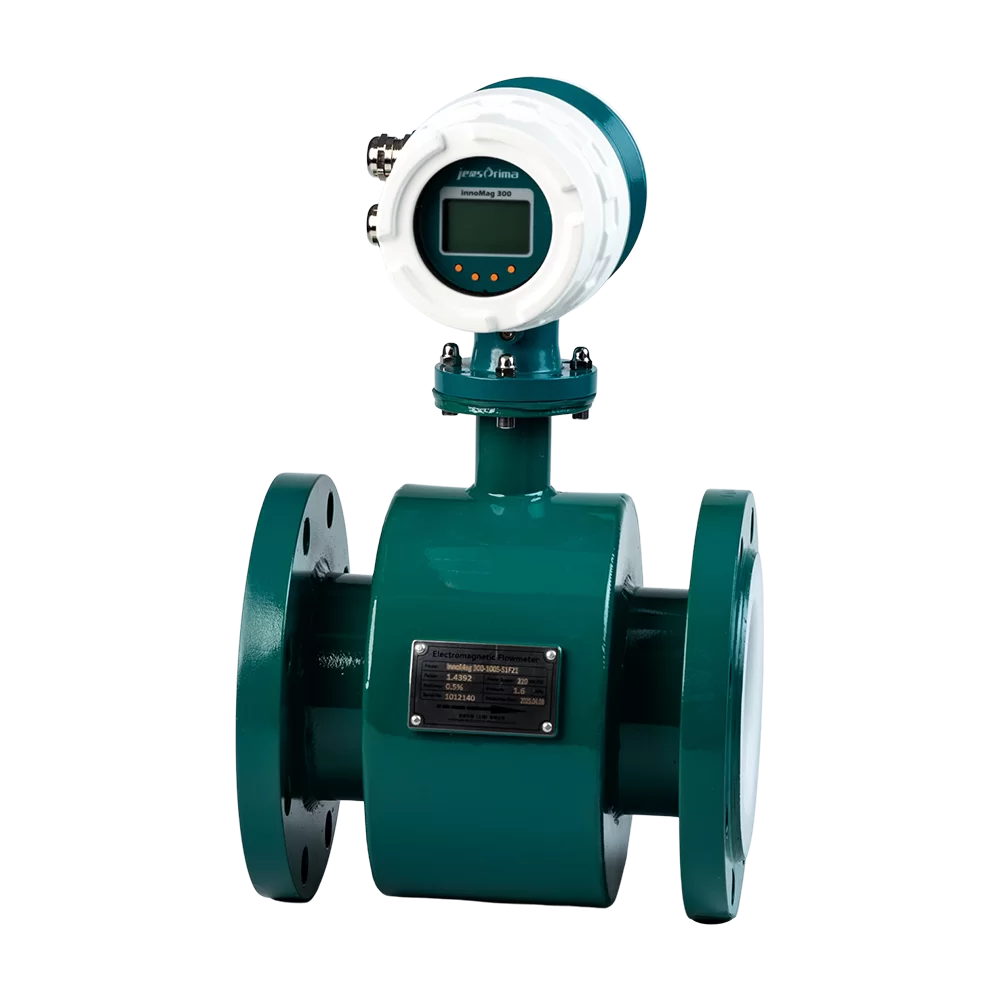
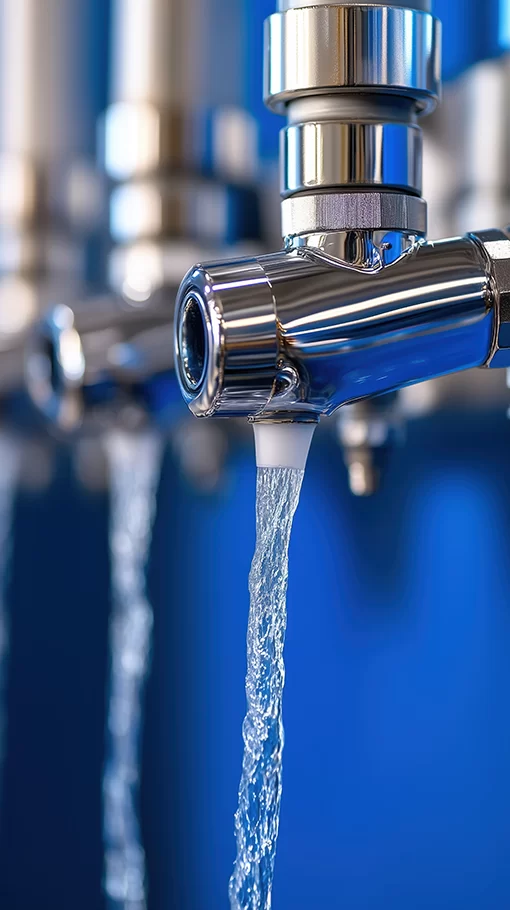
A professional multi-parameter water quality analysis system designed for real-time industrial monitoring and regulatory compliance.
◆ ◆ ◆
◆ ◆ ◆
The Shift Toward Multi-Parameter Integration

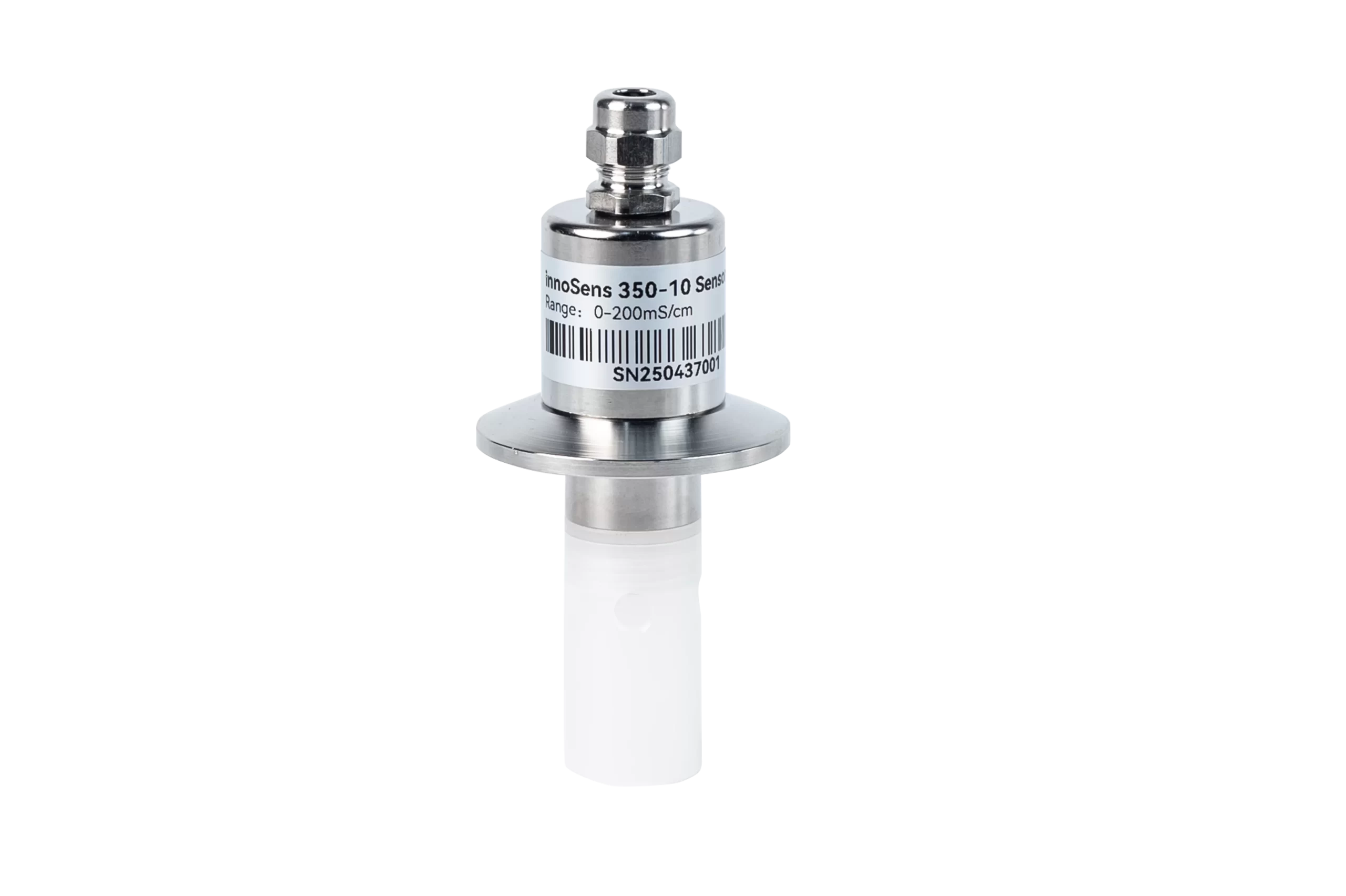
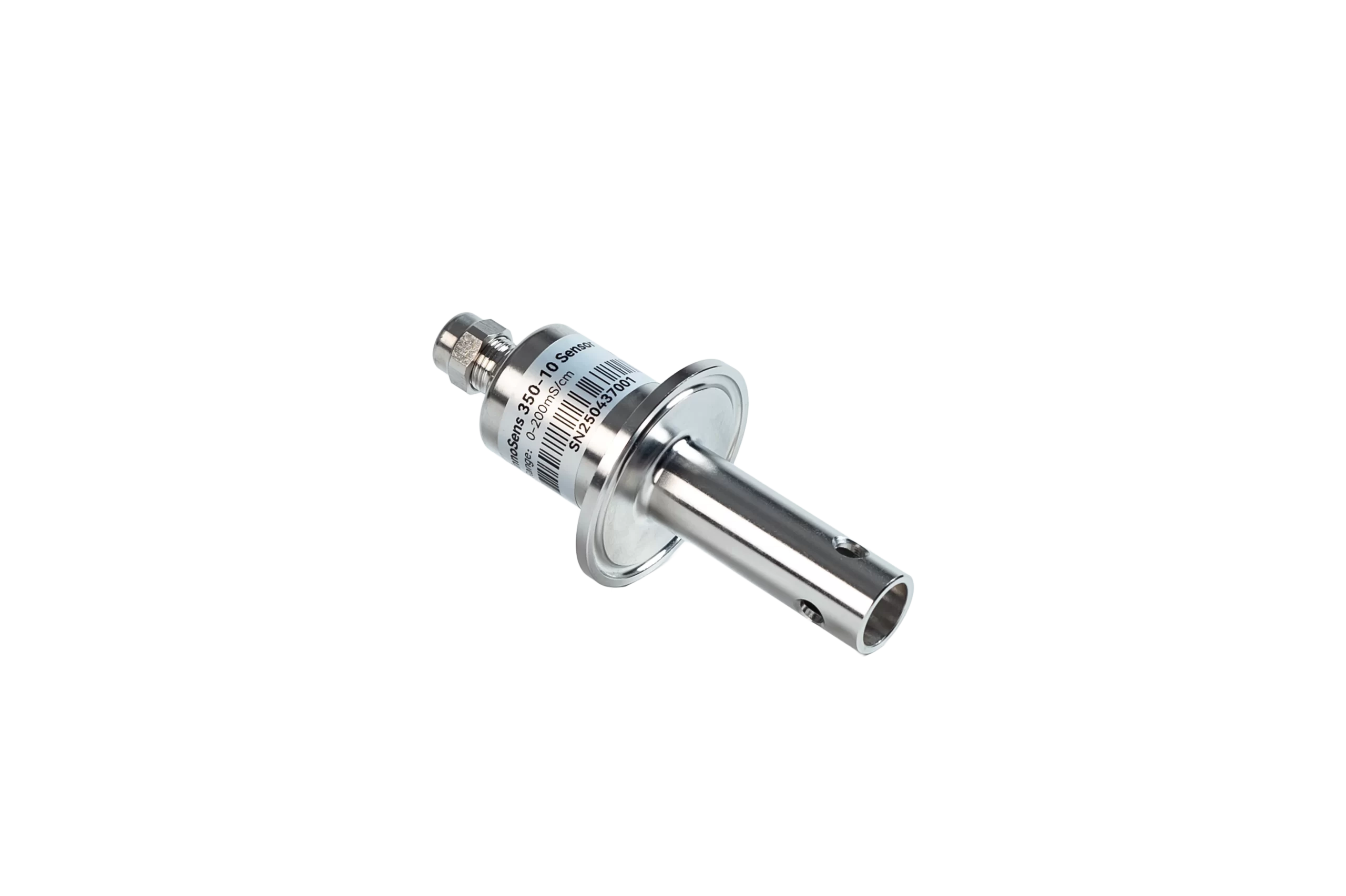
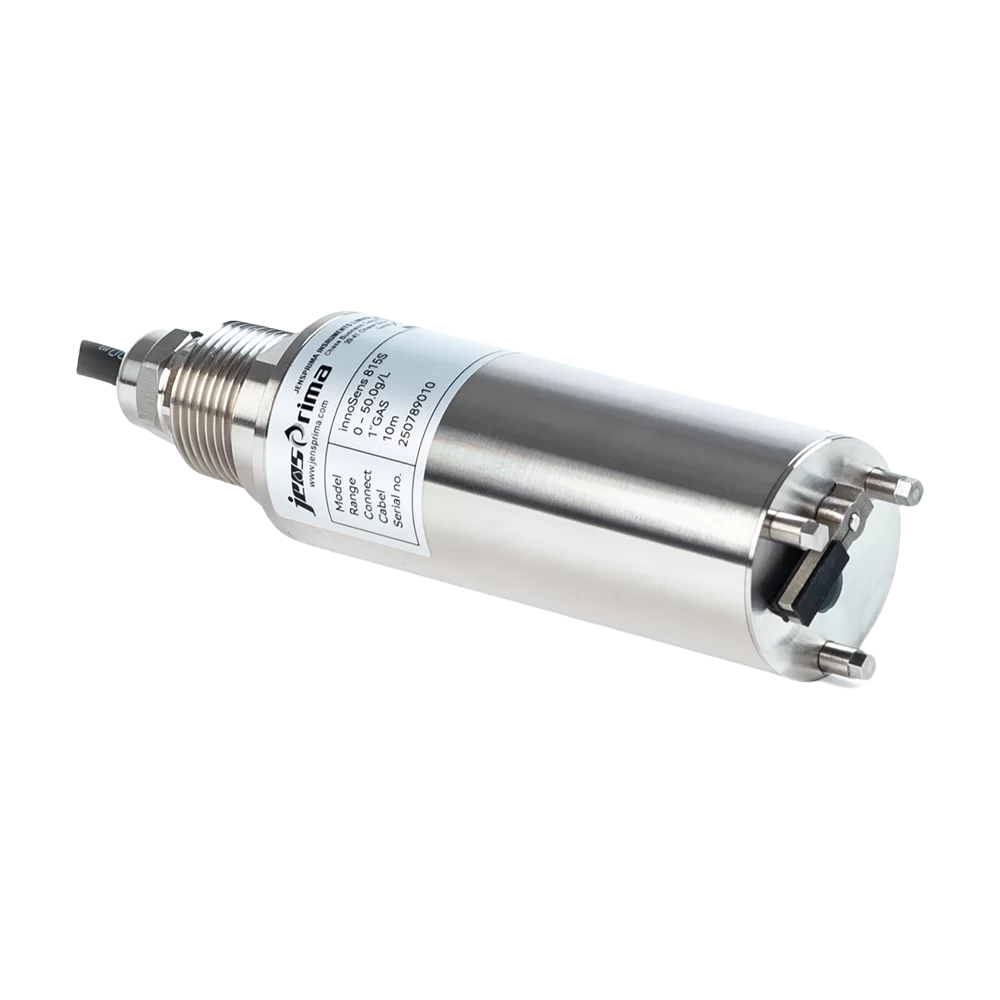
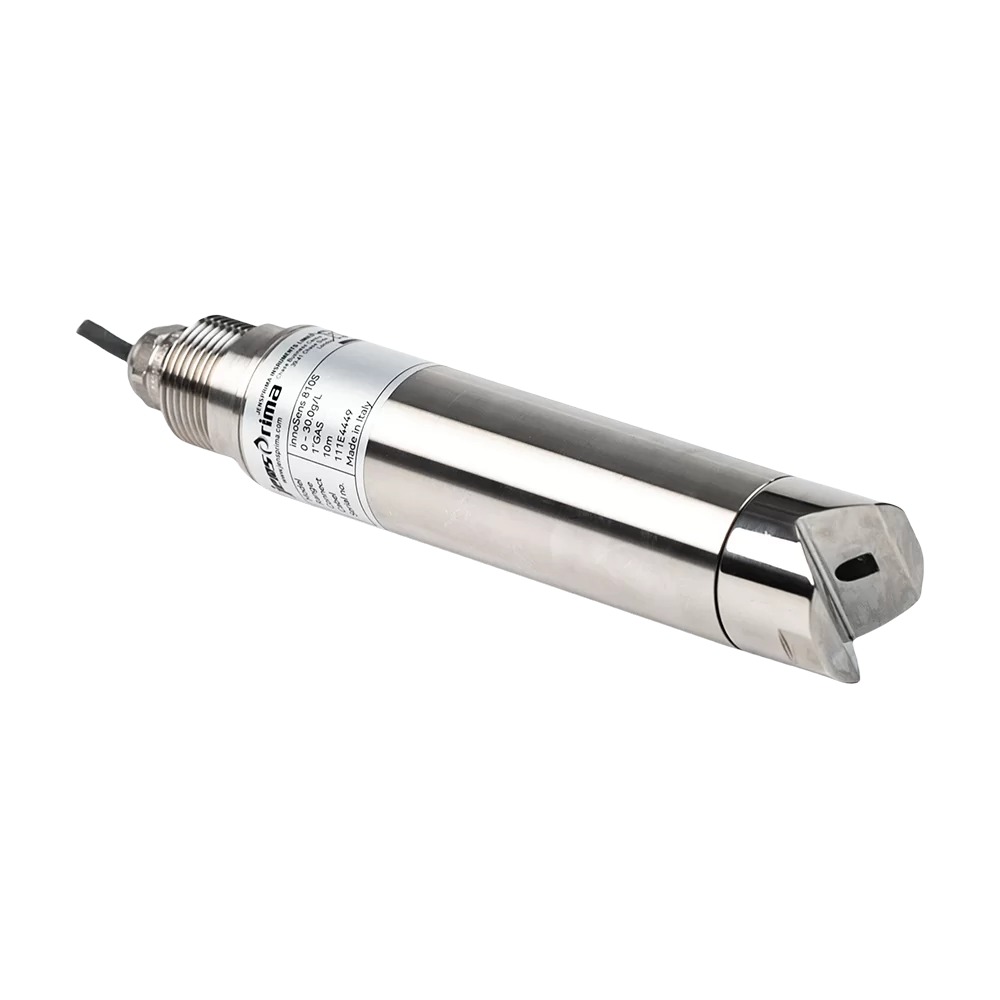
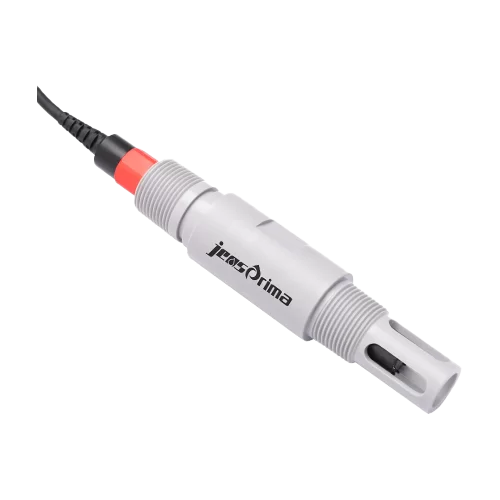
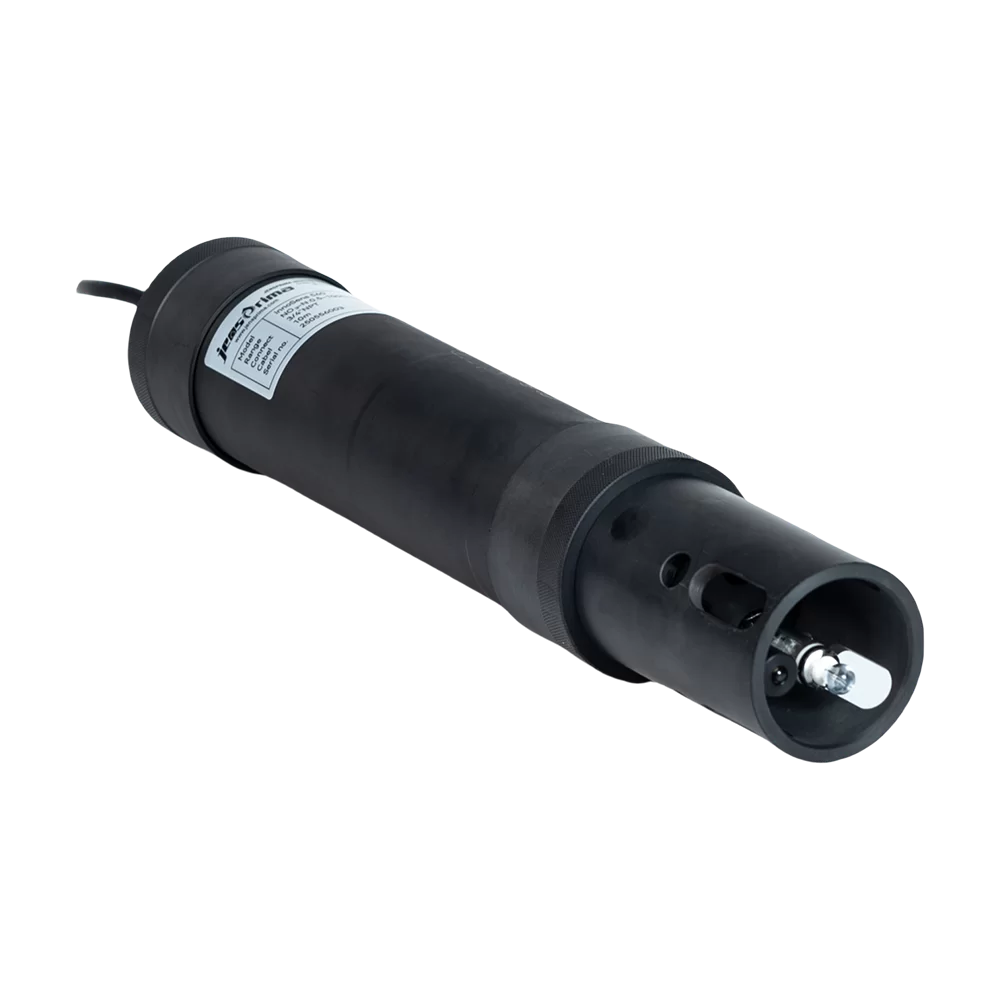
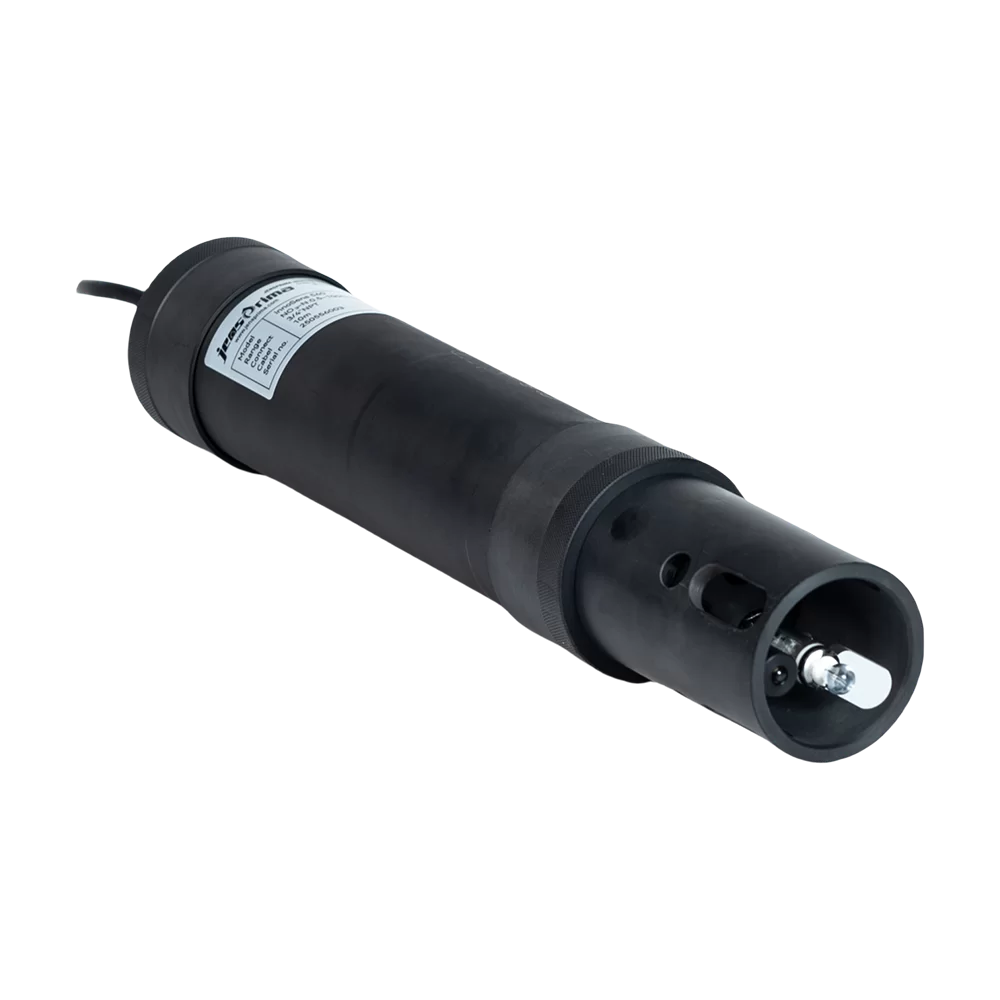
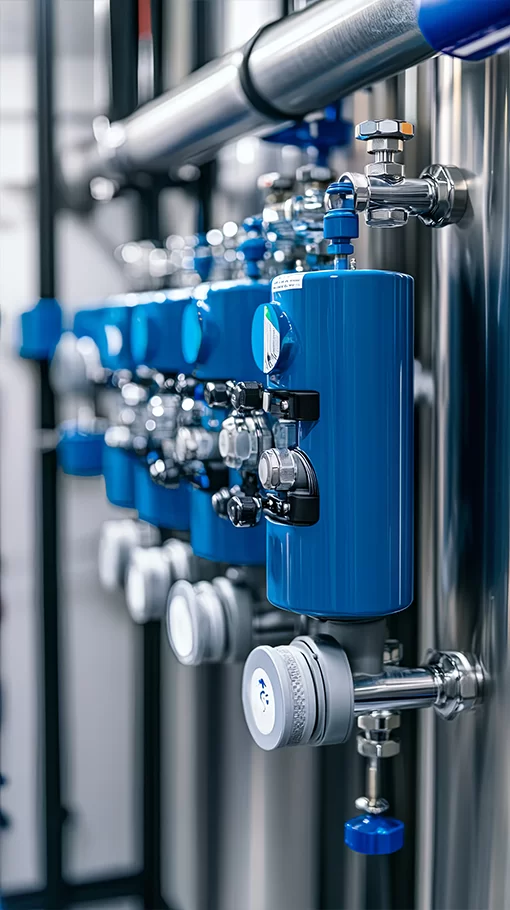
Integrated sensor arrays allowing for the simultaneous measurement of DO, pH, and conductivity.
Historically, water quality monitoring relied on discrete sensors for each parameter, leading to fragmented data and excessive installation costs. The emergence of the multi-parameter analyzer has consolidated these functions into a single platform, reducing the physical footprint and simplifying the cabling required for remote monitoring sites.
This integration is not merely about convenience; it allows for cross-parameter correlation. For example, understanding the relationship between dissolved oxygen (DO) and temperature in real-time is critical for optimizing aeration energy in wastewater treatment, preventing both hypoxia and unnecessary power consumption.
—
Core Technical Components of Modern Analyzers
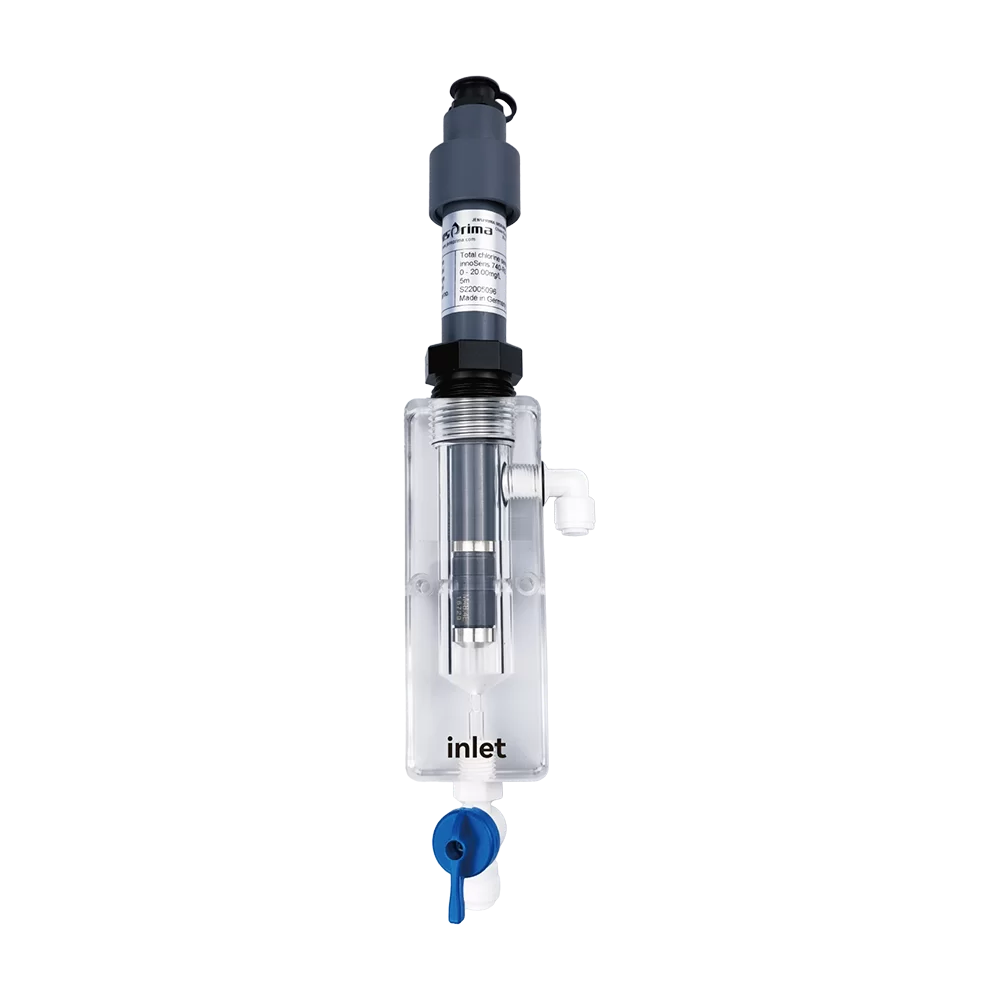
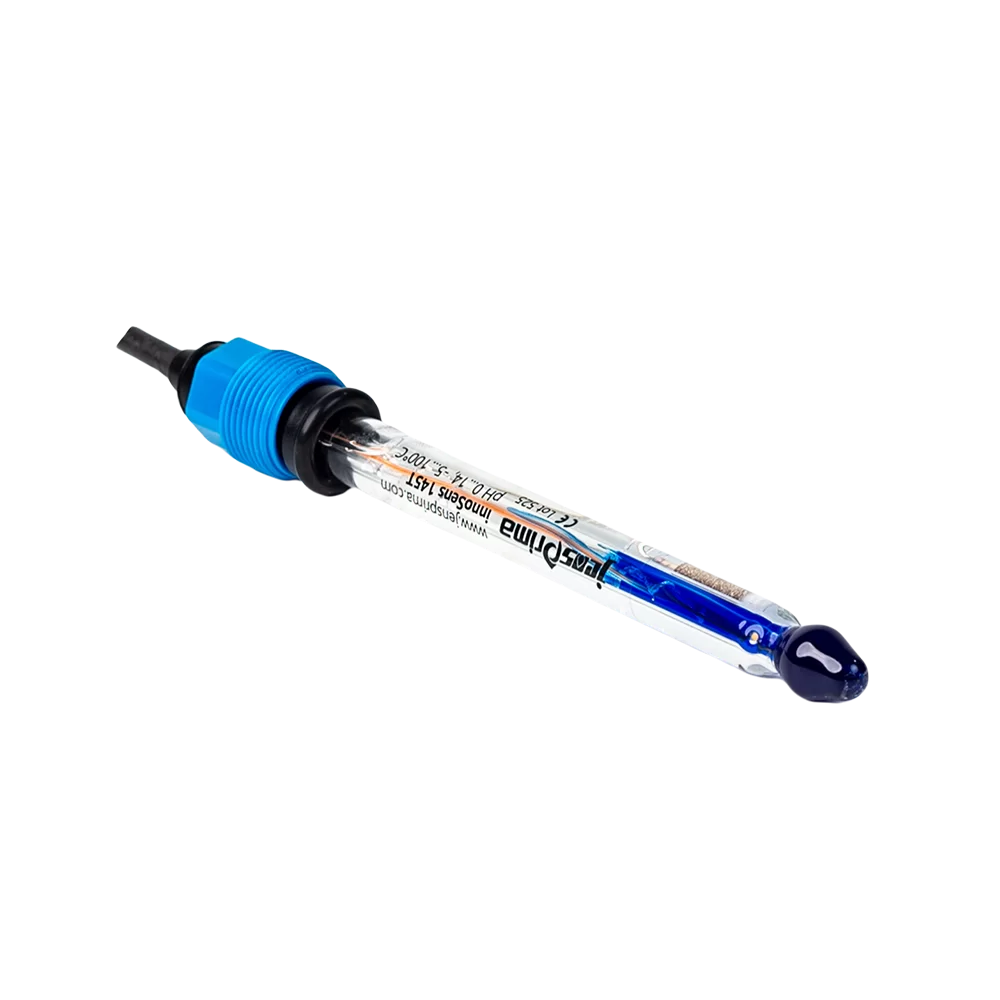
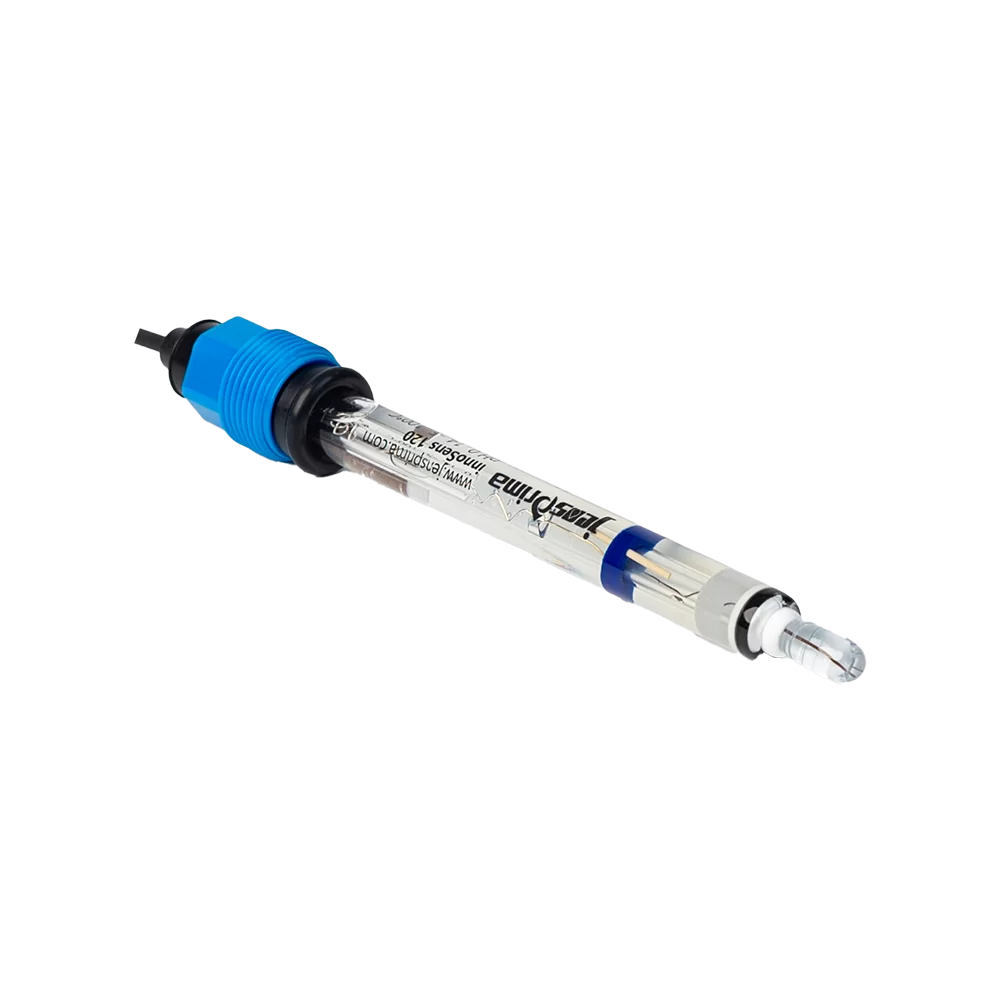
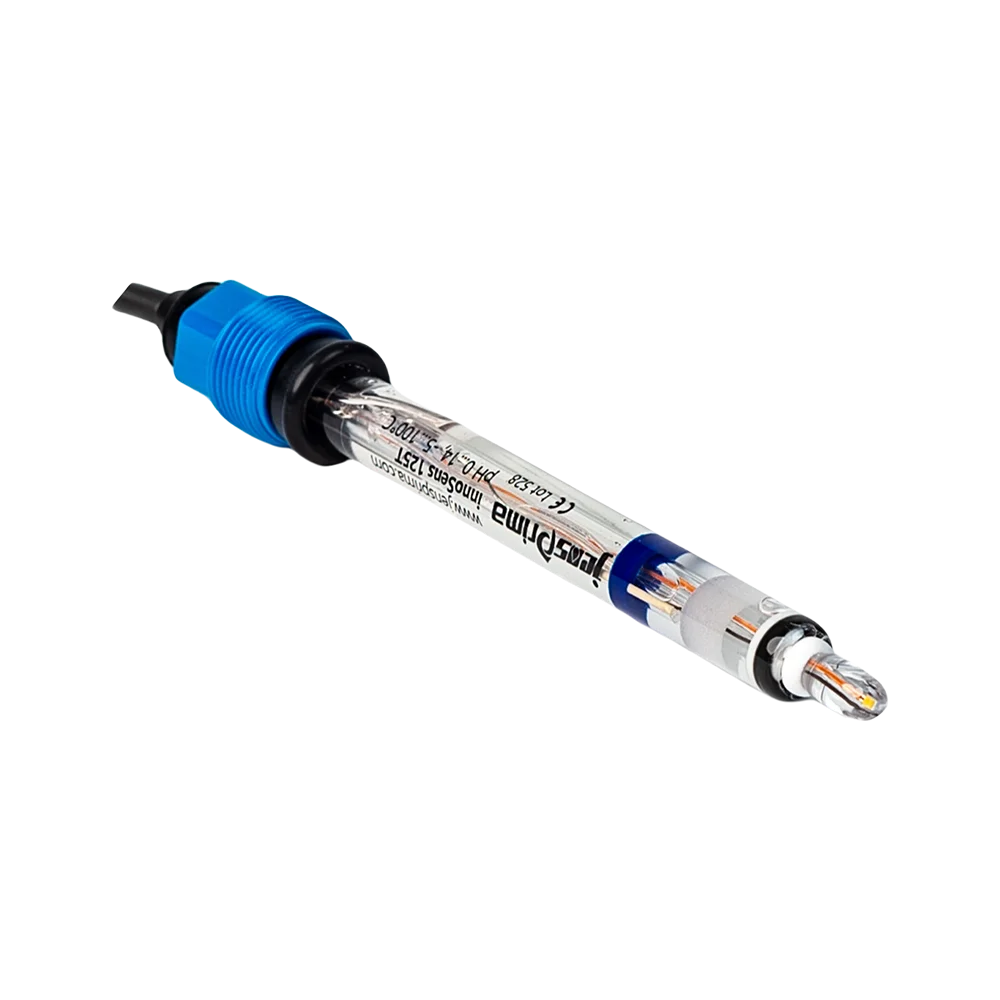
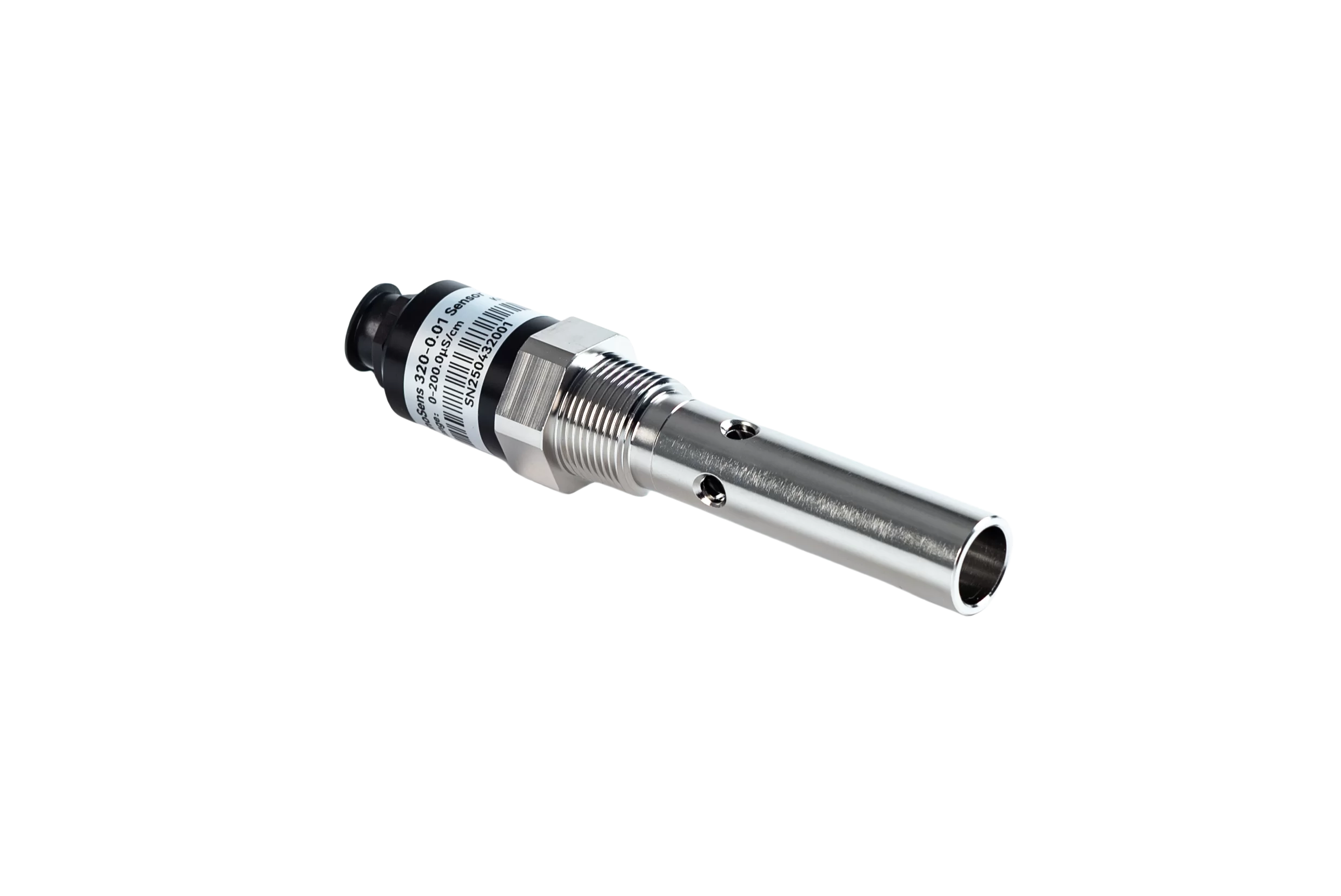
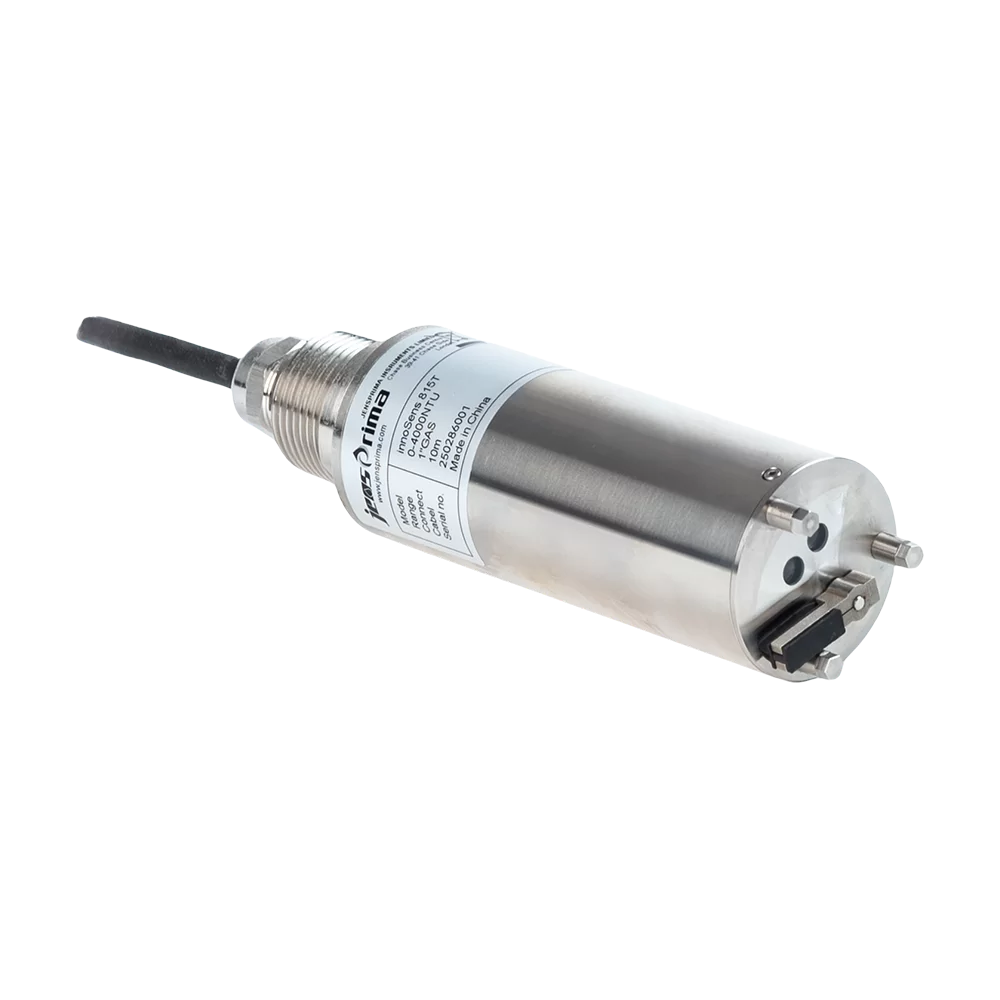
A robust analysis system consists of three primary layers: the sensing electrode, the signal conditioning transmitter, and the data integration interface. The sensing layer must utilize industrial-grade polymers and stainless steel to withstand corrosive aquatic environments. For instance, high-precision sensors like the innoSens 420 utilize advanced membrane technology to maintain accuracy in DO measurements while resisting fouling.
The signal conditioning layer is responsible for converting raw millivolt or current signals into readable data. Modern systems employ 4-20mA loops or Modbus RTU protocols to ensure that signal integrity is maintained over long distances between the sensor and the central control room, which is a key requirement for CE certification.
Finally, the integration interface allows these devices to communicate with PLC and SCADA architectures. This connectivity enables automated responses—such as triggering an alarm when ammonia nitrogen levels spike or adjusting blower speed based on real-time oxygen demand—transforming the analyzer from a passive monitoring tool into an active process controller.
—
Stability and the Impact of Sensor Drift
One of the most significant challenges in online water analysis is sensor drift—the gradual deviation of a sensor's output from the actual value over time. Drift is often caused by biofouling, chemical interference, or the depletion of electrolytes in traditional galvanic sensors.
Reducing calibration frequency from weekly to quarterly is not just a maintenance saving; it is a data integrity improvement. Sensors that minimize drift provide a more reliable baseline for regulatory reporting and prevent the operational risks associated with inaccurate real-time data.
To combat this, advanced sensing materials and automatic calibration tools are being implemented. By leveraging digital verification tools, operators can schedule and verify calibration intervals remotely, ensuring that the system maintains laboratory-grade accuracy without requiring constant manual intervention in hazardous environments.
—
Evaluating Performance Across Key Parameters
When assessing the efficiency of a water quality monitoring system, it is helpful to look at the relative stability and response times of different parameters. Some sensors, such as pH and conductivity, typically offer near-instantaneous response, while dissolved oxygen and nutrient sensors may require a short stabilization period.
The following analysis provides a conceptual relative index of stability versus maintenance demand for common industrial parameters. High stability indicators suggest that the parameter is less prone to drift and requires fewer manual interventions.
Figure 2. Relative Stability Index of Water Quality Parameters
—
Deployment Scenarios in Process Control
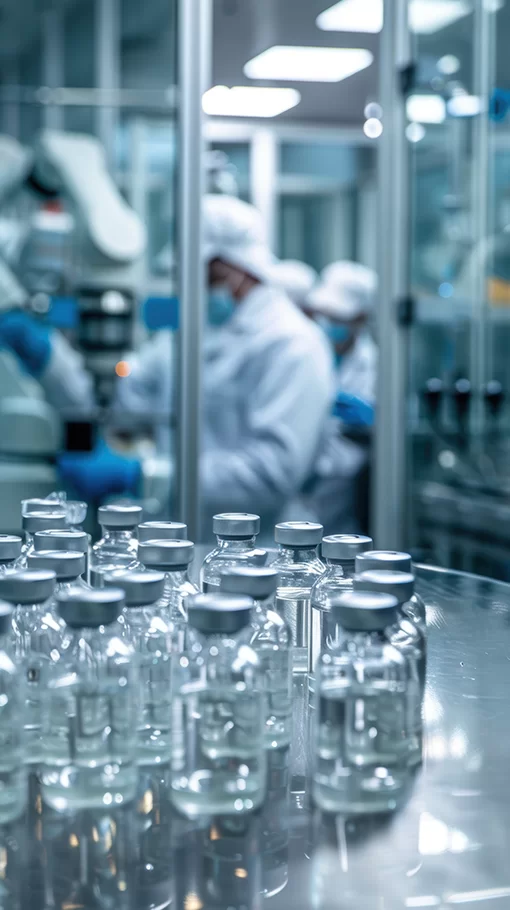
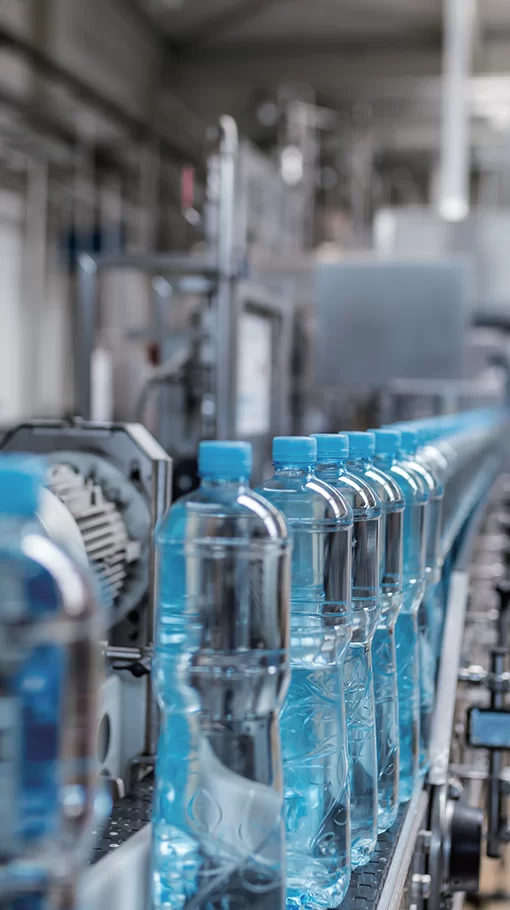
In a typical industrial setting, such as a pharmaceutical manufacturing plant, the precision of water chemistry is critical for product quality. Multi-parameter analyzers are often deployed at the inlet and outlet of purification systems to ensure that conductivity and pH remain within strict tolerances, preventing the contamination of high-purity water loops.
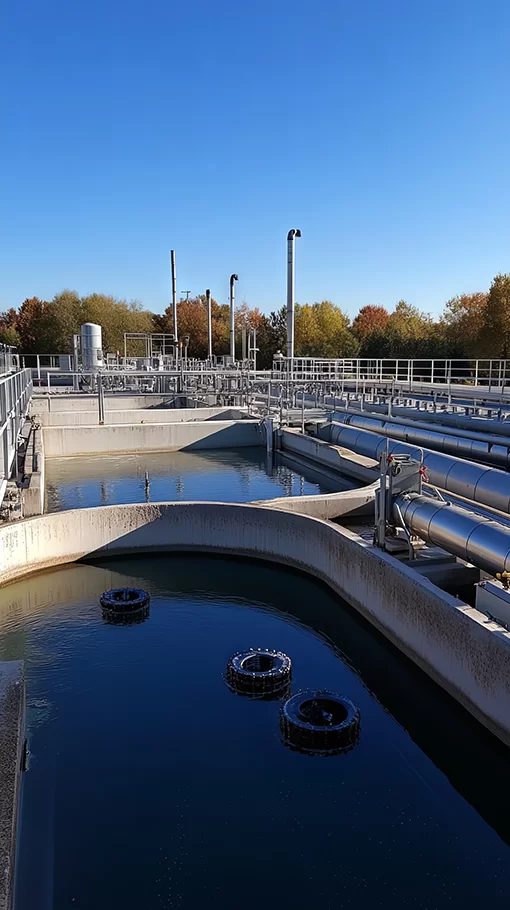
Conversely, in municipal wastewater treatment, the focus shifts toward aeration efficiency. By integrating DO sensors with blower control logic, plants can implement demand-based aeration. This prevents over-oxygenation, which not only saves significant electrical energy but also stabilizes the biological process by maintaining a consistent environment for the activated sludge.
—
The Future of Autonomous Water Calibration
The industry is moving toward "zero-touch" monitoring. The integration of AI-driven predictive maintenance allows the system to analyze the rate of sensor drift and predict exactly when a sensor will fall out of compliance. Instead of following a fixed calendar for calibration, maintenance is performed only when the data indicates it is necessary.
Another emerging trend is the use of automated cleaning mechanisms. Integrated wipers and ultrasonic cleaners are being incorporated into the sensor housing to physically remove biofouling without human intervention, further extending the lifespan of the sensing membranes.
Furthermore, the rise of cloud-based remote monitoring enables a single operator to manage DO and pH levels across multiple geographically dispersed sites from one dashboard. This centralization reduces the need for onsite technicians and allows for faster response times to critical fluctuations.
—
Comparative Framework for Instrument Selection
Choosing between a standard analyzer and a high-precision multi-parameter system involves a trade-off between initial investment and long-term operational cost. While basic sensors may have a lower purchase price, the hidden costs of frequent calibration and potential energy waste due to drift can be substantial.
A comprehensive evaluation should focus on the ROI period. High-stability instruments, such as those developed by Jensprima, typically offer a shorter ROI period—often 12-18 months—compared to 24-36 months for standard sensors, primarily due to reduced energy consumption and lower labor costs for maintenance.
The following table provides a relative assessment framework to help operators determine the most suitable technology based on their specific application requirements.
Table 1. Selection Logic for Water Quality Analyzers
| Application Type |
Priority Metric |
Recommended Tech |
Relative Suitability |
| Municipal Waste |
Energy Efficiency |
Demand-based DO |
High |
| Pharma Water |
Absolute Precision |
Multi-Parameter CE |
Critical |
| Aquaculture |
Reliability/Cost |
Robust Polymers |
Moderate |
| River Monitoring |
Low Maintenance |
Remote Digital |
High |
| Industrial Boiler |
Conductivity/Hardness |
Continuous Online |
Critical |
| Chemical Process |
Corrosion Resistance |
Stainless/Steel Grade |
High |
◆ ◆ ◆
Questions & Answers
CE certification indicates that the instrument complies with European Union health, safety, and environmental protection standards. For water quality analyzers, this specifically covers electrical safety and electromagnetic compatibility (EMC), ensuring that the device will not cause interference with other industrial equipment and is safe for operators to use in diverse industrial environments.
Calibration frequency depends on water quality and sensor technology. Standard galvanic sensors often require weekly or bi-weekly checks. However, advanced high-stability sensors, like the innoSens 420, can extend this interval to monthly or quarterly due to reduced drift, significantly lowering the labor burden on maintenance teams.
Yes. Most professional-grade analyzers support standard industrial output signals such as 4-20mA (analog) and Modbus RTU (digital). This allows them to be seamlessly integrated into almost any modern PLC or SCADA architecture for centralized data logging and automated process control.
Salinity alters the solubility of oxygen in water, which can lead to inaccurate readings if not accounted for. Professional analyzers include salinity compensation settings in their controllers. This ensures that measurements in brackish or saltwater environments remain accurate by adjusting the calculation based on the salinity level.
The most common cause of failure is biofouling—the accumulation of organic matter or biofilms on the sensor membrane. This creates a barrier that slows response time and causes measurement drift. Using protective shrouds and implementing regular cleaning schedules is essential to extending the service life of the sensor.
Multi-parameter analyzers are generally superior for industrial applications because they reduce installation costs, simplify data management, and allow for the correlation of different water chemistry variables. Single-parameter sensors are only recommended for very simple, low-budget applications where only one specific value is needed regardless of other water conditions.
◆ ◆ ◆
Final Thoughts
The transition toward integrated, high-stability water quality monitoring is no longer optional for industries facing stricter environmental regulations. By prioritizing CE-certified equipment and focusing on sensors that minimize drift, companies can ensure a higher level of data integrity while reducing the total cost of ownership through lower maintenance and energy requirements.
As the industry moves toward autonomous calibration and AI-driven predictive maintenance, the focus will shift from merely collecting data to interpreting it for maximum operational efficiency. Investing in scalable, multi-parameter platforms today ensures that facilities are prepared for the digital transformation of water management.



 Download
 Video Center
 Technical Services
 FAQS
 Service Network
 Privacy Policy
 Contact Us