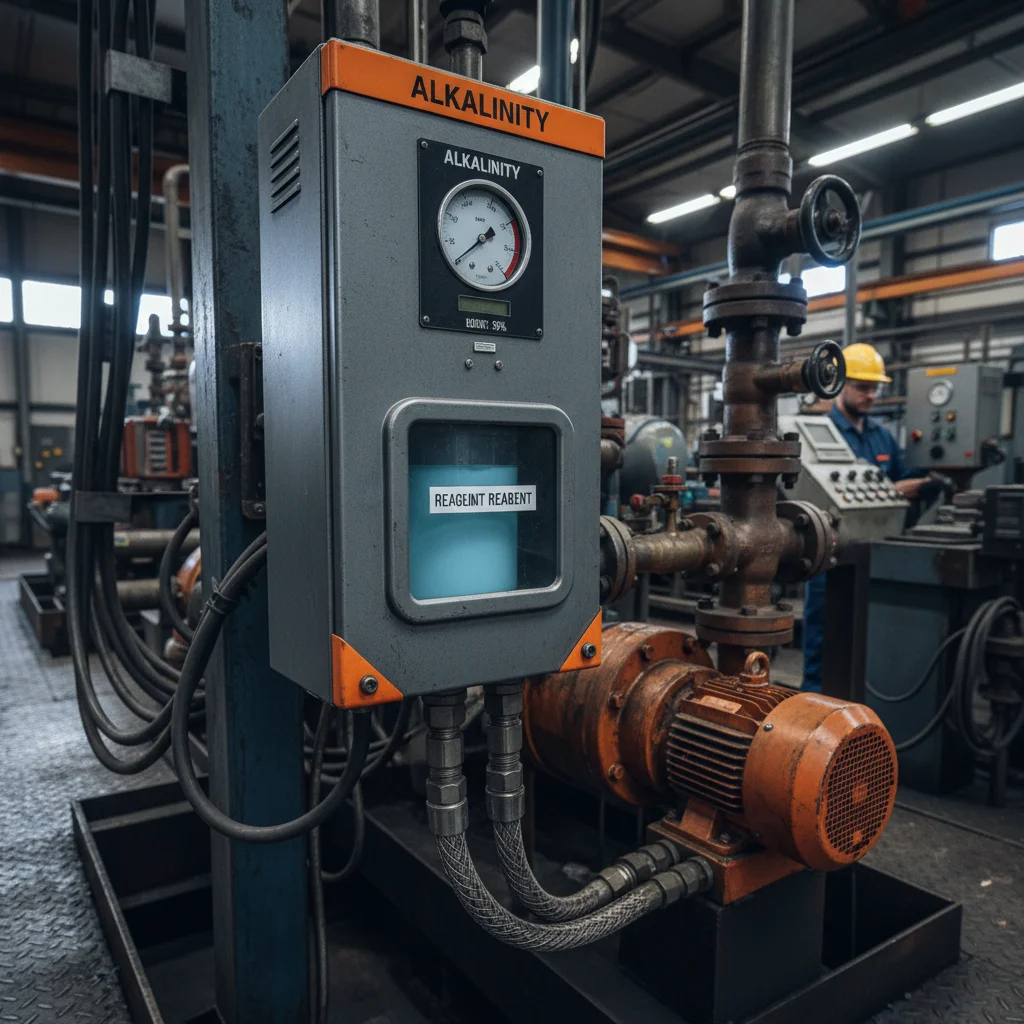
Water hardness is a critical parameter in industrial and municipal water management, representing the concentration of multivalent cations, primarily calcium and magnesium. When left unmonitored, high mineral content leads to scale formation in boilers, cooling towers, and piping systems, significantly reducing operational efficiency and increasing maintenance costs. Implementing a precise monitoring strategy is essential for maintaining the longevity of infrastructure and ensuring process stability.
Globally, the demand for automated water quality monitoring has surged as industries strive for higher sustainability and resource efficiency. The transition from manual titration to continuous online monitoring allows operators to react in real-time to fluctuations in raw water quality, optimizing the use of softening chemicals and reducing waste. This shift is not merely a matter of convenience but a strategic necessity for modern plant management.
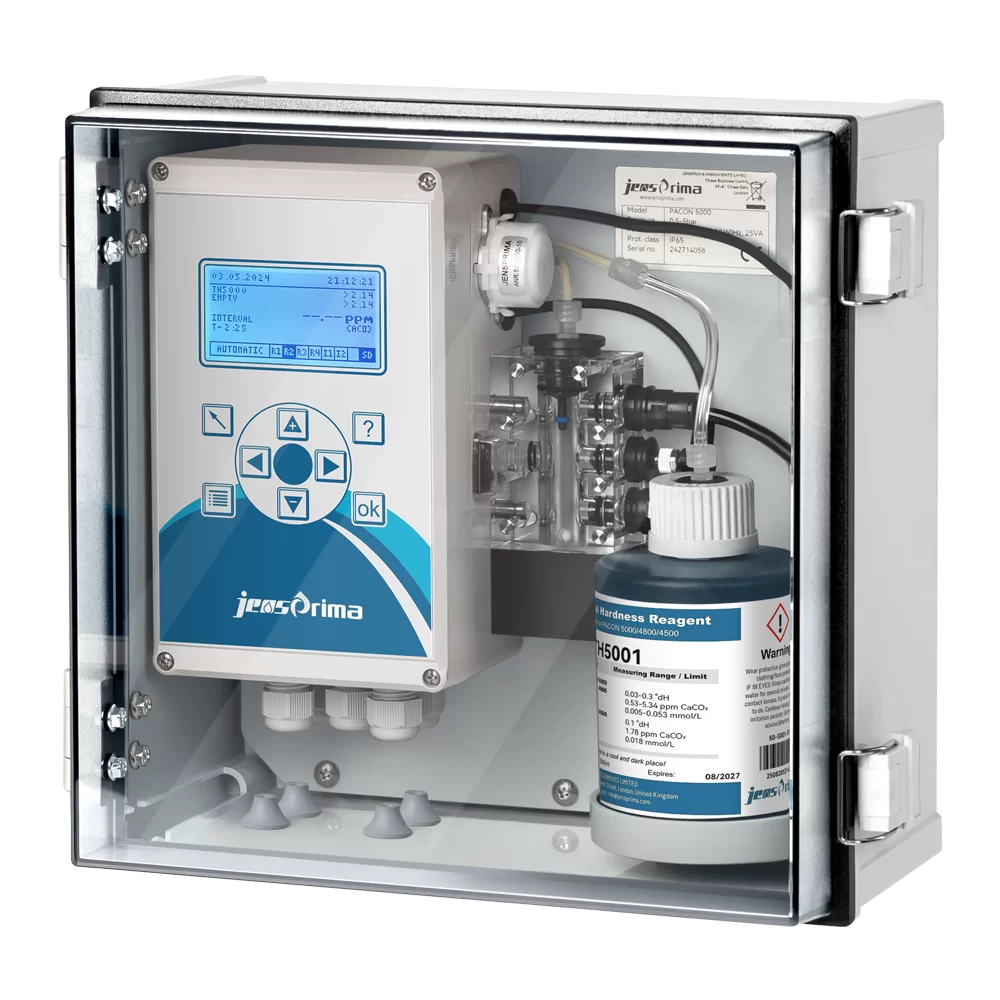
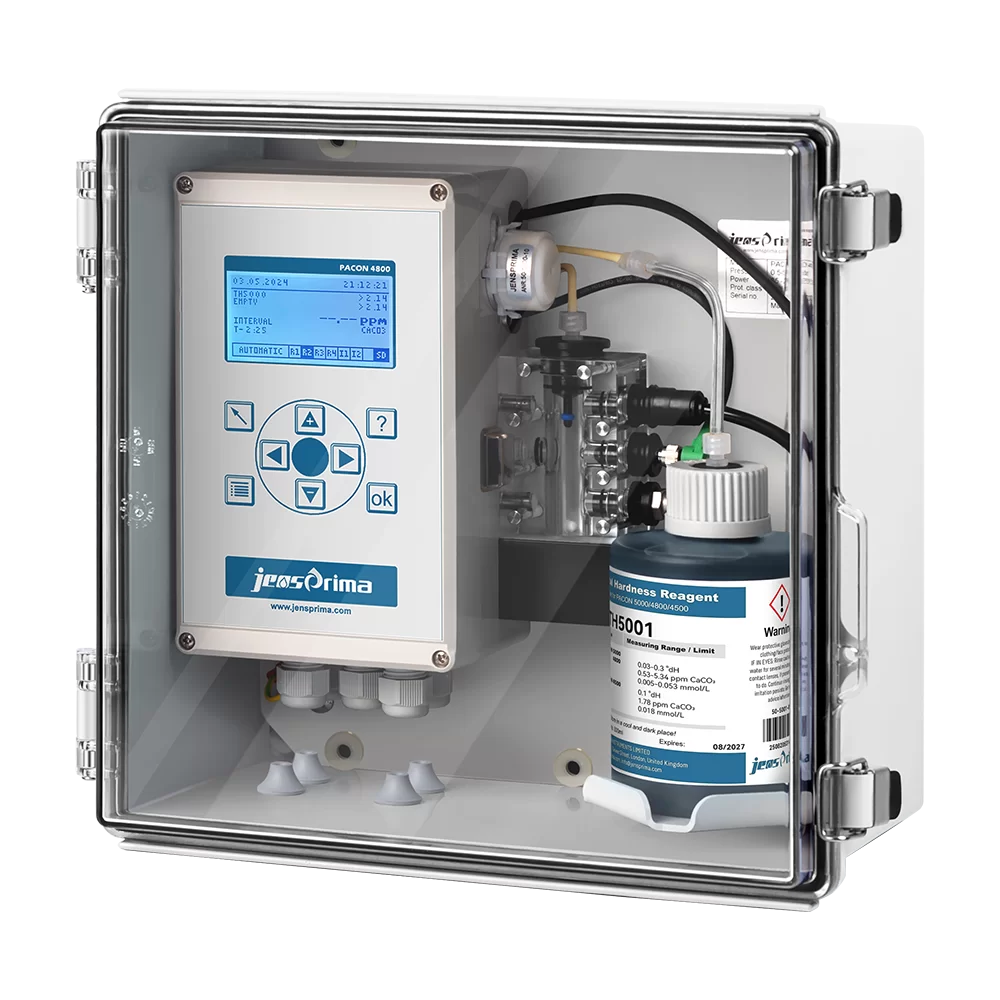
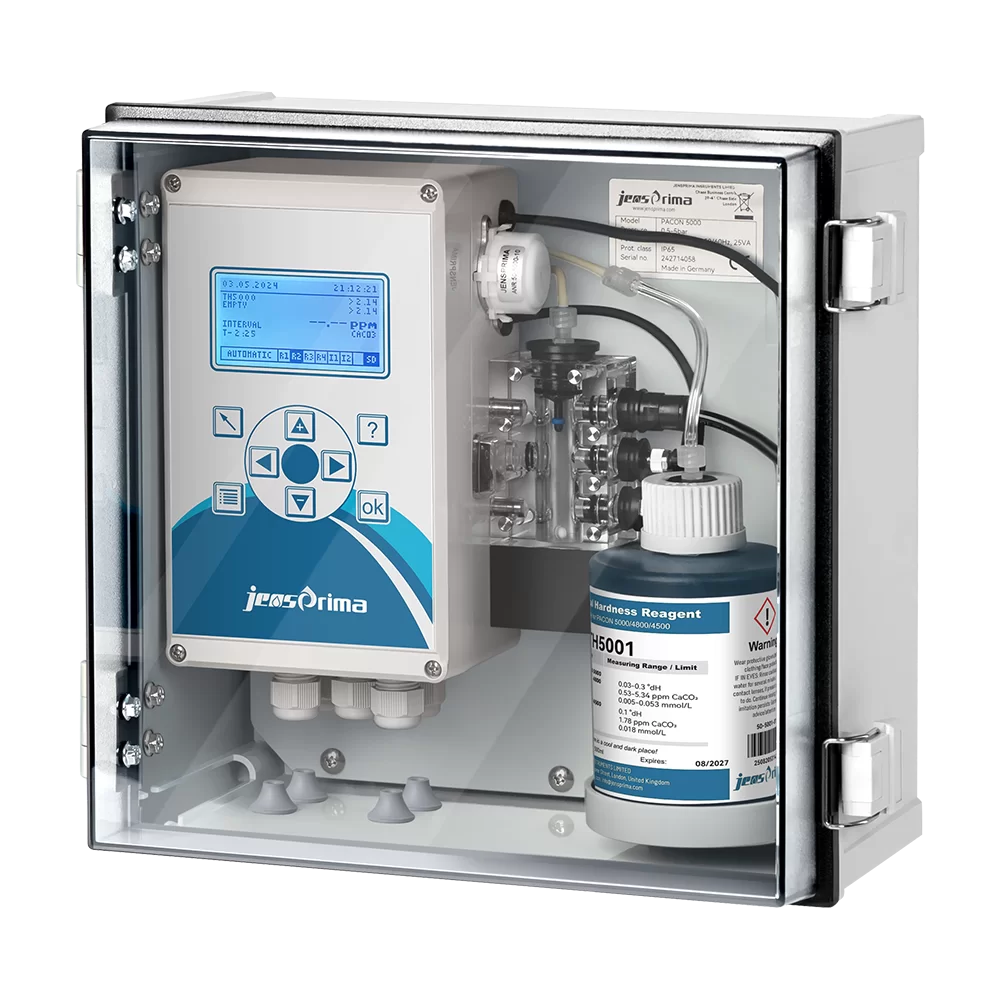
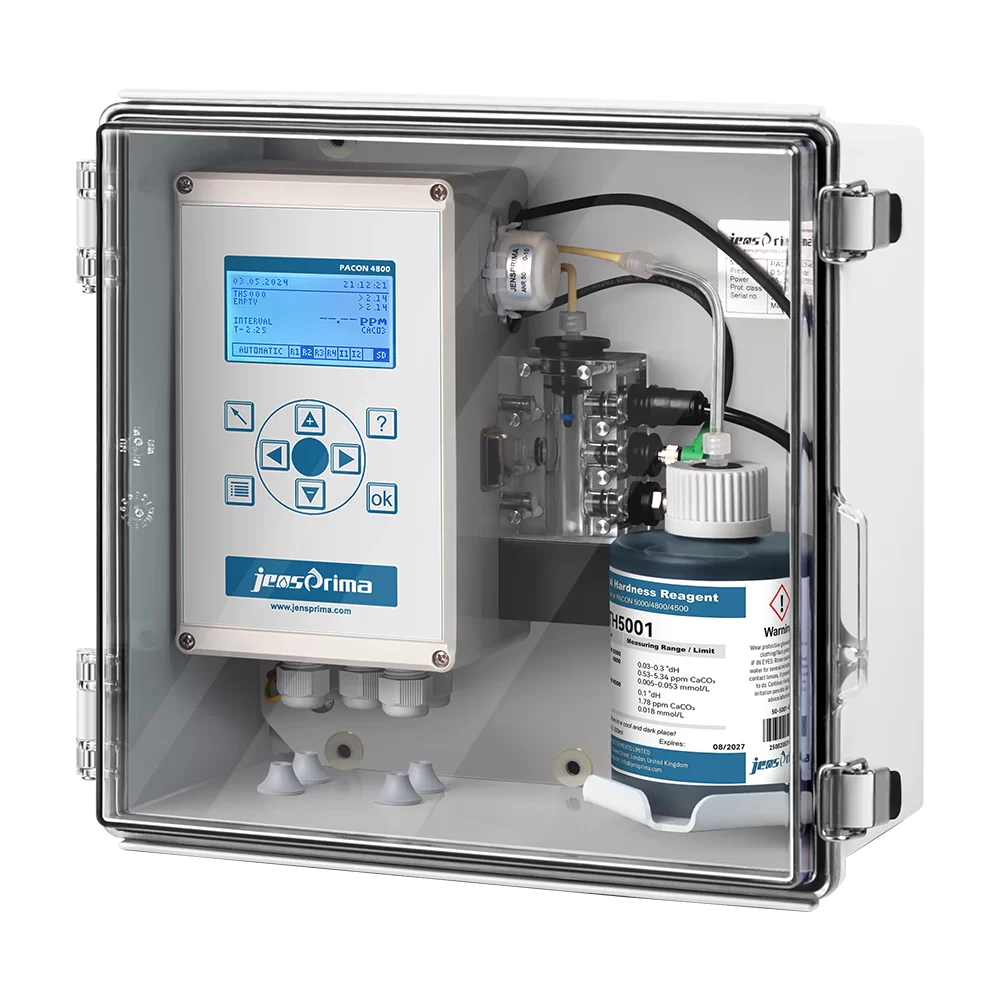
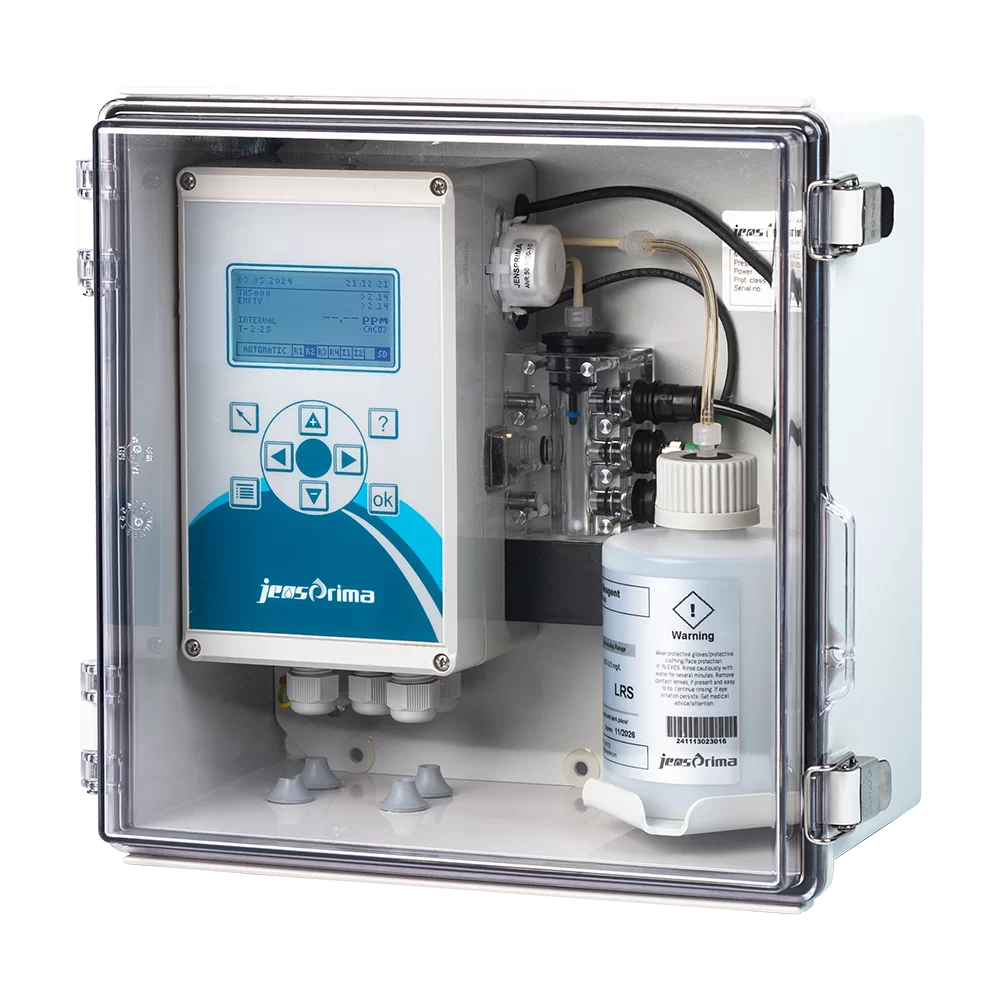
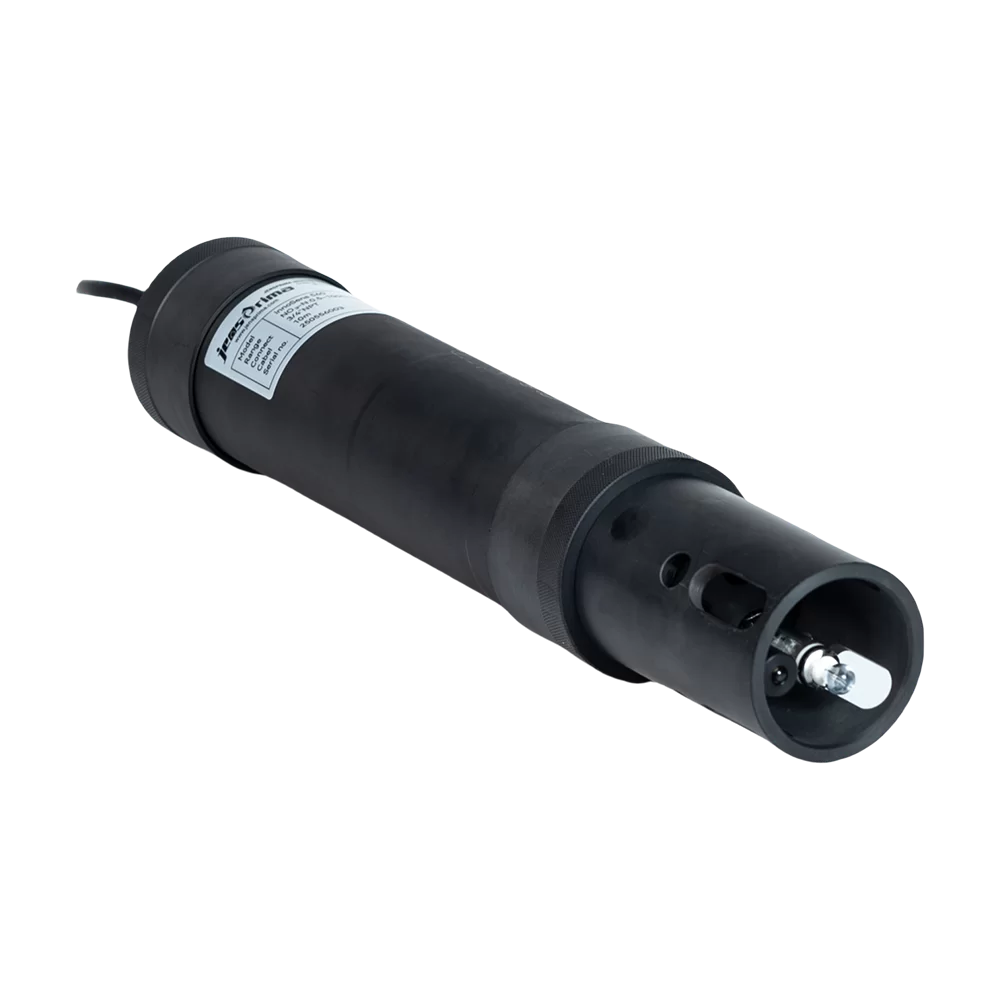
The PACON 4200 water hardness analyzer provides a sophisticated solution for these challenges, offering high-precision online measurement to prevent scale-related failures. By integrating this technology, facilities can achieve a balance between water conservation and equipment protection, ensuring that their water treatment processes are both economical and reliable.

Global Relevance of Water Hardness Monitoring
In the context of global industrialization, water scarcity and quality variability have become pressing concerns. According to ISO standards and environmental guidelines, the management of mineral content in process water is vital to prevent the degradation of heat exchangers and high-pressure boilers. Without a reliable water hardness analyzer, industries risk catastrophic equipment failure due to calcium carbonate precipitation, which can lead to overheating and unplanned shutdowns.
The economic impact of scaling is staggering, affecting sectors from power generation to pharmaceutical manufacturing. By adopting automated analysis, companies can reduce their reliance on heavy chemical dosing, aligning their operations with global ESG (Environmental, Social, and Governance) goals. This transition ensures that water resources are utilized efficiently while minimizing the environmental footprint of chemical discharge.
Defining the Online Water Hardness Analyzer
A water hardness analyzer is a specialized analytical instrument designed to measure the concentration of calcium and magnesium ions in an aqueous solution. Unlike laboratory tests that provide a snapshot in time, an online analyzer provides continuous, real-time data, allowing for immediate adjustments to water softening or ion exchange processes. This automation eliminates human error and the delays associated with sample transport and preparation.
The PACON 4200 represents the pinnacle of this technology, employing precise chemical titration or sensor-based methods to quantify hardness. By converting chemical reactions into electronic signals, the device provides a digital readout that can be integrated into a plant's central SCADA or PLC system. This connectivity transforms the analyzer from a simple measuring tool into a critical control node for the entire water treatment cycle.
Modern industry requires these systems to be robust enough to handle varying flow rates and temperatures while maintaining laboratory-grade accuracy. The primary goal is to ensure that the water entering sensitive machinery is "soft" enough to prevent scale, but balanced enough to avoid the corrosive effects of overly pure water.
Core Components of the PACON 4200 System
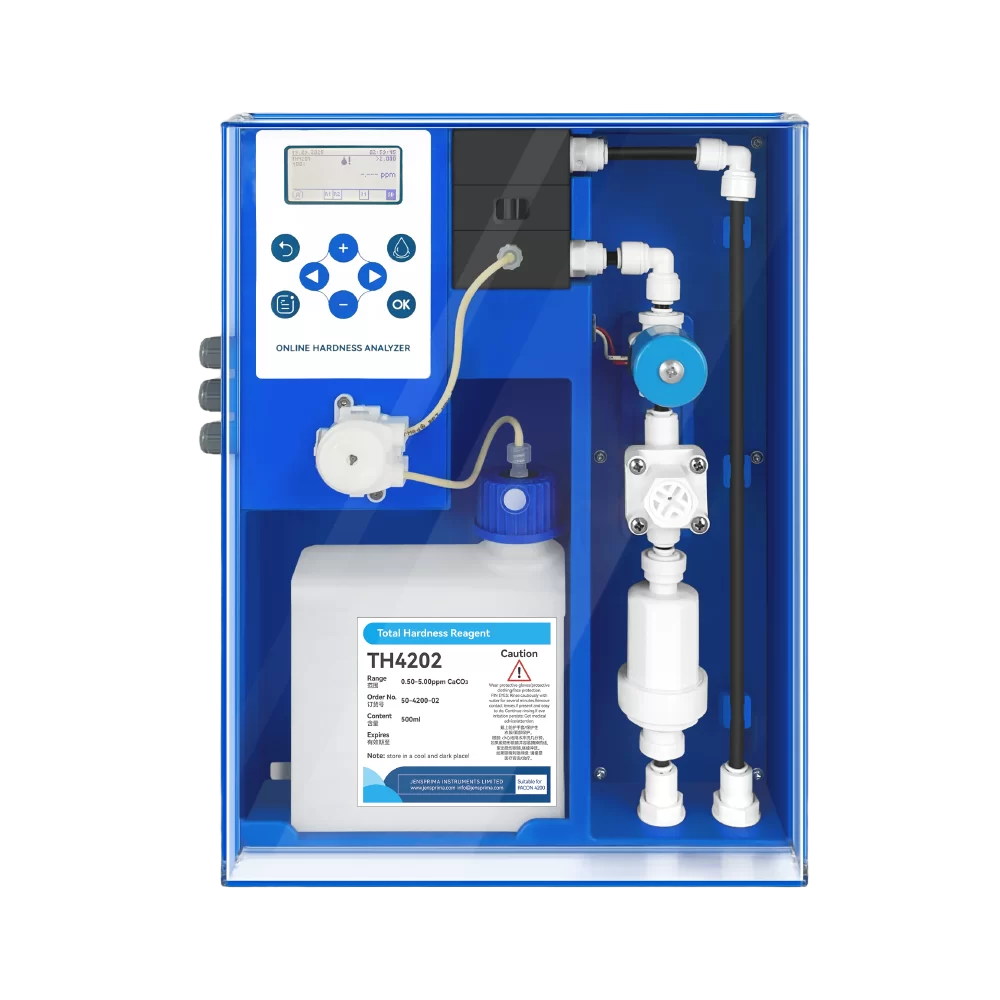
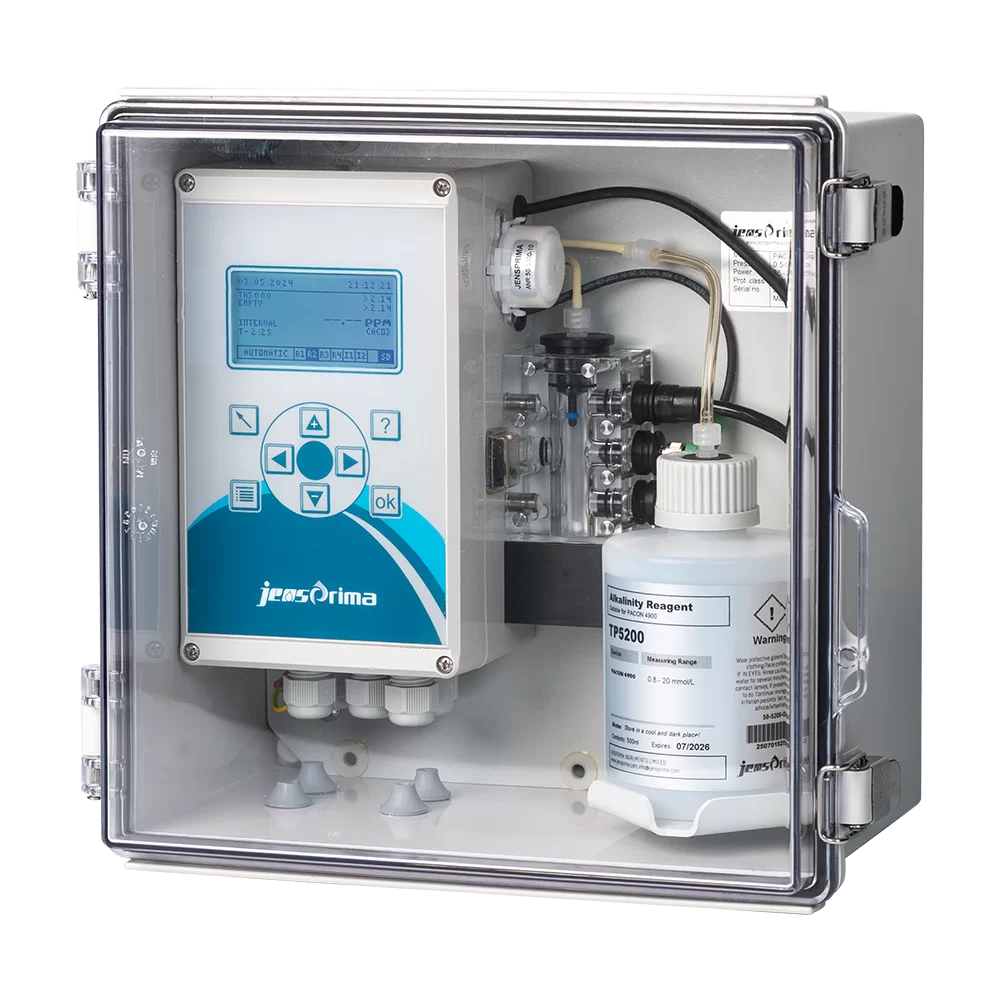
The architecture of the PACON 4200 is built around a high-precision sampling module that ensures a representative portion of the process stream is analyzed. This ensures that the water hardness analyzer provides data that accurately reflects the current state of the water, regardless of turbidity or flow fluctuations.
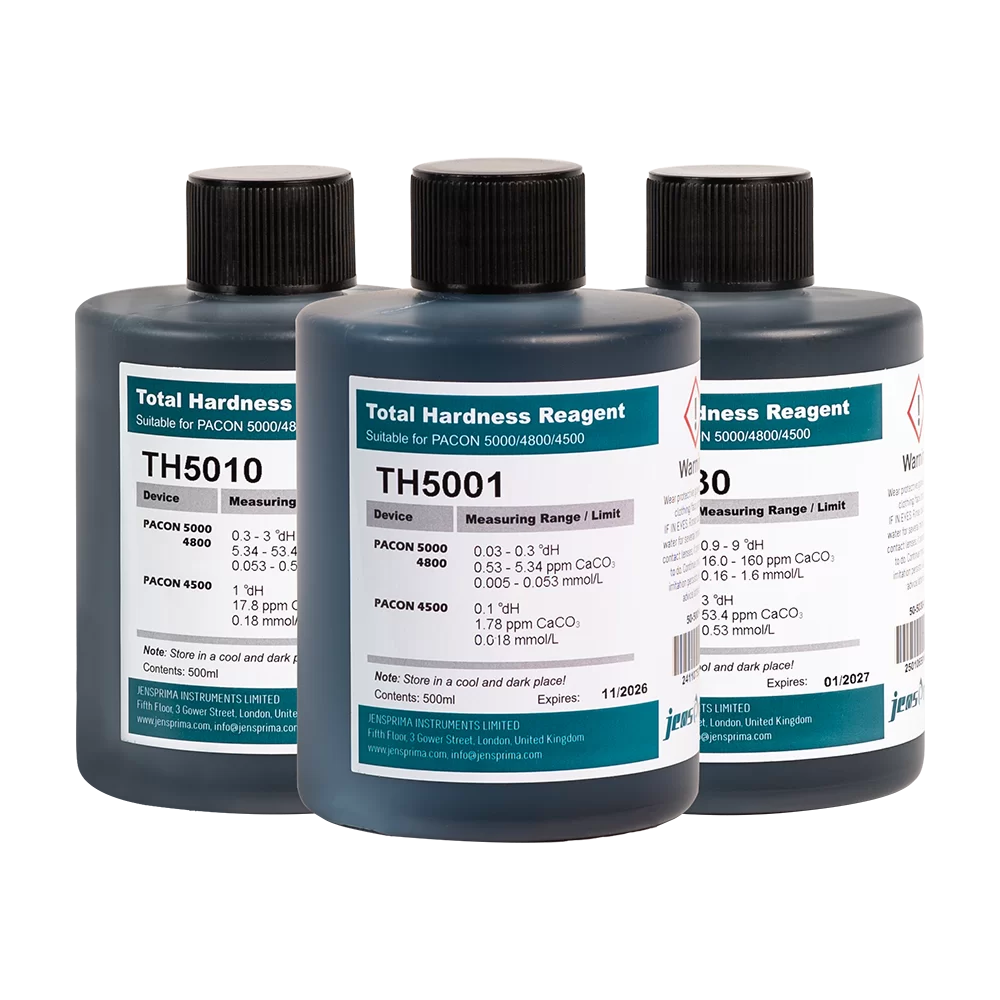
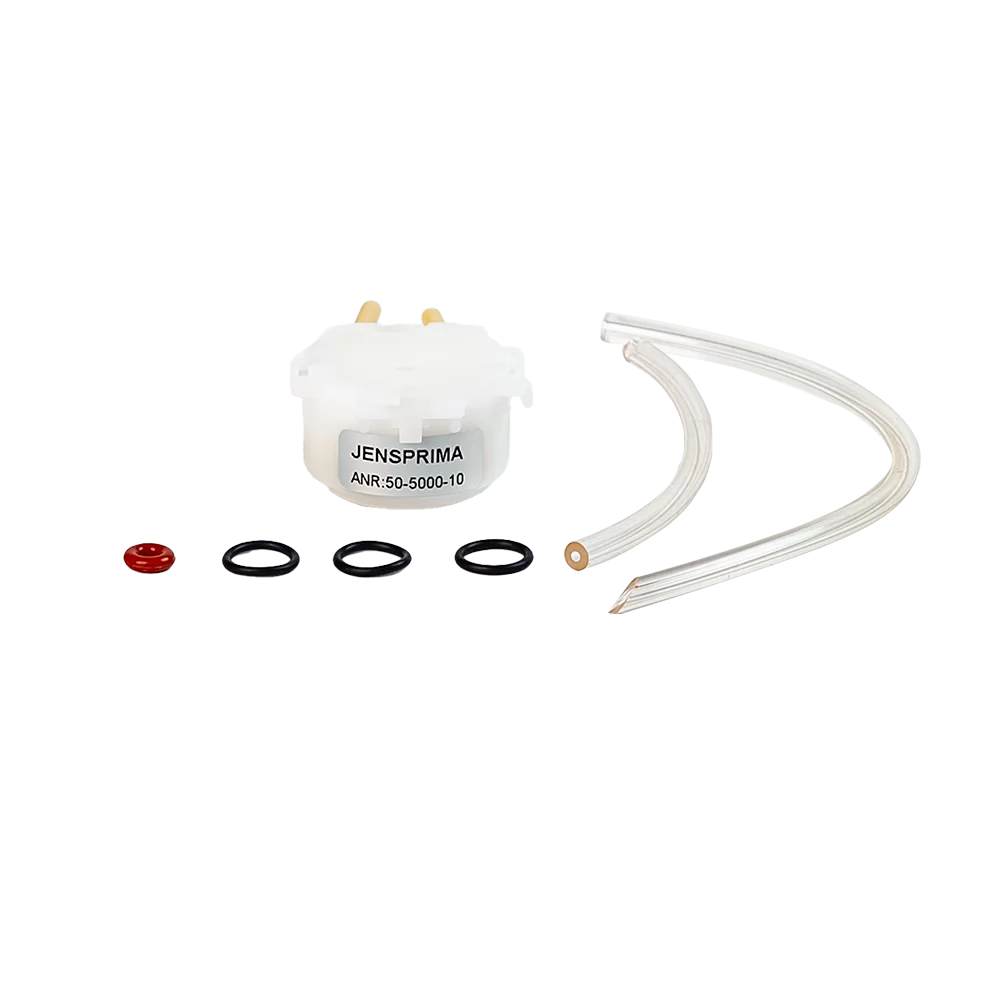
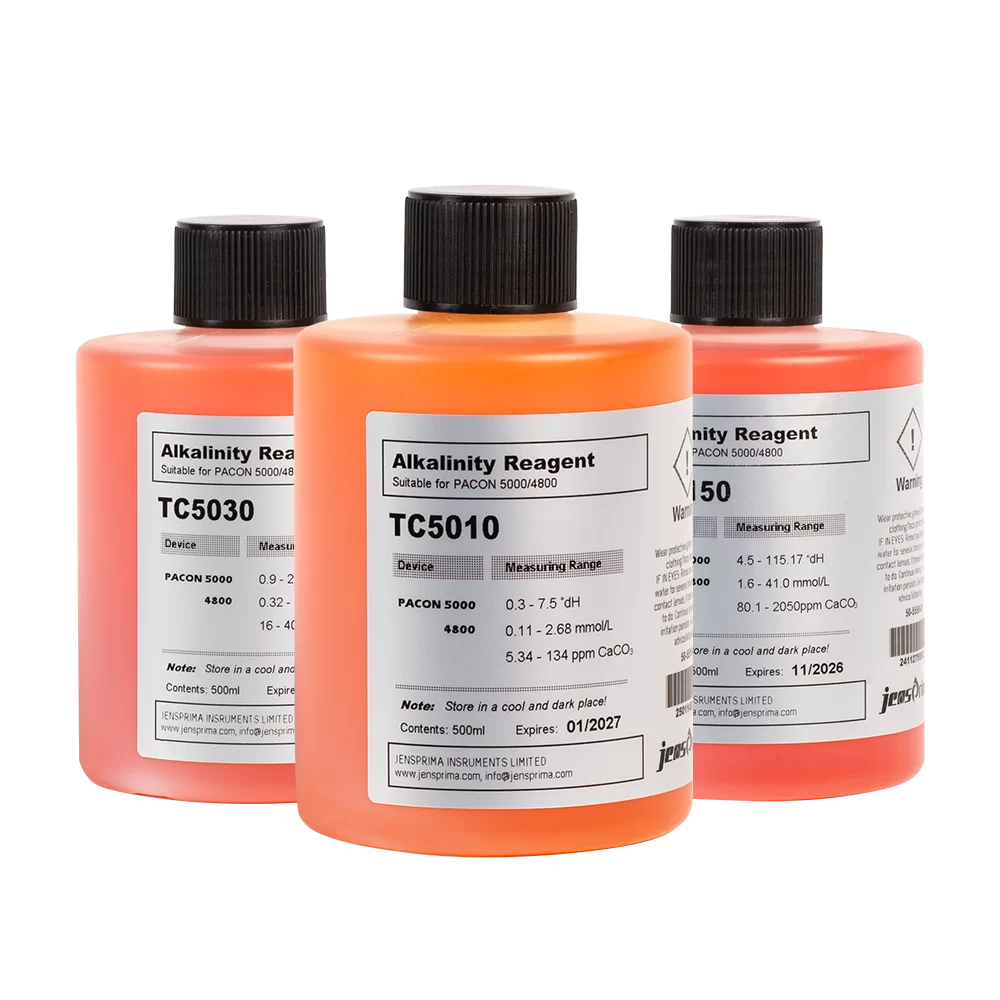
At its core, the system utilizes a sophisticated reagent delivery mechanism. The water hardness analyzer employs carefully calibrated volumes of reagents to trigger colorimetric or potentiometric changes, which are then read by an optical sensor with extreme precision, ensuring minimal drift over long periods of operation.
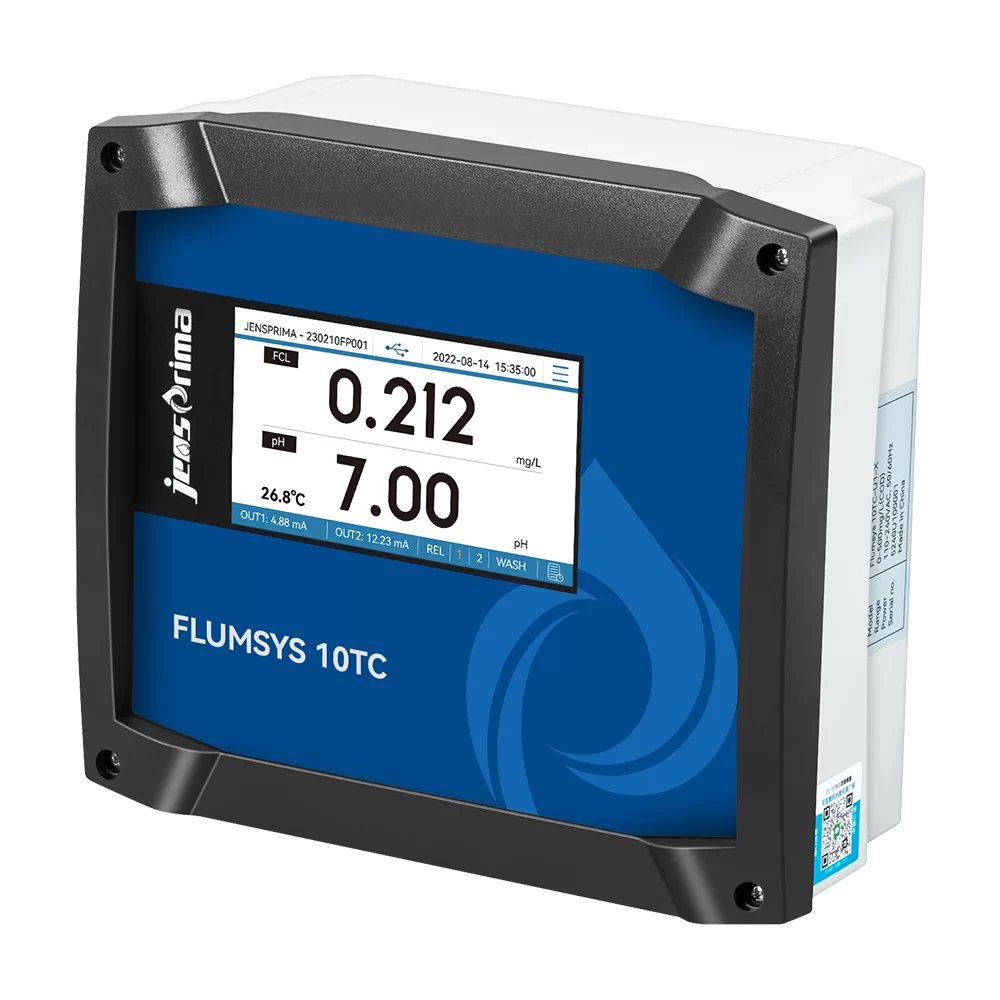
Complementing the hardware is an intuitive control interface that allows operators to set alarm thresholds. When the water hardness analyzer detects a spike in hardness, it can automatically trigger a regeneration cycle in the softener or divert water to a holding tank, preventing contaminated water from ever reaching the boiler.
Performance Benchmarks in Industrial Applications
To evaluate the efficacy of monitoring systems, industries often look at the "Stability Index" and "Response Time." A high-quality online system must be able to detect a hardness breakthrough within minutes to prevent scale from forming on heat-transfer surfaces. The PACON 4200 is engineered to provide this rapid feedback, ensuring that the water treatment process remains tight and controlled.
Comparison data shows that automated systems significantly outperform manual sampling in terms of chemical savings and equipment uptime. By precisely dosing regenerants only when necessary, the total cost of ownership for the water treatment plant is drastically reduced.
Comparison of Water Hardness Analysis Methods
Global Use Cases and Regional Implementations
In large-scale desalination plants in the Middle East, monitoring hardness is a primary concern due to the high salinity of intake water. The PACON 4200 is deployed to ensure that the reverse osmosis membranes are protected from scaling, which would otherwise lead to frequent and expensive membrane replacements. The ability to operate in harsh, high-temperature environments makes it ideal for these remote industrial zones.
Similarly, in the European pharmaceutical industry, water purity is governed by strict pharmacopeia standards. Here, the water hardness analyzer is used to validate the performance of purified water (PW) and water for injection (WFI) systems. Any deviation in hardness can signal a failure in the ion exchange resin, necessitating immediate corrective action to ensure patient safety and product quality.
Long-term Economic and Operational Value
The implementation of an online hardness monitoring system offers a tangible return on investment (ROI) through the reduction of operational expenditures. By preventing scale buildup, heat transfer efficiency is maintained at peak levels, which directly reduces the amount of energy required to heat water in boilers. Over a five-year period, the energy savings alone often exceed the initial cost of the analyzer.
Beyond energy, there is the significant value of extended asset life. Scaling causes localized overheating and stress corrosion cracking in metal pipes. By maintaining a consistent "soft" water profile, the lifespan of boilers and cooling towers can be extended by several years, delaying multi-million dollar capital expenditures for equipment replacement.
From a psychological and management perspective, automation brings peace of mind. Plant managers no longer have to rely on the hope that manual samples were taken at the right time; instead, they have a continuous digital record of water quality, which is invaluable for auditing and regulatory compliance.
Future Innovations in Water Analysis Technology
The future of water analysis is moving toward "Predictive Maintenance" and the Industrial Internet of Things (IIoT). We are seeing a shift where the water hardness analyzer will not only report current values but will use machine learning to predict when a softening resin is likely to be exhausted based on historical flow and hardness trends.
Sustainability is also driving the development of "reagent-less" or "low-reagent" sensing technologies. While chemical titration remains the gold standard for accuracy, innovations in ion-selective electrodes and optical spectroscopy are aiming to reduce the chemical waste generated by analyzers, making the process even greener.
Digital transformation is enabling cloud-based fleet management. Companies with multiple plants across different continents can now monitor the water hardness of every single boiler in their global network from a single dashboard, allowing for centralized optimization of water treatment strategies.
Analysis of Water Hardness Analyzer Technical Specifications
| Feature Dimension |
PACON 4200 Performance |
Industry Average |
Impact on Process |
| Measurement Accuracy |
± 2% Full Scale |
± 5-10% |
High precision prevents over-dosing |
| Response Time |
< 10 Minutes |
30-60 Minutes |
Rapid response to breakthroughs |
| Reagent Consumption |
Ultra-low Volume |
Standard Volume |
Lower operational costs |
| Calibration Frequency |
Quarterly |
Monthly |
Reduced maintenance downtime |
| Connectivity |
4-20mA / Modbus / TCP |
4-20mA Only |
Seamless SCADA integration |
| Durability Rating |
IP65 / Industrial Grade |
IP54 |
Reliable in harsh environments |
FAQS
Calibration frequency depends on the water quality and the specific model. For the PACON 4200, a quarterly calibration check is typically sufficient to ensure accuracy. However, it is recommended to perform a verification check monthly using a known standard solution to ensure there is no sensor drift, especially in plants with highly variable raw water mineral content.
Yes, in most industrial applications, an online analyzer provides superior control by offering continuous data. While manual titration is still used for periodic validation or regulatory "gold standard" checks, the online system manages the day-to-day operations, reducing labor costs and eliminating the risk of missing a hardness breakthrough between manual samples.
Common errors are usually caused by air bubbles in the sampling line, reagent degradation due to improper storage, or fouling of the optical sensor. The PACON 4200 minimizes these issues through an automated cleaning cycle and a precision reagent delivery system that ensures the correct chemical ratio is maintained regardless of external temperature changes.
Even for small boilers, scaling can lead to dangerous overheating and energy inefficiency. While a small plant might not need a full SCADA-integrated system, a dedicated online analyzer prevents the "hidden cost" of frequent descaling treatments and premature boiler failure, making it a cost-effective insurance policy for the equipment.
High turbidity can interfere with optical readings. Advanced analyzers like the PACON 4200 use a "blanking" or "zeroing" process where the instrument measures the sample before the reagent is added. This allows it to subtract the background turbidity from the final reading, ensuring that the hardness value remains accurate even in cloudy water.
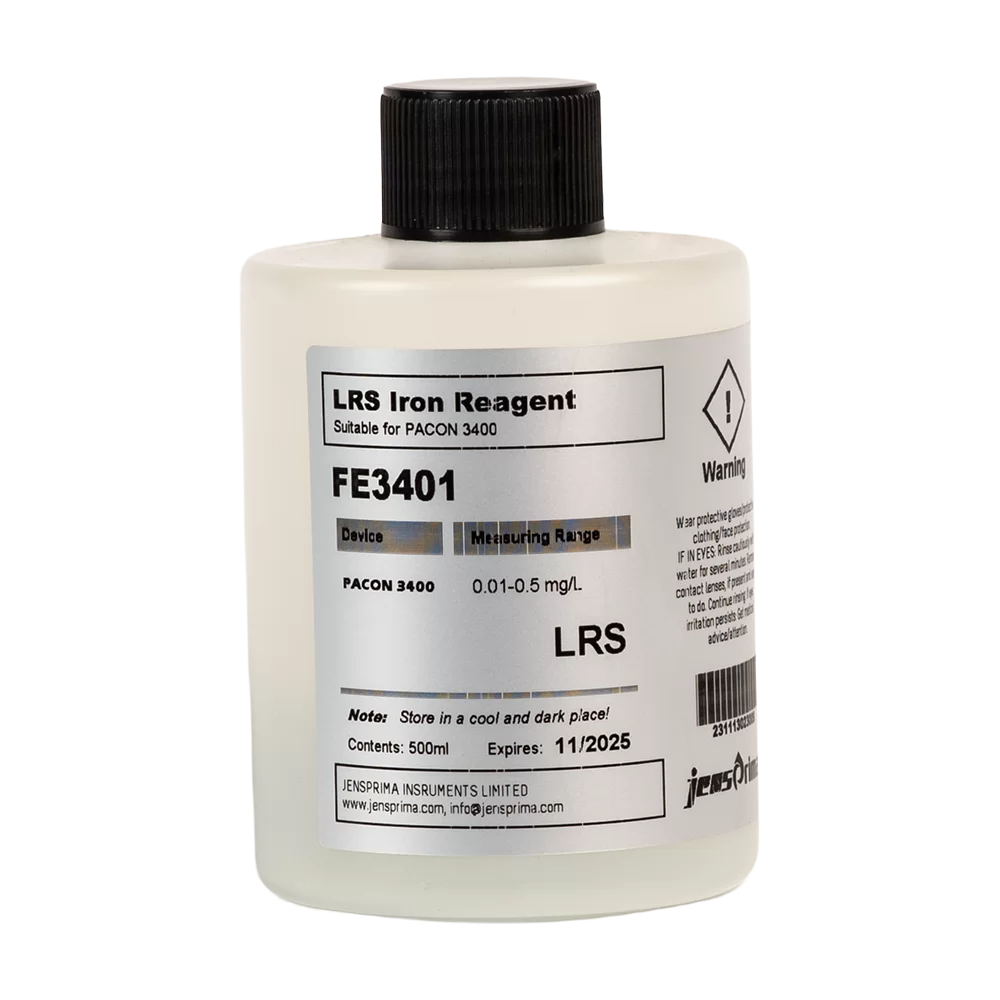
Most hardness reagents have a shelf life of 12 to 24 months if stored in a cool, dark place. To ensure the highest accuracy, it is critical to use reagents from the same batch for calibration and measurement. Using expired reagents can lead to under-reporting of hardness, which could potentially allow scale to form in your system.
Conclusion
The transition to automated water hardness monitoring represents a critical evolution in industrial water management. By integrating a high-precision water hardness analyzer like the PACON 4200, facilities can move from a reactive maintenance posture to a proactive operational strategy. The combination of real-time data, seamless SCADA integration, and reduced chemical waste creates a sustainable loop that protects expensive assets and optimizes energy consumption.
Looking ahead, the integration of IIoT and predictive analytics will further refine how we manage water minerals, turning simple measurement into intelligent foresight. For any organization operating high-pressure boilers, cooling towers, or ultrapure water systems, investing in online analysis is no longer optional—it is the foundation of operational reliability and environmental stewardship. Visit our website for more information: www.jensprima.com





 Download
 Video Center
 Technical Services
 FAQS
 Service Network
 Privacy Policy
 Contact Us