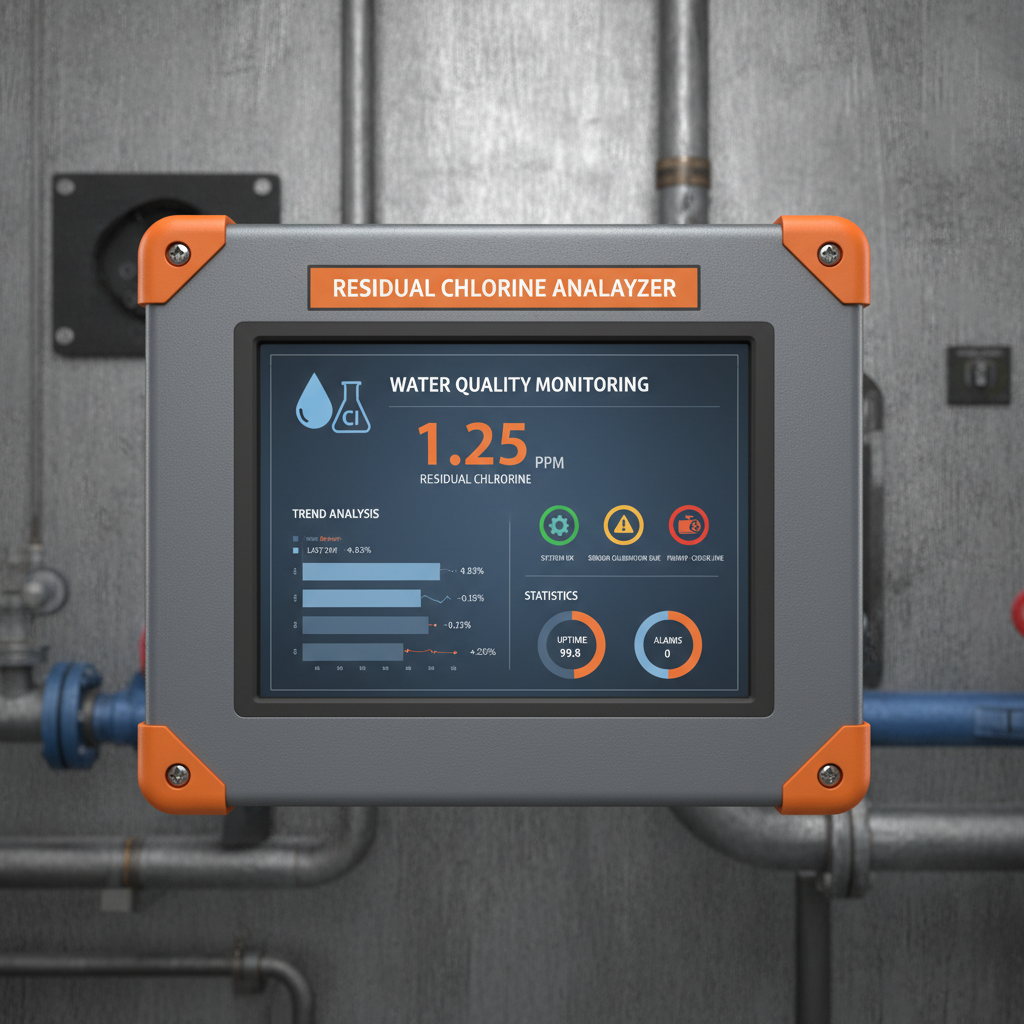
Maintaining precise control over water disinfection is a critical pillar of public health and industrial safety. A high-quality residual chlorine monitor ensures that water remains free from harmful pathogens while preventing the over-chlorination that can lead to pipe corrosion and the formation of carcinogenic disinfection by-products. By providing real-time data, these systems allow operators to balance safety with chemical efficiency.
Across the globe, the demand for automated monitoring has surged as municipal water authorities and industrial plants move away from manual titration. The integration of a residual chlorine monitor into a SCADA system enables immediate response to fluctuations in water quality, reducing the risk of human error and ensuring compliance with strict environmental regulations.
Understanding the nuances of chlorine measurement—including the difference between free and total residual chlorine—is essential for any facility managing water treatment. Whether in a swimming pool, a pharmaceutical lab, or a city's main water line, the residual chlorine monitor serves as the primary line of defense in safeguarding water purity and operational longevity.
Global Importance of Residual Chlorine Monitoring
The global challenge of water scarcity and contamination has made the role of the residual chlorine monitor more vital than ever. According to WHO guidelines, maintaining a consistent residual chlorine level is the most effective way to prevent the re-contamination of water during distribution. In many developing regions, the lack of automated monitoring leads to either under-treated water, causing outbreaks of cholera, or over-treated water, which poses long-term health risks.
From an industrial perspective, ISO standards for water quality demand rigorous documentation and stability. Facilities utilizing a residual chlorine monitor can avoid costly fines and environmental penalties by ensuring their discharge water meets local regulatory limits. This transition toward automated, continuous sensing is not just a technical upgrade but a global necessity for urban resilience.
Defining the Residual Chlorine Monitor and Its Role
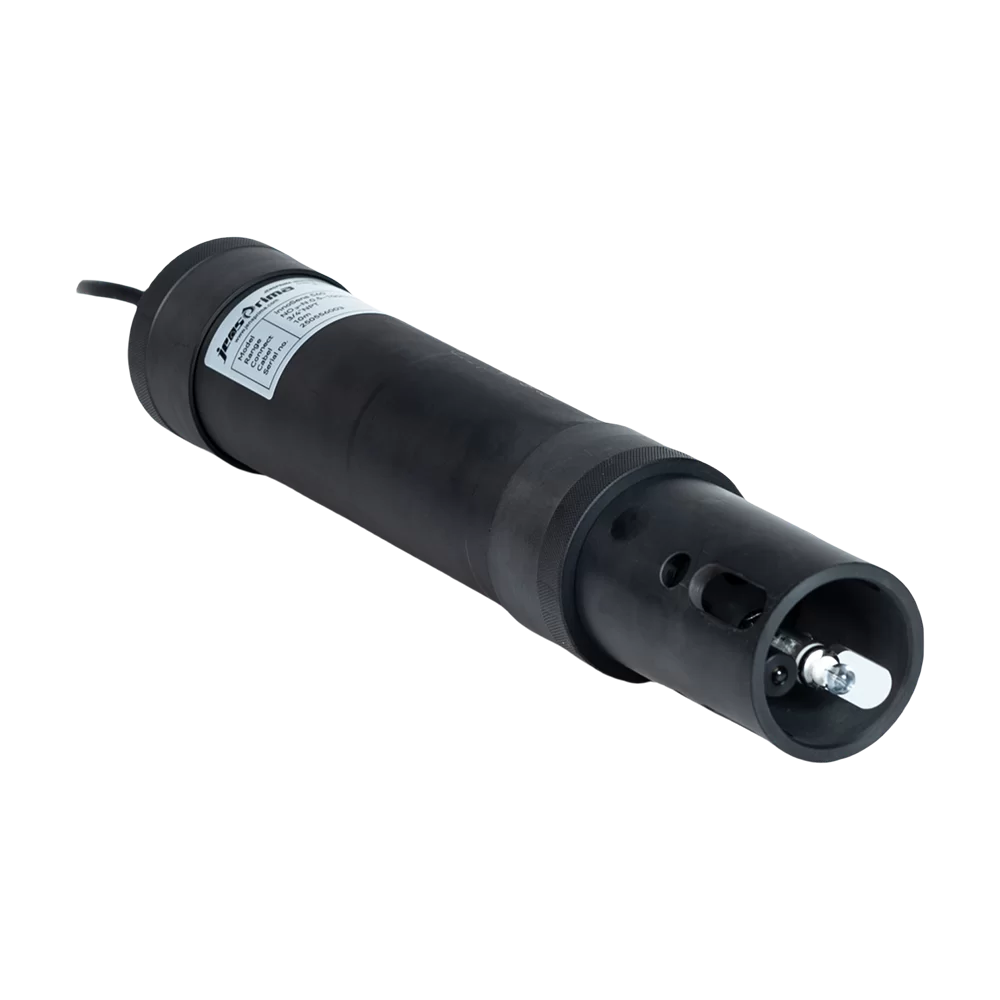
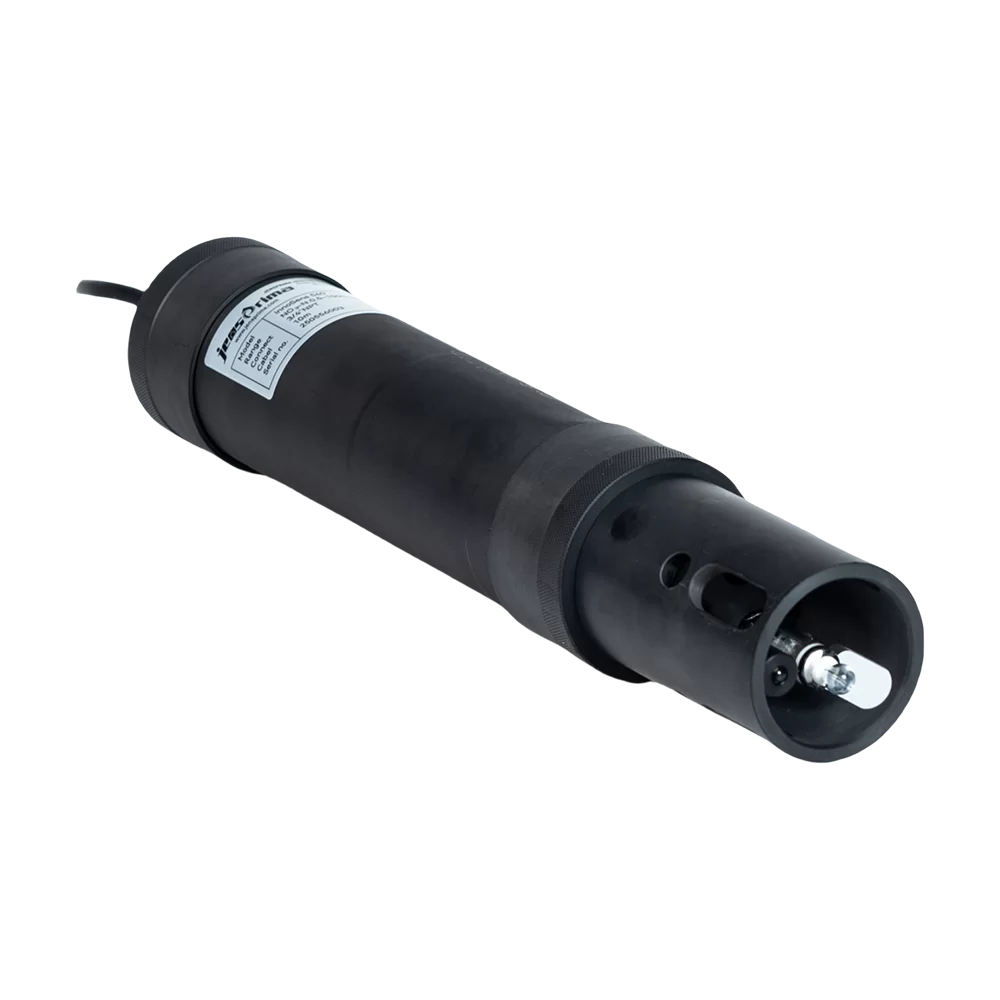
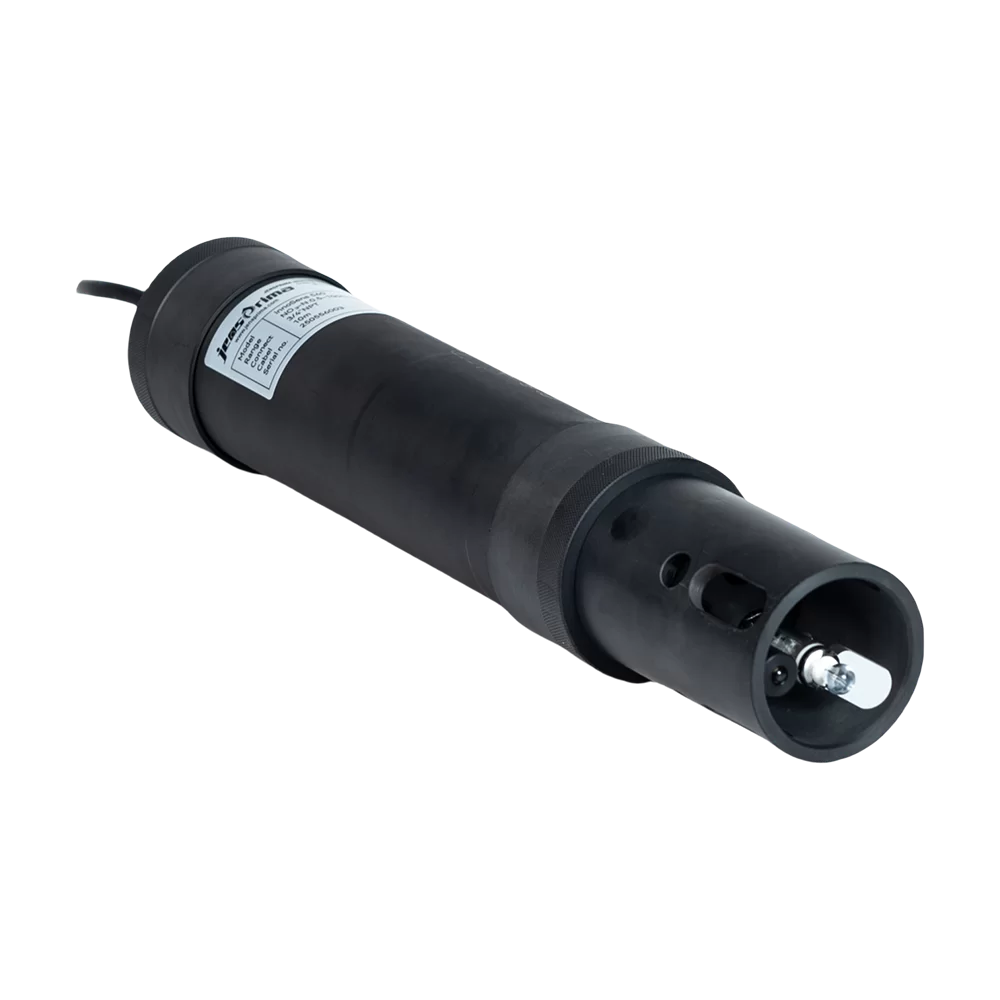
In simple terms, a residual chlorine monitor is a sophisticated analytical instrument designed to measure the amount of chlorine remaining in water after the initial disinfection demand has been met. This "residual" is what continues to protect the water as it travels through miles of piping to reach the end consumer. Without this buffer, the water would be vulnerable to biofilm growth and bacterial infiltration.
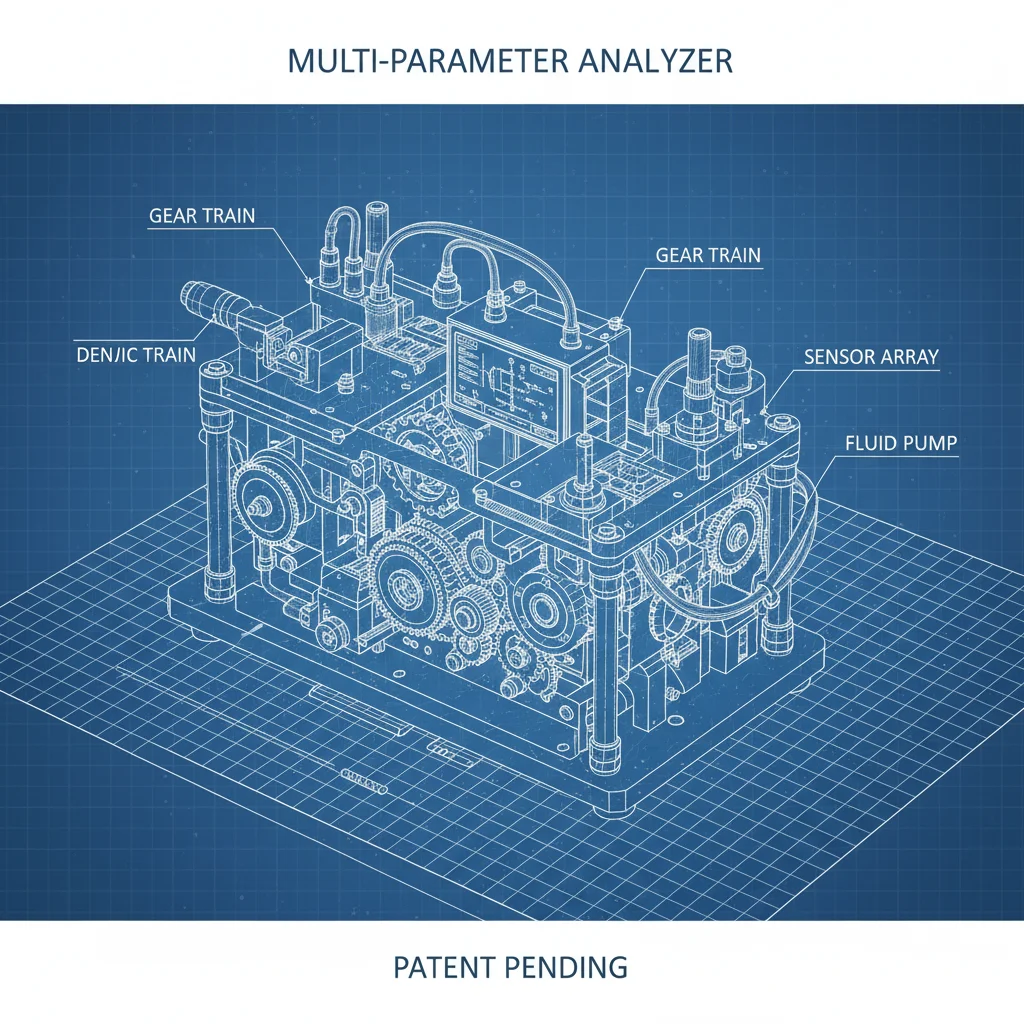
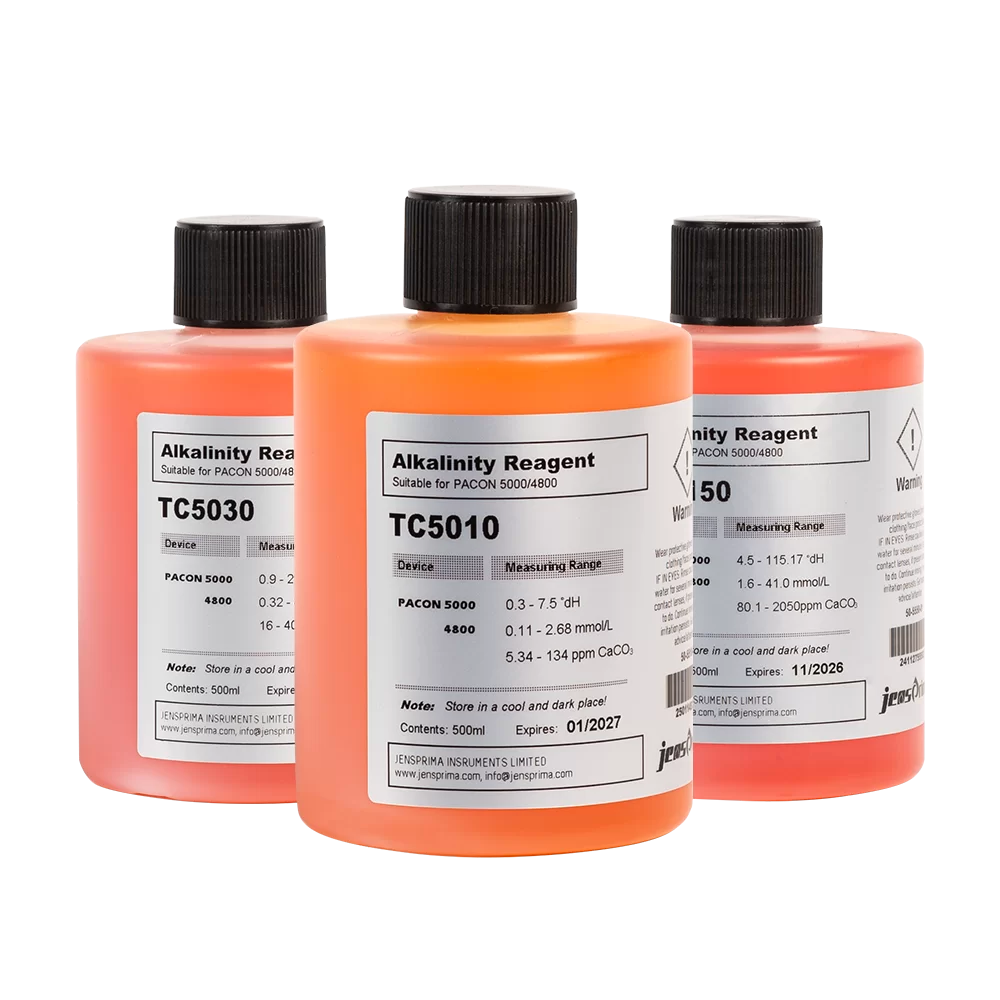
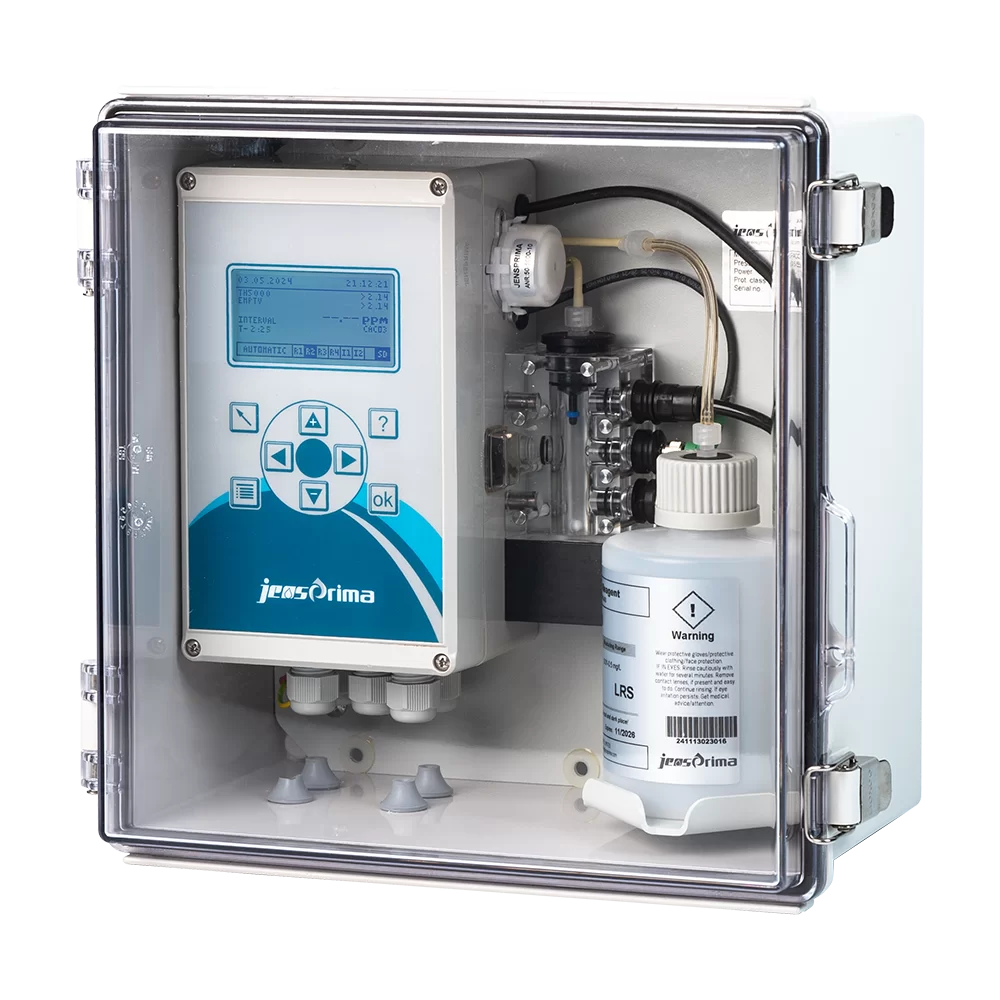
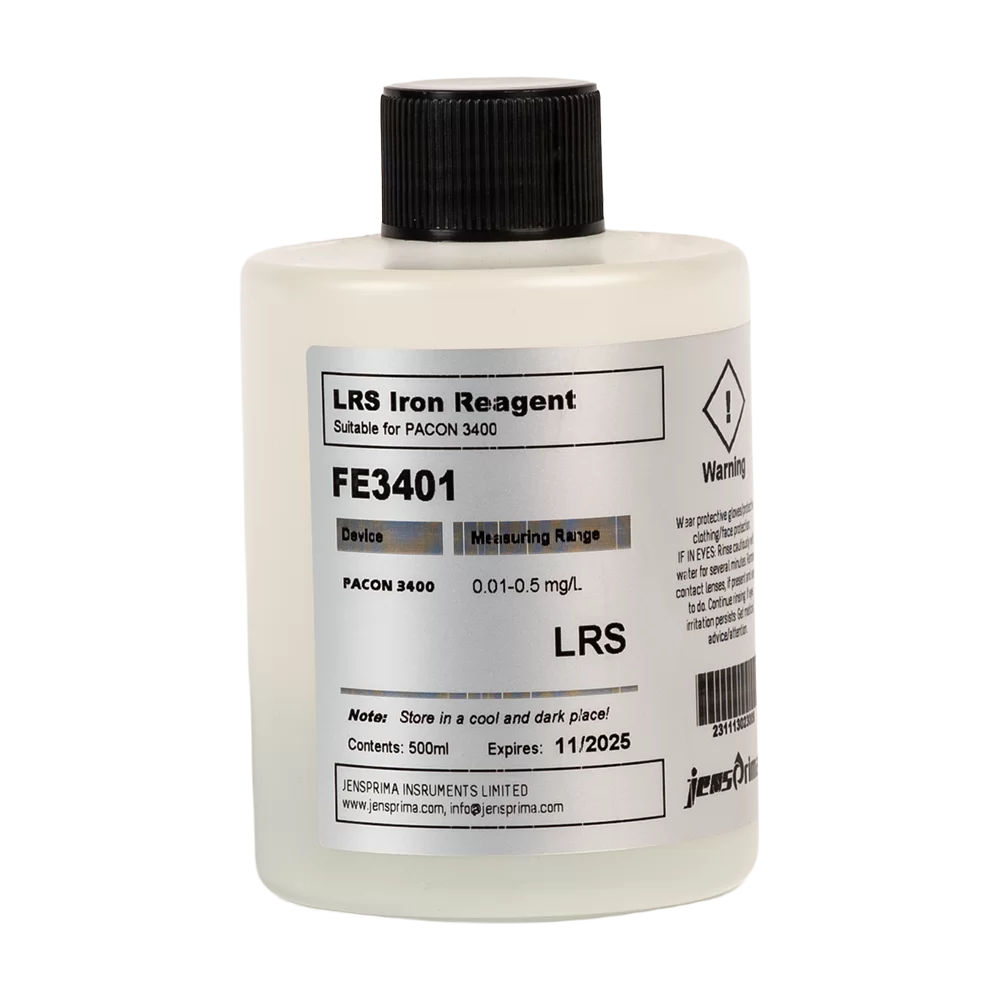
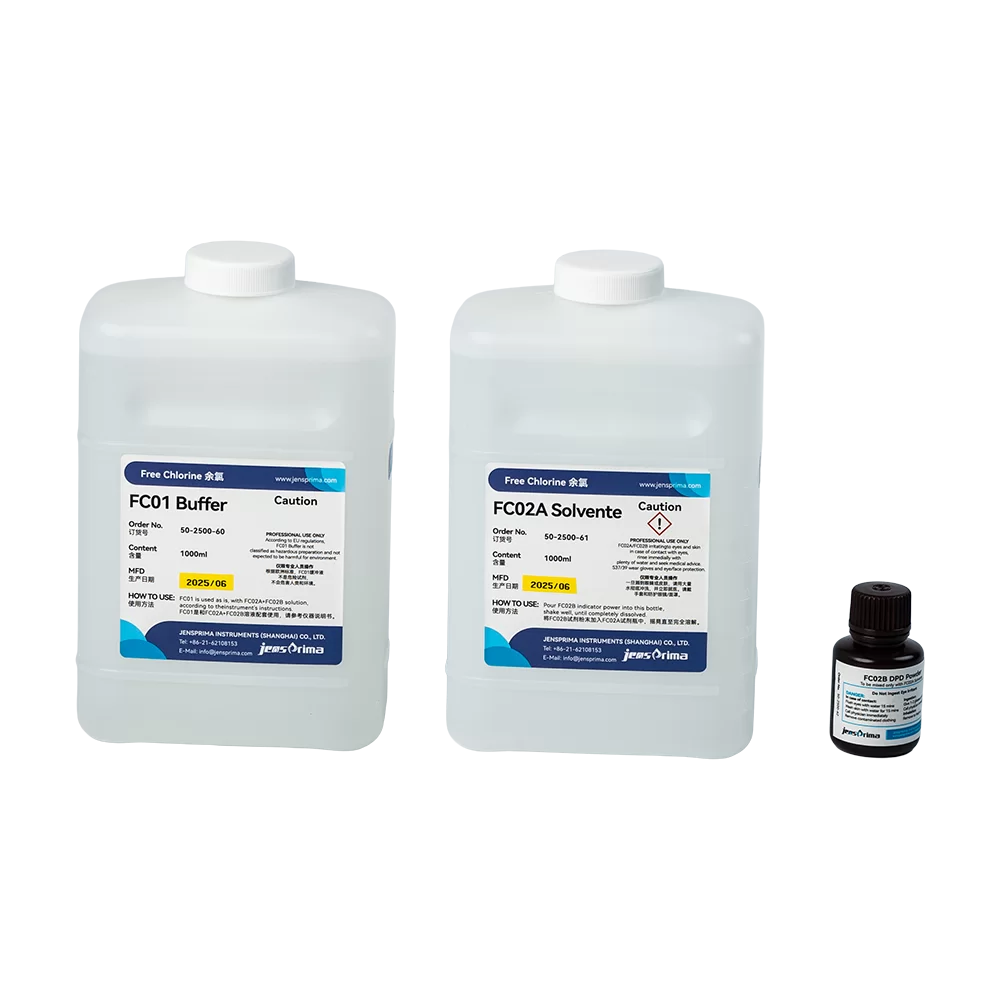
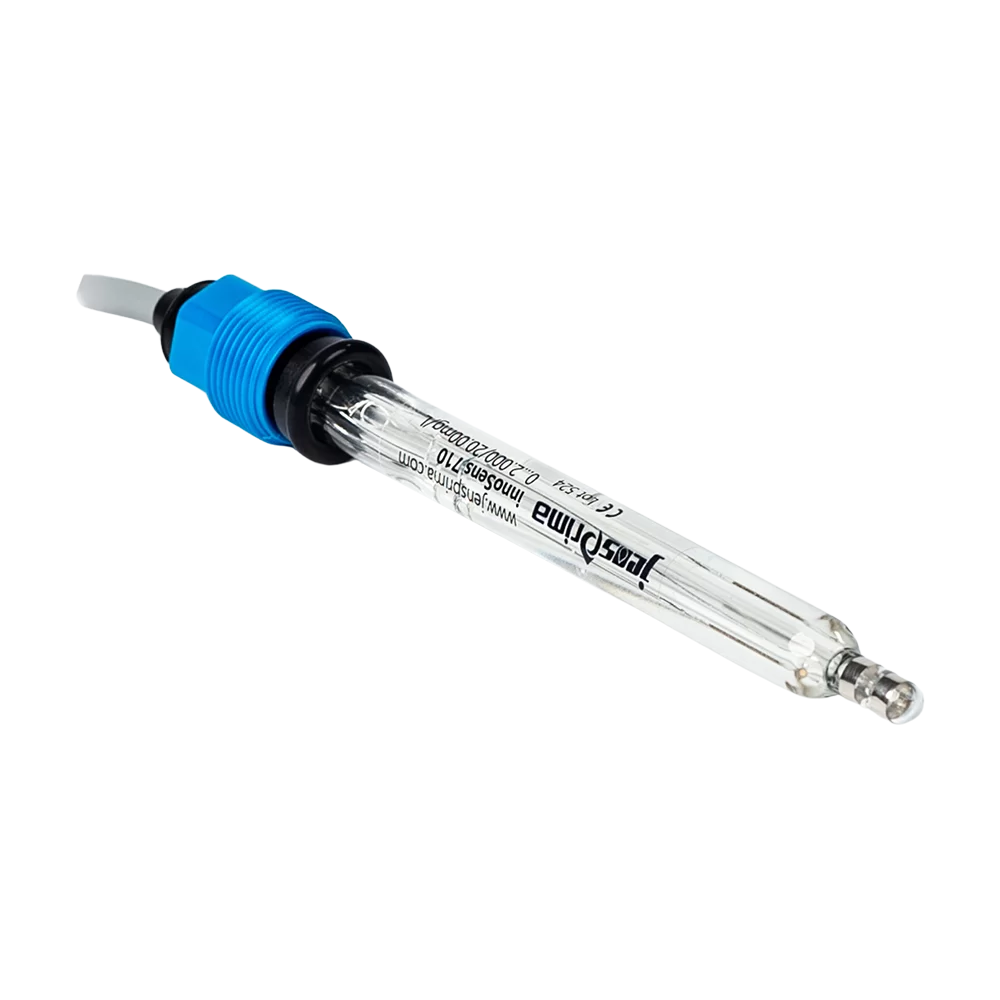
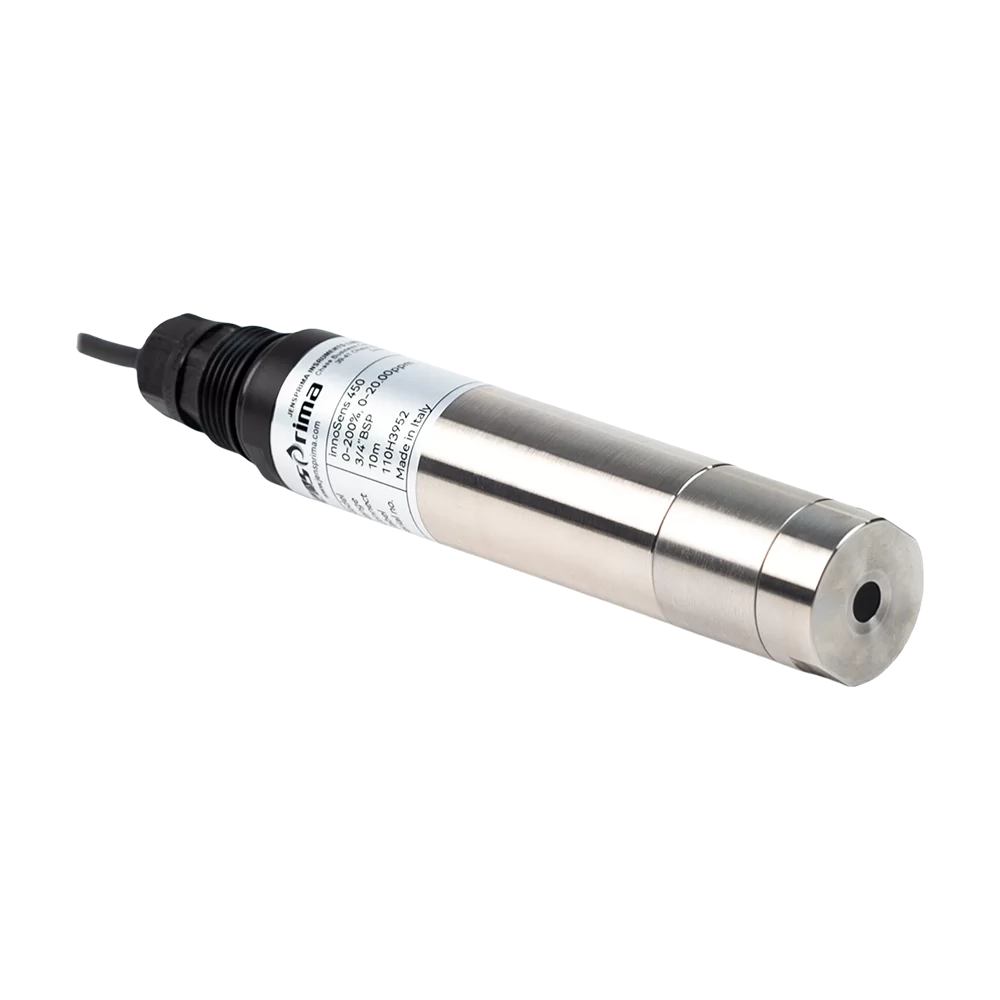
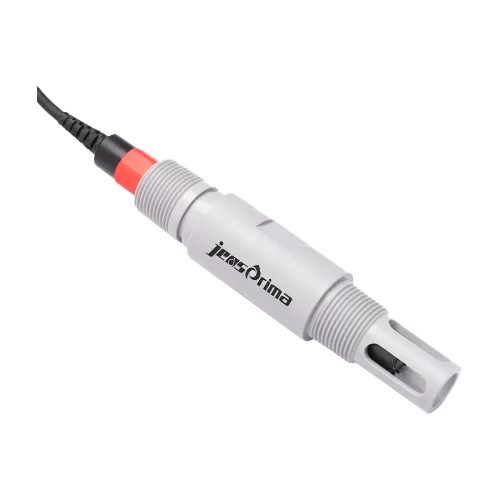
Modern monitors typically employ amperometric or colorimetric sensing technologies. Amperometric sensors provide a continuous electrical signal proportional to the chlorine concentration, allowing for immediate feedback loops. Colorimetric systems, often using DPD (N,N-diethyl-p-phenylenediamine), are prized for their high accuracy and ability to distinguish between free and combined chlorine.
The connection between these devices and humanitarian needs is profound. In disaster relief operations or remote industrial zones, deploying a portable residual chlorine monitor can be the difference between a safe drinking supply and a public health crisis. It empowers engineers to validate treatment efficacy on-site, ensuring the dignity and safety of the population.
Core Components of High-Precision Monitoring Systems
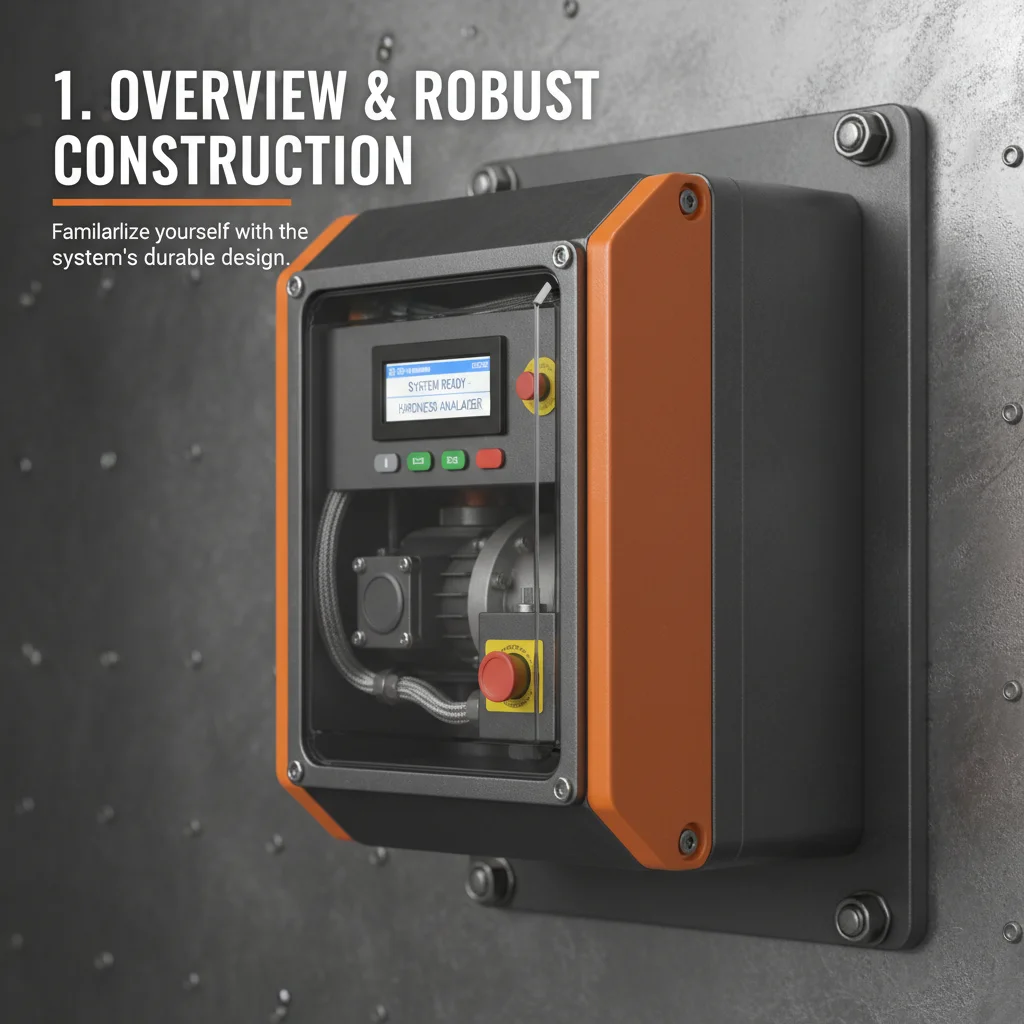
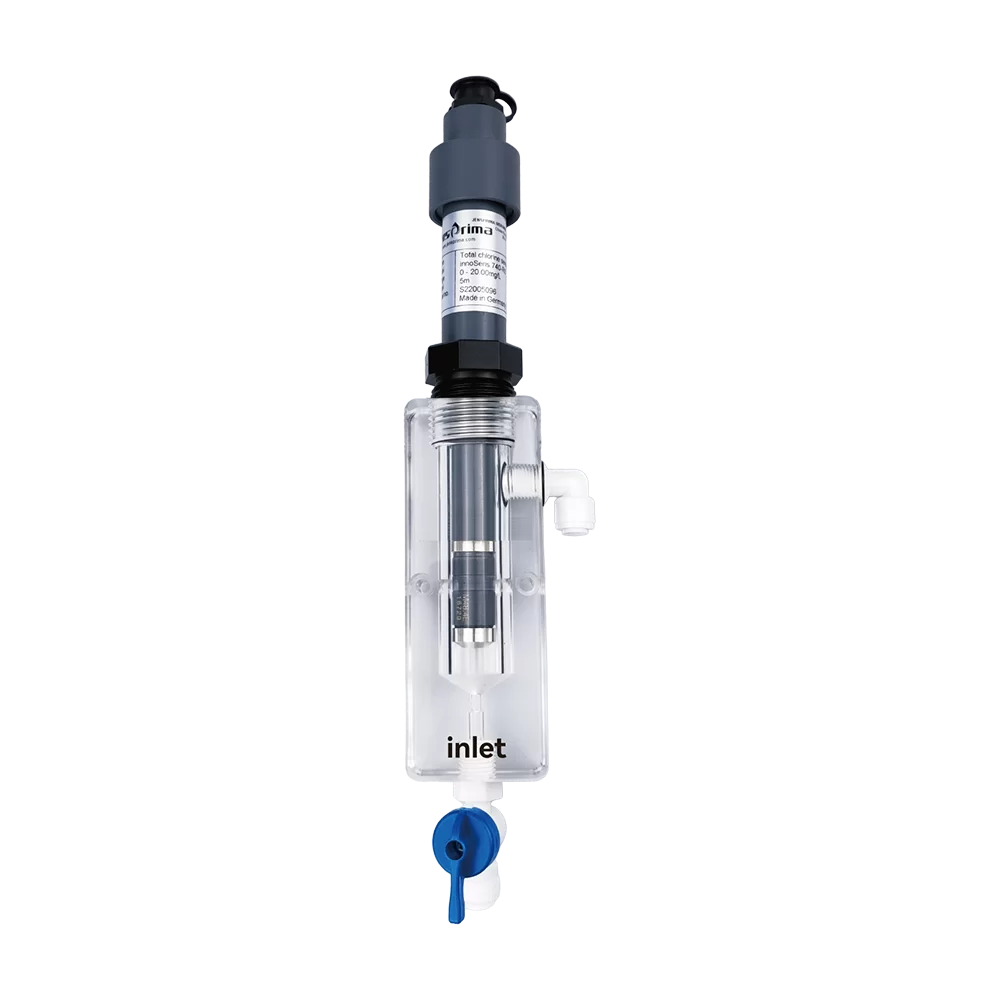
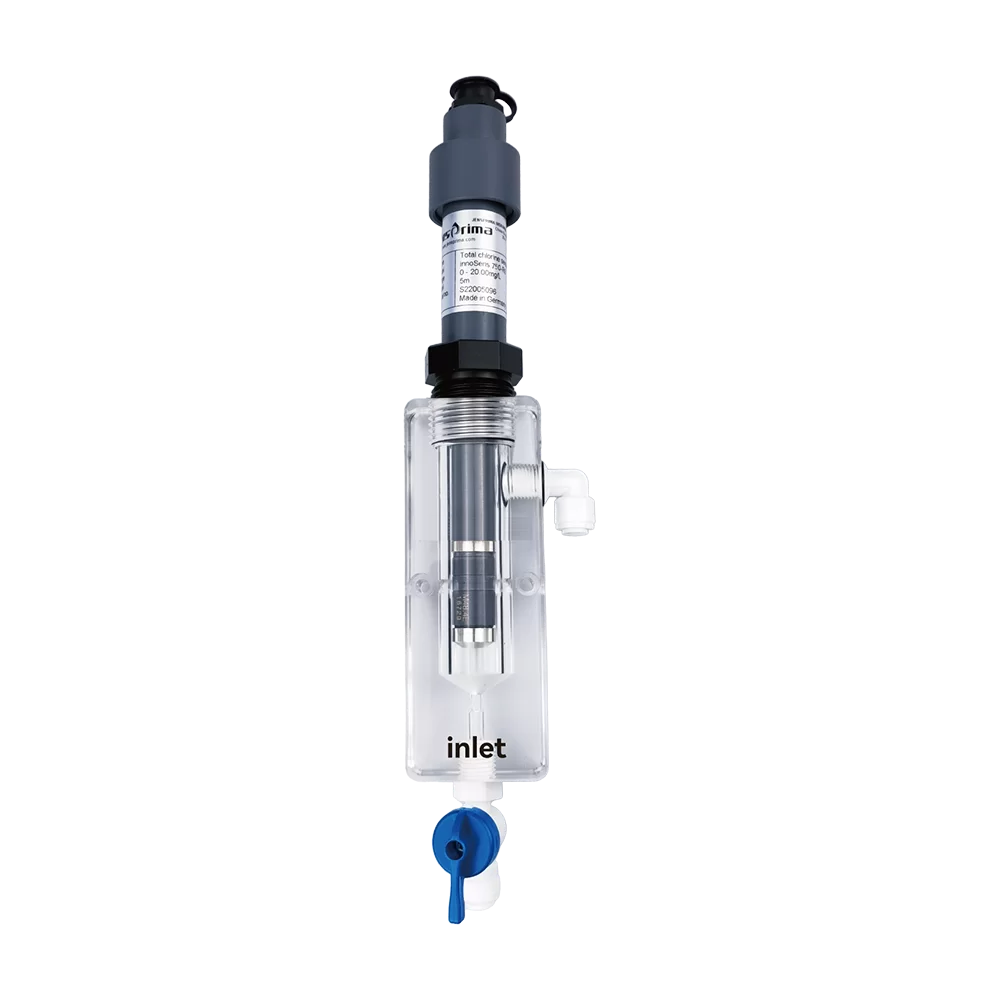
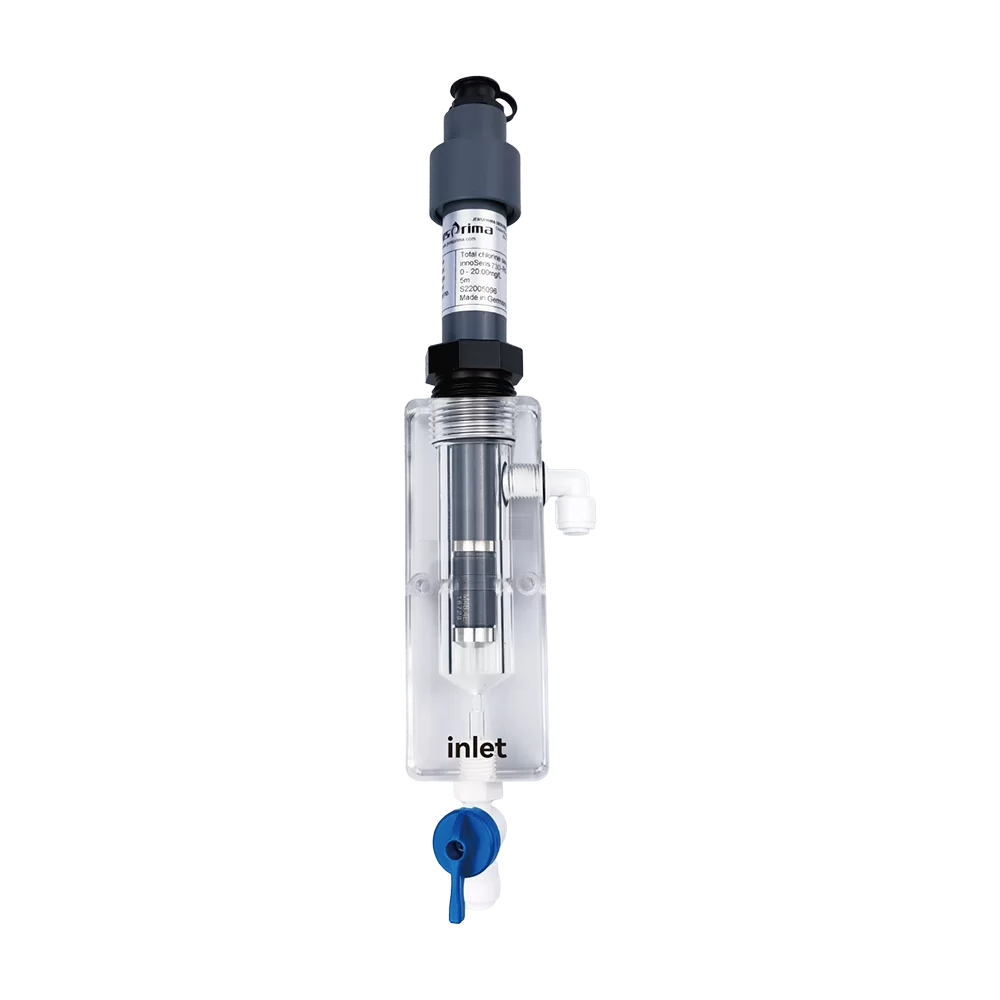
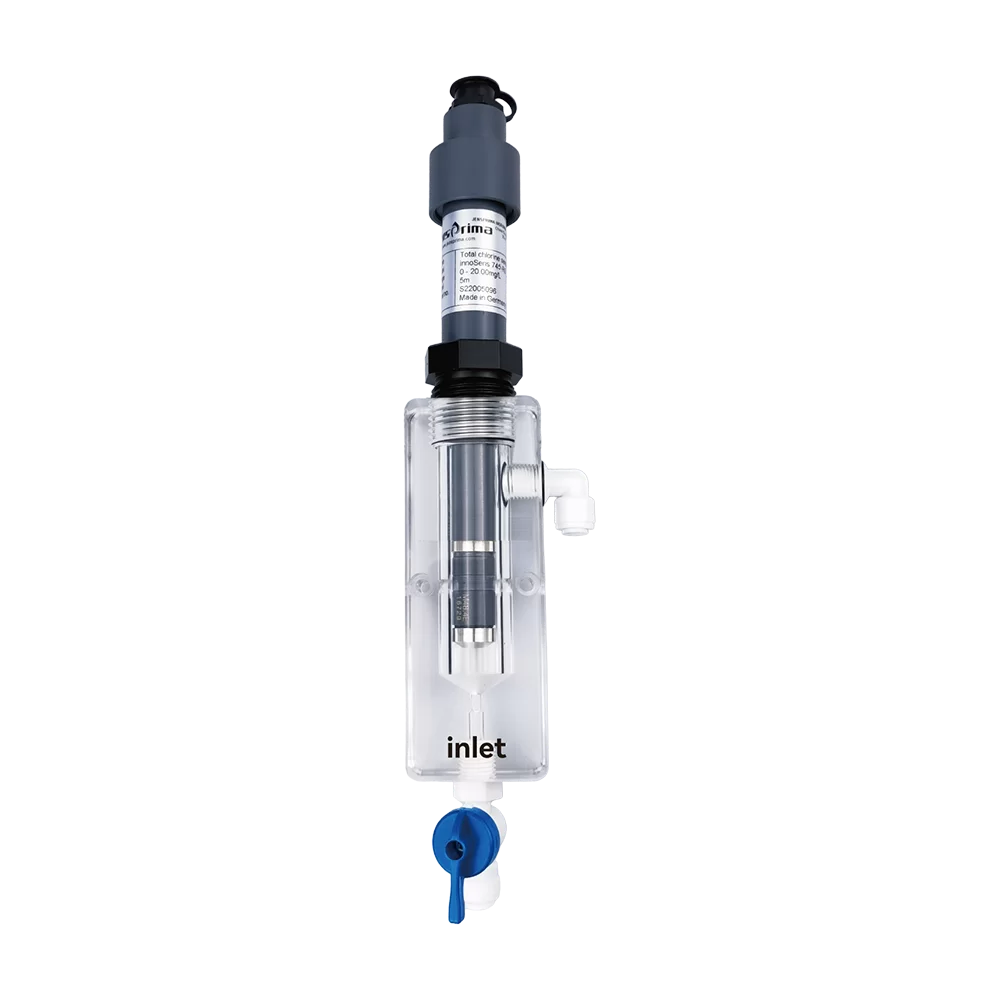
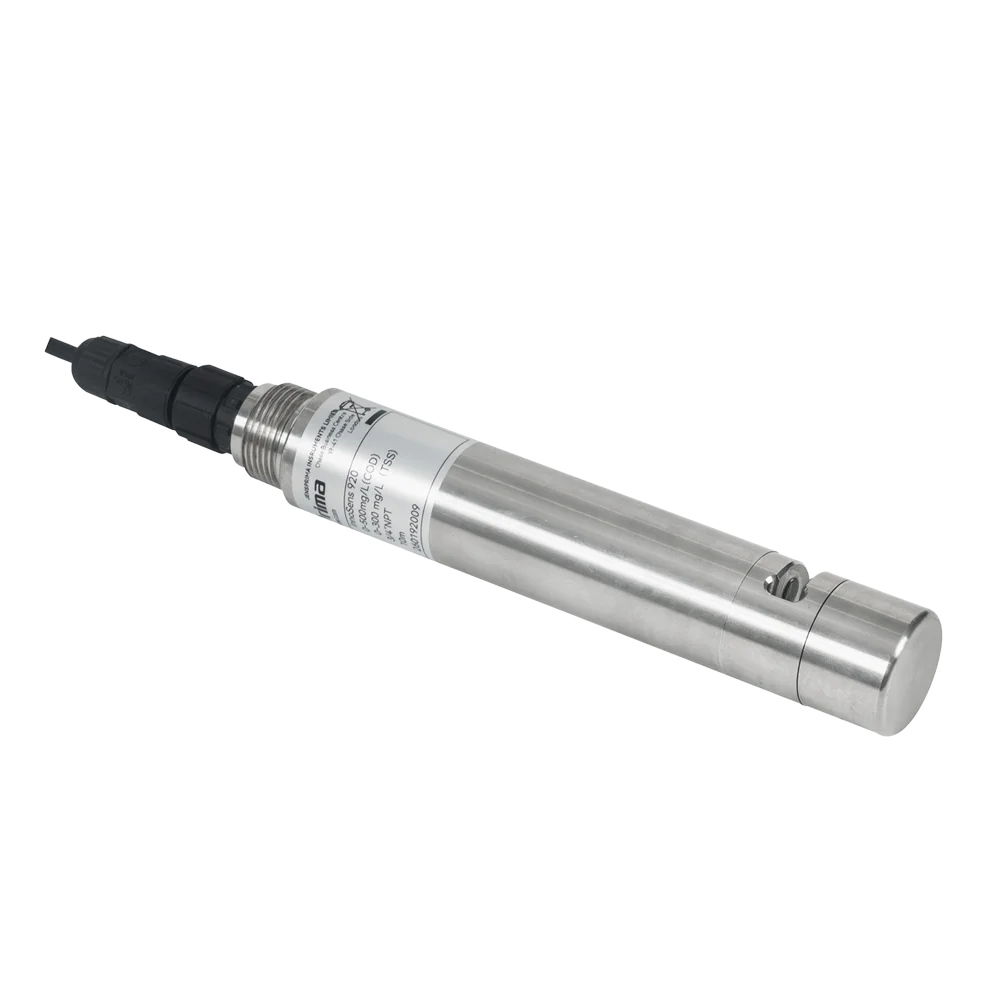
Durability is the first hallmark of a professional residual chlorine monitor. Since these devices are often installed in harsh environments—exposed to humidity, chemical fumes, and temperature swings—the housing must be IP-rated and the sensor materials must resist degradation. High-grade polymers and corrosion-resistant electrodes ensure the system maintains accuracy over years of service.
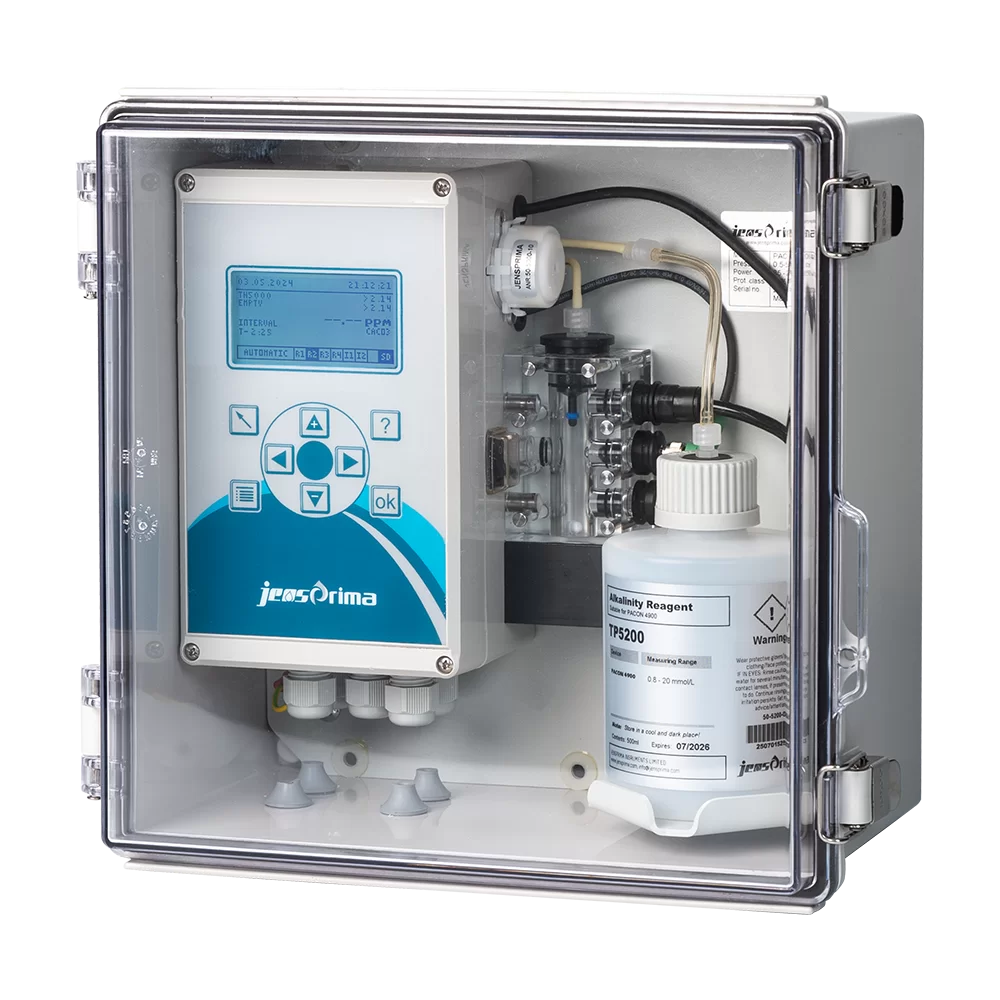
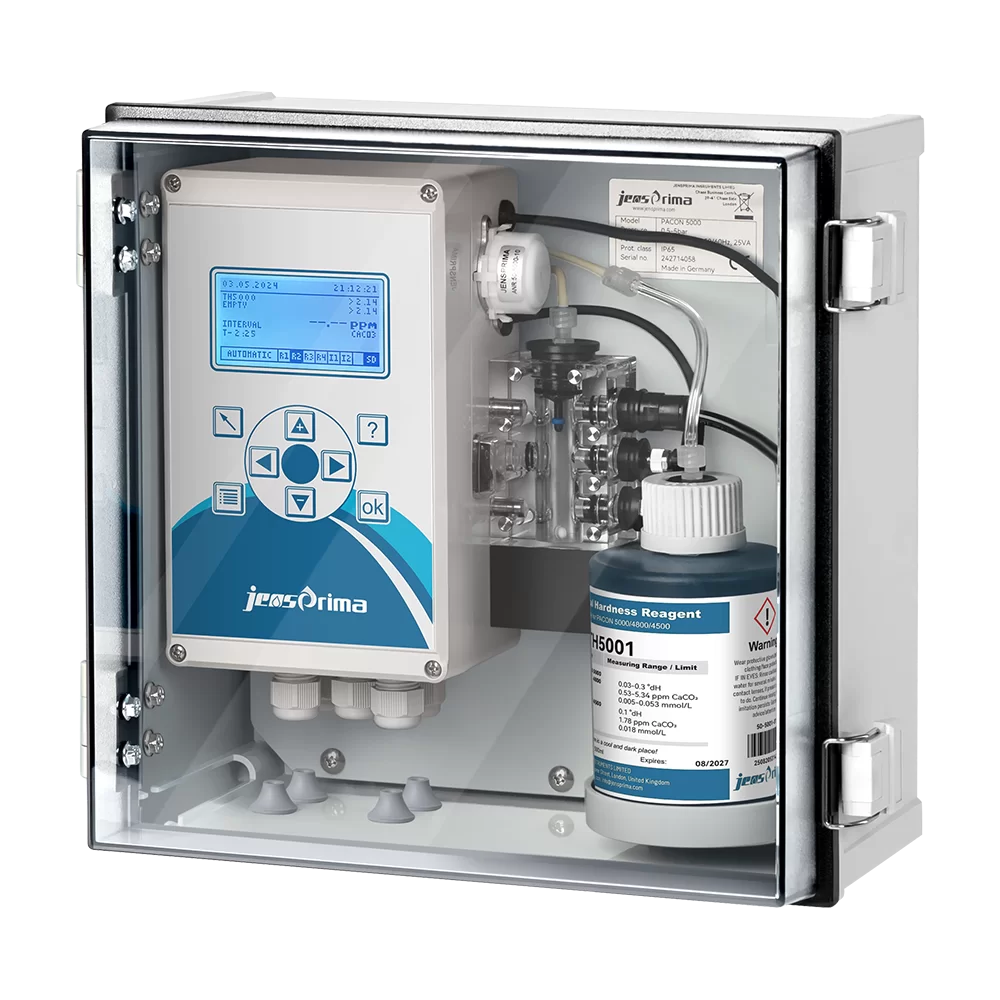
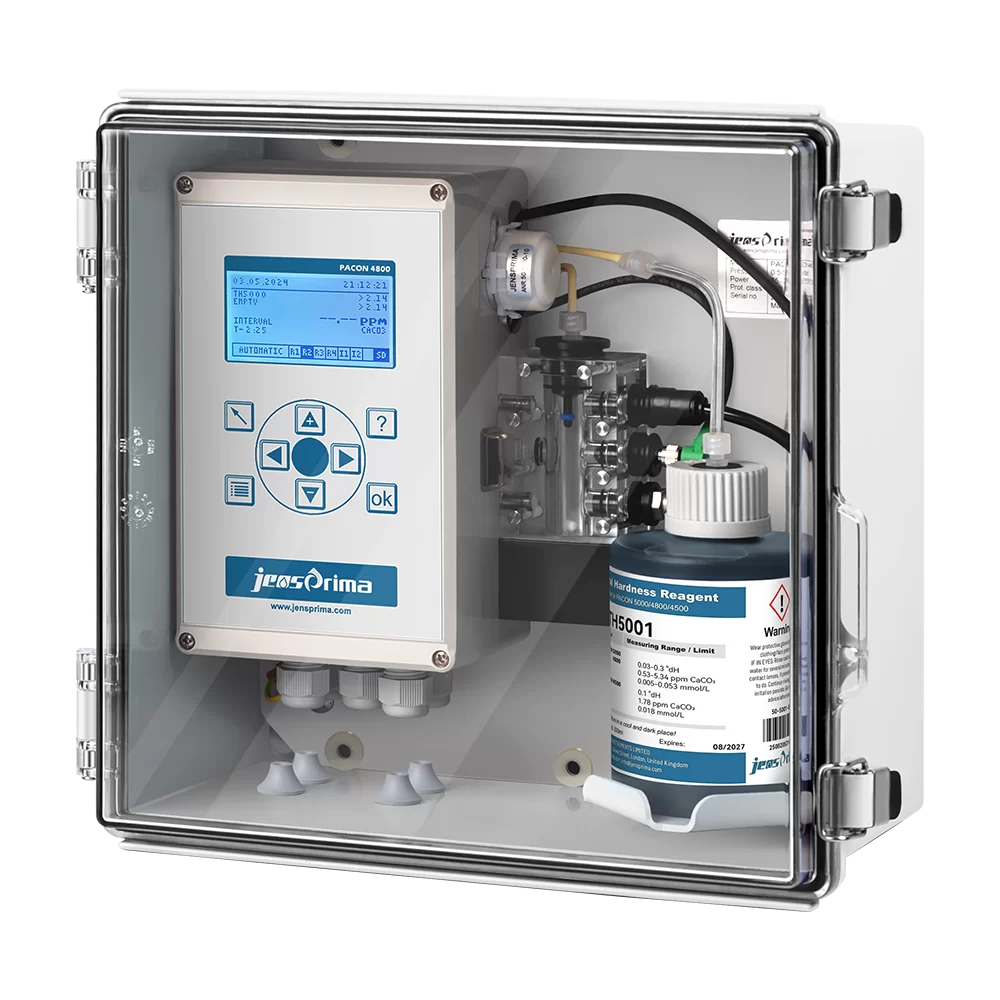
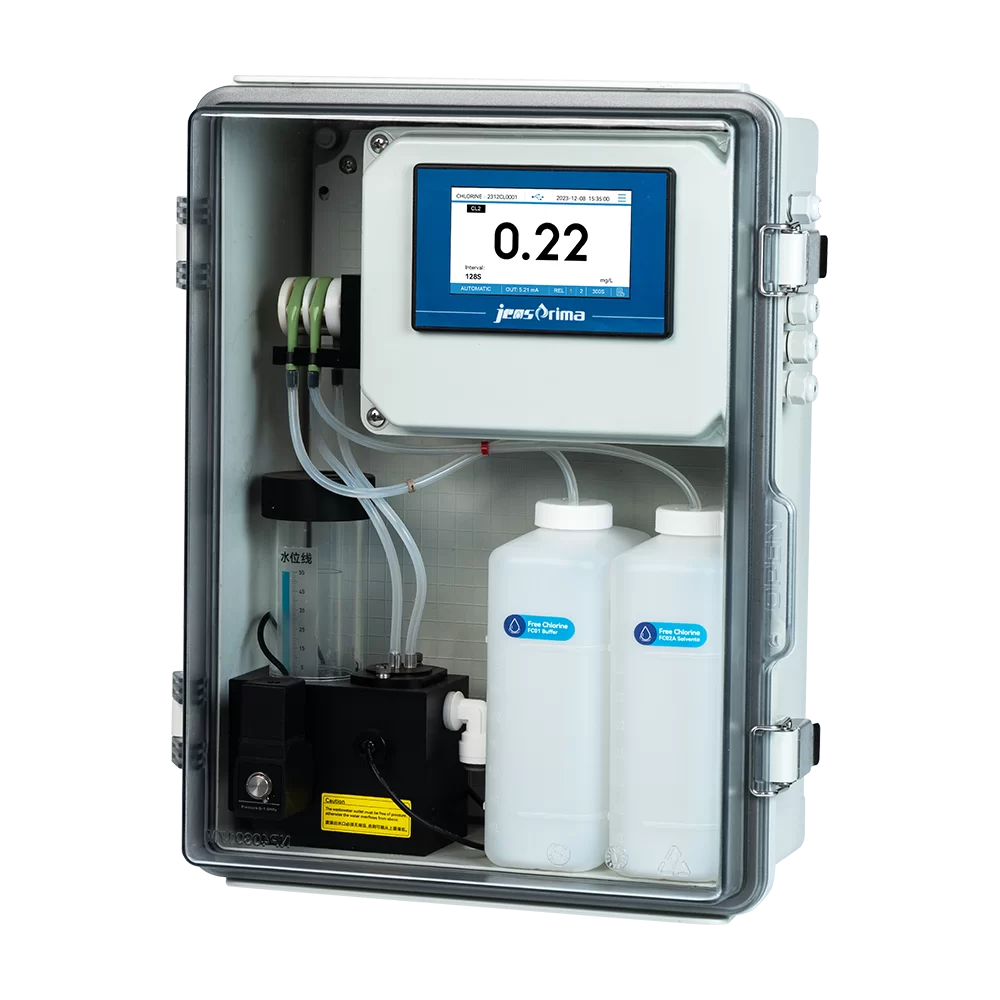
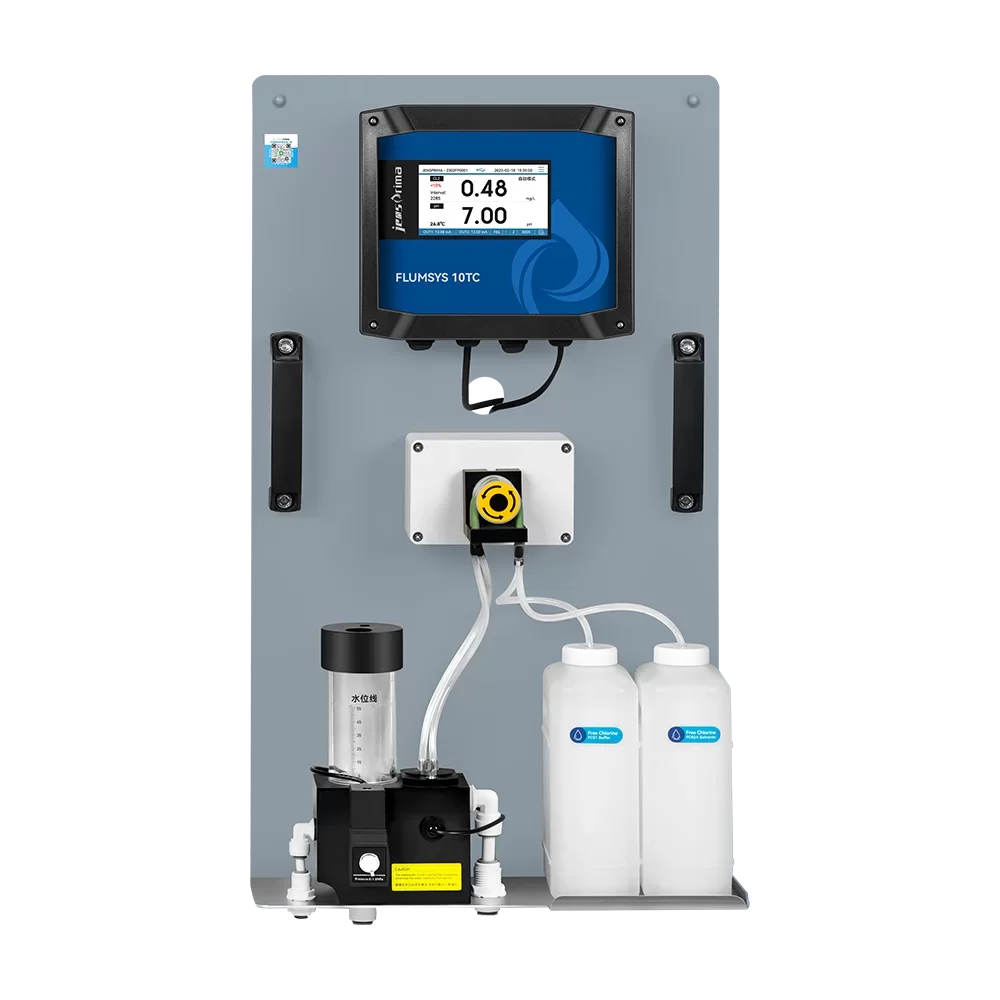
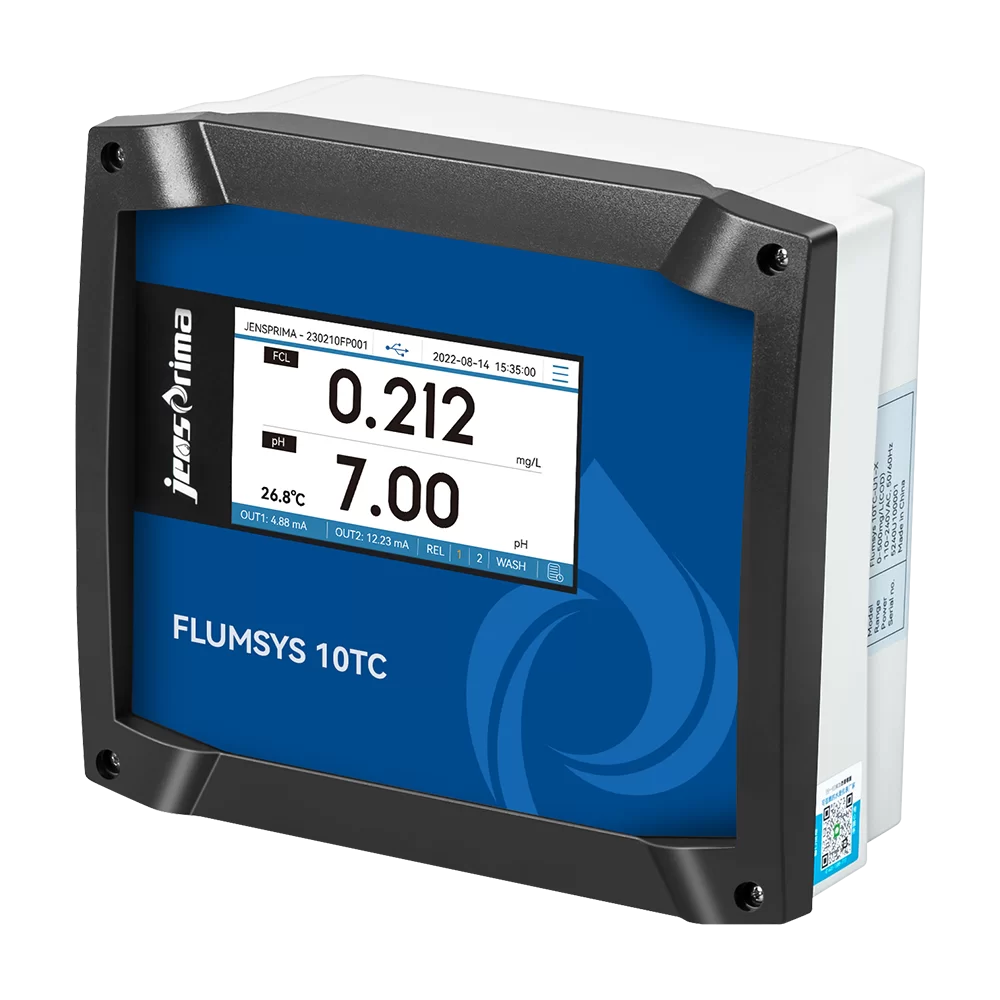
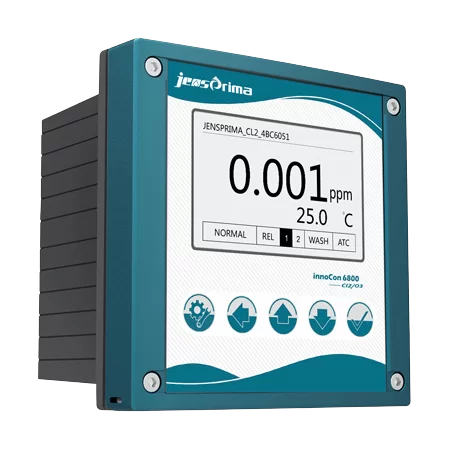
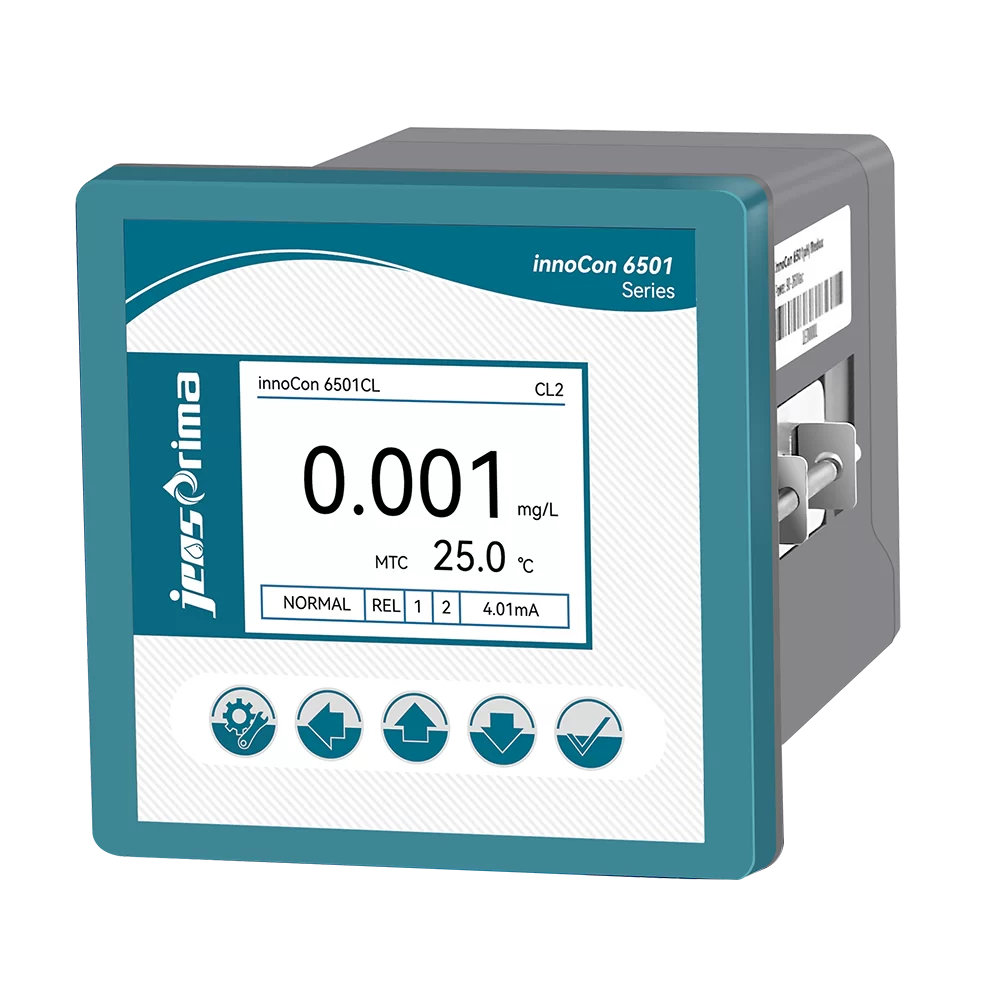
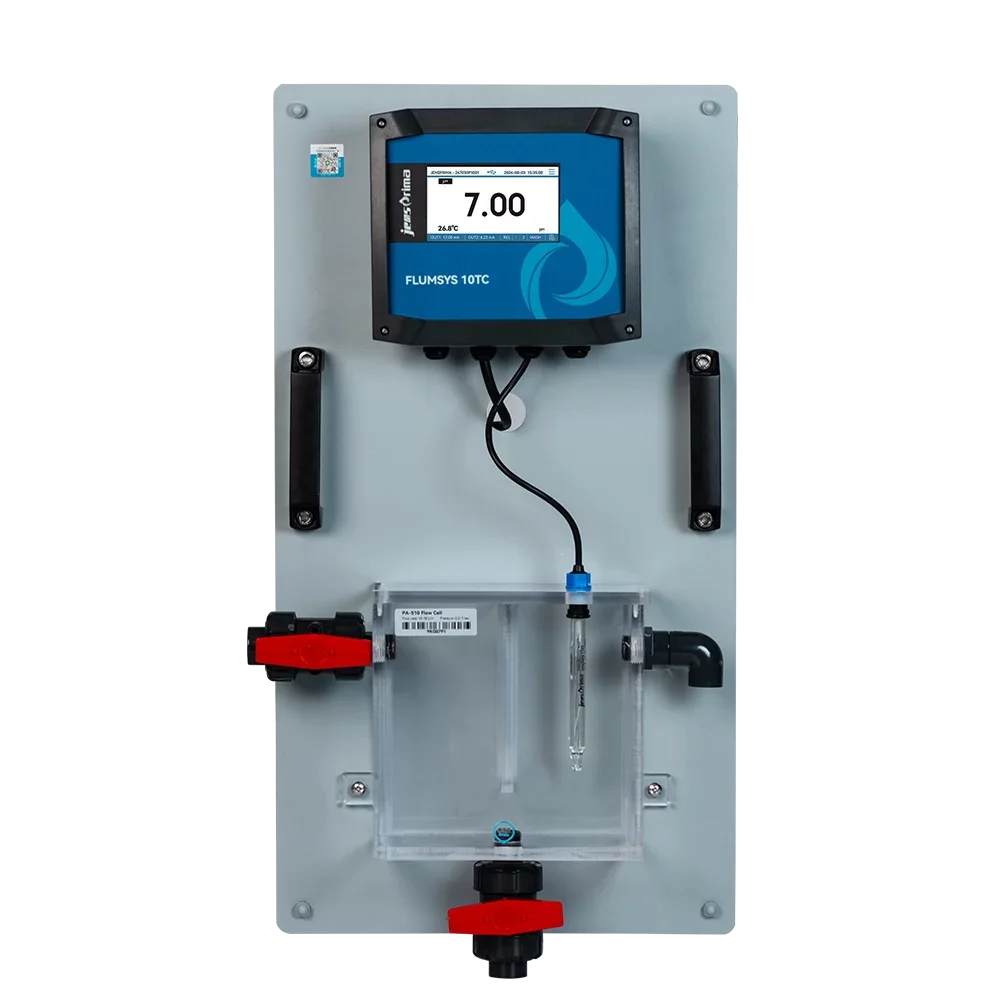
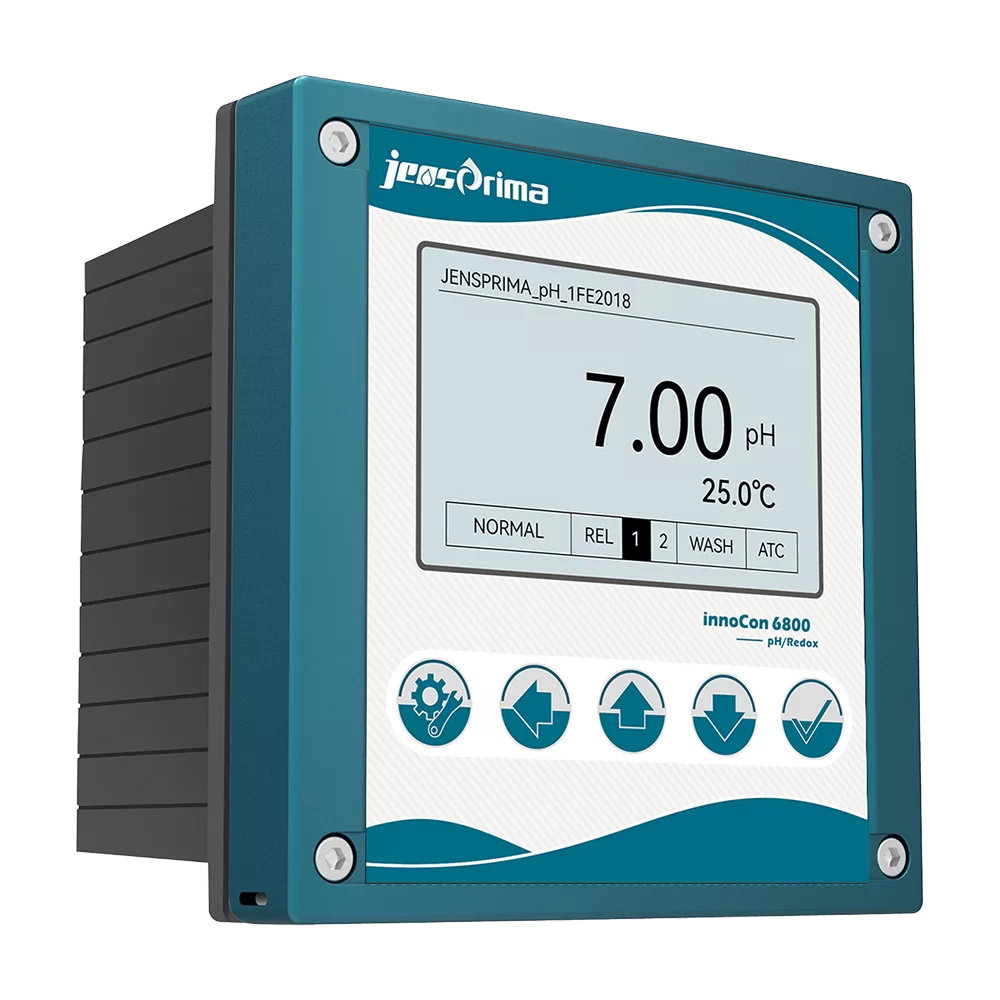
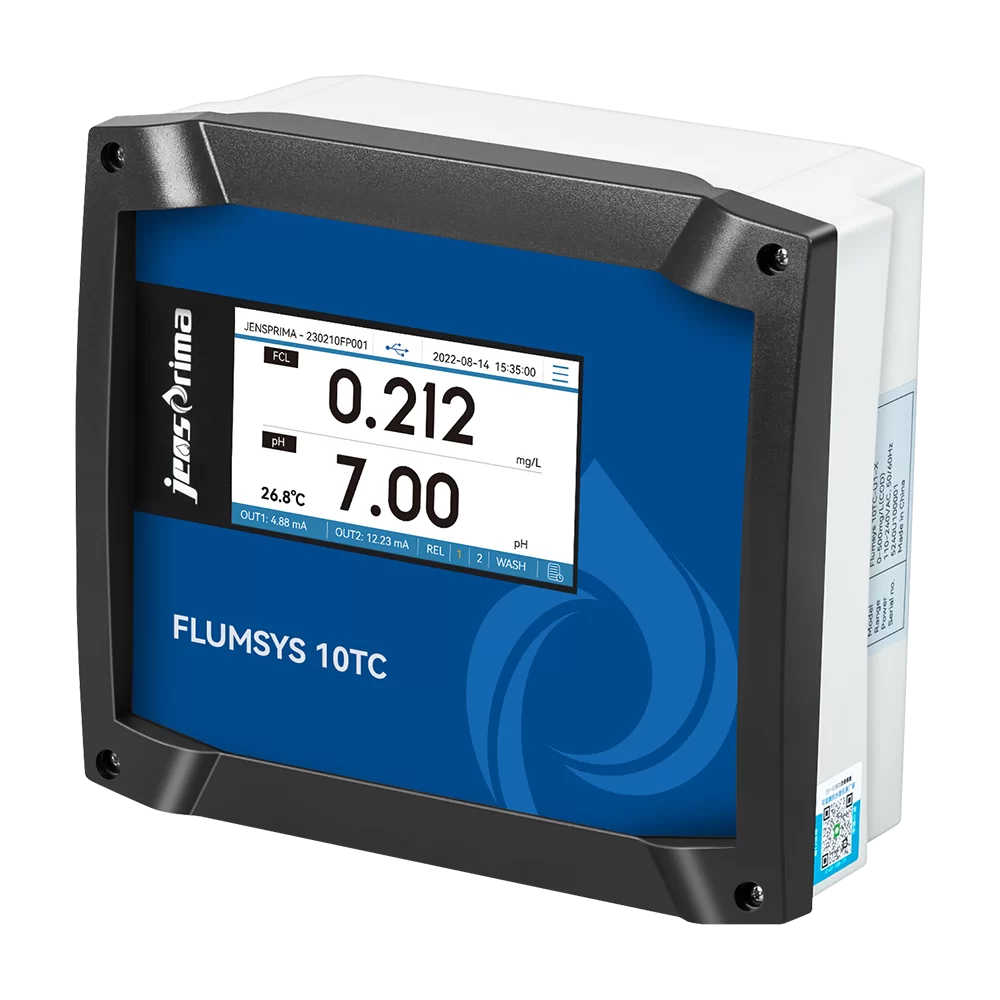
Scalability and integration are equally critical. A modern residual chlorine monitor must support multiple communication protocols such as 4-20mA, Modbus RTU, or Profibus. This allows a single sensor to feed data into a larger ecosystem, coordinating the dosing pumps of a Residual Chlorine/Total Chlorine Controller to automate the entire disinfection process.
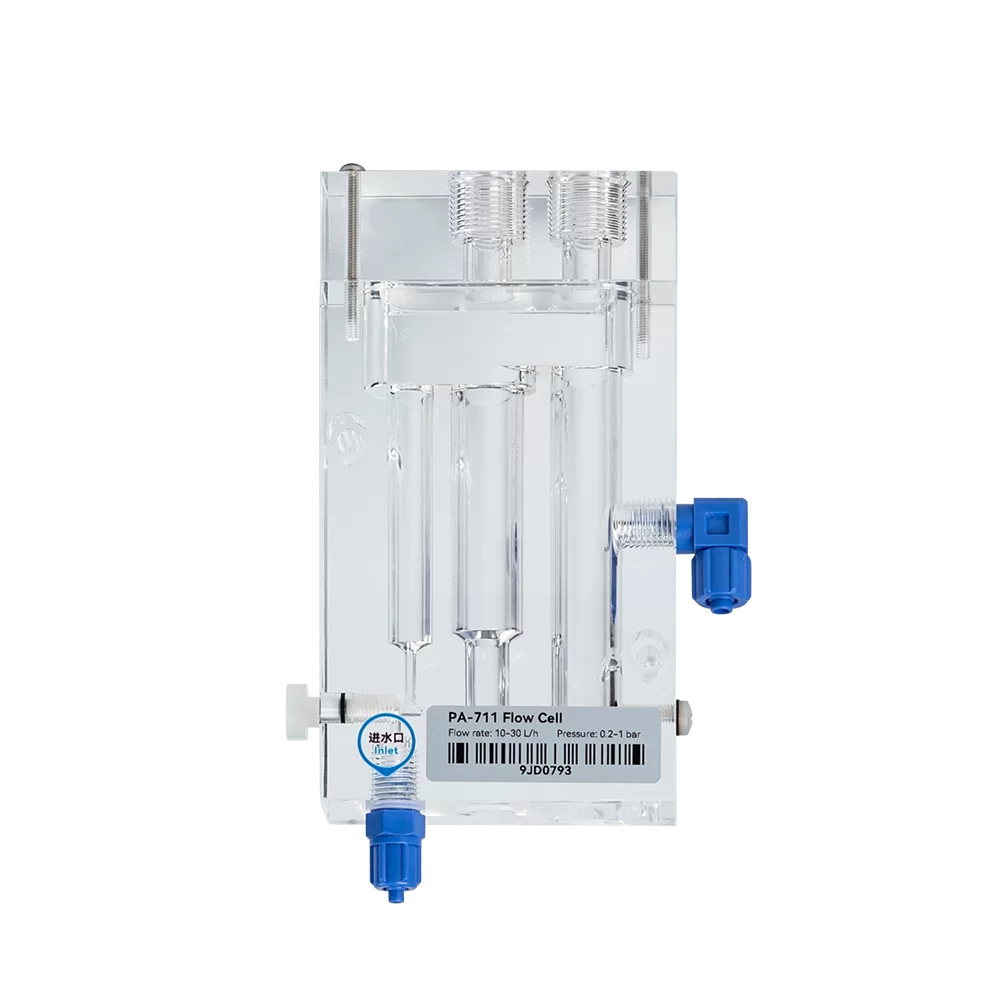
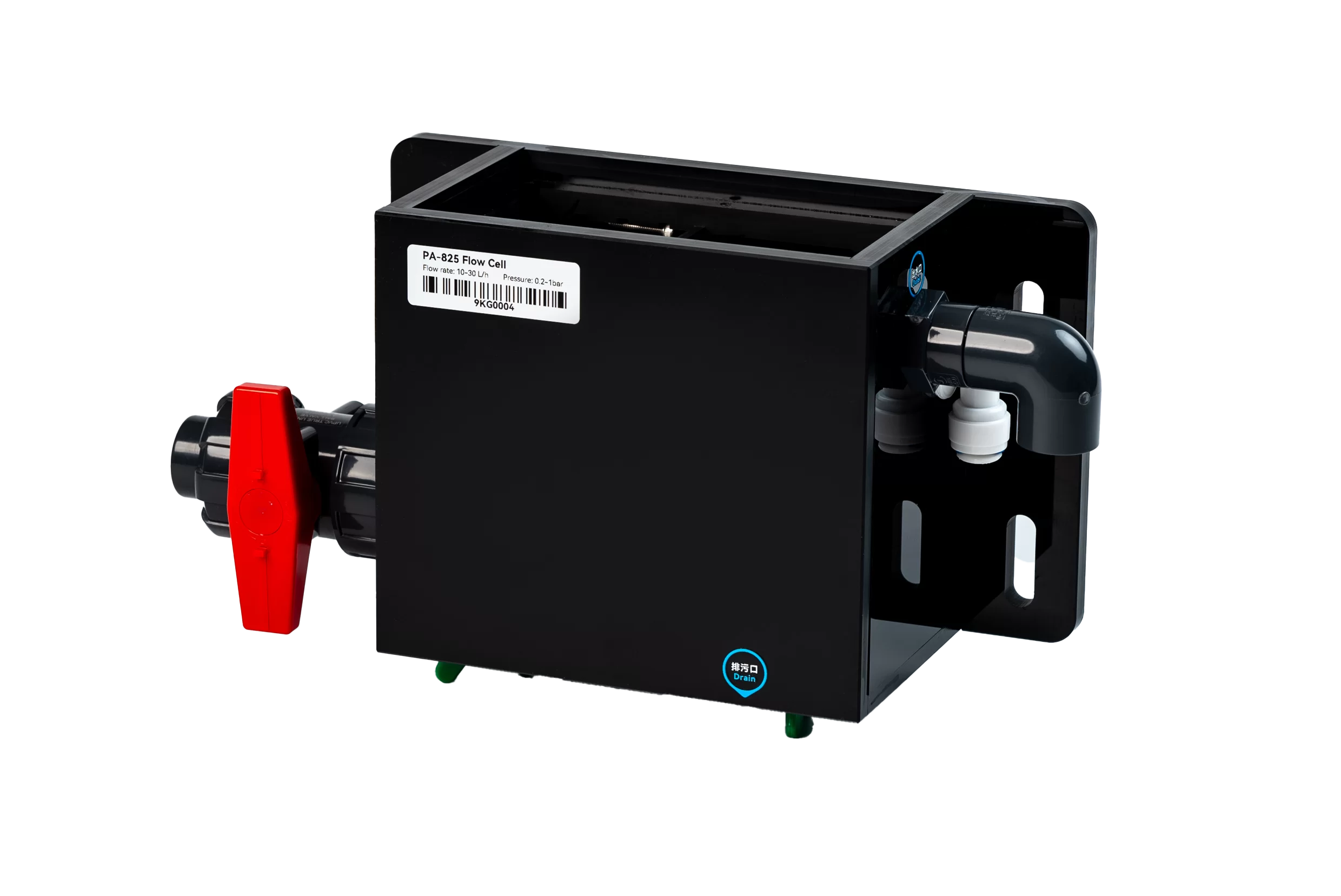
Finally, cost efficiency is realized through reduced reagent consumption and low-maintenance designs. By optimizing the flow cell geometry, a residual chlorine monitor can minimize waste while maximizing the frequency of measurements. This balance of high precision and low operational overhead makes automated monitoring accessible to smaller municipalities and private enterprises.
Performance Metrics and Comparison Methods
Selecting the right monitoring approach depends on the specific requirements of the water stream. While some applications require the rapid response of an amperometric residual chlorine monitor for process control, others necessitate the absolute precision of a DPD-based analyzer for regulatory reporting.
The trade-off usually involves a balance between maintenance frequency and data granularity. A sensor-based system offers continuous streaming data but requires periodic calibration, whereas a reagent-based system provides a "gold standard" measurement at discrete intervals.
Comparative Efficiency of Residual Chlorine Monitor Technologies
Global Industrial Applications and Case Studies
In the pharmaceutical and food & beverage industries, the residual chlorine monitor is indispensable for ensuring the sterility of Process Water. For instance, in a large-scale bottling plant, any deviation in chlorine levels could compromise the product's shelf life or lead to batch contamination. Automated monitors provide the documented proof of sterilization required by FDA and EMA regulations.
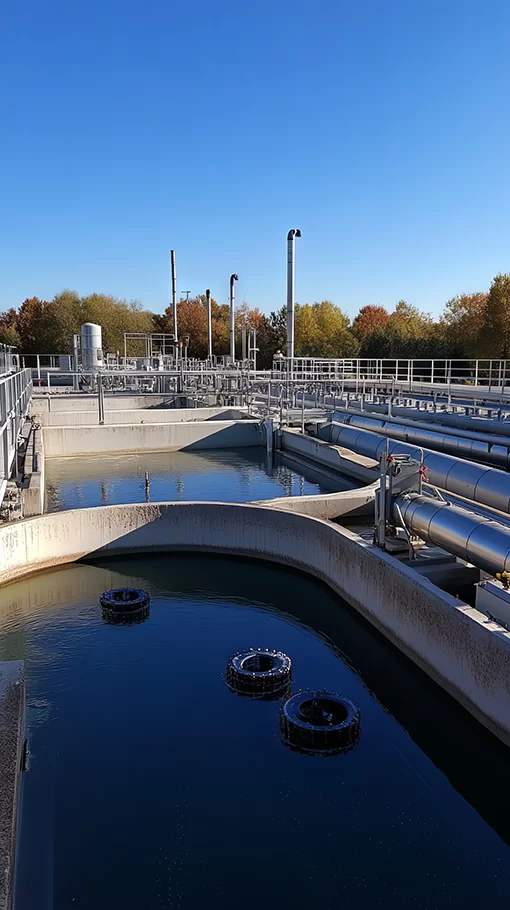
Beyond the factory floor, municipal wastewater plants utilize these monitors to manage the disinfection of effluent before it is discharged into natural water bodies. By using a residual chlorine monitor, plant managers can ensure that the chlorine is sufficient to kill pathogens but low enough to avoid harming aquatic life, effectively balancing public health with ecological preservation.
Long-Term Value: Sustainability and Safety
The deployment of an advanced residual chlorine monitor delivers tangible economic value by optimizing chemical usage. Over-chlorination is not only a health risk but a financial drain. By maintaining the "sweet spot" of residual levels, facilities can reduce their chlorine procurement costs by 15-30% annually.
Sustainability is further enhanced through the reduction of Disinfection By-Products (DBPs) like trihalomethanes. A precise residual chlorine monitor prevents the chemical over-saturation that reacts with organic matter to create these harmful compounds, aligning the facility with green building and environmental sustainability goals.
Ultimately, the value lies in the peace of mind. The trust that a community places in its tap water, or that a patient places in a hospital's sterile environment, is underpinned by the silent, constant vigilance of the residual chlorine monitor. It transforms an invisible chemical process into a visible, manageable, and reliable safety metric.
Future Innovations in Water Quality Sensing
The next generation of residual chlorine monitor technology is moving toward reagent-less sensing and AI-driven predictive analytics. By employing advanced optical spectroscopy, future monitors will be able to detect chlorine levels without the need for chemical consumables, drastically reducing the environmental footprint and maintenance cycles of water treatment plants.
Digital transformation is also playing a key role. The integration of IoT (Internet of Things) allows a residual chlorine monitor to send alerts directly to a technician's smartphone the moment a deviation is detected. Machine learning algorithms can now analyze historical trends to predict when chlorine demand will spike—such as during heavy rainfall—allowing operators to proactively adjust dosing.
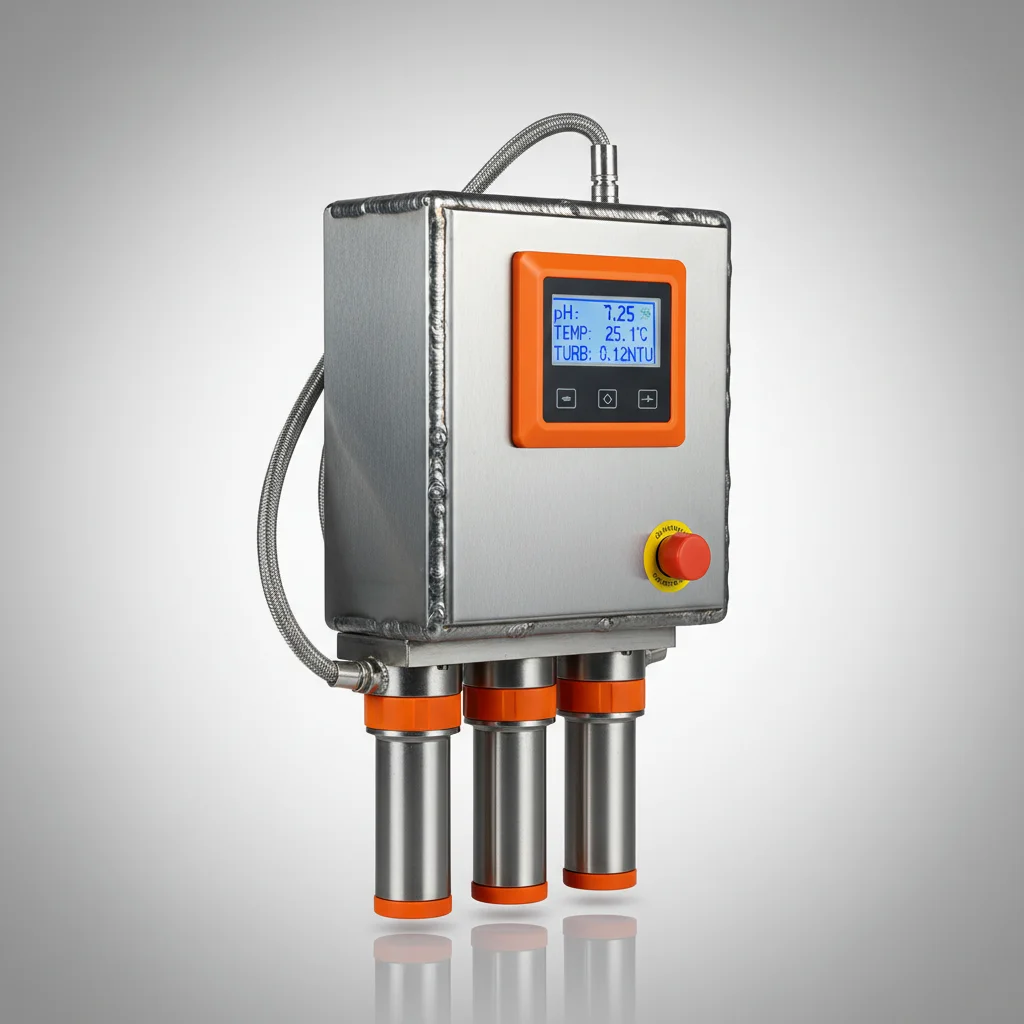
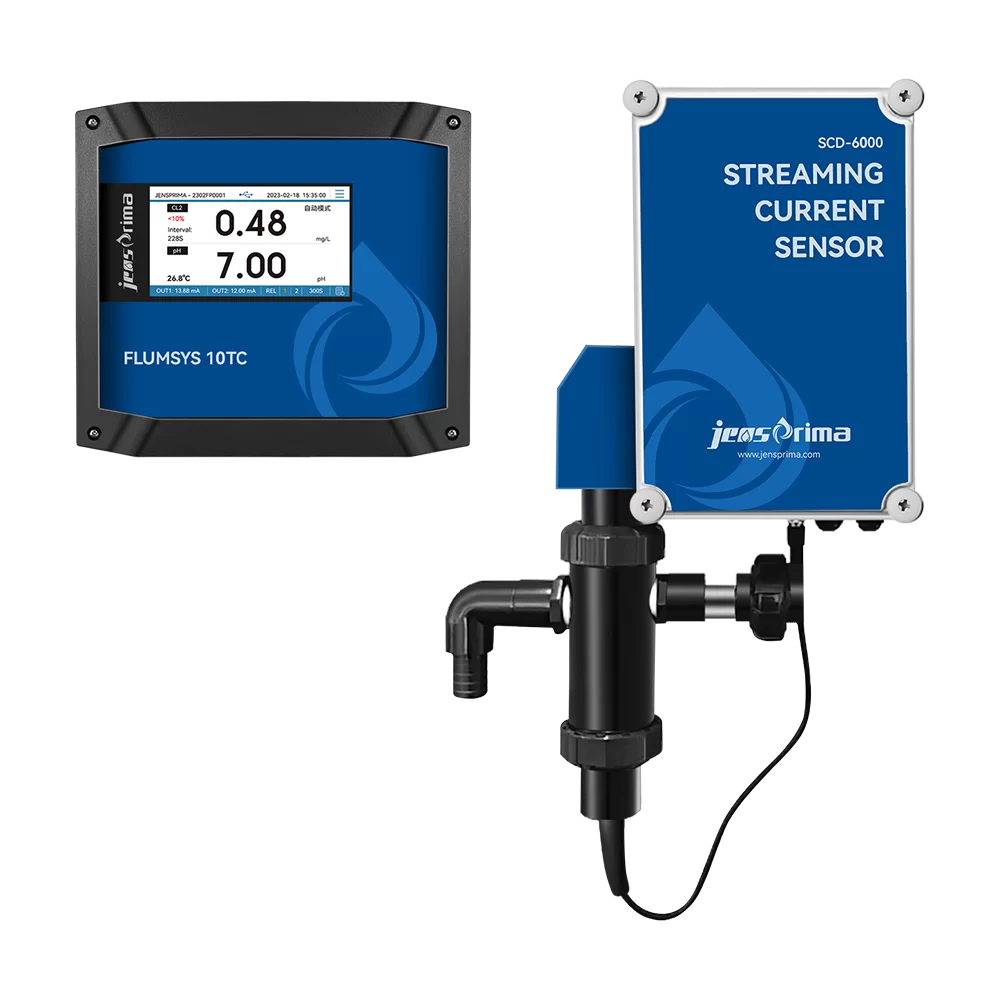
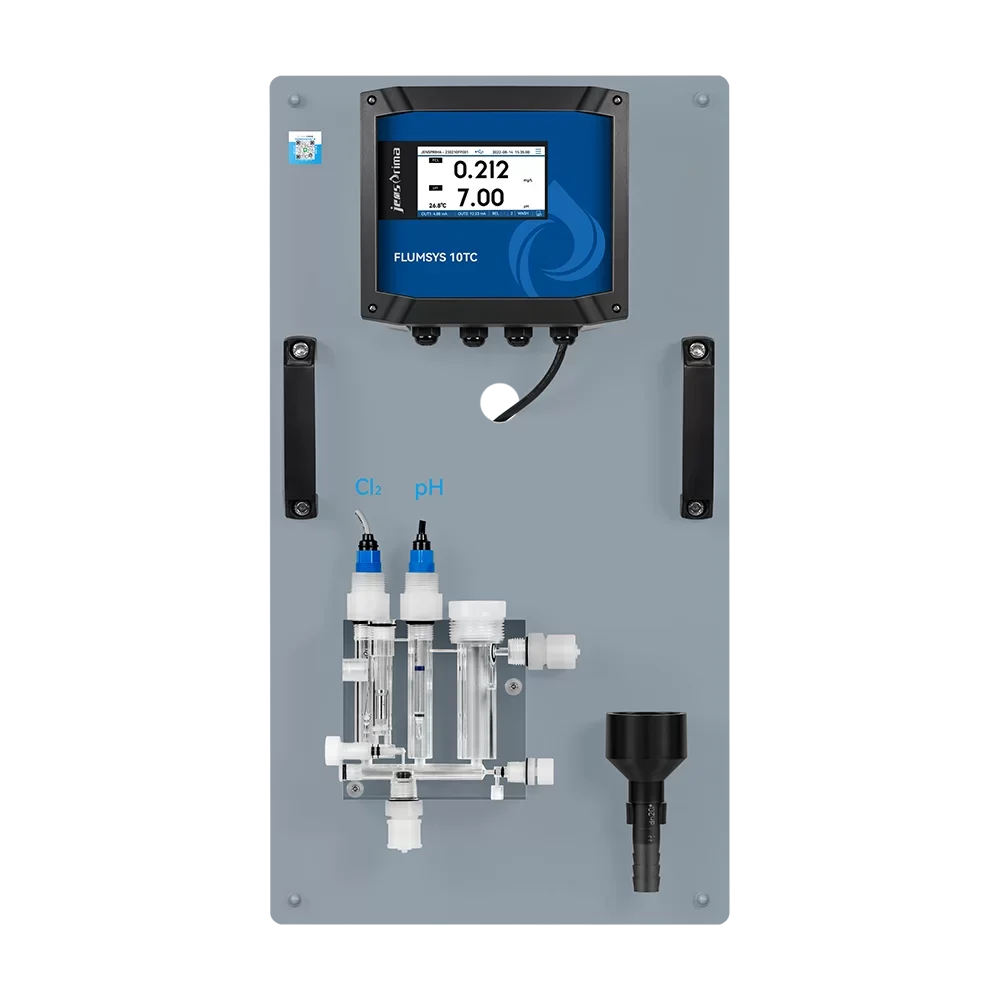
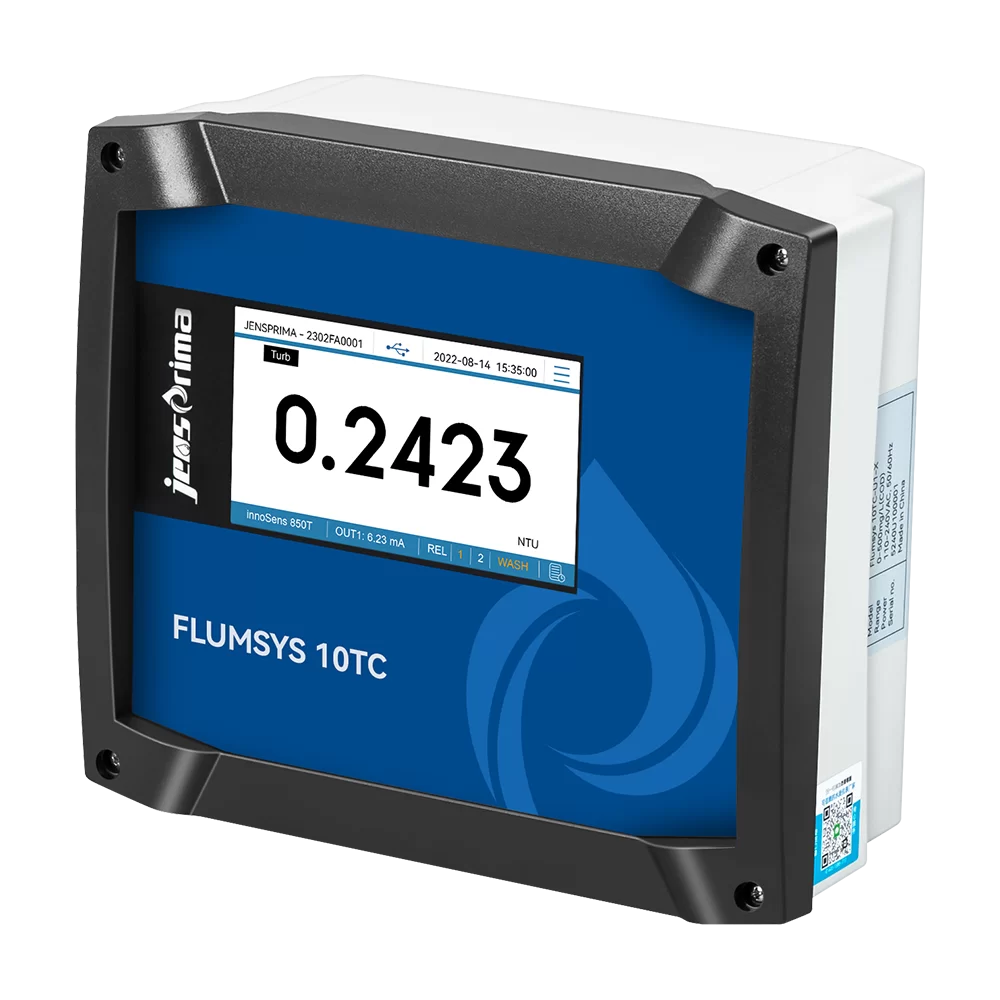
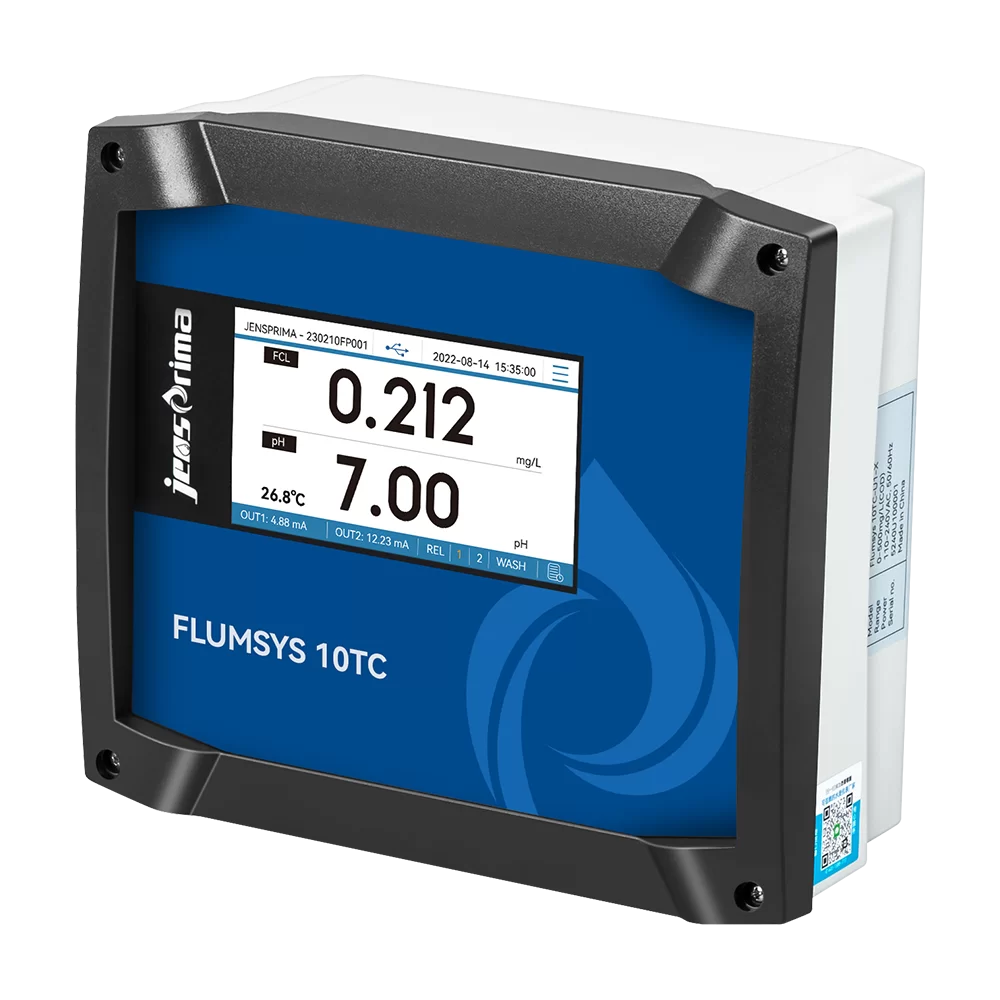
As global policies shift toward "Net Zero" and circular water economies, the residual chlorine monitor will evolve into a multi-parameter hub. Integrating chlorine sensing with pH, redox, and turbidity measurements in a single unit will provide a holistic view of water health, ensuring that disinfection is a precision science rather than a calculated guess.
Comparative Analysis of Residual Chlorine Monitor Implementation Strategies
| Implementation Scale |
Recommended Monitor Type |
Maintenance Frequency |
Relative Accuracy Score |
| Small Swimming Pool |
Amperometric Sensor |
Monthly |
7/10 |
| Municipal Water Main |
DPD Colorimetric Analyzer |
Weekly |
10/10 |
| Industrial Cooling Tower |
Electrochemical Probe |
Quarterly |
8/10 |
| Pharma Pure Water Loop |
High-Precision Optical |
Bi-Weekly |
9/10 |
| Wastewater Effluent |
Combined Sensor Hub |
Monthly |
8/10 |
| Remote Relief Camp |
Portable Digital Monitor |
Daily |
7/10 |
FAQS
Free residual chlorine consists of hypochlorous acid and hypochlorite ions, which are the active disinfecting agents. Total residual chlorine includes both free chlorine and "combined chlorine" (chloramines), which form when chlorine reacts with ammonia or organic matter. A high-end residual chlorine monitor can distinguish between these two, allowing operators to determine if they need to "shock" the system to remove chloramines.
Calibration frequency depends on the technology. Amperometric sensors typically require calibration every 1-3 months to account for electrode drift. DPD-based analyzers may require weekly reagent checks and monthly calibration of the optical path. Regular calibration is essential to ensure that the data used for dosing decisions is accurate and prevents chemical waste.
High turbidity can interfere with optical monitors by scattering light. To solve this, many professional systems include a pre-filtration stage or a flow cell that automatically cleans the sensor. Some amperometric models are less affected by turbidity but may be more sensitive to oil or grease. Selecting a monitor with an integrated cleaning cycle is recommended for "dirty" water applications.
Yes, this is the primary goal of industrial automation. By connecting the 4-20mA output of a residual chlorine monitor to a PLC or a dedicated controller, you can create a closed-loop system. When the monitor detects a drop in chlorine levels, it signals the dosing pump to increase the flow of chlorine solution, maintaining a steady set-point without manual intervention.
The most common causes include electrode fouling (biofilm buildup), depleted reagents in colorimetric systems, and extreme temperature fluctuations. Additionally, significant changes in pH can affect the effectiveness of chlorine, which might be misinterpreted as a change in concentration. Using a system that compensates for temperature and pH is a professional way to ensure stability.
Yes, amperometric and emerging optical spectroscopy sensors are reagent-less. They do not require the constant injection of chemicals like DPD, which reduces chemical waste and lowers the operational cost. While they may require more frequent electrode maintenance, the overall environmental impact is significantly lower than traditional wet-chemistry methods.
Conclusion
The implementation of a robust residual chlorine monitor is far more than a simple equipment purchase; it is a commitment to safety, efficiency, and environmental stewardship. By bridging the gap between manual testing and autonomous control, these systems ensure that water remains a safe resource while minimizing the ecological footprint of disinfection. We have explored how the right balance of technology—from amperometric sensors to DPD analyzers—can be tailored to meet the specific needs of municipal, industrial, and humanitarian contexts.
Looking forward, the integration of IoT and reagent-less sensing will redefine how we manage water quality, making high-precision monitoring accessible to all. For facilities aiming to optimize their operational costs and guarantee compliance with global health standards, investing in professional monitoring infrastructure is the only sustainable path. To explore our full range of high-precision water analysis solutions, visit our website: www.jensprima.com.





 Download
 Video Center
 Technical Services
 FAQS
FAQS Service Network
 Privacy Policy
 Contact Us