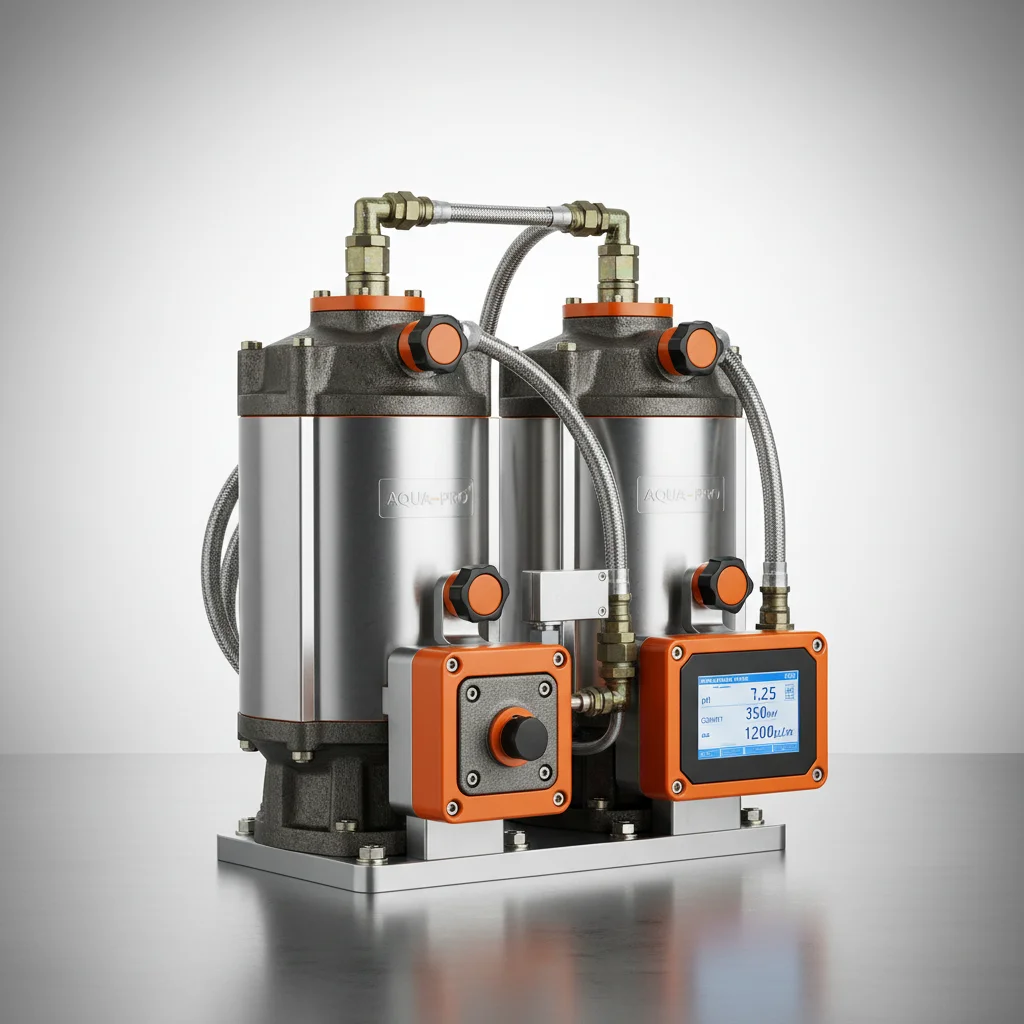
Managing water quality in industrial and municipal settings requires precision and consistency to prevent costly infrastructure damage and ensure process efficiency. One of the most critical parameters in this regard is water hardness, which refers to the concentration of multivalent cations, primarily calcium and magnesium, dissolved in the water. Failing to monitor these levels in real-time can lead to severe scaling in boilers, cooling towers, and piping systems, drastically reducing heat transfer efficiency and increasing maintenance downtime.
The transition from manual titration methods to automated systems has revolutionized how industries approach water treatment. An automated approach eliminates the risks associated with human error and provides a continuous stream of data, allowing for immediate adjustments to chemical dosing or softener regeneration cycles. This shift is not merely about convenience; it is a strategic move toward operational excellence and resource conservation in an era of tightening environmental regulations.
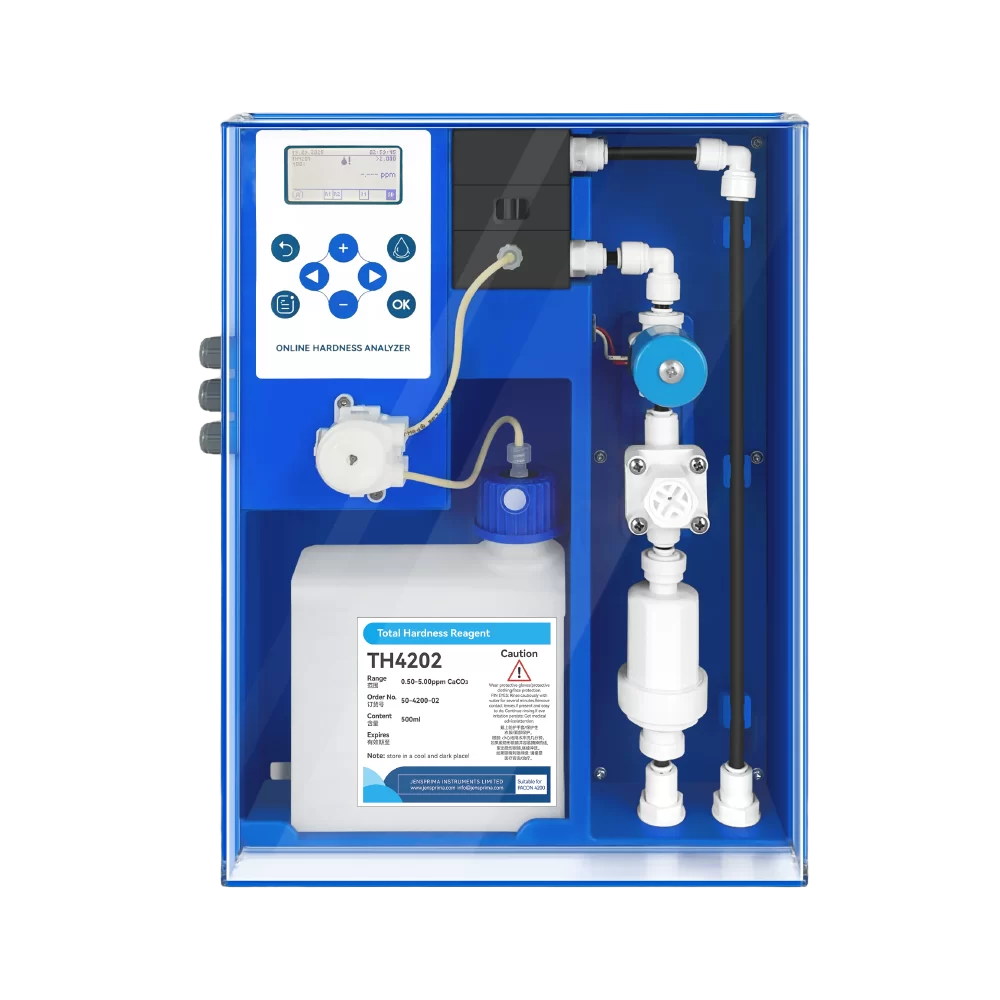
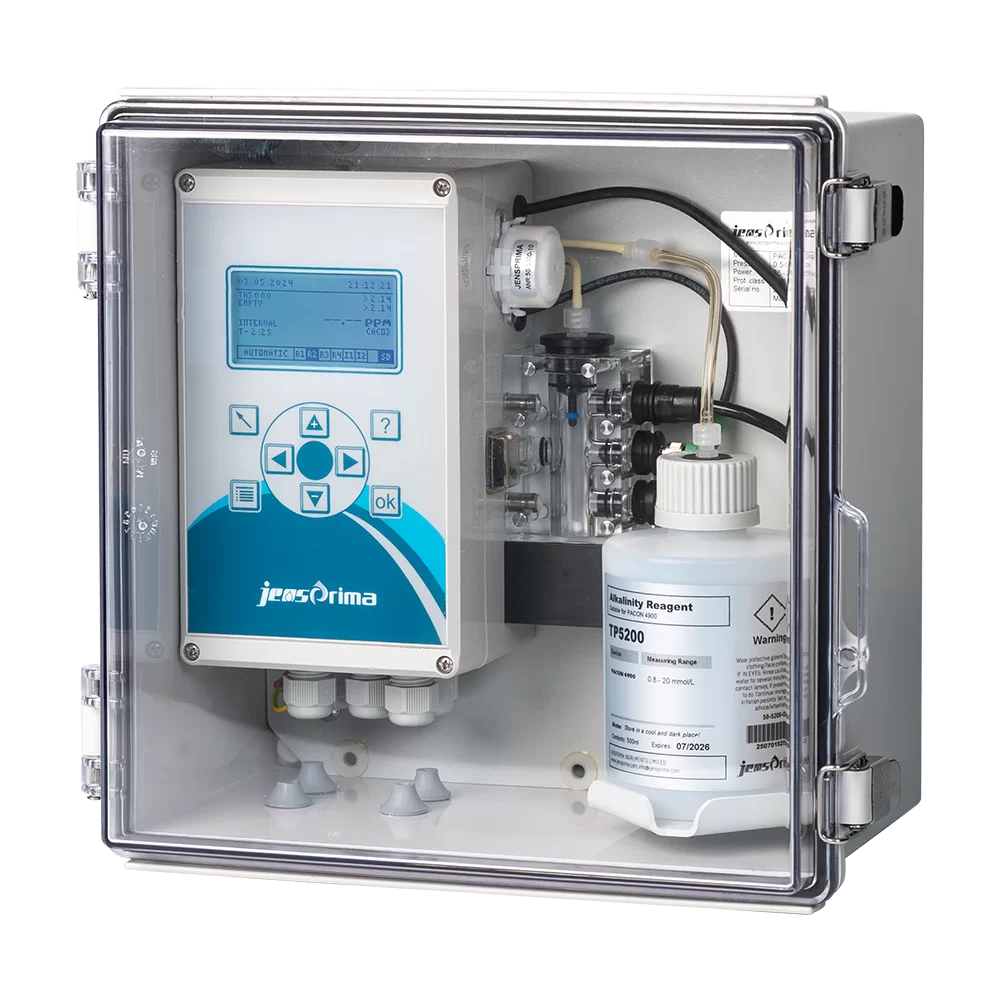
The implementation of a professional online water hardness analyzer, such as the PACON 4200, ensures that water quality remains within strict specifications. By integrating these systems into a broader SCADA or PLC framework, operators can achieve a level of control that prevents scale formation before it starts, safeguarding critical assets and reducing the overall chemical footprint of the facility.

Global Importance of Online Hardness Monitoring
On a global scale, the management of water hardness is intrinsically linked to energy efficiency and industrial sustainability. According to international standards and industrial benchmarks, mineral scale accumulation in heat exchangers can increase energy consumption by up to 10% for every millimeter of scale thickness. This creates a massive carbon footprint increase across the manufacturing sector, making the deployment of an online water hardness analyzer a critical component of green industrial initiatives.
Moreover, in regions where water scarcity is prevalent, the ability to recycle process water depends heavily on the precision of hardness monitoring. By maintaining optimal hardness levels, facilities can extend the life of reverse osmosis membranes and ion-exchange resins, reducing waste and lowering the cost of water procurement. The global drive toward ISO 14001 compliance further emphasizes the need for automated, documented water quality monitoring to ensure environmental targets are consistently met.
Defining the Online Water Hardness Analyzer
An online water hardness analyzer is a sophisticated analytical instrument designed to measure the concentration of calcium and magnesium ions in a water stream in real-time. Unlike laboratory-based titration, which provides a snapshot of water quality at a single point in time, an online system provides continuous monitoring. This allows the system to detect sudden spikes in hardness—often caused by softener breakthrough or source water fluctuations—and trigger immediate corrective actions.
In the context of the PACON 4200, this technology combines precise fluidics, reagent management, and advanced sensing to deliver a digital reading of water hardness. This process typically involves the automated addition of reagents to the sample, followed by a photometric or electrochemical measurement that correlates the reaction intensity to the hardness level of the water. The result is a seamless integration of chemistry and electronics that removes the variability of manual sampling.
For modern industry, this means moving from a reactive maintenance posture to a proactive one. Instead of cleaning a boiler after it has already scaled, engineers can use the data from the analyzer to optimize the regeneration cycles of water softeners. This ensures that the water entering the system is always within the prescribed hardness limits, protecting expensive equipment and ensuring a stable production environment.
Core Components of the PACON 4200 System
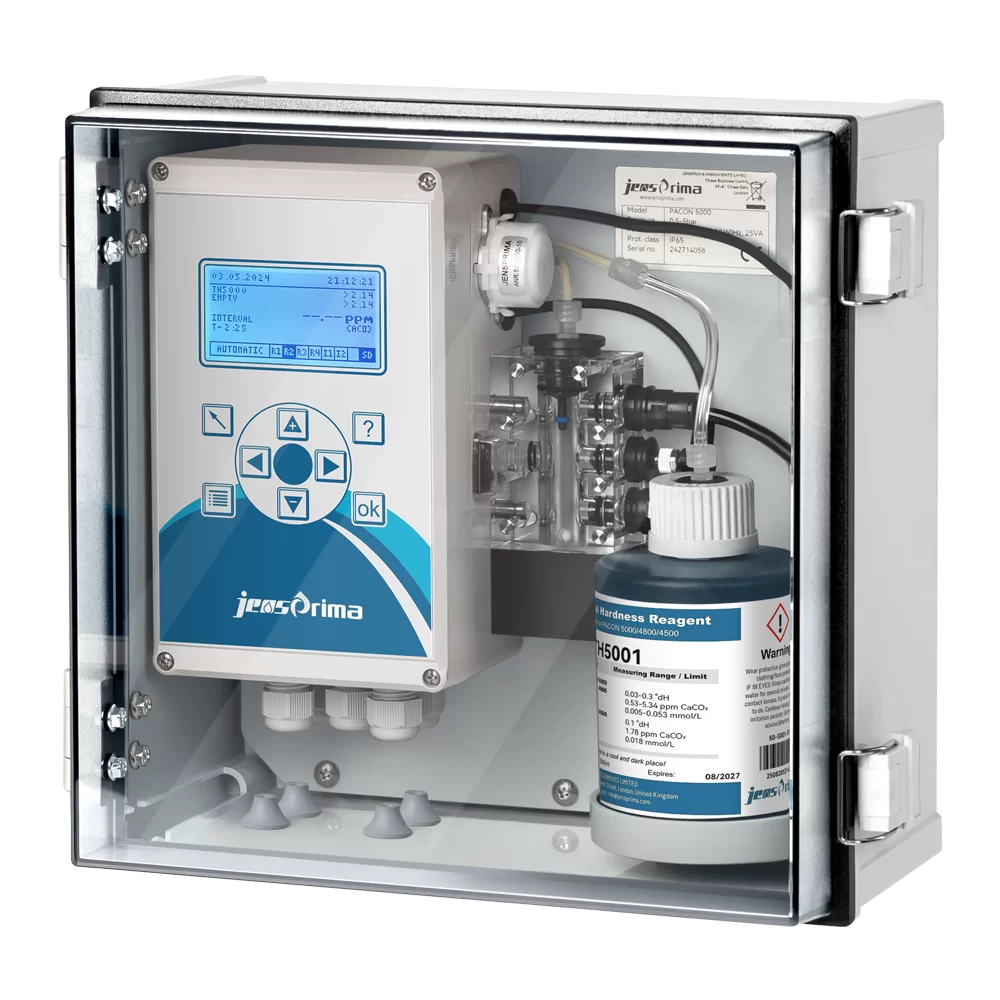
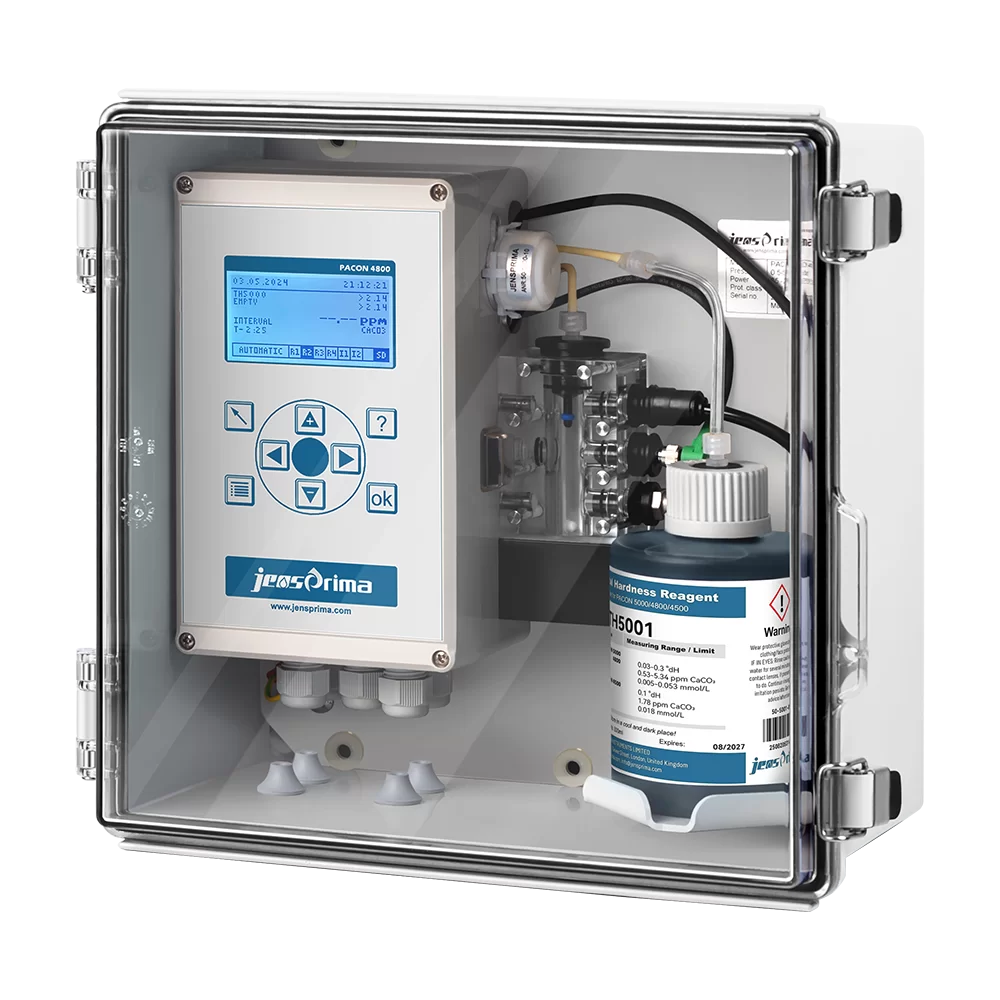
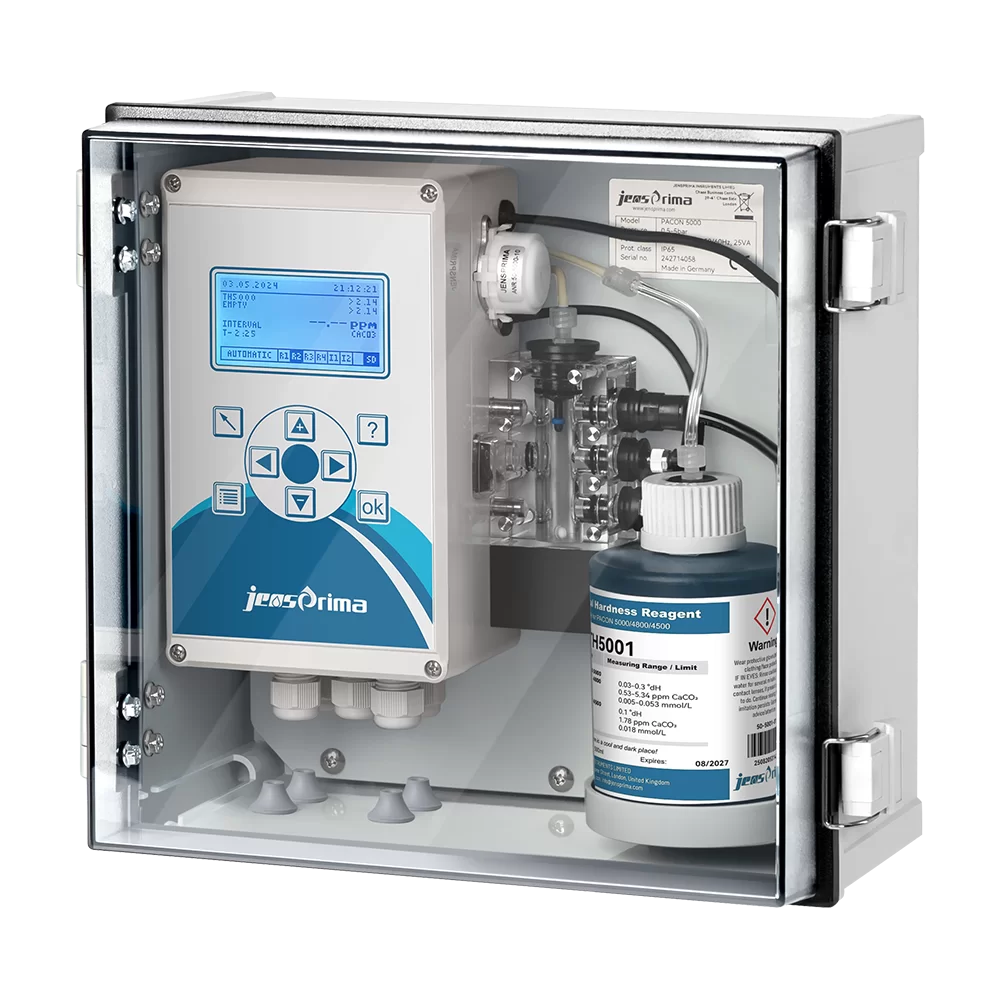
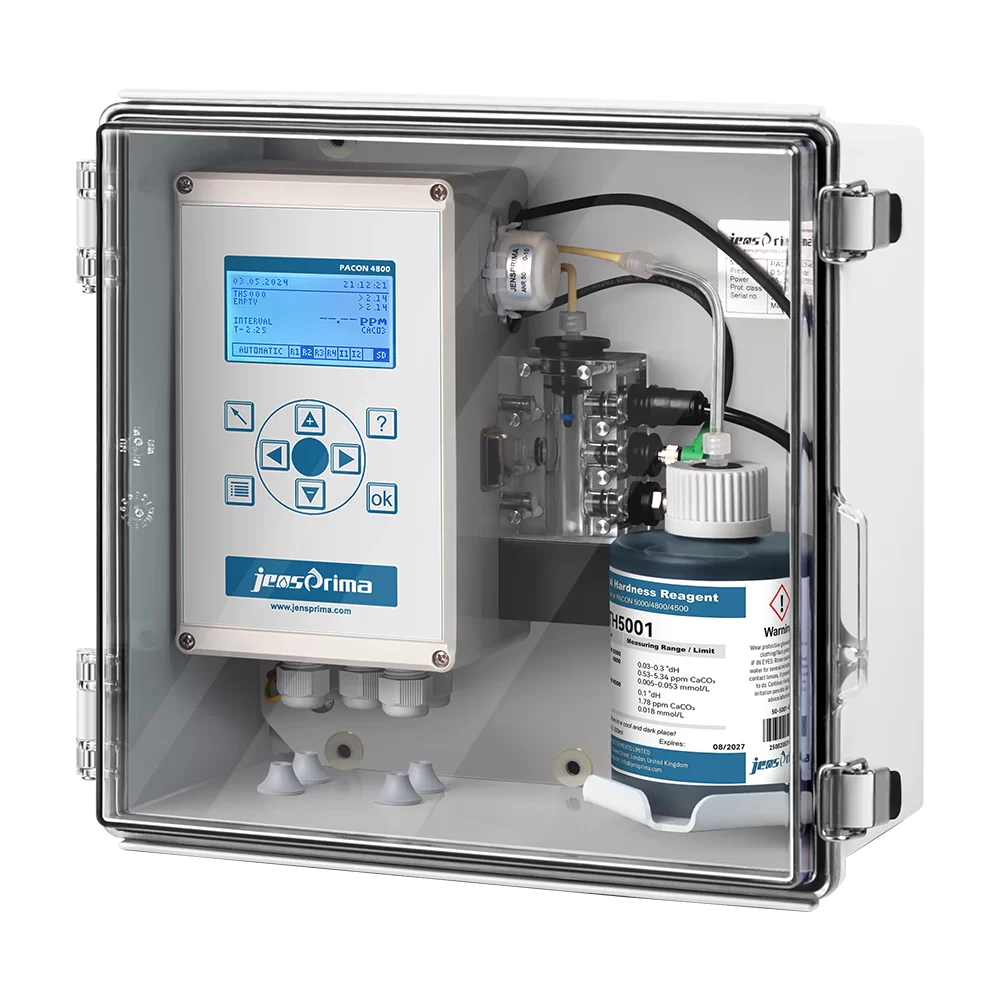
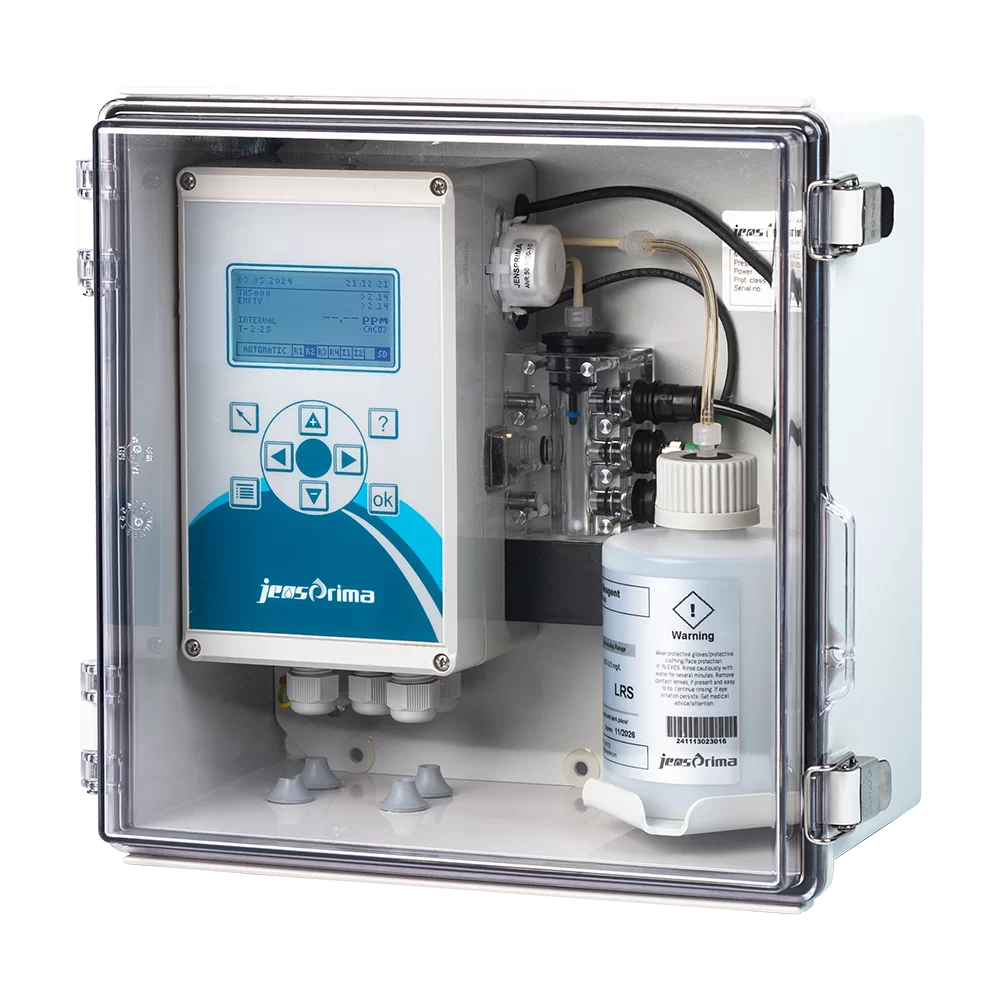
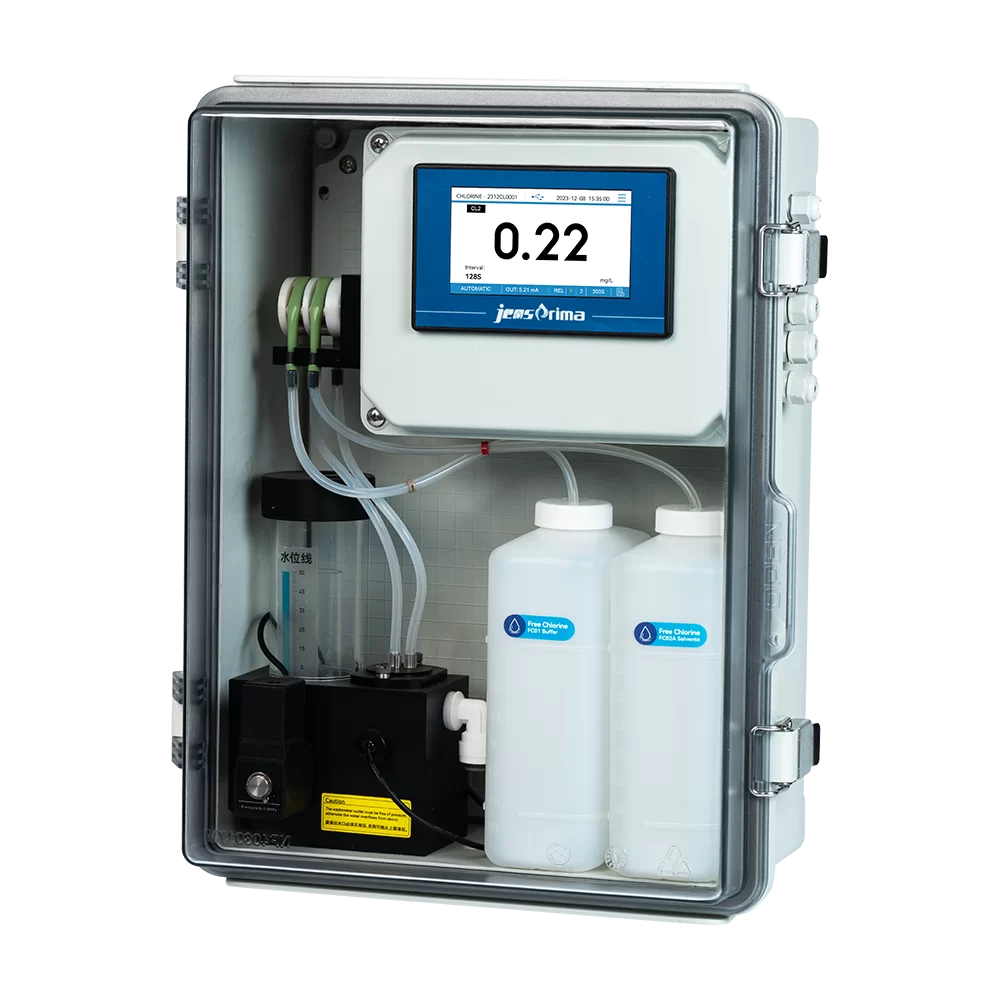
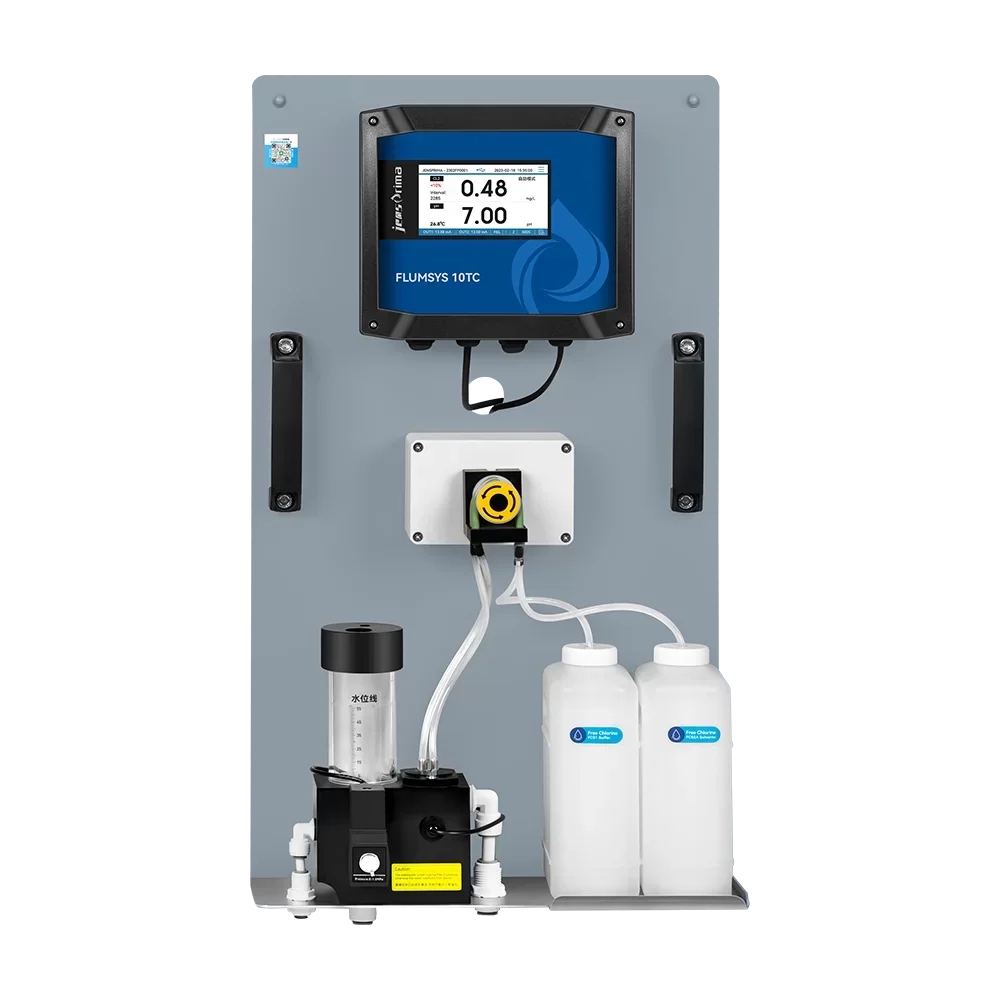
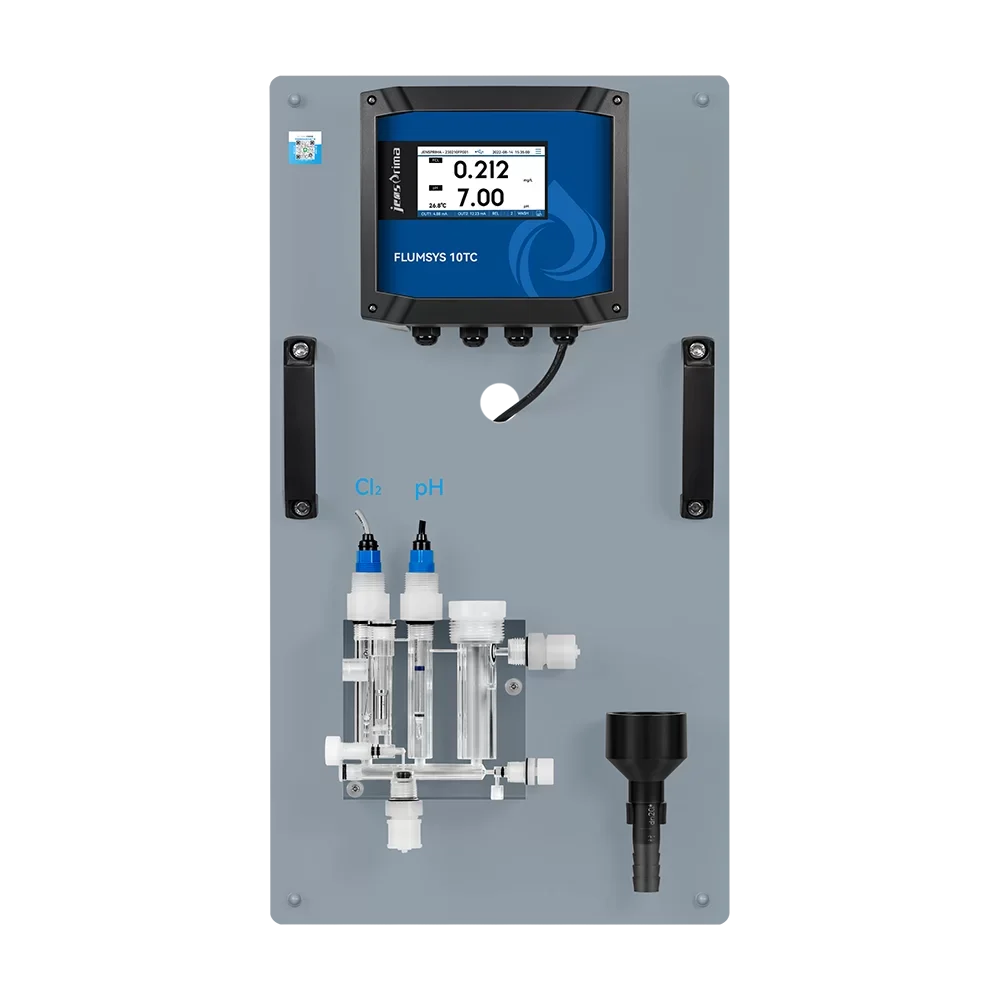
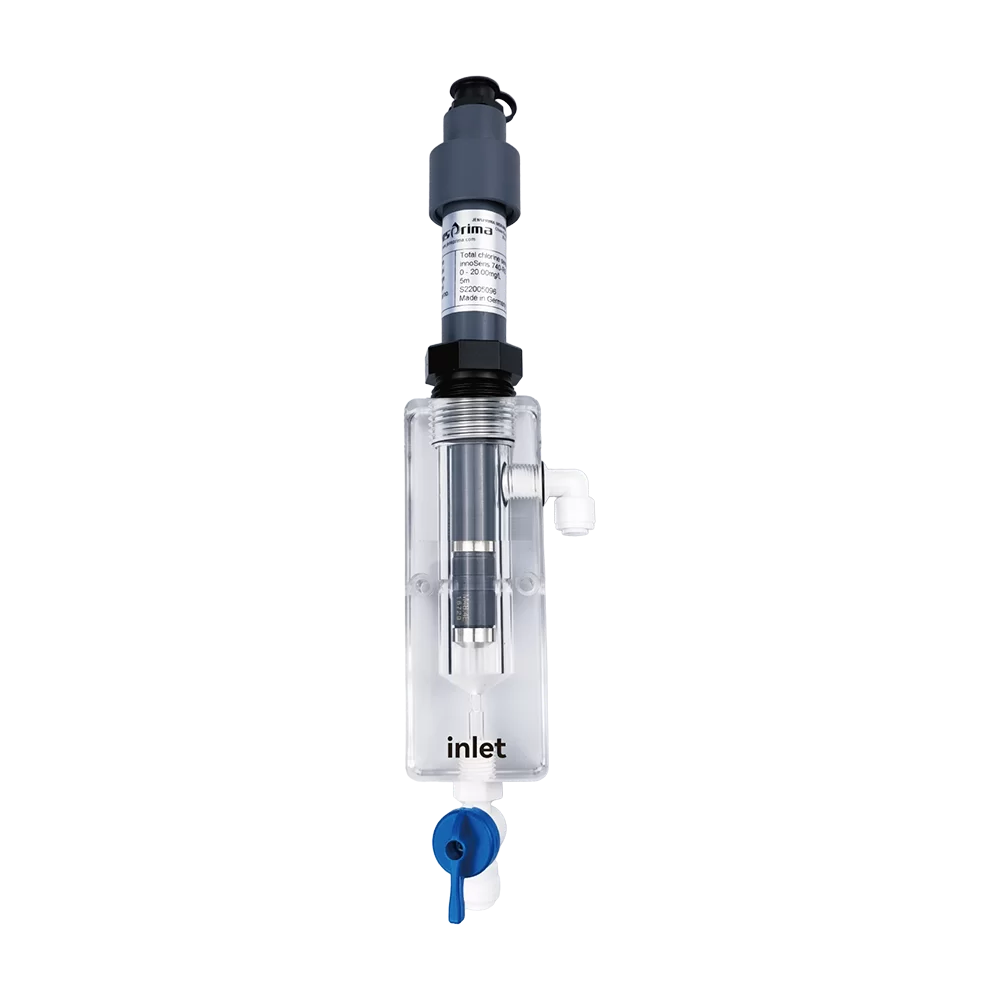
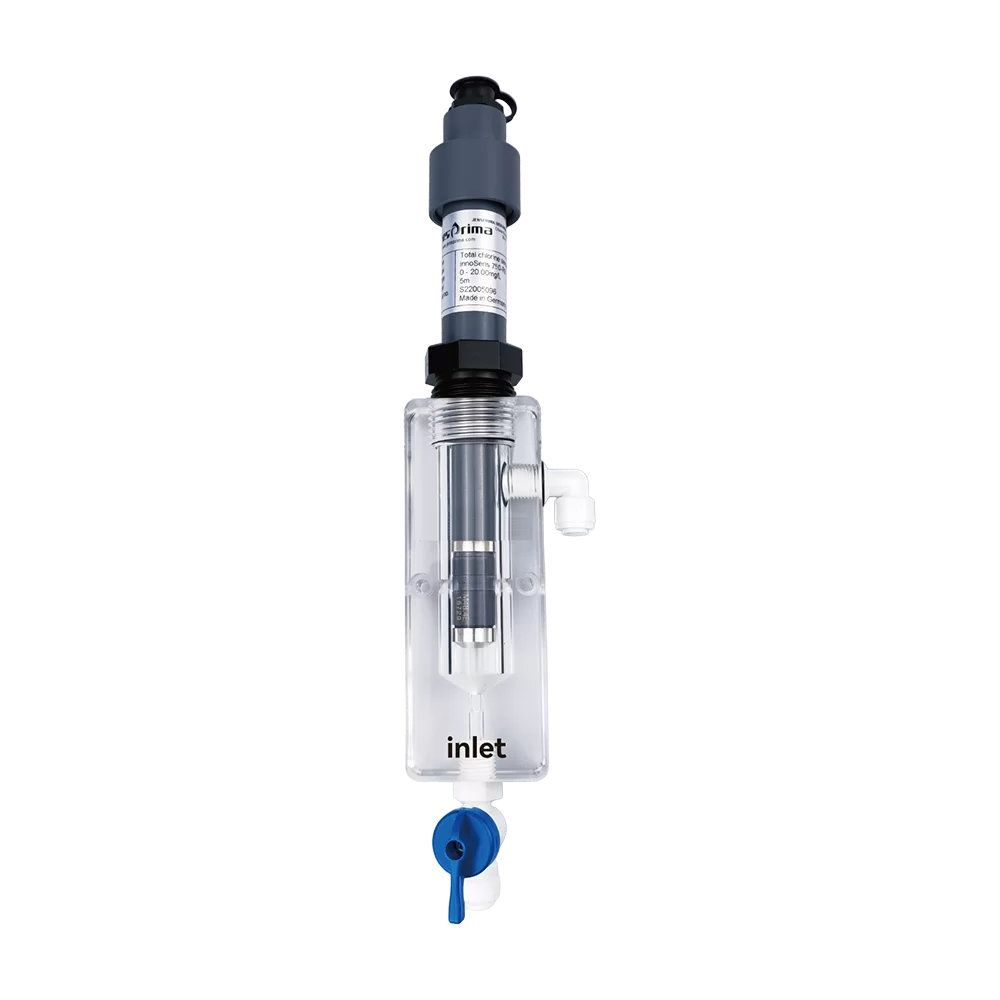
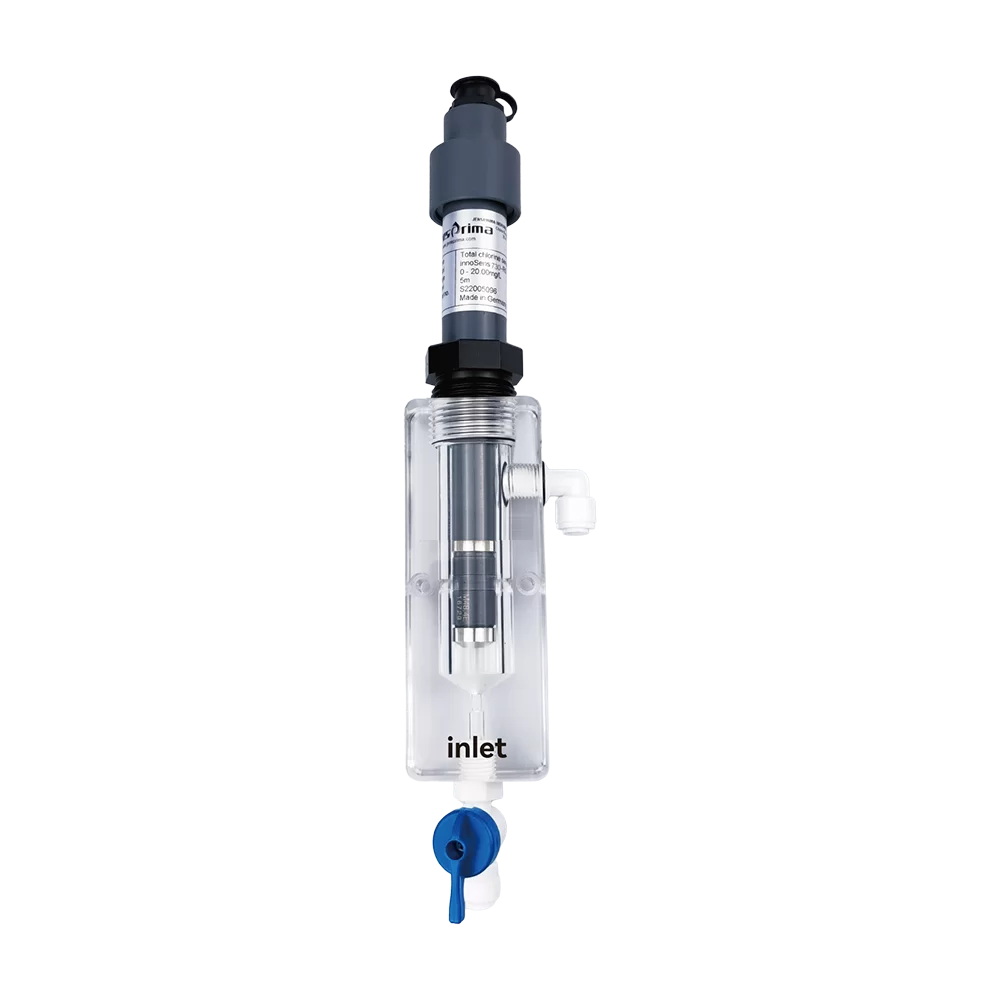
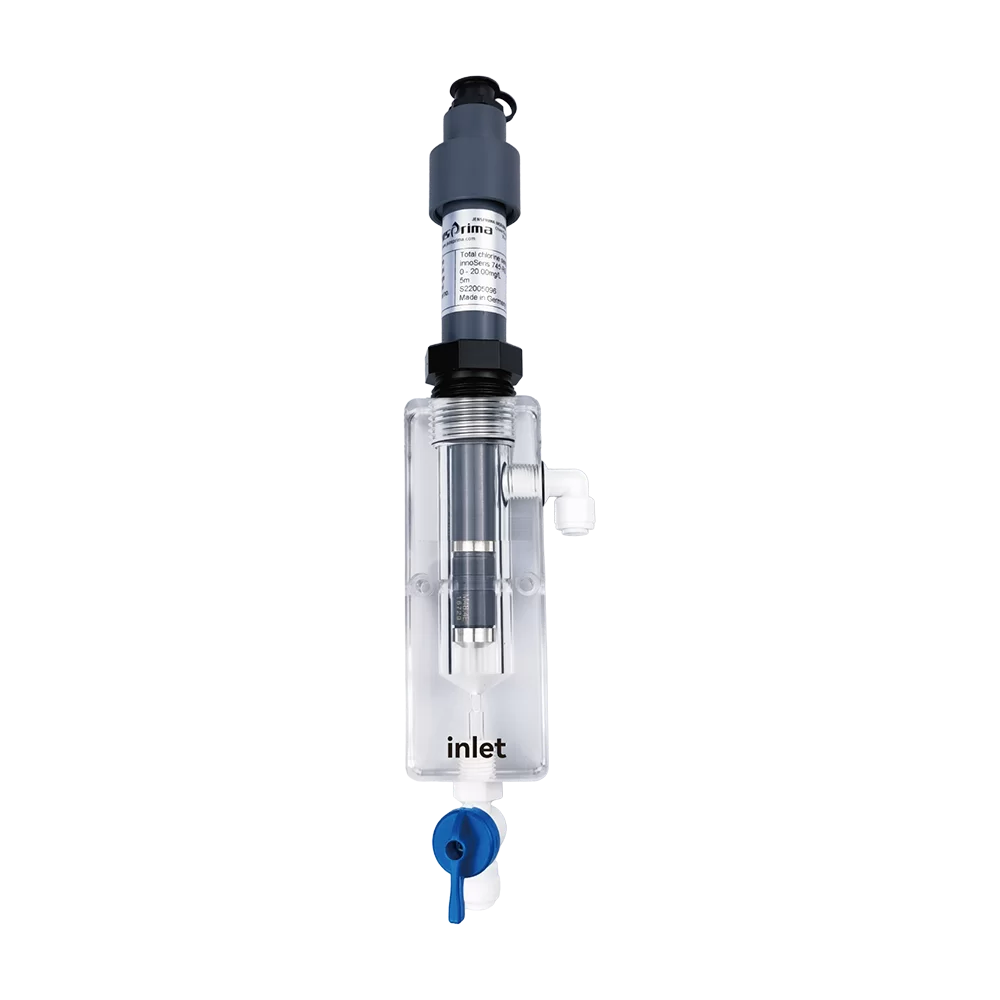
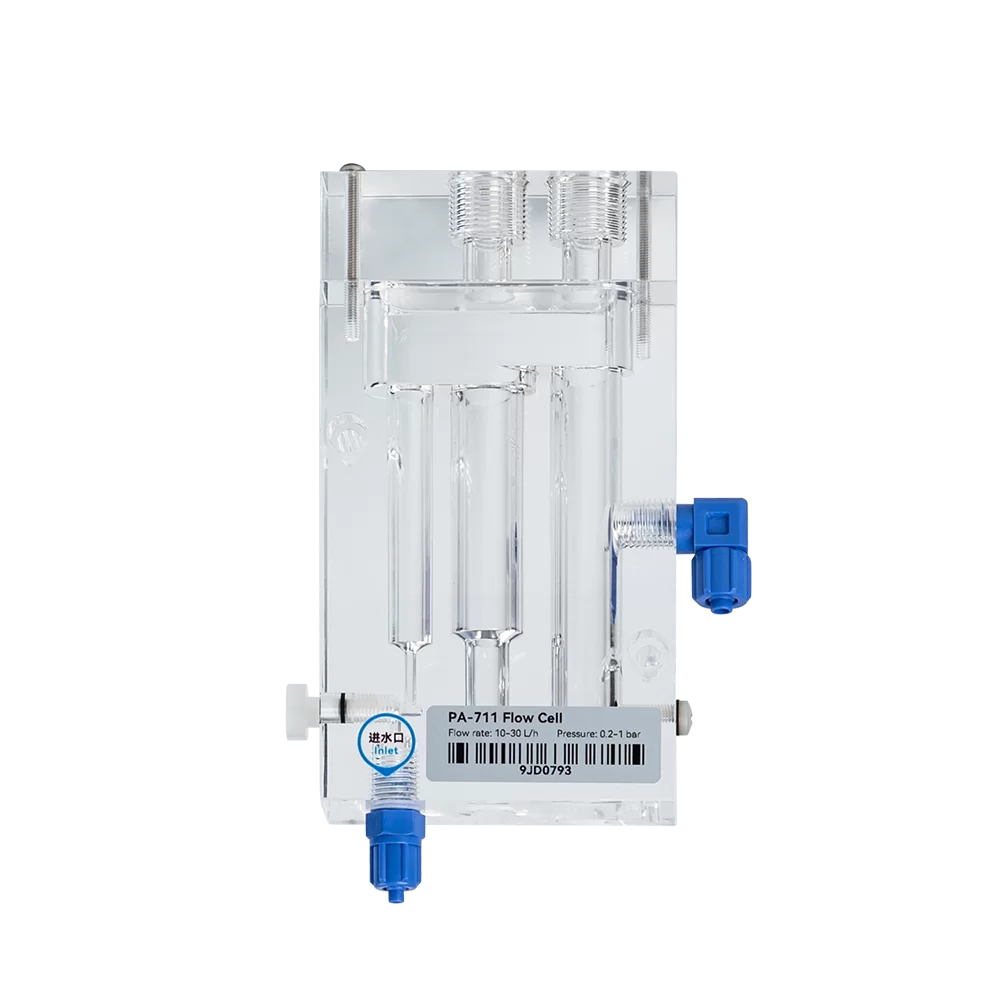
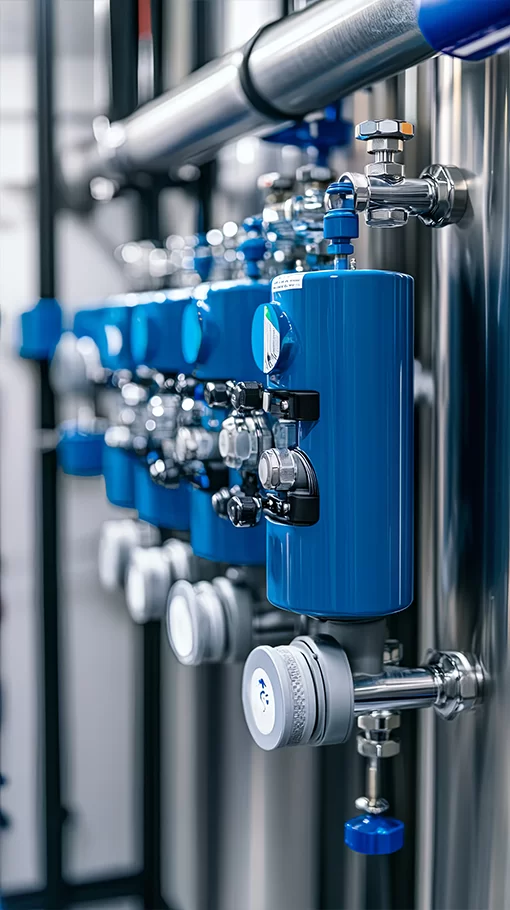
The effectiveness of the PACON 4200 online water hardness analyzer relies on its modular design, which ensures both durability and ease of maintenance. The core consists of a high-precision sampling system that captures a representative portion of the process stream, a reagent dosing module for accurate chemical interaction, and a high-stability optical sensor for measurement.
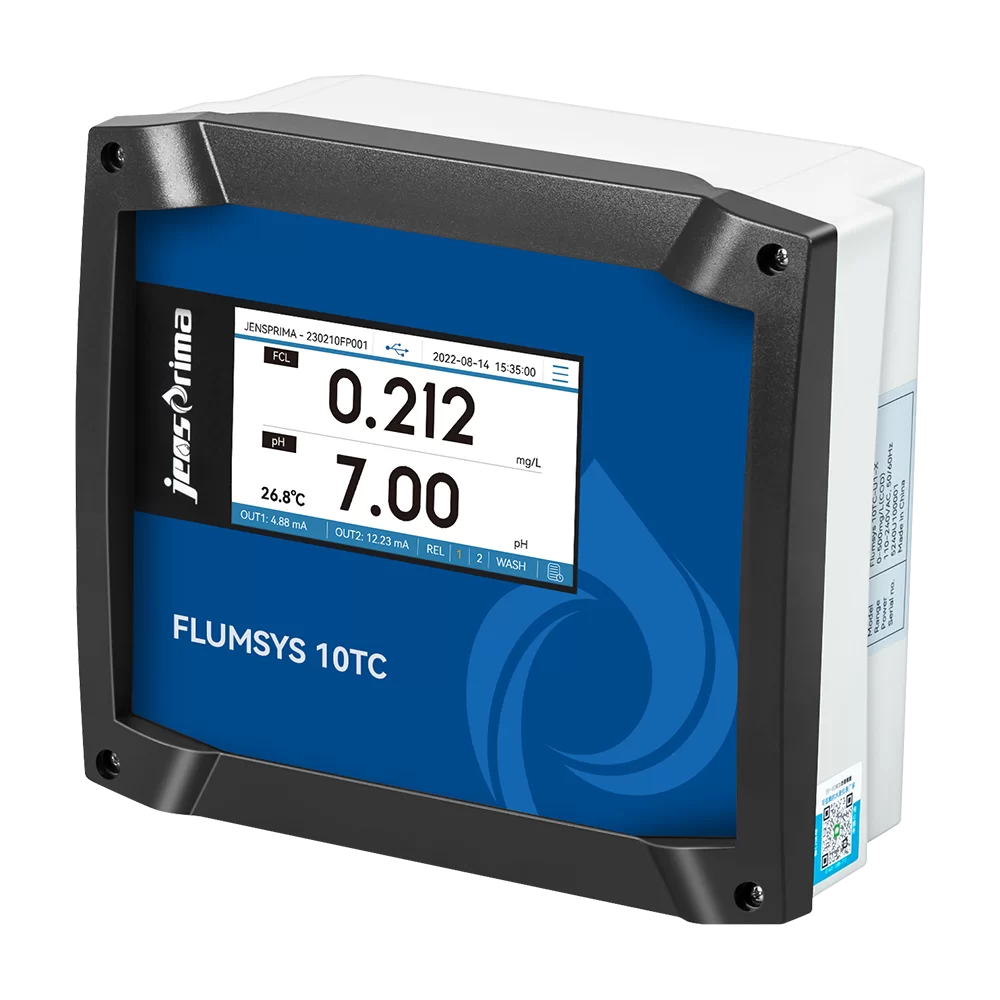
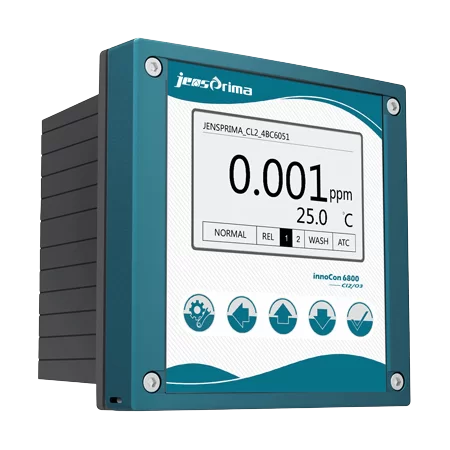
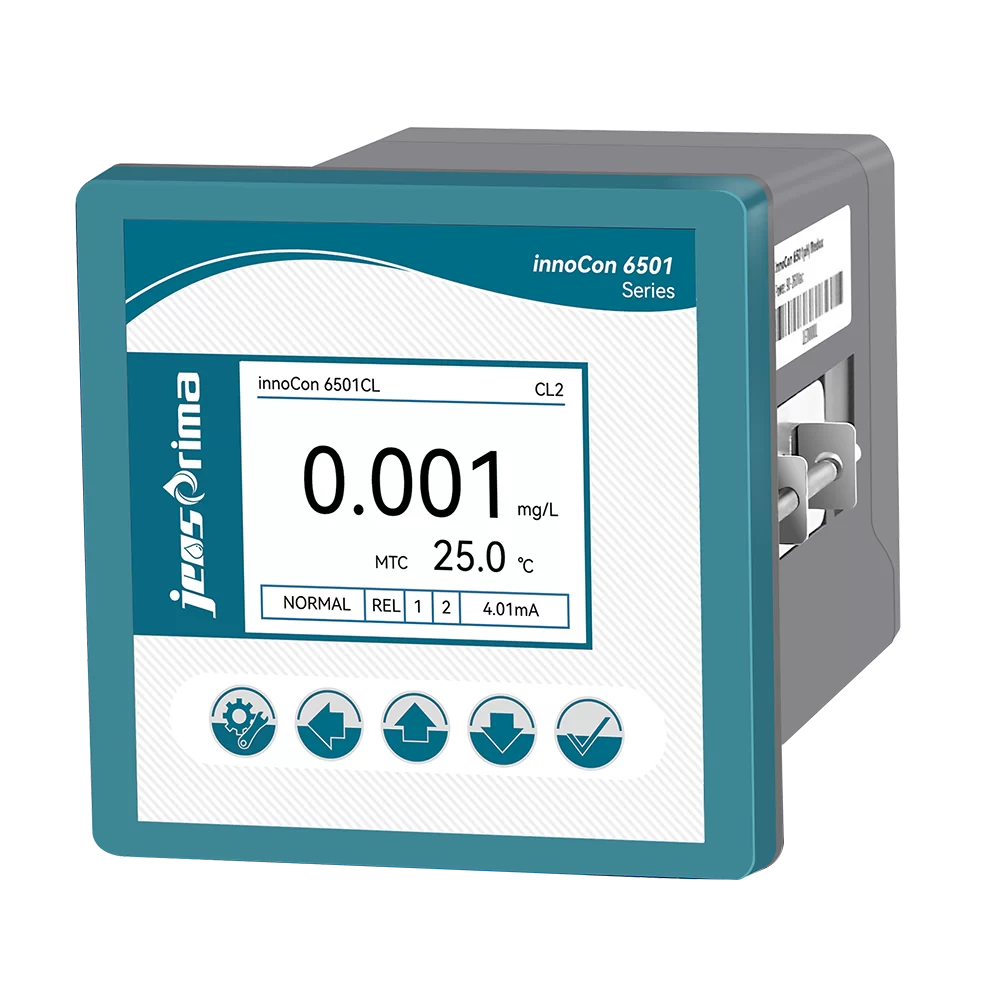
A critical component is the intelligent controller, which manages the measurement cycles and processes the raw signals into a readable hardness value. This controller allows for flexible integration via 4-20mA outputs or digital communication protocols, making the online water hardness analyzer a central hub for water quality data. The ability to program specific alarm thresholds ensures that operators are notified instantly if the water quality deviates from the setpoint.
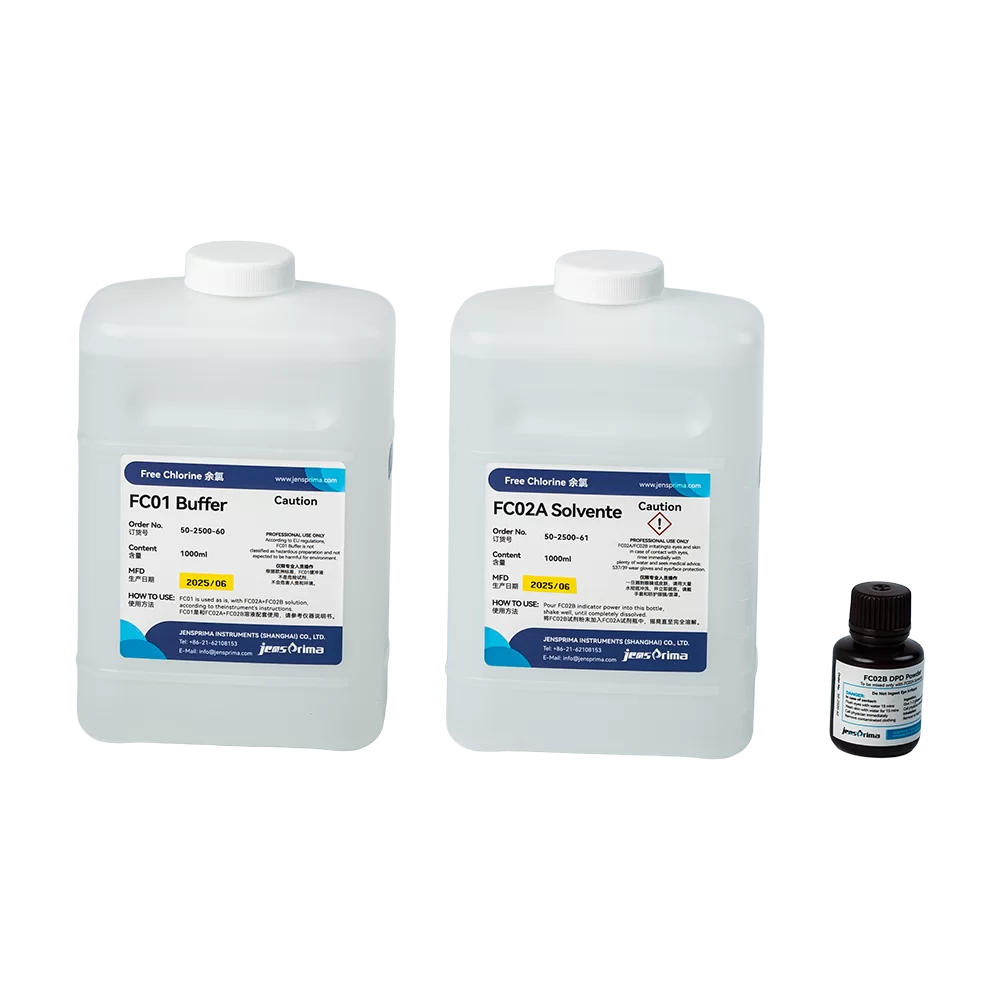
Furthermore, the system is engineered for low reagent consumption, which significantly reduces the operational cost and the environmental impact of waste disposal. By optimizing the volume of chemicals used per measurement, the PACON 4200 provides a sustainable solution for long-term monitoring without sacrificing the accuracy required for high-pressure boiler feed water or pharmaceutical-grade water systems.
Performance Metrics in Industrial Applications
When evaluating the performance of an automated monitoring system, the focus is usually on response time, precision, and stability. The PACON 4200 is designed to provide rapid feedback, allowing for the dynamic control of softening plants. By comparing different measurement methodologies, it becomes clear that automated photometric analysis offers a superior balance of speed and accuracy compared to traditional manual methods.
The integration of this technology allows facilities to track the "breakthrough" point of ion exchange resins with pinpoint accuracy. This prevents the over-use of salt during regeneration, which not only saves money but also reduces the salinity of the wastewater discharged into the environment, aligning the facility with stricter local wastewater regulations.
Comparison of Water Hardness Monitoring Methods
Global Use Cases and Industrial Deployment
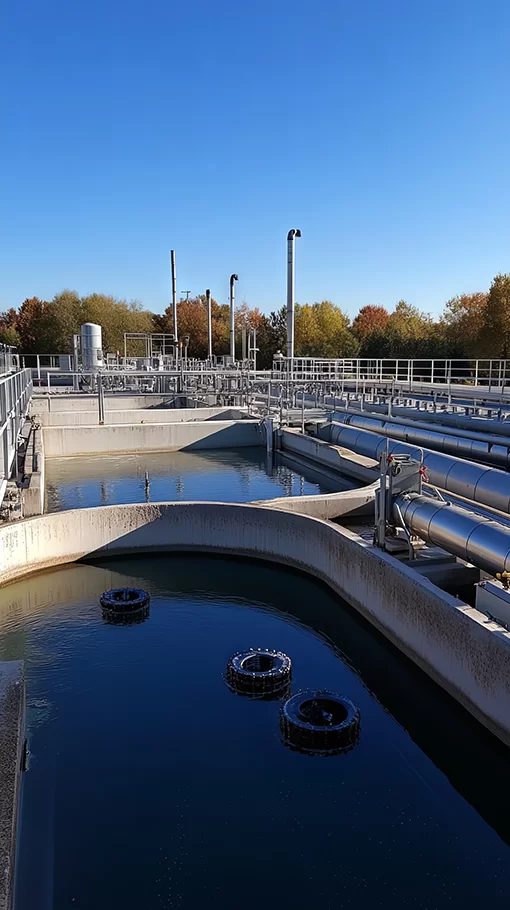
The application of an online water hardness analyzer spans a diverse range of industries. In the power generation sector, for instance, maintaining ultra-low hardness in boiler feed water is non-negotiable to prevent catastrophic tube failure. Facilities in North America and Europe increasingly rely on the PACON 4200 to automate the control of their demineralization plants, ensuring a constant supply of high-purity water.
In the pharmaceutical and food and beverage industries, water hardness affects the efficacy of cleaning agents and the taste profile of the final product. In large-scale breweries in Asia, online monitoring is used to ensure that the brewing water matches a specific mineral profile, which is essential for yeast health and flavor consistency. By deploying these analyzers at the point of entry and after the softening stage, companies can guarantee a consistent raw material quality.
Long-term Value and Sustainable Benefits
The long-term value of investing in an online water hardness analyzer extends far beyond the initial purchase price. The most immediate gain is the reduction in unplanned downtime. When hardness breakthroughs are detected in real-time, the system can automatically switch to a standby softener or alert the operator, preventing the deposition of calcium carbonate in critical heat exchangers. This translates to thousands of dollars saved in chemical descaling and mechanical cleaning costs.
From a sustainability perspective, the precision offered by the PACON 4200 allows for "just-in-time" regeneration of ion exchange resins. Traditional timers often lead to premature regeneration, wasting significant quantities of brine and producing unnecessary wastewater. Automated monitoring ensures that regeneration occurs only when the resin is actually exhausted, optimizing the use of chemical resources and reducing the environmental impact of the facility.
Beyond the technical benefits, there is a significant psychological advantage for the operations team. The shift from manual, labor-intensive sampling to a reliable automated system reduces human error and the associated stress of potential system failure. This creates a culture of trust in the data, allowing engineers to focus on higher-value optimization tasks rather than routine monitoring.
Future Innovations in Water Analysis Technology
The future of water quality monitoring is moving toward the "Internet of Water," where devices like the online water hardness analyzer are fully integrated into cloud-based analytics platforms. We are seeing a transition toward predictive maintenance, where AI algorithms analyze hardness trends to predict exactly when a softener will fail or when a resin bed needs replacement, long before the actual breakthrough occurs.
Technological advancements in sensor materials are also reducing the dependency on chemical reagents. Future iterations of hardness analyzers may utilize advanced electrode materials or spectroscopic methods that allow for measurement without the need for reagent addition, further reducing waste and maintenance requirements. This digital transformation is essential for achieving "Zero Liquid Discharge" (ZLD) goals in the global manufacturing sector.
As global regulations on water discharge become more stringent, the role of high-precision online analyzers will only grow. The ability to provide a verifiable, timestamped record of water quality is becoming a legal requirement in many jurisdictions. The PACON 4200 sets the stage for this evolution by providing the reliability and data integrity needed to meet these emerging regulatory challenges.
Technical Comparison of Monitoring Approaches for Water Hardness
| Monitoring Method |
Response Speed |
Operational Cost |
Reliability Score |
| Manual Titration |
Very Slow (Hours) |
Low (Labor Intensive) |
6/10 |
| Portable Colorimeter |
Slow (Minutes) |
Medium |
7/10 |
| PACON 4200 Online |
Real-time (Seconds) |
Low (Optimized) |
10/10 |
| Conductivity Proxy |
Instant |
Very Low |
5/10 |
| Laboratory HPLC |
Very Slow (Days) |
High |
9/10 |
| IoT-Integrated Sensor |
Real-time |
Medium |
8/10 |
FAQS
The primary advantage is continuous, real-time monitoring. Manual testing only provides a snapshot of the water quality at the time of sampling, which can miss critical "breakthrough" events where hardness suddenly increases. An online system provides constant data, allowing for automated control of water softeners and immediate alerts, which prevents scale buildup in boilers and piping, significantly reducing maintenance costs and preventing unplanned downtime.
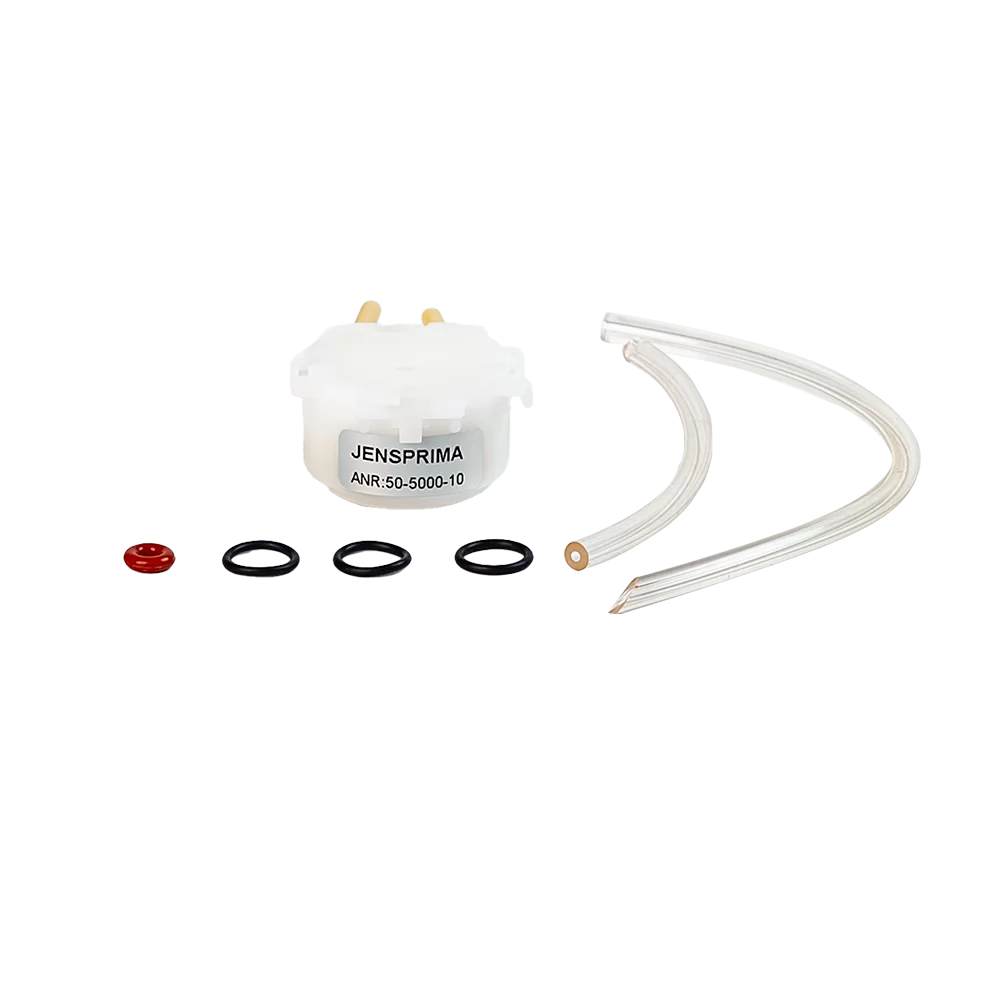
The PACON 4200 is designed for high stability and low maintenance. Typical maintenance includes the periodic replenishment of reagents and the cleaning of the sampling lines to prevent biofilm buildup. Depending on the water quality and measurement frequency, reagent refills are usually required every few weeks to months. The system also features self-diagnostic tools to alert operators when maintenance is required, ensuring that the analyzer remains accurate without needing daily intervention.
Yes, the PACON 4200 is engineered for seamless industrial integration. It typically offers standard 4-20mA analog outputs, which are compatible with almost all PLC and SCADA systems worldwide. Additionally, it supports digital communication protocols that allow for remote monitoring and data logging. This allows operators to view water hardness levels from a central control room and automate the regeneration cycles of water softening equipment based on actual demand.
Absolutely. The PACON 4200 is specifically designed to detect low levels of hardness, which is critical for high-pressure boiler feed water and pharmaceutical applications where even small amounts of calcium or magnesium can cause issues. Its high-precision optical sensors and optimized reagent chemistry allow it to maintain accuracy at the low end of the measurement scale, providing the sensitivity needed to protect the most delicate industrial equipment.
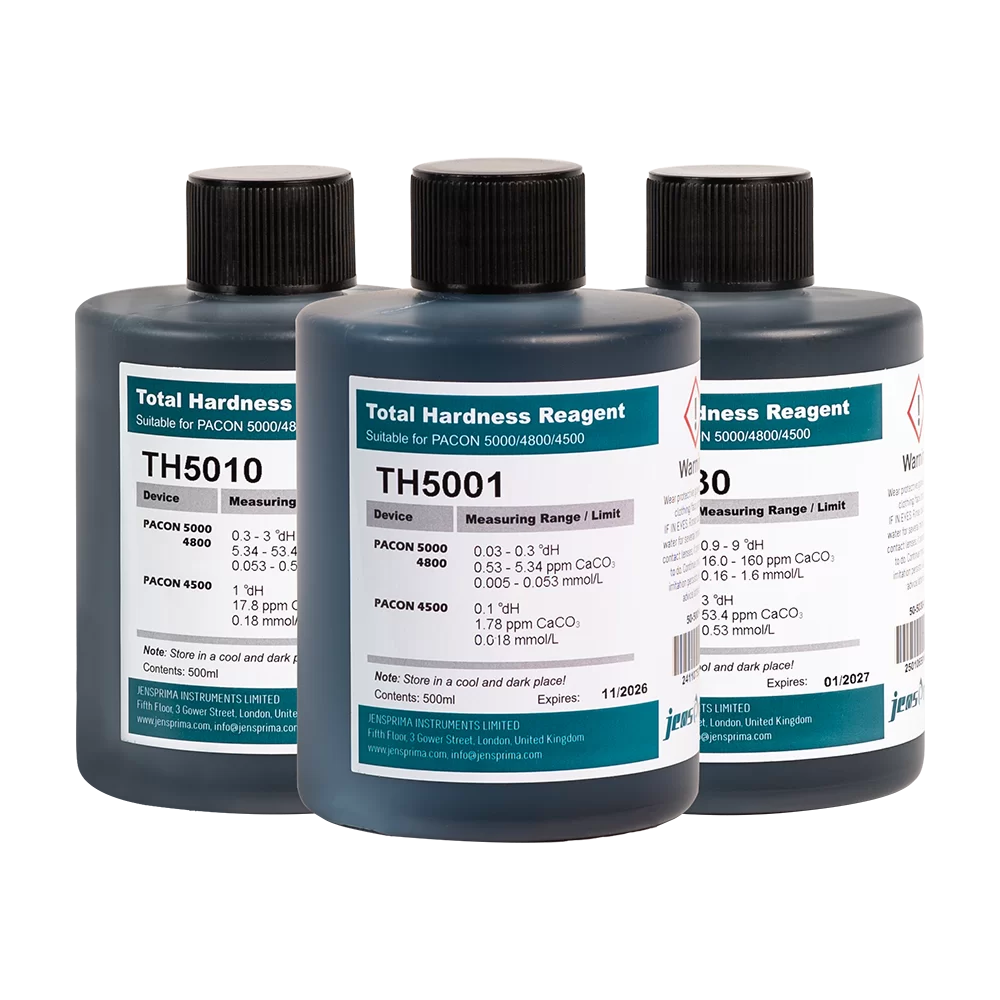
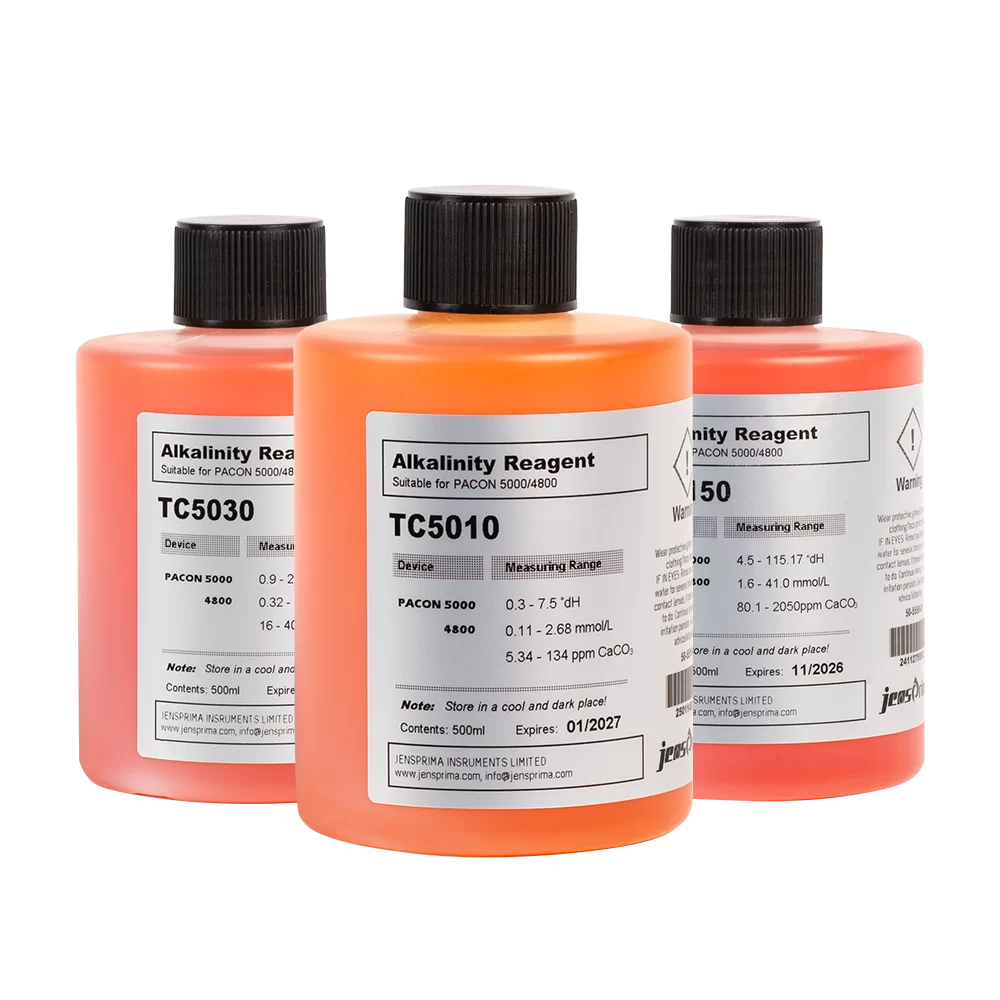
The system uses specialized photometric reagents that react with calcium and magnesium ions to produce a color change. The intensity of this color is measured by the optical sensor to determine the hardness concentration. These reagents are formulated for stability and precision, ensuring consistent results over time. To minimize environmental impact, the system is designed to use the smallest effective volume of reagents per measurement cycle.
Temperature can influence chemical reaction rates and optical measurements. The PACON 4200 incorporates temperature compensation mechanisms to ensure that the reported hardness value remains accurate regardless of the water temperature. This is achieved through either integrated temperature sensors that adjust the calculation algorithm or a sample cooling module that brings the water to a stable reference temperature before analysis begins.
Conclusion
The implementation of an online water hardness analyzer represents a critical shift from reactive to proactive water management. By leveraging the precision of the PACON 4200, industries can effectively eliminate the risks associated with mineral scaling, optimize the use of chemical reagents, and significantly extend the operational lifespan of their most critical infrastructure. The combination of real-time data, automated control, and reduced manual labor creates a compelling case for the adoption of online monitoring in any facility where water quality is paramount.
Looking forward, the integration of these analyzers into smart factory ecosystems will further drive energy efficiency and environmental sustainability. As we move toward more stringent water conservation goals, the ability to precisely monitor and control water hardness will be a cornerstone of industrial excellence. We encourage facility managers and engineers to move beyond traditional sampling and embrace the reliability of automated analysis to safeguard their assets and reduce their environmental footprint. Visit our website: www.jensprima.com






 Download
 Video Center
 Technical Services
 FAQS
 Service Network
 Privacy Policy
 Contact Us