Maintaining precise water quality is a cornerstone of modern industrial processing and environmental protection, where the integration of an auto ph controller ensures that chemical balances remain within strict regulatory limits. In an era where water scarcity and pollution are global crises, the ability to automate the monitoring and adjustment of acidity and alkalinity is no longer a luxury but a operational necessity for sustainable development.
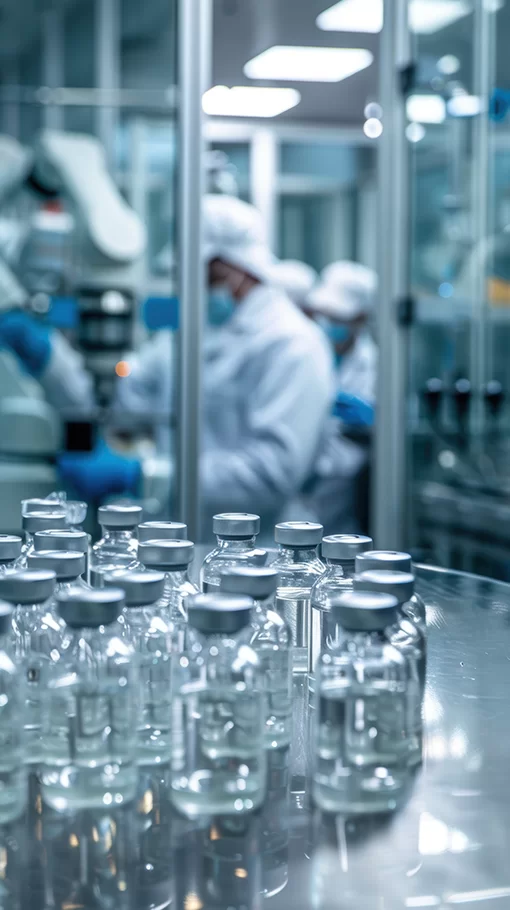
Across diverse sectors—from pharmaceutical manufacturing to municipal wastewater treatment—the shift toward automation reduces human error and minimizes chemical waste. By deploying a sophisticated auto ph controller, facilities can achieve real-time responsiveness, ensuring that sensitive biological processes are protected and that discharge water meets the highest environmental standards set by international bodies.
Understanding the nuances of these automated systems allows operators to optimize their resource allocation while enhancing the lifespan of their infrastructure. Whether it is preventing pipe corrosion or ensuring the efficacy of disinfection processes, the role of an auto ph controller is central to the stability and reliability of any water-based industrial cycle.

Global Relevance of Auto pH Control Systems
The global demand for clean water and precise industrial effluent management has surged as ISO standards and UN Sustainable Development Goals (SDGs) place stricter mandates on water quality. An auto ph controller serves as the first line of defense in preventing environmental acidification and alkaline contamination, which can devastate local aquatic ecosystems if left unchecked.
Industry data indicates that manual pH adjustment often leads to "over-shooting" targets, resulting in excessive chemical consumption and increased operational costs. By transitioning to an automated system, industries can reduce chemical runoff by up to 30%, aligning their operations with global green initiatives while maintaining a competitive edge in production efficiency.
Defining the Modern Auto pH Controller
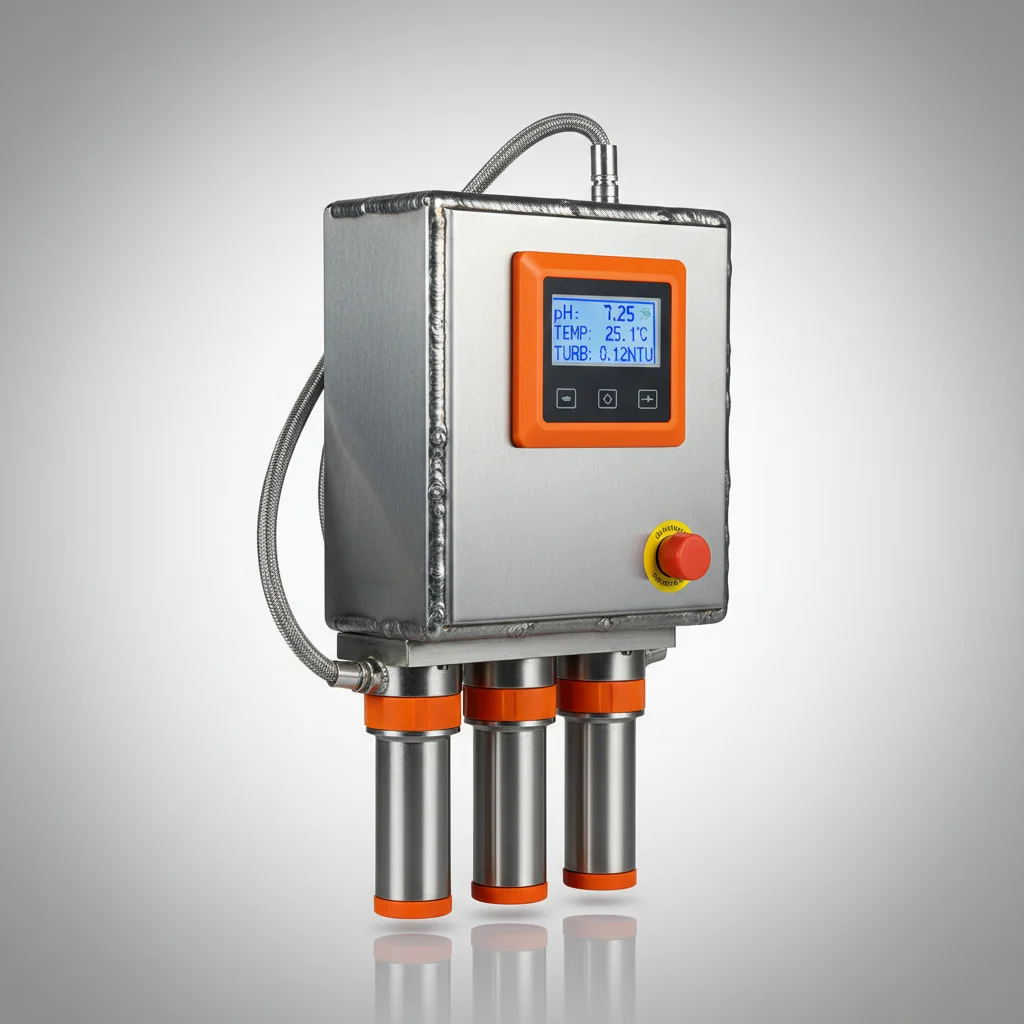
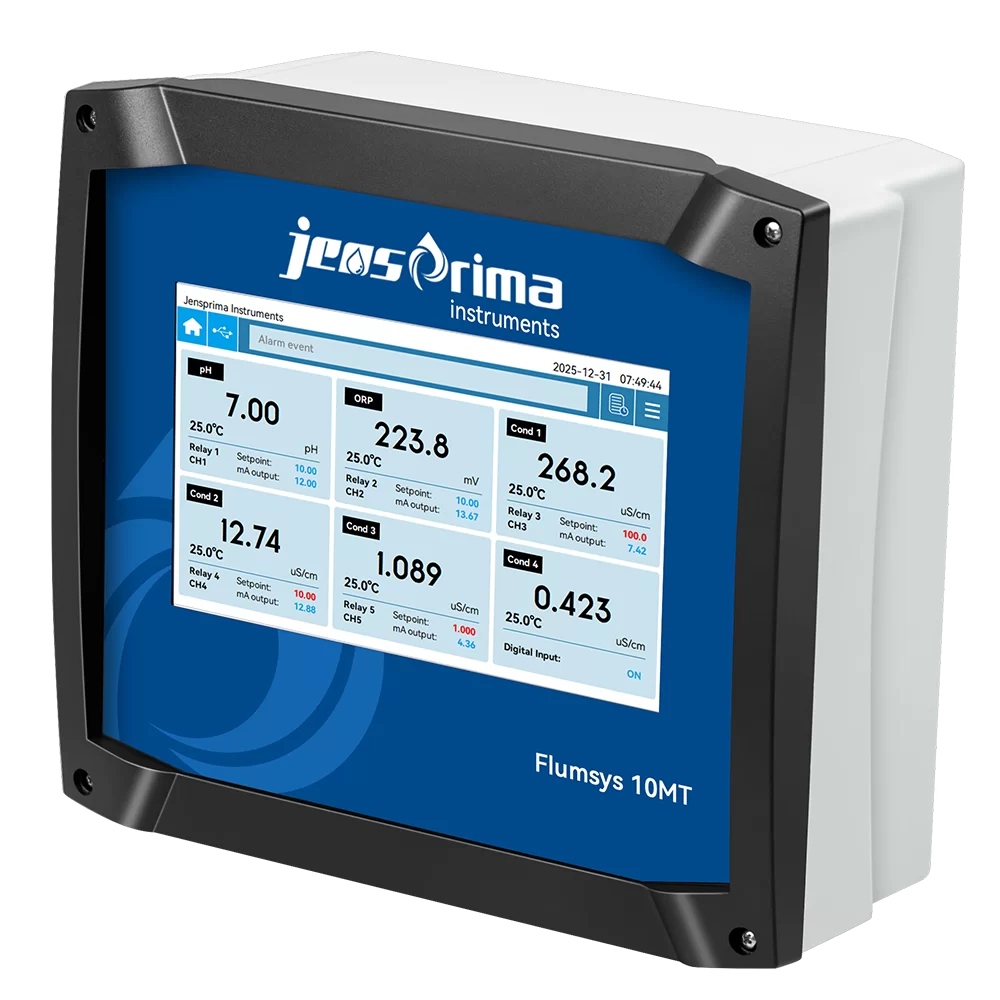
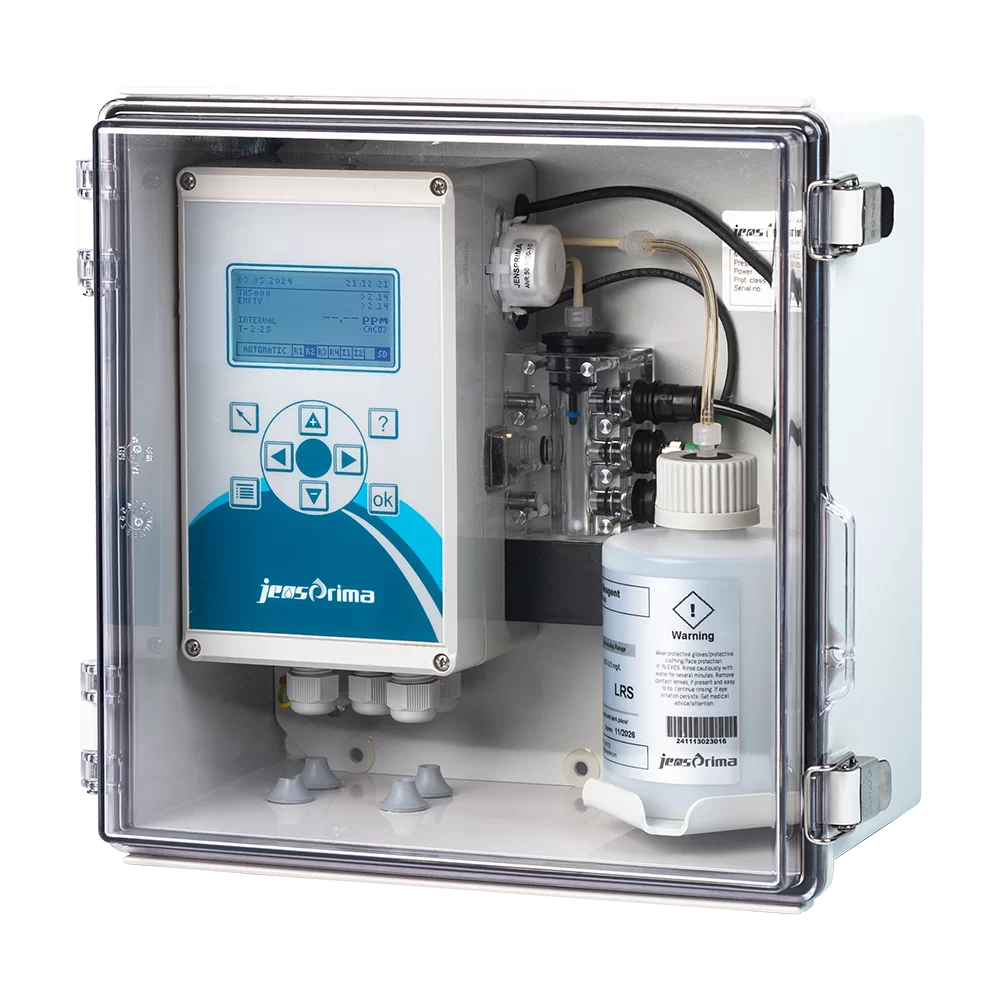
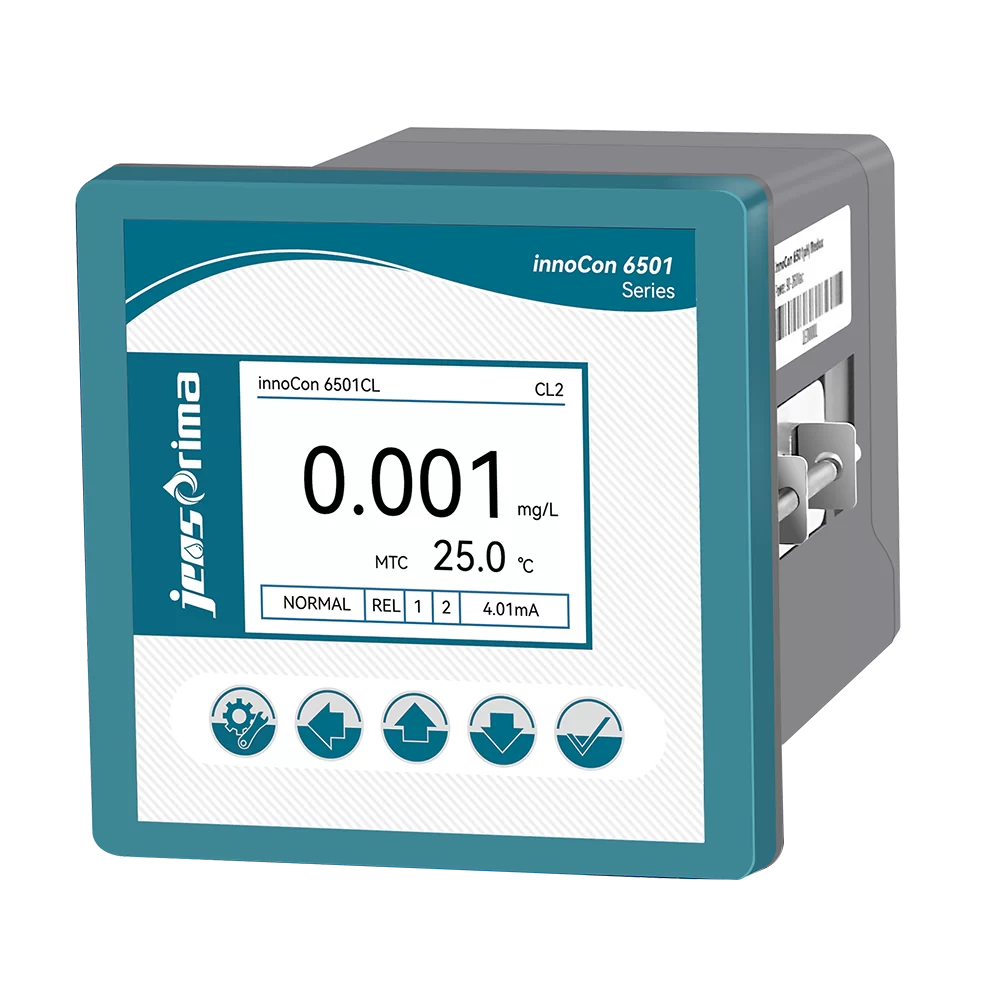
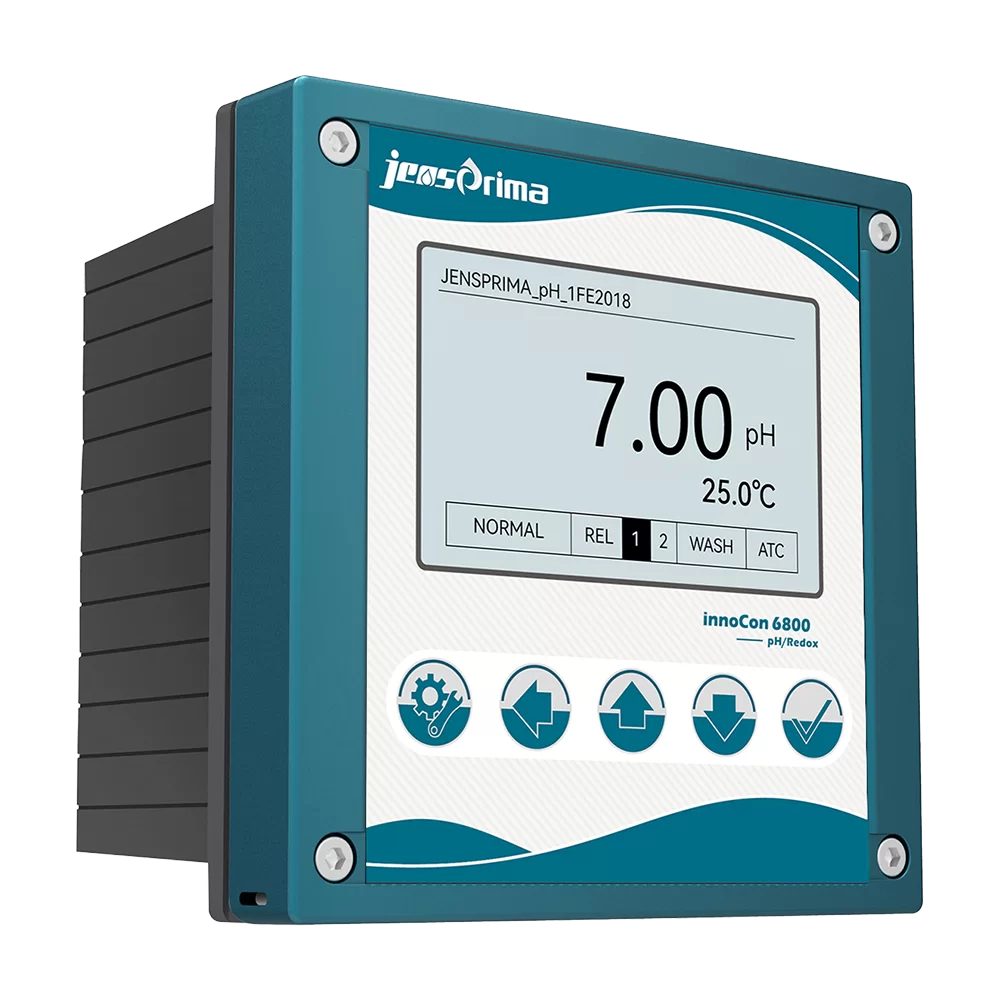
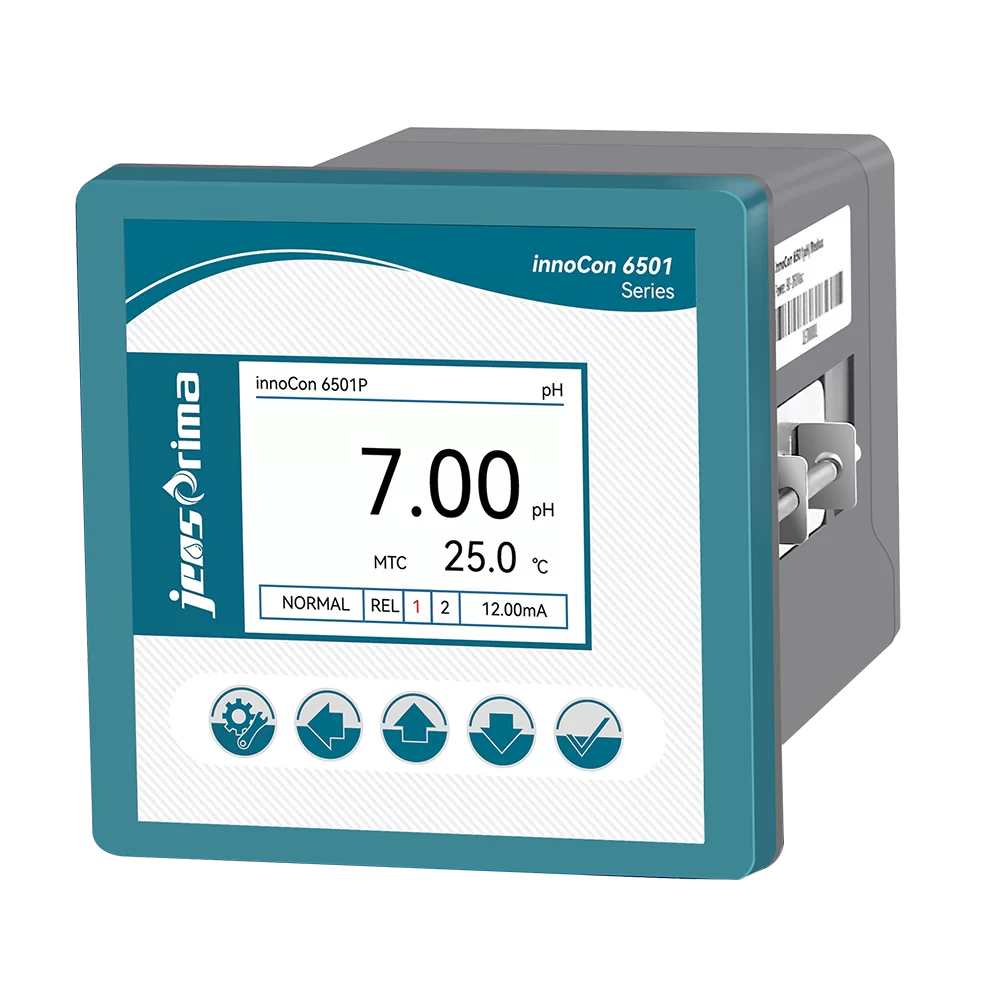
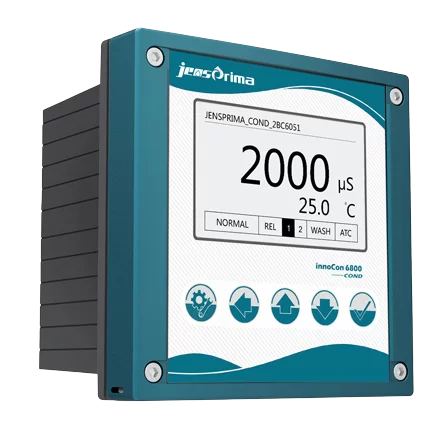
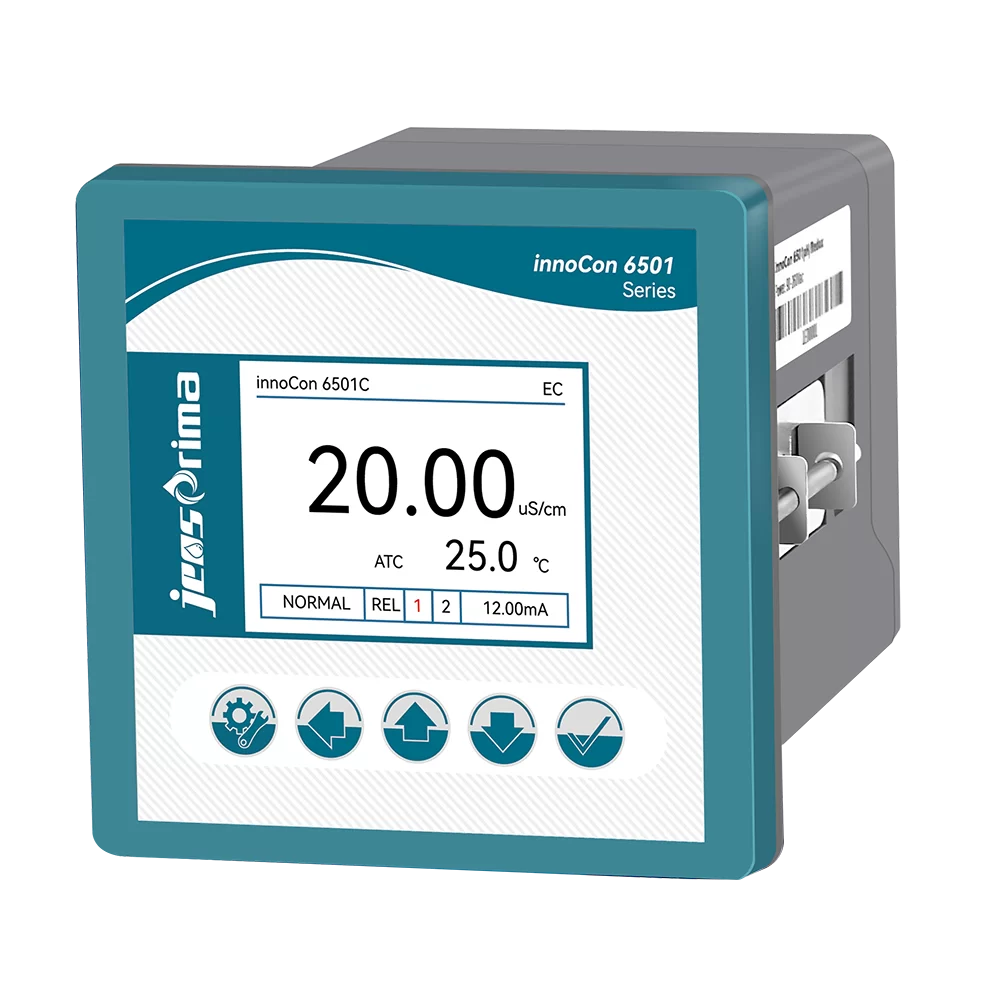
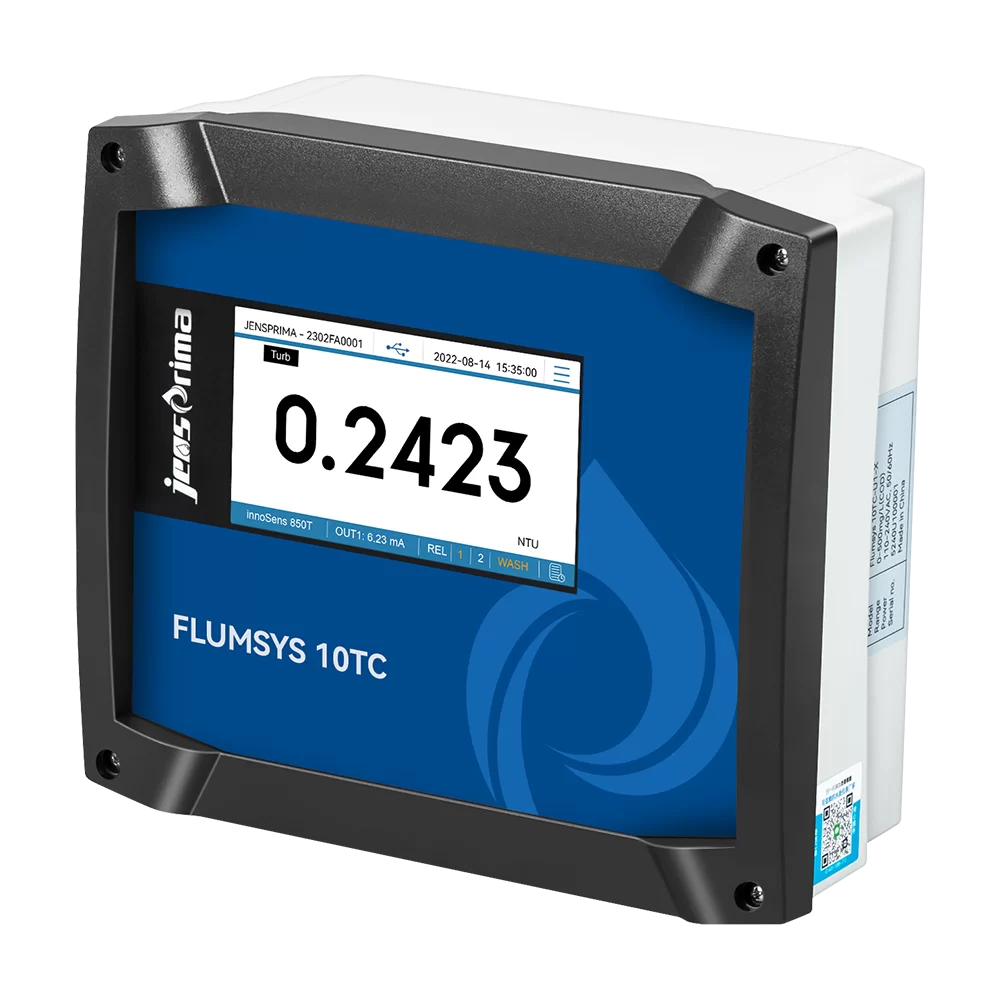
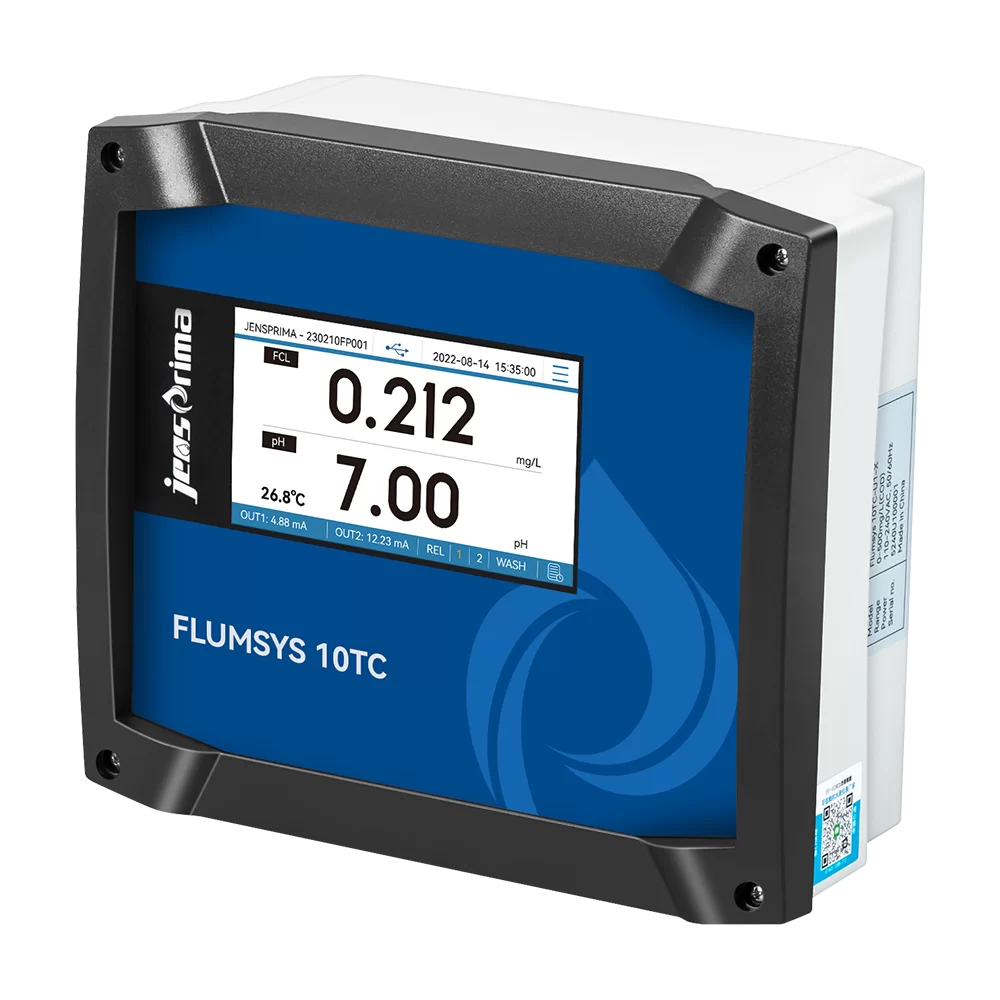
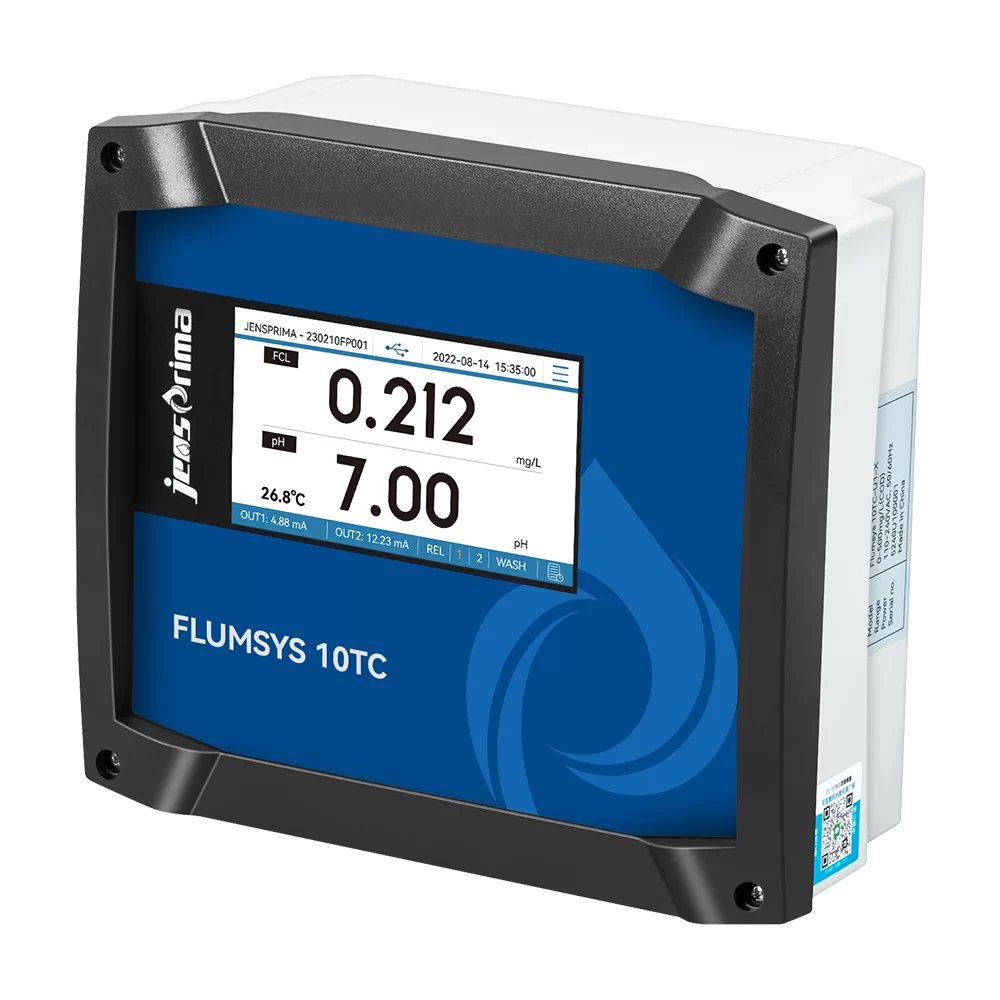
At its core, an auto ph controller is an integrated electronic system designed to monitor the hydrogen-ion activity of a liquid and automatically trigger dosing pumps to maintain a specific set-point. Unlike simple meters that only provide a reading, the "auto" aspect implies a closed-loop feedback system that reacts in real-time to fluctuations in the water stream.
In the context of modern industry, these controllers are essential for maintaining the delicate balance required for chemical reactions, fermentation, and water purification. They bridge the gap between raw sensory data and mechanical action, translating a millivolt signal from a pH probe into a precise volume of acid or base injected into the process.
From a humanitarian perspective, this technology is vital for providing safe drinking water in remote areas. Automated controllers ensure that water treatment plants can operate reliably without requiring a highly skilled chemist on-site 24/7, thereby democratizing access to treated, pH-balanced water.
Core Components of High-Precision Control
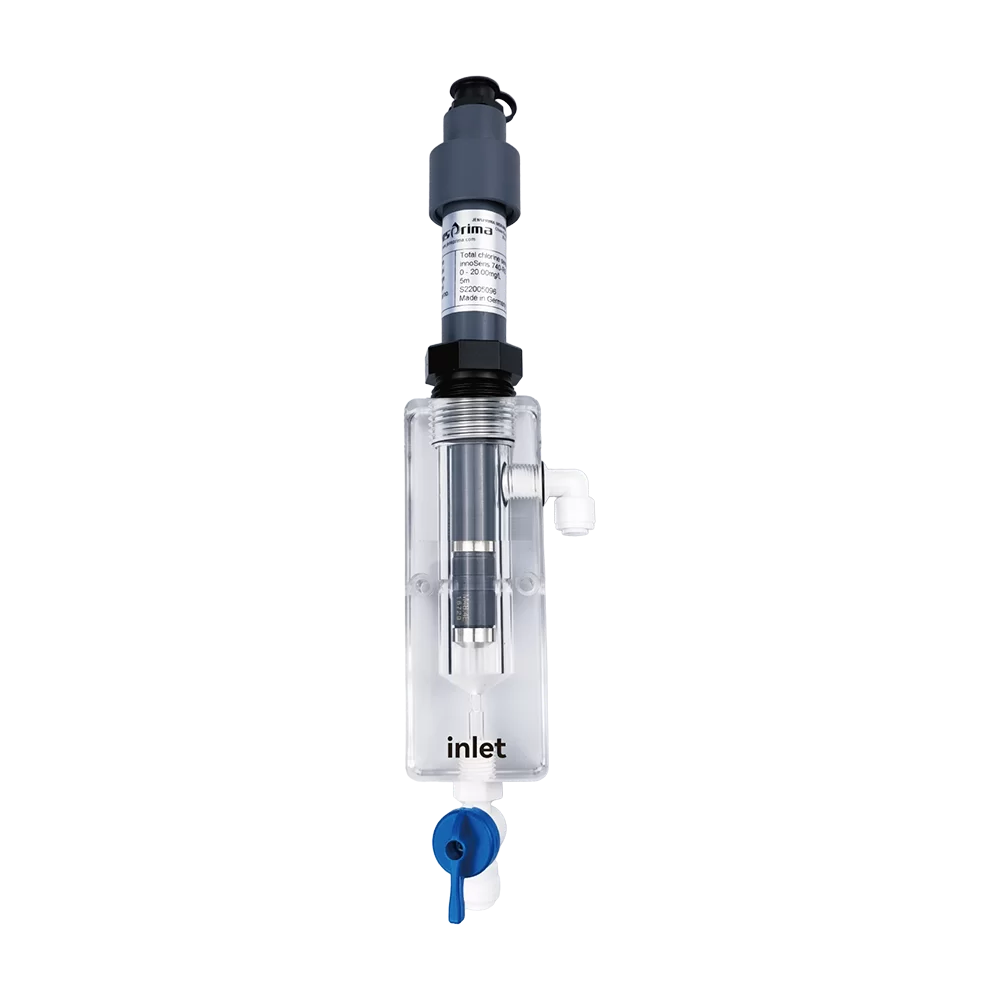
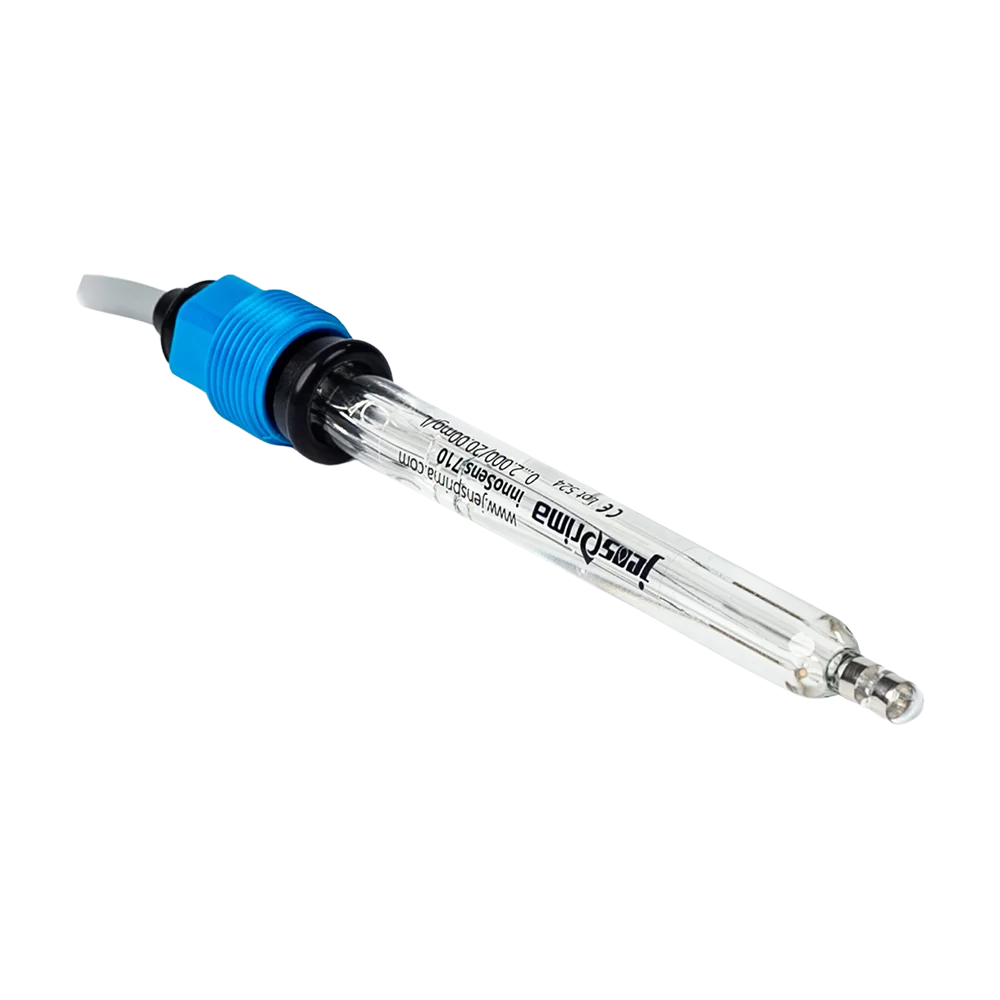
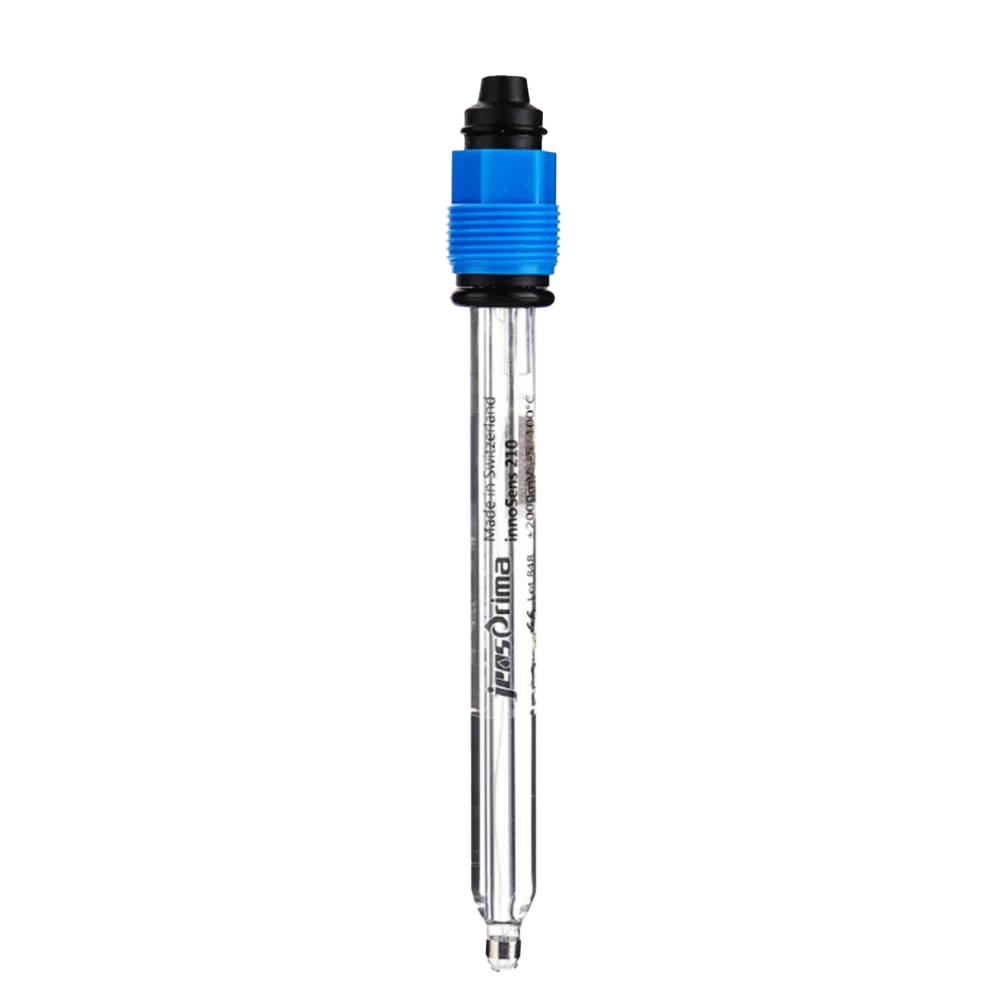
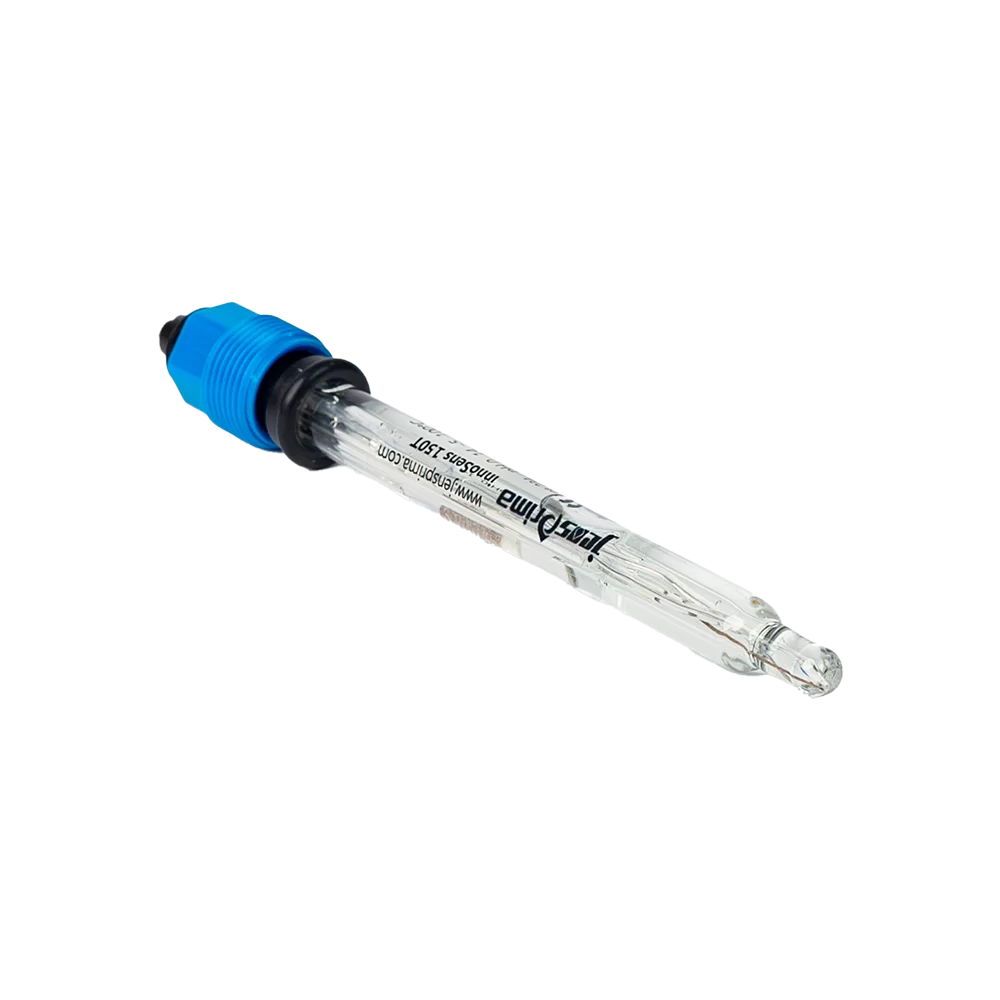
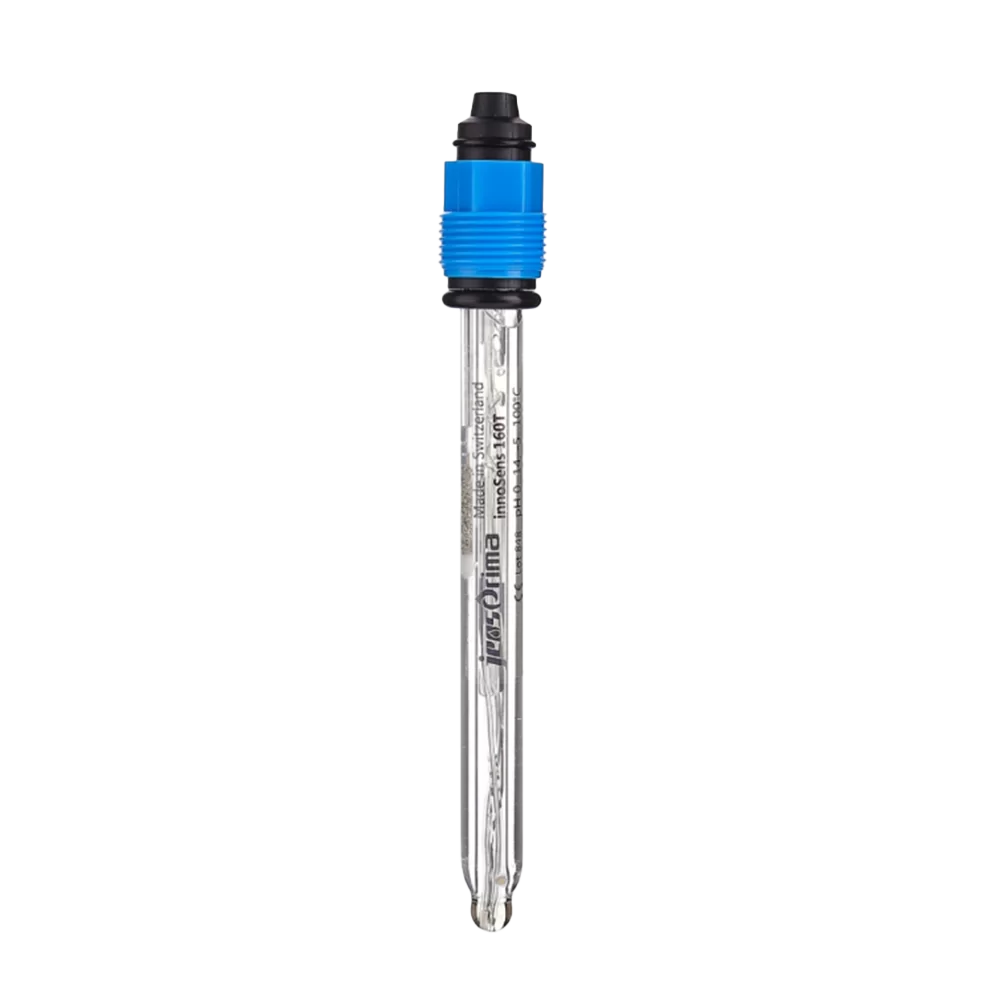
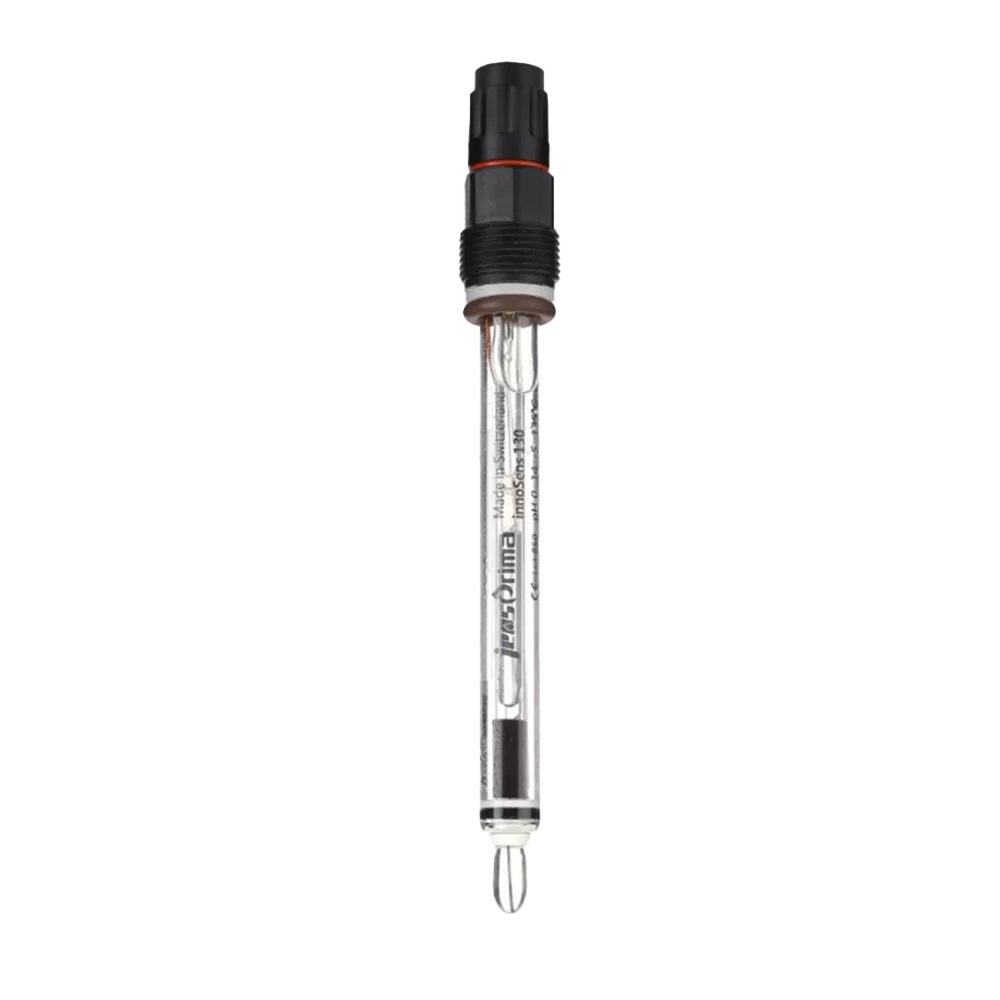
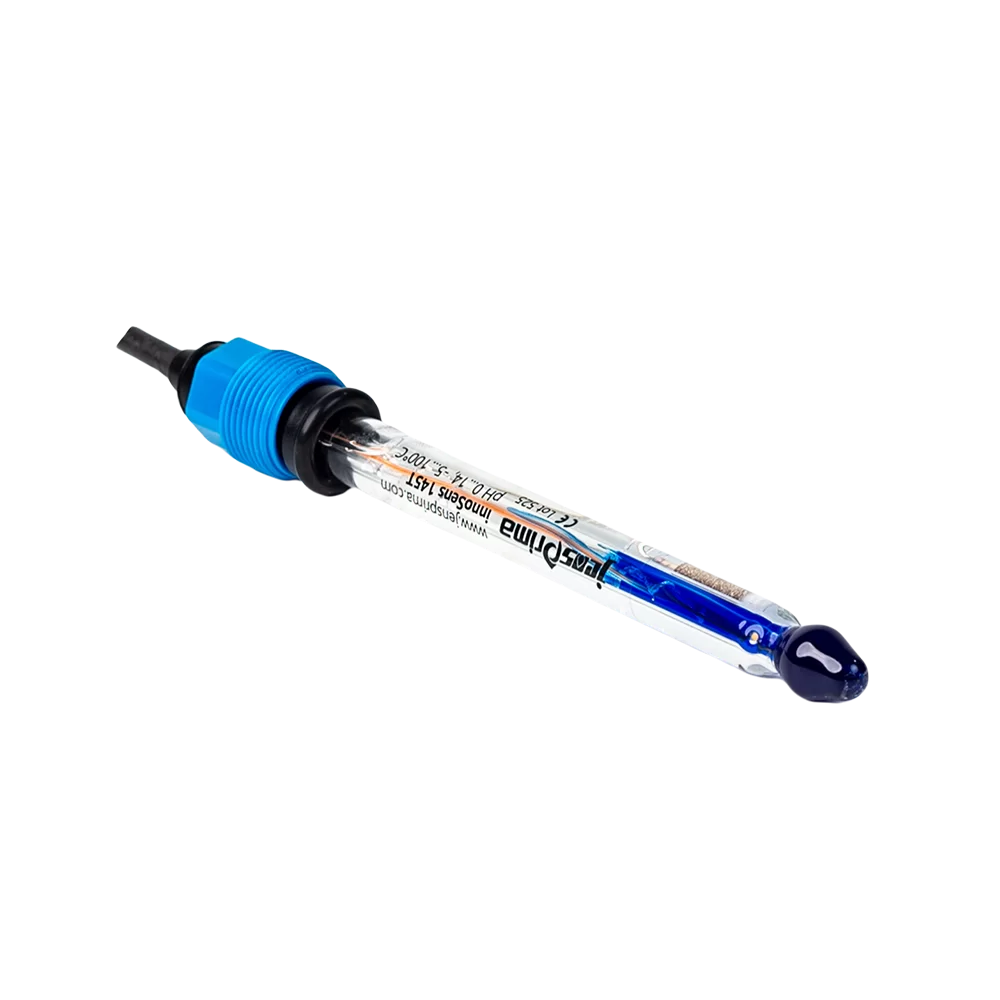
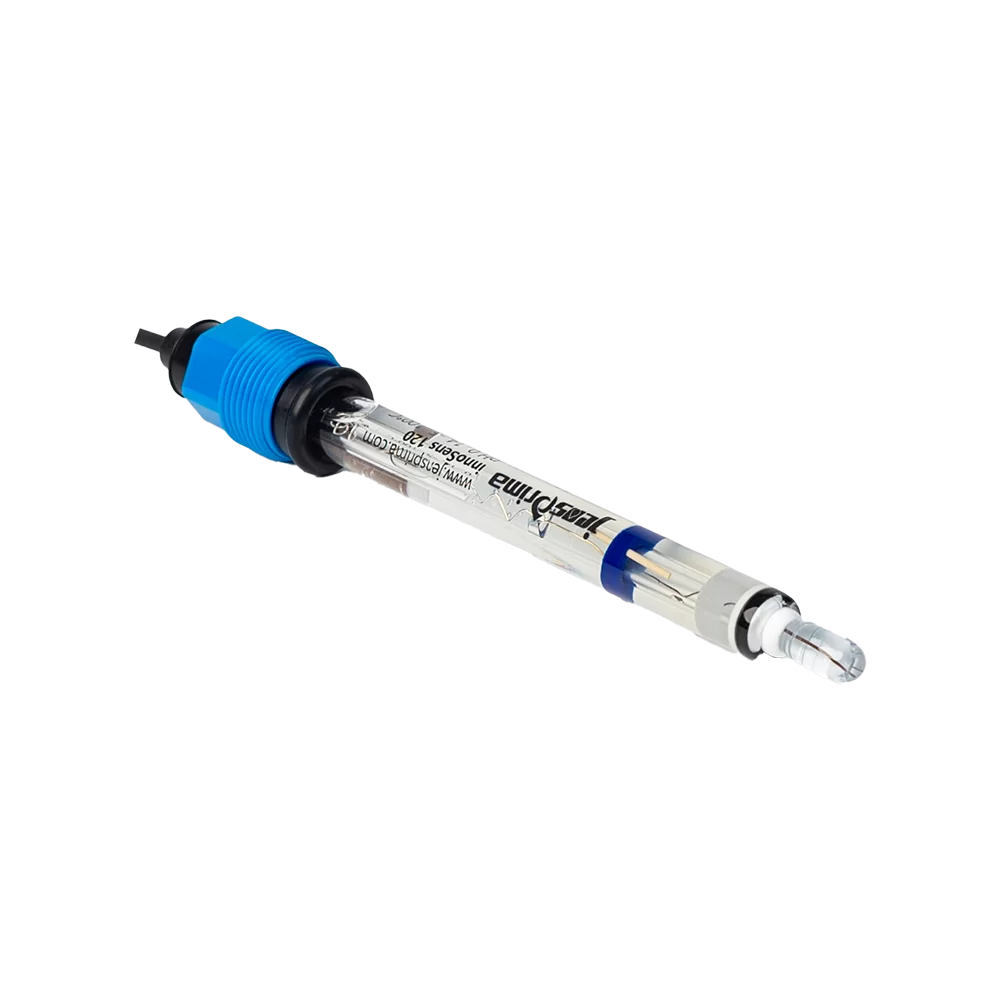
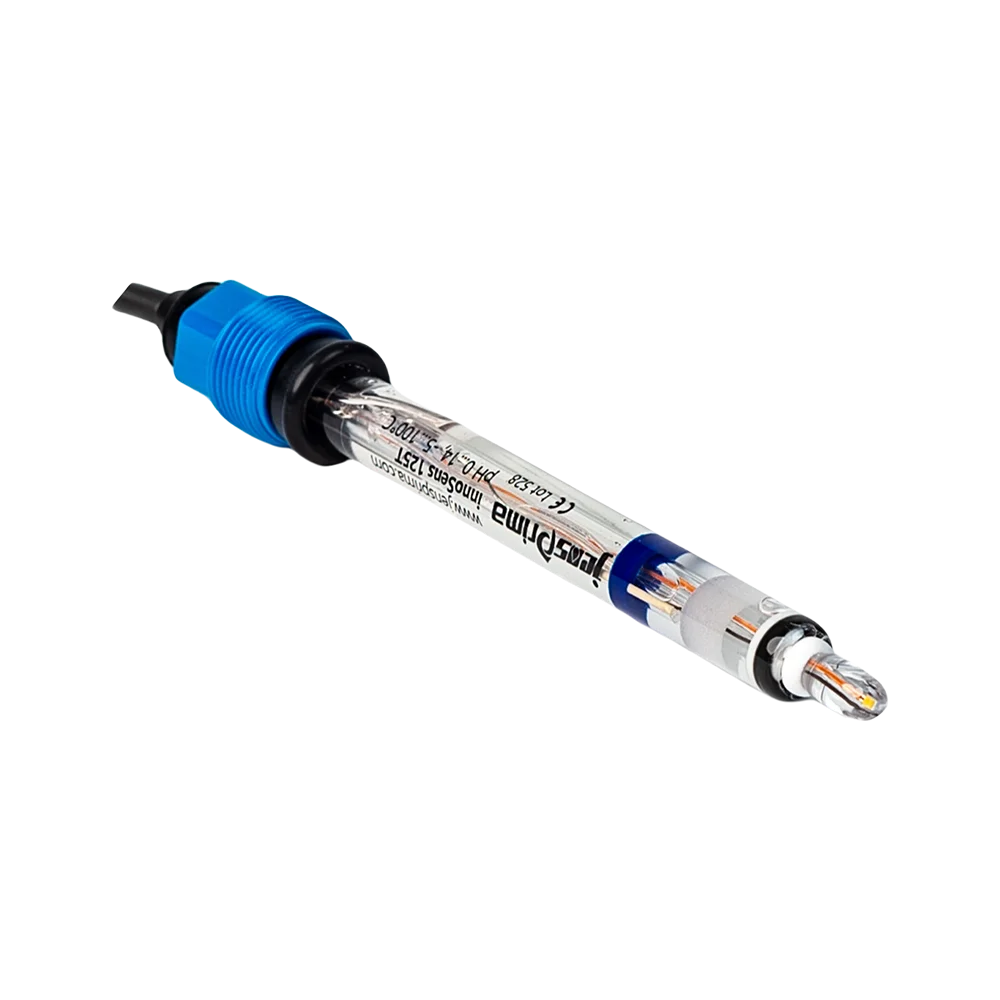
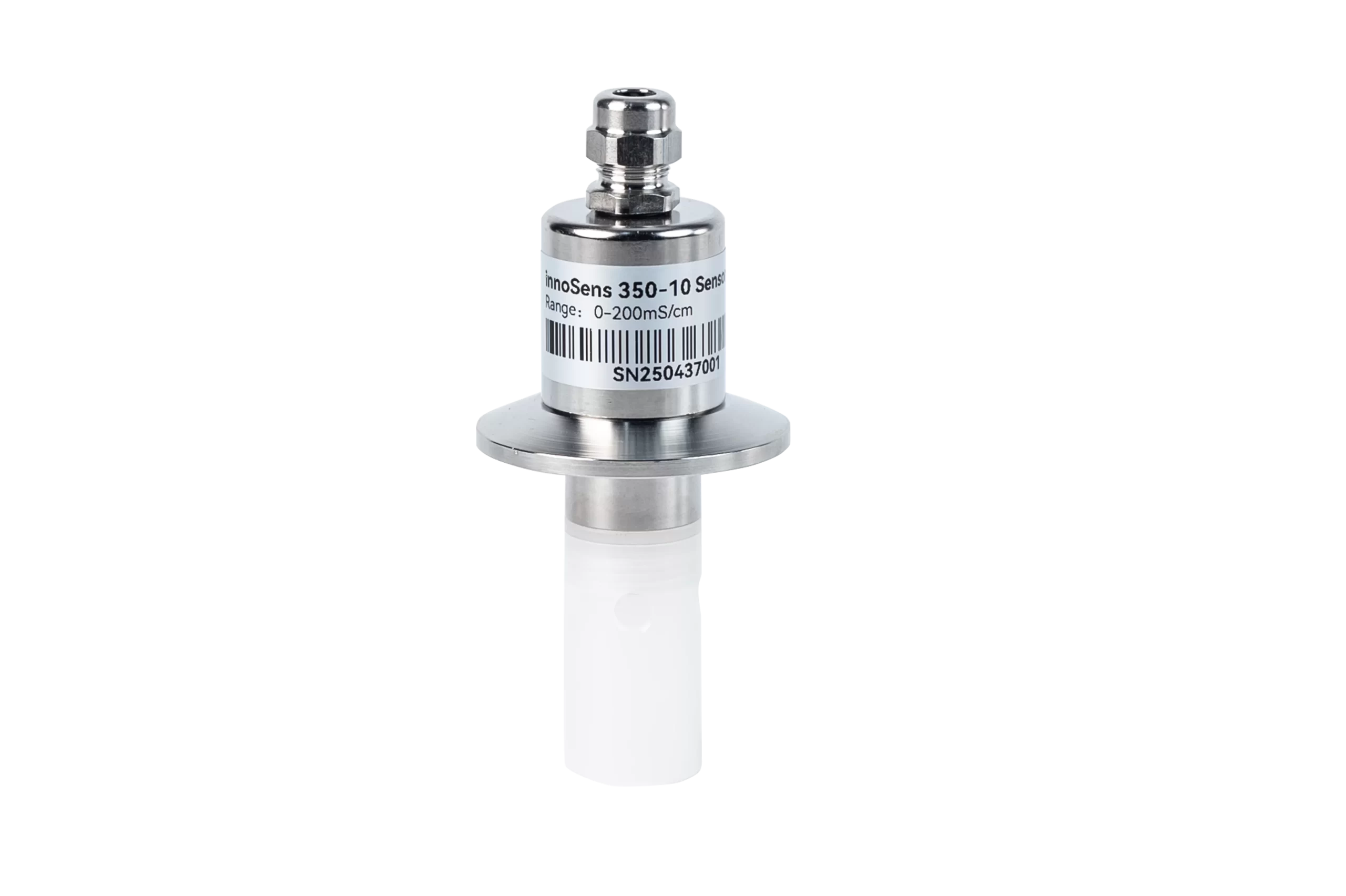
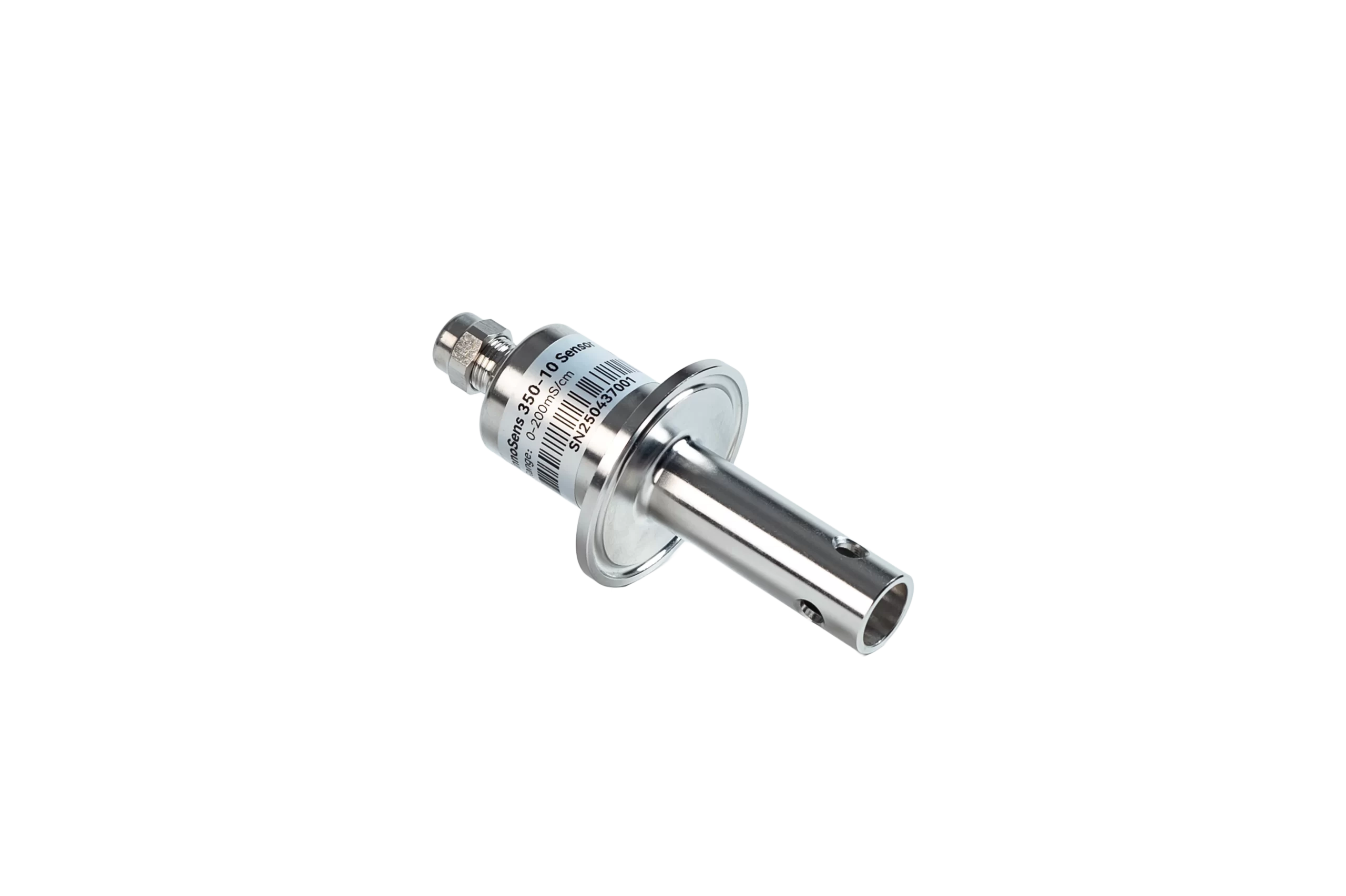
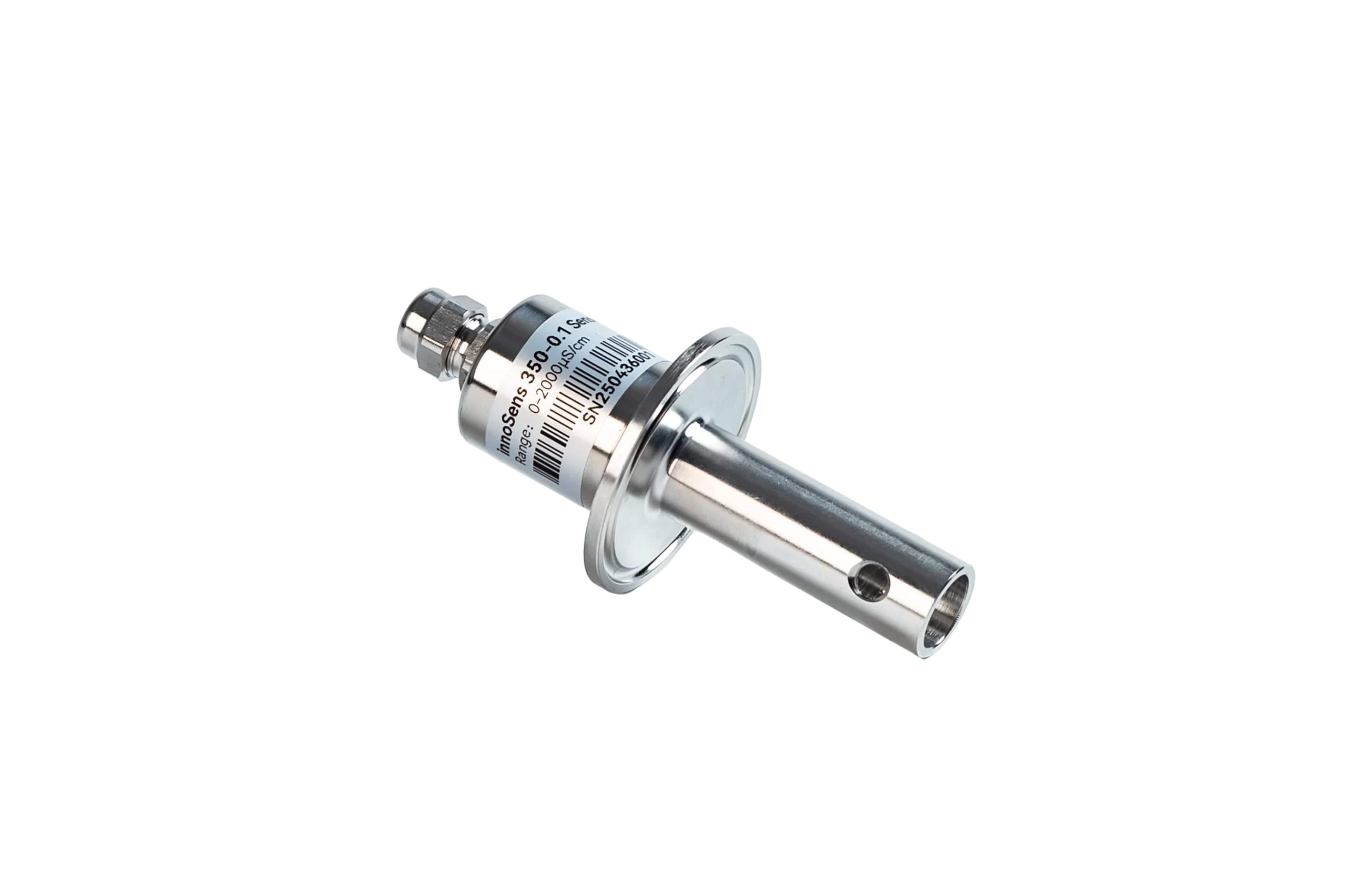
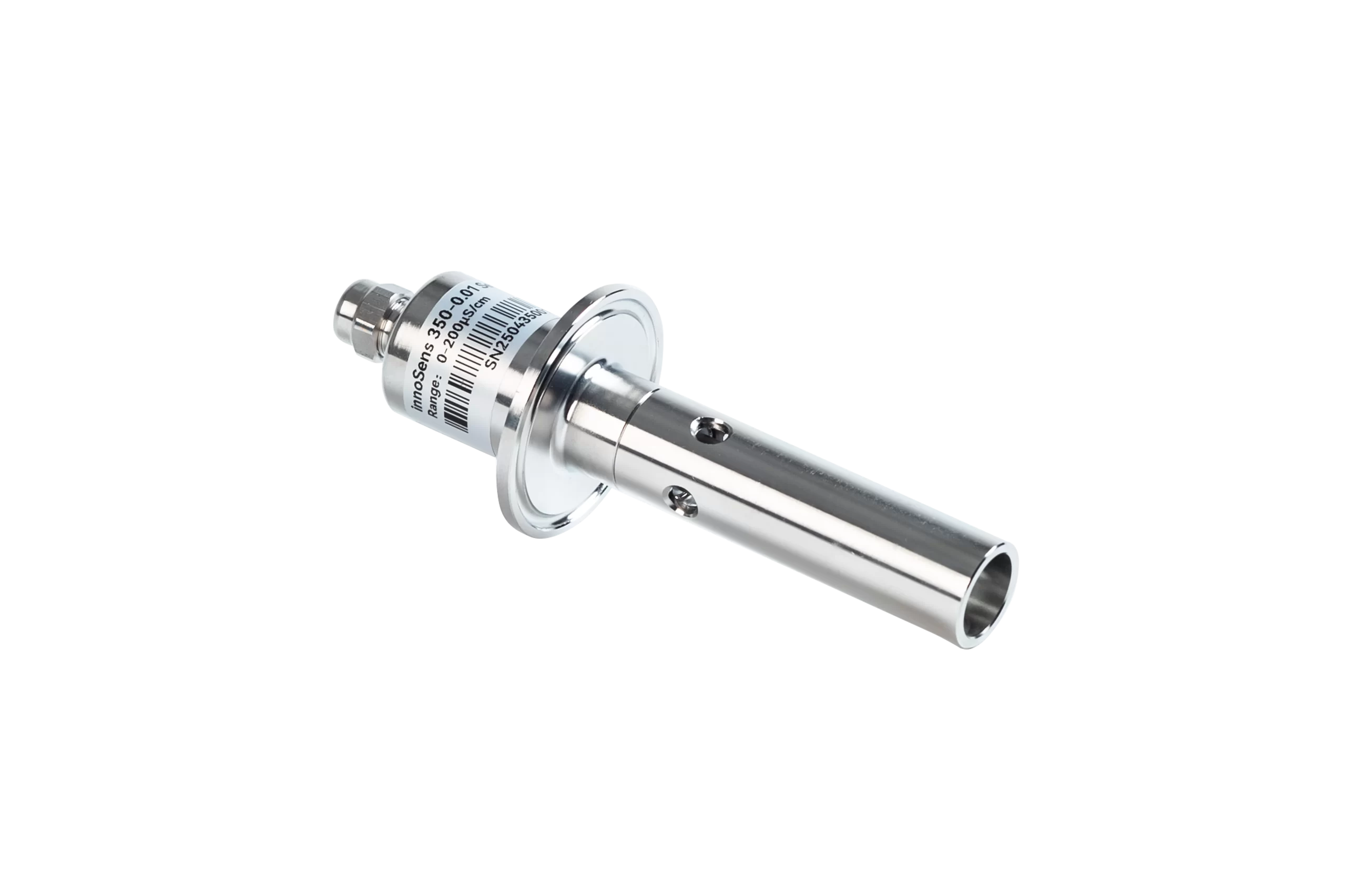
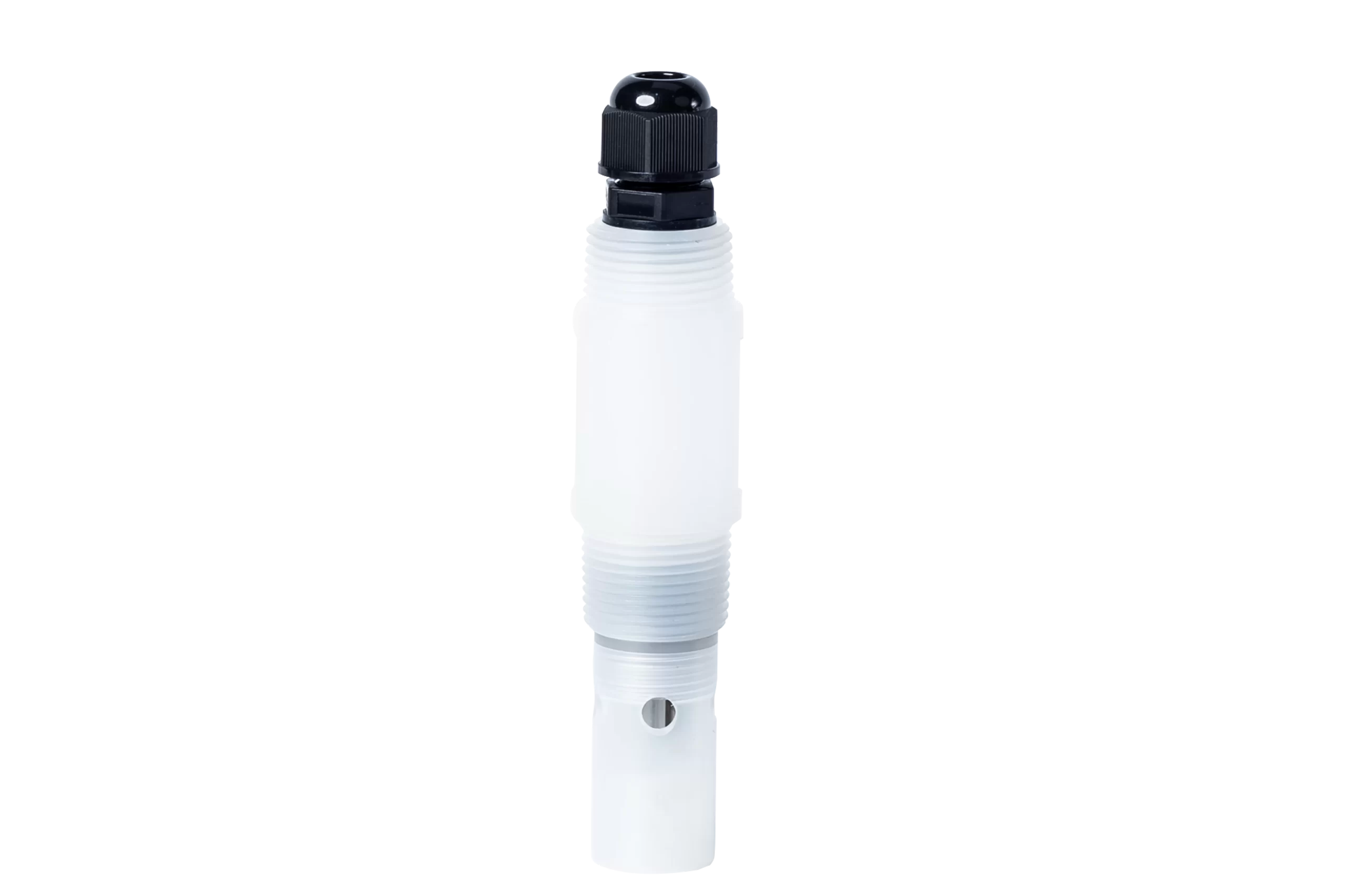
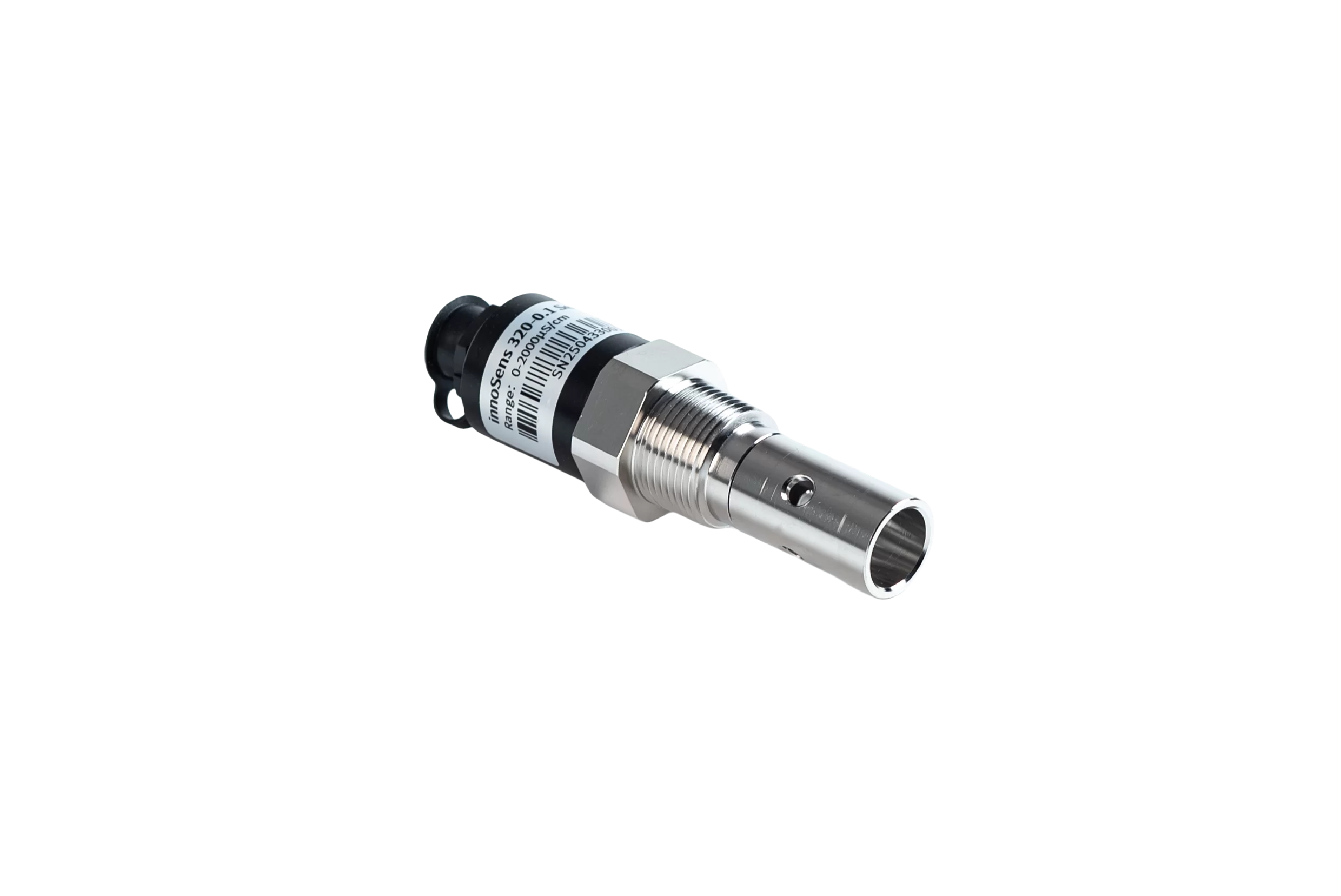
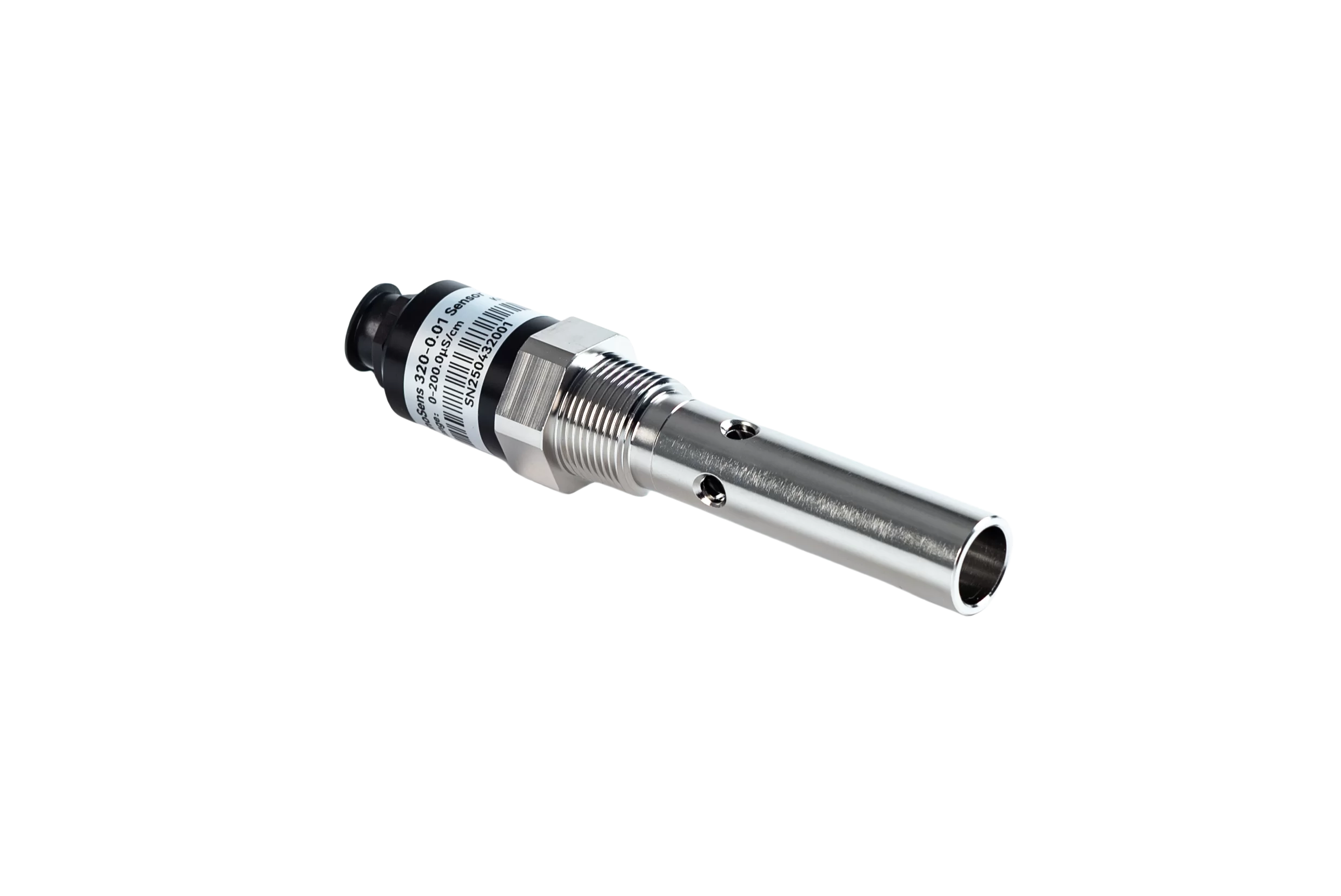
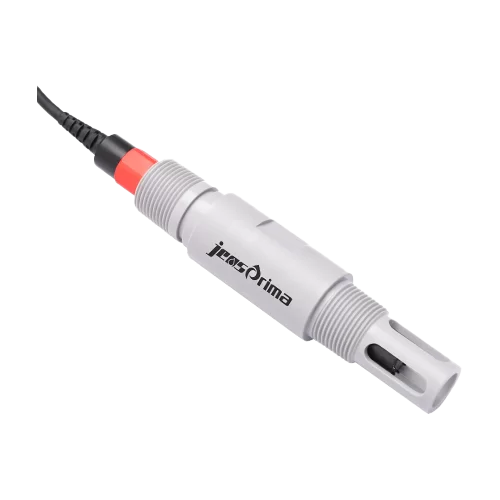
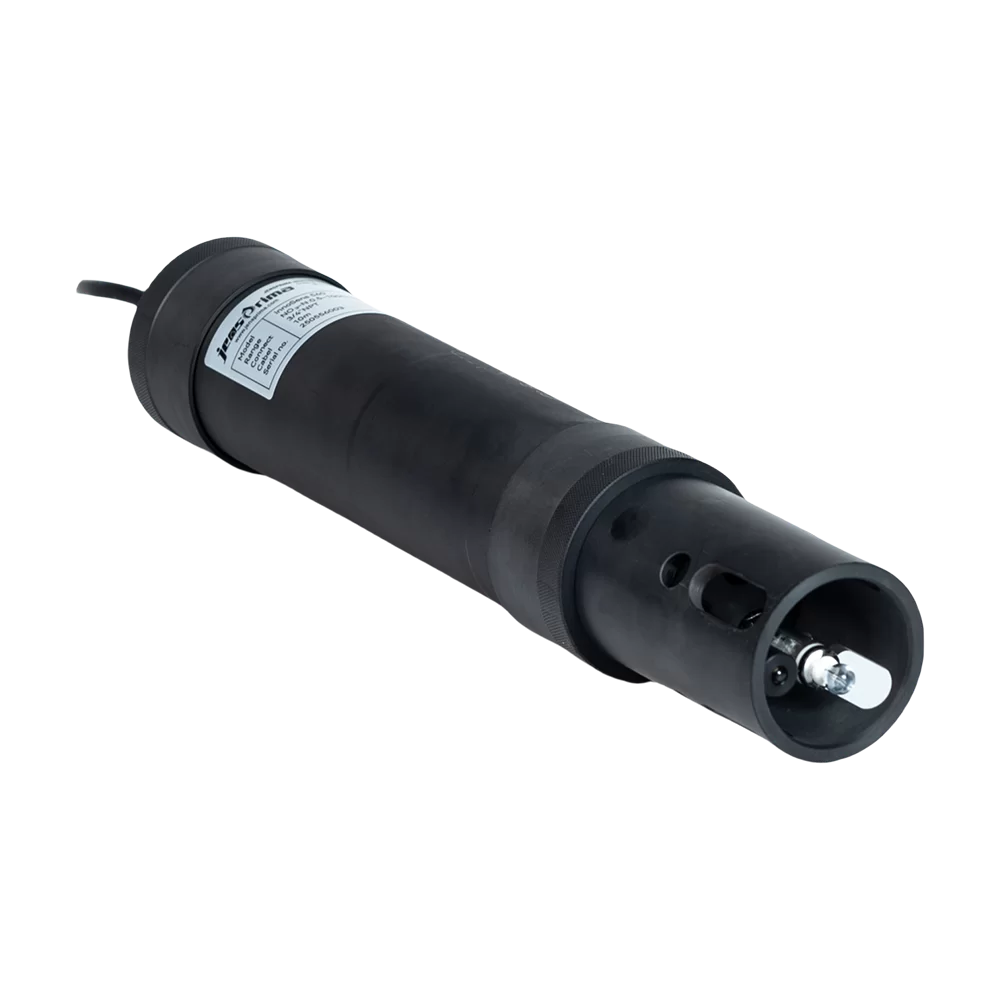
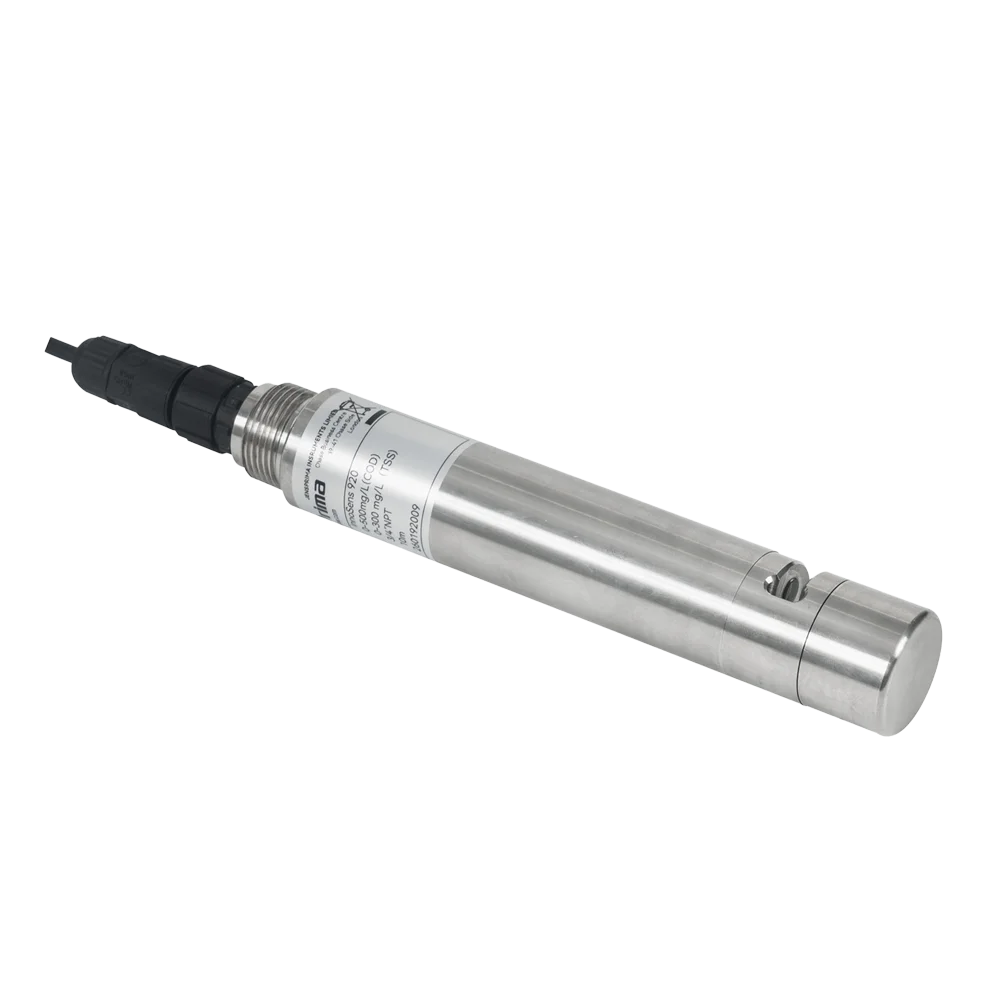
The durability of an auto ph controller depends heavily on the quality of its sensor interface. High-grade probes must withstand corrosive environments and resist fouling, ensuring that the controller receives an accurate signal regardless of the liquid's turbidity or temperature.
Scalability is another critical factor; a professional auto ph controller should be capable of integrating into a wider SCADA (Supervisory Control and Data Acquisition) system. This allows operators to manage multiple control loops from a single centralized dashboard, enhancing overall plant visibility.
Cost efficiency is achieved through the precision of the dosing algorithms. By utilizing PID (Proportional-Integral-Derivative) control, an auto ph controller avoids the inefficient "on/off" cycling that wastes chemicals and puts undue stress on metering pumps.
Industrial Applications and Use Cases
In real-world contexts, the auto ph controller is indispensable in the food and beverage industry, where pH levels directly affect taste, preservation, and safety. For example, in brewery operations, controlling the pH of mash water is critical for enzyme activity, ensuring the quality and consistency of the final product.
Furthermore, in remote industrial zones or post-disaster relief operations, portable automated pH systems allow for the rapid setup of water purification units. These systems ensure that water is neutralized before consumption or discharge, preventing skin irritation or chemical burns to the local population.
Performance Comparison of pH Control Methods
Long-Term Value and Sustainability
The adoption of an auto ph controller offers profound tangible benefits in terms of reliability and risk mitigation. By eliminating the variance associated with human sampling, companies avoid the catastrophic costs of batch failures or regulatory fines resulting from non-compliant effluent discharge.
Beyond the financial metrics, there is an emotional and social value in knowing that an automated system provides a safety net for the environment. The trust established with local communities and regulatory agencies through consistent, transparent water quality data enhances the brand's reputation as a responsible corporate citizen.
Future Trends in Water Automation
The next generation of the auto ph controller is moving toward "predictive maintenance." By using machine learning, these systems can analyze the drift of a pH probe over time and notify technicians to calibrate the sensor before the accuracy falls below a critical threshold, preventing unplanned downtime.
Digital transformation is also integrating IoT (Internet of Things) connectivity, allowing for cloud-based monitoring of water chemistry across multiple global sites. This ensures that a company in Europe can monitor the pH stability of a plant in Asia in real-time, ensuring global quality standardization.
Sustainability is further enhanced by the integration of green chemistry. Future controllers will likely be optimized to work with bio-based neutralizing agents, reducing the carbon footprint associated with the production and transport of traditional caustic soda or sulfuric acid.
Overcoming Implementation Challenges
A common limitation in current practices is the "sensor lag" and fouling that occurs in high-solids environments. When a probe is coated in biofilm or scale, the auto ph controller may receive a delayed signal, leading to oscillations in pH levels and chemical waste.
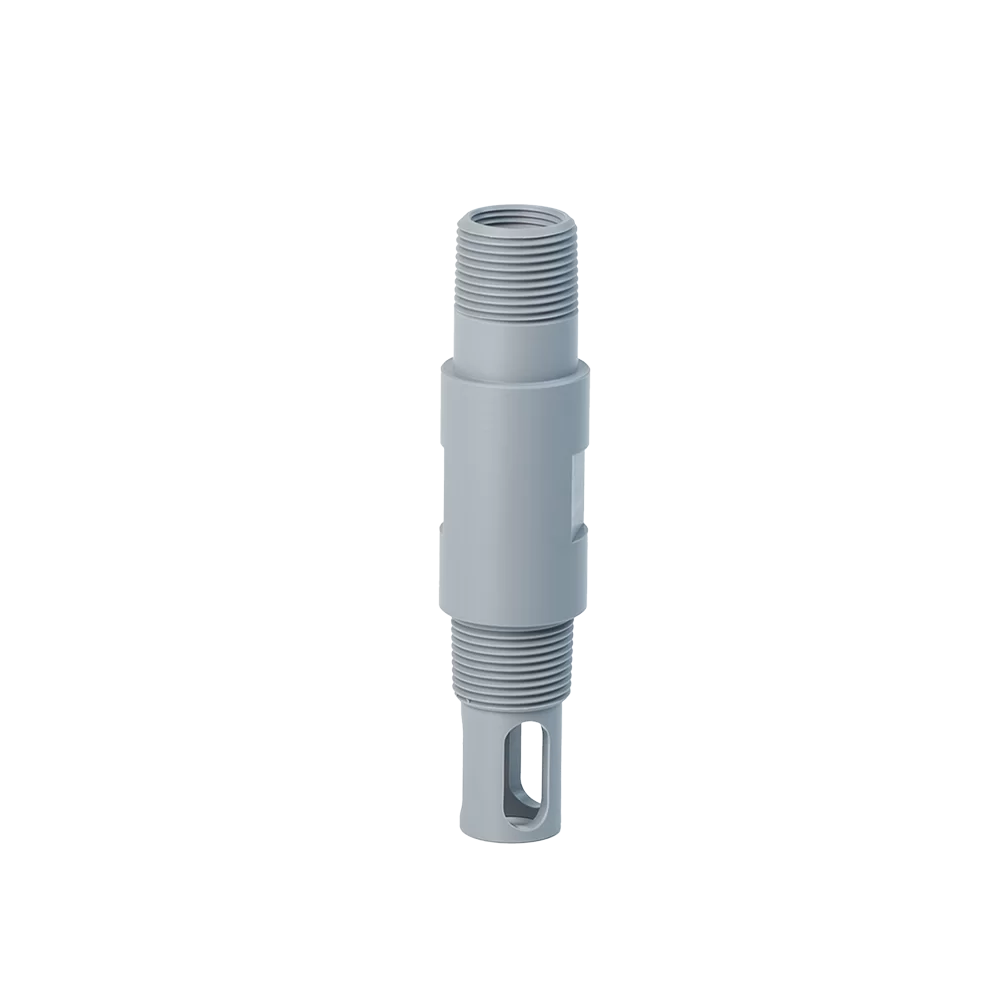
To overcome this, expert insights suggest the installation of automatic cleaning systems, such as air-blast or ultrasonic cleaners, integrated directly into the sensor housing. This ensures the probe remains clean, providing the controller with an instantaneous and accurate representation of the liquid's state.
Additionally, the challenge of "signal noise" in industrial settings can be solved by using high-impedance pre-amplifiers located close to the probe. This protects the delicate millivolt signal from electromagnetic interference, ensuring that the auto ph controller makes decisions based on data, not noise.
Comparison of pH Control Implementation Strategies
| Strategy Dimension |
Manual Control |
Standard Auto Control |
Advanced PID Control |
| Chemical Waste |
High (Over-dosing) |
Moderate |
Minimal |
| Labor Intensity |
Very High |
Low |
Very Low |
| Stability Index |
2/10 |
6/10 |
9/10 |
| Response Time |
Delayed (Hours) |
Fast (Minutes) |
Instant (Seconds) |
| Initial Cost |
Low |
Medium |
High |
| Compliance Risk |
High Risk |
Low Risk |
Negligible Risk |
FAQS
An auto pH controller eliminates human error and the "lag time" between sampling and correction. By providing constant monitoring and precise dosing, it prevents the dangerous fluctuations in pH that can ruin product batches or lead to environmental fines, while significantly reducing the volume of chemicals used.
Depending on the water quality and probe type, calibration typically occurs weekly or monthly. However, advanced systems with drift-detection can notify you exactly when calibration is needed, ensuring that the controller is always operating on accurate data without unnecessary maintenance intervals.
Yes, provided the system is equipped with a robust sensor and a cleaning mechanism. While turbidity can interfere with some sensors, a high-quality auto pH controller paired with a self-cleaning probe can maintain accuracy even in challenging industrial wastewater environments.
While the initial investment is higher than manual tools, the ROI is usually achieved quickly through reduced chemical waste, lower labor costs, and the avoidance of regulatory penalties. It is an investment in operational stability and environmental compliance.
PID (Proportional-Integral-Derivative) control allows the system to slow down dosing as it approaches the target pH. This prevents the "hunting" effect where the pH swings back and forth around the set-point, resulting in a much smoother and more stable chemical balance.
Most professional-grade auto pH controllers come with standard outputs like 4-20mA, Modbus, or Profibus, making them fully compatible with modern SCADA and PLC systems for centralized monitoring and data logging.
Conclusion
In summary, the implementation of an auto ph controller is a strategic necessity for any industry relying on water chemistry. From ensuring the precision of chemical reactions to safeguarding the environment against alkaline or acidic discharge, these systems provide a level of reliability and efficiency that manual processes simply cannot match. By focusing on high-quality sensors, PID control, and digital integration, facilities can achieve an optimal balance of cost-efficiency and sustainability.
Looking forward, the convergence of AI and IoT will further elevate the capabilities of water quality automation, turning pH control from a reactive process into a predictive one. We encourage plant managers and environmental engineers to evaluate their current monitoring gaps and move toward fully automated solutions to ensure long-term operational resilience. Visit our website for more information: www.jensprima.com



 Download
 Video Center
 Technical Services
 FAQS
 Service Network
 Privacy Policy
 Contact Us