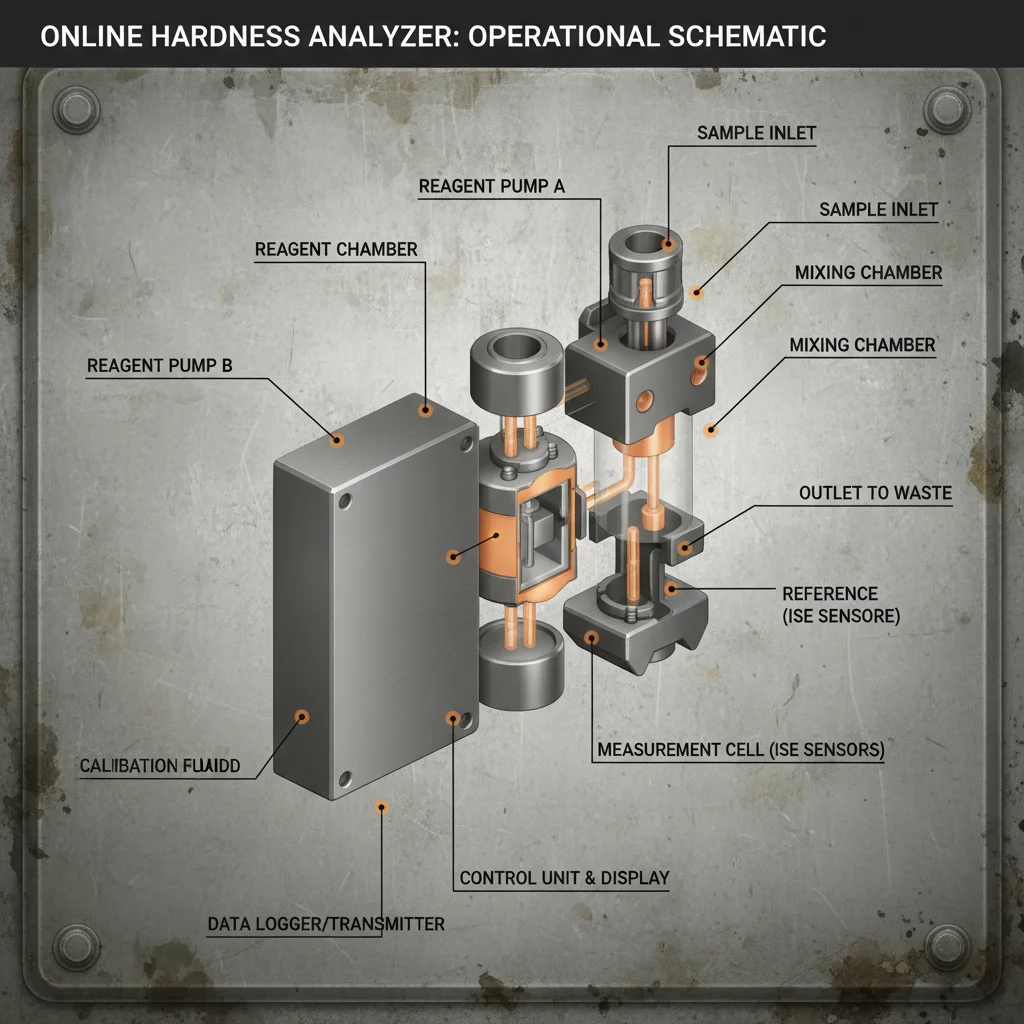
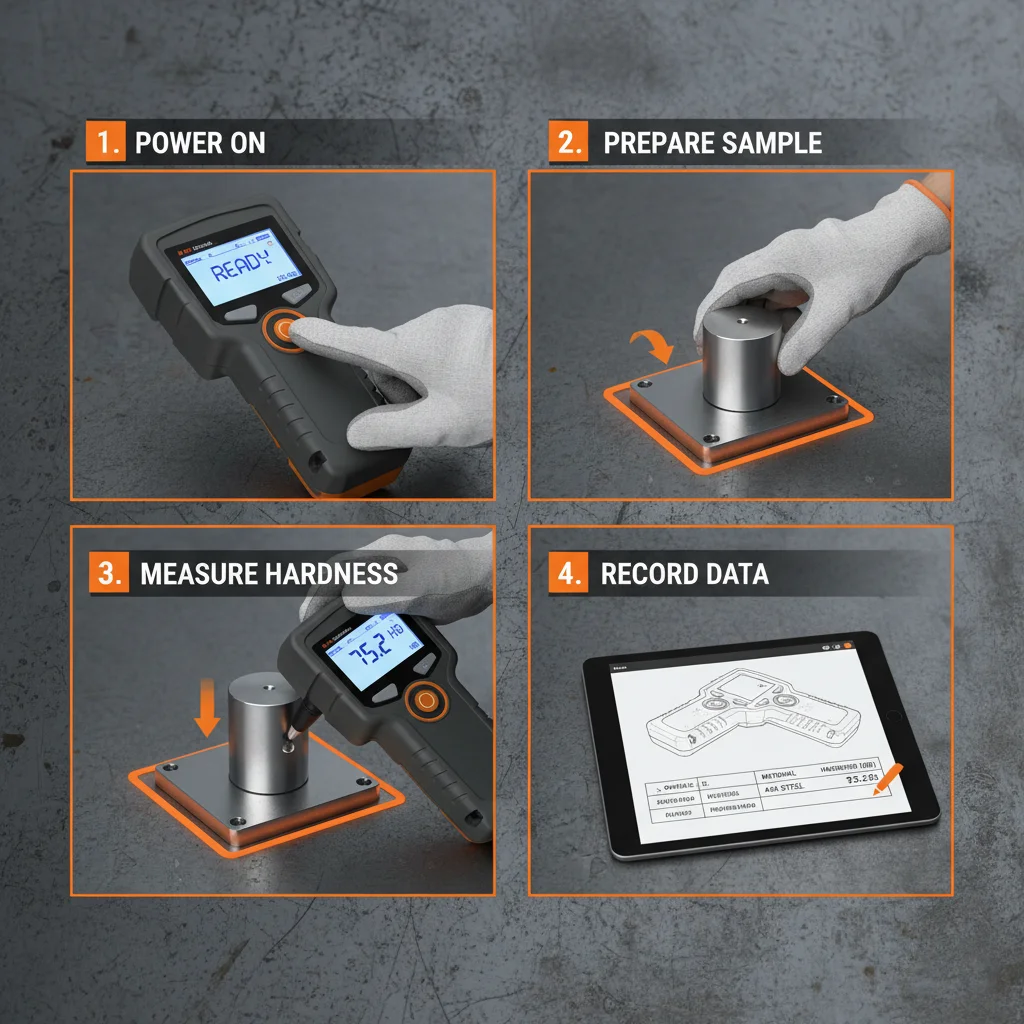
In the demanding landscape of modern industrial water treatment, achieving precise measurement is the cornerstone of operational stability. While many operators search for a ph sensor controller to manage acidity, it is equally critical to monitor physical clarity through advanced turbidity sensing. The ability to detect suspended solids in real-time allows facilities to prevent equipment fouling and ensure compliance with stringent environmental regulations.
Globally, the shift toward automated water quality monitoring has highlighted a gap between simple sensing and integrated control. Implementing a robust system—whether it is for pH management or turbidity analysis—reduces the reliance on manual sampling, which is often prone to human error and delayed response times. This transition toward digitalization ensures that water quality parameters remain within safety margins 24/7.
Understanding the synergy between different sensors, such as the innoSens 810T turbidity sensor and a standard ph sensor controller, enables plant managers to create a comprehensive water profile. By combining chemical data (pH) with physical data (turbidity), industries can optimize their coagulation and filtration processes, leading to significant reductions in chemical waste and energy consumption.

Global Relevance of Water Quality Controllers
The global demand for clean water and efficient wastewater treatment has reached a critical juncture, with ISO standards increasingly demanding higher precision in online monitoring. In many industrial zones, the lack of a precise ph sensor controller or turbidity monitor can lead to catastrophic environmental failures, resulting in heavy fines and ecological damage.
As urbanization accelerates, the pressure on municipal water systems grows, making automated controllers indispensable. By integrating sensors like the innoSens 810T with centralized controllers, cities can ensure that water turbidity and pH levels are managed autonomously, reducing the risk of waterborne contaminants entering the public supply.
Defining the Role of the ph sensor controller
At its core, a ph sensor controller is an electronic device designed to maintain the acidity or alkalinity of a liquid by continuously monitoring the voltage produced by a pH electrode and adjusting chemical dosing pumps accordingly. It serves as the "brain" of the chemical treatment process, translating raw electrical signals into actionable industrial data.
Beyond simple pH measurement, modern controllers are often part of a multi-parameter suite. For instance, while a pH controller manages chemical balance, a turbidity sensor (such as the innoSens 810T) manages physical clarity. Together, they provide a holistic view of water health, ensuring that the water is not only chemically neutral but also physically pure.
In humanitarian contexts, such as post-disaster water purification, these controllers are vital for ensuring that treated water is safe for human consumption. The ability to rapidly deploy a stable control system prevents the over-dosing of chemicals, which could otherwise render water toxic, thereby upholding the dignity and safety of affected populations.
Core Components of Precision Sensing
The effectiveness of any ph sensor controller depends heavily on the durability of its sensing probe. High-quality electrodes must resist fouling and chemical degradation to provide consistent readings over long periods without frequent recalibration.
Scalability is another key factor; a professional-grade ph sensor controller should seamlessly integrate into existing PLC or SCADA systems. This allows operators to monitor multiple points across a large plant from a single control room, ensuring uniform water quality across all stages of production.
Finally, cost-efficiency is achieved not through the lowest initial price, but through the reduction of maintenance overhead. Sensors with self-cleaning mechanisms or high-stability membranes reduce the labor cost associated with manual cleaning and calibration, maximizing the overall ROI of the installation.
Industrial Applications and Use Cases
In the pharmaceutical industry, the precision of a ph sensor controller is non-negotiable, as slight deviations in pH can alter the efficacy of a drug. Similarly, in power plants, controlling the pH of boiler feed water is essential to prevent corrosion of the expensive turbine blades and piping systems.
In remote industrial zones, such as mining operations, the use of robust sensors like the innoSens 810T allows for the monitoring of tailings ponds without constant human intervention. These systems can trigger alarms if turbidity spikes, signaling a potential leak or breach in the containment wall, thus preventing environmental disasters.
Comparison of Controller Efficiency by Application
Long-Term Value and Sustainability
Investing in a high-end ph sensor controller provides tangible long-term value by reducing chemical over-consumption. When dosing is controlled with precision, plants use fewer reagents, which not only lowers operational costs but also reduces the environmental footprint of the discharged wastewater.
Beyond the financial metrics, there is a profound social impact. Reliable water monitoring builds trust between industrial operators and the communities they serve. By ensuring that effluent water strictly adheres to safety standards, companies demonstrate a commitment to sustainability and corporate social responsibility.
Future Trends in Automation
The future of water monitoring lies in the integration of AI and Machine Learning. Next-generation ph sensor controller systems will likely feature predictive maintenance, where the controller can notify technicians that a probe is drifting before it actually fails, preventing unplanned downtime.
Digital transformation is also bringing "IoT-enabled" sensing to the forefront. Sensors like the innoSens 810T are becoming part of a mesh network, allowing for real-time data streaming to the cloud. This enables global companies to compare water quality across multiple international sites in a single dashboard.
Furthermore, the industry is moving toward "green" sensors—materials that are biodegradable or more easily recyclable, reducing the electronic waste generated by the frequent replacement of sensor heads in harsh industrial environments.
Overcoming Implementation Challenges
One of the most common challenges in deploying a ph sensor controller is "sensor drift," caused by the accumulation of biofilm or chemical scaling on the probe. This leads to inaccurate readings and incorrect dosing, which can jeopardize the entire process.
To overcome this, experts recommend the implementation of automatic cleaning cycles and the use of differential sensors. For turbidity, utilizing high-quality optical sensors like the innoSens 810T minimizes interference from bubbles or color changes in the water, ensuring that the signal remains true to the actual suspended solids concentration.
Another hurdle is the lack of trained personnel to calibrate these complex systems. The solution lies in the adoption of "plug-and-play" sensors and intuitive user interfaces that guide the operator through the calibration process, reducing the skill gap and ensuring consistent performance.
Analysis of Water Quality Control Implementation Factors
| Control Dimension |
ph sensor controller impact |
Turbidity Sensor Impact |
Maintenance Need |
| Chemical Dosing |
High - Direct Control |
Medium - Indirect |
Weekly Calibration |
| Water Clarity |
Low - No Effect |
High - Direct Measure |
Monthly Cleaning |
| Regulatory Compliance |
Essential (EPA/ISO) |
Essential (WHO) |
Quarterly Audit |
| Operational Cost |
Reduces Reagent Waste |
Prevents Filter Clogs |
Low (Automated) |
| Equipment Lifespan |
Prevents Corrosion |
Reduces Abrasion |
Annual Probe Swap |
| System Stability |
Prevents pH Spikes |
Detects Solid Leaks |
Real-time Monitoring |
FAQS
Calibration frequency depends on the water quality and the stability of your probe. In high-fouling environments, weekly calibration is recommended. However, for stable industrial processes, a bi-weekly or monthly schedule may suffice. Using a high-quality controller with temperature compensation helps extend the interval between calibrations by reducing signal drift.
No, they measure entirely different properties. A turbidity sensor, like the innoSens 810T, measures the physical clarity of the water (suspended solids), while a ph sensor controller measures the chemical activity of hydrogen ions (acidity/alkalinity). For a complete water quality management system, both are required to ensure both physical and chemical purity.
Drift is typically caused by the depletion of the reference electrolyte, the accumulation of oils or proteins on the sensing membrane (fouling), or extreme temperature fluctuations. Regular cleaning and the use of a professional ph sensor controller with automatic temperature compensation can significantly mitigate these effects.
Yes, the innoSens 810T is specifically designed for challenging environments. Its robust construction allows it to withstand the harsh conditions found in wastewater treatment plants, providing reliable turbidity data that can be used in conjunction with a pH controller to automate the sludge removal and chemical dosing processes.
Most professional ph sensor controllers and turbidity sensors offer standard analog outputs (e.g., 4-20mA) or digital protocols (such as Modbus or Profibus). You simply connect the sensor output to the PLC's analog input module and configure the scaling factors in your software to convert the electrical signal into pH or NTU units.
Typically, a pH probe lasts between 6 to 18 months depending on the environment. Probes exposed to aggressive chemicals or extreme temperatures will wear out faster. Using a high-quality ph sensor controller that prevents over-voltage and provides stable power can help maximize the operational life of the electrode.
Conclusion
In summary, the integration of a precise ph sensor controller alongside advanced turbidity sensors like the innoSens 810T is essential for modern industrial water management. By combining chemical precision with physical clarity monitoring, facilities can achieve unprecedented levels of efficiency, regulatory compliance, and environmental safety. The synergy of these technologies reduces waste, protects expensive infrastructure, and ensures a consistent output of high-quality water.
Looking forward, the transition toward AI-driven, IoT-connected water quality systems will further redefine operational standards. We recommend that plant managers audit their current sensing arrays and move toward integrated, automated control solutions to stay competitive and sustainable. For more information on professional water quality solutions, visit our website: www.jensprima.com.













































































 Download
 Video Center
 Technical Services
 FAQS
 Service Network
 Privacy Policy
 Contact Us