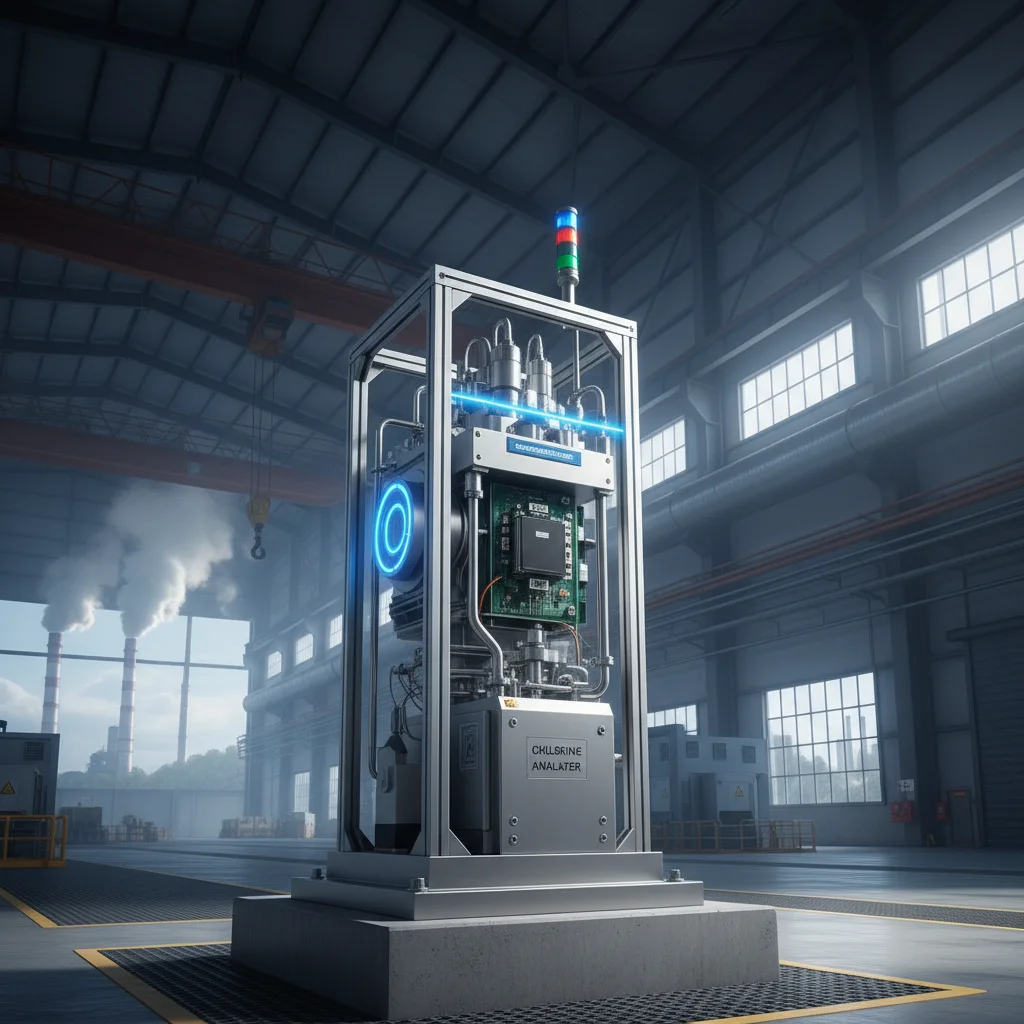
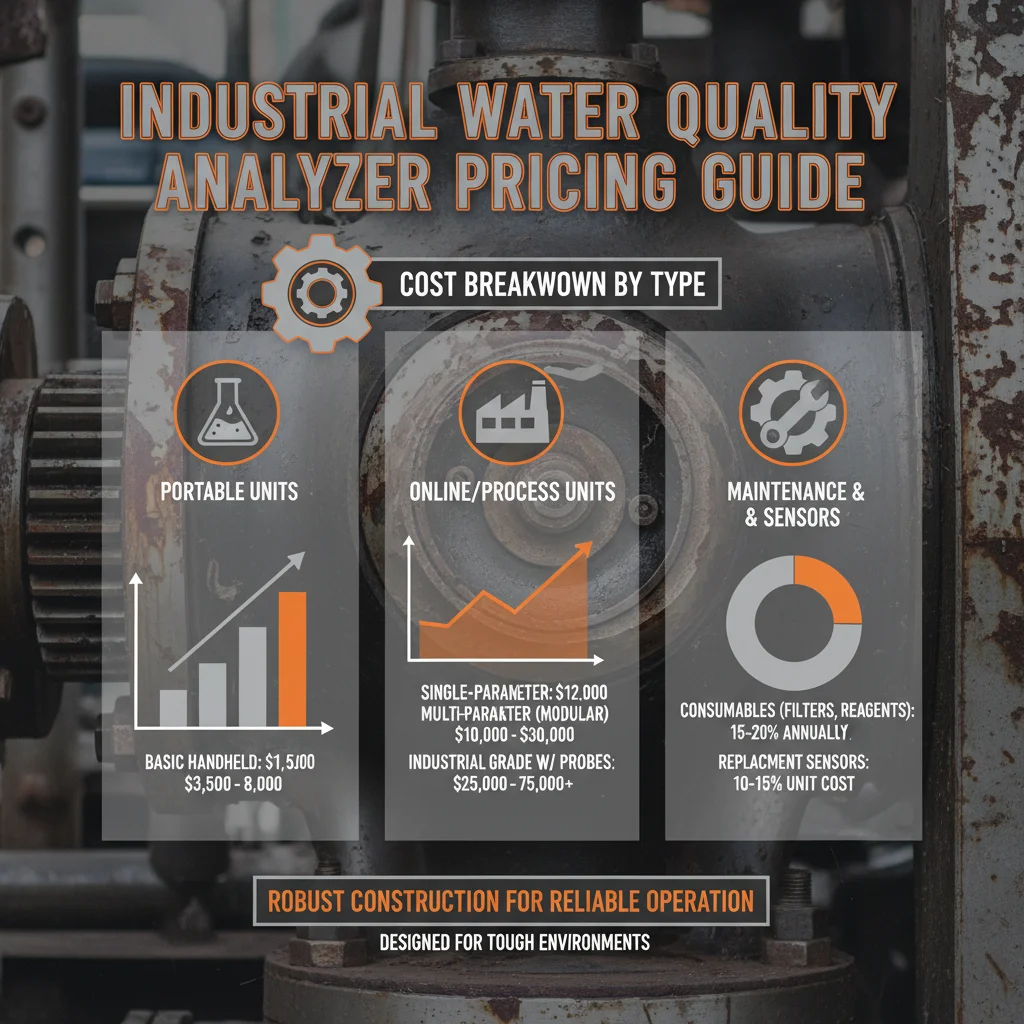
Maintaining precise control over water chemistry is a cornerstone of industrial efficiency and environmental stewardship. In the realm of advanced water analysis, the ability to monitor dissolved oxygen and other critical parameters ensures that aquatic ecosystems remain viable and industrial processes operate at peak performance. While many operators search for a hardness monitor to manage mineral scale, the integration of high-precision dissolved oxygen sensing is equally vital for preventing hypoxia and optimizing aeration.
Across the globe, the demand for real-time water quality data has surged as regulatory frameworks become more stringent. From municipal wastewater treatment plants to large-scale aquaculture operations, the risk of oxygen depletion can lead to catastrophic biological failure and significant financial loss. The challenge lies in deploying sensors that can withstand harsh conditions while providing laboratory-grade accuracy without requiring constant human intervention.
The innoSens 420 emerges as a sophisticated solution to these challenges, offering a robust alternative for those who traditionally relied on basic monitoring tools. Whether you are integrating this into a system alongside a hardness monitor or deploying it as a standalone oxygen analyzer, the goal remains the same: achieving operational excellence through data-driven decisions.

Global Significance of Water Quality Monitoring
Water quality monitoring is no longer a luxury but a global necessity. With the increasing pressure on freshwater resources and the tightening of ISO environmental standards, industries must implement rigorous tracking of parameters like dissolved oxygen and mineral content. A failure to monitor these levels can result in massive fines and environmental degradation.
The integration of tools such as a hardness monitor alongside oxygen sensors allows plants to manage both the biological health of the water and the mechanical health of their piping systems, preventing both hypoxia and mineral scaling.
Defining Precision Sensing in Industrial Water
Precision sensing refers to the ability of an instrument to provide consistent, accurate, and repeatable measurements under varying environmental conditions. In the context of industrial water analysis, this means minimizing drift and ensuring that the sensor can differentiate between subtle changes in oxygen concentrations, which is critical for maintaining the delicate balance of wastewater treatment.
Unlike basic handheld testers, industrial-grade sensors like the innoSens 420 are designed for continuous immersion. They utilize advanced materials to protect the sensing element from fouling, ensuring that the data transmitted to the SCADA system remains reliable over weeks or months of operation.
When we speak of a comprehensive monitoring strategy, we refer to the synergy between various analyzers. For instance, while a hardness monitor tracks calcium and magnesium ions to prevent scale, the DO sensor tracks the life-sustaining oxygen levels, together forming a complete picture of water chemistry.
Core Technical Components of the innoSens 420
The heart of the innoSens 420 is its advanced membrane technology, which allows for a fast response time (T90 < 60s) and a wide measurement range of 0 to 20 mg/L. This ensures that operators can detect sudden drops in oxygen levels almost instantaneously, allowing for immediate adjustment of aeration blowers.
Durability is achieved through the use of industrial-grade polymer and steel construction. This robust housing protects the internal electronics from corrosive environments, making it far more reliable than a standard hardness monitor or basic pH probe when deployed in aggressive industrial wastewater.
Furthermore, the sensor supports multiple signal outputs, including 4-20mA and Modbus RTU. This seamless integration capability allows the innoSens 420 to communicate directly with PLCs and remote monitoring dashboards, providing a centralized view of water quality across multiple sites.
Industrial Applications and Use Cases
In the aquaculture industry, oxygen levels are a matter of life and death. The innoSens 420 is deployed in fish farms to prevent hypoxia, ensuring that fish stocks remain healthy and growth rates are optimized. By providing real-time tracking, it eliminates the guesswork associated with manual sampling.
In municipal wastewater treatment, the sensor is used to control the aeration process in activated sludge tanks. By synchronizing blower operations with actual demand, plants can significantly reduce energy consumption while maintaining regulatory compliance for effluent discharge.
Comparison of Monitoring Tool Efficiency
Long-Term Value and ROI Analysis
The investment in a high-precision sensor like the innoSens 420 pays off through drastic reductions in maintenance and energy costs. While cheaper sensors may require weekly calibration and frequent part replacements, the innoSens 420's stability extends the maintenance cycle to a monthly or quarterly basis.
When compared to the operational costs of using a basic hardness monitor for general water health, the ROI period for the innoSens 420 is significantly shorter—typically 12 to 18 months—due to the massive energy savings achieved by optimizing aeration blowers based on real-time demand.
Future Trends in Online Water Analysis
The future of water monitoring is moving toward AI-driven predictive maintenance. We are seeing a shift from reactive repairs to proactive replacements, where the sensor itself can signal when its membrane is nearing the end of its lifespan, preventing unplanned downtime.
Digital transformation is also enabling "Smart Water" grids. By linking dissolved oxygen sensors with hardness monitor systems and pH controllers into a single cloud-based dashboard, managers can track water health across entire cities or industrial complexes in real-time.
Furthermore, the push for "Green Energy" is driving the demand for sensors that minimize waste. The eco-friendly design of the innoSens 420 reflects this trend by preventing over-oxygenation, thereby reducing the carbon footprint of wastewater treatment plants.
Overcoming Common Monitoring Challenges
One of the most persistent challenges in water analysis is sensor fouling. Biofilms and chemical deposits can coat the sensor tip, leading to drift and inaccurate readings. To solve this, the innoSens 420 incorporates advanced membrane materials and recommends the use of protective shrouds to minimize debris accumulation.
Another common issue is the interference caused by salinity in brackish or saltwater environments. While a standard hardness monitor might not be affected by salinity, DO sensors are. The solution is the implementation of salinity compensation within the associated controller to maintain laboratory-grade accuracy.
Finally, the complexity of integration into legacy systems often deters upgrades. By supporting universal industrial outputs like Modbus RTU and 4-20mA, the innoSens 420 ensures that it can be integrated into almost any modern PLC or SCADA architecture without requiring a complete system overhaul.
Comparison of Monitoring Solutions and Operational Impact
|
Monitoring Metric
|
Traditional Sensor
|
innoSens 420
|
Impact Score (1-10)
|
| Calibration Interval |
Weekly |
Monthly/Quarterly |
9 |
| Energy Consumption |
High (Constant) |
Low (Demand-based) |
10 |
| Response Time |
Slow (>120s) |
Fast (<60s) |
8 |
| Signal Stability |
Moderate Drift |
Ultra-Stable |
9 |
| Maintenance Cost |
Frequent Replacement |
Extended Service Life |
8 |
| ROI Period |
24-36 Months |
12-18 Months |
10 |
FAQS
The innoSens 420 utilizes advanced sensing materials and membrane technology that offer superior stability and significantly faster response times. This design drastically reduces the measurement drift commonly associated with traditional galvanic sensors, meaning you get more accurate data for longer periods between calibrations.
Yes, the innoSens 420 is engineered for a wide variety of water types. However, because salinity can affect the solubility of oxygen, it is crucial to configure salinity compensation in your controller to ensure maximum accuracy in saltwater or brackish environments.
Depending on the water quality and the level of fouling, the membrane typically lasts between 12 and 24 months. This lifespan can be further extended through regular cleaning of the sensor tip and the use of a protective shroud to block debris.
Absolutely. The sensor is designed for industrial compatibility, supporting standard outputs such as 4-20mA and Modbus RTU. This makes it compatible with nearly all modern PLC and SCADA architectures used in industrial water management.
Calibration is streamlined through the associated controller's digital interface. You can perform calibration using air-saturated water or a zero-oxygen solution, ensuring the sensor is perfectly aligned with actual oxygen concentrations.
Regular cleaning of the sensor tip is the most important maintenance task. Additionally, checking the electrolyte levels (where applicable) and ensuring the protective shroud is clear of large debris will help maintain the sensor's high accuracy and stability.
Conclusion
The transition toward high-precision water monitoring, exemplified by the innoSens 420, represents a critical shift in industrial efficiency. By combining fast response times, robust industrial construction, and seamless digital integration, operators can move beyond the limitations of basic tools like a standard hardness monitor to achieve a comprehensive, real-time understanding of their water chemistry. The resulting energy savings and reduced maintenance costs provide a compelling economic argument for the upgrade.
Looking forward, the integration of AI-driven predictive maintenance and cloud-based monitoring will continue to redefine water quality management. We encourage facility managers and environmental engineers to adopt these advanced sensing technologies to ensure regulatory compliance and operational sustainability. For more information on optimizing your water quality monitoring system, visit our website: www.jensprima.com.













































































 Download
 Video Center
 Technical Services
 FAQS
 Service Network
 Privacy Policy
 Contact Us