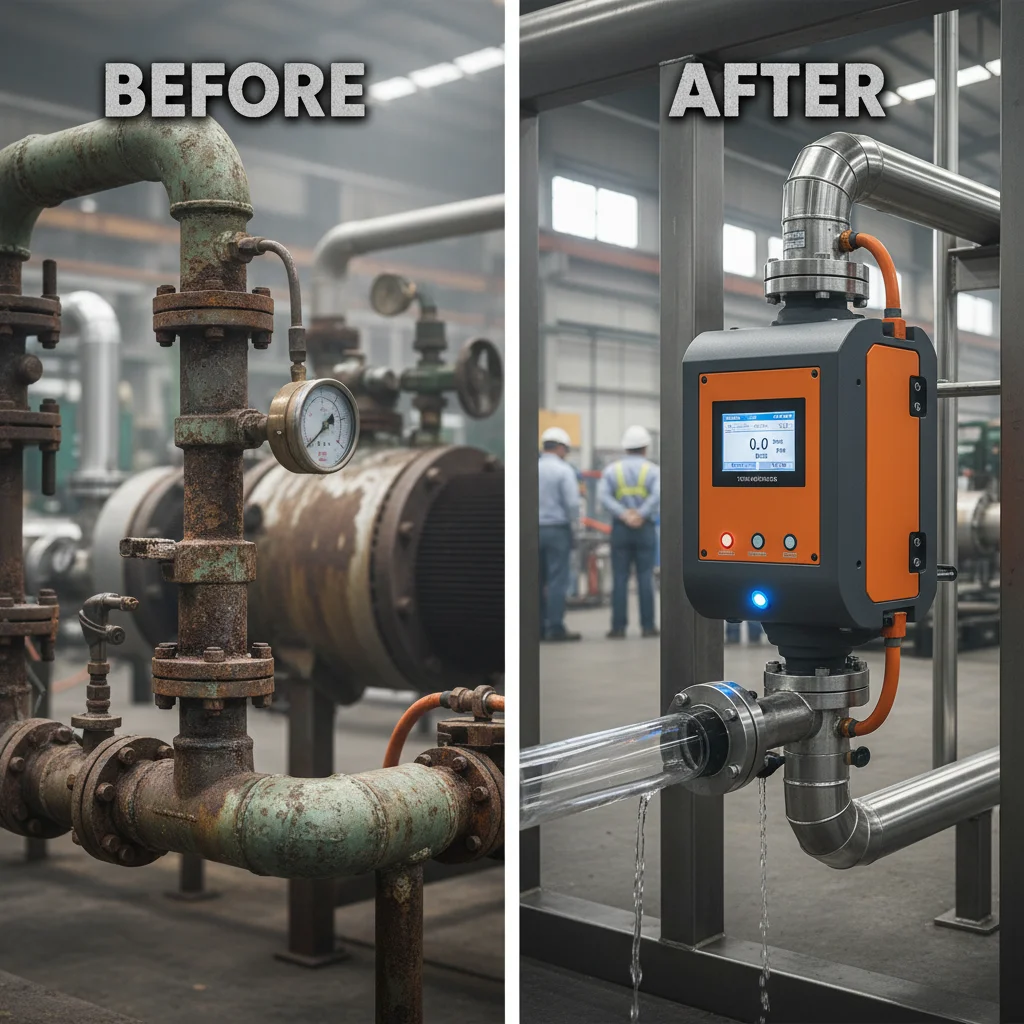
Water quality monitoring is a cornerstone of modern industrial efficiency and environmental stewardship. Among the various parameters tracked, the measurement of dissolved minerals is critical for preventing scale buildup and ensuring the longevity of infrastructure. A high-performance total hardness analyzer allows operators to maintain precise control over water chemistry, reducing the risk of costly equipment failure.
On a global scale, the demand for precision instrumentation has surged as regulatory bodies tighten effluent standards. Industries ranging from power generation to pharmaceutical manufacturing rely on consistent water hardness data to optimize their softening processes. Without a reliable system in place, the accumulation of calcium and magnesium carbonates can lead to severe operational bottlenecks and increased energy consumption.
Implementing a sophisticated total hardness analyzer ensures that facilities can move from reactive maintenance to a predictive model. By integrating real-time sensing with automated control logic, companies can significantly lower their chemical footprint while maximizing the lifespan of their boilers, cooling towers, and piping networks.

The Global Significance of Water Hardness Monitoring
The ability to quantify the concentration of multivalent cations, primarily calcium and magnesium, is essential for global water management. In industrial settings, the failure to monitor these levels often leads to "scaling," where mineral deposits choke the interior of pipes and heat exchangers. This not only decreases thermal efficiency but can lead to catastrophic system failures if left unchecked.
From an environmental perspective, managing water hardness is key to optimizing the use of ion-exchange resins and chemical softeners. By utilizing a precision total hardness analyzer, facilities can avoid the over-application of salts and chemicals, thereby reducing the salinity of their discharge water and adhering to stringent ISO environmental standards.
Understanding the Mechanism of Hardness Analysis
At its core, hardness analysis involves the detection of specific ions that contribute to the "hardness" of water. Traditional methods relied on manual titration, which, while accurate, provided only a snapshot in time and was prone to human error. Modern automated systems have evolved to provide continuous, real-time data, allowing for immediate adjustments to water treatment protocols.
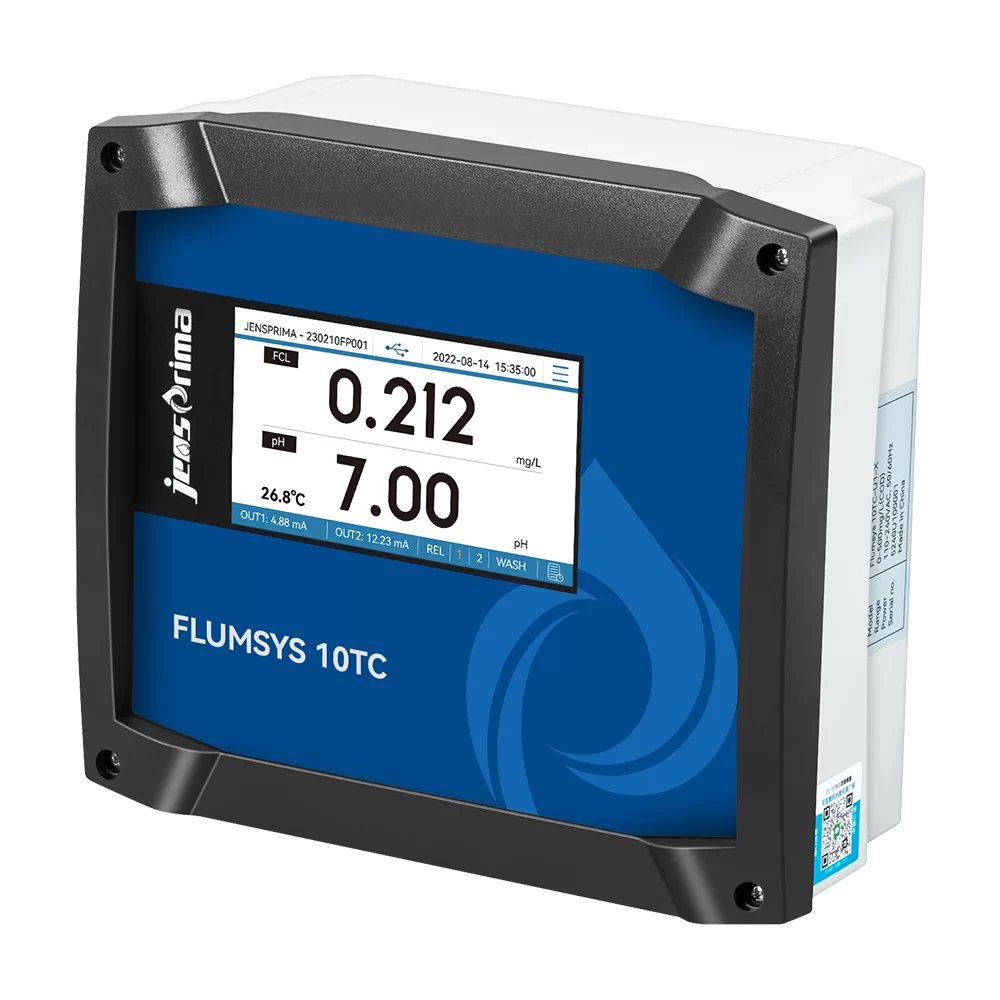
The process typically involves a chemical reaction where a colorimetric change or an electrochemical signal is triggered by the presence of hardness ions. A sophisticated controller then interprets this signal, compensating for temperature fluctuations and turbidity to provide a stabilized reading of the water's mineral content.
This shift toward automation is driven by the need for higher reliability in critical infrastructure. By removing the manual sampling bottleneck, industries can implement closed-loop control systems where the analyzer directly triggers the regeneration of softening beds or the dosing of sequestering agents.
Core Components for Precision Measurement
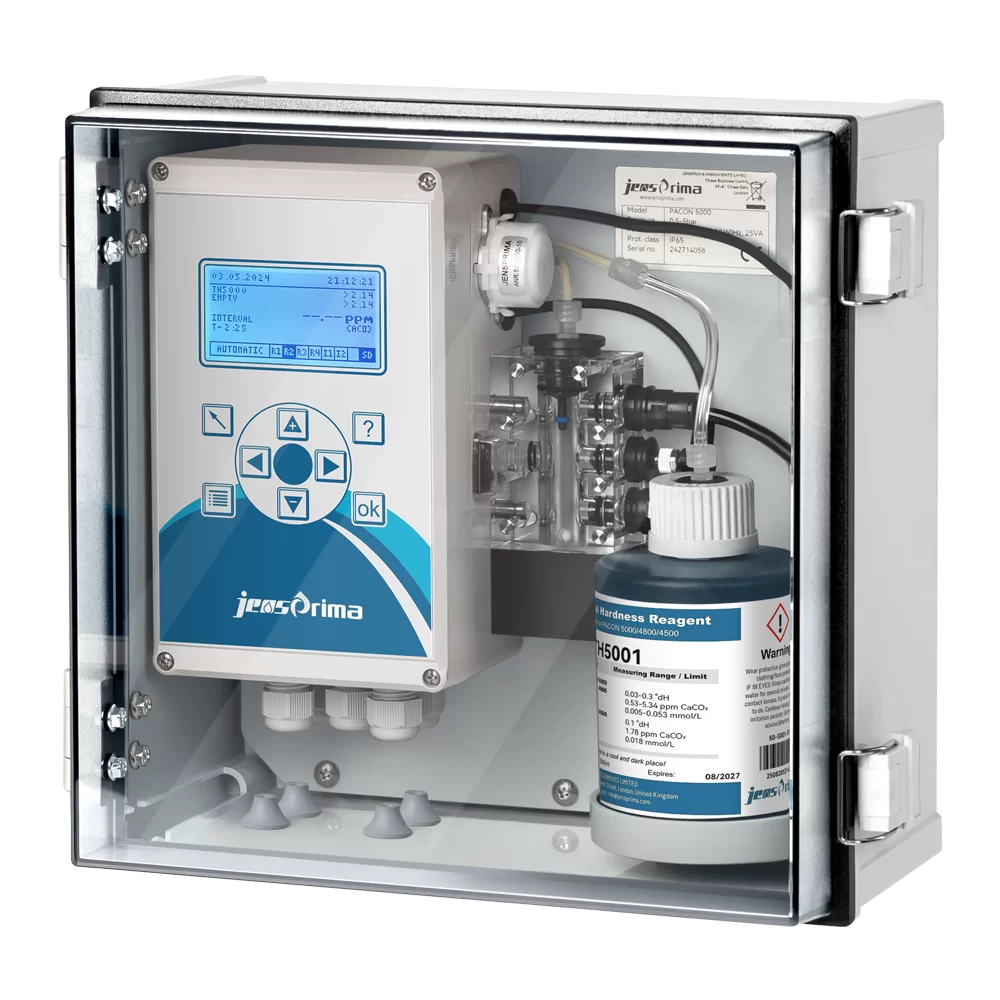
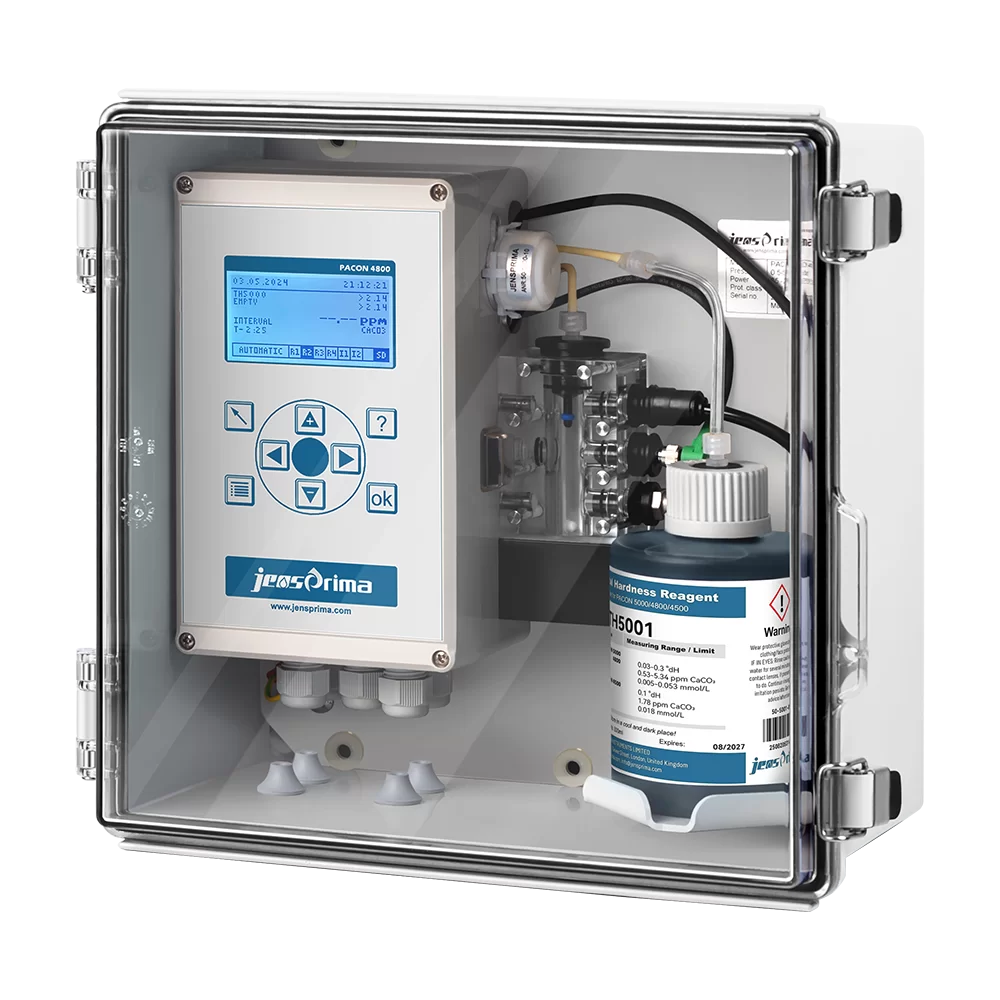
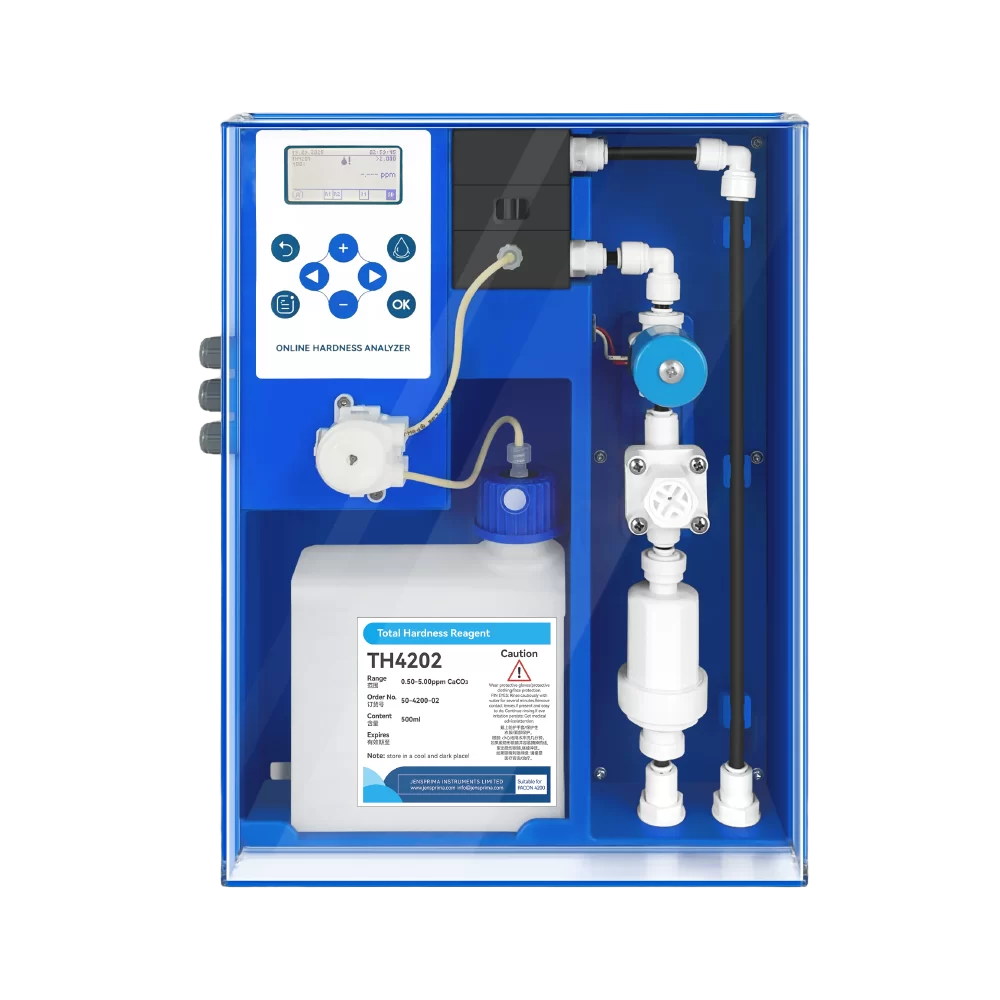
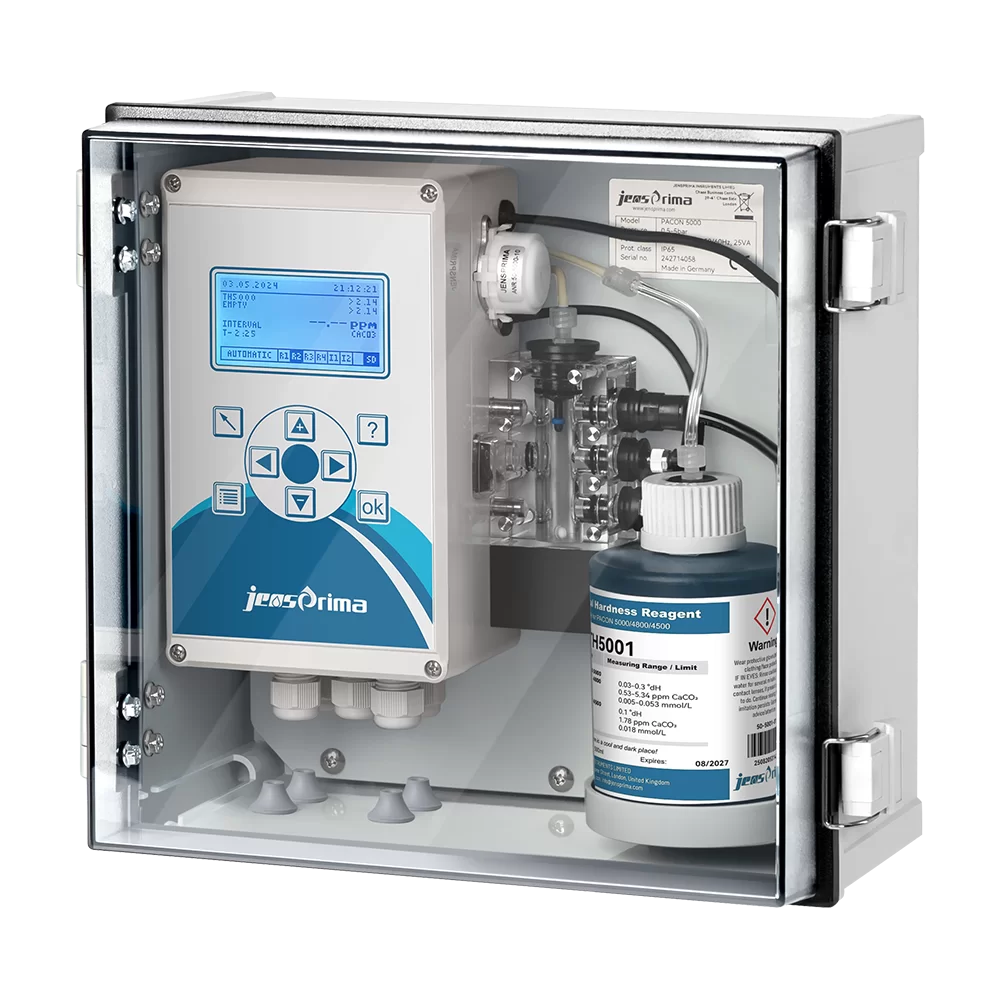
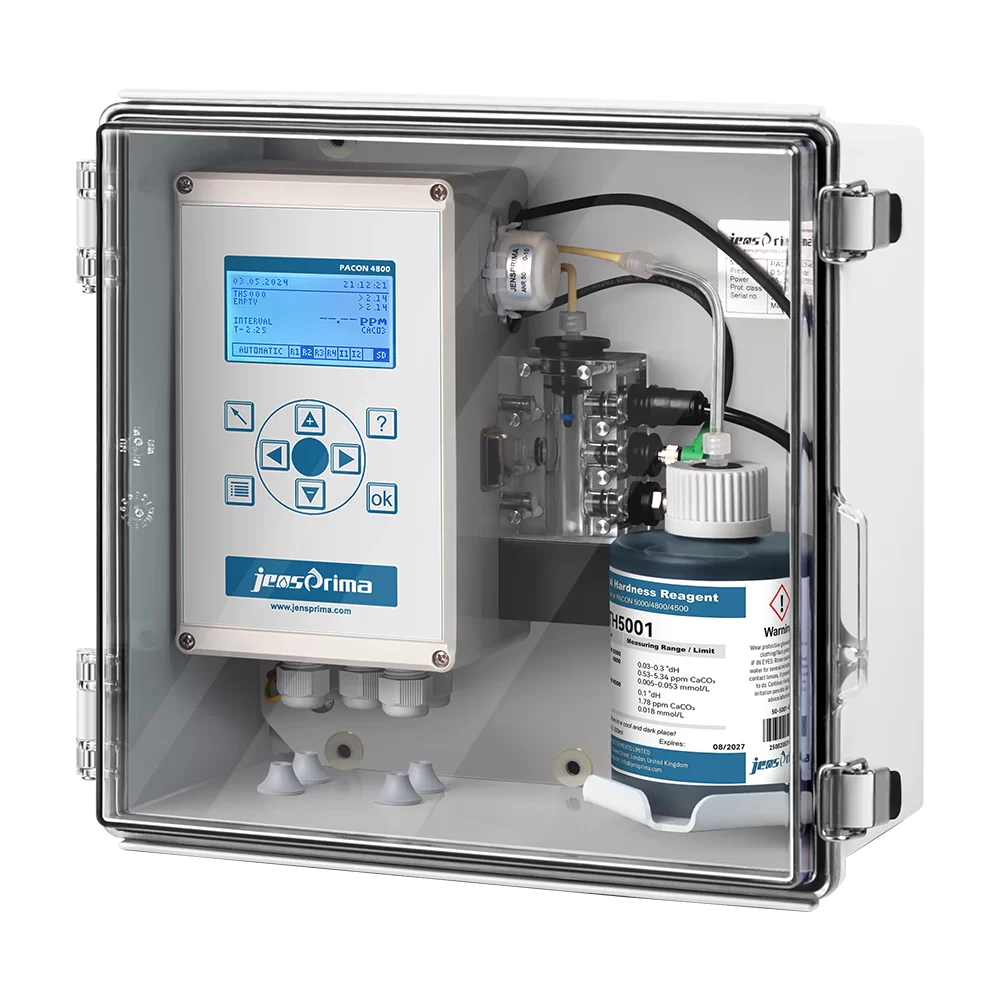
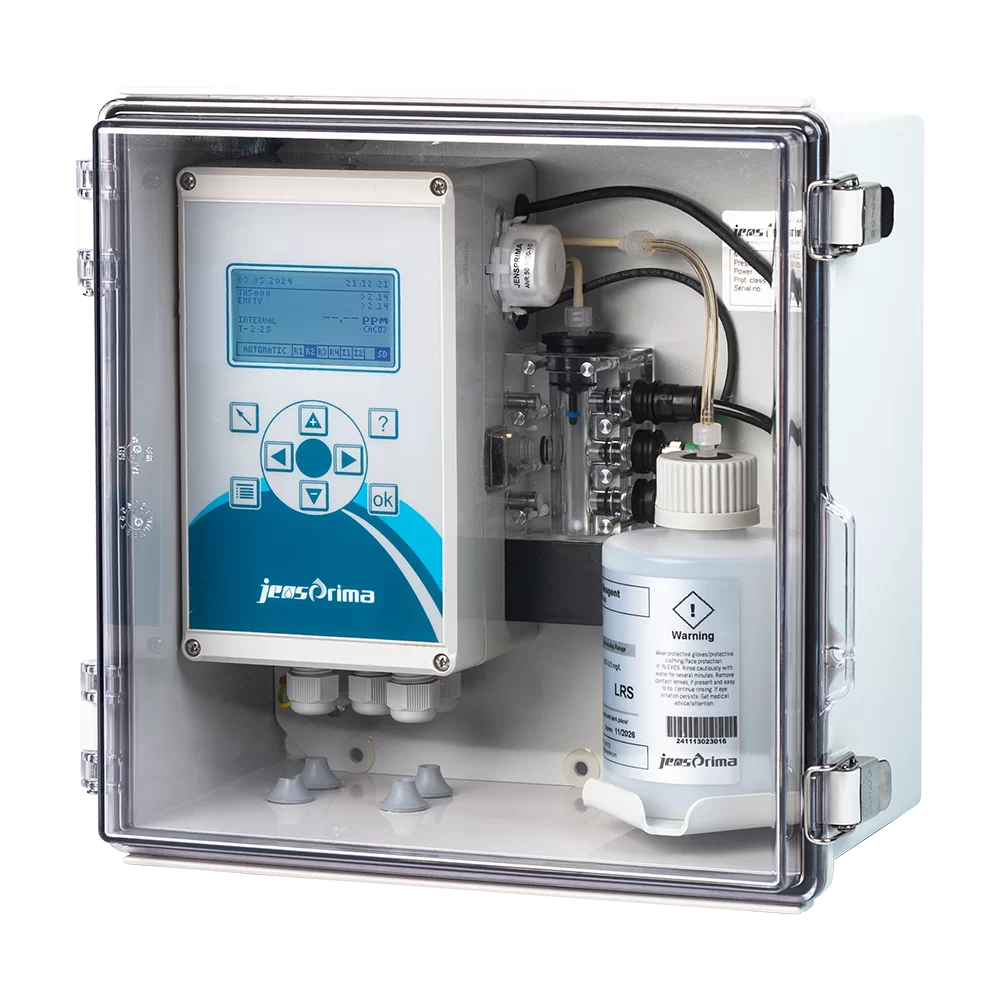
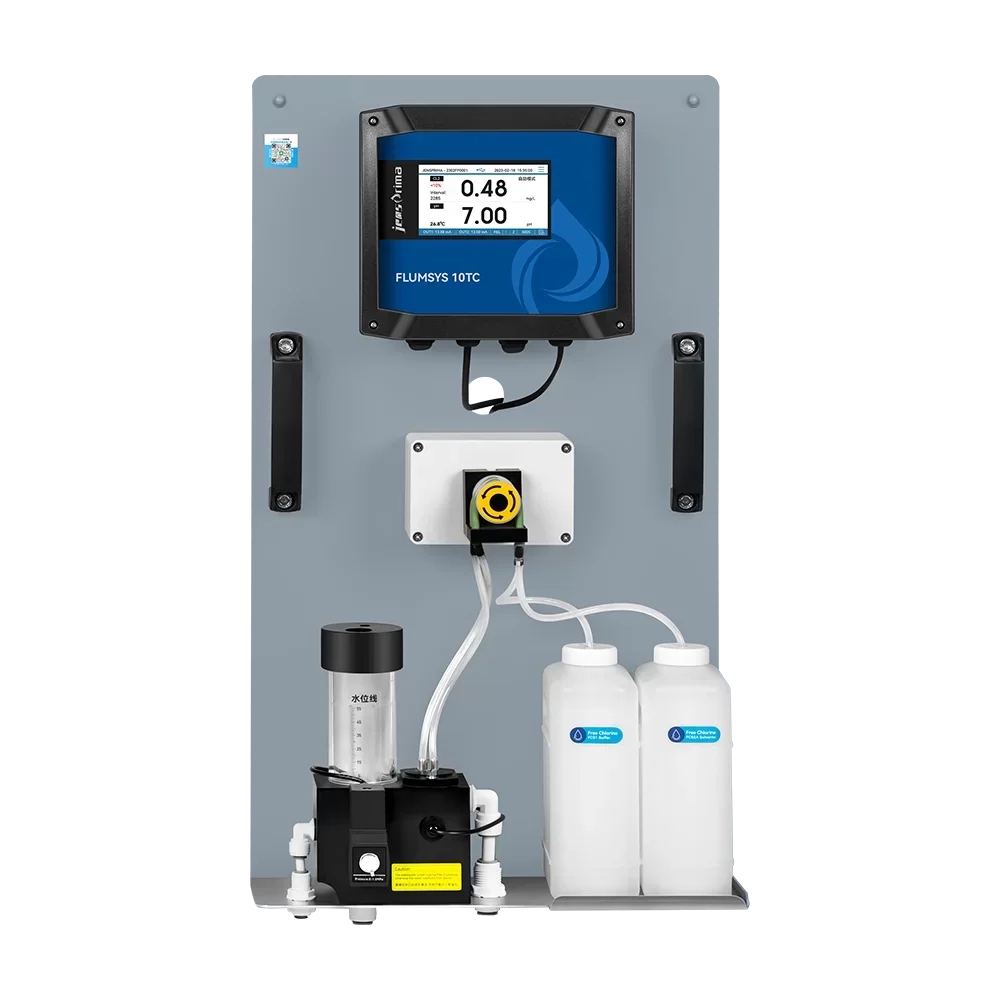
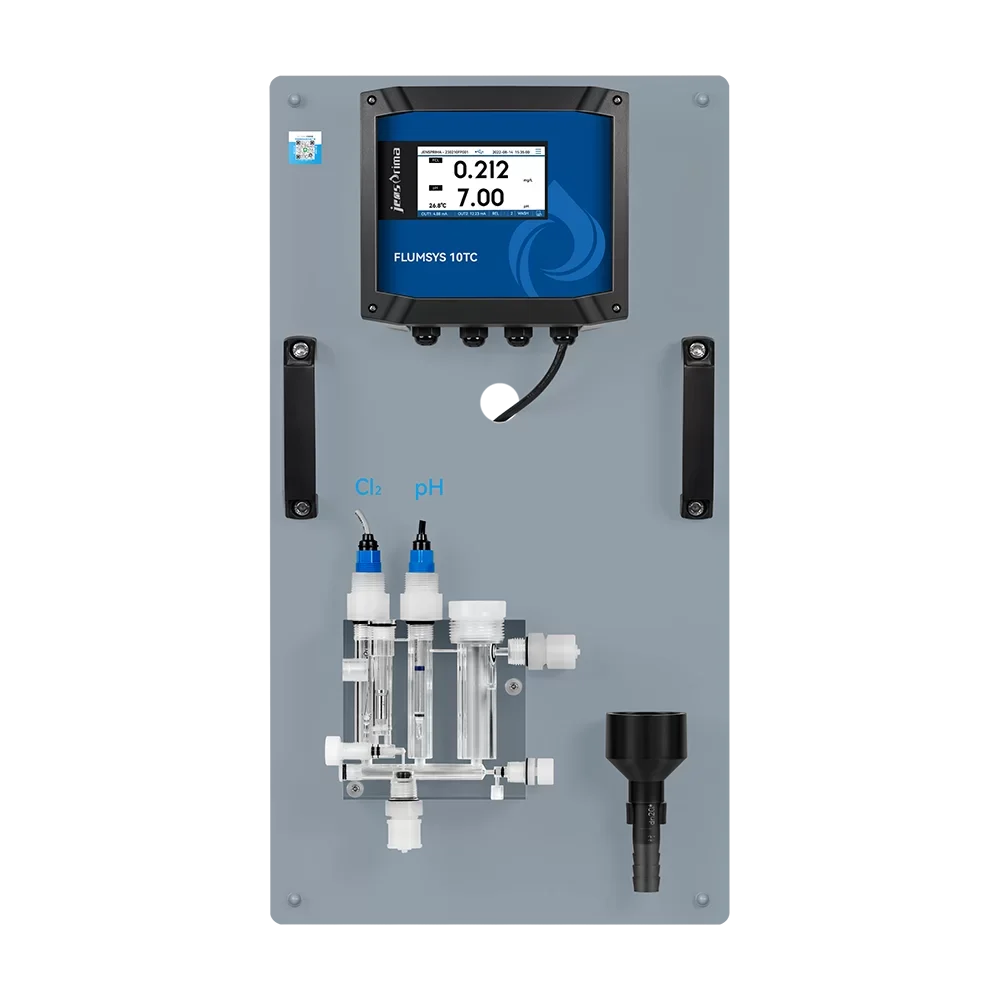
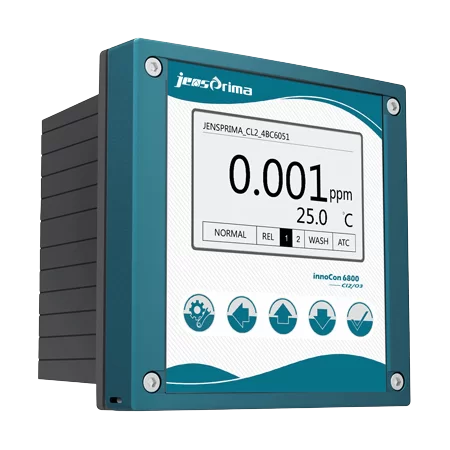
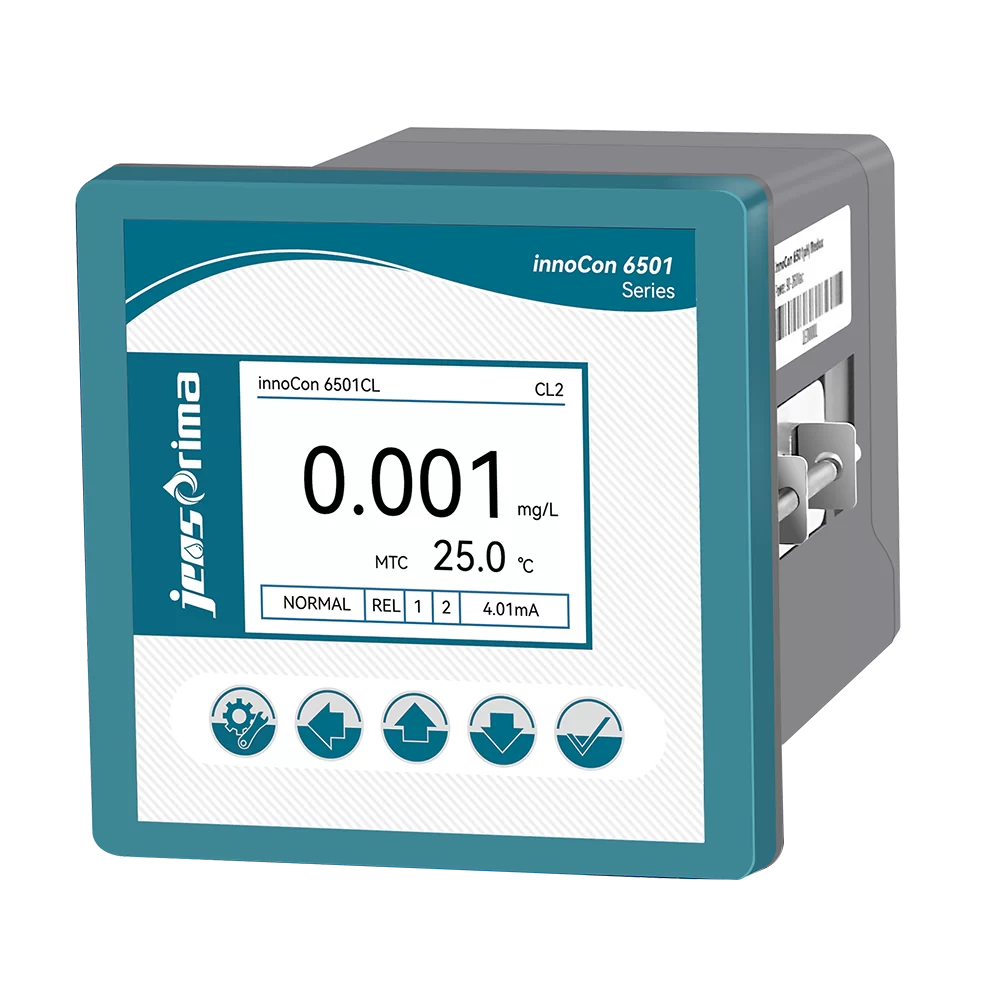
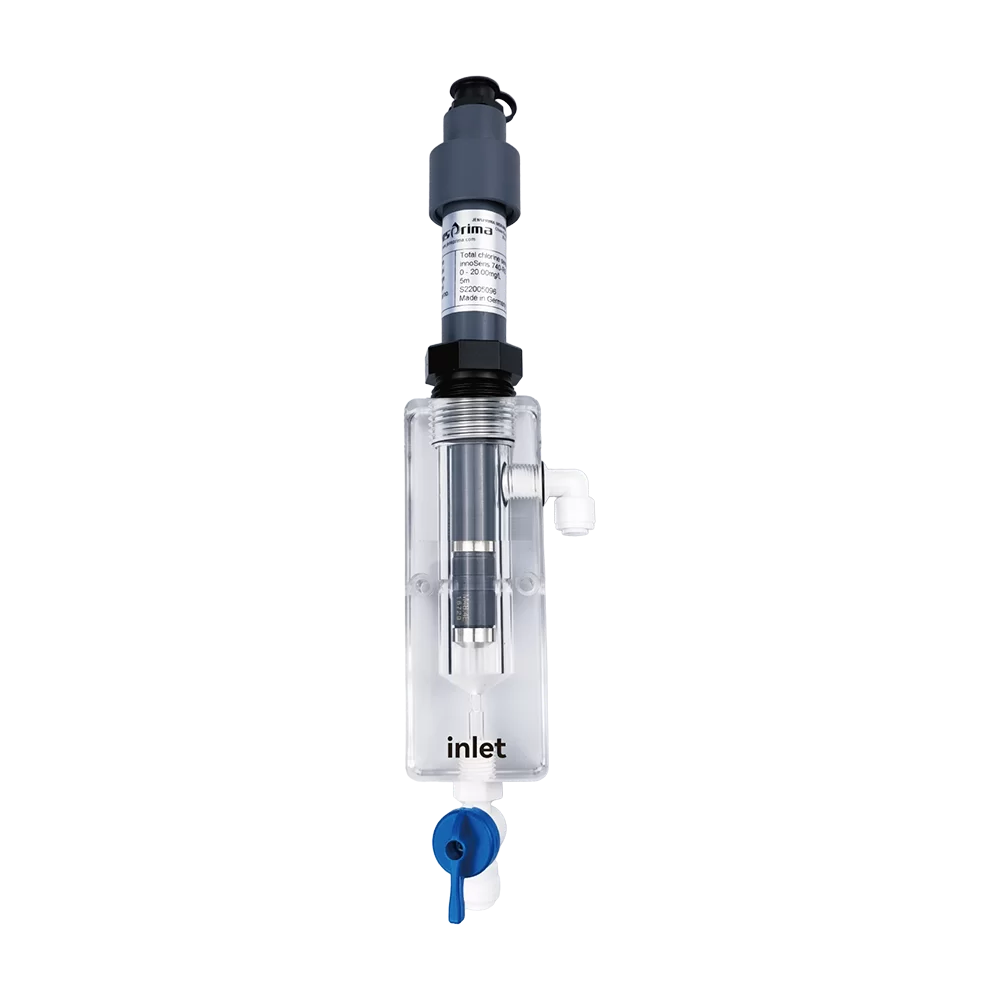
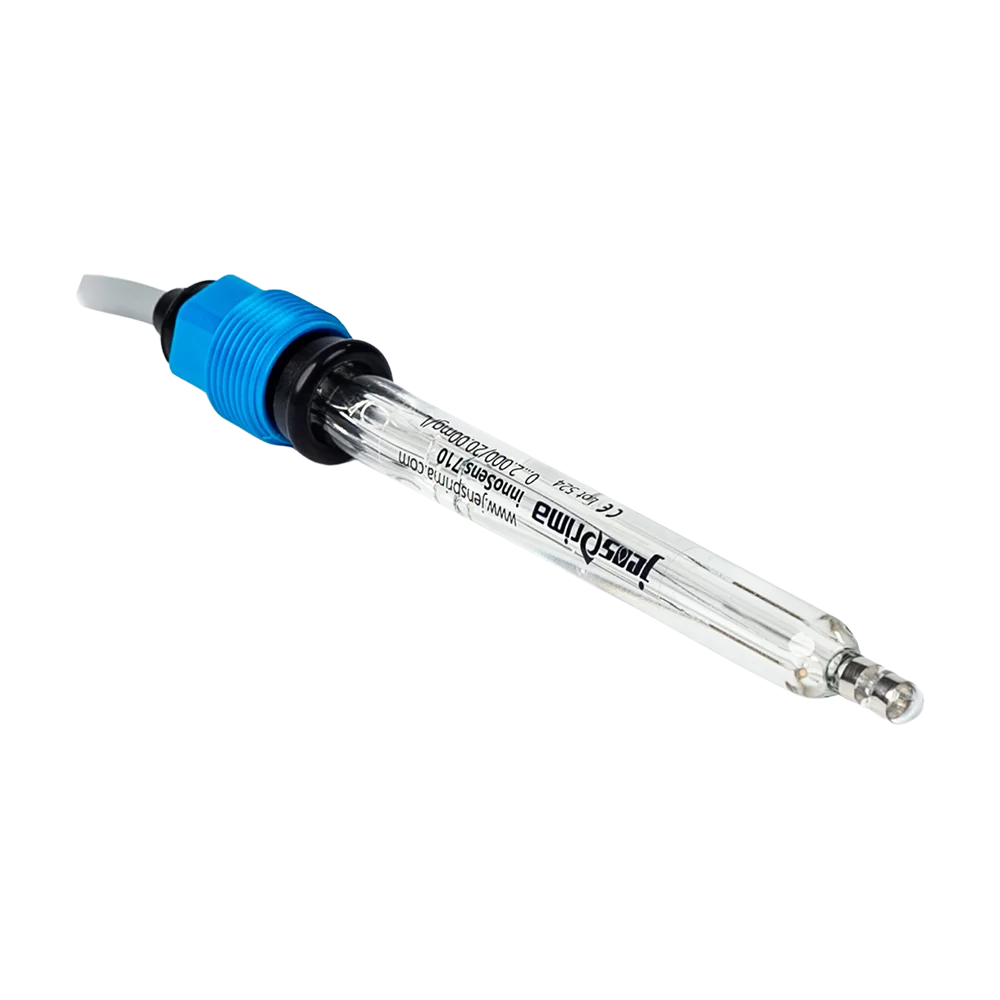
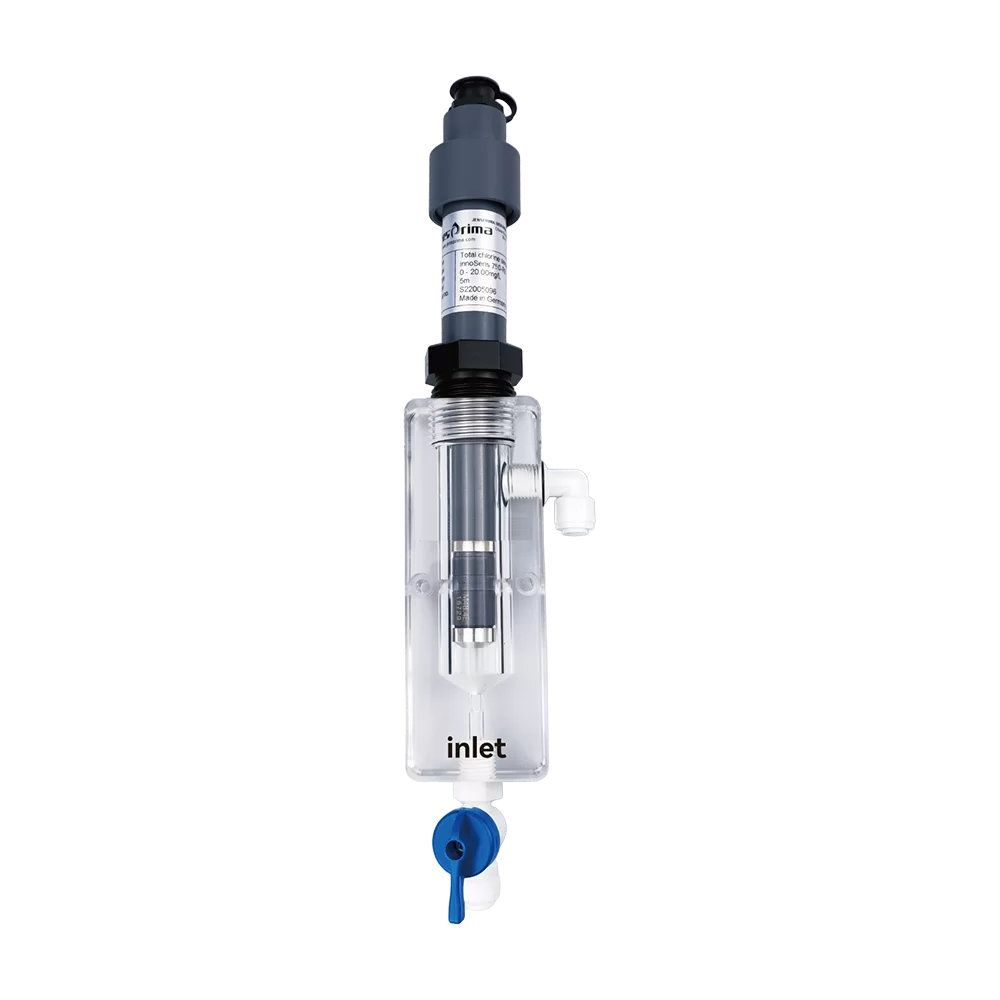
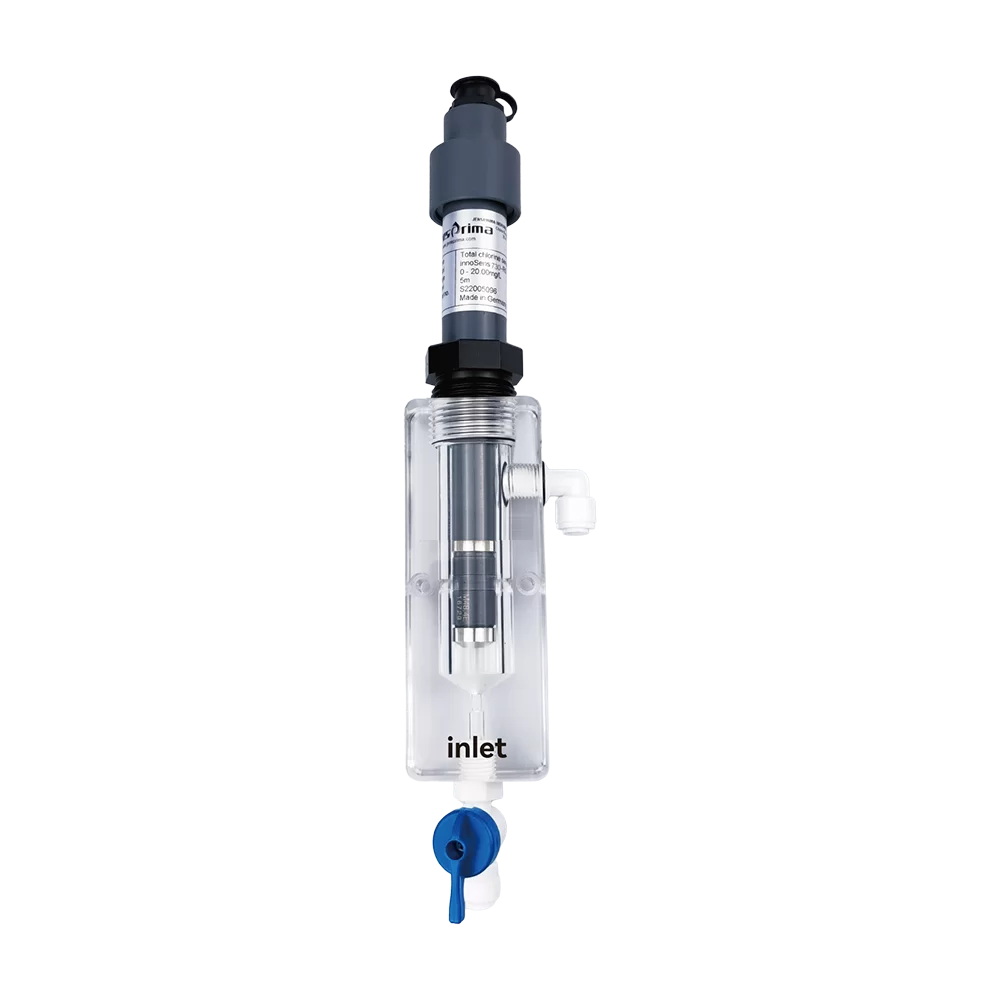
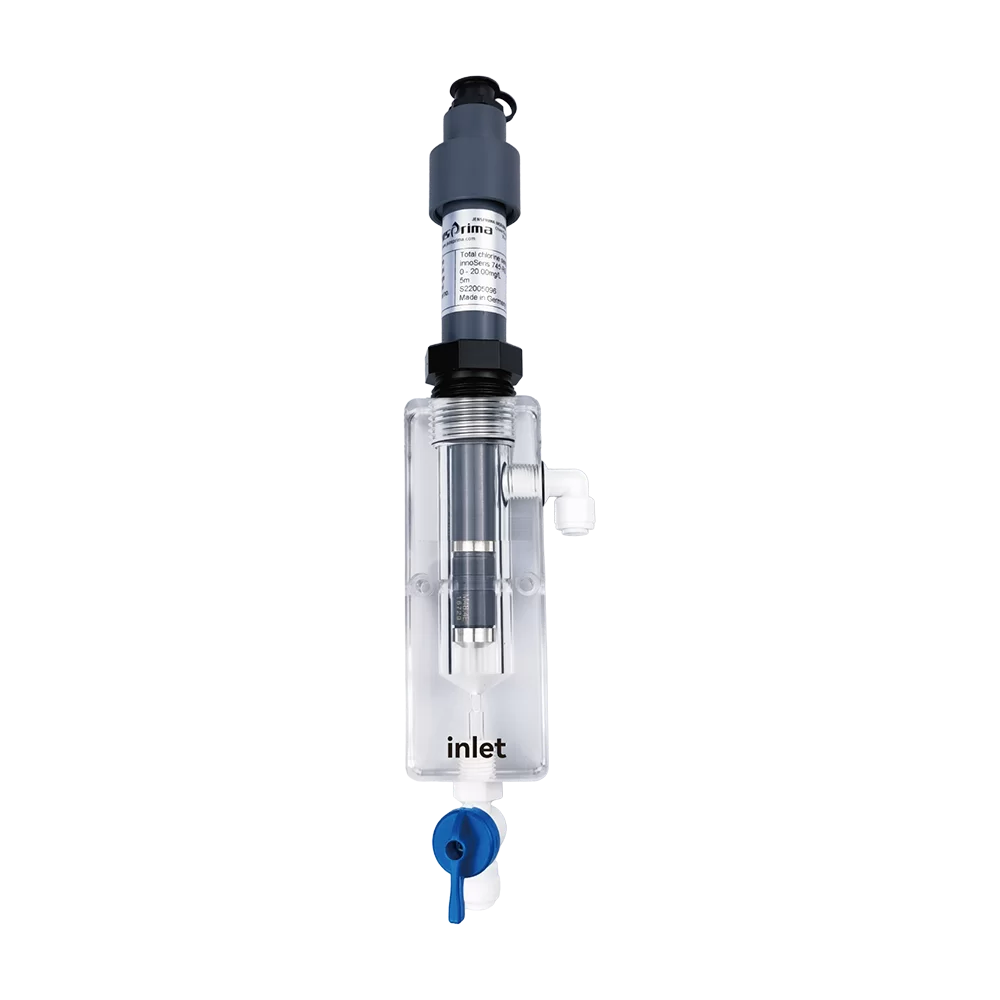
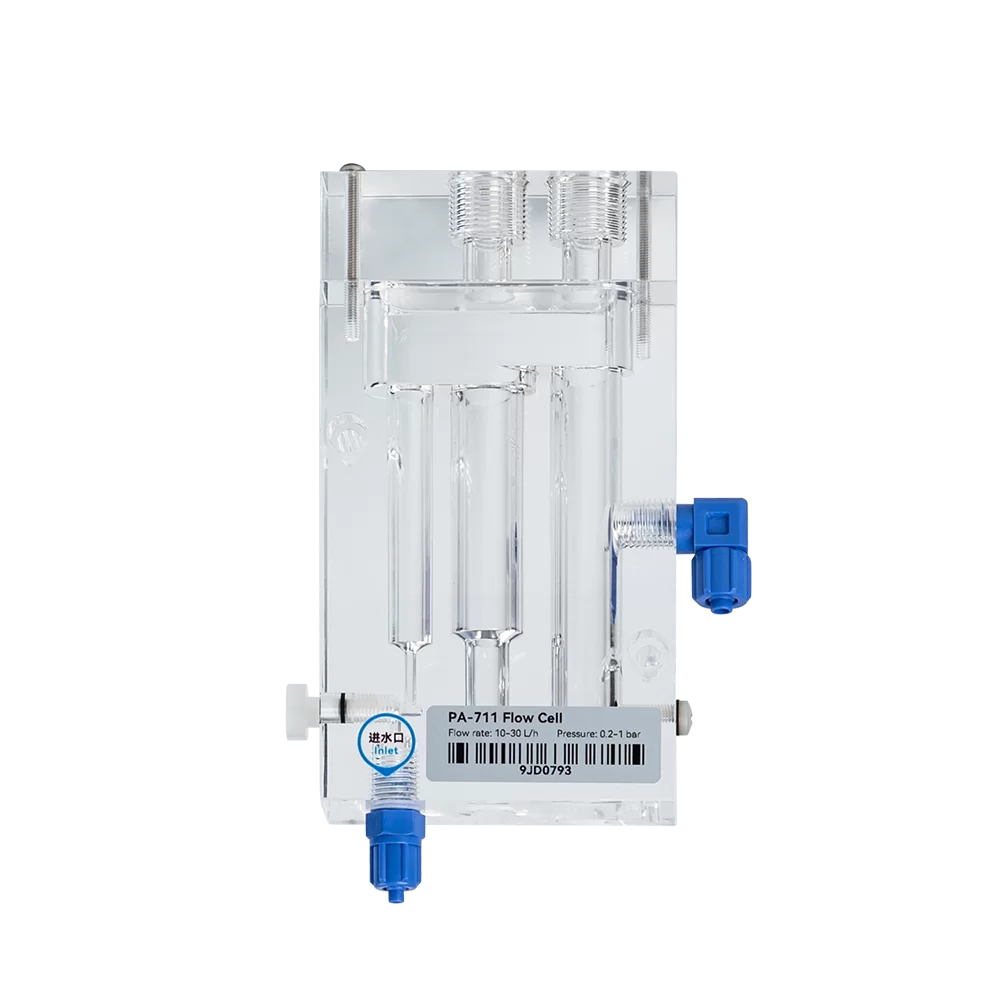
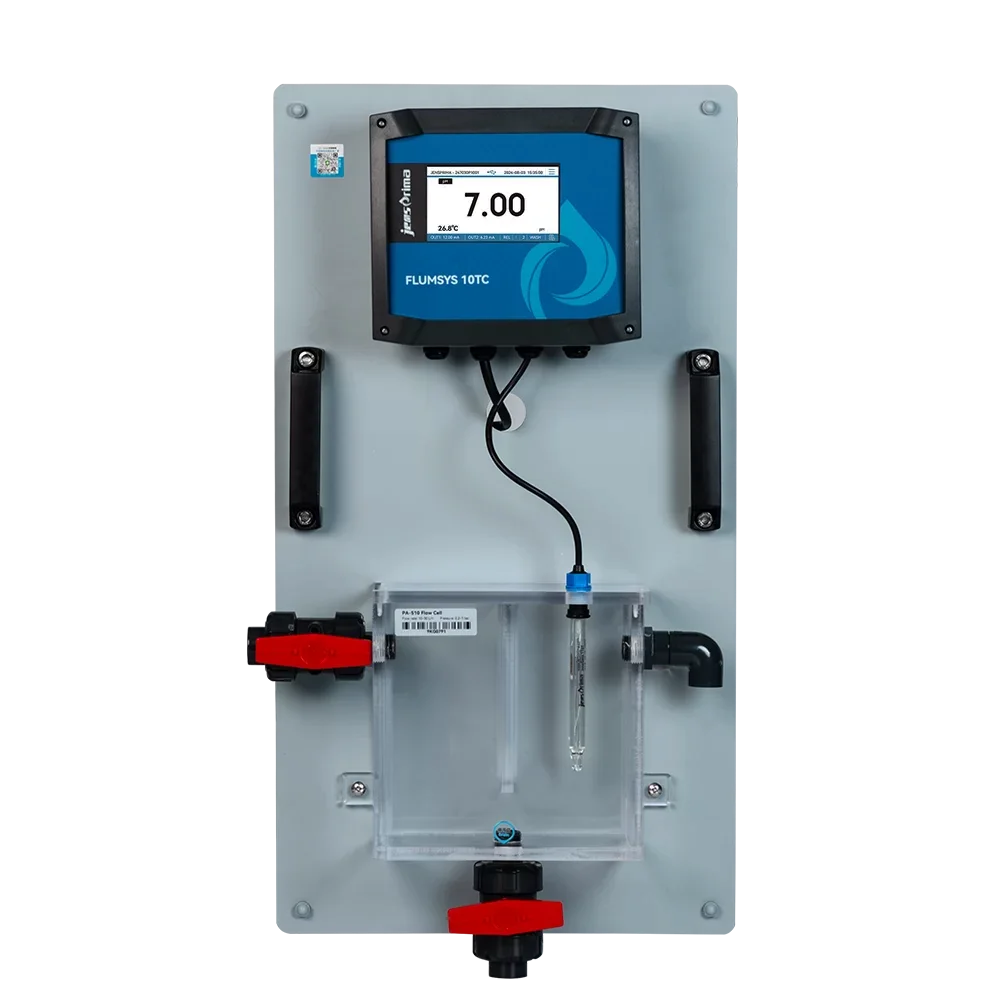
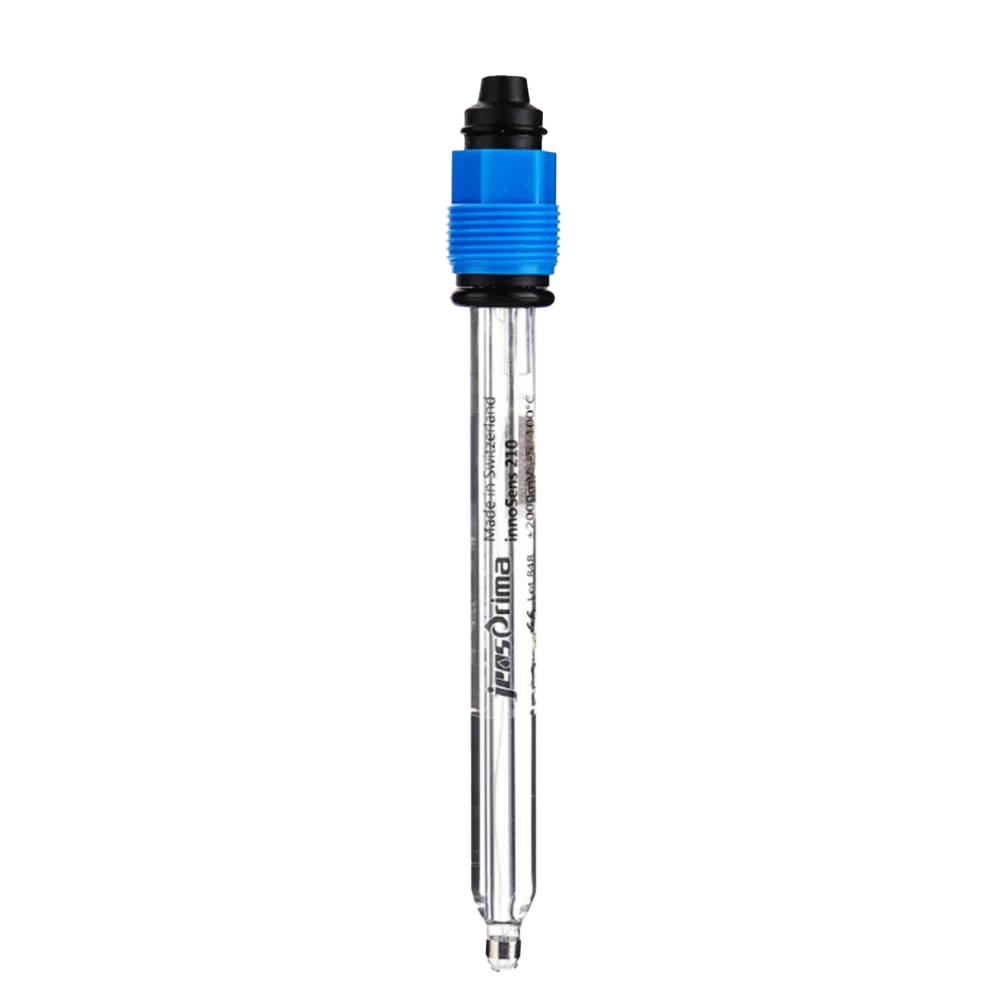
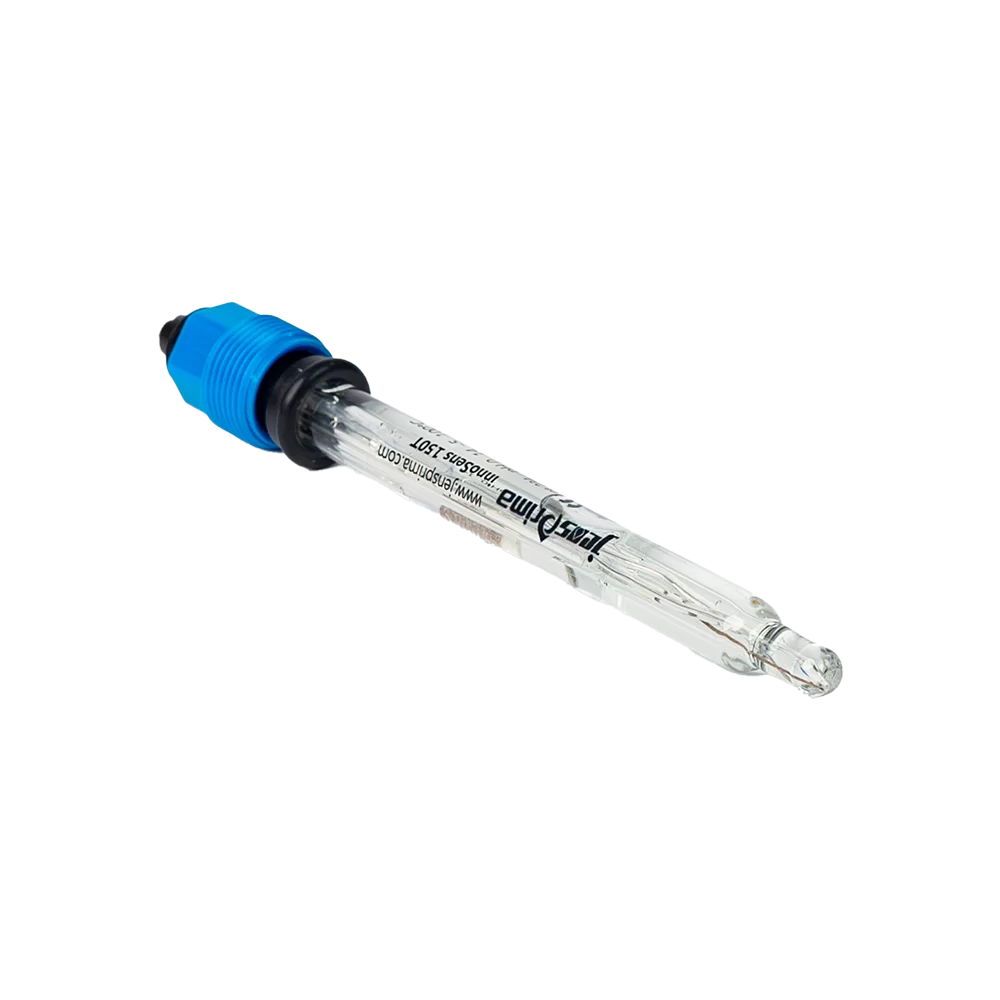
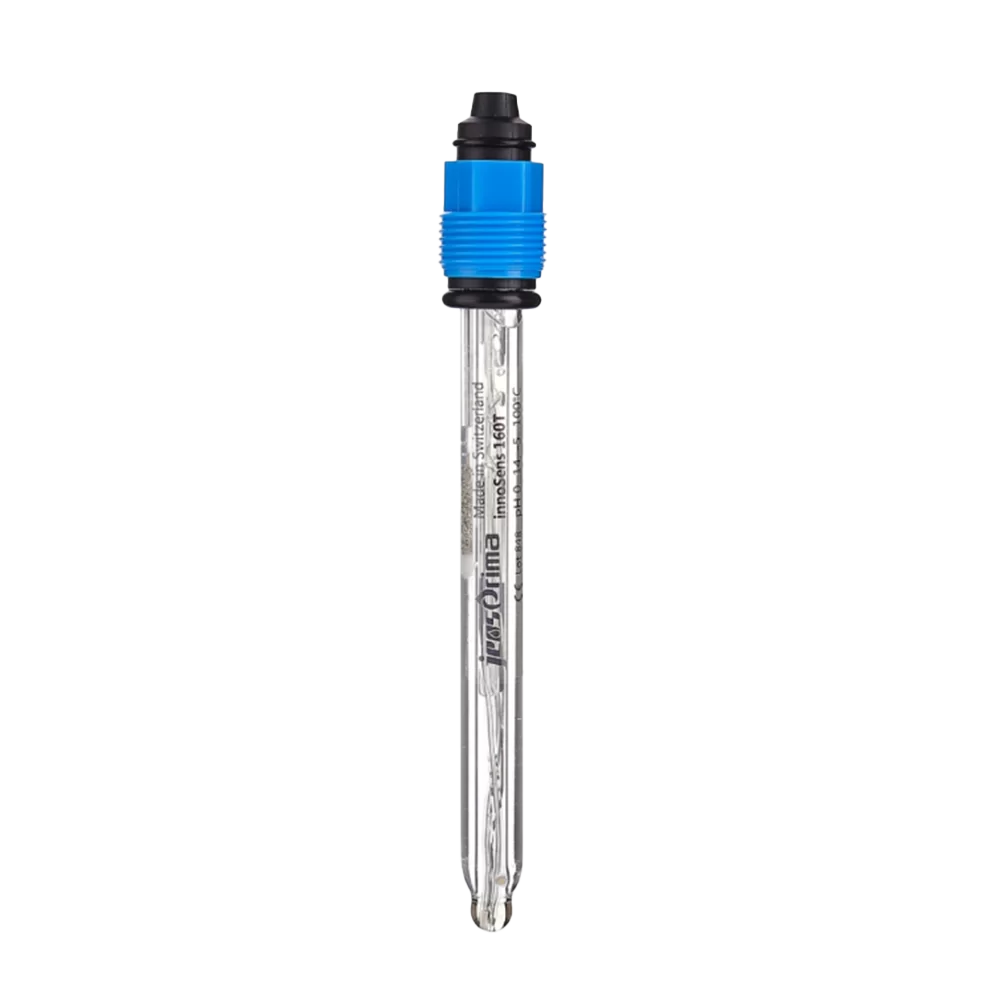
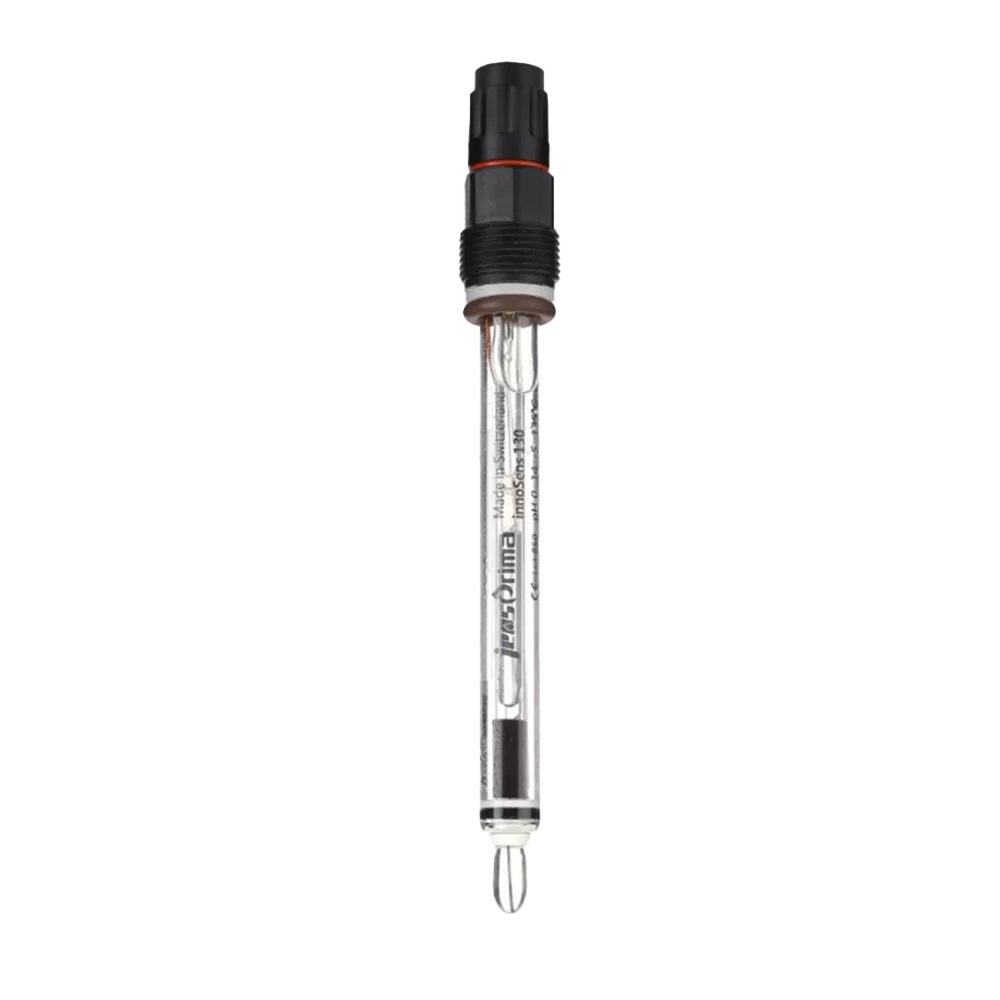
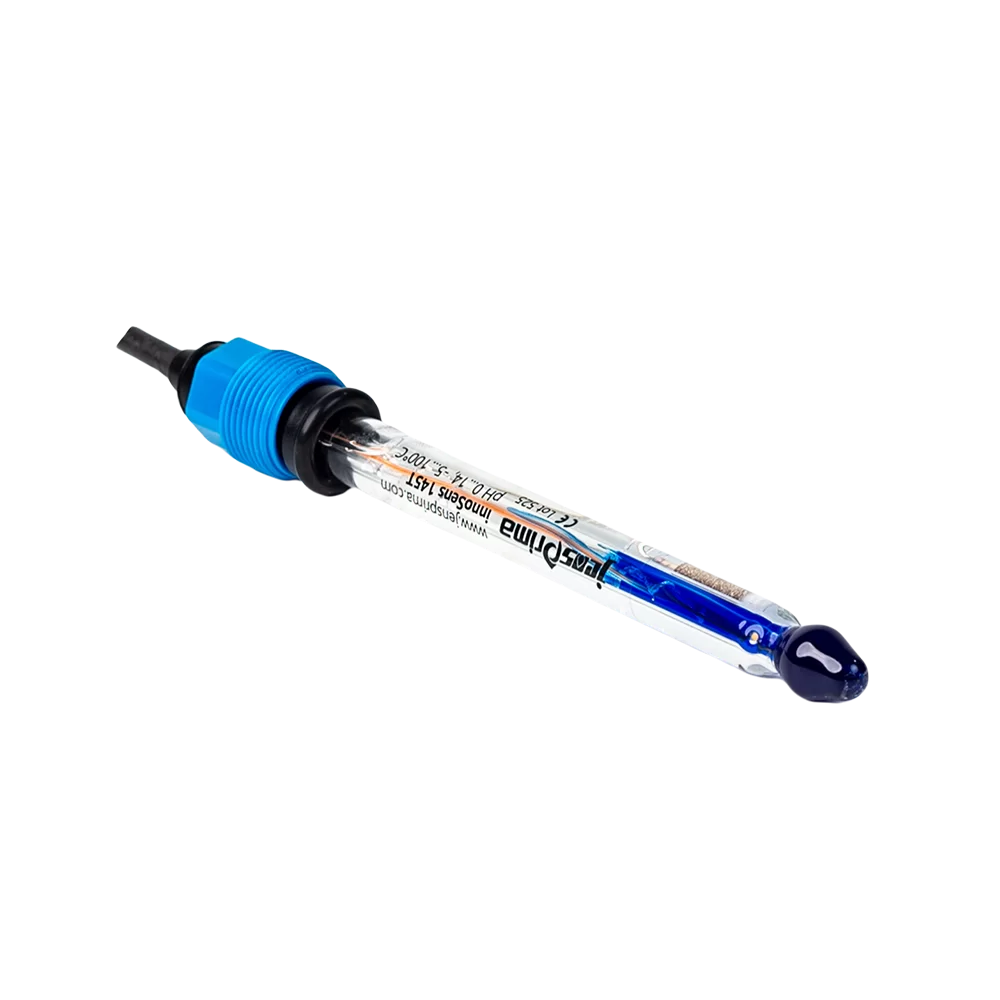
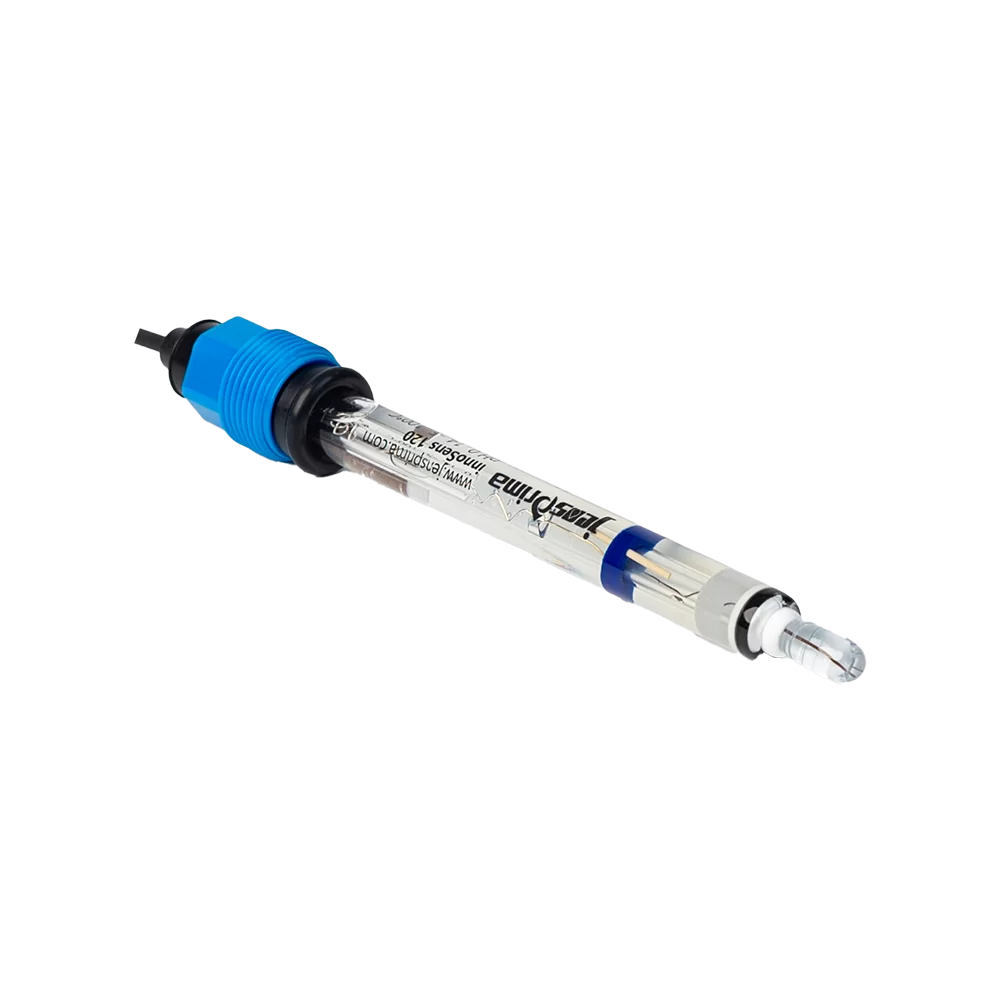
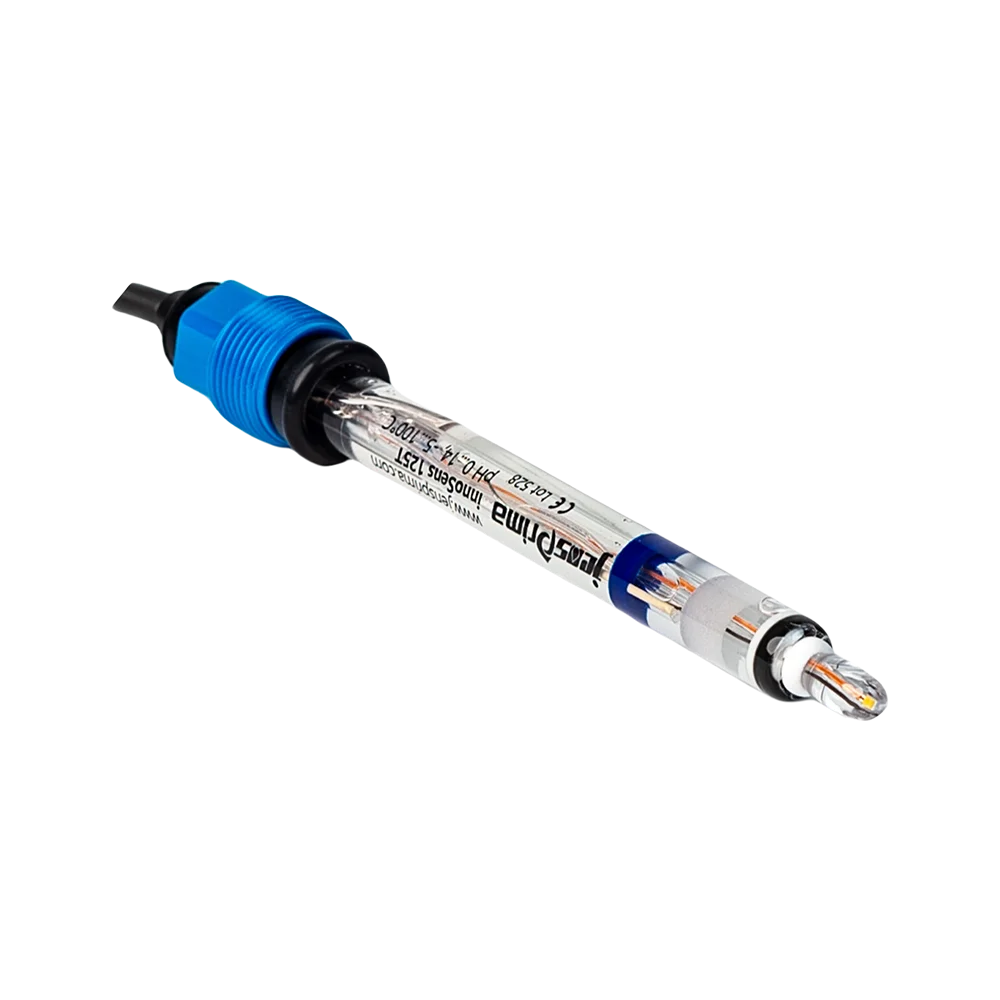
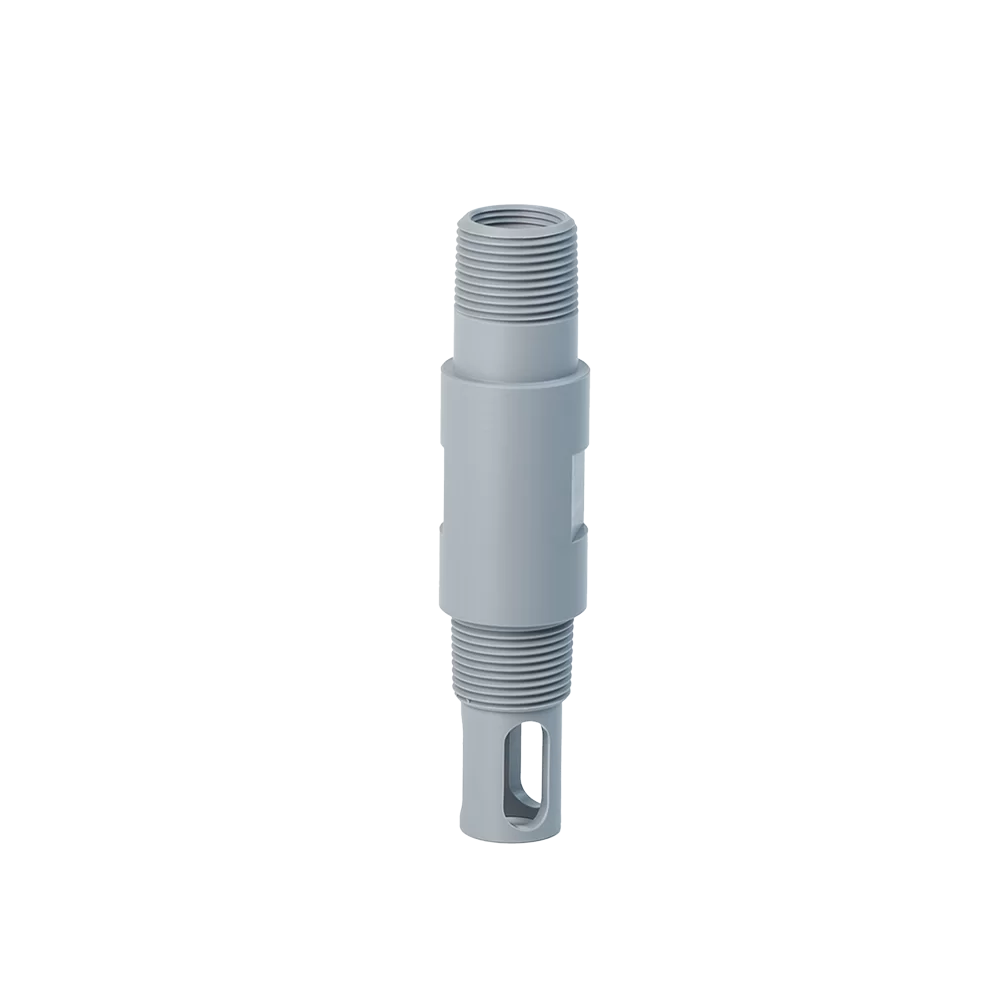
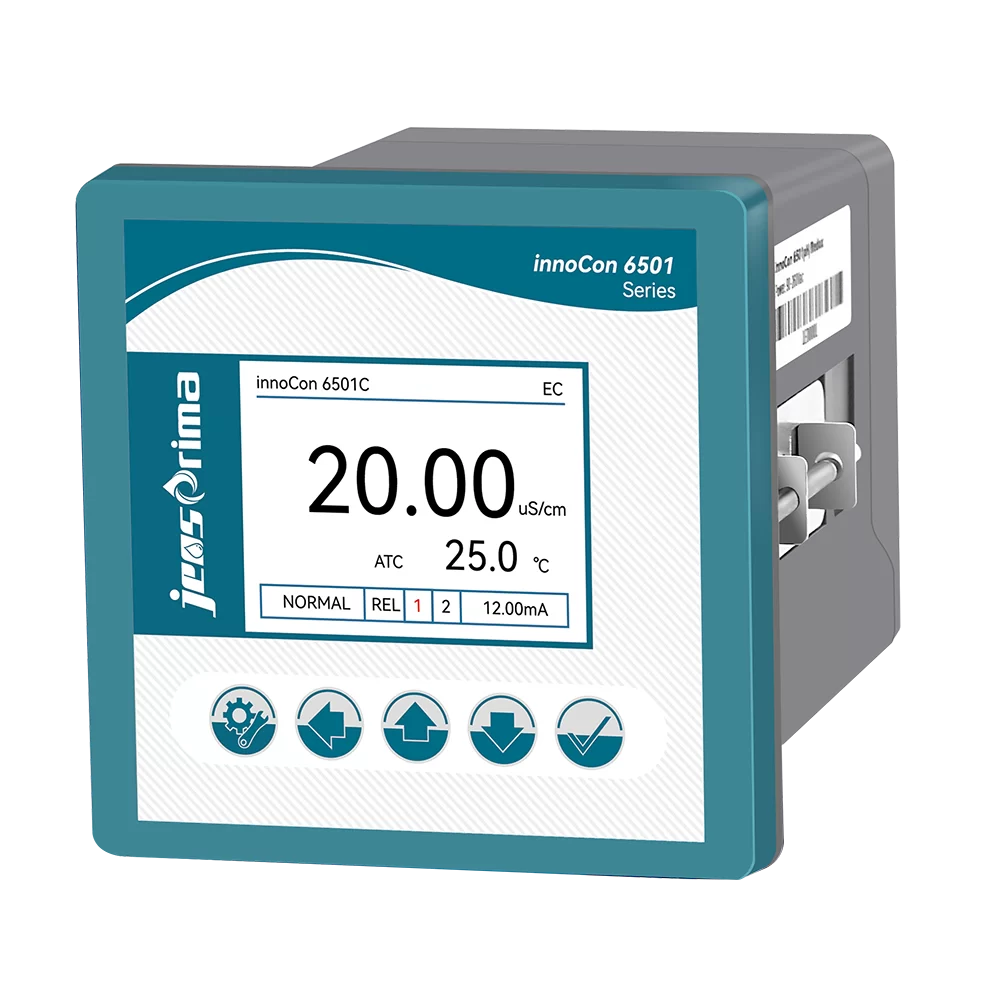
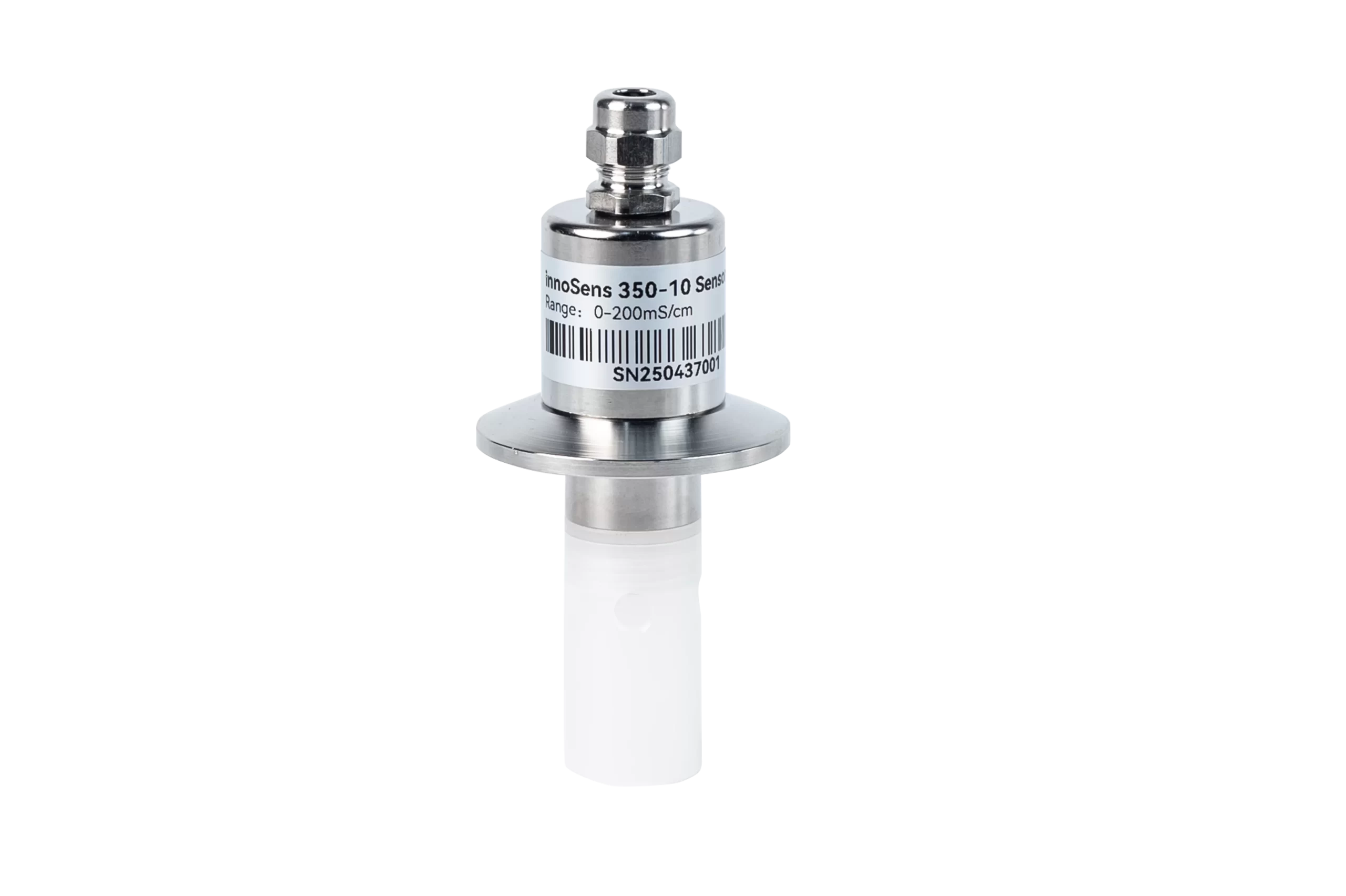
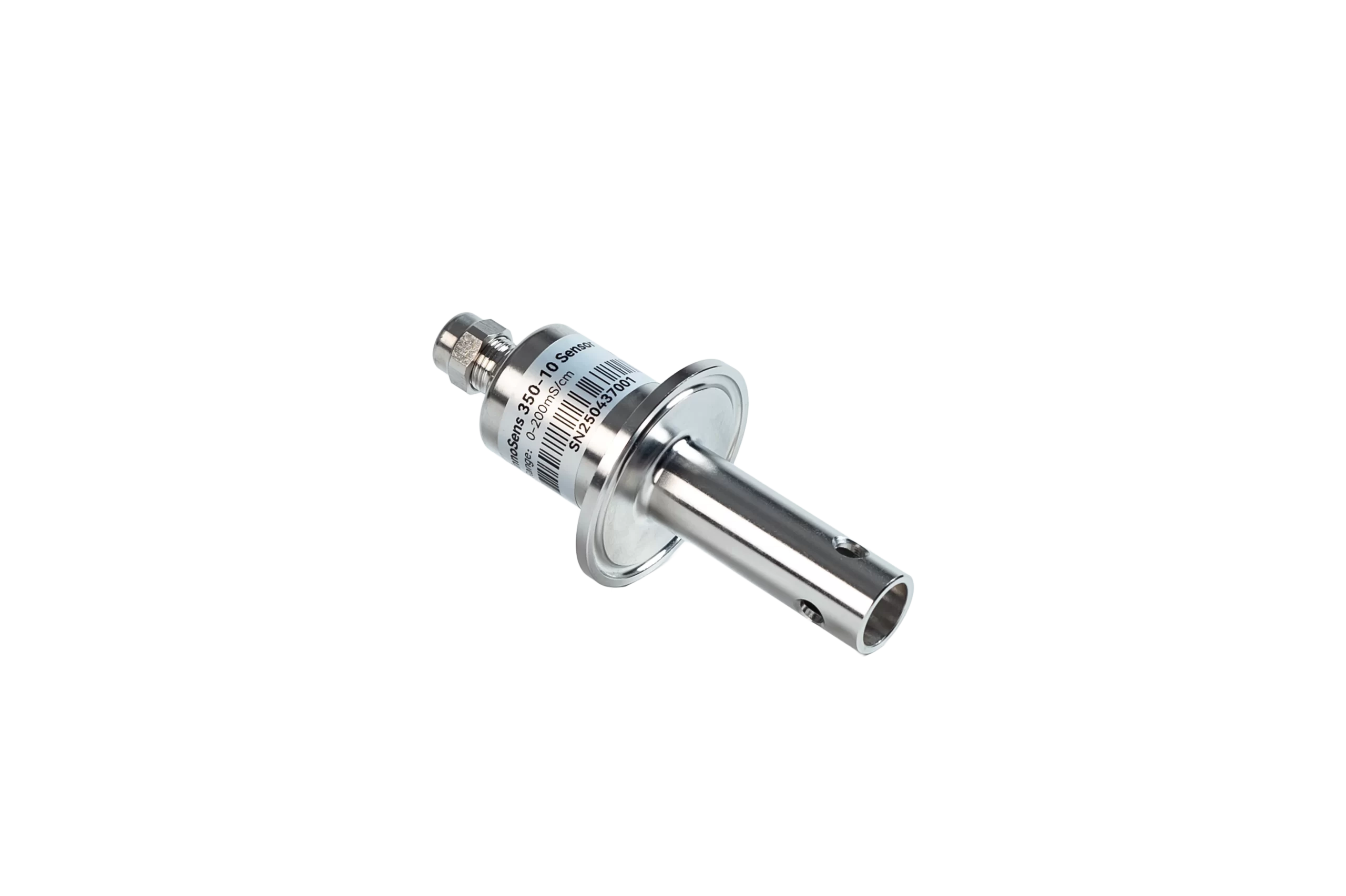
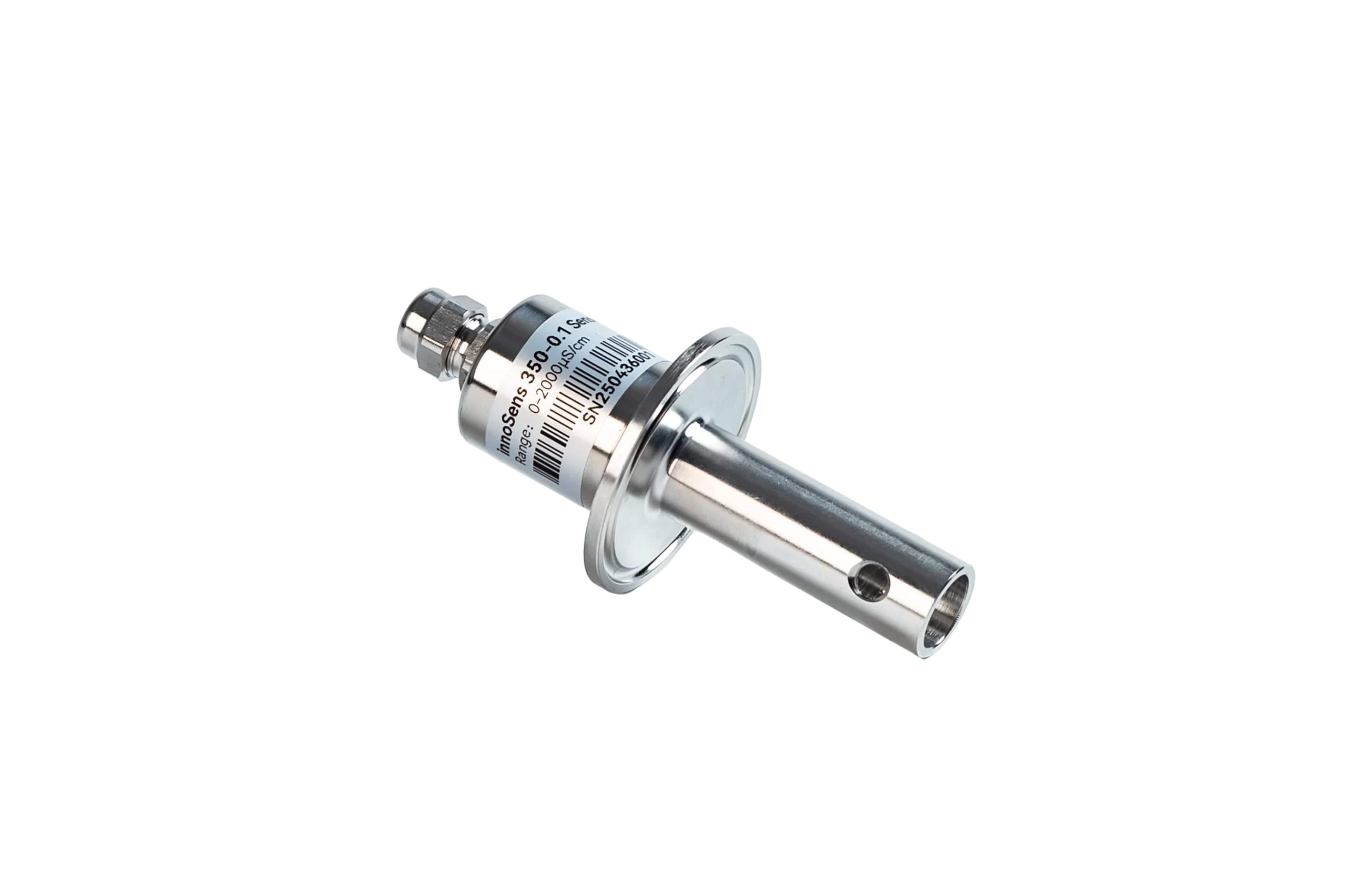
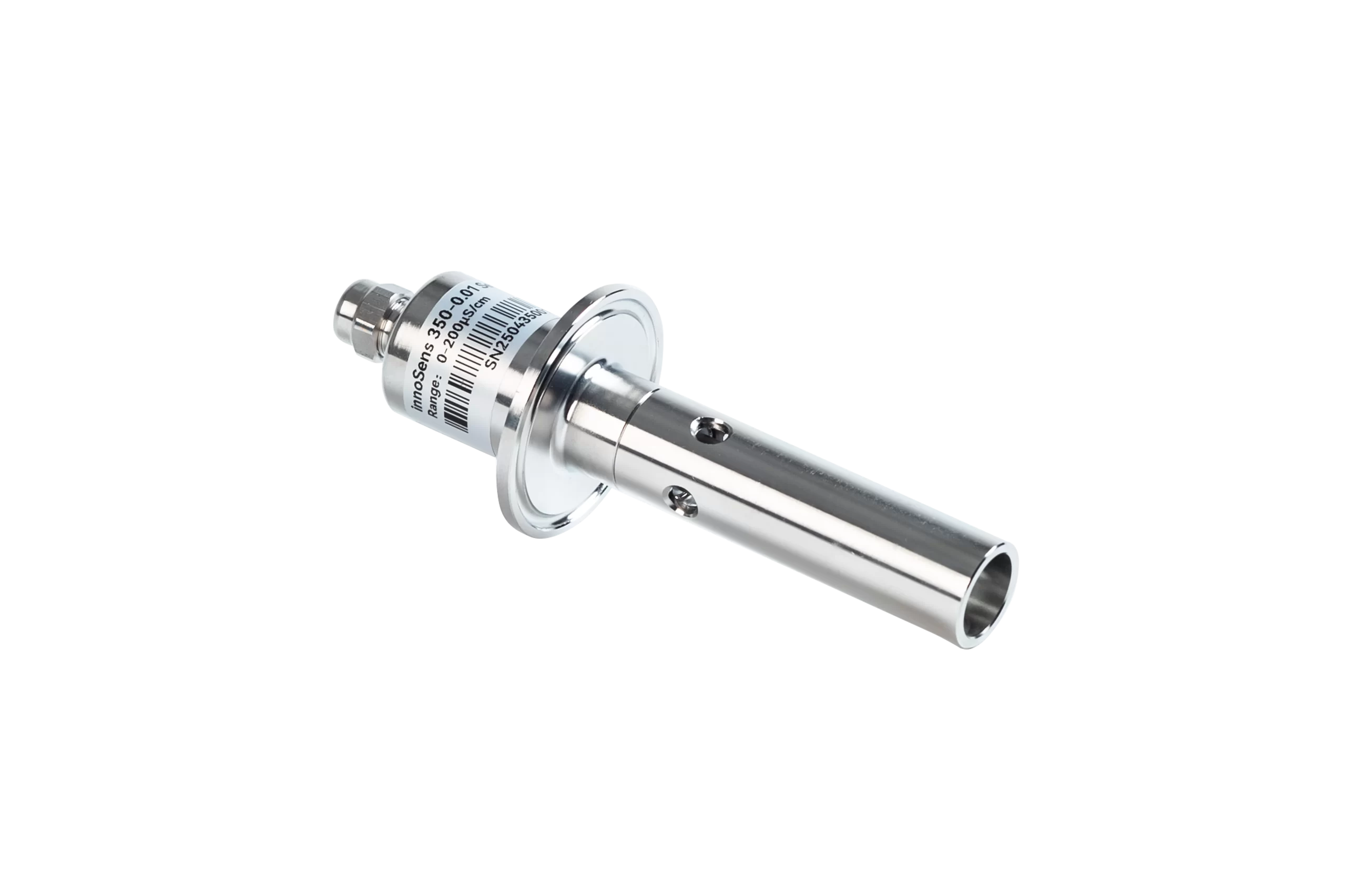
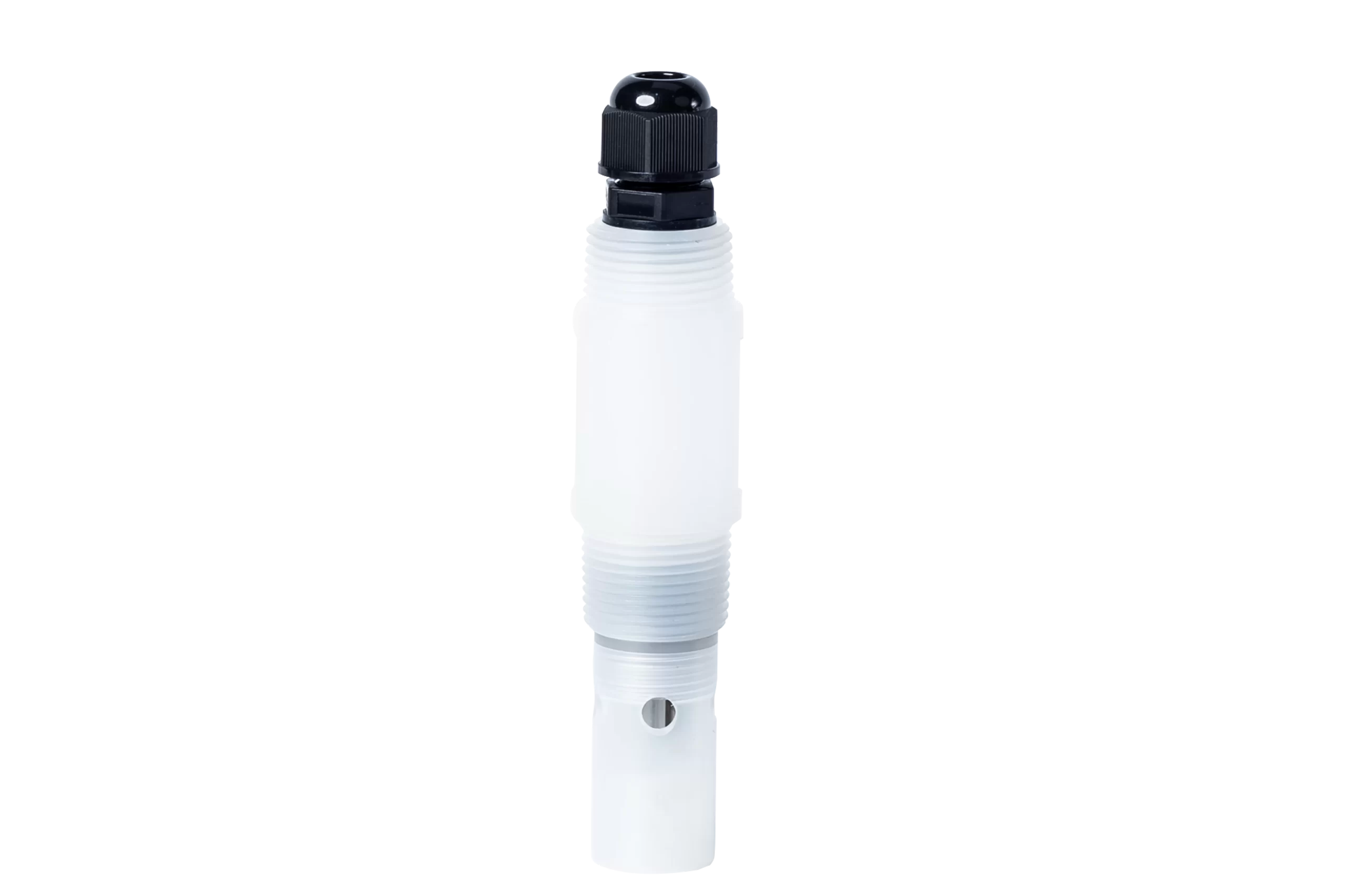
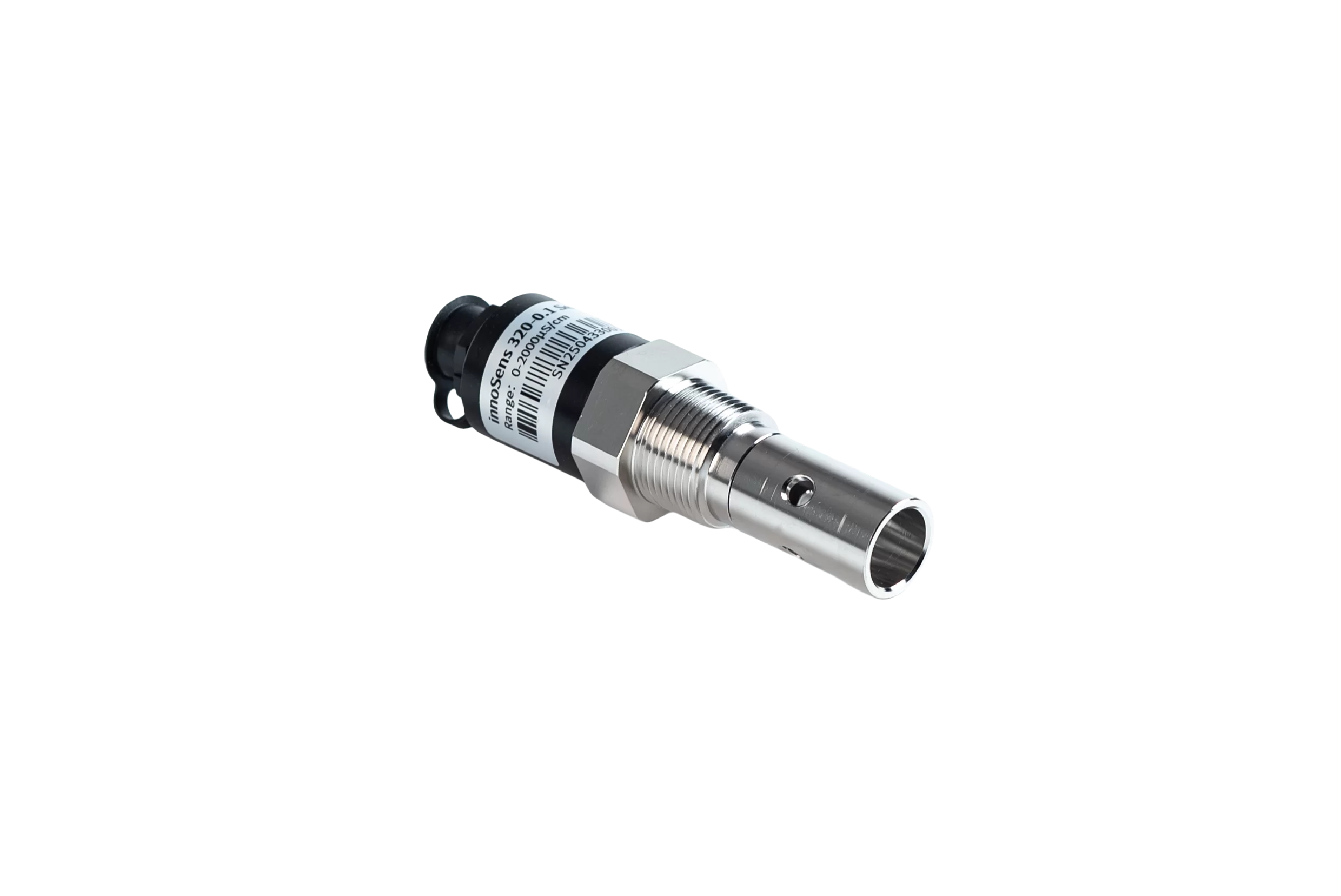
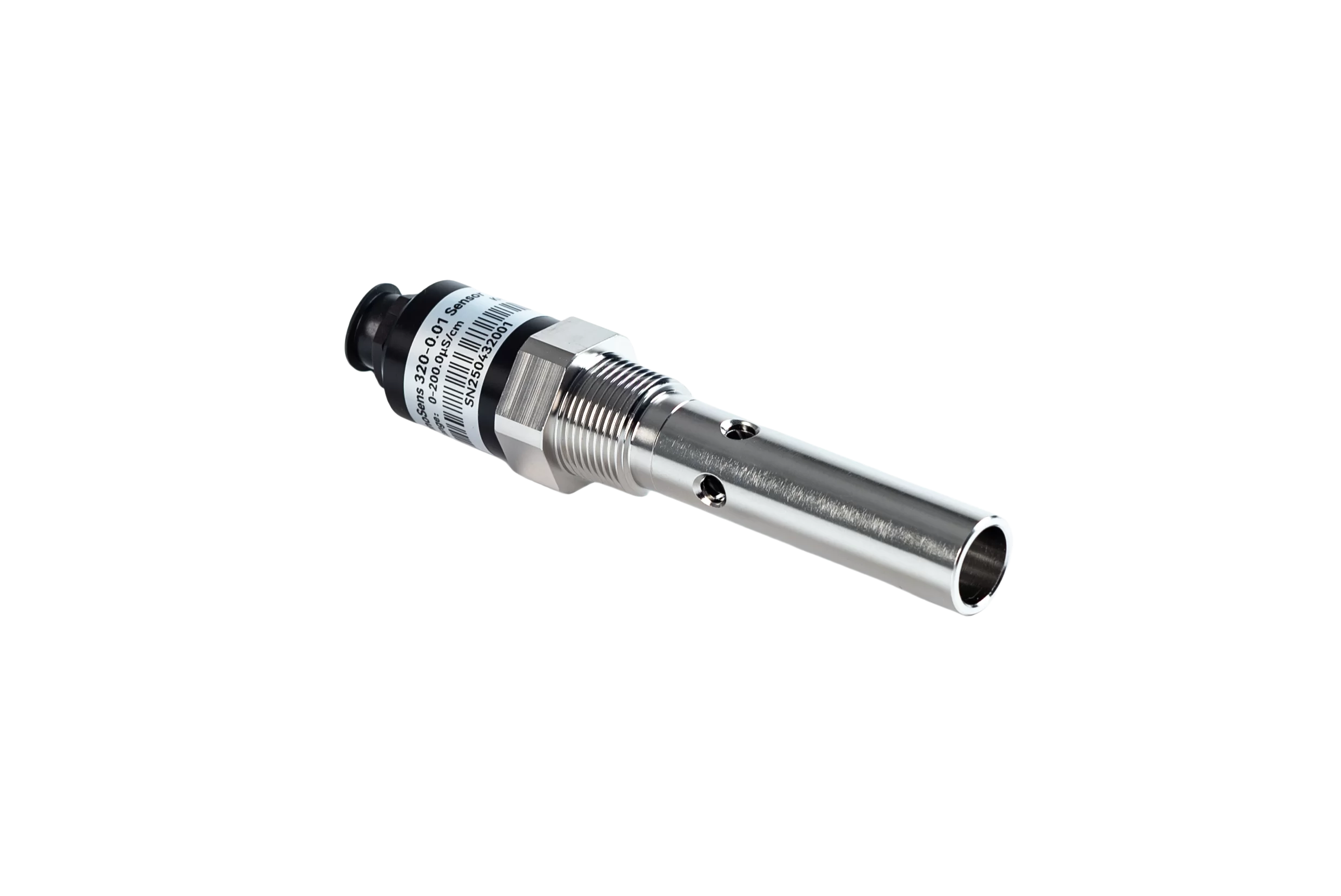
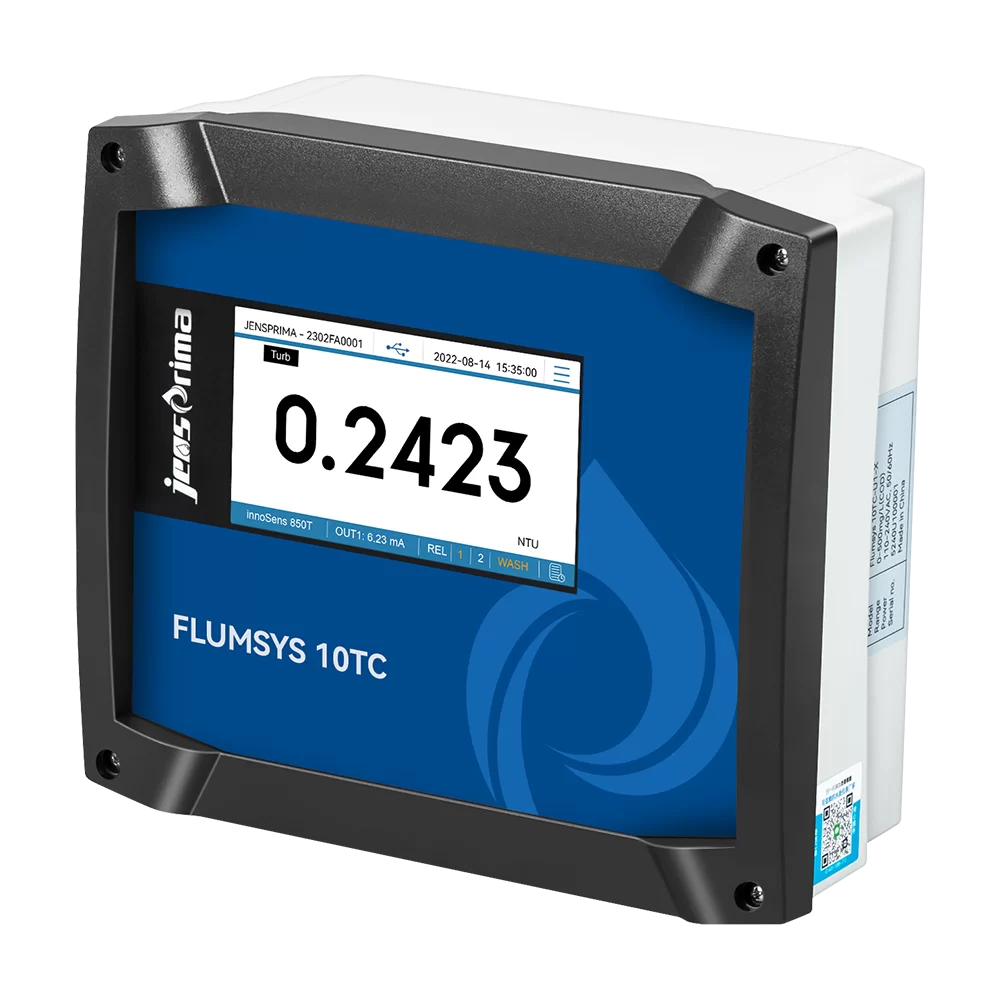
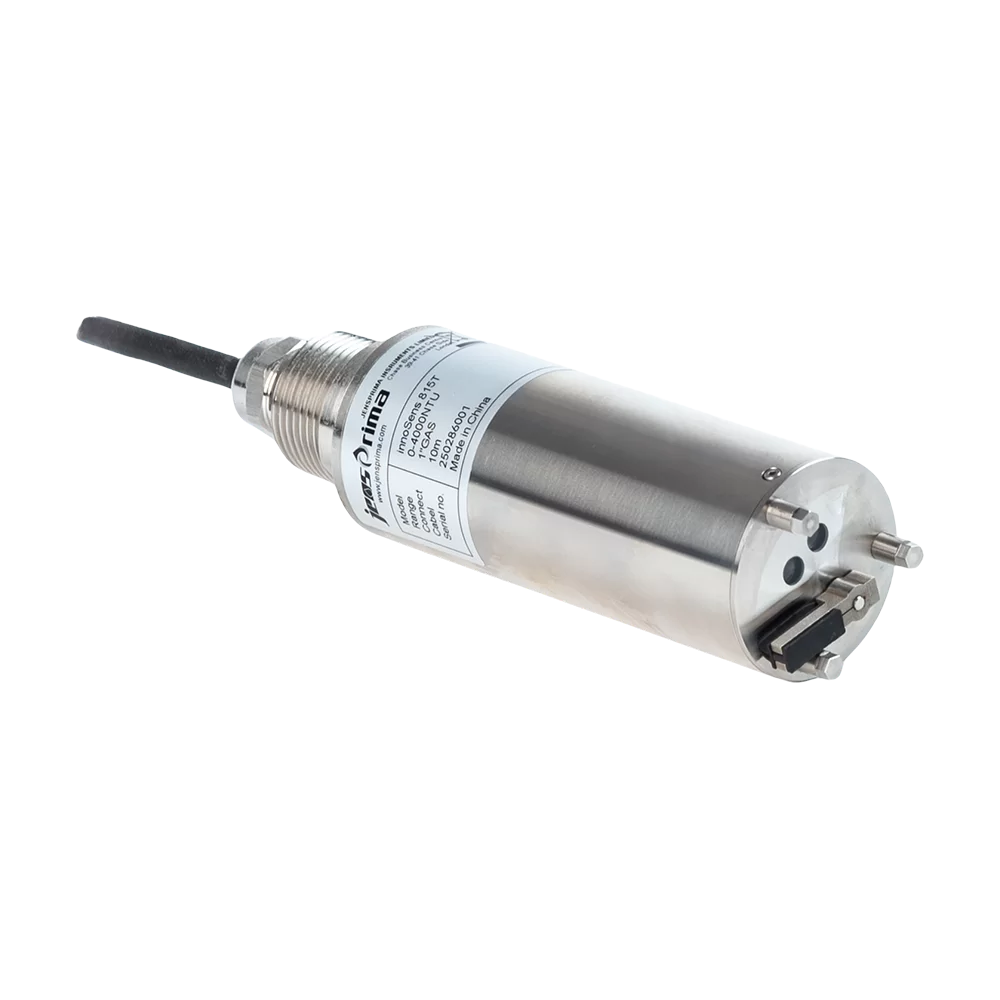
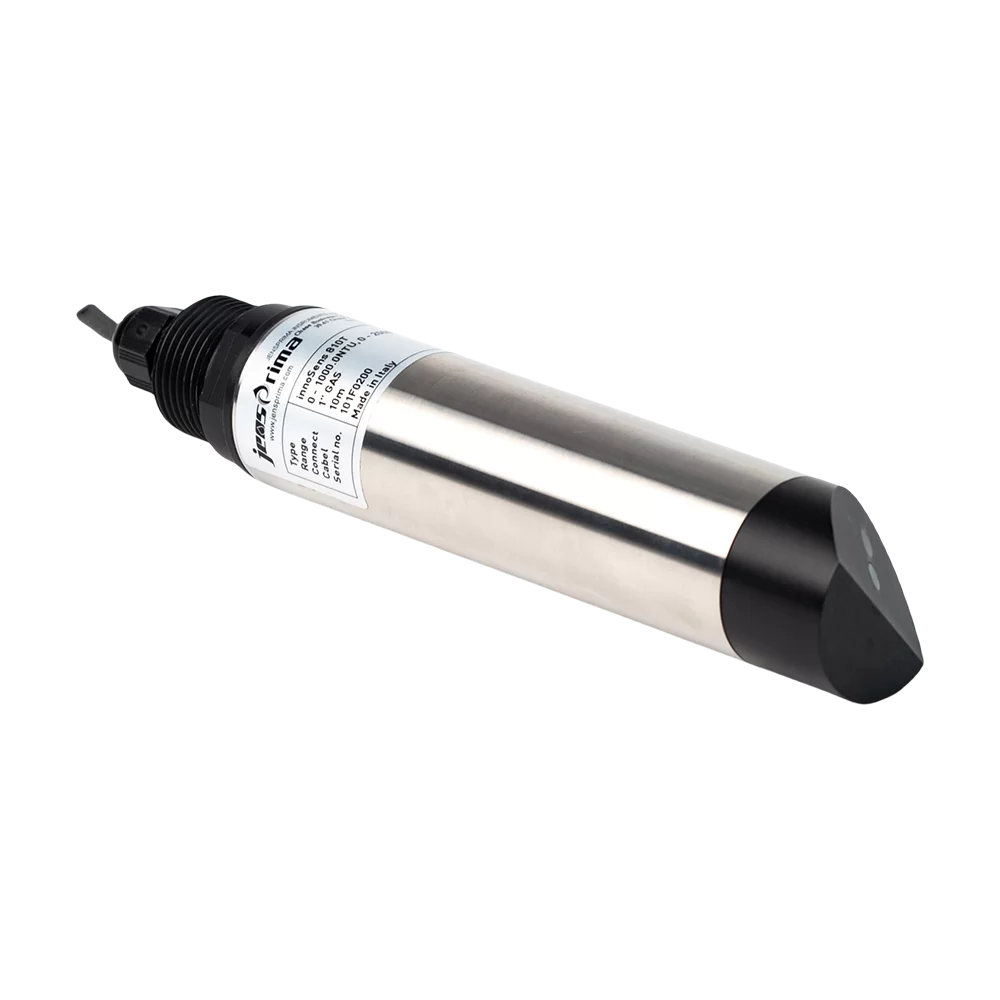
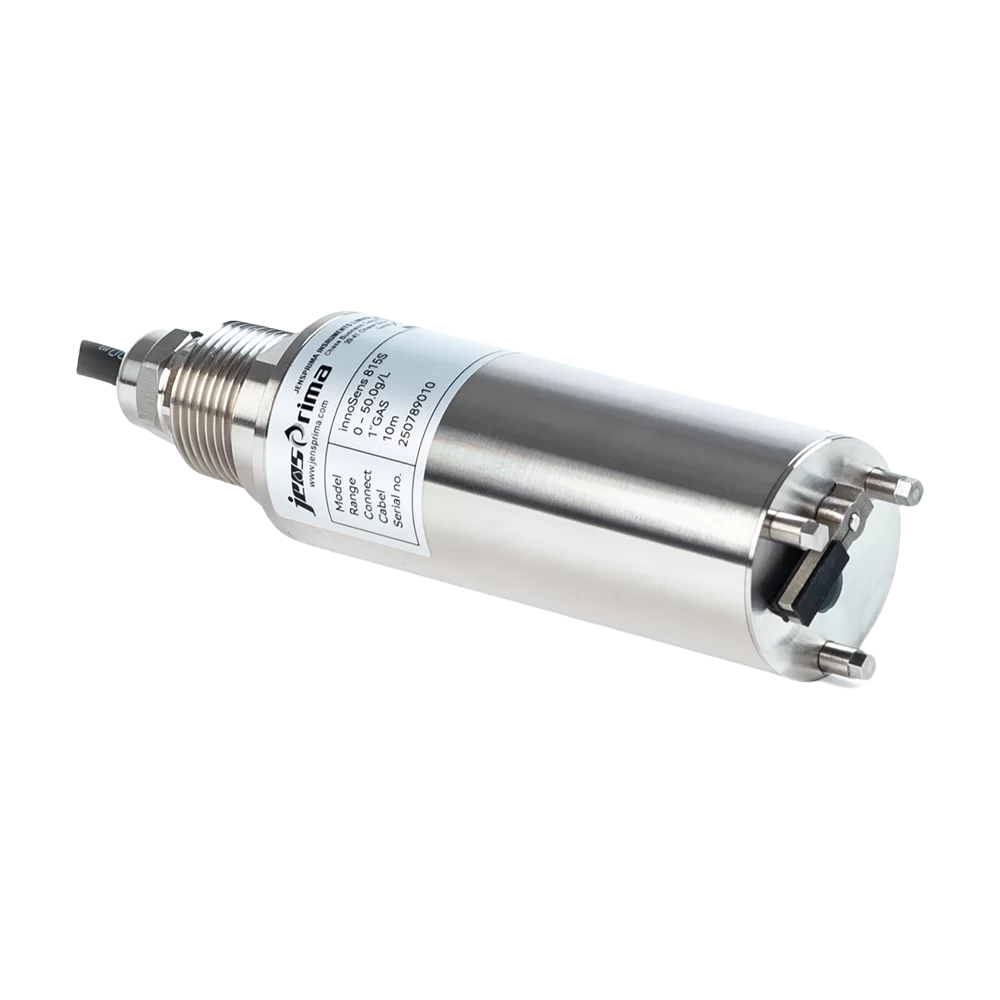
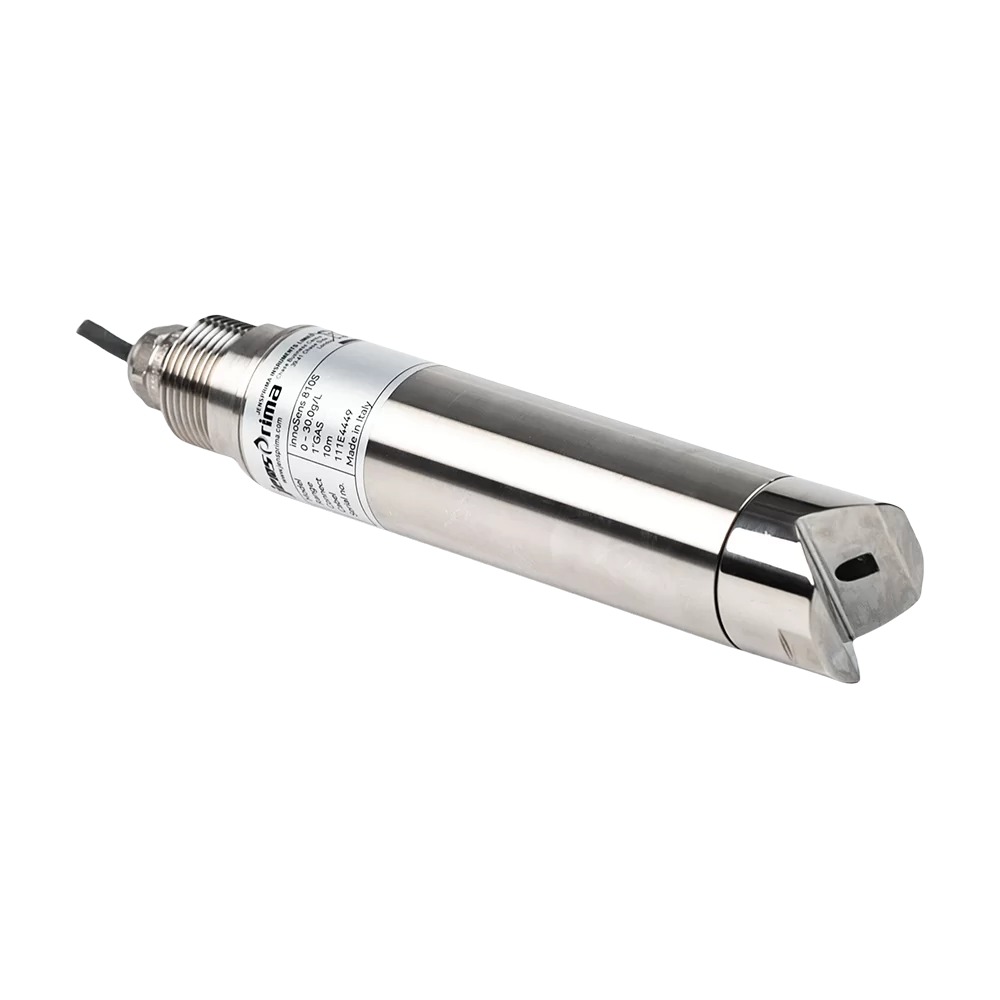
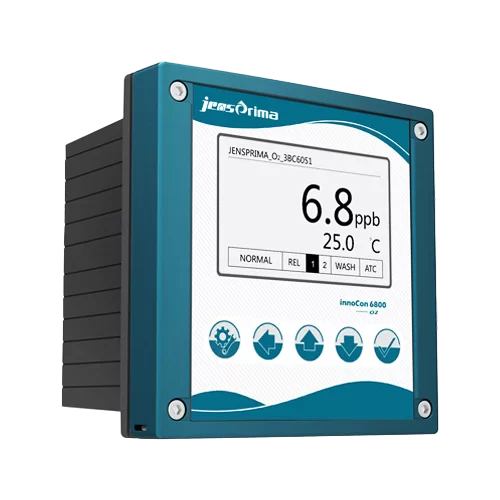
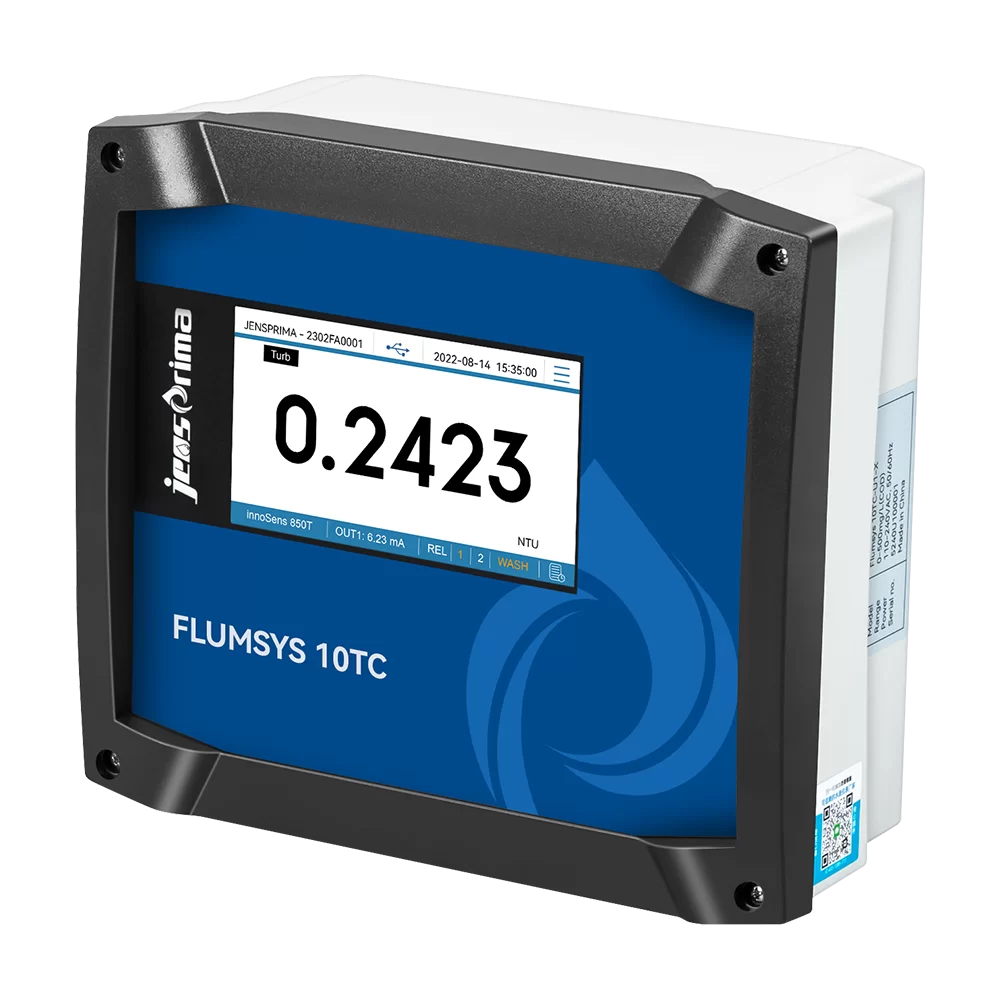
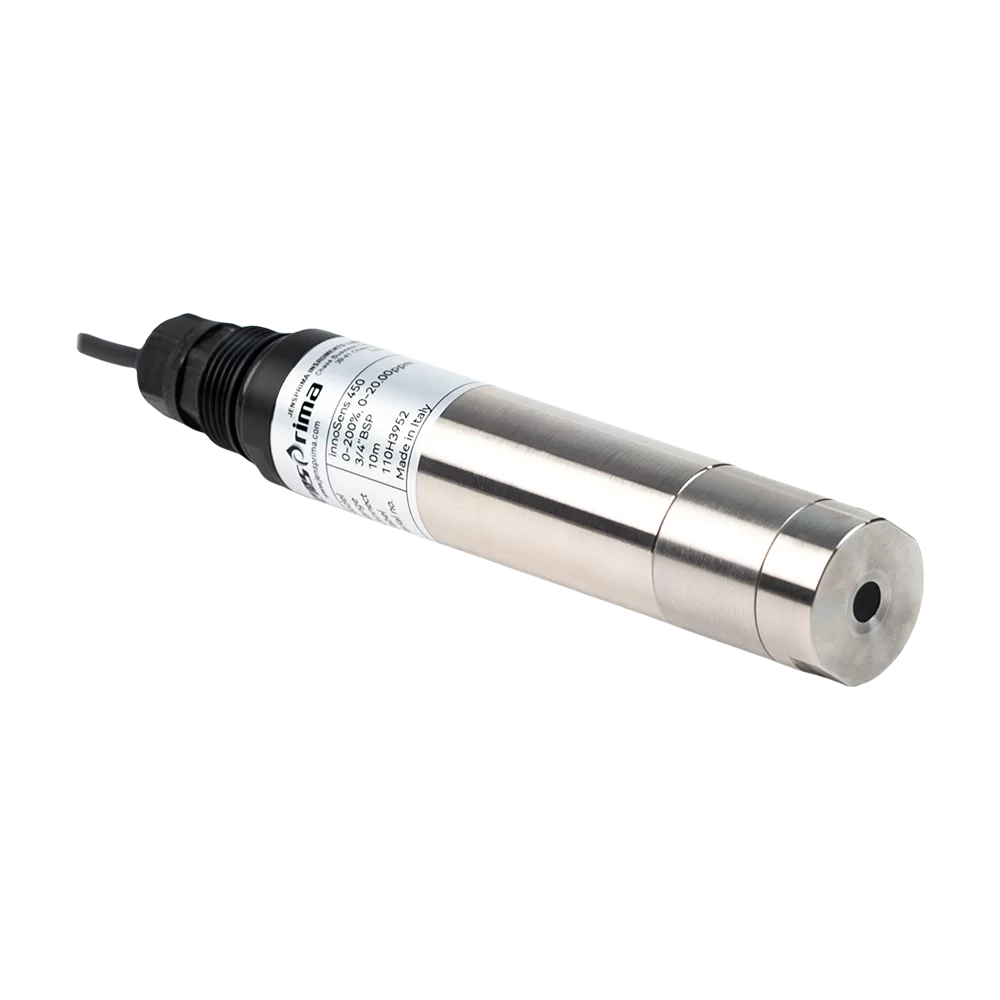
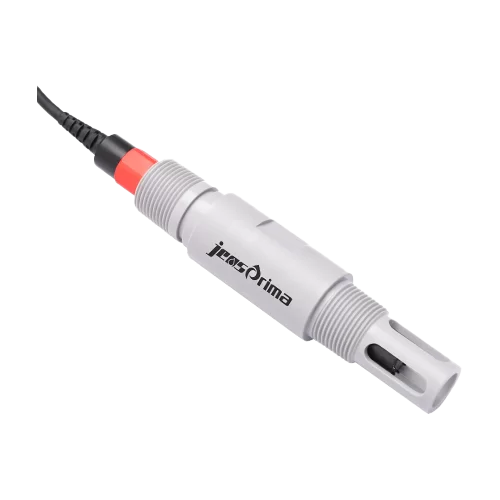
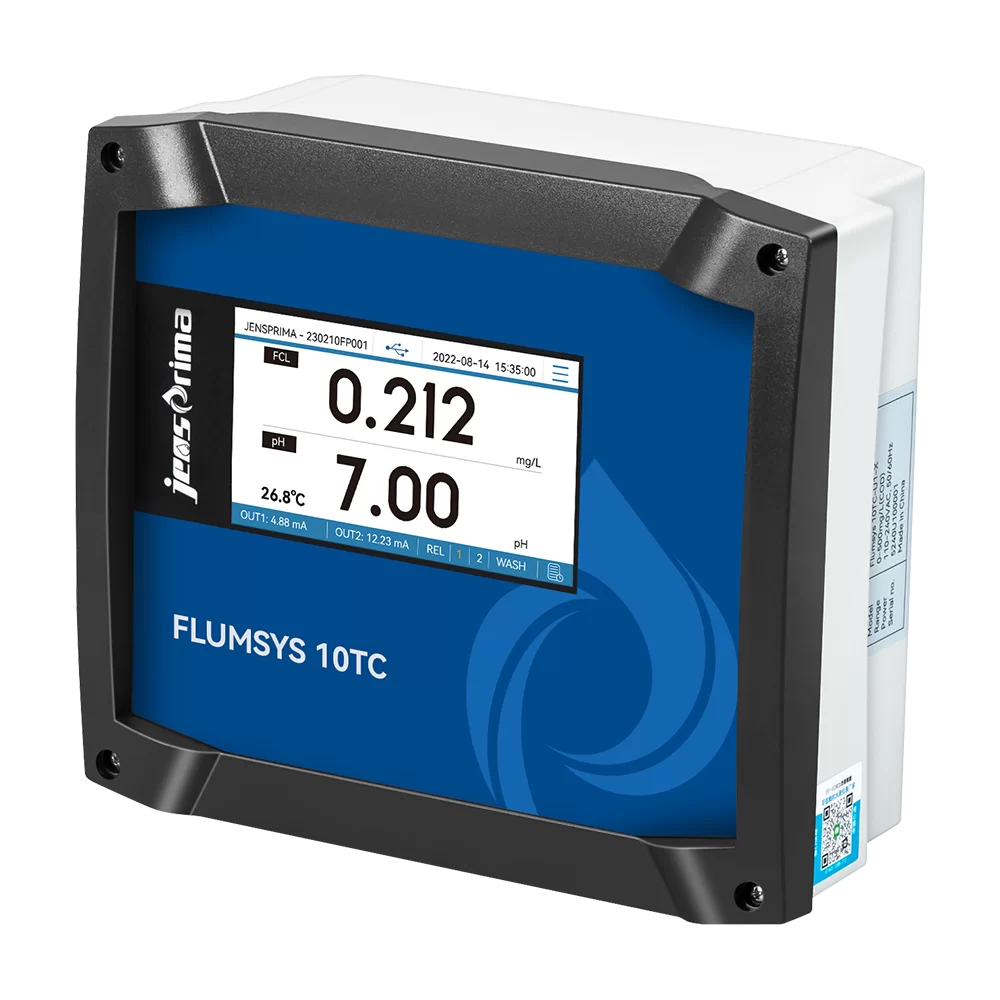
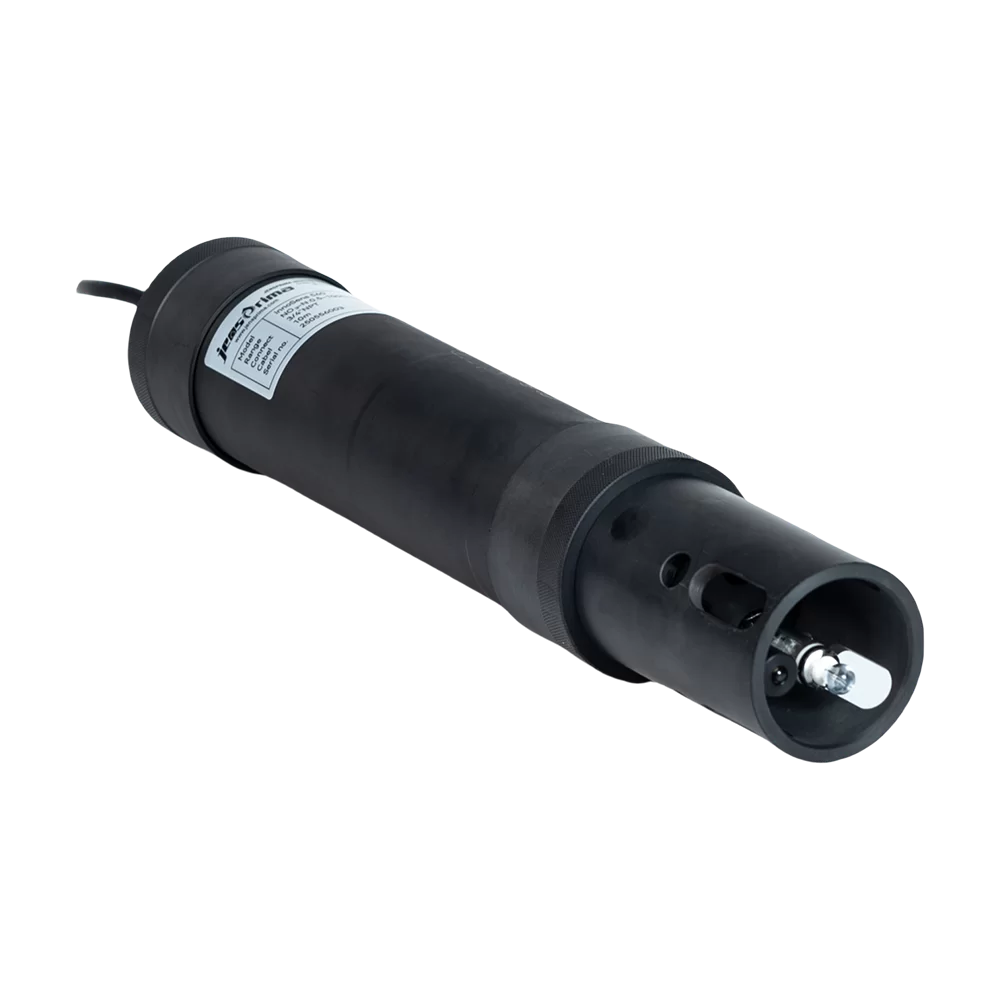
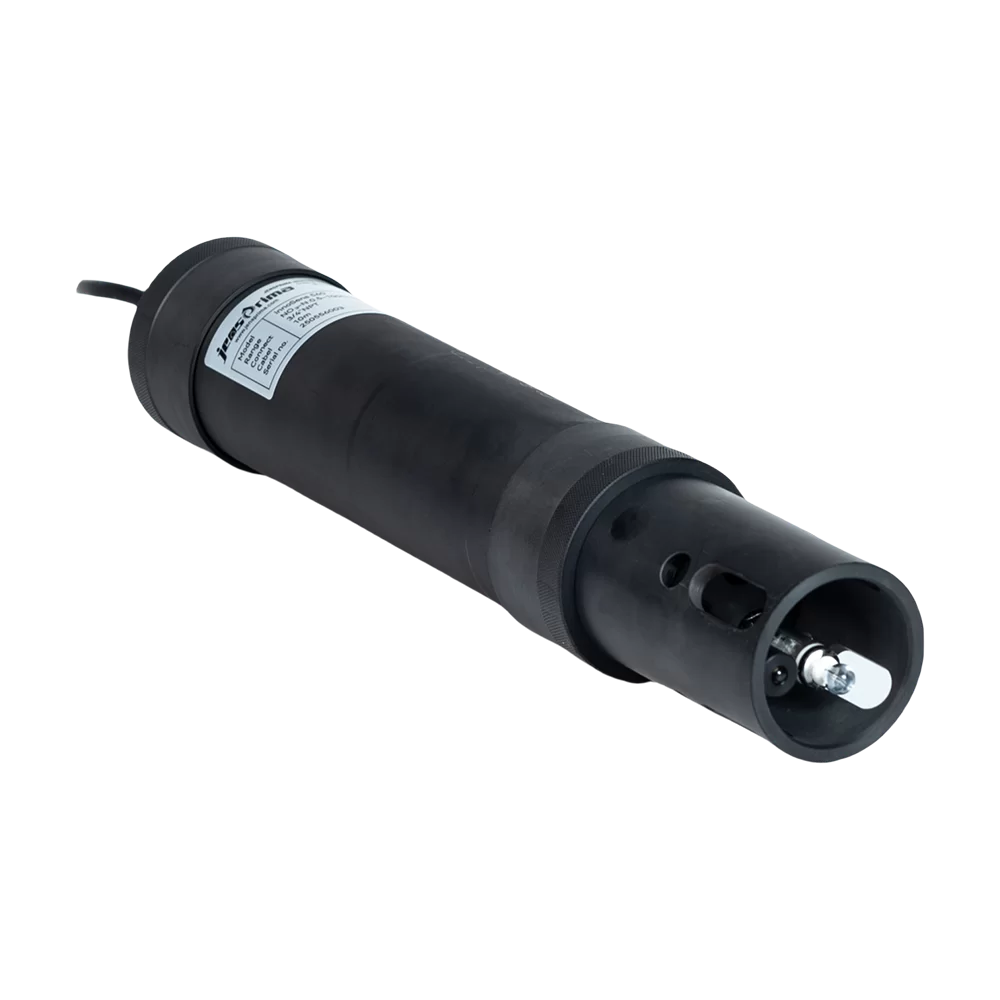
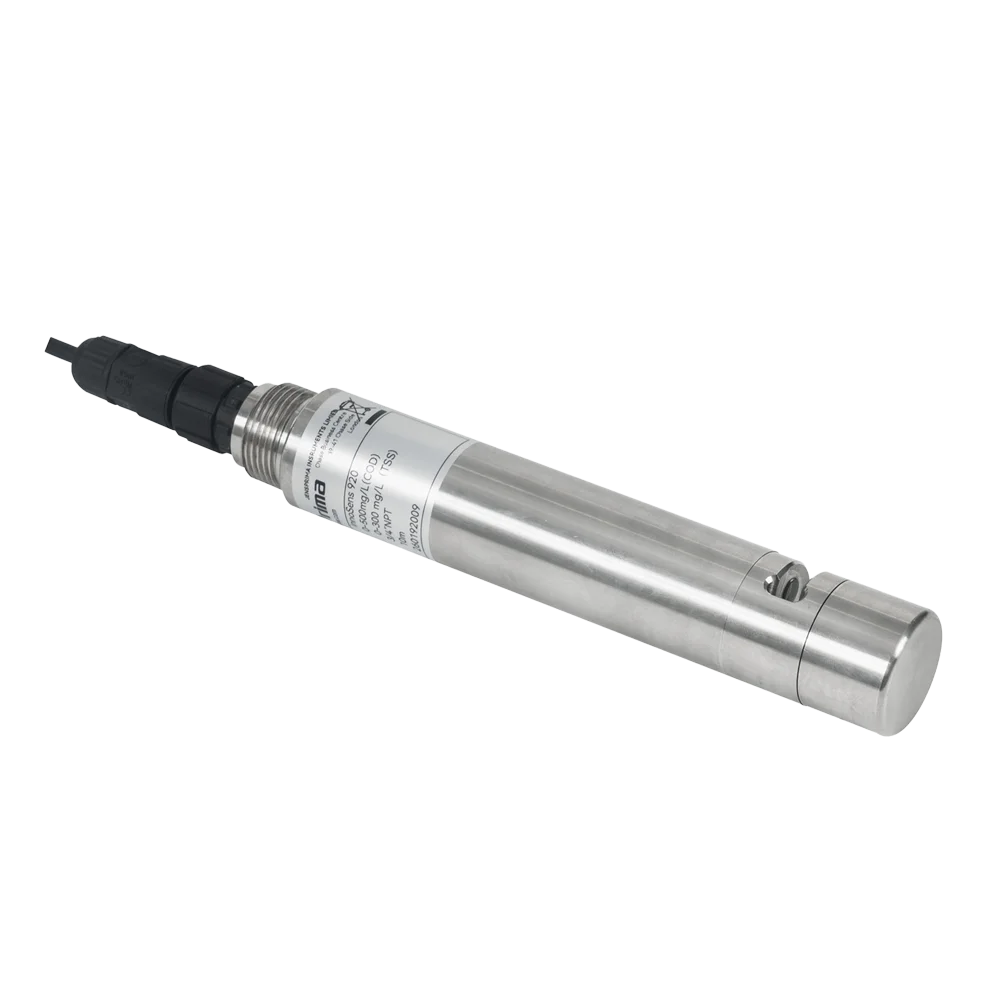
The effectiveness of a total hardness analyzer depends on the synergy between its sensing probe and the control unit. The sensor must be capable of resisting fouling and corrosion, especially in wastewater or high-temperature boiler feed water, to ensure that the signal remains linear and accurate over long periods.
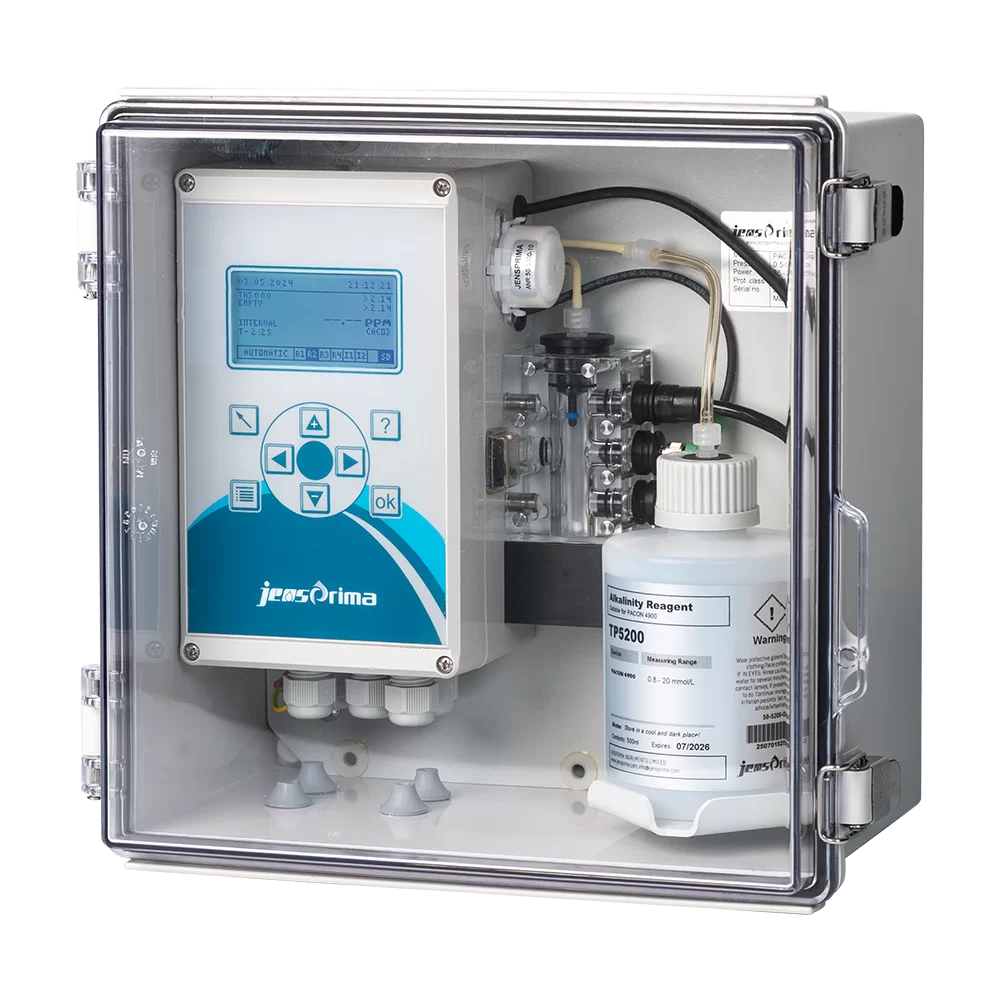
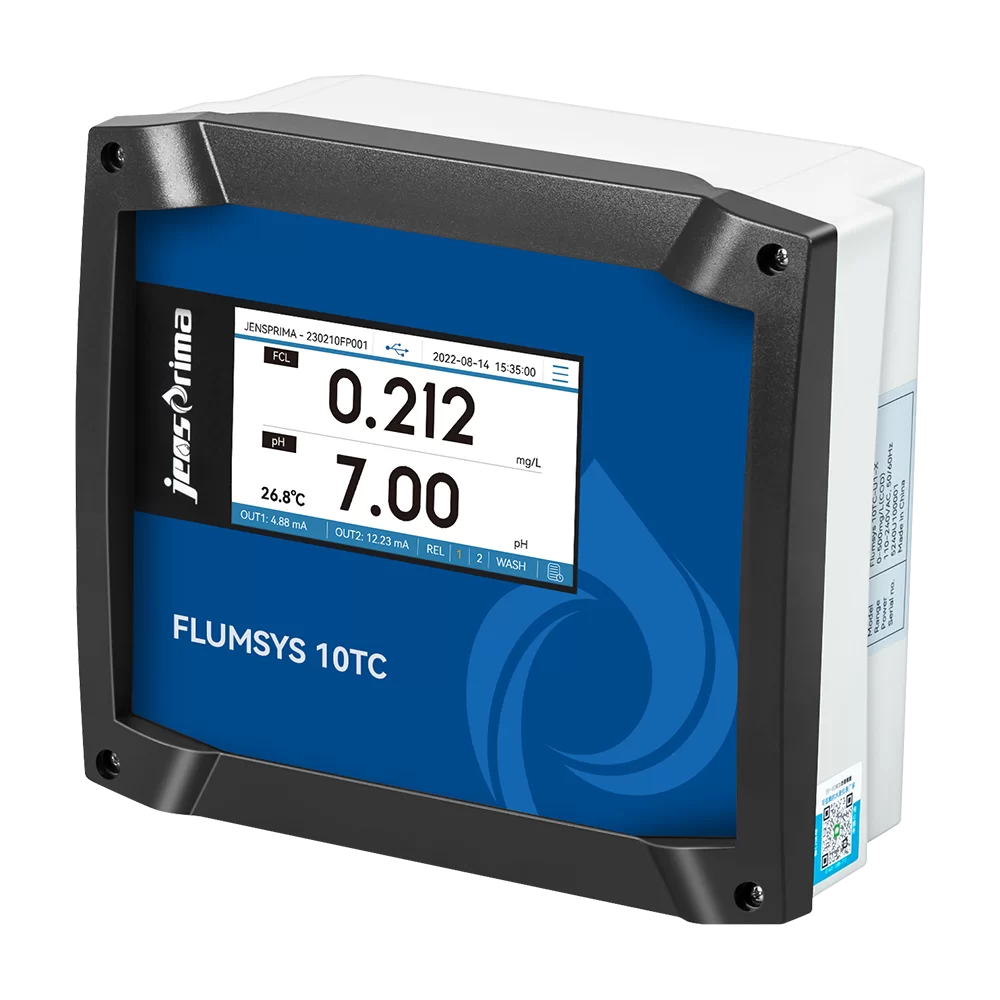
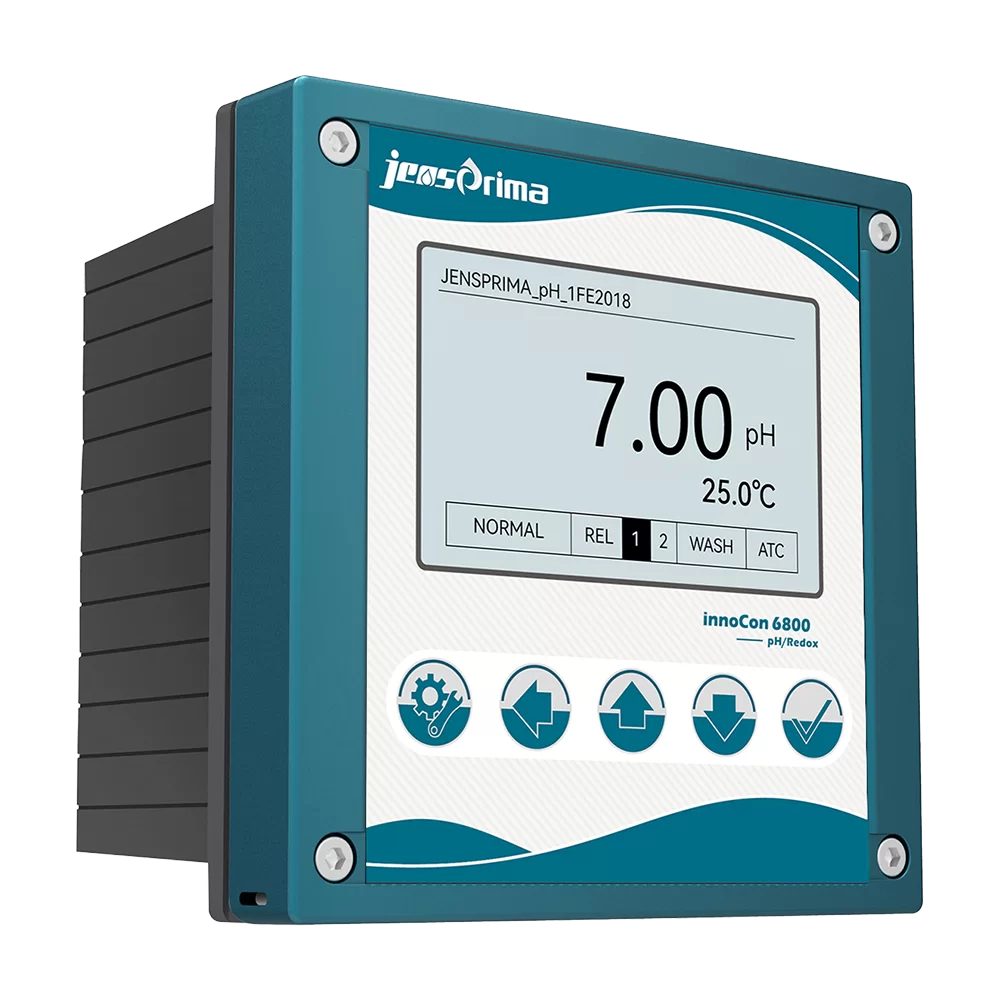
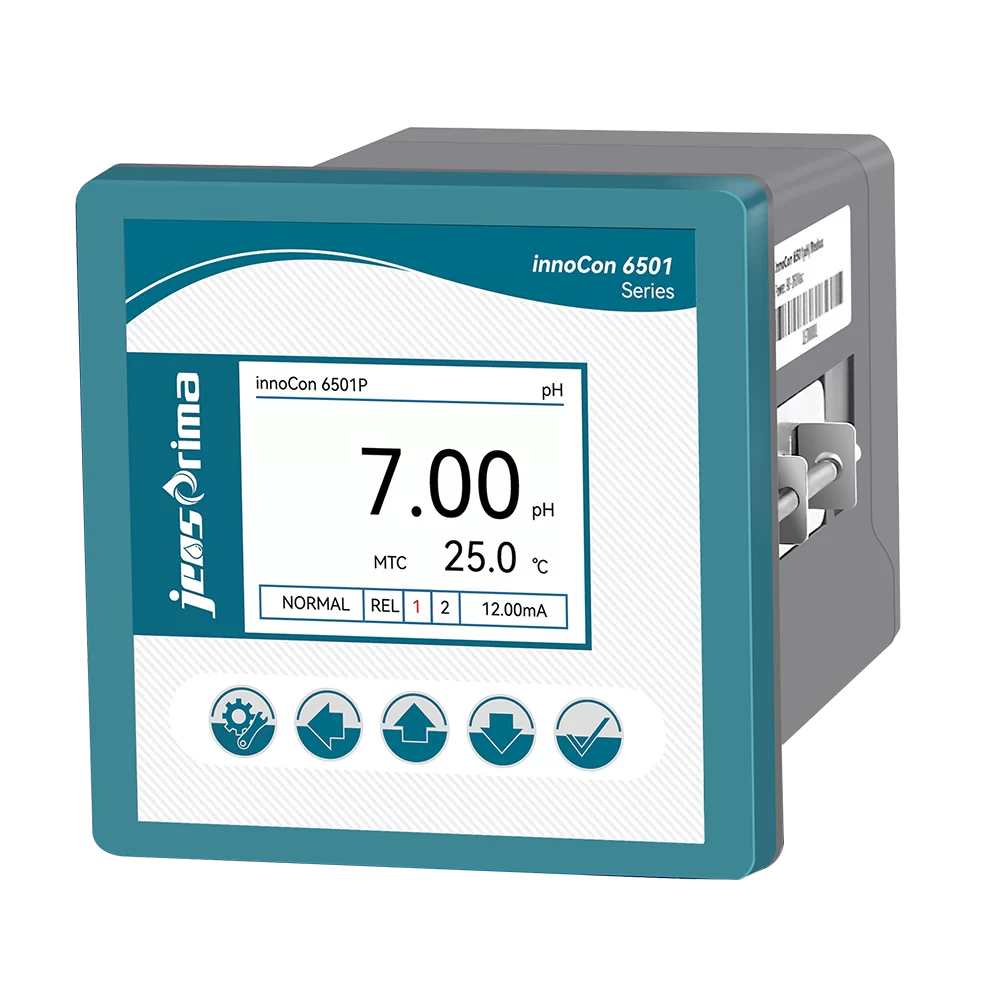
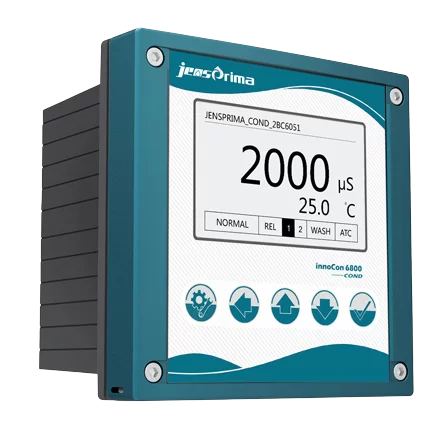
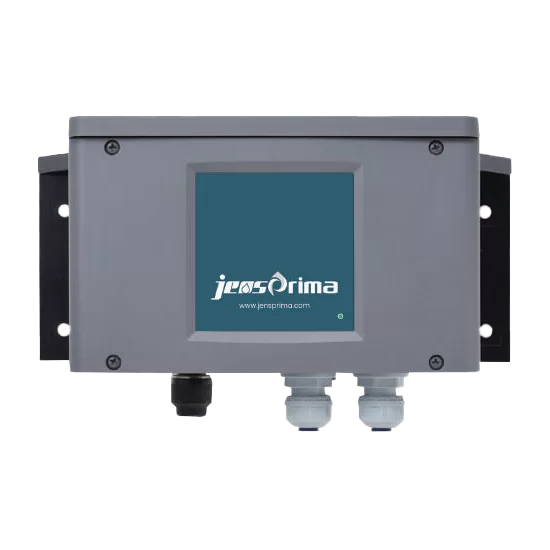
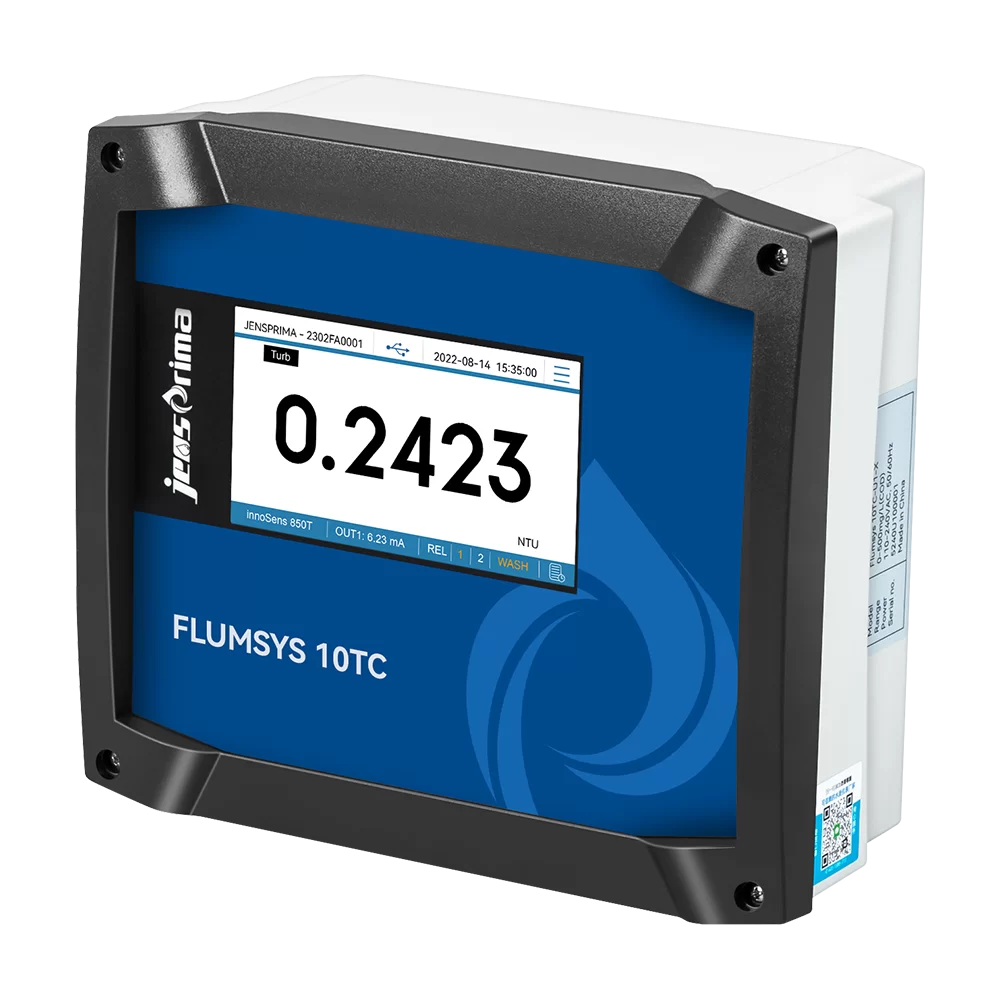
A critical component of any total hardness analyzer is the signal processing unit. This unit converts raw analog data into digital values, employing advanced algorithms to filter out noise and drift. This ensures that the operator sees a true reflection of the water quality rather than a fluctuating value caused by electrical interference.
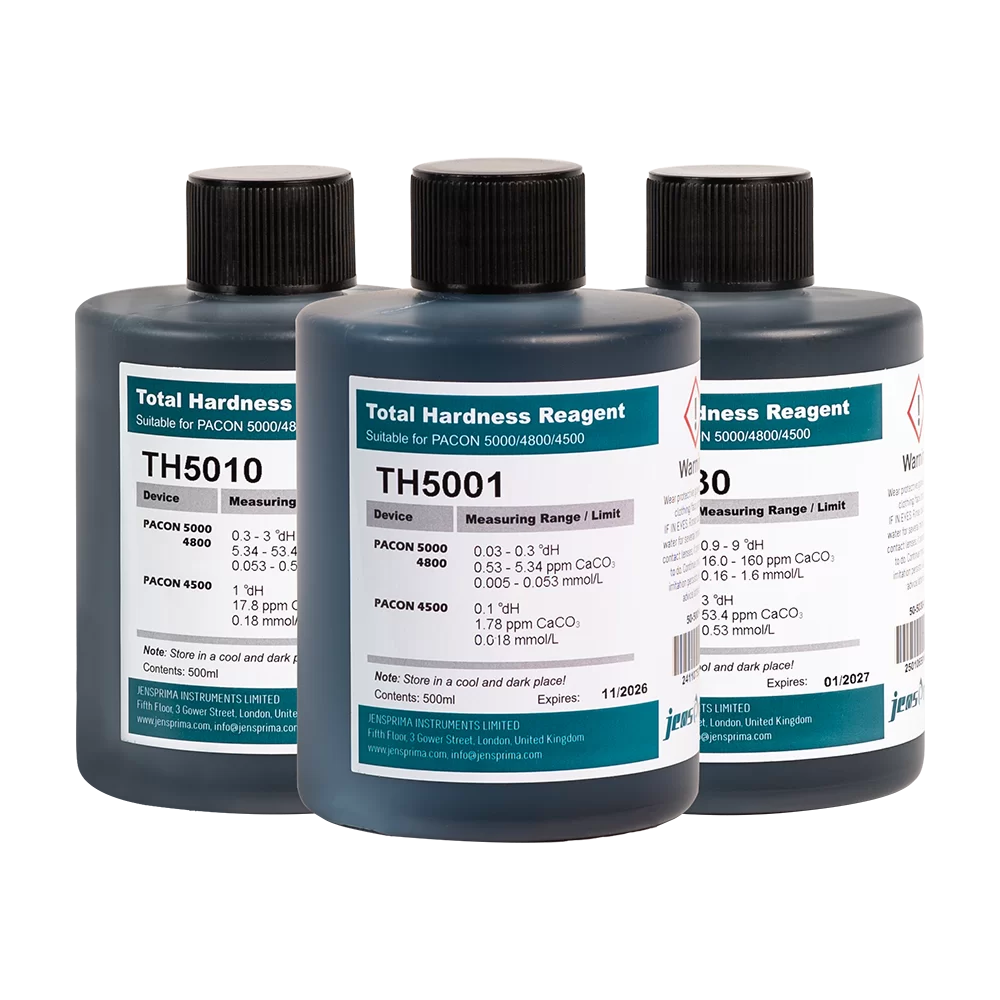
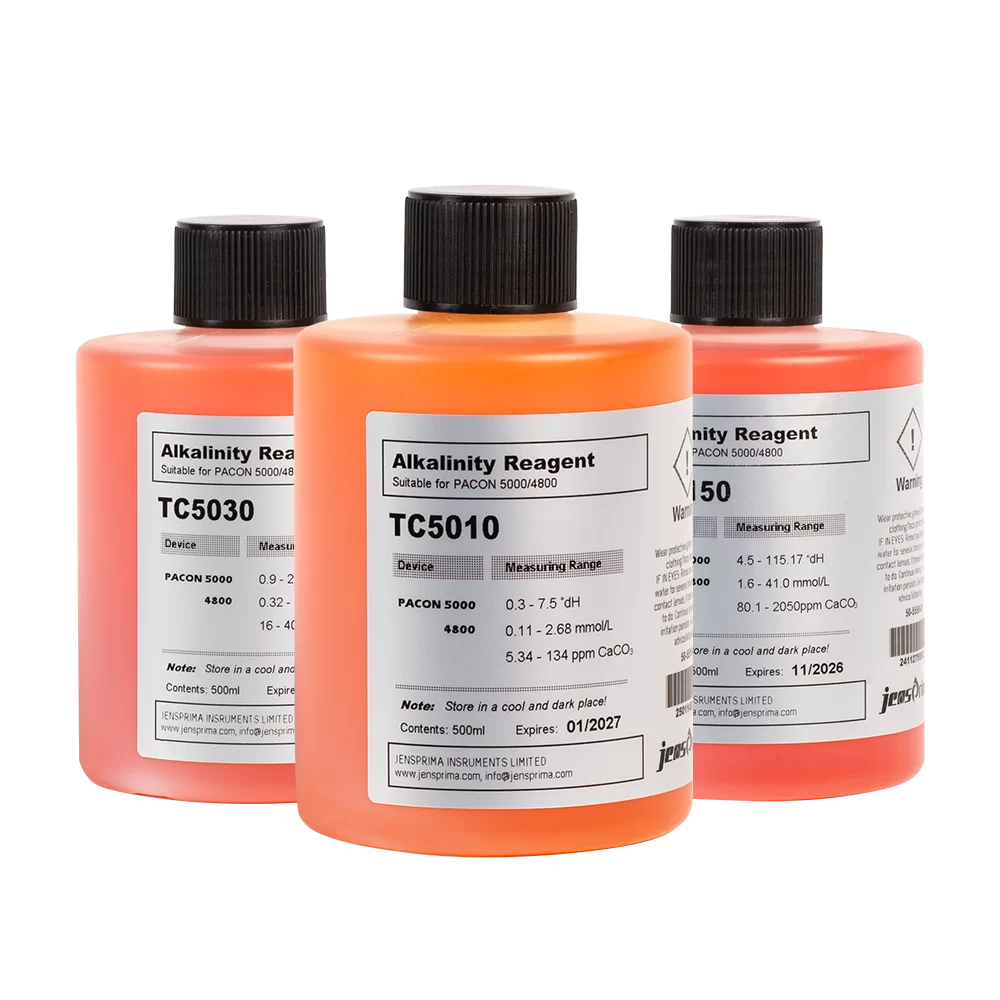
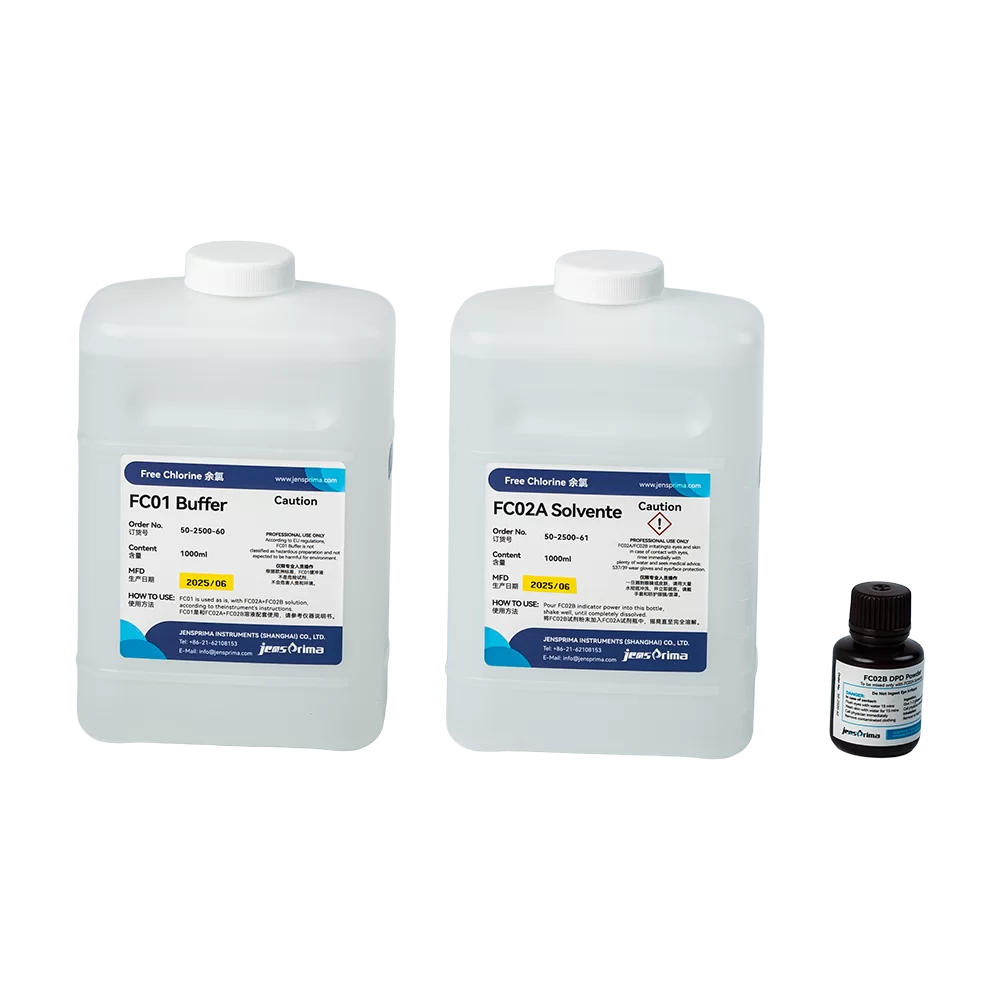
Furthermore, the integration of smart diagnostics allows the system to monitor its own health. If a reagent is running low or a sensor requires cleaning, the total hardness analyzer can trigger an alert, preventing the facility from operating "blind" and risking equipment damage.
Industrial Applications and Performance Metrics
In the energy sector, maintaining low hardness in boiler feed water is non-negotiable. Any leakage of hardness ions into the boiler can cause rapid scale accumulation on heat transfer surfaces, drastically increasing fuel consumption and potentially causing tube bursts due to localized overheating.
In the food and beverage industry, water hardness affects the taste of the product and the efficiency of cleaning-in-place (CIP) systems. A consistent monitoring strategy ensures that the water used in production meets exact specifications, protecting the brand's quality and the facility's hygienic standards.
Efficiency Comparison of Hardness Analysis Methods
Strategic Advantages of Automated Analysis
The transition to automated hardness analysis offers a profound economic advantage by minimizing chemical waste. When dosing is based on real-time data from a total hardness analyzer, the system applies only the exact amount of softener required, eliminating the common industrial practice of "over-dosing" to be safe.
Beyond cost, the sustainability aspect is significant. Reducing chemical runoff protects local waterways and lowers the environmental impact of the plant. Moreover, the reliability of automated systems provides peace of mind to operators, as the risk of human error in sampling and titration is completely removed.
Future Trends in Water Analytical Instrumentation
The next generation of water analysis is moving toward "Internet of Things" (IoT) integration. We are seeing a shift where the total hardness analyzer is no longer a standalone unit but a node in a cloud-based network. This allows for remote monitoring and fleet management across multiple geographical sites from a single dashboard.
Another major trend is the development of reagent-less sensing technologies. By utilizing advanced optical or electrochemical methods, the industry aims to reduce the reliance on consumables, further lowering the cost of ownership and the environmental burden of chemical disposal.
Additionally, the integration of Artificial Intelligence (AI) is enabling predictive maintenance. By analyzing historical hardness trends, these systems can predict when a softening bed will likely exhaust its capacity, allowing maintenance teams to intervene before a breakthrough occurs.
Operational Comparison and Investment Return
Evaluating the investment in a high-end total hardness analyzer requires looking beyond the initial purchase price. The true value is found in the reduction of operational expenditures (OPEX). When comparing manual checks to automated monitoring, the labor savings alone often justify the capital expenditure within the first year of operation.
Furthermore, the protection of downstream assets—such as high-pressure boilers and expensive membranes—provides an insurance policy against catastrophic failure. A single avoided shutdown due to scaling can save a large-scale plant hundreds of thousands of dollars in lost production and repair costs.
Ultimately, the goal is to create a resilient water cycle. By investing in precision instrumentation, companies ensure that their operations are not only compliant with current laws but are also prepared for the more stringent environmental regulations of the future.
Comparative Analysis of Water Hardness Monitoring Systems
| Monitoring Method |
Response Time |
Operational Cost |
Reliability Score |
| Manual Titration |
Daily/Weekly |
Low (Labor Intensive) |
5/10 |
| Basic Digital Meter |
Hourly |
Medium |
6/10 |
| Standard Online Analyzer |
Real-time |
Medium (Reagents) |
8/10 |
| Smart Total Hardness Analyzer |
Instantaneous |
Low (Optimized) |
10/10 |
| IoT Cloud Integrated |
Instantaneous |
Medium (Subscription) |
9/10 |
| Reagent-less Optical |
Real-time |
Very Low |
8/10 |
FAQS
A total hardness analyzer is designed to continuously monitor the concentration of calcium and magnesium ions in water. By providing real-time data, it allows industrial operators to automate water softening processes and prevent the formation of scale in boilers and pipes, which otherwise leads to inefficiency and equipment damage.
Manual titration is a snapshot measurement that is labor-intensive and subject to human error. In contrast, an automated total hardness analyzer provides a continuous stream of data, allowing for immediate response to water quality changes and integration with PLC/SCADA systems for automated dosing and control.
Yes, most professional-grade analyzers support standard industrial communication protocols such as 4-20mA analog outputs and RS485 Modbus. This makes them fully compatible with almost all modern SCADA and PLC architectures, enabling centralized monitoring and data logging.
Calibration frequency depends heavily on the water quality and the fouling rate of the sensor. While many systems feature smart diagnostics, a manual verification check every 1 to 3 months is generally recommended to ensure the instrument maintains peak accuracy and prevents drift.
A smart analyzer can be programmed to trigger several actions: it can send an instant SMS/Email alert to operators, trigger a relay to start an emergency softener regeneration cycle, or even shut down a feed-water valve to protect downstream equipment from scaling.
Absolutely. While often used in pure water applications, they are essential in wastewater treatment for monitoring effluent quality and managing the sludge process. They help ensure that the discharged water meets environmental regulations regarding mineral content and salinity.
Conclusion
The implementation of a precision total hardness analyzer represents a strategic shift from reactive to proactive water management. By integrating real-time sensing, automated control, and smart diagnostics, industrial facilities can effectively eliminate the risks associated with mineral scaling while significantly reducing chemical waste and operational costs. The synergy between high-grade hardware and advanced signal processing ensures that water quality remains within optimal parameters, safeguarding expensive infrastructure and ensuring regulatory compliance.
Looking forward, the convergence of IoT and AI will further enhance the capabilities of water analytical instrumentation, moving us toward a future of fully autonomous, self-optimizing water treatment plants. For any facility seeking to optimize its operational efficiency and environmental footprint, investing in professional-grade monitoring is no longer an option but a necessity. Visit our website for more information: www.jensprima.com




 Download
 Video Center
 Technical Services
 FAQS
 Service Network
 Privacy Policy
 Contact Us