Understanding and Utilizing Online Alkalinity Analyzers
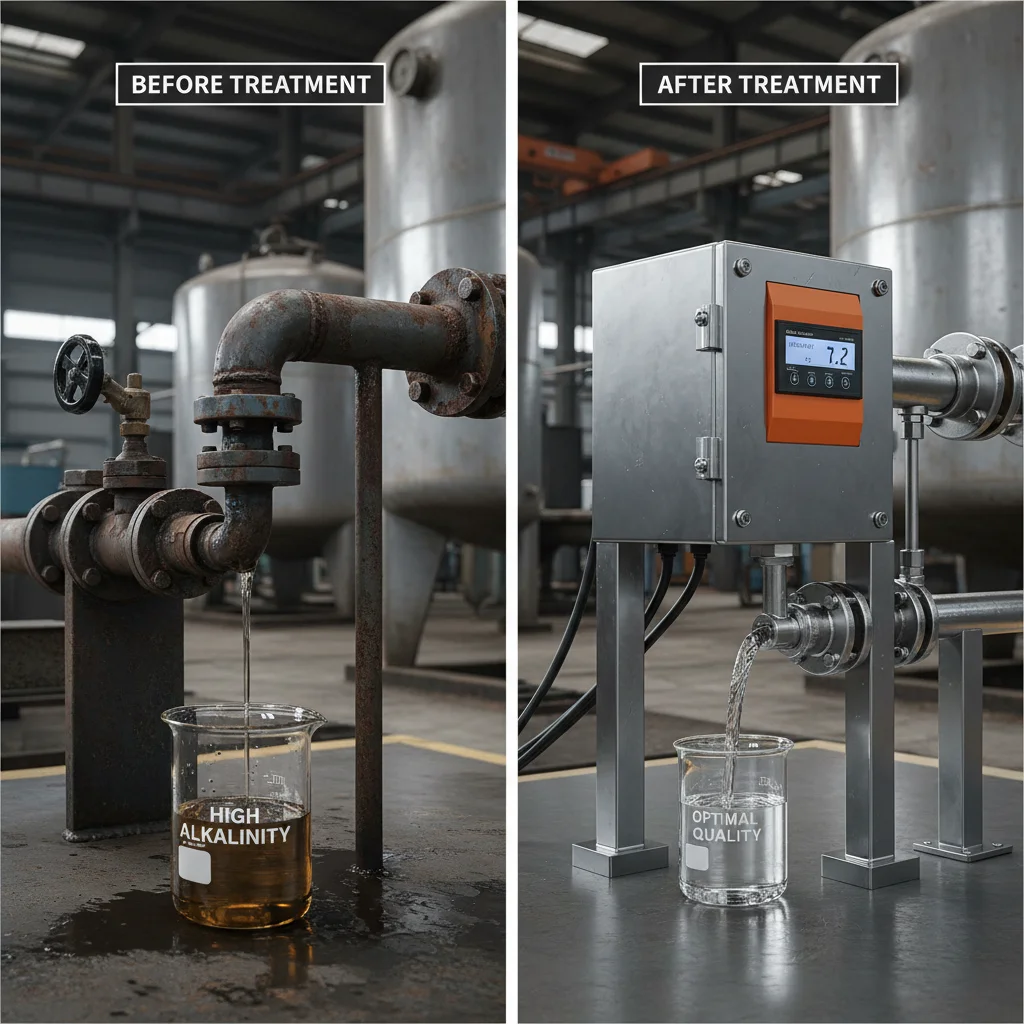
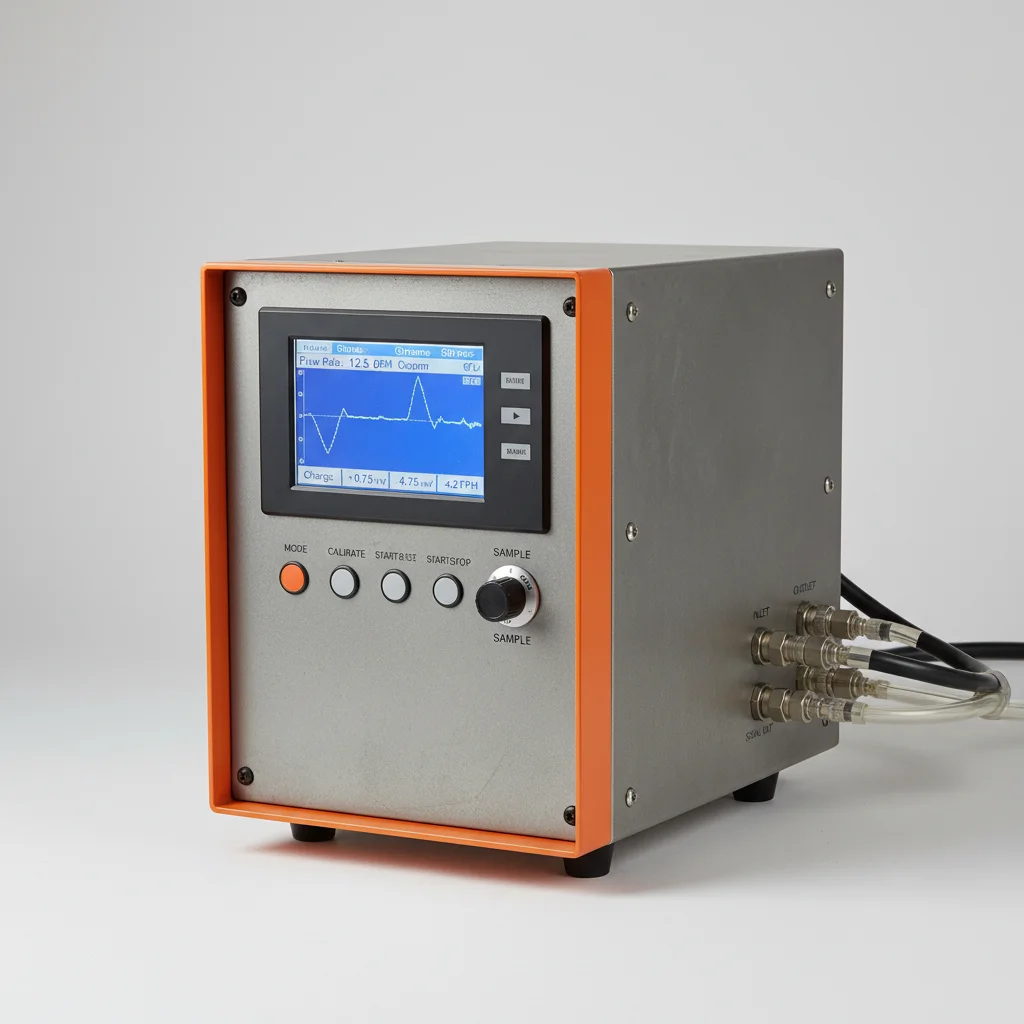
Maintaining optimal water quality is crucial in various industrial processes, from wastewater treatment to power generation. A key parameter in this process is alkalinity, and the efficiency of measuring it directly impacts operational costs and environmental compliance. Online alkalinity analyzers offer a continuous and accurate method for monitoring alkalinity levels, providing real-time data for process control. This article will delve into the benefits, applications, and key considerations when selecting an online alkalinity analyzer for your specific needs. Efficient alkalinity monitoring leads to improved process stability, reduced chemical consumption, and enhanced environmental protection.
Why Choose an Online Alkalinity Analyzer?
Traditional laboratory-based alkalinity measurements are time-consuming and provide only a snapshot of the water quality. Online alkalinity analyzers, in contrast, deliver continuous, real-time data, allowing for immediate adjustments to the process. This proactive approach prevents deviations from optimal conditions, minimizes chemical usage, and reduces the risk of process upsets. The ability to trend alkalinity levels over time also provides valuable insights for process optimization and predictive maintenance. Ultimately, investing in an online system contributes to cost savings and improved efficiency.
Key Benefits: Continuous monitoring, Real-time data, Reduced chemical usage, Improved process control, Predictive maintenance capabilities.
Applications of Online Alkalinity Analyzers
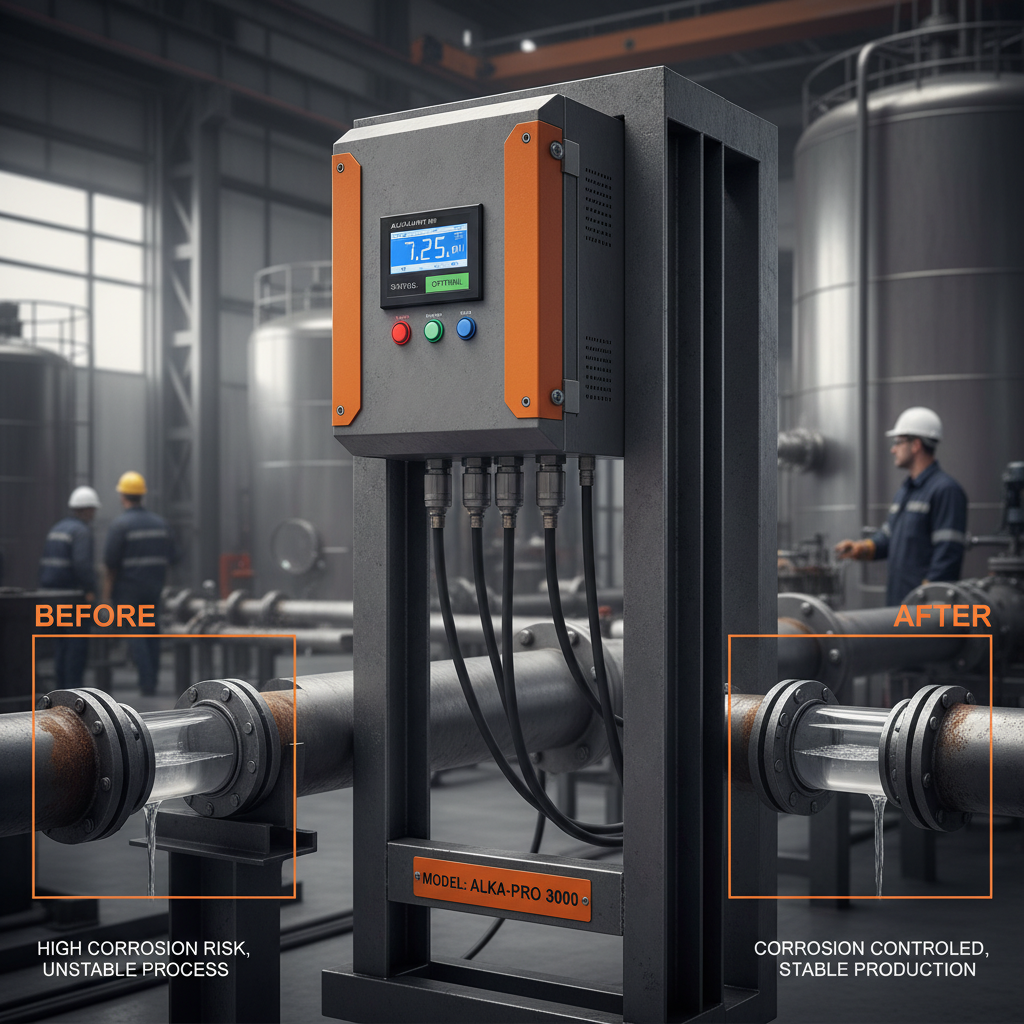
The versatility of online alkalinity analyzers makes them suitable for a wide range of applications. These include: wastewater treatment plants for optimizing pH control and ensuring effluent compliance; power plants for preventing corrosion and scaling in boiler water systems; chemical processing facilities for monitoring reaction alkalinity; and industrial water treatment for optimizing cooling tower performance. Furthermore, they are invaluable in aquaculture and agriculture for maintaining optimal water conditions for sensitive processes. Proper alkalinity control is paramount in each of these environments.
Key Application Areas:
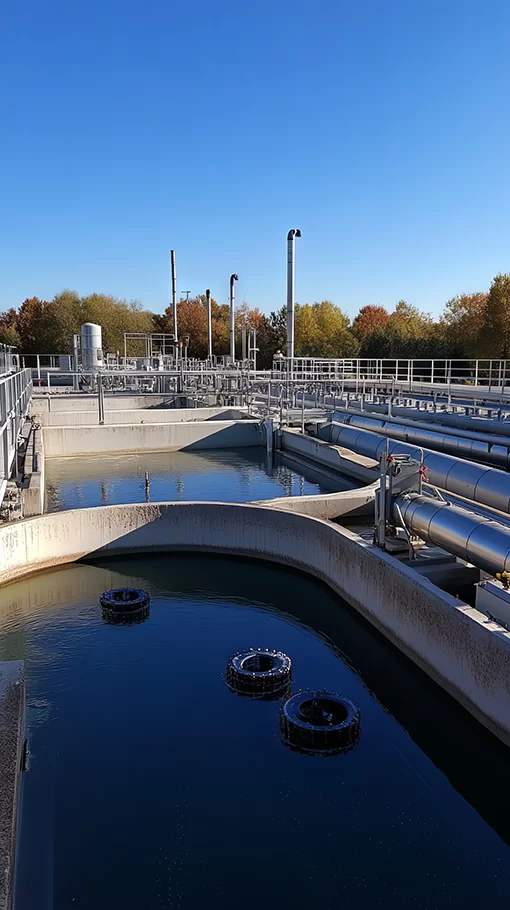
• Wastewater Treatment
• Power Generation
• Chemical Processing
• Industrial Water Treatment
Comparing Different Types of Online Alkalinity Analyzers
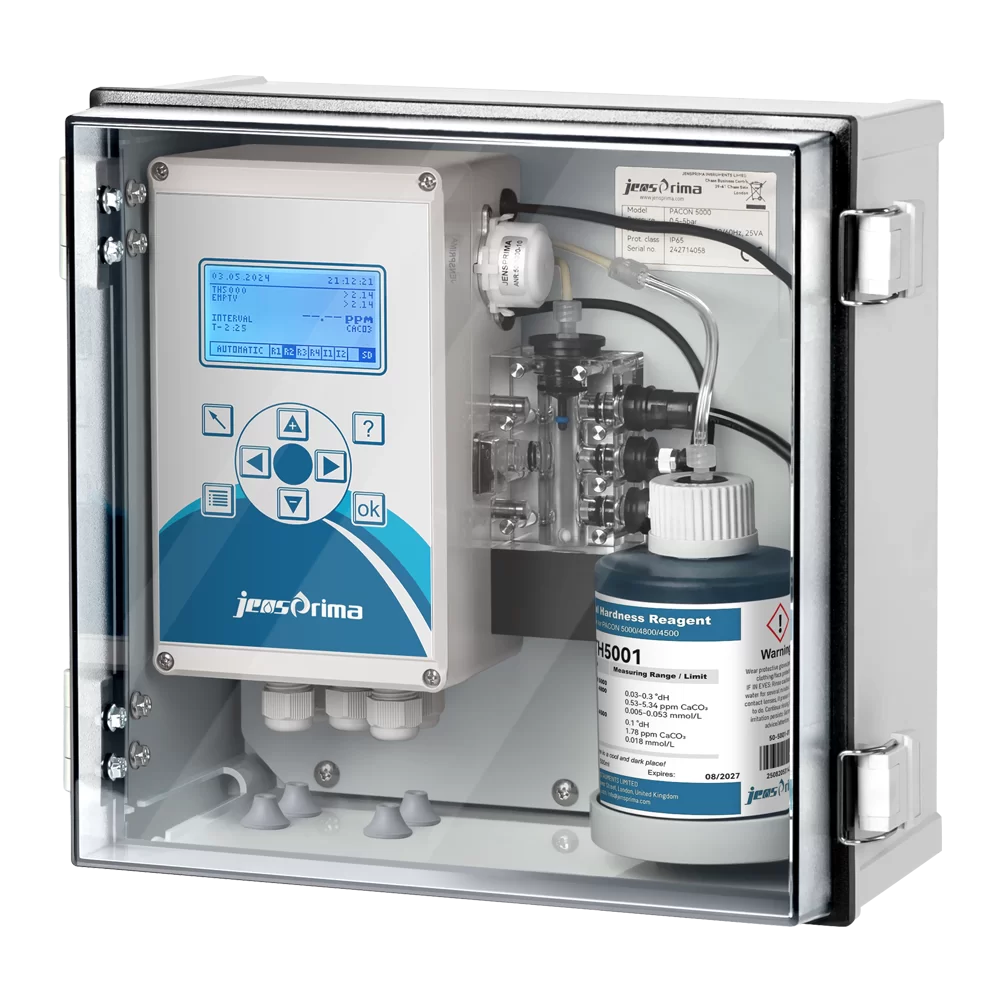
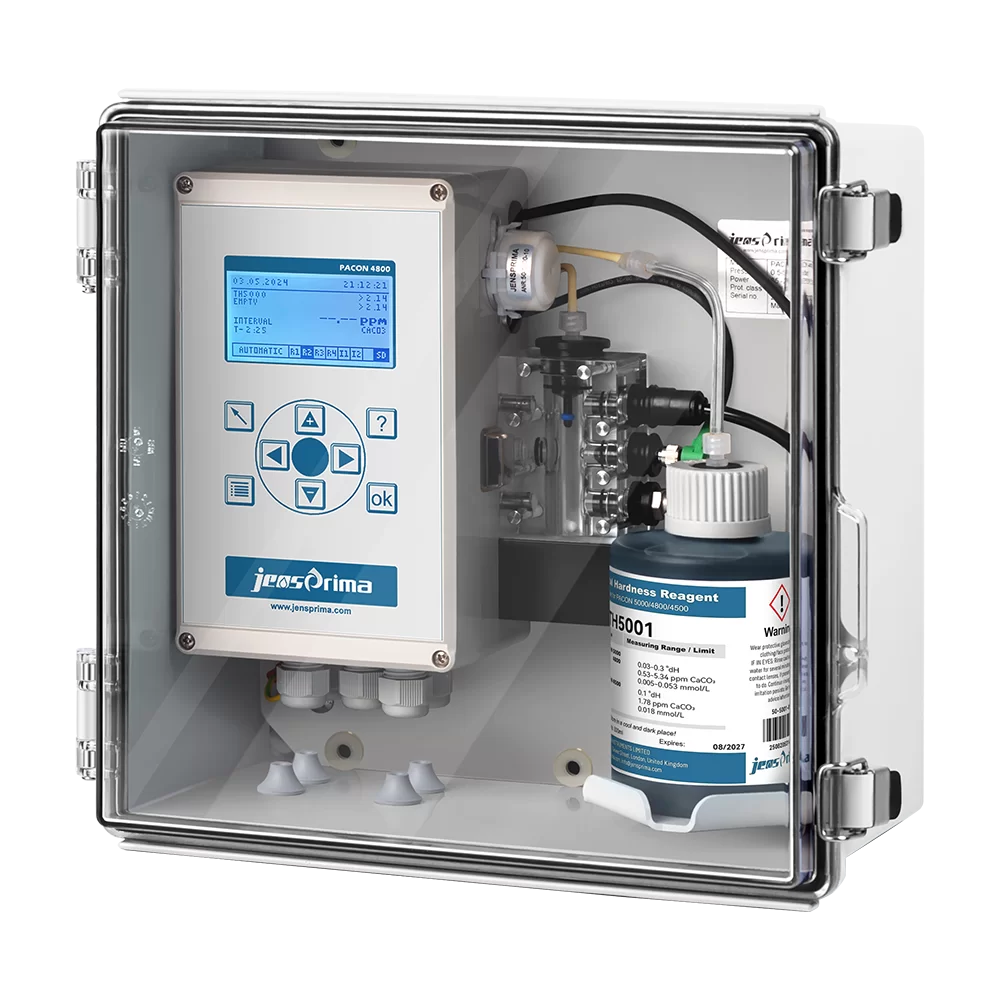
Several technologies are employed in online alkalinity analyzers, each with its advantages and disadvantages. Titration-based analyzers offer high accuracy but require regular reagent consumption and maintenance. pH-compensated conductivity sensors provide a cost-effective solution for general applications. Spectrophotometric analyzers offer good sensitivity and selectivity, but can be affected by interfering substances. Selecting the appropriate technology depends on the specific application requirements, desired accuracy, and maintenance capabilities.
| Technology |
Accuracy |
Maintenance |
Cost |
| Titration-Based |
High |
High (reagent replacement) |
High |
| Conductivity (pH-Compensated) |
Moderate |
Low |
Low |
| Spectrophotometric |
Good |
Moderate |
Moderate |
Key Considerations When Selecting an Analyzer
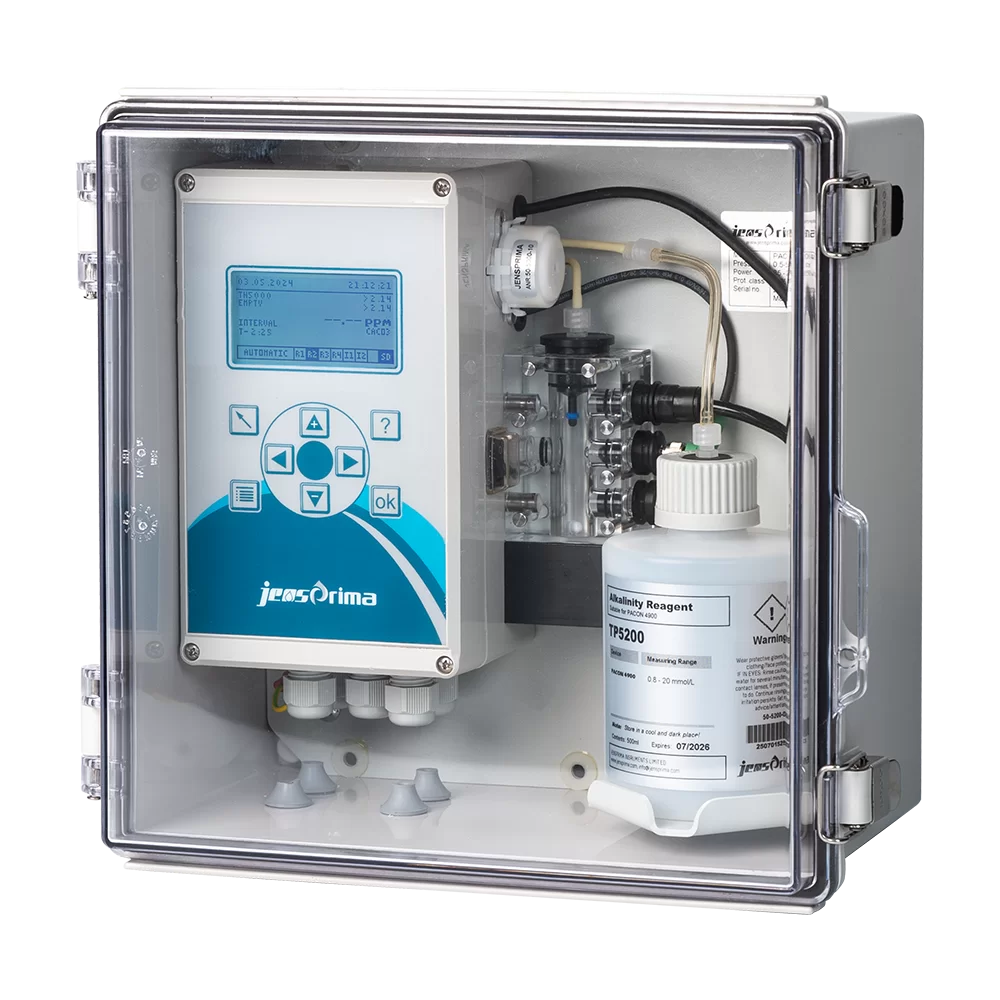
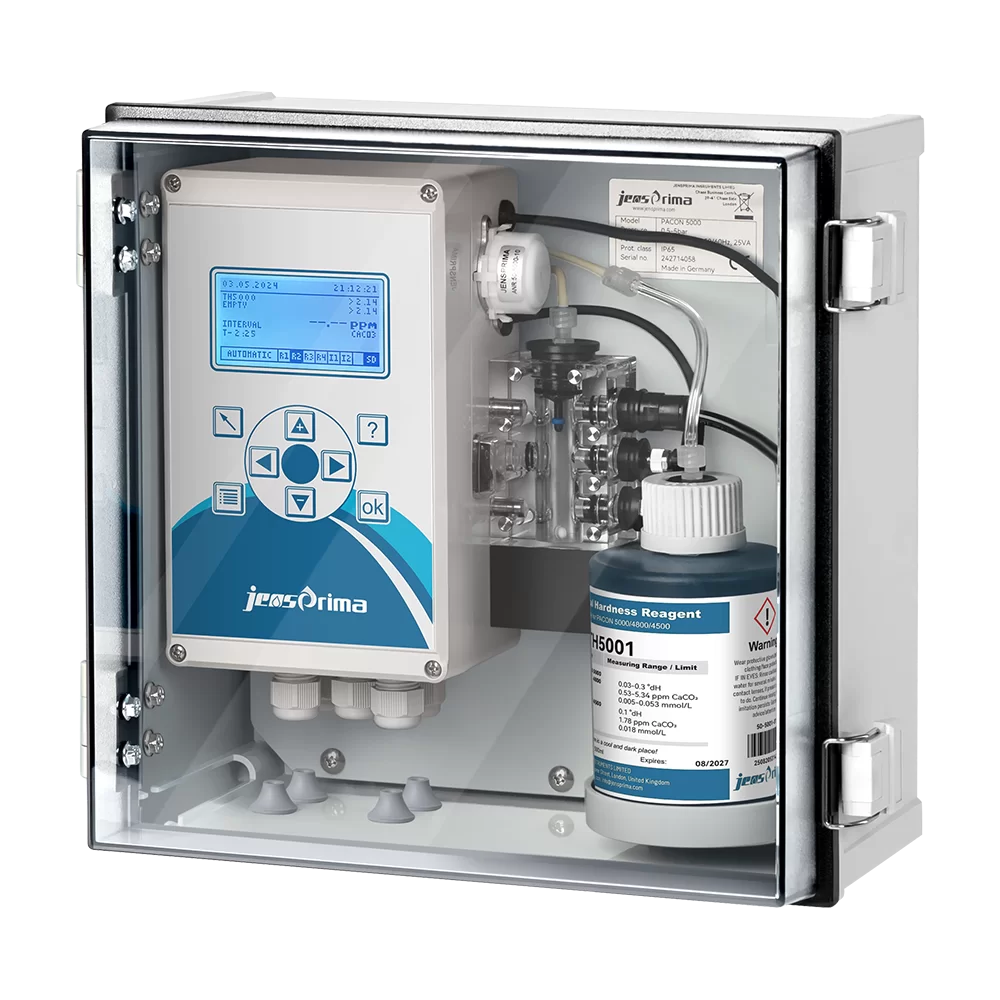
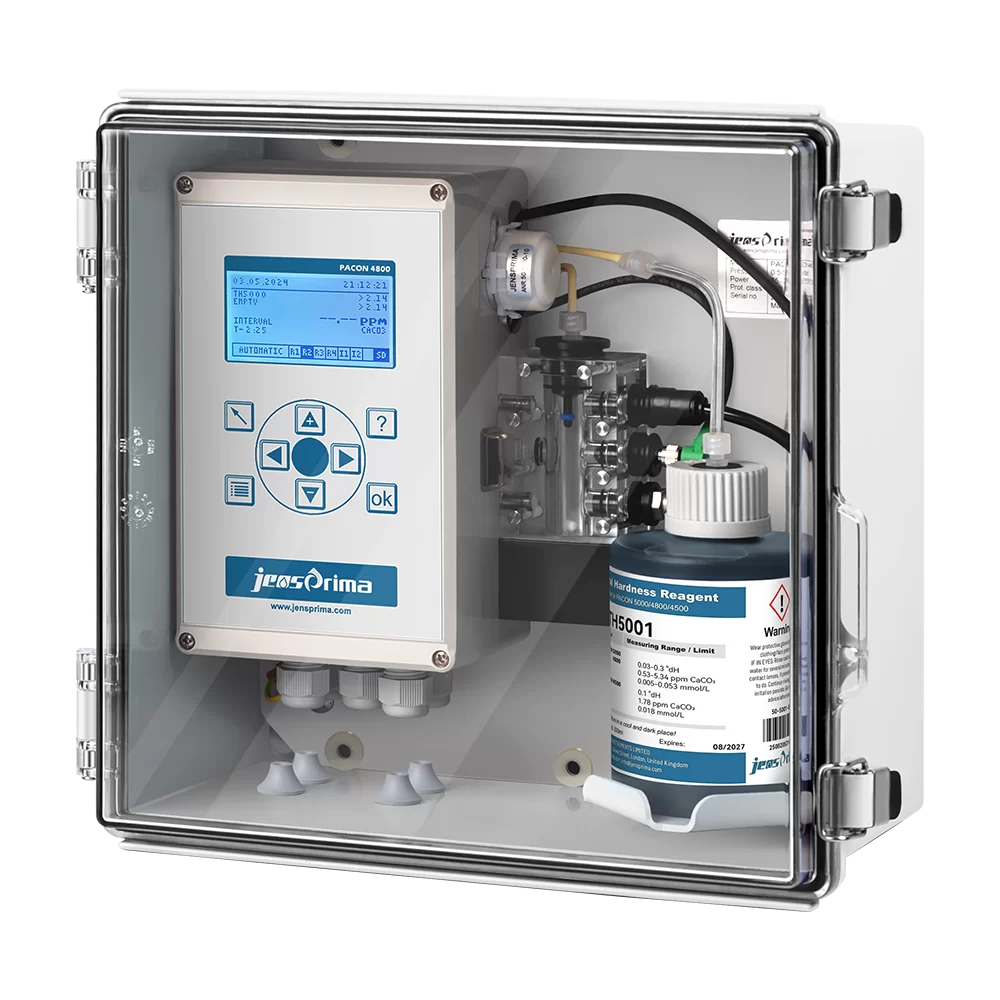
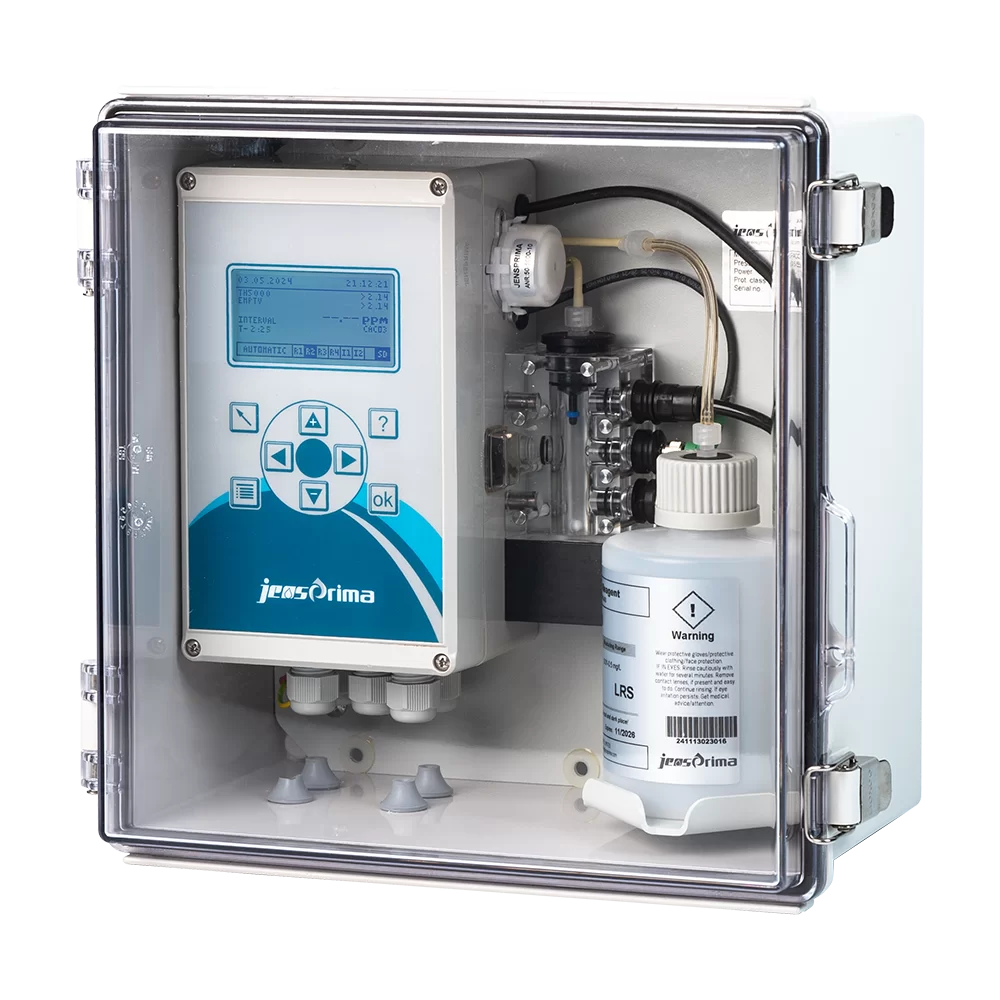
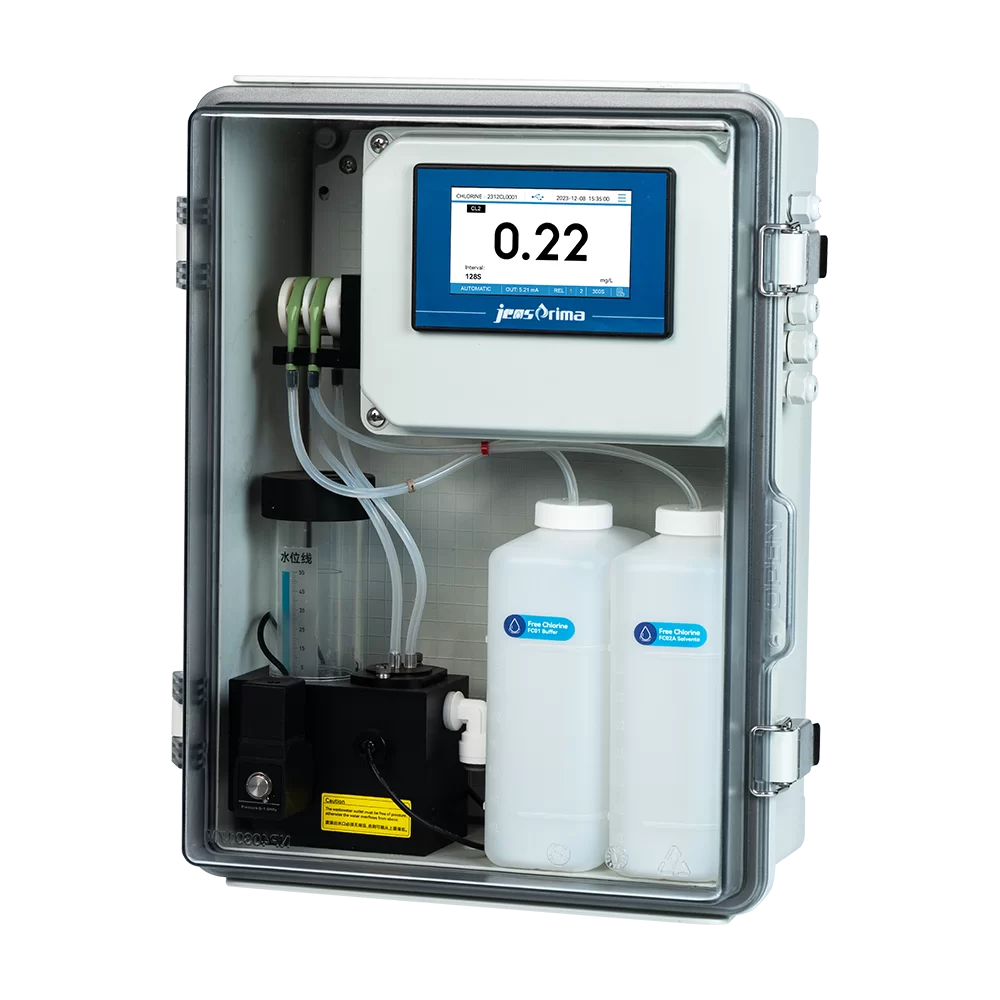
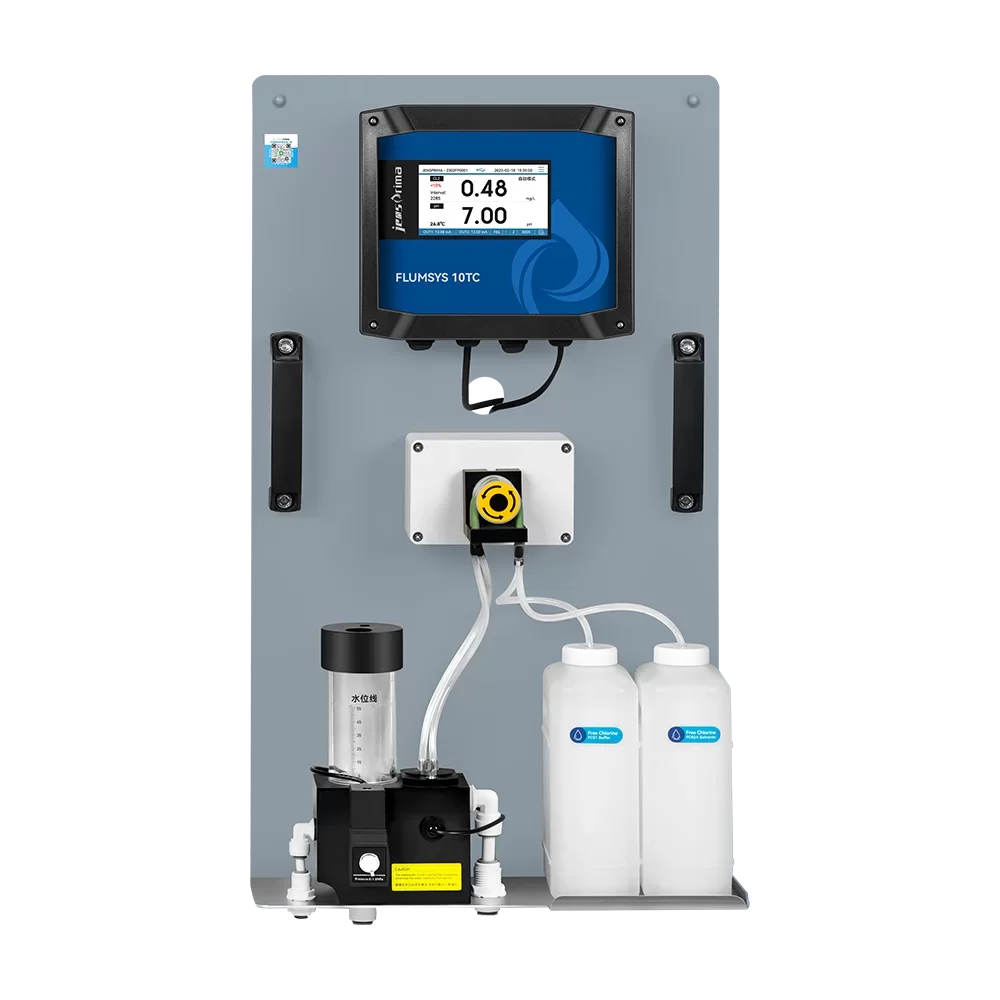
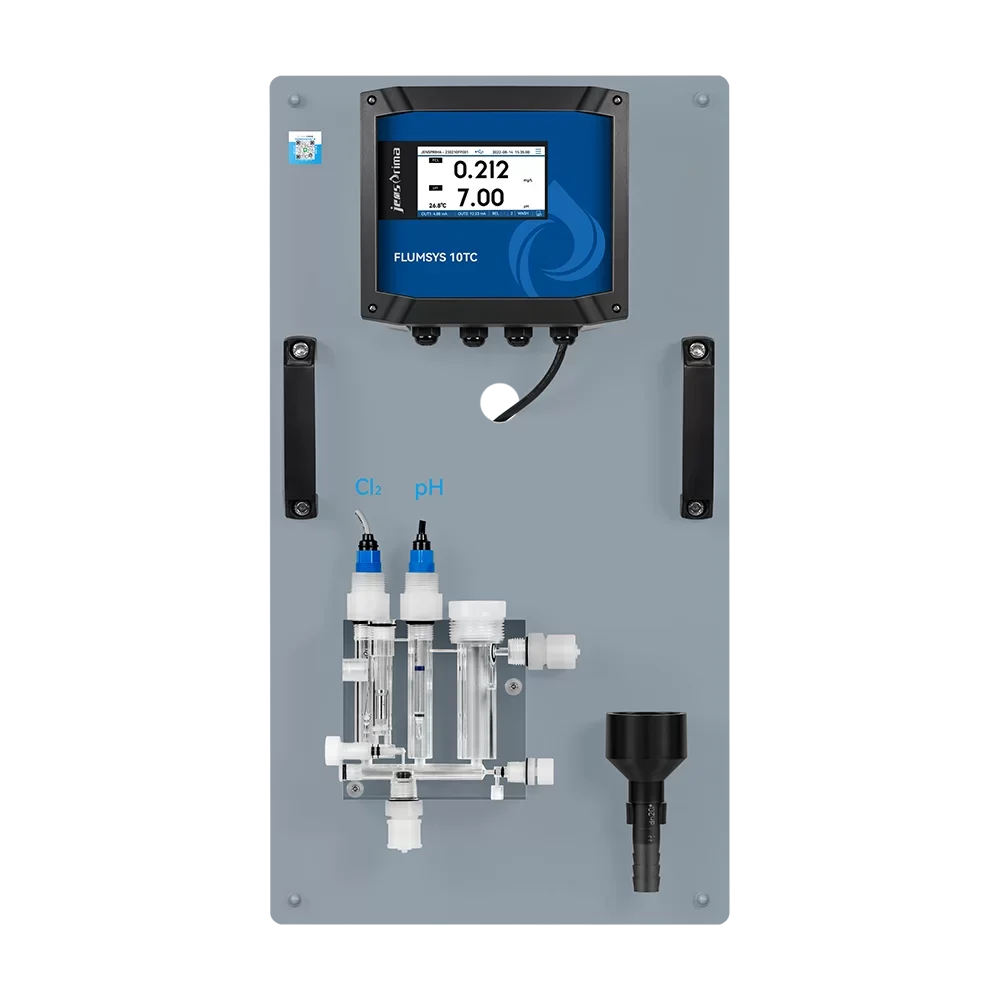
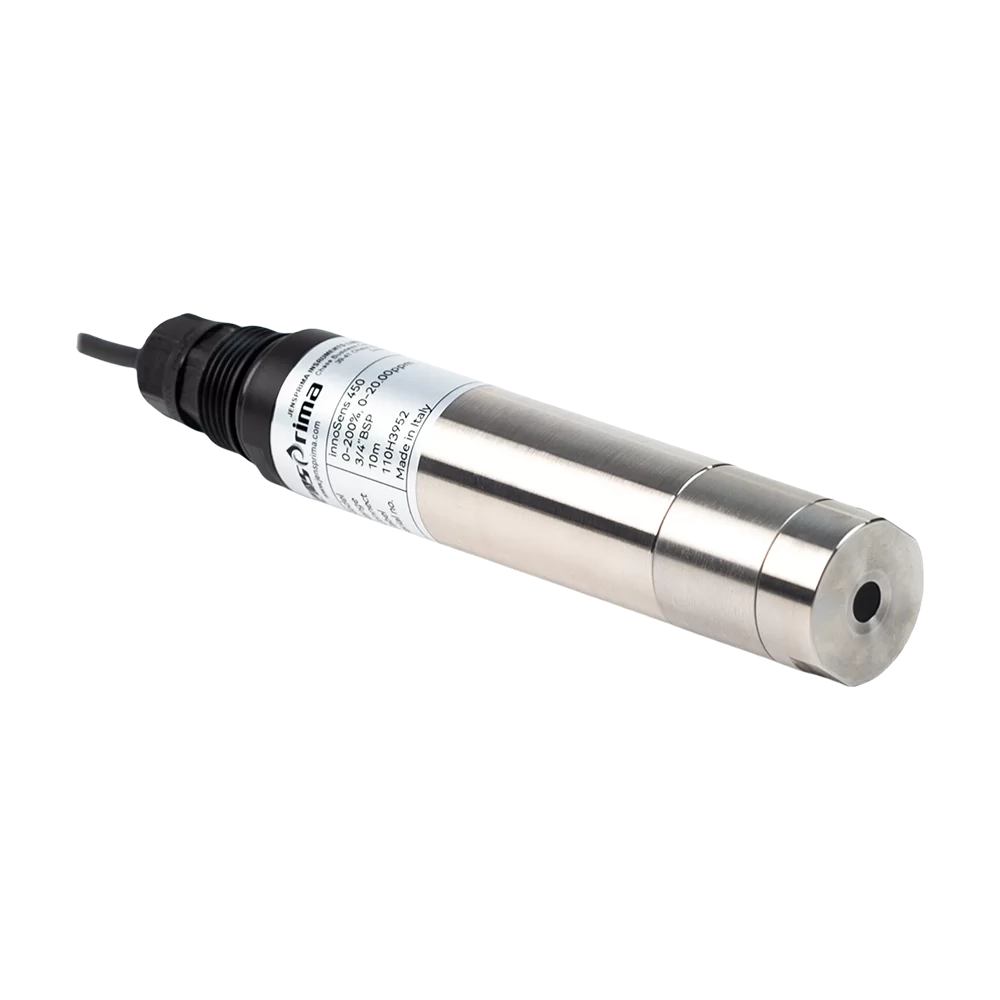
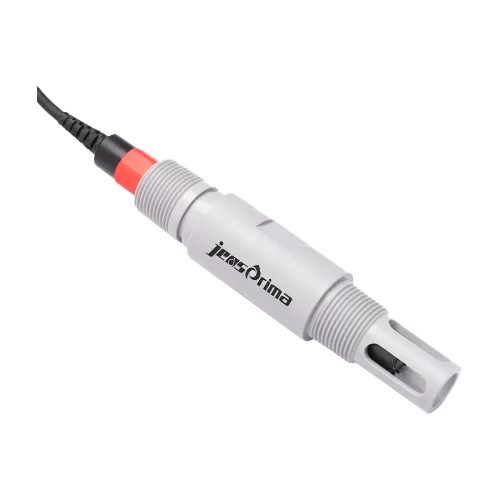
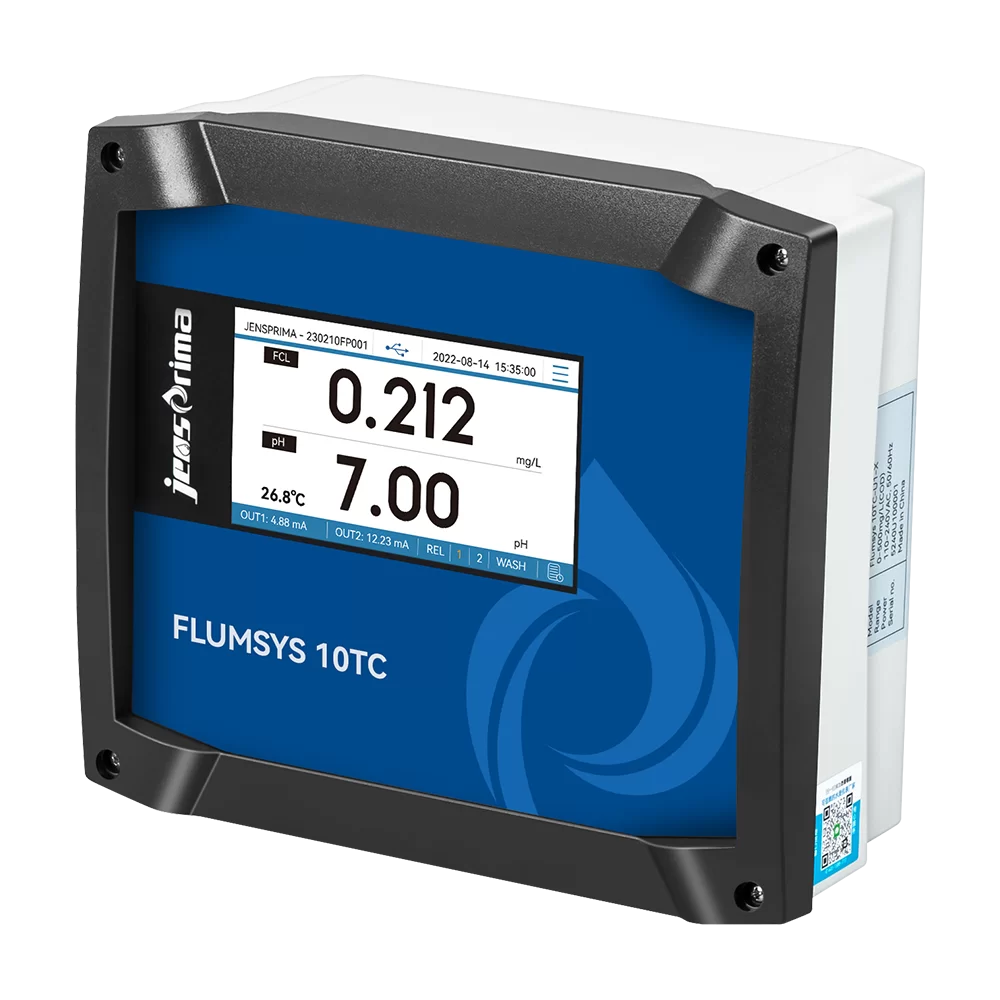
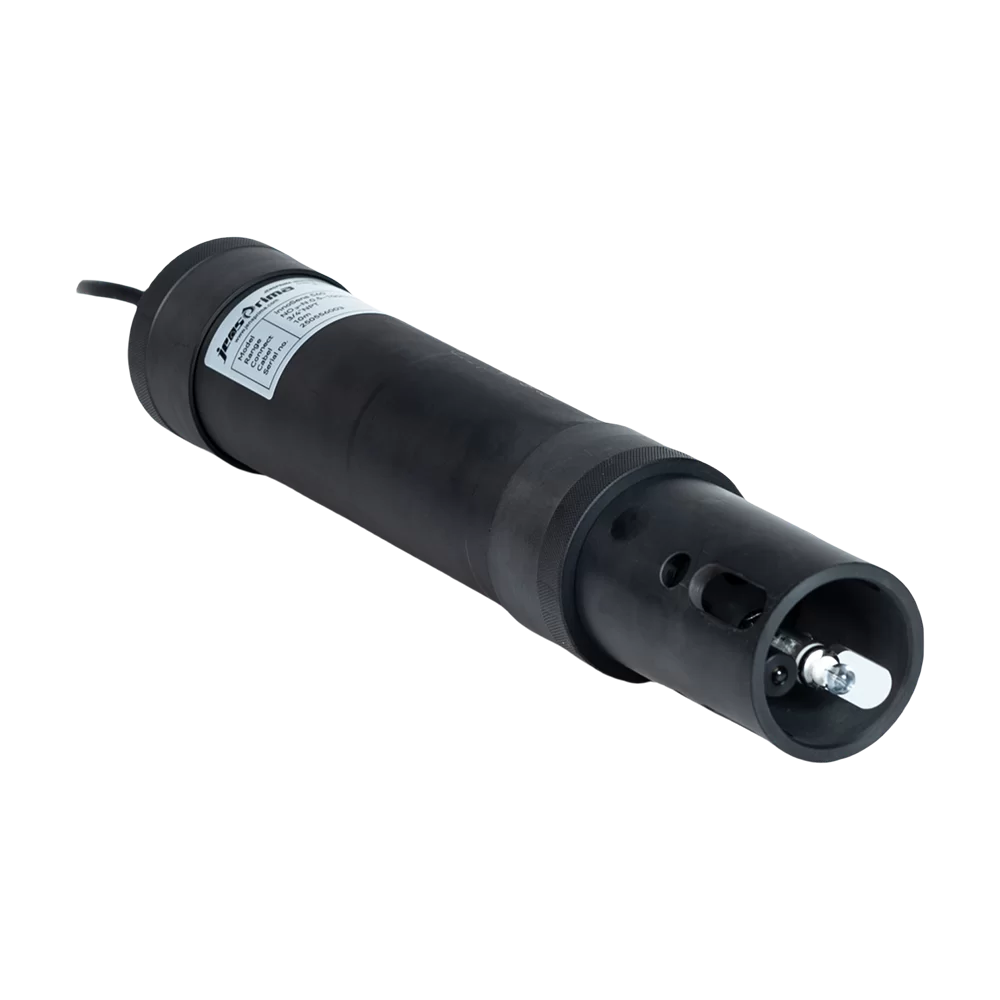
When selecting an online alkalinity analyzer, consider the range of alkalinity levels expected in your sample, the sample temperature, the presence of interfering substances, and the required accuracy. Look for analyzers with robust construction, easy calibration procedures, and reliable data logging capabilities. Furthermore, consider the availability of remote monitoring and control options for enhanced operational efficiency. Jensprima offers a range of analyzers designed to meet diverse industrial needs.
Benefits of Choosing Jensprima
Jensprima specializes in providing high-quality water analysis solutions, including advanced online alkalinity analyzers. Our analyzers are known for their accuracy, reliability, and ease of use. We offer customized solutions to meet your specific application needs, along with comprehensive technical support and service. Investing in a Jensprima analyzer ensures long-term performance and peace of mind. We're committed to helping you optimize your water quality management processes.
Conclusion: Optimize Your Water Quality with Jensprima
Investing in an online alkalinity analyzer from Jensprima is a strategic step towards improved process control, reduced costs, and enhanced environmental compliance. Our commitment to quality, innovation, and customer support makes us a trusted partner for industries worldwide. Contact us today to discuss your specific needs and discover how we can help you optimize your water quality management.
Frequently Asked Questions (FAQs)
How often does an online alkalinity analyzer need to be calibrated?
The frequency of calibration depends on the specific analyzer model and the application. However, as a general guideline, Jensprima analyzers typically require calibration every 1-3 months. Regular calibration ensures the accuracy and reliability of the measurements. It’s recommended to follow the manufacturer’s guidelines and establish a calibration schedule based on your operational needs. Factors like sample matrix changes and drift in sensor performance can influence the calibration frequency.
What type of maintenance is required for an online alkalinity analyzer?
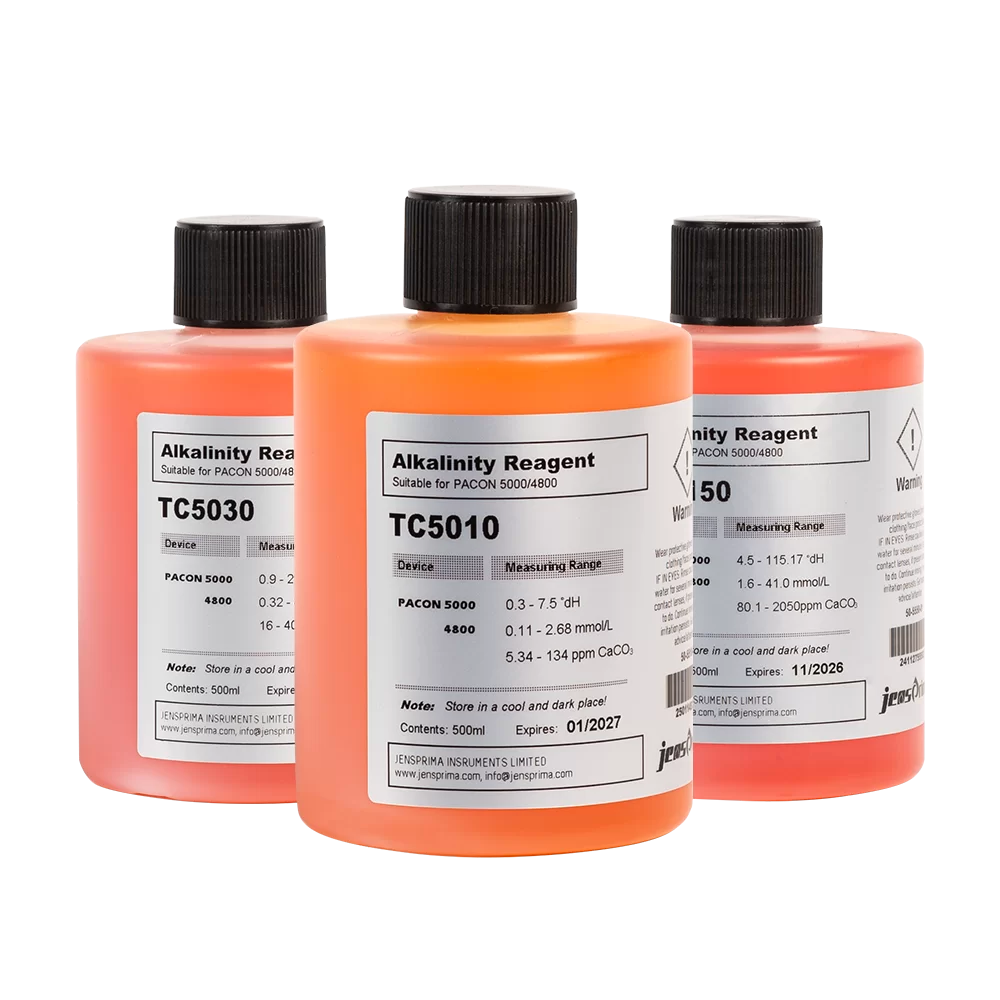
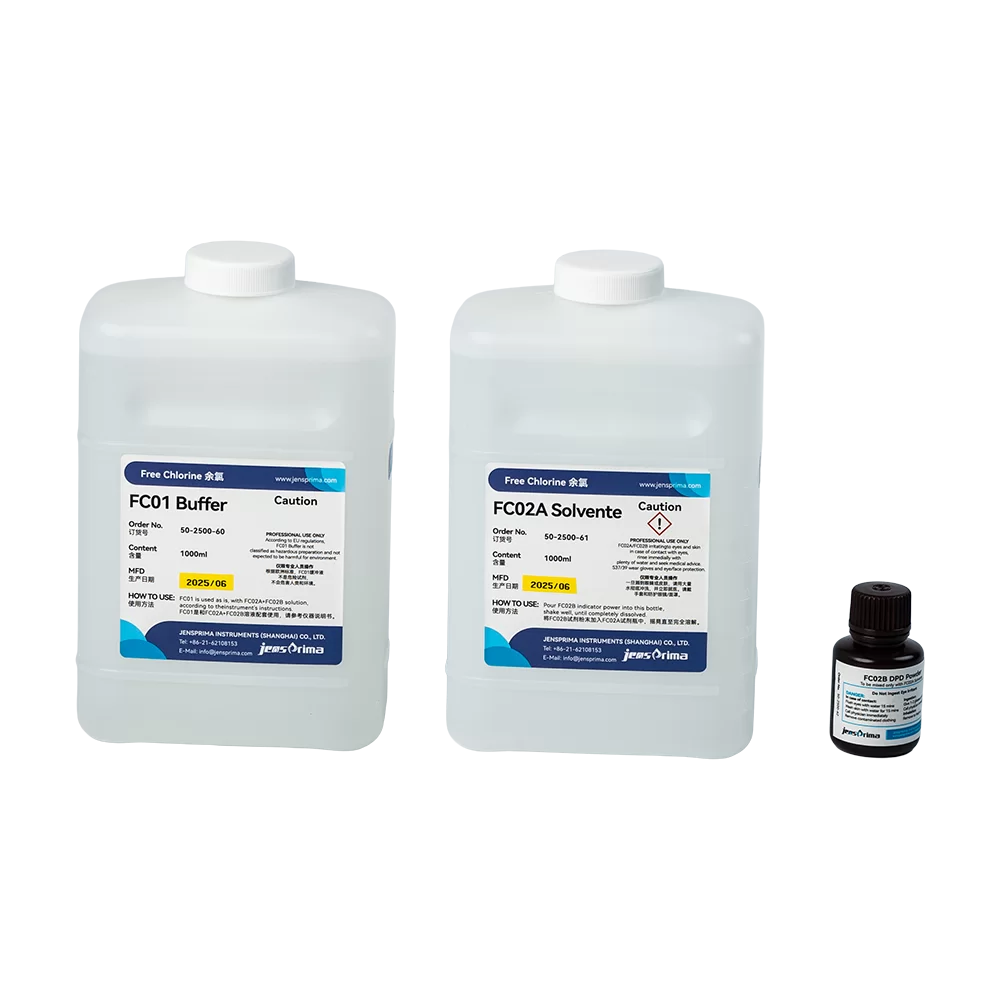
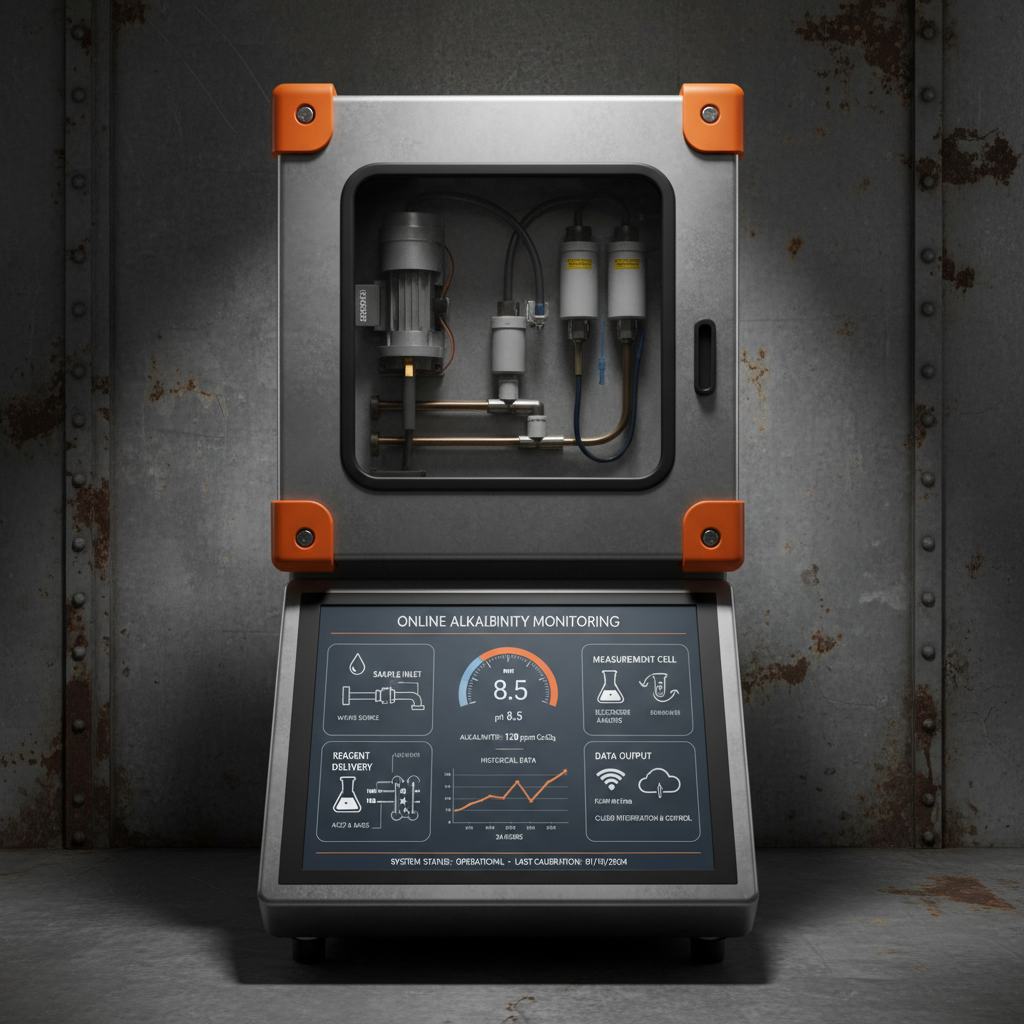
Routine maintenance includes cleaning the sample inlet, checking the calibration solutions, and inspecting the tubing for leaks or blockages. Periodic replacement of consumables, such as reagents or membranes (depending on the analyzer type), is also necessary. Regularly check the sensor for fouling or damage, and clean it according to the manufacturer’s instructions. Following a preventative maintenance schedule will minimize downtime and ensure optimal performance. Jensprima provides comprehensive maintenance services and support to help you keep your analyzer running smoothly.
Can online alkalinity analyzers be used with challenging sample matrices?
Yes, Jensprima offers analyzers designed to handle challenging sample matrices, including those with high levels of suspended solids, oils, or other interfering substances. These analyzers often incorporate features like automatic sample conditioning or robust sensor designs to minimize the impact of matrix effects. It's crucial to select an analyzer that is specifically suited to the characteristics of your sample. Our technical experts can help you choose the right solution for your application.
What are the benefits of remote monitoring for alkalinity analysis?
Remote monitoring allows you to access alkalinity data from anywhere with an internet connection. This enables proactive process control, early detection of issues, and reduced need for on-site visits. Remote monitoring systems often include alarm notifications, data logging, and reporting capabilities, providing valuable insights for process optimization and troubleshooting. Jensprima offers remote monitoring solutions that integrate seamlessly with our online alkalinity analyzers.



 Download
 Video Center
 Technical Services
 FAQS
FAQS Service Network
 Privacy Policy
 Contact Us




 LEARN MORE