The Ultimate Guide to the Online Total Chlorine Analyser
Maintaining precise water quality is critical for industrial safety, environmental compliance, and product consistency. An online total chlorine analyser provides the essential capability to monitor chlorine levels in real-time, ensuring that disinfection processes are optimized without risking over-chlorination. Whether you are managing a municipal water plant or a complex pharmaceutical production line, understanding the nuances of total chlorine measurement is key to operational efficiency. This guide explores how these advanced systems work and why they are indispensable for modern water treatment.
How an Online Total Chlorine Analyser Works
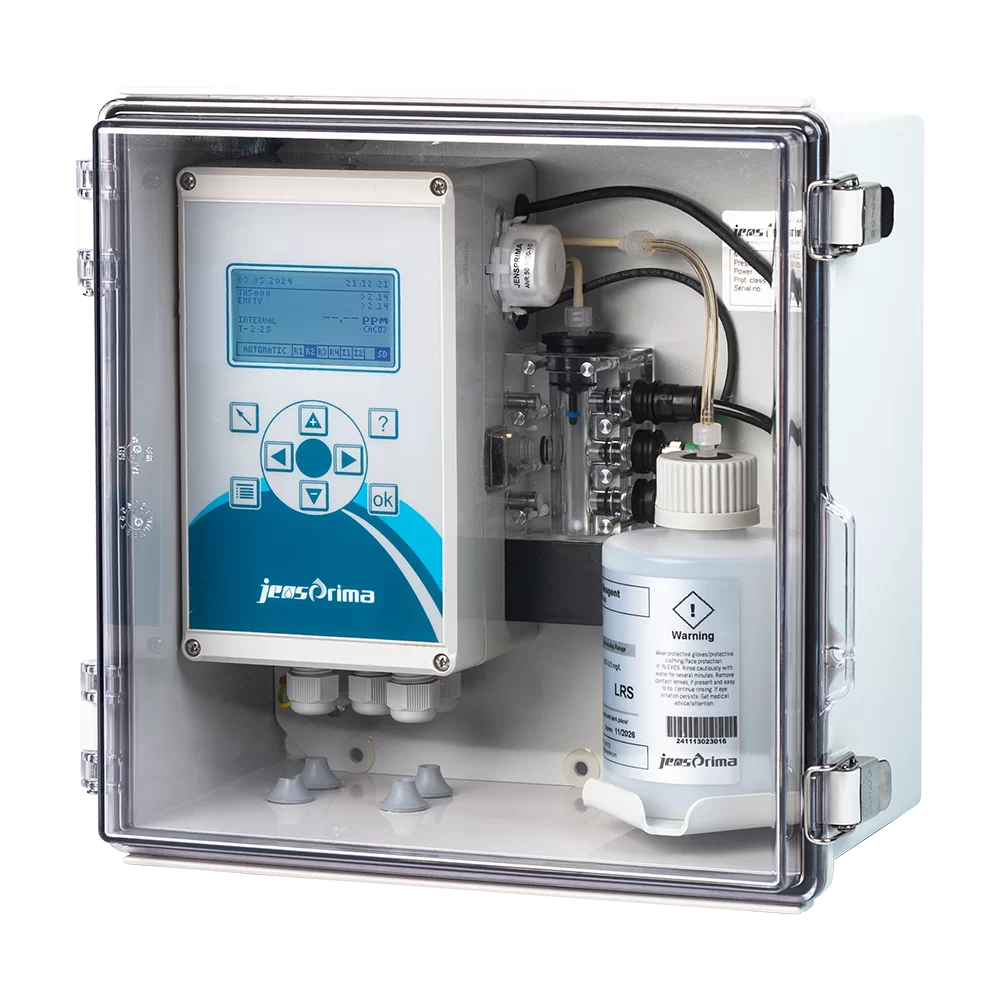
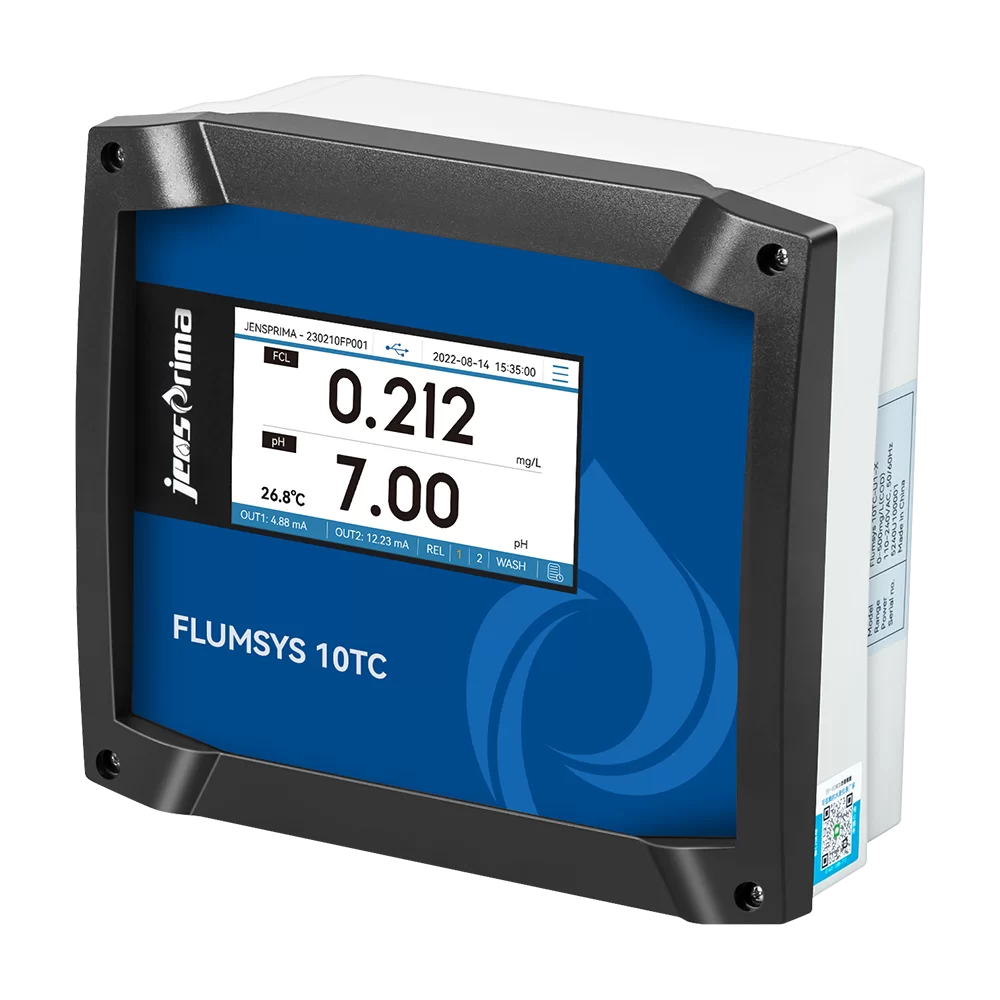
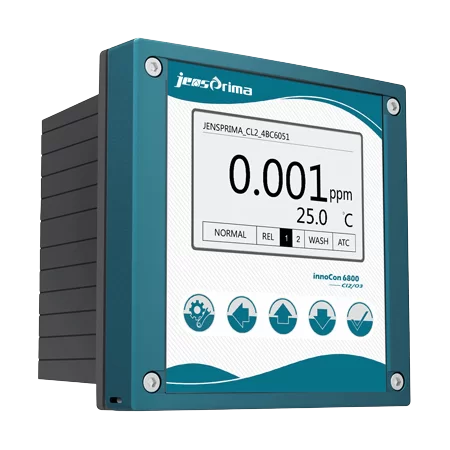
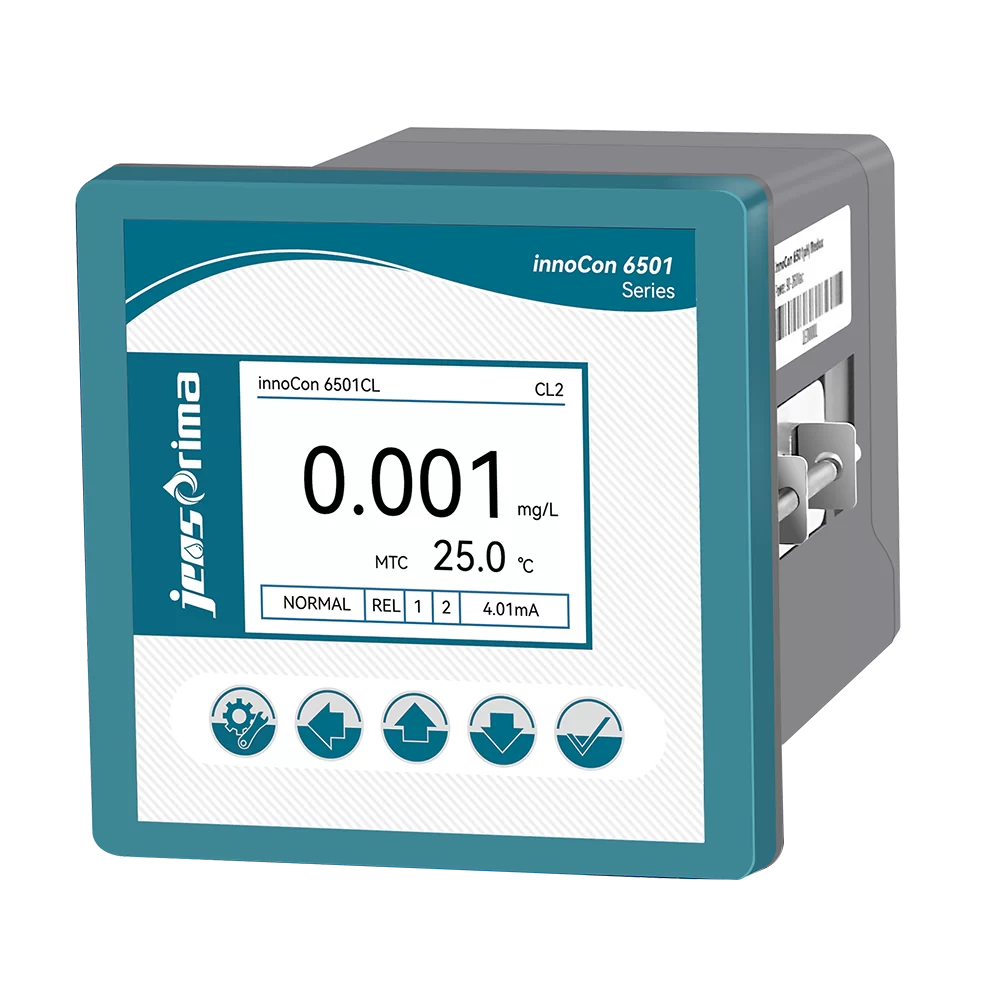
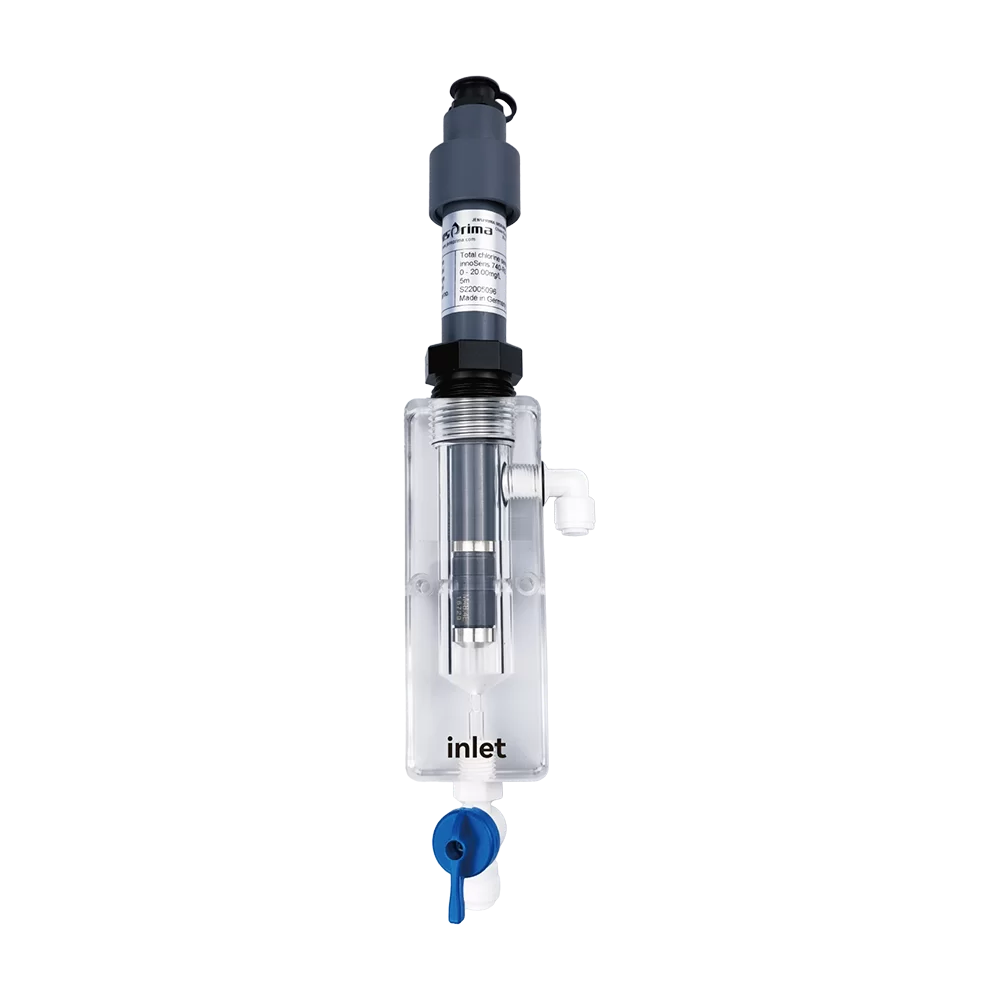
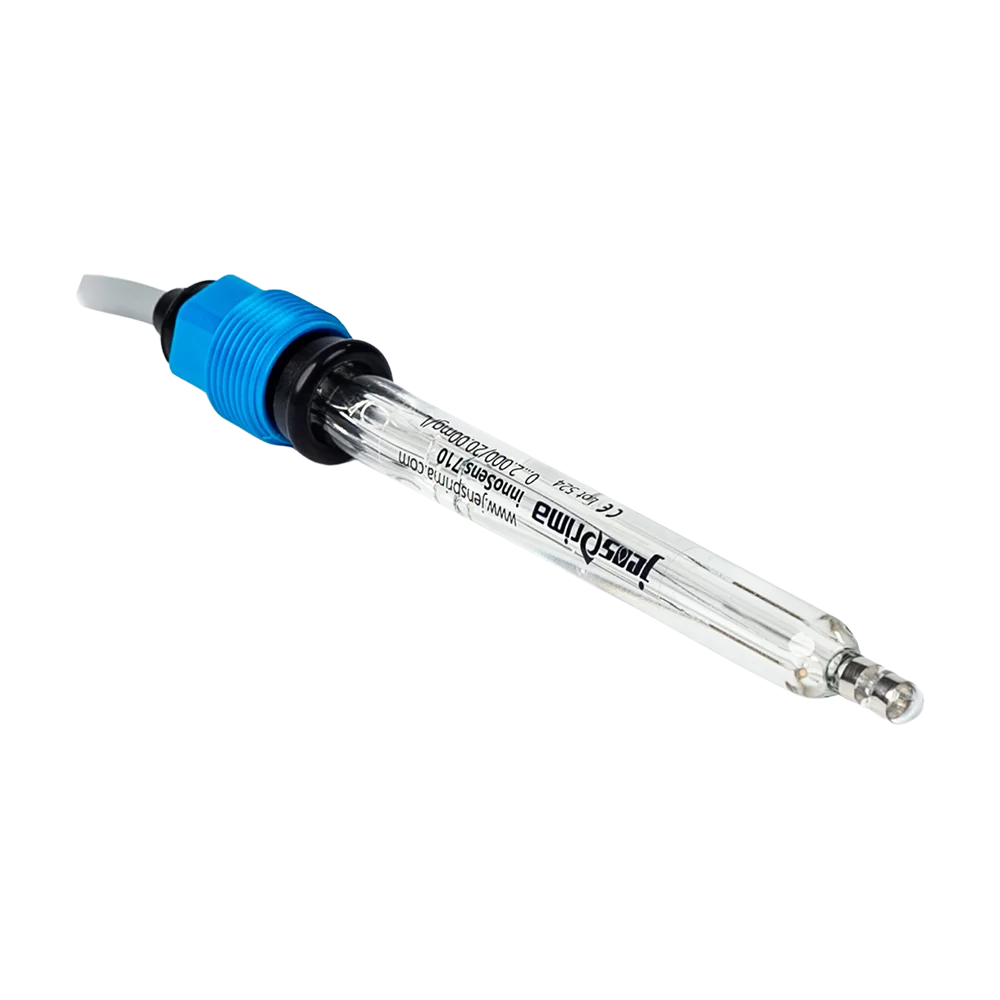
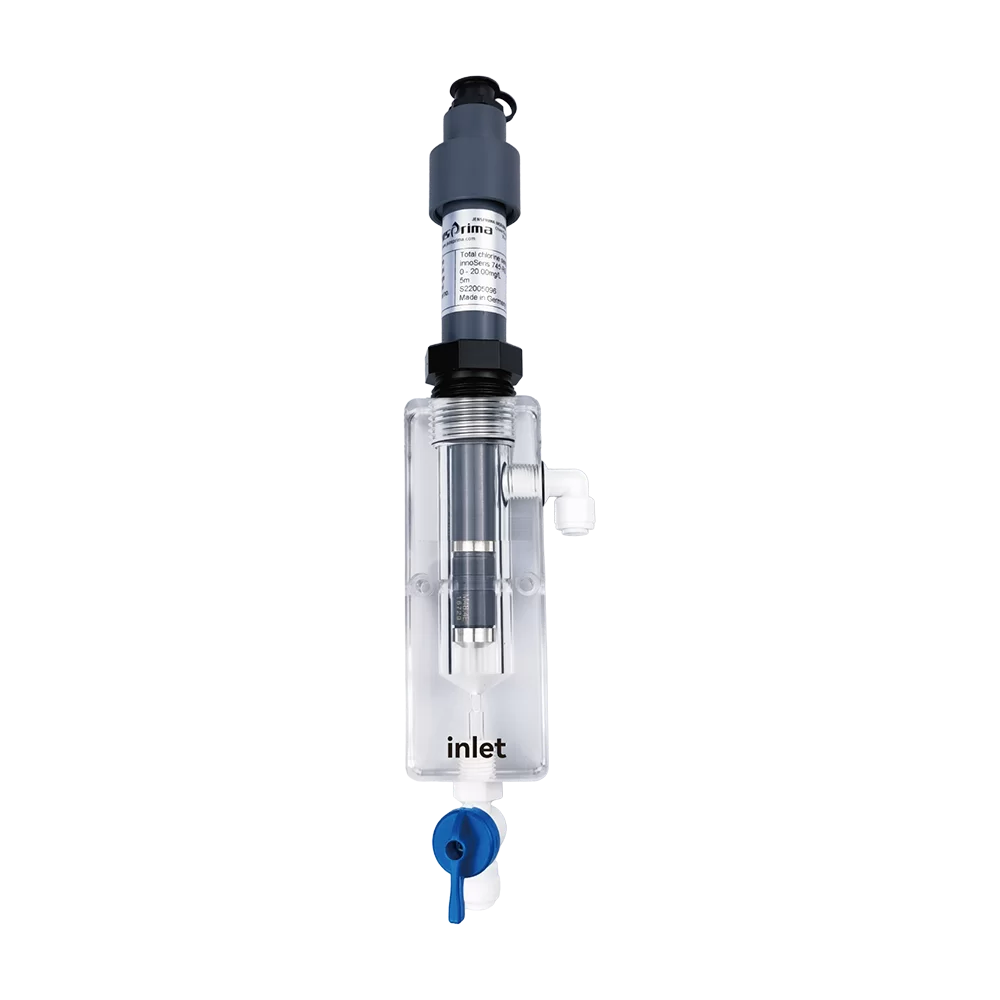
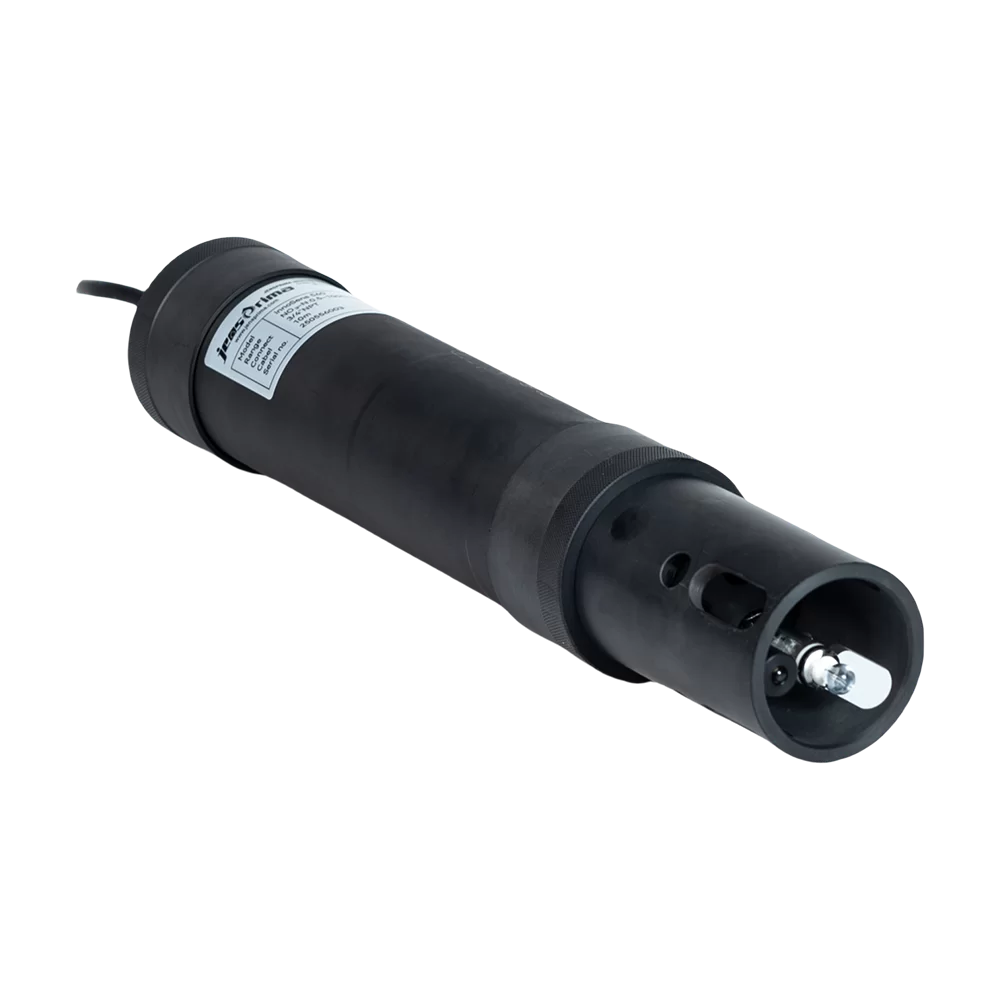
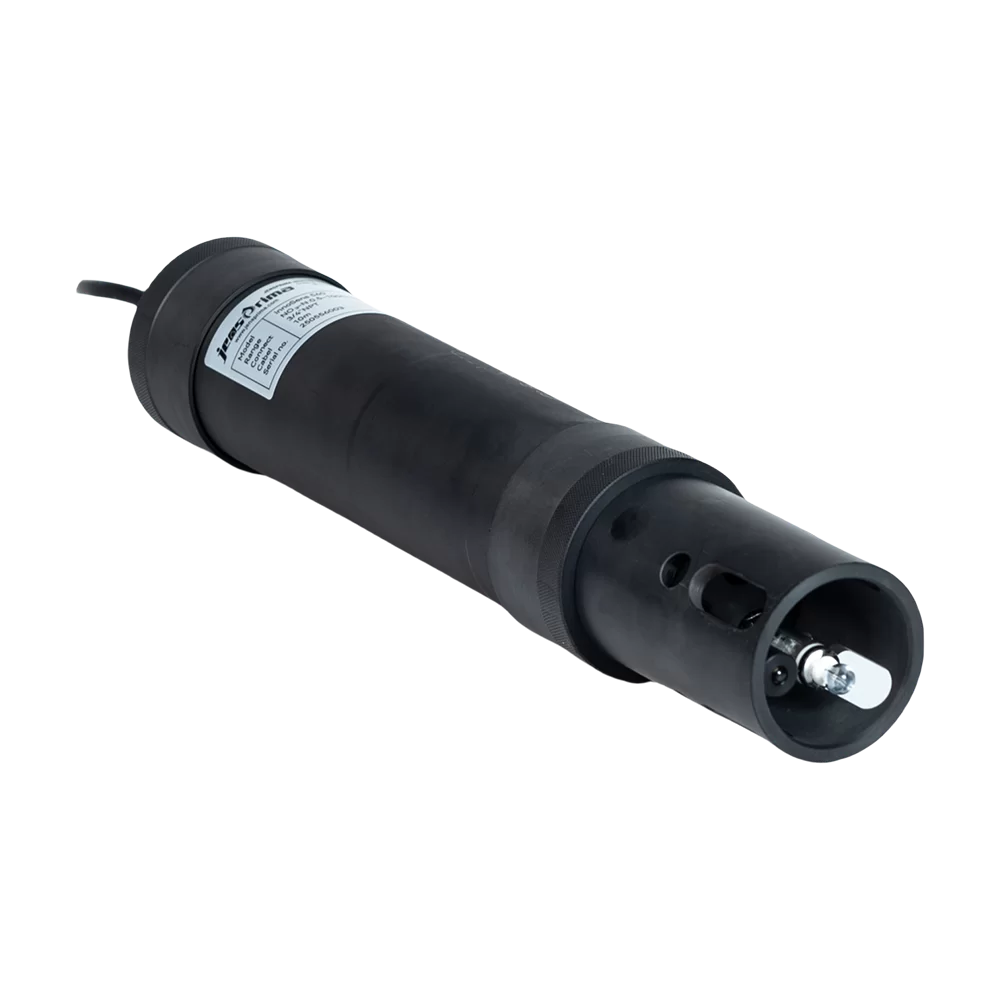
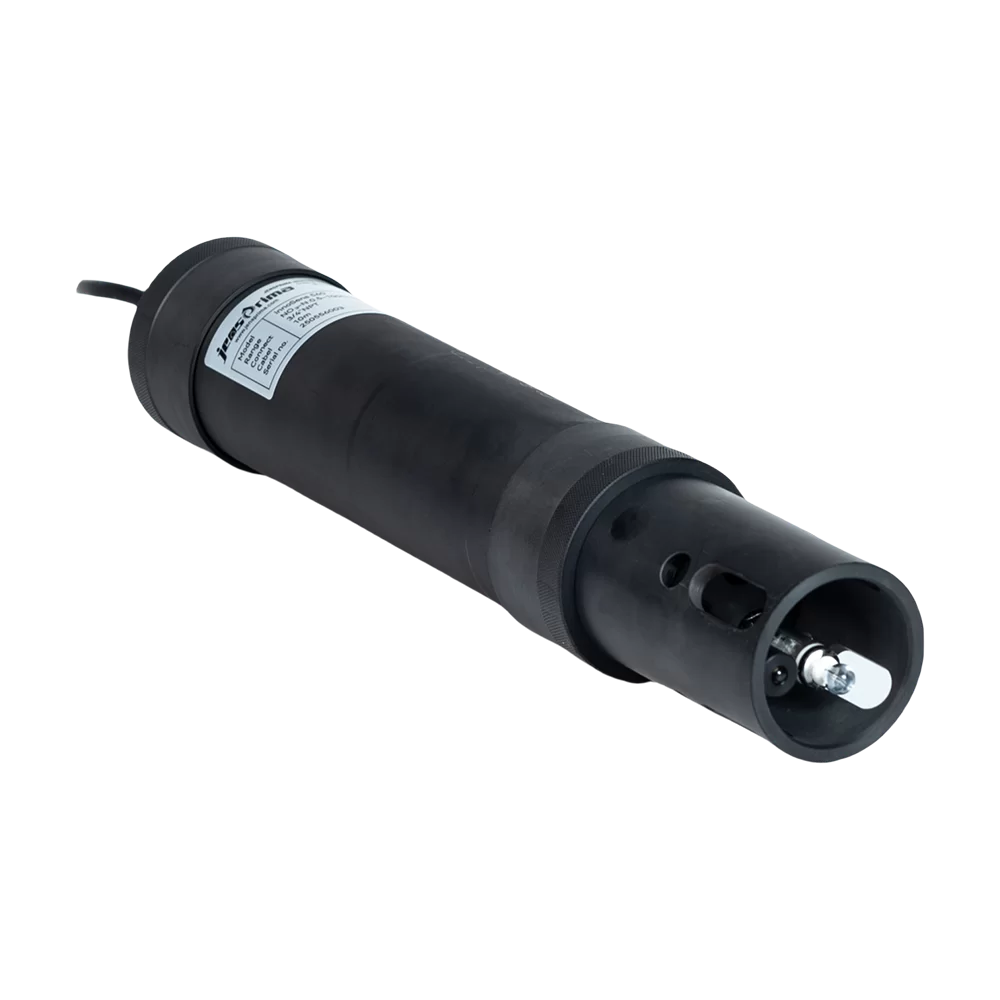
An online total chlorine analyser is designed to measure the sum of free available chlorine and combined chlorine (such as chloramines) in a water sample. Most professional systems utilize the DPD (N,N-diethyl-p-phenylenediamine) method or amperometric sensors to detect chemical changes. By automating the sampling and analysis process, these devices eliminate the human error associated with manual titration, providing a continuous stream of data that allows operators to react instantly to fluctuations in water chemistry.
Pro Tip: Continuous monitoring reduces chemical waste by preventing "slugging"—the practice of adding excess chlorine to compensate for unknown levels.
Key Advantages of Automated Chlorine Monitoring
Switching from manual testing to an online total chlorine analyser offers transformative benefits for industrial facilities. The primary advantage is real-time visibility; instead of a "snapshot" from a manual test, you get a high-resolution trend of your water quality. This allows for the integration of automated dosing pumps, creating a closed-loop system where the analyser tells the pump exactly how much chlorine to add. This precision not only ensures safety but significantly lowers operational costs by reducing reagent consumption.
Efficiency Gains:
• Reduced Labor: No more manual sampling every hour.
• Enhanced Safety: Rapid detection of chlorine leaks or drops.
• Regulatory Peace of Mind: Automated data logging for audits.
Comparing Online Total Chlorine Analyser Technologies
Not all analysers are created equal. Depending on your specific application—whether it is high-purity water for electronics or wastewater treatment—the technology choice varies. Amperometric sensors are known for their fast response times, while colorimetric (DPD) systems are often praised for their high accuracy and stability. Selecting the right online total chlorine analyser requires balancing the need for precision against the available maintenance budget.
| Feature |
Amperometric Sensors |
Colorimetric (DPD) |
| Response Time |
Very Fast (Seconds) |
Slower (Minutes) |
| Maintenance |
Low (Periodic Calibration) |
Moderate (Reagent Refills) |
| Accuracy |
High |
Very High (Standard Method) |
| Operating Cost |
Low |
Higher due to chemicals |
Industrial Applications of Chlorine Analysis
The deployment of an online total chlorine analyser spans a diverse range of sectors. In cooling tower management, it prevents biofouling and algae growth. In the food and beverage industry, it ensures that rinse waters are properly sanitized without leaving harmful residues on equipment. Additionally, pharmaceutical companies utilize these analysers to monitor purified water systems where even trace amounts of combined chlorine can interfere with sensitive chemical reactions.
Technical Specifications for Total Chlorine Systems
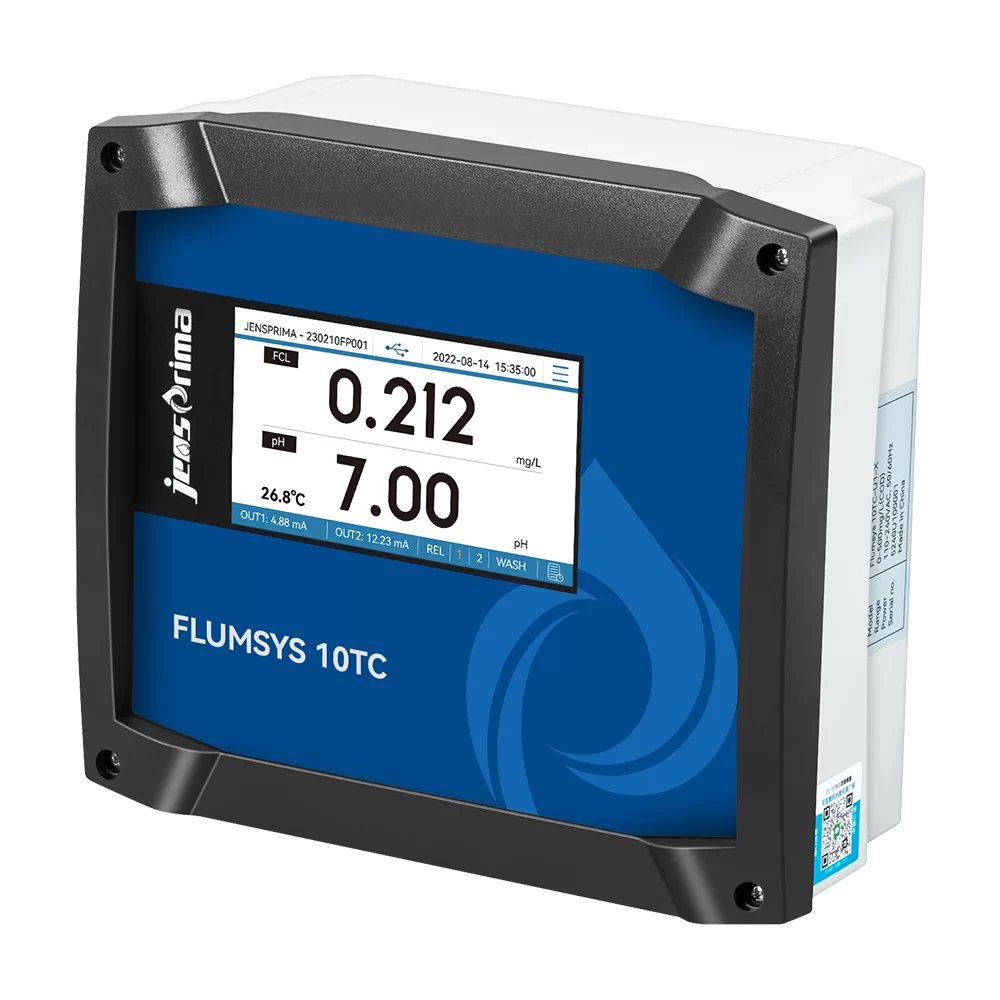
When selecting a professional online total chlorine analyser, technical parameters such as detection limits, measurement range, and output signals (like 4-20mA or Modbus) are critical. High-end systems offer temperature compensation to ensure that measurements remain accurate despite seasonal changes in water temperature. Below is a typical specification table for an industrial-grade unit:
| Specification |
Typical Value / Detail |
| Measurement Range |
0.01 mg/L to 10 mg/L (Customizable) |
| Accuracy |
± 2% of reading or ± 0.02 mg/L |
| Output Signals |
4-20mA, RS485 Modbus, Relay Alarms |
| Housing Material |
IP65 Rated ABS or Stainless Steel |
Optimizing Maintenance for Long-Term Accuracy
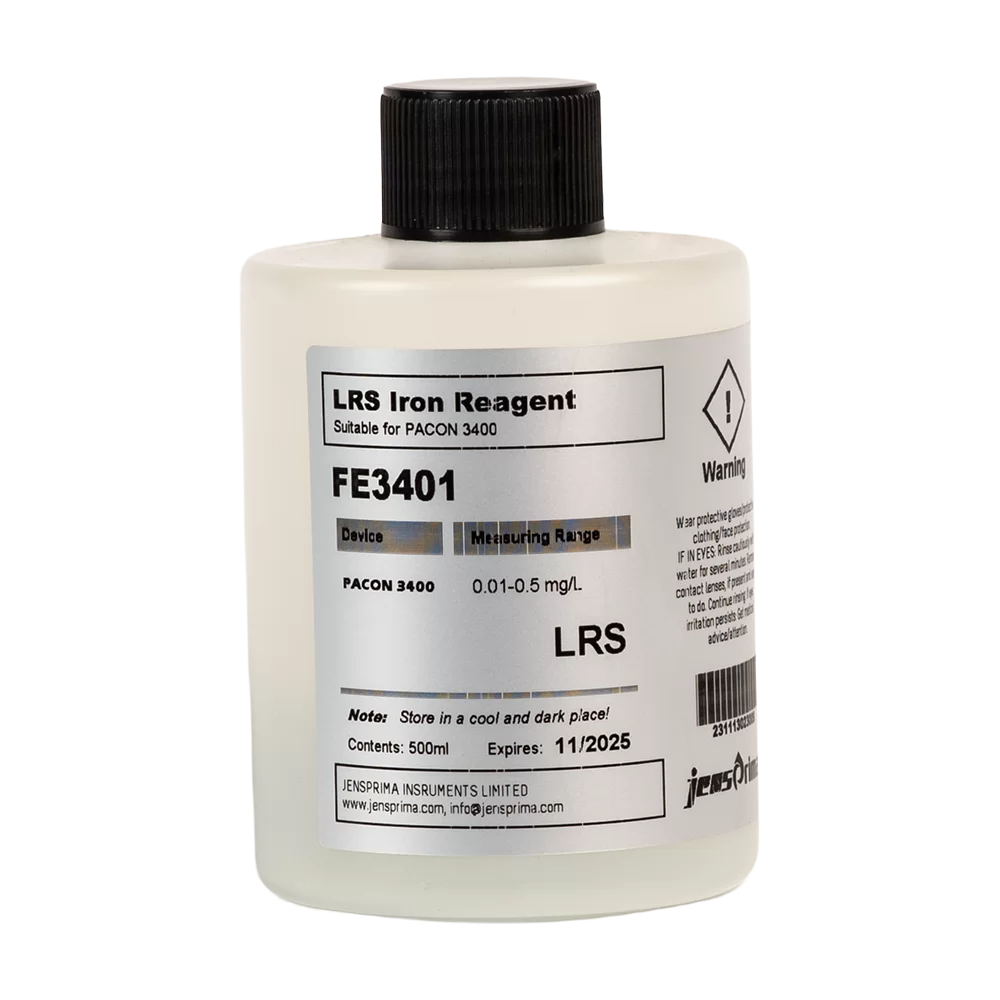
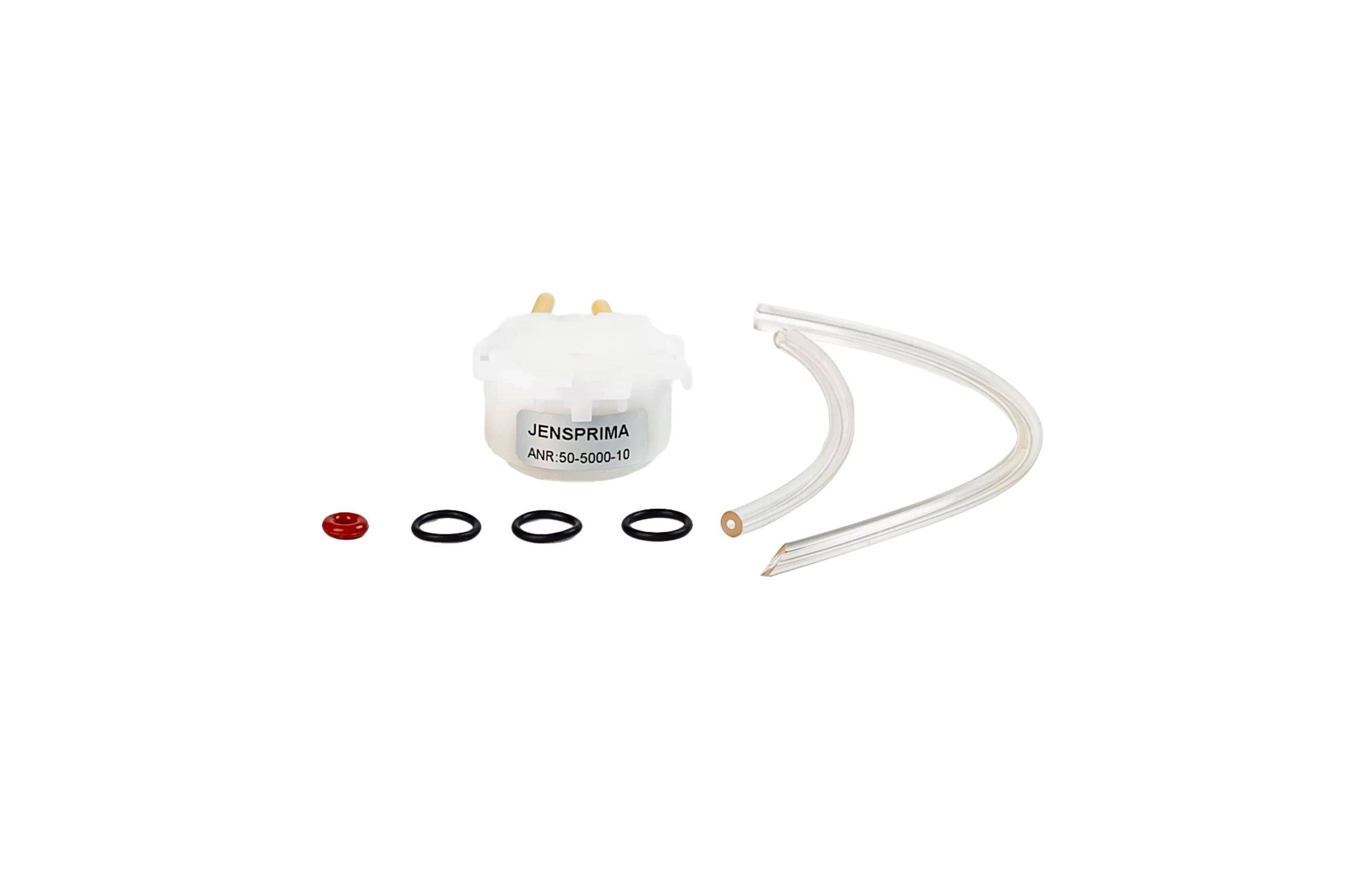
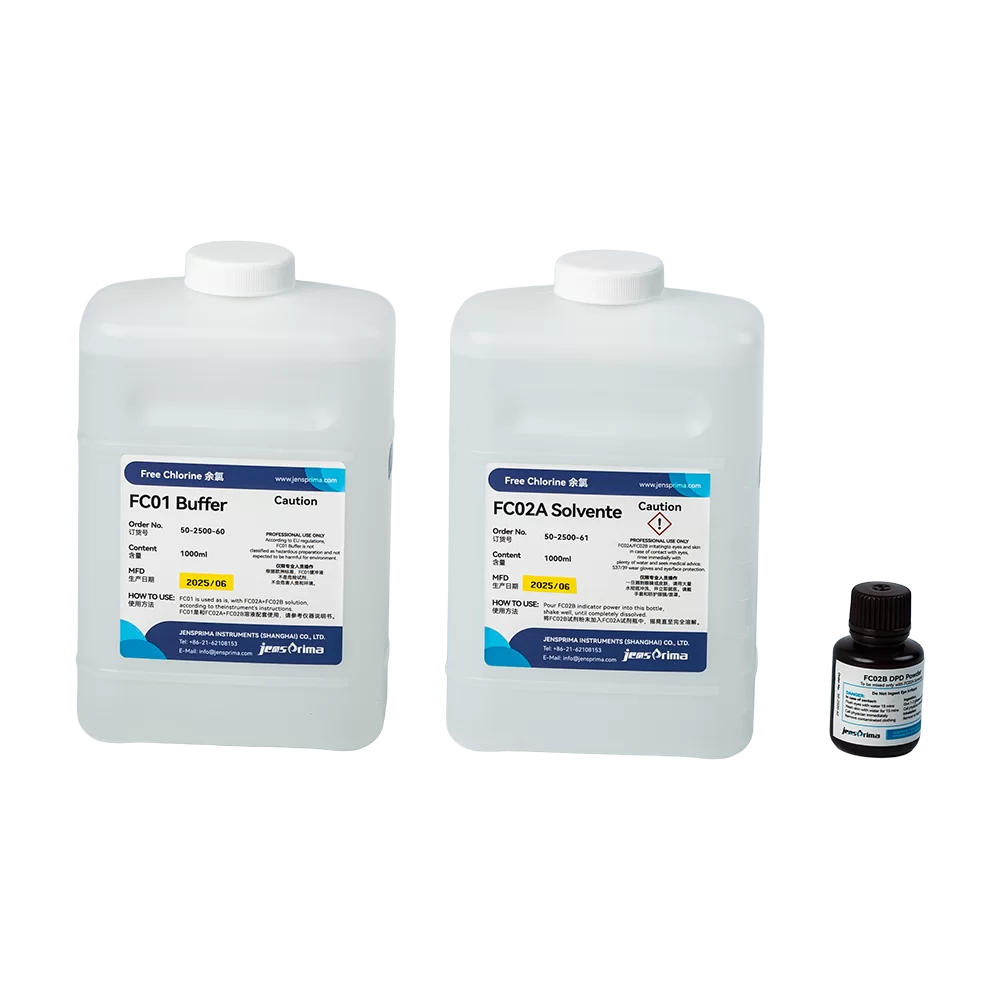
To ensure your online total chlorine analyser continues to provide reliable data, a structured maintenance schedule is mandatory. This include regular cleaning of the sensor surfaces to prevent biofilm buildup and the periodic verification of readings against a known standard. For DPD-based systems, ensuring the purity of reagents and checking for leaks in the fluidic path are essential steps. A well-maintained system not only lasts longer but prevents costly downtime caused by false alarms or missed chlorine drops.
Conclusion: Elevating Water Quality Standards
The integration of an online total chlorine analyser is a strategic move for any facility prioritizing safety and efficiency. By providing precise, real-time measurements of both free and combined chlorine, these systems enable a level of control that manual testing simply cannot match. From reducing chemical costs to ensuring strict regulatory compliance, the benefits are clear. Invest in professional monitoring today to secure a cleaner, safer tomorrow.
Frequently Asked Questions (FAQs)
What is the difference between free and total chlorine?
Free chlorine refers to the chlorine that is immediately available to kill bacteria and microorganisms. Total chlorine, on the other hand, is the sum of free chlorine and combined chlorine (chloramines). Combined chlorine is the result of free chlorine reacting with organic matter or ammonia in the water; while it still has some disinfecting power, it is much less effective than free chlorine. An online total chlorine analyser measures the sum of both, which is critical for understanding the overall chemical load in the water.
How often should I calibrate my online chlorine analyser?
Calibration frequency depends on the sensor type and water conditions. Generally, amperometric sensors should be checked every 1-3 months, while colorimetric systems may require verification more frequently if the water quality fluctuates wildly. It is recommended to perform a "cross-check" with a manual DPD kit weekly to ensure the online system hasn't drifted. Regular calibration ensures that your automated dosing remains accurate, preventing the risk of under-treating or over-treating your water supply.
Can these analysers be integrated into an existing PLC system?
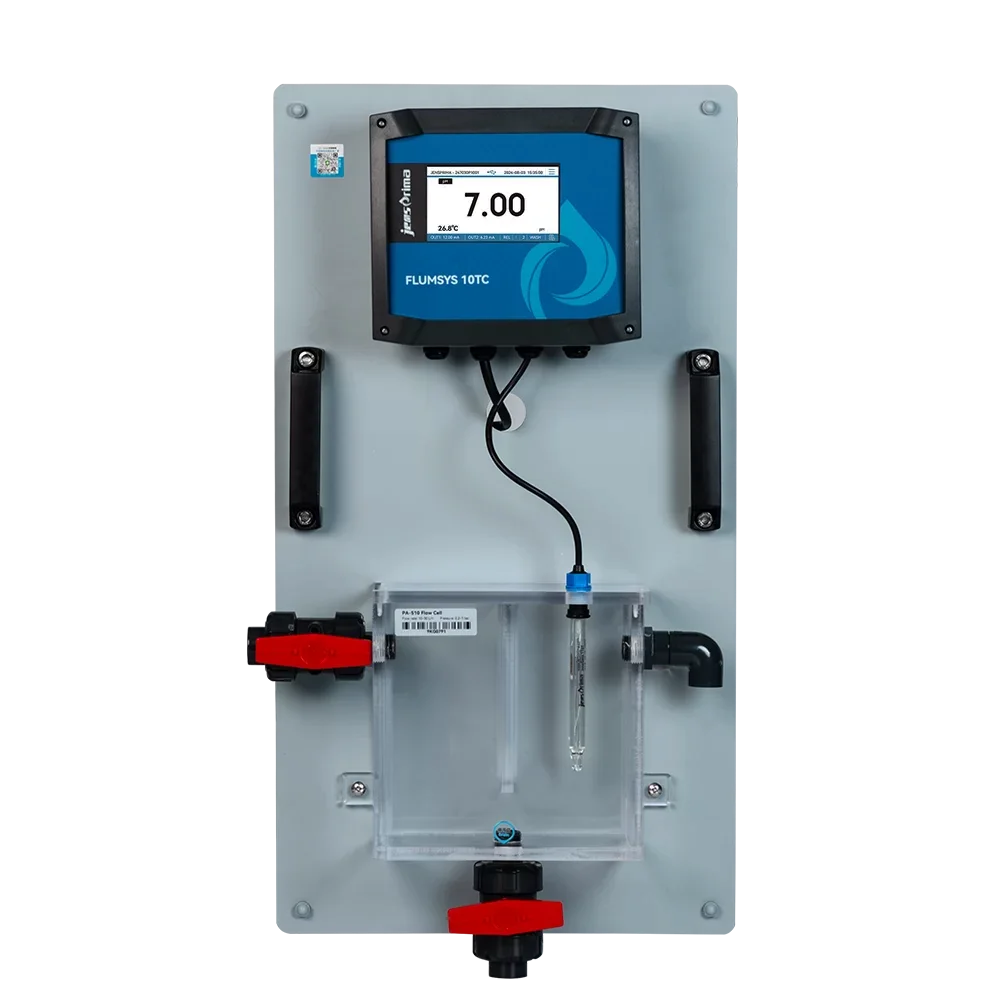
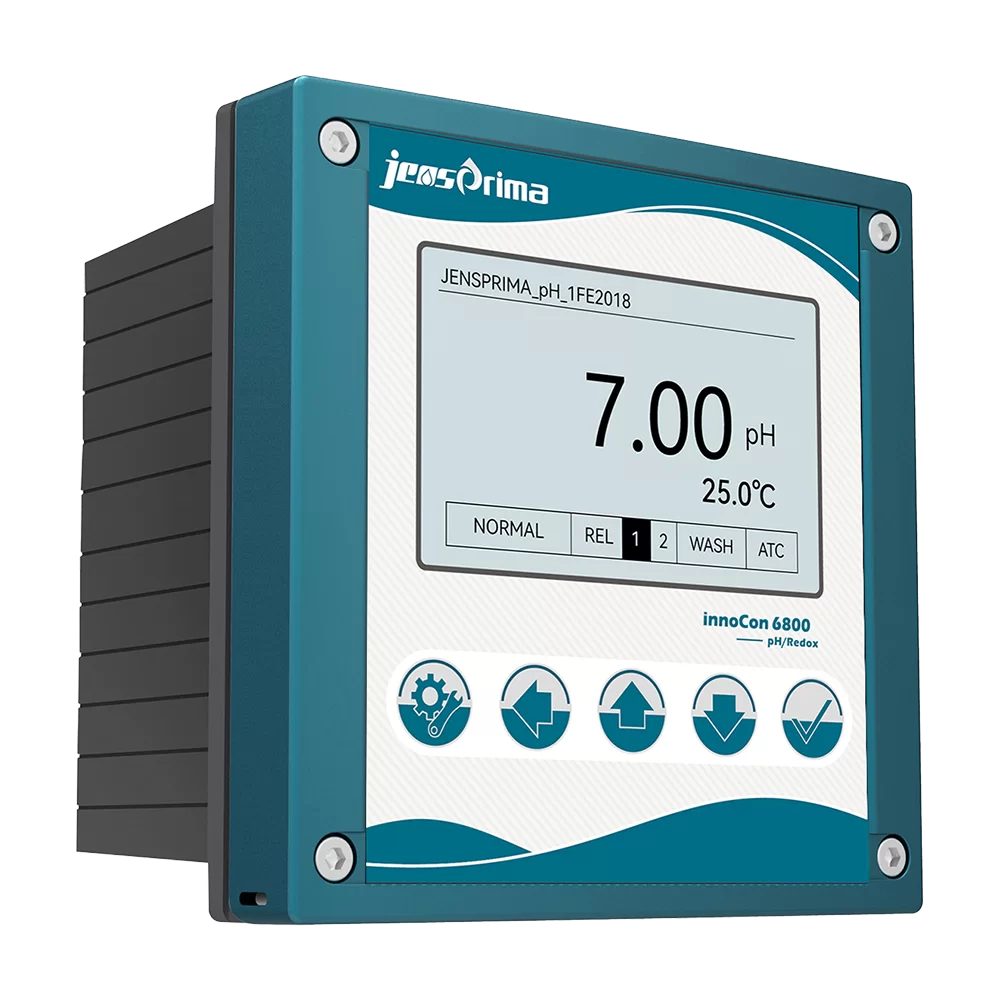
Yes, most professional analysers from Jensprima are designed for seamless integration. They typically offer standard industrial outputs such as 4-20mA analog signals, which are compatible with almost any PLC (Programmable Logic Controller). For more advanced setups, RS485 Modbus communication allows for the transmission of not just the chlorine value, but also system diagnostics, reagent levels, and alarm statuses directly to a central SCADA system for remote monitoring.
What causes common errors in chlorine measurement?
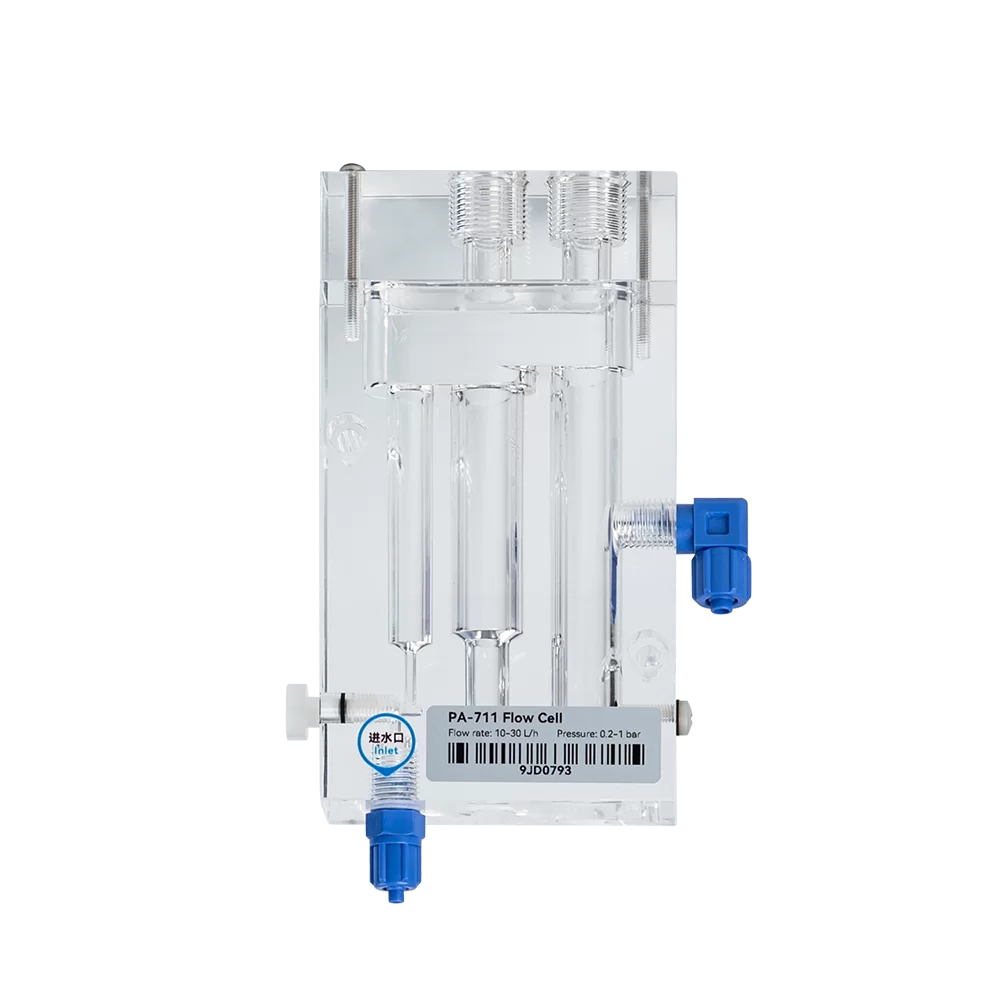
Common errors often stem from environmental interference or sensor degradation. Air bubbles trapped in the measurement cell can cause erratic readings, while the accumulation of minerals (scaling) on the sensor membrane can slow response times and reduce accuracy. Additionally, extreme temperature swings can affect the chemical reaction rate. Using a system with automatic temperature compensation and a robust cleaning cycle can mitigate these issues, ensuring your online total chlorine analyser provides consistent data.




 Download
 Video Center
 Technical Services
 FAQS
 Service Network
 Privacy Policy
 Contact Us






 LEARN MORE