The Ultimate Guide to Choosing a High-Precision pH TDS Monitor
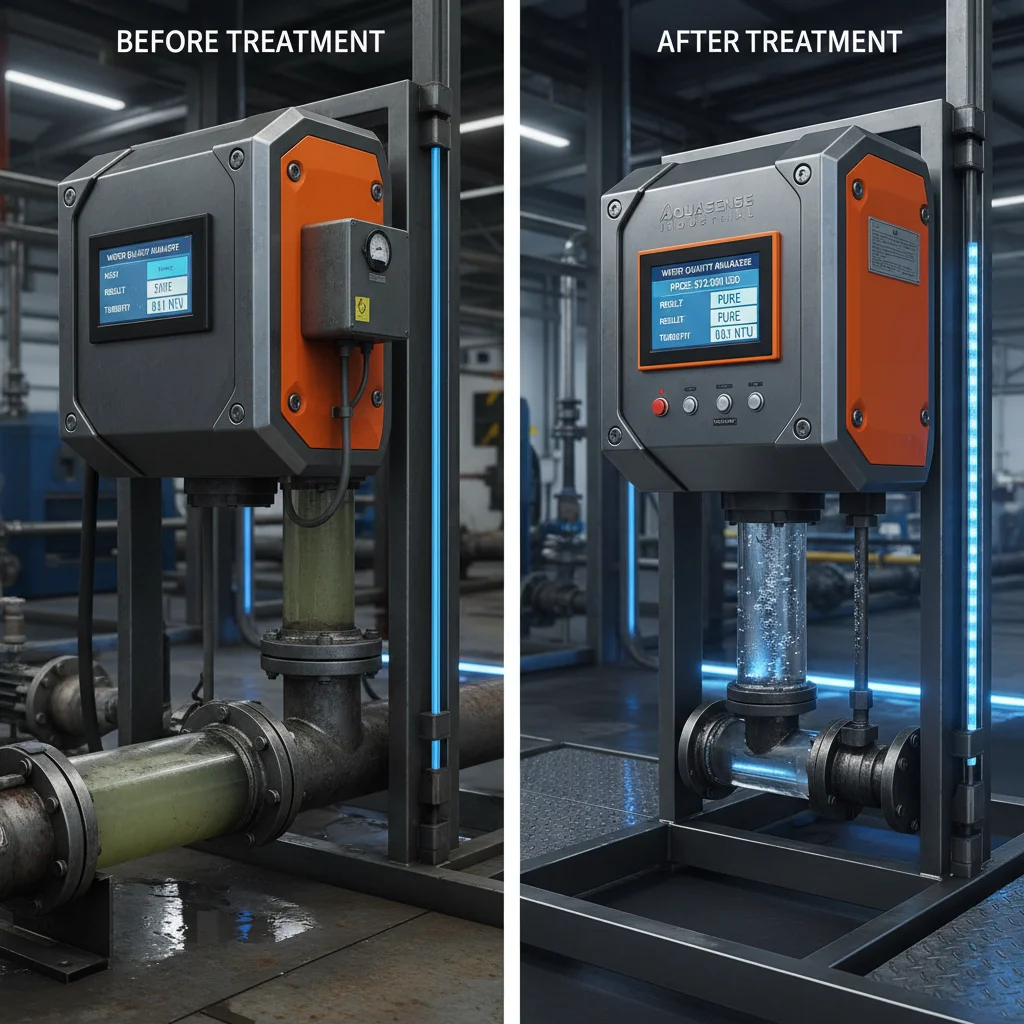
Maintaining water quality is critical across various industrial and environmental sectors. A professional ph tds monitor serves as the frontline of defense, providing real-time data on acidity, alkalinity, and total dissolved solids. Whether you are managing a wastewater treatment plant or a high-tech pharmaceutical laboratory, understanding these parameters is essential for operational efficiency and regulatory compliance. In this guide, we will explore how these instruments work and why choosing a high-grade manufacturer is vital for long-term stability.
How a pH TDS Monitor Works in Industrial Environments
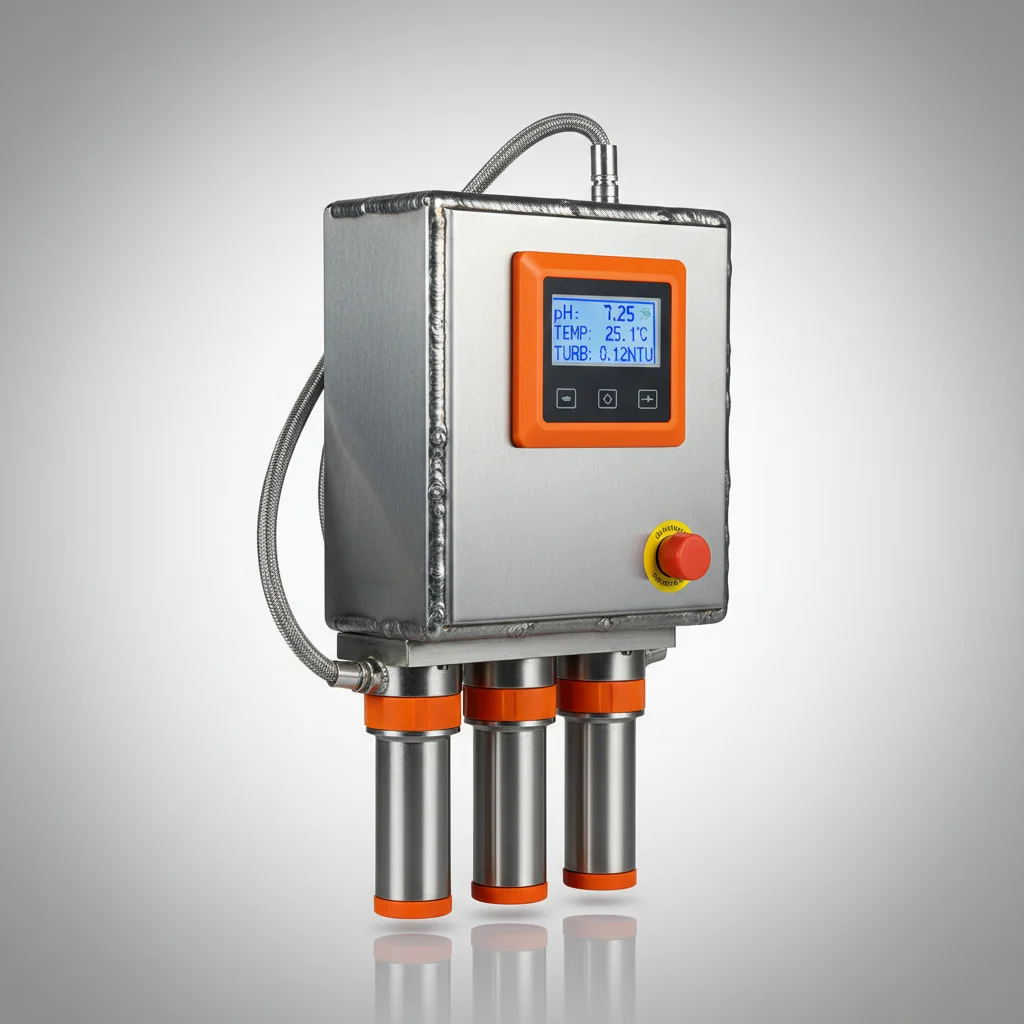
A ph tds monitor combines two distinct sensing technologies into one cohesive system. The pH sensor measures the hydrogen-ion activity in water using a glass electrode, providing an accurate reading of how acidic or basic the liquid is. Simultaneously, the TDS (Total Dissolved Solids) sensor measures electrical conductivity, which correlates to the concentration of dissolved minerals and salts. By monitoring both, operators can detect contamination shifts and chemical imbalances instantly, preventing costly equipment corrosion or product spoilage.
Technical Insight: The integration of pH and TDS monitoring allows for "cross-validation" of water purity, ensuring that a change in conductivity is properly contextualized by the current pH level.
Comparing Industrial vs. Portable pH TDS Monitor Options
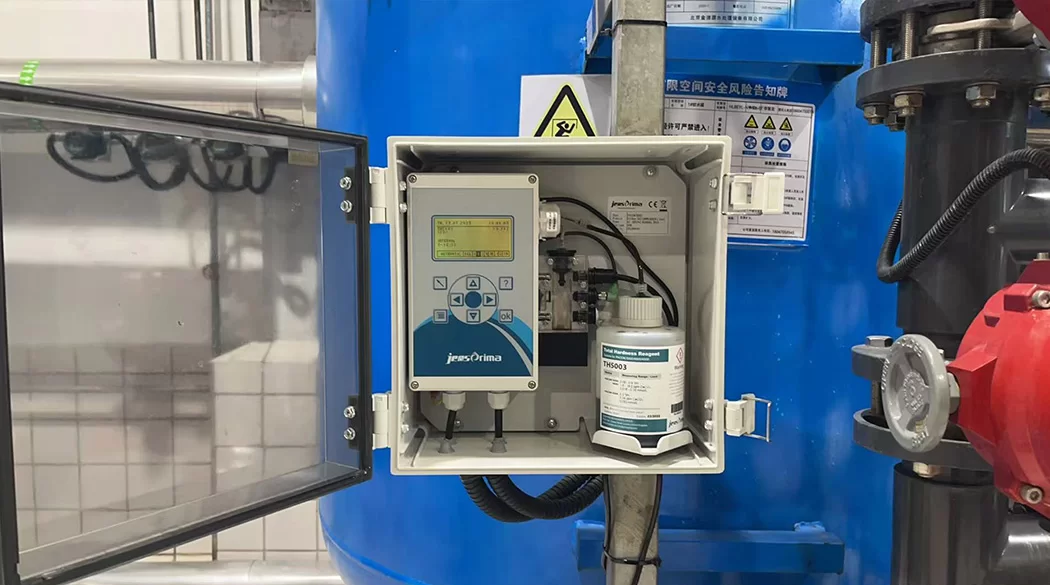
Depending on your application, you may require either an inline industrial system or a handheld portable device. Inline systems are designed for 24/7 continuous monitoring and are often integrated into a PLC system for automated dosing. Portable monitors are ideal for spot-checking and field sampling. The ph tds monitor selection should be based on the required frequency of data collection and the harshness of the environment.
| Feature |
Industrial Inline Monitor |
Portable Handheld Monitor |
| Measurement Frequency |
Continuous / Real-time |
Periodic / Manual |
| Installation |
Fixed piping / Tank mount |
No installation required |
| Data Logging |
Automated digital logging |
Manual or limited memory |
| Durability |
High (Corrosion resistant) |
Medium (Plastic casing) |
Key Applications of the pH TDS Monitor in Water Treatment
From municipal water works to industrial cooling towers, the application of a ph tds monitor is diverse. In reverse osmosis (RO) systems, TDS monitoring is the primary method for evaluating membrane efficiency; a spike in TDS suggests a membrane breach. In chemical processing, pH monitoring prevents hazardous reactions and ensures that the final product meets strict specifications. Additionally, environmental agencies use these tools to monitor river pollutants and ensure that industrial discharge remains within legal limits.
Maintenance and Calibration for pH TDS Monitor Accuracy
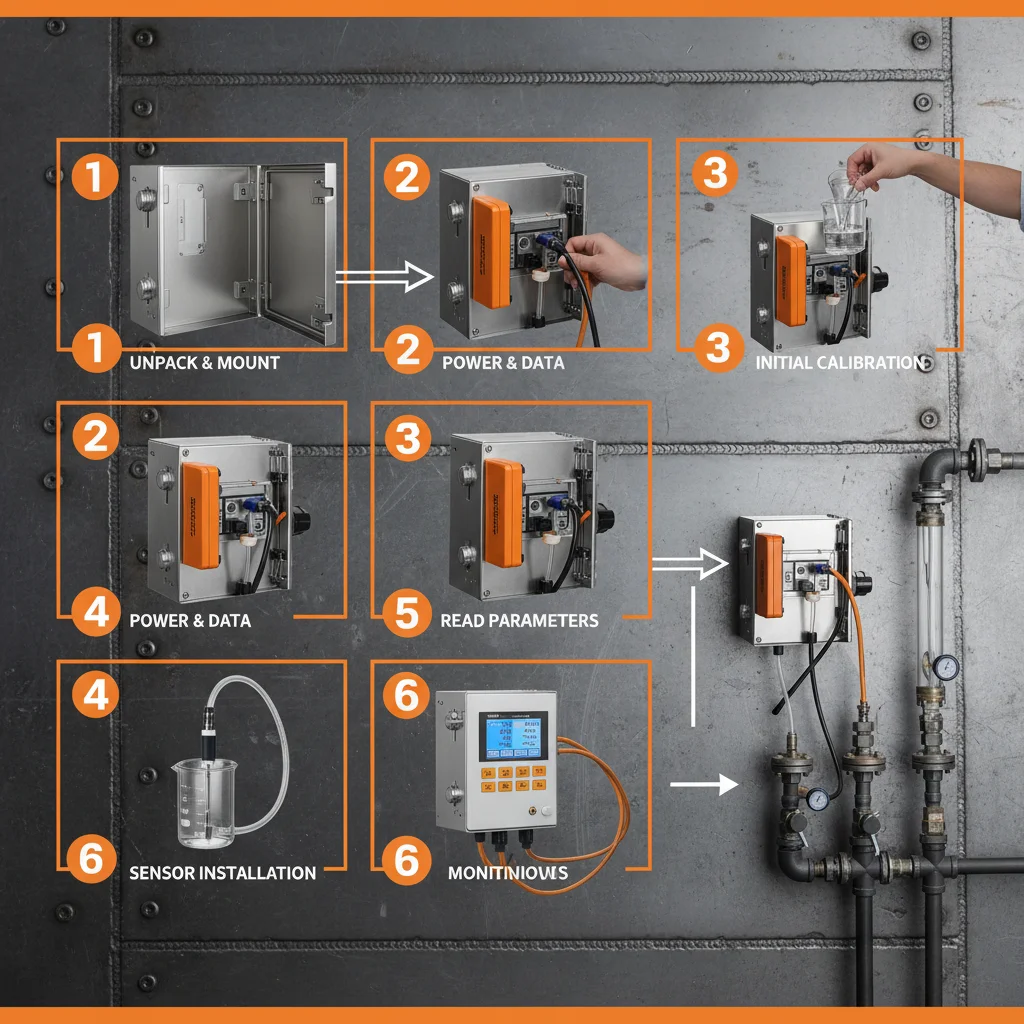
Precision instruments require regular upkeep to avoid "sensor drift." For a ph tds monitor, calibration involves using standard buffer solutions of known pH (e.g., pH 4.0, 7.0, and 10.0) and conductivity standards for TDS. Failure to calibrate can lead to false readings, which might trigger unnecessary chemical dosing or, worse, allow contaminated water to pass through a system undetected. We recommend a monthly calibration schedule for most industrial applications.
Technical Specifications of Premium Monitoring Systems
When evaluating a manufacturer, you must look beyond the price and focus on the technical specifications. A professional-grade ph tds monitor should offer temperature compensation (ATC), as pH and conductivity readings vary significantly with temperature. Below are the standard specifications you should expect from high-end instrumentation:
| Parameter |
Industrial Standard Value |
| pH Measurement Range |
0.00 to 14.00 pH |
| TDS Measurement Range |
0 to 9999 ppm |
| Accuracy (pH) |
± 0.01 pH |
| Temperature Compensation |
Automatic (ATC) 0-100°C |
Optimizing System Integration for Better Data Analysis
Modern instrumentation is no longer just about a screen and a number. Integrating your ph tds monitor into a centralized SCADA or IoT platform allows for predictive maintenance. By analyzing trends in pH and TDS levels over weeks or months, engineers can predict when a filter is about to fail or when a chemical batch is becoming inconsistent. This proactive approach reduces downtime and ensures that the facility operates at peak efficiency without human error.
Conclusion: Elevating Quality Control with Precise Monitoring
Investing in a professional ph tds monitor is an investment in the reliability and safety of your entire water management system. By combining high-precision pH sensing with comprehensive TDS analysis, industries can ensure purity, protect their infrastructure, and meet environmental standards. Whether you require industrial-grade inline systems or versatile portable tools, prioritizing accuracy and durability is the only way to guarantee long-term operational success.
Frequently Asked Questions (FAQs)
What is the difference between TDS and Conductivity?
Conductivity is the measure of a solution's ability to conduct an electrical current, while TDS refers to the total amount of dissolved solids in the water. A ph tds monitor actually measures conductivity and then applies a conversion factor (usually between 0.5 and 0.7) to estimate the TDS in parts per million (ppm). While they are closely related, conductivity is a physical property, whereas TDS is a concentration measurement.
How often should I calibrate my pH TDS monitor?
Calibration frequency depends on the stability of the water being measured and the quality of the sensor. For critical industrial processes, we recommend weekly or monthly calibration. If you notice a gradual drift in readings or are measuring highly aggressive chemicals, more frequent calibration is necessary. Using a high-quality ph tds monitor from a reputable manufacturer helps reduce the frequency of these adjustments due to better sensor stability.
Can a single monitor handle both pH and TDS?
Yes, many modern instruments are designed as integrated ph tds monitor systems. These devices use separate probes for pH and conductivity but feed the data into a single transmitter or display. This integration is highly beneficial for reducing installation costs, simplifying wiring, and allowing operators to see the relationship between acidity and mineral content on one screen.
What is ATC and why is it important?
ATC stands for Automatic Temperature Compensation. Temperature significantly affects the ion activity (pH) and the mobility of ions (Conductivity/TDS). Without ATC, a reading taken at 10°C would differ from one taken at 25°C even if the water quality is identical. A professional ph tds monitor includes a temperature sensor to automatically adjust the output, ensuring consistent and accurate data regardless of environment.













































































 Download
 Video Center
 Technical Services
 FAQS
 Service Network
 Privacy Policy
 Contact Us






 LEARN MORE