


 Download
 Video Center
 Technical Services
 FAQS
 Service Network
 Privacy Policy
 Contact Us




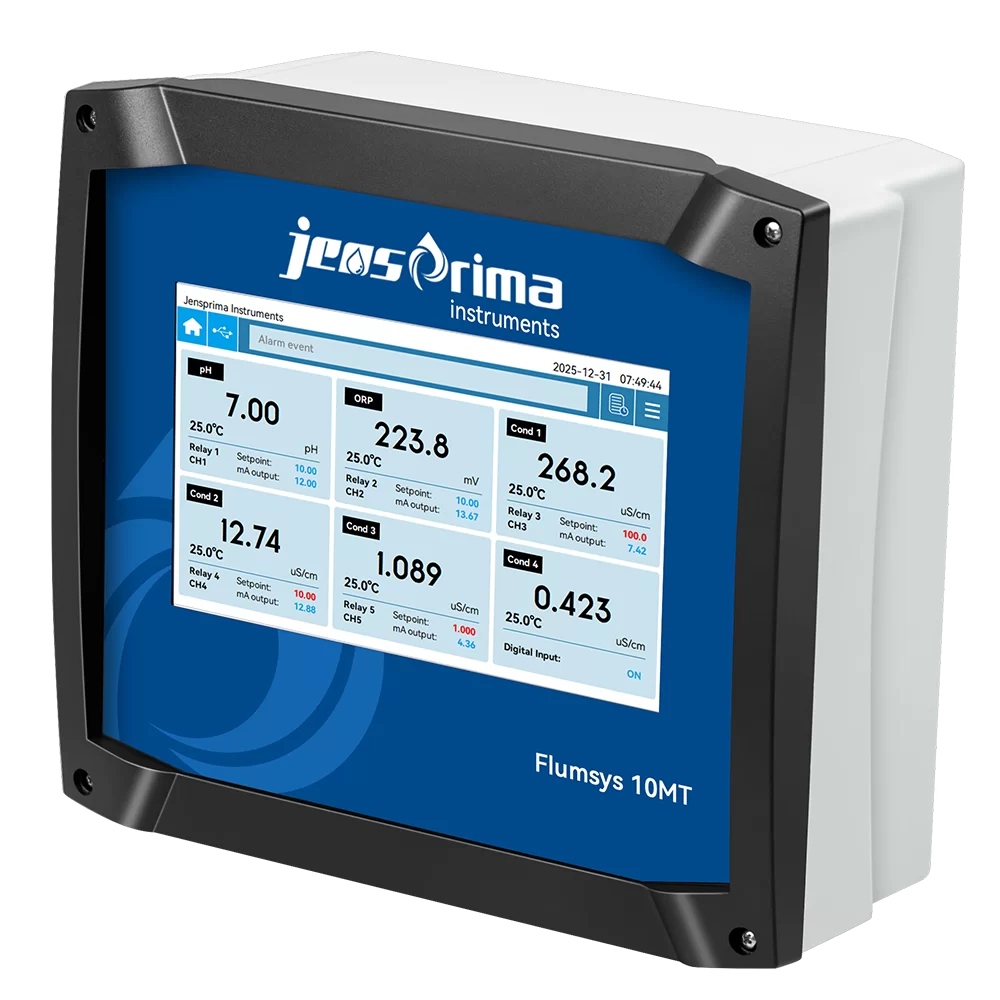
Monitoring aquatic environments requires a precise understanding of multiple chemical and physical variables simultaneously. For industrial operators, the ability to buy multi parameter water quality analyzer systems that integrate pH, dissolved oxygen, conductivity, and turbidity into a single platform is critical for maintaining process stability. This article provides a technical framework for evaluating these instruments to ensure they meet specific industrial demands.
In sectors such as wastewater treatment and pharmaceutical manufacturing, water chemistry fluctuates rapidly. Relying on single-parameter probes often leads to fragmented data and delayed responses to contamination events. By utilizing integrated analysis, companies can correlate data points—such as how temperature shifts affect dissolved oxygen levels—to make informed operational adjustments in real-time, thereby reducing waste and improving output quality.
Readers will explore the technical nuances of sensor selection, the impact of environmental stressors on probe longevity, and a comprehensive guide to supplier evaluation. We will analyze how to balance high-precision requirements with the practicalities of field deployment, ensuring that your investment in water analysis technology provides long-term reliability and actionable intelligence for buy multi parameter water quality analyzer needs.
Industrial Water Monitoring Fundamentals
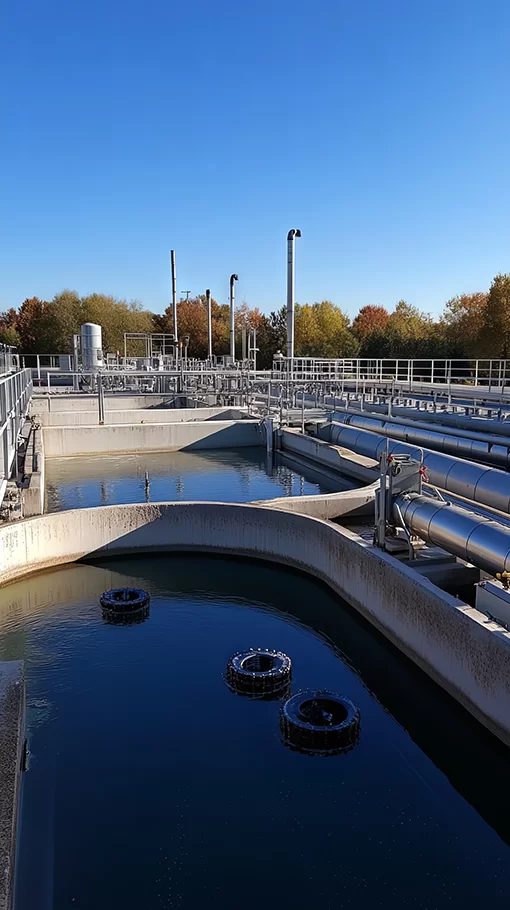
Industrial water analysis differs significantly from laboratory testing due to the volatility of the medium and the need for continuous, autonomous operation. A multi-parameter approach allows for the simultaneous tracking of diverse indices, which is essential for complex processes like nutrient removal in wastewater plants or purity validation in pharma-grade water loops. The core challenge lies in the cross-interference between sensors and the degradation of sensing membranes when exposed to harsh industrial effluents. Modern instrumentation solves this by employing advanced optical analysis and robust sensor housings that shield the delicate measurement reagents from physical abrasion and chemical fouling. Understanding these fundamentals allows engineers to move beyond simple data collection toward a holistic view of water health, where the interplay between different parameters reveals the true state of the aqueous system.
Strategic Procurement Guide for Multi-Parameter Systems
Selecting an integrated analyzer requires a shift from focusing on individual specifications to evaluating system-wide synergy. The following analysis breaks down the critical dimensions a procurement officer or lead engineer must consider to ensure the hardware aligns with the operational reality of the facility.
Core Sensor Integration
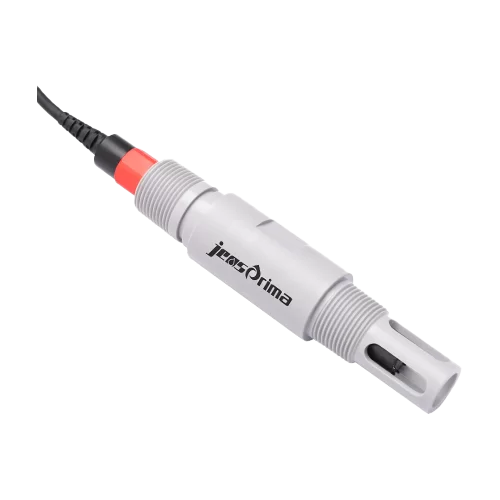
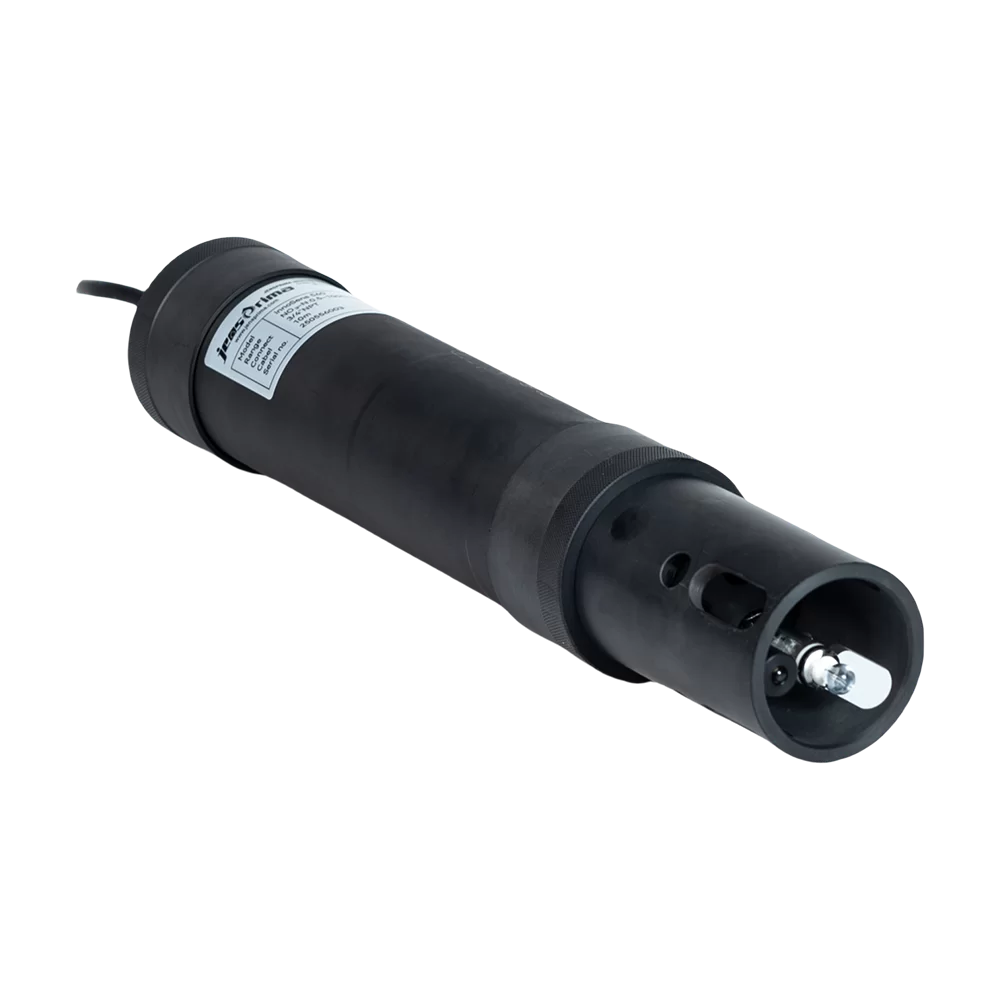
The value of an integrated system is determined by the quality of its sensors. Most industrial units combine electrochemical probes with optical sensors. For instance, optical dissolved oxygen sensors are now preferred over membrane-based ones because they do not consume oxygen during measurement and are less prone to drift. When reviewing a supplier's capabilities, verify if the sensors are modular, allowing for the replacement of a single failed probe without decommissioning the entire analyzer.
| Sensor Type | Primary Metric | Common Risk | Evaluation Criterion |
|---|---|---|---|
| Optical DO | Dissolved Oxygen | Biofouling | Response time & stability |
| Potentiometric | pH / ORP | Electrolyte depletion | Reference junction type |
| Conductometric | Salinity / TDS | Polarization | Cell constant accuracy |
| Nephelometric | Turbidity | Air bubbles | Light scattering angle |
| Thermistor | Temperature | Calibration drift | Accuracy range (+/- 0.1C) |
| Amperometric | Nitrate / Ammonia | Interference | Selectivity coefficient |
Calibration and Measurement Accuracy
Accuracy is not a static number but a function of calibration frequency. High-performance instruments should offer automated calibration routines or easy-access ports for manual buffer checks. In pharmaceutical contexts, where USP and EP guidelines are strict, the analyzer must provide a verifiable audit trail of calibration events. Look for systems that employ temperature compensation, as pH and conductivity measurements vary significantly with thermal fluctuations.
Operational Environment Compatibility
The physical environment dictates the instrument's lifespan. For wastewater plants, the housing must be IP65 or IP68 rated to withstand humidity and splashes. In chemical processing, the probe bodies should be constructed from chemically inert materials like PVDF or Titanium to prevent corrosion. JENSPRIMA focuses on providing robust hardware that can be deployed in over 40 countries, ensuring the materials used are suited for various global climatic and industrial conditions.
Data Integration and Output Protocols
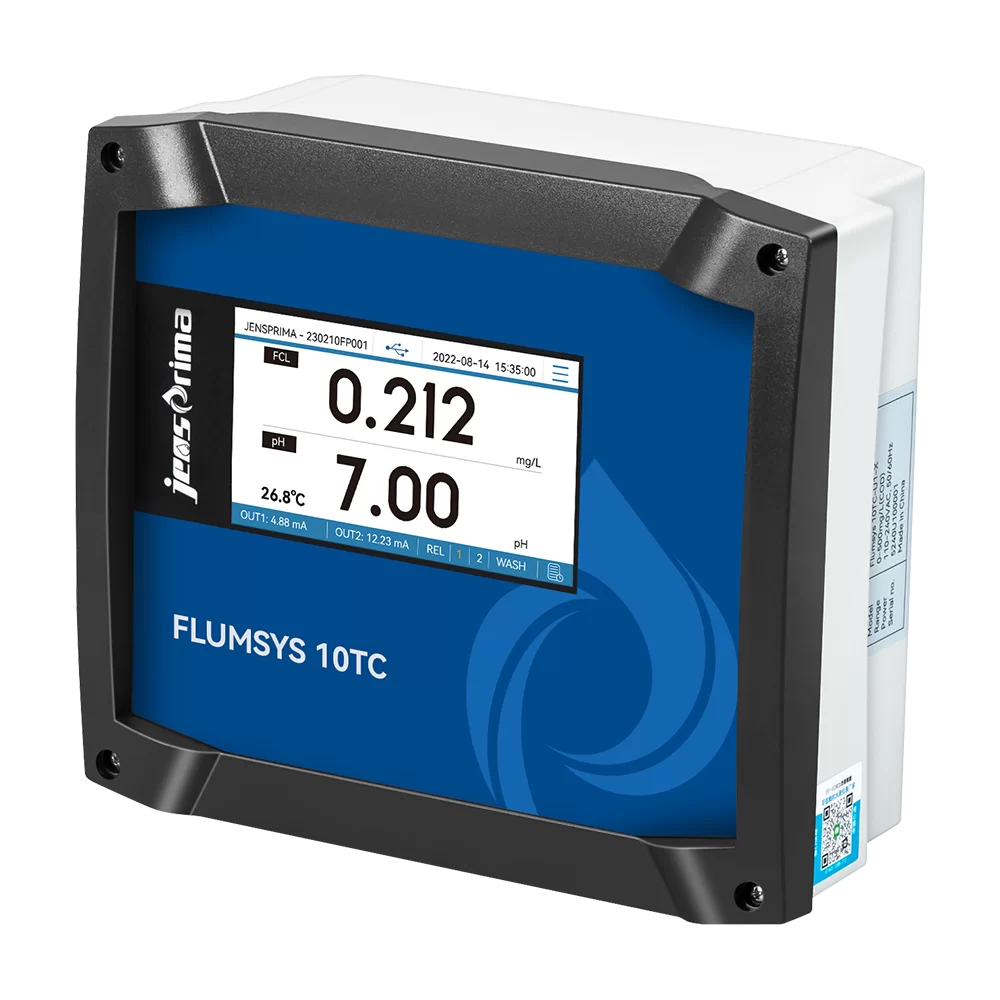
An analyzer is only as useful as the data it transmits. Industrial systems must integrate with existing SCADA or PLC frameworks. The most common protocols are 4-20mA analog loops, Modbus RTU, and Profibus. Ensure the device supports the specific protocol of your facility to avoid expensive signal converters. Digital outputs are generally preferred as they reduce signal noise over long cable runs from the probe to the control room.
Maintenance and Sensor Longevity
Long-term operational costs are driven by sensor replacement and cleaning. Probes installed in high-turbidity water require frequent cleaning to prevent the buildup of organic films. Some advanced systems include integrated wipers or air-blast cleaning mechanisms. Evaluate the lead time for replacement sensors; JENSPRIMA, for example, utilizes its own manufacturing factory to ensure a 3-5 business day delivery, minimizing potential downtime during critical failures.
Regulatory Compliance Standards
Depending on the industry, your water analysis must meet specific legal standards. Environmental monitoring organizations often require instruments that comply with ISO or EPA methods. In pharmaceutical production, the focus is on purity and sterility. Ensure the supplier provides comprehensive documentation and certificates of analysis for the sensors, proving that the equipment can withstand the rigorous validation processes required by regulatory bodies.
Total Cost of Ownership Analysis
The initial purchase price is often a small fraction of the total cost. A "cheap" analyzer with high drift and frequent sensor failure becomes expensive over a three-year cycle. Calculate the TCO by factoring in the cost of reagents, calibration buffers, man-hours for maintenance, and the potential cost of production errors due to inaccurate readings. Investing in high-performance optical technology typically reduces the frequency of sensor replacement, lowering the TCO over the product's lifecycle.
FAQ
What is the main advantage of a multi-parameter analyzer over single-probe systems?
The primary advantage is the ability to correlate different water quality indices in real-time. For example, changes in conductivity often signal a change in total dissolved solids, which may simultaneously affect pH levels. A multi-parameter system provides a comprehensive chemical snapshot, reducing the number of installation points and simplifying data management compared to deploying multiple separate instruments.
How often should industrial water sensors be calibrated?
Calibration frequency depends on the water's aggressiveness and the sensor type. pH probes usually require weekly or bi-weekly calibration due to electrode drift. Optical dissolved oxygen sensors are more stable and may only need quarterly checks. However, in high-fouling environments, daily verification is recommended to ensure that bio-films haven't compromised the measurement accuracy.
Can these analyzers be used in saltwater or highly saline environments?
Yes, provided the sensors are specifically designed for high salinity. Standard pH and conductivity probes may suffer from "salt poisoning" or corrosion. When selecting a system for marine or brine applications, ensure the probe bodies are made of titanium or high-grade plastics and that the conductivity cell is calibrated for the expected salinity range.
What should I check when evaluating a water quality instrument supplier?
Check for three main factors: R&D experience, manufacturing control, and after-sales support. A supplier with their own factory can better guarantee lead times and quality consistency. Verify their global installation record—for instance, JENSPRIMA has over 25,000 instruments installed worldwide—and ensure they provide 24-hour technical support to minimize downtime during instrument malfunctions.
How do I prevent biofouling on submerged sensors?
Biofouling is prevented through a combination of material selection and mechanical cleaning. Using anti-fouling coatings on sensor membranes can delay growth. More effectively, industrial systems employ automatic cleaning mechanisms, such as compressed air bursts or mechanical wipers, which physically remove organic buildup from the sensor face without requiring manual intervention.
Is it possible to customize the parameter set for specific industry needs?
Most professional-grade analyzers are modular. This means you can select a base unit and add specific probes (e.g., adding a nitrate sensor for agricultural runoff or an ORP sensor for wastewater oxidation) based on your specific process requirements. Customization ensures you only pay for the parameters you actually need to monitor while maintaining the ability to expand in the future.
References and further reading
- ISO 5667: Water quality — Sampling — Guidance on the preservation of water samples.
- EPA Method 160.1: Turbidity Measurement Guidelines for Industrial Effluents.
- USP <645>: Water Conductivity standards for Pharmaceutical Applications.
Related Articles


