


 Download
 Video Center
 Technical Services
 FAQS
 Service Network
 Privacy Policy
 Contact Us




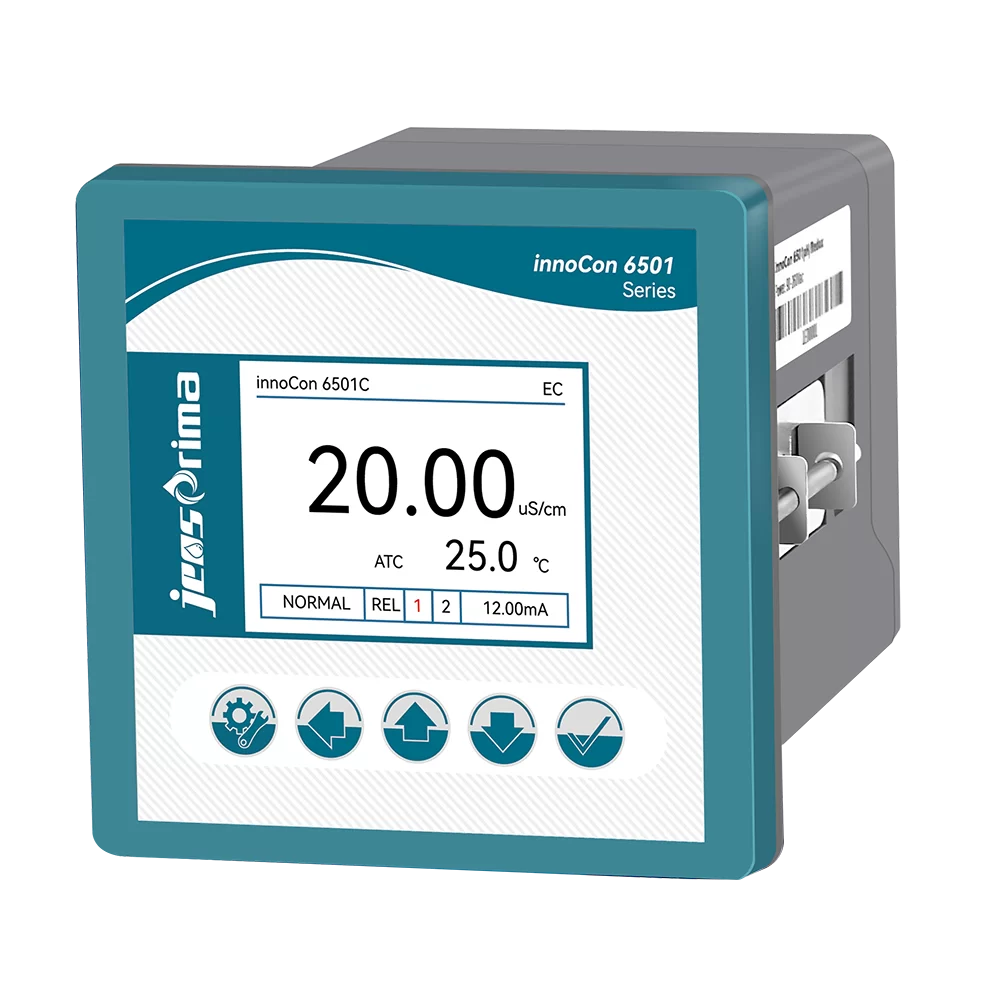
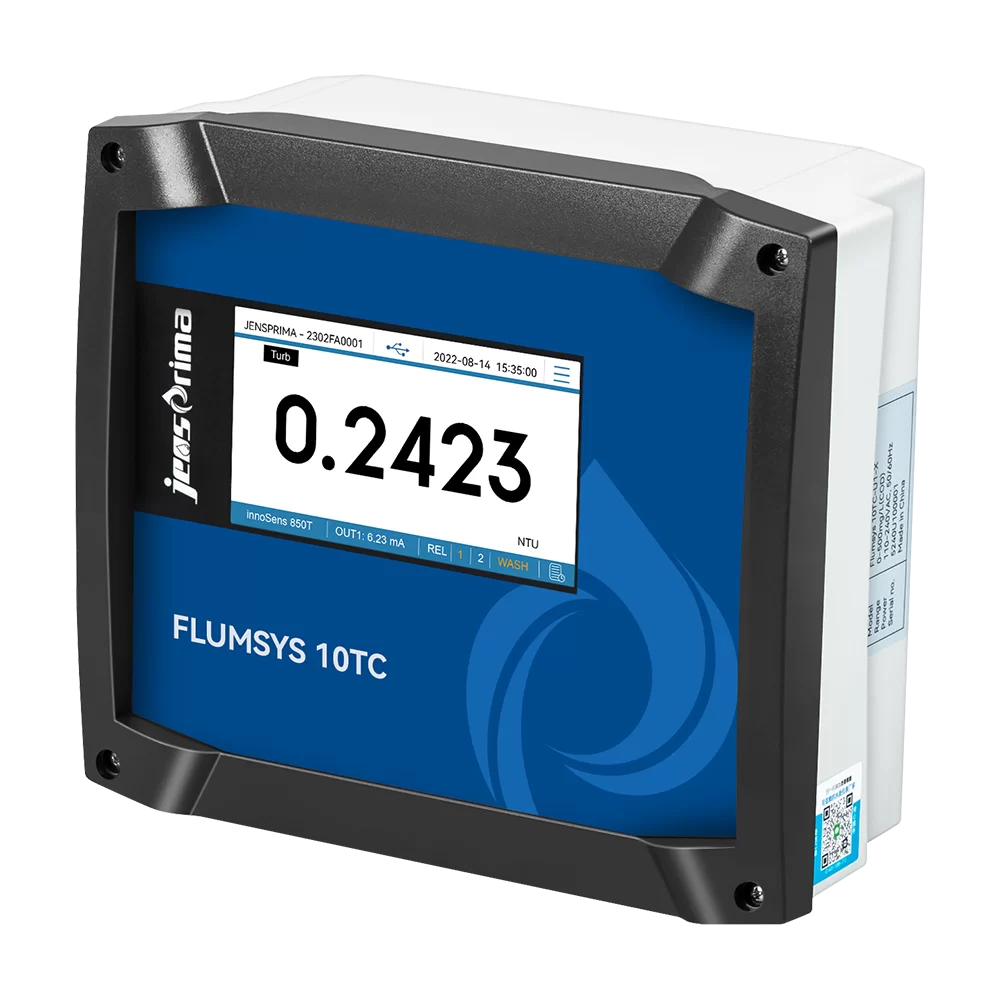
Determining the right investment for pH monitoring requires more than comparing a simple ph controller price; it demands a comprehensive analysis of Total Cost of Ownership (TCO). In industrial water treatment and chemical processing, the controller acts as the brain of the acidification or alkalization process, making its reliability critical to product quality and safety. This article examines the variables that influence pricing and how to balance upfront capital expenditure with long-term operational stability.
For sectors such as pharmaceutical manufacturing and wastewater treatment, the cost of a single measurement error can far outweigh the price of the instrument itself. Whether managing nutrient levels in aquaculture or ensuring compliance in environmental monitoring, the procurement focus must shift from the lowest purchase price to the highest value per lifecycle year. Technical specifications, sensor compatibility, and the manufacturer's R&D background play pivotal roles in determining the actual commercial value of the hardware.
Readers will discover the key technical drivers that inflate or reduce costs, the hidden expenses associated with maintenance, and a framework for evaluating suppliers based on their production capabilities. By understanding the relationship between sensor precision and operational efficiency, procurement officers and engineers can make informed decisions that reduce downtime and prevent costly chemical overdosing in their production lines.
Economic Drivers of pH Control Systems
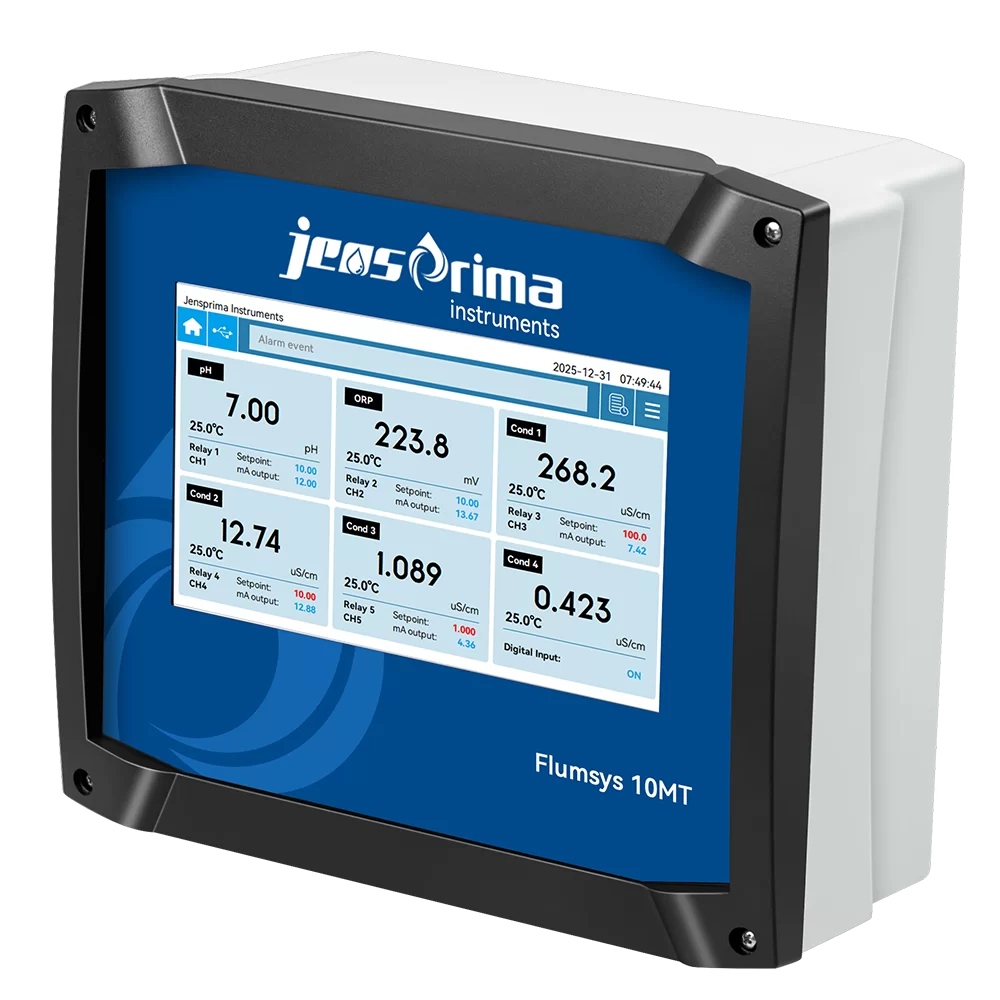
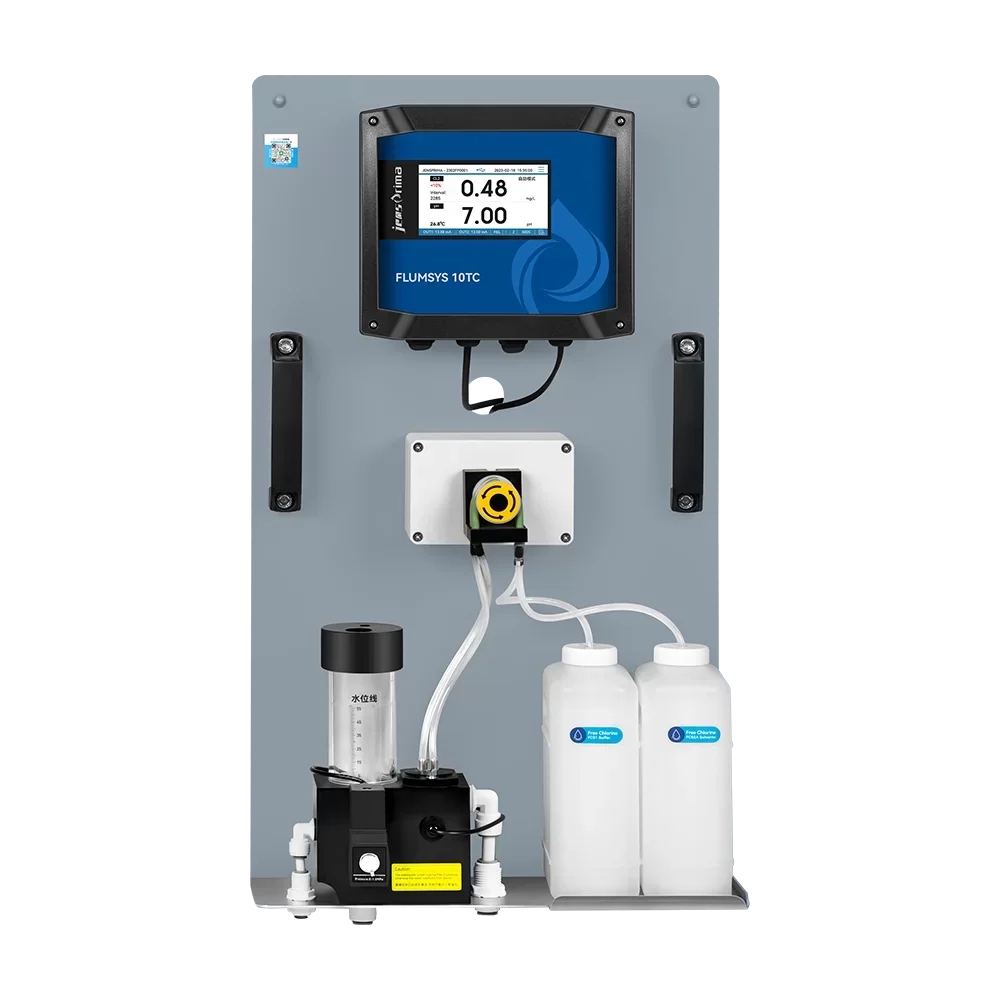
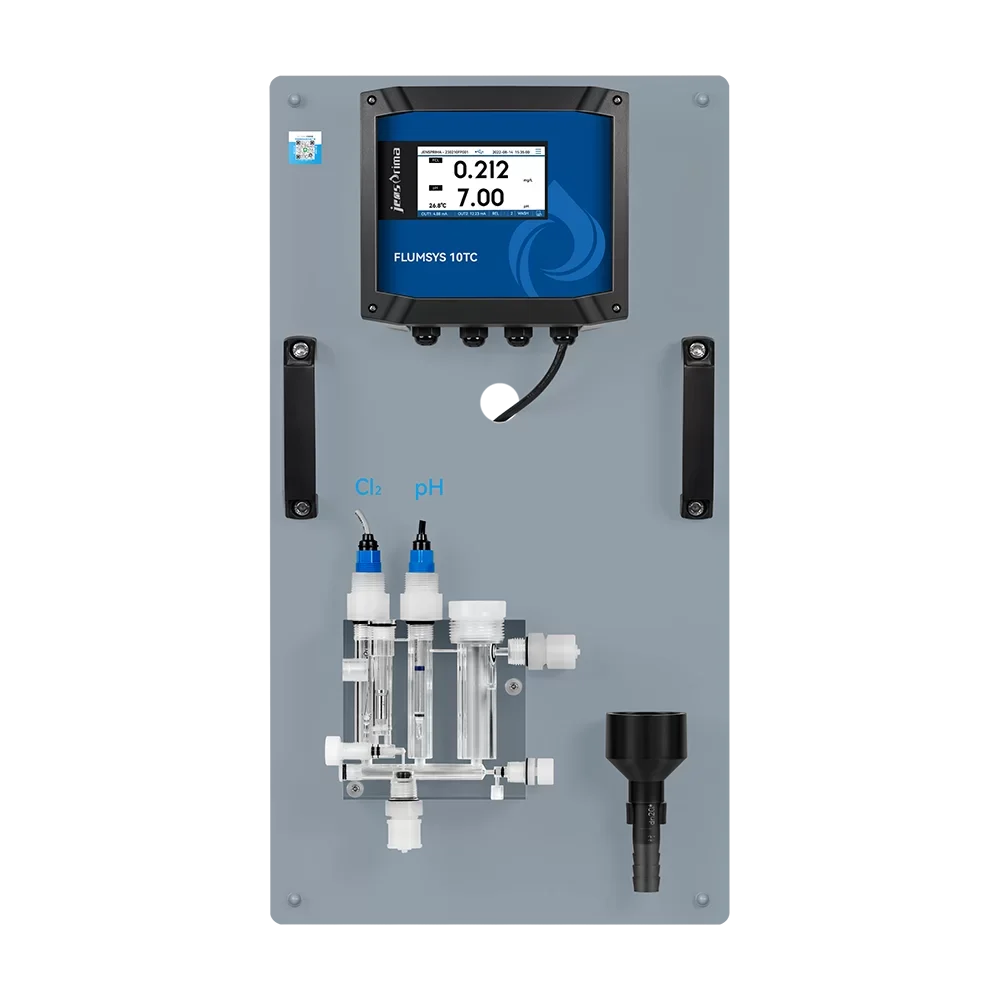
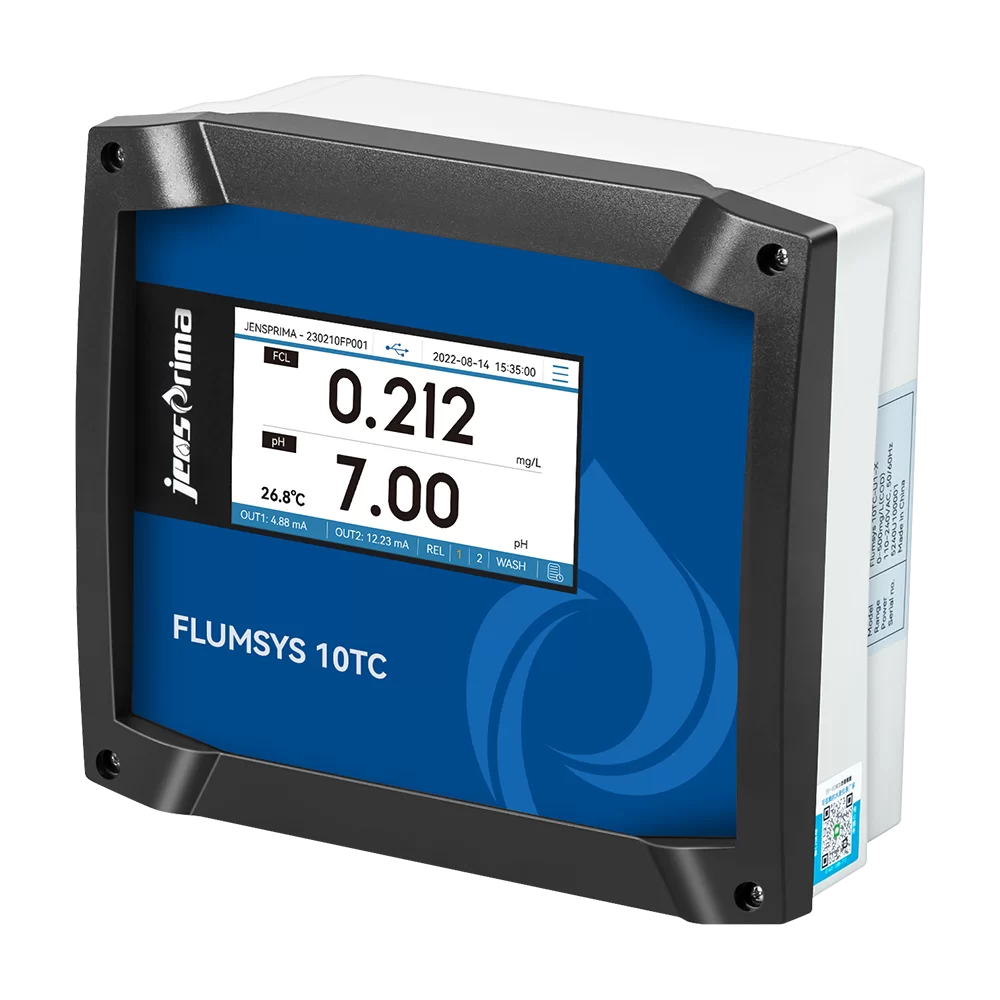
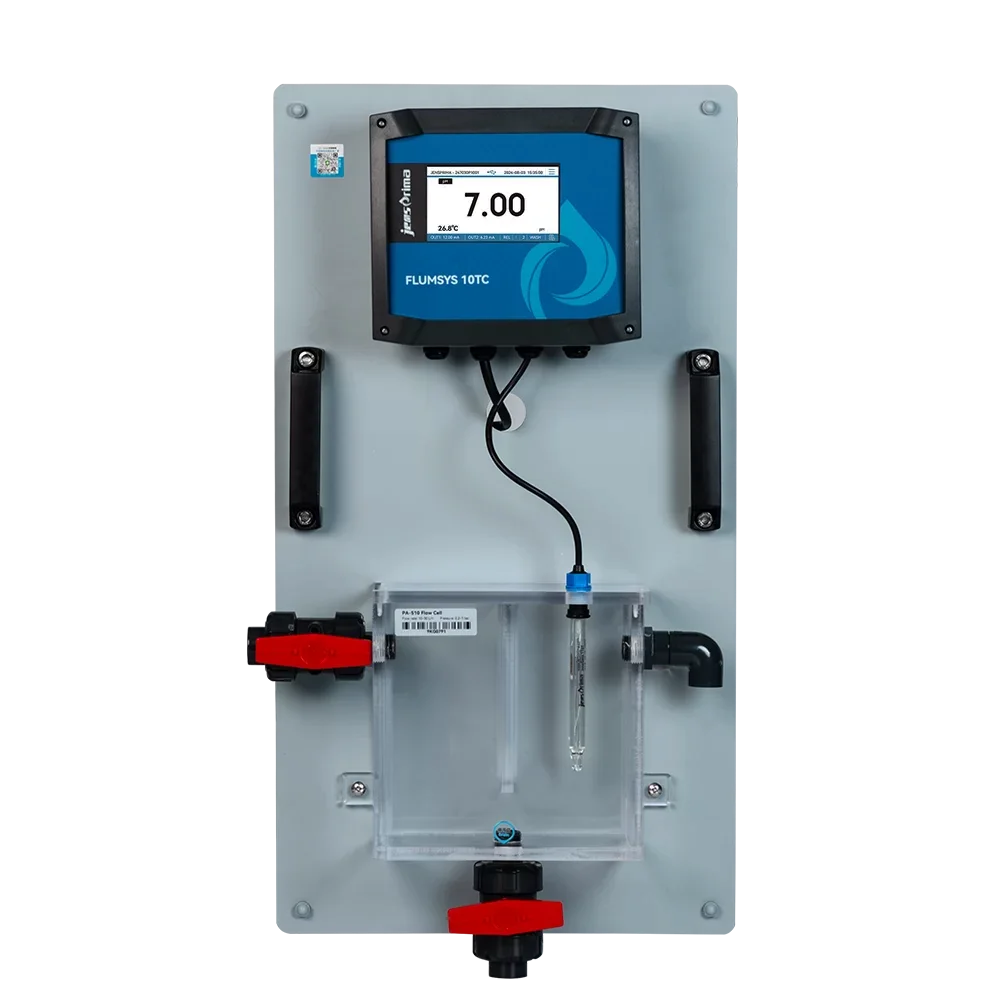
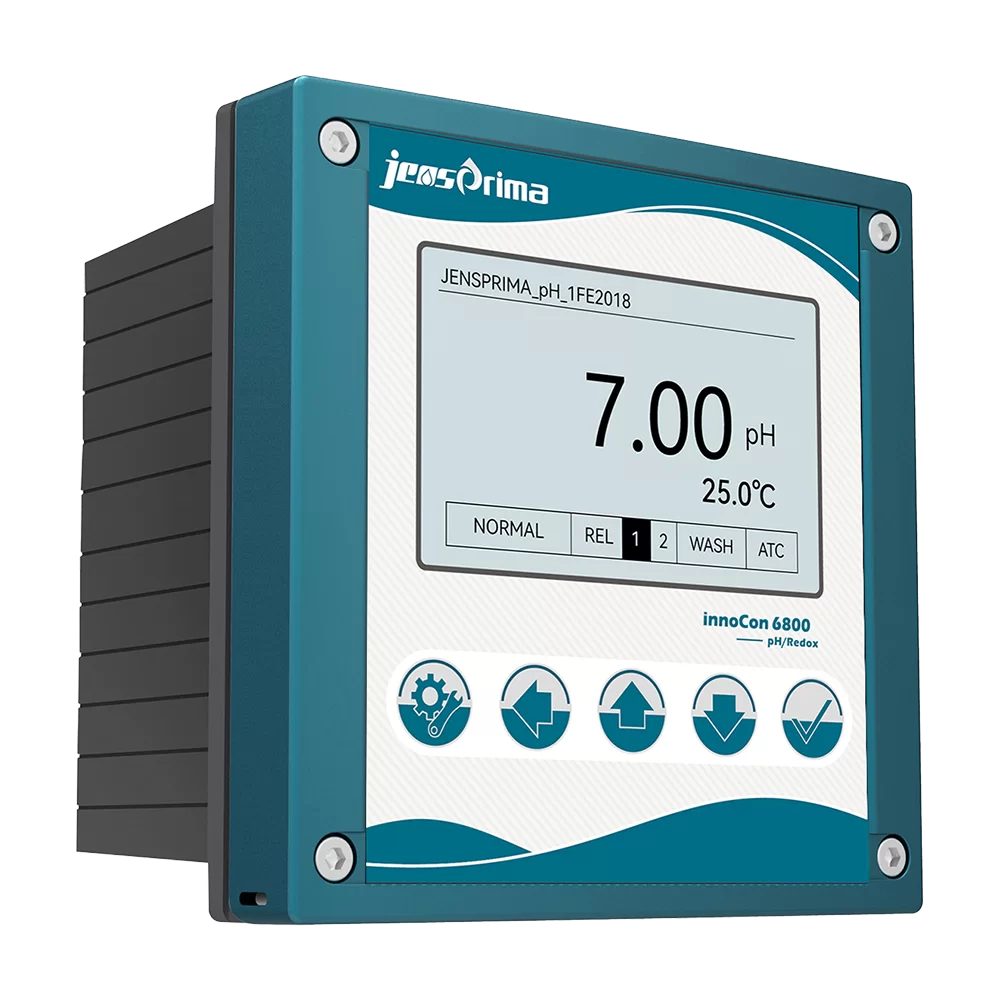
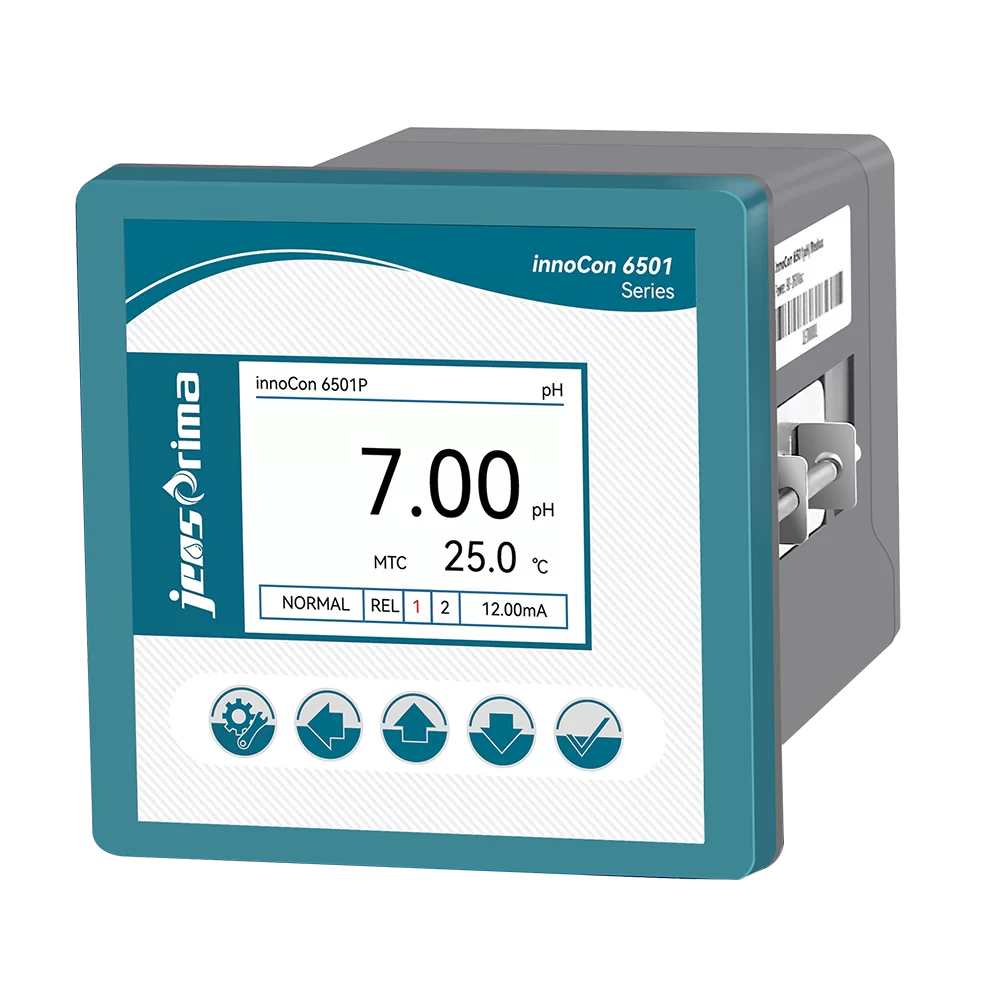
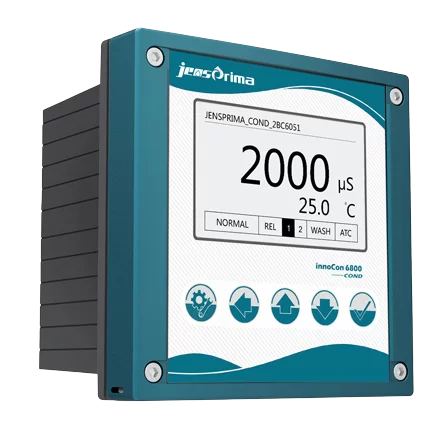
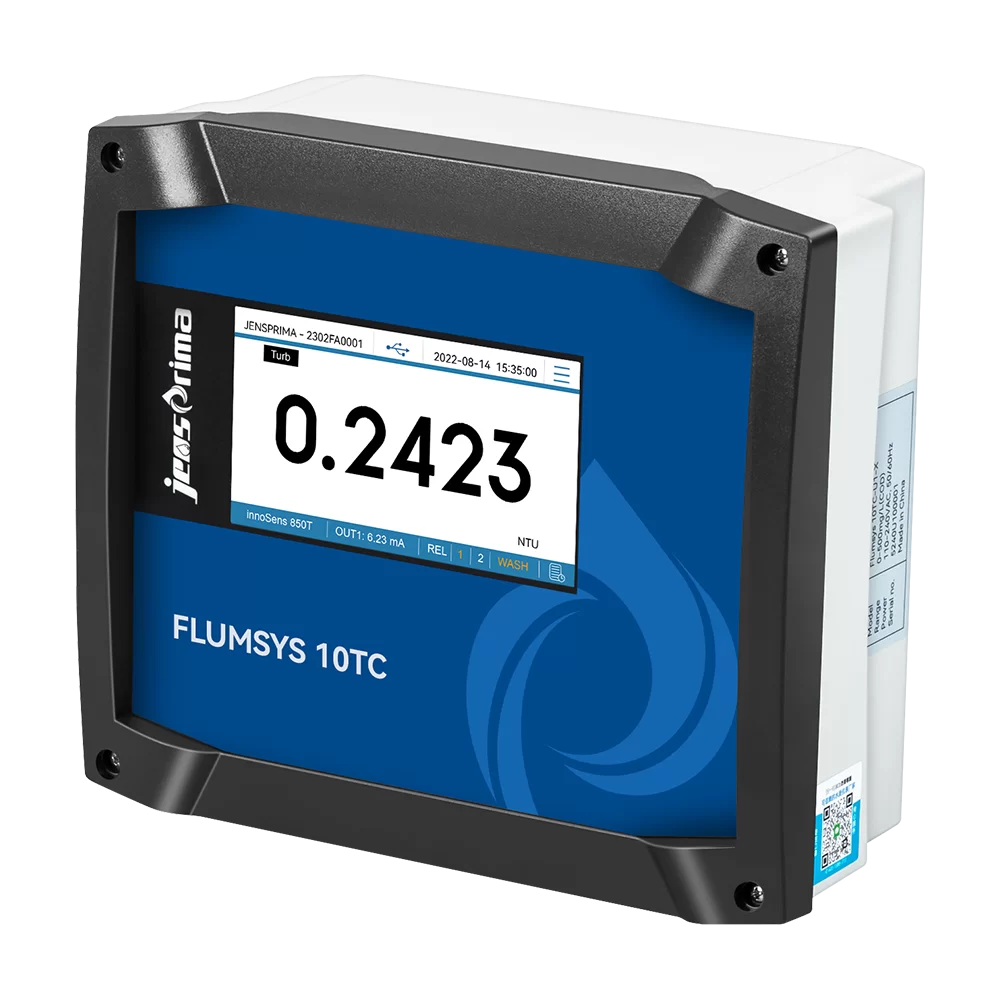
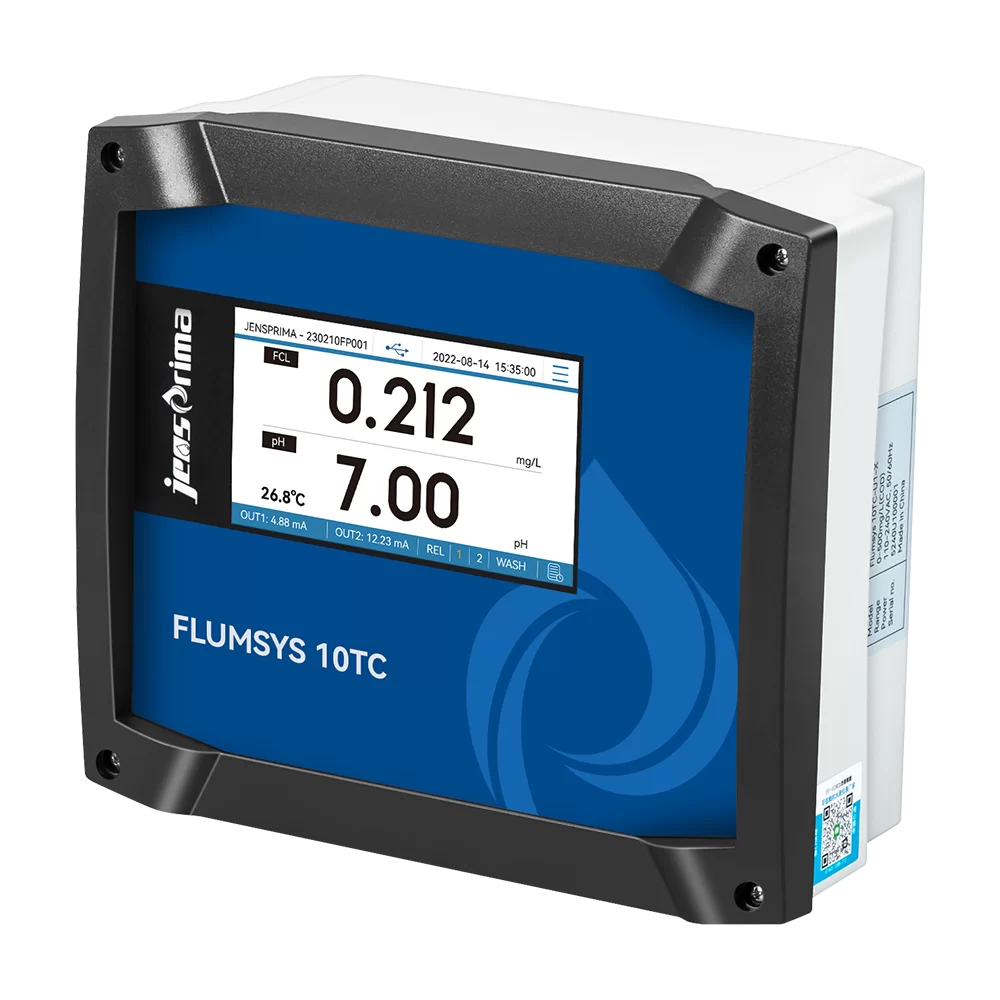
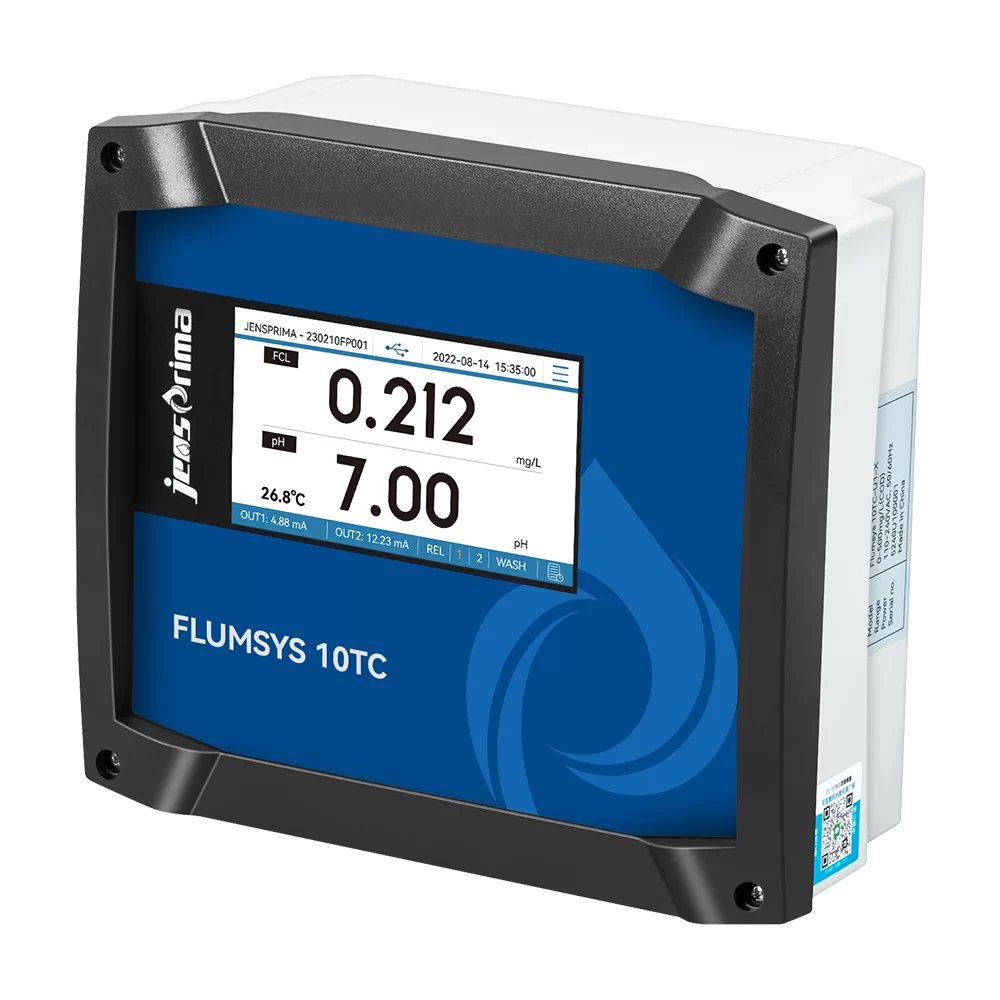
The commercial value of a pH control system is dictated by its ability to maintain a set point with minimal drift. From an engineering perspective, the price is driven by the quality of the analog-to-digital converters, the robustness of the housing (such as IP65 or IP67 ratings), and the sophistication of the control algorithms (PID control). Higher-end units offer better noise rejection and temperature compensation, which are essential in industrial environments where electromagnetic interference is common. Furthermore, the ability of a system to interface with PLC/SCADA systems via 4-20mA or Modbus protocols adds to its market value by enabling centralized data logging and remote monitoring. Companies with integrated manufacturing, such as Jensprima's 5,000-square-meter facility, can often optimize these costs by controlling the entire production chain from sensor assembly to final controller testing, ensuring that precision is not sacrificed for price.
Evaluating Value in pH Instrumentation
When analyzing the procurement of pH controllers, it is necessary to decouple the initial purchase price from the long-term cost of maintaining accuracy. The following dimensions provide a technical and commercial framework for this evaluation.
Hardware Quality vs. Initial Cost
The materials used in the controller chassis and the internal circuitry directly impact the device's lifespan. Industrial-grade components are designed to withstand humidity and temperature fluctuations, whereas entry-level models may fail prematurely in harsh environments. Investing in a controller with a proven track record of installations in over 40 countries ensures that the hardware is vetted for diverse climatic conditions.
| Component Level | Impact on Price | Operational Risk | Value Proposition |
|---|---|---|---|
| Consumer Grade | Low | High failure rate in humidity | Short-term low CAPEX |
| Industrial Standard | Moderate | Standard wear and tear | Balanced lifecycle cost |
| High-Precision | High | Minimal drift/High stability | Maximum process uptime |
| Custom OEM | Variable | Application-specific risk | Optimized for specific flow |
| Modular Design | Moderate | Easier component replacement | Reduced long-term downtime |
| Ruggedized/Explosion-proof | High | Very low environmental risk | Compliance in hazardous zones |
Impact of Sensor Precision
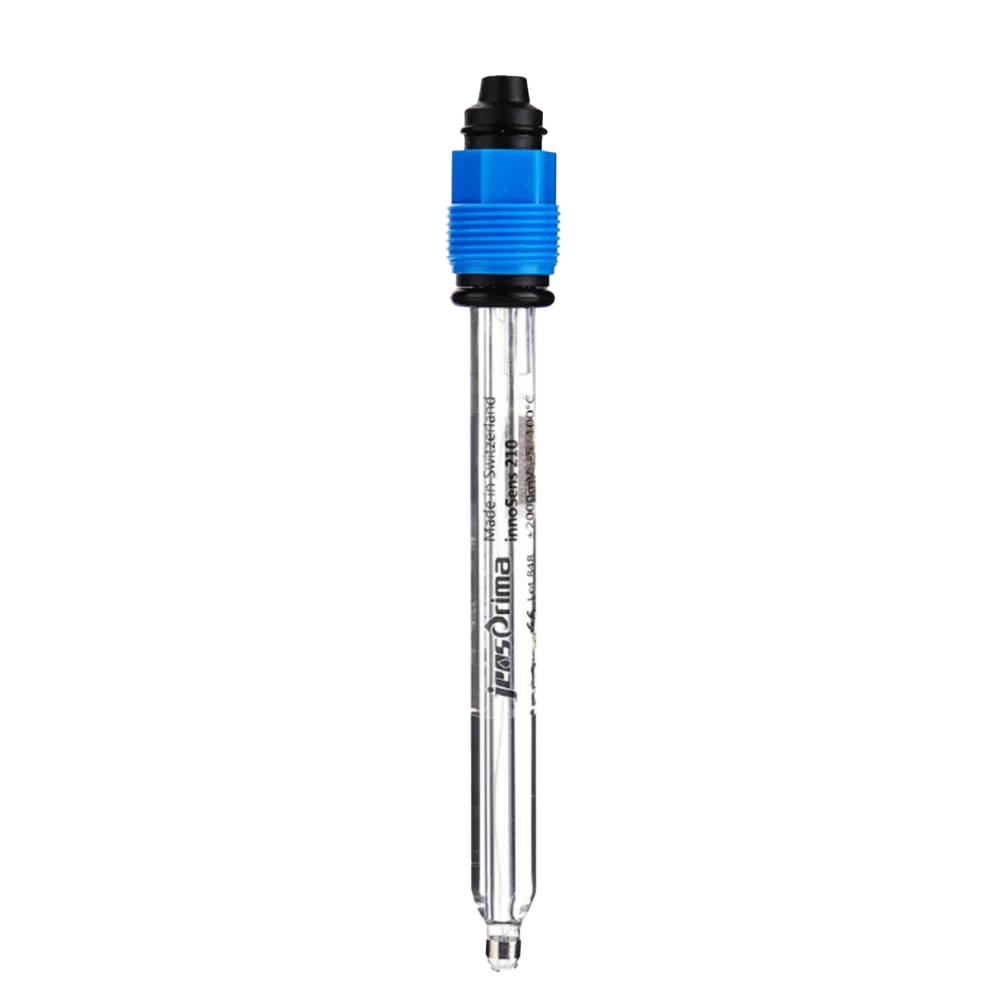
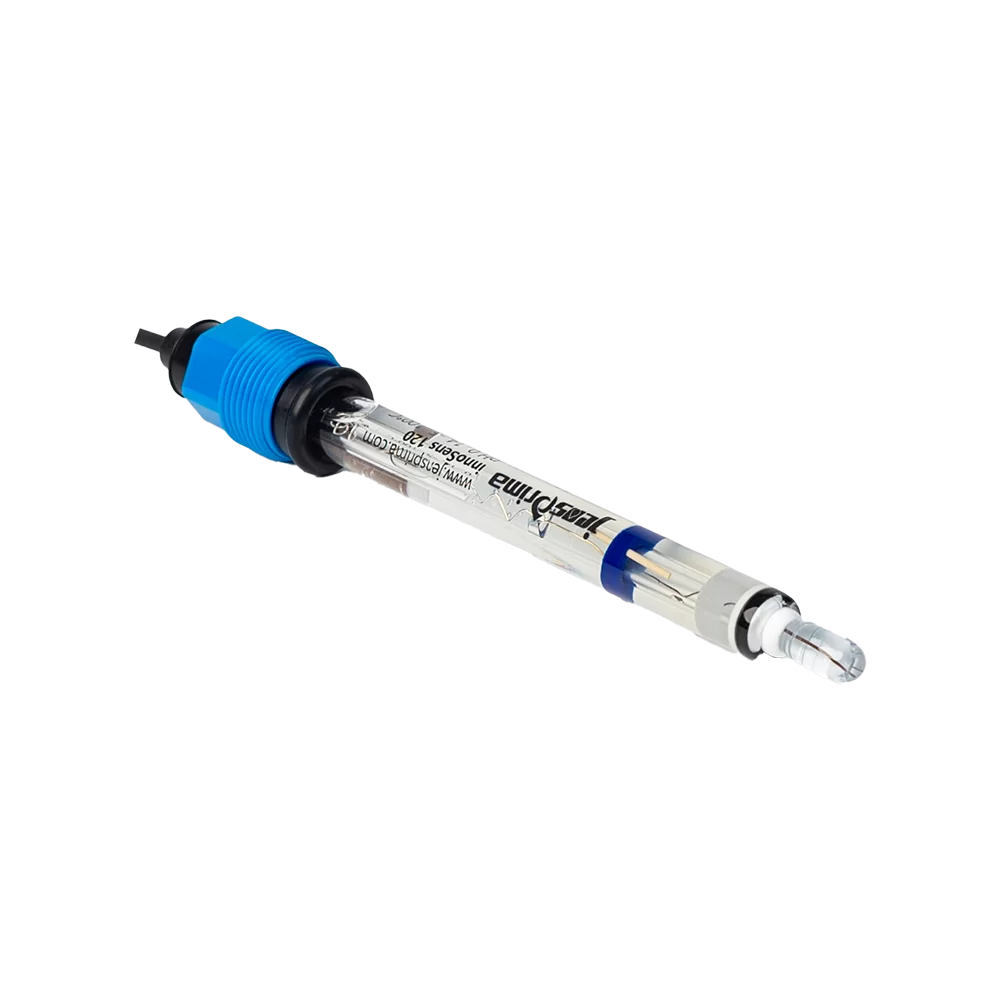
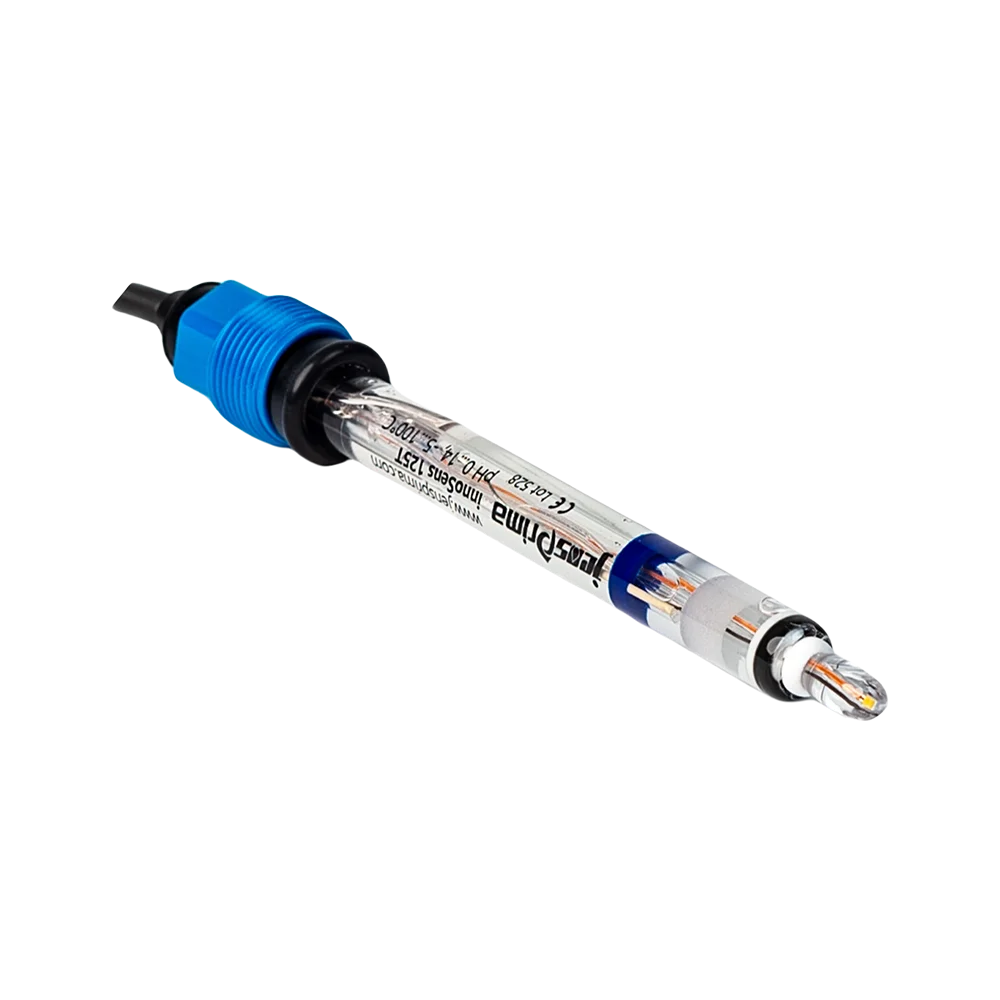
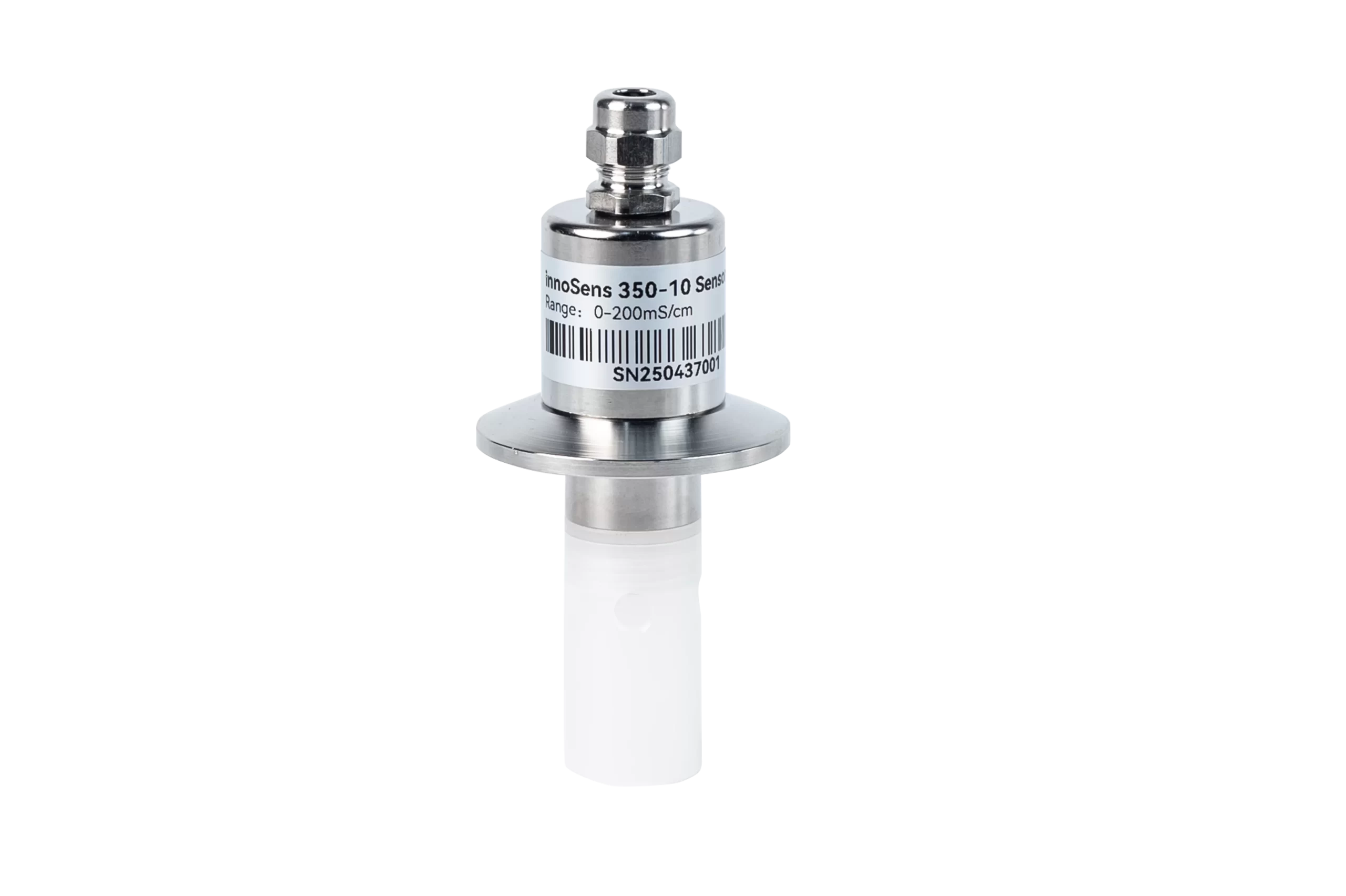
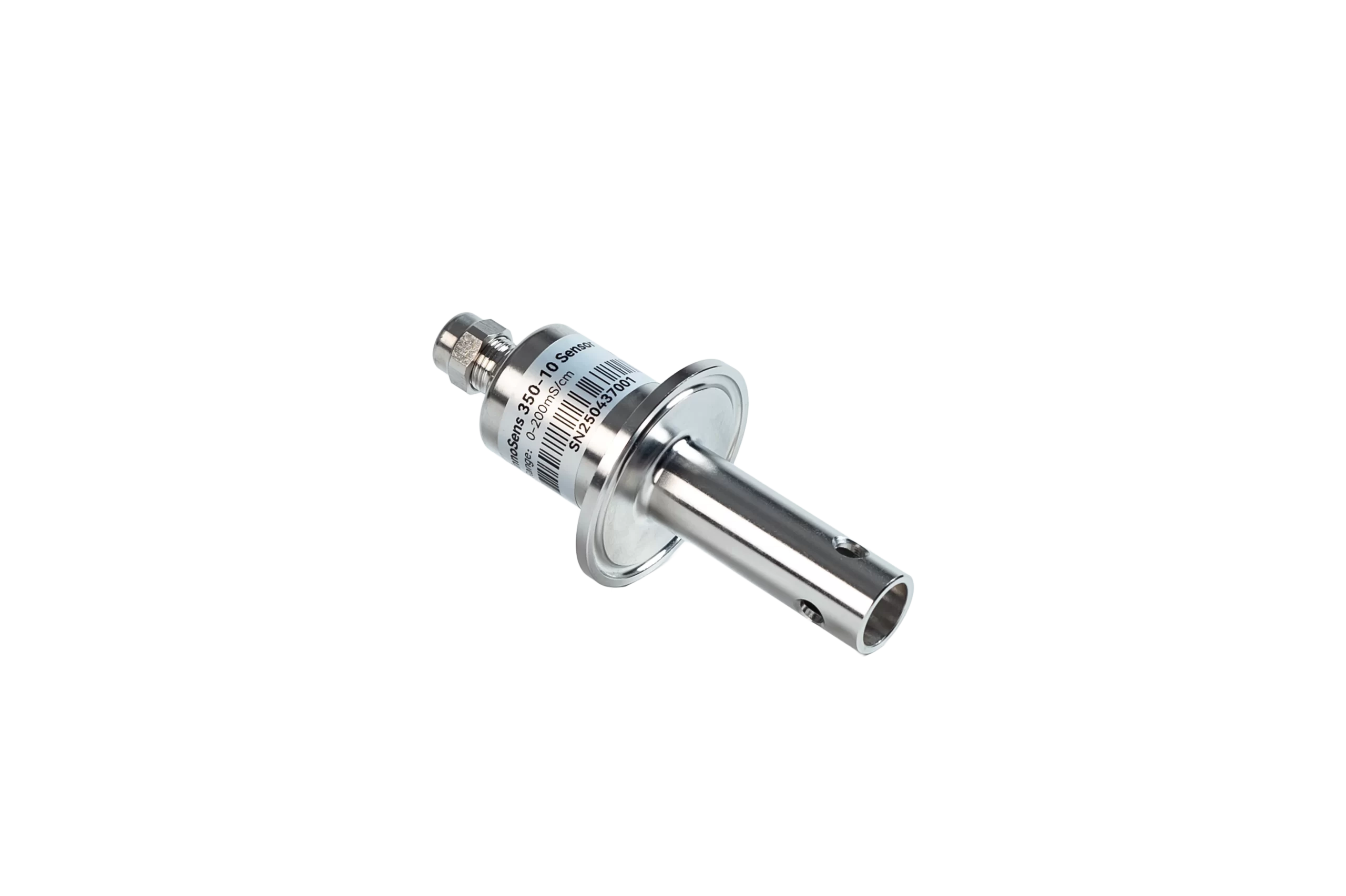
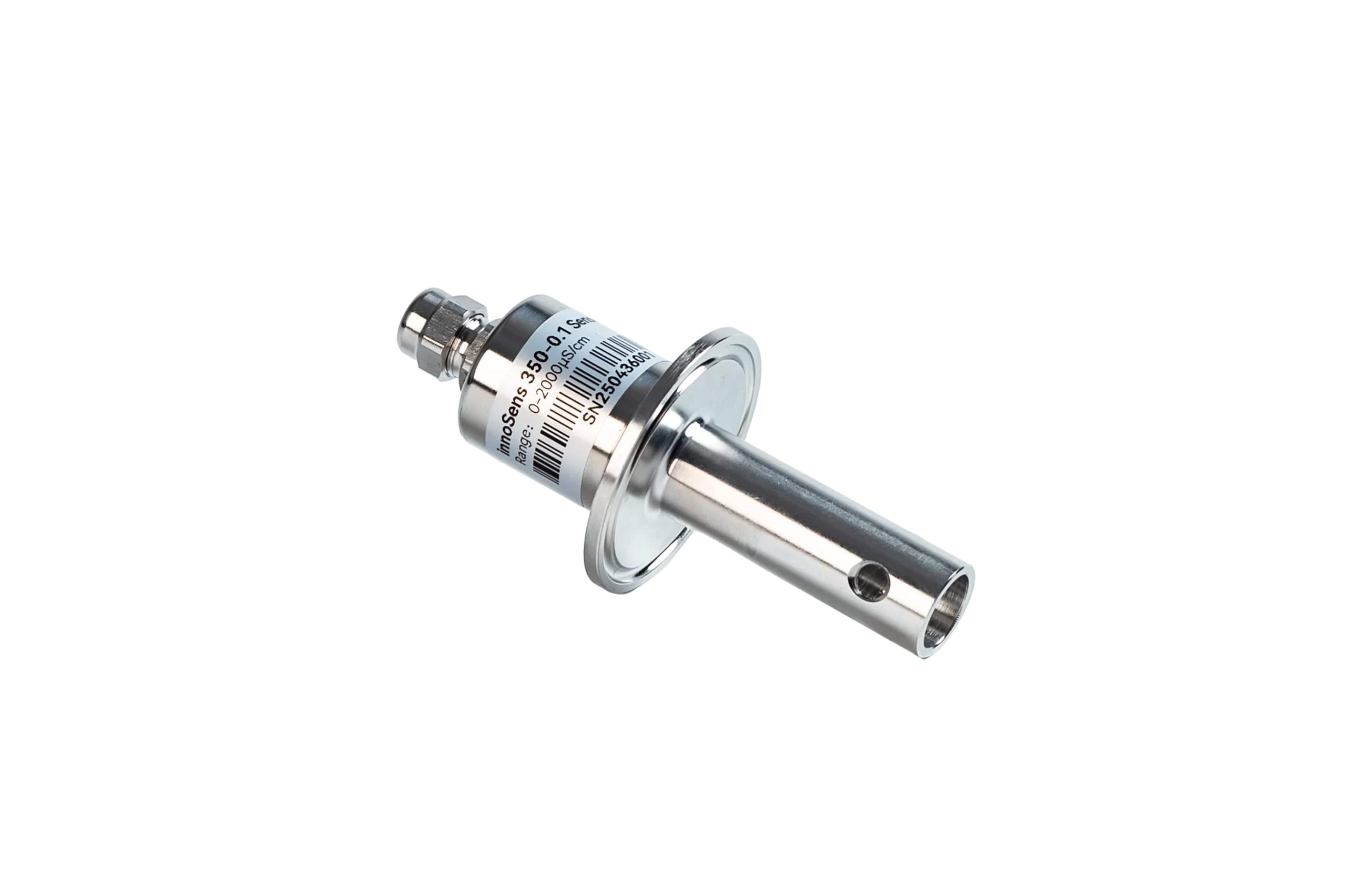
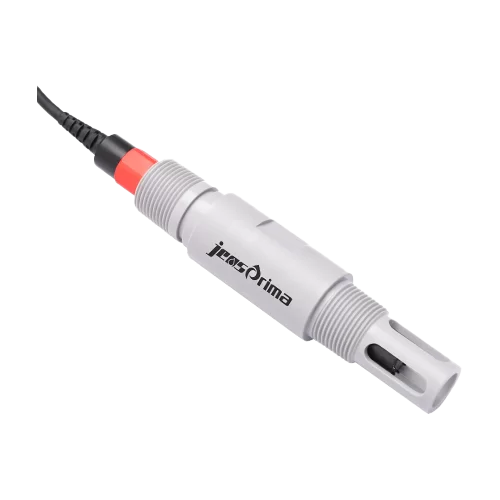
A controller is only as accurate as the sensor it reads. High-precision sensors reduce the "hunting" effect where the controller constantly over-corrects the pH level. This stability reduces the consumption of dosing chemicals and prevents the premature wear of dosing pumps. Therefore, a slightly higher initial investment in a precision-matched sensor and controller pairing often leads to significant savings in reagent costs over a 12-month period.
Operational Expenditure (OPEX) Factors
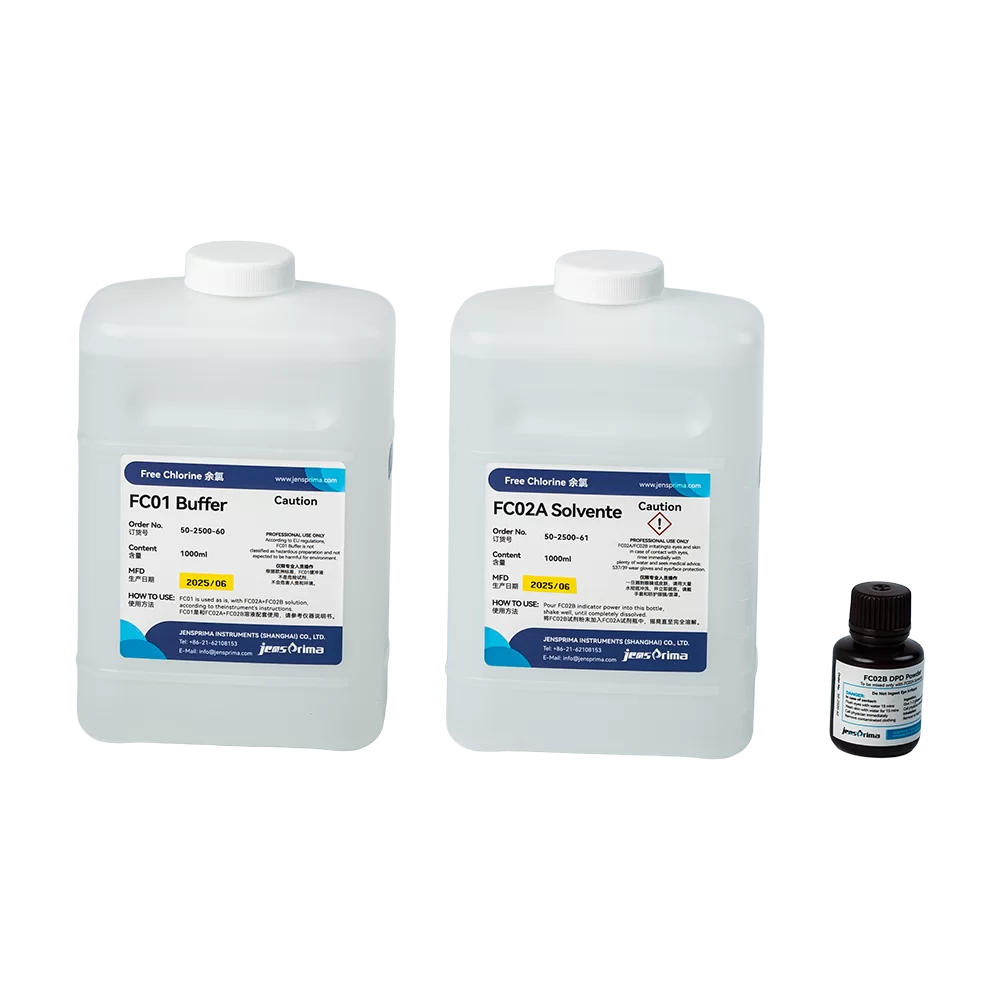
OPEX includes the cost of replacement electrodes, calibration buffers, and the electricity used by the system. Controllers that offer advanced diagnostics can alert operators when a sensor is fouling or reaching the end of its life. This predictive maintenance approach prevents unplanned shutdowns, which in pharmaceutical or wastewater plants can cost thousands of dollars per hour in lost production or regulatory fines.
Calibration Frequency and Labor
The labor cost of calibration is a hidden driver of the total cost. High-stability controllers require fewer calibration cycles. If a low-cost unit requires weekly calibration while a professional unit requires monthly maintenance, the labor savings alone can justify the price difference within the first year of operation. Automated calibration features further enhance this value by reducing human error.
Integration with Process Control
For modern B2B operations, standalone controllers are less desirable than integrated solutions. The value of a controller increases when it can seamlessly communicate with a factory's existing automation layer. This integration allows for real-time data analysis and the ability to adjust pH set points remotely, optimizing the entire production flow and reducing the need for manual intervention.
Durability in Corrosive Environments
In wastewater treatment plants, controllers are exposed to corrosive gases and moisture. The use of chemical-resistant plastics and sealed electronics is non-negotiable. A controller that survives five years in a corrosive environment is exponentially more valuable than one that must be replaced every eighteen months, regardless of the initial purchase price.
Supplier Technical Support Value
The commercial risk of purchasing from a supplier without technical depth is high. Value is added when a manufacturer provides 24-hour online support and comprehensive installation video guidance. For global customers, having a partner with 20 years of R&D experience ensures that technical glitches are resolved quickly, maintaining the continuity of the water quality measurement process.
FAQ
What factors most significantly affect the cost of an industrial pH controller?
The primary cost drivers are the accuracy of the electronics, the materials used for the housing (e.g., IP ratings for water and dust resistance), the available communication protocols (like Modbus or 4-20mA), and the quality of the integrated sensor technology. Specialized features such as automatic temperature compensation and PID control algorithms also add to the value and price.
Is a cheaper pH controller suitable for pharmaceutical manufacturing?
Generally, no. Pharmaceutical environments require extreme precision and strict compliance with quality standards. Low-cost controllers often have higher drift rates and lack the stability needed for sensitive chemical reactions. The risk of a batch failure due to inaccurate pH control far outweighs the initial savings on hardware.
How does sensor life affect the total cost of ownership?
Sensors are consumables. A controller that manages sensor health and provides clear alerts for replacement helps avoid sudden system failures. Higher-quality sensors last longer and maintain accuracy, reducing the frequency of replacements and the associated labor costs for installation and calibration.
What should I look for in a supplier for water quality instrumentation?
Look for suppliers with integrated manufacturing capabilities and a strong R&D background. A company that owns its factory can guarantee lead times (e.g., 3-5 business days) and offer better OEM customization. Additionally, global deployment experience in multiple countries indicates that the product is reliable across various operational environments.
Can the pH controller be integrated into an existing SCADA system?
Yes, provided the controller supports standard industrial outputs such as 4-20mA analog signals or digital protocols like RS485/Modbus. This allow the pH data to be streamed to a central control room for monitoring and automated logging, which is a standard requirement for most modern industrial process control systems.
How often does a professional pH controller need calibration?
Calibration frequency depends on the application and the stability of the sensor. In clean water applications, monthly calibration may suffice. However, in wastewater or high-fouling environments, weekly or even daily checks may be necessary. High-end controllers with better stability can extend the intervals between required calibrations.
References and further reading
- Industrial Water Quality Measurement Standards for Process Control.
- Guidelines for Total Cost of Ownership (TCO) in Instrumentation Procurement.
- Comparison of PID vs. On-Off Control in Chemical Dosing Systems.


