Buy Cheap Multi Parameter Water Quality Analyzer InnoSens 450
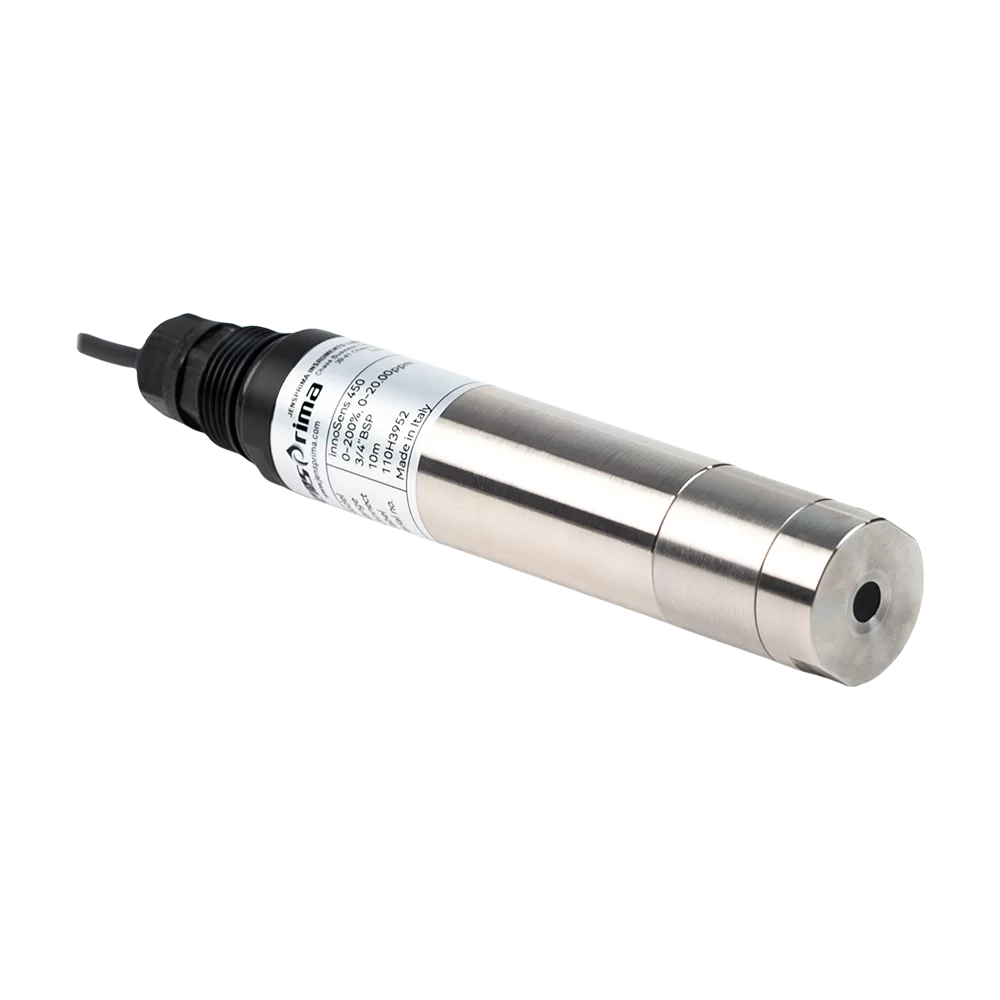
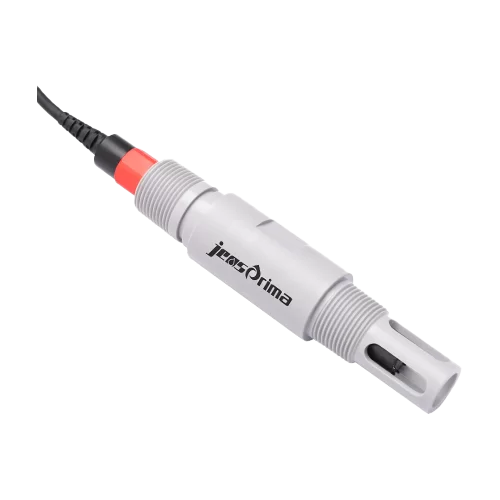
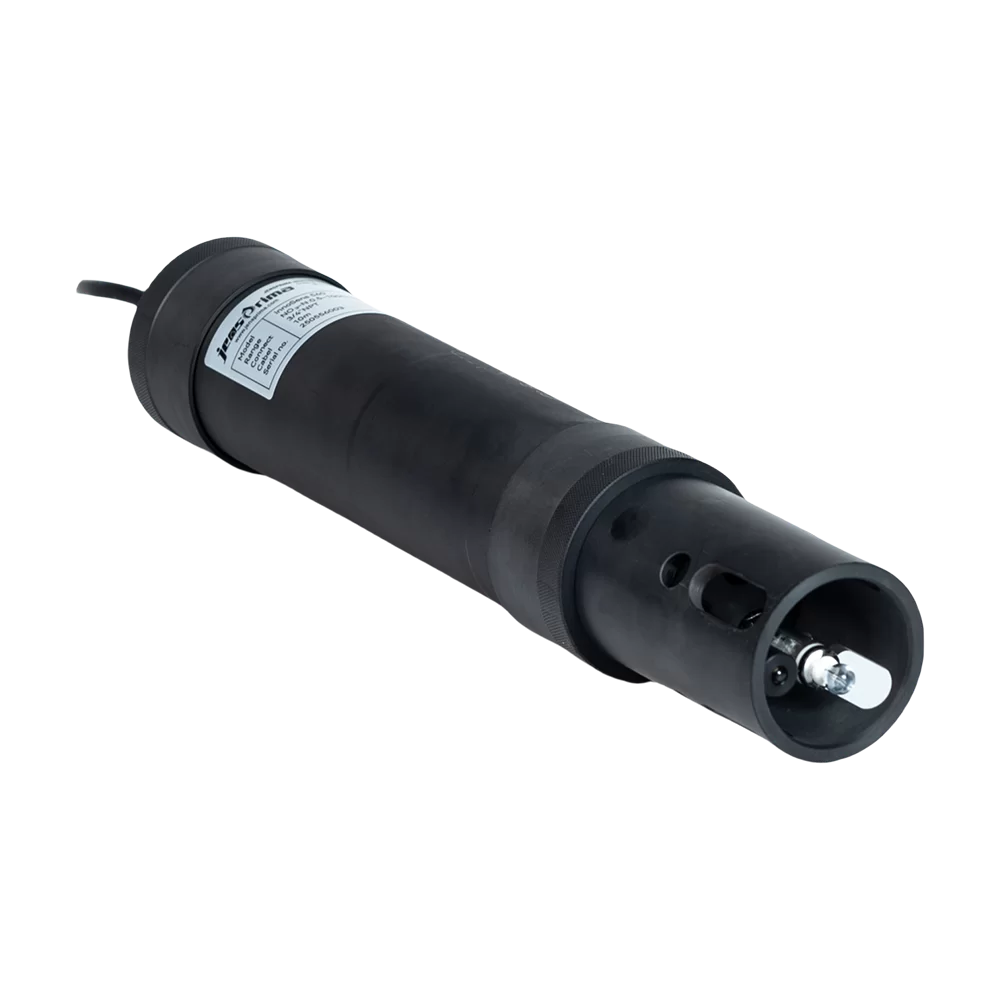
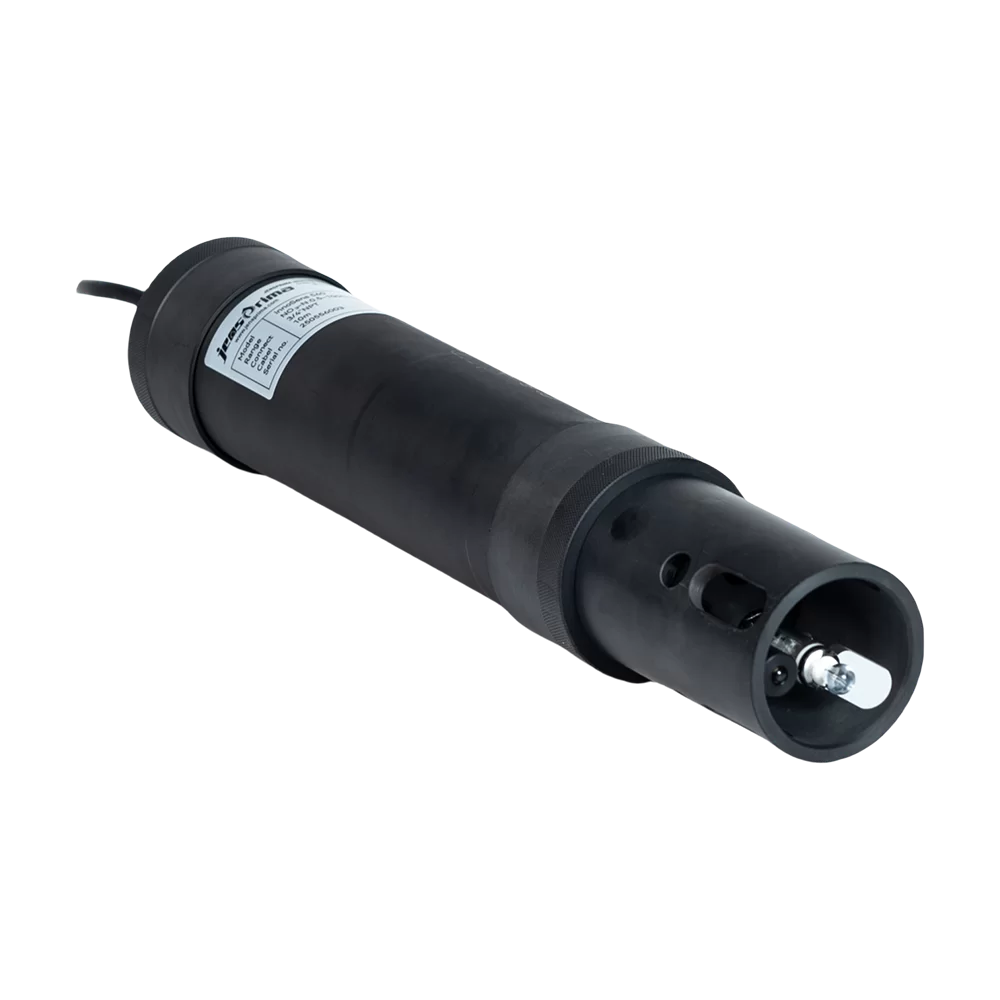
Achieving precise dissolved oxygen monitoring is a critical challenge for wastewater treatment plant operators and aquaculture managers. The InnoSens 450 is a professional-grade sensor engineered to address these needs, providing high-precision data essential for maintaining aquatic ecosystem health and industrial effluent compliance. By integrating advanced membrane technology with a robust industrial design, this instrument ensures stable performance even in harsh chemical environments.
For organizations seeking a cheap multi parameter water quality analyzer solution without compromising on sensor accuracy, the InnoSens 450 serves as a high-performance node for larger monitoring networks. Whether you are managing aeration blowers to reduce electricity costs or preventing hypoxia in fish farms, having real-time, drift-resistant data is the foundation of operational efficiency and environmental stewardship.
High-Precision Dissolved Oxygen Sensing for Challenging Industrial Environments
The InnoSens 450 is specifically designed for online water analysis where reliability is non-negotiable. Utilizing advanced sensing technology, it tracks dissolved oxygen (DO) levels with a typical measurement range of 0 to 20 mg/L and an accuracy of less than 2% of the full scale. This precision is vital for industries where oxygen fluctuations can lead to process failure or biological collapse.
Constructed from industrial-grade stainless steel and PVC, the housing is engineered to withstand the corrosive nature of wastewater and industrial runoff. This durability reduces the need for frequent equipment replacement, making it a sustainable choice for long-term deployment. The sensor's fast response time (T90) allows operators to react instantaneously to changes in water chemistry, ensuring that aeration systems are always optimized for the current load.
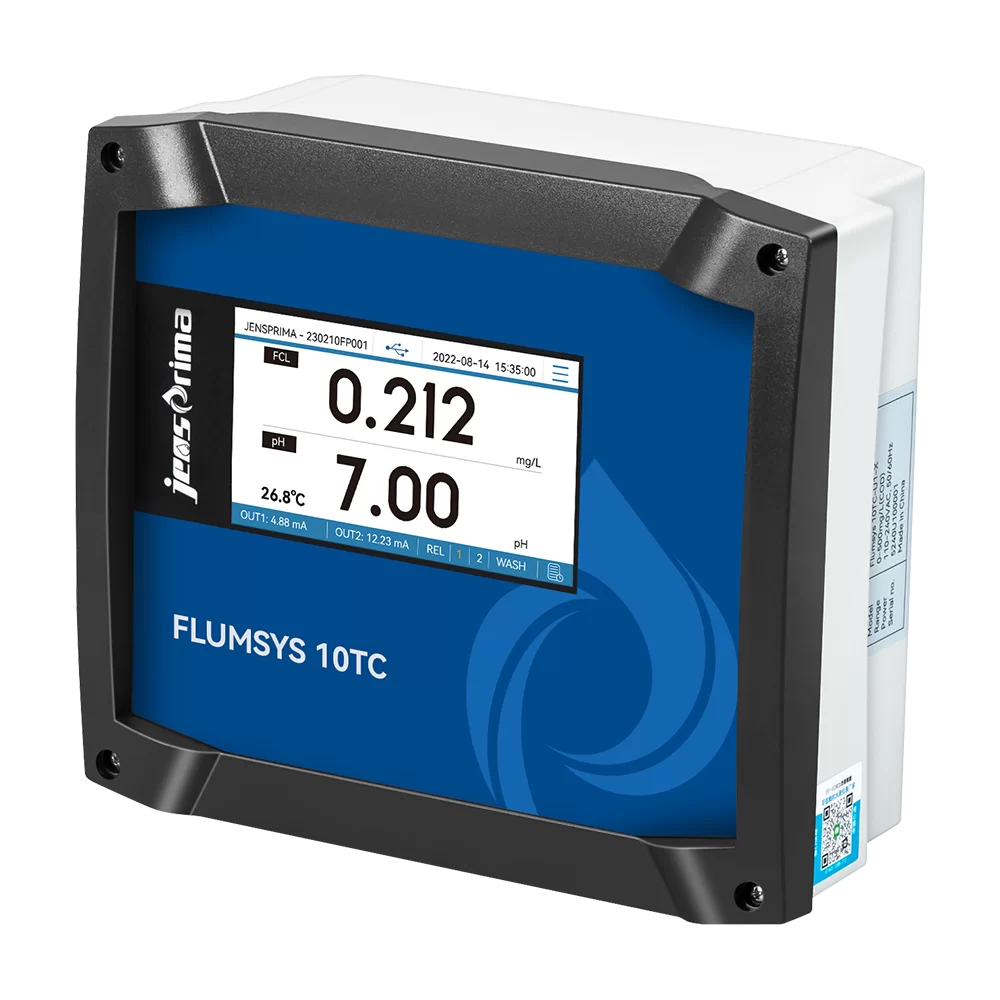
Integration is simplified through standard signal outputs, including 4-20mA and Modbus. This ensures that the InnoSens 450 can be seamlessly incorporated into existing PLC or SCADA systems, enabling automated data collection and remote monitoring across expansive plant layouts. By minimizing signal drift through optimized membrane technology, the sensor provides a consistent baseline for critical water quality management.

Optimizing Operational Costs Through DO-Based Aeration Control
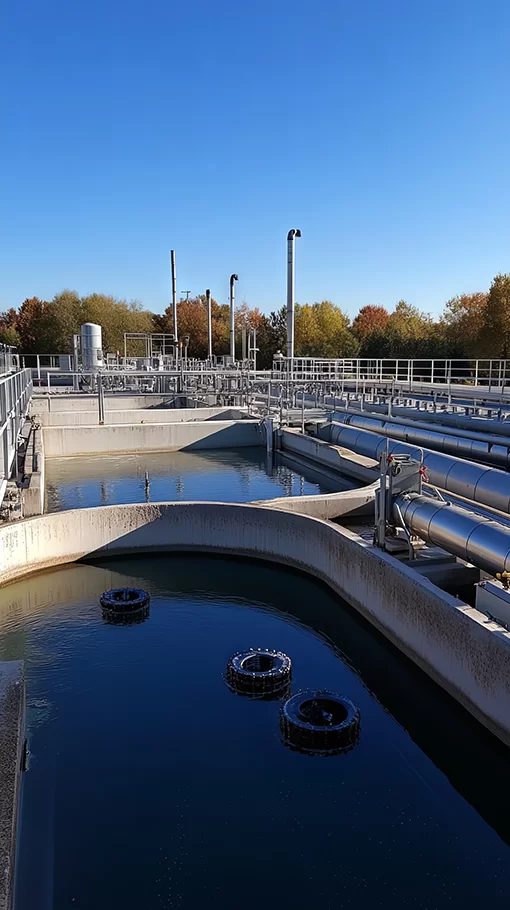
In most wastewater treatment facilities, aeration blowers are the single largest consumers of electricity. Traditional systems often run at constant speeds, leading to significant energy waste. By deploying the InnoSens 450, plants can implement "DO-based control," where blower VFDs (Variable Frequency Drives) are linked directly to real-time oxygen readings. This demand-based approach ensures that energy is only expended when oxygen levels drop below a specific threshold.
The economic impact of this transition is substantial. Not only does it lower monthly utility bills, but it also extends the mechanical lifespan of the blowers by reducing unnecessary run-time. Furthermore, precise oxygen control prevents the over-aeration of tanks, which can disrupt the biological treatment process and negatively impact the settling of sludge in secondary clarifiers.
Beyond energy, the InnoSens 450 reduces labor costs through its low-frequency calibration cycle. While standard sensors may require weekly attention, the InnoSens series is designed for monthly or quarterly maintenance, significantly reducing the man-hours required for system upkeep. This combination of energy efficiency and low maintenance creates an accelerated return on investment (ROI) for the facility operator.
Application Scenarios and Strategic Deployment Logic
The versatility of the InnoSens 450 makes it suitable for a wide array of sectors. In aquaculture, the sensor is deployed to prevent hypoxia—a condition where low oxygen levels can cause mass fish kills. By setting up instant alerts via SMS or Email when thresholds are breached, farm managers can activate emergency aeration systems immediately.
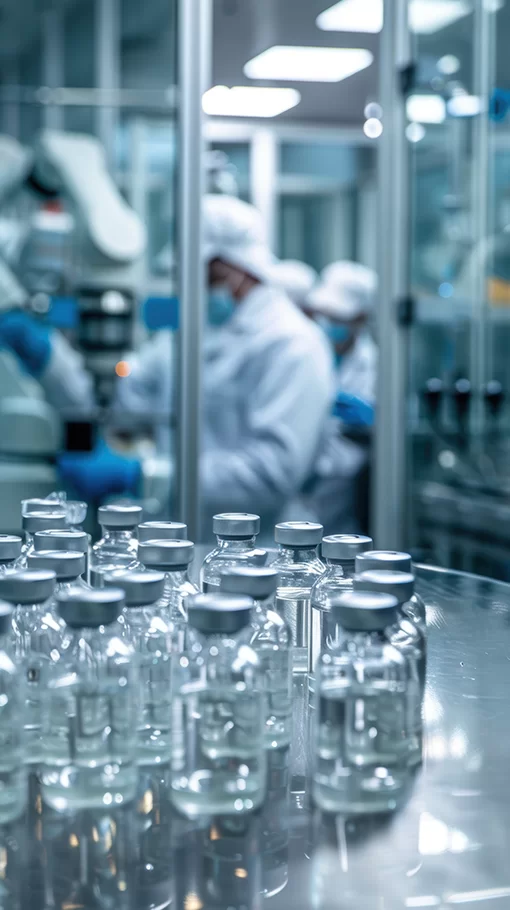
In pharmaceutical manufacturing, stringent control over water purity and oxygen levels is required for specific chemical reactions and cleaning processes. The sensor's high precision and stable signal make it ideal for these controlled environments where any deviation from the specification can result in costly batch losses. The use of corrosion-resistant materials ensures that the sensor does not contaminate the process stream.
For environmental monitoring organizations, the InnoSens 450 provides the data needed to maintain compliance with government regulations. Whether monitoring the health of a river or the discharge from a factory, the ability to visualize oxygen fluctuation patterns over months helps researchers understand the long-term impact of pollutants on cheap multi parameter water quality analyzer parameters and aquatic biodiversity.
Comparative Analysis of Sensor Performance and ROI
| Comparison Metric |
Standard DO Sensors |
InnoSens 450 Series |
Operational Impact |
| Calibration Frequency |
Weekly/Bi-weekly |
Monthly/Quarterly |
Lower Labor Cost |
| Maintenance Cost |
High (Frequent parts) |
Low (Extended lifespan) |
Reduced OPEX |
| Aeration Strategy |
Constant Aeration |
Demand-Based |
Significant Energy Saving |
| Signal Stability |
Moderate Drift |
Ultra-Stable Signal |
Higher Data Reliability |
| Investment Recovery |
Standard Recovery |
Accelerated Recovery |
Faster ROI |
Engineering Considerations for Seamless System Integration
When integrating the InnoSens 450 into a larger water analysis framework, engineers must consider the placement of the sensor to avoid "dead zones" where oxygen levels may not represent the overall tank average. Strategic positioning, combined with the sensor's fast response time, ensures that the data acquisition system captures an accurate snapshot of the process.
The compatibility with Modbus and 4-20mA protocols allows for an easy bridge between the physical sensor and digital management platforms. Once connected, operators can utilize remote calibration tools to adjust sensor offsets and slope parameters without needing to physically enter hazardous areas of the plant. This remote capability is a key safety and efficiency advantage in large-scale industrial operations.
Maintenance protocols should include regular cleaning of the sensor tip to remove biofilm, which can act as a barrier to oxygen diffusion and lead to false low readings. The InnoSens 450 is designed with quick-replace components, meaning that membrane replacements—typically required every 6 to 12 months—can be performed in minutes, minimizing system downtime and maintaining continuous monitoring.
The Future of Autonomous Water Quality Monitoring
The industry is moving toward fully autonomous water management systems where AI algorithms analyze DO trends to predict oxygen crashes before they occur. The InnoSens 450 provides the high-fidelity data necessary to feed these predictive models. By combining real-time tracking with trend analysis, facilities can move from reactive management to proactive optimization.
Future deployments will likely see an increase in multi-node sensor networks where multiple InnoSens 450 units communicate via wireless protocols to a central hub. This reduces the cost of cabling in large plants and allows for a more granular understanding of oxygen distribution across different stages of the treatment process.
For procurement managers, the focus is shifting from the initial purchase price to the Total Cost of Ownership (TCO). While some may look for a low-cost entry point, the value of the InnoSens 450 lies in its ability to reduce energy bills and maintenance hours. Investing in stable, industrial-grade instrumentation is the most effective way to ensure long-term compliance and operational stability.
Frequently Asked Questions About DO Monitoring
How does the InnoSens 450 improve water quality monitoring?
The InnoSens 450 provides high-precision, real-time dissolved oxygen measurements, allowing operators to adjust aeration and chemical dosing instantly, preventing fish kills in aquaculture and ensuring effluent compliance in wastewater treatment.
What is the typical lifespan of the sensor membrane?
Depending on the water chemistry and fouling levels, the membrane typically lasts 6 to 12 months. The InnoSens 450 is designed for easy membrane replacement to minimize downtime.
Can this sensor be integrated into an existing PLC system?
Yes, the InnoSens 450 supports standard industrial outputs such as 4-20mA and Modbus, making it compatible with almost all modern PLCs and SCADA systems.
How does dissolved oxygen affect wastewater treatment costs?
Aeration blowers are the largest energy consumers in wastewater plants. By using precise sensors like the InnoSens 450, plants can implement "DO-based control," reducing blower run-time and significantly lowering energy bills.
Is the InnoSens 450 suitable for saltwater applications?
Yes, with appropriate salinity compensation settings in the controller, the InnoSens 450 can accurately measure dissolved oxygen in both freshwater and brackish/saltwater environments.
What maintenance is required for online water quality analyzers?
Regular maintenance includes cleaning the sensor tip to remove biofilm, checking electrolyte levels (if applicable), and performing periodic calibration checks to ensure measurement accuracy.
Technical References and Industry Sources
Ready to optimize your water quality monitoring? Contact JENSPRIMA today for professional OEM services and customized technical solutions tailored to your industrial needs.
Samuel Thompson
Samuel Thompson is a Global Marketing Manager at JENSPRIMA, responsible for expanding the company’s reach in emerging markets like Southeast Asia and the Middle East. He possesses a robust understanding of international business development and 7 years experience in the environmental technology sector. Samuel focuses on tailoring JENSPRIMA’s solutions to the unique needs of each region, driving sales growth and establishing strategic partnerships. He has an MBA from Columbia Business School and is fluent in both Mandarin and English. Samuel champions the importance of accessible water quality monitoring for sustainable development.



 Download
 Video Center
 Technical Services
 FAQS
 Service Network
 Privacy Policy
 Contact Us