




 Download
 Video Center
 Technical Services
 FAQS
 Service Network
 Privacy Policy
 Contact Us




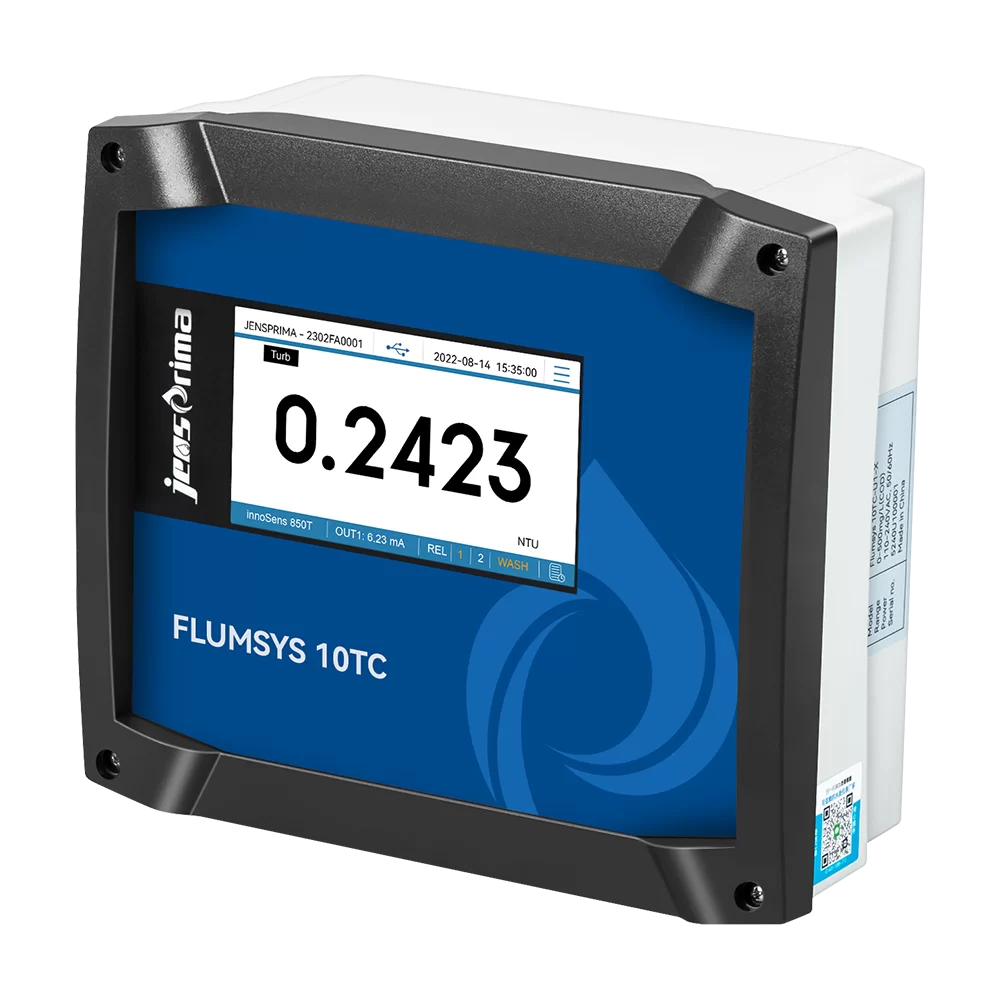
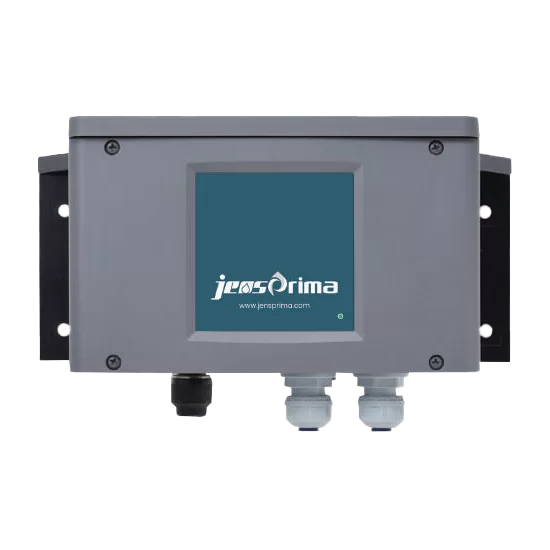
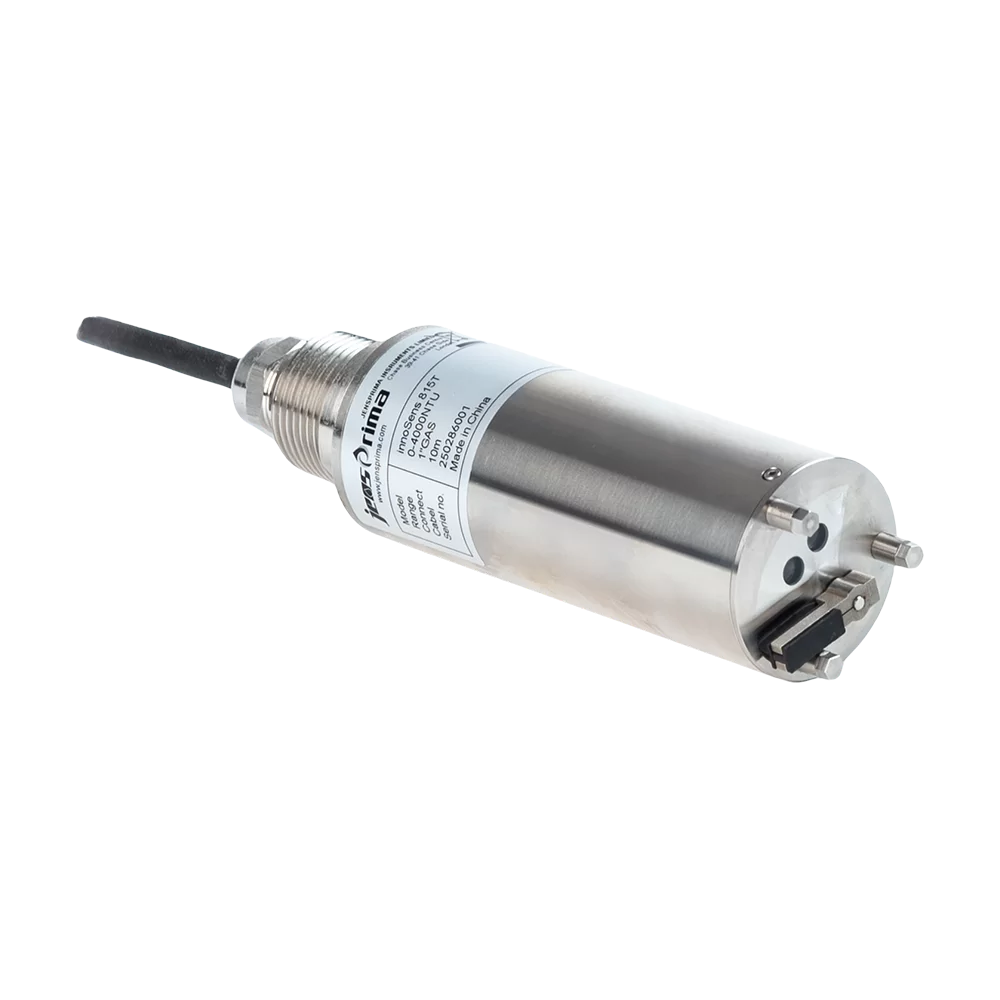
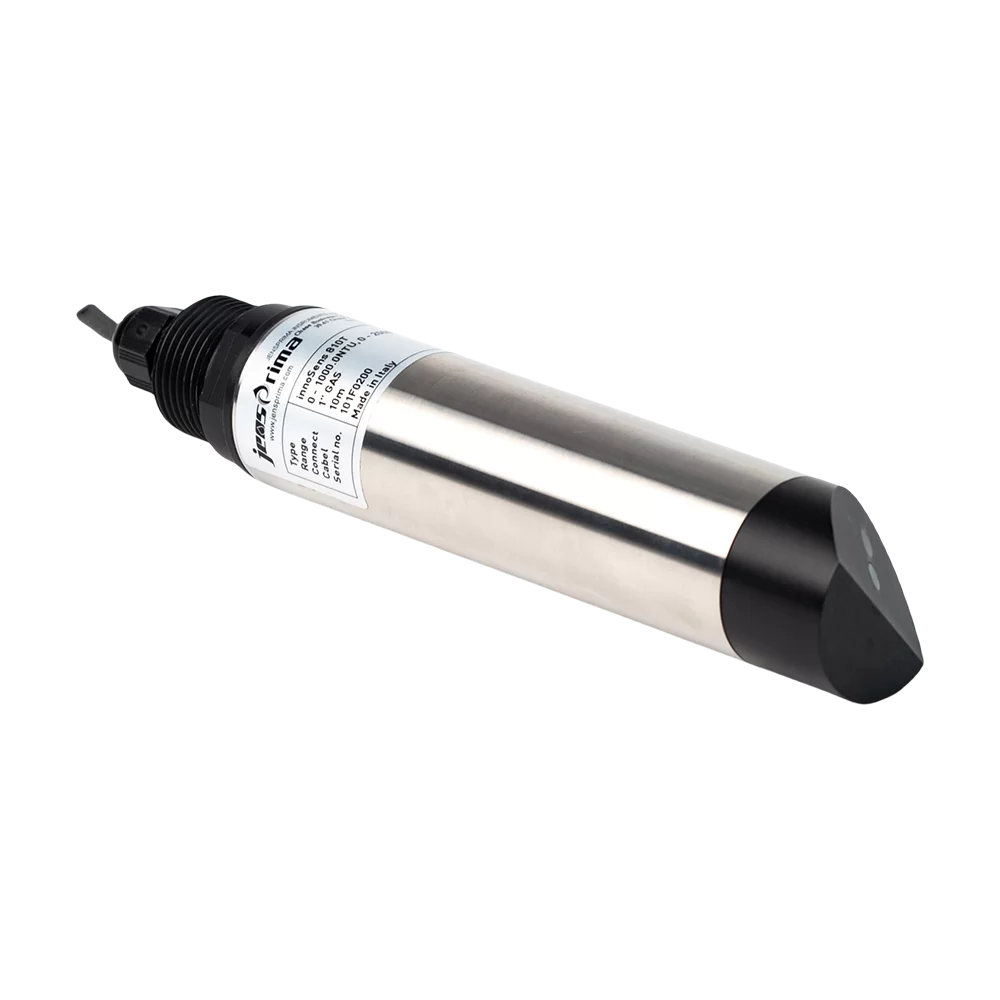
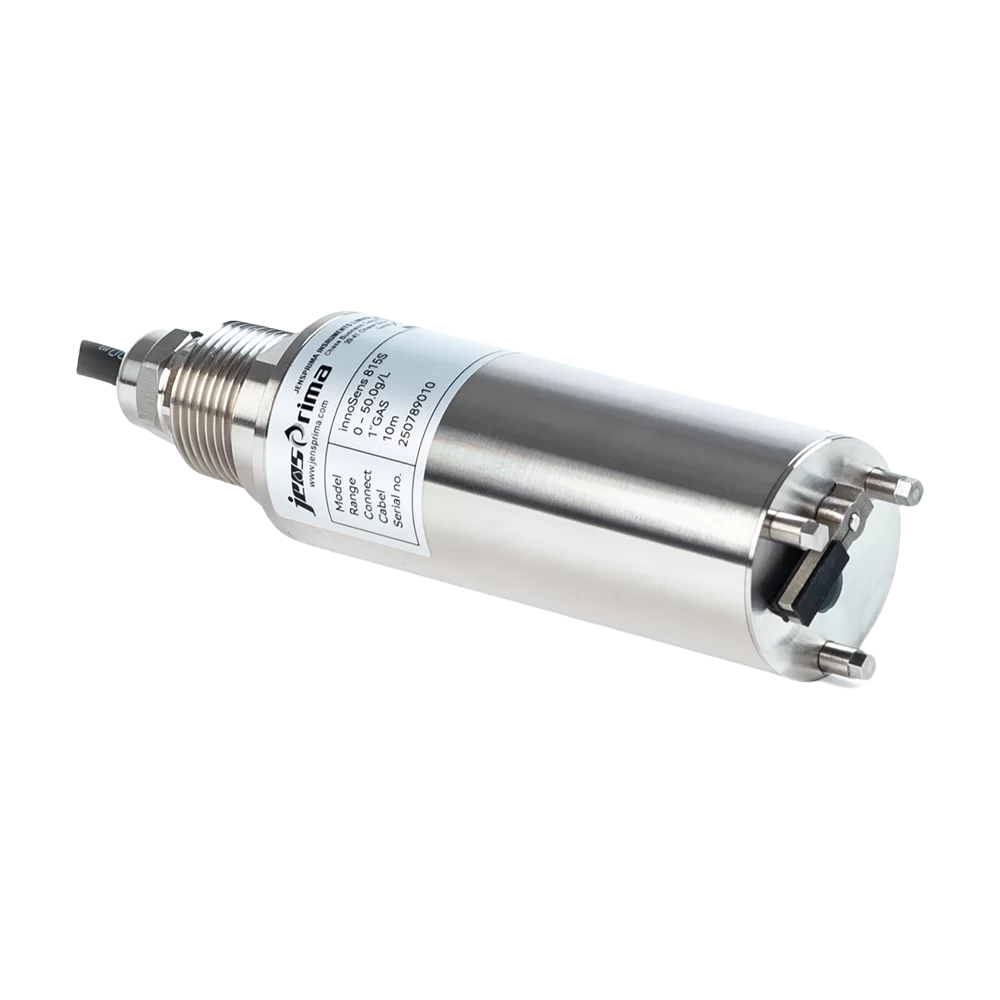
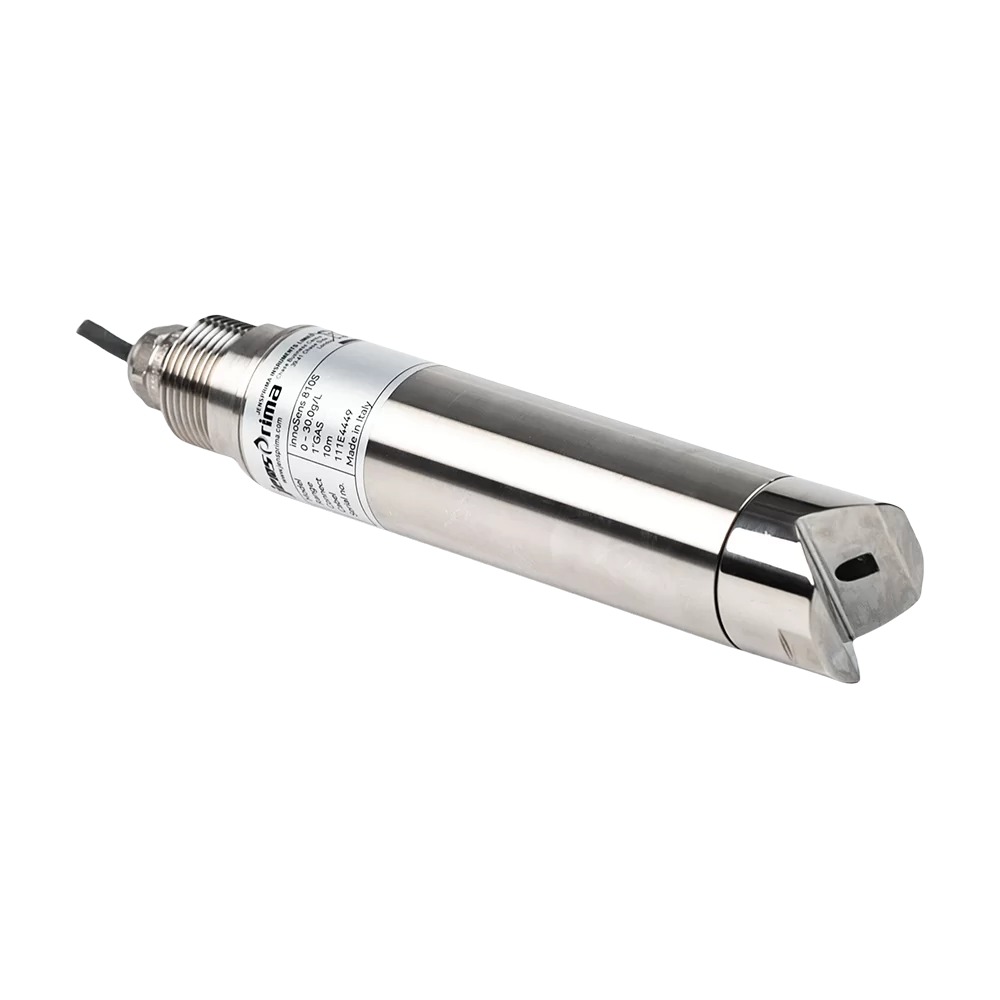
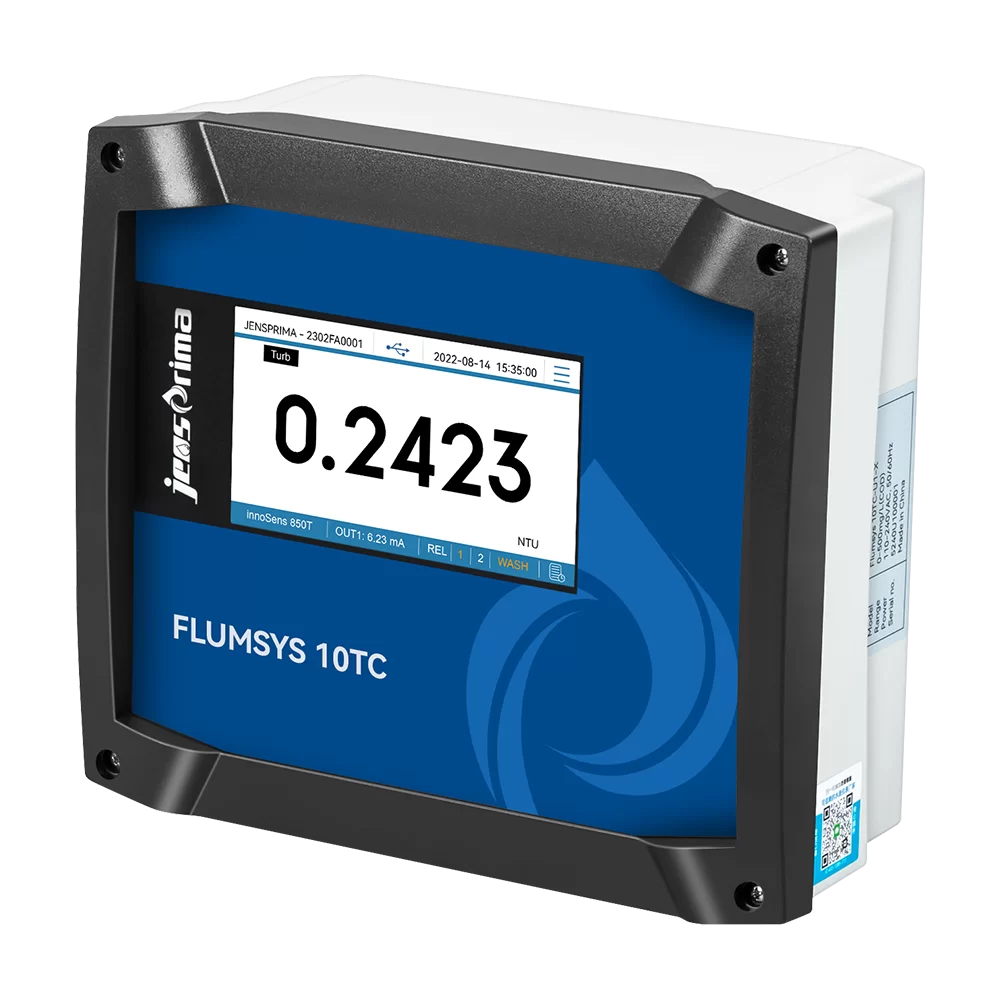
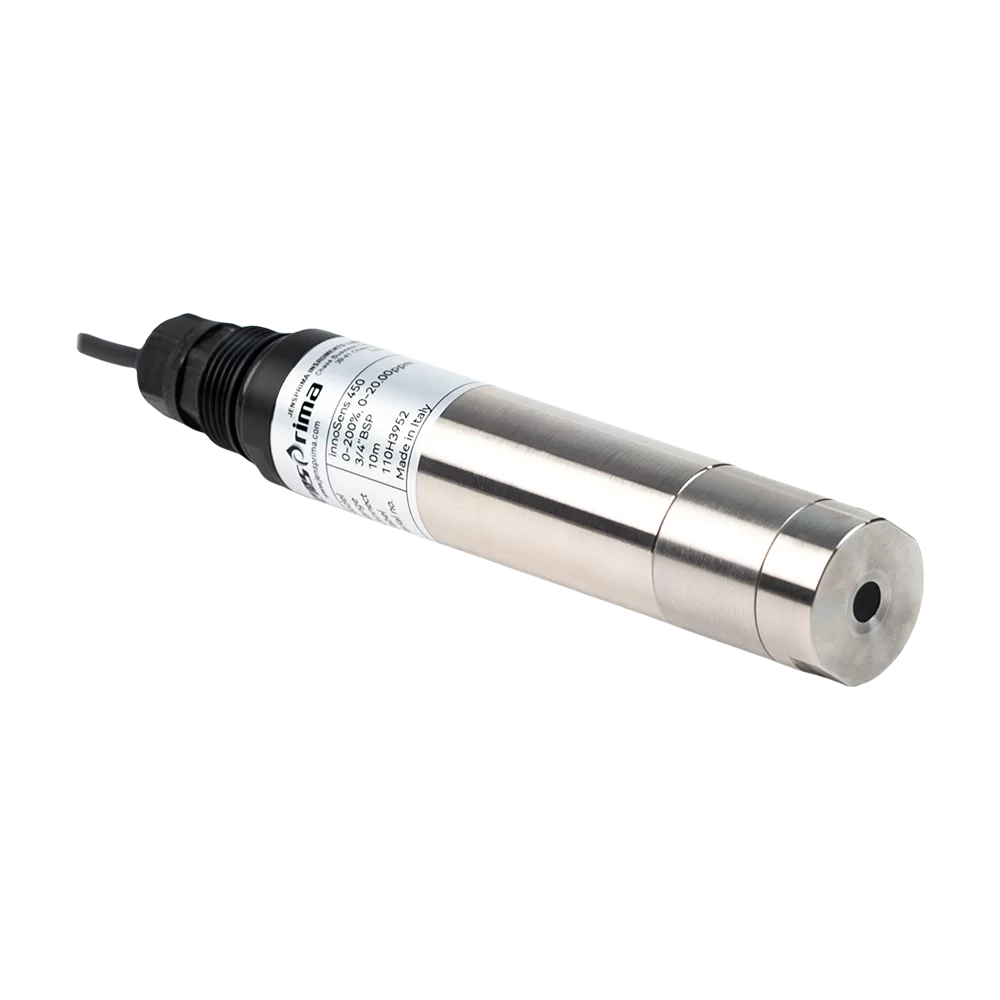
Determining the appropriate budget for water clarity monitoring requires a deep understanding of how various technical specifications influence the turbidity sensor price. For industrial operators and environmental engineers, the cost is rarely a flat fee but rather a reflection of the sensor's precision, material durability, and its ability to operate in harsh conductive liquids without frequent failure. This guide examines the financial and technical variables that dictate market pricing for these instruments.
In sectors such as wastewater treatment and pharmaceutical manufacturing, the cost of a measurement error often far exceeds the initial purchase price of the hardware. Selecting a device based solely on the lowest upfront cost can lead to increased operational expenditure due to sensor drift, clogging, or chemical corrosion. Understanding the relationship between optical analysis technology and long-term reliability is essential for optimizing procurement budgets in water quality management.
Readers will explore the critical factors that drive pricing, including liner materials and signal output options, while learning how to evaluate supplier capabilities. By analyzing the trade-offs between mechanical and inductive measurement systems, procurement officers can make data-driven decisions that align with their specific environmental compliance requirements and operational efficiency goals.
Analyzing Turbidity Measurement Costs
The valuation of turbidity sensors in the B2B market is governed by the complexity of the optical path and the robustness of the sensor housing. At a fundamental level, sensors that utilize advanced electromagnetic induction or high-precision optical analysis to measure suspended solids require more sophisticated circuitry and higher-grade materials. For instance, those designed for conductive liquids must balance sensitivity with protection against interference, which directly impacts the manufacturing cost. turbidity sensor price points typically vary based on whether the device is intended for simple laboratory use or continuous, unattended industrial monitoring in a 5,000-square-meter factory environment.
Investment Guide for Water Quality Sensors
Evaluating the investment for fluid monitoring requires a multidimensional approach. Beyond the initial sticker price, buyers must consider the technical architecture and the support ecosystem provided by the manufacturer to ensure the device delivers a positive return on investment over its operational lifecycle.
Primary Cost Drivers
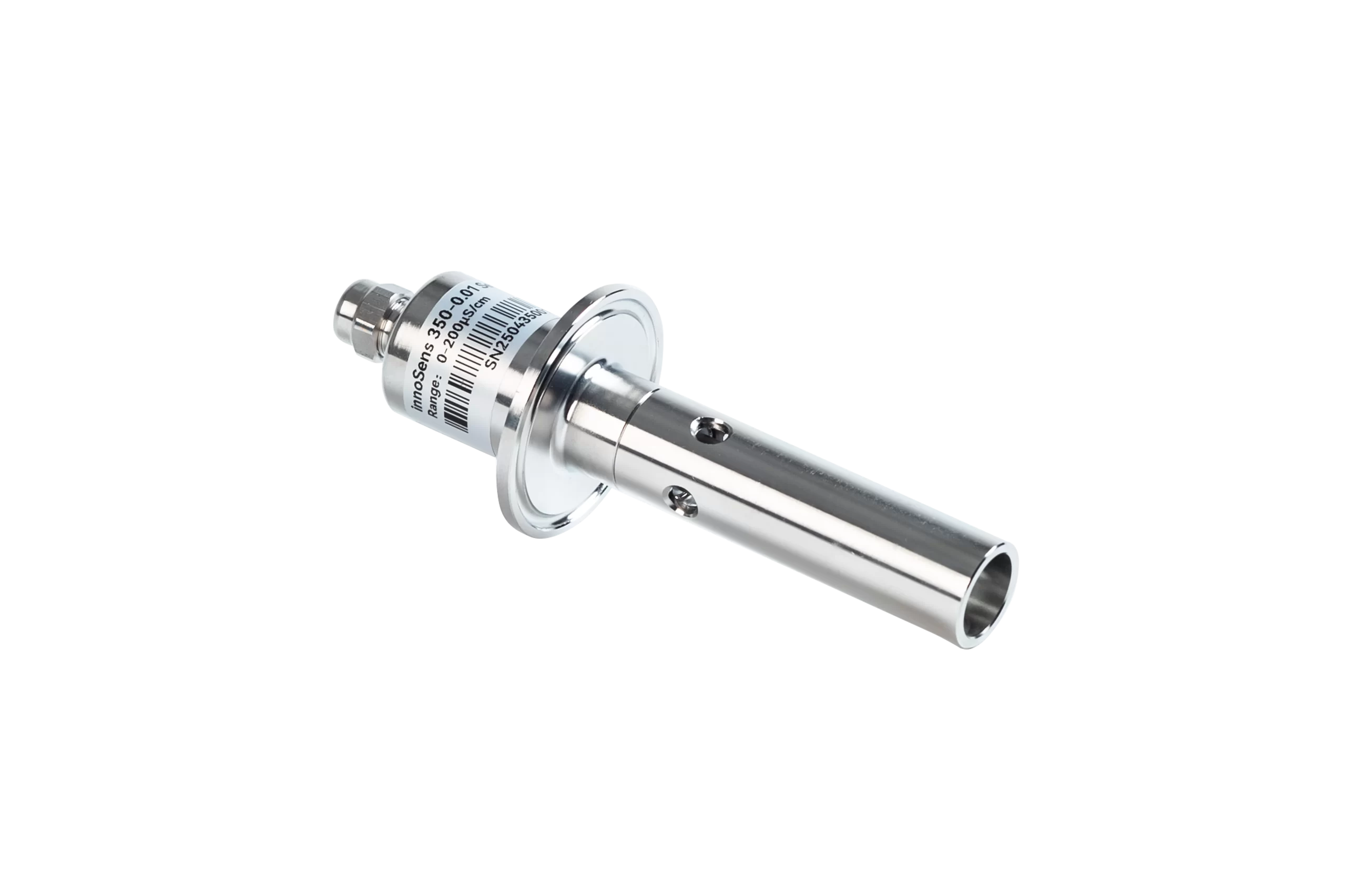
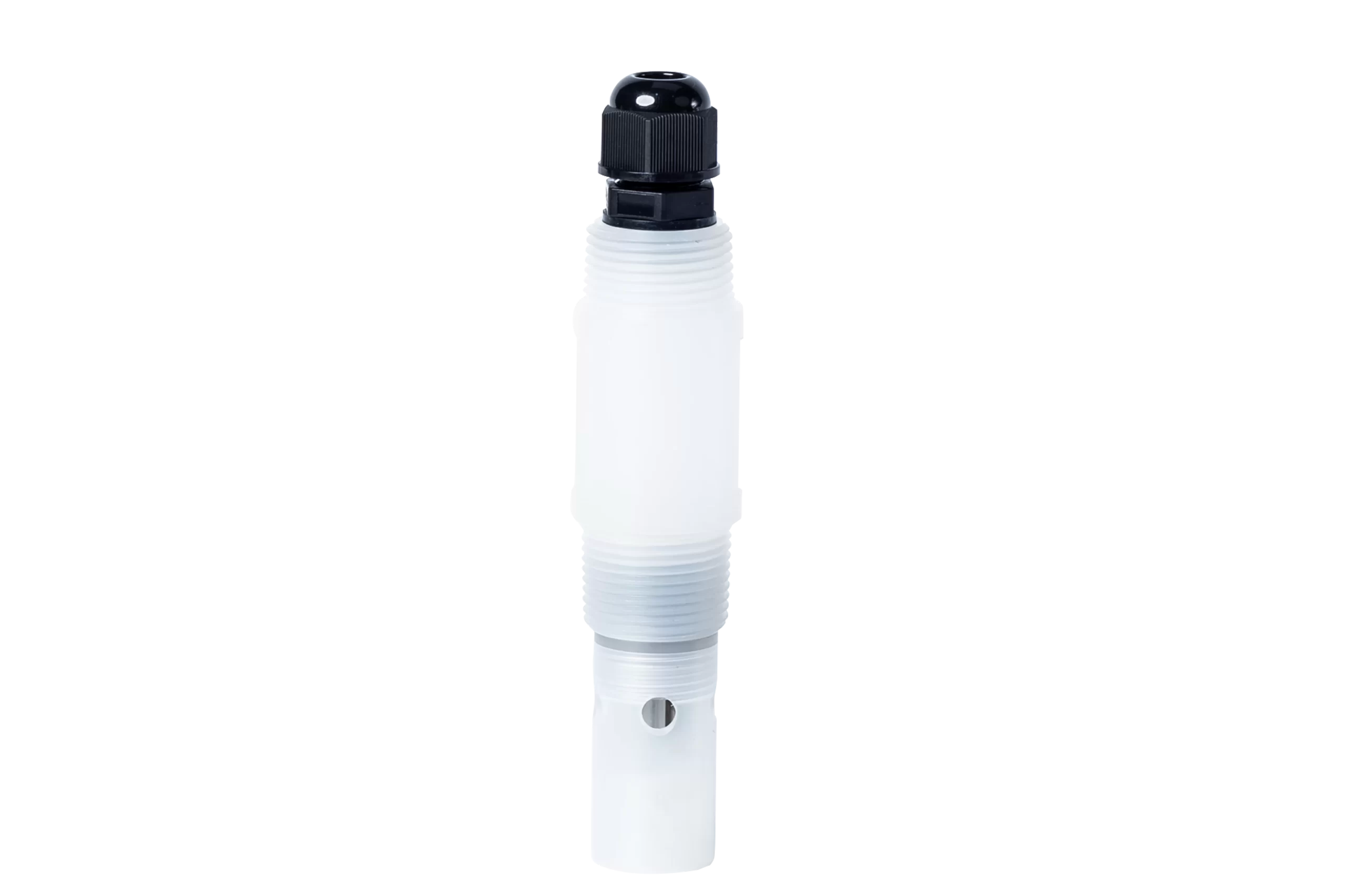
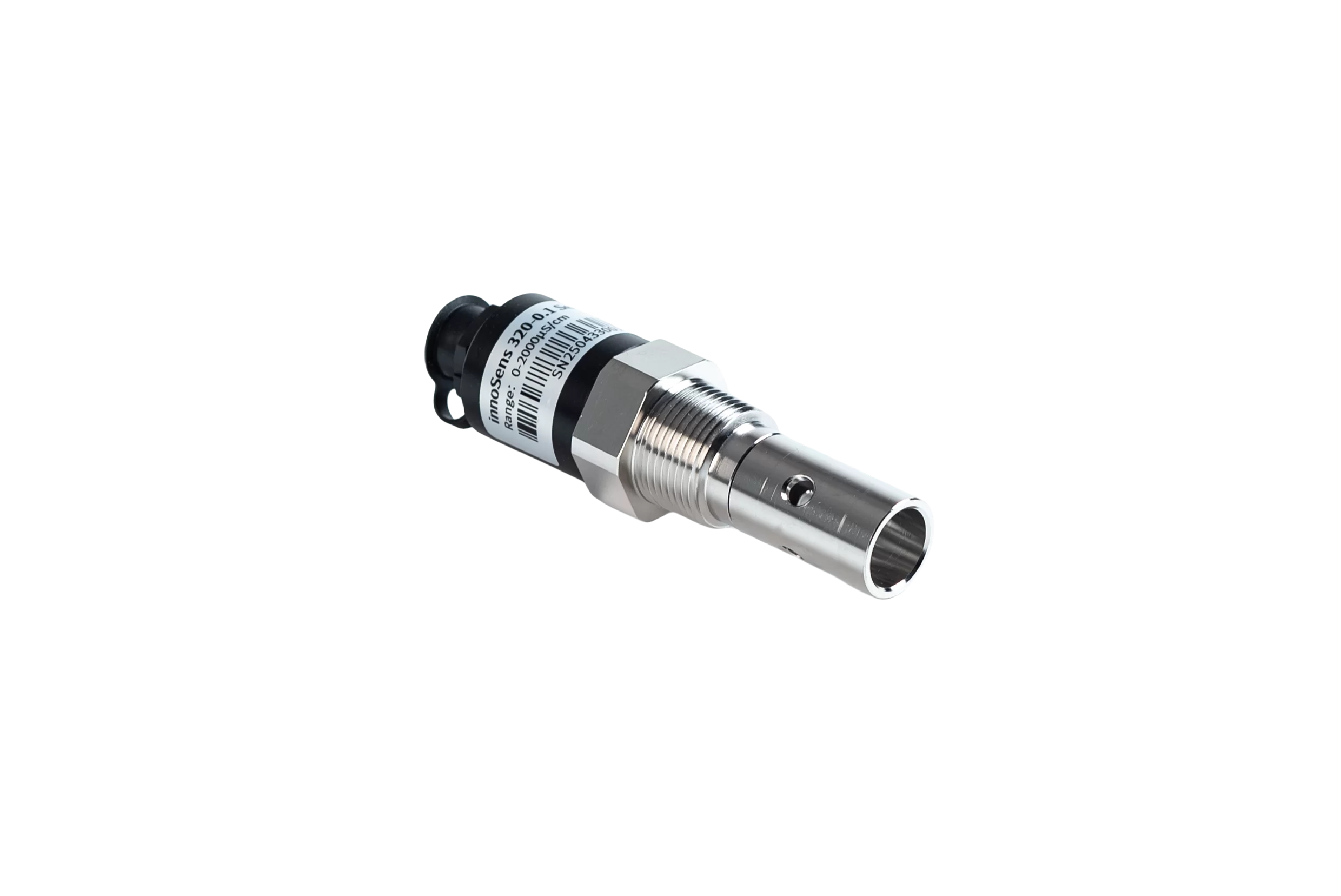
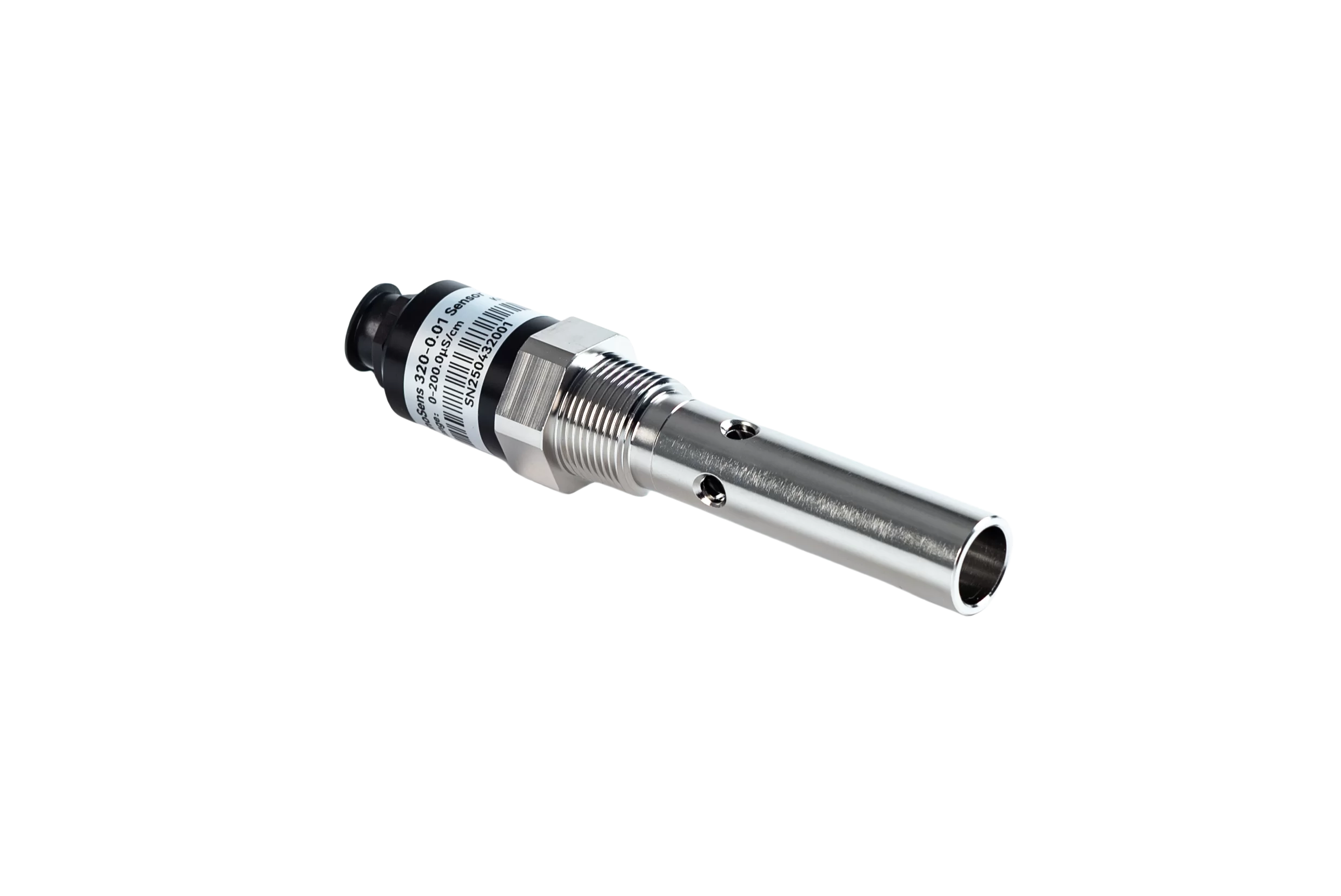
Pricing is primarily driven by the materials used in the wetted parts and the accuracy class of the instrument. High-precision standards require tighter tolerances during production, increasing the cost. For example, using PTFE, PFA, or Hastelloy electrodes instead of standard stainless steel significantly raises the price due to the material's resistance to aggressive chemicals.
| Material/Feature | Cost Impact | Primary Benefit | Typical Use Case |
|---|---|---|---|
| PTFE/PFA Liner | High | Extreme Chemical Resistance | Chemical Processing |
| Stainless Steel | Moderate | General Durability | Water Distribution |
| Modbus/Digital Output | Moderate | Smart Integration/PLC | Remote Monitoring |
| IP68 Protection | Moderate | Submersible Capability | Outdoor Wastewater |
| High Precision Class | High | Reduced Measurement Drift | Pharmaceuticals |
| Full Bore Design | Moderate | Clog Prevention | Slurry-laden Fluids |
Impact of Sensor Technology
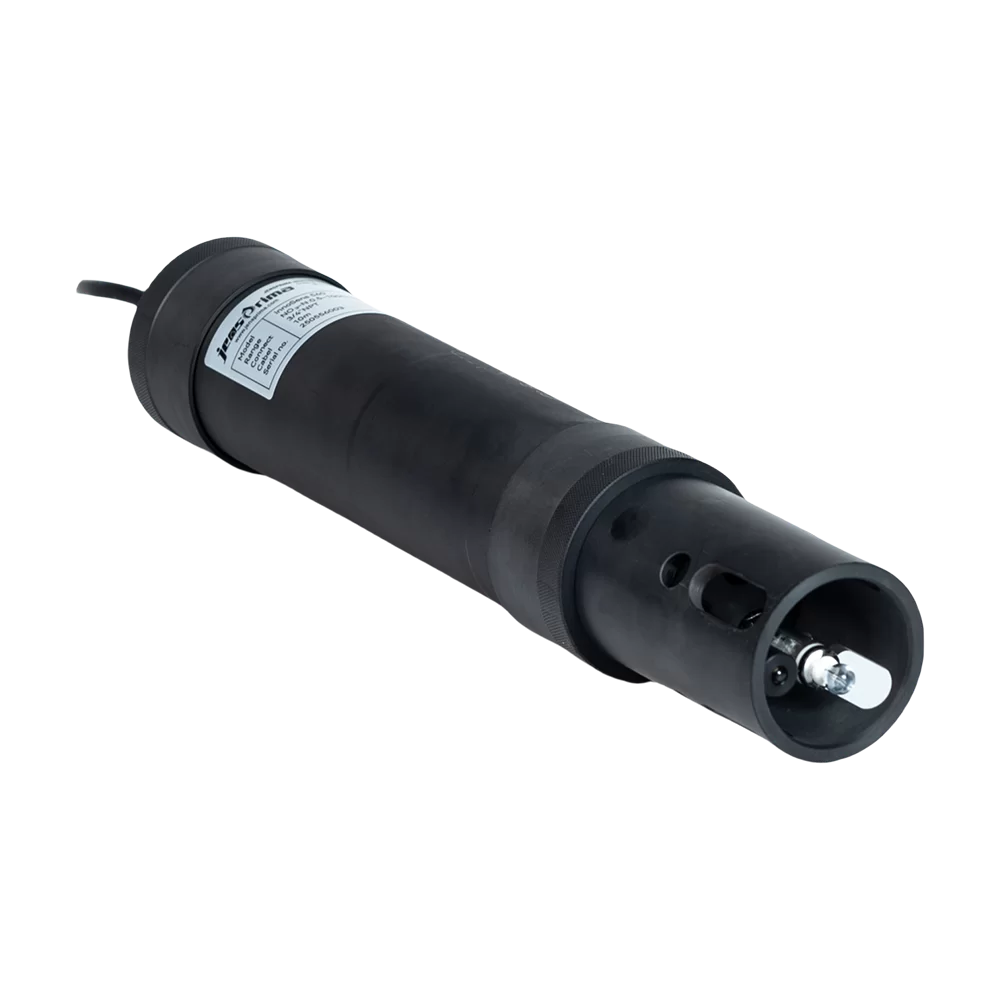
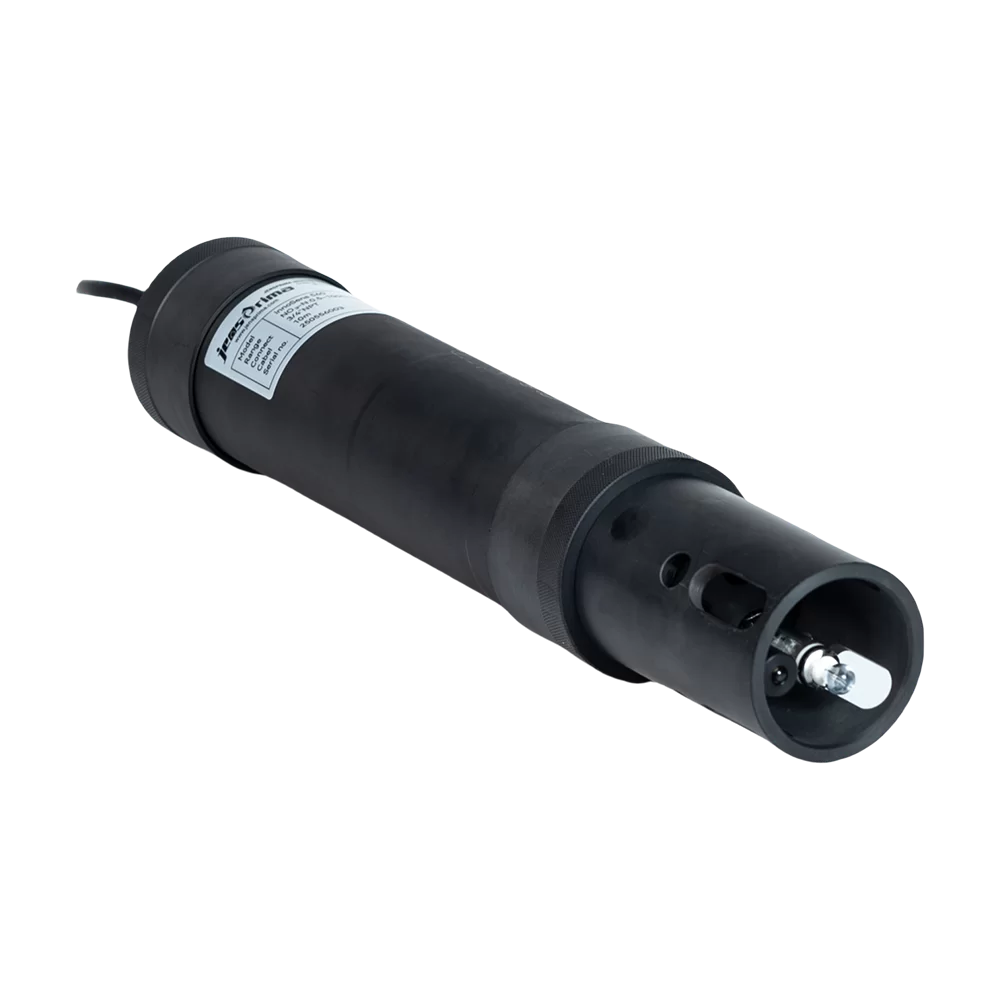
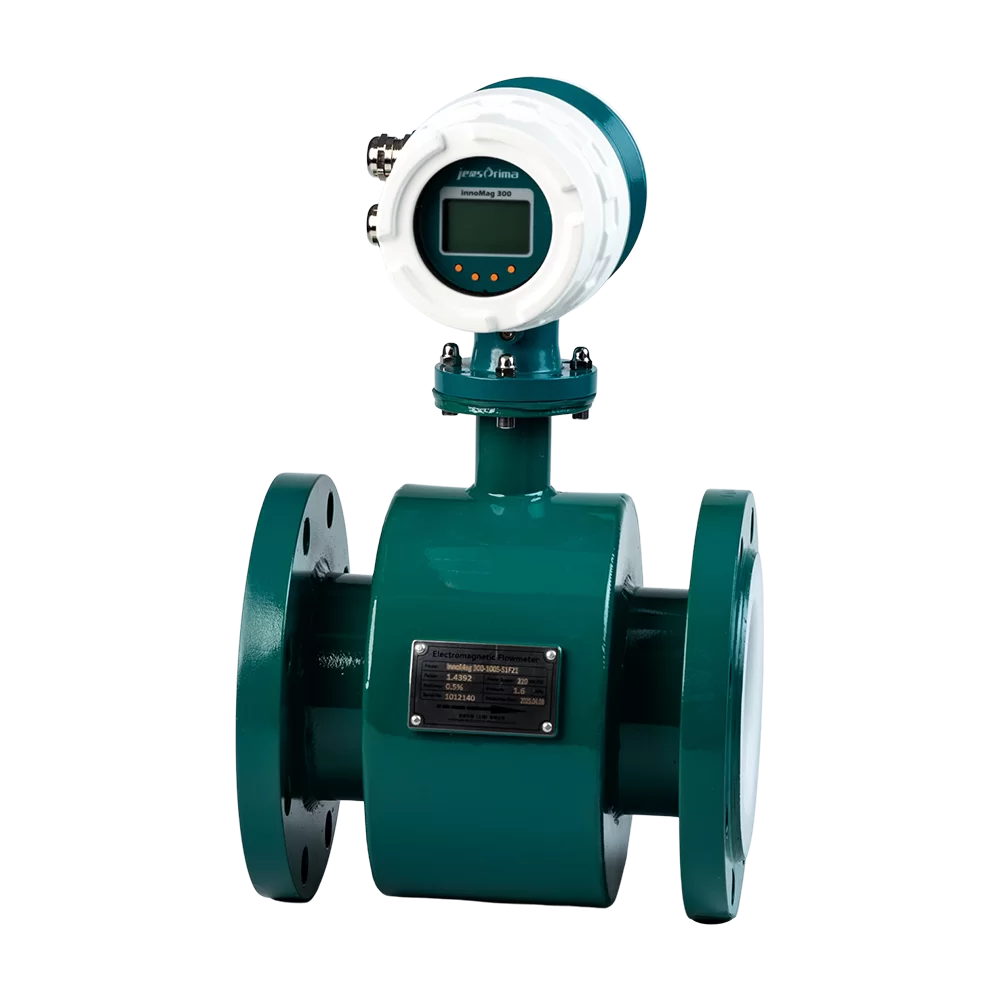
The choice between mechanical and electromagnetic induction technologies fundamentally changes the cost structure. While mechanical meters may have a lower entry price, they suffer from higher wear and tear. Inductive sensors, like the innoMag 300, eliminate moving parts, which shifts the cost from frequent replacement parts to a higher initial investment in stable, long-term sensing technology.
Operating Environment Factors
The environment dictates the protection rating required, which influences the final cost. Sensors deployed in harsh outdoor environments or submersible applications require IP67 or IP68 ratings. This necessitates specialized sealing and housing materials to prevent moisture ingress, adding a premium to the cost compared to indoor, IP65-rated devices.
Maintenance and Lifecycle Value
A critical part of the value analysis is the reduction in OpEx. Devices with a full-bore design prevent sediment build-up, reducing the need for manual cleaning. When comparing a high-end inductive sensor to a mechanical one, the reduction in maintenance costs—sometimes up to 60%—can offset the higher initial procurement cost within the first two years of operation.
Integration and System Costs
The cost of deploying a sensor includes the integration with existing SCADA or PLC systems. Instruments supporting 4-20mA or Modbus signals allow for seamless remote diagnostics and cloud-based health monitoring. While these features add to the sensor's cost, they eliminate the need for manual data logging and reduce the labor costs associated with site visits.
Supplier Capability Evaluation
The value of a sensor is tied to the supplier's R&D and production capability. A partner with 20 years of experience and their own independent manufacturing facility can offer guaranteed lead times—often 3-5 business days—and OEM customization. This reduces the risk of project delays, which can be far more expensive than the sensor itself.
Total Cost of Ownership (TCO)
TCO is the only accurate metric for B2B procurement. It combines the purchase price, installation costs, calibration frequency, and energy consumption. For example, the zero pressure drop of an electromagnetic flowmeter reduces the energy required for pumping, providing a continuous operational saving that improves the overall ROI compared to obstructive mechanical meters.
FAQ
What factors most significantly affect the cost of industrial water sensors?
The most significant factors are the wetted materials (e.g., PTFE vs. Stainless Steel), the accuracy class, and the protection rating (IP65 vs. IP68). High-corrosion environments require premium materials that increase the price but extend the operational lifespan.
Are higher-priced sensors always more accurate?
Not necessarily. Price often reflects durability and environmental resistance rather than just accuracy. A sensor may be expensive because it is designed for abrasive slurries or extreme temperatures, even if its accuracy is comparable to a cheaper, indoor-only model.
How does the absence of moving parts affect the long-term cost?
Devices without moving parts, such as electromagnetic induction sensors, significantly reduce mechanical wear. This leads to lower maintenance costs, fewer replacement parts, and less frequent recalibration compared to mechanical meters.
Does the output signal type (Analog vs. Digital) influence the price?
Yes, digital communication protocols like Modbus typically require more advanced internal electronics than simple 4-20mA analog signals, which may increase the initial cost but lower the cost of system integration and remote monitoring.
Why should I consider the supplier's manufacturing facility when buying?
Suppliers with independent factories can guarantee lead times and provide better quality control. This reduces the risk of procurement delays and ensures that the product meets the specified technical parameters before shipping.
Can a high-quality sensor actually reduce energy bills?
Yes, sensors with a full-bore design, like the innoMag 300, create zero pressure drop in the pipeline. This means pumps do not have to work harder to overcome an obstruction, leading to lower energy consumption over time.
References and further reading
- International Standards for Water Quality Measurement and Sensor Calibration.
- Industrial Fluid Dynamics and Electromagnetic Induction Principles in Flow Measurement.
- Comparison of PTFE and PFA Liners in Corrosive Industrial Environments.


