

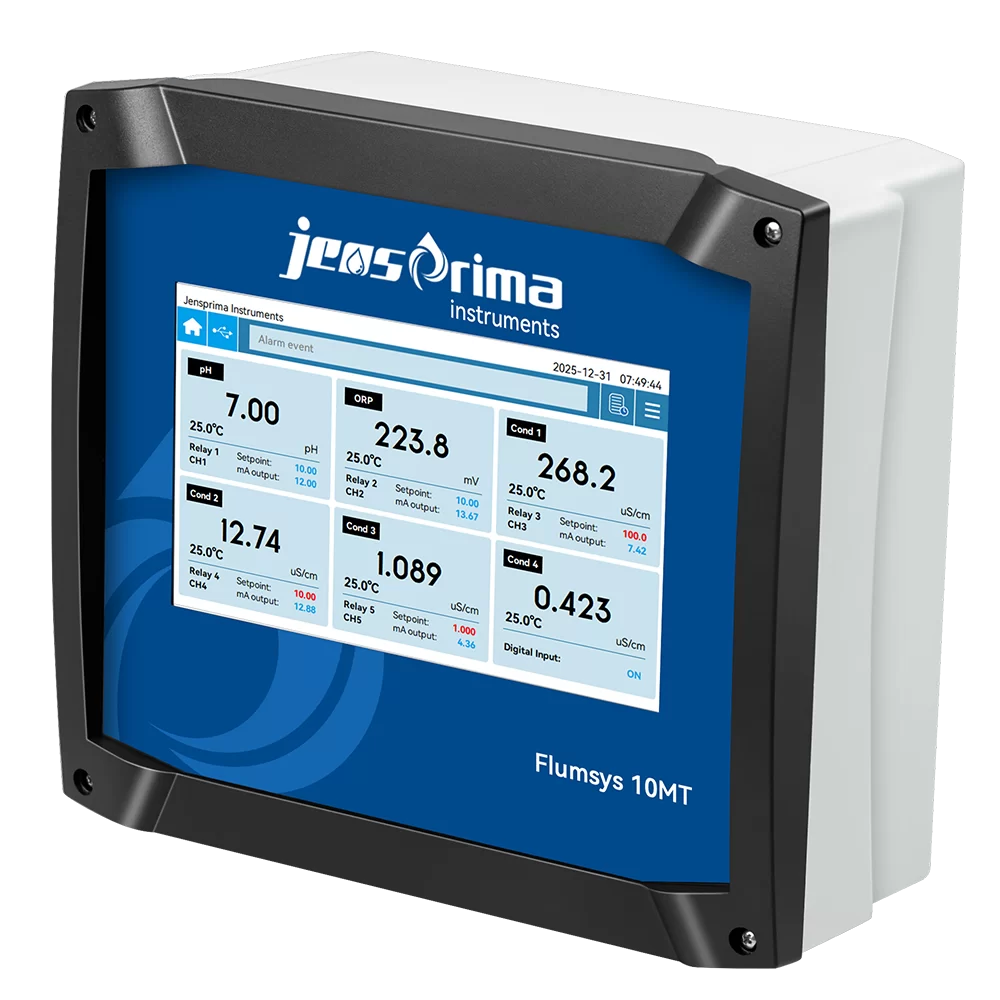

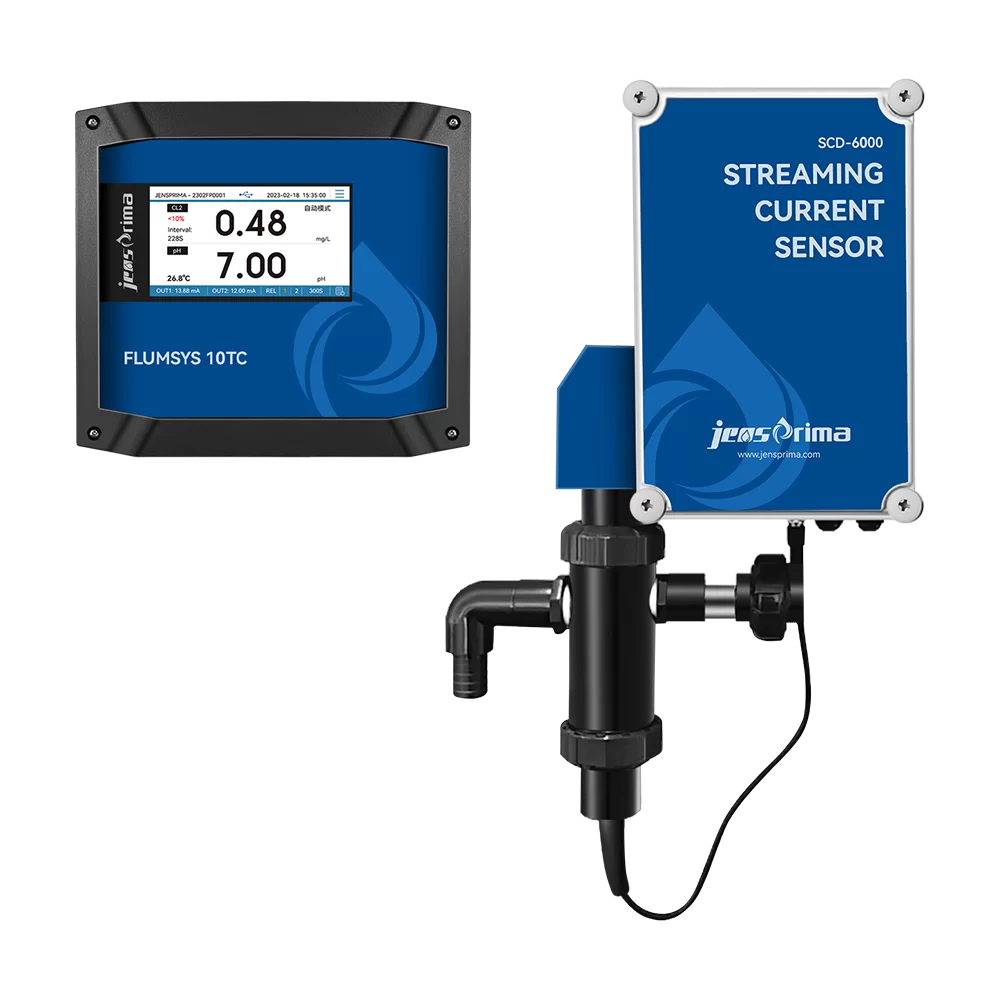
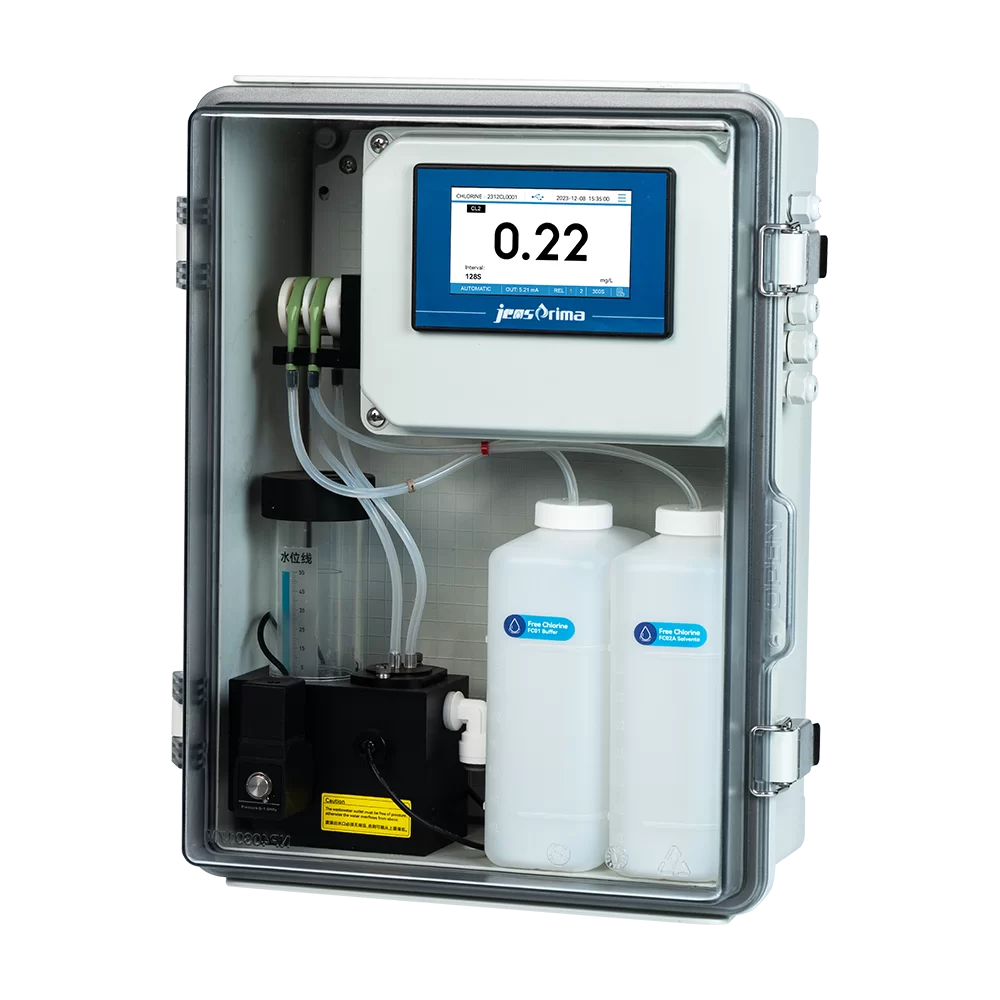
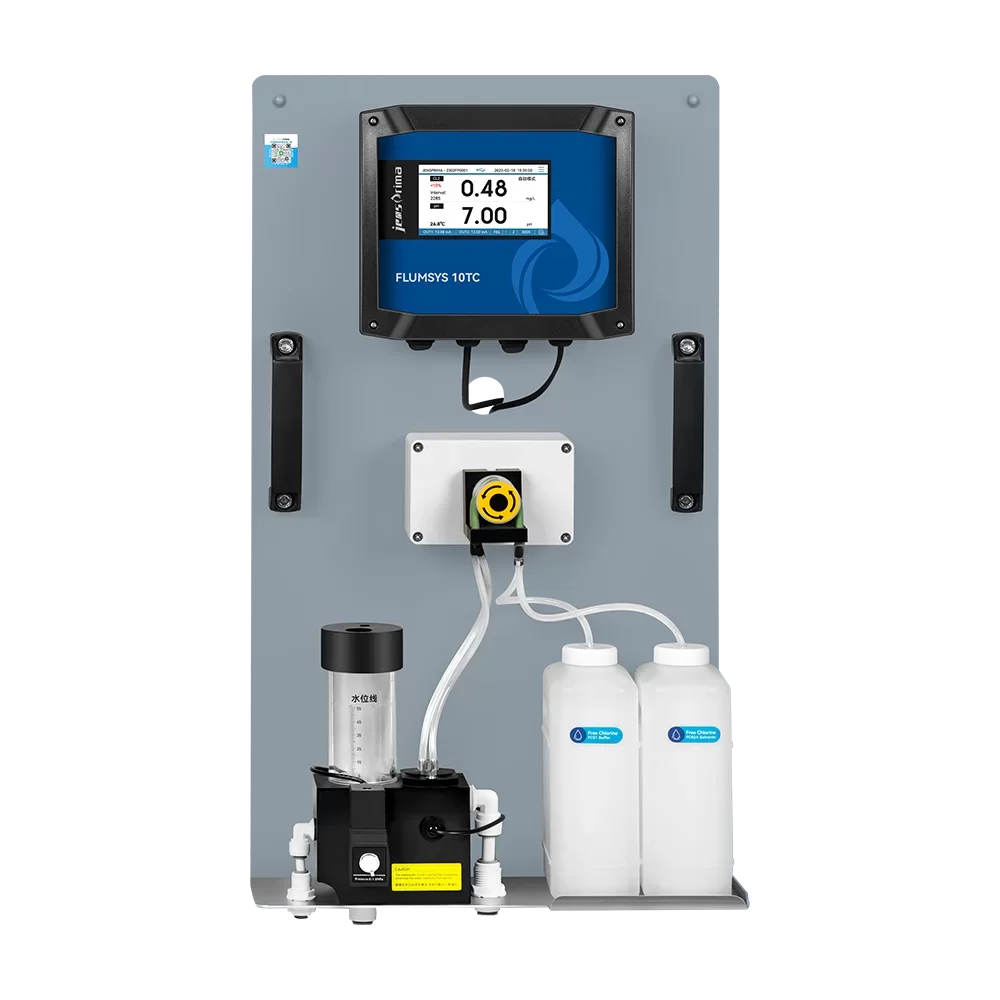
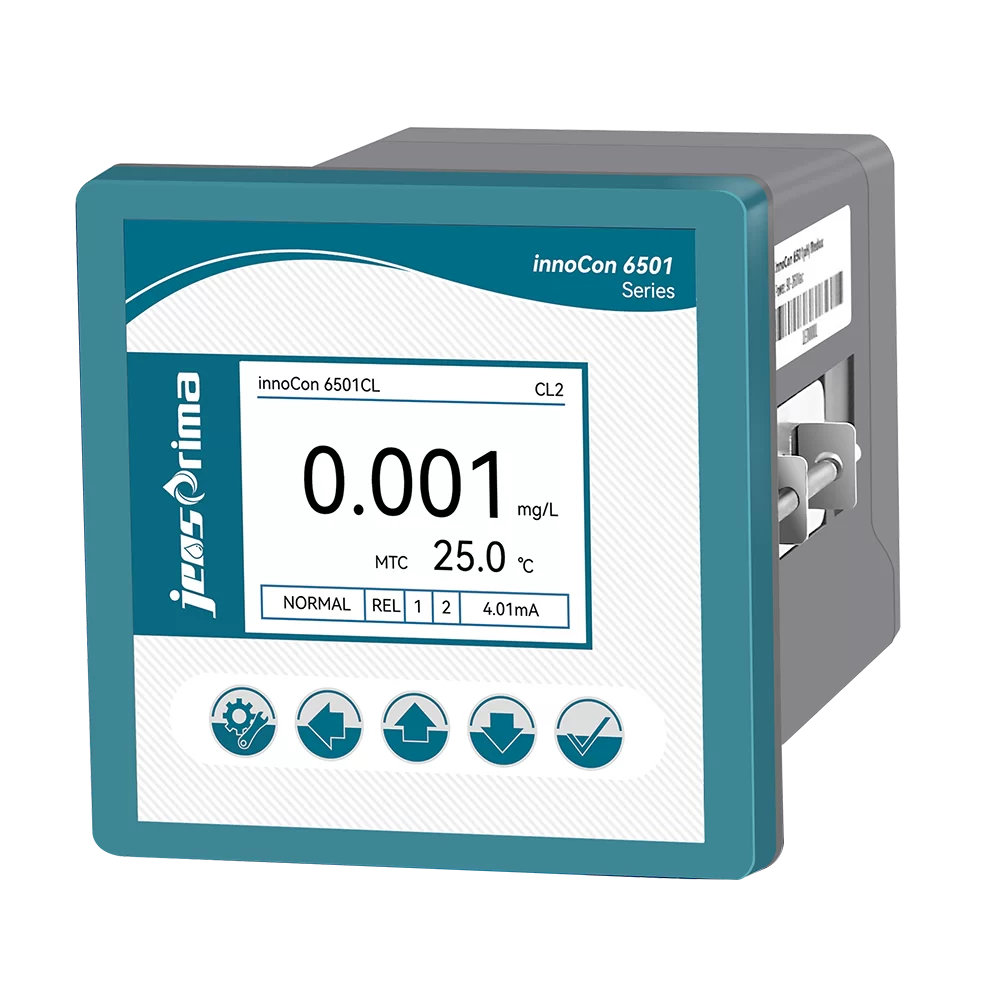
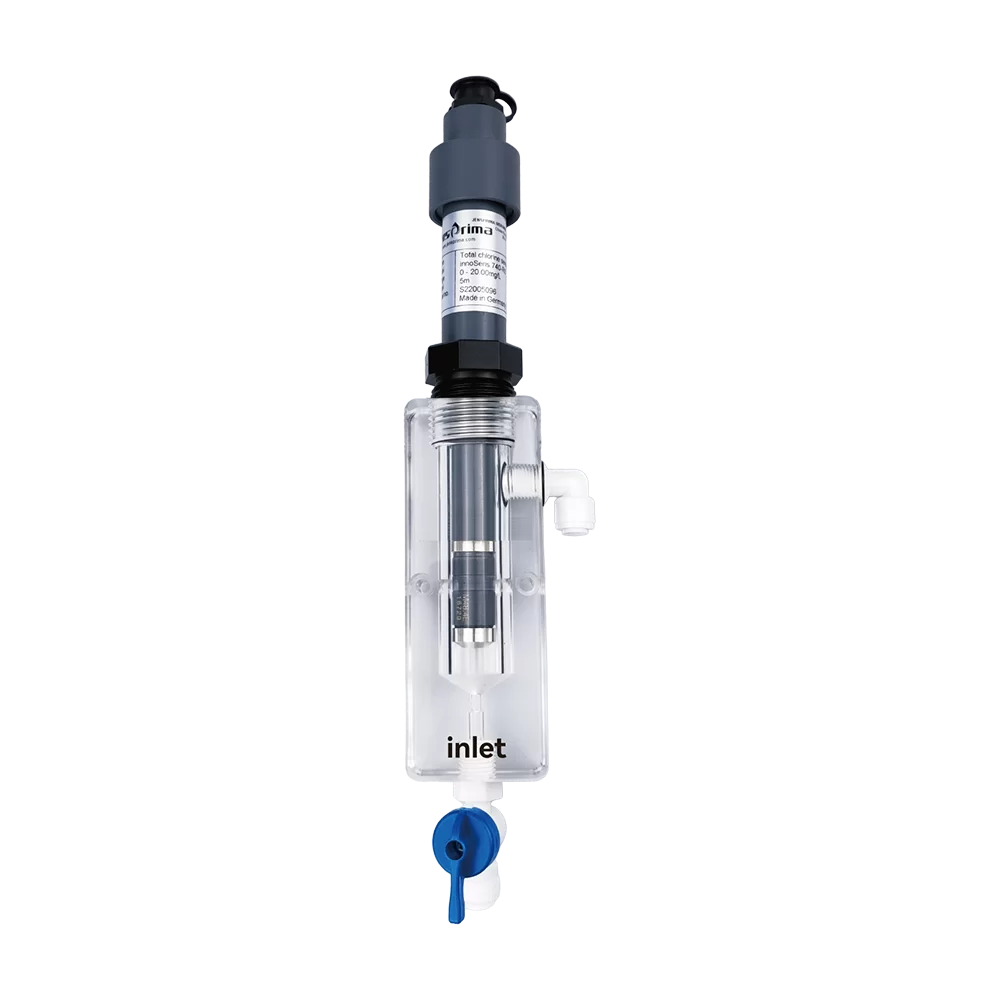
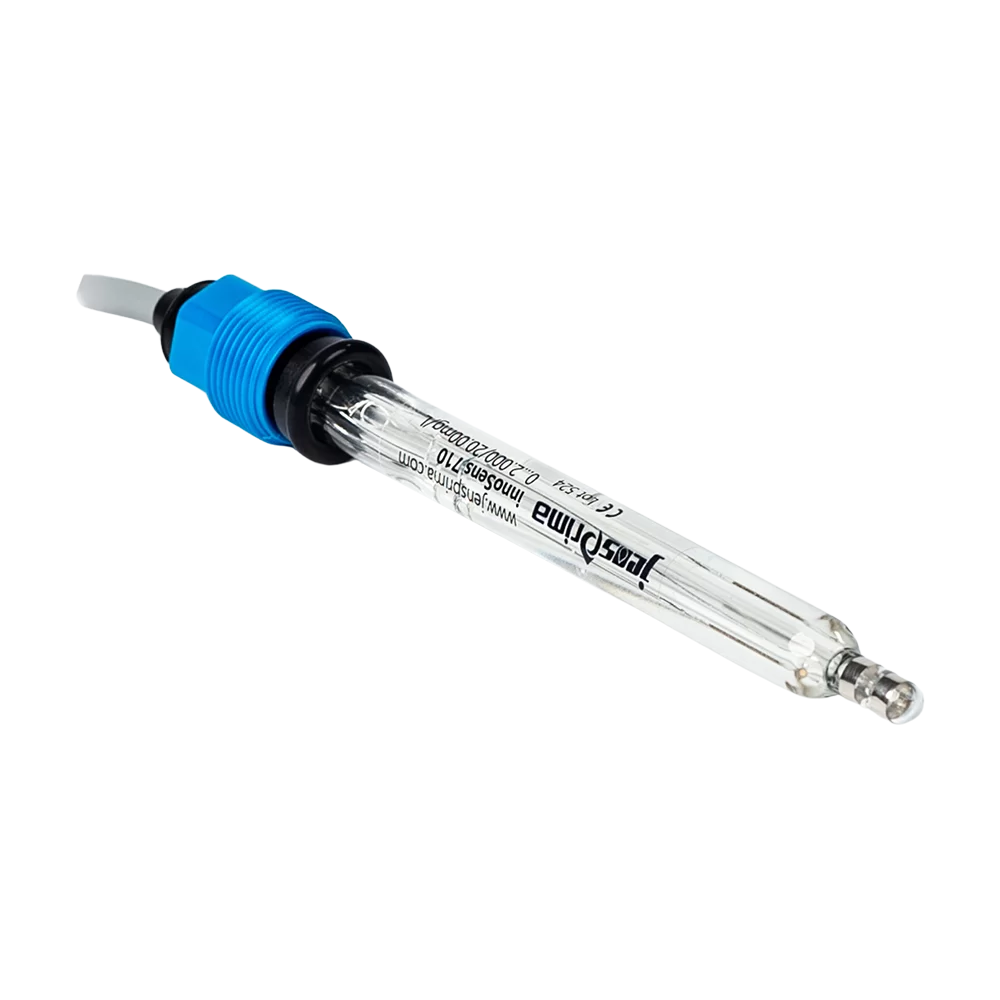
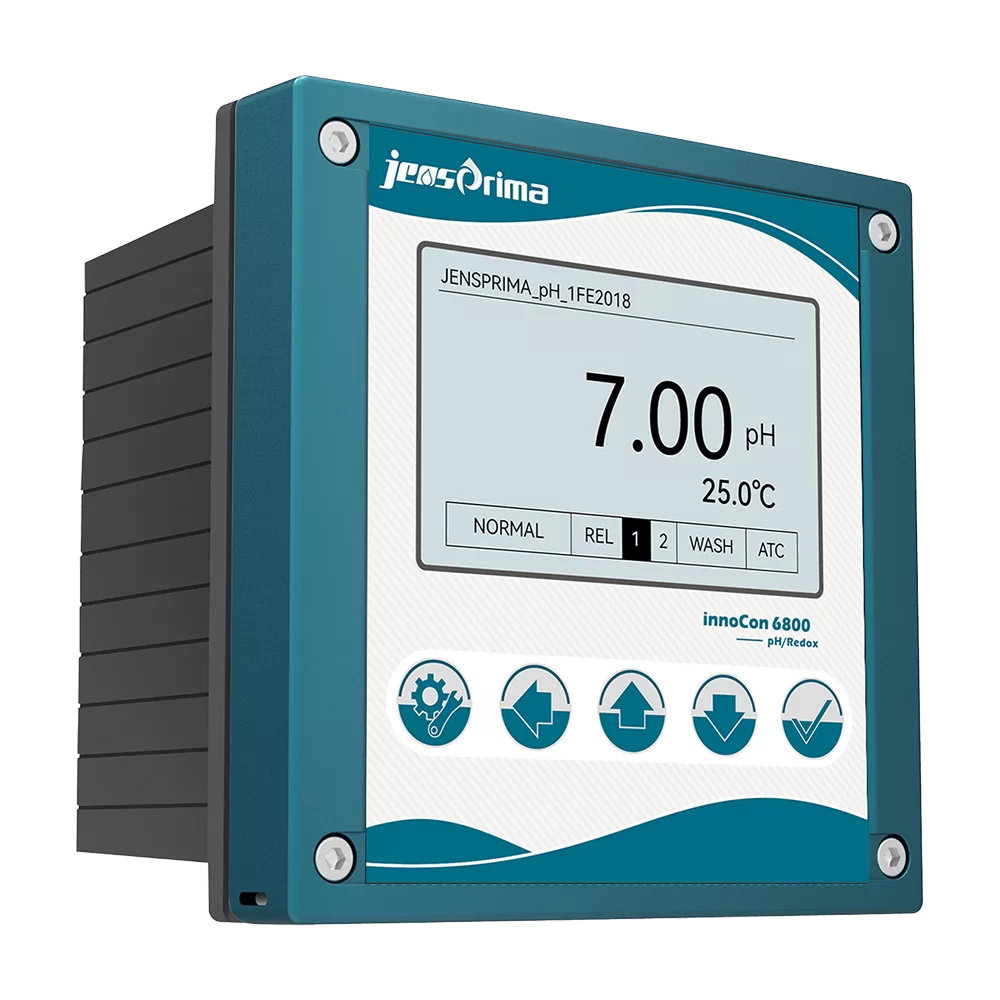
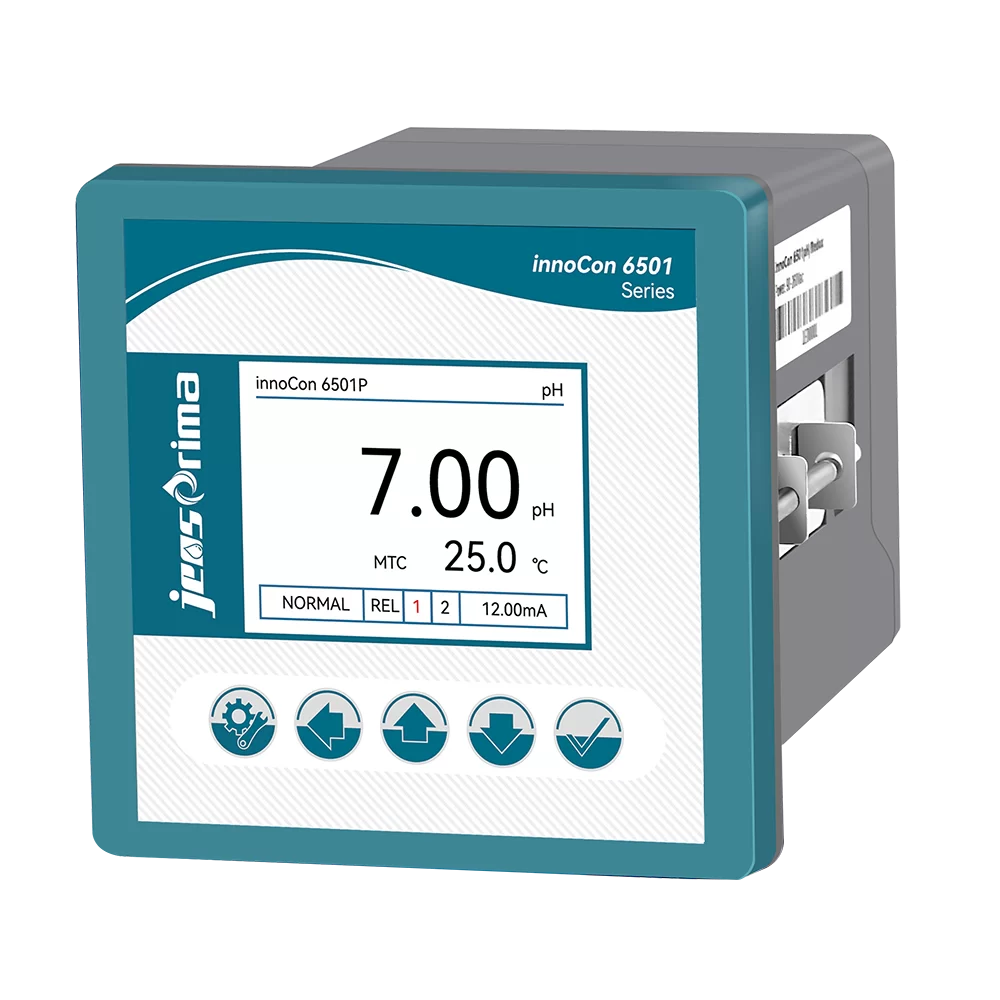
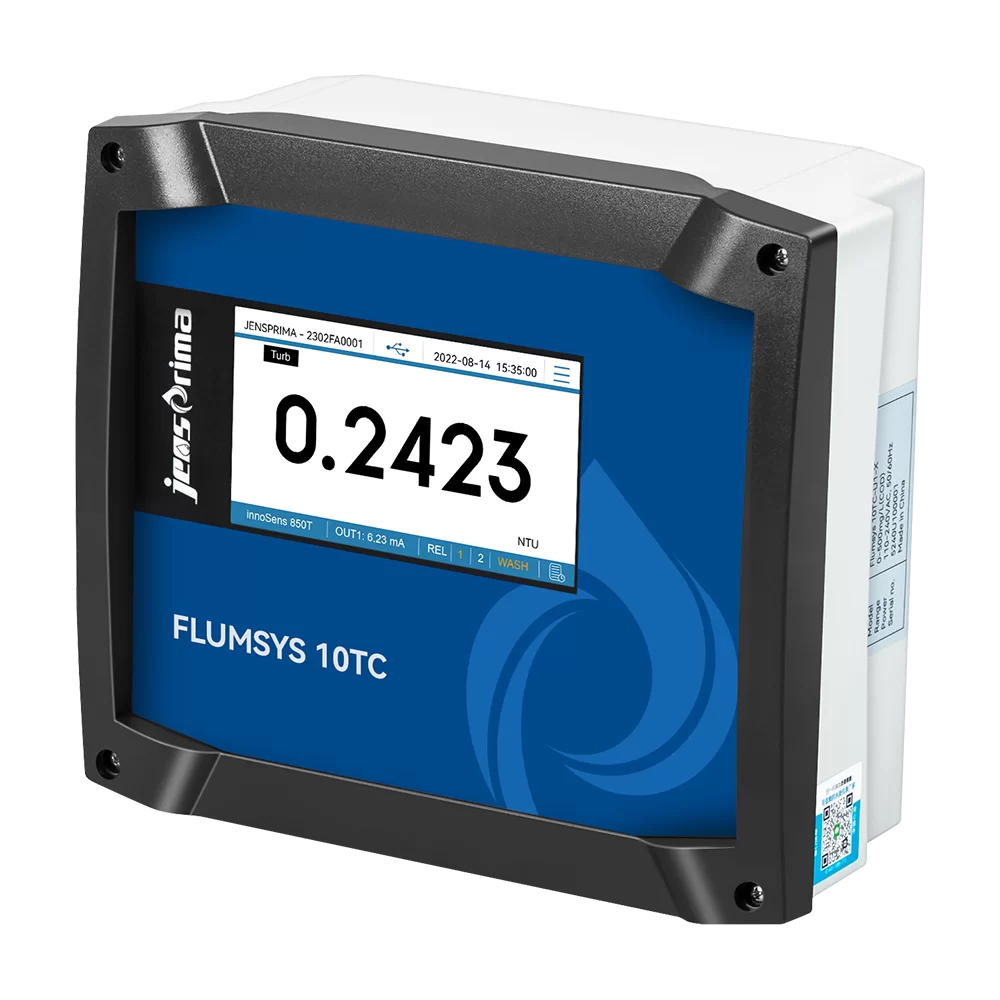
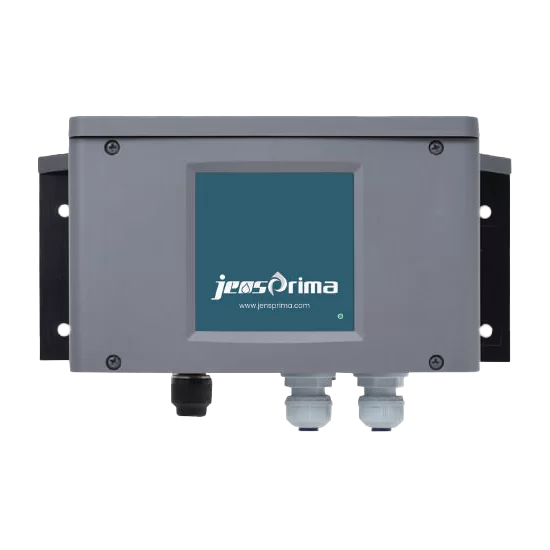
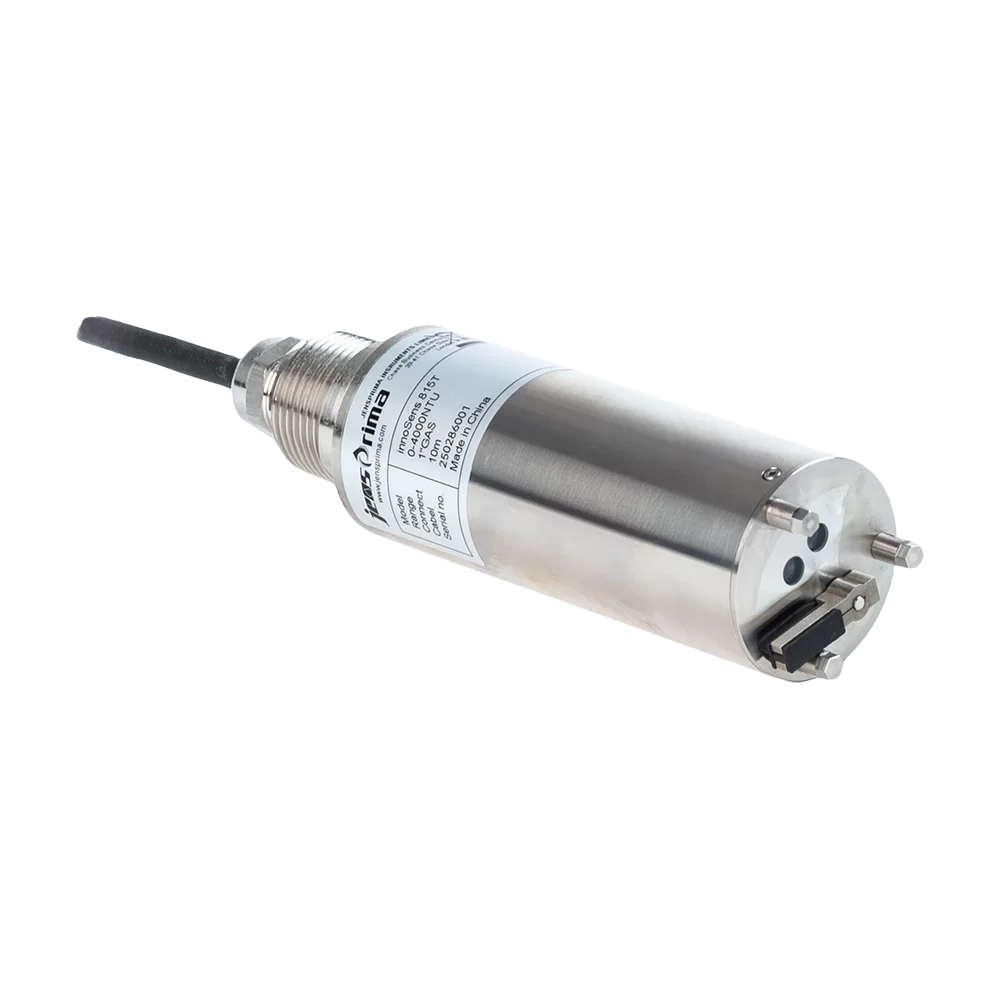
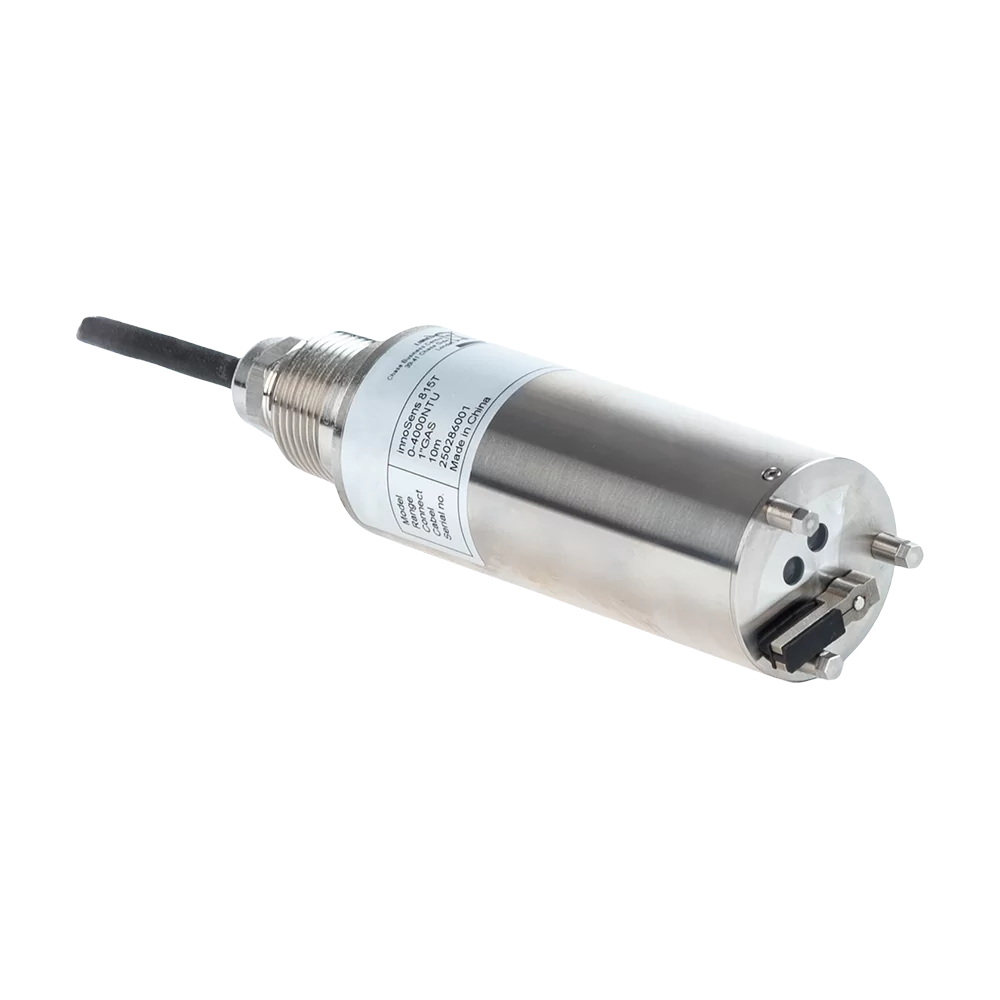
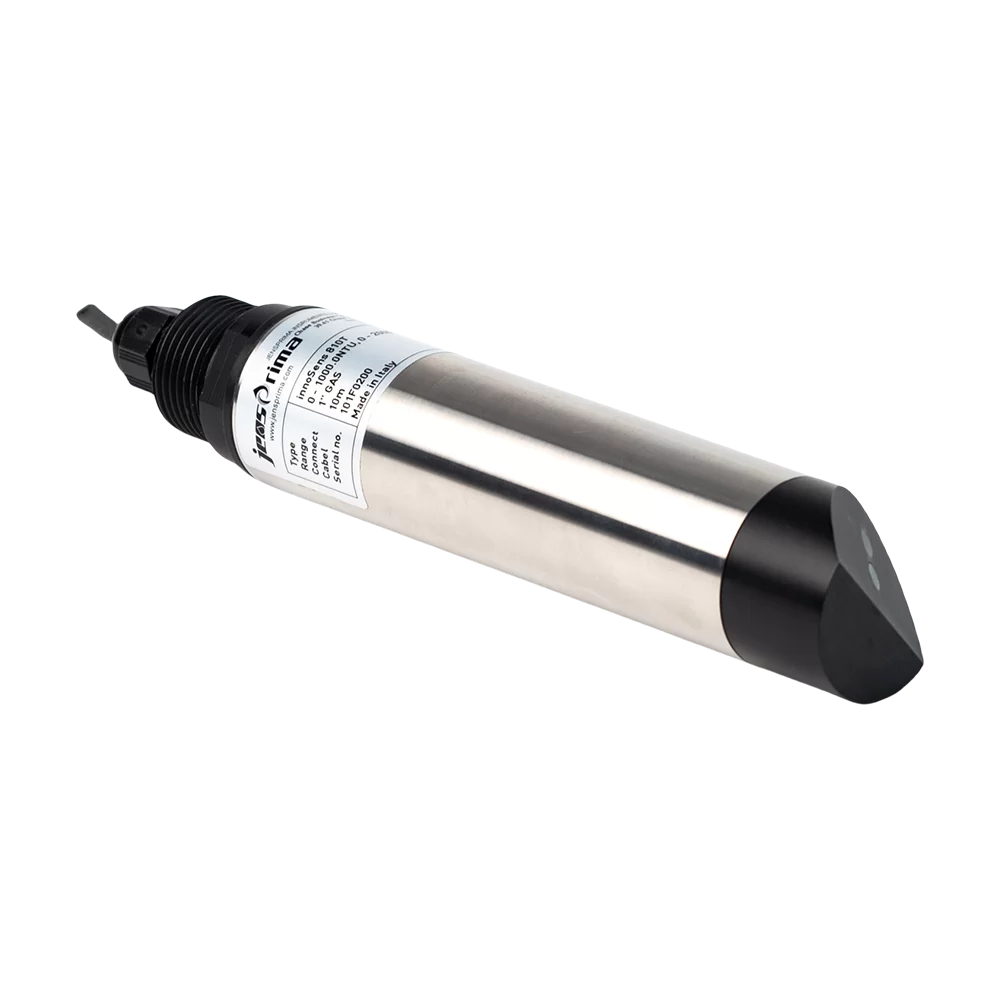
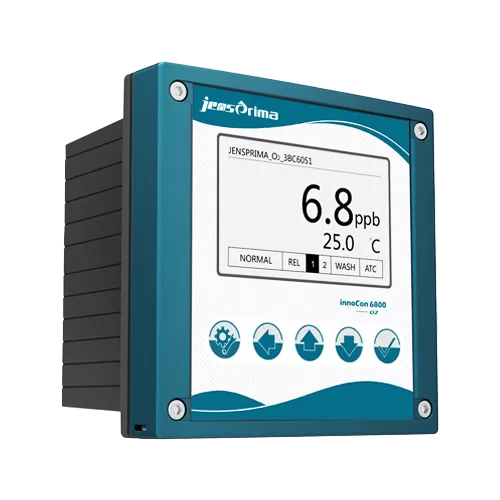
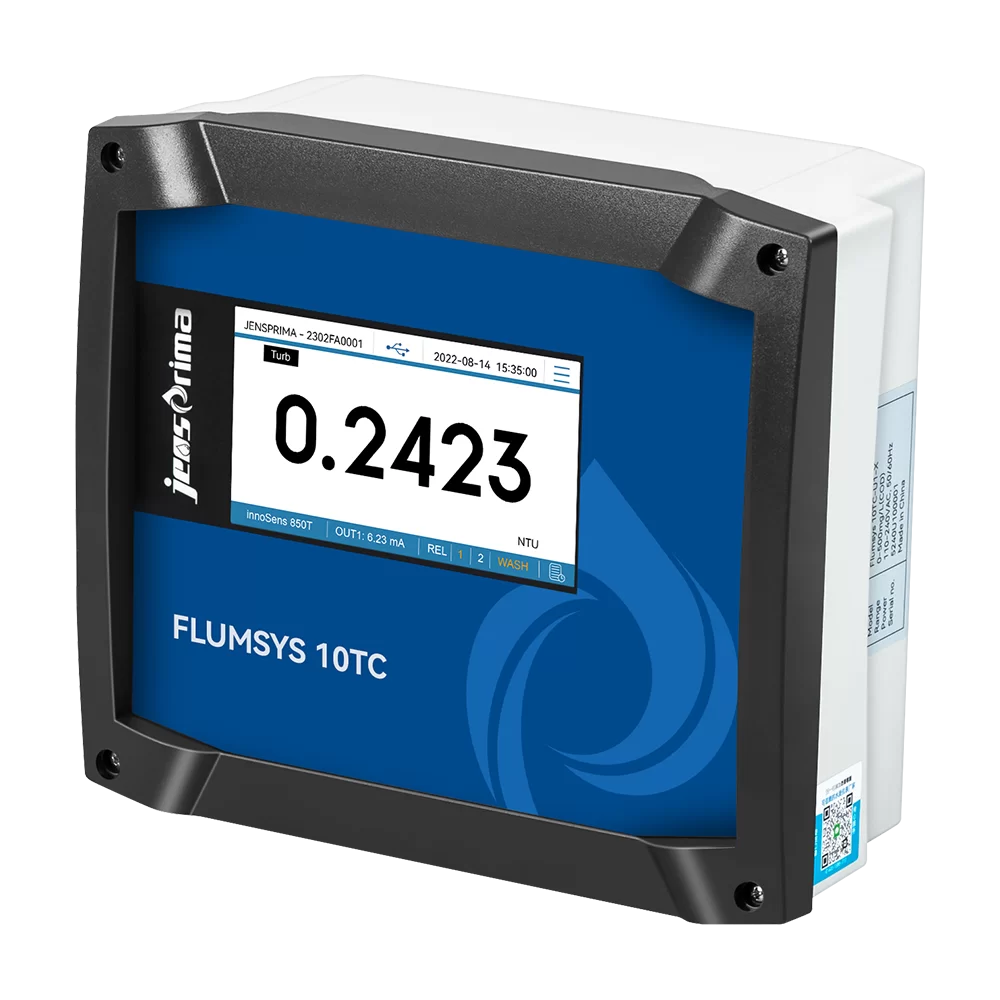
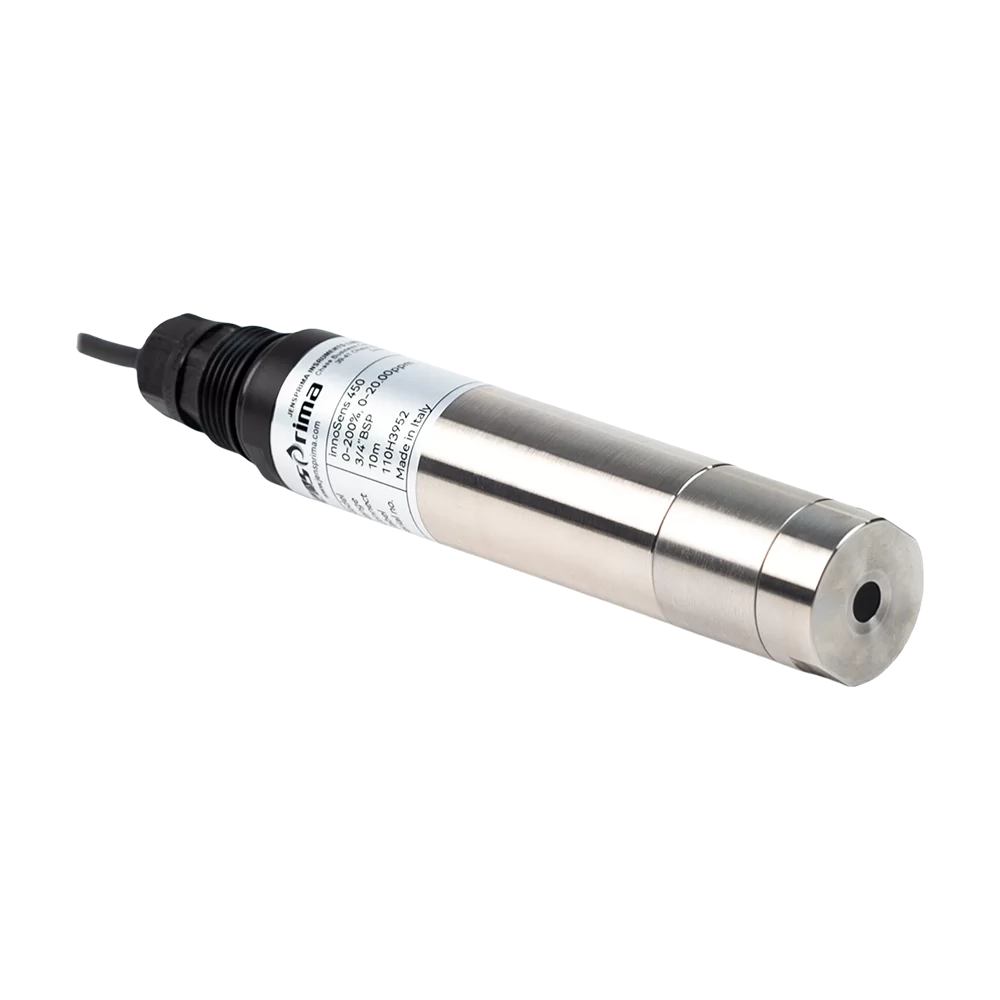
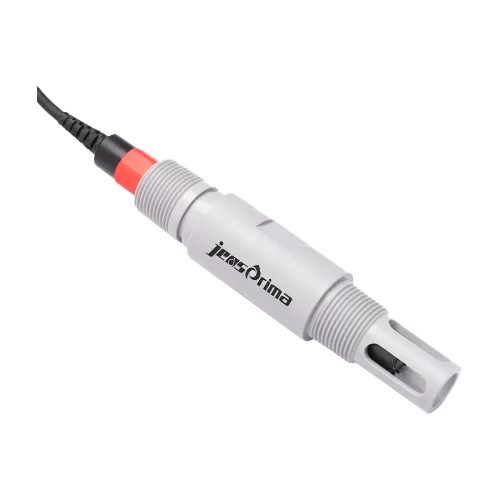
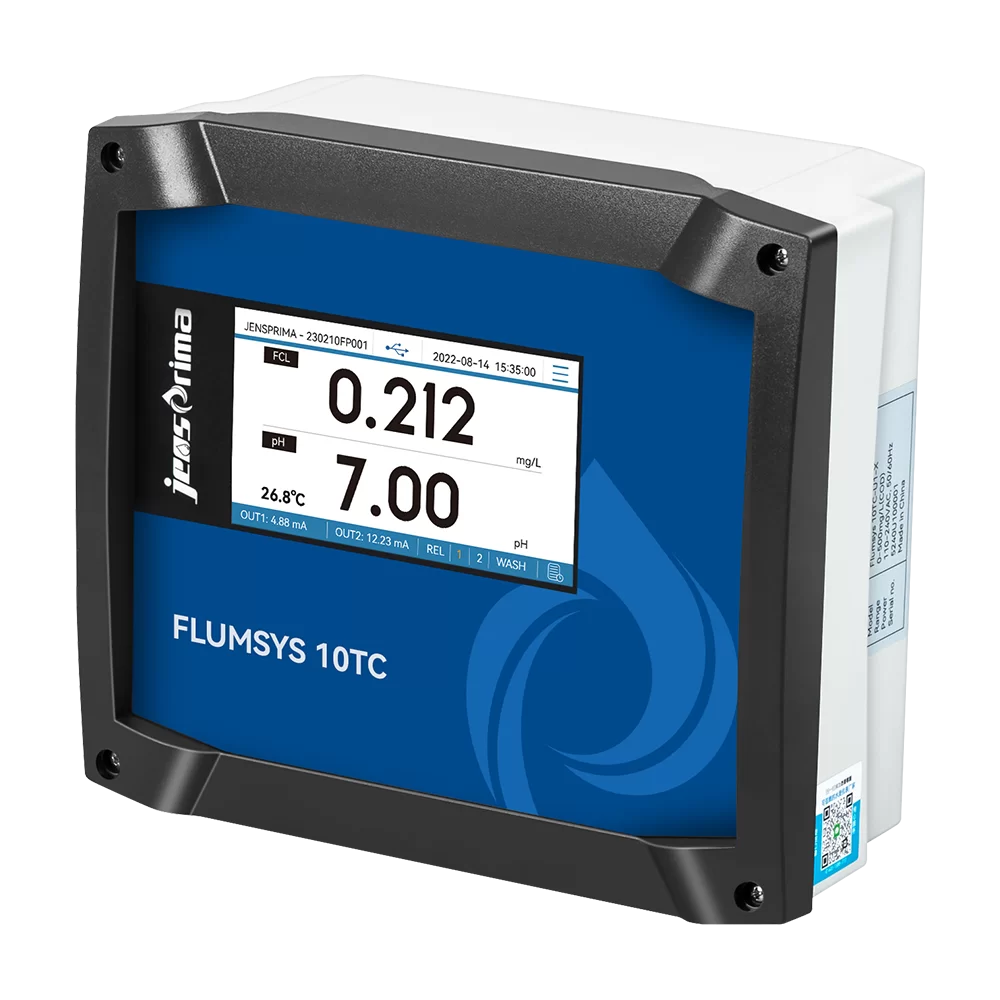
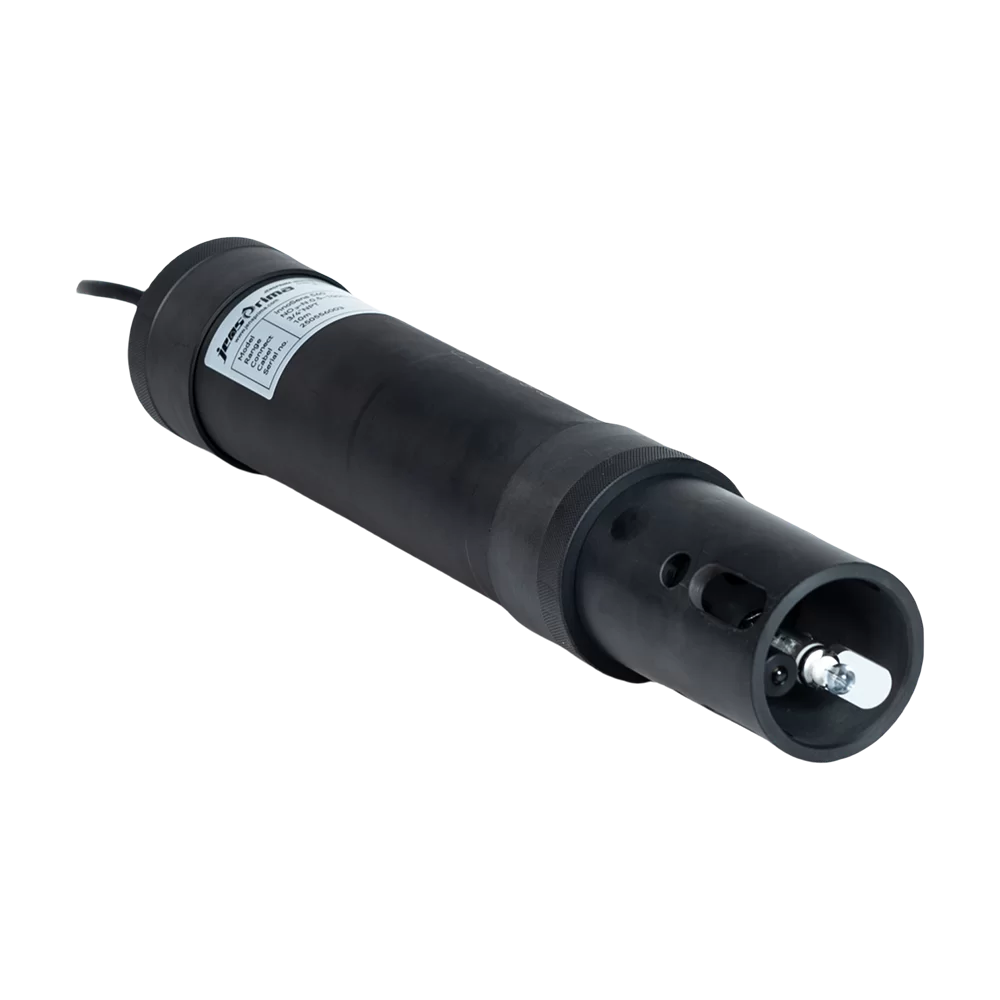
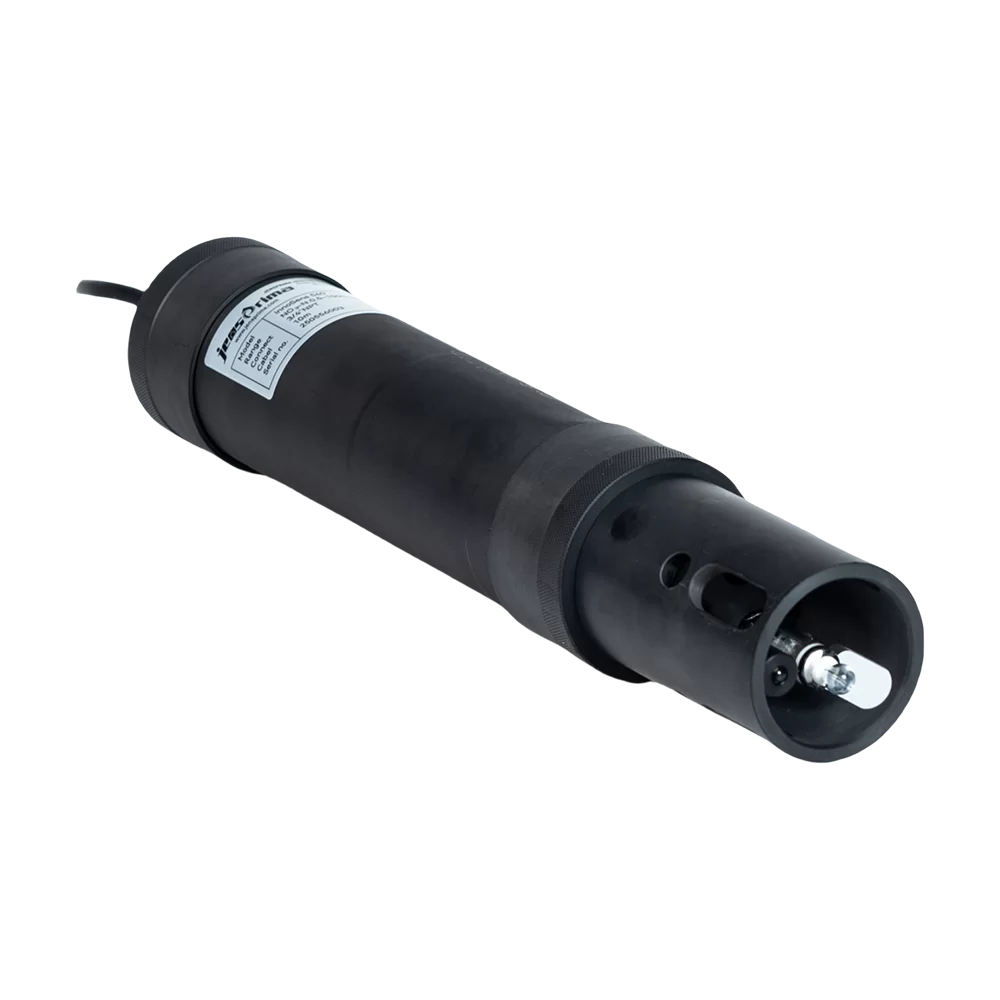
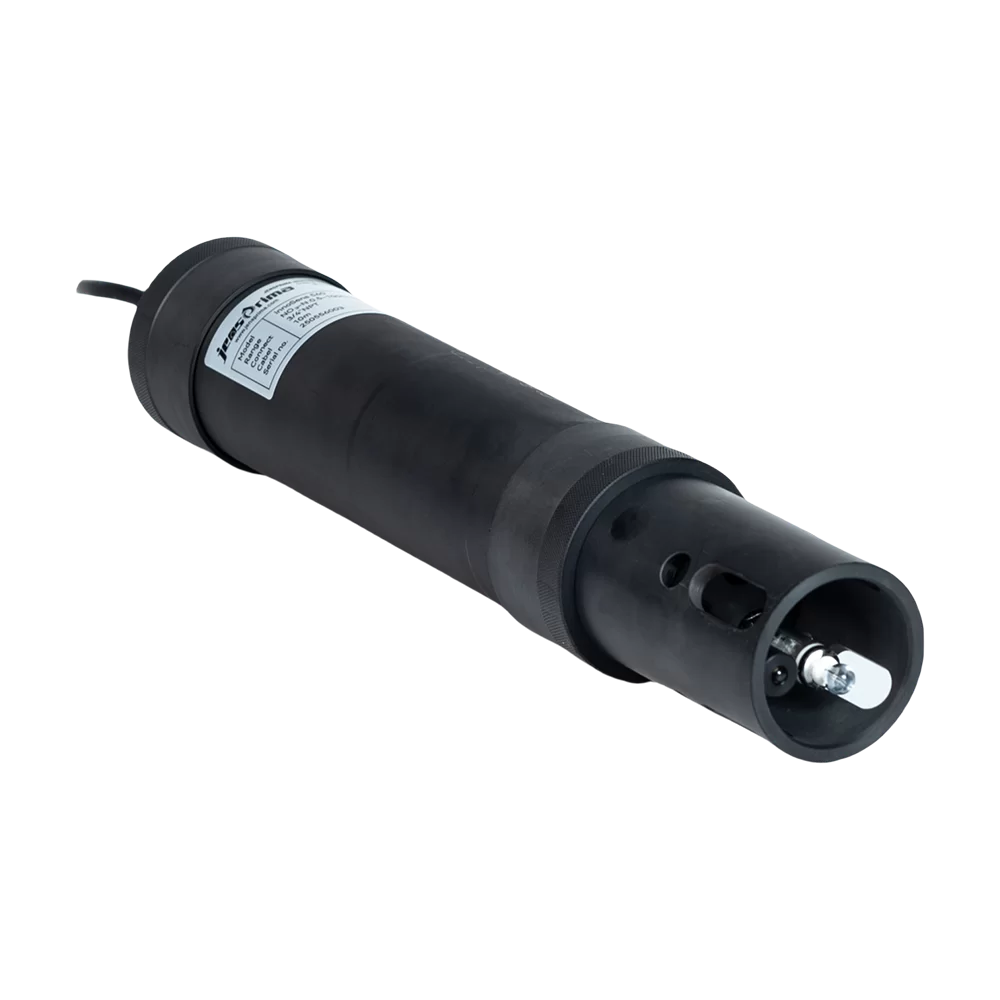



multi parameter analyzer

NEWS

UPDATES

Advanced Water Quality Monitoring Solutions for Kuwait: Precision alkalinity analyzer Implementation

High-performance online analytical instruments engineered for the harsh climatic conditions of Kuwait, ensuring sustainable water management and industrial compliance.

Advanced Water Quality Monitoring Solutions for Kuwait: Precision alkalinity analyzer Implementation

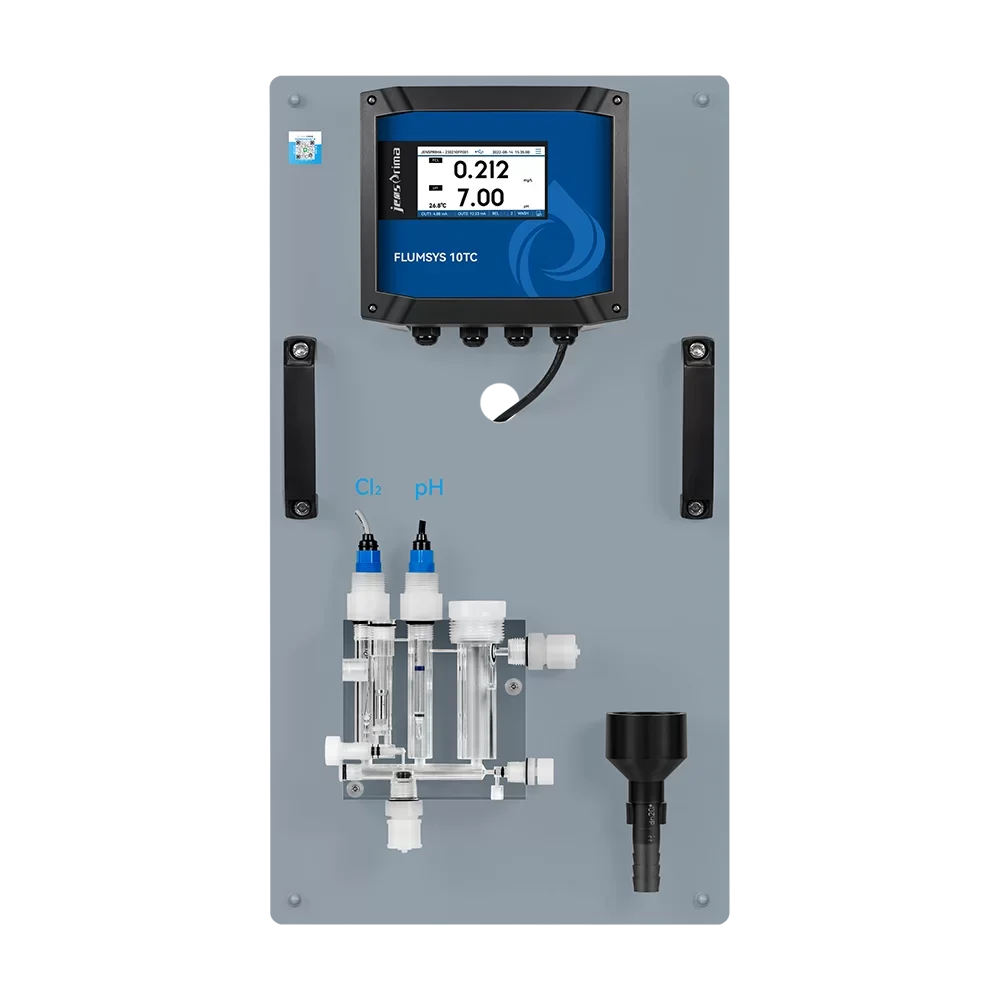
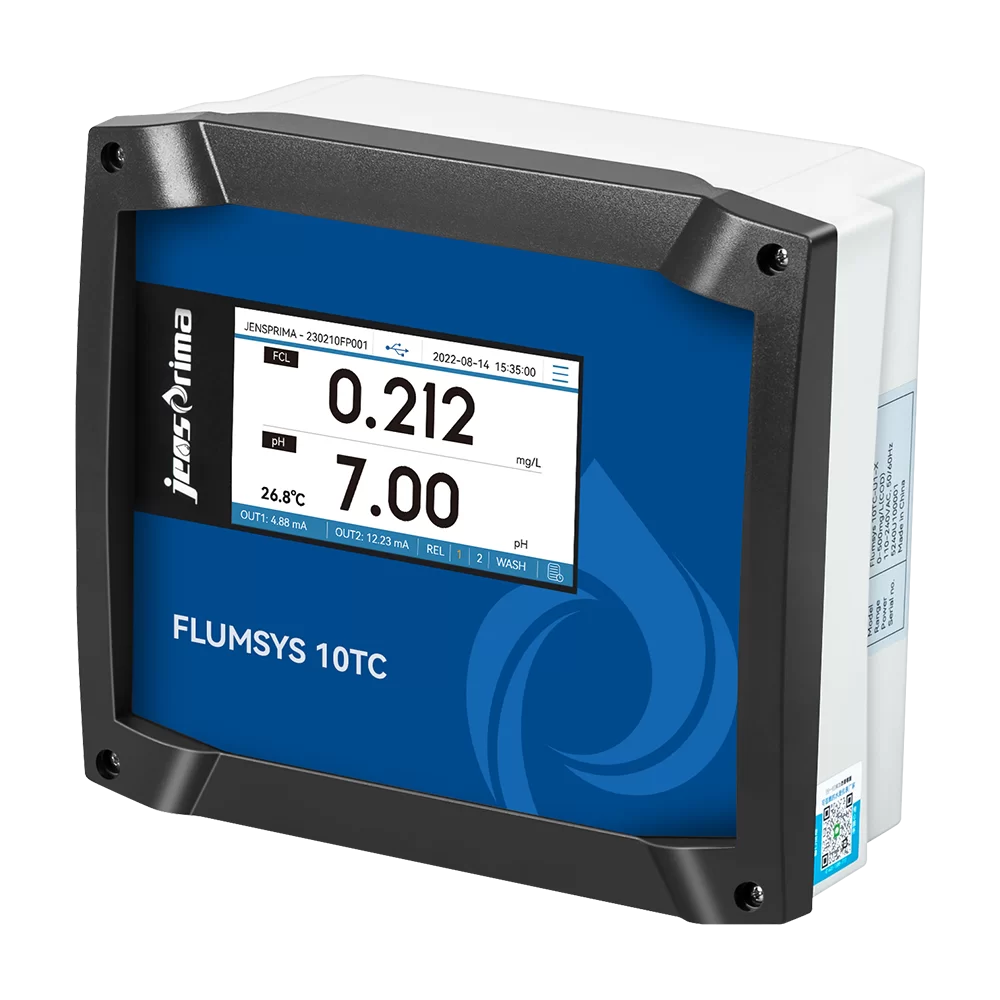
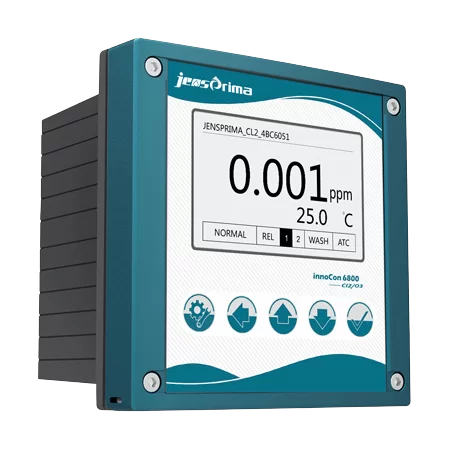
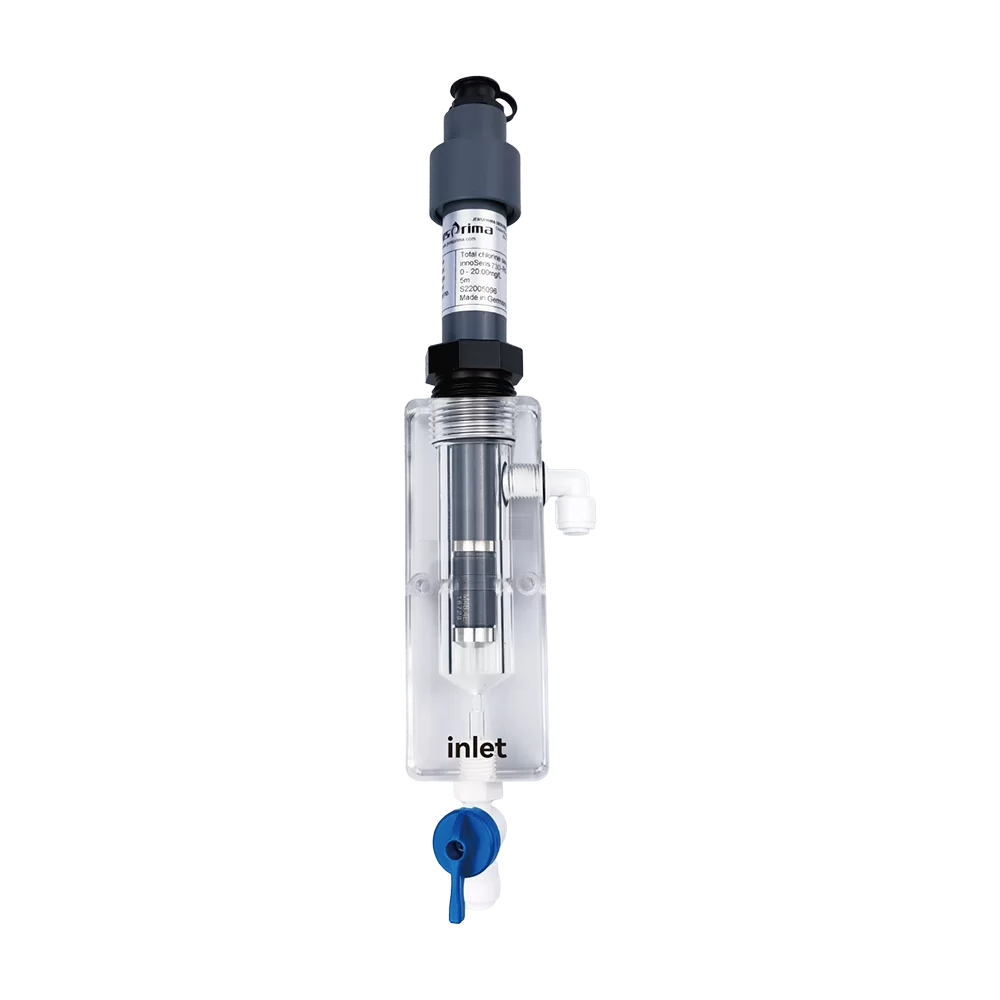
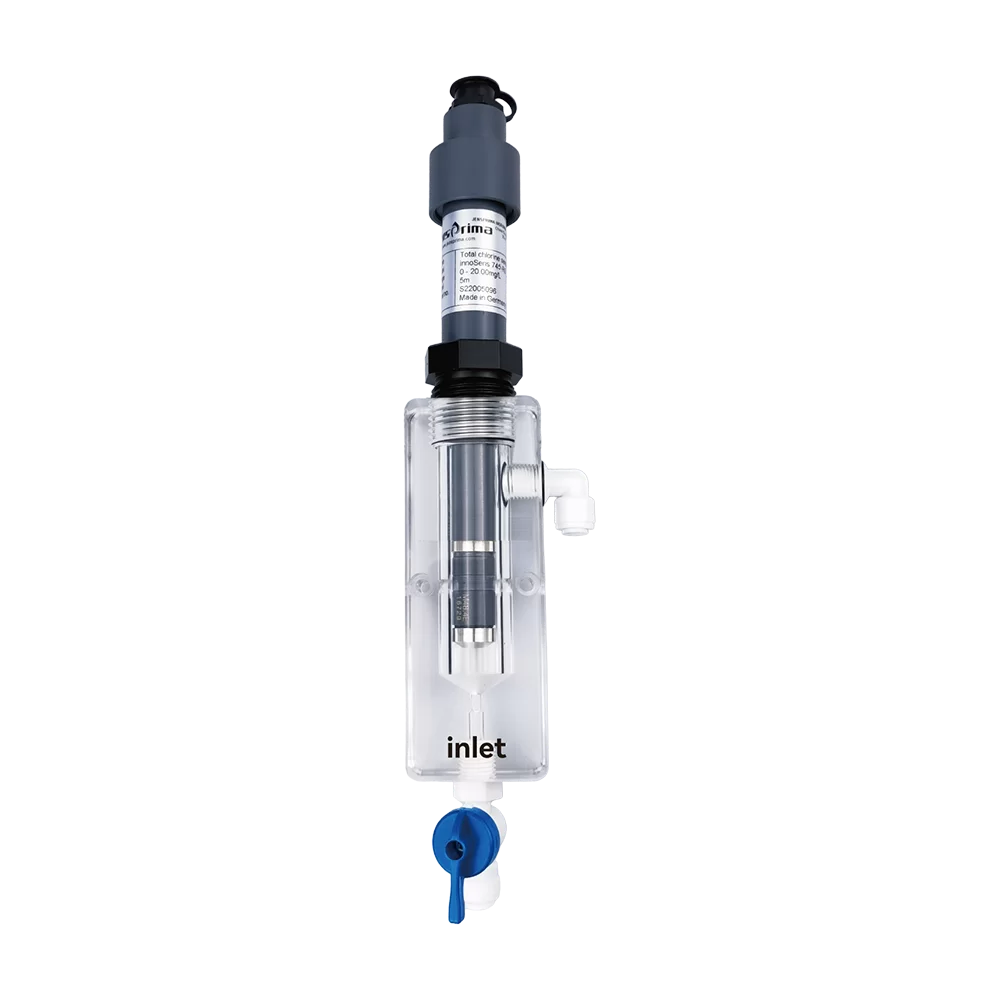
Providing integrated monitoring systems for desalination plants and oil refineries in Kuwait, utilizing state-of-the-art multi parameter water quality analyzer technology to maintain optimal chemical balances.

Current State of Water Analysis in Kuwait

Navigating the challenges of hyper-salinity and extreme temperature variations in the Gulf region.

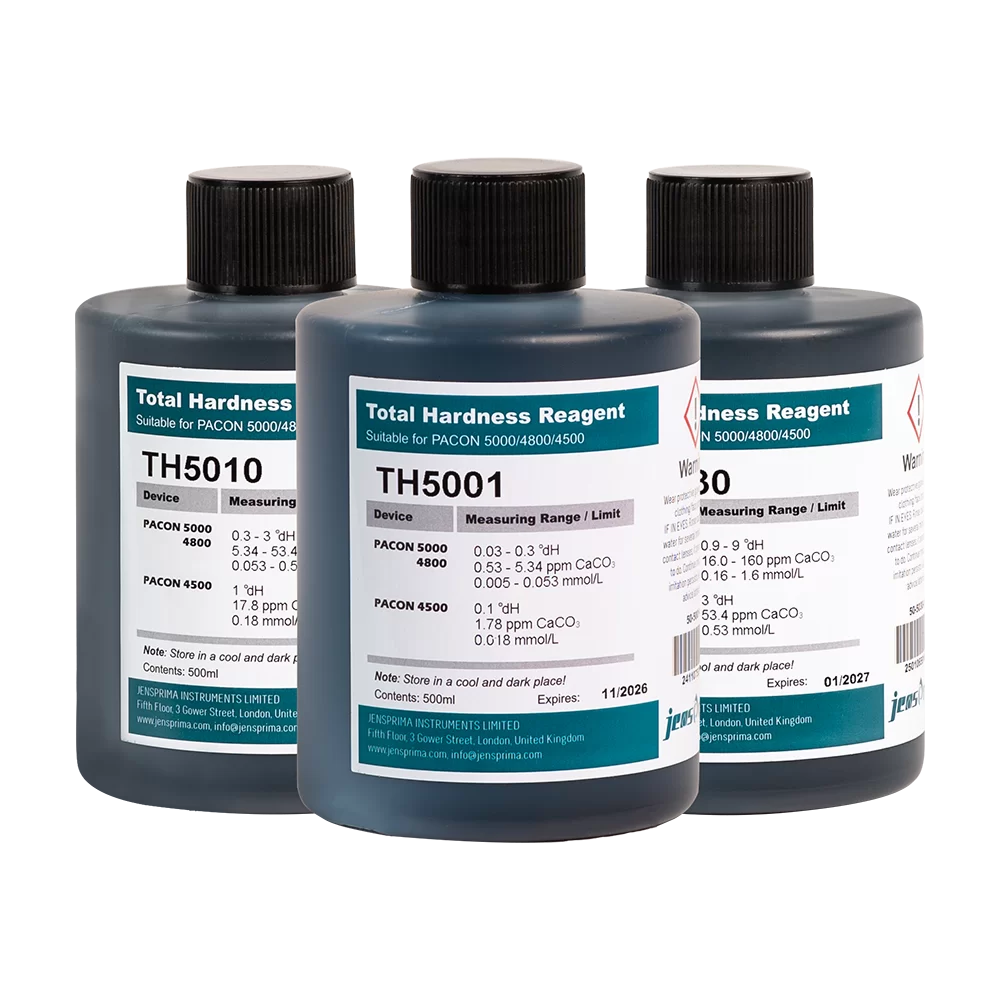
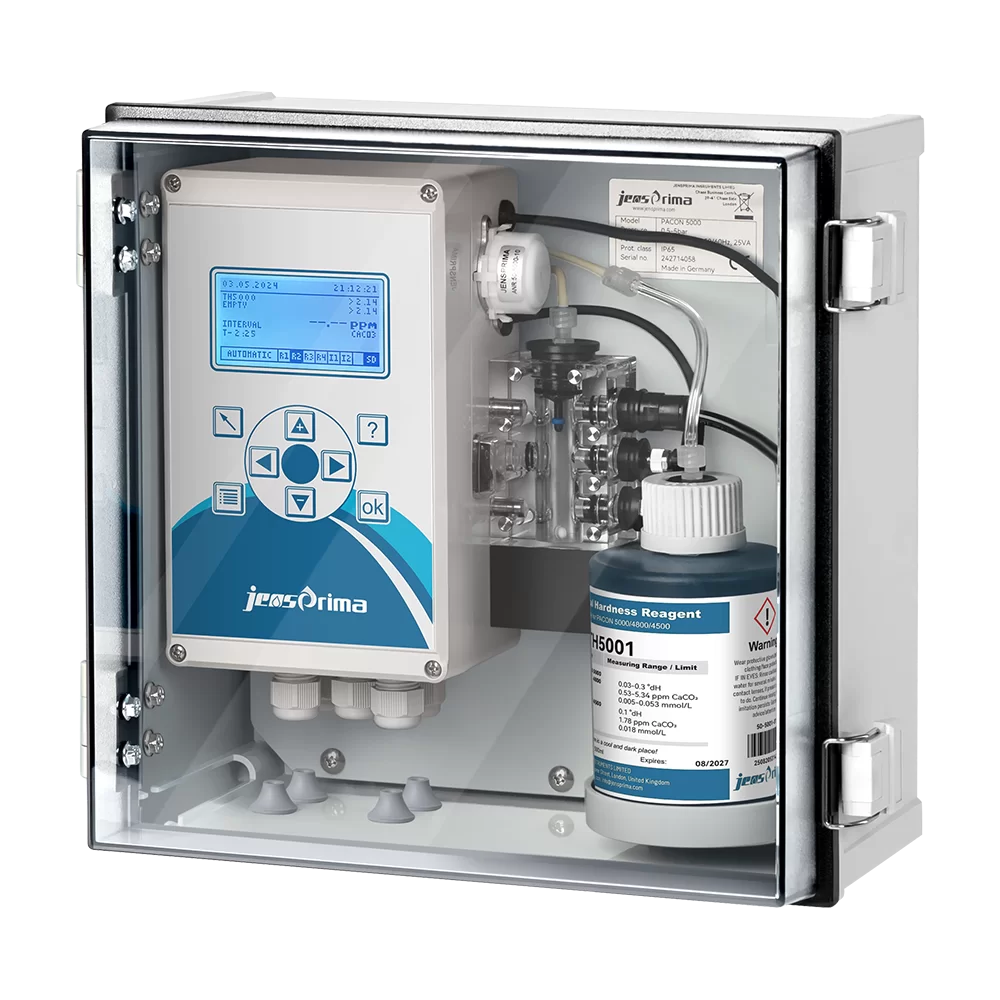
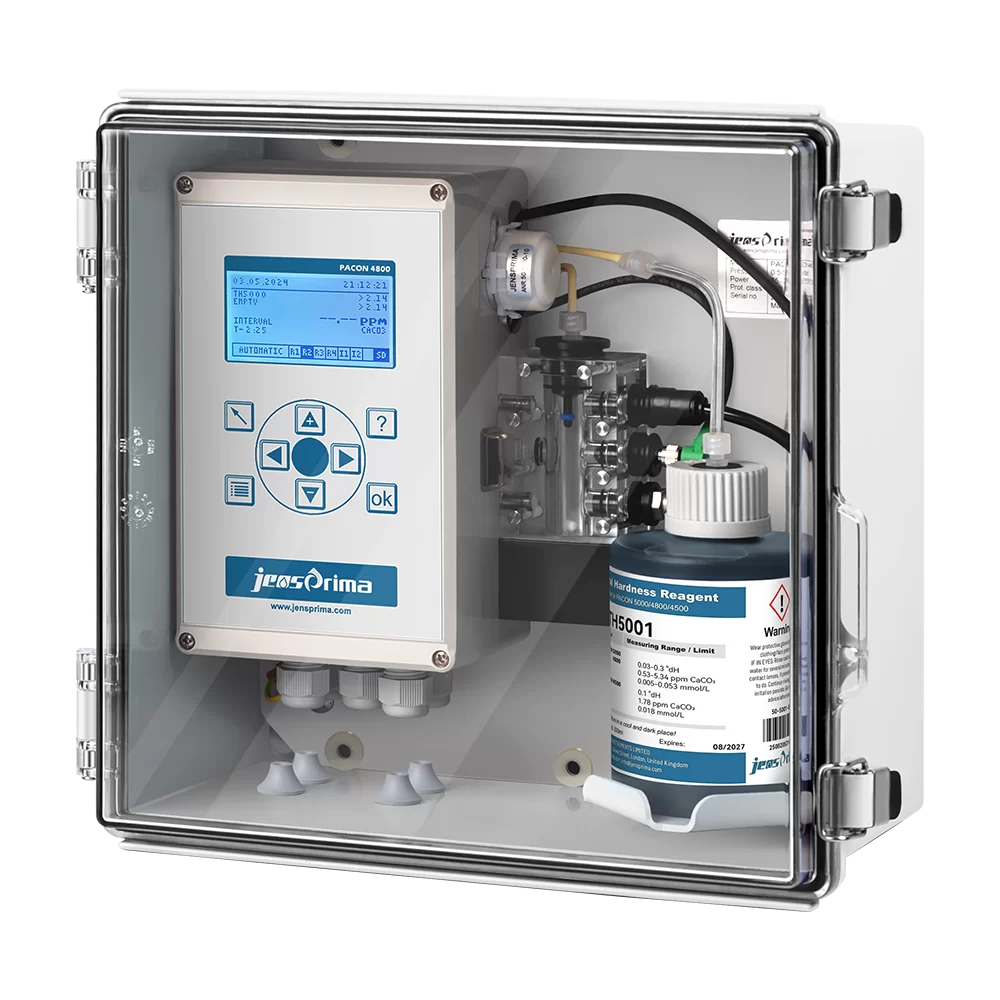
Kuwait relies heavily on desalination for its potable water supply, making the stability of the water chemistry critical. The prevalence of high mineral content requires a robust total hardness analyzer to prevent scaling in reverse osmosis membranes and industrial boilers, which can be accelerated by the extreme ambient heat of the region.

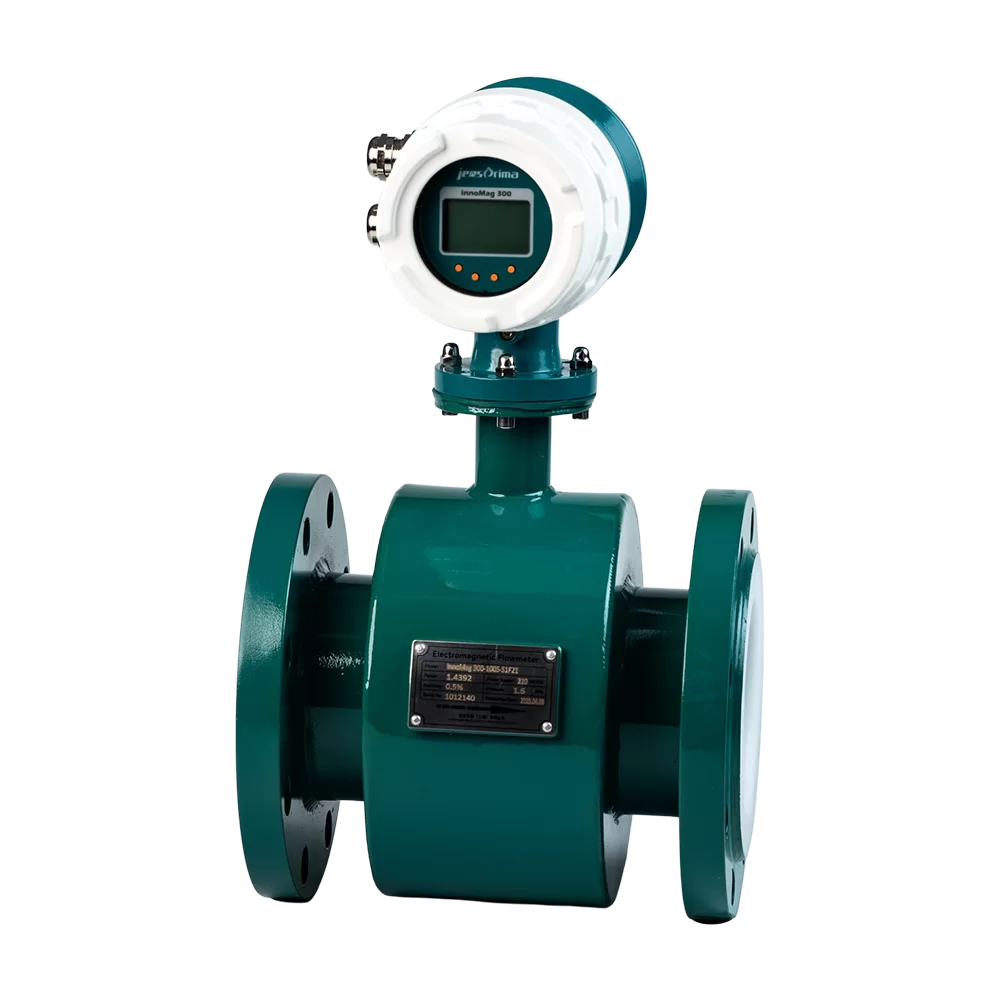
In the oil and gas sector, monitoring process water is essential for corrosion control. The deployment of an electromagnetic flowmeter ensures precise volumetric measurement of treated water, while real-time monitoring of chemical additives prevents infrastructure degradation in high-temperature environments.

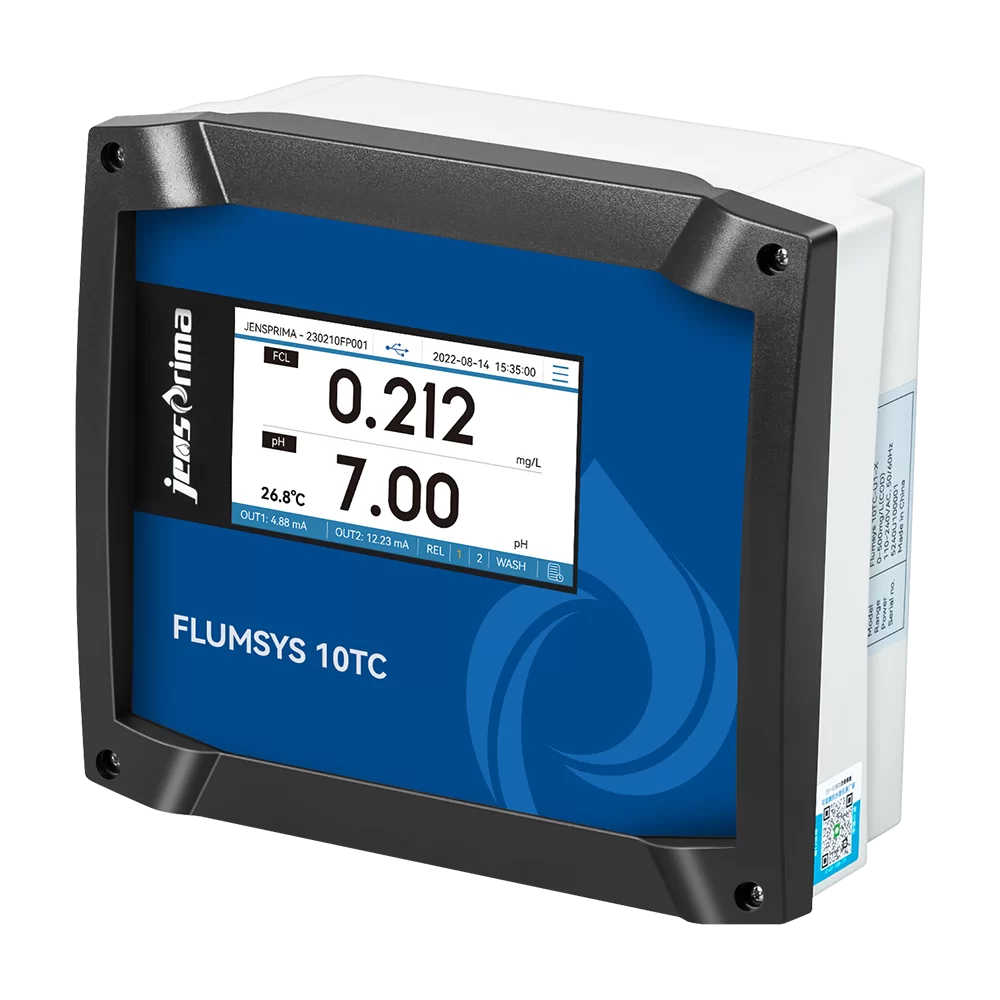
Currently, there is a significant shift toward automation. The integration of a residual chlorine controller has become a priority for Kuwaiti municipal water authorities to ensure disinfection efficiency while minimizing the risk of disinfection by-products in the distribution network.

Evolution and Trajectory of Online Water Analysis

From manual titration to AI-driven autonomous monitoring in the Arabian Peninsula.

Market Development History

From 2000 to 2010, the Kuwaiti market primarily relied on laboratory-based manual sampling and titration. This "snapshot" approach often missed critical fluctuations in water quality, leading to inefficient chemical dosing and unexpected downtime in desalination plants.

Between 2011 and 2020, the industry transitioned toward basic online monitoring. The introduction of digital sensors allowed for continuous tracking, but these early systems often struggled with the "drift" caused by the high salinity and sulfur concentrations typical of Gulf seawater.

Since 2021, we have entered the era of "Intelligent Monitoring." Modern systems now utilize multi-spectral analysis and self-cleaning mechanisms, allowing a multi parameter water quality analyzer to operate for months without manual intervention, even in harsh coastal environments.

Future Development Trends

Edge Computing Integration

The shift toward processing data at the sensor level to provide instantaneous feedback loops for dosing pumps, reducing latency in chemical correction.

Sustainability and Water Reuse

Increased demand for high-precision analyzers in wastewater reclamation projects to meet Kuwait's "Vision 2035" for environmental sustainability.

IoT-Based Remote Diagnostics

Implementation of cloud-based health monitoring for instruments, allowing engineers to calibrate sensors remotely across distant oil fields.

Industry Trends and Future Outlook

Predicting the next wave of technological adoption in water quality instrumentation.

Zero-Liquid Discharge (ZLD)
Driving the need for extreme-range analyzers to monitor brine concentrates in ZLD systems.
Digital Twin Modeling
Using real-time sensor data to create virtual replicas of water networks for predictive maintenance.
AI-Driven Calibration
Algorithms that automatically detect sensor drift and trigger self-cleaning or recalibration.
Green Chemical Dosing
Precision control to reduce chemical waste and the carbon footprint of water treatment.

Industry Outlook

Google search trends for "industrial water automation" in the Gulf region indicate a 30% year-on-year increase. This suggests that Kuwaiti operators are moving away from standalone instruments toward integrated ecosystems where a residual chlorine controller communicates directly with the main SCADA system.

The future will likely see the dominance of "Plug-and-Play" modular analyzers. As the labor market in Kuwait shifts toward high-skill technical roles, the demand for instruments that require minimal manual configuration and offer high reliability will drive market growth.

Local Application Scenarios in Kuwait

Tailored deployment of water analysis instruments across critical national infrastructure.

01. Seawater Desalination Plants (SWRO)

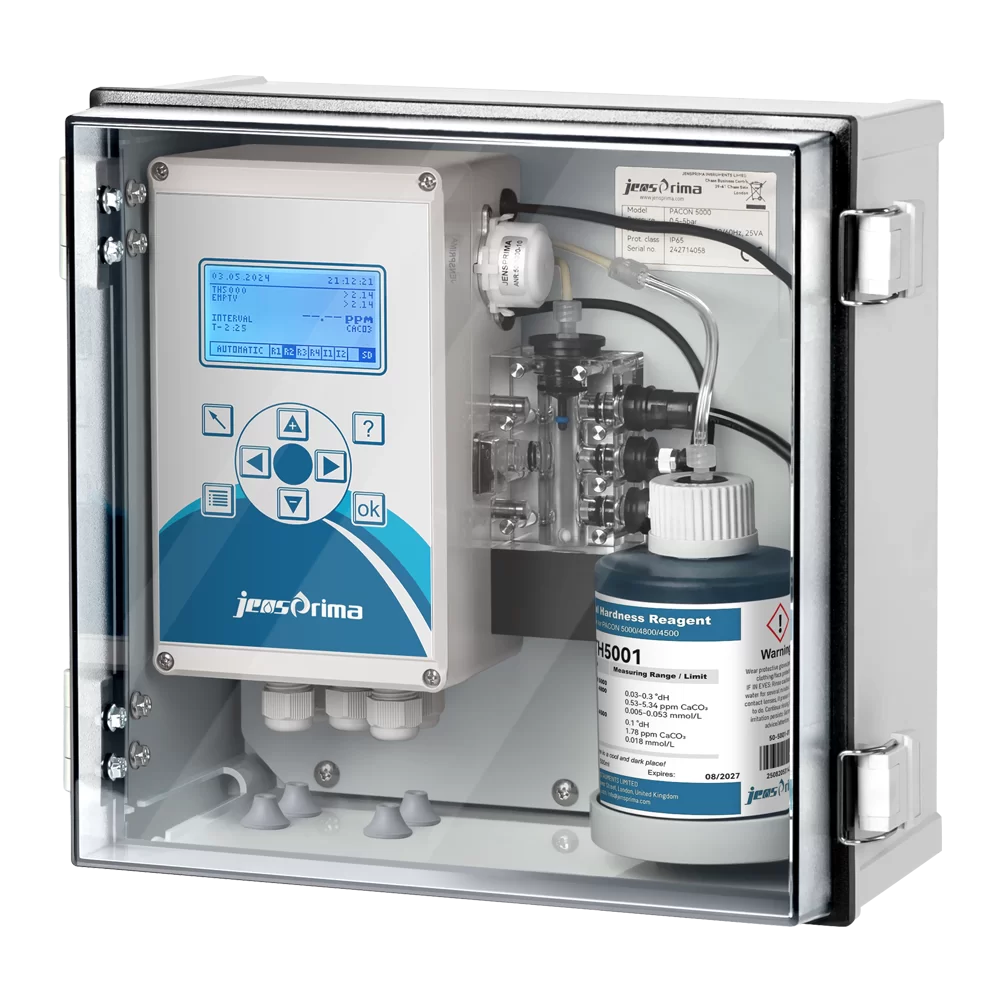
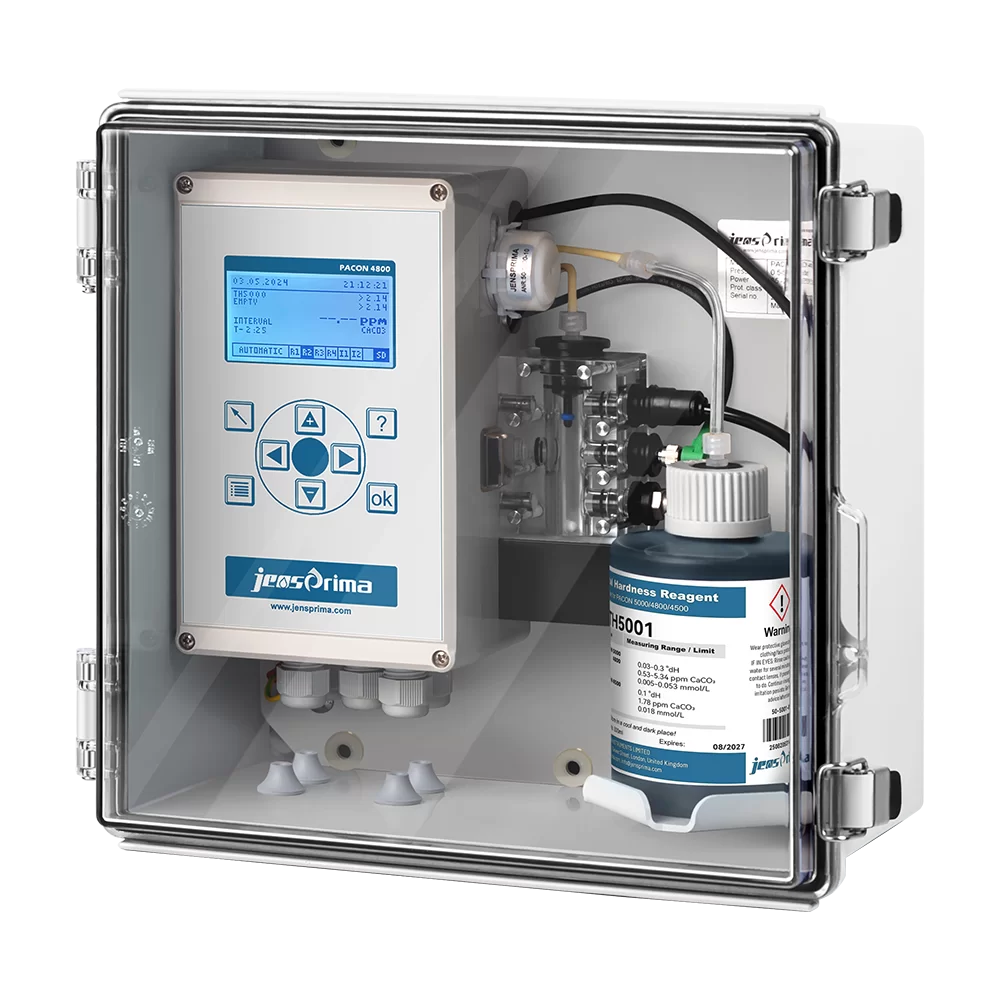
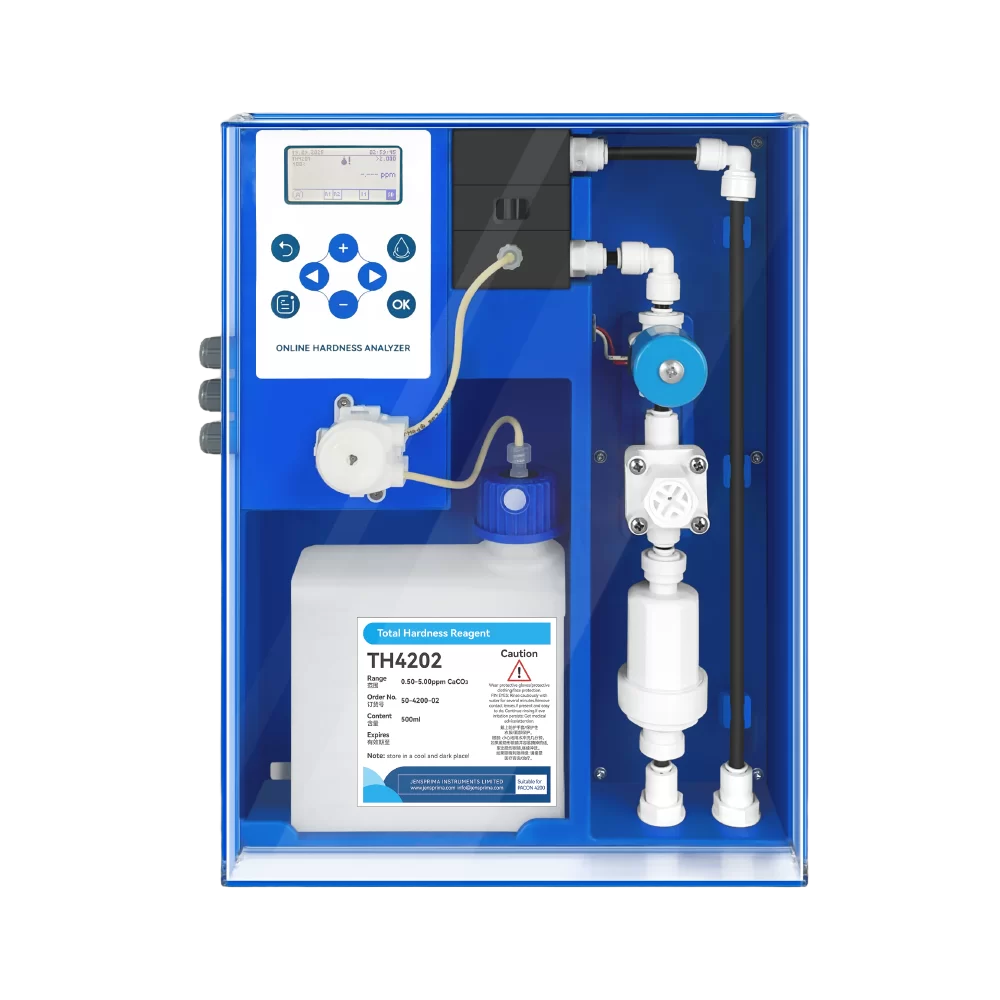
Deployment of total hardness analyzer units at the pretreatment stage to monitor mineral levels and protect expensive RO membranes from premature scaling caused by Gulf seawater concentrations.

02. Oil Refinery Process Water

Integration of electromagnetic flowmeter systems to track the flow of cooling water in refinery towers, coupled with conductivity sensors to prevent corrosion in high-temperature pipelines.

03. Municipal Drinking Water Distribution

Installation of residual chlorine controller devices at key pumping stations to ensure that chlorinated water remains safe for consumption throughout the city of Kuwait.

04. Industrial Boiler Feedwater

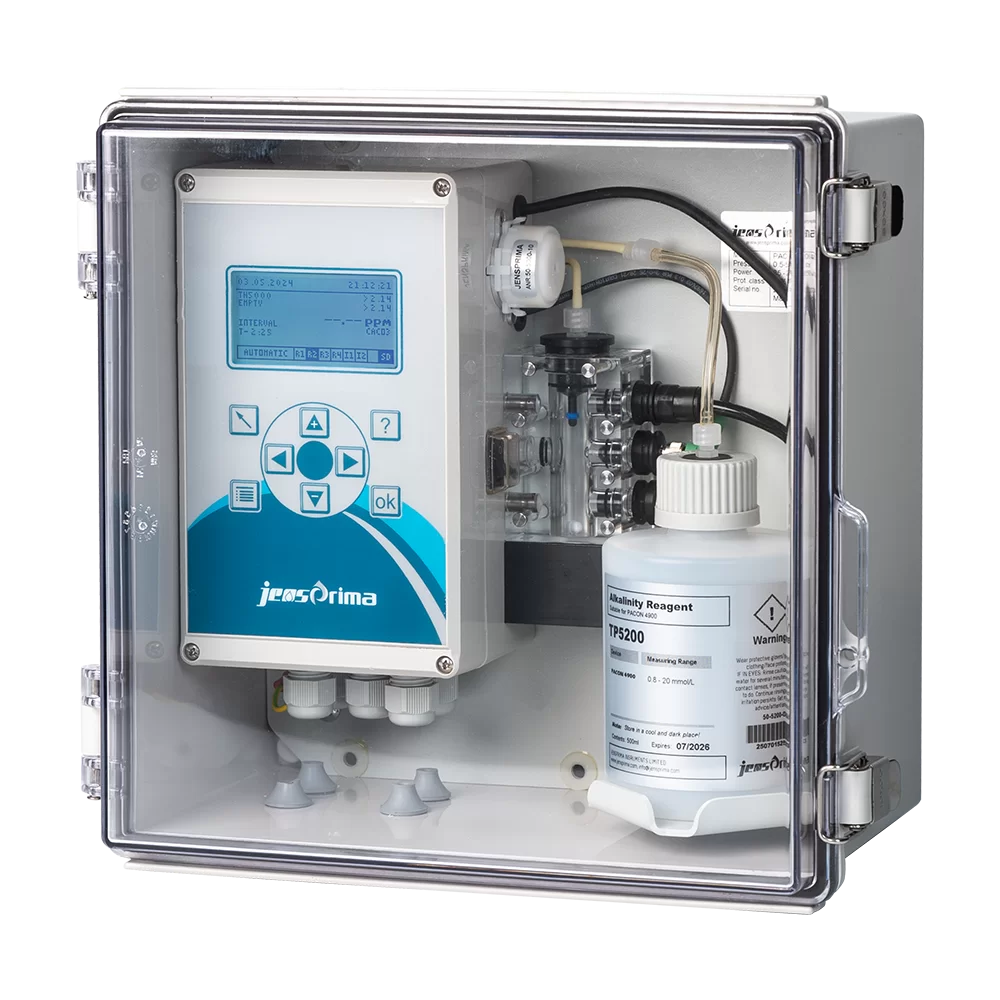
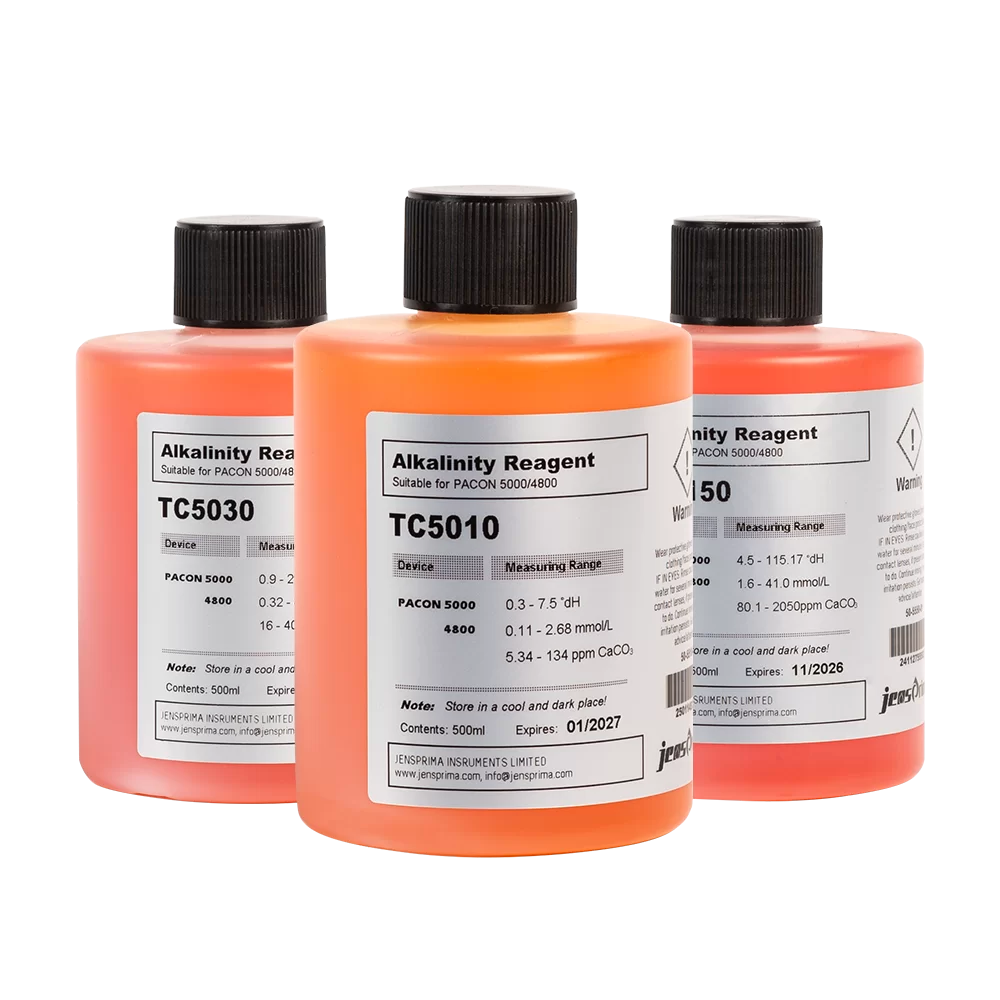
Using an alkalinity analyzer to maintain the precise pH and alkalinity levels of boiler feed water, preventing both acidic corrosion and alkaline carryover in power plants.

05. Integrated Environmental Monitoring

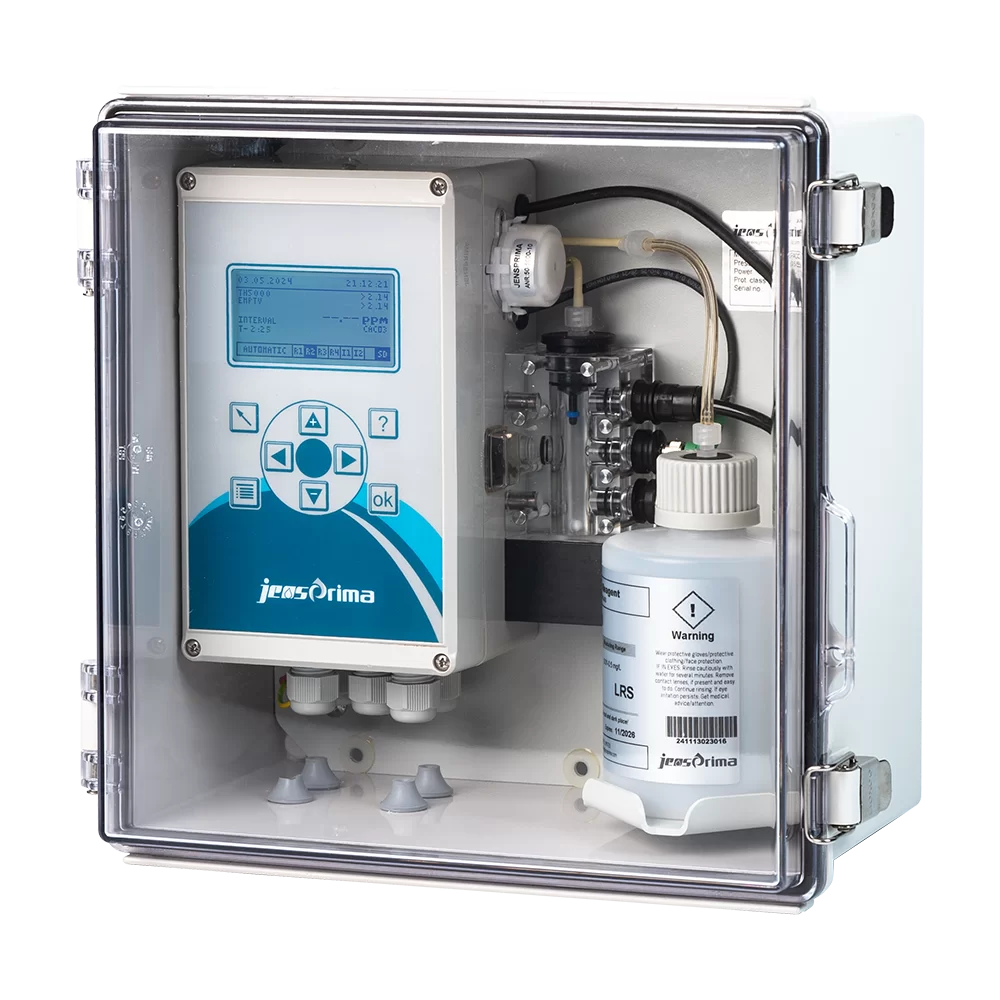
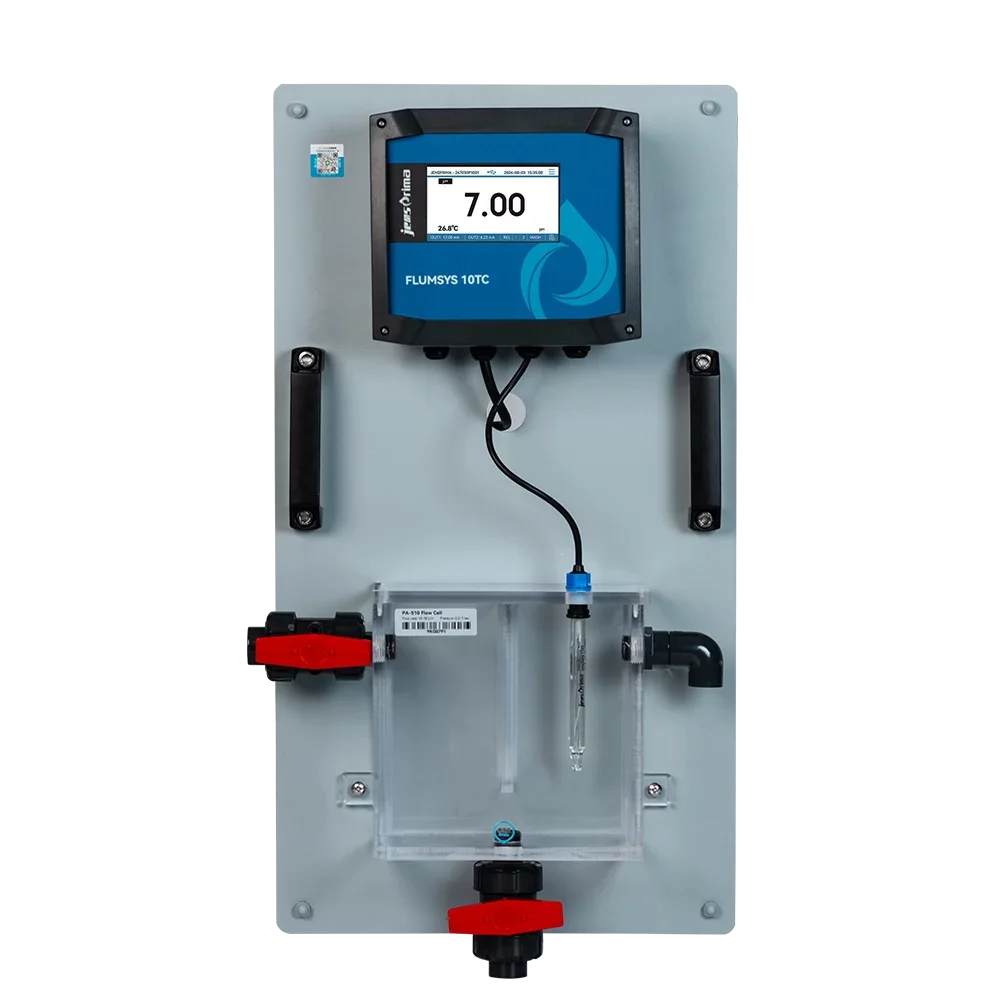
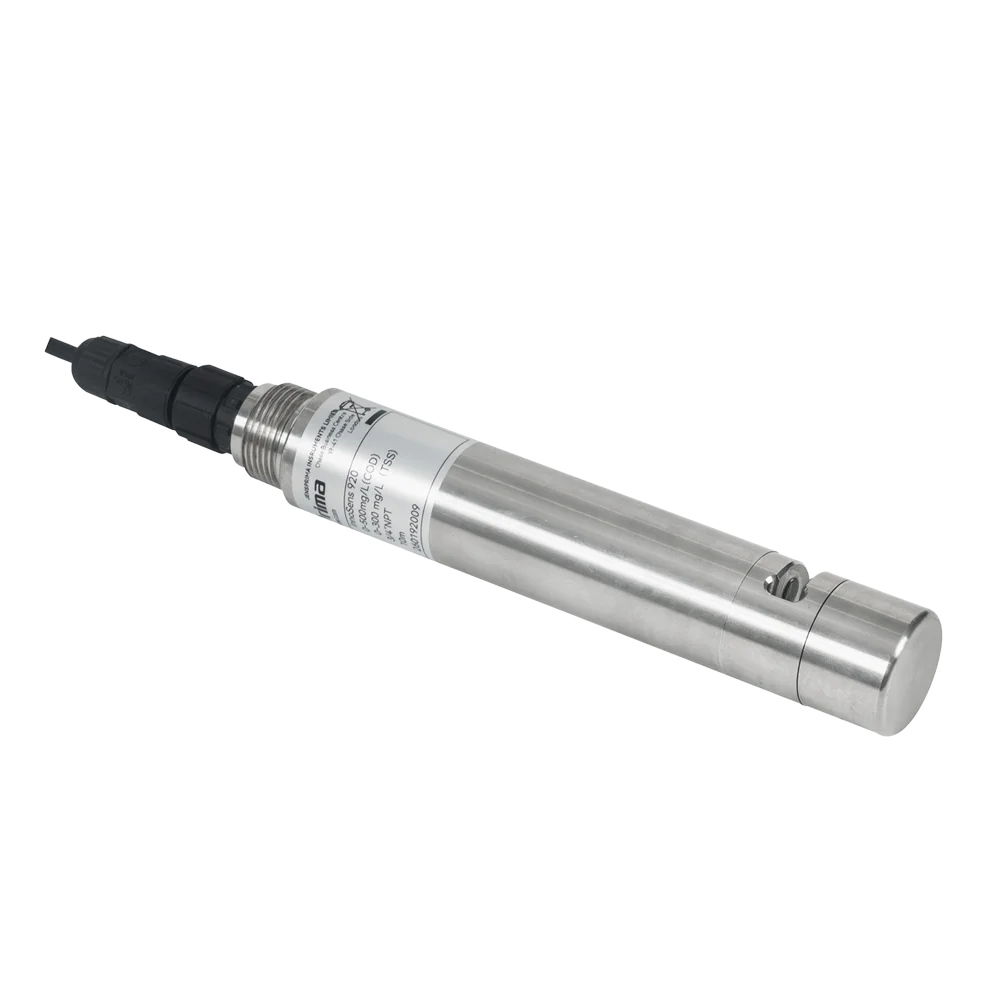
Deploying a multi parameter water quality analyzer in industrial drainage zones to monitor multiple pollutants simultaneously, ensuring compliance with Kuwait EPA standards.

Brand Story

Global Development History of Jensprima (Shanghai) Co., Ltd.

Foundational Engineering

Established with a focus on precision, we began by solving the core challenges of sensor drift and electrode fouling in industrial environments.

Technological Diversification

Expanded our portfolio to include a full suite of online analyzers, transitioning from single-parameter sensors to complex integrated systems.

Global Market Expansion

Strategically entered the Middle Eastern market, adapting our hardware to withstand the extreme temperatures and high salinity of the GCC region.

Digital Transformation

Integrated IoT and AI capabilities into our instruments, enabling remote monitoring and predictive maintenance for global industrial clients.

Sustainable Vision

Committed to solving the world's water scarcity through high-precision monitoring, reducing chemical waste, and promoting water reuse globally.

Comprehensive Water Analysis Portfolio for Kuwait

A complete range of analytical instruments designed for the unique challenges of the Kuwaiti industrial landscape.

Common Questions for Water Quality Analysis in Kuwait

Expert answers to the most frequent technical inquiries from the regional industry.

How does high salinity affect the accuracy of a multi parameter water quality analyzer?

High salinity can cause ion interference and electrode polarization. Our analyzers use advanced temperature compensation and specialized membranes to maintain precision in hyper-saline Gulf waters.

What is the ideal maintenance cycle for a total hardness analyzer in desalination plants?

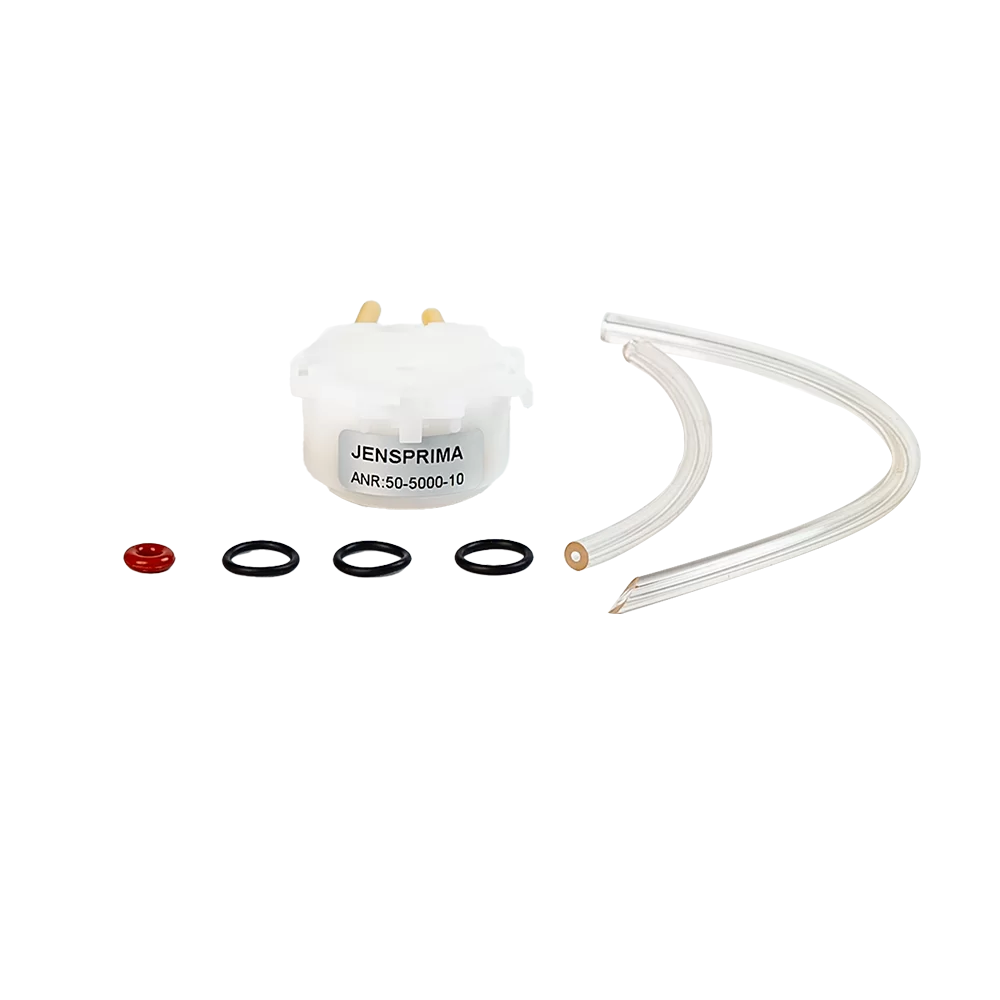
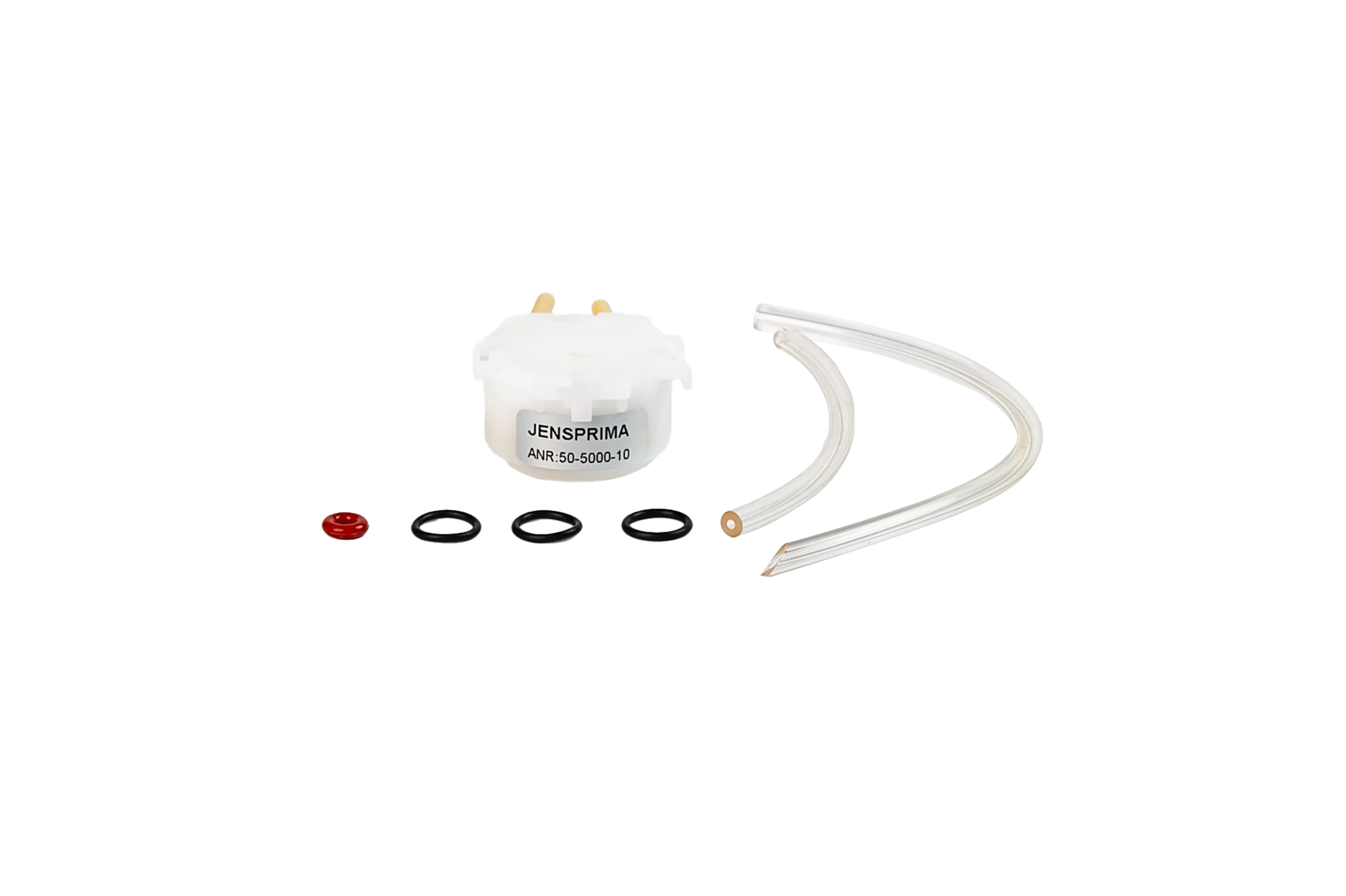
Due to the high mineral load in Kuwait's feedwater, we recommend a bi-weekly calibration check and a monthly deep-cleaning of the reagent delivery system to prevent clogging.

Can an alkalinity analyzer operate reliably in temperatures exceeding 50°C?

Yes, our instruments are housed in IP65-rated, thermally insulated enclosures with integrated cooling fans to ensure stable electronic operation during Kuwait's peak summer heat.

How to prevent air bubbles from affecting an electromagnetic flowmeter reading?

Installing the flowmeter in a vertical pipe with upward flow or using a dedicated air-separator ensures the pipe is always full, eliminating measurement errors caused by aeration.

Why is a residual chlorine controller necessary for the Kuwaiti water grid?

Water in the distribution network can lose chlorine rapidly due to heat. A controller ensures a constant residual level to prevent bacterial regrowth in the pipes.

What are the key advantages of online monitoring over manual sampling?

Online monitoring provides real-time data, allowing for immediate corrective action, reducing chemical waste, and eliminating human error inherent in manual sampling processes.

Ready to Optimize Your Water Analysis?

Our technical experts are ready to provide customized instrumentation solutions for your facility in Kuwait.

Contact Us Now
Service Repair Form
Tell us what issue you encountered, including any steps or symptoms.
  • Name
  • Email
  • Phone
  • Fault Description

If you are interested in our products, you can choose to leave your information here, and we will be in touch with you shortly.