Reliable Multi Parameter Water Quality Analyzer Manufacturer Guide
Reliable Multi Parameter Water Quality Analyzer Manufacturer Guide
0%
Table of Contents
The shift toward real-time environmental monitoring has placed unprecedented demand on the precision of water analysis systems. For industrial operators, finding a reliable multi parameter water quality analyzer manufacturer is no longer just about purchasing hardware, but about integrating a cohesive sensing ecosystem that can handle fluctuating chemical loads without frequent manual recalibration.
The technical challenge lies in the cross-interference between different ions and the degradation of sensors in harsh industrial wastewater environments. When multiple parameters such as pH, dissolved oxygen, and conductivity are measured simultaneously, the system must manage signal drift and sensor fouling to maintain data integrity over long deployment cycles.
This analysis explores the engineering requirements for multi-parameter systems and evaluates how specific control technologies, such as those found in the multi parameter water quality analyzer manufacturer portfolio, address the critical balance between measurement sensitivity and long-term stability.
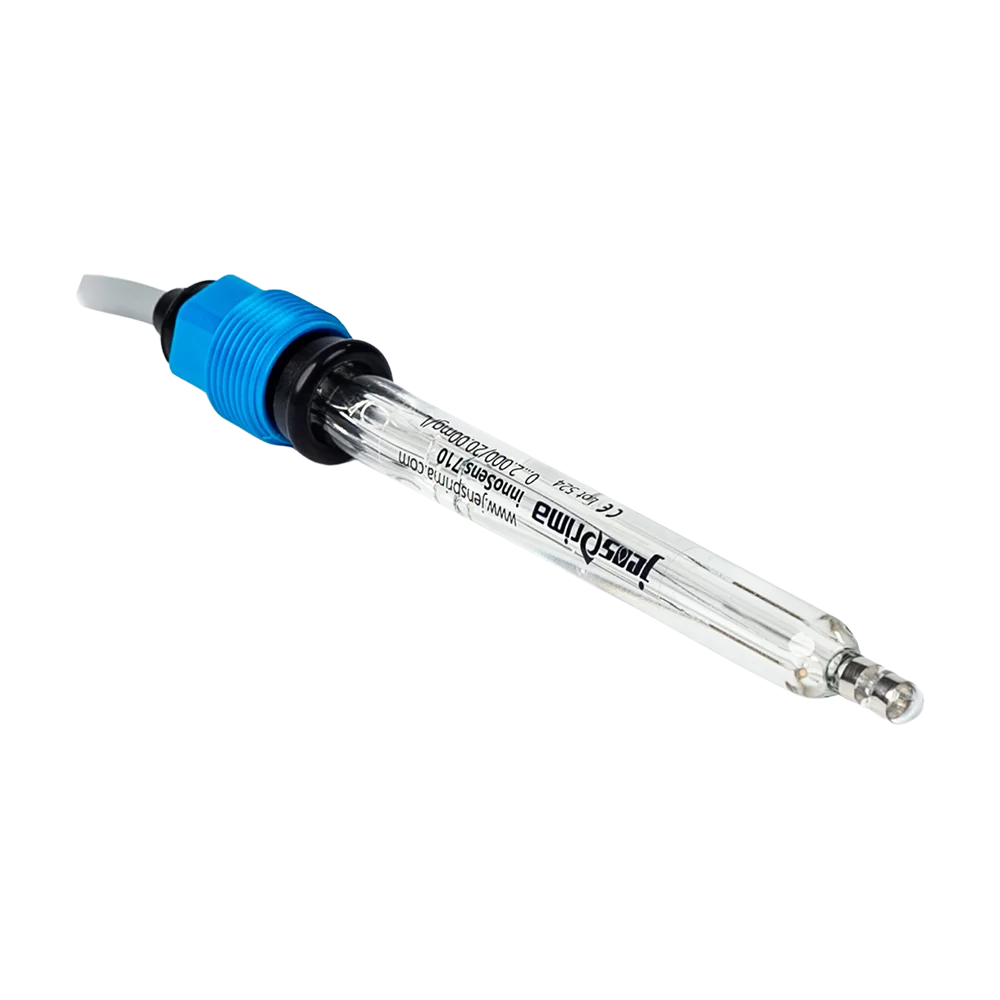
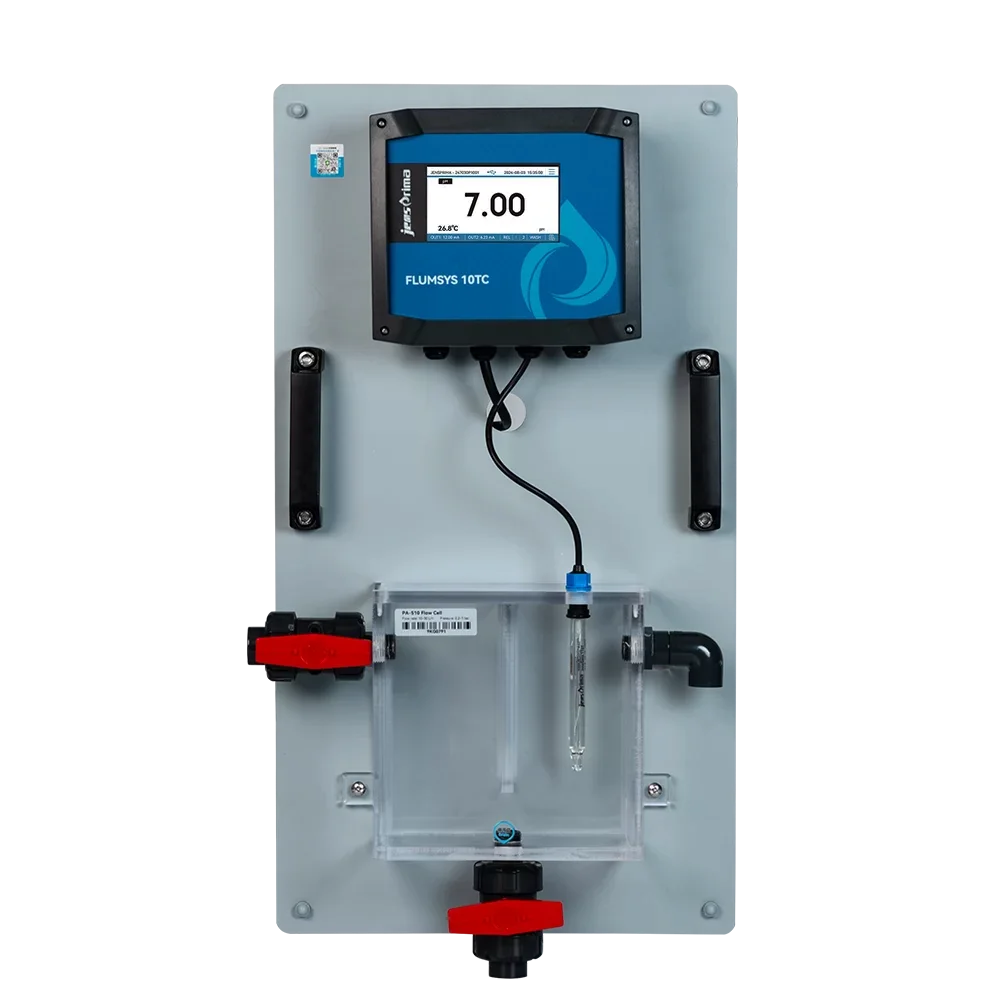
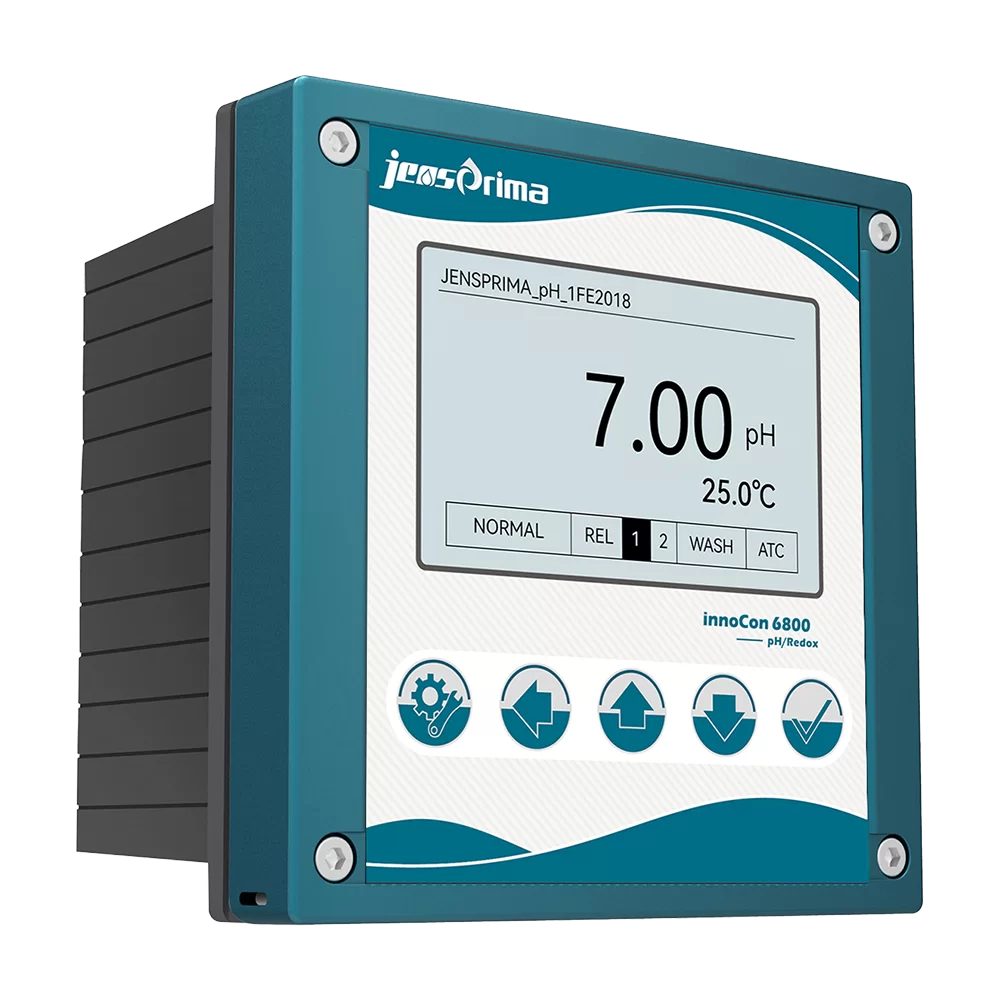
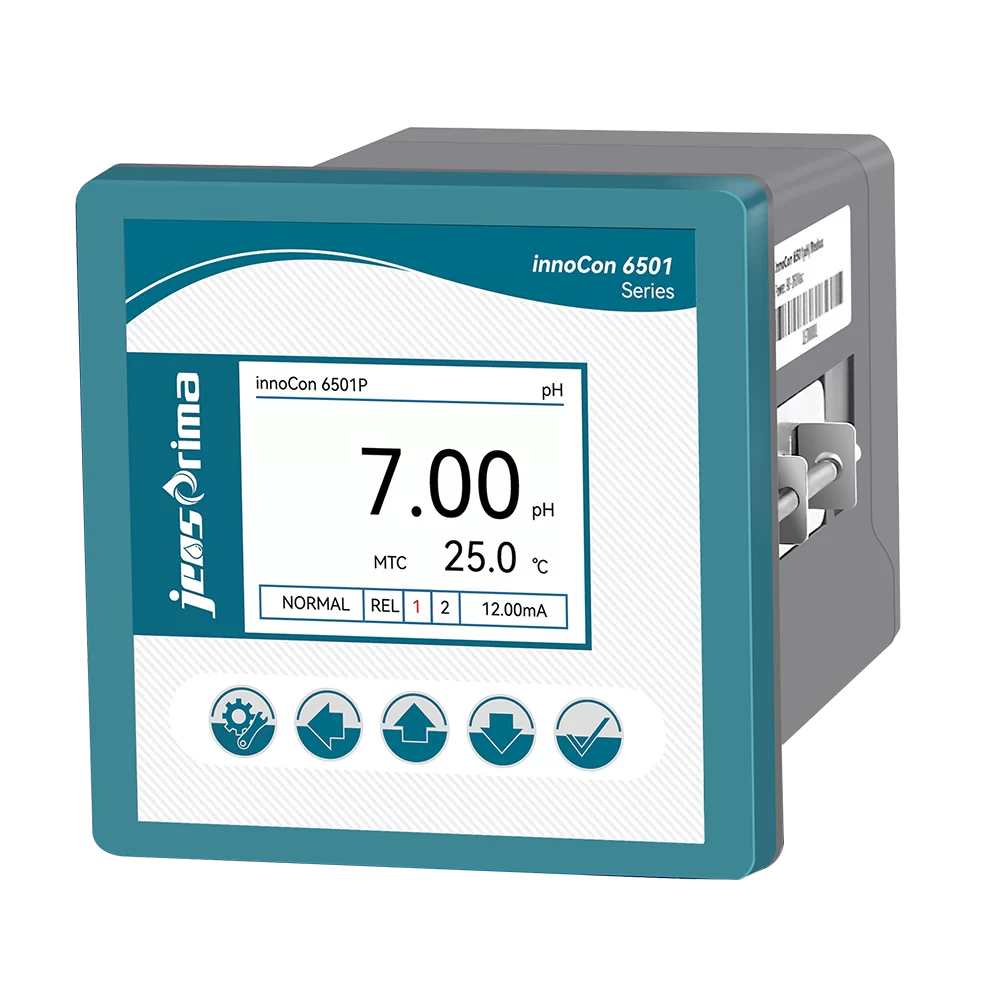
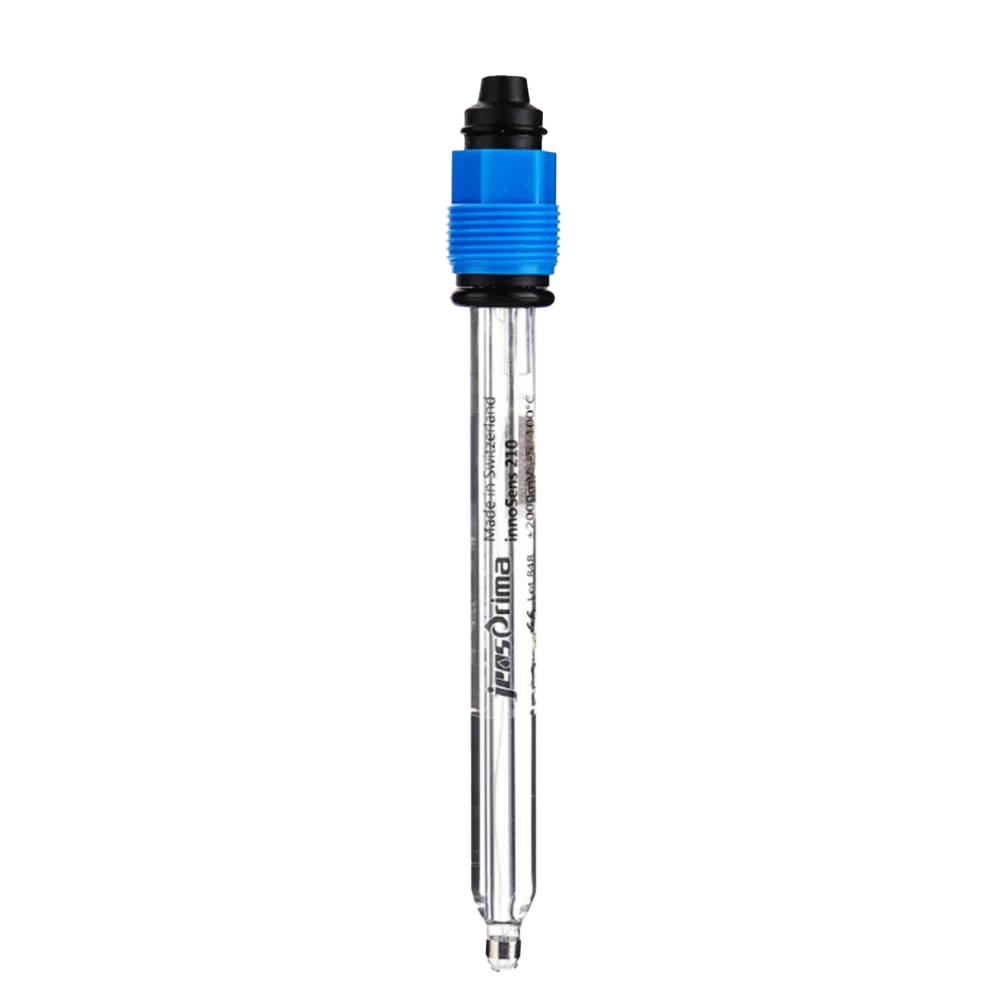
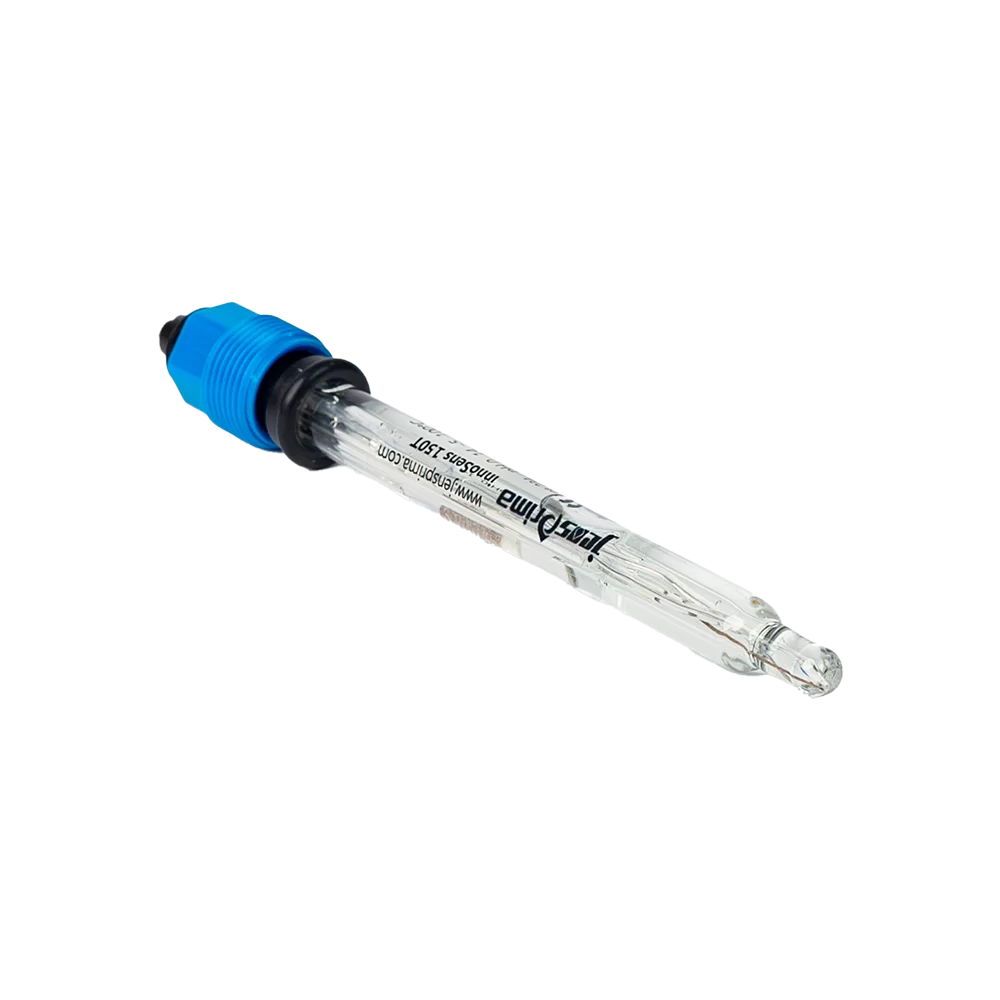
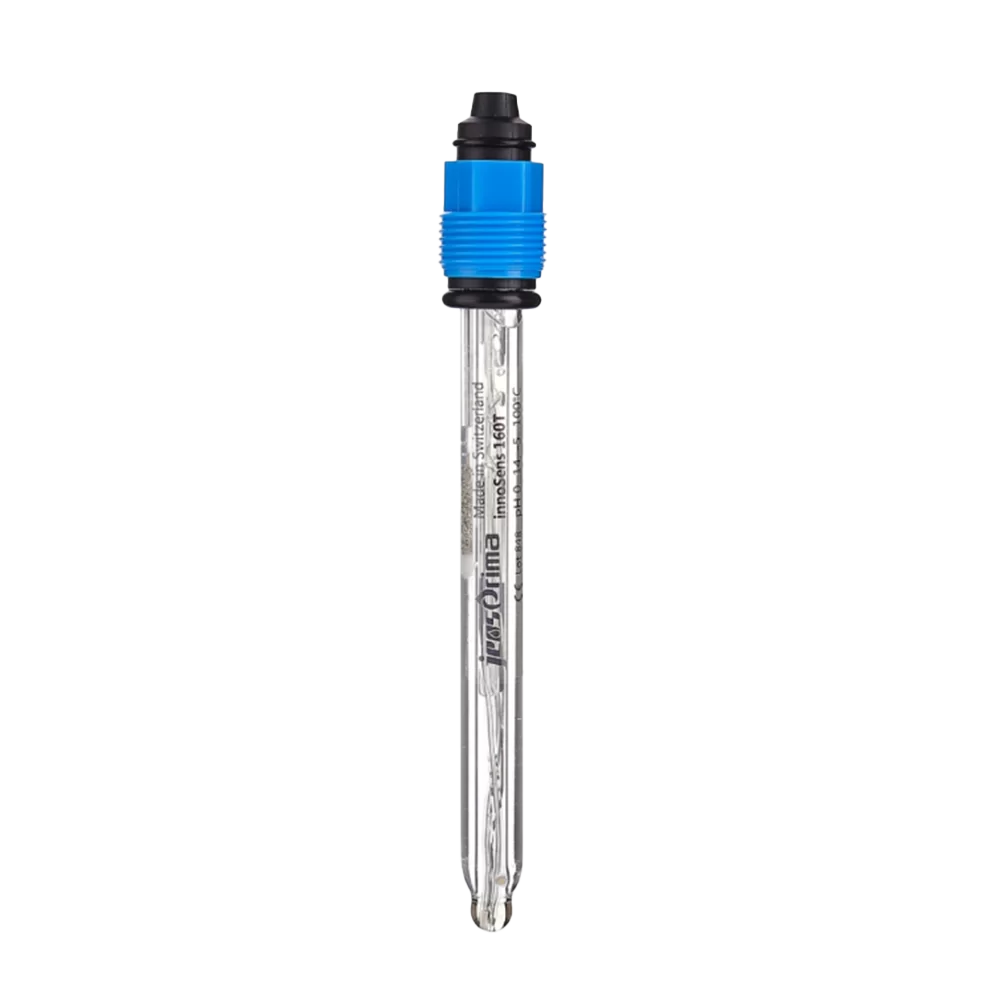
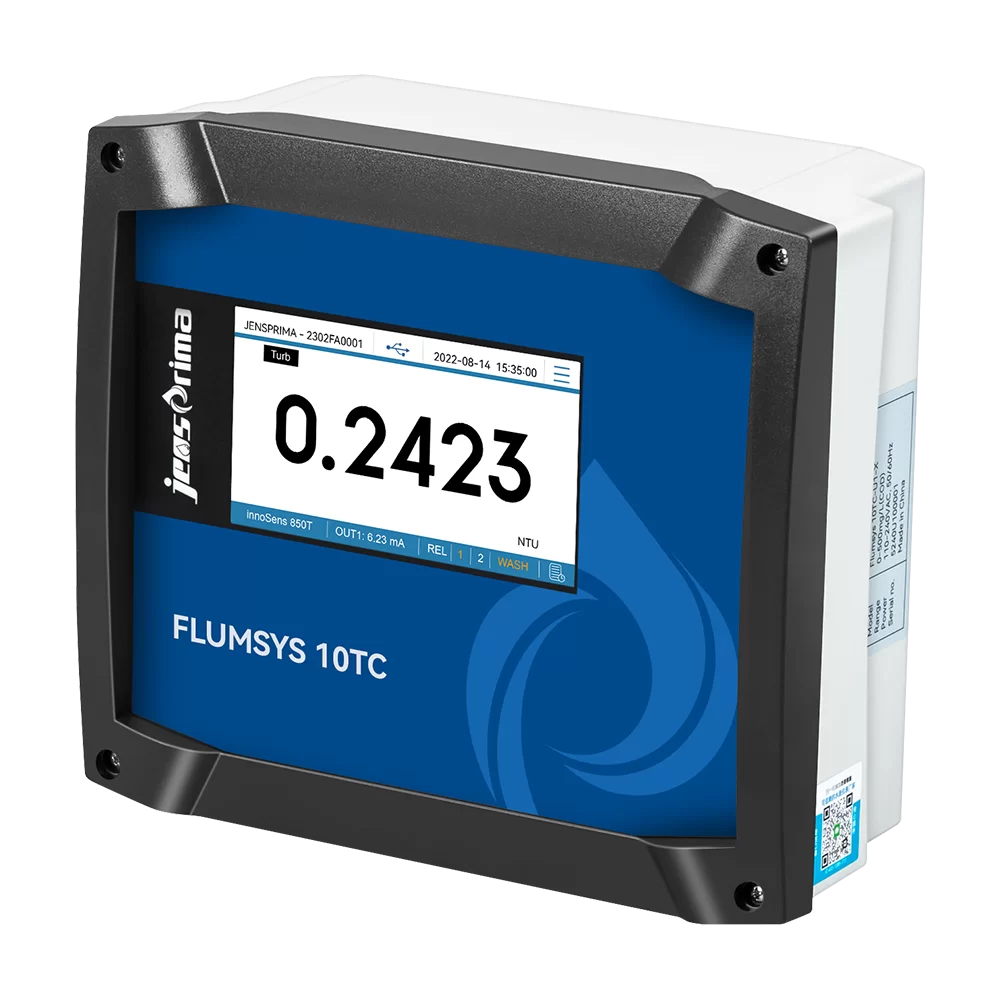
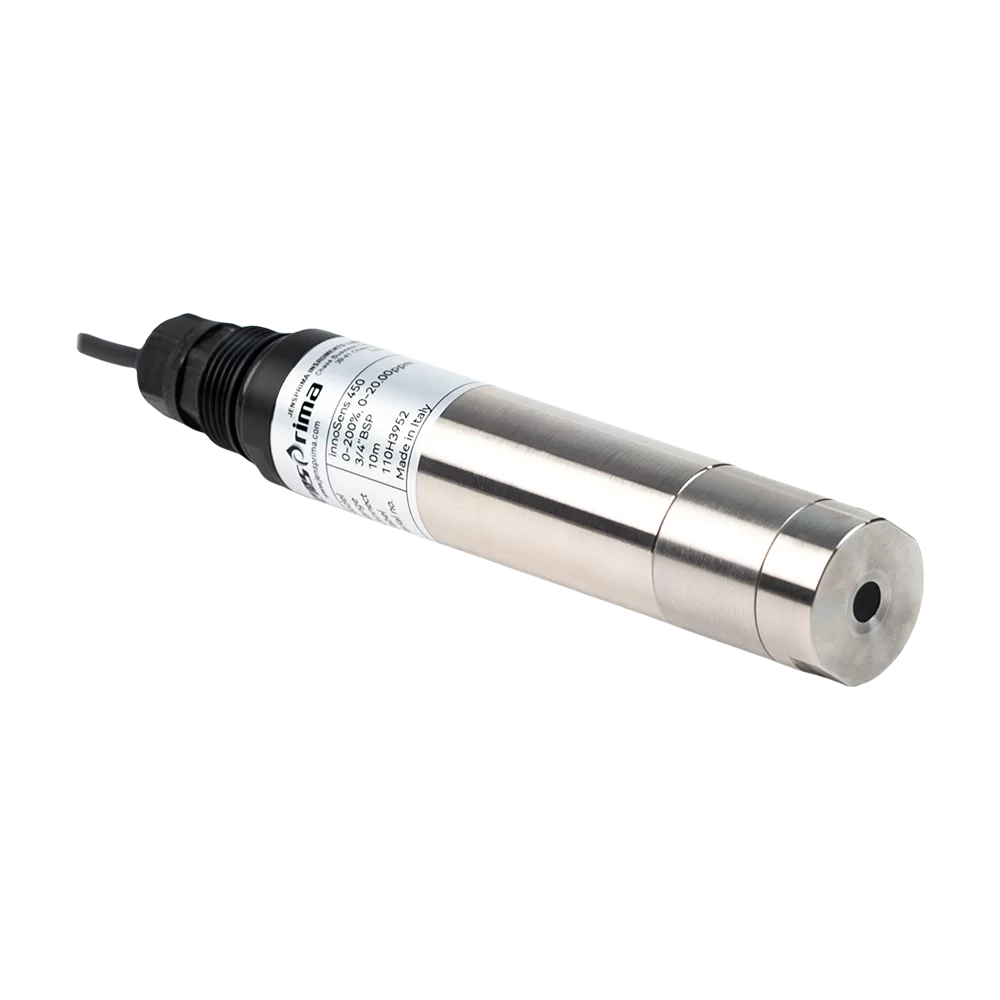
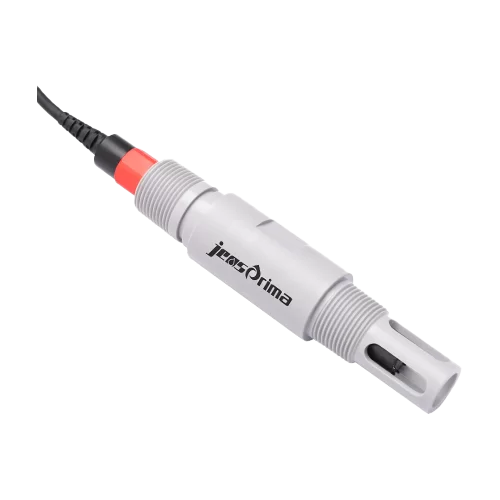
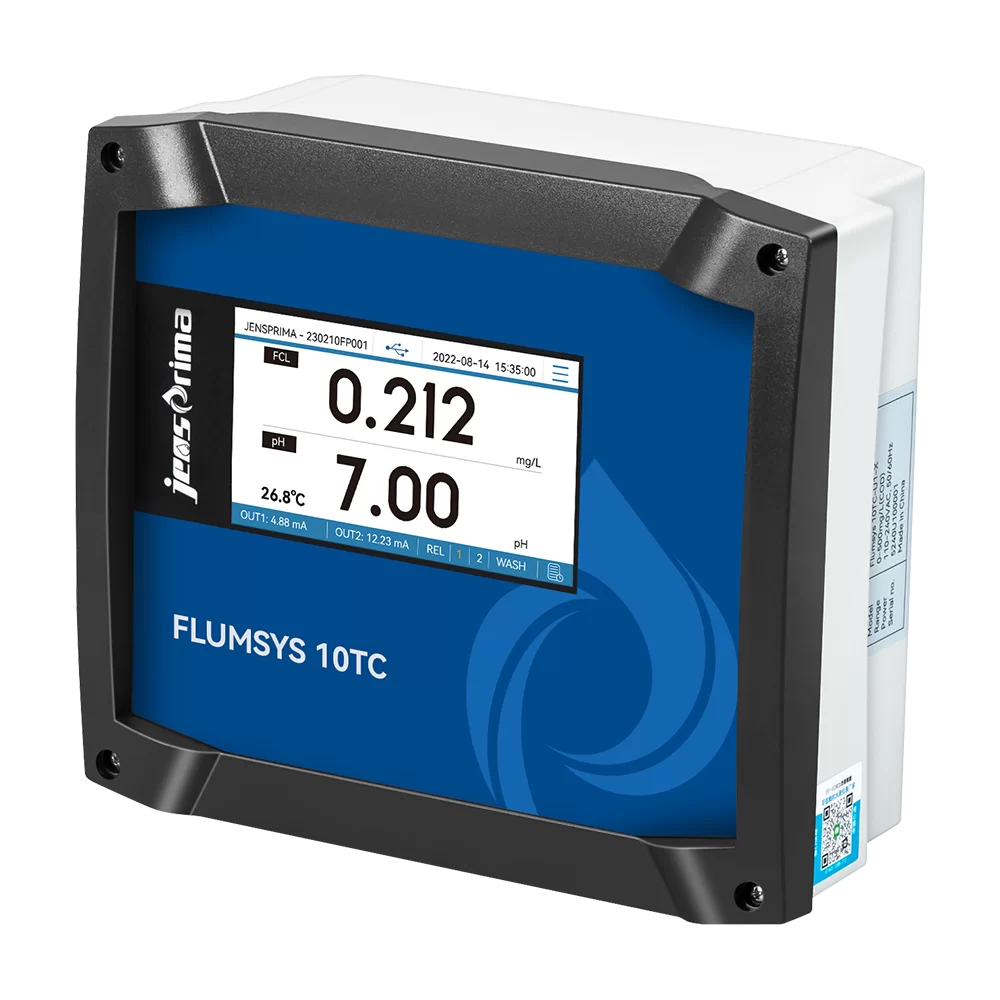
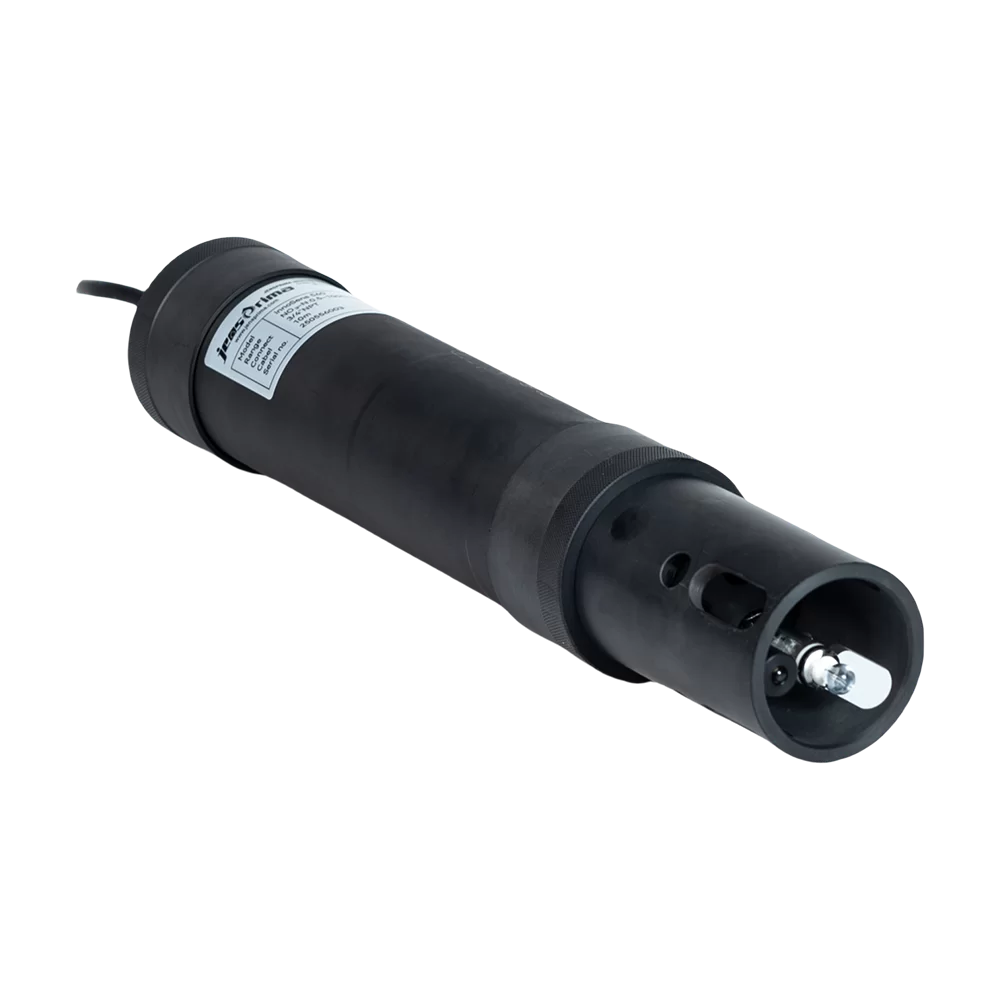
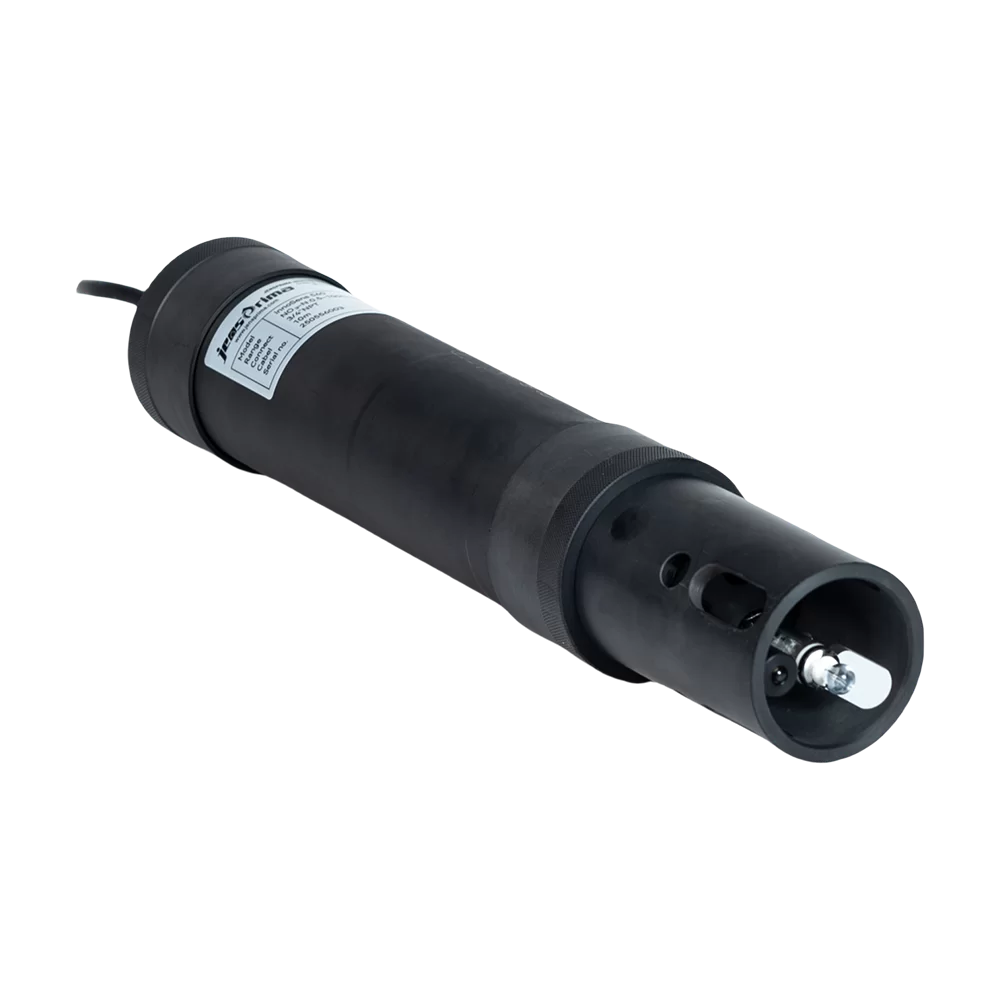
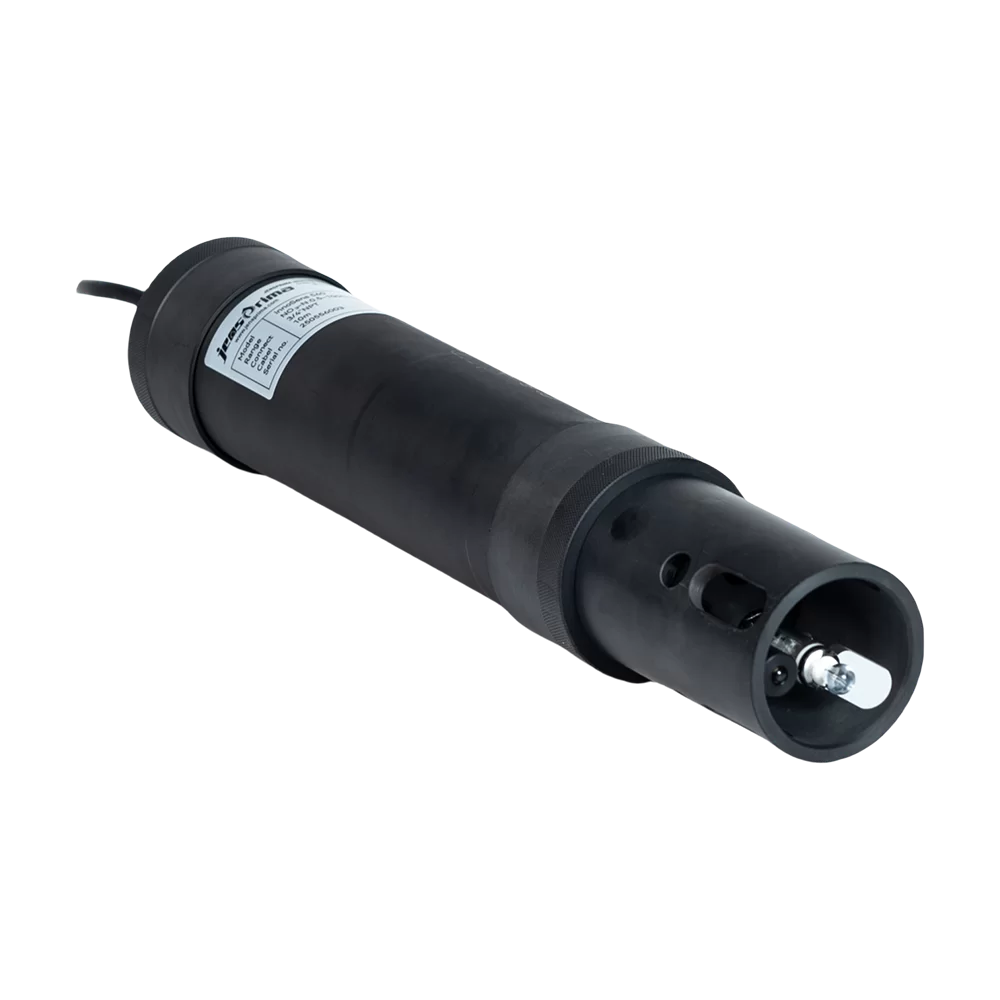
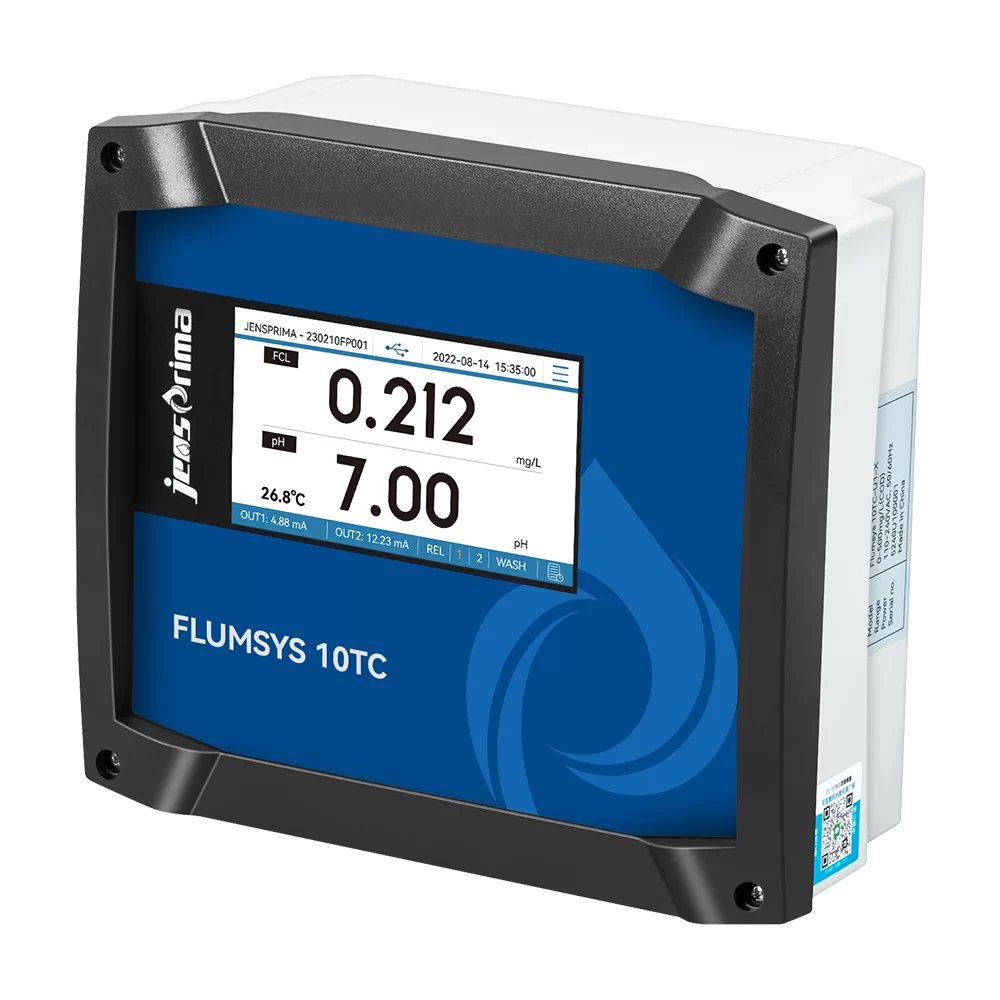
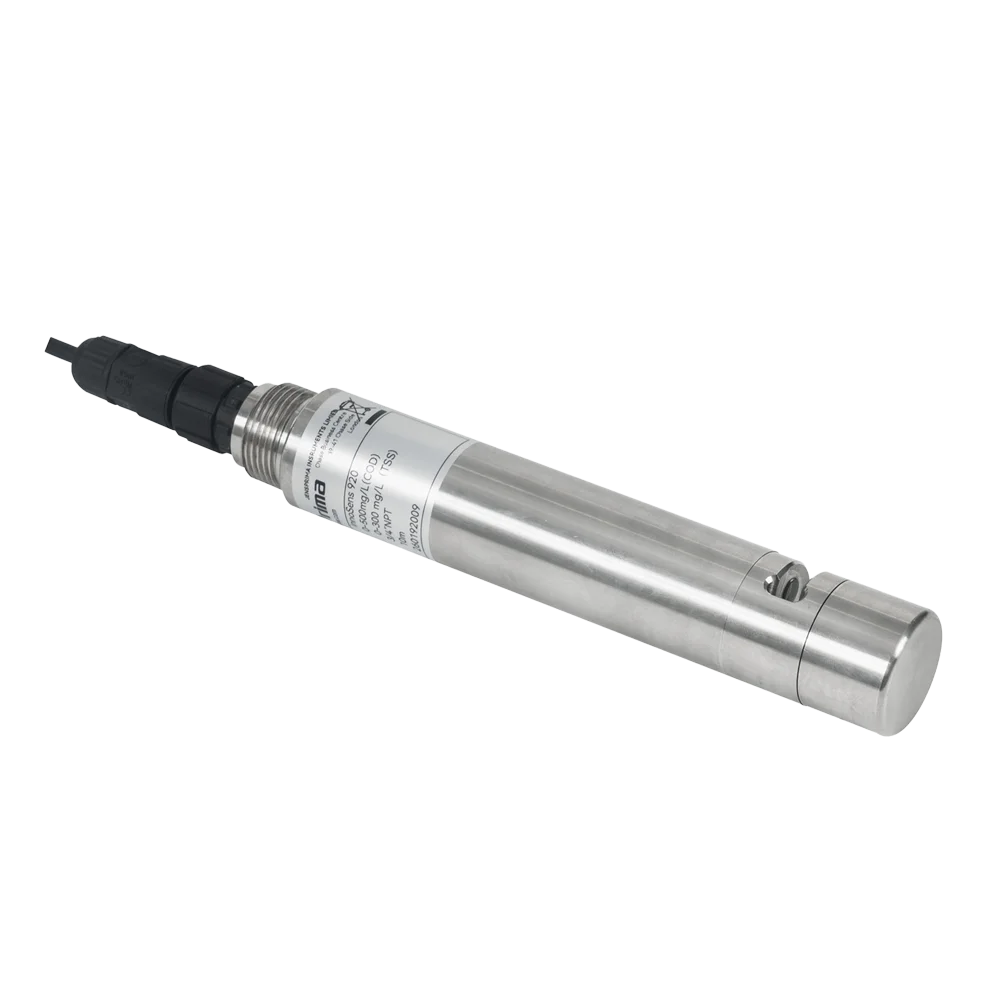
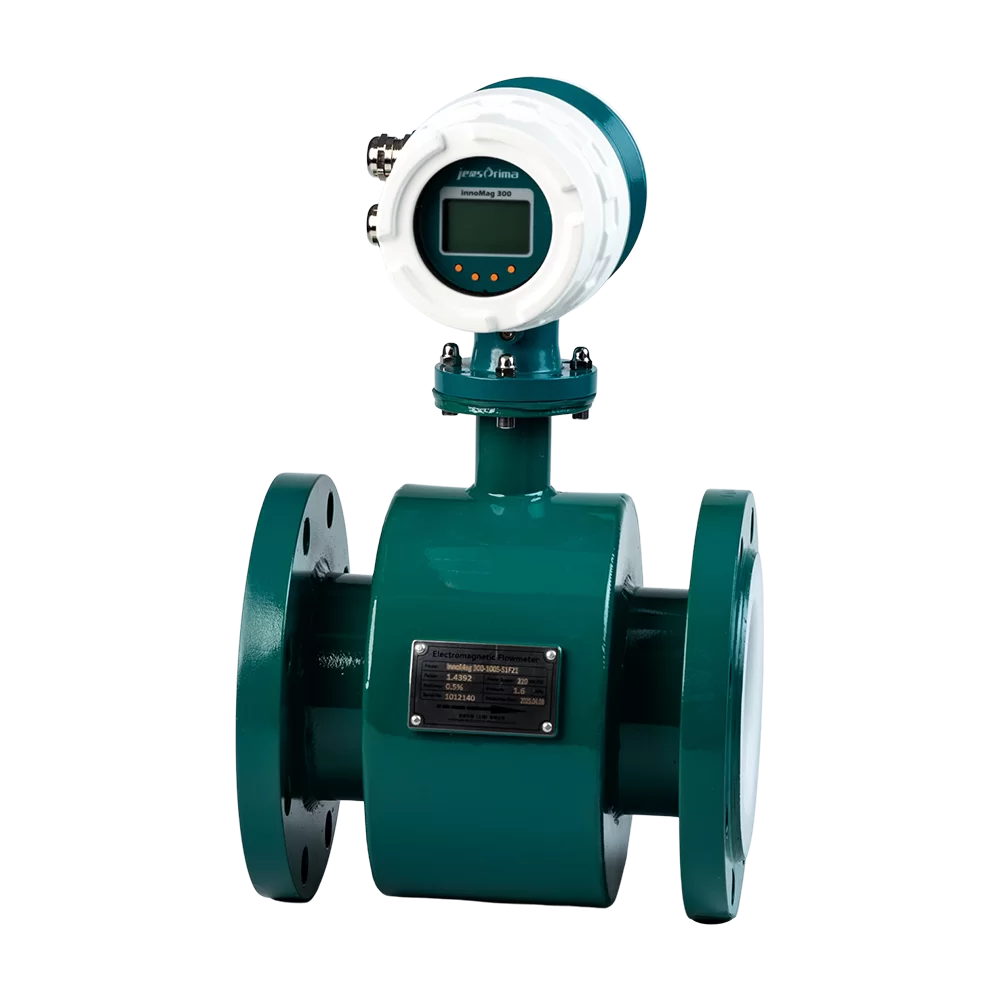
Modern multi-parameter systems rely on a modular architecture where individual sensing probes are linked to a central controller. This design allows for the simultaneous monitoring of diverse variables—such as pH, redox, and conductivity—while ensuring that the electronic noise from one sensor does not corrupt the signal of another.
The integration process involves high-impedance amplifiers and analog-to-digital converters that translate chemical potentials into precise digital values. A professional manufacturer ensures that these components are temperature-compensated to account for the inherent relationship between water temperature and ionic activity.
Critical Performance Metrics for Online Analysis
When evaluating a system, the response time (T90) is a primary metric. In fast-changing industrial processes, a delay of a few minutes in detecting a pH spike can lead to catastrophic failure in biological treatment stages. Therefore, the diffusion barrier of the sensor membrane must be optimized for rapid ion exchange without sacrificing structural durability.
Stability and drift rates are equally vital. A system that requires daily calibration is an operational liability. High-tier engineering focuses on reducing "zero drift," ensuring that the baseline remains constant even as the sensor is exposed to varying flow velocities and pressure changes within the pipeline.
Finally, the range of linearity determines the system's versatility. A robust analyzer must maintain accuracy across several orders of magnitude of concentration, particularly for conductivity and dissolved oxygen, to handle both pure water and highly contaminated effluent.
Mitigating Sensor Fouling in Industrial Flows
Bio-fouling and mineral scaling are the most persistent enemies of online water analysis. When biofilms accumulate on the sensor surface, they create a micro-environment that differs from the bulk liquid, leading to "lagging" readings and significant underestimation of pollutant levels.
Technical solutions include the integration of automatic cleaning systems—such as compressed air blasts or mechanical wipers—and the use of specialized hydrophobic coatings. These mechanisms ensure that the sensing interface remains clear, thereby extending the interval between manual maintenance cycles and improving the reliability of the data stream.
The choice of material for the sensor body also plays a role. Using chemically inert polymers and high-grade stainless steel prevents galvanic corrosion, which can otherwise introduce parasitic currents into the measurement loop, especially in high-conductivity wastewater.
Comparative Engineering Assessment
Analyzing the trade-offs between different sensing technologies is essential for optimizing system ROI. For instance, optical dissolved oxygen sensors offer higher stability and lower maintenance compared to traditional electrochemical probes, though they may require higher initial capital investment.
The following assessment provides a normalized rating of various engineering priorities when selecting a system from a multi parameter water quality analyzer manufacturer, highlighting where the focus shifts based on the operational environment.
Normalized Engineering Assessment of System Priorities
Typical Deployment Scenarios
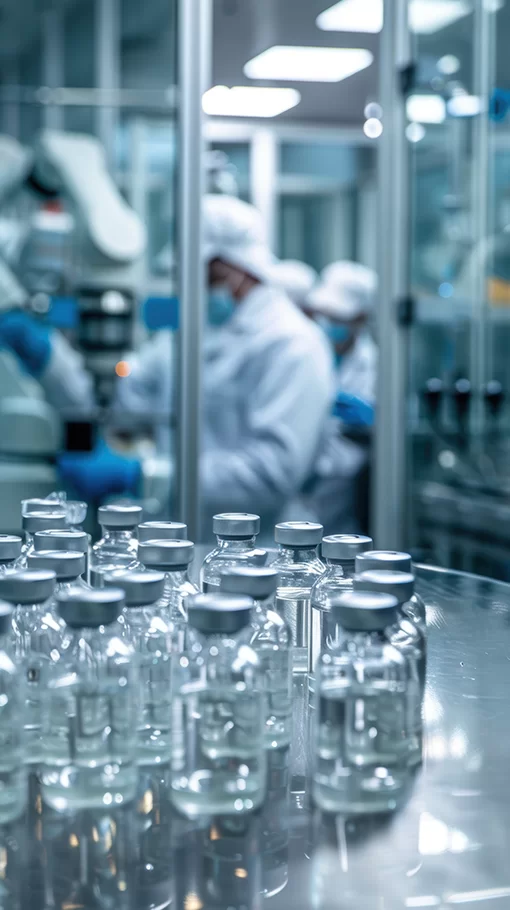
In pharmaceutical manufacturing, the priority is extreme precision and compliance with stringent purity standards. Here, the system is typically integrated into a closed-loop control circuit where conductivity and pH are monitored to ensure the efficacy of the cleaning-in-place (CIP) cycles.
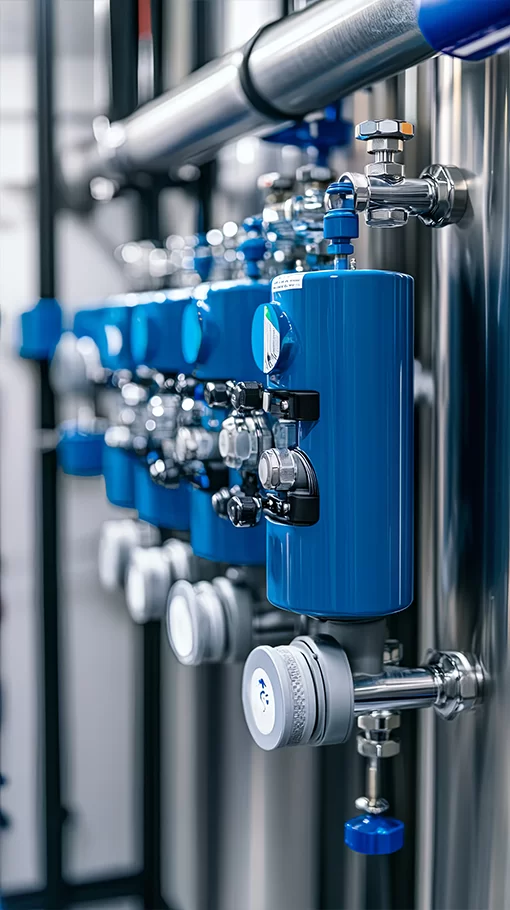
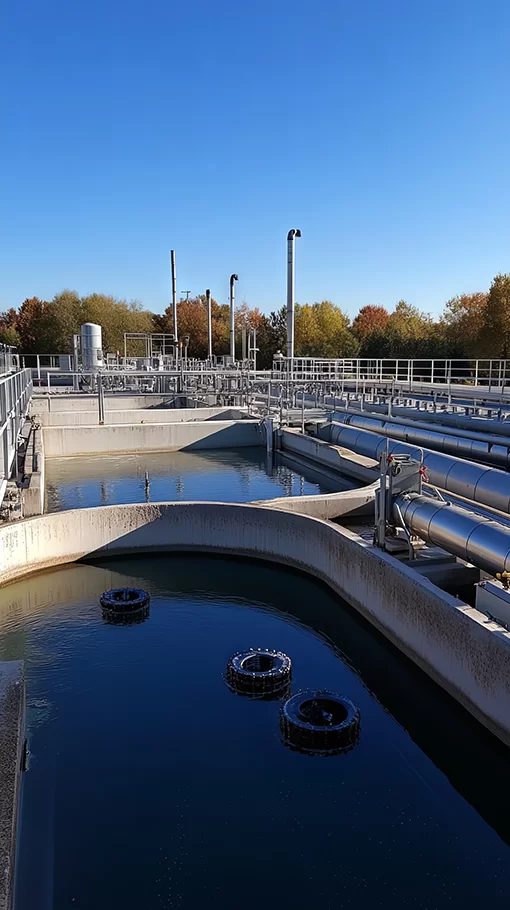
Conversely, in municipal wastewater treatment plants, the focus shifts to robustness. Sensors are deployed in aeration tanks where high turbulence and organic loads are present. In these scenarios, the ability of the analyzer to maintain a stable signal despite heavy suspended solids is the defining factor for operational success.
Future Trends in Autonomous Monitoring
The industry is moving toward "intelligent" sensing, where machine learning algorithms are embedded into the controller to predict sensor failure. By analyzing the slope of the calibration curve over time, the system can alert operators to a failing probe before the data becomes unreliable.
Another emerging trend is the development of reagent-less sensors for parameters that traditionally required chemical titration. This reduces the operational cost and environmental impact of monitoring, making high-frequency analysis more sustainable for remote environmental monitoring stations.
Integration with Industrial IoT (IIoT) platforms is also accelerating. Real-time data streaming via MQTT or OPC UA allows for cloud-based analytics, enabling centralized management of multiple water quality sites across different geographic regions.
Configuration Selection Matrix
Choosing the right system configuration depends on the specific chemical environment and the required frequency of measurement. A standard configuration may suffice for clean water applications, but aggressive industrial effluents require high-duty builds.
The following matrix provides an evaluation framework for matching system profiles to operational requirements. This ensures that the equipment selected is neither under-specified for the environment nor over-engineered for the budget.
Engineers should verify these profiles against the specific technical documentation provided by their chosen manufacturer to ensure compatibility with existing PLC systems.
Water Quality System Evaluation Framework
Configuration Type
Sensing Range
Cleaning Mechanism
Recommended Use Case
Basic Configuration
Standard Industrial
Manual Rinse
Clean Process Water
Standard Configuration
Extended Range
Timed Air Blast
Municipal Effluent
High-Duty Configuration
Aggressive Chemical
Automatic Wiper
Industrial Wastewater
Precision Configuration
Ultra-Low Detection
Closed-Loop Flush
Pharmaceutical Grade
Automated Configuration
Full Spectral
Self-Cleaning Hybrid
Remote Environmental
Industry Baseline
Regulatory Minimum
Manual Maintenance
Compliance Monitoring
Technical FAQ
How does temperature affect multi-parameter readings?
Temperature significantly influences ionic activity and gas solubility. For example, pH and conductivity values shift as water temperature changes. A professional analyzer incorporates an automatic temperature compensation (ATC) probe that adjusts the output in real-time based on a known temperature coefficient, ensuring the data is normalized to a reference temperature, typically 25°C.
Can a single system measure pH and Dissolved Oxygen simultaneously?
Yes, multi-parameter controllers are designed to interface with different probe types. However, the integration requires separate sensing elements housed within a single flow cell or deployed in the same tank. The controller manages the different signal types—potentiometric for pH and amperometric or optical for DO—through isolated input channels to prevent cross-interference.
What is the typical maintenance interval for online sensors?
Maintenance intervals vary by environment. In clean water, a monthly check may suffice. In high-load industrial wastewater, sensors may require weekly cleaning and bi-weekly calibration. Systems equipped with automatic cleaning mechanisms can extend these intervals significantly, reducing the need for manual intervention and lowering labor costs.
How do I troubleshoot a drifting pH signal?
Signal drift is usually caused by three factors: sensor fouling, electrolyte depletion in the reference junction, or temperature fluctuations. First, clean the sensor surface. Second, verify the calibration with fresh buffer solutions. If the drift persists, check the reference electrode's junction for clogging or replace the electrolyte solution if the probe supports it.
Is a flow cell necessary for multi-parameter analysis?
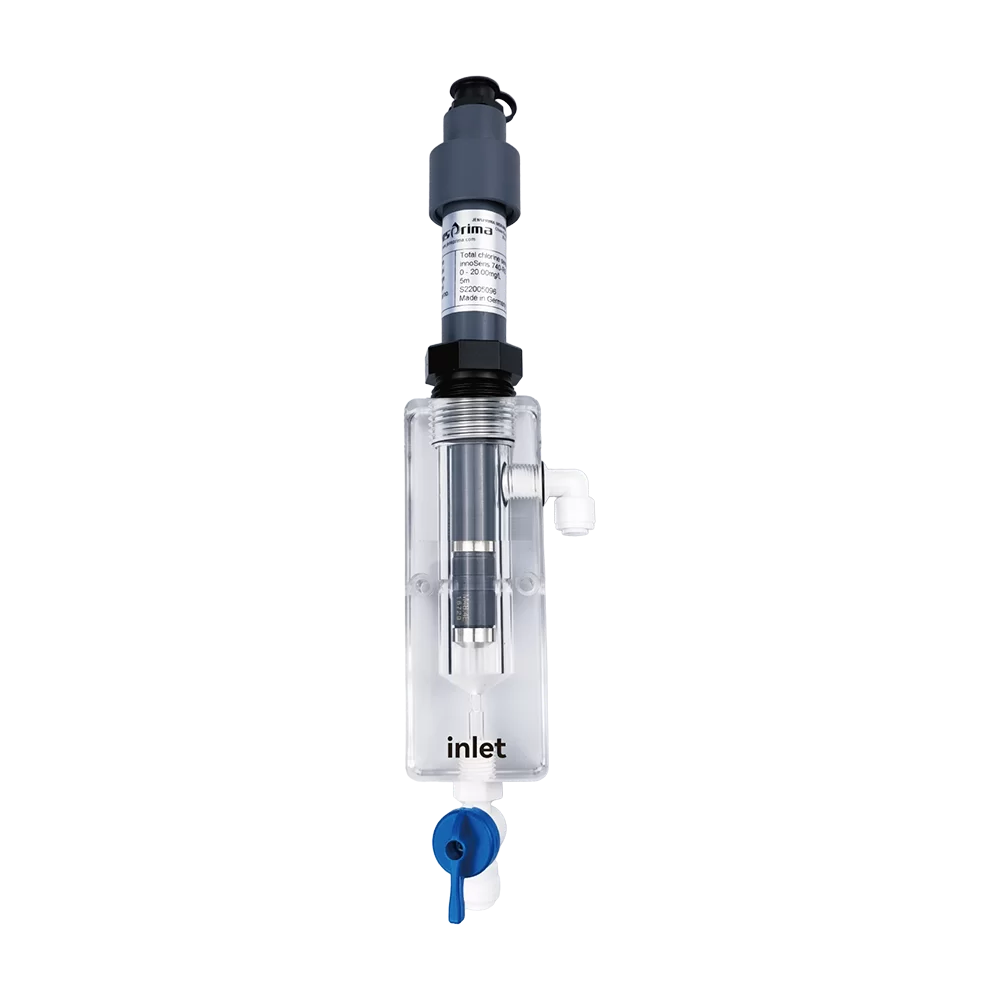
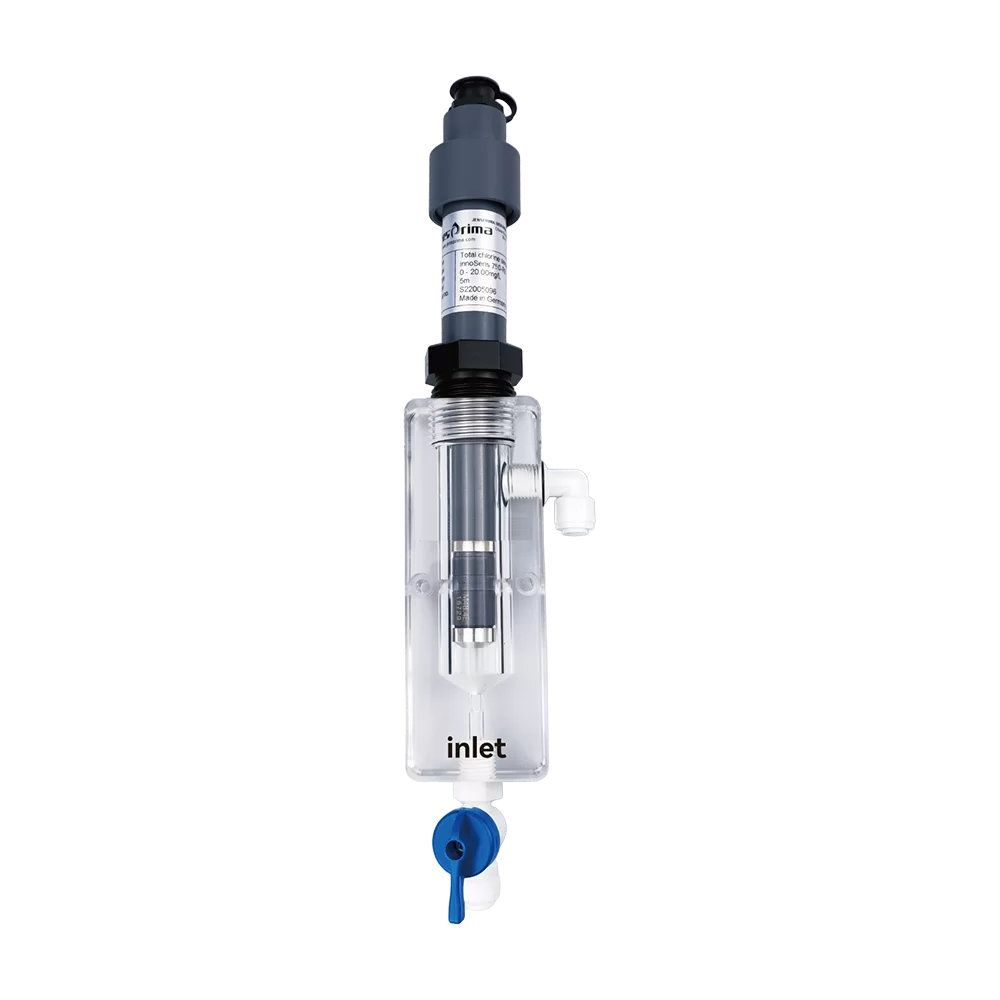
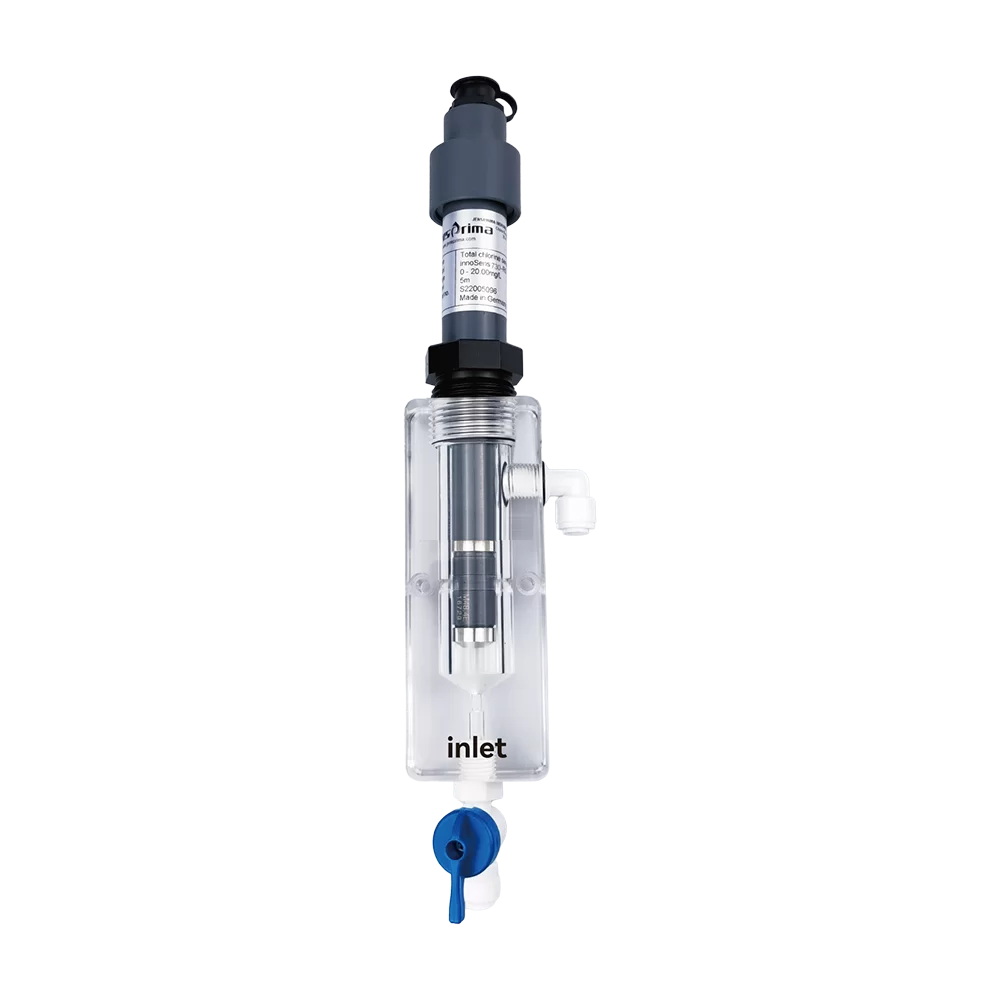
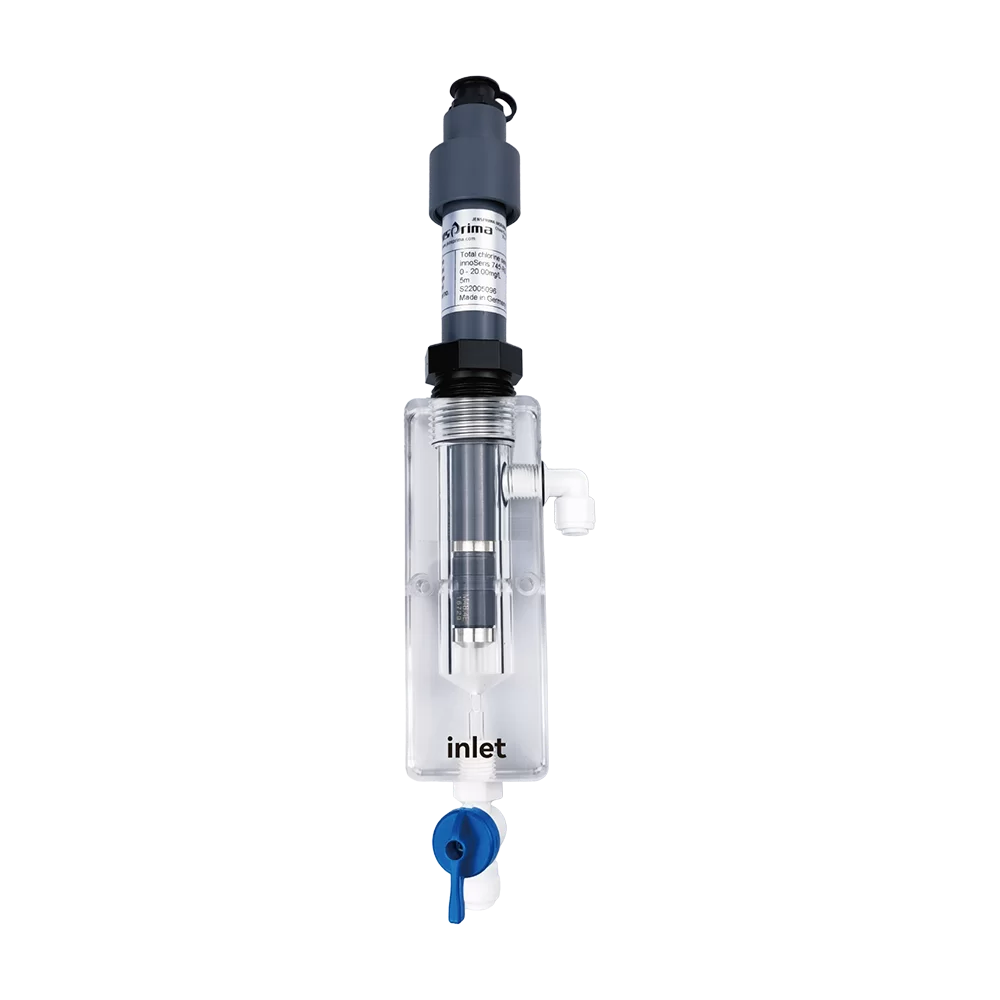
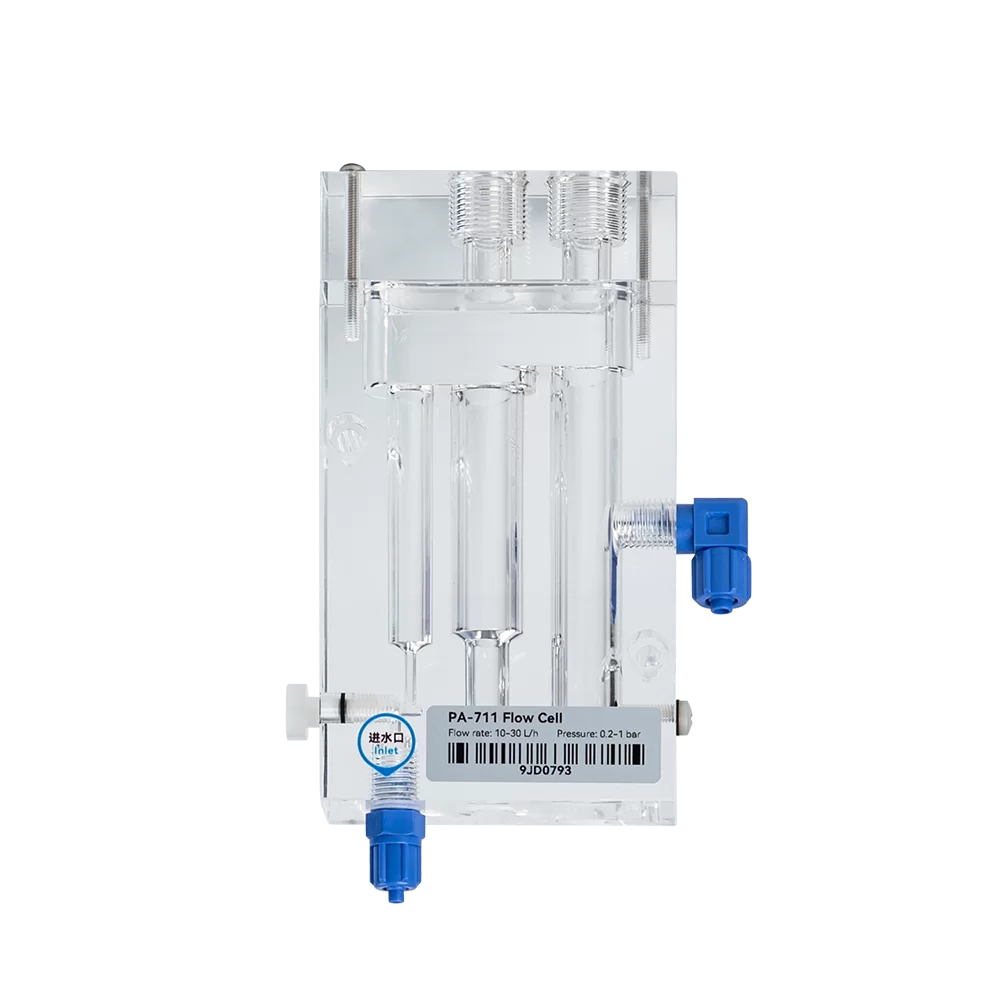
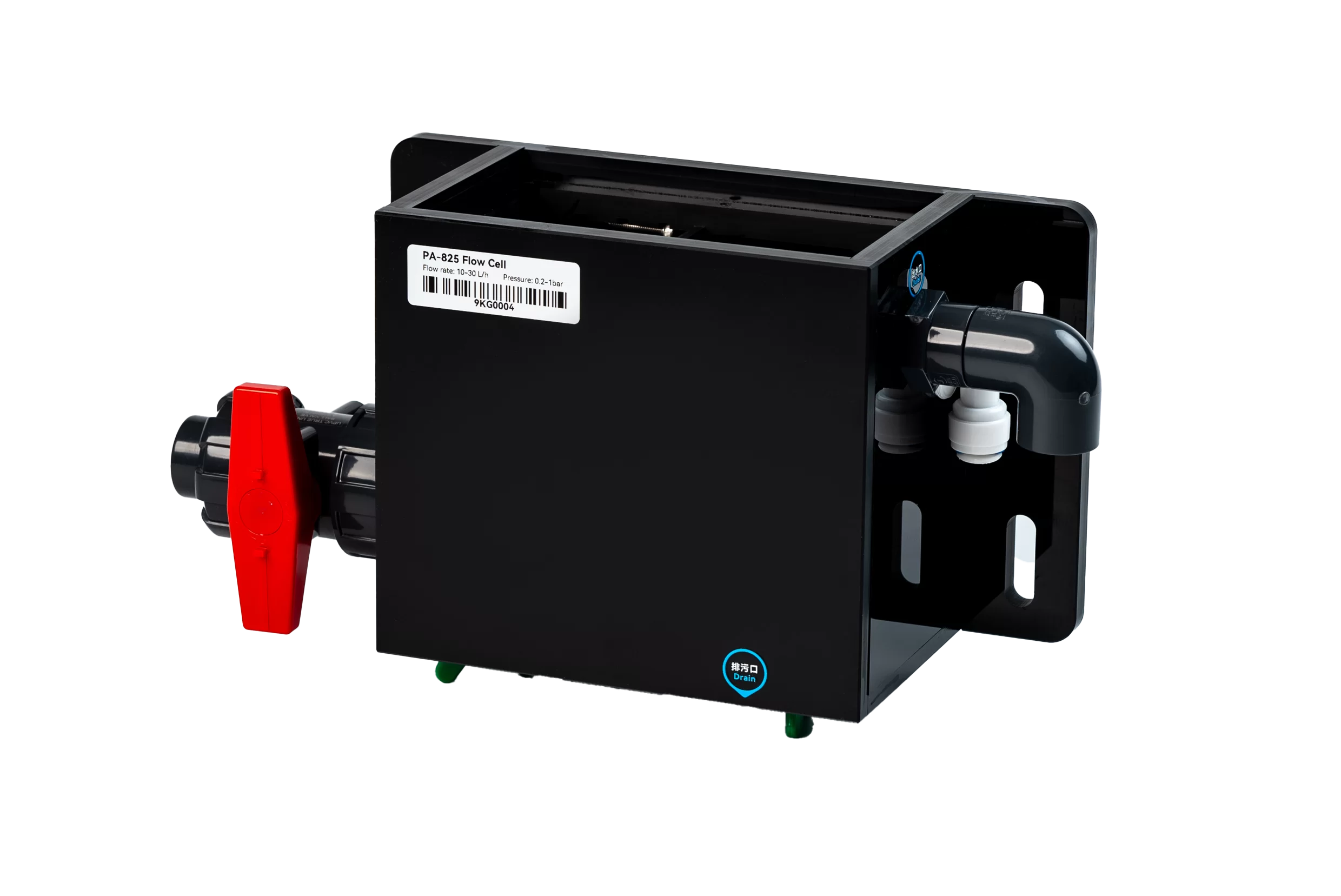
A flow cell is highly recommended for pipeline installations as it ensures a constant, representative sample flow across all sensors. It prevents the accumulation of stagnant water and air bubbles, which can cause erratic readings. For large tanks, direct immersion is more practical, provided the sensors are placed in areas of adequate mixing.
What should I look for in a system's data output?
Look for versatility in communication protocols. A system should offer 4-20mA analog outputs for basic PLC integration and digital protocols like Modbus RTU or TCP for more complex data logging. High-resolution digital output allows for the transmission of diagnostic data, such as sensor health and calibration status, alongside the measurement values.
Engineering Summary
The transition from single-point measurements to integrated multi-parameter analysis represents a critical evolution in water quality management. By consolidating the monitoring of pH, conductivity, and other key indicators, operators can achieve a holistic view of their water chemistry, enabling faster responses to process deviations and reducing the risk of environmental non-compliance.
Ultimately, the success of these systems depends on the synergy between sensor material science and electronic signal processing. For those seeking reliable infrastructure, partnering with a seasoned multi parameter water quality analyzer manufacturer ensures that the hardware is matched to the specific chemical and physical demands of the application, securing long-term operational stability.
David Miller is a Senior Application Specialist at JENSPRIMA, focusing on wastewater treatment solutions. With a background in chemical engineering and 8 years of experience, David works closely with municipal and industrial clients to optimize their water quality monitoring processes. He specializes in implementing optical analysis technologies for nutrient and
Most websites use cookies. A cookie is a small text file placed on a device to store data for future use
by a web server. We and our third-party partners use cookies to remember your preferences and settings,
help you log in, and analyze the health of our website.
Essential
We use necessary cookies to perform important website functions. For example: used to maintain sessions,
improve performance, route traffic between web servers, detect screen size, determine page loading time,
improve user experience, and conduct audience data statistics. These cookies are essential for the
operation of our website.
Analysis
We allow third parties to use analysis cookies to understand how you use our website, so that we can
improve it. Third parties can also use this information for product development and improvement, and
they may use these products on websites that do not belong to our operations. For example, they can be
used to collect information about the pages you visit and the number of clicks you need to complete a
task. We will use some analysis cookies to optimize content display and enhance user experience.



 Download
 Video Center
 Technical Services
 FAQS
 Service Network
 Privacy Policy
 Contact Us