Maintaining a precise balance of disinfectants in municipal and industrial water systems is a constant challenge for plant operators. The cost of under-chlorination is a risk of biological contamination, while over-chlorination leads to chemical waste and the formation of harmful disinfection by-products.
For procurement managers and technical engineers, finding the right balance between equipment capability and the residual chlorine analyzer price is often the primary hurdle in upgrading water treatment infrastructure. The market currently offers a wide spectrum of options, from basic colorimetric kits to high-end amperometric online systems.
This report examines the technical variables that drive pricing in the chlorine monitoring sector and provides a framework for evaluating the long-term value of online analysis over traditional manual testing.
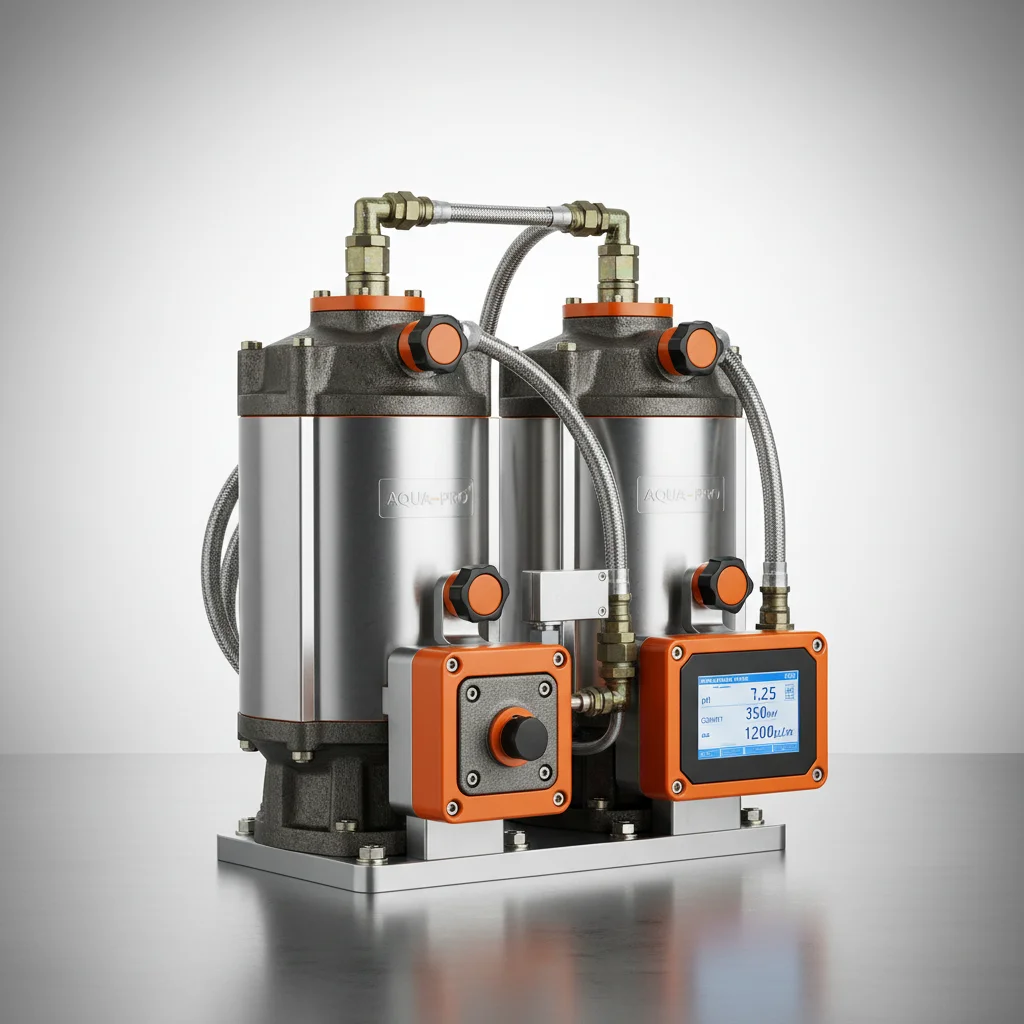
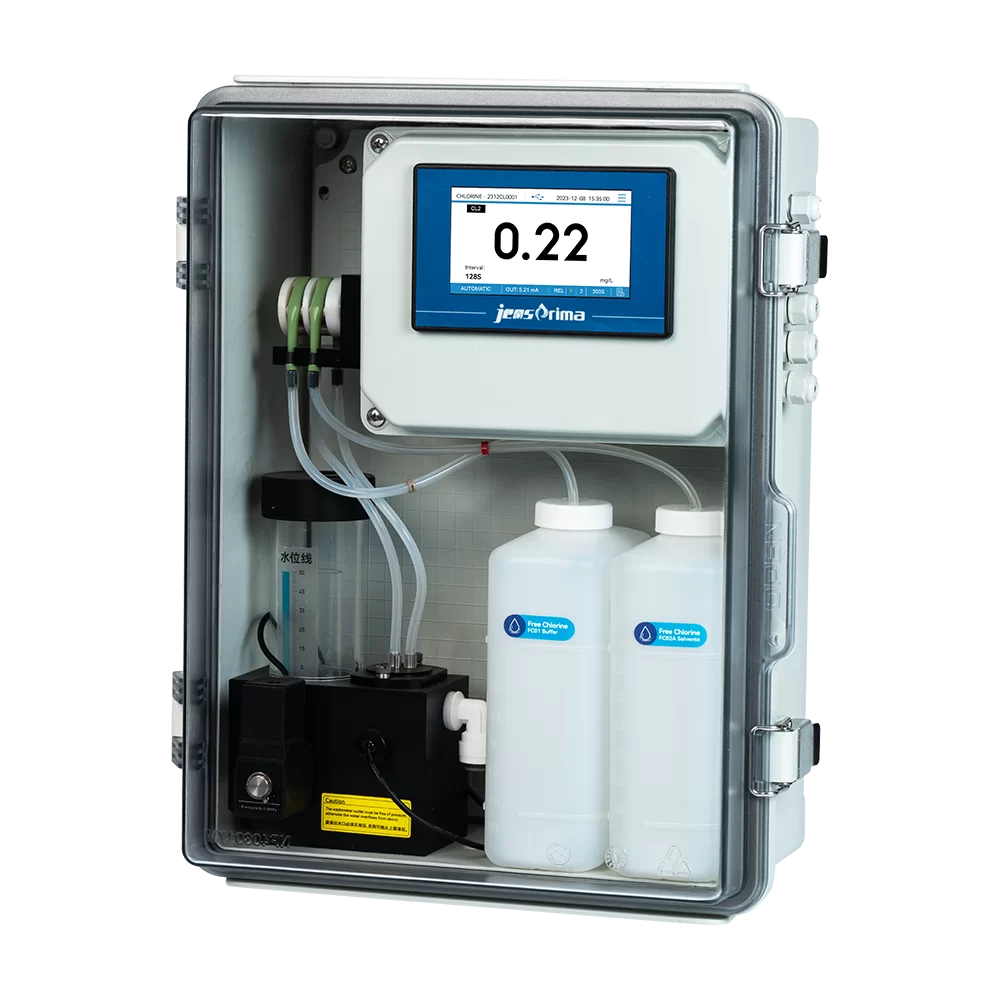
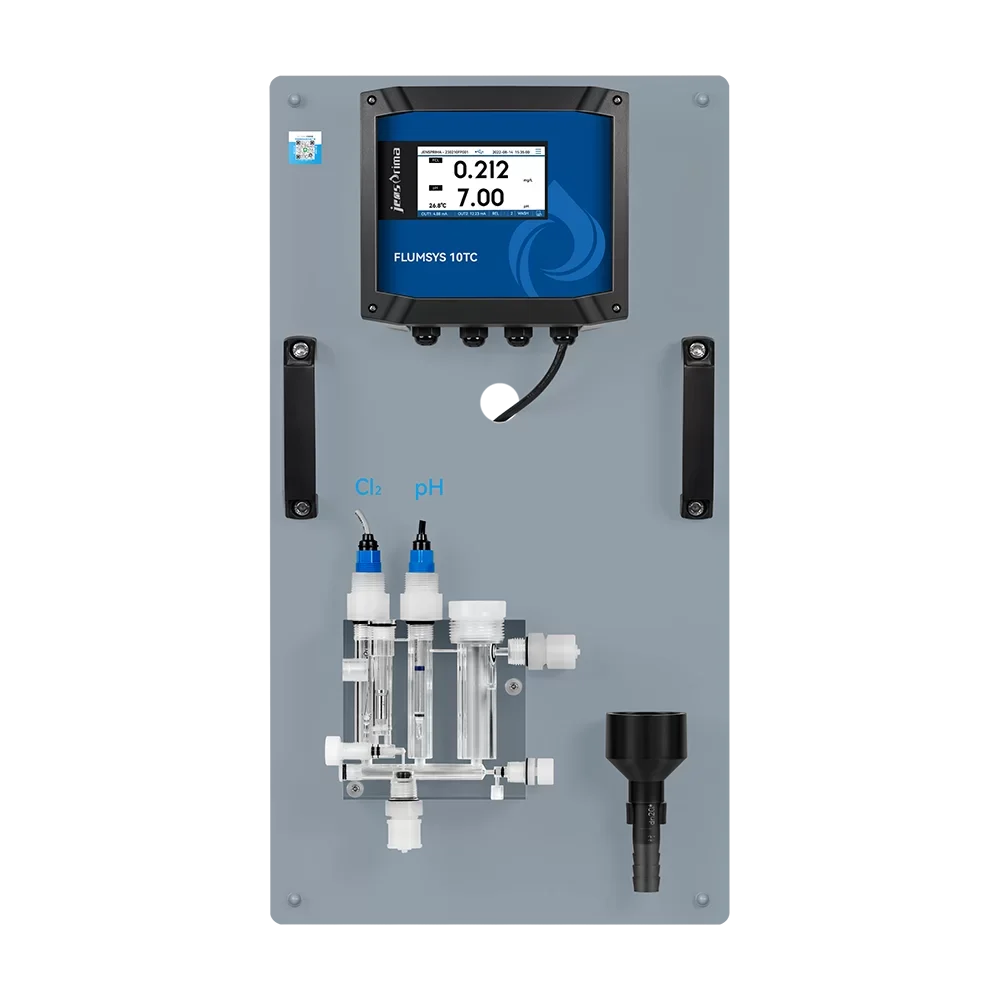
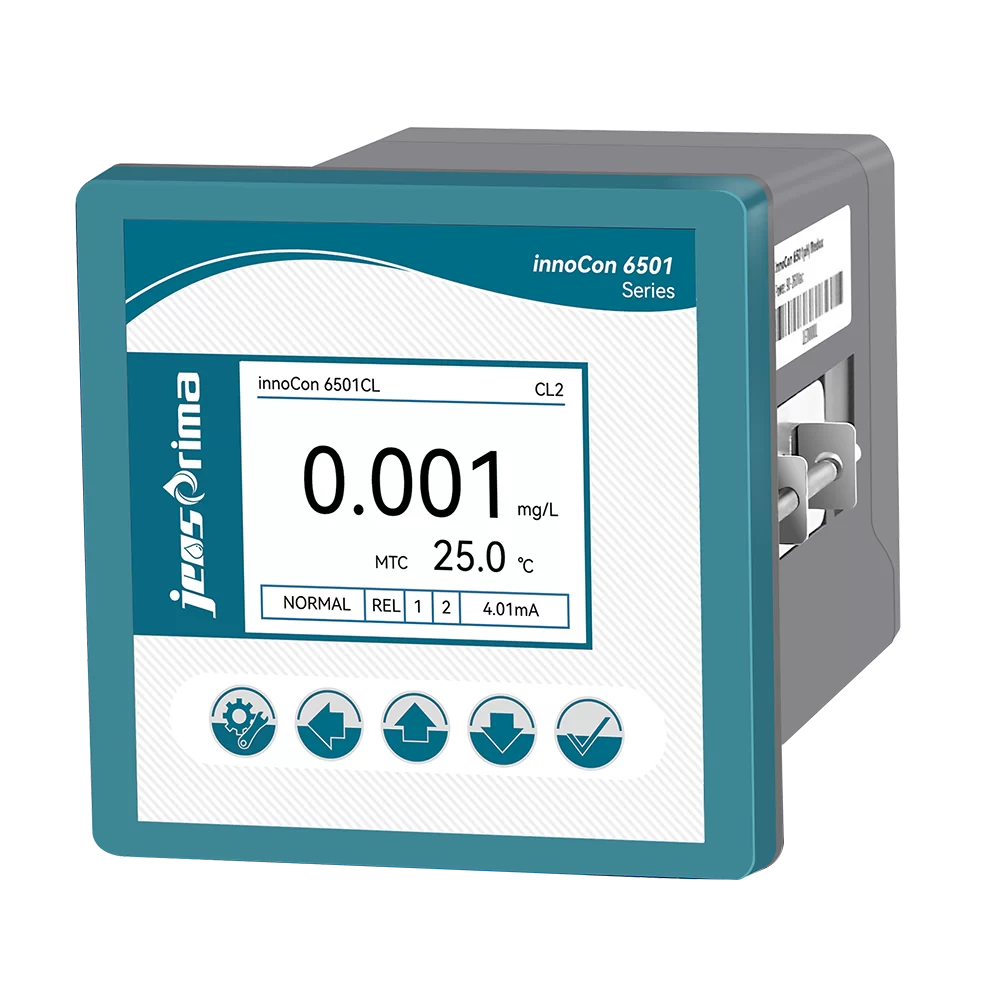
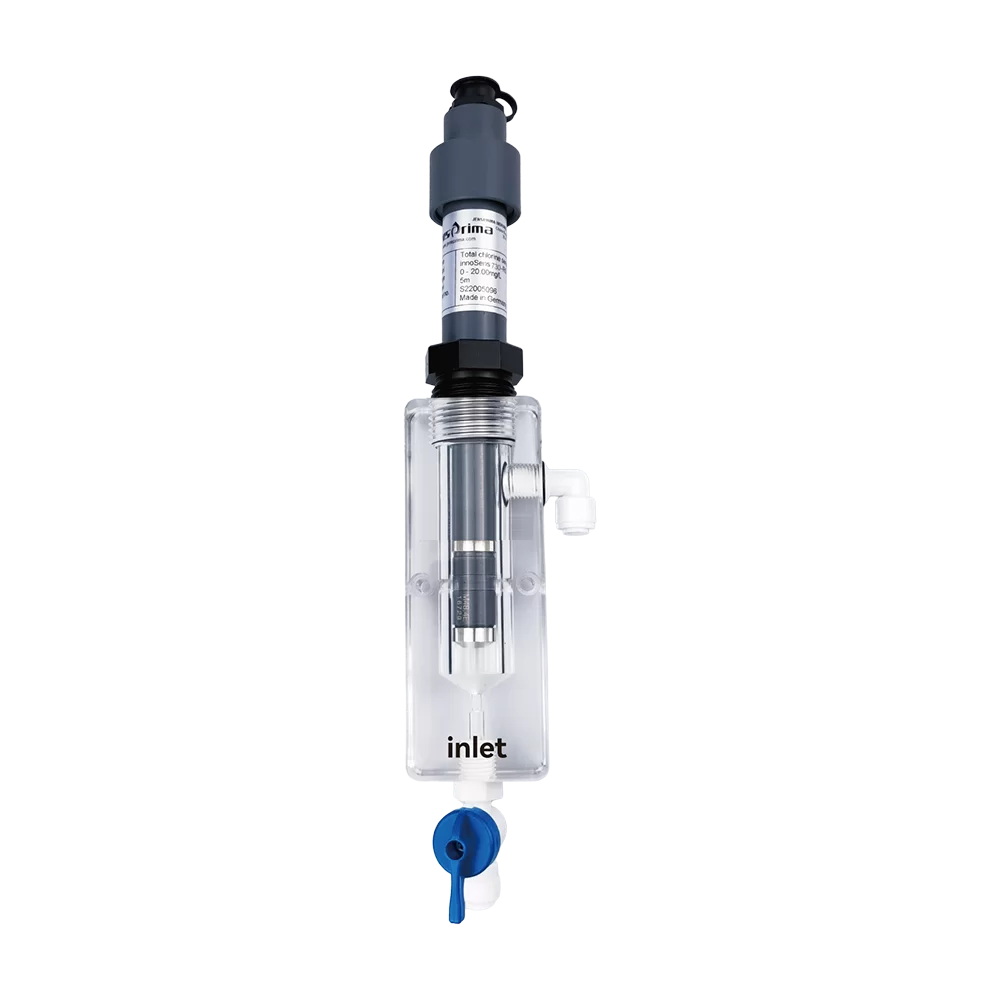
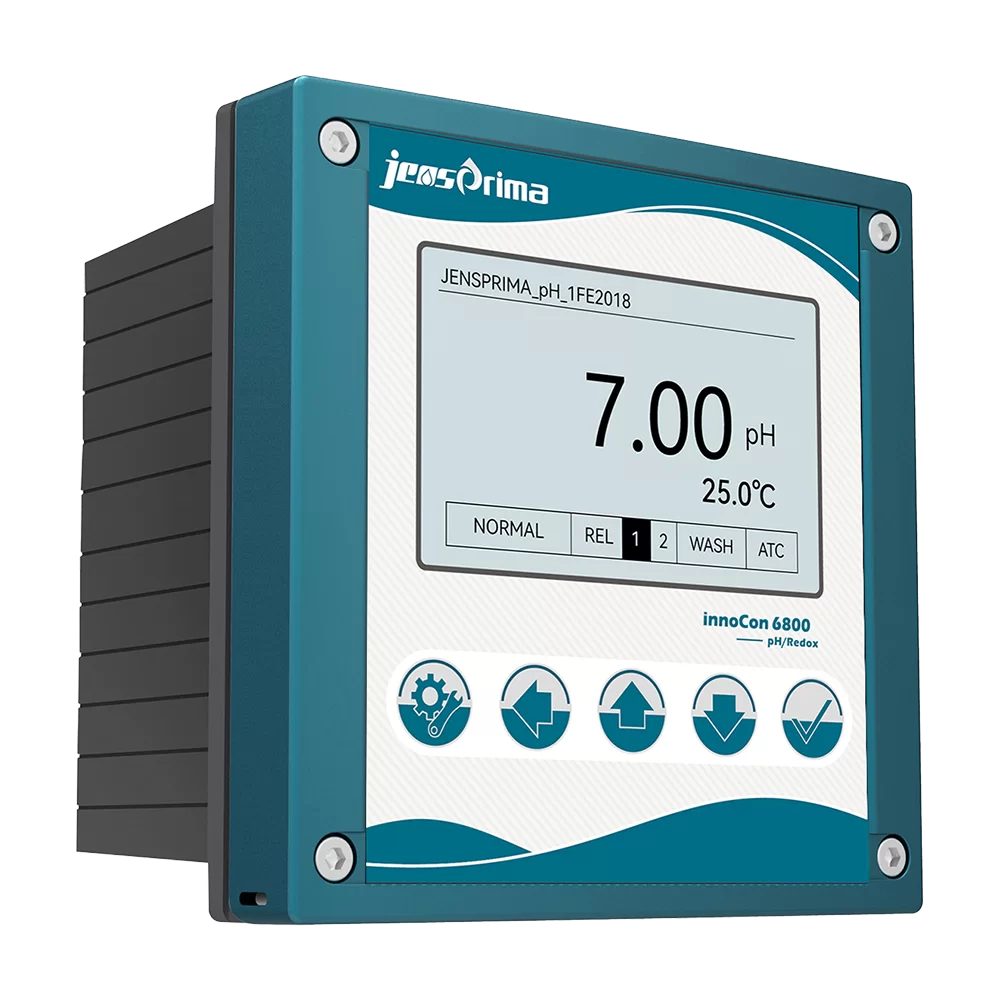
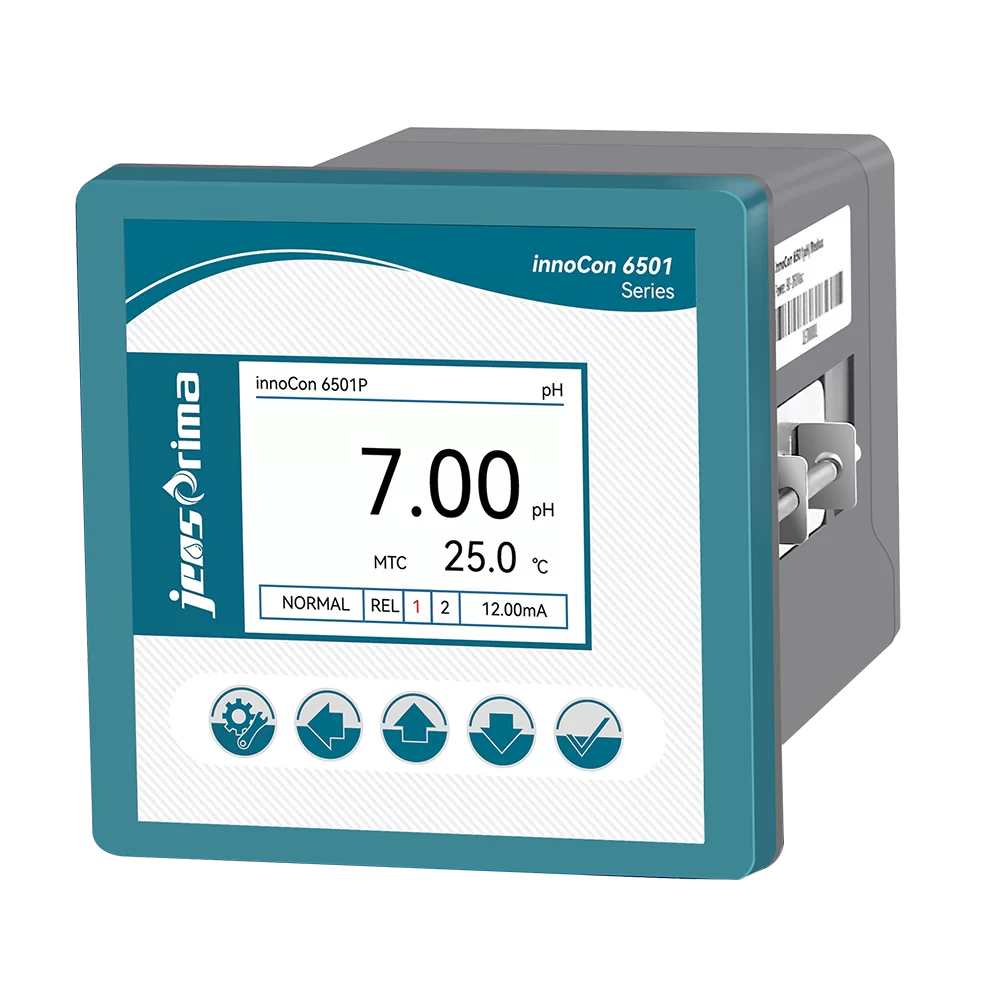
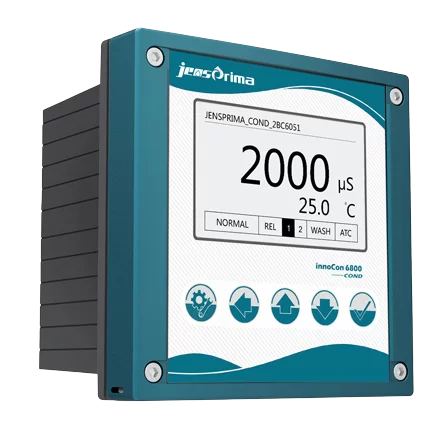
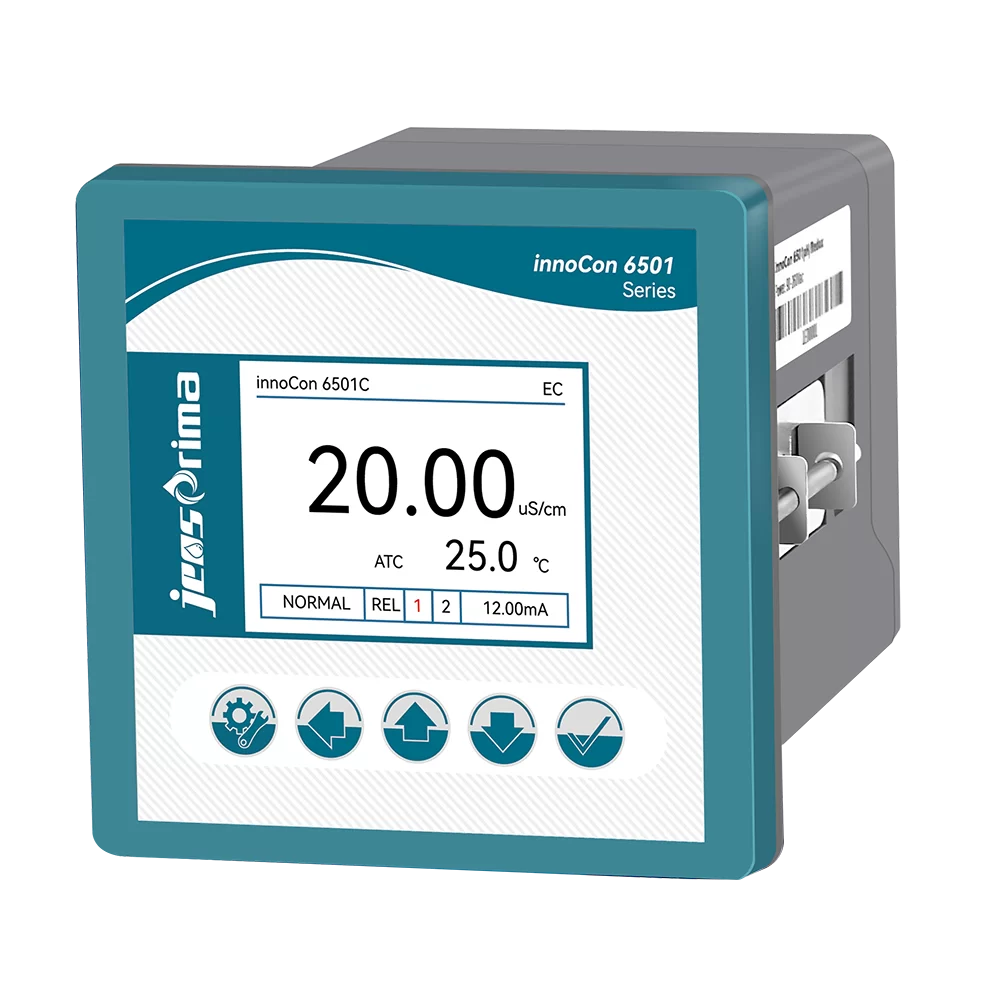
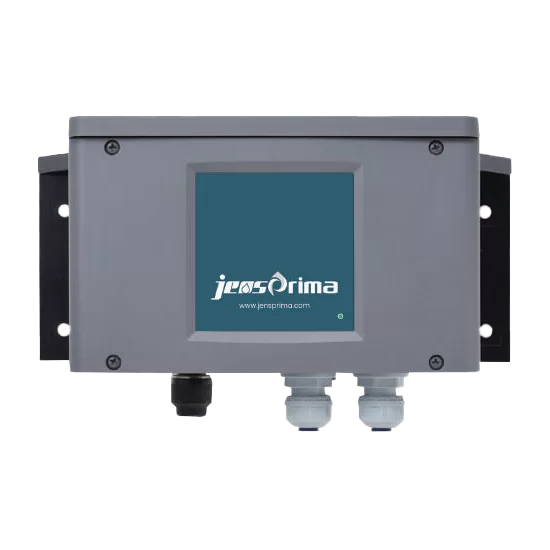
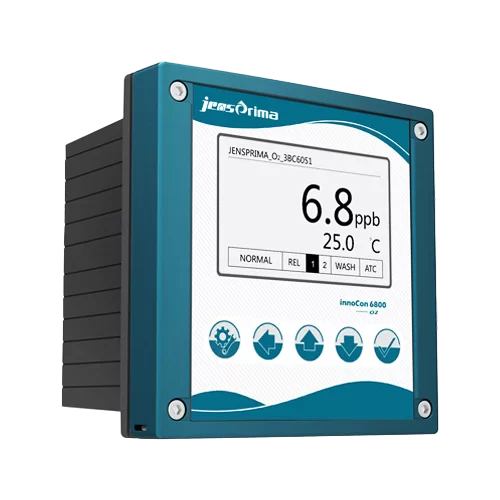
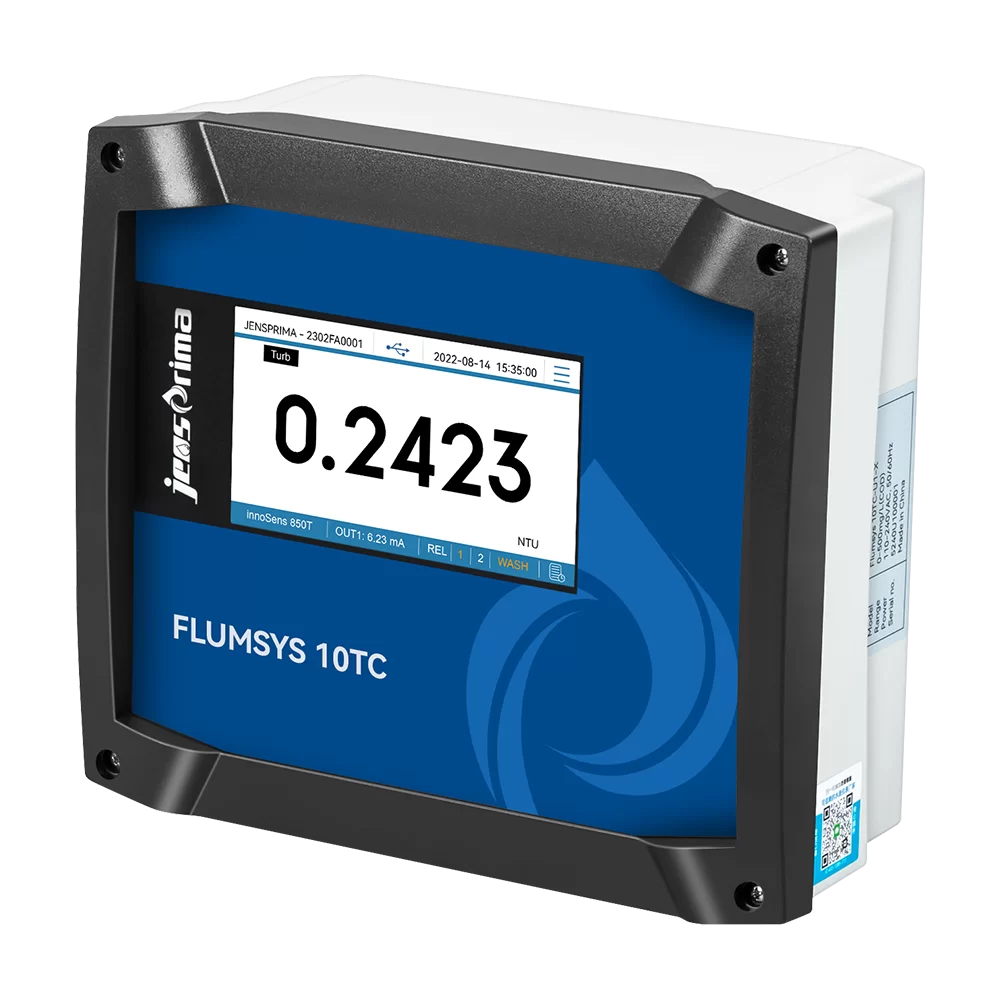
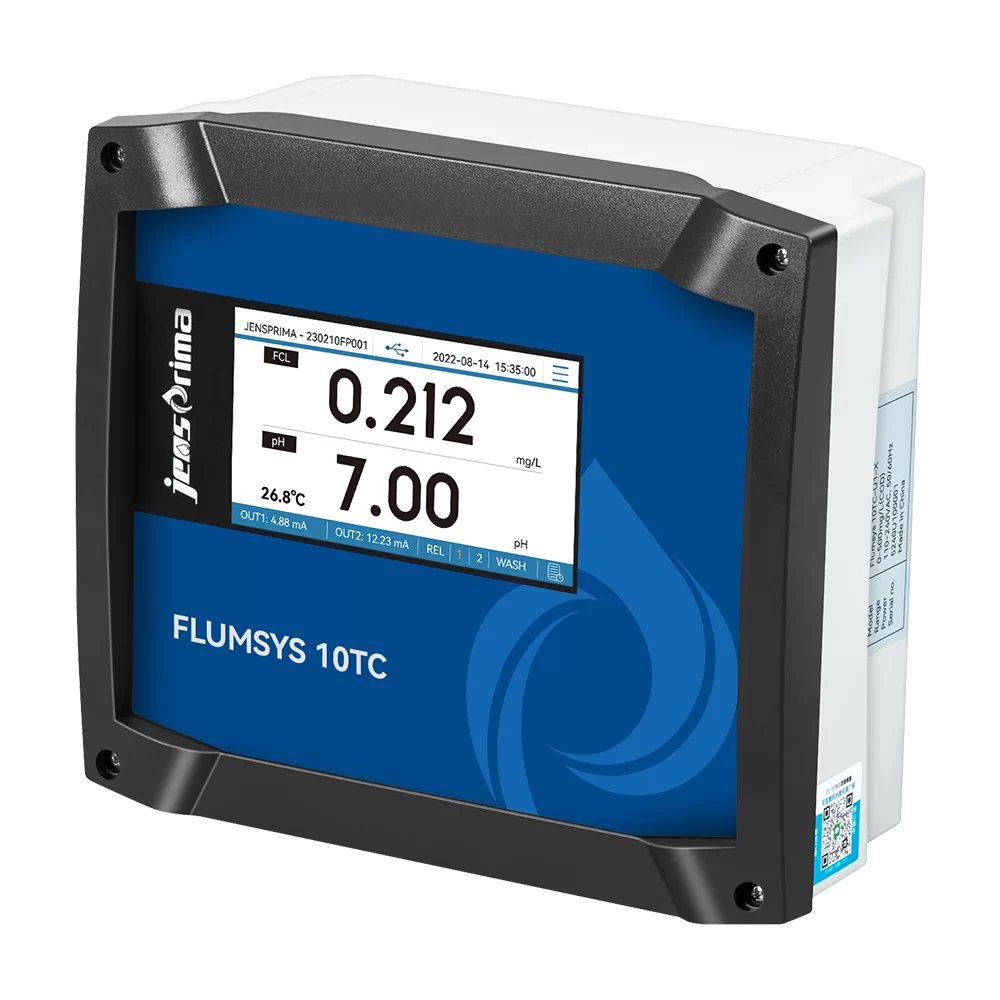
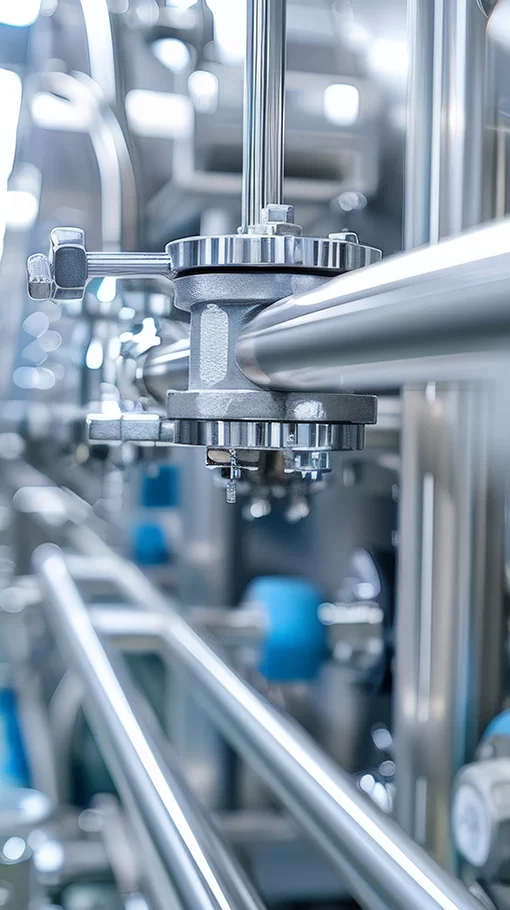
Advanced online chlorine analysis systems integrated into industrial water treatment workflows.
◆ ◆ ◆
◆ ◆ ◆
The Mechanics of Chlorine Detection

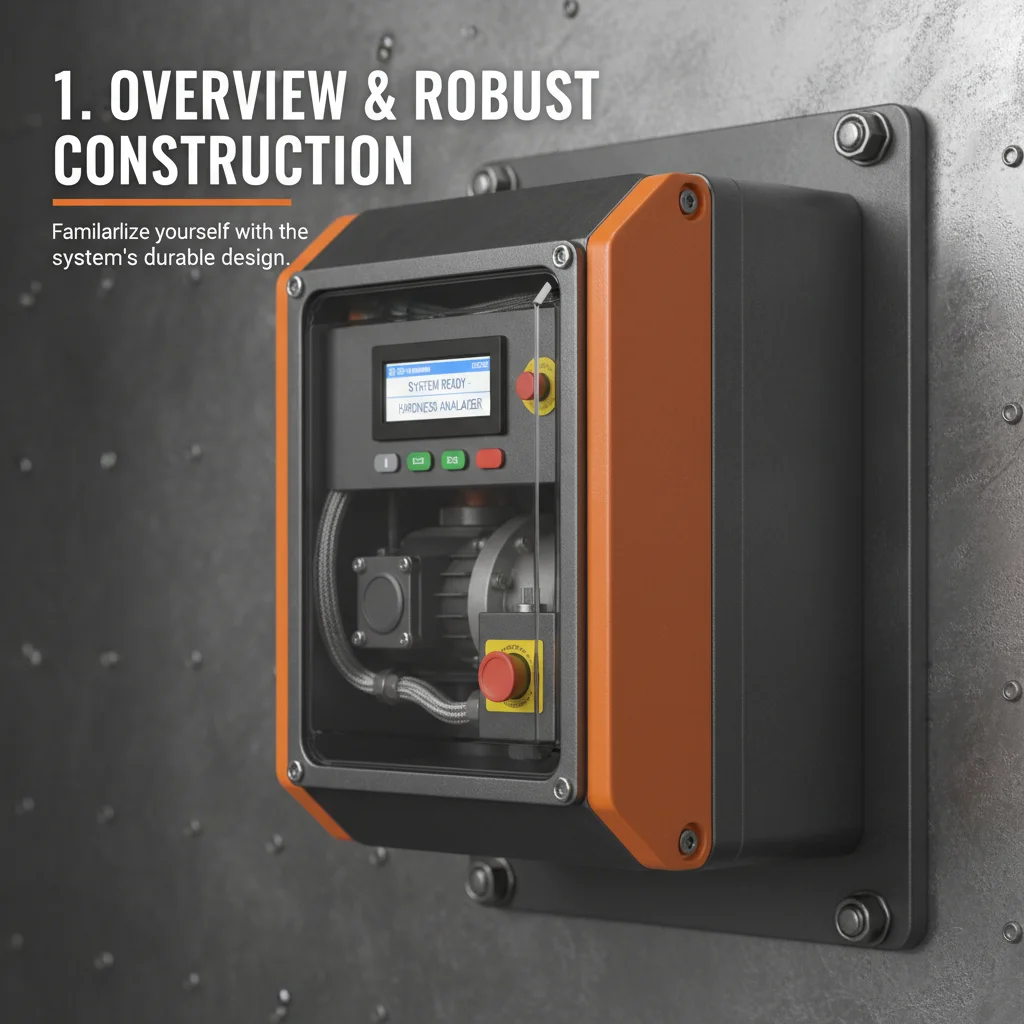
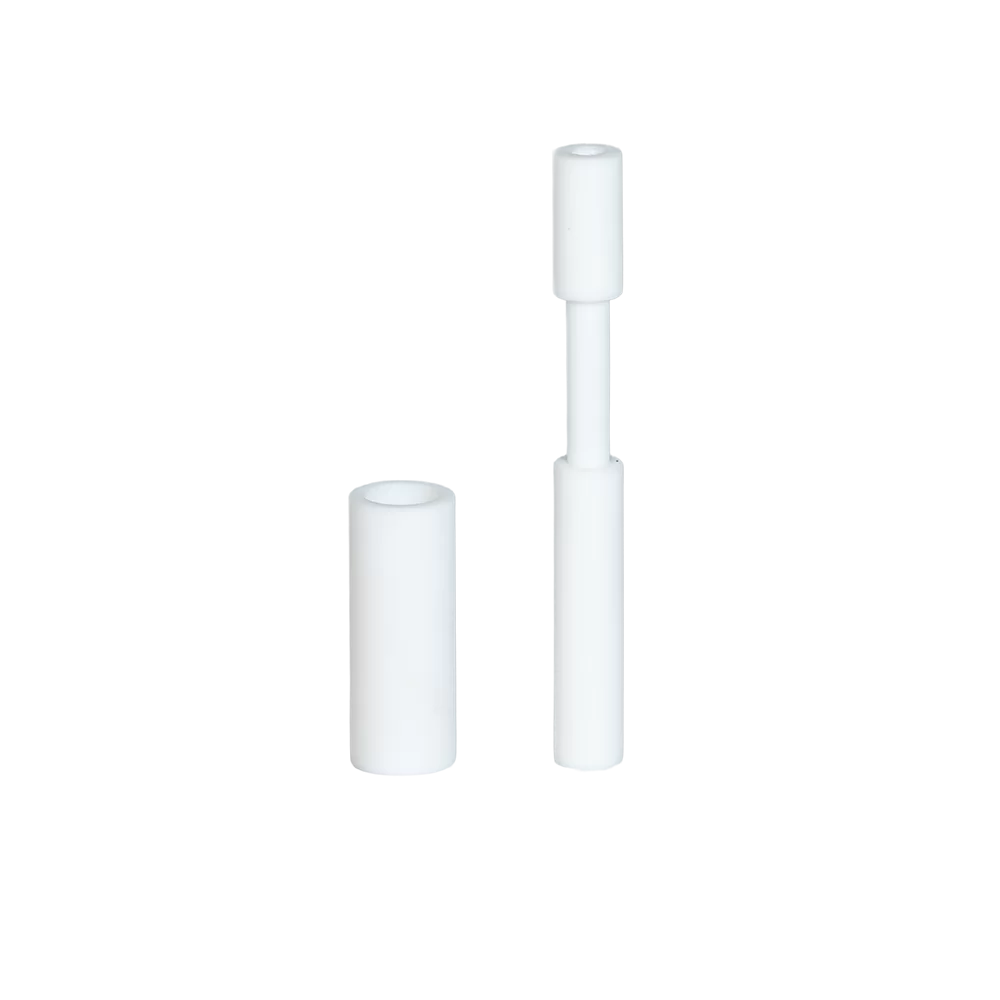
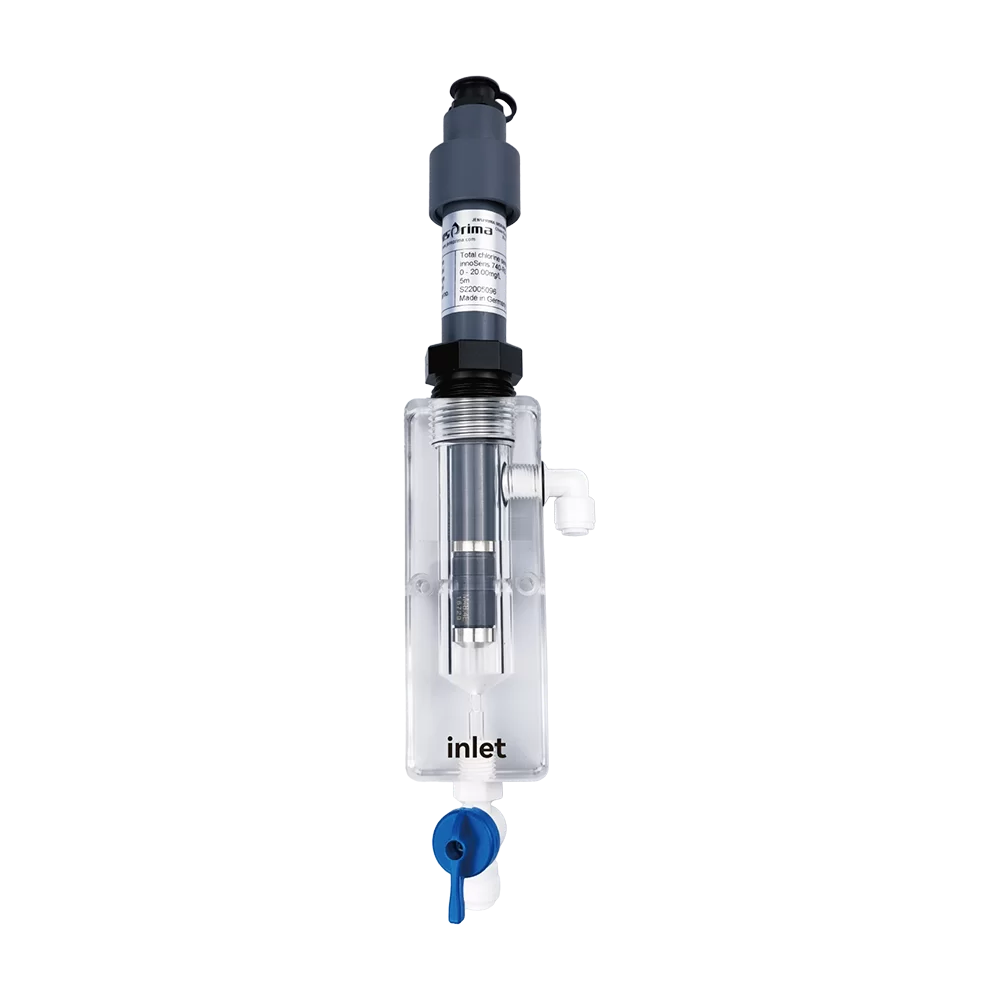
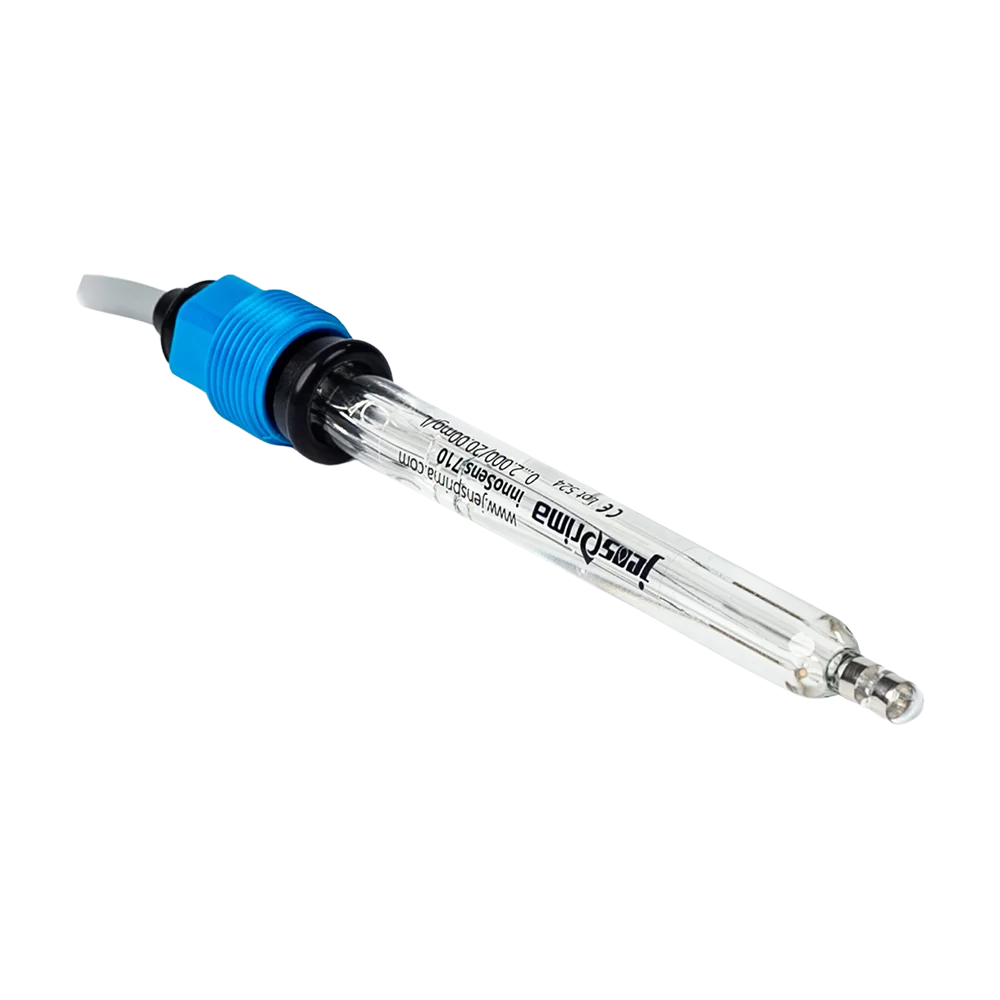
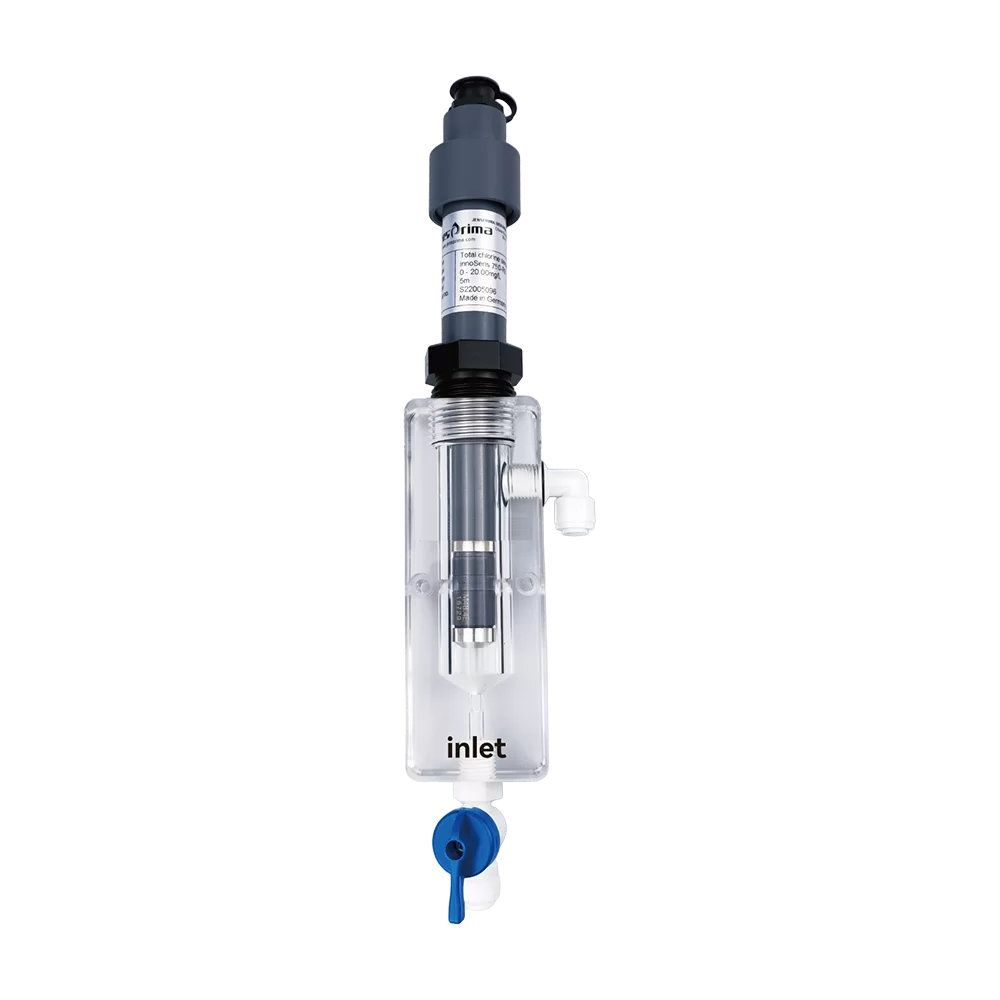
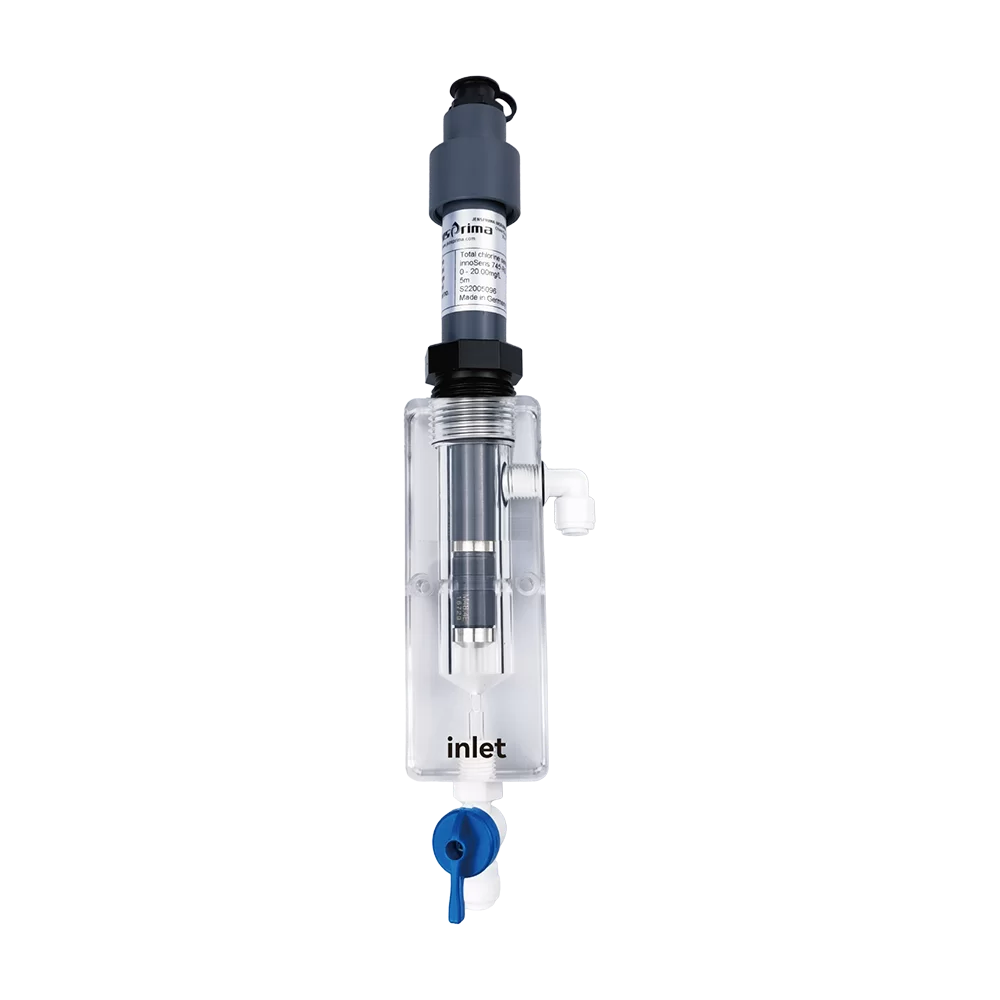
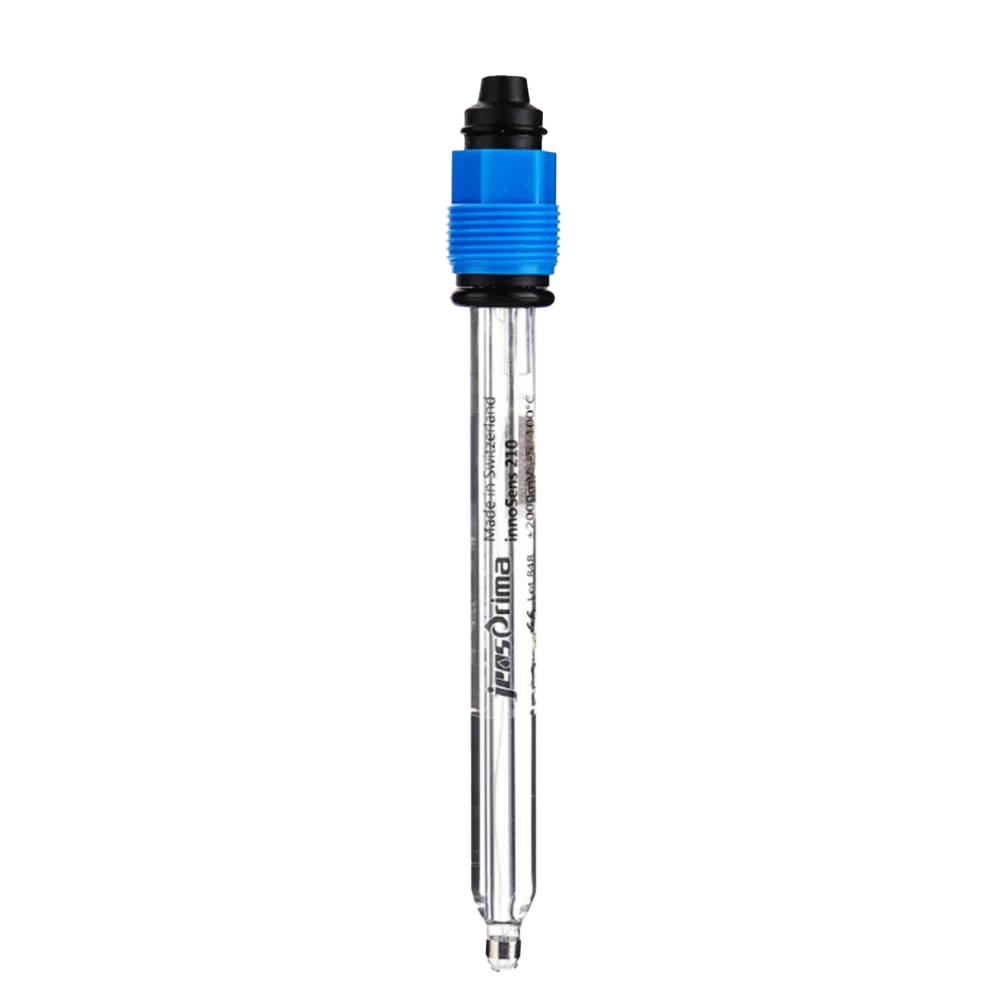
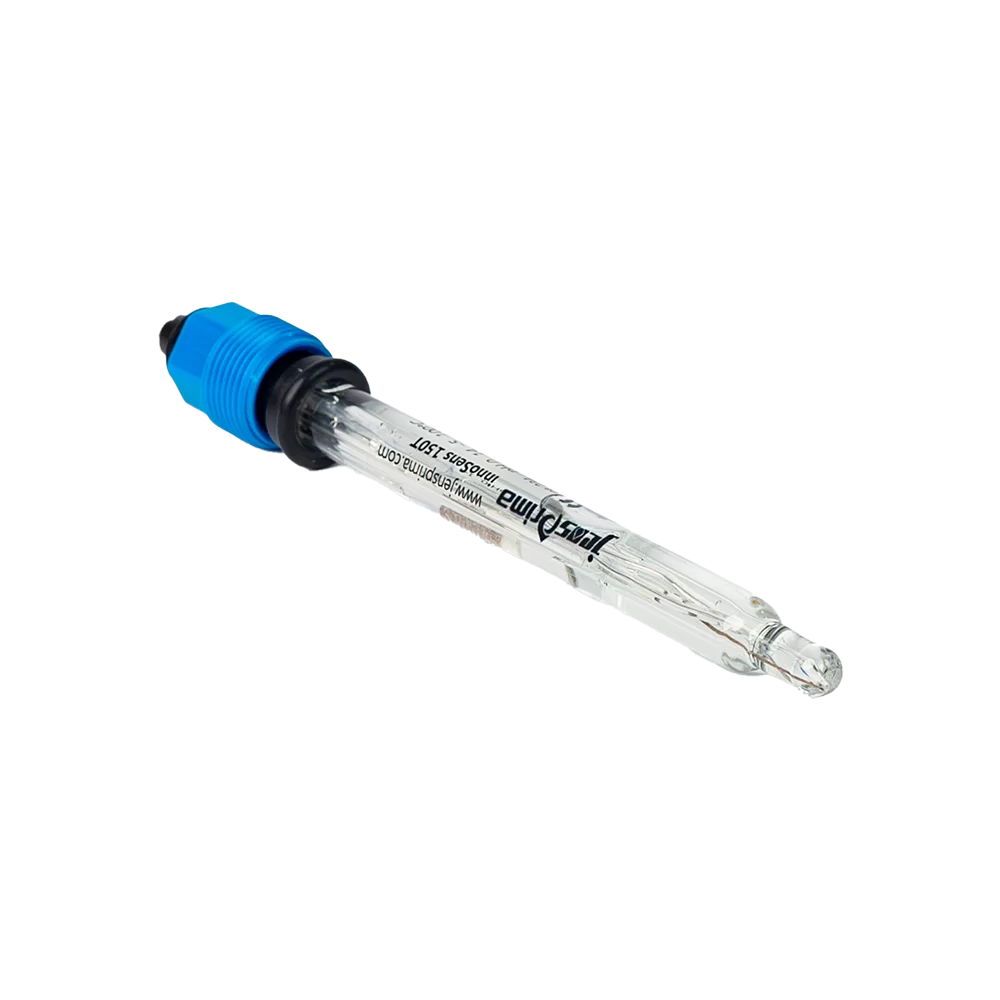
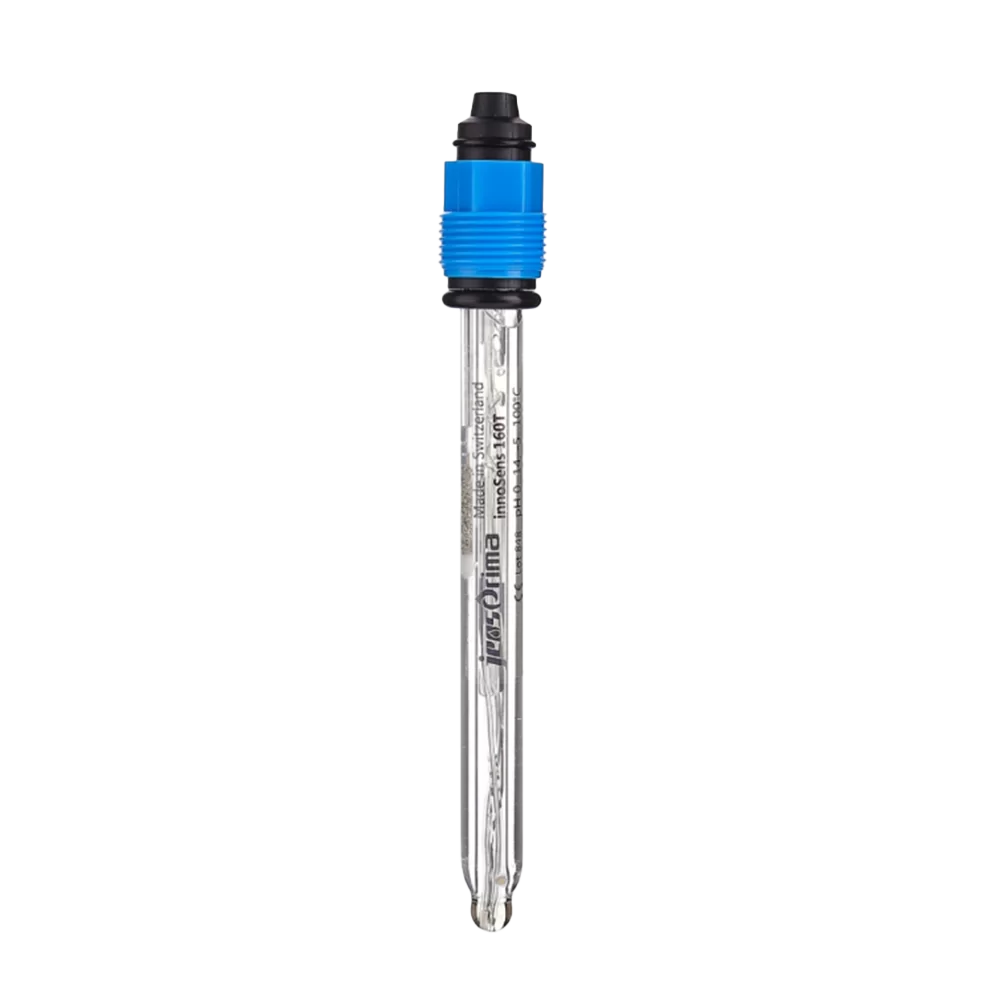
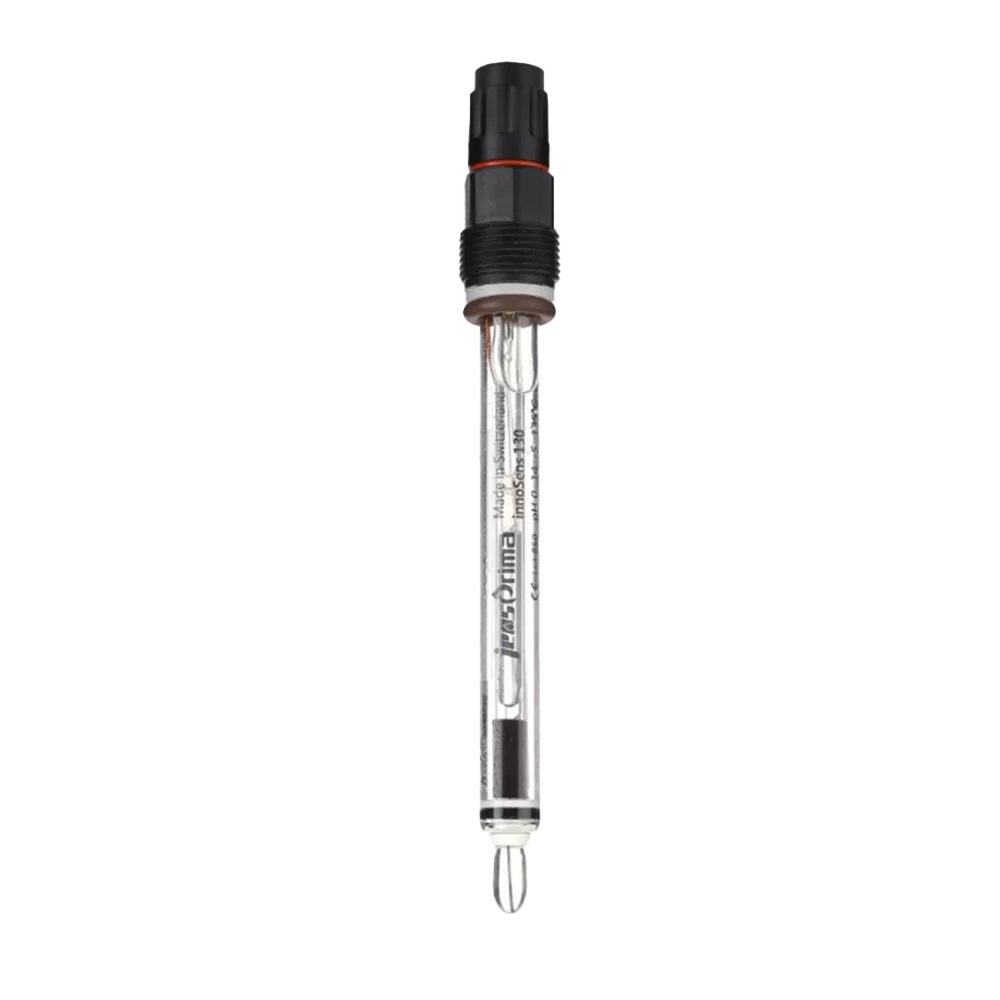
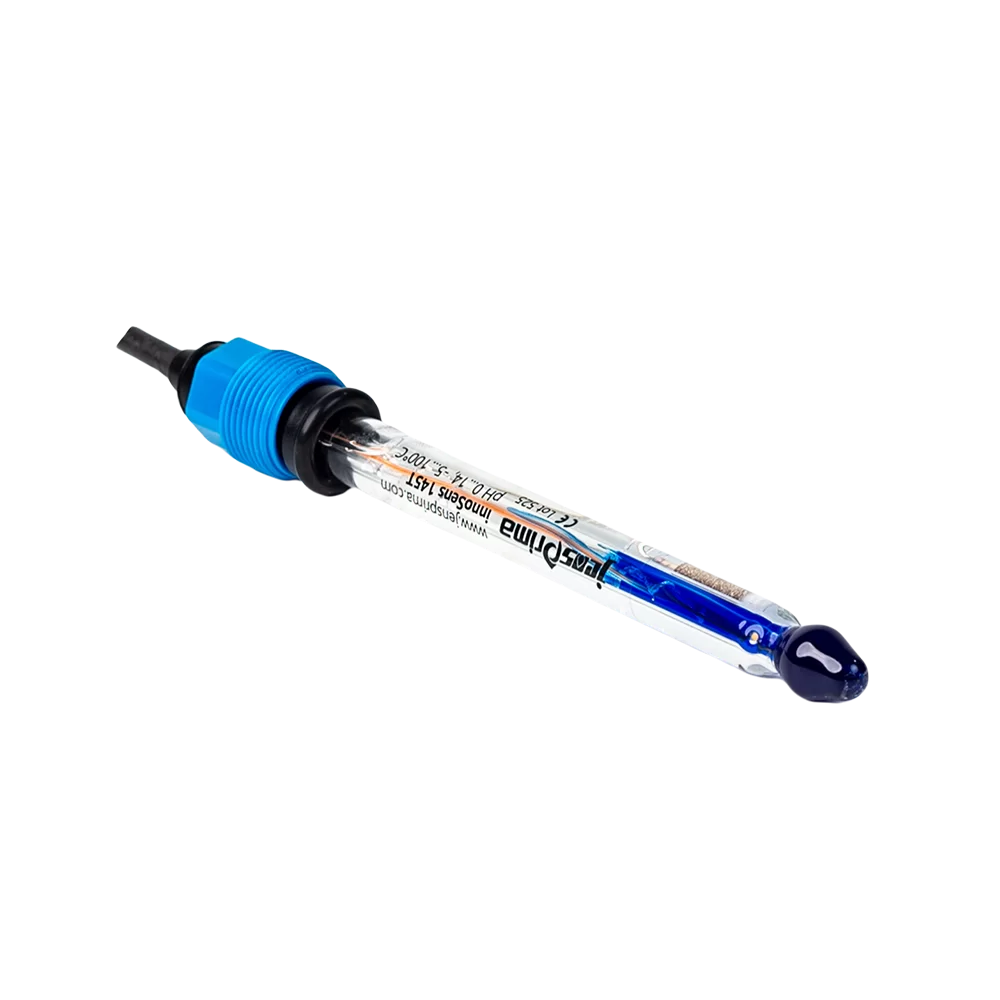
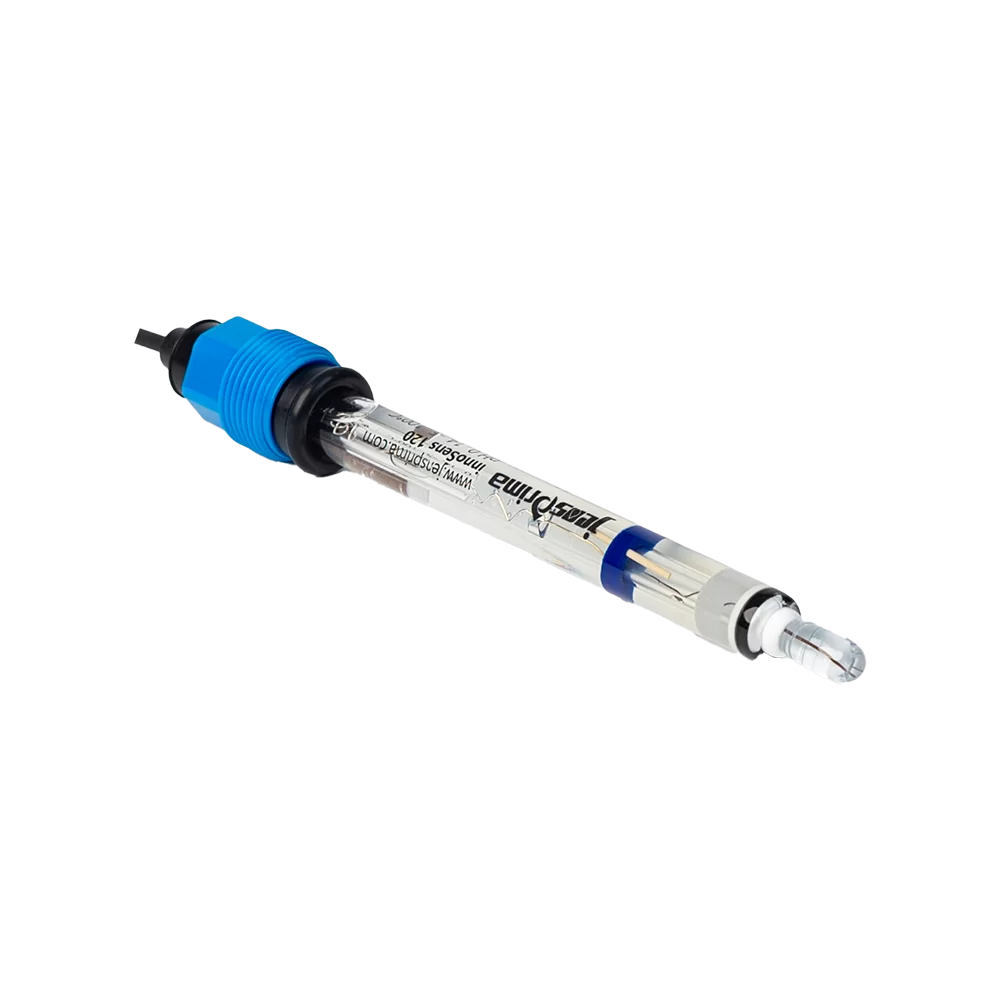
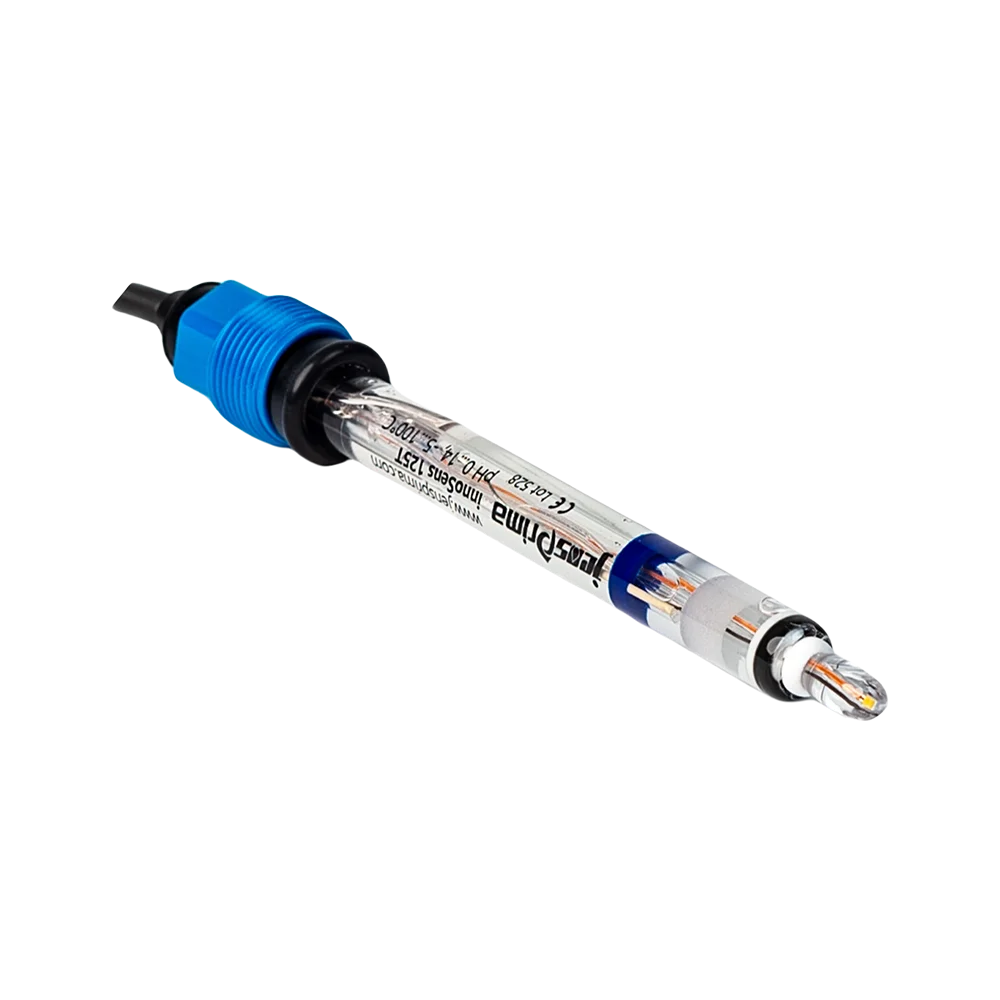
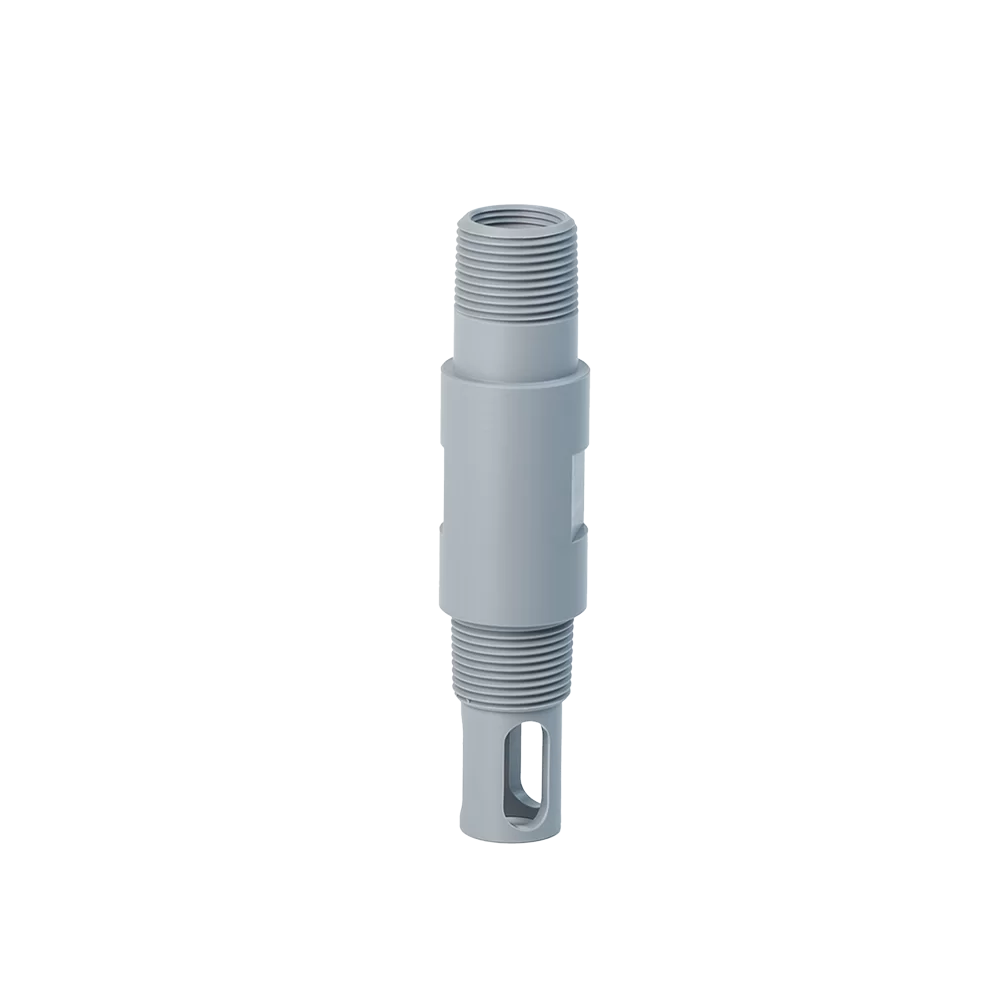
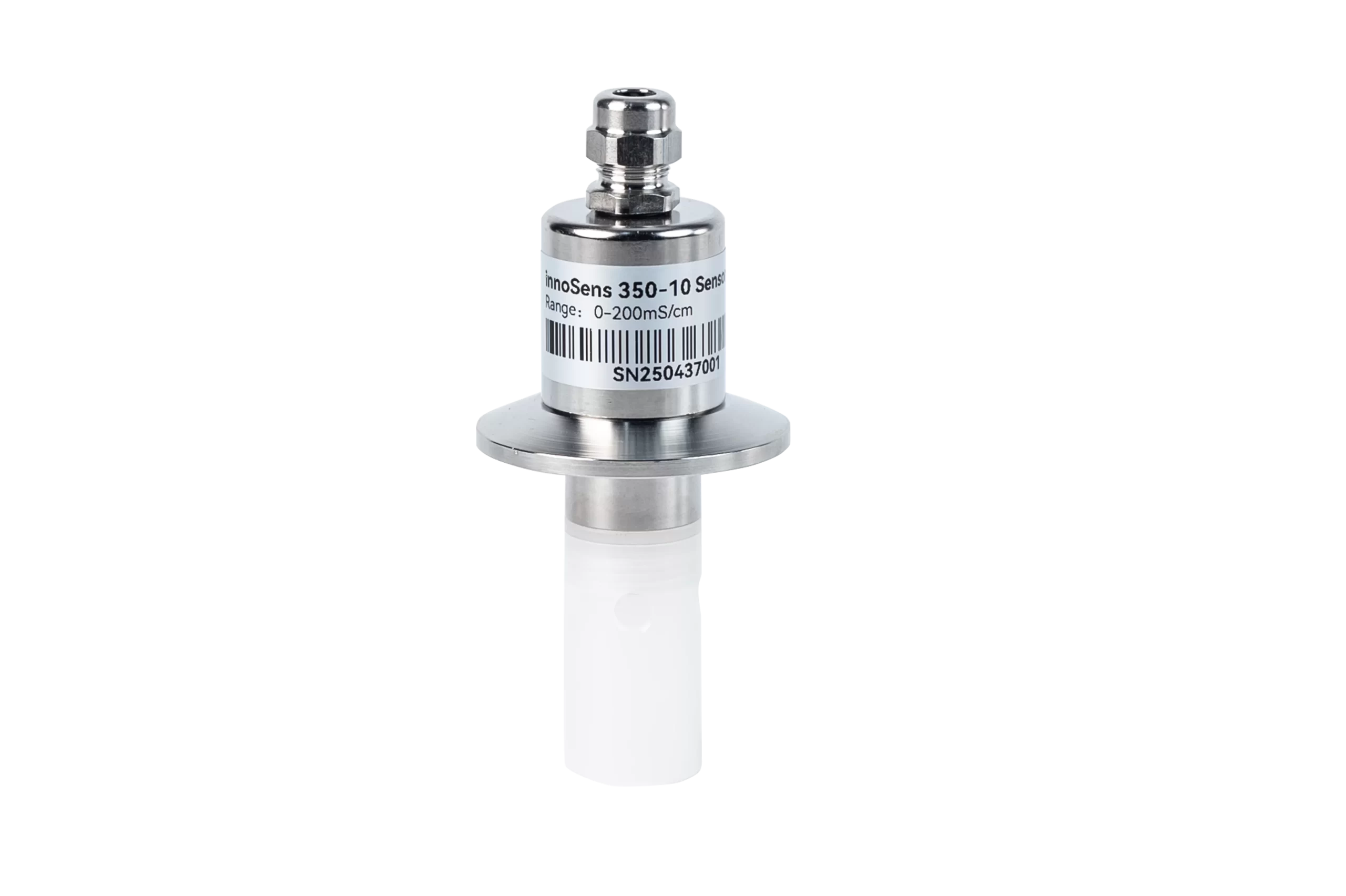
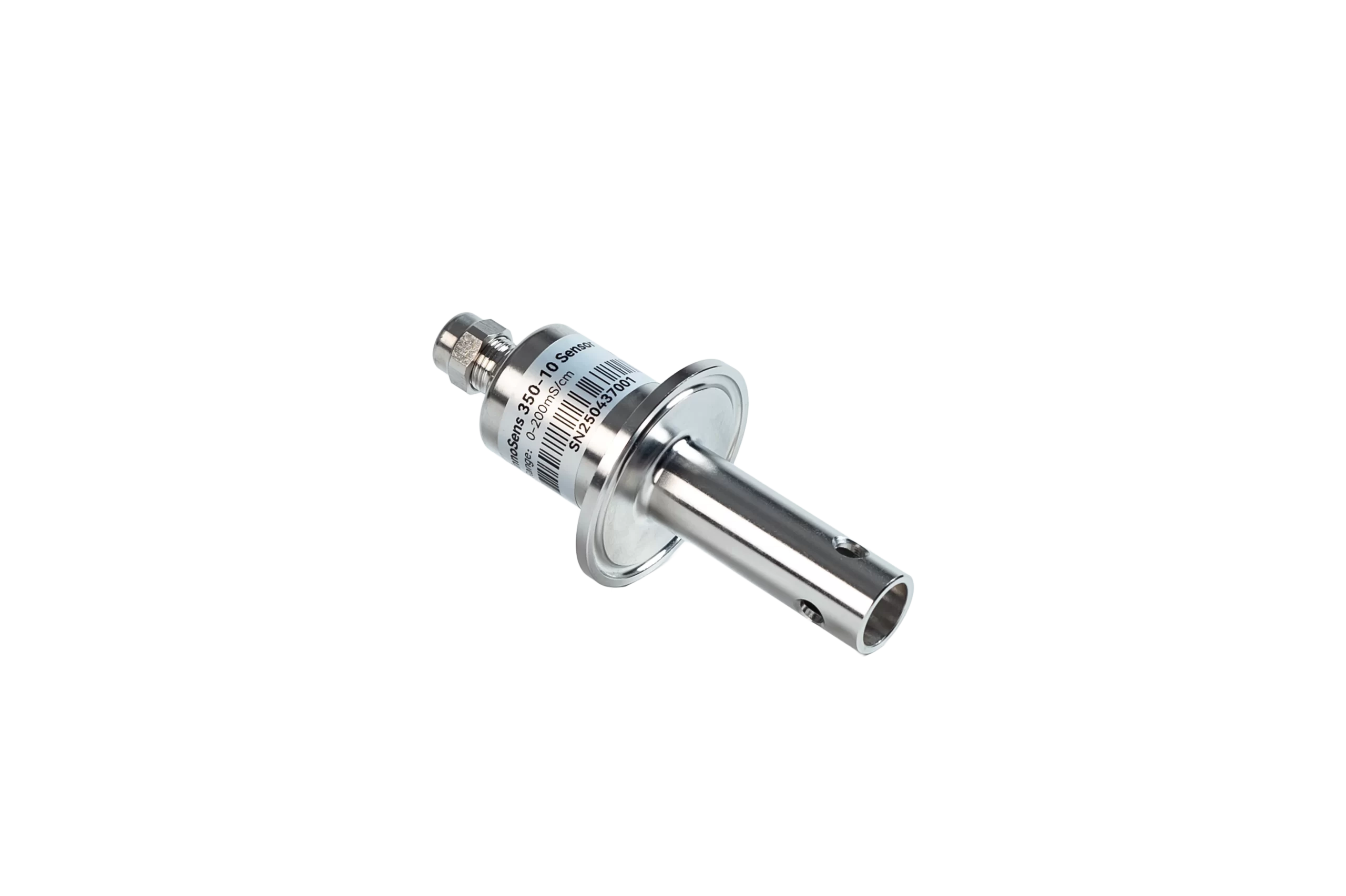
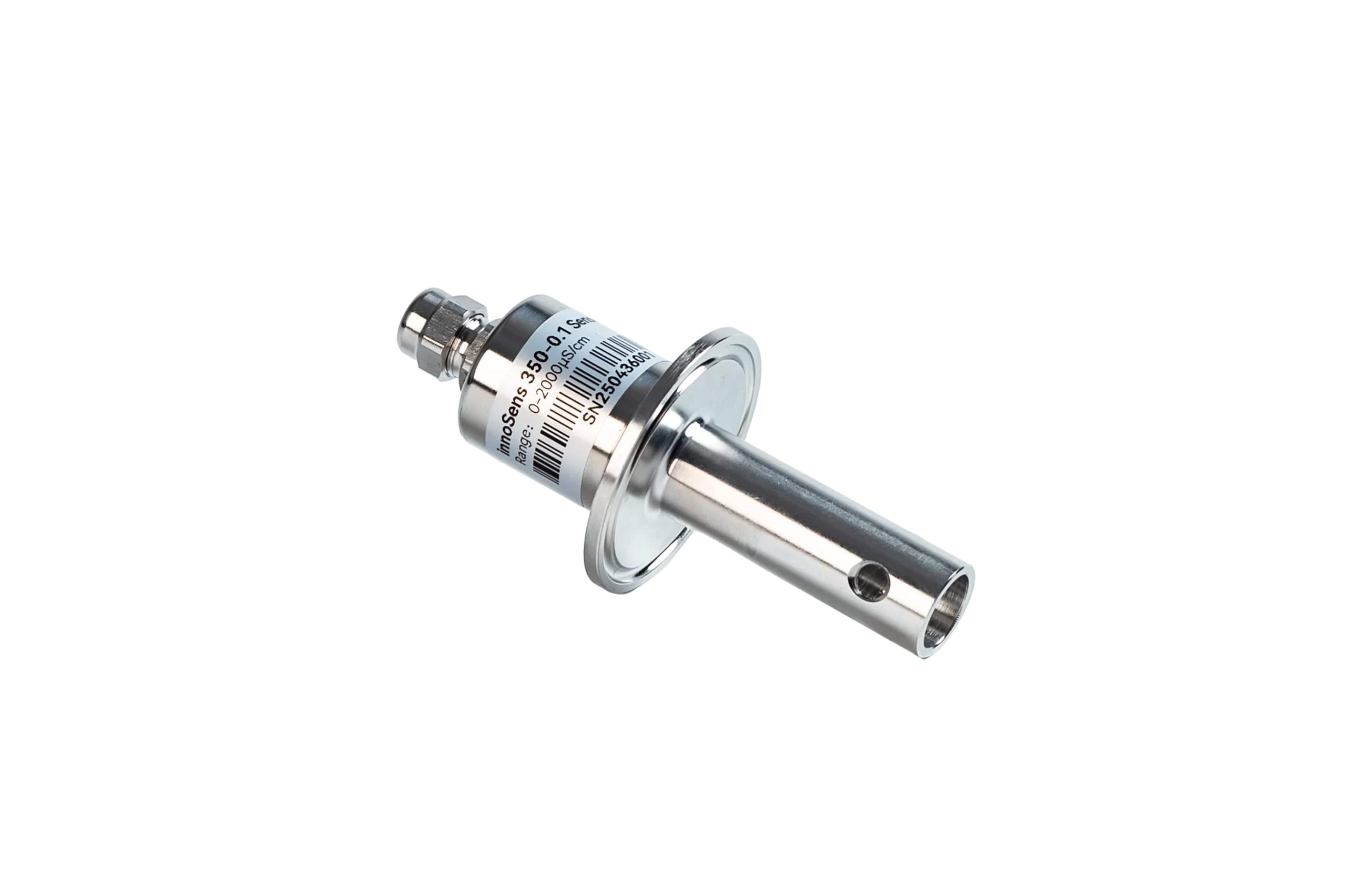
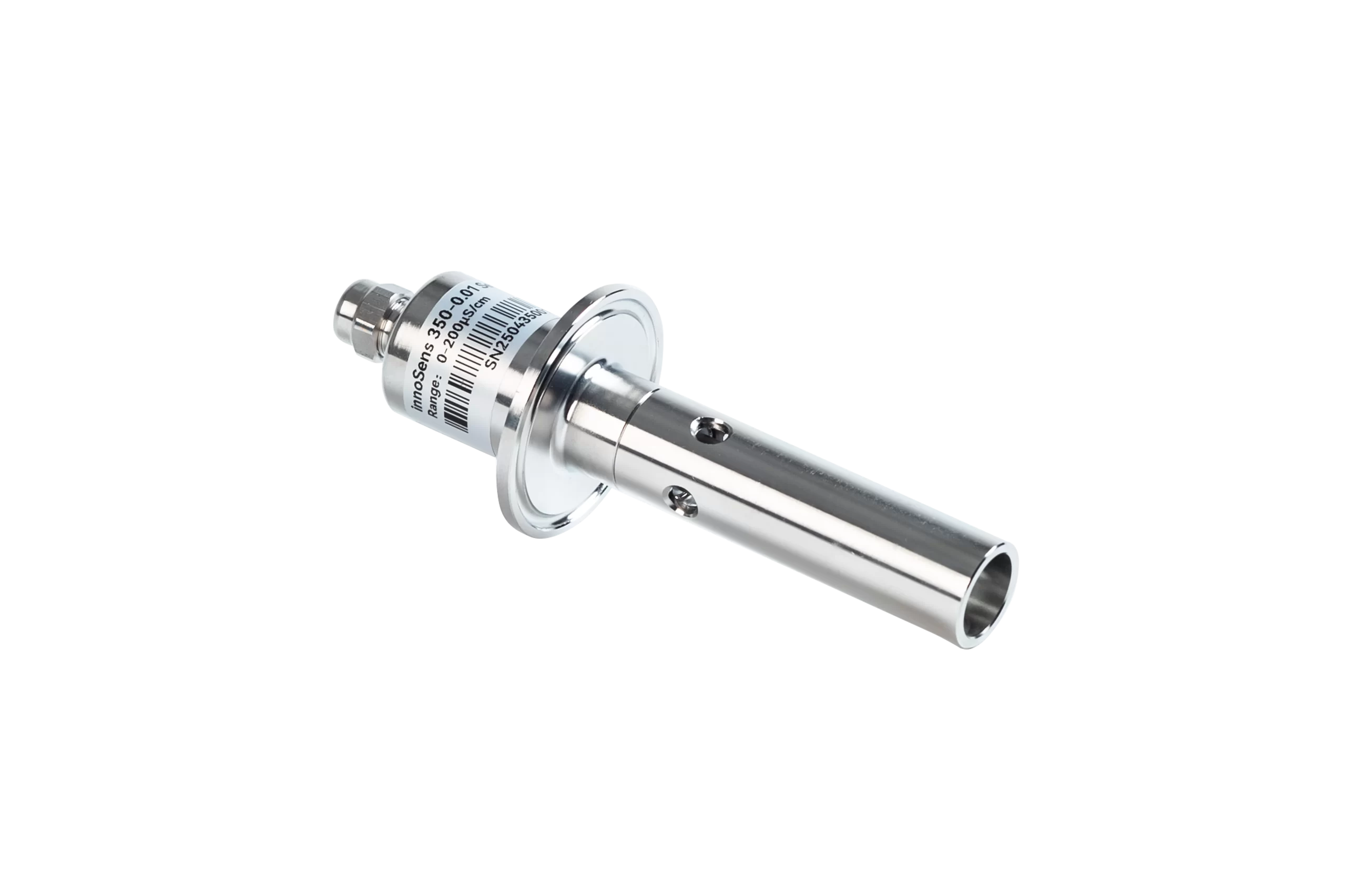
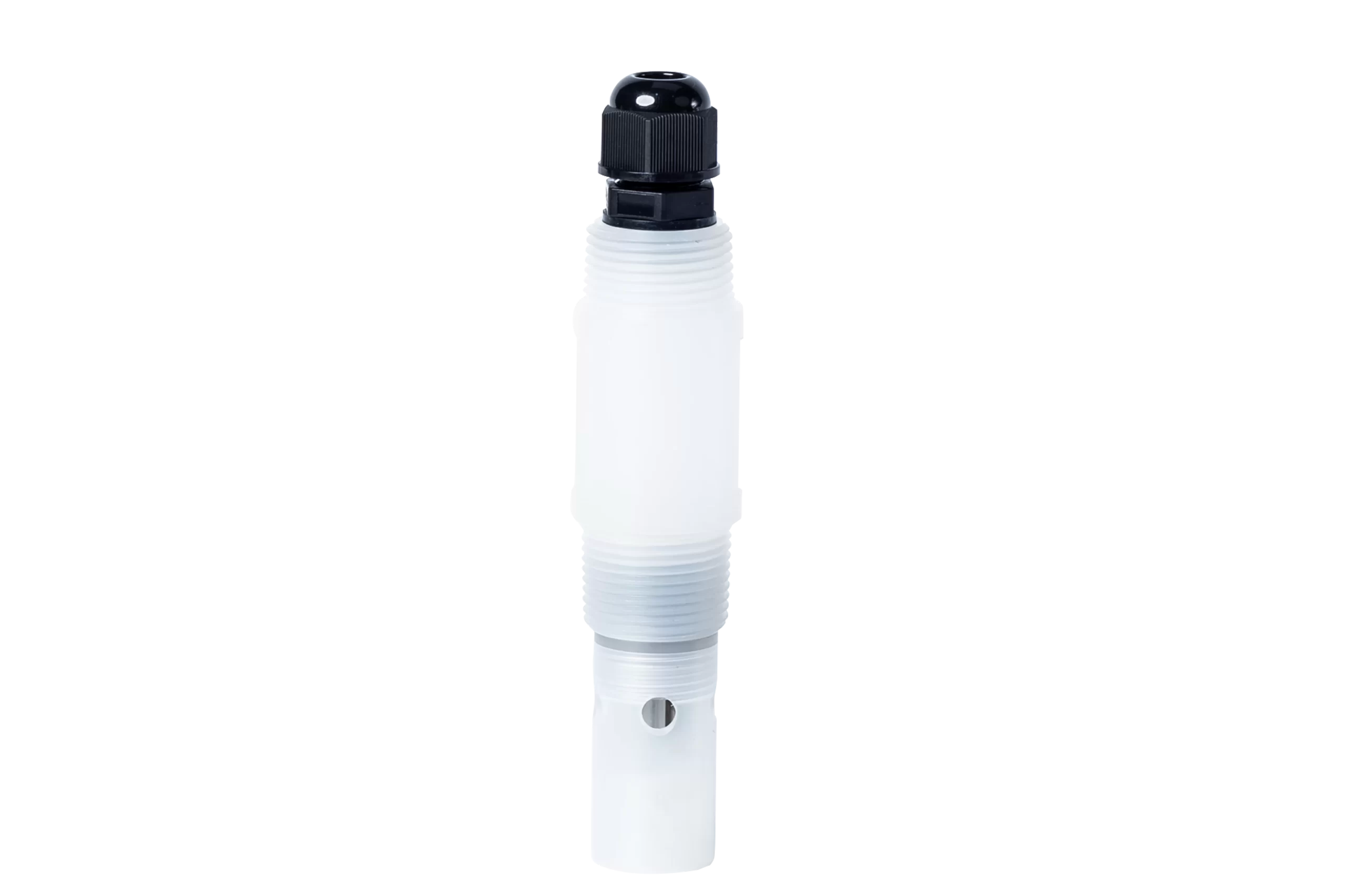
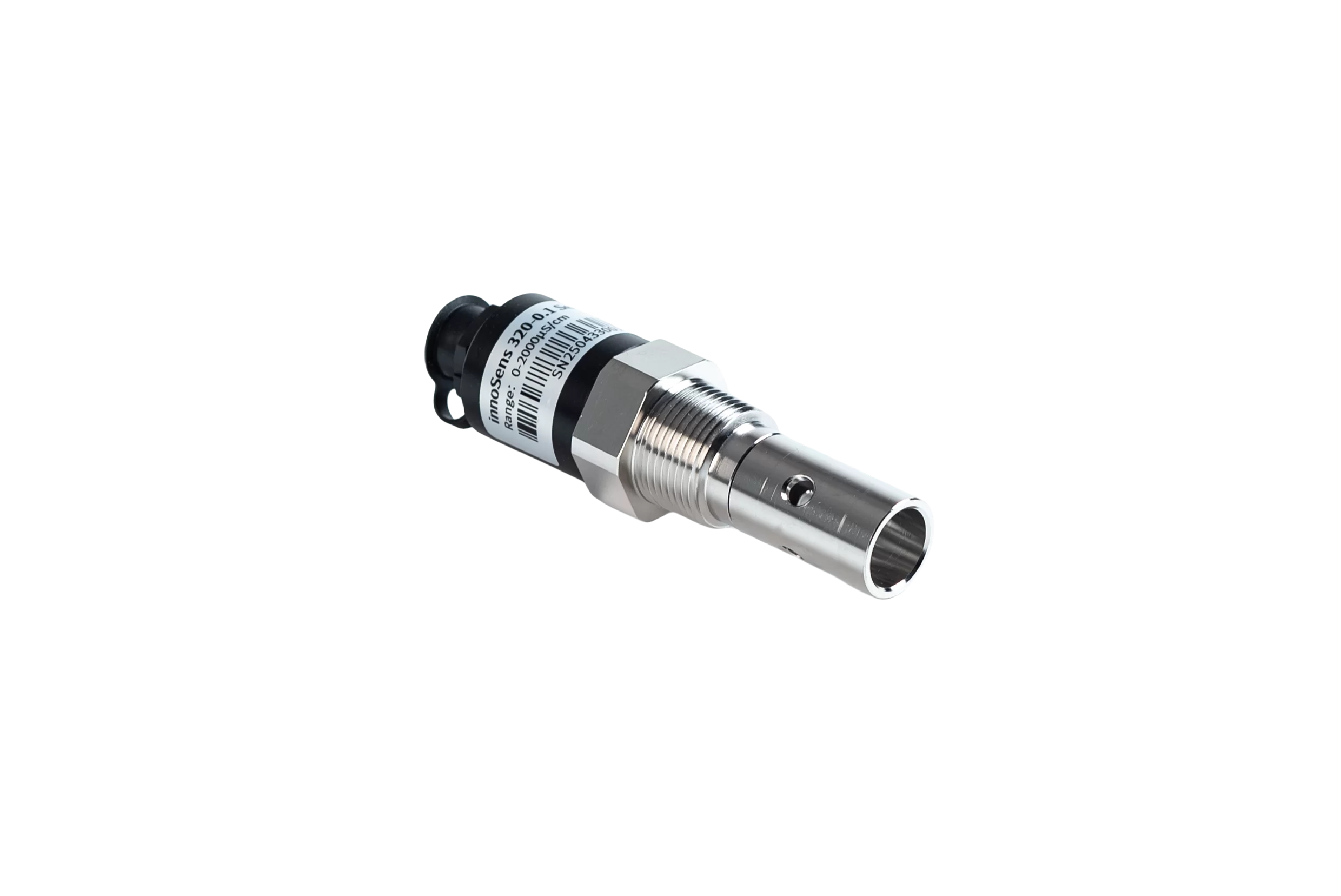
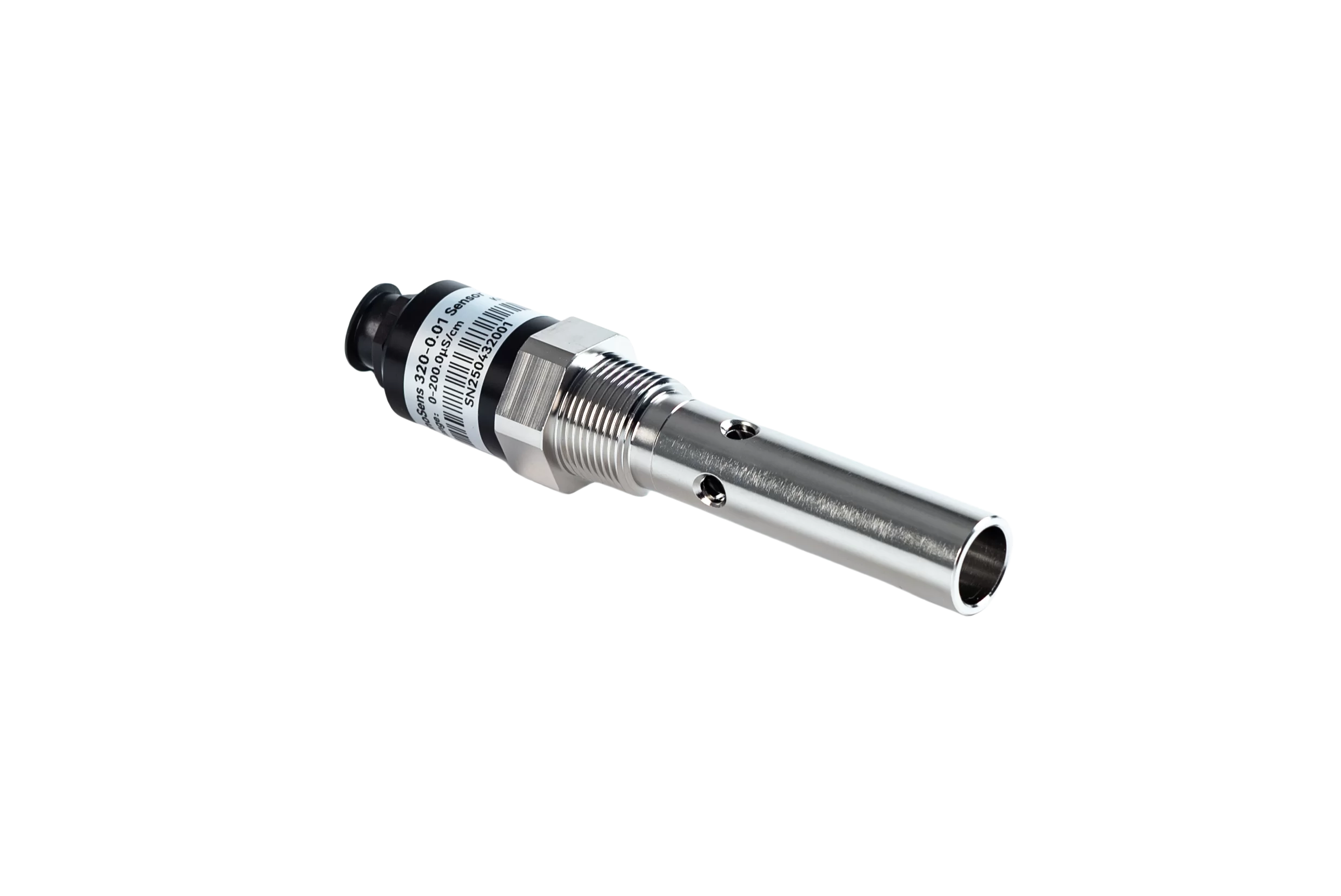
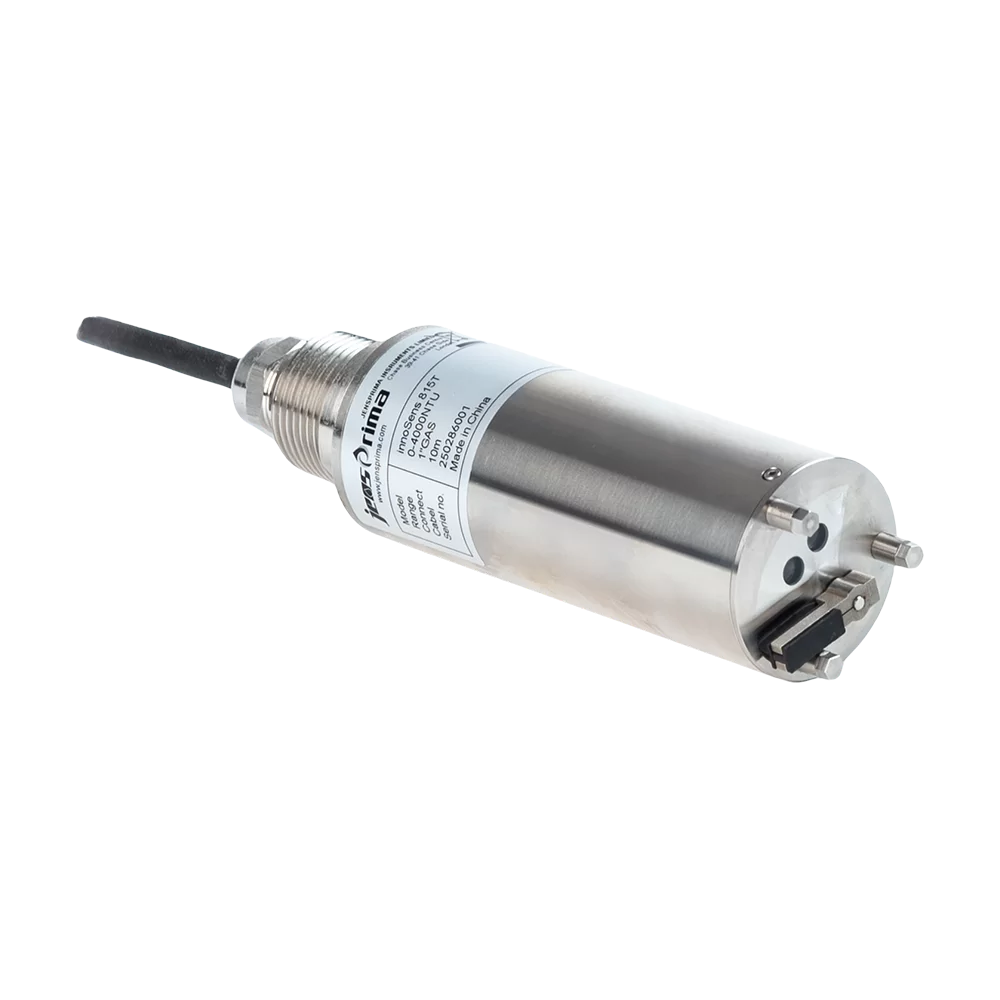
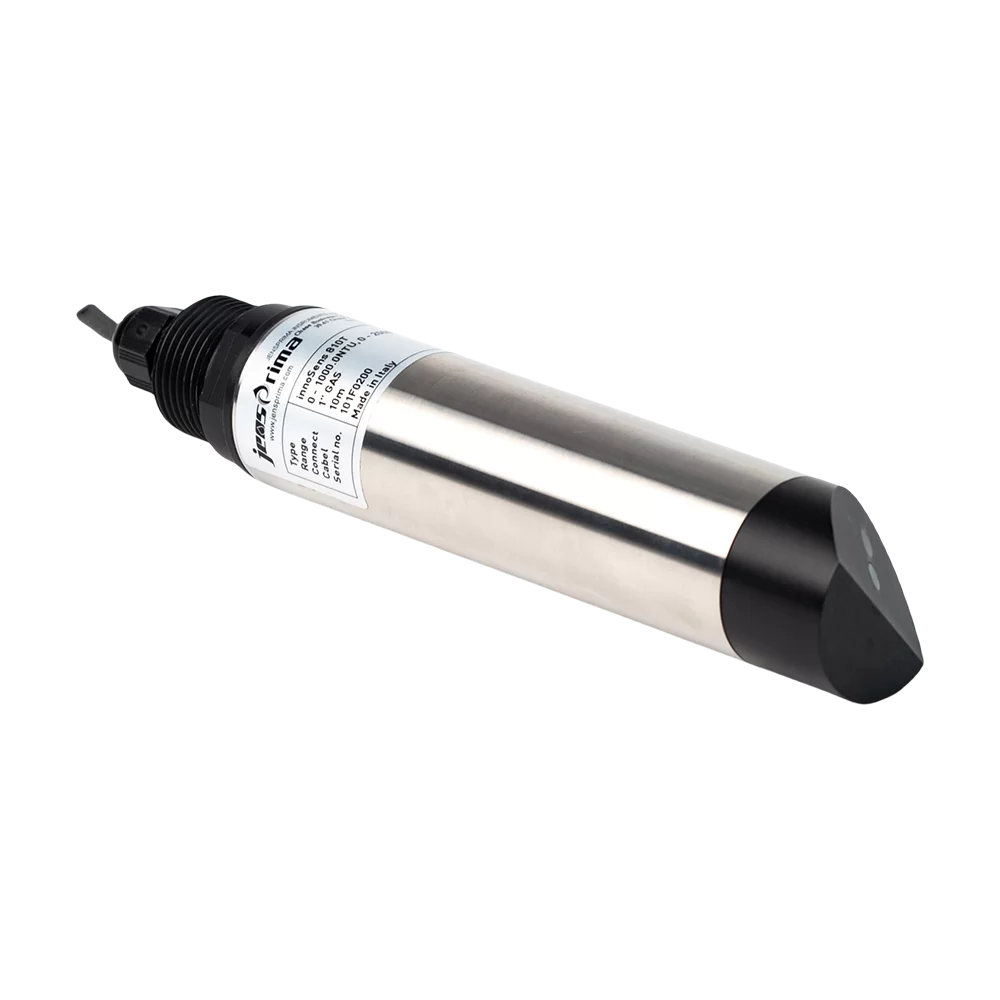
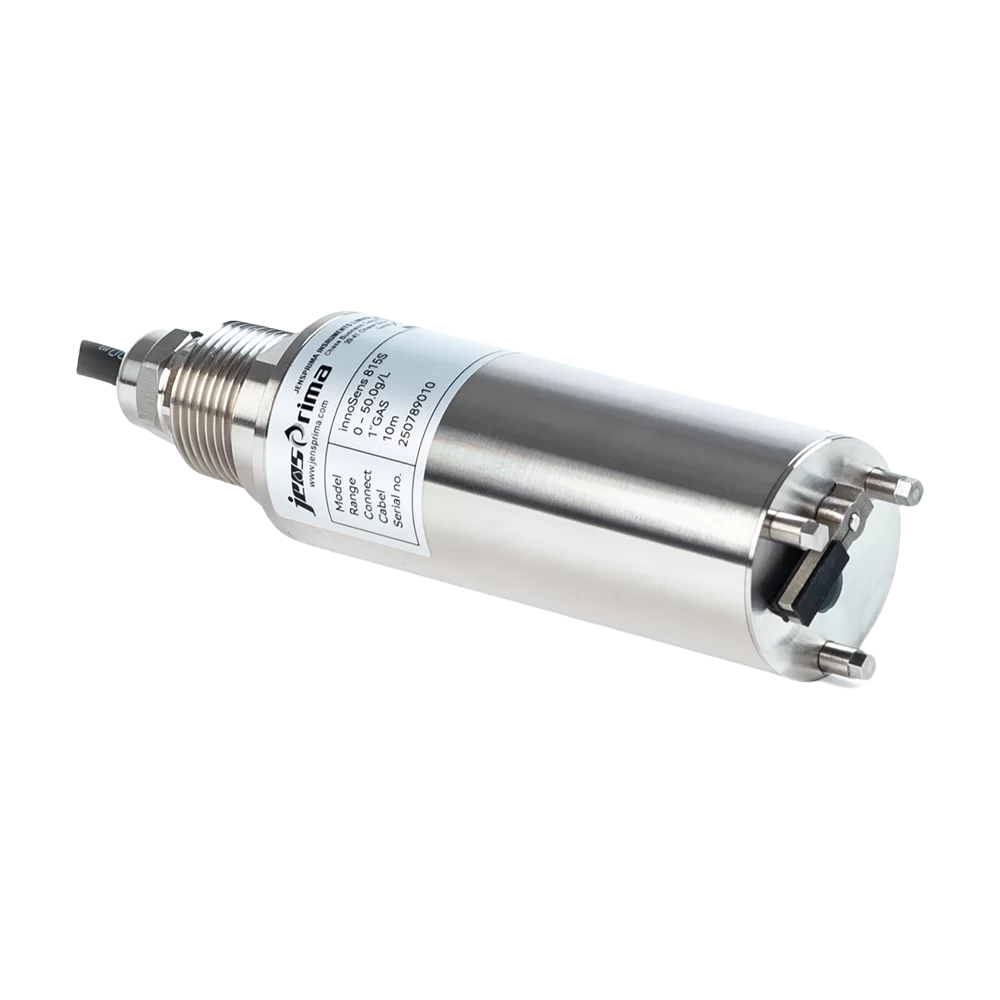
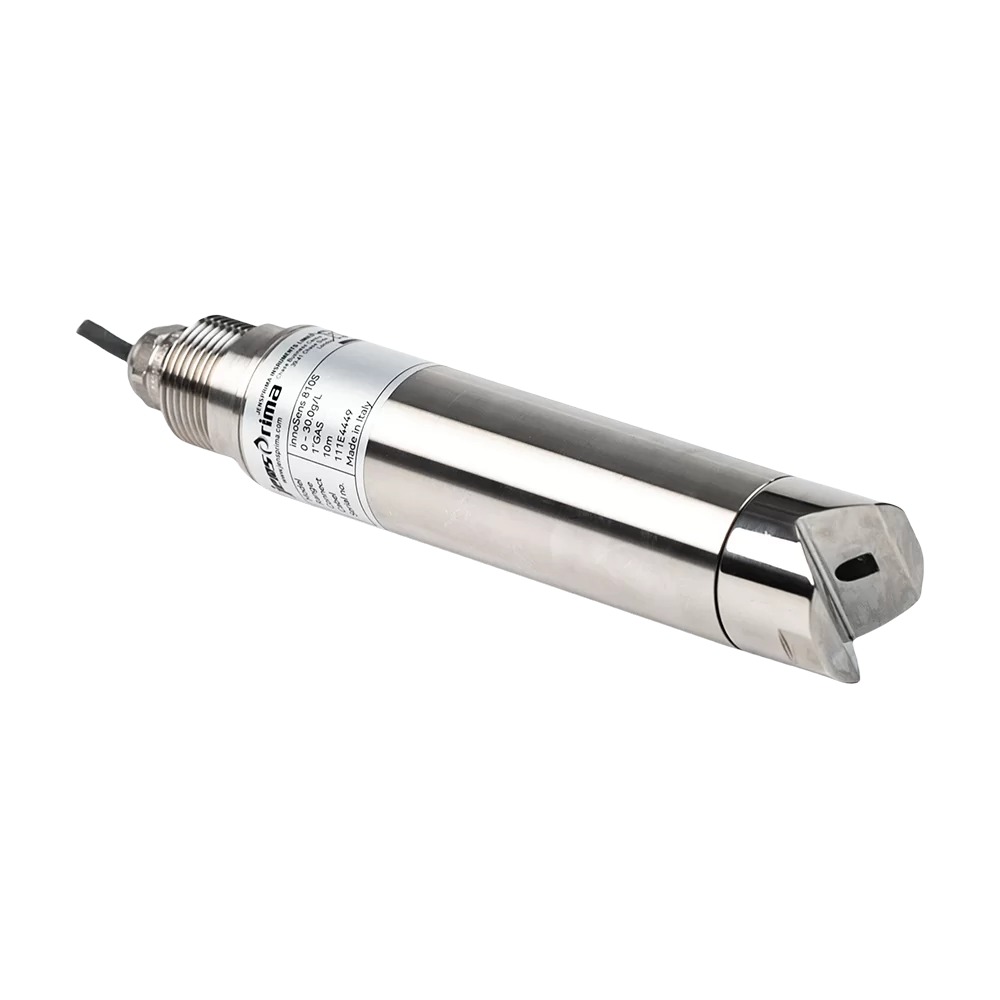
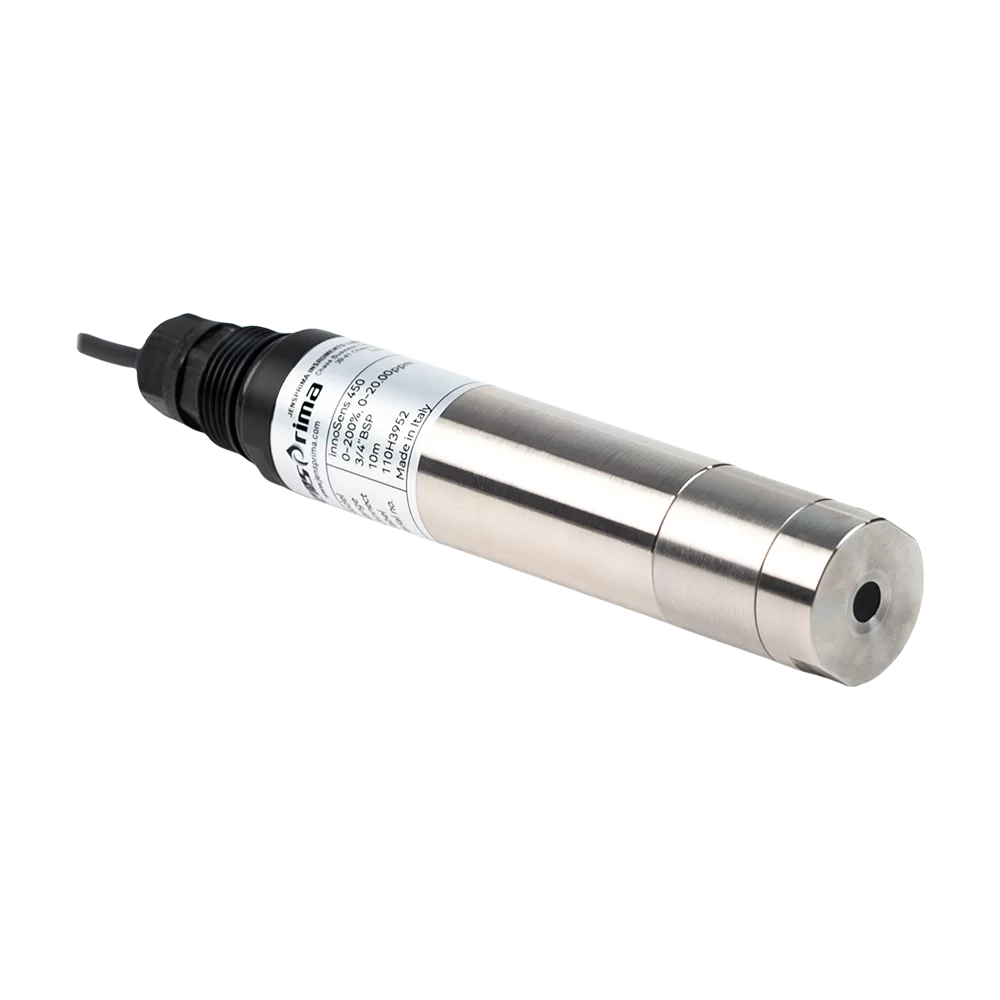
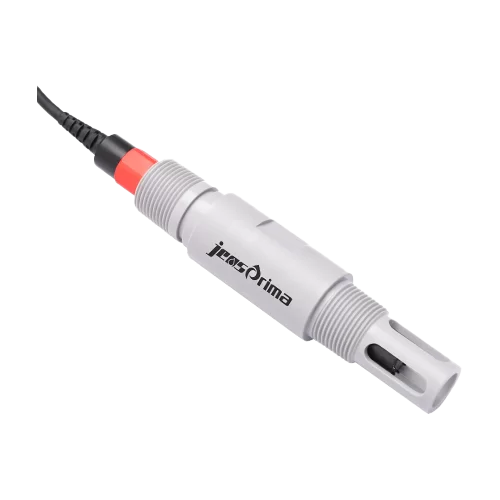
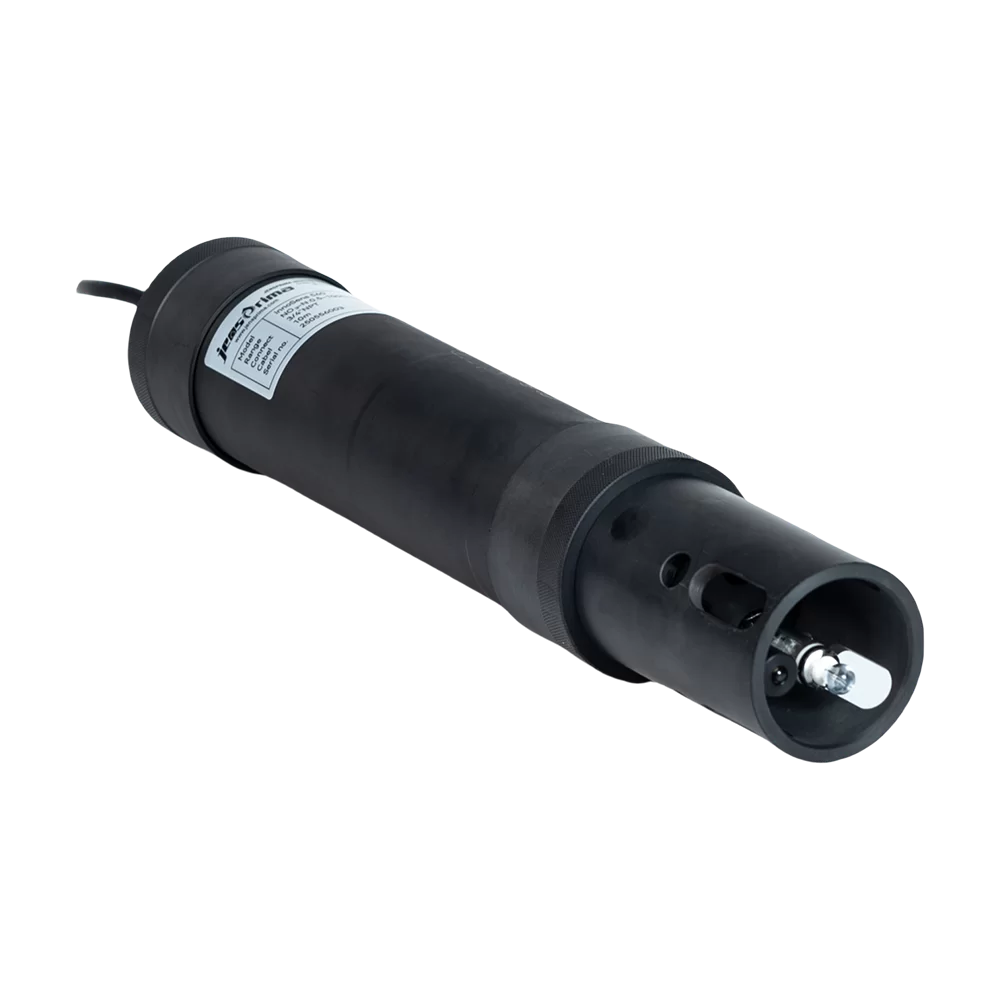
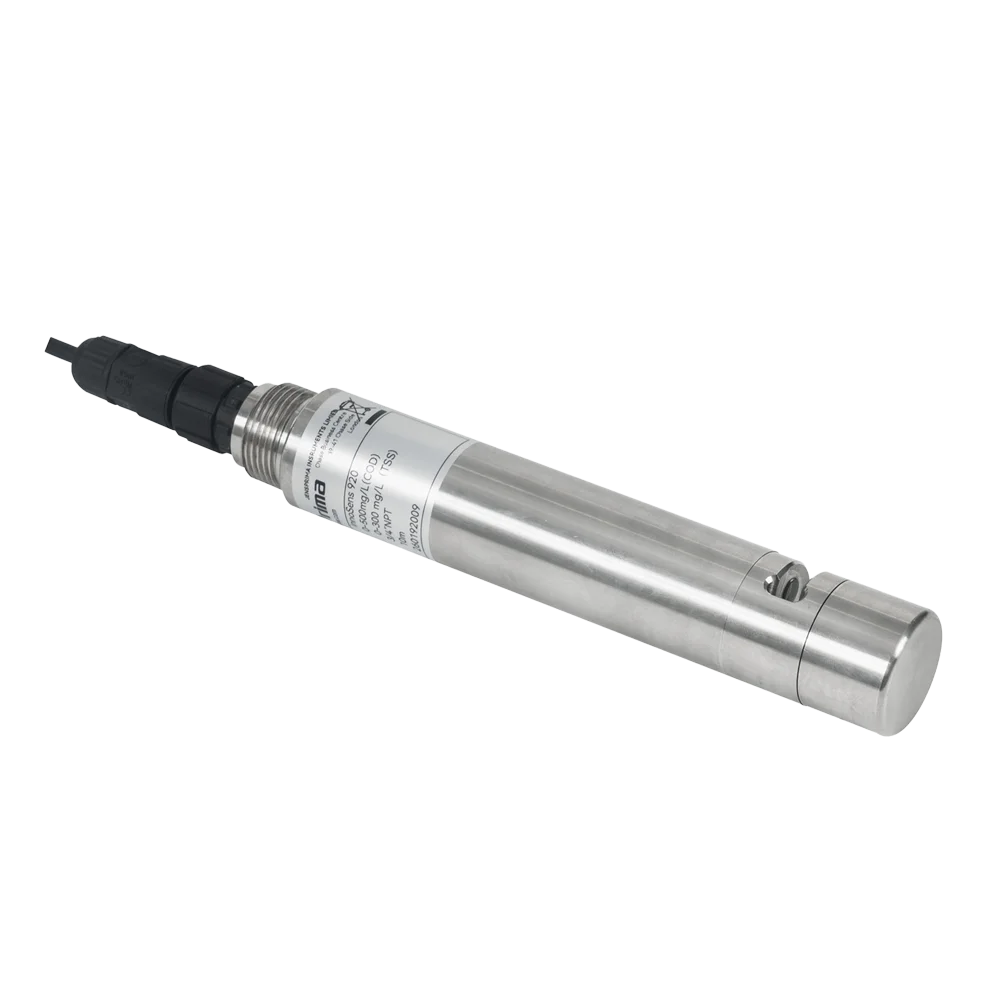
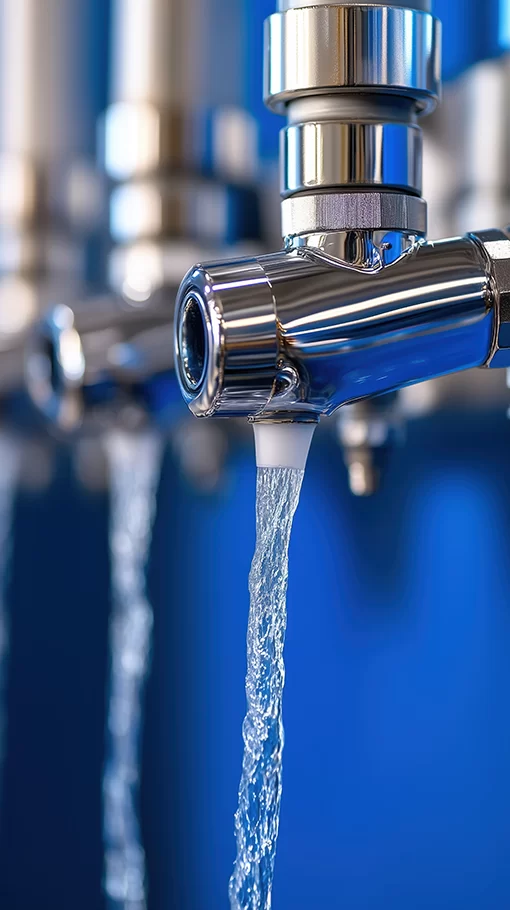
Technical configuration of sensor probes used in residual chlorine analysis.
Chlorine analysis generally splits into two primary categories: Free Residual Chlorine (FRC) and Total Residual Chlorine (TRC). FRC represents the amount of chlorine available to kill bacteria and viruses, while TRC includes both free and combined chlorine (chloramines).
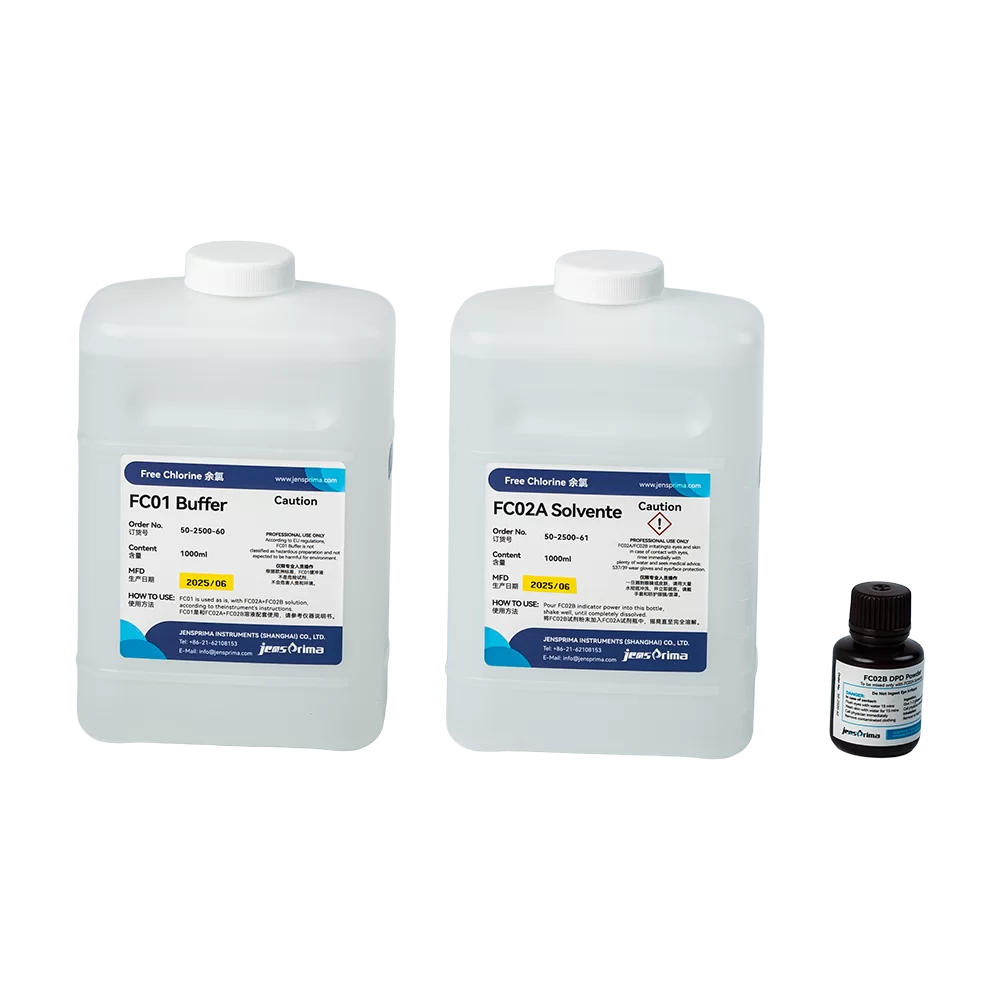
The choice between amperometric sensors and DPD colorimetric methods fundamentally alters the hardware requirements. Amperometric sensors offer continuous flow measurement with minimal reagent use, whereas colorimetric systems provide higher accuracy across diverse water matrices but require constant reagent consumption.
—
Drivers of Equipment Cost
The variance in residual chlorine analyzer price is rarely about the brand alone; it is primarily driven by the sensing technology and the environment for which the device is rated. High-precision sensors requiring temperature compensation and salinity correction inevitably command a premium due to the complex electronics involved in signal processing.
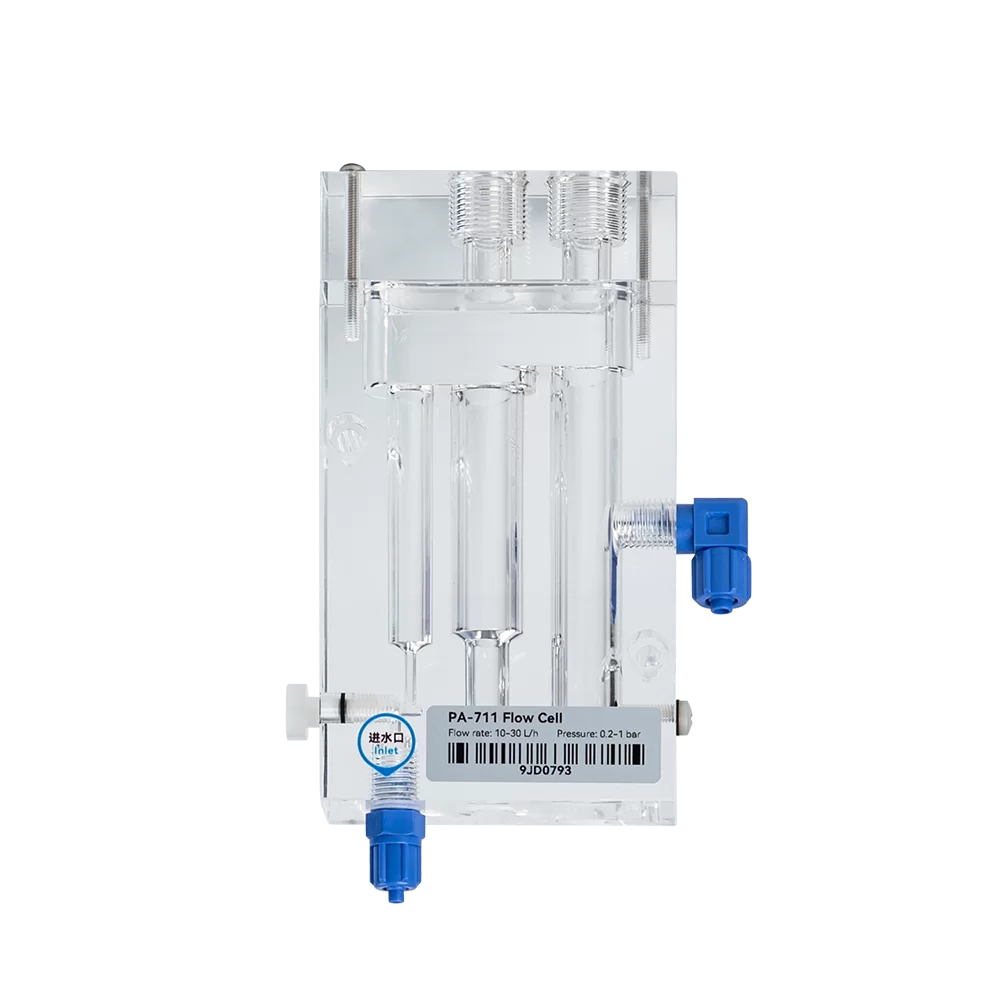
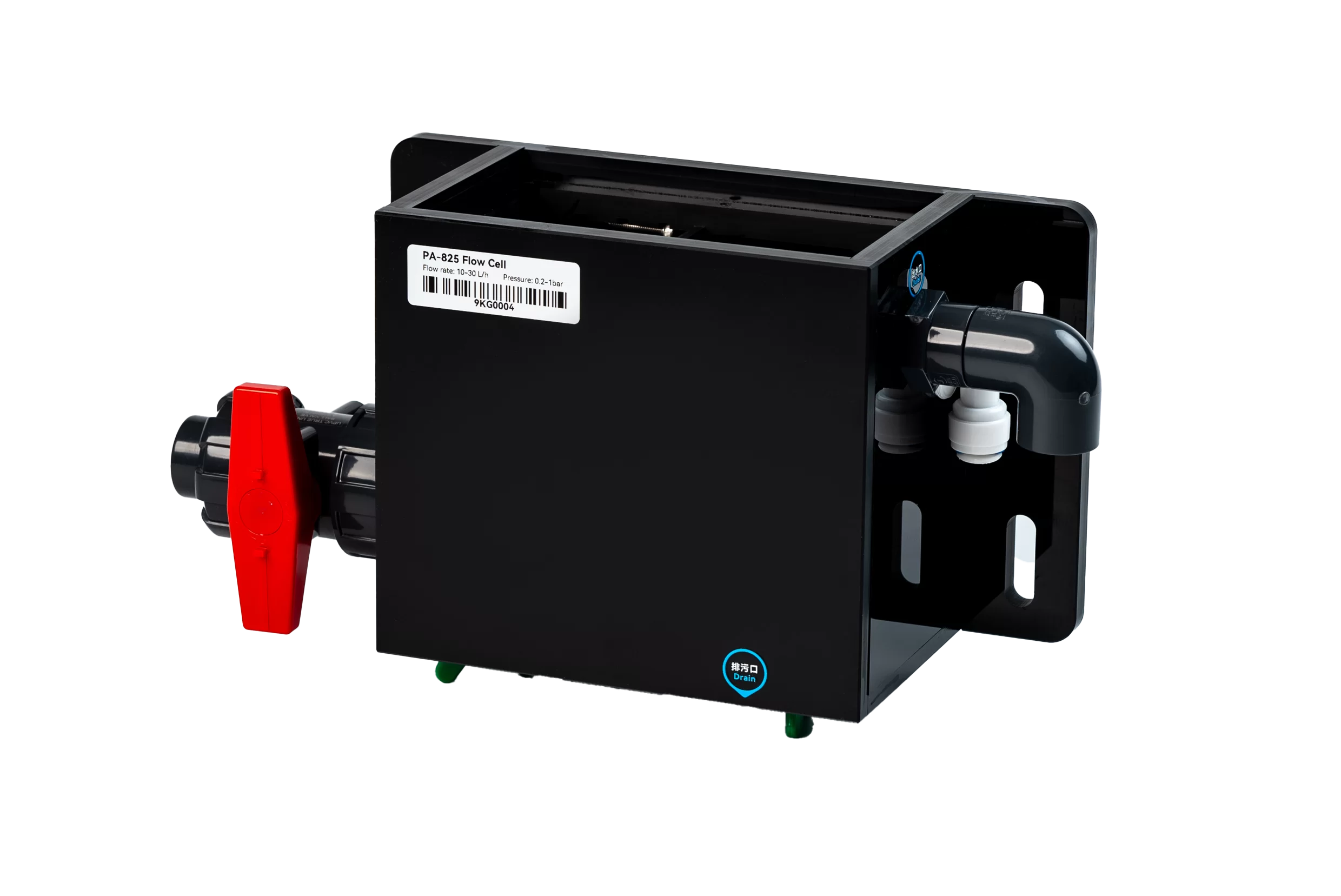
Construction materials play a significant role in pricing. In wastewater or saline environments, the use of corrosion-resistant plastics, titanium, or specialized alloys for the flow cell is necessary to prevent degradation. These material upgrades ensure that the instrument remains stable over years of operation rather than months.
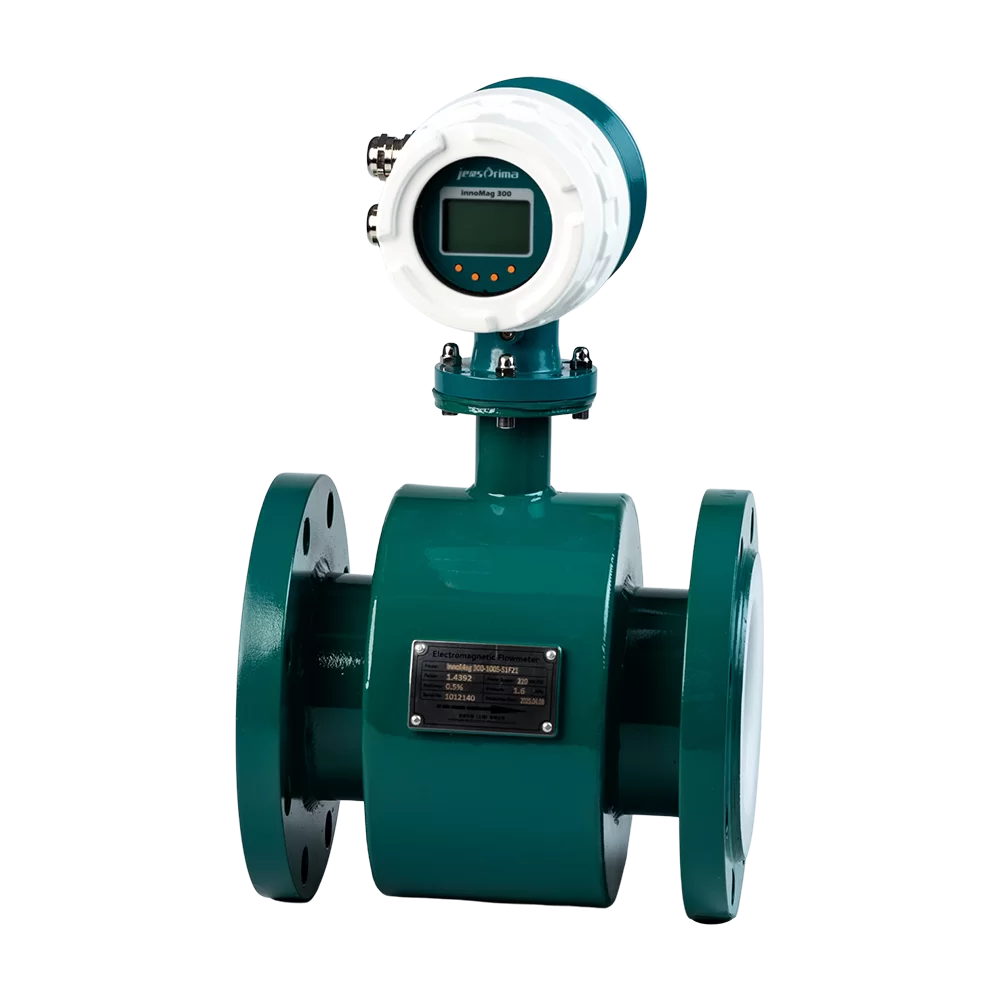
Furthermore, the level of automation—such as automatic cleaning cycles and self-calibrating software—shifts the product from a simple measurement tool to a comprehensive control system. Integration capabilities, including 4-20mA and RS485 Modbus outputs, add value by allowing the analyzer to communicate directly with plant-wide SCADA systems.
—
Evaluating Total Cost of Ownership
When evaluating the budget for water quality instrumentation, focusing solely on the initial purchase price is a common procurement error. The true cost of a residual chlorine analyzer is revealed through its operational expenses over a 3-to-5-year lifecycle.
The real economic value of an online analyzer is found in the reduction of labor costs for manual sampling and the optimization of chemical dosing, which often offsets the initial capital expenditure within the first year of operation.
Ongoing costs include reagent replenishment, sensor membrane replacement, and technician hours spent on calibration. A system with a higher initial price but longer calibration intervals and lower reagent consumption typically yields a lower Total Cost of Ownership (TCO) than a "budget" analyzer that requires weekly maintenance.
—
Comparing Analysis Methods
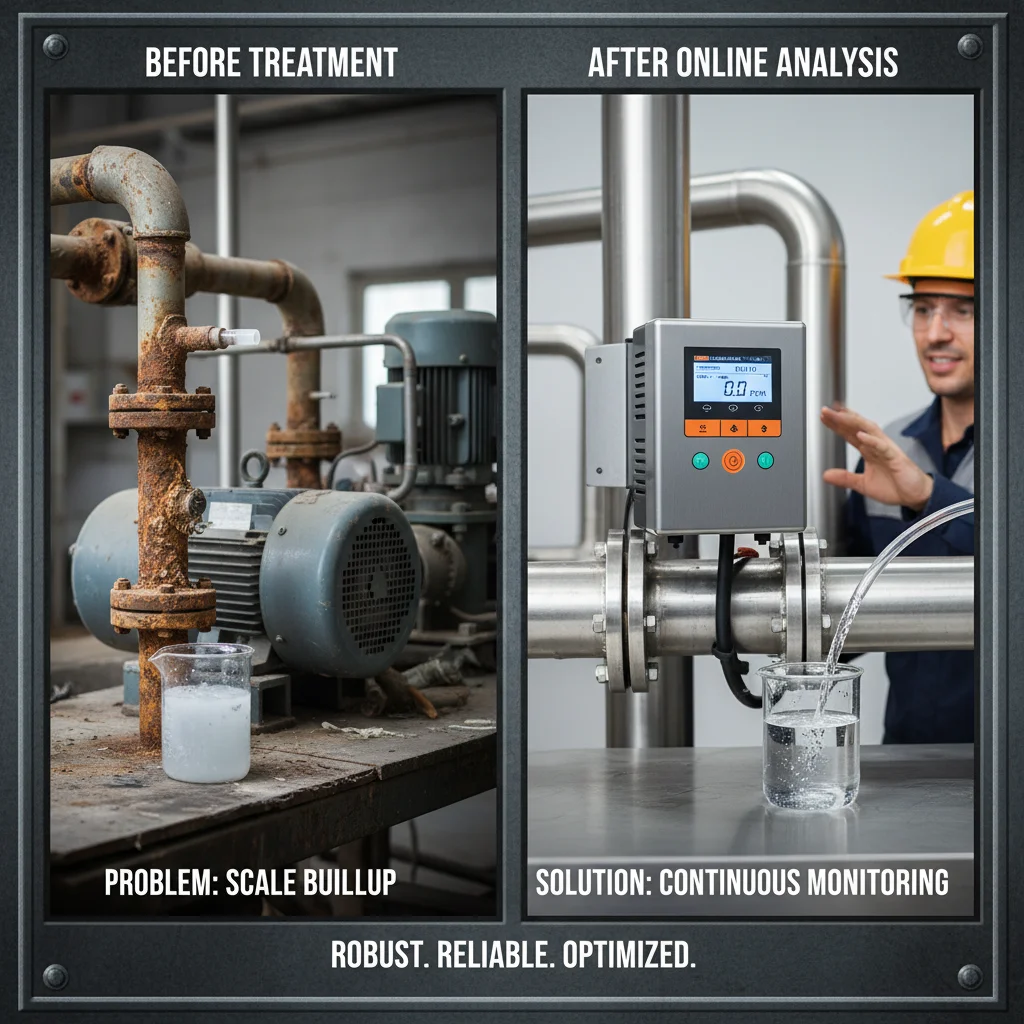
Comparing traditional manual lab testing with automated online systems reveals a stark contrast in operational efficiency. Manual testing provides a snapshot of a single moment but leaves massive "blind spots" between samples, increasing the risk of regulatory non-compliance.
Online systems provide a continuous stream of data, allowing for "real-time" adjustments to chlorine dosing pumps. This prevents the wasteful over-application of chemicals and ensures that water safety is maintained 24/7 without human intervention.
Figure 2. Operational Efficiency Index: Manual vs. Online Systems
—
Application Scenarios and Integration
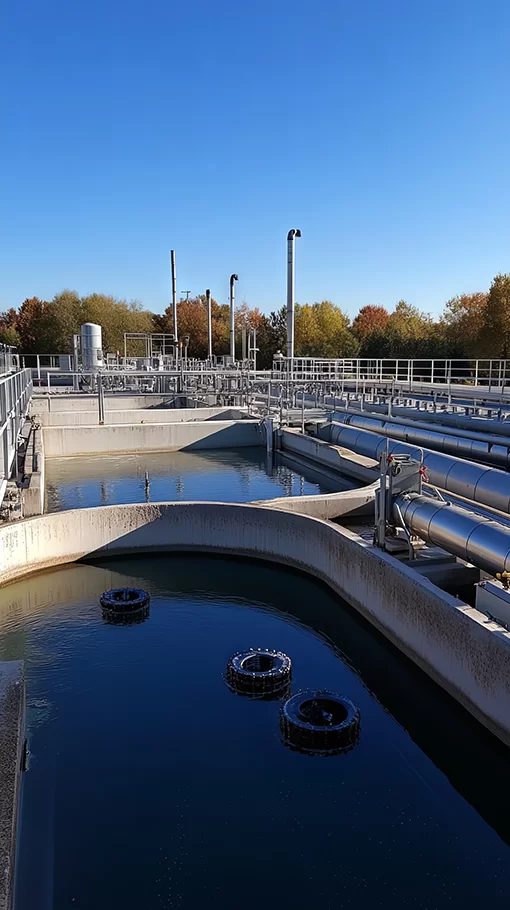
In a typical municipal water plant, residual chlorine analyzers are strategically placed at the contact tank outlet and at the furthest points of the distribution network. This ensure that the "chlorine residual" is sufficient to protect the water from pathogens throughout the entire pipe network.
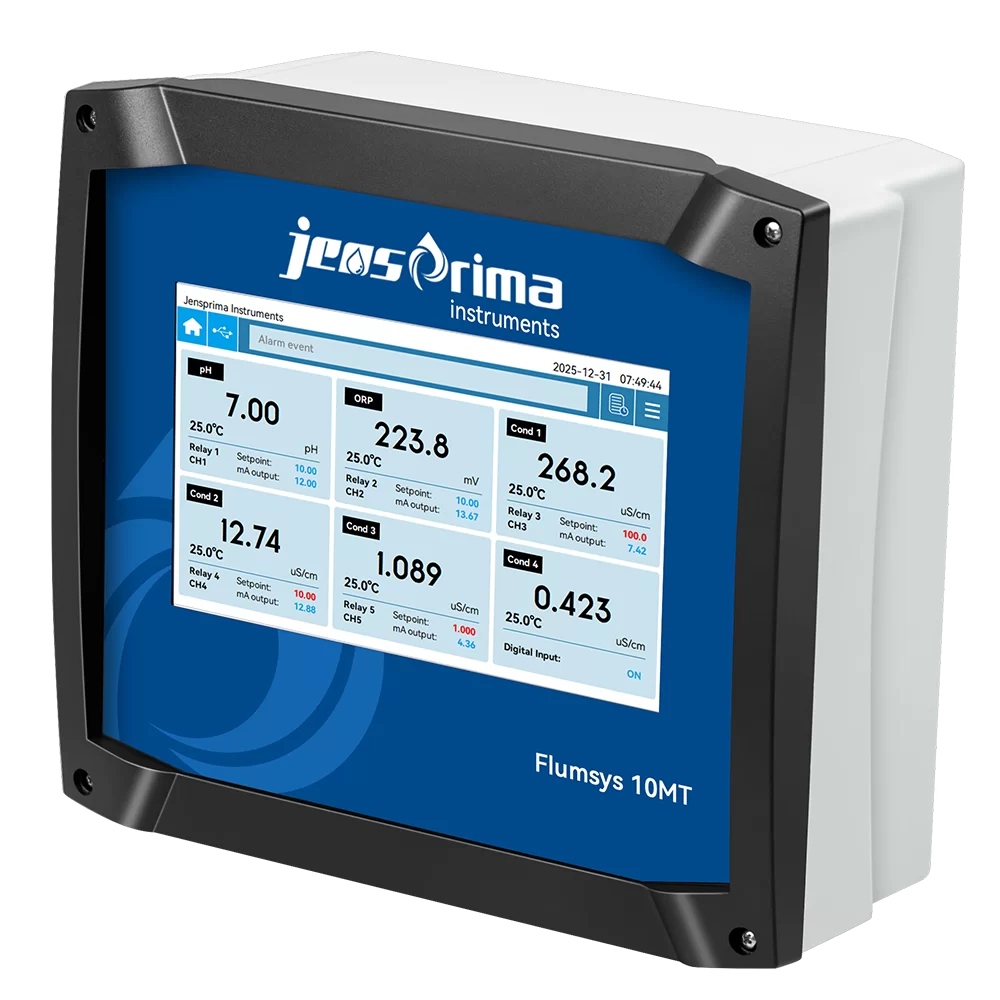
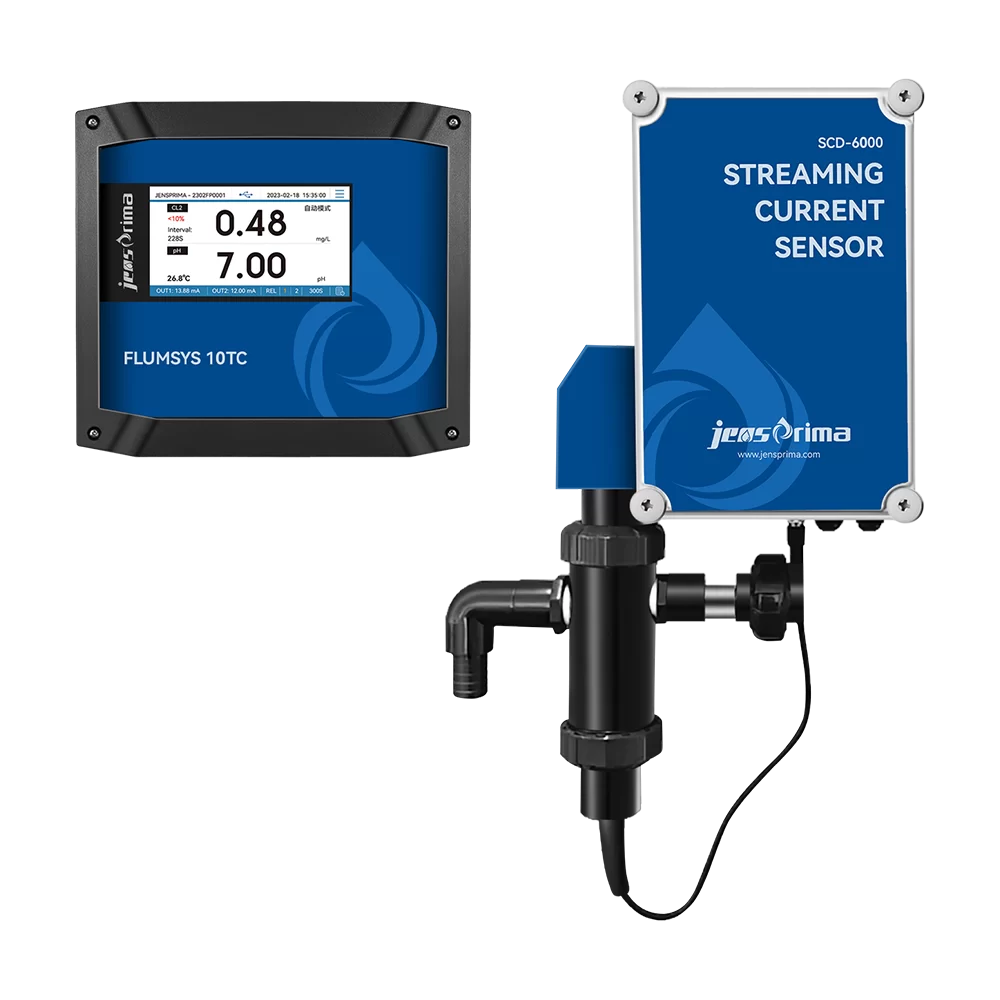
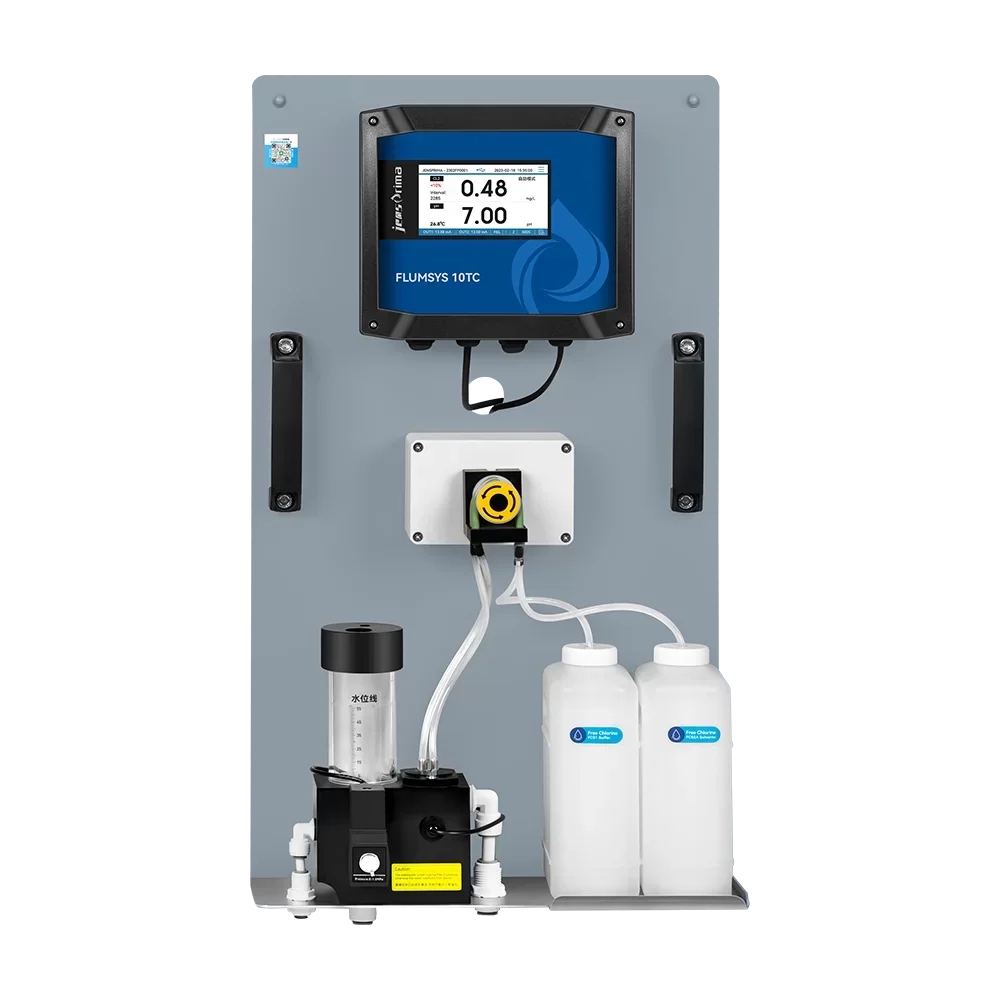
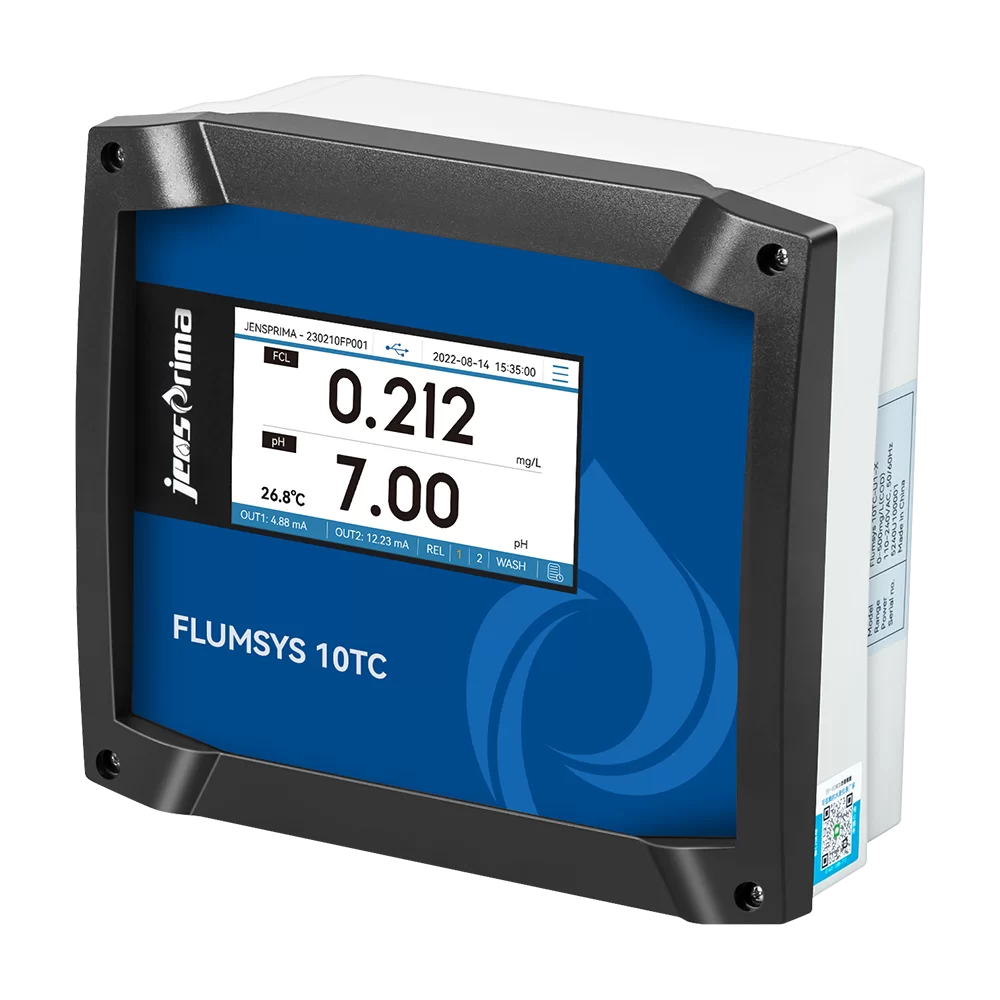
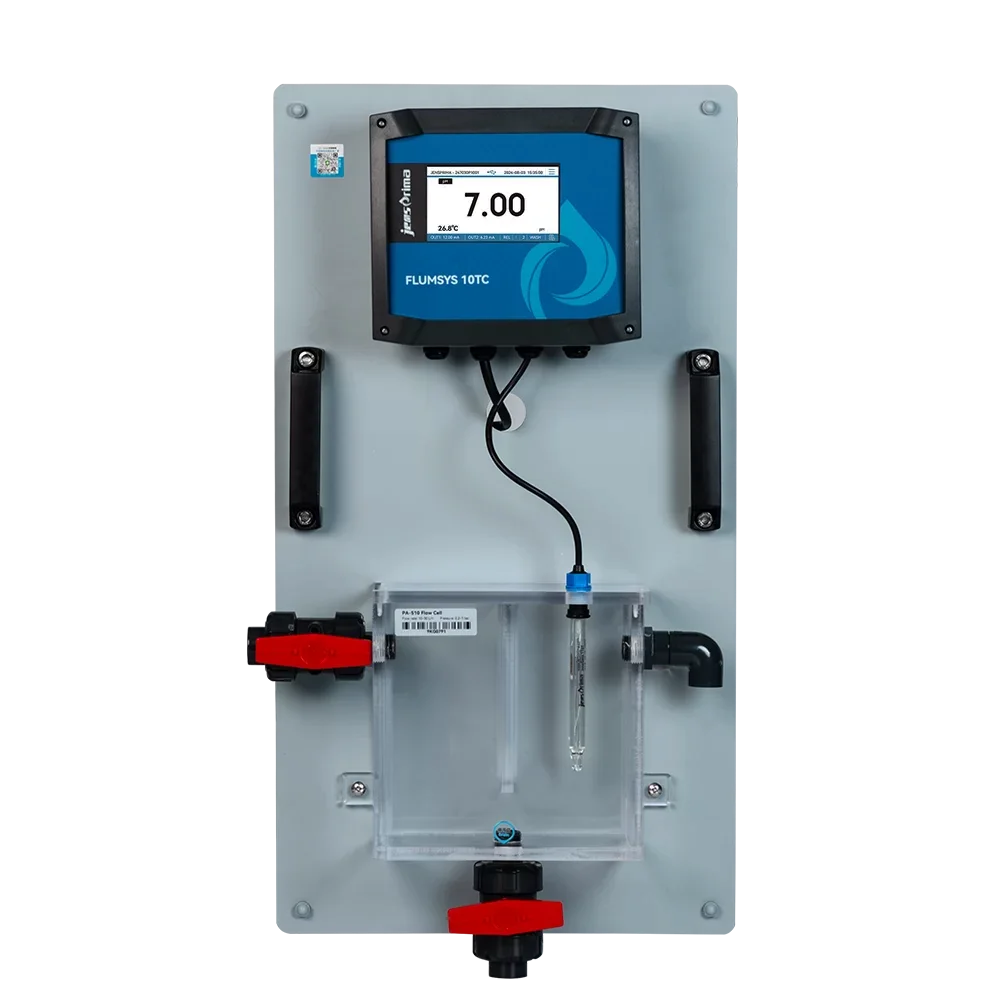
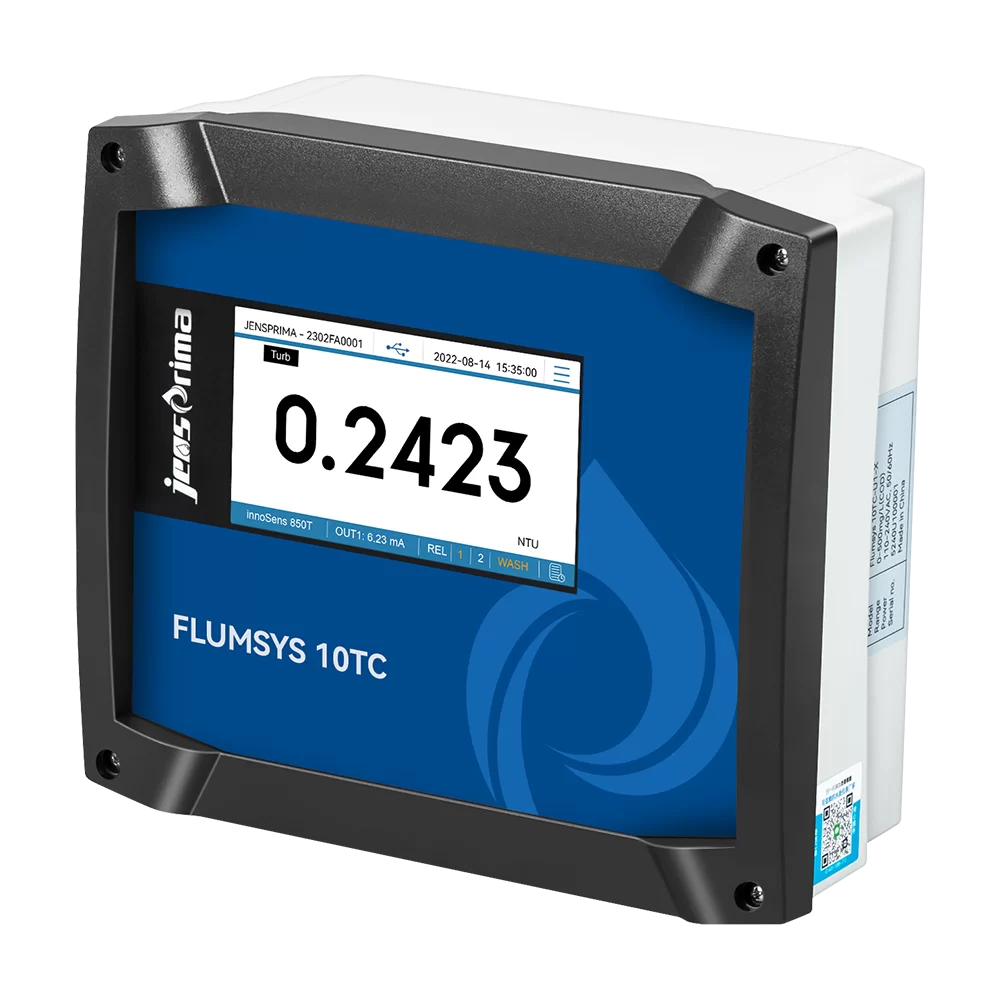
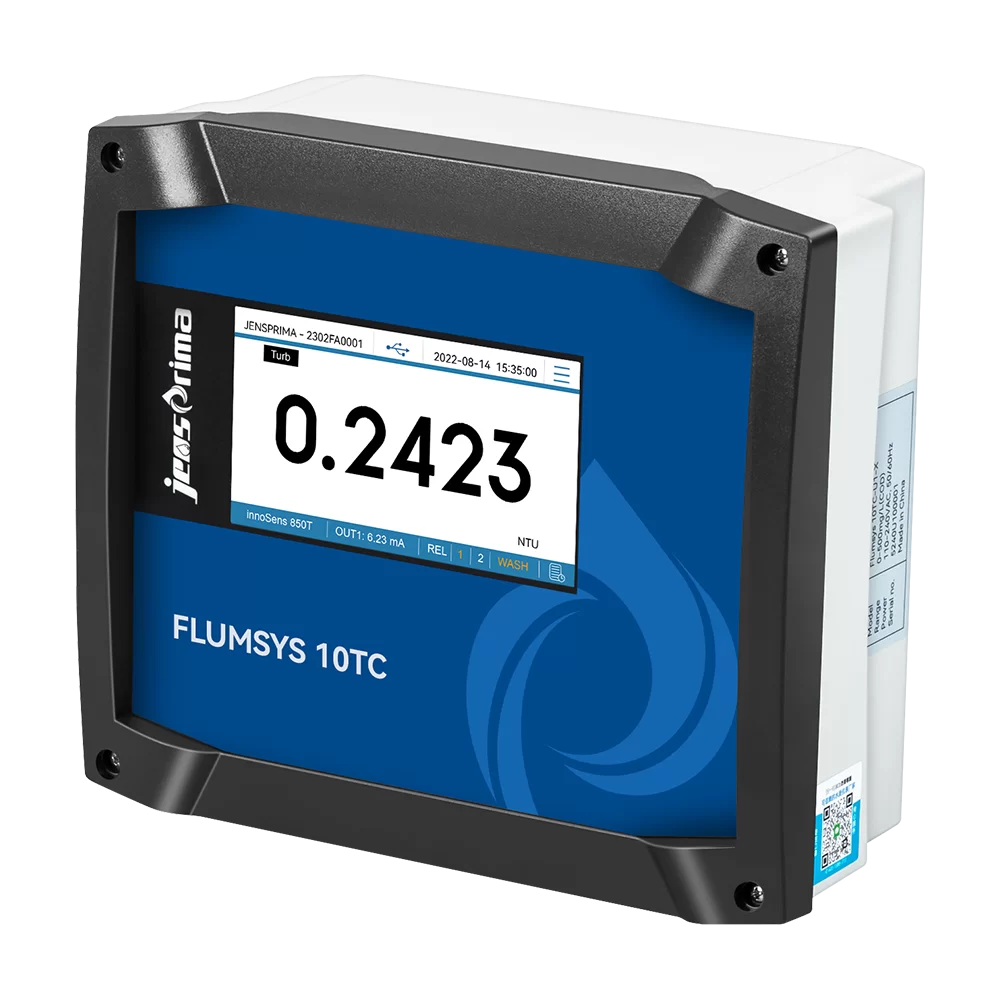
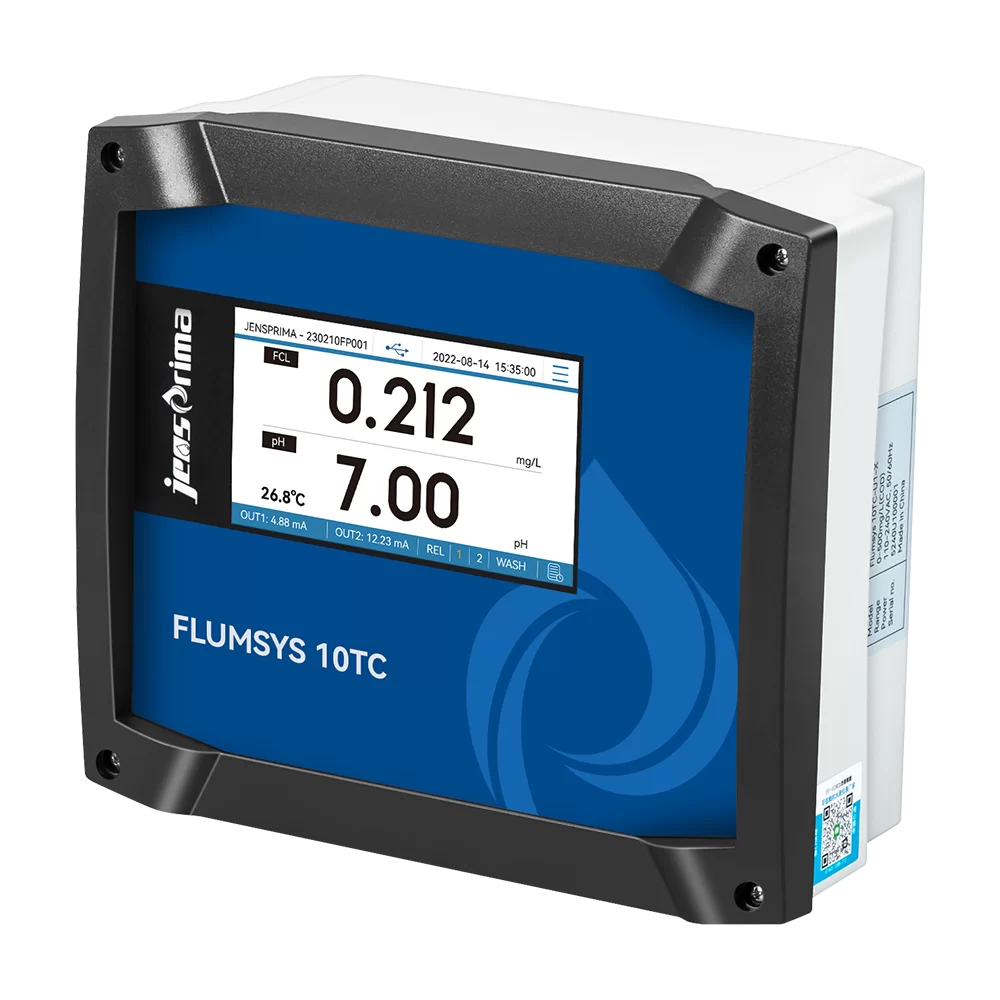
For industrial process control, such as in pharmaceutical manufacturing, the integration of analyzers like the Flumsys series allows for tight control of water purity. By pairing sensors with a high-performance controller, plants can automate the dosing of disinfectants, ensuring that the water meets strict purity standards without human error.
—
Digital Transformation in Water Quality
The industry is moving away from isolated instruments toward "smart" water networks. Modern analyzers now incorporate cloud-based data logging, which allows environmental engineers to analyze nutrient and chlorine trends over months or years, rather than relying on manual logbooks.
Remote diagnostic capabilities are becoming a standard requirement. Instead of sending a technician to a remote site to check a sensor's health, operators can now receive instant alerts via SMS or email when a parameter exceeds a safety limit or when the sensor requires calibration.
This shift toward digitalization is reducing the "compliance gap"—the period between a water quality failure and its detection. With continuous monitoring, the response time is reduced from days to seconds, effectively eliminating the risk of costly environmental fines.
—
Selection Framework for Operators
Choosing the correct analyzer requires a disciplined evaluation of the water matrix. Factors such as turbidity, dissolved oxygen levels, and the presence of other oxidizing agents can interfere with chlorine readings, necessitating the use of advanced filtration or interference-canceling algorithms.
Operators must weigh the trade-off between the lower initial cost of manual systems and the high efficiency of online controllers. While a manual kit has a negligible purchase price, the cumulative cost of reagents and labor over five years often exceeds the cost of an automated system.
The following framework provides a relative suitability index for different monitoring strategies based on typical industrial requirements.
Table 1. Comparison of Chlorine Monitoring Strategies by Operational Need
| Evaluation Factor |
Manual DPD Kits |
Amperometric Online |
Colorimetric Online |
| Real-time Response |
Low (Delayed) |
High (Instant) |
Medium (Cycle-based) |
| Operational Labor |
Very High |
Low |
Medium |
| Reagent Expense |
Medium |
Negligible |
High |
| Calibration Frequency |
N/A |
Weekly/Monthly |
Daily/Weekly |
| Accuracy (Diverse Water) |
High |
Medium |
Very High |
| Initial Capex |
Very Low |
Medium/High |
High |
◆ ◆ ◆
Questions & Answers
The price is primarily influenced by the detection technology (amperometric vs. colorimetric), the material of construction (such as corrosion-resistant alloys for harsh environments), and the level of automation. Features like automatic cleaning, temperature compensation, and advanced communication protocols (RS485 Modbus) add to the initial cost but reduce long-term operational expenses.
Online analyzers provide instantaneous data, allowing the dosing pumps to be controlled by a feedback loop. Instead of dosing based on a fixed timer or a manual sample from hours ago, the system only adds the exact amount of chlorine needed to maintain the set point, eliminating the common practice of "over-dosing" to ensure safety.
For high-salinity environments, specialized sensors are required to avoid ionic interference. While basic amperometric sensors may struggle, high-end industrial analyzers designed for saline water—often paired with specific ion-selective membranes—provide the necessary stability. It is critical to verify the sensor's salinity compensation range during the selection process.
Depending on the water quality and the sensor type, calibration is typically recommended every 2 to 4 weeks. However, advanced controllers simplify this through guided menus, and some high-stability sensors can extend this interval. Regular calibration ensures that sensor drift does not lead to inaccurate dosing or compliance failures.
Yes, most industrial-grade analyzers are designed for seamless integration. They typically offer standard 4-20mA analog outputs for simple signaling and RS485 Modbus communication for more detailed data exchange with PLC and SCADA systems, allowing the analyzer to act as a trigger for automated dosing or alarm systems.
Even for smaller plants, the investment is often justified by the reduction in risk. The cost of a single environmental fine or a water contamination event can far exceed the purchase price of an analyzer. Additionally, the reduction in manual labor and chemical waste creates a tangible return on investment over a short period.
◆ ◆ ◆
Final Thoughts
Selecting a residual chlorine analyzer is a strategic decision that balances immediate capital expenditure against long-term operational reliability. While the initial price point is a necessary consideration, the true value lies in the system's ability to provide continuous, accurate data that protects both the environment and the organization's regulatory standing.
As water treatment moves toward greater automation and digital oversight, the integration of high-precision sensors and intelligent controllers is no longer a luxury but a necessity for efficient production and sustainable water management.




 Download
 Video Center
 Technical Services
 FAQS
 Service Network
 Privacy Policy
 Contact Us