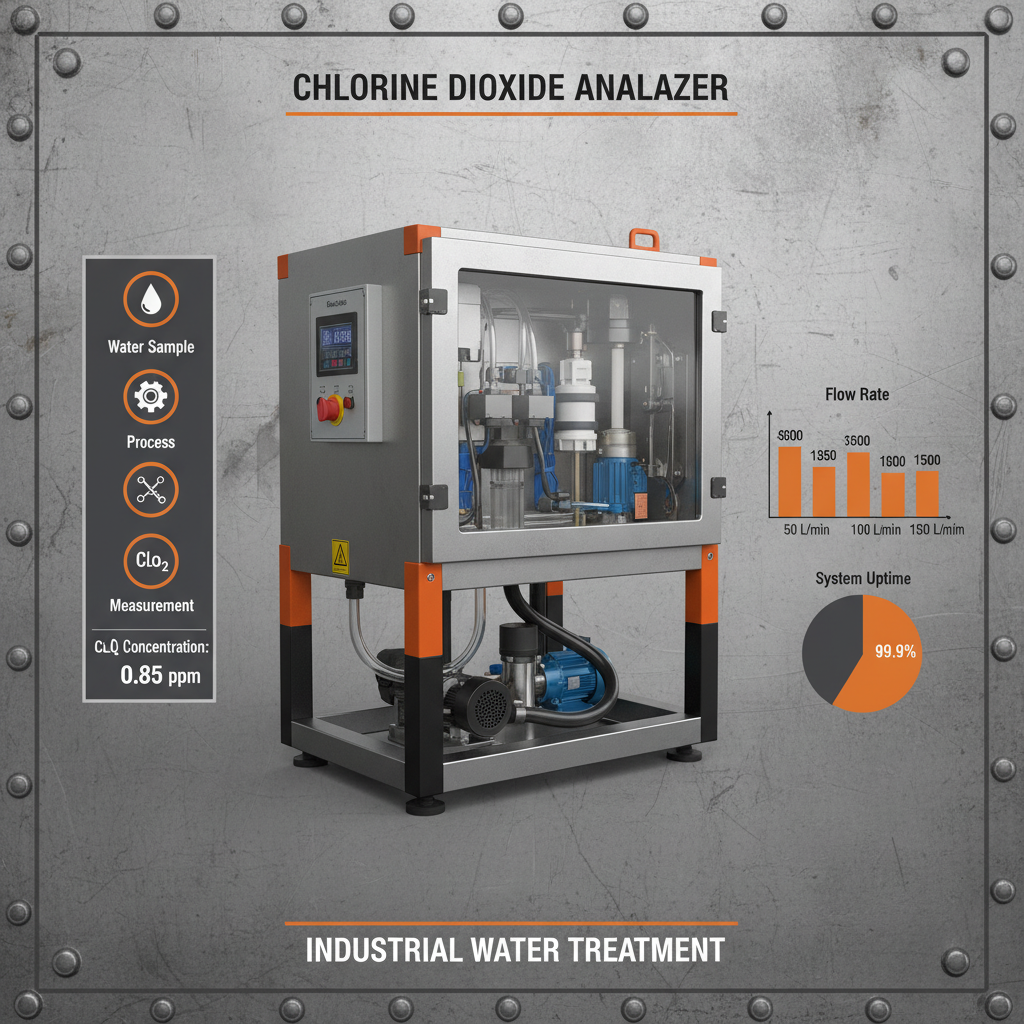
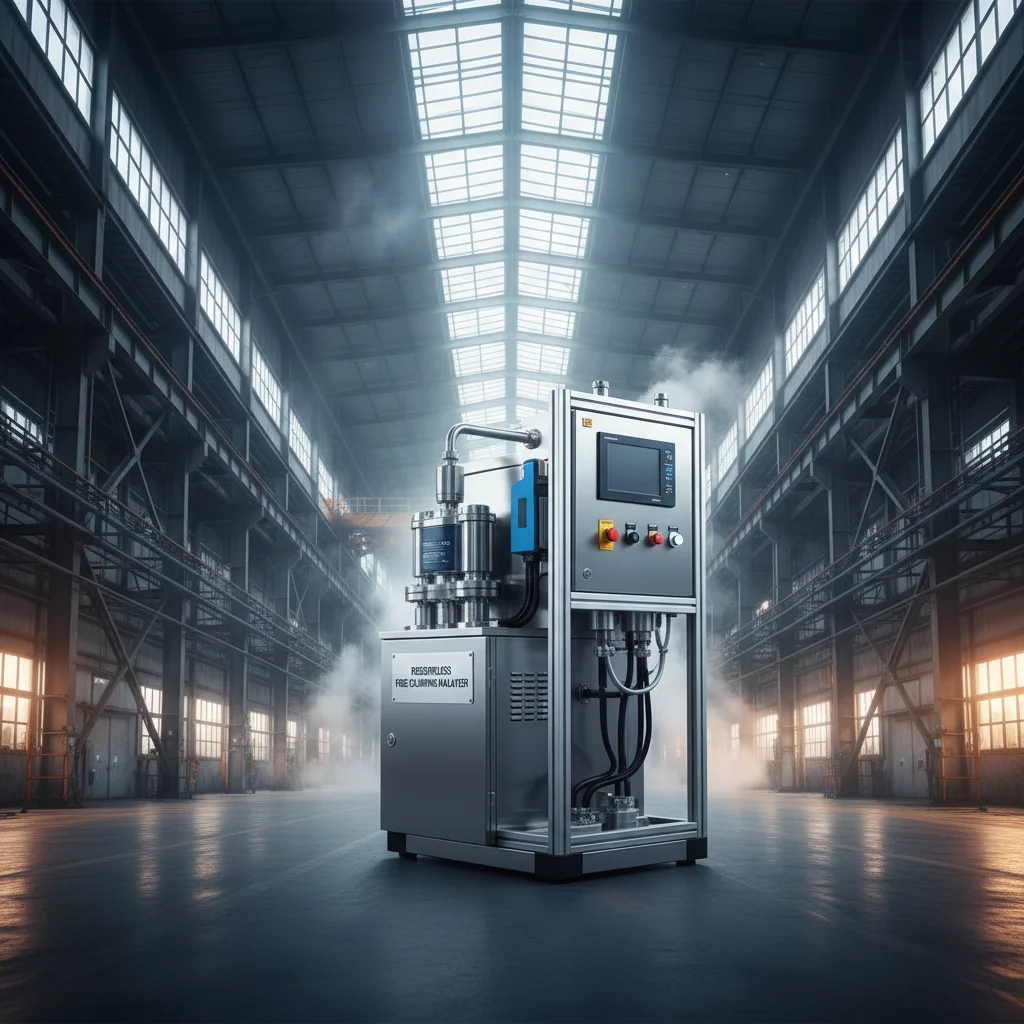
Maintaining precise water chemistry is a cornerstone of modern industrial hygiene and public safety, particularly when utilizing potent oxidants for disinfection. The implementation of a high-precision chlorine dioxide analyzer ensures that disinfection levels remain within a strict therapeutic window, preventing both under-treatment—which risks microbial breakthroughs—and over-treatment, which can lead to equipment corrosion and regulatory non-compliance.
Across the globe, the shift toward chlorine dioxide (ClO2) over traditional chlorine gas is driven by its superior efficacy against biofilms and its ability to remain stable across wider pH ranges. However, because ClO2 is a volatile and powerful gas dissolved in water, real-time monitoring is not just an operational preference but a critical safety requirement to ensure worker protection and environmental stewardship.
Understanding the nuances of a chlorine dioxide analyzer allows facility managers to optimize chemical consumption, reduce operational costs, and guarantee that the water leaving their plant meets the most stringent international health standards. By leveraging advanced sensing technology, industries can transition from reactive dosing to proactive, automated control.
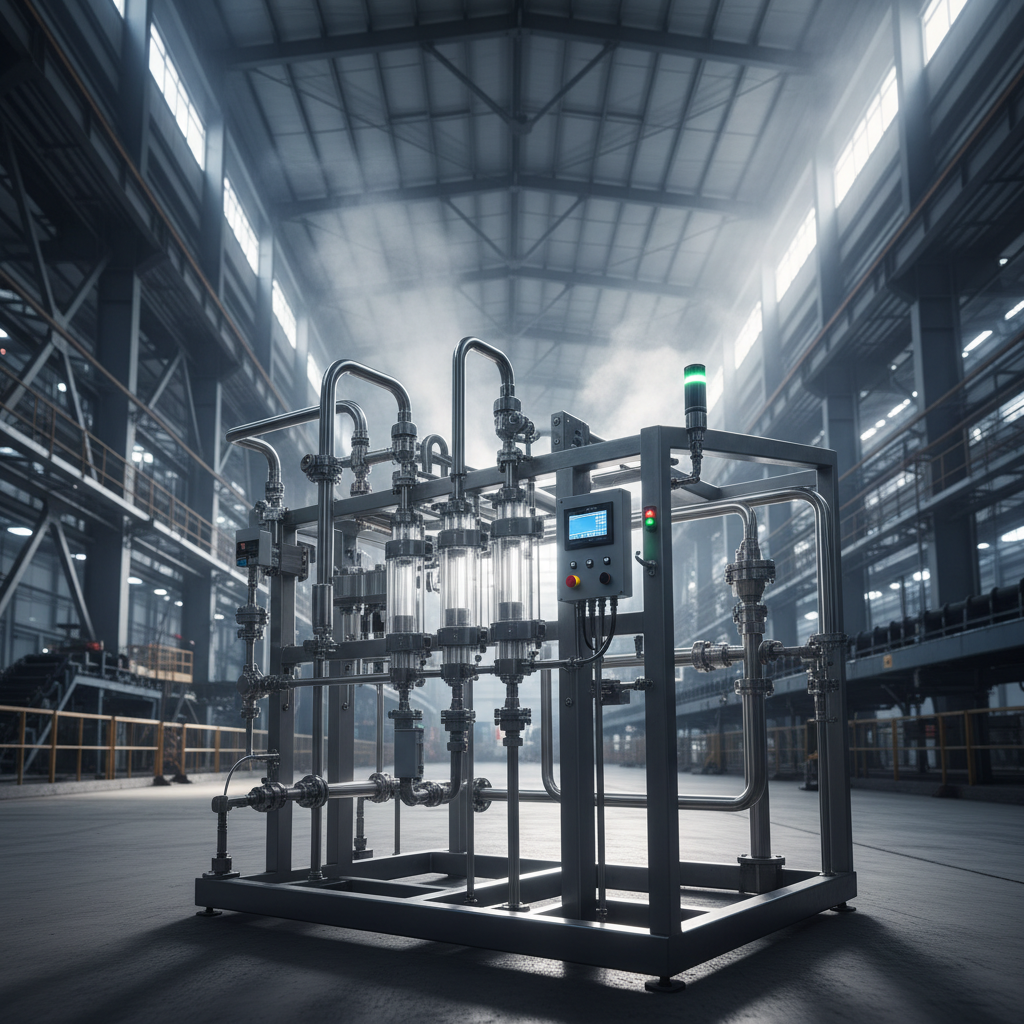
Global Relevance of Chlorine Dioxide Analyzer
In the context of global water scarcity and the increasing prevalence of waterborne pathogens, the role of the chlorine dioxide analyzer has become paramount. International guidelines, such as those provided by the World Health Organization (WHO) and various ISO standards, emphasize the need for stable residual disinfectants in municipal and industrial water loops to prevent the spread of Legionella and other hazardous bacteria.
The primary challenge facing modern plants is the volatile nature of chlorine dioxide. Unlike liquid bleach, ClO2 decomposes under UV light and high temperatures, meaning a dose that is correct at the injection point may be insufficient by the time it reaches the furthest point of the distribution network. This creates a critical need for continuous, automated analysis to prevent "dead zones" in the piping system.
Defining the Chlorine Dioxide Analyzer
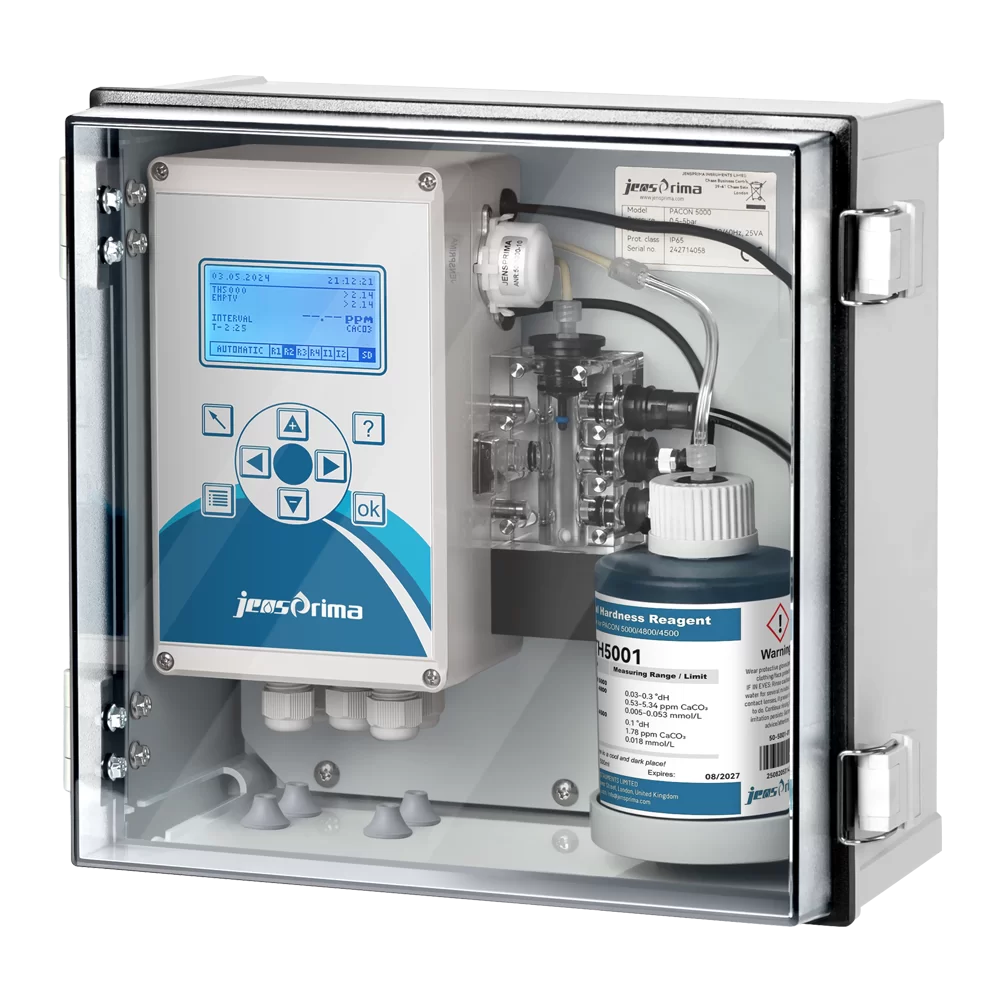
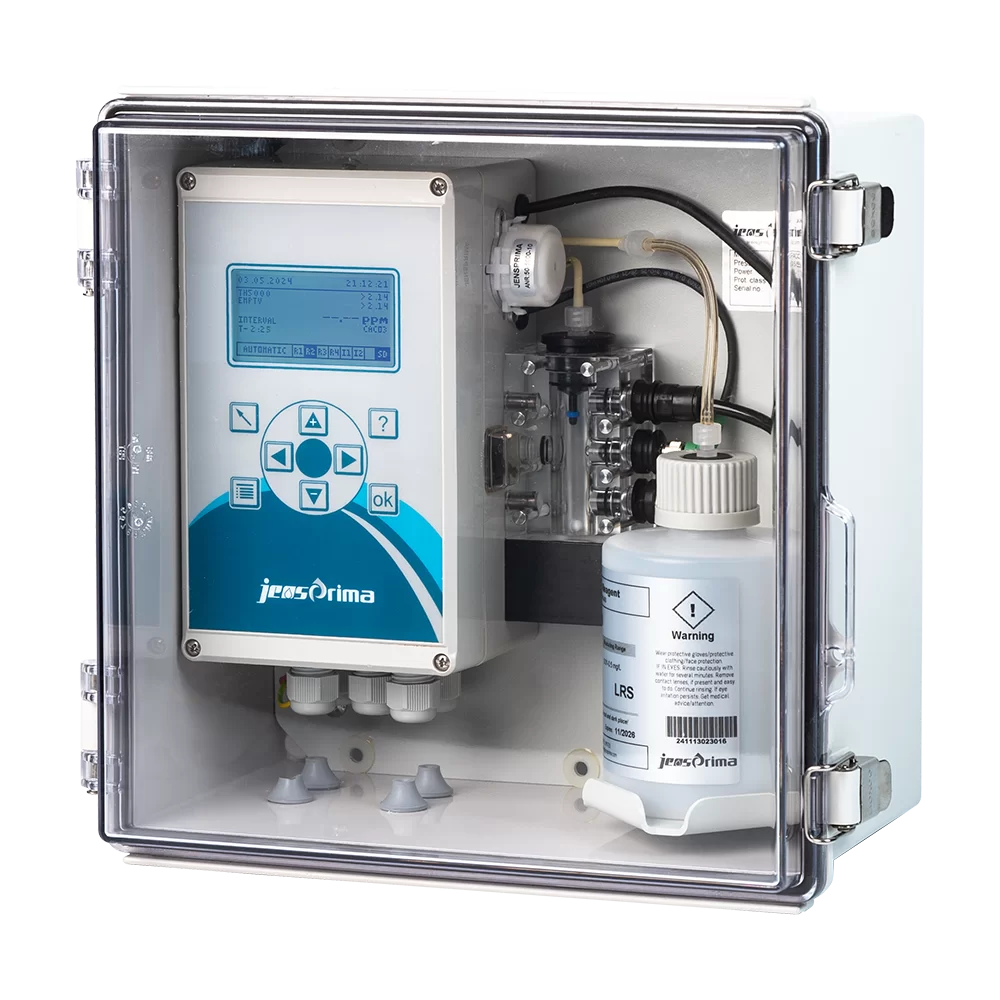
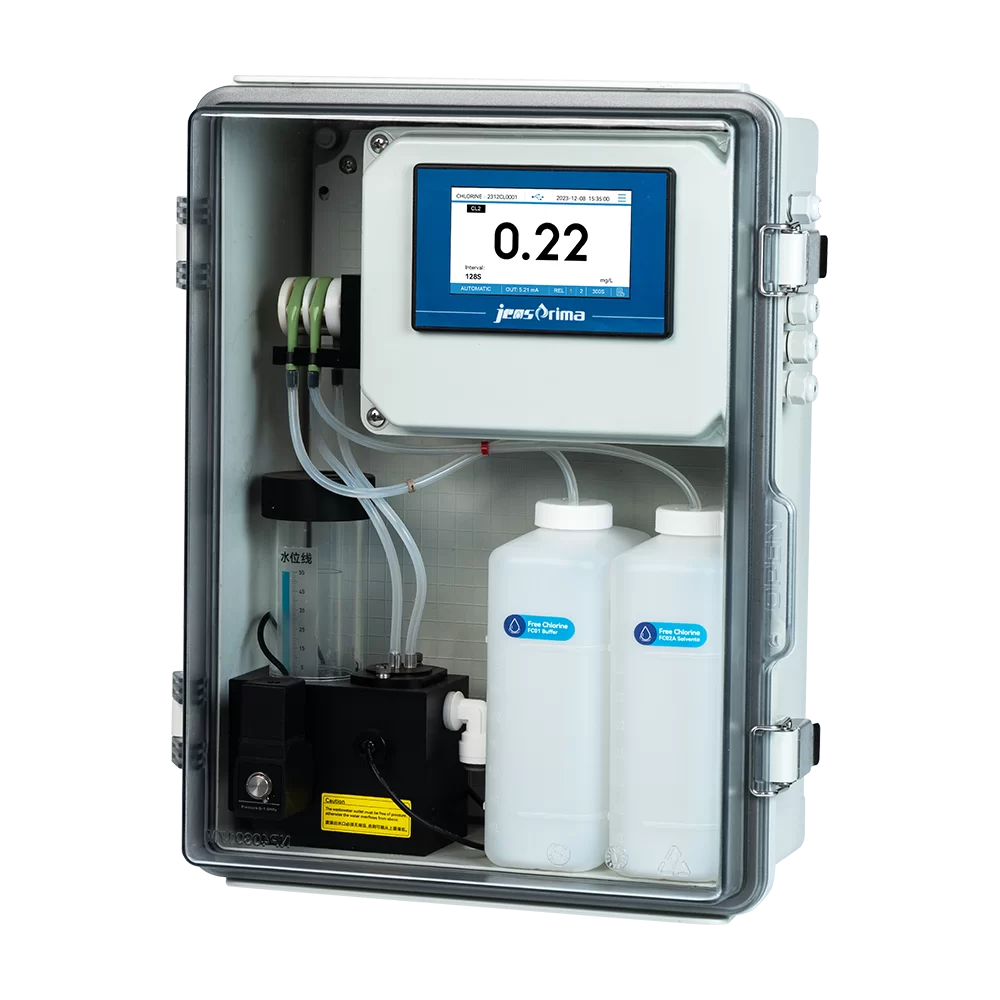
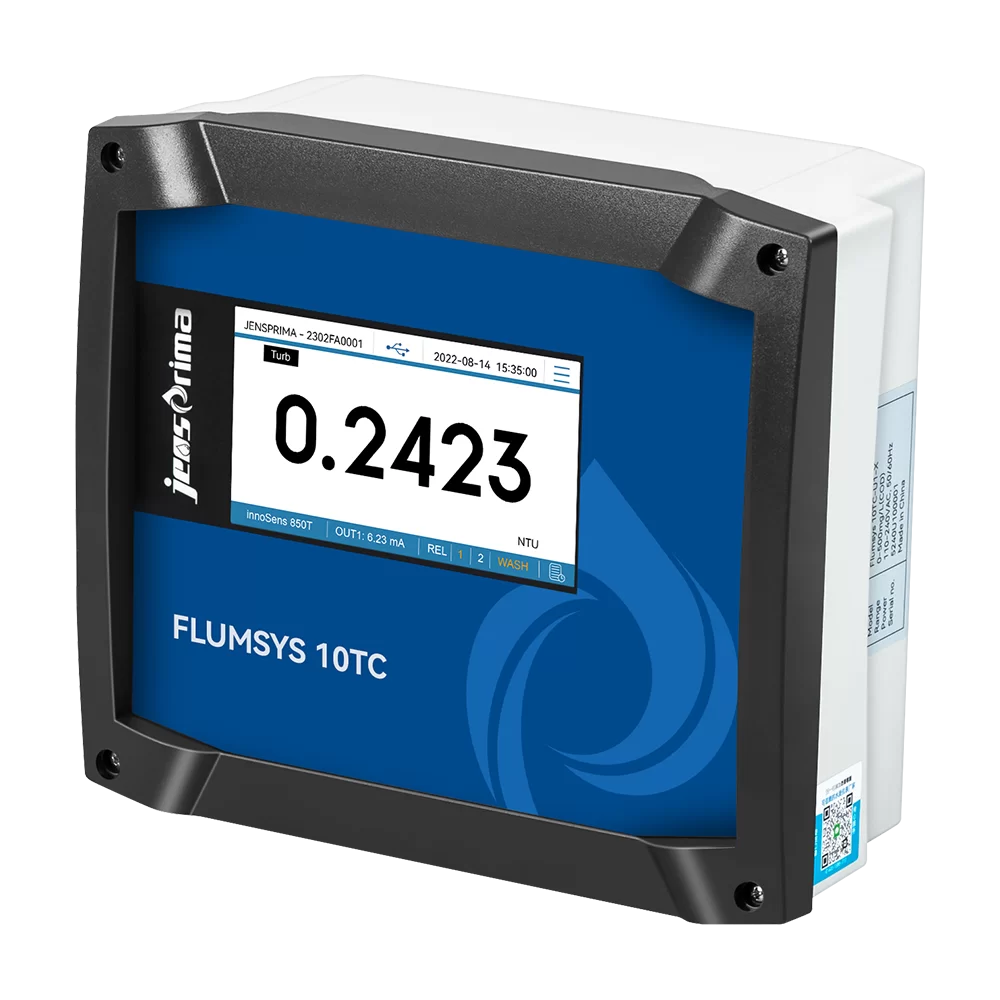
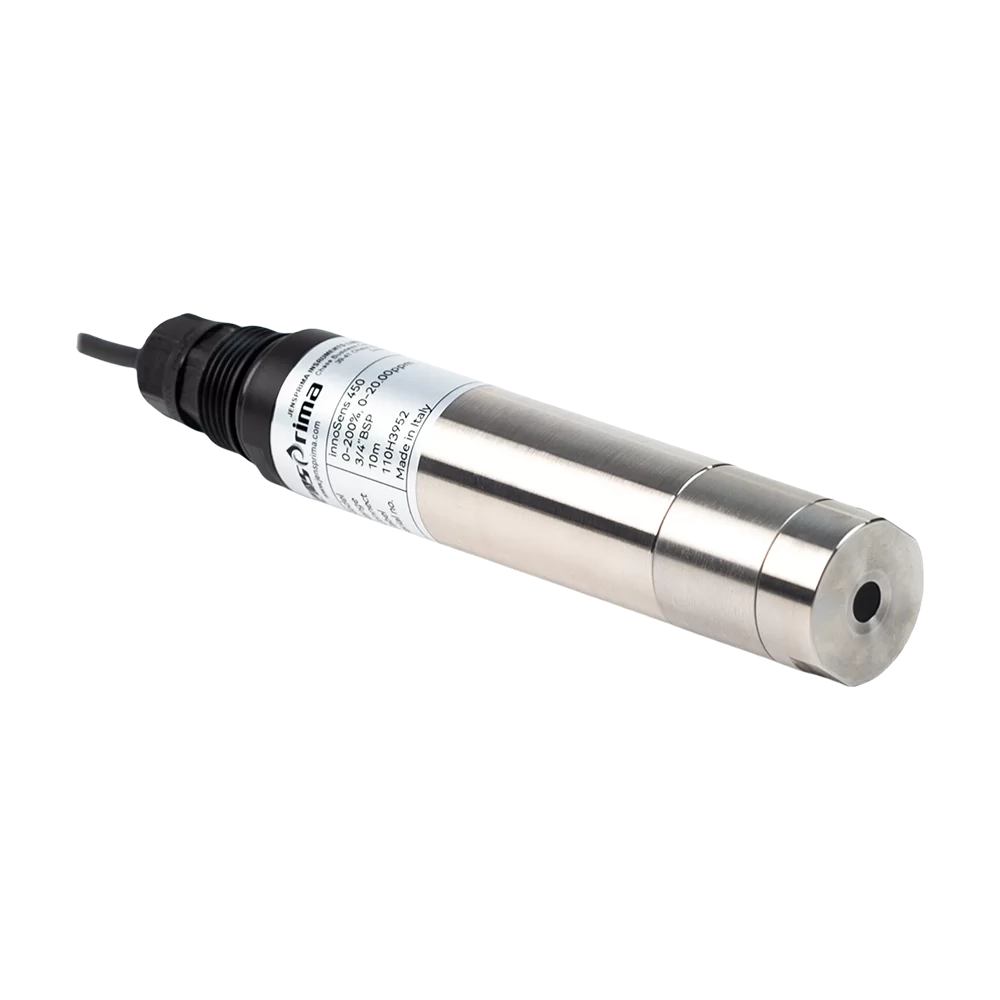
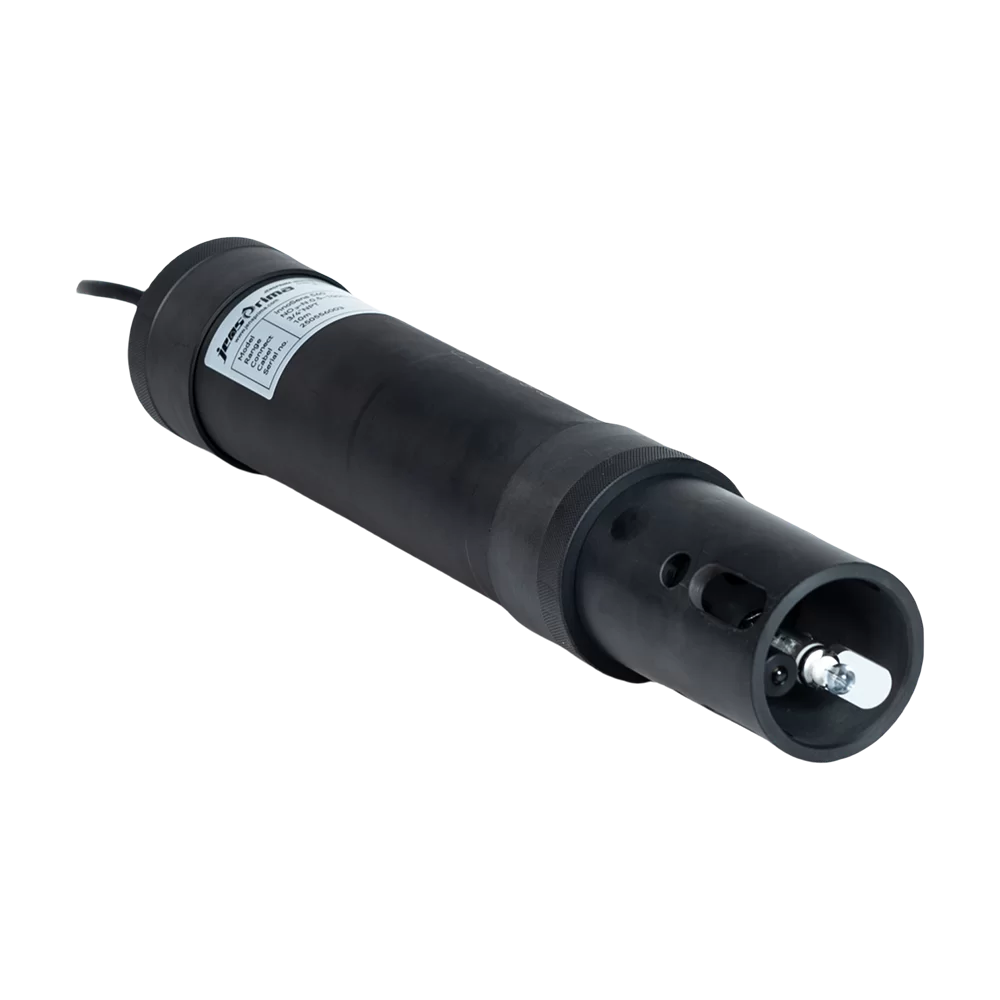
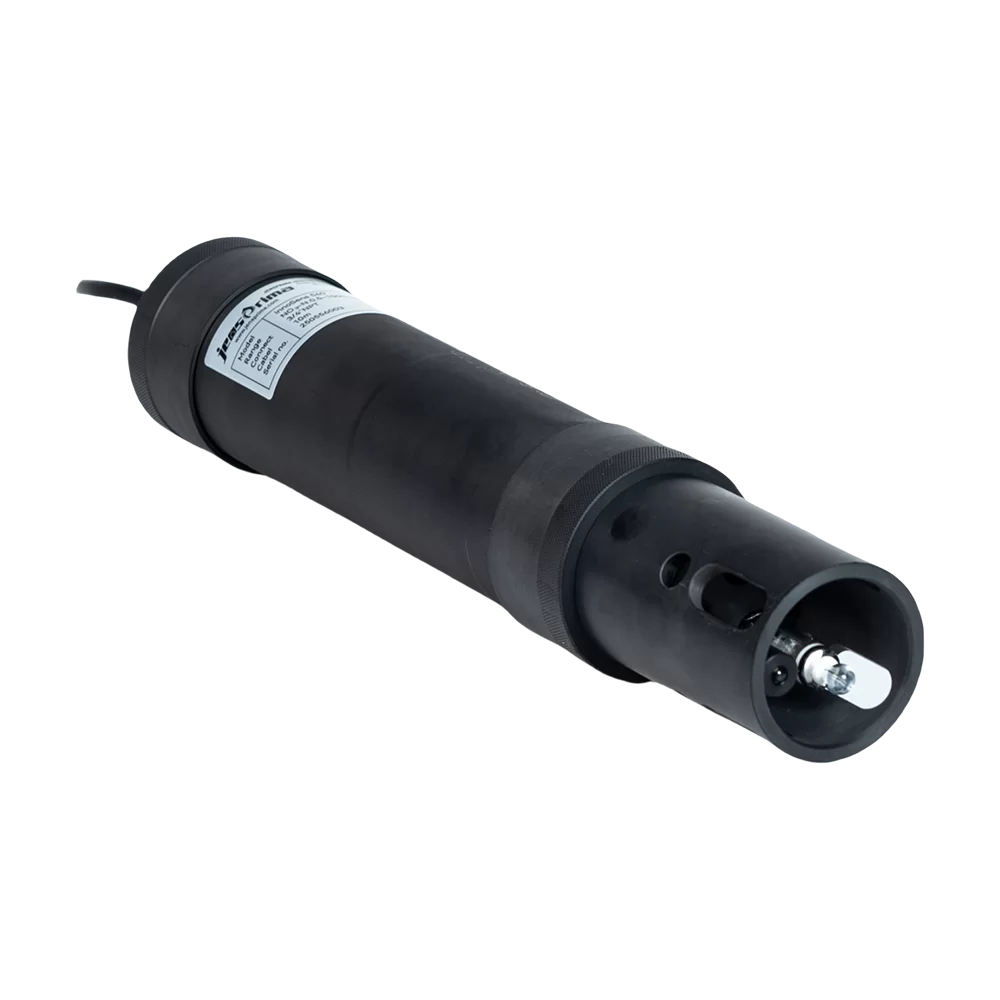
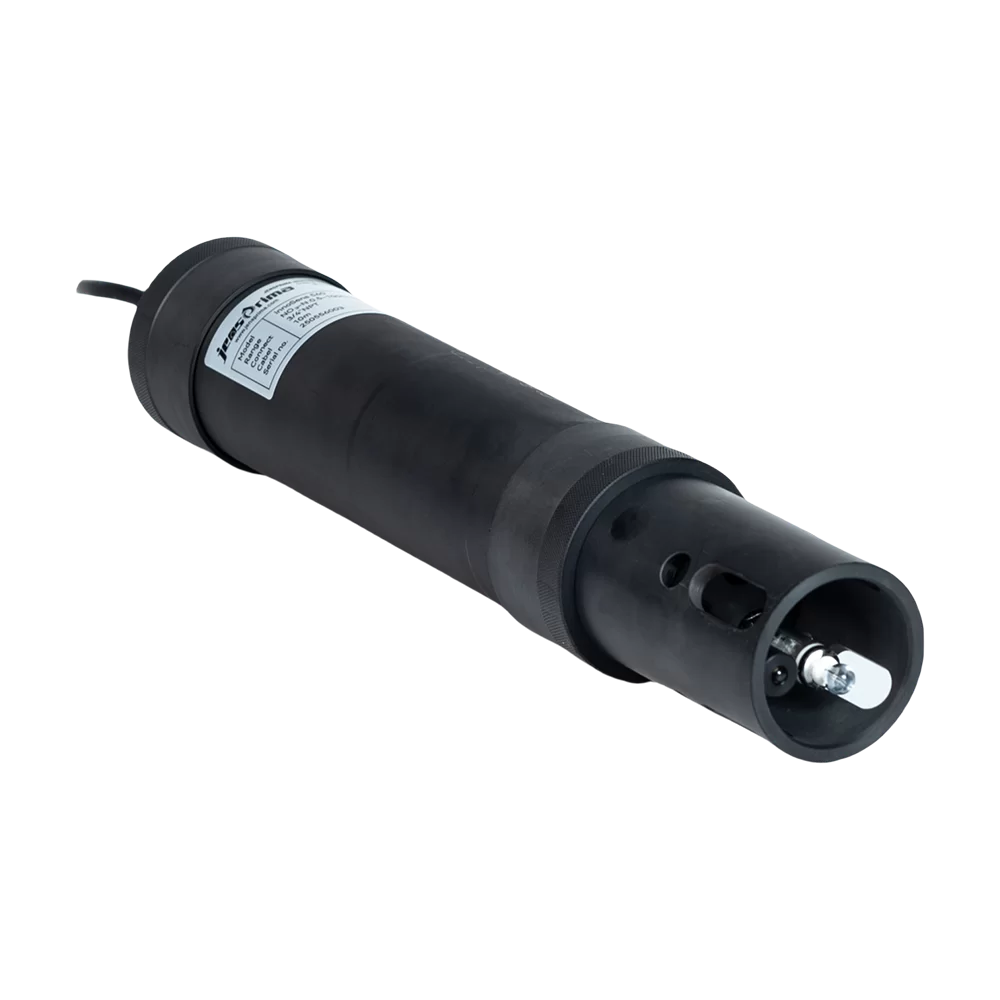
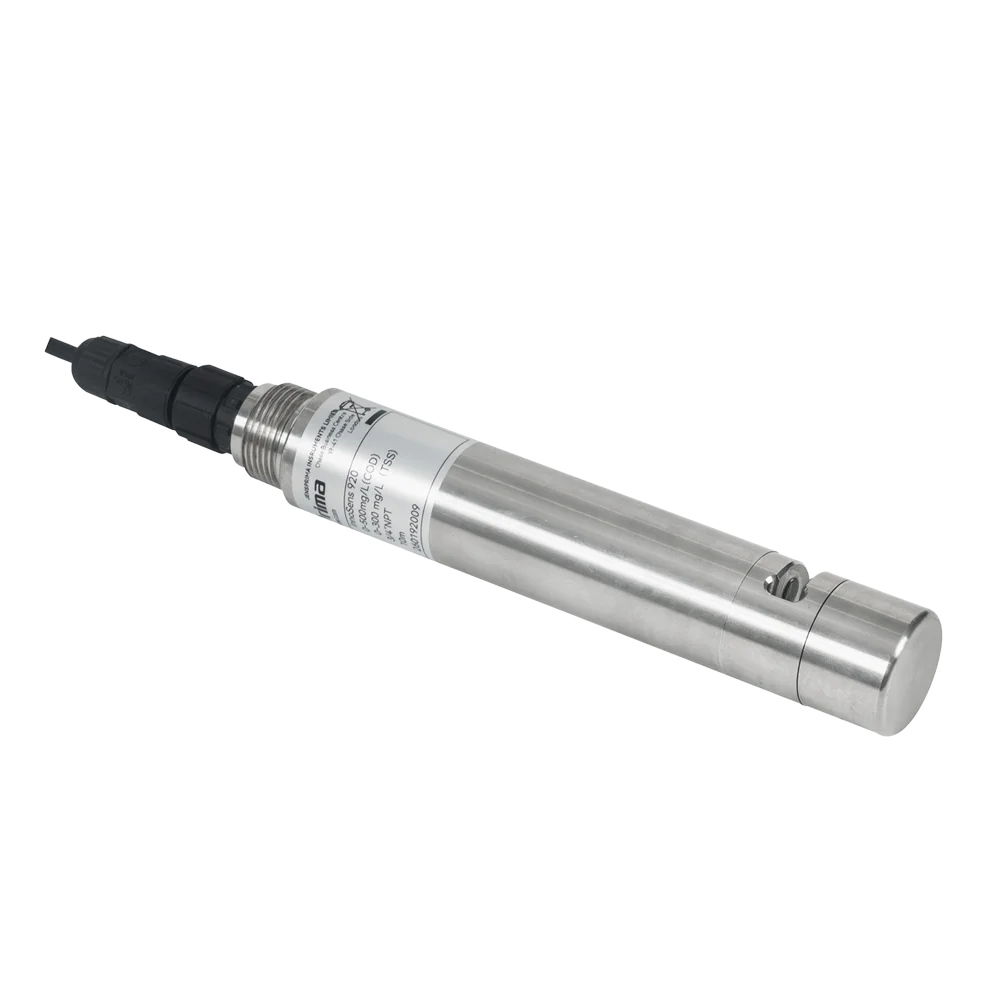
A chlorine dioxide analyzer is a sophisticated analytical instrument designed to measure the concentration of dissolved chlorine dioxide in an aqueous solution in real-time. These devices typically employ amperometric or colorimetric methods to detect the specific oxidation potential of ClO2, distinguishing it from other oxidants like free chlorine or ozone to provide a precise reading of the active disinfectant.
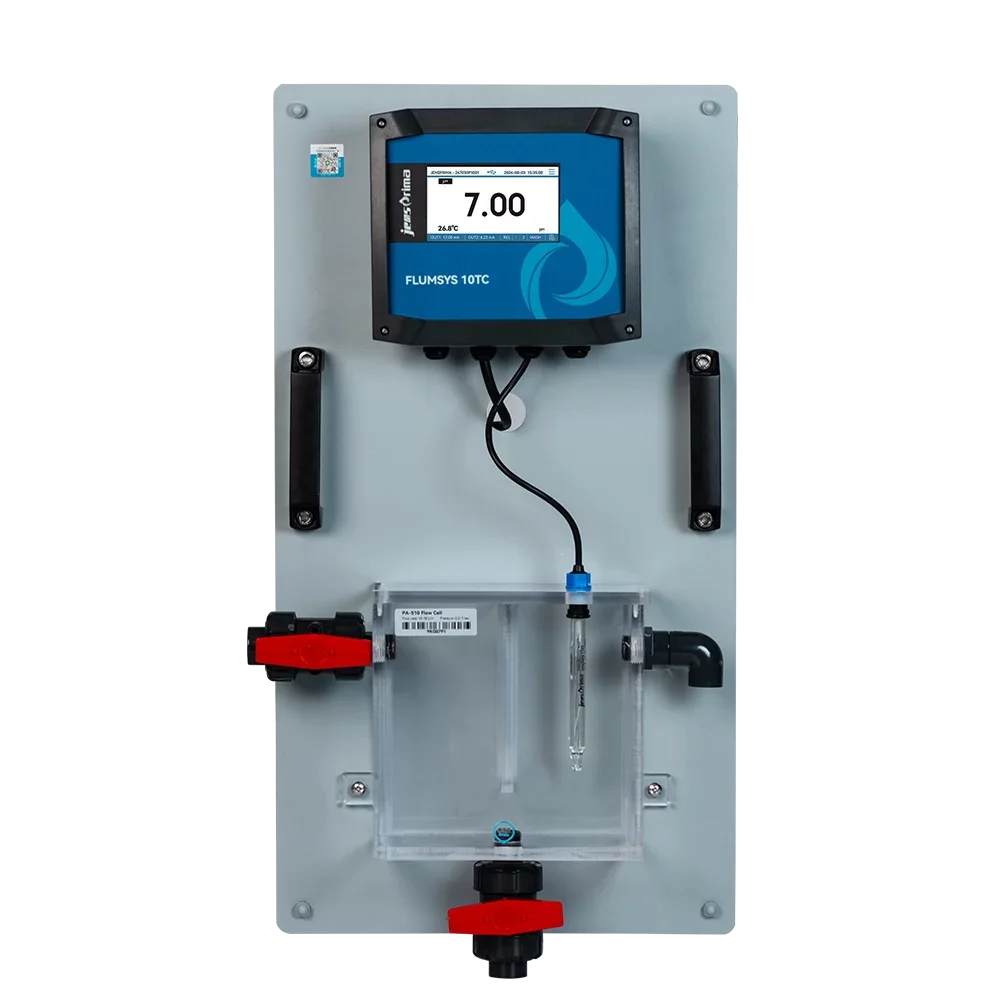
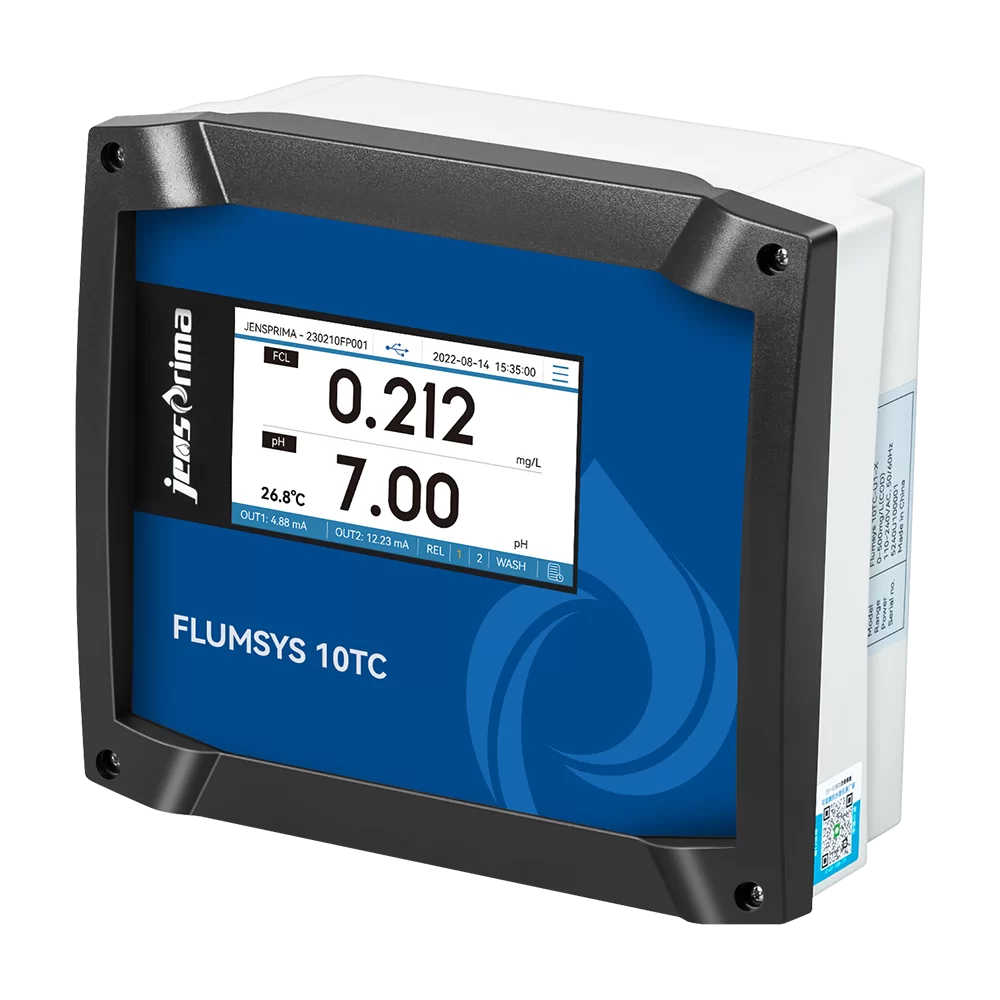
Beyond simple measurement, these analyzers serve as the "eyes" of the water treatment system. By integrating with a controller, they create a closed-loop feedback system where the analyzer detects a drop in concentration and triggers the dosing pump to increase output, ensuring a constant, safe level of disinfection without human intervention.
In modern industry, this technology is indispensable for humanitarian and health-related needs, such as ensuring the sterility of pharmaceutical grade water or the safety of drinking water in remote regions where manual titration is impractical and error-prone.
Core Components of Precision Monitoring
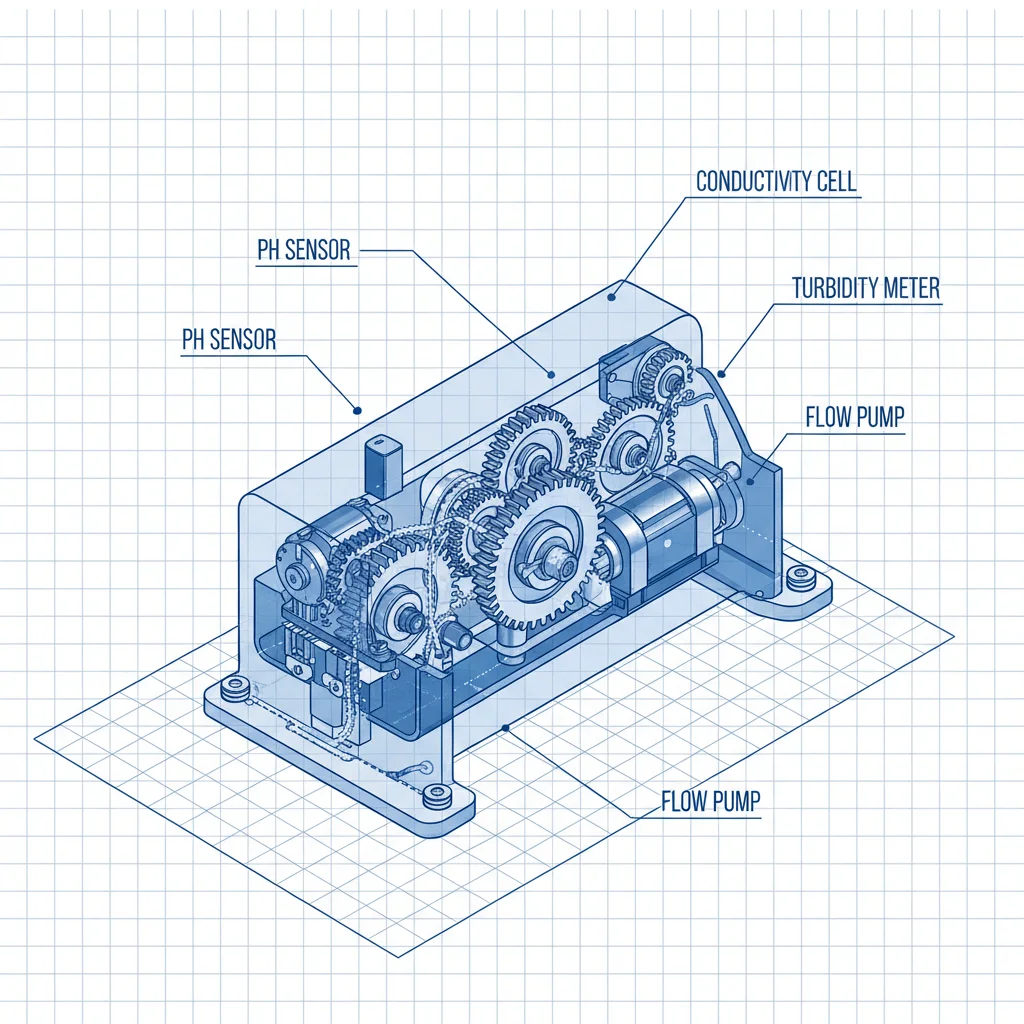
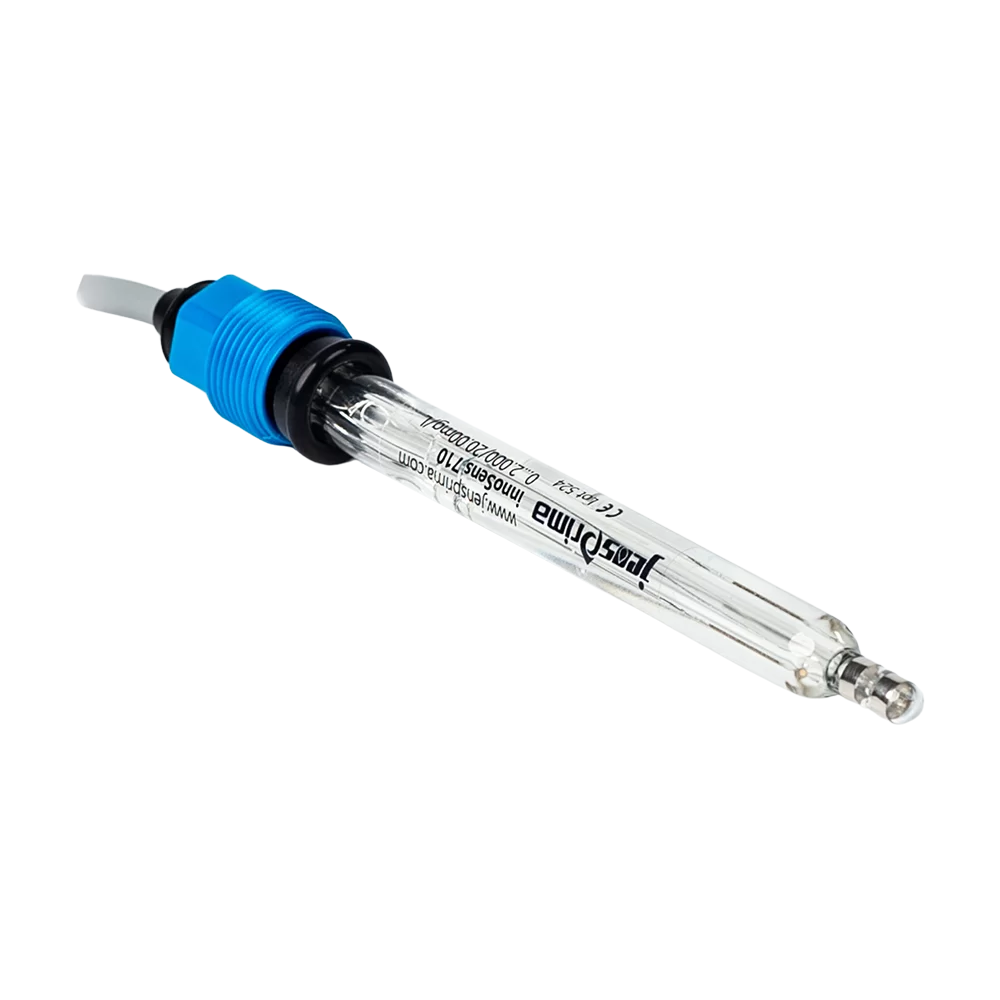
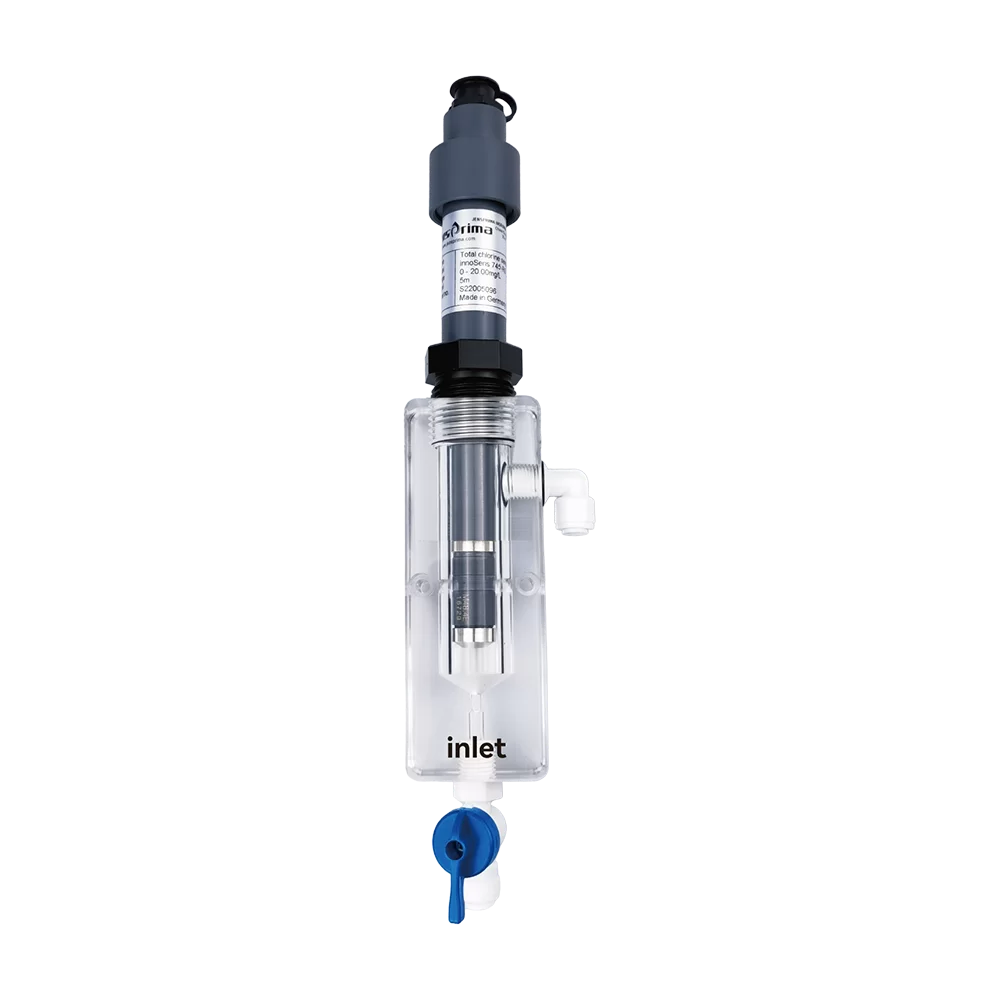
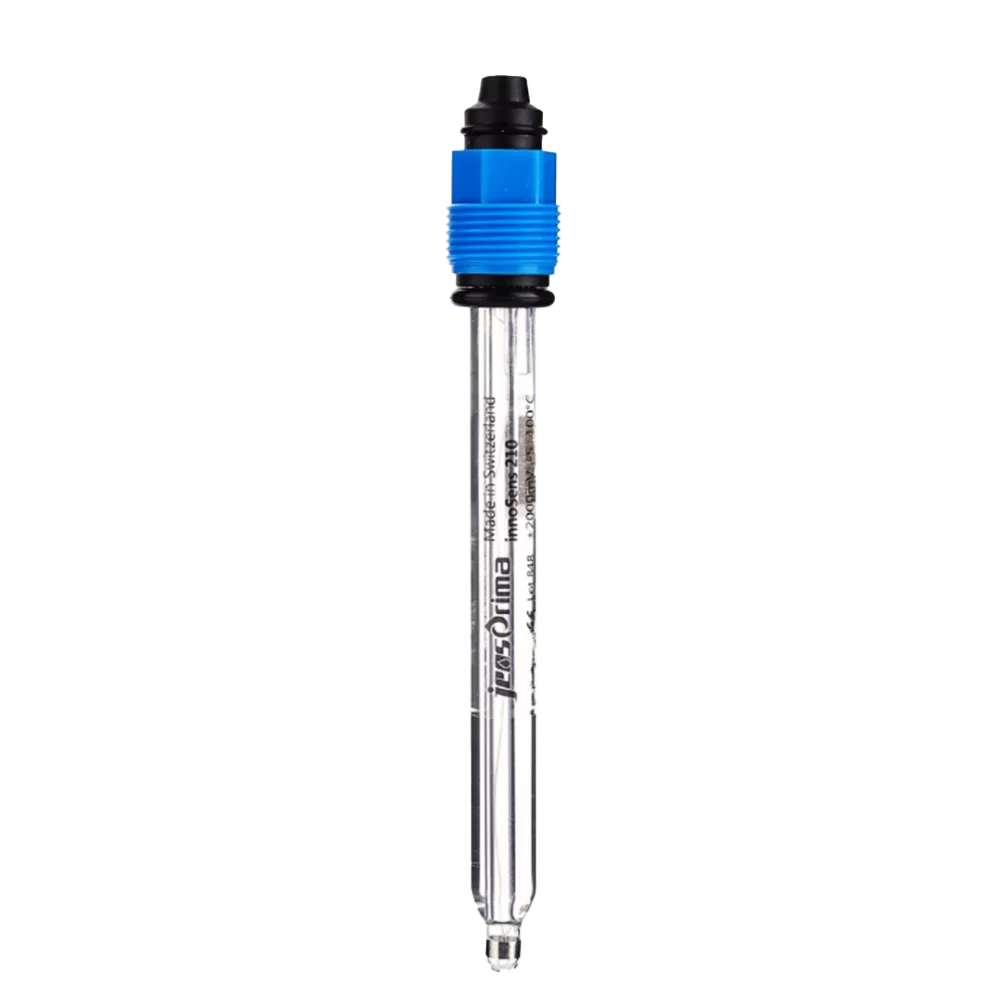
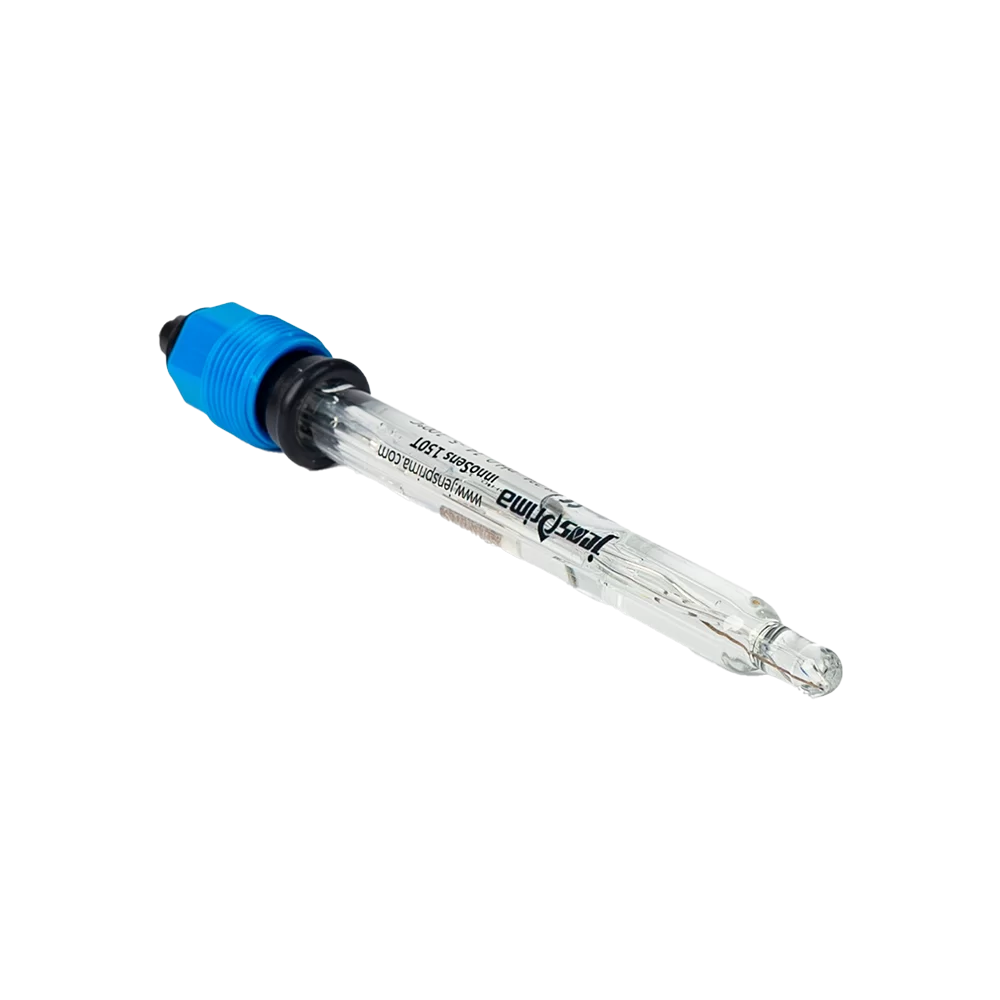
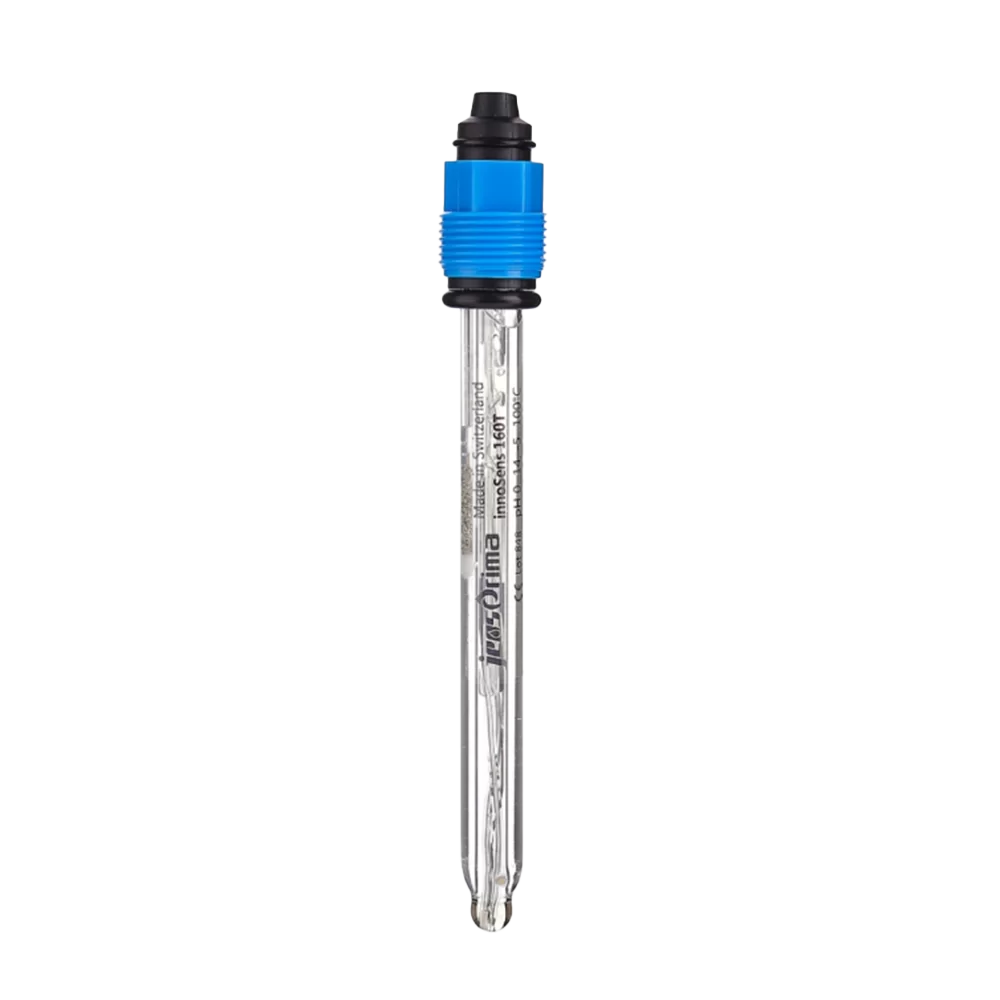
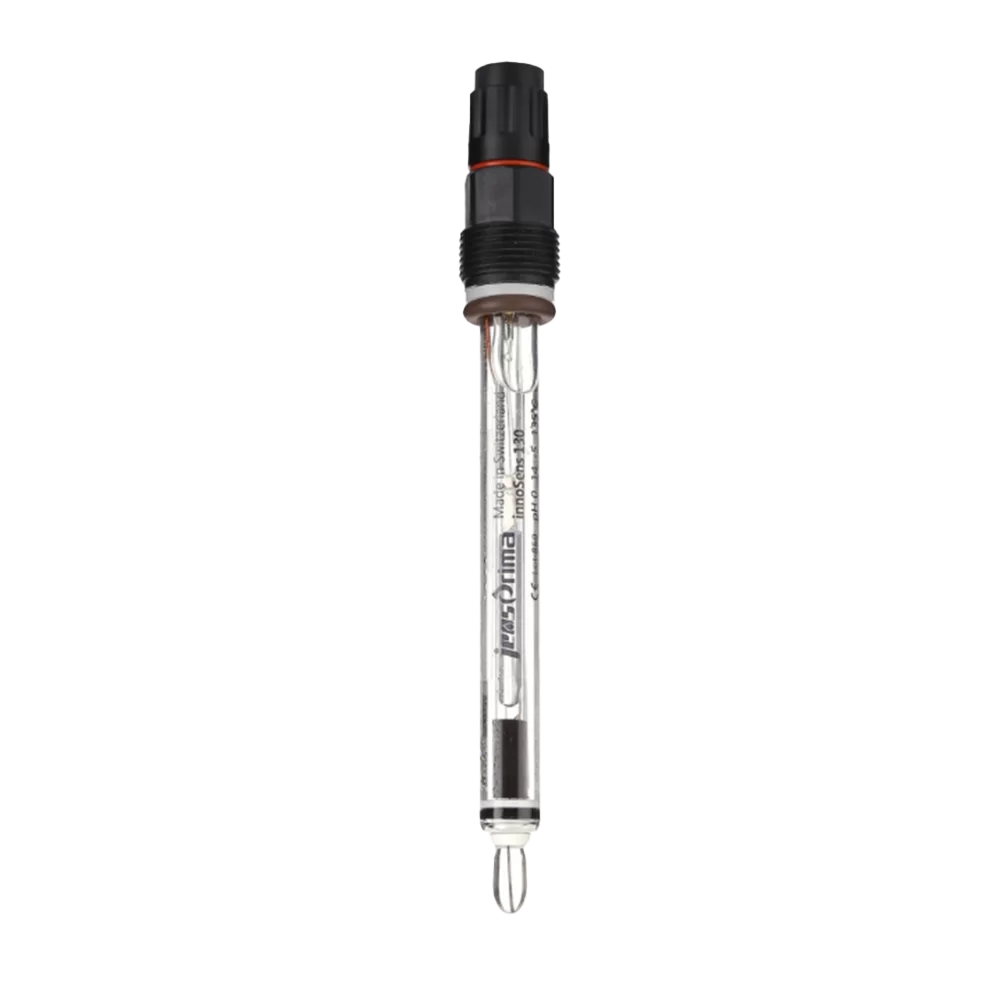
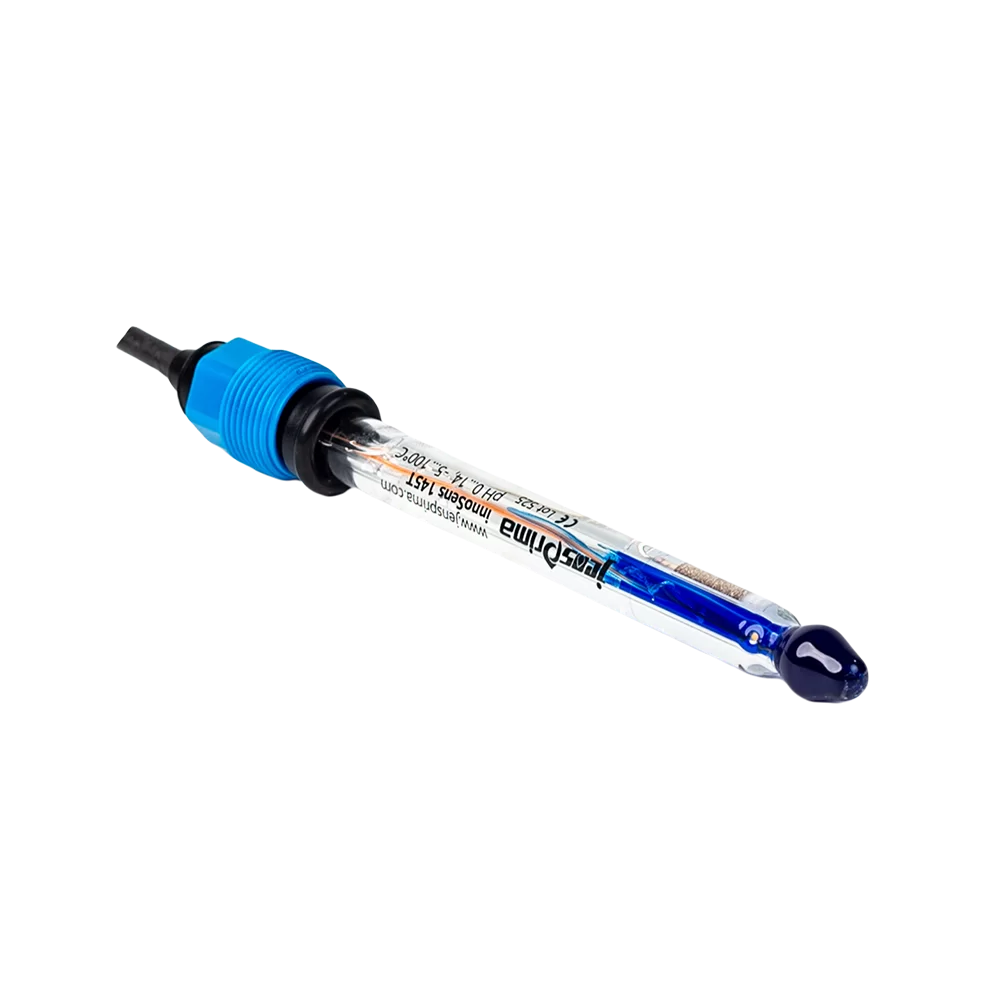
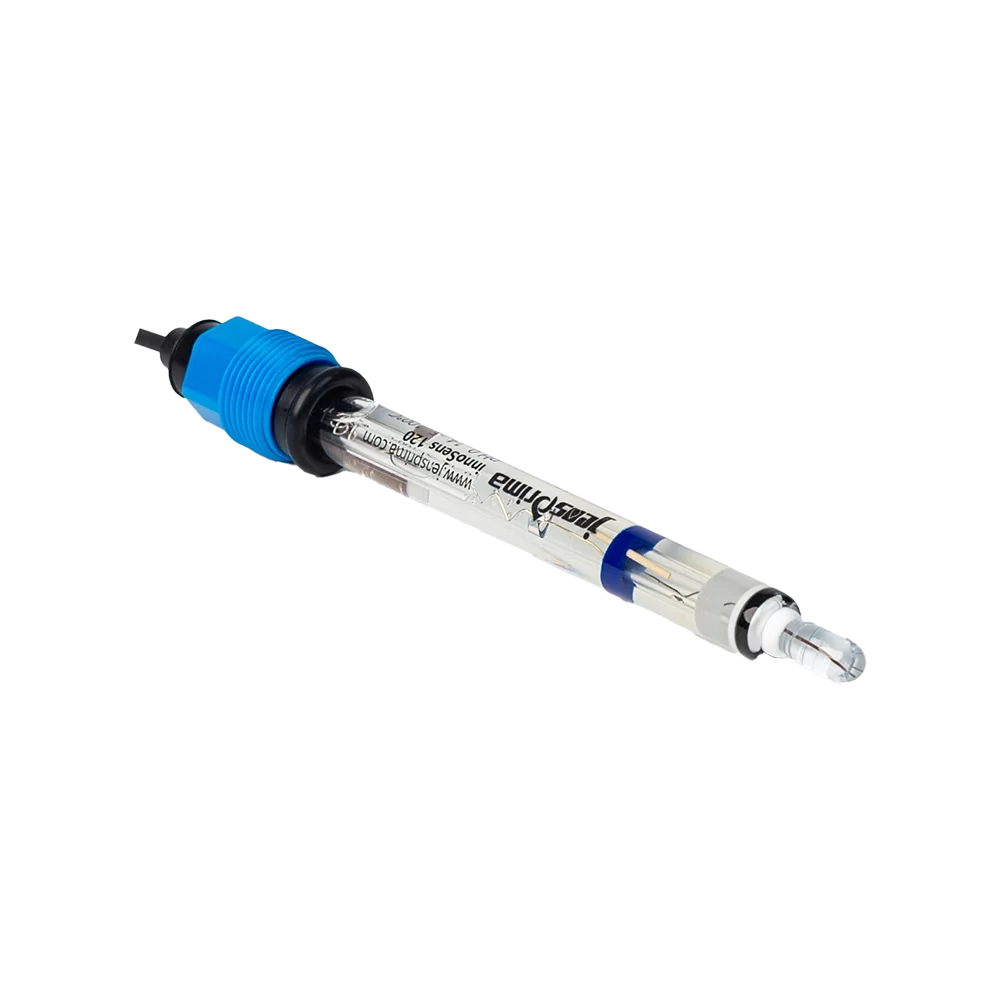
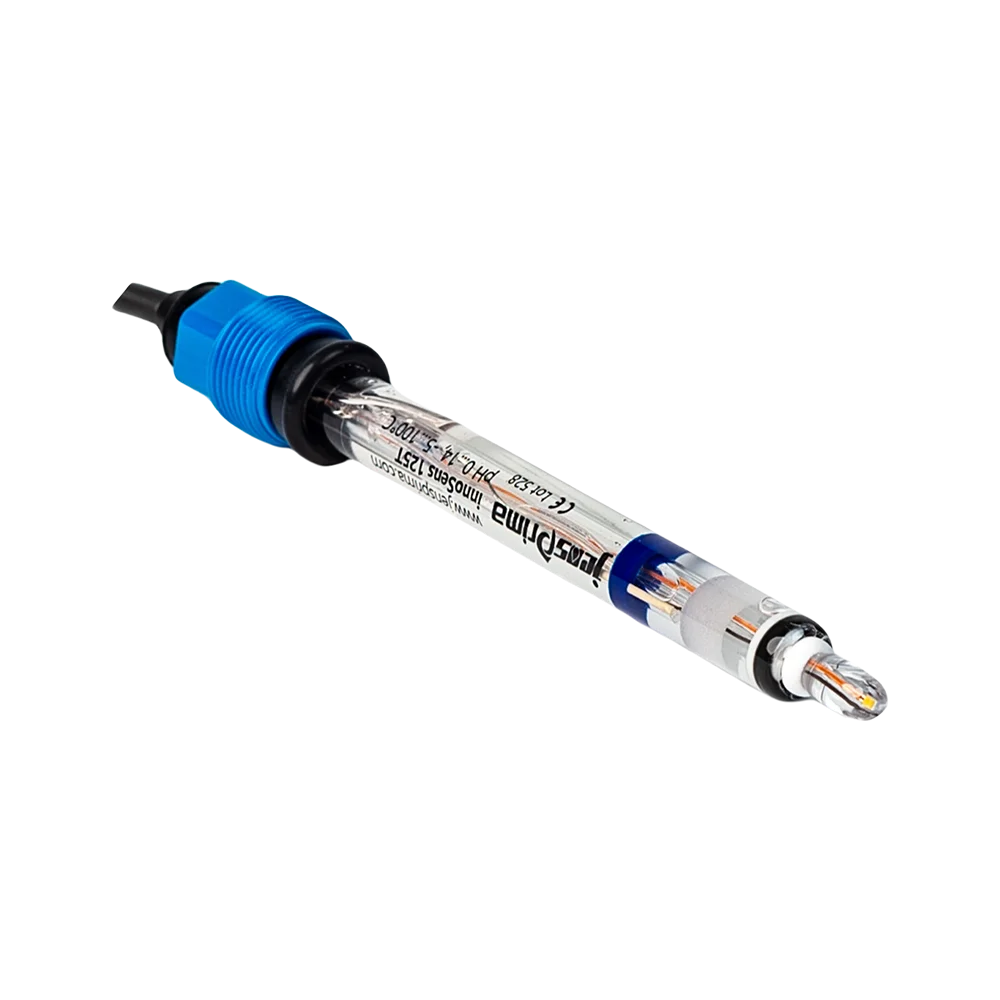
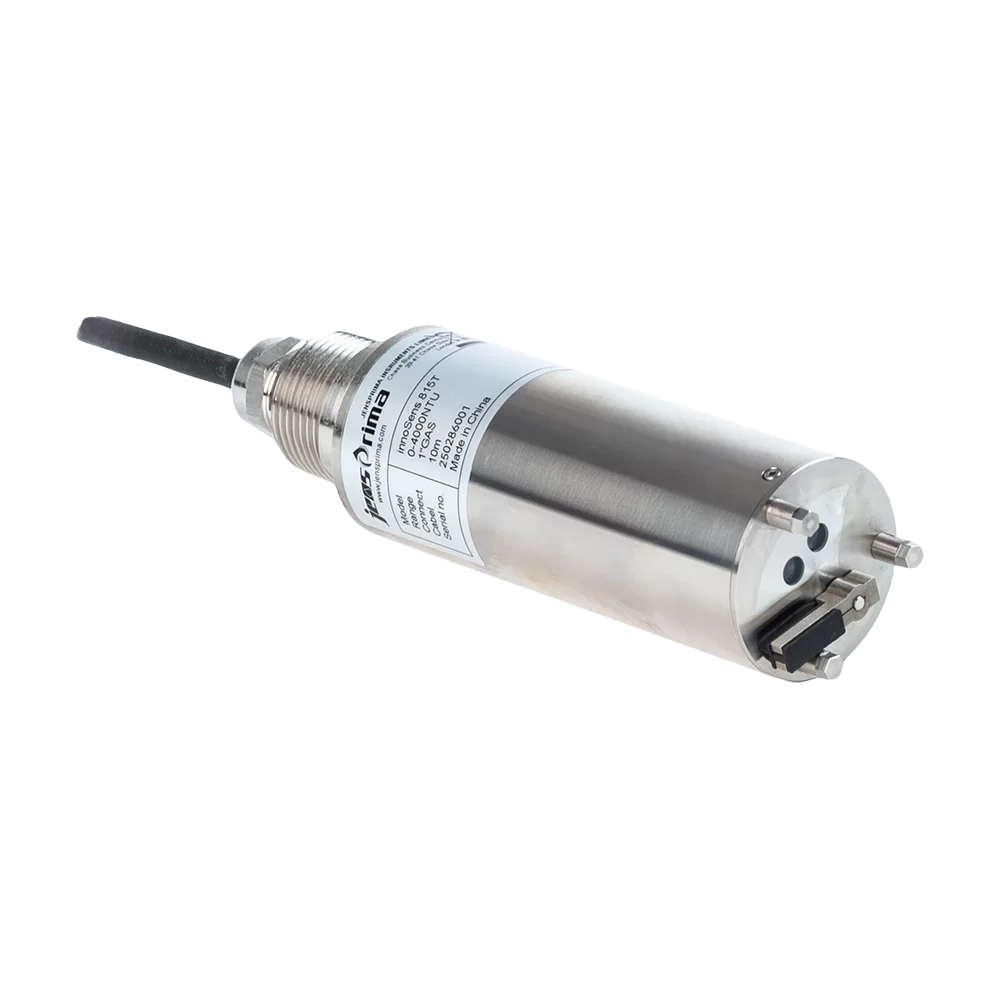
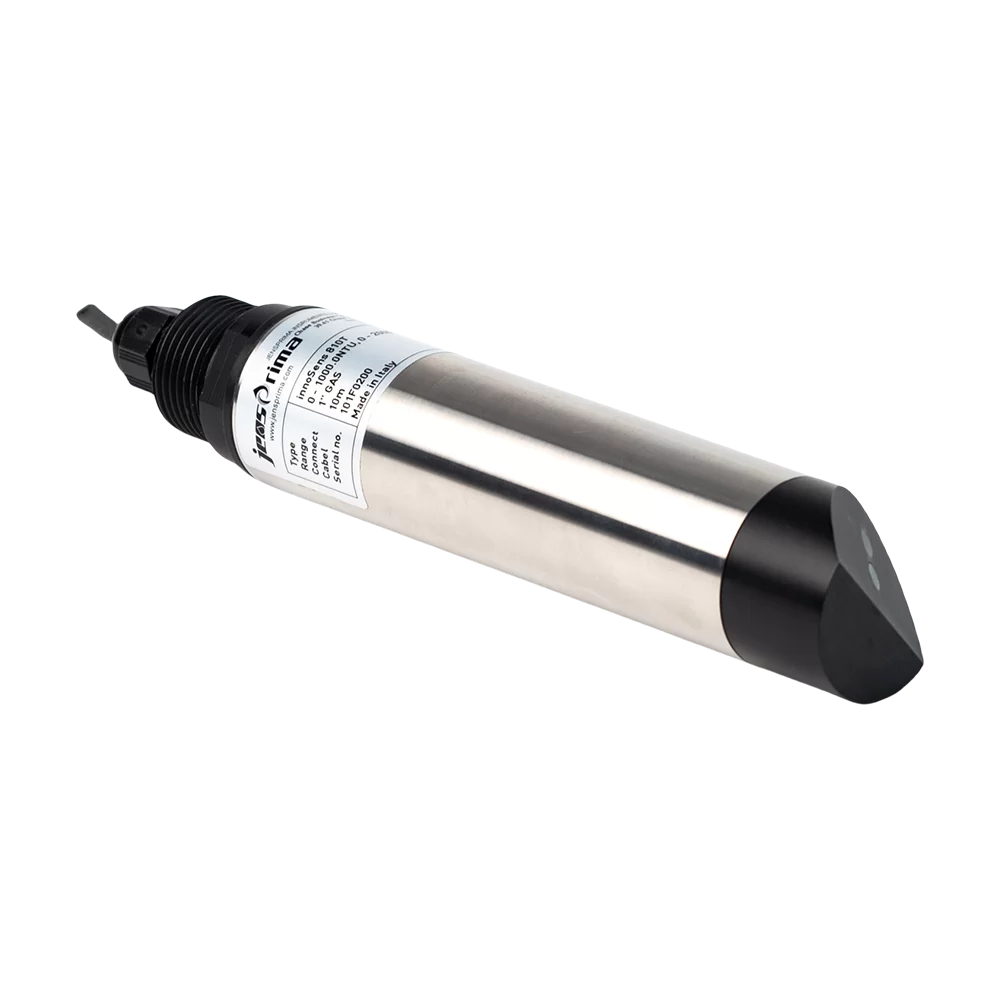
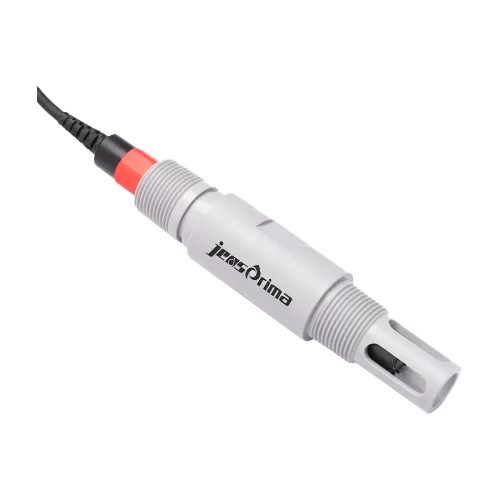
The reliability of a chlorine dioxide analyzer begins with its sensor architecture. High-grade membranes and electrodes are used to isolate the sensing element from contaminants in the water, ensuring that only the target molecules interact with the electrode, which minimizes signal noise and prevents drift over long periods of operation.
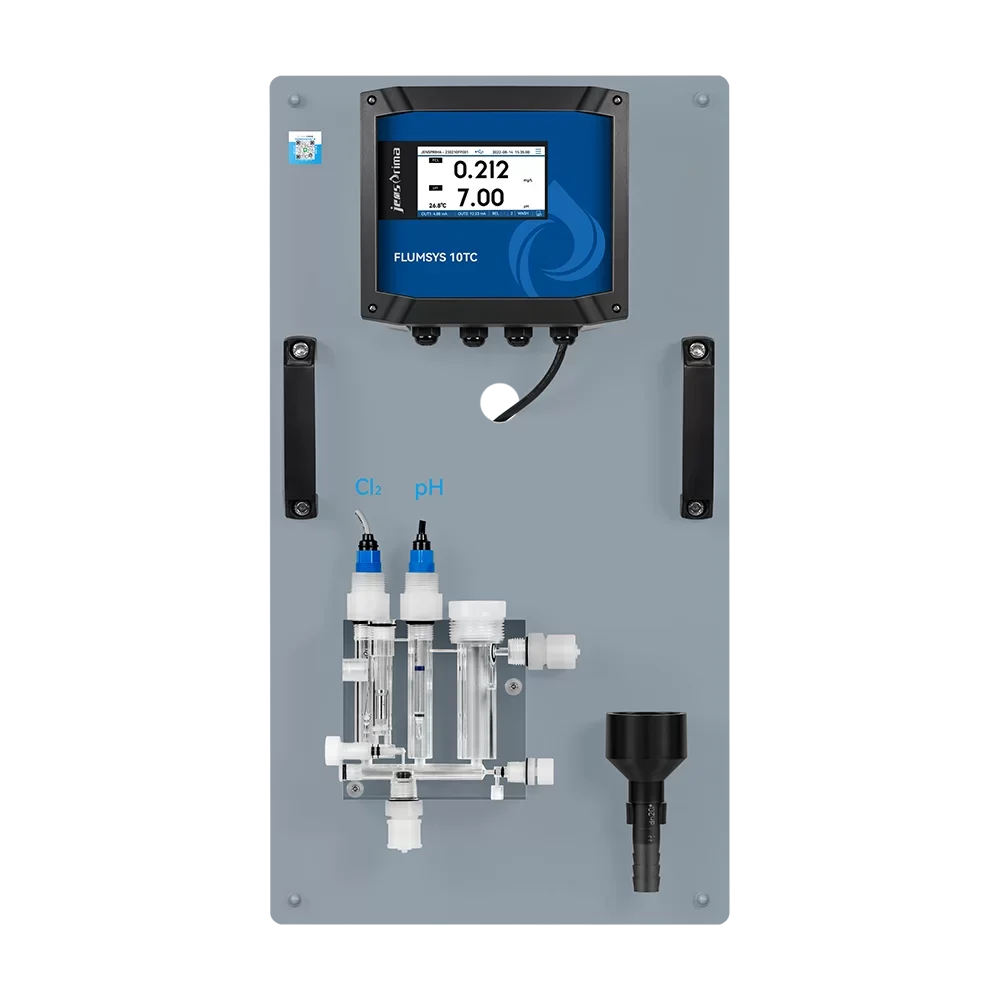
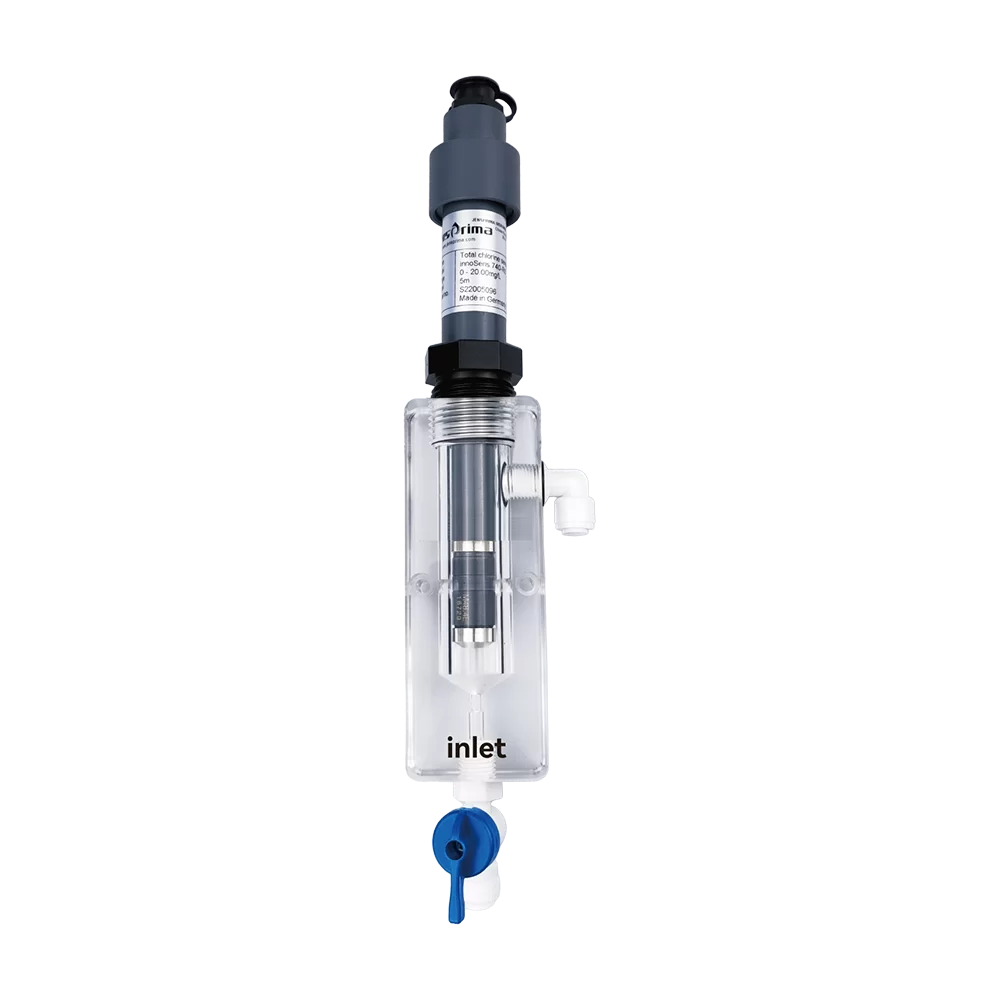
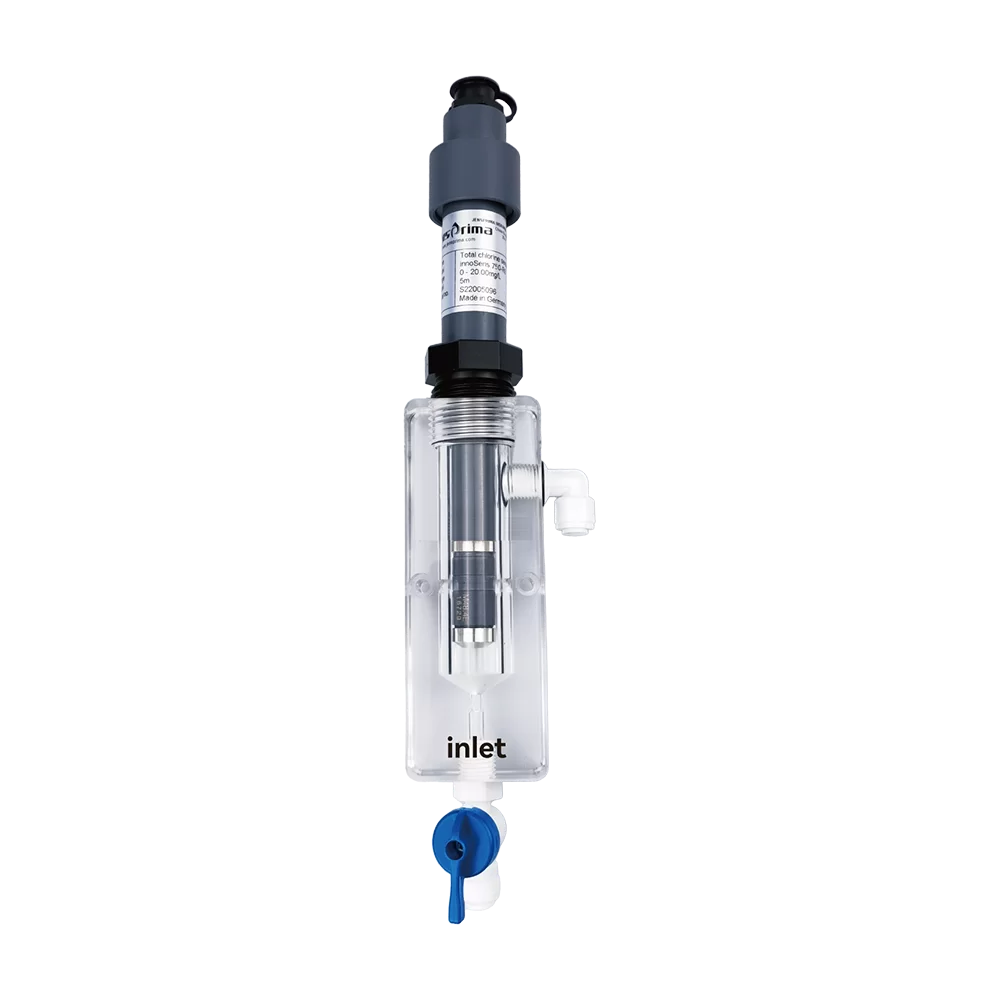
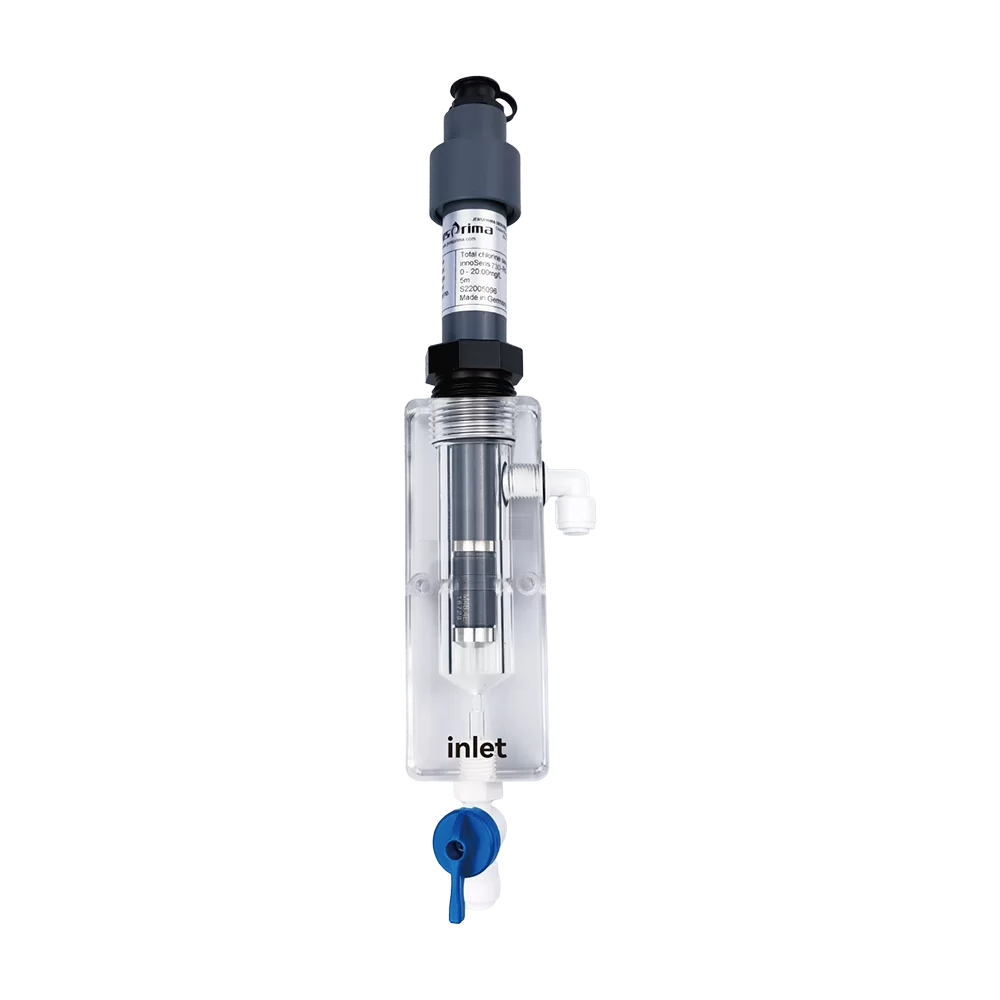
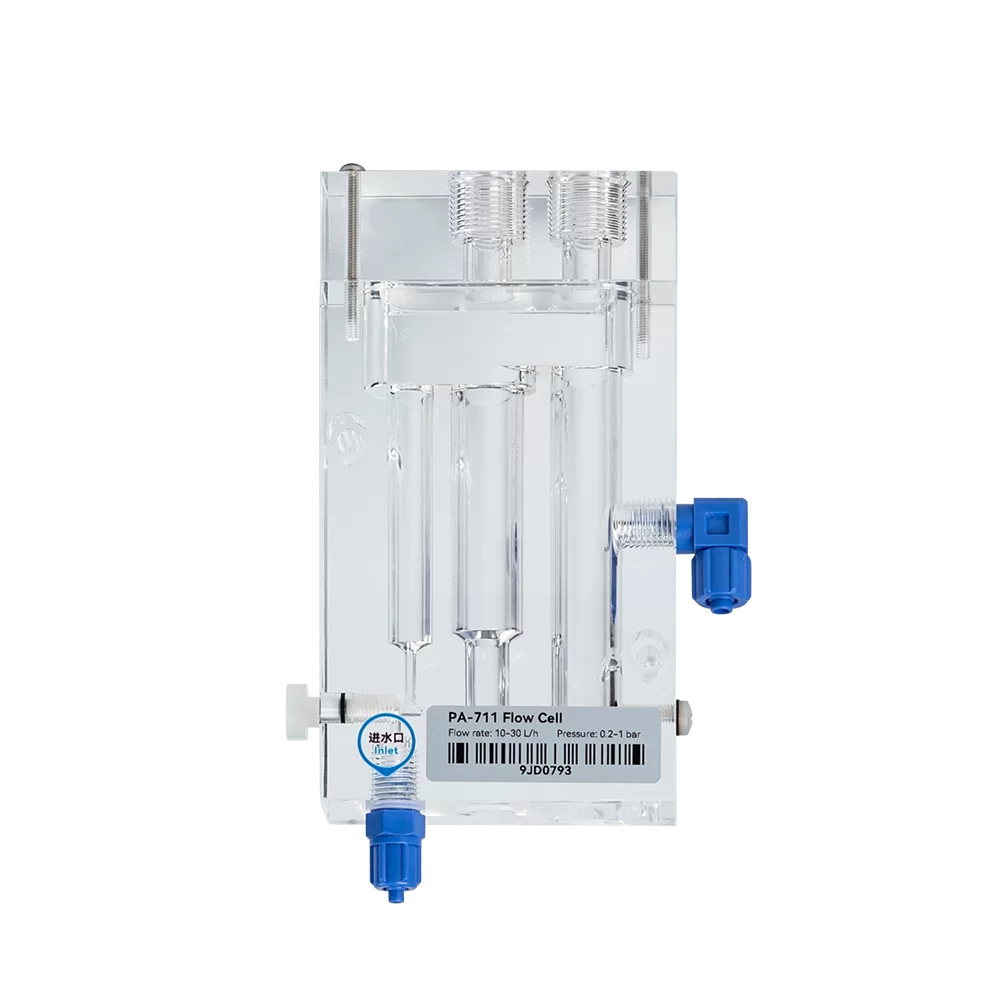
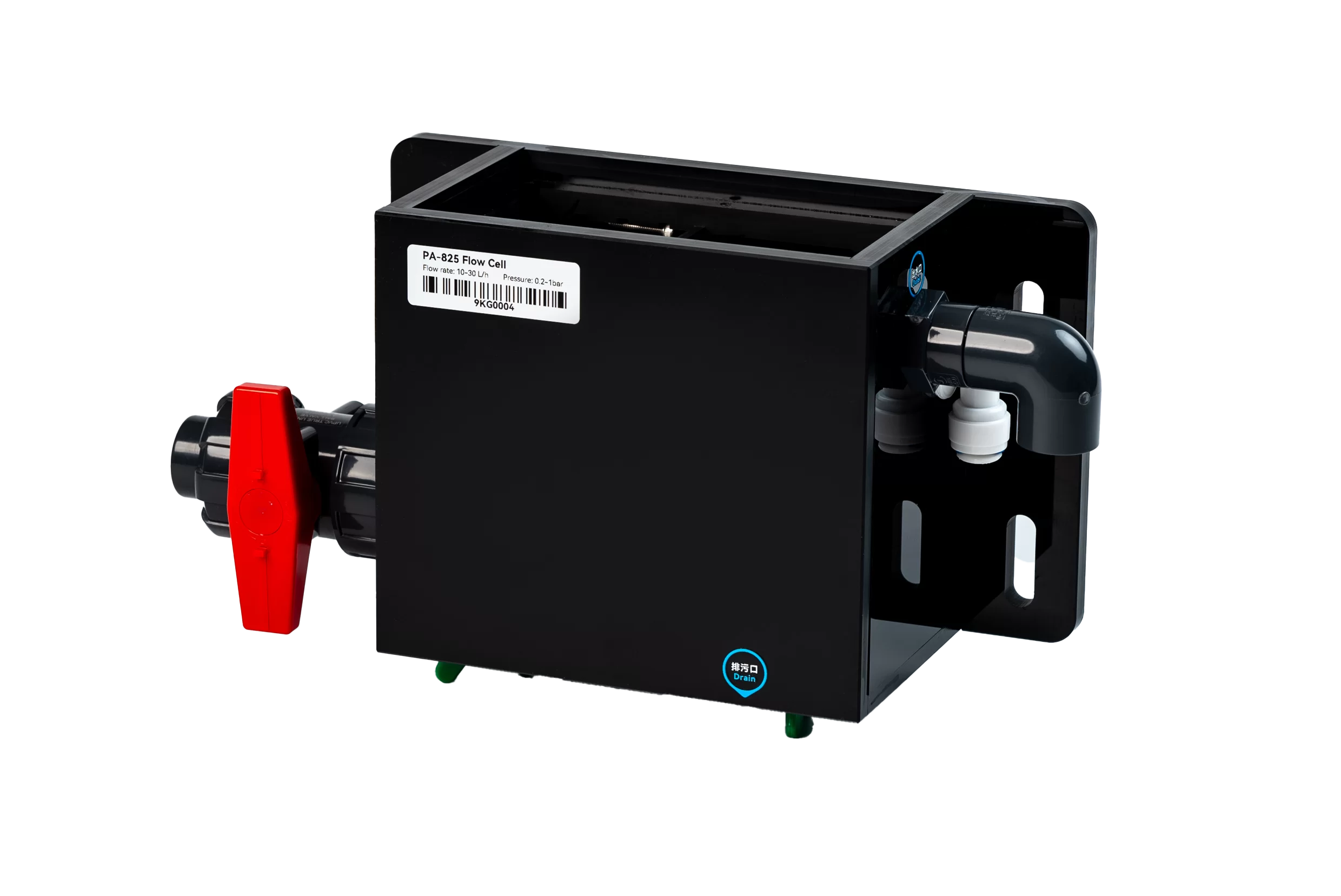
Another critical factor is the integration of a robust flow cell. The flow cell ensures that the water sample passes over the sensor at a constant velocity, which is essential for an accurate chlorine dioxide analyzer reading. If the flow is too fast, the reaction time is insufficient; if it is too slow, the sensor may deplete the local concentration of the oxidant, leading to an underestimation of the actual levels.
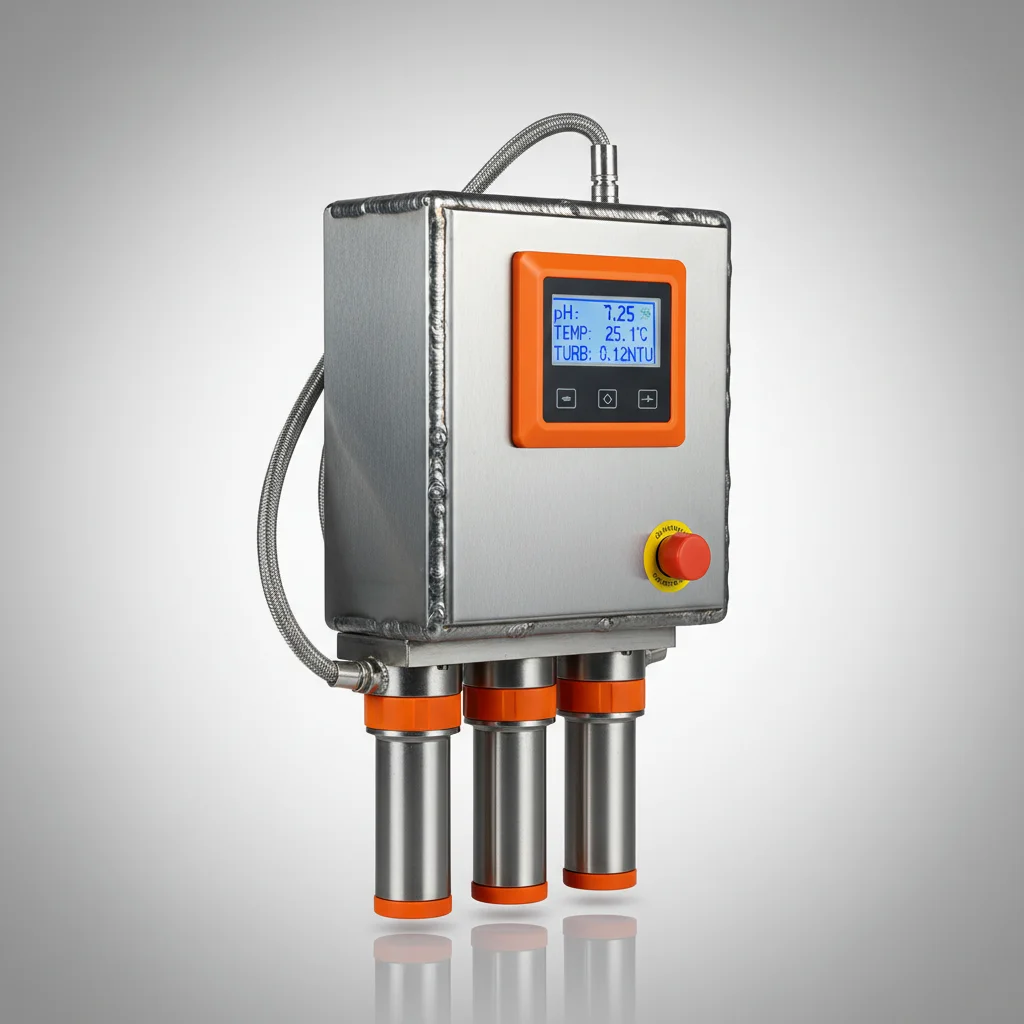
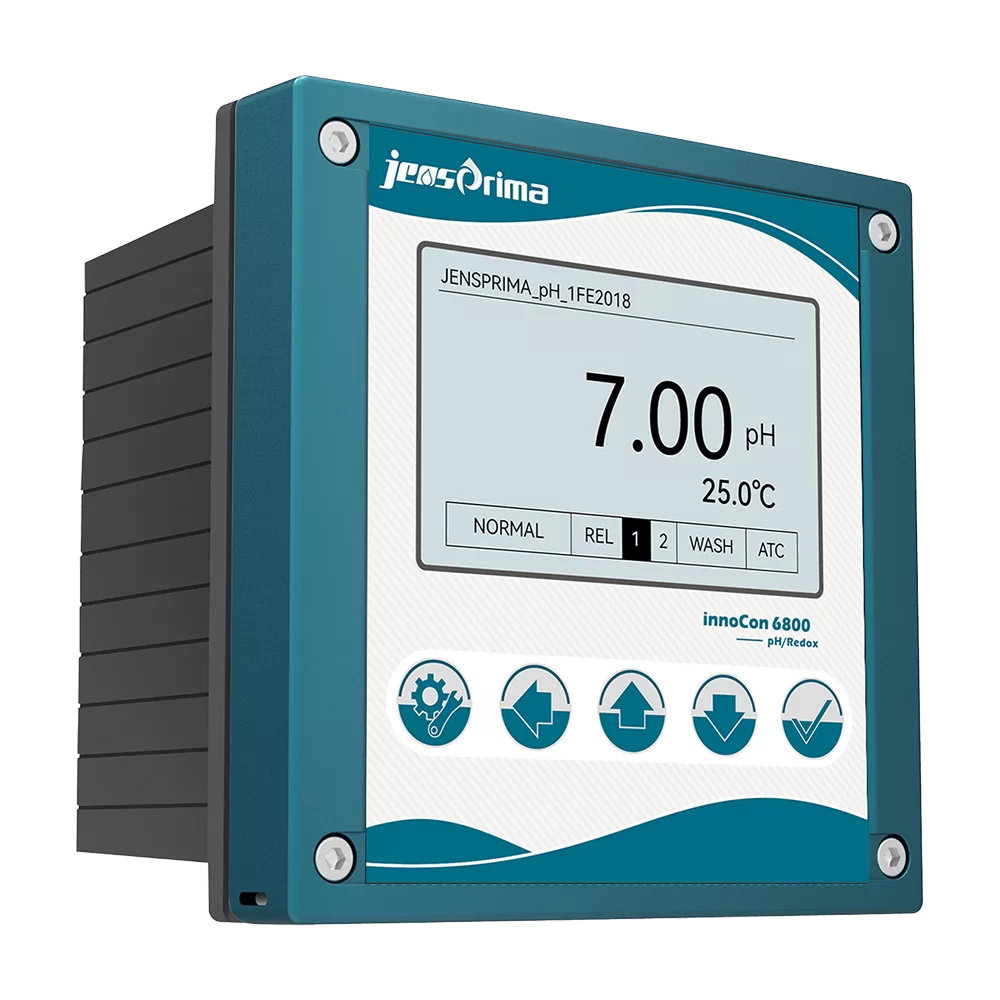
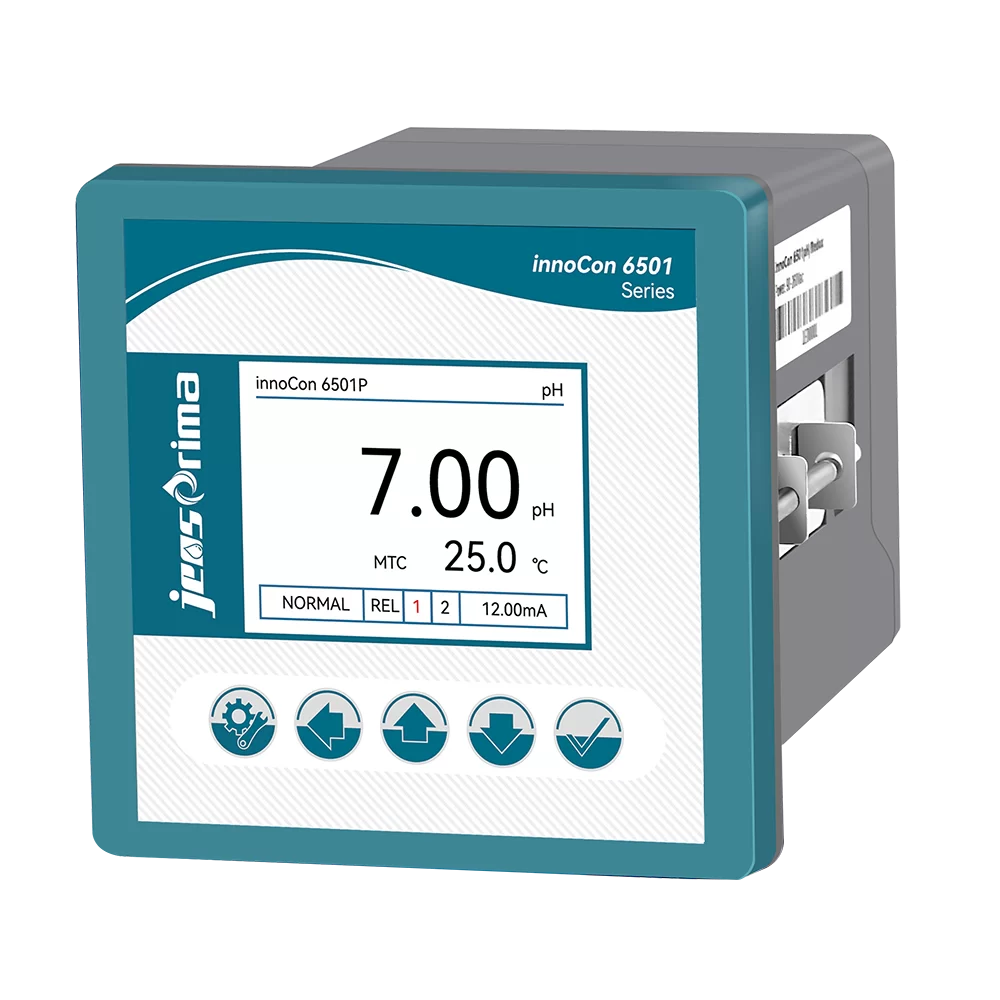
Finally, the digital signal processing unit converts the raw electrical current from the sensor into a readable concentration value. Modern analyzers include temperature compensation algorithms, as the reactivity of chlorine dioxide is temperature-dependent. This ensures that whether the water is in a freezing industrial chiller or a hot tropical pipeline, the output remains accurate.
Practical Performance Factors
When evaluating a chlorine dioxide analyzer, operators must consider the balance between sensitivity and durability. In harsh industrial environments, the ability of the sensor to resist fouling and the ease of calibration are the most significant drivers of total cost of ownership (TCO).
The following data illustrates how different analytical methodologies perform across key operational metrics, highlighting why integrated digital systems are becoming the industry standard for ClO2 monitoring.
Comparative Performance of Chlorine Dioxide Analyzer Methods
Global Applications and Use Cases
The application of the chlorine dioxide analyzer spans multiple critical sectors. In the food and beverage industry, it is used extensively for the sterilization of "Clean-in-Place" (CIP) systems, where ClO2 provides a powerful means of removing organic contaminants without leaving the pungent residues associated with chlorine.
In the energy sector, particularly within cooling towers and boiler feed water systems, these analyzers prevent the buildup of algae and slime. By maintaining a precise ClO2 residual, plants can reduce their reliance on heavy biocides, thereby protecting the surrounding ecosystem while maintaining heat exchange efficiency in remote industrial zones.
Long-Term Value and Sustainability
Investing in a high-quality chlorine dioxide analyzer delivers tangible long-term value by slashing chemical waste. When dosing is based on real-time data rather than a static timer, companies typically see a 15-30% reduction in chemical consumption, which directly improves the bottom line and reduces the environmental footprint of the facility.
Beyond the financials, there is a profound social and safety impact. In municipal water treatment, the ability to prove constant disinfection levels provides peace of mind to the community and ensures the dignity of access to safe drinking water. The trust established through rigorous, verifiable monitoring is an intangible but invaluable asset for any public utility.
Furthermore, the transition to automated monitoring reduces the risk of human exposure to concentrated chemicals. By minimizing the need for manual sampling and titration, the chlorine dioxide analyzer fosters a safer workplace, aligning operational goals with occupational health and safety standards.
Future Trends in Analysis Technology
The future of the chlorine dioxide analyzer is inextricably linked to the Industrial Internet of Things (IIoT). We are seeing a move toward "smart sensors" that can self-diagnose their own health, alerting technicians to membrane wear or calibration drift before a failure occurs, thus eliminating unplanned downtime.
Sustainability is also driving innovation in materials. New, eco-friendly electrode coatings are being developed to increase the lifespan of the sensors, reducing the amount of electronic waste generated by replacement parts. Integration with AI-driven predictive analytics will soon allow analyzers to anticipate spikes in organic demand based on historical data and weather patterns, adjusting dosing preemptively.
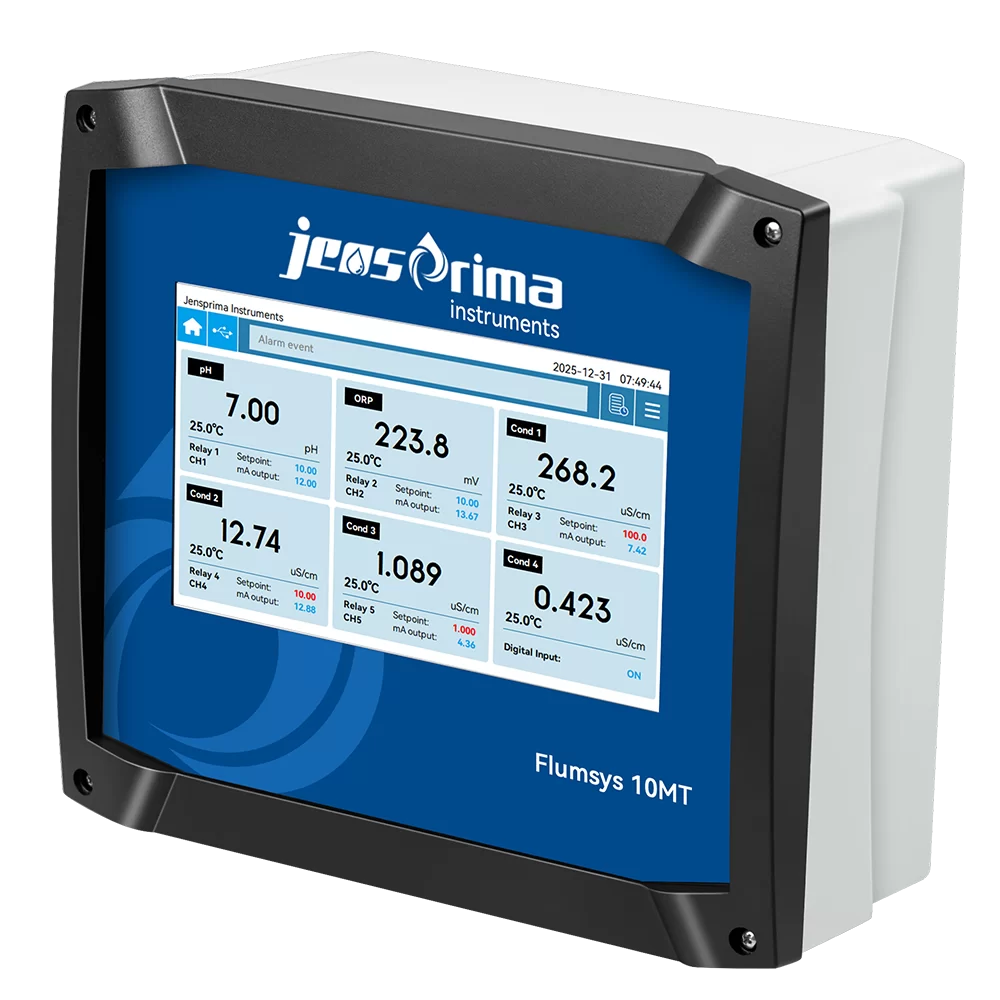
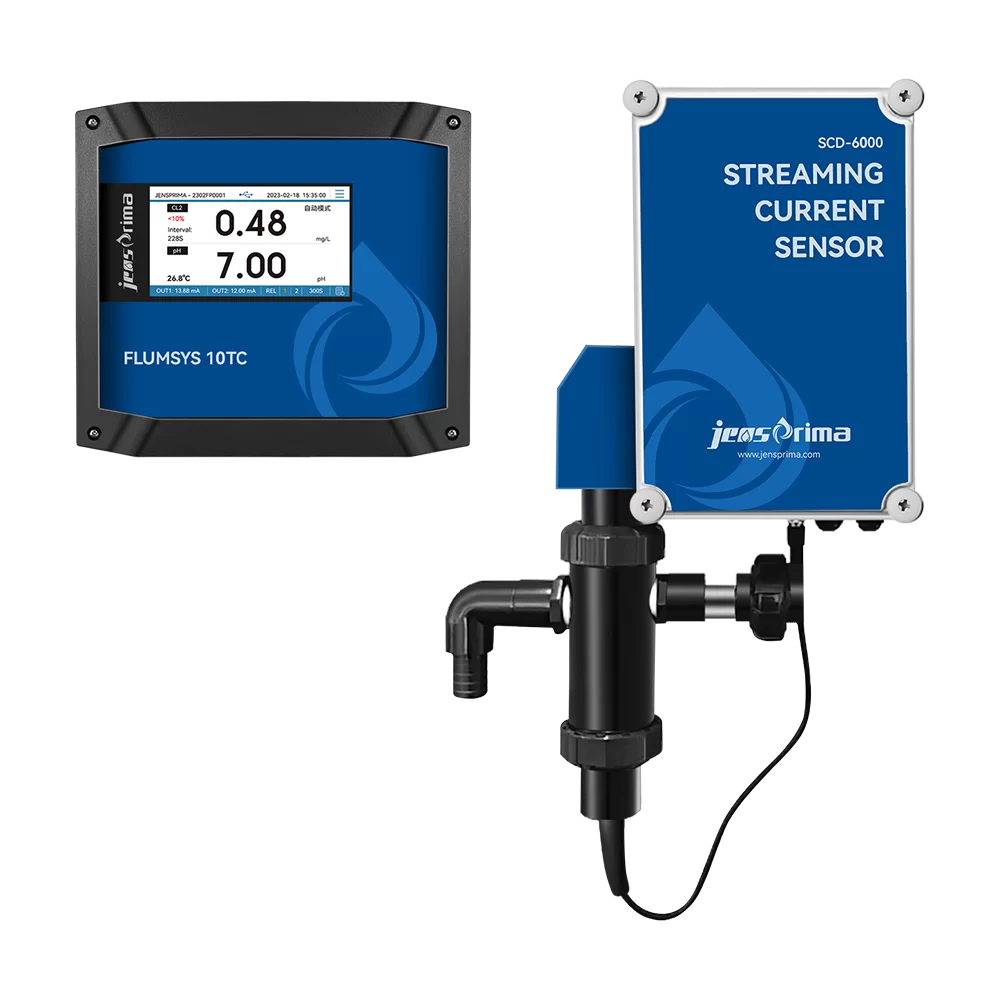
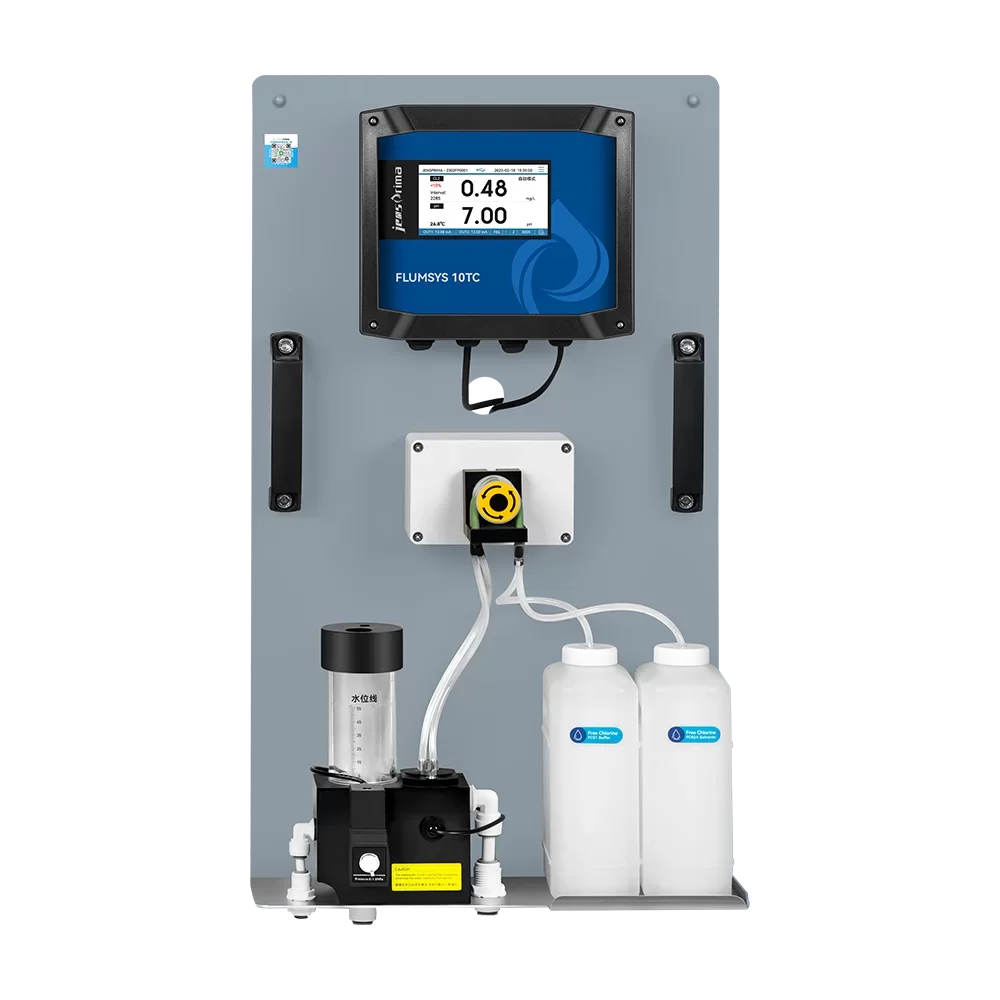
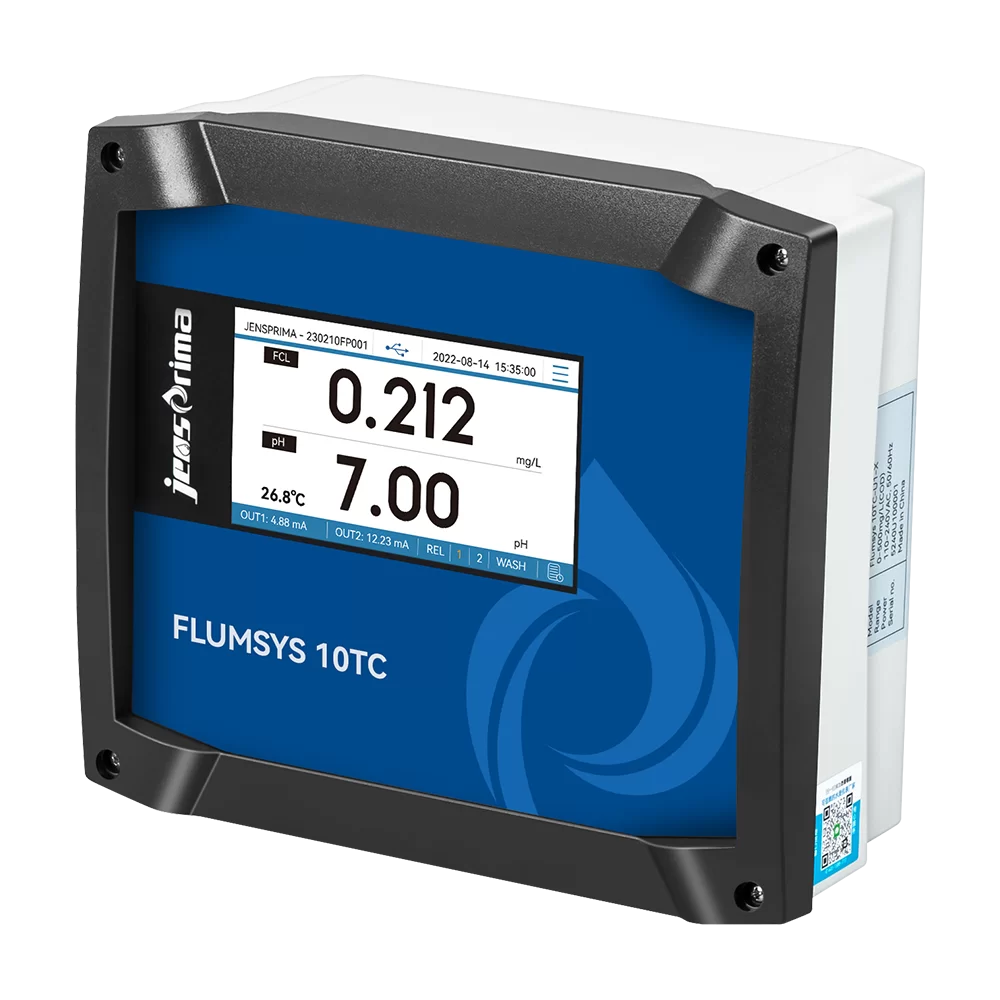
As global regulations on disinfection by-products (DBPs) tighten, the demand for the specificity provided by a chlorine dioxide analyzer will only grow. The industry is moving toward a holistic "water intelligence" approach where ClO2 monitoring is integrated with pH, conductivity, and ORP sensors for a complete picture of water health.
Comparison of Chlorine Dioxide Analyzer Technical Specifications and Performance
|
Analyzer Model Type
|
Measurement Range
|
Response Time
|
Maintenance Cycle
|
| Basic Amperometric |
0.01 - 2.0 mg/L |
< 60 Seconds |
Quarterly |
| Industrial High-Range |
0.1 - 10.0 mg/L |
< 30 Seconds |
Biannual |
| IoT Smart Analyzer |
0.005 - 5.0 mg/L |
Real-time |
Annual |
| Lab-Grade Precision |
0.001 - 1.0 mg/L |
< 10 Seconds |
Monthly |
| Heavy Duty Process |
0.05 - 20.0 mg/L |
< 90 Seconds |
Quarterly |
| Compact Portable |
0.01 - 5.0 mg/L |
< 120 Seconds |
Per Use |
FAQS
A standard chlorine analyzer typically measures free available chlorine (FAC), which includes hypochlorous acid. However, chlorine dioxide (ClO2) is a chemically distinct species with different oxidation properties. A dedicated chlorine dioxide analyzer uses specific membranes and electrodes tuned to the unique redox potential of ClO2, ensuring that the reading isn't skewed by the presence of other chlorine species.
Depending on the water quality and the sensor type, calibration typically occurs every 30 to 90 days. However, high-end IoT-enabled chlorine dioxide analyzer units feature internal stability checks that can extend this interval. We recommend a monthly verification check using a DPD-based manual test to ensure the sensor hasn't drifted.
Turbidity can interfere with optical (colorimetric) analyzers, but amperometric chlorine dioxide analyzer systems are generally more resilient. To ensure accuracy in very dirty water, we suggest installing a pre-filtration unit or a sampling bypass loop that reduces particulate matter before the water reaches the sensing membrane.
While the initial investment may be higher than manual kits, the maintenance cost is low compared to the chemical savings. The primary recurring costs are the replacement of the sensing membrane and electrode, which typically happens once or twice a year. When compared to the cost of system corrosion or biological failure, the chlorine dioxide analyzer is highly cost-effective.
Yes, temperature significantly affects the chemical activity of ClO2 and the electrical response of the sensor. This is why professional chlorine dioxide analyzer units include a built-in thermistor for automatic temperature compensation (ATC), ensuring that the reported concentration is corrected to a standard reference temperature (usually 25°C).
Most modern chlorine dioxide analyzer units come with standard industrial outputs such as 4-20mA analog signals, Modbus RTU, or Profibus. This allows for seamless integration into SCADA or PLC systems, enabling automated alerts, data logging, and remote control of dosing pumps from a central command center.
Conclusion
The implementation of a precision chlorine dioxide analyzer is more than just a technical upgrade; it is a strategic commitment to safety, efficiency, and environmental responsibility. By providing real-time, accurate data on disinfectant levels, these systems eliminate the guesswork from water treatment, ensuring that industrial processes are optimized and public health is protected against an ever-evolving landscape of biological threats.
Looking forward, as we embrace the digital transformation of the manufacturing and water sectors, the role of intelligent monitoring will only expand. We encourage facility managers to move away from outdated manual sampling and embrace the stability and transparency offered by automated analysis. For those seeking to enhance their water quality control, we invite you to explore our full range of solutions. Visit our website: www.jensprima.com


 Download
 Video Center
 Technical Services
 FAQS
FAQS Service Network
 Privacy Policy
 Contact Us