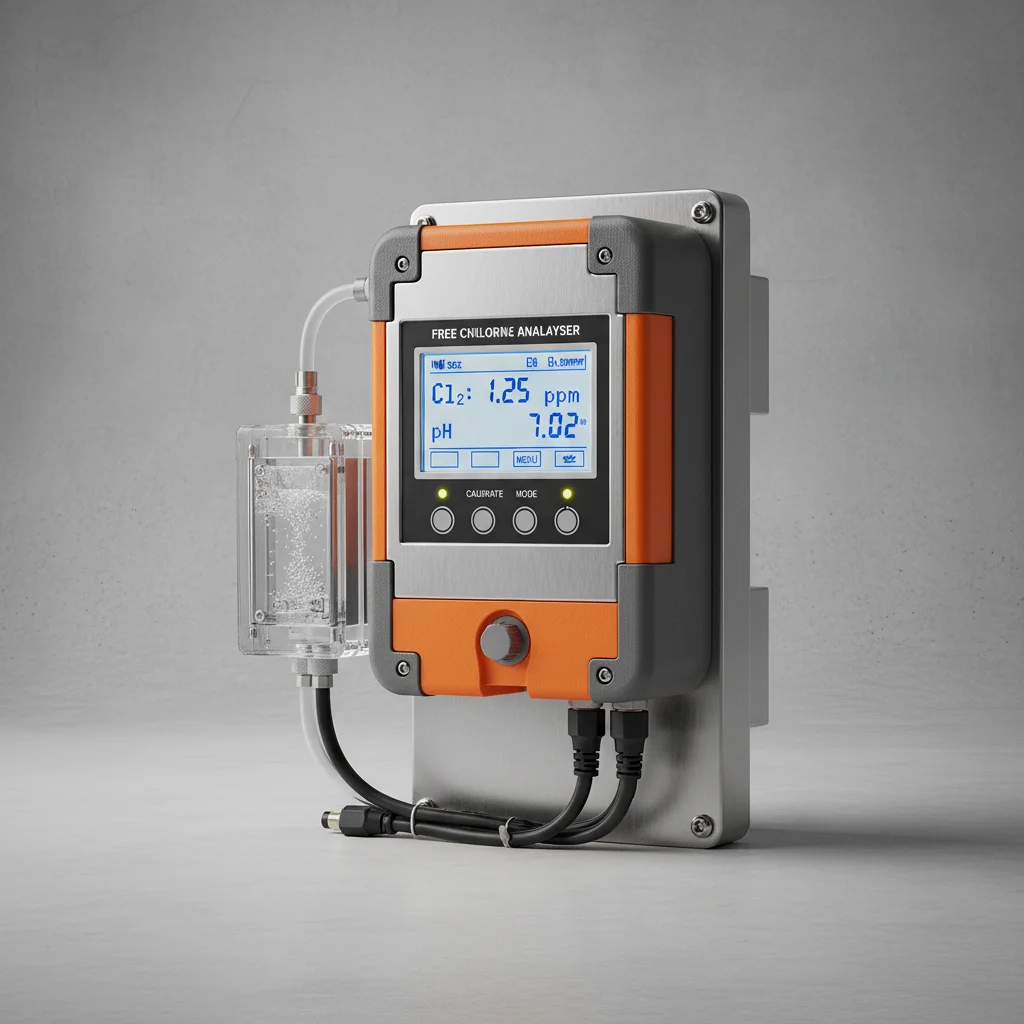
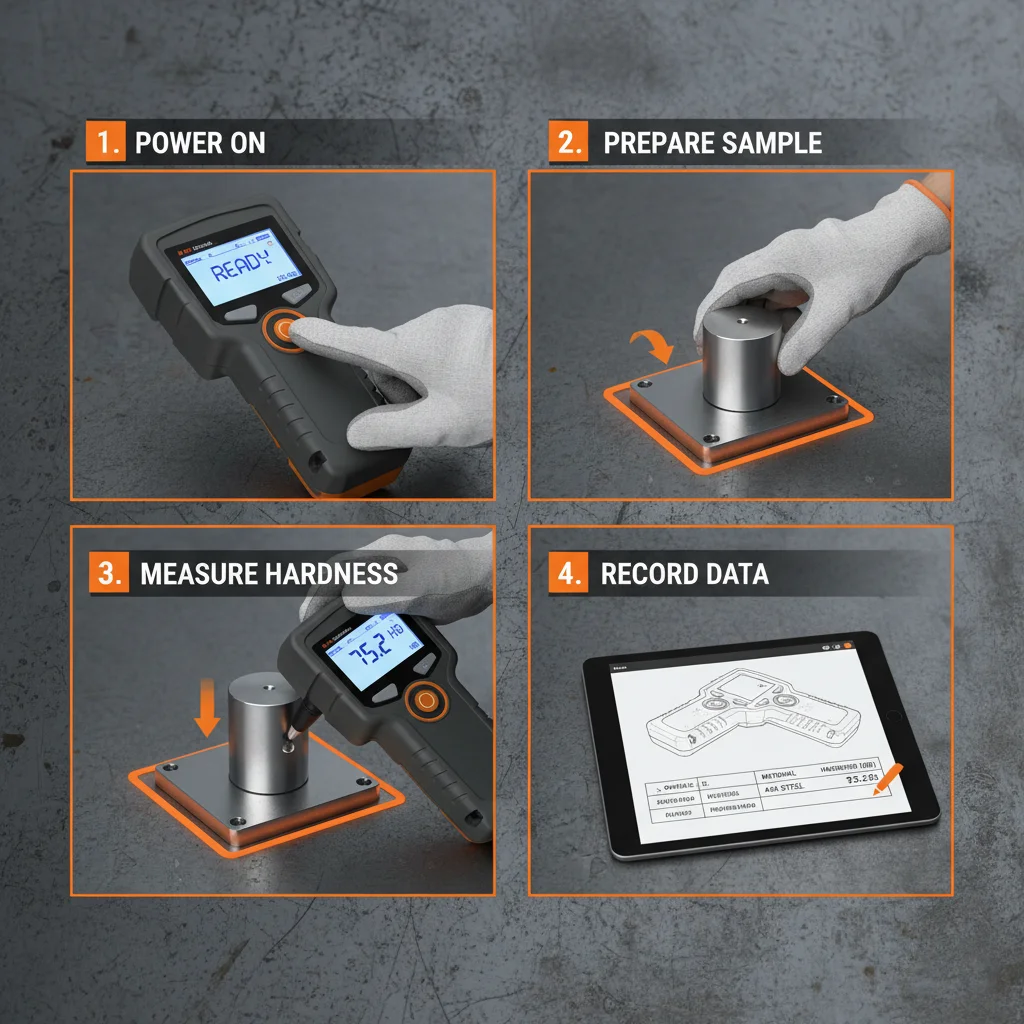
In the complex realm of water quality management, the ability to measure the oxidation-reduction potential (ORP) is critical for maintaining chemical balance and biological safety. A high-precision redox meter serves as the primary diagnostic tool for engineers and scientists to determine the cleanliness of water and the effectiveness of disinfection processes. By quantifying the tendency of a solution to gain or lose electrons, these devices provide a real-time window into the chemical stability of an aquatic environment.
Globally, the demand for accurate ORP monitoring has surged as industries strive to meet stringent environmental regulations and sustainability goals. From municipal wastewater treatment plants to advanced semiconductor fabrication facilities, the implementation of a reliable redox meter ensures that chemical dosing is optimized, reducing waste and preventing the over-application of hazardous oxidants like chlorine or ozone. This precision not only protects the infrastructure from corrosion but also safeguards the surrounding ecosystem.
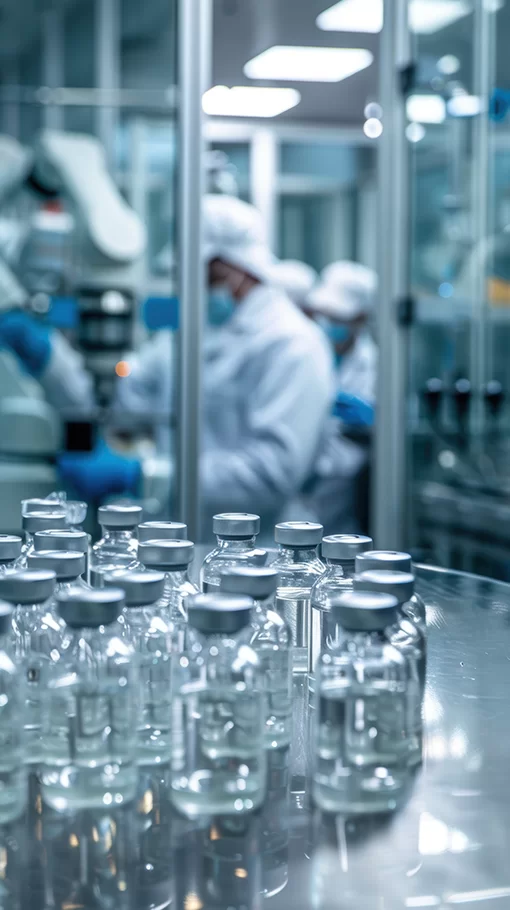
Understanding the nuances of redox potential allows operators to transition from reactive maintenance to proactive control. Whether managing a hydroponic nutrient solution or monitoring the sterility of a pharmaceutical clean-in-place (CIP) system, the redox meter offers a scientific basis for decision-making. This guide explores the technical foundations, global applications, and future innovations of redox measurement to help you optimize your water analysis strategy.

Global Relevance of Redox Measurement
The global emphasis on water scarcity and pollution control has pushed the redox meter to the forefront of environmental monitoring. According to guidelines aligned with ISO standards for water quality, the ability to monitor the oxidative capacity of water is essential for preventing anaerobic conditions in reservoirs and ensuring that effluent discharge does not disrupt the natural biological balance of receiving water bodies.
In regions facing severe water stress, the use of these instruments allows for the safe reuse of treated wastewater in agriculture. By utilizing a redox meter, operators can ensure that the water is sufficiently oxidized to eliminate pathogens while remaining safe for crop irrigation, thereby aligning industrial output with UN Sustainable Development Goals regarding clean water and sanitation.
Defining the Redox Meter in Modern Industry
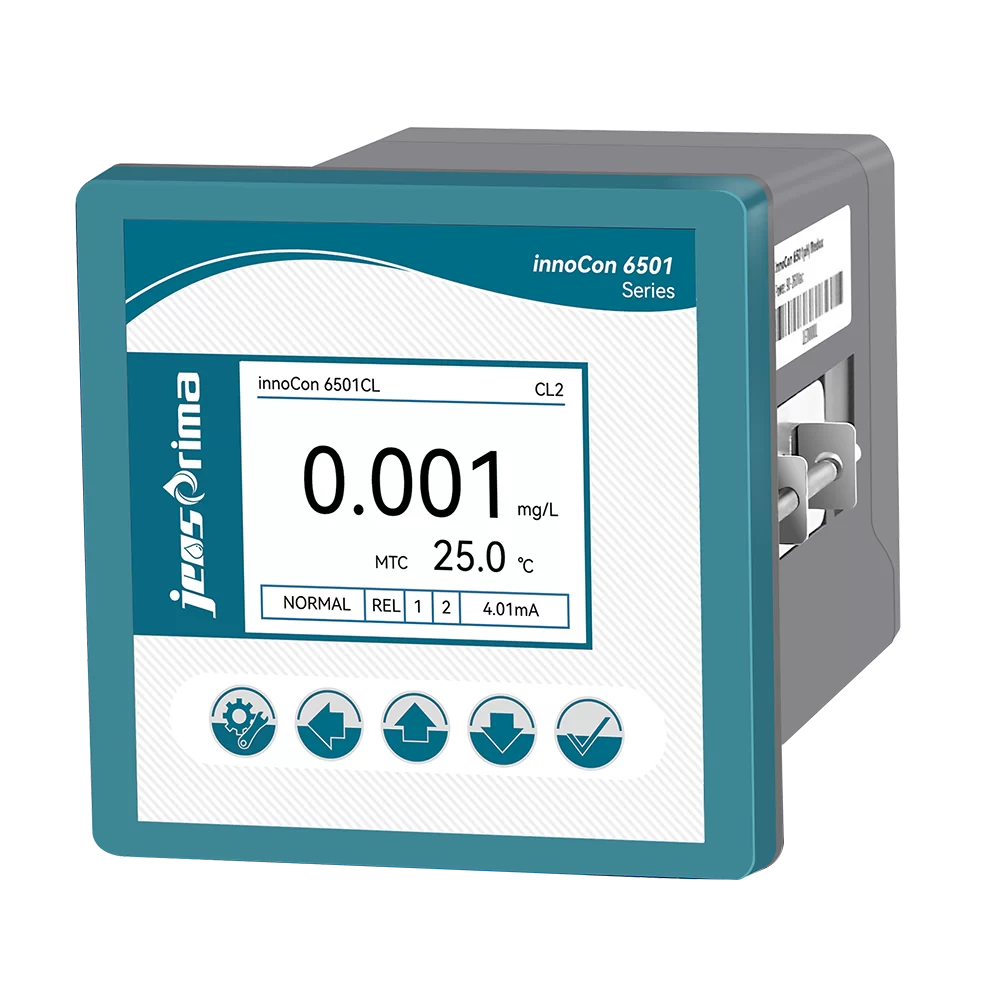
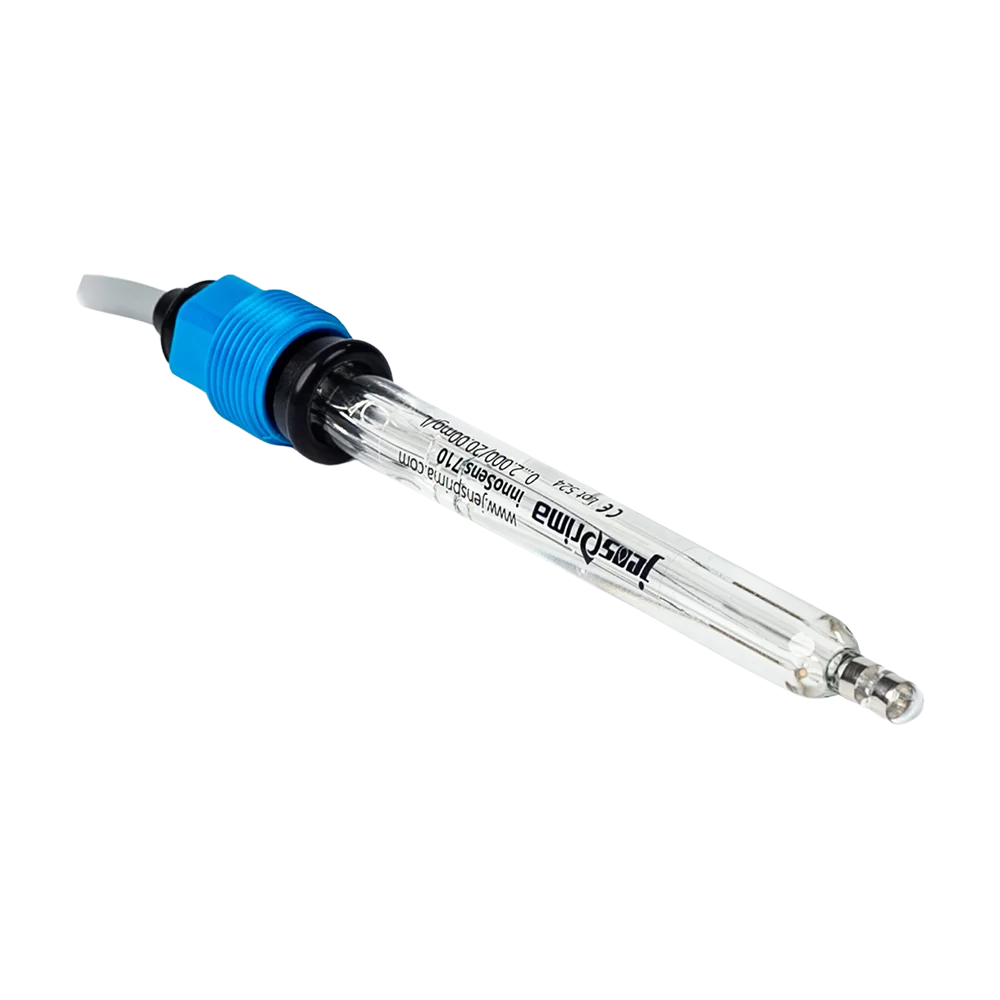
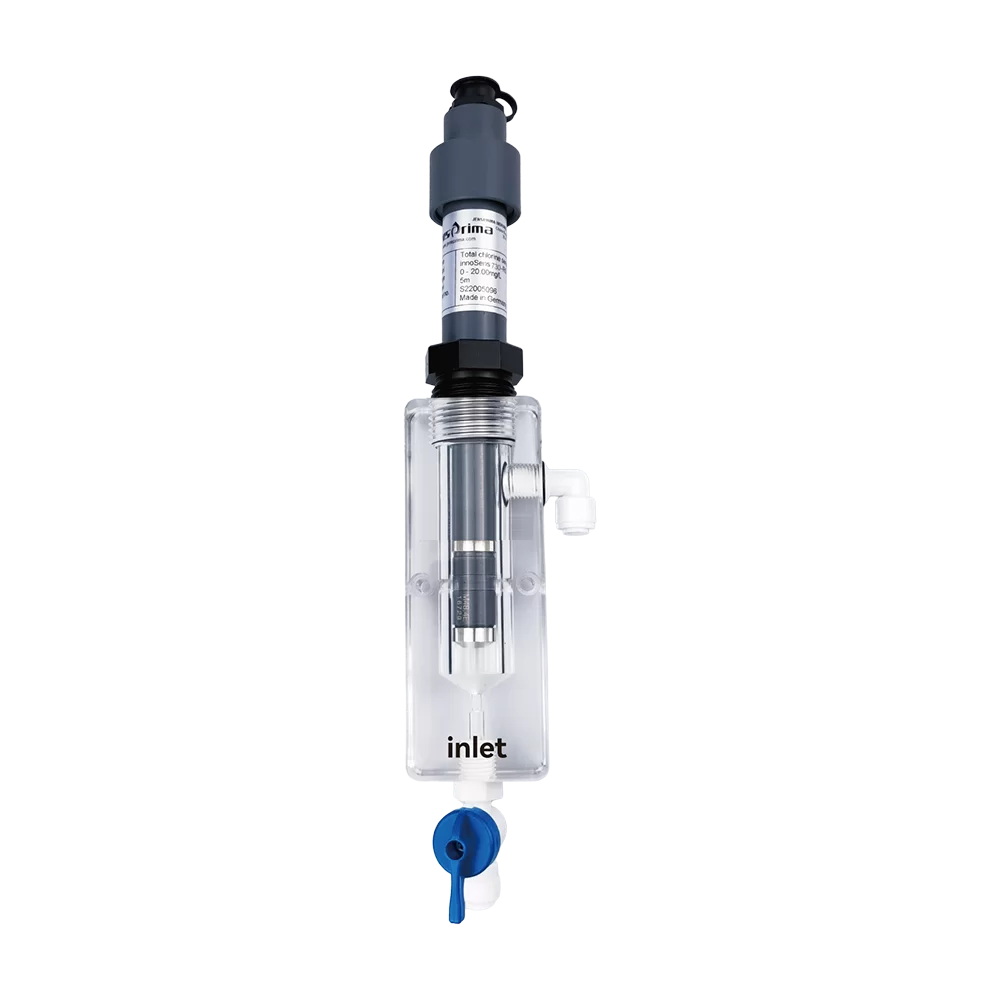
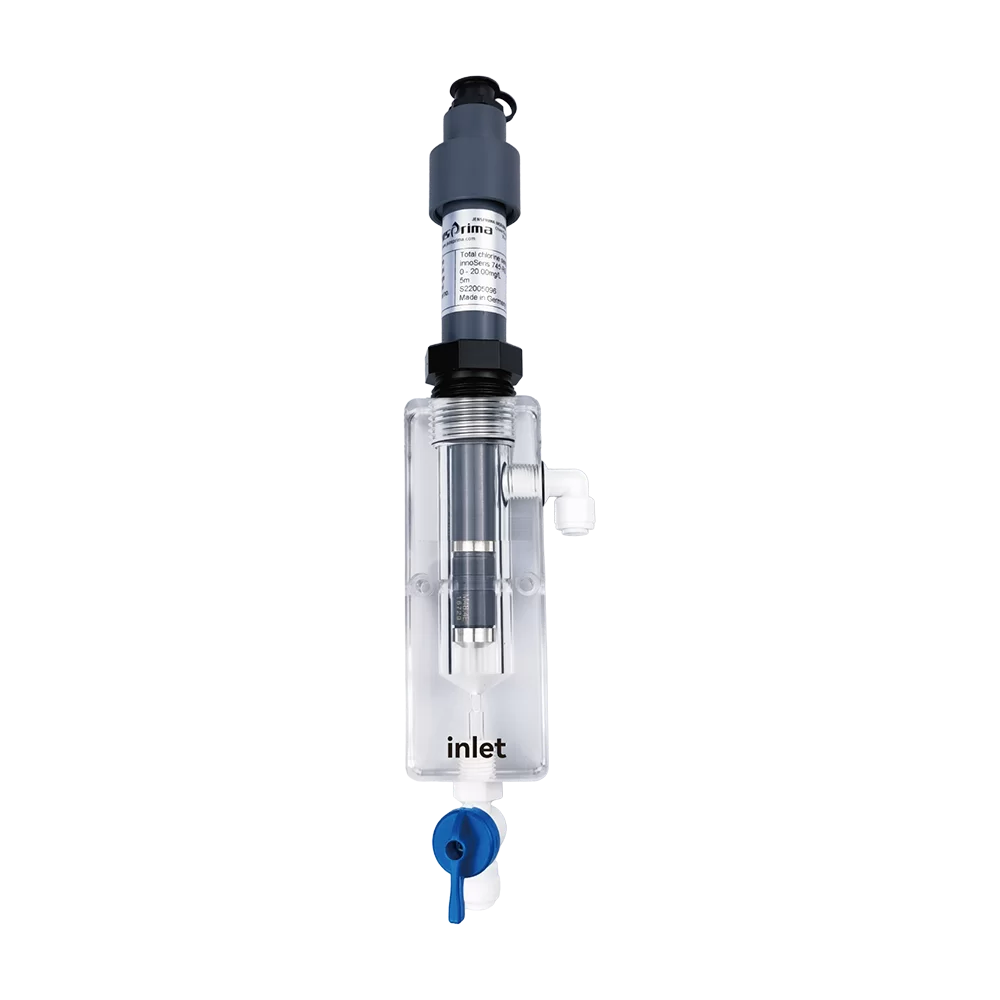
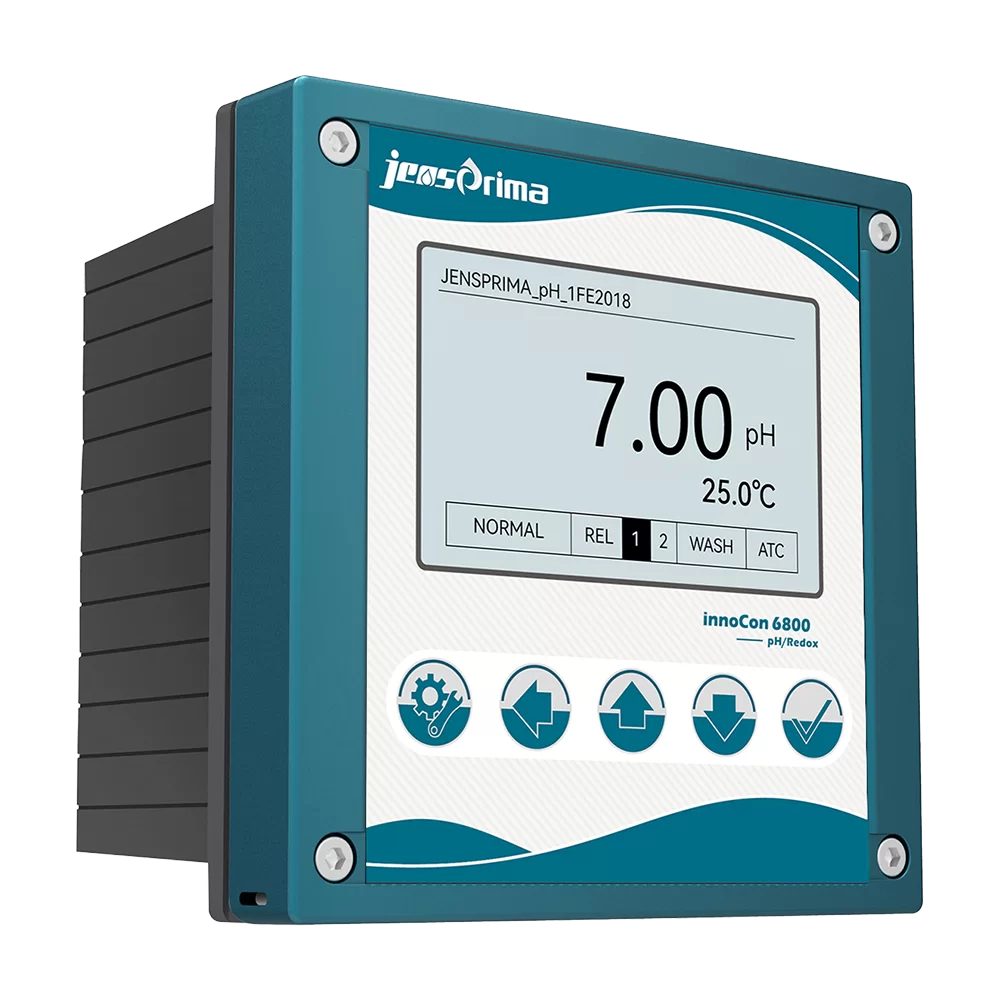
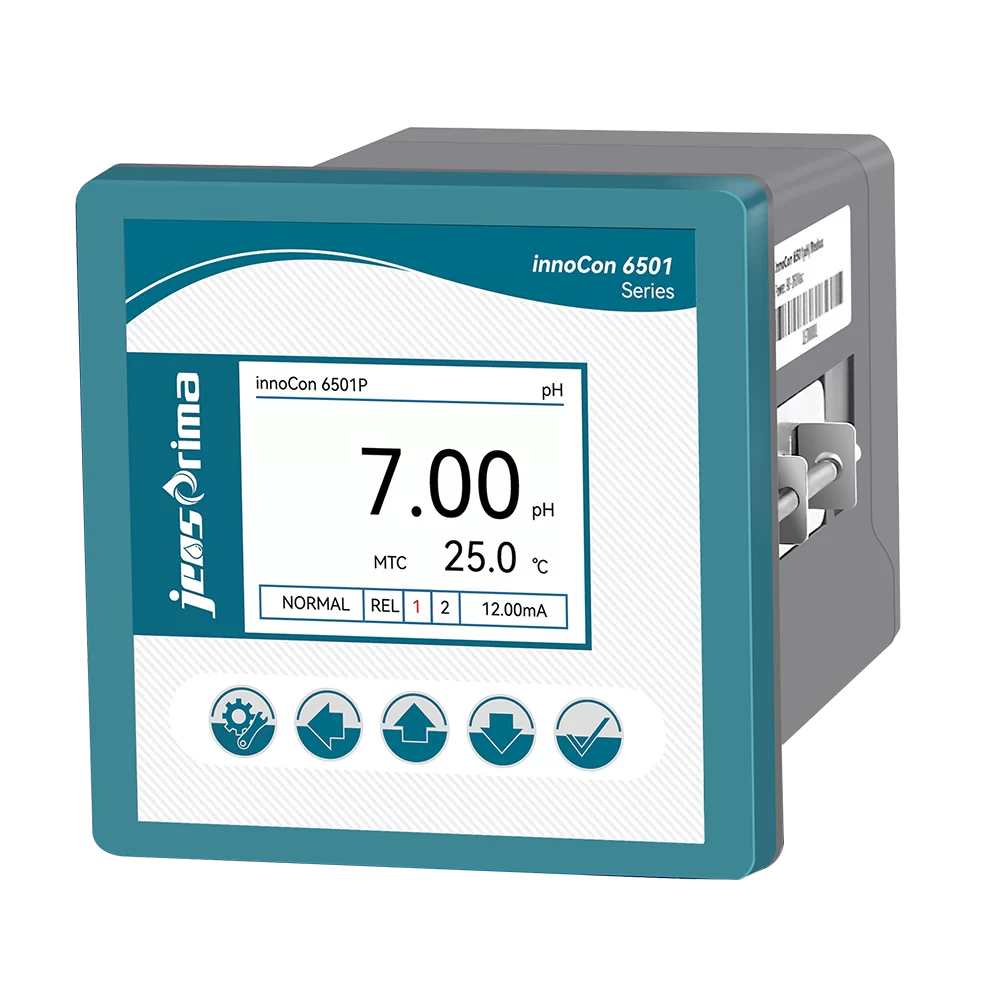
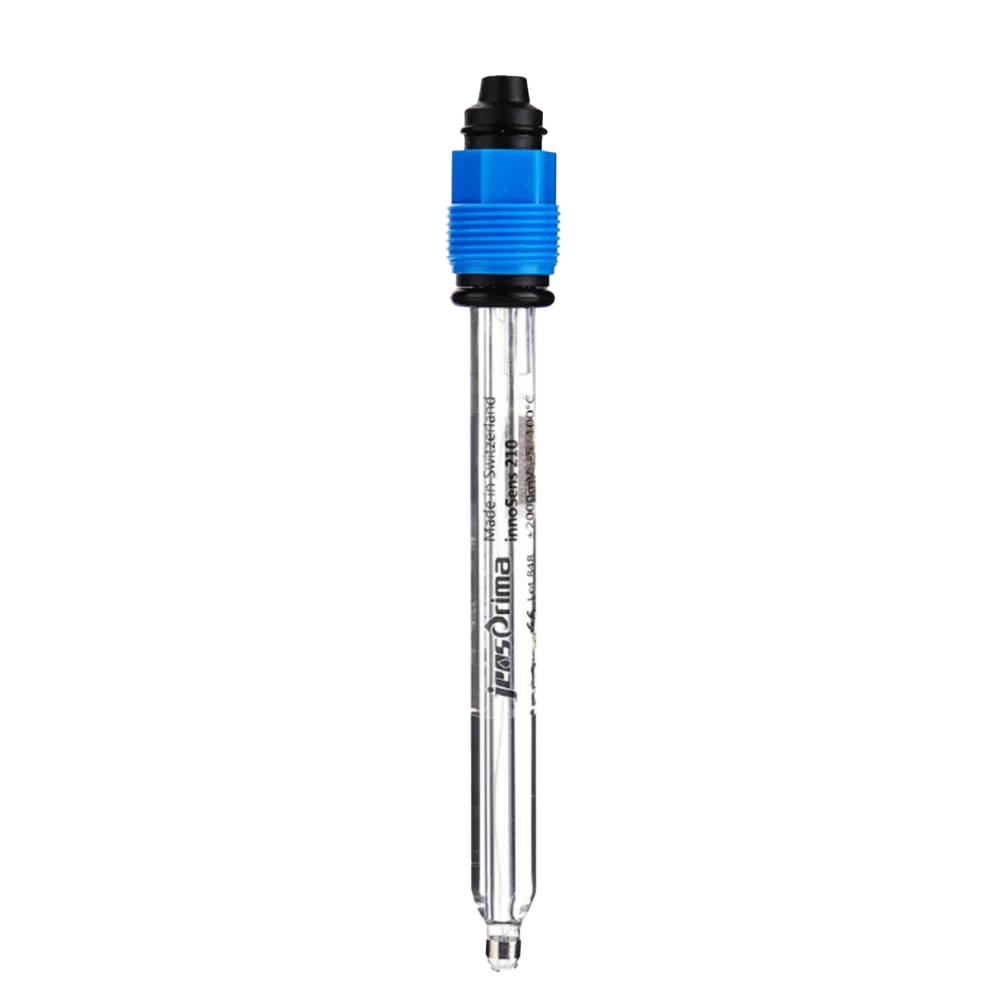
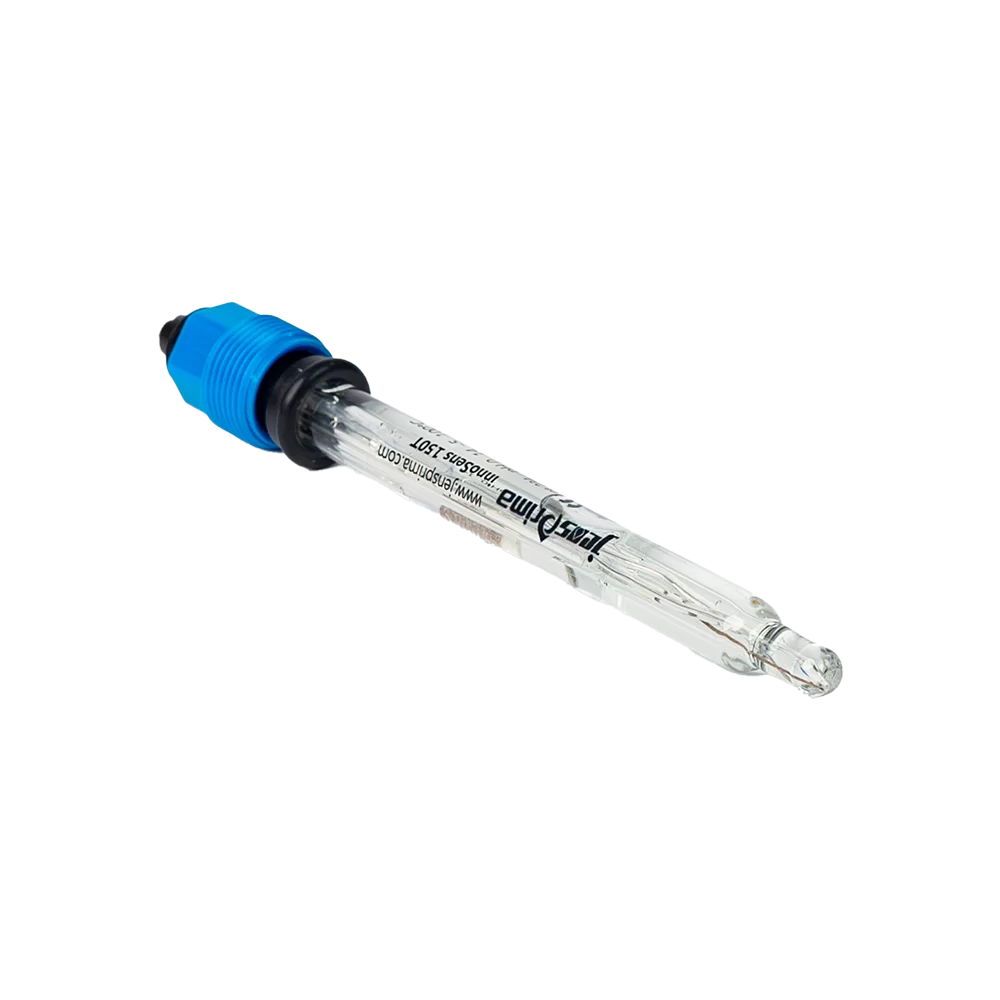
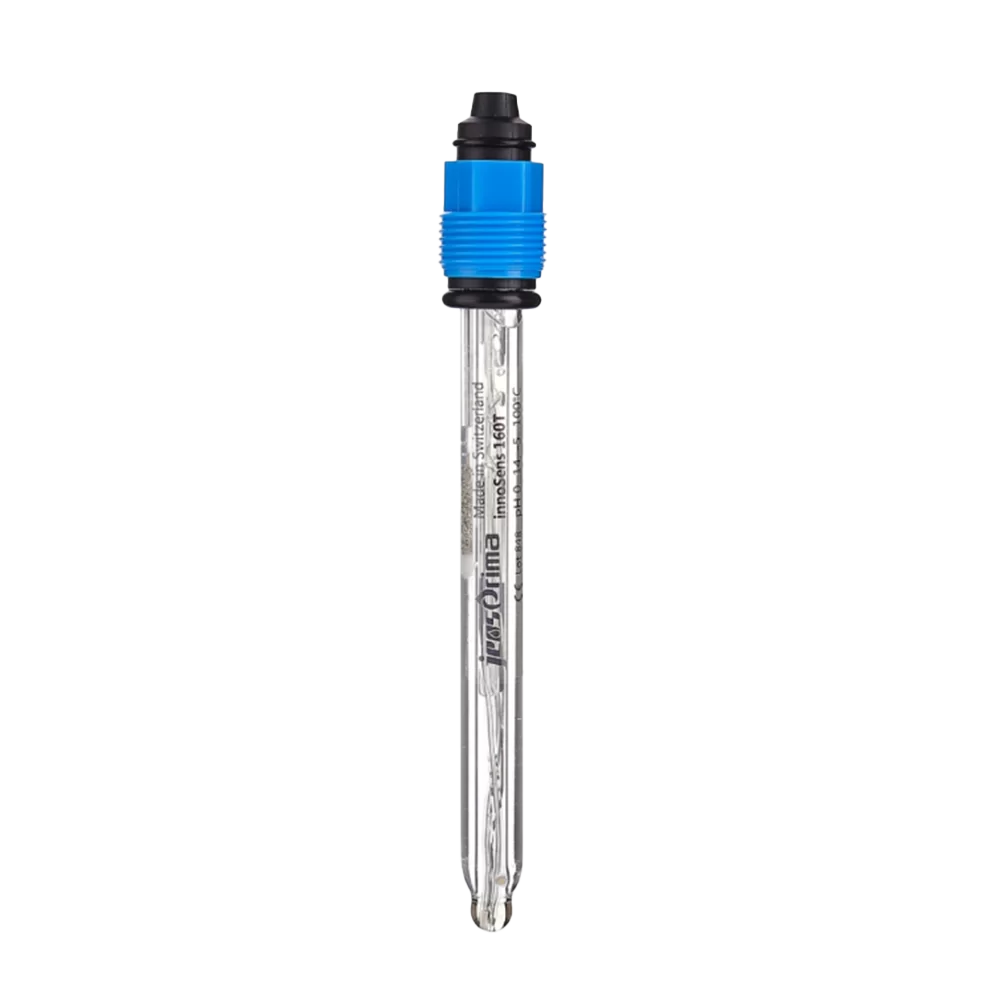
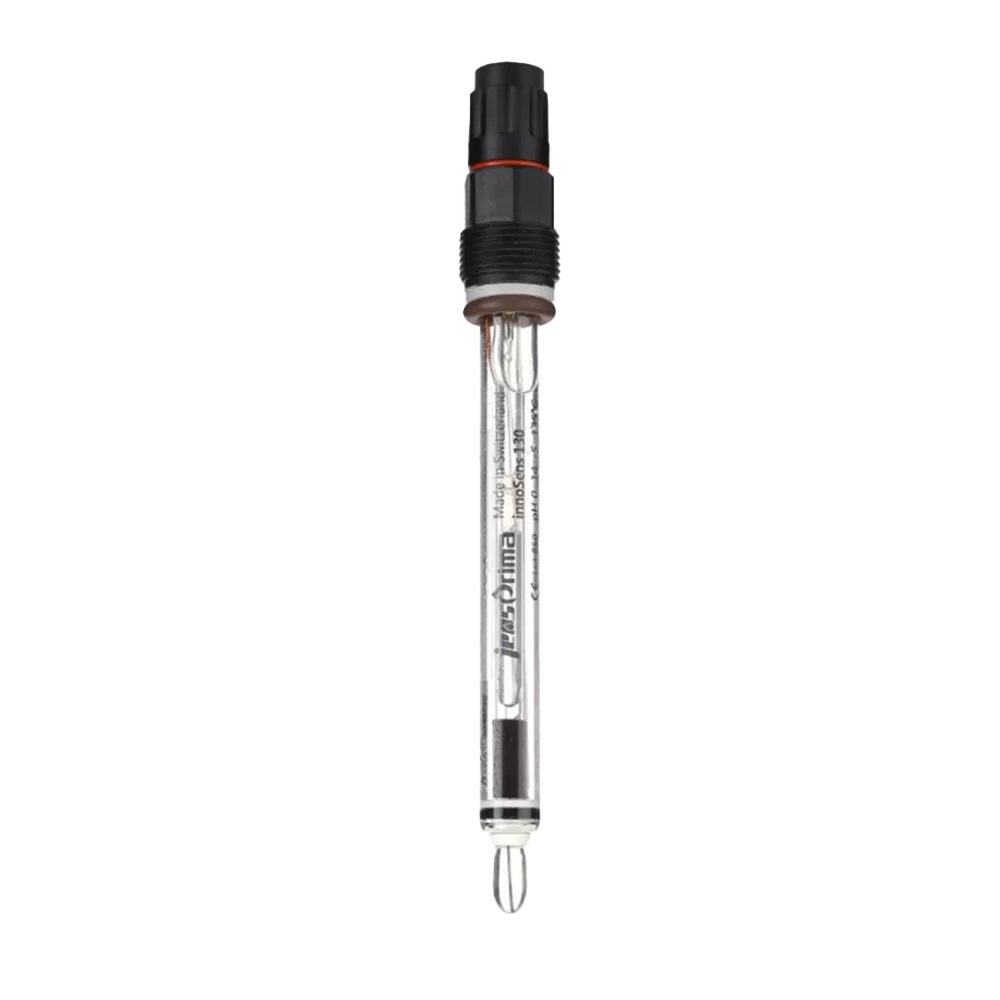
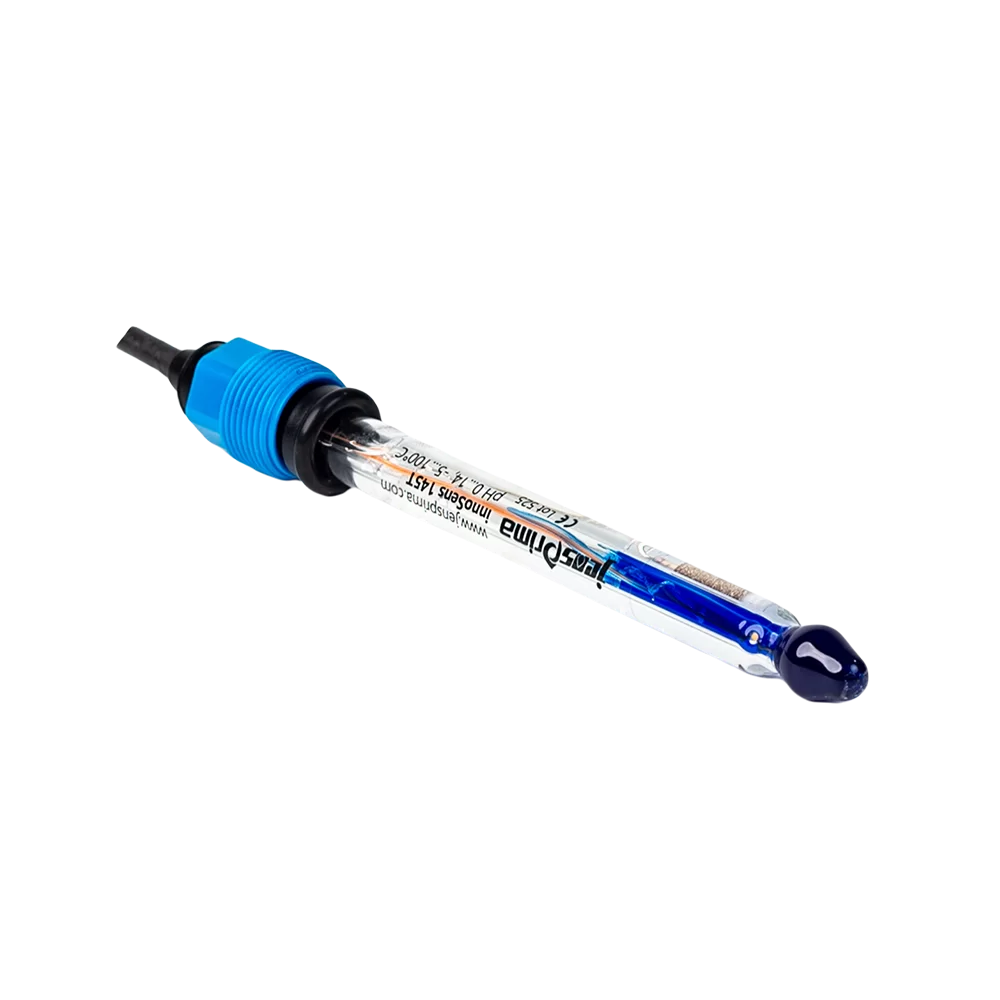
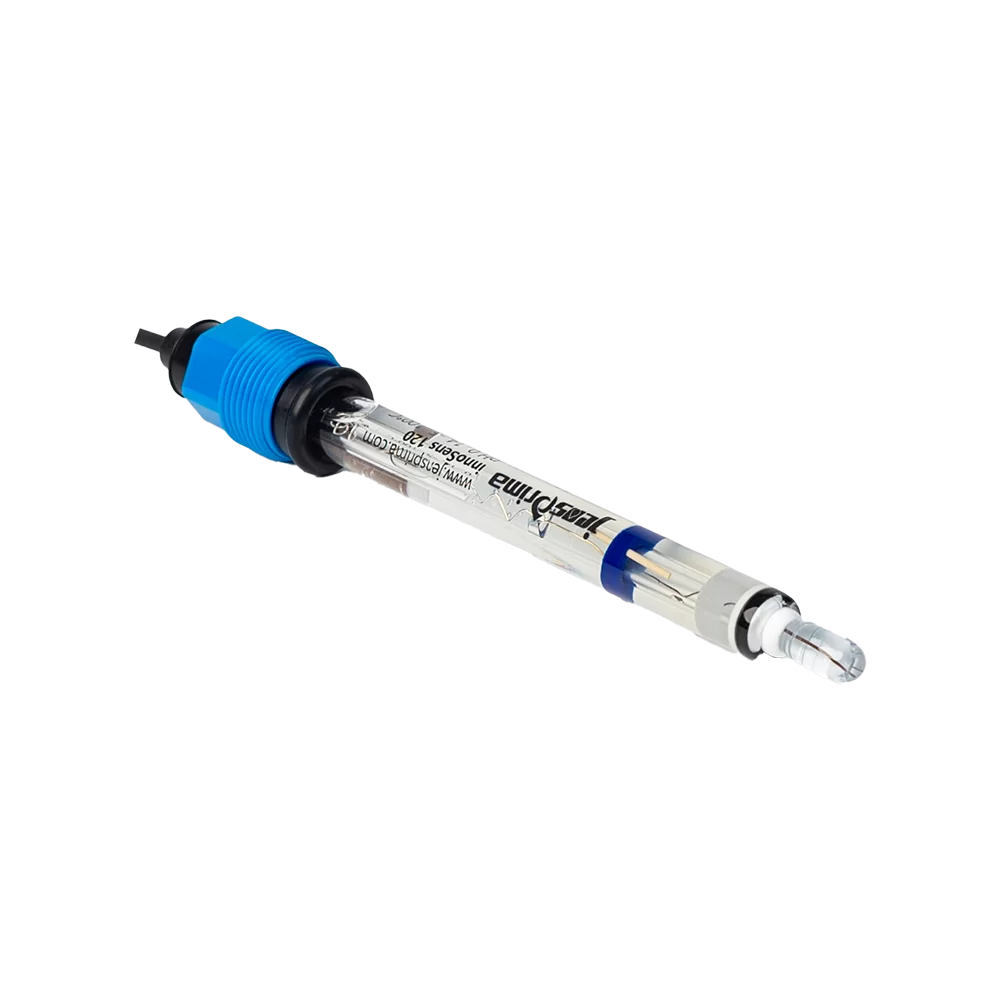
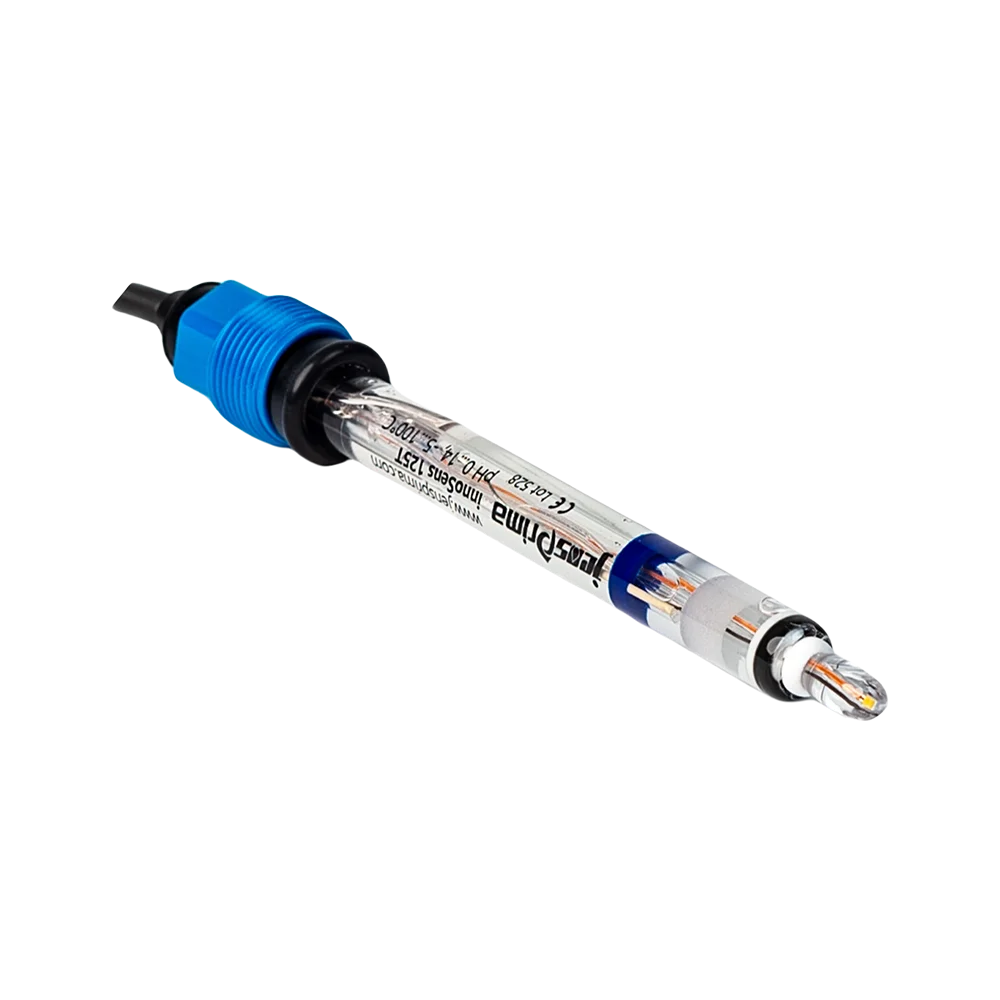
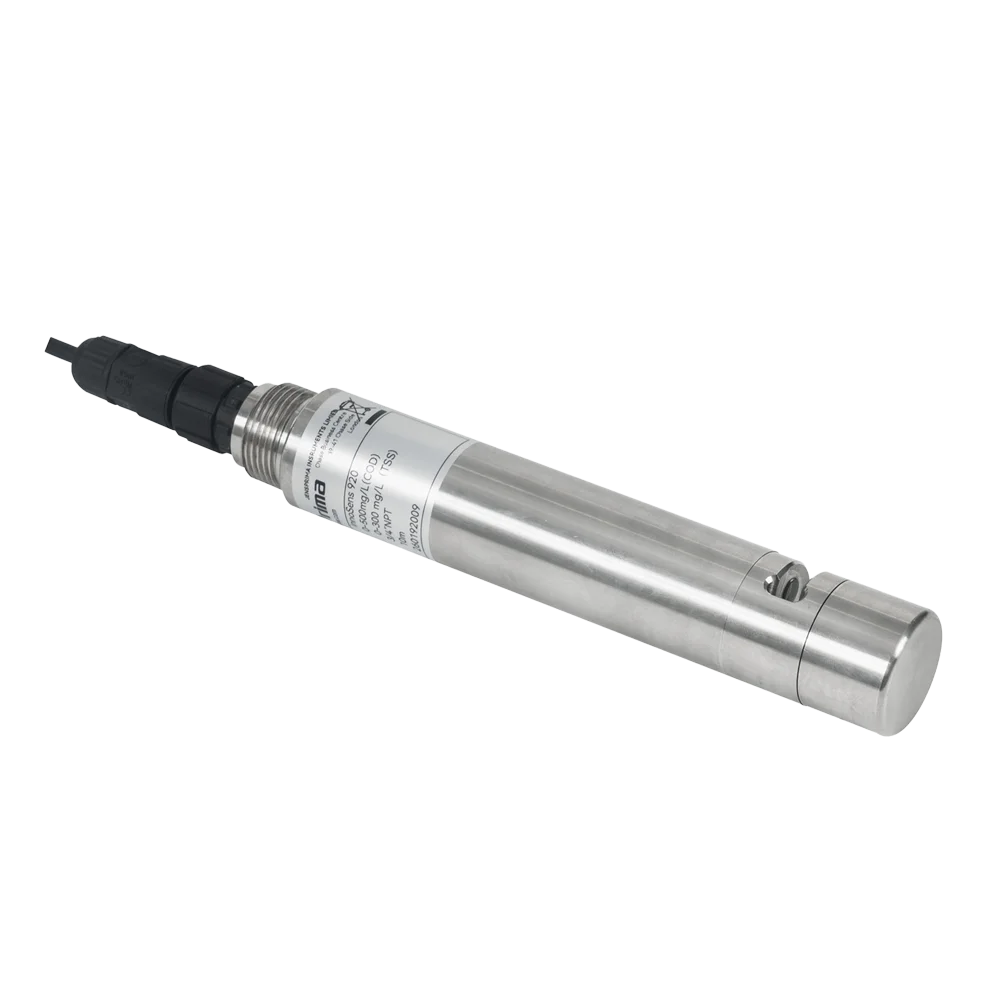
At its core, a redox meter is an electronic instrument designed to measure the Oxidation-Reduction Potential (ORP) of a liquid. It typically consists of a noble metal electrode (such as platinum) and a reference electrode, which together create a galvanic cell. The resulting voltage (measured in millivolts, mV) indicates the activity of oxidants and reductants in the solution.
In a modern industrial context, this measurement is far more than a simple laboratory number; it is a critical control variable. For instance, in the manufacturing of high-purity chemicals, the redox potential determines whether a specific reaction will proceed or if the product will degrade. The redox meter transforms this invisible chemical tension into a digital value that can be integrated into Automated Logic Controllers (ALC).
Beyond the technical definition, these meters address a fundamental humanitarian need: the provision of safe drinking water. By monitoring the "disinfection potential" of water, the redox meter ensures that chlorine levels are sufficient to kill bacteria and viruses without reaching concentrations that are toxic to humans or corrosive to piping systems.
Core Components for High-Precision Analysis
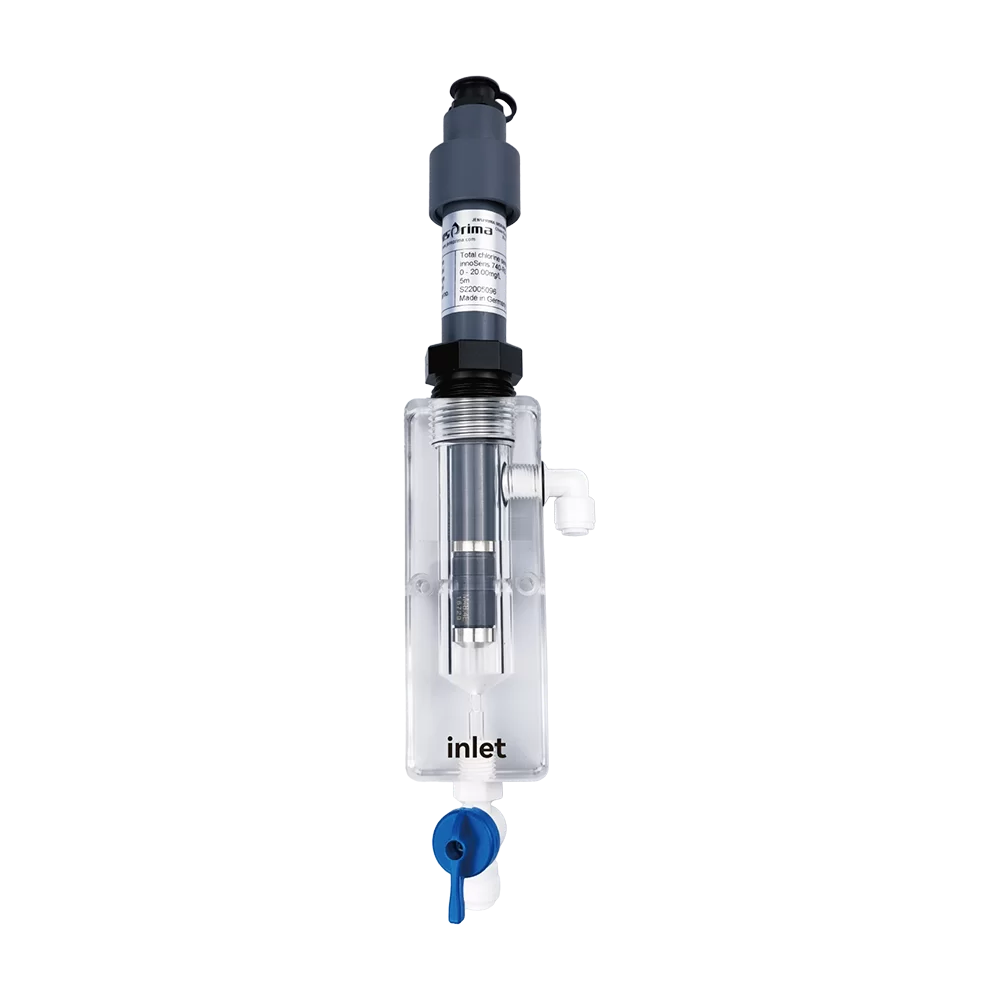
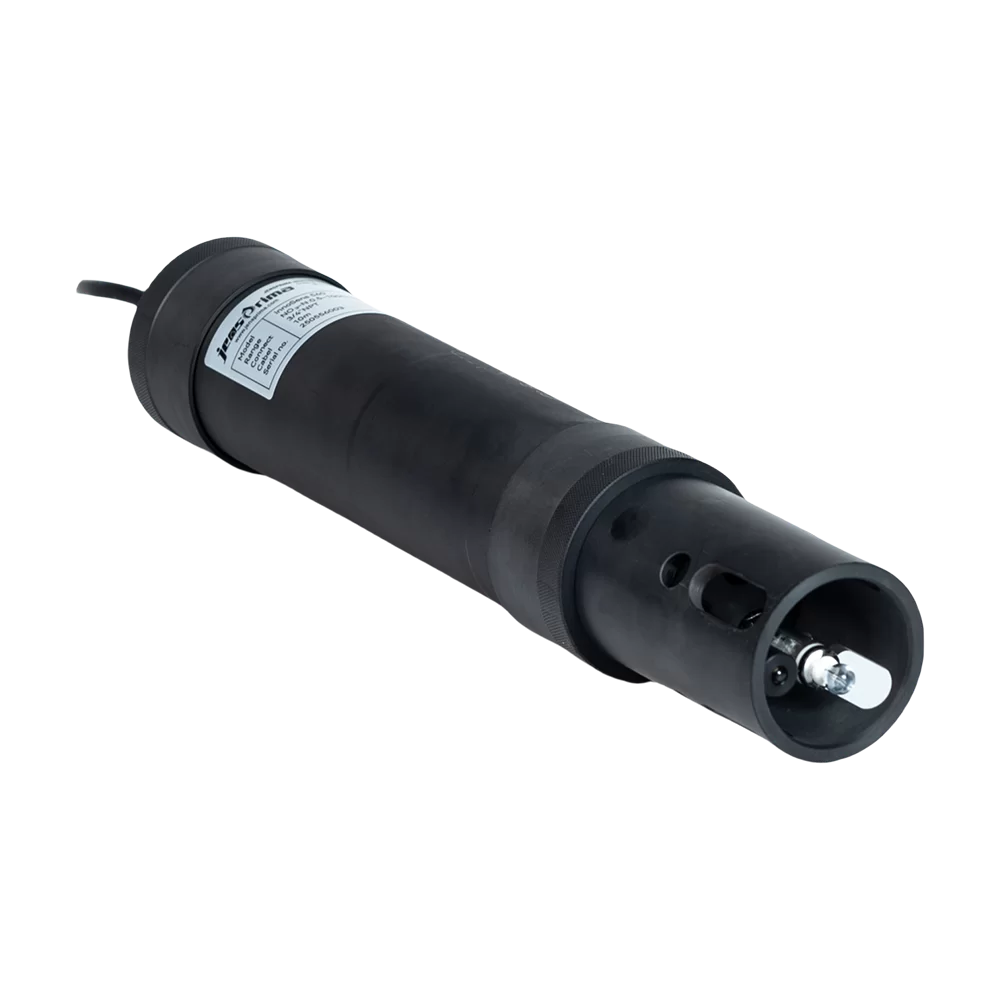
The reliability of a redox meter depends heavily on the quality of its sensing probe. The platinum tip must be chemically inert to prevent the electrode itself from reacting with the sample, ensuring that the measured potential is a true reflection of the solution's electronic state rather than a result of sensor degradation.
Signal stability is another crucial factor. Because ORP signals are often high-impedance and prone to electrical noise, a professional redox meter incorporates advanced amplifiers and digital filters. This prevents "drift" and ensures that the readings remain consistent even in the presence of heavy industrial machinery or electromagnetic interference.
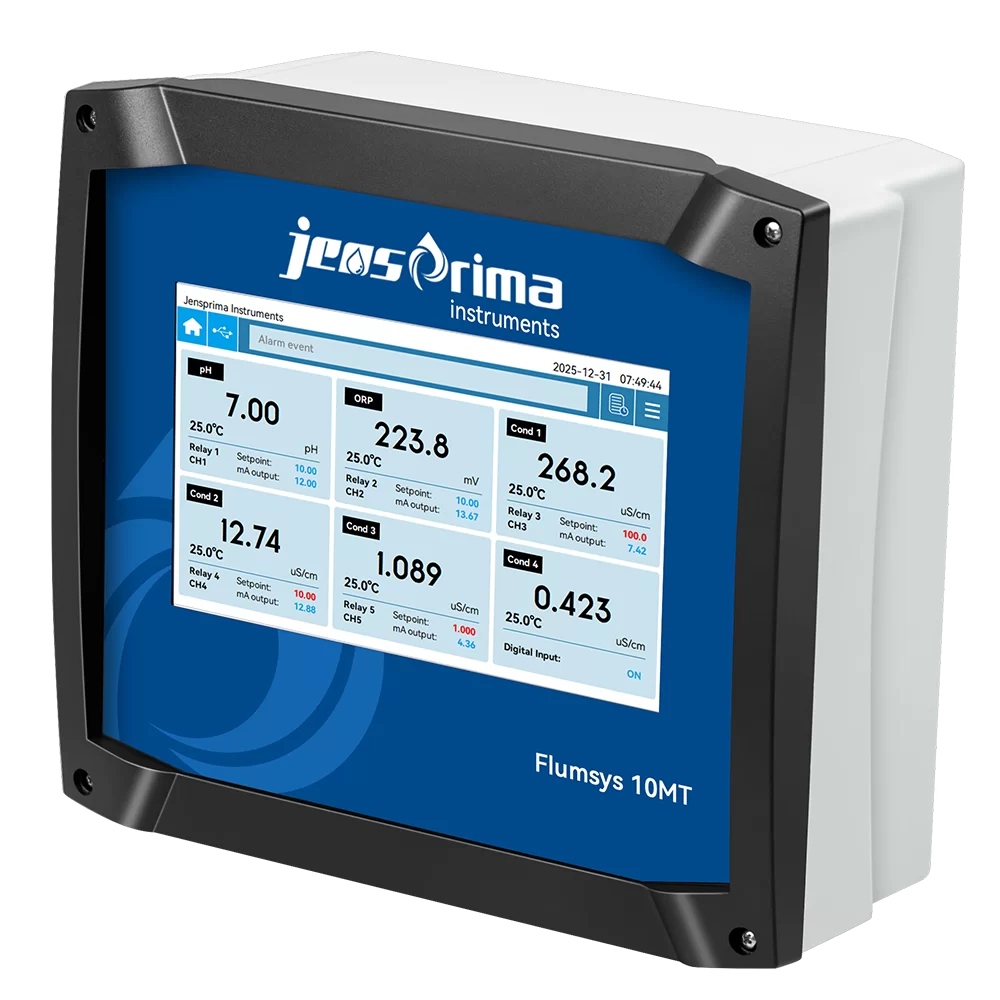
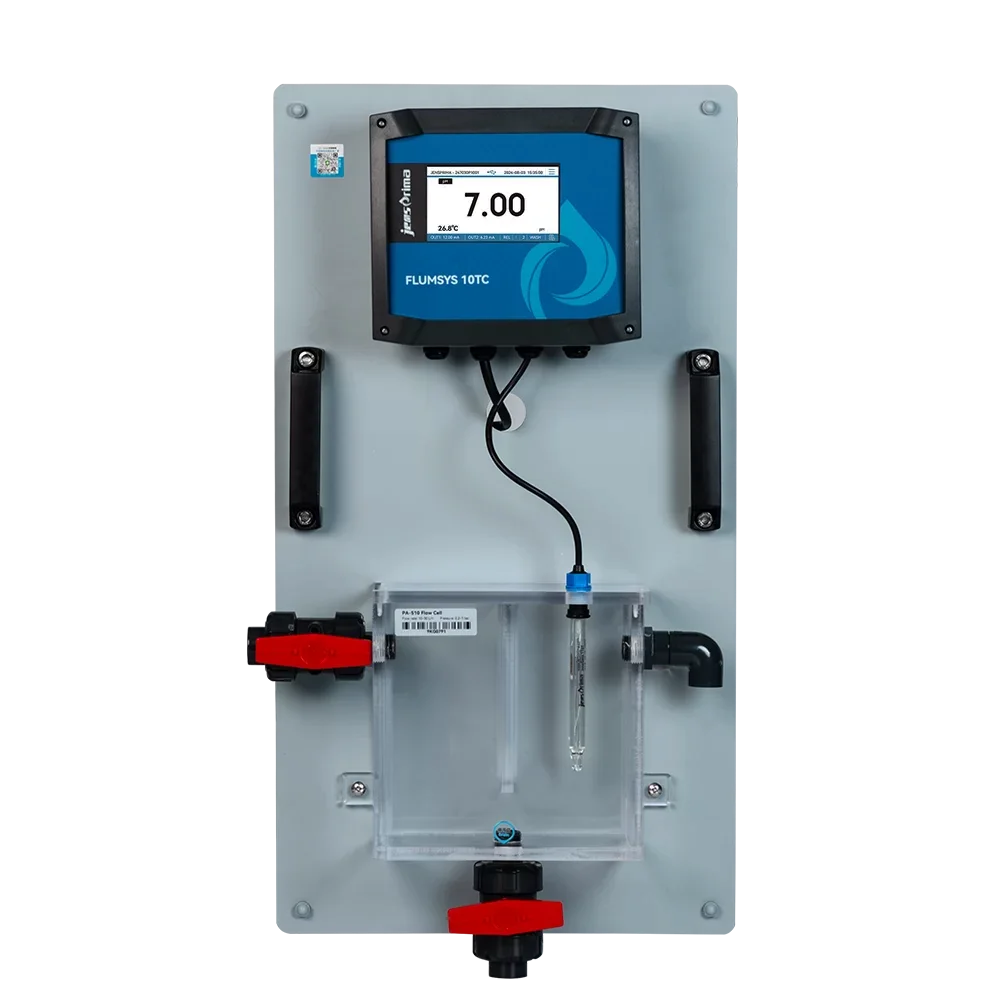
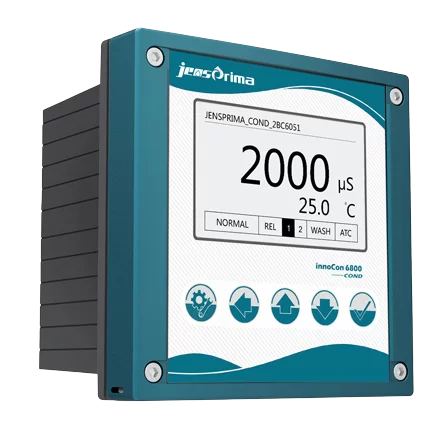
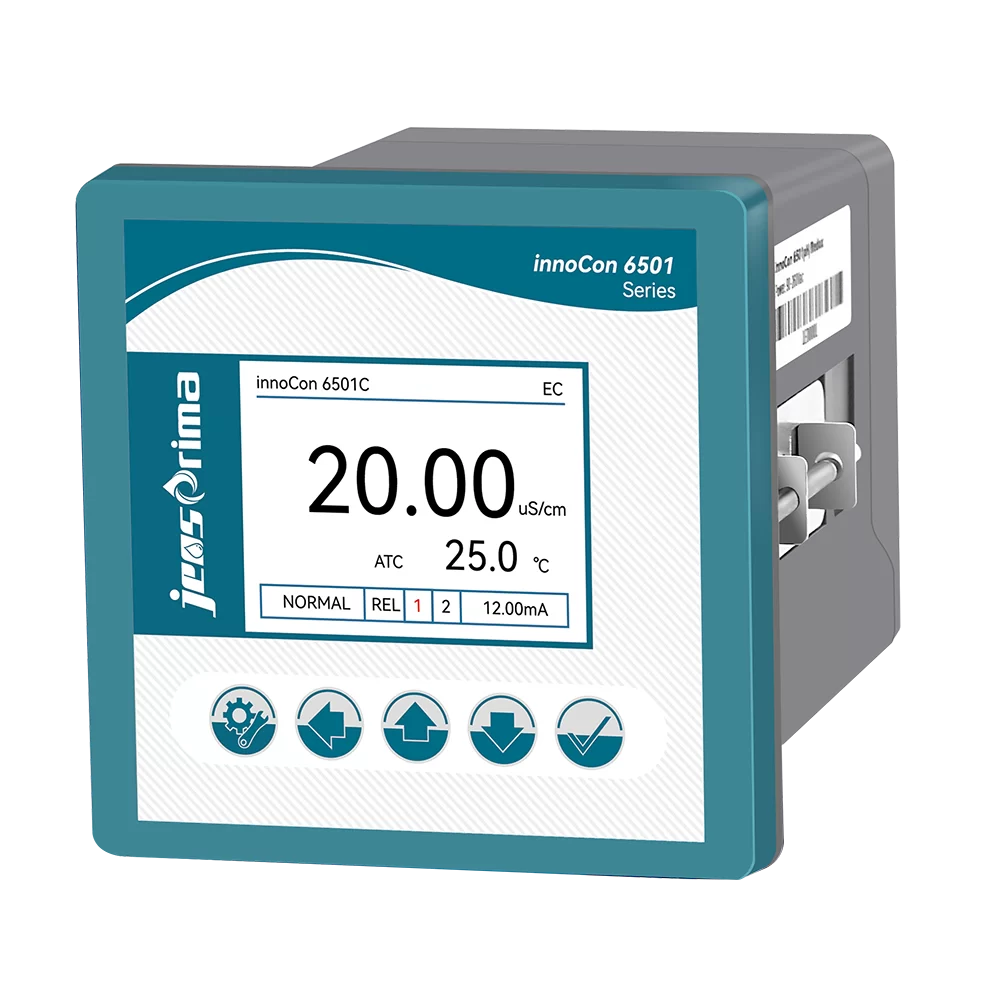
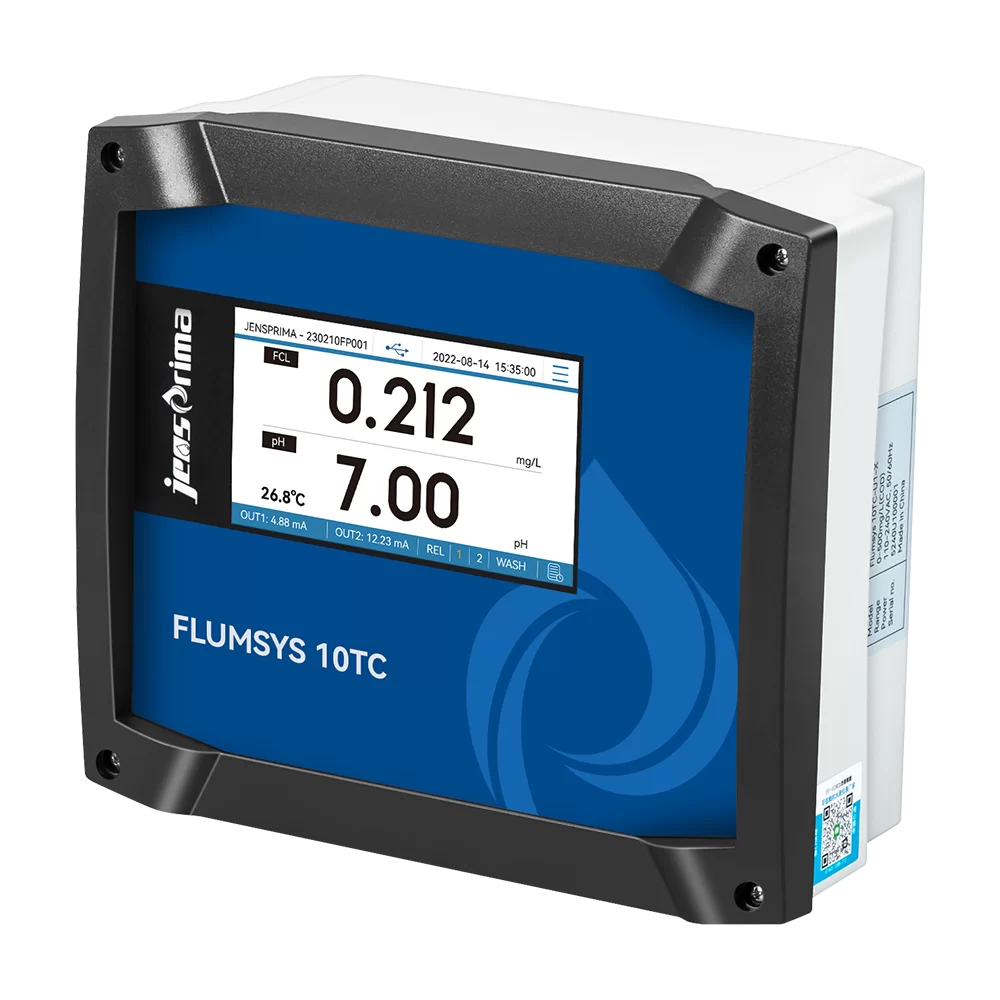
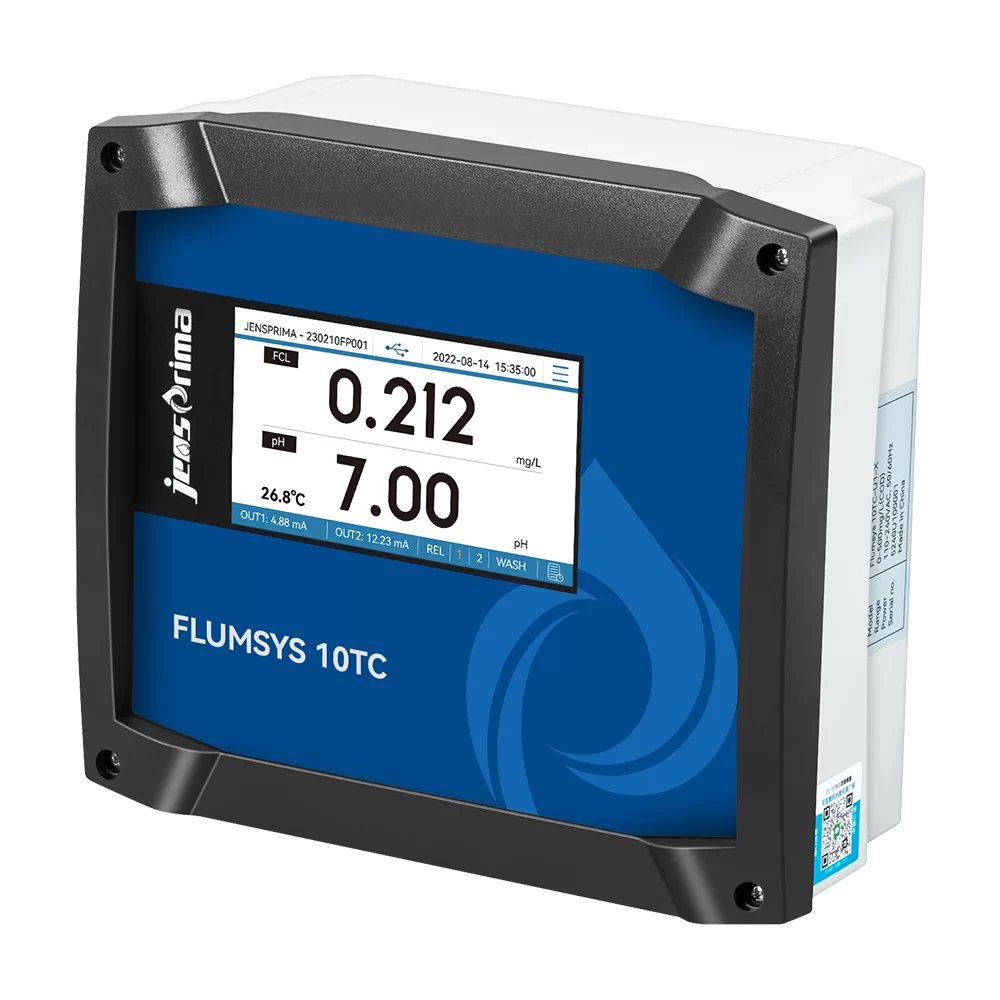
Finally, scalability and integration capabilities allow the redox meter to function within a larger ecosystem. Modern units often feature 4-20mA analog outputs or Modbus RS485 digital communication, enabling them to connect seamlessly with pH/Redox controllers and Multi-Parameter Water Quality Analyzers for comprehensive system monitoring.
Performance Metrics and Comparison
When selecting a redox meter, engineers typically evaluate performance based on response time, temperature compensation accuracy, and long-term stability. A meter that responds slowly may lead to "chemical overshoot," where too much oxidant is added to a tank because the sensor didn't update the value quickly enough.
To illustrate the differences between various sensing technologies, we have analyzed five common configurations. While some prioritize extreme durability for wastewater, others focus on the ultra-high precision required for laboratory-grade chemical synthesis.
Comparative Analysis of Redox Meter Performance
Global Industrial Applications and Use Cases
In the global aquaculture industry, particularly in the North Sea and Southeast Asian shrimp farms, a redox meter is used to monitor pond health. Low ORP levels often indicate a buildup of toxic hydrogen sulfide, which can devastate entire harvests. By maintaining a specific redox range, farmers ensure high oxygenation and biological stability.
In remote industrial zones, such as mining operations in the Andes or oil refineries in the Middle East, the redox meter is indispensable for tailings pond management. It helps in controlling the precipitation of heavy metals, ensuring that toxic elements are locked into solid form and do not leach into the local groundwater, thus protecting remote community health.
Long-Term Value and Sustainability Impact
The adoption of a high-quality redox meter delivers tangible economic value by drastically reducing chemical consumption. In large-scale cooling towers, over-chlorination is a common problem that leads to premature pipe corrosion and increased maintenance costs. Precise ORP control ensures that only the necessary amount of biocide is used, extending the lifespan of the infrastructure.
Beyond cost, there is a profound social and environmental impact. By preventing the discharge of over-oxidized water into natural rivers, industries reduce the risk of "fish kills" and the destruction of aquatic biodiversity. This commitment to precision reflects a brand's trust and dedication to corporate social responsibility (CSR).
Furthermore, the reliability of a redox meter provides peace of mind for plant operators. Knowing that the system is operating within a safe electrochemical window reduces the stress of manual sampling and the risk of human error, fostering a safer and more innovative workplace culture.
Future Trends and Technical Challenges
The future of the redox meter lies in the intersection of digital transformation and material science. We are seeing a shift toward "solid-state" reference electrodes that do not require refills, significantly reducing the maintenance burden in harsh environments. Additionally, the integration of AI-driven predictive analytics allows systems to anticipate redox drops before they happen.
However, challenges remain, particularly regarding electrode fouling. In high-organic wastewater, a biofilm can form on the platinum tip, insulating the sensor and causing sluggish readings. The industry is responding with automated cleaning systems—using air-blast or ultrasonic technology—to keep the redox meter surface pristine.
As we move toward "Industry 4.0," the transition to wireless, self-calibrating redox meter units will allow for denser sensor networks. This will enable a "digital twin" of a plant's water system, where every cubic meter of water is tracked for its oxidative state in real-time.
Technical Analysis of Redox Meter Implementation Strategies
| Deployment Scenario |
Recommended Meter Type |
Key Maintenance Need |
Reliability Score (1-10) |
| Municipal Water Treatment |
Online Industrial Meter |
Monthly Calibration |
9 |
| Pharmaceutical CIP |
High-Temp Redox Probe |
Seal Integrity Check |
10 |
| Aquaculture Ponds |
Portable/Field Meter |
Biofilm Removal |
7 |
| Chemical Manufacturing |
Precision Lab Meter |
Standard Solution Buffering |
9 |
| Mining Tailings |
Heavy-Duty Online Meter |
Abrasion Inspection |
8 |
| Hydroponic Systems |
IoT-Enabled Sensor |
Reference Junction Cleaning |
8 |
FAQS
Calibration frequency depends on the application. For critical industrial processes, weekly or bi-weekly checks using standard ORP solutions are recommended. In more stable environments, monthly calibration may suffice. Regular calibration ensures that the sensor hasn't drifted due to electrode aging or contamination, maintaining the accuracy required for chemical dosing.
While pH measures the concentration of hydrogen ions (acidity or alkalinity), a redox meter measures the electronic potential (the tendency to gain or lose electrons). pH tells you how acidic the water is; ORP tells you how "strong" the oxidants (like chlorine) are in that water. Both are essential for a full picture of water chemistry.
Yes, but it requires specific hardware. In contaminated water, standard probes may fail due to fouling. We recommend using a redox meter equipped with a heavy-duty, oil-resistant reference junction and an automated cleaning system. This prevents contaminants from blocking the electrode surface, ensuring reliable readings in harsh environments.
Fluctuations are usually caused by electrical interference (ground loops) or air bubbles trapped on the sensor tip. Ensure your redox meter is properly grounded and the probe is installed in a position where air cannot accumulate. If the problem persists, check the integrity of the cable shielding or the reference electrode's electrolyte level.
Generally, an ORP value between 650mV and 800mV is considered effective for the rapid inactivation of most bacteria and viruses in drinking water. However, the exact target depends on the specific disinfectant used and the water's pH. Always consult with a water quality engineer to set the optimal setpoint for your specific system.
Absolutely. Most professional redox meters offer 4-20mA analog signals or digital protocols like Modbus RS485. This allows the meter to send real-time data to a Programmable Logic Controller (PLC), which can then automatically adjust pump speeds for chlorine or ozone dosing, creating a fully closed-loop control system.
Conclusion
The redox meter is an indispensable tool in the modern industrial arsenal, bridging the gap between theoretical chemistry and practical water management. From ensuring the safety of municipal drinking water to optimizing the efficiency of pharmaceutical production, the ability to monitor oxidation-reduction potential allows for unprecedented precision in chemical control. By focusing on high-quality sensor materials, stable signal processing, and seamless system integration, industries can achieve a balance between operational efficiency and environmental stewardship.
Looking forward, the evolution of redox technology toward IoT integration and self-maintaining sensors will further reduce the cost of ownership and increase the reliability of water monitoring globally. We encourage plant managers and environmental engineers to audit their current sensing capabilities and transition toward smarter, more responsive ORP solutions. To explore our range of professional water quality instruments and find the perfect fit for your application, visit our website: www.jensprima.com



 Download
 Video Center
 Technical Services
 FAQS
 Service Network
 Privacy Policy
 Contact Us