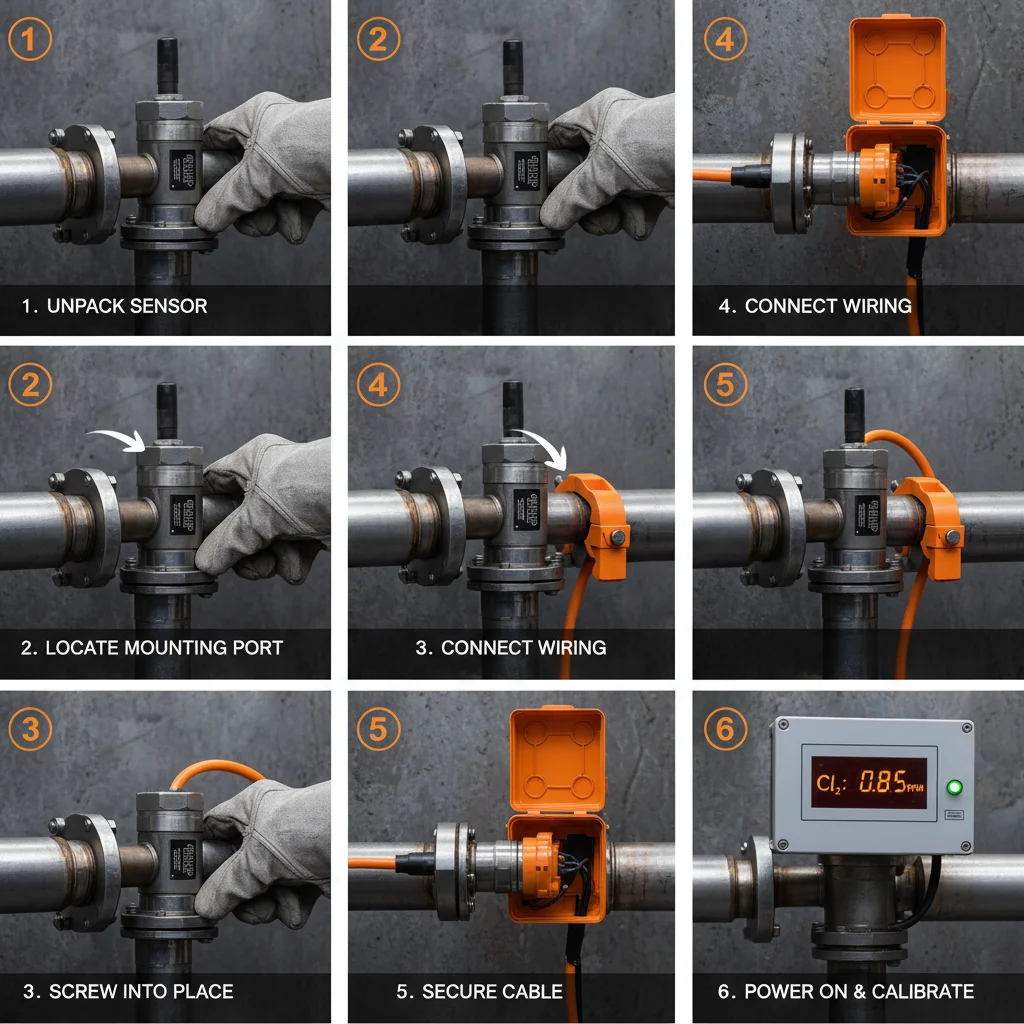
The reliable measurement of alkalinity is crucial across a vast spectrum of industries, from water treatment and environmental monitoring to chemical processing and food production. Accurate alkalinity data ensures process control, regulatory compliance, and ultimately, public safety. An alkalinity analyzer provides a precise and efficient means of determining the acid-neutralizing capacity of a liquid, offering significant advantages over traditional titration methods. Its applications are widespread and growing, reflecting a global emphasis on sustainability and resource management.
The increasing demand for efficient and reliable water quality monitoring is a key driver for the advancement of alkalinity analyzers. Globally, stricter environmental regulations and a growing awareness of water scarcity are forcing industries and municipalities to invest in technologies that optimize water usage and minimize environmental impact. Data from organizations like the UN and the World Bank highlights the urgency of addressing water challenges, positioning alkalinity analysis as a vital component of sustainable water management strategies.
Beyond environmental applications, alkalinity analysis plays a critical role in industrial processes where precise pH control is paramount. From the production of pharmaceuticals and semiconductors to the optimization of power plant cooling systems, maintaining the correct alkalinity levels is essential for product quality, equipment longevity, and operational efficiency. The evolution of alkalinity analyzers directly supports these critical industrial needs.
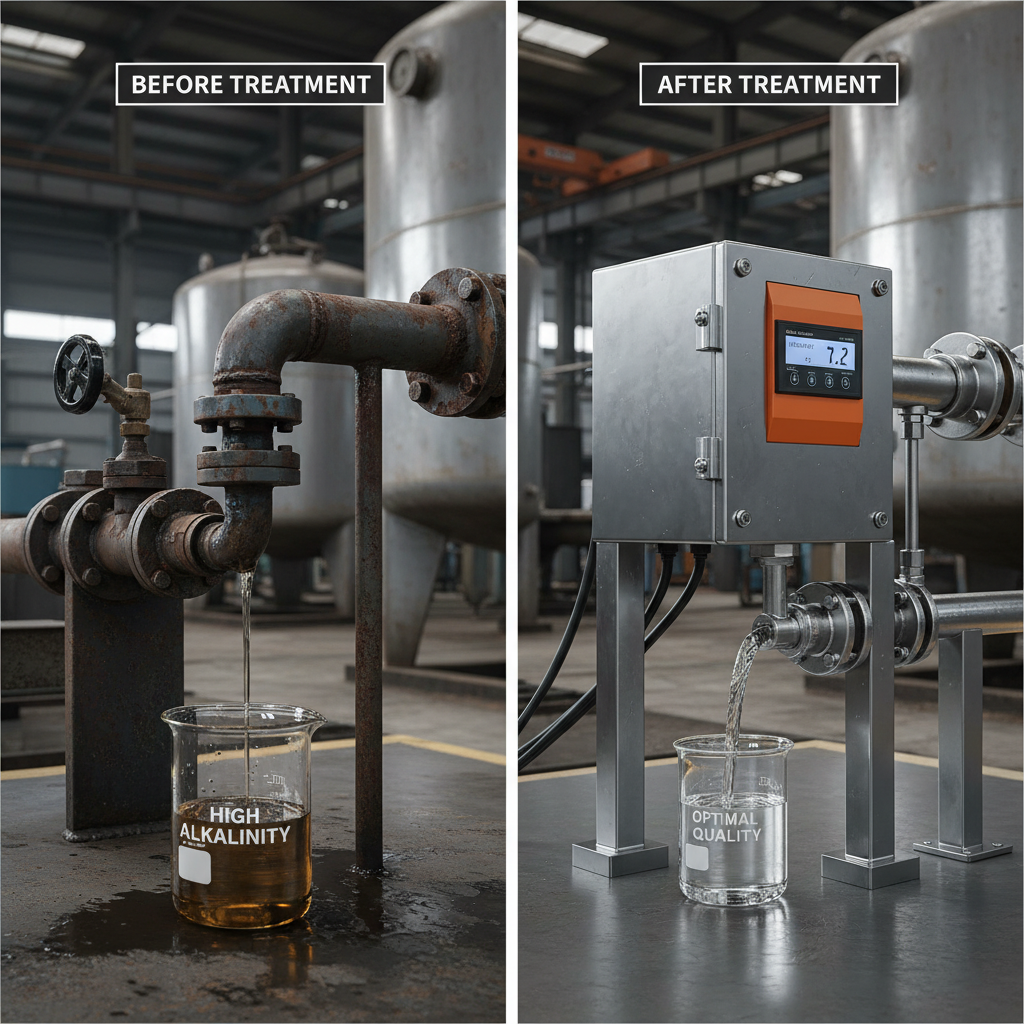
Introduction to alkalinity analyzer
An alkalinity analyzer is an instrument designed to measure the capacity of water to neutralize acids. This capacity is primarily due to the presence of bicarbonate, carbonate, and hydroxide ions. Accurate alkalinity measurement is fundamental to understanding and managing water chemistry, playing a critical role in ensuring water quality and process efficiency.
These analyzers are employed in a wide range of applications, from ensuring the safety of drinking water to optimizing industrial processes. Modern alkalinity analyzers offer significant advantages over traditional methods like titration, including real-time monitoring, reduced reagent consumption, and improved accuracy.
Defining Alkalinity and its Importance
Alkalinity, in the context of water chemistry, isn't a direct measure of pH, although it strongly influences it. It represents the buffering capacity of water – its ability to resist changes in pH upon the addition of acid. A higher alkalinity generally indicates a greater ability to neutralize acids, protecting aquatic life and preventing corrosion in industrial systems.
Understanding alkalinity is essential for maintaining stable and predictable water quality. In drinking water treatment, alkalinity levels must be optimized to facilitate effective coagulation and disinfection. In industrial settings, proper alkalinity control can prevent scaling, corrosion, and fouling of equipment, ensuring efficient and reliable operation.
The importance of alkalinity extends to environmental monitoring, where it serves as an indicator of pollution and watershed health. Fluctuations in alkalinity can signal changes in water sources, runoff patterns, or the presence of industrial discharge. Precise measurement using an alkalinity analyzer is crucial for assessing these impacts.
Core Components of an alkalinity analyzer
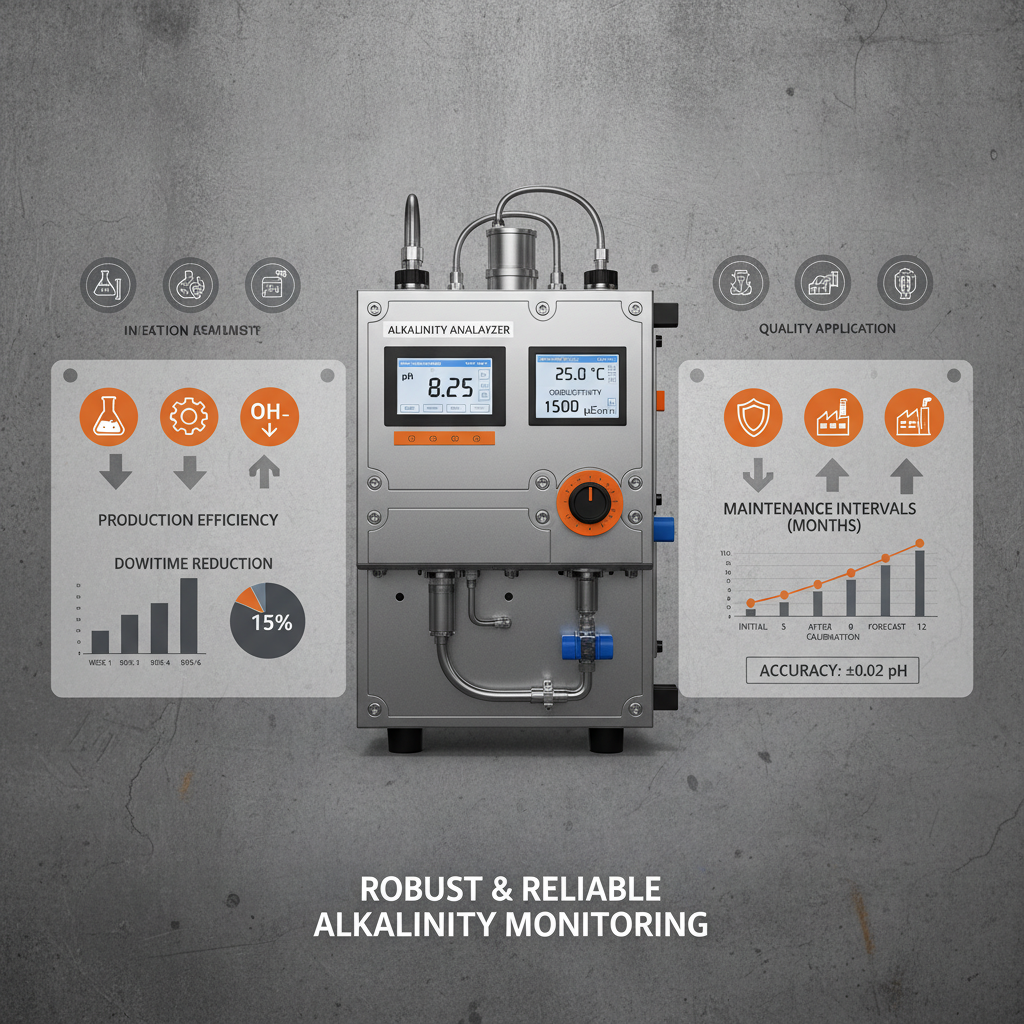
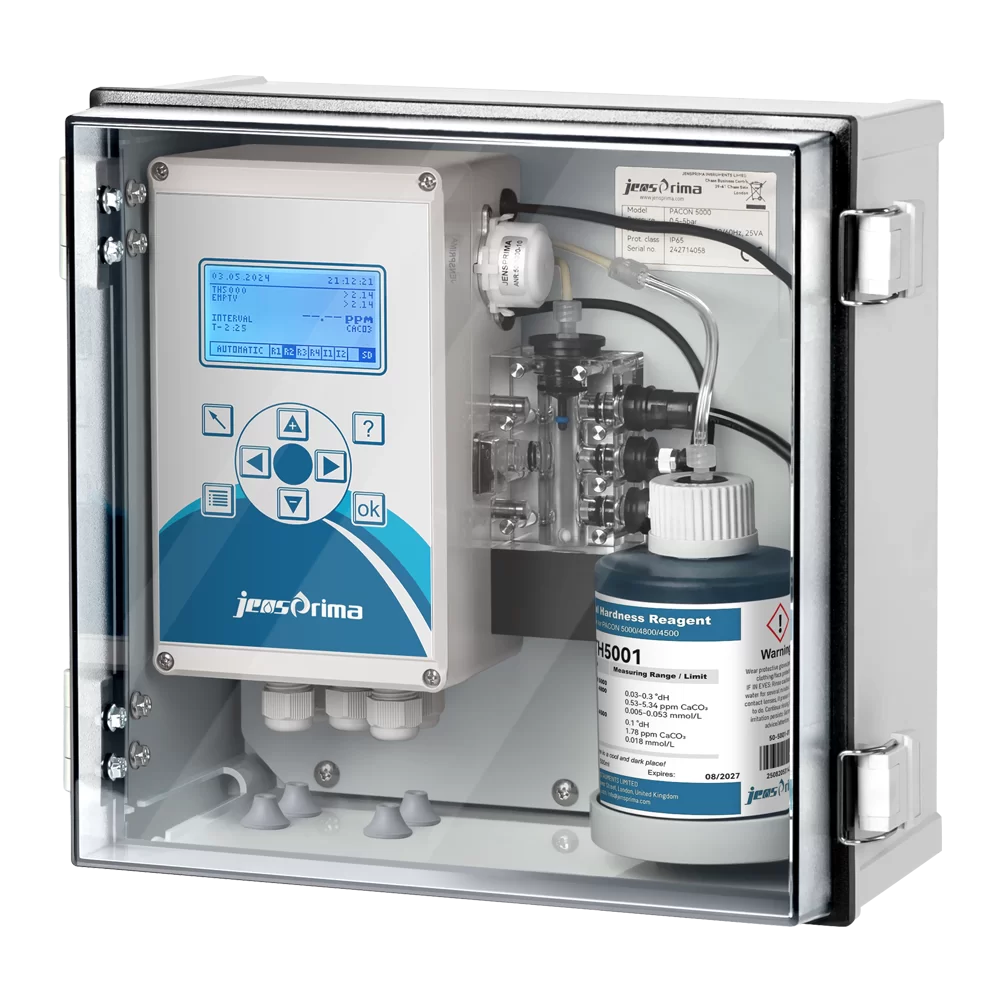
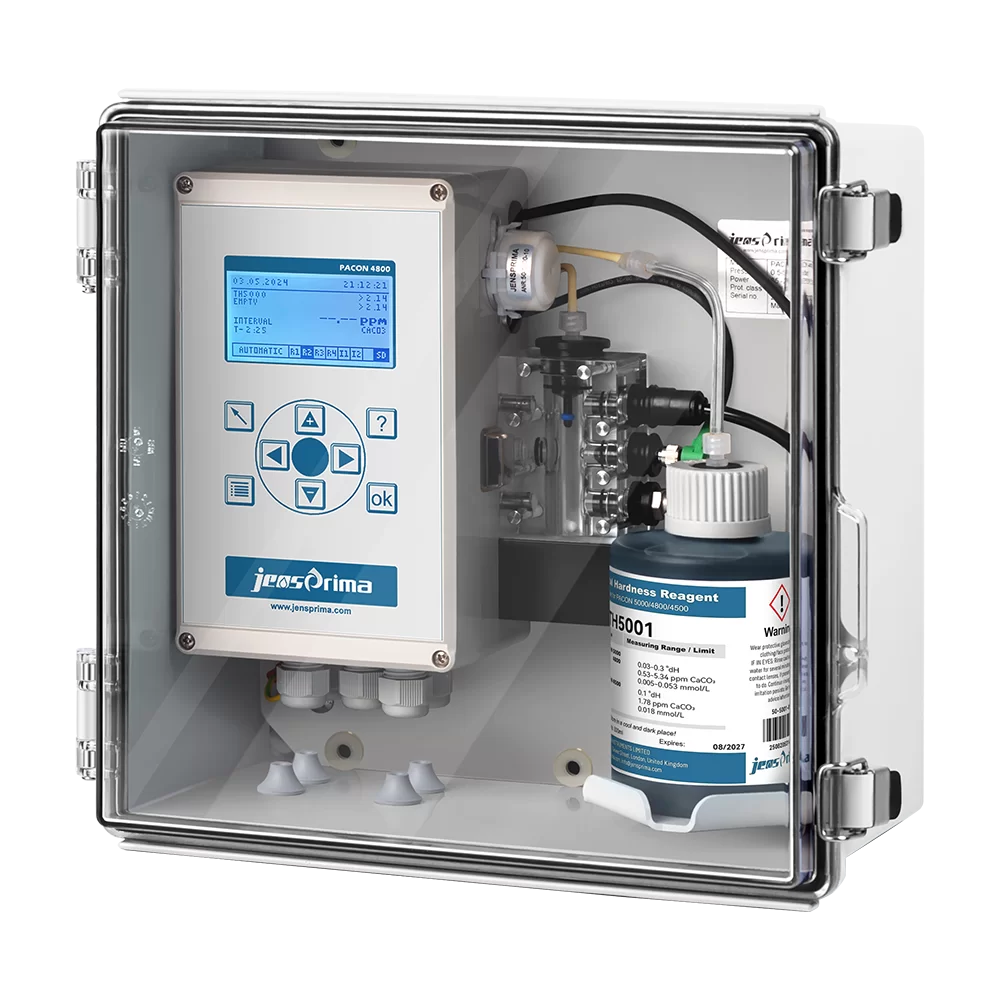
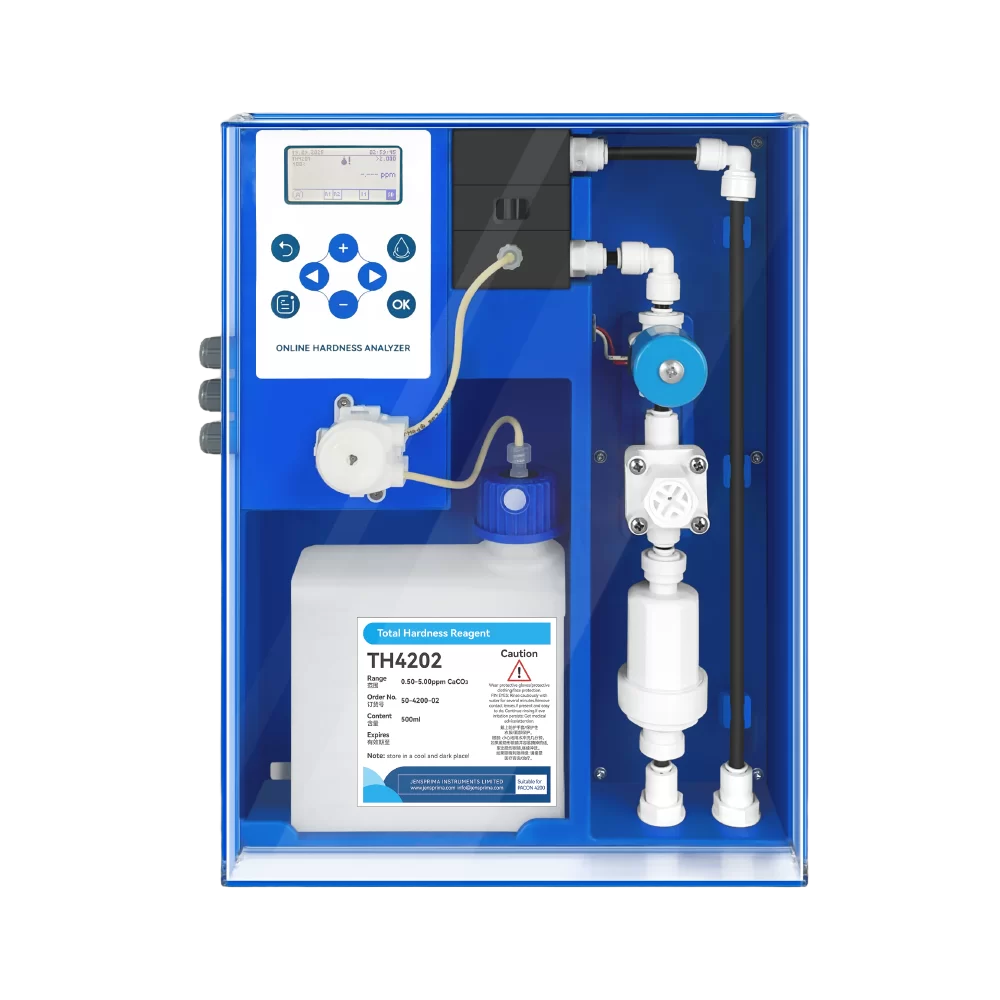
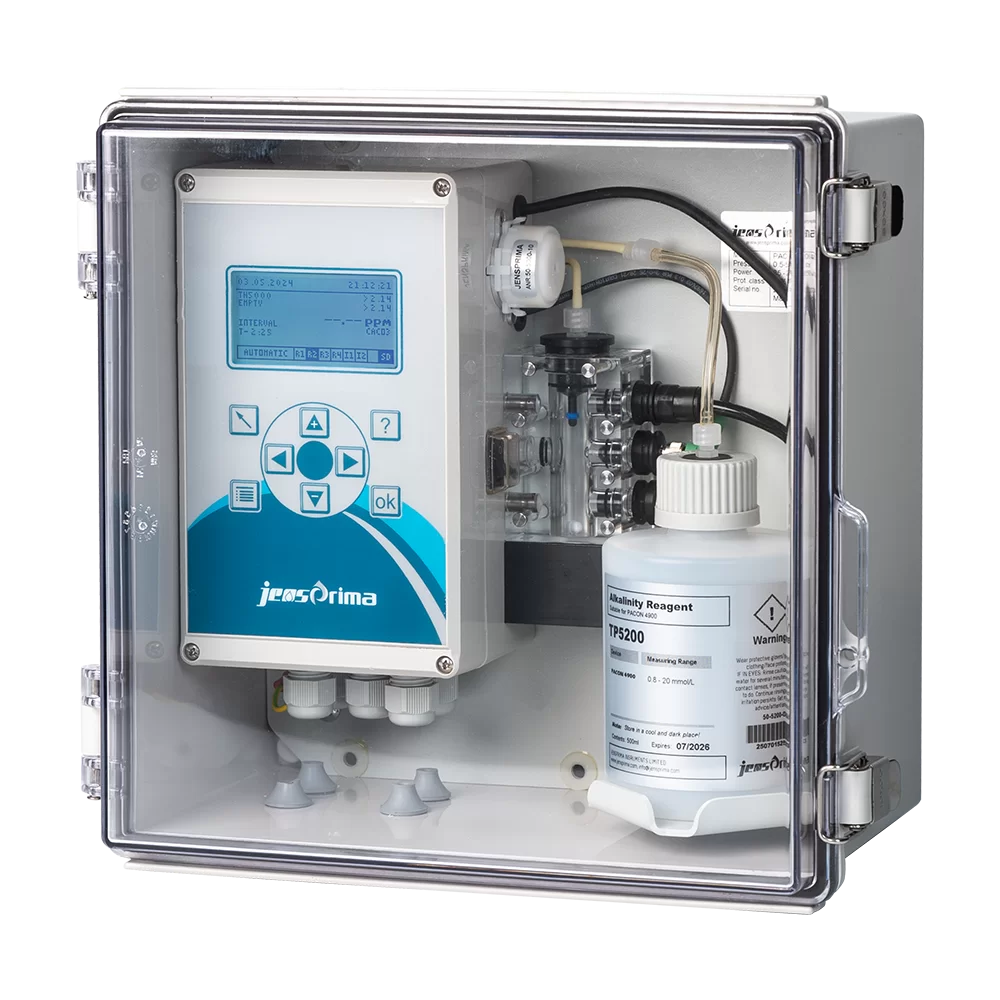
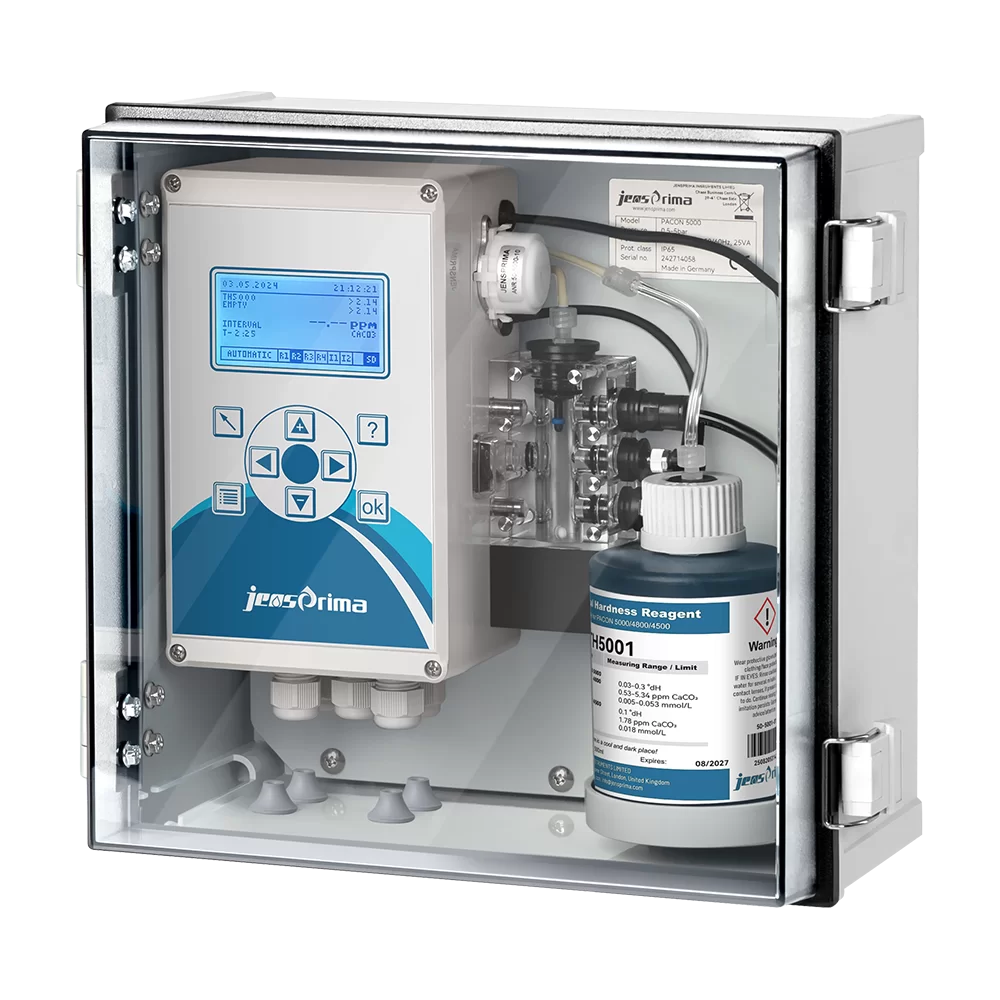
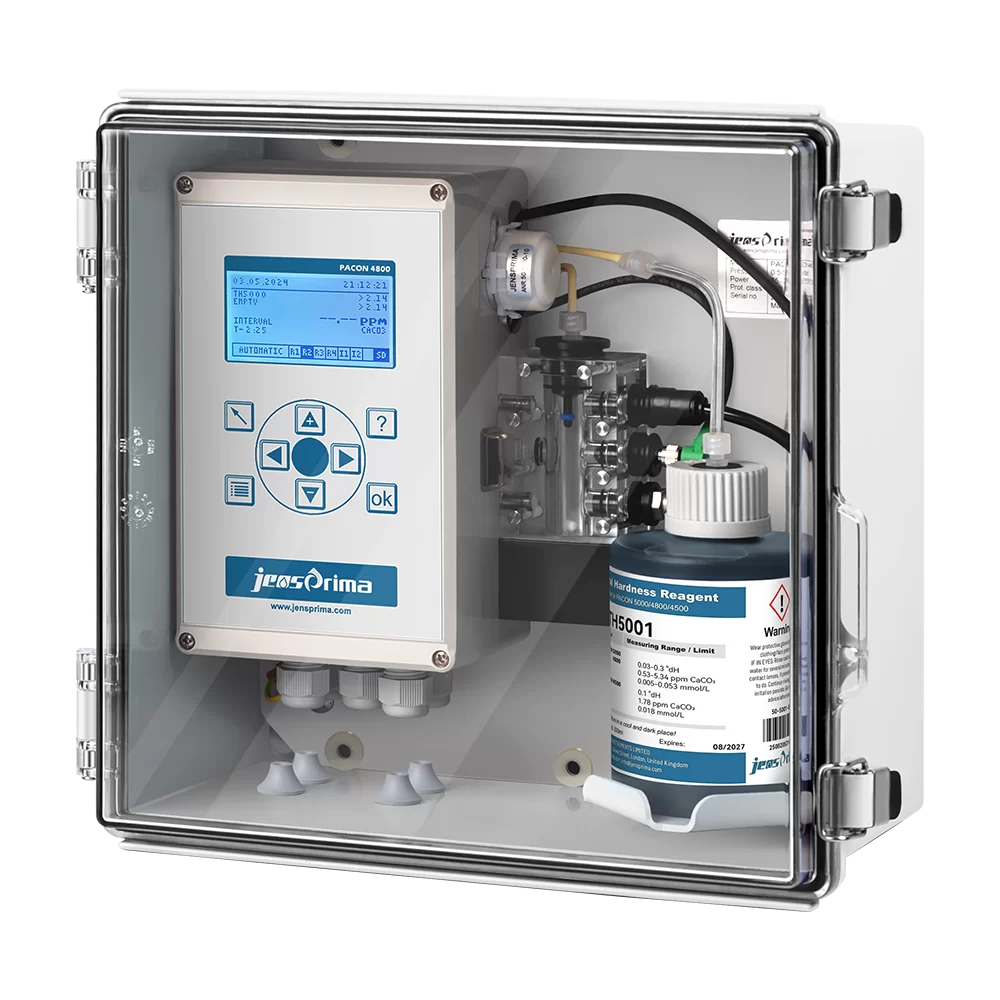
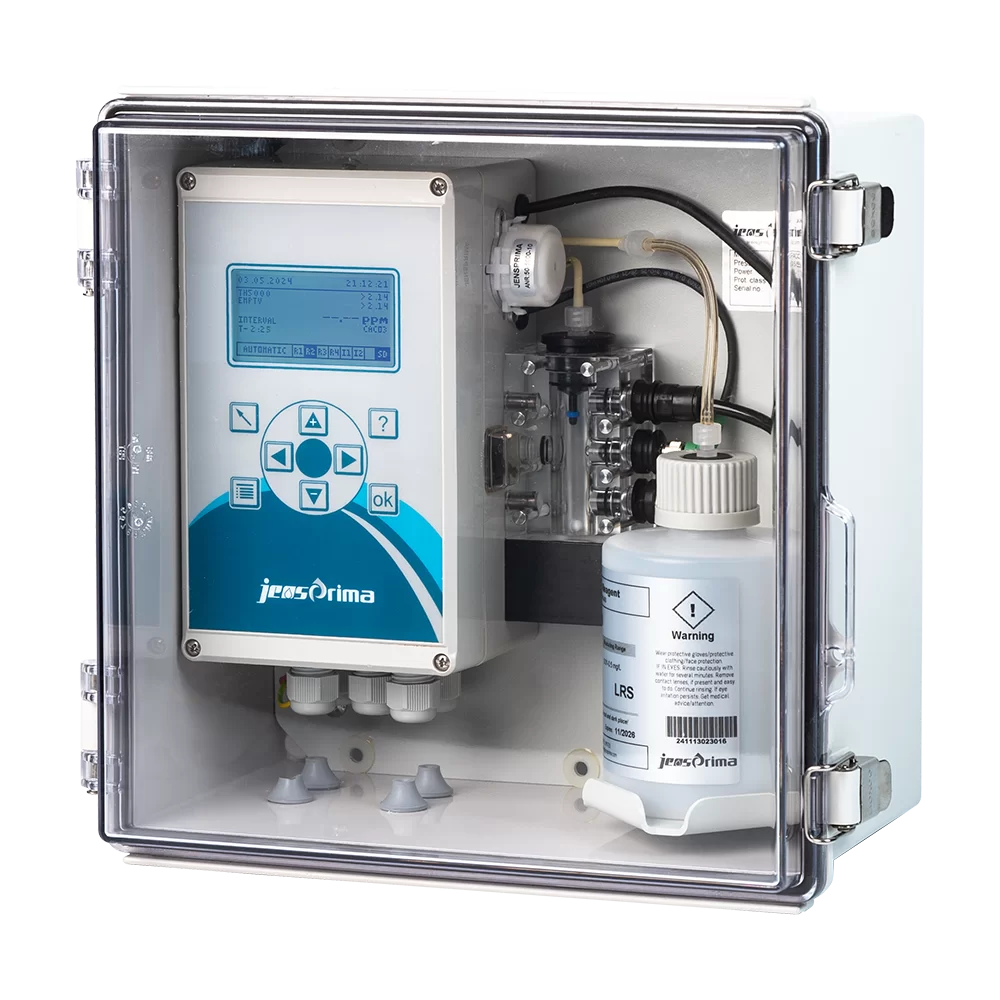
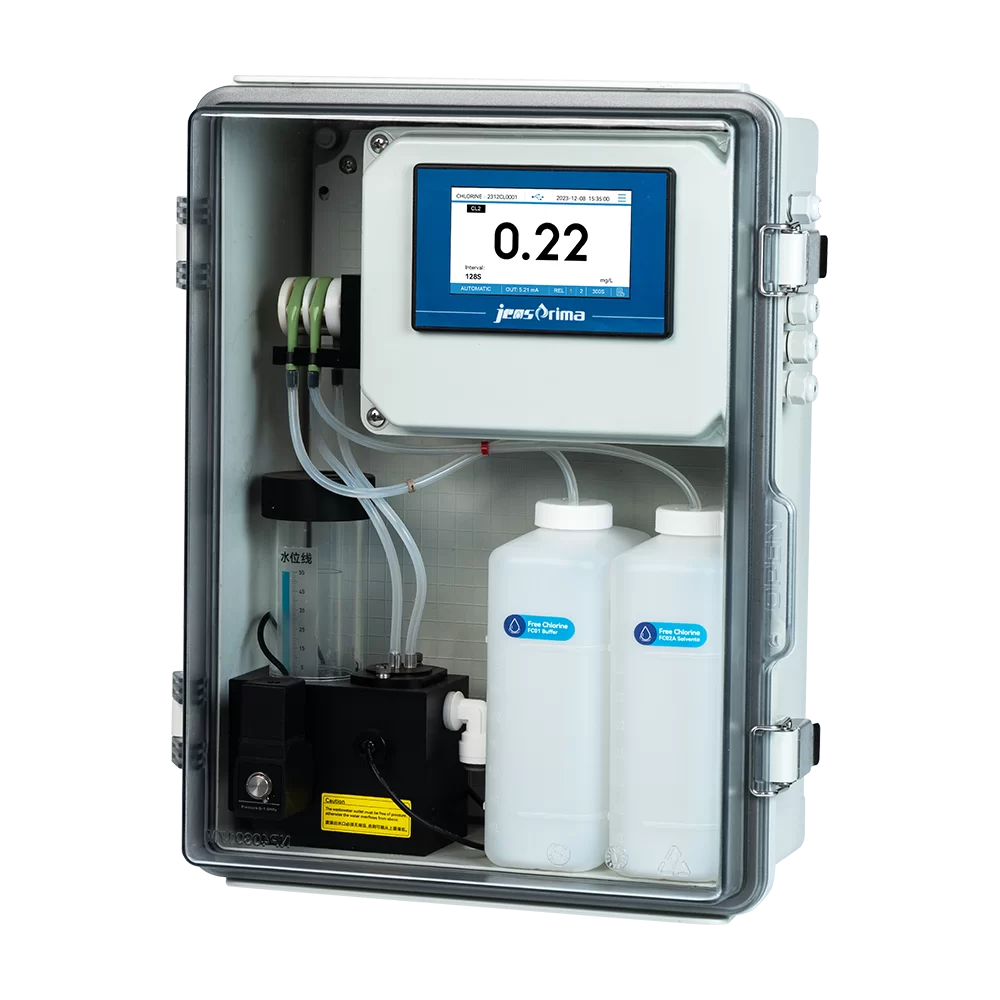
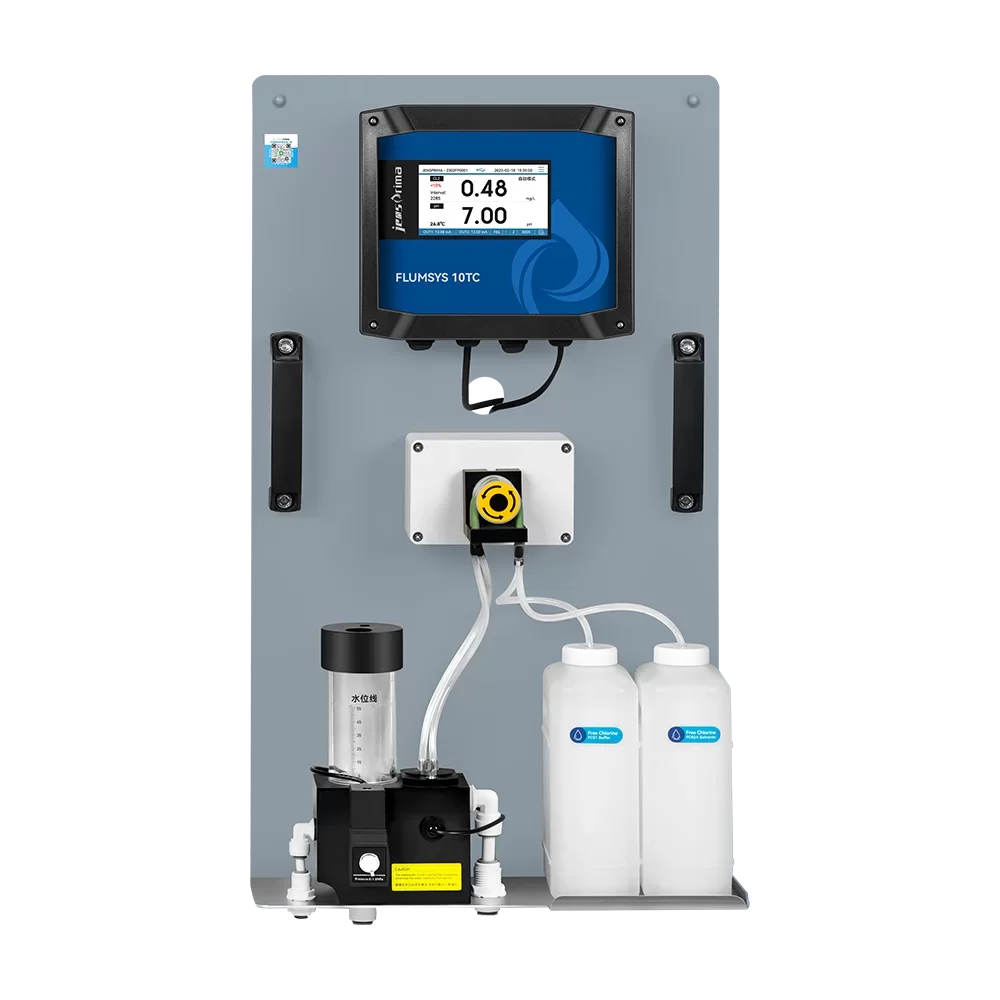
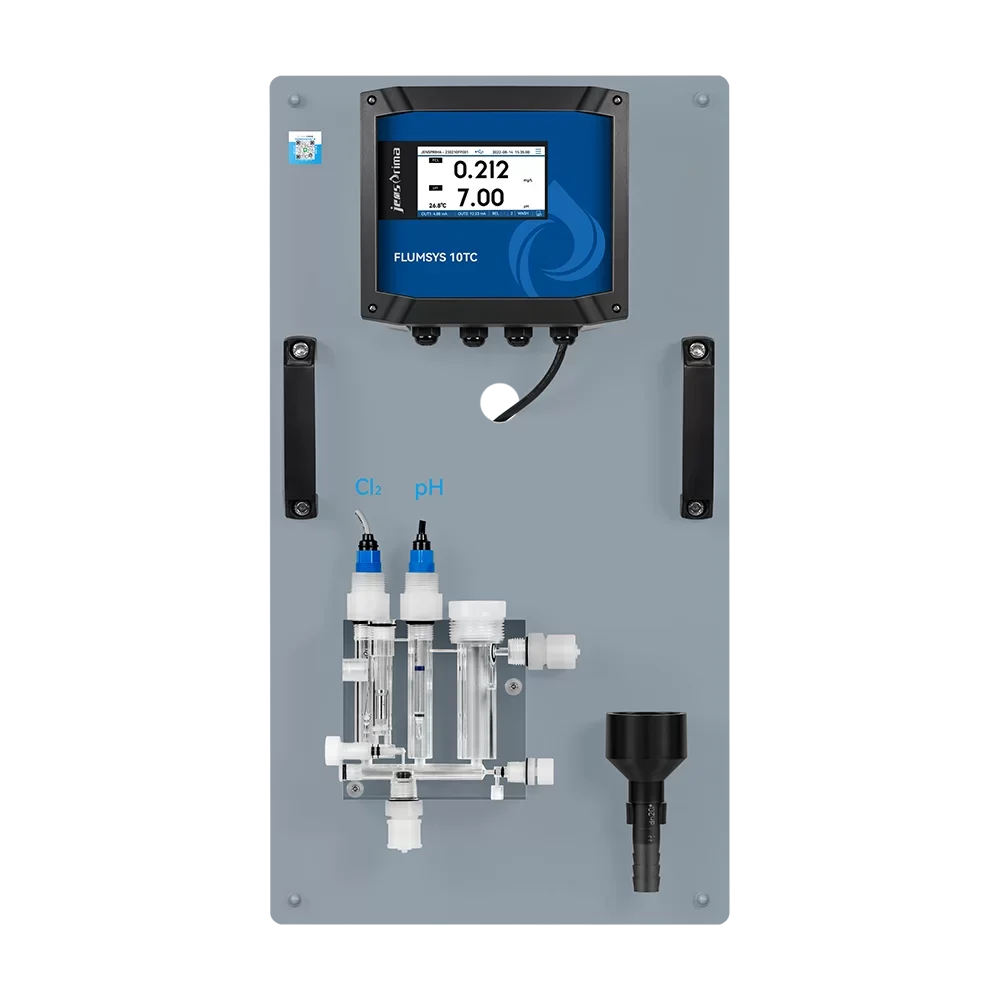
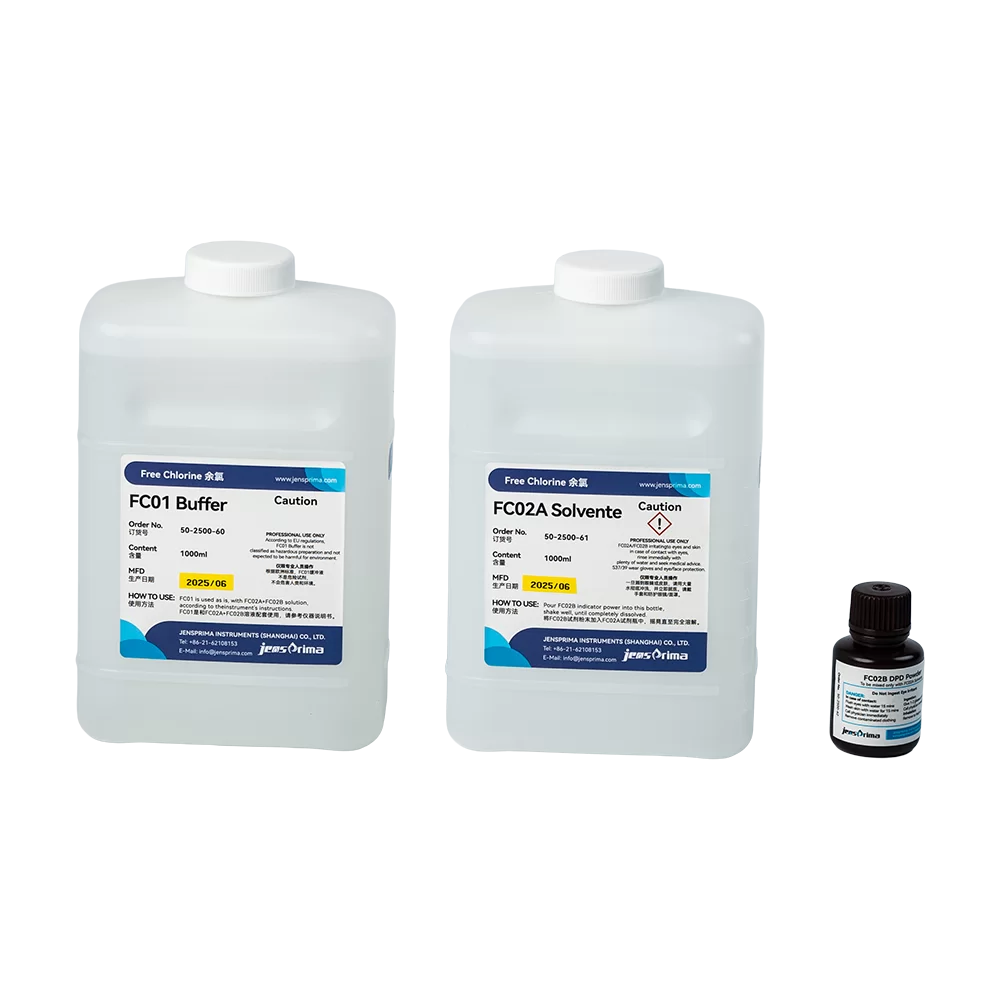
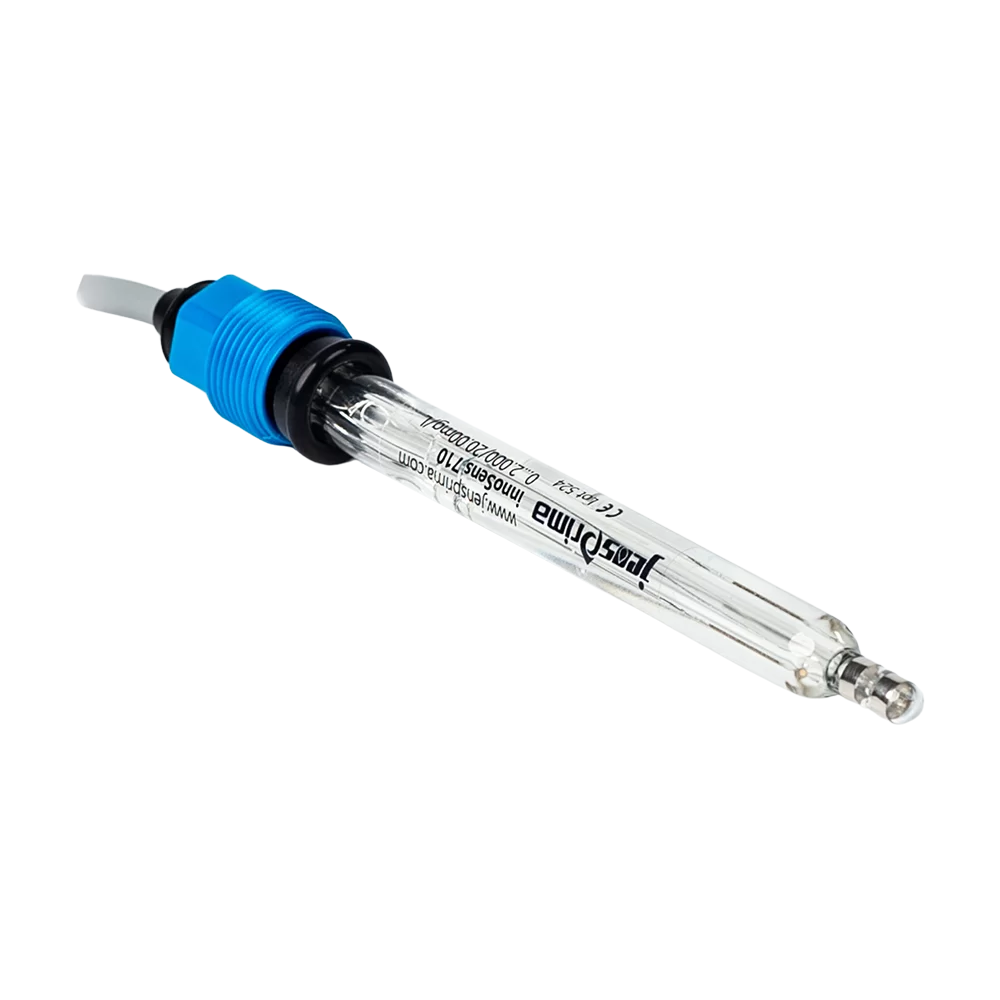
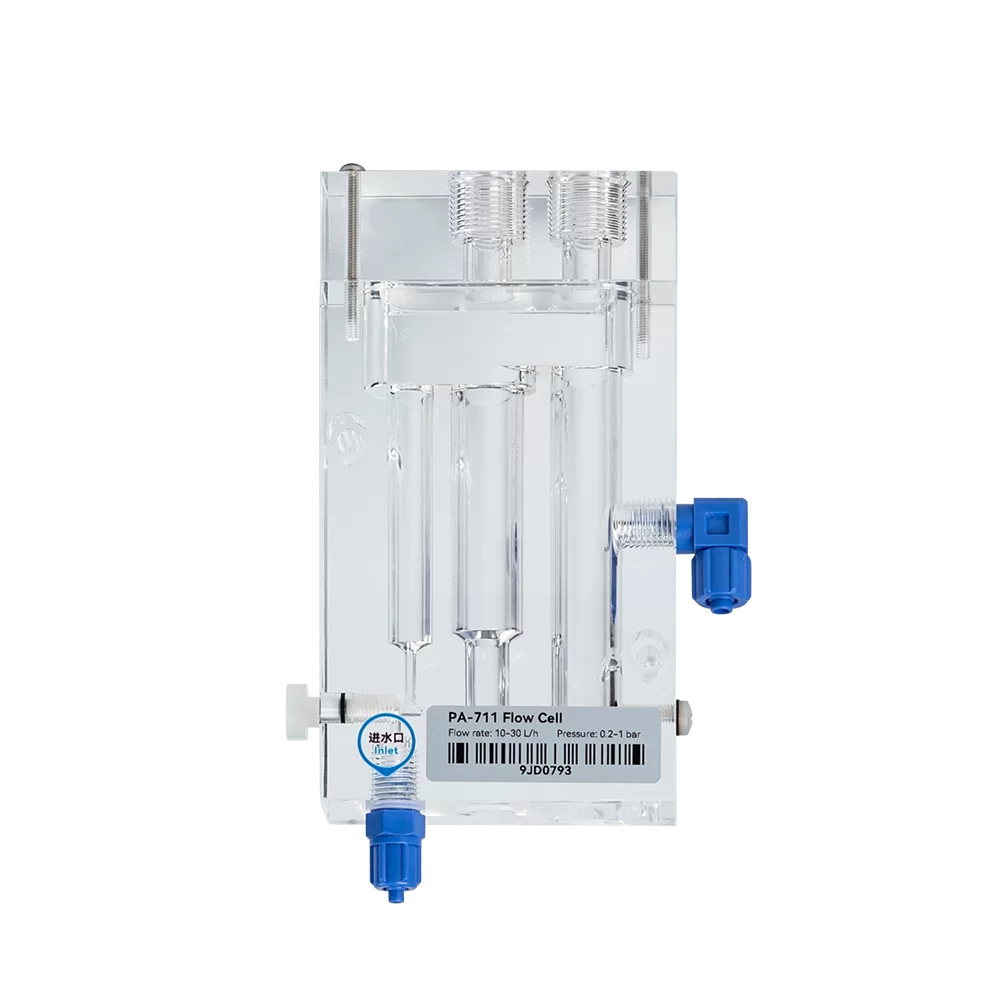
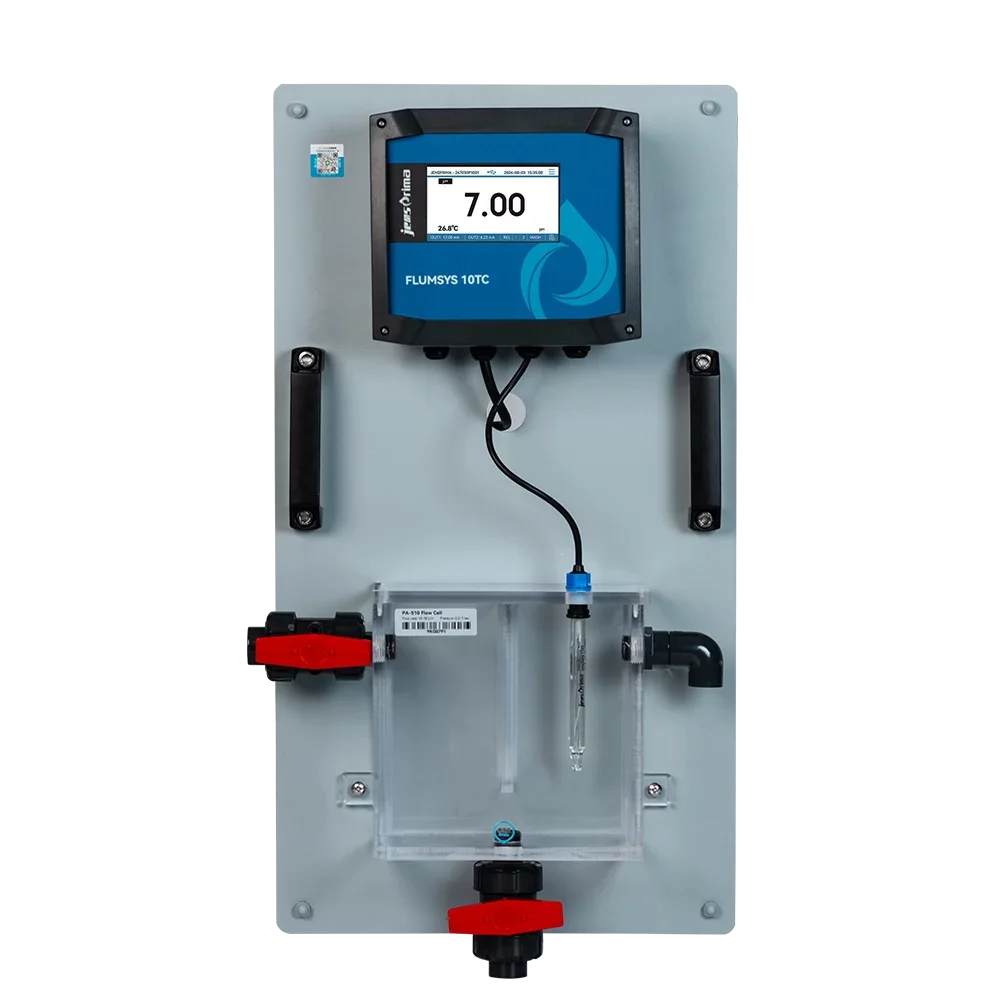
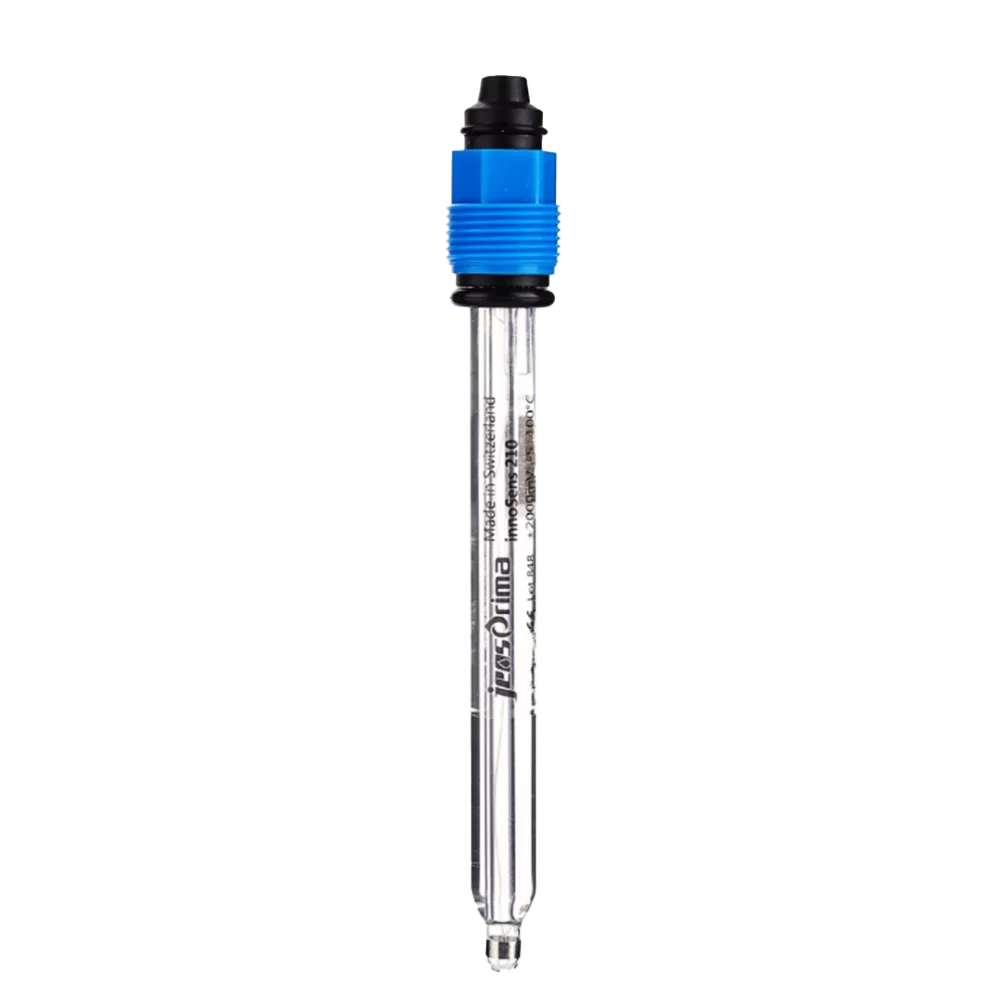
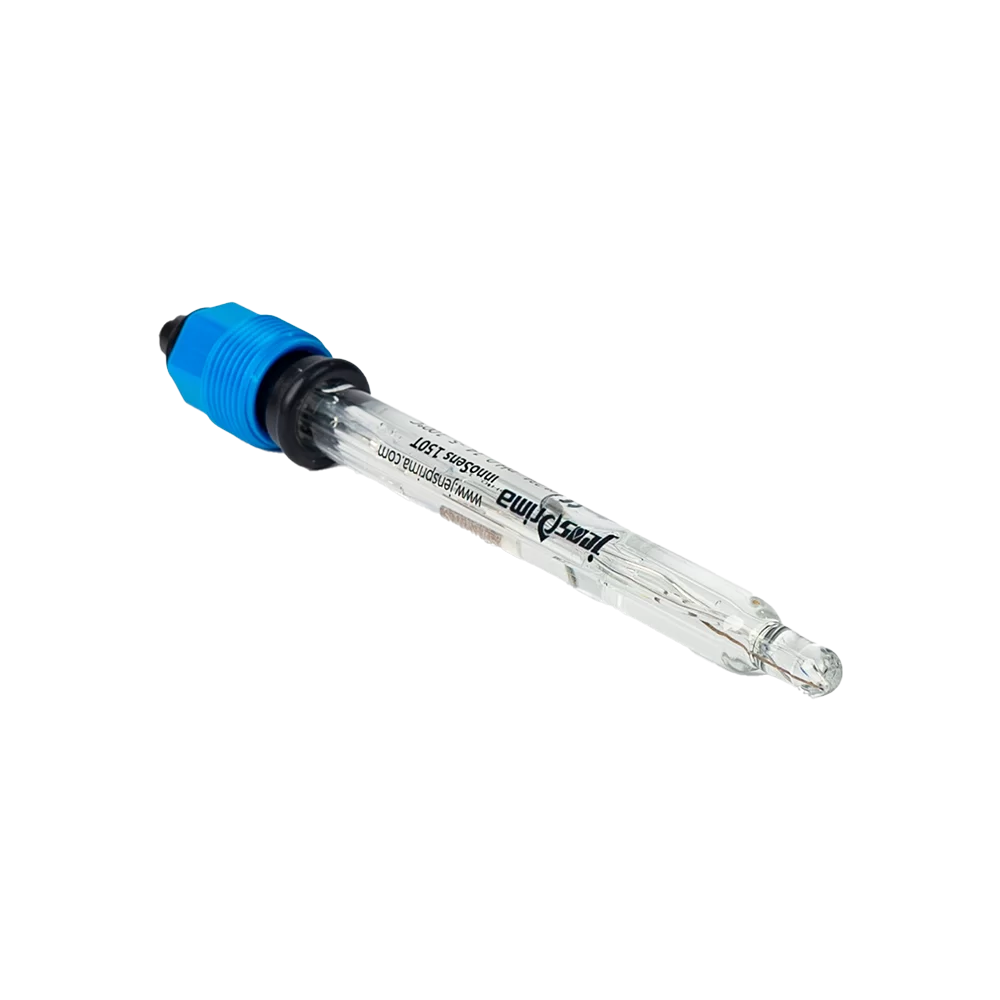
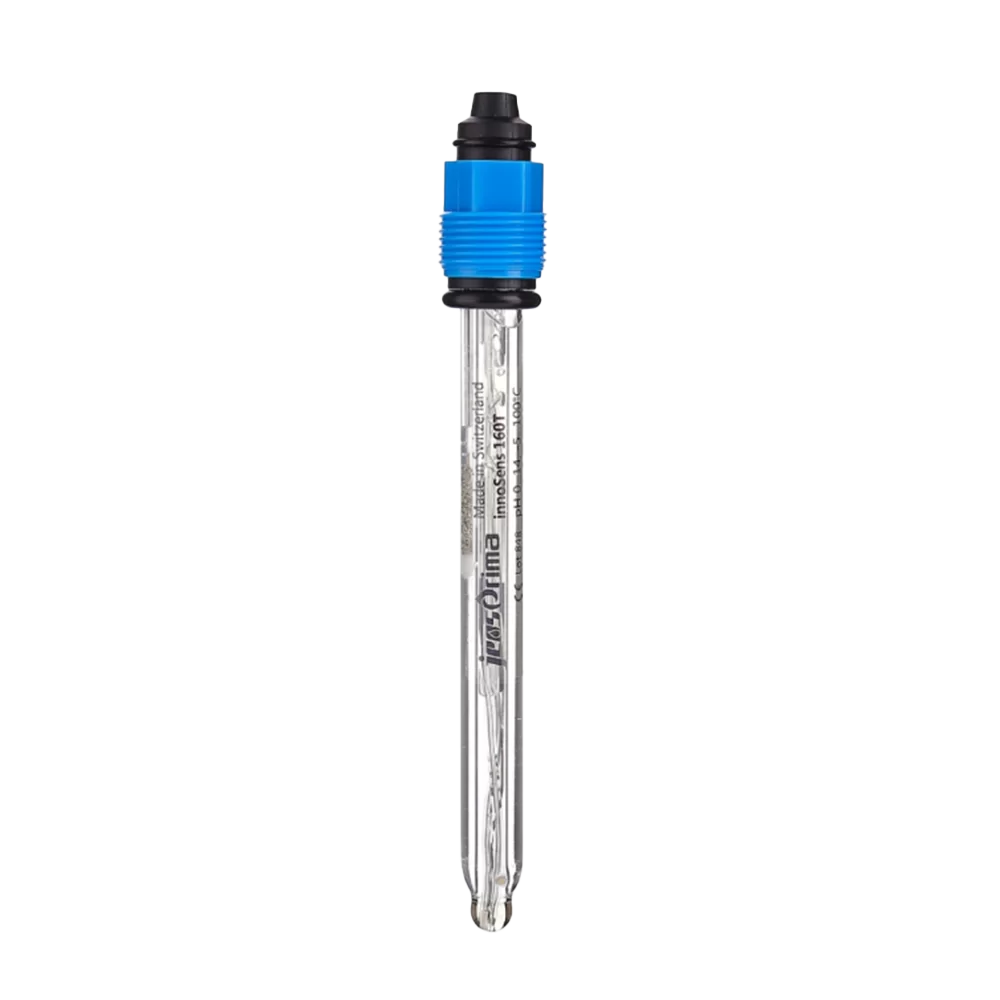
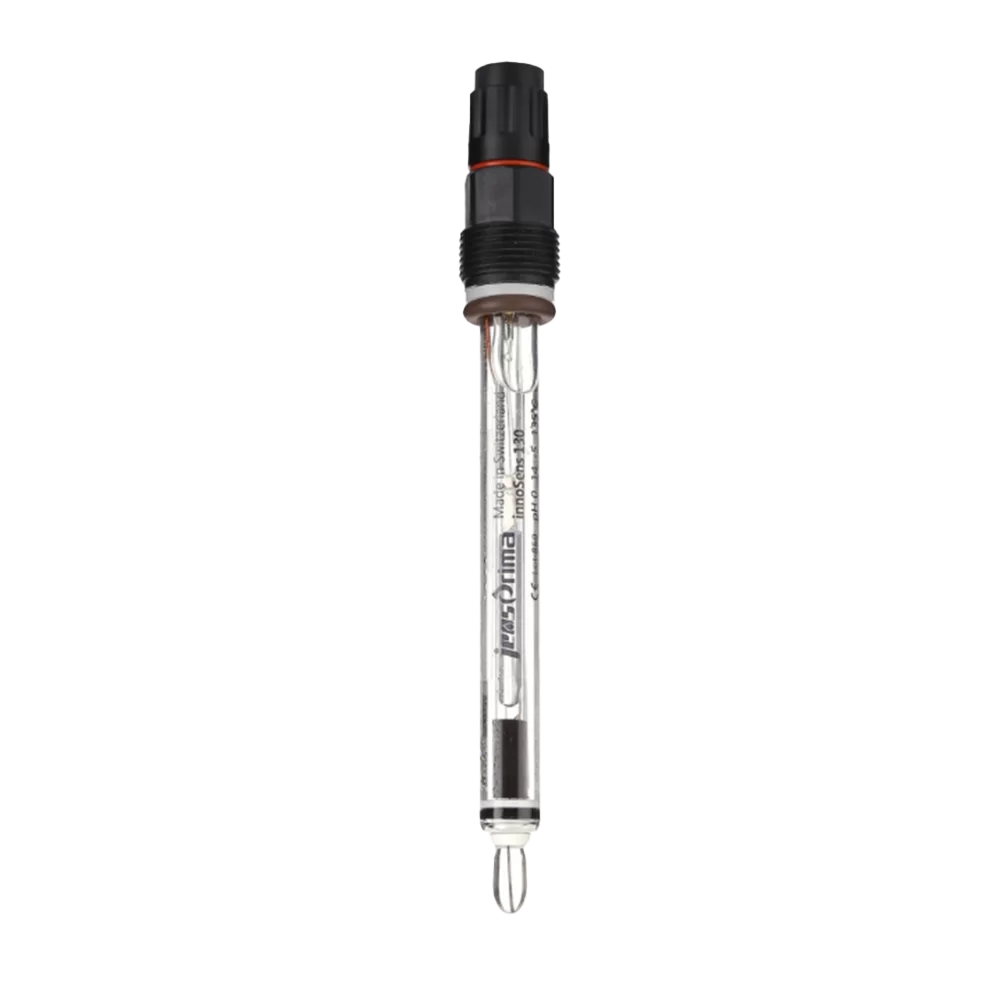
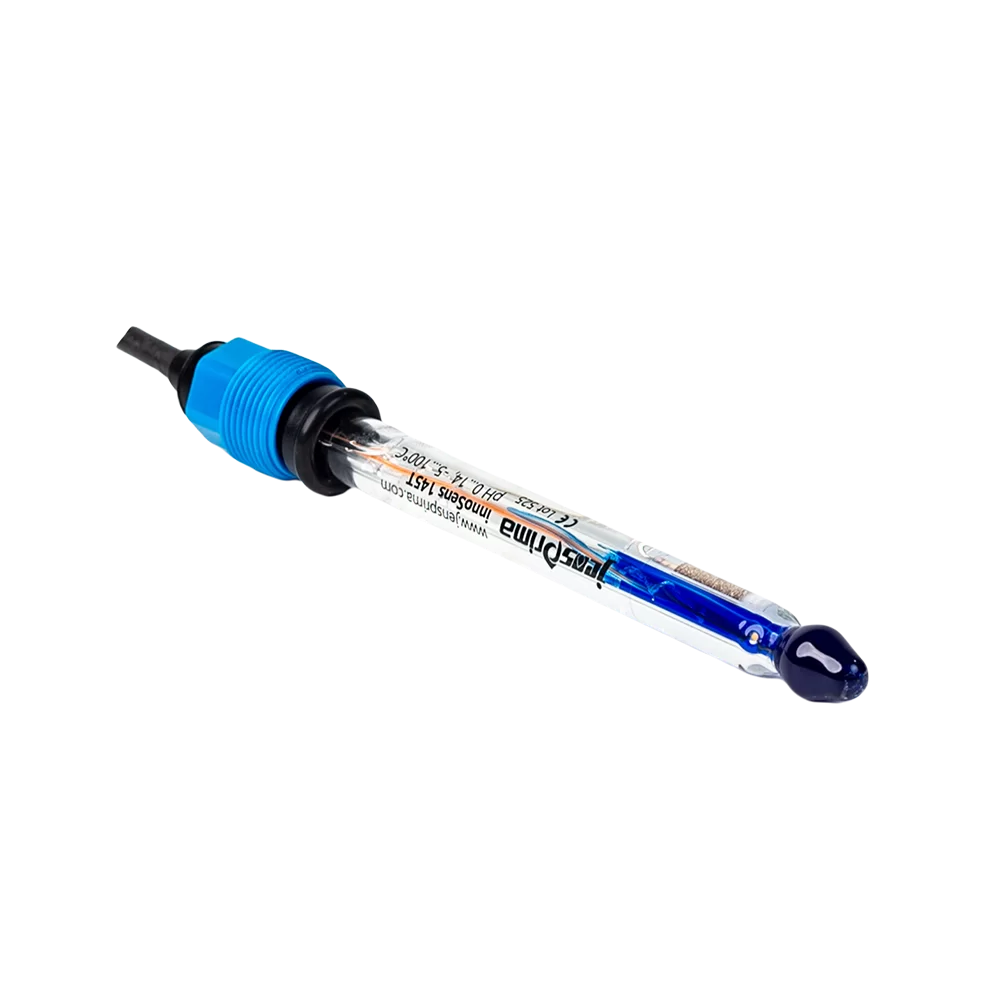
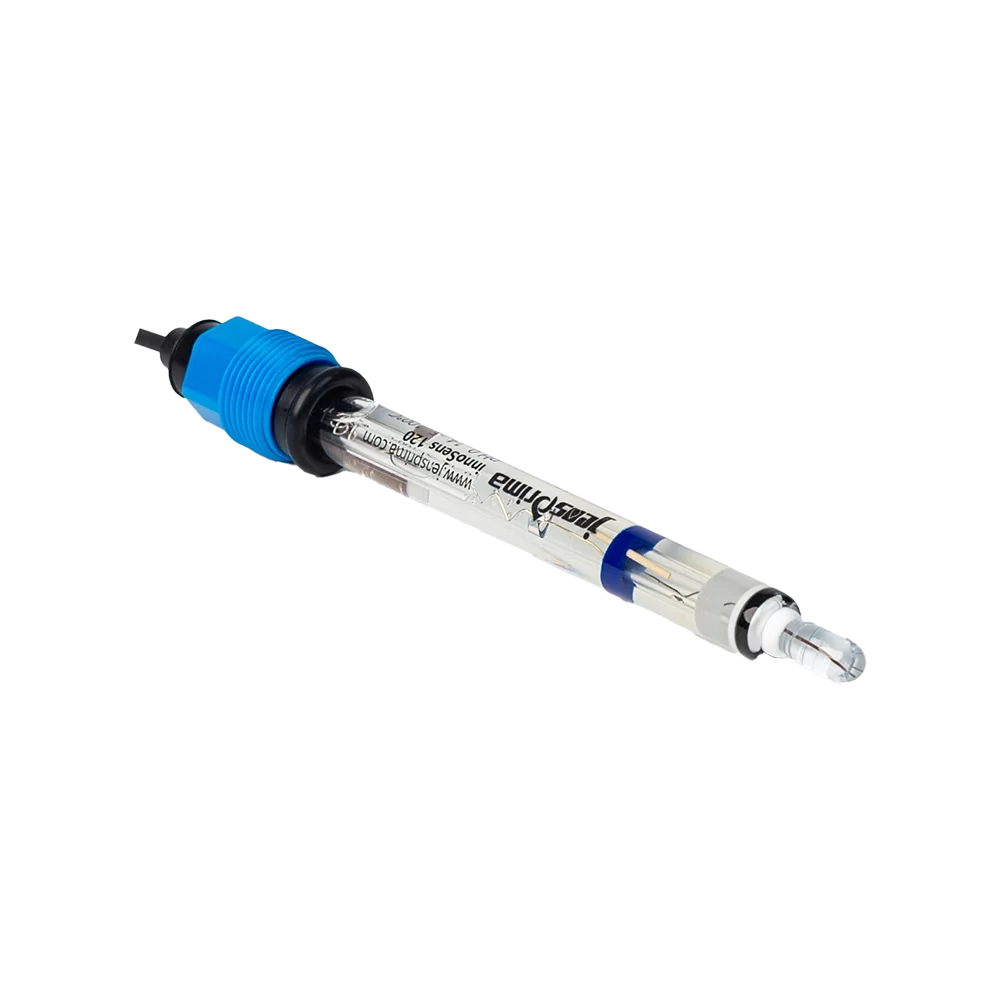
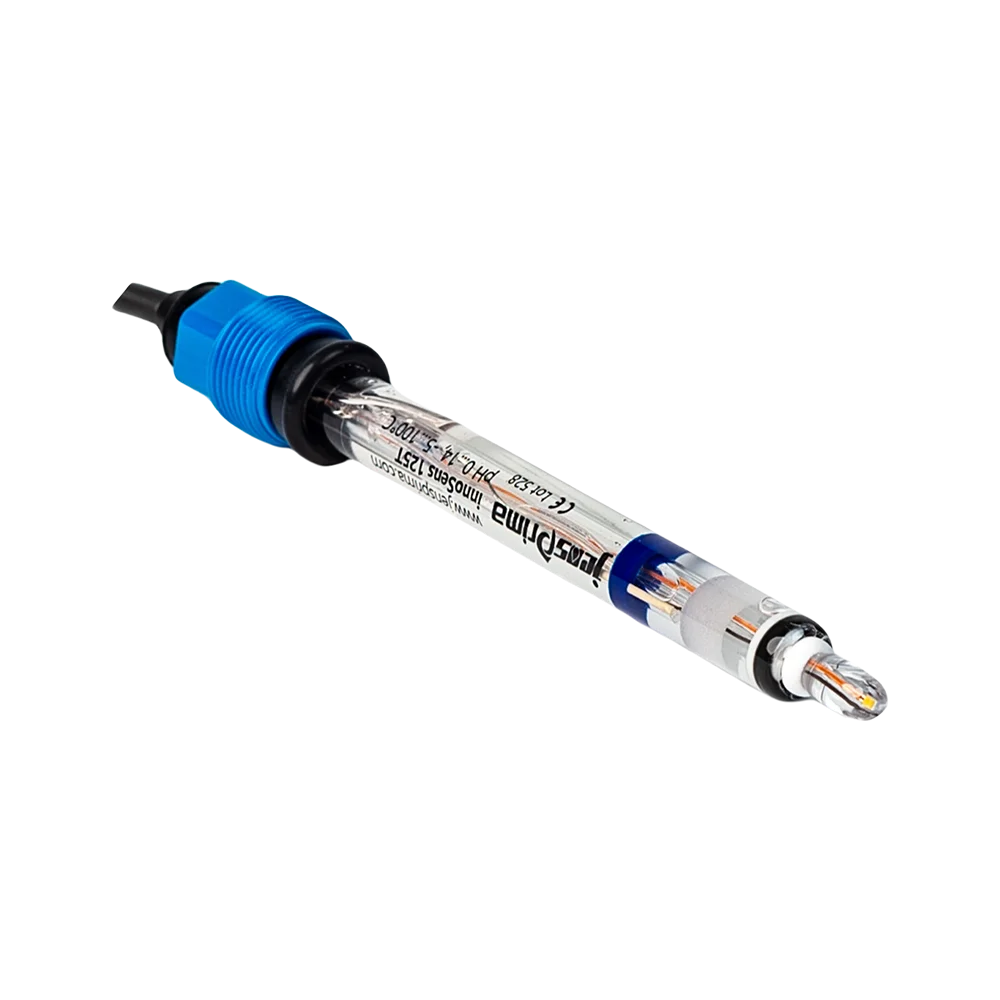
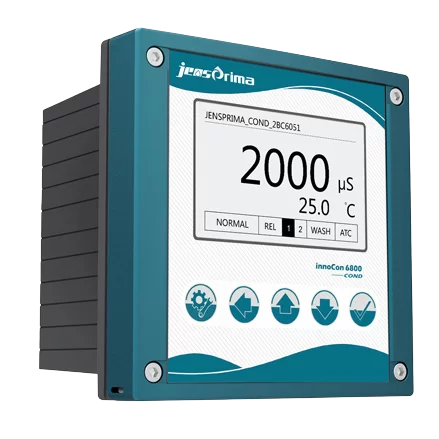
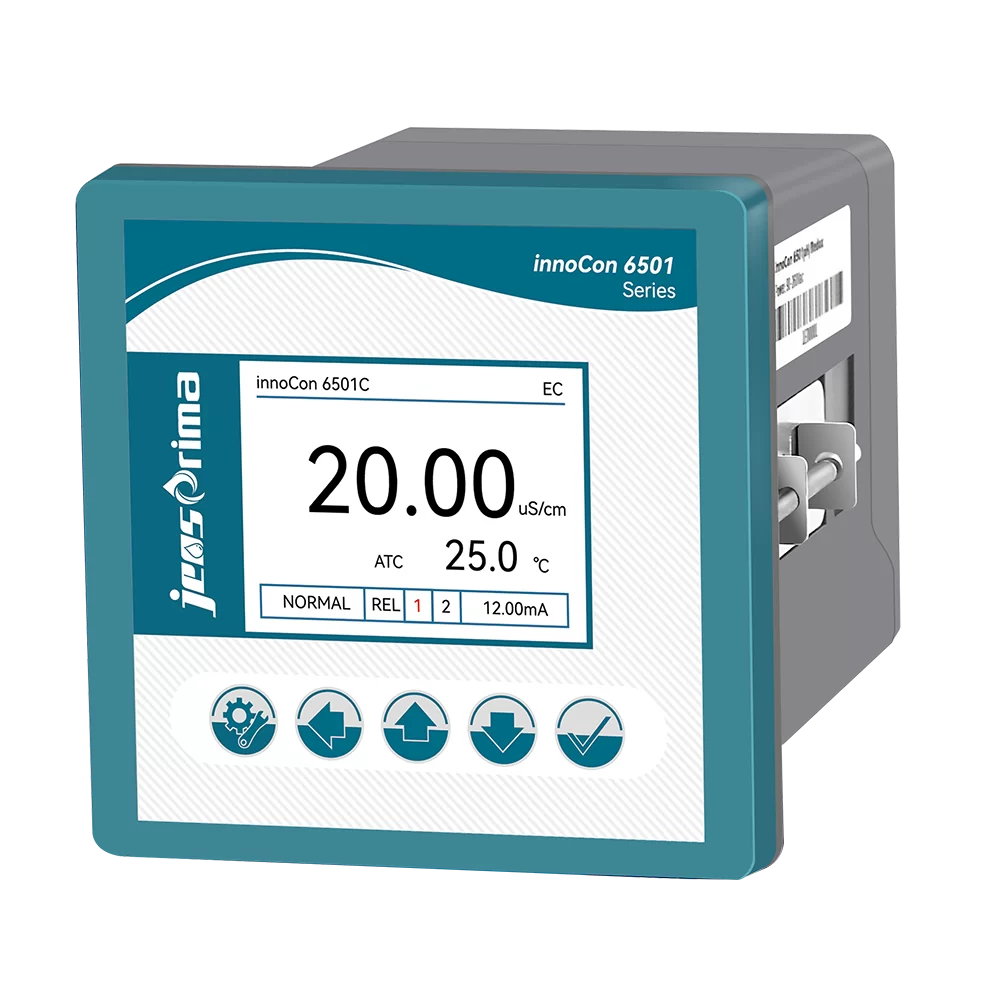
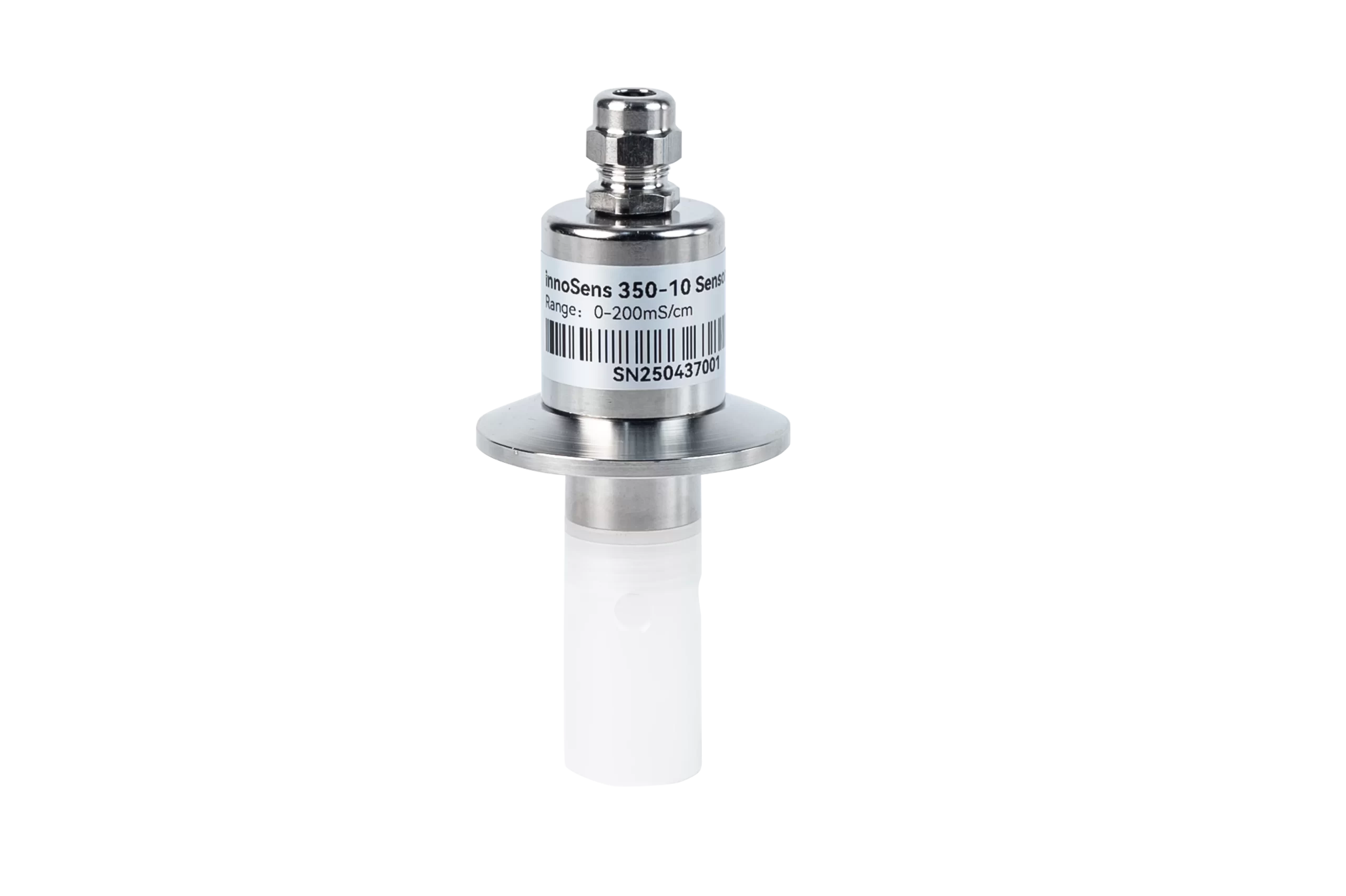
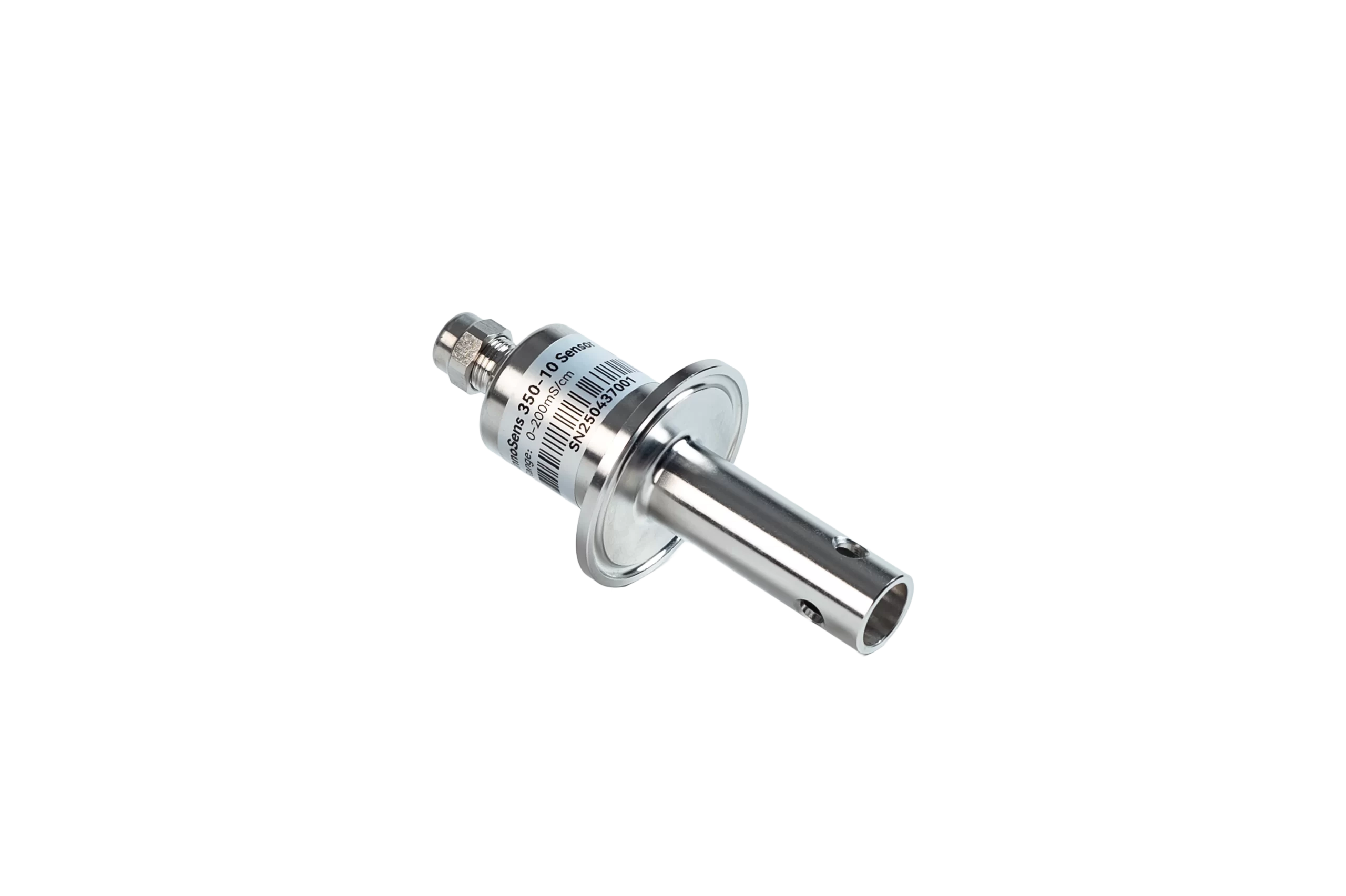
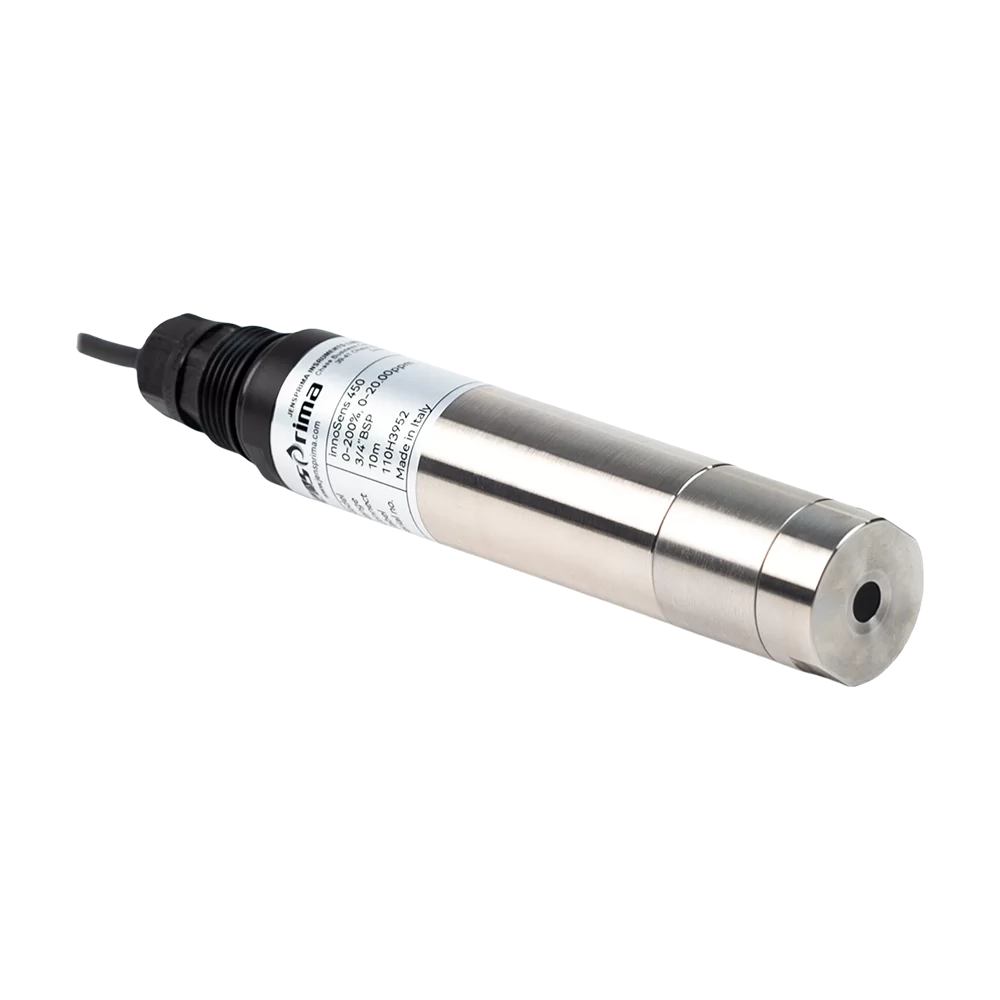
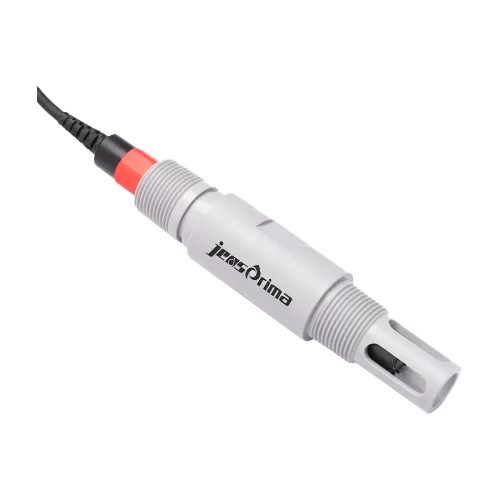
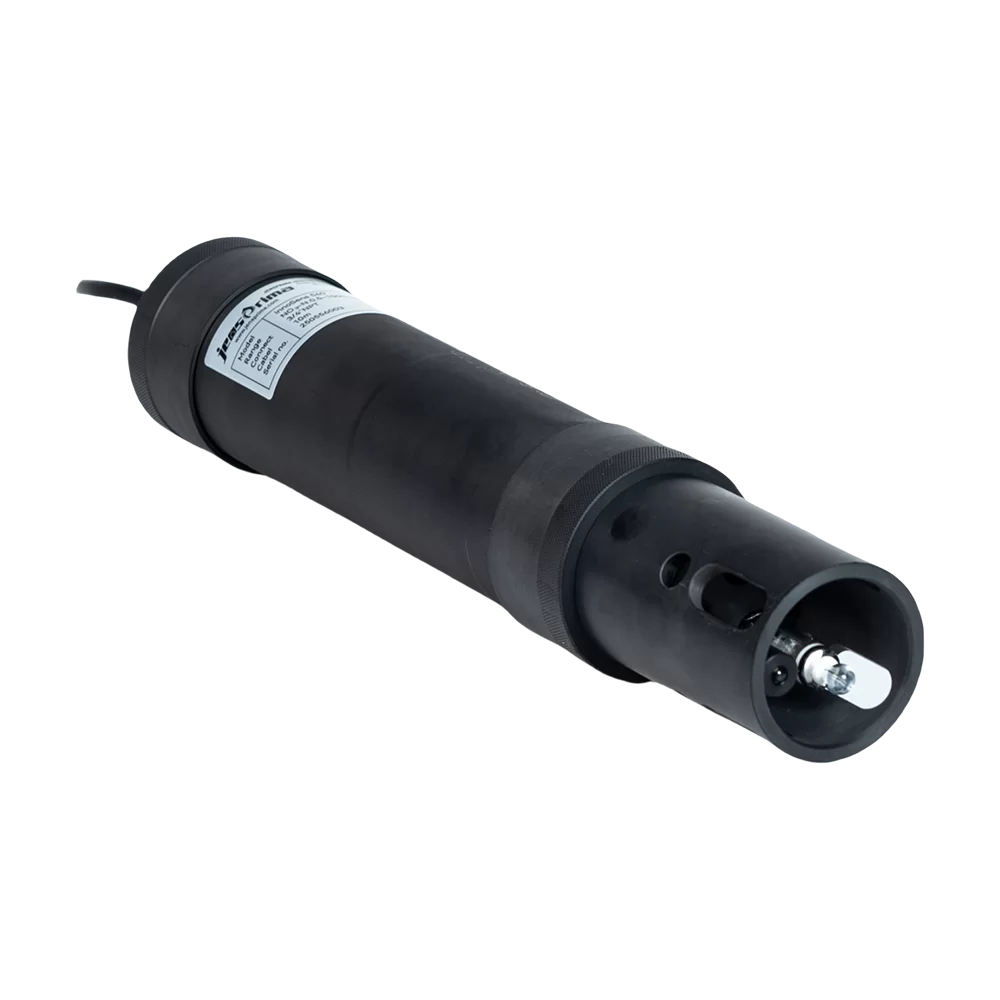
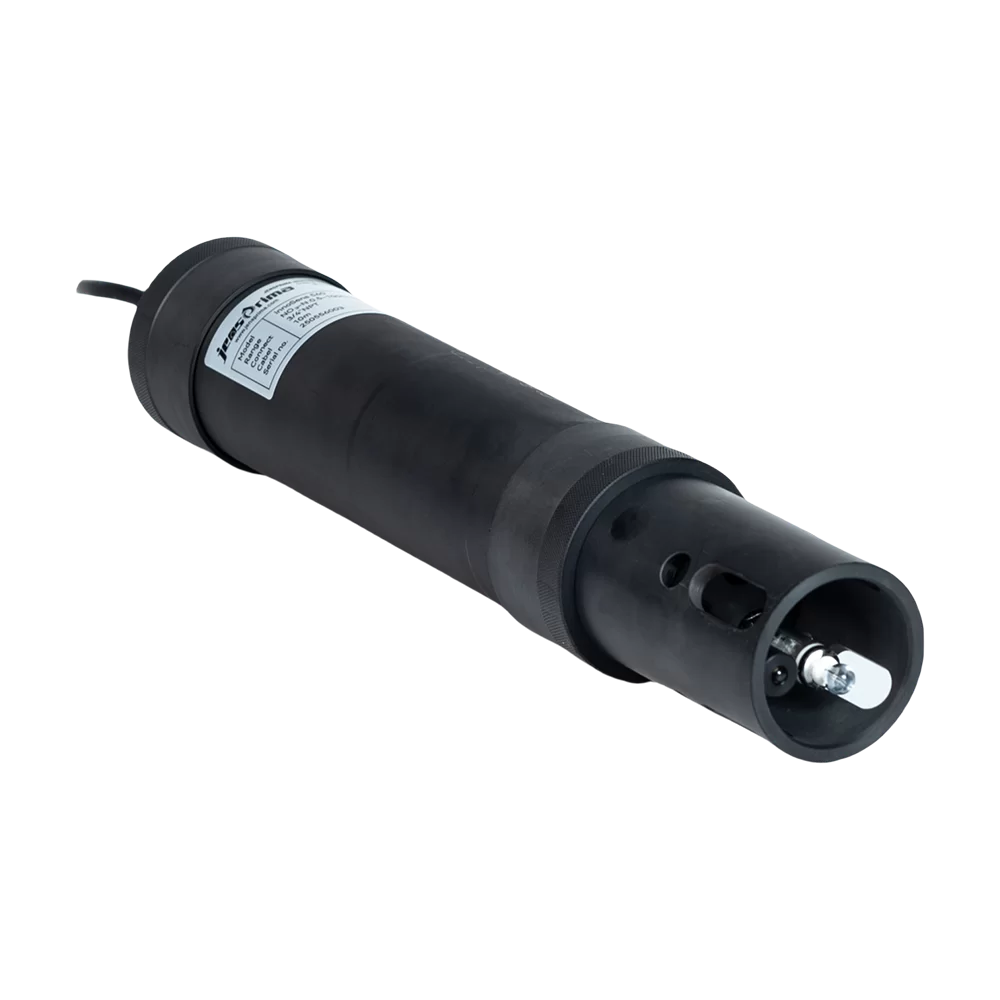
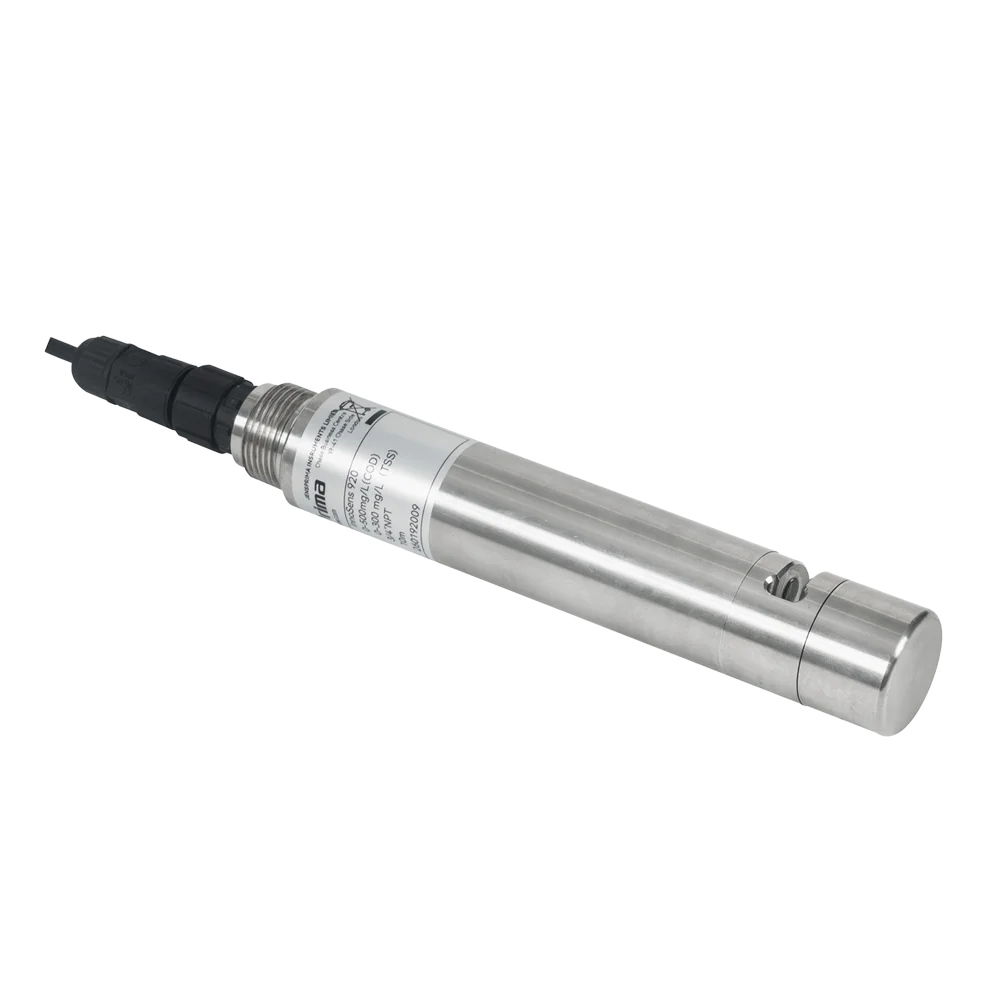
Most alkalinity analyzers operate on the principle of potentiometric titration, employing a pH electrode and a peristaltic pump to accurately deliver titrant to the sample. The key components typically include a sample conditioning system, a titration chamber, a pH electrode, a reagent delivery system, and a control unit with data acquisition capabilities.
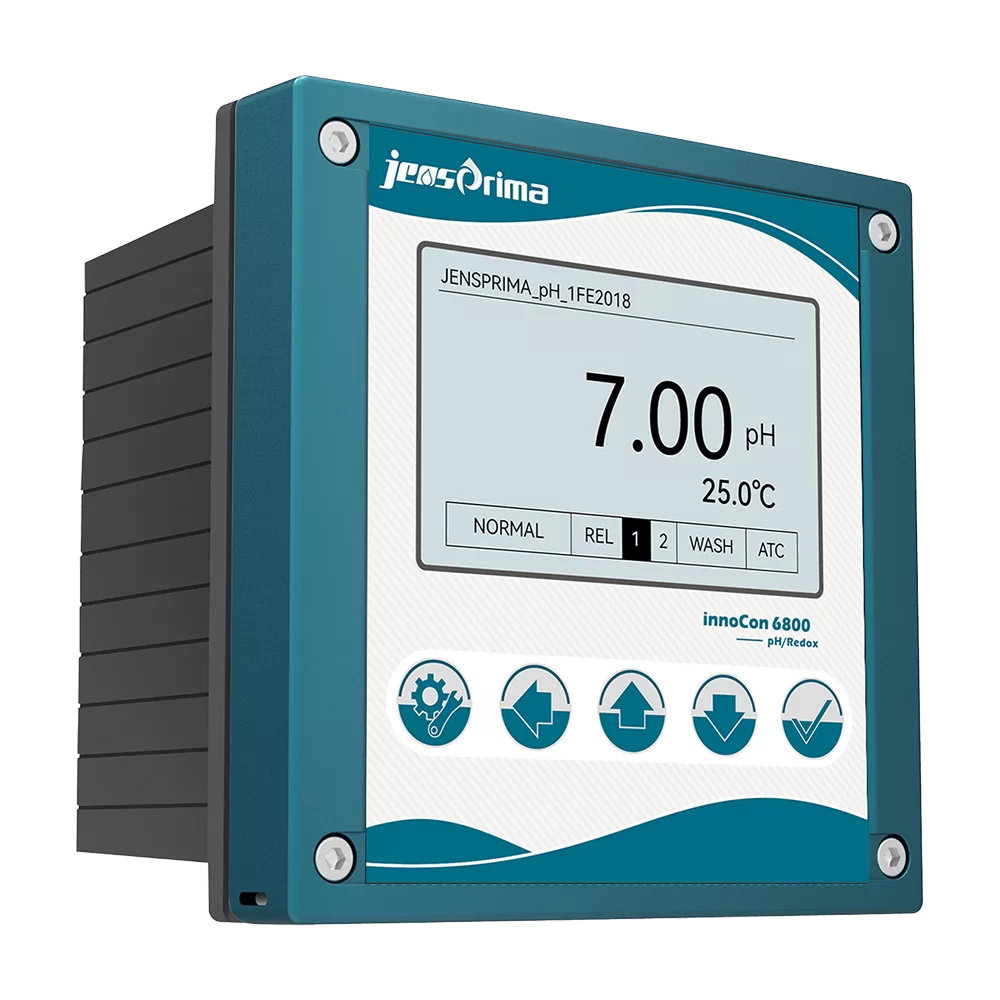
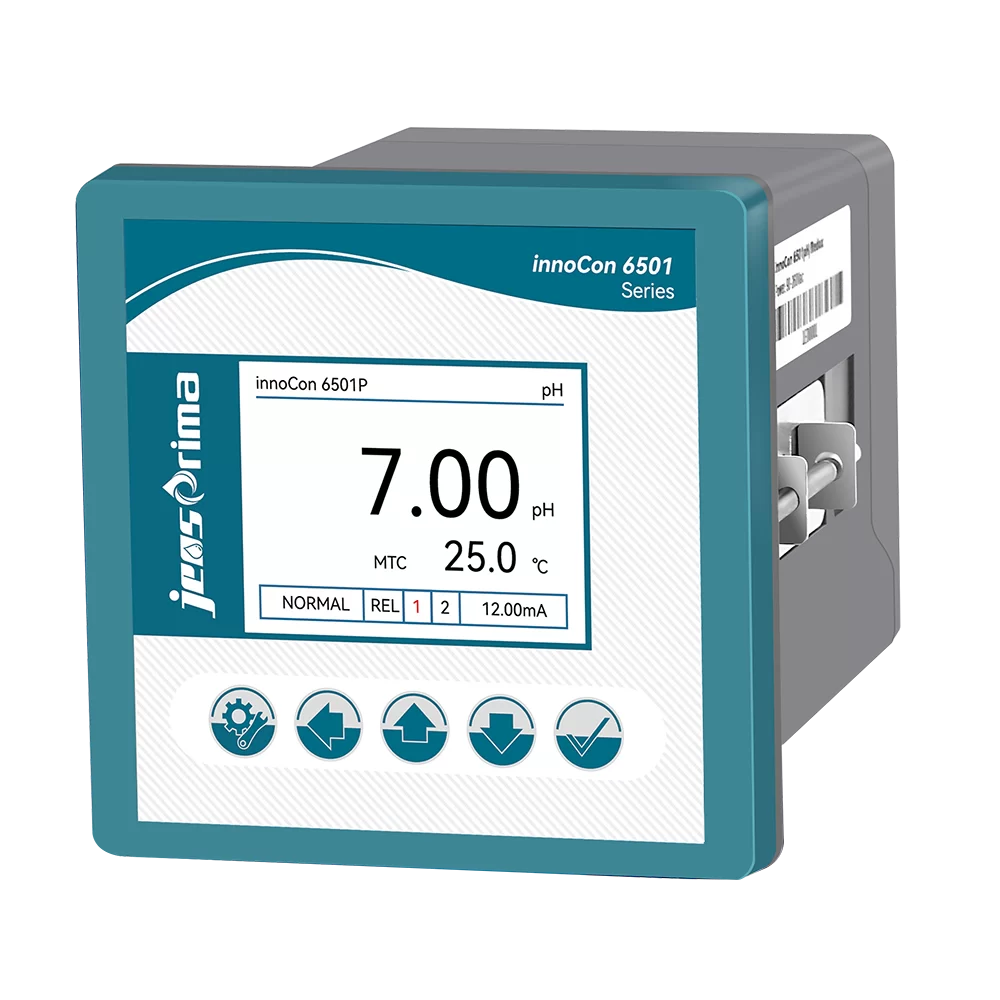
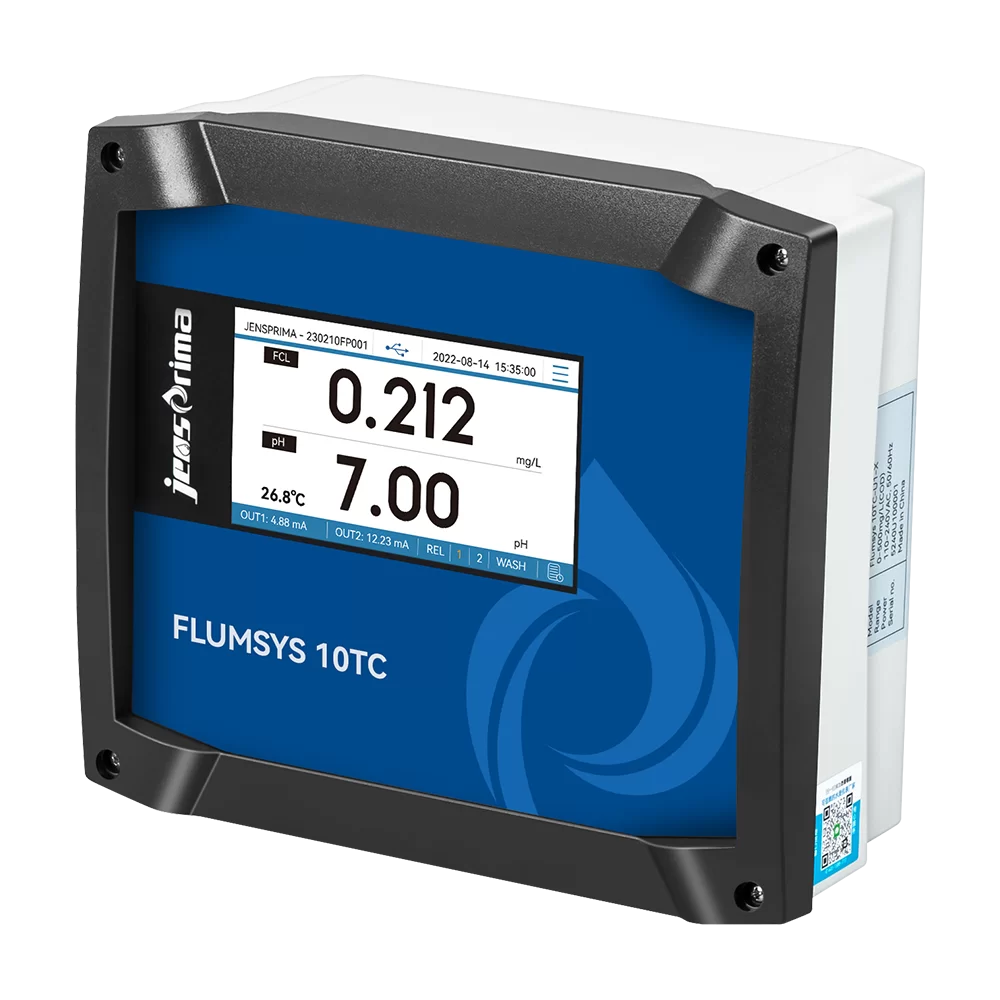
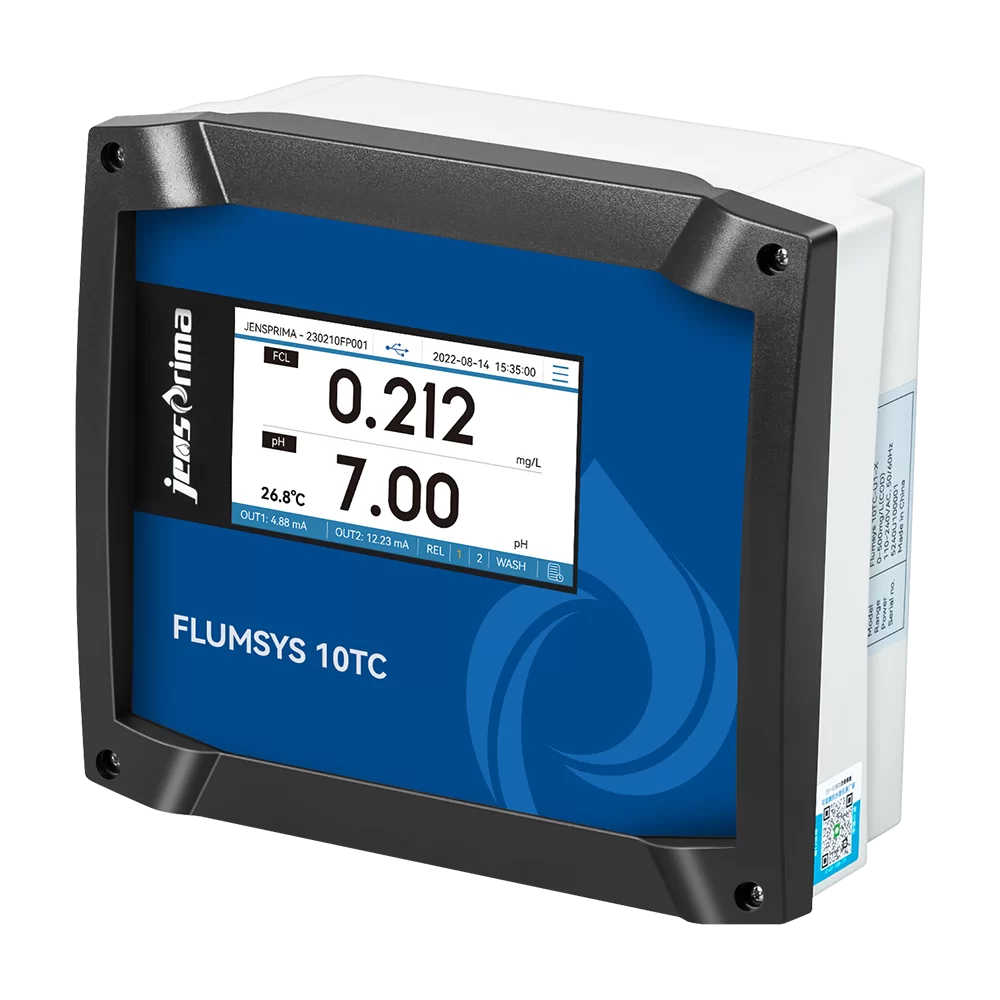
The sample conditioning system prepares the sample for analysis, often including filtration to remove particulates that could interfere with the measurement. The pH electrode is a critical component, requiring regular calibration to ensure accurate readings. The control unit manages the titration process and displays the results, often with data logging and communication features.
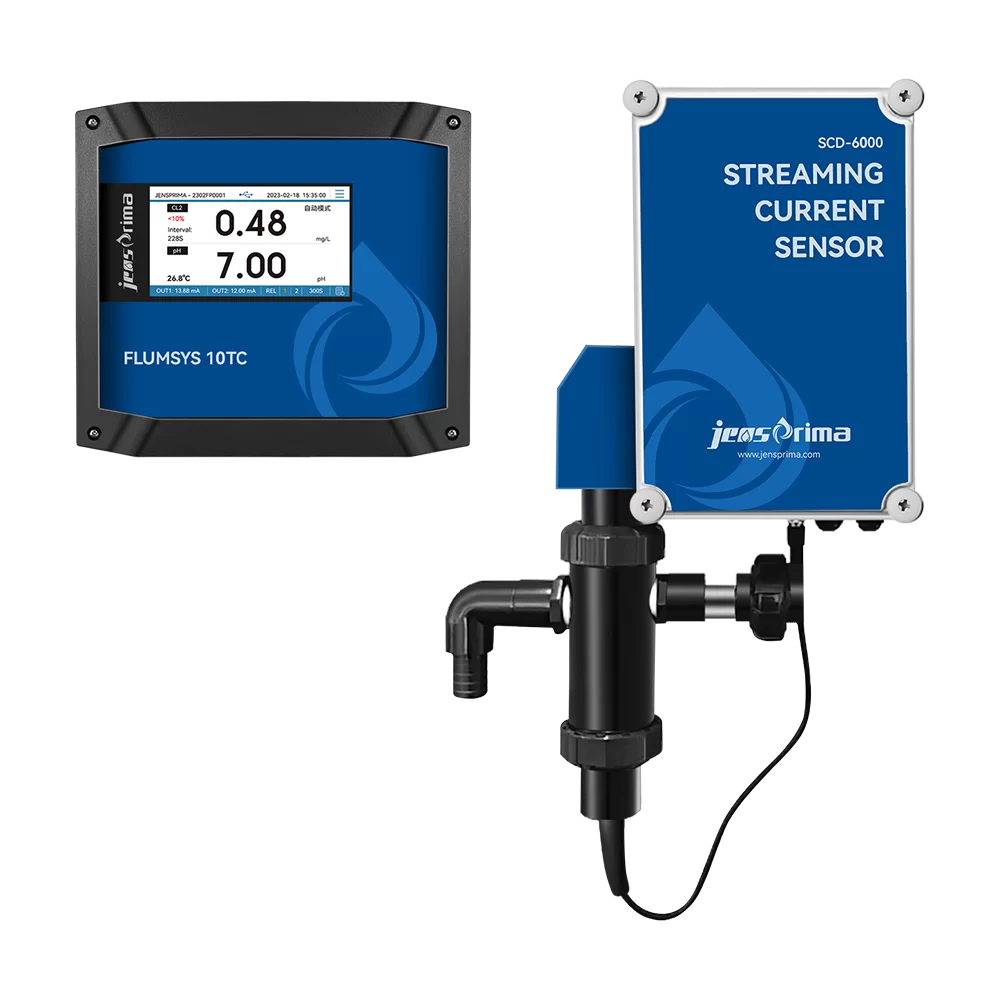
Modern analyzers frequently incorporate advanced features like automatic endpoint detection, which minimizes operator intervention and improves precision. They also may include self-diagnostic capabilities and remote monitoring options for enhanced reliability and accessibility.
Key Factors Influencing Analyzer Performance
Several factors can influence the accuracy and reliability of an alkalinity analyzer. These include proper electrode maintenance, accurate titrant standardization, and appropriate sample handling. Regular electrode calibration is paramount, as drift in the electrode response can lead to significant errors.
Temperature can also affect alkalinity measurements, as the solubility of carbon dioxide changes with temperature. Many analyzers incorporate temperature compensation to mitigate this effect. The presence of interfering ions, such as sulfide or ammonia, can also influence results, requiring appropriate sample pretreatment or analytical adjustments.
Alkalinity Analyzer Performance Metrics
Global Applications and Use Cases
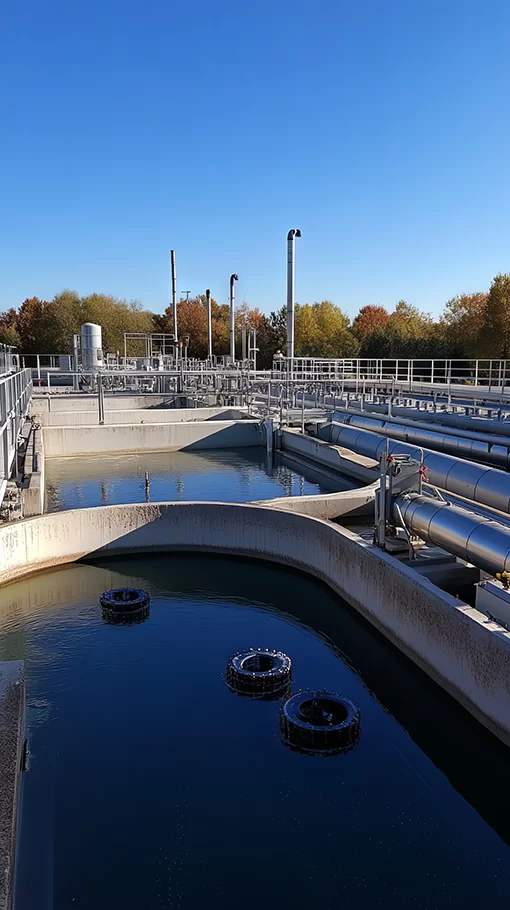
Alkalinity analyzers are indispensable in municipal water treatment plants, where they ensure that water meets regulatory standards for safe drinking. They are also vital for wastewater treatment facilities, optimizing the effectiveness of biological processes and ensuring compliance with discharge permits.
In the power generation industry, alkalinity control is crucial for preventing corrosion and scaling in cooling water systems, maximizing efficiency and extending equipment life. The chemical processing industry relies on accurate alkalinity measurements for process control in the production of various chemicals, pharmaceuticals, and polymers. In post-disaster relief operations, portable alkalinity analyzers can quickly assess water quality, ensuring access to safe drinking water.
Advantages and Long-Term Value
The benefits of utilizing an alkalinity analyzer extend beyond simply obtaining accurate data. Automated analysis reduces labor costs and minimizes the risk of human error. Real-time monitoring allows for proactive control of water chemistry, preventing costly disruptions and ensuring optimal performance.
Investing in a high-quality alkalinity analyzer offers long-term value through improved process efficiency, reduced chemical consumption, and enhanced regulatory compliance. This translates to significant cost savings and a reduced environmental footprint, contributing to sustainable operations. The reliability and accuracy of these instruments foster trust and ensure the delivery of safe, high-quality water and products.
Furthermore, the integration of advanced data management and remote monitoring capabilities empowers informed decision-making and enables predictive maintenance, maximizing the lifespan of the analyzer and minimizing downtime.
Future Trends and Innovations in alkalinity analyzer Technology
The future of alkalinity analyzer technology is focused on miniaturization, increased automation, and enhanced data connectivity. The development of portable, field-deployable analyzers with wireless communication capabilities will facilitate real-time monitoring in remote locations. Integration with cloud-based data platforms will enable remote access to data, advanced analytics, and predictive modeling.
Advances in sensor technology are leading to the development of more robust and accurate sensors with reduced maintenance requirements. The incorporation of artificial intelligence (AI) and machine learning (ML) algorithms will automate data analysis, identify trends, and optimize process control. The drive for sustainability is fueling the development of analyzers with reduced energy consumption and minimal waste generation.
Looking ahead, we can expect to see a convergence of alkalinity analysis with other water quality parameters, providing a more comprehensive and holistic view of water chemistry. These innovations will drive further efficiencies, improve accuracy, and expand the applications of alkalinity analysis in a wide range of industries.
Summary of Key Considerations for Alkalinity Analyzer Selection
| Accuracy & Precision |
Maintenance Requirements |
Data Connectivity & Automation |
Cost & ROI |
| High accuracy and reproducibility are critical for reliable results. Look for analyzers with certified calibration standards. |
Consider the frequency of electrode calibration and reagent replacement. Automated features can minimize maintenance needs. |
Evaluate data logging, remote monitoring, and integration with existing control systems for seamless data management. |
Analyze the initial investment cost against potential savings from reduced labor, improved efficiency, and minimized waste. |
| Resolution should be sufficient for the expected alkalinity range in your samples. |
Assess the availability of spare parts and technical support. |
Cloud connectivity enables remote access and analysis of data trends. |
A lower total cost of ownership is a key indicator of long-term value. |
| Ensure the analyzer meets relevant industry standards and regulations. |
Self-diagnostic capabilities can help identify potential issues before they lead to downtime. |
Consider the security features of the data connection to protect sensitive information. |
Calculate the payback period based on anticipated cost savings. |
| Compare the analyzer's performance against established reference methods. |
A user-friendly interface simplifies operation and reduces training time. |
API integration allows for seamless data exchange with other systems. |
Explore financing options or leasing programs to manage upfront costs. |
| Evaluate the analyzer's ability to handle varying sample matrices. |
Consider the availability of preventative maintenance services. |
Real-time alerts can notify operators of critical changes in alkalinity levels. |
Assess the potential for resale value at the end of the analyzer's lifespan. |
| Look for analyzers with robust data validation features. |
Consider the ease of cleaning and disinfection for hygienic operation. |
Data visualization tools can provide insights into trends and patterns. |
A comprehensive warranty provides peace of mind and protects your investment. |
FAQS
An alkalinity analyzer offers several advantages over traditional titration. It provides real-time, continuous measurement, eliminating the time and labor associated with manual titration. Analyzers are less susceptible to human error, leading to more accurate and reproducible results. They also minimize reagent consumption and waste generation, making them a more environmentally friendly option. The automation features also contribute to improved efficiency and data reliability.
The pH electrode should be calibrated regularly, typically daily or at least before each set of measurements. Frequent calibration ensures the accuracy and reliability of the alkalinity readings. The calibration process involves using standard buffer solutions to adjust the electrode’s response to known pH values. The calibration frequency may vary depending on the specific analyzer model, the sample matrix, and the level of accuracy required.
Most alkalinity analyzers can handle a wide range of aqueous samples, including potable water, wastewater, surface water, process water, and boiler water. However, some samples may require pretreatment, such as filtration to remove particulate matter, or dilution to fall within the analyzer’s measurement range. It's important to consider the sample matrix and potential interfering substances when selecting an analyzer and interpreting the results.
The accuracy of an alkalinity analyzer typically ranges from ±1% to ±2% of the measured value, depending on the analyzer model, the sample matrix, and the calibration procedures. Higher accuracy can be achieved with careful calibration, proper sample handling, and regular maintenance. It’s crucial to verify the accuracy of the analyzer by comparing its readings to those obtained with a reference method.
Temperature significantly affects alkalinity measurements because the solubility of carbon dioxide changes with temperature. Higher temperatures reduce the solubility of CO2, leading to lower alkalinity readings. Most alkalinity analyzers incorporate automatic temperature compensation (ATC) to correct for these variations. ATC uses a temperature sensor to measure the sample temperature and adjust the alkalinity reading accordingly, providing accurate results regardless of temperature fluctuations.
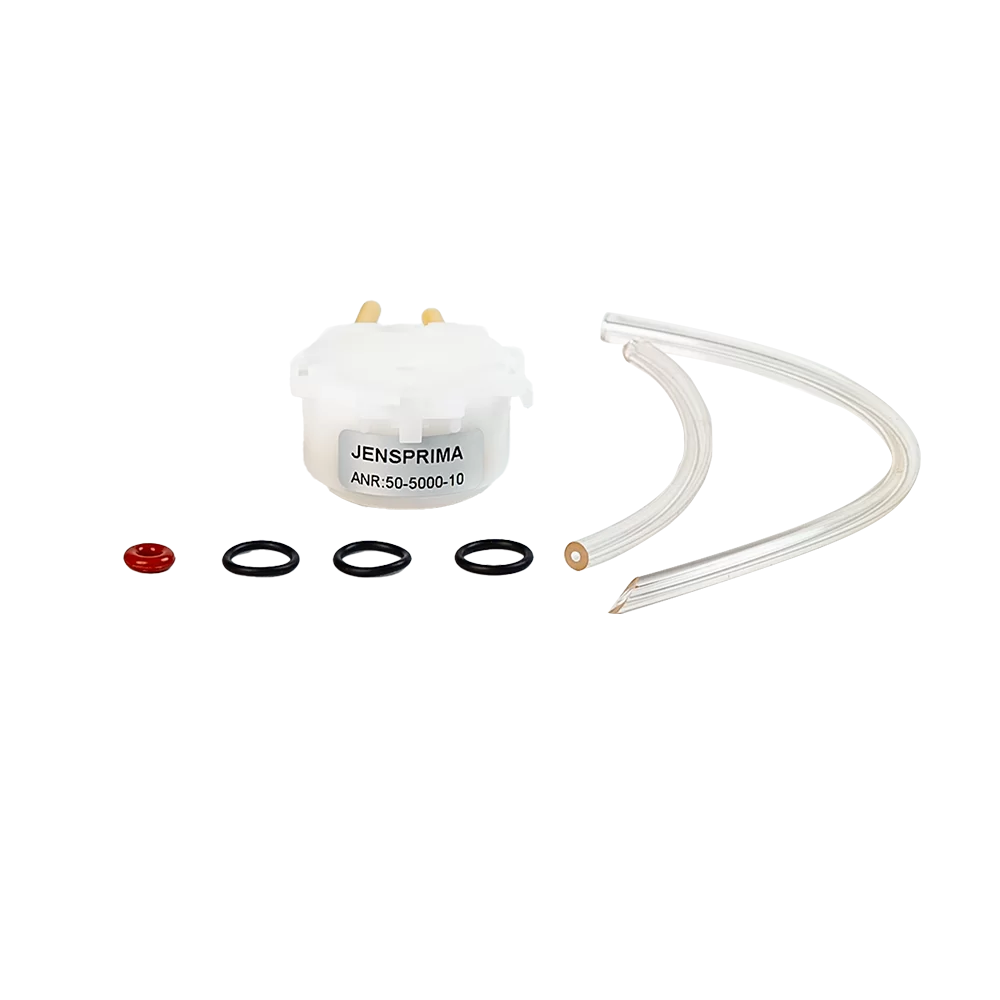
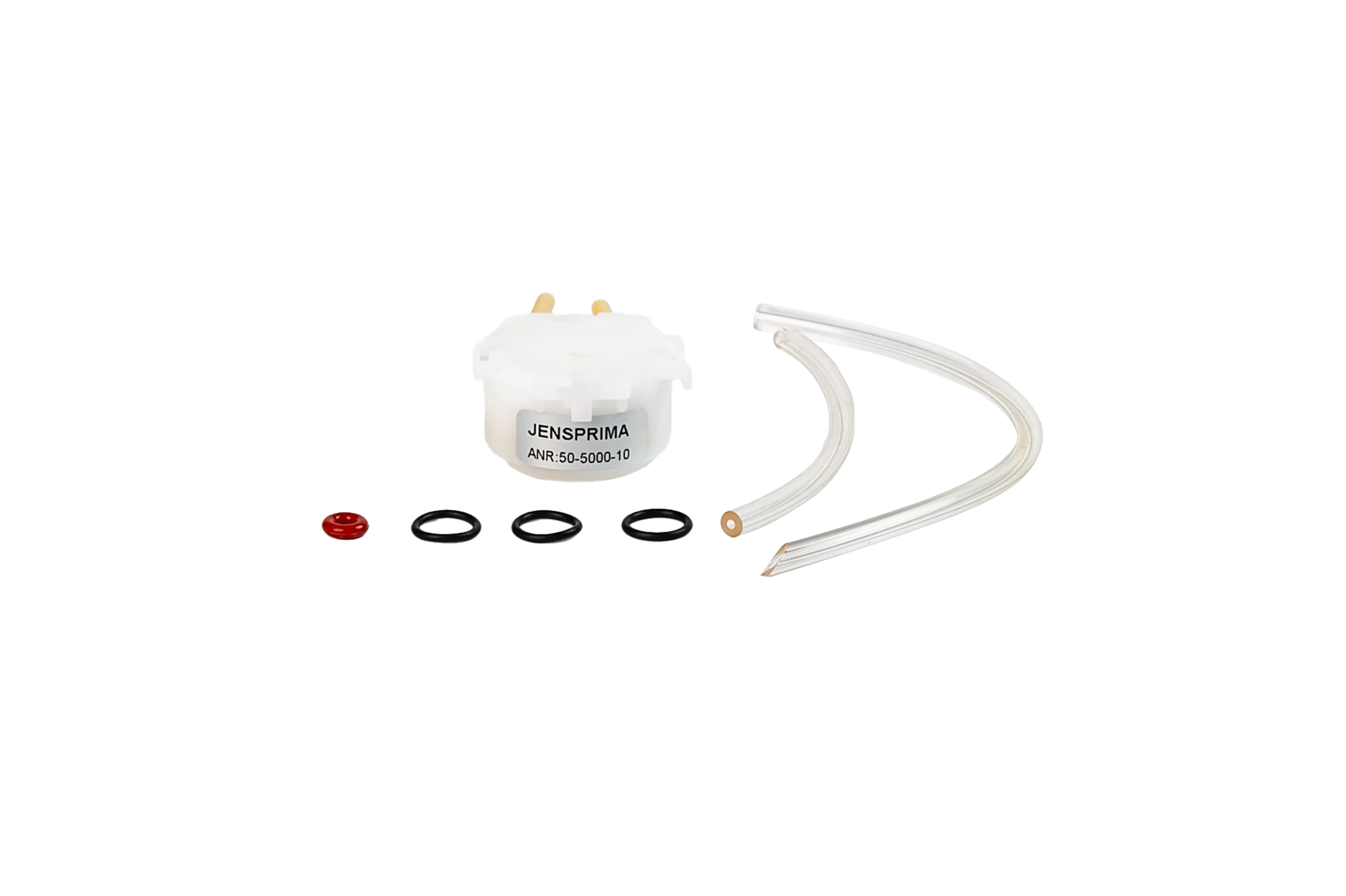
Regular maintenance is essential for ensuring the long-term accuracy and reliability of an alkalinity analyzer. This includes routine electrode calibration, cleaning of the sample conditioning system, replacement of consumables (such as tubing and reagents), and periodic inspection of the pump and other components. Following the manufacturer’s recommendations for maintenance will minimize downtime and extend the analyzer's lifespan.
Conclusion
In conclusion, the alkalinity analyzer stands as a vital tool for ensuring water quality, optimizing industrial processes, and protecting the environment. Its ability to provide accurate, real-time data, coupled with its increased efficiency and reduced operational costs compared to traditional methods, makes it an indispensable asset for a diverse range of applications. The continued development and innovation in this field promise even more advanced and accessible solutions for addressing global water challenges.
Looking ahead, embracing new technologies and advancements in alkalinity analysis will be crucial for sustainable water management and efficient industrial operations. Investing in high-quality analyzers, implementing robust maintenance programs, and leveraging data-driven insights will unlock the full potential of this technology, contributing to a healthier planet and a more prosperous future. Visit our website at www.jensprima.com to learn more about our comprehensive range of alkalinity analyzers and solutions.


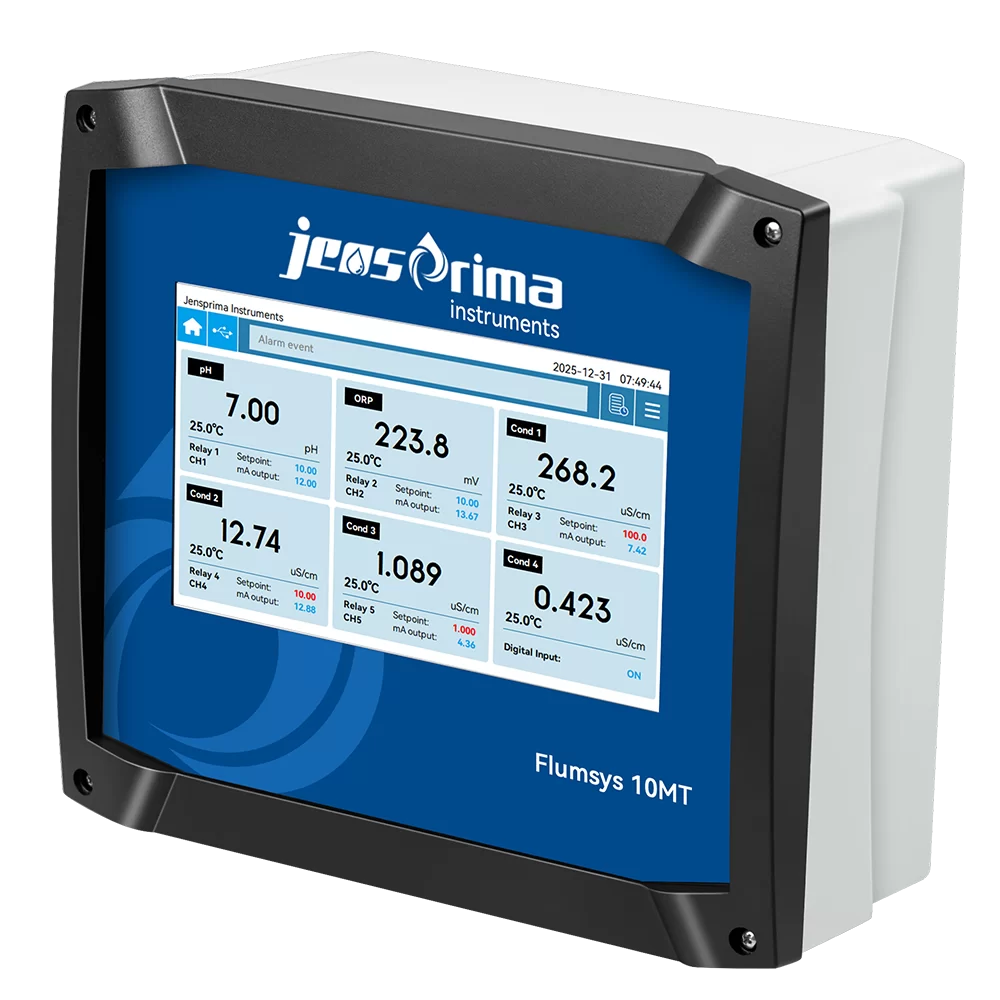

 Download
 Video Center
 Technical Services
 FAQS
FAQS Service Network
 Privacy Policy
 Contact Us