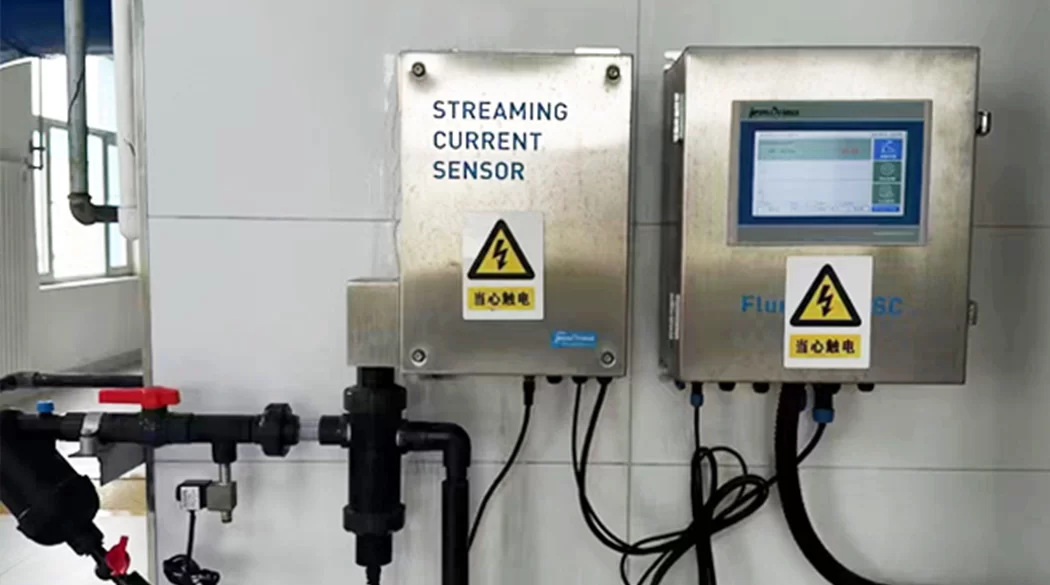
Optimizing Water Quality Monitoring with a tds ph and conductivity meter
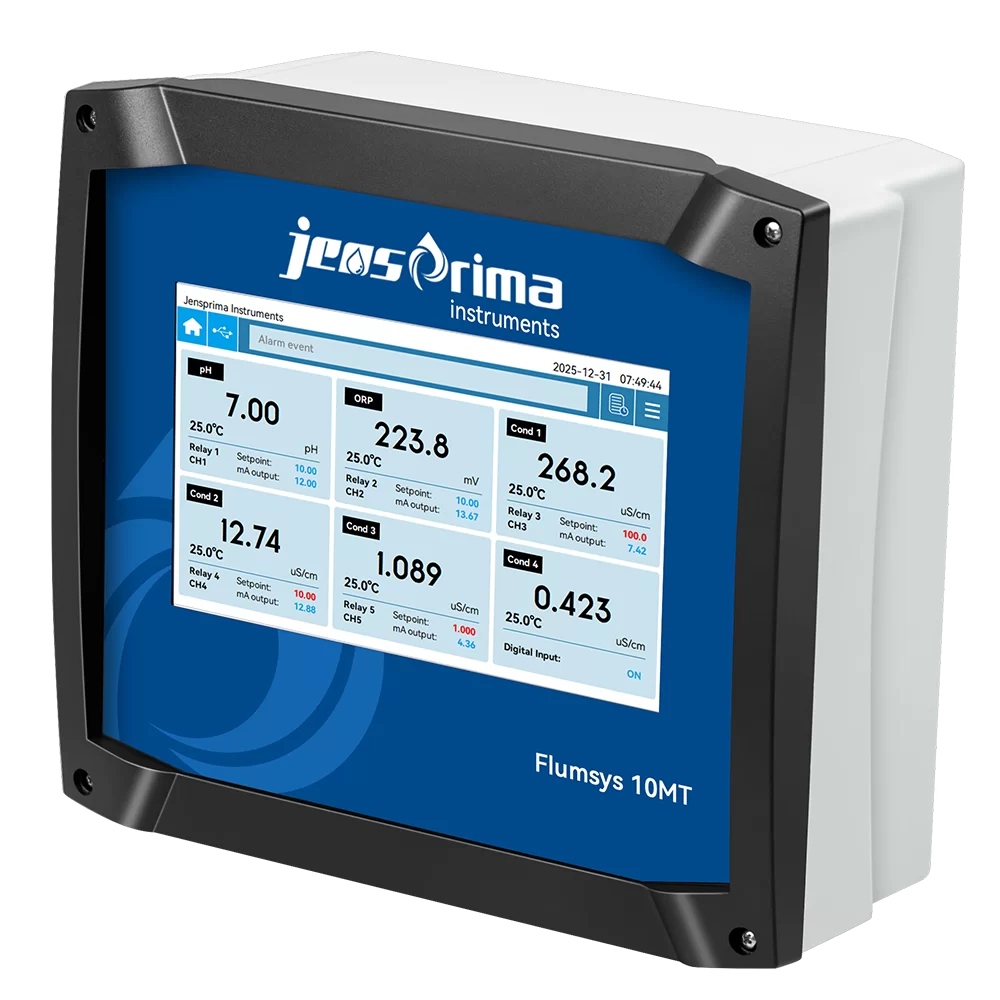
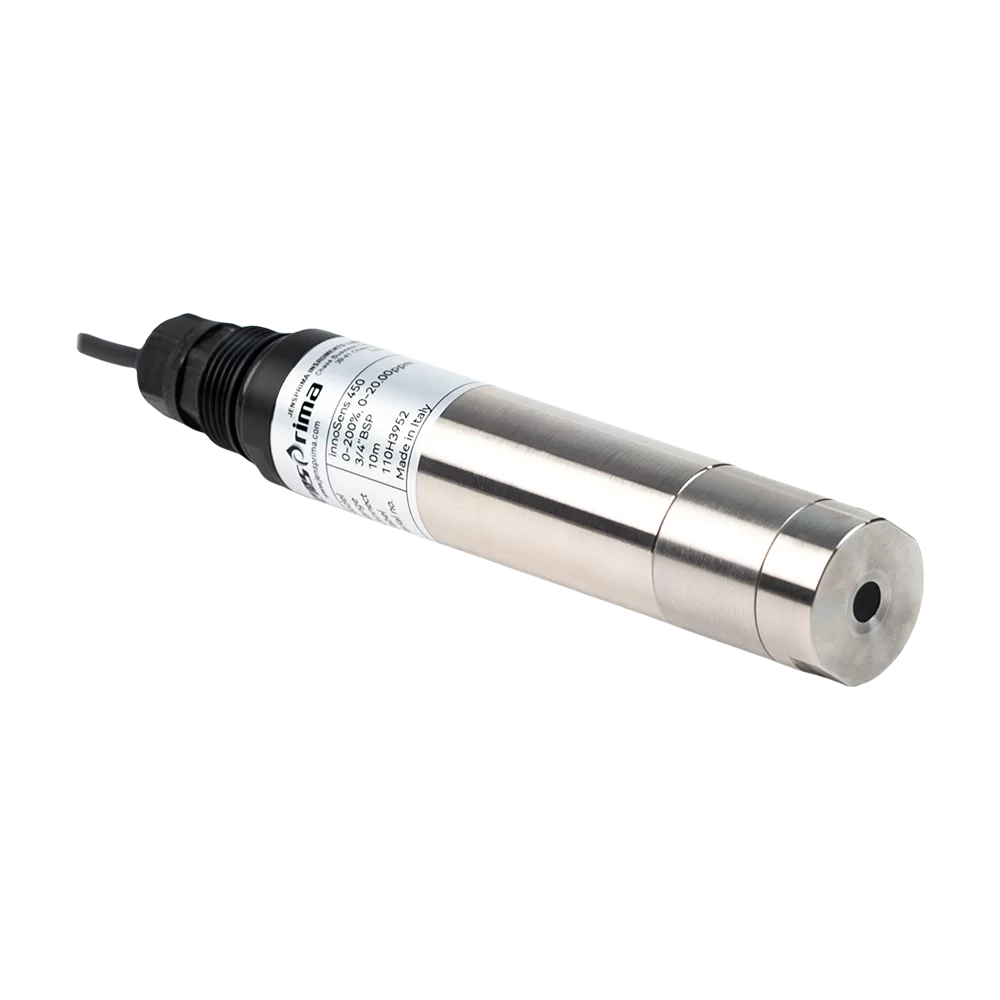
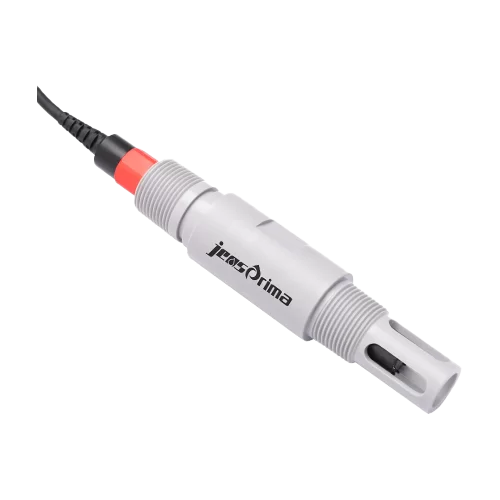
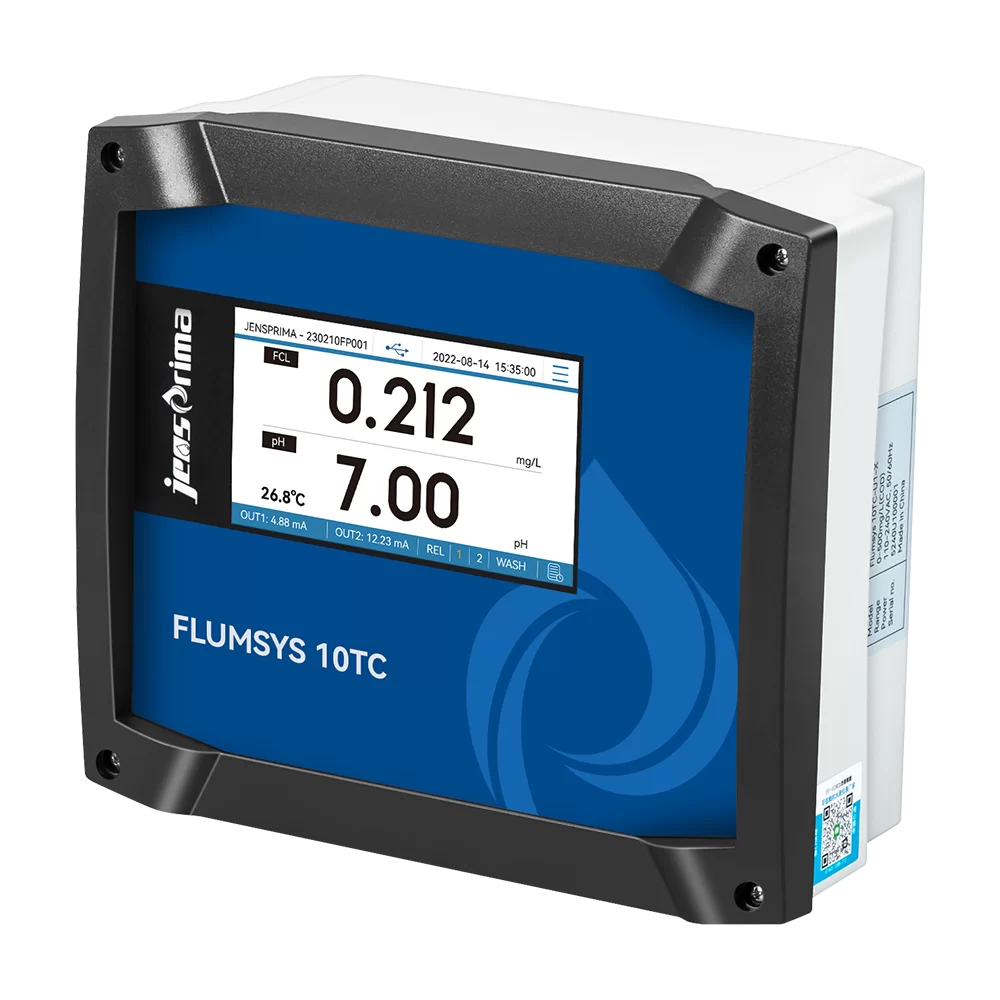
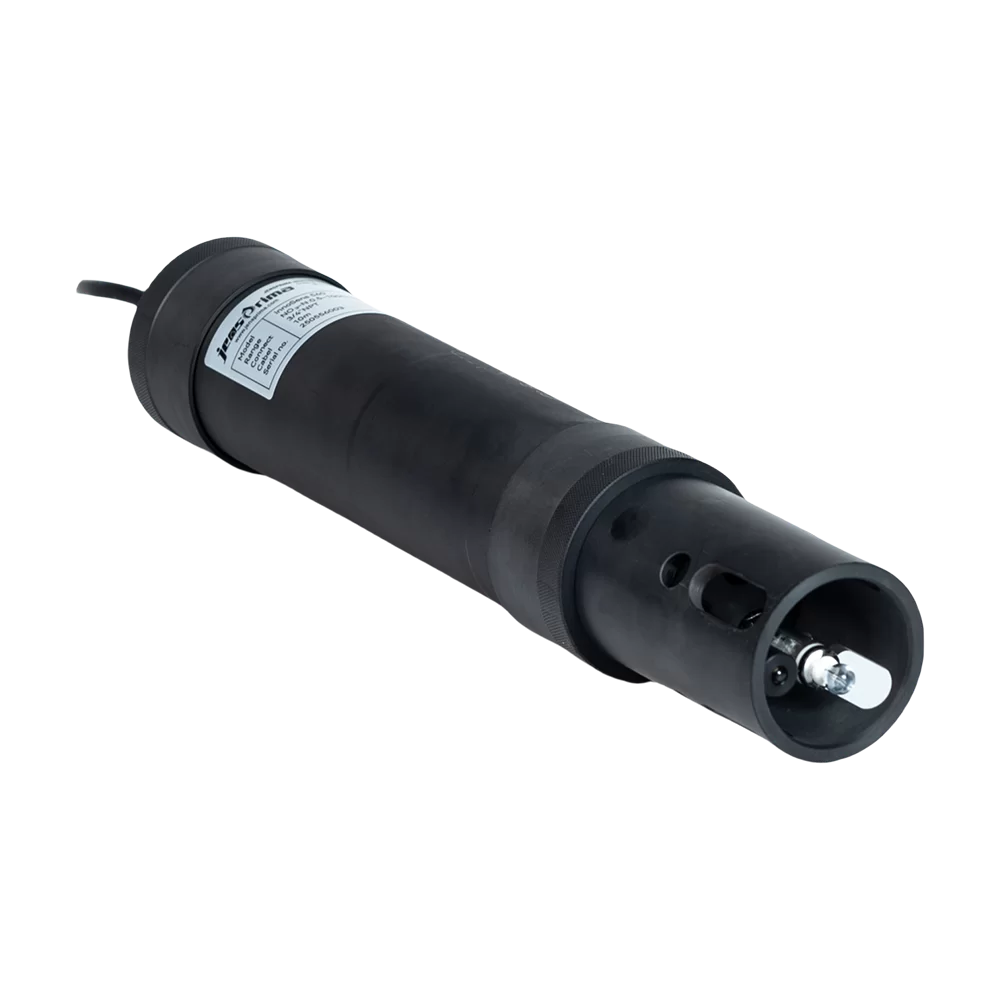
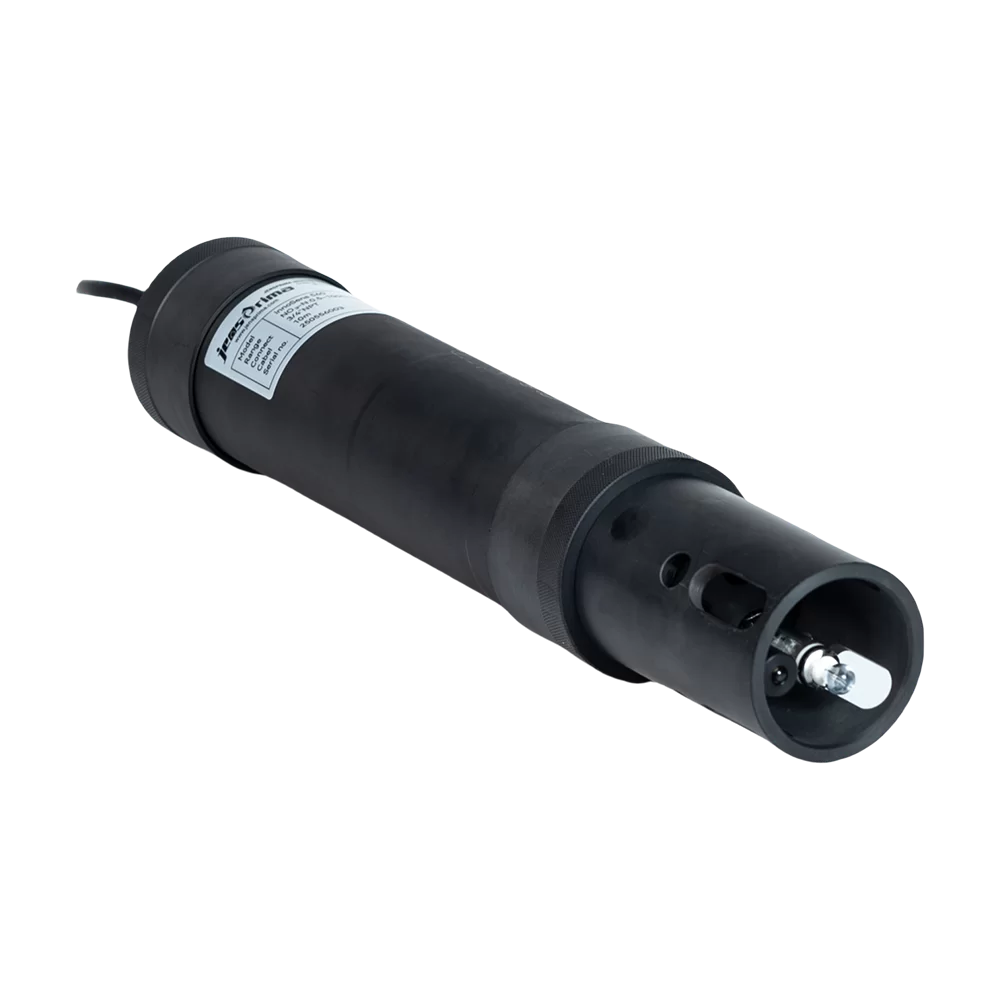
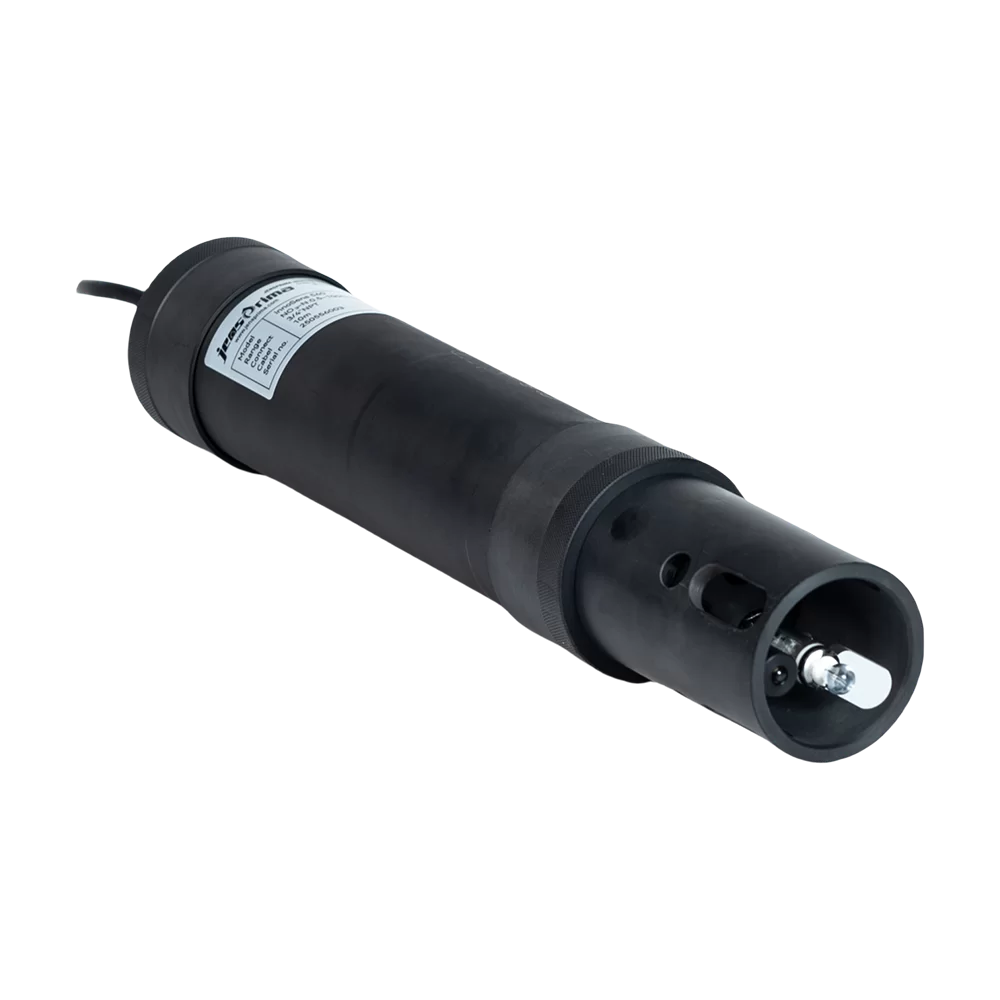
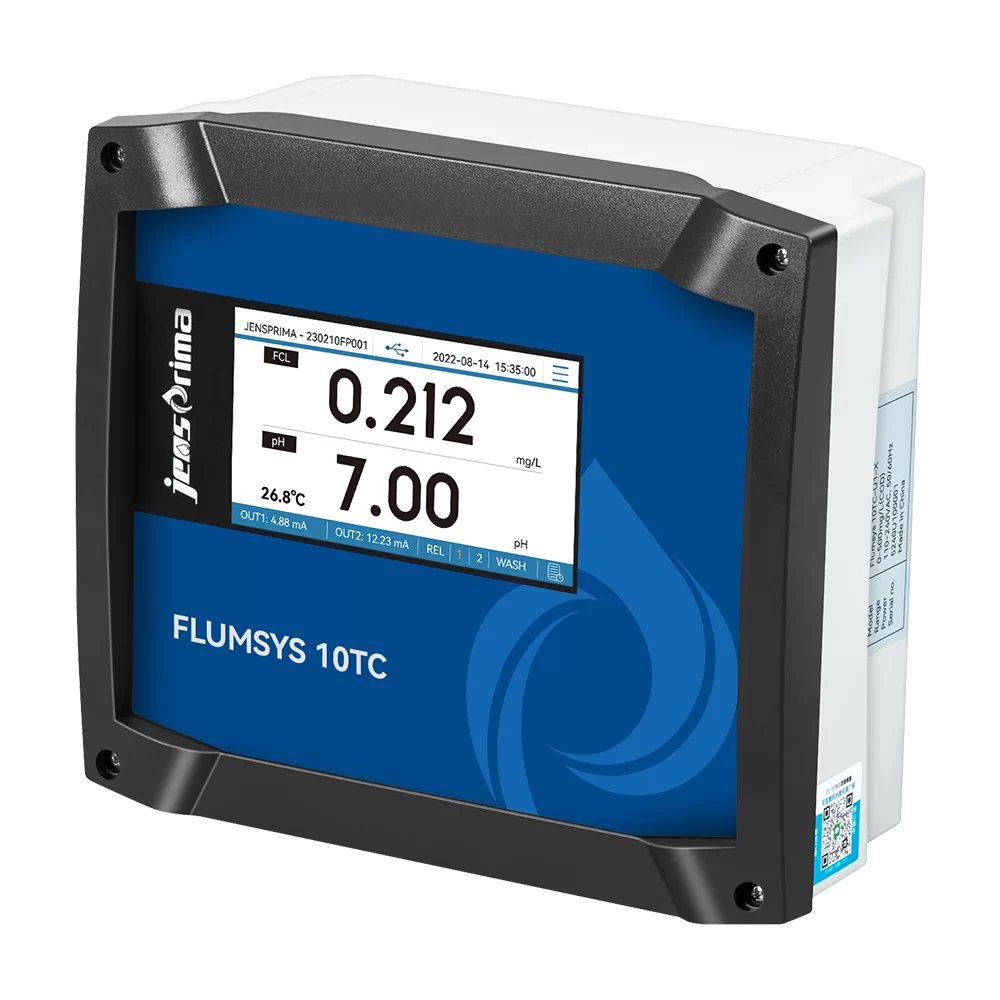
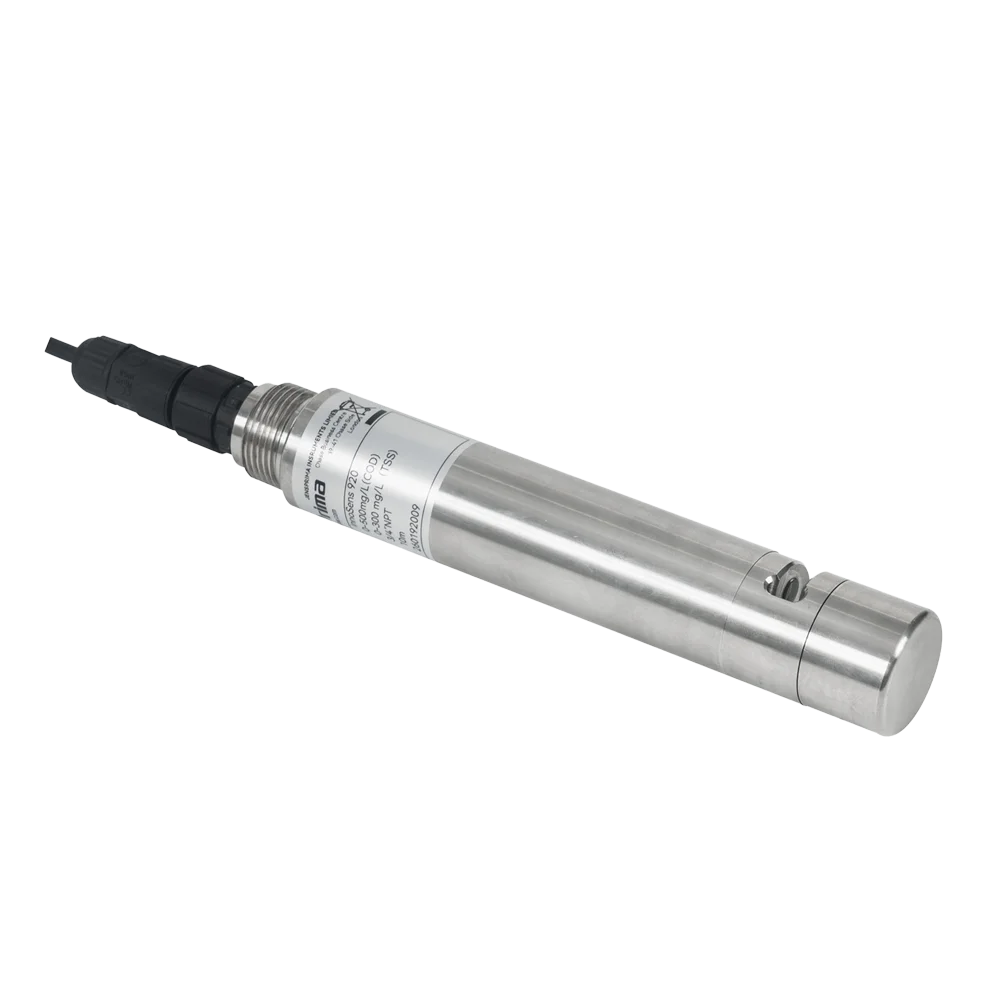
In the modern industrial landscape, precise water analysis is the cornerstone of environmental compliance and operational efficiency. Whether you are managing a municipal wastewater plant or a high-tech manufacturing facility, utilizing a professional tds ph and conductivity meter is essential for maintaining strict quality controls. These instruments provide critical data on the purity, acidity, and ionic concentration of liquids, allowing engineers to make real-time adjustments to chemical dosing and filtration processes. By integrating advanced sensing technology, industries can prevent equipment corrosion and ensure that effluent meets stringent environmental standards. In this guide, we explore how these integrated measurement solutions drive excellence in water monitoring.
The Fundamental Role of Conductivity and TDS Measurement
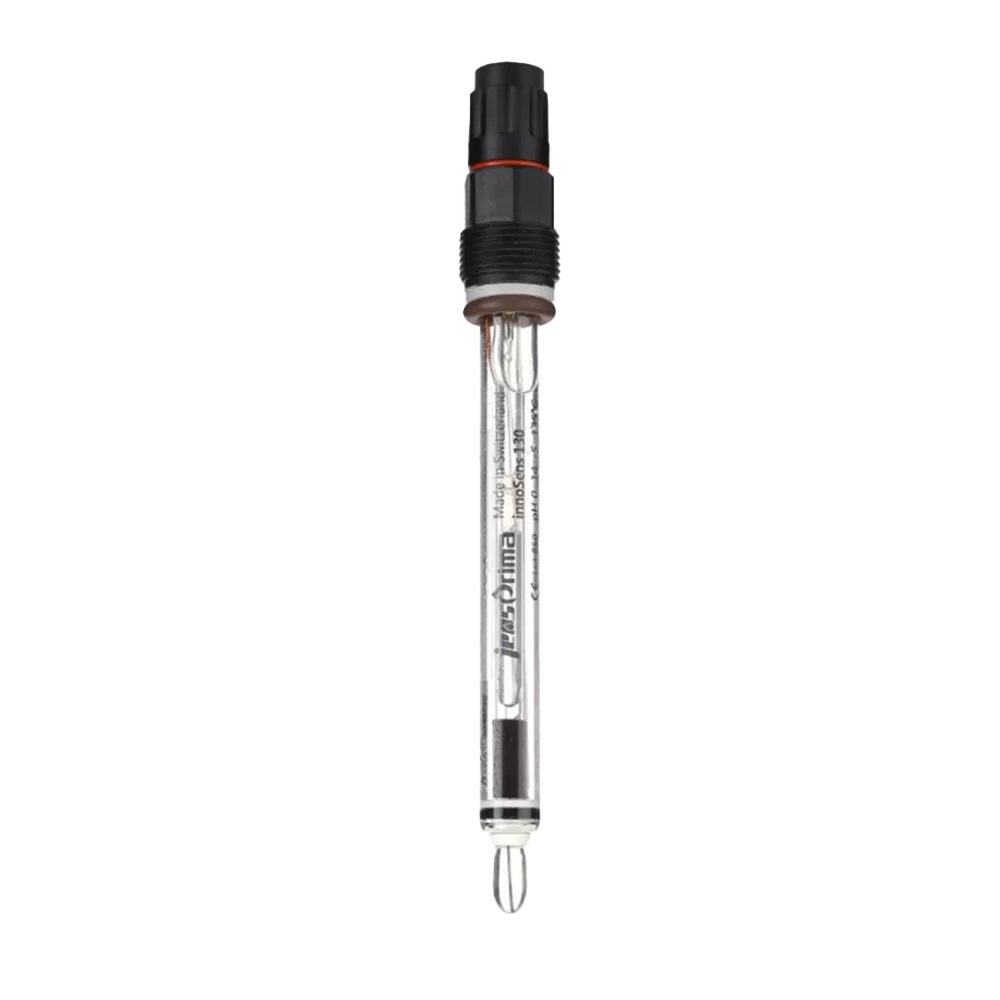
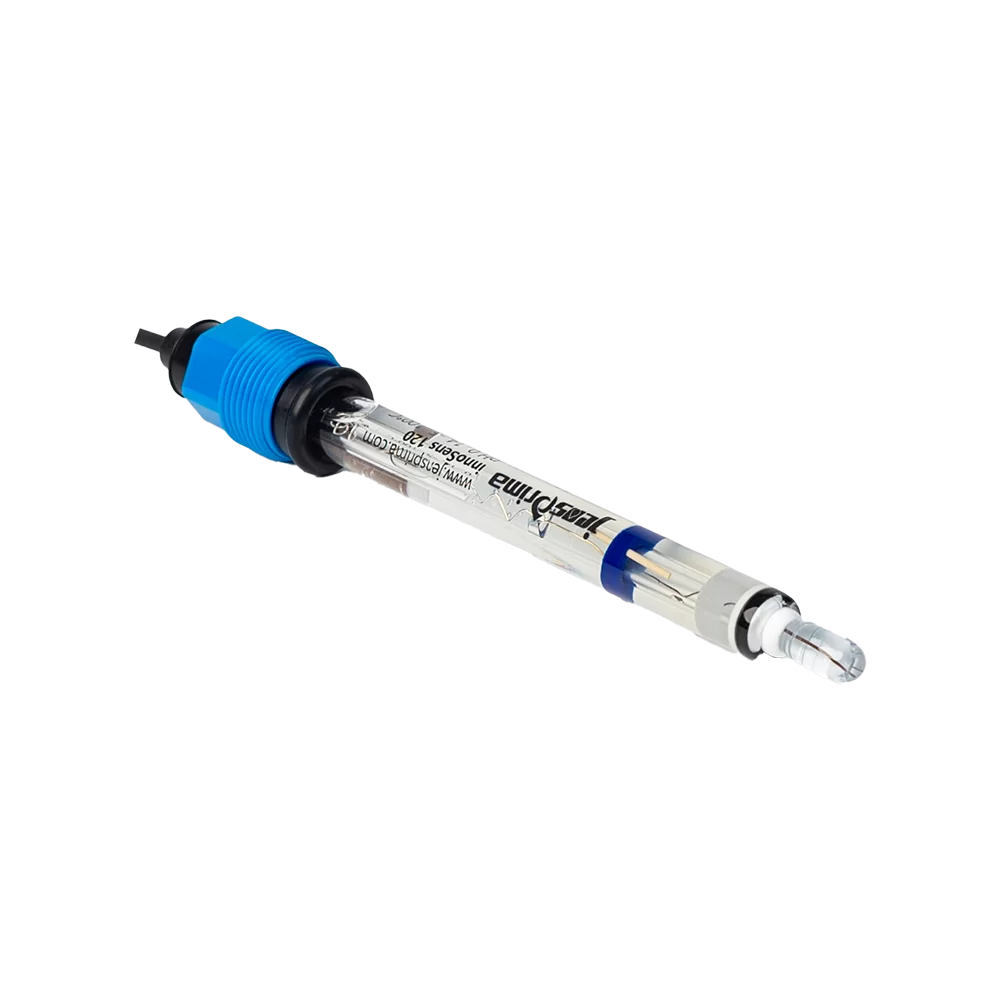
Conductivity measures the ability of water to pass an electrical current, which is directly proportional to the concentration of ionized substances. Total Dissolved Solids (TDS) provides a broader view of all organic and inorganic substances dissolved in the liquid. When using a tds ph and conductivity meter, operators can quickly identify contamination spikes or leakage in reverse osmosis membranes. This dual-parameter monitoring is vital for boiler feed water and pharmaceutical grade water, where even trace impurities can lead to catastrophic system failure or product contamination. Accurate readings ensure that the desalination and purification cycles are functioning at peak performance.
Technical Insight: While conductivity is an electrical measurement, TDS is often derived from conductivity using a conversion factor. A high-precision meter ensures this conversion is accurate across different temperature ranges.
Precision pH Monitoring for Chemical Stability
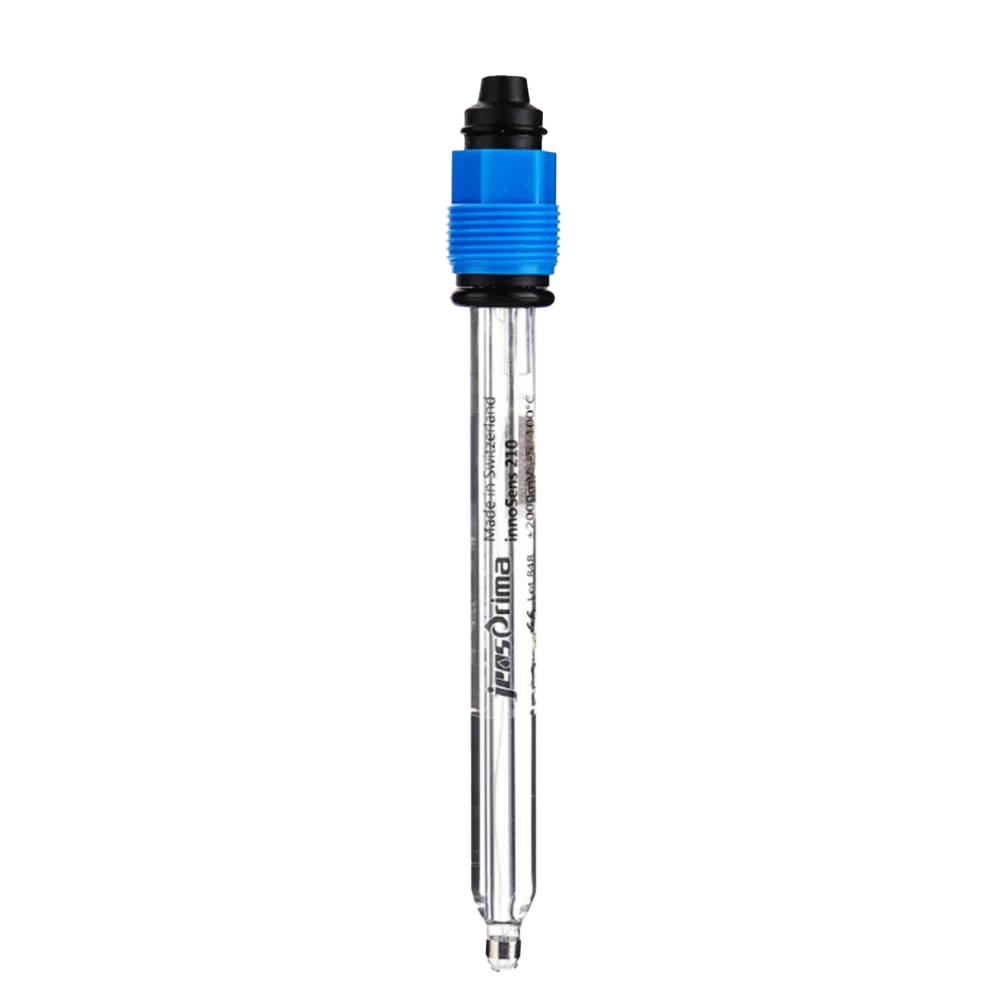
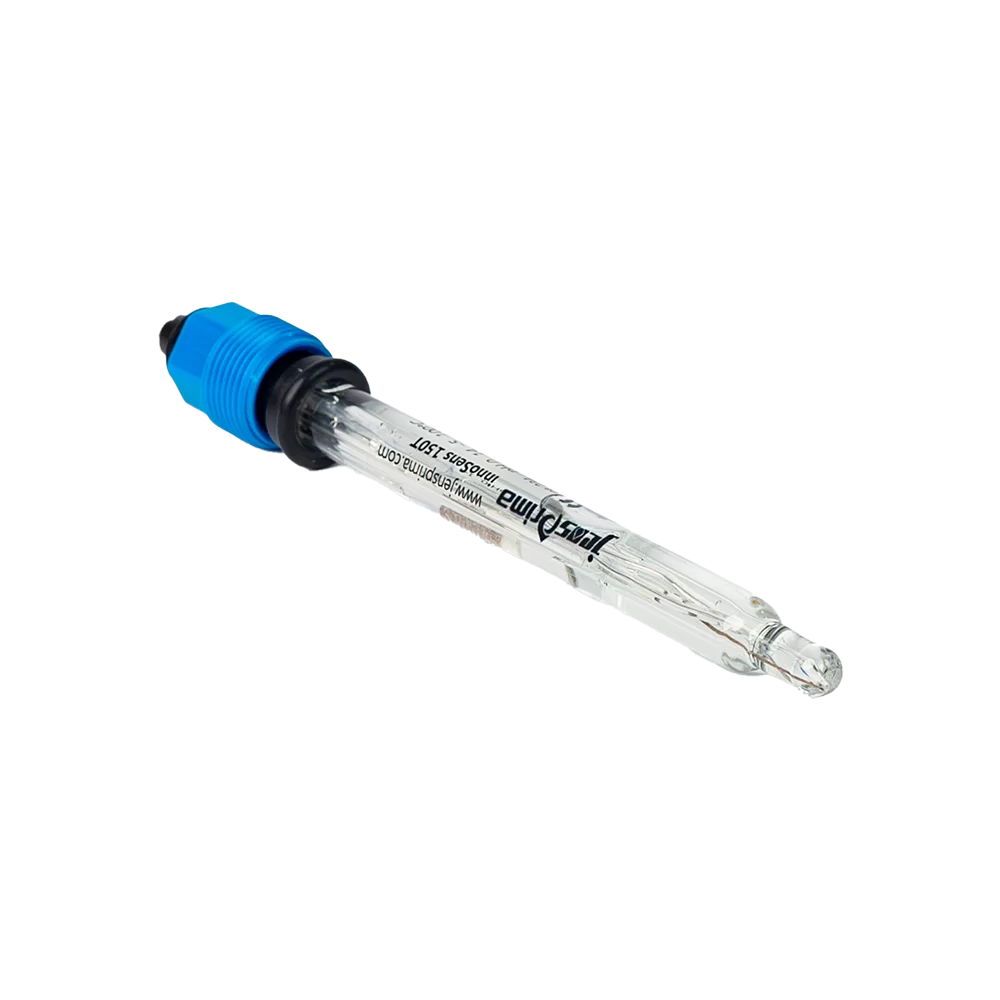
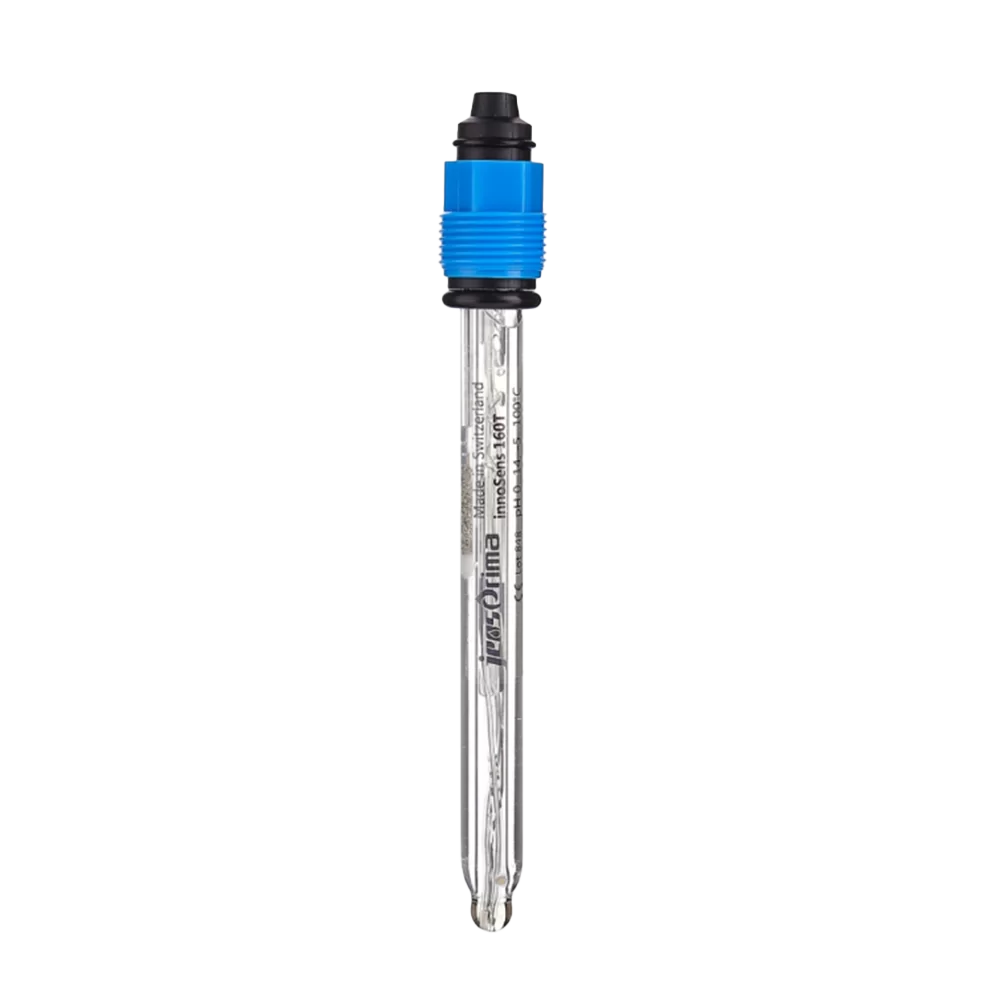
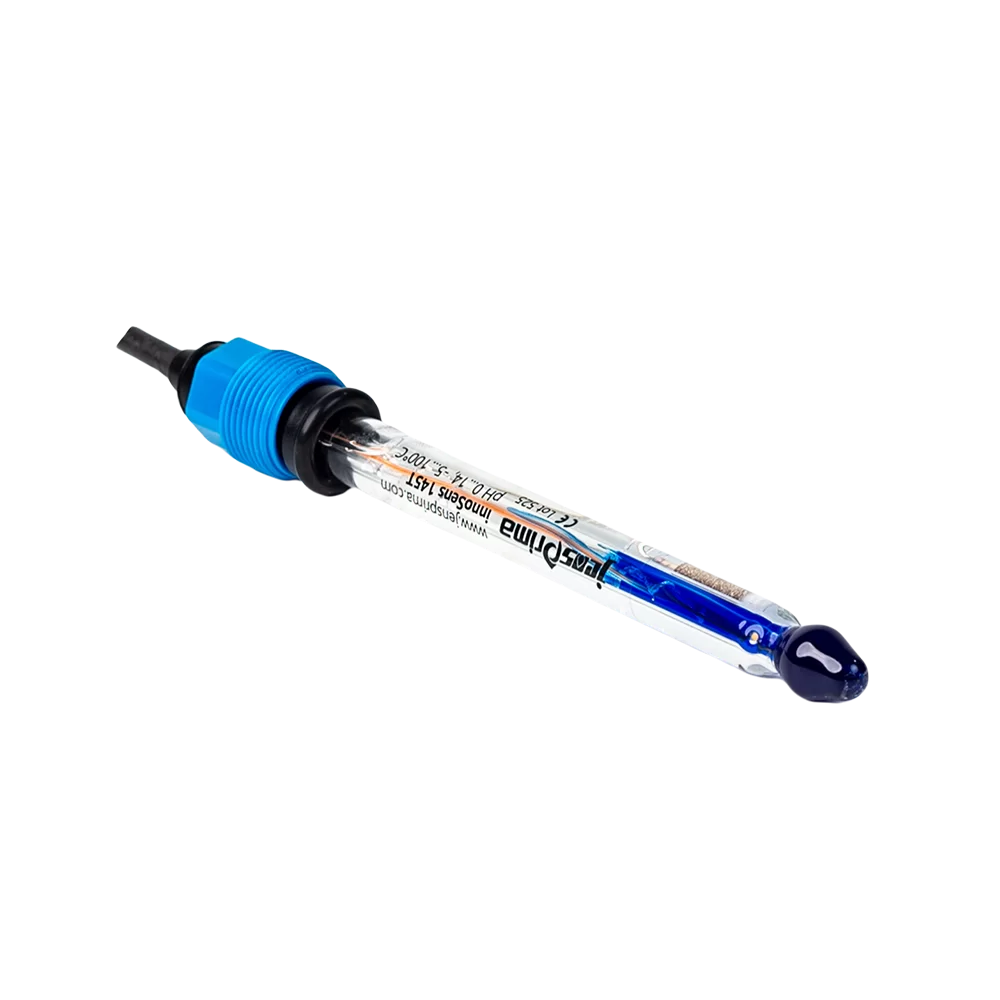
pH measurement determines the acidity or alkalinity of a solution, a critical factor in chemical reactions and biological health. In environmental monitoring, pH fluctuations can indicate pollution events or the failure of neutralization systems. By employing a high-grade tds ph and conductivity meter, facilities can automate the injection of acids or bases to maintain a stable pH level. This is especially important in the manufacturing of instruments and chemicals, where precise pH control prevents the degradation of raw materials and ensures the safety of the workforce handling the substances.
Why pH Control Matters:
• Prevents scale buildup and corrosion in piping
• Ensures optimal efficiency of wastewater treatment microbes
• Complies with government discharge regulations
• Protects sensitive aquatic ecosystems in discharge zones
Comparing Multi-Parameter vs. Single-Parameter Meters
Many facilities struggle to choose between individual sensors and a comprehensive tds ph and conductivity meter. Integrated devices offer the advantage of consolidated data streams and reduced installation footprints. While single-parameter meters might seem simpler, they increase the cost of calibration and maintenance over time. A multi-parameter approach provides a holistic view of water chemistry, allowing for the correlation of pH drops with conductivity spikes, which often reveals the exact nature of a contaminant.
| Feature |
Multi-Parameter Meter |
Single-Parameter Meter |
| Data Integration |
Unified Dashboard |
Fragmented Readings |
| Installation Cost |
Lower (Single Unit) |
Higher (Multiple Units) |
| Calibration Effort |
Streamlined Process |
Repetitive Individual Tasks |
| Analysis Depth |
Comprehensive/Correlated |
Isolated/Limited |
Applications in Environmental Monitoring and Manufacturing
The versatility of the tds ph and conductivity meter makes it indispensable across various sectors. In the beverage industry, these meters ensure the consistency of water used in production, directly impacting the taste and quality of the final product. In the power generation sector, conductivity monitoring prevents turbine blade scaling. Furthermore, for companies specializing in online water quality analyzers, these sensors provide the raw data needed for automated PLC systems to trigger alarms or shut down processes during a contamination event.
Technical Specifications for High-Precision Meters
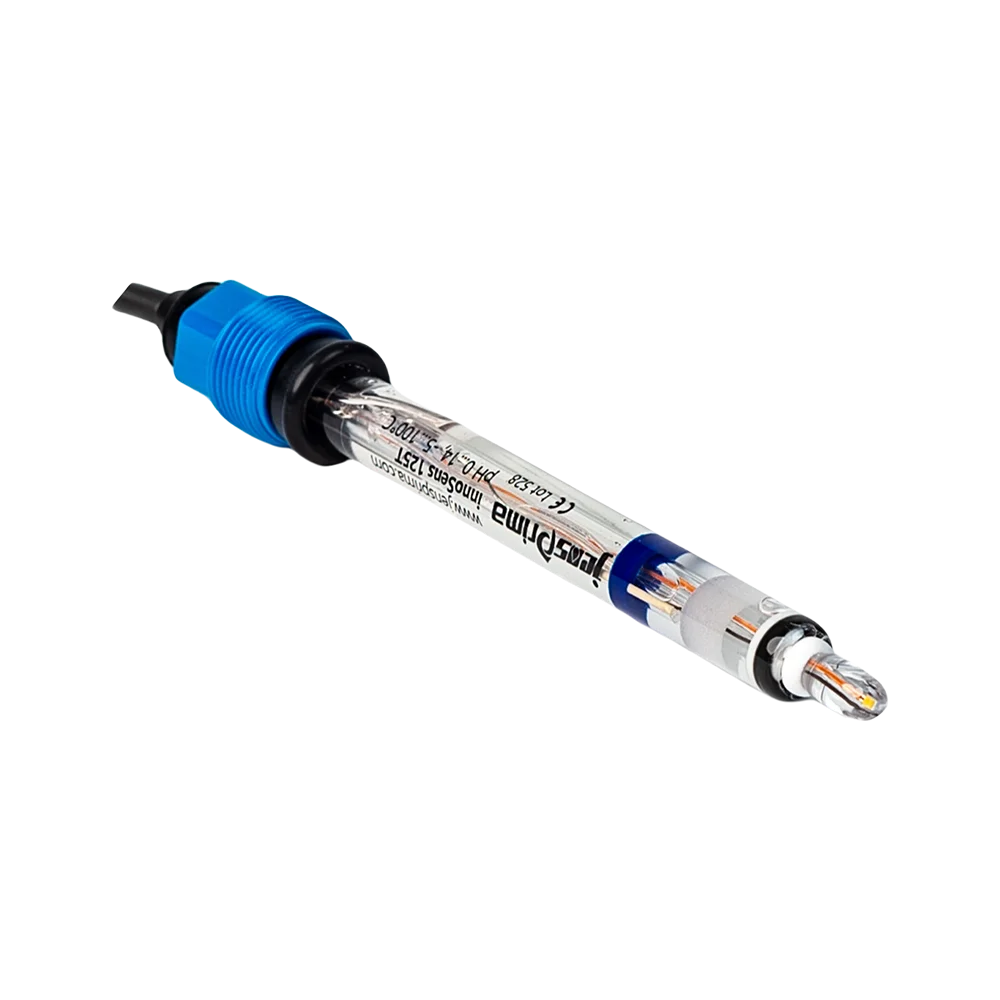
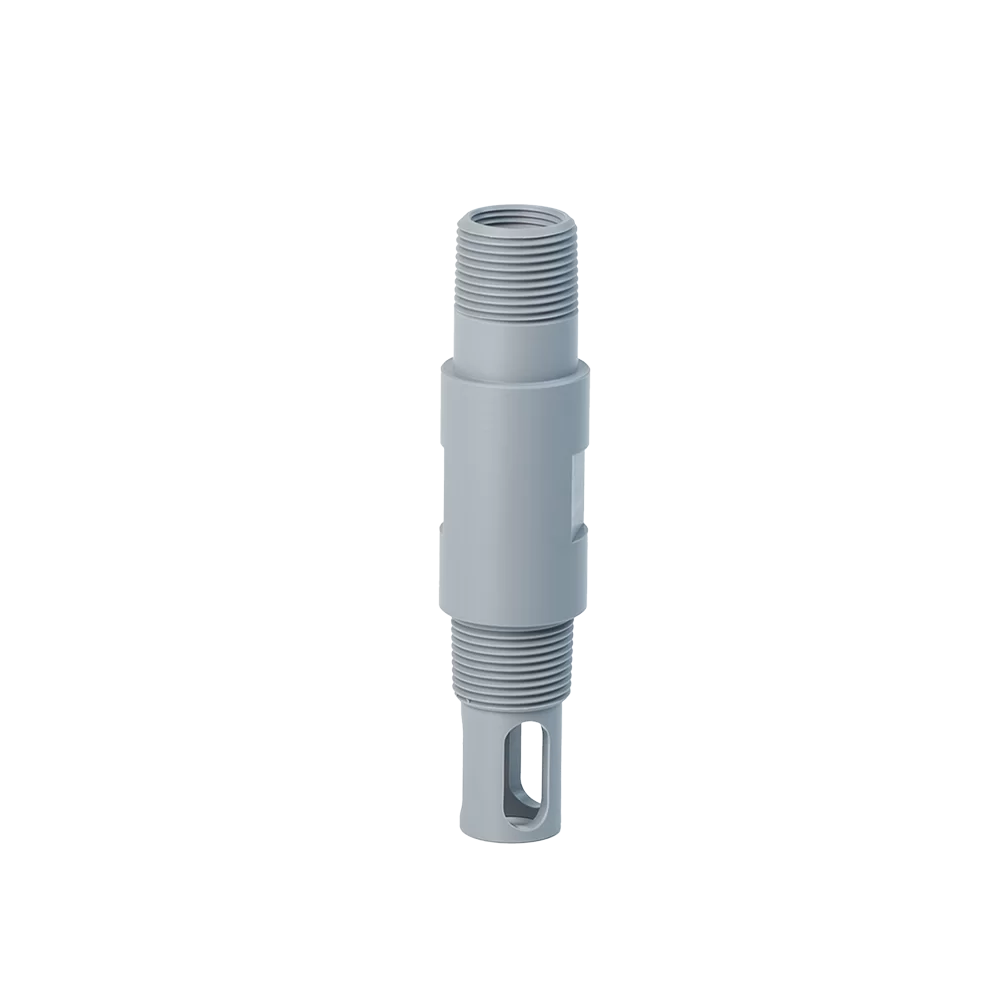
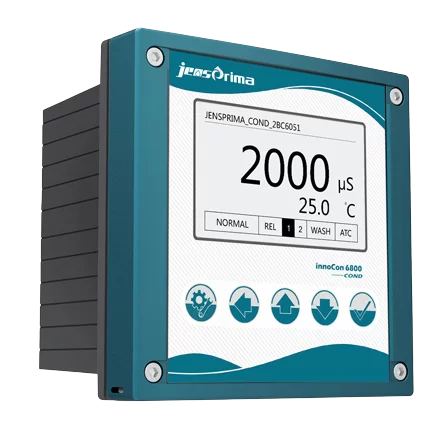
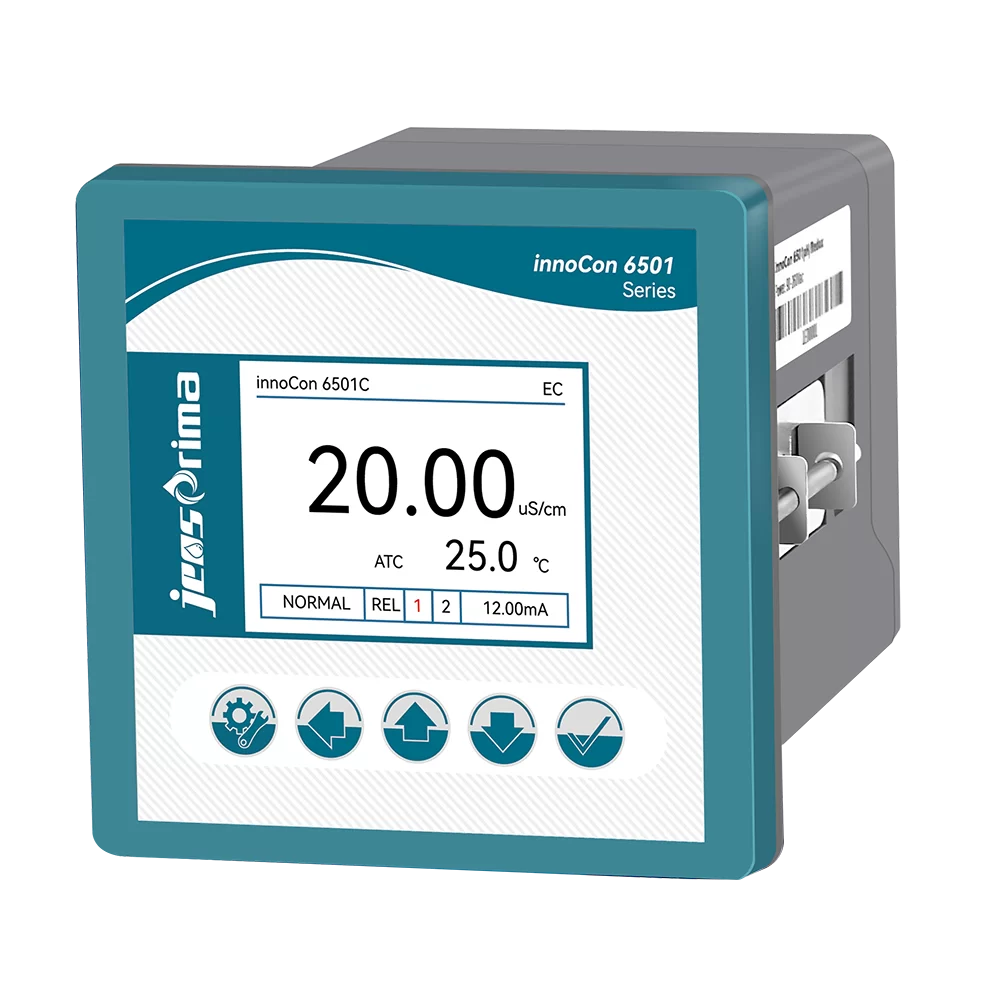
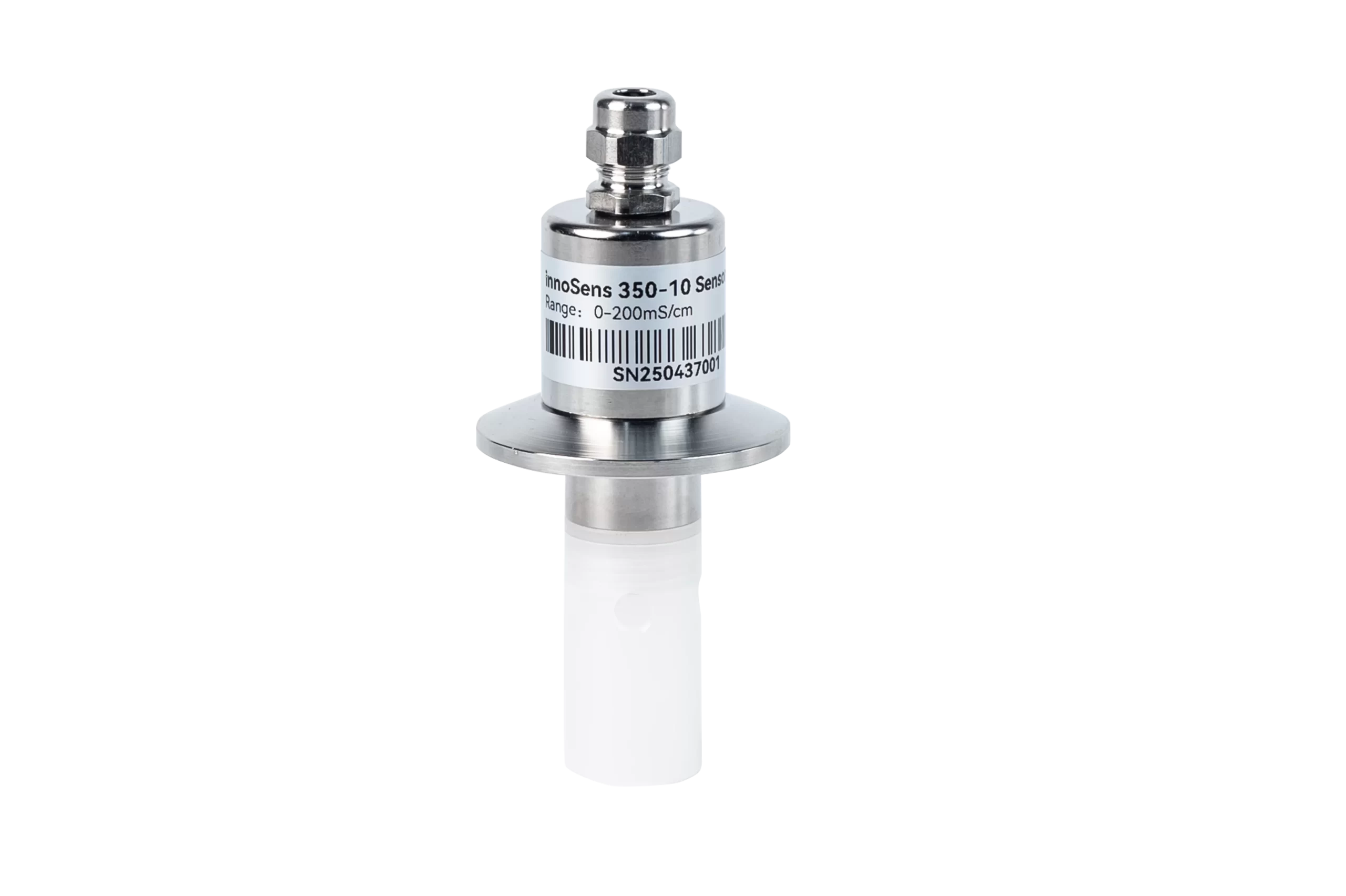
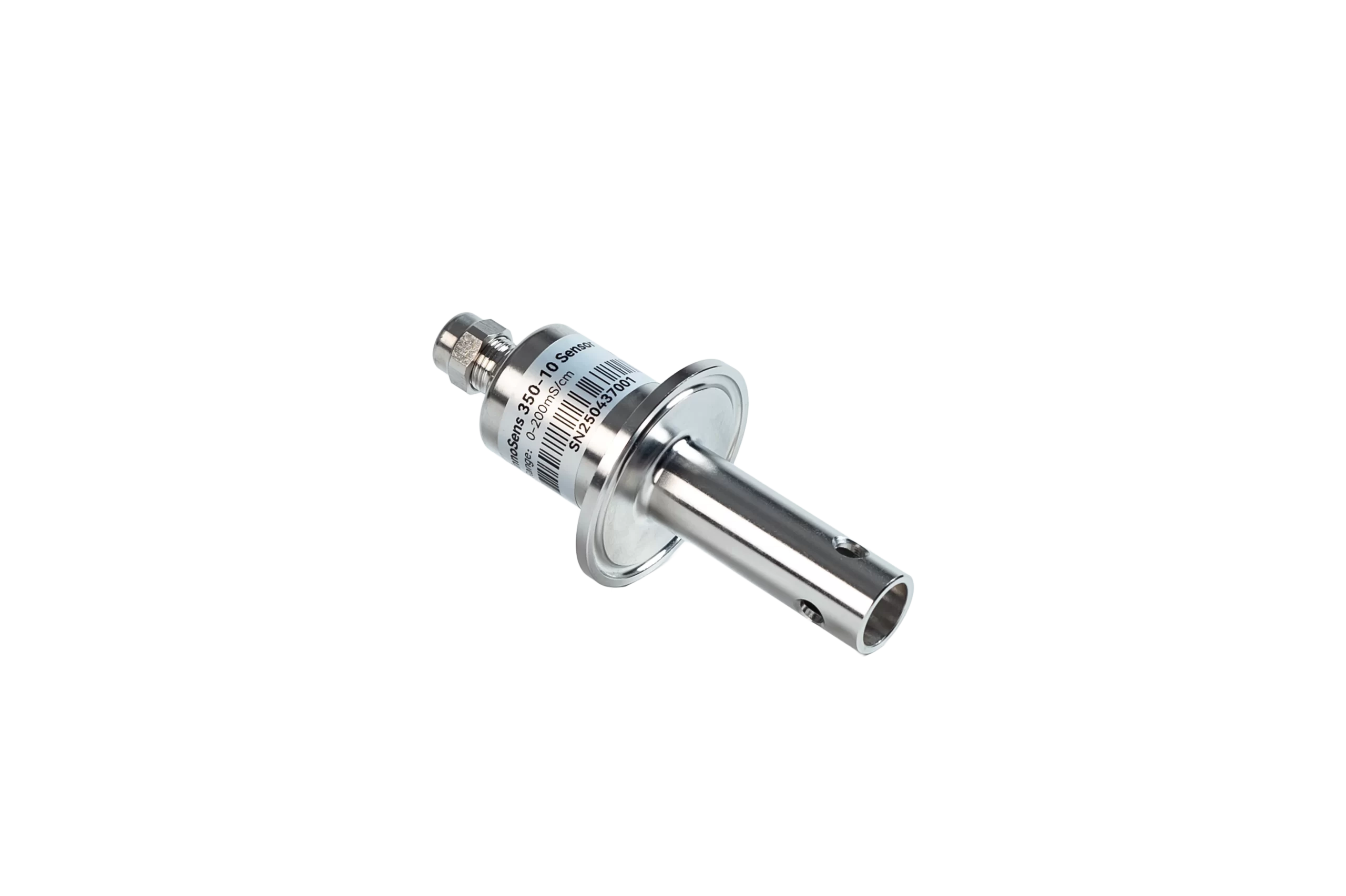
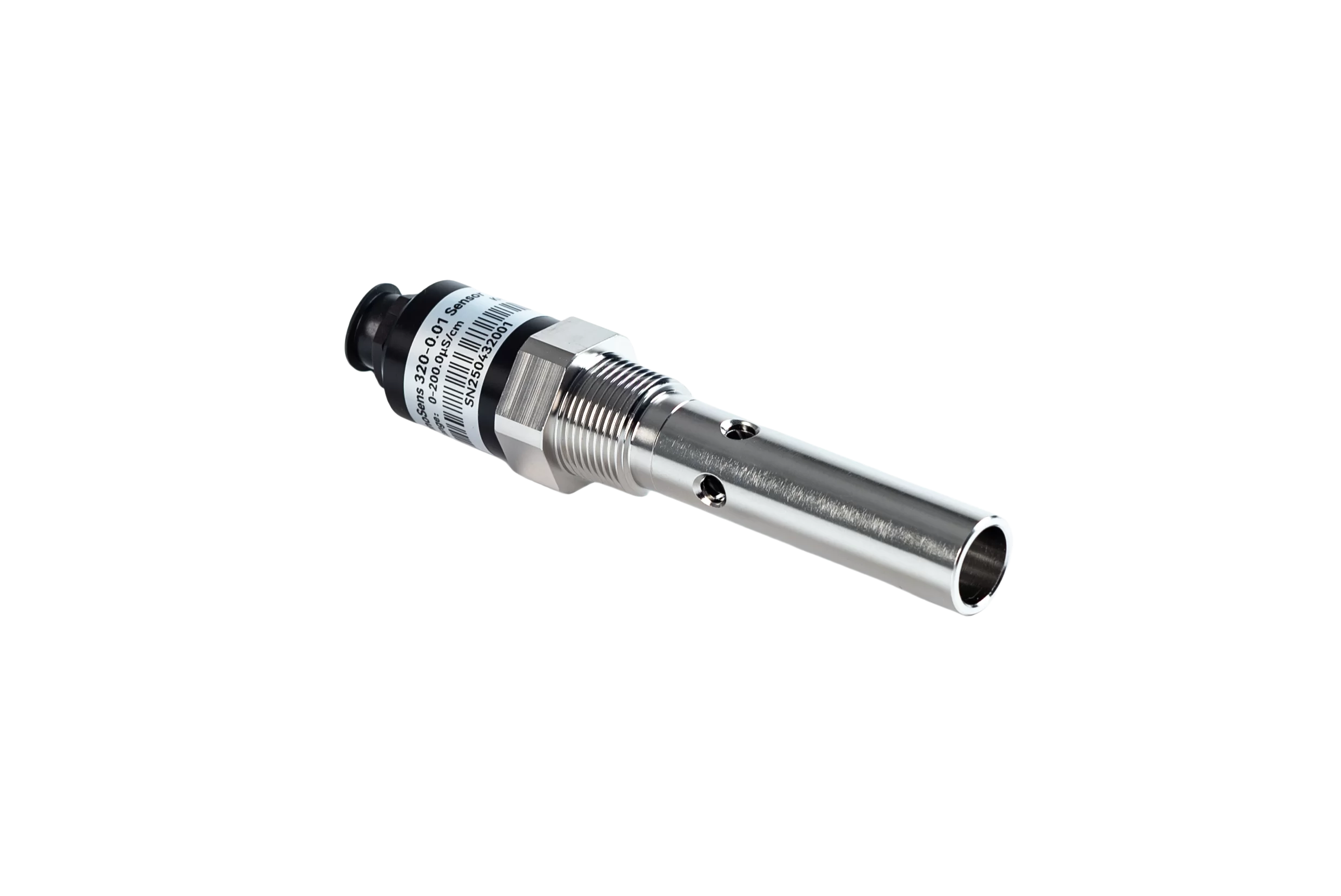
Selecting the right instrument requires a deep dive into technical specifications. A professional tds ph and conductivity meter must feature Automatic Temperature Compensation (ATC) to account for the fact that conductivity increases with temperature. High-quality probes should be made from chemically resistant materials like epoxy or Kynar to withstand harsh industrial environments. Below is a typical specification table for industrial-grade monitoring equipment used in online analysis.
| Parameter |
Industrial Standard Specification |
| pH Measurement Range |
0.00 to 14.00 pH (±0.01 accuracy) |
| Conductivity Range |
0.01 μS/cm to 200 mS/cm |
| TDS Range |
0 to 9999 ppm |
| Operating Temperature |
0°C to 100°C with ATC |
Maintenance Best Practices for Sensor Longevity
To ensure a tds ph and conductivity meter remains accurate, a rigorous maintenance schedule is mandatory. pH electrodes, in particular, are prone to "drift" and must be calibrated regularly using standard buffer solutions. Conductivity sensors can suffer from fouling—the accumulation of oils or minerals on the electrode surface—which artificially lowers the reading. Regular cleaning with mild detergents or specialized acidic solutions is recommended. Proper storage of the pH probe in a KCL solution prevents the glass membrane from dehydrating, thereby extending the sensor's lifespan significantly.
Conclusion: Precision is Key to Environmental Safety
Investing in a high-performance tds ph and conductivity meter is not just about purchasing a tool; it is about securing the integrity of your industrial processes. From preventing costly equipment failures to ensuring total environmental compliance, the data provided by these instruments is invaluable. By combining precise pH, TDS, and conductivity measurements, companies can transition from reactive troubleshooting to proactive water management. Visit our website to explore the latest in water quality instrumentation and elevate your monitoring standards.
Frequently Asked Questions (FAQs)
How often should I calibrate my tds ph and conductivity meter?
Calibration frequency depends on the stability of the water being measured and the criticality of the application. For pH sensors, weekly or bi-weekly calibration is standard in industrial settings to correct for electrode drift. Conductivity and TDS sensors are generally more stable but should be verified monthly or after any significant process change. Using a high-quality tds ph and conductivity meter with an internal calibration memory can simplify this process, ensuring that your data remains traceable and accurate for regulatory audits.
Can one meter really measure all three parameters accurately?
Yes, modern multi-parameter meters are designed with separate sensing elements for each variable. The pH electrode measures hydrogen ion activity, while the conductivity cell measures ionic mobility. The TDS value is then calculated using a specific conversion factor based on the conductivity reading. By integrating these into one tds ph and conductivity meter, you get a comprehensive water profile without sacrificing the precision of individual measurements, provided the sensors are high-grade and properly maintained.
What is the difference between TDS and Conductivity?
Conductivity refers to the water's ability to conduct electricity, which happens because of dissolved salts and inorganic materials. TDS (Total Dissolved Solids) represents the actual mass of those dissolved materials, typically measured in parts per million (ppm) or mg/L. While they are closely related, they are not the same. A tds ph and conductivity meter measures conductivity first and then applies a mathematical coefficient to estimate the TDS. This is the most efficient way to monitor overall mineral content in real-time industrial applications.
What should I do if my pH readings are unstable?
Unstable readings often stem from three common issues: a contaminated electrode, an exhausted reference junction, or temperature fluctuations. First, clean the probe with a suitable solution to remove biofilms or oil. Second, check if the probe has dried out; if so, soak it in a storage solution for several hours. Third, ensure your tds ph and conductivity meter has Automatic Temperature Compensation (ATC) enabled, as temperature changes can significantly shift pH readings. If the problem persists, the electrode may have reached the end of its lifespan and requires replacement.



 Download
 Video Center
 Technical Services
 FAQS
 Service Network
 Privacy Policy
 Contact Us






 LEARN MORE