InnoSens 570 Nitrogen Probe and Water Conductivity Sensor Price
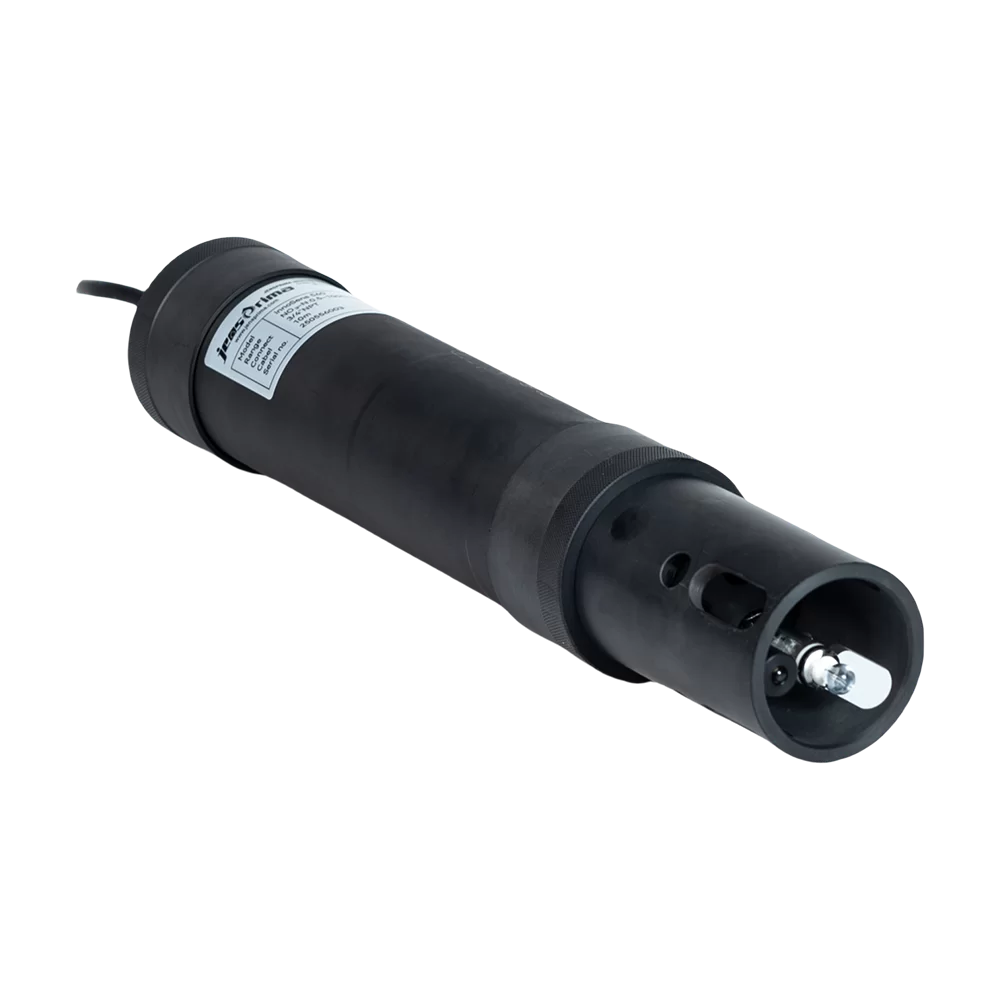
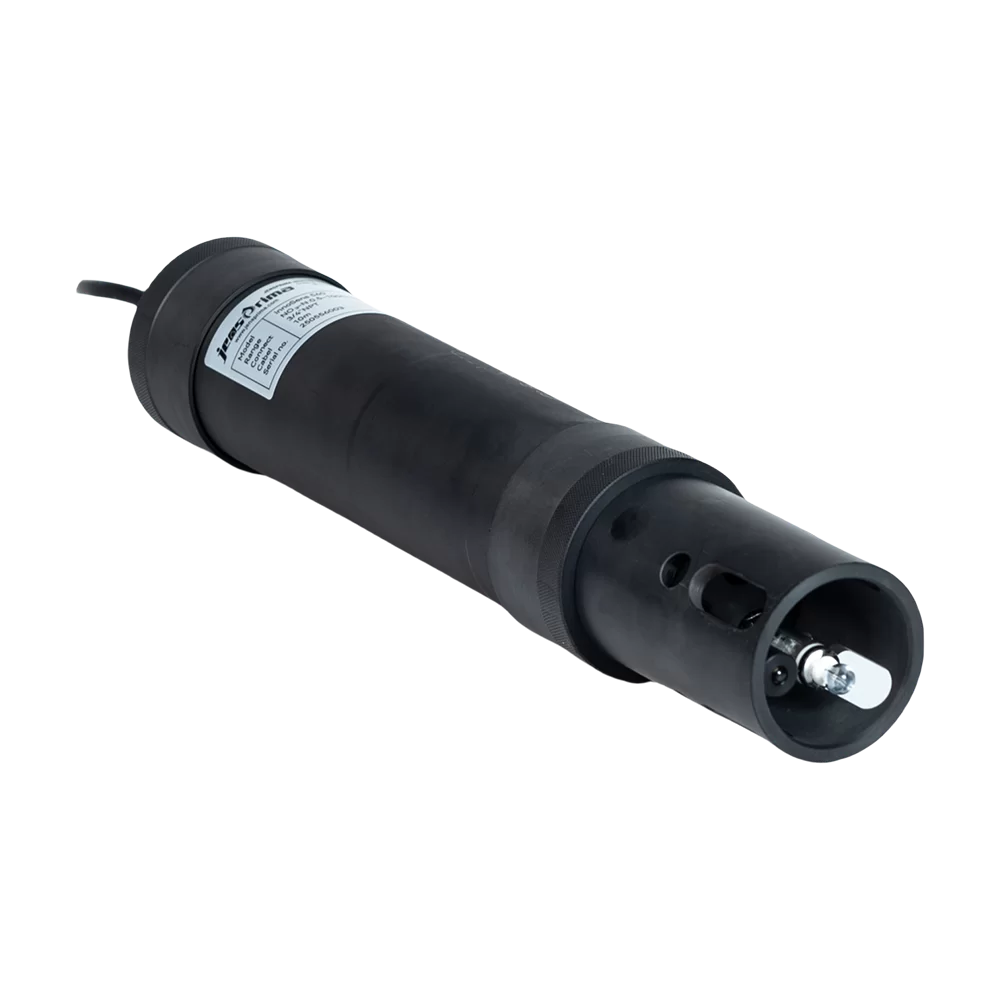
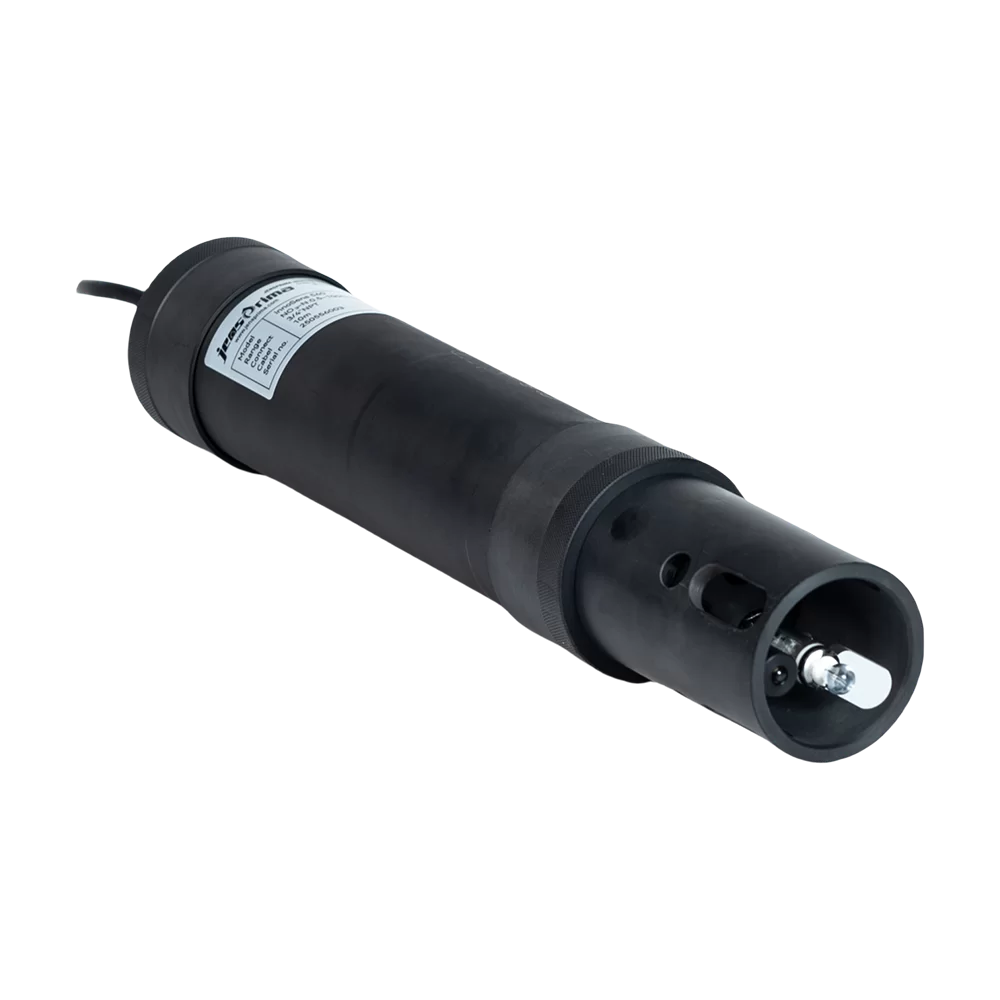
Efficient nutrient management in wastewater treatment and environmental monitoring requires high-precision data on nitrogen compounds. The innoSens 570 addresses this need by integrating the measurement of Ammonia Nitrogen (NH₄-N) and Nitrate Nitrogen (NO₃-N) into a single, robust probe. By consolidating two critical parameters into one device, operators can significantly streamline their hardware footprint and reduce the complexity of field installations.
For procurement managers and plant engineers, evaluating the total cost of ownership involves more than just the initial water conductivity sensor price or probe cost; it requires looking at long-term operational expenditure. The innoSens 570 leverages advanced ion-selective electrode technology to provide real-time, simultaneous data, eliminating the need for multiple separate probes and reducing the labor associated with routine maintenance and calibration in demanding industrial environments.

Integrated Dual-Channel Sensing for Nitrogen Monitoring Efficiency
The innoSens 570 is engineered to solve the common challenge of managing multiple probes for different nitrogen species. Traditional setups require separate sensors for ammonia and nitrate, which increases the risk of installation errors and doubles the maintenance workload. By utilizing a two-in-one design, this sensor provides a synchronized data stream that is essential for optimizing denitrification and nitrification processes in biological treatment plants.
The core of the device lies in its high-performance ion-selective membranes. These membranes are specifically designed to maintain high selectivity even when submerged in complex water matrices, where interfering ions often degrade the accuracy of standard sensors. This ensures that the data used for regulatory compliance and process control is both reliable and precise, allowing for immediate adjustments in aeration and nutrient dosing.
- Simultaneous Detection: Measures NH₄-N and NO₃-N concurrently to provide a holistic view of nitrogen levels.
- Industrial Interface: Standard signal outputs ensure compatibility with a wide range of multi-parameter controllers.
- Robust Build: Constructed from industrial-grade, corrosion-resistant materials to withstand harsh wastewater environments.

Reducing Operational Overhead Through Advanced Electrode Design
Maintenance is often the most expensive part of water quality monitoring. The innoSens 570 focuses on reducing these costs through an optimized electrode architecture that extends the service interval between calibrations. By minimizing long-term drift, the sensor reduces the frequency of manual interventions, which is particularly critical for remote river monitoring or large-scale industrial sites where site visits are costly.
Furthermore, the integration of dual parameters into one probe drastically reduces the amount of cabling and mounting hardware required. In a typical plant upgrade, replacing two separate sensors with one innoSens 570 can reduce installation labor and hardware costs. This design philosophy not only lowers the initial capital expenditure but also streamlines the overall workflow for the technical staff responsible for sensor upkeep.
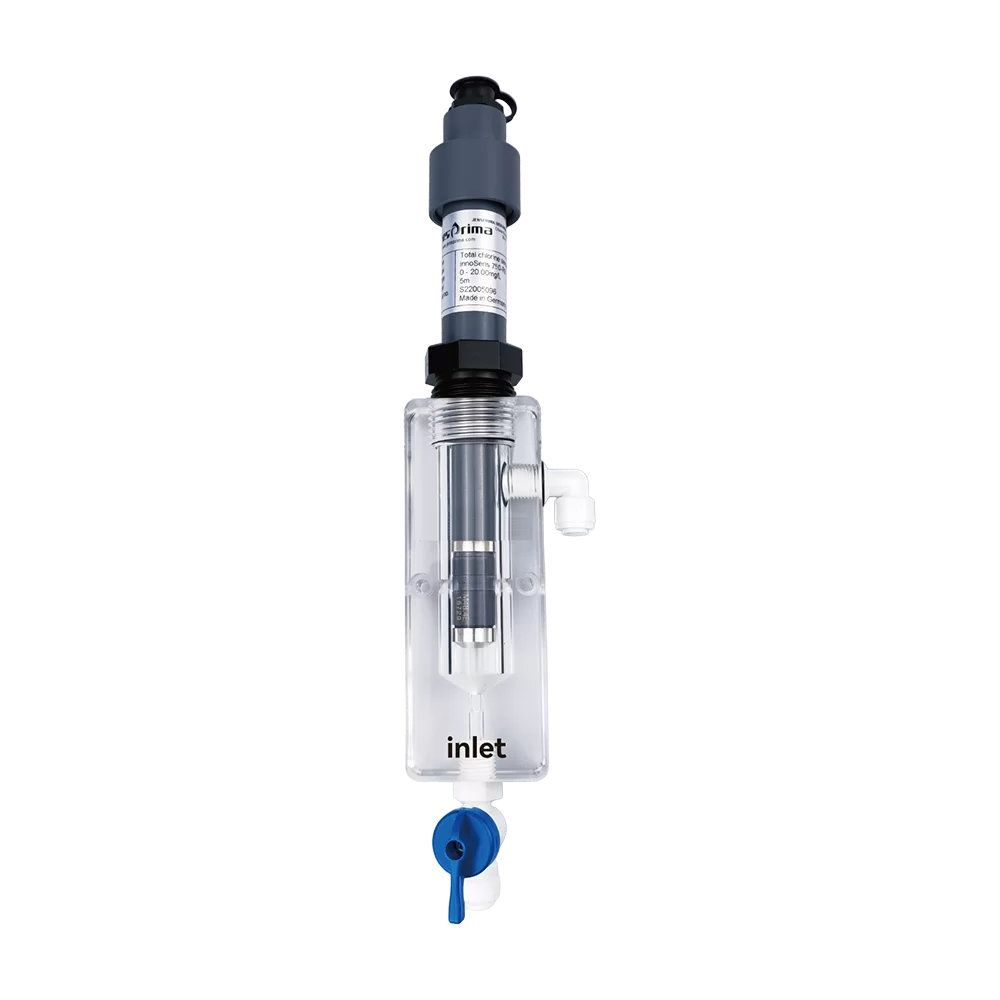
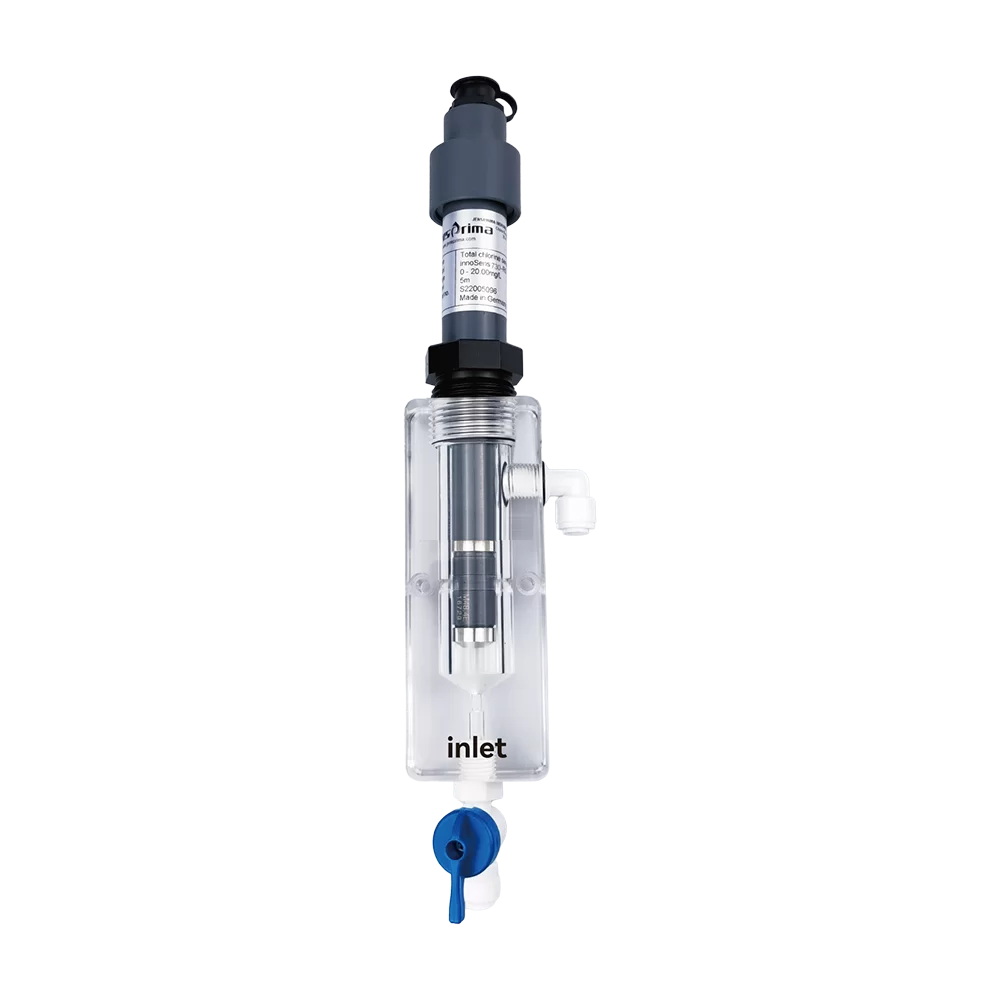
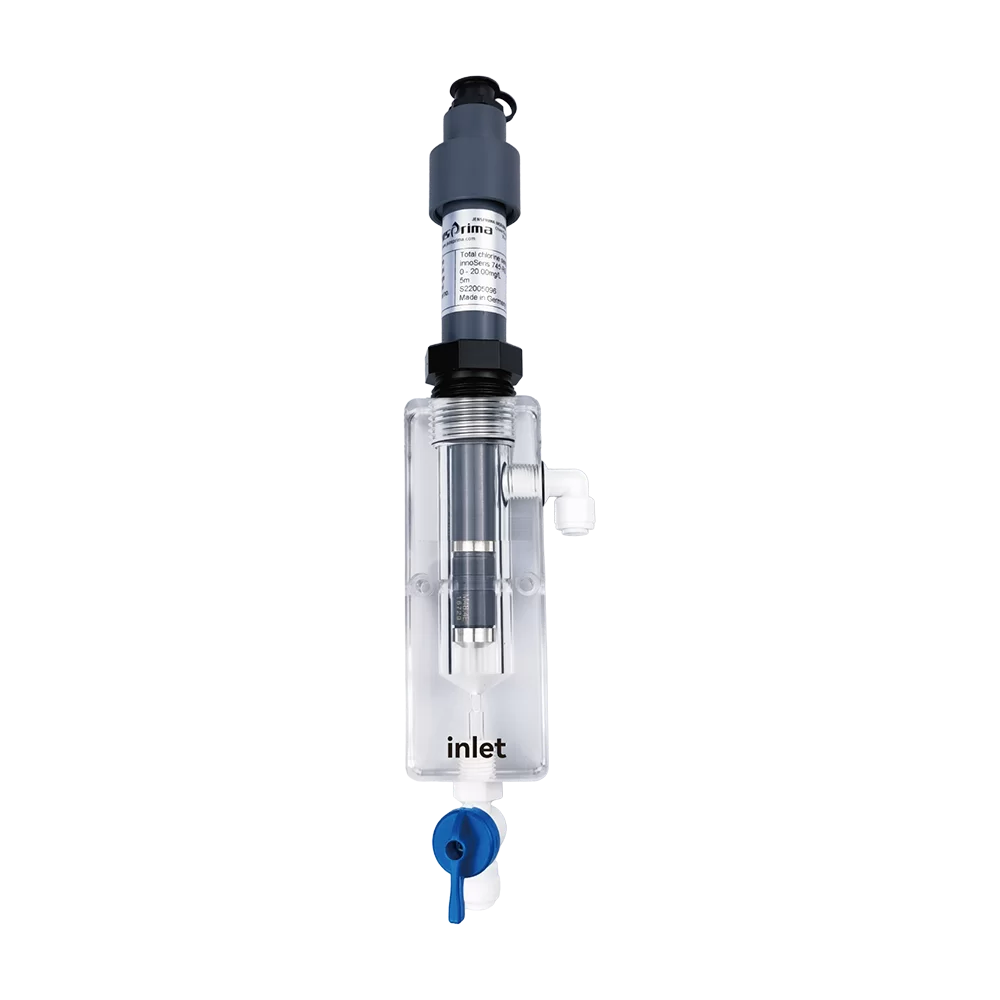
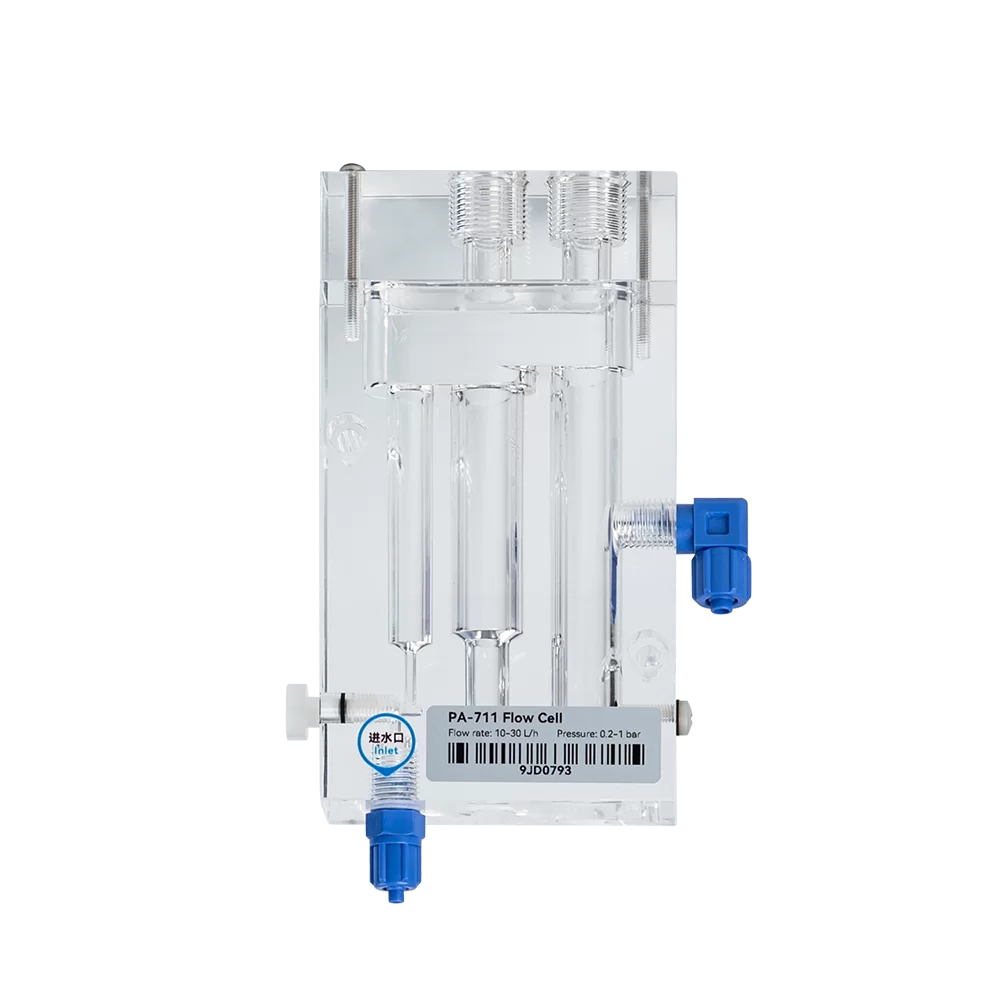
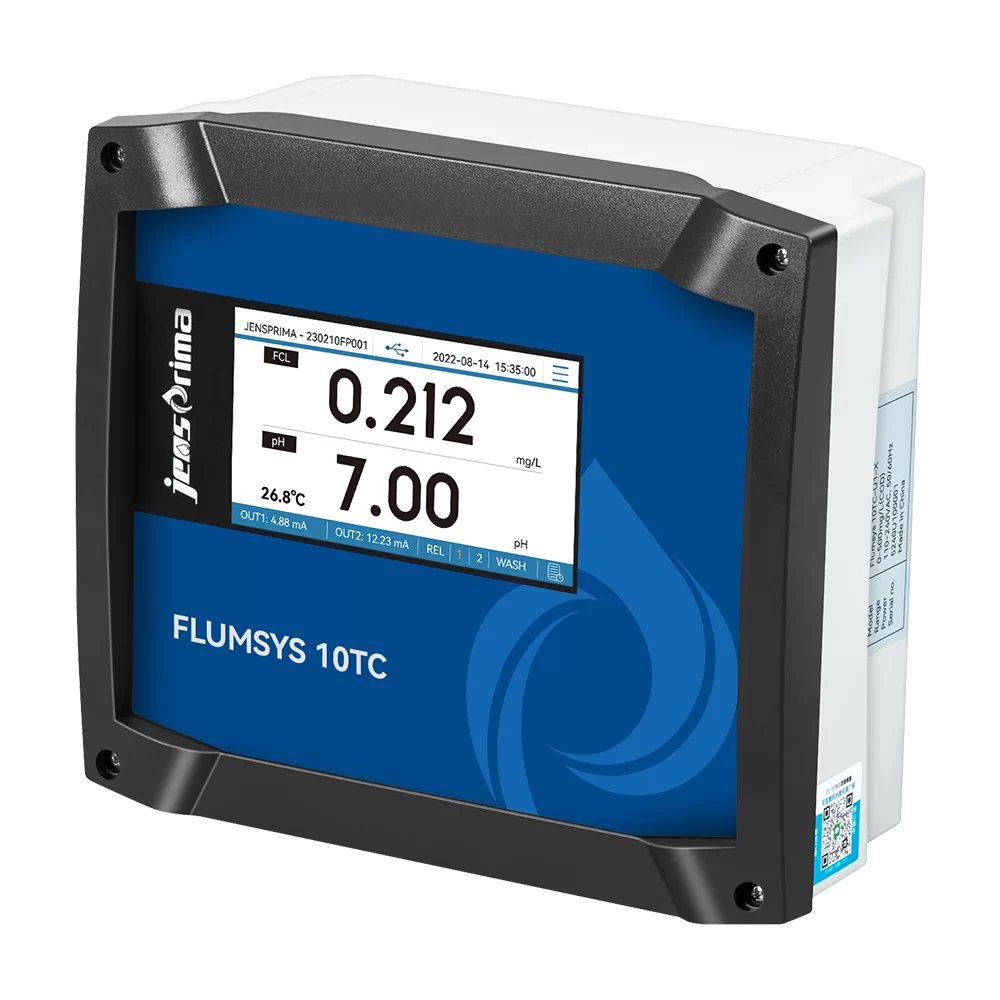
The sensor is designed for flexible deployment, supporting both submersible installation and flow-cell configurations. This versatility allows it to be integrated into existing SCADA and PLC platforms via compatible nitrogen controllers, ensuring that the transition to a dual-sensing system is seamless and does not require a complete overhaul of the control architecture.
Application Scenarios for Precision Nitrogen Management
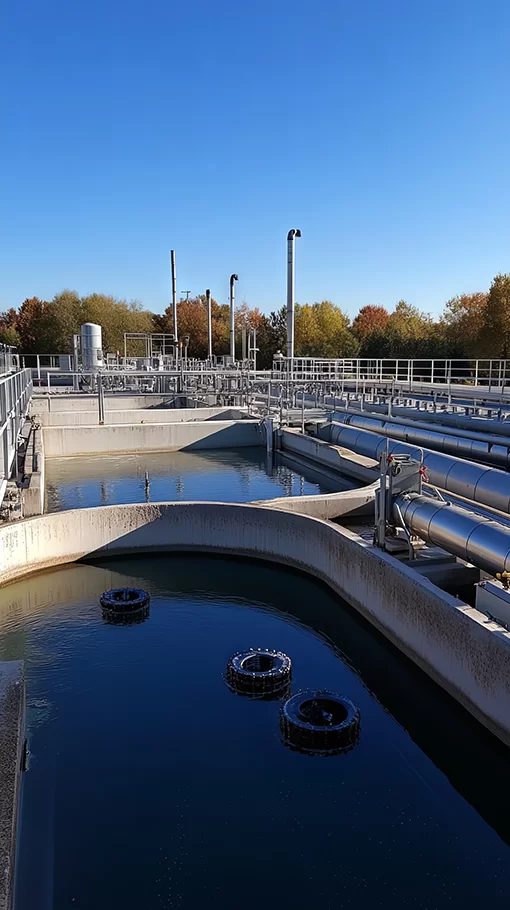
The innoSens 570 is indispensable in sectors where nitrogen discharge is strictly regulated. In municipal wastewater treatment plants, the ability to monitor both ammonia and nitrate in real-time allows operators to optimize the internal recycle rates and aeration intensity, directly reducing energy consumption and chemical usage.
Beyond wastewater, the sensor is highly effective in aquaculture and river monitoring. In fish farming, ammonia toxicity can lead to rapid stock loss, while nitrate levels indicate the overall health of the ecosystem. The innoSens 570 provides the instantaneous response time needed to trigger automated alerts or dosing systems, preventing environmental disasters before they occur.
For industrial process control, such as in pharmaceutical manufacturing or chemical production, the sensor ensures that process water meets the required specifications before discharge. The use of corrosion-resistant materials ensures that the probe can handle varying pH levels and chemical compositions without compromising the integrity of the ion-selective membranes.
ROI Comparison: Dual-Sensing vs. Traditional Single Sensors
| Metric |
innoSens 570 (Dual) |
Traditional Setup |
Operational Impact |
| Installation Cost |
Low (Single Mount) |
High (Dual Setup) |
Lower Capex |
| Maintenance Labor |
Reduced by 40% |
Standard/High |
Lower Opex |
| Hardware Footprint |
Compact / Single Probe |
Bulky / Multiple Probes |
Easier Deployment |
| Calibration Time |
Synchronized & Fast |
Separate & Time-consuming |
Higher Efficiency |
| Overall ROI |
Rapid |
Slow |
Faster Payback |
Strategic Integration with Smart Water Management Platforms
To maximize the value of the data generated by the innoSens 570, it should be paired with a unified data hub. By centralizing ammonia and nitrate data streams into a single dashboard, plant managers can perform holistic water quality analysis. This allows for trend analytics, where historical fluctuations are visualized to predict seasonal nitrogen spikes and optimize plant performance proactively.
Modern environmental compliance requires rigorous reporting. The integration of these sensors into automated systems allows for the generation of compliance reports for regulatory submissions and auditing with minimal manual effort. Smart alert systems can be configured to send instant notifications via SMS or email whenever nitrogen levels exceed predefined thresholds, ensuring that corrective actions are taken immediately.
Remote configuration capabilities further enhance the system's utility. Engineers can adjust sensor parameters and alarm setpoints remotely, reducing the need for physical site visits. This digital transformation of nitrogen monitoring not only increases accuracy but also ensures that the facility remains in strict adherence to discharge permits at all times.
Evaluating Nitrogen Sensor Procurement for Long-Term Reliability
When procuring nitrogen monitoring equipment, buyers should prioritize stability and selectivity. The innoSens 570's use of high-precision membranes helps control long-term drift, which is the primary cause of measurement error in ion-selective electrodes. Selecting a supplier with proven R&D capabilities ensures that the sensor is engineered for the specific complexities of industrial water matrices.
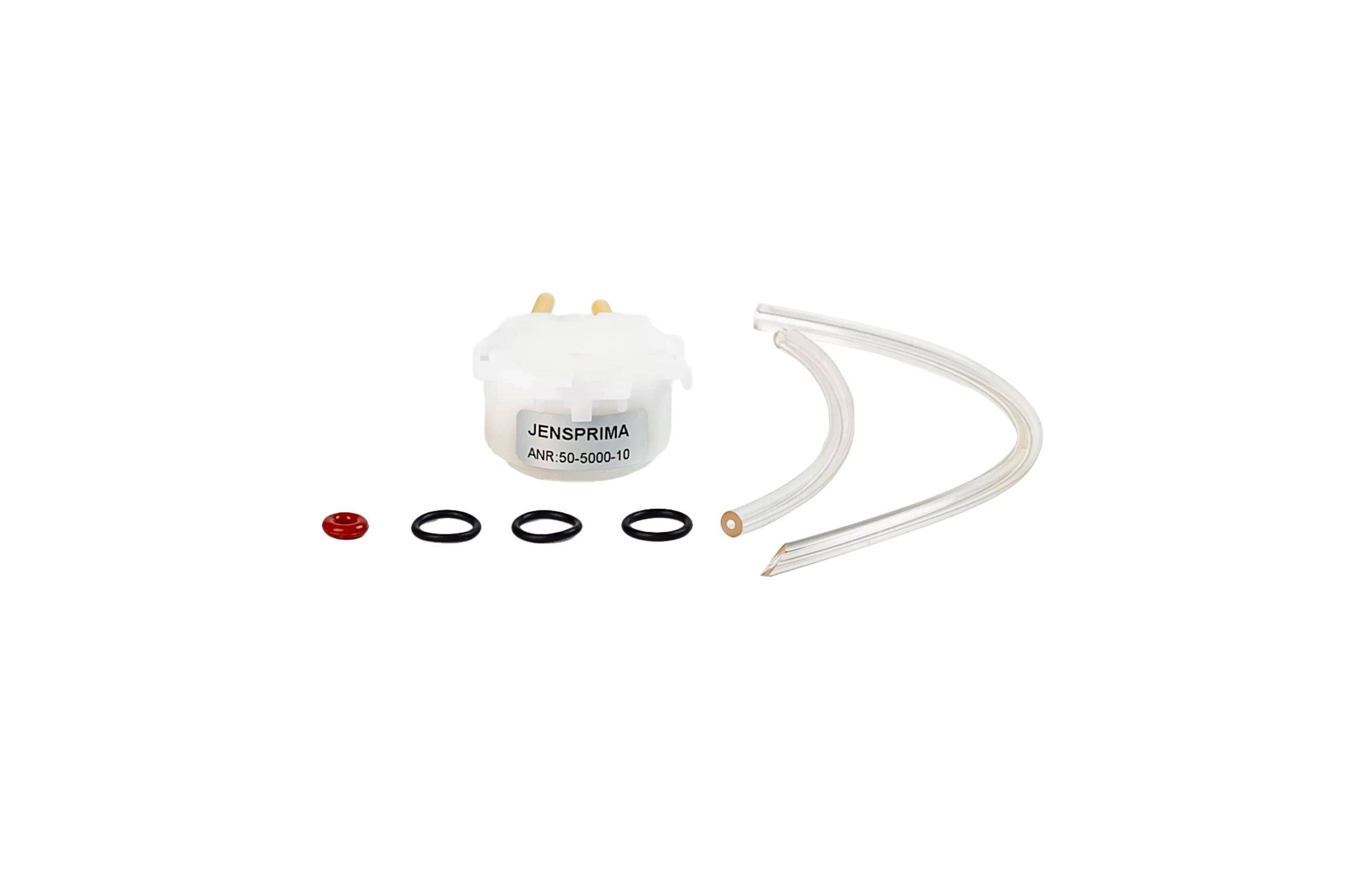
It is also critical to consider the availability of spare parts and technical support. Because membranes are consumable components, having a reliable supply chain for replacement kits is essential to avoid unplanned downtime. A manufacturer that provides comprehensive installation and operation guidance, including video support, reduces the risk of improper setup and early sensor failure.
Ultimately, the choice should be based on the balance between performance and maintenance. While the upfront cost is a factor, the reduction in cabling, mounting hardware, and labor hours makes a dual-parameter sensor a more sustainable investment for facilities managing multiple nitrogen species.
Frequently Asked Questions About Nitrogen Monitoring
What are the primary applications for the innoSens 570?
The innoSens 570 is ideal for wastewater treatment plants, aquaculture, river monitoring, and industrial process water where simultaneous ammonia and nitrate nitrogen measurement is required for nutrient control.
How does a two-in-one sensor benefit my operational costs?
By combining two sensors into one, you reduce the cost of cabling, mounting hardware, and labor for installation and routine maintenance, leading to a significantly lower total cost of ownership.
Does the innoSens 570 require frequent calibration?
While all ion-selective sensors require periodic calibration, the innoSens 570 is engineered for high stability to minimize the frequency of interventions compared to standard nitrogen sensors.
Can this sensor be integrated into existing SCADA systems?
Yes, when paired with our compatible Nitrogen Controllers, the system provides standard industrial outputs that integrate seamlessly with most SCADA and PLC platforms.
How does the sensor handle interference from other ions?
The innoSens 570 utilizes highly selective membranes designed to minimize cross-interference, ensuring that the readings for NH₄-N and NO₃-N remain accurate in complex water environments.
What is the typical lifespan of the sensor membranes?
Lifespan depends on the water quality and fouling levels, but the sensor is designed for industrial durability. We provide spare parts kits for easy membrane replacement when necessary.
Technical References and Industry Sources
Optimizing your nitrogen monitoring process is critical for environmental compliance and operational efficiency. For professional guidance on selecting the right nitrogen sensing solution for your facility, contact our technical engineering team today.
Michael Harrison
Michael Harrison is a Lead Application Engineer at JENSPRIMA, supporting environmental monitoring organizations. He brings 10 years of field experience in water quality assessment and a deep knowledge of EPA methodologies. Michael assists clients in deploying and maintaining JENSPRIMA instruments for accurate data collection in diverse environmental settings, from rivers and lakes to groundwater sources. He has a Bachelor's degree in Environmental Science from the University of Washington and is a certified water quality analyst. Michael is a firm advocate for environmental stewardship and data transparency.



 Download
 Video Center
 Technical Services
 FAQS
 Service Network
 Privacy Policy
 Contact Us